



End-of-semester honor roll digital displays transform how schools celebrate academic achievement by creating dynamic, engaging recognition experiences that honor student dedication while inspiring peers toward excellence. As marking periods conclude and report cards reveal academic performance, institutions face the strategic challenge of celebrating honor roll achievers in ways that feel meaningful, remain visible beyond brief announcements, and motivate continued commitment to academic success.
Traditional honor roll recognition approaches—printed certificates tucked into folders, static bulletin boards updated inconsistently, brief announcements during morning programs, or newsletter listings reaching limited audiences—fail to create the lasting impact that significant academic achievement deserves. Students who invest countless hours studying, attending class consistently, and demonstrating intellectual dedication receive temporary acknowledgment that quickly fades from community awareness, missing opportunities to inspire younger students and strengthen cultures valuing academic excellence.
This comprehensive design guide explores how to create effective end-of-semester honor roll digital displays through strategic layout architecture, engaging content modules, accessibility best practices, and recognition frameworks that celebrate achievement while building institutional cultures where academic success receives prominence equal to other student accomplishments.
End-of-semester honor roll recognition serves critical functions: it validates individual student academic commitment, creates visible achievement models inspiring peers, demonstrates institutional values prioritizing intellectual excellence, provides concrete accomplishments families celebrate together, and establishes cultural norms where academic success receives meaningful acknowledgment comparable to athletic championships or artistic achievements.

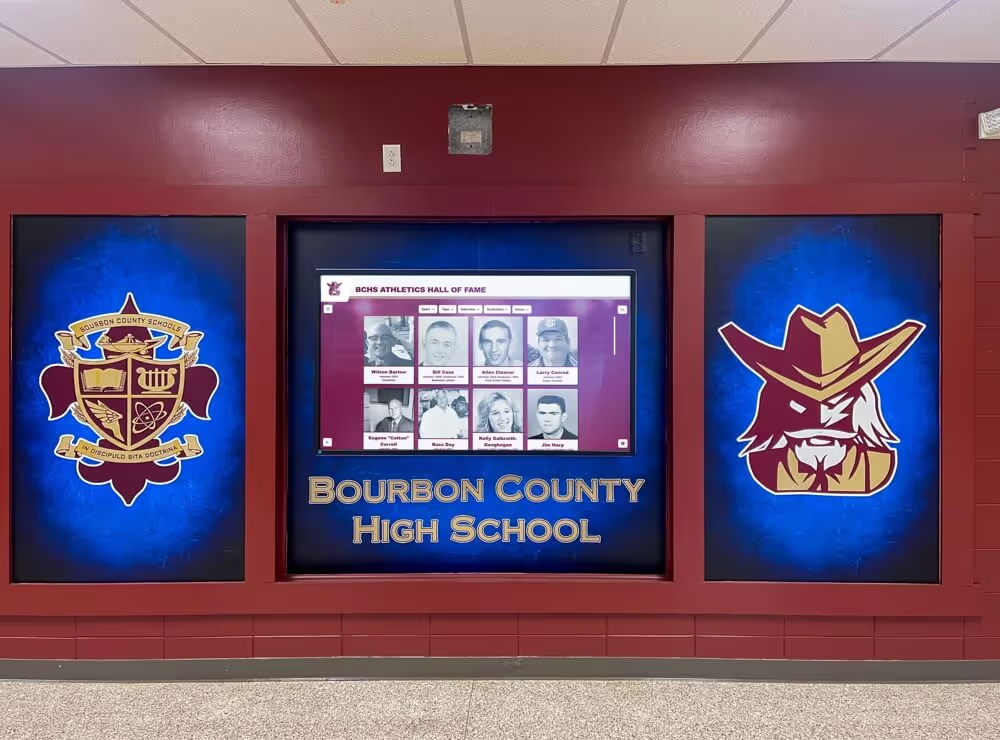
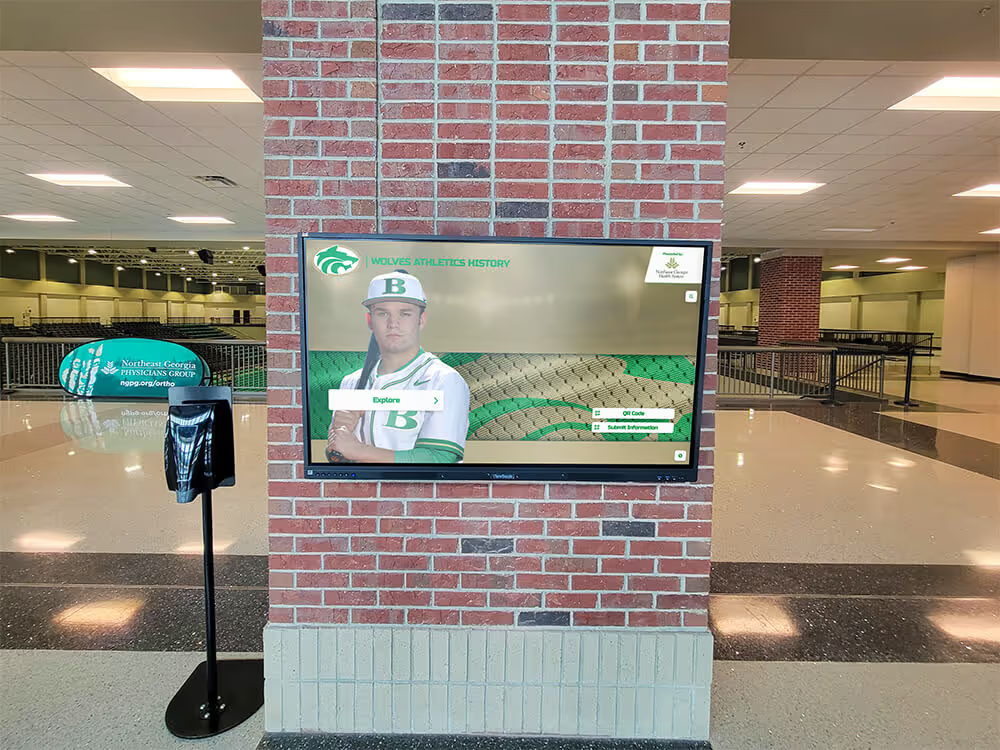
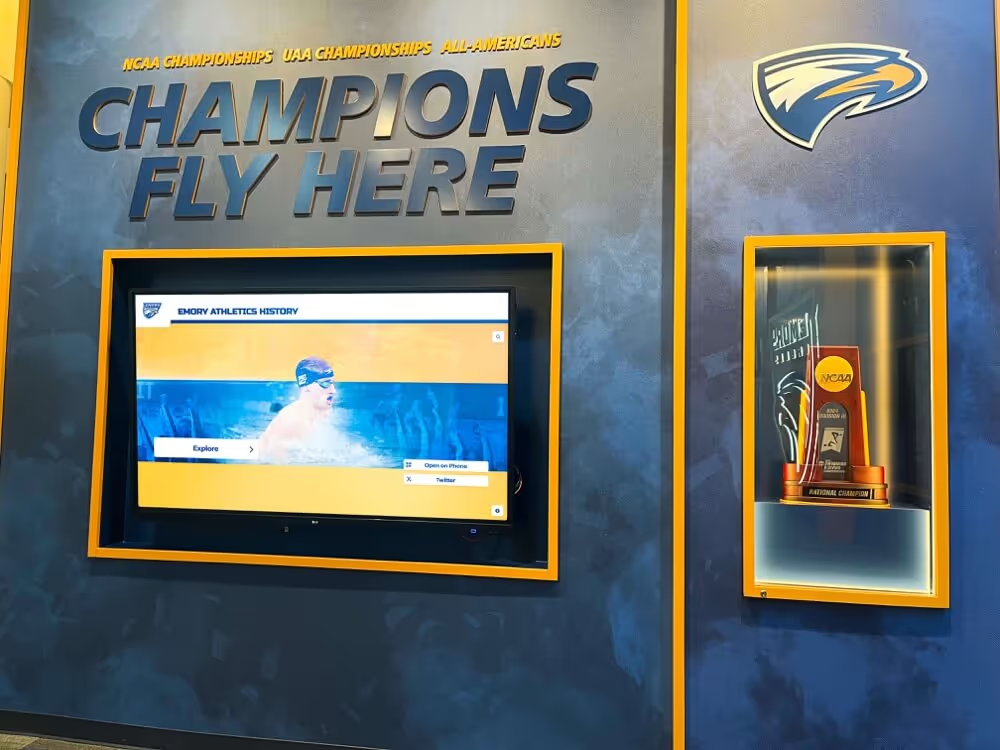
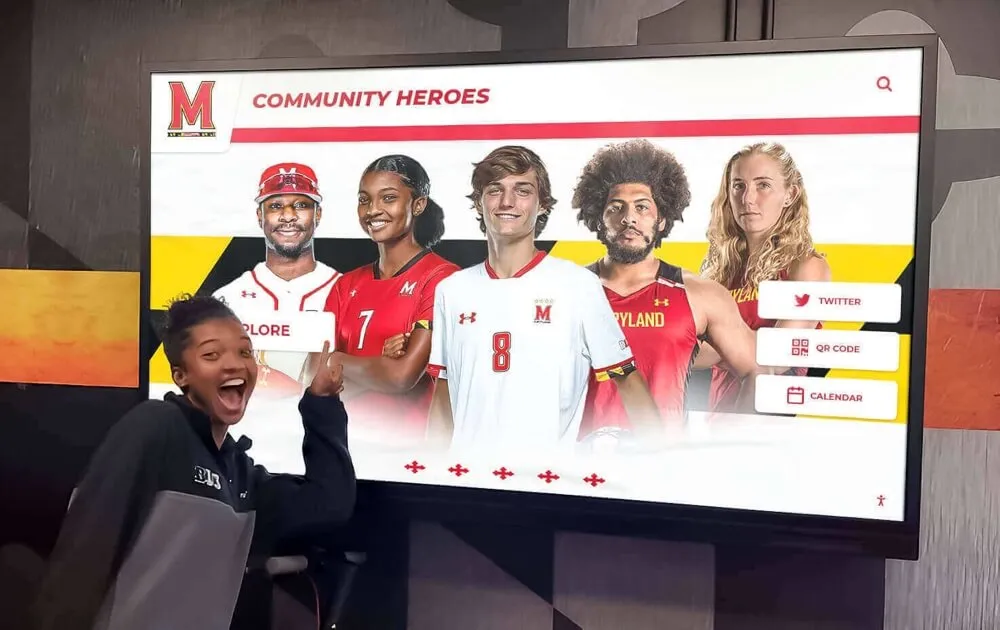
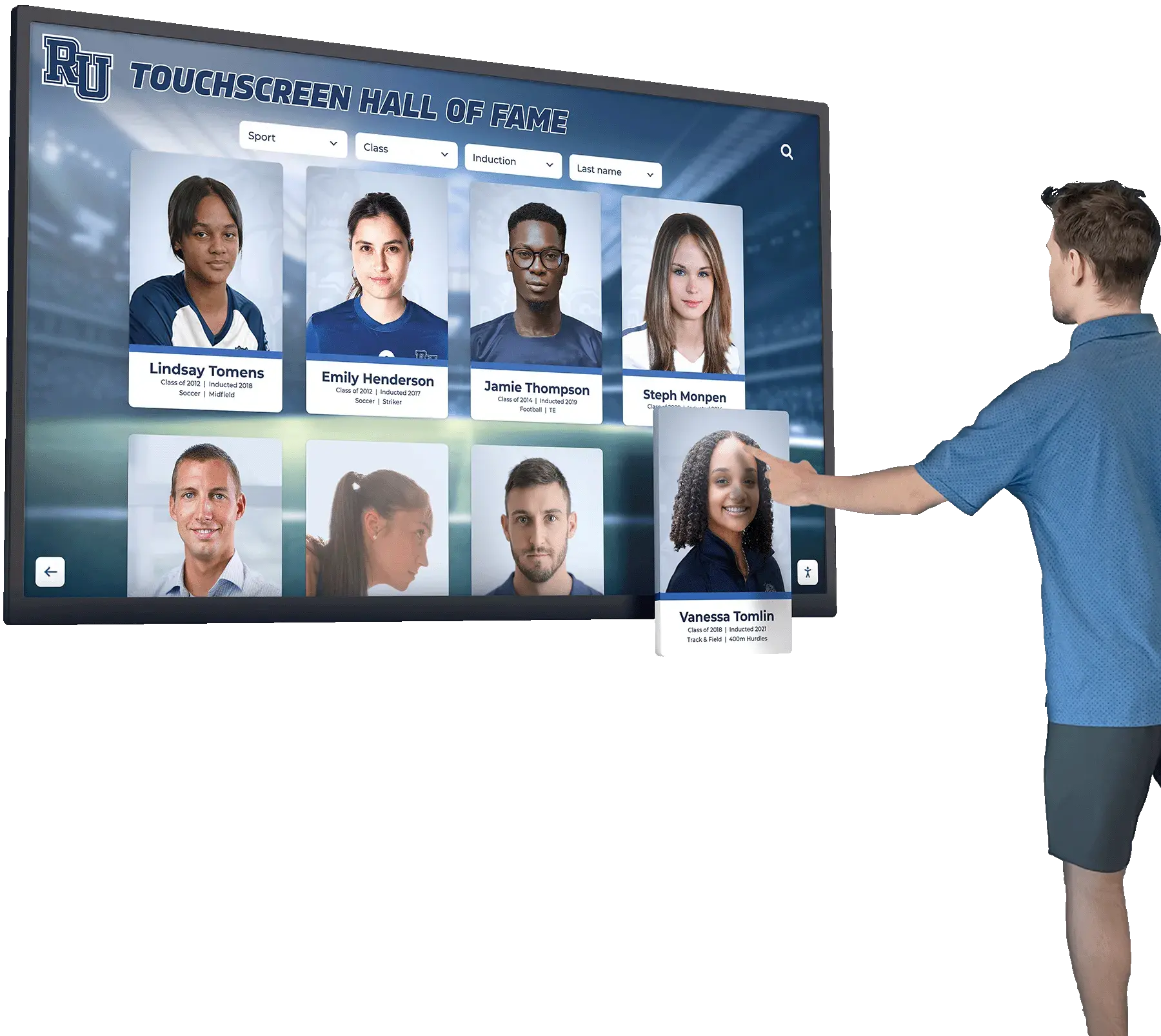
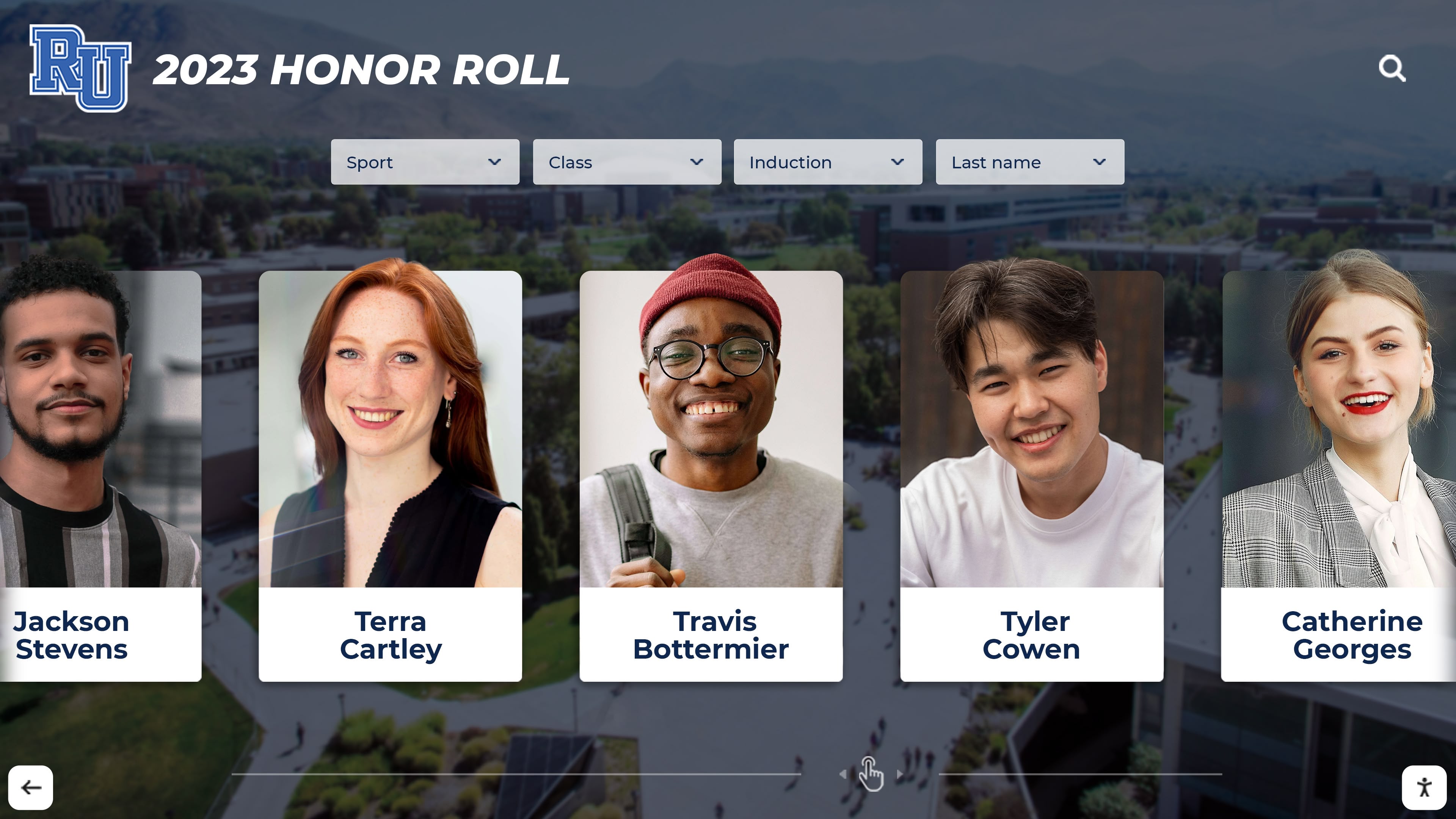
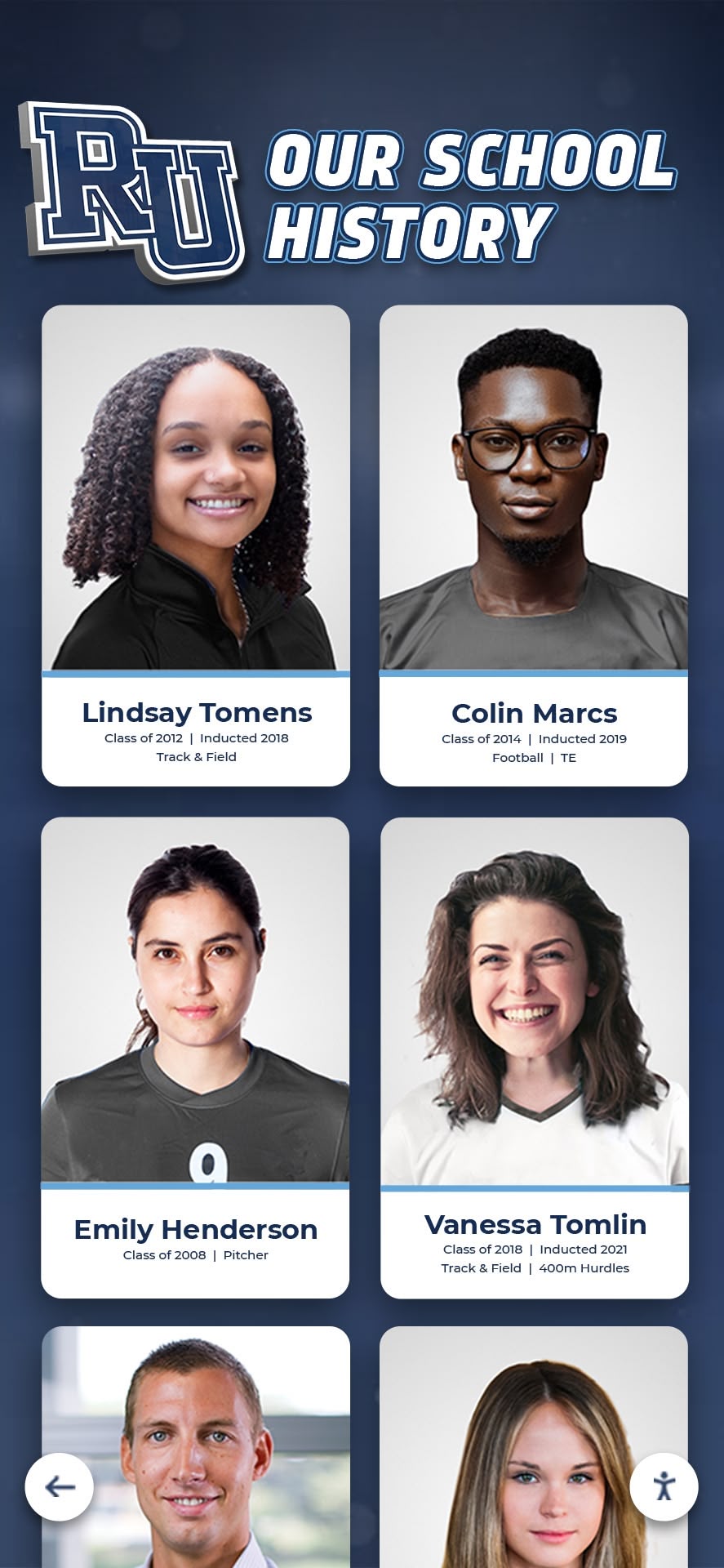
Professional recognition cards showcase individual honor roll achievers with photos, names, and academic details
Experience Goal: Strategic Objectives for Honor Roll Displays
Before designing display layouts, understanding recognition objectives ensures creative decisions align with institutional goals and audience needs while serving both celebrated students and broader school communities.
Primary Recognition Functions
End-of-semester honor roll displays accomplish multiple interconnected objectives strengthening academic culture:
Individual Achievement Celebration
Each honor roll student deserves personalized recognition that:
- Displays student names, photographs, and specific achievement details prominently
- Acknowledges grade levels and precise honor roll designation (honor roll, high honor roll, highest honors)
- Highlights cumulative GPA or marking period academic performance when appropriate
- Creates lasting digital records preserving achievements beyond paper certificates
- Enables easy discovery allowing families, peers, and faculty to locate specific students
Schoolwide Academic Motivation
Visible honor roll recognition influences broader student populations by:
- Demonstrating that academic excellence receives meaningful institutional acknowledgment
- Creating aspirational peer role models showing pathways to academic success
- Normalizing strong academic performance as valued, celebrated behavior
- Reducing perception that academics receive less recognition than athletics or arts
- Building cultures where intellectual achievement matters and earns celebration
Schools implementing comprehensive National Honor Society digital recognition displays report similar cultural benefits extending beyond recognized students to influence schoolwide academic ambition.
Secondary Strategic Benefits
Honor roll displays deliver additional institutional advantages:
Family Engagement and Communication
- Provides concrete achievements families celebrate together
- Creates photo opportunities during school events strengthening community bonds
- Generates positive school-home communication around student success
- Demonstrates institutional investment in recognizing diverse achievements
Administrative Documentation
- Creates organized records for academic awards ceremonies
- Supports positive behavior recognition systems
- Provides data visualization showing program participation trends
- Enables analysis of achievement distribution across student populations
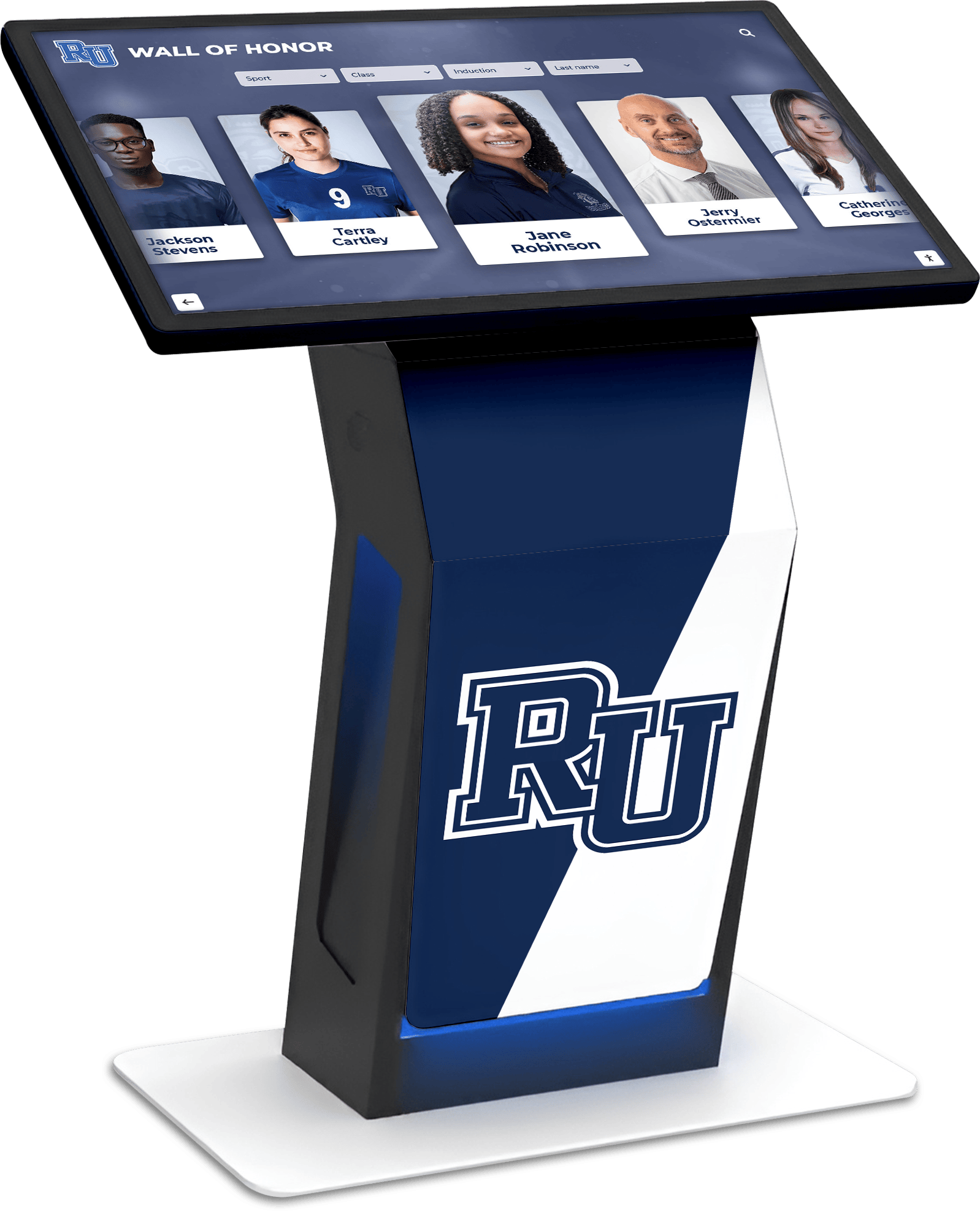
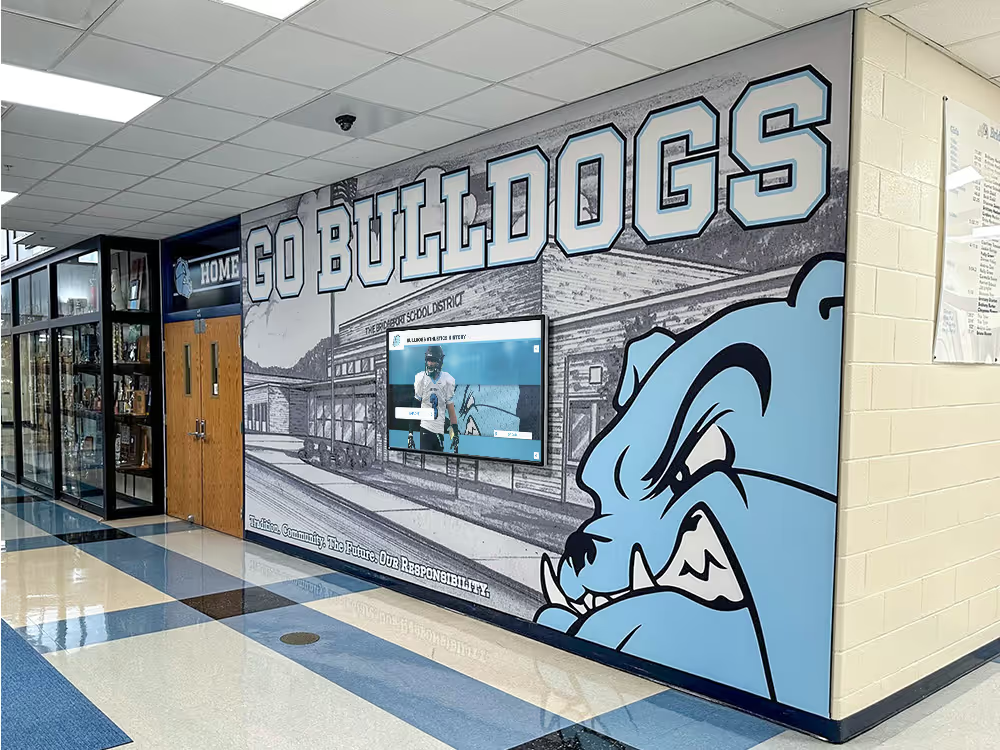
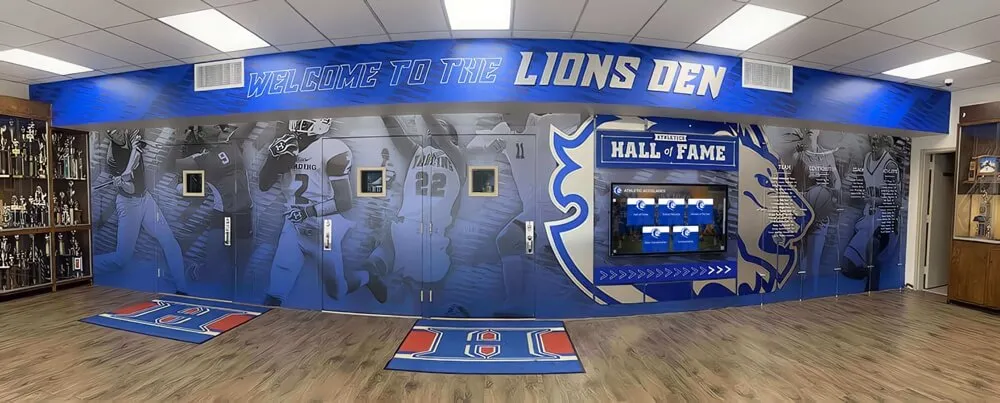
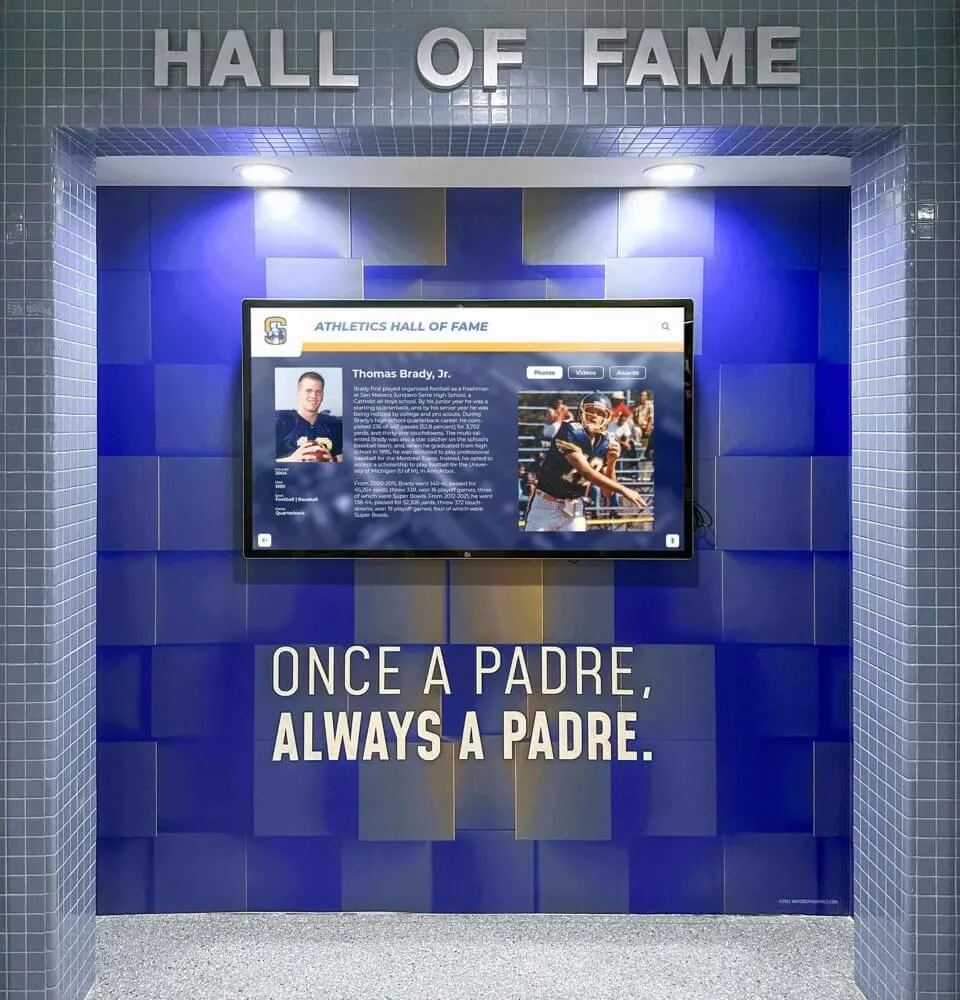
Purpose-built recognition kiosks create dedicated celebration spaces for academic achievement
Recruitment and Institutional Positioning
- Communicates academic rigor and student excellence to prospective families
- Creates compelling content for marketing and community relations
- Positions schools as institutions prioritizing intellectual achievement
- Generates positive media coverage and community recognition
Understanding these multi-layered objectives helps designers create displays accomplishing recognition goals while serving strategic institutional purposes beyond simple name listing.
Layout Blueprint: Designing Effective Honor Roll Experiences
Successful end-of-semester honor roll displays follow intentional design frameworks balancing information density with visual clarity, interactive functionality with passive viewing, and celebration with accessibility.
Core Layout Architecture and Zone Assignment
Effective displays organize content into functional zones serving distinct purposes within cohesive overall experiences:
Zone 1: Hero Header and Recognition Period Identifier
The display opening immediately establishes context and creates visual impact:
- Institutional Branding: School logos, colors, and identity elements establishing immediate connection
- Recognition Period: Clear semester identification (“Fall 2024 Honor Roll” or “Second Quarter High Honors”)
- Program Title Treatment: Large, readable typography communicating “Honor Roll Recognition” or similar messaging
- Motivational Introduction: Brief inspiring copy celebrating academic dedication and achievement
- Visual Foundation: Background treatments using school colors, campus imagery, or abstract academic themes
This hero zone should occupy approximately 15-20% of initial screen real estate, providing immediate context before visitors encounter detailed student recognition content.
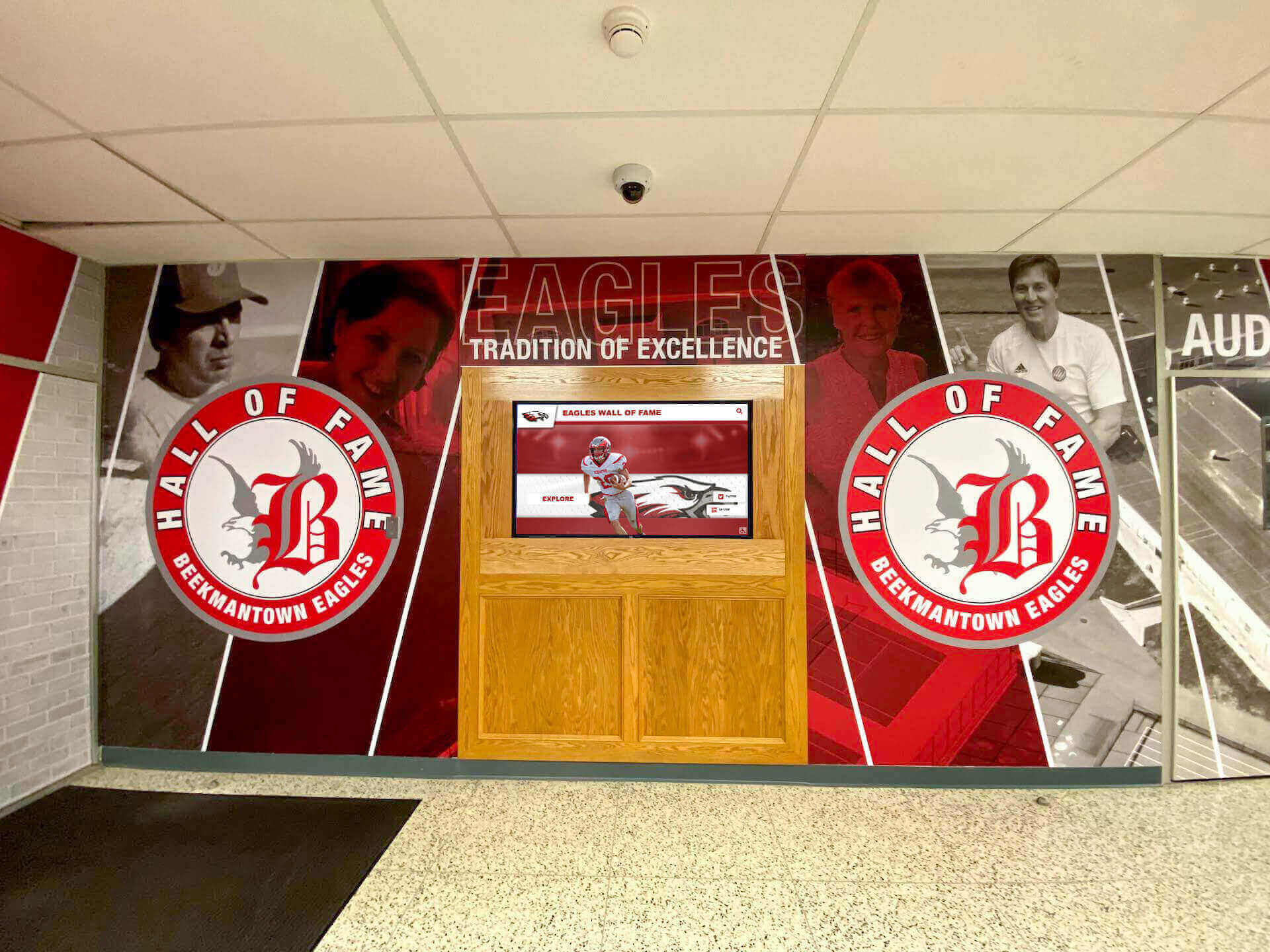
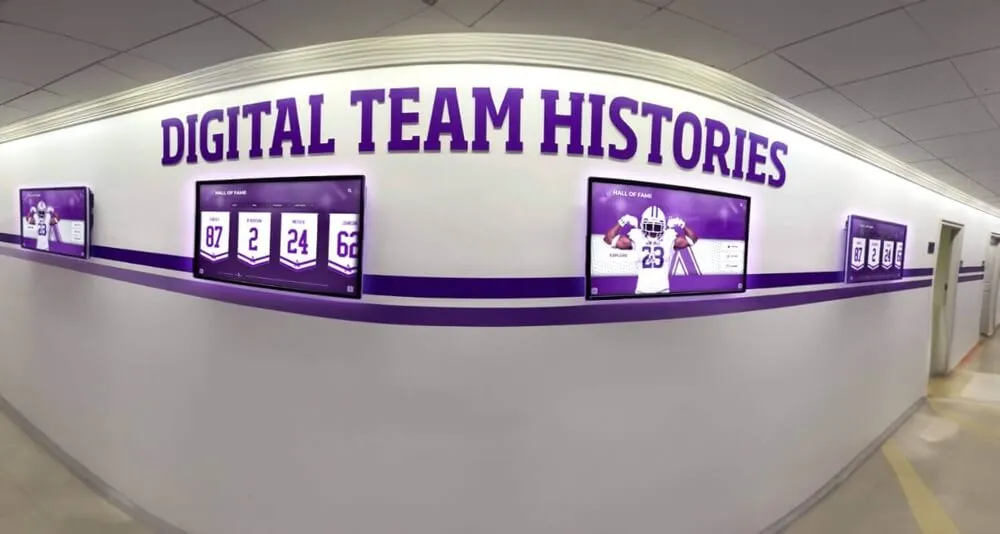
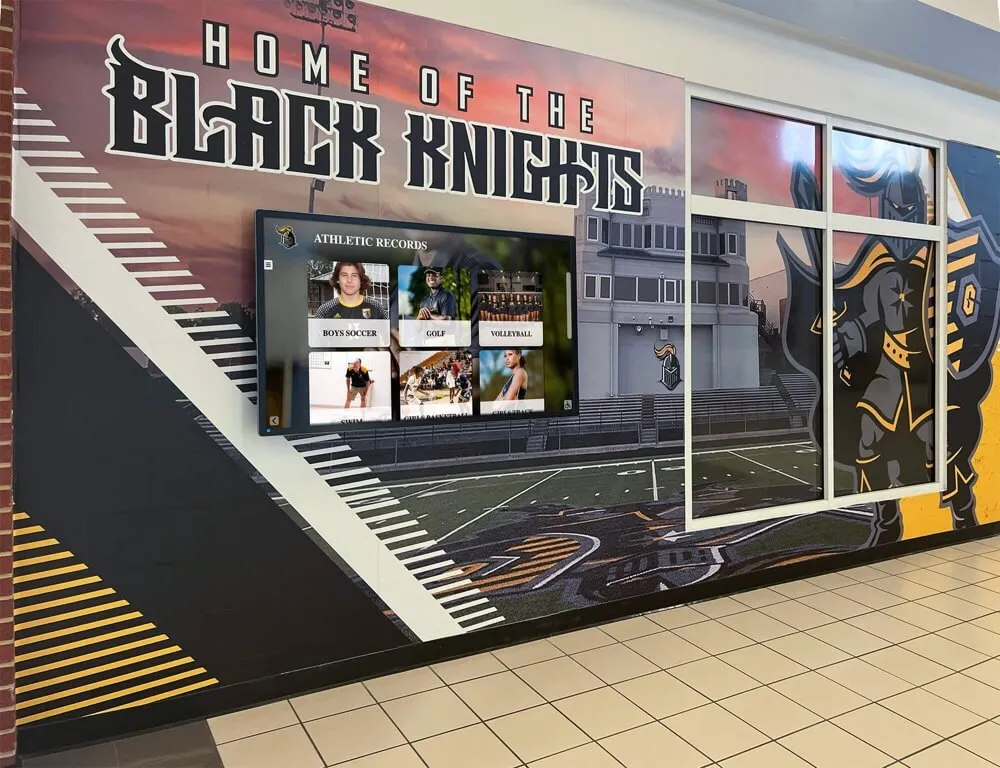
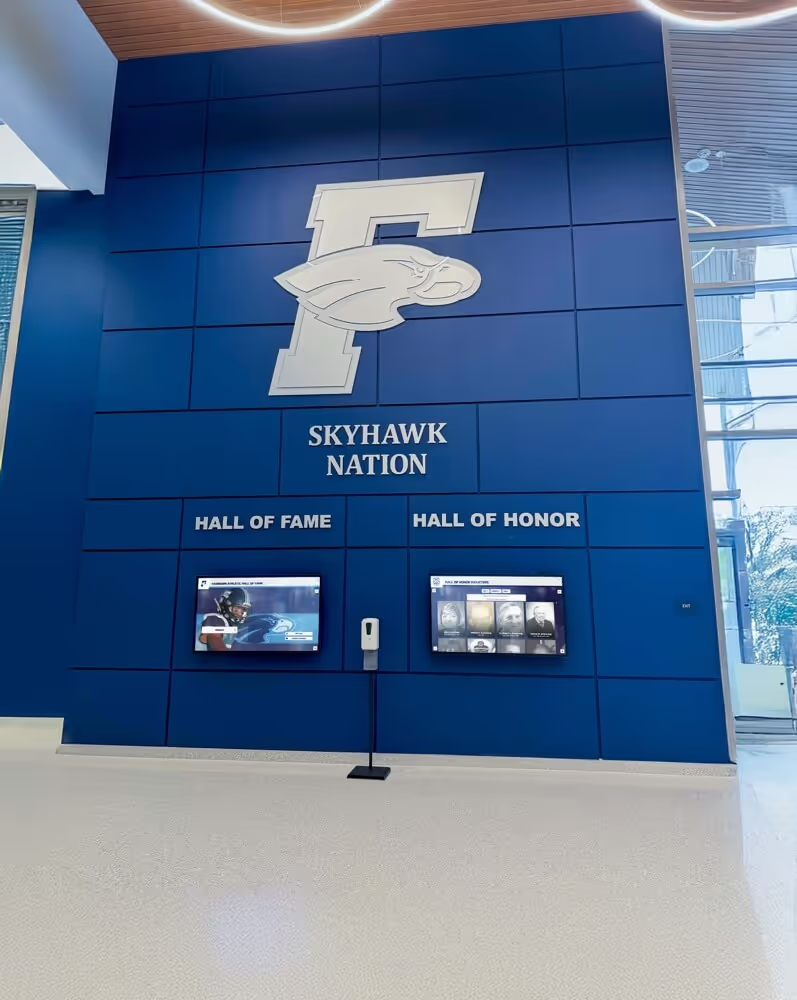
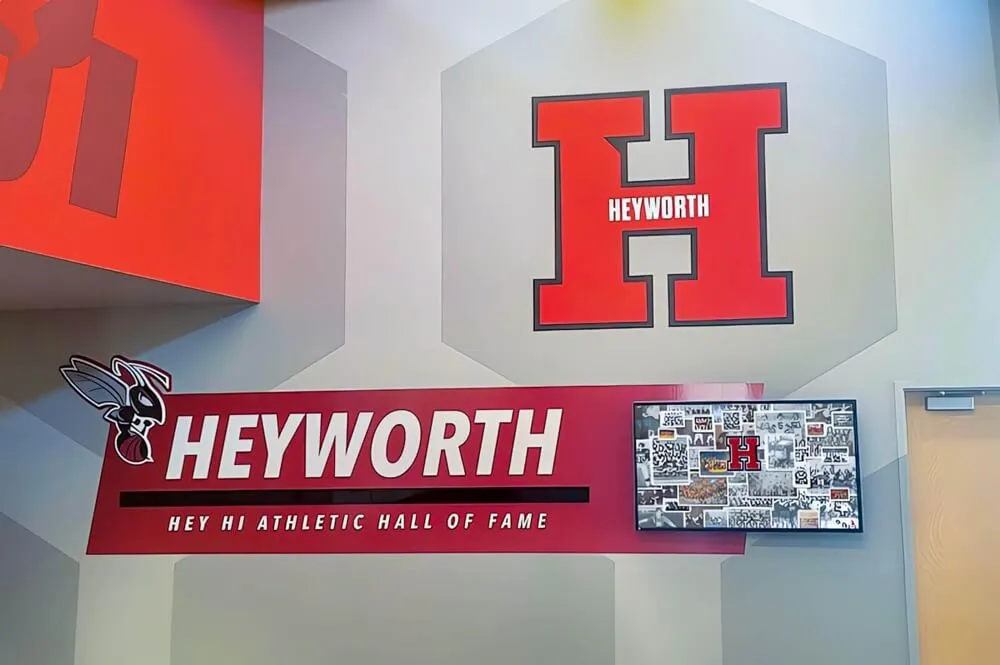
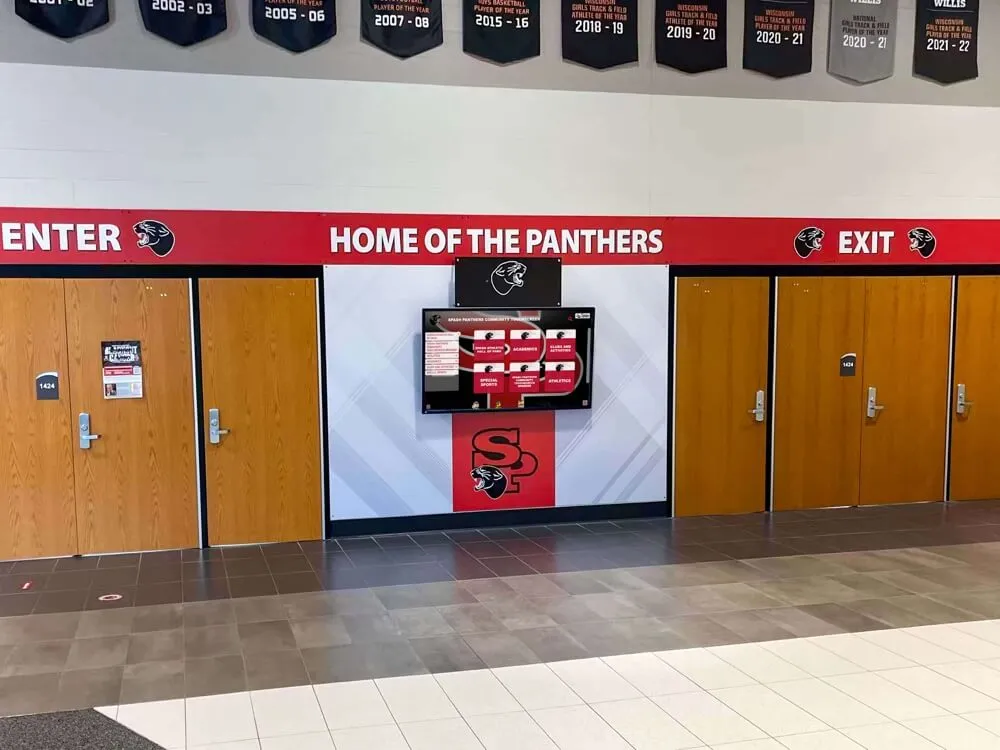
Strategic entrance placement ensures honor roll recognition reaches entire school communities throughout semesters
Zone 2: Achievement Level Categories
Honor roll programs typically include multiple recognition tiers requiring clear visual organization:
- Honor Roll: Students meeting minimum GPA thresholds (commonly 3.0-3.49)
- High Honor Roll: Students achieving elevated academic performance (commonly 3.5-3.79)
- Highest Honors: Students demonstrating exceptional excellence (commonly 3.8-4.0)
- Presidential Scholars: Additional recognition for perfect 4.0 achievement when differentiated
- Grade Level Organization: Hierarchical structure enabling browsing by academic level
Visual distinction through color coding, typography hierarchy, or badge systems helps visitors quickly identify achievement levels while ensuring all honored students receive appropriate prominence regardless of specific tier.
Zone 3: Interactive Student Gallery
The primary recognition interface displaying all honor roll students:
- Profile Card Grid: Uniform cards showing student photographs, names, grade levels, and achievement details
- Touch Target Sizing: Minimum 100x100 pixel cards enabling accurate touchscreen interaction
- Responsive Layout: Dynamic grid adjusting to accommodate varying numbers of recognized students
- Sort and Filter Controls: Interface elements enabling browsing by achievement level, grade, homeroom, or alphabetical order
- Search Functionality: Text input allowing quick location of specific students
This gallery zone typically occupies 60-70% of display area, functioning as the core recognition database requiring intuitive navigation and clear visual hierarchy.
Schools should examine AP Scholar digital recognition approaches demonstrating effective academic achievement presentation frameworks applicable to honor roll programs.
Zone 4: Featured Recognition Spotlight
Dynamic content highlighting exceptional achievements:
- Student of the Moment: Rotating featured profiles highlighting individual honor roll stories
- Consecutive Semester Recognition: Special acknowledgment for students achieving multiple marking periods
- GPA Milestones: Celebration of students reaching significant academic thresholds
- Improvement Spotlights: Recognition of students demonstrating substantial academic growth
- First-Time Achievers: Highlighting students earning honor roll recognition for the first time
Featured sections should auto-rotate every 12-15 seconds maintaining engagement during passive viewing while remaining stable during active user interaction.
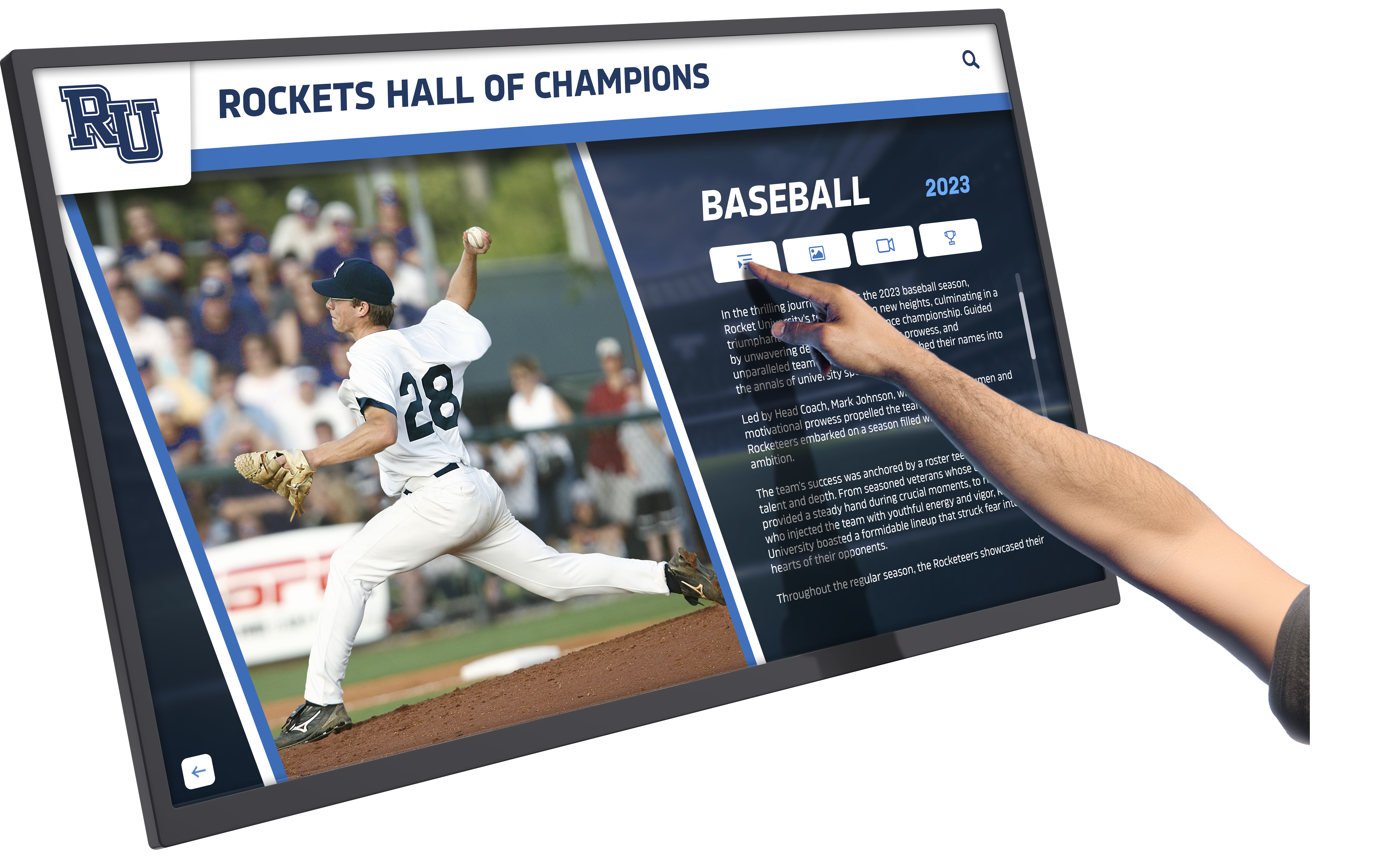
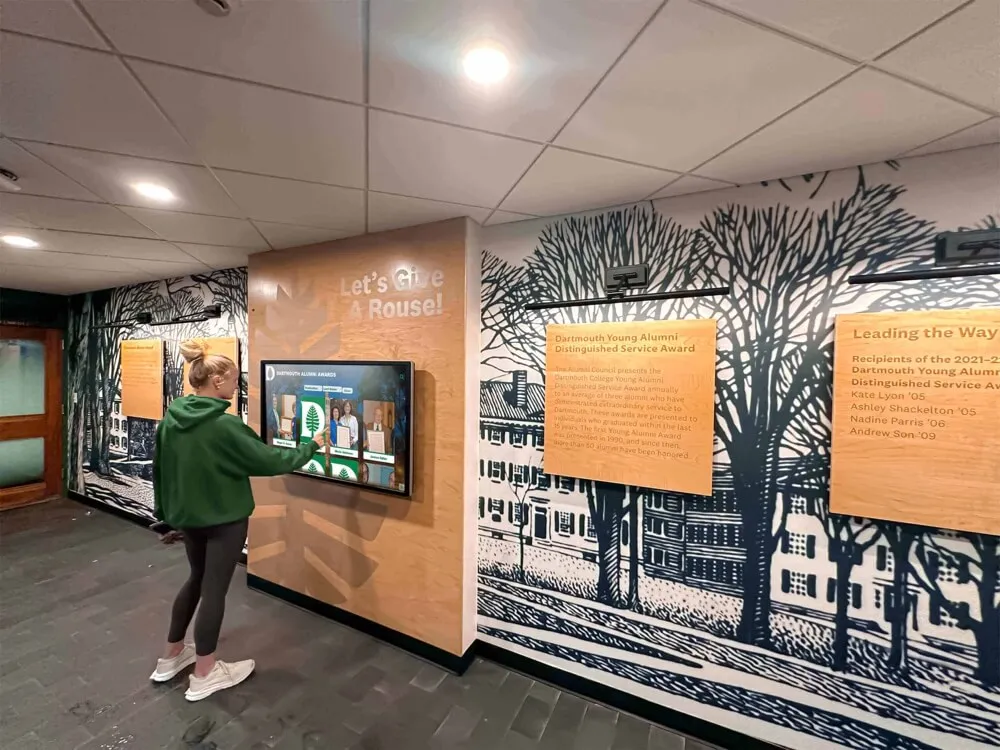
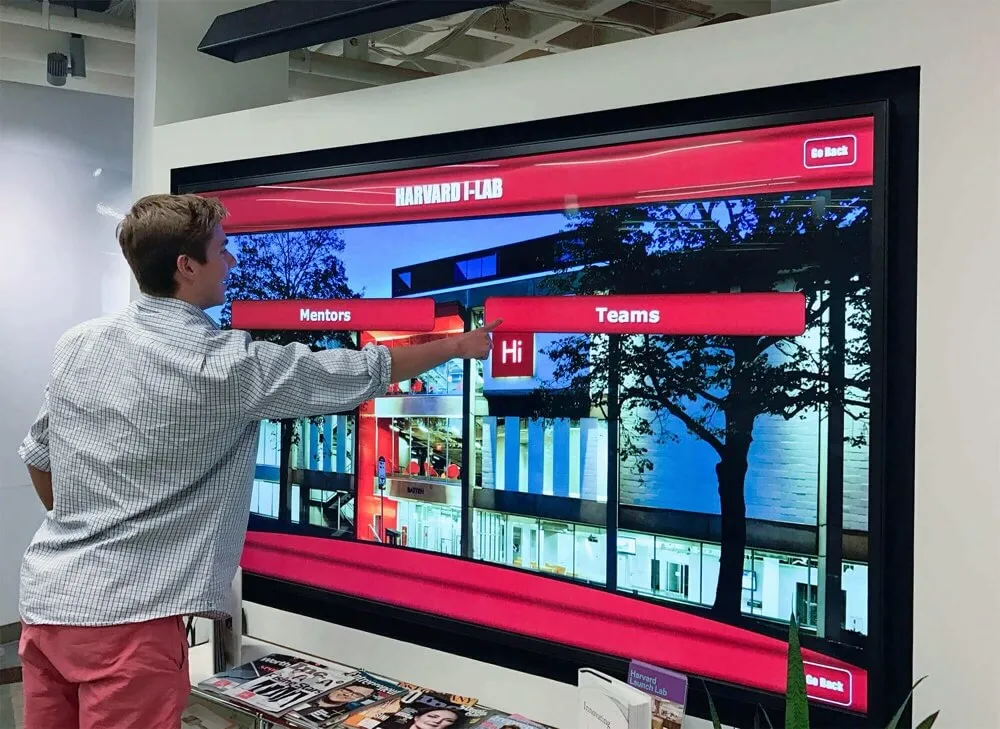
Intuitive touchscreen interfaces enable exploration of detailed recognition content
Zone 5: Program Context and Statistics
Supporting information providing recognition framework:
- Qualification Criteria: Clear explanation of honor roll requirements and GPA thresholds
- Achievement Statistics: Program participation rates, grade-level representation, semester comparisons
- Historical Context: Trend data showing growing academic achievement over time
- Academic Resources: Information about tutoring, study support, or academic success programs
- Next Steps: Guidance for students aspiring toward future honor roll recognition
Zone 6: Navigation and User Controls
Persistent interface elements enabling content exploration:
- Search Bar: Prominent text input for finding specific students quickly
- Filter Toggles: Achievement level, grade, or cohort filters organizing content
- Sort Options: Alphabetical, GPA-based, or grade-level organization choices
- View Modes: Grid, list, or detail view options accommodating different exploration preferences
- Reset Controls: Clear return-to-home functionality preventing user confusion
This comprehensive zone structure ensures displays serve recognition, information, navigation, and engagement functions simultaneously while maintaining visual coherence and intuitive operation.
Content Blocks & Motion: Dynamic Behavior and Interaction Design
Static layouts fail to maintain engagement or effectively communicate recognition impact. Thoughtful animation, transition timing, and interaction feedback creates dynamic experiences while preserving accessibility.
Animation Strategies and Motion Design
Attract Loop Sequences
When displays sit idle without user interaction, attract loops maintain visual interest and draw passing attention:
- Slow Pan and Zoom: Gentle Ken Burns effects across honor roll student photo galleries
- Crossfade Transitions: Smooth blending between featured student profiles every 12-15 seconds
- Subtle Particle Effects: Floating academic symbols (stars, books, graduation caps) reinforcing celebration themes
- Animated Statistics: Counting animations showing total students recognized or GPA achievements
- Quote Rotations: Fading testimonials from faculty, families, or honored students
Motion should remain subtle and professional, avoiding aggressive movement that distracts from recognition content or creates accessibility barriers for users with vestibular disorders.
Interactive Feedback and Transitions
User interactions trigger responsive visual confirmation:
- Touch Ripple Effects: Visual feedback when users tap cards or navigation elements
- Smooth Scrolling: Fluid vertical or horizontal movement when browsing extended student lists
- Card Expansion: Selected students enlarging to reveal detailed achievement information and additional context
- Filter Animations: Grid reorganization animating smoothly rather than jumping abruptly
- Return Transitions: Gentle animations returning to home state after configurable inactivity periods
Solutions like Rocket Alumni Solutions provide pre-optimized motion systems balancing engagement with accessibility, eliminating custom animation development requirements while ensuring professional results.
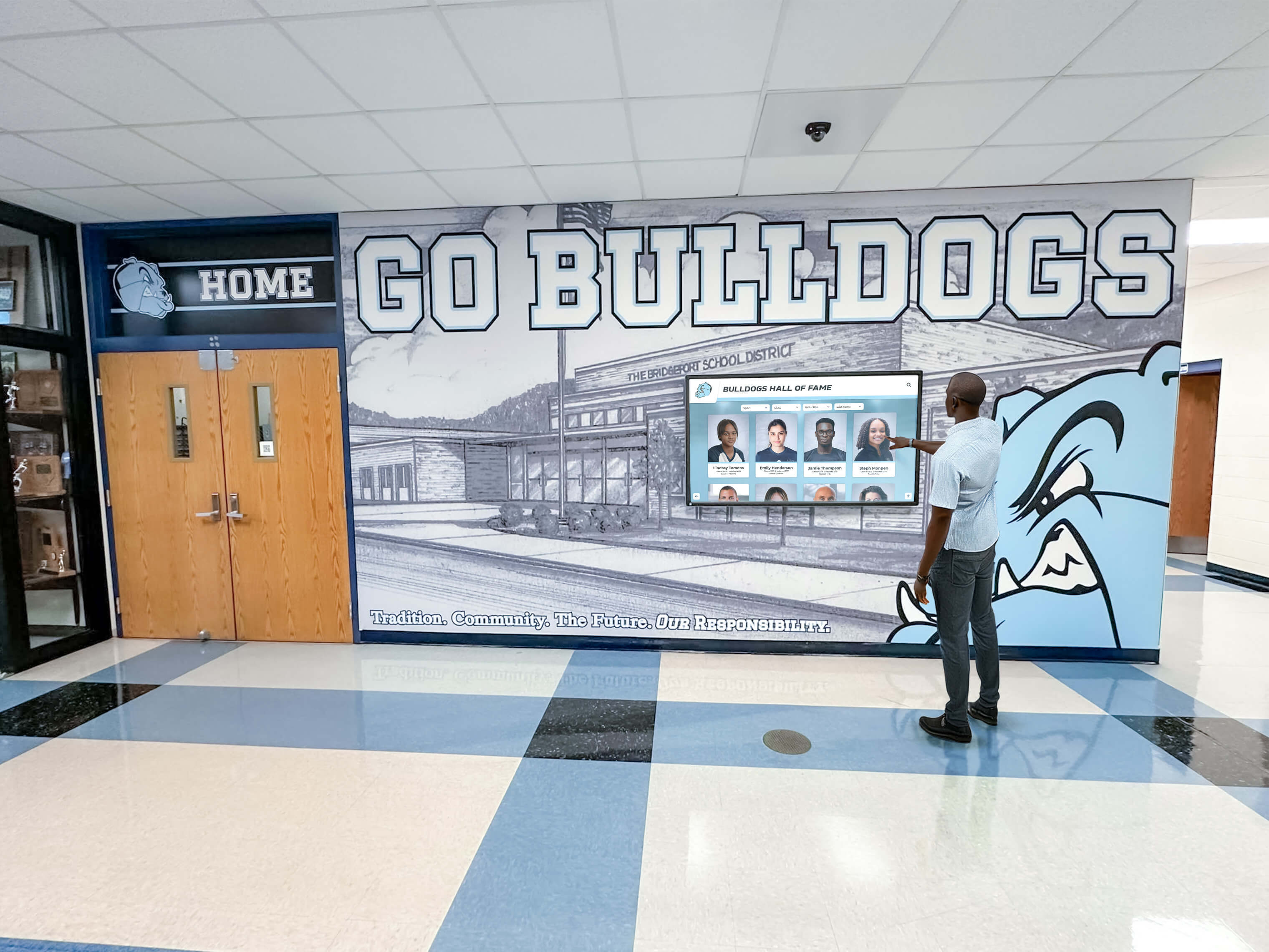
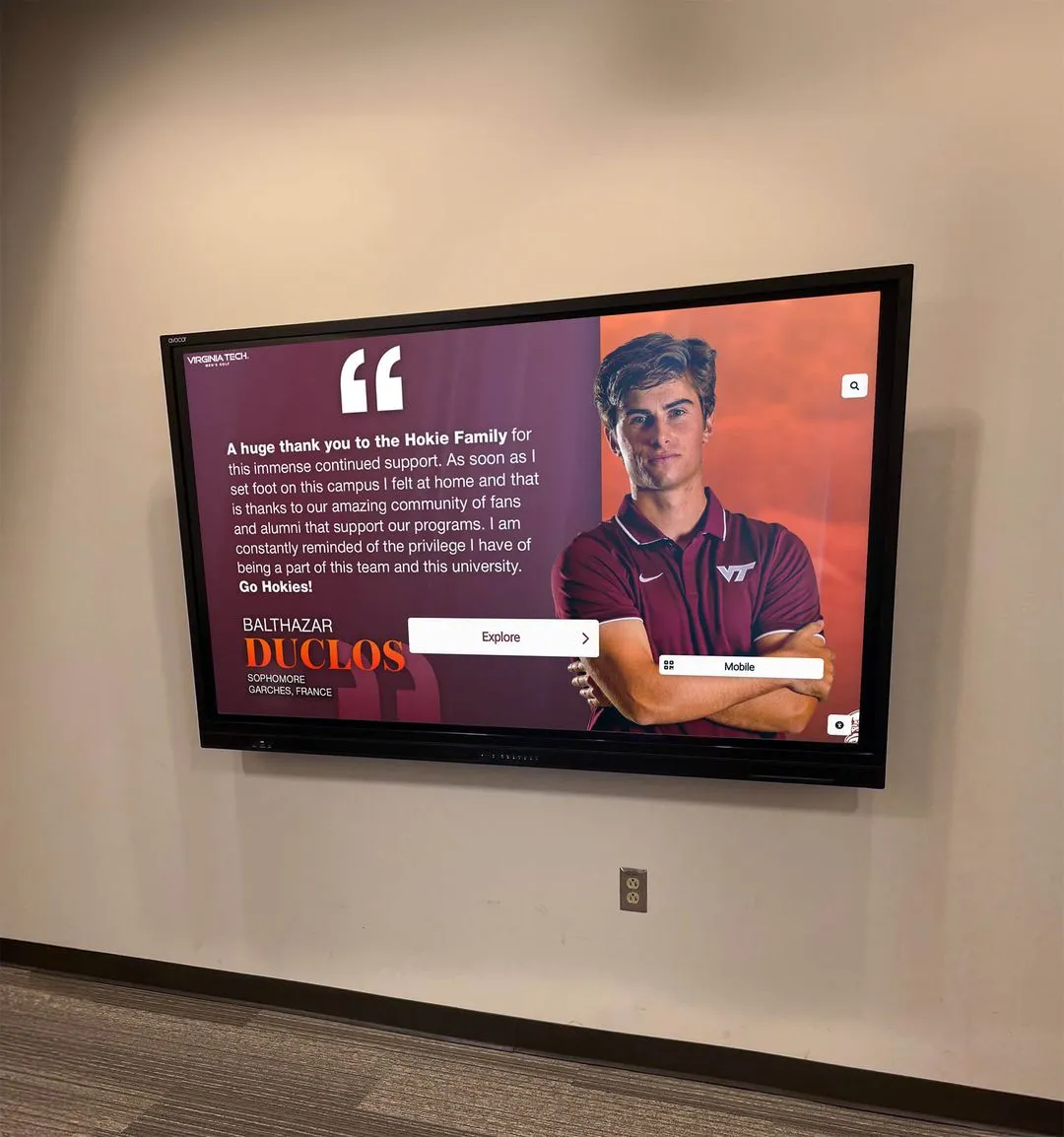
Engaging interfaces encourage extended exploration of honor roll recognition content
Content Update Strategies and Refresh Cadence
End-of-semester recognition requires systematic content management maintaining accuracy and timeliness:
Immediate Post-Grading Updates
Most impactful recognition appears as quickly as possible after marking period conclusions:
- Rapid Data Import: Streamlined processes transferring honor roll data from student information systems
- Batch Photography: Efficient photo capture sessions during recognition assemblies or class periods
- Staged Rollout: Preview periods allowing verification before public display activation
- Announcement Coordination: Display updates synchronized with school announcements and family communications
Semester-Long Maintenance
Continuous management ensures displays remain accurate and engaging:
- Correction Protocols: Clear procedures for addressing data errors or photo updates
- Featured Content Rotation: Weekly updates to highlighted students maintaining interest
- Statistical Updates: Refreshed program metrics as additional data becomes available
- Seasonal Theming: Subtle visual adaptations reflecting academic calendar progression
Historical Archiving Approaches
Cumulative recognition creates valuable program context:
- Multi-Semester Archives: Complete databases showing all recognized students across academic years
- Timeframe Filters: Interface enabling visitors to browse current or historical recognition
- Comparative Visualizations: Charts showing honor roll participation trends over time
- Alumni Connections: Historical recognition linking current students to program legacy
Schools implementing comprehensive academic recognition should examine semester highlights recognition approaches demonstrating effective cyclical content management strategies.
Accessibility & UX Checklist: Universal Design Standards
Effective honor roll displays serve all community members regardless of physical abilities, technical literacy, language, or access circumstances.
Physical Accessibility Compliance
ADA-Compliant Installation Requirements
Federal accessibility regulations mandate specific mounting and placement specifications:
- Height Standards: Touchscreen controls positioned between 15-48 inches from floor enabling wheelchair user access
- Reach Zones: Interactive elements within forward or side reach ranges per ADA guidelines
- Clear Floor Space: Minimum 30x48 inch unobstructed area enabling wheelchair approach from multiple angles
- Protruding Object Safety: Wall-mounted displays not projecting more than 4 inches when below 80 inches height
- Mounting Security: Secure installation preventing tipping hazards while accommodating vibration from interaction
Schools should consult digital wall of honor accessibility guides ensuring installations meet all regulatory requirements while serving diverse community members effectively.
Touchscreen Interaction Accessibility
Interface design must accommodate varying physical capabilities:
- Large Touch Targets: Minimum 44x44 pixel interactive areas exceeding baseline accessibility standards
- Adequate Target Spacing: Sufficient gaps between interactive elements preventing accidental selection
- Simple Gesture Requirements: Essential functions accessible through single taps without complex swipes or multi-touch
- Alternative Input Support: Keyboard navigation capability for displays with connected input devices
- Generous Timeout Periods: Sufficient interaction time before automatic return to home screen
Visual and Cognitive Accessibility
High Contrast and Typography Standards
Visual accessibility requires careful design execution:
- WCAG AA Compliance: Minimum 4.5:1 contrast ratio between text and backgrounds
- Color Independence: Information communicated through multiple channels beyond color alone
- Adjustable Display: Brightness controls accommodating varying ambient lighting conditions
- Clear Typography: Sans-serif fonts at appropriate sizes (minimum 18pt for body text)
- Visual Hierarchy: Immediate comprehension of content structure through size and weight
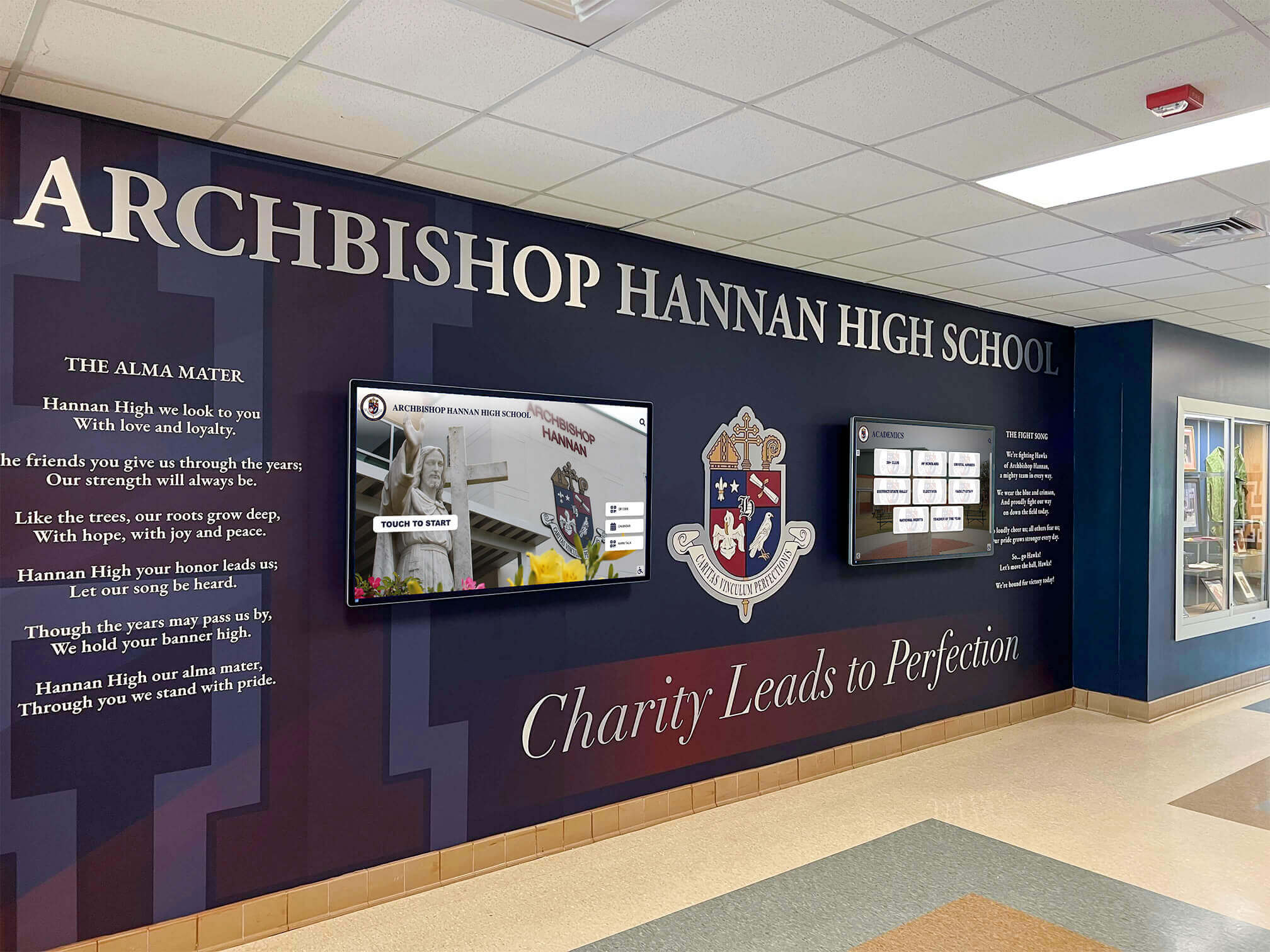
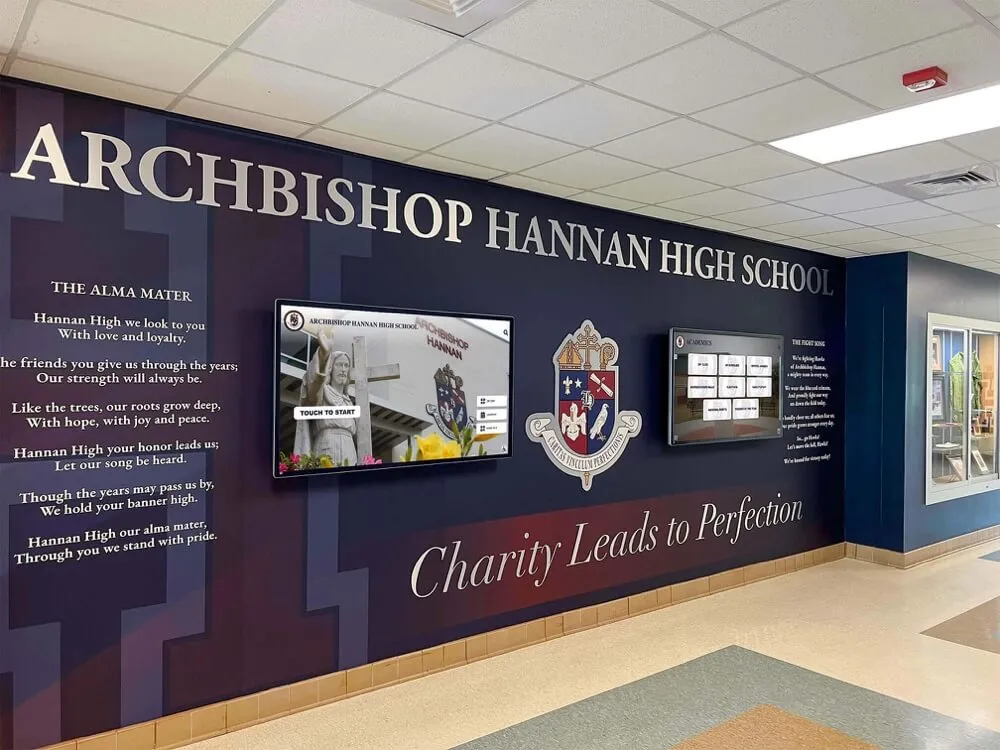
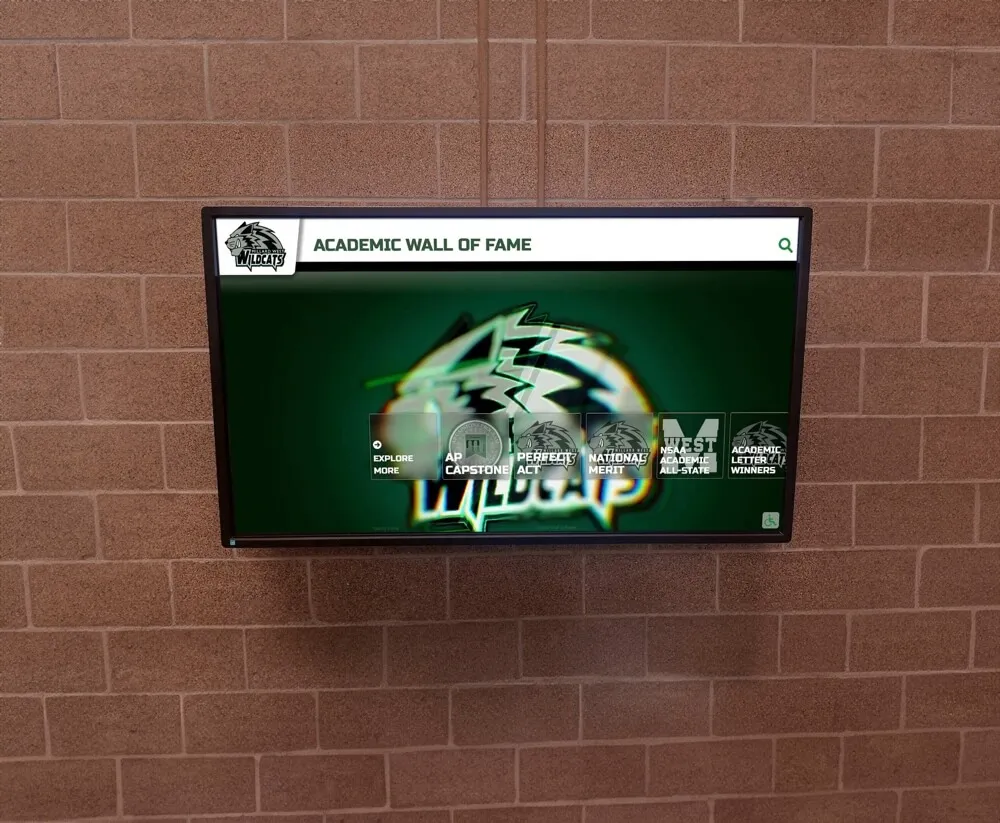
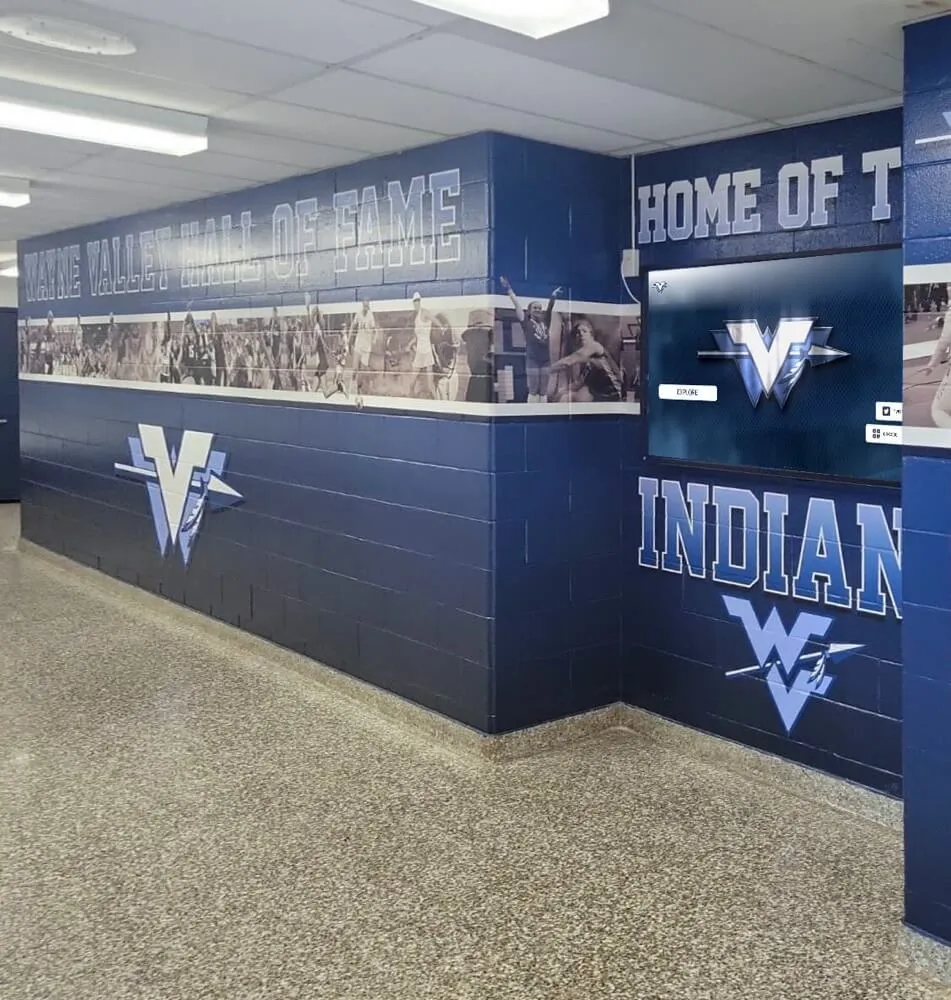
Professional installations blend honor roll displays seamlessly with school architectural environments
Cognitive Load Management
Interface complexity impacts usability across diverse user capabilities:
- Immediate Purpose Clarity: Instant understanding of display function without reading lengthy instructions
- Focused Navigation: Limited simultaneous choices preventing overwhelming option presentation
- Consistent Behavior: Uniform interaction patterns across all interface areas reducing learning requirements
- Recovery Mechanisms: Obvious reset-to-home functionality if users become disoriented
- Plain Language: Direct, simple copy avoiding educational jargon or complex academic terminology
Multilingual Support Implementation
Schools serving diverse communities should incorporate language accessibility:
- Primary Language Display: Recognition content in primary institutional language
- Secondary Language Support: Optional display in common community languages when resources permit
- Clear Language Selection: Obvious interface for changing display language without confusion
- Cultural Sensitivity: Recognition approaches respecting diverse family structures and naming conventions
Digital Access Extensions and QR Integration
Mobile Device Connectivity
Physical displays should connect seamlessly to broader digital access:
- Individual QR Codes: Student-specific codes linking directly to personal recognition pages for easy sharing
- Master Access QR: General code enabling mobile device access to complete recognition database
- Social Sharing Support: Mobile pages optimized for screenshot capture or social media sharing
- Print-Friendly Views: Layouts suitable for screenshot printing or digital archiving
Web Portal Accessibility Standards
Online recognition extensions must meet comprehensive accessibility requirements:
- Screen Reader Compatibility: Proper semantic HTML structure with appropriate ARIA labels
- Complete Keyboard Navigation: Full functionality without requiring mouse or touch input
- Responsive Design Excellence: Optimal experiences across smartphones, tablets, and desktop computers
- Progressive Enhancement: Core functionality operating without JavaScript dependency
Schools implementing comprehensive recognition frameworks should examine best platforms for building virtual halls of fame ensuring accessibility across all delivery channels and devices.
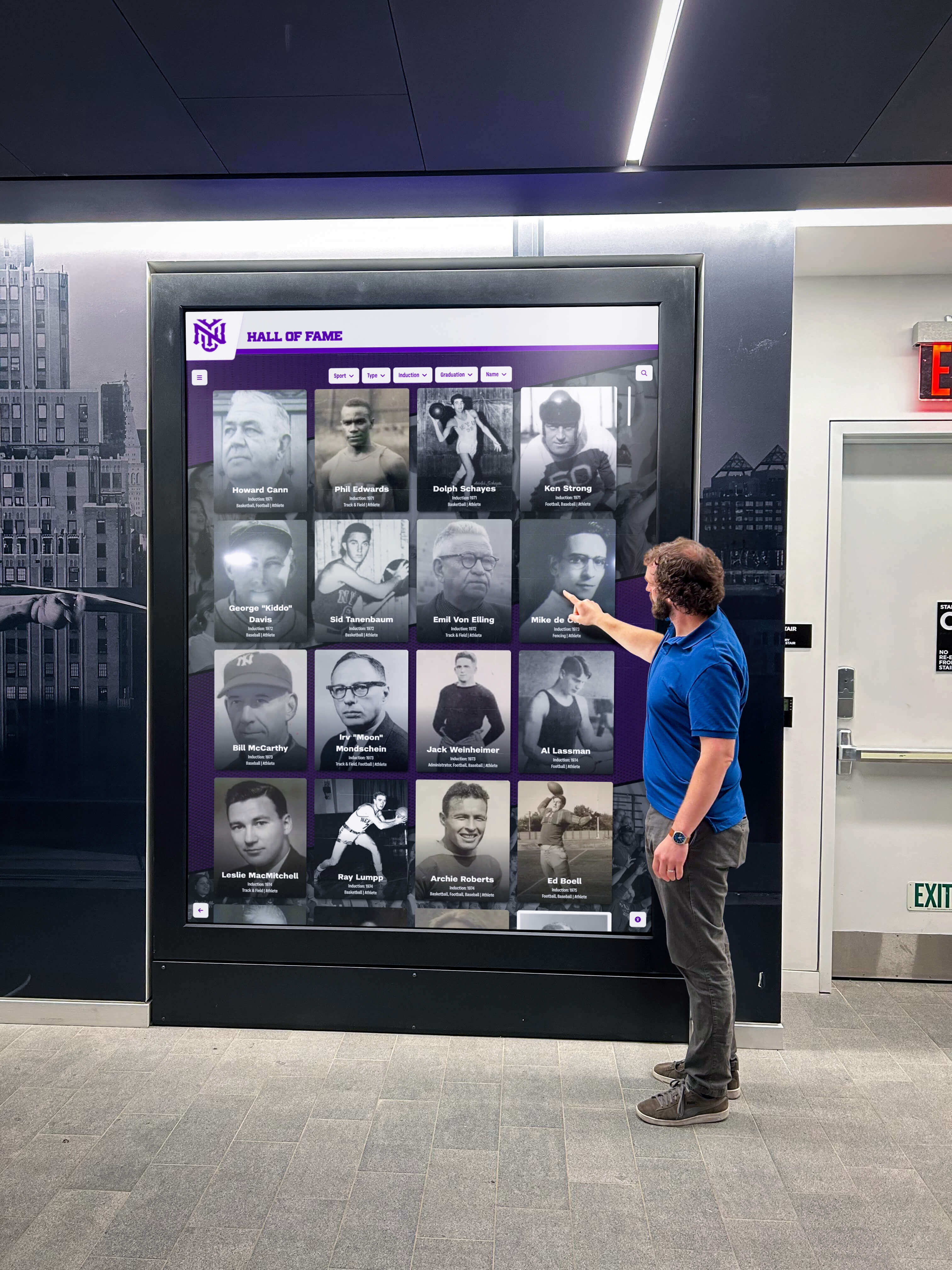
Accessible interfaces enable all visitors to explore and celebrate student academic achievements
Brand Integration Checklist: Customization and Institutional Identity
Generic recognition displays fail to create strong institutional connections or school pride. Thoughtful customization ensures honor roll displays authentically reflect unique school identities while maintaining professional design standards.
Visual Identity Integration
Comprehensive School Branding
Effective displays incorporate consistent institutional identity throughout design:
- Color Palette Alignment: Primary and secondary school colors throughout interface design, backgrounds, and accents
- Logo and Mascot Integration: School emblems or mascots positioned prominently without overwhelming recognition content
- Typography Coordination: Fonts matching existing school communication materials when technically feasible
- Pattern and Texture: Subtle background elements reflecting school identity or architectural character
- Photography Style Consistency: Image treatment matching yearbook or website photography approaches
Custom Background and Environment Design
Visual environments enhance recognition impact and school connection:
- Campus Photography Backgrounds: Subtle imagery showing school facilities, distinctive architecture, or campus landmarks
- School Color Treatments: Gradient or geometric designs using institutional color palettes
- Video Loop Integration: Slow-motion footage of campus life, students learning, or community activities
- Seasonal Visual Adaptations: Background refreshes reflecting academic calendar periods or school celebrations
- Achievement Theming: Visual treatments connecting to broader academic recognition program themes
Digital recognition platforms like Rocket Alumni Solutions provide unlimited layout customization enabling perfect alignment with institutional branding without design constraints or template limitations that force generic appearances.
Recognition Program Flexibility
Configurable Achievement Criteria
Schools define honor roll standards differently requiring flexible systems:
- GPA Threshold Configuration: Custom grade point average requirements for each recognition tier
- Grading Scale Accommodation: Support for 4.0, 5.0, weighted, or alternative grading systems
- Subject-Specific Recognition: Options for departmental honors or discipline-specific achievement
- Effort and Improvement: Recognition for academic growth alongside absolute achievement levels
- Behavior Integration: Optional incorporation of citizenship or conduct requirements
Display systems must accommodate institutional honor roll definitions rather than forcing standardized criteria that misalign with school policies or educational philosophies.
Multi-Tier Achievement Display
Recognition programs often include graduated achievement levels:
- Standard Honor Roll: Baseline academic achievement recognition
- High Honor Roll: Elevated performance acknowledgment
- Highest Honors: Elite academic excellence celebration
- Perfect GPA Recognition: Special distinction for 4.0 achievement when differentiated
- Consecutive Semester Awards: Cumulative recognition for sustained multi-period excellence
Visual distinction through badges, color coding, or typography ensures clear achievement level communication while celebrating all honor roll students appropriately regardless of specific tier.
Schools should examine teacher staff recognition program approaches demonstrating comprehensive acknowledgment frameworks applicable across diverse achievement dimensions.
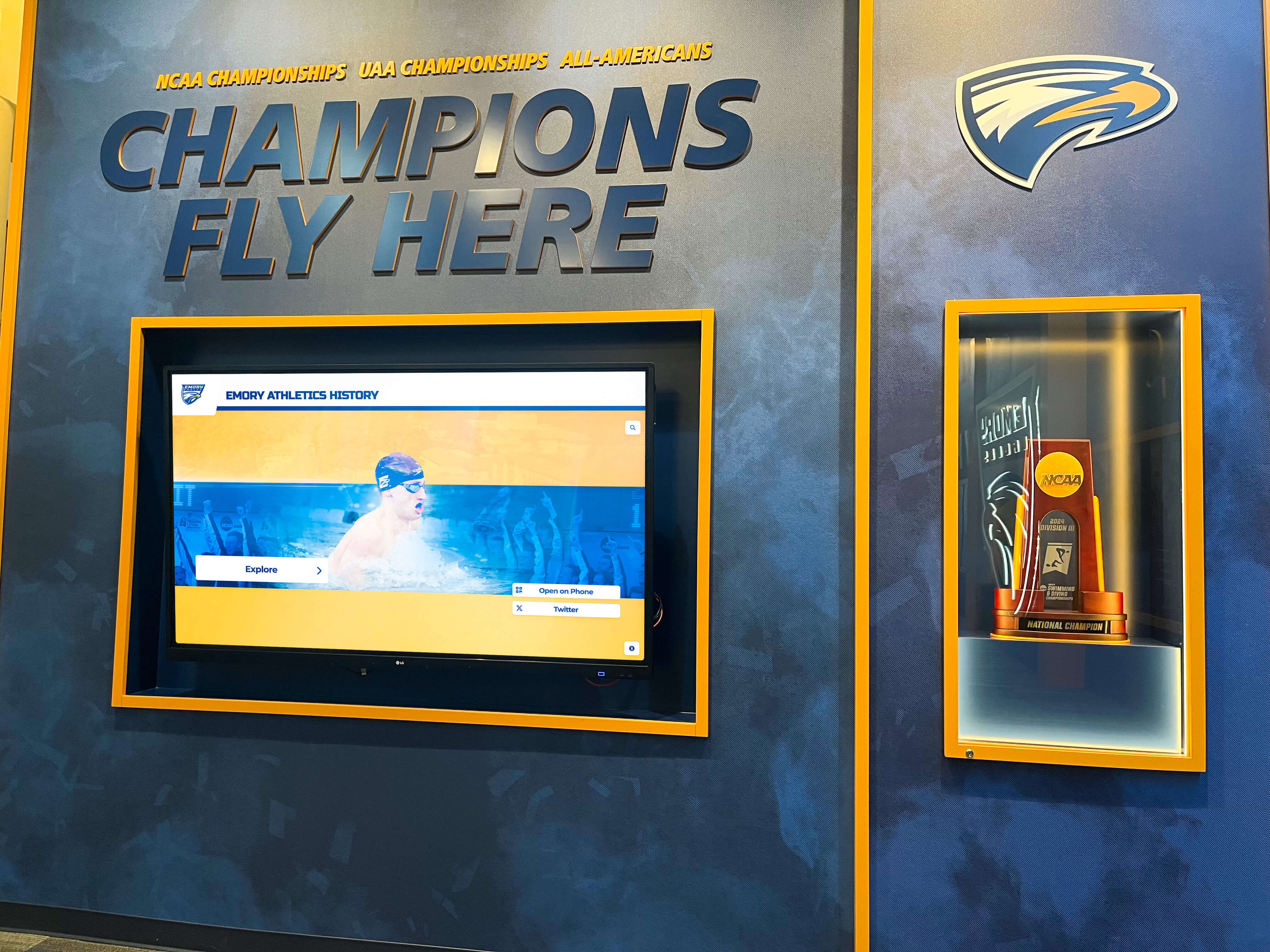
Professional recognition systems celebrate excellence while preserving institutional traditions and school pride
Social Media and Sponsorship Integration
Social Gallery Features
Modern recognition extends beyond static content to dynamic community engagement:
- Social Media Feed Integration: Live posts tagged with honor roll hashtags appearing in displays
- Family Celebration Posts: User-submitted photos celebrating academic achievements with appropriate moderation
- Faculty Congratulations: Teacher messages acknowledging student success and dedication
- Historical Comparison: Current honor roll recognition alongside archived historical program photos
- Ceremony Documentation: Photos and videos from recognition assemblies and award events
Sponsor Recognition Options
Honor roll programs may receive community or business support requiring acknowledgment:
- Sponsor Logo Display: Appropriate acknowledgment of businesses or organizations funding recognition programs
- Rotating Sponsor Messages: Congratulatory content from program supporters maintaining focus on students
- Scholarship Connections: Information about honor-roll-based scholarship opportunities from sponsors
- Community Partnership Highlights: Recognition of organizations supporting student academic success
- Funding Transparency: Display showing how community support enables comprehensive recognition programs
Proper sponsorship integration maintains primary focus on student recognition while appropriately acknowledging support enabling programs through balanced visual hierarchy and placement.
Activation Plan: Implementation Roadmap and Launch Strategy
Successful honor roll displays require systematic planning ensuring smooth launches, stakeholder alignment, and sustainable long-term maintenance that endures across personnel changes and budget cycles.
Pre-Launch Implementation Phases
Phase 1: Planning and Requirements Definition (Weeks 1-3)
Initial project scoping establishes implementation foundation:
- Stakeholder Team Assembly: Identify decision-makers, content managers, technical contacts, and key champions
- Objective Documentation: Define specific goals the honor roll display should accomplish
- Location Assessment: Evaluate optimal physical placement maximizing visibility and accessibility
- Budget Development: Determine available resources for hardware, software, installation, and ongoing operation
- Timeline Creation: Develop realistic implementation schedule with clear milestone dates
- Success Metrics Definition: Establish how program effectiveness will be measured and evaluated
Phase 2: Content Planning and Data Preparation (Weeks 4-6)
Recognition content strategy and initial data compilation:
- Honor Roll Data Collection: Gather current semester honor roll student information from grading systems
- Photography Strategy: Plan student photo procurement through existing sources or new capture sessions
- Achievement Criteria Documentation: Clearly define and document honor roll qualification standards
- Copy Development: Write welcome messages, program descriptions, and motivational content
- Historical Data Compilation: Collect previous semester recognition data if creating cumulative archives
- Quality Assurance Planning: Define verification processes ensuring data accuracy before public display
Schools should examine high school graduate display implementation approaches demonstrating systematic data collection and content development strategies applicable to honor roll programs.
Phase 3: Technical Setup and Configuration (Weeks 5-8)
Platform configuration and hardware preparation:
- Hardware Procurement: Order touchscreen displays, mounting equipment, and required accessories
- Software Platform Setup: Configure content management systems and recognition software
- Network Integration: Ensure reliable connectivity to institutional networks with adequate bandwidth
- Content Upload: Transfer recognition data into display systems with proper formatting
- Testing Procedures: Conduct comprehensive functionality testing before launch
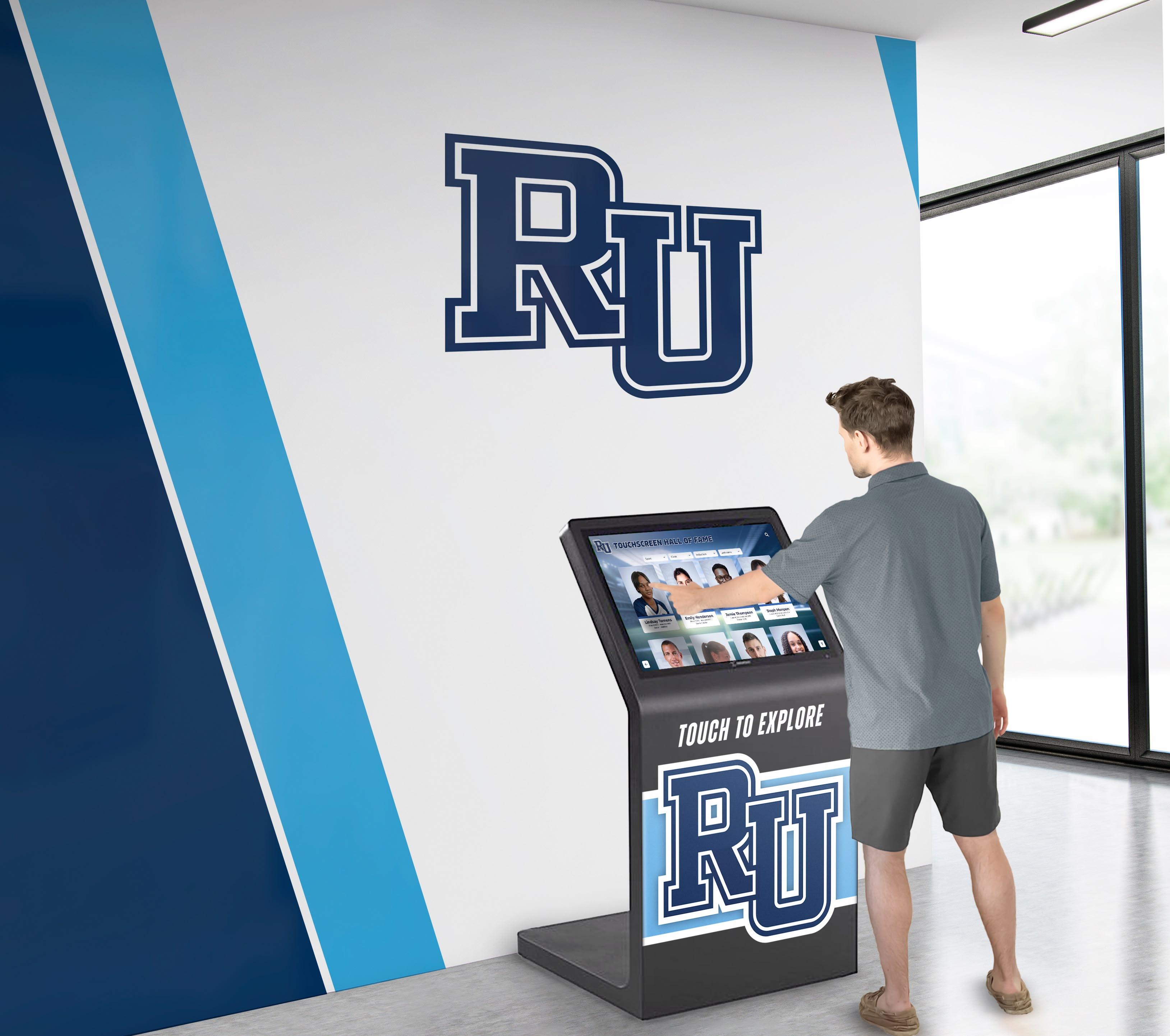
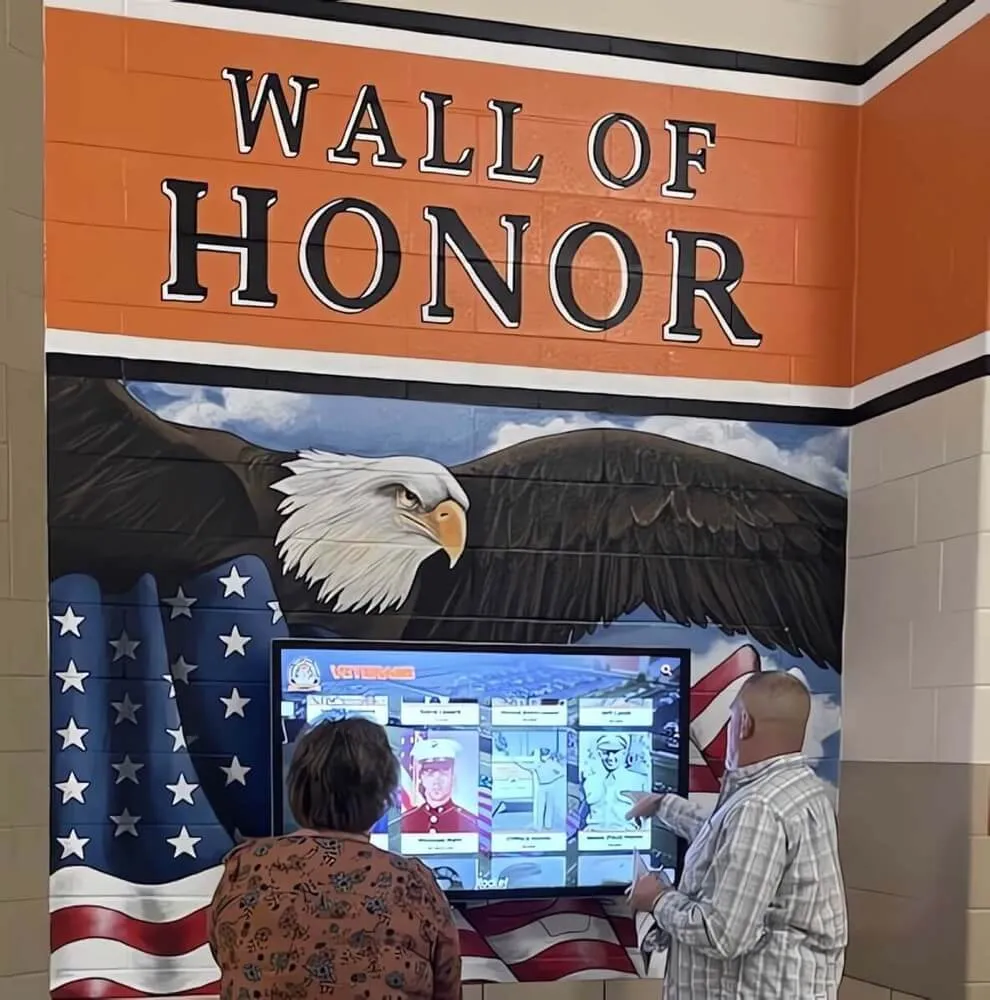
Intuitive kiosk designs encourage community interaction with academic recognition content
Phase 4: Launch and Promotion (Weeks 9-10)
Public introduction creates recognition program momentum:
- Soft Launch Period: Limited access testing identifying final adjustments needed before full launch
- Staff Training: Ensure administrators, counselors, and relevant faculty understand system operation
- Student Introduction: Assembly or announcement explaining new recognition showcase and navigation
- Family Communication: Newsletter or email informing families about honor roll recognition system
- Media Outreach: Local press releases celebrating school investment in academic recognition
- Social Media Campaign: Posts highlighting honor roll display and encouraging community engagement
Ongoing Maintenance and Refresh Strategies
Semester-to-Semester Update Protocols
Regular attention maintains recognition quality and accuracy:
- Immediate Post-Grading Updates: Rapid content refresh following each marking period conclusion
- Achievement Verification: Confirmation processes ensuring honor roll data accuracy before display
- Photography Updates: New student photos as needed addressing roster changes or image quality
- Featured Content Rotation: Updated highlights showcasing different students maintaining engagement
- Statistics Refresh: Program participation metrics and achievement trends updated each cycle
Monthly Enhancement Activities
Regular refinements maintain engagement beyond automated semester updates:
- Visual Theme Adjustments: Seasonal background updates or recognition theme modifications
- Success Story Spotlights: Featured student interviews or achievement narratives added periodically
- Program Context Updates: Refreshed information about academic support resources or study strategies
- Technical Maintenance: Display cleaning, interaction testing, and error monitoring
Annual Strategic Reviews
Yearly assessment ensures continued effectiveness and strategic alignment:
- Usage Analytics Review: Examine interaction data identifying popular features and improvement opportunities
- Stakeholder Feedback Collection: Survey students, families, and faculty about recognition program effectiveness
- Technical Platform Assessment: Evaluate if software updates, security patches, or platform migrations needed
- Content Audit: Verify accuracy and completeness of cumulative recognition database
- Goal Achievement Analysis: Assess honor roll trends and recognition program impact on academic culture
Schools should explore digital display content refresh strategies ensuring recognition systems remain engaging and relevant throughout academic years.
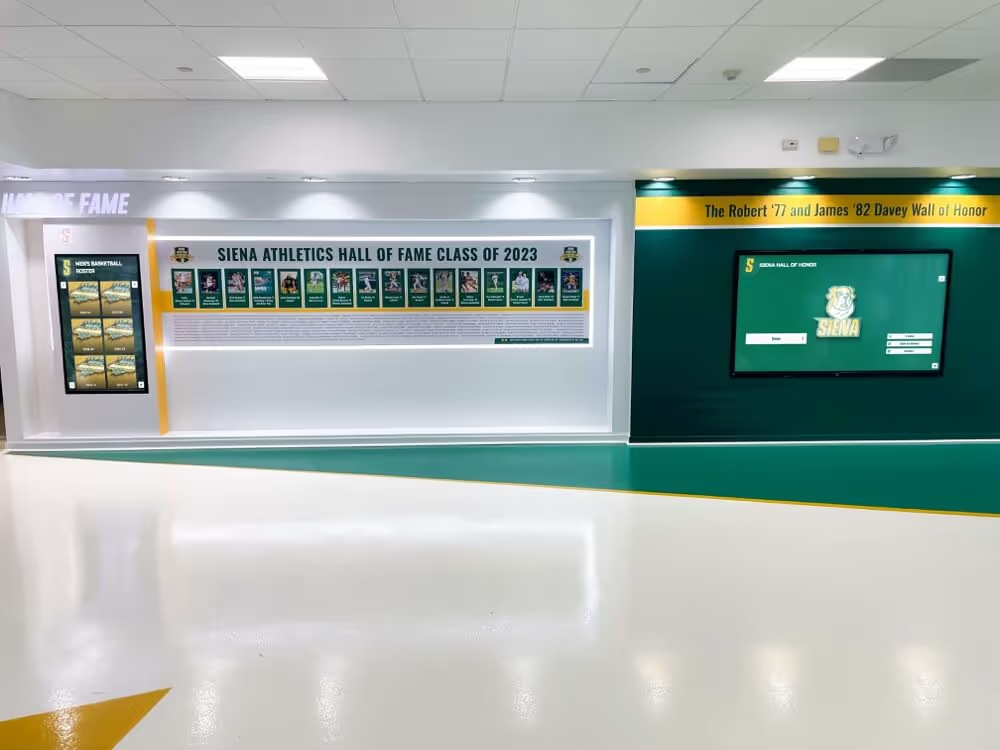
Comprehensive systems preserve complete recognition histories while celebrating current semester achievements
Measuring Display Success and Program Impact
Regular assessment demonstrates recognition value while identifying improvement opportunities based on evidence rather than assumptions, enabling data-driven refinements that maximize program effectiveness.
Quantitative Success Indicators
Direct Engagement Metrics
Display analytics reveal usage patterns and community interaction:
- Interaction Session Count: Total number of users engaging with touchscreen functionality
- Average Session Duration: Time users spend exploring honor roll content
- Search Utilization Rates: Percentage of sessions including search functionality usage
- Most-Viewed Students: Popular profiles receiving highest view counts
- Peak Usage Periods: Times experiencing highest display interaction rates
- Filter and Sort Usage: Frequency of various navigation feature utilization
Academic Outcome Tracking
Recognition programs should correlate with academic performance trends:
- Honor Roll Participation Rates: Percentage of students achieving recognition across marking periods
- GPA Distribution Changes: Shifts in academic performance distributions following recognition implementation
- Grade-Level Achievement Patterns: Honor roll representation across different academic cohorts
- Demographic Equity: Recognition distribution across student populations revealing potential disparities
- Consecutive Semester Achievement: Students maintaining honor roll status across multiple periods
Qualitative Assessment Approaches
Stakeholder Perspective Collection
Multiple viewpoints inform comprehensive program evaluation:
- Student Surveys: Questionnaires gathering student perspectives about recognition meaningfulness
- Family Interviews: Conversations with families of recognized students about program impact
- Faculty Observations: Teacher and counselor insights about recognition influence on academic culture
- Administrator Feedback: Leadership perspectives on program alignment with institutional goals
- Community Response: Visitor reactions during school tours or events
Cultural Impact Indicators
Recognition success extends beyond easily measured metrics:
- Academic Ambition Evidence: Anecdotal reports of recognition inspiring academic improvement efforts
- Peer Influence: Observations of students encouraging classmates toward honor roll achievement
- Family Engagement: Increased family communication about academic performance and goals
- Institutional Reputation: Enhanced community perception of school academic commitment and excellence
- Student Pride: Observable increases in student willingness to discuss academic achievements
Schools implementing comprehensive recognition should examine honor roll touchscreen display approaches demonstrating evaluation frameworks measuring academic recognition program effectiveness and cultural impact.
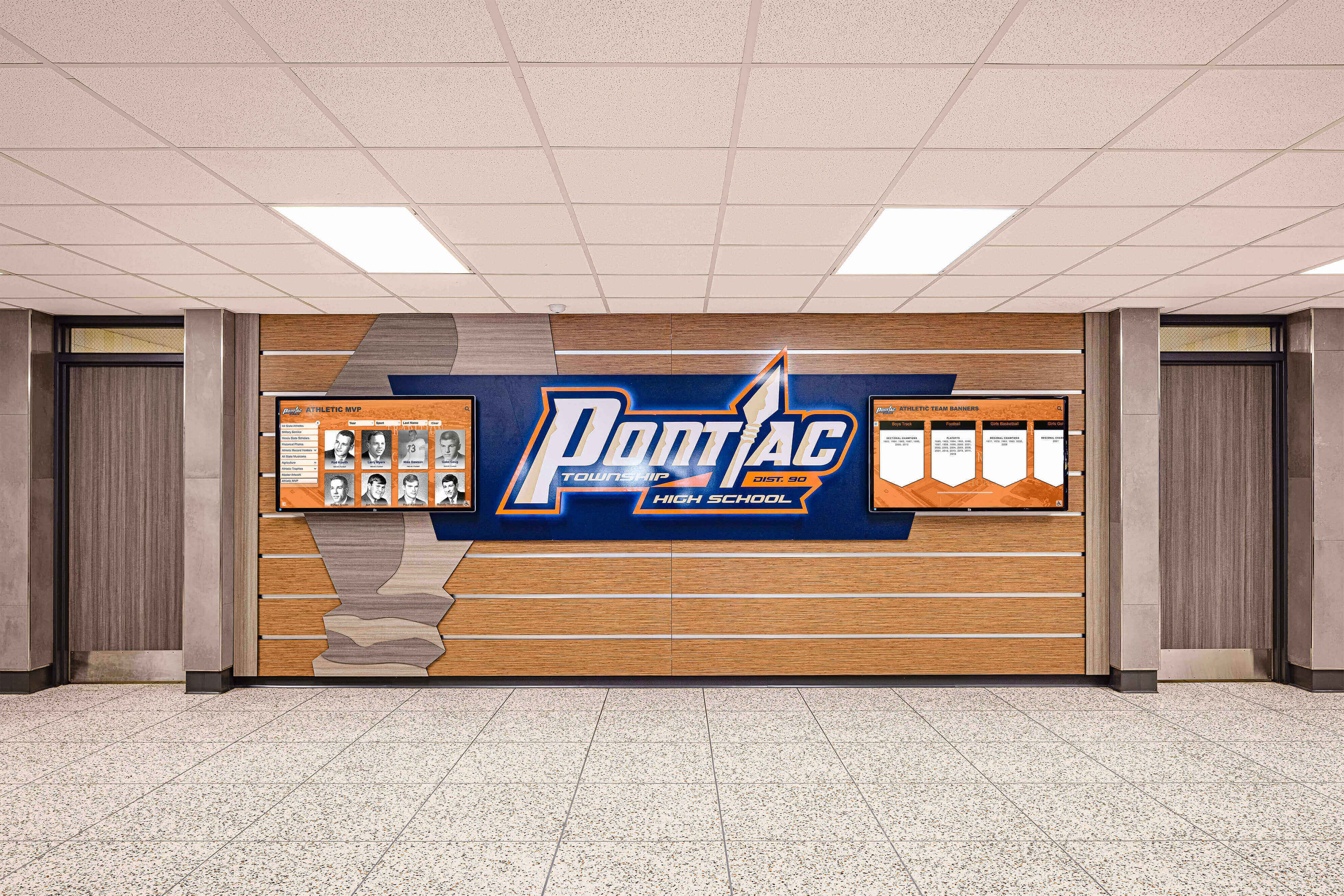
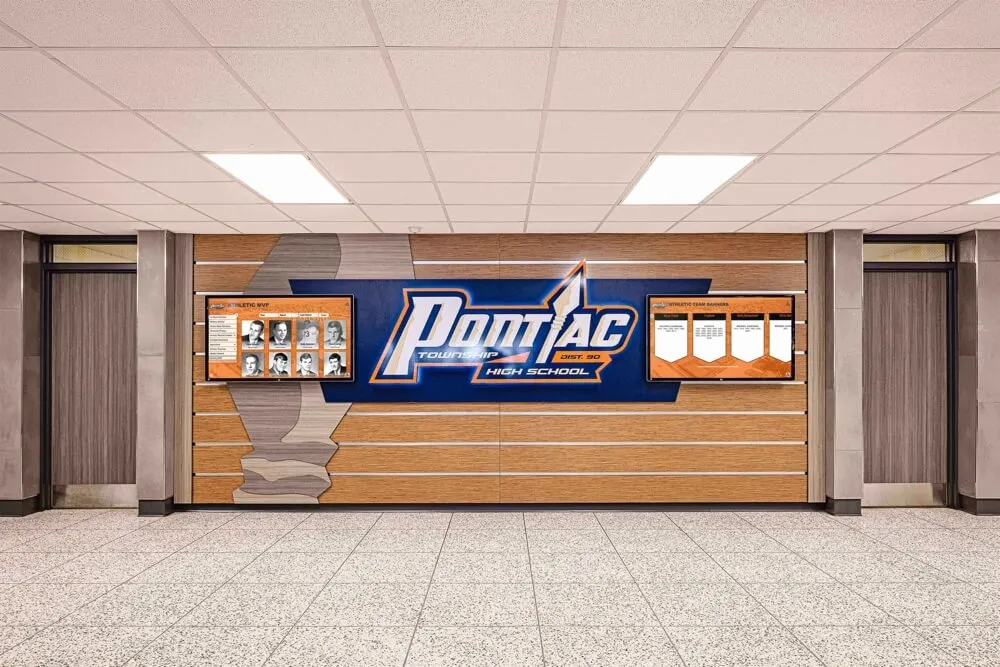
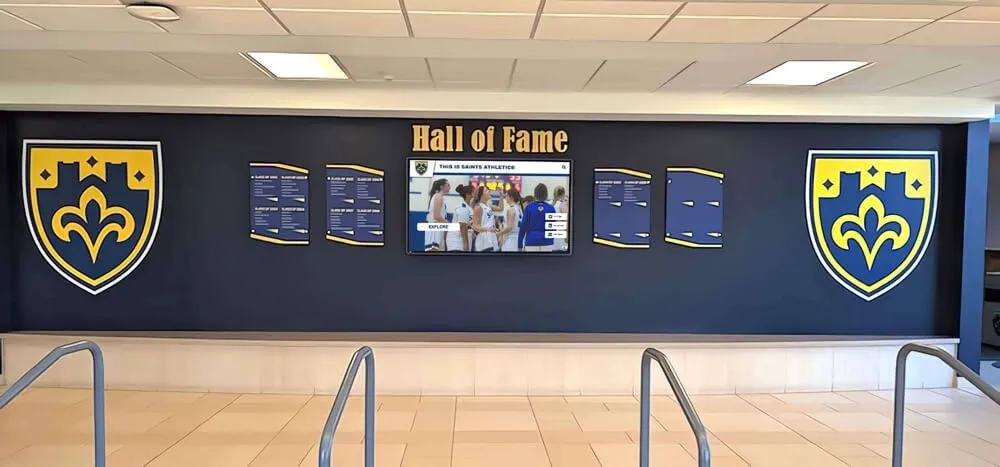
Strategic hallway placement ensures honor roll recognition reaches entire school communities throughout semesters
Advanced Features Enhancing Recognition Impact
Innovative capabilities extend basic honor roll acknowledgment into transformative recognition experiences that drive sustained academic motivation and community engagement.
Progressive Recognition and Achievement Pathways
Multi-Semester Achievement Tracking
Cumulative recognition creates motivation for sustained academic excellence:
- Consecutive Semester Badges: Visual indicators showing students achieving multiple consecutive honor roll designations
- Cumulative GPA Tracking: Running averages demonstrating sustained academic performance over time
- Achievement Level Progress: Visual pathways showing progression from honor roll toward higher tiers
- Goal Visualization: Clear communication of requirements for next achievement level
- Historical Performance: Individual student academic trend visualization showing improvement trajectories
Milestone Celebration Systems
Special recognition for exceptional cumulative achievements:
- Four-Year Honor Roll Recognition: Celebration of students maintaining honor roll throughout high school
- Perfect Semester Designation: Special acknowledgment for students earning straight-A marking periods
- Improvement Awards: Recognition for students demonstrating substantial GPA increases
- Subject Excellence: Departmental honors highlighting exceptional performance in specific disciplines
- Overcoming Challenges: Celebration of achievement despite documented adversity or obstacles
Multimedia Enhancement and Storytelling
Video Integration Capabilities
Dynamic content amplifies recognition impact beyond static photos:
- Student Testimonials: Brief clips explaining study strategies, favorite subjects, or academic goals
- Teacher Congratulations: Faculty acknowledgment of student dedication and academic growth
- Family Messages: Parent reflections on student commitment and achievement
- Academic Journey Stories: Longer-form narratives exploring paths to honor roll achievement
- Motivational Content: Inspiring messages encouraging academic excellence from alumni or community leaders
Audio Enhancement Options
Sound elements can enhance certain recognition experiences when appropriate:
- Interaction Feedback: Subtle confirmation sounds acknowledging user selections
- Celebration Effects: Brief musical or sound effects celebrating achievement milestones
- Ambient Audio: Optional background music during attract loop sequences
- Audio Descriptions: Accessibility alternatives describing visual content for vision-impaired users
- Multilingual Audio: Spoken content available in multiple languages supporting diverse communities
Schools exploring multimedia recognition should consider how video and audio integration strategies can effectively enhance academic recognition contexts with compelling student testimonials and motivational content.
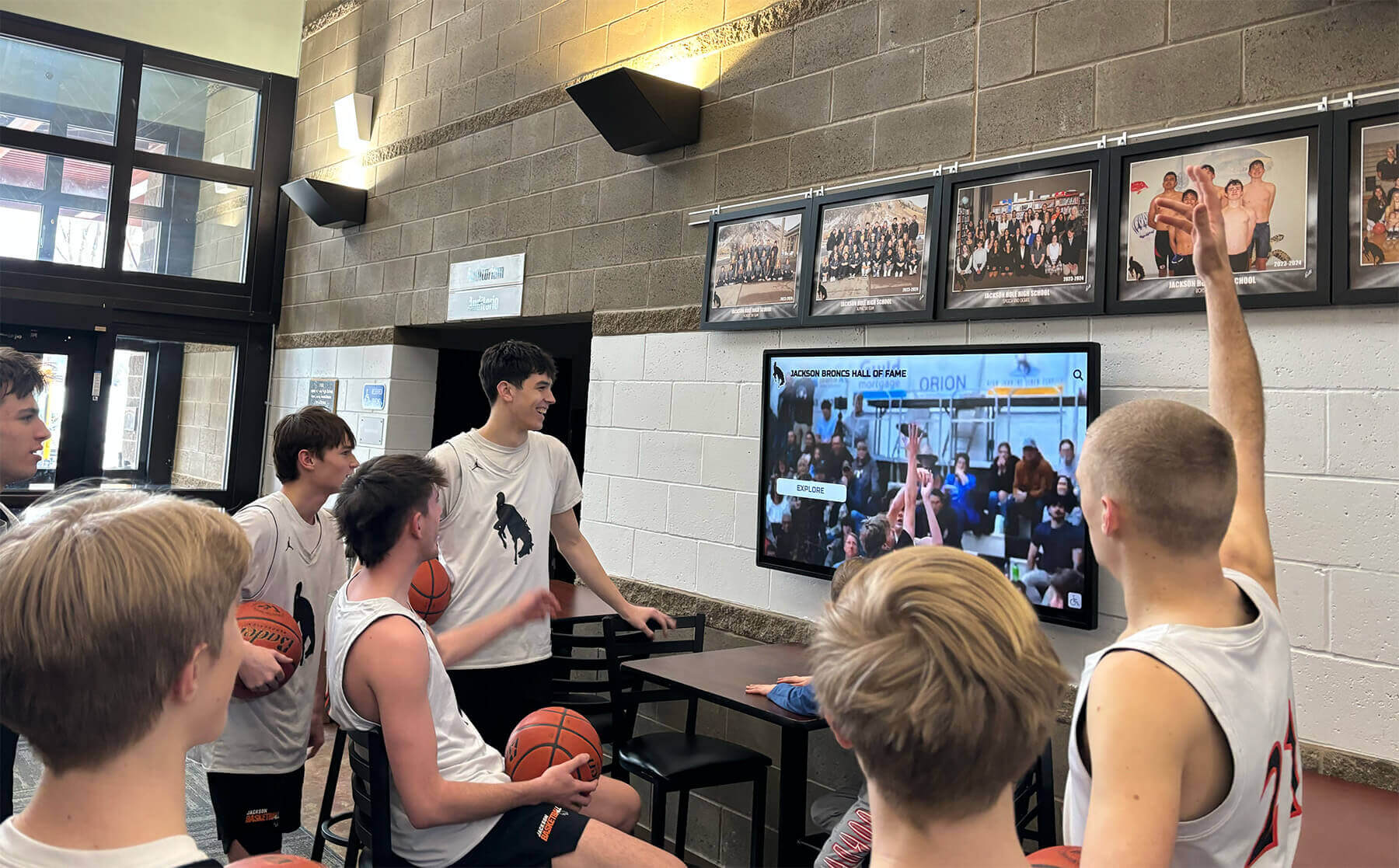
Engaging multimedia content encourages students to explore honor roll displays regularly
Mobile Integration and Remote Access
Companion Mobile Experiences
Smartphone access extends recognition reach beyond physical displays:
- QR Code Access: Simple scanning providing instant mobile device access to complete recognition database
- Optimized Mobile Views: Responsive interfaces designed specifically for smartphone screen constraints
- Push Notifications: Optional alerts when students achieve honor roll status each marking period
- Social Sharing Tools: Easy posting of recognition achievements to family and personal social networks
- Remote Family Access: Relatives worldwide viewing student honor roll recognition regardless of geographic location
Integration with School Communication Ecosystems
Recognition should connect seamlessly to existing institutional systems:
- Learning Management System Integration: Honor roll recognition appearing in student portals or dashboards
- School App Connectivity: Academic achievements displayed in institutional mobile applications
- Parent Portal Links: Recognition visible when families access student information systems
- Automated Email Notifications: Messages informing families when students achieve honor roll status
- Calendar Integration: Recognition ceremony dates appearing automatically in school event calendars
Addressing Common Implementation Challenges
Schools implementing end-of-semester honor roll displays encounter predictable obstacles requiring thoughtful, proactive solutions that prevent common pitfalls and maximize program success.
Challenge: Limited Budget for Quality Hardware
Many schools struggle to fund professional-grade display systems meeting recognition needs.
Solution Strategies:
- Prioritize single high-quality display over multiple low-grade screens delivering poor experiences
- Seek parent-teacher organization funding specifically targeting academic recognition investments
- Apply for educational technology grants supporting student achievement and school culture initiatives
- Pursue local business sponsorships providing hardware in exchange for appropriate recognition
- Implement phased approaches starting with core functionality then expanding capabilities over time
- Explore Rocket Alumni Solutions providing cost-effective recognition platforms specifically designed for educational institution budgets and constraints
Challenge: Data Privacy and Student Information Concerns
Families may worry about public display of student names, photographs, and academic performance.
Solution Strategies:
- Include clear opt-out mechanisms in recognition program communications sent to all families
- Obtain explicit parental permission before displaying any student information publicly
- Provide alternative recognition options for families declining public display participation
- Limit displayed information to names, grade levels, and achievement tier without specific GPAs
- Implement technical security features preventing unauthorized data export, copying, or photography
- Consult district policies and legal guidance about student information display regulations
Challenge: Maintaining Accurate and Timely Content
Keeping honor roll data updated across multiple semesters proves administratively burdensome.
Solution Strategies:
- Integrate display systems with existing student information systems enabling automated data import
- Assign specific staff responsibilities with adequate time allocation for recognition management
- Create documented procedures enabling multiple staff members to manage content preventing single points of failure
- Implement batch update schedules reducing continuous maintenance burden through efficient workflows
- Choose platforms with intuitive content management eliminating technical expertise barriers
- Develop data verification protocols catching errors before public display
Schools should examine best school history software approaches demonstrating systematic content management frameworks applicable to ongoing honor roll recognition programs.
Challenge: Ensuring Equitable Recognition Opportunities
Honor roll standards may unintentionally disadvantage students facing learning differences, language barriers, or socioeconomic challenges affecting academic performance.
Solution Strategies:
- Implement multiple recognition tiers celebrating improvement and effort alongside absolute achievement
- Create separate academic growth recognition highlighting substantial GPA increases
- Recognize subject-specific excellence enabling students to achieve acknowledgment in areas of strength
- Examine demographic honor roll representation identifying disparities requiring targeted academic support
- Supplement honor roll with other achievement recognition celebrating diverse student contributions
- Address systemic barriers preventing student success through comprehensive support programs

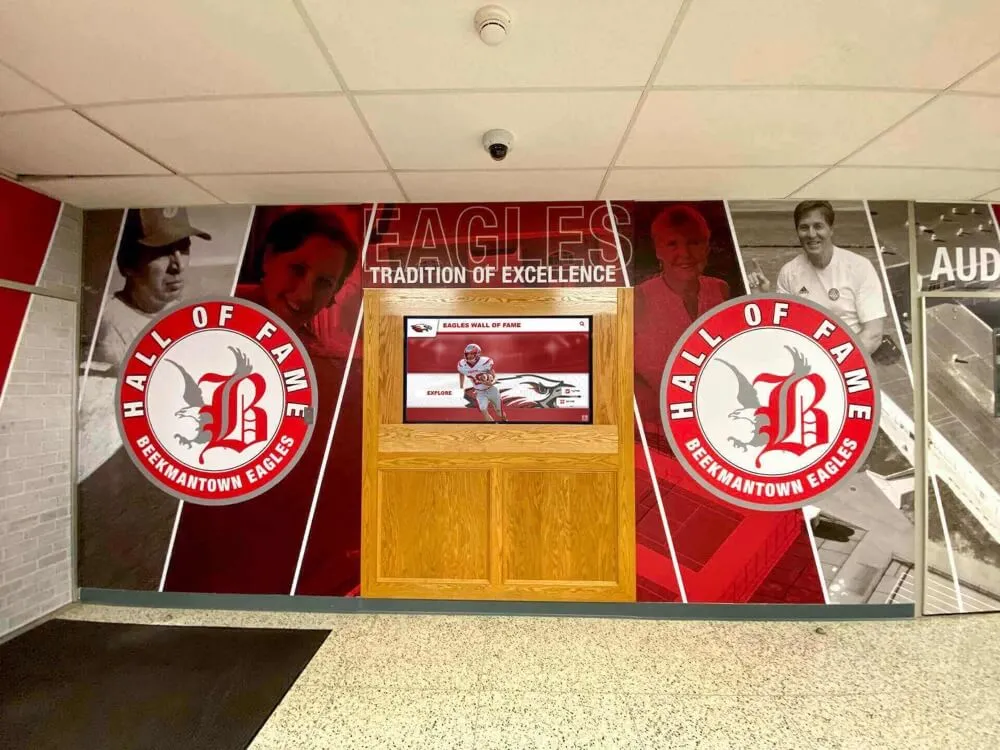
Custom institutional branding creates strong school identity connections throughout recognition displays
Conclusion: Creating Meaningful Academic Recognition Experiences
End-of-semester honor roll digital displays represent strategic institutional investments communicating that academic achievement matters while creating visible celebration motivating continued excellence. When schools move beyond temporary paper certificates and static bulletin boards toward comprehensive digital recognition systems, they transform honor roll acknowledgment from brief announcements into ongoing celebration woven throughout school culture and community identity.
The design frameworks, layout strategies, accessibility practices, content approaches, and implementation roadmaps explored in this guide provide comprehensive foundations for creating honor roll displays that genuinely resonate with students while serving broader institutional goals including enhanced academic culture, improved family engagement, stronger community perceptions, and demonstrated commitment to celebrating intellectual achievement alongside other student accomplishments.
Design Your Honor Roll Showcase Experience
Discover how professional digital recognition solutions can help you create engaging end-of-semester honor roll displays that celebrate academic excellence while building cultures where intellectual achievement receives meaningful acknowledgment.
Get Your Custom Design Mock-UpSuccessful implementation requires balancing recognition objectives with accessibility requirements, institutional branding with student focus, administrative sustainability with content freshness, technical capability with design aspiration, and budget reality with quality standards. Digital recognition platforms specifically designed for educational institutions address these balance points through purpose-built solutions enabling schools to create professional honor roll experiences without custom development complexity or ongoing technical expertise requirements.
Schools consistently report that visible honor roll recognition creates measurable cultural impacts including increased academic ambition as students understand achievement receives acknowledgment, improved family engagement around academic performance and goals, enhanced student pride in intellectual accomplishment rather than downplaying success, stronger recruitment positioning demonstrating academic excellence to prospective families, and reduced perception that academics receive less celebration than athletics creating more balanced achievement cultures.
The most effective honor roll displays position semester academic recognition within comprehensive student celebration systems honoring diverse achievements from leadership development to community service. By creating environments where honor roll recognition receives visibility equal to athletic championships and artistic accomplishments, schools communicate powerful messages that every form of student dedication and excellence deserves meaningful, lasting acknowledgment that inspires continued commitment.
Ready to transform your honor roll recognition? Explore comprehensive approaches for celebrating National Merit Scholars demonstrating academic excellence frameworks, discover student achievement recognition strategies providing comprehensive acknowledgment systems, learn about academic student of the month programs showing cyclical recognition patterns, and understand how purpose-built digital recognition solutions eliminate traditional acknowledgment limitations while creating engaging experiences celebrating every student demonstrating academic dedication and intellectual excellence.
Your honor roll students invest significant effort pursuing academic success—they deserve recognition creating lasting impact beyond brief announcements or certificates tucked into folders. With strategic design thinking, thoughtful implementation planning, accessible interface development, and modern recognition technology platforms, you can create end-of-semester honor roll displays that honored students genuinely value while building school cultures where academic achievement receives the celebration, visibility, and institutional prominence that strengthens student success and community pride for years to come.