



E-sports conference championships represent the pinnacle of competitive gaming achievement in educational institutions—honoring student-athletes whose strategic thinking, teamwork, mechanical skills, and competitive excellence place them among the finest players in collegiate and scholastic gaming conferences. Winning conference championships requires months of dedicated practice, strategic coordination, tournament performance under pressure, and demonstrated mastery across multiple competitive gaming titles.
Yet many schools and universities struggle to provide recognition that matches the significance of e-sports championship achievements. Traditional approaches—brief social media posts that disappear from feeds within hours, temporary announcements on department websites, or complete absence of visible acknowledgment—fail to create the lasting visibility and community awareness these competitive accomplishments deserve. Meanwhile, traditional athletic conference championships often receive prominent trophy case displays and extensive celebration, inadvertently suggesting that physical sports matter more than the strategic, cognitive, and teamwork excellence demonstrated in competitive gaming.
This comprehensive guide explores evidence-based strategies for implementing e-sports conference championship recognition programs that celebrate competitive gaming achievement with appropriate prominence, inspire current students to pursue e-sports excellence, and create lasting tributes honoring championship teams and players who represent your institution’s highest competitive gaming achievements.
E-sports conference championship recognition extends beyond individual team acknowledgment—it creates systematic approaches that elevate e-sports program visibility, demonstrate institutional commitment to competitive gaming excellence, and build cultures where e-sports achievements receive celebration equal to accomplishments in traditional athletics and academics.

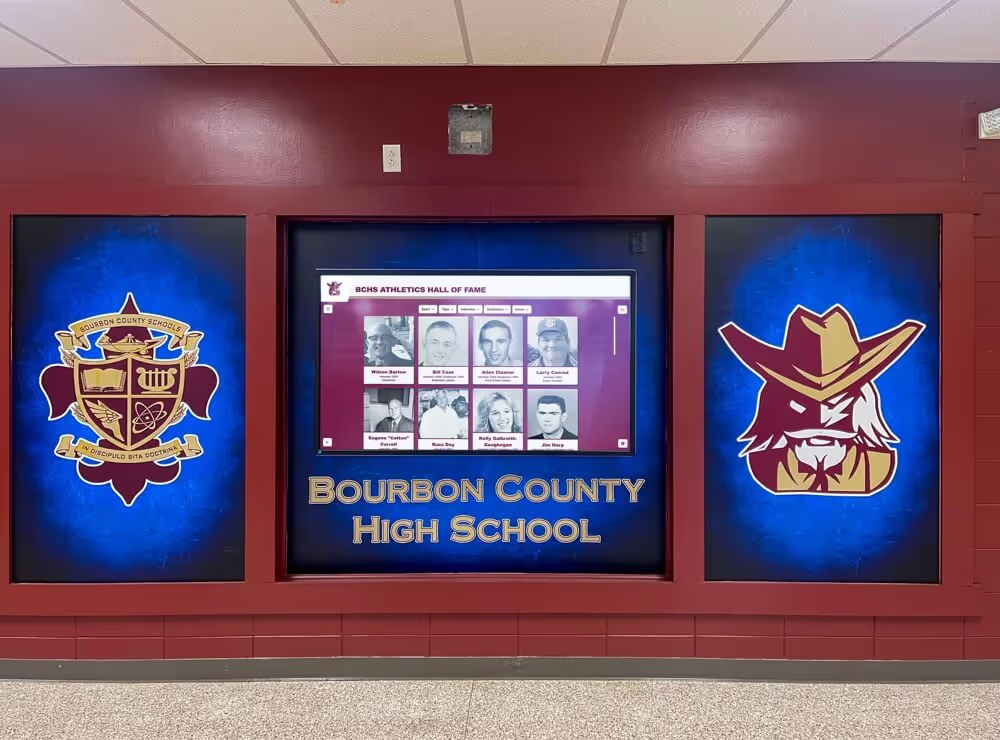
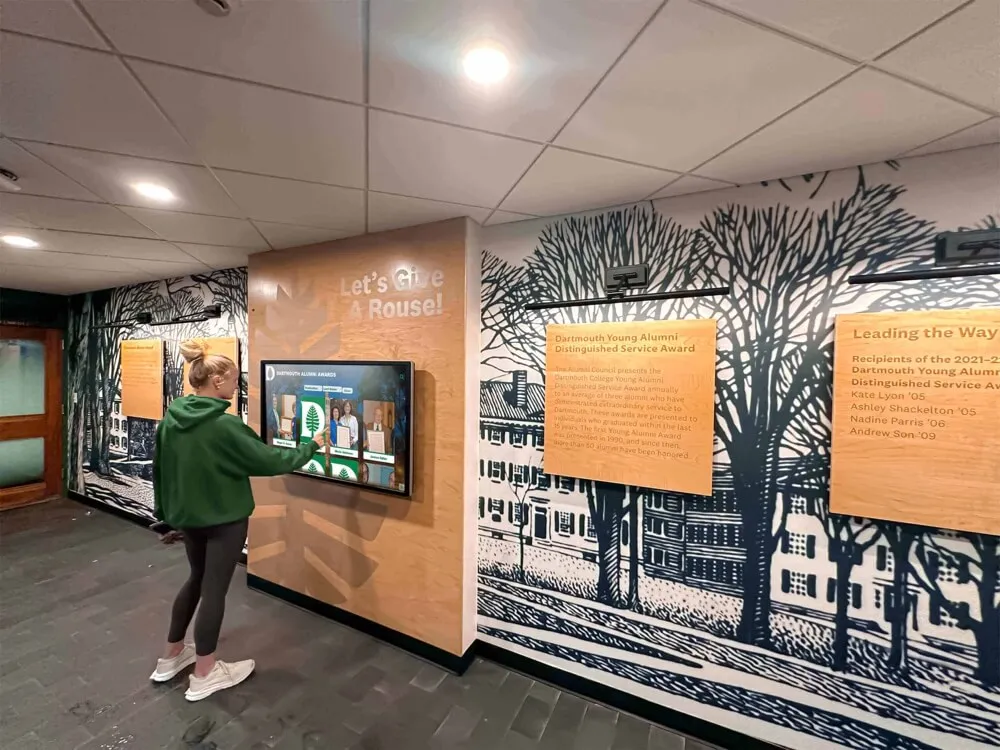
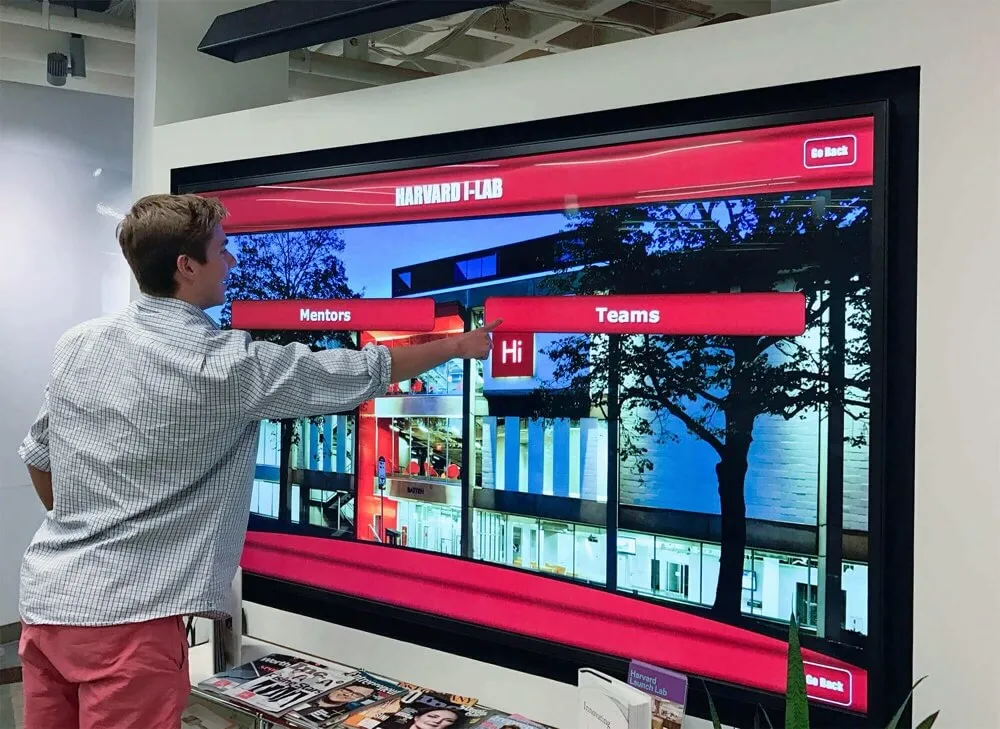
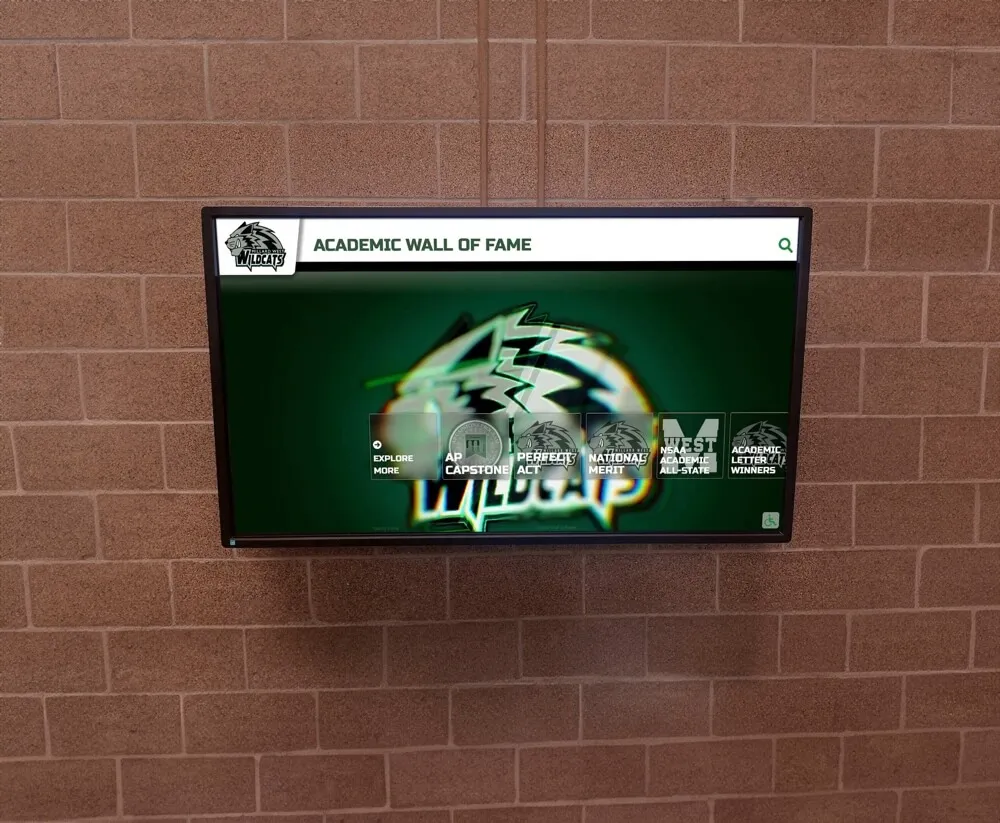
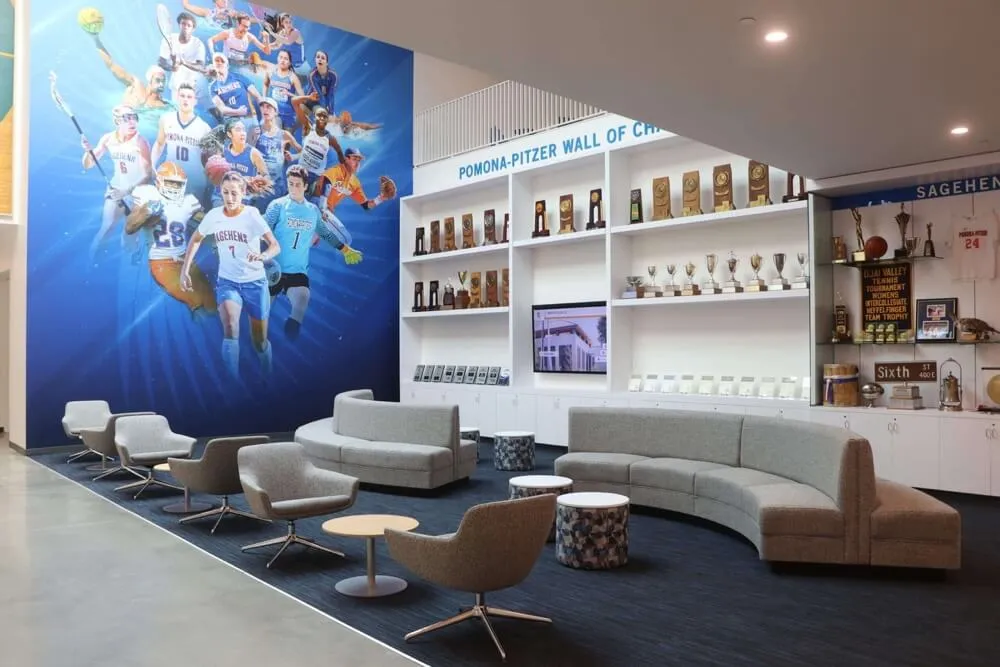
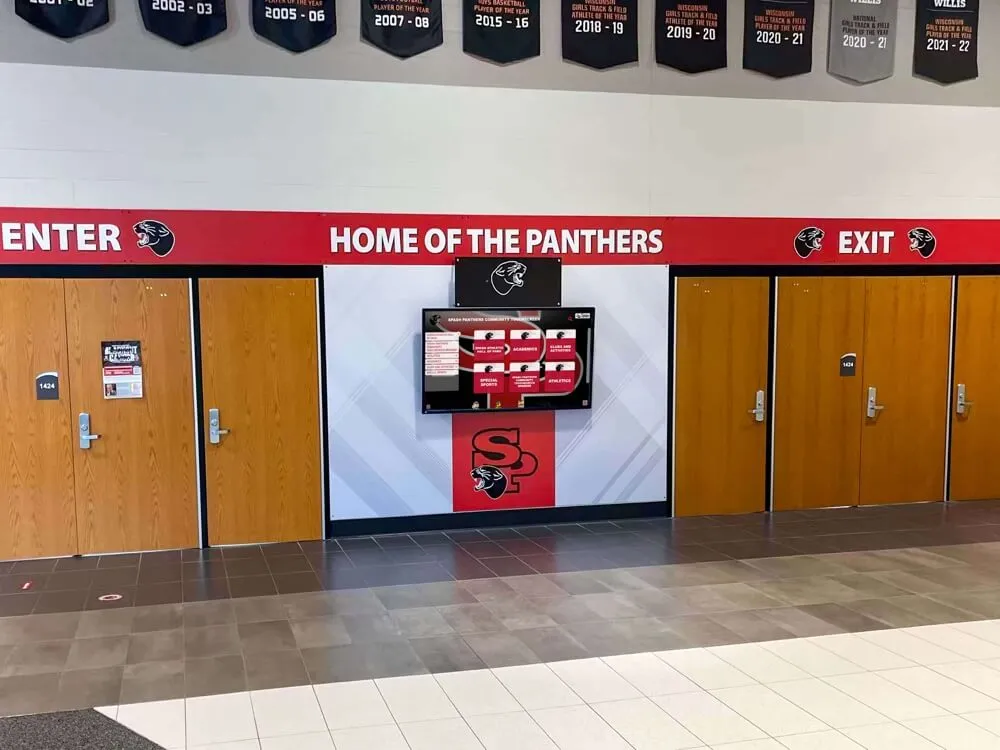
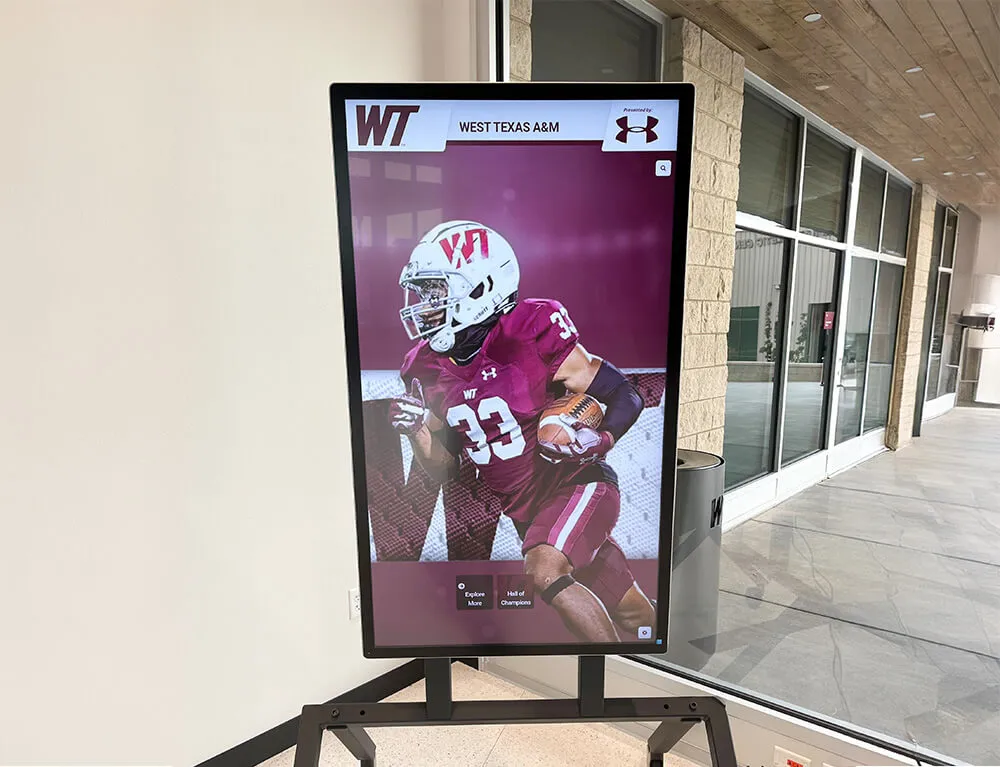
Modern recognition displays transform how institutions celebrate competitive gaming excellence and honor e-sports achievements
Understanding E-Sports Conference Championship Structures
Before implementing recognition strategies, understanding what e-sports conference championships represent and how teams earn these prestigious honors provides essential context for appropriate celebration.
The Growth of Collegiate and Scholastic E-Sports Conferences
E-sports has evolved from informal competition to highly structured conference systems mirroring traditional athletics, with dedicated governing bodies establishing standardized competition formats, eligibility requirements, and championship structures.
National Association of Collegiate Esports (NACE)
Founded in 2016, NACE serves as the leading membership association for varsity collegiate e-sports programs, providing structure and legitimacy to competitive gaming at the university level. According to NACE’s official website, the organization supports over 170 member schools with varsity e-sports programs competing across multiple gaming titles.
Conference Championship Structures
Educational e-sports conferences typically organize competition through multi-tiered systems including:
- Regular Season Competition: Scheduled matches throughout academic terms determining conference standings and playoff seeding
- Conference Tournament Play: Elimination or group-stage tournaments featuring top regular season performers
- Championship Finals: Ultimate competition rounds determining conference champions in each supported game title
- National Championship Qualification: Conference champions and top finishers advancing to national tournament competition
The National Esports Collegiate Conference (NECC) organizes regular season competition and championships for colleges and universities across North America, with over 300 schools currently competing. According to Athletic Director U, winning an NECC conference championship is comparable to winning an NCAA Division II sports championship in terms of competitive achievement and institutional significance.
Major Competitive Gaming Titles in Educational E-Sports
Conference championships typically span multiple game categories:
- MOBA (Multiplayer Online Battle Arena): League of Legends, Dota 2
- FPS (First-Person Shooter): VALORANT, Counter-Strike 2, Rainbow Six Siege, Overwatch 2
- Battle Royale: Fortnite, Apex Legends
- Fighting Games: Super Smash Bros. Ultimate, Street Fighter, Tekken
- Sports Simulation: Rocket League, FIFA
- Strategy: StarCraft II, Hearthstone
Each game title requires distinct skills, strategic approaches, and team coordination, making conference championships across multiple titles even more impressive achievements demonstrating program breadth and competitive excellence.
High School E-Sports Conference Development
Scholastic e-sports has experienced explosive growth, with dedicated organizations establishing championship structures for middle and high school programs.
Riot Scholastic Association of America (RSAA)
In May 2019, Riot Games established the RSAA as the governing body for collegiate and high school e-sports for League of Legends, providing structure and legitimacy to scholastic competitive gaming. According to Baylor University news, the Texas Scholastic Esports Federation (TexSEF)—an educator-run nonprofit esports organization serving Texas schools—hosts annual state championship events featuring the state’s top middle and high school e-sports teams.
State and Regional Championship Systems
High school e-sports conferences have developed championship structures including:
- District or regional conference competition during academic year
- State championship tournaments determining top scholastic programs
- National scholastic championships featuring elite high school teams
- Scholarship opportunities connecting championship performance to college recruitment
These structured championship systems legitimize e-sports as genuine competitive activities worthy of recognition alongside traditional athletics, creating frameworks schools can reference when developing appropriate celebration approaches.
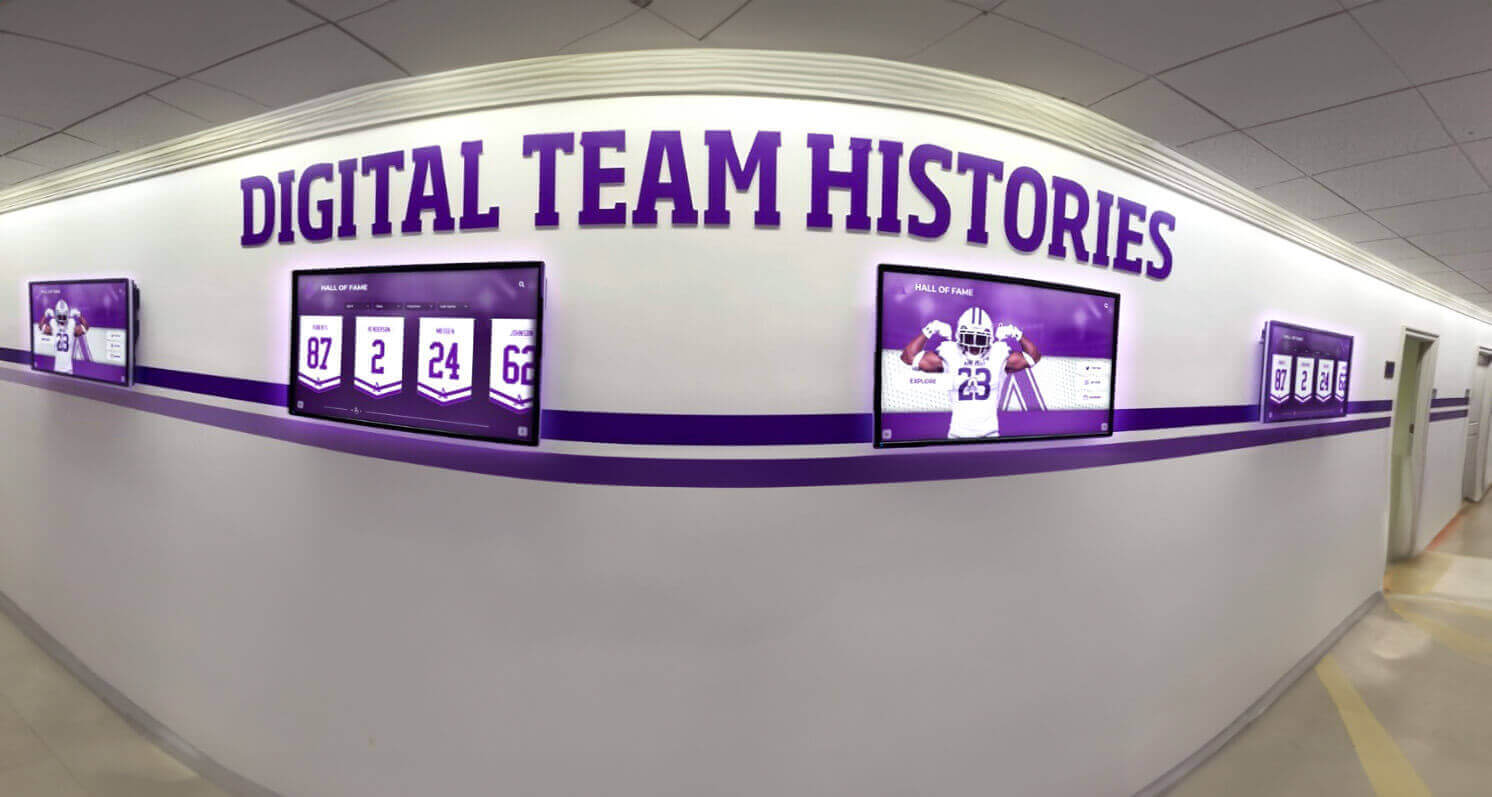
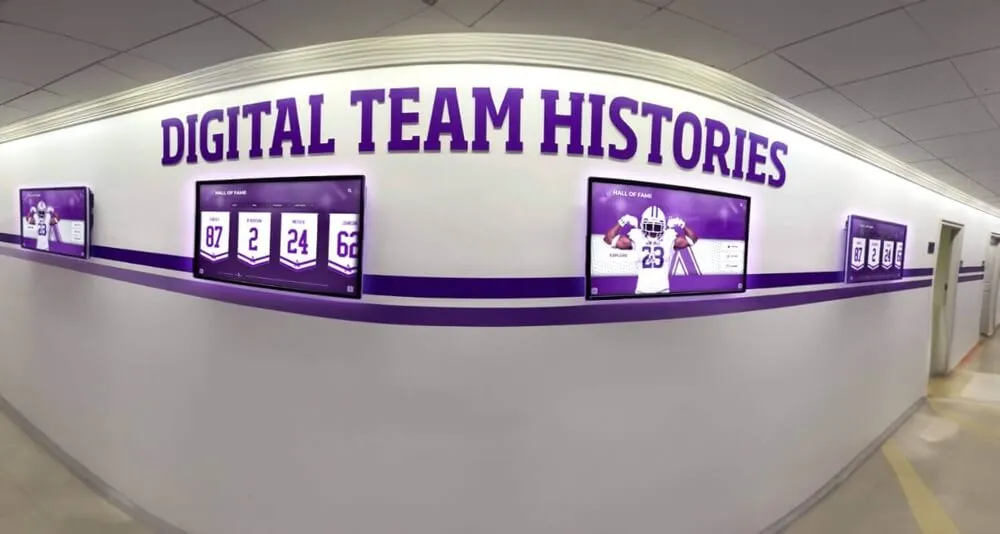
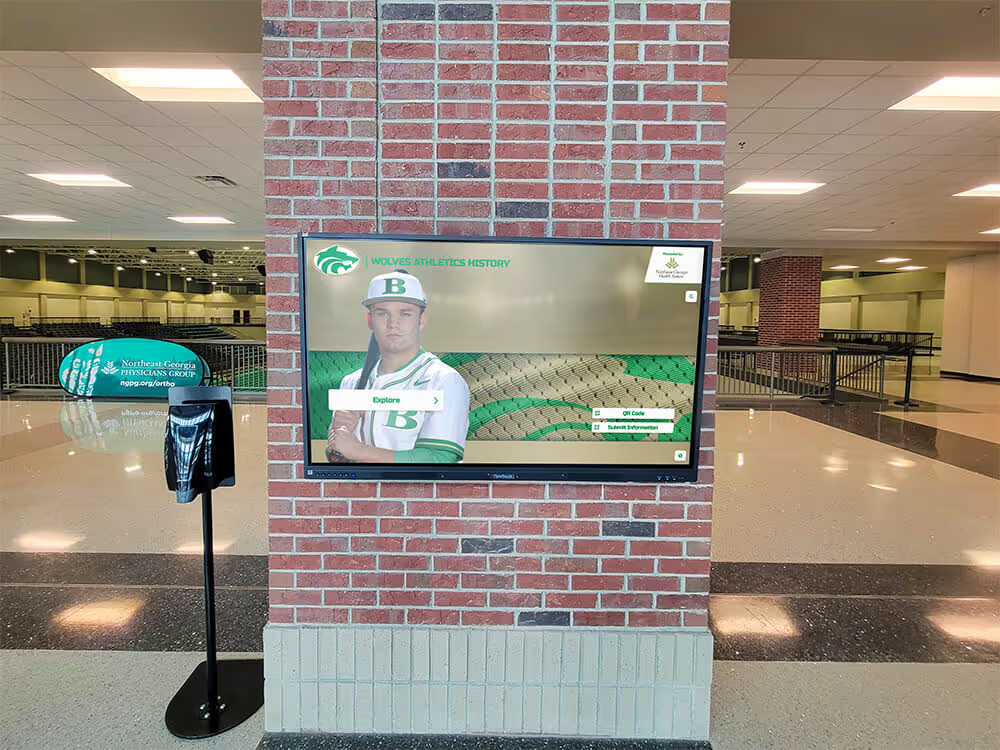
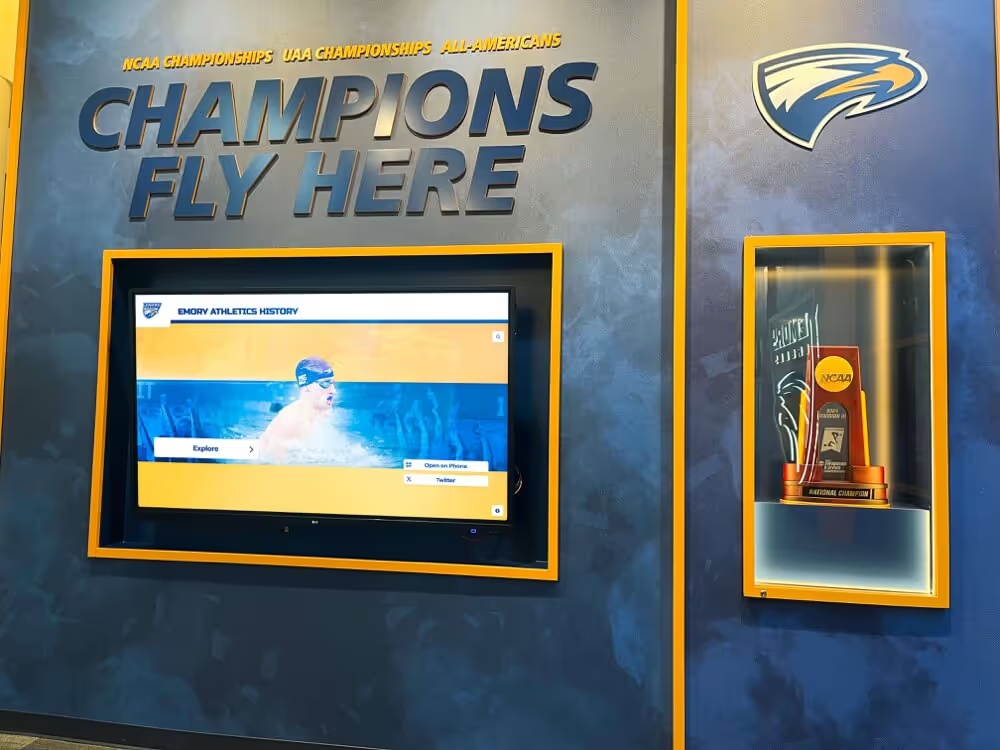
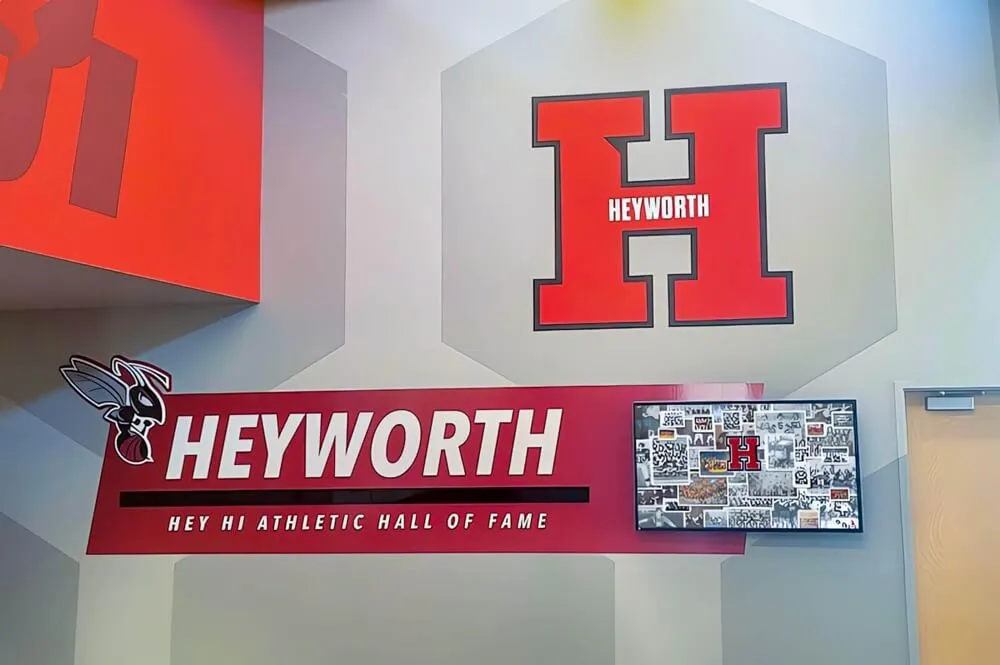
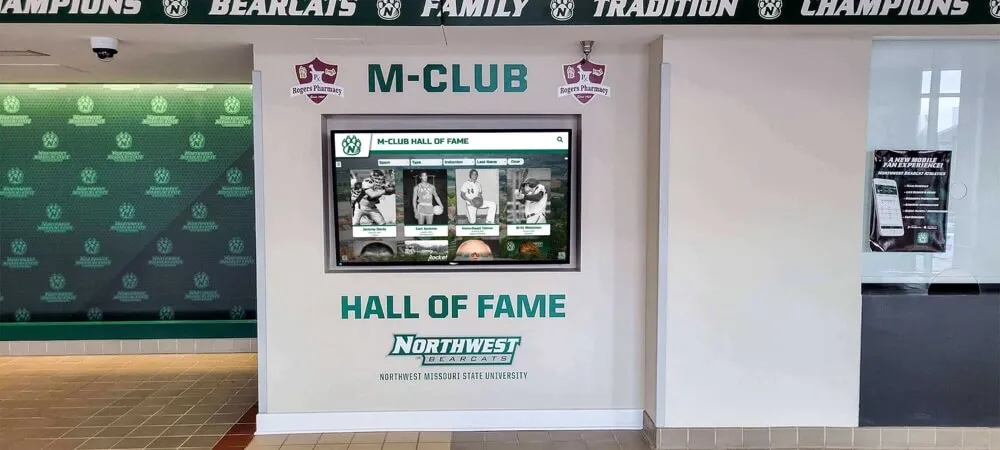
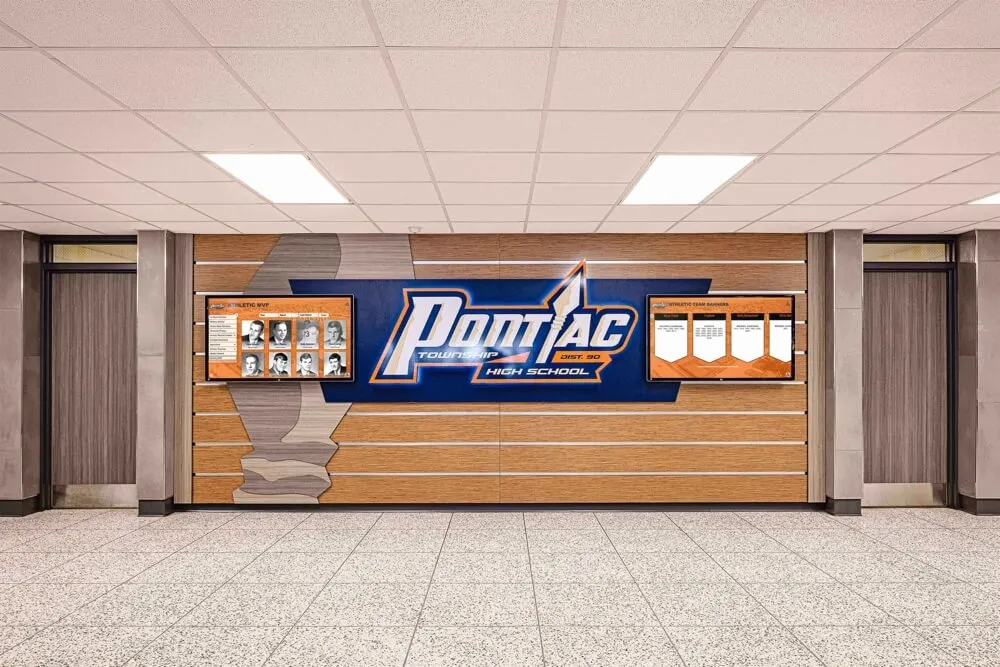
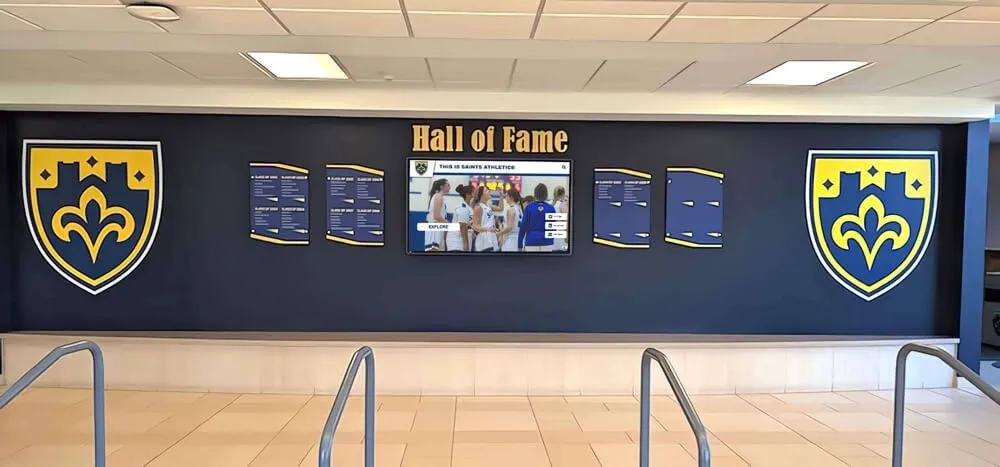
Comprehensive digital displays preserve complete team championship histories across multiple years
Building Comprehensive E-Sports Championship Recognition Programs
Effective recognition programs celebrate e-sports conference champions through systematic approaches ensuring appropriate visibility, meaningful acknowledgment, and lasting preservation of competitive gaming achievements.
Immediate Recognition Following Championship Victories
When teams win conference championships, immediate acknowledgment demonstrates institutional pride while capitalizing on community excitement surrounding these achievements.
Multi-Channel Announcement Strategies
Create comprehensive awareness through coordinated communication:
- Campus-wide announcements providing detailed information about championship significance and competitive context
- Social media campaigns celebrating championship teams with match highlights, player profiles, and achievement details
- Institution website feature stories highlighting competitive accomplishments and championship journey
- Email communications to students and families explaining what conference championships represent
- Local media outreach generating press coverage extending recognition beyond campus
- Alumni communications connecting graduates with current e-sports program success
These multi-channel approaches ensure conference championships receive visibility matching the exceptional nature of accomplishment while educating communities about competitive gaming excellence.
E-Sports-Specific Department Recognition
Beyond campus-wide acknowledgment, program-specific recognition creates meaningful celebration within the competitive gaming community:
- Update e-sports program websites and platforms with championship banners and team rosters
- Feature championship teams in e-sports department newsletters and competition announcements
- Create dedicated displays in e-sports facilities or gaming centers celebrating current and historical championships
- Recognize championship teams during e-sports viewing parties or community events
- Update digital leaderboards and achievement trackers with championship accomplishments
- Share match replays and highlight reels from championship competitions
This gaming community-specific recognition provides acknowledgment from peers and competitors who fully appreciate the dedication, strategy, and execution championship performance requires.
Understanding how institutions recognize academic recognition programs can inform parallel approaches for e-sports achievement celebration with appropriate adaptations for competitive gaming context.
Formal Championship Ceremonies and Celebrations
While immediate announcements provide timely acknowledgment, formal ceremonies create memorable recognition moments honoring conference championships with appropriate significance.
Campus Award Ceremony Integration
E-sports championships deserve celebration alongside other institutional achievements:
- Feature championship teams during academic excellence ceremonies alongside scholarly achievements
- Include conference championship recognition in annual awards events celebrating campus-wide accomplishments
- Present championship rings, trophies, or commemorative items during formal ceremonies
- Invite families to attend celebration moments honoring their student-athletes
- Create formal atmosphere communicating institutional pride in competitive gaming excellence
- Photograph recognition moments for documentation and future display
This inclusive recognition signals that institutions value e-sports excellence equally alongside traditional athletic and academic achievement, addressing historic imbalances that have marginalized competitive gaming accomplishments.
E-Sports Program Award Events
Season-ending or year-end e-sports awards ceremonies provide comprehensive recognition opportunities:
- Honor conference champions alongside other program awards and individual recognitions
- Allow coaches and program directors to speak specifically about each championship team’s journey
- Present substantial recognition items reflecting championship significance
- Screen match highlights and championship moments during ceremony
- Recognize individual player contributions to championship success
- Celebrate coaching staff and program supporters enabling championship achievement
These dedicated e-sports events provide focused recognition time allowing appropriate acknowledgment detail impossible during broader campus ceremonies.
Championship Viewing Parties and Community Events
Create public celebration opportunities for championship competitions:
- Host viewing parties during conference championship matches enabling community support
- Organize celebration events immediately following championship victories
- Invite campus communities to experience competitive gaming excitement
- Educate attendees about game strategy, player roles, and championship significance
- Create festive atmosphere demonstrating institutional enthusiasm for e-sports success
Public viewing events introduce broader campus audiences to competitive gaming while creating memorable shared experiences celebrating institutional achievement.
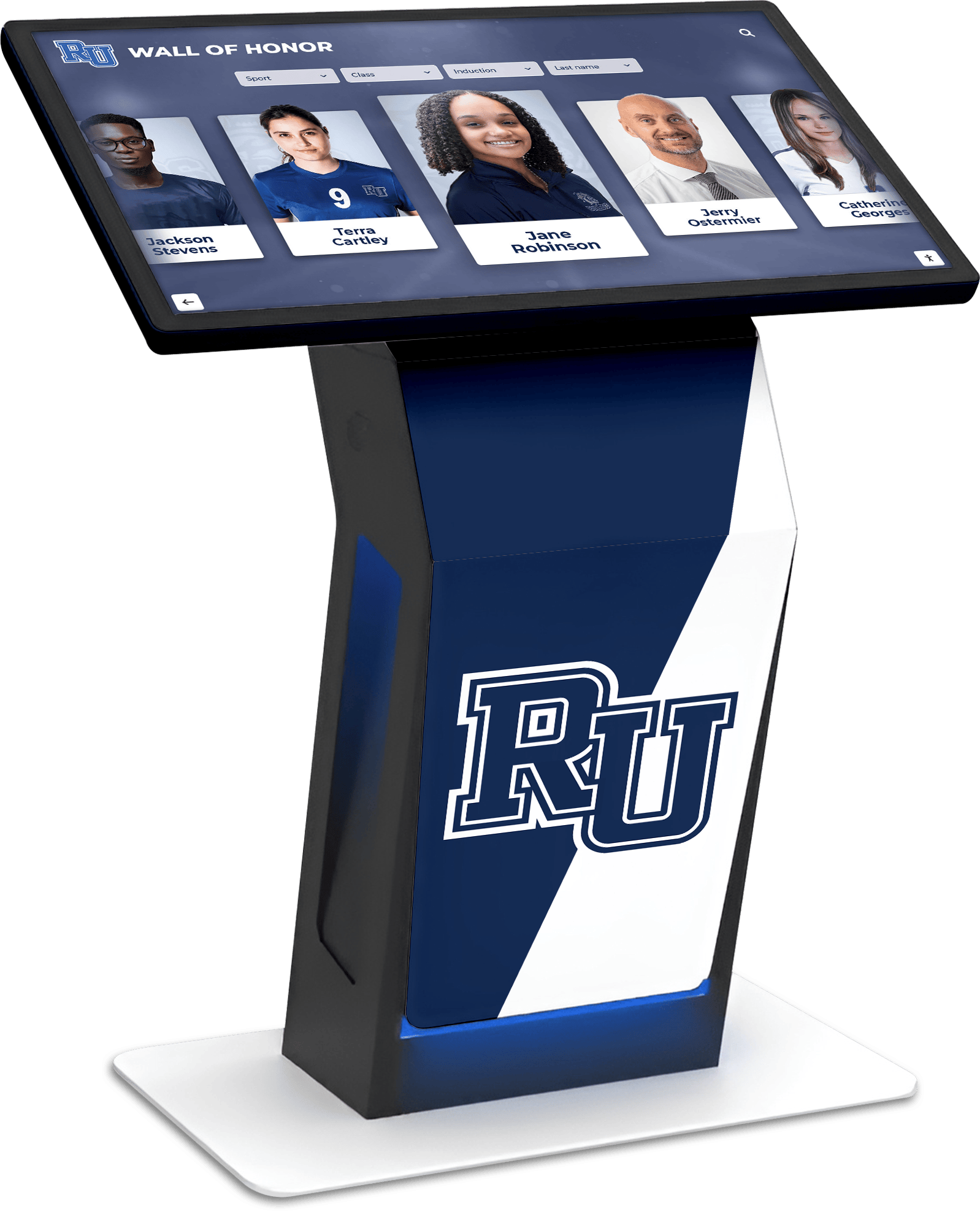
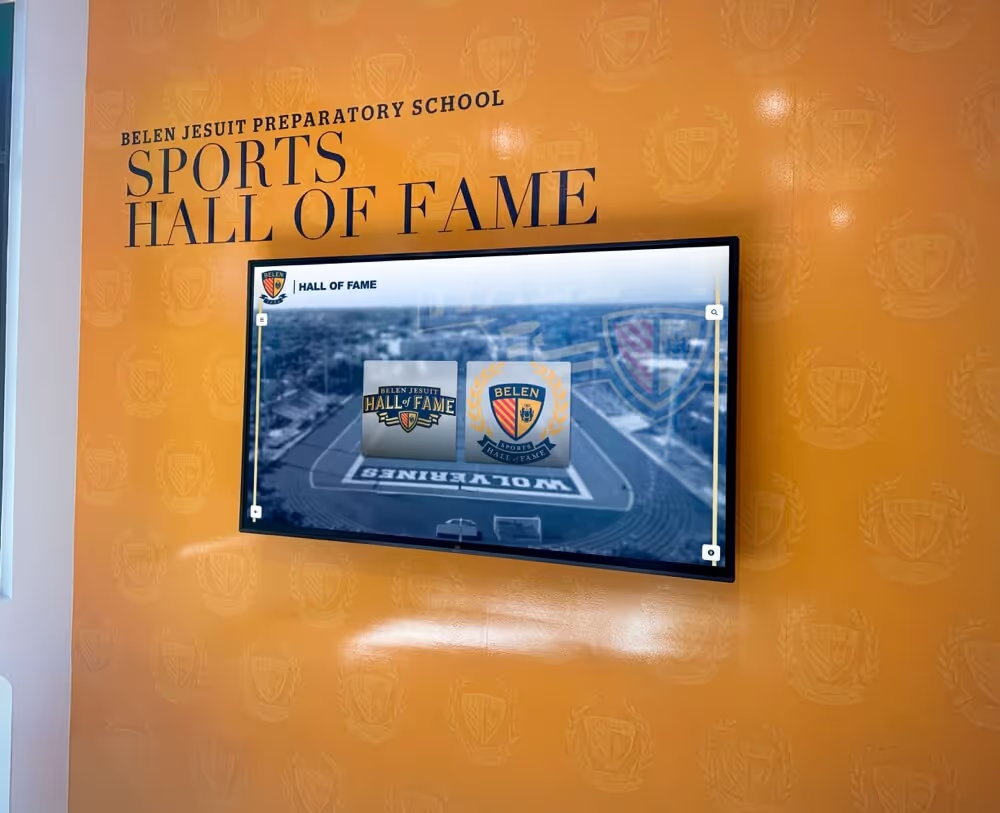
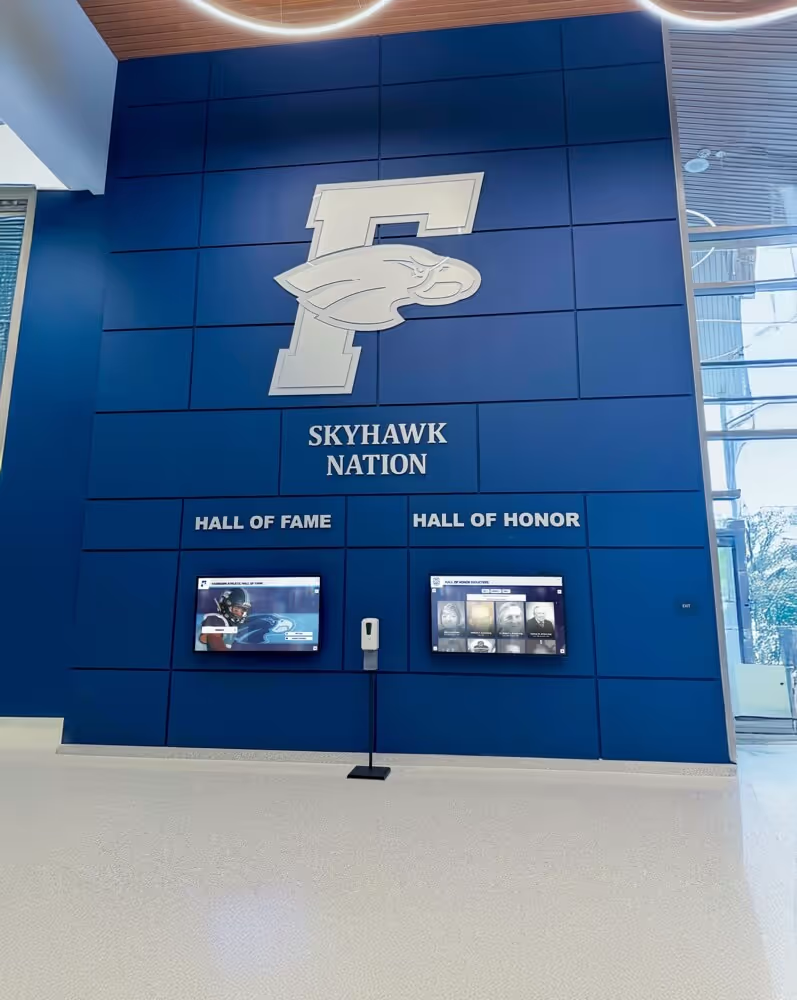
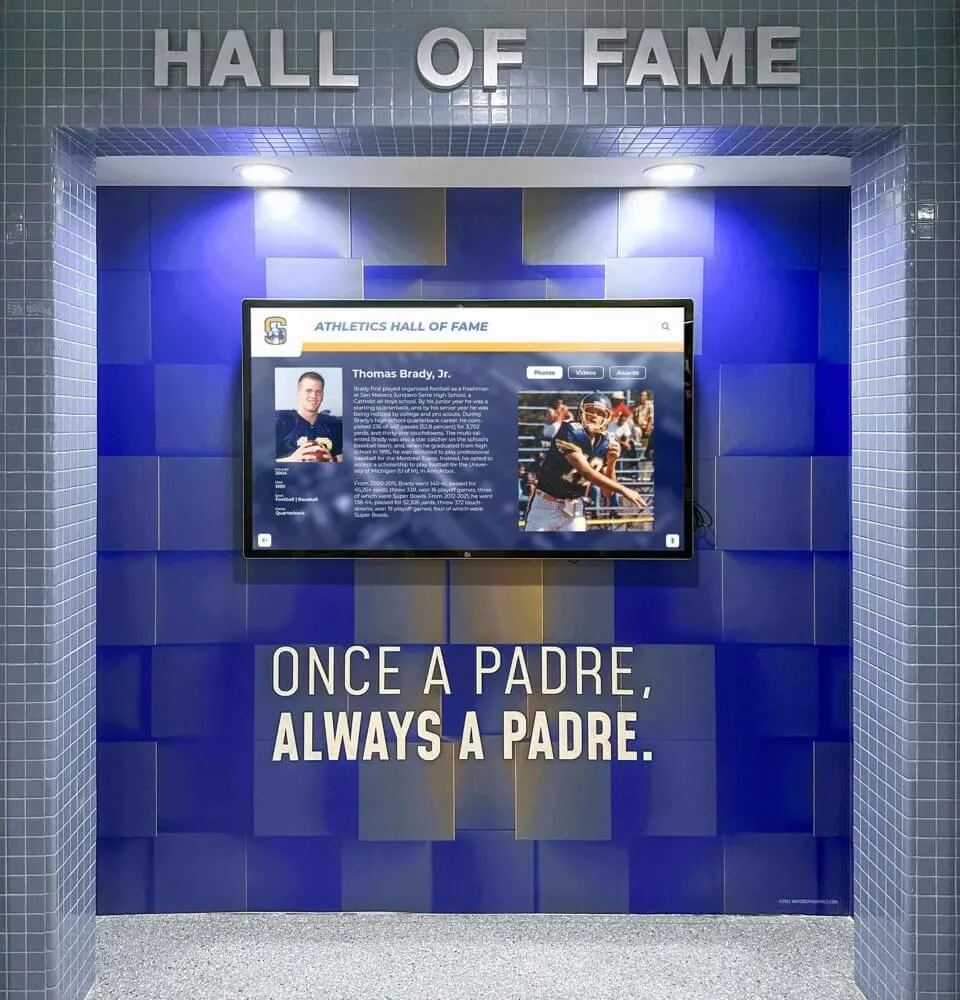
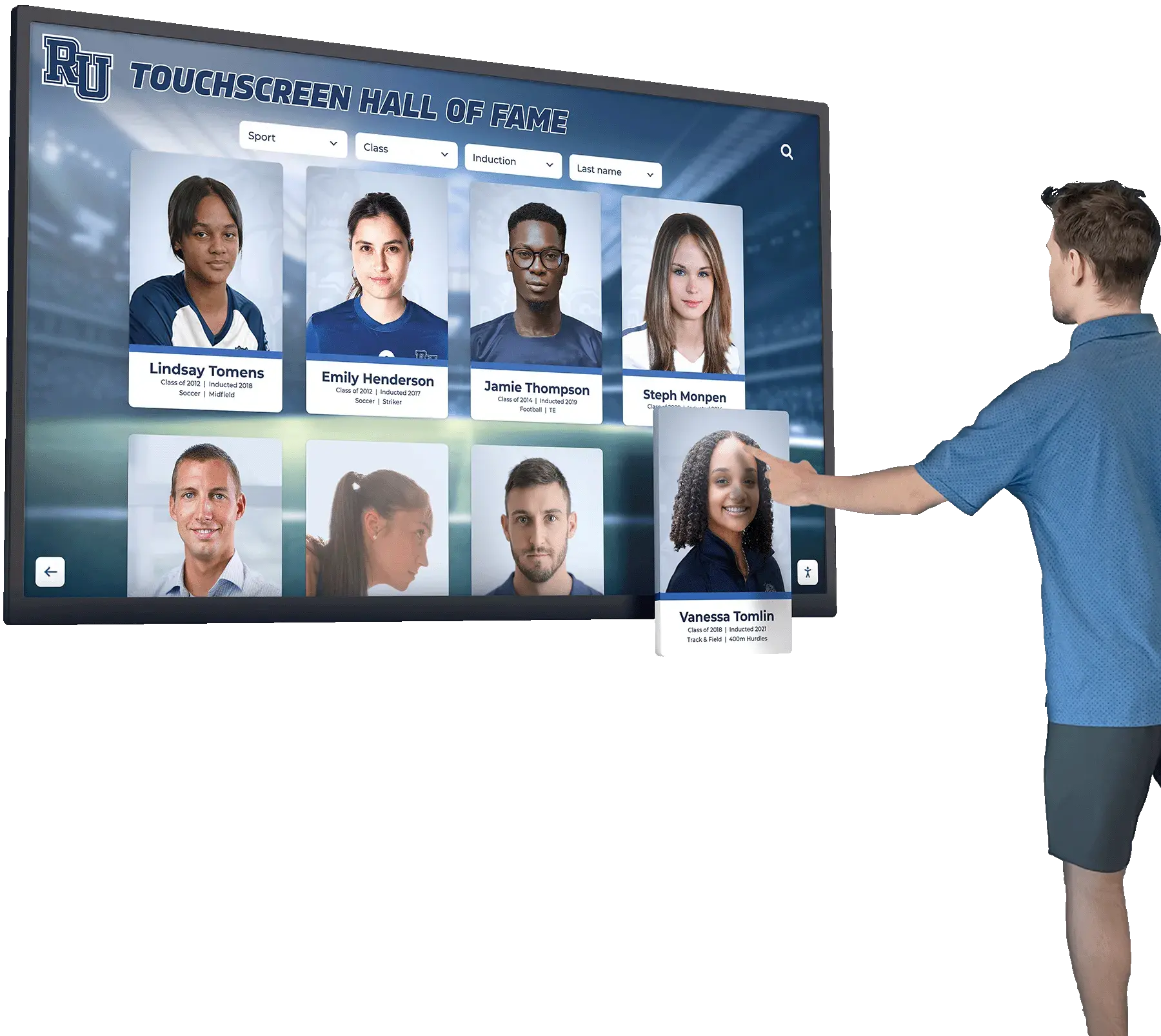
Purpose-built recognition systems provide comprehensive platforms for celebrating e-sports excellence
Digital Recognition Solutions for E-Sports Championships
Modern technology enables institutions to create comprehensive, lasting e-sports championship recognition overcoming limitations of traditional approaches constrained by physical space and limited multimedia capabilities.
Advantages of Digital E-Sports Recognition Displays
Digital recognition platforms transform conference championship acknowledgment from temporary web announcements to permanent, engaging tributes honoring competitive gaming excellence comprehensively.
Unlimited Championship Documentation Capacity
Digital systems eliminate the space constraints forcing difficult decisions about which achievements receive limited display opportunities:
- Showcase every conference championship throughout program history without capacity limitations
- Include complete team rosters, match statistics, and championship journey details
- Preserve historical records demonstrating sustained program competitive excellence
- Accommodate future championships indefinitely without display expansion requirements
- Document multiple championships across different game titles simultaneously
This unlimited capacity ensures every championship achievement receives appropriate permanent recognition rather than disappearing to accommodate newer accomplishments.
Rich Multimedia Content Integration
Unlike static trophies or plaques limited to names and dates, digital recognition incorporates engaging content bringing championships to life:
- Match highlight videos capturing crucial plays, clutch performances, and championship-winning moments
- Player interviews and team reflections providing personal championship perspectives
- Statistical breakdowns showing match performance, tournament progression, and competitive excellence metrics
- Tournament brackets and competition context explaining championship journey
- Action screenshots from championship matches demonstrating gameplay excellence
- Complete team photographs preserving championship roster compositions
This multimedia richness creates engaging recognition experiences that inspire current students while comprehensively honoring championship achievements.
Solutions like Rocket Alumni Solutions provide purpose-built platforms specifically designed for educational recognition, combining intuitive content management, reliable hardware, professional support, and features addressing unique needs of e-sports programs celebrating competitive gaming achievement.
Interactive Exploration Features
Digital platforms enable active engagement replacing passive viewing of static displays:
- Search functionality allowing students to find specific championships, teams, or players
- Filtering capabilities organizing achievements by year, game title, or competition level
- Detailed championship pages providing comprehensive achievement stories beyond basic information
- Player profile connections showing individual contributions across multiple championships
- Historical timeline views demonstrating program development across years
- Comparative statistics showing championship teams in historical competitive context
Interactive features particularly resonate with gaming-native students expecting dynamic interfaces and explorable content in digital platforms.
Immediate Content Updates
Add newly won championships to recognition displays instantly rather than waiting for physical trophy production:
- Update displays immediately following championship victories
- Maintain current recognition without lag time between achievement and acknowledgment
- Modify or enhance content easily as additional footage or information becomes available
- Correct statistics or update details without costly replacement
- Refresh historical content when additional media or information surfaces
This update flexibility ensures recognition remains current while preserving ability to enhance historical content continuously.
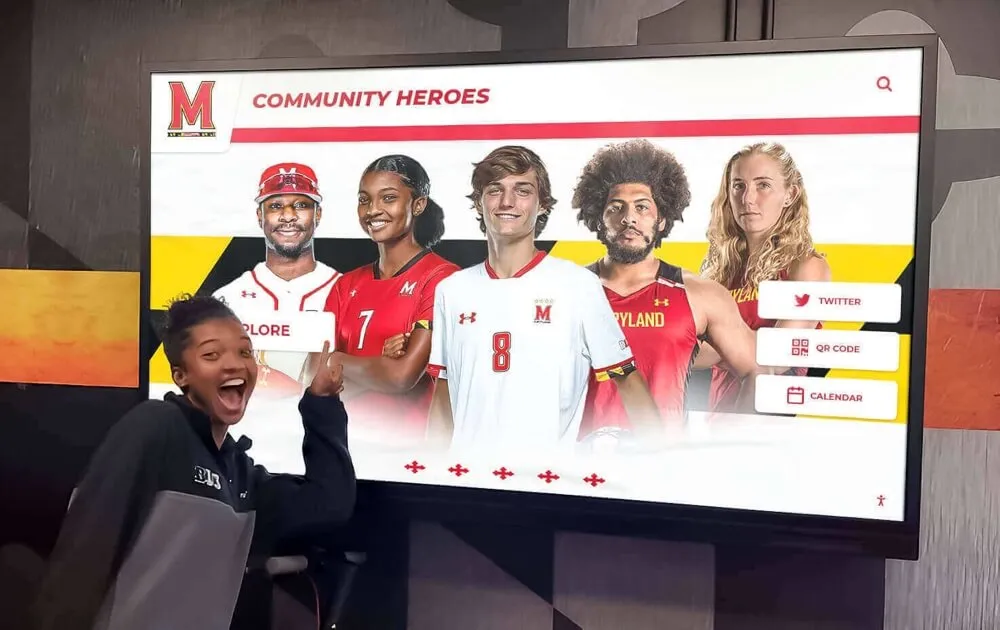
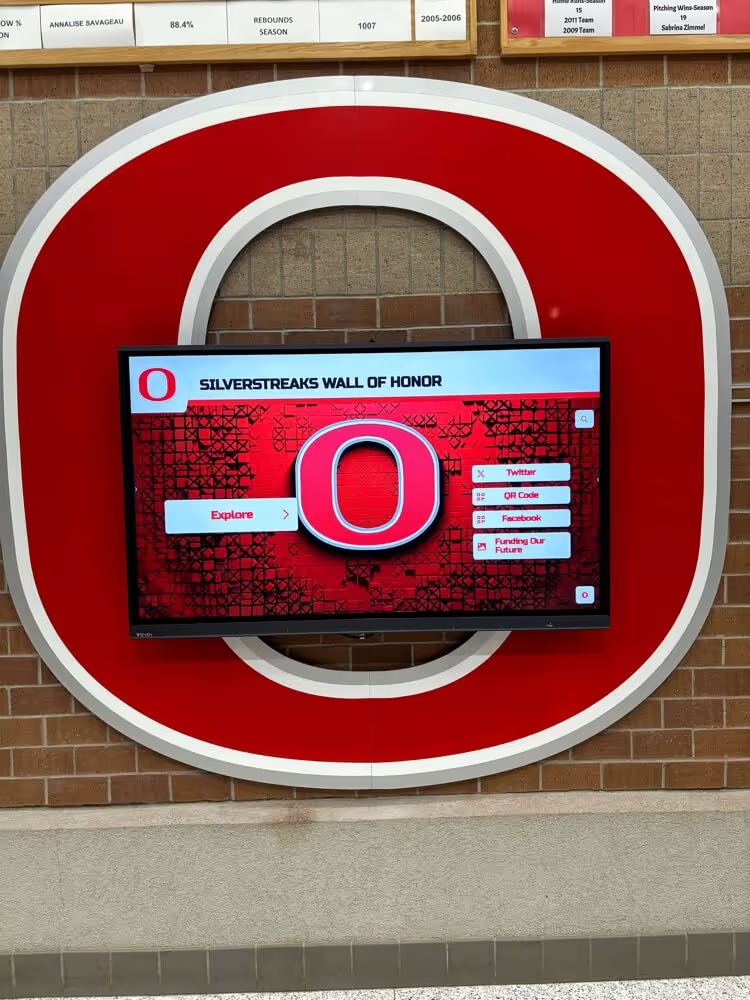
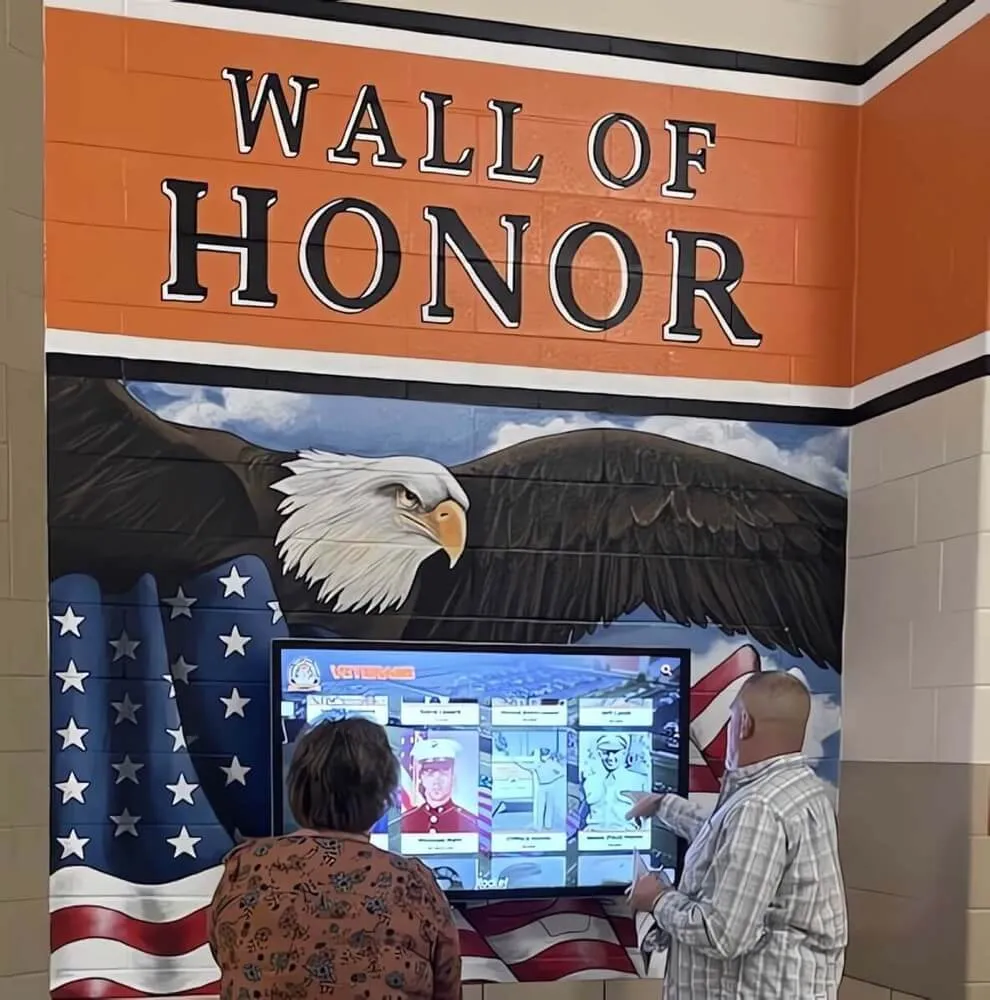
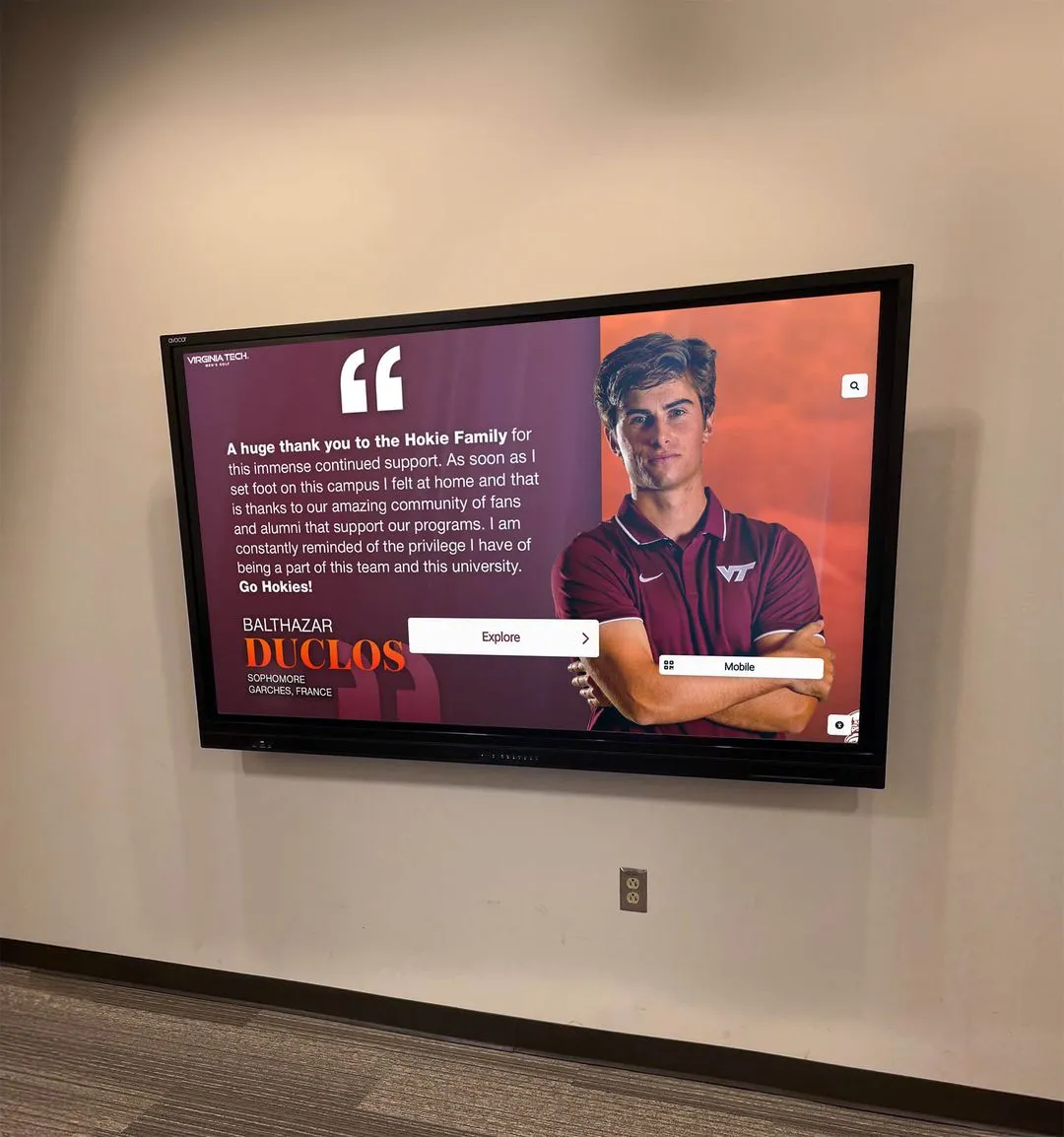
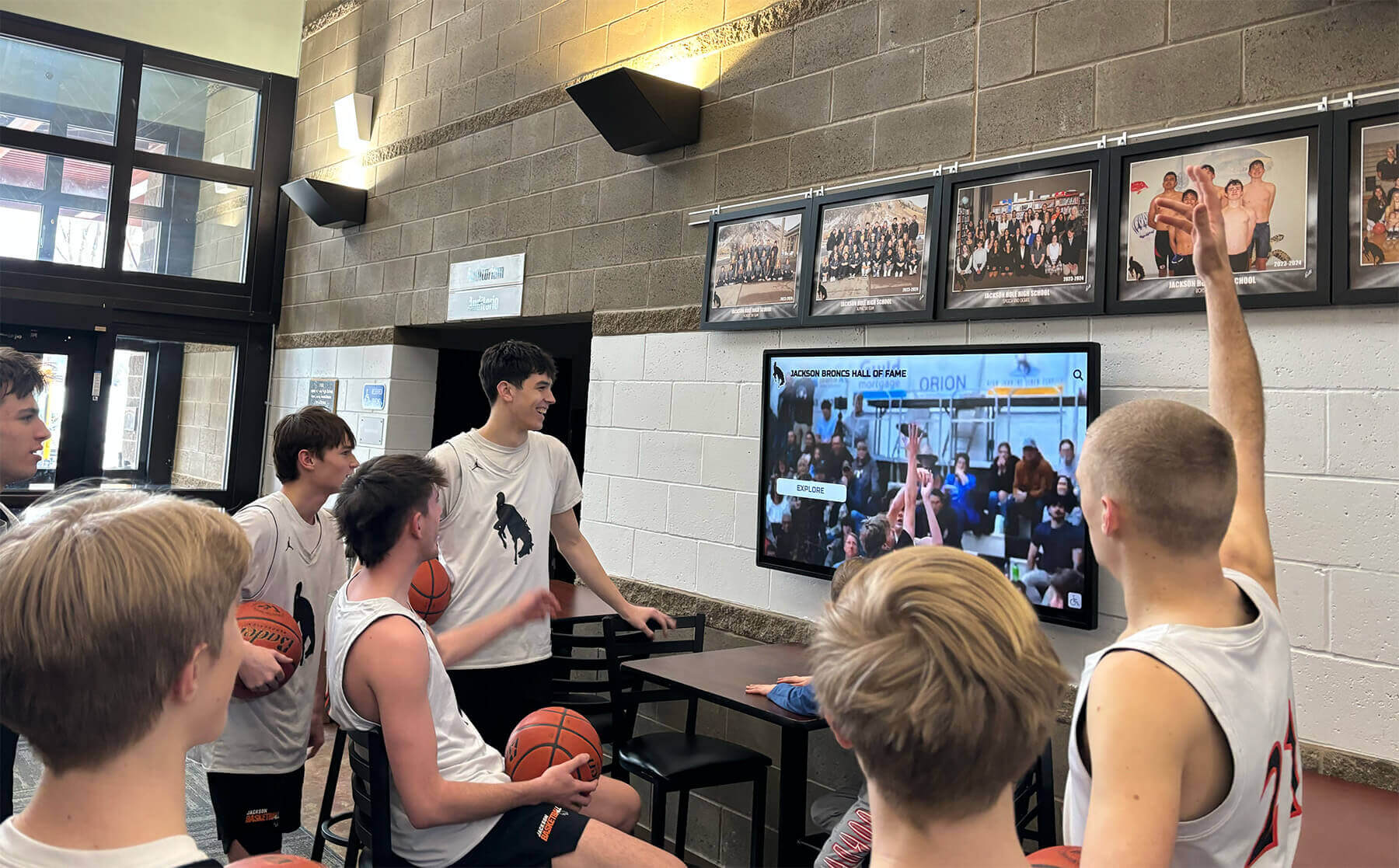
Interactive displays engage students with competitive gaming history and championship achievements
Essential Content for Championship Team Profiles
Comprehensive digital recognition should include carefully curated content honoring championships while providing inspiration and context for current students.
Core Championship Information
Every conference championship profile should document:
- Competition year and academic term for temporal identification
- Conference name and competitive level providing championship context
- Game title specifying competitive category
- Final championship match details including opponent, score, and date
- Regular season record and tournament seeding showing complete competitive journey
- Championship match highlights and crucial moments
- Tournament bracket position and advancement path to finals
This foundational information provides complete championship record while contextualizing accomplishment within competitive structure.
Team Roster and Player Recognition
Meaningful championship recognition includes comprehensive team documentation:
- Complete team roster with player usernames/gamertags and real names
- Player roles and positions within team competitive structure
- Individual statistics and performance metrics across championship competition
- Captain and leadership recognition acknowledging team coordination
- Substitute players who contributed to championship success
- Coaching staff and support personnel enabling championship performance
These detailed rosters ensure all contributors receive appropriate individual acknowledgment within team championship celebration.
Competitive Journey Narrative
Beyond basic championship data, meaningful recognition includes narrative content:
- Season highlights building toward championship success
- Key victories during regular season establishing competitive credentials
- Tournament progression through bracket rounds
- Challenges overcome demonstrating resilience alongside skill
- Strategic innovations or signature plays defining team identity
- Memorable moments beyond final championship match
- Impact on program history and competitive legacy
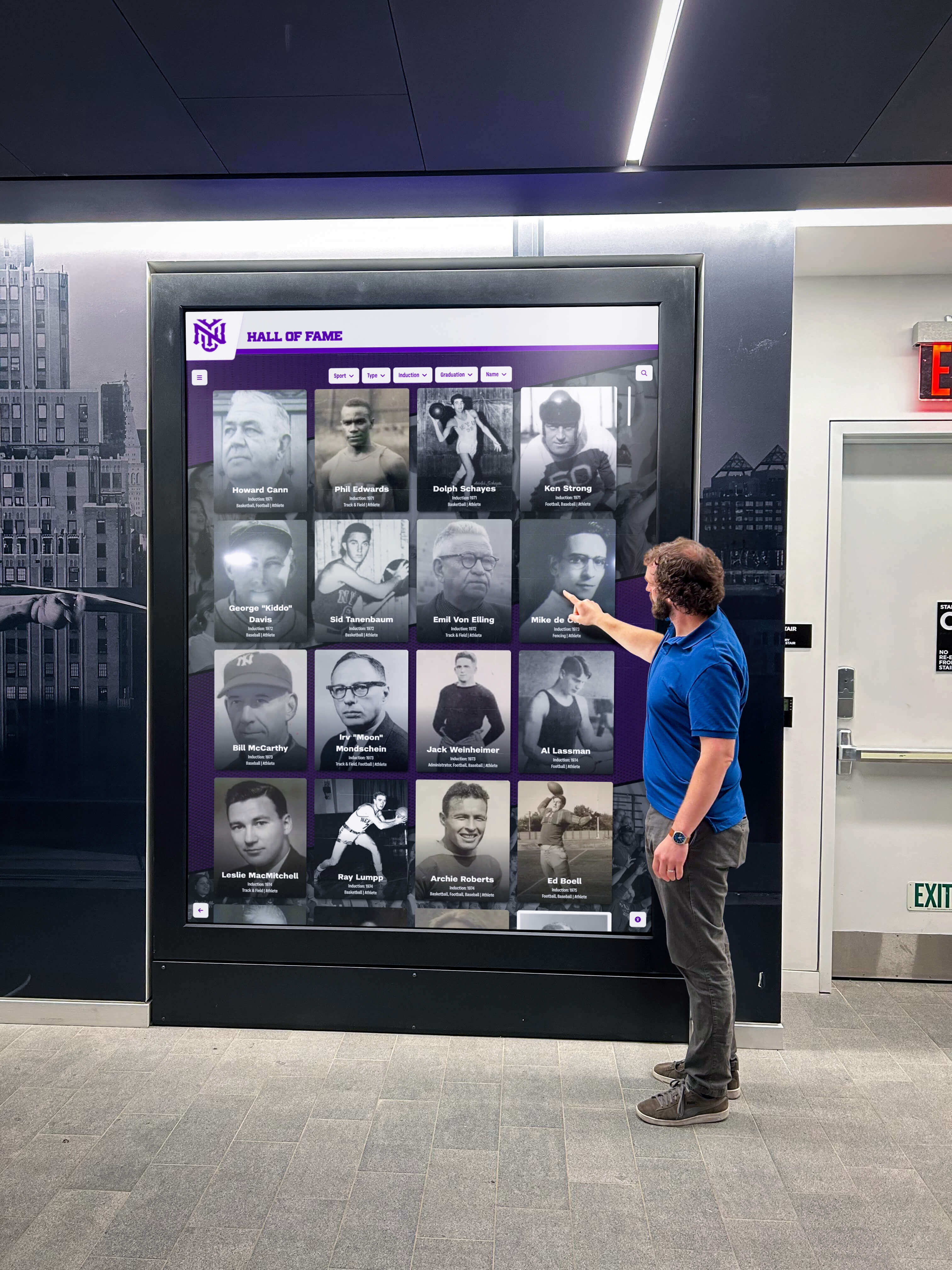
Strategic display placement enables families and visitors to explore competitive gaming excellence
These narratives transform simple championship lists into inspiring stories demonstrating that conference championships result from sustained dedication, strategic preparation, and coordinated team execution rather than random competitive success.
Visual and Multimedia Content
Rich media brings championship achievements to life:
- Action screenshots from championship matches capturing crucial moments
- Team photographs preserving championship roster compositions
- Match highlight videos showcasing competitive excellence
- Post-match celebration footage capturing championship emotion
- Tournament bracket graphics showing championship journey
- Infographics presenting statistics and performance metrics visually
Understanding how institutions showcase student achievement across various domains can inform effective e-sports recognition approaches.
Strategic Display Placement for Maximum Visibility
Physical display location significantly impacts recognition program visibility and community awareness of e-sports program excellence.
High-Traffic Campus Locations
Position e-sports championship recognition displays where entire campus communities encounter them regularly:
- Main campus entrance lobbies welcoming all visitors and creating immediate impressions
- Student union and commons areas where students spend time and can actively explore content
- Library and learning center spaces supporting extended viewing during study time
- Major hallway intersections with natural gathering points and high daily traffic
- Dining facilities where students naturally congregate
These locations ensure recognition reaches beyond e-sports participants to entire campus populations, elevating awareness of competitive gaming achievement institution-wide.
E-Sports-Specific Facilities
Dedicated recognition in specialized spaces provides focused celebration within competitive gaming community:
- E-sports arenas and competition venues where matches occur
- Gaming labs and practice facilities where teams train daily
- E-sports program offices where students, coaches, and administrators gather
- Team meeting rooms and strategy spaces visible to competitors
- Streaming and broadcast studios where content creation occurs
Facility-specific placement creates continuous inspiration for students actively pursuing competitive gaming excellence while demonstrating program tradition and championship standards.
Resources about athletic history displays demonstrate how comprehensive recognition systems can adapt for e-sports contexts with appropriate modifications for competitive gaming environments.
Web-Based Recognition Extensions
Digital recognition platforms should extend beyond physical displays through online access:
- Program website integration making championships accessible to broader communities
- Mobile-responsive designs enabling smartphone and tablet viewing
- Social sharing capabilities allowing students and families to celebrate achievements
- Alumni access permitting graduates to explore current program successes
- Recruitment visibility demonstrating program quality to prospective students
- Streaming platform integration connecting with gaming community platforms
Web accessibility proves particularly valuable for extended family, alumni, and community members unable to visit campus regularly but interested in program achievements.
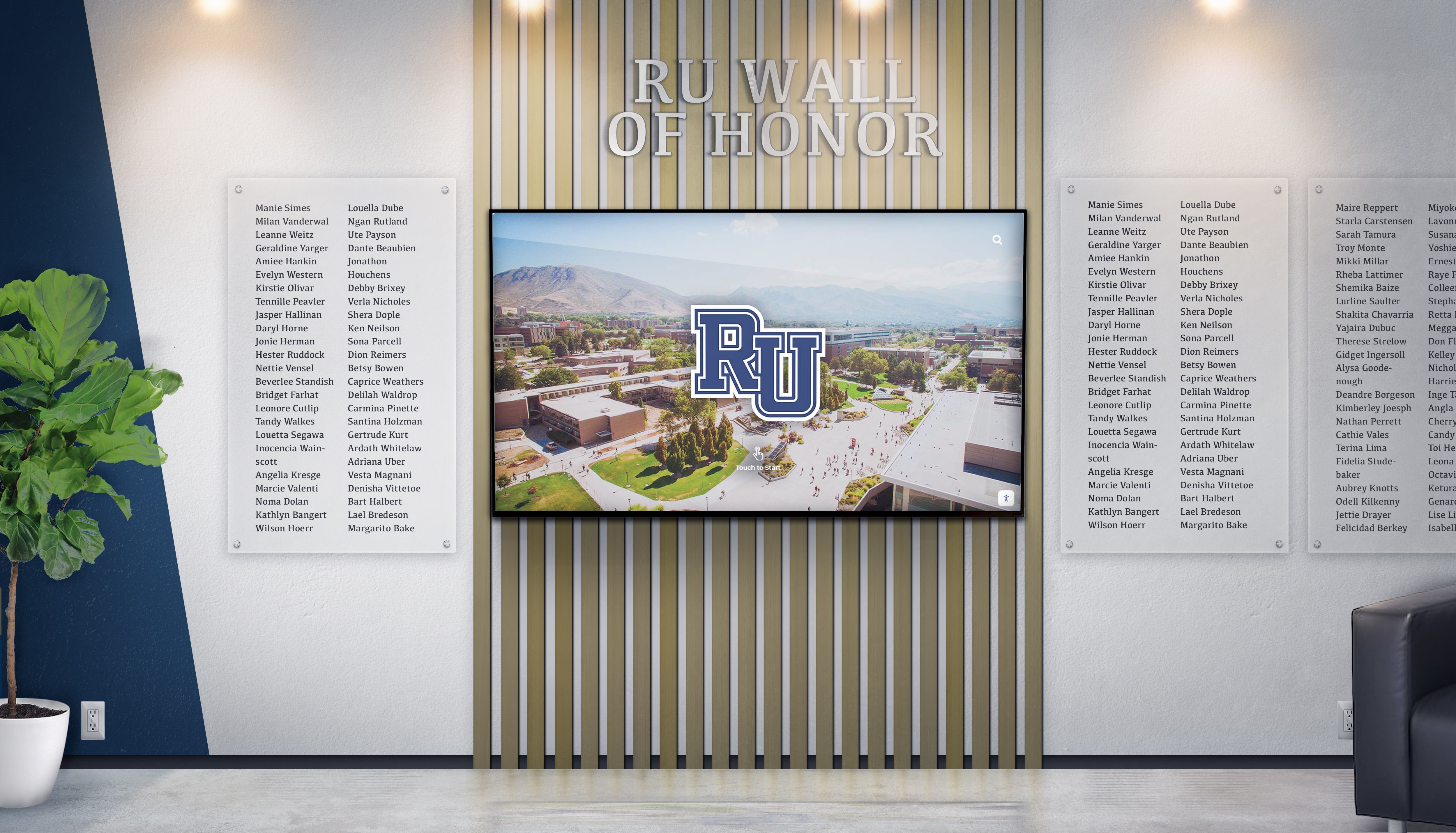
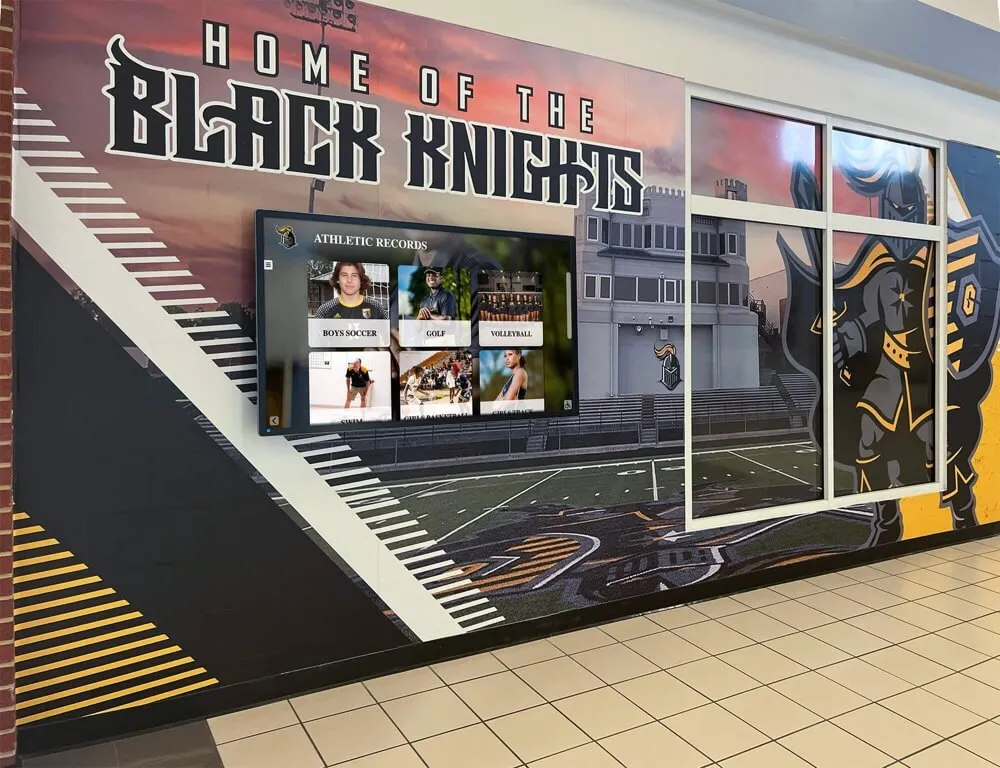
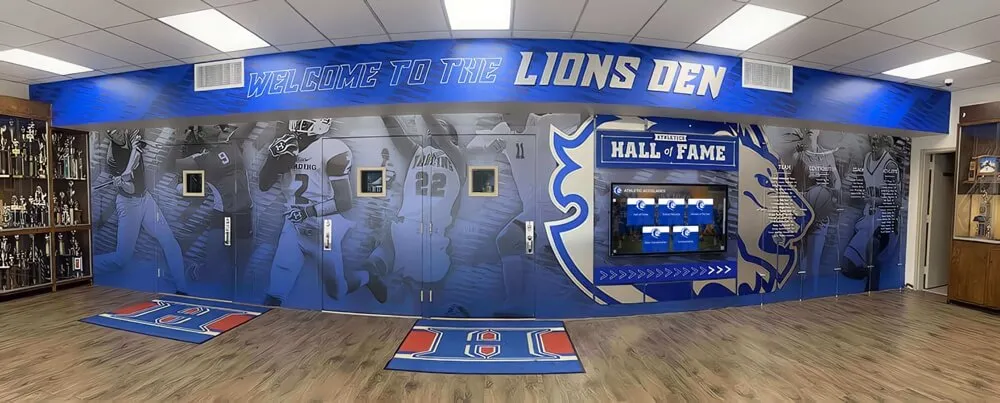
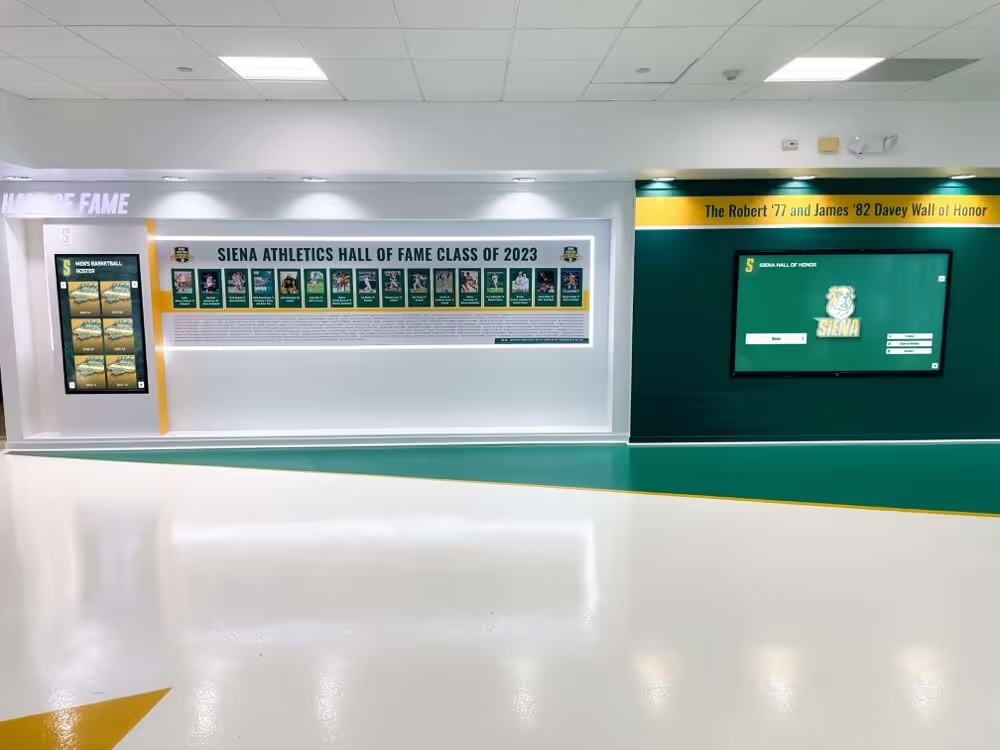
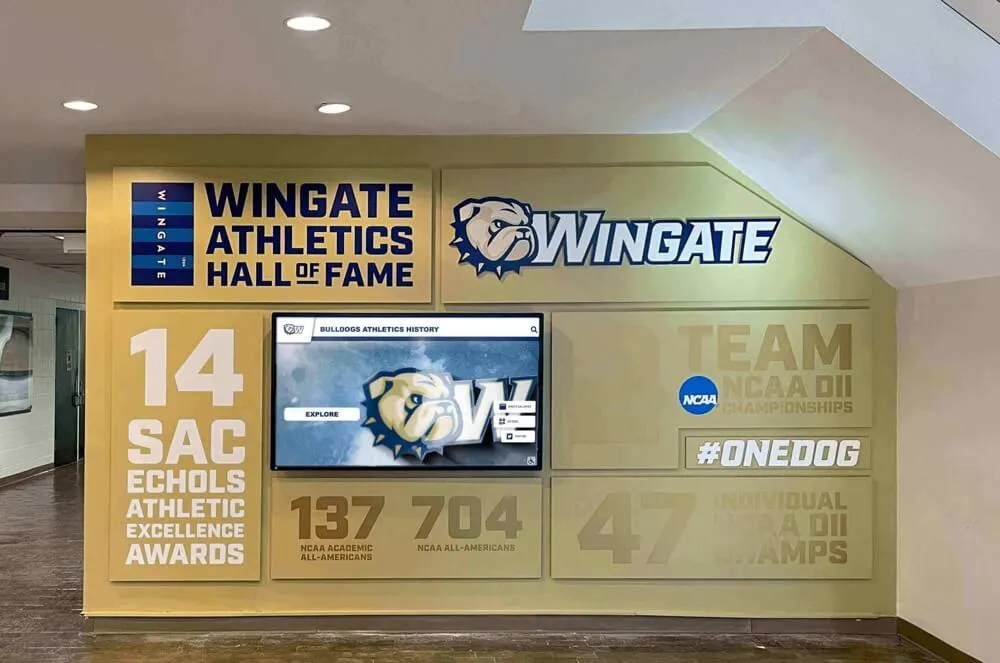
Integrated recognition systems combine digital displays with physical design elements creating impressive celebration spaces
Integrating Championship Recognition Into E-Sports Program Culture
Recognition achieves maximum impact when integrated systematically into program culture rather than existing as isolated display or occasional announcement.
Creating Championship Achievement Traditions
Establishing consistent traditions around championship recognition builds anticipation while emphasizing achievement significance year after year.
Championship Ring and Banner Ceremonies
Following traditional athletic models, create tangible championship recognition:
- Design championship rings for winning teams creating lasting personal mementos
- Commission championship banners displaying in e-sports facilities and arenas
- Host formal banner unveiling ceremonies during subsequent competition seasons
- Create championship trophy designs specific to institution and conference
- Present physical awards during public ceremonies honoring championship teams
Physical championship recognition provides tangible acknowledgment complementing digital displays while creating visible program tradition.
Annual Championship Recognition Events
Establish yearly traditions celebrating e-sports excellence:
- End-of-year awards ceremonies honoring championship teams alongside individual achievements
- Alumni championship reunion events connecting historical champions with current programs
- Championship team induction into digital hall of fame programs preserving long-term program history
- Anniversary celebrations recognizing milestone championships (10th, 25th anniversary)
- Championship team presentations to campus leadership and governing boards
Regular ceremonial traditions communicate that championships represent enduring achievements worthy of sustained celebration beyond immediate victory moments.
Mentorship Programs Connecting Championship Teams
Create ongoing connections between current and former championship competitors:
- Establish peer mentoring where previous champions advise current teams
- Invite championship alumni to visit and share competitive experiences with current players
- Create networking opportunities connecting current students with competitive gaming alumni
- Develop online communities enabling championship teams to stay connected across years
- Organize panel discussions where multiple championship teams discuss competitive journeys
These mentorship traditions demonstrate that championships create lasting bonds while providing practical guidance for teams pursuing similar excellence.
Understanding broader fan engagement strategies can inform approaches for building enthusiastic e-sports program communities celebrating competitive success.
Educational Components of Championship Recognition
Effective recognition programs educate students and broader communities about what conference championships represent and how teams can pursue similar excellence.
Competitive Gaming Education
Help students and communities understand e-sports competitive structures:
- Explain conference systems, championship formats, and qualification requirements
- Share what distinguishes championship-caliber teams from recreational competitors
- Discuss preparation commitments, practice schedules, and team coordination requirements
- Address common misconceptions about competitive gaming and e-sports
- Provide statistical context about championship competitiveness and achievement rarity
This education legitimizes e-sports while helping serious students understand concrete steps toward championship performance.
Championship Journey Documentation
Share complete stories of championship teams’ paths to excellence:
- Document practice hours and preparation dedication required for championship success
- Highlight coaching influence and strategic development
- Acknowledge obstacles overcome and setbacks navigated during competitive seasons
- Discuss balance between competitive gaming pursuits and academic commitments
- Share what teams would approach differently with hindsight and experience
These authentic narratives provide roadmaps more valuable than simple announcement of achievement, demonstrating that championships result from sustained effort rather than lucky tournament performances.
College Recruiting and Scholarship Connections
Educate students and families about how conference championships impact future opportunities:
- Explain how university e-sports programs view championship achievements in recruitment
- Discuss scholarship opportunities connected to competitive gaming excellence
- Share alumni experiences with university recruitment following championship success
- Address realistic expectations about e-sports careers and gaming industry opportunities
- Connect championship achievement to broader college admissions advantages
This practical information motivates serious competitors while helping families understand value extending beyond immediate recognition.
Exploring college signing recognition approaches can inform how institutions celebrate e-sports scholarship recipients transitioning to university programs.
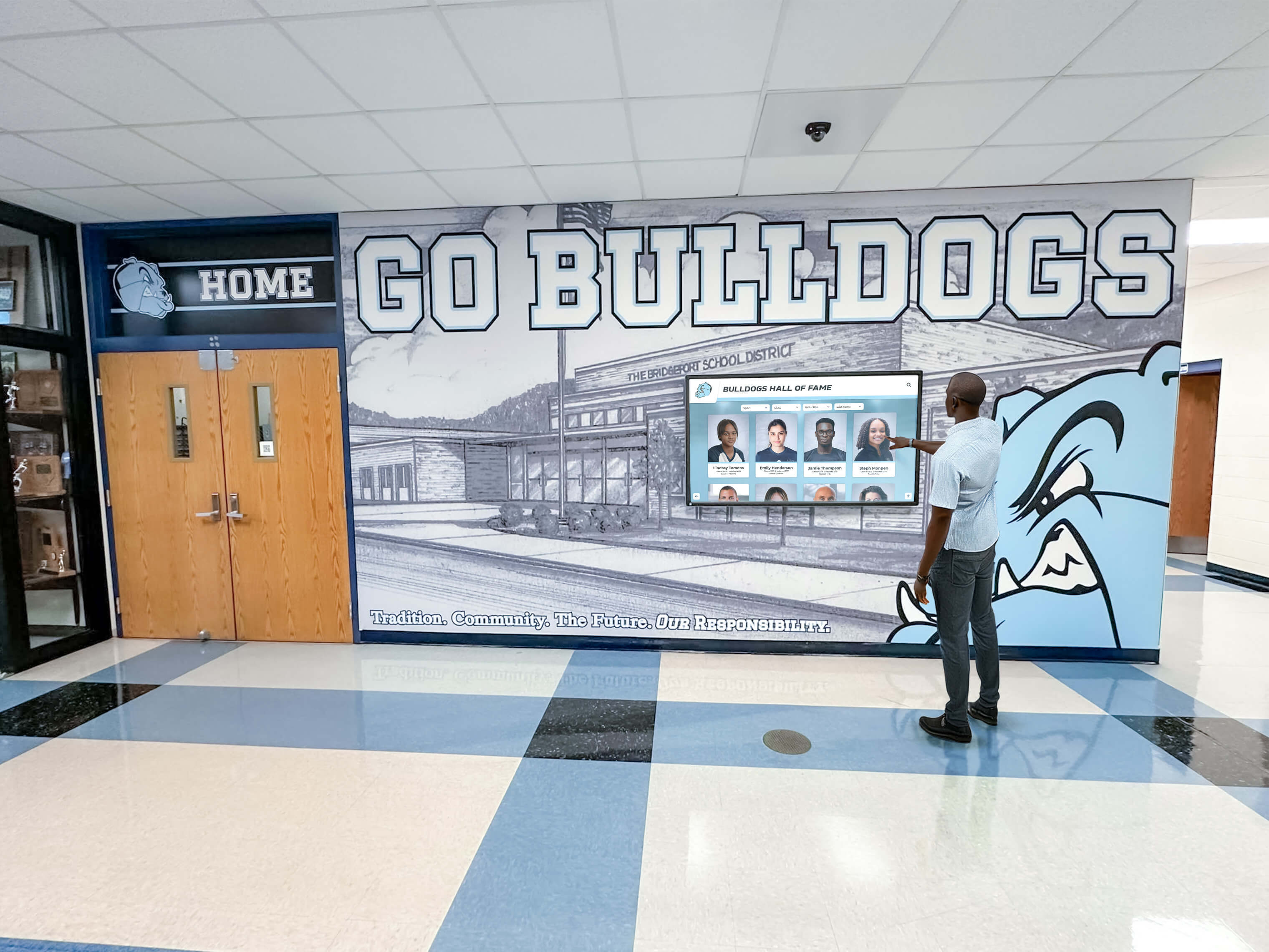
Strategically placed displays become destination attractions where students explore competitive gaming history
Measuring Championship Recognition Program Impact
Assessment demonstrates recognition program value while identifying opportunities for enhancement and improved effectiveness.
Quantitative Impact Indicators
Track specific metrics revealing recognition program influence on e-sports program culture and student motivation.
Participation and Achievement Metrics
Monitor trends suggesting recognition program effectiveness:
- Number of students participating in competitive e-sports tryouts and teams
- Conference standing improvements showing competitive program development
- Championship frequency compared to historical program performance
- Multiple-championship teams demonstrating sustained competitive excellence
- Distribution of championships across game titles showing program breadth
Growing participation and competitive success rates suggest that recognition programs effectively motivate students to pursue e-sports excellence while building program reputations attracting skilled competitors.
Student Engagement Indicators
For digital recognition systems, analytics reveal community engagement:
- Display interaction frequency showing how often students explore championship content
- Session duration indicating depth of engagement with recognition content
- Most-viewed championships revealing which teams or stories resonate most
- Search patterns demonstrating how students explore historical achievements
- Return visitors suggesting sustained interest beyond one-time curiosity
These engagement metrics validate display placement and content strategies while identifying particularly effective recognition approaches worth expanding.
Program Enrollment and Retention
Assess broader program health potentially influenced by recognition culture:
- Year-over-year enrollment in e-sports programs and competitive teams
- Student retention rates from tryout participation through championship competition
- Participation in optional competitive events and tournaments beyond conference requirements
- E-sports major and minor declarations among students (where available)
- Alumni continued involvement in gaming industry or competitive communities
While multiple factors influence these indicators, strong recognition cultures contribute to thriving programs where students pursue competitive gaming excellence throughout their education.
Qualitative Feedback Collection
Numbers provide important measures, but qualitative feedback offers deeper understanding of how recognition influences student experiences and program culture.
Student Competitor Perspectives
Gather feedback from both championship teams and students pursuing that achievement:
- Survey championship team members about recognition meaningfulness and satisfaction
- Ask aspiring competitors whether recognition programs influence their motivation
- Explore whether students understand pathways to championship achievement
- Assess student awareness of program competitive history and tradition
- Collect suggestions for recognition program enhancement
Direct student feedback reveals whether recognition resonates with primary audiences while identifying improvement opportunities from competitor perspectives.
Coaching Staff and Program Director Input
E-sports coaches and administrators observe recognition impact firsthand:
- Request staff perspectives about recognition program influence on student motivation
- Gather observations about program culture shifts following recognition implementation
- Solicit feedback about recognition program manageability and sustainability
- Discuss whether recognition helps recruitment and retention of skilled competitors
- Identify enhancement opportunities staff observe through daily student interaction
Staff insights prove particularly valuable since they witness long-term student development and cultural evolution following recognition program implementation.
Family and Alumni Satisfaction
Parents and graduates provide external perspectives on recognition effectiveness:
- Survey families about satisfaction with recognition their students received
- Ask alumni whether recognition influenced their competitive development and continued gaming involvement
- Explore whether alumni maintain connections to programs partly through recognition visibility
- Assess family perceptions about program quality and institutional support
- Gather suggestions from multiple stakeholder groups about recognition enhancement
This broad stakeholder feedback ensures recognition programs serve diverse audiences while maintaining primary focus on inspiring and honoring student competitors.
Understanding approaches for measuring digital hall of fame success provides frameworks applicable to e-sports recognition program assessment.
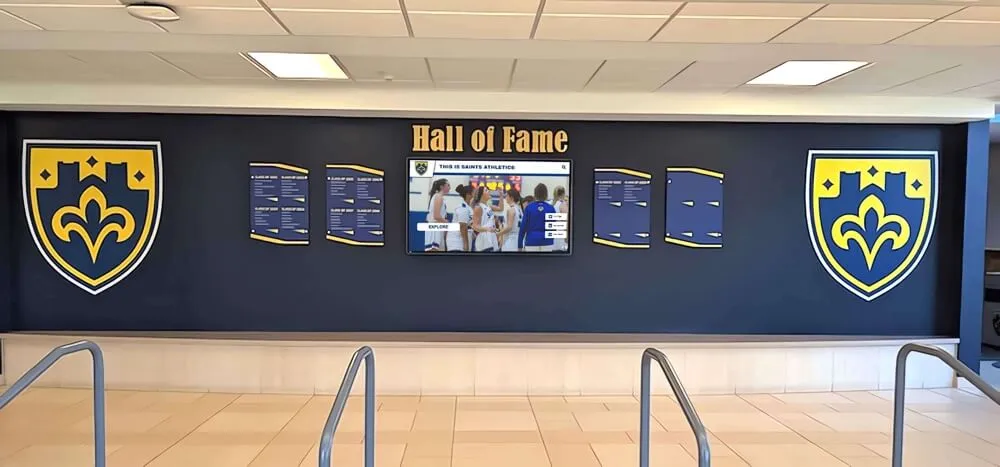
Hybrid recognition approaches combine modern digital capabilities with traditional aesthetic elements
Addressing Common E-Sports Recognition Challenges
Institutions implementing comprehensive e-sports championship recognition often encounter specific obstacles requiring thoughtful solutions ensuring program sustainability and effectiveness.
Challenge: Legitimacy and Institutional Acceptance
E-sports still faces skepticism from some institutional stakeholders who question whether competitive gaming merits recognition equal to traditional athletics.
Solution Strategies:
Build institutional acceptance through evidence-based advocacy:
- Present research demonstrating cognitive skills, strategic thinking, and teamwork required for competitive gaming excellence
- Compare e-sports championship structures and competitive frameworks to traditional athletic conferences
- Highlight university acceptance of e-sports through scholarship programs and varsity status
- Document student development benefits including communication, collaboration, and competitive resilience
- Connect e-sports program growth to student recruitment and retention metrics
- Showcase professional e-sports industry career opportunities for championship competitors
Systematic education about competitive gaming legitimacy gradually shifts institutional perspectives while building support for appropriate championship recognition.
Challenge: Rapid Game Evolution and Championship Longevity
Unlike traditional sports with stable rules across decades, competitive gaming titles evolve rapidly with some games falling out of competitive rotation entirely.
Solution Strategies:
Design recognition systems accommodating gaming evolution:
- Organize championships by era and game title acknowledging competitive context changes
- Preserve historical championships in games no longer competitively active
- Provide historical context explaining competitive landscape when championships were won
- Celebrate championship excellence independent of whether specific titles remain competitive
- Document game evolution as part of e-sports program history narrative
Recognition systems should honor championships within their competitive contexts rather than devaluing achievements in games no longer popular, preserving complete program history across gaming generations.
Challenge: Individual vs. Team Recognition Balance
E-sports championships result from team coordination, yet individual player skill and performance significantly impact outcomes.
Solution Strategies:
Balance team championship recognition with appropriate individual acknowledgment:
- Feature complete team rosters ensuring all members receive recognition
- Highlight individual player contributions within team championship context
- Create separate individual achievement recognition for exceptional performances
- Acknowledge role specialization and unique contributions different players provide
- Celebrate team coordination alongside individual excellence
This balanced approach honors team championships while recognizing the individual talent and dedication contributing to collective success.
Resources about student awards recognition programs demonstrate comprehensive frameworks honoring both team and individual achievements appropriately.
Challenge: Budget Constraints and Program Funding
Comprehensive digital recognition requires investment that newer e-sports programs with limited funding may struggle to afford.
Solution Strategies:
Creative funding approaches make quality recognition achievable within budget constraints:
- Seek student organization support through dedicated e-sports club fundraising
- Pursue gaming industry sponsorships from equipment manufacturers or game publishers
- Apply for technology and innovation grants supporting competitive gaming programs
- Explore phased implementation spreading investment across multiple budget cycles
- Partner with athletic departments sharing recognition infrastructure costs
- Utilize existing digital signage systems for dual-purpose e-sports recognition
Many institutions find that successful pilot recognition implementations generate enthusiasm making subsequent funding requests easier to approve as stakeholders witness impact and value.
Solutions like Rocket Alumni Solutions offer flexible implementation options accommodating varied budgets while providing comprehensive recognition capabilities institutions need to honor e-sports championships appropriately.
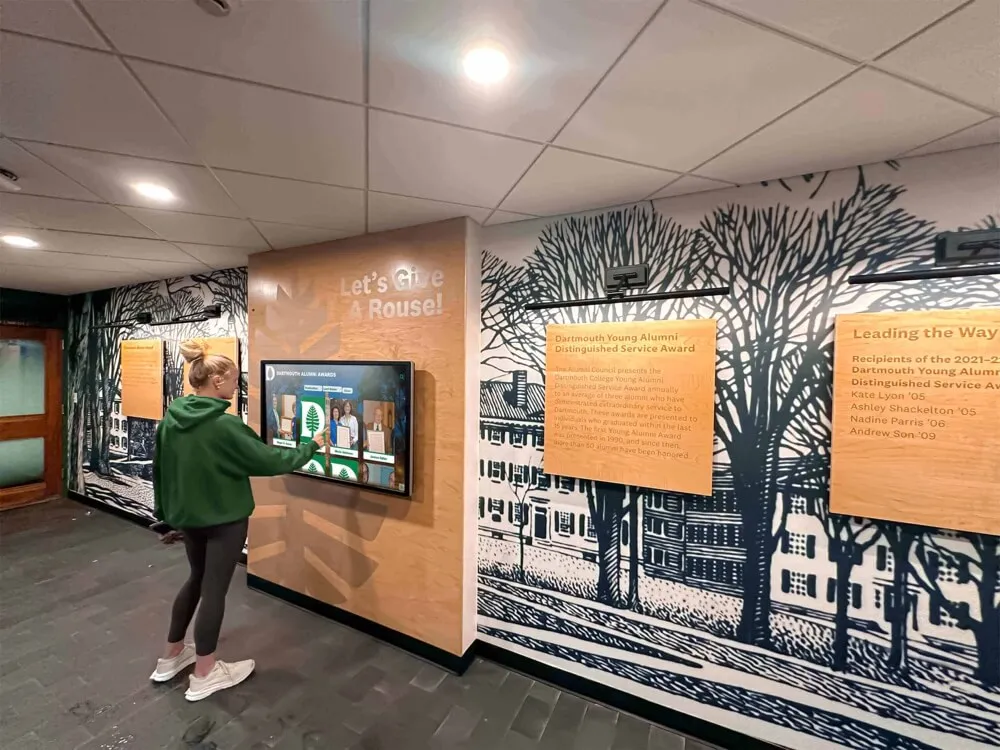
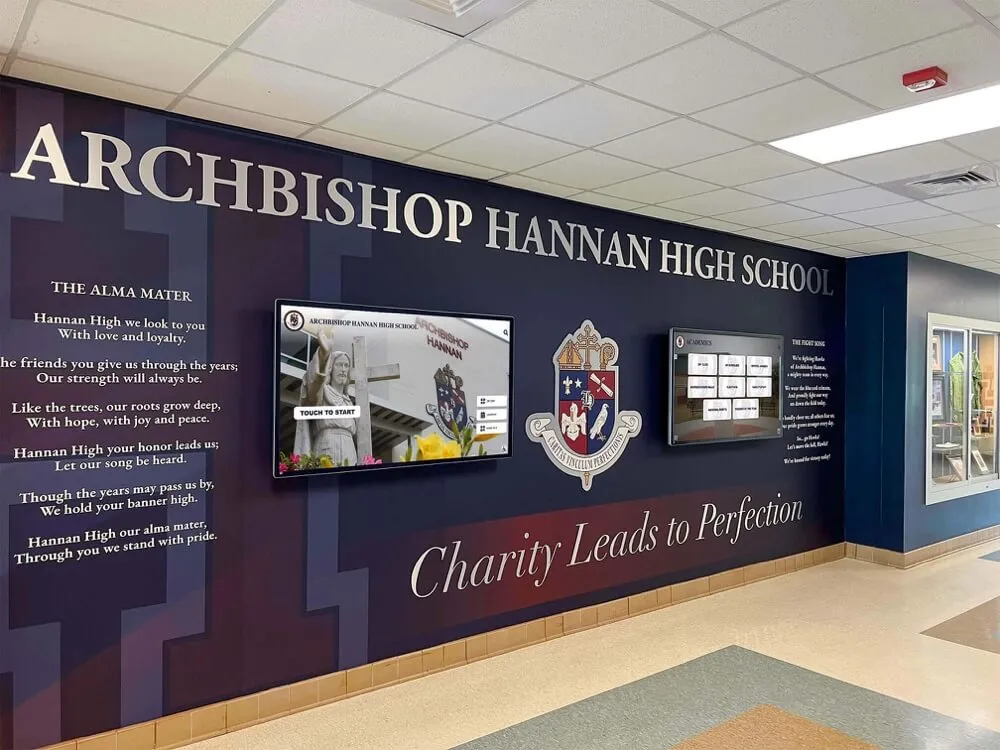
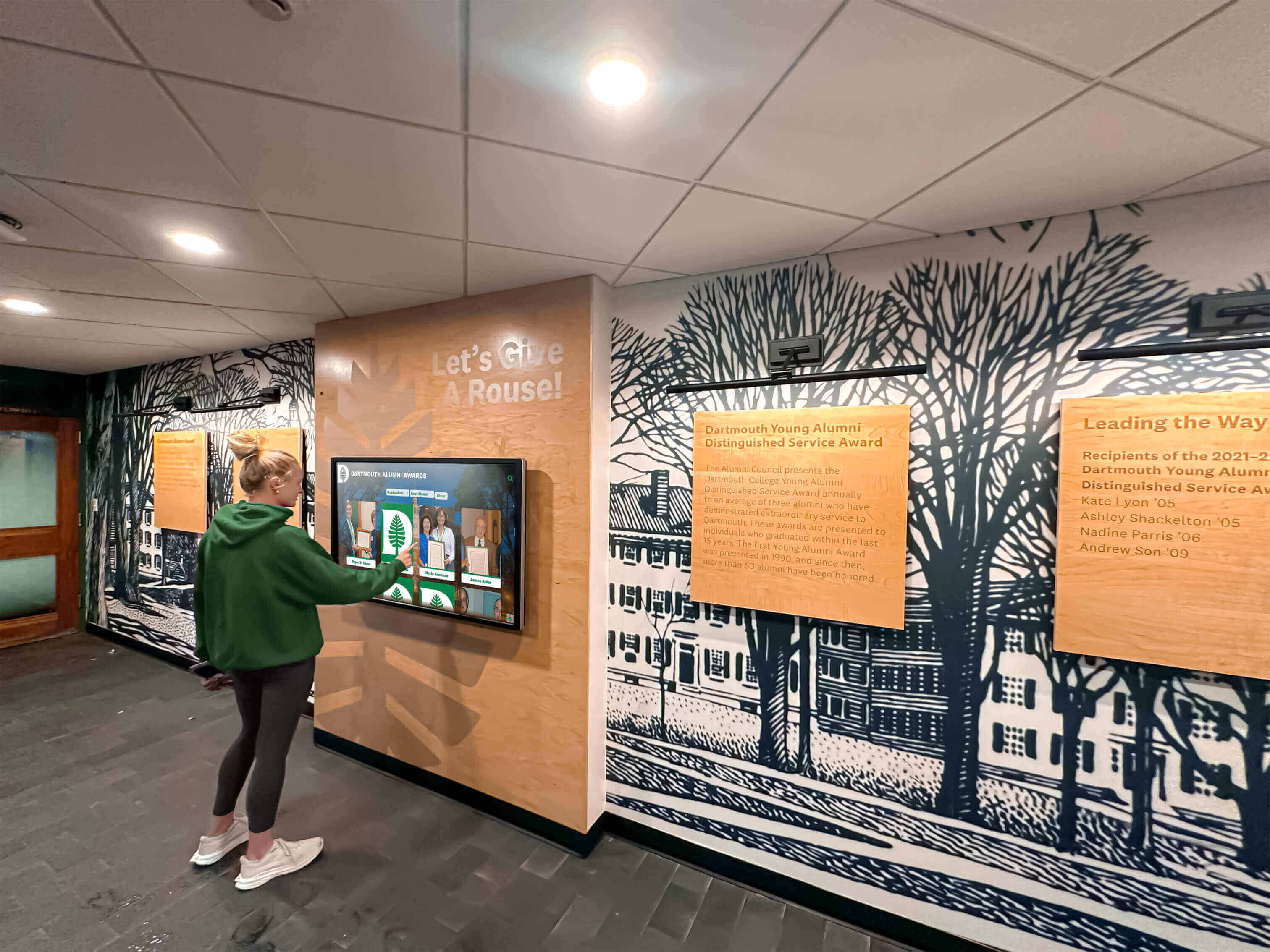
Recognition displays integrate seamlessly into campus environments creating engaging exploration opportunities
Best Practices for Sustainable Championship Recognition Programs
Long-term recognition program success requires sustainable management approaches ensuring quality recognition continues across staff transitions and evolving circumstances.
Designate Clear Responsibilities and Workflow
Assign specific staff responsibility for recognition program coordination:
- Designate e-sports program director or coordinator as recognition lead
- Provide dedicated time allocation acknowledging coordination requires ongoing attention
- Establish backup coordinators preventing disruption during absences or transitions
- Create documented procedures enabling new coordinators to maintain programs
- Schedule regular recognition system training for new e-sports staff
Clear responsibility assignment with appropriate support ensures recognition programs remain consistent priorities rather than volunteer efforts easily abandoned when circumstances change.
Develop Standardized Content Templates
Consistency in championship profile structure ensures quality across all recognized achievements:
- Create content templates specifying required information for each championship team
- Establish media specifications ensuring consistent visual and video quality
- Develop style guides maintaining uniform writing voice and formatting
- Provide content examples demonstrating target quality and detail level
- Build content approval workflows when necessary ensuring review before publication
Templates streamline content creation while maintaining professional standards protecting recognition program credibility and impact.
Establish Regular Update Schedules
Systematic update calendars prevent recognition from becoming outdated:
- Schedule championship additions immediately following conference tournament conclusions
- Plan annual reviews verifying all current-year championships appear
- Conduct periodic historical audits identifying gaps in legacy content
- Calendar seasonal recognition campaign refreshes highlighting different program aspects
- Automate reminder systems preventing missed updates during busy competition periods
Regular maintenance schedules transform recognition from sporadic project into sustained program component integrated into annual e-sports operations.
Create Feedback Collection Systems
Ongoing improvement requires systematic feedback gathering from multiple stakeholder groups:
- Implement annual surveys collecting student and family satisfaction data
- Conduct periodic focus groups exploring recognition program impact in depth
- Monitor analytics revealing engagement patterns and content effectiveness
- Gather e-sports staff observations about program influence on students
- Review recognition programs during department evaluation cycles
This feedback-informed approach enables continuous enhancement ensuring recognition programs remain effective, relevant, and valued by communities they serve.
Exploring tools to build community showcase programs provides additional frameworks for sustainable recognition system development.

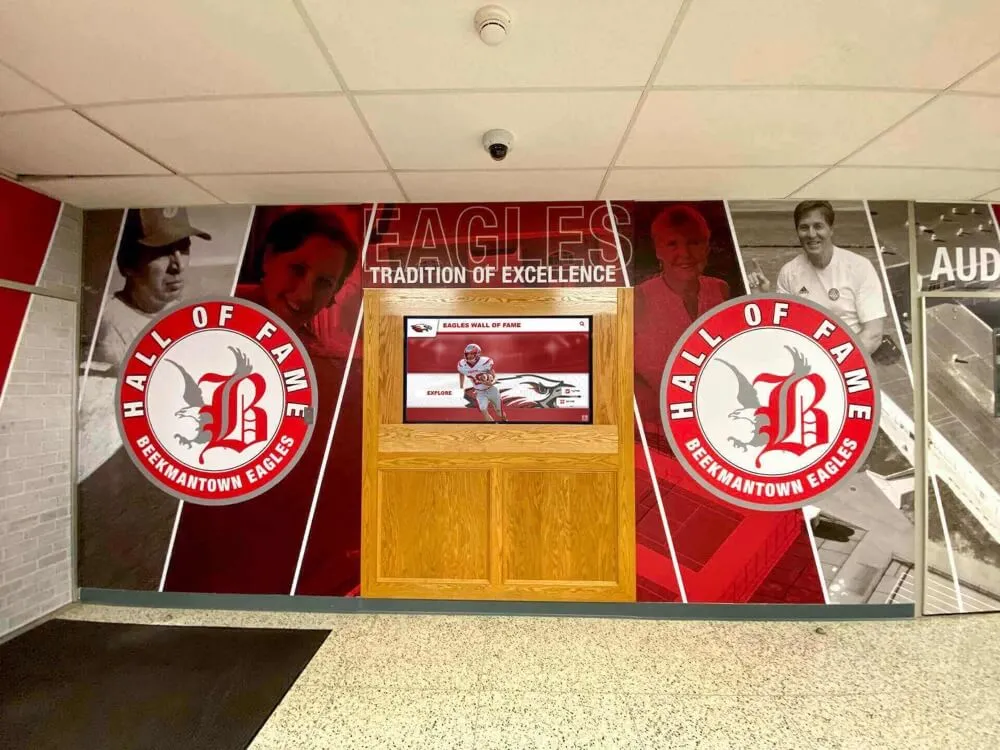
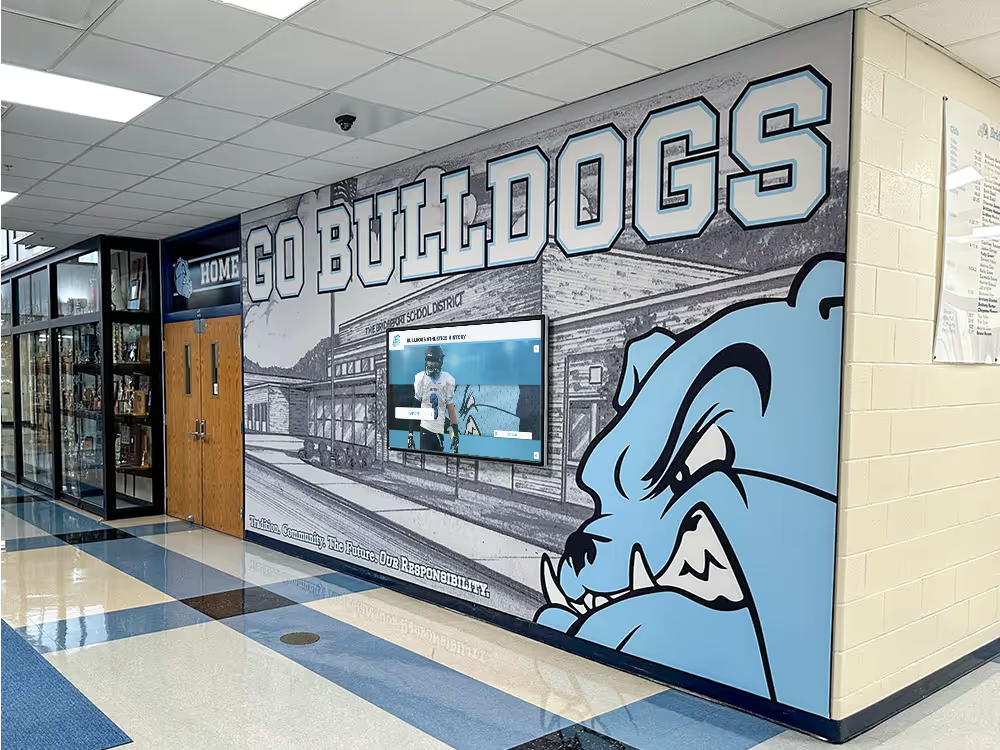
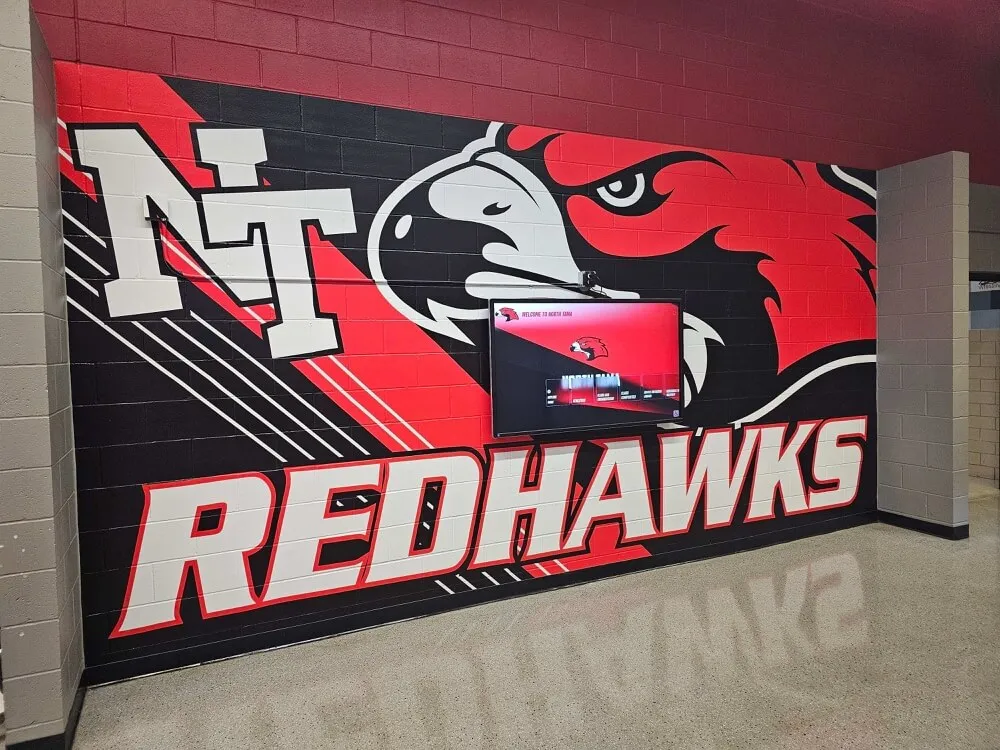
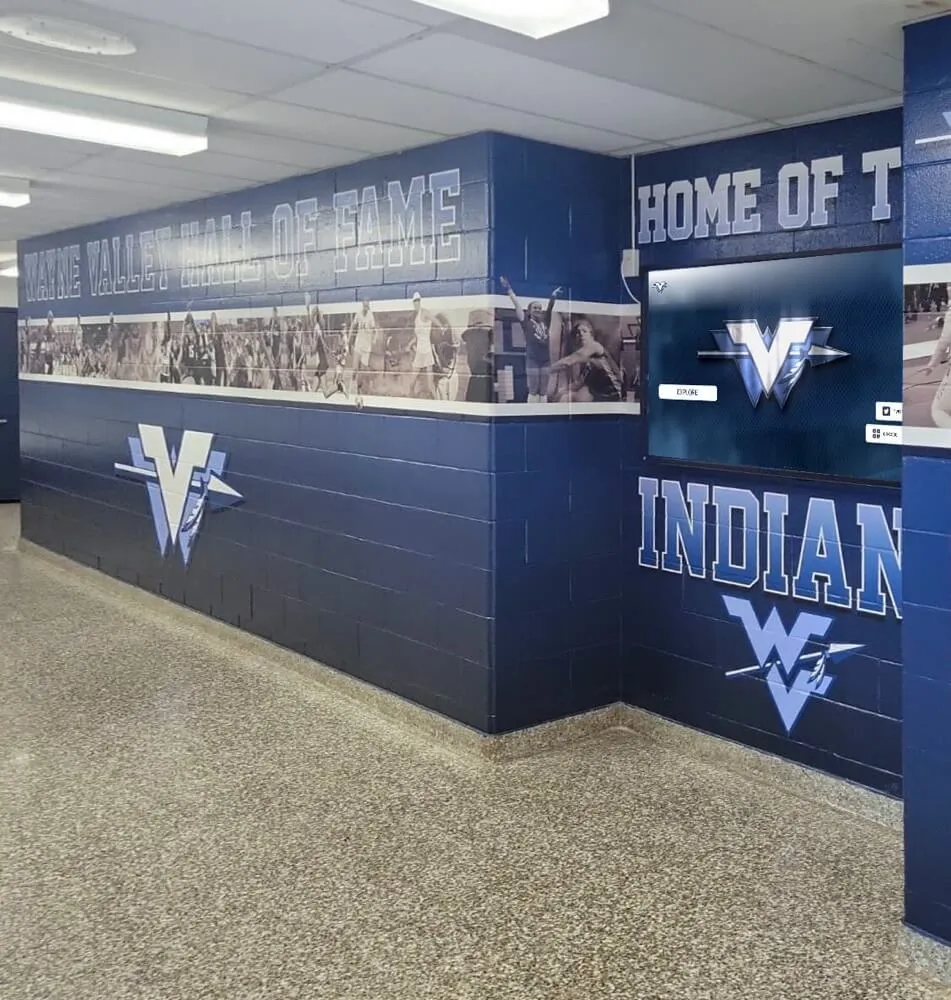
Integrated recognition systems combine murals, displays, and signage creating comprehensive celebration environments
Future Trends in E-Sports Championship Recognition
As competitive gaming continues evolving and gaining mainstream acceptance, recognition approaches will likely develop in several directions.
Virtual and Augmented Reality Recognition Experiences
Emerging technologies may transform how institutions celebrate championships:
- Virtual reality championship experience recreations allowing viewers to relive matches from player perspectives
- Augmented reality overlays enabling mobile device users to access championship content through physical displays
- 3D match reconstructions preserving championship moments in explorable virtual environments
- Interactive tactical breakdowns demonstrating strategic decision-making during championship competitions
These immersive technologies could provide unprecedented engagement with championship achievements while educating audiences about competitive gaming complexity.
Integration with Professional E-Sports Ecosystems
Educational e-sports recognition may increasingly connect with professional gaming:
- Alumni championship competitor tracking through professional careers
- Partnership programs connecting conference champions with professional organizations
- Scholarship pathway documentation from conference championships to university programs
- Career development resources connecting championship experience to gaming industry opportunities
These professional connections would demonstrate real-world value of championship achievement while inspiring current students through alumni success stories.
Personalized Recognition Experiences
Digital platforms may enable individualized recognition interactions:
- Customized content presentations based on viewer interests and program affiliations
- Personal profile pages allowing alumni to claim and enhance their championship team profiles
- Social integration enabling direct sharing of specific championships to personal networks
- Achievement comparison tools allowing students to measure progress toward championship caliber performance
Personalization would increase engagement by making recognition more directly relevant to individual viewers while enabling deeper exploration of personal interest areas.
Understanding how Division I athletics use digital recognition systems can inform cutting-edge approaches applicable to e-sports contexts as competitive gaming continues professionalizing.
Conclusion: Honoring Competitive Gaming Excellence Through Comprehensive Recognition
E-sports conference championships represent extraordinary achievements requiring strategic thinking, mechanical skill, team coordination, months of dedicated practice, and competitive excellence against conference peers. These accomplishments deserve recognition matching their significance—lasting tributes that honor championship teams and players while inspiring current students to pursue similar excellence through their own competitive gaming journeys.
Traditional recognition approaches limited by webpage space constraints, minimal multimedia capabilities, or complete recognition absence fail to provide acknowledgment these championships deserve. Modern digital recognition solutions overcome these limitations through unlimited capacity honoring every championship throughout program history, rich multimedia content bringing achievements to life beyond simple text announcements, interactive exploration enabling active engagement with competitive accomplishments, strategic placement ensuring campus-wide visibility, and immediate updates maintaining current recognition.
Transform Your E-Sports Recognition Program
Discover how modern digital recognition solutions can help you celebrate conference championships and every competitive gaming achievement while building thriving e-sports program culture that inspires excellence.
Explore E-Sports Recognition SolutionsWhether implementing new recognition programs, enhancing existing approaches, or establishing inaugural e-sports championship celebration, digital recognition platforms provide capabilities transforming how institutions celebrate competitive gaming excellence. Solutions like Rocket Alumni Solutions offer purpose-built systems specifically designed for educational institutions, combining intuitive software, reliable hardware, professional implementation, and ongoing support ensuring e-sports recognition programs succeed from launch through years of sustained operation.
Every conference championship in your program history represents remarkable achievement worthy of lasting recognition that inspires for generations. By investing in comprehensive e-sports recognition, institutions demonstrate genuine commitment to celebrating competitive gaming excellence while building positive cultures where e-sports achievements receive celebration equal to excellence in traditional athletics and academics.
Your institution’s conference championship teams deserve recognition honoring their extraordinary accomplishments while inspiring current students that competitive gaming excellence represents achievable goal through sustained dedication, strategic preparation, and exceptional teamwork. Modern recognition technology makes comprehensive, engaging, meaningful e-sports championship celebration not just possible but practical and sustainable for institutions committed to honoring their finest competitors appropriately.
Ready to begin? Explore digital showcase platforms or learn more about spring sports recognition programs that can incorporate e-sports achievements alongside comprehensive celebration of competitive excellence across all domains.