



As summer fades and school routines resume, fall sports for kids offer exceptional opportunities for physical development, social growth, and skill building during one of youth athletics’ most active seasons. From football programs teaching teamwork and discipline to cross country developing endurance and mental toughness, fall athletic offerings provide diverse pathways matching various interests, abilities, and developmental needs. Parents navigating this landscape face important decisions: Which sport best suits their child’s personality and physical readiness? How do structured team sports compare with individual athletic pursuits? What commitment levels align with family schedules and academic priorities?
Yet selecting appropriate fall sports can feel overwhelming. Some families gravitate toward high-profile programs like football without considering whether collision sports match their child’s temperament or physical development. Others dismiss less familiar options like field hockey or cross country that might perfectly suit their young athlete’s strengths. Meanwhile, well-meaning parents sometimes overcommit children to multiple simultaneous sports, creating exhaustion rather than enthusiasm during crucial developmental windows when positive athletic experiences shape lifelong activity patterns.
This comprehensive guide explores major fall sports for kids across elementary through high school age groups, examining physical demands, skill requirements, social dynamics, and developmental benefits each activity provides. You’ll discover how to assess your child’s readiness for various sports, understand commitment expectations across recreational and competitive programs, recognize quality coaching and organizational standards, and support athletic participation that builds confidence, competence, and genuine enjoyment.
Children participating in age-appropriate fall sports demonstrate improved physical fitness, enhanced social skills, stronger academic performance, and increased self-confidence compared to non-participating peers—benefits amplifying when sports selection matches individual temperament and developmental readiness rather than pursuing activities based solely on peer participation or parental nostalgia.

Fall sports provide diverse athletic opportunities for children developing skills, building confidence, and discovering lifelong passions through structured competition and teamwork
Understanding Fall Sports Options for Different Age Groups
Developmental appropriateness determines whether athletic experiences build confidence or create frustration, making age-specific sport selection critical for positive youth athletic outcomes.
Elementary Age Fall Sports (Ages 5-10)
Early elementary years establish fundamental movement patterns and athletic attitudes shaping future sports participation:
Youth Soccer Programs
Soccer dominates elementary fall sports offerings through accessibility requiring minimal equipment beyond cleats and shin guards, continuous movement developing cardiovascular fitness and coordination, limited collision risk compared to contact sports, scalable field sizes and rule modifications accommodating young players, and universal appeal across diverse communities and skill levels.
Recreational soccer at this age emphasizes basic skills including dribbling, passing, shooting fundamentals, simple positional concepts, and game understanding through modified small-sided formats like 4v4 or 6v6 enabling maximum touches and active participation rather than players standing idle watching from distance positions.
Quality elementary soccer programs prioritize skill development over competitive outcomes, ensure equal playing time regardless of ability differences, provide positive coaching focused on encouragement rather than criticism, and create inclusive environments where beginners feel welcome alongside naturally athletic children.
Flag Football Introduction
Non-contact flag football introduces football fundamentals without collision concerns through basic throwing and catching skills, running with ball awareness, flag pulling defensive techniques, simple offensive plays and formations, and position introduction appropriate for young athletes.
Flag football develops hand-eye coordination, spatial awareness, teamwork through coordinated plays, and strategic thinking understanding offensive and defensive roles—providing football experience determining whether future tackle football participation suits individual children without physical risk inappropriate for young bodies still developing.
Youth Cross Country Running
Elementary cross country programs build endurance foundations through age-appropriate distances typically ranging 1-2 kilometers, emphasis on personal improvement rather than competitive pressure, individual sport structure reducing performance anxiety some children experience in team settings, and inclusive participation where every runner contributes regardless of speed.
Running programs teaching proper pacing, breathing techniques, goal-setting, and mental toughness create athletic foundations transferring across all sports while introducing children to individual athletic achievement complementing team sport experiences.
Introductory Volleyball
Modified volleyball programs using lower nets, lighter balls, and simplified rules introduce foundational skills including basic passing and setting techniques, serving fundamentals from reduced distances, simple rotation concepts, and cooperative play building communication skills.
Volleyball develops hand-eye coordination, reaction time, vertical jumping ability, and teamwork through constant position rotation ensuring all players experience different roles—particularly valuable for children still discovering athletic strengths and positional preferences.
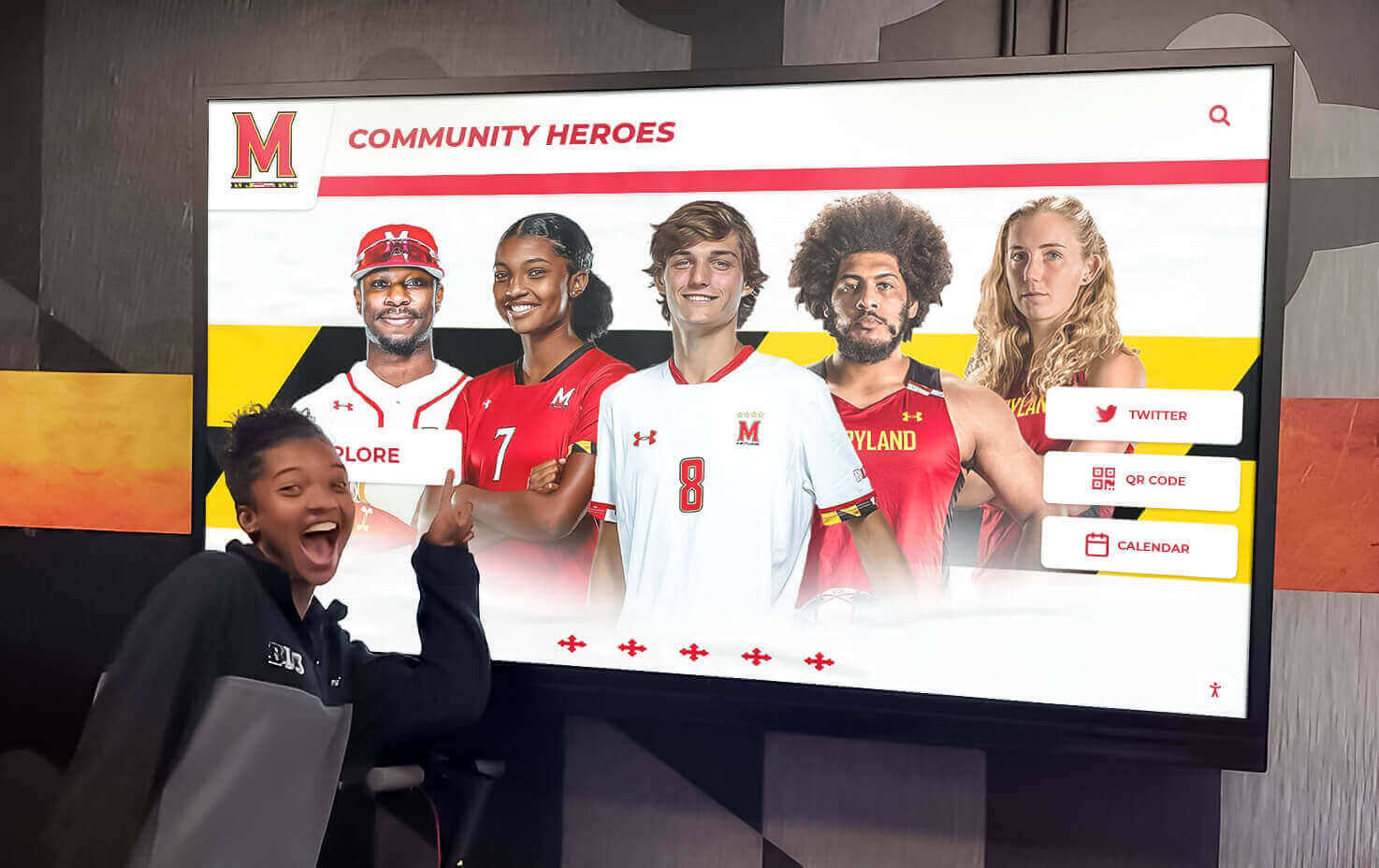
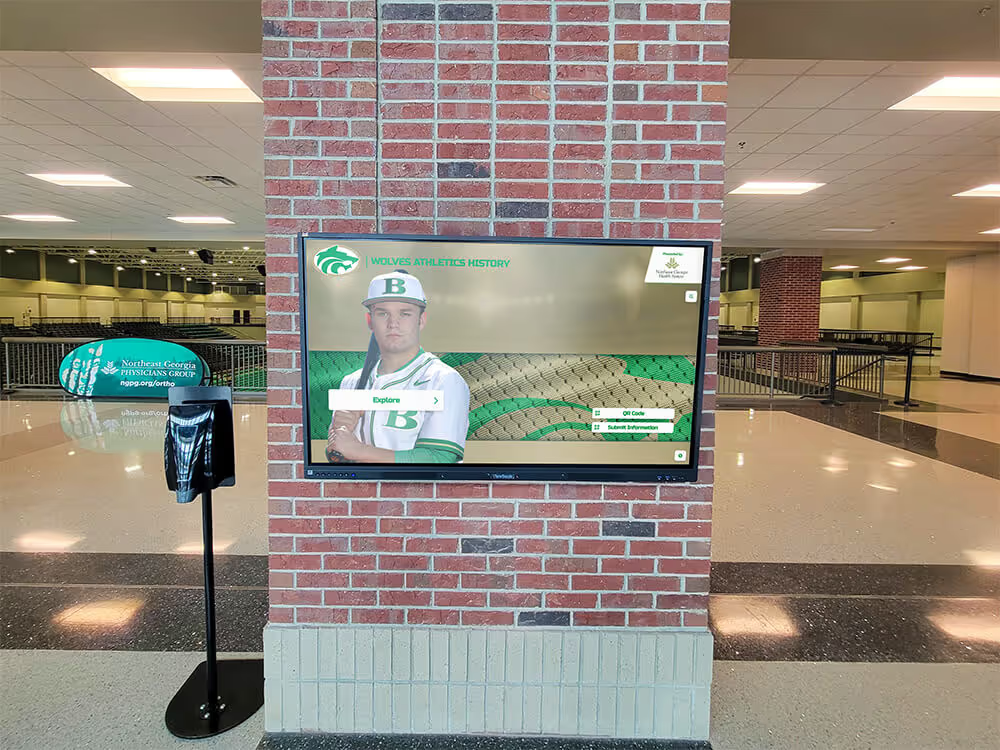
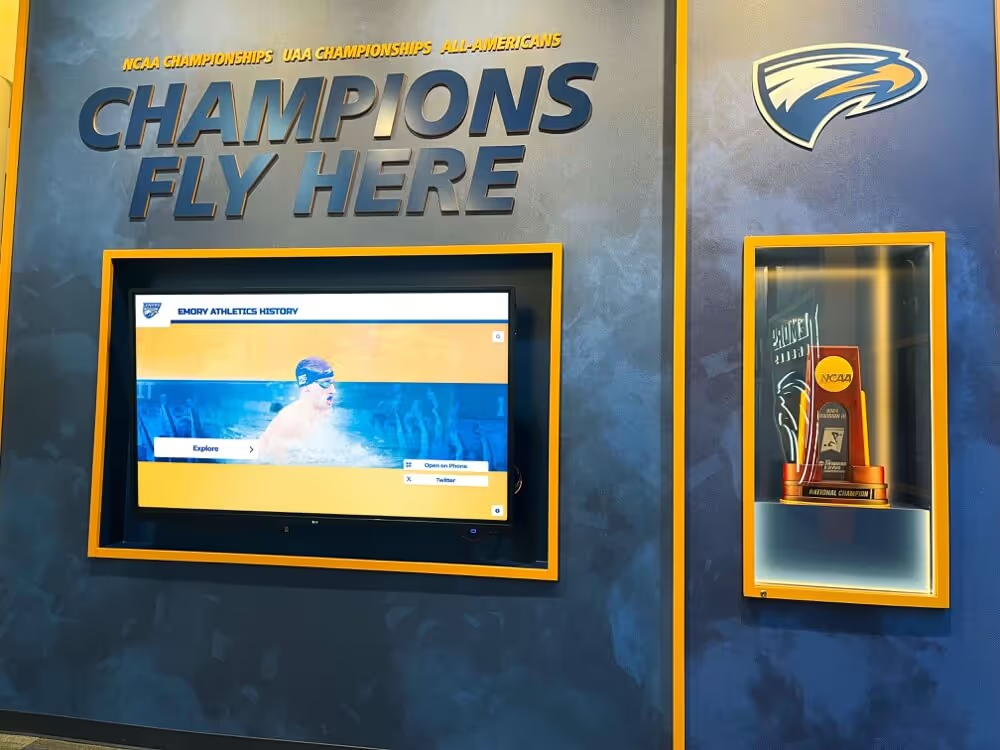
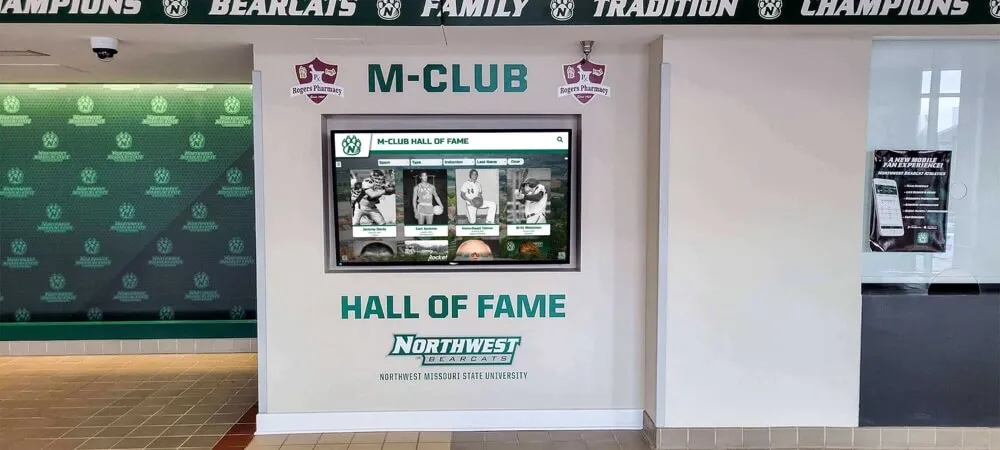
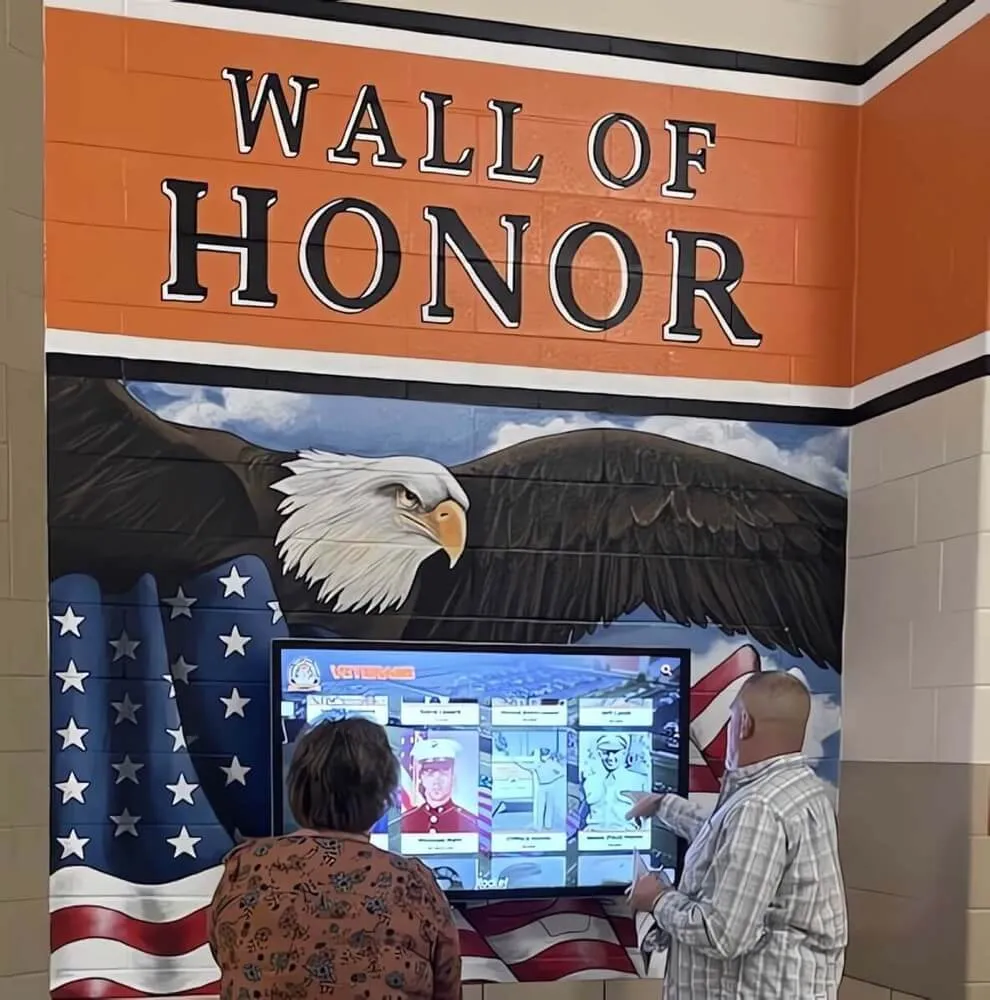
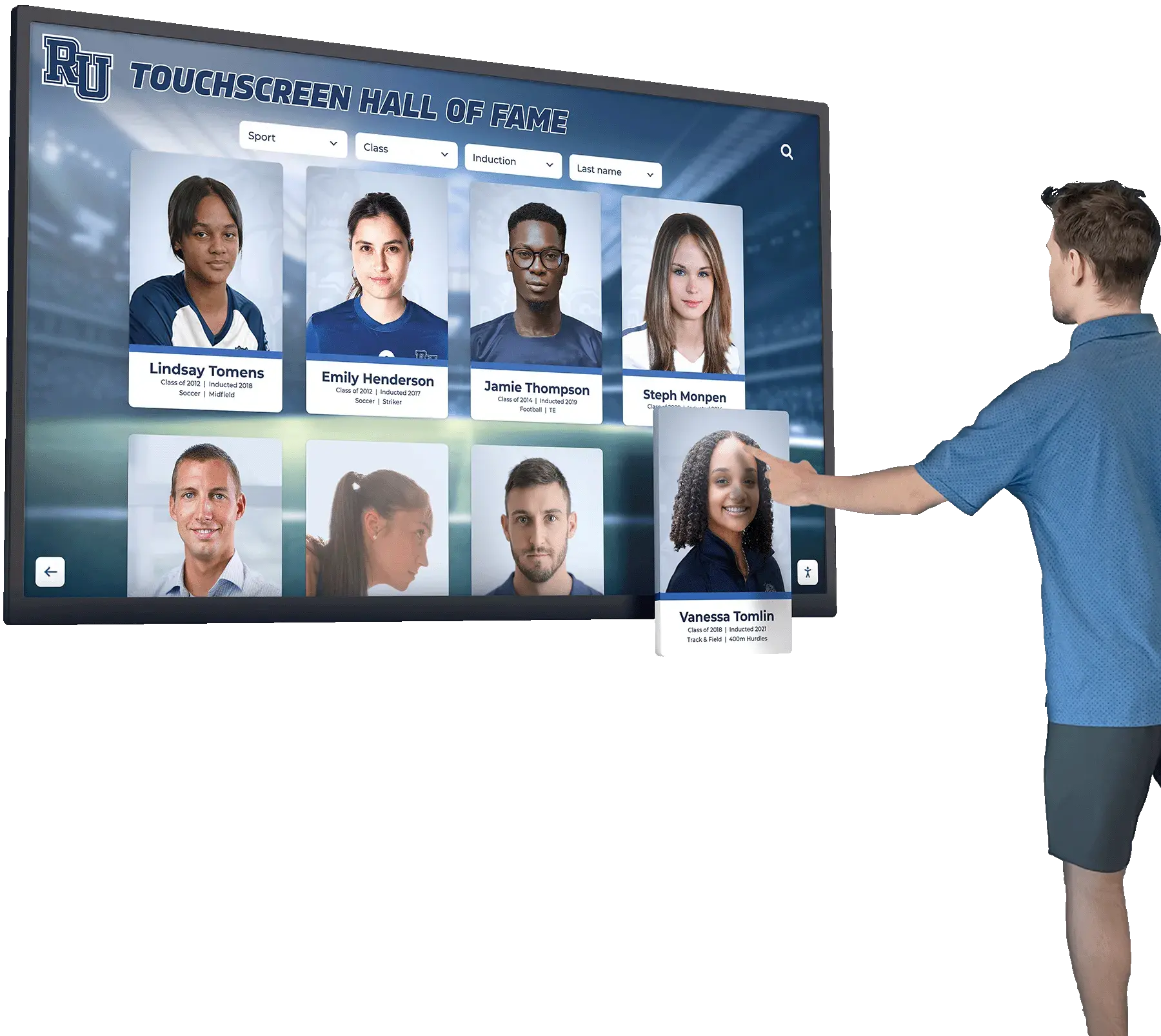
Recognition systems celebrating youth athletic participation inspire continued commitment while honoring developmental achievements appropriate for elementary age groups
Middle School Fall Sports (Ages 11-14)
Pre-adolescent and early adolescent years introduce increased competition, specialized skill development, and more serious commitment expectations:
Tackle Football Programs
Middle school represents the typical entry point for full-contact football through comprehensive equipment including helmets, shoulder pads, and protective gear, position specialization developing specific offensive and defensive roles, playbook introduction requiring memorization and tactical understanding, and collision sport physicality requiring appropriate size, strength, and maturity.
Football demands significant time commitment including daily practices, weekend games, film study, and strength training—considerations families should carefully evaluate alongside academic priorities and other activities. Programs emphasizing proper tackling technique, concussion protocols, and graduated contact progression provide safer environments than those prioritizing winning over player welfare.
Parents should honestly assess whether individual children possess physical readiness for contact sports—body composition, coordination, pain tolerance, and competitive temperament matter significantly when determining appropriate timing for tackle football participation versus continuing flag alternatives providing similar skill development without collision risk.
Competitive Soccer Development
Middle school soccer transitions toward more competitive structures through travel team opportunities, club soccer programs extending beyond school seasons, position specialization as players develop specific roles, advanced tactical concepts including formations and strategic adjustments, and regional tournaments testing skills against stronger competition.
This competitive progression separates recreational participation from serious athletic development—families should discuss commitment expectations, financial investments for club programs, and child’s genuine interest level before pursuing elite pathways that may sacrifice enjoyment for competitive achievement.
Volleyball Skill Advancement
Middle school volleyball develops specialized positions and advanced techniques including serve reception and defensive positioning, setting and hitting mechanics, blocking fundamentals at the net, rotational complexity understanding full positional responsibilities, and strategic play calling and communication.
Volleyball at this level often introduces club opportunities for athletes demonstrating talent and serious interest, creating year-round training pathways for committed players while recreational programs continue serving participants seeking less intensive involvement.
Cross Country Team Development
Middle school cross country builds upon elementary foundations through longer race distances typically 2-3 miles, team scoring concepts where multiple runners contribute to collective results, interval training and speed work developing racing capabilities, and competitive mindset navigating personal performance pressure.
Running provides athletic outlet for students excelling at endurance sports despite lacking explosive speed or size advantages valued in team sports—creating inclusive pathways where diverse body types and athletic profiles achieve success through training dedication rather than natural physical gifts alone.
Resources on planning high school sports banquets demonstrate comprehensive recognition approaches celebrating athletic achievement across all fall sports and participation levels.
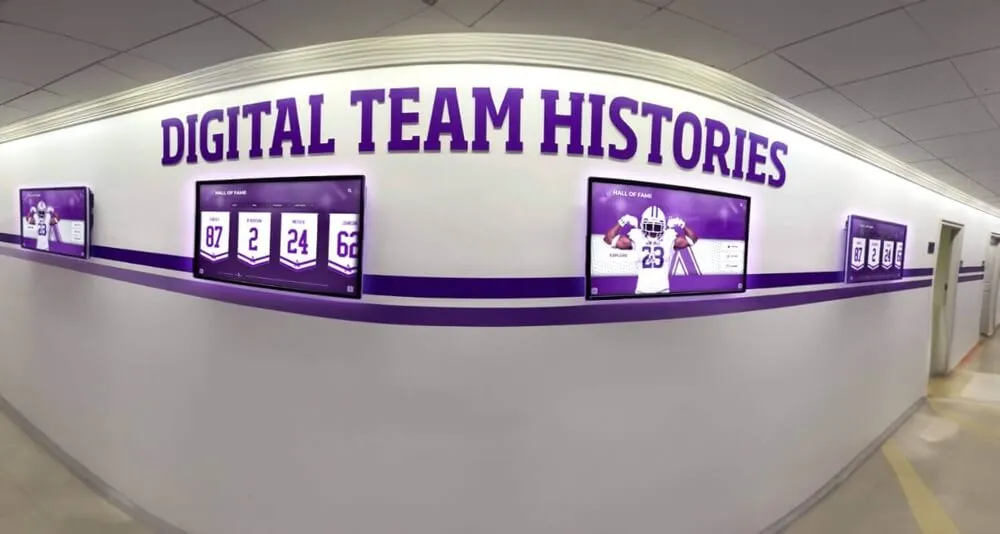
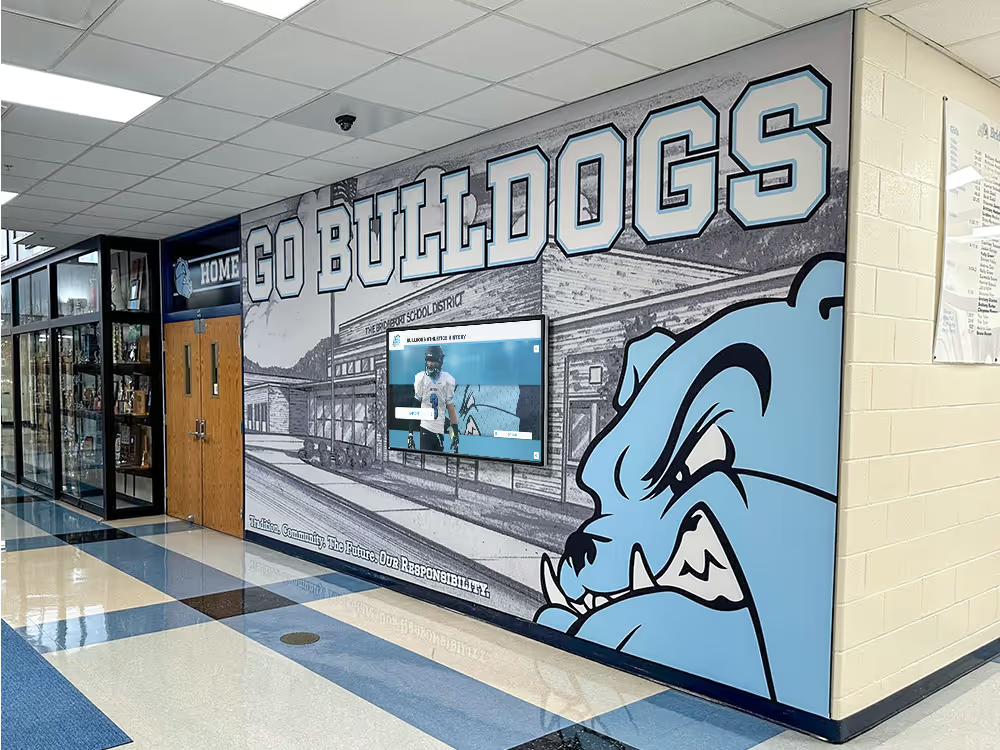
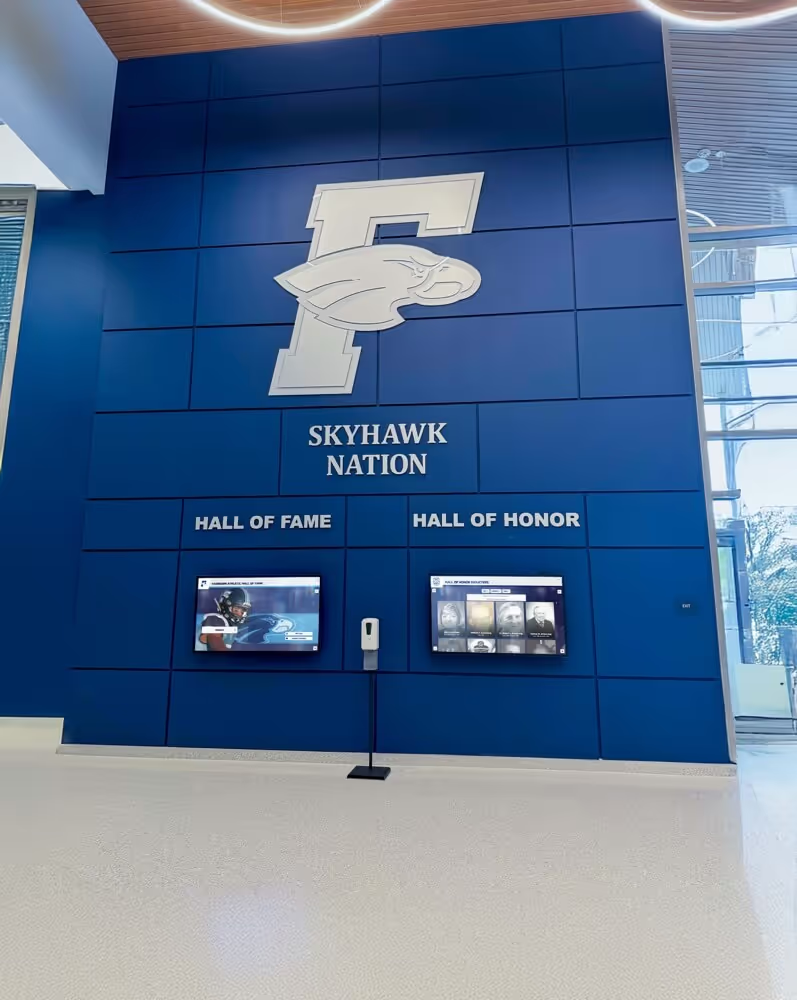
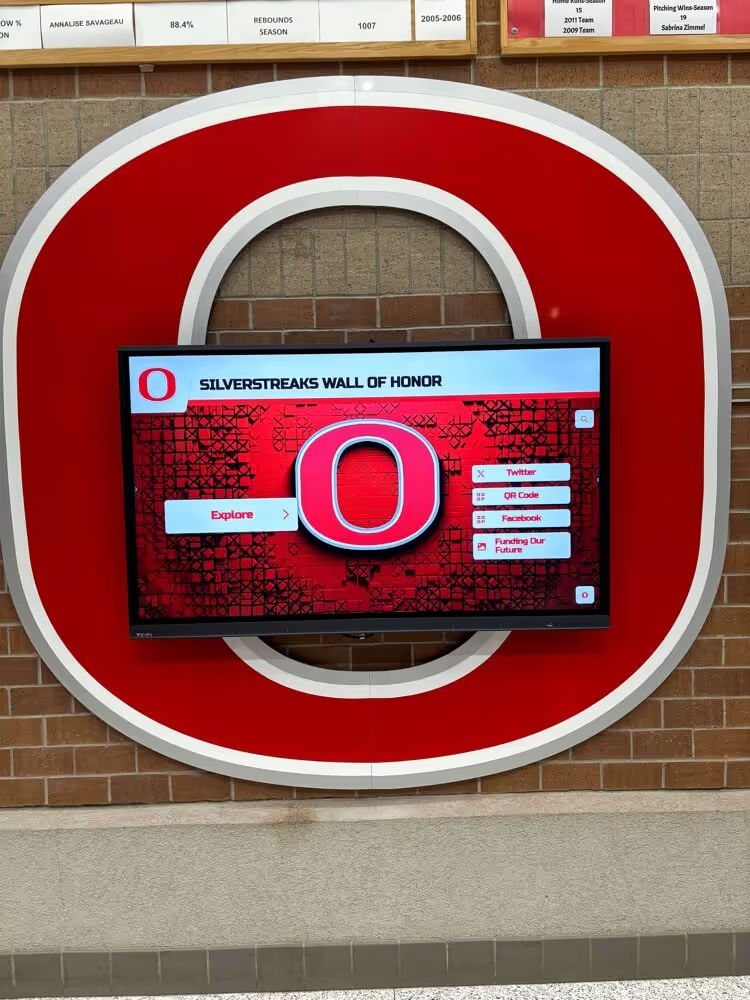
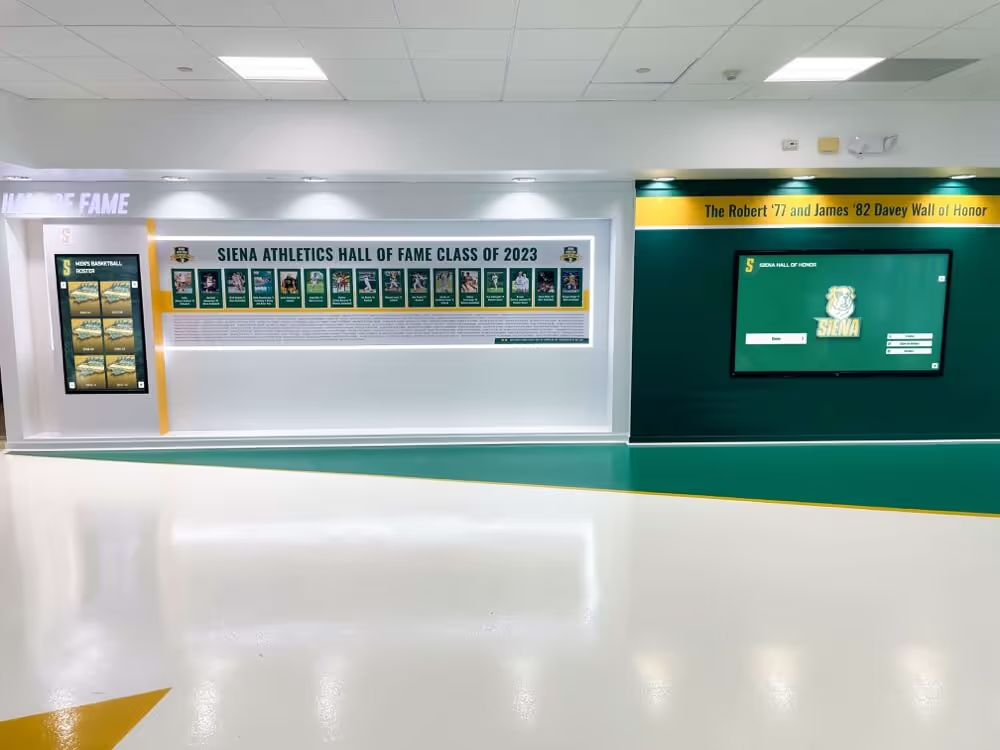
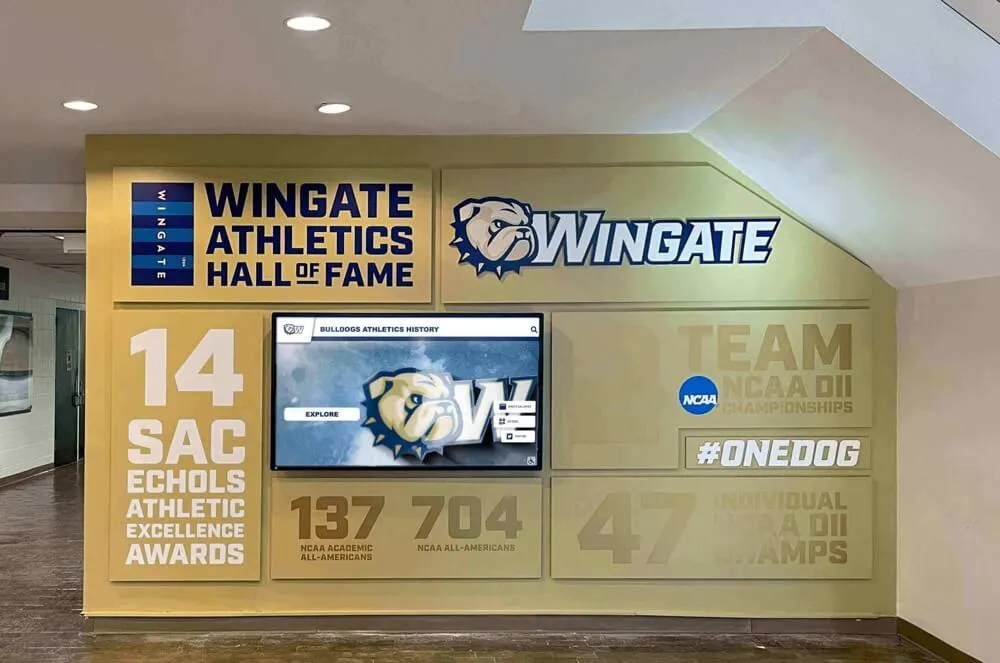
High school athletic programs showcase student athlete achievements through comprehensive recognition displays celebrating contributions across all fall sports
High School Fall Sports (Ages 14-18)
Secondary school athletics introduce varsity competition, potential college recruitment considerations, and serious athletic commitment:
Varsity Football Competition
High school football represents peak youth participation level through sophisticated offensive and defensive systems, specialized positions requiring specific physical attributes and skills, intensive time commitments including summer training, film study, and extensive practice schedules, and potential college recruitment for elite performers.
Football culture creates strong team bonds, teaches discipline and accountability, develops work ethic through demanding physical preparation, and provides leadership opportunities through captain roles and mentorship of younger players. However, injury risk, time demands, and physical toll require careful consideration—particularly for families concerned about concussion protocols or managing multiple academic and extracurricular commitments.
Elite Soccer Development
High school soccer operates within complex landscape including school teams, club programs, and elite development academies, requiring strategic navigation understanding how different competitive levels align with college recruitment goals versus pure enjoyment.
Serious soccer players often face difficult choices between school team loyalty and club program demands, with college recruitment increasingly favoring club competition exposure over high school participation alone. Understanding recognition of all-state athletes demonstrates how schools celebrate elite achievement while maintaining inclusive recognition for all participants.
Competitive Volleyball Programs
High school volleyball develops specialized positions and elite-level skills through setter specialization requiring sophisticated ball placement, outside hitter and middle blocker technical refinement, defensive specialist and libero roles, complex rotational systems and strategic play calling, and advanced conditioning supporting explosive movements.
Club volleyball opportunities extend seasons year-round for committed athletes, requiring families to evaluate whether intensive specialization serves long-term development or creates burnout risk through excessive single-sport focus.
Cross Country and Distance Running
High school cross country provides competitive outlet for endurance athletes through race distances of 3-5 miles testing physical and mental toughness, team scoring structures creating collective achievement alongside individual recognition, state championship pathways for elite programs and runners, and college recruitment opportunities for distance running talent.
Cross country culture often emphasizes inclusive participation where varsity teams support development runners, creating positive team dynamics rare in sports where playing time scarcity creates internal competition undermining team unity.
Schools celebrating comprehensive athletic excellence implement digital recognition systems showcasing achievements across all sports and participation levels rather than exclusively highlighting high-profile programs.
Evaluating Physical and Developmental Readiness for Fall Sports
Matching children with appropriate athletic activities requires honest assessment of physical capabilities, maturity levels, and genuine interests beyond peer influence or family traditions.
Physical Readiness Considerations
Different sports demand specific physical attributes and developmental markers:
Size and Body Composition Factors
Physical development significantly influences athletic success and injury risk across different sports. Football favors larger, stronger body types for line positions while requiring speed and agility for skill positions. Soccer accommodates diverse body types with positions suiting various physical profiles—small, quick players excel as midfielders while taller athletes thrive as goalkeepers. Volleyball increasingly favors height advantages, particularly for positions at the net, though defensive specialists succeed with different physical profiles. Cross country proves most size-agnostic, with endurance capacity mattering more than body composition.
Parents should honestly evaluate whether children’s current physical development suits sports under consideration—mismatches between body type and athletic demands create frustration, injury risk, and negative experiences potentially souring lifelong athletic participation.
Coordination and Motor Skill Development
Athletic success requires coordination appropriate for sport-specific demands. Soccer necessitates foot-eye coordination controlling balls while running at speed. Football requires hand-eye coordination for throwing and catching alongside spatial awareness navigating complex plays. Volleyball demands precise hand-eye coordination for ball control. Cross country emphasizes rhythmic motor patterns and efficient running mechanics.
Children developing coordination at different rates should pursue sports matching current capabilities—forcing premature participation in coordination-intensive sports before neural development supports required skills creates failure experiences undermining confidence rather than building competence through appropriate challenge.
Physical Maturity and Contact Sport Readiness
Tackle football and other collision sports require physical maturity determining appropriate participation timing. Early puberty creates significant size and strength disparities within age groups—late-developing children facing much larger, stronger opponents experience disproportionate injury risk and competitive disadvantage.
Medical guidance suggests delaying tackle football until adolescence when bone density, muscle development, and coordination support safe collision sport participation. Flag football alternatives provide skill development without collision risk, enabling delayed entry to contact formats until physical readiness supports safer participation.
Injury History and Medical Considerations
Previous injuries, chronic conditions, and individual health profiles influence appropriate sport selection. Children with concussion history require particular caution approaching collision sports. Asthma management considerations affect endurance sport participation. Joint issues may contraindicate high-impact activities while favoring lower-impact alternatives.
Consultation with pediatricians and sports medicine specialists provides informed guidance matching athletic participation with individual health profiles—ensuring sports experiences promote rather than compromise long-term physical wellbeing.
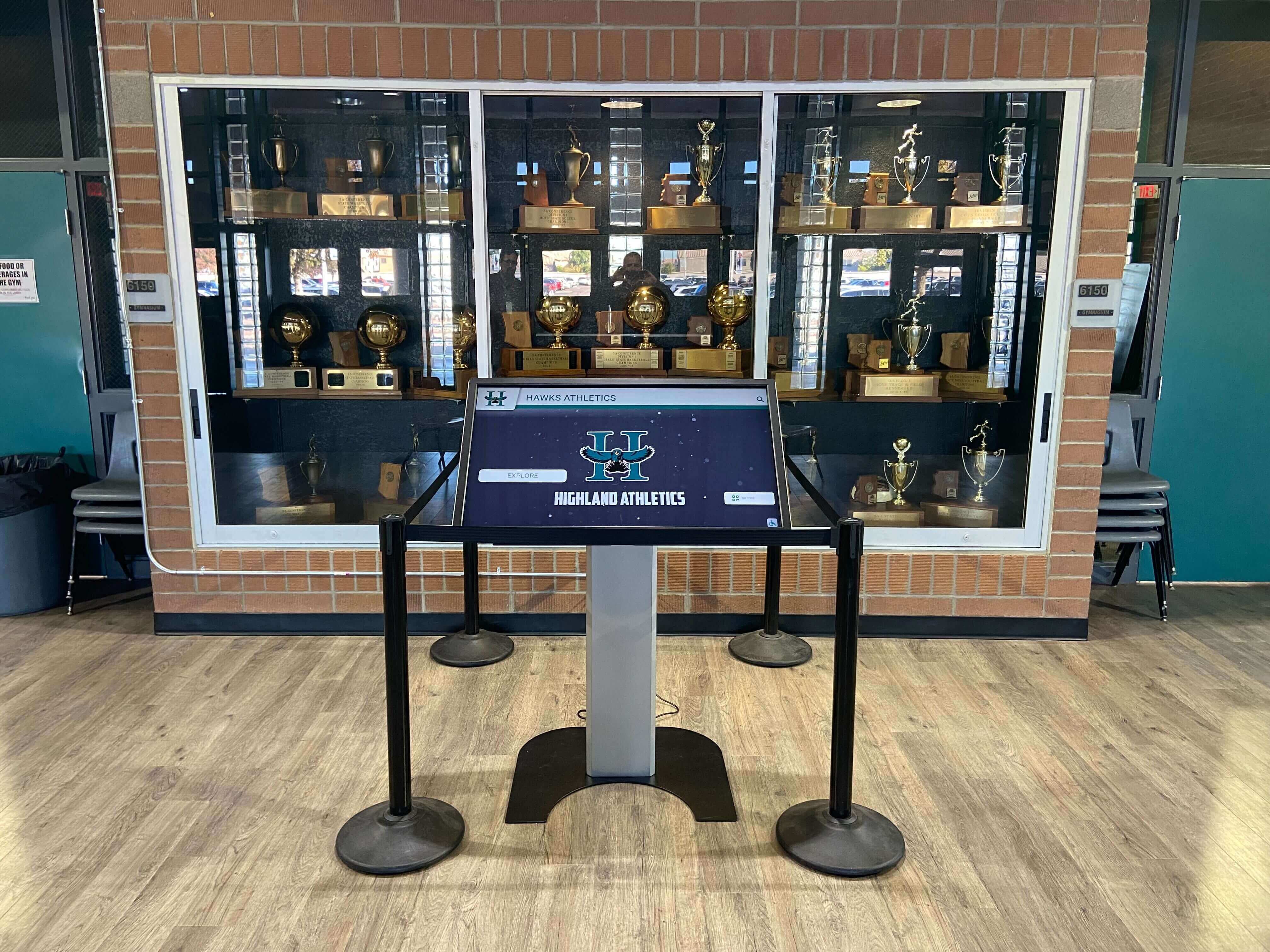
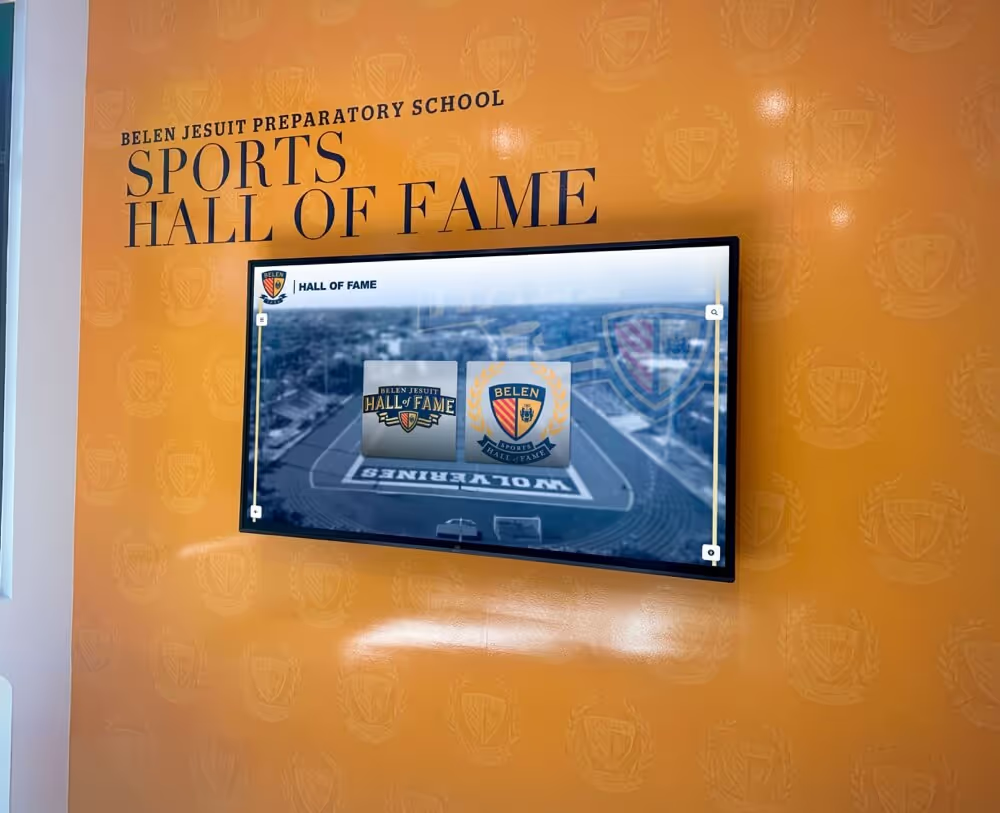
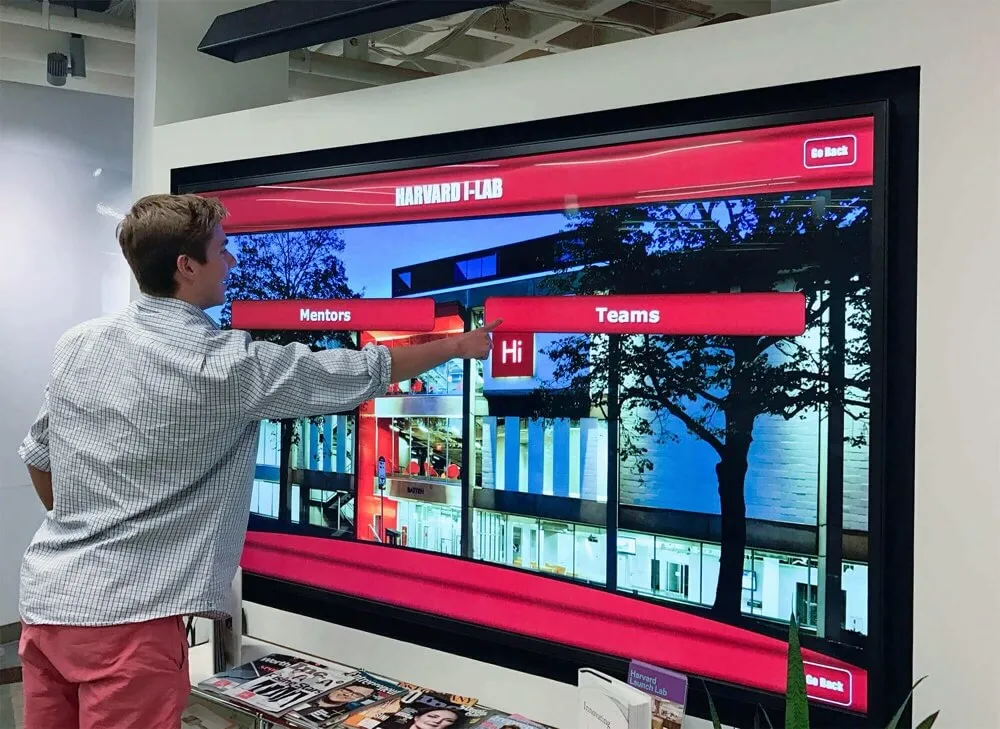
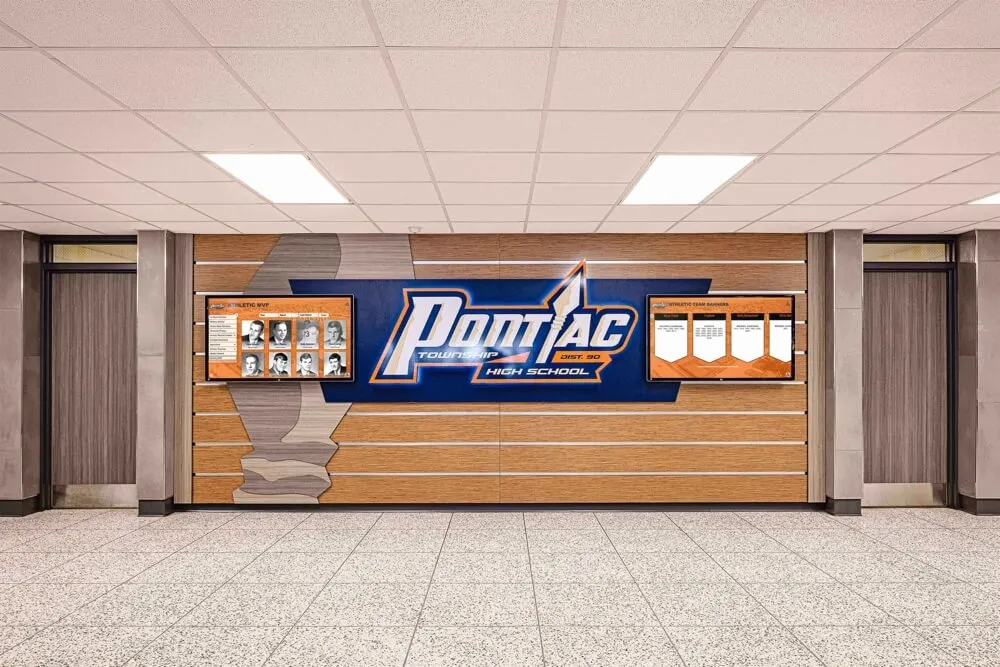
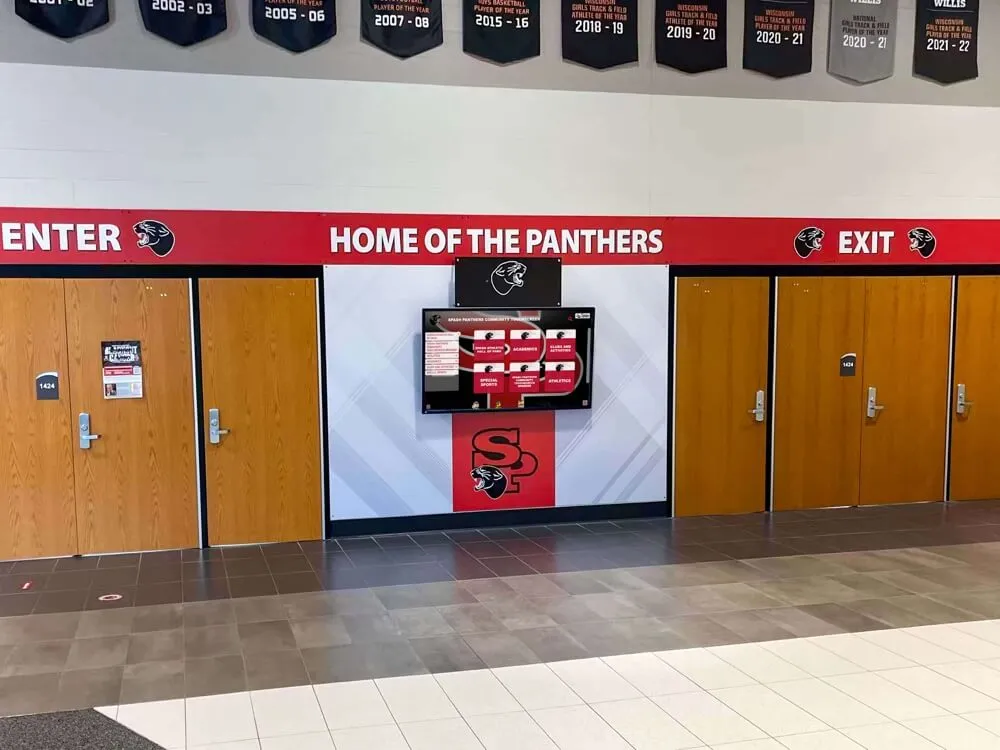
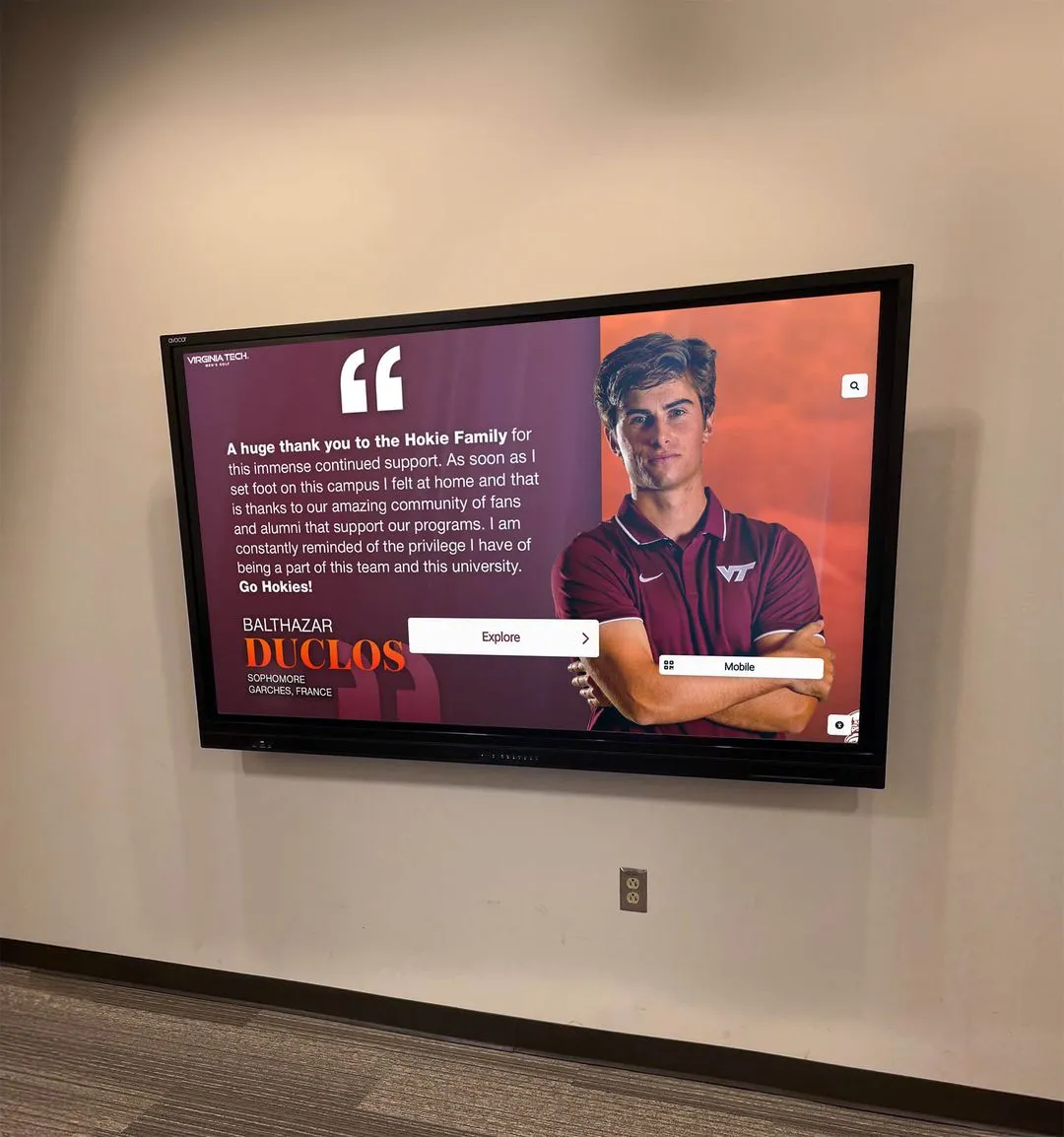
Modern recognition technology documents athletic achievements across all sports—celebrating diverse contributions beyond traditional high-profile programs
Psychological and Emotional Readiness Assessment
Athletic success requires mental and emotional capabilities matching physical demands:
Competitive Temperament Evaluation
Children respond differently to competitive pressure. Some thrive on competition, channeling pressure into motivated performance. Others experience paralyzing anxiety when outcomes carry significant stakes. Team sports like football and soccer create shared pressure distribution, while individual sports like cross country concentrate performance pressure directly on individual athletes.
Parents should observe children’s responses to competitive situations before committing to intensive athletic programs—forcing competition-averse children into high-pressure environments creates negative associations undermining potential future engagement when developmental readiness arrives.
Social Dynamics and Team Sport Fit
Team sports require social skills navigating group dynamics, accepting coaching criticism, and handling teammate conflicts. Socially confident children often thrive in team settings, while introverted or socially anxious children may prefer individual sports reducing social performance pressure.
Neither team nor individual sports prove inherently superior—optimal matches align with individual personality profiles and social development levels rather than forcing participation in formats creating unnecessary stress.
Attention Span and Practice Commitment
Different sports demand varying attention capabilities and practice commitment levels. Football requires sustained focus during complex practice structures teaching coordinated plays. Soccer practice involves constant movement and engagement. Cross country training includes long, potentially monotonous runs requiring mental discipline. Volleyball practice alternates between high activity and waiting periods.
Children with shorter attention spans or hyperactive tendencies may better suit sports emphasizing constant movement over those requiring extended passive waiting during practice activities.
Response to Coaching and Authority
Youth sports require accepting coaching direction and authority—skills developing at different rates across children. Some athletes naturally respond positively to coaching feedback, while others struggle with criticism or authority resistance.
Coaches emphasizing positive instruction and developmental focus create more accessible environments for children still learning to receive corrective feedback constructively. Programs prioritizing winning through harsh criticism suit only children with mature emotional regulation capabilities handling tough coaching without internalizing negative messages.
Understanding youth sports awards approaches demonstrates how quality programs balance competitive achievement with inclusive recognition ensuring all participants receive meaningful acknowledgment regardless of performance levels.
Sport-by-Sport Guide to Fall Athletic Options
Detailed exploration of major fall sports helps families understand specific demands, benefits, and considerations for each activity option.
Football: Team Sport Requiring Significant Physical Commitment
Football represents fall’s highest-profile youth sport with unique considerations:
What Football Teaches Children
Football develops valuable life skills including teamwork through interdependent plays requiring all positions executing assignments, discipline through complex playbook memorization and precise execution, resilience confronting physical challenges and competitive setbacks, leadership opportunities through captaincy and mentorship roles, and work ethic through demanding physical preparation requirements.
Football culture creates strong team bonds through shared physical challenges—relationships often extending beyond seasonal participation into lasting friendships forged through difficult preparation and competitive experiences.
Physical Demands and Injury Considerations
Football presents unique physical requirements including collision tolerance accepting repeated physical contact, strength and size advantages for many positions, speed and agility for skill positions, and cardiovascular endurance supporting game-long performance.
Injury risk proves higher than non-contact sports, particularly concerning concussions and orthopedic trauma. Quality programs implement progressive contact protocols, teach proper tackling technique, maintain appropriate player-to-coach ratios enabling proper supervision, enforce concussion protocols strictly, and invest in appropriate equipment including properly fitted helmets.
Parents should honestly evaluate family comfort with injury risk, investigate specific program safety practices, and consider flag football alternatives providing skill development without collision exposure for children not ready for contact sport physicality.
Time and Financial Commitment Expectations
Football demands substantial investment including daily practice commitments often 2+ hours, weekend games requiring family schedule accommodation, equipment costs for programs not providing gear, potential travel for tournament competitions, and summer training and conditioning programs.
Families should candidly assess whether football’s intensive demands align with academic priorities, other extracurricular commitments, and family schedules before pursuing participation requiring significant time and resource allocation.
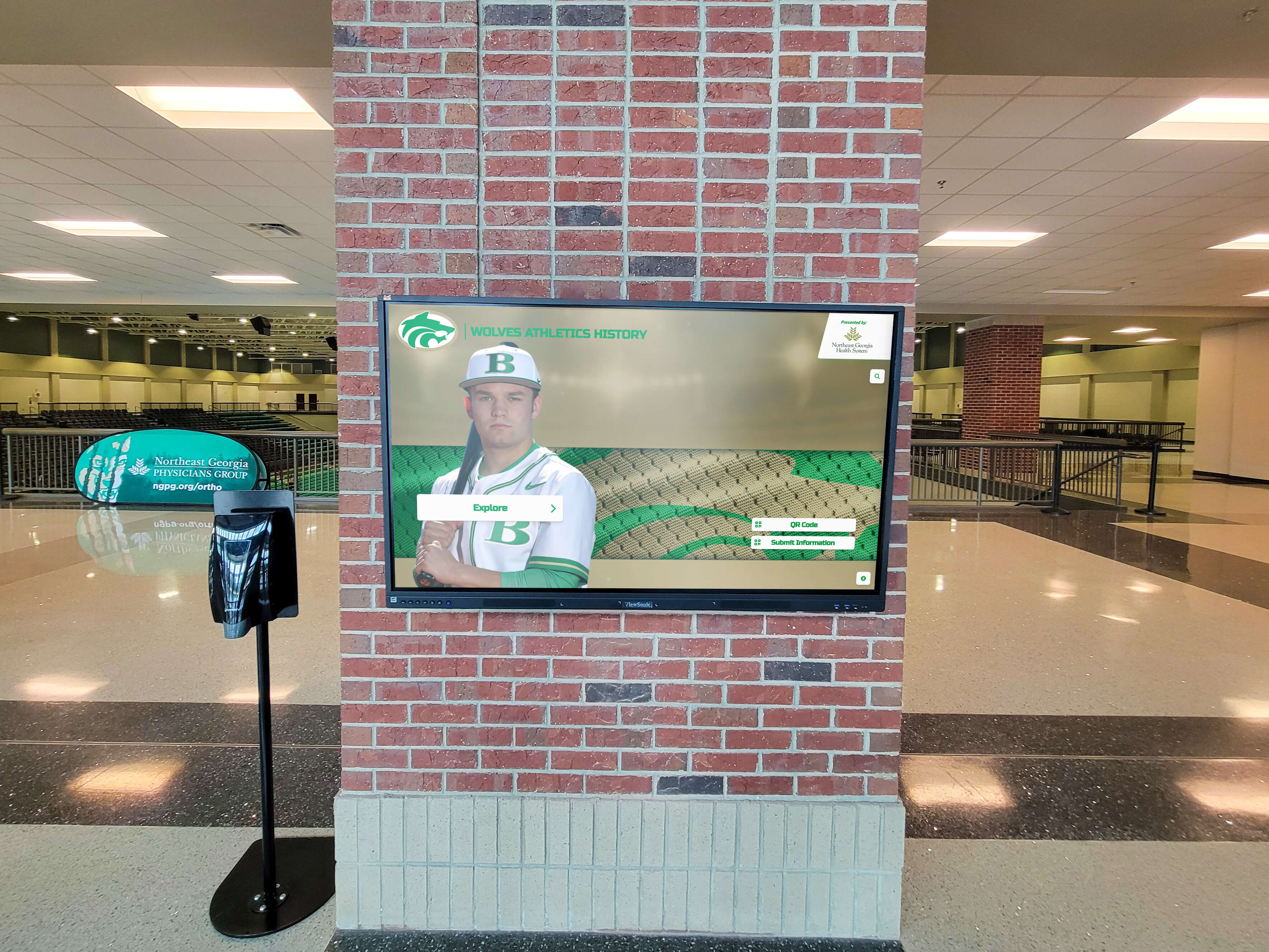
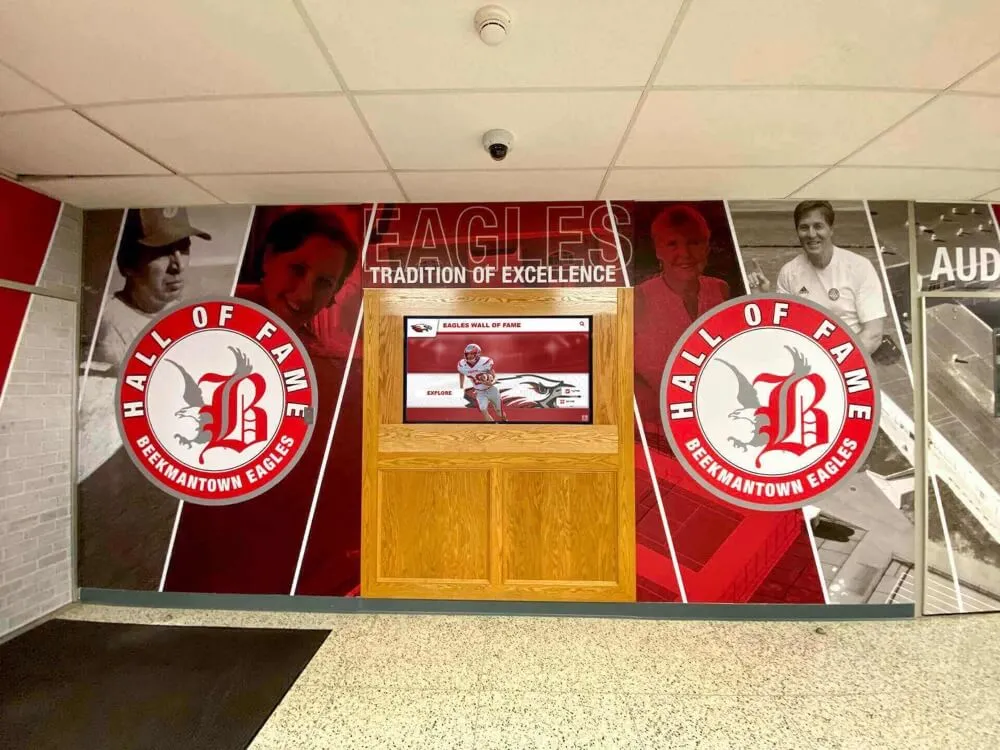
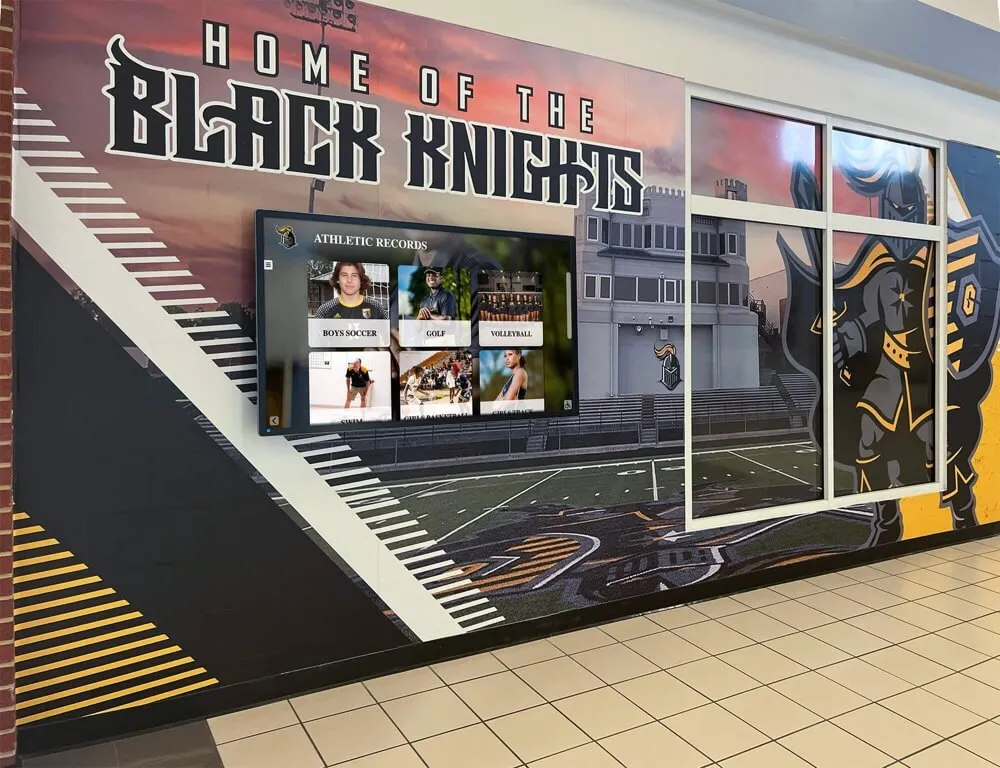
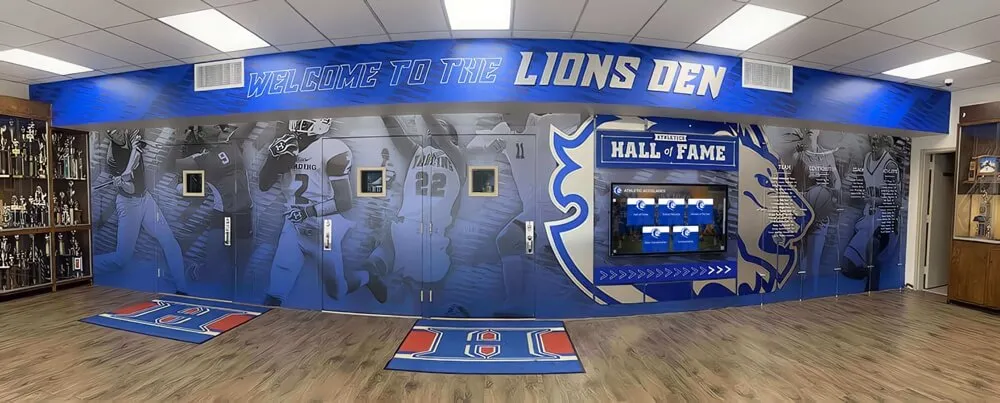
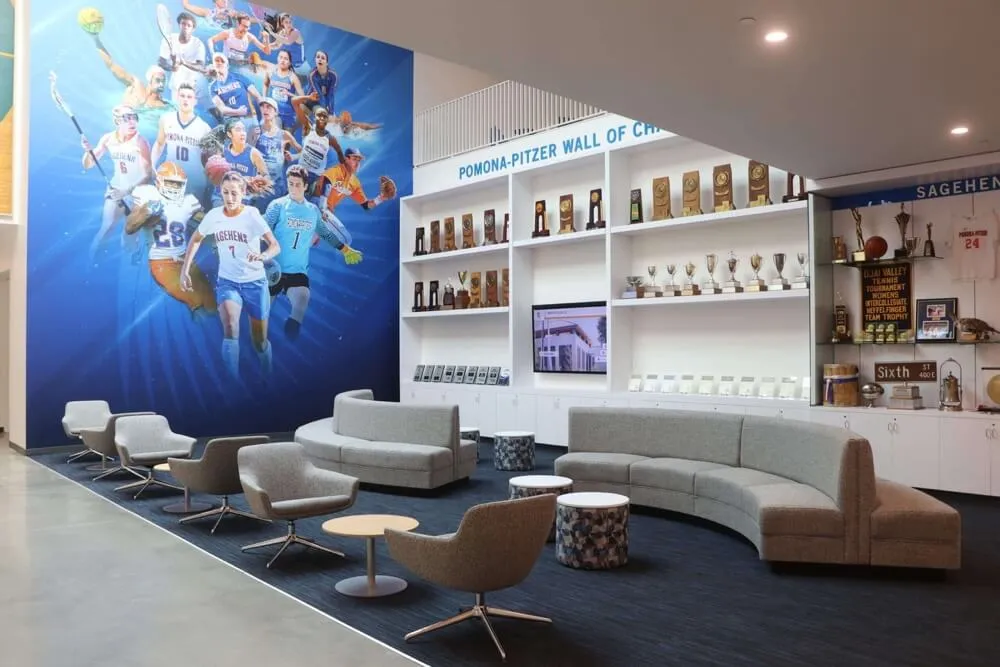
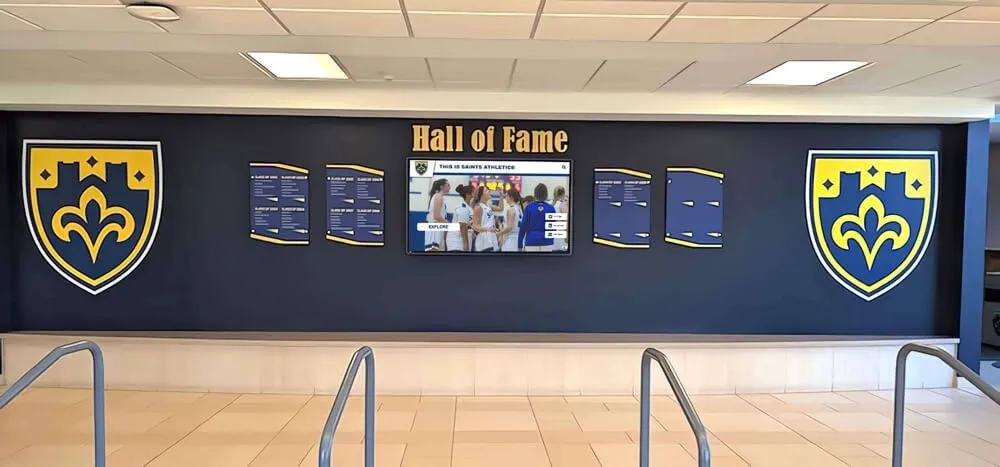
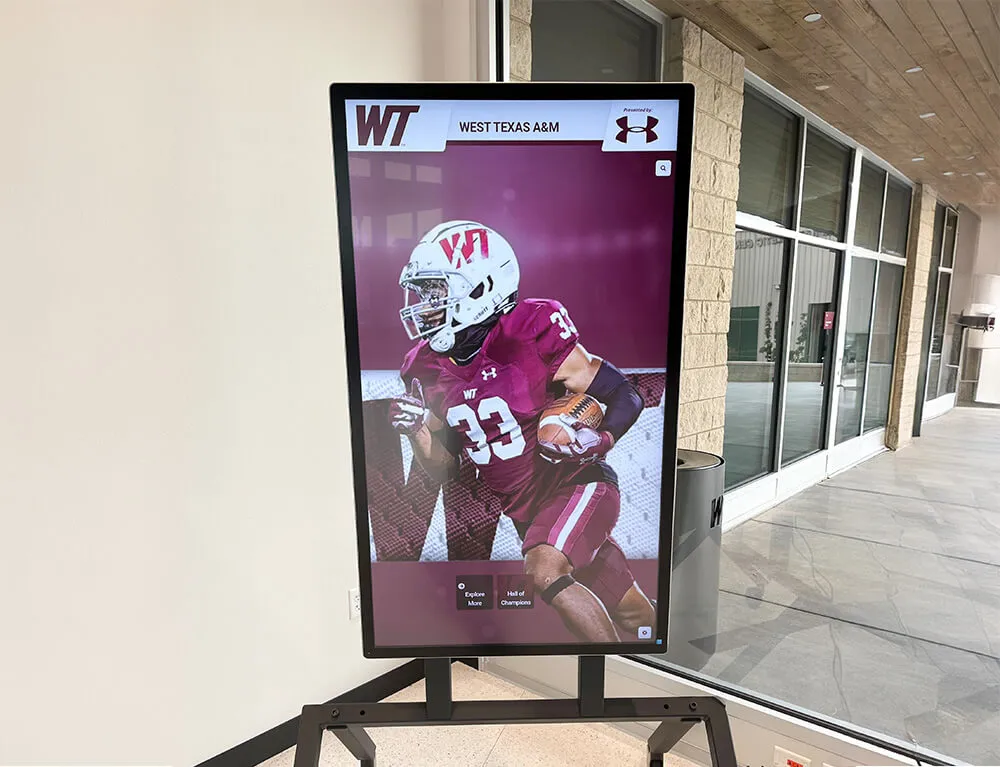
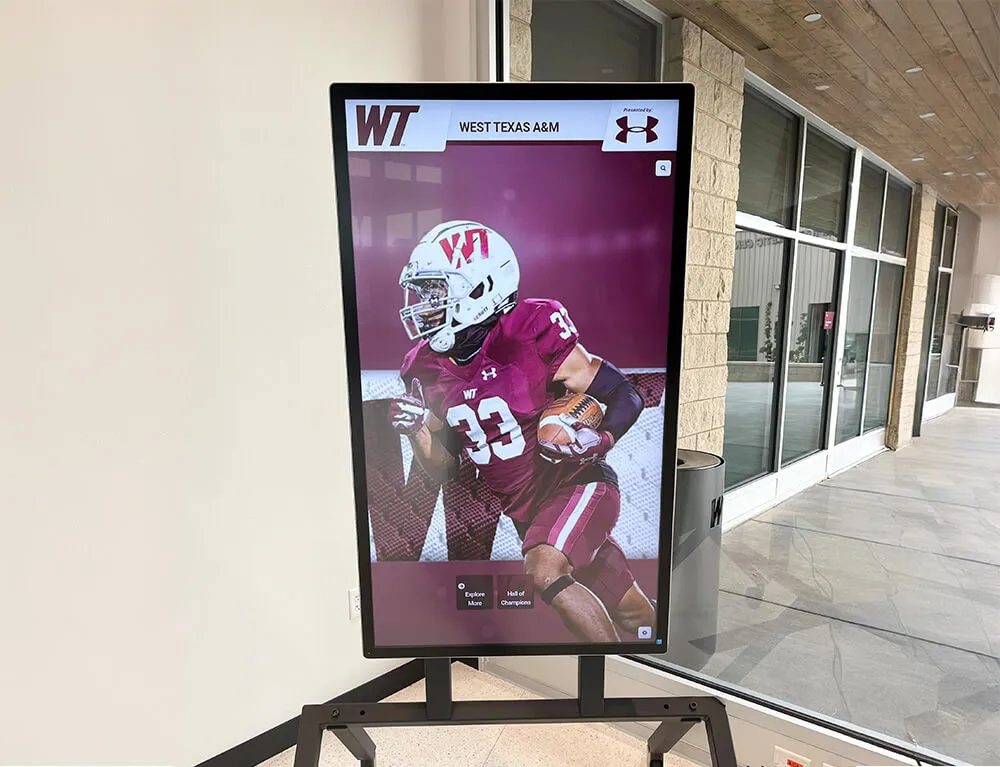
Prominent athletic facility displays celebrate student athlete achievements—creating inspiring environments honoring dedication across all fall sports programs
Soccer: Universal Sport Offering Diverse Participation Pathways
Soccer provides accessible entry across age groups with scalable commitment levels:
What Soccer Teaches Children
Soccer develops comprehensive athletic and personal skills including cardiovascular fitness through constant movement, foot-eye coordination controlling balls at speed, spatial awareness understanding field positioning and movement, teamwork through fluid positional responsibilities, and decision-making reading defenses and making split-second choices.
Soccer’s global reach creates cultural connections and universal athletic language—skills transferring across communities and enabling athletic participation regardless of geographic location or socioeconomic background.
Recreational vs. Competitive Program Paths
Soccer offers tiered participation options including recreational leagues emphasizing skill development, equal playing time, and inclusive participation, travel teams introducing regional competition with increased commitment, club programs providing year-round development pathways, and elite academies serving highest-level athletes pursuing college recruitment.
Families should honestly evaluate appropriate competition level balancing child’s skill and interest against commitment requirements escalating dramatically as competitive level increases. Many children enjoy and benefit from recreational participation without pursuing elite pathways requiring intensive year-round dedication.
Position Options Accommodating Different Strengths
Soccer accommodates diverse physical profiles through varied positions including forwards emphasizing speed, shooting, and scoring ability, midfielders requiring endurance, tactical awareness, and two-way play, defenders valuing size, strength, and positional discipline, and goalkeepers demanding unique reflexes, courage, and hand skills.
This positional diversity creates opportunities for children with different athletic strengths—ensuring various body types and skill profiles succeed rather than requiring singular physical attributes.
Soccer Program Quality Indicators
Quality soccer programs demonstrate age-appropriate coaching emphasizing skill development over premature tactical complexity, positive coaching culture avoiding excessive criticism, structured curriculum teaching fundamental techniques systematically, appropriate competition levels matching developmental stages, and inclusive values welcoming diverse skill levels rather than exclusively pursuing elite achievement.
Resources on soccer awards ideas demonstrate comprehensive recognition approaches celebrating diverse contributions beyond scoring statistics alone.
Volleyball: Technical Sport Building Coordination and Teamwork
Volleyball combines individual skill development with team coordination:
What Volleyball Teaches Children
Volleyball develops specific capabilities including hand-eye coordination for precise ball control, vertical jumping and explosive power, communication skills through constant verbal coordination, position rotation understanding diverse roles, and resilience managing high-error sport where mistakes occur frequently.
Volleyball’s rally-scoring format creates constant action and engagement—requiring mental toughness maintaining focus despite inevitable errors while supporting teammates experiencing struggles.
Physical Demands and Skill Requirements
Volleyball requires specific physical attributes including vertical jumping ability for net play, reaction time and reflexes for ball control, shoulder and arm strength for hitting and serving, and flexibility supporting diving and defensive movements.
Height advantages benefit certain positions, particularly middle blockers and opposite hitters, though defensive specialists and setters succeed with different physical profiles—creating multiple pathways for athletes with varying body types.
Indoor vs. Beach Volleyball Considerations
Volleyball offers format variations including traditional indoor 6-on-6 competition with specialized positions and rotations, and beach volleyball played 2-on-2 on sand emphasizing all-around skills and smaller team dynamics.
Beach volleyball provides excellent skill development requiring complete game mastery without position specialization—often serving as valuable cross-training complementing indoor competition or appealing to children preferring smaller team dynamics.
Season Length and Club Opportunities
School volleyball seasons typically span August through November, with club opportunities extending participation year-round for committed athletes. Club volleyball demands significant time and financial investment including extensive travel schedules, tournament fees and expenses, and intensive practice commitments.
Families should carefully evaluate whether club participation serves long-term development or creates excessive specialization potentially leading to burnout before high school competition peaks.
Cross Country: Individual Sport Teaching Mental Toughness
Running sports develop unique physical and mental capabilities:
What Cross Country Teaches Children
Distance running builds distinctive qualities including mental toughness pushing through physical discomfort, self-discipline maintaining training consistency, goal-setting tracking performance improvements, individual accountability where personal effort directly determines outcomes, and team culture despite individual sport structure.
Cross country creates inclusive environments where every runner contributes to team scoring regardless of absolute speed—fostering supportive cultures rare in sports where playing time scarcity creates internal competition.
Physical Development and Injury Prevention
Running develops cardiovascular fitness, lower body strength, bone density through weight-bearing exercise, and efficiency through proper biomechanics. However, overtraining risks stress fractures, overuse injuries, and burnout through excessive mileage before bodies fully mature.
Quality programs implement age-appropriate training volumes, teach proper running form, incorporate strength and flexibility training, recognize warning signs of overtraining, and prioritize long-term development over short-term competitive results that may compromise future participation.
Individual vs. Team Dynamic Balance
Cross country uniquely balances individual achievement with team success through individual race performances determining personal results and competitive satisfaction, team scoring where multiple runners’ placements combine for collective outcomes, and supportive culture where teammates encourage rather than compete against each other.
This structure suits children who prefer individual accountability while maintaining social connections and team belonging—offering middle ground between pure team sports and truly solo activities.
Mental Skills and Character Development
Running develops mental capabilities transferring across life domains including discomfort management embracing controlled suffering during training and racing, perseverance maintaining effort despite physical and mental challenges, patience accepting gradual improvement requiring sustained commitment, and self-awareness understanding body signals and performance feedback.
These mental skills prove valuable far beyond athletics—supporting academic persistence, career development, and life resilience facing inevitable challenges requiring sustained effort without immediate gratification.
Schools implementing comprehensive recognition programs celebrate achievements across diverse sports including frequently overlooked programs like cross country deserving equal visibility with high-profile offerings.
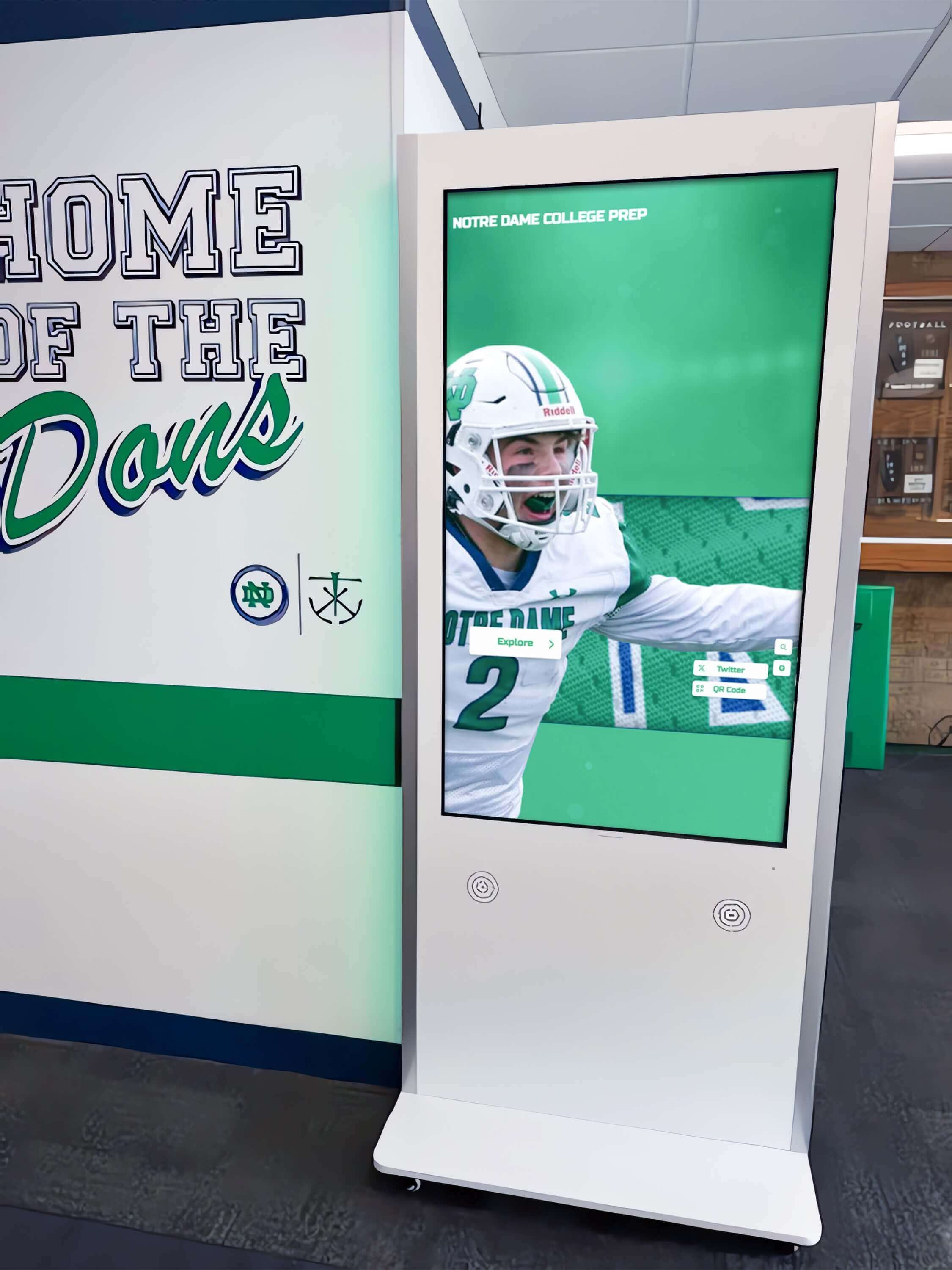
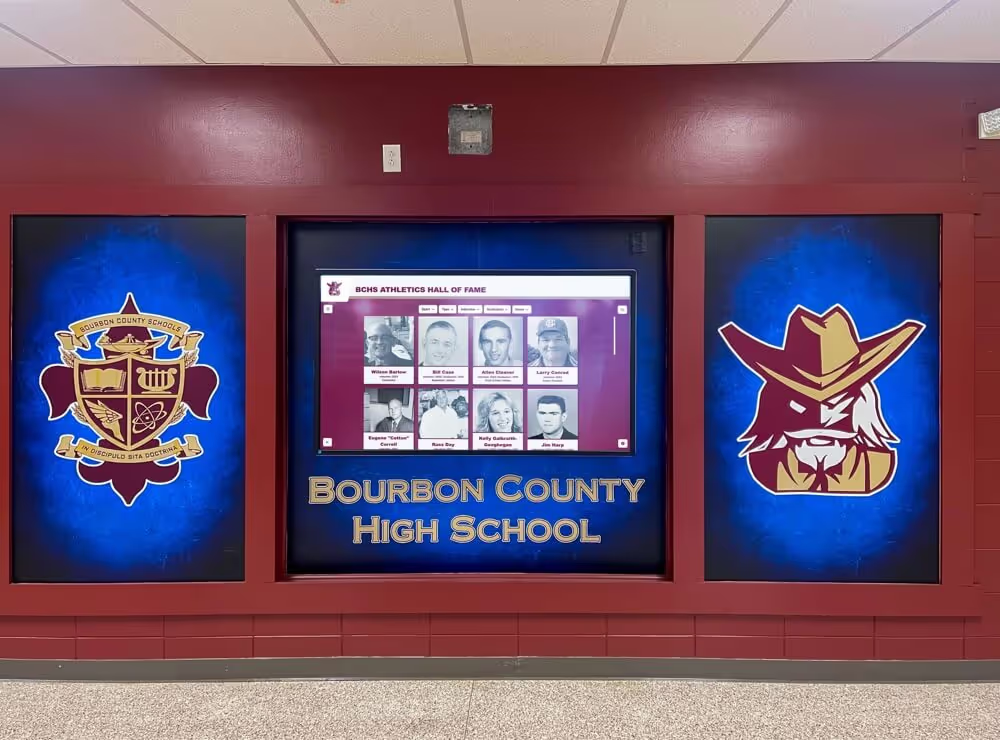
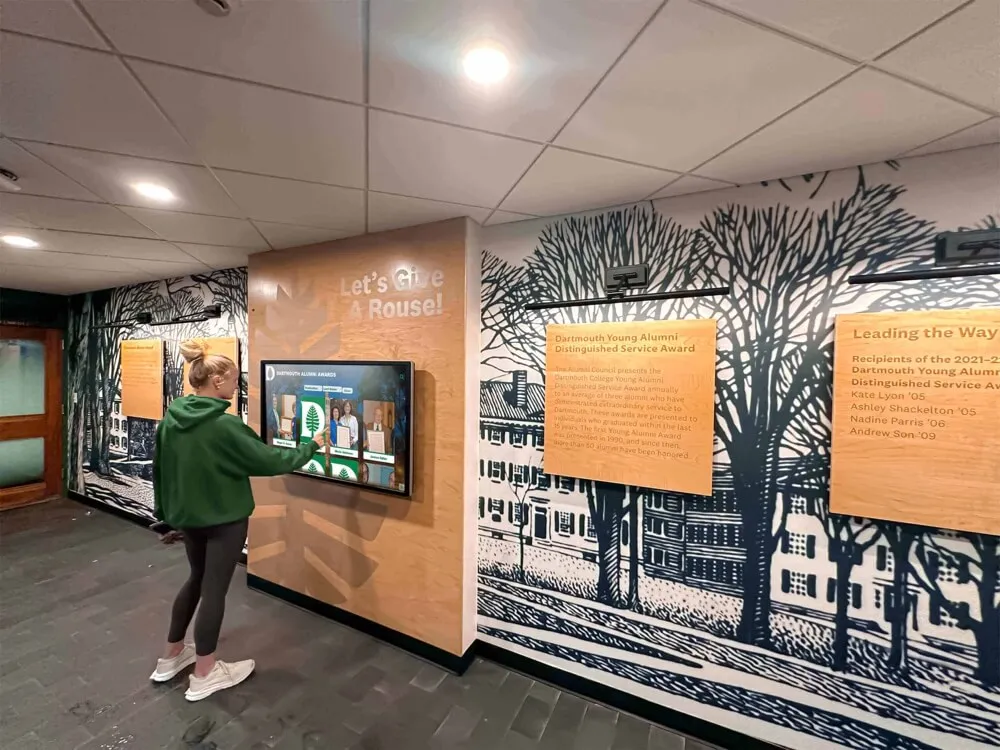
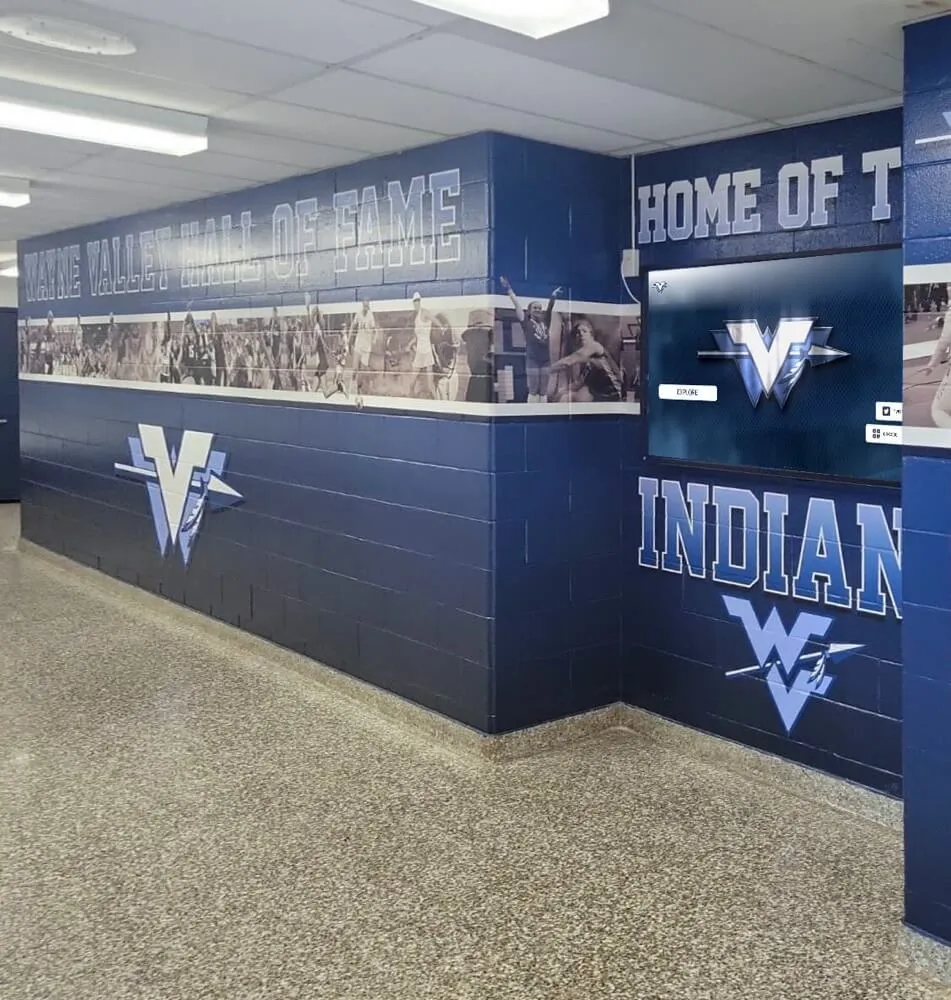
Strategic recognition placement in high-traffic school areas ensures visibility celebrating athletic achievements across all fall sports programs and participation levels
Additional Fall Sports Worth Considering
Beyond the major fall sports, several activities offer valuable athletic experiences for children with specific interests:
Field Hockey: Technical Team Sport
Field hockey combines hockey skills with soccer-like field structure through stick skills requiring hand-eye coordination, running endurance similar to soccer, team tactics and positional play, and limited collision risk compared to football.
Field hockey participation remains geographically concentrated in certain regions, particularly Northeast and mid-Atlantic states, while growing in availability nationwide. Programs often welcome beginners without prior experience, creating accessible entry points for children interested in unique sport combining diverse athletic skills.
Tennis: Individual Skill Development
Fall tennis programs develop comprehensive capabilities including hand-eye coordination and racket skills, mental toughness managing individual competition pressure, cardiovascular fitness through extended matches, and strategic thinking reading opponents and adjusting tactics.
Tennis provides lifelong activity skills transferring into adult recreation—enabling athletic participation well beyond youth competition years. Individual sport structure eliminates playing time uncertainty creating frustration in team sports with limited roster spots.
Swimming and Water Polo: Aquatic Athletic Options
Some programs offer fall aquatic sports including competitive swimming developing full-body fitness and technical stroke mechanics, and water polo combining swimming endurance with ball-handling skills and team tactics.
Aquatic sports provide low-impact alternatives for children with joint concerns or physical conditions precluding high-impact activities while developing comprehensive fitness and valuable water safety skills.
Golf: Technical Individual Sport
Fall golf programs teach complex technical skill requiring repetitive practice, mental discipline managing frustration and maintaining focus, etiquette and sportsmanship in formal competitive contexts, and lifetime athletic activity accessible across age ranges.
Golf demands patience and emotional control particularly valuable for impulsive children developing self-regulation skills—though slow pace and individual structure may not suit children preferring constant movement and social team dynamics.
Cheerleading and Dance Team: Athletic Performance
Competitive cheerleading and dance teams develop specific capabilities including strength and flexibility through tumbling and acrobatic movements, coordination and rhythm for synchronized routines, performance skills managing competition pressure, and teamwork through precise group coordination.
These activities challenge stereotypes treating them as supplementary rather than legitimate athletics—modern competitive cheerleading requires significant athletic ability and involves injury risk comparable to traditional sports deserving equal recognition and support.
Understanding fall sports playoff schedules helps families plan seasonal commitments while following competitive progressions across different sports.
Making the Final Sport Selection Decision
Choosing appropriate fall sports requires systematic evaluation balancing multiple considerations:
Involving Children in Decision-Making
Athletic participation succeeds when children feel genuine ownership rather than fulfilling parental preferences:
Exploring Multiple Options Before Committing
Many programs offer trial periods, camps, or introductory sessions enabling children to experience sports before committing to full seasons. Attending games and practices for sports under consideration provides realistic preview of time commitment, coaching style, and team culture.
Children should directly participate in decision-making—discussing interests, concerns, and preferences rather than parents making unilateral selections based on their own athletic histories or assumptions about appropriate activities.
Honest Interest vs. Peer Pressure Assessment
Children frequently express interest in sports because friends participate rather than genuine personal interest. Parents should probe whether enthusiasm stems from authentic interest in the activity itself or primarily social motivations—while friendships provide valuable participation benefits, children pursuing activities solely for peer reasons often struggle with motivation when difficulty or boredom inevitably occur.
Questions exploring why children want to try specific sports reveal underlying motivations—responses focusing on actual activity enjoyment (“I love running fast” or “I want to learn to kick like that player”) suggest more sustainable interest than exclusively social reasoning (“All my friends play soccer”).
Setting Appropriate Expectations
Parents should establish realistic expectations acknowledging that athletic ability develops gradually, mistakes and struggles represent normal learning processes, not all children achieve elite performance regardless of effort, enjoyment and personal development matter more than competitive outcomes, and changing interests across seasons proves completely acceptable.
Pressure for immediate success or permanent commitment creates anxiety undermining athletic enjoyment—supportive encouragement paired with realistic expectations produces healthier participation experiences and longer-term engagement.
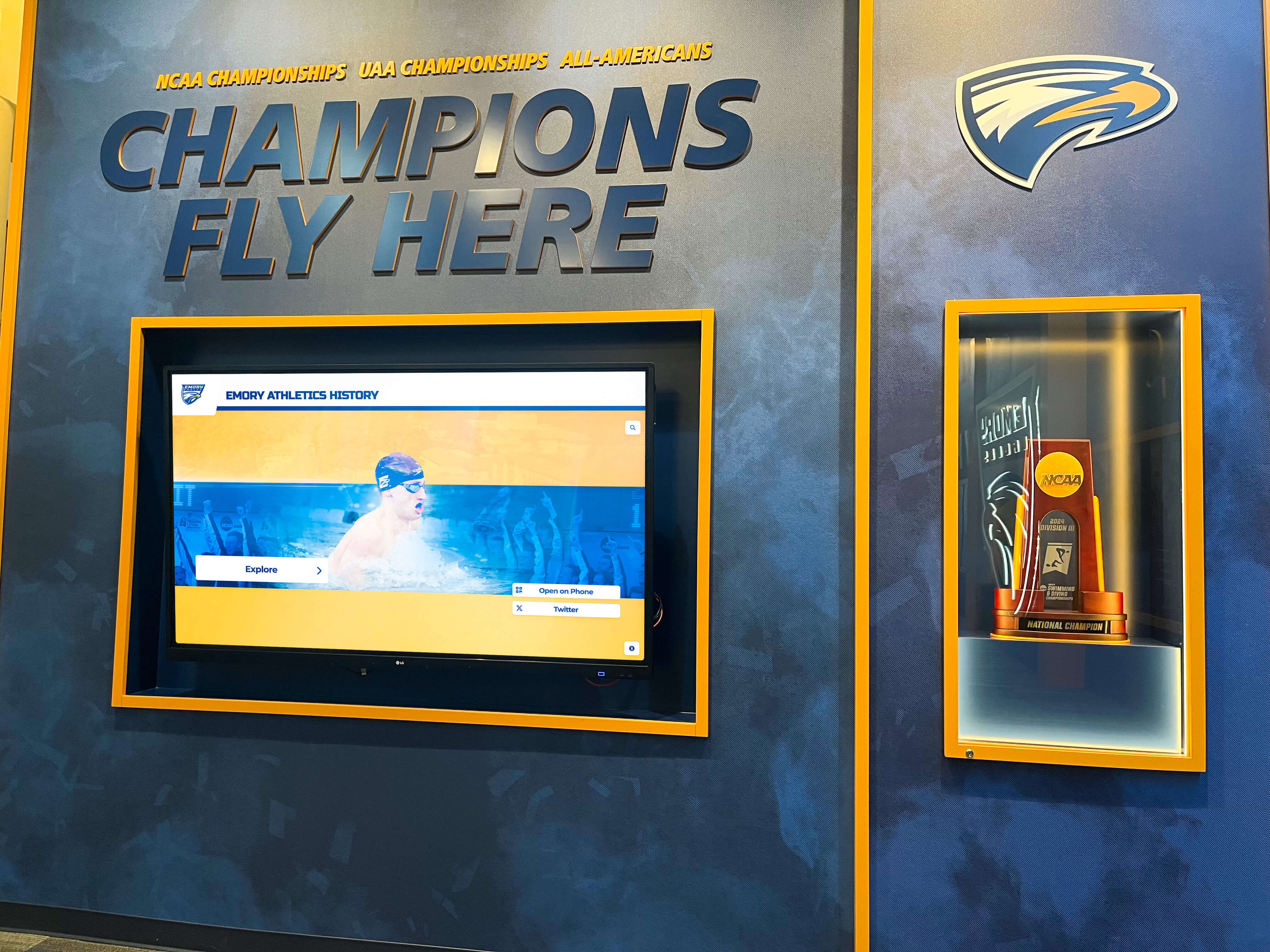
Championship recognition celebrates team achievements while inspiring current athletes—demonstrating program traditions built through sustained athletic excellence
Evaluating Program and Coaching Quality
Organizational quality dramatically influences athletic experiences beyond sport selection alone:
Quality Coaching Indicators
Excellent youth coaches demonstrate age-appropriate instruction matching developmental stages, positive communication emphasizing encouragement over harsh criticism, appropriate competitive expectations avoiding excessive pressure, safety prioritization through proper warm-ups, technique instruction, and injury protocols, and inclusive values welcoming diverse skill levels rather than exclusively focusing on elite athletes.
Red flags include coaches screaming excessively or using fear-based motivation, programs emphasizing winning over player development at youth levels, inadequate safety equipment or lax injury protocols, playing time distribution heavily favoring select players while benching others extensively, and high coach turnover suggesting organizational dysfunction.
Parents should observe practices, talk with current program families, and directly discuss coaching philosophy before committing—organizational quality and coaching approach matter as much as sport selection itself in determining positive athletic experiences.
Program Structure and Organization
Well-run programs demonstrate clear communication through emails, websites, or apps keeping families informed, structured practices with planned activities rather than disorganized chaos, appropriate age grouping avoiding excessive age ranges within single teams, reasonable cost structures without hidden fees emerging mid-season, and transparent policies regarding playing time, attendance expectations, and behavior standards.
Disorganized programs create unnecessary stress through poor communication, last-minute schedule changes, unclear expectations, and inconsistent enforcement of stated policies—frustrations distracting from positive athletic experiences programs should provide.
Safety Culture and Injury Management
Priority programs maintain proper coach-to-athlete ratios enabling adequate supervision, require coaches to complete safety and first aid training, maintain emergency action plans and necessary medical supplies, enforce strict return-to-play protocols following injuries, and communicate transparently with families about injury concerns.
Programs minimizing injury reporting or pressuring athletes to play through concerning symptoms demonstrate inappropriate priorities—safety should always supersede competitive considerations at youth athletic levels.
Commitment Requirements and Family Fit
Before committing, clearly understand practice frequency and typical duration, game schedules including weeknight and weekend expectations, tournament travel requirements and associated costs, off-season or year-round participation expectations, and fundraising obligations consuming family time and resources.
Programs demanding commitments families cannot reasonably sustain create stress, guilt, and eventual dropout—honest evaluation of realistic capacity prevents overcommitment undermining the positive experiences athletic participation should provide.
Resources on recognizing youth athlete achievements demonstrate how quality programs celebrate diverse contributions ensuring all participants receive meaningful acknowledgment regardless of competitive outcomes.
Supporting Your Young Athlete’s Fall Sports Experience
Parents play critical roles determining whether sports participation creates positive development or unnecessary stress:
Positive Parental Involvement Strategies
Supportive engagement enhances athletic experiences while avoiding counterproductive behaviors:
Attendance and Enthusiasm Without Pressure
Effective support includes attending games and competitions demonstrating interest, cheering positively for all teammates rather than exclusively focusing on your child, maintaining composure regardless of competitive outcomes, avoiding sideline coaching contradicting coach instruction, and celebrating effort and improvement over statistics or victories.
Children perceive parental body language and tone communicating whether love and approval depend on athletic performance—unconditional support regardless of playing time or competitive results creates healthy athletic relationships without identity overly dependent on sports success.
Communication Balance With Coaches
Appropriate parent-coach communication addresses legitimate concerns like injury management, playing time patterns dramatically inconsistent with stated policies, behavior issues affecting your child, or communication breakdowns creating confusion about schedules or expectations.
Inappropriate communication includes demanding increased playing time, questioning coaching decisions about strategy or lineup, advocating against other children to benefit your athlete, or contacting coaches immediately after emotional game situations before calming down.
Most programs establish communication protocols including 24-hour cooling-off periods before discussing emotionally charged topics—respecting these boundaries demonstrates maturity while enabling productive conversations rather than confrontational conflicts.
Managing Multi-Sport and Academic Balance
Supporting reasonable activity loads includes avoiding simultaneous participation in multiple conflicting fall sports, maintaining academic priorities ensuring sports don’t overwhelm schoolwork, preserving adequate sleep given developmental needs, allowing unstructured time preventing complete schedule saturation, and recognizing warning signs of overcommitment including declining grades, persistent fatigue, or loss of enthusiasm.
Overcommitted children experience diminishing returns across all activities rather than excelling at any single pursuit—appropriate boundaries enable genuine engagement rather than exhausted obligation across excessive commitments.
Perspective Maintenance and Appropriate Expectations
Healthy athletic participation requires remembering that fewer than 10% of youth athletes compete at college level, professional athletics represents unrealistic goal for vast majority, athletic participation should enhance childhood rather than consuming it entirely, character development and life skills matter more than competitive achievements, and children’s interests and priorities appropriately evolve across developmental stages.
Parents projecting unfulfilled athletic ambitions onto children create unhealthy pressure and unrealistic expectations—supporting children’s actual interests and capabilities rather than parental wishes produces healthier relationships and more positive athletic experiences.
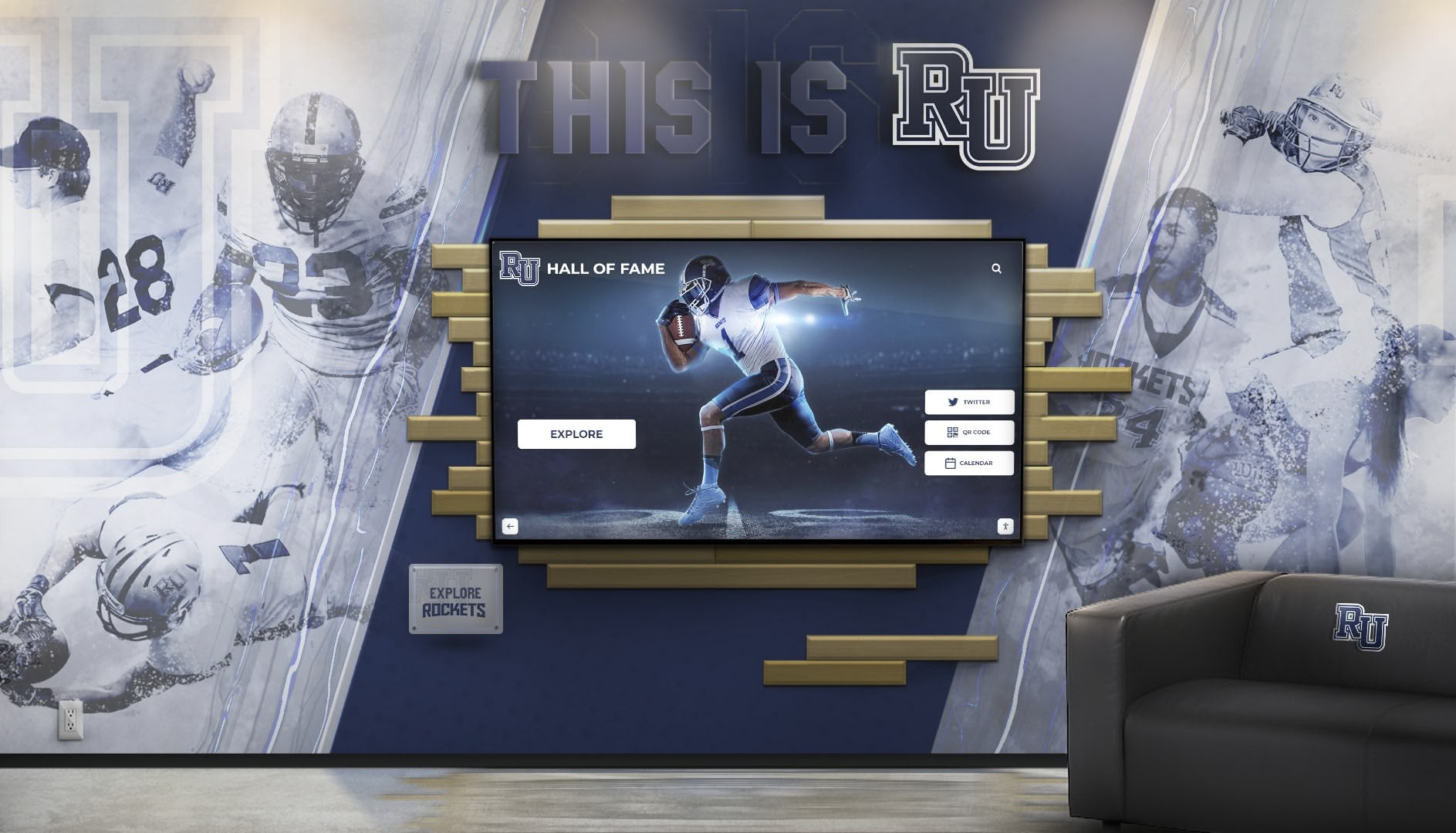
Comprehensive recognition systems celebrate athletic traditions across all sports—honoring complete program histories while maintaining current achievement visibility
Recognizing When to Make Changes
Positive athletic experiences sometimes require difficult mid-course adjustments:
Signs Your Child May Need Different Sport or Level
Warning indicators include persistent unhappiness or anxiety before practices and games, frequent injury or physical complaints potentially reflecting stress, significantly declining academic performance, loss of interest in other previously enjoyed activities, dramatic personality changes or mood problems, or explicit statements wanting to quit.
These signals deserve serious attention rather than dismissal as “lack of toughness”—forcing continued participation despite clear distress creates negative associations potentially ending lifelong athletic engagement rather than developing resilience through appropriate challenge.
Making Sport or Program Changes
Switching sports or programs mid-season requires careful handling including honest family discussions about concerns and alternatives, transparent communication with current coaches and programs, realistic evaluation of whether grass appears artificially greener elsewhere, and learning opportunities discussing commitment, perseverance, and appropriate decision-making.
Some situations clearly warrant immediate change including unsafe conditions or coaching abuse, while others benefit from completing commitments before transitioning. Teaching children to thoughtfully evaluate challenges versus genuinely intolerable situations proves more valuable than either forcing persistence through truly problematic circumstances or permitting premature quitting whenever difficulty emerges.
Seasonal Breaks and Long-Term Perspective
Healthy athletic development includes periodic breaks preventing burnout, exploring diverse activities rather than premature single-sport specialization, understanding that stepping back temporarily differs from permanent quitting, and maintaining perspective that youth sports represent one component of comprehensive development.
Early specialization research increasingly demonstrates that multi-sport athletes experience lower injury rates, reduced burnout, more sustainable long-term participation, and equal or superior long-term elite achievement compared to early single-sport specialists—countering conventional wisdom that elite performance requires year-round single-sport focus from young ages.
Information on fall athletic playoff schedules and highlights helps families understand competitive structures and seasonal progressions across different fall sports.
Long-Term Benefits of Youth Fall Sports Participation
Beyond immediate physical activity, quality athletic experiences create lasting developmental benefits:
Physical Development and Lifelong Activity Foundations
Positive early sports experiences establish patterns influencing lifetime health:
Cardiovascular Fitness and Physical Literacy
Youth athletics develops foundational movement patterns, cardiovascular capacity supporting overall health, strength and flexibility preventing injury across life, coordination and motor skills transferring across activities, and positive associations with physical activity encouraging lifelong engagement.
Sedentary childhood increasingly predicts sedentary adulthood with associated health consequences—athletic participation during developmental years establishes activity habits and physical capabilities supporting health across entire lifespans.
Sport-Specific Skills Enabling Future Participation
Fall sports teach transferable capabilities including soccer skills enabling adult recreation in universal global sport, running fitness supporting accessible lifetime fitness activity, volleyball skills translating to beach and recreational play, and football fundamentals applicable to casual participation.
Sports requiring minimal equipment and accessible facilities like soccer and running provide particularly sustainable lifetime options—enabling continued participation long after school-based organized athletics conclude.
Social and Emotional Development
Athletic participation supports comprehensive psychological growth:
Teamwork and Collaboration Skills
Team sports teach cooperation toward shared goals, communication under pressure, conflict resolution with peers, accepting diverse personality types, and understanding individual roles supporting collective success.
These collaborative capabilities transfer directly to academic group projects, workplace team environments, community organization, and family dynamics—making teamwork skills among the most valuable life competencies athletic participation develops.
Resilience and Mental Toughness
Sports inherently involve failure, disappointment, and setbacks requiring managing competitive pressure and anxiety, bouncing back from losses and poor performances, persisting through physical and mental challenges, and maintaining motivation despite obstacles.
Children learning to navigate sports disappointments develop resilience transferring to academic challenges, social struggles, and life adversities—building mental toughness supporting success across all domains.
Identity Development and Self-Confidence
Athletic achievement contributes to developing competence in valued domains, social identity through team belonging, self-efficacy from goal achievement, and body confidence appreciating physical capabilities.
However, overly athletic-dependent identity creates vulnerability when injuries or changing interests end participation—balanced development across multiple identity domains proves healthiest long-term approach.
Academic and Life Skills Development
Athletic participation supports broader educational and personal success:
Time Management and Organization
Balancing sports with academic and family responsibilities teaches prioritization, planning, discipline, and efficiency—skills directly supporting academic achievement and career success.
Research consistently demonstrates that student athletes achieve equal or superior academic outcomes compared to non-participants despite time demands—athletic participation apparently teaches organizational skills offsetting time constraints rather than undermining academic performance as sometimes assumed.
Goal-Setting and Achievement Orientation
Athletics provides concrete framework for setting specific performance targets, developing action plans, tracking progress, adjusting strategies based on results, and experiencing achievement satisfaction.
This structured goal-pursuit experience transfers to academic objectives, career planning, and personal development—teaching systematic approaches to improvement applicable far beyond athletic contexts.
Character Development and Values
Quality programs teach sportsmanship and fair play, respect for authority and rules, integrity under competitive pressure, work ethic and discipline, and humility in victory and grace in defeat.
These character qualities represent core values parents hope to instill—athletic participation provides real-world laboratory where abstract values face concrete testing through actual challenges requiring ethical decision-making under pressure.
Schools implementing comprehensive student recognition systems celebrate athletic achievement alongside academic excellence—demonstrating that comprehensive development across multiple domains matters more than singular focus.
Conclusion: Choosing Fall Sports That Support Your Child’s Development
Selecting appropriate fall sports for kids requires balancing multiple considerations—physical readiness, psychological temperament, genuine interests, family logistics, and program quality all influence whether athletic participation creates positive development or unnecessary stress. The right fall sport at the right developmental stage teaches invaluable life skills including teamwork, resilience, discipline, and healthy competition while building physical fitness, social connections, and self-confidence that extend far beyond seasonal participation.
Yet no single “best” fall sport exists—optimal choices match individual children’s unique profiles rather than following peer trends or parental preferences. Soccer’s universal accessibility serves some families perfectly while others thrive in football’s intensive team culture, volleyball’s technical precision, or cross country’s individual accountability. Programs emphasizing age-appropriate development, positive coaching, safety prioritization, and inclusive values matter as much as sport selection itself in determining whether athletic experiences build or undermine confidence.
Celebrate Youth Athletic Achievement Comprehensively
Discover how modern recognition displays enable schools and athletic organizations to showcase achievements across all fall sports—creating inclusive celebration that honors every young athlete's dedication and development regardless of sport or competitive level.
Explore Recognition SolutionsParents supporting children’s fall sports participation should prioritize genuine enjoyment over competitive achievement, maintain perspective understanding youth athletics represent one developmental component among many, communicate openly about experiences and concerns, respect children’s evolving interests across seasons, and celebrate effort and character development regardless of statistics or victories. When athletic participation aligns with individual readiness and family values, fall sports create transformative experiences teaching lessons far transcending playing fields—building foundations for healthy, active, resilient, and socially connected lives.
Schools and organizations can enhance these positive experiences through comprehensive recognition systems that celebrate athletic achievement across all sports and participation levels. Solutions like Rocket Alumni Solutions enable institutions to showcase complete program histories, honor every committed athlete regardless of playing time or statistics, create engaging multimedia profiles documenting individual athletic journeys, and maintain permanent recognition accessible to families and communities year-round—extending the impact of youth athletic participation beyond brief competitive seasons into lasting institutional memory.
Your child’s fall sports experience can become cherished developmental milestone rather than stressful obligation through thoughtful sport selection, quality program evaluation, supportive parental involvement, and appropriate expectations. Take time exploring options, involving children in decisions, assessing program quality beyond surface reputation, and maintaining balanced perspective—these investments ensure fall athletic participation serves comprehensive development supporting physical health, social growth, emotional resilience, and character formation throughout childhood and adolescence into thriving, active adulthood.
Ready to enhance youth athletic recognition at your school or organization? Explore resources on celebrating national student athlete day, discover comprehensive athletic awards ideas spanning all sports, learn about building effective recognition programs, and understand how digital recognition technology transforms athletic celebration creating lasting visibility honoring every young athlete’s dedication and achievement.