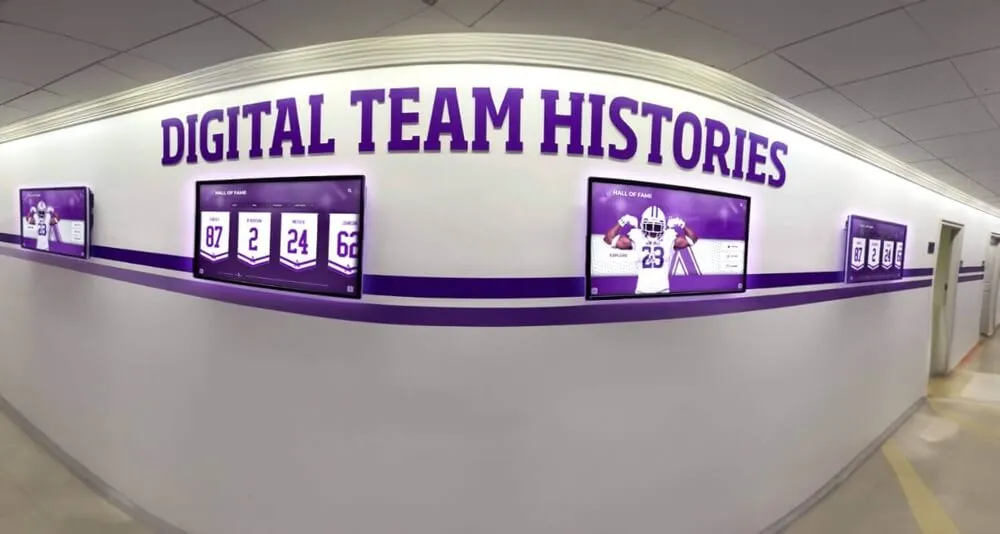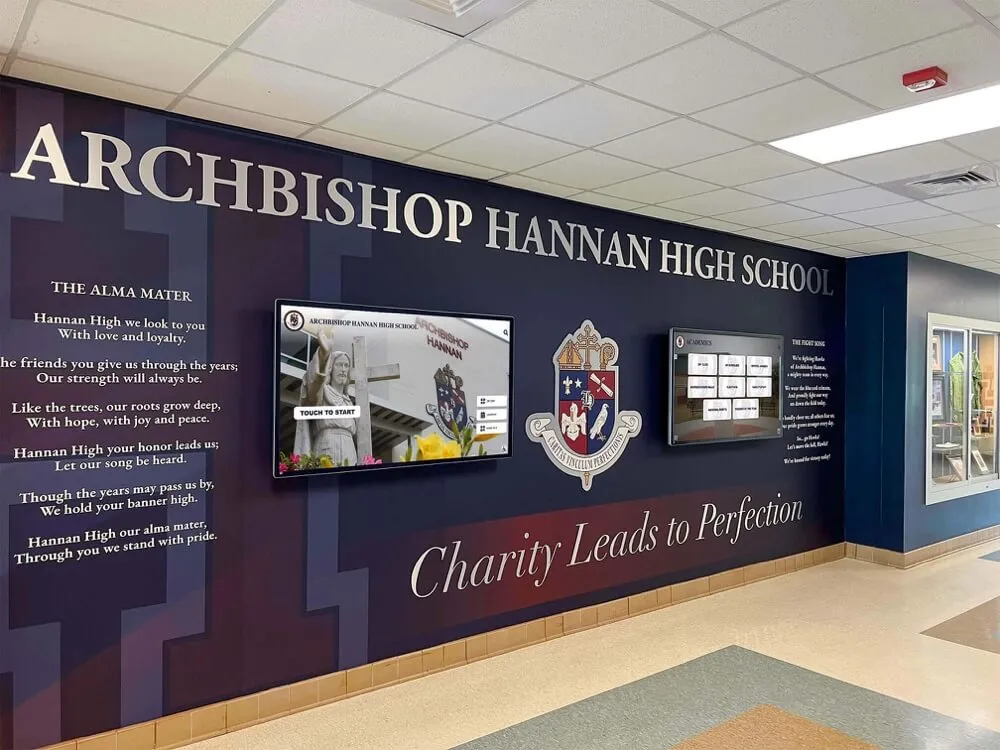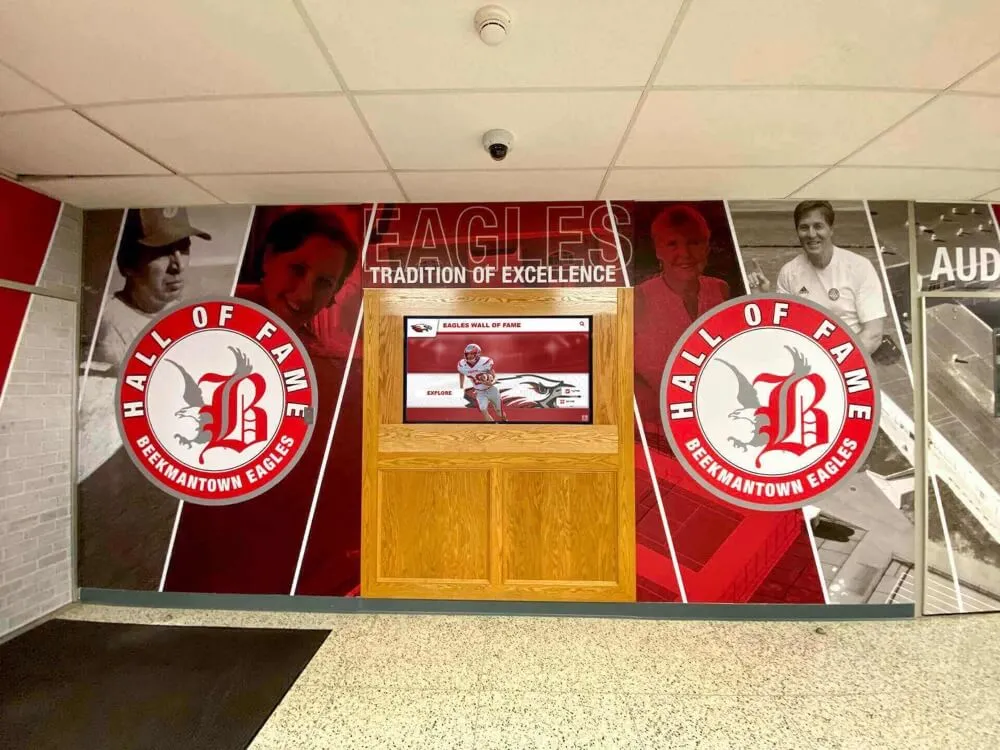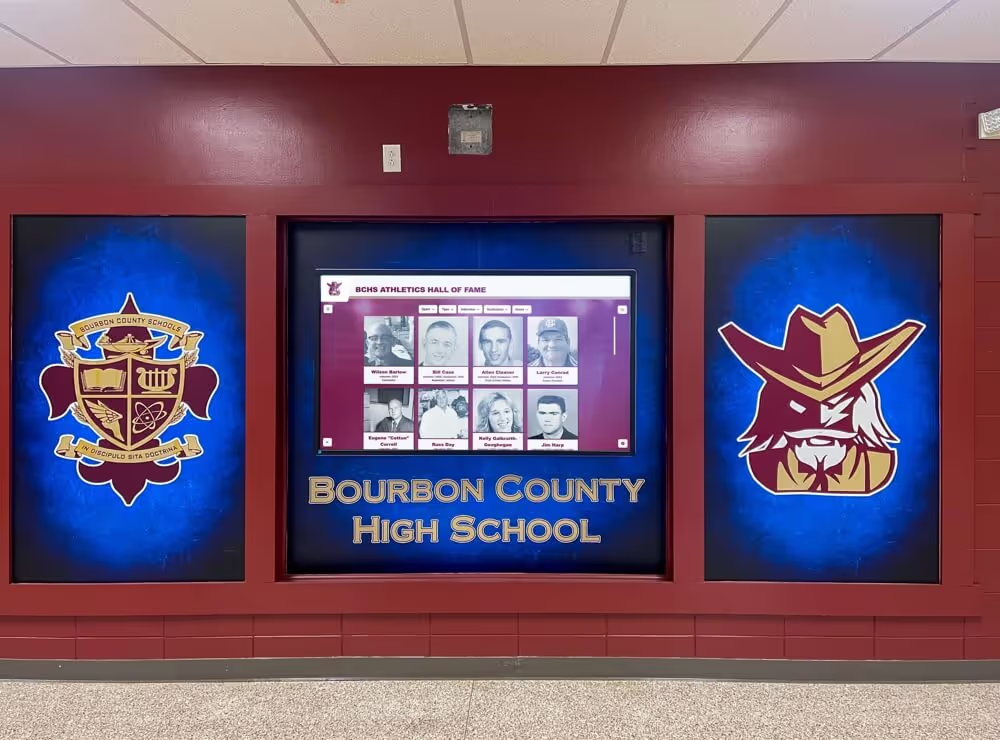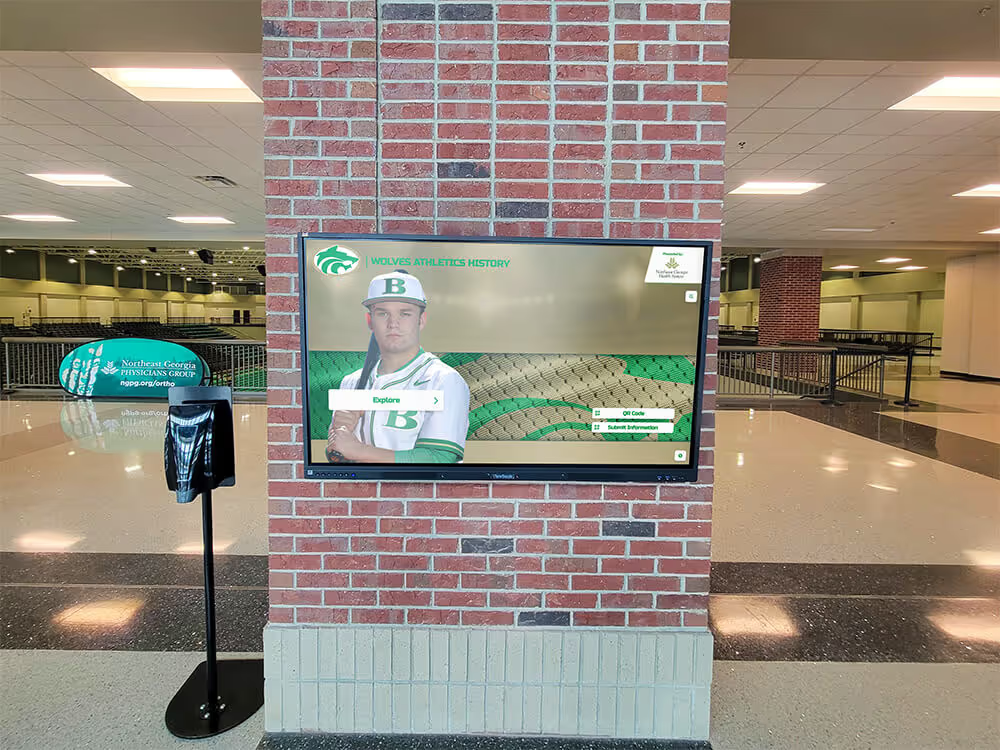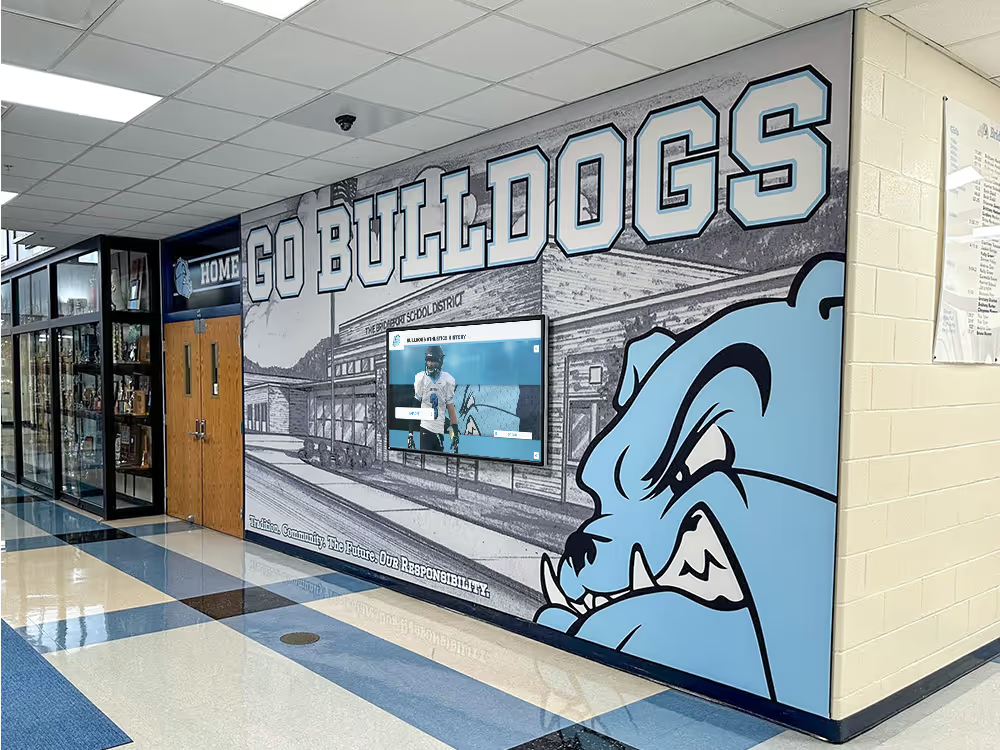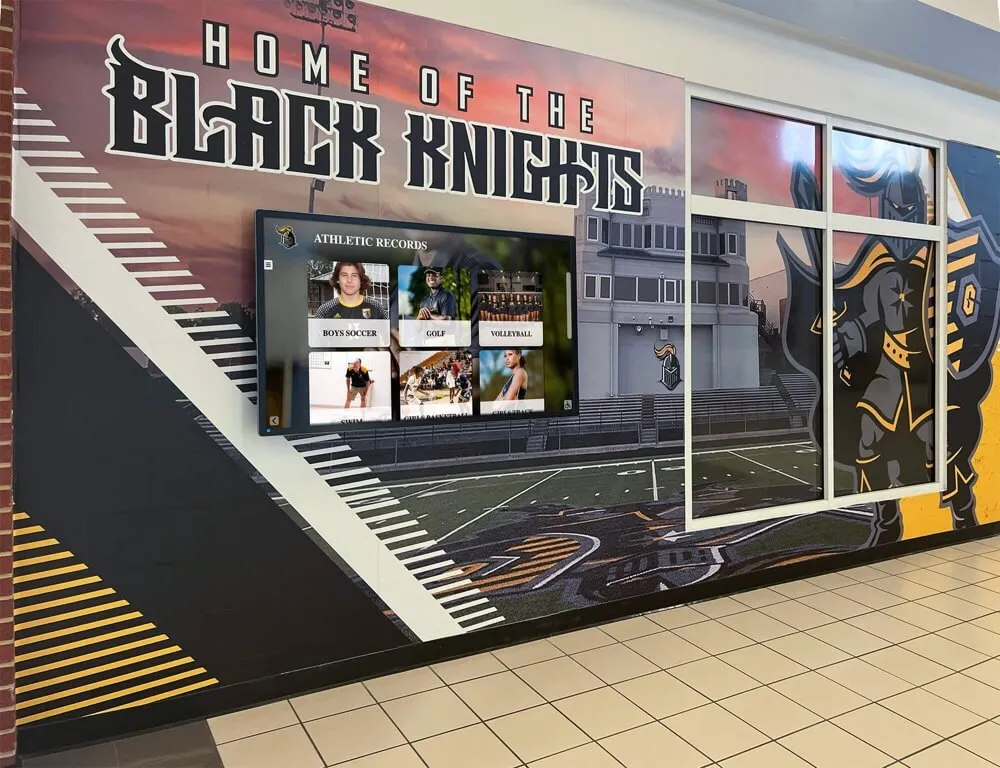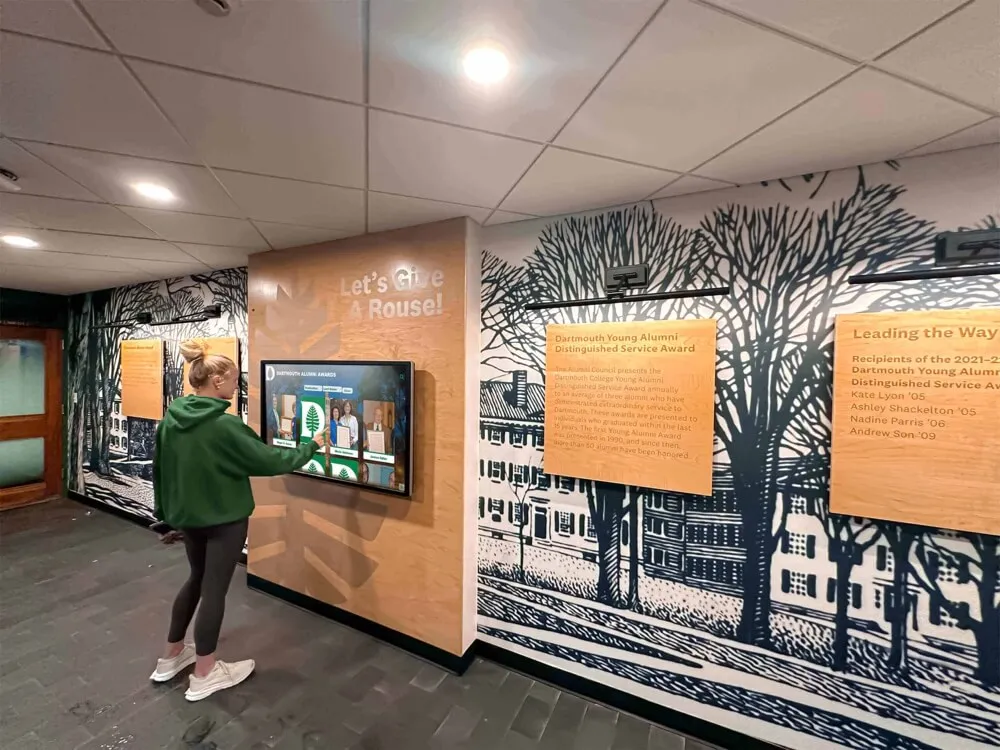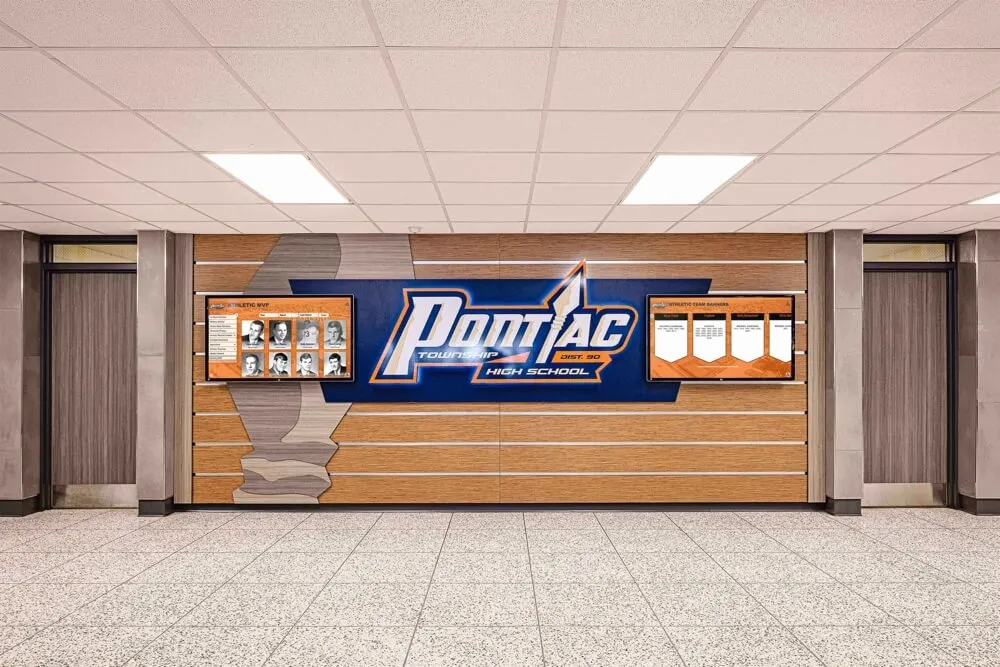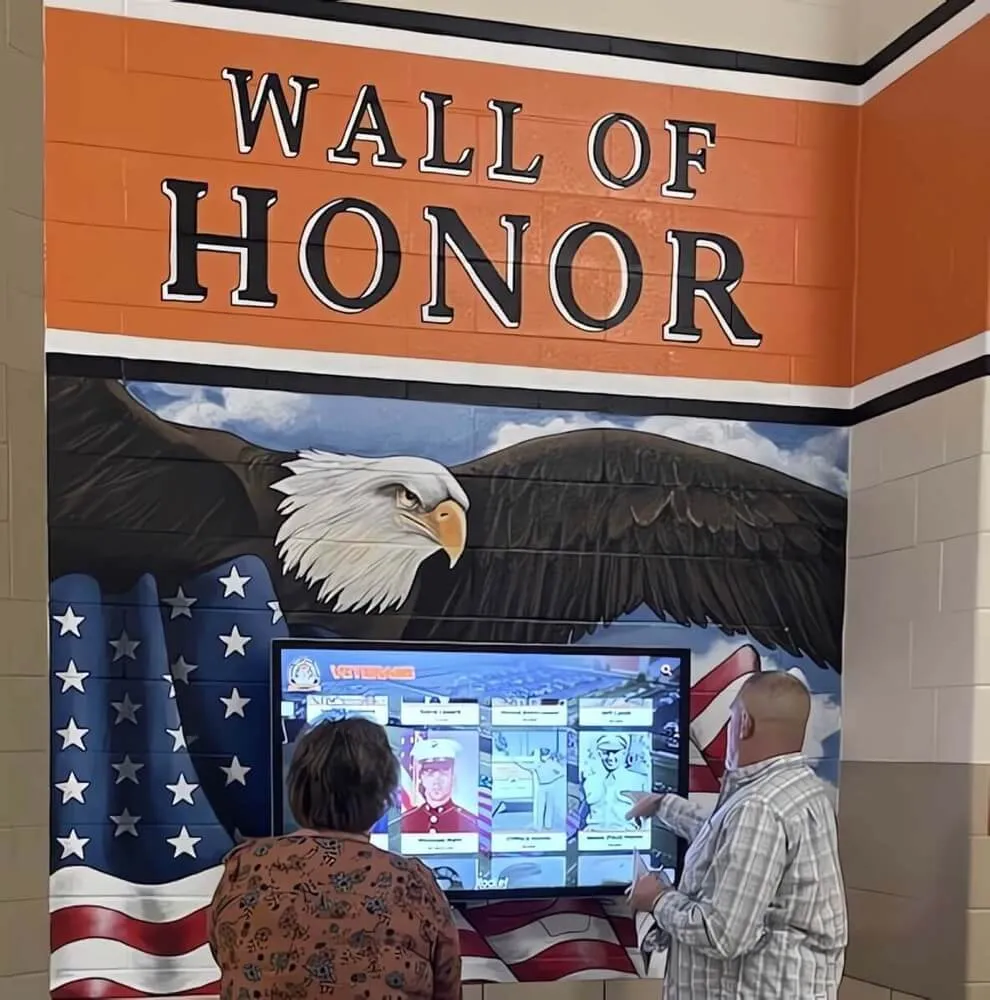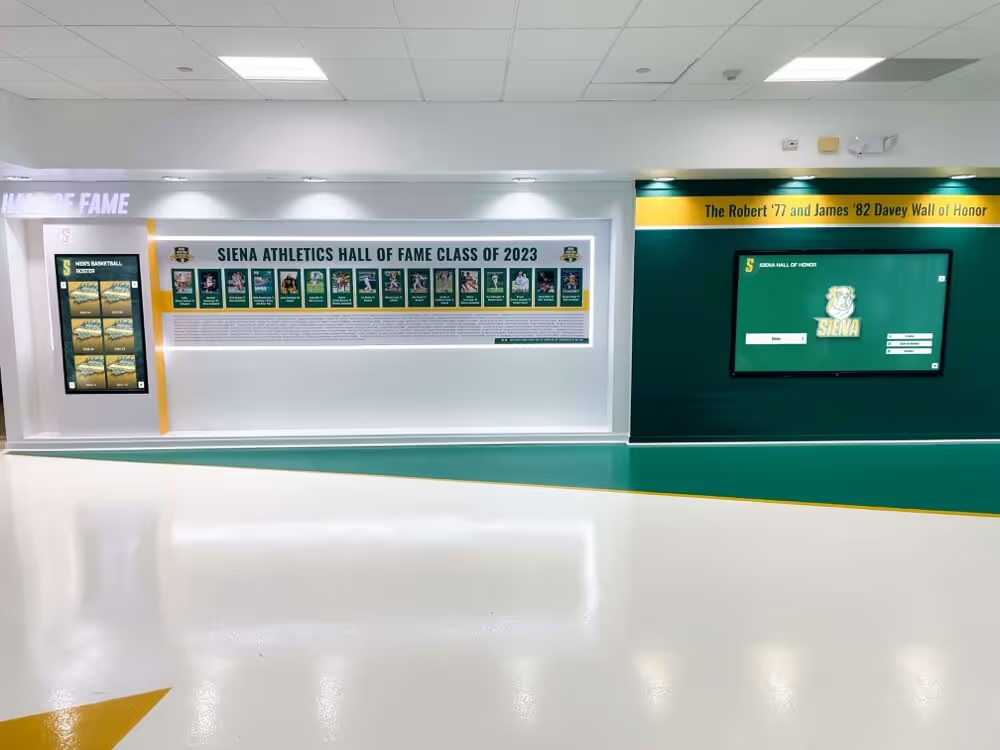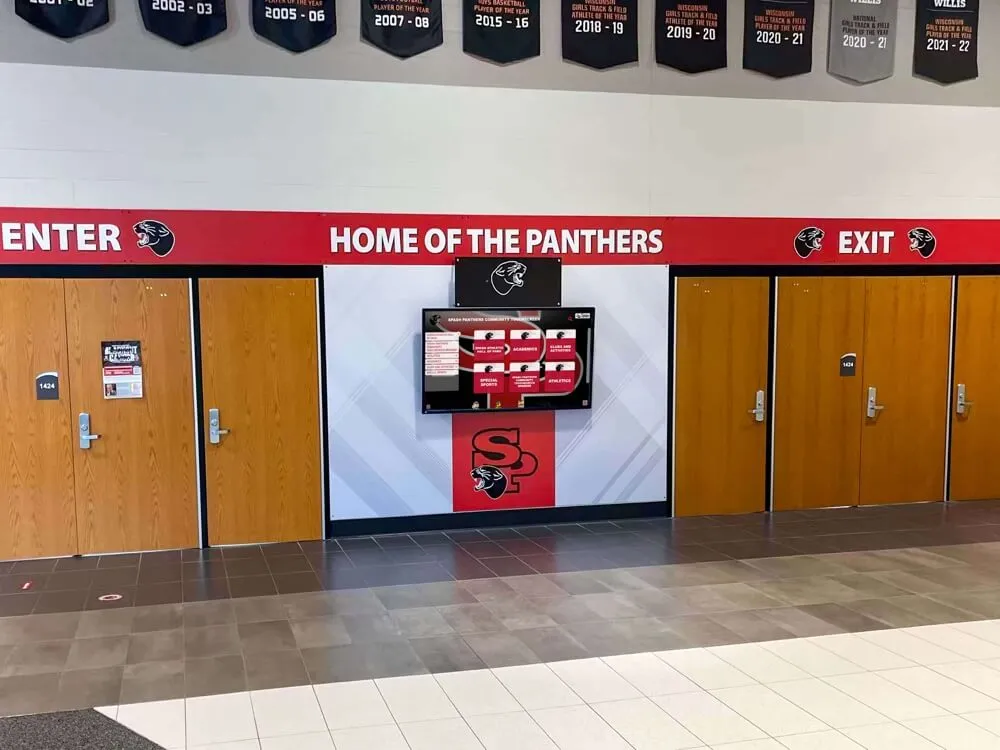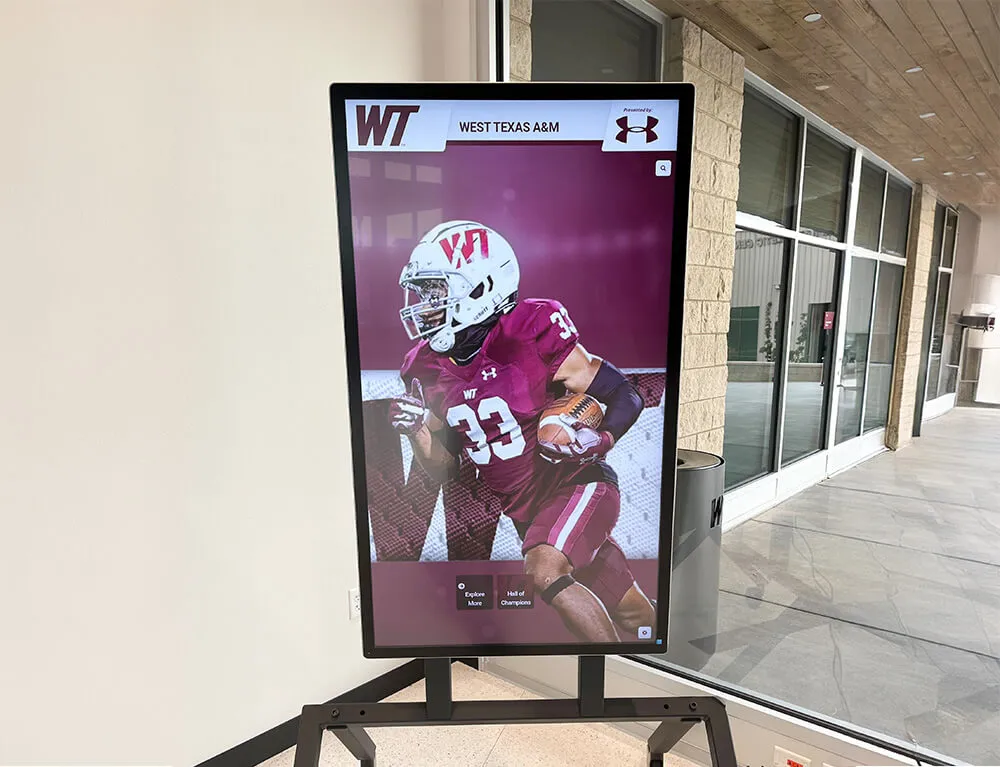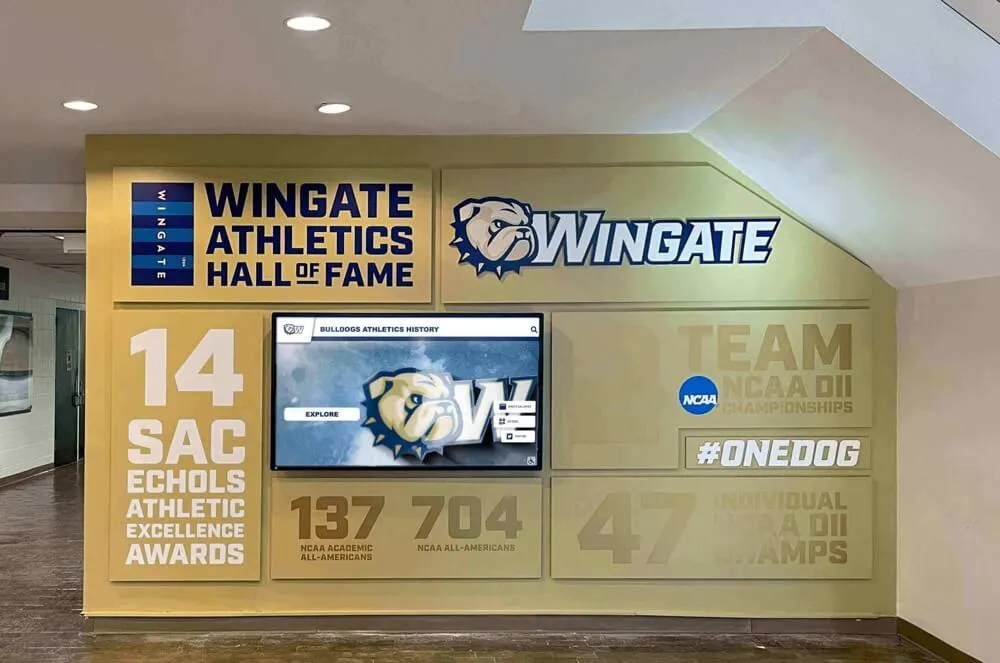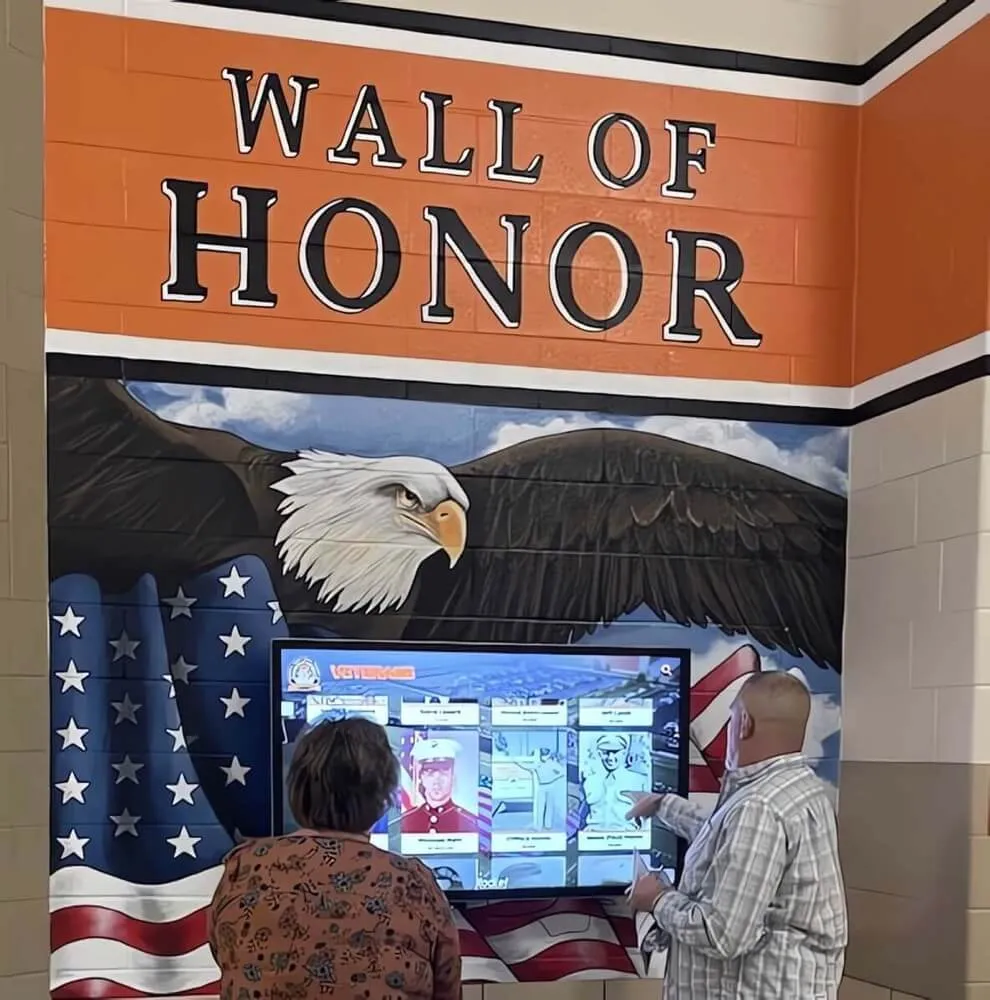




Intent: Demonstrate a compelling memorial experience that honors sacrifice while engaging visitors through thoughtful design.
Communities across America face the profound responsibility of honoring fallen heroes—military service members who made the ultimate sacrifice defending freedom, first responders who gave their lives protecting neighbors, and community members whose selfless service deserves perpetual remembrance. These individuals and their families merit recognition that transcends traditional memorial approaches, creating experiences where their stories, service, and sacrifice receive the dignity, permanence, and visibility such heroism demands.
Traditional memorial walls using engraved plaques or printed photographs face inherent limitations that diminish recognition impact over time. Physical space constraints force painful decisions about whose sacrifice receives visibility when memorial walls fill. Static engravings provide minimal context about who fallen heroes were as individuals, what they accomplished during service, or how their sacrifice impacted communities they protected. Update cycles requiring physical plaque manufacturing create delays between loss and memorial recognition. And fixed installations serve only those who can physically visit memorial locations, excluding distant family members and communities unable to make pilgrimage journeys.
This comprehensive guide explores how interactive touchscreen displays transform fallen heroes recognition—creating dignified memorial experiences that celebrate complete service stories, accommodate unlimited honorees without space constraints, enable immediate updates honoring recently fallen heroes, and extend accessibility beyond physical locations through web-based platforms. Whether your community, school, military installation, or first responder organization seeks to enhance existing memorials or create new recognition honoring those who gave everything in service to others, you’ll discover proven design frameworks, content strategies, and implementation approaches for building memorial experiences worthy of the sacrifice they commemorate.
The National Law Enforcement Officers Memorial in Washington D.C. honors over 23,000 law enforcement officers who died in the line of duty, while the National September 11 Memorial & Museum preserves names of nearly 3,000 individuals who perished in the 2001 terrorist attacks and 1993 World Trade Center bombing. These national memorials demonstrate society’s commitment to permanent recognition, yet most communities lack resources for elaborate physical memorials. Digital touchscreen technology enables communities of any size to create comprehensive fallen heroes recognition with professional quality appropriate for honoring ultimate sacrifice.

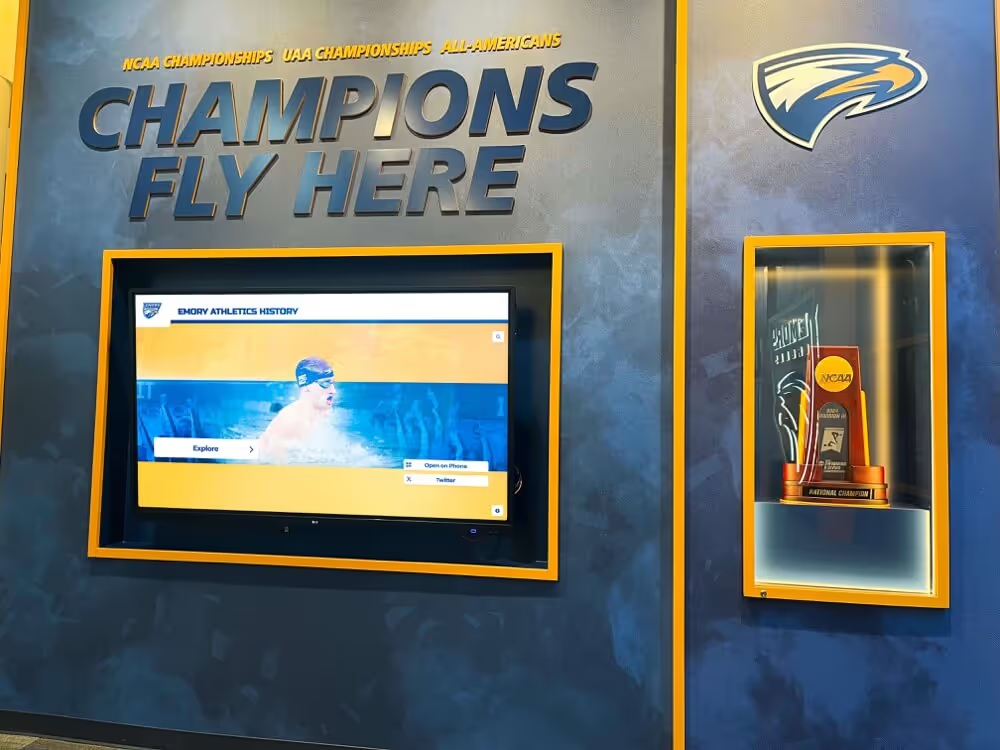
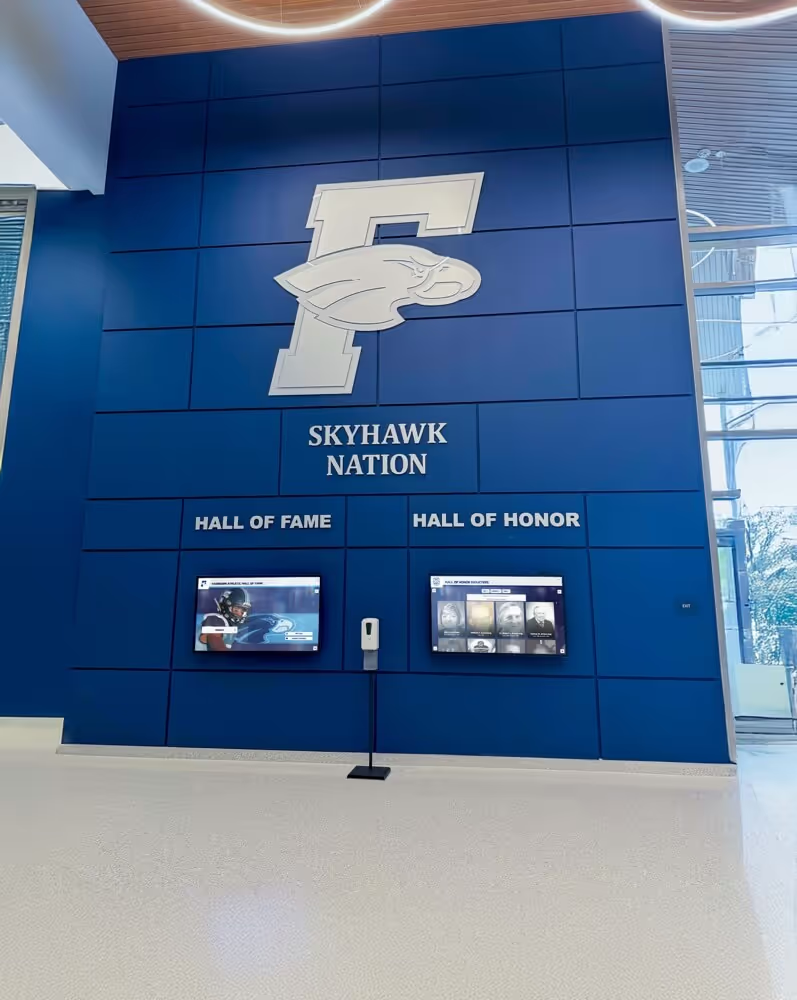
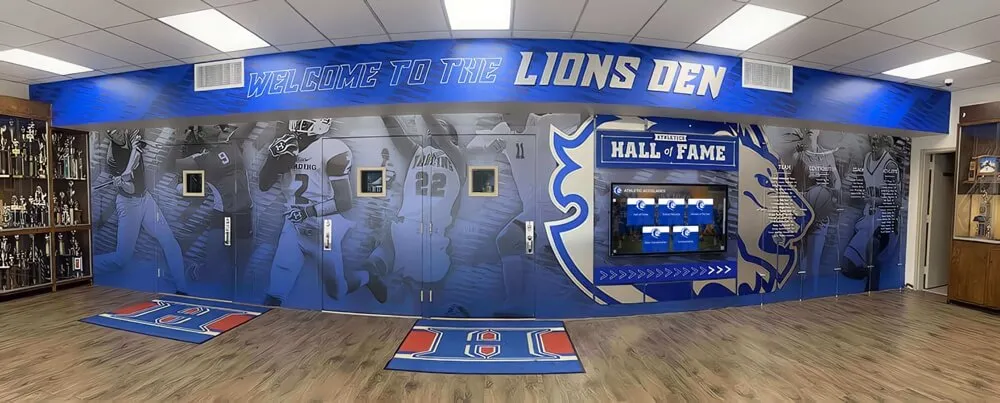
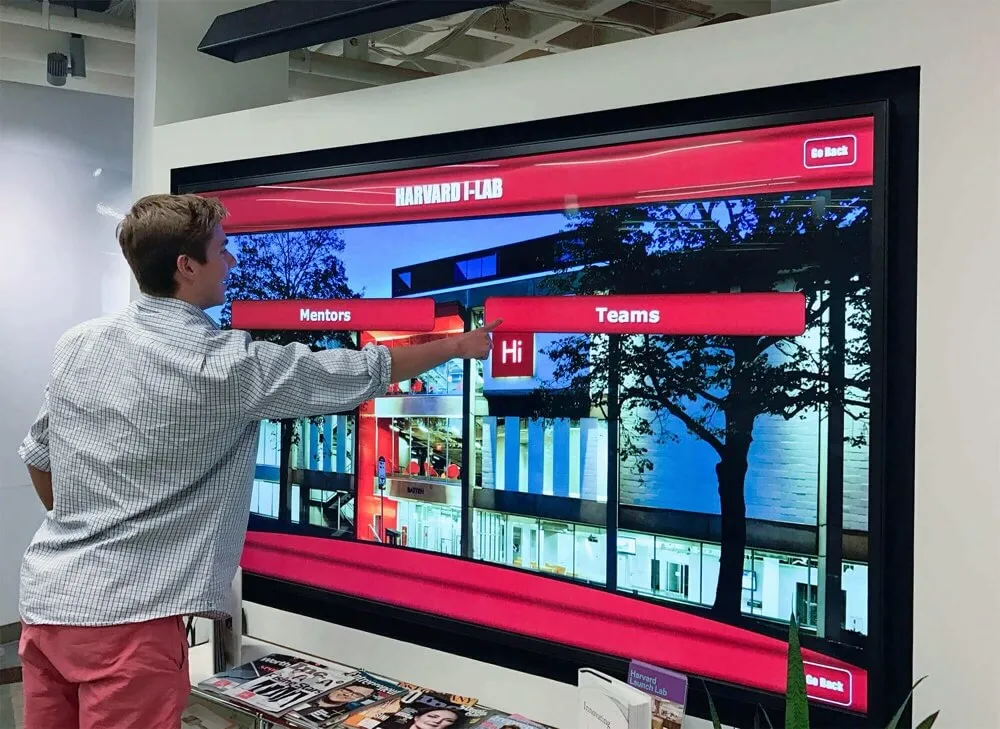
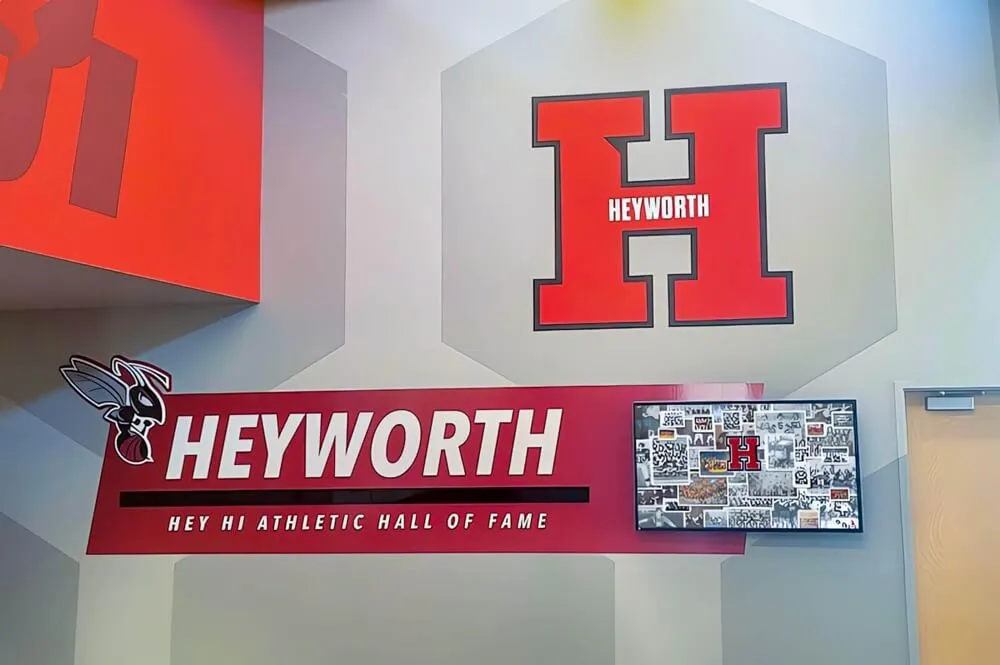
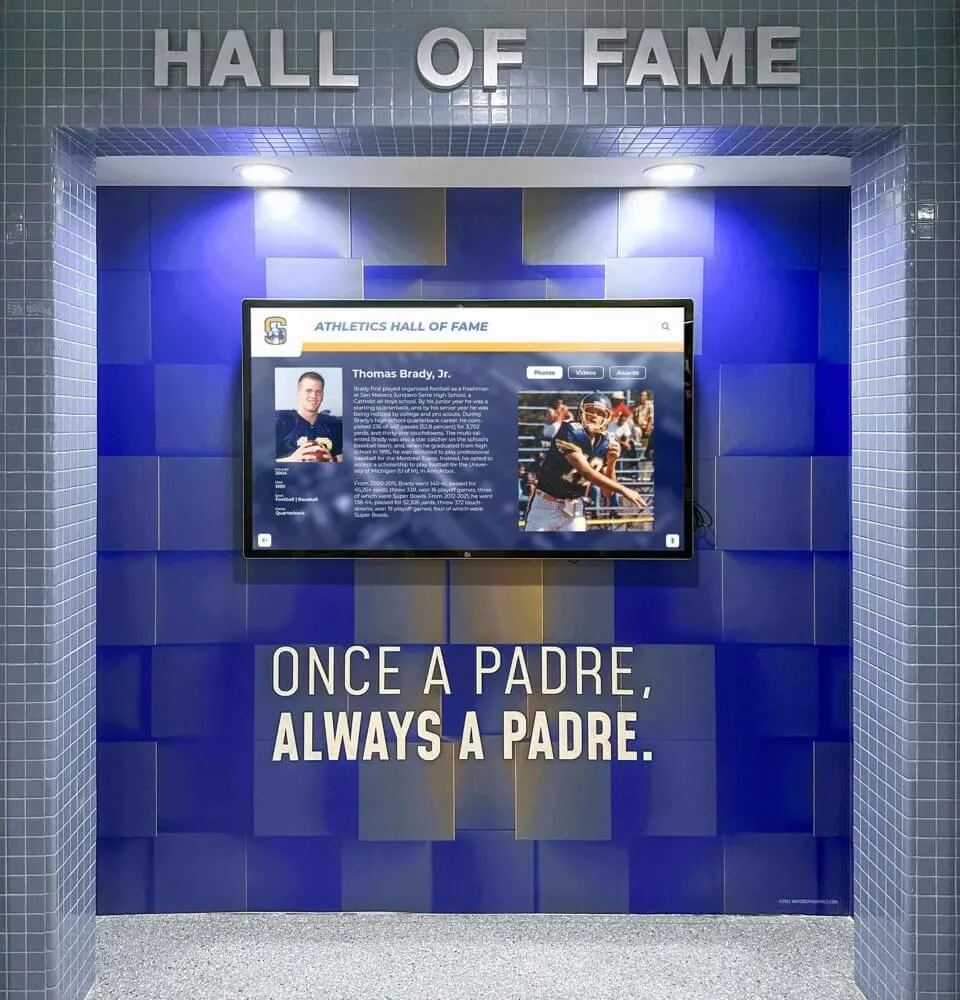
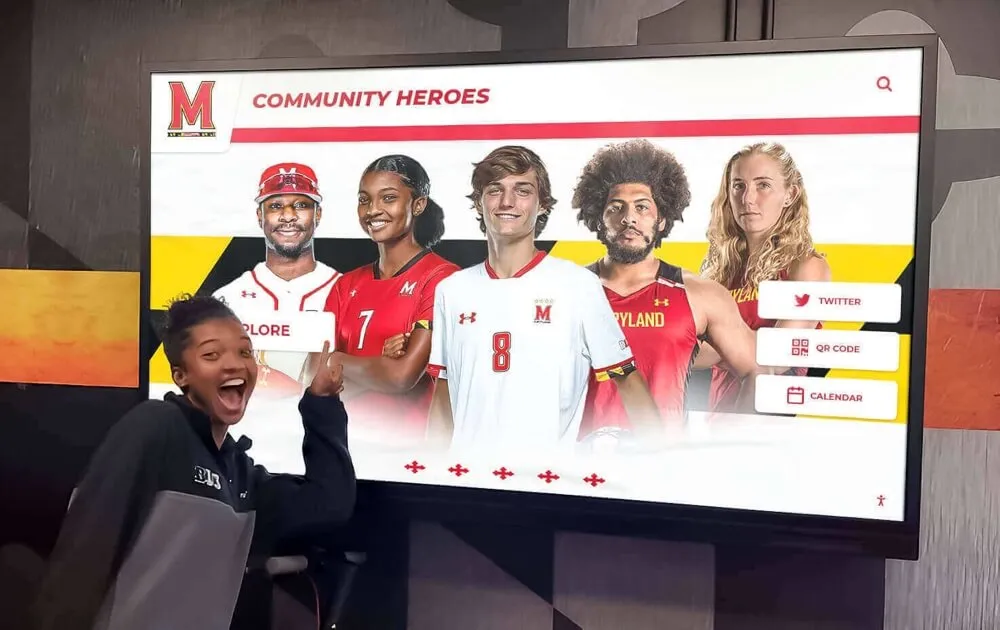
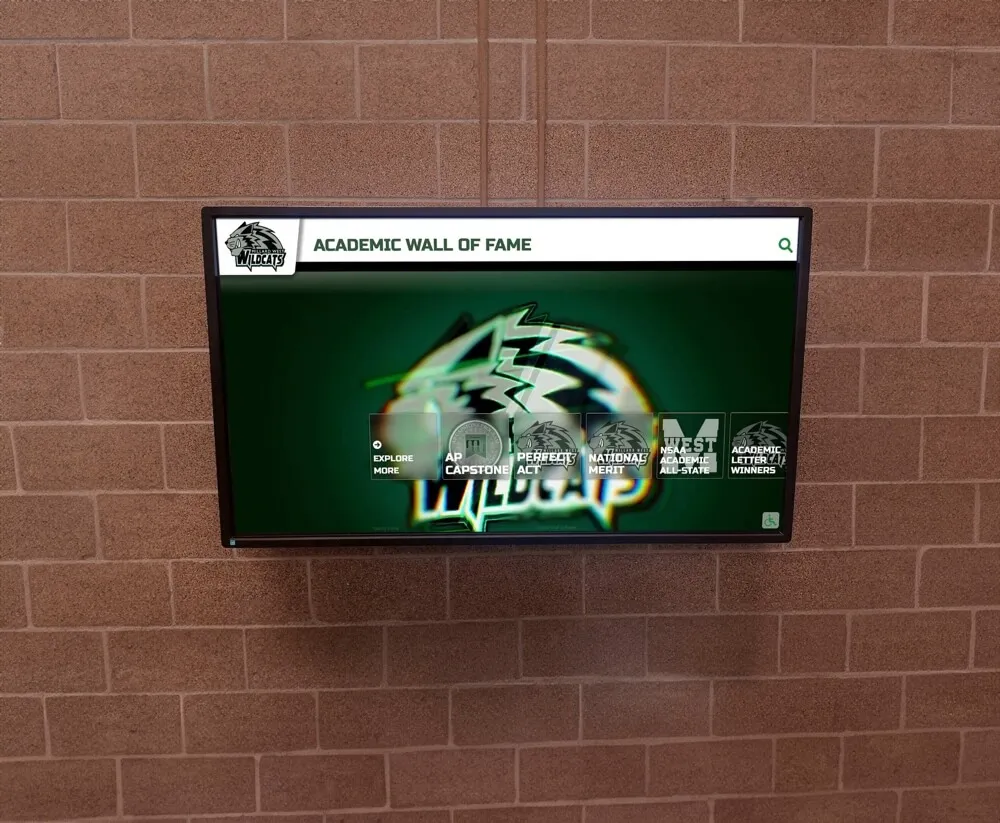
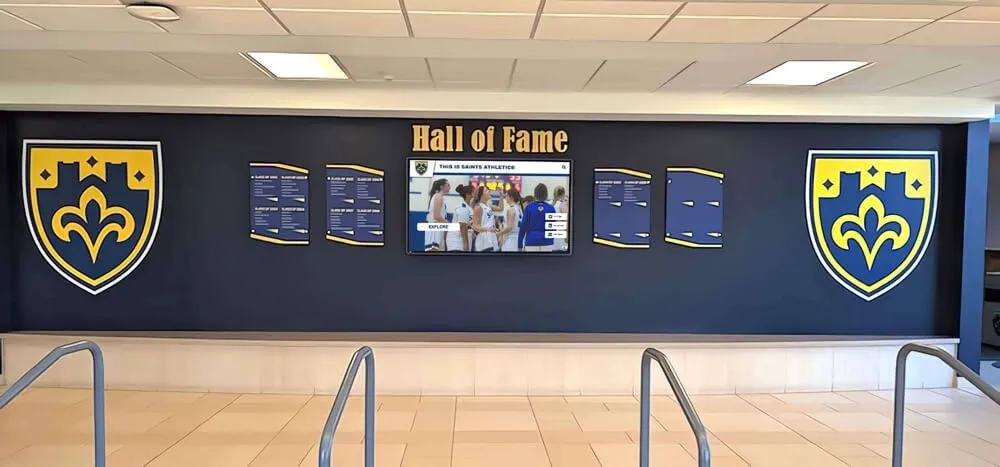
Thoughtful design combining patriotic symbolism with interactive technology creates memorial experiences that honor sacrifice while engaging visitors in meaningful exploration
Experience Goal: Creating Sacred Digital Space for Fallen Heroes Recognition
Before exploring specific layout designs and technical implementations, understanding what effective fallen heroes memorials should accomplish helps communities develop appropriate recognition systems.
The Purpose of Memorial Recognition
Fallen heroes memorials serve multiple interconnected purposes extending far beyond simple documentation of loss.
Honoring Sacrifice and Preserving Memory
Memorial displays ensure that individuals who gave their lives in service receive perpetual recognition befitting their sacrifice. These systems preserve complete stories—not just names and dates, but biographical narratives explaining who fallen heroes were, what they accomplished during service, what values drove their commitment, and how their sacrifice impacted families, communities, and causes they served.
According to research on memorial design and visitor behavior, comprehensive biographical content creates stronger emotional connections than minimal documentation alone. When visitors encounter rich narratives explaining fallen heroes’ backgrounds, service achievements, personal qualities, and sacrifice circumstances, they develop authentic understanding and appreciation that simple name engraving cannot inspire.
Supporting Grieving Families and Communities
Memorial recognition serves therapeutic purposes for those left behind. Families of fallen heroes need assurance that sacrifice receives appropriate honor and that communities remember their loved ones permanently rather than allowing memories to fade with passing time. Well-designed memorial experiences communicate that communities value sacrifice, that service matters perpetually, and that fallen heroes’ contributions continue shaping institutions and values they protected.
Public memorial displays also create gathering points where families, friends, and community members collectively honor fallen heroes during significant dates—anniversaries, holidays, memorial ceremonies, and personal remembrance visits. These shared spaces facilitate healing through community connection around collective grief and appreciation.
Educating Current and Future Generations
Memorial displays educate visitors about service, sacrifice, and values that fallen heroes embodied. Students encountering comprehensive biographical content learn about dedication, courage, and selflessness through real examples rather than abstract concepts. Community members discover local heroes whose service they never knew about. And younger generations inherit responsibility for remembering sacrifice that enabled freedoms and safety they enjoy.
Effective educational content doesn’t glorify violence or warfare—instead, it humanizes fallen heroes by sharing their backgrounds, relationships, interests, and dreams cut short by tragedy while explaining contexts surrounding their service and sacrifice.
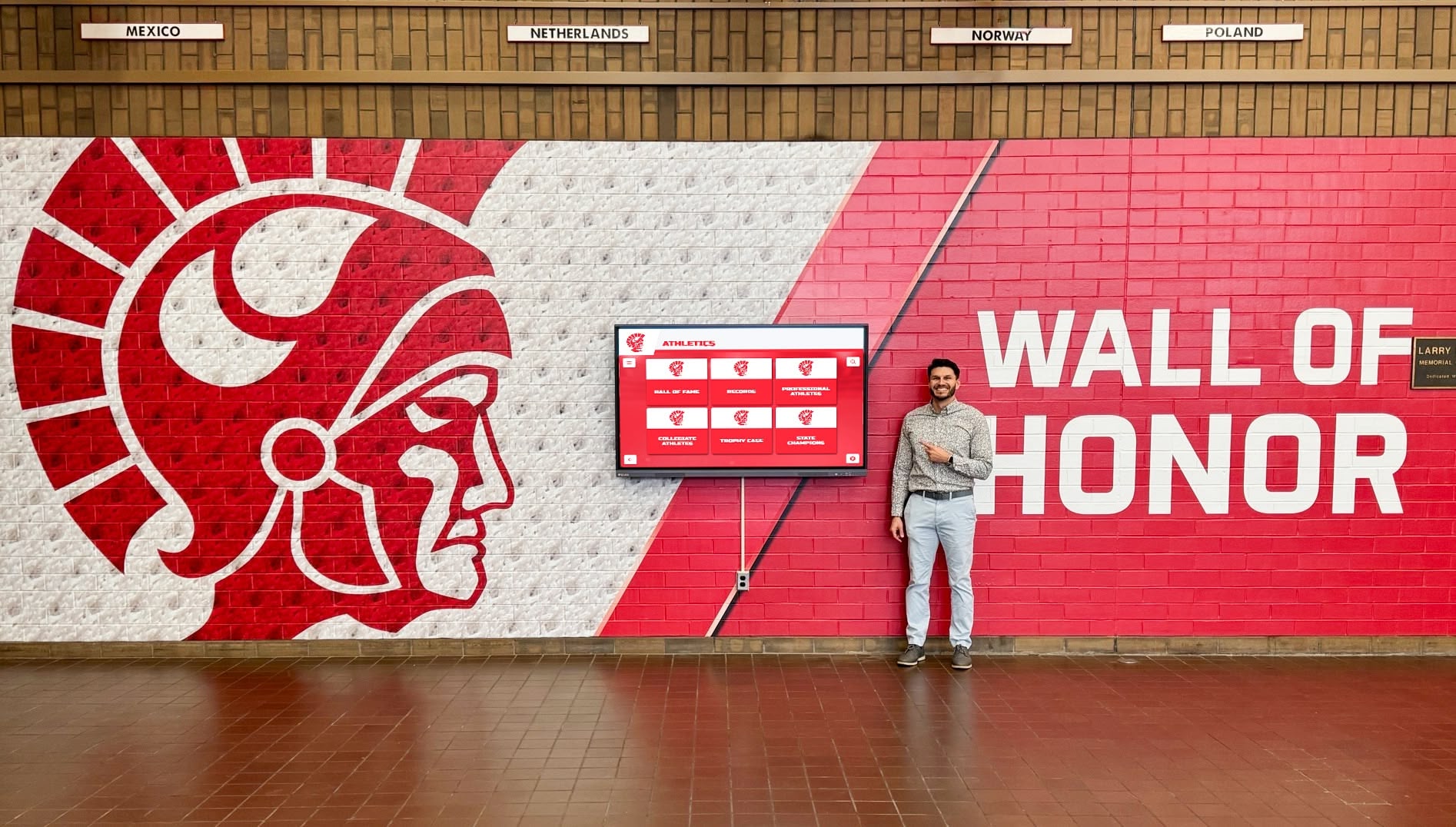
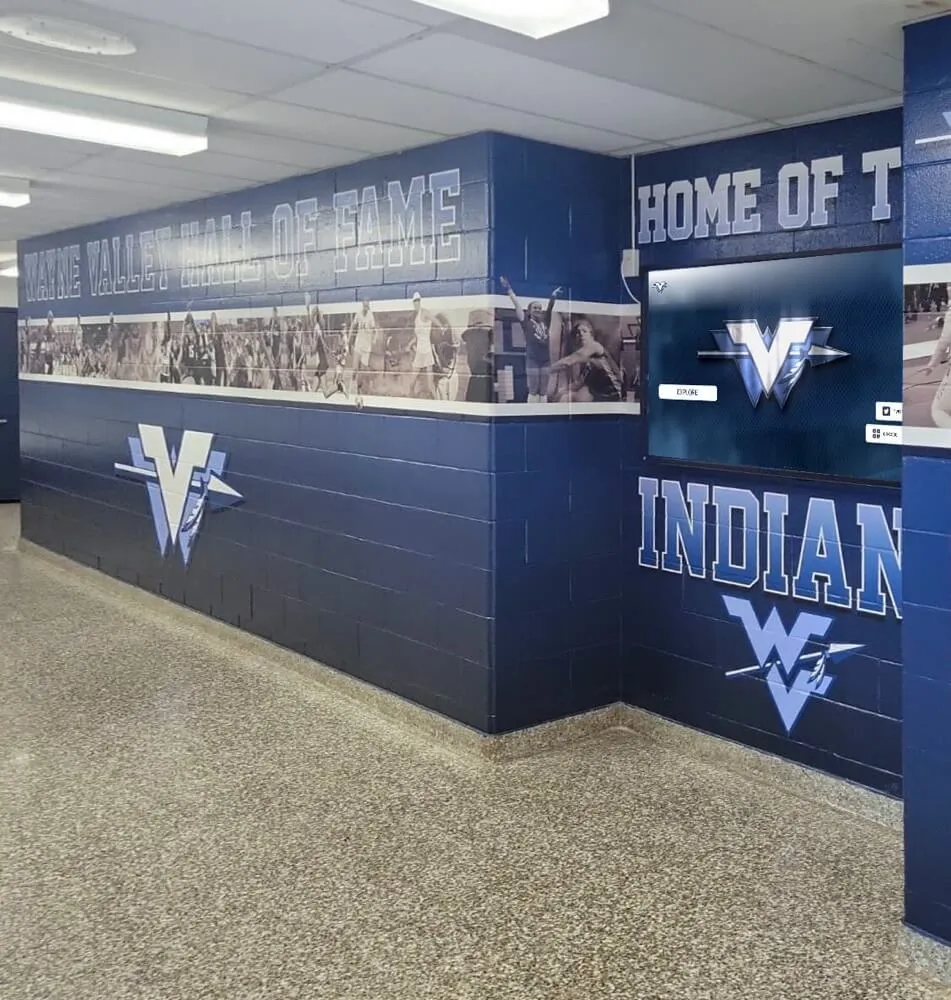
Memorial installations in schools create educational opportunities teaching younger generations about service and sacrifice
Unique Design Considerations for Memorial Touchscreens
Fallen heroes recognition requires particular design sensitivity distinguishing memorial touchscreens from celebratory halls of fame or athletic achievement displays.
Balancing Engagement with Reverence
Interactive touchscreens by nature invite active exploration and user engagement. For memorial applications, designers must balance technological interactivity with appropriate solemnity and reverence. Visual designs should employ dignified color palettes rather than bright, energetic colors. Motion and animation should be subtle and purposeful rather than flashy or distracting. Content should facilitate meaningful discovery without gamification or trivializing elements inappropriate for memorial contexts.
The goal involves creating experiences where technology enhances memorial dignity rather than detracting through inappropriate casual tones or insufficient respect for sacrifice being commemorated.
Ensuring Accessibility and Universal Design
Memorial touchscreens serve diverse audiences including elderly veterans and family members potentially facing mobility or vision limitations, children and students of varying heights and abilities, visitors with limited English proficiency, individuals with cognitive differences affecting information processing, and people experiencing emotional distress while viewing memorial content.
Design must incorporate universal accessibility features including adjustable text size and high-contrast display options, intuitive navigation requiring minimal instructions, multilingual content when serving diverse communities, appropriate mounting heights accommodating wheelchair users, and clear, organized information architecture preventing overwhelming complexity during emotionally difficult memorial visits.
Resources on designing accessible touchscreen experiences provide comprehensive frameworks applicable to memorial contexts requiring thoughtful universal design.
Privacy and Sensitivity Regarding Sacrifice Circumstances
Not all sacrifice circumstances warrant complete public disclosure. Some military deaths involve classified operations requiring discretion. Some first responder line-of-duty deaths involve traumatic details inappropriate for public memorial displays. Some families prefer privacy regarding specific death circumstances while still wanting public recognition of service and sacrifice.
Memorial content strategies must incorporate family consultation protocols ensuring families have voice in what information appears publicly, sensitive handling of sacrifice circumstances avoiding gratuitous detail, appropriate context explaining service without sensationalizing loss, and respect for ongoing investigations or legal proceedings that may limit disclosable information.
Layout Blueprint: Structuring Fallen Heroes Memorial Experiences
Effective memorial touchscreen interfaces organize content intuitively while creating experiences appropriate for commemorating ultimate sacrifice.
Home Screen: Memorial Gateway and Navigation Foundation
The initial screen visitors encounter sets tonal expectations while providing clear navigation to memorial content.
Visual Design Elements Creating Appropriate Atmosphere
Home screens should incorporate respectful design components including subdued color palettes emphasizing blues, grays, and earth tones rather than bright colors, patriotic imagery appropriate to memorial context (flags, service emblems, symbolic representations), memorial dedication statements explaining recognition purpose, navigation elements clearly indicating exploration paths, and subtle motion graphics that guide attention without distraction.
For military fallen heroes memorials, home screens might feature service branch emblems, American flag imagery, or military motifs. First responder memorials could incorporate badges, equipment imagery, or emergency service symbols. Community hero memorials might use local landmarks or symbols representing community identity and values.
Clear Navigation Structure with Organized Entry Points
Visitors should immediately understand how to explore memorial content through well-organized navigation including search functionality enabling name-based discovery of specific fallen heroes, browsing by service branch, department, or organization, chronological organization by year of sacrifice or service period, conflict or incident categorization for military memorials, and featured content highlighting specific stories or anniversaries.
Navigation should accommodate both focused seeking—visitors looking for specific individuals—and open exploration where visitors browse memorial content discovering heroes they didn’t know about previously.
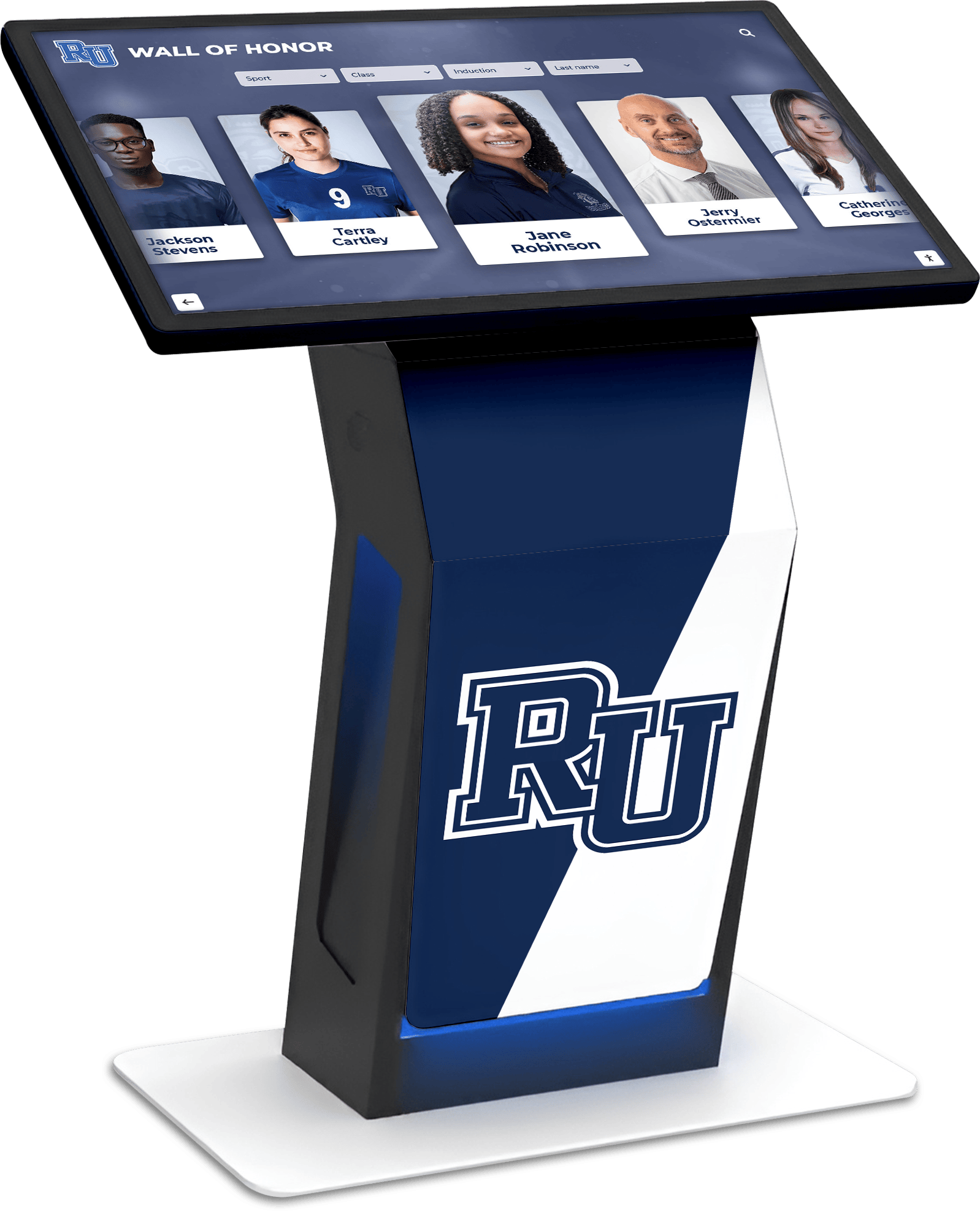
Freestanding kiosk designs provide flexible placement options while creating professional memorial experiences appropriate for honoring sacrifice
Individual Hero Profile Layouts: Comprehensive Memorial Pages
The core memorial experience occurs within individual profile pages celebrating fallen heroes comprehensively through thoughtful content organization.
Essential Profile Components and Information Hierarchy
Well-designed memorial profiles include organized content zones:
Zone 1: Hero Identification and Core Information
- Large, dignified portrait photograph showing fallen hero during service
- Full name, rank or position, service branch or department
- Service dates documenting when individual served
- Sacrifice date and age at death
- Hometown or community connection
Zone 2: Service Summary and Achievement Overview
- Biographical narrative explaining background and path to service (200-400 words)
- Major achievements, recognitions, and career milestones during service
- Service locations and deployments or assignments
- Awards and decorations earned through service excellence
Zone 3: Sacrifice Context and Circumstances
- Appropriate explanation of sacrifice circumstances respecting family preferences
- Mission or operation context when applicable and appropriate
- Location of sacrifice
- Memorial services and burial information when families approve sharing
Zone 4: Personal Story and Character Tribute
- Personal interests, hobbies, and passions beyond service
- Family information (spouse, children) when families approve sharing
- Colleague and commander tributes or remembrance quotations
- Personal values and character qualities colleagues and family members describe
Zone 5: Legacy and Continuing Impact
- How sacrifice inspired others or influenced communities
- Memorials, scholarships, or programs established in honor
- Connections to other fallen heroes or service members
- Ways community continues honoring memory
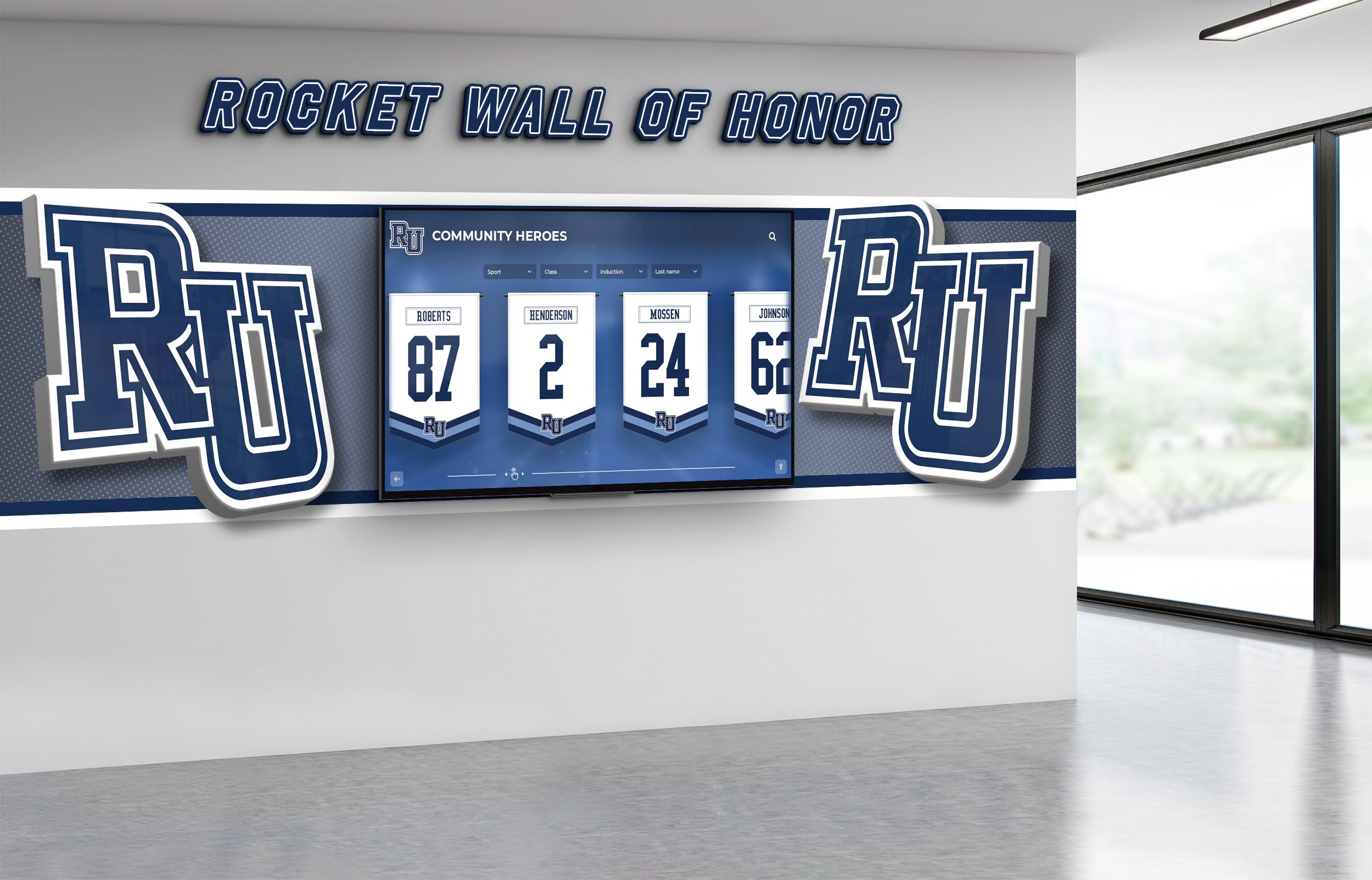
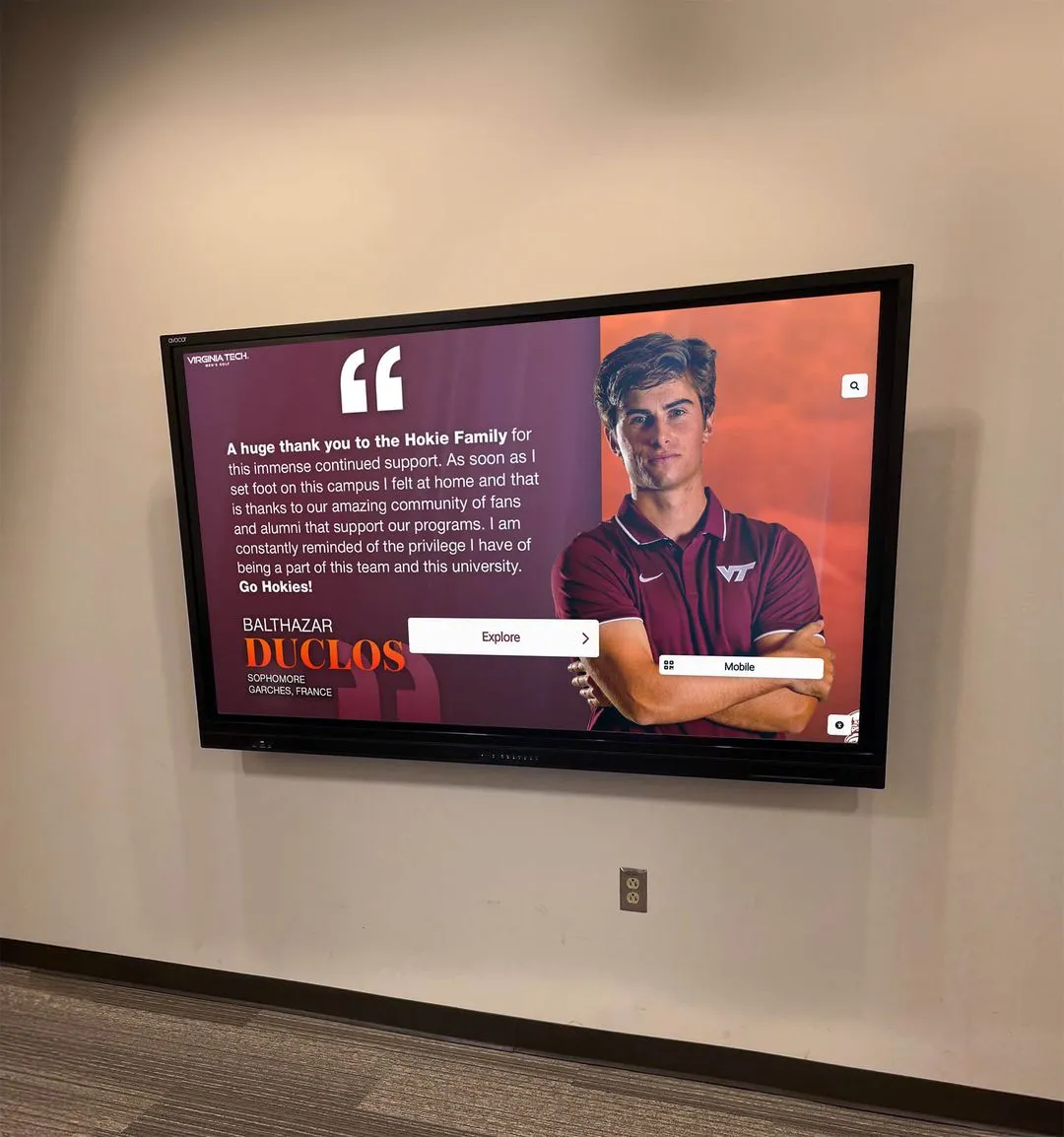
Comprehensive memorial installations can incorporate multiple content zones displaying different aspects of recognition simultaneously
Multimedia Integration Enriching Memorial Stories
Beyond text biography, memorial profiles should incorporate rich multimedia including photo galleries showing fallen heroes throughout service careers and personal lives, video tributes from family members, colleagues, or commanders, scanned historical documents like service records or letters, audio recordings of voices or memorial service segments when available, and connections to related fallen heroes who served together.
This multimedia depth transforms memorial experiences from documentation into compelling storytelling that preserves complete memories rather than reducing fallen heroes to names and dates alone.
Appropriate Tone and Language for Memorial Content
Memorial writing requires particular sensitivity and style:
- Use respectful, dignified language avoiding clichés or platitudes
- Focus on specific achievements and personal qualities rather than generalizations
- Include direct quotations from those who knew fallen heroes personally
- Explain sacrifice significance without sensationalizing violence or traumatic details
- Acknowledge grief while celebrating life and service
- Respect family preferences regarding what aspects of stories are shared publicly
Professional memorial content development often benefits from consulting writing guides on obituaries, eulogies, and memorial texts that balance celebrating life with acknowledging loss appropriately.
Collective Memorial Pages: Honoring Groups and Shared Experiences
Beyond individual profiles, memorial systems should include pages recognizing groups sharing common experiences or sacrifice circumstances.
Conflict or Incident Memorials
For military memorials, create dedicated pages for specific conflicts including all fallen heroes from particular wars or operations, historical context explaining conflict purpose and significance, timeline of major events and campaigns, statistical overview of community members who served and sacrificed, and connections to broader military history and national sacrifice patterns.
For first responder memorials, create incident-specific recognition for major disasters like September 11, 2001 attacks, significant local emergencies or disasters, training accidents affecting multiple personnel, and historical events that shaped departments or community safety.
Annual Remembrance Pages
Create dynamic pages that update annually recognizing anniversaries including memorial day recognition listing all fallen heroes with specific anniversary dates, anniversary tributes for specific time periods (10th, 25th, 50th anniversaries), recent losses receiving special prominence during first years, and community memorial events and ceremony information.
These collective pages create opportunities for broader exploration beyond single individual focus, helping visitors understand sacrifice scale while discovering connections between different fallen heroes.
Interactive Features Supporting Meaningful Engagement
Beyond passive content viewing, interactive elements can enhance memorial experiences appropriately.
Search and Discovery Tools
Robust search functionality enables efficient memorial navigation including name search with autocomplete and alternate spelling suggestions, service branch or department filtering, chronological date range selection, geographic filtering by hometown or service location, and award or decoration-based discovery.
Virtual Memorial Features
Some memorial systems incorporate participatory elements including virtual candle lighting or flower placement, visitor remembrance messages or tributes (with moderation), anniversary notifications for family members, social sharing enabling visitors to honor fallen heroes through their networks, and QR codes linking physical memorials to comprehensive online content.
These features must be implemented thoughtfully, ensuring they enhance memorial dignity rather than trivializing sacrifice through inappropriate gamification or casual social media tones.
Resources on creating engaging digital memorial experiences provide frameworks applicable to fallen heroes recognition contexts.
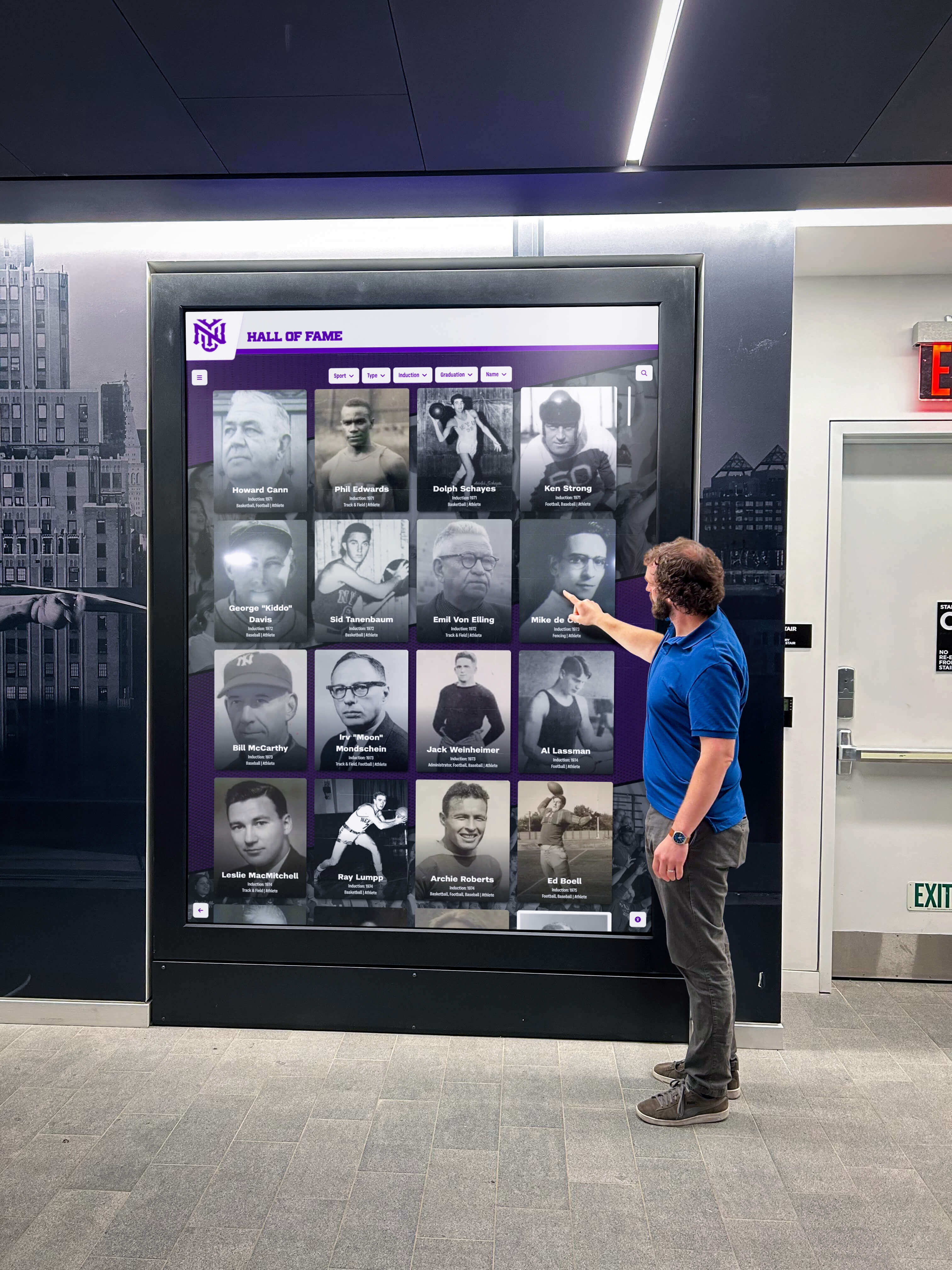
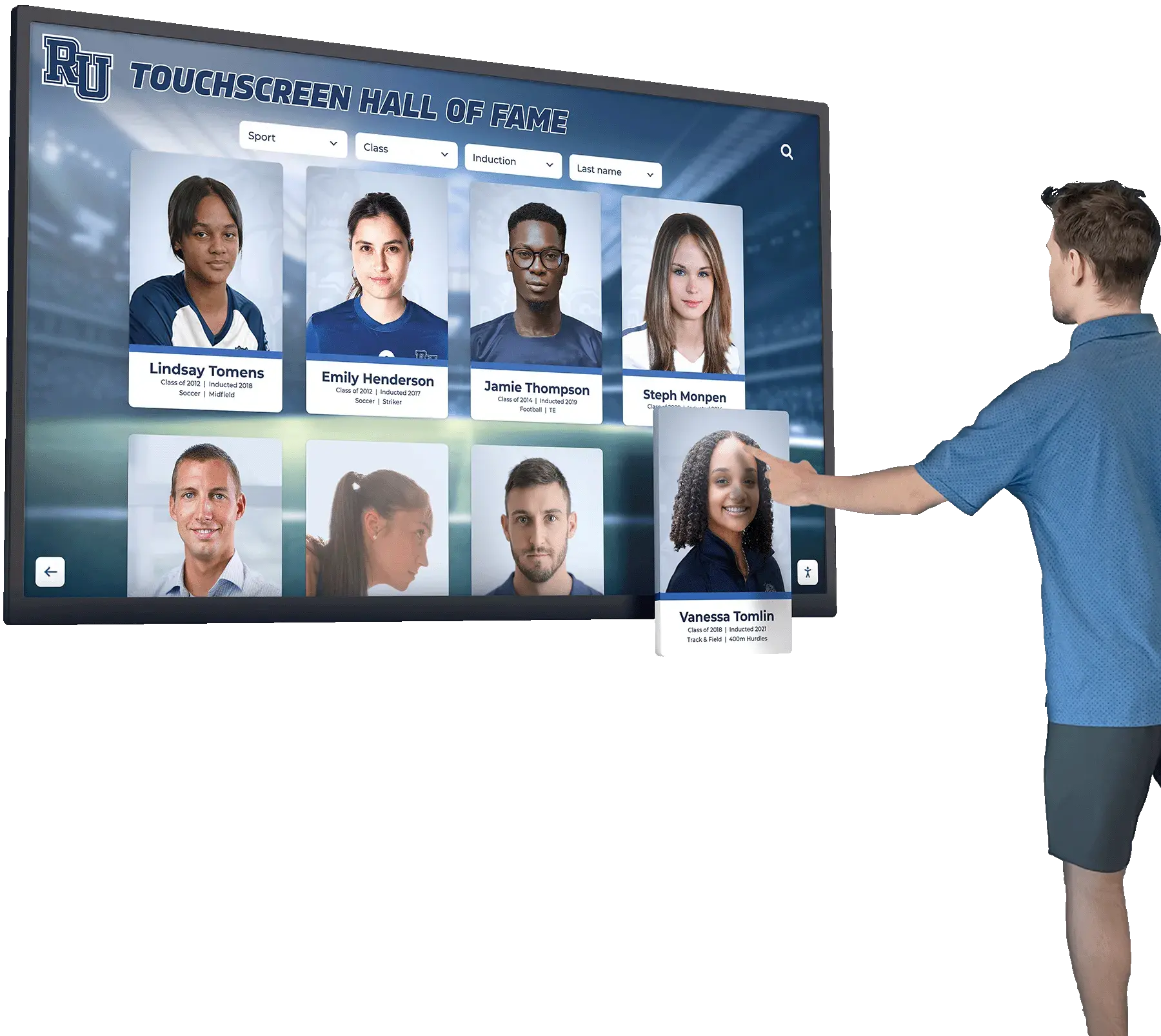
Interactive exploration enables visitors to discover fallen heroes' complete stories rather than encountering minimal engraved information
Content Blocks and Motion: Creating Dignified Interactive Experiences
Visual design, content organization, and interface motion contribute significantly to whether memorial touchscreens feel appropriately respectful and engaging.
Visual Design Principles for Memorial Contexts
Design choices communicate respect and solemnity essential for memorial applications.
Color Palette Selection
Memorial touchscreens should employ colors creating appropriate atmosphere:
Primary Colors:
- Deep navy blues conveying dignity and stability
- Muted grays suggesting solemnity and reflection
- Dark earth tones (browns, deep greens) connecting to groundedness
- Black for text and accent elements ensuring readability
Secondary Colors:
- Metallic gold or bronze for subtle accent highlights
- Deep red for military contexts or American flag incorporation
- White for text contrast and clean space
- Service branch colors (Army green, Navy blue, Air Force blue, Marine red) when appropriate
Colors to Avoid:
- Bright, energetic colors (bright reds, oranges, yellows) inappropriate for memorial tone
- Neon or fluorescent colors lacking dignity
- Pastel colors appearing insufficiently serious
- High-contrast combinations appearing harsh or jarring
Typography Choices Ensuring Dignity and Readability
Font selection significantly impacts memorial tone:
Appropriate Typefaces:
- Serif fonts (Garamond, Georgia, Times New Roman) conveying traditional dignity
- Clean sans-serif options (Helvetica, Arial, Futura) for modern professional appearance
- Military stencil fonts for specific military context elements
- Consistent font families throughout interface maintaining coherent experience
Typography Specifications:
- Minimum 18-point body text ensuring readability for elderly visitors
- Clear hierarchy with distinct heading sizes (h1: 36-48pt, h2: 28-36pt, h3: 22-28pt)
- Adequate line spacing (1.5x) improving readability
- High contrast between text and backgrounds
- No decorative or script fonts that sacrifice readability
Symbolic and Patriotic Imagery
Visual elements should reinforce memorial purpose through appropriate imagery including American flags or service branch flags positioned respectfully, military or first responder emblems and badges, memorial symbols (eternal flames, folded flags, crosses, stars), local landmarks or geographic representations connecting to community, and historical photographs from relevant time periods or conflicts.
All imagery should be high-resolution, professionally presented, and positioned purposefully rather than used as decorative filler lacking memorial significance.
Motion Graphics and Transition Design
Movement within memorial interfaces requires particular restraint ensuring dignity while guiding visitor attention.
Subtle Animation Principles
Memorial touchscreens should incorporate minimal, purposeful motion:
Appropriate Motion Uses:
- Gentle fade transitions between screens (500-800ms duration)
- Subtle scale effects when selecting navigation elements
- Slow parallax scrolling creating depth without distraction
- Timed photo galleries cycling through images at measured pace (5-8 seconds per image)
- Gentle highlight effects indicating interactive elements
Motion to Avoid:
- Fast, jarring transitions appearing casual or playful
- Bouncing or elastic animations lacking dignity
- Spinning or rotating elements creating dizzying effects
- Multiple simultaneous animations competing for attention
- Auto-playing video with audio that startles visitors
Navigation Feedback and Affordances
Clear interface feedback helps visitors understand how to interact with memorial content:
- Subtle hover states indicating touchable elements
- Gentle press animations confirming touch registration
- Loading indicators during content retrieval preventing confusion
- Breadcrumb navigation showing current location within memorial structure
- Return/back navigation prominently accessible from all screens
All motion should serve functional purposes guiding interaction rather than existing purely for decorative effect inappropriate in memorial contexts.
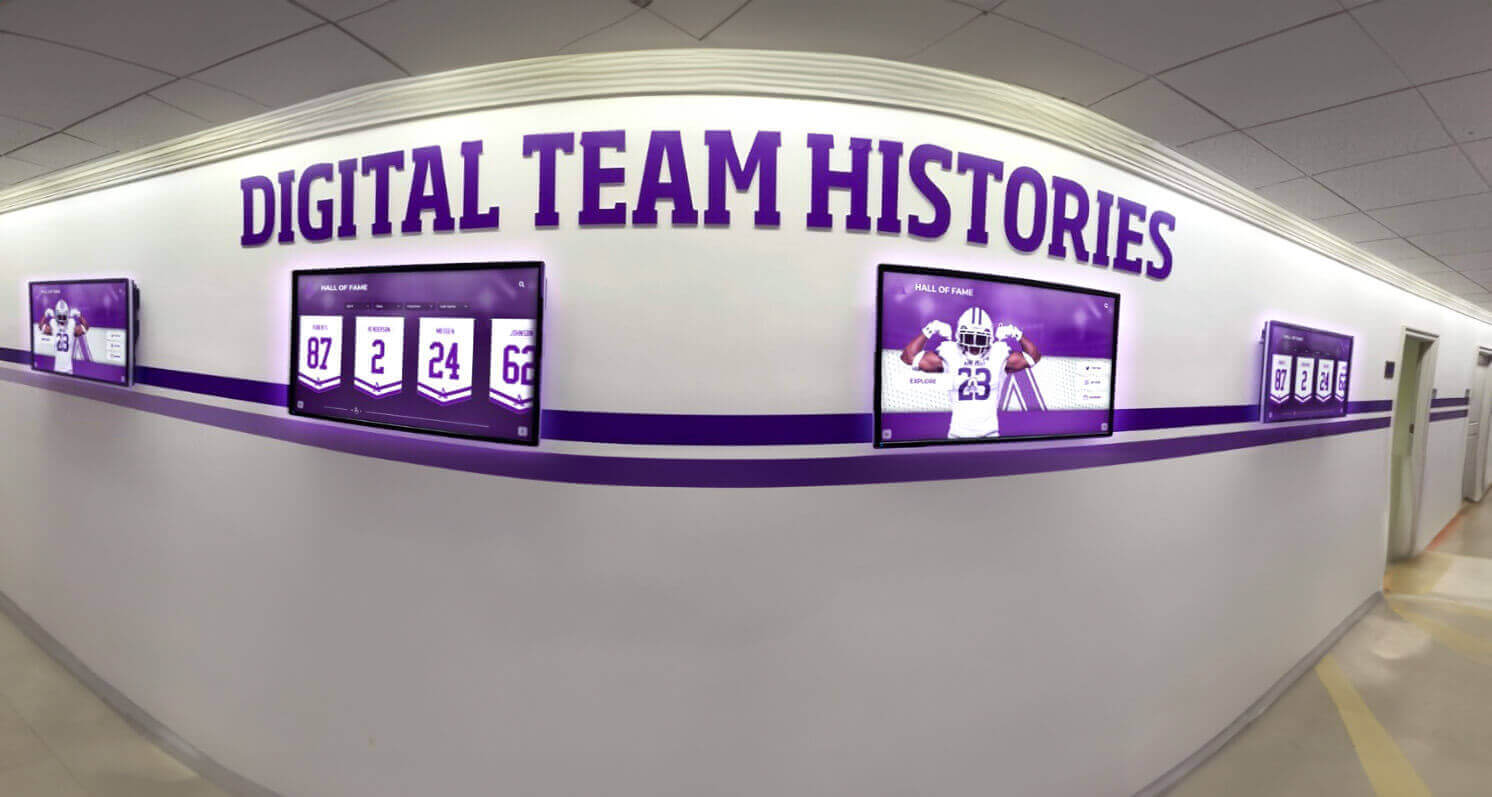
Coordinated multi-screen installations can separate different content types while maintaining cohesive memorial experience
Content Module Organization and Card Design
Individual content components should follow consistent design patterns creating predictable, navigable experiences.
Hero Profile Card Design for Browse Views
When displaying multiple fallen heroes simultaneously, consistent card designs enable efficient scanning:
Card Components:
- Portrait photograph (200x250px) showing fallen hero in uniform
- Full name in primary heading size
- Rank/position and service branch in smaller supporting text
- Service dates and sacrifice date clearly displayed
- Brief one-sentence summary capturing key achievement or character quality
- “Learn More” or “View Full Profile” navigation element
Cards should employ consistent spacing, alignment, and visual hierarchy enabling visitors to process multiple heroes efficiently while maintaining individual dignity for each.
Timeline Visualizations for Chronological Exploration
Chronological layouts help visitors understand sacrifice patterns across time:
- Vertical timeline showing sacrifice dates along central axis
- Hero portraits positioned at corresponding timeline dates
- Conflict or historical period labels providing context
- Zoom controls enabling focus on specific time periods
- Current date indicators for recent losses
Timelines serve particularly well for military memorials where understanding which conflicts communities experienced helps visitors grasp sacrifice scope and historical context.
Category Grids and Organizational Systems
Memorial content can be organized multiple ways serving different exploration needs:
- Service branch or department grids (Army, Navy, Marines, Air Force, Coast Guard, Space Force for military)
- Conflict or era categorization (WWII, Korea, Vietnam, Gulf War, Afghanistan, Iraq)
- Geographic organization by hometown or service location
- Alphabet listing for name-based browsing
- Featured stories highlighting specific compelling narratives
Multiple organizational schemes should coexist, enabling visitors to browse using whatever mental models they bring to memorial exploration.
Accessibility and UX Checklist: Ensuring Inclusive Memorial Experiences
Memorial touchscreens must serve all community members regardless of physical abilities, technical knowledge, or language background.
Physical Accessibility Requirements
ADA WCAG 2.1 AA Compliance Standards
Memorial displays must meet or exceed accessibility requirements:
Visual Accessibility:
- Minimum contrast ratio 4.5:1 for body text, 3:1 for large text
- Text resizing capabilities up to 200% without content loss
- Color never used as sole means of conveying information
- Alternative text descriptions for all images and visual content
- High-contrast display mode option for vision-impaired visitors
Motor Control Accessibility:
- Touch targets minimum 44x44 pixels preventing accidental activation
- No time limits on interactions preventing rushed experiences
- Simple gestures (tap, scroll) without complex multi-touch requirements
- No required precision for interaction success
- Screen reader compatibility for blind visitors when technically feasible
Cognitive Accessibility:
- Clear, consistent navigation across all screens
- Plain language avoiding jargon or unnecessarily complex terminology
- Adequate white space preventing overwhelming density
- Predictable interaction patterns throughout interface
- Optional simplified view modes reducing cognitive load
Physical Mounting and Placement Accessibility
Installation must accommodate visitors with mobility limitations:
- Display center mounted 48-54 inches from floor enabling wheelchair access
- Adequate clear floor space (30x48 inches minimum) in front of display
- Angled mounting (10-15 degrees from vertical) reducing glare and improving ergonomics
- Adequate surrounding clearance for groups and wheelchair turning radius
- Anti-glare screen coating maintaining visibility under various lighting conditions
Information on accessible digital recognition design provides comprehensive frameworks ensuring memorial displays serve all community members appropriately.
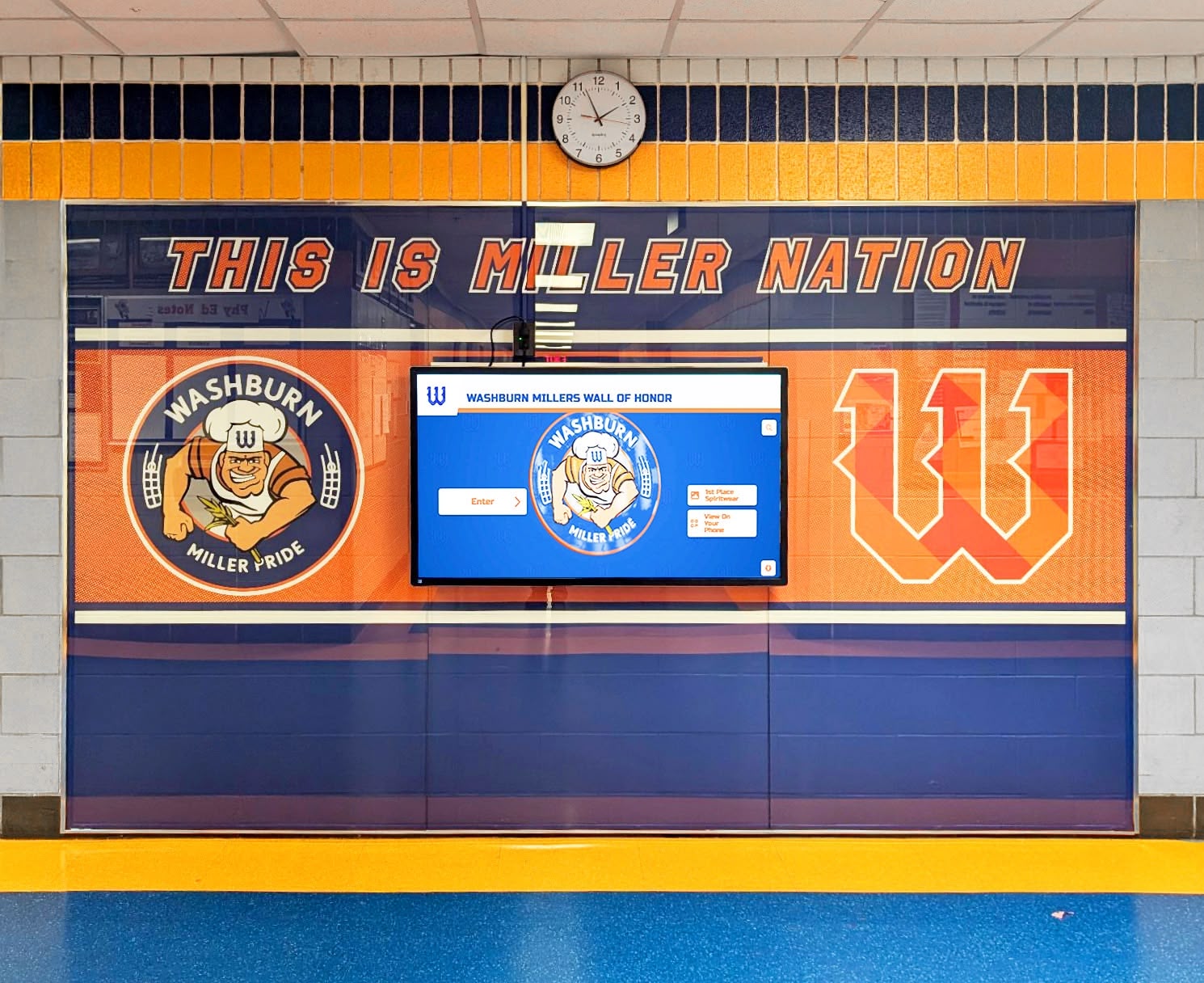
Strategic placement in accessible locations ensures memorial recognition reaches broad audiences throughout daily activities
Multilingual Support for Diverse Communities
Many communities include significant populations for whom English is not primary language. Memorial accessibility requires multilingual consideration:
Language Selection Implementation:
- Prominent language toggle on home screen
- Persistent language selection throughout browsing session
- Complete content translation, not just navigation elements
- Professional translation ensuring cultural appropriateness
- Bilingual content for communities with significant non-English populations
Languages to Consider:
- Spanish (spoken by over 40 million Americans as primary language)
- Languages reflecting local demographic composition
- Service member native languages when honoring international coalition forces
- Sign language video content for Deaf community access
QR Code Integration for Extended Access
Physical memorial displays can incorporate QR codes connecting visitors to extended digital content:
QR Code Use Cases:
- Linking to complete online memorial databases with full-resolution photos
- Connecting to memorial foundation or organization websites
- Providing downloadable memorial information packets
- Enabling memorial tour audio guides via visitor smartphones
- Accessing virtual memorial books where visitors can leave remembrances
QR codes should include clear explanatory text for visitors unfamiliar with QR technology and should connect to mobile-optimized destinations ensuring proper display on smartphone screens.
Privacy and Consent Protocols
Fallen heroes memorial content involves sensitive personal information requiring appropriate privacy protection:
Family Consultation Processes:
- Proactive outreach to fallen heroes’ families before creating memorial profiles
- Clear explanation of what information will be displayed publicly
- Family approval for all biographical content, photographs, and personal details
- Ongoing processes for families to request corrections or updates
- Options for families preferring limited public information
Content Privacy Guidelines:
- No home addresses, personal phone numbers, or similar contact information
- Appropriate limitation of children’s names and photographs protecting minors
- Sensitive handling of sacrifice circumstances avoiding gratuitous detail
- Respect for classified military operations preventing disclosure of sensitive information
- Compliance with relevant privacy regulations and military disclosure guidelines
Activation Plan: Implementing Fallen Heroes Memorial Systems
Successful memorial touchscreen projects require systematic planning addressing technical, operational, and community dimensions.
Phase 1: Memorial Planning and Stakeholder Engagement
Begin with inclusive planning processes ensuring memorial serves community needs appropriately.
Establishing Memorial Committees
Assemble diverse stakeholders representing various perspectives:
- Family members of fallen heroes providing personal insight
- Veterans or active service members from military contexts
- First responder department leadership for emergency services memorials
- Community leaders and elected officials
- Religious or spiritual leaders offering grief support perspective
- Design and technology professionals providing implementation expertise
- Fundraising professionals if project requires philanthropic support
Committee involvement builds community ownership while ensuring memorial reflects authentic needs rather than imposing technology without clear purpose.
Defining Memorial Scope and Inclusion Criteria
Clarify who memorial recognizes through systematic criteria:
Military Memorials:
- Which conflicts or service periods memorial covers
- Whether memorial includes only combat deaths or all service-related deaths
- How to handle deaths occurring after discharge from service-related causes
- Whether memorial recognizes only hometown residents or all from military unit
First Responder Memorials:
- Line-of-duty death definitions and inclusion criteria
- Whether memorial includes volunteer and career personnel equally
- Handling deaths from occupational diseases versus acute incidents
- Geographic scope (department, county, state, national)
Community Hero Memorials:
- Defining “hero” for inclusion purposes
- Selection or nomination processes when not all potential heroes can be included
- Balancing various types of community service and sacrifice
Clear criteria prevent later conflicts about inclusion decisions while ensuring memorial serves stated purposes appropriately.

Community memorial installations create gathering spaces where multiple generations connect around shared remembrance
Phase 2: Content Development and Family Collaboration
Memorial value depends entirely on comprehensive, accurate, sensitive biographical content honoring fallen heroes appropriately.
Systematic Information Gathering
Collect memorial content through organized processes:
Official Records and Documentation:
- Military service records (DD-214s, service summaries)
- First responder personnel files and service documentation
- Official award citations and decoration descriptions
- Obituaries and memorial service programs
- News articles and media coverage of sacrifice
Family Contributions:
- Family-provided photographs from throughout life and service
- Biographical information about background, interests, and character
- Personal stories and memories from those who knew fallen heroes
- Preferred framing of sacrifice circumstances and memorial presentation
Colleague and Commander Testimonials:
- Remembrances from those who served alongside fallen heroes
- Leadership perspectives on service contributions and character
- Unit or department context about collective service during relevant periods
Research and Historical Context:
- Conflict or incident background explaining circumstances of service
- Community connections and local significance
- Related fallen heroes who served in same units or departments
- Legacy information about memorials, scholarships, or honors established
This comprehensive approach ensures memorial content celebrates complete lives rather than reducing fallen heroes to minimal documentation.
Content Review and Family Approval Workflows
Before publication, all memorial content should undergo family review:
- Draft biographical narratives shared with next of kin for approval
- Photograph selection review ensuring family comfort with image use
- Opportunity for families to provide additional content or corrections
- Final approval confirmation before content becomes publicly accessible
- Ongoing update processes for families wanting to enhance profiles over time
Respectful family collaboration ensures memorial honors fallen heroes according to family wishes while building trust between memorial organizers and bereaved families.
Phase 3: Technical Implementation and Installation
Convert memorial vision into functioning touchscreen reality through systematic technical execution.
Hardware Selection and Procurement
Memorial displays require robust, commercial-grade technology:
Display Specifications:
- Commercial touchscreen displays rated for continuous operation (minimum 16 hours daily)
- Screen size appropriate to content and space (43-65 inches typical)
- High brightness (400-700 nits) ensuring visibility under various lighting
- Anti-glare coating maintaining readability in bright environments
- Vandal-resistant construction protecting against damage
Mounting and Installation Options:
- Wall-mounted installations for traditional memorial placement
- Freestanding kiosks for flexible positioning or when wall mounting unavailable
- Outdoor-rated enclosures when memorial requires exterior placement
- Integrated architectural elements connecting displays to memorial design
Network and Power Infrastructure:
- Reliable internet connectivity (wired ethernet preferred over WiFi)
- Dedicated electrical circuits preventing disruptions
- Uninterruptible power supplies (UPS) for mission-critical memorial displays
- Content management system access for staff updates
Software Platform Selection
Memorial recognition requires specialized platforms rather than generic digital signage:
- Purpose-built recognition software designed for biographical content
- Unlimited content capacity accommodating comprehensive fallen heroes recognition
- Simple content management enabling non-technical staff to maintain memorial
- Web-based extensions making memorial accessible beyond physical locations
- Appropriate visual design capabilities supporting dignified memorial presentation
Solutions like Rocket Alumni Solutions provide memorial-appropriate platforms designed specifically for honoring individuals through comprehensive biographical recognition rather than generic information display.
Professional Installation and Integration
Quality installation ensures memorial functions reliably for years:
- Professional mounting supporting display weight safely with commercial brackets
- Clean cable management maintaining appropriate memorial appearance
- Proper network configuration and security
- Display calibration ensuring optimal visual quality
- Comprehensive testing before memorial dedication or unveiling
Installation costs typically range $1,500-3,500 depending on mounting complexity, electrical and network requirements, and facility-specific considerations.
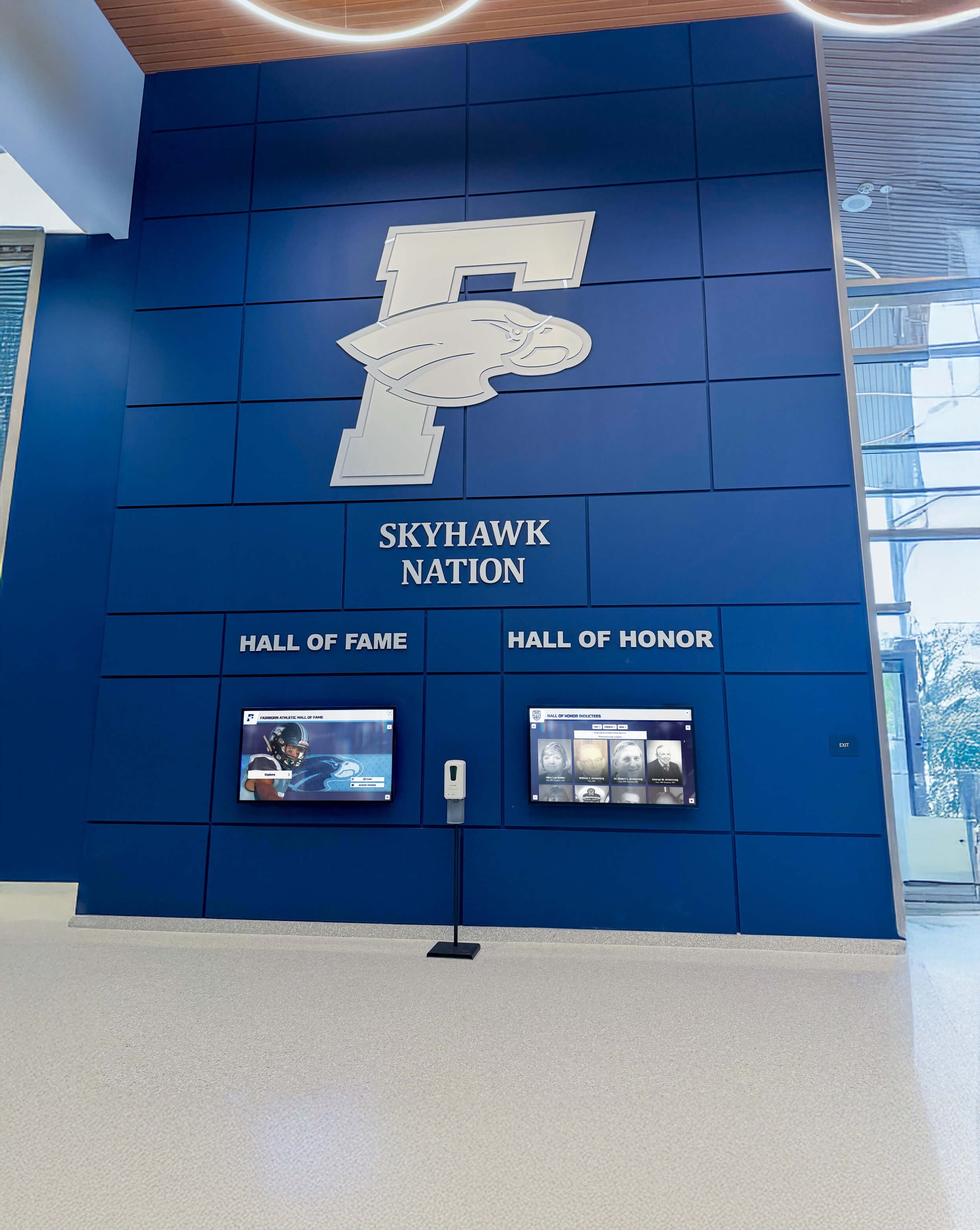
University and institutional memorials honor alumni and community members who served and sacrificed
Phase 4: Memorial Dedication and Ongoing Stewardship
Launch memorial appropriately while establishing sustainable long-term management ensuring continued relevance and accuracy.
Memorial Dedication Ceremonies
Public unveiling creates opportunities for community connection:
- Invitations to fallen heroes’ families ensuring they attend dedication
- Speeches from community leaders and organizational representatives
- Moment of silence or appropriate memorial observance
- Opportunity for attendees to explore memorial touchscreen
- Media coverage educating broader community about memorial
Dedication ceremonies acknowledge sacrifice solemnly while celebrating memorial completion as community achievement.
Ongoing Content Management and Updates
Memorial displays require sustained attention maintaining accuracy and adding new fallen heroes as tragic losses occur:
- Designated staff responsible for memorial content management
- Protocols for adding newly fallen heroes promptly after sacrifice
- Regular content audits ensuring accuracy and identifying needed enhancements
- Family communication about update opportunities as anniversaries approach
- Seasonal content highlighting specific commemorative dates or themes
Anniversary Observances and Memorial Events
Annual or periodic events maintain community connection to memorial:
- Memorial Day ceremonies featuring fallen heroes recognition
- Anniversary observances for specific losses or significant sacrifice dates
- Gold Star Family gatherings providing community support
- Educational programs using memorial for teaching about service and sacrifice
- Fundraising events supporting memorial maintenance or fallen heroes support organizations
These recurring events ensure memorial remains active community resource rather than static installation losing relevance over time.
Approaches to sustaining digital recognition programs provide frameworks applicable to memorial contexts requiring long-term stewardship.
Addressing Common Memorial Design Challenges
Fallen heroes memorial projects encounter predictable obstacles requiring thoughtful solutions.
Balancing Emotional Impact with Accessibility
Memorial content inherently involves grief, loss, and traumatic circumstances. Design must acknowledge emotional difficulty while remaining accessible:
Content Warning and Opt-In Approaches:
- Clear indication that memorial content involves sacrifice and loss
- Optional detailed information about sacrifice circumstances rather than automatic display
- Gradual revelation of potentially distressing content giving visitors control
- Quiet spaces or seating near memorial enabling emotional processing
Supporting Grieving Visitors:
- Tissue boxes positioned near memorial displays showing consideration
- Contact information for grief counseling resources
- Memorial guest books (physical or digital) enabling expression
- Staff awareness about memorial emotional impact when applicable
Managing Incomplete or Inconsistent Historical Information
Older fallen heroes often have incomplete documentation, particularly for conflicts occurring decades or centuries ago.
Transparent Limitations:
- Clear notation when biographical information is limited or uncertain
- “We Welcome Additional Information” invitations for community contributions
- Historical context explaining documentation challenges from different eras
- Consistent minimum content ensuring equitable recognition even when details sparse
Ongoing Research and Enhancement:
- Active outreach seeking additional information from families and historians
- Partnership with military historians, genealogists, and researchers
- Periodic content enhancement campaigns systematically improving historical profiles
- Acknowledgment that memorial remains “living” document growing over time
Funding Memorial Development and Sustaining Operations
Memorial touchscreen projects require initial capital investment and ongoing operational funding.
Fundraising Strategies:
Memorial Dedication Naming:
- Naming opportunities for major donors funding memorial development
- Brick or paver programs creating physical memorial elements alongside digital display
- Corporate sponsorships particularly from defense contractors, security firms, or patriotic organizations
Community Fundraising Campaigns:
- Grassroots community campaigns engaging broad participation
- Veterans and first responder organizations contributing collectively
- Service clubs (Lions, Rotary, Kiwanis) supporting community memorial projects
- Online crowdfunding reaching distant community members and supporters
Government and Institutional Funding:
- Municipal budgets for community memorials in public facilities
- School district funding for alumni military memorials
- Military installation appropriations for base or unit memorials
- First responder department budgets for organizational memorials
Operating Cost Management:
After initial investment, fallen heroes memorials incur modest ongoing costs:
- Annual software licensing: $1,200-3,000 typically
- Internet connectivity and utilities: minimal when integrated with existing facilities
- Content management staff time: 5-10 hours annually for mature memorials
- Periodic hardware maintenance: $200-500 annually
Planning for these ongoing costs ensures memorial sustainability rather than deterioration when initial enthusiasm fades and funding attention moves to new projects.
Resources on donor recognition and memorial funding provide comprehensive frameworks for financing memorial projects appropriately.
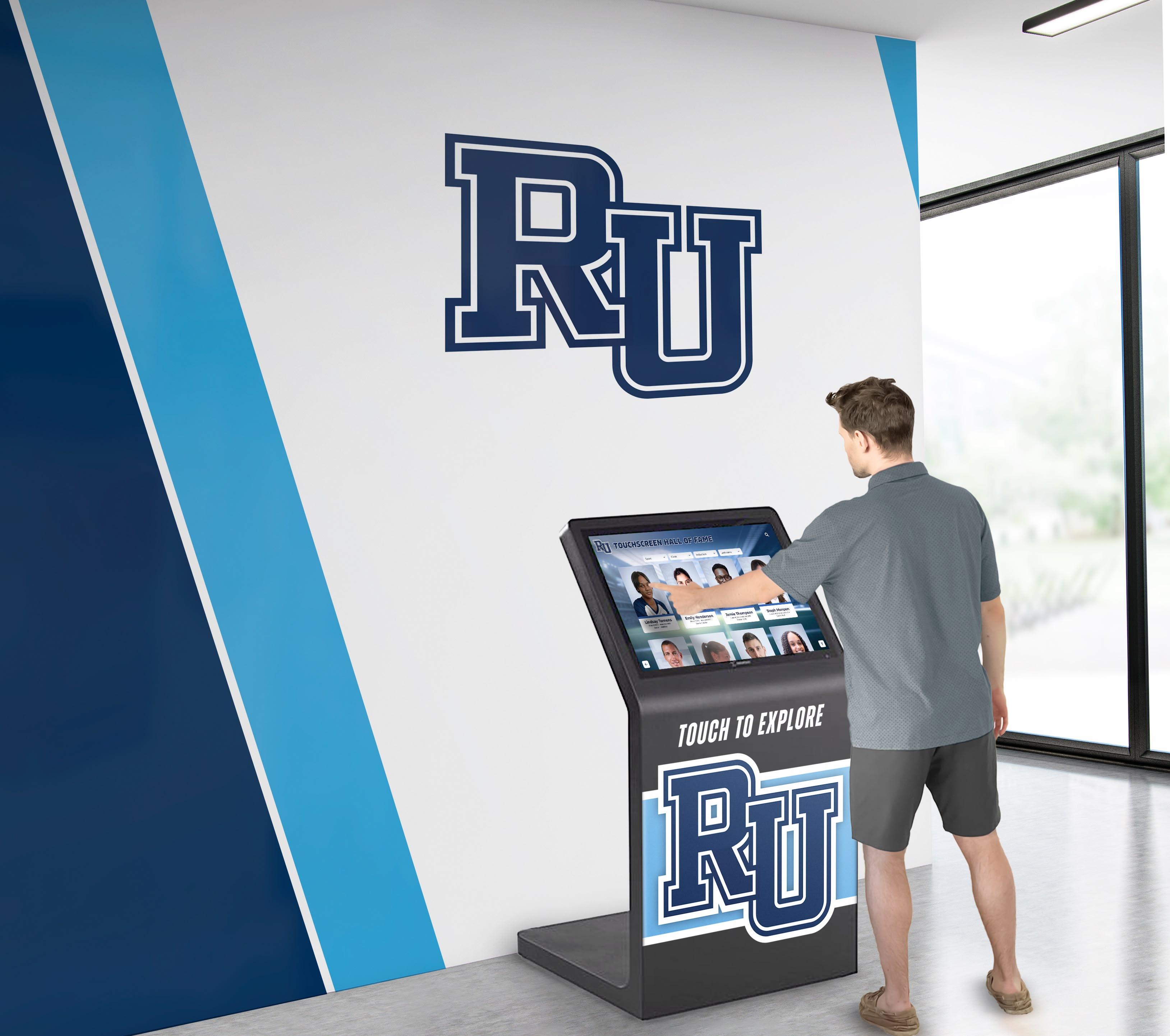
Accessible placement and intuitive design enable visitors of all abilities to engage with fallen heroes memorial content
Connecting Physical and Digital Memorial Experiences
Comprehensive fallen heroes recognition extends beyond single touchscreen displays to create interconnected memorial networks.
Web-Based Memorial Extensions
Physical memorial displays serve those who can visit installation locations, but many family members and community members live too far away for regular visits.
Online Memorial Platforms:
Web-based extensions should provide:
- Complete parity with touchscreen content ensuring remote visitors access full memorial
- Name search functionality enabling efficient discovery of specific fallen heroes
- Browse and filter capabilities matching physical display organization
- Mobile-responsive design functioning properly on smartphones and tablets
- Social sharing features enabling visitors to honor specific fallen heroes through their networks
- Printable memorial profiles for personal remembrance or educational use
Virtual Memorial Features:
Online memorials can incorporate interactive elements:
- Virtual guest books where visitors leave remembrances and tributes
- Memorial candle lighting or virtual flower placement
- Anniversary notifications alerting family members to significant dates
- Remembrance galleries where community members share photos or stories
- Integration with genealogy platforms connecting military historians and family researchers
Extending Reach Beyond Local Communities:
Web-based memorials enable fallen heroes’ sacrifice to be honored by audiences who never knew them personally:
- Students and researchers studying military history or first responder service
- Active military personnel or first responders connecting with organizational heritage
- International visitors discovering American service and sacrifice
- Future generations encountering ancestors’ service decades or centuries later
Understanding best practices for online memorial platforms provides frameworks for creating accessible, respectful web-based recognition extending physical memorial reach.
Integrating with Broader Recognition Systems
Fallen heroes memorials often exist alongside other recognition programs within organizations or communities.
Military Installation Integration:
Bases and military facilities might integrate fallen heroes memorials with:
- Broader unit history displays documenting organizational heritage
- Hall of honor recognizing distinguished service beyond ultimate sacrifice
- Military wall of honor systems celebrating comprehensive service
- Deployment tracking showing current unit activities
- Historical timeline displays placing sacrifice within operational context
School and University Memorial Integration:
Educational institutions honoring alumni who fell in service can integrate memorials with:
- Alumni recognition systems celebrating diverse achievement
- Athletic halls of fame for student-athletes who later served
- Academic honor rolls for distinguished scholars who became service members
- Historical timeline displays documenting institutional military connections
- Recruitment and ROTC program information encouraging continued service
First Responder Department Integration:
Police, fire, and emergency medical departments can connect fallen heroes memorials with:
- Broader departmental history displays
- Retired member recognition programs
- Officer commendation and award recognition
- Training academy honor graduates
- Community engagement and public education displays
Integration creates comprehensive recognition ecosystems where fallen heroes receive appropriate prominence while connecting to broader organizational stories and values they exemplified through ultimate sacrifice.
Conclusion: Honoring Ultimate Sacrifice Through Thoughtful Digital Memorial Design
Fallen heroes—military service members, first responders, and community members who gave their lives in service to others—deserve memorial recognition reflecting the magnitude of their sacrifice. Interactive touchscreen displays enable communities, schools, military installations, and first responder organizations to create comprehensive, dignified memorial experiences that celebrate complete service stories, accommodate unlimited honorees without space constraints, support grieving families through permanent recognition, educate current and future generations about service and sacrifice, and extend accessibility beyond physical memorial locations to worldwide audiences.
Create Dignified Memorial Recognition Worthy of Ultimate Sacrifice
Discover how purpose-built memorial recognition platforms enable comprehensive fallen heroes memorials combining thoughtful design, unlimited biographical content capacity, and accessibility features ensuring all community members can honor sacrifice appropriately. Request your custom memorial design mockup from Rocket Alumni Solutions.
Get Your Touchscreen Mock-UpEffective memorial touchscreen design balances technological engagement with appropriate reverence and solemnity. Visual designs employ subdued, dignified color palettes rather than bright, energetic schemes. Content organization follows clear hierarchies making complex biographical information accessible without overwhelming visitors during emotionally difficult memorial experiences. Motion and animation remain subtle and purposeful rather than flashy or distracting. And accessibility features ensure memorials serve all community members regardless of physical abilities, language backgrounds, or technical knowledge.
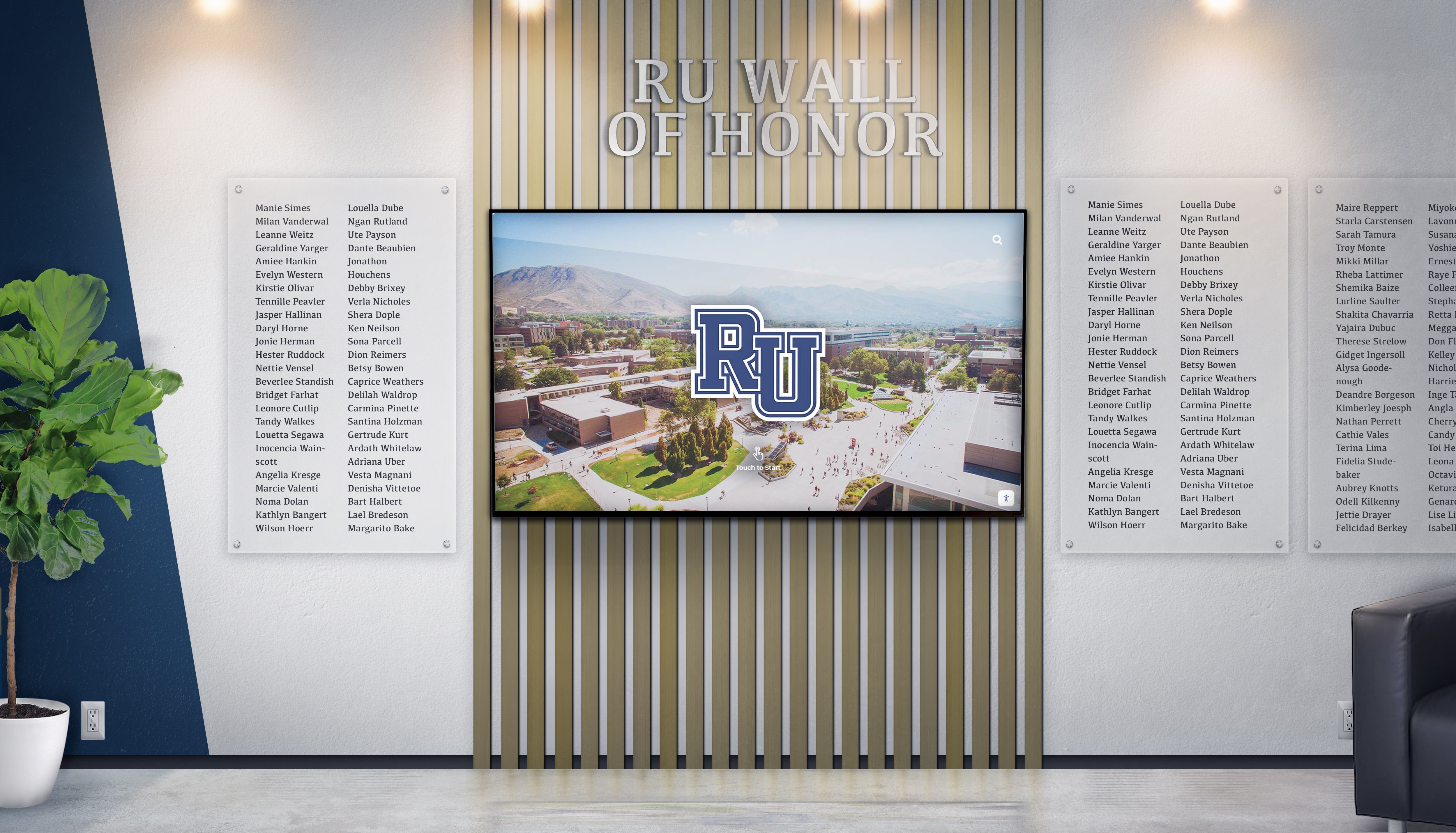
Comprehensive memorial installations can scale to honor unlimited fallen heroes while maintaining individual dignity for each through well-organized content architecture
The most successful fallen heroes memorials begin with inclusive stakeholder engagement ensuring families, veterans or first responders, and community members shape recognition reflecting authentic needs rather than imposing technology without clear purpose. They employ systematic content development processes gathering comprehensive biographical information through family collaboration, official records, and historical research. They select purpose-built memorial platforms designed specifically for biographical recognition rather than generic digital signage repurposed inadequately. And they establish sustainable stewardship ensuring memorials remain current, accurate, and relevant across years and decades rather than deteriorating when initial enthusiasm fades.
Whether your community seeks to honor military service members from multiple generations of conflicts, recognize first responders who gave their lives protecting neighbors, celebrate community heroes whose selfless service deserves perpetual remembrance, or create comprehensive memorial networks honoring sacrifice across various service dimensions, interactive touchscreen technology provides proven solutions creating dignified recognition experiences worthy of ultimate sacrifice.
Communities implementing fallen heroes touchscreen memorials demonstrate enduring commitment that sacrifice will never be forgotten, that service matters perpetually, that fallen heroes’ stories will be preserved for future generations, and that families receive assurance their loved ones’ memory remains honored appropriately. This comprehensive recognition approach communicates values while building cultures where service, sacrifice, and community contribution receive systematic celebration creating lasting connection between current community members and heroes whose sacrifice enabled freedoms and safety they enjoy today.
Ready to honor fallen heroes appropriately through digital memorial recognition? Explore comprehensive military recognition approaches that celebrate service and sacrifice. Discover memorial design best practices ensuring appropriate tone and accessibility. Learn about donor and memorial wall systems applicable to fallen heroes contexts. And consider specialized memorial solutions from Rocket Alumni Solutions designed specifically for creating engaging, accessible, permanent recognition experiences through modern interactive technology built for celebrating sacrifice and preserving organizational heritage.
Those who gave everything in service to others deserve nothing less than our most thoughtful, comprehensive, and sustained recognition—making fallen heroes memorial touchscreens not mere technology installations but sacred digital spaces where communities honor ultimate sacrifice perpetually across generations.