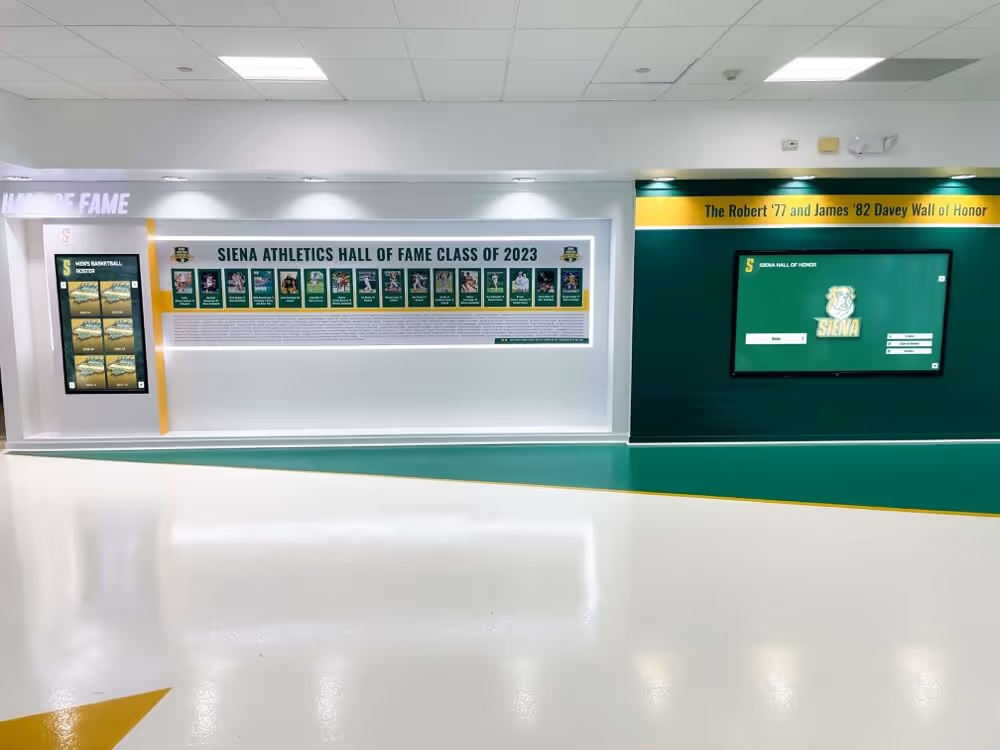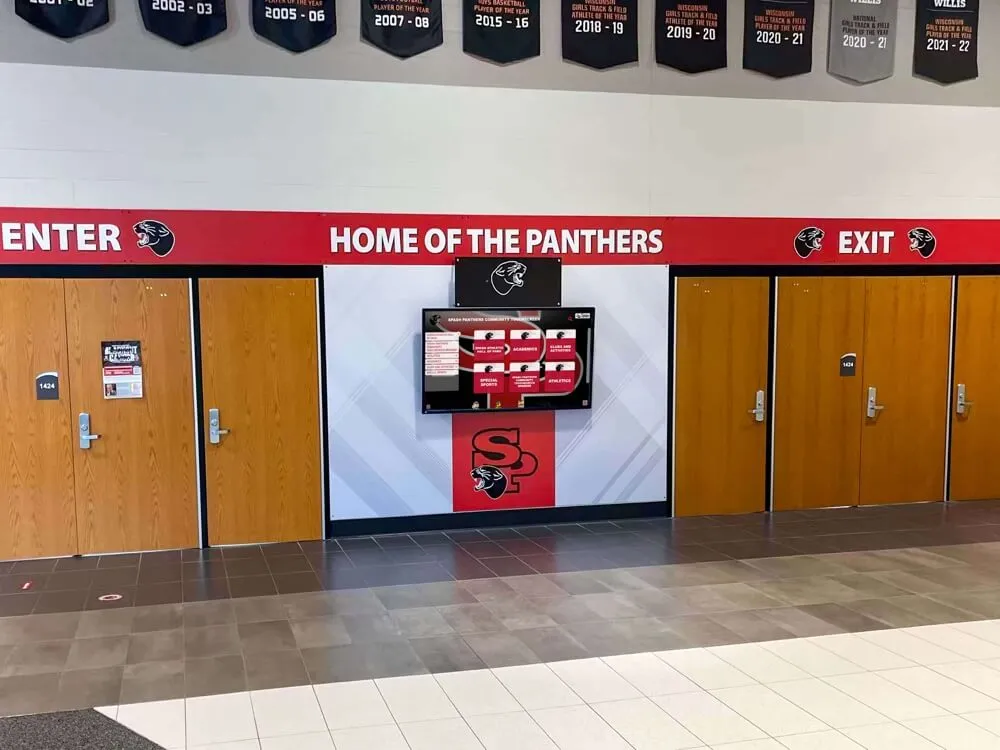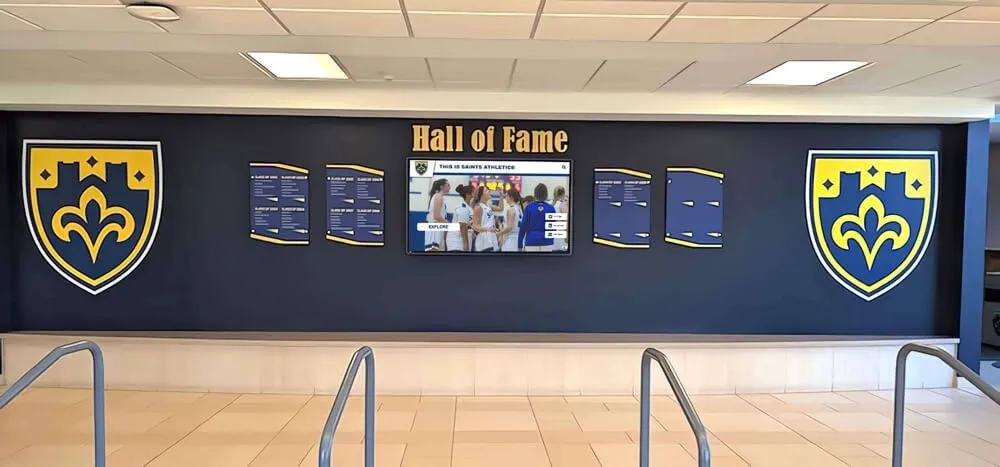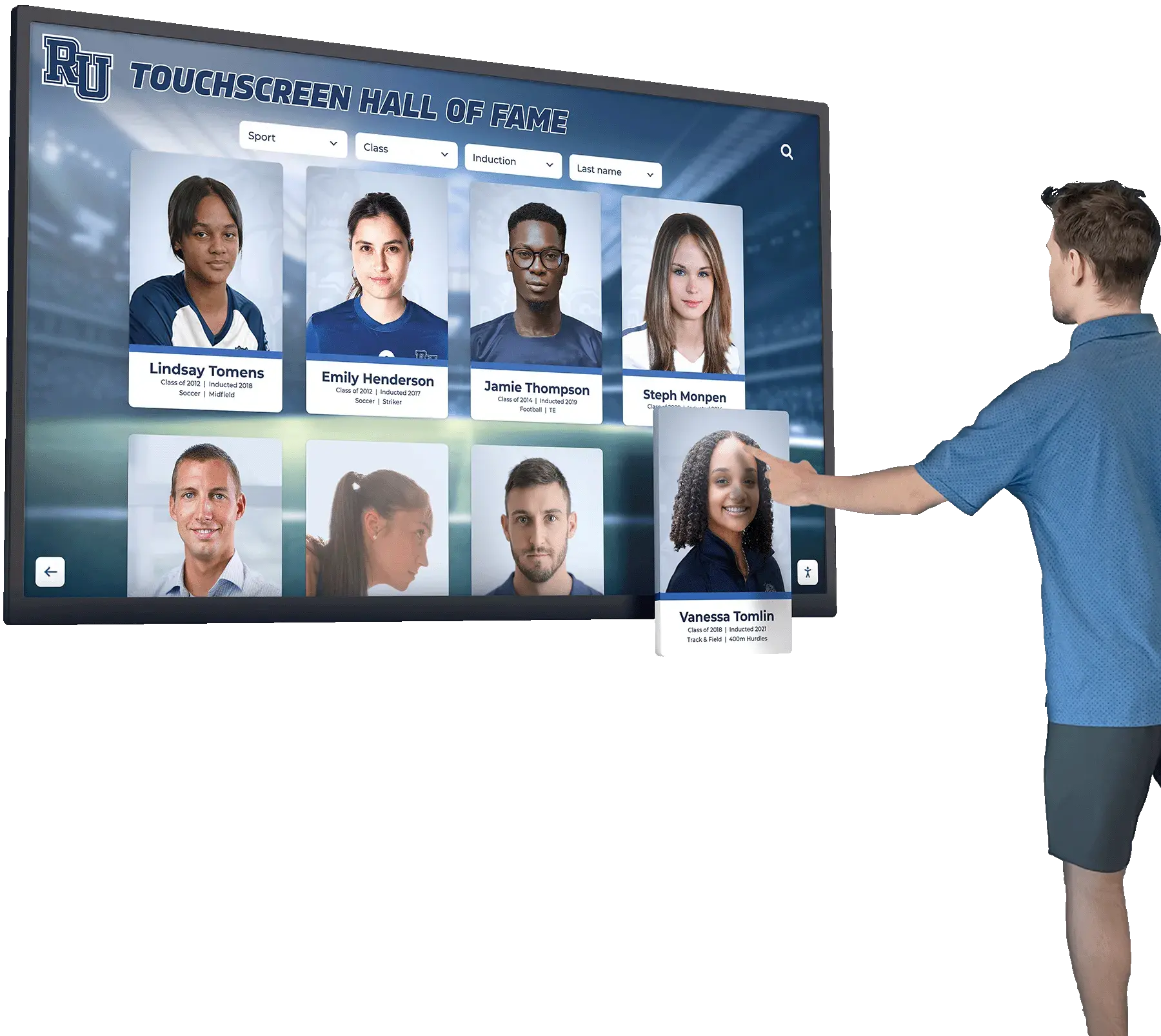




FBLA awards recognition celebrates some of the most accomplished student business leaders in American education, honoring achievements that span competitive events, leadership development, community service, and professional skill mastery. Future Business Leaders of America-Phi Beta Lambda (FBLA-PBL) represents the largest career student business organization worldwide, with recognition programs designed to acknowledge excellence across accounting, marketing, management, entrepreneurship, technology, and dozens of other business disciplines.
Yet many business education programs struggle to showcase the comprehensive achievements FBLA members earn at chapter, regional, state, and national levels. Traditional trophy cases overflow with awards from decades of competition while recent accomplishments compete for limited space. Business Achievement Awards recipients receive recognition at conferences but remain unknown to the broader school community. Chapter excellence designations and leadership accomplishments lack the visibility needed to inspire prospective members and demonstrate program value to administrators evaluating resource allocation.
This comprehensive guide explores how digital display solutions transform FBLA awards recognition, enabling business education programs to celebrate competitive event victories, individual achievement awards, chapter excellence, and alumni success while building engagement that strengthens organizational culture and recruitment.
Business education programs implementing systematic FBLA recognition create compelling demonstration of career preparation value, competitive excellence, and leadership development that distinguishes their programs. Modern digital recognition solutions provide platforms that celebrate individual and team achievements comprehensively while building traditions connecting current members with FBLA alumni worldwide.

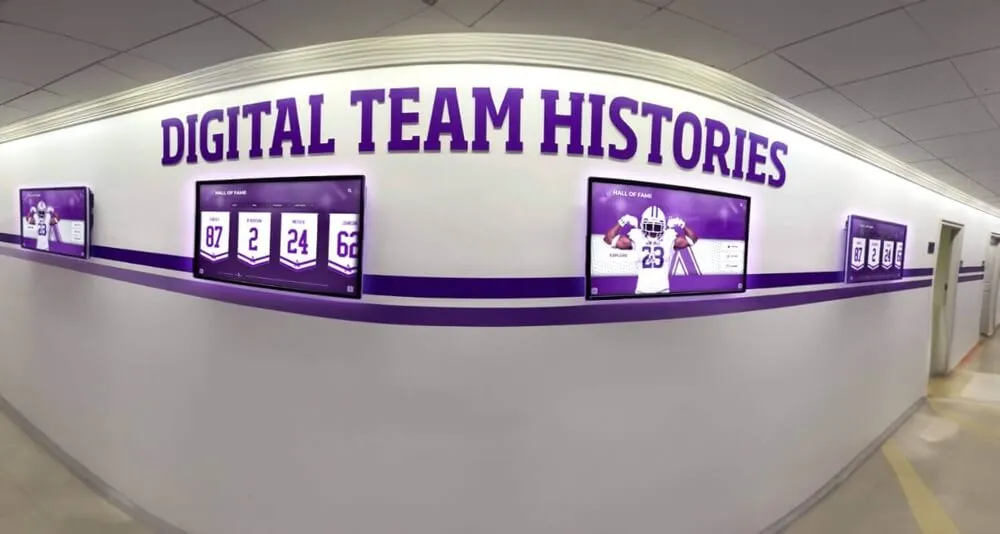
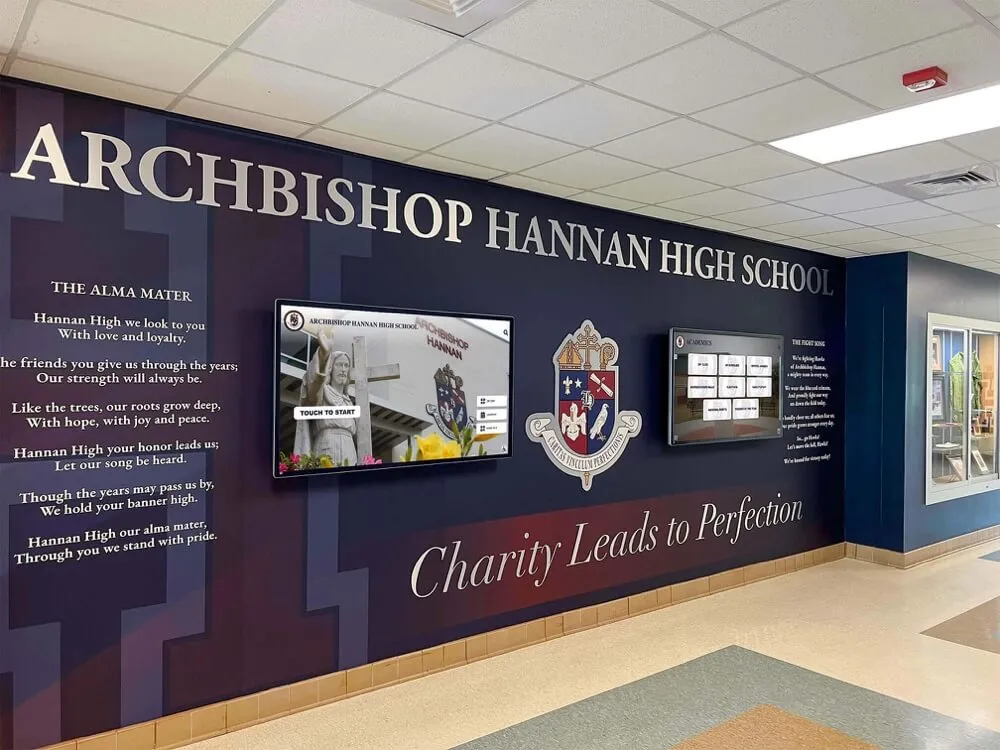
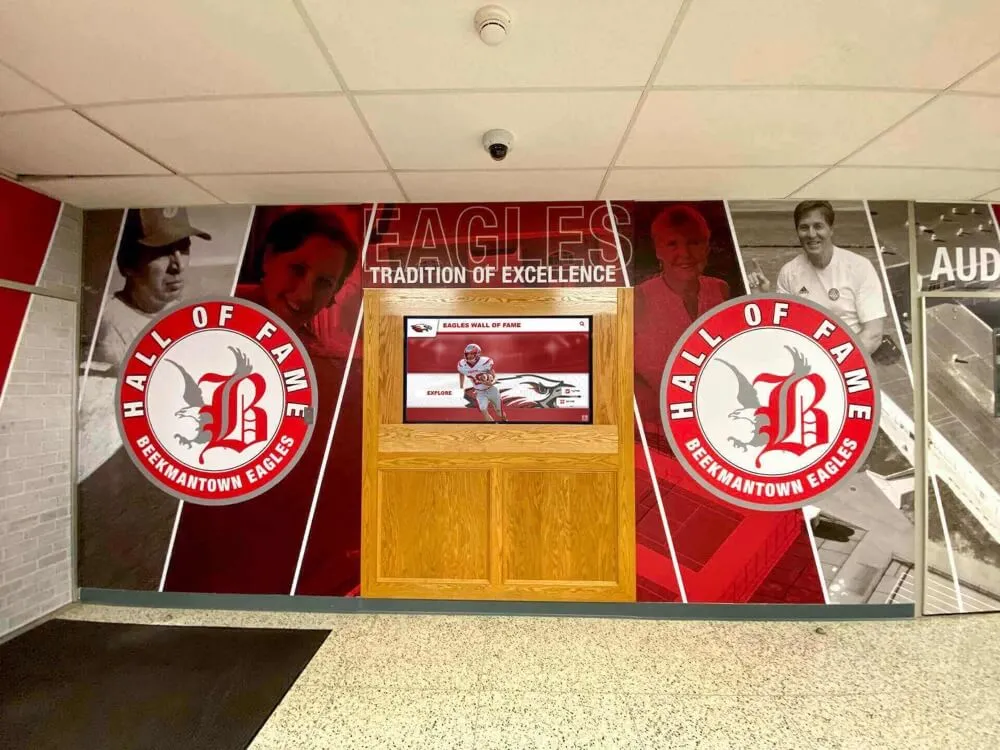
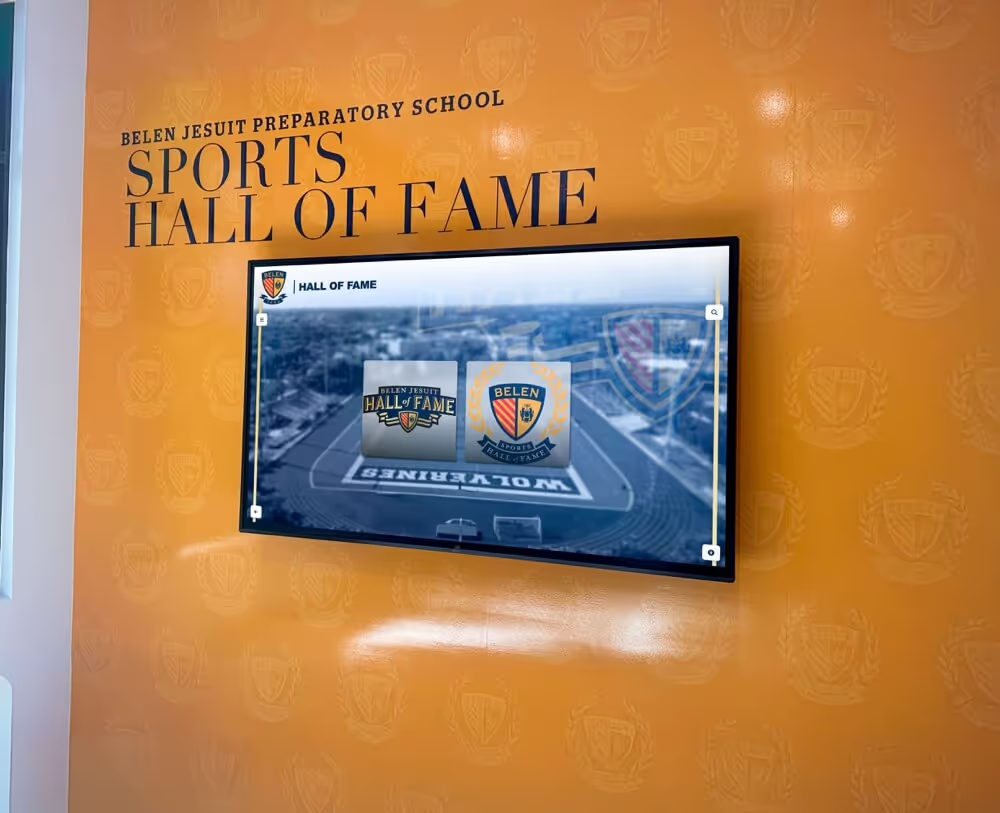
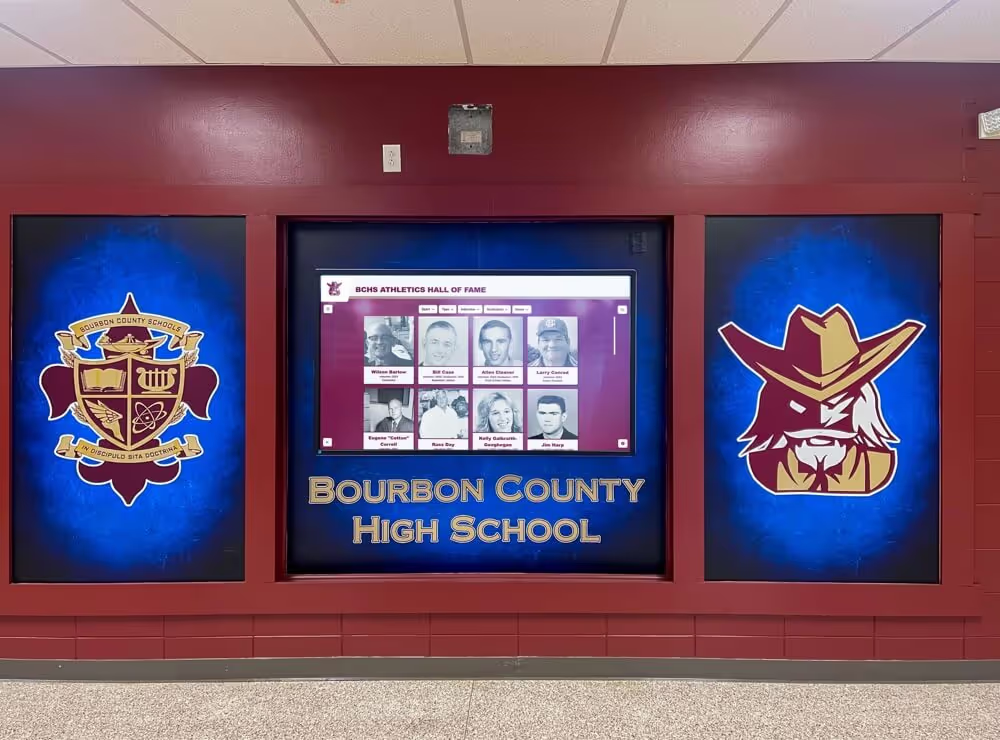
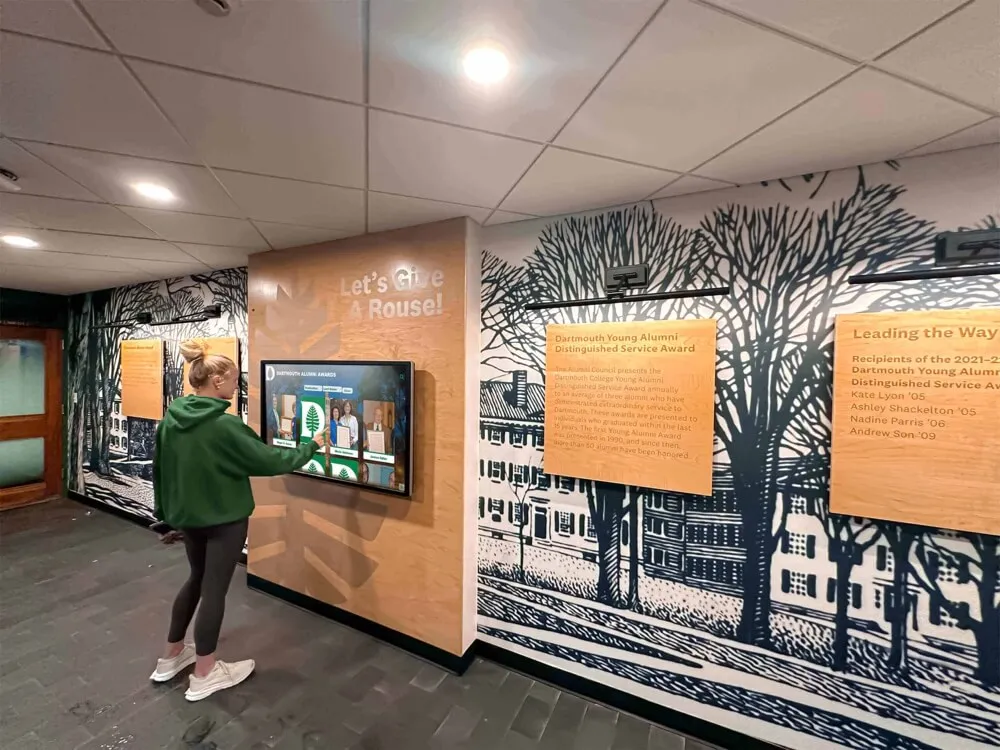
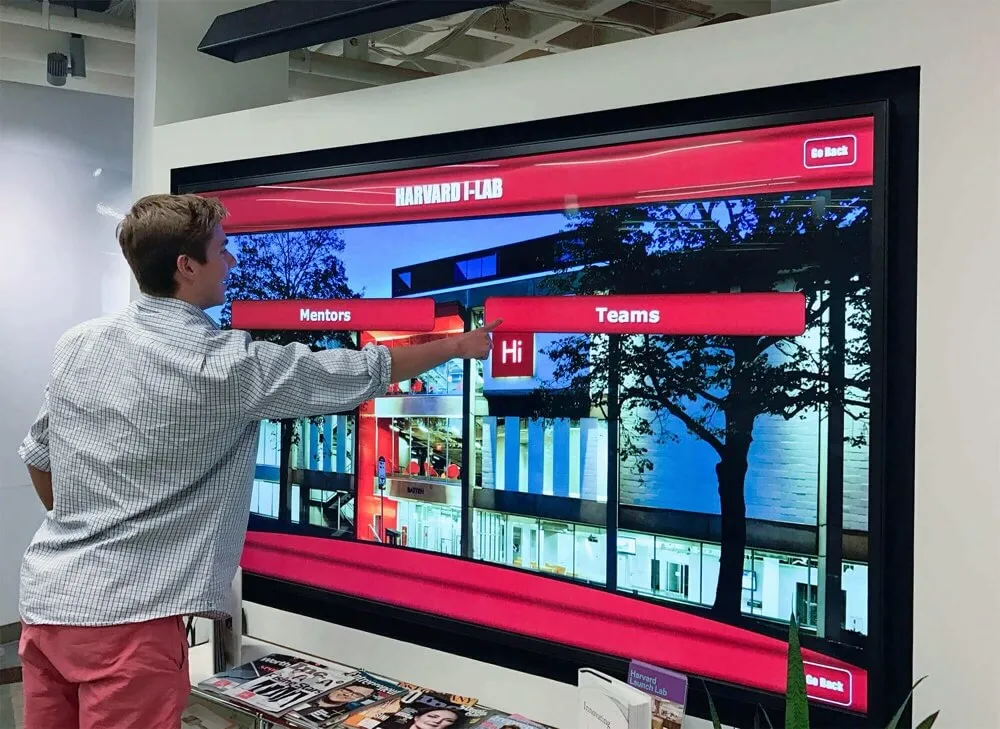
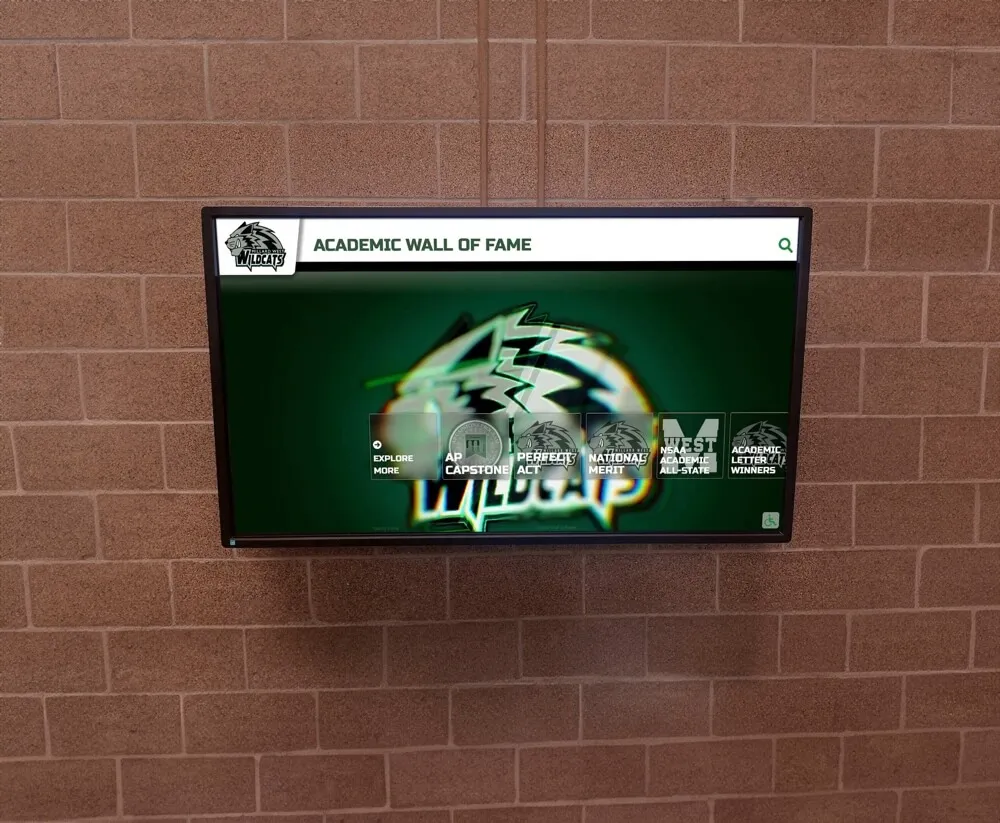
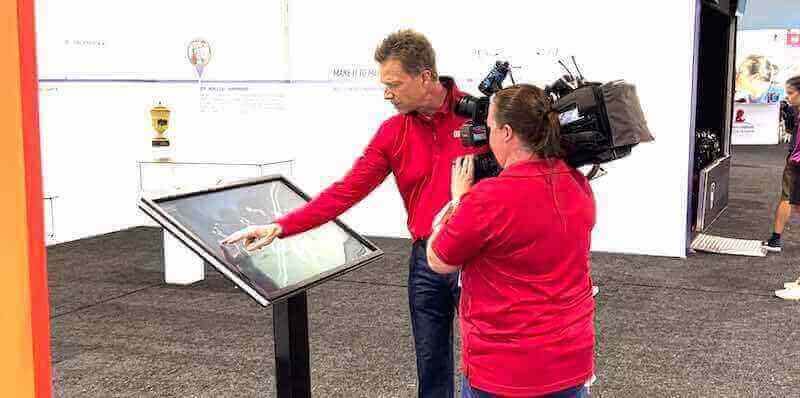
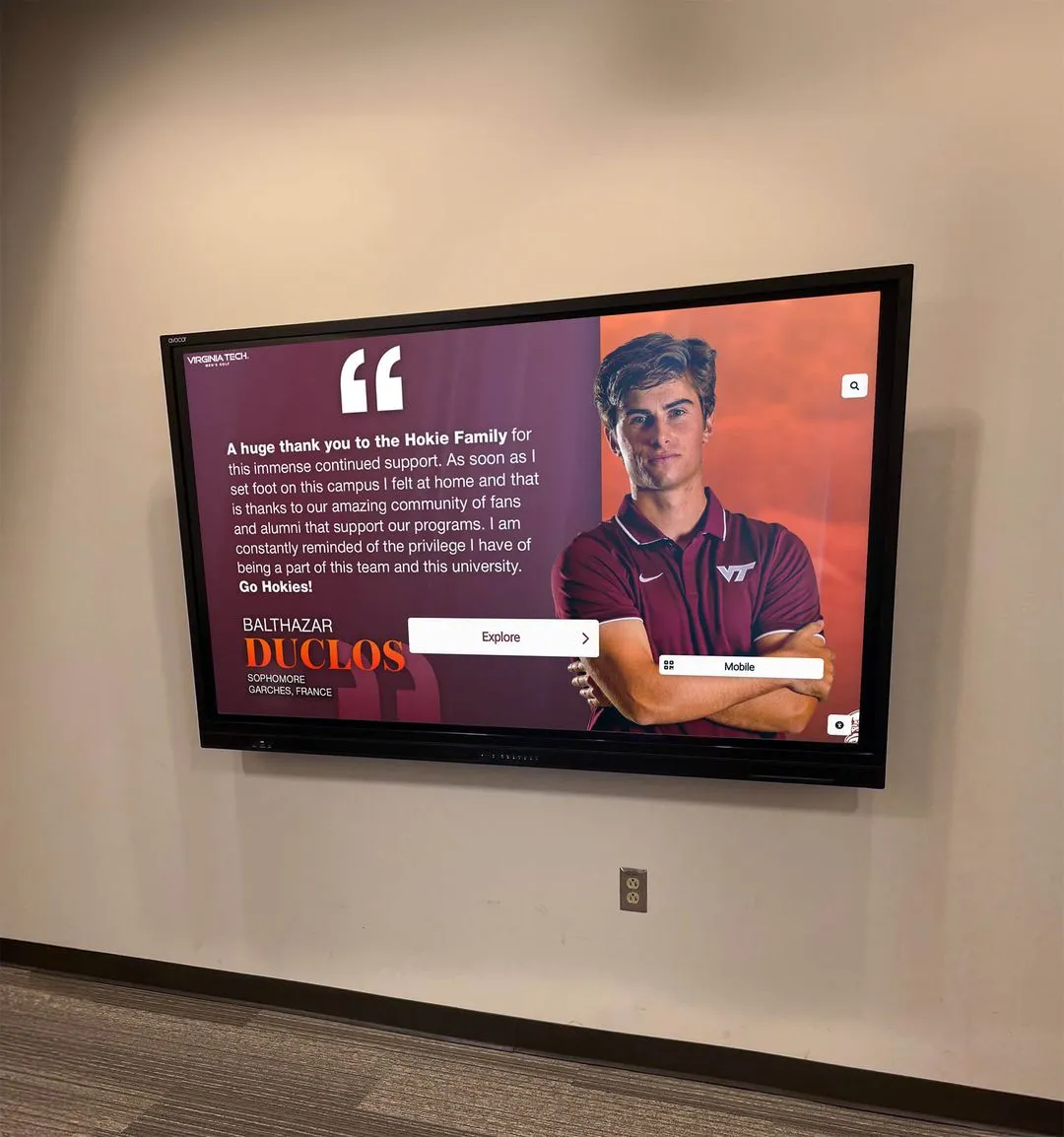
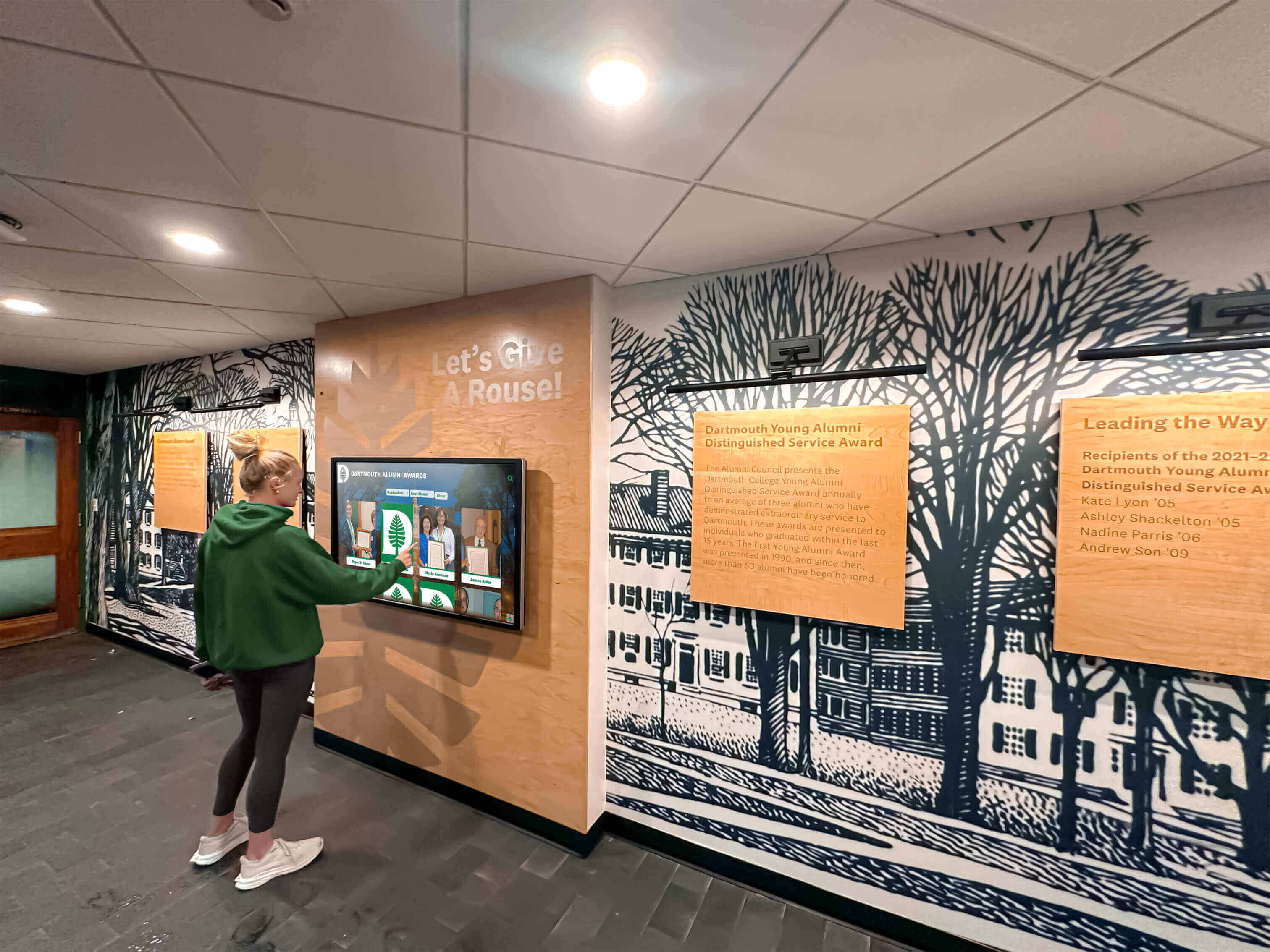
Digital recognition displays enable students to explore FBLA achievements independently, creating engaging experiences that celebrate business education excellence
Understanding FBLA Awards and Recognition Structure
Future Business Leaders of America maintains comprehensive recognition programs acknowledging diverse business education achievements and leadership development.
Competitive Events Program
The FBLA competitive events program represents the organization’s most visible recognition system, with members competing across dozens of business disciplines.
Event Categories and Structure
According to the FBLA official competitive events program, high school members compete in categories spanning:
- Business Core Events: Accounting, Economics, Business Law, Business Math, Business Management, Business Communication
- Technology Events: Computer Applications, Cyber Security, Database Design, Mobile Application Development, Network Design, Website Development
- Specialized Business Events: Entrepreneurship, Marketing, Banking & Financial Systems, Hospitality & Event Management, International Business, Sports & Entertainment Management
- Career Development Events: Job Interview, Public Speaking, Business Presentation, Parliamentary Procedure, Digital Video Production
- Case Study Events: Business Ethics, Client Service, Help Desk, Sales Presentation
Competition Levels and Advancement
FBLA members progress through multiple competitive tiers:
- Chapter-level competitions within individual FBLA organizations
- Regional or district competitions within state associations
- State Leadership Conference competitions determining state champions
- National Leadership Conference qualification for top state performers
- National awards representing the highest competitive achievement level
For the 2025 National Leadership Conference held in Anaheim, prize money recognition included $500 for first place, $400 for second place, and $300 for third place individual or team competitors. State conferences typically recognize the top four competitors who then qualify for national competition.
Business Achievement Awards
Beyond competitive events, FBLA offers individual achievement recognition programs celebrating comprehensive member development.
Business Achievement Award Levels
The Business Achievement Awards provide structured recognition for active high school FBLA members across four progressive levels:
Contributor Award (Level One): Introduces members to FBLA foundations, organizational structure, career pathways, and networking opportunities. Members complete activities demonstrating understanding of FBLA’s mission and their chapter’s role in business education.
Leader Award (Level Two): Focuses on leadership fundamentals and personal leadership style development. Members engage in activities building leadership competencies applicable to business careers and community service.
Advocate Award (Level Three): Enables members to select specific business skills or content areas for advanced development. Students can continue to the Capstone Project or earn additional Advocate Awards in different business disciplines.
Capstone Award (Level Four): Culminates in comprehensive projects where members design and implement solutions to real-world business problems, demonstrating mastery of business concepts and professional competencies.
These progressive achievement levels deserve systematic recognition demonstrating member growth and comprehensive business education development beyond competitive event participation alone.
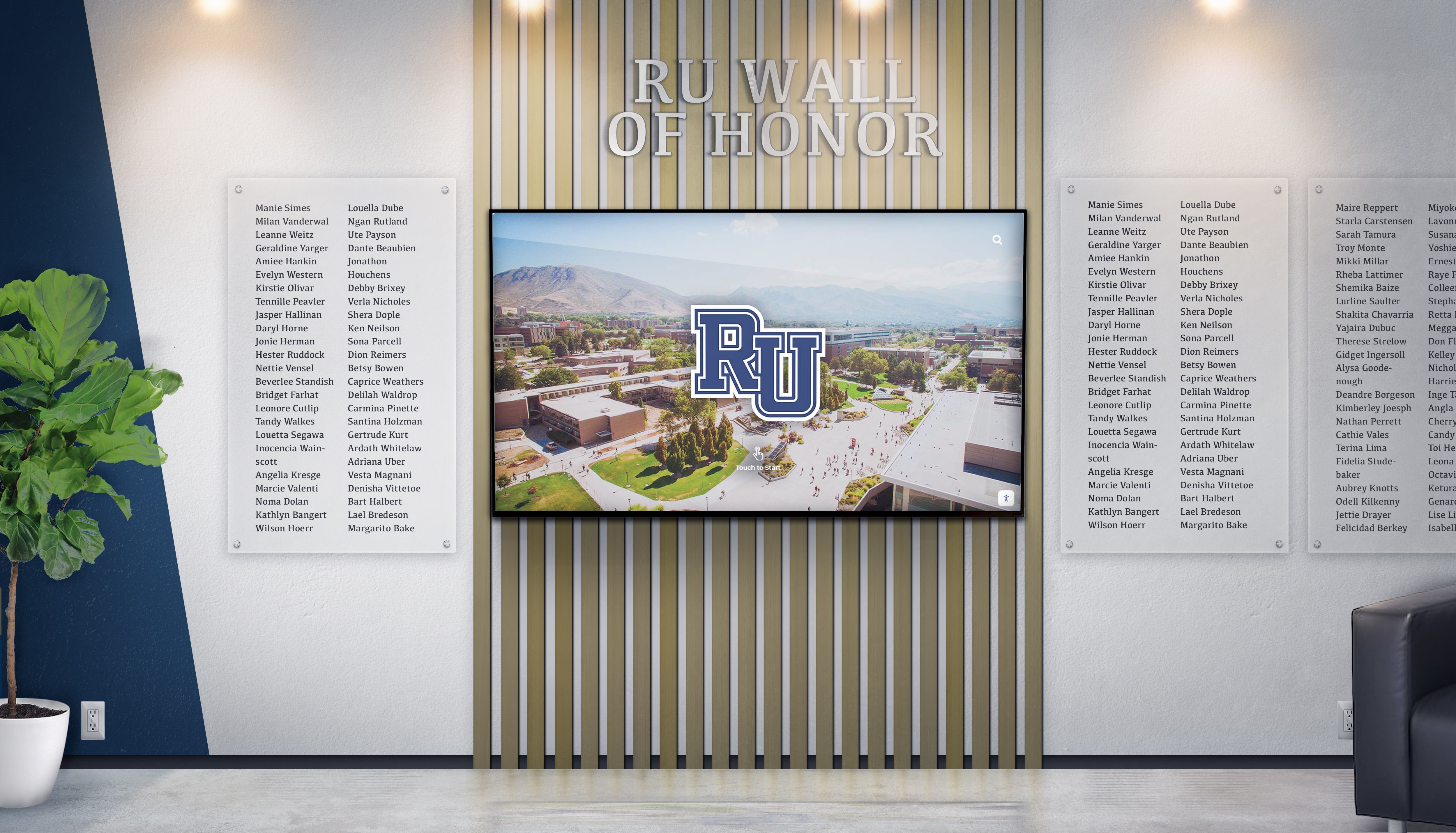
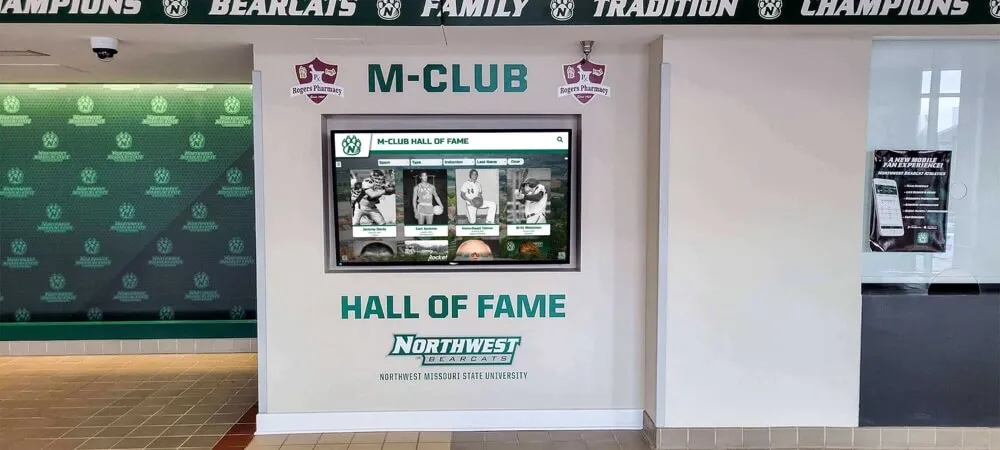
Digital displays can showcase individual achievement profiles alongside collective chapter accomplishments, creating comprehensive recognition environments
Chapter Excellence Recognition
FBLA celebrates organizational achievement through chapter-level recognition programs acknowledging comprehensive program quality.
Gold Seal Chapter Program
Chapters achieving specified activity thresholds in membership development, educational programming, competitive events participation, community service, and professional development receive Gold Seal designation. This recognition demonstrates comprehensive chapter operations and well-rounded business education programming.
Outstanding Chapter Awards
National rankings identify the top ten FBLA chapters based on documented activities across multiple organizational dimensions. According to the FBLA recognition structure, Outstanding Chapter Awards celebrate sustained excellence in membership recruitment, competitive success, community engagement, and leadership development.
Champion Chapter Programs
Membership recruitment and engagement challenges recognize chapters demonstrating exceptional growth, retention, and member activation. These awards celebrate organizational development and chapter vitality essential for sustained program success.
National Officer and Leadership Recognition
Leadership positions within FBLA represent significant achievements deserving prominent recognition:
National Officer Selection
Students elected to national FBLA leadership positions receive recognition for exceptional leadership credentials, communication skills, and organizational vision. National officers represent the pinnacle of FBLA leadership achievement.
State and Regional Leadership
State officer teams and regional leadership positions acknowledge students demonstrating leadership capacity and organizational commitment at intermediate levels, providing pathways toward national leadership consideration.
Chapter Leadership Recognition
Local chapter president, vice president, secretary, treasurer, and committee leadership positions represent foundational leadership experiences deserving recognition that motivates member engagement and leadership skill development.
Understanding comprehensive approaches to academic recognition programs demonstrates frameworks applicable to FBLA contexts, showing how systematic celebration strengthens programs across educational disciplines.
Recognition Challenges Facing Business Education Programs
Traditional FBLA awards recognition approaches encounter significant limitations that digital solutions effectively address.
Physical Display Space Constraints
Business education departments typically occupy modest facility allocations within larger school buildings, limiting recognition capacity.
Trophy Case Limitations
Most business education programs share limited display space with other career and technical education departments or maintain small dedicated cases. When FBLA chapters achieve sustained competitive success across multiple events, dozens of competition categories, and decades of participation, physical trophy cases cannot possibly showcase comprehensive achievement history.
Successful programs accumulate:
- Hundreds of competitive event medals, trophies, and plaques across multiple decades
- Business Achievement Award certificates for numerous members at multiple levels
- Chapter excellence recognitions spanning years of organizational achievement
- Leadership position acknowledgments for officers and committee chairs
- Community service awards and special recognitions
- National Leadership Conference participation documentation
Traditional recognition cannot display this comprehensive achievement within limited physical spaces available to most business education programs.
Visibility and Location Challenges
Business education classrooms frequently occupy locations away from main school corridors and gathering spaces. Recognition displays within business education departments reach enrolled students but miss broader school populations, limiting recruitment visibility and general awareness of FBLA program excellence.
Strategic placement in high-traffic areas often proves impossible when traditional trophy cases require significant space and permanent installation that schools cannot accommodate in premium locations.
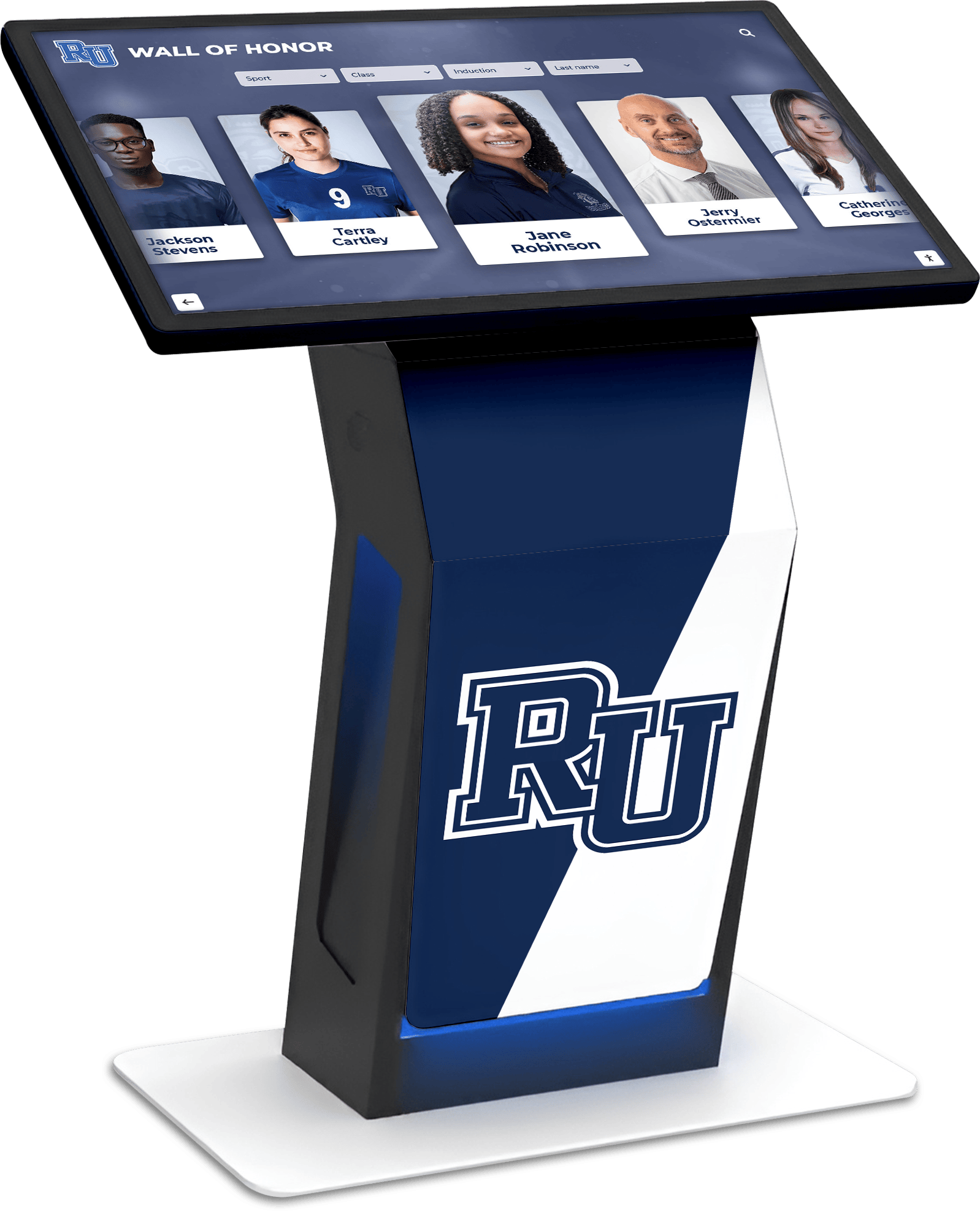
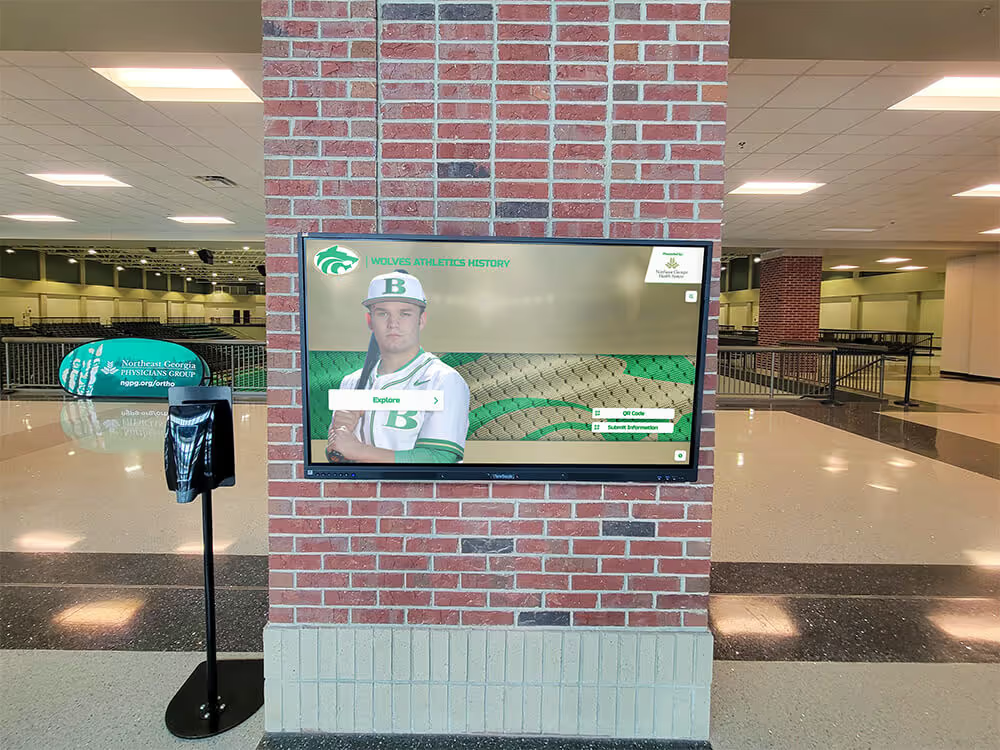
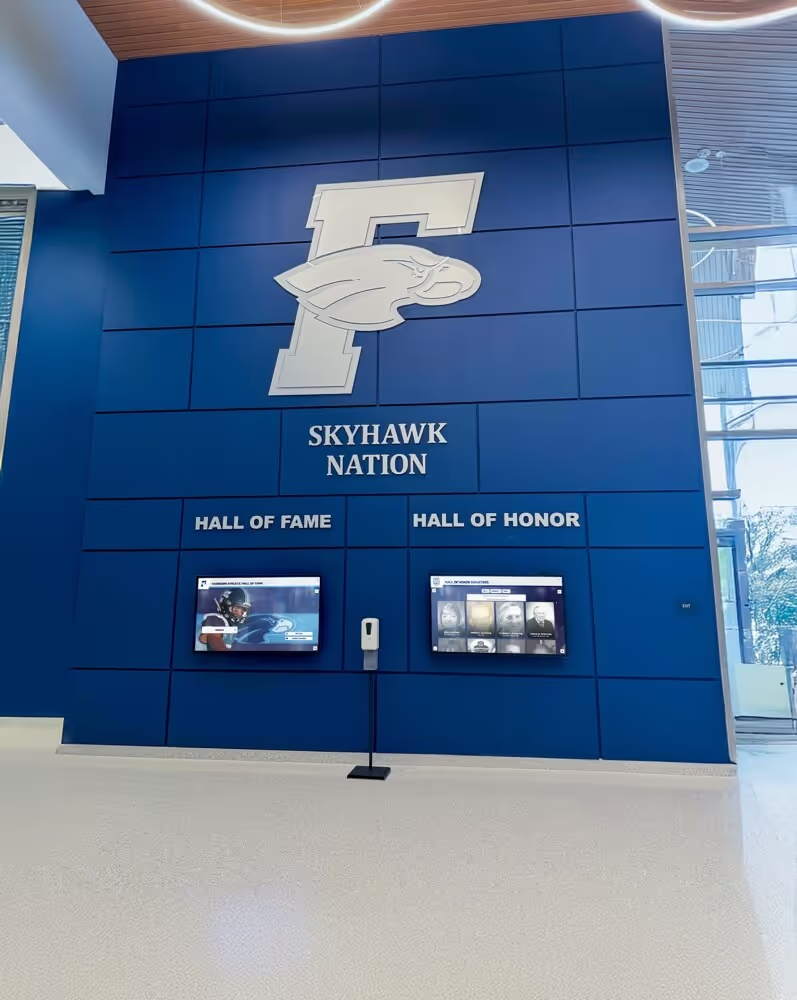
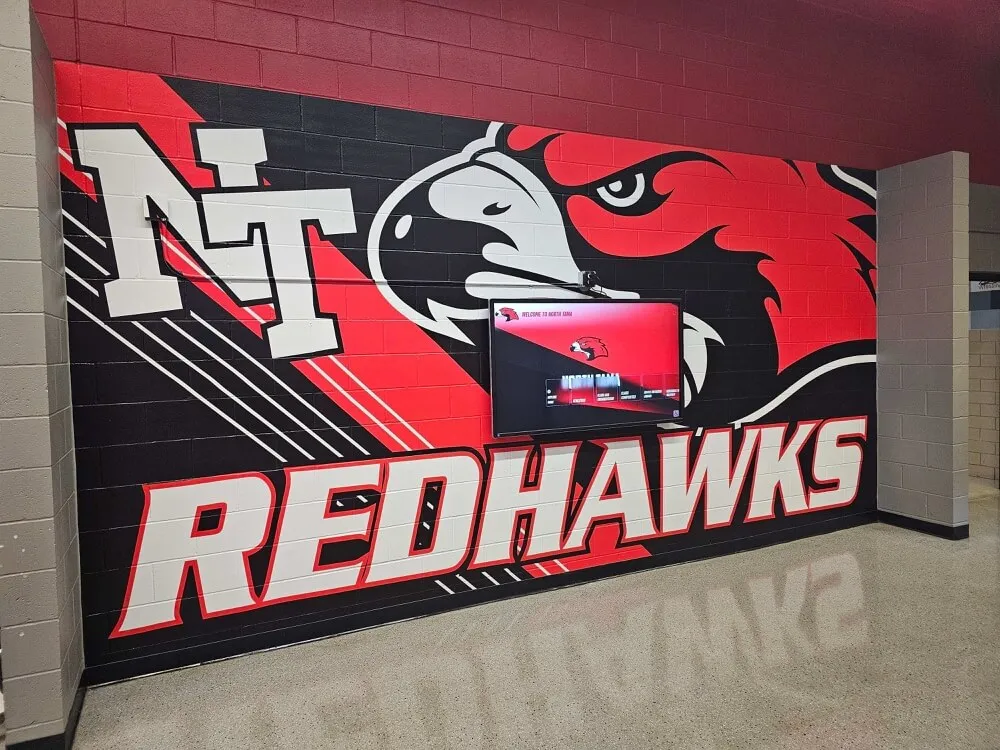
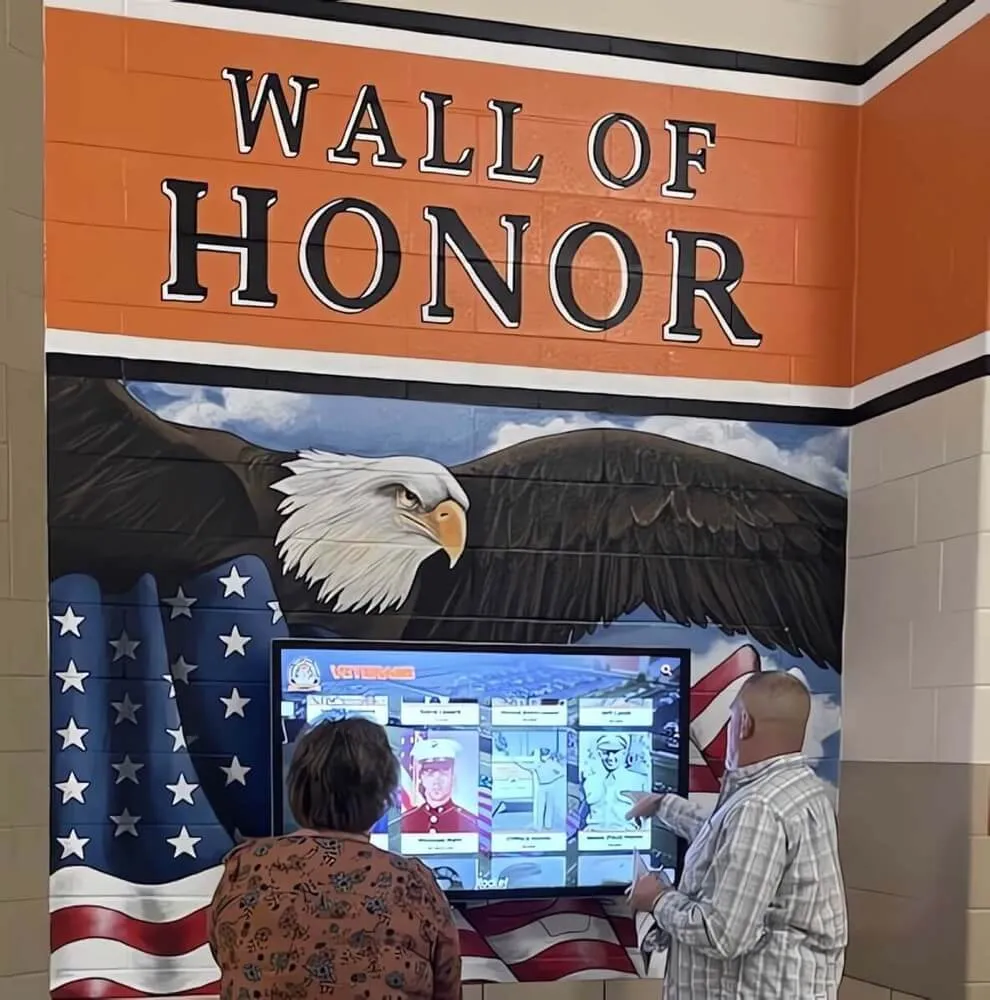
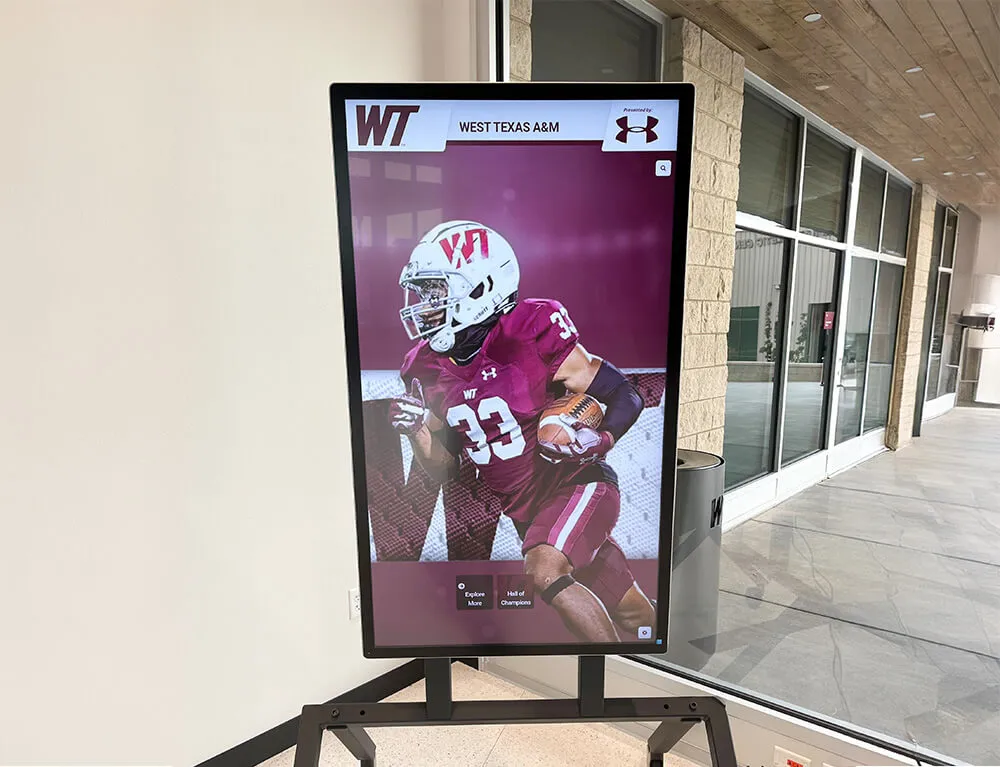
Freestanding digital kiosks provide flexible recognition solutions that can be positioned strategically without permanent mounting requirements
Inadequate Achievement Context
Physical trophies and certificates provide minimal information about the accomplishments they represent, limiting recognition’s inspirational and educational value.
Limited Competition Context
A competitive event medal displays a student’s name, event category, placement level, and year—but provides no information about:
- The specific business competencies demonstrated in competition
- Project scope or case study complexity the student addressed
- Skills developed through competition preparation
- Career pathway connections to competition content
- Student’s business education coursework foundation
- Current professional or educational pursuits
- Other FBLA achievements the student earned
This lack of context prevents recognition from serving its full potential as both celebration and inspiration for current members exploring business education pathways.
Inaccessible Recognition Information
When alumni return to visit business education programs years after graduation, they struggle to locate their own FBLA achievements within crowded displays. Parents attending school events cannot easily find their students’ recent accomplishments. Community business partners evaluating program quality lack access to comprehensive achievement documentation demonstrating business education value and career preparation effectiveness.
Recognition Currency and Relevance
Traditional displays struggle to maintain current relevance while honoring historical achievement.
Update Delay and Ceremony Focus
Physical trophy ordering, certificate framing, and case arrangement create significant delays between achievement and visible recognition. Students winning state competitive events in spring often see recognition appear only in the following academic year—diminishing motivational impact when students have moved to subsequent grade levels or graduated entirely.
Many FBLA awards receive recognition only at state or national conferences, limiting visibility to attending members while broader school communities remain unaware of competitive excellence achieved by business students.
Historical Archive Orientation
Trophy cases naturally emphasize past accomplishment rather than current program vitality. Visitors encountering traditional displays might question whether business education programs remain active and successful or simply memorialize historical glory years.
This backward-looking focus reduces recognition’s effectiveness for student recruitment, community support building, and administrative advocacy—all requiring demonstration of current program excellence and ongoing achievement.
Insights on FFA awards digital display implementation demonstrate approaches applicable to FBLA contexts, showing how career student organizations leverage recognition systems for comprehensive achievement celebration.
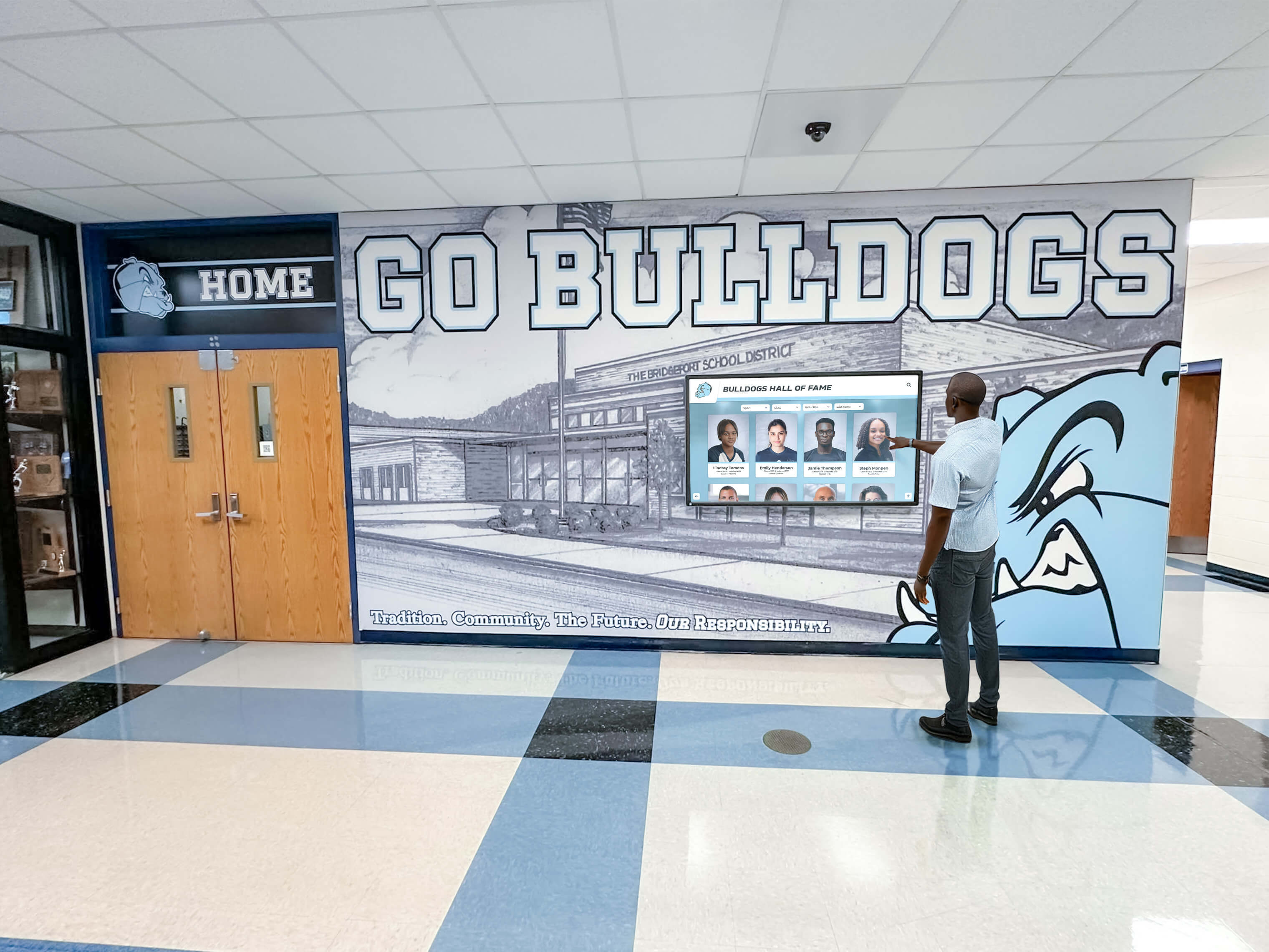
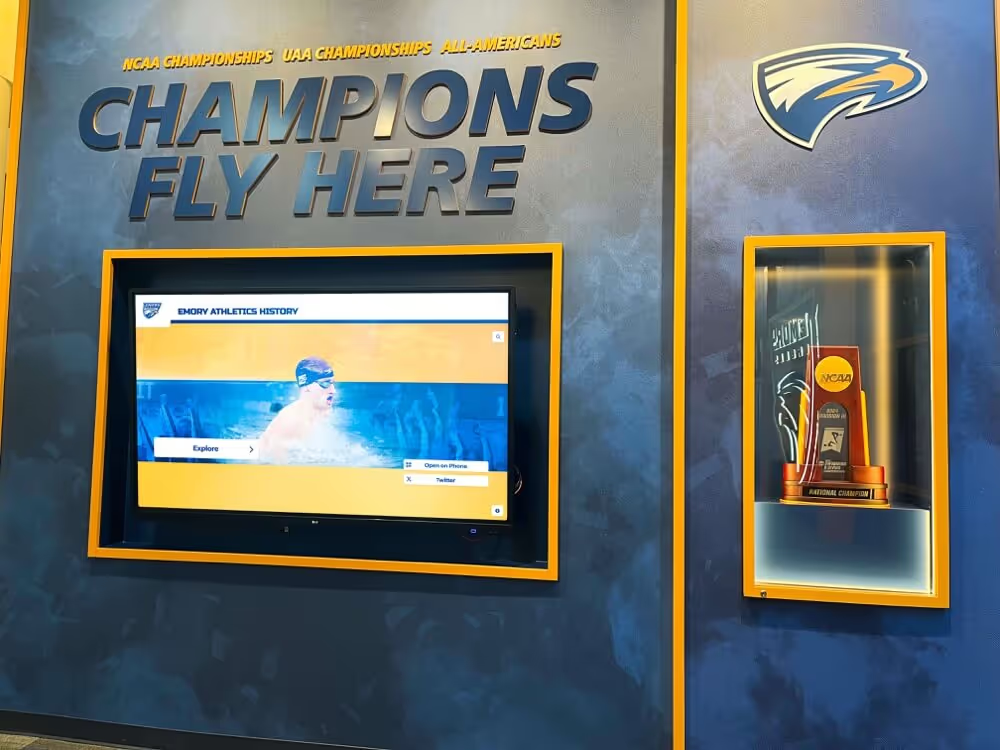
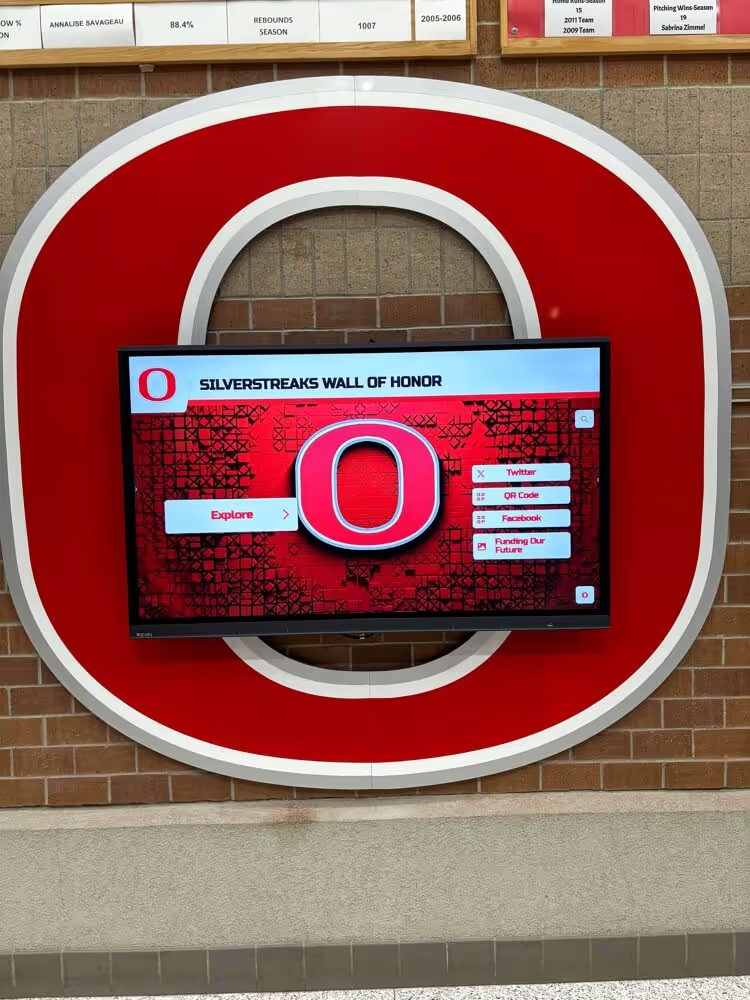
Interactive exploration enables students to discover role models, understand achievement pathways, and visualize their own potential FBLA success
Digital Display Solutions for FBLA Awards Recognition
Modern technology transforms business education recognition by addressing traditional limitations while creating new engagement possibilities.
Unlimited Recognition Capacity
Digital platforms eliminate physical space constraints that force difficult prioritization decisions about which achievements receive visibility.
Comprehensive Achievement Showcase
Solutions like Rocket Alumni Solutions provide capacity to feature every competitive event winner, every Business Achievement Award recipient, every chapter recognition, every officer and leader, and every significant program milestone across decades of FBLA history—within single display installations occupying minimal wall space compared to traditional trophy cases.
A 55-inch or larger touchscreen display can showcase detailed profiles for thousands of members, hundreds of competitive event categories, comprehensive achievement documentation, rich multimedia content, complete program histories, and extensive photo galleries that would require enormous dedicated spaces if displayed through traditional physical recognition alone.
Multi-Category Recognition Organization
Digital systems enable sophisticated organization across multiple dimensions:
- Competitive event categories grouping achievements by business discipline
- Award level filtering separating chapter, state, and national recognitions
- Year-based viewing exploring specific competition seasons or graduating classes
- Individual member profiles consolidating all achievements per student
- Chapter milestone timelines documenting organizational development
- Officer and leadership position histories maintaining governance records
This organizational sophistication ensures all recognition remains accessible and discoverable rather than becoming lost in chronological displays where older achievements effectively disappear from view.
Rich Achievement Documentation
Digital platforms enable comprehensive achievement celebration impossible with physical trophies and certificates alone.
Detailed Competition Information
FBLA competitive event recognition can include:
- Event category and specific competition description
- Business competencies and knowledge areas assessed
- Competition format (objective test, case study, presentation, project)
- Placement level and recognitions earned (chapter, regional, state, national)
- Competition year and specific conference location
- Team member identification for group events
- Preparation experiences and business coursework connections
- Skills developed applicable to business careers
- Judge feedback and achievement highlights when available
Member Achievement Profiles
Comprehensive individual recognition should document:
- All competitive events across member’s FBLA participation years
- Business Achievement Award progression and levels earned
- Chapter leadership positions and committee roles
- Community service projects and volunteer contributions
- Conference attendance and participation records
- Business education coursework and academic achievement
- Post-graduation outcomes including college majors and business careers
- Professional accomplishments demonstrating long-term FBLA impact
- Photos from competitions, conferences, and chapter activities
- Personal reflections about how FBLA shaped career direction
This detailed documentation transforms recognition from simple name-and-trophy listing into meaningful celebration demonstrating business education’s comprehensive impact on student development and career preparation.
Multimedia Integration
Digital displays support rich media that brings FBLA achievement to life:
- Photo galleries from State and National Leadership Conferences
- Video clips of competition presentations and project demonstrations
- Conference highlight reels capturing organizational energy and scale
- Business project documentation showing entrepreneurship and innovation
- Community service documentation illustrating chapter impact
- Member testimonials describing FBLA’s influence on career pathways
- Historical footage connecting current members to program traditions
This multimedia approach creates engaging recognition experiences impossible with static physical displays, particularly valuable for prospective members exploring business education opportunities.
Understanding strategies for senior class awards display demonstrates approaches applicable to FBLA senior recognition, showing how comprehensive graduation celebration honors accumulated achievements while building organizational traditions.
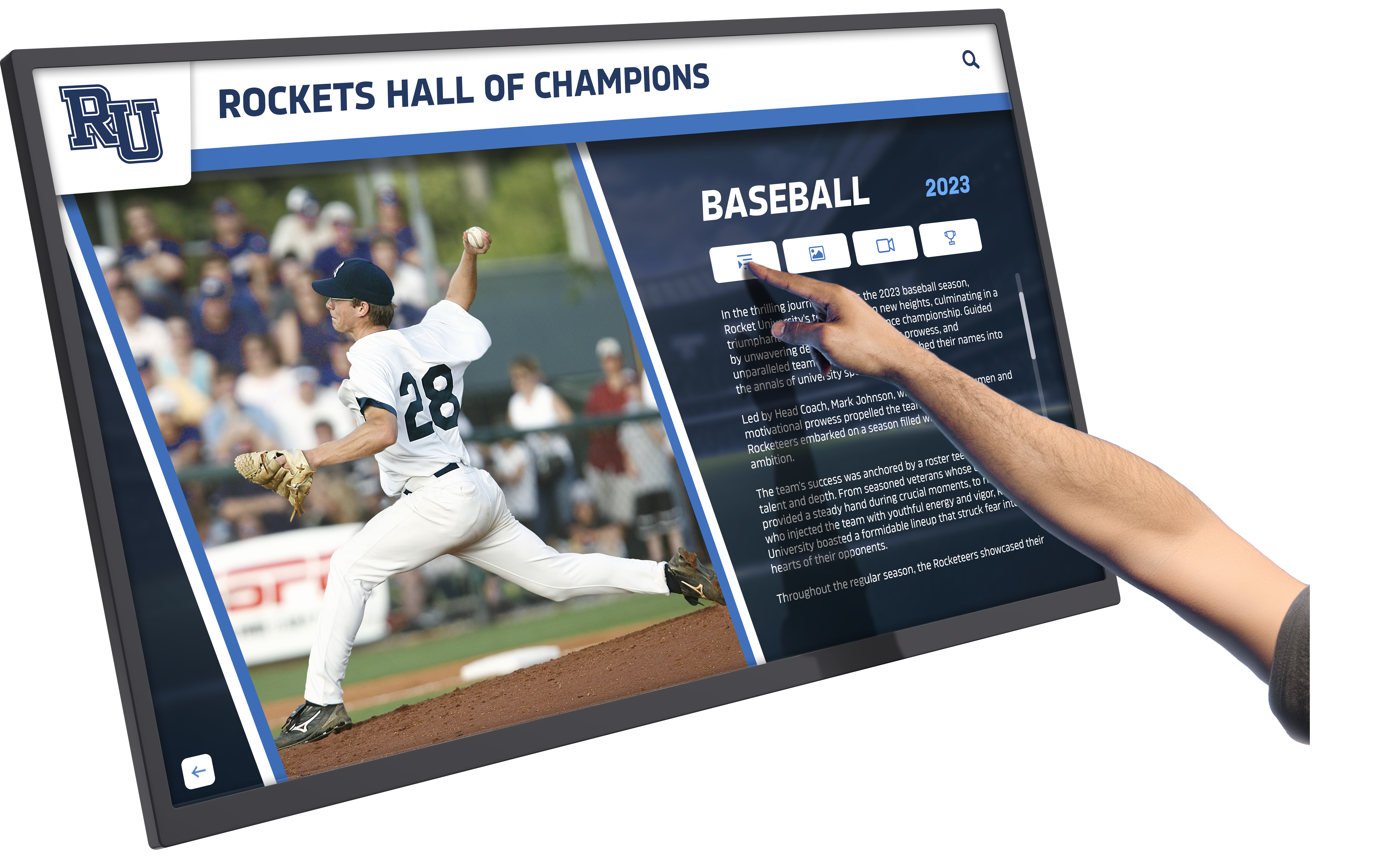
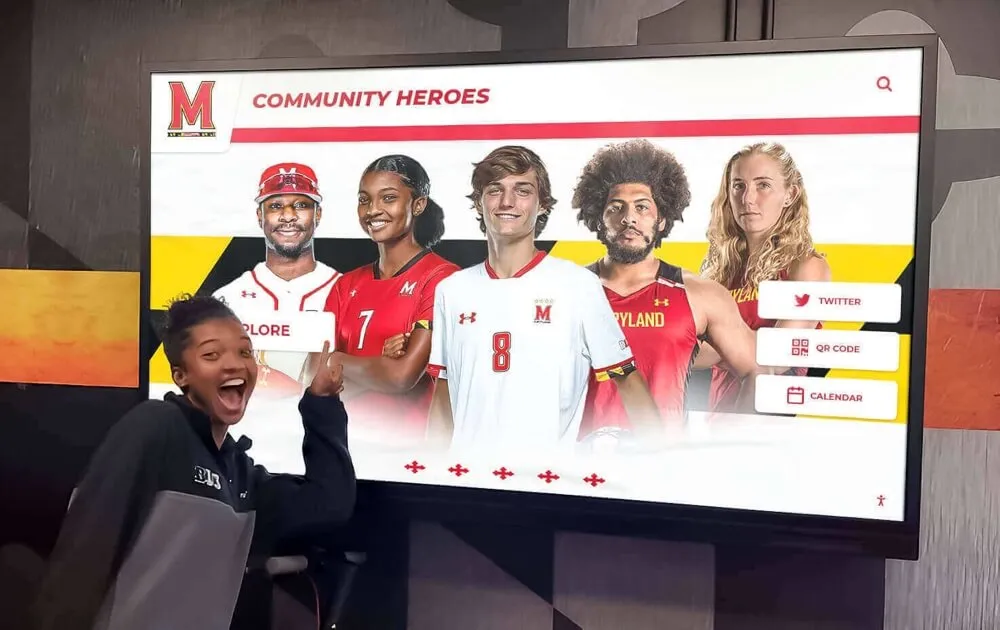
Responsive touchscreen interfaces enable intuitive exploration across achievement categories, years, and member profiles
Dynamic and Current Recognition
Digital platforms enable immediate updates maintaining ongoing relevance alongside historical achievement celebration.
Rapid Achievement Addition
When members earn competitive event recognition at State or National Leadership Conferences, business education instructors can add achievements to digital displays within hours through cloud-based content management systems accessible from any internet-connected device. Students receive immediate celebration during peak motivational moments rather than waiting months for physical trophy delivery and case arrangement.
Featured Content Rotation
Digital displays automatically rotate highlighted content ensuring recent achievements receive prominent visibility while maintaining access to complete historical records. Recognition might feature:
- Current academic year competitive event winners during autumn and winter
- State Leadership Conference results throughout spring semester
- National Leadership Conference achievements after summer competition
- Business Achievement Award progression highlights promoting individual development
- Officer recognition during chapter election seasons and officer transition periods
- Chapter excellence designations celebrating organizational accomplishments
- Alumni spotlights maintaining connections with business education graduates
This dynamic presentation maintains display freshness and current relevance rather than appearing as static historical monuments.
Real-Time Program Information
Beyond awards recognition, business education programs can incorporate:
- Upcoming competitive event information and preparation schedules
- State and National Leadership Conference registration and logistics
- Current chapter project showcases featuring ongoing initiatives
- Business education course descriptions promoting academic program
- Career pathway information aligned with business education emphasis
- College and university partnership information supporting post-graduation planning
- Community business partner recognition acknowledging program support
These dynamic elements transform recognition displays from backward-looking archives into forward-focused engagement tools celebrating past achievement while promoting current participation and future opportunities.
Strategic Implementation for Business Education Programs
Successful FBLA recognition projects require comprehensive planning addressing technical, content, and stakeholder engagement dimensions.
Planning and Needs Assessment
Begin with systematic evaluation of recognition goals and program context specific to business education environments.
Current Recognition Audit
Document existing FBLA awards recognition including:
- Physical trophies, medals, plaques, and certificates currently displayed
- Achievement documentation stored but not actively showcased
- Historical records available through chapter files, yearbooks, and archives
- Digital assets including photos from conferences and competitions
- Chapter records documenting organizational milestones and leadership
- Alumni information connecting graduates to current program
Stakeholder Input Collection
Gather perspectives from multiple constituencies:
- Current FBLA members regarding recognition that motivates participation and leadership
- Parents seeking visible celebration of student business education achievement
- Alumni interested in maintaining connections to business education programs
- School administrators evaluating program quality and resource allocation decisions
- Advisory committee members representing business community perspectives
- Business partners supporting career and technical education through various means
- Counselors promoting career pathways and post-secondary planning
These diverse perspectives ensure recognition systems serve authentic stakeholder needs rather than implementing technology without clear purpose or value demonstration.
Recognition Goals Definition
Clarify what FBLA awards recognition should accomplish:
- Motivating current members toward competitive excellence and Business Achievement Award progression
- Demonstrating business education program quality to administrators and community
- Building FBLA alumni engagement and maintaining organizational connections
- Celebrating chapter heritage and business education tradition
- Supporting student recruitment by showcasing career preparation opportunities
- Strengthening business community partnerships through visible program excellence demonstration
Clear goals provide frameworks ensuring recognition investments deliver outcomes aligned with business education program priorities and institutional objectives.
Comprehensive approaches to debate team achievement board implementation offer insights applicable to competitive FBLA contexts, demonstrating how student organizations leverage recognition for motivation and recruitment.
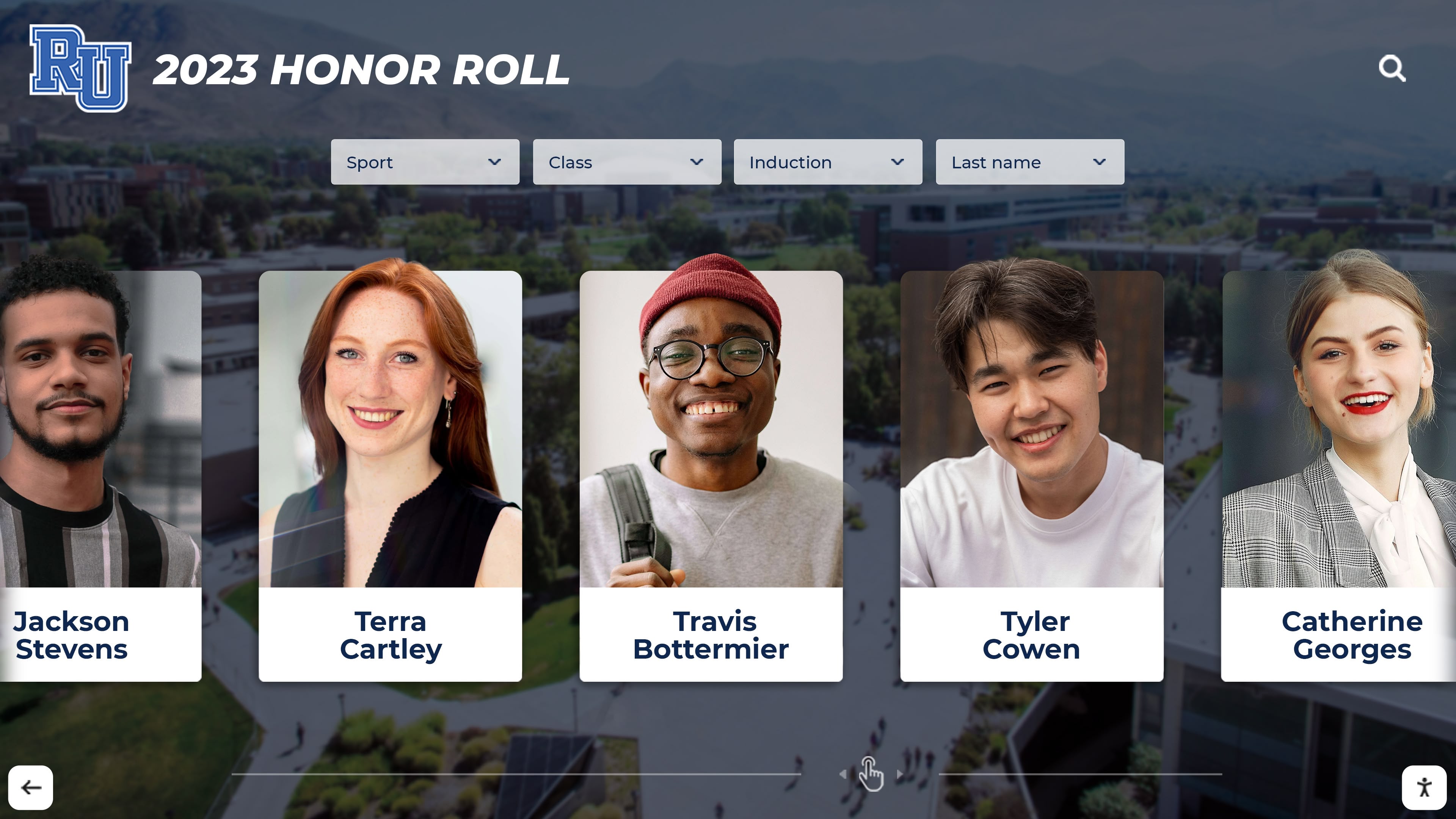
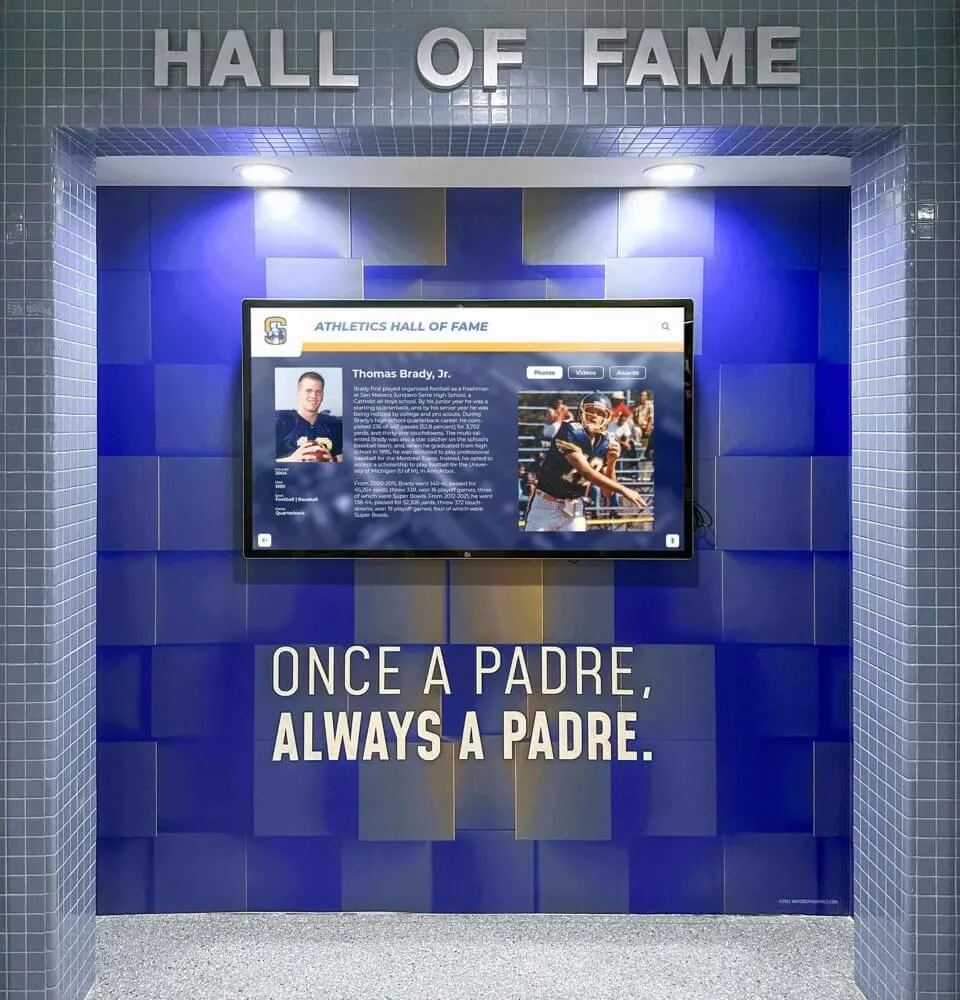
Individual achievement profiles create professional presentations celebrating specific accomplishments in accessible, engaging formats
Budget Development and Funding Strategies
Business education programs can implement FBLA recognition through diverse financial approaches appropriate to career and technical education contexts.
Comprehensive Investment Understanding
Digital recognition systems typically include:
- Platform licensing and initial implementation: $2,000-5,000
- Display hardware (commercial 55-75" touchscreen): $3,000-8,000
- Professional mounting and installation services: $500-1,500
- Historical content development and data entry: $1,500-4,000
- Annual platform licensing and technical support: $800-2,000 ongoing
Complete installations generally range $8,000-18,000 depending on scope and sophistication, with annual ongoing costs of $1,200-3,000 for licensing, updates, and support services.
Business Education Funding Sources
Programs successfully fund FBLA recognition through:
- Perkins Career and Technical Education funding: Many states permit Perkins funds for instructional technology including recognition systems supporting student engagement, recruitment, and program promotion
- Carl D. Perkins Reserve competitive grants: State-level competitive grants often support innovative business education enhancements demonstrating clear educational value
- Local education foundation grants: Community foundations frequently support visible projects celebrating student achievement and career preparation
- Business community sponsorships: Local business partners often sponsor recognition systems showcasing business education program excellence and return on community investment
- FBLA alumni association fundraising: Former members invested in organizational sustainability support projects maintaining connections
- Booster organizations and parent support groups: Families engaged in business education contribute toward permanent recognition benefiting current and future members
- School capital improvement budgets: Districts occasionally include recognition systems in facility enhancement projects
- Business department funds: Some programs allocate instructional budgets toward recognition infrastructure
Phased Implementation Approaches
Programs with constrained immediate funding can implement recognition progressively:
- Phase 1: Platform licensing and basic hardware installation with current-year achievement focus
- Phase 2: Historical achievement research and comprehensive multi-year content development
- Phase 3: Enhanced multimedia including video integration and extensive photo gallery development
- Phase 4: Additional display locations or expanded online access platforms
Phased approaches enable recognition launches while building toward comprehensive systems as funding becomes available over multiple budget cycles.
Content Development and Historical Achievement Research
Recognition effectiveness depends on comprehensive, accurate content celebrating complete FBLA program history.
Historical Achievement Recovery
Many business education programs lack systematic records of past FBLA accomplishments. Recognition motivation drives valuable historical documentation:
- Review business education department files for competition results and award documentation
- Search school archives, yearbooks, and publications for FBLA coverage and achievement information
- Contact state FBLA associations requesting historical competitive event and recognition records
- Interview long-serving business education instructors about program achievements and traditions
- Reach out to FBLA alumni requesting information about competitive events, awards, and chapter experiences
- Review local newspaper archives for business education and FBLA coverage
- Examine chapter scrapbooks and records maintained by advisers and officers
This research preserves business education heritage while ensuring recognition celebrates complete organizational tradition rather than only recent achievements with readily available documentation.
Comprehensive Achievement Profiles
Effective FBLA recognition should include:
- Member name and graduation year for identification and alumni connection
- Competitive event categories and placement levels earned
- Business Achievement Award levels and progression documentation
- Chapter leadership positions and officer roles
- Years of FBLA membership and conference participation
- Community service contributions and project involvement
- Business education coursework and academic achievement
- Post-graduation educational pathways and career directions
- Professional accomplishments demonstrating long-term FBLA impact
- Photos from competitions, conferences, and chapter activities
- Personal reflections about business education influence when available
These detailed profiles transform simple achievement listings into inspirational narratives demonstrating business education’s comprehensive impact on student success.
Ongoing Content Management Systems
Establish clear processes ensuring recognition currency:
- Designate specific staff responsible for display content updates and quality
- Create submission systems where members provide achievement information and photos
- Develop standard templates ensuring consistent recognition quality and completeness
- Establish update schedules for timely achievement addition after competitions and conferences
- Train multiple staff members preventing single-point-of-failure content management dependencies
- Integrate content development into business education curriculum through student projects
- Create chapter officer roles supporting recognition research, documentation, and maintenance
Systematic management prevents digital displays from becoming outdated technology showing only historical achievement, ensuring ongoing value through continuous celebration of current accomplishments alongside heritage preservation.
Strategies for college intramural sports recognition offer frameworks applicable to FBLA contexts, demonstrating how organizations balance competitive achievement with inclusive participation celebration.
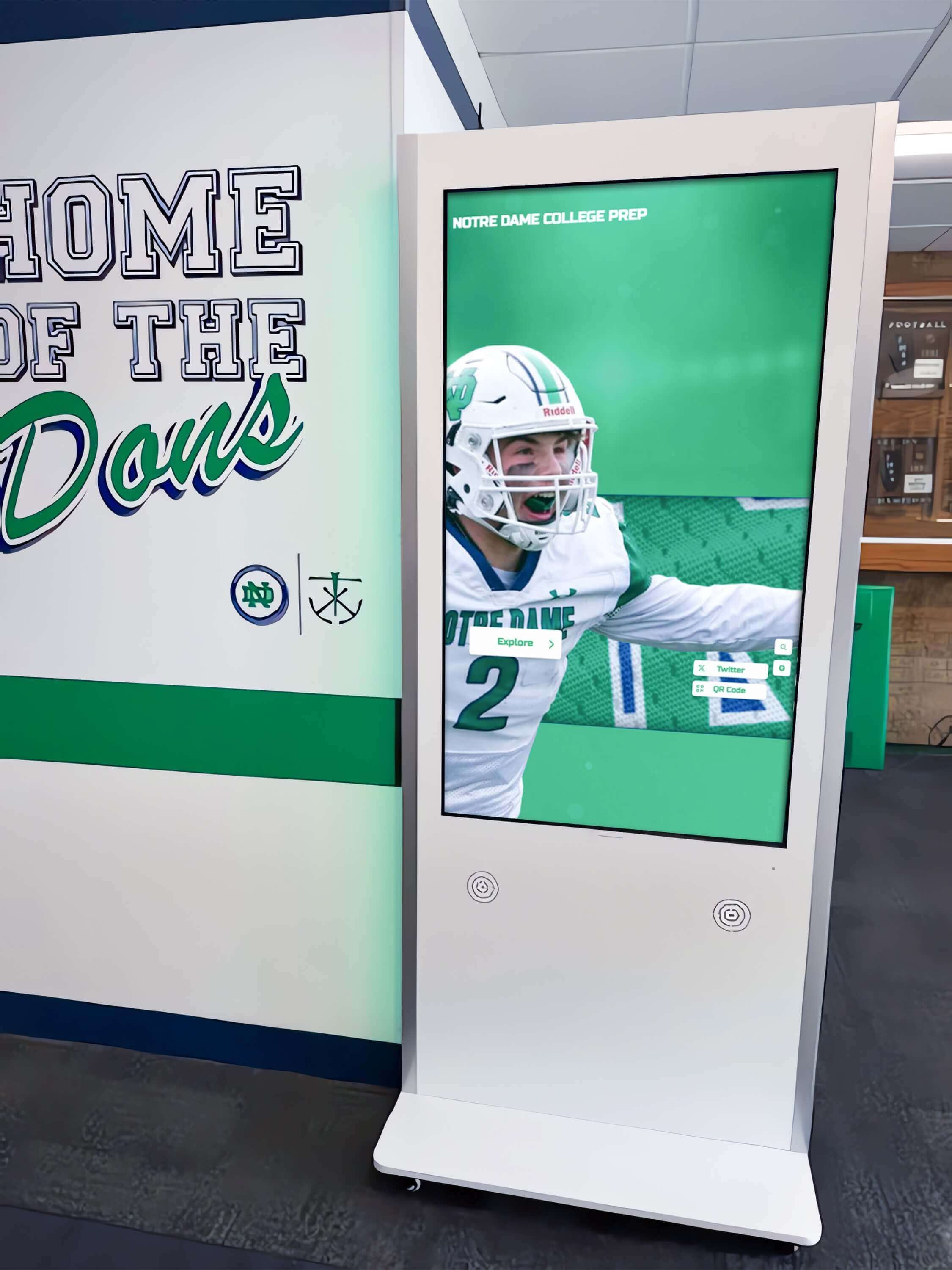
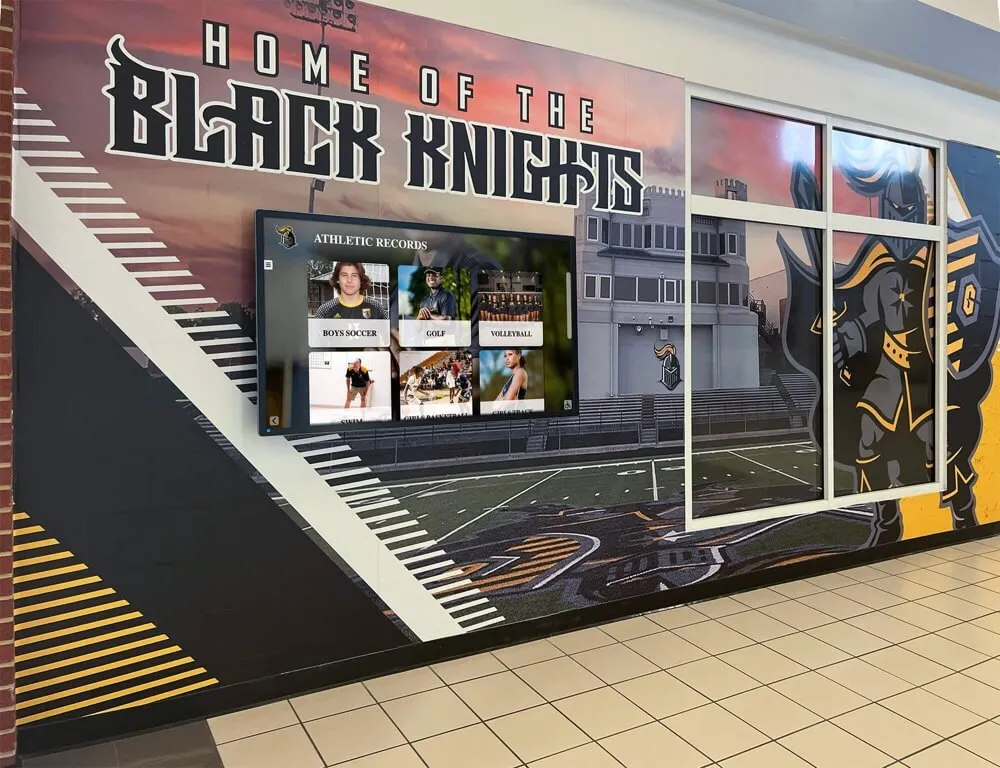
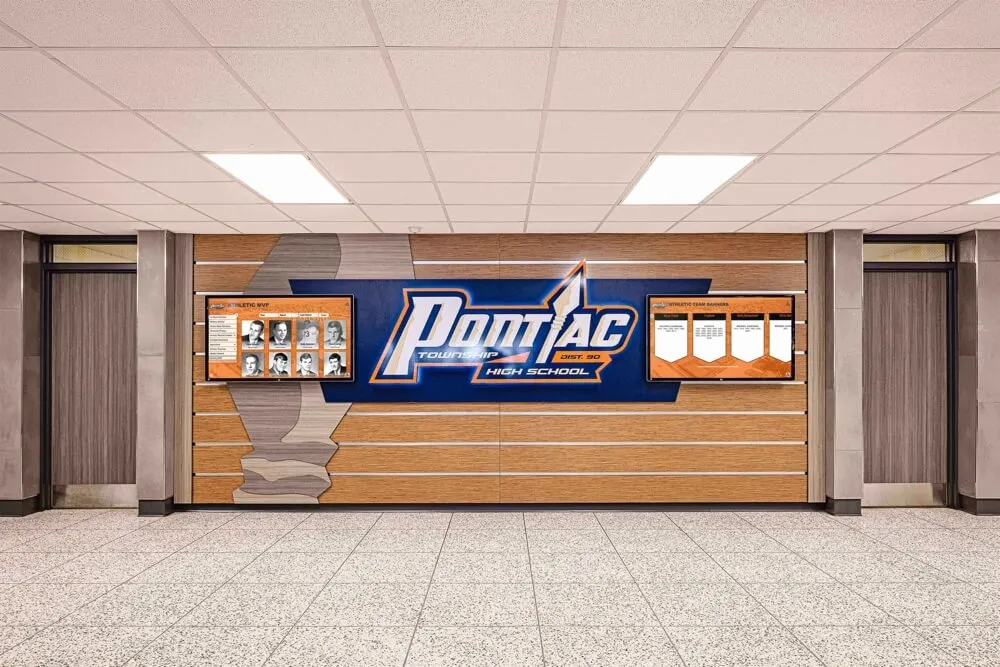
Strategic placement in high-traffic corridors ensures recognition reaches entire school populations beyond business education students alone
Strategic Display Placement and Multi-Location Implementation
Thoughtful location decisions maximize FBLA recognition visibility, engagement, and strategic impact throughout educational facilities.
Primary Recognition Locations
Consider high-visibility placements optimizing recognition effectiveness:
Business Education Department Spaces
Displays within business education classrooms and facilities provide:
- Constant visibility for students enrolled in business courses
- Context connecting classroom instruction to competitive excellence and career preparation
- Department identity reinforcement celebrating business education tradition and achievement
- Convenient access for advisers demonstrating program quality to prospective members and families
- Integration with other business education materials, projects, and displays
Business education department locations represent natural primary recognition placement for FBLA awards.
School Main Entrances and Commons
Strategic placement in broader institutional spaces delivers:
- Visibility to entire school population beyond business education students
- Recognition demonstrating business program excellence to administrators and community
- Recruitment visibility for students exploring career pathway options
- Equal prominence compared to athletic programs and other departments
- Community awareness building during evening events, parent conferences, and activities
Many successful programs maintain primary recognition in business education spaces supplemented by secondary displays in main school areas ensuring comprehensive visibility.
Career and Technical Education Centers
When business education operates within dedicated CTE facilities, recognition should feature in:
- CTE center lobbies welcoming visitors and prospective students
- Shared spaces where multiple career pathway students gather
- Career counseling areas supporting pathway exploration and post-secondary planning
- Business lab or classroom entrances connecting recognition to instructional spaces
These placements integrate FBLA recognition within comprehensive career and technical education environments.
Web-Based Recognition Extensions
Online platforms amplify recognition impact beyond physical campus boundaries.
Mobile and Desktop Access
Web-accessible recognition enables:
- Alumni worldwide exploring current program achievements and reminiscing about their own participation
- Prospective members and families researching business education quality from home
- Community business partners reviewing program excellence supporting partnership justification
- College admissions and scholarship evaluators accessing achievement documentation
- Extended family members celebrating student accomplishments from distant locations
Social Media Integration
Digital platforms support recognition promotion through:
- Automatic social sharing when achievements are added to recognition systems
- Visual content generation for chapter social media celebrating members
- Tagged posts enabling members to share accomplishments with personal networks
- Alumni engagement through historical achievement highlights and anniversary features
- Recruitment content showcasing competitive excellence and chapter vitality
This multi-channel distribution ensures FBLA recognition reaches diverse audiences impossible with campus-only physical displays.
Understanding comprehensive digital hall of fame design demonstrates approaches maximizing recognition visibility and engagement across physical and digital platforms simultaneously.
Alumni Engagement Through FBLA Recognition
Digital systems create powerful tools for maintaining connections with business education graduates pursuing diverse career pathways.
Alumni Discovery and Connection
Web-accessible recognition platforms enable lifelong engagement with FBLA and business education programs.
Accessible Achievement Archives
Online recognition allows former members to:
- Locate their own FBLA achievements years or decades after graduation
- Share competitive event victories and Business Achievement Awards with their own families
- Explore classmate accomplishments and remember shared conference experiences
- Discover current program developments and recent competitive successes
- Maintain emotional connections to formative business education experiences
This accessibility extends recognition impact far beyond current members, engaging complete FBLA communities including graduates living throughout the country and world.
Alumni Database Development
Comprehensive recognition platforms naturally create valuable alumni databases including:
- Graduate names and years spanning complete program history
- Business career pathway information demonstrating education effectiveness
- Professional accomplishments showing long-term member success
- Contact information when alumni choose to maintain connections
- Continued business involvement illustrating career preparation impact
These databases support advisory committee recruitment, guest speaker identification, mentorship program development, scholarship establishment, and fundraising campaigns by providing systematic documentation of FBLA alumni and their professional achievements demonstrating business education return on investment.
Alumni Contribution Opportunities
Recognition systems create structured approaches for graduate participation supporting current programs.
Career Pathway Showcases
Invite alumni to contribute professional updates including:
- Current career positions and business accomplishments since graduation
- Educational achievements demonstrating post-secondary success
- Entrepreneurship ventures and business ownership experiences
- Community business leadership and professional organization involvement
- Reflections about how FBLA participation influenced career direction and professional success
These contributions create inspirational content for current members while maintaining meaningful connections between programs and graduates.
Mentorship and Professional Development
Alumni recognition enables structured mentorship including:
- Business career mentorship connecting current members with professionals in specific industries
- College and university guidance from alumni at institutions current members are considering
- Interview and resume review support from professionals in recruiting and human resources
- Entrepreneurship advice from alumni who founded businesses or manage ventures
- Guest speaker opportunities for alumni presenting about business careers and pathways
These connections demonstrate immediate practical value of FBLA participation while strengthening alumni engagement with programs and current member cohorts.
Insights on alumni where are they now spotlight approaches demonstrate strategies applicable to FBLA contexts, showing how systematic alumni celebration maintains organizational connections across generations.
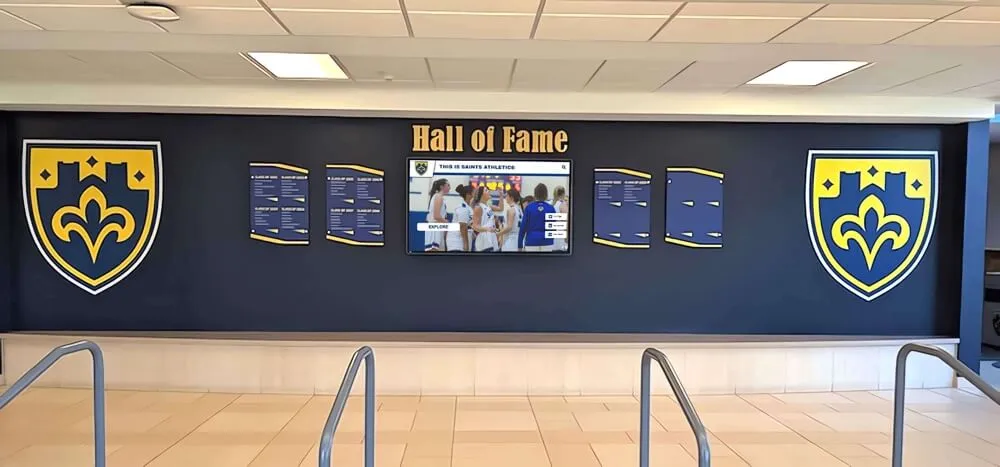
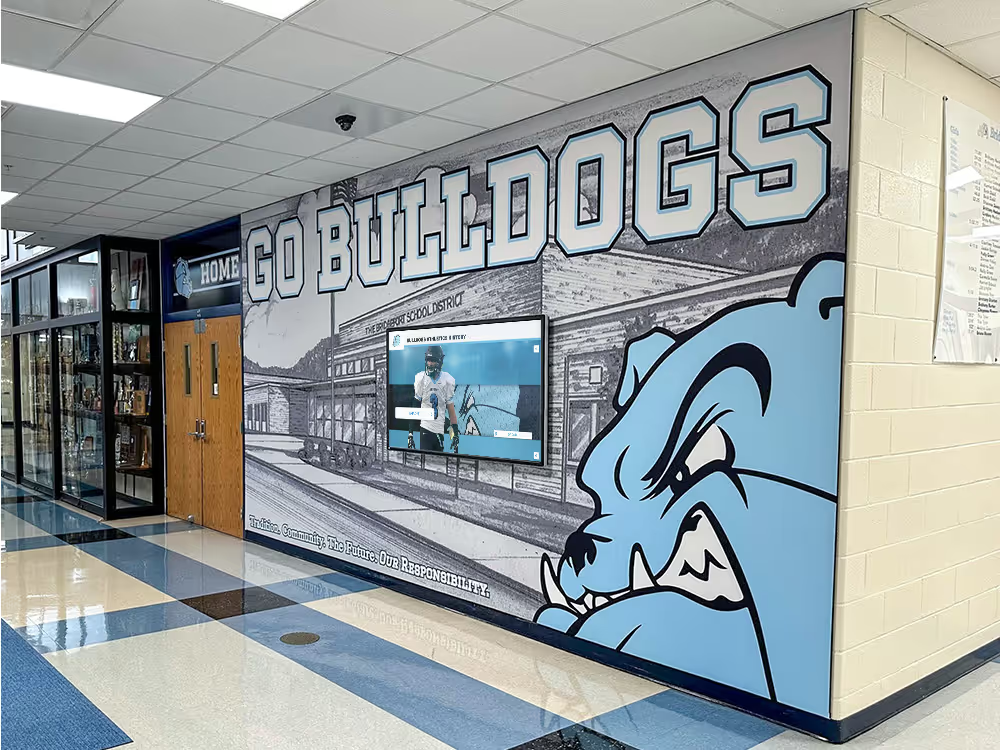
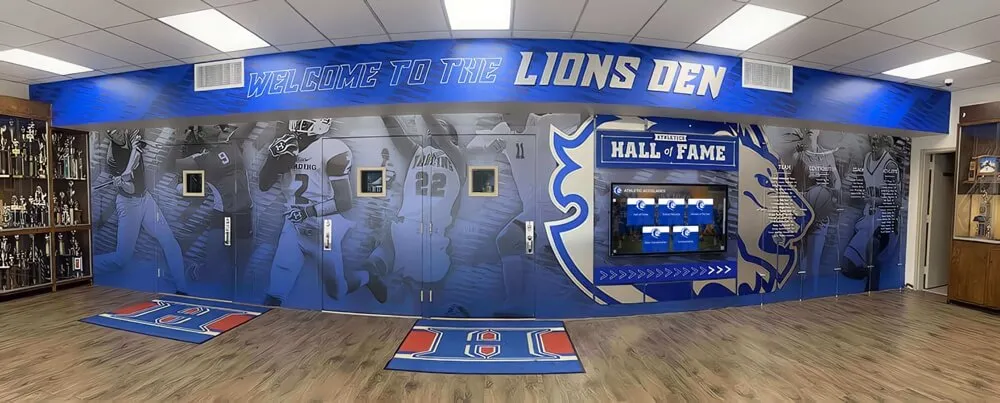
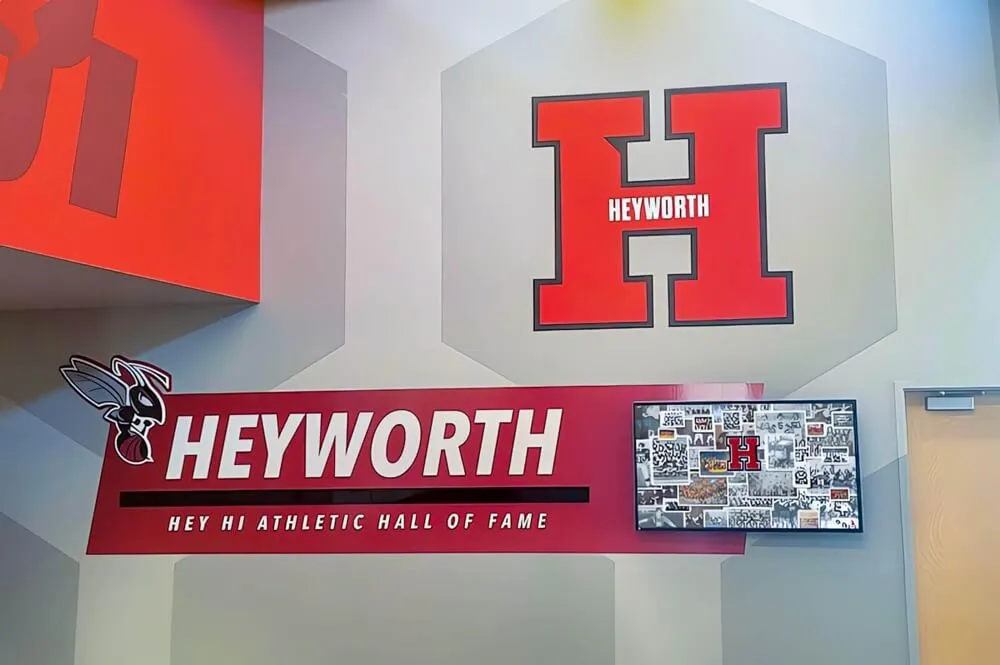
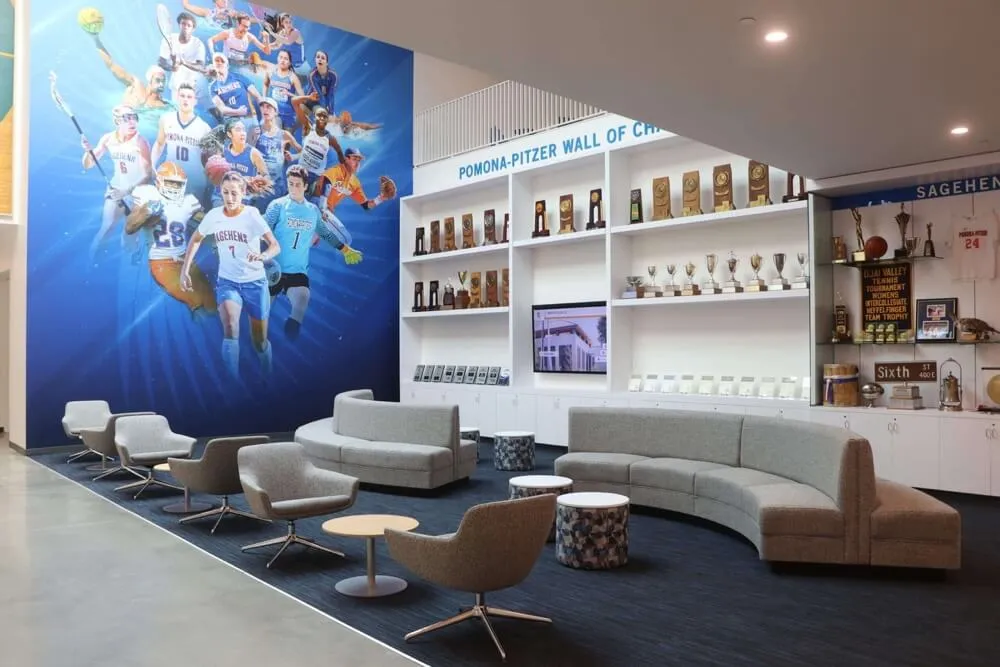
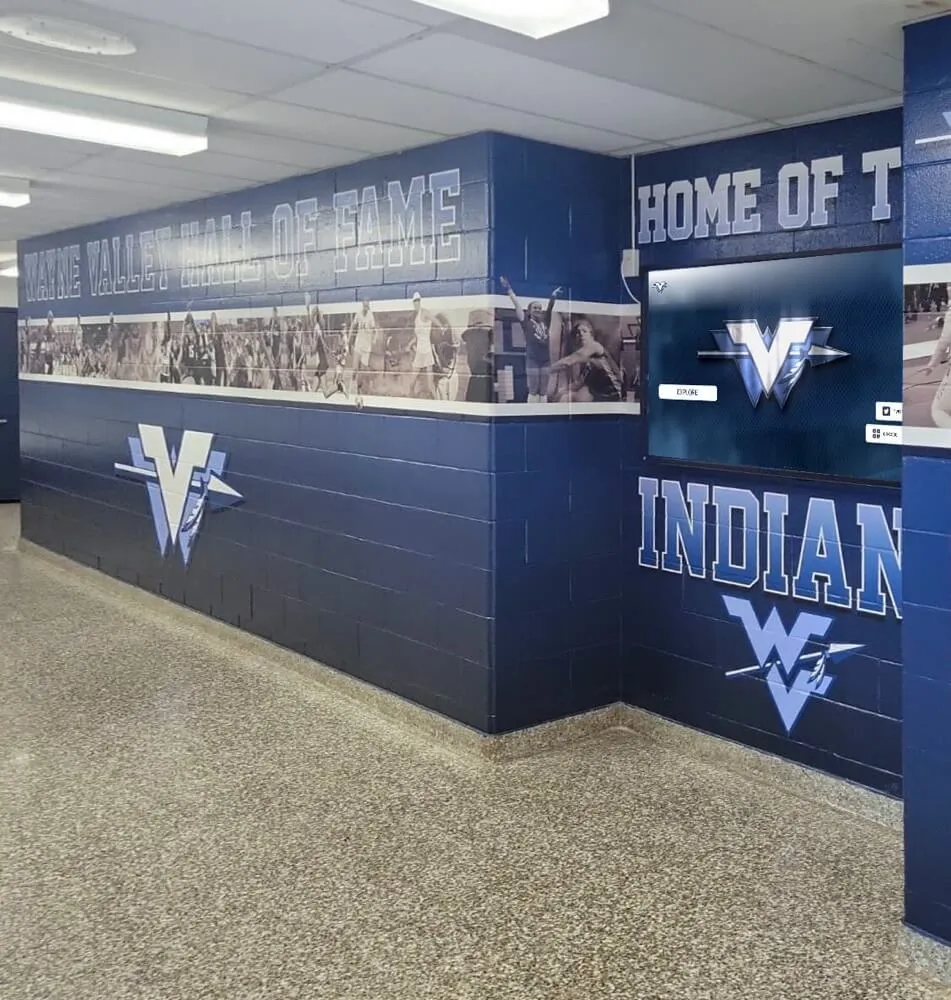
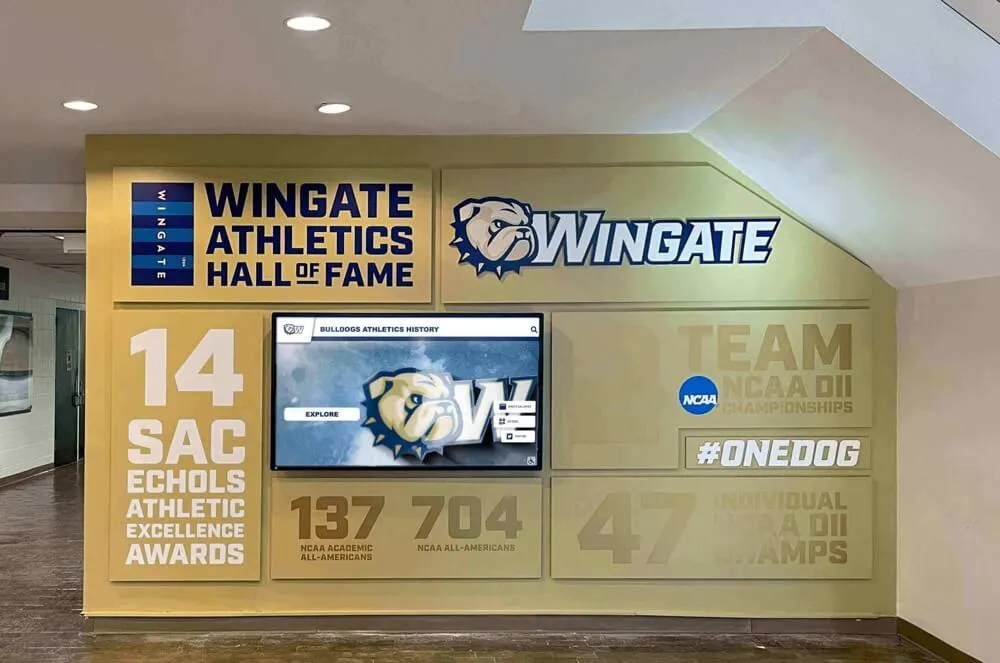
Blending traditional physical recognition with modern digital components creates comprehensive celebration environments honoring heritage while embracing innovation
Measuring Recognition Impact and Program Value
Evaluate FBLA recognition effectiveness through multiple assessment approaches demonstrating return on investment.
Quantitative Success Metrics
Digital platforms provide data proving recognition program value:
Usage and Engagement Analytics
Track recognition impact through:
- Total interactions and viewing sessions demonstrating display utilization
- Average engagement duration showing depth of content exploration
- Most-viewed achievement categories revealing community interests
- Search pattern analysis indicating discovery approaches
- Peak usage times informing optimal content rotation schedules
- Geographic access data when web platforms serve remote audiences
These metrics demonstrate recognition value to school administrators, advisory committees, and funding sources while informing continuous improvement based on actual usage patterns.
Program Outcome Correlations
Assess whether recognition correlates with broader business education goals:
- FBLA membership enrollment trends following recognition implementation
- Competitive event participation rates and qualification progression
- Business Achievement Award completion rates at all levels
- Business education course enrollment patterns
- Career pathway selection aligned with business education
- Alumni engagement measured through contact, donations, or program involvement
While correlation doesn’t prove causation, positive trends following recognition implementation suggest value beyond simple achievement celebration.
Qualitative Assessment and Stakeholder Feedback
Complement quantitative data with stakeholder perspectives ensuring programs serve authentic needs.
Stakeholder Satisfaction Surveys
Regularly gather input from:
- Current FBLA members about recognition’s motivational value and program pride
- Alumni regarding connection maintenance and ongoing engagement
- Parents about visibility of student business education accomplishments
- School administrators concerning program quality demonstration and resource justification
- Advisory committee members representing business community perspectives
- Business education instructors about content management efficiency and system value
Direct stakeholder feedback ensures recognition serves actual community needs rather than simply implementing technology without ongoing value demonstration.
Program Advocacy and Support
Assess whether recognition strengthens business education advocacy:
- Administrative support for program resources, facilities, and staffing
- School board and community understanding of business education value and career preparation effectiveness
- Business community partnership development and financial support
- Parent organization engagement and fundraising success
- Media coverage highlighting business education excellence and student achievement
- Student recruitment from diverse backgrounds and career interests
These advocacy outcomes demonstrate recognition’s strategic value extending beyond achievement celebration to supporting comprehensive program sustainability, growth, and community support essential for long-term success.
Conclusion: Building Business Education Legacy Through FBLA Recognition
FBLA awards recognition represents far more than trophy display—it creates visible testament to business education’s career preparation value, celebrates student dedication and competitive excellence, demonstrates program quality to diverse stakeholders, maintains connections with business education alumni, and builds organizational traditions strengthening FBLA chapters across generations. Digital display solutions enable business education programs of all sizes to honor achievements comprehensively while creating engagement opportunities impossible with traditional recognition approaches.
From unlimited recognition capacity and rich multimedia documentation to accessible alumni engagement and strategic recruitment support, modern digital displays transform how business education programs celebrate FBLA excellence. These systems serve multiple strategic purposes simultaneously—motivating current members toward competitive participation and Business Achievement Award progression, demonstrating program value to administrators and community, maintaining alumni connections supporting mentorship and support, attracting prospective members exploring career pathways, and building community recognition essential for program sustainability.
Transform Your FBLA Awards Recognition
Discover how comprehensive digital recognition solutions enable your business education program to celebrate competitive excellence, Business Achievement Awards, chapter accomplishments, and alumni success while building traditions inspiring generations of future business leaders.
Explore Recognition Solutions for Business EducationWhether your business education program implements comprehensive recognition systems or enhances existing displays with digital components, the key lies in systematic celebration honoring every achievement, documenting complete organizational history, and creating accessible engagement for diverse stakeholders. Begin where you are with improvements you can implement immediately, then systematically build toward comprehensive recognition systems your FBLA chapter and business education community deserves.
Your FBLA awards matter—they represent countless hours of competition preparation, demonstrate business education’s effectiveness in career readiness, showcase student dedication to professional excellence, and create traditions connecting generations of business education participants. With thoughtful planning, appropriate technology solutions like Rocket Alumni Solutions, and sustained commitment to comprehensive recognition, business education programs can create celebration systems honoring achievement while building community and demonstrating program value for decades to come.
Ready to transform how your business education program celebrates FBLA excellence? Explore how touchscreen software supports recognition programs across educational contexts. Learn about CTE program digital recognition demonstrating career and technical education value. Consider strategies for showcasing academic excellence that position business education as integral to comprehensive educational mission serving all students.