



Understanding football defensive schemes represents essential knowledge for coaches developing competitive programs, players seeking position-specific mastery, and fans analyzing strategic decisions that determine game outcomes. While casual observers may notice only whether defenses stop opponents or surrender yards, defensive coordinators orchestrate complex strategic systems involving personnel groupings, gap responsibilities, coverage concepts, and situational adjustments that evolve throughout every game.
The most successful defensive programs don’t simply run one base scheme—they build hybrid systems adapting foundational concepts like the 4-3 defense, 3-4 defense, and nickel defense to opponent tendencies, personnel strengths, and specific game situations. Championship-level defenses seamlessly transition between multiple fronts, disguise coverage intentions through pre-snap movement, and create confusion through strategic flexibility that prevents offensive coordinators from establishing predictable attack patterns.
This comprehensive guide examines the fundamental principles, personnel requirements, strategic advantages, and situational applications of football’s core defensive schemes. Whether you’re a coach implementing a defensive system, a player learning positional responsibilities, or a program administrator documenting championship traditions, understanding these strategic frameworks provides crucial insights into what separates elite defenses from average units across all competitive levels from youth football through professional programs.
Modern defensive evolution reflects offensive innovation—as spread offenses, tempo attacks, and passing-focused strategies have transformed offensive football, defensive schemes have adapted through hybrid personnel packages, position-less defenders combining multiple skill sets, and strategic versatility allowing single-game deployment of multiple base concepts rather than rigid adherence to one system throughout seasons.

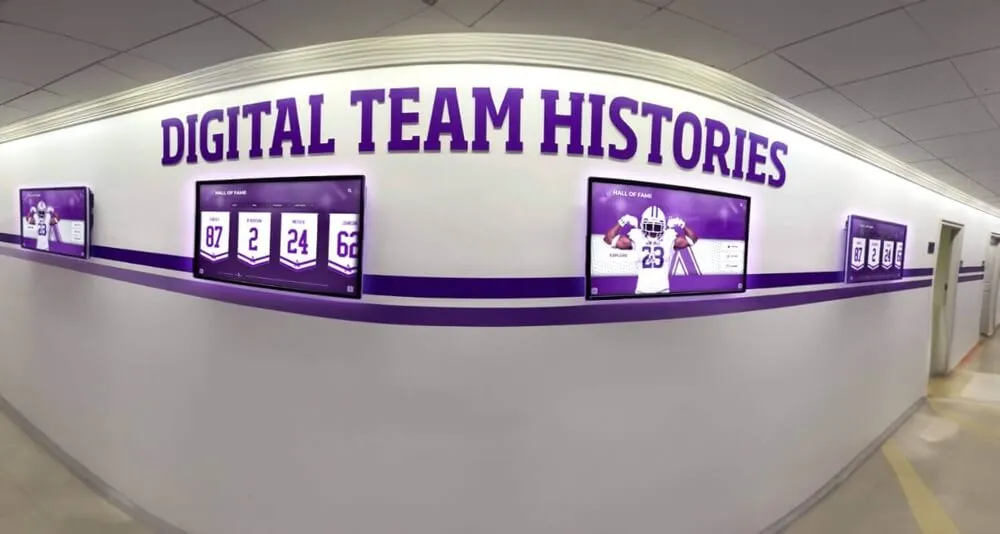
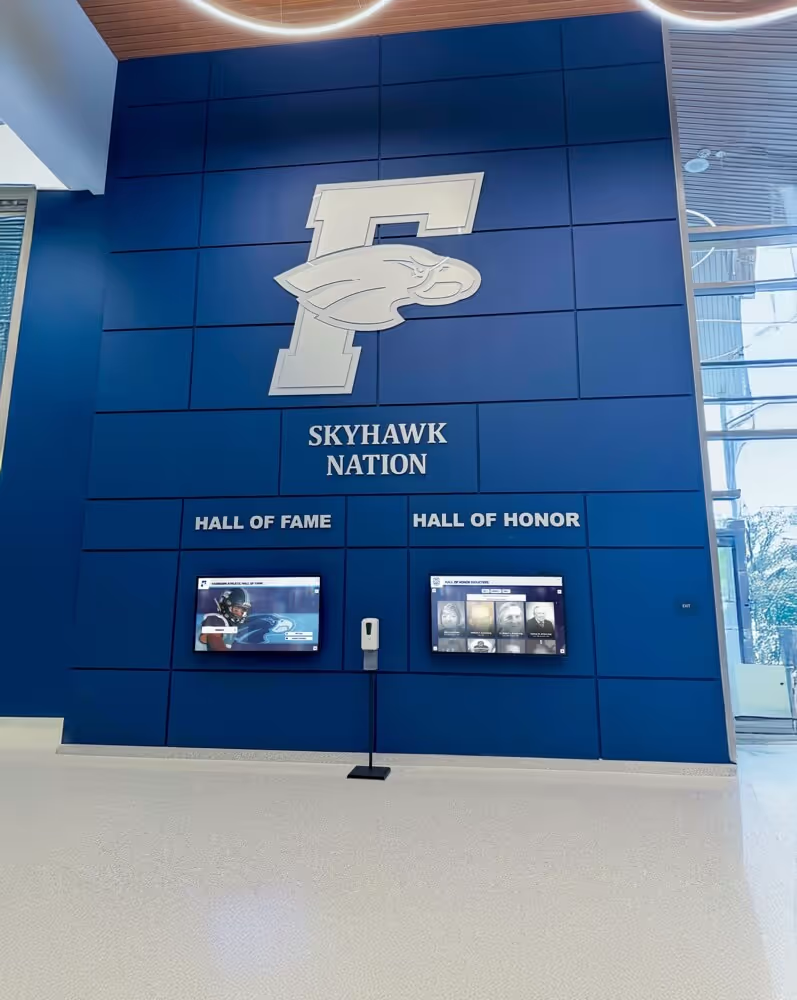
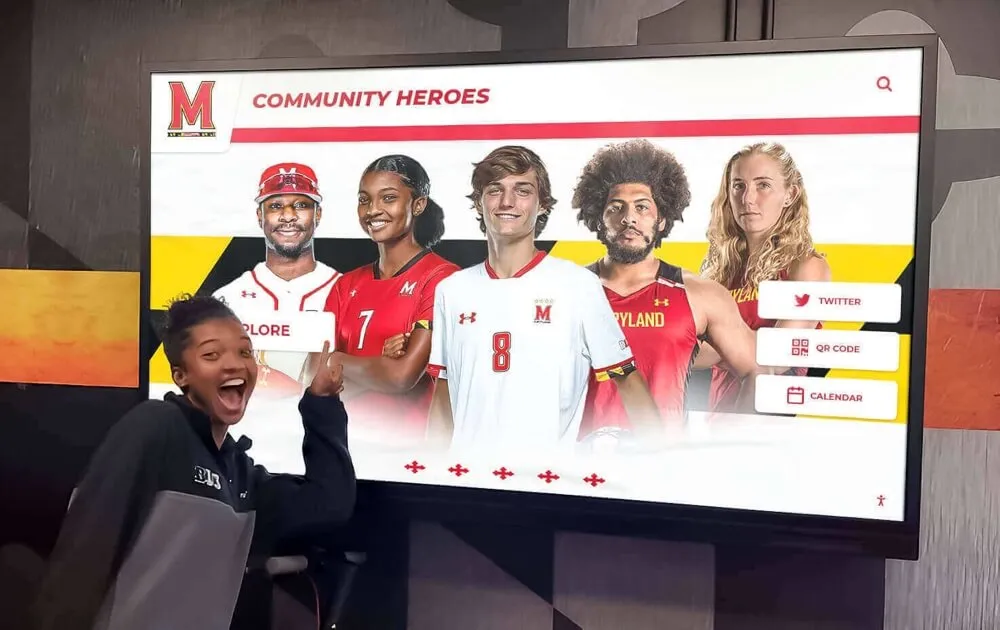
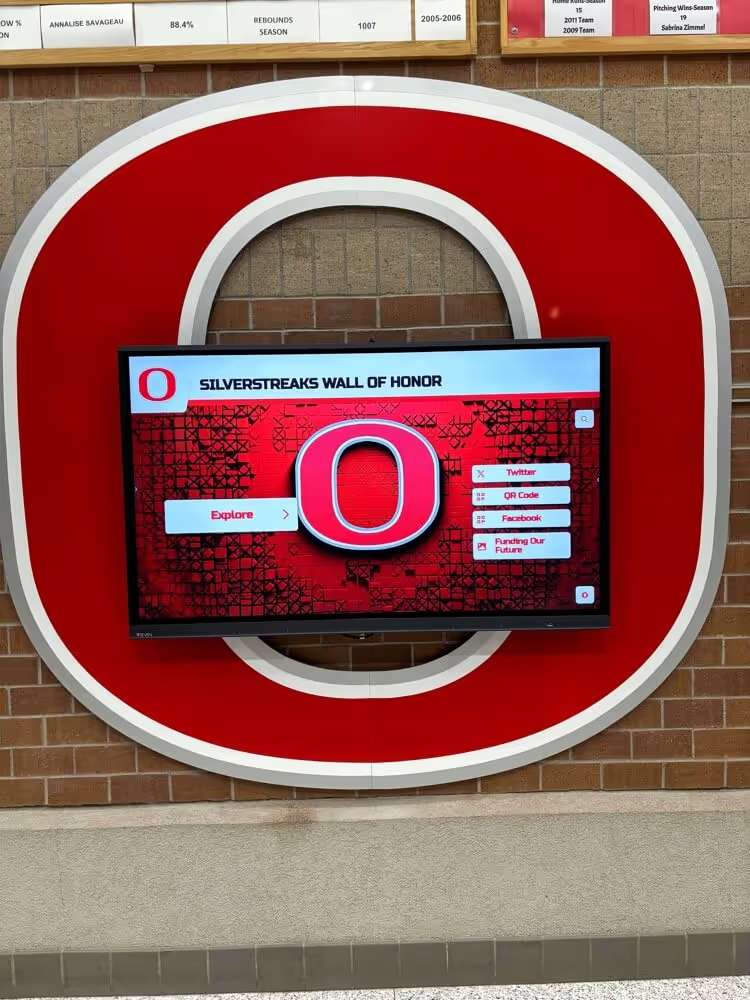
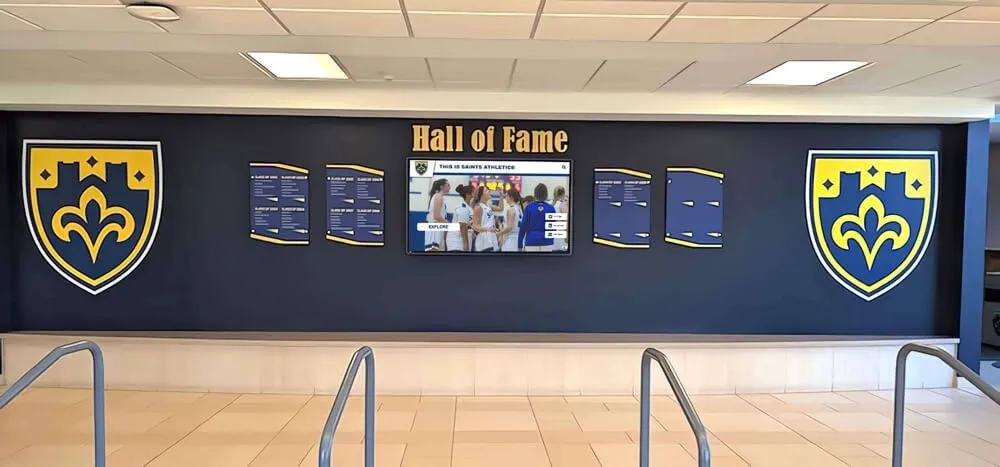
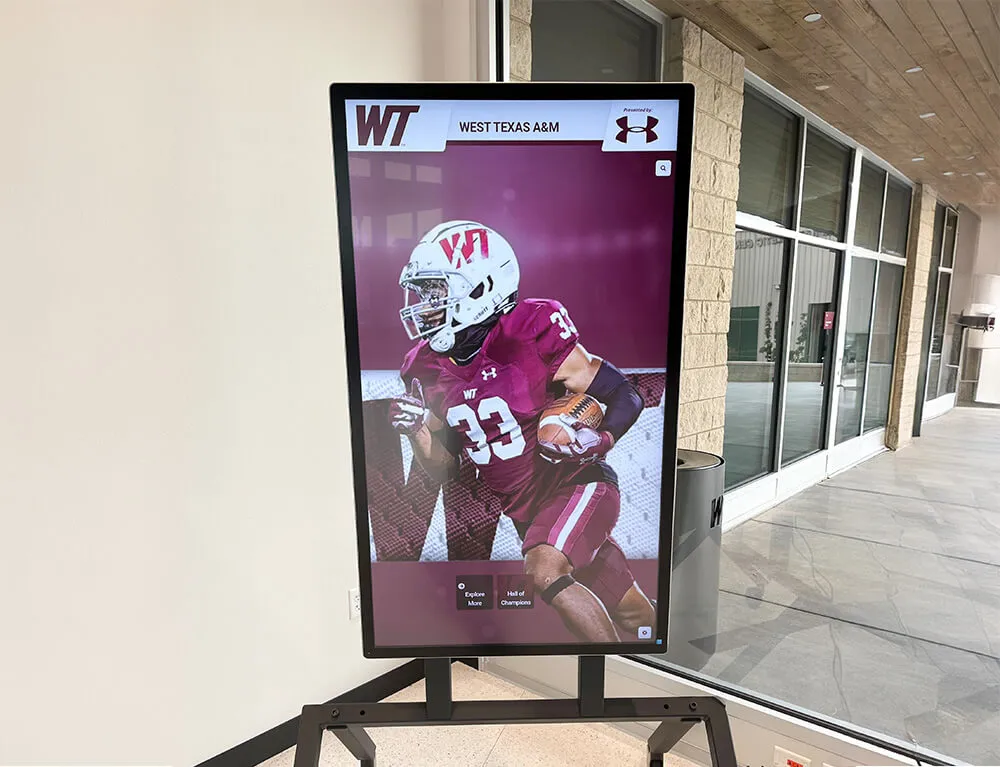
Championship football programs preserve defensive excellence through comprehensive recognition displays documenting scheme evolution and defensive achievements across program history
The 4-3 Defense: Traditional Power and Gap Control
The 4-3 defense represents football’s most traditional defensive scheme, fielding four down linemen and three linebackers as the base personnel grouping that dominated professional and college football for decades.
Basic Structure and Personnel Requirements
The 4-3 alignment positions four defensive linemen across the line of scrimmage—two defensive ends and two defensive tackles—creating natural gap responsibility while three linebackers flow to the football from second-level positions. This creates a defense optimized for stopping traditional run-heavy offenses through size, strength, and gap integrity.
Defensive Line Roles
Defensive ends in 4-3 systems typically measure 6'3" to 6'5" and weigh 250-280 pounds, combining edge-setting run defense with pass-rushing explosiveness. Their primary responsibilities include containing outside runs preventing ball carriers from reaching the perimeter, winning one-on-one pass-rush matchups against offensive tackles, and setting edges forcing running plays back inside toward pursuing teammates.
Defensive tackles require different skill sets based on specific technique assignments. The “three-technique” tackle aligns on the outside shoulder of the offensive guard, attacking upfield gaps to disrupt running plays and generate interior pass rush. This position demands explosive first-step quickness, hand technique to defeat blocks, and relentless motor pursuing ball carriers. The “one-technique” or nose tackle aligns directly over the center or offensive guard’s inside shoulder, occupying blockers to keep linebackers free for tackling opportunities while providing run-gap integrity.
Elite 4-3 defensive lines like those developed by legendary coaches feature four players capable of winning individual matchups without requiring constant scheme help—creating defensive flexibility where coordinators can drop seven defenders into coverage confident the front four will pressure quarterbacks and control run gaps.
Linebacker Composition
The 4-3 linebacker corps includes one middle linebacker (MIKE) flanked by two outside linebackers—the strongside (SAM) and weakside (WILL) positions.
The middle linebacker serves as the defensive quarterback, making pre-snap adjustments based on offensive formations, identifying run-pass keys, and flowing to ball carriers through gaps cleared by defensive linemen. Championship-caliber middle linebackers combine instinctive play recognition with tackling consistency, allowing defensive systems to function properly even when opponents create blocking advantages.
The SAM linebacker typically aligns toward the offense’s tight end side, requiring size and strength to defeat blocks from tight ends and fullbacks while maintaining outside-run containment. The WILL linebacker operates from the weakside, emphasizing speed and pursuit angles to chase running plays from backside pursuit or drop into coverage against passing attacks.
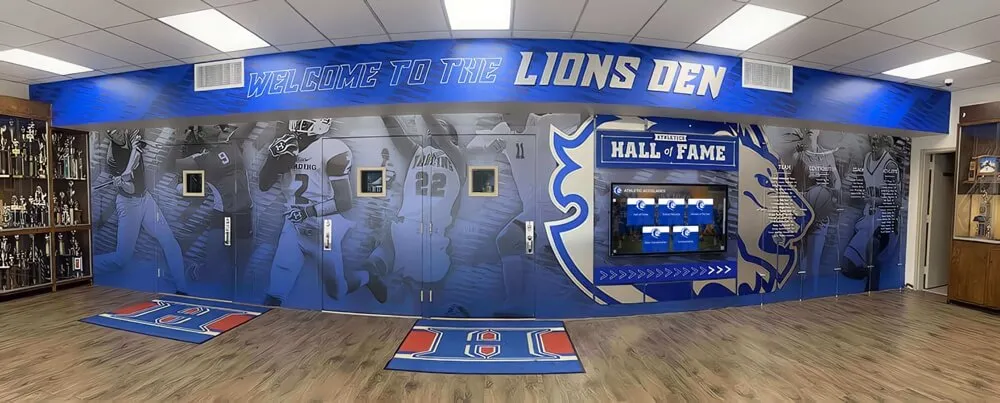
Programs celebrating defensive excellence through comprehensive recognition often document the evolution of these position requirements as scheme philosophies shift over program history.

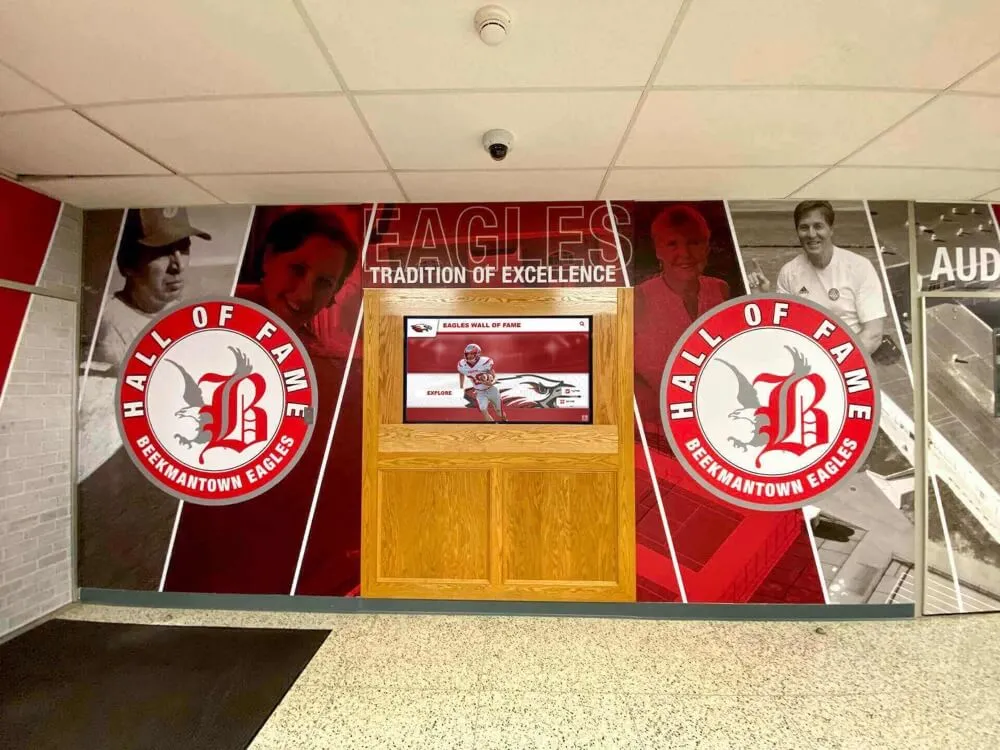
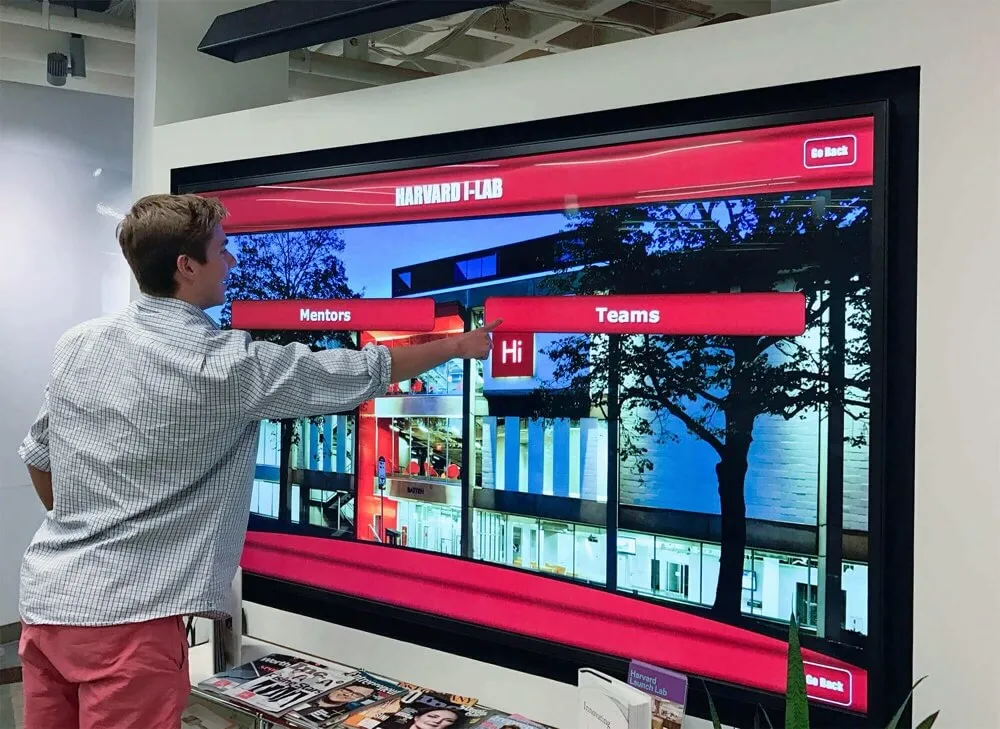
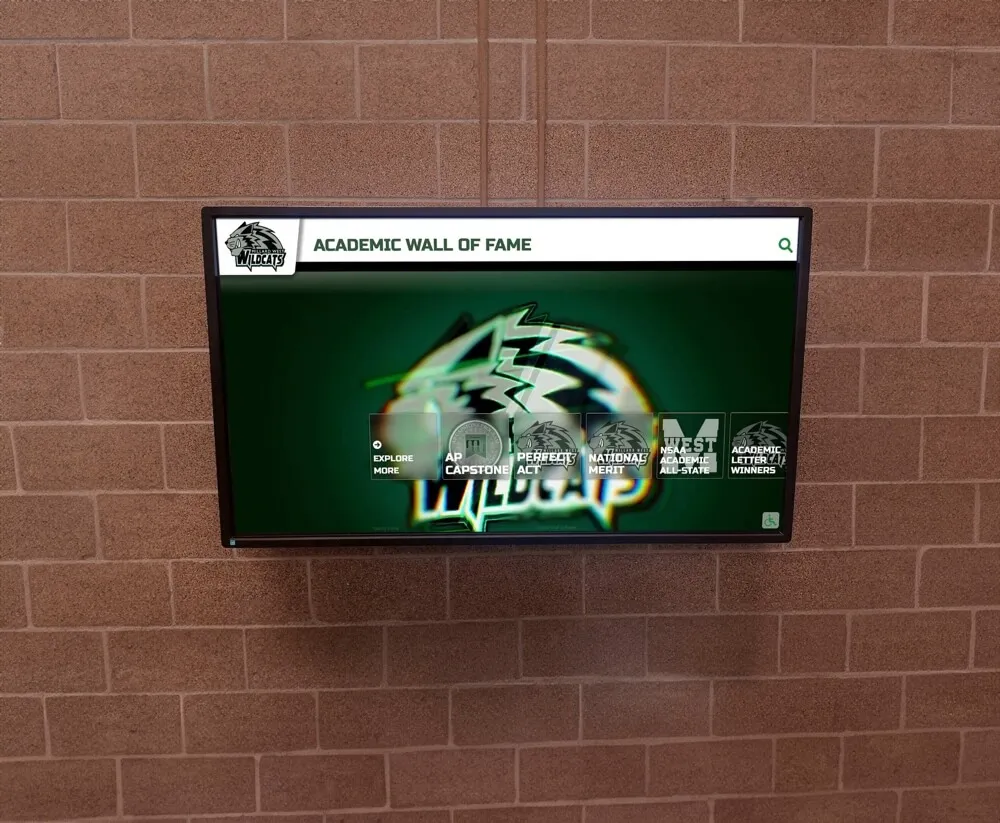
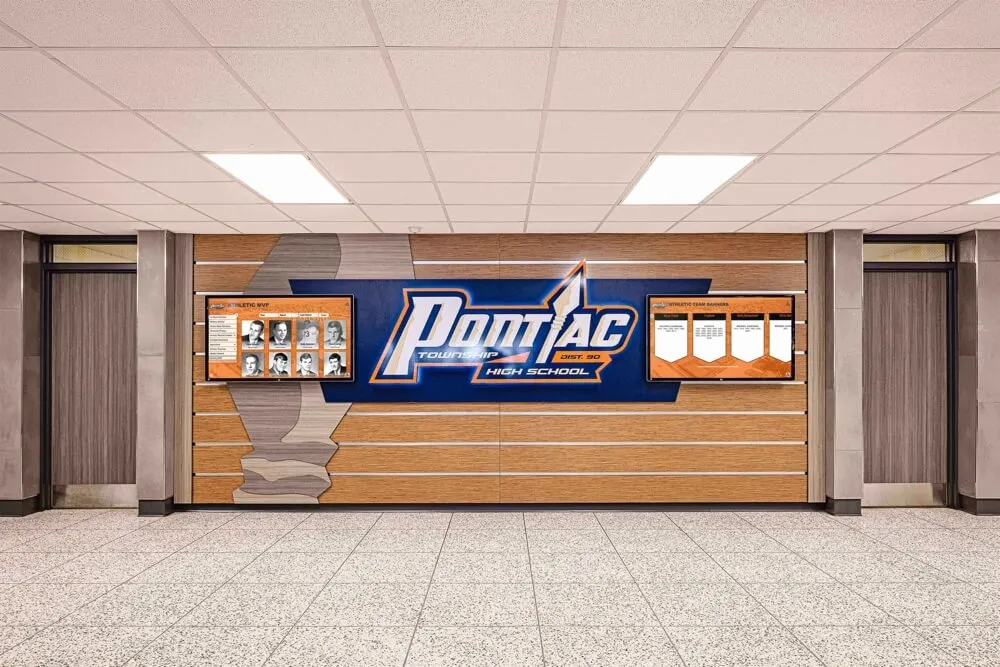
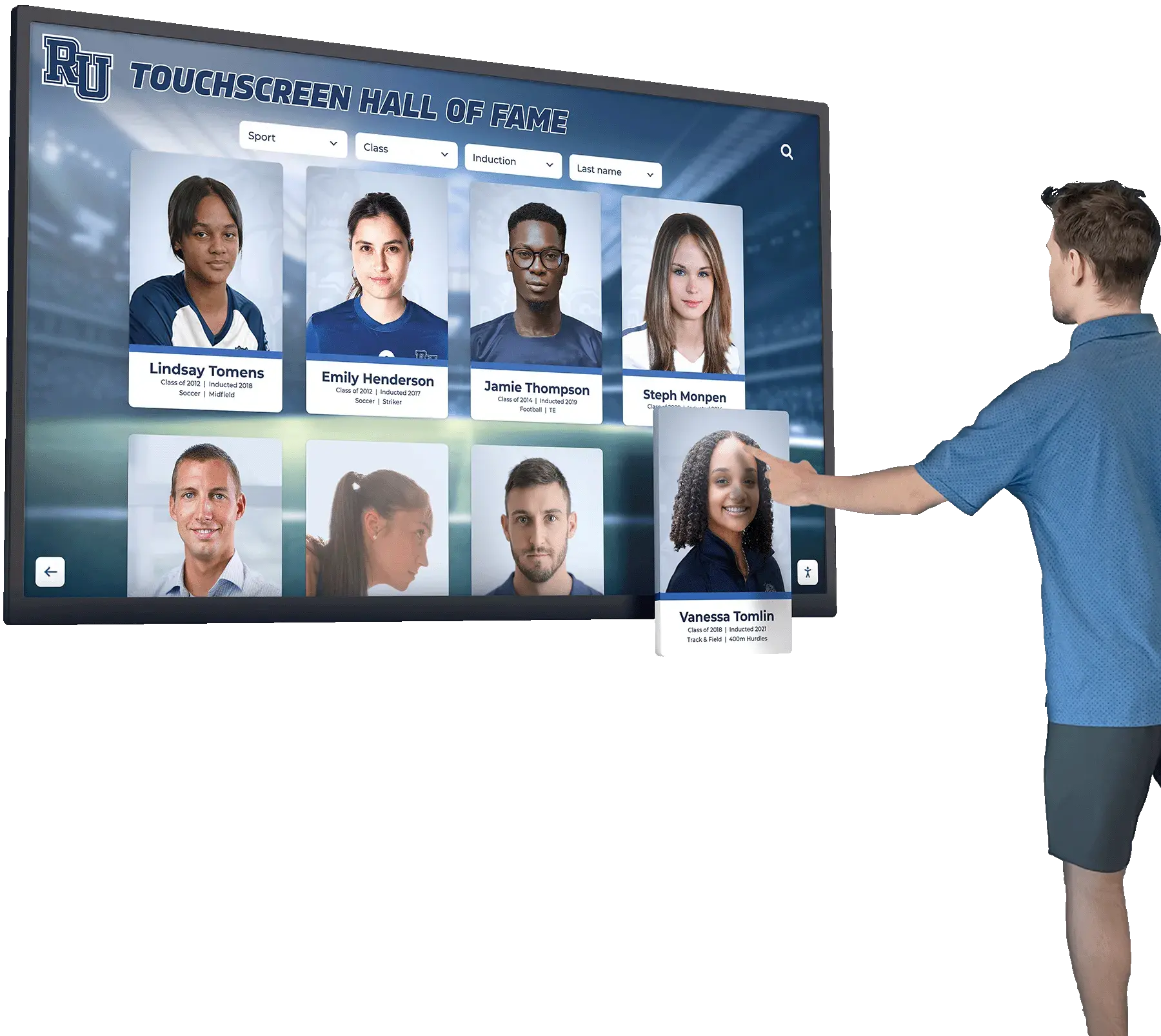
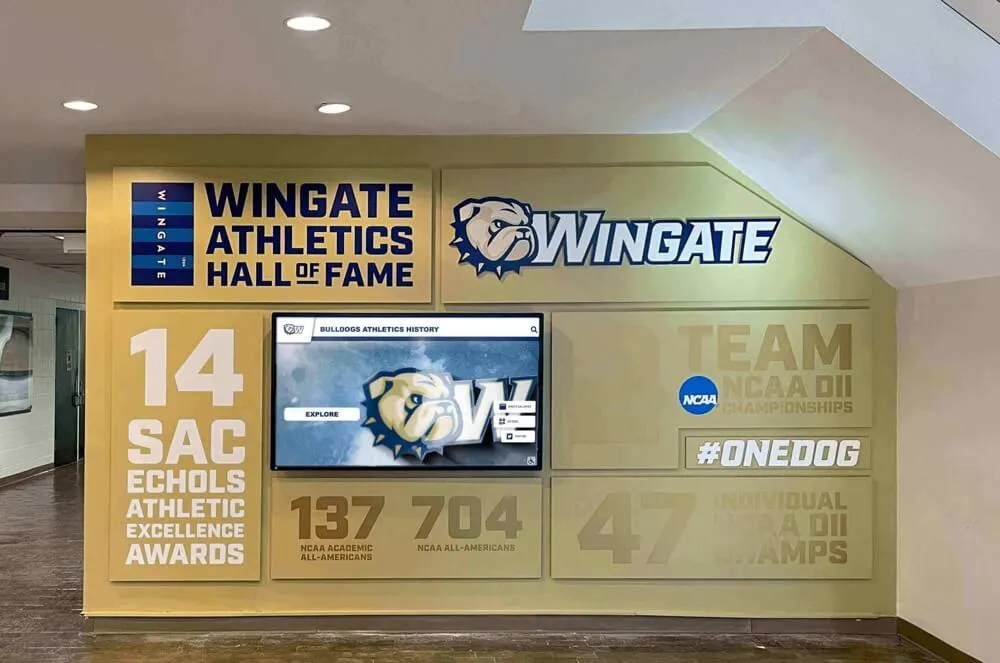
Modern athletic programs utilize digital displays to showcase position-specific excellence and scheme innovations that defined championship defenses
Strategic Advantages of 4-3 Schemes
The 4-3 defense offers specific strategic advantages making it ideal for certain personnel groups and competitive situations.
Gap Integrity and Run Defense
Four down linemen create natural gap responsibility with each defender accountable for specific rushing lanes. This systematic approach simplifies run defense—when each player wins his individual gap, running plays gain minimal yardage regardless of opponent scheme complexity.
Traditional power-running offenses featuring tight formations with multiple tight ends and fullbacks struggle against disciplined 4-3 fronts because blockers cannot create natural numerical advantages at the point of attack. The four-man front matches personnel strength for strength, preventing offenses from overwhelming defenders through sheer mass.
Pass Rush with Four Defenders
Elite 4-3 defenses generate consistent quarterback pressure rushing only four defenders, allowing seven players to drop into coverage. This fundamental advantage—pressuring quarterbacks while maintaining coverage numbers—represents the holy grail of defensive football.
When defensive ends win outside rush matchups and the three-technique tackles collapse interior pockets, quarterbacks face pressure from multiple angles without defenses needing to blitz linebackers or defensive backs. This allows coordinators to play more conservative coverage schemes like Cover 2 defense while still generating negative plays.
Programs can showcase this strategic evolution through championship recognition displays that document how dominant defensive lines defined championship seasons.
Linebacker Flow and Pursuit
Three linebackers positioned behind four down linemen enjoy clean sight lines to backfields, allowing superior play recognition and pursuit angles. When defensive linemen properly occupy offensive blockers, linebackers flow unimpeded to ball carriers, creating the classic “run to daylight” pursuit that defines great run defenses.
This schematic clarity also simplifies linebacker coaching—responsibilities remain consistent regardless of offensive formations, allowing younger players to execute assignments confidently without complex pre-snap adjustments.
Situational Applications and Weaknesses
Despite its advantages, the 4-3 defense faces specific challenges against modern offensive systems.
Vulnerability to Spread Formations
When offenses spread formations horizontally using four or five wide receivers, 4-3 defenses face difficult personnel decisions. Traditional SAM linebackers weighing 240-250 pounds struggle covering slot receivers in space, creating natural matchup advantages for offenses.
Most 4-3 teams substitute nickel personnel (replacing a linebacker with an additional defensive back) against spread formations, but this transition fundamentally changes gap responsibilities and run-defense capabilities. Offenses exploiting this vulnerability through tempo—quickly snapping balls before substitutions complete—create strategic stress forcing defenses to choose between maintaining run-defense personnel against pass formations or vice versa.
Defensive End Demands
The 4-3 scheme places enormous pressure on defensive end talent—these players must set edges against running plays, rush the passer effectively, and occasionally drop into coverage. Finding athletes combining the size to set run edges with the explosiveness to win pass-rush matchups represents one of football’s greatest talent evaluation challenges.
Programs lacking elite defensive end talent often struggle generating consistent pressure, forcing coordinators into more aggressive blitzing strategies that compromise coverage and create explosive-play vulnerability.
Size Requirements
Traditional 4-3 defenses require specific body types—particularly at defensive tackle and SAM linebacker. Smaller programs or youth leagues struggling to find players meeting these size parameters may find 4-3 schemes difficult to execute properly, leading many to explore alternative systems better matching available personnel.
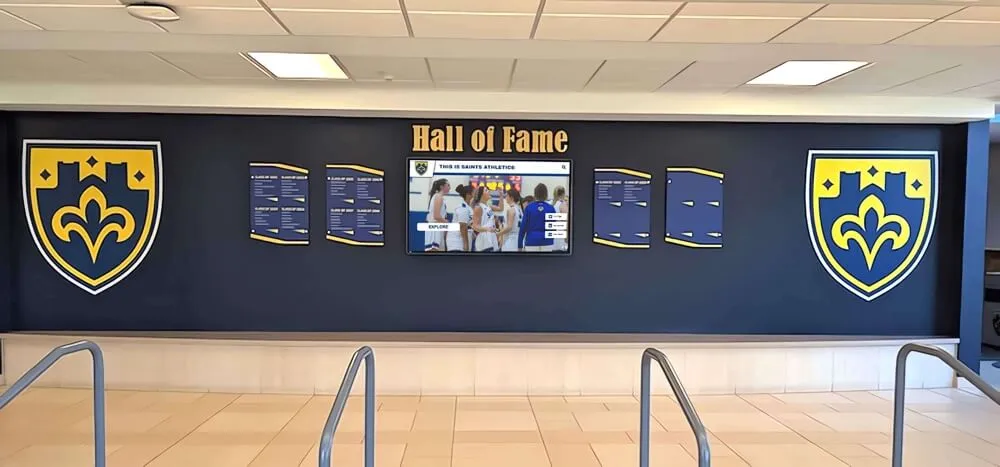
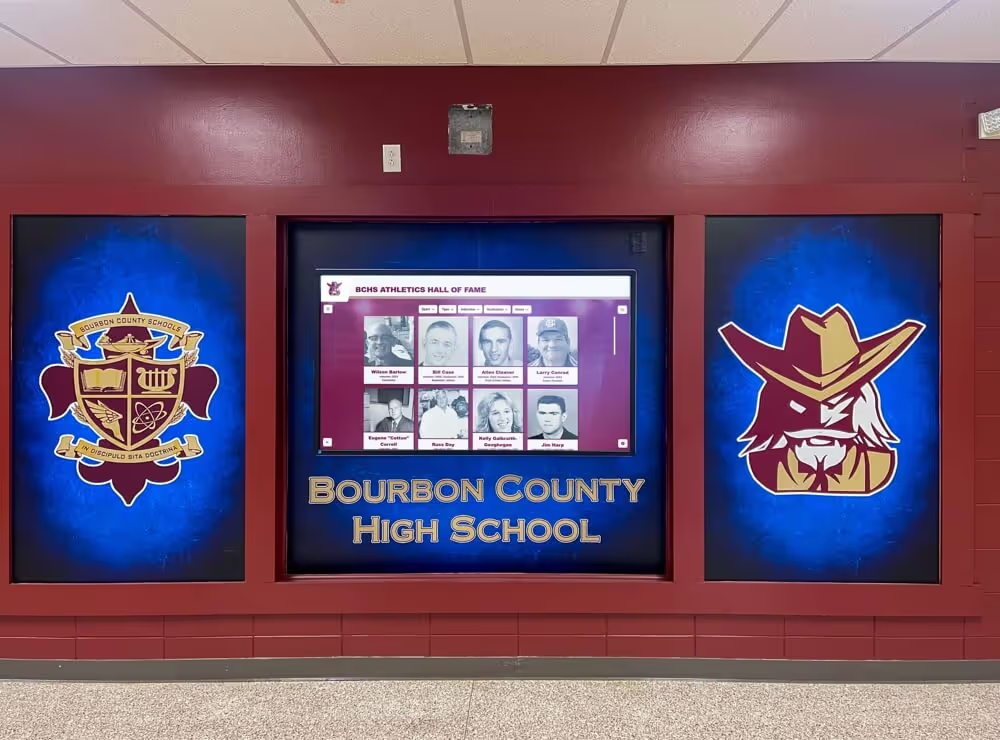
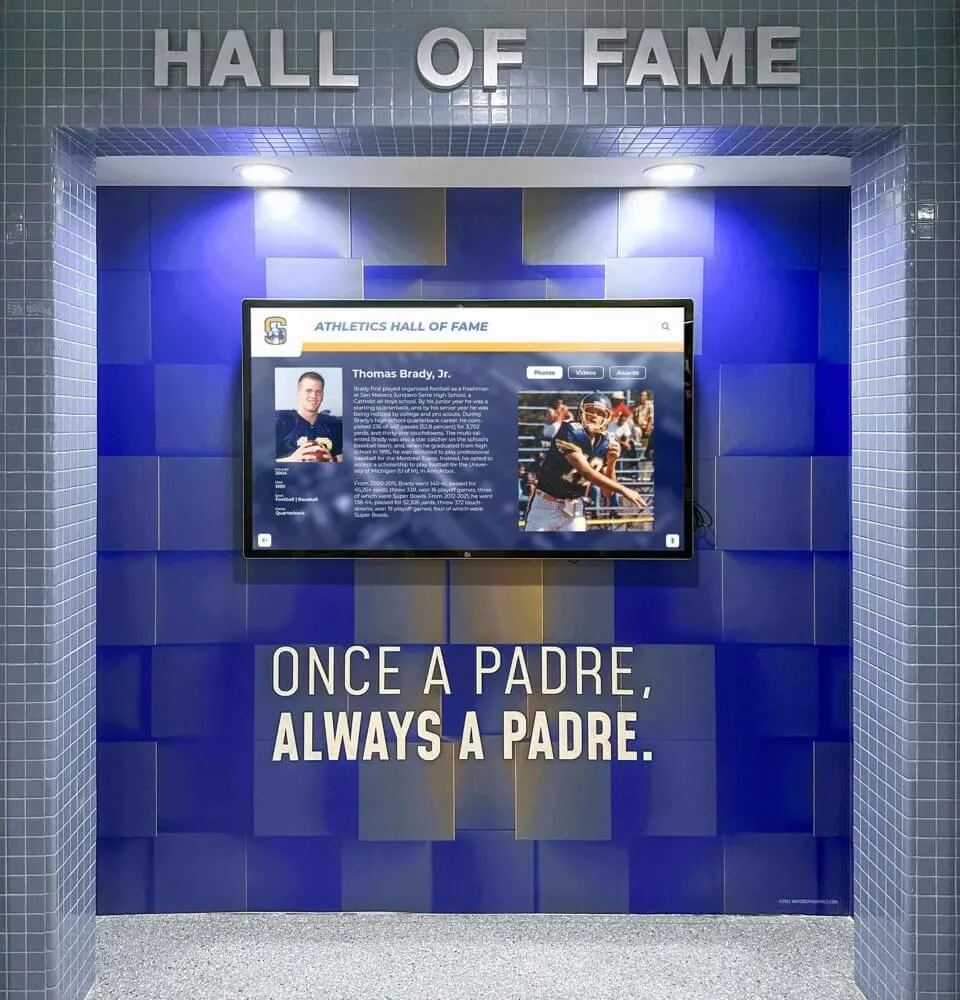
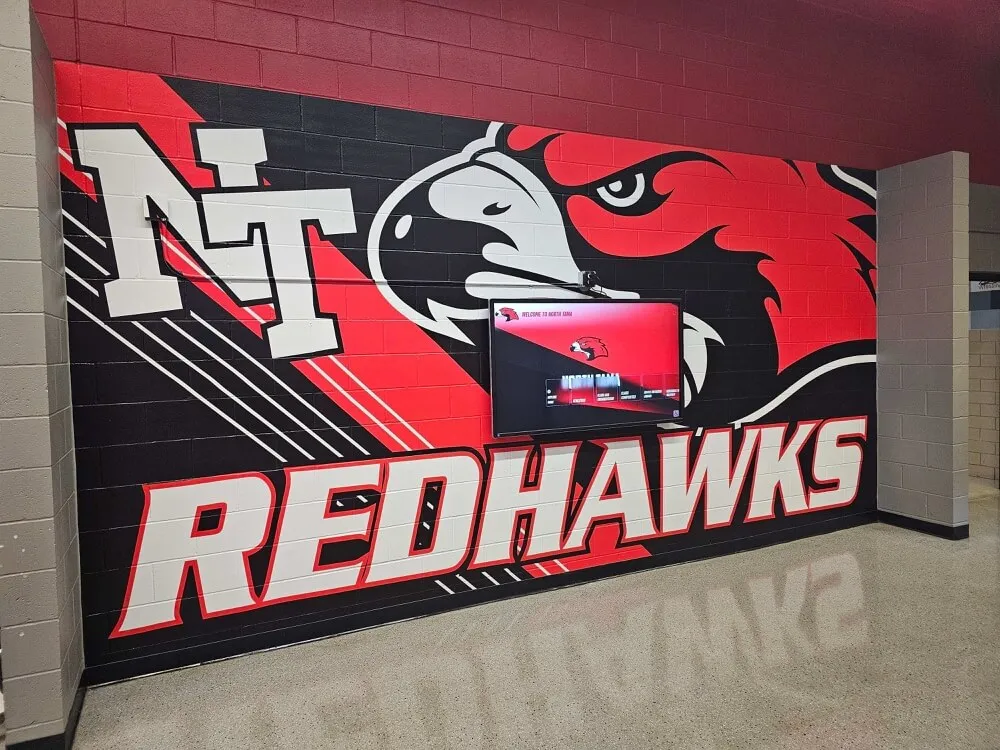
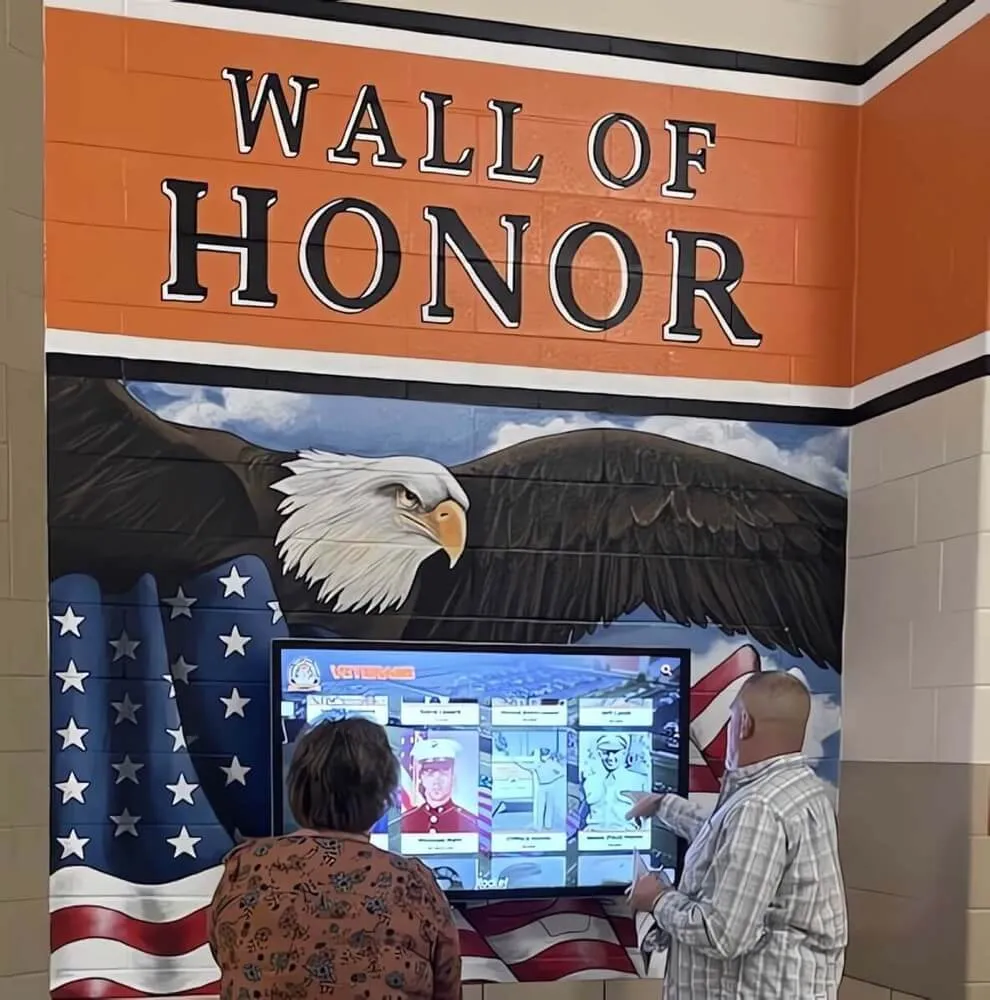
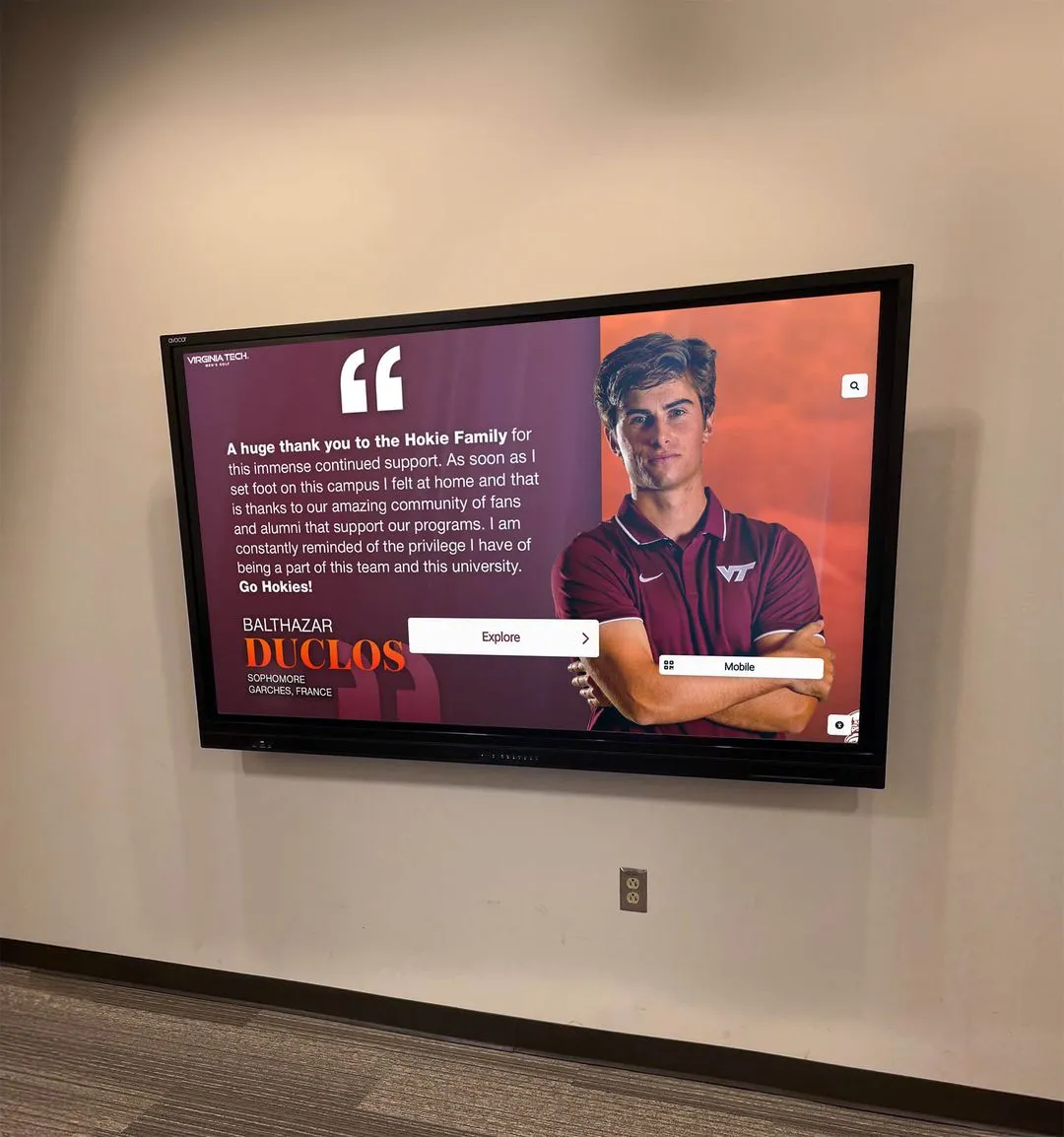
Championship programs preserve defensive traditions through comprehensive displays honoring the defensive units and individual excellence that built program legacies
The 3-4 Defense: Versatility Through Multiple Fronts
The 3-4 defense features three down linemen and four linebackers, creating defensive flexibility through disguised pressure packages and multiple front alignments confusing offensive line protections.
Personnel Requirements and Structural Design
The 3-4 scheme requires fundamentally different player types compared to 4-3 systems, particularly along the defensive line.
Defensive Line Composition
Three-man fronts feature one nose tackle and two defensive ends, all requiring exceptional size and strength. The nose tackle—often called a “nose guard” in 3-4 systems—typically measures 6'2" to 6'4" and weighs 320-350 pounds, aligning directly over the center and occupying multiple blockers to keep linebackers free.
This position demands unique athleticism—players must anchor against double-team blocks, read run-pass keys while engaged with blockers, and maintain gap integrity without substantial help. Elite nose tackles prove difficult to find, representing the cornerstone position making 3-4 defenses functional.
The 3-4 defensive ends align wider than 4-3 tackles, typically positioning on the outside shoulders of offensive tackles. These players require size (6'4" to 6'6", 280-310 pounds) to hold points of attack against run blocks while possessing sufficient athleticism to occasionally rush the passer. Their primary responsibility involves controlling their gaps and occupying offensive linemen, preventing blockers from reaching linebackers in the second level.
Outside Linebacker Requirements
The 3-4 scheme creates four linebacker positions with two inside linebackers (ILBs) functioning similarly to 4-3 middle linebackers and two outside linebackers (OLBs) serving as hybrid defensive end/linebacker players.
Outside linebackers represent the 3-4’s defining feature—these players must rush the passer like defensive ends, set edges against outside runs like traditional SAM linebackers, drop into coverage against passing attacks, and execute these diverse assignments while standing up rather than in three-point stances.
Championship 3-4 outside linebackers combine defensive end explosiveness with linebacker flexibility, measuring 6'3" to 6'5" and weighing 245-265 pounds. This position produces many of football’s most dynamic defenders—players generating double-digit sacks while also recording interceptions and defending running plays in space.
Inside linebackers in 3-4 systems handle similar responsibilities to 4-3 middle linebackers but require even greater instincts because the three-man front creates less natural gap definition. These players must quickly diagnose run-pass keys, flow to ball carriers through traffic, and make tackles in space against opponents reaching the second level.
Schools documenting athletic achievement across multiple eras often showcase how position requirements evolved as programs transitioned between defensive schemes over championship decades.
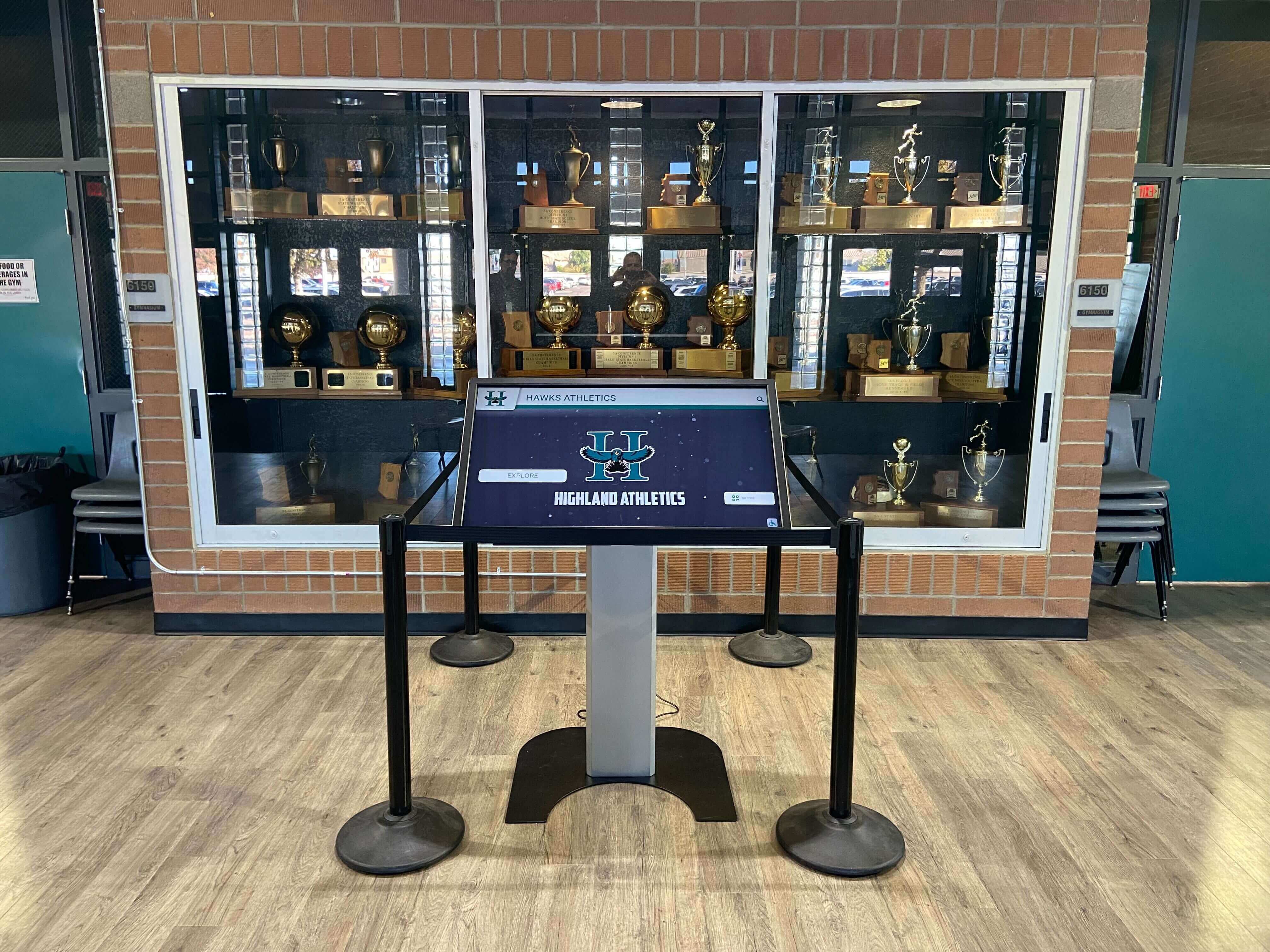
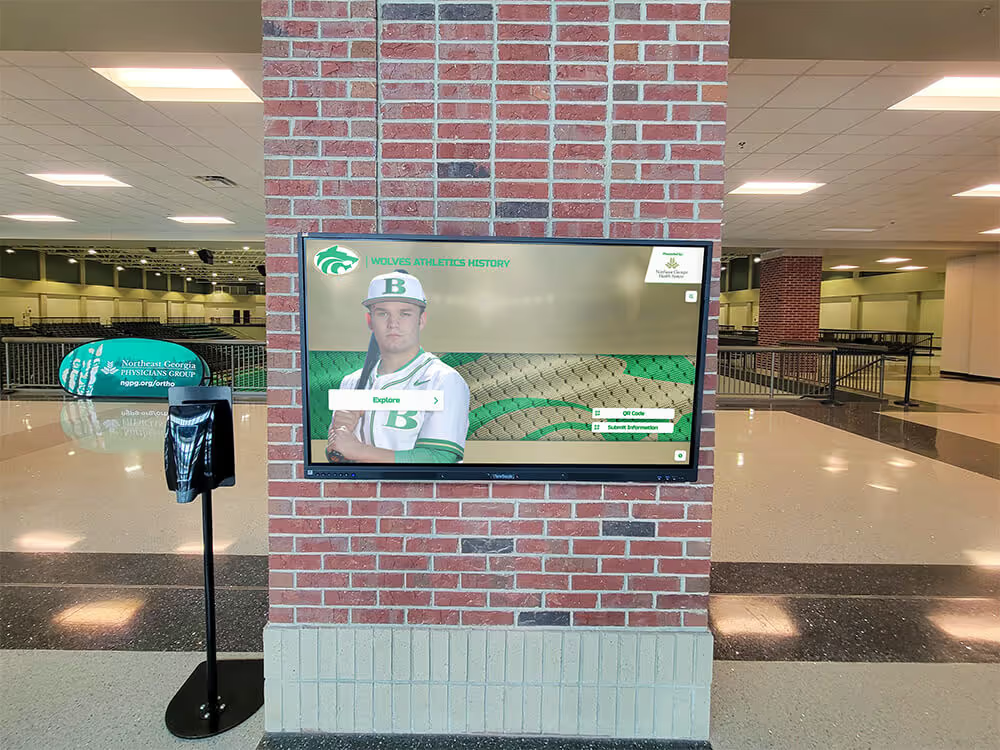
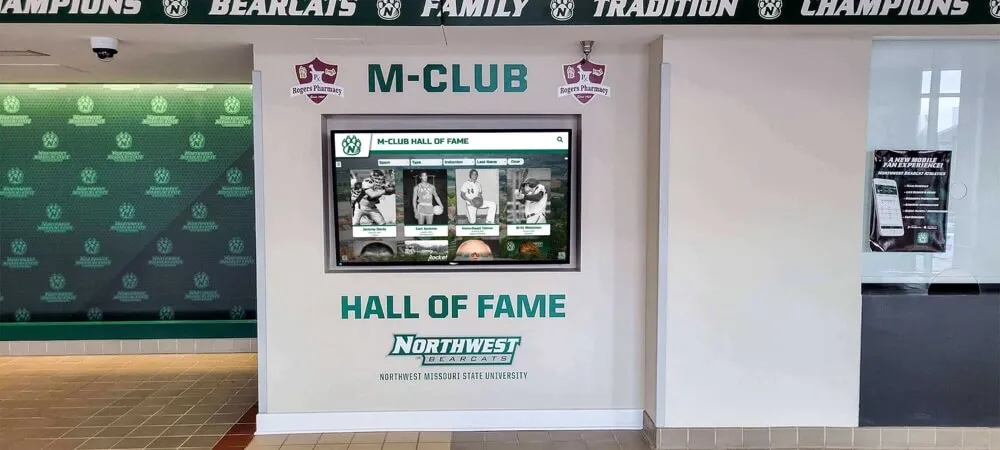
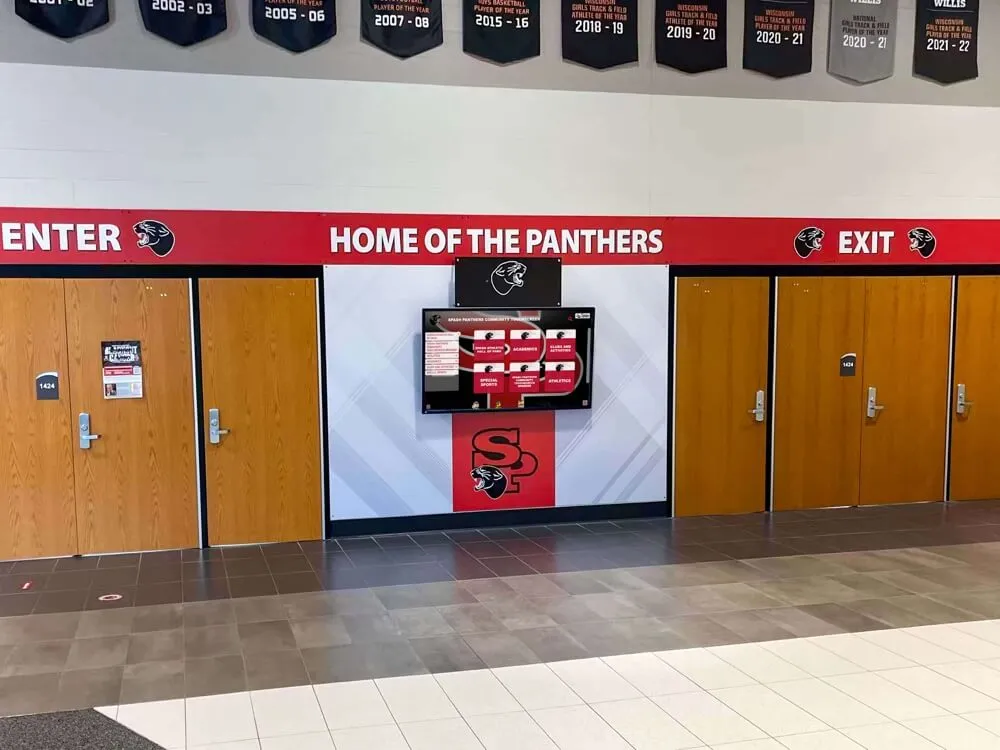
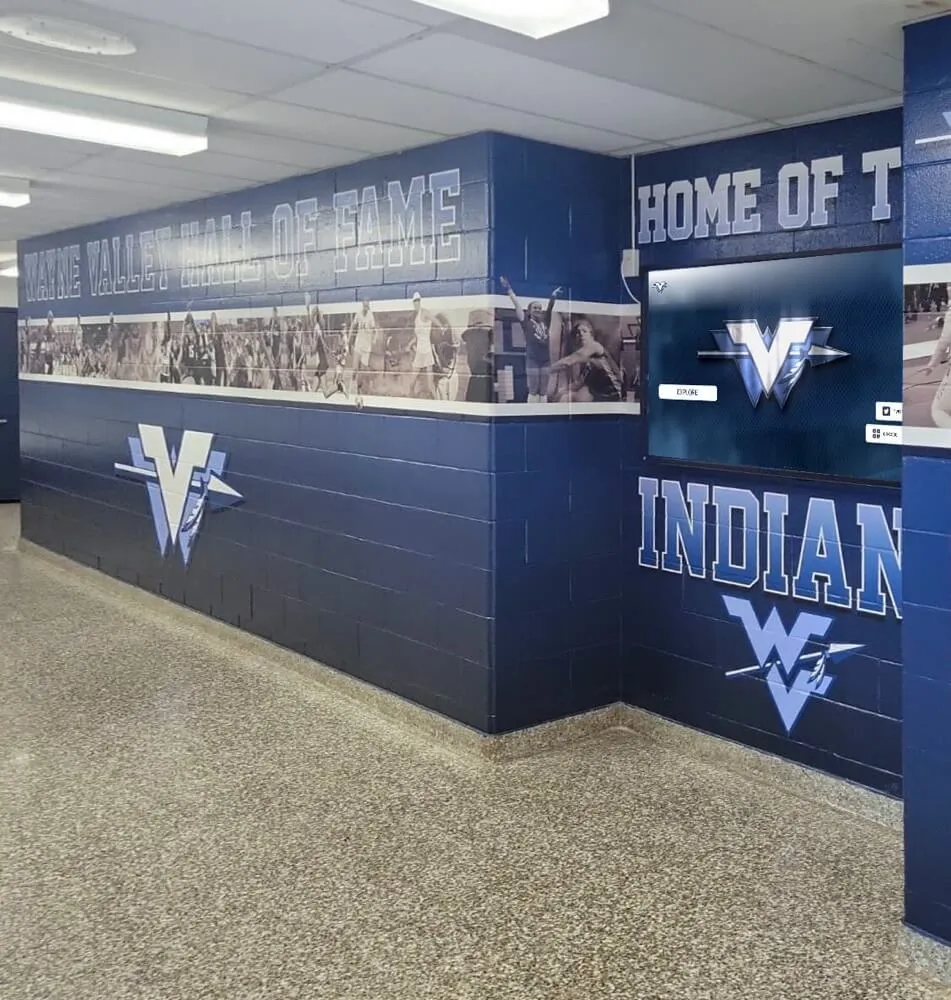
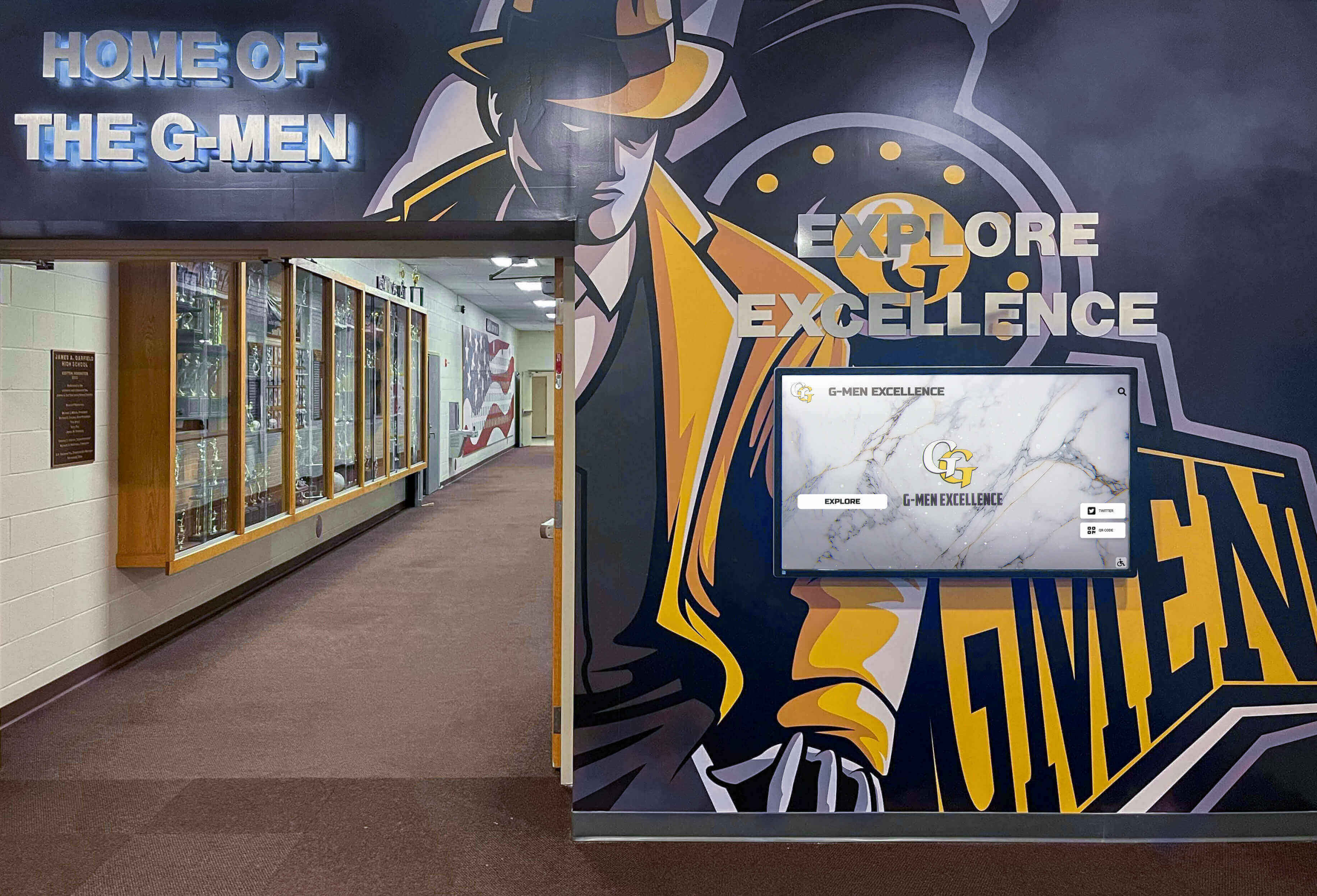
Modern interactive displays allow visitors to explore defensive scheme evolution, position-specific achievements, and the strategic innovations defining program excellence
Strategic Advantages and Tactical Flexibility
The 3-4 defense offers unique advantages that made it increasingly popular throughout professional and college football.
Disguised Pressure Packages
Three-man fronts create uncertainty for offensive protections because four linebackers standing up before the snap can rush from multiple angles or drop into coverage. Offenses struggle identifying which linebackers will blitz and which gaps will face pressure, creating protection confusion leading to unblocked rushers and quarterback uncertainty.
This strategic ambiguity allows defensive coordinators to generate pressure with creative blitz packages while sometimes dropping all four linebackers into coverage from identical pre-snap alignments. Quarterbacks cannot reliably predict pressure based on defensive alignment, forcing faster decisions and creating opportunities for coverage sacks when offenses hold the ball seeking open receivers.
Flexibility Against Multiple Formations
Four linebackers provide better personnel balance against modern offenses alternating between traditional and spread formations. When offenses spread the field, 3-4 defenses maintain four linebackers capable of covering more space than three-linebacker systems, creating less dramatic personnel disadvantages.
The 3-4’s structural flexibility also allows defenses to present multiple fronts from the same personnel—shifting the nose tackle’s alignment, adjusting defensive end positioning, or moving outside linebackers creates different gap responsibilities and blocking challenges without substituting players.
Creating Two-Gap Responsibilities
Traditional 3-4 philosophies employ “two-gap” techniques where defensive linemen control two gaps rather than penetrating specific assigned gaps. The nose tackle must control both A-gaps (offensive guard-center gaps), while defensive ends control the B-gap (guard-tackle) and C-gap (tackle-tight end).
This approach requires exceptional size and strength but creates tremendous linebacker freedom when executed properly. Defensive linemen occupying blockers and controlling multiple gaps allow linebackers to flow clean to ball carriers, creating the pursuit angles that produce negative plays and consistent tackling.
Situational Challenges and Limitations
Despite its flexibility, the 3-4 scheme faces specific implementation challenges.
Personnel Scarcity
Finding true nose tackles—players combining 330+ pound frames with the athleticism to defend the run and occasionally rush the passer—proves extraordinarily difficult. Programs lacking this foundational position often struggle implementing 3-4 systems effectively, leading to persistent run-defense problems.
Similarly, elite outside linebackers capable of rushing, covering, and defending runs represent rare talents. Programs without these hybrid athletes may find traditional 4-3 schemes more practical given available personnel.
Gap Integrity Against Power Running
Three-man fronts create natural gaps that disciplined power-running offenses exploit through double-team blocks and linebacker isolation. When offensive lines successfully reach second-level linebackers with lead blockers, three-man fronts surrender rushing yards more easily than four-man systems.
The 3-4 scheme requires exceptional linebacker play to overcome these structural disadvantages. Programs with average linebacker talent may find 4-3 systems provide more consistent run defense through simplified gap responsibilities.
Complexity and Learning Curve
The 3-4’s flexibility creates coaching complexity—teaching two-gap techniques, coordinating pressure packages, and executing multiple front shifts requires extensive practice time and defensive sophistication. Youth programs or schools with high roster turnover may struggle teaching these concepts compared to simpler 4-3 assignments.
Programs transitioning between schemes can document this strategic evolution through comprehensive program history displays celebrating both defensive approaches and the coaches who implemented them successfully.
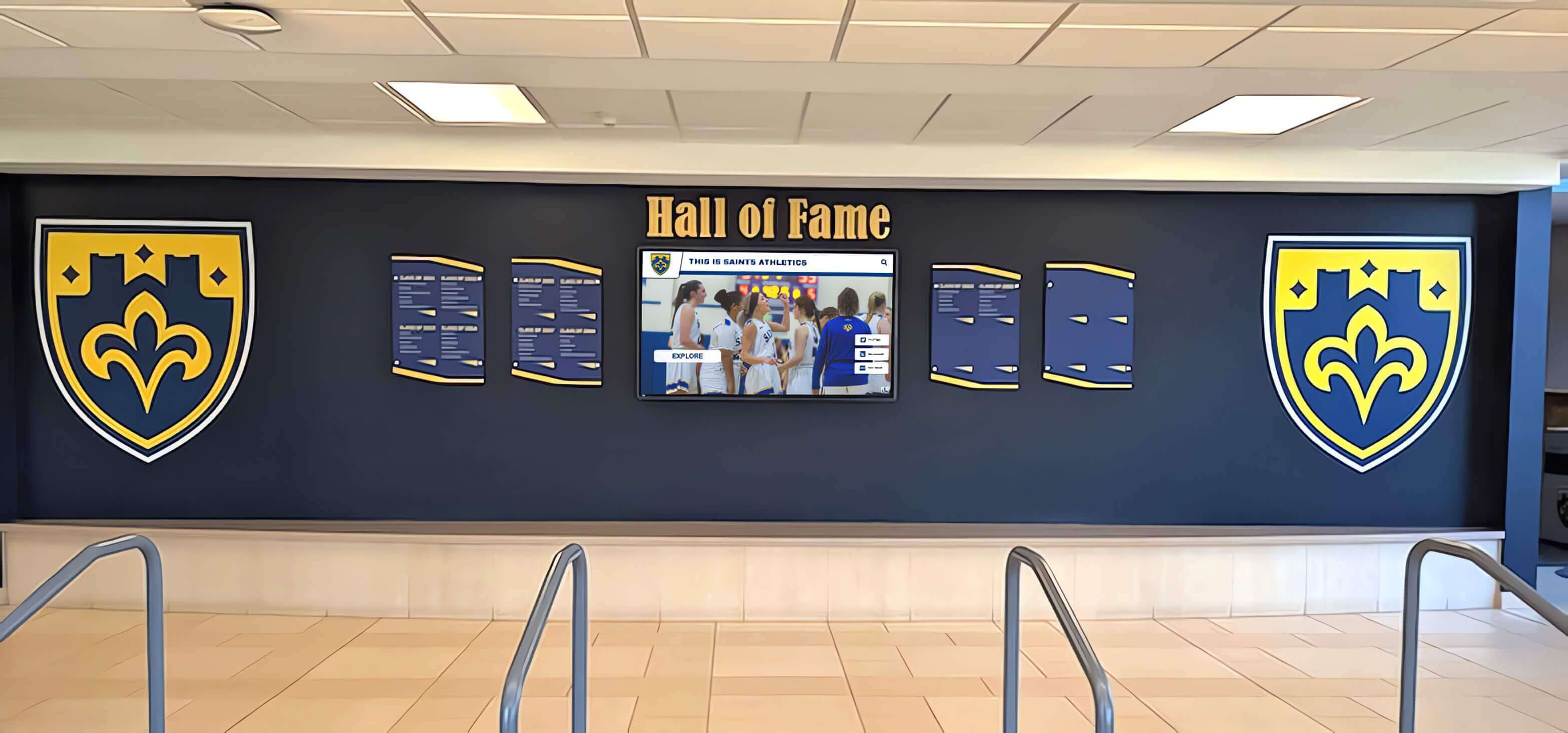
Comprehensive recognition spaces celebrate defensive traditions while showcasing the scheme innovations that defined championship eras across program history
Nickel Defense and Specialized Personnel Packages
The nickel defense represents football’s adaptation to pass-heavy offenses, substituting a linebacker for a fifth defensive back (nicknamed the “nickel” back) to improve coverage capabilities against spread formations.
Nickel Package Fundamentals
Modern offenses utilize three or more wide receivers on majority of plays, forcing defenses to match with additional defensive backs or accept coverage disadvantages. The nickel package became football’s new “base” defense in many systems—defenses deploying nickel personnel more frequently than traditional 4-3 or 3-4 base packages.
Personnel Adjustments
Typical nickel packages remove a linebacker (usually the SAM in 4-3 systems or an inside linebacker in 3-4 schemes) and add a fifth defensive back—the nickel cornerback. This player must cover slot receivers in man coverage, defend intermediate zones, blitz from slot alignments, and occasionally support run defense.
Elite nickel corners combine cornerback coverage skills with safety physicality, measuring 5'10" to 6'1" and weighing 190-205 pounds. These players represent crucial components of modern defenses, often playing 60-70% of defensive snaps at competitive levels.
Defensive Front Variations
Nickel packages can maintain either four-man or three-man fronts depending on defensive philosophy. Many 4-3 teams maintain four down linemen in nickel (creating 4-2-5 personnel), while 3-4 systems often shift to four-man fronts (creating 4-1-6 or 3-3-5 looks depending on specific packages).
These variations create strategic flexibility—coordinators can emphasize pass rush through four-man pressure or maximize coverage through additional defensive backs while rushing three defenders.
Strategic Applications and Coverage Concepts
Nickel packages enable specific coverage concepts defending modern passing attacks.
Cover 2 Defense Applications
Cover 2 defense divides deep coverage between two safeties each protecting half the field while five underneath defenders cover short-to-intermediate zones. Nickel personnel enhances Cover 2 effectiveness by improving underneath zone coverage—five defensive backs can better match route combinations than four defensive backs and a linebacker.
The nickel corner typically occupies the “hook/curl” zone defending routes breaking at 10-15 yard depths, while cornerbacks handle flat zones and safeties protect deep halves. This distribution allows defenses to defend common route concepts like levels, drive, and four-verticals with appropriate coverage personnel.
Cover 2 principles create specific defensive advantages including limiting explosive plays through two-deep safety structure, forcing offenses to execute extended drives sustaining multiple first downs, and creating interception opportunities when quarterbacks throw into underneath zones expecting single-high coverage.
However, Cover 2 vulnerability exists between cornerbacks and safeties—the “hole shot” or “seam” area approximately 18-22 yards deep. Offenses attack these zones through vertical seam routes from slot receivers or tight ends, forcing safeties into difficult coverage decisions.
Man Coverage and Press Techniques
Nickel packages allow defenses to play more man-to-man coverage (Cover 1 or Cover 0) by matching five defensive backs directly against receivers. This creates cleaner matchups than asking linebackers to cover slot receivers in space.
Press-man coverage from nickel personnel disrupts timing-based passing attacks, particularly when cornerbacks jam receivers at the line of scrimmage while the nickel corner handles slot assignments. Championship defenses often feature dominant nickel corners capable of erasing opponent slot weapons through man coverage, creating strategic flexibility coordinators exploit through diverse coverage calls.
Schools showcasing championship-level defensive achievements often highlight the defensive backs and coverage units that enabled championship runs through exceptional secondary play.
Dime and Quarter Packages: Further Specialization
Beyond nickel, defenses employ dime (six defensive backs) and quarter (seven defensive backs) packages in obvious passing situations.
Dime Defense (4-1-6 or 3-2-6)
Dime packages remove an additional linebacker, adding a sixth defensive back often called the “dime” back. These packages optimize third-and-long situations where offenses must throw the ball, allowing defenses to maximize coverage while still maintaining minimal run-defense integrity.
Dime personnel enables defenses to play “quarters” coverage (Cover 4) with four deep defenders and two underneath players, or exotic zone blitzes where defensive backs rush while defensive linemen drop into coverage.
Quarter Defense (3-1-7 or 4-0-7)
Quarter packages represent maximum pass defense, fielding seven defensive backs against formations with four or five wide receivers in obvious passing situations. These rarely-used packages essentially forfeit run defense to maximize coverage, betting opponents won’t risk running against light boxes in obvious passing downs.
The strategic evolution toward specialized personnel packages reflects modern football’s passing emphasis. Programs documenting this evolution preserve valuable coaching history showing how defensive philosophies adapted to offensive innovation over decades.

Interactive recognition technology allows exploration of defensive back achievements, coverage innovations, and secondary excellence across multiple championship seasons
Modern Hybrid Defenses: Multiple and Positionless Systems
Championship defenses increasingly employ hybrid schemes combining elements from multiple systems, creating strategic versatility preventing offensive coordinators from establishing comfortable rhythm.
Multiple Defense Philosophy
Multiple defenses deploy various fronts, coverages, and pressure packages from week to week or even play to play, adapting structural concepts to opponent tendencies rather than rigidly adhering to single base schemes.
Weekly Game Planning Flexibility
Hybrid coordinators study opponent offensive tendencies and construct game-specific defensive plans emphasizing schemes creating maximum problems for that particular offense. Against power-running teams, they might emphasize 4-3 principles with four-man fronts and aggressive linebacker play. Against spread offenses, they shift toward 3-4 concepts with four linebackers providing better coverage balance.
This approach requires coaching expertise teaching multiple systems and versatile players executing diverse assignments, but creates strategic unpredictability forcing opposing coordinators to prepare for numerous defensive looks rather than one base concept.
In-Game Adjustment Capability
Multiple defenses also allow rapid in-game adjustments when opponents find schematic success. Coordinators can shift between four-man and three-man fronts, adjust coverage shells from two-deep to single-high, and deploy pressure from various angles without substituting personnel.
This tactical flexibility creates strategic chess matches where coordinators counter opponent adjustments throughout games, rewarding the coaching staff making superior in-game decisions.
Positionless Defenders and Hybrid Players
Modern defensive evolution increasingly values hybrid players combining multiple traditional position skill sets, creating matchup advantages and schematic flexibility.
The “SAM/WILL” Hybrid
Many programs now feature hybrid linebackers capable of playing traditional SAM, WILL, or even edge rusher roles depending on formation and game plan. These 6'2", 230-pound athletes can cover running backs and tight ends, rush the passer from edge positions, and defend the run in space—creating personnel flexibility allowing one player to execute multiple roles.
Safety/Linebacker “Moneybacker” Positions
The “moneybacker” or “STAR” position represents a hybrid safety/linebacker who aligns in the box against run formations, covers slot receivers against spread sets, and blitzes from various alignments. These players—typically 6'1", 210-220 pounds—provide coverage ability exceeding traditional linebackers while offering more physicality than pure safeties.
This position allows defenses to maintain base personnel against diverse offensive formations, avoiding substitution delays and tempo disadvantages.
Cornerback/Safety “Big Nickel” Concepts
Some systems employ “big nickel” packages using a physical safety as the nickel defender rather than a cornerback. This 6'0", 200-pound player provides better run support than traditional nickel corners while maintaining sufficient coverage ability against most slot receivers.
Big nickel packages prove particularly effective against tight-end-heavy offenses or power-running teams occasionally using three-receiver sets, maintaining run-defense integrity while adding coverage personnel.
Programs showcasing championship team achievements can highlight how defensive innovation and hybrid player development contributed to sustained competitive excellence.
Matching Scheme to Available Personnel
The most important defensive decision facing programs involves aligning scheme philosophy with available talent rather than forcing players into systems mismatching their abilities.
Talent-Based System Selection
Programs blessed with elite defensive line talent should emphasize four-man fronts maximizing these players’ impact. Conversely, teams with exceptional linebackers but limited defensive line depth might find 3-4 systems better utilize available personnel.
Similarly, programs with outstanding defensive backs should lean toward coverage-heavy approaches playing quarters or Cover 3 concepts, while teams with dominant edge rushers should feature aggressive pressure packages putting these players in position to impact games.
Development Pipeline Considerations
Long-term program building requires consistency—frequently changing defensive schemes disrupts player development pipelines where younger athletes prepare for specific positions and assignments. Programs should select defensive philosophies sustainable over multiple coaching tenures rather than abandoning systems after single unsuccessful seasons.
This consistency allows programs to develop depth through comprehensive understanding rather than constantly relearning new concepts. Schools can preserve this coaching continuity through athletic program recognition systems honoring the defensive traditions and coaching philosophies that built sustainable excellence.
Youth and High School Simplification
Youth and high school programs should generally implement simplified versions of core concepts rather than complex multiple systems. Teaching fundamental 4-3 or 3-4 principles with two or three coverage concepts proves more effective than attempting to deploy college-level complexity with limited practice time.
Simple schemes executed with exceptional effort and discipline consistently defeat complex systems poorly understood and inconsistently executed.
Coverage Concepts Supporting Defensive Schemes
While front structures receive significant attention, coverage concepts prove equally important determining defensive success or failure.
Zone Coverage Fundamentals
Zone coverage assigns defenders specific field areas rather than individual receivers, creating coverage distribution based on field geography.
Cover 2 Principles
Cover 2 divides deep coverage between two safeties while five underneath defenders occupy zones. Cornerbacks play flat zones defending receivers running toward sidelines, linebackers occupy hook/curl zones at 10-15 yard depths, and a middle linebacker or safety handles the middle short zone.
Cover 2’s strategic advantage involves limiting explosive plays through two-deep structure while creating underneath coverage numbers overwhelming short passing attacks. However, the scheme struggles against vertical routes attacking seams between cornerbacks and safeties.
Cover 3 Concepts
Cover 3 employs three deep defenders (typically two cornerbacks and a free safety) dividing the field into thirds, while four underneath defenders handle short zones. This creates better deep-middle coverage than Cover 2 but provides fewer underneath defenders, creating vulnerability to quick passing games.
Many defenses play “quarters” coverage (Cover 4) with four deep defenders and three underneath, providing balanced coverage preventing both deep shots and underneath completions but requiring more sophisticated player understanding.
Man Coverage Applications
Man coverage assigns defenders to specific receivers regardless of route direction, creating simpler assignments but demanding superior individual talent.
Cover 1 (Man-Free)
Cover 1 deploys man coverage across receivers with one free safety providing deep help. This allows aggressive cornerback play with safety insurance against vertical routes, creating effective balance between tight coverage and help over the top.
Cover 1 proves particularly effective when defenses feature dominant cornerbacks capable of winning most one-on-one matchups without constant help.
Cover 0 (Zero-Free)
Cover 0 represents all-out man coverage without safety help, typically paired with aggressive blitzing creating six or seven-man pressure. This high-risk, high-reward concept generates significant pressure but leaves cornerbacks isolated without help—one breakdown results in touchdown vulnerability.
Championship defenses deploy Cover 0 strategically in critical situations rather than as base coverage, creating surprise and pressure when offenses expect zone concepts.
Recognizing Defensive Excellence and Scheme Innovation
Championship football programs preserve defensive traditions through comprehensive recognition honoring the defensive units, individual excellence, and scheme innovations that built competitive legacies.
Documenting Scheme Evolution and Defensive Achievement
Modern athletic programs can showcase defensive excellence through interactive displays allowing visitors to explore how scheme philosophies evolved across championship eras, compare statistical achievements between defensive units from different decades, view position-specific records and individual accomplishments, and understand the coaching innovations that defined program identity.
Digital recognition solutions enable programs to present this complex information engagingly, creating interactive experiences where visitors explore defensive back achievements separately from defensive line records, filter championship teams by decade or scheme type, and understand the strategic evolution that mirrors broader football history.
Celebrating Position-Specific Excellence
Comprehensive defensive recognition should highlight achievements across all position groups—defensive linemen who anchored championship fronts, linebackers who served as defensive quarterbacks orchestrating scheme execution, defensive backs who locked down opposing passing attacks, and the hybrid players who redefined position requirements.
Programs implementing student recognition frameworks can apply similar principles to athletic recognition, ensuring defensive achievement receives equal emphasis alongside offensive accomplishments in program celebration.
Preserving Coaching Philosophy and Defensive Traditions
Beyond player recognition, programs should document the defensive coordinators and position coaches whose scheme innovations and teaching excellence created championship-caliber defenses. Preserving coaching philosophy—the strategic principles guiding scheme selection, the teaching methods developing fundamentally-sound defenders, and the competitive traditions defining program identity—ensures new coaching staffs understand program history while maintaining flexibility adapting to modern football.
Interactive displays allow visitors to explore coaching tenures, scheme philosophies implemented during different eras, and the specific defensive innovations—whether pressure packages, coverage concepts, or player development methods—that separated championship defenses from average units.
Conclusion: Strategic Versatility Defines Modern Defensive Excellence
Understanding football defensive schemes provides crucial insights into the strategic complexity separating championship defenses from average units. While the 4-3 defense offers traditional gap integrity and pass-rush potential, the 3-4 defense creates versatility through disguised pressure and multiple fronts, and nickel packages address modern passing attacks, elite defenses increasingly deploy hybrid systems adapting foundational principles to specific opponents, personnel strengths, and game situations.
Championship programs build defensive excellence through consistent scheme philosophy aligned with available personnel, comprehensive player development pipelines preparing athletes for position-specific demands, tactical flexibility allowing in-game adjustments to opponent success, and preserved traditions honoring the defensive units and coaching innovations that built competitive legacies.
Whether implementing defensive systems as a coach, learning positional responsibilities as a player, or preserving defensive traditions as a program administrator, understanding these scheme principles provides the foundation for competitive success and meaningful recognition of the strategic complexity defining football’s defensive evolution.
Programs seeking to honor defensive excellence through comprehensive, engaging recognition displays can explore interactive solutions designed specifically for athletic achievement documentation, creating lasting celebrations of the defensive schemes, position-specific mastery, and championship traditions that define program identity across generations of football excellence.