



Giving Tuesday donor pages represent powerful opportunities for schools, colleges, and nonprofits to celebrate generous supporters while driving continued engagement throughout the year. Many organizations implement impressive Giving Tuesday campaigns yet struggle to maintain momentum after the event concludes—missing opportunities to transform one-time participants into sustained donors through meaningful recognition that demonstrates appreciation and impact.
Modern institutions need recognition approaches that extend beyond simple thank-you emails or static donor lists buried in annual reports. Interactive donor pages create central hubs where communities can explore who contributed, understand the collective impact achieved, and feel inspired to join the giving movement themselves. These dynamic displays transform recognition from perfunctory acknowledgment into engaging experiences that strengthen relationships and motivate continued generosity.
This comprehensive guide explores how to leverage Giving Tuesday donor pages as strategic recognition tools that celebrate current supporters while inspiring future giving. From understanding design principles and content strategies through implementing technology solutions and measuring impact, you’ll discover how forward-thinking organizations are creating donor recognition experiences that drive sustained fundraising success.
Giving Tuesday recognition represents more than acknowledging individual contributions—it embodies celebration of community generosity, demonstrates transparency about collective impact, and creates social proof inspiring others to give. When implemented thoughtfully with interactive technology, donor pages become year-round engagement tools rather than one-day campaign artifacts.

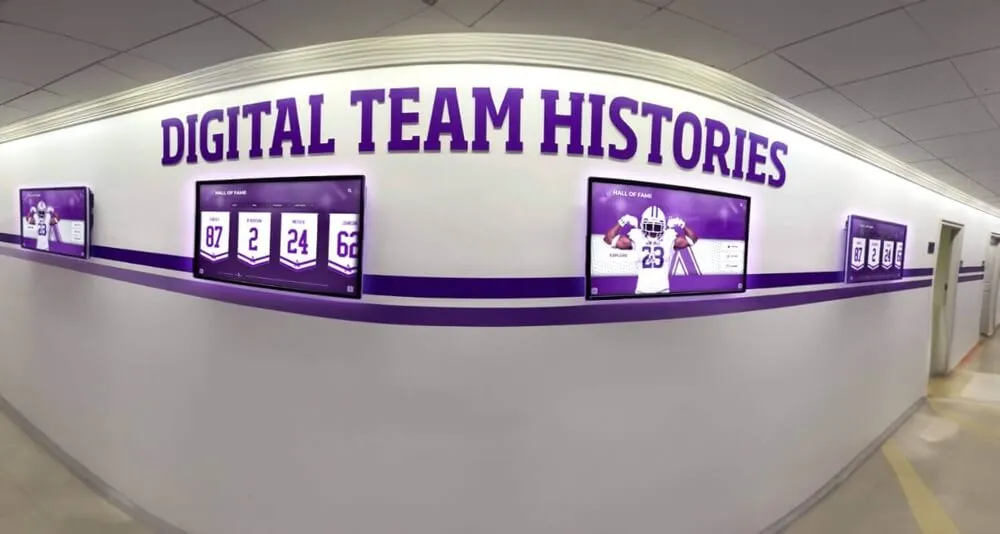
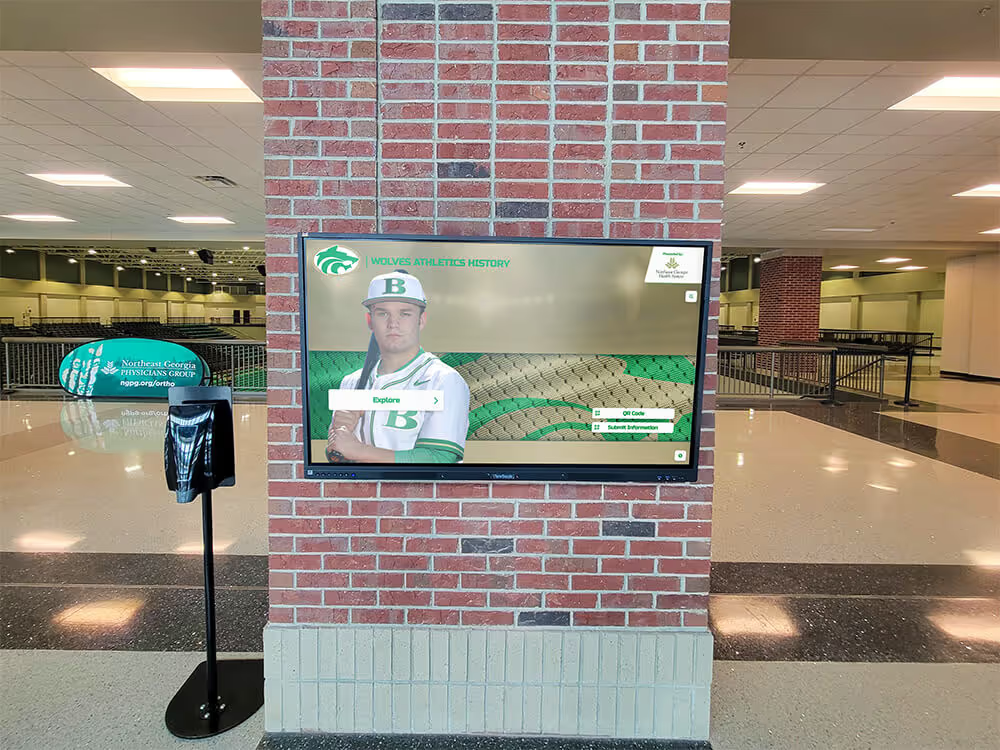
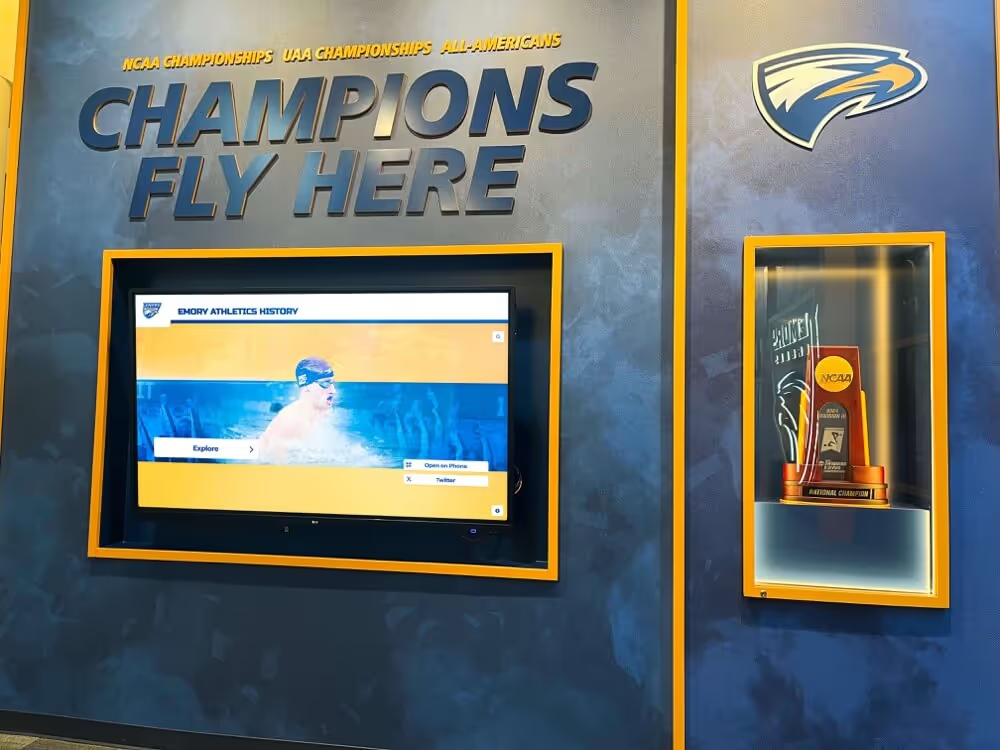
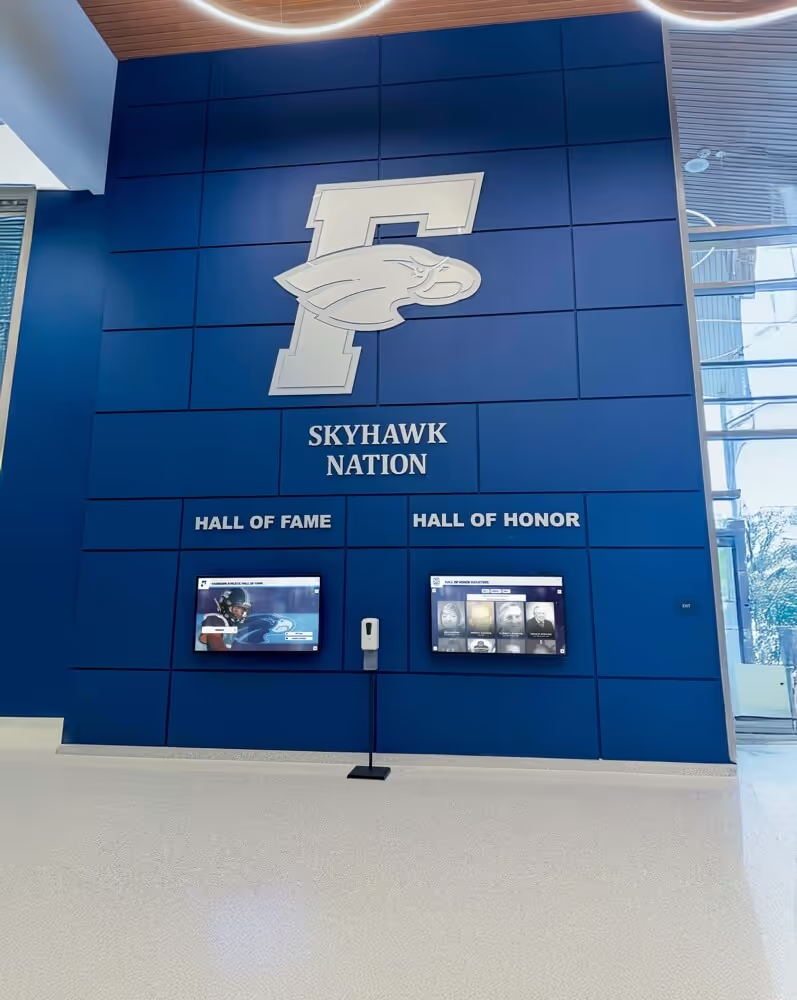
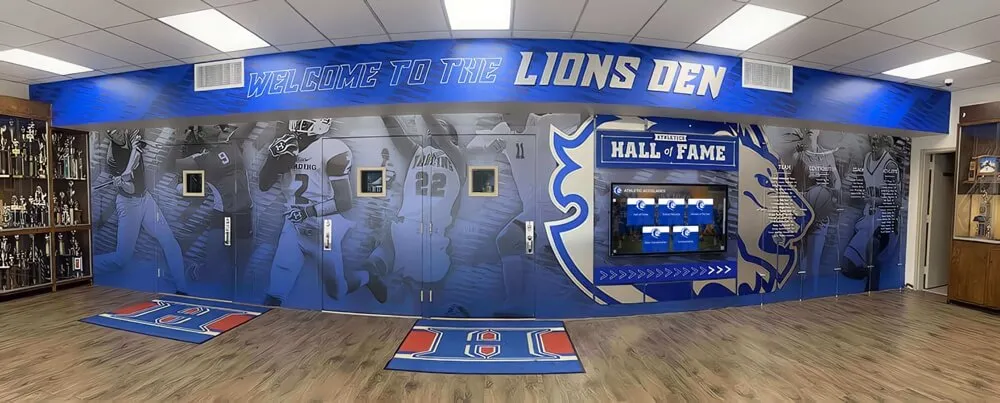
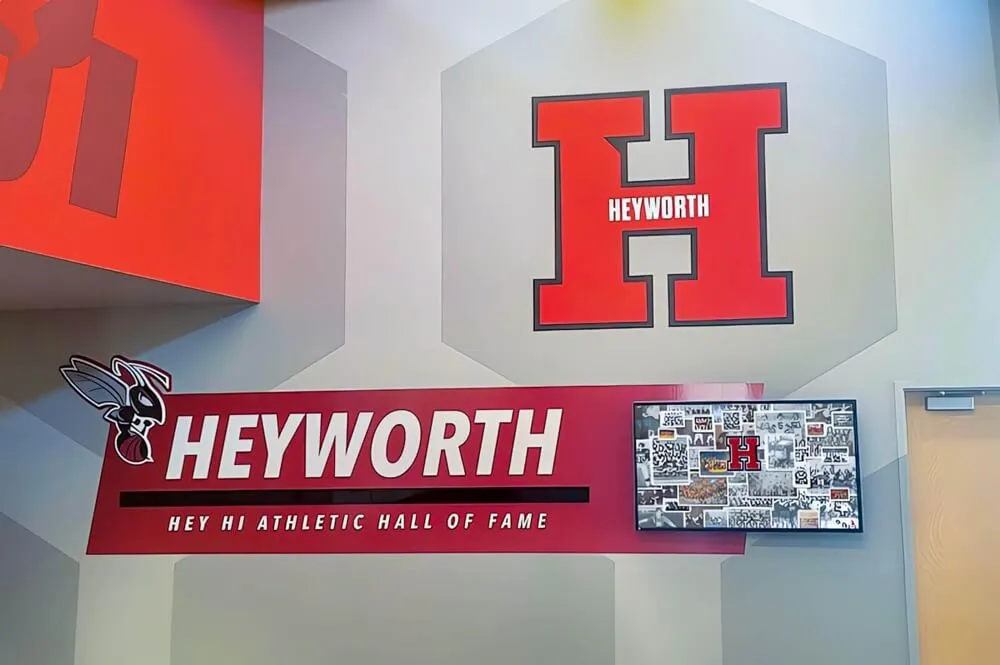
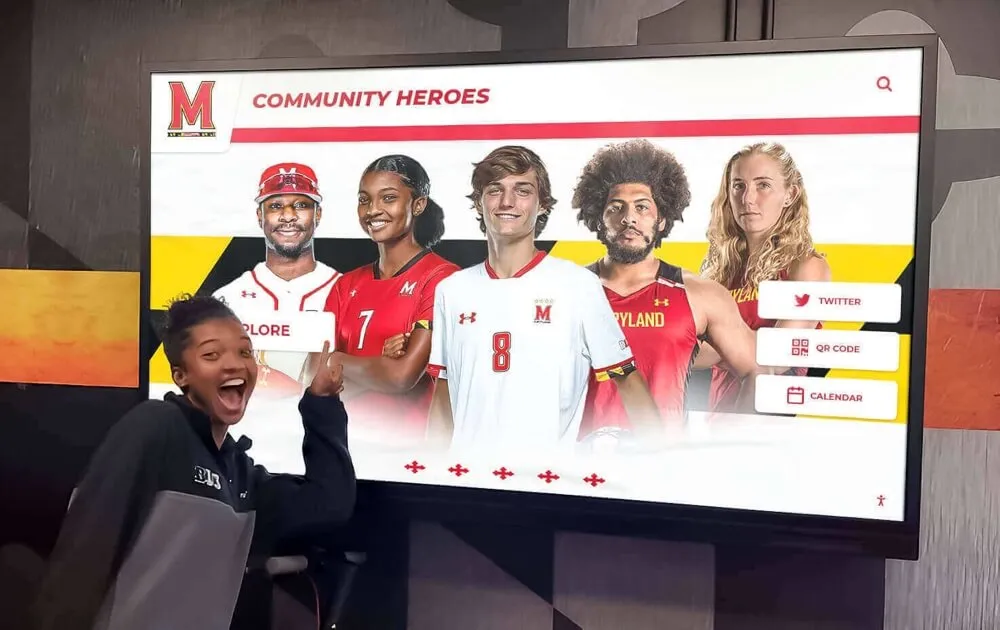
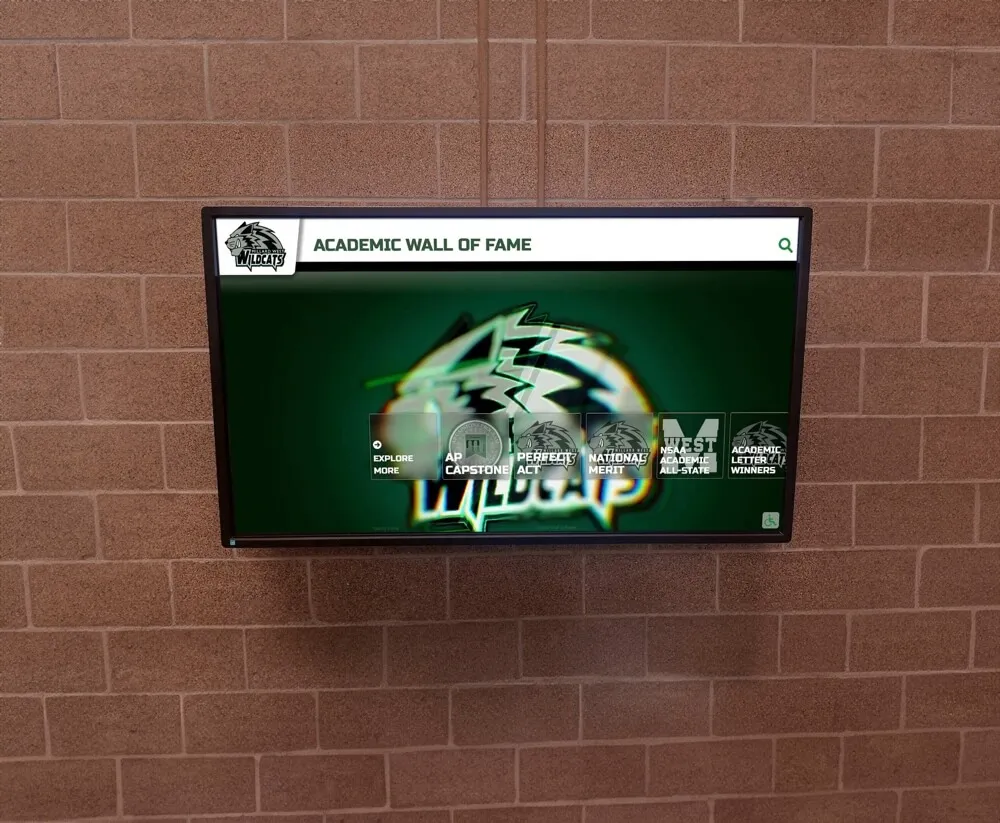
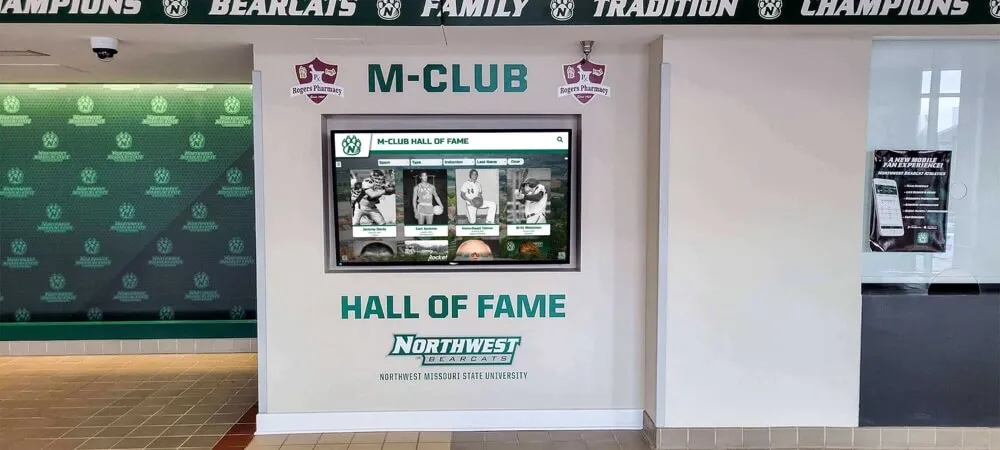
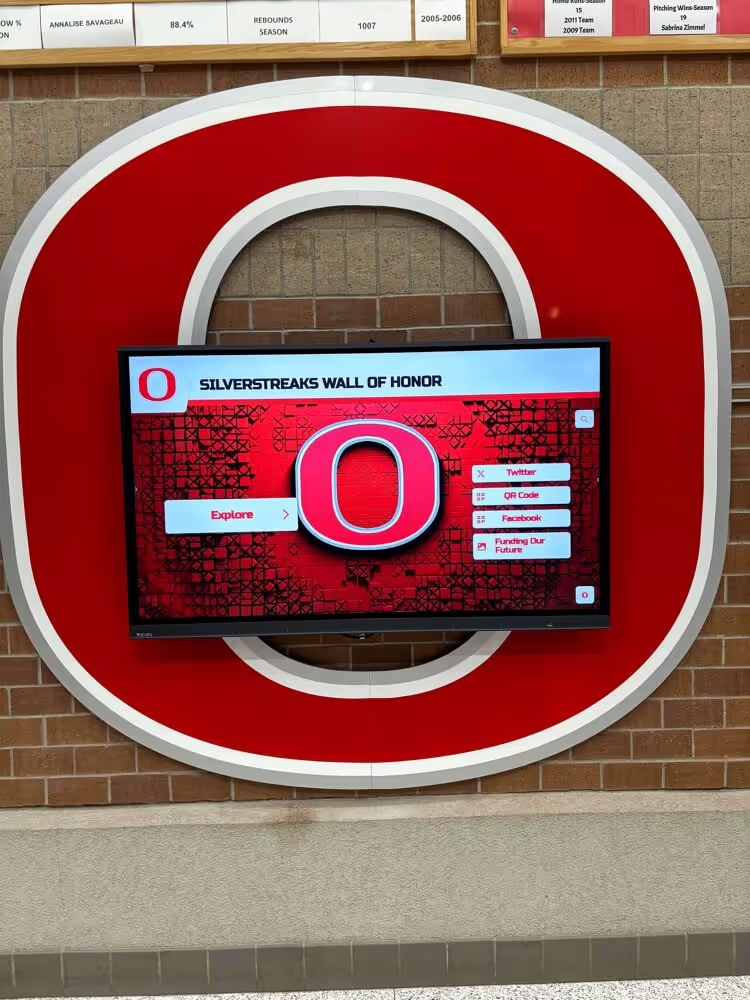
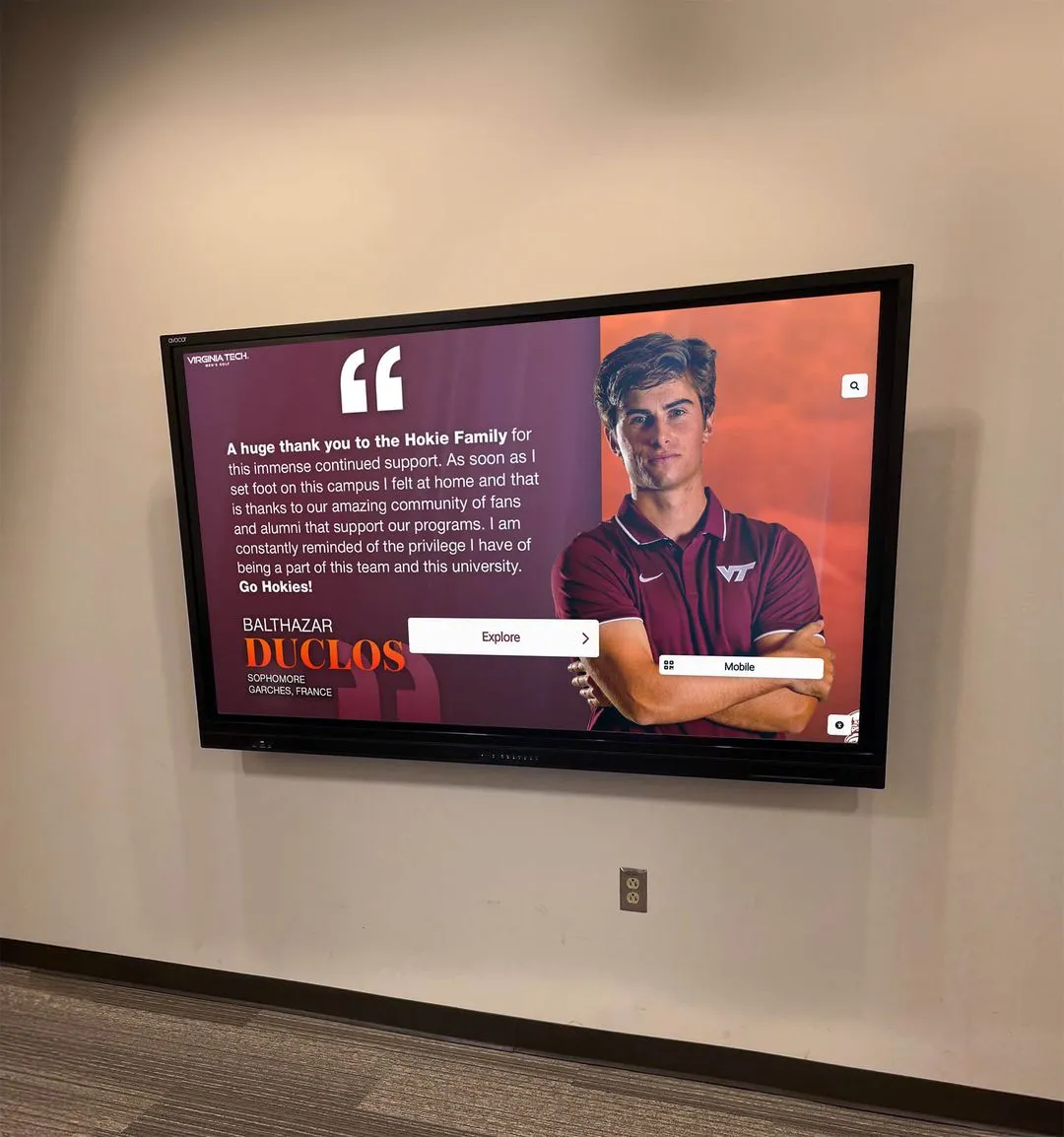
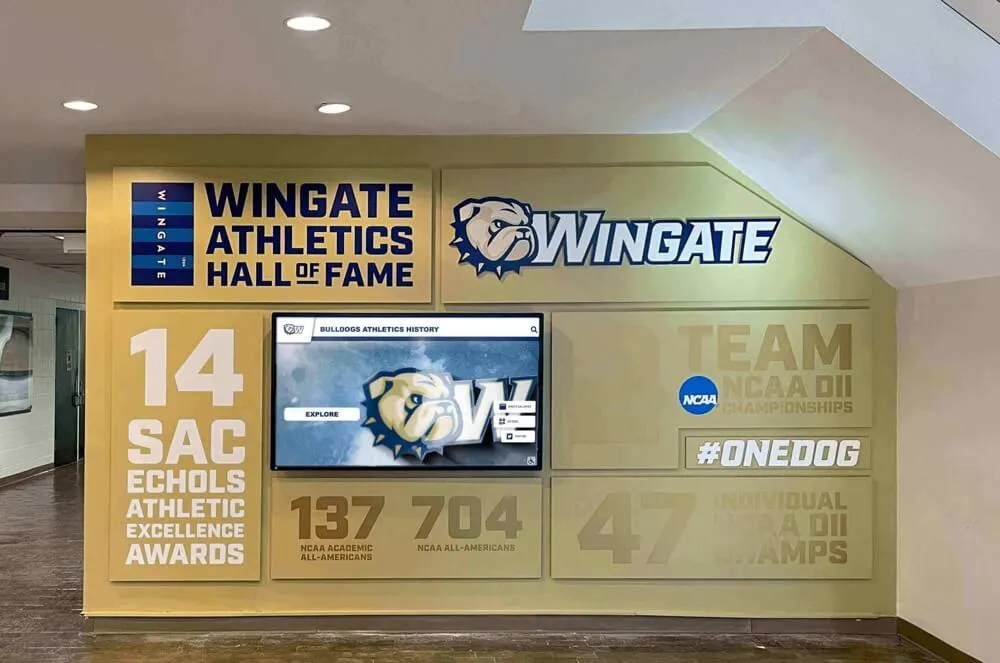
Interactive donor recognition platforms create engaging central hubs celebrating Giving Tuesday supporters while driving continued engagement
The Strategic Value of Giving Tuesday Donor Recognition
Understanding why Giving Tuesday donor pages matter helps organizations move beyond basic thank-you lists toward recognition systems that serve multiple strategic purposes simultaneously.
Building Momentum That Extends Beyond One Day
Giving Tuesday creates concentrated energy and attention around philanthropic giving. Organizations raising significant funds during 24-hour campaigns often struggle maintaining enthusiasm afterward—allowing momentum to dissipate rather than channeling it toward sustained engagement.
The Recognition Gap
Many organizations implement these Giving Tuesday acknowledgment approaches:
- Immediate automated email receipts thanking donors generically
- Social media thank-you posts scrolling quickly out of visibility
- Donor lists eventually published in newsletters or annual reports months later
- No permanent, accessible recognition celebrating collective community generosity
This gap means Giving Tuesday energy fades quickly rather than building toward year-round giving relationships. Donors receive minimal acknowledgment beyond transactional receipts, prospective supporters never see compelling evidence of community participation, and organizations miss opportunities to demonstrate impact that gifts collectively enabled.
Permanent Recognition as Engagement Strategy
Interactive donor pages solve this recognition gap by creating permanent, accessible displays that:
- Celebrate every Giving Tuesday participant regardless of contribution size
- Showcase collective community generosity demonstrating broad participation
- Connect gifts to specific outcomes and organizational impact
- Provide social proof inspiring prospective donors throughout the year
- Create touchpoints enabling donors to revisit and share their recognition
- Build aspiration for next year’s Giving Tuesday as supporters see how others participated
Organizations implementing permanent Giving Tuesday recognition report 35-42% higher participation rates in subsequent annual campaigns compared to institutions providing only transactional acknowledgment—demonstrating direct correlation between meaningful recognition and sustained engagement.
Creating Central Hubs That Drive Action
Beyond celebrating past giving, effective donor pages function as action hubs driving continued engagement.
The Dual Purpose of Recognition Displays
Strategic Giving Tuesday pages serve two complementary functions simultaneously:
Recognition Function: Honoring supporters through profiles, acknowledgment tiers, and impact stories that demonstrate appreciation and connect gifts to outcomes
Cultivation Function: Inspiring prospective donors through social proof, showcasing organizational transparency and stewardship, and providing clear pathways for others to give
This dual purpose transforms static donor lists into dynamic engagement tools. Visitors exploring recognition discover how peers and community members supported causes, learn about organizational priorities and impact, see transparent stewardship of resources entrusted to leadership, and encounter clear calls-to-action enabling immediate participation.
Solutions like Rocket Alumni Solutions enable organizations to create sophisticated digital displays that balance comprehensive recognition with strategic cultivation—showcasing donors beautifully while making giving opportunities accessible and compelling.
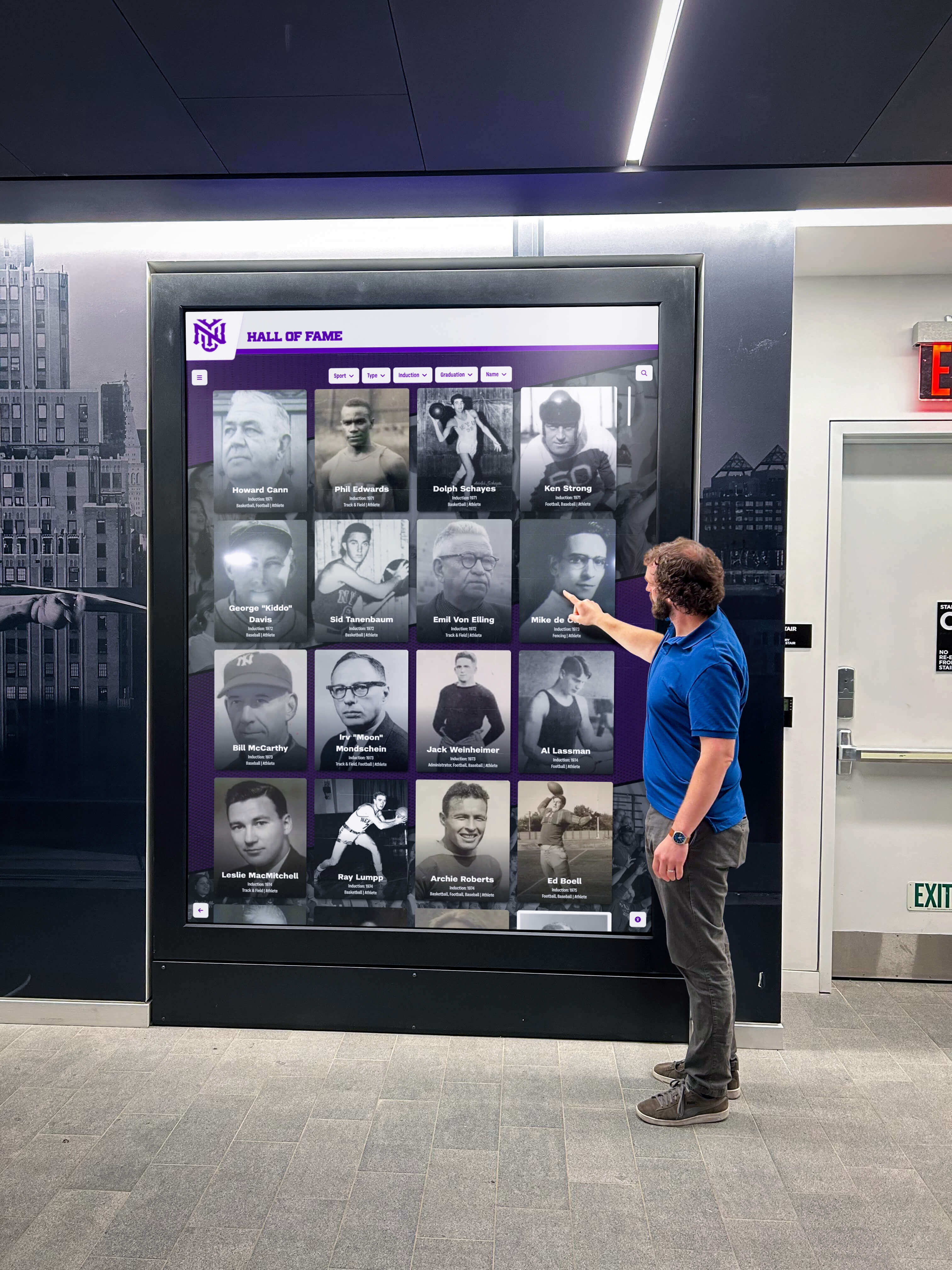
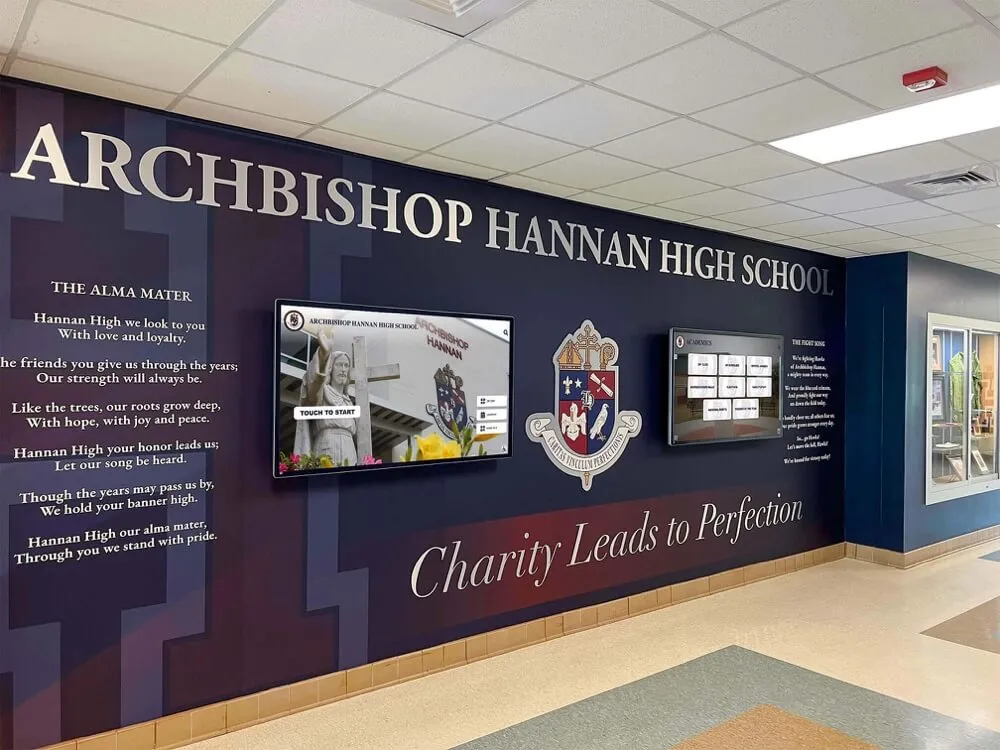
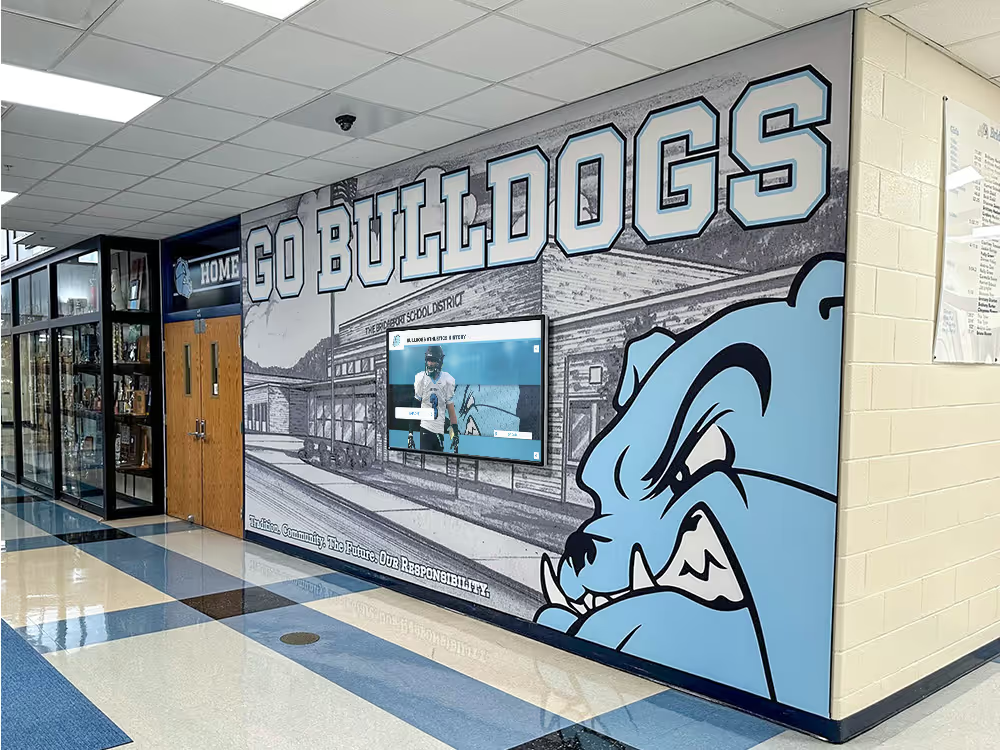
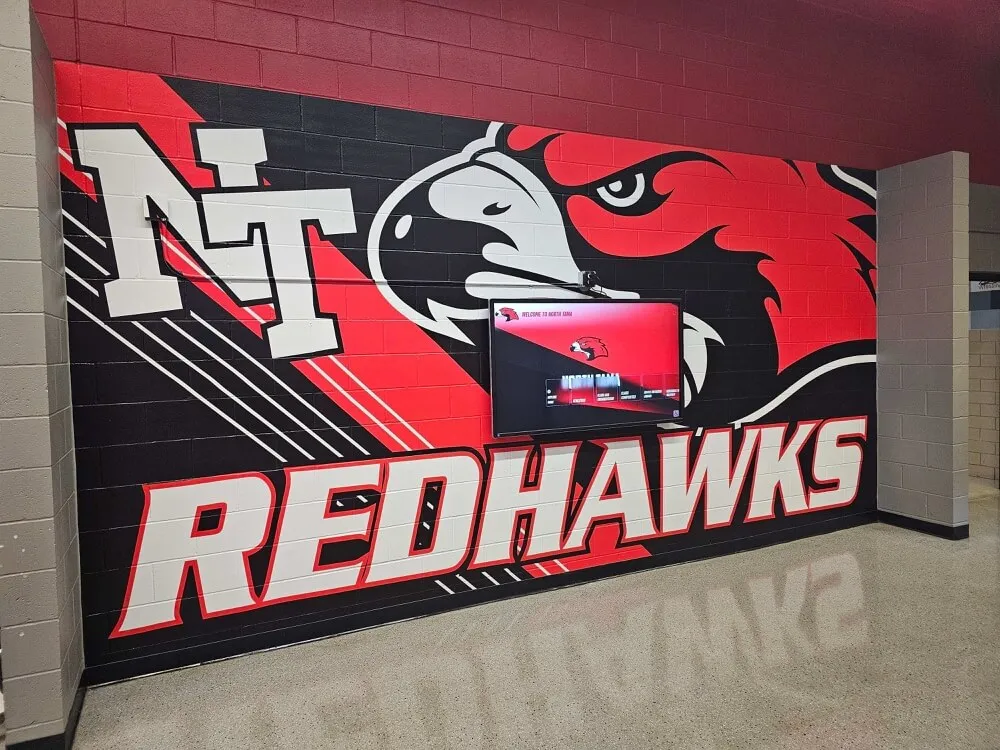
Strategic placement in high-traffic areas ensures donor recognition reaches maximum audiences while creating opportunities for giving conversations
Demonstrating Transparency and Stewardship
Modern donors—particularly younger generations—expect transparency about how organizations use contributed resources. Giving Tuesday campaigns emphasizing specific projects or needs create accountability expectations requiring follow-through demonstration.
Stewardship Through Recognition
Comprehensive donor pages demonstrate organizational commitment to transparency by:
- Documenting who contributed and at what levels creating public accountability
- Connecting gifts to specific outcomes and measurable impact
- Providing updates as funded projects progress and goals achieve
- Showcasing breadth of community support rather than relying solely on major gifts
- Making recognition accessible to all stakeholders rather than limiting visibility
This transparency builds confidence that inspires continued support. When prospective donors see clear documentation of previous giving and resulting impact, they develop trust that their contributions will similarly advance stated purposes effectively.
Organizations implementing transparent Giving Tuesday recognition report 22-28% improvements in donor confidence scores and 18-25% increases in planned giving inquiries—demonstrating how recognition transparency influences major gift cultivation beyond immediate campaign results.
Designing Effective Giving Tuesday Donor Pages
Creating recognition experiences that honor supporters while inspiring action requires thoughtful design balancing multiple objectives.
Recognition Structure and Donor Tiers
Determine how to acknowledge diverse contribution levels while ensuring all participants feel valued.
Inclusive Recognition Approaches
Most organizations implement tiered structures providing enhanced recognition as giving increases while maintaining dignity across all levels:
- Leadership Circle ($1,000+): Comprehensive profiles with biographical content, photos, personal testimonies explaining giving motivations, and prominent featured placement
- Advocate Circle ($500-$999): Enhanced profiles with photos and extended narratives acknowledging significant support
- Supporter Circle ($250-$499): Standard profiles with photos and brief acknowledgment
- Friend Circle ($100-$249): Name recognition with basic information
- Community Circle (Under $100): Collective acknowledgment celebrating broad participation
Critical Design Principle: Every giving level receives visible acknowledgment—avoiding approaches where only top donors achieve recognition. Giving Tuesday campaigns succeed through broad community participation, and recognition should celebrate this inclusive success rather than focusing exclusively on major gifts.
Organizations implementing comprehensive recognition across all giving levels report 45-58% higher small donor retention rates compared to those recognizing only leadership gifts—demonstrating value of inclusive acknowledgment approaches.
Essential Content Elements
Determine what information donor profiles should include balancing meaningful acknowledgment with privacy considerations.
Core Profile Components
Every donor entry should include:
- Names with proper formatting ensuring accurate, respectful identification
- Giving designation if donors specified particular purposes or programs
- Recognition society membership acknowledging achievement of giving circles or levels
- Contribution timing celebrating early supporters, consecutive year participants, or campaign ambassadors
- Optional personal connections linking donors to specific programs, student beneficiaries, or institutional history
Enhanced Content for Major Supporters
Premium recognition tiers merit enriched profiles:
- Personal testimonies (100-300 words) explaining what inspired giving and connection to organizational mission
- Professional photography showing donors engaged with programs, students, or community
- Impact stories connecting specific gifts to concrete outcomes—scholarships awarded, programs funded, facilities enhanced
- Video testimonials preserving authentic donor voices explaining motivations and organizational relationships
- Multi-year participation history honoring sustained support across multiple Giving Tuesday campaigns
Learn about comprehensive donor recognition strategies that extend Giving Tuesday acknowledgment into year-round stewardship programs.
Integration with Giving Platforms
Donor pages should connect seamlessly with giving functionality enabling recognition to drive action.
Strategic Integration Points
Effective designs incorporate:
- Prominent donation buttons positioned throughout recognition displays
- QR codes enabling mobile device access to giving pages instantly
- Social sharing tools allowing donors to amplify recognition through personal networks
- Peer comparison context showing giving levels without creating competition
- Campaign progress indicators demonstrating community achievement and remaining goals
This integration transforms passive recognition viewing into active engagement opportunities. Visitors inspired by peer generosity encounter immediate pathways for participation rather than needing to navigate separately to giving pages.
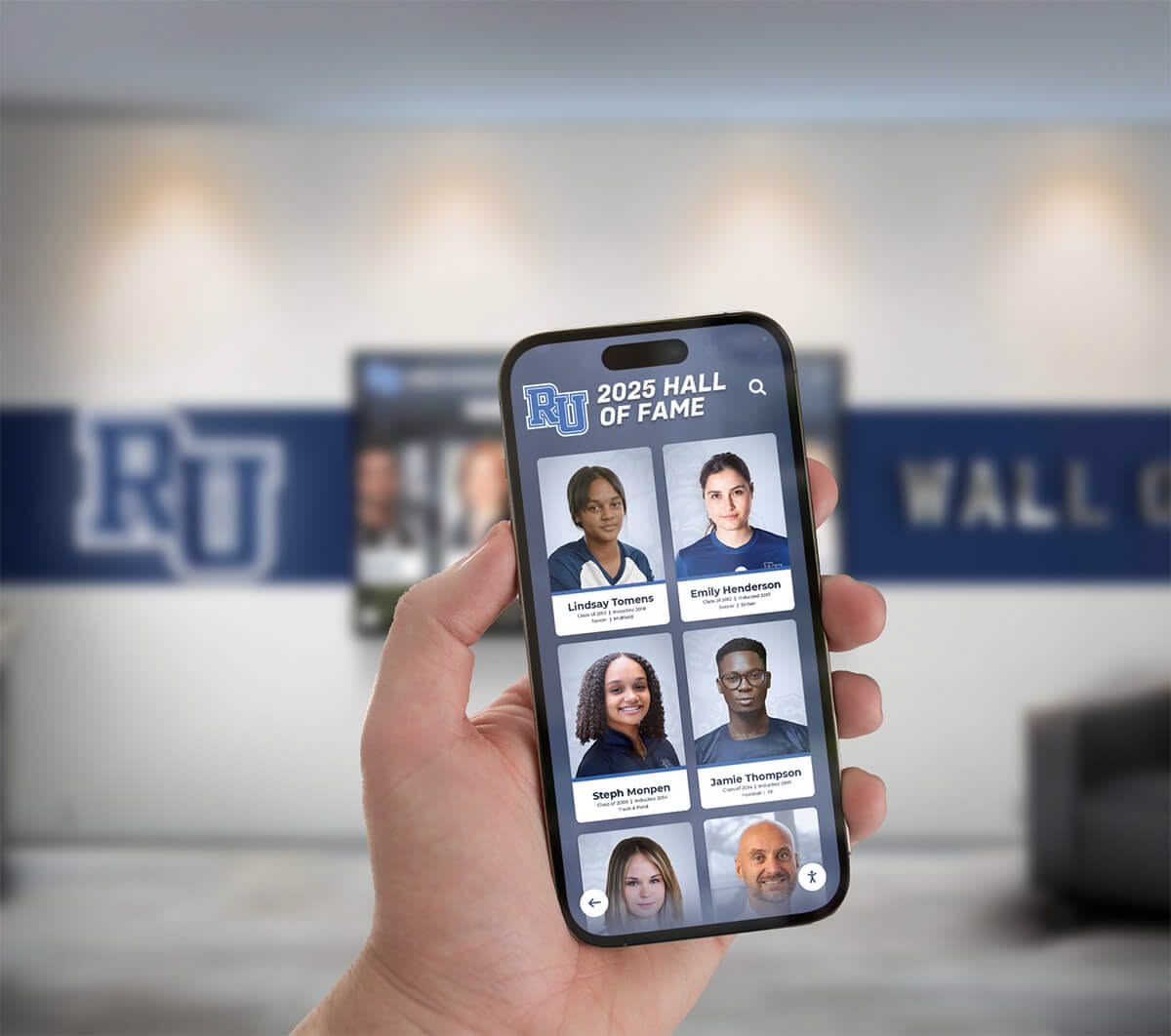
Mobile-accessible recognition extends engagement beyond physical displays while enabling instant giving through integrated platforms
Organizations implementing recognition displays with integrated giving functionality report 32-41% higher conversion rates from recognition viewing to completed donations compared to displays requiring separate navigation to giving pages—demonstrating power of reducing friction between inspiration and action.
Technology Solutions for Interactive Donor Recognition
Choosing appropriate platforms ensures Giving Tuesday recognition becomes sustainable engagement tool rather than static one-time acknowledgment.
Interactive Touchscreen Displays
Physical donor recognition installations create prominent, accessible community celebration points.
Touchscreen Display Advantages
Interactive displays provide capabilities traditional approaches cannot match:
- Unlimited capacity accommodating hundreds or thousands of donors across all giving levels without space constraints
- Instant updates adding new donors within hours of gift processing through cloud-based management
- Rich multimedia storytelling incorporating photos, videos, impact metrics, and testimonial content
- Intuitive exploration enabling visitors to search by name, browse by giving level, or explore randomly
- Engaging experiences transforming passive name-reading into active discovery keeping visitors engaged 5-10 minutes
- Year-round visibility maintaining recognition prominence long after Giving Tuesday concludes
Strategic Placement Considerations
Maximize recognition impact through thoughtful location selection:
- Main building lobbies where students, parents, alumni, and community members naturally congregate
- Development office areas ensuring recognition reaches donors visiting for meetings and cultivation conversations
- Event spaces hosting fundraising programs, community gatherings, and prospective donor tours
- High-traffic corridors connecting frequently-used facilities ensuring consistent visibility throughout year
Solutions like digital donor recognition displays provide purpose-built platforms designed specifically for comprehensive acknowledgment rather than generic digital signage adapted for donor recognition.
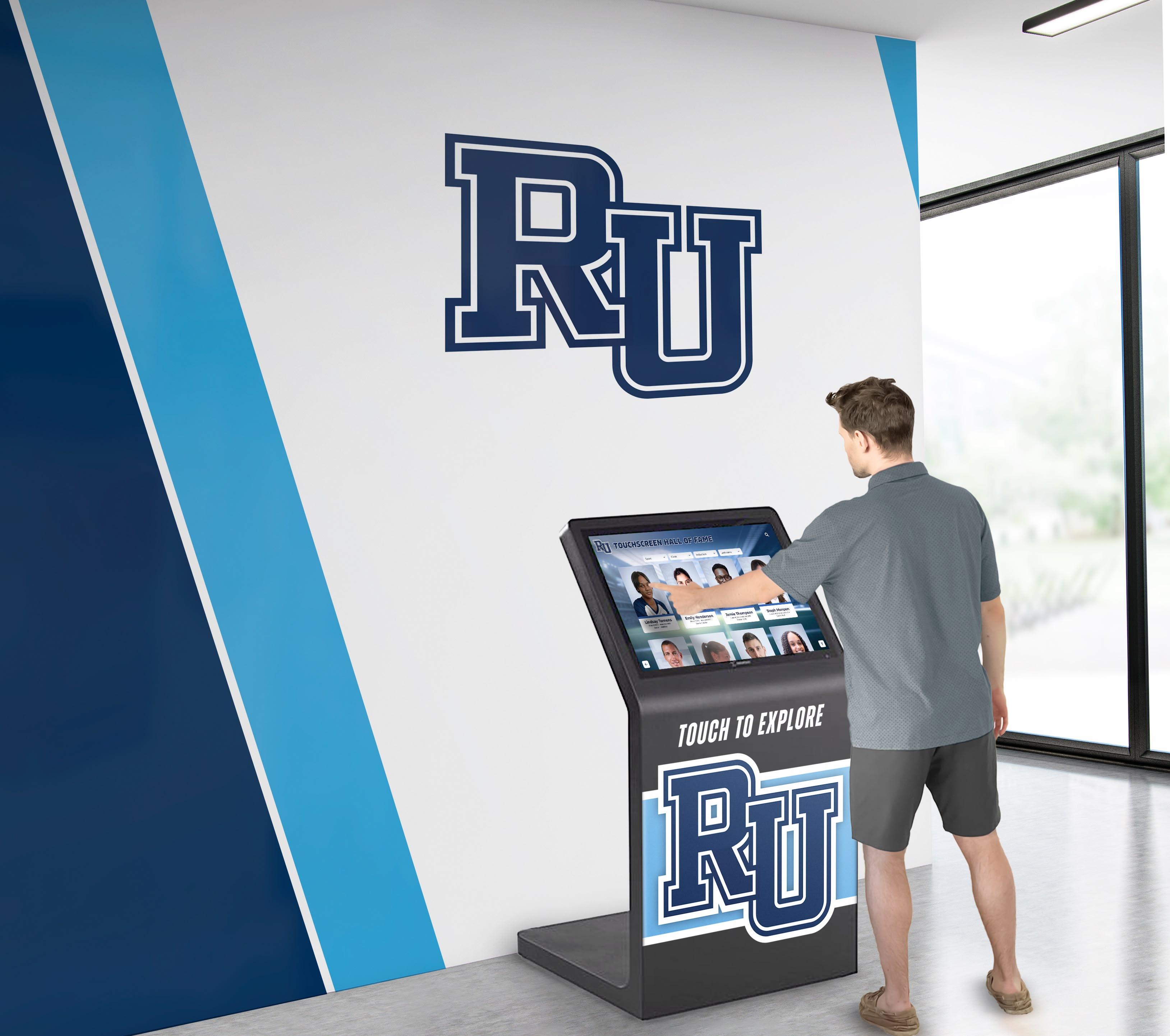
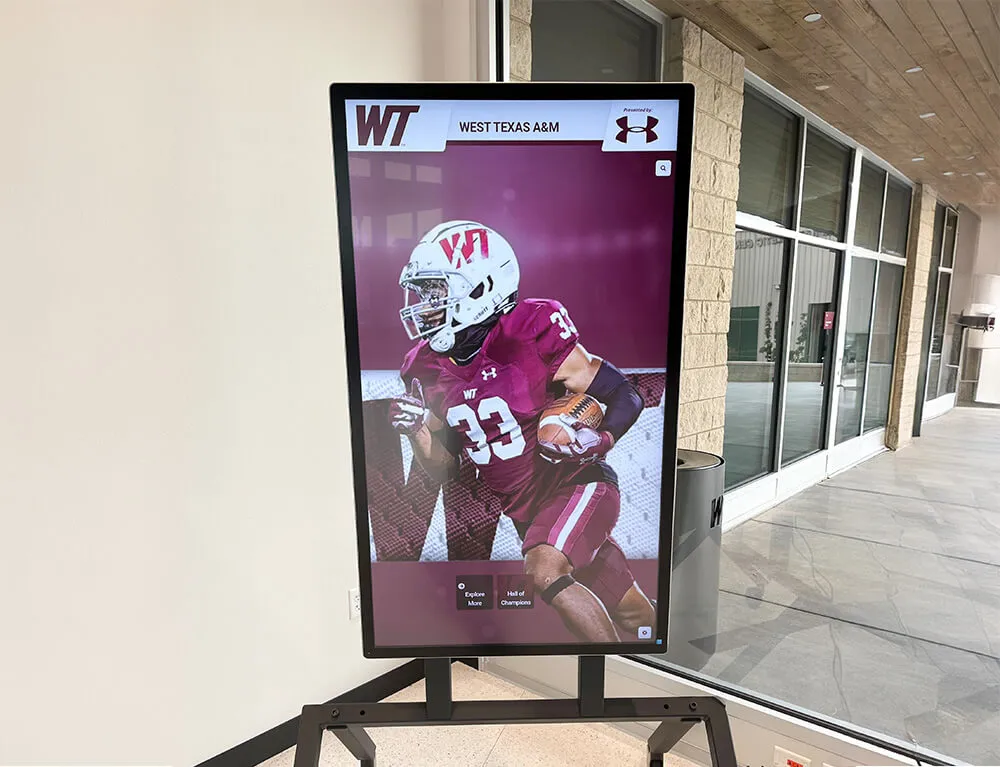
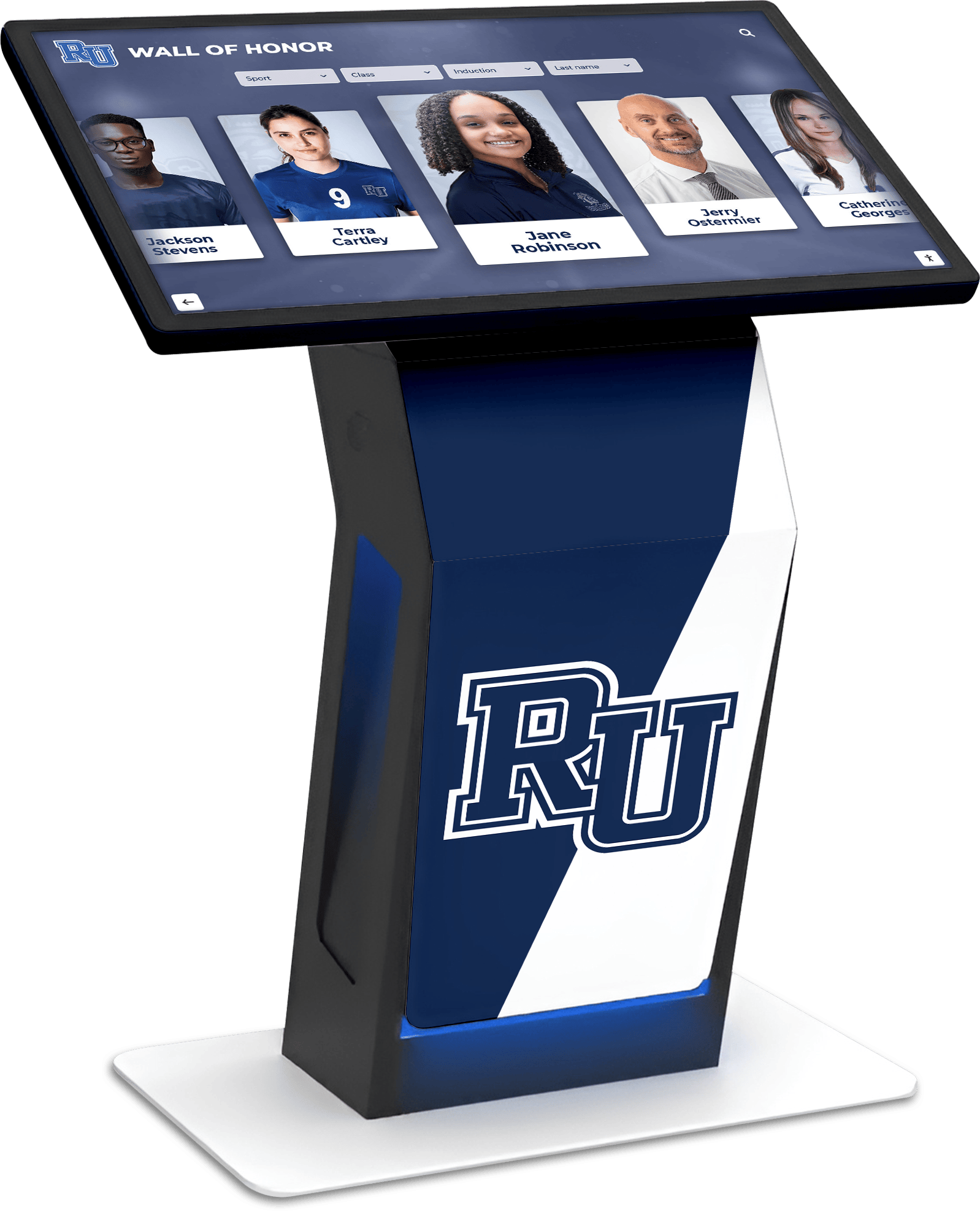
Free-standing kiosks provide flexible placement throughout facilities while maintaining secure, professional installations
Web-Based Donor Recognition Portals
Online donor pages extend recognition beyond physical locations enabling 24/7 accessibility.
Online Portal Benefits
Web-accessible recognition provides:
- Unlimited reach enabling distant alumni, community members, and prospective donors to explore giving participation
- Social media integration allowing donors to share recognition through personal networks amplifying institutional visibility
- Search engine visibility helping prospective donors discover organizational culture around philanthropy and community support
- Lower implementation costs compared to physical installations while maintaining comprehensive acknowledgment capability
- Mobile accessibility ensuring recognition displays properly across devices from smartphones to tablets
- Analytics tracking revealing how visitors explore recognition informing content optimization
Effective Online Recognition Design
Successful web portals incorporate:
- Responsive design ensuring accessibility across all devices and screen sizes
- Intuitive navigation enabling quick discovery of specific donors or exploration by category
- Compelling visual presentation befitting institutional brand and donor dignity
- Clear giving pathways positioning donation buttons prominently throughout experience
- Privacy controls respecting diverse donor preferences about public acknowledgment
- Regular content updates demonstrating ongoing organizational stewardship and campaign progress
Many organizations implement hybrid approaches combining physical displays in high-traffic institutional spaces with online portals extending recognition reach—ensuring comprehensive visibility while maintaining prestigious on-site acknowledgment. Explore church donor recognition approaches that apply equally well to educational and nonprofit Giving Tuesday campaigns.
Platform Selection Criteria
Choosing recognition technology requires evaluating capabilities against organizational needs and resources.
Essential Platform Features
Look for solutions providing:
- Intuitive content management enabling development teams to maintain recognition independently without technical expertise
- Flexible recognition structures accommodating diverse giving levels, designation categories, and acknowledgment preferences
- Rich media support incorporating photos, videos, documents, and multimedia content seamlessly
- Search and filtering capabilities allowing visitors to discover content through multiple pathways
- Analytics and reporting tracking engagement metrics and informing continuous improvement
- Integration capabilities connecting with existing advancement databases, giving platforms, and communication systems
- Mobile optimization ensuring experiences work equally well across devices
- Scalability accommodating growth as future Giving Tuesday campaigns attract additional supporters
Implementation and Support Considerations
Beyond features, evaluate:
- Initial implementation support including training, content development assistance, and launch coordination
- Ongoing technical support ensuring prompt issue resolution
- Platform updates maintaining contemporary functionality and security
- Community resources including user forums, documentation, and best practice sharing
- Total cost of ownership across 5-7 year timeframes including hardware, software, content development, and maintenance
Purpose-built recognition platforms designed specifically for institutional advancement typically provide superior functionality and support compared to generic content management systems or digital signage platforms adapted for donor acknowledgment.
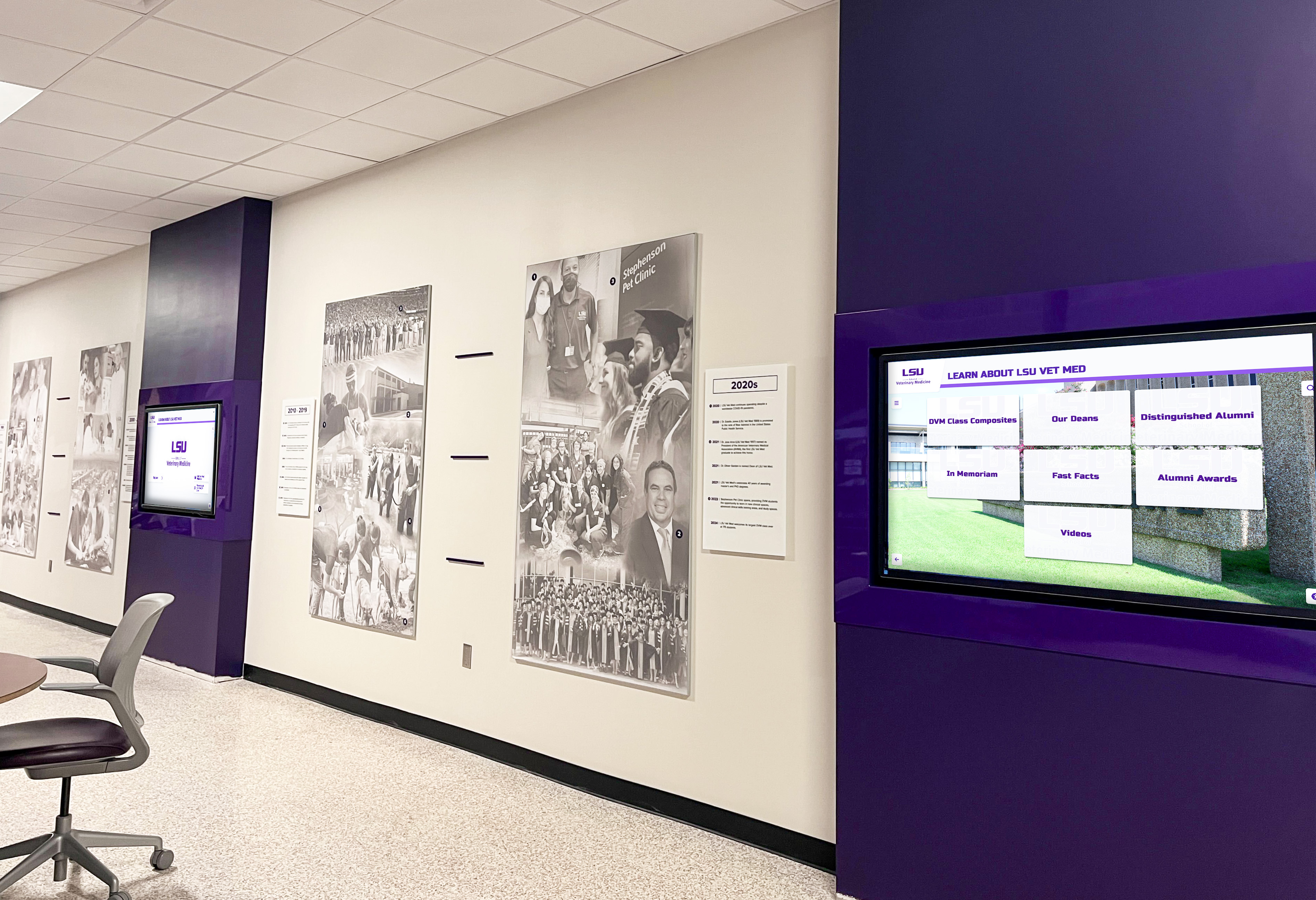
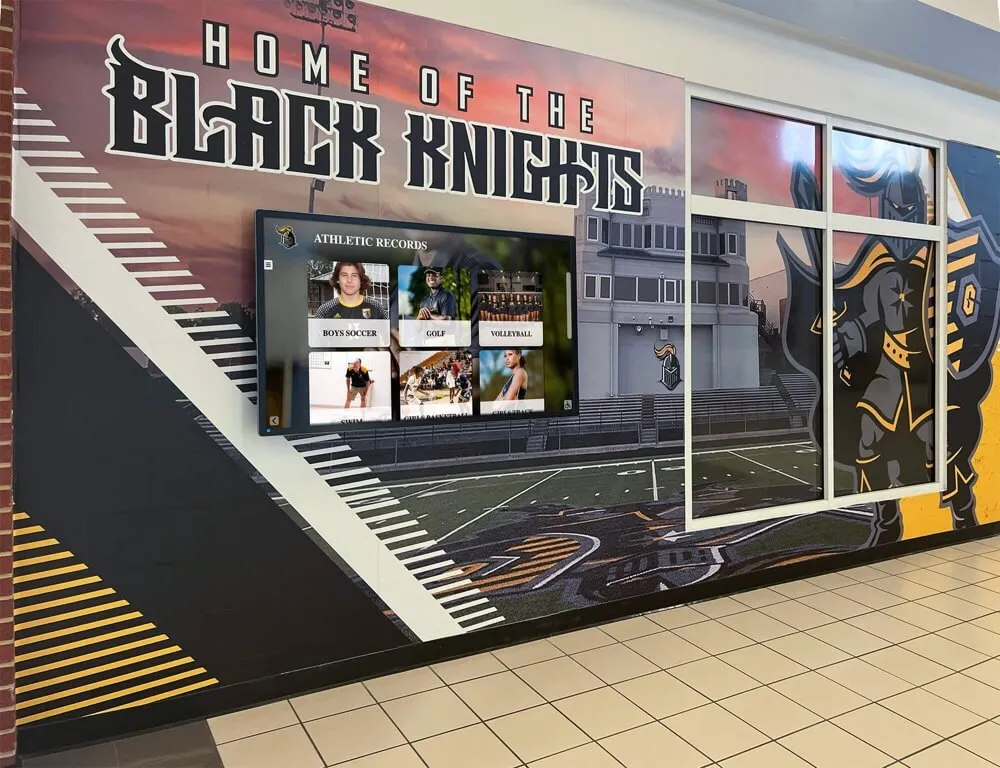
Large institutions often implement multiple coordinated displays across facilities ensuring recognition reaches diverse audiences throughout campuses
Content Strategy for Maximum Impact
Compelling content transforms technology platforms into meaningful recognition experiences that honor donors while inspiring continued engagement.
Storytelling That Connects Giving to Impact
Move beyond simple donor lists toward narratives demonstrating concrete outcomes contributions enabled.
Impact Story Development
Effective Giving Tuesday content includes:
Collective Achievement Metrics: Total funds raised, number of donors participating, percentage of community engaged, comparison to previous years demonstrating growth
Specific Outcome Documentation: Scholarships awarded with recipient profiles, programs funded with participation statistics, facilities enhanced with before-and-after imagery, technology purchased with student usage metrics
Beneficiary Testimonials: Student voices explaining how scholarship support enabled educational dreams, program participants describing transformational experiences, faculty discussing how resources enhanced teaching capabilities, community members acknowledging services accessed
Visual Documentation: Photographs showing programs in action, facilities serving communities, students engaged in newly-funded activities, and donors participating in giving celebrations
This storytelling connects abstract dollar amounts to concrete human impact—helping donors understand precisely what their generosity enabled while providing compelling narratives that inspire prospective supporters.
Donor Testimonial Integration
Authentic donor voices explain motivations and organizational connections powerfully.
Testimonial Content Options
Incorporate diverse perspectives:
- Written testimonies (150-400 words) explaining what inspired Giving Tuesday participation and connection to institutional mission
- Video testimonials (60-180 seconds) preserving authentic voices discussing giving motivations and organizational relationships
- Quote callouts highlighting memorable statements from donor interviews
- Social media amplification curating donor posts celebrating giving participation
- Multi-generational stories showcasing family giving traditions and legacy commitments
Gathering Testimonial Content
Systematic approaches ensure regular content flow:
- Post-gift surveys asking what inspired participation and permission to share responses
- Scheduled interviews with leadership circle donors developing comprehensive profiles
- Social media monitoring capturing spontaneous donor celebrations
- Annual Giving Tuesday reunion events creating testimonial gathering opportunities
- Recognition society gatherings providing natural settings for relationship-building conversations
Organizations implementing systematic testimonial gathering report 60-75% of donors willingly provide content when asked thoughtfully—far higher than many expect. Most supporters appreciate opportunities to explain motivations and inspire others through personal stories.
Discover alumni recognition approaches that apply testimonial strategies to comprehensive institutional recognition programs.
Maintaining Fresh, Dynamic Content
Static recognition becomes invisible as familiarity breeds inattention. Regular updates maintain engagement throughout the year.
Content Refresh Strategies
Implement systematic rotation:
- Monthly spotlight donors featuring different supporters prominently with enhanced profiles
- Impact update cycles sharing progress on programs and projects Giving Tuesday funds supported
- Countdown campaigns building anticipation for next Giving Tuesday by showcasing previous year’s success
- Milestone celebrations honoring participation anniversaries, consecutive year giving, or cumulative contribution achievements
- Seasonal alignments connecting recognition to institutional calendars—student spotlights during academic year start, alumni features during homecoming, program highlights during relevant awareness months
These refresh strategies give returning visitors reasons to engage repeatedly rather than assuming they’ve seen everything after initial exploration. Dynamic content maintains recognition as living celebration rather than static archive gathering digital dust.

Creating comfortable recognition spaces with seating encourages extended engagement enabling visitors to explore content thoroughly
Advanced Integration: Linking Recognition to Active Giving
The most strategic donor pages seamlessly connect acknowledgment viewing to giving action—transforming recognition from retrospective celebration into prospective cultivation.
QR Code Integration for Instant Access
Enable mobile device users to transition immediately from viewing recognition to making contributions.
Strategic QR Placement
Position codes throughout recognition experiences:
- Main display entry points enabling visitors to access mobile-optimized versions instantly
- Individual donor profiles allowing guests to learn more about featured supporters or giving opportunities
- Impact story sections connecting specific outcomes to relevant giving designations
- Recognition society information linking acknowledgment tiers to participation pathways
- Campaign progress indicators providing direct access to contribute toward current initiatives
Modern smartphone cameras recognize QR codes natively without requiring separate apps—removing friction that previously limited adoption. Organizations implementing QR integration report 45-62% of recognition display visitors access mobile content, with 12-18% completing donations directly from mobile devices during or immediately after viewing.
Social Proof and Peer Influence
Leverage social psychology principles that drive giving behavior.
Social Proof Mechanisms
Recognition displays naturally provide:
- Participation breadth demonstration showing how many community members contributed
- Peer identification revealing colleagues, friends, and respected community members who gave
- Giving level context illustrating typical contribution amounts without creating uncomfortable pressure
- Multi-year participation visibility celebrating sustained commitment inspiring others toward consistent support
- Leadership recognition showcasing prominent community members modeling philanthropic engagement
Research on charitable giving consistently demonstrates that social proof represents one of the most powerful motivators—often more influential than tax benefits, premium incentives, or matching gift programs. When prospective donors see peers and respected community members giving generously, they perceive participation as normal expectation rather than extraordinary act.
Organizations highlighting social proof through comprehensive recognition report 28-35% increases in first-time donors during campaigns compared to institutions providing limited participation visibility—demonstrating measurable impact of peer influence on giving behavior.
Integration with CRM and Advancement Systems
Streamline recognition management through database connectivity.
System Integration Benefits
Connected platforms provide:
- Automated donor addition immediately after gift processing eliminating manual data entry
- Accurate information maintenance syncing updates, corrections, and preference changes automatically
- Recognition preference management respecting diverse acknowledgment comfort levels documented in advancement systems
- Giving history context accessing cumulative contribution data for lifetime recognition approaches
- Analytical insights combining recognition engagement metrics with broader advancement analytics
This integration ensures recognition remains current and accurate while reducing staff burden managing multiple disconnected systems. Development teams report saving 8-15 hours monthly through integrated recognition management compared to manual coordination between giving platforms, databases, and recognition displays.
Explore comprehensive capital campaign recognition strategies that incorporate systematic integration approaches for large-scale fundraising initiatives.

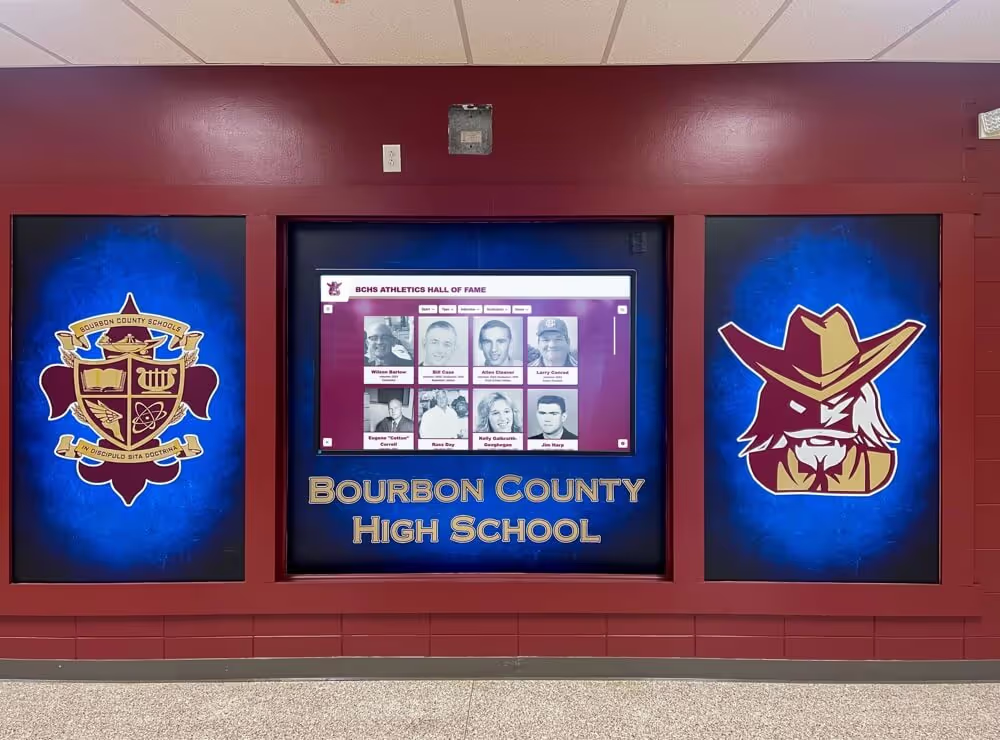
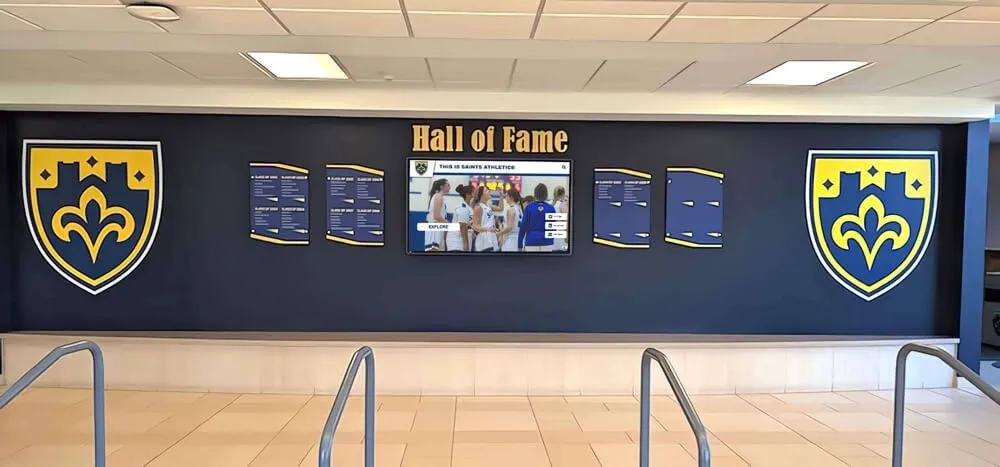
Comprehensive donor recognition showcases supporter diversity while celebrating collective community generosity across all giving levels
Measuring Giving Tuesday Recognition Success
Data-driven evaluation ensures recognition investments deliver value while identifying improvement opportunities.
Engagement Metrics and Analytics
Track how communities interact with donor recognition experiences.
Key Engagement Indicators
Monitor metrics revealing recognition effectiveness:
- Total interactions establishing baseline engagement levels
- Average session duration (target: 6-12 minutes for physical displays, 3-6 minutes online) indicating content interest depth
- Unique visitors versus repeat users showing sustained interest
- Peak usage times informing promotional timing and content refresh scheduling
- Search patterns revealing what visitors seek when exploring recognition
- Most-viewed profiles identifying compelling stories that resonate powerfully
- Social sharing frequency measuring recognition amplification through donor networks
These analytics guide content optimization decisions—revealing which donor stories engage audiences most effectively, what recognition features visitors value, and how exploration patterns inform design improvements.
Fundraising Outcome Correlations
Ultimate recognition success appears in advancement metrics demonstrating tangible impact.
Donor Behavior Measurements
Track giving patterns for recognized versus non-recognized donors:
- Retention rates comparing subsequent year Giving Tuesday participation (benchmark: 25-35 percentage point improvements)
- Upgrade conversion rates showing donors moving to higher recognition tiers year-over-year (benchmark: 15-22% for recognized donors)
- Time-to-next-gift intervals revealing whether recognition accelerates continued engagement
- Major gift correlation tracking whether recognition visibility influences transformational contributions
- Planned giving inquiries measuring recognition impact on legacy gift conversations
Organizations implementing comprehensive Giving Tuesday recognition consistently report remarkable retention improvements. Consider these comparative scenarios for an organization with 500 Giving Tuesday donors averaging $150 contributions:
Minimal Recognition Scenario (40% retention):
- Year 1: 500 donors = $75,000
- Year 2: 200 retained + 300 new = $75,000
- Year 3: 200 retained + 300 new = $75,000
- Year 5: 200 retained + 300 new = $75,000
- 5-year total: $375,000
Comprehensive Recognition Scenario (68% retention):
- Year 1: 500 donors = $75,000
- Year 2: 340 retained + 160 new = $75,000
- Year 3: 397 retained + 103 new = $75,000
- Year 5: 462 retained + 38 new = $75,000
- 5-year total: $435,000
The comprehensive recognition approach generates $60,000 additional revenue over five years from identical starting points—demonstrating tangible financial returns on recognition investment beyond intangible relationship benefits.
Return on Investment Calculation
Demonstrate recognition program value through financial analysis.
ROI Framework Components
Investment Costs:
- Hardware for physical displays ($8,000-$25,000) if implementing touchscreen installations
- Software platforms and implementation ($12,000-$25,000) for purpose-built recognition systems
- Content development ($6,000-$15,000) for initial donor profile creation and multimedia production
- Annual platform subscriptions ($4,000-$10,000) for ongoing software licensing and support
- Maintenance and updates ($3,000-$6,000 annually) for content refresh and technical maintenance
Financial Returns:
- Retained donors avoiding acquisition costs ($150-$300 per new donor)
- Gift upgrades from enhanced engagement (15-25% increases common among recognized donors)
- Major gift conversions influenced by recognition cultivation exposure
- Operational efficiencies reducing staff time managing acknowledgment compared to traditional approaches
Most organizations implementing comprehensive Giving Tuesday recognition report ROI exceeding 2.5:1 within two years, with returns improving as retention benefits compound across multiple campaigns.
Learn about donor recognition measurement approaches that provide comprehensive frameworks for evaluating recognition program effectiveness.

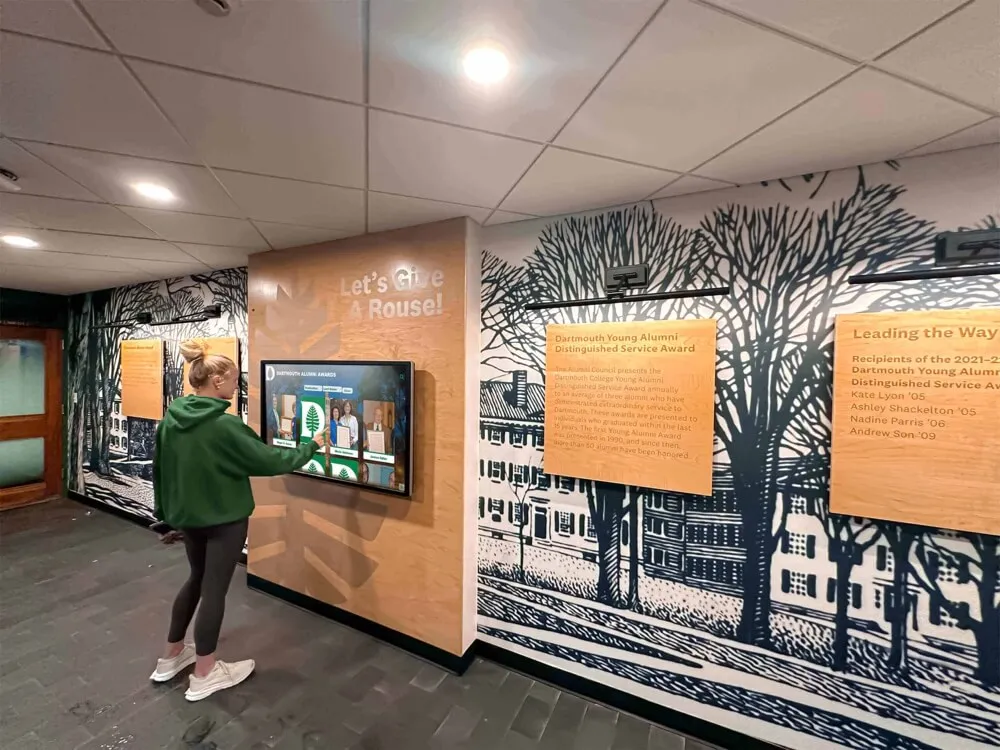
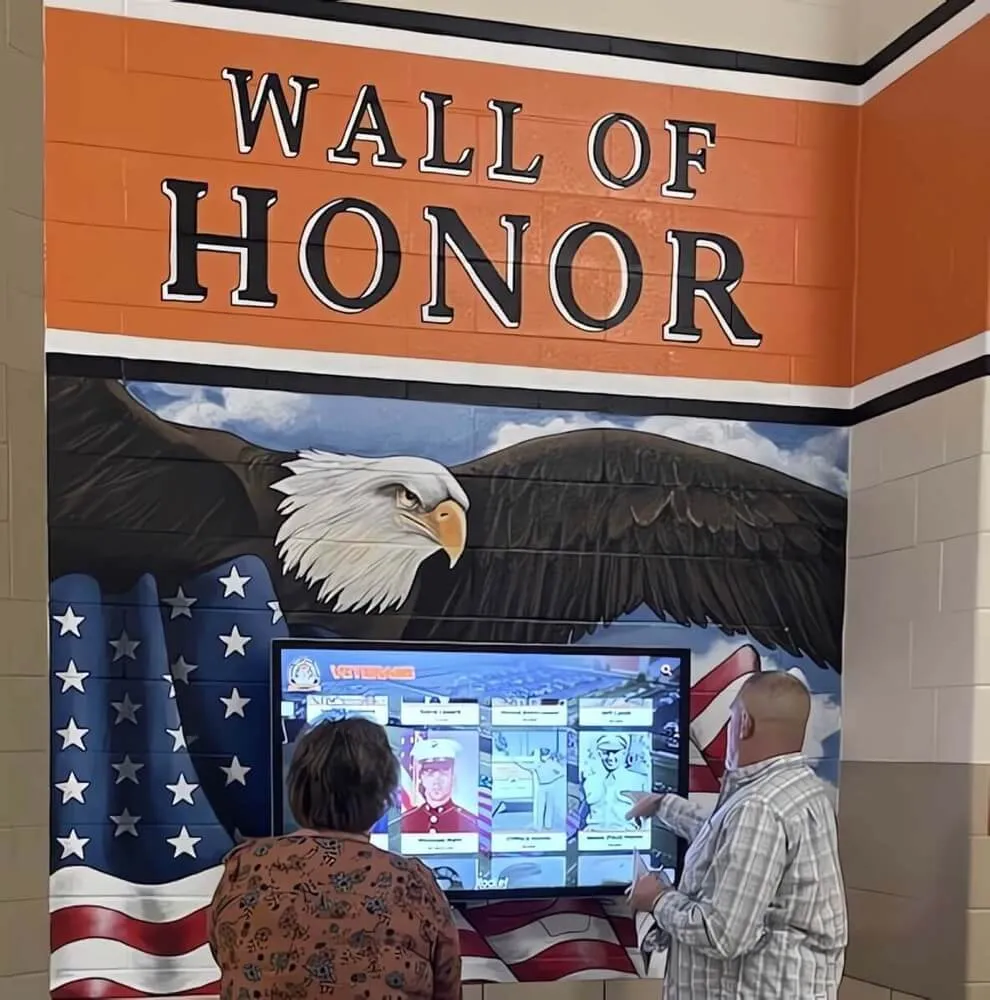
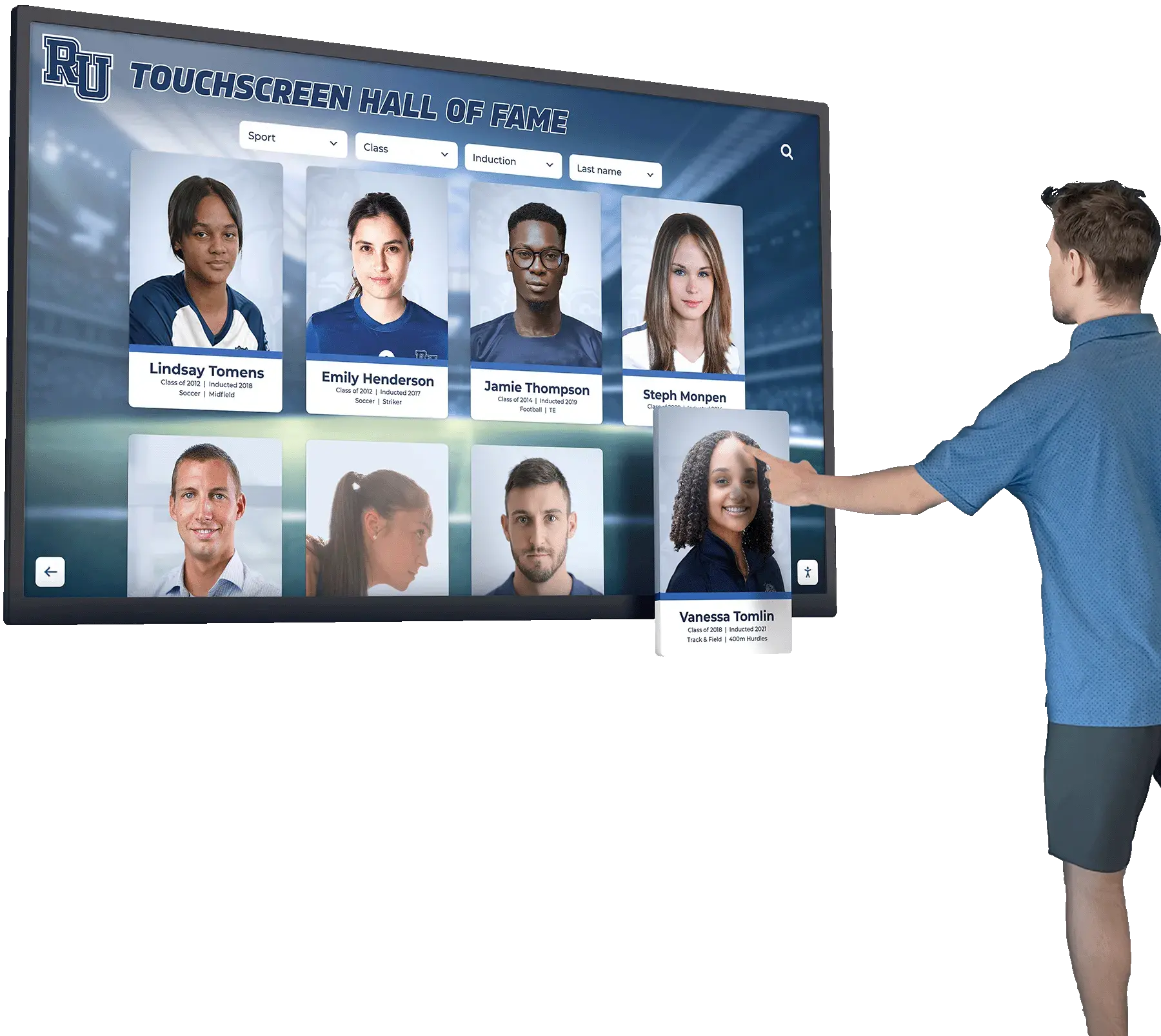
Intuitive touchscreen interfaces enable visitors to explore donor profiles, search for themselves and friends, and engage deeply with recognition content
Best Practices for Giving Tuesday Donor Page Success
Organizations achieving exceptional results follow proven approaches maximizing recognition impact and donor satisfaction.
Launch Recognition During Campaign Momentum
Timing matters significantly for recognition effectiveness.
Strategic Launch Approaches
Implement recognition before or during Giving Tuesday rather than weeks or months afterward:
- Pre-campaign launch showcasing previous year’s donors creates social proof inspiring current participation
- Real-time updates adding donors throughout Giving Tuesday day demonstrates momentum and encourages late participation
- Immediate post-campaign visibility ensures early donors see recognition within days while enthusiasm remains strong
- Campaign integration featuring recognition prominently in Giving Tuesday communications and social media
Organizations launching recognition concurrent with campaigns report 32-45% higher donor satisfaction scores compared to institutions waiting months to implement acknowledgment—demonstrating importance of recognition timeliness for stewardship impact.
Respect Privacy While Encouraging Participation
Balance public recognition with diverse donor preferences about visibility.
Privacy Management Approaches
Offer explicit choices during gift acceptance:
- Public recognition with full biographical information and storytelling content
- Name-only recognition without detailed profiles or personal information
- Anonymous recognition indicating contribution level without donor identification
- No public recognition honoring preferences for completely private giving
Document preferences clearly in advancement databases and honor them consistently across all recognition channels. Most organizations find 75-85% of donors welcome public acknowledgment when given clear options—higher than many expect based on assumptions about privacy concerns.
Promote Recognition Year-Round
Maximize recognition value through sustained visibility promotion.
Ongoing Promotion Strategies
Feature donor recognition regularly:
- New donor spotlights in monthly newsletters highlighting recent participants
- Social media features showcasing compelling donor stories and testimonials
- Campus tour integration ensuring prospective students and families encounter recognition
- Event incorporation displaying recognition during fundraising programs, cultivation gatherings, and community celebrations
- Website prominence featuring recognition portals prominently on institutional and advancement websites
This sustained promotion maintains recognition visibility throughout the year rather than limiting acknowledgment to brief campaign periods—maximizing return on recognition investment while keeping Giving Tuesday top-of-mind year-round.
Discover homecoming recognition strategies that incorporate donor celebration into broader community engagement programming.
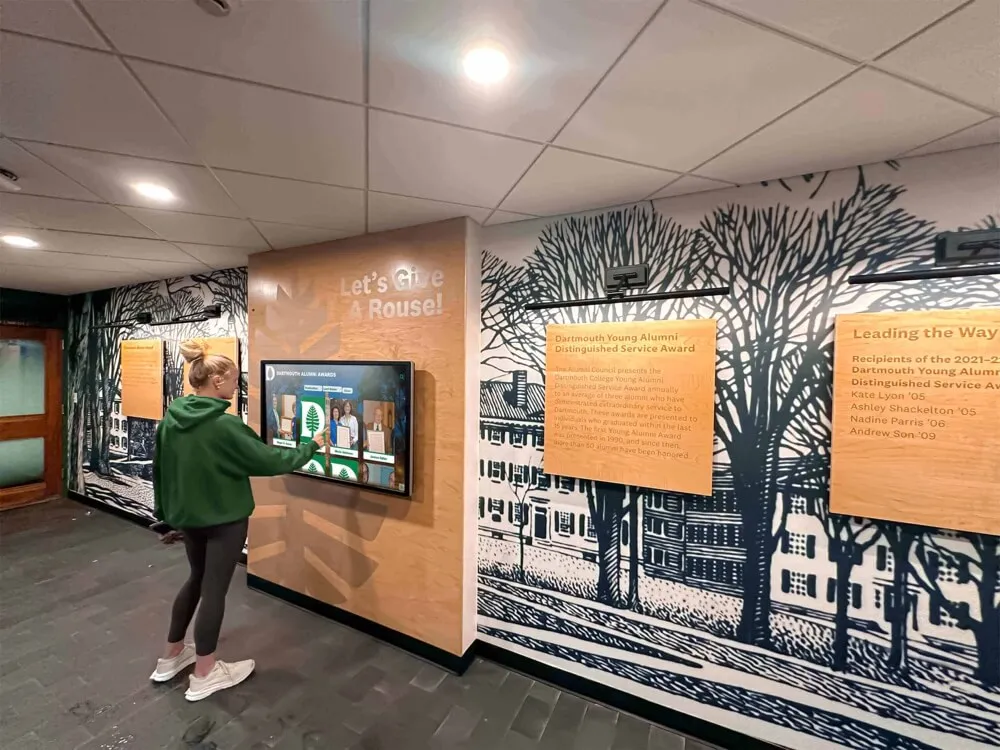
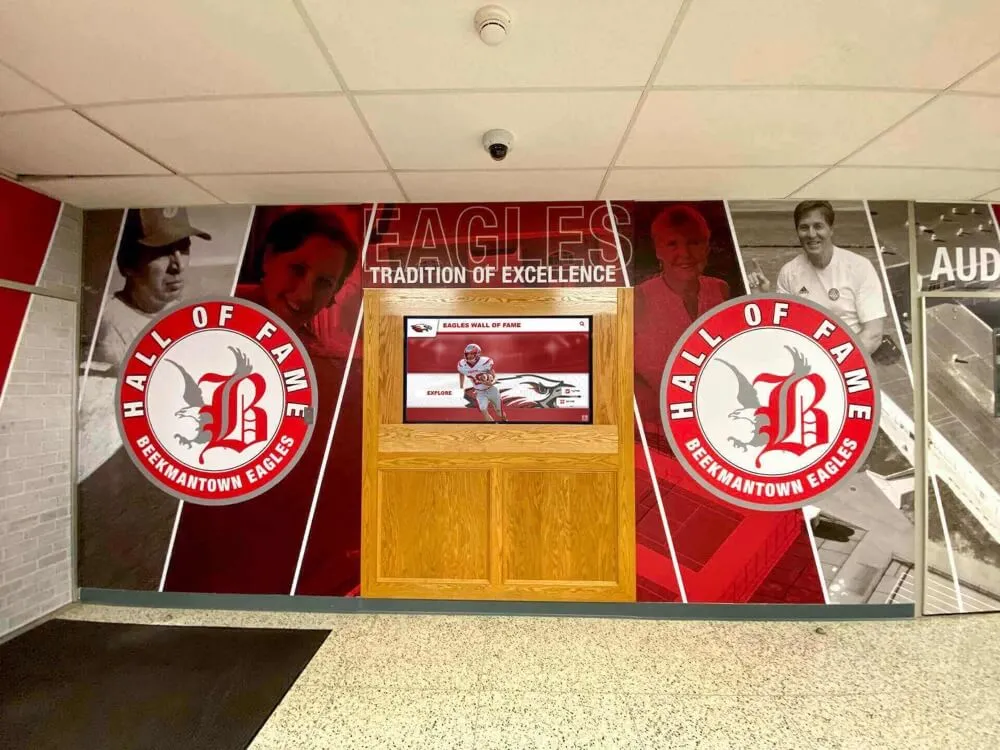
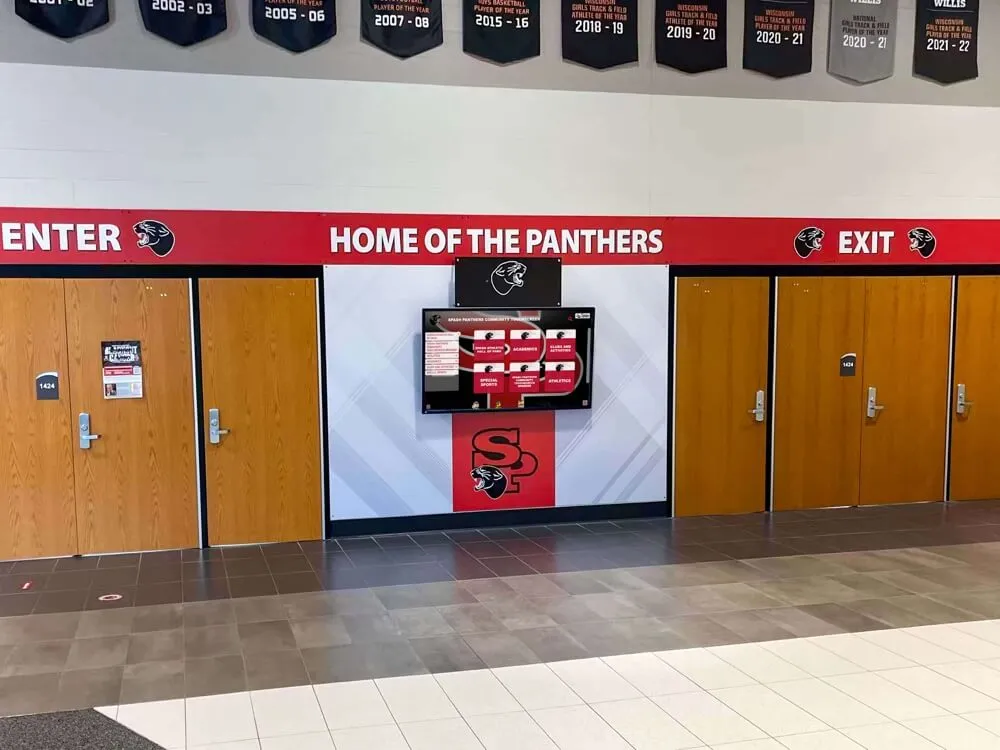
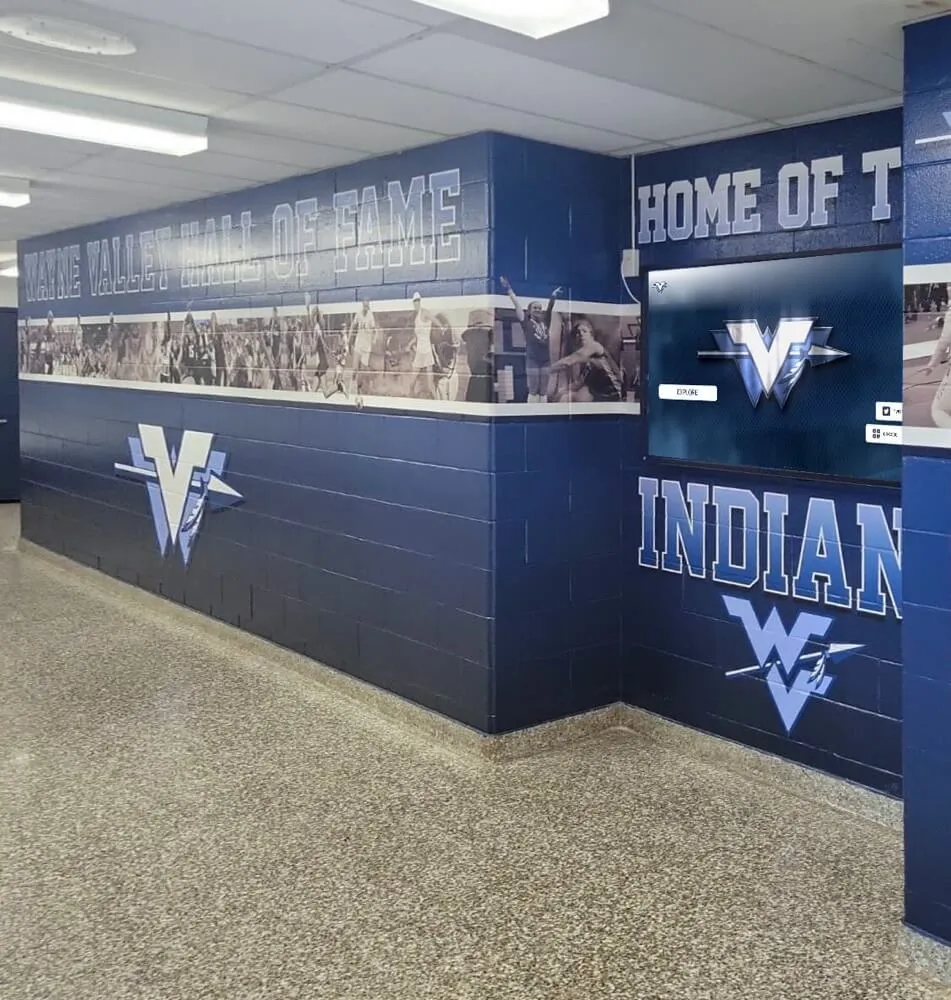
Strategic corridor placement ensures donor recognition reaches diverse audiences throughout daily campus activities
Special Considerations for Different Institution Types
Giving Tuesday recognition approaches should reflect unique organizational contexts and communities.
K-12 Schools and Educational Foundations
School-based Giving Tuesday campaigns serve distinctive communities requiring tailored recognition.
School-Specific Recognition Elements
Effective K-12 donor pages incorporate:
- Parent participation celebration acknowledging family engagement across grade levels
- Faculty and staff giving visibility demonstrating internal community support
- Alumni connection linking past graduates to current student success
- Program-specific designation connecting gifts to athletics, arts, academics, technology, and enrichment priorities
- Student involvement showcasing how young people participated in campaigns or benefited from support
Schools implementing comprehensive Giving Tuesday recognition report 40-55% higher parent donor retention rates compared to those providing minimal acknowledgment—demonstrating particular importance of recognition in engaging family communities where personal connections to beneficiaries remain strong.
Learn about school history preservation approaches that complement donor recognition within comprehensive institutional memory programs.
Colleges and Universities
Higher education institutions manage more complex donor populations requiring sophisticated recognition.
University-Scale Recognition Approaches
Comprehensive campus programs address:
- Massive alumni populations spanning decades and geographies requiring unlimited capacity systems
- School and college affiliations enabling donors to connect with specific units within larger universities
- Athletic program donors acknowledging supporters motivated by sports connections
- Student giving initiatives celebrating young alumni establishing giving patterns
- Regional chapter coordination recognizing donors participating through geographic alumni networks
Universities implementing scalable digital recognition platforms accommodate tens of thousands of donors across distributed communities while maintaining institutional consistency and brand alignment. Explore Division I athletics recognition systems that address large-scale university needs.
Nonprofit Organizations
Mission-driven organizations serve diverse causes requiring recognition reflecting specific contexts.
Nonprofit Recognition Considerations
Effective nonprofit donor pages:
- Connect giving to mission outcomes showing concrete impact on served populations
- Feature beneficiary voices sharing testimonials from program participants
- Acknowledge volunteer contributions celebrating time and talent alongside financial support
- Respect organizational culture ensuring recognition approaches align with mission values and stakeholder expectations
- Scale appropriately matching recognition investment to organizational size and resources
Nonprofits implementing Giving Tuesday recognition tailored to mission contexts report 25-35% improvements in donor confidence scores—demonstrating how authentic, mission-aligned acknowledgment builds trust and sustained support.

Creating dedicated recognition spaces with comfortable seating encourages extended engagement and contemplation of community generosity
Conclusion: Transforming Giving Tuesday Recognition Into Year-Round Engagement
Giving Tuesday donor pages represent strategic opportunities to celebrate community generosity while building sustained giving relationships that advance organizational missions for years. When implemented thoughtfully with interactive technology, comprehensive content, and integrated giving pathways, recognition transforms from perfunctory acknowledgment into dynamic engagement tools that honor current supporters while inspiring future participation.
The most successful Giving Tuesday recognition programs share common characteristics: they acknowledge every donor across all contribution levels ensuring inclusive celebration, implement permanent accessible displays maintaining visibility throughout the year, connect recognition seamlessly to giving pathways reducing friction between inspiration and action, demonstrate transparency through impact storytelling building donor confidence, and measure effectiveness systematically enabling continuous improvement.
Organizations implementing comprehensive interactive donor recognition consistently report remarkable outcomes: retention improvements of 25-35 percentage points transforming campaign economics, first-time donor increases of 28-35% through compelling social proof, donor satisfaction gains exceeding 40% when supporters feel genuinely valued, and operational efficiencies saving hours monthly managing acknowledgment compared to traditional approaches.
Transform Your Giving Tuesday Recognition
Discover how modern donor recognition solutions can help you celebrate every supporter's generosity while creating the central hubs that drive sustained engagement and continued giving throughout the year.
Explore Recognition SolutionsWhether you’re implementing Giving Tuesday recognition for the first time or enhancing existing approaches, the principles and strategies explored in this guide provide frameworks for creating acknowledgment donors genuinely value—recognition that strengthens relationships, inspires continued support, and advances organizational missions for generations.
Your Giving Tuesday donors’ generosity enables programs, scholarships, facilities, and services that transform lives throughout your community. They deserve thoughtful, meaningful recognition that honors their commitment while deepening connections to your mission. With strategic planning, appropriate technology, compelling content, and sustained commitment, you can create recognition systems that transform one-time campaign participants into lifelong mission champions whose sustained philanthropy advances your cause for decades.
Ready to elevate your Giving Tuesday recognition? Explore school gala fundraiser recognition approaches that apply similar principles to other campaign contexts. Discover digital archives integration connecting donor recognition to broader institutional memory initiatives. Learn about nostalgia marketing strategies that leverage emotional connections driving giving behavior.