



Golf presents unique recognition challenges compared to more visible team sports. Individual achievement intertwines with team success. Statistical excellence spans stroke averages, tournament victories, and academic honors. Careers unfold over four years of collegiate competition or high school seasons that build toward championship moments. Distinguished alumni may have competed decades ago, yet their records and contributions still shape program identity today.
Effective recognition design honors these complexities while creating accessible, engaging displays that work for diverse audiences—prospective recruits evaluating program prestige, current players seeking inspiration from predecessors, alumni reconnecting with team memories, donors considering athletic support, and campus visitors discovering institutional excellence.
Understanding Golf Team Recognition Design Challenges
Before exploring layout solutions and content strategies, examining what makes golf recognition uniquely complex helps designers create displays that authentically represent the sport’s character while celebrating individual and team achievement.
Individual Performance Within Team Context
Golf straddles the line between individual and team sport in ways that recognition displays must reflect authentically. A player’s stroke average, tournament victories, and all-conference honors represent personal excellence earned through countless practice hours and competitive rounds. Yet these individual achievements contribute to team scores, conference standings, and championship pursuits that define program success.
Balancing Recognition Priorities
Effective displays celebrate both dimensions without diminishing either. Individual profile depth showcases personal career highlights, tournament victories, statistical excellence, academic achievements, leadership contributions, and post-graduation accomplishments. Team context placement connects individual success to championship seasons, conference titles, program records, and collective achievements that required coordinated excellence.
This balance ensures players receive proper individual recognition while maintaining the team-first culture that characterizes successful golf programs.

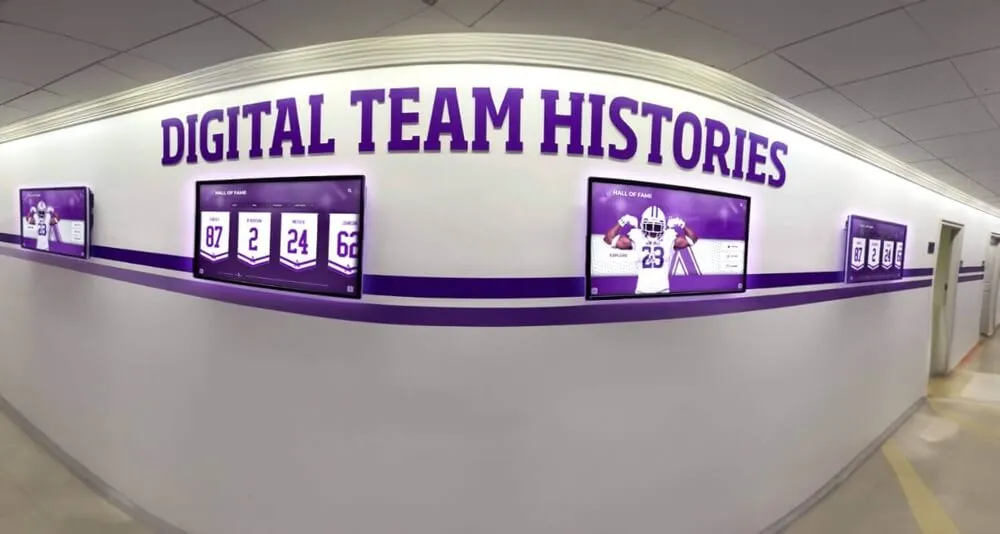
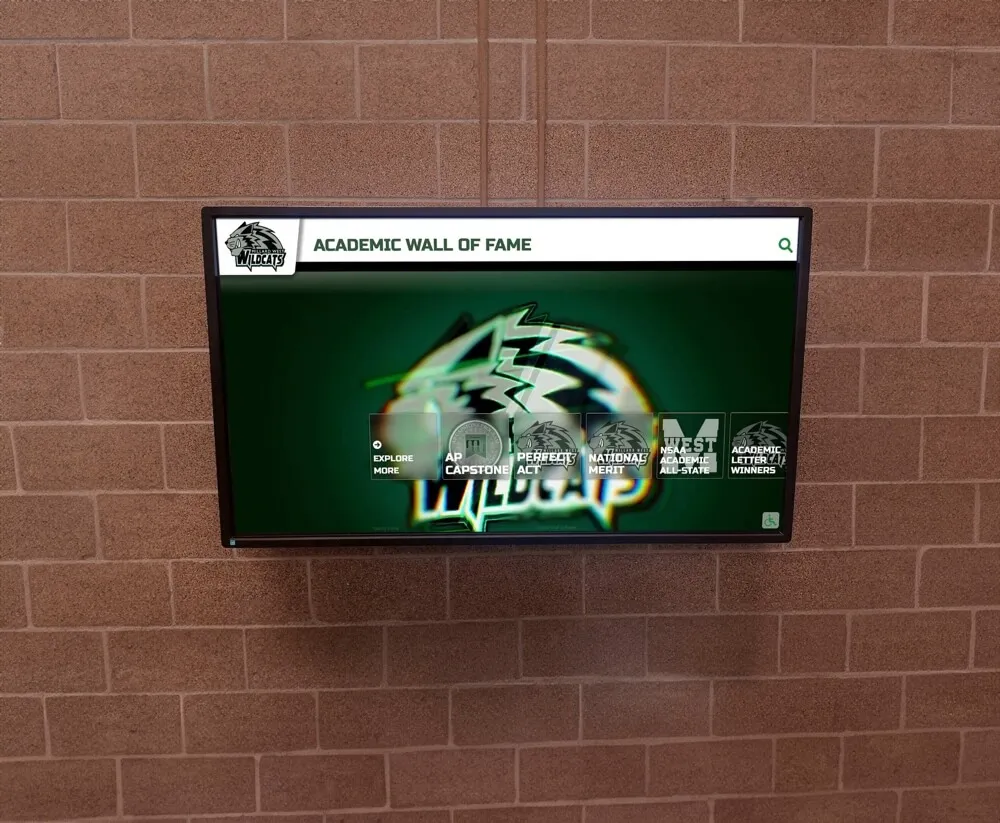
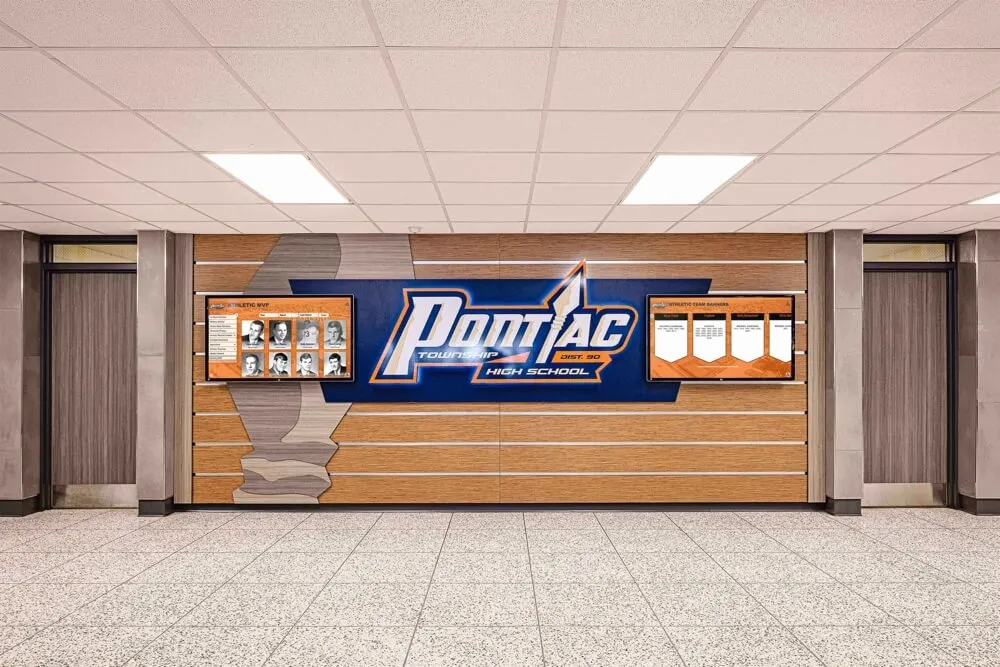
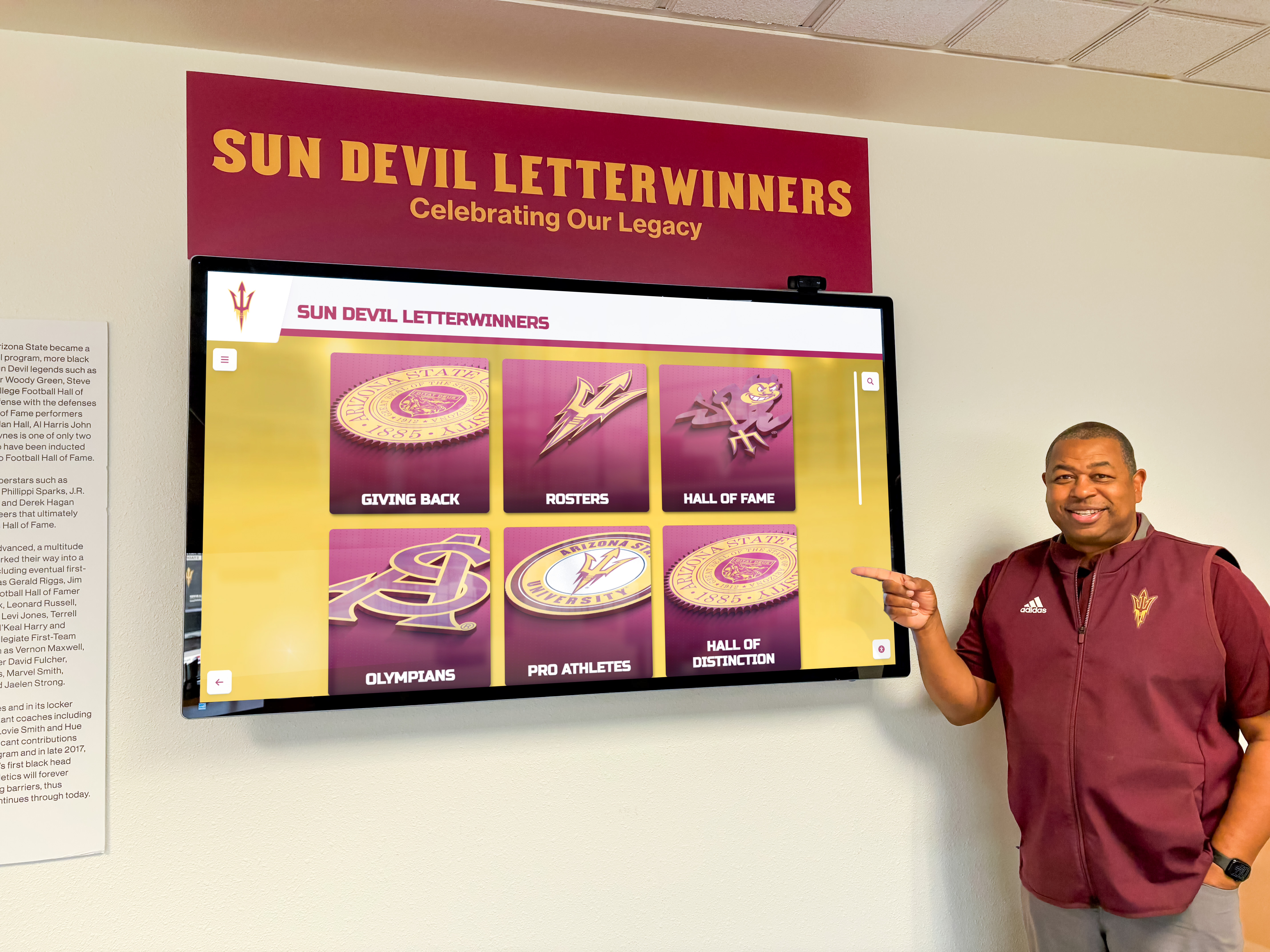
Letterwinners displays create organized frameworks for recognizing individual excellence within broader team achievement narratives
Statistical Achievement and Performance Context
Golf produces abundant statistical data—stroke averages, tournament finishes, scoring records, rounds played—that quantifies excellence. Yet raw numbers lack meaning without context explaining what made performances exceptional.
Creating Statistical Narratives
Distinguished alumni recognition becomes compelling when statistics transform into stories. A 71.2 stroke average becomes remarkable when displays note it represented a program record that stood for fifteen years and contributed to three conference championships. Tournament victories gain significance when connected to challenging courses, competitive fields, or weather conditions that elevated wins beyond routine success.
Contextual layers include era-specific competitive standards showing how achievements compared to contemporaries, program historical benchmarks placing performances within institutional legacy, conference and regional comparisons demonstrating competitive excellence, and career trajectory narratives showing improvement and consistency over time.
These narrative elements transform statistics from abstract numbers into meaningful achievement indicators that resonate with audiences who understand golf’s competitive nuances.
Recognizing Diverse Achievement Types
Golf excellence manifests across multiple dimensions that comprehensive recognition should acknowledge systematically rather than focusing narrowly on tournament wins or low scoring averages alone.
Achievement Categories Worth Celebrating
Tournament performance including individual victories, top finishes, and consistent excellence across competitive rounds. Statistical excellence spanning stroke averages, scoring records, and performance benchmarks. Team leadership through captaincy, mentorship, program building, and cultural contributions. Academic honors reflecting golf’s emphasis on student-athlete balance and scholarship. All-conference, all-region, and all-American recognition from external organizations. Post-graduation success in professional golf, amateur competition, coaching, or golf industry careers.
Comprehensive displays acknowledge this achievement diversity, ensuring recognition extends beyond narrow definitions of success to honor varied contributions that strengthen programs across multiple dimensions.
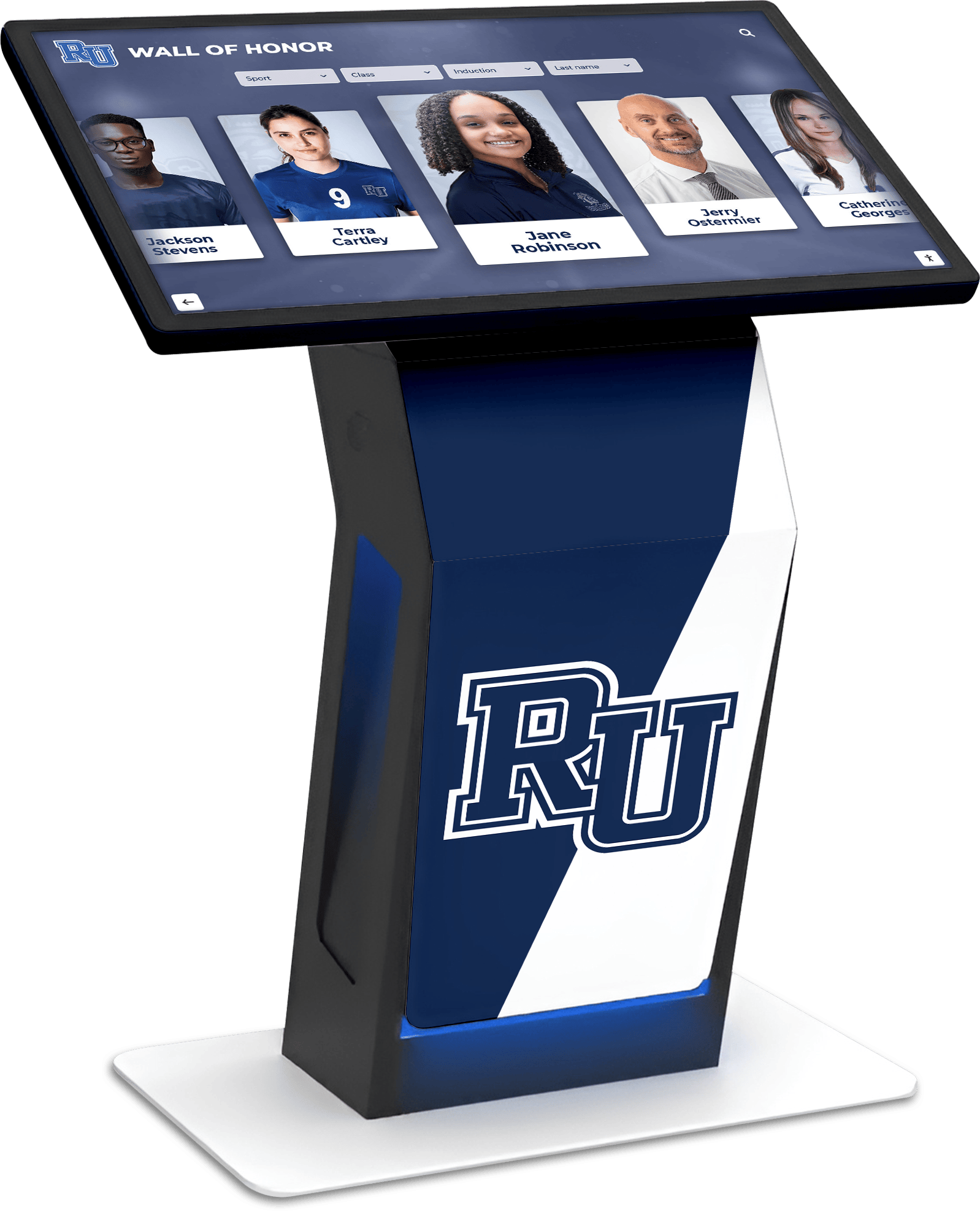
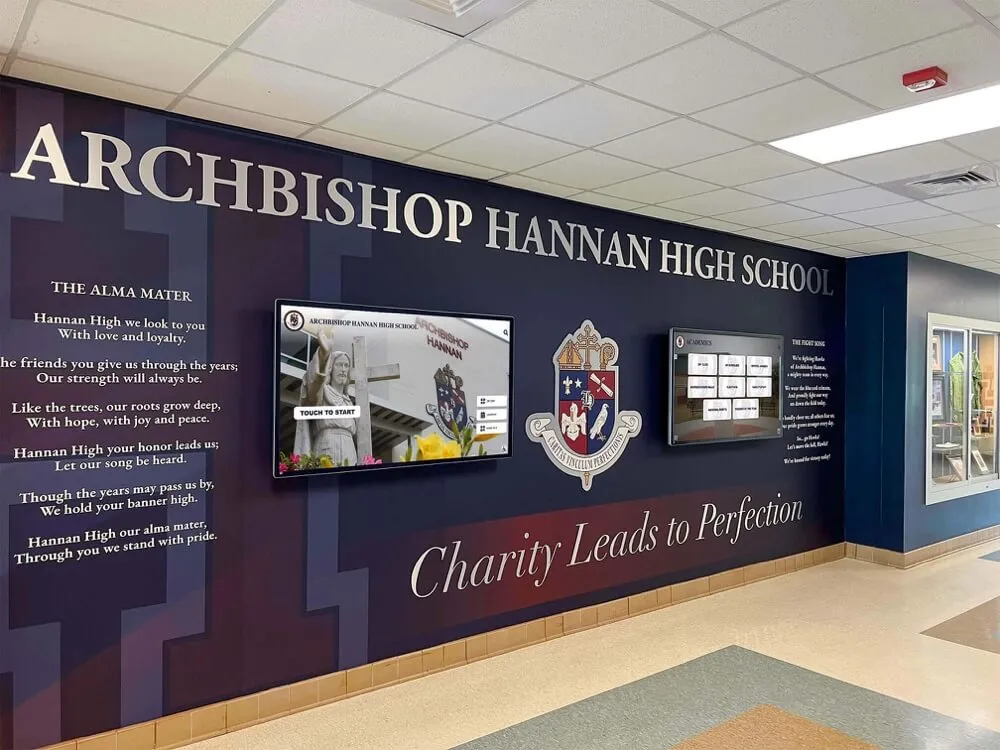
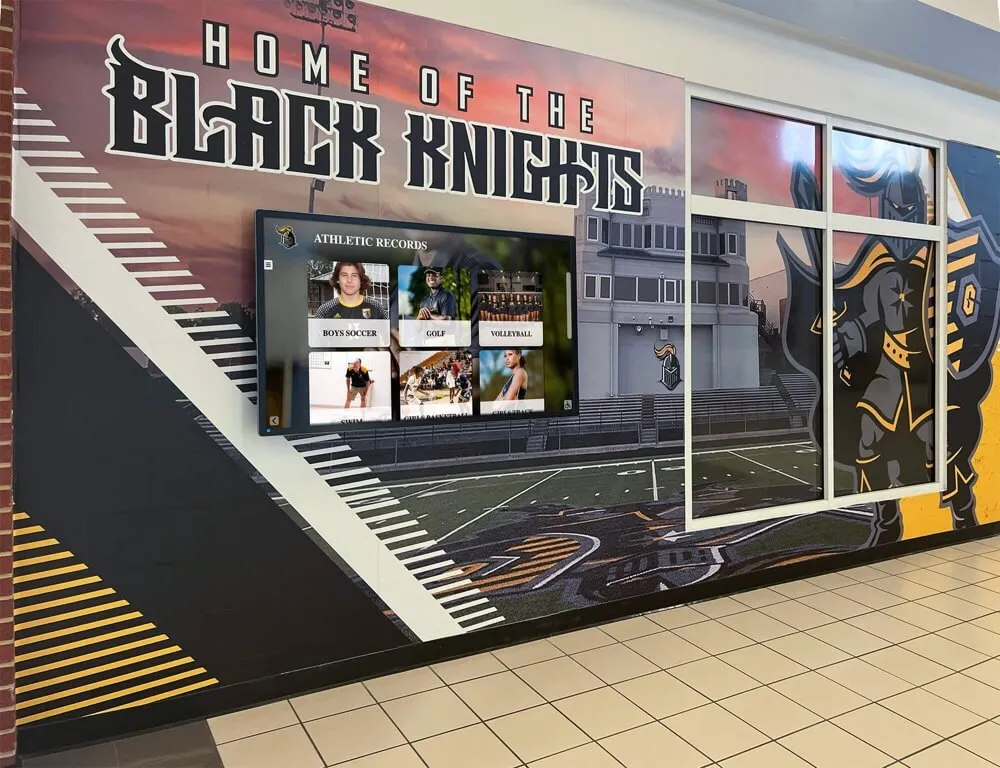
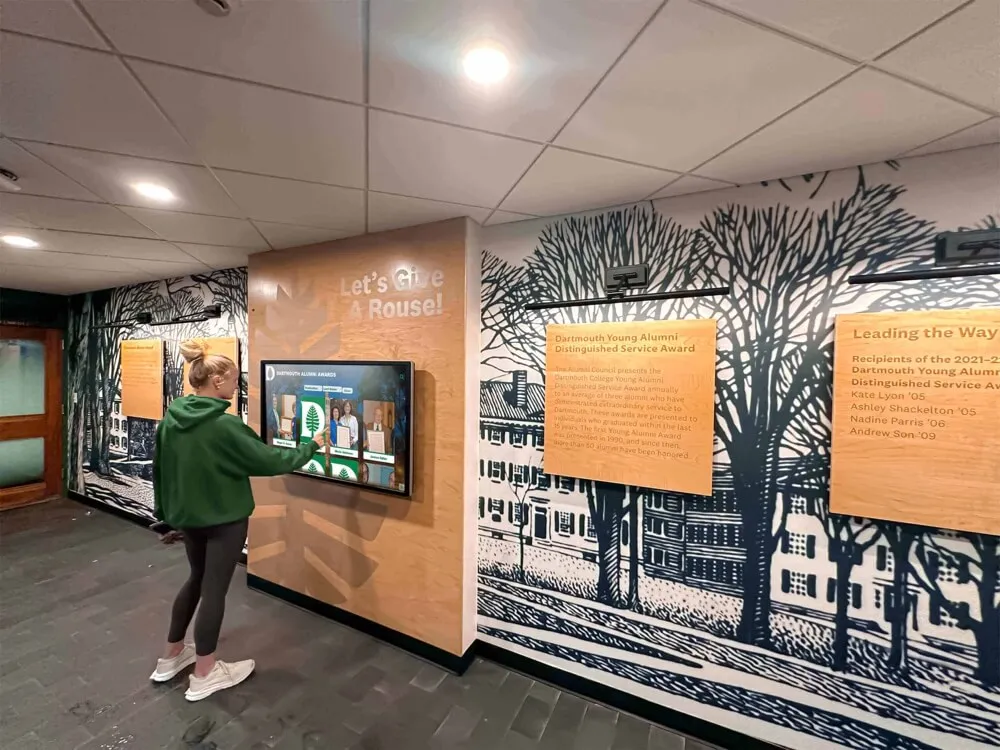
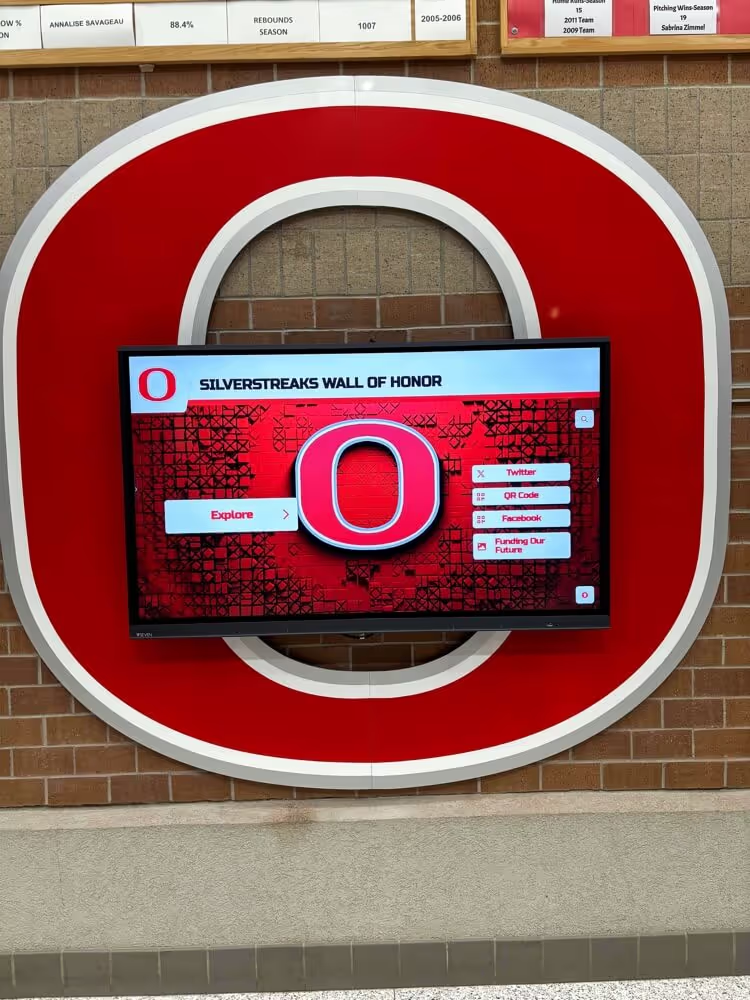
Interactive interfaces enable visitors to explore achievement categories, filter by era, and discover detailed profiles beyond surface-level statistics
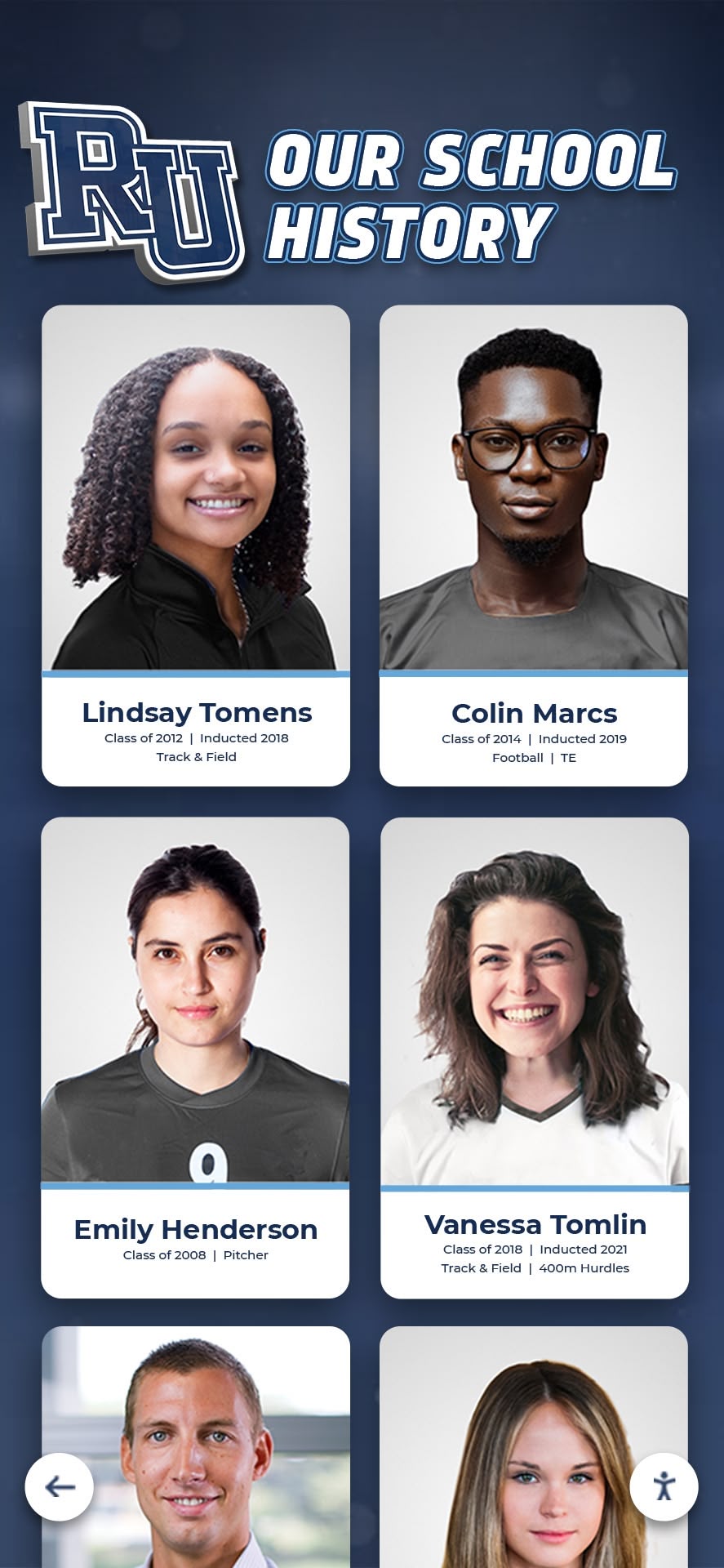
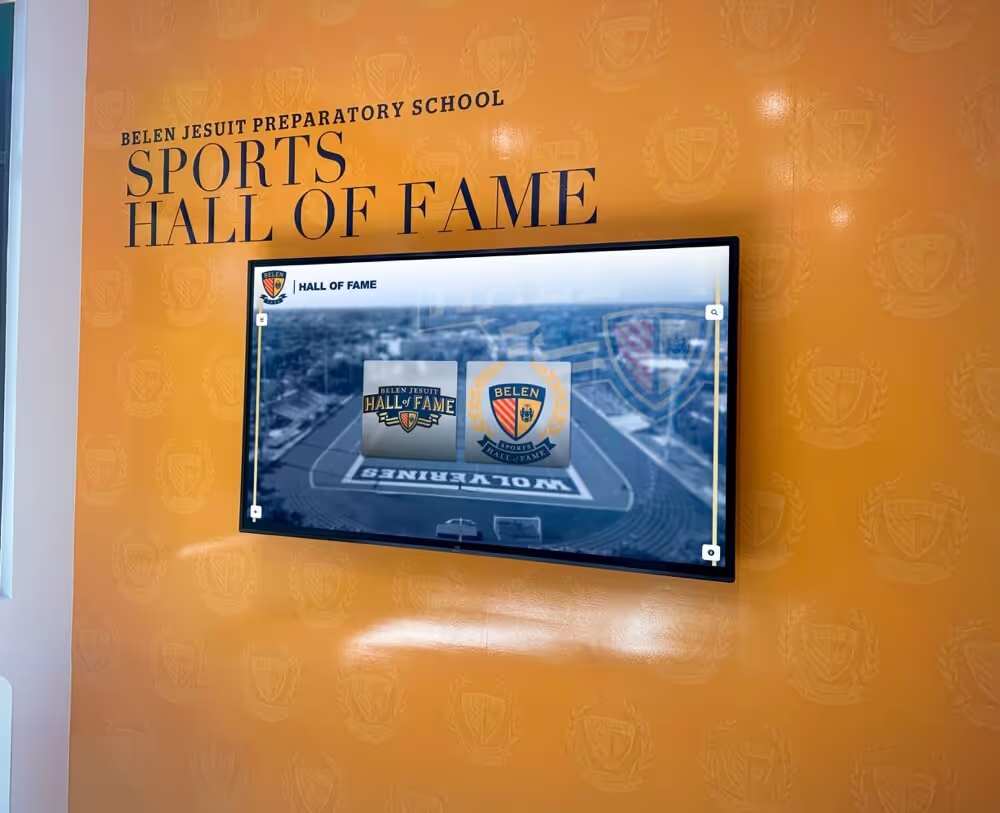
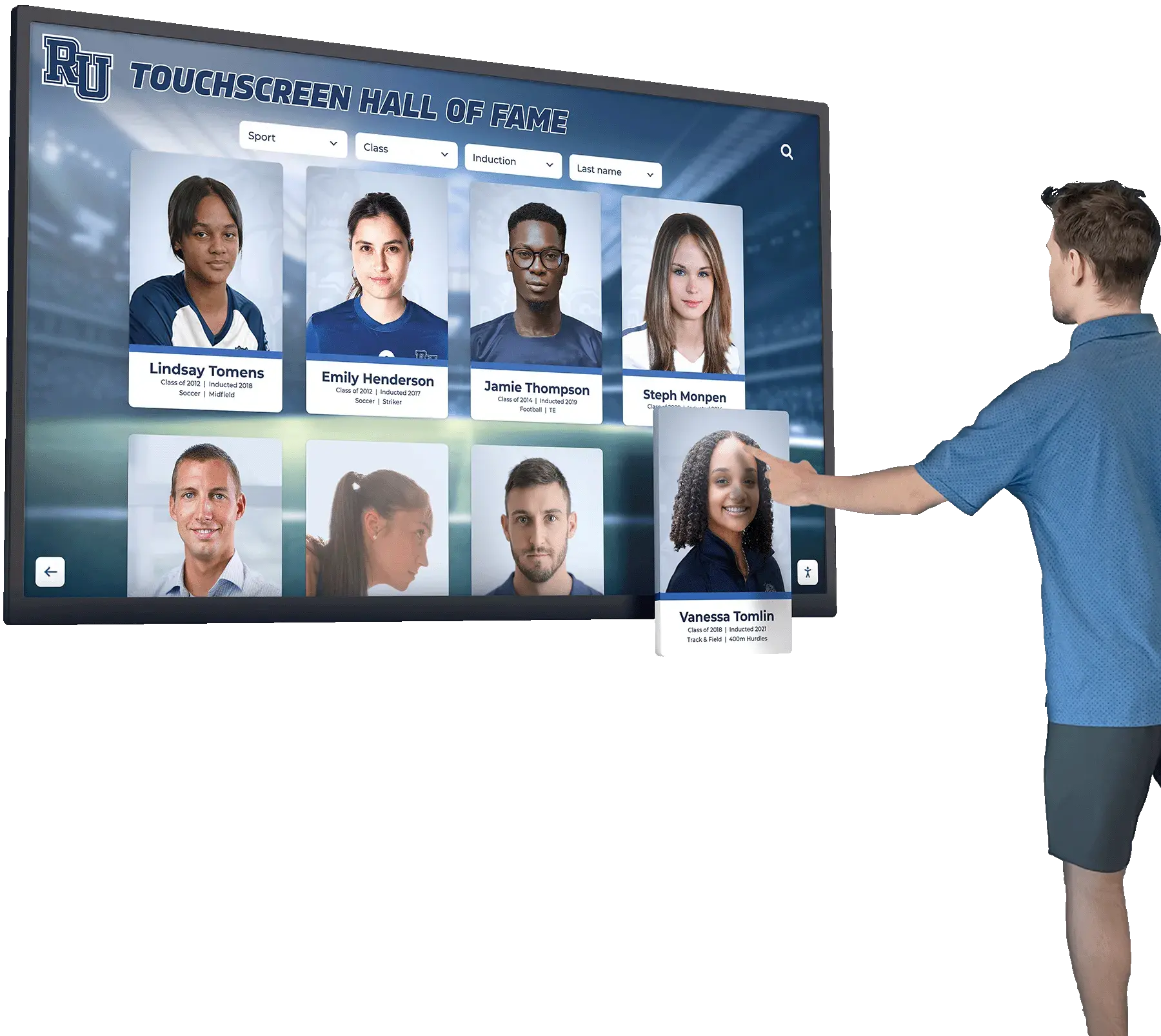
Organized card layouts present multiple honorees simultaneously while maintaining individual profile depth and visual hierarchy
Essential Content Elements for Golf Alumni Recognition
Comprehensive recognition requires systematic content development that goes beyond basic biographical information to capture what made athletes’ contributions meaningful and memorable across their competitive careers and beyond.
Individual Profile Core Components
Distinguished alumni profiles should provide sufficient depth that visitors understand both achievement scope and personal narratives that make athletes’ stories resonate authentically.
Biographical Foundation
Start with essential information including full name with maiden names when applicable, graduation year providing era context, academic major showing student-athlete balance, hometown connecting geography to recruiting narratives, and high school background establishing pre-collegiate excellence.
These basics anchor profiles while establishing context for understanding competitive careers and post-graduation trajectories.
Competitive Achievement Documentation
Career highlights require systematic presentation including years lettered and seasons competed, tournament victories with course and competition notes, conference championships individual and team, all-conference, all-region, all-American honors, program records set or significant statistics, team captain designations and leadership roles, and memorable performances or breakthrough moments.
Comprehensive documentation prevents recognition from feeling incomplete while ensuring deserving achievements receive proper acknowledgment.
Statistical Excellence Display
Golf lends itself to quantitative achievement documentation when presented with appropriate context. Career stroke average with era comparisons, lowest competitive rounds with course details, tournament finishes and win percentages, performance in championship events, scoring improvement trajectories, and practice round achievements all contribute to understanding excellence scope.
Statistics gain power when displays connect numbers to narratives explaining what made performances exceptional within competitive contexts and program history.
Understanding digital hall of fame design strategies provides frameworks for organizing complex athletic information into accessible, engaging visual presentations.
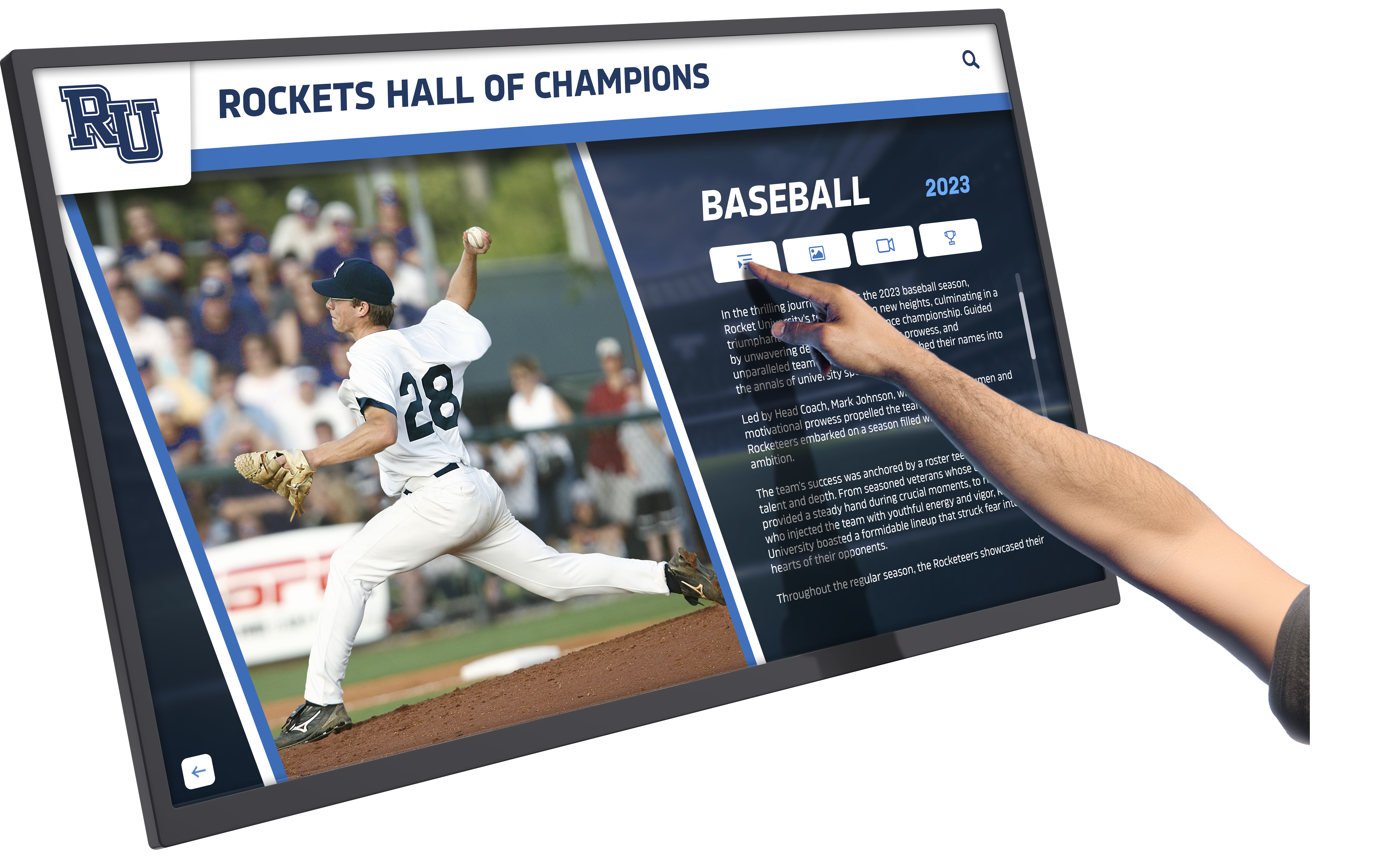
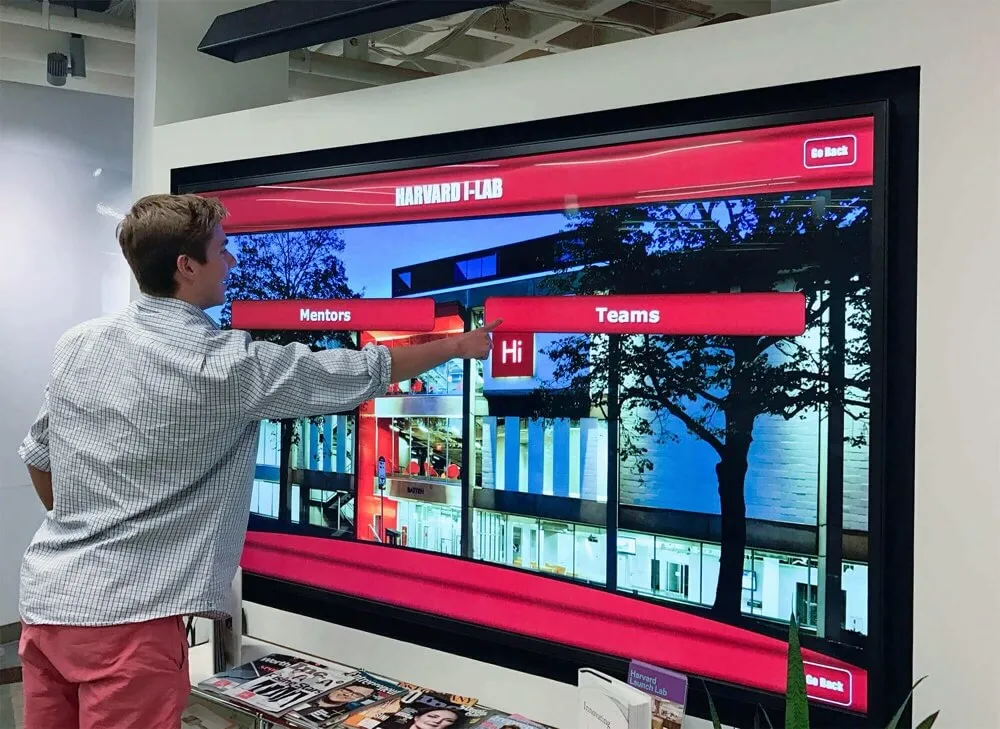
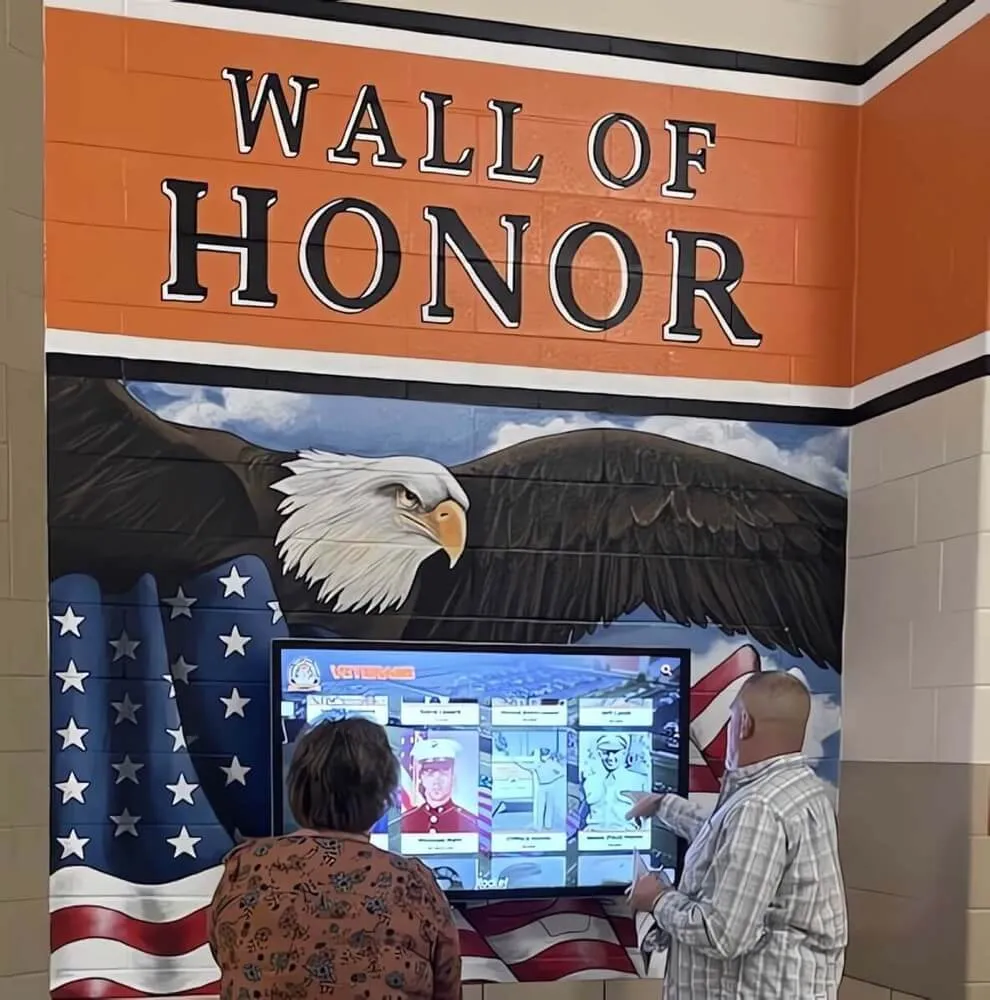
Touch interfaces enable deeper content exploration, allowing visitors to access detailed statistics, career narratives, and multimedia content beyond initial display screens
Team Context and Program Contribution
Individual excellence gains fuller meaning when recognition connects athletes to broader team achievements and program development contributions that extended beyond personal statistics.
Championship Season Integration
Distinguished alumni often competed during program-defining seasons that deserve recognition alongside individual honors. Conference championship teams with roster acknowledgment, regional and national tournament appearances, breakthrough seasons establishing new competitive standards, rivalry victories marking program ascendance, and record-setting team performances all provide context for individual achievement.
Team accomplishment integration prevents recognition from feeling disconnected from collective excellence that made individual success possible and meaningful.
Program Building Contributions
Some distinguished alumni’s greatest legacies involve off-course contributions that strengthened programs for successors. Recruiting impact attracting future talent through example and outreach, fundraising support providing resources for facility improvements and scholarships, mentorship roles guiding younger players, coaching contributions after competitive careers, and culture establishment setting excellence standards all represent lasting contributions deserving recognition.
These program-building elements often prove more impactful long-term than competitive statistics alone, making their inclusion essential for comprehensive recognition.
Post-Graduation Achievement and Legacy
Distinguished alumni recognition should extend beyond college careers to acknowledge how education and athletic experience translated into post-graduation success across varied career paths.
Professional and Amateur Golf Careers
For alumni who continued competitive golf, recognition should acknowledge professional tour participation and achievements, amateur competition success and titles, state and regional golf organization leadership, teaching professional careers and instruction excellence, and golf industry contributions through equipment, course management, or administrative roles.
These post-graduation narratives demonstrate program impact extending beyond college competition while providing career pathway examples for current players exploring golf futures.
Broader Career and Life Success
Most distinguished golf team alumni built careers outside professional golf, with athletic experience contributing to success in business, medicine, law, education, public service, entrepreneurship, and countless other fields. Recognition highlighting these diverse paths showcases how competitive golf develops transferable skills—discipline, resilience, strategic thinking, composure under pressure—that translate across professional contexts.
Exploring alumni engagement strategies reveals how comprehensive recognition strengthens institutional connections while providing current students with relatable success models.
Post-graduation achievement recognition also creates donor cultivation opportunities as accomplished alumni see their complete legacies honored rather than only college statistics.
Recognition Display Layout Strategies
Effective physical and digital displays require thoughtful layout design that balances comprehensive information with accessible presentation, ensuring visitors can explore content depth without feeling overwhelmed by complexity.
Hero Section and Entry Experience
The initial display zone sets recognition tone while providing clear navigation toward deeper content exploration. This hero section must immediately communicate purpose and value while inviting continued engagement.
Visual Hierarchy and Opening Impact
Lead with program-identifying elements including athletic department branding and golf team designation, recognition display title like “Distinguished Alumni” or “Letterwinners Hall of Excellence,” compelling hero imagery showing competition, celebration, or course beauty, and clear navigation indicators showing how visitors access detailed content.
This organized entry ensures visitors immediately understand display purpose and know how to engage rather than encountering confusing arrays of disconnected information.
Featured Honoree Spotlight
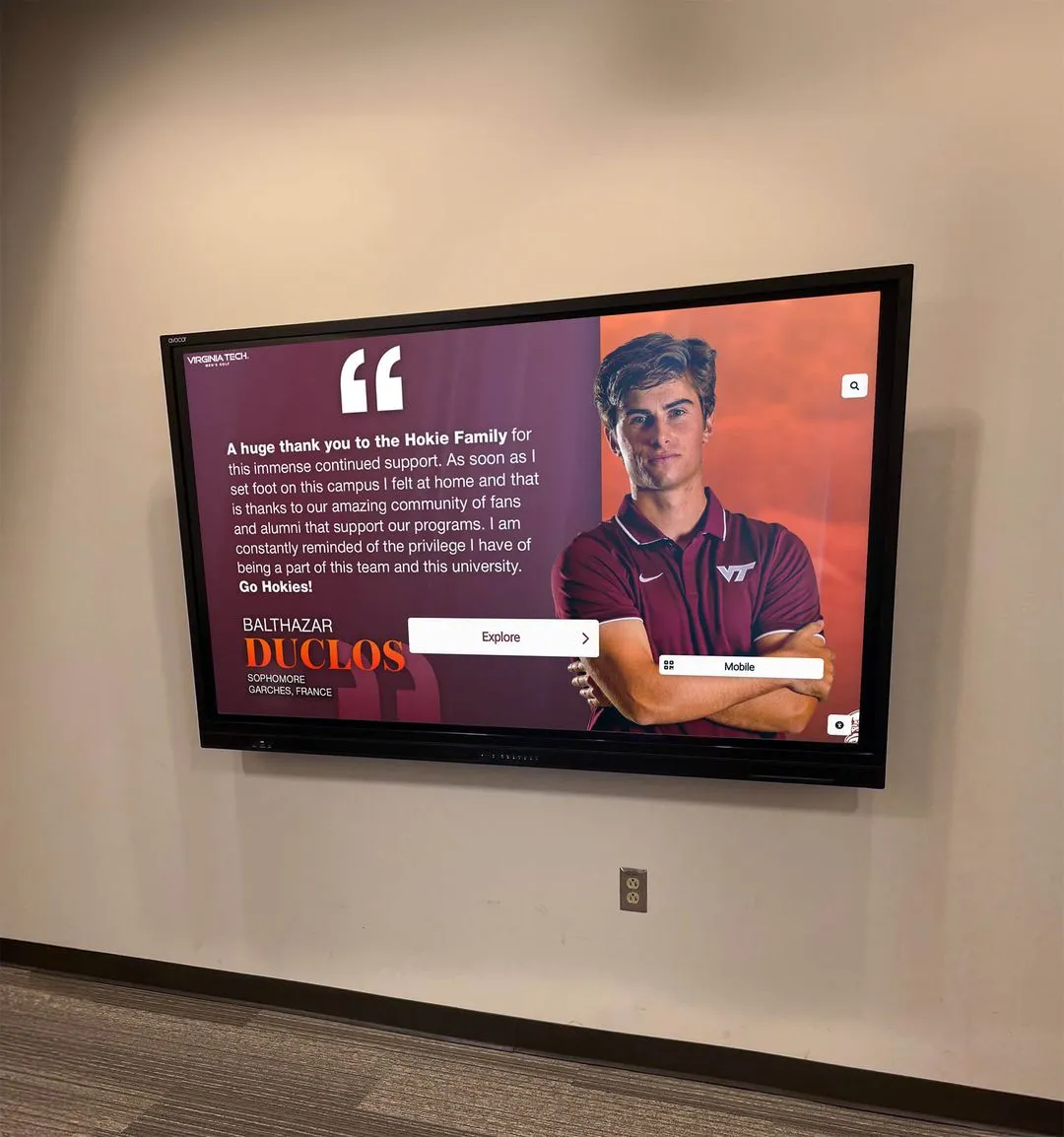
Many effective displays rotate featured distinguished alumni through hero positions, providing deeper spotlight on individual stories through large profile photography showing personality and competitive context, career highlight narrative covering achievement and program impact, statistical excellence summary with context and comparisons, quotes from athletes about program experience and lasting impact, and navigation to complete profile access for extended exploration.
Rotating features ensure all honorees receive periodic spotlight while keeping displays dynamic and encouraging repeat visits to discover new stories.
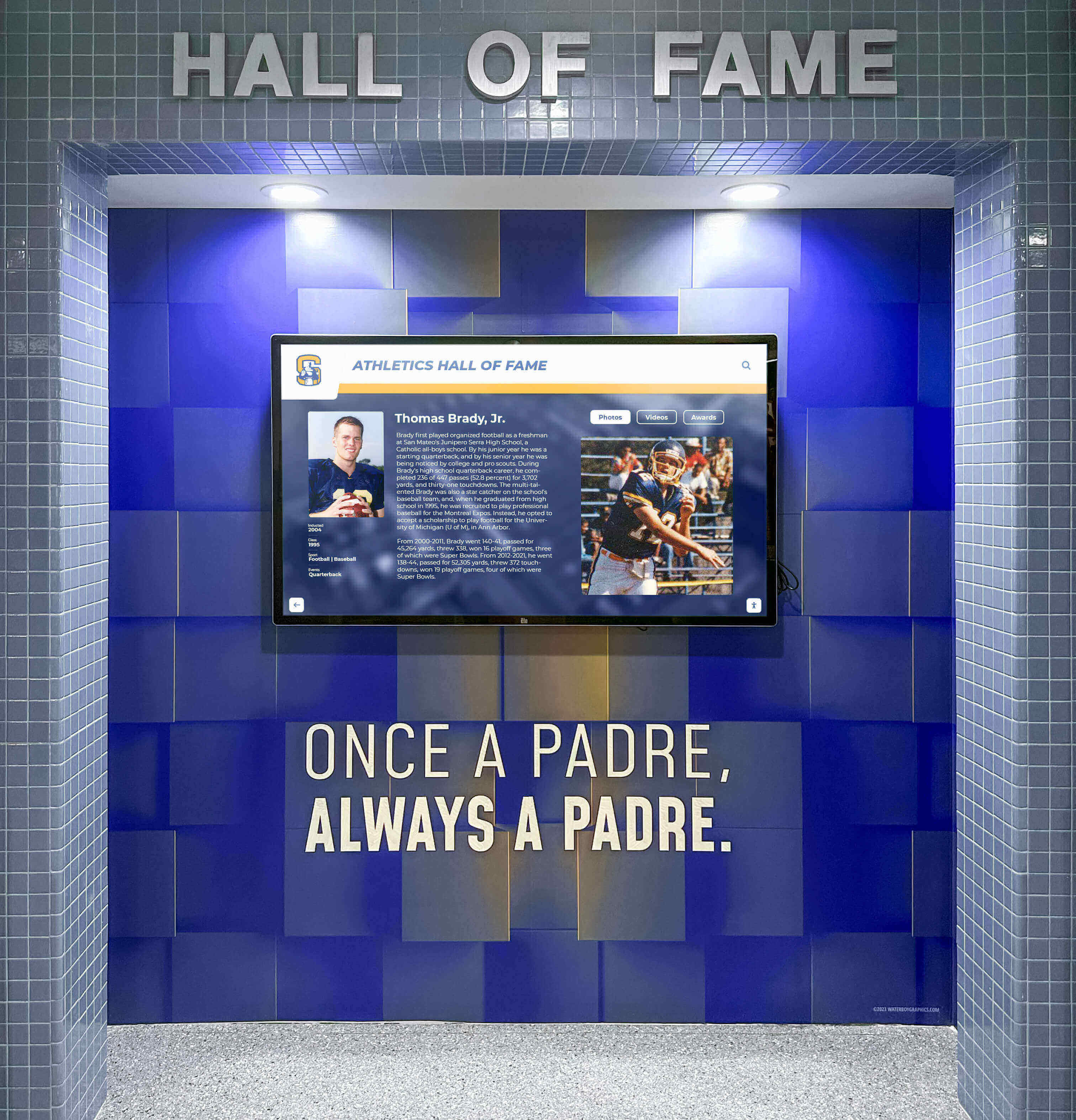
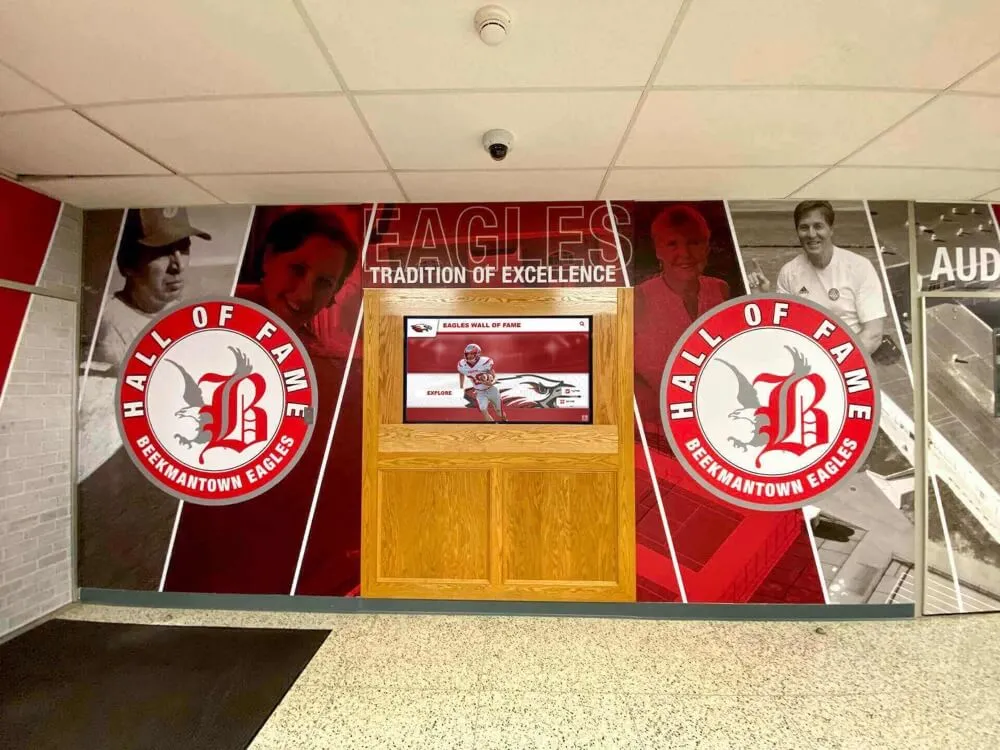
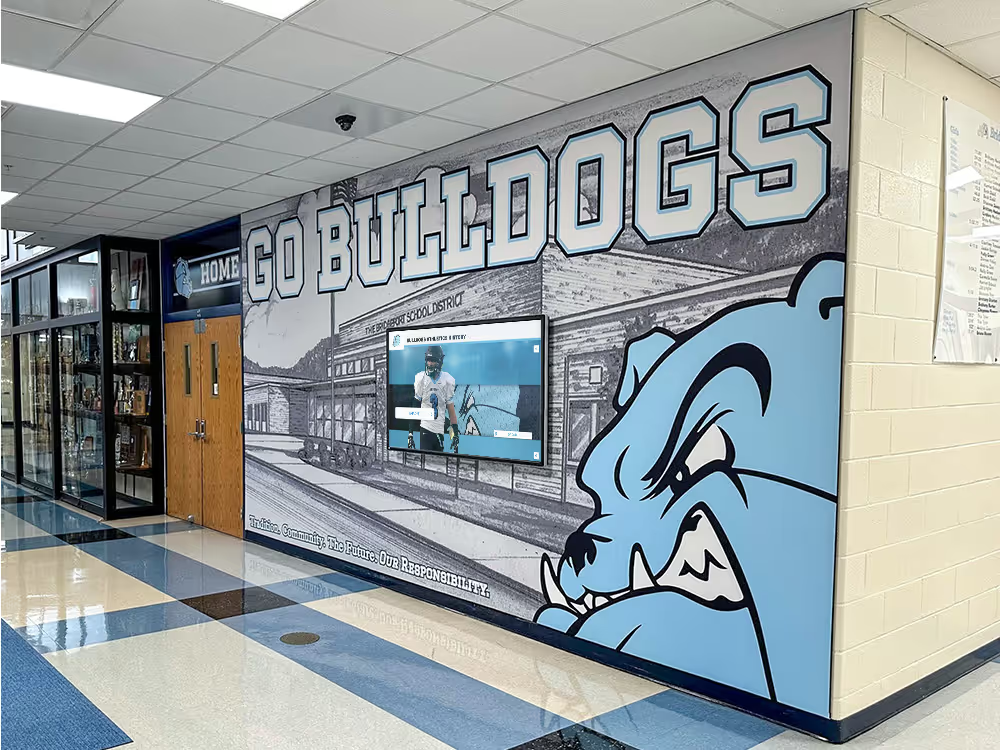
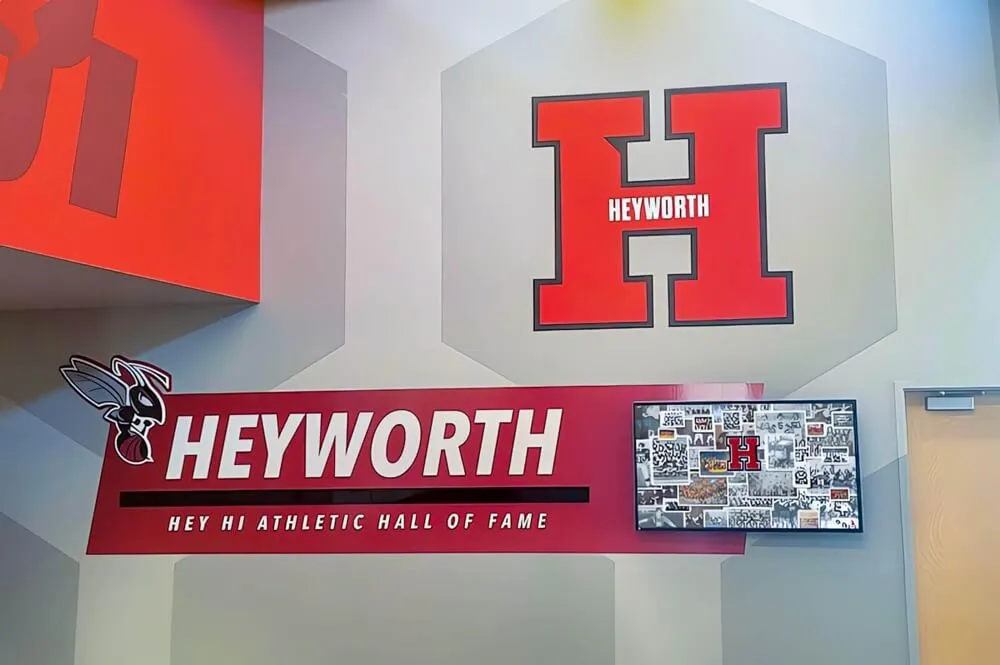
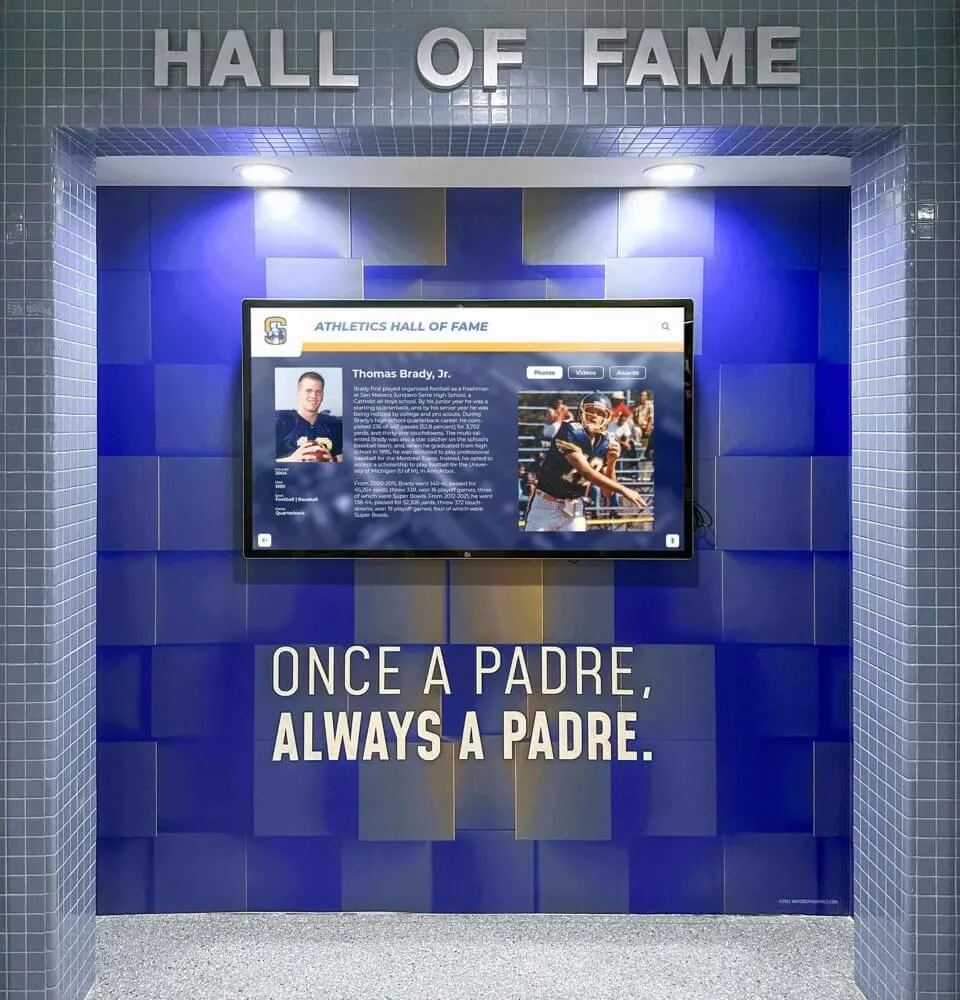
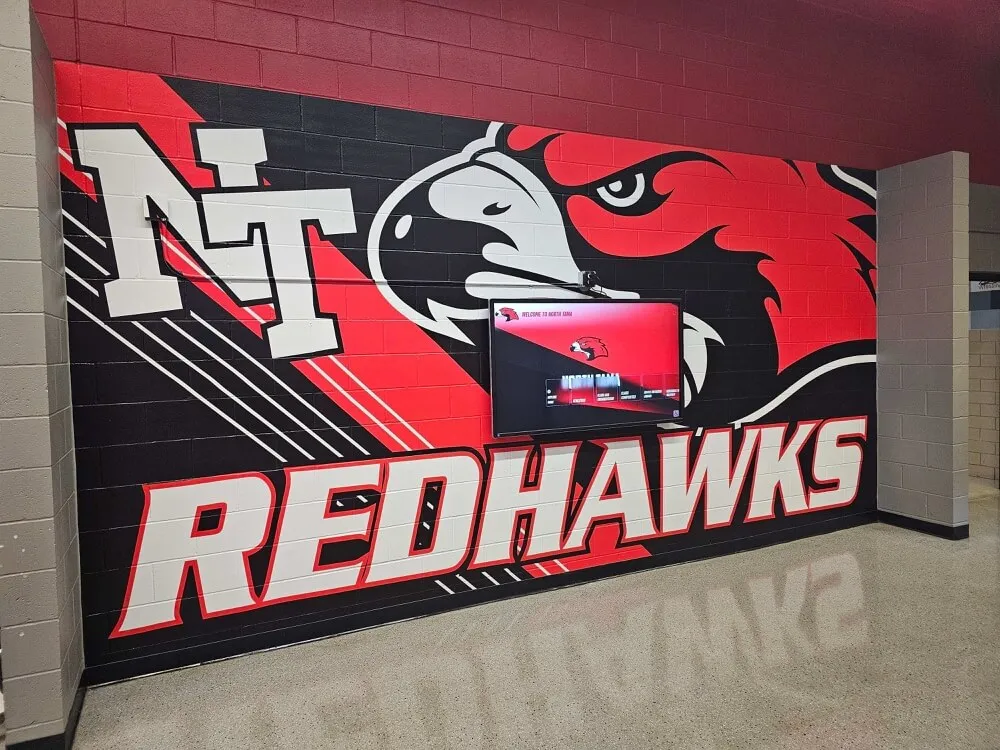
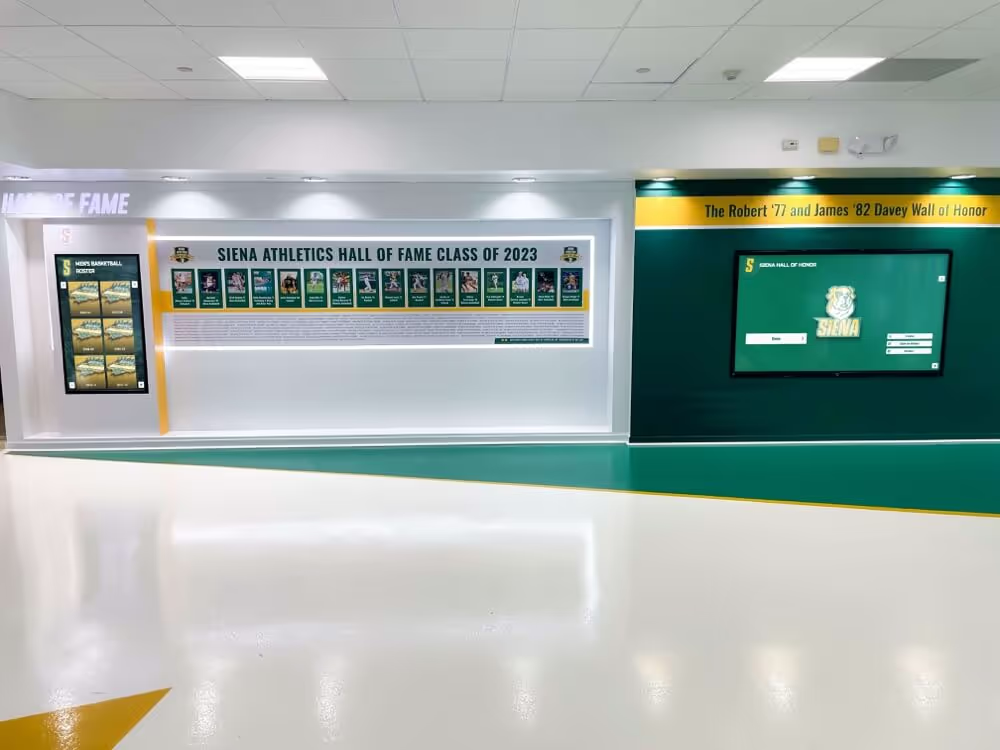
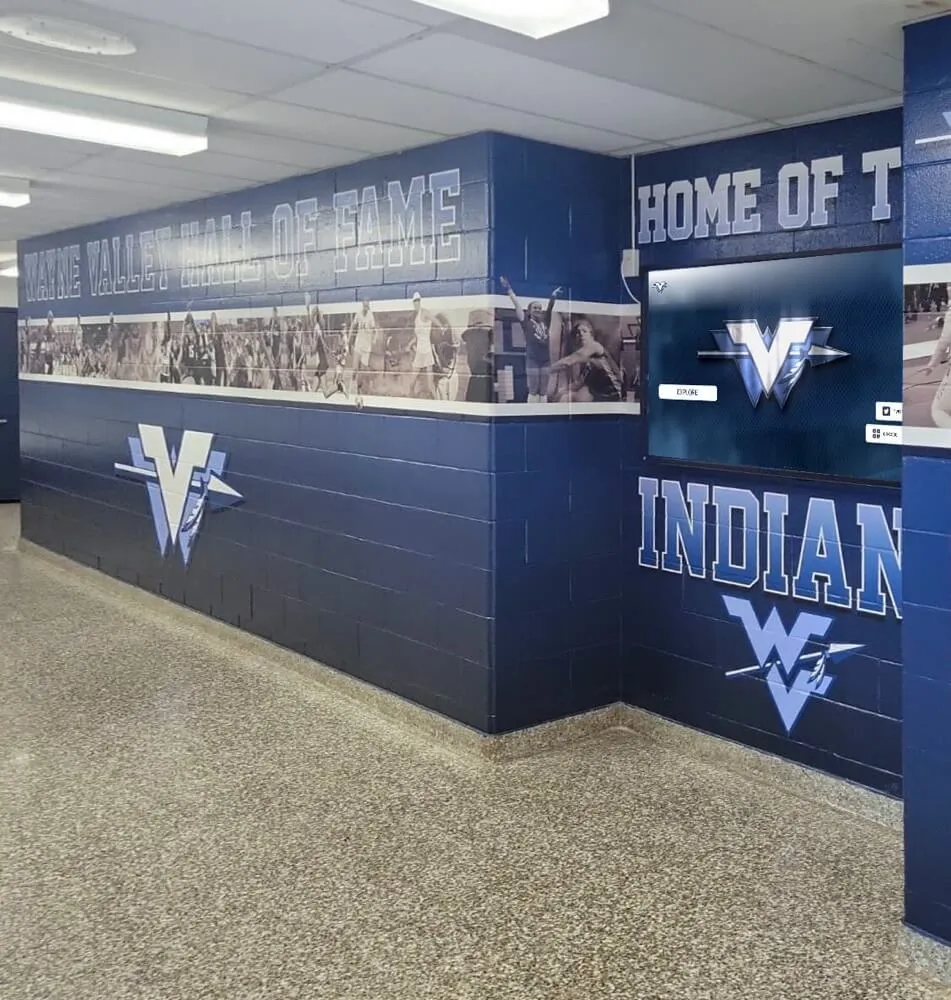
Prominent display placement in athletic facilities ensures maximum visibility while creating dedicated spaces for celebrating competitive excellence
Individual Profile Content Zones
Moving beyond hero sections into detailed profiles requires organized content zones that guide visitors through comprehensive information without creating overwhelming information density or confusing navigation.
Profile Header and Identity
Each individual profile should begin with clear identification including prominent photograph showing athlete during competition or formal recognition, full name with phonetic pronunciation when helpful, graduation year and era designation, academic major and degree information, hometown and high school background, and current location or career context when available.
This header zone establishes identity while providing foundational context for understanding competitive career details that follow.
Achievement and Statistics Module
Core accomplishment presentation requires organized sections covering competitive highlights and tournament victories, statistical excellence with career numbers and records, conference, regional, and national honors, team captain or leadership designations, academic all-conference or scholar-athlete recognition, and memorable performances or breakthrough moments.
Structured presentation prevents achievement lists from becoming monotonous while ensuring comprehensive documentation that honors complete careers rather than highlighting only most visible accomplishments.
Narrative and Quote Section
Statistics and achievement lists gain emotional resonance through narrative elements including athlete reflections on program experience and formative moments, coach comments about impact and contributions, teammate perspectives on leadership and character, personal stories revealing challenges overcome or growth achieved, and program legacy statements connecting individual contributions to institutional excellence.
These narrative elements transform recognition from resume recitation into compelling storytelling that engages visitors emotionally while providing deeper understanding of what made athletes’ contributions meaningful beyond statistics.
Comprehensive approaches to athletic hall of fame design demonstrate how thoughtful content organization creates engaging experiences across varied athletic contexts and institutional scales.
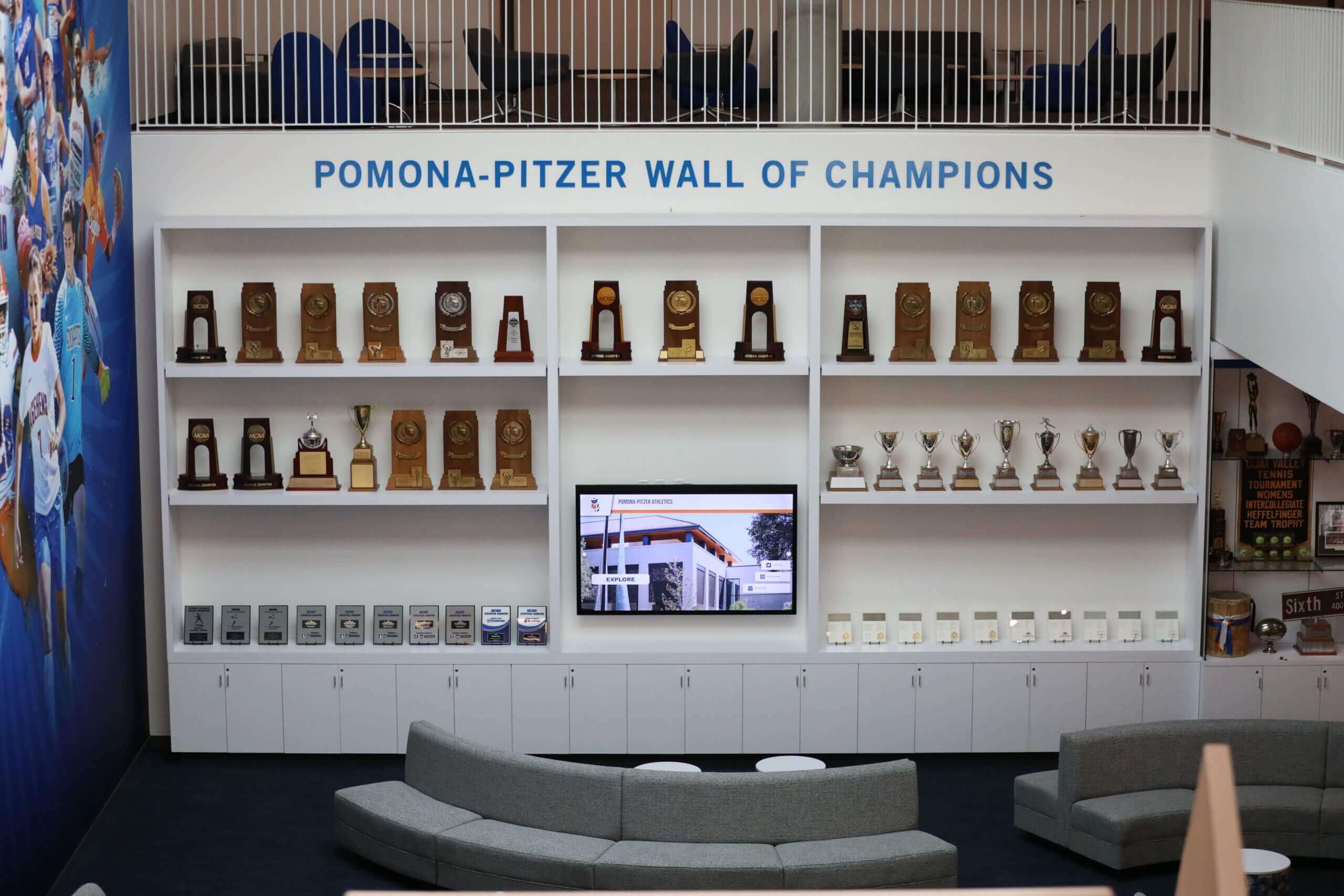
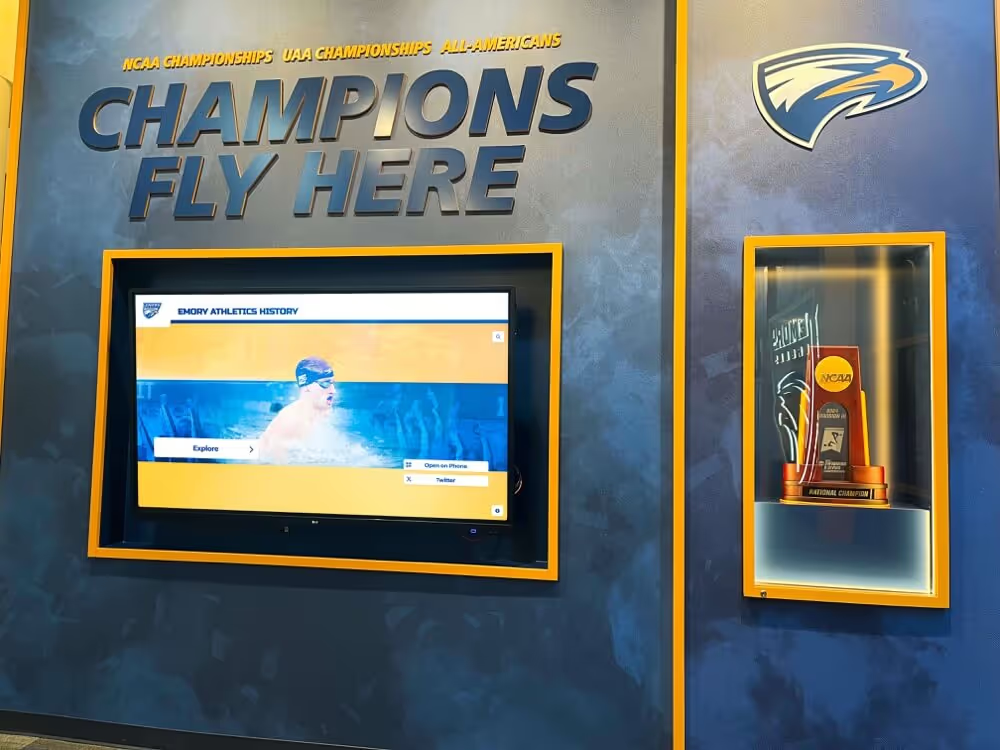
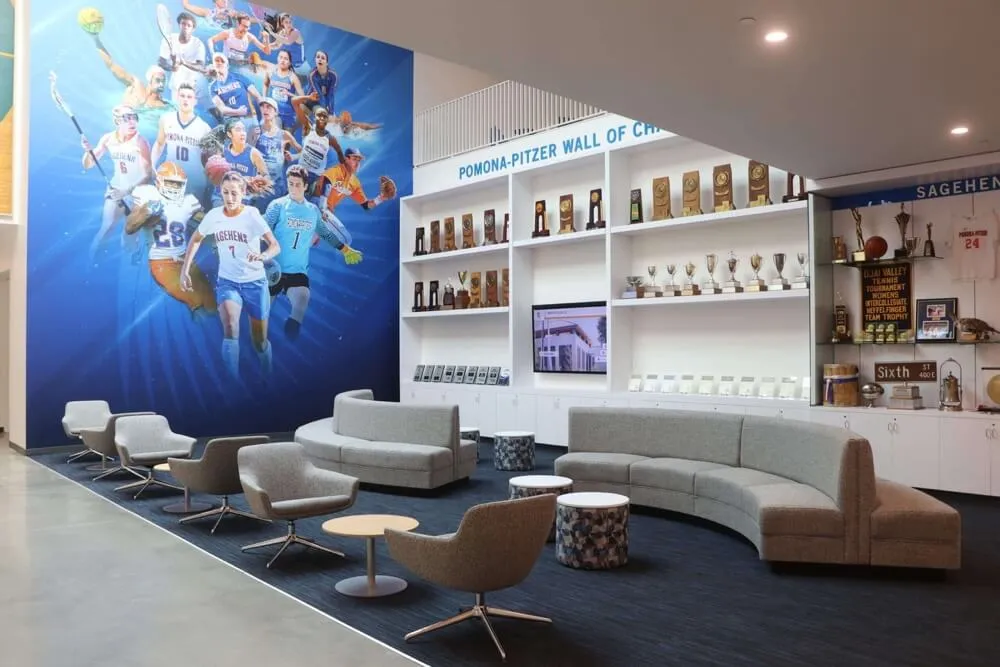
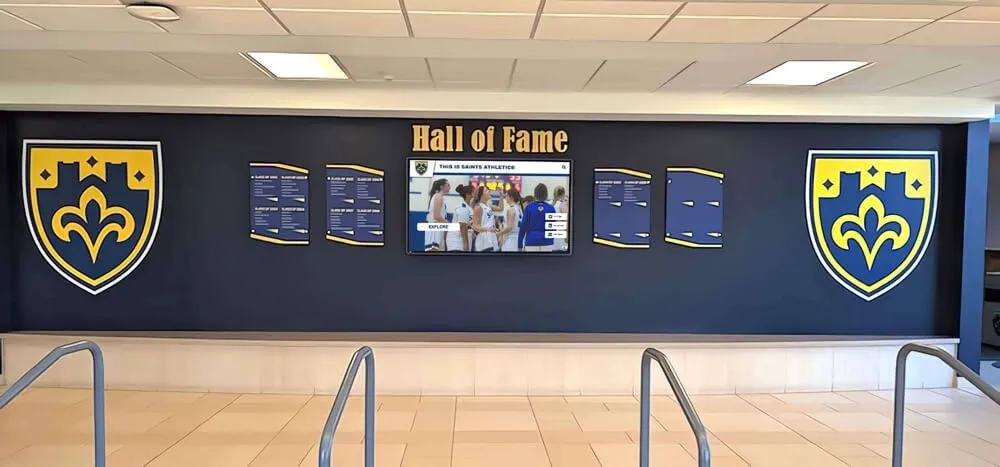
Physical trophy displays complement digital recognition, creating multi-sensory experiences that honor athletic achievement through varied presentation modes

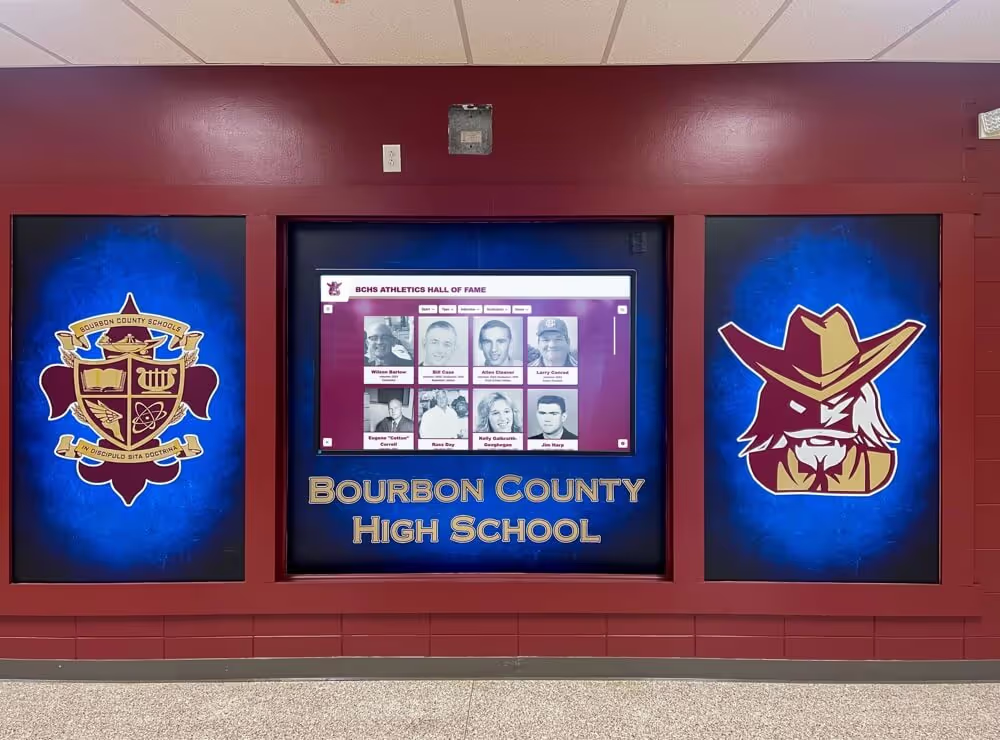
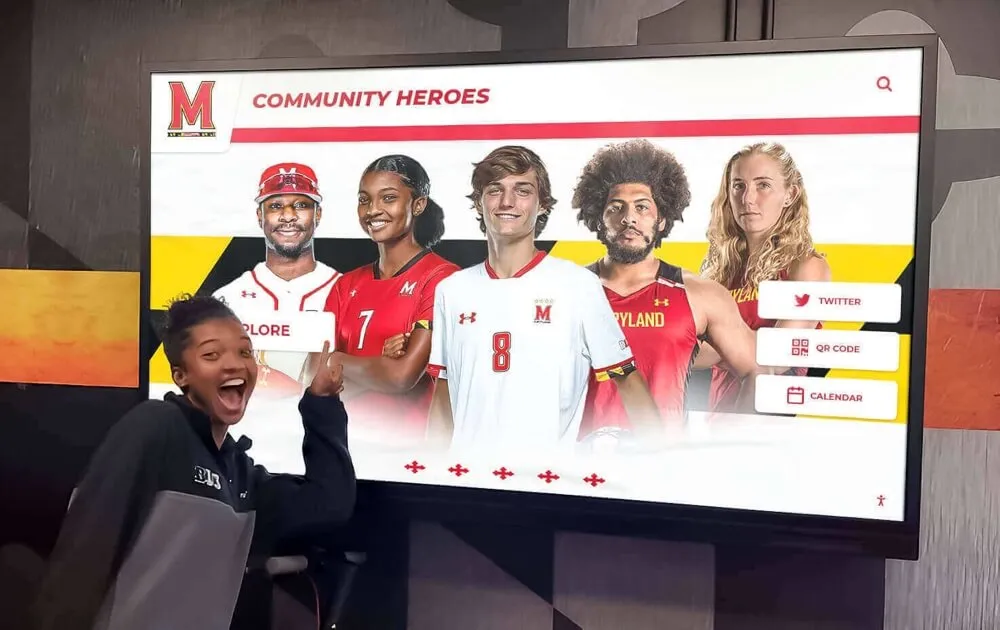
Card-based navigation enables efficient browsing across multiple honorees while maintaining individual profile accessibility
Team Context and Timeline Integration
Individual profiles gain additional depth when integrated with team achievement timelines and program history narratives that situate personal success within broader institutional excellence.
Championship Season Modules
Displays should create dedicated sections for program-defining seasons including conference championship teams with complete rosters, regional and national tournament participants and finishes, breakthrough seasons establishing new competitive standards, record-setting team performances with statistical documentation, and memorable matches or tournaments defining program legacy.
Team modules enable visitors to understand how individual excellence contributed to collective achievement while preventing recognition from feeling exclusively focused on individual accomplishment to the exclusion of team culture and shared success.
Historical Timeline Navigation
Chronological organization helps visitors explore program evolution across decades through era-based filters showing honorees by graduation decade, championship season markers highlighting program peaks, coaching era organization recognizing leadership continuity and change, facility milestone integration showing program development, and decade-by-decade achievement summaries tracking excellence evolution.
Timeline navigation particularly benefits alumni visitors seeking classmates and contemporaries while helping current players understand their place within continuing excellence traditions.
Multimedia Integration and Enhanced Storytelling
Digital recognition platforms enable multimedia integration that transforms static displays into dynamic storytelling experiences, deepening engagement while accommodating varied visitor preferences for information consumption.
Photography Standards and Visual Storytelling
High-quality photography elevates recognition from basic information documentation to compelling visual celebration of athletic excellence and program culture.
Competitive Action Photography
Tournament and round imagery brings golf careers to life through swing sequences capturing technique and form, putting moments showing pressure and precision, celebration scenes after victories or strong performances, course beauty imagery situating competition in environmental context, weather challenge documentation showing resilience and adaptability, and team interaction moments revealing camaraderie and support.
Action photography works best when it captures authentic moments rather than forced poses, showing athletes fully engaged in competition with expressions revealing concentration, determination, and competitive intensity.
Formal Recognition and Portrait Photography
Balance action imagery with formal elements including professional headshots maintaining consistent style across honorees, ceremony photography from inductions or recognition events, team photos placing individuals within squad context, coaching interaction images showing mentorship relationships, and academic achievement photography connecting athletic and scholarly excellence.
Formal photography provides dignified recognition counterbalancing action shots while ensuring comprehensive visual representation across competitive and celebratory contexts.
Understanding interactive touchscreen design principles helps creators maximize multimedia impact while maintaining intuitive navigation and accessible content organization.
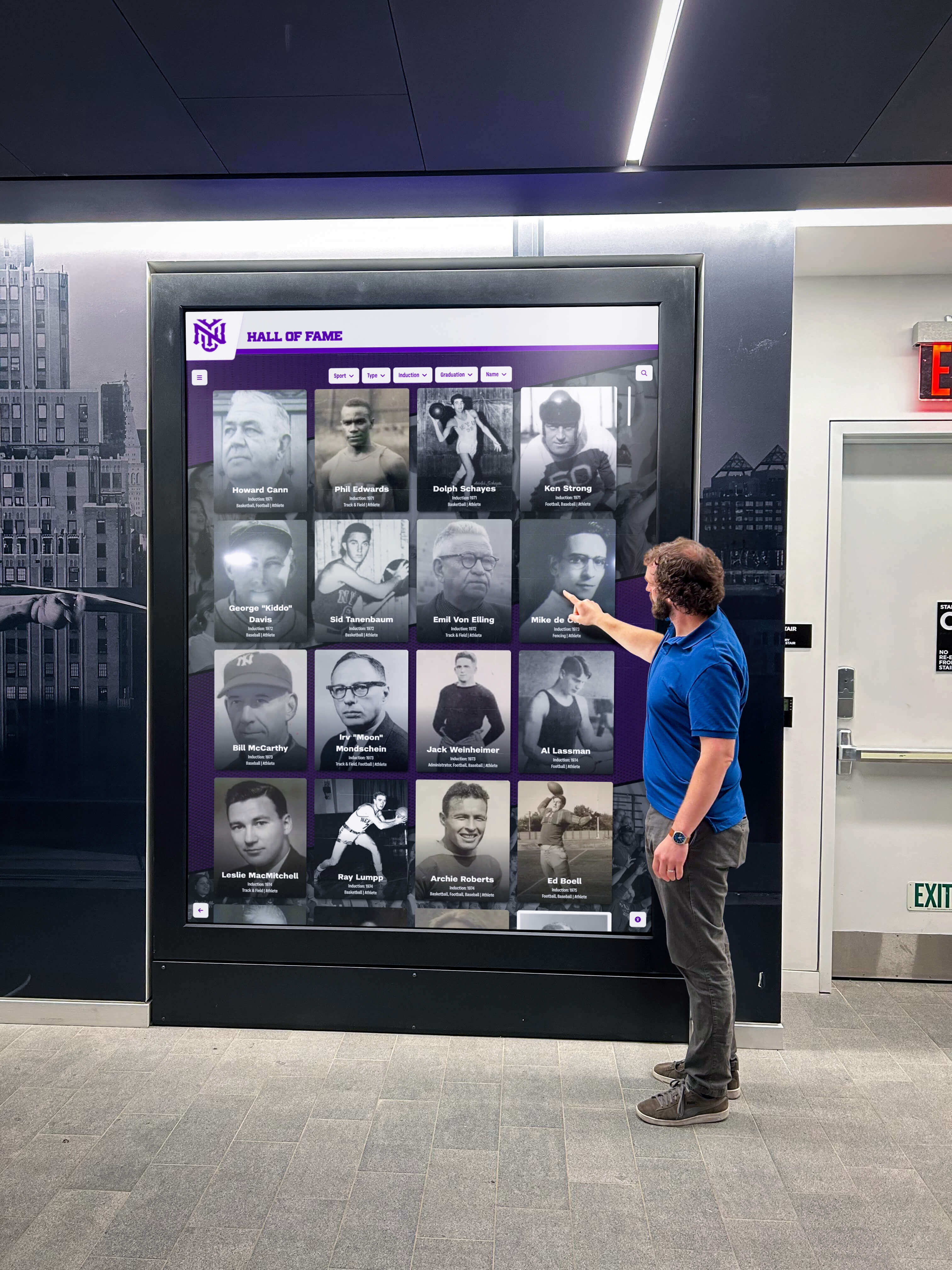
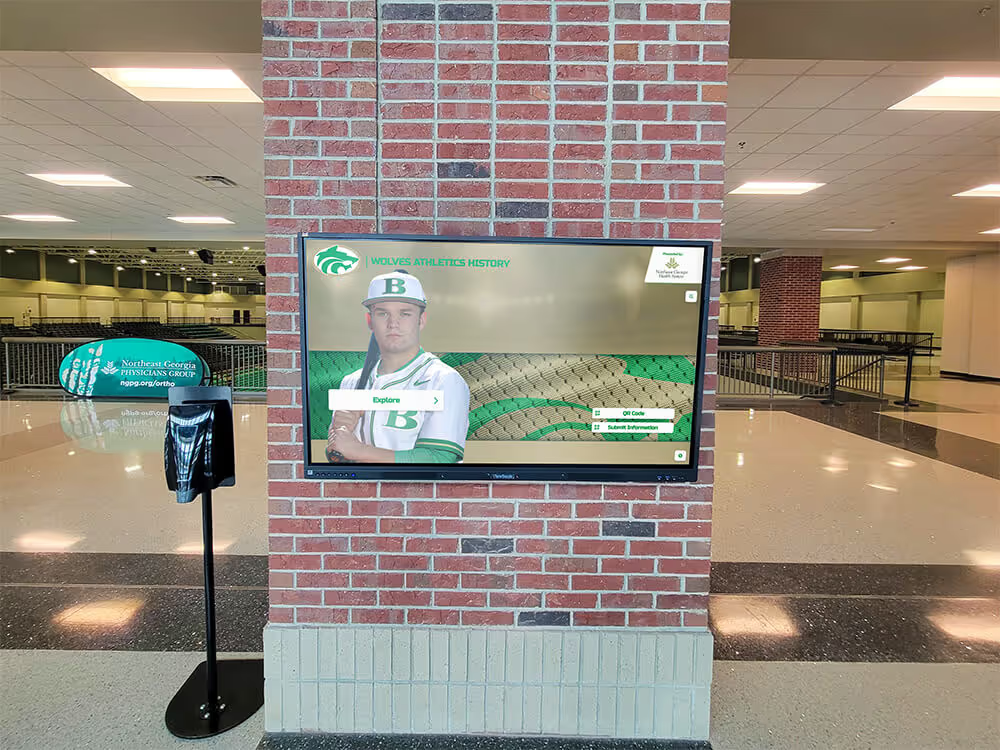
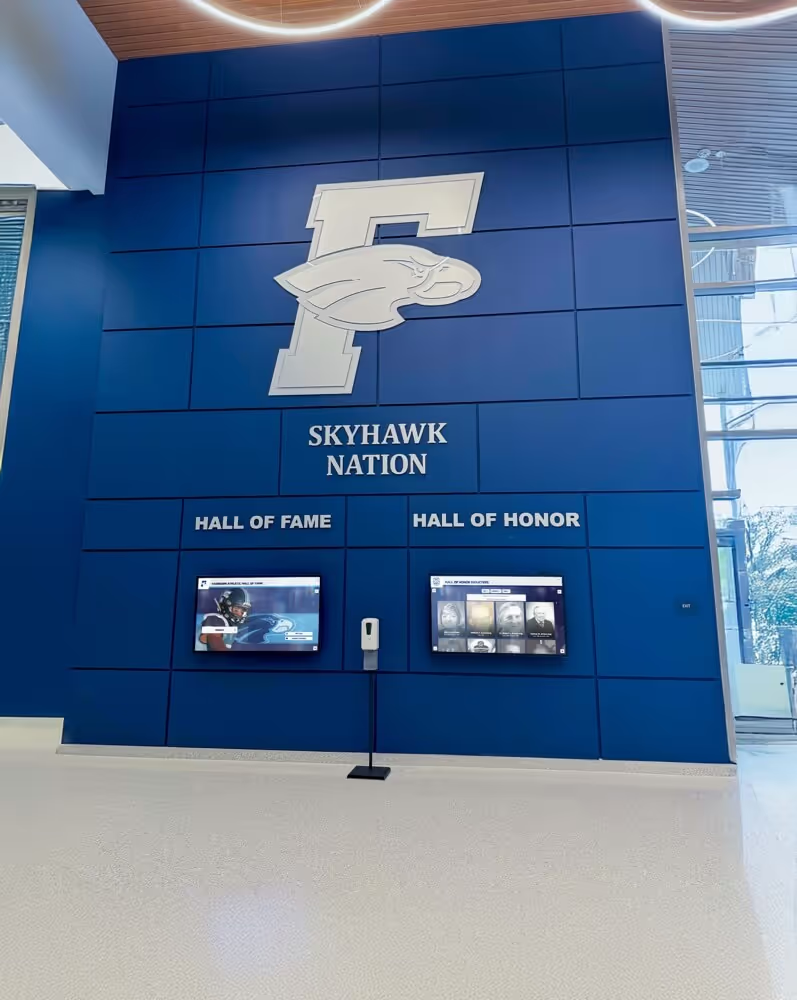
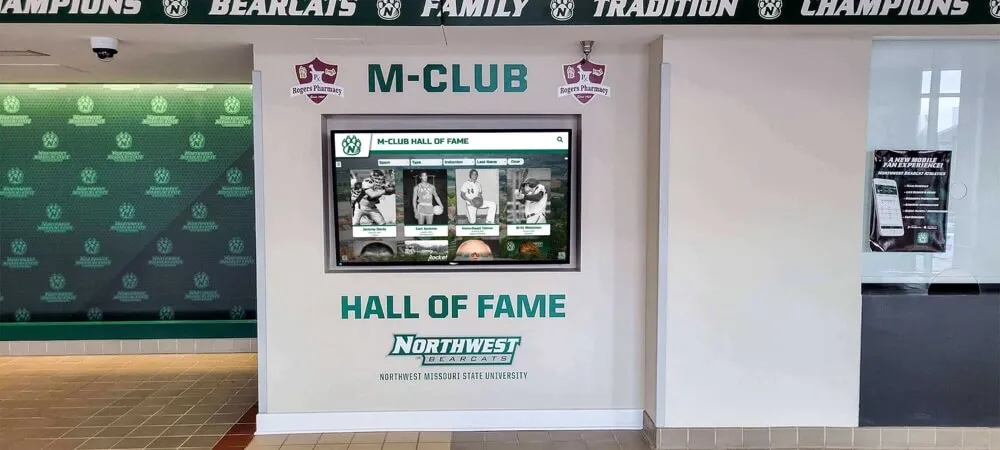
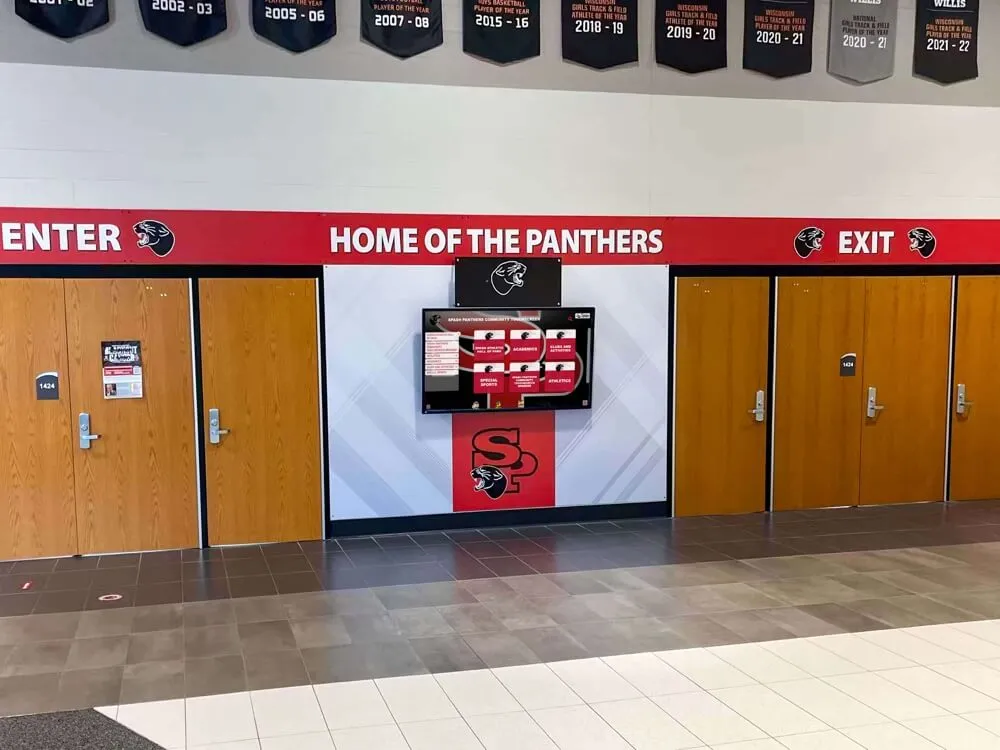
Lobby installations create natural discovery moments where visitors encounter recognition displays during routine facility access
Video Content and Interview Integration
Video enables deeper storytelling than static content alone, particularly when featuring athletes reflecting on experiences, coaches providing context, and footage showing competitive excellence.
Athlete Interview and Reflection Videos
Short video profiles (2-4 minutes) create powerful recognition through athletes discussing formative program moments and influential coaches, reflecting on competitive highlights and challenging experiences, explaining how golf developed character and transferable skills, sharing advice for current players and future generations, describing post-graduation career paths and ongoing program connections, and expressing gratitude for opportunities and relationships.
Video interviews reveal personality and authenticity impossible to capture through text alone while creating emotional connections between honorees and visitors that inspire and engage.
Historical Footage and Competition Highlights
When available, archival footage provides invaluable context including tournament coverage showing competitive environments and performances, championship moments capturing breakthrough achievements, media interviews from competitive years, facility and course footage documenting program evolution, and team celebration scenes showing culture and camaraderie.
Historical footage particularly resonates with alumni visitors remembering displayed eras while providing current players with tangible connections to program legacy they extend through contemporary competition.
Interactive Statistics and Career Exploration
Digital platforms enable dynamic statistical presentations impossible with static displays, allowing visitors to explore achievement depth according to personal interests.
Filterable and Sortable Achievement Data
Interactive interfaces should enable career statistics browsing by achievement category, era comparison tools showing how performances ranked among contemporaries, program records tracking with historical context, tournament results filtering by competition type or significance, and performance trend visualization showing improvement and consistency.
These interactive elements transform passive consumption into active exploration, increasing engagement duration while accommodating varied visitor interests from casual browsing to detailed statistical investigation.
Comparative Analysis Tools
Advanced displays can enable achievement comparison across career stroke average rankings within program history, tournament victory totals by era and competition level, all-conference honor accumulation across graduation years, and statistical excellence benchmarking against team and conference standards.
Comparative tools particularly engage competitive visitors while highlighting how distinguished alumni’s achievements measured against peers and predecessors.
Exploring digital storytelling for athletic programs reveals comprehensive approaches to multimedia integration that enhance recognition impact while maintaining accessible navigation and content organization.
Technology Solutions for Golf Alumni Recognition
Modern digital recognition requires platforms specifically designed for athletic achievement celebration, providing tools that simplify content management while delivering engaging visitor experiences across touchscreen displays, mobile devices, and web browsers.
Dedicated Athletic Recognition Platforms
Purpose-built solutions like Rocket Alumni Solutions offer comprehensive tools specifically designed for educational athletic programs seeking to honor distinguished alumni systematically and sustainably.
Content Management and Organization
Effective platforms provide intuitive interfaces enabling athletic departments to create detailed individual profiles with unlimited content depth, organize honorees by era, achievement type, or team, upload and manage photography, video, and statistical content, update information continuously as careers progress, and maintain consistent branding across all display contexts.
Centralized management eliminates technical barriers that often prevent comprehensive recognition implementation, allowing staff to focus on content quality and storytelling rather than wrestling with complex software or coding requirements.
Multi-Format Display Flexibility
Recognition content should flow seamlessly across touchscreen kiosks in athletic facilities and campus locations, mobile-responsive web profiles accessible anywhere, digital signage displays throughout buildings and venues, and print materials for ceremonies and special events.
Multi-format flexibility ensures recognition reaches diverse audiences through their preferred consumption modes while maximizing content investment through broad distribution.
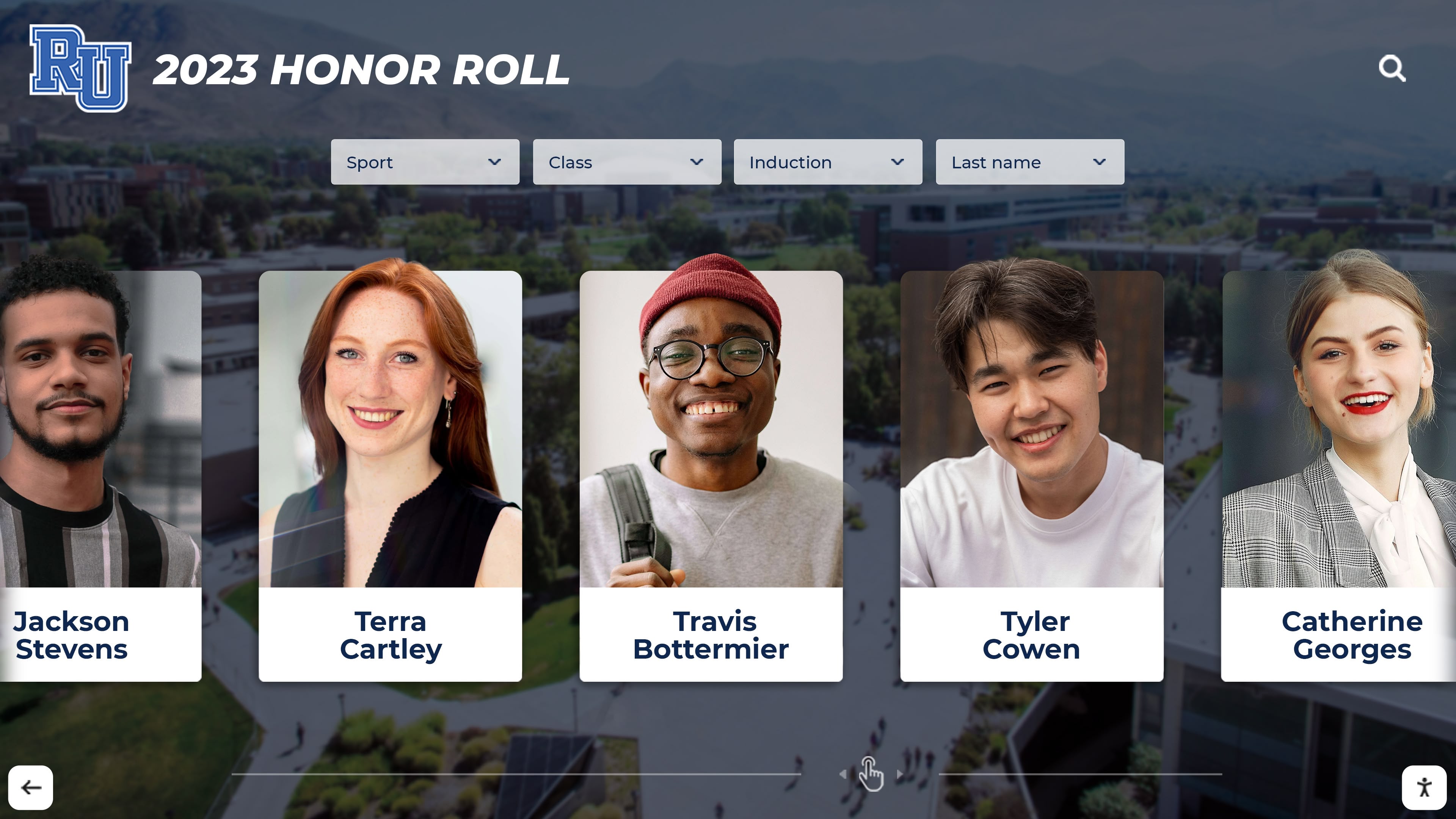
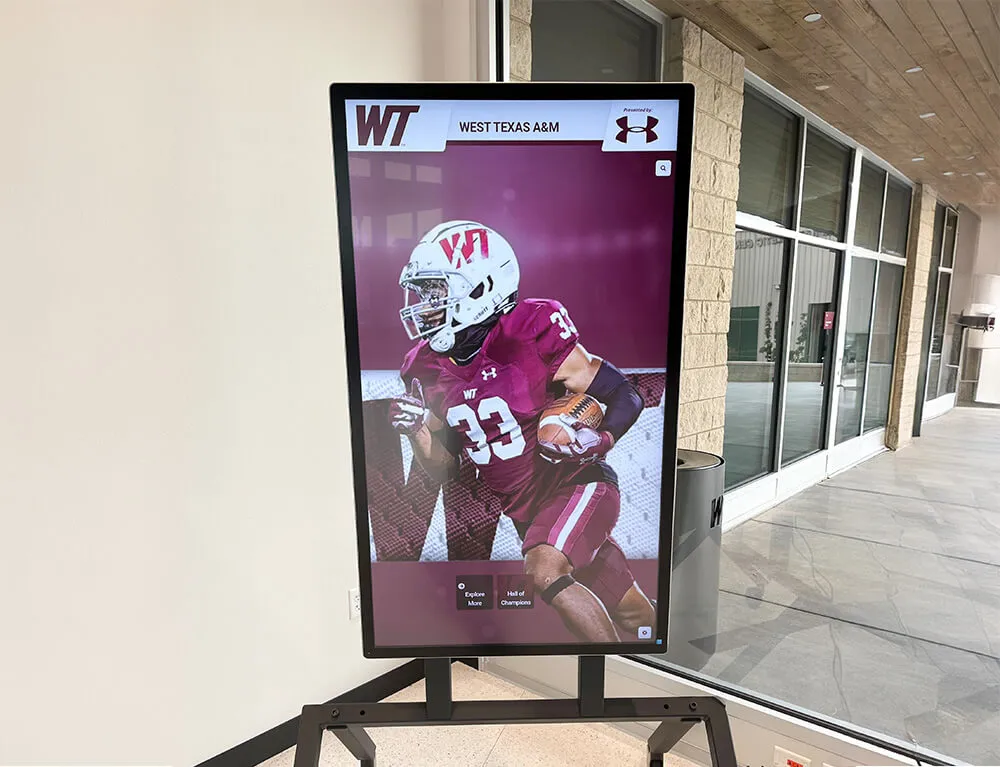
Portrait card layouts provide scalable frameworks accommodating growing honoree populations while maintaining individual recognition dignity
Accessibility and Inclusive Design
Effective recognition displays must serve all visitors regardless of physical abilities, ensuring ADA compliance and universal design principles shape every layout decision.
Universal Access Standards
Touchscreen interfaces require appropriate height mounting for wheelchair users and varied heights, high-contrast color schemes aiding visual impairment, text scaling options for readability preferences, audio description availability for screen reader users, and alternative navigation methods beyond touch-only interfaces.
Accessibility isn’t optional—it’s ethical imperative and legal requirement that thoughtful design addresses proactively rather than retrofit after complaints or citations.
Multilingual Content Considerations
Institutions with international recruitment or diverse communities should consider multilingual content options including Spanish, Chinese, or other relevant language profiles, language selection interfaces with clear identification, culturally appropriate photography and imagery, and translation quality ensuring authentic communication beyond literal conversion.
Multilingual recognition demonstrates institutional commitment to inclusion while making content accessible to alumni families, international recruits, and broader campus communities.
Integration with Broader Campus Systems
Recognition displays gain additional value when integrated with related campus systems and digital infrastructure rather than operating as isolated standalone installations.
Athletic Department Ecosystem Connection
Link recognition displays to current roster profiles creating continuity between history and present, recruiting materials showcasing program tradition and excellence, donor cultivation systems supporting fundraising initiatives, alumni engagement platforms strengthening relationship building, and campus tour routes enhancing prospective student experiences.
These connections transform recognition from isolated displays into integrated components of broader athletic program communication and engagement ecosystems.
Data and Analytics Integration
Modern platforms should provide analytics revealing visitor engagement patterns and popular content, display interaction durations and navigation paths, demographic insights when privacy-appropriate, content performance metrics guiding updates, and usage trends informing future development.
Analytics enable continuous improvement based on actual visitor behavior rather than assumptions about what resonates and engages effectively.
Creating Sustainable Recognition Programs
Initial display launches represent beginnings rather than endpoints. Sustainable programs require systematic approaches to content development, update cycles, and ongoing engagement that keep recognition current, relevant, and impactful across years and decades.
Induction Process and Selection Criteria
Systematic honoree selection ensures recognition maintains credibility while preventing perceptions of favoritism or arbitrary decision-making that undermine program integrity.
Transparent Eligibility Standards
Clear criteria should specify graduation timeframe requirements like five or ten years post-completion, achievement thresholds for statistical excellence and competition success, nomination processes accepting self-nominations and peer submissions, selection committee composition representing diverse perspectives, and decision timelines establishing predictable rhythms for induction classes.
Transparency builds trust while encouraging nominations across varied alumni populations rather than recognition concentrating among already-visible graduates well-connected to programs.
Achievement Category Balance
Selection should intentionally balance competitive excellence and statistical achievement, leadership contributions and program building, academic honors and student-athlete success, diverse era representation across graduation decades, and varied career paths following competitive golf.
Balanced selection prevents recognition from narrowing around single achievement types while ensuring diverse alumni populations see themselves reflected in honor rolls.
Comprehensive approaches to academic recognition programs offer transferable frameworks for systematic honoree selection applicable across athletic contexts.
Content Development Workflows
Sustainable programs require efficient workflows that gather comprehensive information without creating overwhelming staff burdens or lengthy delays between selection and display.
Information Gathering Systems
Establish systematic processes including alumni questionnaires collecting career information and reflections, interview protocols guiding conversation toward compelling content, photograph and video requests with quality specifications, statistical compilation from institutional records and archives, and coach and teammate input providing additional perspectives.
Structured processes ensure consistent content quality across honorees while preventing gaps that leave profiles feeling incomplete or superficial compared to peers.
Update Cycles and Maintenance
Recognition shouldn’t fossilize at induction. Programs should establish regular update cycles for adding recent accomplishments and career developments, incorporating new photography or video content, refreshing featured honoree rotations, maintaining link functionality and technical elements, and expanding content depth based on new information.
Regular maintenance keeps recognition current while demonstrating ongoing institutional commitment to honoring alumni comprehensively rather than treating displays as completed projects requiring no attention.
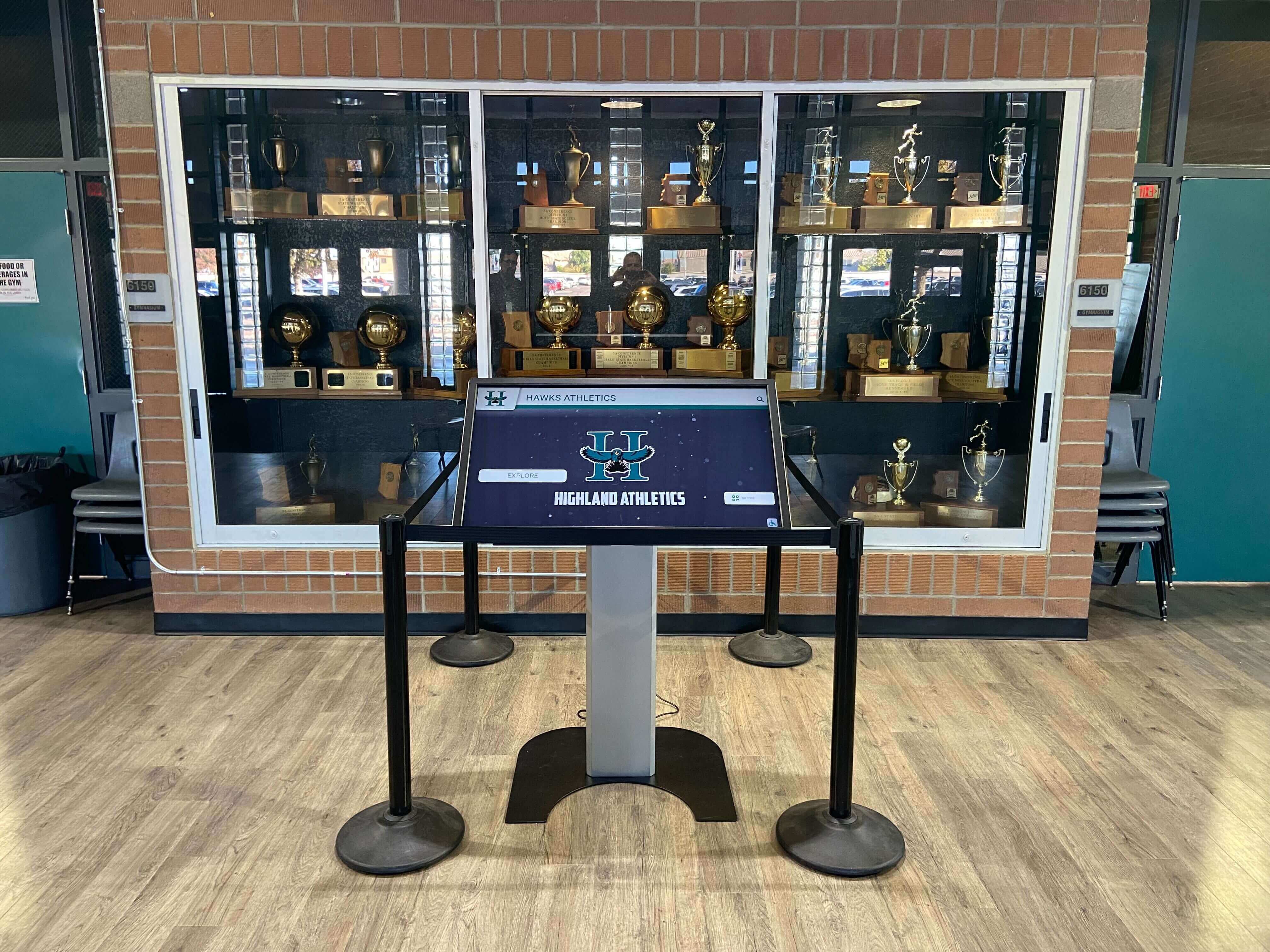
Trophy case integration creates cohesive recognition environments combining physical memorabilia with digital storytelling capabilities
Ceremony and Celebration Integration
Digital recognition should complement rather than replace in-person celebration that brings communities together for formal acknowledgment and relationship building.
Induction Event Design
Annual or periodic ceremonies create meaningful moments including formal dinner or reception gatherings, video profile premieres showing new honoree content, live induction presentations with family attendance, networking opportunities connecting honorees across eras, display unveiling moments when adding new profiles, and photography capturing ceremonial moments for archive.
Ceremonies provide alumni recognition beyond display updates while creating community gathering opportunities that strengthen institutional bonds and encourage continued engagement.
Ongoing Recognition Touchpoints
Beyond induction ceremonies, programs should create year-round recognition including featured honoree rotations on displays and social media, alumni spotlight content in newsletters and communications, career milestone acknowledgment as accomplishments occur, reunion weekend recognition activities, and athletic event appearances connecting honorees with current programs.
Sustained recognition prevents honorees from feeling forgotten after initial induction while maintaining visibility that inspires current players and engages broader communities.
Measuring Recognition Impact and Program Success
Comprehensive assessment ensures recognition delivers intended value while providing evidence justifying continued resource investment and program enhancement.
Quantitative Engagement Metrics
Digital platforms enable measurement revealing actual visitor interaction rather than relying on assumptions about display effectiveness.
Display Interaction Analytics
Track measurable indicators including total visitors and unique users over time, average interaction duration showing engagement depth, profile views by individual honoree, most-accessed content categories and statistics, navigation patterns revealing visitor interests, mobile versus touchscreen usage distribution, and seasonal engagement variations correlating with campus events.
These metrics provide concrete evidence about what content resonates and engages most effectively, informing future development and content emphasis.
Digital Reach and Social Distribution
Beyond physical displays, measure web profile views and traffic sources, social media sharing and engagement rates, video view counts and completion rates, mobile app downloads when applicable, and referral traffic from recruiting or advancement uses.
Broader digital metrics reveal recognition value extending beyond facility displays into distributed engagement that magnifies institutional visibility and program prestige.
Understanding alumni welcome area design provides frameworks for creating physical environments maximizing recognition visibility and accessibility.
Qualitative Impact Assessment
Numbers alone can’t capture recognition’s full impact on program culture, alumni relationships, and recruiting effectiveness. Qualitative assessment adds essential context.
Stakeholder Feedback Collection
Gather perspectives from distinguished alumni about recognition experience and program connection, current players regarding inspiration and goal-setting influence, recruits evaluating program tradition and excellence, coaches observing cultural impact and team pride, donors assessing recognition quality before contributions, and campus visitors forming institutional impressions.
Varied stakeholder input reveals whether recognition achieves intended cultural and relationship objectives beyond mere display existence.
Recruiting and Retention Influence
While difficult to isolate recognition’s specific impact, programs should note recruit feedback mentioning tradition and honor, commitment timing correlating with facility tours including displays, transfer interest citing program prestige and culture, and athlete retention potentially strengthened by belonging to prestigious legacy.
Recruiting influence assessment helps justify recognition investment through tangible program-building outcomes beyond abstract prestige enhancement.

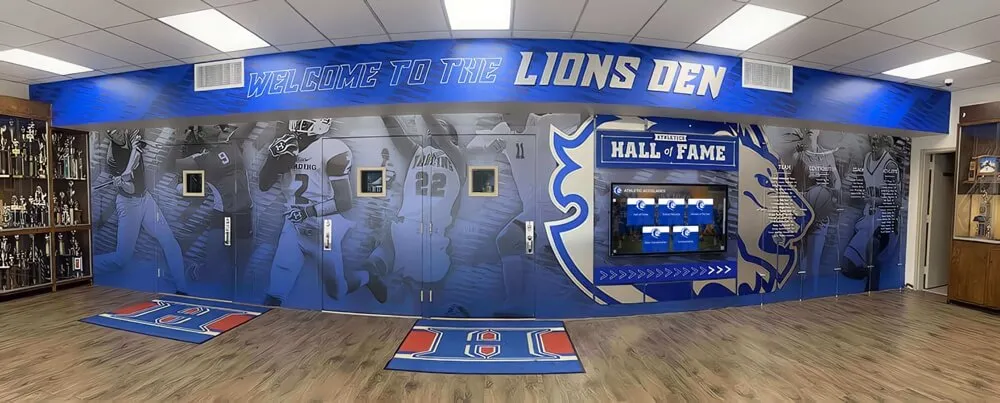
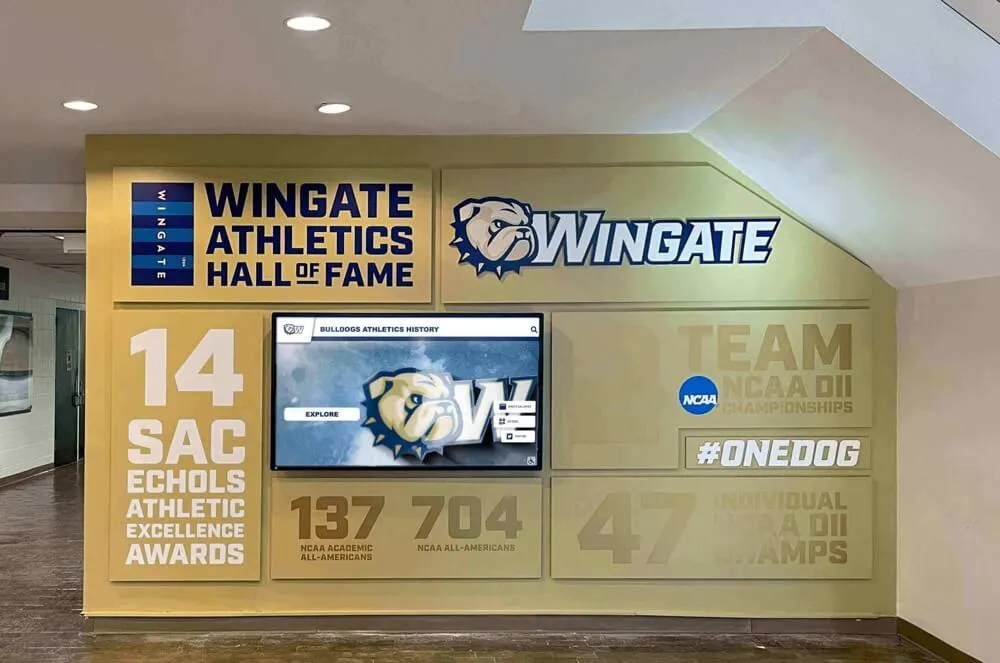
Dedicated recognition spaces create destinations encouraging extended visits and group exploration, deepening community engagement with athletic excellence
Conclusion: Building Lasting Golf Team Recognition Traditions
Distinguished golf team alumni deserve recognition that honors competitive excellence comprehensively while telling compelling stories about what made contributions meaningful beyond statistics alone. Effective displays balance individual achievement with team context, connect competitive success to program legacy, extend recognition through post-graduation accomplishments, and create accessible experiences engaging diverse audiences from recruits to donors to alumni spanning graduation decades.
Transform Your Golf Team Recognition
Discover how modern digital recognition solutions can help you showcase distinguished golf team alumni through engaging displays that celebrate excellence while building lasting connections and program pride.
Get Your Touchscreen Mock-UpThe design strategies, content approaches, and technology solutions explored in this guide provide frameworks for creating golf team recognition that serves multiple strategic purposes—inspiring current players through visible tradition, engaging alumni through comprehensive honor, attracting recruits through prestigious legacy demonstration, supporting fundraising through meaningful donor cultivation, and strengthening institutional pride through athletic excellence celebration.
Modern recognition transcends simple name listings and basic statistics, instead creating rich storytelling experiences that capture what made athletes’ contributions enduring and meaningful. Solutions like Rocket Alumni Solutions provide purpose-built platforms specifically designed for athletic recognition, offering intuitive content management, multi-format display flexibility, accessibility compliance, and continuous update capabilities that make sustainable programs achievable regardless of technical expertise or staff capacity.
Whether launching recognition for the first time, modernizing outdated static displays, or enhancing existing digital systems with deeper content and better design, the principles outlined here provide actionable roadmaps. Every golf program possesses distinguished alumni whose excellence deserves proper celebration—players who set records that endure, leaders who shaped team culture, champions who brought program glory, and graduates who carried competitive lessons into remarkable post-golf careers.
Your institution’s golf alumni represent decades of competitive excellence, leadership development, academic achievement, and character formation that collectively define program identity and tradition. They deserve recognition that tells complete stories, honors diverse achievement, maintains technical excellence, and creates experiences that inspire current players while engaging broader communities who share pride in athletic accomplishment.
Start by inventorying current recognition gaps and opportunities, identifying distinguished alumni whose contributions deserve systematic honor, evaluating display locations and technology options that maximize visibility and engagement, and developing sustainable workflows that enable continuous program growth and enhancement without overwhelming available resources.
The recognition you create today establishes traditions that will inspire tomorrow’s champions while honoring yesterday’s competitors who built the programs current players inherit. Make that recognition worthy of the excellence it celebrates—comprehensive in content, compelling in design, accessible in delivery, and sustainable in operation across the decades your golf program continues building competitive tradition and developing exceptional student-athletes who represent institutional values on courses, in classrooms, and throughout lives shaped by golf team experience.
For additional insights into comprehensive athletic recognition, explore how athletic programs implement digital storytelling, discover interactive display design principles that maximize engagement, learn about creating comprehensive athletic recognition programs, understand athletic hall of fame implementation strategies, and see how modern recognition displays replace traditional static approaches while enhancing visibility and content depth across athletic facilities and campus environments.