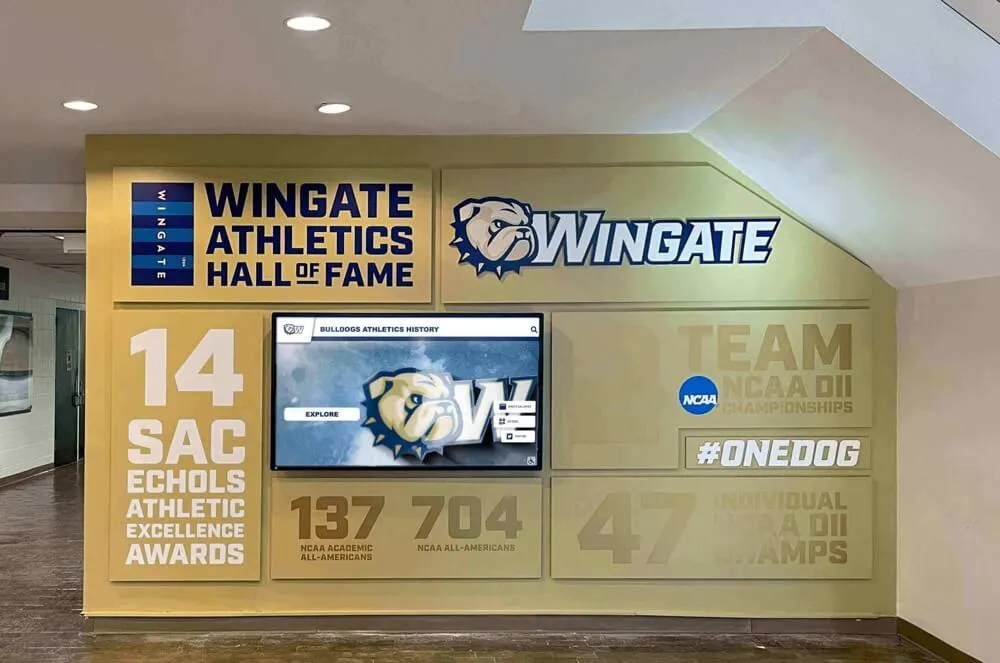




Each spring, millions of graduates process across stages wearing colorful braided cords draped over their academic regalia—visible symbols of academic achievement, leadership, service, and specialized excellence. These graduation honors cords transform otherwise uniform cap-and-gown ceremonies into vibrant celebrations of diverse accomplishments, enabling audiences to instantly recognize exceptional students even within large graduating classes.
Yet many schools struggle with honors cord programs that feel inconsistent or confusing. Some institutions award so many cord types that symbolism becomes diluted, while others recognize too few achievements, leaving deserving students without visible acknowledgment. Parents often attend ceremonies wondering what different colors signify, and graduates themselves sometimes receive cords without fully understanding their meaning or significance. Meanwhile, after graduation day ends, these hard-earned symbols disappear into closets, and the achievements they represent receive no sustained recognition.
This comprehensive guide explores everything educational institutions need to know about graduation honors cords—from traditional color meanings and awarding criteria to modern recognition systems that celebrate cord recipients year-round, ensuring academic excellence receives visibility extending far beyond single ceremony moments.
Understanding graduation honors cords requires appreciating both their ceremonial symbolism and their practical role in creating visible recognition systems that honor diverse student achievements. When schools thoughtfully design cord programs aligned with institutional values, these simple accessories become powerful tools motivating current students while celebrating graduating excellence.

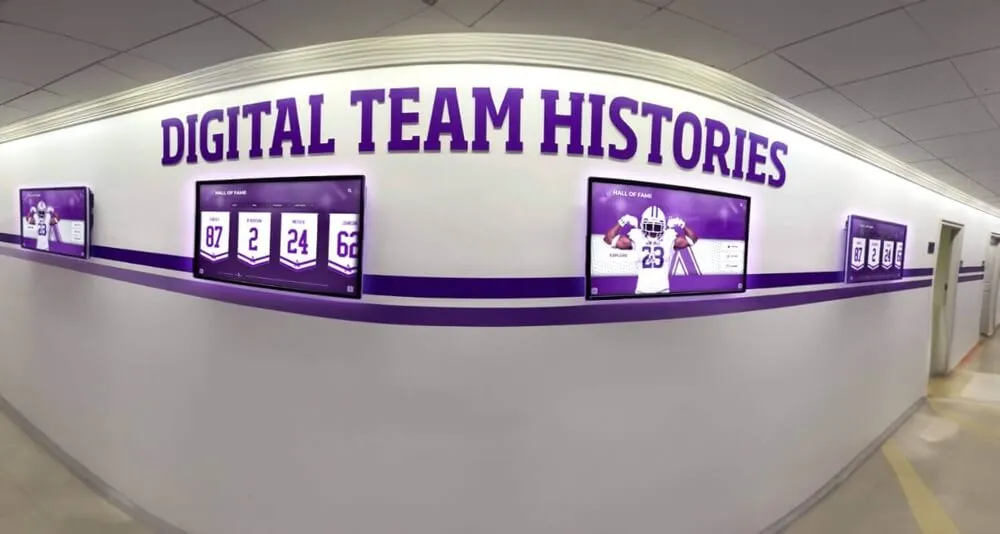
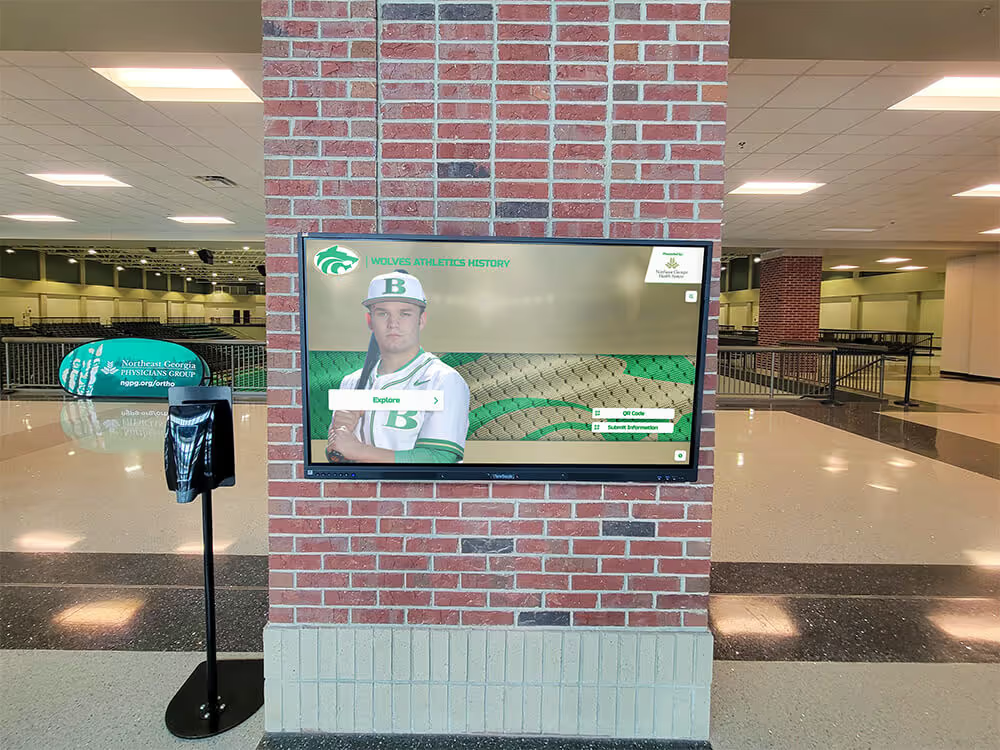
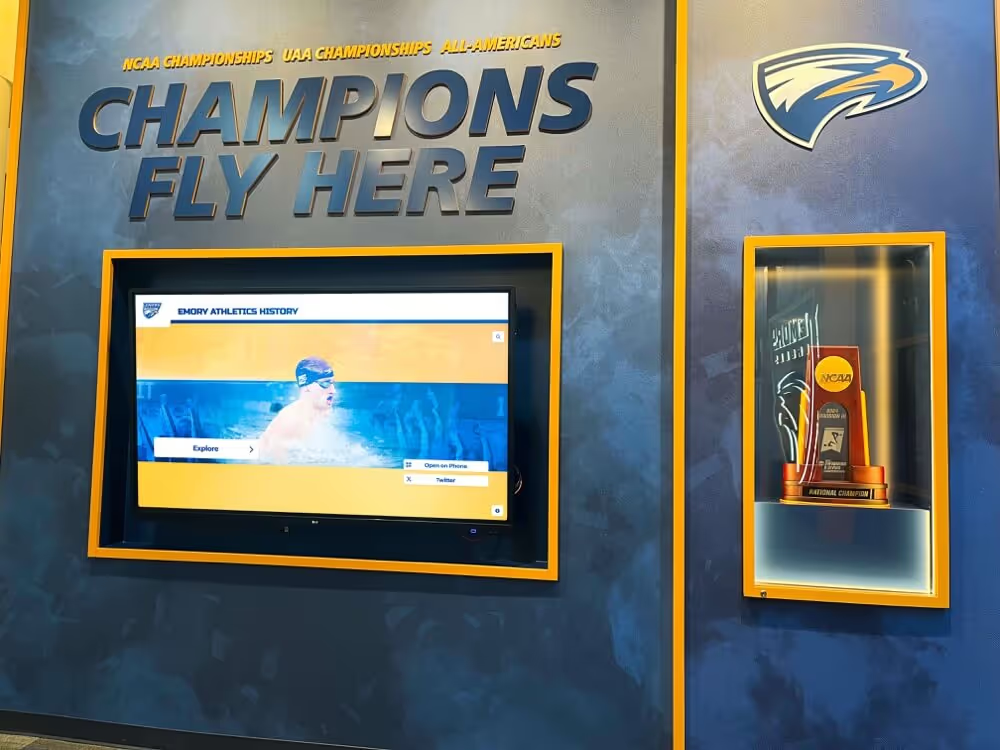
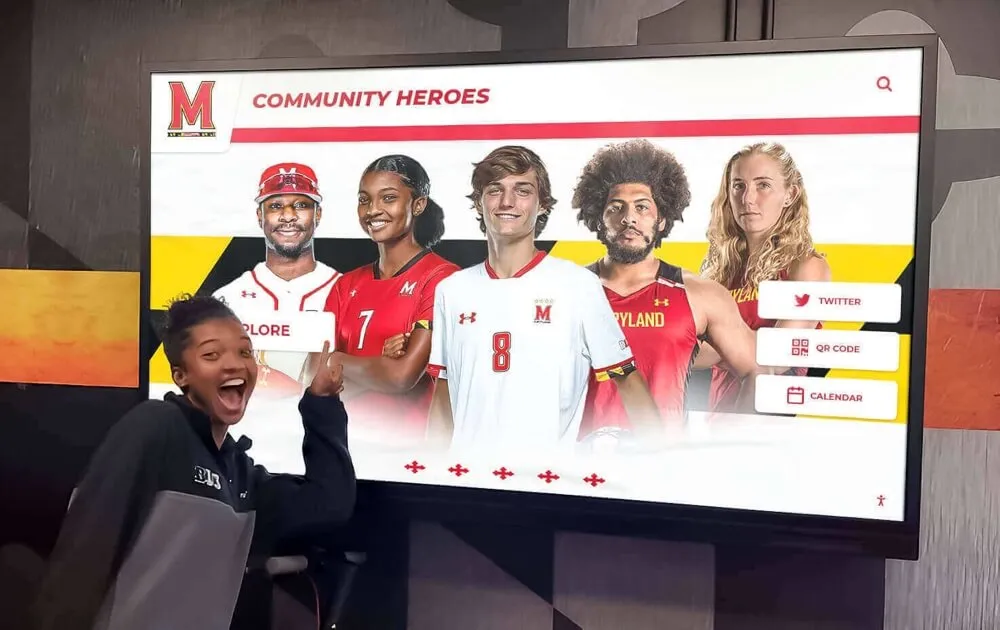
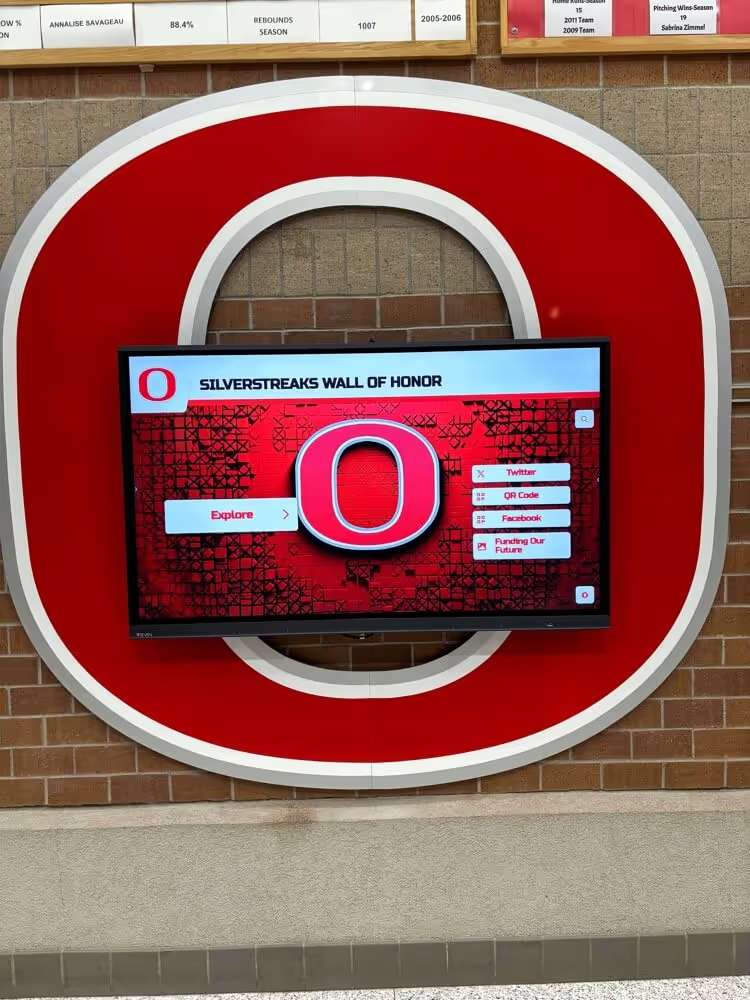
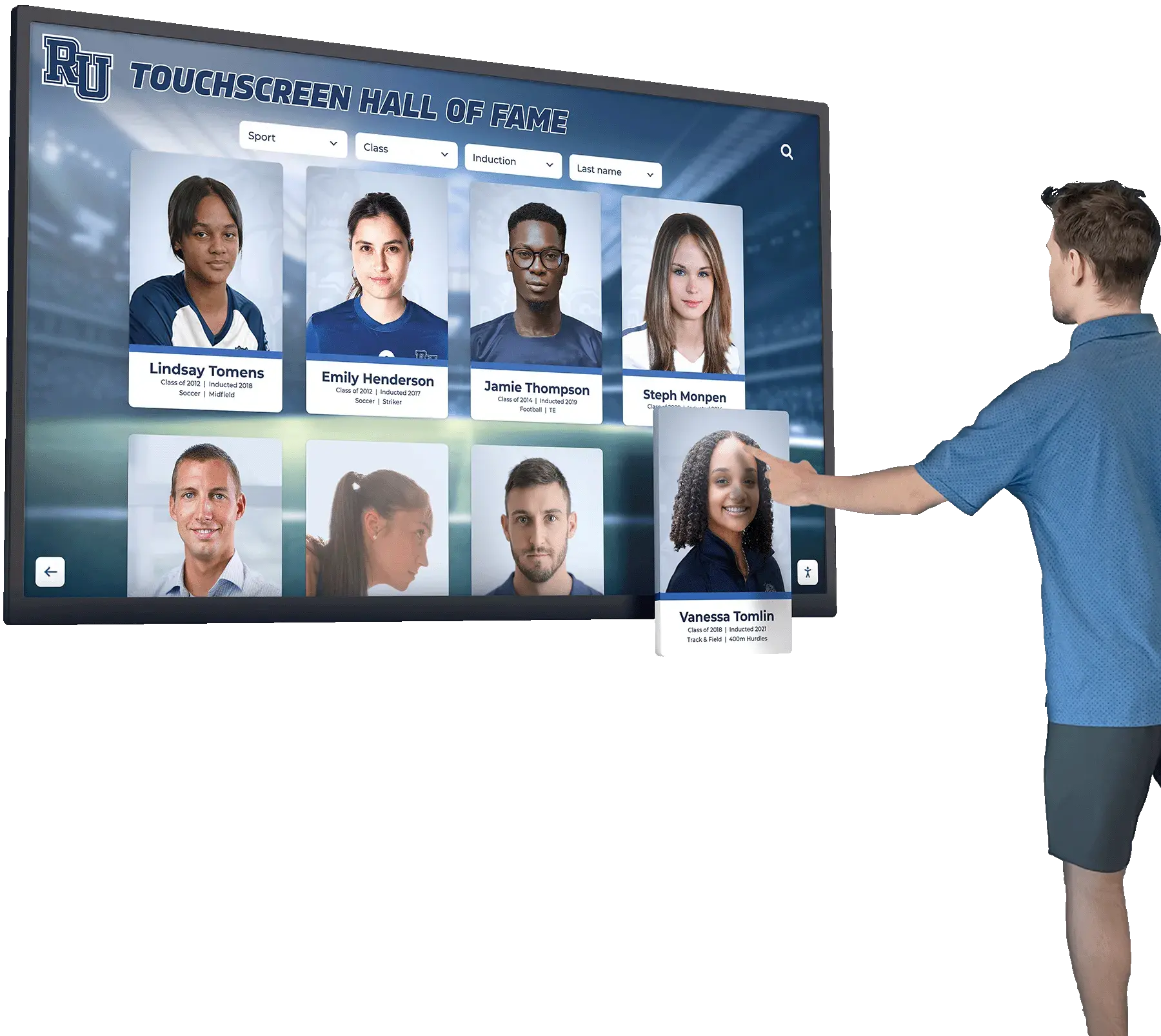
Modern recognition systems extend graduation honors beyond single ceremonies, creating permanent celebration of achievements symbolized by honors cords
Understanding Graduation Honors Cords: Origins and Purpose
Before exploring specific colors and meanings, understanding the broader context of honors cords clarifies their role in academic ceremonies and recognition systems.
Historical Origins of Academic Honors Cords
Graduation honors cords emerged from centuries-old European academic traditions emphasizing visible rank and achievement:
Medieval Academic Dress Evolution
Academic regalia originated in medieval European universities where scholars wore robes indicating their academic status and field of study. These early traditions established principles still governing academic dress—distinctive garments signaling educational achievement, visual hierarchy reflecting academic rank, and ceremonial uniformity creating institutional identity.
Honors cords represent relatively modern additions to this tradition, becoming widespread in American schools during the 20th century as institutions sought additional ways to recognize achievement beyond the basic cap and gown.
Modern American Adoption
American high schools, colleges, and universities embraced honors cords as flexible recognition tools offering several advantages including visual distinction enabling audiences to identify exceptional graduates, multiple achievement categories beyond single valedictorian/salutatorian designations, relatively low cost compared to medals or plaques, and inclusive recognition accommodating many students across different achievement dimensions.
Today, honors cords have become standard elements of graduation ceremonies across American education, though specific practices vary widely between institutions.
The Purpose and Impact of Honors Cords
Beyond ceremonial decoration, honors cords serve important psychological and cultural functions:
Individual Recognition and Motivation
Receiving honors cords provides meaningful acknowledgment through tangible symbols students can wear and keep, public visibility during ceremonies when families and communities celebrate achievement, peer recognition as academic excellence becomes visible to classmates, and lasting mementos representing years of dedicated effort.
Research on academic recognition demonstrates that visible acknowledgment of achievement significantly increases student motivation, improves academic engagement, and creates positive peer influence encouraging excellence. Honors cords deliver these benefits through simple, visible symbolism during milestone celebrations.
Institutional Culture Building
Systematic honors cord programs shape school culture by establishing clear achievement pathways showing students what institutions value, creating aspirational goals as younger students observe honored graduates, demonstrating institutional commitment to recognizing diverse excellence, and building traditions connecting graduating classes across years.
Schools with thoughtful honors recognition programs create environments where academic achievement receives visibility comparable to athletic or artistic accomplishment, fostering cultures of intellectual excellence.
Comprehensive approaches to academic recognition programs position honors cords within broader systematic celebration of student achievement throughout educational experiences.

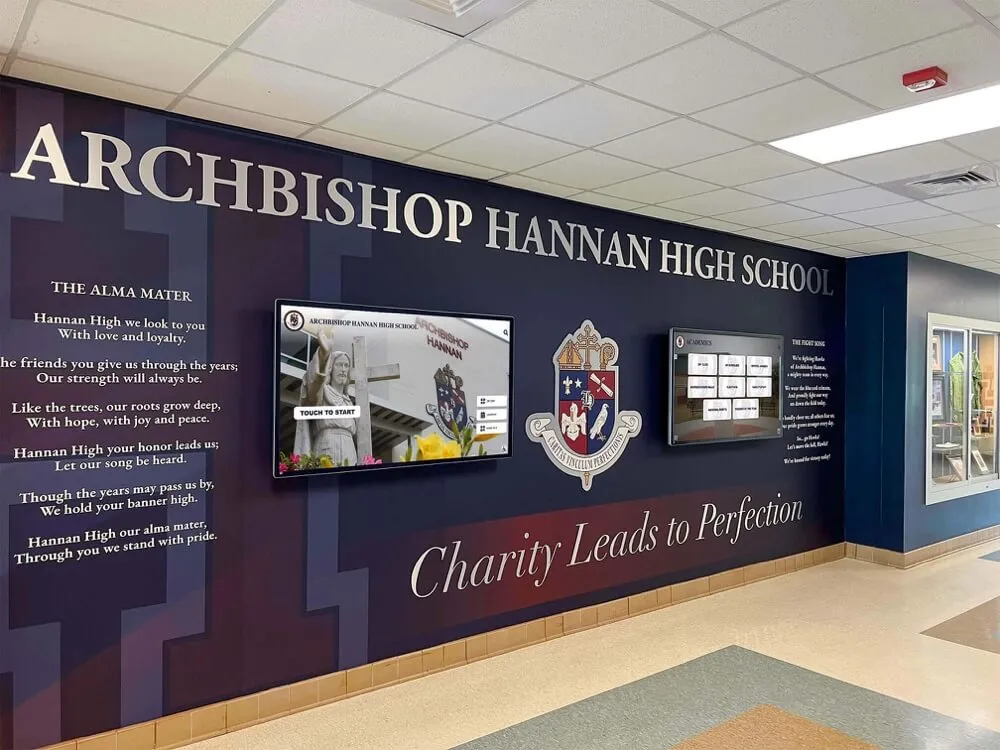
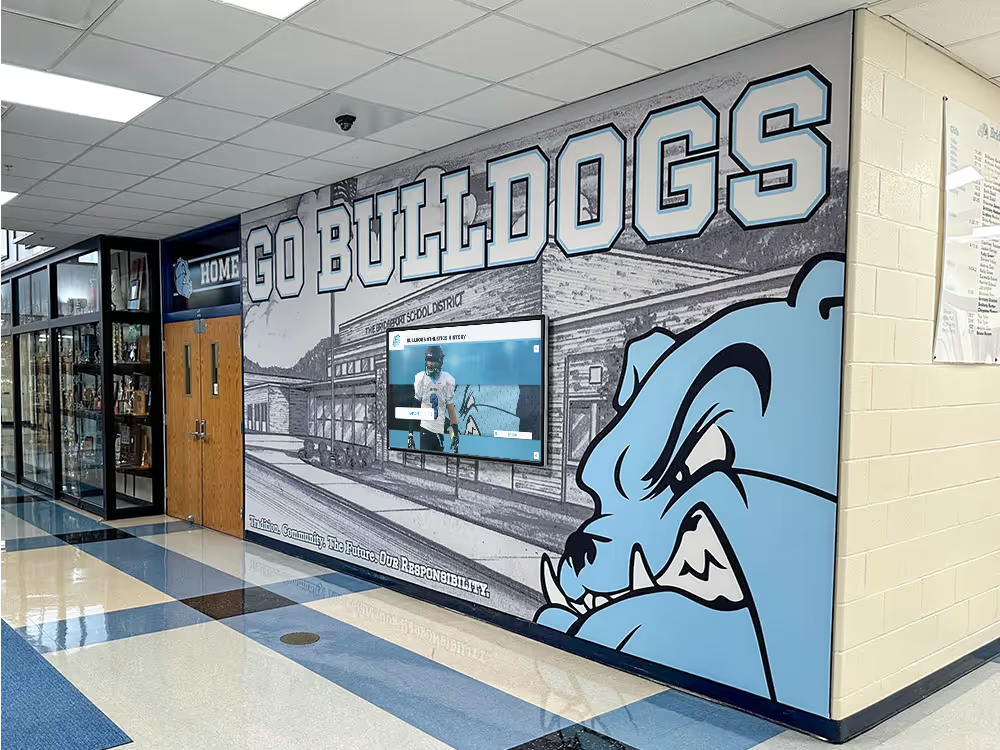
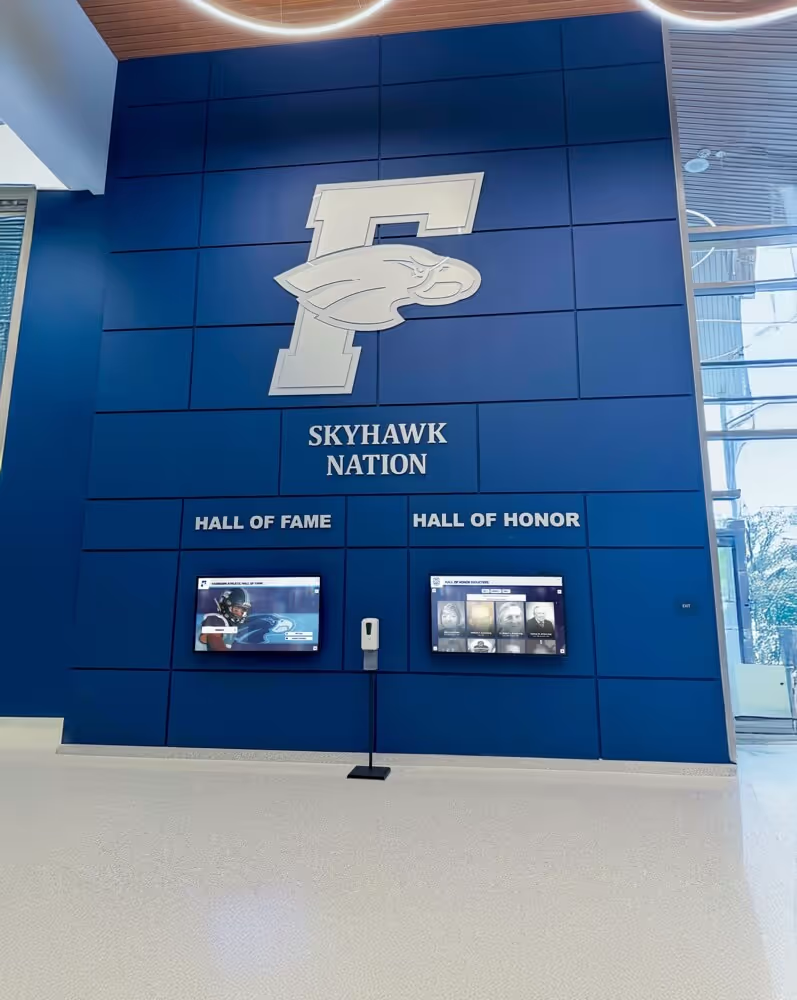
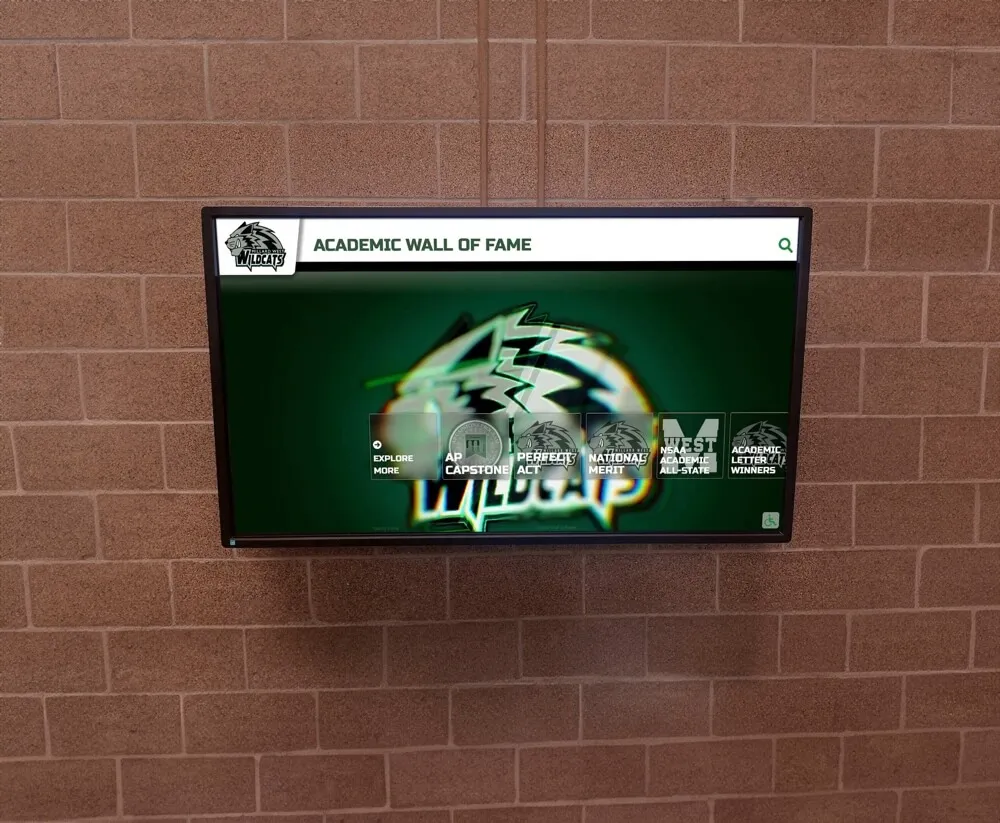
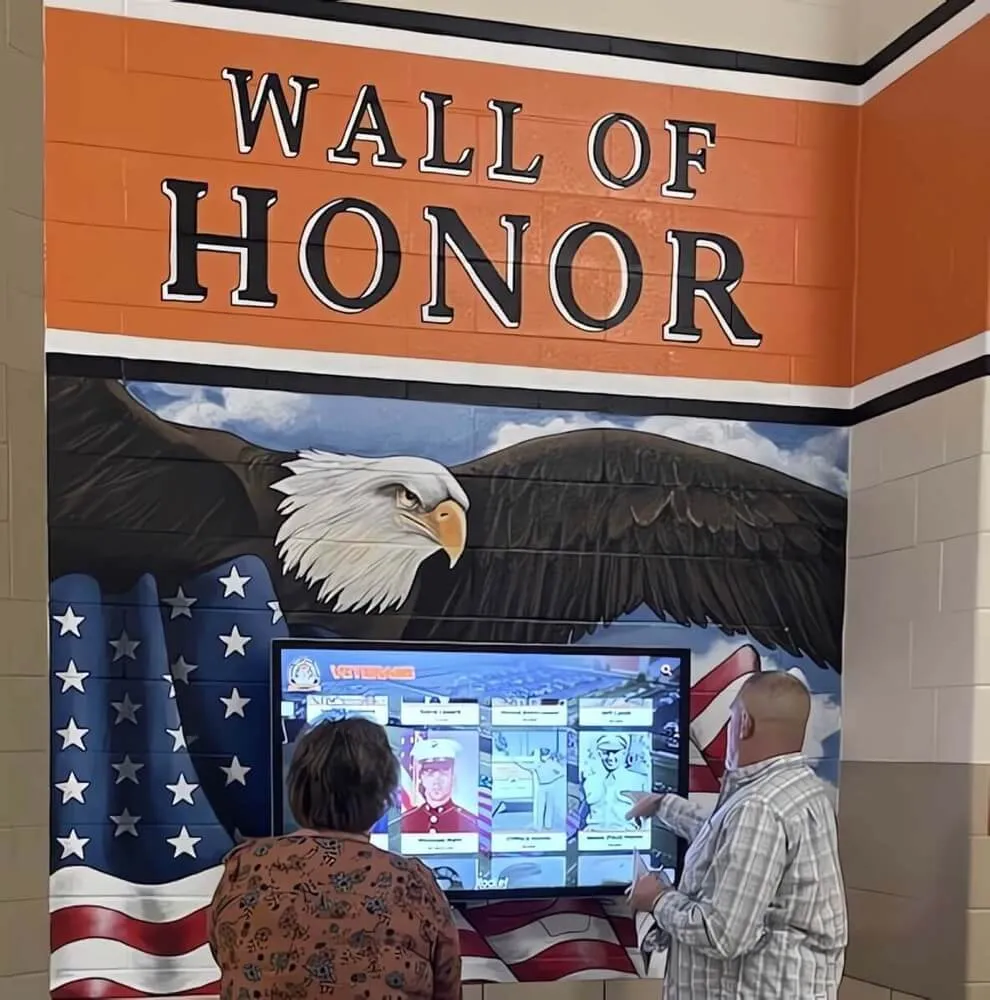
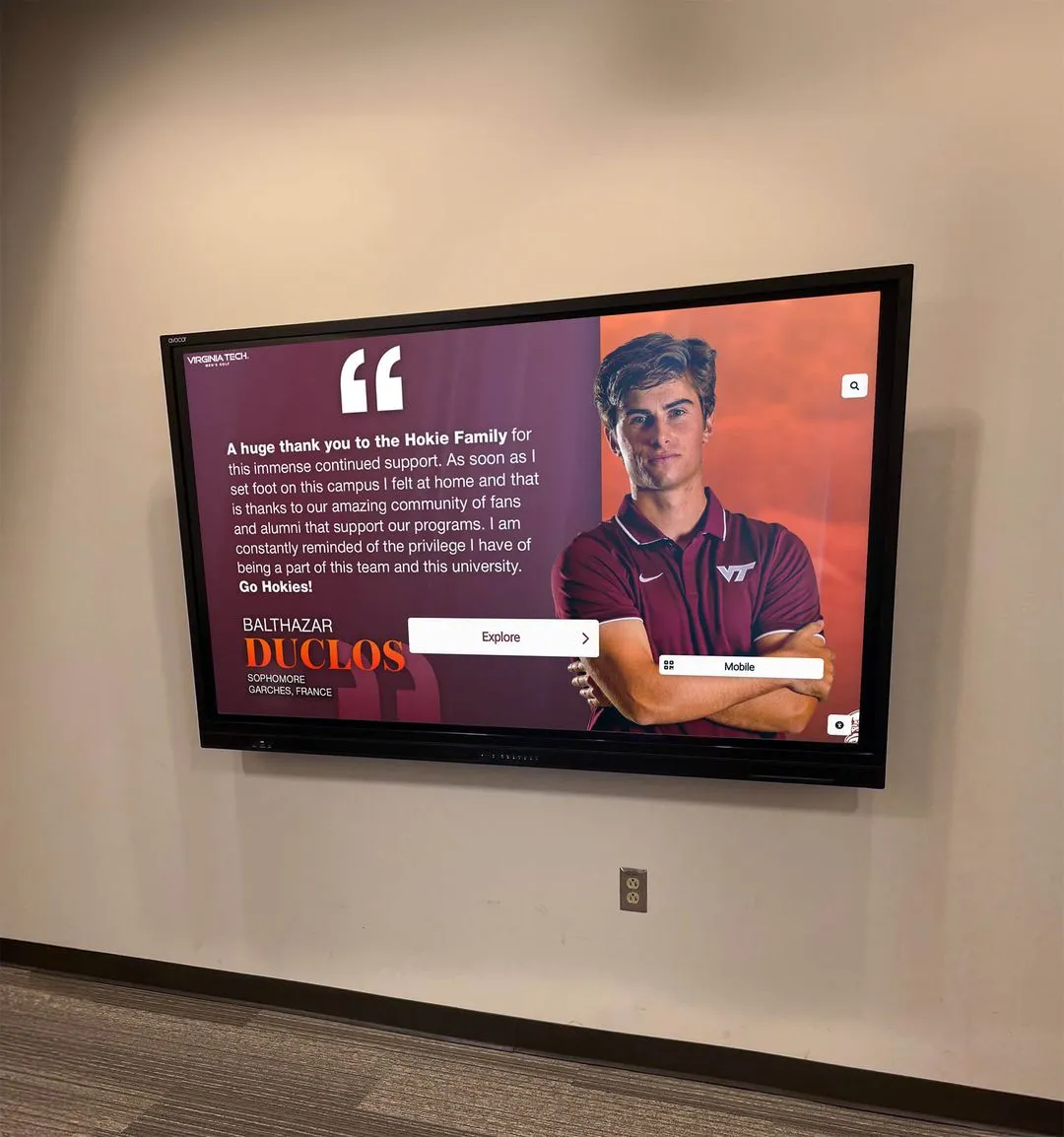
Digital recognition platforms enable detailed celebration of honors cord recipients beyond brief ceremony acknowledgment
Graduation Honors Cord Colors and Traditional Meanings
While specific meanings vary by institution, many cord colors carry traditional associations recognized across American education:
Academic Achievement and Honor Society Cords
The most common graduation honors cords recognize academic excellence through GPA thresholds and honor society membership:
Gold Cords
Gold represents the most prestigious academic achievement in most institutions, typically awarded for summa cum laude designation (usually 3.9-4.0 GPA), valedictorian and top academic rankings, National Honor Society membership at high school level, Phi Beta Kappa and similar prestigious honor societies at college level, and perfect or near-perfect GPA maintenance across multiple years.
Gold’s association with first-place achievement and highest value makes it the natural choice for supreme academic excellence. Many schools award only gold cords for their absolute top performers, maintaining exclusivity and prestige.
Silver and White Cords
Silver or white cords typically recognize secondary academic honors including magna cum laude designation (usually 3.7-3.89 GPA), salutatorian and high academic rankings below valedictorian, secondary honor societies and academic recognition programs, and significant academic achievement falling just short of highest honors.
Some institutions use white specifically for cum laude (usually 3.5-3.69 GPA) creating three-tier recognition systems paralleling Latin honors designations.
Royal Blue and Navy Blue Cords
Blue tones often signify academic achievement in specific areas including honors in humanities, arts, or social science disciplines, departmental academic excellence within colleges and universities, leadership in academic organizations and scholarly societies, and research or thesis distinction at graduate levels.
Many colleges assign blue cords to departmental honors, allowing recognition of top students within each major while reserving gold for university-wide distinction.
Purple Cords
Purple commonly indicates distinction in specific contexts including law school and pre-law honors, leadership roles in academic organizations, combination of academic and service excellence, and certain academic honor societies with purple as official colors.
Discipline-Specific and Subject Area Cords
Many institutions award cords recognizing excellence in particular fields:
STEM Achievement Cords
Science, technology, engineering, and mathematics excellence often receive distinctive recognition including green cords for science achievement and environmental studies, orange cords for engineering programs, silver cords for technology and computer science, and specialized colors for mathematics honors.
Departmental assignment of cord colors enables institutions to celebrate diverse academic excellence across all curriculum areas rather than limiting recognition to traditional GPA measures alone.
Arts and Humanities Cords
Creative and humanistic disciplines use distinctive colors including pink cords for music achievement and performing arts, brown or maroon cords for history and social studies, various colors for foreign language proficiency and multicultural studies, and specialized designations for fine arts, creative writing, and theater.
Career and Technical Education Cords
Vocational and applied programs increasingly use distinctive cords recognizing practical skill achievement including red cords for career and technical education excellence, yellow for agriculture and FFA achievements, and various colors aligned with specific career pathways and industry certifications.
This expansion acknowledges that multiple intelligence types and achievement dimensions deserve recognition equal to traditional academic measures, creating more inclusive ceremony recognition.
Schools implementing comprehensive recognition explore strategies from digital trophy case displays that celebrate diverse achievements beyond single ceremonies.
Service, Leadership, and Character Cords
Beyond academic achievement, many cords recognize character and contribution:
Service and Volunteer Recognition
Community service cords acknowledge civic engagement through various colors including red and white combinations for service hour thresholds, specific colors for Key Club, Interact, or service organizations, designated cords for community impact projects, and recognition for sustained volunteer commitments.
These cords emphasize that schools value contribution and character alongside academic performance, sending important messages about institutional priorities.

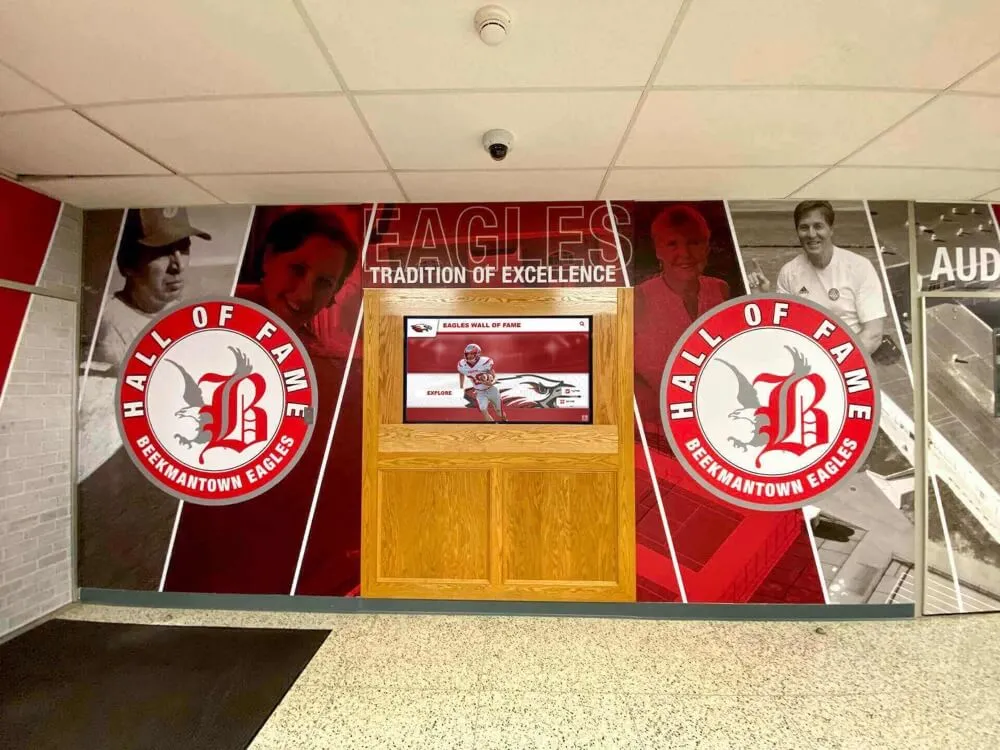
Comprehensive recognition systems celebrate all achievement dimensions honored through graduation cords
Leadership Cords
Student government, club leadership, and organizational distinction receive recognition through designated colors including white and gold combinations for student government officers, colors specific to leadership honor societies like HOBY or RYLA, recognition for sustained leadership across multiple organizations, and cords for peer mentorship and tutoring programs.
Leadership recognition reinforces that schools value students who contribute to community and institutional improvement beyond personal academic achievement.
Athletic Achievement Cords
While varsity letters represent traditional athletic recognition, some schools award cords for significant athletic accomplishment including multiple varsity letter earners across different sports, athletic leadership as team captains or award recipients, scholar-athlete designation combining academic and athletic excellence, and championship team members or individual competition success.
These cords acknowledge that athletic achievement represents dedication, discipline, and excellence deserving ceremony recognition comparable to academic honors.
Learn about comprehensive approaches to recognizing student-athletes beyond graduation ceremonies.
How Schools Determine Honors Cord Eligibility
Effective honors cord programs require clear criteria ensuring recognition remains meaningful while avoiding excessive proliferation that dilutes symbolic value:
Academic Achievement Criteria
Most schools establish objective thresholds for academic cords:
GPA-Based Designations
Cumulative grade point average represents the most common criterion including specific thresholds for Latin honors levels, percentage-based rankings like top 10% or top 25%, weighted versus unweighted GPA considerations, and minimum credit hour requirements ensuring sufficient coursework.
Clear numerical thresholds provide objectivity preventing perception of favoritism while ensuring recognition criteria remain consistent across different students and graduating classes.
Course Rigor Considerations
Beyond raw GPA, some programs recognize course difficulty including advanced placement and dual enrollment participation, honors course completion across multiple subjects, International Baccalaureate program achievement, and demonstrated willingness to challenge oneself academically.
These nuanced approaches acknowledge that straight-A grades in standard courses represent different achievement than slightly lower GPAs in advanced coursework, creating more sophisticated recognition systems.
Honor Society Membership Requirements
National and local honor societies provide ready-made criteria through established membership standards including National Honor Society four-pillar requirements (scholarship, leadership, service, character), subject-specific honor societies like National English Honor Society, career and technical honor societies, and local institution-specific honor societies with defined criteria.
Leveraging existing honor society standards reduces administrative burden while providing multi-dimensional recognition beyond GPA alone.
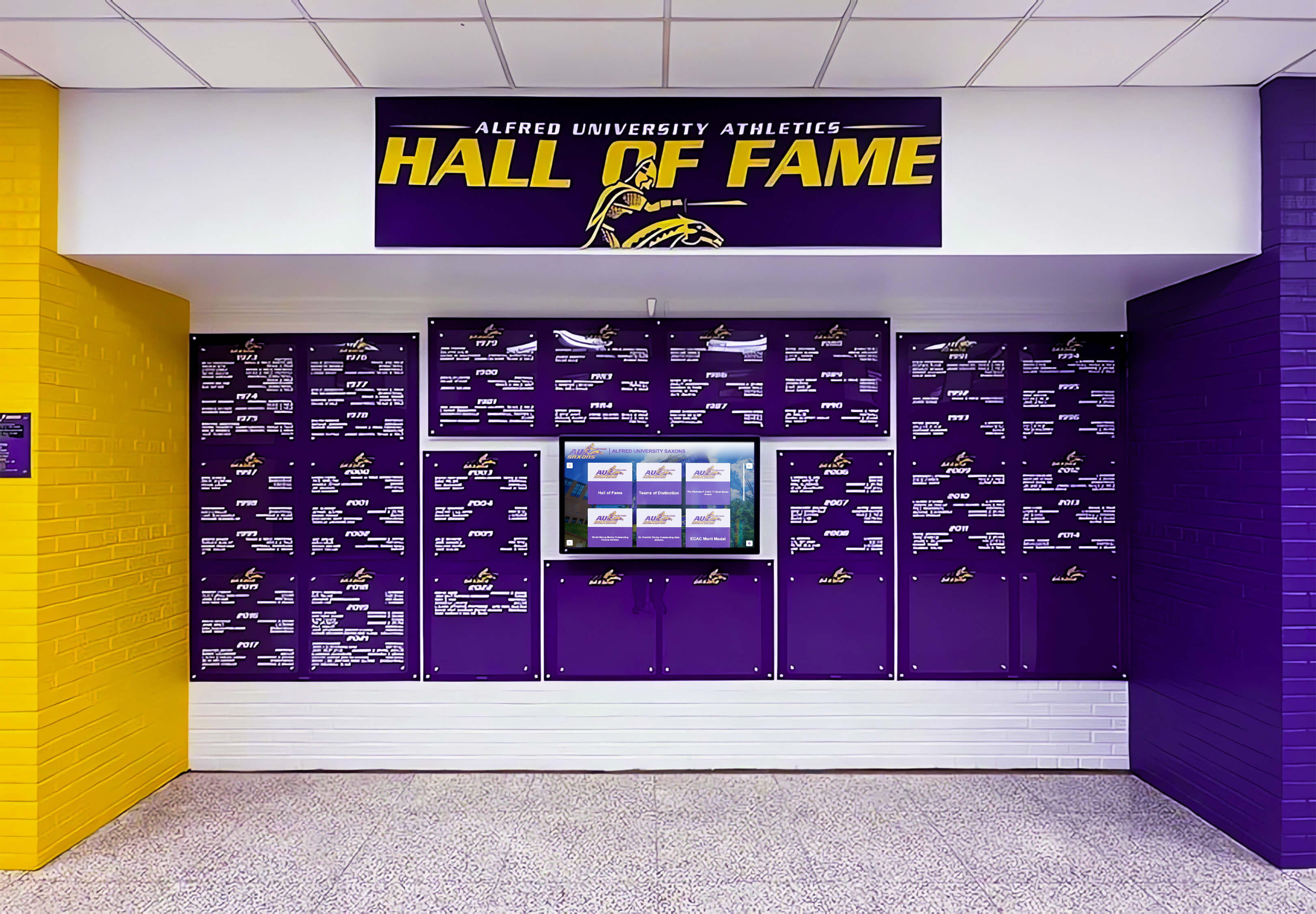
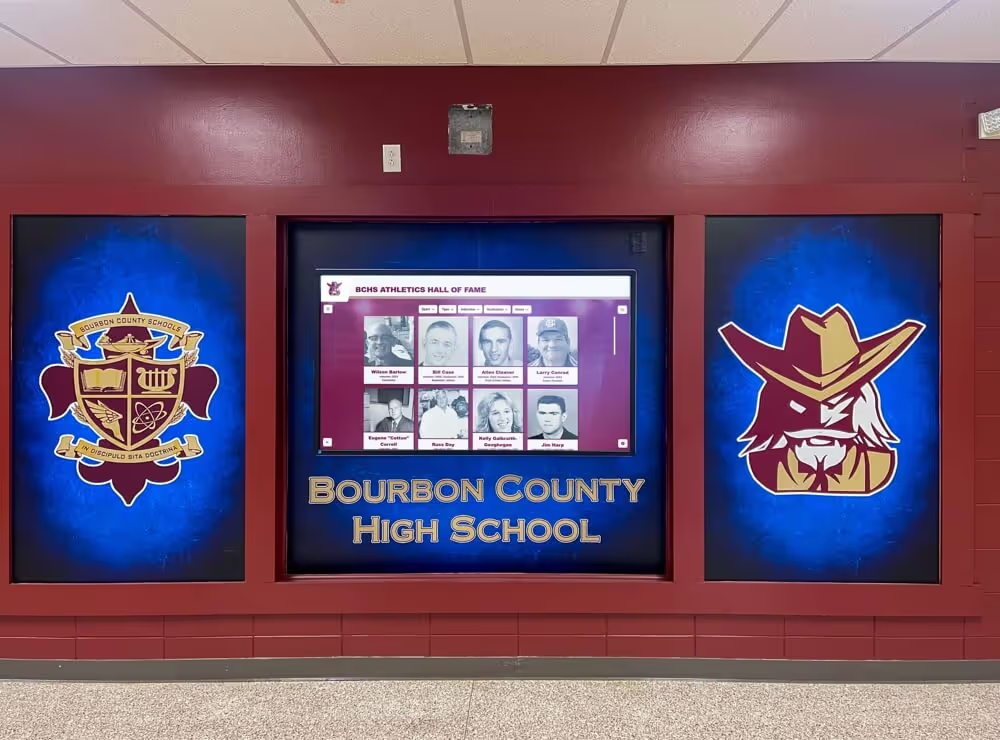
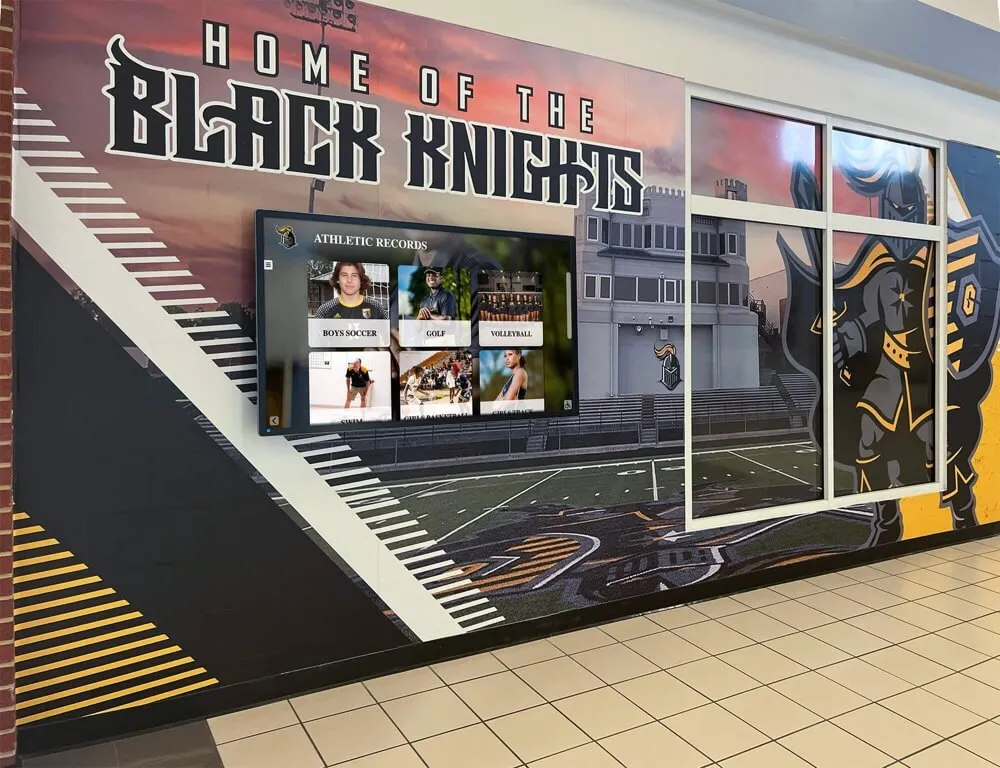
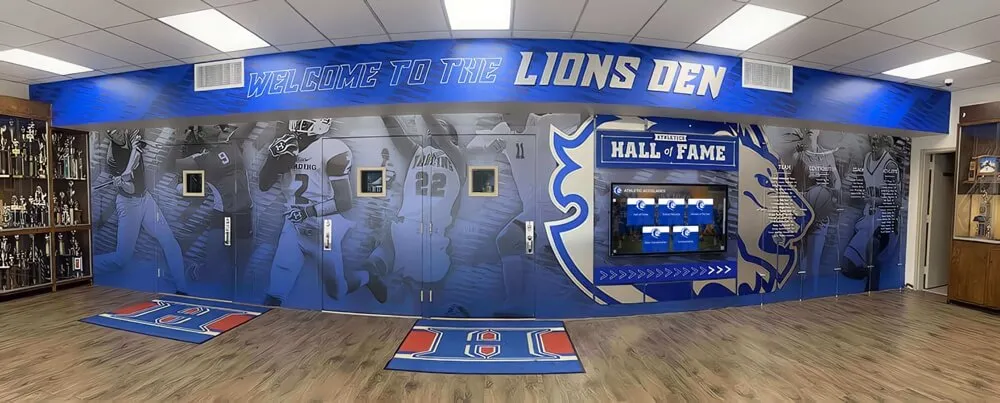
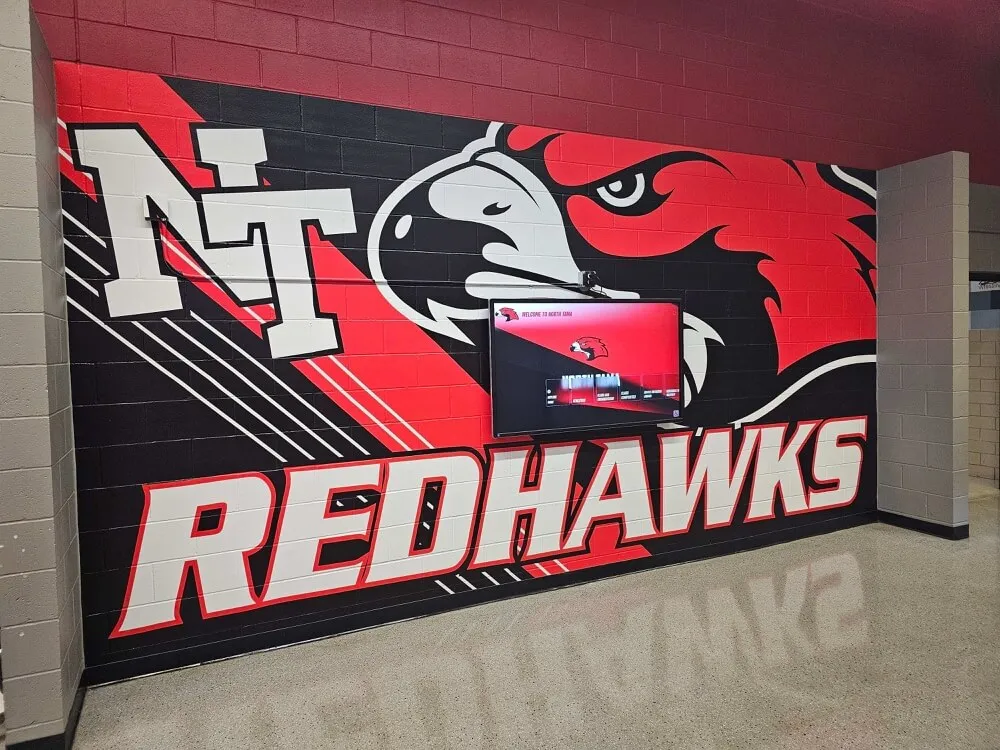
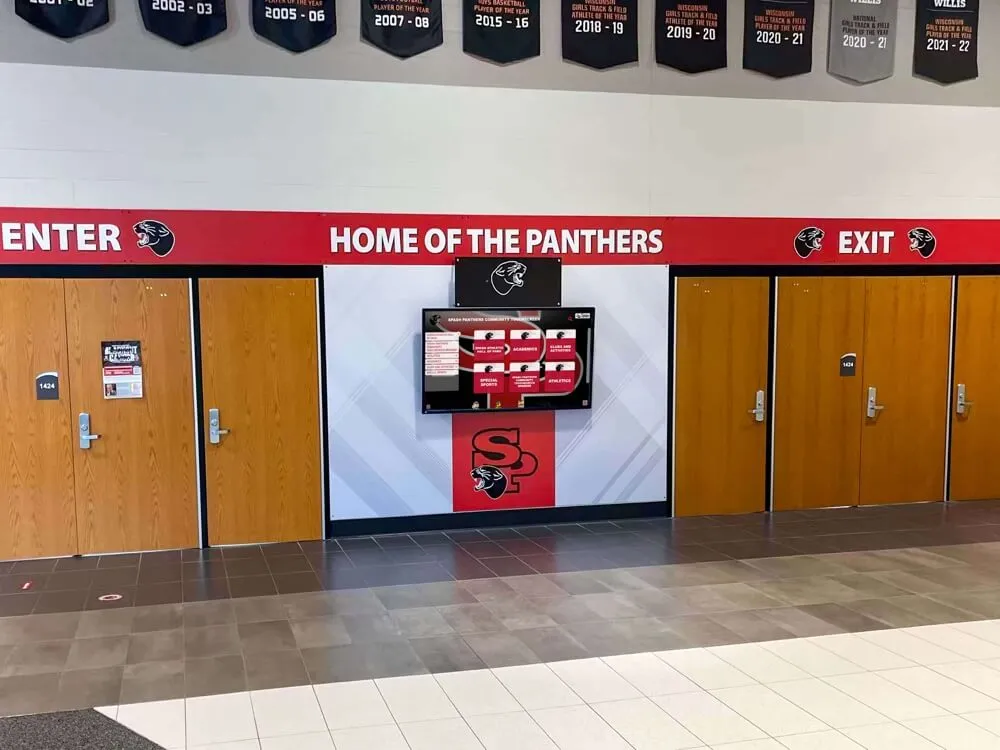
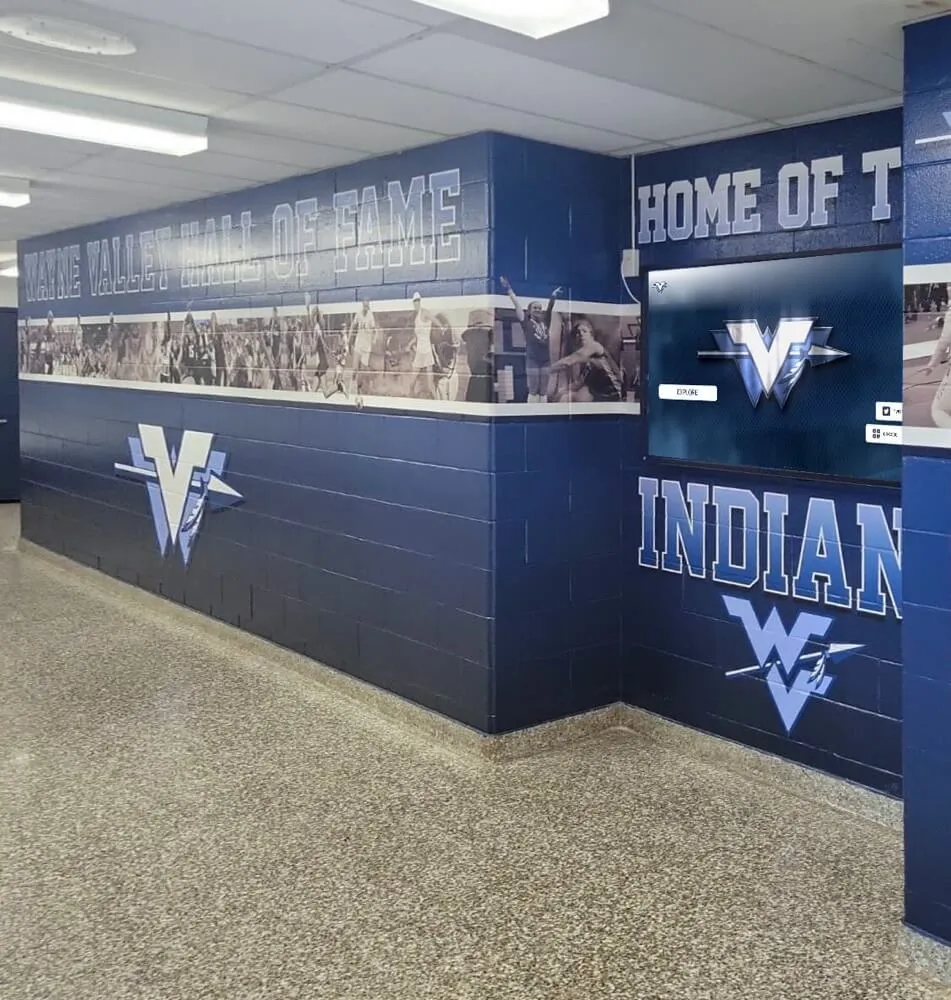
Branded recognition displays showcase all achievement types including those celebrated through graduation honors cords
Non-Academic Achievement Criteria
Service, leadership, and specialized cords require different assessment approaches:
Service Hour Documentation
Community service recognition typically requires verified hour totals including minimum thresholds like 100, 200, or 300 hours, documentation through approved tracking systems, quality standards ensuring meaningful contribution rather than just time, and completion requirements finishing service before specific deadlines.
Clear documentation systems prevent disputes while ensuring service recognition rewards genuine commitment rather than inflated claims.
Leadership Qualification Standards
Leadership cords may require specific roles or demonstrated impact including elected positions in student government or major organizations, sustained leadership across multiple years, evidence of positive organizational impact or program development, and recommendation from advisors or administrators attesting to leadership quality.
These criteria ensure leadership recognition celebrates actual contribution rather than mere participation or title-holding without meaningful engagement.
Specialized Achievement Evidence
Subject-specific and program-based cords require appropriate documentation including competition results and awards in relevant fields, portfolio or performance demonstrations showing excellence, certification completion in career and technical programs, and teacher or program director recommendations.
Varied evidence types acknowledge that different achievement dimensions require different assessment approaches, creating flexible recognition systems accommodating diverse excellence.
Frameworks from Rocket Recognition programs demonstrate comprehensive approaches to multi-dimensional student recognition.
Best Practices for School Honors Cord Programs
Effective programs balance meaningful recognition with practical sustainability and institutional culture fit:
Establishing Clear Guidelines and Communication
Successful programs require systematic planning and transparency:
Written Policy Development
Formalize honors cord criteria through comprehensive documentation including eligibility requirements for each cord type, application or verification procedures, appeal processes for disputed decisions, timeline for determination and notification, and clear communication of what each cord color represents.
Written policies prevent confusion, ensure consistency across years, and provide objective standards reducing perception of arbitrary recognition decisions.
Student and Family Communication
Announce honors cord opportunities early enough to influence behavior through information provided to freshmen about available recognitions, annual reminders about criteria and application requirements, clear deadlines for honor society applications or service hour submissions, and celebration when students earn recognition maintaining motivation.
Early communication allows students to plan their high school or college experiences intentionally working toward meaningful recognition rather than discovering opportunities too late for eligibility.
Ceremony Program Explanation
Help graduation audiences understand cord meanings through printed program sections explaining each cord color, verbal acknowledgment during ceremonies recognizing honors cord recipients, visual displays showing cord types and associated achievements, and web-based resources families can reference before and after ceremonies.
Educated audiences appreciate recognition more fully, transforming cords from mysterious decorations into meaningful symbols they understand and celebrate.
Balancing Inclusivity and Prestige
Programs must navigate tension between broad recognition and maintaining distinction:
Avoiding Cord Proliferation
Schools should resist pressure to create unlimited cord types by establishing reasonable maximum cord numbers per student (often 3-5), requiring meaningful achievement thresholds rather than participation-based awards, periodically reviewing cord categories eliminating those without clear purpose, and ensuring each cord represents genuine distinction worthy of special recognition.
Excessive cords dilute meaning—when most students wear multiple cords, visual distinction disappears and recognition loses significance.
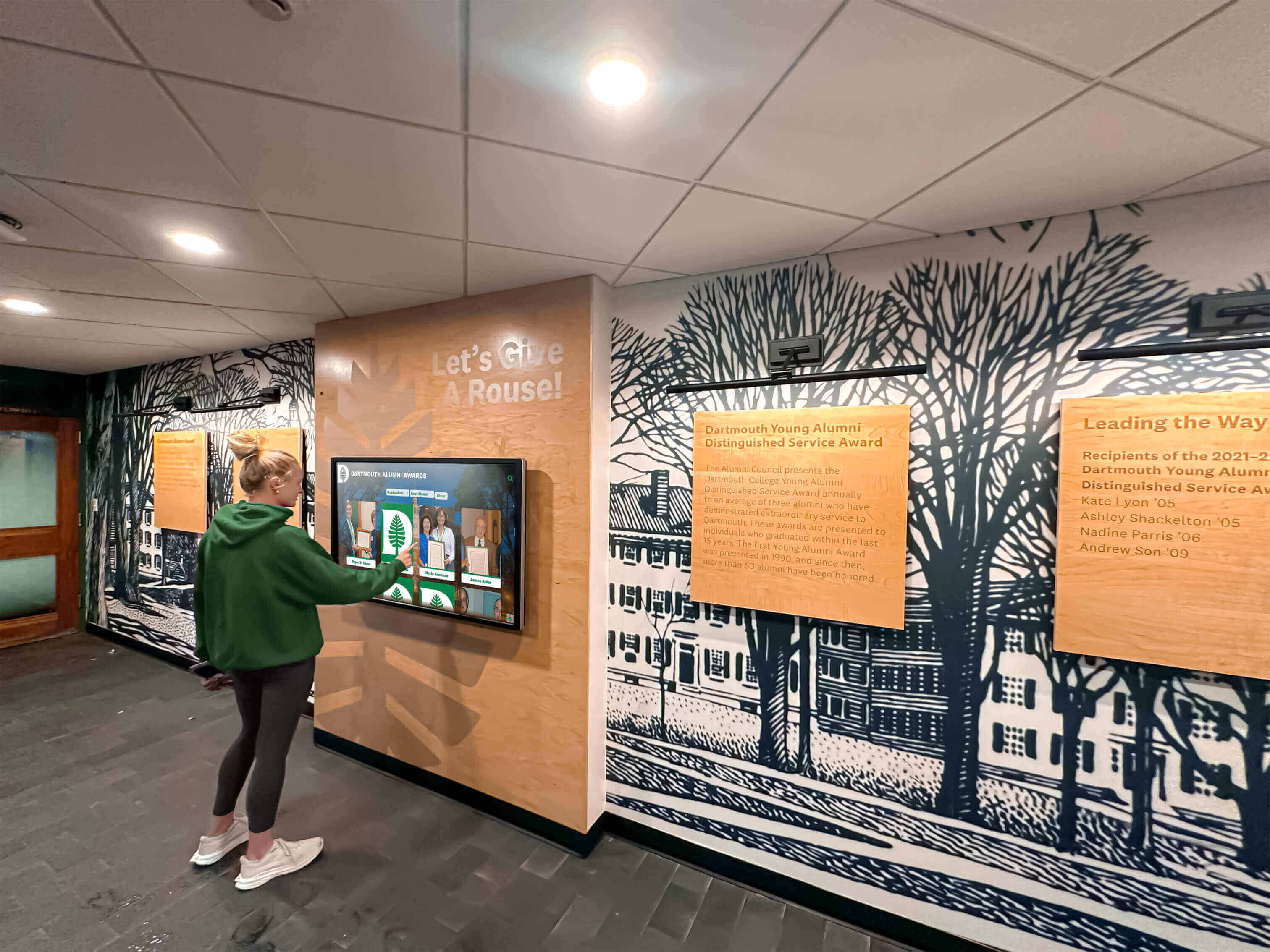
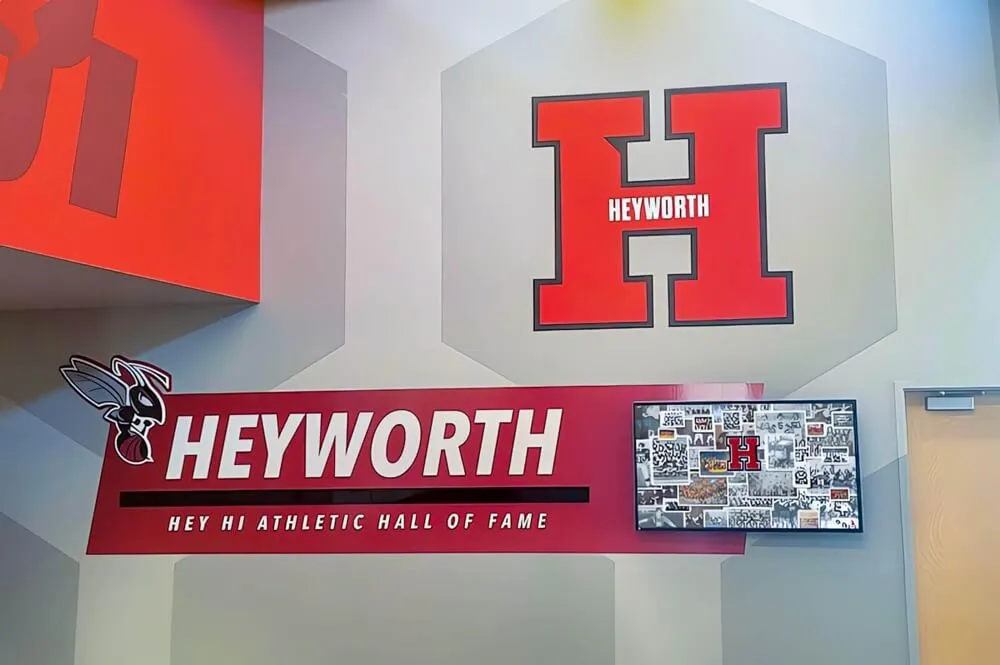
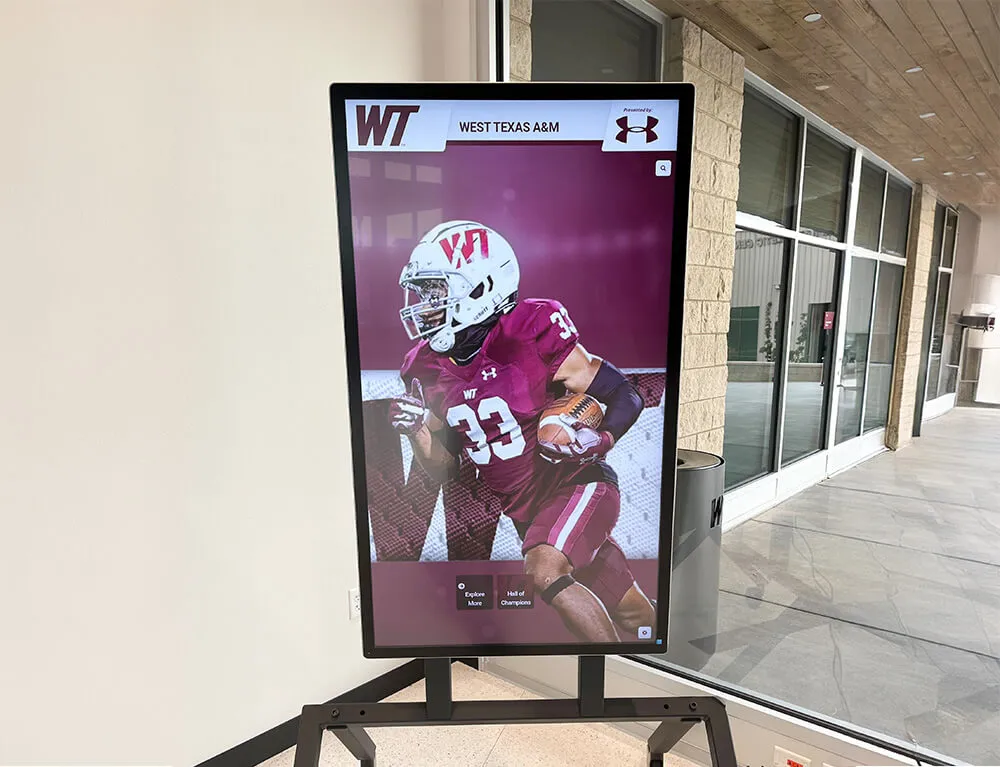
Interactive displays engage current students with achievement traditions they may pursue themselves
Creating Multiple Recognition Tiers
Rather than single achievement levels, tiered approaches provide nuance including highest honors (summa level) receiving most distinctive recognition, middle honors tiers (magna/cum laude equivalent) with appropriate visual distinction, merit recognition acknowledging commendable achievement below honors thresholds, and universal participation symbols like school-color cords all graduates receive.
Tiered systems enable institutions to honor diverse achievement levels appropriately without either creating excessive distinction or failing to acknowledge genuine excellence.
Ensuring Equitable Access
Recognition programs should avoid barriers that limit participation including financial costs—provide cords rather than requiring student purchase, prerequisite access—ensure all students can pursue recognition regardless of course scheduling, socioeconomic considerations—recognize achievements possible without family resources, and diverse pathway options—create recognition opportunities for different learning profiles and interests.
Equitable design ensures honors cords celebrate merit and achievement rather than advantage or access.
Procurement and Distribution Logistics
Practical considerations ensure smooth program implementation:
Cord Sourcing and Quality
Select appropriate vendors and products including reputable academic regalia suppliers ensuring quality, color consistency matching institutional standards across orders, appropriate materials and construction for ceremonic use, and sufficient lead times accounting for customization and shipping.
Poor quality cords fray, fade, or break, undermining recognition symbolism through shabby appearance.
Distribution Process Planning
Create efficient systems for cord distribution including verification processes confirming eligibility before distribution, organized distribution events preventing ceremony-day chaos, clear instructions about proper wearing over academic regalia, and backup cords available for last-minute qualification or replacement needs.
Smooth distribution processes prevent ceremony disruption while ensuring all eligible students receive appropriate recognition.
Record Keeping and Documentation
Maintain records serving multiple purposes including historical documentation of who earned which honors, institutional assessment of recognition program patterns and equity, information for permanent recognition displays beyond ceremonies, and reference for recommendation letters and institutional reporting.
Comprehensive records transform honors cords from ephemeral ceremony elements into documented institutional history informing ongoing recognition programs.
Programs exploring comprehensive recognition systems benefit from strategies in pep rally and recognition event planning that celebrate achievement across multiple settings.

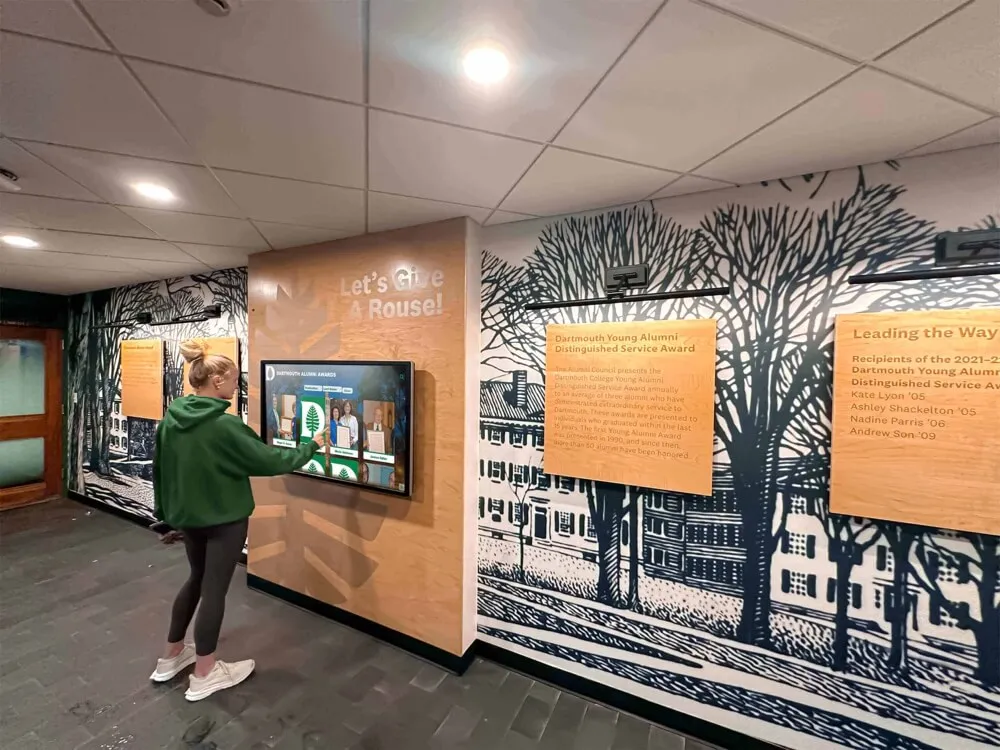
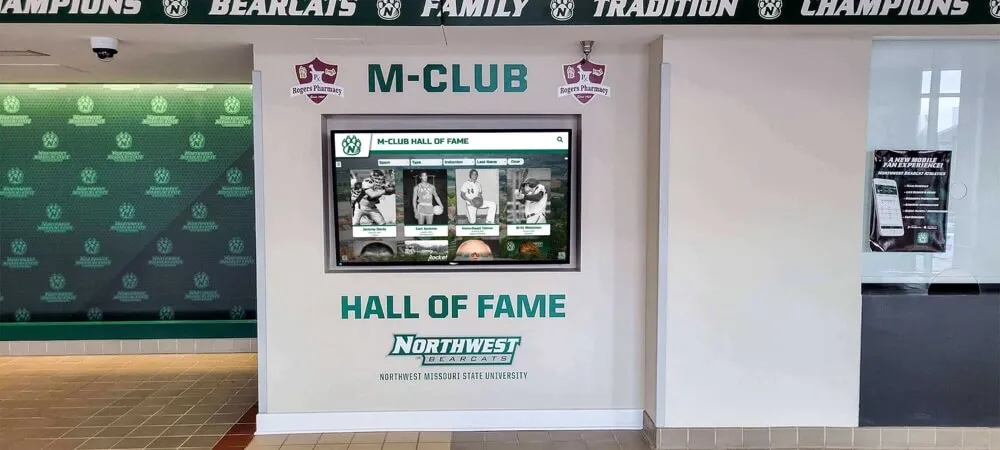
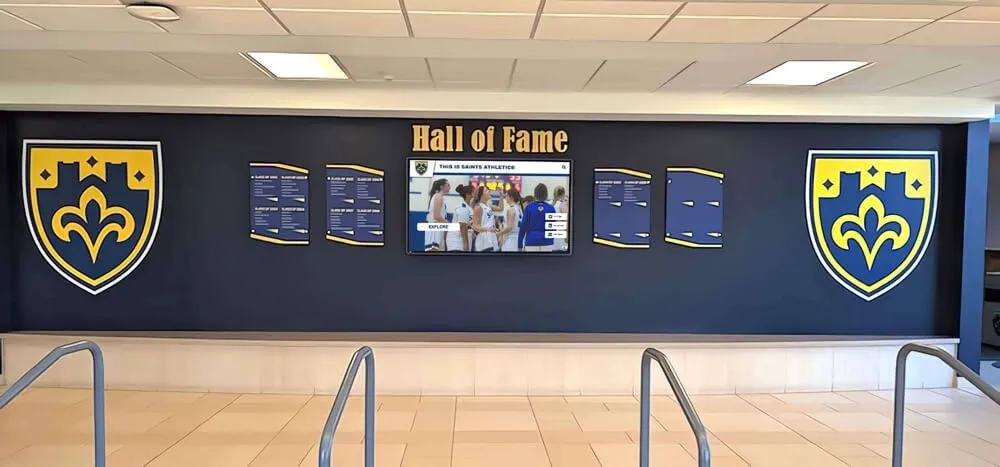
Touchscreen recognition systems enable detailed exploration of graduate achievements symbolized by honors cords
Special Considerations for Different Educational Levels
Honors cord programs should adapt to developmental stages and institutional contexts:
High School Honors Cord Programs
Secondary schools face unique considerations implementing cord recognition:
Age-Appropriate Recognition
High school programs should balance motivation with realistic expectations including achievable criteria motivating improvement rather than rewarding only naturally gifted students, growth recognition acknowledging improvement from different starting points, diverse achievement categories beyond pure academics, and clear connections between recognition and post-graduation opportunities.
Recognition programs that feel accessible motivate broader student engagement rather than creating small elite groups while others disengage.
College Application Enhancement
Help students understand recognition value including honors cord eligibility in college application materials, photography showing cord recognition for application use, documentation suitable for scholarship applications, and explanation of recognition significance in recommendation contexts.
Tangible college admission benefits increase student investment in pursuing honors recognition throughout high school careers.
Four-Year Achievement Tracking
High schools should implement systems tracking progress toward graduation honors including freshman orientation explaining available recognitions, annual check-ins showing students their current status toward various cords, junior year guidance ensuring students understand senior requirements, and early senior notification confirming final eligibility.
Proactive tracking prevents situations where students discover cord opportunities too late for qualification or miss recognition they earned through poor documentation.
College and University Cord Practices
Higher education presents different recognition contexts:
Latin Honors Integration
Universities typically align cords with traditional honor designations including consistent color associations with summa/magna/cum laude levels, departmental honors recognition within major fields, graduate-level thesis or dissertation distinction, and university-wide versus college-level recognition tiers.
Maintaining traditional Latin honors connections ensures cord programs align with established academic traditions rather than creating parallel incompatible systems.
Graduate and Professional Program Considerations
Advanced degree programs require specialized approaches including hood colors already indicating degree types and fields, limited ceremony time with larger classes restricting additional recognition elements, profession-specific honor societies like medical honor societies, and research or clinical excellence recognition appropriate to disciplines.
Professional programs should ensure cord additions enhance rather than complicate already elaborate academic dress traditions specific to medicine, law, and other fields.
University-Wide Standardization Challenges
Large universities must coordinate across diverse schools and colleges including consistent criteria applied fairly across different academic programs, centralized communication ensuring all students understand opportunities, coordinated ordering and distribution across multiple commencement ceremonies, and balanced recognition preventing some colleges from appearing more accomplished simply through different cord policies.
Centralized coordination prevents inequitable recognition resulting from decentralized policies varying arbitrarily between departments.
Comprehensive approaches to college and university recognition programs position cords within broader campus achievement celebration.
Extending Honors Cord Recognition Beyond Graduation Day
While cords provide ceremony visibility, effective recognition systems celebrate cord recipients year-round through permanent displays ensuring achievements receive sustained honor:
The Limitations of Ceremony-Only Recognition
Traditional approaches limiting honors cord acknowledgment to graduation day face inherent constraints:
Temporal Limitations
Ceremony-focused recognition means achievements receive only brief visibility during processionals and name reading, family members understand cord significance only through brief program explanations, photographs capture cord-wearing but not achievement details behind recognition, and recognition essentially ends when ceremonies conclude and regalia gets stored away.
This temporal constraint means years of achievement leading to honors cord eligibility receive just hours of actual recognition before effectively disappearing from institutional visibility.
Missing Achievement Documentation
Standard ceremonies provide minimal detail about recognition including which specific achievements earned particular cords, individual achievement stories and paths to recognition, comparative context showing honor frequency and exclusivity, and connections between ceremony recognition and ongoing institutional achievement culture.
Without detailed documentation, honors cords become decorative elements audiences observe without fully understanding or appreciating their significance.
Digital Recognition Display Solutions
Modern platforms eliminate traditional limitations through comprehensive year-round celebration:
Permanent Honors Cord Recipient Recognition
Solutions like Rocket Alumni Solutions enable schools to create dedicated recognition for honors cord earners including individual profiles for each honors recipient showing achieved cords and associated accomplishments, detailed achievement descriptions explaining what each cord represents, searchable databases enabling visitors to explore specific graduating classes or recognition types, and unlimited capacity honoring all cord recipients across institutional history.
This permanent recognition ensures that achievements symbolized by honors cords receive visibility extending far beyond single graduation ceremonies into sustained institutional celebration.
Rich Multimedia Achievement Profiles
Digital platforms enable recognition depth impossible during brief ceremonies including high-resolution graduate photography showing students wearing earned cords, comprehensive achievement documentation listing specific honors earned, narrative descriptions of achievement journeys and dedication, integration of ceremony footage showing cord recipients crossing stages, and post-graduation updates tracking career and educational paths.
This rich detail transforms basic cord recognition into compelling stories celebrating complete achievement trajectories from early academic careers through graduation and beyond.
Interactive Exploration and Engagement
Touchscreen displays create active engagement rather than passive observation through search functionality finding specific graduates or achievement types, filtering by cord color or achievement category, photo galleries showing graduating class celebrations, statistical displays showing recognition frequency and achievement trends, and social sharing enabling graduates to celebrate their honored status beyond physical campus visits.
Interactive engagement means recognition displays become destinations where families, current students, and alumni explore achievement cultures rather than static elements visitors ignore.
Comprehensive frameworks for showcase student achievement provide strategies maximizing recognition impact.
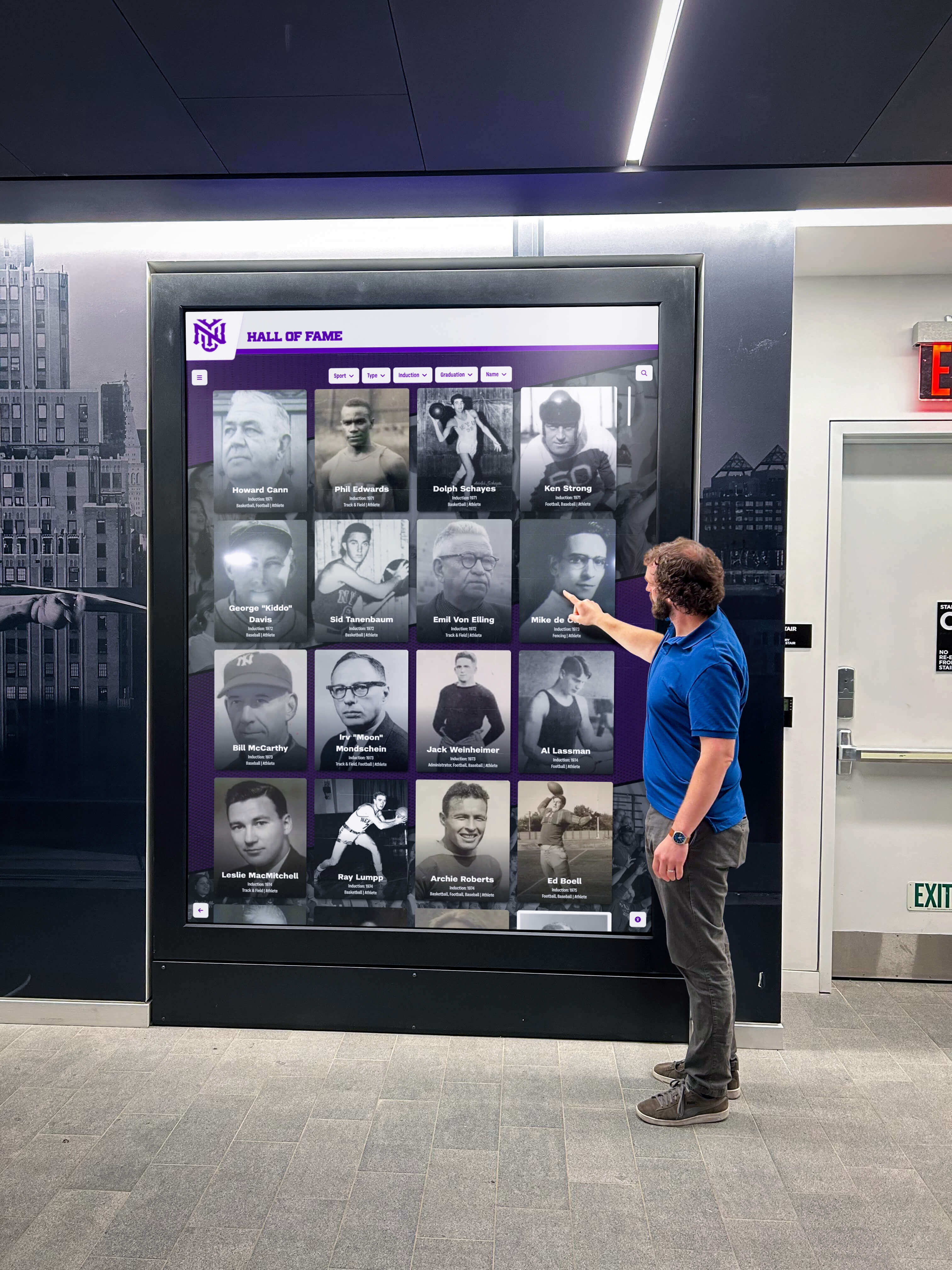
Families and community members explore honors cord achievement through engaging touchscreen recognition systems
Creating Comprehensive Honors Recognition Culture
The most effective institutional approaches integrate honors cords into systematic recognition cultures ensuring achievement receives appropriate celebration:
Connecting Cords to Broader Recognition Programs
Position graduation honors cords as culmination of sustained recognition including early high school introduction explaining available cords and paths to earn them, annual recognition ceremonies celebrating progress toward graduation honors, visible displays throughout buildings showing previous honors cord recipients, mentorship connections between current cord recipients and aspiring younger students, and alumni achievement tracking showing cord recipients’ post-graduation success.
When honors cords represent destination points in multi-year recognition journeys rather than surprise ceremony additions, they become powerful motivation throughout educational experiences.
Communicating Value to Students and Families
Help stakeholders understand honors cord significance including orientation programs explaining recognition opportunities to new students and families, social media celebration when students earn honor society inductions or achieve milestones toward cord eligibility, ceremony program sections detailing achievement required for each cord type, post-ceremony recognition through digital displays and institutional communications, and connections between honors cords and scholarship opportunities or college admission enhancement.
Clear value communication transforms honors cords from decorative elements into meaningful goals worth sustained effort throughout academic careers.
Assessment and Continuous Improvement
Regularly evaluate honors cord programs ensuring ongoing effectiveness through participation analysis tracking what percentage of students earn various recognition types, equity assessment examining recognition distribution across demographic groups and programs, student surveys gathering feedback about cord motivation and meaningfulness, ceremony observer feedback from families and community members, and benchmark comparison with peer institutions and recognition best practices.
Systematic assessment enables refinement ensuring honors cord programs remain valued recognition elements rather than becoming perfunctory traditions continuing through inertia despite diminishing meaning.
Strategies from academic recognition program development inform comprehensive approaches to celebrating honors cord achievement.
Common Honors Cord Mistakes to Avoid
Learning from common pitfalls helps schools design more effective programs:
Recognition Program Mistakes
Excessive Cord Proliferation
Creating too many cord types undermines recognition impact through visual confusion when graduates wear six or more cords simultaneously, diluted meaning when majority of class receives multiple cords, reduced prestige as distinction becomes commonplace rather than exceptional, and family confusion about what various colors represent.
Maintaining selective, meaningful criteria preserves honors cord value ensuring recognition remains special rather than routine.
Inconsistent or Unclear Criteria
Ambiguous standards create problems including perception of favoritism when subjective decisions determine eligibility, appeals and disputes consuming administrative time, inequitable recognition across different students or graduating classes, and student frustration when unclear requirements prevent intentional pursuit of recognition.
Objective, transparent criteria prevent most program disputes while enabling students to actively work toward clear goals.
Last-Minute Implementation
Announcing honors cords shortly before graduation causes issues including students discovering missed opportunities after deadlines pass, insufficient time for application or documentation processes, rushed ordering resulting in quality problems or missing cords, and lost motivational impact when recognition comes too late to influence student behavior.
Early announcement and multi-year planning maximize motivational benefits while preventing logistical problems.
Communication and Ceremony Mistakes
Inadequate Audience Explanation
Failing to help ceremony attendees understand cord meanings results in confused families observing decorative variations without comprehension, reduced celebration impact when significance remains unclear, missed opportunities to inspire younger students in attendance, and graduates feeling their achievements go unappreciated despite visible recognition.
Brief program sections or verbal explanations transform meaningless decoration into understood achievement celebration.
Complicated Display or Wearing Requirements
Overly complex regalia arrangements create problems including student confusion about proper cord placement, messy appearance undermining recognition dignity, time-consuming ceremony preparation, and photography difficulties when tangled cords obscure graduate faces.
Simple, clear instructions with visual demonstrations ensure cords enhance rather than complicate graduation presentation.
Exploring ceremony planning best practices helps schools create smooth recognition experiences.
The Future of Graduation Honors Recognition
Emerging approaches expand traditional cord recognition into more comprehensive systems:
Digital Badge and Credential Integration
Modern recognition extends beyond physical symbols through verified digital credentials documenting honors and achievements, blockchain-verified badges providing permanent portable documentation, integration with LinkedIn and professional platforms, micro-credentials recognizing specific competencies beyond general honors, and comprehensive digital transcripts showing full recognition history.
These digital approaches complement physical honors cords by providing permanent, shareable documentation traveling with graduates throughout careers.
Virtual and Hybrid Ceremony Recognition
Evolving ceremony formats require adapted recognition including clear visual displays of honors for streaming audiences, dedicated virtual recognition segments for remote viewing families, interactive digital programs explaining honors cord meanings, and post-ceremony online galleries showcasing honors recipients with detailed achievement profiles.
Technology enables recognition enhancements impossible in traditional in-person-only ceremonies while extending honor visibility to global audiences.
Personalized Recognition Storytelling
Moving beyond simple cord colors toward rich narrative including video profiles of honors recipients sharing achievement journeys, mentor testimonials explaining student dedication and growth, achievement timeline visualizations showing multi-year excellence paths, and connections between honors and post-graduation success stories.
Narrative approaches transform honors from abstract symbols into inspiring stories motivating future students toward similar excellence.
Celebrate Honors Cord Recipients Year-Round
Transform graduation honors cord recognition from single-ceremony acknowledgment into permanent celebration with digital recognition displays showcasing every honors recipient's achievements through engaging touchscreen platforms. Rocket Alumni Solutions specializes in comprehensive recognition systems ensuring student excellence receives the sustained visibility it deserves.
Explore Recognition SolutionsHonoring Achievement Through Meaningful Recognition
Graduation honors cords represent far more than colorful ceremony decoration—they symbolize years of dedication, achievement, and excellence deserving systematic celebration extending beyond fleeting ceremony moments. When schools thoughtfully design honors cord programs with clear criteria, meaningful standards, and connections to broader recognition cultures, these simple braided accessories become powerful tools motivating current students while honoring graduating excellence.
Effective honors cord programs balance competing priorities maintaining selective criteria preserving recognition value while creating diverse achievement pathways ensuring recognition opportunities for students across different strengths and interests. They communicate clearly about available recognitions and requirements enabling intentional pursuit rather than surprise discoveries. Most importantly, they integrate ceremony recognition into comprehensive systems ensuring honors cord achievements receive sustained visibility through permanent displays, ongoing celebration, and institutional memory preservation.
Traditional approaches limiting honors cord recognition to graduation day itself no longer reflect what technology makes possible or what students deserve. Digital recognition platforms eliminate capacity constraints enabling celebration of unlimited honors recipients across institutional history. Interactive touchscreen displays provide rich achievement documentation impossible during brief ceremonies. Cloud-based management systems make maintaining comprehensive recognition displays simple and sustainable for schools of all sizes and resource levels.
Your honors cord recipients invested extraordinary effort earning recognition they wear during graduation—ensure those achievements receive celebration matching their dedication through ceremonies honoring accomplishment with clarity and meaning, permanent recognition displays showcasing every honors recipient throughout institutional history, and systematic recognition cultures demonstrating that your institution genuinely values and celebrates diverse excellence. The frameworks explored throughout this guide provide proven strategies transforming honors cord recognition from ceremonial formality into meaningful tradition inspiring current students while honoring graduate achievement throughout educational journeys and beyond.
Ready to enhance your honors recognition program? Discover approaches to valedictorian recognition and celebration, explore comprehensive school trophy case solutions celebrating honors alongside other achievements, and understand how digital hall of fame displays preserve honors cord recognition through permanent interactive platforms inspiring excellence across entire educational communities.