Standing at the podium facing hundreds of classmates, families, and educators represents one of life’s most daunting yet meaningful moments. The pressure to deliver a graduation speech that captures years of shared experiences, expresses collective gratitude, and inspires future success can feel overwhelming—especially when you’re acutely aware that your words will be recorded, remembered, and potentially compared to countless commencement addresses throughout history.
Yet the most memorable graduation speeches don’t come from professional speechwriters or perfectly polished rhetoric. They emerge from authentic connection—speakers who understand their unique audience, share genuine insights from shared experiences, and communicate universal truths through personal storytelling that resonates emotionally while inspiring action. The valedictorians, salutatorians, and student speakers who deliver truly impactful addresses recognize that effective speeches balance nostalgia with forward vision, humor with sincerity, and personal reflection with collective celebration.
This comprehensive guide provides proven graduation speech ideas, practical structural frameworks, and authentic content strategies that help you craft a memorable commencement address your classmates will actually remember. Whether you’re a valedictorian preparing your first major public address or a selected speaker seeking fresh approaches beyond overused clichés, you’ll discover actionable techniques for creating speeches that genuinely inspire while honoring the significance of this milestone moment.
The most effective graduation speeches accomplish multiple objectives simultaneously: they honor the shared journey that brought everyone to this moment, acknowledge the teachers and families who supported students throughout their educational paths, celebrate individual and collective achievements worth remembering, and inspire graduates to approach their futures with confidence, purpose, and continued connection to the values and relationships formed during their time together.

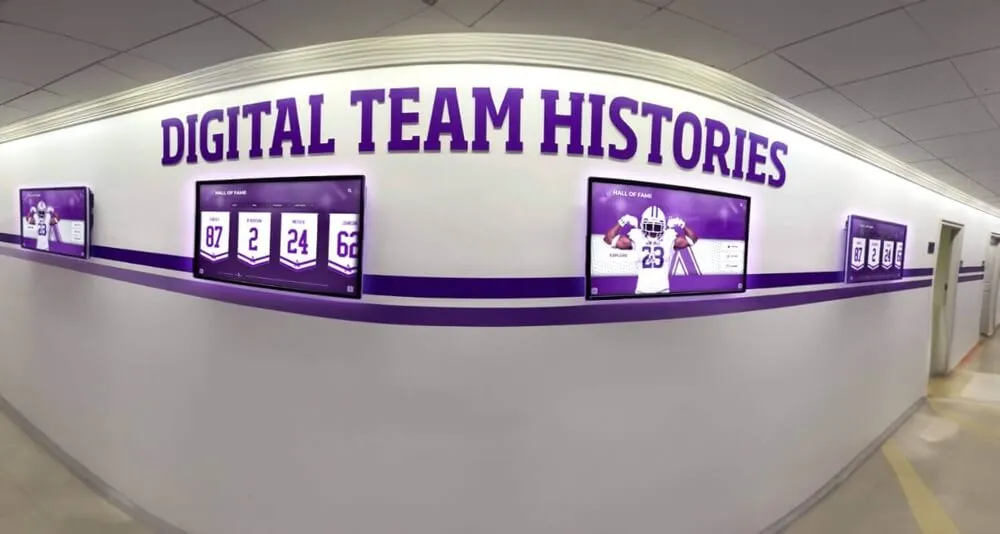
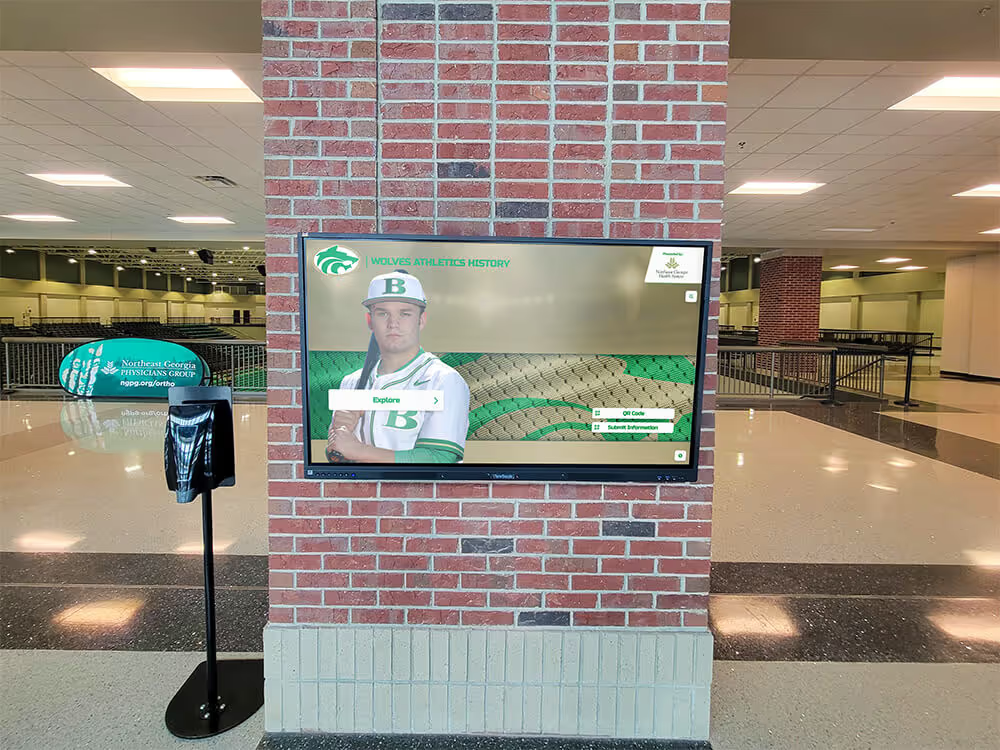
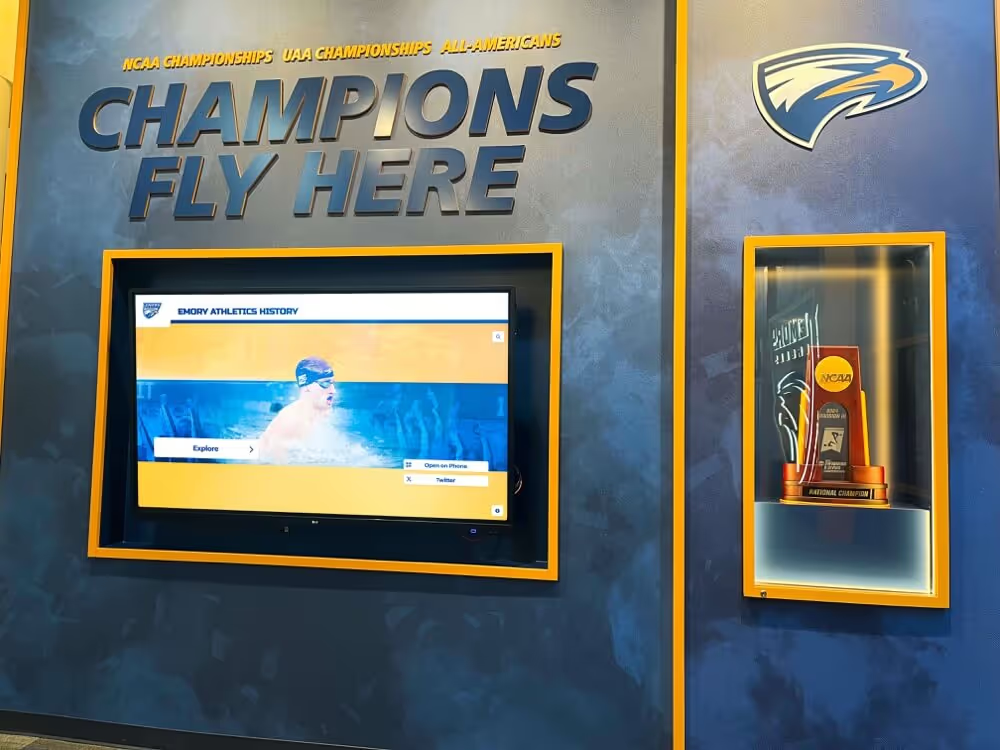
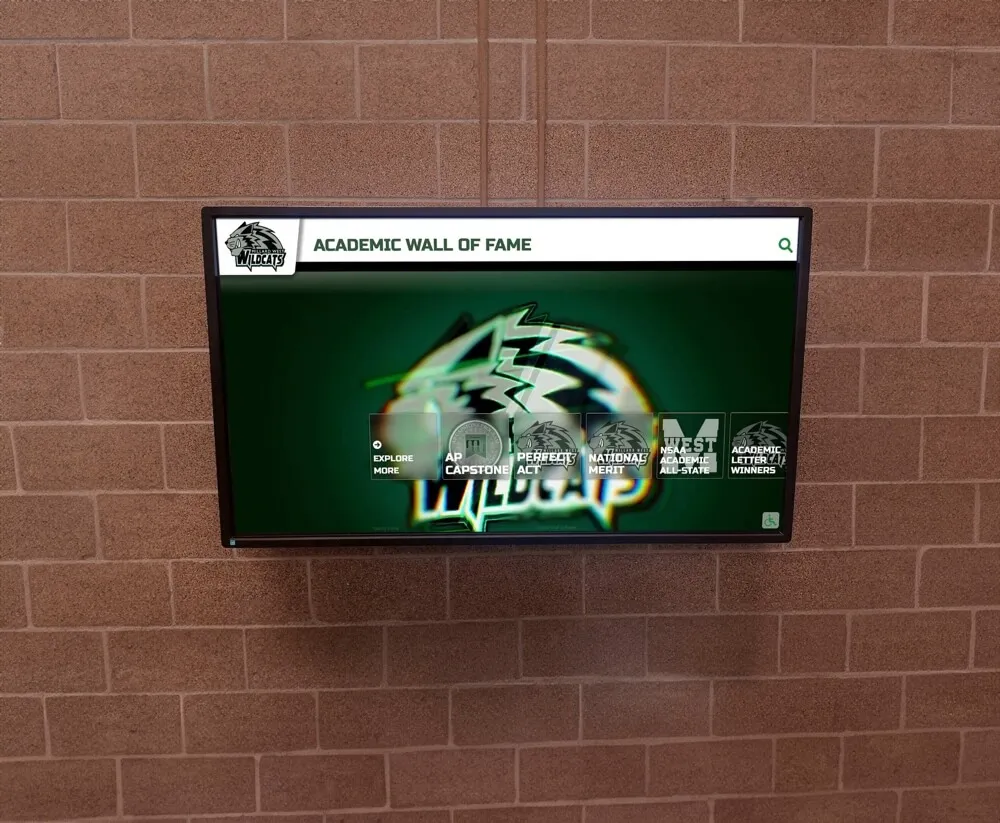
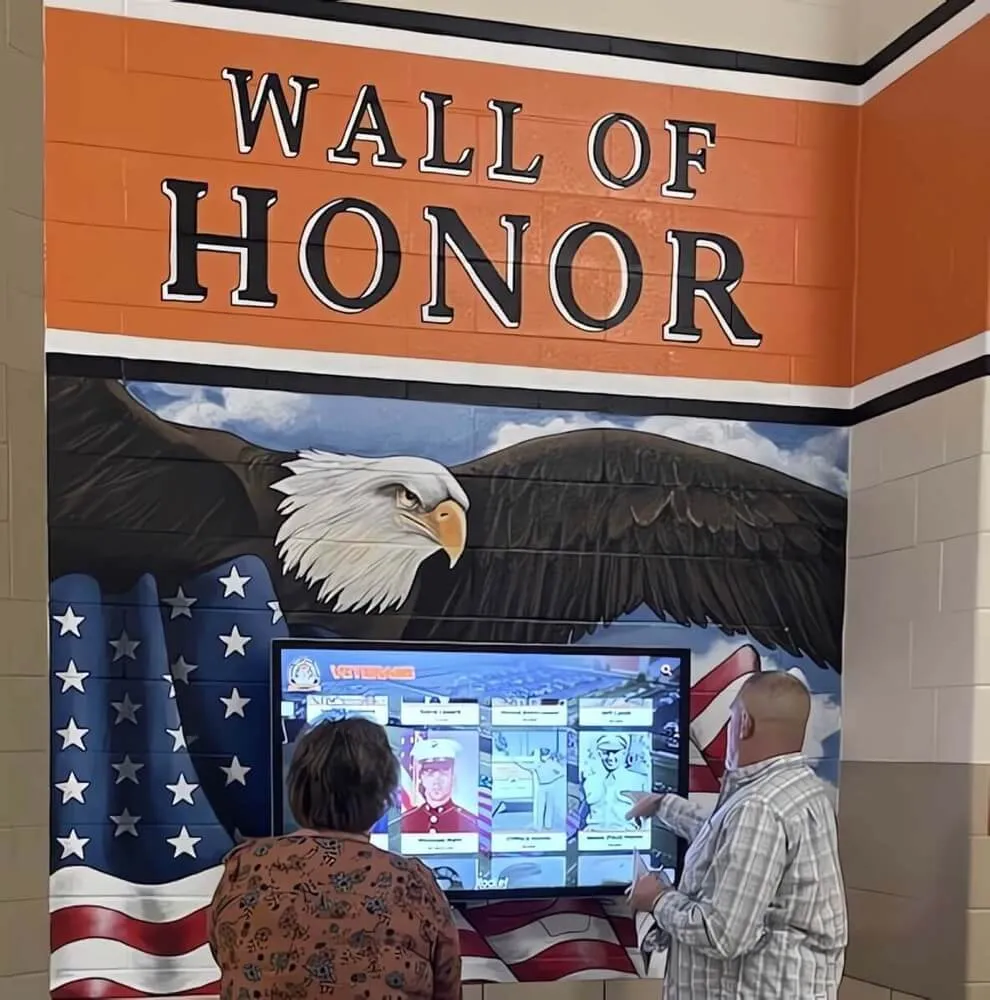
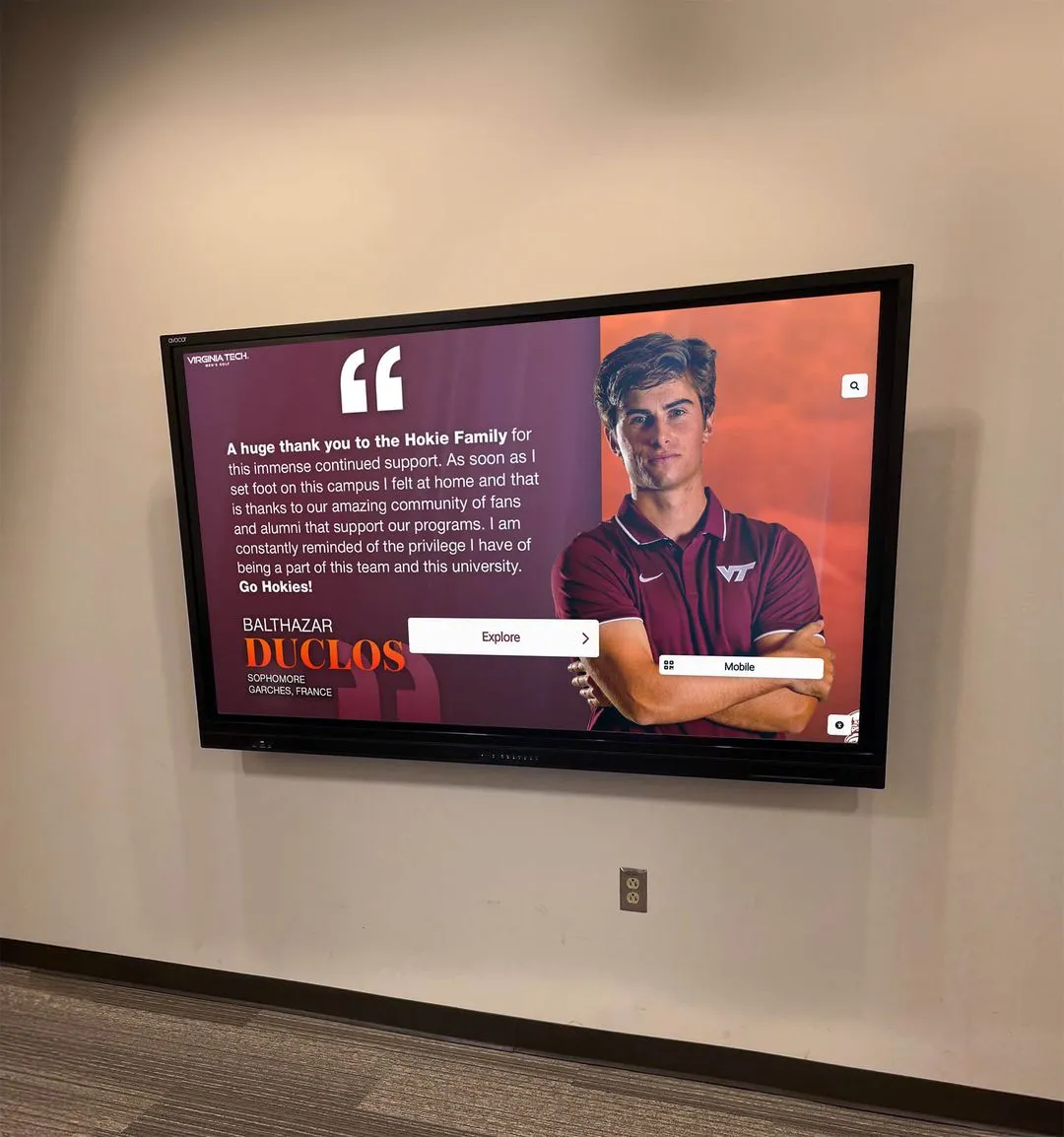
Celebrating academic excellence through comprehensive recognition creates lasting inspiration for current and future students pursuing their own paths to success
Understanding Your Audience and Speech Purpose
Before writing a single word, successful speakers invest time understanding who they’re addressing and what they’re ultimately trying to accomplish through their remarks.
Knowing Your Graduating Class
Your primary audience isn’t administrators, parents, or community members—it’s your fellow graduates who’ve shared this educational journey. Effective speeches demonstrate intimate knowledge of class-specific experiences, inside references that create knowing laughter, and authentic understanding of the collective challenges, triumphs, and defining moments that shaped your particular class identity.
Class-Specific Content Considerations
Reference shared experiences unique to your graduating class: the unprecedented year everything went virtual, the championship season that united your school, the beloved teacher who retired during your time together, the campus renovations you experienced, or the historical events you collectively navigated. These specific details transform generic graduation platitudes into authentic reflections that resonate because they’re undeniably about your specific class rather than any graduating group.
Avoid references that exclude significant portions of your audience. Not everyone played sports, participated in theater, belonged to specific organizations, or attended every school event. Frame observations through inclusive lenses recognizing diverse experiences while finding common threads connecting all graduates regardless of their specific involvement.
Tone and Emotional Balance
Graduation ceremonies inherently carry emotional weight—joy mixed with sadness, excitement tempered by uncertainty, pride accompanied by nostalgia. The most effective speeches acknowledge this emotional complexity rather than forcing singular moods throughout entire addresses.
Structure speeches allowing moments of genuine sentiment balanced by appropriate levity. Opening humor establishes rapport and eases tension, nostalgic middle sections honor shared experiences, and inspirational conclusions send graduates forward with purpose. This emotional progression creates satisfying narrative arcs that feel appropriate to the ceremonial significance without overwhelming audiences with unrelenting intensity.
Secondary Audiences: Families and Faculty
While classmates represent your primary focus, graduation ceremonies include parents, siblings, extended families, teachers, administrators, and community members who’ve supported your class throughout the educational journey. Effective speeches acknowledge these constituencies while maintaining primary focus on fellow graduates.
Honoring Support Systems
Dedicate specific sections expressing genuine gratitude to families who sacrificed for educational opportunities, teachers who inspired intellectual growth and personal development, administrators who created supportive learning environments, and support staff often overlooked despite essential contributions to positive school experiences.
Authentic appreciation resonates far more than obligatory acknowledgments. Rather than generic “thank you to our parents and teachers,” offer specific examples of the countless ways these individuals demonstrated commitment: the parent who drove you to early morning practices for four years, the teacher who stayed after school helping you understand challenging concepts, the custodian who always greeted everyone with encouraging words, or the counselor who guided you through difficult personal challenges.
Schools implementing comprehensive recognition programs create cultures where excellence receives systematic celebration, making graduation addresses part of broader appreciation rather than isolated acknowledgment.
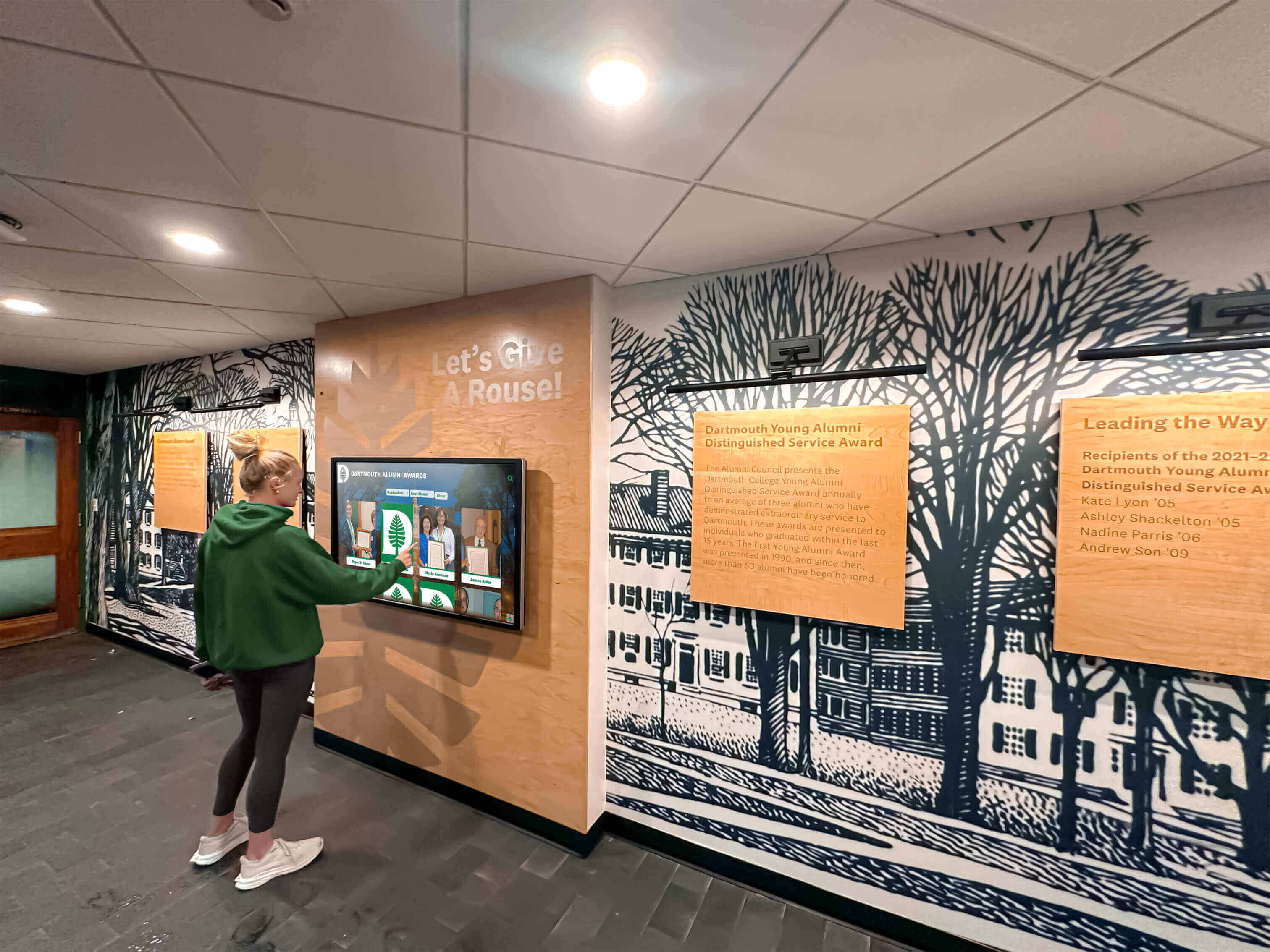
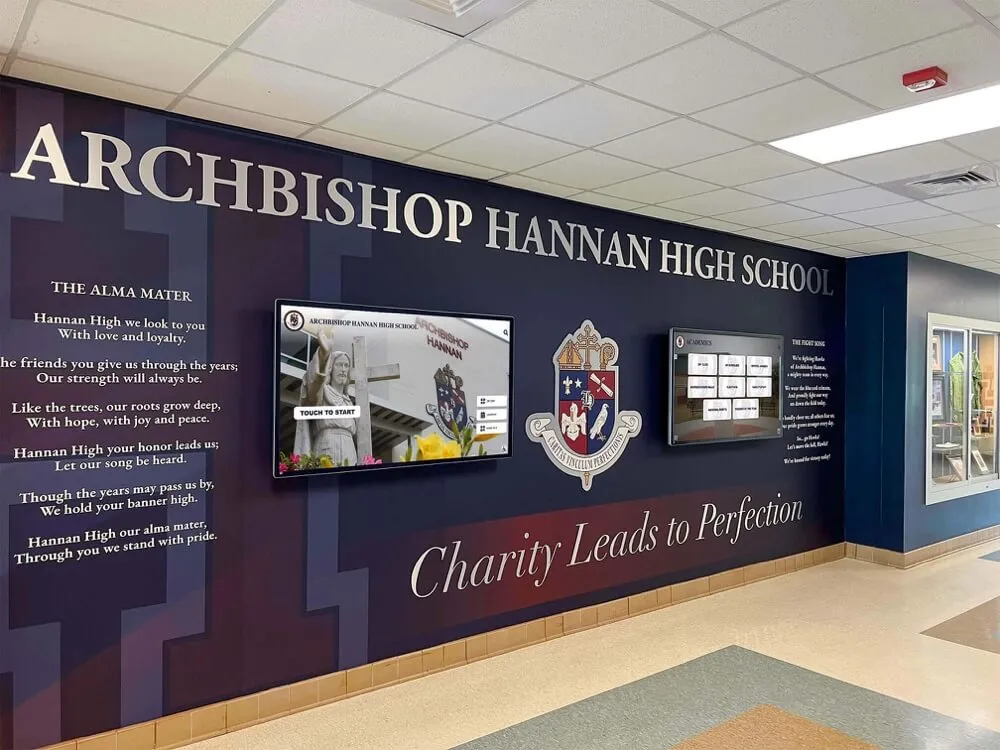
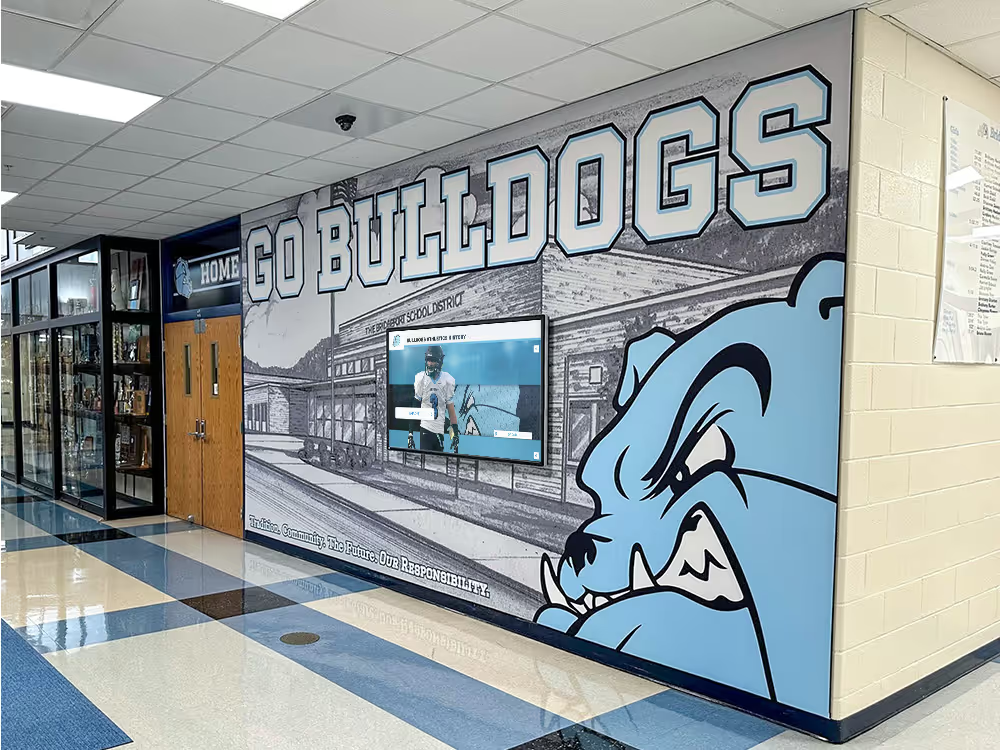
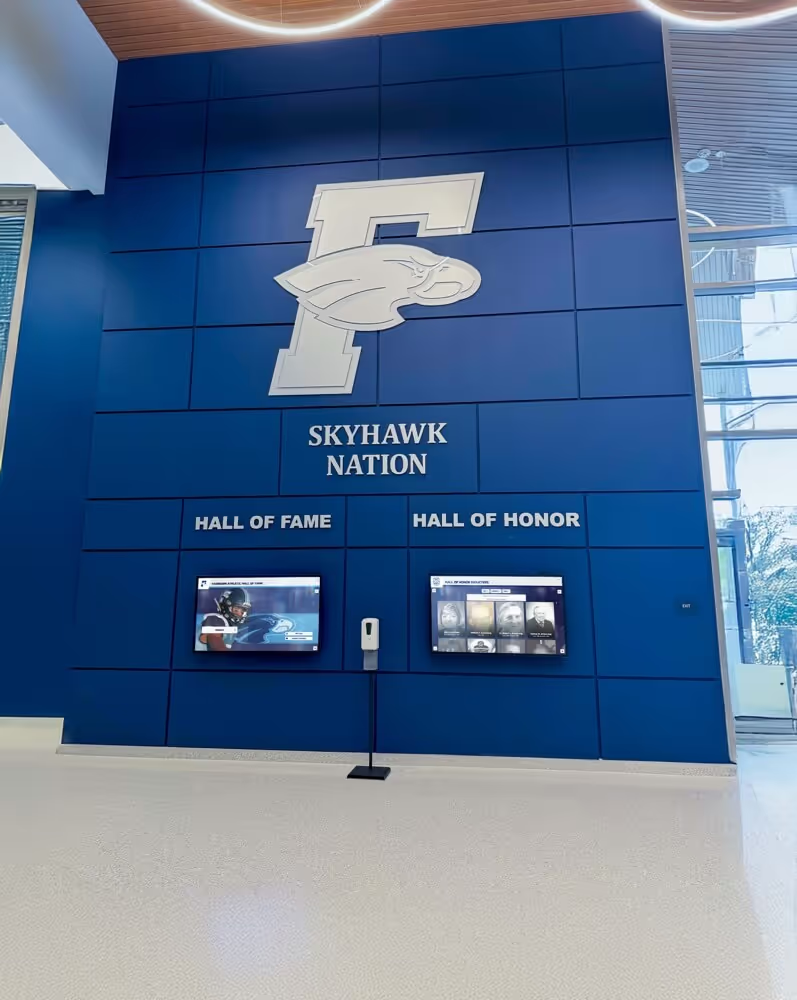
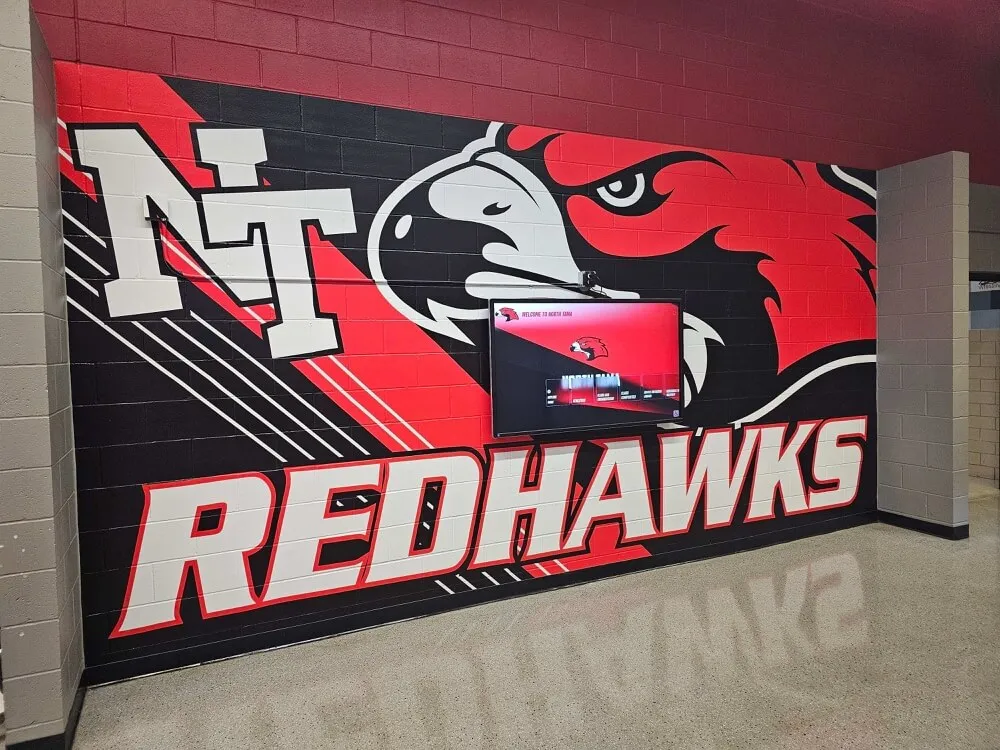
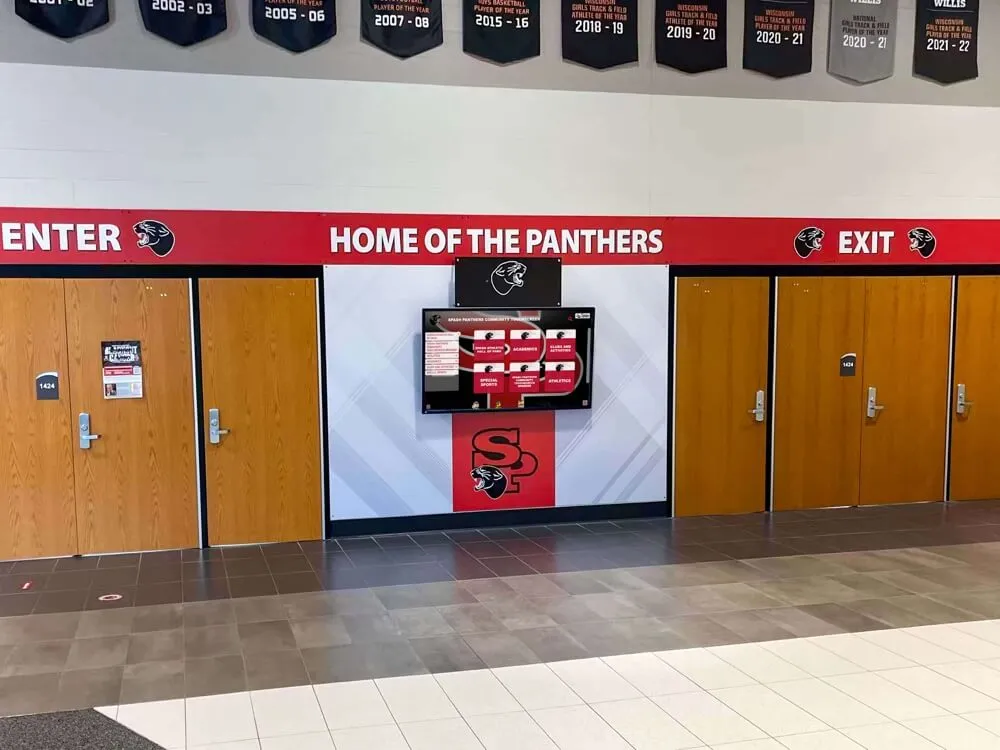
Interactive recognition technology enables graduates to explore their class history and achievements, creating tangible connections to the educational journey being celebrated
Defining Your Core Message
The most memorable graduation speeches center on clear, authentic core messages that provide thematic coherence rather than wandering through disconnected observations and generic platitudes.
Identifying Your Central Theme
What fundamental insight, lesson, or value do you want graduates remembering when they reflect on your speech years later? Strong core messages might include: resilience through adversity builds character that serves lifelong, authentic connection matters more than superficial popularity, failure provides essential learning opportunities that success cannot teach, diverse perspectives strengthen communities and individuals, or purpose emerges from aligning actions with deeply held values.
Your theme should emerge authentically from your genuine beliefs and experiences rather than borrowed from famous speeches or what you think audiences expect hearing. Authentic conviction creates compelling delivery that manufactured sentiment cannot replicate—audiences instinctively recognize when speakers genuinely believe their messages versus reciting impressive-sounding words disconnected from personal truth.
Balancing Inspiration with Authenticity
Graduation speeches should inspire without veering into unrealistic positivity that rings hollow or patronizing. Today’s graduates appreciate honest acknowledgment that futures will include challenges, setbacks, and uncertainty alongside opportunities and achievements. Effective inspiration recognizes realistic difficulties while communicating confidence in collective capability to navigate whatever emerges.
Rather than promising “you can achieve anything if you just believe in yourself,” more authentic messaging acknowledges “you’ll face obstacles requiring resilience, adaptability, and probably help from others—but the skills and character you’ve developed here provide strong foundations for building meaningful lives however you define success for yourselves.”
Structuring Your Graduation Speech Effectively
Strong organizational frameworks transform good content into memorable speeches that audiences can follow easily while building toward satisfying conclusions.
The Classic Three-Act Structure
Proven storytelling structure translates beautifully to graduation speeches: compelling opening establishing connection, substantive middle developing your message, and powerful conclusion inspiring action.
Act One: The Engaging Opening (2-3 Minutes)
Begin with attention-grabbing content immediately engaging audiences rather than thanking everyone present (save acknowledgments for later) or apologizing for nervousness. Effective openings include:
Compelling Questions: “What do you remember most about your first day here? Mine was getting completely lost trying to find the cafeteria and ending up in the boiler room.” Personal vulnerability creates instant connection while relevant questions engage audiences actively rather than passively.
Surprising Statistics or Observations: “Our class has collectively spent approximately 15,000 hours in these buildings—roughly 625 complete days of our lives within these walls. Think about how much has changed since we started versus who we’ve become today.”
Humorous Anecdotes: Brief funny stories illustrating your theme create rapport while demonstrating you won’t deliver boring, overly serious lectures. Ensure humor succeeds beyond your immediate friend group—test jokes on diverse audiences before ceremony day.
Provocative Statements: “Everything important I learned in school, I learned outside the classroom.” Unexpected claims capture attention, provided you then develop nuanced exploration rather than leaving audiences confused about whether you’re serious.
Understanding valedictorian recognition traditions provides context for the honor you’re representing and the expectations audiences bring to these significant student addresses.
Act Two: The Substantive Middle (5-7 Minutes)
This core section develops your central message through:
Personal Stories and Shared Experiences: Illustrate your theme through specific anecdotes rather than abstract assertions. Show rather than tell—instead of saying “we learned resilience,” share the story of how your class rallied when facing unexpected challenges.
Lessons Learned and Growth Recognized: Articulate the specific ways your class evolved from first arrival to graduation. What misconceptions did you collectively overcome? What unexpected discoveries shaped your development? What challenges strengthened capabilities you didn’t know you possessed?
Acknowledgment and Gratitude: Weave appreciation throughout your speech rather than relegating all thanks to a single perfunctory section. When discussing specific growth experiences, acknowledge the teachers who facilitated those developments. When referencing support through difficulties, honor the families who provided that foundation.
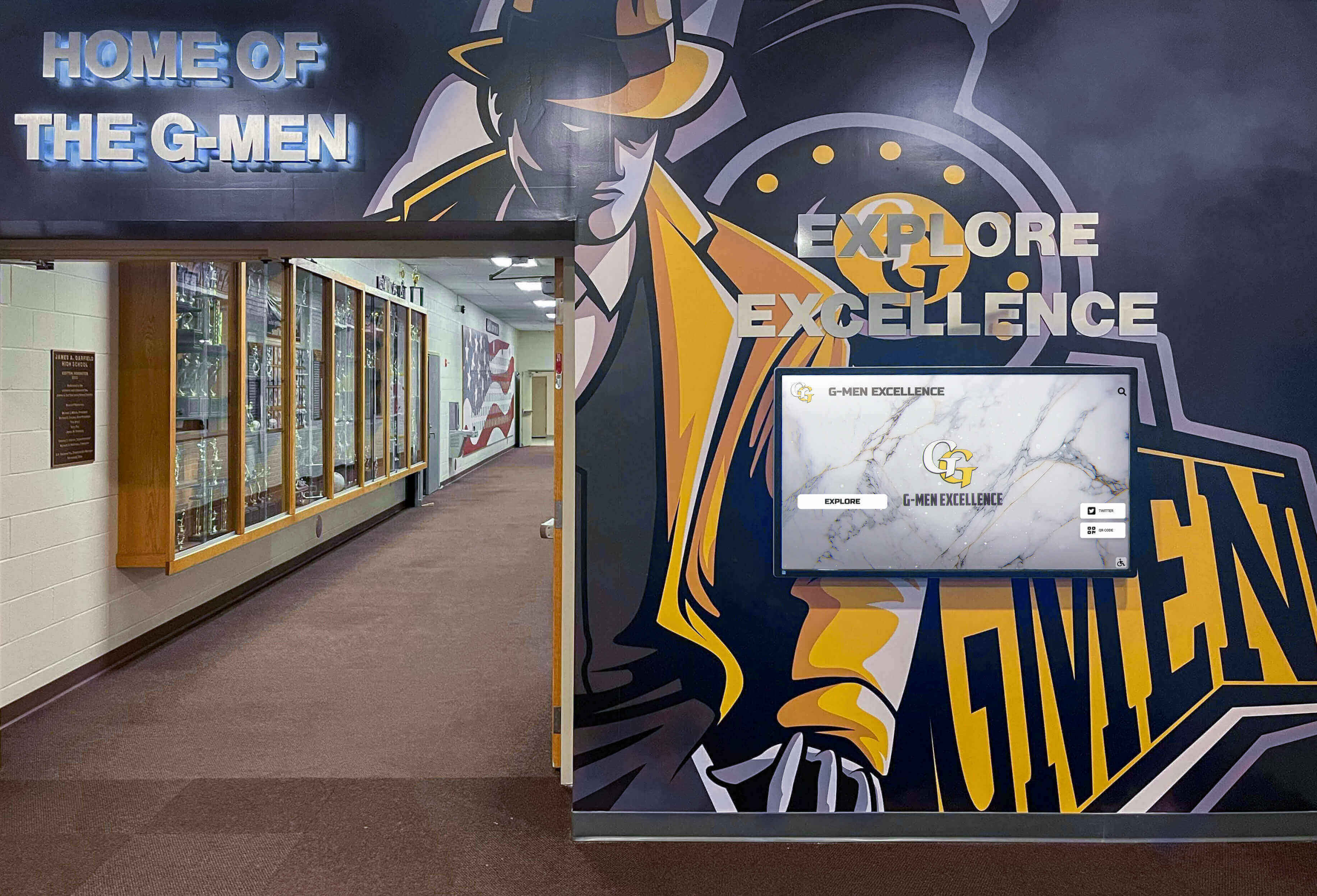
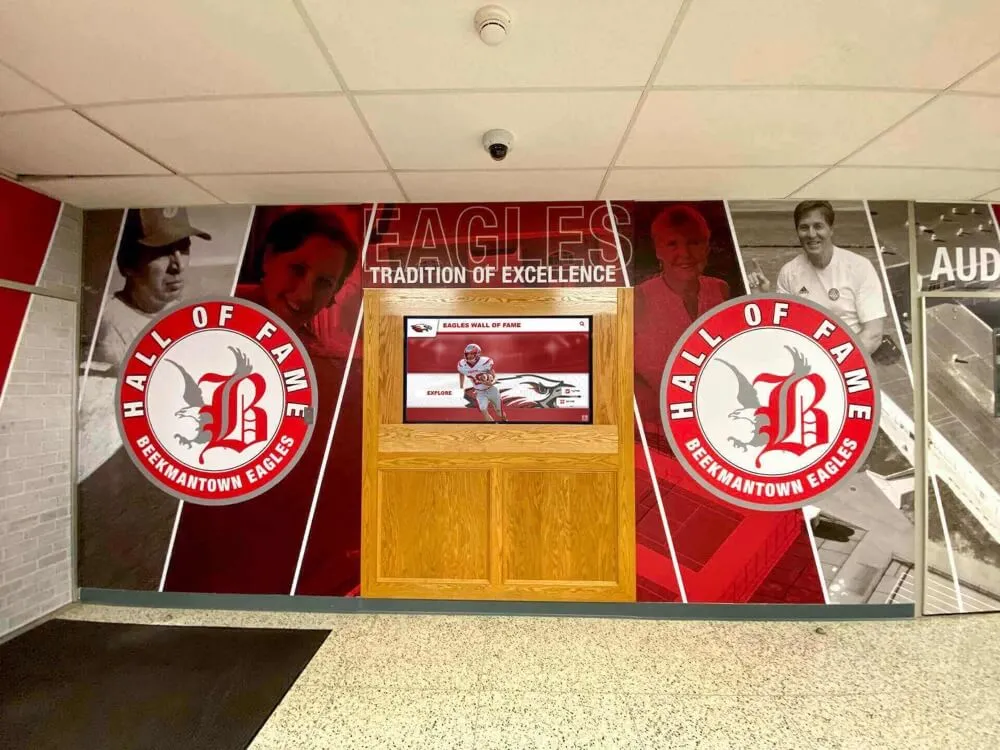
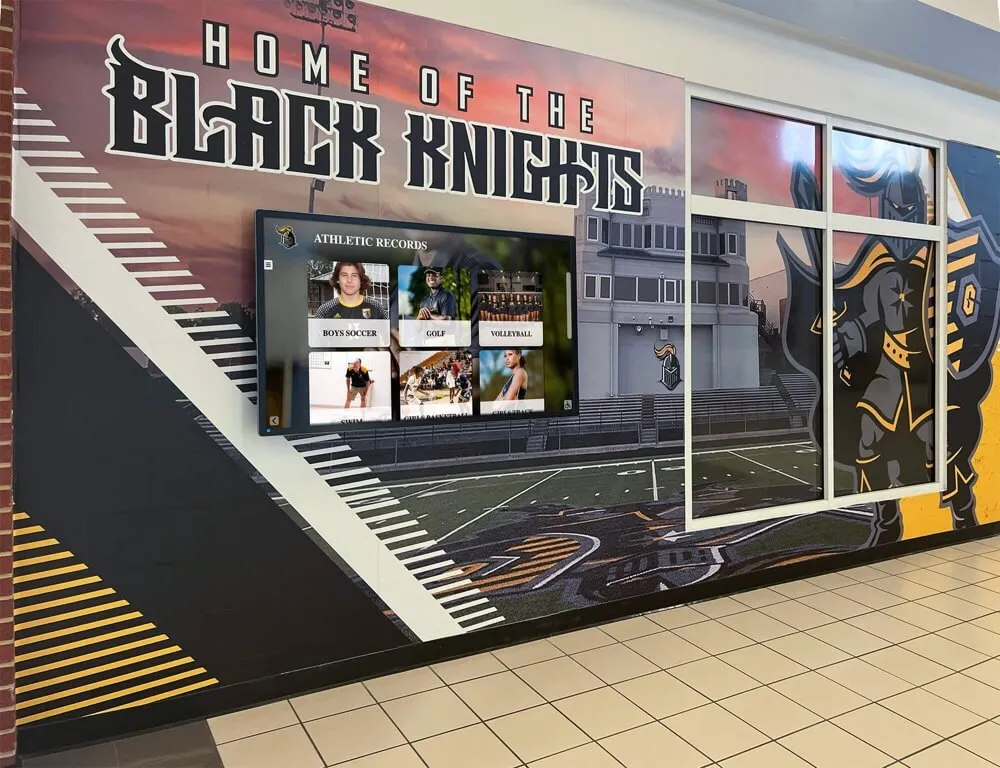
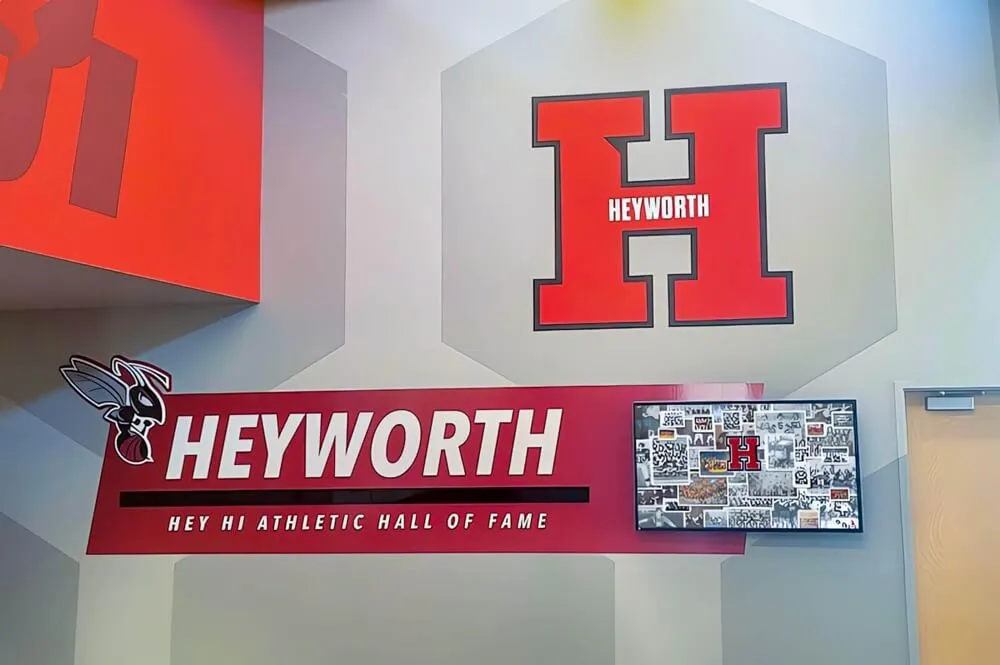
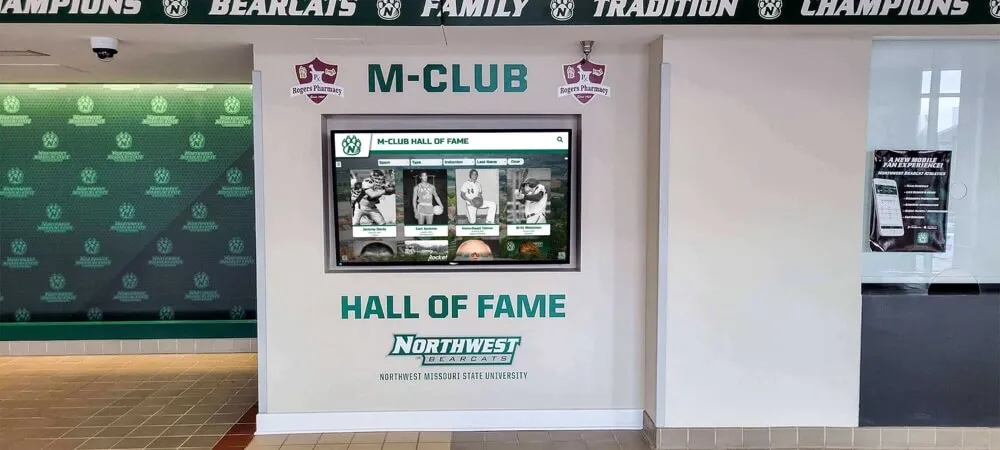
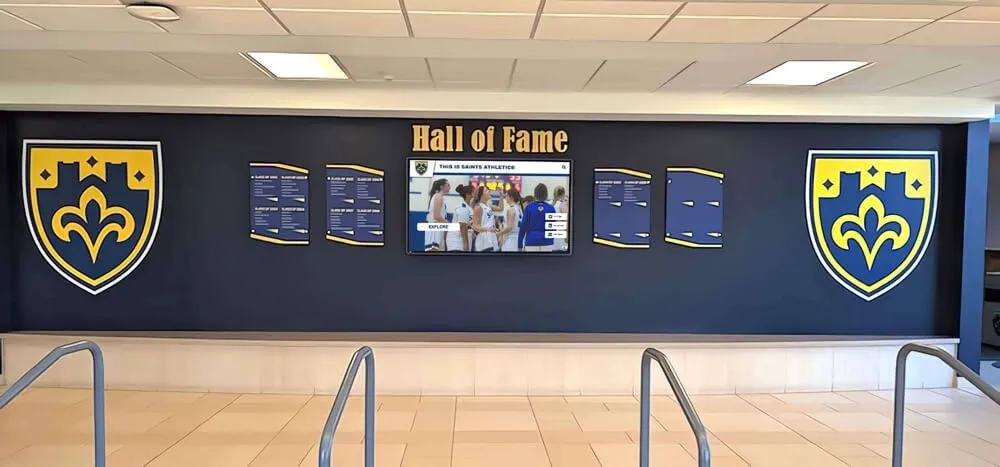
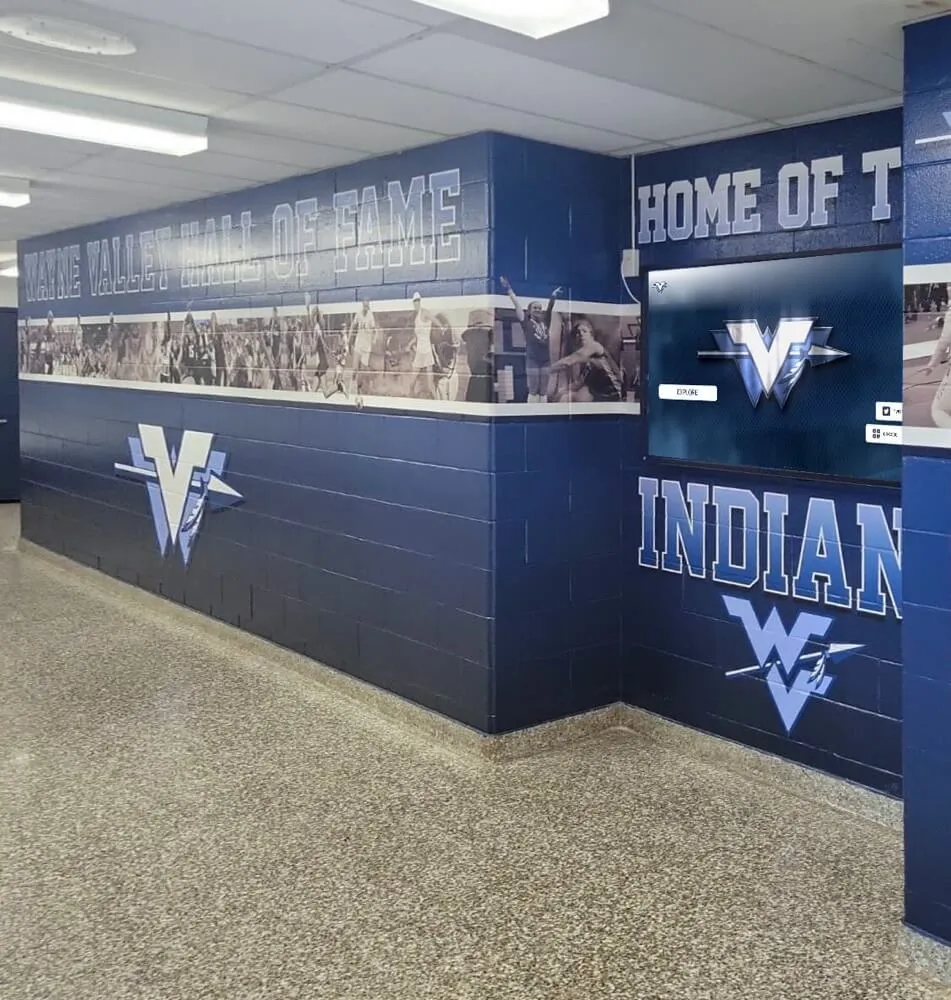
Comprehensive recognition environments celebrating both academic and extracurricular excellence inspire the achievements speakers honor in graduation addresses
Act Three: The Inspiring Conclusion (2-3 Minutes)
Powerful conclusions provide satisfying resolution while propelling audiences forward with purpose and motivation.
Effective closing techniques include:
Call to Action: Challenge graduates with specific ways to apply the lessons or values you’ve discussed: “Reach out to someone from our class you’ve lost touch with and rebuild that connection,” or “Find one way this year to serve your community rather than just pursuing personal advancement.”
Future Vision: Paint an inspiring picture of what your class might collectively accomplish: “Imagine five years from now, when we reconnect and discover that our classmates are teaching students, healing patients, building businesses, creating art, serving communities, and raising families—all while staying connected to the values and friendships we’ve built here.”
Circular Conclusion: Return to your opening content, demonstrating how the journey has transformed earlier perspectives or answered initial questions. This structural symmetry creates satisfying narrative closure audiences find memorable.
Memorable Final Line: Craft a concise, quotable final sentence audiences will remember. Avoid ending with “thank you”—that’s acknowledgment, not inspiration. End with your most powerful statement, then step back from the podium confidently rather than filling silence with unnecessary additional words.
Timing and Pacing Considerations
Graduation ceremonies typically allot 7-12 minutes for student speeches—respect these constraints strictly. Speakers who significantly exceed time limits frustrate audiences enduring long ceremonies in uncomfortable seating and outdoor weather conditions.
Optimal Speech Length
Target 8-10 minutes maximum when delivering at conversational pace (approximately 1,000-1,200 words written). This duration allows substantive content without testing audience patience. Practice with timers multiple times—nervous speakers often rush, while emotional delivery sometimes extends timing significantly beyond rehearsal pace.
Strategic Pausing and Emphasis
Mark your written speech indicating deliberate pauses allowing audiences to absorb significant points or laugh at humor. Many inexperienced speakers rush through content anxiously, diminishing impact that strategic pacing creates. Silence can prove as powerful as words when deployed intentionally at crucial moments.
Schools can explore academic recognition program structures that celebrate the excellence speakers represent in their graduation addresses, creating comprehensive celebration cultures.
Developing Authentic and Meaningful Content
The difference between forgettable and memorable graduation speeches lies primarily in content authenticity and relevance rather than rhetorical flourish or presentation polish.
The Power of Personal Storytelling
Abstract advice and generic wisdom rarely resonate as powerfully as specific stories illustrating your message through concrete examples audiences can visualize and relate to their own experiences.
Crafting Compelling Anecdotes
Effective graduation speech stories typically share these characteristics:
Universality Through Specificity: The paradox of powerful storytelling is that highly specific details create broader connection than vague generalities. Rather than saying “we all struggled with difficult classes,” share the specific night you stayed up until 3 AM desperately trying to understand organic chemistry before realizing you were studying the wrong chapter—and how that mistake taught you to ask for help rather than suffering in stubborn silence.
Vulnerability and Honesty: The most memorable stories acknowledge imperfection, failure, confusion, or fear rather than presenting sanitized success narratives. Audiences connect with authentic humanity far more than idealized perfection they cannot relate to personally.
Clear Relevance to Theme: Every story should explicitly support your central message rather than entertaining digressions that confuse your speech’s purpose. If you cannot articulate how a particular anecdote advances your theme, consider whether it belongs in your address.
Appropriate Personal Disclosure: Share authentically without over-disclosure making audiences uncomfortable. Stories should feel generous rather than exhibitionistic—shared to illuminate broader insights rather than simply revealing personal details for shock value or attention.

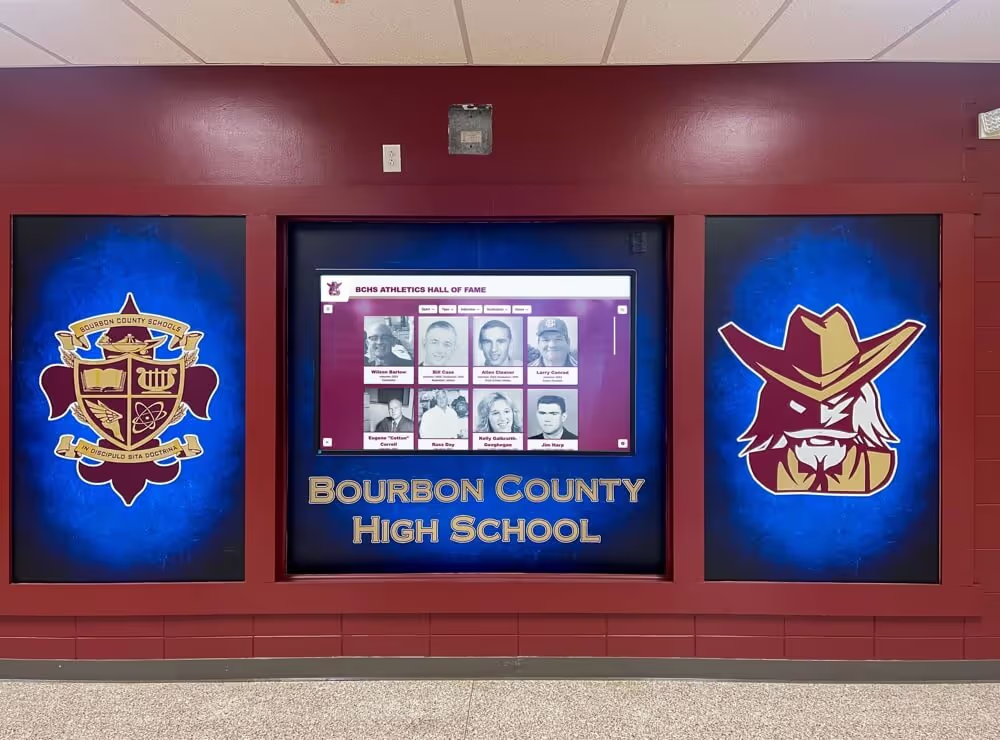
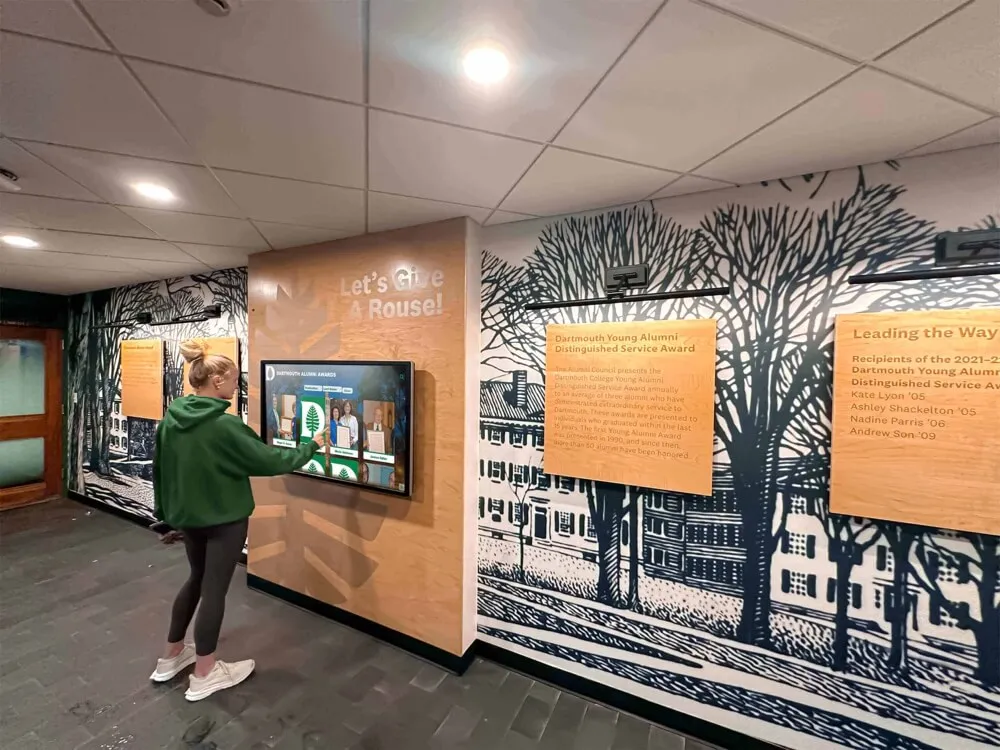
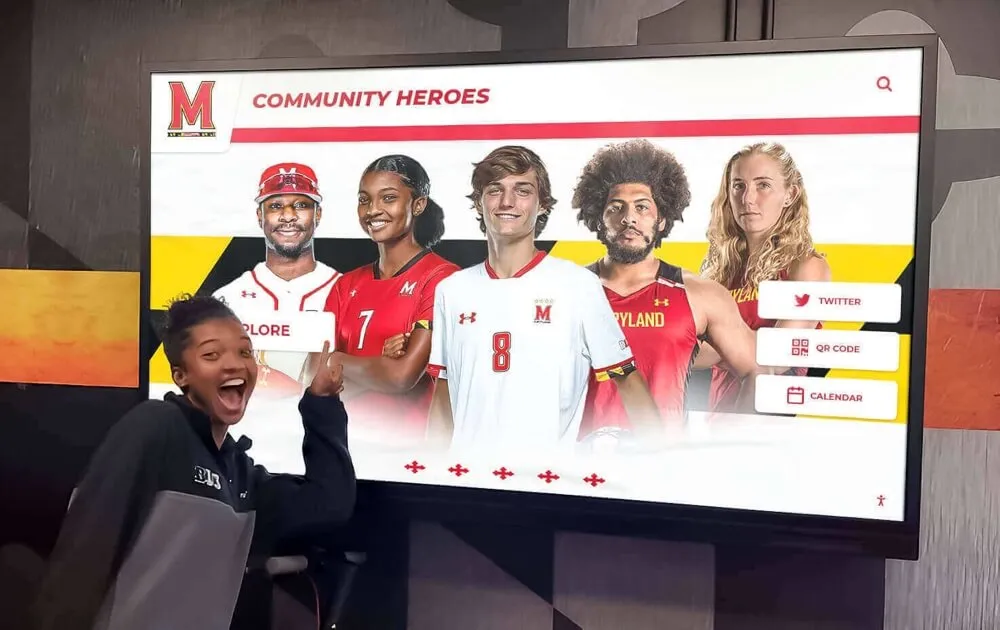
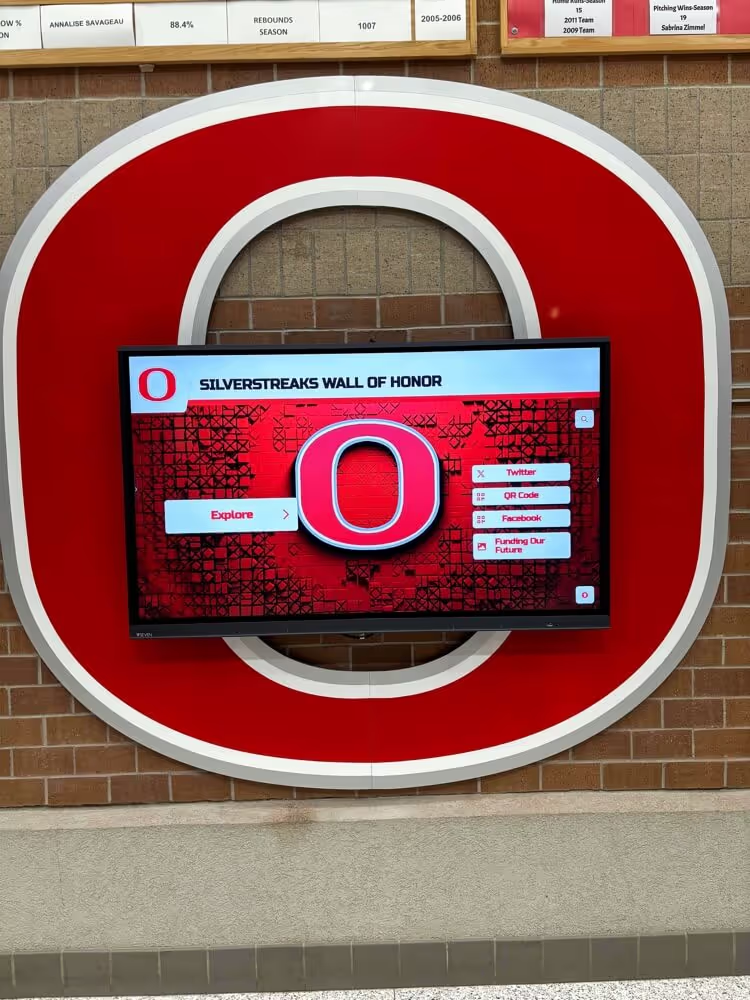
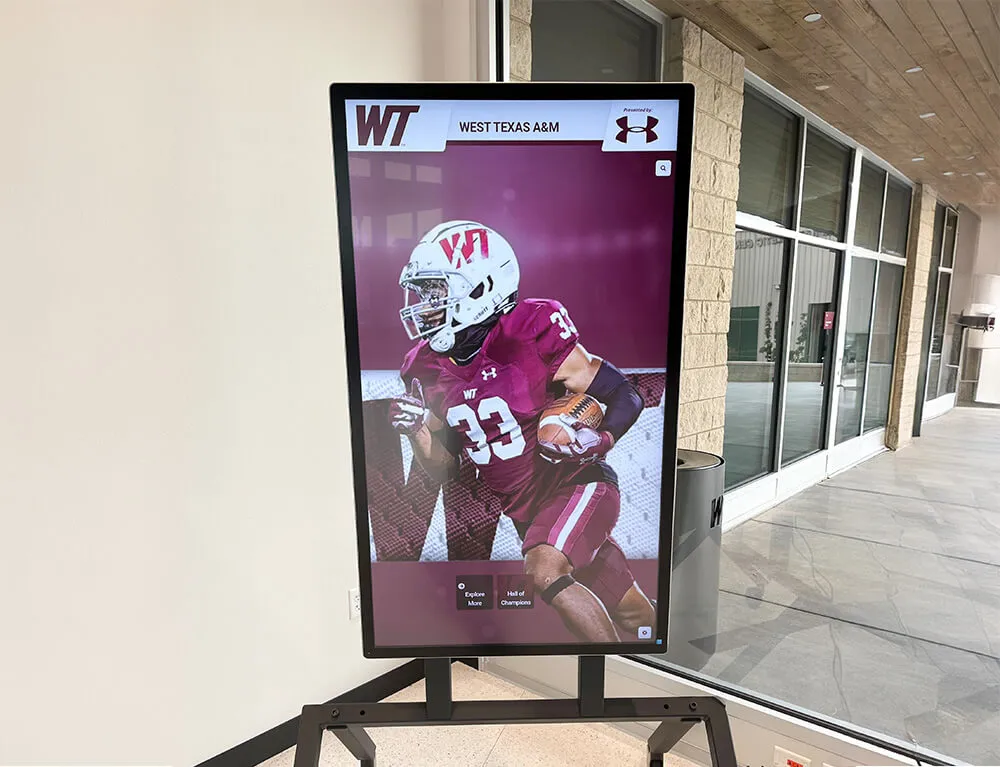
Creating dedicated spaces that preserve and celebrate achievement history provides graduates with tangible connection to the legacy they're joining through commencement
Balancing Nostalgia with Forward Focus
Graduation speeches naturally incorporate reflection on shared past experiences while primarily orienting audiences toward approaching futures. Finding appropriate balance prevents dwelling excessively in nostalgia or rushing past important acknowledgment of the journey being completed.
Honoring the Journey Without Excessive Sentimentality
Acknowledge meaningful shared experiences demonstrating how they’ve shaped your class’s collective character and individual development. Rather than simply listing memorable events (“Remember homecoming 2024? That was fun!”), connect experiences to deeper significance: “Homecoming 2024 taught us that showing up for each other—even when we’re exhausted and could easily skip—creates the bonds that make communities more than just collections of individuals pursuing separate goals.”
Practical Future Orientation
Balance reflection with forward-looking content preparing graduates for transition challenges while inspiring confidence in collective readiness. Address common post-graduation experiences many will encounter: identity uncertainty when educational structures disappear, relationship maintenance challenges when distance separates formerly close friends, imposter syndrome when entering new environments, and difficult decisions without clear right answers.
Rather than pretending these challenges won’t emerge, acknowledge their reality while expressing confidence in your class’s capability to navigate whatever appears. This honest preparation serves audiences better than empty promises that everything will be wonderful if they simply remain optimistic.
Incorporating Humor Appropriately
Well-deployed humor makes speeches engaging while providing relief from emotional intensity. However, graduation speech humor requires particular care ensuring jokes enhance rather than undermine ceremonial dignity.
Types of Effective Graduation Humor
Self-Deprecating Comedy: Gentle jokes at your own expense demonstrate humility while making audiences comfortable. Sharing embarrassing moments or acknowledging your own imperfections creates connection without targeting others inappropriately.
Observational Humor About Shared Experiences: Light jokes about universal school experiences everyone recognizes create knowing laughter: cafeteria food quality, parking lot frustrations, the mysterious smell in the east wing that never got identified, or teachers’ quirky habits everyone noticed. Ensure humor remains affectionate rather than mean-spirited—graduation isn’t the occasion for roasting teachers or administrators.
Wordplay and Clever Observations: Intelligent humor demonstrating verbal wit often works well: “They say these are the best years of our lives, which is either inspiring or deeply concerning depending on how your senior year went.”
Humor to Avoid Completely
Never include: Inside jokes limited to small friend groups that exclude most audiences, inappropriate content including profanity or sexual references regardless of how funny you find them, mean-spirited comments about individuals or groups, or controversial political humor alienating portions of your audience.
When uncertain whether humor will succeed appropriately, test material with diverse audiences before graduation day—your closest friends laughing doesn’t guarantee broader appeal.
Understanding honor roll recognition approaches provides context for celebrating academic achievement that speakers often reference when honoring classmates’ excellence.
Creative Graduation Speech Ideas and Approaches
While traditional speech structures work reliably, creative frameworks can distinguish your address from typical graduation remarks while still accomplishing core objectives.
Thematic Frameworks That Resonate
Rather than predictable advice about following dreams or working hard, consider organizing speeches around more distinctive conceptual frameworks that provide fresh perspective while remaining universally relevant.
The “Lessons From Unlikely Sources” Approach
Structure your speech around surprising life lessons discovered through unexpected experiences: what you learned about leadership from failing as team captain, insights about creativity gained through mandatory classes you initially resented, or wisdom about community from the most challenging group project you endured. This framework creates interest through contrast between unlikely sources and valuable insights gained.
The “Letter to Our Former Selves” Framework
Address your speech directly to your younger selves on the first day of school, sharing what you wish you’d known then about the journey ahead. This structure creates natural opportunities for growth reflection while providing satisfying before-and-after narrative arcs. Conclude by turning toward the audience to acknowledge that who you’ve become makes earlier struggles worthwhile.
The “Questions We’re Taking With Us” Approach
Rather than pretending graduation provides all answers, organize around meaningful questions your education has equipped you to pursue: How do we build lives of purpose in complex times? How do we maintain authentic connection in an increasingly fragmented world? How do we honor both tradition and necessary change? This framework acknowledges ongoing growth rather than suggesting education completes development, preparing audiences for lifelong learning rather than terminal achievement.
The “Collective Character” Framework
Structure speeches around specific character qualities your class developed through shared experiences: resilience, creativity, inclusivity, determination, or adaptability. Illustrate each quality through concrete examples of when your class demonstrated these characteristics, then connect them to future challenges where these strengths will serve graduates throughout their lives.
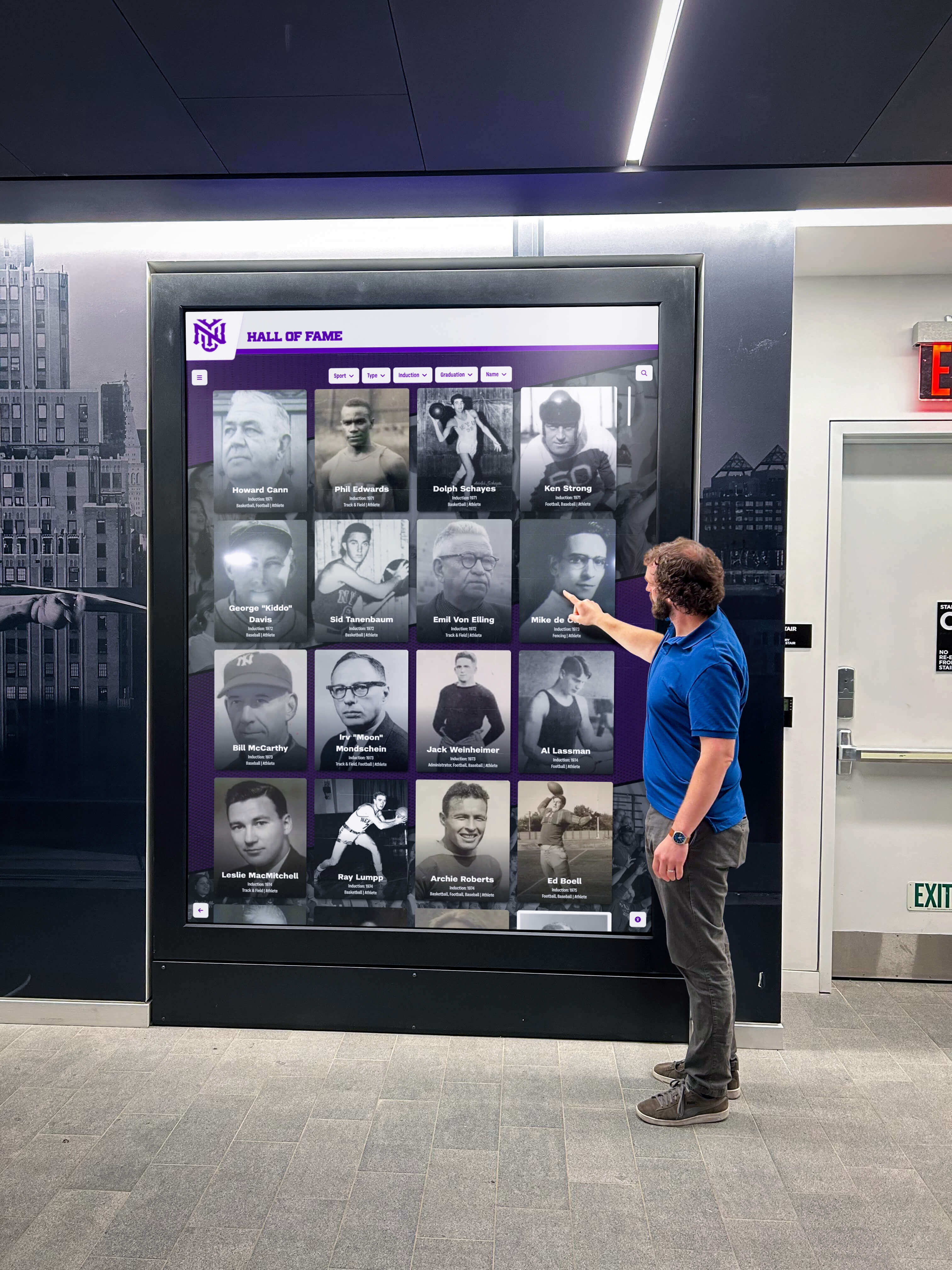
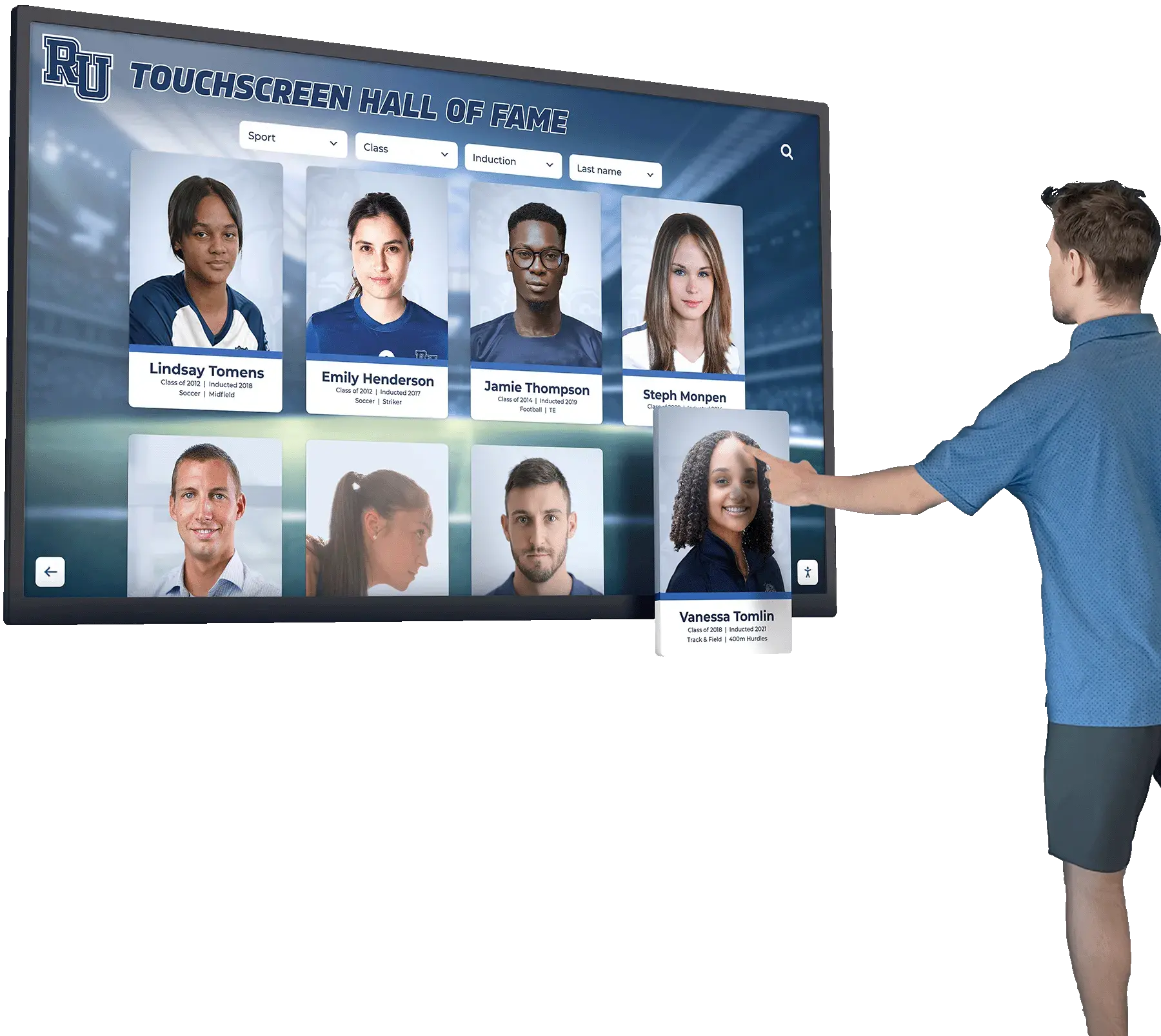
Modern recognition technology enables dynamic celebration of achievement that speakers can reference, creating living documentation of the excellence they're honoring in their addresses
Incorporating Quotes and External Wisdom
Strategically selected quotations can reinforce your message when deployed thoughtfully rather than substituting for original content or padding speeches with borrowed wisdom.
Selecting Meaningful Rather Than Obvious Quotes
Avoid overused graduation quotations everyone has heard countless times: “The future belongs to those who believe in the beauty of their dreams,” “Be the change you wish to see in the world,” or “Success is not final, failure is not fatal.” These clichés signal lack of original thinking rather than demonstrating wisdom.
Instead, select lesser-known quotations genuinely connected to your specific message and context. Attributions to authors, historical figures, or even teachers and community members add credibility while illustrating how wisdom emerges from diverse sources throughout our lives.
Integrating Quotes Seamlessly
Never simply list quotations without connection to your narrative. Instead, weave external wisdom naturally into your speech: “As author Glennon Doyle writes, ‘We can do hard things’—and our class proved that truth repeatedly when we faced…” This integration demonstrates that quotations support rather than replace your original thinking.
Limit quotations to 2-3 maximum in typical 10-minute speeches. Your graduation address should reflect your voice and perspective primarily, with external wisdom providing occasional reinforcement rather than dominating content through excessive borrowing.
Using Multimedia and Visual Elements (When Appropriate)
Some graduation venues and formats allow incorporating visual elements that can enhance speeches when deployed strategically rather than becoming distracting technology demonstrations.
When Visual Aids Add Value
Consider visual components when: displaying powerful photographs documenting your class journey from first day through graduation, showing data visualizations illustrating collective achievements (service hours completed, scholarships earned, diverse college destinations), or presenting short video compilations featuring classmate reflections or messages from teachers.
Visual elements work best when they genuinely enhance your message rather than substituting for strong content. Many memorable graduation speeches succeed powerfully without any visual components—words alone can prove entirely sufficient when crafted and delivered effectively.
Technical Considerations and Backup Plans
Any technology-dependent element requires extensive advance testing in actual ceremony venues using the specific equipment available. Always prepare complete backup plans allowing your speech to succeed fully even if technology fails completely—never depend entirely on functioning multimedia for speech effectiveness.
Explore how digital class composites provide engaging ways to celebrate graduating classes through comprehensive visual recognition that preserves the moment speakers are commemorating.
Preparation and Delivery Best Practices
Exceptional content requires equally strong delivery to create the memorable impact you’re seeking. Systematic preparation transforms written speeches into compelling performances.
Writing and Revision Process
Initial Drafting
Begin writing significantly earlier than you think necessary—ideally 4-6 weeks before graduation. Initial drafts always require substantially more revision than anticipated, and procrastination creates unnecessary stress while limiting refinement opportunities.
Write your complete first draft without excessive self-editing—focus on capturing ideas and structure initially, then refine language and flow in subsequent revisions. Speaking your draft aloud while writing helps ensure content sounds natural for oral delivery rather than resembling academic essays meant for reading.
Revision and Refinement
Set aside your initial draft for several days before revising—fresh perspective helps identify awkward phrasing, logical gaps, or sections requiring expansion or cutting. Read drafts aloud repeatedly, marking any sentences that feel clumsy or unnatural. If you struggle saying something smoothly, audiences will struggle hearing and comprehending it.
Seek feedback from trusted readers representing diverse perspectives: friends from different social circles, teachers who know you well, family members, and ideally adults experienced with public speaking who can provide constructive guidance. Specifically ask reviewers about clarity of your message, authenticity of your voice, appropriate length and pacing, and emotional balance.
Final Polish
In your final revision pass, focus particularly on: opening and closing strength ensuring you start and end powerfully, transitions between sections creating smooth logical flow, language precision choosing exact words that communicate your meaning clearly, and rhythmic variation mixing sentence lengths and structures preventing monotonous pacing.
Print your final speech in large, easily readable font (16-18 point minimum) with generous spacing and clear paragraph breaks. Mark the hard copy with delivery notes indicating pauses, emphasis, and pacing reminders helping you deliver effectively under ceremony pressure.

Interactive recognition technology creates engaging ways to preserve and explore the achievements and memories speakers reference in graduation addresses, providing lasting documentation beyond single ceremony moments
Practice and Rehearsal Strategies
Systematic Practice Approach
Begin practicing at least two weeks before graduation, gradually building from simply reading through your speech to full performance-level delivery. Initial practice sessions should focus on familiarization and comfort with content, while later rehearsals emphasize delivery refinement and timing precision.
Practice in diverse settings: alone in your room building basic confidence, before patient family members who can provide supportive feedback, in front of friends who will respond authentically to humor and emotional moments, and ideally in the actual ceremony venue (or similar space) to acclimate to the physical environment and acoustics.
Memorization vs. Reading
You need not memorize your speech entirely, but should know it well enough that you’re speaking to your audience rather than reading to them. Aim for deep familiarity allowing frequent eye contact with audiences while glancing at notes occasionally for reference rather than constant reading.
Many speakers find memorizing opening and closing sections completely while remaining more dependent on notes for middle sections creates effective balance—strong, direct connection at crucial beginning and end moments while maintaining content accuracy throughout substantive middle sections.
Managing Nervousness Effectively
Public speaking anxiety is universal—even experienced speakers feel nervous before important addresses. Rather than trying to eliminate nervousness entirely, develop strategies managing anxiety productively:
Physical Preparation: Arrive early allowing time to acclimate to the environment without rushed stress. Practice deep breathing exercises before speaking. Stand confidently at the podium establishing physical presence before beginning. Carry water to sip if your mouth becomes dry mid-speech.
Mental Preparation: Remind yourself that audiences want you to succeed rather than fail—they’re supportive rather than critical. Visualize successful delivery repeatedly in the days before graduation. Focus on your message’s importance rather than your performance quality—shifting attention from self-consciousness to service helps overcome ego-driven anxiety.
Recovery Strategies: Plan how you’ll recover gracefully from mistakes you’ll inevitably make: If you lose your place, pause calmly to find it rather than panicking. If you trip over words, simply repeat the phrase correctly without apologizing or drawing additional attention. If you become emotional unexpectedly, pause briefly to compose yourself—audiences appreciate authentic emotion more than perfect polish.
Understanding student recognition program frameworks provides broader context for the excellence being celebrated during the ceremonies where speakers deliver their addresses.
Common Graduation Speech Mistakes to Avoid
Learning from typical pitfalls helps you sidestep the problems that undermine otherwise strong graduation addresses.
Content Mistakes That Undermine Impact
Excessive Generic Advice and Clichés
“Follow your dreams,” “shoot for the moon,” “you can be anything you want”—these overused phrases communicate nothing meaningful while making speeches feel recycled rather than authentic. If you’ve heard advice in countless other graduation speeches, your audience has too. Strive for fresh perspective grounded in specific experience rather than predictable platitudes everyone has heard repeatedly.
Inappropriate Humor or Controversial Content
Graduation ceremonies represent formal occasions attended by diverse constituencies with varying values, sensitivities, and expectations. Content that seems funny to your immediate friends may offend others in attendance. When uncertain whether material works appropriately, err on the side of caution—graduation isn’t worth risking with comedy that might alienate portions of your audience or create embarrassing moments you’ll regret when reviewing ceremony videos.
Excessive Self-Focus
While personal stories provide powerful illustration, graduation speeches that center entirely on the speaker’s individual achievements, challenges, or perspectives miss the point—you’re representing and celebrating your entire class rather than delivering an autobiography. Balance personal content with collective acknowledgment ensuring all graduates feel included in the speech rather than watching someone else’s self-celebration.
Neglecting to Acknowledge Support Systems
Graduates didn’t reach commencement alone—families, teachers, staff, and communities invested tremendously in their success. Speeches that fail expressing genuine appreciation for these essential support systems feel incomplete and miss important opportunities honoring those whose contributions made graduation possible.
Length Violations
Speakers who significantly exceed their allotted time frustrate audiences and disrespect other ceremony participants. Edit ruthlessly to fit time constraints—if you cannot communicate your message within given parameters, you haven’t refined your content sufficiently. Every speaker thinks their speech deserves extra time; effective speakers respect boundaries anyway.
Delivery Mistakes That Diminish Effectiveness
Reading Without Audience Connection
Speakers who remain glued to their notes throughout speeches create minimal connection with audiences who spend the entire address watching the top of the speaker’s head. Practice sufficiently that you can look up frequently, making genuine eye contact with diverse audience sections rather than reading in monotone.
Rushing Through Content Anxiously
Nervous speakers often accelerate delivery speed significantly compared to practice pace, causing audiences to miss content while creating impression of the speaker wanting to finish and escape quickly. Deliberately slow your pace, particularly in speeches’ first minute until nerves settle somewhat. Strategic pausing throughout creates emphasis and allows audiences to absorb significant points.
Monotonous Vocal Delivery
Flat, unchanging vocal delivery makes even interesting content feel boring. Vary your pitch, volume, and pace throughout speeches to maintain engagement and emphasize important points. Listen to recordings of your practice sessions to identify where your delivery becomes monotonous, then consciously build in variation.
Inadequate Physical Presence
Stand with confident posture at the podium rather than slouching or leaning heavily on the lectern. Use natural hand gestures appropriately (though excessive gesturing becomes distracting). Smile when content warrants positive expression. Your physical presence communicates confidence and authenticity supporting your verbal message.
Apologizing for Nervousness or Mistakes
Never apologize for being nervous, worry aloud about your speech quality, or call attention to minor mistakes most audiences don’t notice. Apologies undermine your credibility while making audiences uncomfortable. Deliver your speech confidently regardless of internal anxiety—audiences cannot see your nervousness nearly as clearly as you feel it.
Modern Recognition: Preserving Graduation Memories
Beyond the ceremony itself, institutions increasingly create lasting documentation and recognition of graduating classes through innovative approaches that extend celebration beyond single events.
Digital Recognition Systems for Graduating Classes
Modern schools and universities implement comprehensive recognition programs documenting graduating class achievements through interactive platforms that preserve memories and honor excellence permanently.
Comprehensive Class Profiles and Achievements
Solutions like Rocket Alumni Solutions enable schools to create detailed graduating class documentation including individual graduate profiles with photos and achievements, collective class statistics and accomplishments, scholarship awards and academic honors, college destinations and future plans, and multimedia content like class videos, photos, and testimonials.
These digital platforms provide searchable databases allowing graduates to explore classmate information, discover friends’ future plans, and maintain connection beyond graduation day. Interactive touchscreen installations in school lobbies enable ongoing engagement as alumni return for visits, reunions, or events where they can explore their class history alongside current students discovering the paths of those who preceded them.
Permanent Institutional Memory
Unlike traditional yearbooks that sit on shelves collecting dust or printed programs discarded after ceremonies, digital recognition systems create living documentation accessible indefinitely through web portals and physical installations. Graduates can access their class information remotely, share achievements with families, and maintain connection to institutional community regardless of geographic distance.
Schools implementing digital recognition discover that comprehensive celebration creates positive culture where excellence receives systematic acknowledgment rather than depending on individual initiative or limited ceremony time. Every graduate receives documentation and honor, not just valedictorians or most visible students.
Understanding how high school graduate displays work provides frameworks for creating lasting recognition extending beyond graduation day ceremonies.
Capturing and Sharing Graduation Speeches
Professional Recording and Distribution
Arrange for professional quality audio and video recording of your speech, ensuring family members unable to attend can experience the ceremony and providing archival documentation for your personal collection. Many schools now livestream graduation ceremonies while maintaining recorded versions accessible through websites or school platforms.
Written Preservation
Save your final speech manuscript as personal memento and potential institutional archive. Many schools collect copies of student speeches for historical records, creating valuable documentation of institutional evolution and student perspectives across decades.
Strategic Sharing and Celebration
Share your speech (after ceremony completion) through appropriate channels: school websites or social media, class Facebook groups or digital platforms, personal social networks where family and friends can engage, and potentially platforms like LinkedIn when framing speeches as leadership or communication portfolio pieces.
Avoid oversharing prior to graduation—keep your speech content private until delivery to preserve surprise and impact. Post-ceremony sharing enables broader reach while maintaining ceremony exclusivity and significance.
Conclusion: Delivering a Graduation Speech That Truly Inspires
Crafting and delivering an exceptional graduation speech represents one of education’s most meaningful opportunities—the chance to honor shared journeys, express collective gratitude, celebrate remarkable achievements, and inspire fellow graduates as they transition toward uncertain but promising futures. The most memorable commencement addresses don’t come from perfect rhetorical polish or borrowed wisdom—they emerge from authentic connection, specific storytelling, genuine insight, and speakers brave enough to share real perspectives rather than safe platitudes everyone expects but nobody remembers.
The graduation speech ideas and practical frameworks explored throughout this guide provide proven starting points for creating addresses that resonate authentically with diverse audiences while accomplishing the multiple objectives effective commencement remarks require. Whether you’re structuring your speech around creative thematic approaches, incorporating meaningful personal stories that illustrate universal insights, balancing appropriate humor with ceremonial dignity, or preparing delivery that connects powerfully with audiences, these strategies transform the daunting challenge of graduation speeches into manageable processes producing genuinely inspiring results.
Celebrate Graduating Class Excellence Permanently
Discover how modern recognition platforms enable schools to honor every graduate through comprehensive digital profiles, searchable class databases, and interactive displays that preserve achievement far beyond ceremony day. Create lasting celebration that extends the inspiration of graduation speeches into permanent institutional memory accessible to future generations.
Explore Recognition SolutionsRemember that your primary responsibility isn’t delivering a perfect performance—it’s authentically representing your graduating class while honoring the significance of this milestone moment in everyone’s lives. Audiences forgive nervousness, minor mistakes, and imperfect delivery far more readily than they forgive inauthentic content, borrowed clichés disconnected from real experience, or speeches clearly written to impress rather than genuinely connect and inspire.
As you prepare your graduation speech, return frequently to your core message and authentic perspective. What do you genuinely want your classmates remembering about their educational journey? What insights have you gained that might help others as they face similar transitions and uncertainties? What gratitude do you honestly feel for those who supported your success? What hope do you authentically hold for your class’s collective future? Answering these questions honestly provides the foundation for speeches that resonate long after graduation day concludes.
Your speech will never be perfect—but it can be authentic, meaningful, and genuinely inspiring when grounded in honest reflection, careful preparation, and brave delivery. The students, families, and educators gathered for commencement don’t need perfect rhetoric—they need human connection, authentic acknowledgment, and genuine inspiration as they mark this significant transition. Trust that your unique perspective and honest voice matter more than borrowed wisdom or impressive vocabulary, and deliver your message with the confidence that comes from knowing you’ve prepared thoroughly and spoken truthfully.
The journey from anxious speaker facing blank pages to confident graduate delivering inspiring remarks requires time, effort, and courage—but represents one of education’s most valuable learning experiences. Public speaking skills serve lifelong across countless professional and personal contexts. The preparation process itself teaches valuable lessons about crystallizing thoughts, organizing complex ideas, and communicating clearly to diverse audiences. And the experience of successfully delivering a meaningful graduation speech builds confidence extending far beyond this single ceremony into countless future opportunities requiring similar courage and capability.
Whether you’re a valedictorian preparing your first major address, a selected class speaker seeking fresh approaches, or an educator supporting students through this process, remember that the most memorable graduation speeches come from speakers who understand their unique audiences, share genuine insights through specific storytelling, and communicate authentic messages that resonate because they’re undeniably true to the speaker’s beliefs and experiences. Your graduation speech matters—not because it needs to be historically memorable but because it represents your opportunity to honor a significant shared journey, express meaningful gratitude, and inspire your fellow graduates as they embark on whatever adventures await.
For additional resources on celebrating student achievement and creating lasting recognition, explore comprehensive graduation ceremony planning approaches, discover how schools implement academic recognition displays celebrating excellence, and learn about digital platforms that preserve graduating class memories through engaging, accessible recognition systems ensuring your achievements receive honor extending far beyond graduation day ceremonies into lasting institutional celebration accessible to future generations of students who will follow in your footsteps.