



Gymnasium lighting represents one of the most critical infrastructure decisions school facility managers face when building new athletic facilities or renovating existing gymnasiums. Proper lighting directly impacts athletic performance and safety, determines whether facilities can host competitive events and tournaments, affects energy costs that strain already-tight facility budgets, influences how well digital displays and recognition systems perform, and shapes the overall experience for students, athletes, spectators, and community members using these multipurpose spaces.
Yet choosing optimal gymnasium lighting proves remarkably complex as facility managers balance competing priorities and navigate technical specifications many haven’t encountered before. Should you invest in LED systems despite higher upfront costs, or will traditional metal halide fixtures suffice? What illumination levels do different sports and activities actually require? How do you eliminate glare that impairs athletic performance while ensuring sufficient brightness for safety? And how has lighting technology evolved to support modern gymnasium uses including digital recognition displays, video recording, and broadcast-quality visibility?
This comprehensive guide explores every dimension of gymnasium lighting selection—from understanding illumination standards and comparing lighting technologies through planning installations that maximize performance, minimize energy costs, and support the full range of activities modern school gymnasiums host. Whether you’re planning a new gymnasium, upgrading aging lighting systems, or troubleshooting performance issues in existing facilities, you’ll discover proven frameworks for making lighting decisions that serve your school community effectively for decades.
School gymnasiums serve as genuine multipurpose facilities hosting basketball games, volleyball matches, wrestling tournaments, physical education classes, standardized testing, graduation ceremonies, community events, and increasingly, digital recognition displays that celebrate student achievement—each use case presenting distinct lighting requirements that comprehensive systems must address simultaneously.

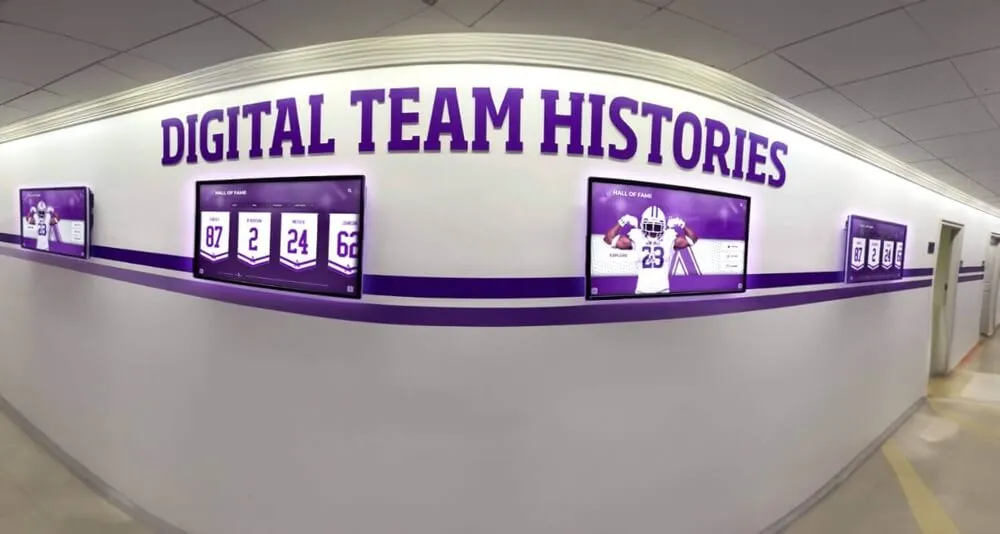
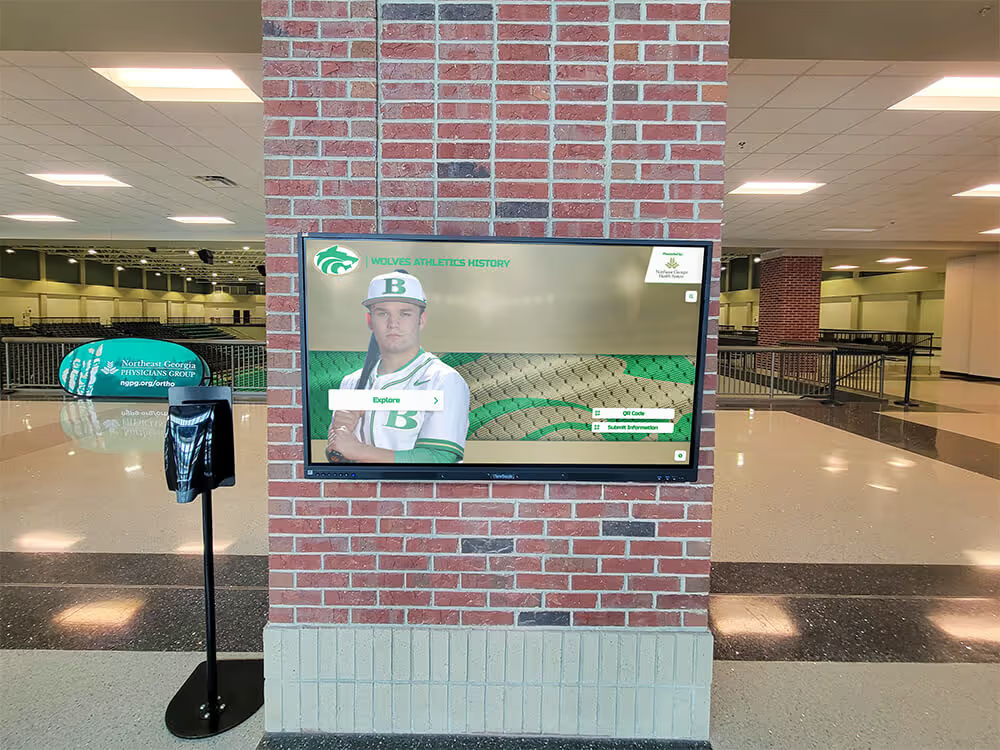
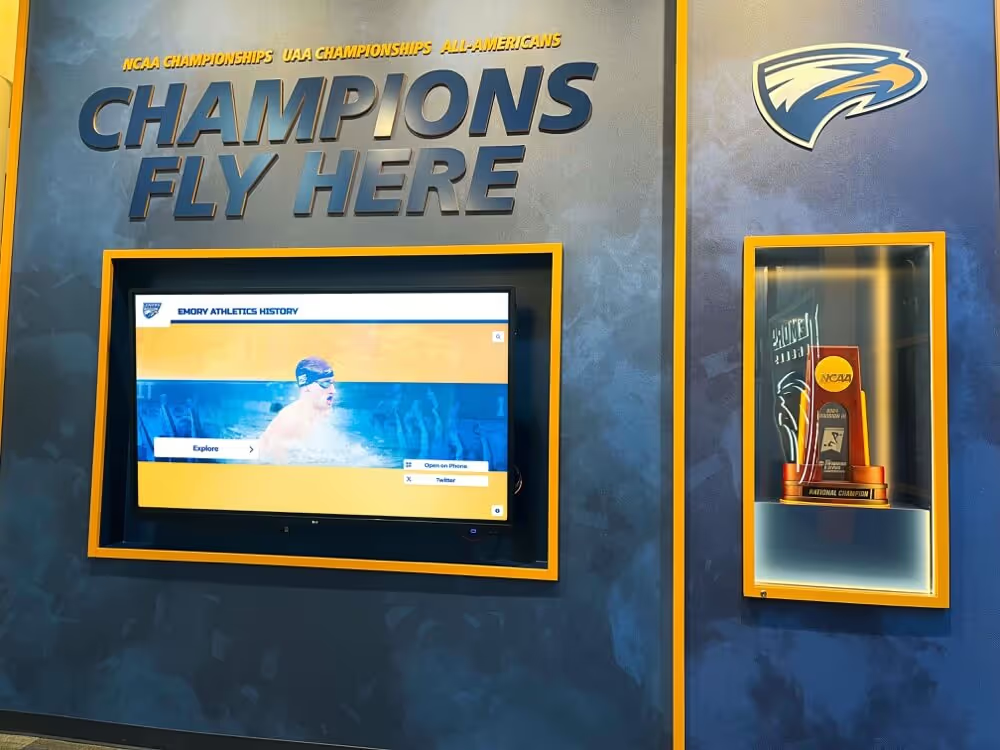
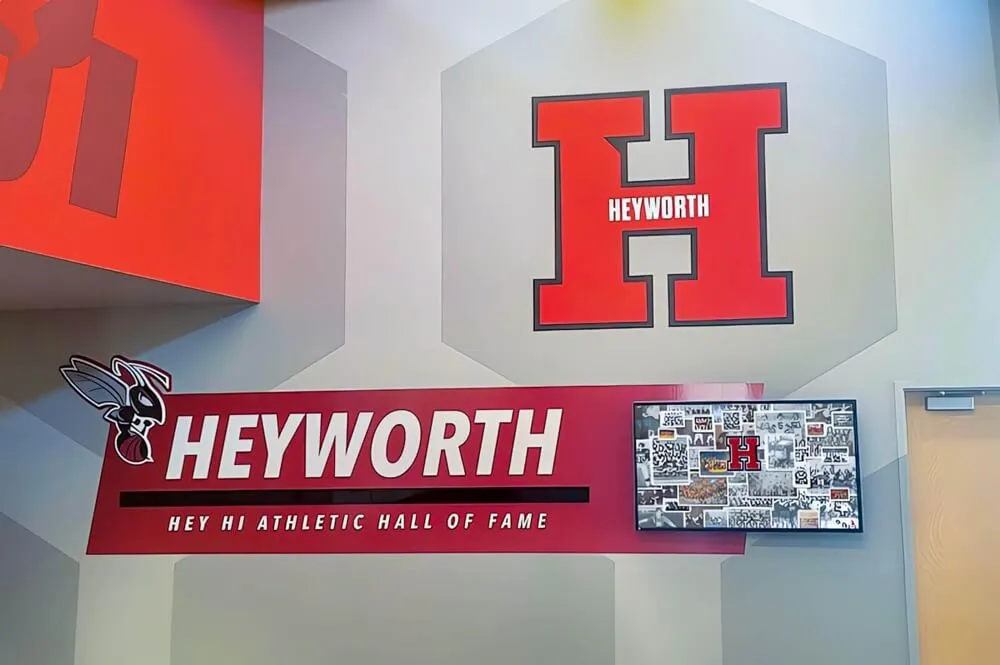
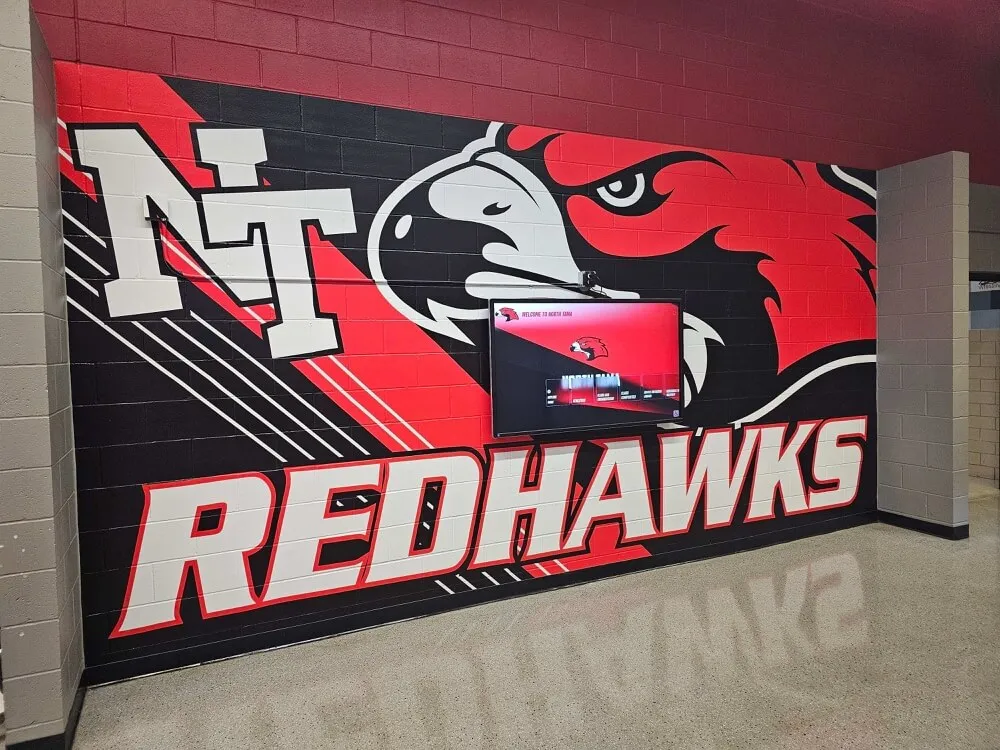
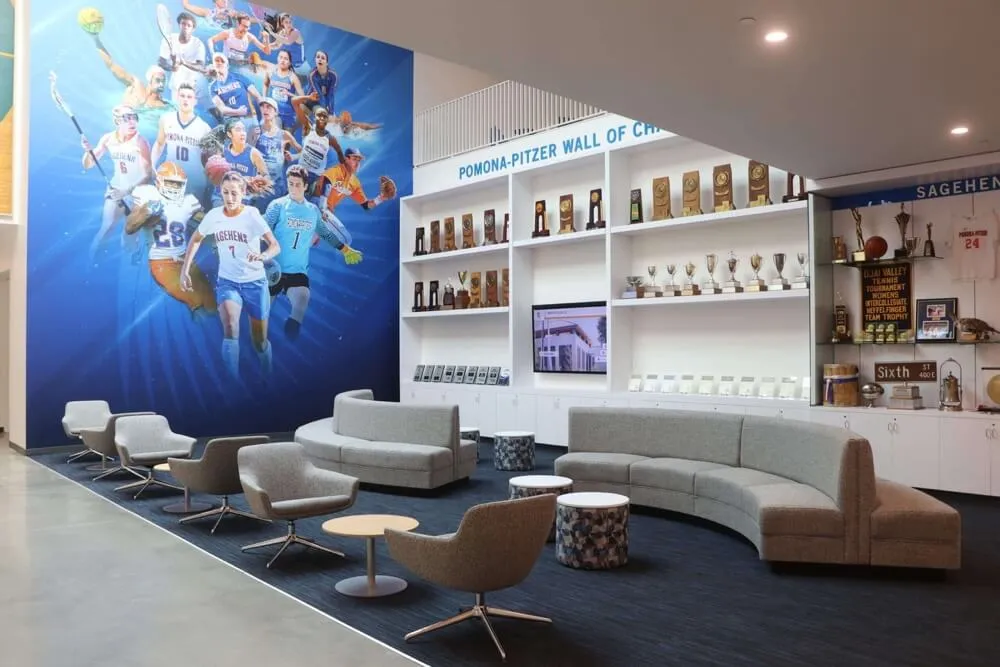
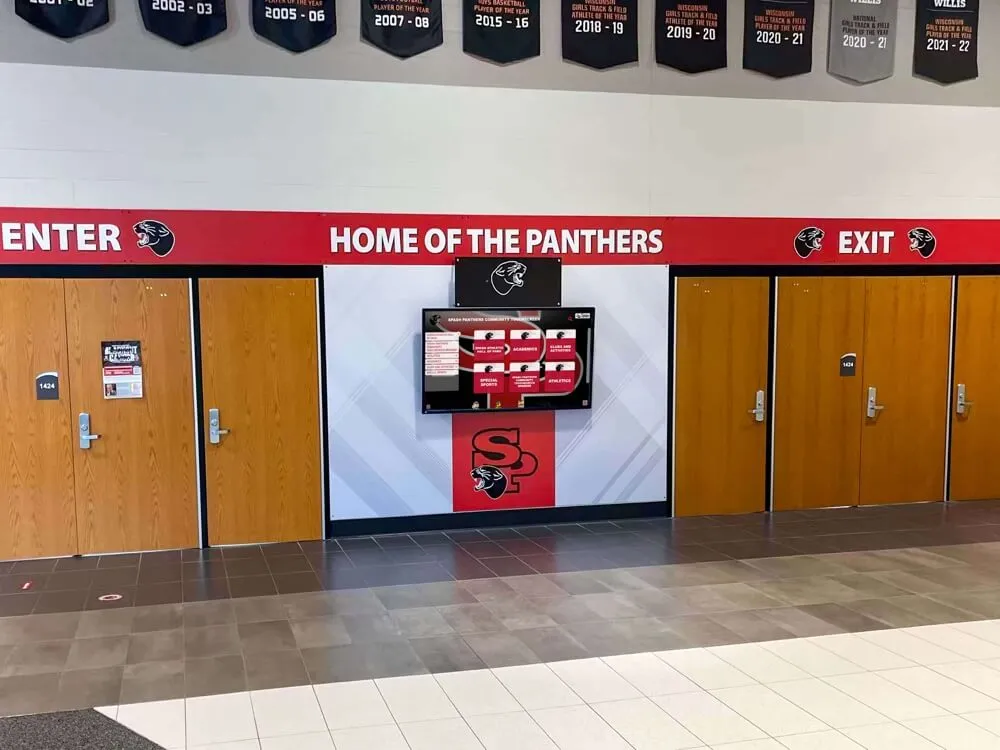
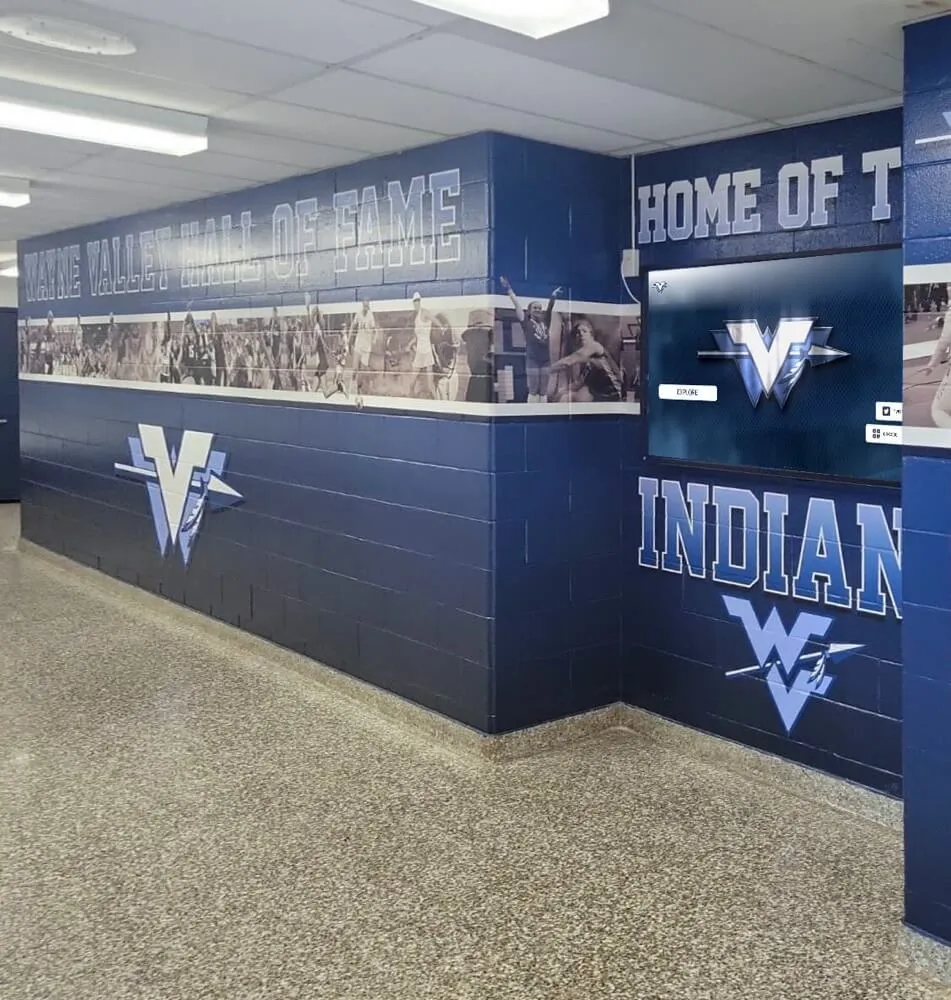
Modern gymnasium spaces increasingly integrate digital displays requiring proper lighting design to ensure optimal visibility and engagement
Understanding Gymnasium Lighting Requirements and Standards
Effective lighting selection begins with understanding the illumination standards, safety requirements, and performance specifications that govern gymnasium environments across different competitive levels and activity types.
Illumination Level Standards for Different Activities
Gymnasium lighting requirements vary dramatically based on activity type, competitive level, and whether events will be broadcast or recorded:
Recreational and Physical Education Standards
For general physical education classes, intramural sports, and recreational activities, the Illuminating Engineering Society (IES) recommends horizontal illuminance of 30-50 foot-candles (300-500 lux) at floor level. This provides adequate visibility for skill development, safety during movement, and sufficient brightness for supervision without the intensity competitive athletics demands.
Schools with gymnasiums used primarily for physical education can often implement more economical lighting solutions meeting these moderate standards while still ensuring safe, functional environments for student learning and recreational activity.
Competitive Athletics Requirements
Interscholastic competition raises illumination requirements substantially. High school basketball and volleyball competitions typically require 50-75 foot-candles for regular season games, state tournament and championship events often mandate 75-100 foot-candles for enhanced visibility and potential broadcasting, and wrestling tournaments may specify different illumination based on mat placement and spectator sightlines.
According to the National Federation of State High School Associations (NFHS), inadequate lighting contributes to approximately 12-18% of preventable athletic injuries in high school gymnasiums, with improper illumination levels particularly affecting sports requiring tracking fast-moving balls or opponents.
Broadcasting and Recording Standards
Gymnasiums hosting events recorded for broadcast, streaming, or highlight production require significantly higher illumination levels: standard definition video recording typically requires minimum 75 foot-candles, high definition broadcasting often specifies 100-150 foot-candles for quality image capture, and professional or collegiate-level broadcasts may require 150-200+ foot-candles with strict uniformity ratios.
Schools anticipating recording capabilities or potential broadcasting should plan lighting systems meeting these higher standards initially rather than requiring expensive upgrades when recording needs emerge.
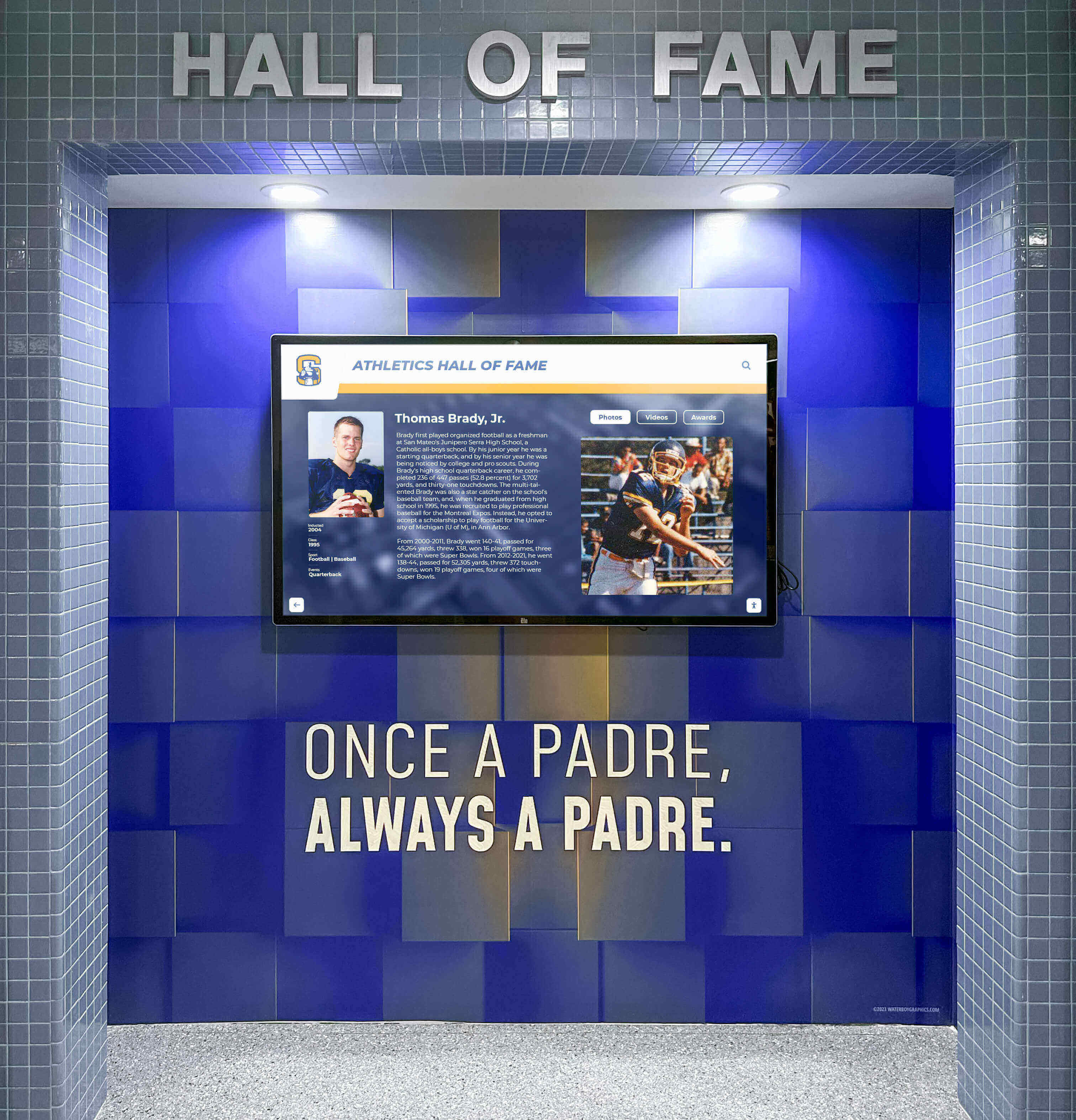
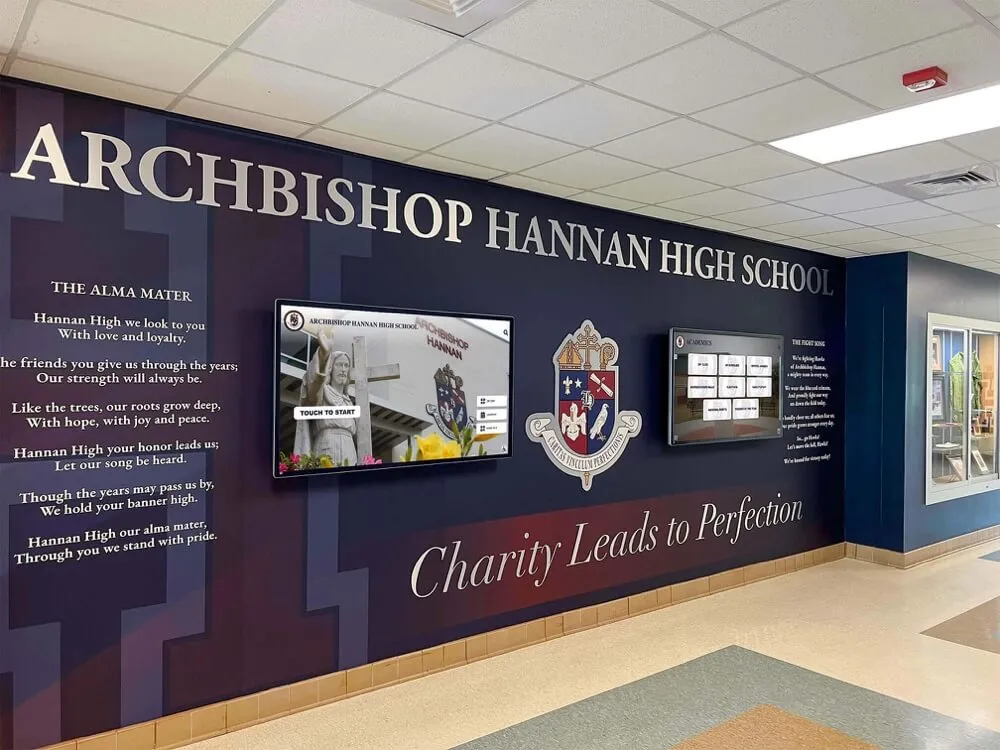
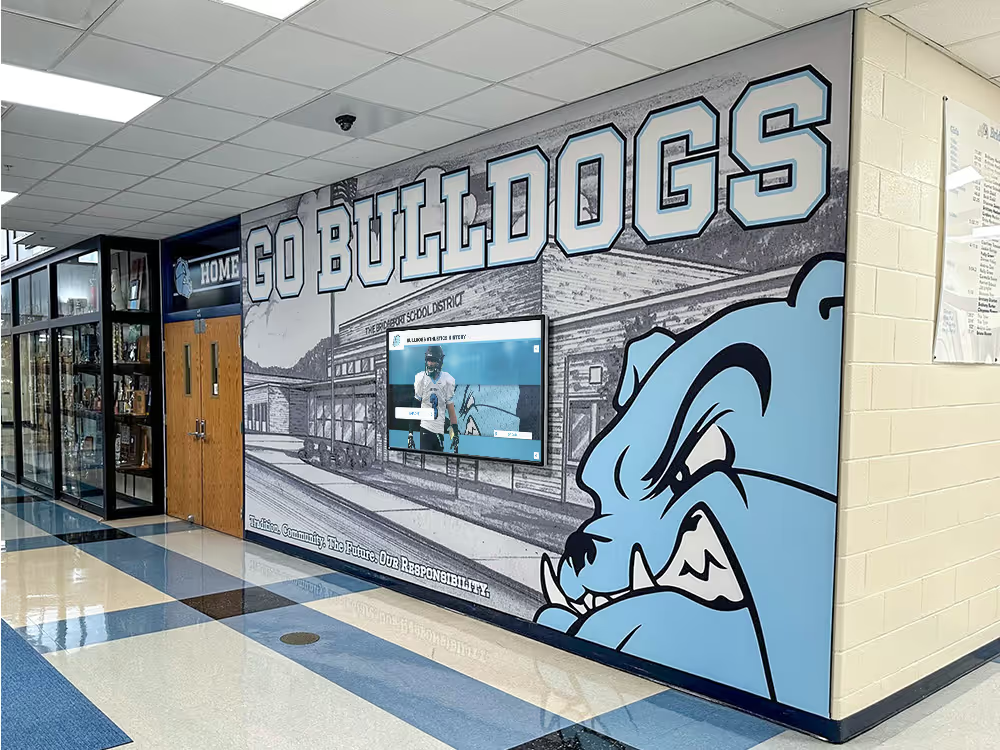
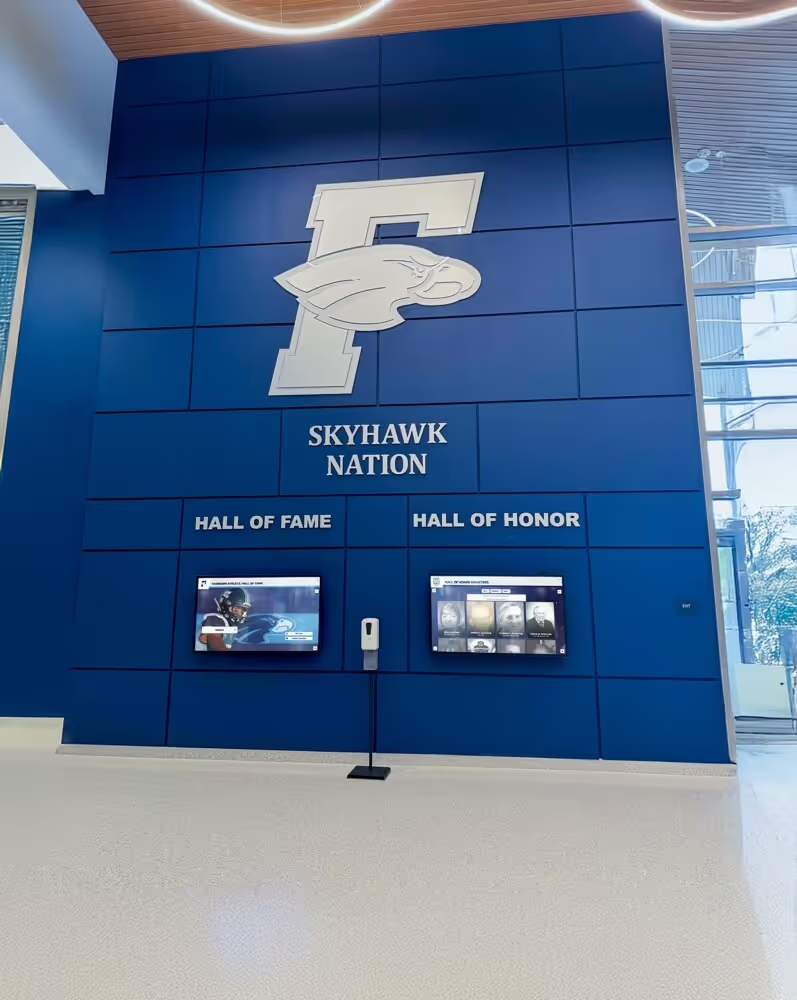
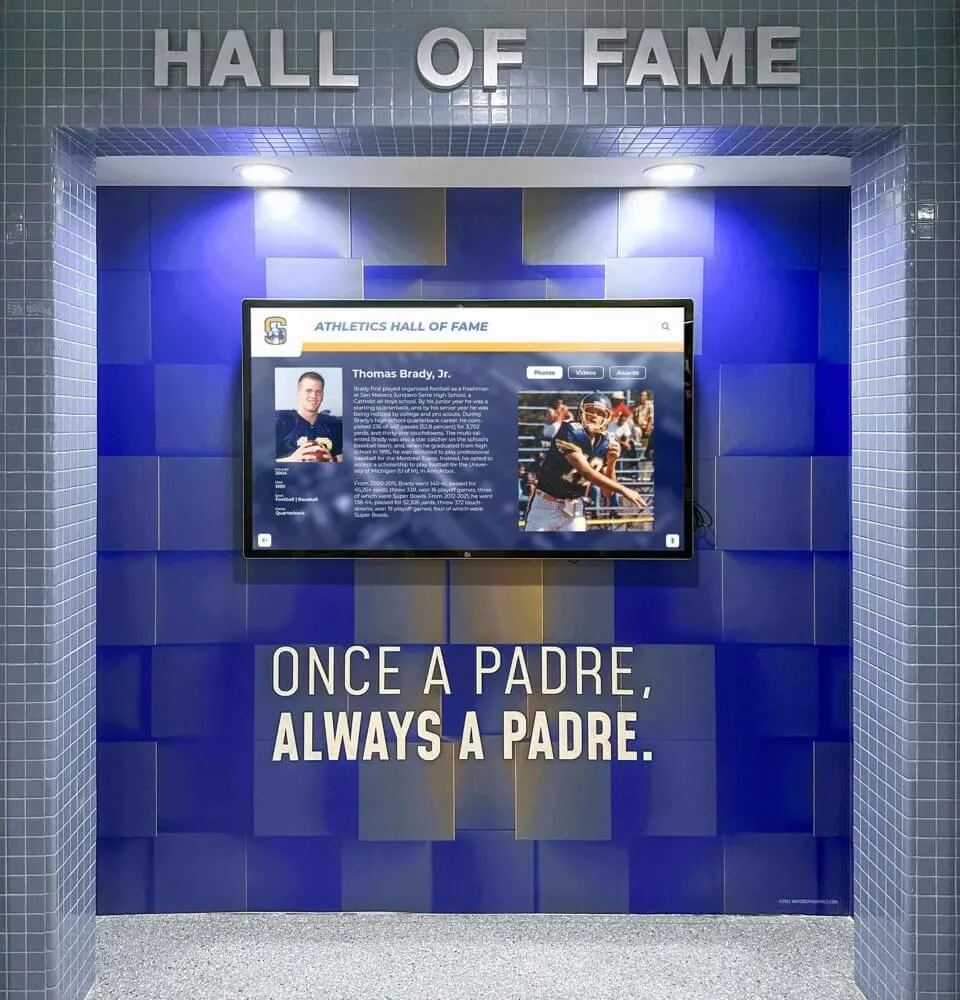
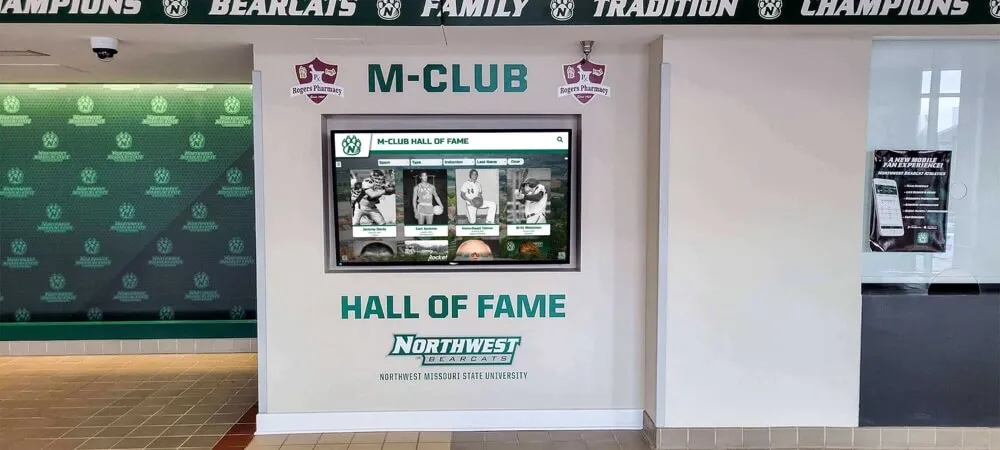
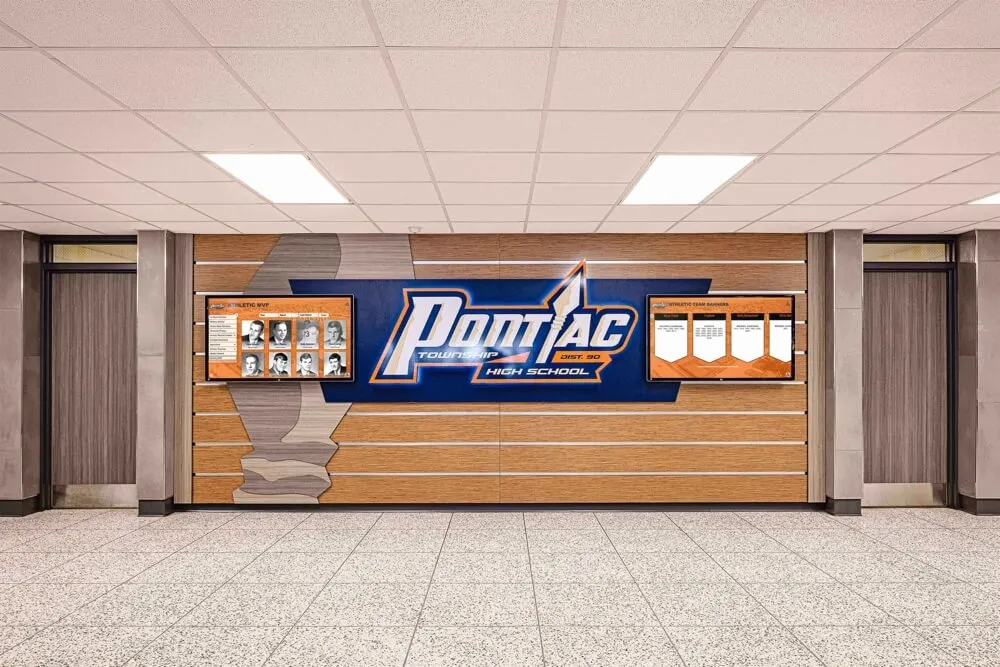
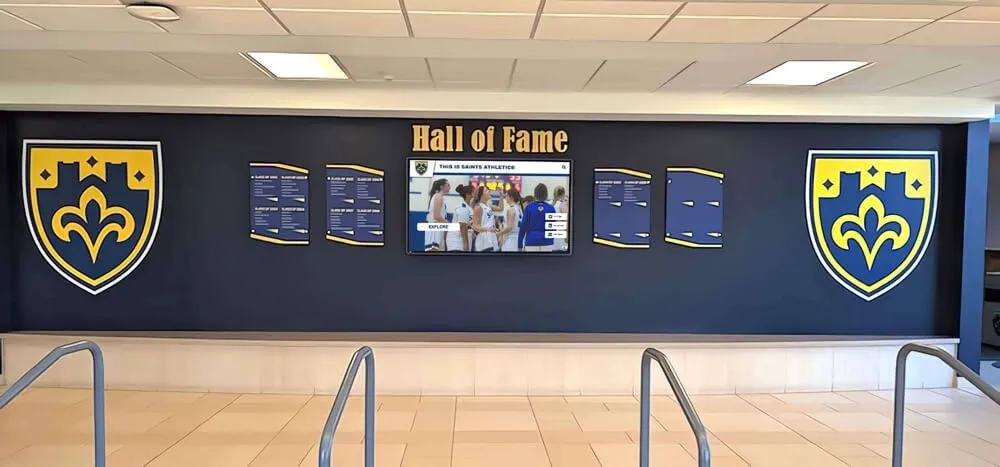
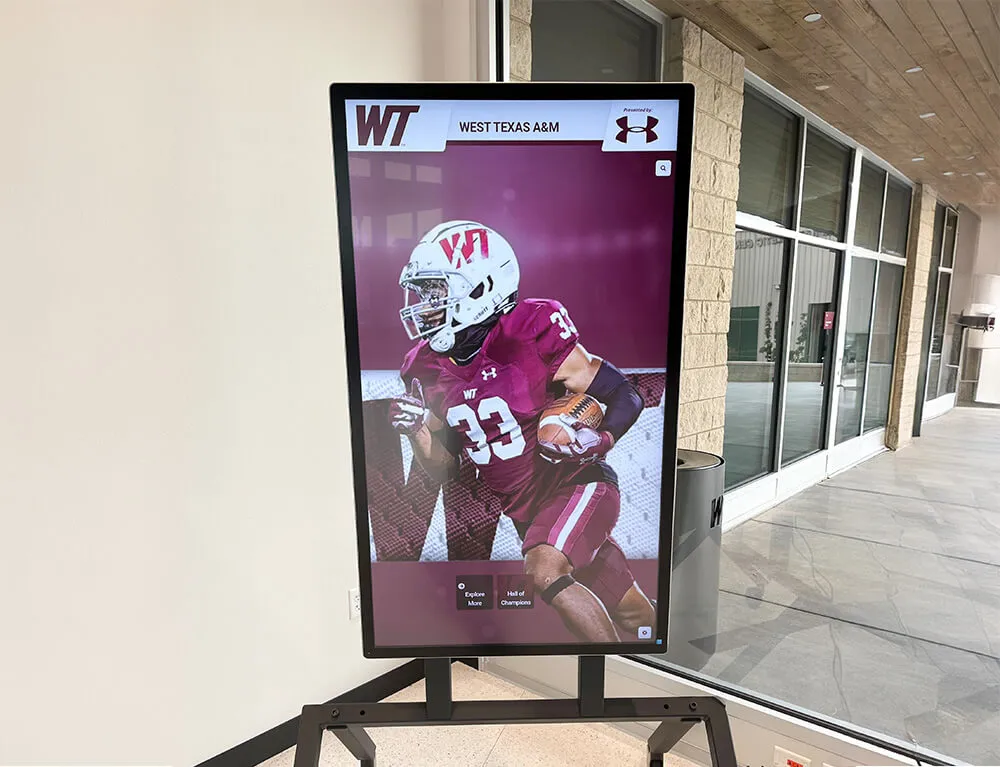
Proper gymnasium lighting ensures digital recognition displays remain clearly visible while maintaining optimal conditions for athletic activities
Uniformity and Distribution Requirements
Beyond absolute illumination levels, light distribution patterns significantly impact gymnasium functionality and athletic performance:
Uniformity Ratios Explained
Uniformity describes how evenly light distributes across playing surfaces, expressed as ratios comparing brightest to darkest areas. The IES recommends maximum uniformity ratios of 2:1 for competitive athletics, meaning the brightest area should not exceed twice the illumination of the darkest area, with 1.5:1 representing ideal uniformity for high-level competition.
Poor uniformity creates bright and dark patches that impair depth perception, make tracking moving balls difficult, and create safety hazards when athletes move between drastically different light levels. Achieving proper uniformity requires strategic fixture placement and careful beam pattern selection rather than simply adding more fixtures.
Vertical Illumination Considerations
While horizontal illumination at floor level receives primary attention, vertical illumination proves equally important for sports involving airborne balls, including basketball’s vertical shooting and passing lanes, volleyball’s serving trajectories and spike approaches, and spectator sightlines tracking action throughout three-dimensional space.
Comprehensive lighting design addresses both horizontal and vertical illumination, ensuring athletes can track balls throughout their complete trajectories rather than losing visual contact as objects enter poorly-lit vertical zones.
Glare Control and Visual Comfort
Glare represents one of the most common complaints about gymnasium lighting, directly affecting athletic performance and creating safety concerns:
Direct Glare Sources
Direct glare occurs when athletes look directly toward bright light sources, causing temporary vision impairment particularly problematic when tracking balls, opponents, or surroundings. Basketball players shooting free throws facing bright fixtures, volleyball players serving toward gymnasium lighting, and spectators watching events while facing fixture arrays all experience direct glare that compromises performance and comfort.
Proper fixture selection with controlled beam spreads, strategic aiming avoiding direct sightlines, and shielding or louvers on fixtures minimize direct glare while maintaining required illumination levels.
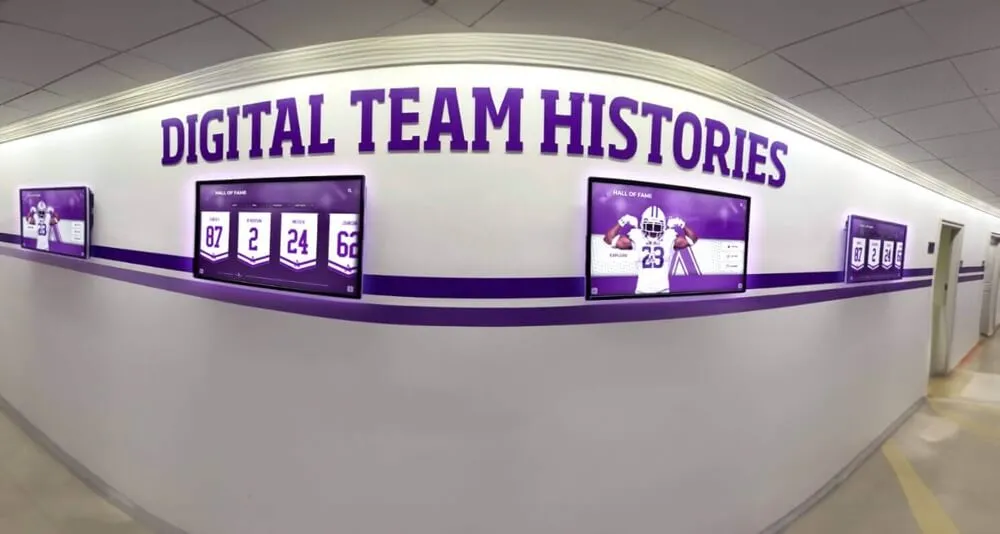
Coordinated lighting design in gymnasium adjacent areas ensures [touchscreen displays for gym lobbies](https://digital-trophy-case.com/blog/touchscreen-display-high-school-gym-lobby/?utm_source=organic&utm_medium=seo-auto&utm_content=touchscreenwebsite&utm_campaign=gymnasium-lighting&utm_term=seo) remain visible and engaging
Reflected Glare Considerations
Reflected glare bounces off glossy playing surfaces, scoreboards, and gymnasium equipment, creating secondary glare sources that prove equally problematic. Highly polished gymnasium floors reflect substantial light creating glare for players and spectators, wall-mounted digital displays and video boards can create reflected glare from improper lighting angles, and window surfaces and glass backboards compound glare issues in facilities with natural light.
Fixture aiming strategies that minimize reflections, matte or low-gloss floor finishes reducing reflection, and coordinated design between lighting and digital display placement all address reflected glare concerns effectively.
Comparing Gymnasium Lighting Technologies
Understanding the advantages, limitations, and total cost implications of different lighting technologies helps facility managers make informed decisions aligned with budget realities and performance requirements.
LED Lighting Systems for Gymnasiums
Light-emitting diode (LED) technology has rapidly become the preferred solution for gymnasium lighting due to performance advantages and long-term cost benefits:
Performance Advantages
LED gymnasium lighting offers superior illumination quality including excellent color rendering with Color Rendering Index (CRI) values of 80-90+ ensuring accurate color perception, instant on/off capability with no warm-up period required, dimming capabilities allowing illumination adjustment for different activities, and flicker-free operation eliminating the strobing effect that affects athletic performance and video recording quality.
The instant-on capability particularly benefits gymnasiums used for physical education classes throughout the day, eliminating the 10-20 minute warm-up and restrike times metal halide systems require when turned off between class periods.
Energy Efficiency and Cost Savings
LED systems deliver dramatic energy consumption reductions compared to traditional technologies: 50-70% energy reduction versus metal halide systems of equivalent output, reduced HVAC loads as LEDs generate substantially less heat, and power factor improvements that may reduce demand charges from utilities.
According to the U.S. Department of Energy, schools retrofitting gymnasium lighting from metal halide to LED systems typically achieve payback periods of 3-5 years through energy savings alone, with total cost of ownership favoring LED significantly over 10-15 year analysis periods.
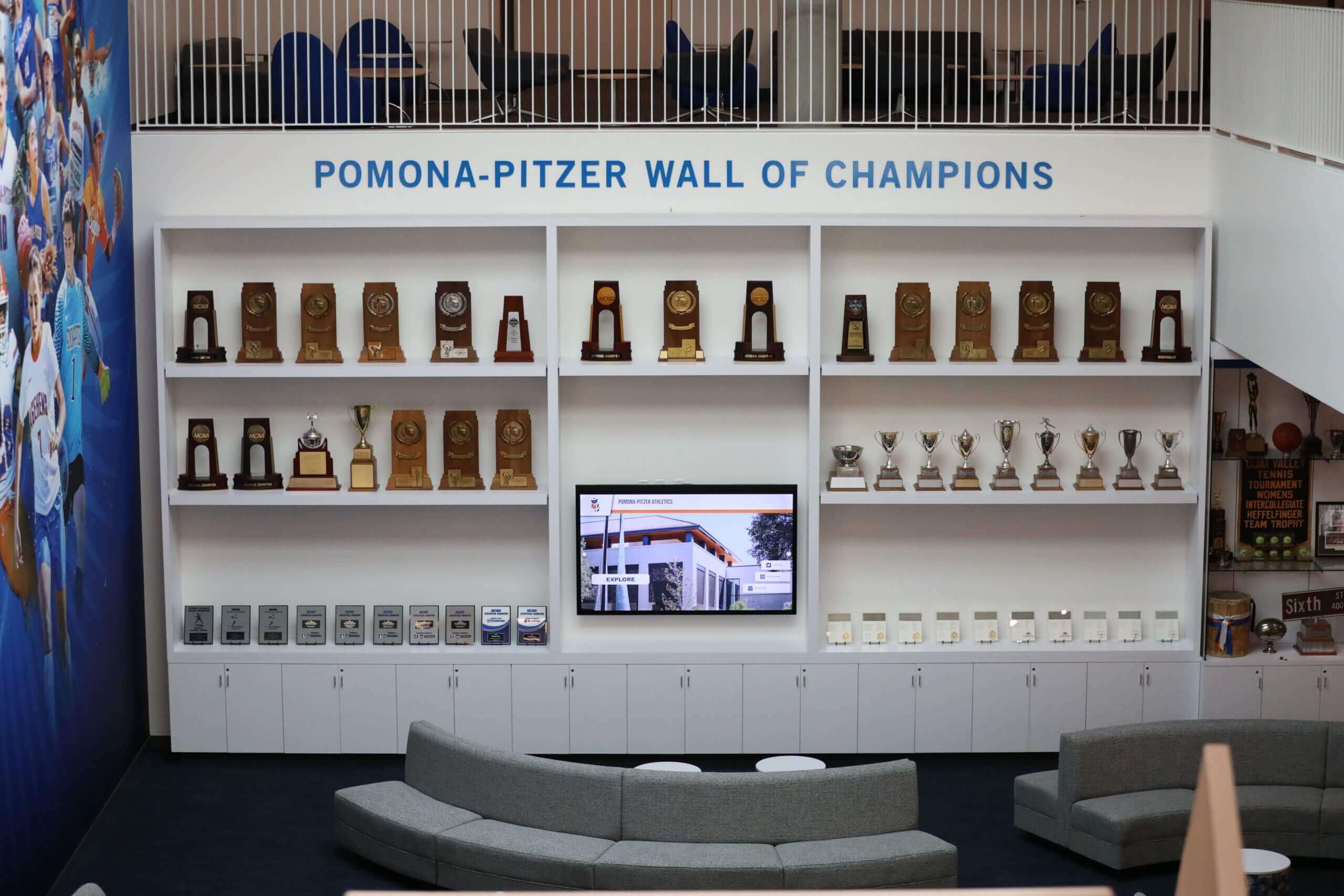
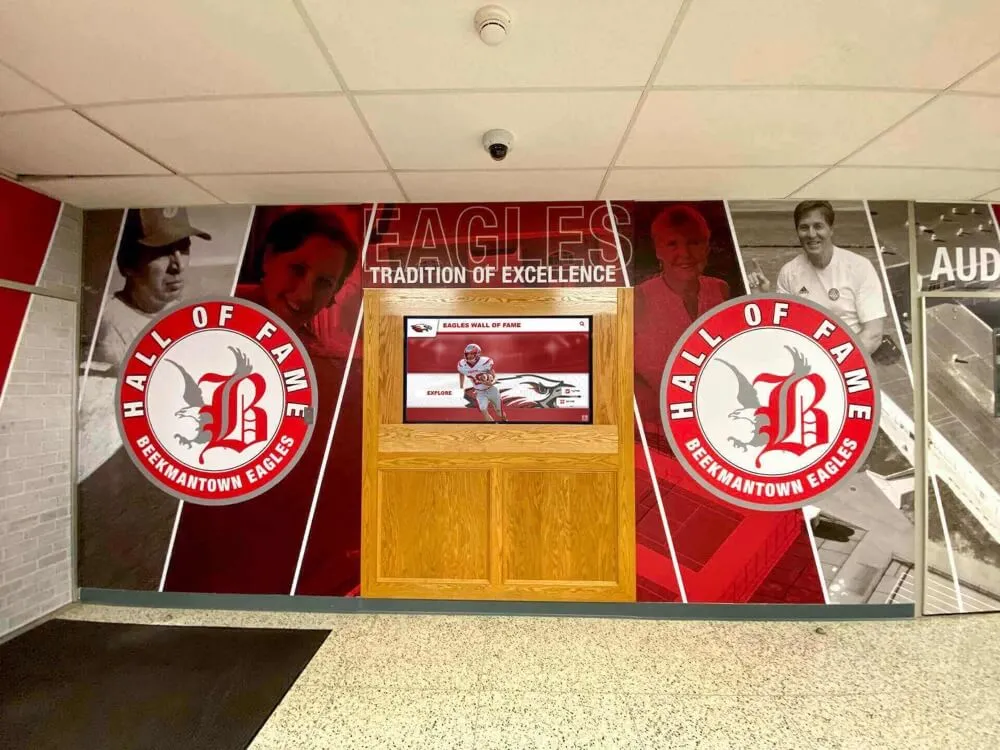
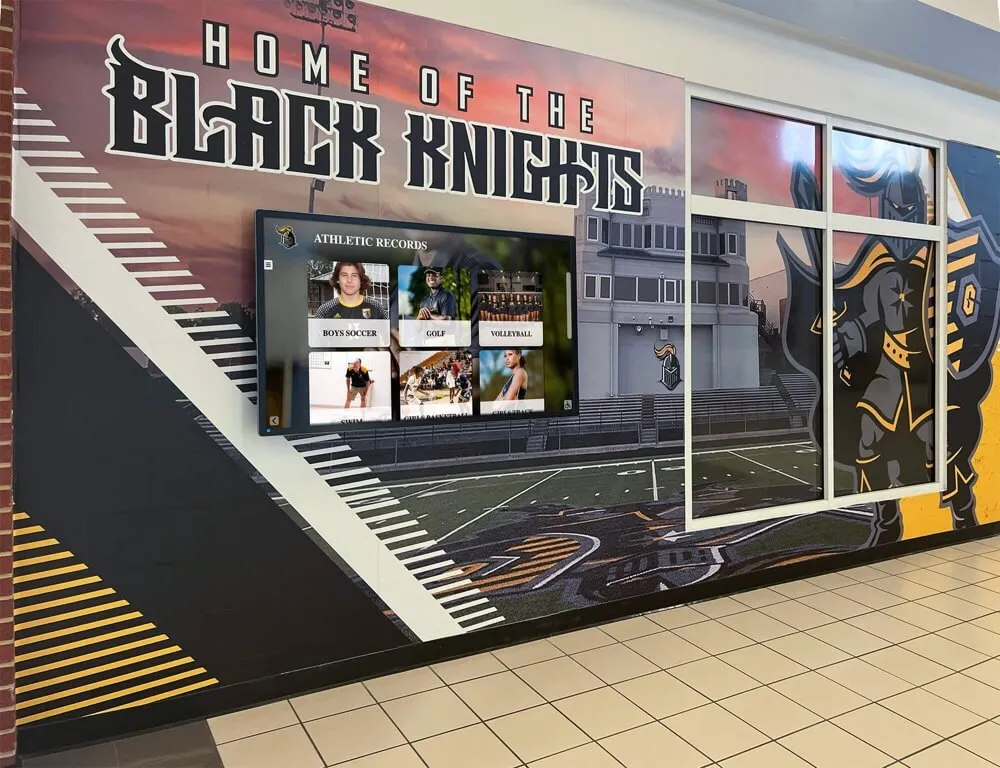
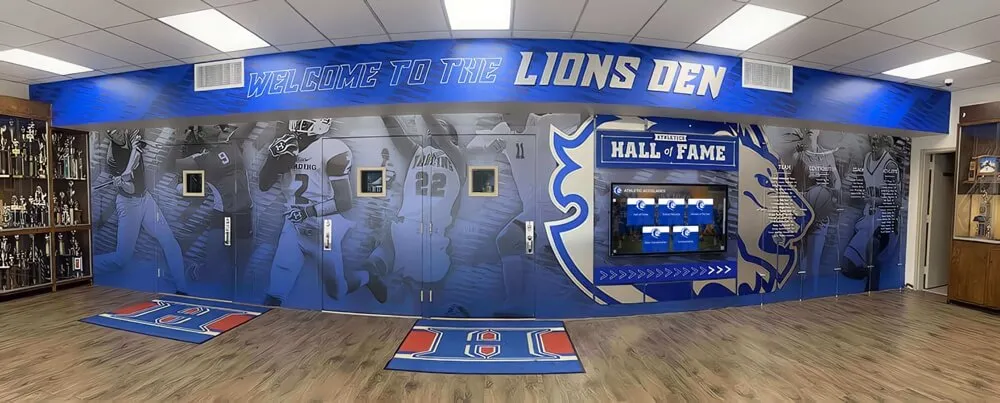
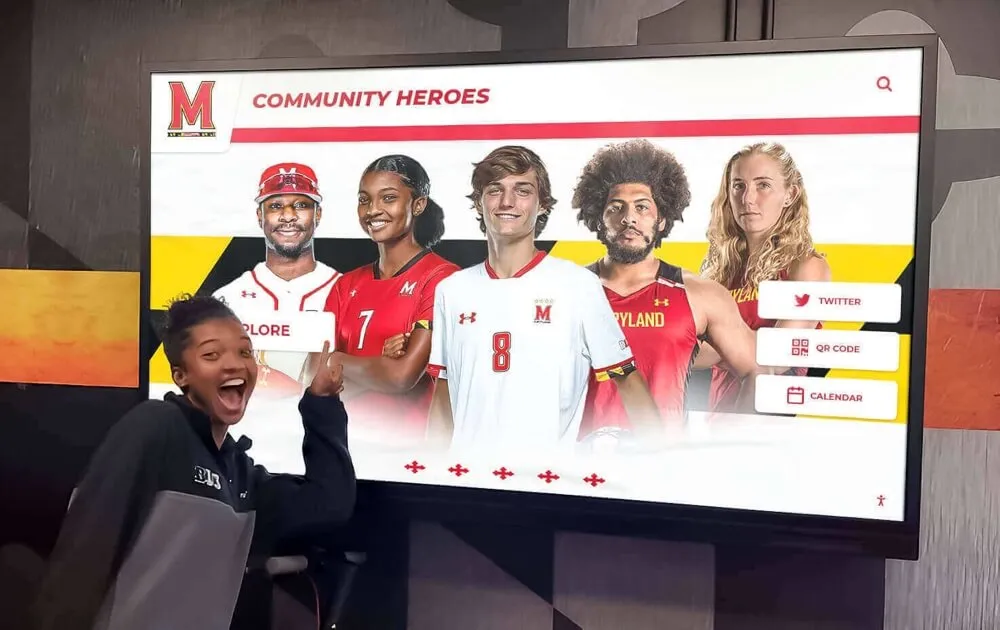
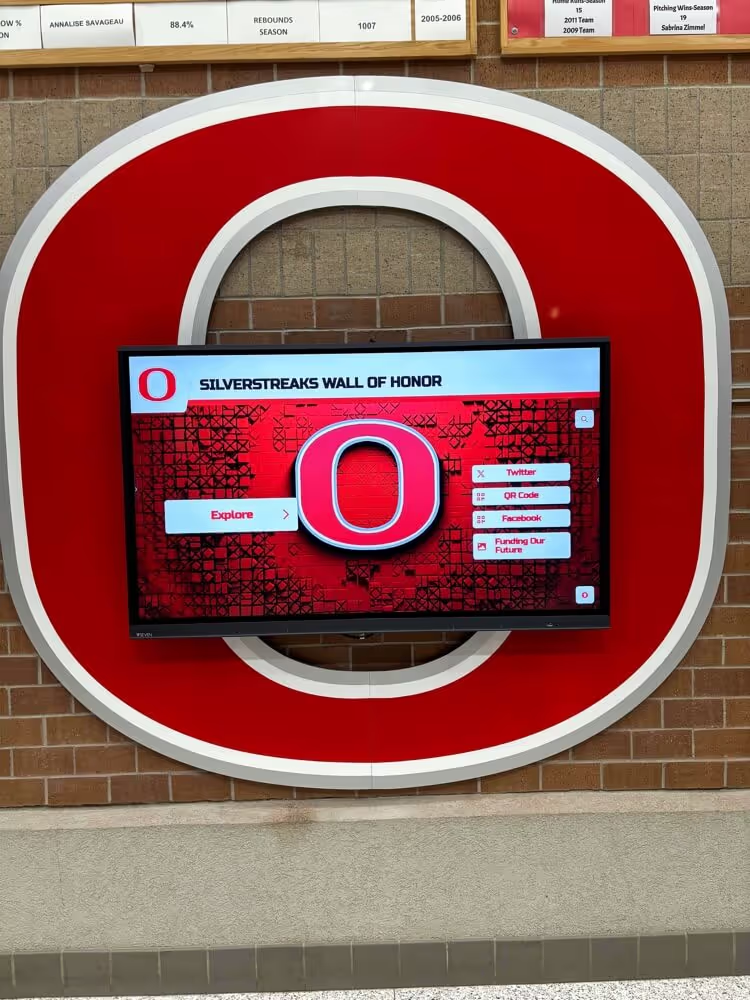
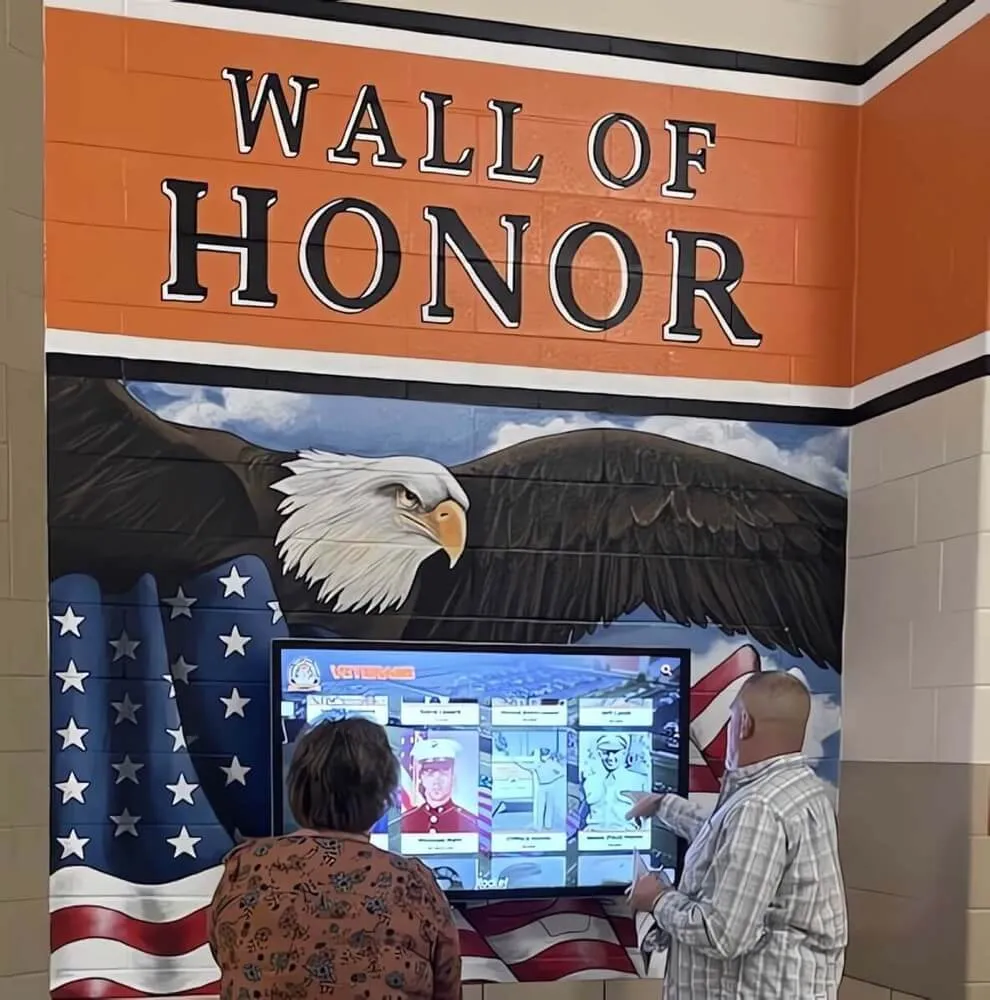
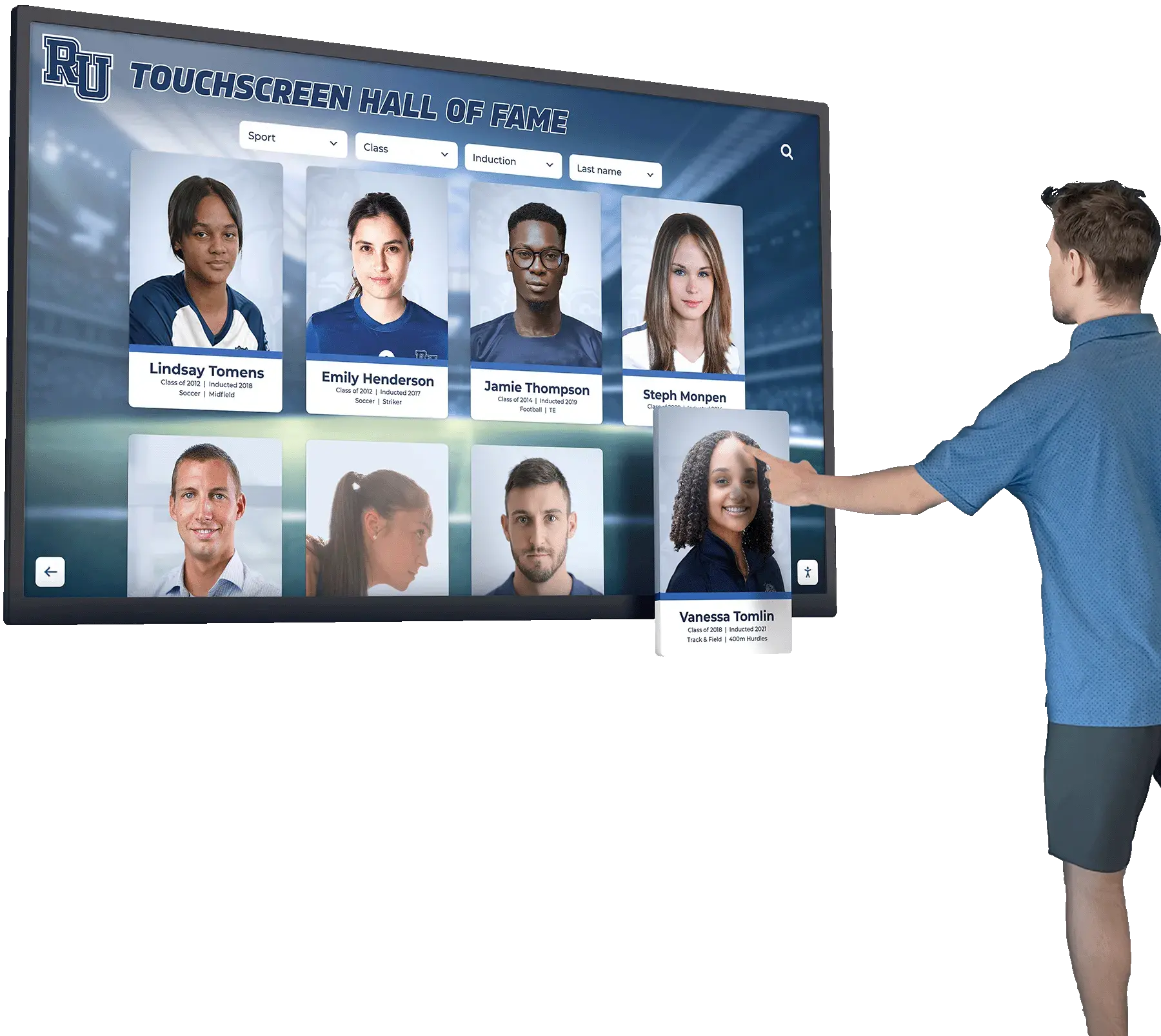
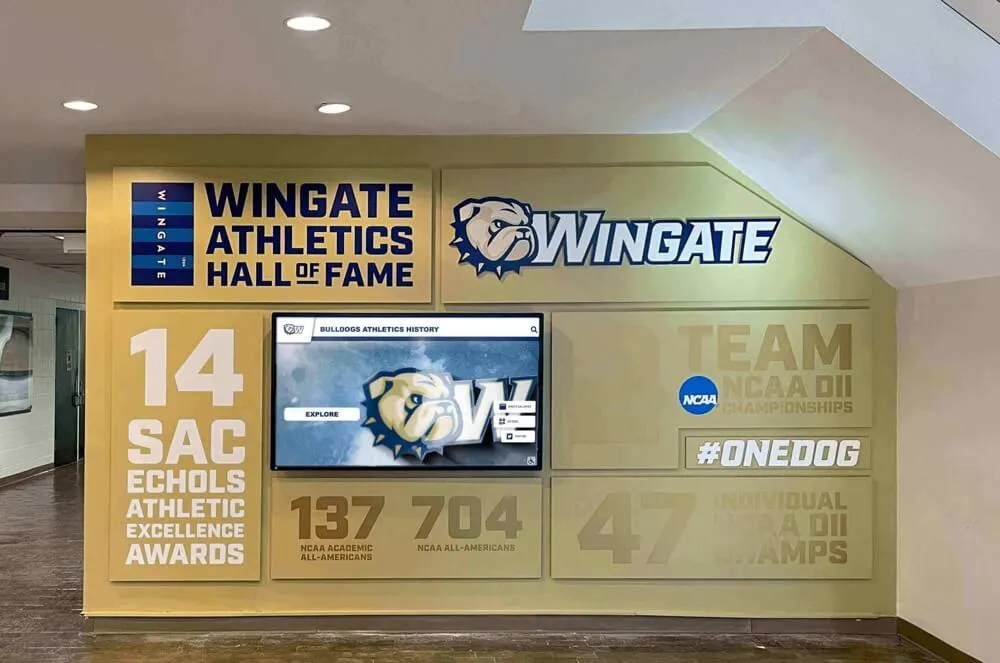
Proper lighting design supports both athletic activities and recognition displays celebrating program achievements
Longevity and Maintenance Reduction
LED fixtures offer dramatically extended service life: rated lifetimes of 50,000-100,000 hours compared to 10,000-20,000 for metal halide, minimal lumen depreciation maintaining illumination levels throughout operational life, and reduced maintenance requirements eliminating frequent relamping cycles.
This longevity proves particularly valuable in gymnasiums where fixture placement at ceiling heights of 20-35 feet makes lamp replacement labor-intensive and expensive, requiring scissor lifts, facility closures, and specialized contractors.
Metal Halide and High-Intensity Discharge Systems
Traditional metal halide and HID systems remain common in existing gymnasiums, though new installations increasingly favor LED technology:
Technology Characteristics
Metal halide systems produce high-intensity light through electrical discharge in pressurized metal vapor, offering high lumen output from relatively compact fixtures, good color rendering in the 65-85 CRI range, and proven performance in thousands of existing installations.
However, these systems require 10-20 minute warm-up periods to reach full output, need 10-15 minute restrike times if turned off, experience significant lumen depreciation requiring over-design of initial illumination, and generate substantial heat that increases cooling costs.
When Metal Halide Remains Viable
Despite LED advantages, metal halide systems may make sense in specific circumstances: facilities with very limited capital budgets unable to afford LED upfront costs, gymnasiums with existing metal halide infrastructure in good condition approaching end of useful life within 2-3 years, and schools in areas with exceptionally low electricity costs where LED energy savings provide less compelling payback.
However, facility managers should calculate total cost of ownership including energy, maintenance, and lamp replacement rather than focusing exclusively on initial installation costs that favor older technologies.
Fluorescent and Alternative Technologies
High-output fluorescent systems occasionally appear in smaller gymnasiums or auxiliary spaces:
Fluorescent Limitations for Primary Gymnasium Lighting
While modern T5HO and T8 fluorescent systems offer energy efficiency and good color rendering, they face significant limitations for primary gymnasium lighting including difficulty achieving required foot-candle levels without excessive fixture counts, vulnerability to damage from ball impacts, performance degradation in cold temperatures affecting unheated facilities, and limited beam control making uniform distribution challenging.
Fluorescent systems work better for auxiliary spaces including locker rooms, training rooms, equipment storage areas, and administrative offices where illumination requirements differ from main gymnasium spaces.
Planning Gymnasium Lighting Layout and Design
Strategic fixture placement and optical design determine whether lighting systems achieve required performance regardless of technology selected:
Fixture Placement Strategies
Gymnasium architecture and ceiling structures significantly influence optimal fixture placement:
High-Bay Mounting Approaches
For gymnasiums with clear-span ceiling heights of 20-35 feet, high-bay fixtures typically mount using direct mounting to ceiling structure in facilities with accessible ceilings, pendant mounting on rigid conduit or aircraft cable in open-truss gymnasiums, and recessed mounting in facilities with accessible ceiling plenum space.
Fixture spacing typically follows patterns placing units at regular intervals across the gymnasium floor plan, avoiding placement directly over baskets or volleyball net positions where glare affects play most severely, and concentrating illumination toward playing surfaces while maintaining adequate light in surrounding areas.
According to facility planning research, optimal fixture spacing for uniform gymnasium illumination typically falls in the 15-25 foot range depending on mounting height, fixture output, and beam spread characteristics.
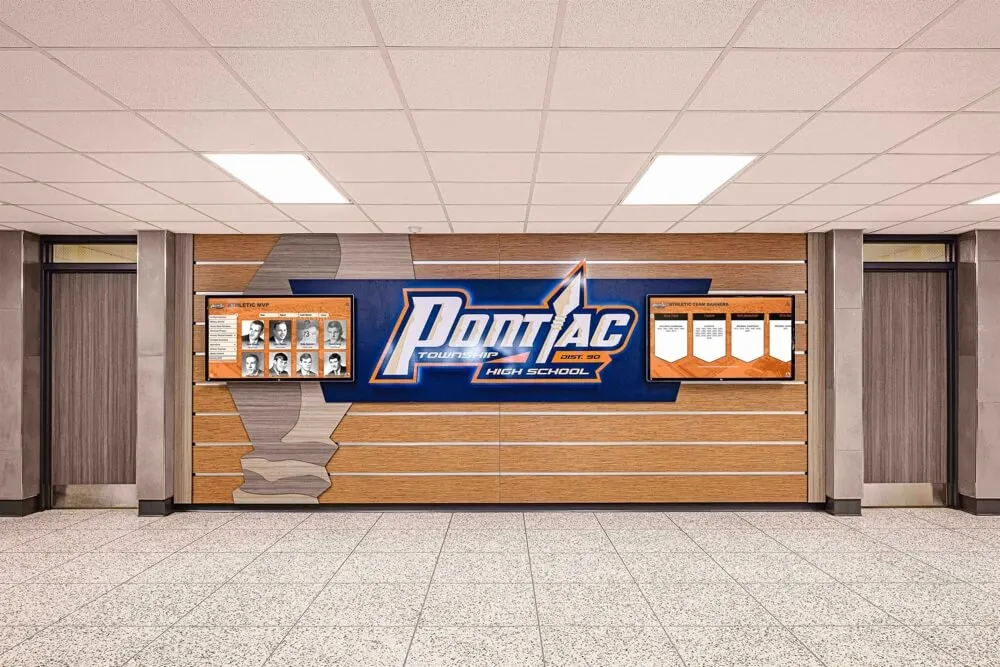
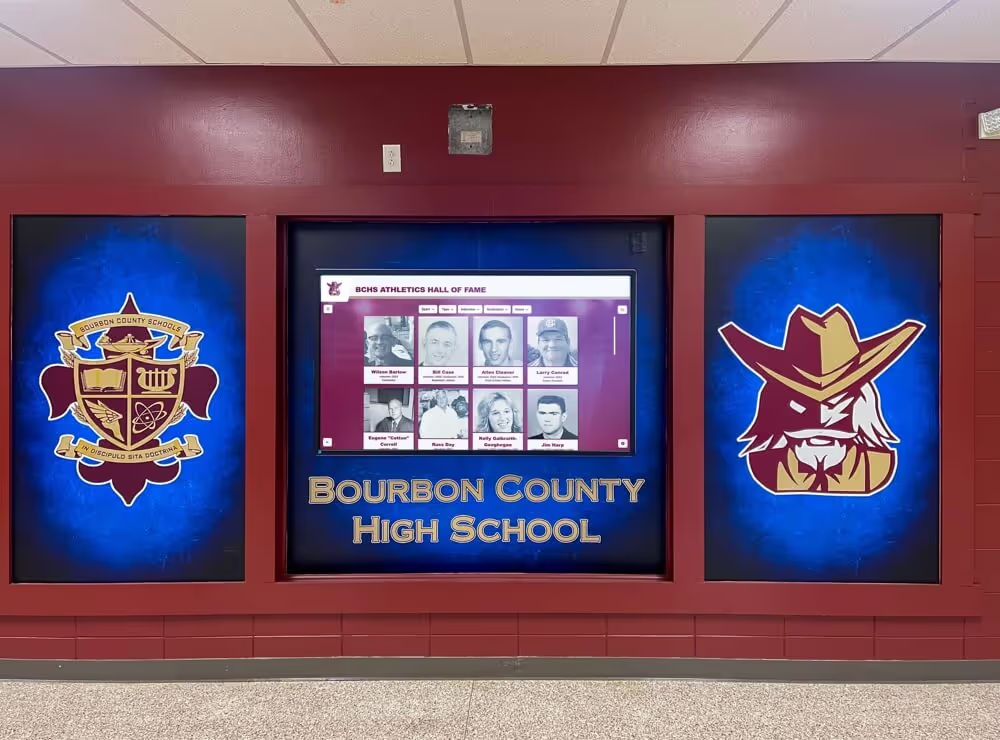
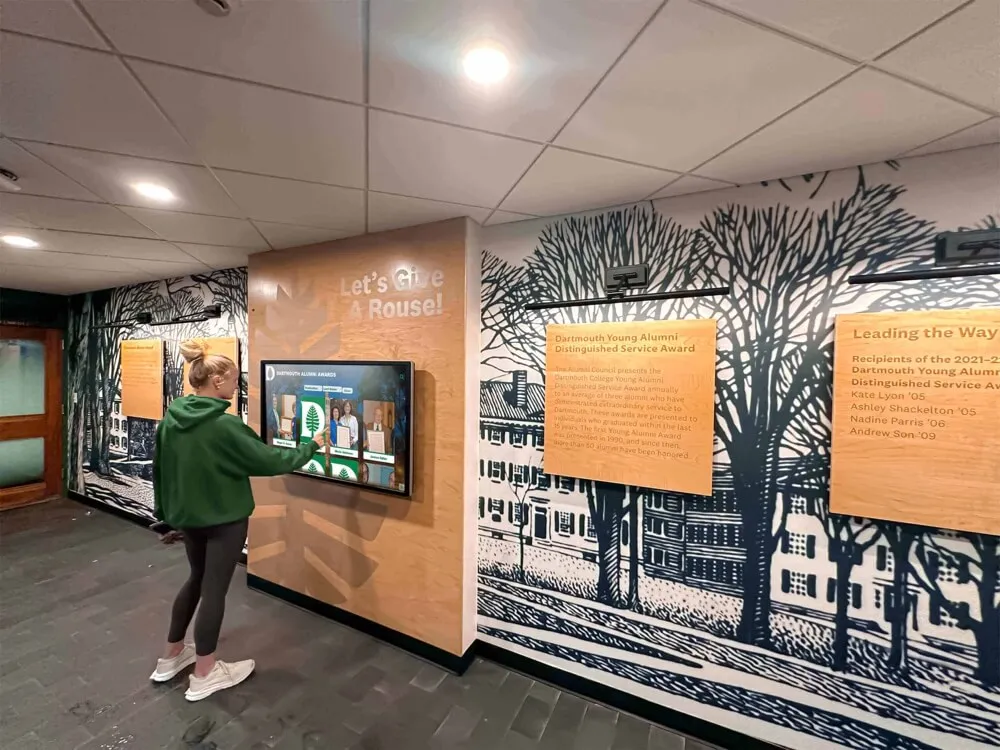
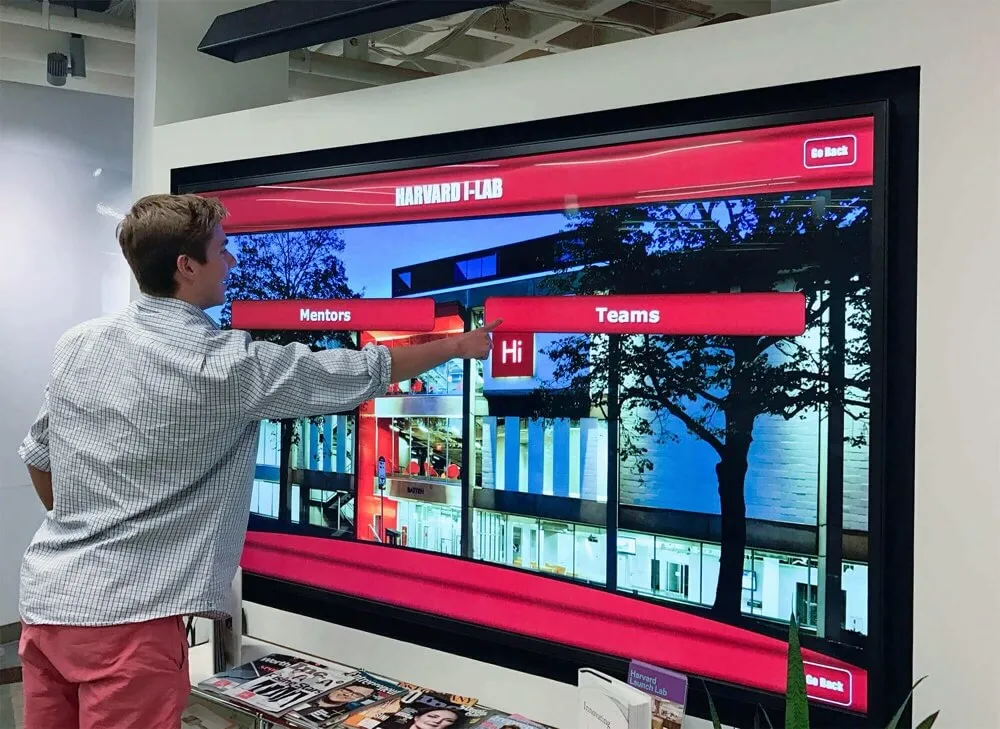
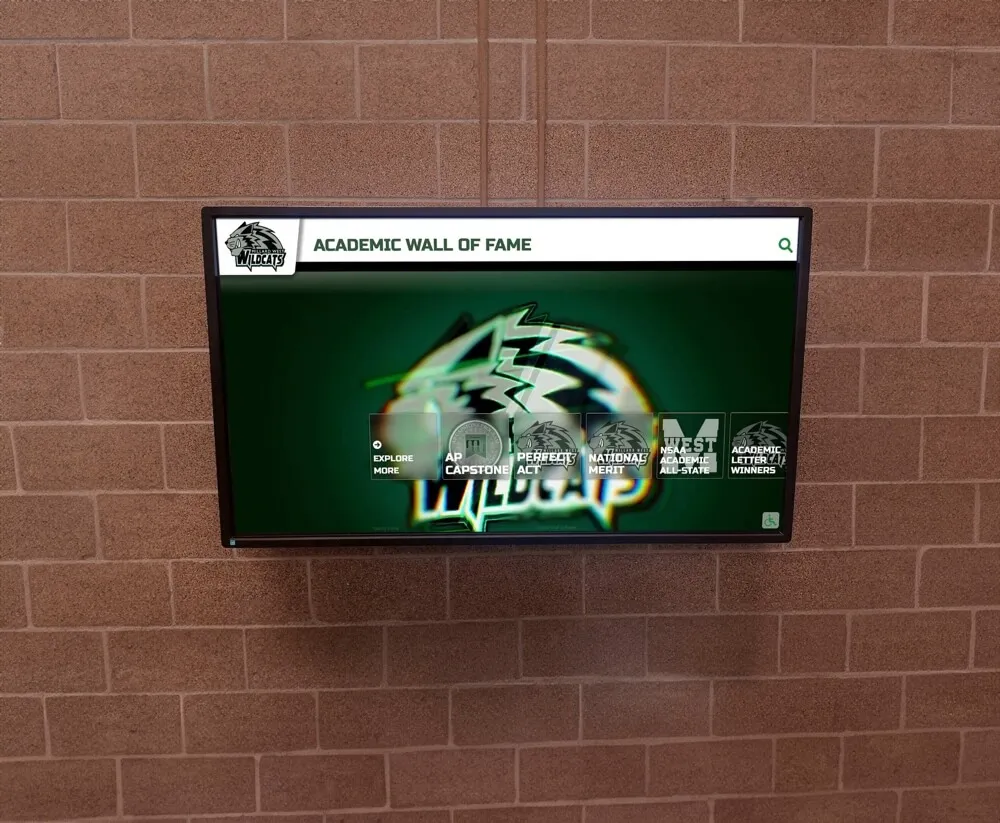
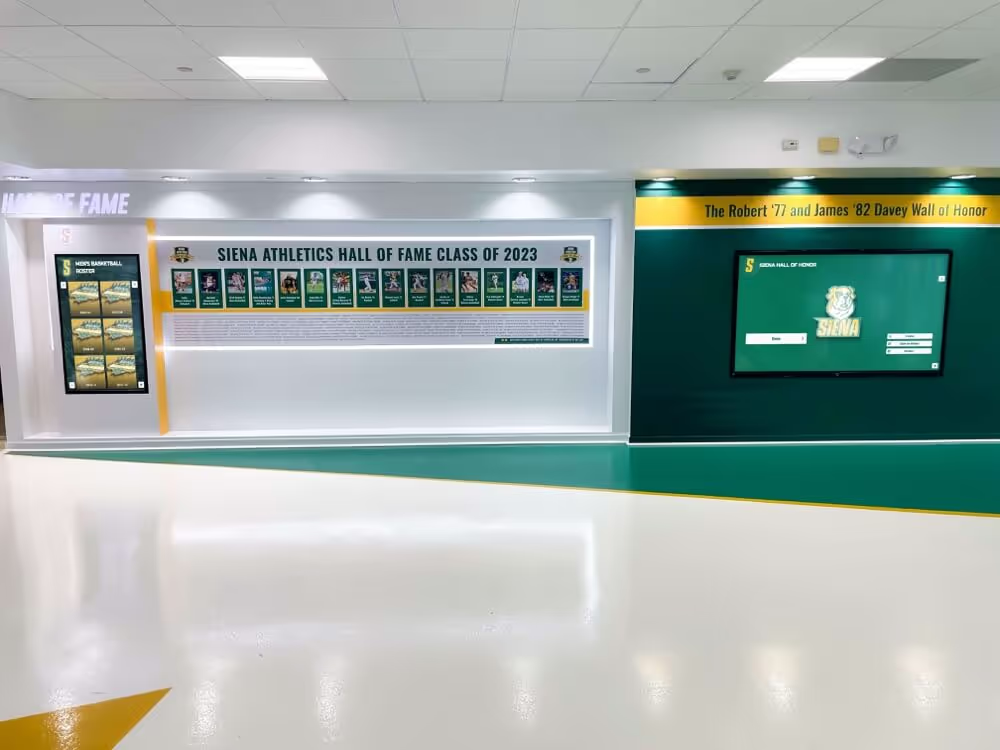
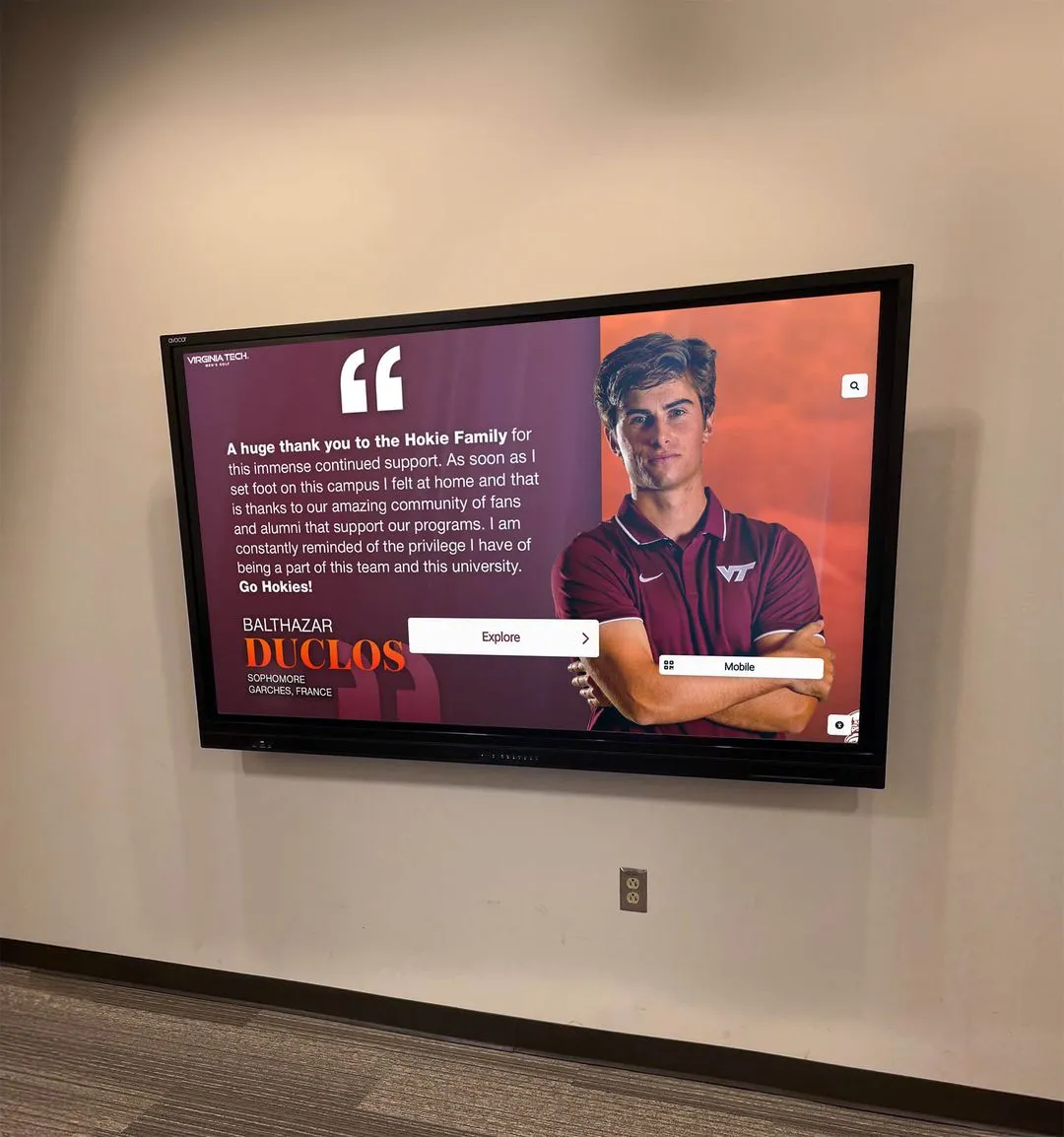
Proper lighting coordination between main gymnasium spaces and adjacent hallways ensures recognition displays remain effective focal points
Perimeter and Wall-Mounted Supplemental Lighting
Some gymnasium designs incorporate wall-mounted fixtures supplementing high-bay units: perimeter fixtures aimed toward playing surfaces from side walls, end-wall mounting illuminating areas beneath balconies or overhanging structures, and supplemental fixtures addressing specific dark zones identified during photometric analysis.
Combined high-bay and perimeter approaches often achieve better uniformity than high-bay fixtures alone, though at increased installation cost and complexity.
Optical Design and Beam Pattern Selection
Fixture optics determine how light distributes across gymnasium spaces:
Beam Spread Considerations
LED and metal halide fixtures offer various beam spreads affecting coverage patterns: narrow beam (10-30 degrees) concentrating light in smaller areas from greater heights, medium beam (30-60 degrees) providing balanced coverage for typical gymnasium mounting heights, and wide beam (60-120 degrees) distributing light broadly from lower mounting heights or perimeter positions.
Photometric analysis using lighting design software helps facility planners select beam patterns achieving required illumination levels with optimal uniformity for specific gymnasium dimensions and mounting configurations.
Shielding and Light Control Accessories
Glare control often requires fixtures with integrated or add-on shielding including louvers limiting light emission angles to reduce direct glare, baffles controlling beam spread and minimizing spill light, and programmable optics in advanced LED systems allowing digital beam shaping.
These accessories may slightly reduce overall efficiency but substantially improve visual comfort and athletic performance by eliminating glare that impairs vision during critical moments.
Lighting Control Systems and Flexibility
Modern gymnasium lighting benefits from control systems enabling flexibility:
Dimming and Zone Control
Advanced LED systems support dimming and zoning capabilities: separate control zones for different court sections allowing illumination of partial gymnasium areas for practices or smaller events, dimming capabilities reducing illumination for non-competitive activities and saving energy, preset scenes recalling appropriate lighting levels for different activity types instantly, and integration with occupancy sensors automatically controlling lights in ancillary spaces.
These capabilities reduce energy consumption beyond LED efficiency alone while providing operational flexibility that improves facility utilization.
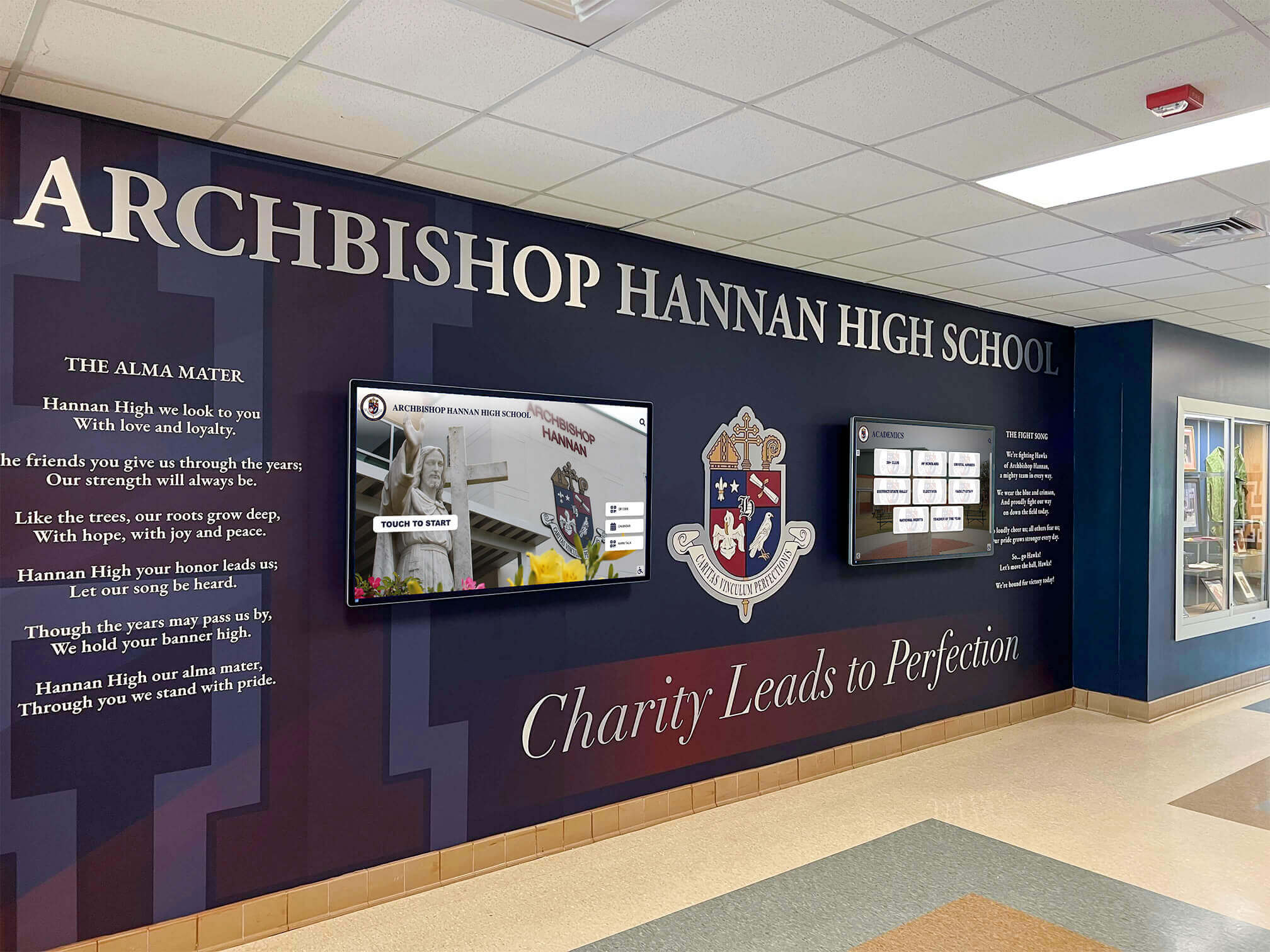
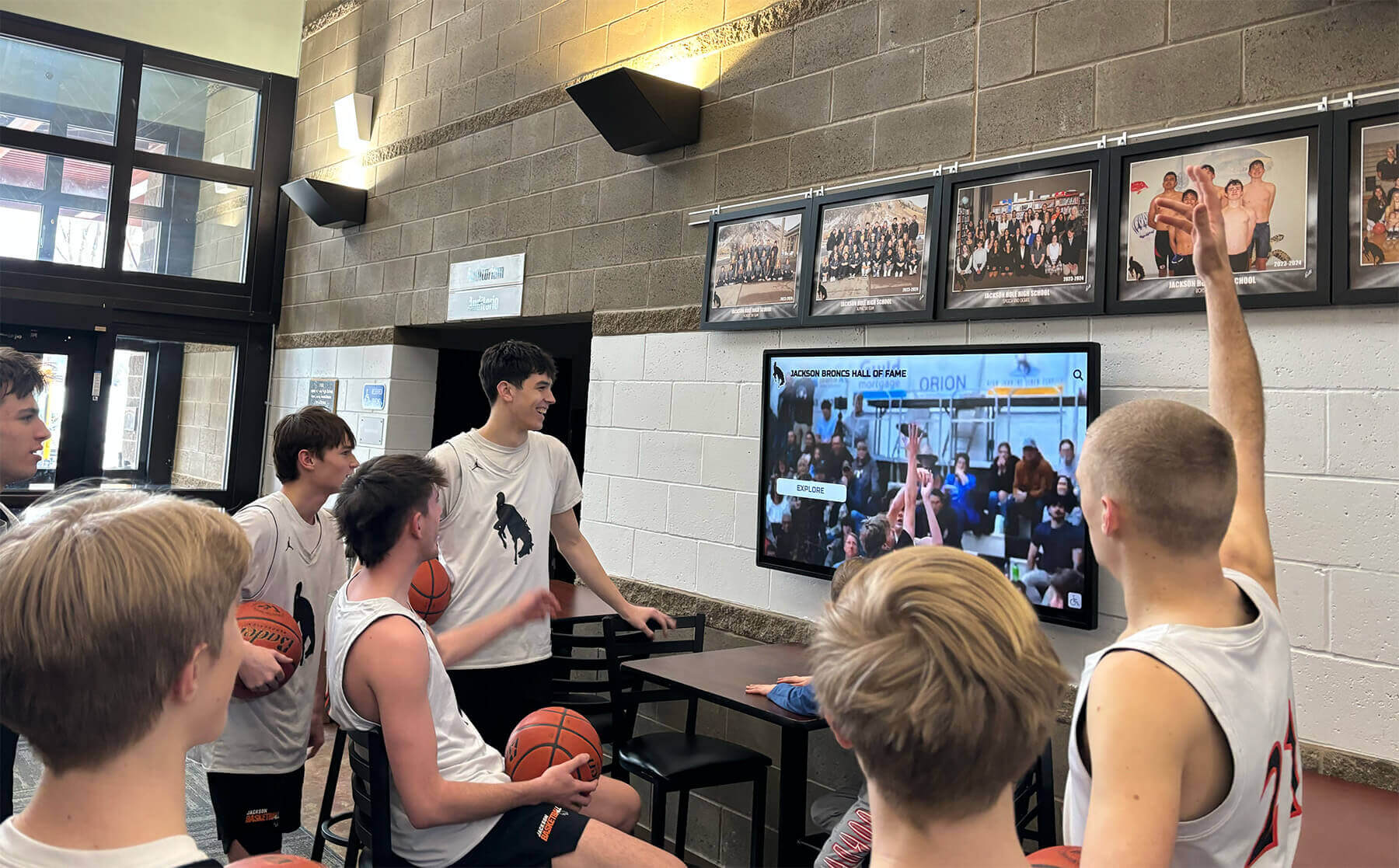
Coordinated lighting design supports both athletic activities and modern digital recognition systems in multi-purpose facilities
Emergency Lighting Integration
Building codes require emergency egress lighting in assembly spaces, which gymnasium lighting systems must address: emergency ballasts in select fixtures maintaining partial illumination during power outages, battery backup for critical fixtures ensuring safe egress, and integration with fire alarm systems providing appropriate emergency lighting response.
Planning emergency lighting during initial design ensures code compliance without requiring separate emergency fixture systems that complicate aesthetic and functional design.
Gymnasium Lighting and Digital Display Integration
Modern gymnasiums increasingly incorporate digital recognition displays, scoreboards, and video systems requiring coordinated lighting design:
Lighting Considerations for Digital Displays
Digital signage software and touchscreen displays perform optimally when lighting design addresses their specific visibility requirements:
Avoiding Direct Light on Display Surfaces
Direct lighting striking display screens creates glare and washout that reduces visibility: fixture aiming should avoid direct illumination of wall-mounted display areas, recessed display mounting with controlled ambient lighting improves visibility, and brightness-adjustable displays compensate for varying ambient light conditions throughout day.
Schools planning digital recognition installations should coordinate display placement with lighting design rather than adding screens to existing facilities without considering light interaction.
Maintaining Adequate Ambient Light
While avoiding direct glare, displays still require sufficient ambient illumination for comfortable viewing: extremely dark surroundings create eye strain when viewing bright displays, adequate ambient light (5-15 foot-candles) around displays provides comfortable viewing conditions, and balanced lighting prevents the tunnel vision effect when displays appear as isolated bright spots in dark spaces.
This balanced approach ensures digital hall of fame displays remain visible and engaging while maintaining appropriate illumination for surrounding areas and activities.
Supporting Video Production and Streaming
Many schools now record or stream athletic events, creating additional lighting requirements:
Broadcast-Quality Illumination Standards
Video production requires higher and more uniform illumination than live viewing alone: eliminating shadows and dark zones that create exposure challenges for cameras, achieving consistent color temperature across all fixtures ensuring accurate color reproduction, and maintaining flicker-free operation at all dimming levels preventing video artifacts.
Facilities anticipating regular video production should specify LED systems rated for flicker-free video performance rather than discovering lighting inadequacies after camera systems are installed.
Flexibility for Multi-Camera Productions
Advanced productions using multiple camera angles benefit from lighting design addressing various viewpoints: adequate vertical illumination ensuring uniform player visibility from different angles, elimination of backlighting situations creating silhouettes, and supplemental fill lighting for areas appearing darker from camera positions than from spectator viewpoints.
While full broadcast-studio lighting design exceeds most school gymnasium requirements and budgets, awareness of video production needs during planning prevents limitations that force expensive workarounds later.
Energy Efficiency and Cost Management
Gymnasium lighting represents a substantial energy expense, making efficiency a critical selection factor:
Calculating Total Cost of Ownership
Comprehensive cost analysis extends beyond initial fixture costs:
Upfront Installation Costs
Initial expenses include fixture acquisition costs varying dramatically by technology and quality, electrical infrastructure modifications if existing systems require upgrades, installation labor including lifts and specialized trades, and lighting control systems if implemented.
While LED systems typically cost 1.5-2.5x more than metal halide initially, this premium shrinks as LED technology matures and should be weighed against operational savings.
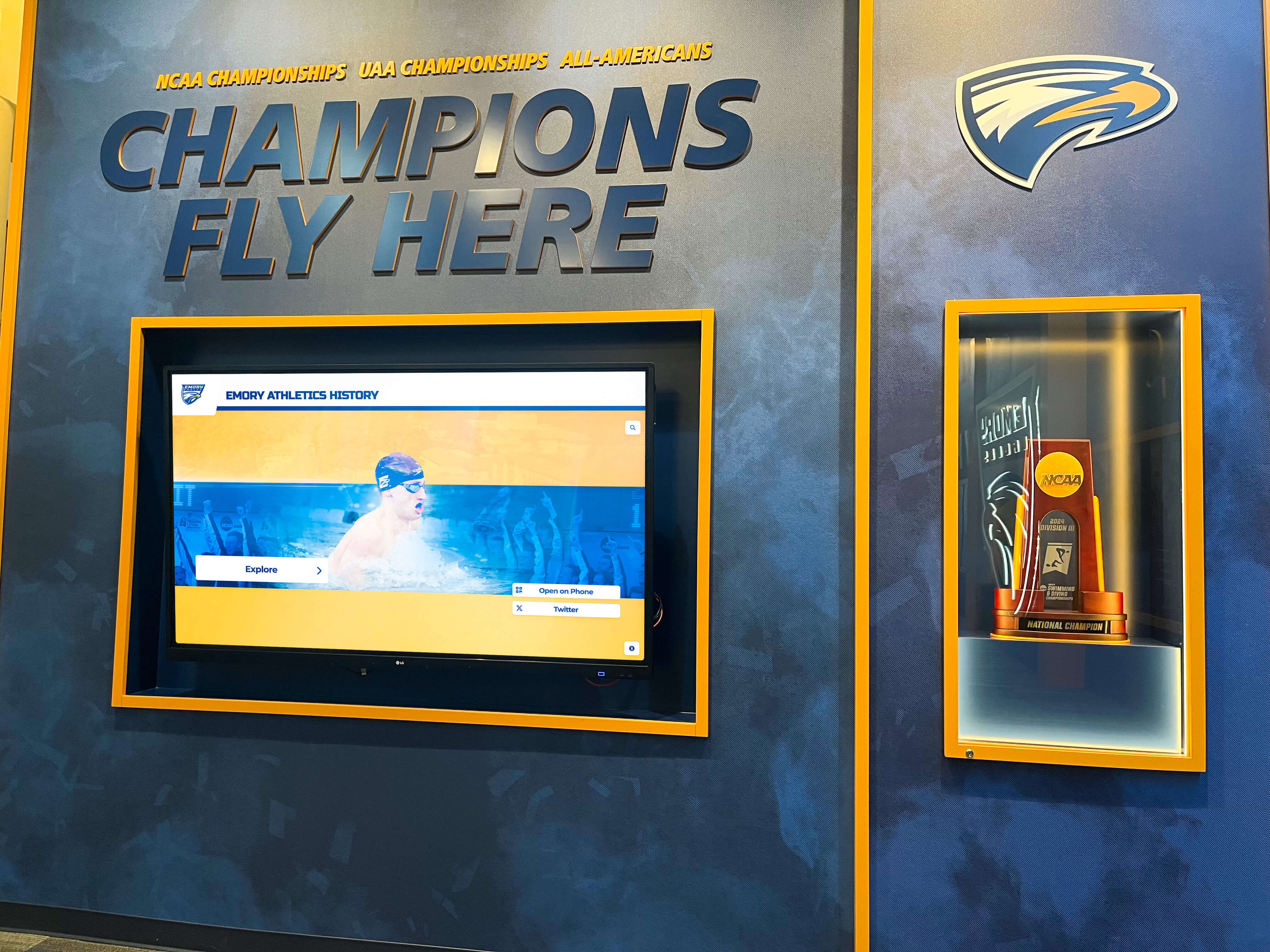
Comprehensive facility lighting supports both competitive athletics and recognition displays celebrating achievement
Ongoing Operational Costs
Long-term expenses that often exceed initial installation include energy consumption determining the largest operational cost component over system lifetime, routine maintenance including group relamping or individual lamp replacement, and eventual fixture replacement when systems reach end of useful life after 15-25 years depending on technology.
Total cost of ownership analysis comparing LED and metal halide systems over 15-year periods consistently favors LED by 40-60% even accounting for higher initial costs.
Utility Incentives and Rebate Programs
Many utility companies offer incentives reducing LED system costs:
Available Incentive Programs
Schools should investigate incentive opportunities including prescriptive rebates offering fixed amounts per fixture replaced, custom incentives based on calculated energy savings from comprehensive retrofits, and demand reduction incentives rewarding peak load reduction.
According to the Database of State Incentives for Renewables & Efficiency (DSIRE), 73% of U.S. electric utilities offer some form of commercial lighting rebate program, with typical incentives covering 15-35% of LED retrofit costs.
Application Requirements and Timing
Incentive programs typically require pre-approval before purchasing equipment, professional energy audits or photometric analysis documenting existing conditions and projected savings, verification of installed equipment meeting program specifications, and post-installation verification confirming project completion.
Working with lighting contractors or energy service companies experienced in utility incentive programs ensures compliance with requirements and maximizes available incentives.
Maintenance Planning and Operational Considerations
Effective maintenance strategies extend system life and ensure continued performance:
Preventive Maintenance Programs
Systematic maintenance prevents premature failures and maintains illumination levels:
LED System Maintenance
While LED systems require less maintenance than traditional technologies, some attention ensures optimal performance: periodic cleaning of fixture lenses maintaining light output, inspection of electrical connections preventing failures, monitoring of lumen output identifying fixtures requiring replacement despite long rated lives, and testing of emergency lighting functions ensuring code compliance.
Most schools implement annual or biannual LED system inspections rather than the quarterly maintenance traditional systems required.
Group Relamping Versus Spot Replacement
Schools face decisions about lamp replacement strategies: group relamping replacing all lamps simultaneously prevents frequent disruptions and labor costs, spot replacement addressing individual failures as they occur, and hybrid approaches combining extended group relamping intervals with spot replacement of premature failures.
LED technology with 50,000+ hour lifetimes often makes spot replacement more practical, as group relamping intervals of 12-20 years exceed typical facility renovation cycles.
Troubleshooting Common Gymnasium Lighting Issues
Understanding common problems helps facility managers address issues quickly:
Inadequate Illumination Levels
When lighting seems insufficient, systematic diagnosis identifies causes: measure actual illumination with light meters comparing results to design specifications, inspect fixtures for excessive dirt accumulation reducing output, verify proper lamp types if systems use replaceable lamps, and check dimming settings if systems include controls.
Natural lumen depreciation means systems designed to minimum standards may fall below requirements as fixtures age, supporting initial over-design of 10-20%.
Poor Uniformity and Dark Spots
Uneven illumination often results from fixture failures, improper aiming, or inadequate initial design. Wrestling tournament venues and other athletic competitions particularly notice uniformity issues affecting competitive fairness.
Re-aiming fixtures, replacing failed units, and strategic supplemental lighting often improve uniformity without complete system replacement.
Special Considerations for Different Gymnasium Types
Gymnasium lighting requirements vary by facility type and primary use:
Elementary School Gymnasiums
Smaller elementary gymnasiums present unique considerations:
Scale and Budget Appropriate Solutions
Elementary gymnasiums typically feature lower ceiling heights (16-22 feet versus 25-35 feet in high school facilities), less demanding illumination requirements for recreational activities versus competitive athletics, and budget constraints requiring economical solutions that still ensure safety and functionality.
LED systems designed for lower mounting heights with wider beam spreads often provide excellent elementary gymnasium performance at moderate cost.
Multi-Purpose Facilities and Community Use
Gymnasiums serving multiple purposes beyond athletics require flexible lighting:
Supporting Diverse Activities
Schools hosting graduations, testing, community meetings, and events in gymnasiums benefit from lighting systems supporting varied uses: dimming capabilities providing appropriate illumination levels for different activities, zone control allowing partial facility illumination for smaller gatherings, and excellent color rendering ensuring accurate color perception for ceremonies and events.
The flexibility modern LED systems provide proves particularly valuable in rural schools where gymnasiums serve as primary community gathering spaces hosting activities well beyond athletics.
Specialized Athletic Facilities
Some schools construct gymnasiums dedicated to specific sports:
Sport-Specific Optimization
Dedicated basketball facilities, volleyball centers, or wrestling rooms allow lighting optimization for specific sports: eliminating glare from serving positions in volleyball facilities, optimizing vertical illumination for basketball shooting and passing lanes, and providing uniform mat-level illumination for wrestling venues.
While most schools maintain multipurpose gymnasiums, programs with high-level competitive aspirations may justify sport-specific facilities with optimized lighting design.
Integration with School Recognition Programs
Modern gymnasiums increasingly serve as locations for digital recognition celebrating student achievement:
Coordinating Lighting and Digital Recognition
Schools implementing interactive displays and digital trophy cases benefit from coordinated lighting design:
Lobby and Entry Area Lighting
Gymnasium lobbies hosting recognition displays require thoughtful lighting balancing visibility for digital screens, adequate illumination for circulation and safety, and aesthetic quality creating welcoming entry experiences.
Schools often implement layered lighting with general ambient illumination plus accent lighting highlighting recognition displays, trophy cases, and architectural features.
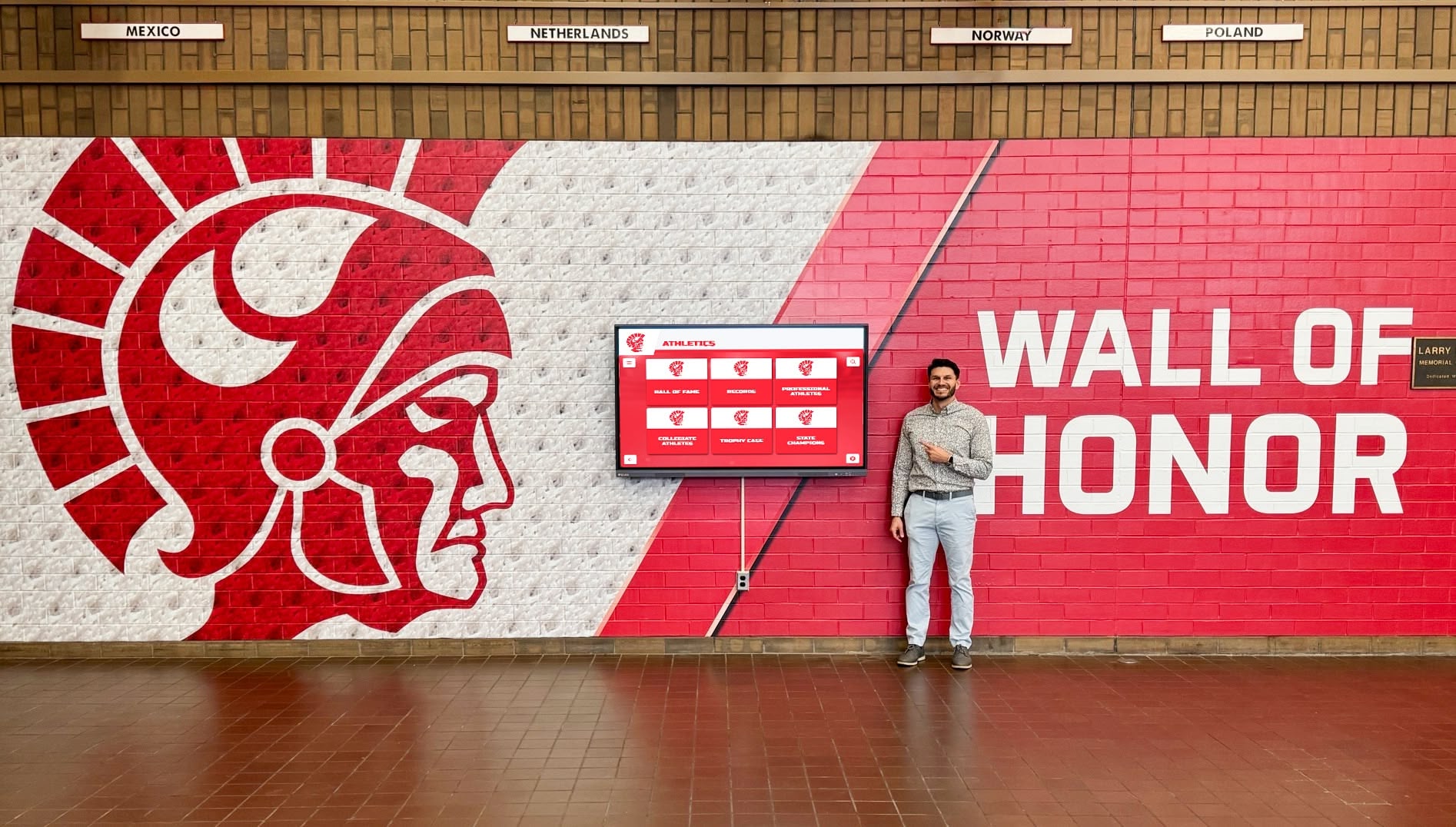
Proper ambient lighting ensures interactive recognition displays remain accessible and engaging while maintaining visual comfort
Supporting Touchscreen Displays
Interactive touchscreen systems celebrating athletic achievement, academic excellence, and school history function optimally with appropriate lighting: controlled ambient light levels (8-12 foot-candles) providing comfortable viewing, elimination of direct reflections that impair touchscreen usability, and coordinated color temperatures between architectural lighting and display backlighting.
Recognition programs featuring first-generation college students, athletic achievements, and academic honors all benefit from proper lighting design ensuring displays remain focal points without competing with excessive ambient illumination.
Creating Comprehensive Recognition Environments
Beyond digital displays, lighting design supports traditional recognition elements:
Trophy Cases and Display Lighting
Traditional trophy cases require dedicated lighting: LED strip lighting or puck lights illuminating case interiors, color temperatures (3000-4000K) providing warm, inviting illumination for recognition displays, and accent lighting drawing attention to significant awards and championship memorabilia.
Integrated lighting design coordinates gymnasium lighting, lobby ambient illumination, and display-specific lighting creating cohesive recognition environments.
Supporting Multiple Recognition Formats
Comprehensive recognition often combines traditional and digital elements: wall-mounted displays requiring careful lighting to prevent glare, banner recognition depending on adequate ambient illumination for visibility, and interactive kiosks serving as focal points in recognition areas.
Schools implementing creative recognition programs benefit from lighting design addressing all recognition formats simultaneously.
Environmental and Sustainability Considerations
Modern lighting selection increasingly considers environmental impact beyond energy efficiency:
Reducing Carbon Footprint
Gymnasium lighting significantly impacts school environmental sustainability:
Energy Consumption and Emissions
The U.S. Environmental Protection Agency estimates that lighting accounts for 15-25% of total energy consumption in school facilities, with large gymnasiums representing substantial portions of that usage. LED retrofits reducing gymnasium lighting energy consumption by 50-70% translate to meaningful carbon emissions reductions while demonstrating environmental stewardship to students and communities.
Schools pursuing LEED certification or similar sustainability frameworks earn credits through high-efficiency lighting systems meeting performance standards.
Light Pollution and Dark Sky Compliance
While primarily indoor spaces, gymnasium lighting affects external environments:
Preventing Light Trespass
Gymnasiums with windows, skylights, or doors can create light pollution affecting surrounding areas: excessive interior illumination escaping through gymnasium fenestration, light trespass affecting neighboring properties and residential areas, and sky glow contributing to broader light pollution in communities.
Proper window treatments, appropriate illumination levels rather than over-lighting, and automated controls reducing illumination during unoccupied periods all minimize light pollution impacts.
Planning Gymnasium Lighting Projects
Successful gymnasium lighting projects require systematic planning and professional expertise:
Working with Lighting Professionals
Complex gymnasium lighting benefits from professional design and installation:
Engaging Lighting Designers
Lighting designers or engineers provide valuable services including photometric analysis calculating illumination levels and uniformity for proposed systems, technology selection recommending appropriate fixtures for specific requirements and budgets, specification development creating detailed project documentation for competitive bidding, and construction administration ensuring proper installation and system performance.
While adding design fees, professional services often save money through optimized fixture counts, appropriate technology selection, and competitive bidding producing better pricing than sole-source approaches.
Selecting Installation Contractors
Qualified electrical contractors with gymnasium experience should handle installation: verify contractor licensing and insurance appropriate for project scope, request references from similar gymnasium lighting projects, confirm safety protocols for high-ceiling work including lift operation and fall protection, and establish clear project schedules minimizing facility downtime.
Summer installation during facility closures allows work progression without disrupting athletic programs and physical education classes.
Project Timing and Scheduling
Strategic timing minimizes disruption and maximizes benefits:
Optimal Project Windows
Summer break provides ideal timing for most gymnasium lighting projects allowing complete facility access without displacing activities, adequate time for installation and commissioning before fall sports seasons, and opportunity to address unexpected issues without immediate pressure.
However, securing contractor availability during peak construction season requires early planning and firm scheduling.
Phased Implementation Strategies
Large facilities or budget-constrained projects may benefit from phased approaches: addressing main gymnasium lighting first while deferying auxiliary spaces, implementing partial LED retrofits replacing highest-use or most deteriorated fixtures initially, and coordinating lighting with broader facility renovations maximizing construction efficiency.
Phased approaches require careful planning ensuring interim conditions provide safe, functional illumination rather than creating hazardous partial-darkness situations.
Emerging Technologies and Future Trends
Gymnasium lighting continues evolving with advancing technology:
Connected Lighting and IoT Integration
Internet-connected lighting systems offer enhanced capabilities:
Smart Building Integration
LED fixtures with network connectivity enable integration with broader building management systems: centralized monitoring and control across entire facility lighting infrastructure, occupancy-based operation automatically adjusting illumination to actual facility use, energy monitoring tracking consumption patterns and identifying optimization opportunities, and predictive maintenance identifying potential failures before they occur.
These advanced capabilities typically require larger initial investments but provide operational benefits justifying costs in larger facilities or new construction.
Spectral Tuning and Circadian Lighting
Emerging research explores how light spectrum affects human performance and health:
Tunable White LED Systems
Advanced LED systems allowing color temperature adjustment may offer benefits including alertness enhancement through cooler color temperatures during morning physical education classes, activity optimization matching light characteristics to specific sports or uses, and potential circadian rhythm support through dynamic light adjustment.
While research continues regarding circadian lighting applications in school settings, technology exists for schools interested in exploring these emerging approaches.
Transform Your Gymnasium Lighting and Recognition Programs
Selecting optimal gymnasium lighting represents a critical facility investment affecting athletic performance, operational costs, and how effectively your school can showcase student achievement through modern recognition systems. The right lighting solution enhances competitive athletics, reduces long-term energy expenses, creates safe and welcoming environments for the entire school community, and provides the foundation for digital recognition displays that celebrate excellence across academic and athletic programs.
Modern LED lighting systems combined with thoughtful design transform gymnasiums into multipurpose facilities that serve athletic competition, community events, and as showcases for school pride and achievement. When properly implemented, comprehensive lighting solutions pay for themselves through energy savings while creating environments where students perform at their best and recognition systems inspire current and future generations.
Rocket Alumni Solutions specializes in creating digital recognition displays that integrate seamlessly with modern gymnasium lighting design, transforming athletic facilities into engaging showcases celebrating student achievement. Our interactive touchscreen systems work with your existing or planned lighting infrastructure to create recognition programs that remain clearly visible, easy to use, and compelling for students, athletes, alumni, and community members.
Whether you’re planning new construction, upgrading aging gymnasium lighting, or exploring how digital recognition can transform your athletic facilities, our team brings expertise in both lighting coordination and recognition system design. We understand how proper lighting affects display visibility, create solutions that work within your facility constraints, and help schools maximize both athletic performance and recognition impact through coordinated design.
Schedule a consultation with our team to discuss your gymnasium lighting plans and explore how modern digital recognition displays can complement your facility improvements. Together, we’ll create comprehensive solutions that serve your athletic programs, showcase student achievement, and demonstrate your school’s commitment to excellence through both state-of-the-art facilities and meaningful recognition of the students who make your programs exceptional.