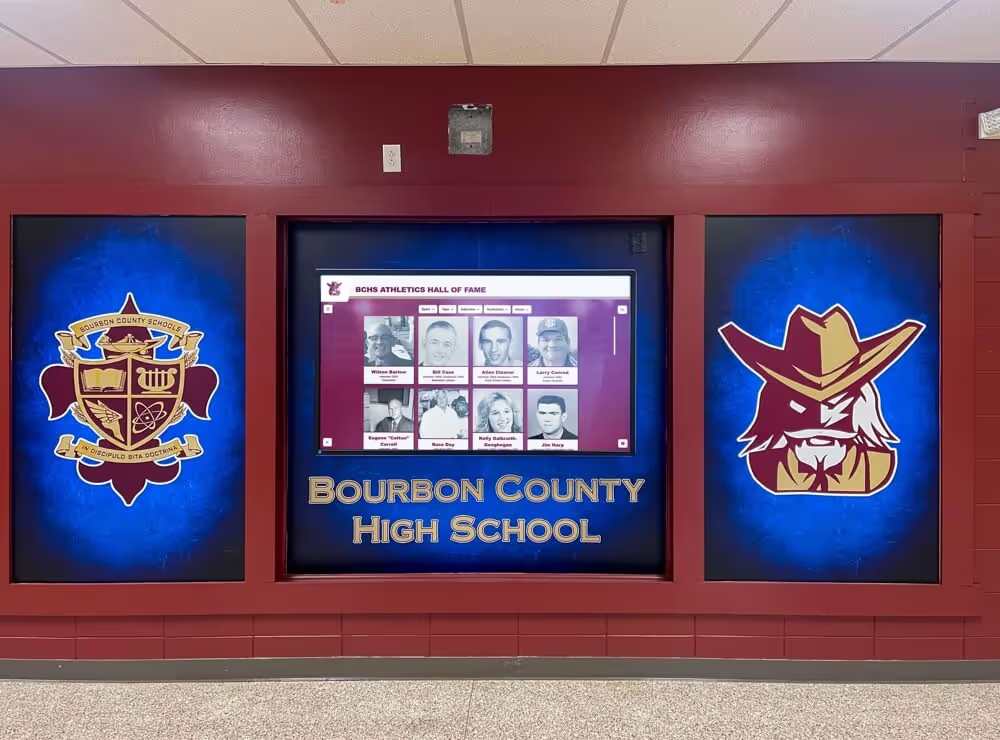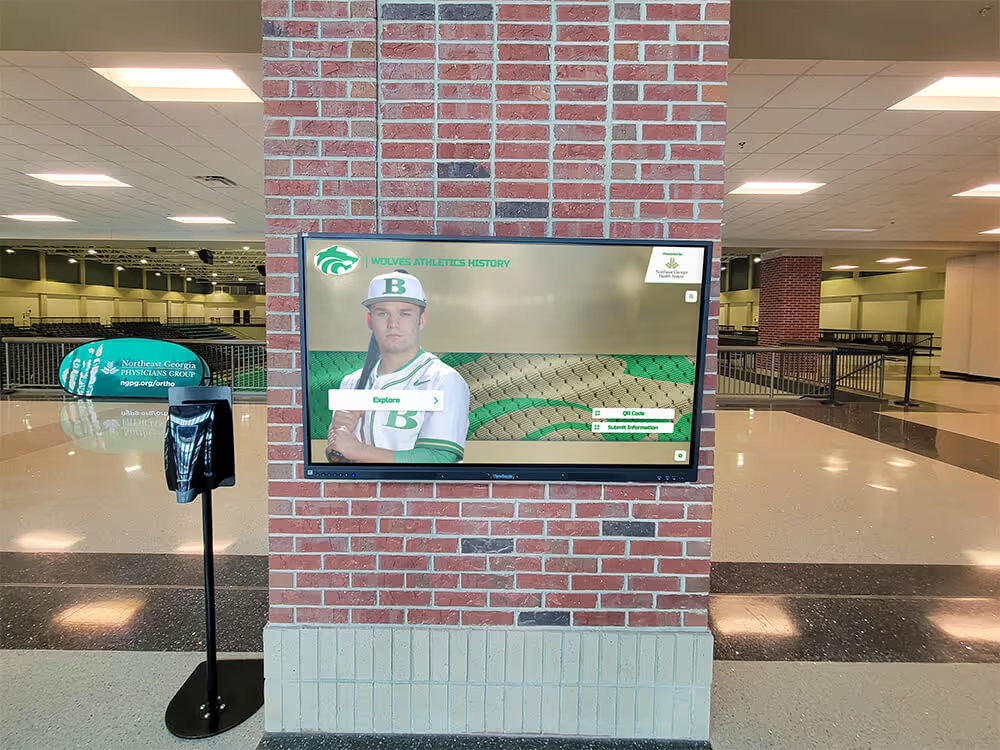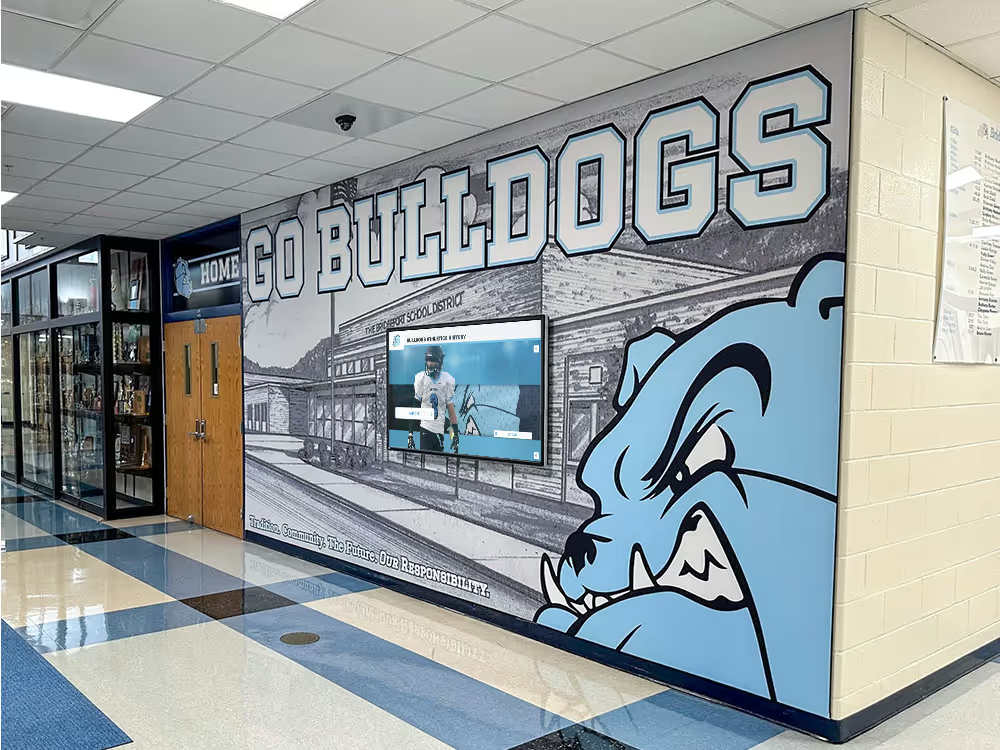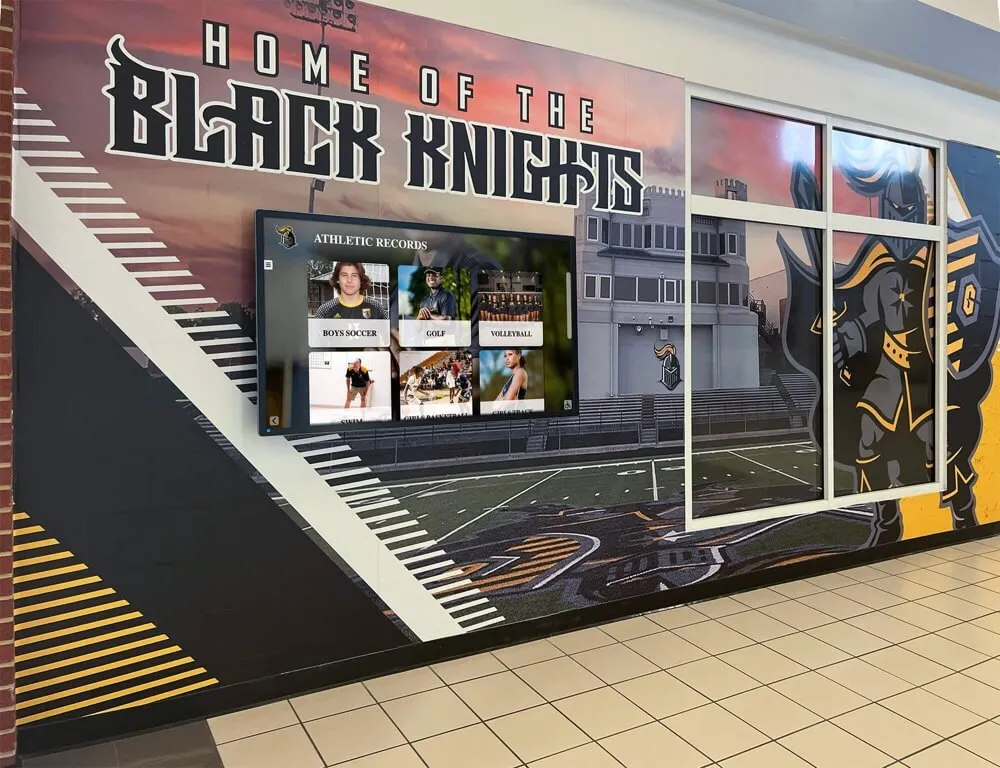




Intent: Inspire administrators, designers, and decision-makers with practical hall of fame display ideas that transform ordinary recognition into extraordinary experiences.
What separates a hall of fame display that captures attention from one that goes unnoticed? Why do some recognition spaces become gathering destinations while others remain empty corners? How can organizations maximize limited wall space while accommodating decades of future inductees?
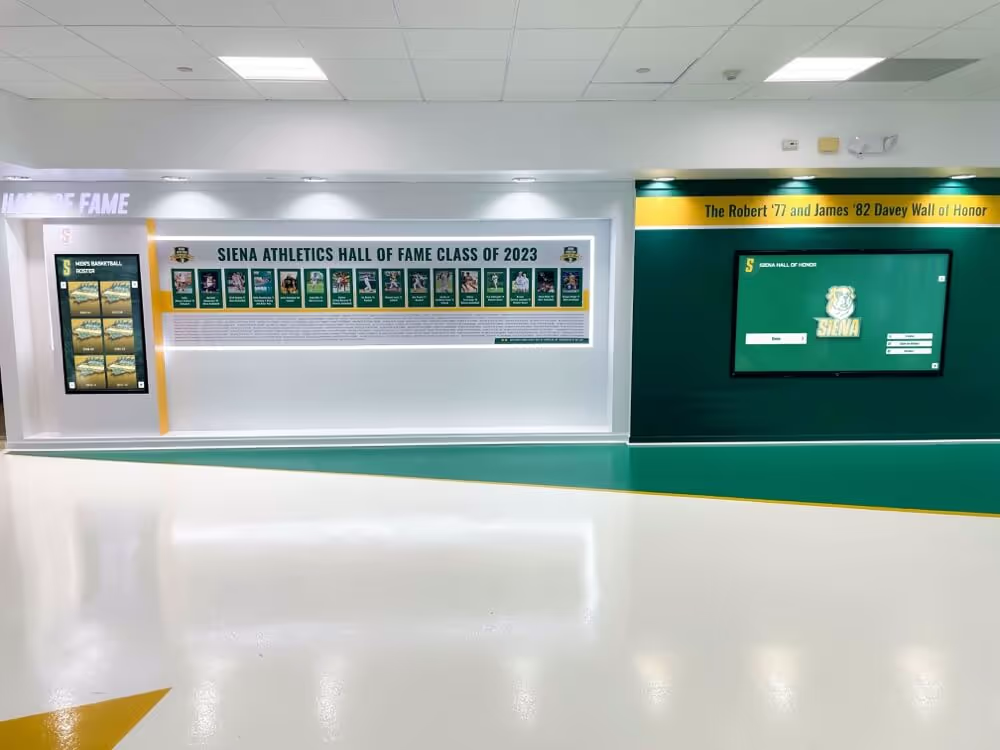
A well-designed hall of fame display serves as your organization’s storytelling anchor—celebrating achievement while creating visceral connections between past excellence and future aspirations. Whether recognizing athletic legends, distinguished alumni, academic scholars, or community contributors, strategic display design transforms abstract accomplishment into tangible inspiration that resonates with every visitor who encounters your recognition space.
Organizations investing in hall of fame displays face critical design decisions that will impact effectiveness for years or decades. Traditional approaches—static plaques mounted in linear arrangements—offer limited storytelling capacity, consume substantial wall space, and provide minimal engagement beyond name recognition. Modern alternatives employ interactive technology, flexible content architecture, and user-centered design principles that deliver richer experiences while solving practical constraints.
This comprehensive guide explores proven hall of fame display ideas spanning layout strategy, content organization, interactive elements, accessibility considerations, and implementation approaches that transform recognition from obligatory acknowledgment into celebrated destinations.
Understanding Hall of Fame Display Fundamentals
Before selecting specific design elements, effective recognition spaces address three foundational objectives:
Celebration of Excellence The primary purpose remains honoring achievement in ways that validate inductee contributions and communicate organizational values. Display design should spotlight individual accomplishment while contextualizing achievement within broader institutional history.
Inspiration and Aspiration Recognition spaces serve as motivational touchpoints that demonstrate achievable excellence to current members, prospective recruits, and community stakeholders. Strategic design connects past achievement with present opportunities and future possibilities.
Community Connection Hall of fame displays strengthen relationships between organizations and their extended communities—alumni, families, donors, and local supporters—by providing shared reference points that reinforce identity and belonging.
Layout Blueprint: Designing Recognition Zones
Strategic space organization determines visitor flow, content discoverability, and future scalability. Effective hall of fame display layouts balance multiple design considerations:
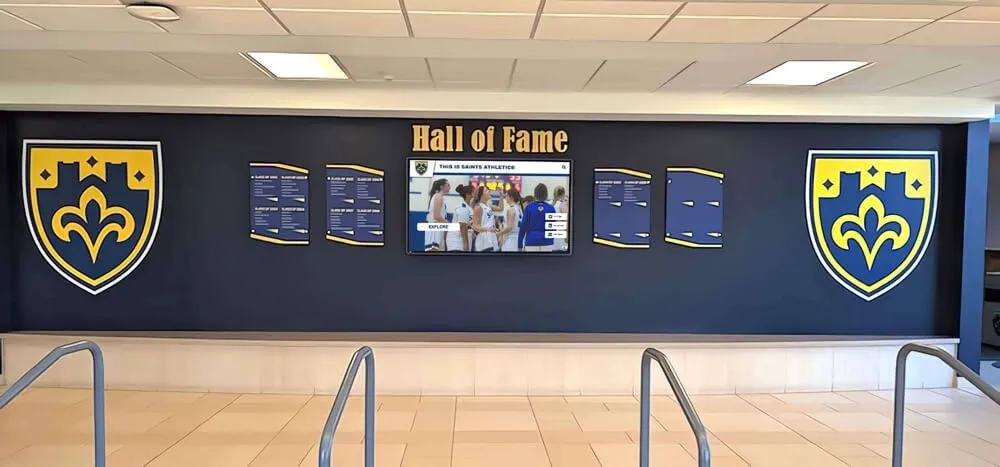
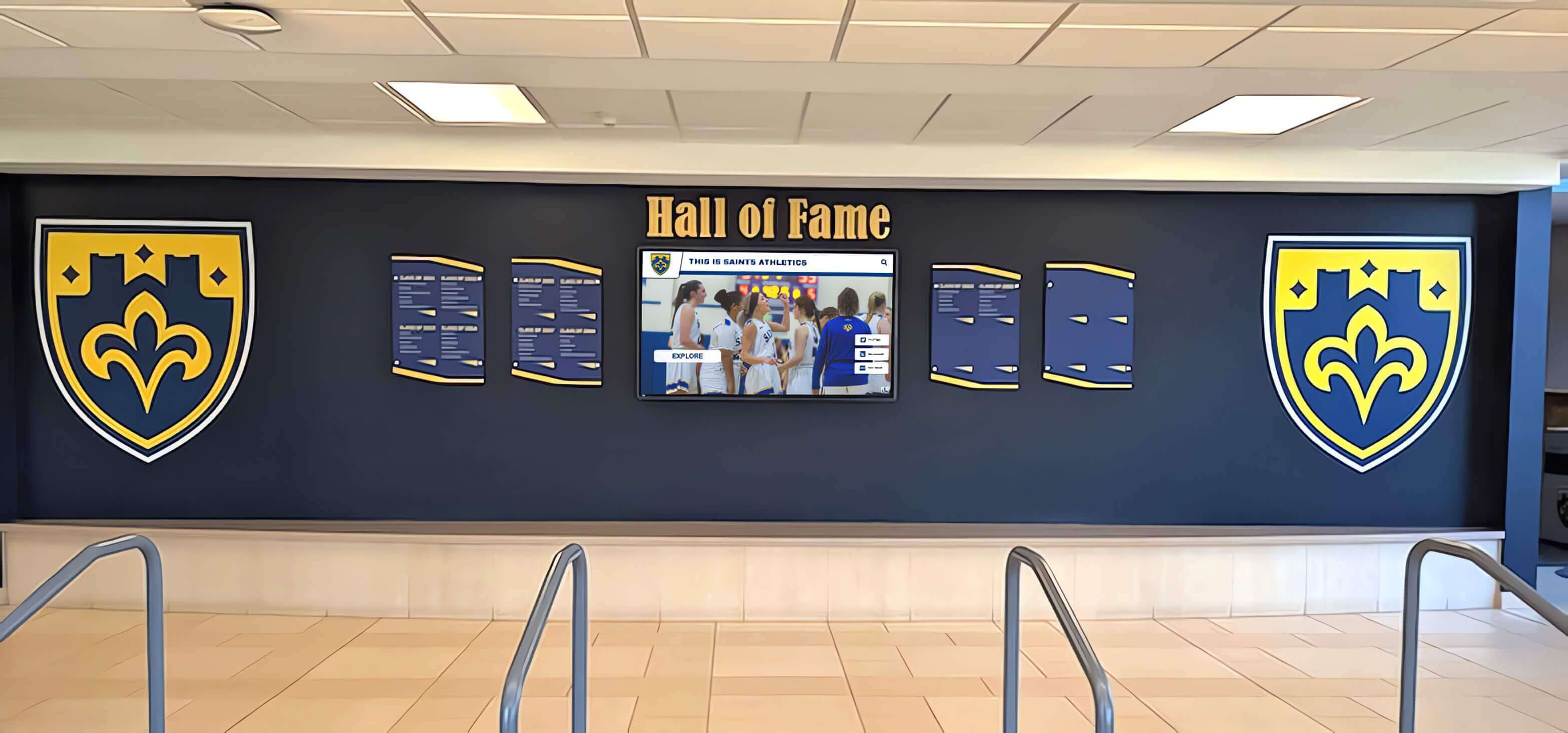
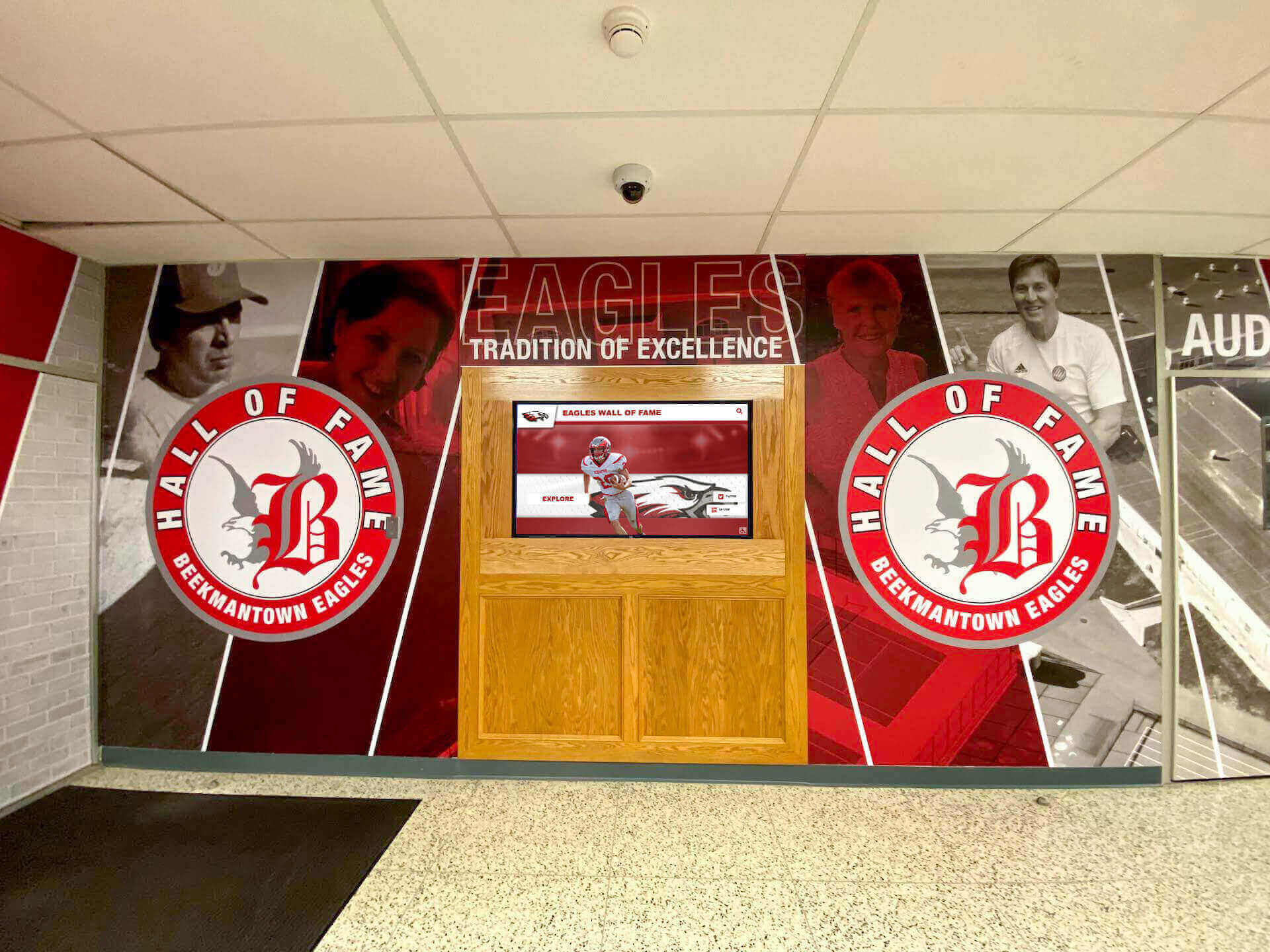
Central Hero Zone
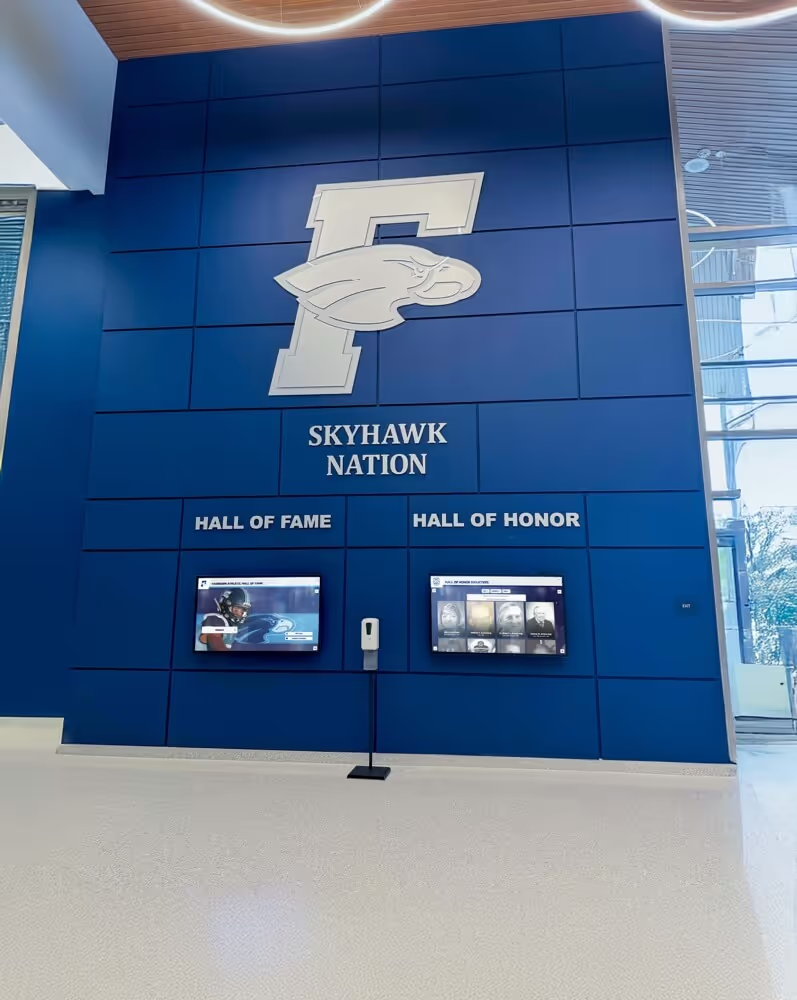
Establish a primary focal point that immediately captures attention upon entry:
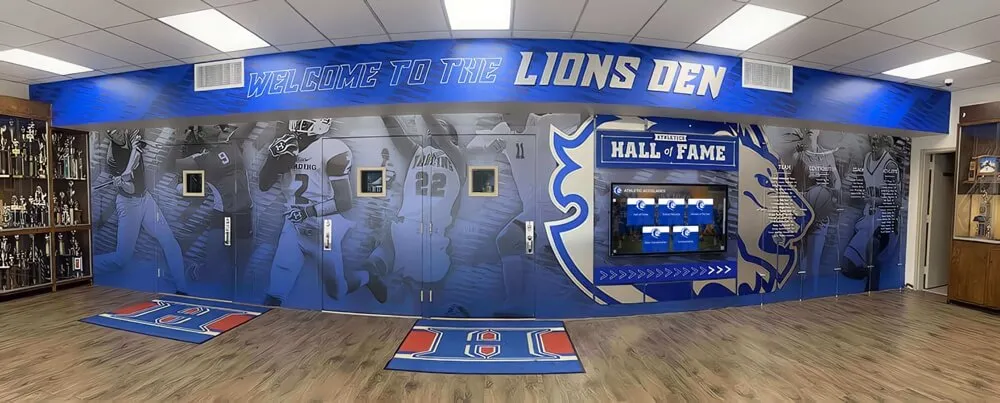
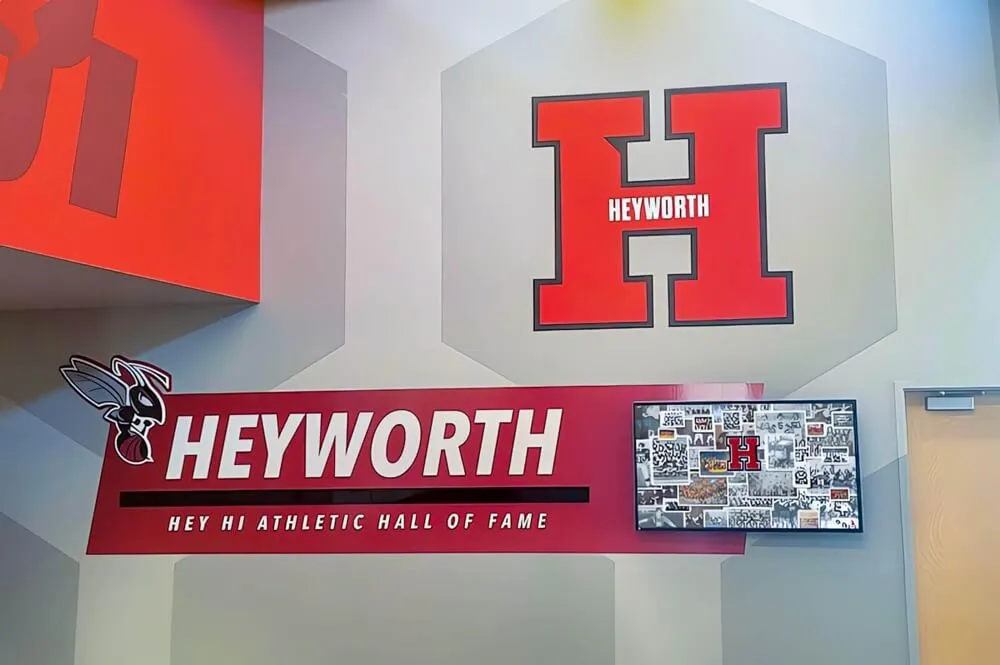
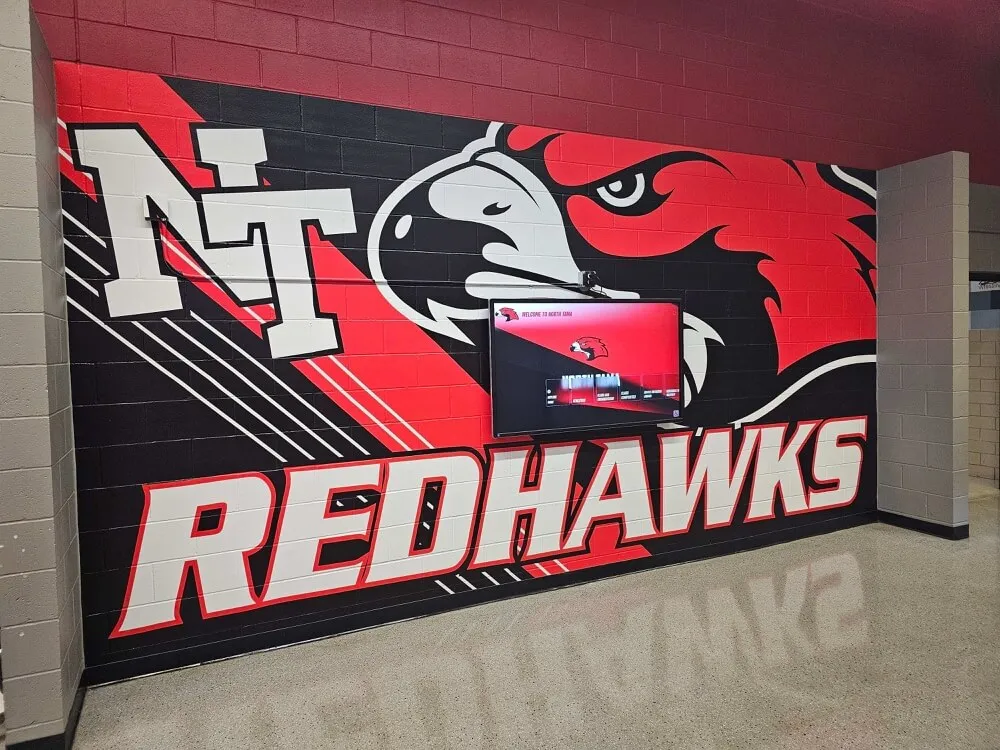
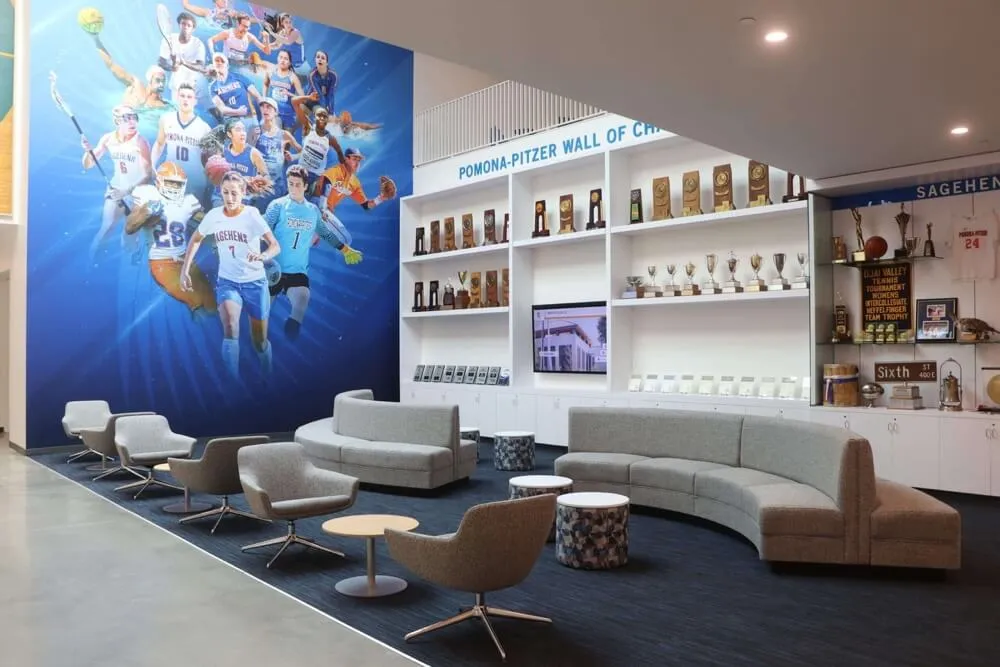
- Large-format visual anchor: Feature wall graphics, oversized imagery, or institutional branding elements
- Prominent display positioning: Mount primary recognition elements at eye level (48"-60" center height)
- Clear hierarchy establishment: Distinguish featured content from supporting information through size, placement, and contrast
- Wayfinding orientation: Provide clear visual cues directing visitors toward interaction points or information categories
Content Organization Zones
Structure information according to logical taxonomies that enable intuitive navigation:
Chronological Arrangements Organize inductees by class year or achievement date—particularly effective for annual induction programs with defined recognition cycles. Chronological layouts provide natural growth accommodation and temporal context for achievements.
Category-Based Groupings Separate recognition by achievement type: athletic programs, academic disciplines, service categories, or professional fields. Categorical organization enables targeted discovery and facilitates comparative context within specific domains.
Alphabetical Indexes Supplement primary organizational schemes with alphabetical access points—especially valuable for displays honoring hundreds of individuals where surname-based discovery enhances usability.
Achievement-Level Tiers Structure displays around recognition thresholds: championship teams, individual record holders, distinguished service recipients, or multi-year contributors. Tiered approaches communicate relative significance while maintaining comprehensive inclusion.
Interactive Engagement Zones
Designate specific areas encouraging active participation rather than passive viewing:
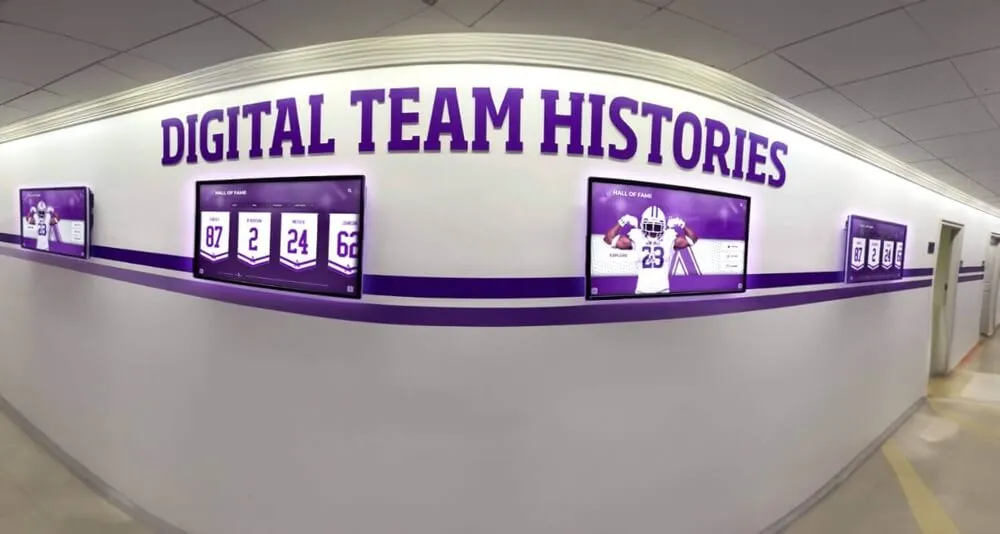
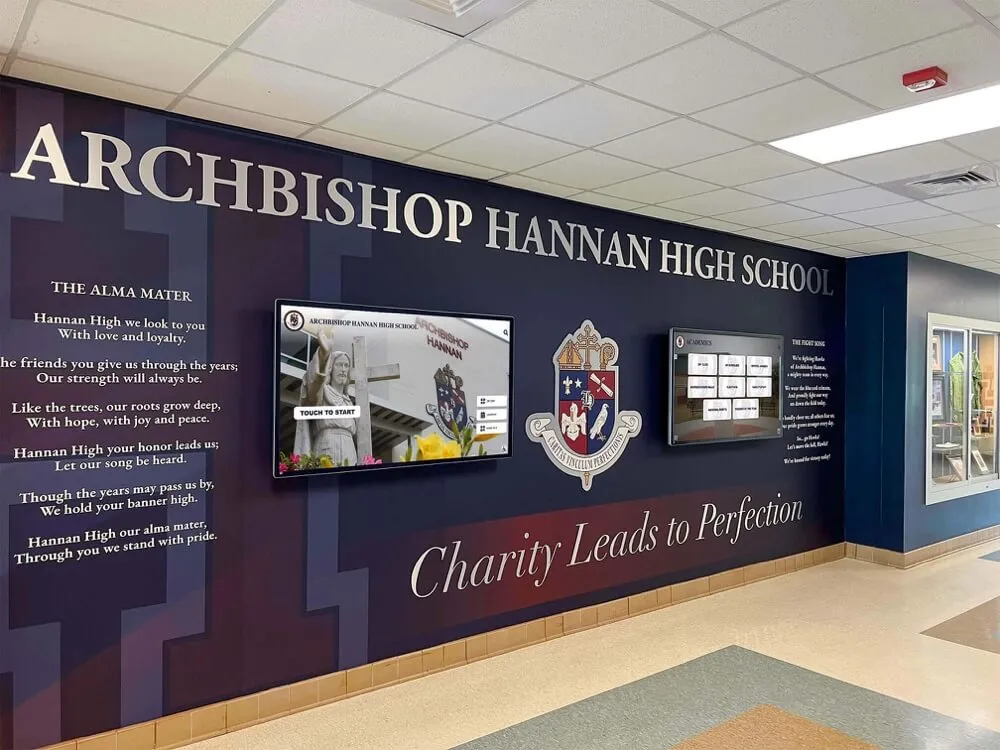
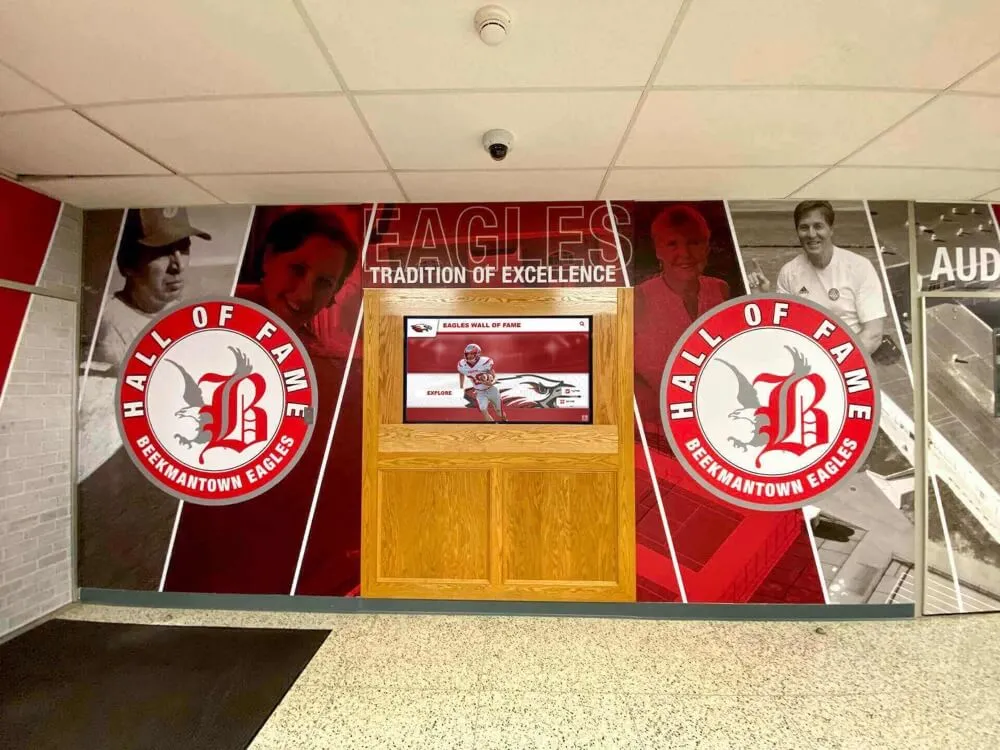
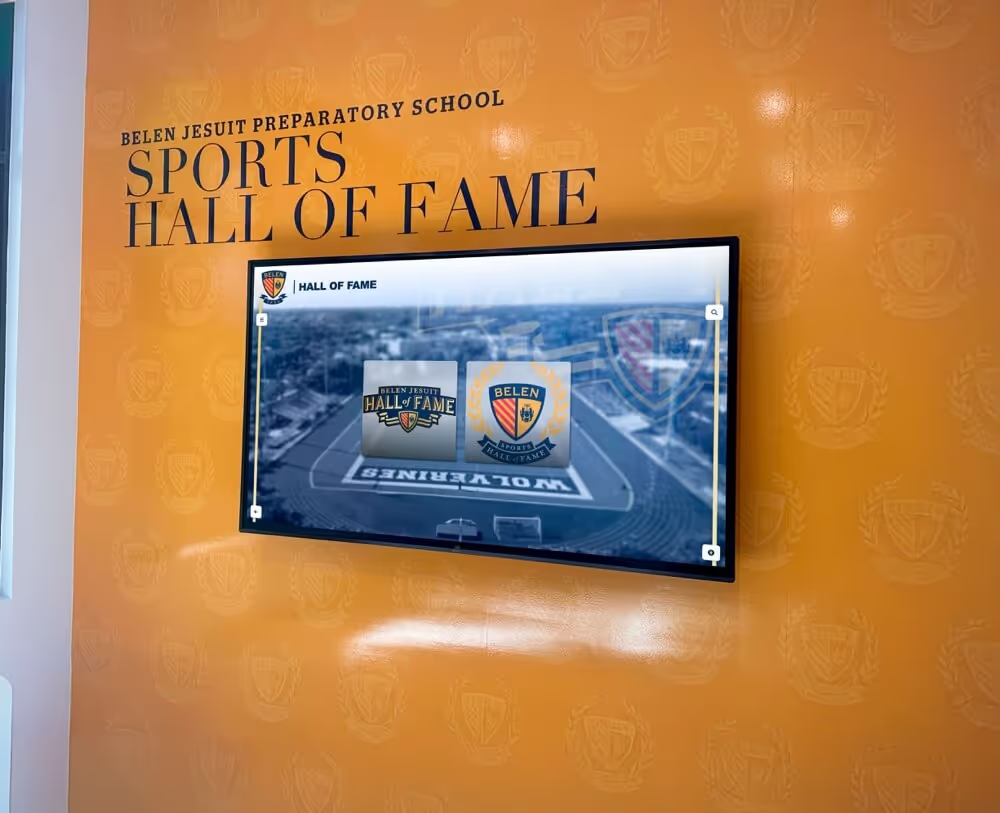
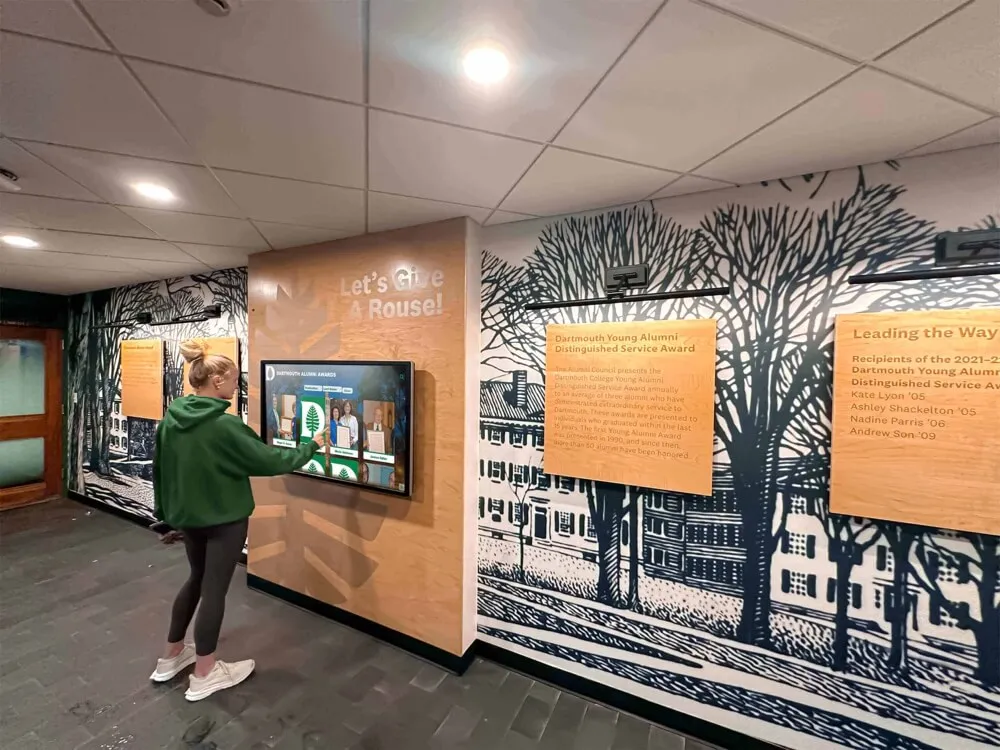
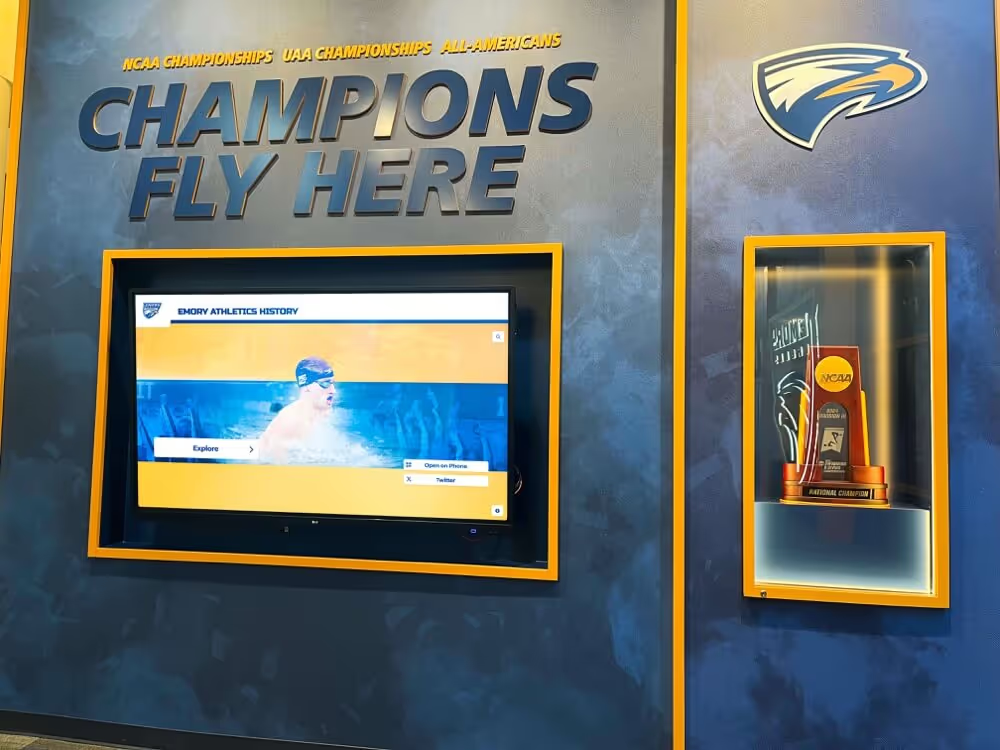
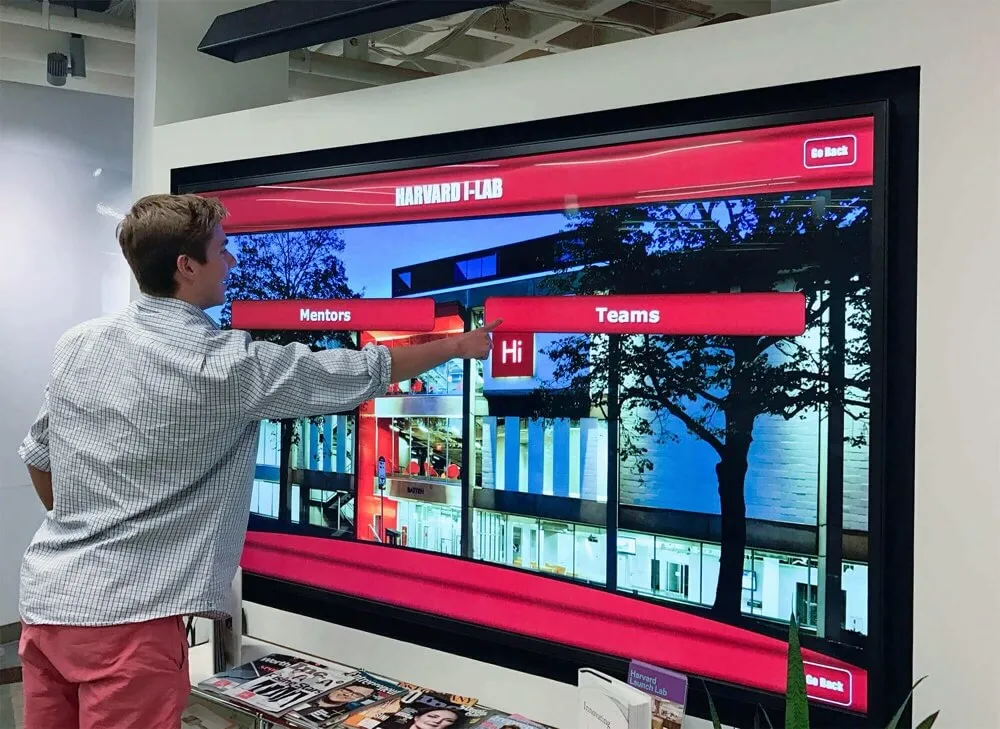
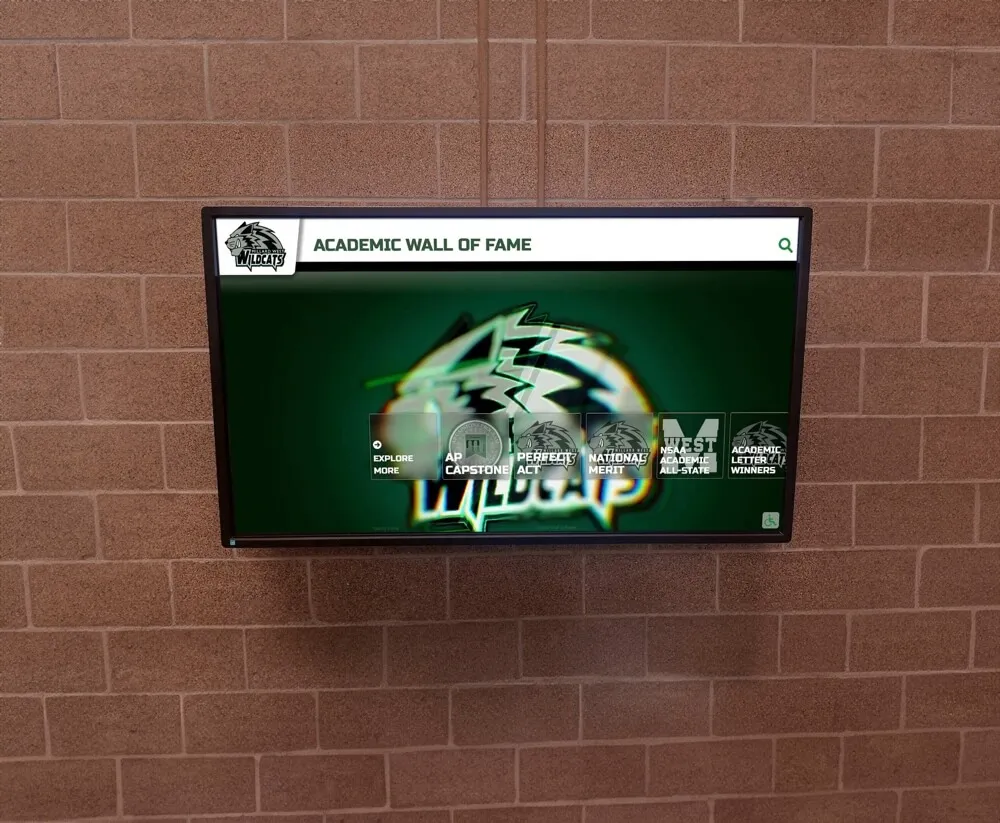
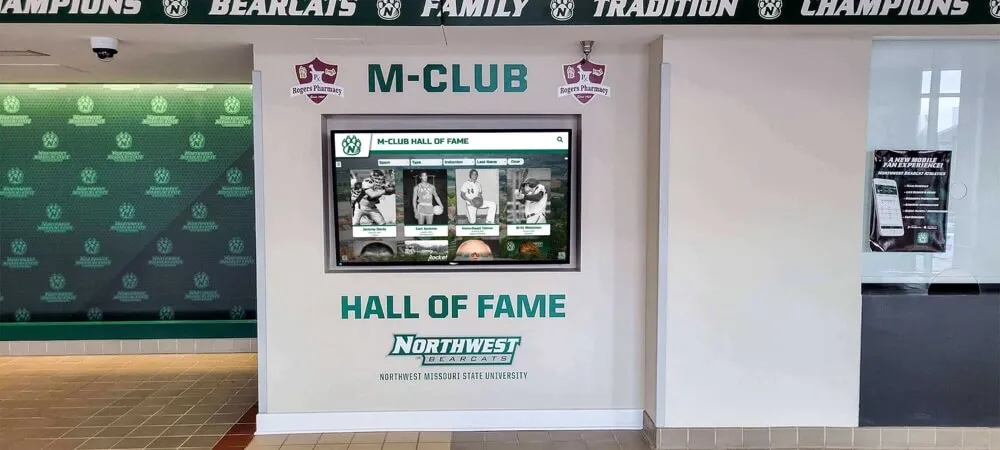
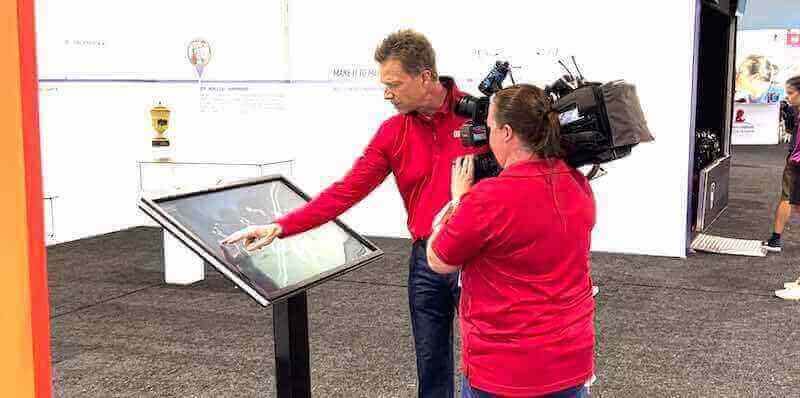
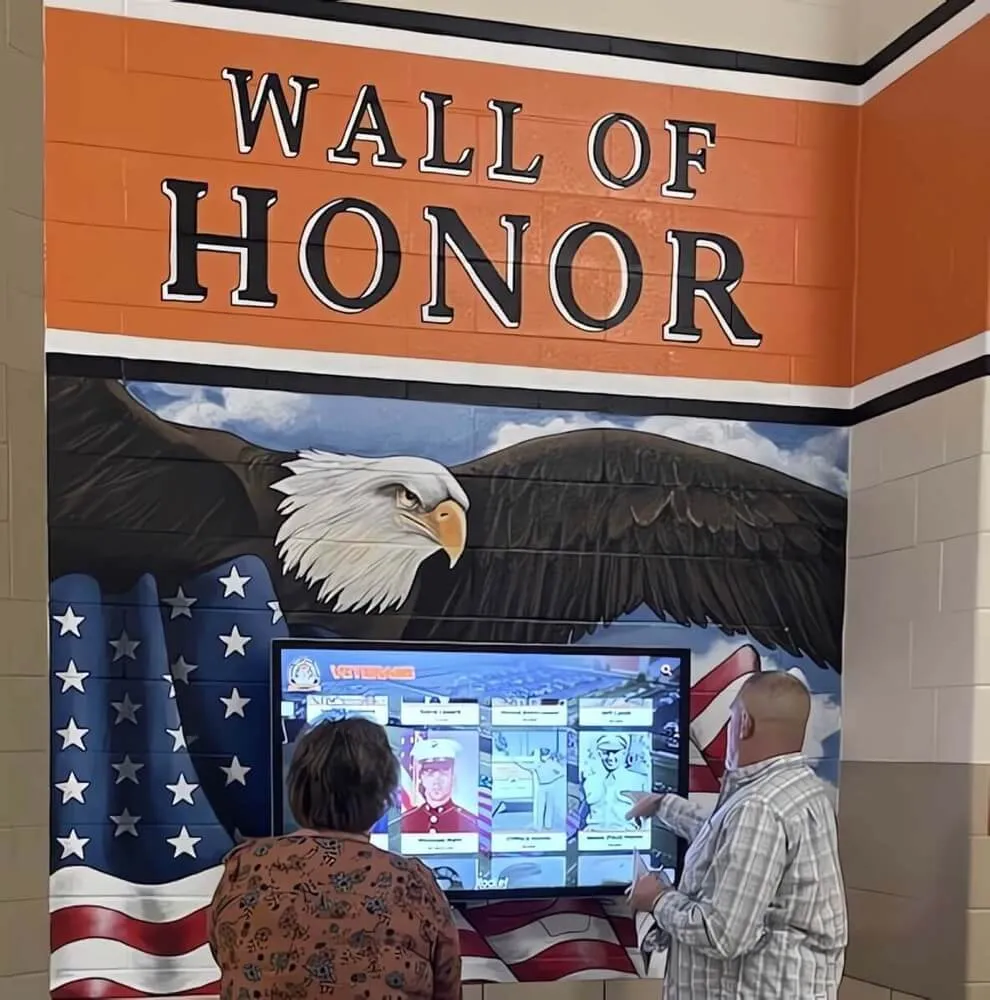
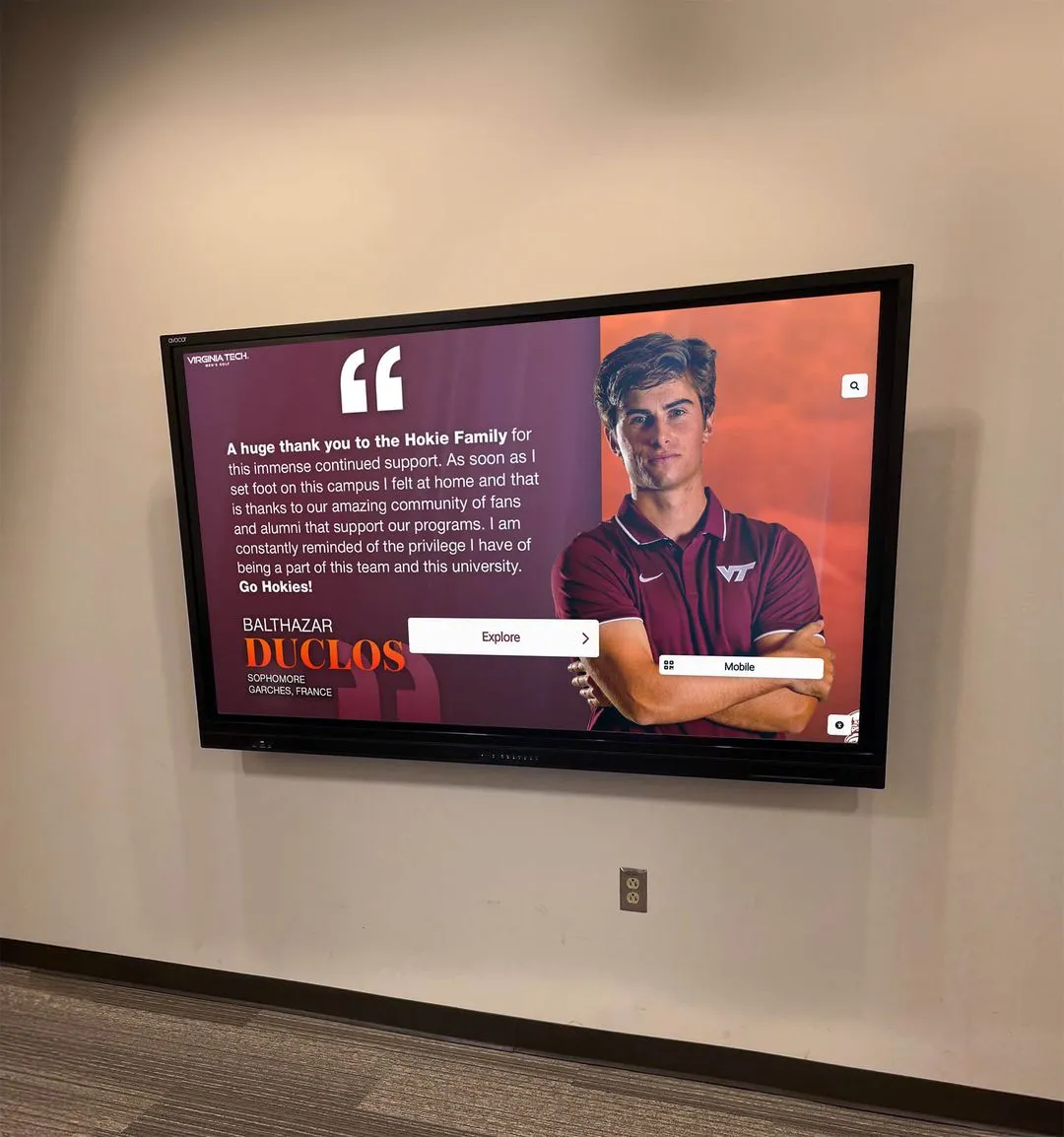
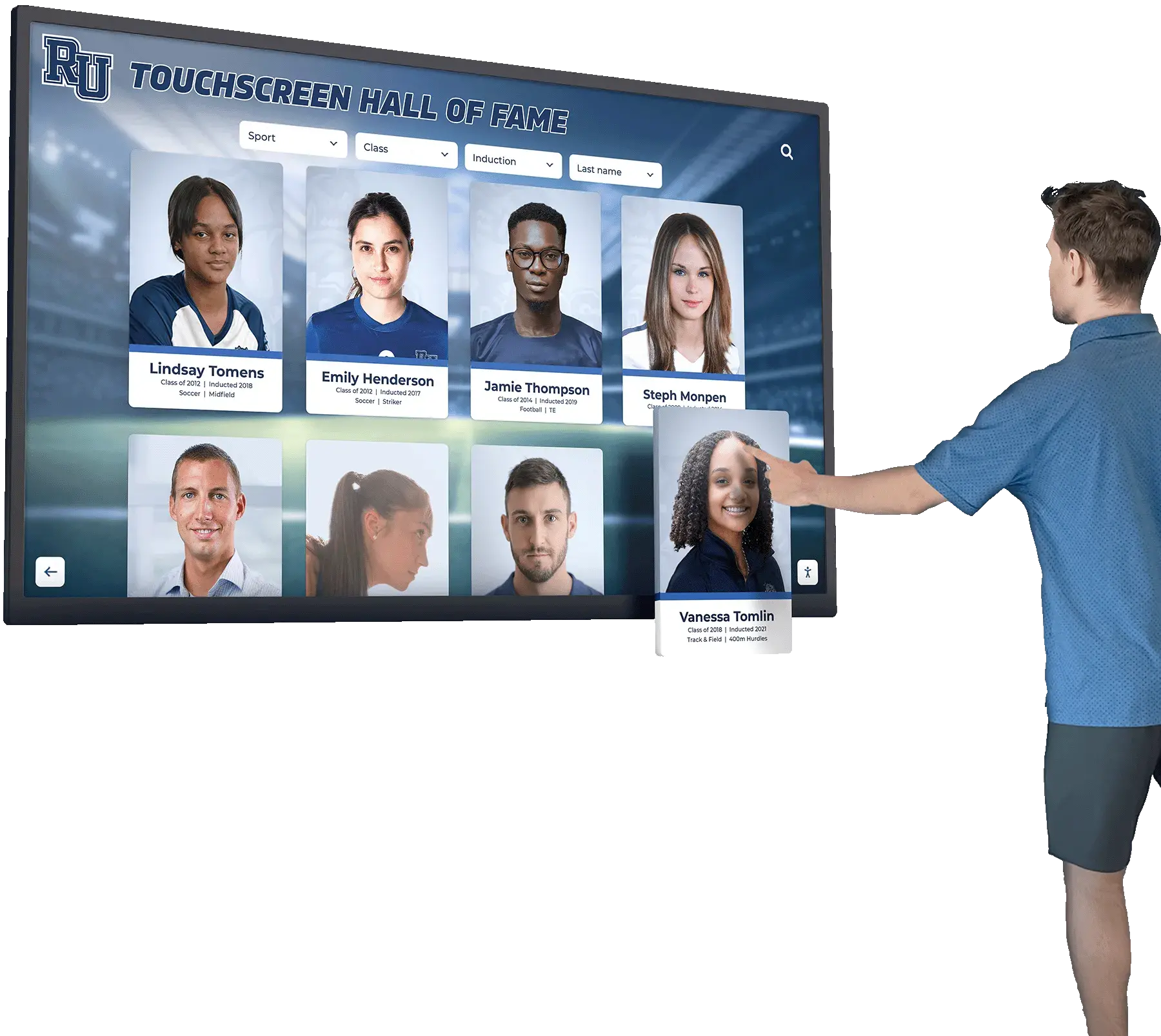
- Touchscreen stations: Provide digital exploration enabling deep biographical dives, multimedia content access, and flexible filtering
- QR code activation points: Enable mobile device interaction for extended content, social sharing, or supplementary information
- Photo opportunity areas: Create Instagram-worthy backdrops with institutional branding that encourage visitor photography and social amplification
- Seating or gathering spaces: Incorporate benches, alcoves, or lounge furniture inviting extended engagement and conversation
Content Strategy: What to Display and How
Beyond layout mechanics, content quality and presentation depth determine whether displays inspire genuine engagement or prompt hurried glances. Comprehensive hall of fame displays balance multiple information layers:
Essential Biographical Elements
Core Identification
- Full name with preferred variation
- Graduation year or affiliation period
- Primary achievement category
- Induction year or class designation
Achievement Summaries
- Career highlights and notable accomplishments
- Statistical records or measurable outcomes
- Championship participation and honors earned
- Leadership positions and recognition received
Contextual Information
- Historical context explaining significance of achievements
- Comparative rankings within program history
- Team affiliations and coaching relationships
- Post-graduation career trajectories
Multimedia Enrichment
Static text alone rarely creates emotional resonance. Rich media transforms factual recitation into compelling storytelling:
Photographic Documentation Action shots capturing competitive moments, formal portraits establishing personal connection, team photos providing collaborative context, and historical imagery illustrating temporal evolution.
Video Integration Career highlight reels, acceptance speeches, interview footage, game-winning performances, and documentary segments that bring achievements to life through motion and audio.
Primary Source Materials Newspaper clippings documenting achievements, program covers and event materials, letters and correspondence, and statistical records establishing quantitative context.
Organizations exploring solutions like Rocket Alumni Solutions benefit from unlimited content capacity enabling biographical depth impossible with traditional static displays—accommodating extensive photo galleries, video libraries, and comprehensive achievement documentation without spatial constraints.
Traditional Display Approaches and Limitations
Understanding conventional hall of fame display methods clarifies why organizations increasingly seek alternatives:
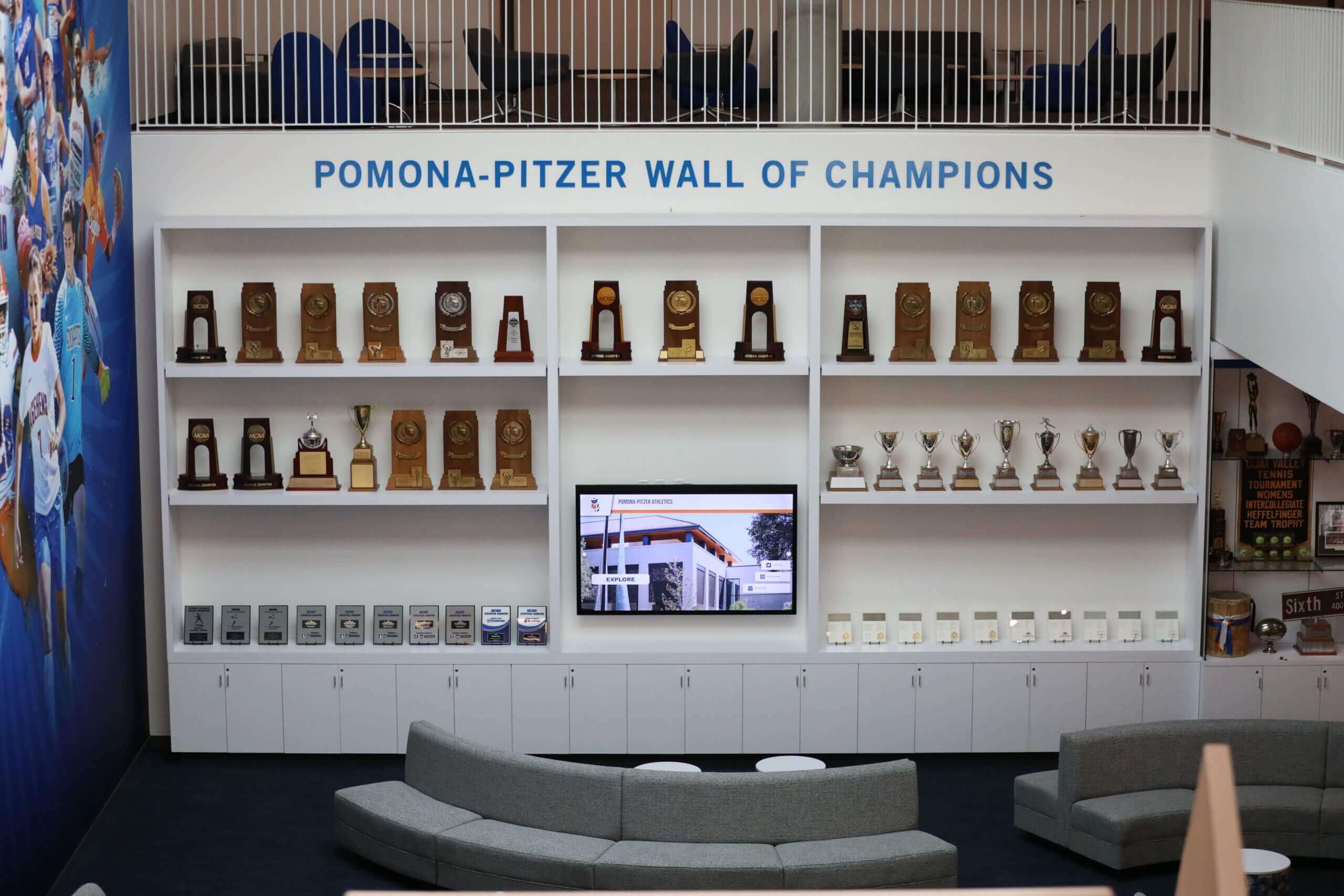
Physical Plaque Walls
Implementation: Individual engraved plaques mounted in grid patterns on dedicated wall space—often in lobbies, hallways, or athletic facilities.
Advantages:
- Tangible permanence and formal gravitas
- No technology dependencies or maintenance requirements
- Straightforward fabrication and installation
Limitations:
- Fixed wall space constrains future growth (typically 20-40 inductees before exhaustion)
- Minimal information capacity beyond name, year, and brief achievement note
- High per-inductee costs ($200-$500+ per plaque including engraving and mounting)
- Impossible content updates after installation
- Limited engagement beyond momentary glances
- Accessibility challenges for visitors with visual impairments
Trophy Display Cases
Implementation: Glass-fronted cases showcasing physical awards, jerseys, equipment, and memorabilia alongside printed materials.
Advantages:
- Authentic artifact presentation
- Protection for valuable or delicate items
- Flexible arrangement and periodic refreshing
Limitations:
- Space constraints limit rotation frequency
- Dust accumulation and maintenance requirements
- Lighting challenges for optimal visibility
- Security concerns for valuable items
- Organization required for effective presentation versus cluttered appearance
When planning comprehensive recognition programs, administrators often discover that digital signage systems for schools offer centralized content management extending beyond single-purpose hall of fame displays to encompass broader communication and recognition objectives.
Banner and Poster Installations
Implementation: Printed banners, posters, or vinyl graphics featuring inductee photos and information mounted on walls or suspended from ceilings.
Advantages:
- Large-format visual impact
- Cost-effective production
- Relatively simple installation and replacement
Limitations:
- Degradation from sunlight, temperature fluctuations, and time
- Professional appearance depends on precise mounting and tensioning
- Limited information capacity
- Replacement costs accumulate with each inductee addition
Interactive Digital Hall of Fame Display Ideas
Modern recognition technology addresses traditional limitations while introducing capabilities impossible with static approaches:
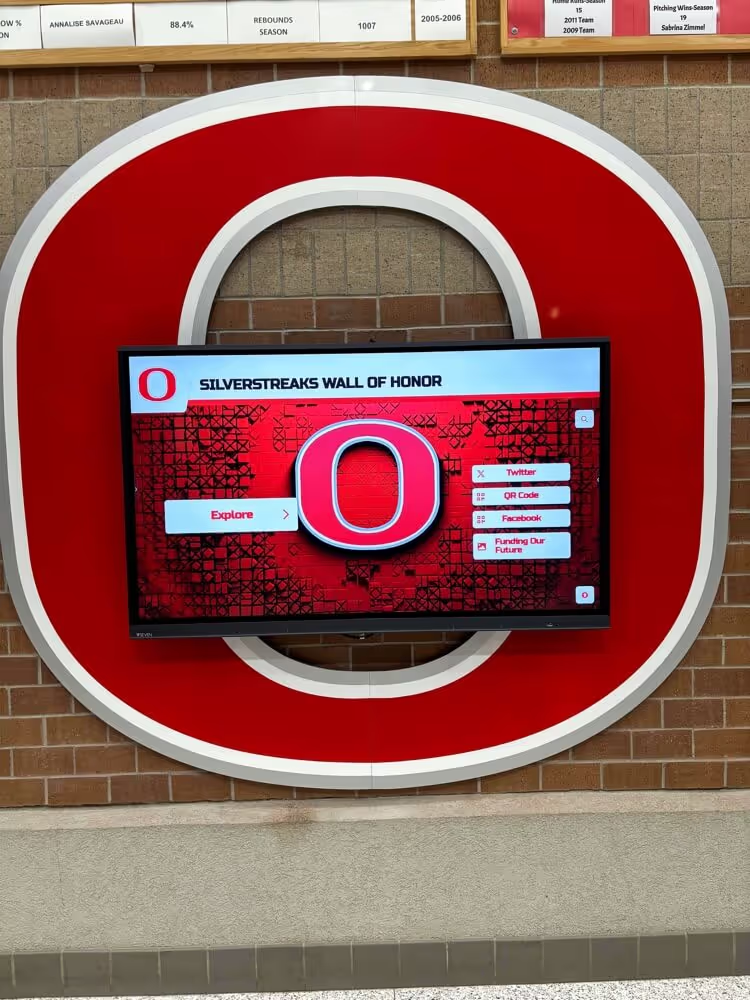
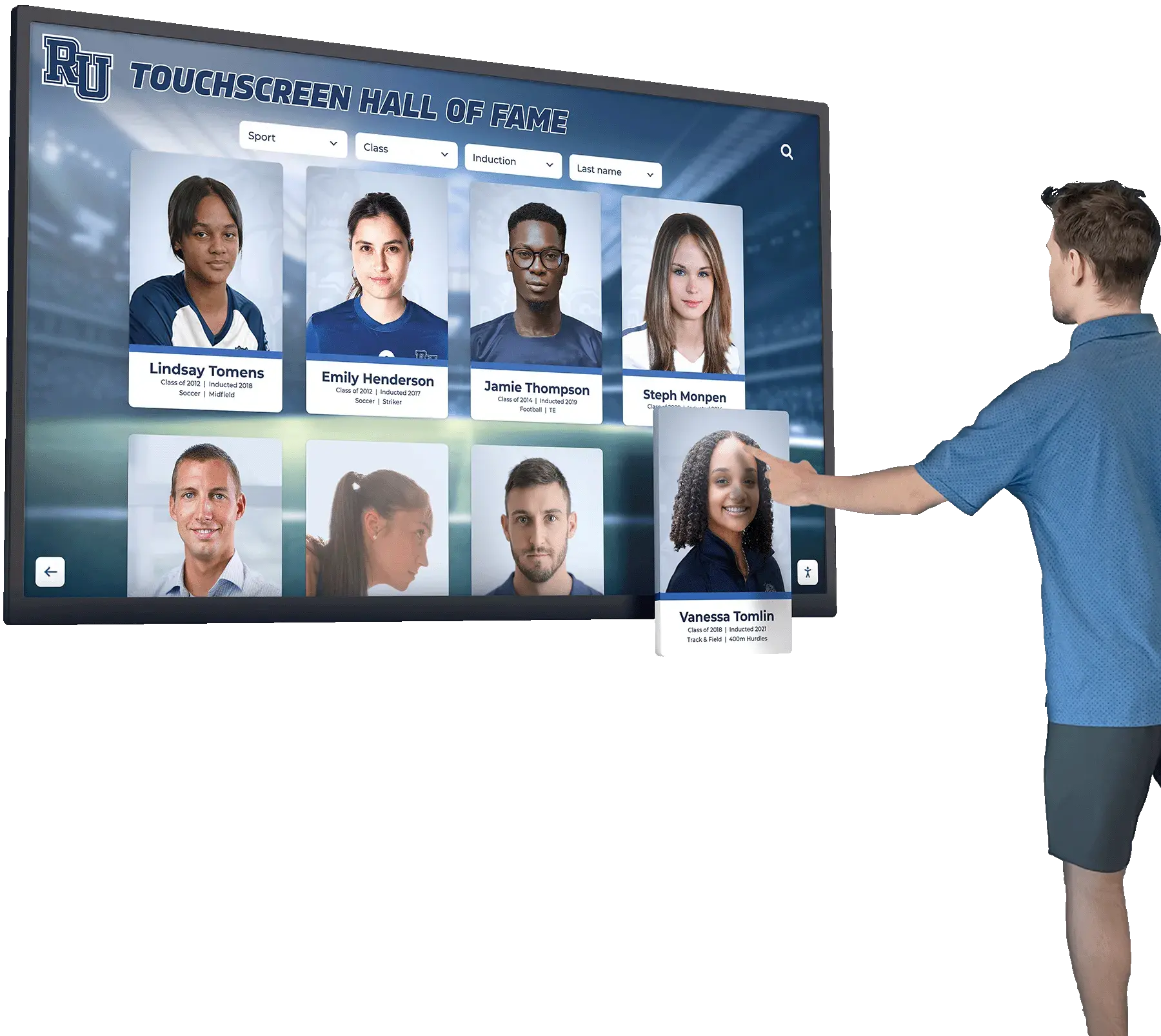
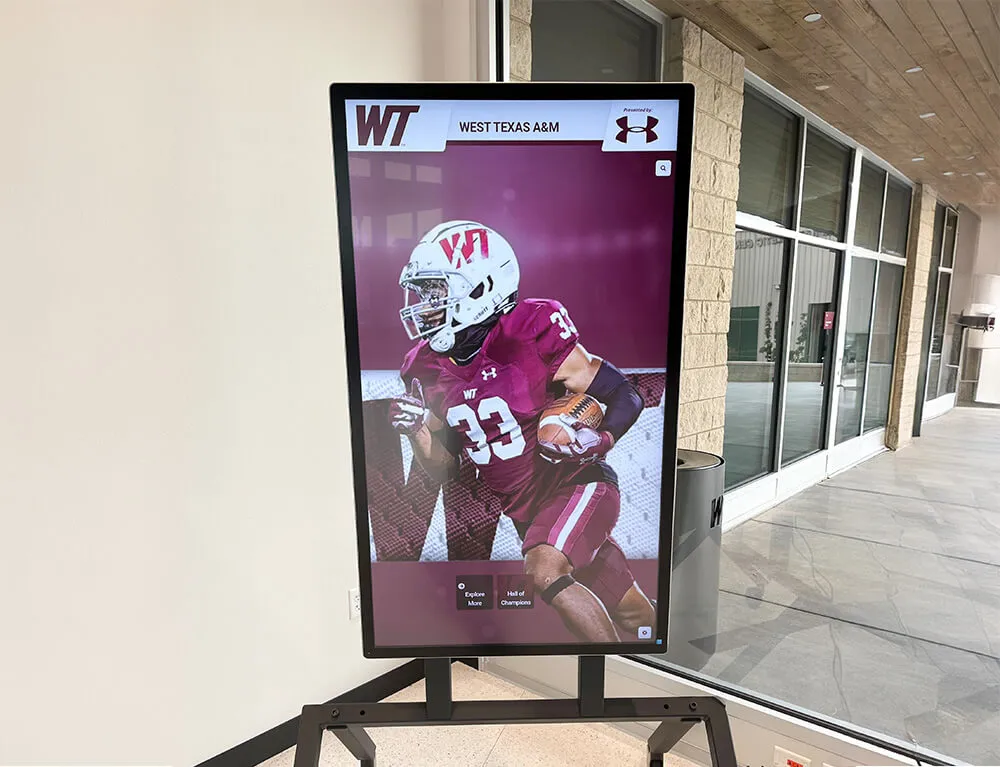
Touchscreen Display Stations
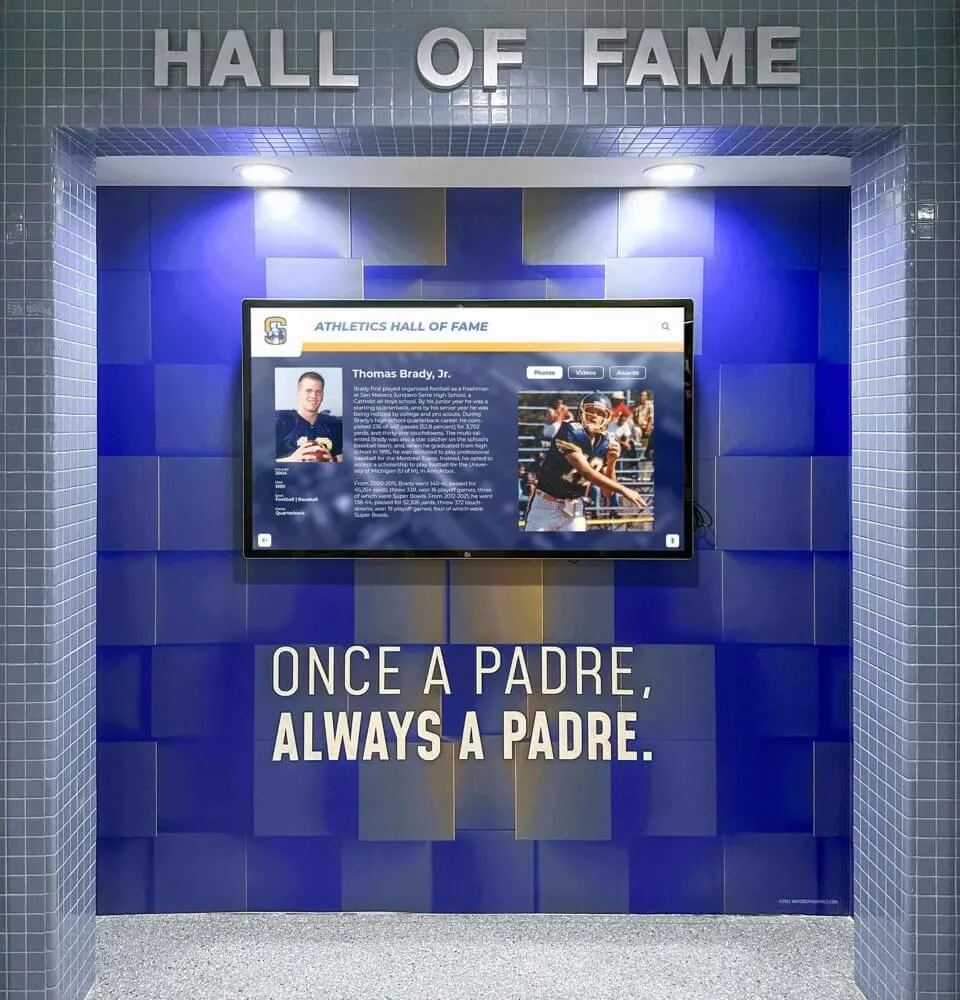
Core Concept: Wall-mounted or freestanding touchscreen kiosks enabling visitors to explore comprehensive biographical databases through intuitive interfaces.
Key Features:
Unlimited Scalability Digital databases accommodate indefinite growth—adding new inductees requires content upload rather than physical expansion. Organizations honoring hundreds or thousands of individuals across decades avoid space exhaustion.
Multimedia Integration Touchscreen platforms seamlessly incorporate photos, videos, audio clips, documents, and interactive elements creating immersive storytelling experiences far beyond text-based plaques.
Flexible Organization Enable multiple simultaneous browsing methods: chronological timelines, categorical filters, alphabetical indexes, achievement-based rankings, and custom search functionality allowing visitors to discover content according to personal preferences.
Content Evolution Update biographical information continuously—adding recent accomplishments, correcting errors, incorporating newly discovered materials, and expanding narratives as organizational archives develop.
Accessibility Compliance Modern touchscreen systems built to WCAG 2.2 AA accessibility standards ensure equitable access for visitors with disabilities through adjustable text sizing, high-contrast modes, screen reader compatibility, and alternative input methods.
Analytics Insights Track which inductees attract most interest, identify popular content categories, measure average engagement duration, and gather data informing content strategy refinement.
Implementation Considerations: Hardware selection (screen size, mounting approach, brightness specifications), content management systems enabling non-technical updates, network connectivity requirements, and installation logistics for school environments.
Hybrid Approaches: Physical + Digital Integration
Rather than completely replacing traditional elements, hybrid designs combine tangible recognition with digital enrichment:
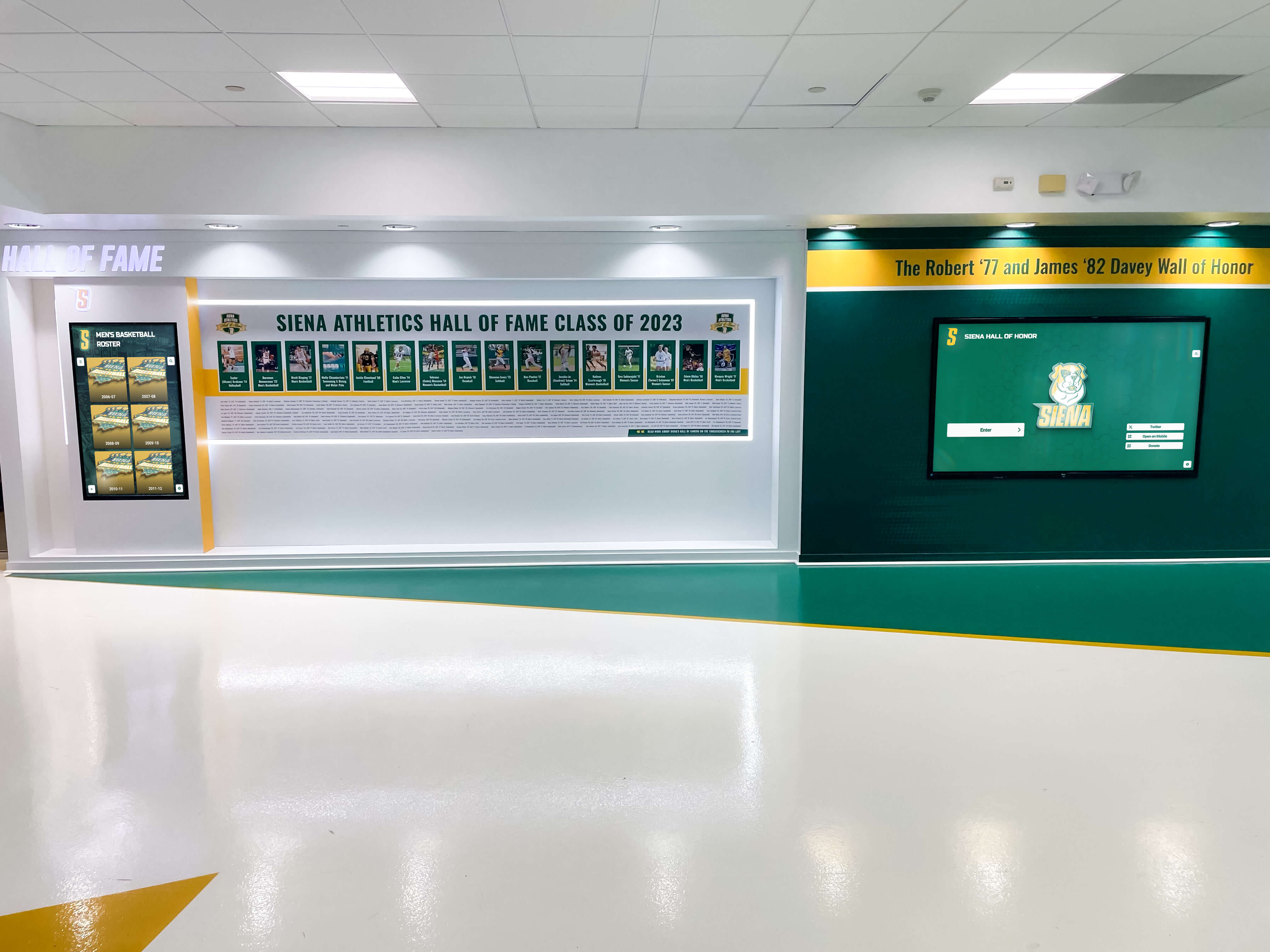
Plaque Walls with QR Codes Maintain physical nameplate walls while embedding QR codes linking to comprehensive digital profiles accessed via visitor smartphones—preserving permanence while enabling content depth.
Trophy Cases with Companion Screens Position digital displays adjacent to artifact showcases—screens provide contextual storytelling, historical background, and related content enhancing physical item appreciation.
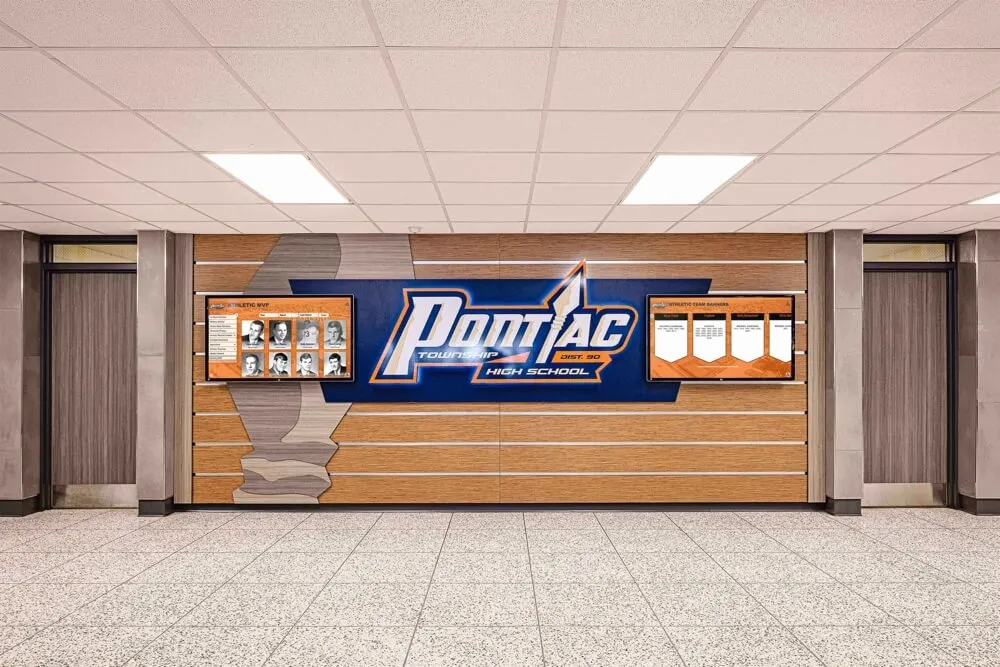
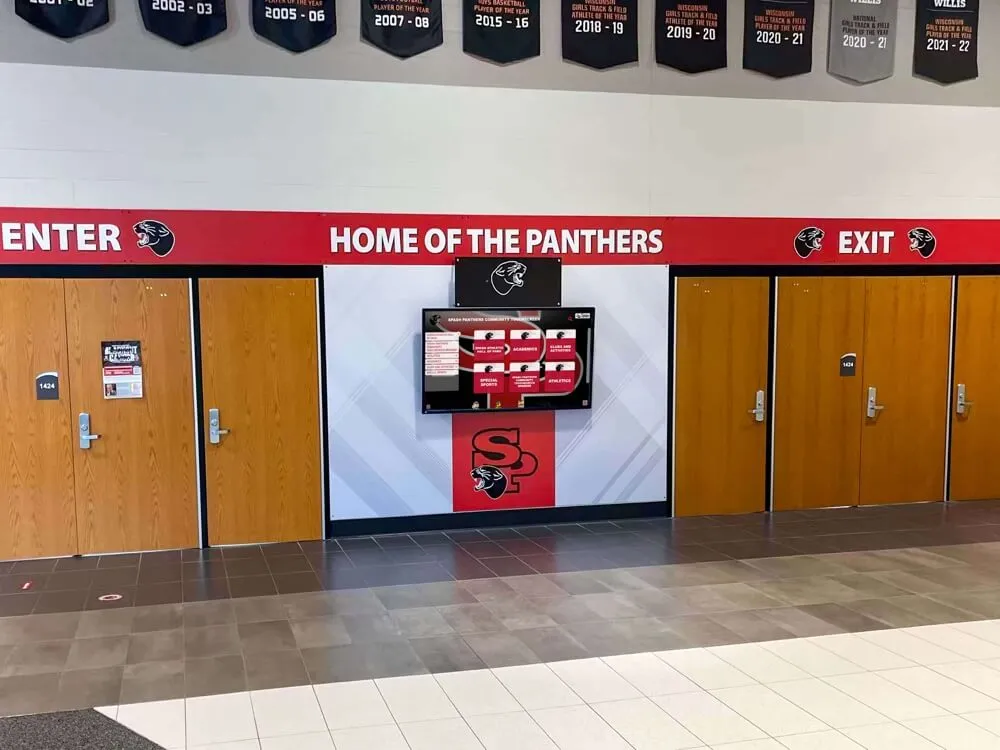
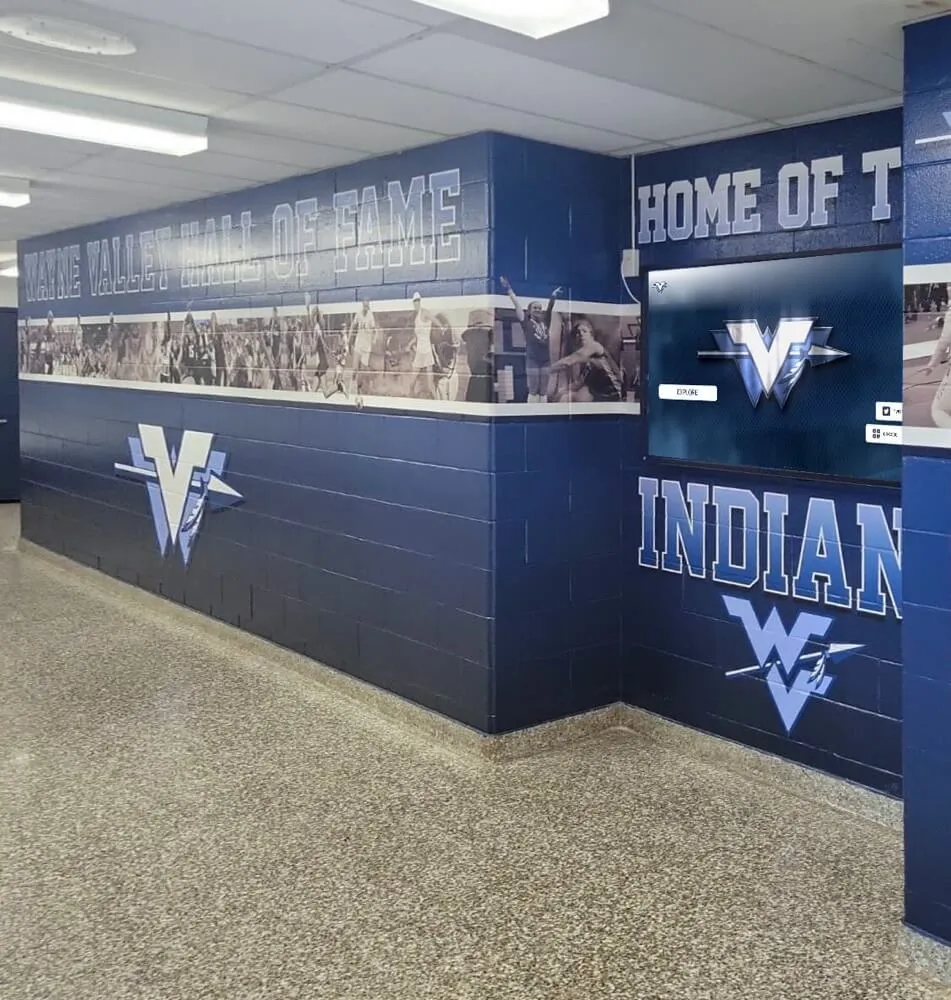
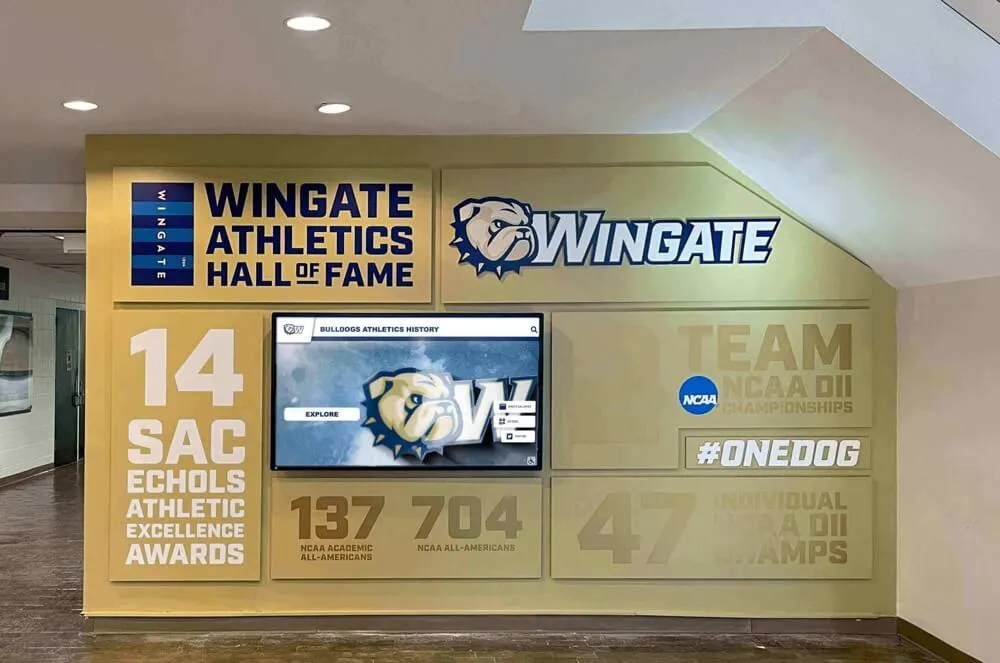
Banner Installations with Interactive Kiosks Create visual hero moments with large-format graphics while directing visitors toward touchscreen stations offering detailed exploration of featured achievements.
Hybrid models accommodate organizations valuing traditional recognition aesthetics while recognizing modern content and engagement expectations. School lobby design strategies increasingly incorporate blended approaches balancing institutional tradition with contemporary functionality.

Brand Integration and Design Cohesion
Effective hall of fame displays reinforce organizational identity through strategic visual design:
Institutional Branding Elements
Color Systems Apply institutional color palettes consistently across backgrounds, accent elements, typography, and interface design—creating immediate visual association with organizational identity.
Logo Integration Incorporate official marks, mascots, and wordmarks strategically without overwhelming content—typically in header positions, navigation elements, and background treatments.
Typography Consistency Select typefaces reflecting institutional brand guidelines—typically combining serif fonts for formal credibility with sans-serif selections for interface legibility.
Graphic Motifs Repeat visual patterns, shapes, and decorative elements drawn from broader campus architecture, athletic uniforms, or historical design traditions.
Environmental Design Context
Recognition displays exist within larger spatial contexts—effective integration considers:
- Architectural alignment: Match materials, finishes, and mounting approaches to surrounding facility aesthetics
- Lighting coordination: Ensure adequate illumination without glare while complementing existing lighting schemes
- Traffic flow optimization: Position displays along natural circulation paths without obstructing movement
- Viewing distance accommodation: Size content appropriately for primary viewing distances within specific locations
When creating comprehensive athletic hall of fame programs, design cohesion extends beyond individual displays to encompass broader athletic facility branding and recognition ecosystems.
Accessibility and Universal Design
Inclusive recognition spaces ensure all community members—regardless of physical abilities, sensory capabilities, or technological familiarity—can meaningfully engage with honored achievements:
Physical Accessibility Standards
Mounting Heights Position interactive controls within ADA-compliant reach ranges (typically 15"-48" above finished floor) enabling wheelchair user access without assistance.
Approach Clearances Maintain minimum clear floor space (typically 30" x 48") directly in front of interactive elements allowing wheelchair positioning and maneuvering.
Protruding Object Guidelines Wall-mounted displays projecting more than 4" into circulation paths require detectable warnings for visitors using white canes or other mobility aids.
Digital Interface Accessibility
Text Scaling Controls Provide user-adjustable font sizing accommodating visual impairments without breaking layout integrity—typically supporting 200% enlargement minimums.
High Contrast Modes Offer alternative color schemes meeting WCAG contrast ratio requirements (minimum 4.5:1 for body text, 3:1 for large text) supporting low vision users.
Screen Reader Compatibility Structure content with semantic HTML enabling assistive technology interpretation—proper heading hierarchies, alternative text for images, and logical tab navigation sequences.
Keyboard Navigation Ensure complete functionality without touch interaction supporting users with motor impairments or those preferring alternative input methods.
Caption Availability Provide text transcripts and closed captions for all video content supporting deaf and hard-of-hearing visitors.
Organizations committed to inclusive recognition increasingly recognize that accessibility compliance represents opportunity rather than obligation—expanding audience reach while demonstrating institutional values through design action.
Experience Layout: Navigation and Interaction Patterns
Beyond static information architecture, thoughtful interaction design determines user engagement quality:
Homepage/Landing Experience
Visitors encountering your hall of fame display need immediate orientation:
- Visual hero element: Large hero image or looping video establishing emotional tone
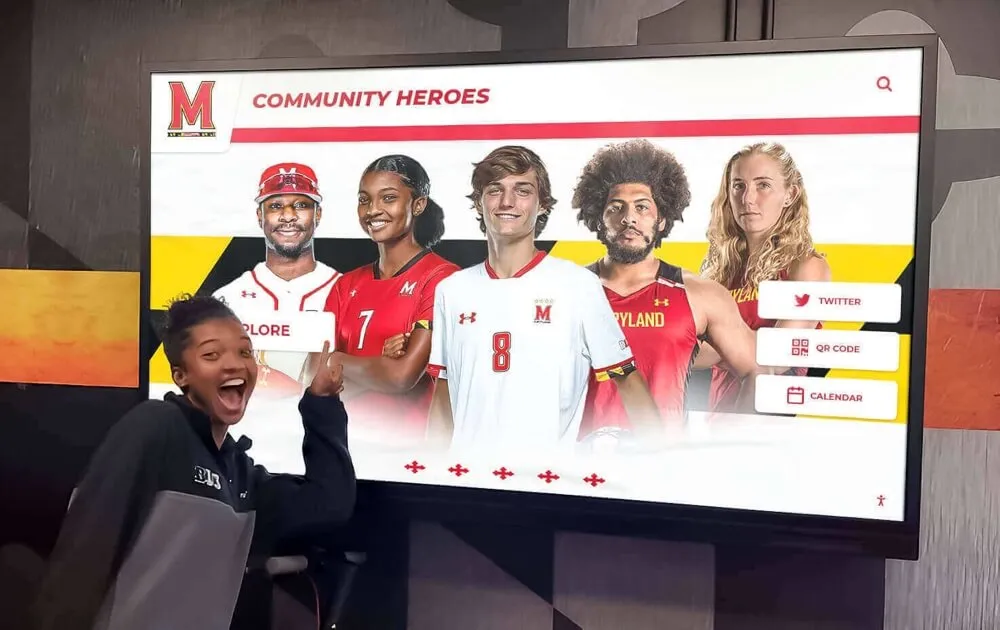
- Clear category navigation: Prominent buttons or tiles representing primary browsing paths
- Featured content rotation: Spotlight specific inductees, recent additions, or milestone anniversaries
- Search functionality: Provide direct access enabling name-based discovery
- QR code placement: Display mobile access options for extended exploration beyond physical display
Profile Detail Pages
Individual inductee presentations should deliver comprehensive storytelling:
Biographical Header Name, photo, achievement category, induction year, and core statistics prominently displayed in consistent layout supporting quick scanning.
Achievement Narratives Structured text blocks organized under clear subheadings: Career Highlights, Championships and Honors, Records and Statistics, Leadership Roles, Post-Graduation Accomplishments.
Media Galleries Photo carousels and video players showcasing career moments—typically 5-15 images and 1-3 video clips per profile depending on material availability.
Related Content Links Cross-references connecting to teammates, coaches, competing athletes, or related historical context encouraging extended exploration.
Social Sharing Options Enable visitors to share profiles via email, social media, or SMS—extending recognition reach beyond physical display location.
Search and Filter Tools
Comprehensive databases require sophisticated discovery mechanisms:
- Text search: Match queries against names, achievement descriptions, years, and biographical content
- Faceted filtering: Enable multi-dimensional refinement by sport/category, decade, achievement type, or custom taxonomies
- Sorting options: Organize results by name, year, achievement level, or relevance
- Auto-complete suggestions: Accelerate discovery by presenting potential matches during typing
When designing digital storytelling experiences for athletic programs, interaction pattern consistency across recognition, recruitment, and fan engagement applications creates unified ecosystem experiences.

Content Management and Refresh Strategies
Hall of fame displays require ongoing attention maintaining relevance, accuracy, and engagement:
Annual Induction Cycles
Establish predictable recognition rhythms:
- Nomination periods: Define annual windows for submission collection
- Selection committee reviews: Convene evaluation panels applying consistent criteria
- Announcement ceremonies: Create celebratory events surrounding induction recognition
- Content development deadlines: Gather biographical information, photos, videos, and achievement documentation before display updates
- Refresh scheduling: Plan content publishing aligned with ceremony dates or academic calendars
Evergreen Content Maintenance
Beyond new additions, existing content requires periodic attention:
Biographical Updates Append recent accomplishments for honored alumni: professional achievements, community service recognition, or career milestones maintaining connection between past and present.
Media Enhancements Incorporate newly discovered archival materials, higher-resolution photo scans, or video footage becoming available through digitization projects or donor contributions.
Accuracy Corrections Fix errors discovered after publication—spelling corrections, statistical updates, or factual refinements identified through community feedback.
Historical Context Expansion Add interpretive content providing broader context: rule changes affecting achievement significance, competitive landscape evolution, or societal factors influencing participation opportunities.
Rotational Featured Content
Even static databases benefit from dynamic presentation:
- Anniversary spotlights: Feature inductees celebrating 25th or 50th recognition anniversaries
- Seasonal relevance: Highlight sport-specific achievements during corresponding competitive seasons
- Current event connections: Surface historical parallels when current teams match championship achievements or individual records
- Archival discoveries: Showcase recently digitized materials or donated memorabilia
Organizations implementing student engagement strategies recognize that dynamic hall of fame content creates recurring touchpoints encouraging repeated interaction beyond single-visit experiences.
Extending Recognition Beyond Physical Displays
Modern hall of fame programs transcend single-location installations:
Mobile-Responsive Websites
Publish recognition databases online enabling:
- Remote access: Alumni, families, and community members explore achievements from anywhere
- Recruitment tools: Prospective students research program heritage and competitive traditions
- Archival preservation: Create redundant digital preservation protecting against physical display damage or loss
- Search engine visibility: Generate organic discovery traffic for institutional brand and recognition content
Social Media Integration
Amplify recognition through platform-specific strategies:
- Profile spotlights: Feature individual inductees through Instagram posts, Facebook stories, or LinkedIn articles
- Anniversary celebrations: Mark recognition milestones with automated social publishing
- User-generated content: Encourage alumni to share memories, congratulations, or related materials
- Event promotion: Build anticipation surrounding annual induction ceremonies through countdown campaigns
QR Code Extensions
Bridge physical and digital experiences:
- Extended biographies: Link to comprehensive online profiles exceeding touchscreen capacity
- Donation opportunities: Connect recognition appreciation with fundraising supporting program continuation
- Event registrations: Enable ceremony attendance signups or hall of fame reunion notifications
- Feedback collection: Gather community input regarding future nominations or program improvements
When implementing comprehensive digital donor wall programs, multi-channel recognition strategies maximize stewardship impact while demonstrating appreciation across constituent preference profiles.
Budget Considerations and Cost Structures
Hall of fame display investments span wide ranges depending on scope and approach:
Traditional Physical Displays
Plaque-Based Systems:
- Initial installation: $5,000-$25,000 for wall preparation, mounting hardware, and 20-40 initial plaques
- Per-inductee additions: $200-$500 ongoing for engraving and mounting
- Refresh costs: Potential complete replacement when space exhaustion requires system redesign
Trophy Case Installations:
- Custom millwork: $3,000-$15,000 per case depending on size, materials, and finishes
- Artifact procurement: Varies widely based on item availability and condition
- Lighting and security: $500-$2,000 per case for adequate illumination and protection
Digital Display Systems
Hardware Investment:
- Commercial-grade touchscreens: $2,000-$8,000 per display depending on size (typically 43"-65" screens)
- Mounting solutions: $200-$1,500 for wall mounts, floor stands, or custom enclosures
- Network infrastructure: Variable depending on existing connectivity
Software and Content:
- Platform licensing: Annual fees ranging from $500-$3,000 depending on feature sets and support levels
- Initial content development: $5,000-$20,000 for database construction, biographical research, photo digitization, and design implementation
- Ongoing content additions: $50-$200 per new inductee for biographical development and media gathering
Maintenance and Support:
- Software updates and hosting: Often included in annual licensing
- Hardware warranties: Typically 3-5 years manufacturer coverage
- Content management training: Initial and ongoing staff capability building
Value Proposition Analysis
When comparing costs, consider total lifecycle expenses:
Traditional systems require lower initial investment but accumulate substantial ongoing per-inductee costs while facing inevitable space exhaustion requiring complete replacement. Digital platforms involve higher upfront investment but dramatically lower per-inductee additions, unlimited growth capacity, and continuous capability improvements through software updates—typically achieving cost parity within 3-5 years while delivering superior engagement and flexibility.
Organizations researching recognition display systems benefit from comprehensive cost modeling spanning 10-20 year horizons revealing true investment comparisons beyond initial purchase decisions.
Implementation Timeline and Activation Plan
Successful hall of fame display projects require coordinated planning across multiple workstreams:
Phase 1: Planning and Design (Weeks 1-8)
- Stakeholder alignment: Convene planning committees including administrators, coaches, alumni representatives, and facility managers
- Requirements documentation: Define recognition categories, selection criteria, content expectations, and success metrics
- Location selection: Evaluate potential installation sites considering visibility, traffic patterns, and technical requirements
- Budget finalization: Secure funding through operating budgets, capital campaigns, or donor sponsorships
- Vendor evaluation: Research solution providers, request proposals, and conduct reference checks
- Design development: Create visual mockups, user experience wireframes, and content architecture
Phase 2: Content Development (Weeks 6-16)
- Historical research: Compile inductee lists with achievement documentation
- Biographical gathering: Collect photos, statistics, career summaries, and multimedia materials
- Digitization projects: Scan archival photographs, convert video formats, and optimize media for digital delivery
- Content authoring: Write biographical narratives, achievement summaries, and contextual explanations
- Quality assurance: Fact-check information accuracy, verify permissions for media usage, and proofread copy
Phase 3: Technical Implementation (Weeks 12-20)
- Hardware procurement: Order displays, mounting equipment, and networking components
- Site preparation: Complete any required electrical work, wall reinforcement, or structural modifications
- Installation execution: Mount hardware, configure networking, and establish connectivity
- Software configuration: Customize platform branding, establish content management workflows, and conduct system testing
- Content population: Upload biographical databases, media libraries, and organizational information
Phase 4: Launch and Activation (Weeks 20-24)
- Staff training: Educate administrators, communications teams, and maintenance personnel on content management and system operation
- Soft launch testing: Conduct trial operations identifying any technical or content issues before public announcement
- Ceremonial unveiling: Create celebratory event recognizing inductees and celebrating program launch
- Communications campaign: Announce availability through school newsletters, social media, alumni publications, and local media
- Feedback collection: Gather initial user responses informing refinement priorities
Phase 5: Ongoing Management (Continuous)
- Annual induction cycles: Maintain predictable rhythms for nomination, selection, and content additions
- Content refresh: Update featured content, add biographical enhancements, and incorporate new media
- Performance monitoring: Track engagement analytics, gather user feedback, and assess recognition impact
- Technical maintenance: Install software updates, monitor hardware performance, and address any technical issues
Organizations implementing comprehensive programs often discover that employee recognition frameworks developed for hall of fame displays translate effectively to broader institutional recognition objectives spanning multiple constituencies.
Hall of Fame Display Ideas for Specific Contexts
While fundamental principles remain consistent, implementation details vary across organizational types:
High School Athletic Programs
Unique Considerations:
- Limited wall space in multipurpose facilities
- Budget constraints typical of public institutions
- Strong community identity tied to competitive achievement
- Recruitment value demonstrating program tradition to prospective athletes
- Balance between individual recognition and team accomplishments
Effective Approaches: Focus on championship banners for team achievements, supplemented by digital displays enabling unlimited individual recognition without consuming additional wall space. Incorporate trophy case modernization strategies preserving traditional artifacts while adding interactive context.
College and University Programs
Unique Considerations:
- Longer institutional histories requiring accommodation of potentially hundreds of inductees
- Multiple sport programs competing for recognition visibility
- Alumni engagement objectives extending beyond athletic achievement
- Facility scale enabling larger installations
- Expectation of sophisticated presentation matching institutional brand
Effective Approaches: Deploy multiple touchscreen installations across campus—athletics complex, student union, alumni center—providing distributed access while enabling content specialization. Create comprehensive online databases accessible globally supporting alumni engagement regardless of geographic location.
Youth Sports Organizations
Unique Considerations:
- Shorter organizational histories with smaller recognition rosters
- Limited permanent facility control (often using rented or shared spaces)
- Strong emphasis on current participant motivation
- Volunteer management constraints limiting content development capacity
Effective Approaches: Utilize portable or semi-permanent display solutions enabling relocation flexibility. Focus recognition on recent achievements maintaining relevance for current participants while establishing traditions for organizational growth.
Corporate and Professional Organizations
Unique Considerations:
- Recognition spanning professional achievement rather than athletic competition
- Potential sensitivity regarding comparative recognition across departments or roles
- Integration with broader employee recognition and retention strategies
- Expectation of polished presentation reflecting organizational professionalism
Effective Approaches: Design recognition frameworks celebrating diverse contribution types—sales achievement, innovation leadership, service milestones, safety records—ensuring inclusive recognition opportunity. Consider corporate recognition program best practices addressing retention and engagement objectives.
Measuring Success and Recognition Impact
Effective hall of fame displays deliver measurable value beyond obligatory acknowledgment:
Engagement Metrics
Physical Display Analytics:
- Unique visitor counts (motion sensor or video analytics)
- Average interaction duration (touchscreen session lengths)
- Content access patterns (which profiles receive most views)
- Peak usage times (alignment with facility traffic patterns)
Digital Extension Metrics:
- Website traffic to online hall of fame databases
- Social media engagement with recognition content
- QR code scan rates and mobile access frequency
- Search engine visibility and organic discovery traffic
Stakeholder Feedback
Qualitative Assessment:
- Inductee satisfaction with recognition quality and presentation
- Community sentiment reflected in social media comments and testimonials
- Prospective student or recruit impressions during campus visits
- Alumni engagement indicated through reunion attendance or donation correlation
Survey Instruments: Formal evaluation gathering structured feedback from inductees, facility visitors, current students or athletes, and alumni regarding recognition effectiveness and suggested improvements.
Institutional Outcomes
Alumni Relations:
- Donation correlation among recognized alumni
- Event attendance rates for induction ceremonies
- Volunteer participation in recognition committees
- Alumni network engagement and referral activity
Recruitment Impact:
- Prospective student or athlete citations of recognition programs as decision factors
- Competitive positioning relative to peer institutions
- Media coverage amplifying institutional visibility
Community Connection:
- Local media attention surrounding recognition programs
- Civic partnership opportunities emerging from heritage celebration
- Institutional brand strength and community perception
Organizations committed to evidence-based decision making recognize that comprehensive staff recognition strategies extend measurement frameworks beyond athletics to encompass all recognition investments assessing program effectiveness systematically.
Overcoming Common Implementation Challenges
Even well-planned projects encounter obstacles—anticipating common issues enables proactive mitigation:
Challenge: Incomplete Historical Records
Problem: Missing biographical information, lost photographs, or undocumented achievements create recognition gaps—particularly for older inductees from pre-digital eras.
Solutions:
- Launch community outreach campaigns requesting photo donations and memory contributions
- Acknowledge documentation gaps transparently rather than inventing information
- Prioritize contemporary additions with complete information while gradually enhancing historical profiles
- Collaborate with local historical societies, libraries, or newspaper archives researching institutional history
Challenge: Selection Criteria Disputes
Problem: Disagreement regarding recognition eligibility standards, comparative achievement evaluation, or category definitions.
Solutions:
- Document selection criteria explicitly before launching nomination processes
- Establish independent selection committees with diverse representation
- Create transparent evaluation rubrics with objective and subjective components
- Communicate decisions consistently while maintaining nomination confidentiality
- Design recognition frameworks with multiple tiers accommodating various achievement levels
Challenge: Technology Resistance
Problem: Stakeholders preferring traditional recognition methods questioning digital approach value or permanence.
Solutions:
- Preserve traditional elements through hybrid approaches combining physical and digital recognition
- Demonstrate digital systems at comparable institutions with established programs
- Emphasize scalability and cost efficiency addressing long-term sustainability
- Highlight accessibility improvements benefiting visitors with disabilities
- Present user analytics evidencing engagement levels impossible with static displays
Challenge: Content Management Capacity
Problem: Limited staff time or technical capability maintaining content accuracy and freshness after launch enthusiasm subsides.
Solutions:
- Select content management systems requiring minimal technical expertise
- Establish sustainable update schedules with realistic content development expectations
- Distribute content responsibilities across athletic directors, communications staff, and volunteer committees
- Create standardized templates streamlining biographical development for consistency
- Consider managed service agreements with solution providers handling technical administration
Challenge: Budget Constraints
Problem: Insufficient funding for desired recognition scope or display sophistication.
Solutions:
- Phase implementation starting with core functionality and expanding based on proven value
- Seek sponsor or donor funding specifically designated for recognition programs
- Leverage booster club fundraising or alumni event proceeds
- Compare total lifecycle costs rather than only initial investment
- Start with smaller displays or limited content scope demonstrating concept before full commitment
Get Your Touchscreen Mock-Up
Effective hall of fame display design transforms abstract achievement recognition into visceral inspiration—creating gathering destinations that strengthen community connections while celebrating excellence permanently. Strategic planning spanning layout architecture, content strategy, interaction design, and accessibility compliance ensures recognition investments deliver maximum impact across decades of operation.
Whether honoring athletic legends, distinguished alumni, academic scholars, corporate contributors, or community champions, comprehensive display design addresses both immediate recognition needs and long-term program sustainability. Organizations moving beyond traditional plaques discover that modern recognition technology solves practical constraints while elevating presentation quality, expanding content capacity, and enabling continuous evolution reflecting growing institutional histories.
Ready to transform your recognition vision into compelling reality? Digital recognition displays like those from Rocket Alumni Solutions provide comprehensive platforms combining unlimited scalability, multimedia storytelling, accessibility compliance, and intuitive content management—enabling organizations to honor achievement with sophistication matching their commitment to excellence.
Get Your Custom Touchscreen Mock-Up and discover how strategic hall of fame display design creates inspiring recognition spaces that celebrate your community’s greatest achievements for generations to come.