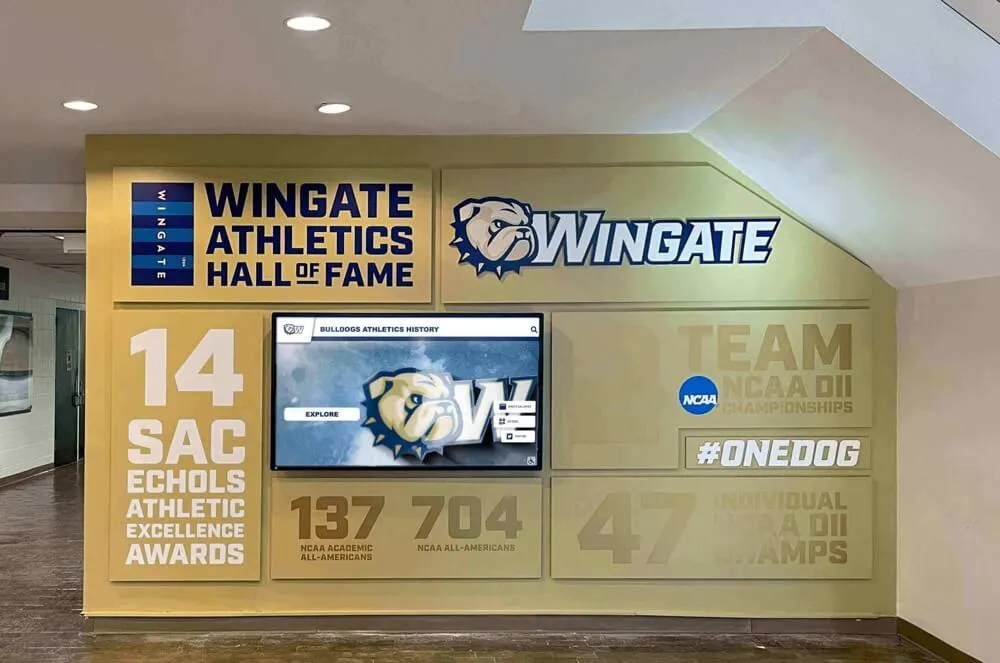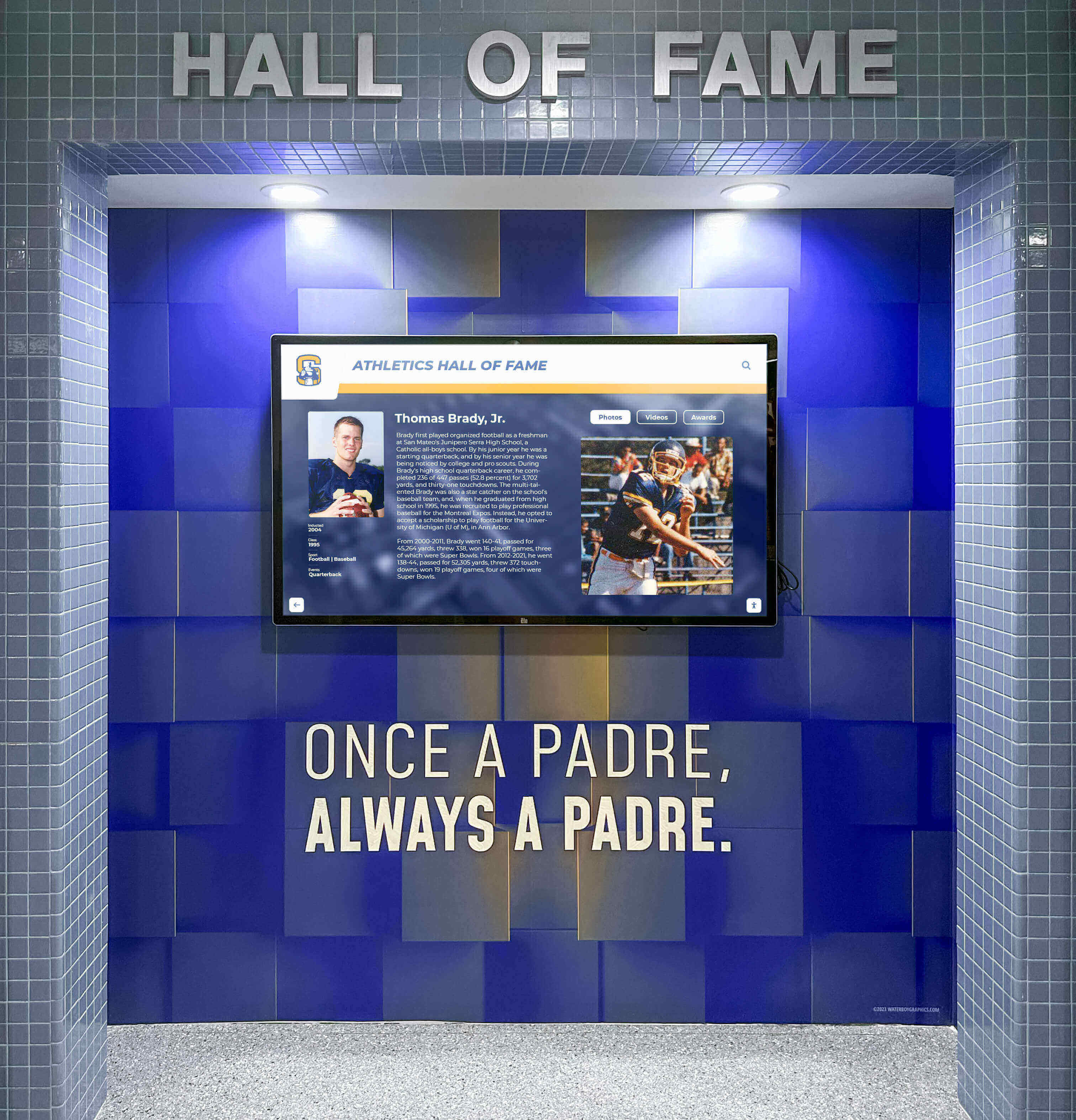




Creating a hall of fame program raises two fundamental questions that every school administrator, athletic director, and recognition committee must answer: who deserves induction, and how do we showcase their achievements effectively? These questions connect directly—selection criteria establish program credibility while display methods determine whether honorees receive the visibility and celebration their accomplishments warrant.
Traditional hall of fame programs relied on committee discussions documented in meeting minutes, standardized nomination forms stored in filing cabinets, and physical plaques mounted in hallways with limited biographical details. This approach served institutions adequately when recognition needs remained modest and display space seemed unlimited. Today’s schools face different realities: growing alumni populations, expanding athletic programs, increased academic recognition categories, and display spaces that simply cannot accommodate decades of additional plaques without becoming cluttered walls of small, unreadable names.
Digital recognition platforms address these challenges by separating selection processes from display constraints. Schools maintain rigorous induction criteria establishing meaningful standards while digital displays provide unlimited capacity for detailed profiles, multimedia content, and accessible exploration that traditional plaques cannot deliver.
This guide examines both dimensions of effective hall of fame programs. The first section explores selection frameworks, nomination procedures, and decision-making processes that ensure fair, credible induction criteria. The second section details digital display design strategies that transform recognition lists into engaging interactive experiences celebrating honorees through rich storytelling rather than minimal engraving.

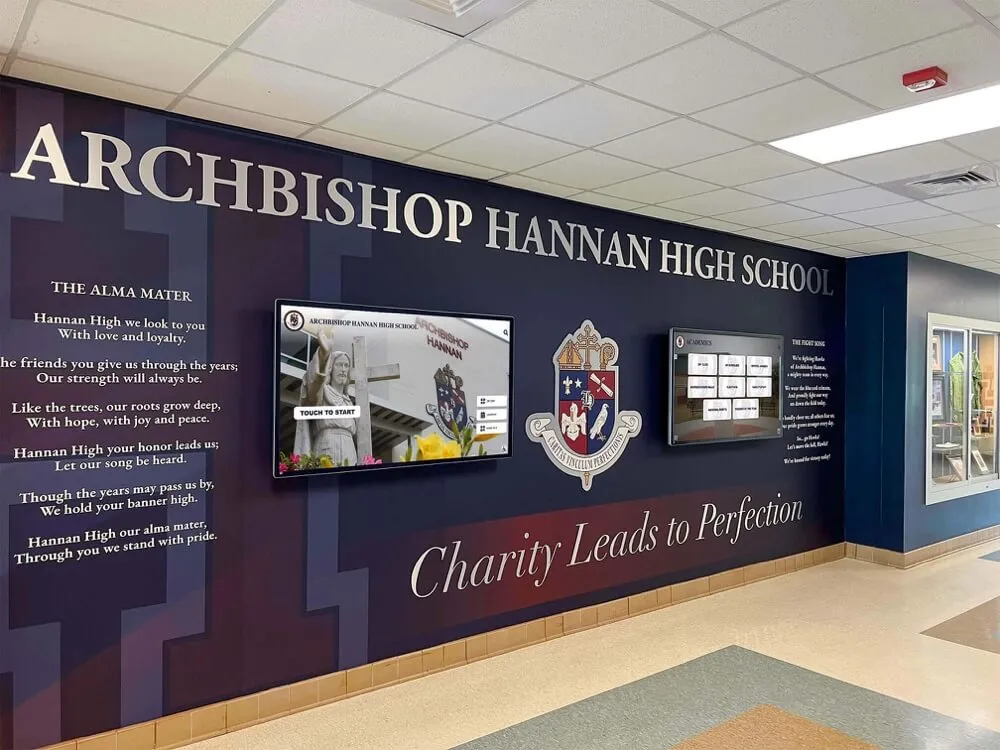
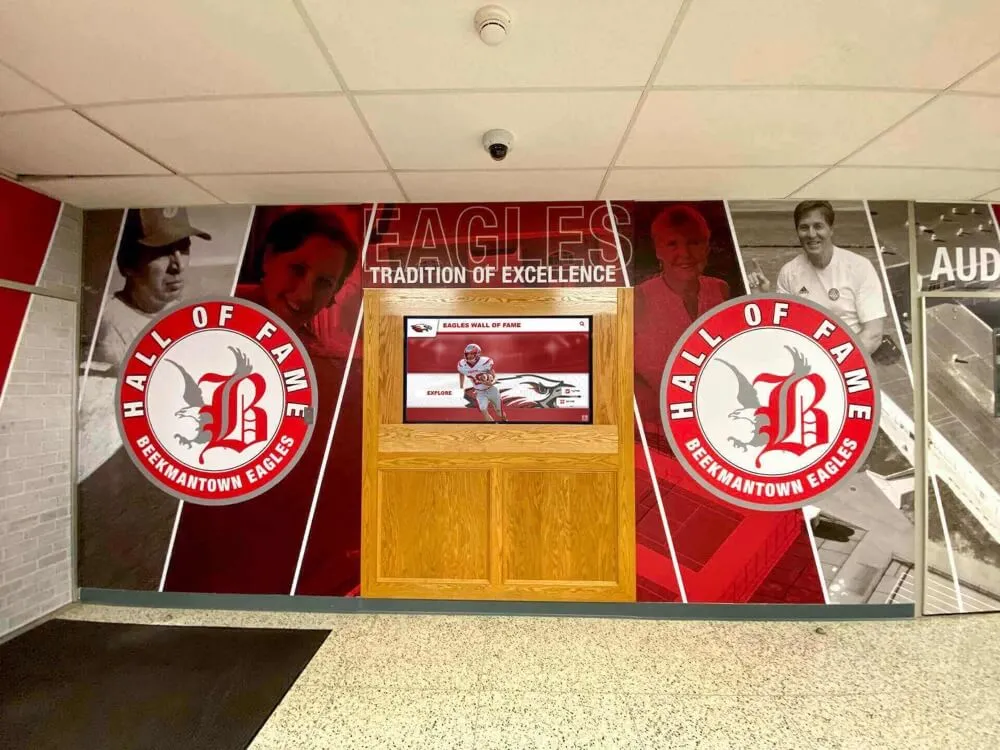
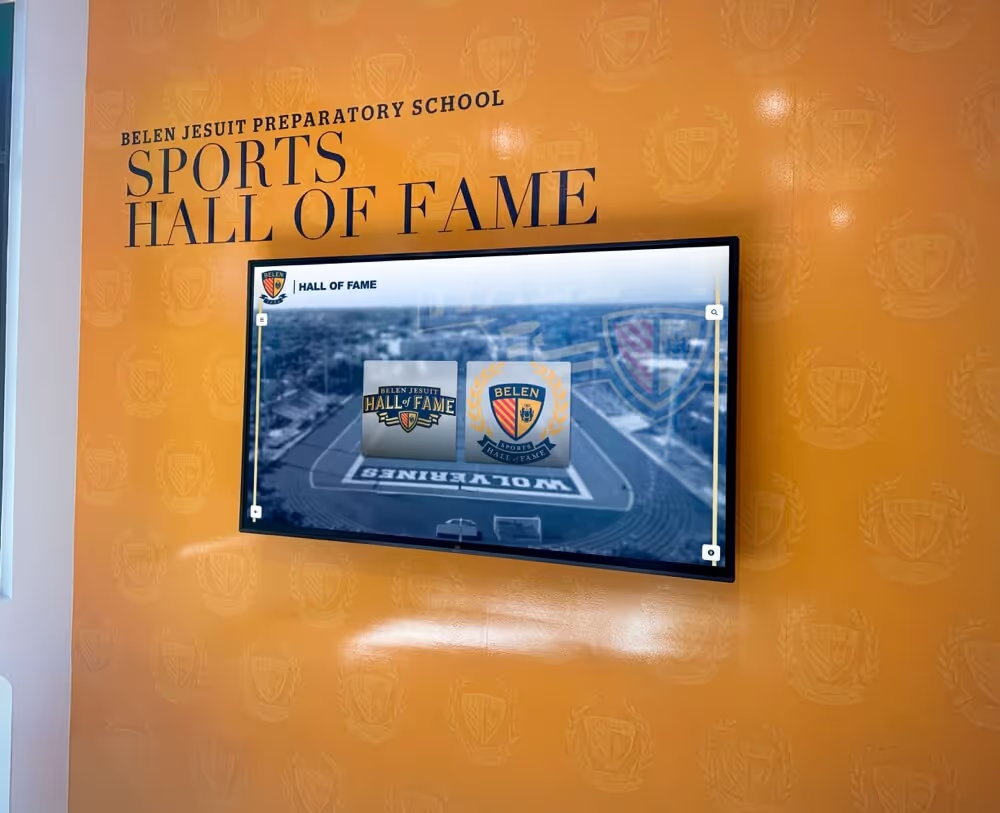
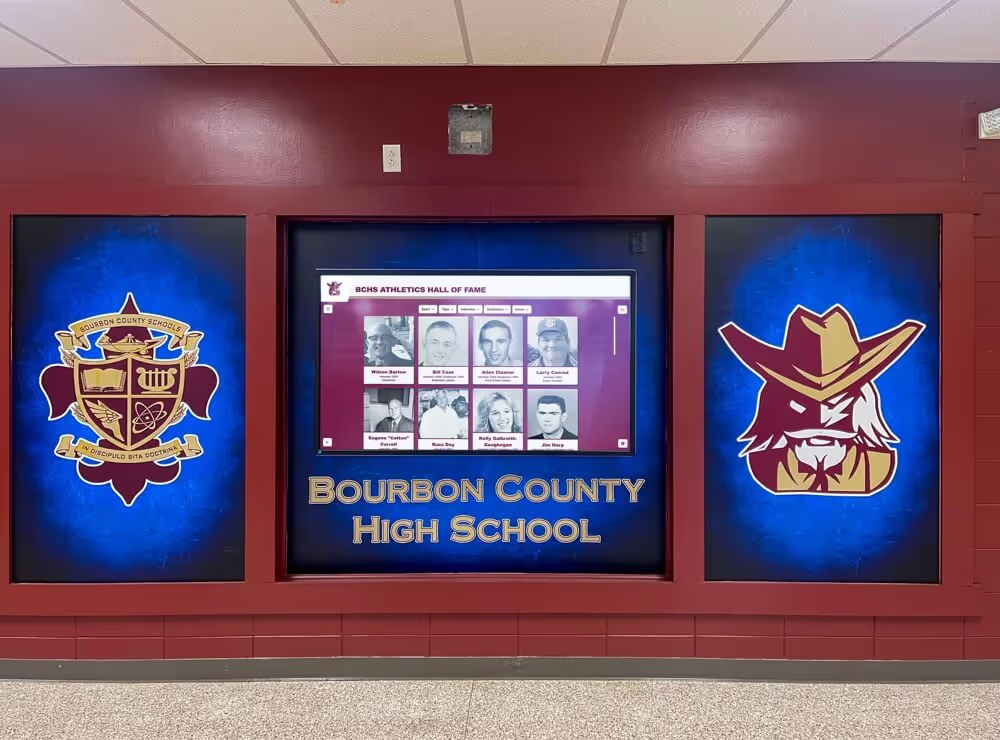
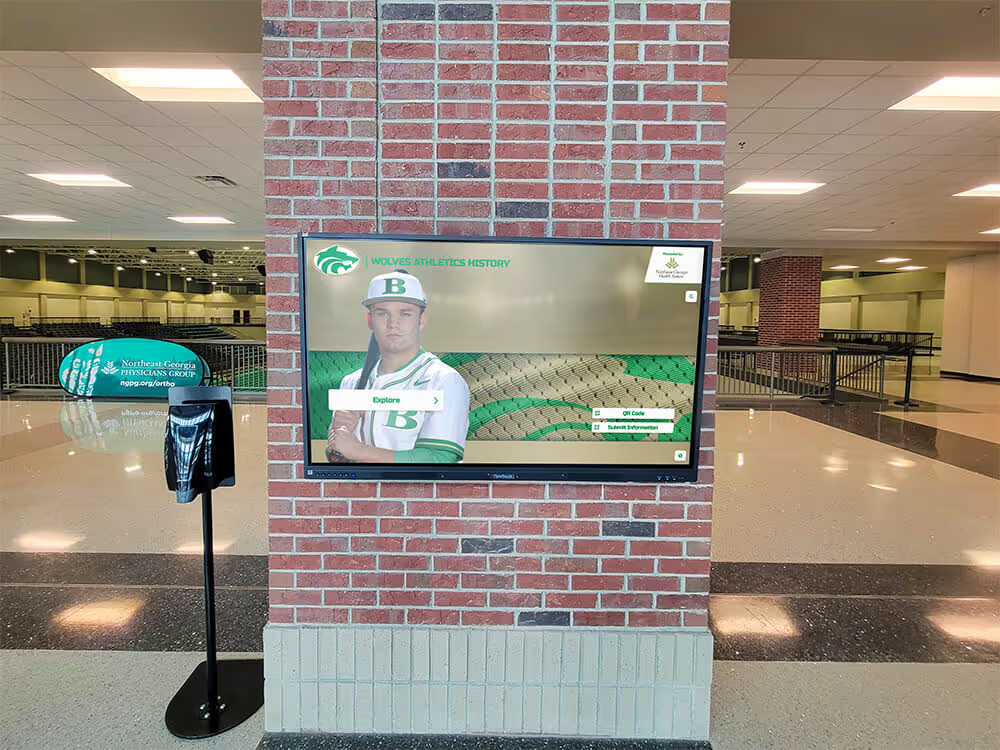
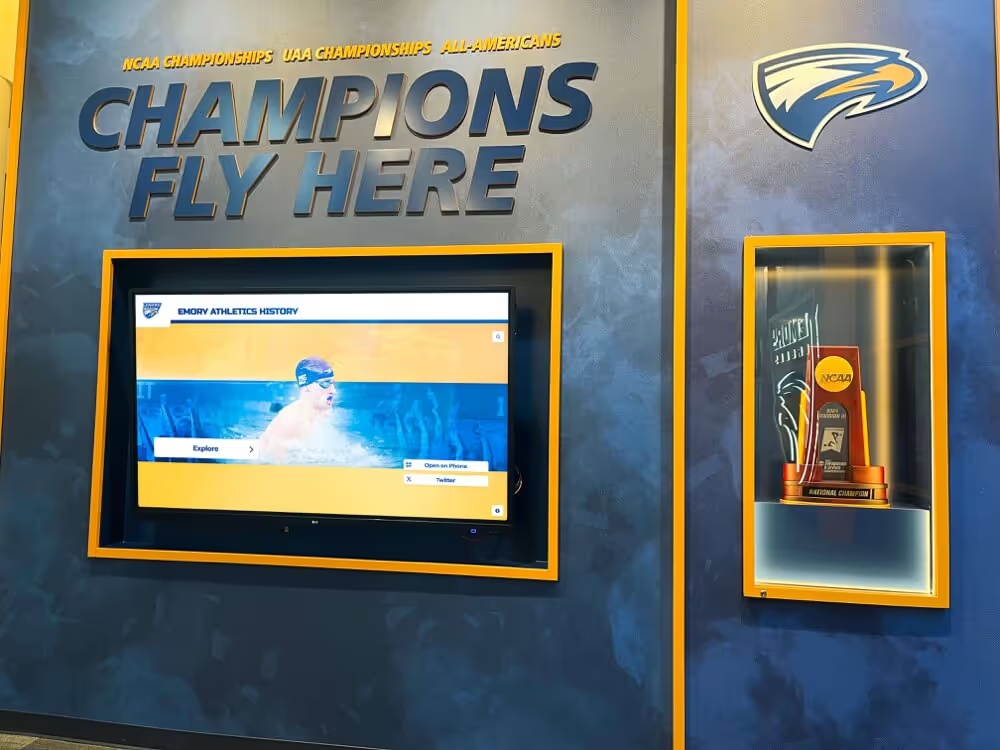
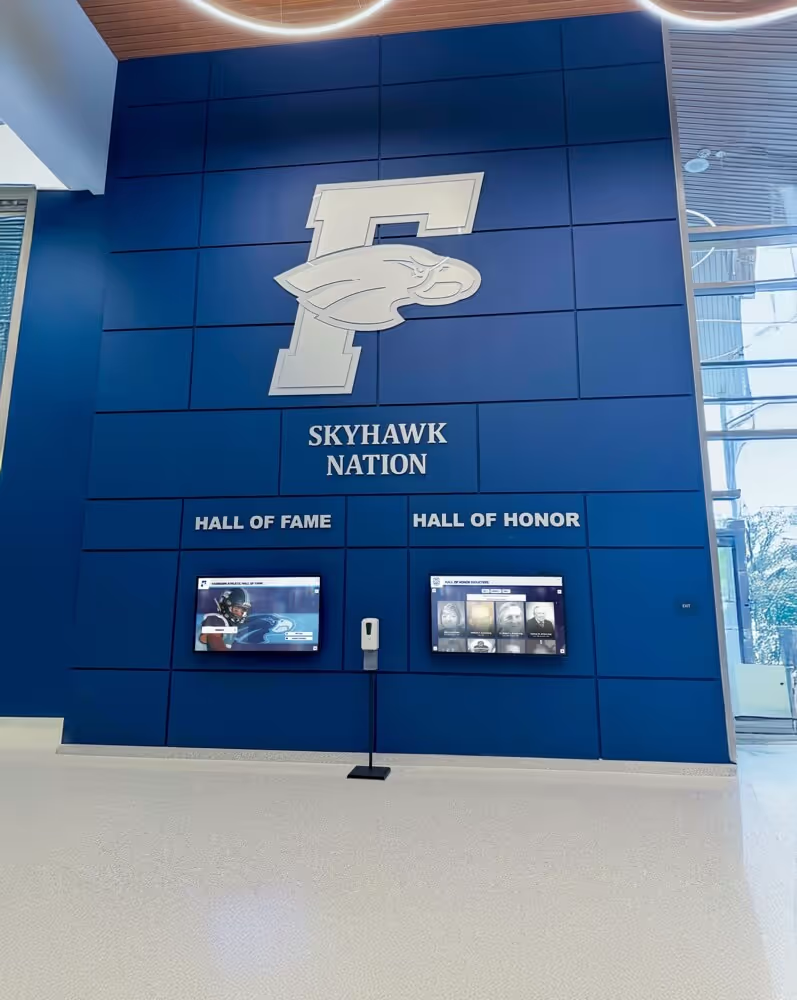
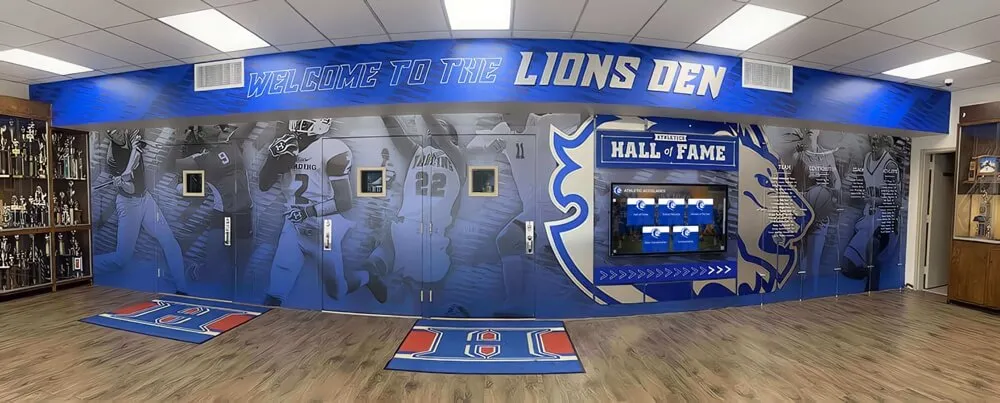
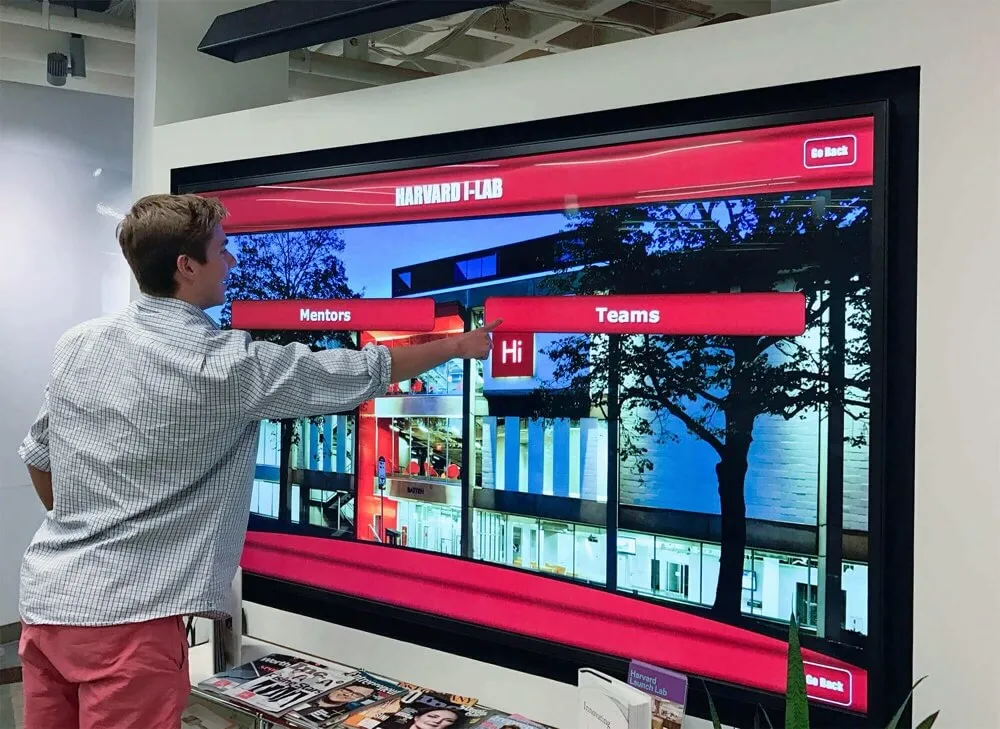
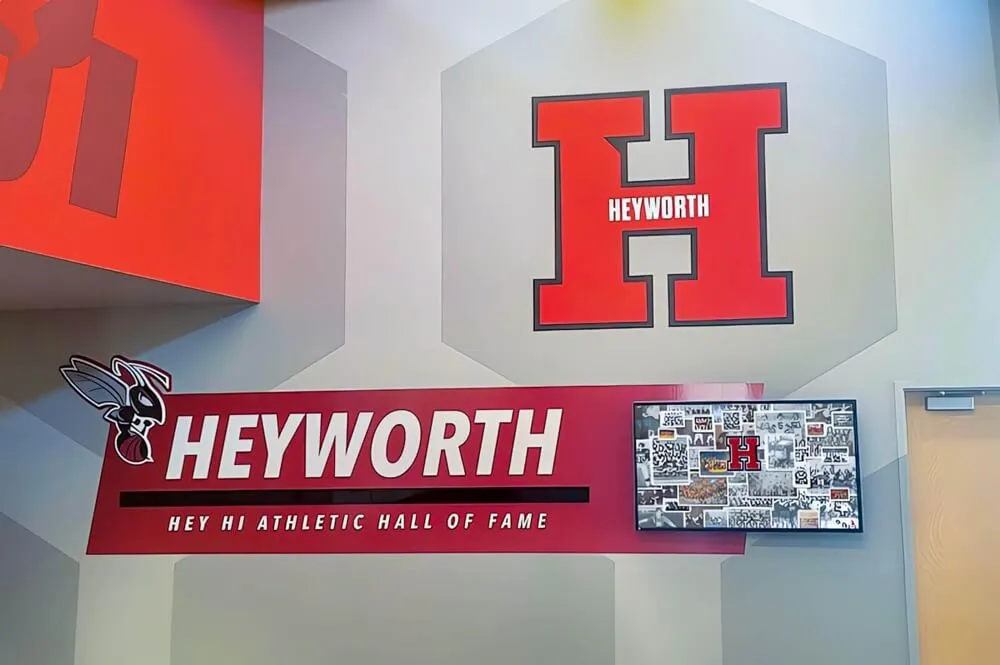
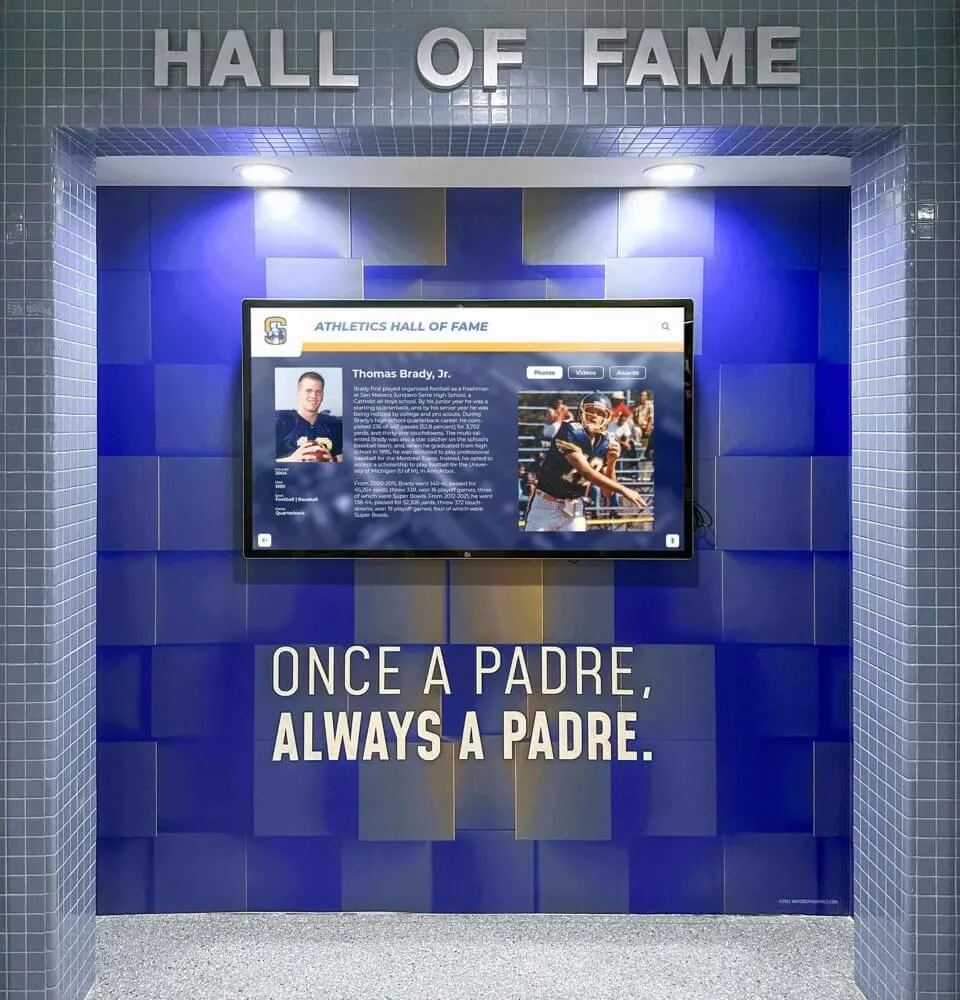
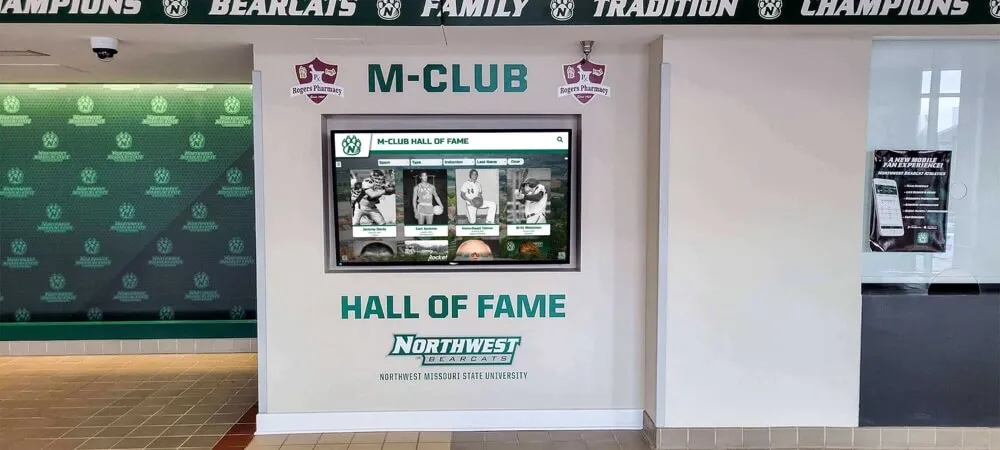
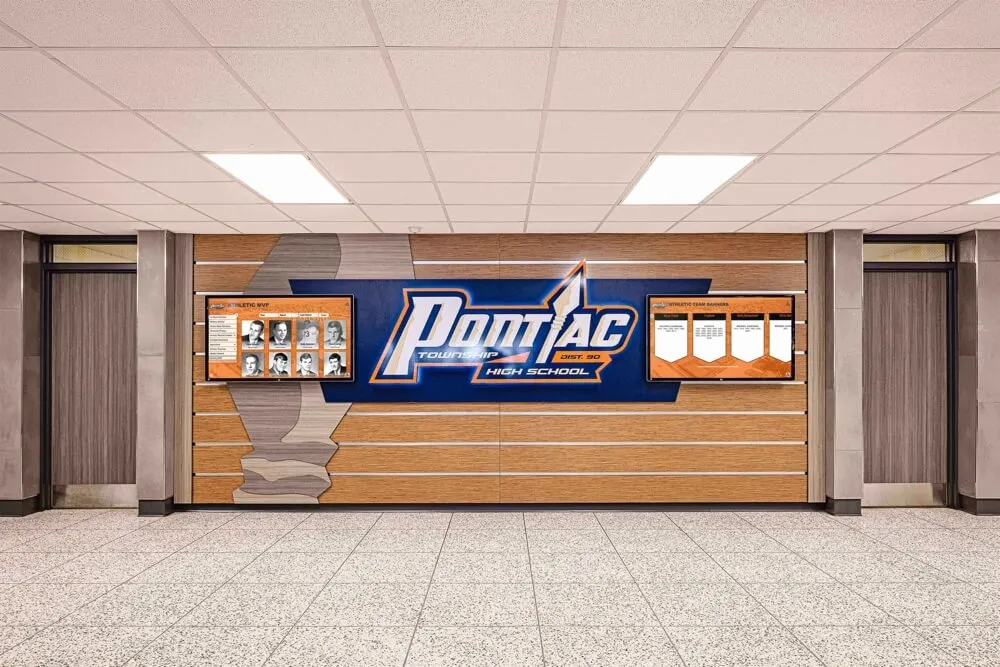
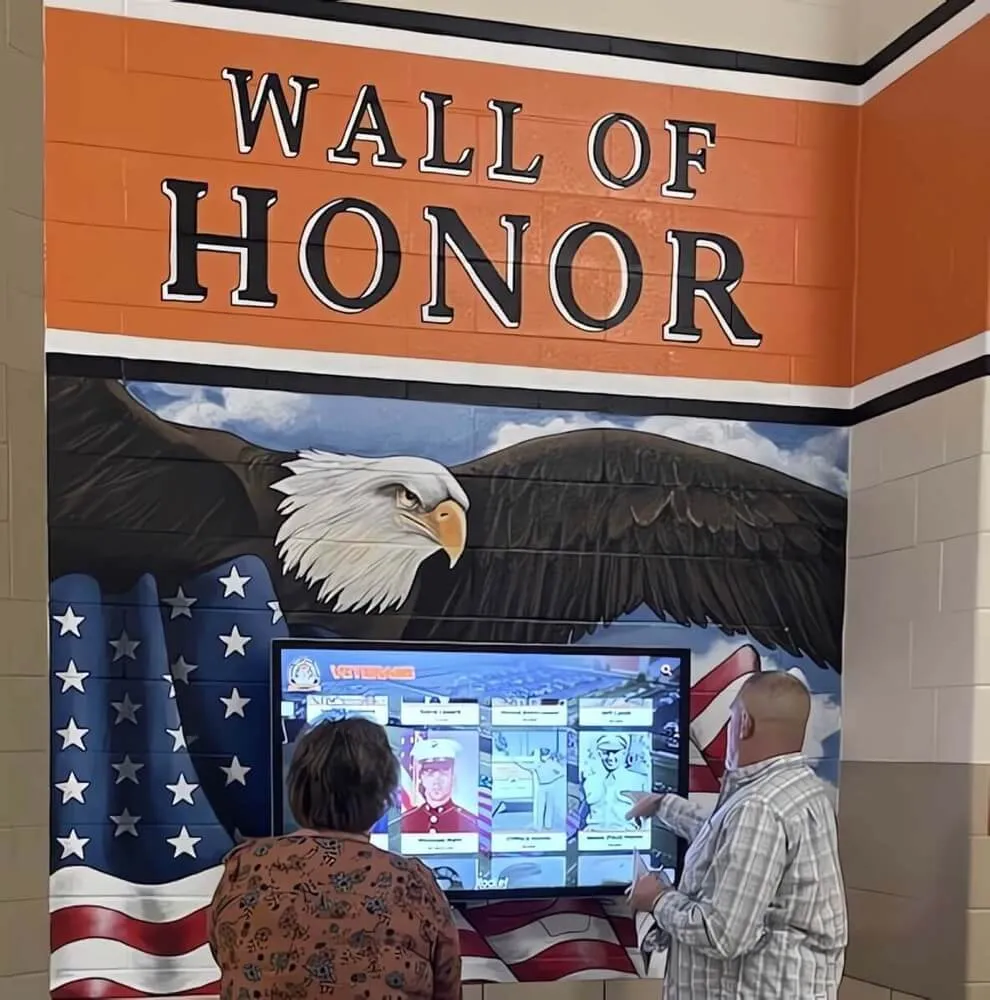
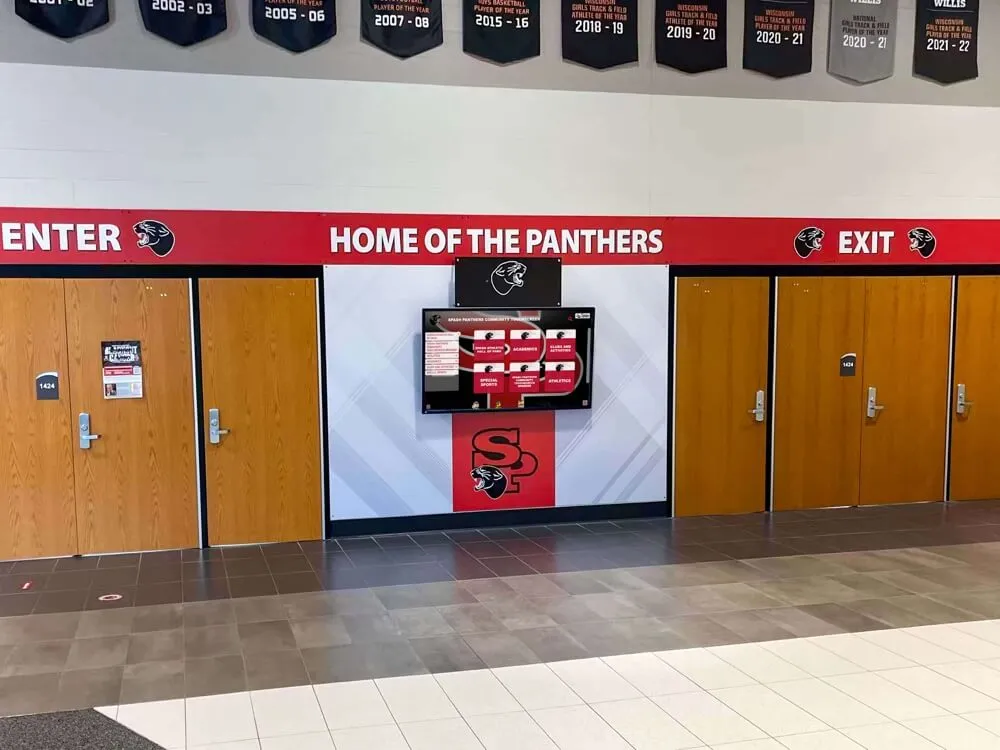
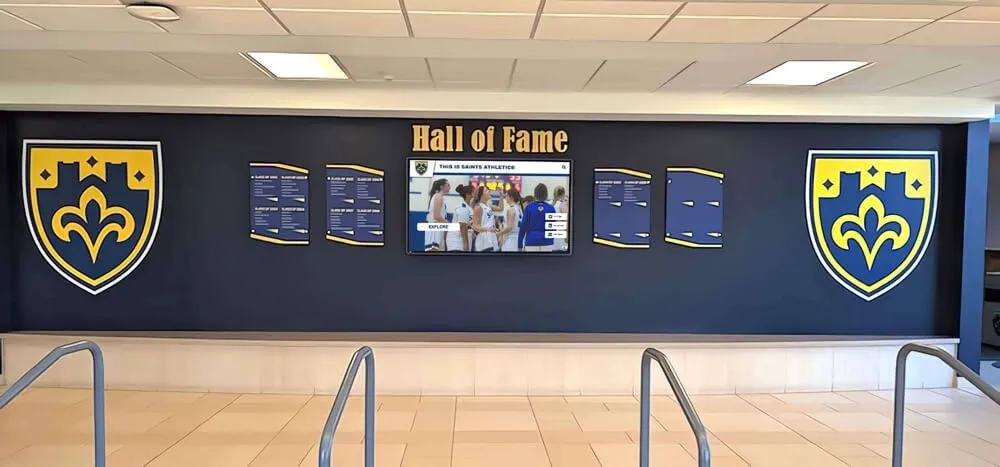
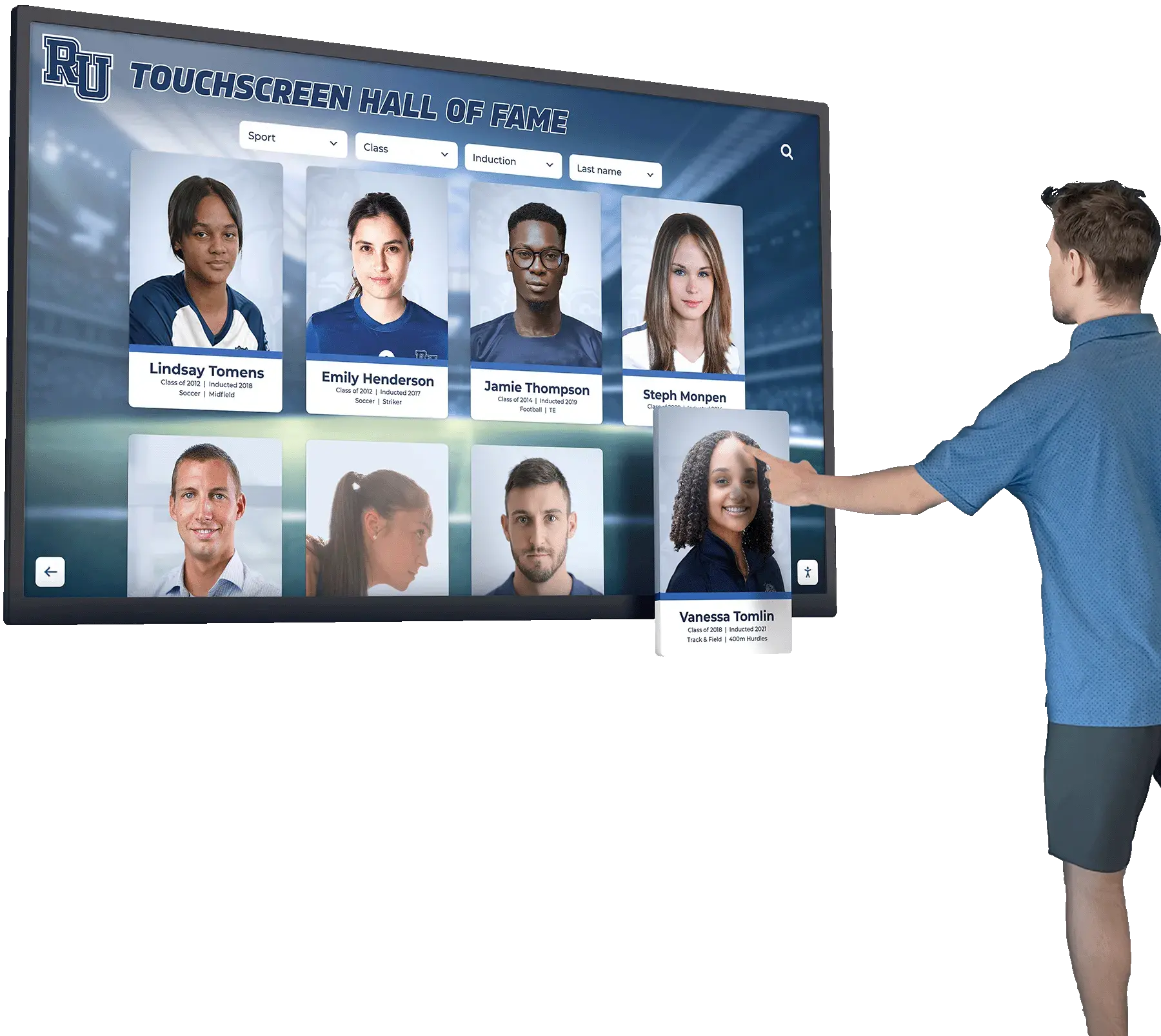
Modern hall of fame displays combine rigorous selection standards with interactive technology enabling detailed honoree profiles that traditional plaques cannot accommodate
Understanding Hall of Fame Selection Frameworks
Effective hall of fame programs begin with clear selection frameworks that establish credible standards while remaining flexible enough to recognize diverse forms of exceptional achievement.
Core Eligibility Requirements
Most school hall of fame programs establish baseline eligibility criteria defining who qualifies for consideration before evaluating specific accomplishments.
Time-Based Eligibility Standards
Schools typically require minimum time periods between graduation and induction eligibility, commonly ranging from five to ten years. This waiting period serves multiple purposes: allowing post-graduation accomplishments to emerge, ensuring recognition reflects sustained excellence rather than temporary success, preventing recency bias favoring current students, and creating psychological distance enabling objective evaluation separate from personal relationships.
Ten-year waiting periods represent common practice, though some programs use five years for athletic recognition while requiring ten or fifteen years for professional achievement categories where career accomplishments take longer to develop. Schools must balance patience enabling full career assessment against timely recognition honoring individuals while their connections to institutions remain strong.
Graduation and Affiliation Requirements
Most programs require formal graduation or completion of degree requirements, though exceptions sometimes apply for athletes who left early for professional opportunities or individuals whose contributions occurred through employment rather than enrollment. Some institutions separate alumni halls of fame from broader recognition programs encompassing coaches, administrators, and community supporters who shaped programs despite never attending as students.
Clear affiliation requirements prevent disputes about eligibility while establishing logical boundaries around recognition scope. Programs honoring student-athletes typically require minimum participation thresholds—commonly two or three seasons—preventing one-semester transfers from qualifying despite limited institutional connection.
Establishing Selection Criteria Categories
Hall of fame programs typically organize selection criteria into distinct categories reflecting different forms of achievement worthy of recognition.
Athletic Performance Standards
Athletic hall of fame selections commonly evaluate multiple performance dimensions rather than relying on single metrics. Championship participation, individual records, statistical achievements, all-conference or all-state honors, professional or collegiate continuation, and career consistency all factor into detailed evaluation frameworks.
Schools must decide whether to compare candidates against absolute standards or relative peer performance. A swimmer breaking school records at a small program with limited competition history might demonstrate more exceptional individual achievement than a football player with strong but unremarkable statistics at a historically dominant program. Clear criteria help committees navigate these comparisons consistently.
Resources on athletic hall of fame implementation provide detailed frameworks for developing detailed athletic selection standards that balance statistical achievement with contextual evaluation.
Post-Graduate Achievement Recognition
Many programs incorporate post-graduation accomplishments into selection criteria, particularly for candidates with strong but not exceptional athletic careers who achieved remarkable success in professional fields, community leadership, or other domains reflecting positively on institutional character.
This category enables recognition of individuals who embodied program values—leadership, perseverance, sportsmanship, teamwork—while achieving success demonstrating how athletic experiences prepared them for broader life accomplishments. Professional athletes, business leaders, public servants, and community philanthropists all qualify under expanded criteria recognizing diverse forms of success.
Coaching and Contributor Categories
Separate selection criteria typically apply to coaches, administrators, and community contributors whose impacts shaped programs through leadership rather than athletic performance. Coaching criteria emphasize winning percentages, championship appearances, career longevity, mentorship impact, program development contributions, and broader influence on institutional athletic culture.
Some schools create “contributor” categories recognizing boosters, volunteer organizers, facility donors, and other supporters who enabled program success through behind-the-scenes contributions rather than coaching or competing. Clear criteria for these categories prevent vague “friends of the program” selections that undermine hall of fame credibility.
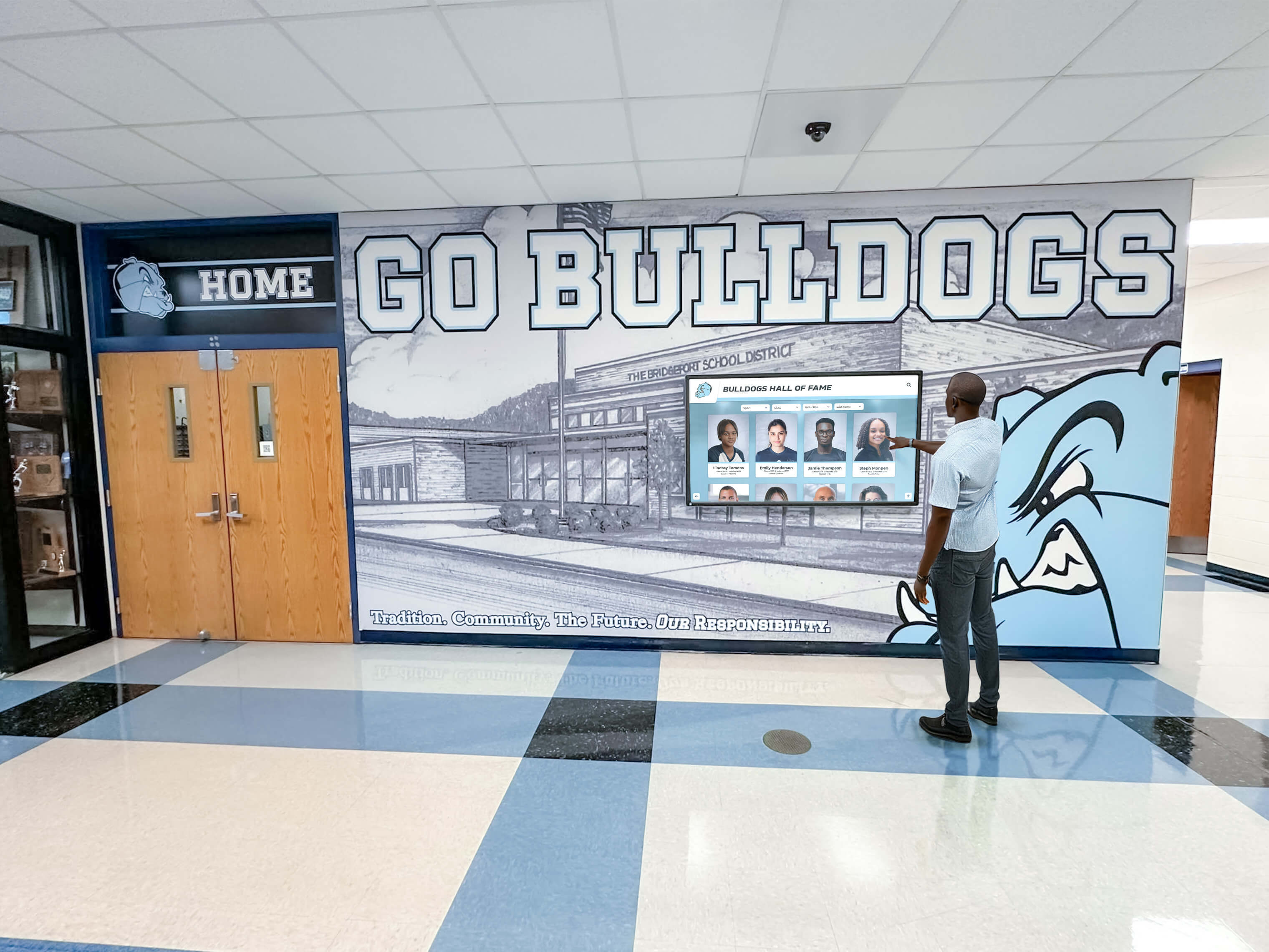
Selection committees use clearly defined criteria and nomination documentation to ensure fair, consistent evaluation of hall of fame candidates across different achievement categories
The Nomination and Selection Process
Translating criteria into actual induction decisions requires systematic nomination and evaluation procedures ensuring fair consideration of all eligible candidates.
Structuring Nomination Procedures
Open, transparent nomination processes generate broad participation while preventing perception that hall of fame selections reflect insider favoritism rather than genuine merit.
Who Can Submit Nominations
Most programs accept nominations from broad constituencies including alumni, current students, faculty and staff, community members, and self-nominations. Wide nomination access ensures qualified candidates surface regardless of whether committee members personally remember their accomplishments, particularly for graduates from decades past whose achievements might otherwise remain overlooked.
Some programs require nominators to demonstrate minimum knowledge about candidates by submitting supporting documentation—statistical summaries, news clippings, testimonial letters—rather than accepting bare-minimum nominations providing only names. This requirement filters casual submissions while ensuring committees receive sufficient information for informed evaluation.
Nomination Form Requirements
Standardized nomination forms ensure committees receive consistent information about all candidates enabling meaningful comparison. Effective nomination forms typically request biographical information including graduation year and sport or activity participation, athletic achievements with specific statistics and honors, post-graduation accomplishments demonstrating sustained success, and supporting documentation such as news articles, photographs, or testimonial letters.
Some schools request nominators explain why candidates deserve induction beyond listing achievements, prompting reflection on what makes accomplishments genuinely exceptional rather than merely strong. These narrative sections help committees understand achievement context that raw statistics alone cannot communicate.
Committee Composition and Decision-Making
Selection committee structure significantly impacts decision quality and community confidence in outcome fairness.
Balancing Perspectives and Expertise
Effective committees include diverse perspectives ensuring detailed evaluation. Athletic directors or senior coaches provide expertise evaluating athletic achievement context. Alumni representatives bring historical knowledge and community credibility. Administrators ensure selections align with institutional values. And retired educators or community members offer independent judgment free from current program politics.
Committee size typically ranges from five to nine members—large enough for diverse perspectives but small enough for productive discussion. Terms should stagger so complete membership doesn’t change simultaneously, providing continuity in interpretation of criteria and institutional memory about past discussions.
Voting Procedures and Threshold Standards
Clear voting procedures prevent confusion and establish transparency about how final selections occur. Common approaches include requiring supermajority support like two-thirds or three-quarters approval for induction, ranking all nominees and inducting top candidates up to predetermined annual limits, or using elimination rounds narrowing candidate pools before final voting.
Higher vote thresholds ensure broad committee consensus, preventing divisive selections where nearly half the committee opposed induction. Some programs require unanimous support for controversial categories like coaches, recognizing that universal agreement typically indicates clearly deserving candidates while split votes suggest qualification questions warranting continued waiting.
Programs should document voting procedures in written policies rather than relying on informal practices that change with committee membership turnover. Written policies also enable transparency with broader communities, demonstrating that selections follow consistent, fair processes rather than arbitrary or politicized decision-making.
Handling Nomination Reconsideration
Not all deserving candidates gain induction on first nomination. Clear policies should address whether and how often committees reconsider previously declined candidates. Some programs automatically reconsider all non-inducted nominees annually until selected, recognizing that timing, competition strength, and committee composition vary year to year. Other programs require new nominations for reconsideration after initial decline, putting responsibility on supporters to resubmit cases rather than maintaining perpetual candidate pools.
Whatever approach schools adopt, policies should prevent indefinite limbo where worthy candidates remain technically eligible but never receive serious consideration. Transparency about reconsideration procedures helps nominators understand whether initial decline reflects definitive rejection or simply strong competition in particular nomination cycles.
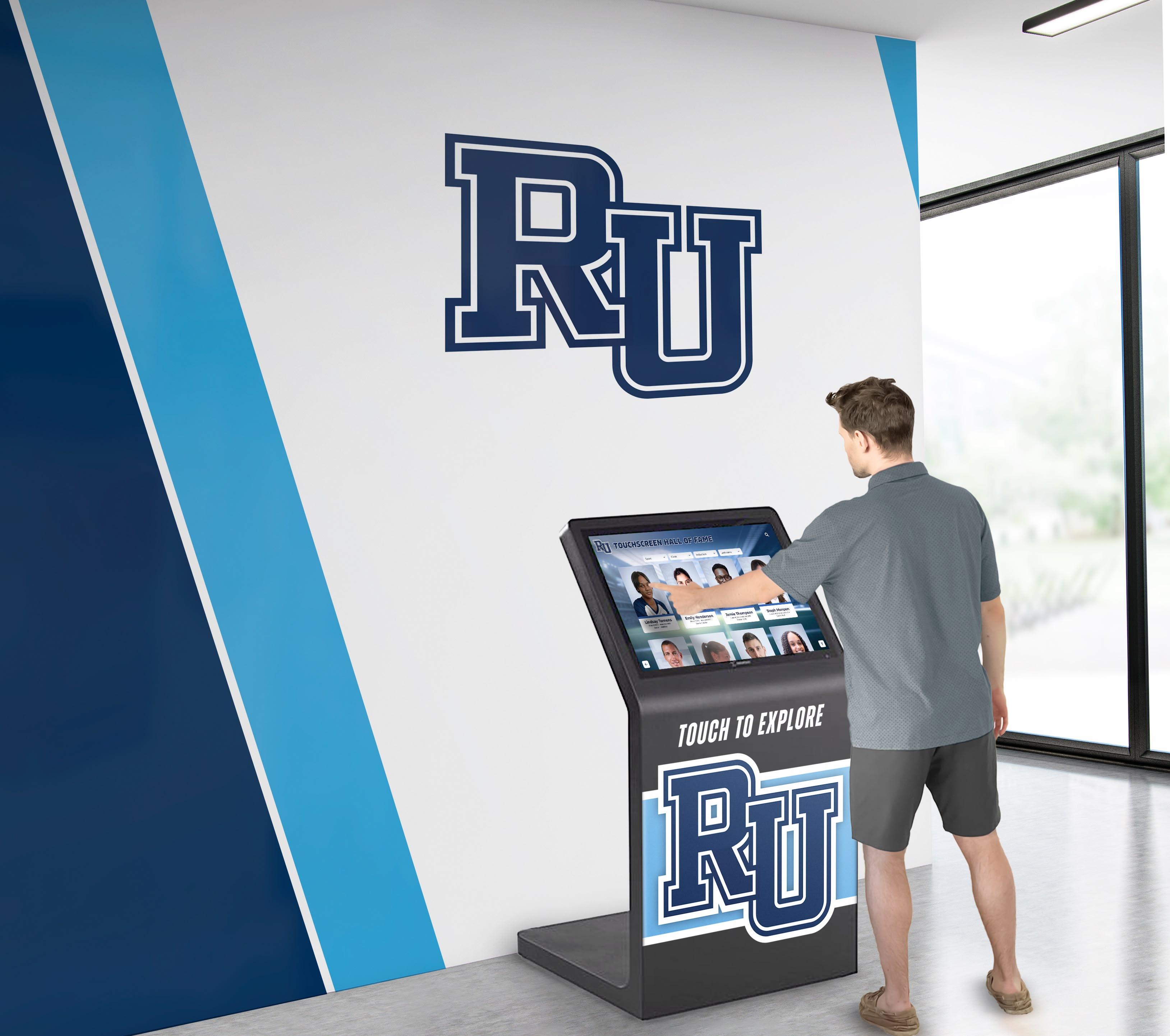
Modern nomination and selection processes benefit from digital documentation enabling committees to review detailed candidate profiles including multimedia documentation of achievements
Designing Digital Hall of Fame Displays
Once selection processes identify deserving inductees, digital displays determine how effectively their achievements reach audiences and inspire current students through accessible, engaging presentation.
Layout Design and Experience Architecture
Digital hall of fame interfaces must balance complete information depth with clear navigation enabling users to quickly find specific inductees or browse interesting stories without frustration.
Primary Navigation Structures
Most effective digital halls of fame provide multiple entry points accommodating different user intentions. Browsing by sport or activity category serves users interested in specific programs. Timeline or year-based navigation helps alumni find contemporaries and compare eras. Search functionality enables direct access when users seek specific individuals. And featured inductee carousels on home screens introduce compelling stories to casual browsers.
Shallow navigation hierarchies work better than deep structures for public touchscreen contexts. Users should reach individual profiles within two taps from home screens—first selecting category or search approach, then selecting specific individuals. Additional navigation depth beyond two levels dramatically increases abandonment as standing users demonstrate limited patience for extensive menu exploration.
Resources on designing digital hall of fame layouts provide detailed frameworks for organizing content maximizing both findability and serendipitous discovery of inspiring achievement stories.
Profile Page Content Organization
Individual inductee profiles represent core content where selection criteria translate into celebration. Effective profiles typically include hero images featuring inductees in action or formal portraits, biographical summaries covering years of participation and basic background, achievement highlights presenting statistics, honors, and records in scannable formats, narrative sections providing context and storytelling depth, and related content connections linking teammates, contemporaries, or similar achievers.
Content organization should follow scanning patterns with most important information—names, primary achievements, years—appearing prominently at top while detailed statistics, extended narratives, and supplementary content appear below for users choosing deeper exploration. This progressive disclosure serves both quick browsers seeking basic information and motivated users wanting detailed stories.
Visual Design and Brand Integration
Digital hall of fame displays must feel distinctly connected to institutional identity while maintaining professional presentation quality reflecting the honor induction represents.
Incorporating School Colors and Branding
Strong visual identity creates immediate recognition that displays represent official institutional recognition rather than generic content. School colors should dominate interface design through backgrounds, accent elements, and interactive components. Logos and mascots provide visual anchors connecting recognition to broader institutional brand. And typography choices should reference other institutional materials creating cohesive visual language across physical and digital communications.
However, branding must enhance rather than overwhelm content. Honorees themselves deserve visual priority—their photographs, achievements, and stories should dominate screens with institutional branding playing supporting role establishing context rather than competing for attention.
Creating Visual Hierarchy and Readability
Public touchscreen displays face challenging viewing conditions including bright ambient lighting, wide viewing angles as multiple people watch simultaneously, and standing users positioned further from screens than typical desktop distances. These conditions demand high-contrast color schemes, generous text sizing, and clear visual organization enabling quick comprehension.
Minimum font sizes should exceed web standards—18 points for body text, 24+ points for headings, ensuring legibility from 3-4 feet. Contrast ratios should exceed WCAG accessibility minimums, ideally reaching 7:1 or higher for body text against backgrounds. And information density should remain lower than web pages, with generous whitespace preventing visual clutter that forces careful examination to parse content.

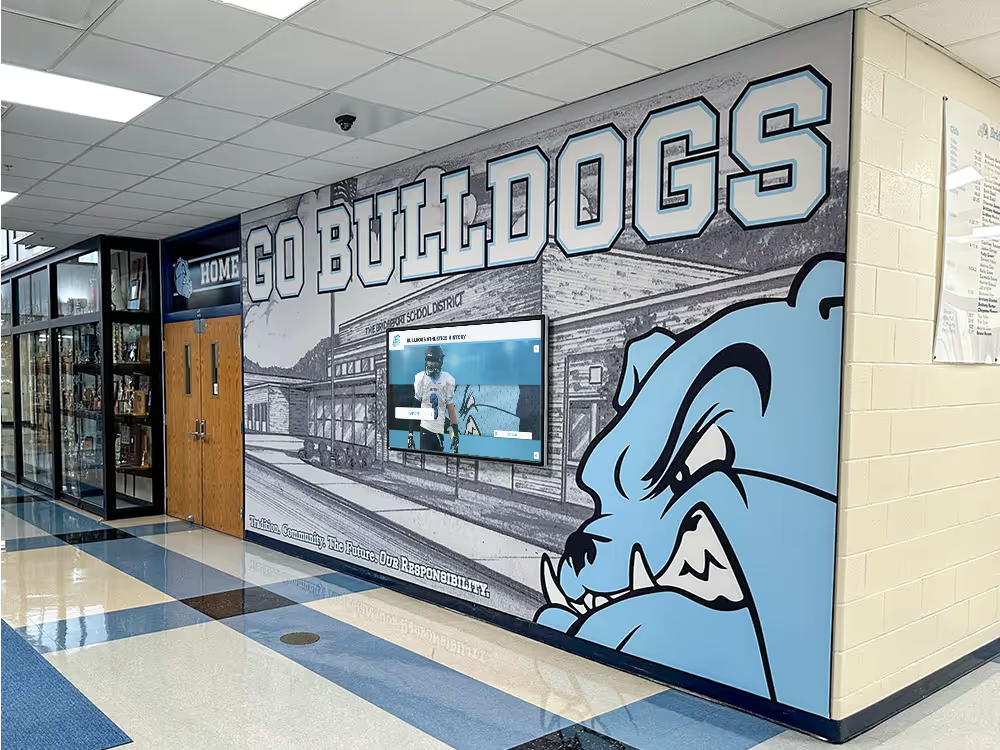
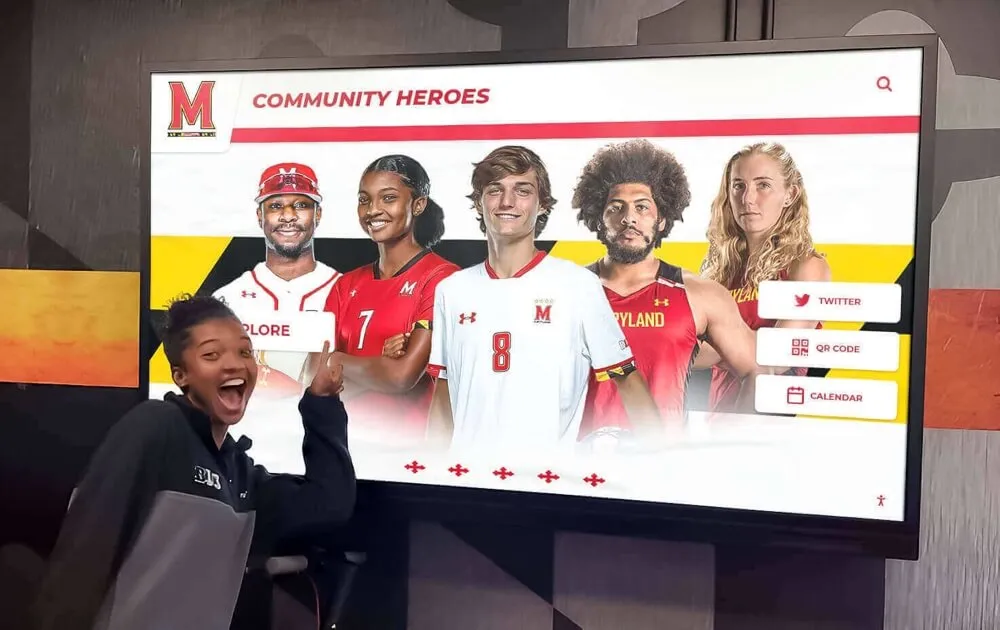
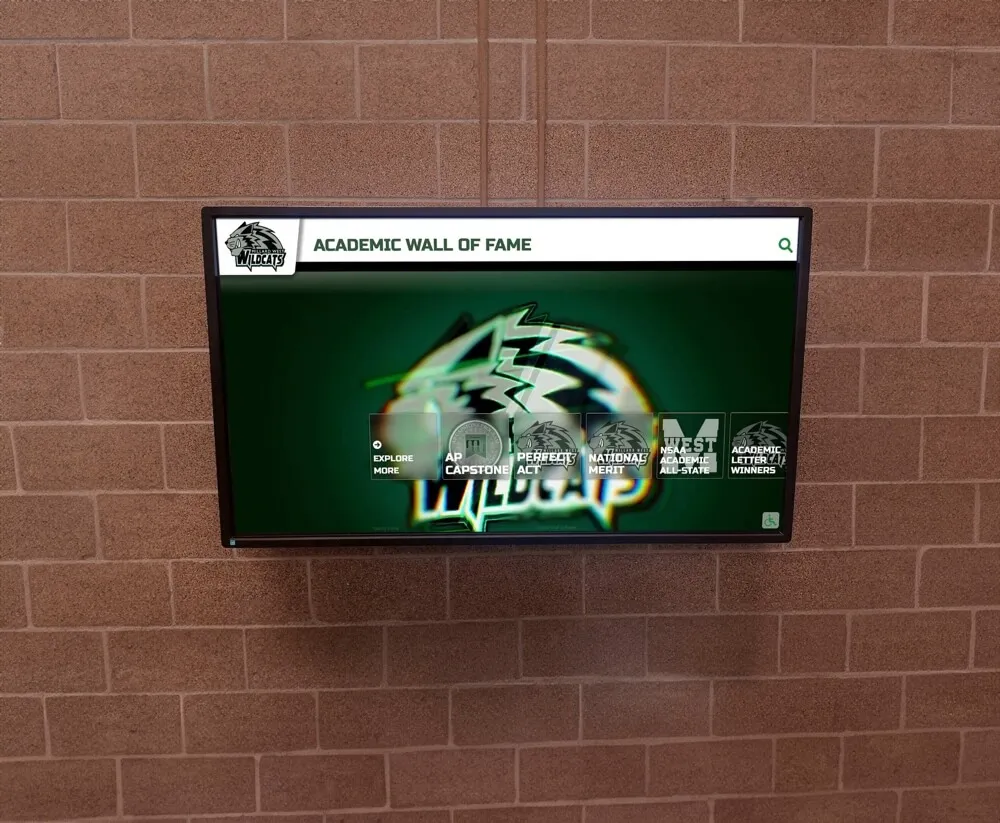
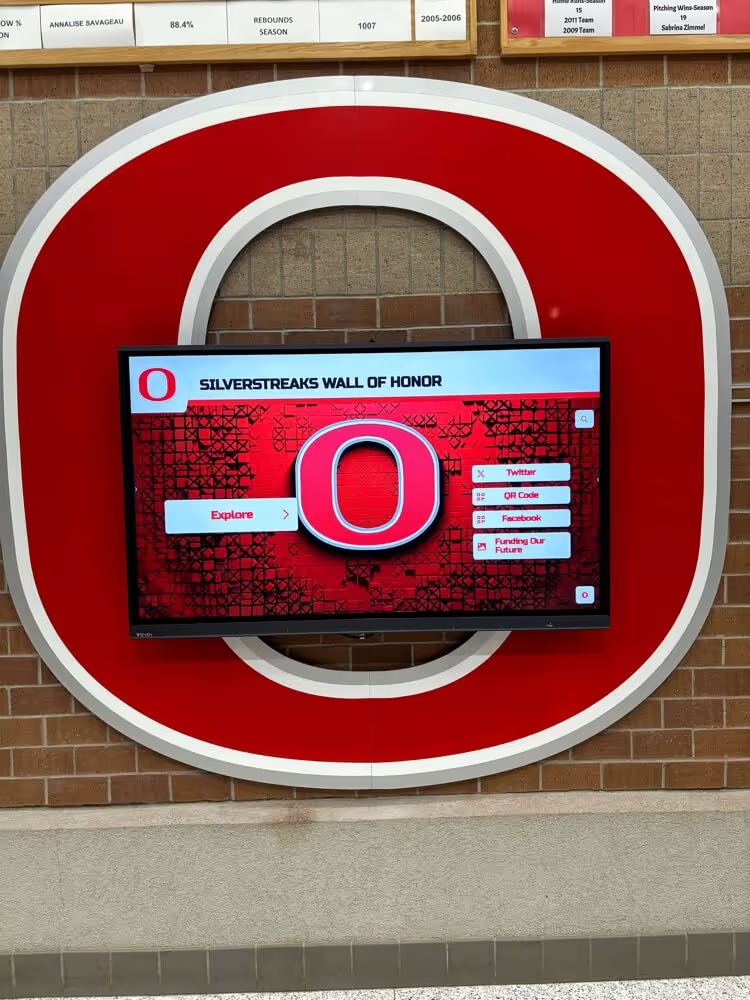
Effective visual design integrates institutional branding while maintaining focus on honoree achievements through clear hierarchy and high-contrast presentation
Multimedia Content and Storytelling Elements
Digital platforms enable recognition experiences far beyond what traditional plaques provide through multimedia integration and detailed storytelling.
Photography and Video Integration
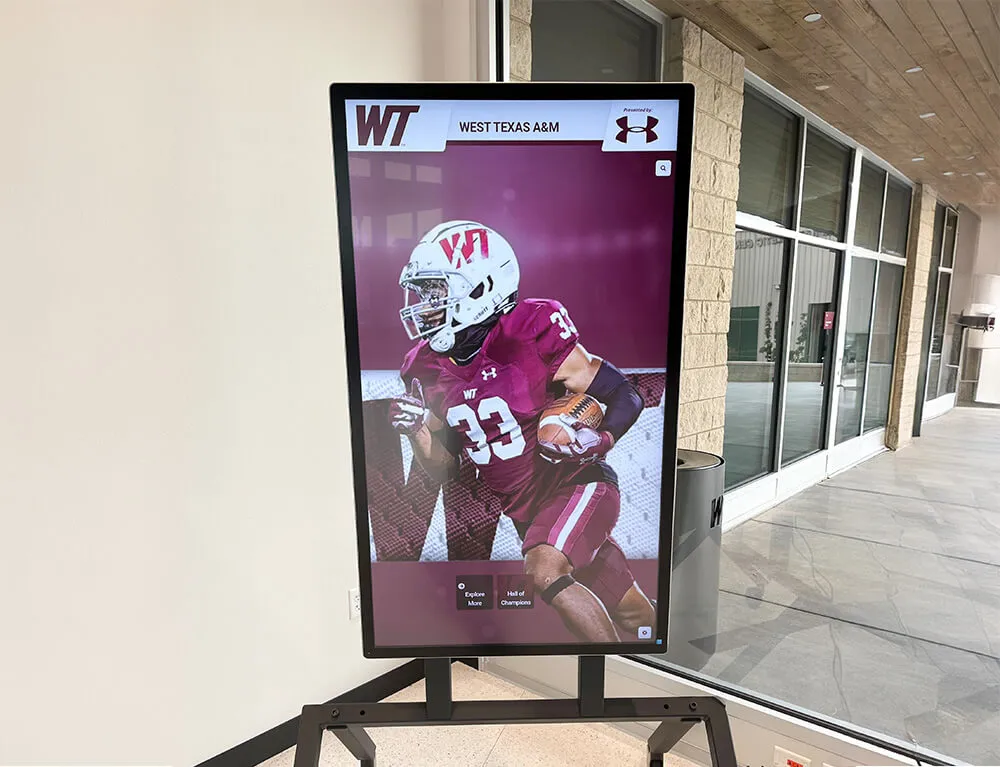
High-quality photography transforms recognition from name lists into personal connections with actual individuals whose achievements displays celebrate. Action photographs capturing athletic performance moments, formal portraits presenting professional images, historical photographs documenting careers across multiple seasons, and contemporary photographs showing honorees at induction ceremonies all contribute to rich visual storytelling.
Video content adds even deeper dimensions through highlight reels featuring athletic performances, interview clips sharing personal reflections on careers and institutional impacts, and induction ceremony footage preserving recognition events for permanent access by broader audiences unable to attend in person.
Schools implementing digital recognition solutions should develop systematic photography and video collection processes ensuring new inductees receive detailed multimedia documentation rather than relying on whatever historical materials happen to exist in archives.
Statistical Displays and Achievement Data
Quantitative achievement data proves particularly important for athletic recognition where statistics provide objective documentation of exceptional performance. But raw numbers alone lack context—displaying that a basketball player scored 1,500 career points means little without understanding that achievement ranks third all-time in school history or that the next-highest scorer in the same era managed only 900 points.
Effective statistical presentations provide context through all-time rankings, era comparisons, and visual representations making magnitudes immediately apparent. Bar charts comparing top performers, timeline graphs showing records evolving across decades, and percentage-based achievement meters all help audiences grasp significance rather than processing raw numbers requiring mathematical interpretation.
Narrative Content and Personal Stories
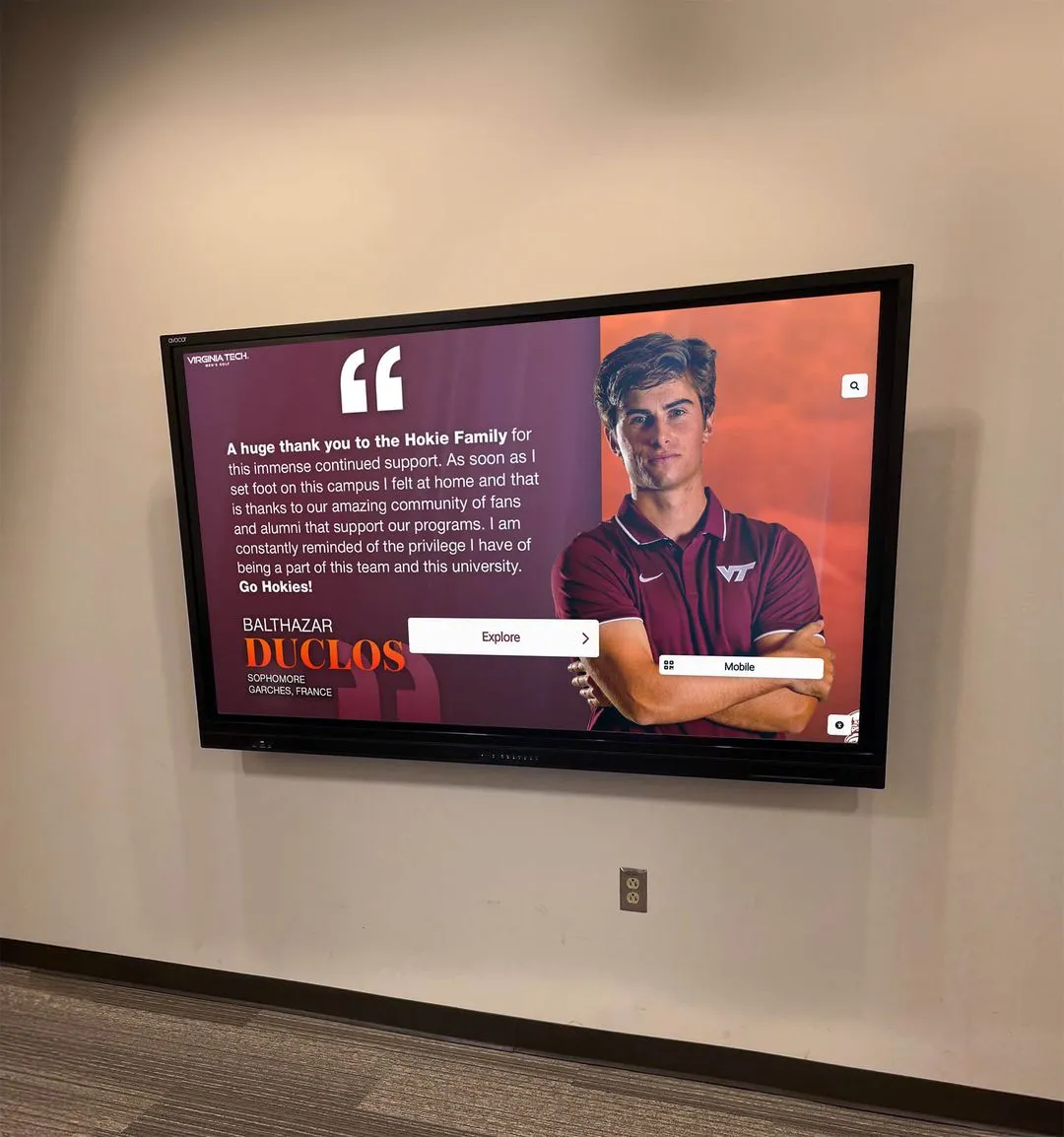
While statistics document achievements, narrative content creates emotional connections enabling audiences to understand individuals behind accomplishments. Brief biographical paragraphs covering personal backgrounds, career highlights, and post-graduation paths add human dimension to statistical excellence. Quotes from or about inductees provide personal voices. And stories about specific moments, games, or achievements that defined careers transform recognition from resume listings into compelling narratives.
Content depth should balance detailedness with realistic creation capacity. Schools maintaining digital athletic recognition programs typically develop standard profile templates defining minimum content requirements—perhaps 200-300 word biographical summaries, core statistics, and 3-5 photographs—with options for expanded content when available without creating expectation that all profiles contain identical depth.
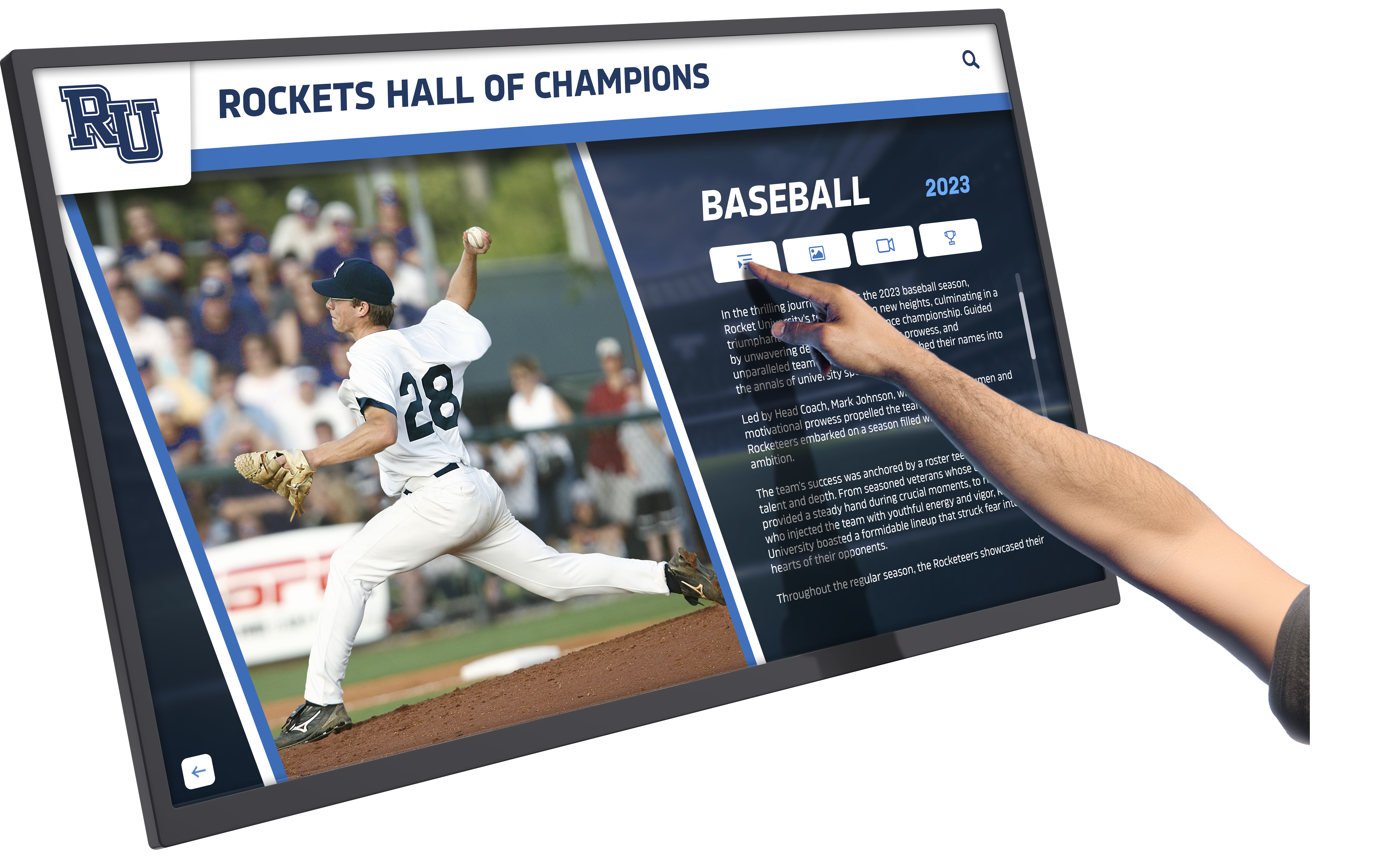
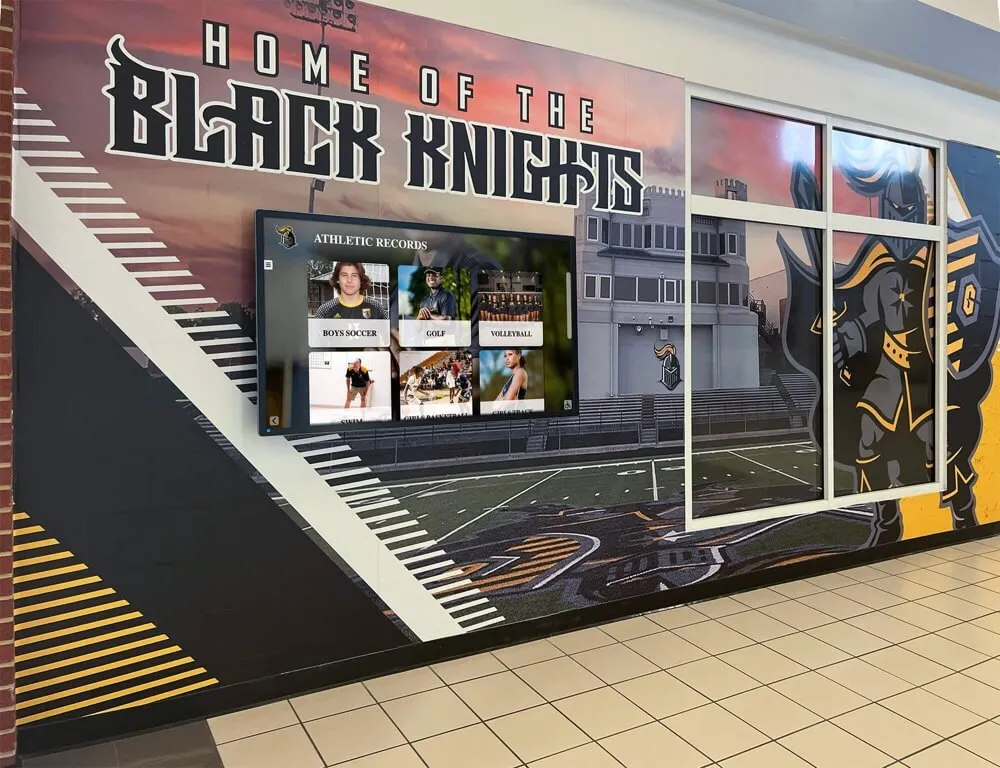
Multimedia profiles combine photography, statistics, video highlights, and narrative content creating detailed celebration of achievement that traditional plaques cannot deliver
Interactive Features Enhancing Engagement
Beyond presenting static content, interactive features transform passive viewing into active exploration encouraging deeper engagement with recognition content.
Search and Filtering Capabilities
Large hall of fame collections spanning decades or multiple categories require powerful search and filtering tools enabling users to quickly locate specific individuals or discover inductees matching particular interests.
Text Search Implementation
Basic name search represents minimum functionality, but enhanced search supporting partial matches, phonetic spelling variations, and maiden name alternatives for married alumni significantly improves findability. Expanded search indexing keywords, sports, positions, graduation years, and hometown locations enables discovery through multiple access points beyond names alone.
Search interfaces should appear prominently on home screens—large, obvious text input fields with placeholder text clearly communicating search capability. And results should appear dynamically as users type rather than requiring submission buttons, reducing interaction steps while providing immediate feedback confirming search functionality.
Category and Attribute Filtering
Browsing interfaces benefit from flexible filtering enabling users to narrow large collections to relevant subsets. Sport or activity filters help football alumni find teammates while filtering out unrelated programs. Year range filters enable exploring specific eras or identifying graduation year contemporaries. And achievement type filters might separate championship teams, individual record holders, or professional athletes from detailed inductee lists.
Multiple simultaneous filters should combine through AND logic—selecting football AND 1990s returns only football players from that decade rather than all football players plus all 1990s inductees regardless of sport. Clear visual indicators should show active filters with obvious removal mechanisms preventing users from getting stuck viewing filtered results without understanding why expected individuals don’t appear.
Social Sharing and Mobile Connectivity
Digital recognition gains broader reach when physical installations connect to mobile devices and social media platforms extending content beyond campus locations.
QR Code Integration for Mobile Access
QR codes appearing on hall of fame screens enable users to instantly transfer content to personal smartphones for later review, sharing with others, or saving to personal collections. Each individual profile might display unique QR codes linking directly to web-accessible versions of complete content including photographs, videos, and biographical information.
This connectivity proves particularly valuable during campus tours when prospective families want to remember and share information, at athletic events when alumni encounter former teammates, and during reunion events when graduates explore updated displays documenting careers of contemporaries they haven’t followed for decades.
Social Media Integration
Share buttons enabling direct posting to social media platforms extend recognition reach from physical display viewers to entire social networks. Alumni discovering their own profiles or teammates naturally want to share recognition with family, friends, and former teammates. Making sharing frictionless through one-tap posting maximizes viral reach while celebrating achievements to broader audiences.
Schools should consider whether shared content should link back to public web versions of recognition profiles, potentially requiring web-accessible hall of fame components rather than purely physical touchscreen implementations. Programs using solutions like Rocket Alumni Solutions benefit from integrated physical and web platforms ensuring recognition remains accessible regardless of whether audiences can physically visit campus installations.
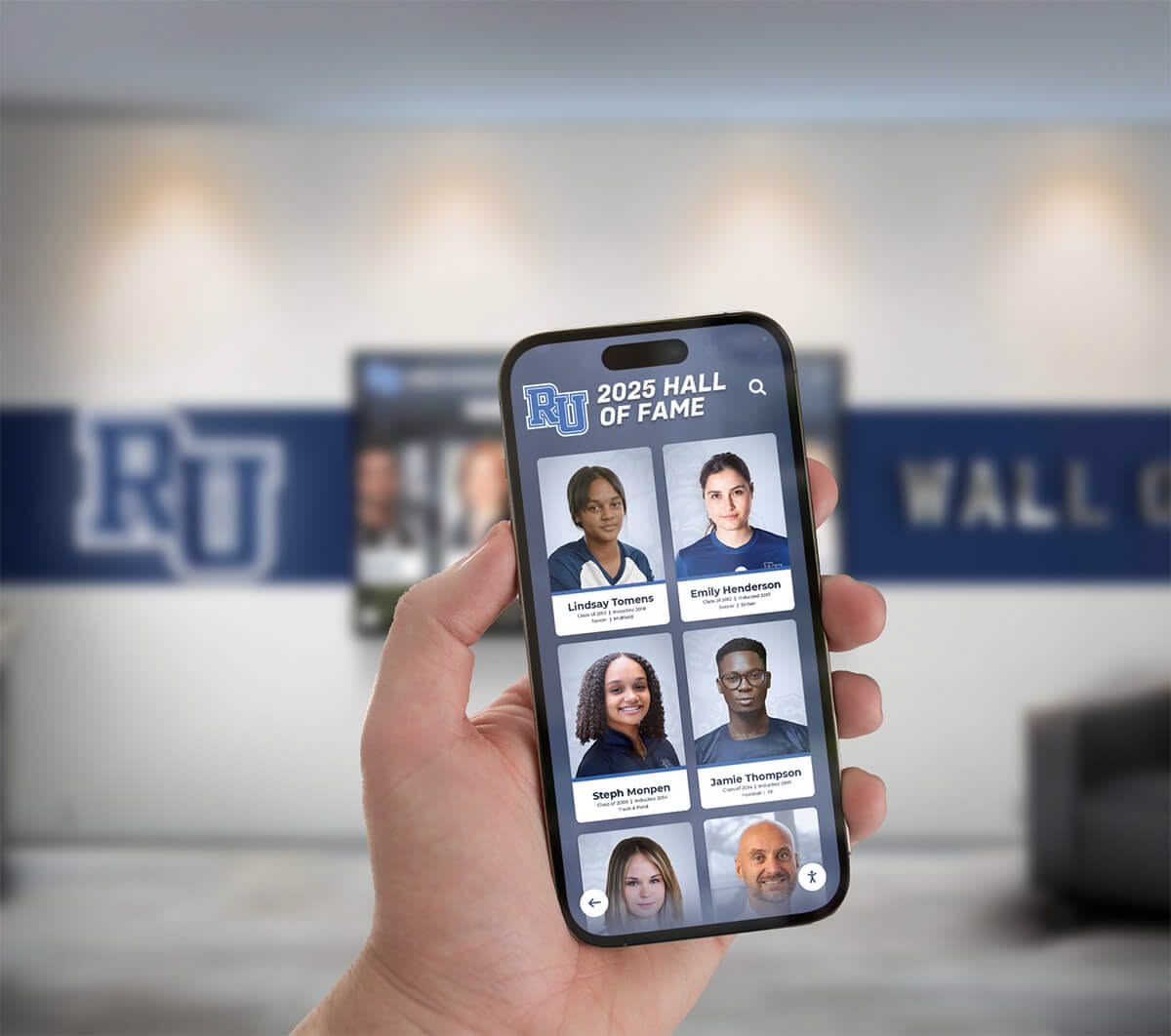
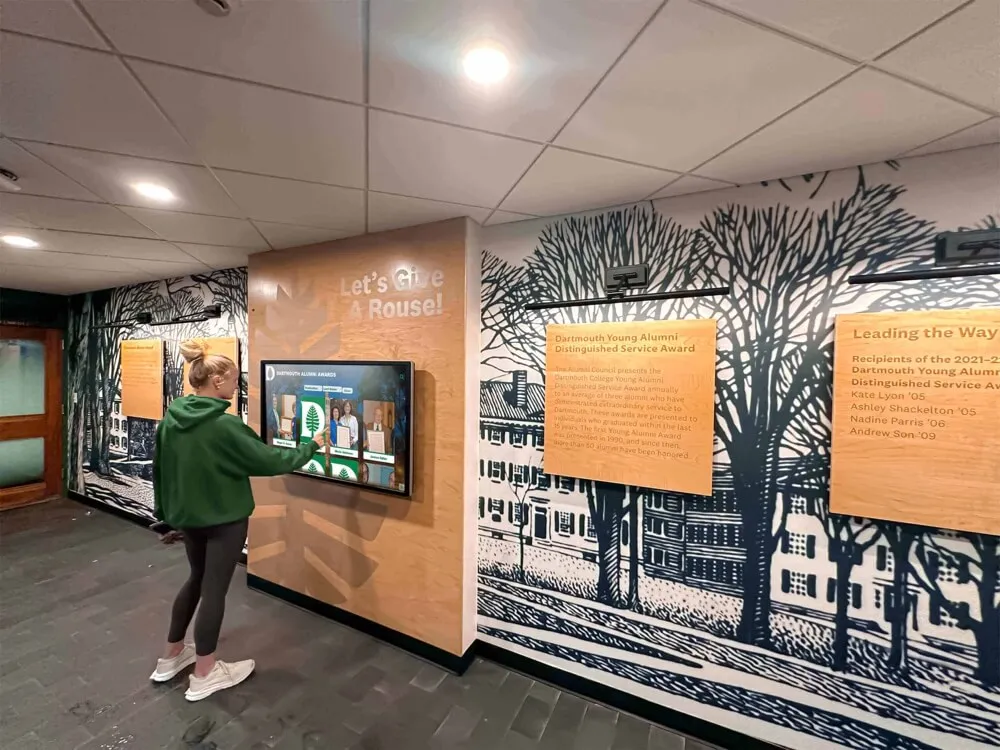
QR code integration extends recognition beyond physical installations, enabling visitors to save, share, and explore content on personal devices after leaving campus
Technical Implementation Considerations
Successful digital hall of fame programs require attention to hardware selection, software platforms, and ongoing content management beyond initial design decisions.
Hardware Requirements and Installation
Physical touchscreen installations must withstand continuous public use in institutional environments while delivering responsive, reliable performance.
Commercial-Grade Display Selection
Consumer tablets and displays prove inadequate for institutional installations expected to operate reliably for years under continuous public access. Commercial-grade touchscreen displays designed for 16-24 hour daily operation provide durability including higher touch cycle ratings measuring millions of interactions, thermal management preventing overheating during continuous operation, industrial components resisting environmental factors like temperature variations and humidity, and extended warranties typically covering three to five years compared to one-year consumer standards.
Screen size should balance content visibility from typical viewing distances—commonly 3-4 feet—against physical space constraints and budget considerations. 42-55 inch displays represent common selections for dedicated hall of fame installations, providing sufficient size for comfortable reading while remaining manageable for standard hallway mounting locations.
Installation Location and Positioning
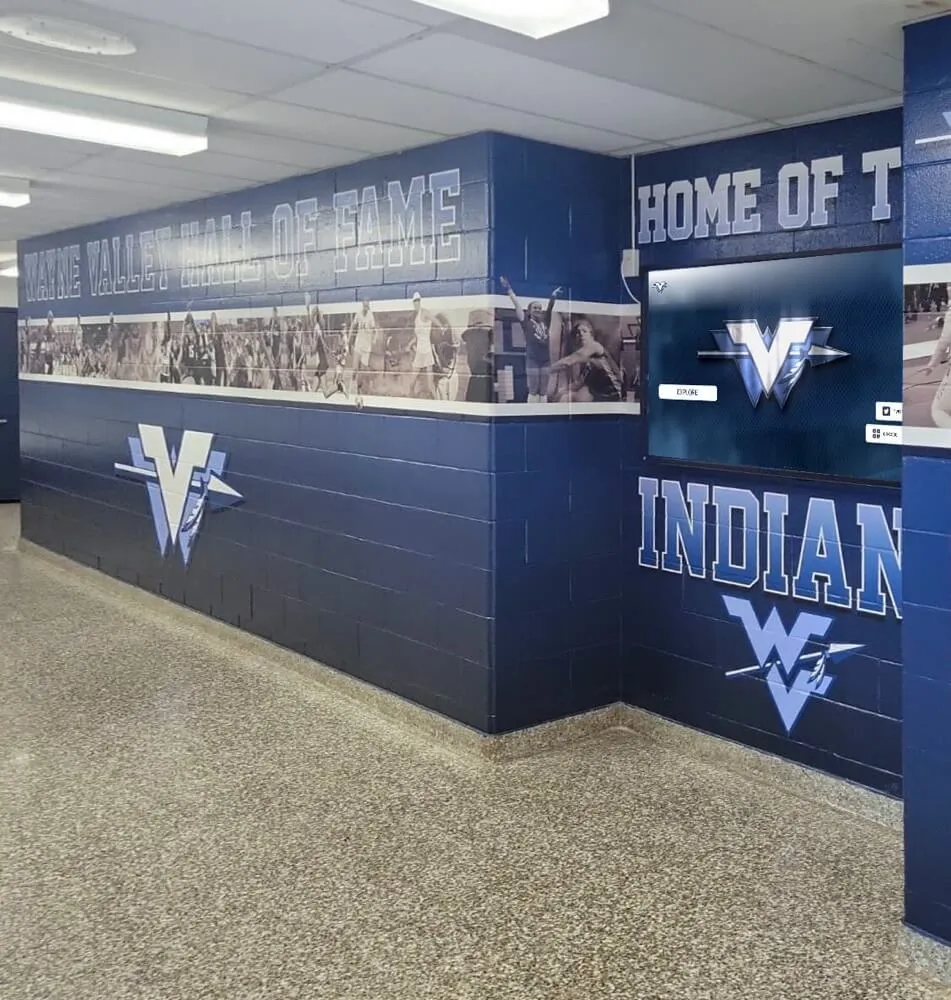
Hall of fame displays should occupy high-visibility locations where students, visitors, and alumni naturally congregate rather than isolated areas requiring intentional seeking. Common effective locations include main entrance lobbies, gymnasium entrances, athletic hallway corridors, and cafeteria or commons areas.
Mounting height significantly impacts accessibility and usability. Interactive touchscreens should position active areas between 36-48 inches from floor level serving both standing adults and seated wheelchair users. Displays mounted higher work for passive viewing but frustrate users unable to comfortably reach interactive elements.
Software Platform Selection
Digital hall of fame software platforms vary significantly in content management capabilities, design flexibility, and total cost of ownership beyond initial purchase prices.
Content Management System Requirements
Schools need user-friendly content management systems enabling designated staff to add new inductees, update existing profiles, and maintain current content without requiring technical expertise or IT department intervention for routine updates. Cloud-based platforms accessible through standard web browsers provide flexibility for distributed content creation where athletic directors, coaches, or designees enter content within their areas of responsibility.
Critical content management features include template-based profile creation ensuring visual consistency, media library management supporting photography and video organization, preview capabilities showing exactly how content appears on displays before publication, and revision history preserving previous versions when updates occur.
Design Customization and Branding Flexibility
Generic hall of fame templates rarely align perfectly with institutional brand identity and recognition program needs. Software platforms should provide customization capabilities including color scheme modification matching school branding, layout adjustments accommodating different content types and volumes, typography control ensuring brand-consistent fonts, and logo and mascot integration options.
Some platforms offer professionally designed template libraries where schools select starting points then customize details, while others provide complete blank-slate flexibility requiring more design expertise but enabling fully custom experiences. Schools must balance design control desires against realistic internal capacity for creating and maintaining custom interface designs.
Institutions exploring various recognition display approaches should evaluate software platform customization capabilities carefully during selection processes, ensuring chosen solutions support desired branding integration without requiring ongoing technical expertise schools lack.
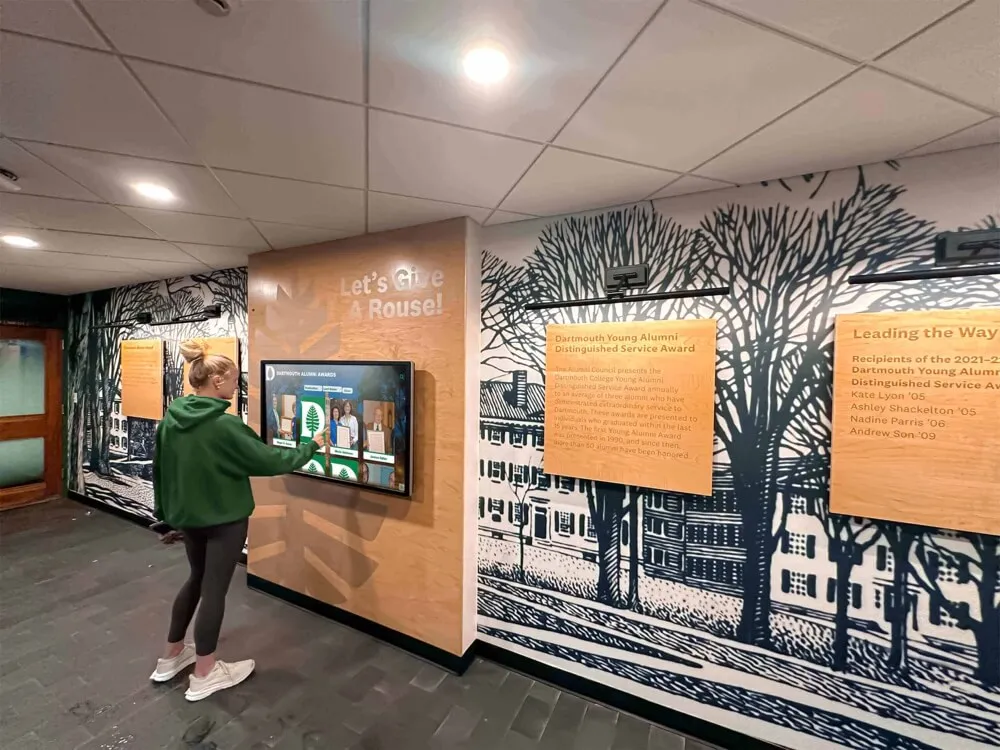
Cloud-based content management systems enable authorized staff to maintain current hall of fame content without technical expertise or dependence on IT department support
Content Maintenance and Program Evolution
Hall of fame programs require ongoing attention beyond initial implementation to maintain current, engaging content that continues serving recognition objectives effectively.
Annual Induction Cycle Management
Most programs induct new honorees annually or biannually, requiring systematic processes for managing nomination, selection, content creation, and ceremony coordination.
Timeline Planning for Annual Cycles
Successful programs establish predictable annual timelines creating routine around recognition processes. Common schedules include fall nomination periods opening in September and closing in November, winter committee review and voting during December and January, spring announcement and content preparation during February and March, and late spring or early summer induction ceremonies during graduation events or athletic banquet seasons.
Consistent timing helps nominators remember submission deadlines without special reminders, enables committees to plan availability around predictable meeting schedules, and allows adequate content preparation time between selection announcements and public display updates.
New Inductee Content Collection
Adding new inductees to digital displays requires collecting photographs, biographical information, achievement documentation, and potentially video interviews or highlight footage. Schools should develop standard content collection procedures executed immediately following selection announcements while motivation remains high and inductee cooperation is easiest to secure.
Standard information packets sent to new inductees might request high-resolution photograph submission, biographical questionnaire completion covering career highlights and post-graduation accomplishments, collection of news clippings or documentation supporting nomination, and optional video interview scheduling for programs incorporating multimedia documentation.
Historical Content Enhancement
Digital platforms enable continuous enhancement of existing inductee profiles as new photographs surface, additional information becomes available, or updated career accomplishments warrant documentation.
Archival Material Digitization
Many programs inherit historical inductees recognized before digital halls of fame existed, often with minimal documentation beyond names and basic statistics. Systematic archival research can enhance these profiles through yearbook photograph scanning, newspaper archive searches locating period coverage, and alumni outreach requesting personal photographs and memorabilia contribution.
Community involvement often proves surprisingly effective for historical content enhancement. Social media posts requesting information about specific historical inductees frequently generate responses from family members, teammates, or community members possessing photographs and stories that institutions lack in official archives.
Institutions interested in preserving and celebrating school history through digital platforms benefit from treating content development as ongoing projects rather than one-time implementation tasks, continually improving recognition quality as additional documentation becomes available.
Updating Career Accomplishments
Inductee achievements don’t end at selection—many continue careers in coaching, business, or public service accumulating additional accomplishments reflecting positively on institutional programs. Digital platforms enable updating profiles documenting continued success rather than freezing recognition at induction moments.
Annual review processes might identify inductees with significant new accomplishments warranting profile updates—professional sports achievements, business leadership positions, community service recognition, or other success demonstrating sustained excellence. These updates keep hall of fame content current while reinforcing messages that institutional experiences launched exceptional lifelong careers.
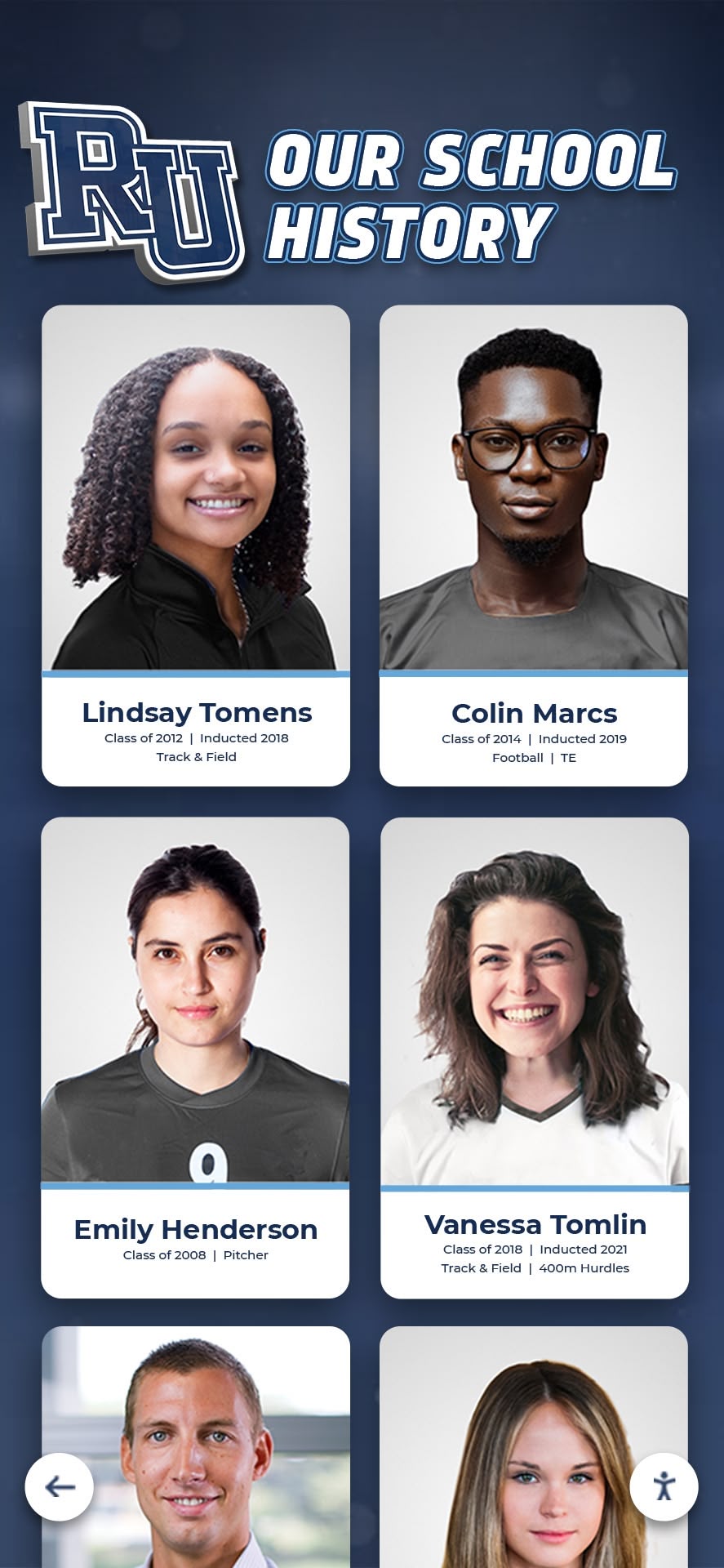
Systematic archival research and community engagement enables continuous enhancement of historical inductee profiles with photographs and documentation not available during original recognition
Measuring Hall of Fame Program Impact
Effective programs establish measurement frameworks evaluating whether recognition initiatives achieve intended objectives beyond simply honoring deserving individuals.
Engagement Metrics and Usage Analytics
Digital platforms provide detailed analytics revealing how audiences actually interact with recognition content compared to designer assumptions about usage patterns.
Quantifying Visitor Engagement
Modern touchscreen platforms track session duration showing average interaction times, screen depth measuring how many navigation levels users explore, search query analysis revealing what information users seek, and content popularity identifying which inductees attract most attention through profile views and dwell time.
These metrics illuminate whether displays achieve engagement objectives. Very short average sessions might indicate confusing navigation, unappealing content presentation, or poor installation locations lacking sufficient visitor traffic. Strong engagement on specific inductee profiles while others receive minimal attention might reveal compelling storytelling approaches worth replicating across all content.
Qualitative Impact Assessment
While quantitative metrics measure usage, qualitative assessment examines whether recognition programs achieve broader institutional objectives around culture, inspiration, and community connection.
Student and Alumni Feedback
Direct feedback from current students and alumni provides insight into whether hall of fame programs successfully inspire athletic participation, create institutional pride, and maintain connection between past excellence and current program identity. Informal conversations during campus visits, structured surveys distributed to athletic participants, and social media commentary following induction announcements all reveal stakeholder perceptions about program value and effectiveness.
Regular feedback collection enables continuous program refinement based on community needs and preferences rather than administrator assumptions about what recognition approaches resonate most effectively with target audiences.
Recruitment and Fundraising Impact
Many schools implement hall of fame programs partially anticipating positive effects on athletic recruitment and alumni engagement supporting fundraising objectives. While direct causation proves difficult to isolate, conversations with recruited athletes about campus visit impressions, alumni donation patterns following induction events, and development officer observations about recognition program influence on giving discussions all provide qualitative evidence about broader program impacts.
These benefits often manifest subtly—prospective athletes mentioning impressive hall of fame displays during commitment announcements, inducted alumni increasing annual fund participation, or community members expressing pride about institutional excellence celebration. Collecting and documenting these stories builds cases for continued program investment while identifying enhancement opportunities maximizing recognition impact.
Creating Sustainable Recognition Programs
Long-term hall of fame program success requires building sustainable systems that survive leadership transitions, budget fluctuations, and evolving institutional priorities.
Building Organizational Support
Recognition programs need institutional commitment beyond individual champions who might retire or change positions.
Documenting Policies and Procedures
Written policies governing nomination procedures, selection criteria, committee composition, and operational timelines prevent confusion and ensure continuity during leadership transitions. New athletic directors, principals, or committee members should inherit detailed documentation explaining exactly how programs operate rather than relying on institutional memory from existing participants.
Policy documentation should cover selection criteria specifics including eligibility requirements and evaluation frameworks, nomination procedures with timeline and form requirements, committee structure including member selection and term limits, voting procedures and approval thresholds, and content standards defining minimum profile requirements.
Regular policy review—perhaps every five years—enables refinement based on accumulated experience while maintaining fundamental program integrity that communities trust.
Securing Ongoing Budget Allocation
Hall of fame programs require modest but consistent funding for software subscriptions, display hardware maintenance or replacement, induction ceremony expenses, and content creation costs like professional photography. Sustainable programs secure permanent budget allocation rather than relying on annual special requests that might face cuts during financial constraints.
Budget requirements should reflect realistic total cost of ownership including initial hardware and software acquisition, annual software licensing or subscription fees, content creation expenses averaging per new inductee, periodic hardware replacement planning for display equipment, and induction ceremony costs including plaques, programs, or recognition items.
Clear budget planning demonstrates professionalism while ensuring programs receive resources needed for quality execution rather than underfunded implementation creating disappointing experiences that undermine recognition objectives.