



A high school athletic department strategic plan is more than a coaching philosophy document or a budget spreadsheet. When built with intentionality, it becomes the governance framework that determines how your program honors its past, celebrates its present, and invites alumni to remain part of the community long after graduation. Without that framework, recognition decisions happen reactively—a coach retires and nobody can locate the career scoring records; a 1987 championship banner hangs in a hallway but no living administrator knows the players’ names; a 40-year Hall of Fame inductee database sits in a spreadsheet that only one person knows how to open.
This guide is written for athletic directors, school administrators, and alumni relations teams who are either building a strategic plan from scratch or adding a recognition and engagement pillar to an existing one. It focuses specifically on the systems, workflows, and technology investments that ensure records are preserved, achievements are displayed, and graduates stay connected to the programs that shaped them.
A strong recognition infrastructure does not happen by accident. It requires written policies, assigned ownership, defined criteria, and platforms capable of presenting history in ways that move people—visiting alumni, current athletes, prospective families, and donors alike. The checklist and frameworks below are designed to give athletic departments a structured starting point.

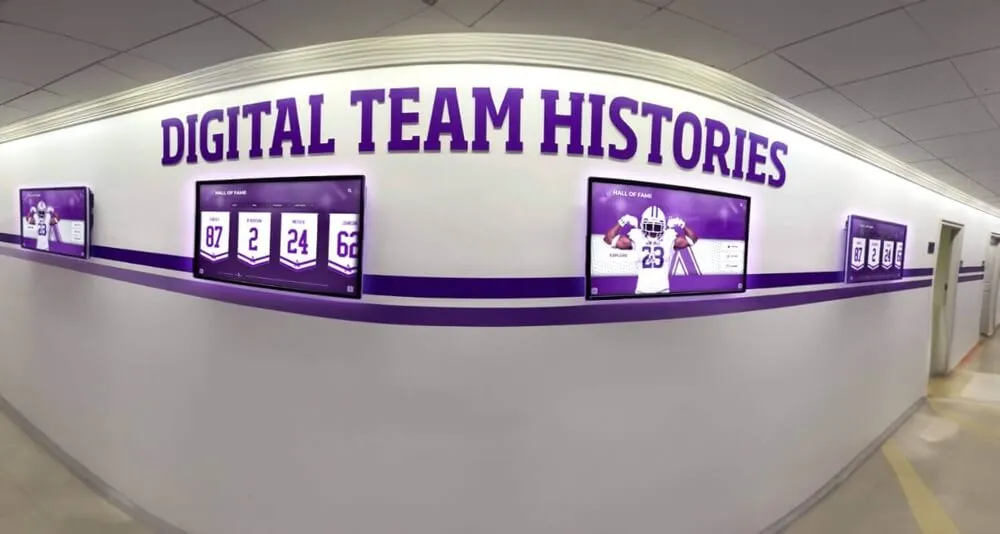
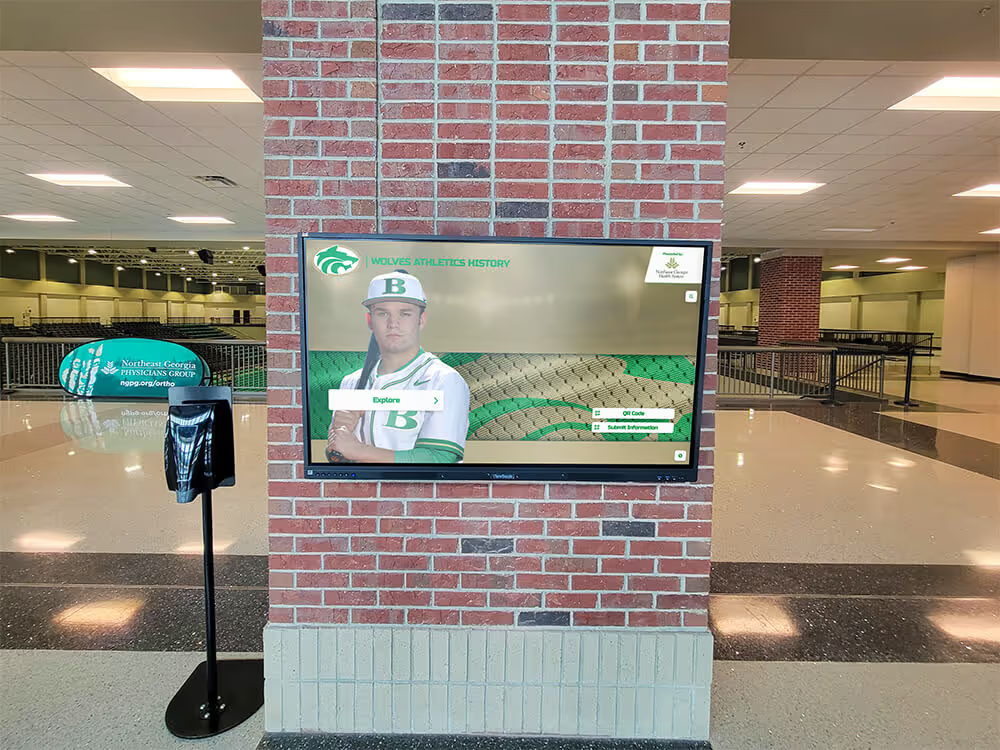
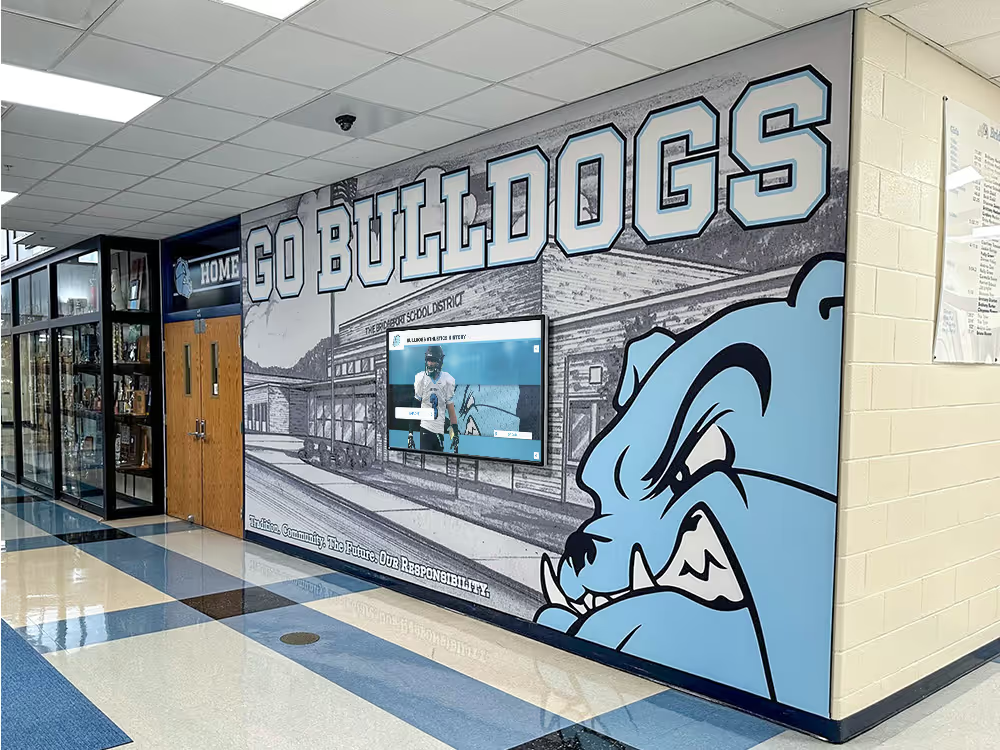
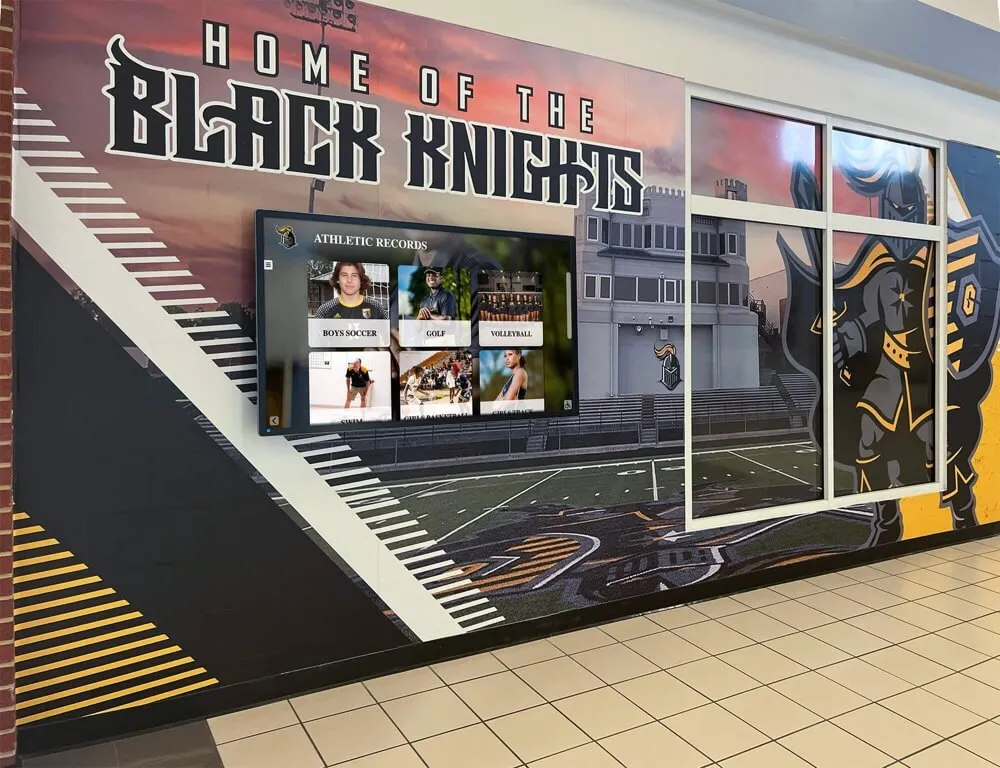
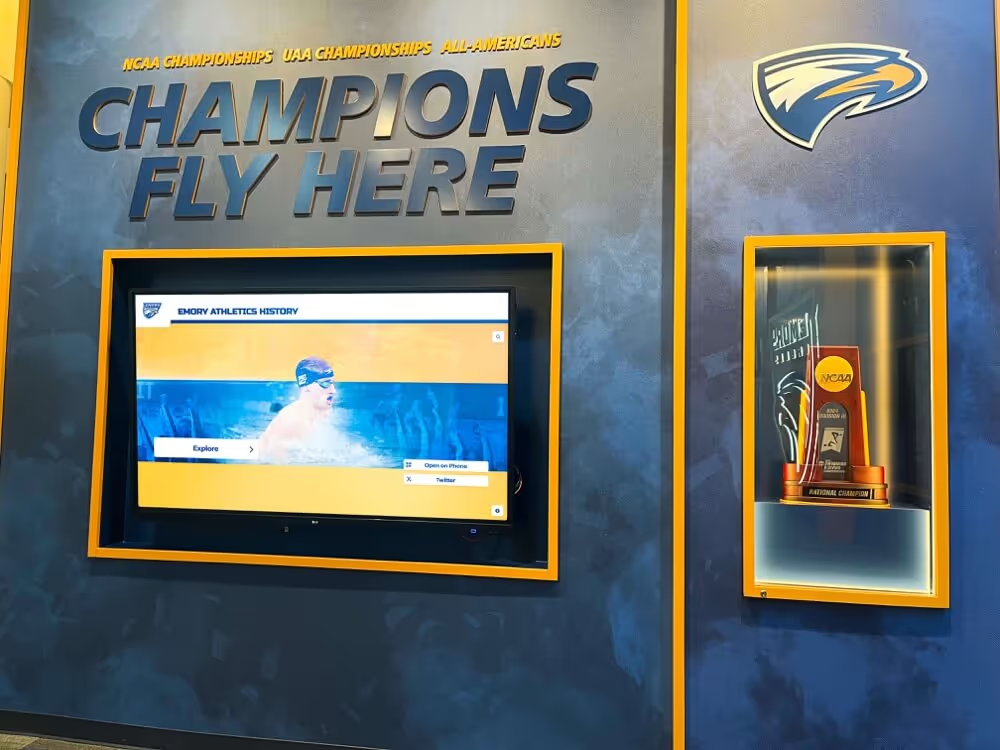
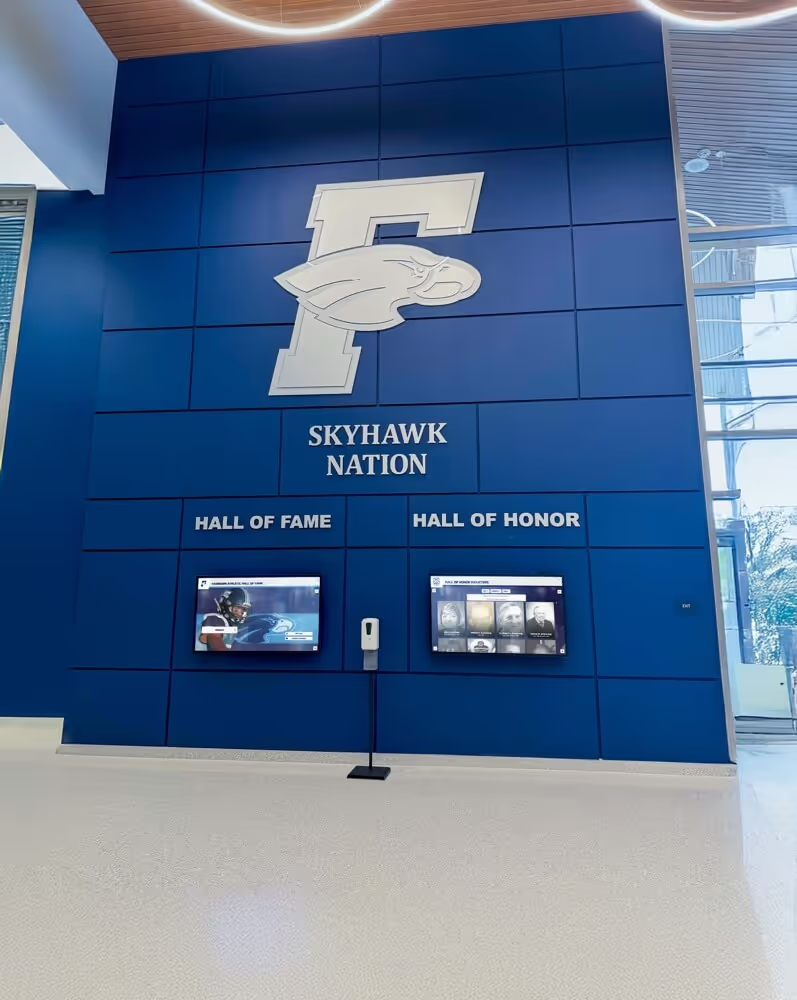
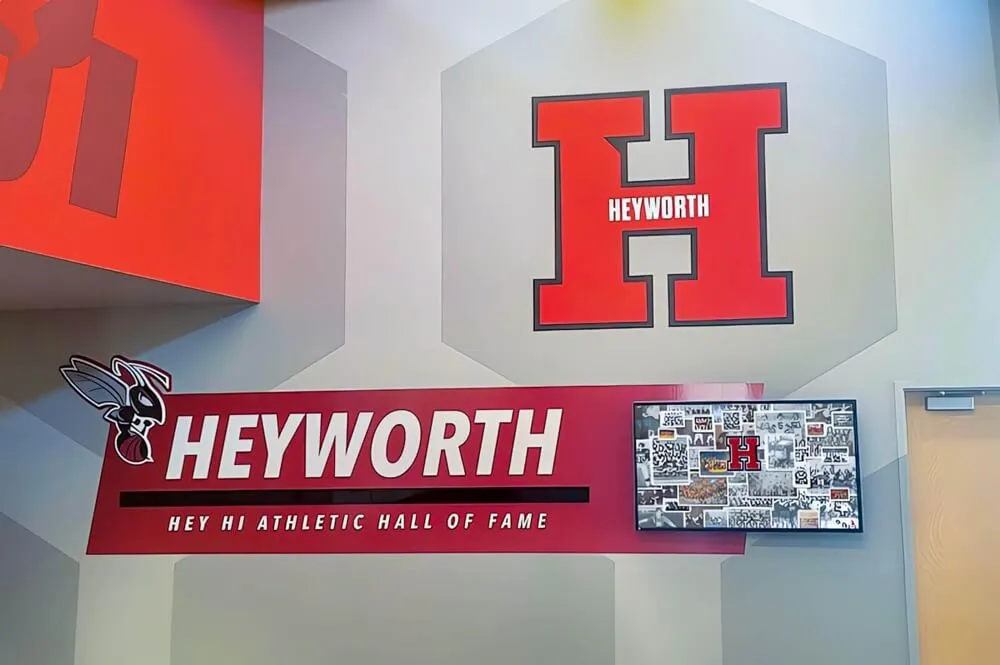
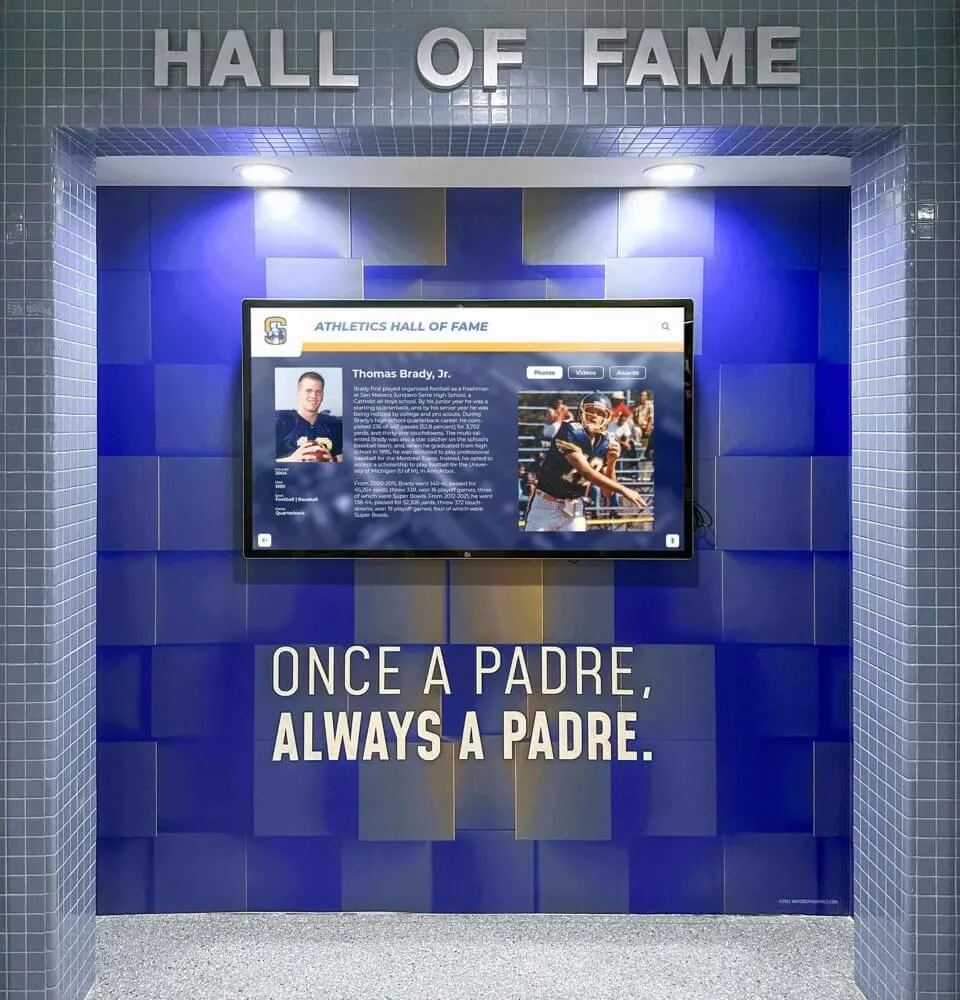
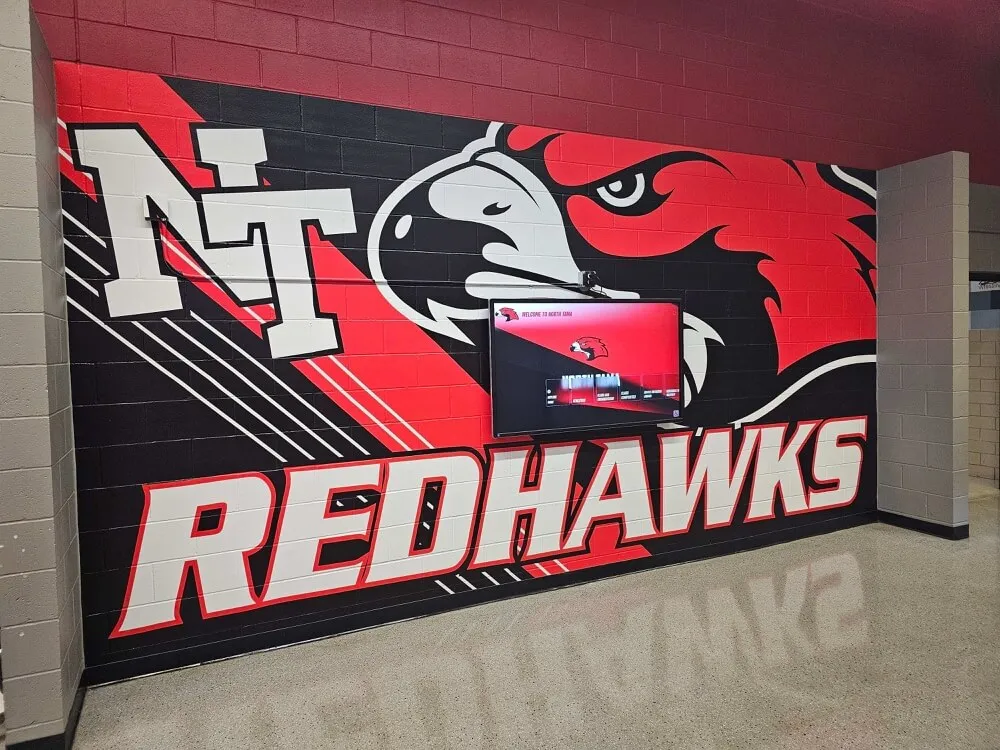
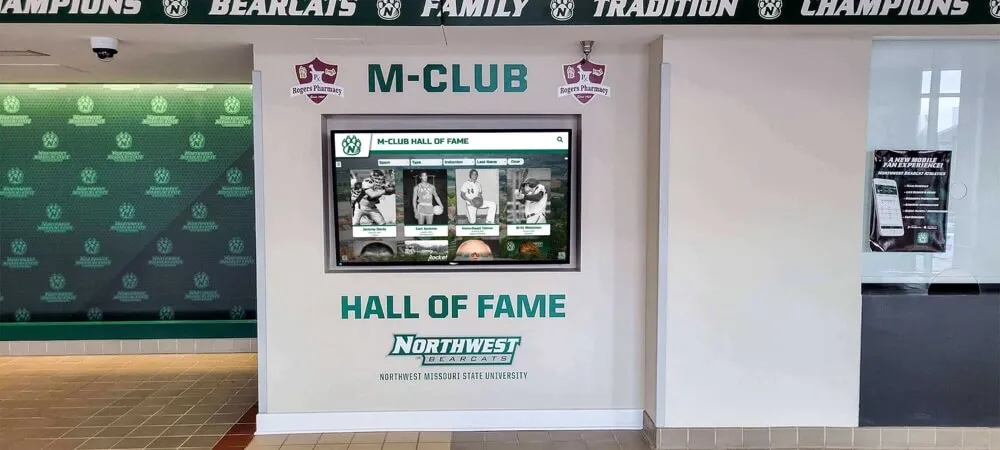
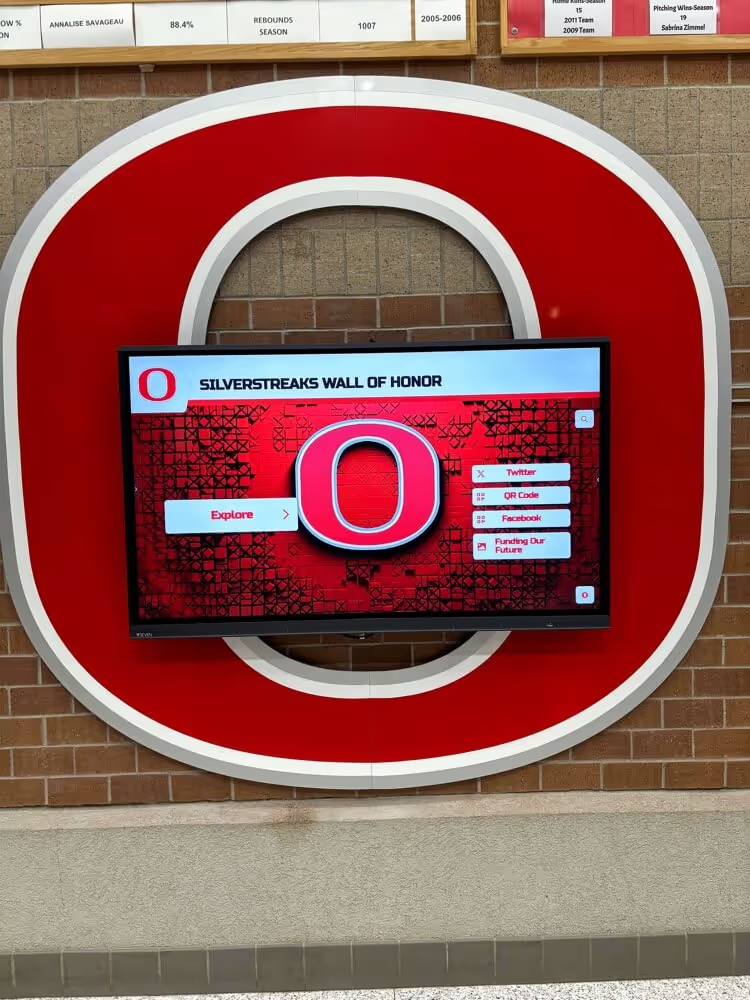
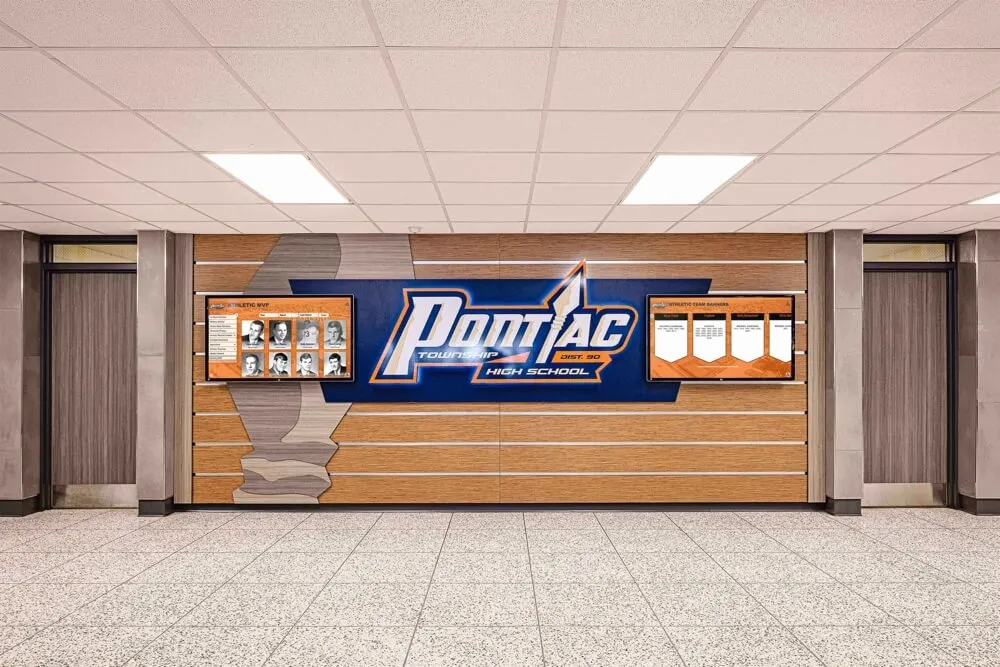
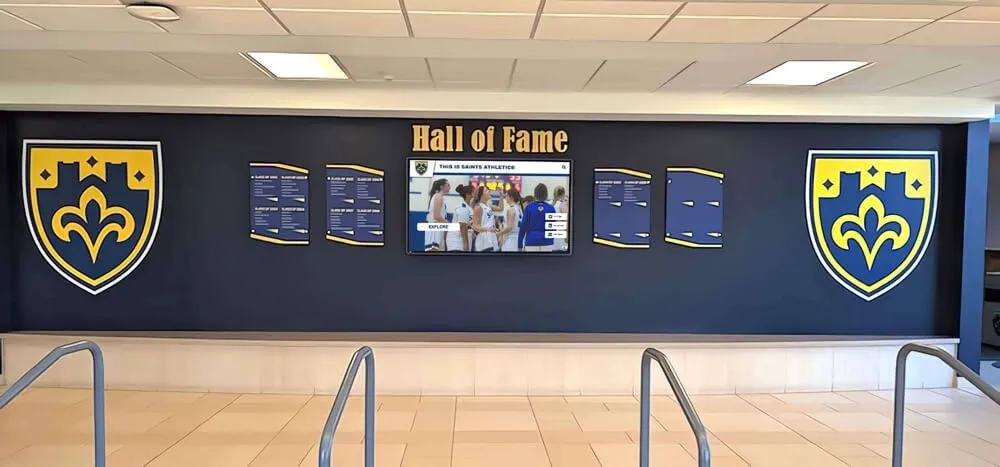
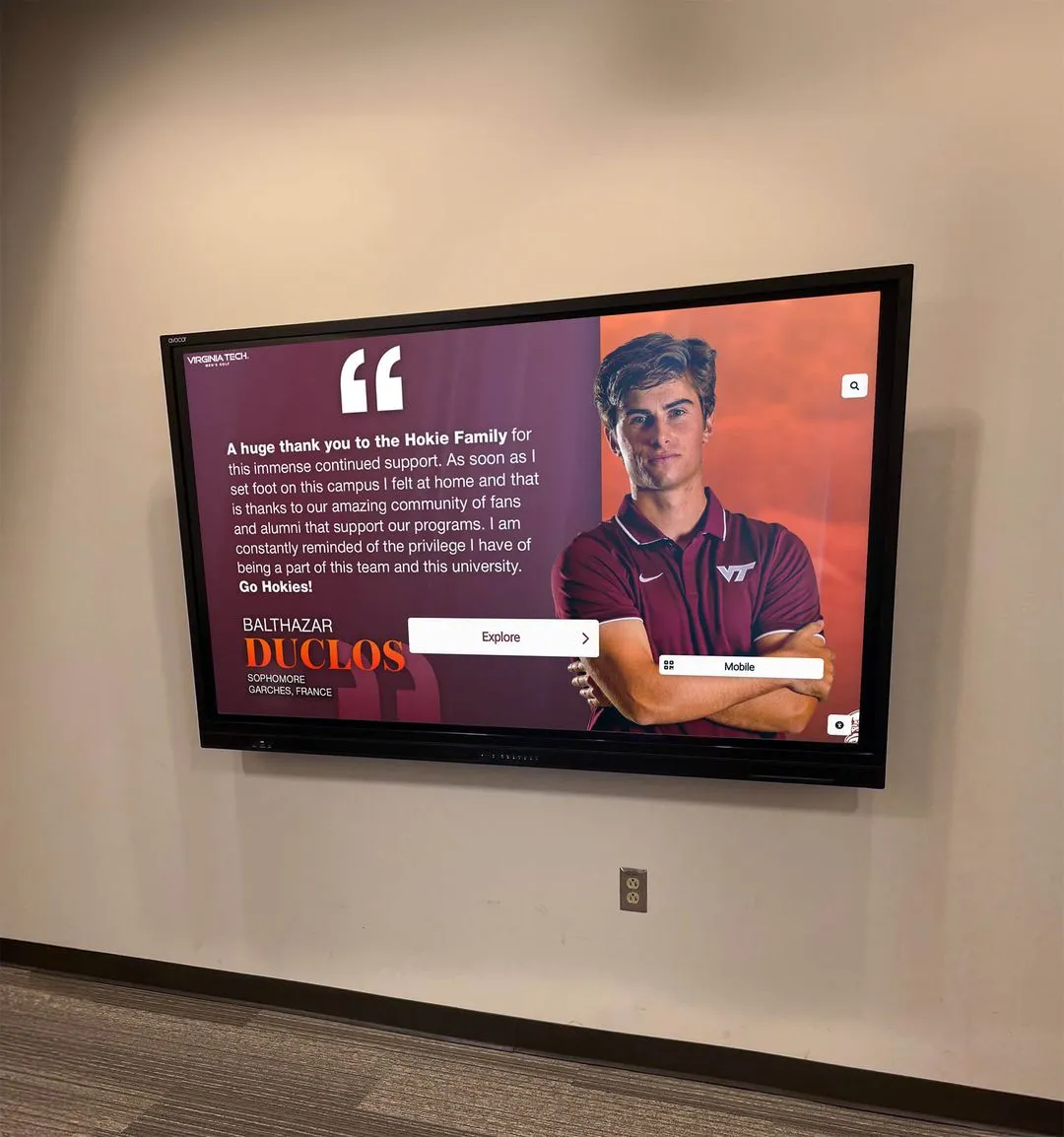
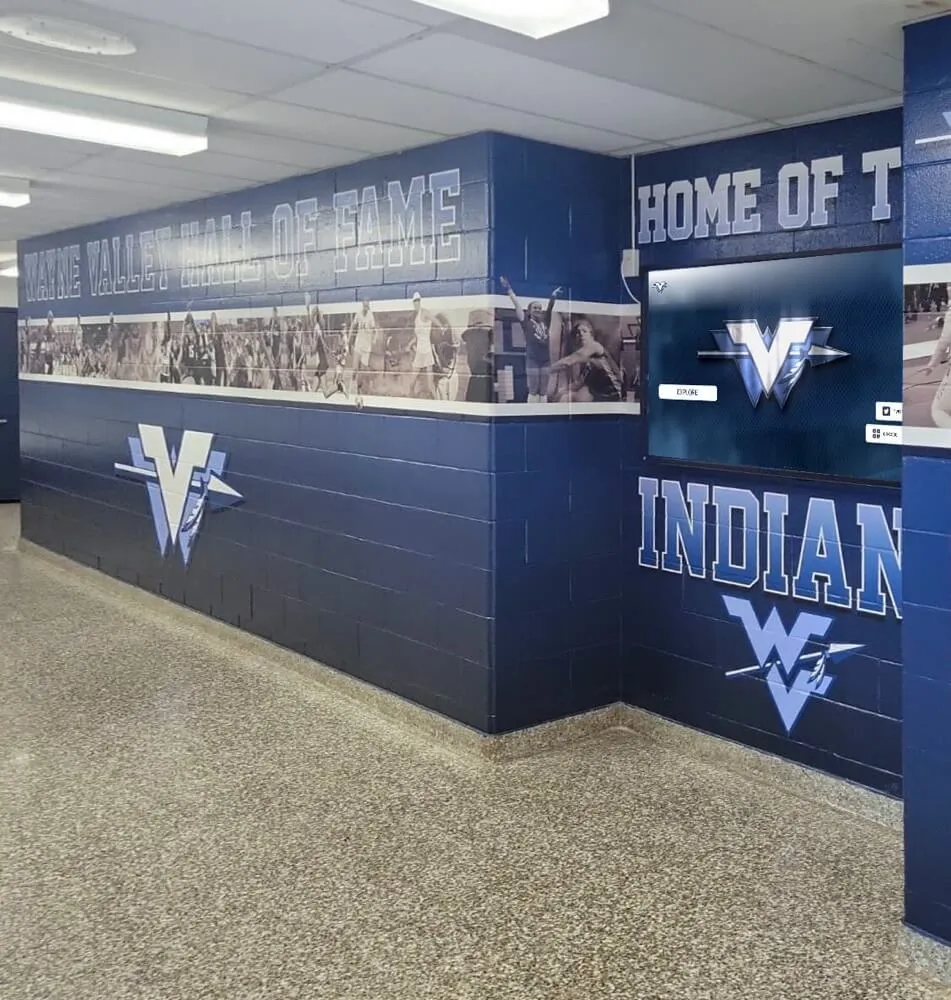
A digital hall of fame display transforms a hallway wall into a living archive that celebrates athletic history and welcomes alumni back to campus
What Belongs in a High School Athletic Department Strategic Plan
Strategic plans in athletics typically cover staffing, budget, facilities, competitive goals, and compliance. Recognition and alumni engagement are often bolted on as afterthoughts or left entirely to individual coaches. Elevating these areas to formal strategic priorities changes what gets funded, who owns it, and how consistently it happens across coaching changes and budget cycles.
Core Strategic Pillars for Recognition and Engagement
A complete athletic department strategic plan should address at minimum:
- Record-keeping and archives — written standards for what gets tracked, who enters data, and how records are preserved across coaching transitions
- Athlete recognition programs — criteria and cadence for in-season awards, season-end honors, and multi-year achievement recognition
- Hall of Fame governance — nomination process, selection criteria, induction calendar, and physical or digital display standards
- Alumni engagement systems — communication channels, event strategies, and touchpoints that maintain relationships with graduates
- Digital display infrastructure — hardware and software platforms that present recognition content in school facilities
- Donor and sponsor recognition — policies for acknowledging financial supporters of athletic programs
Each pillar requires a designated owner, a written policy, an annual review cycle, and a budget line. Without that structure, important decisions get deferred indefinitely.
Strategic Priority 1: Athletic Records Management
Records are the raw material of recognition. If your department cannot reliably locate the all-time career points leader in basketball or the school record holder in the 400-meter hurdles, recognition programs built on that history become unreliable—and unreliable recognition erodes trust with athletes and alumni alike.
Building a Records Workflow
What to track by sport:
- Individual season and career performance records
- Team season records (wins, points, championships)
- State and regional championship history with rosters
- Milestones (1,000-point scorers, 100-win coaches, undefeated seasons)
- Award history (all-conference, all-state, player of the year)
Who owns the data:
- Assign a designated record keeper per sport (ideally the head coach plus an athletic department administrator as backup)
- Require annual record submission after each season concludes
- Store master records in a centralized platform, not individual Google Sheets or email folders
Platform options for records storage:
| Approach | Pros | Cons |
|---|---|---|
| Shared spreadsheet (Drive/Excel) | Low cost, familiar | Fragile, easy to lose across staff changes |
| Athletic management software | Organized, role-based access | Requires ongoing subscription |
| Digital display platform with record board module | Public-facing, auto-ranks, always current | Requires initial setup investment |
For schools that want records to be both preserved internally and visible to athletes in real time, a digital record board platform provides a public-facing component that motivates current athletes while maintaining the historical archive.
Record Transition Protocols
One of the most common causes of records gaps is coaching turnover. When a coach leaves mid-season or at season’s end, records often leave with them—stored on personal devices or in memory rather than in department systems. Your strategic plan should include:
- A records handoff checklist required before any coaching departure is finalized
- Annual records backup to a department-controlled location
- A historical recovery project for any sports where records have not been systematically kept
Strategic Priority 2: Athlete and Team Recognition Programs
Recognition programs are not one-size-fits-all. A well-designed strategic plan identifies multiple recognition tiers so that different types of achievement—single-season excellence, career milestones, academic-athletic combination, leadership, and service—each have a home.
Recognition Tiers Worth Formalizing
In-season recognition:
- Athlete of the week programs with consistent criteria and public announcement channels
- Milestone celebrations (100th career point, 50th career goal, senior night programs)
Season-end recognition:
- Team banquets with award categories defined in writing, not determined ad hoc by the coach
- All-conference and all-state nomination workflows with submitted supporting data
Career and multi-year recognition:
- Letter winner programs with formal requirements and consistent implementation
- Milestone achievement recognition (1,000-point scorers, 100-win coaches) with permanent display placement
Permanent legacy recognition:
- Hall of Fame induction
- Named awards honoring former athletes or coaches
- Championship banner policies
For guidance on wording and formatting for permanent recognition pieces, the trophy and award naming conventions guide at digital-trophy-case.com is a useful reference when standardizing language across award programs.

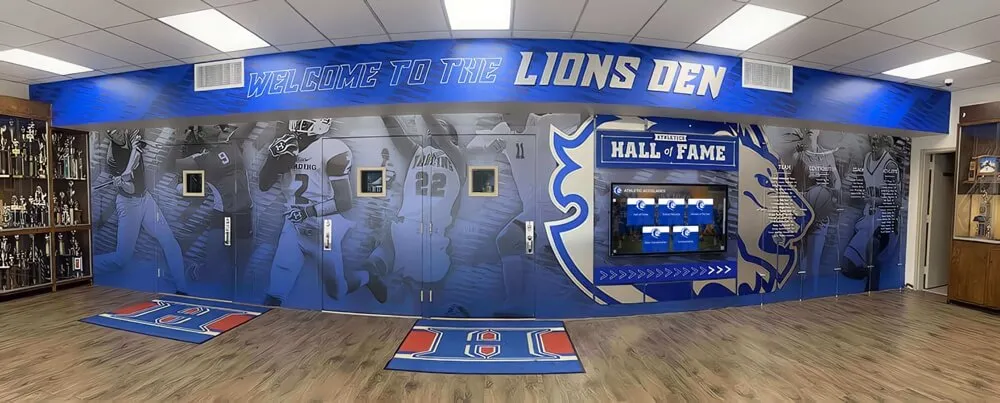
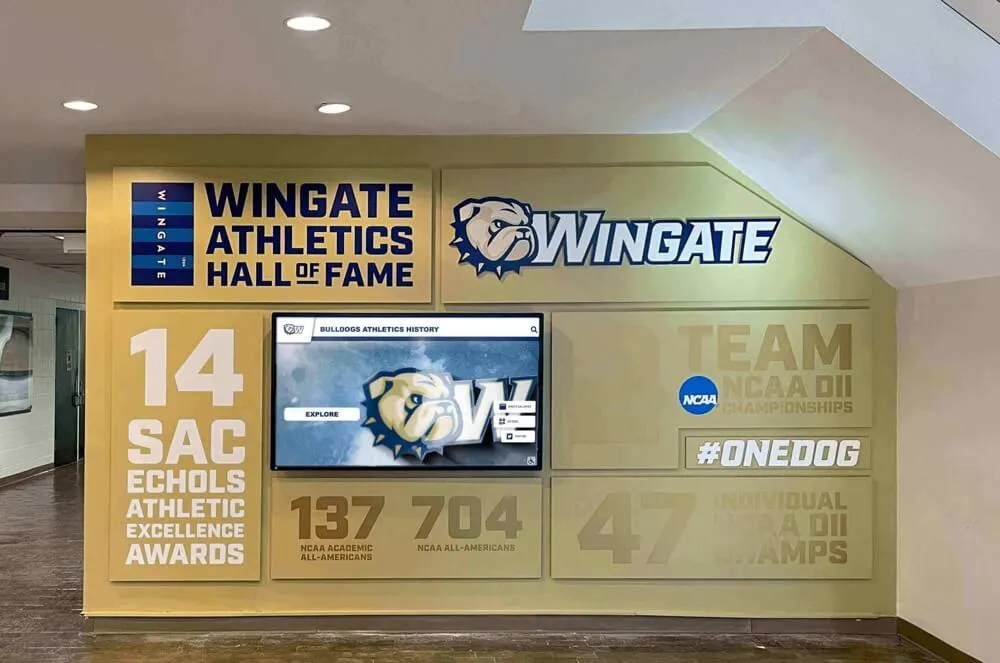
Trophy walls and recognition displays in athletic lounges reinforce a culture of achievement that current athletes see every day
Recognition Program Governance Checklist
- Written criteria for every award category published to coaches
- Nomination forms or data submission requirements defined per award
- Selection committee composition and conflict-of-interest policy written
- Award calendar published at the start of each school year
- Budget allocated for trophies, plaques, and display maintenance
- Digital archive of all past recipients maintained centrally
Strategic Priority 3: Hall of Fame Governance
The athletic hall of fame is the highest-prestige recognition tier in most programs, and poorly managed hall of fame programs damage credibility faster than any other recognition failure. Inconsistent criteria, opaque selection processes, and displays that haven’t been updated in a decade undermine the meaning of induction itself.
Writing Hall of Fame Selection Criteria
Effective criteria balance quantitative and qualitative factors:
Performance criteria (quantitative):
- Minimum years since graduation before eligibility (commonly five or more years)
- Statistical benchmarks per sport (all-state recognition, state championship participation, career performance records)
- Team performance thresholds (state or regional championships, undefeated seasons)
Character and community criteria (qualitative):
- Sportsmanship reputation during playing career
- Post-graduation community contribution
- Character consistency during and after athletic career
Coach and contributor eligibility:
- Years of service minimums
- Program impact indicators (win records, championship counts, program development)
- Former coaches who may not have been recognized under previous leadership
Reviewing how established programs have documented their selection history—like the Texas high school football championship archives at halloffamewall.com—provides useful benchmarks for what a well-maintained historical record looks like.
Hall of Fame Process Calendar
| Month | Activity |
|---|---|
| September | Open nomination window, notify alumni through communication channels |
| October–November | Nominations reviewed by selection committee |
| December | Inductees notified, begin biographical data collection |
| February–April | Induction ceremony held, display updated |
| May | Selection committee debrief and criteria review for following year |
Display Standards for Hall of Fame Recognition
A hall of fame display that goes unmaintained signals that the institution does not take recognition seriously. Your strategic plan should define:
- Update frequency: How often is the display updated after new inductions?
- Content standards: What information is included per inductee (photo, sport, years, achievements, current occupation)?
- Format: Physical plaques, framed portraits, digital touchscreen, or a combination?
- Location: High-traffic areas with visibility to current students and visiting alumni
For schools evaluating display technology options, the hall of fame display software buyer’s guide at best-touchscreen.com provides a structured comparison framework.
Strategic Priority 4: Alumni Engagement Systems
Alumni engagement in the athletic context differs from general school alumni relations. Former athletes often carry stronger institutional loyalty to their specific sport and coach than to the school broadly—which means athletic department alumni engagement can succeed in parallel with or independent of general advancement programs.
Building the Athletic Alumni Database
Most athletic departments do not maintain their own alumni database, relying instead on the school’s general alumni system (or nothing at all). A basic athletic alumni database should capture:
- Graduation year
- Sport(s) played
- Position and jersey number
- Awards and achievements during enrollment
- Current contact information
- Preferred communication channel
Collecting this data retroactively requires deliberate effort: reviewing yearbooks, contacting former coaches, posting data collection requests through social media channels, and partnering with the school’s general alumni office.
Alumni Communication Strategies for Athletic Departments
Digital channels:
- Email newsletters organized by sport or graduation decade
- Social media accounts dedicated to athletic alumni content (throwback photos, where-are-they-now spotlights)
- Alumni portal or website section featuring historical records and hall of fame archives
Event-based touchpoints:
- Homecoming athletic events with alumni recognition moments
- Hall of fame induction ceremonies as major alumni gatherings
- Athletic reunion events organized by sport or decade
- Current team games where alumni are formally invited and recognized during pre-game or halftime
For alumni engagement ideas that extend beyond standard reunion formats, the 100 alumni event ideas resource at touchscreenwebsite.com’s sister site offers inspiration for events that draw graduates back.
The Alumni Storytelling Opportunity
Athletic departments hold tremendous storytelling assets—championship runs, comeback seasons, athletes who overcame adversity, coaches who shaped hundreds of lives. These stories, when surfaced and told well, do more to maintain alumni connection than any newsletter.
Your strategic plan should include a storytelling cadence:
- Designate someone responsible for identifying and producing alumni spotlights (staff member, student journalist, or contracted writer)
- Set a publication frequency (monthly minimum recommended)
- Build a content archive so stories remain discoverable by alumni searching the web
For guidance on structuring student and alumni accomplishment content for maximum visibility, this resource on highlighting student accomplishments from digitalrecordboard.com applies directly to athletic recognition storytelling.
Strategic Priority 5: Digital Display Infrastructure
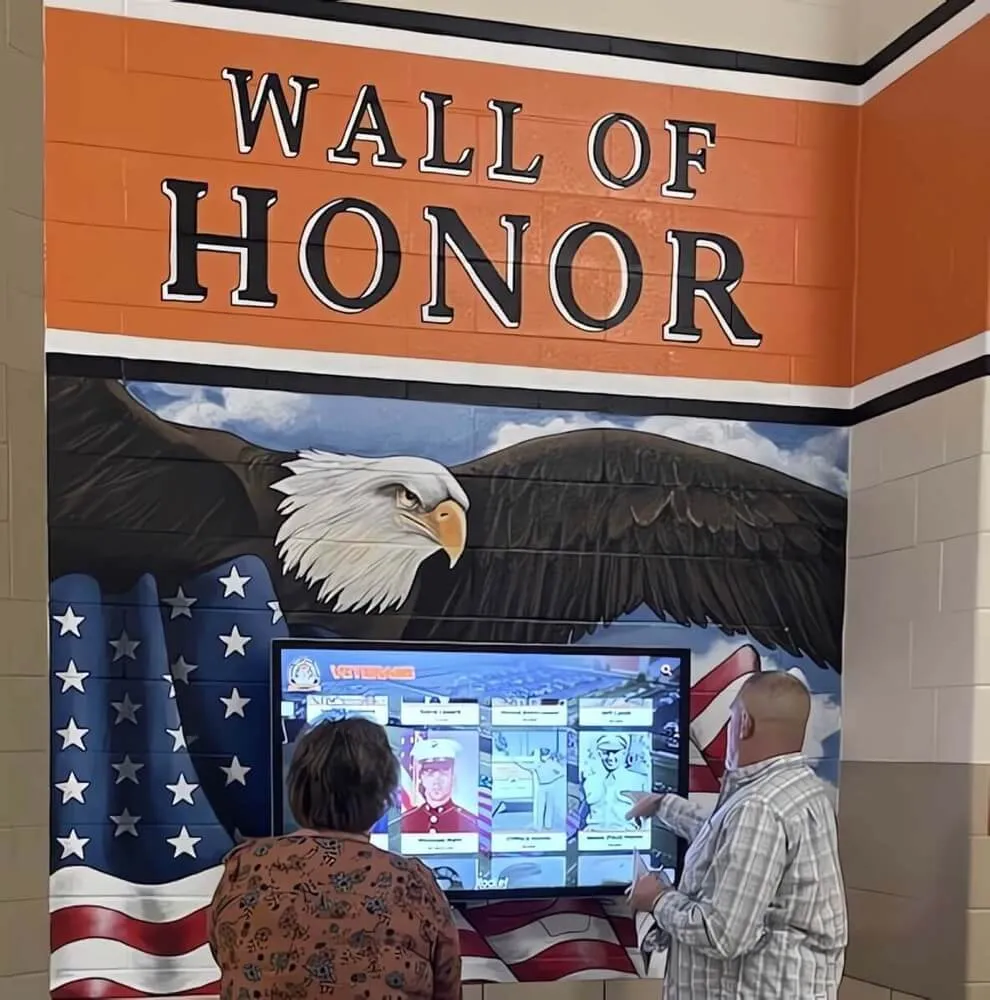
Physical recognition infrastructure—trophy cases, banner programs, painted murals—has defined athletic spaces for generations. Digital displays add a dimension those formats cannot provide: updateability, interactivity, depth of content, and remote access.
When Physical and Digital Displays Work Together
The most effective athletic facilities combine both:
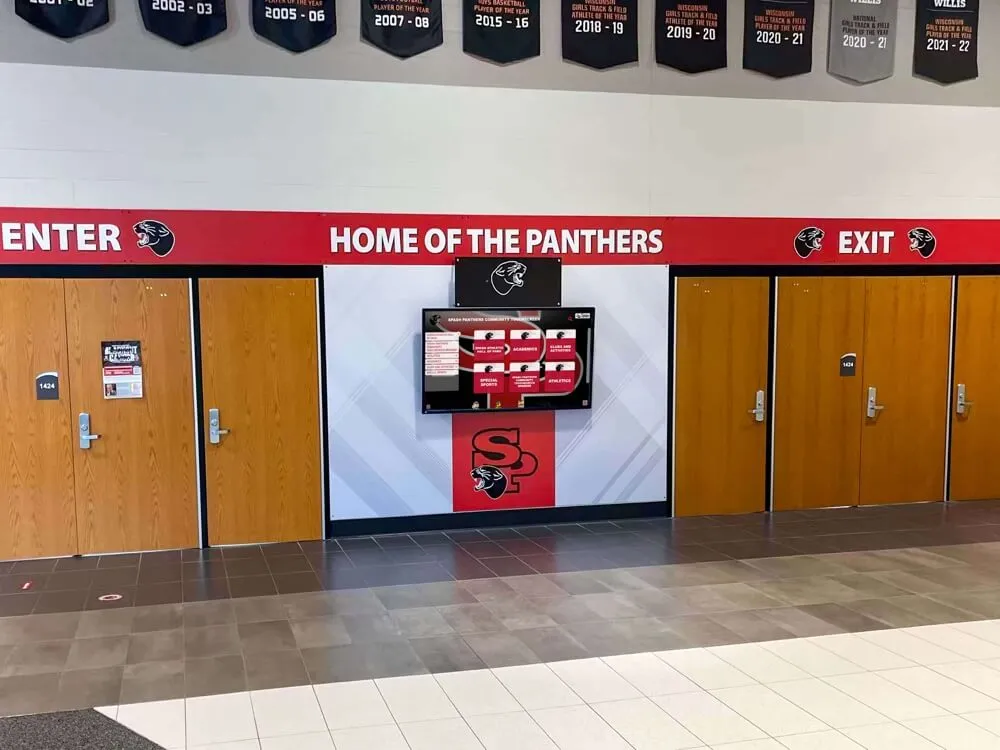
- Physical anchor elements provide permanence and gravitas (championship banners, hall of fame plaques, mascot murals)
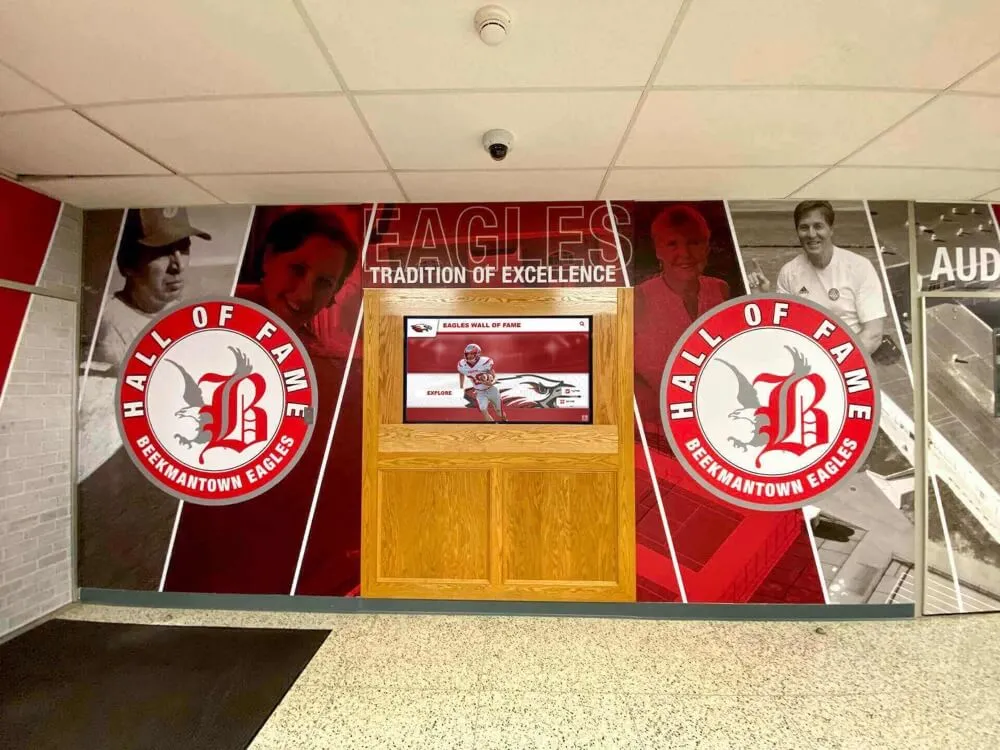
- Digital displays provide depth, recency, and interactivity (browsable inductee profiles, real-time record boards, alumni video spotlights, social media feeds)
Neither replaces the other. Visitors notice the physical elements first; they explore the digital content when they want to go deeper.
Digital Display Investment Considerations
When evaluating digital display platforms for athletic recognition, assess:
Content management:
- Can non-technical staff update records and inductee profiles without vendor involvement?
- How long does a typical content update take?
- Does the platform support video content alongside photos and text?
Hardware and installation:
- What installation requirements does the hardware have (power, network, mounting)?
- What is the expected hardware lifespan and replacement cadence?
- Does the vendor provide guidance on placement and mounting?
For independent hardware and installation reviews, this resource on Rocket Alumni Solutions hardware setup at digitalwarming.net addresses practical deployment questions beyond the software layer.
Interactive capabilities:
- Can visitors browse inductee profiles, search by sport or year, and explore records independently?
- Does the system support touchscreen interaction, or is it passive display only?
- Are QR codes supported for mobile access?
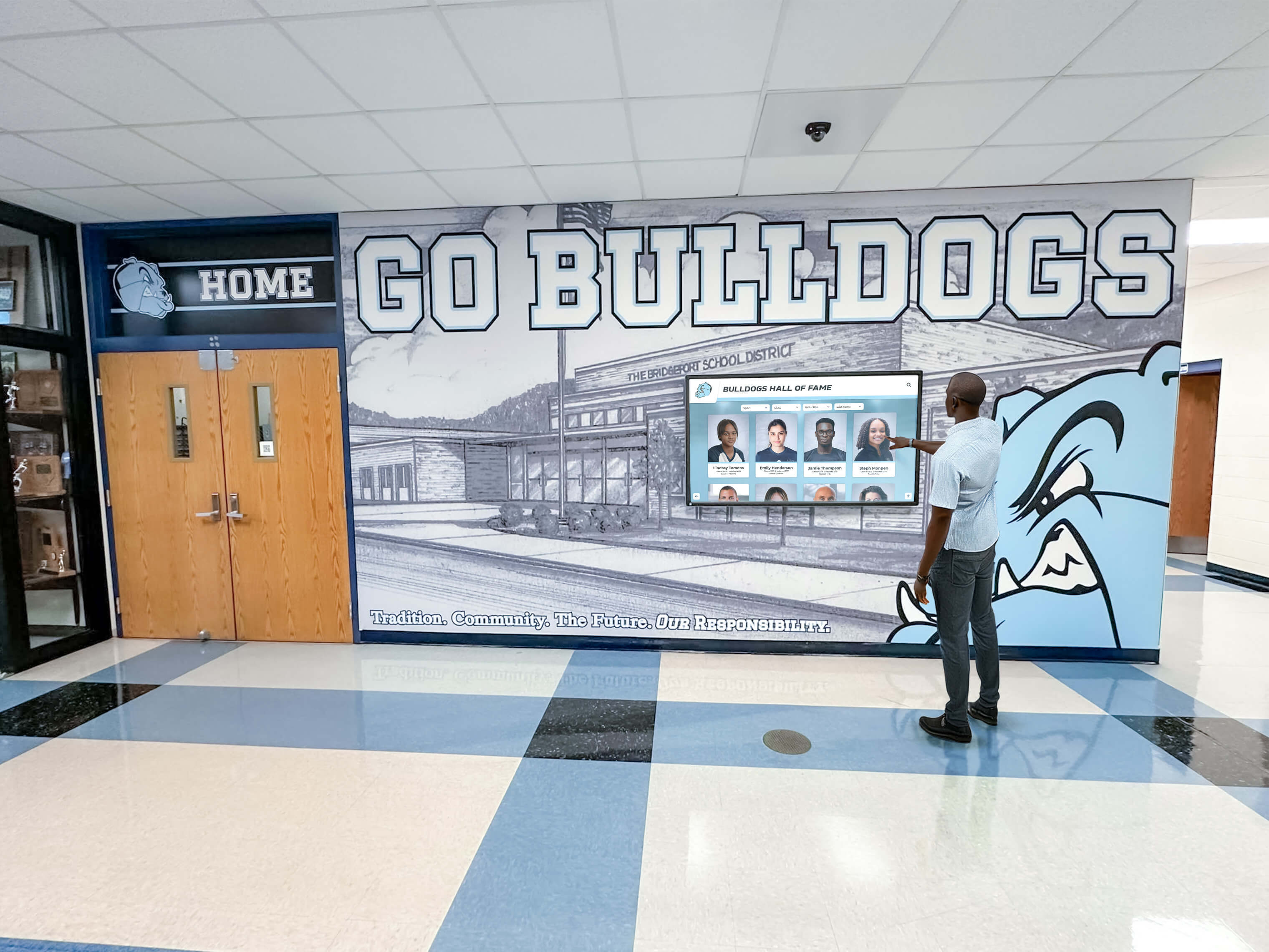
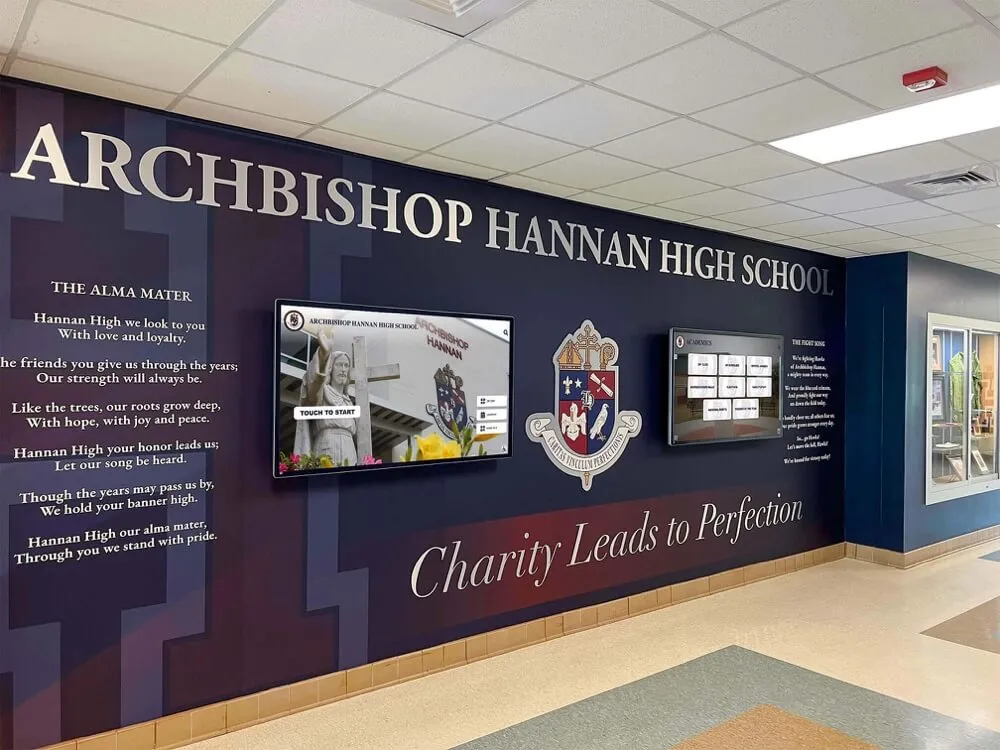
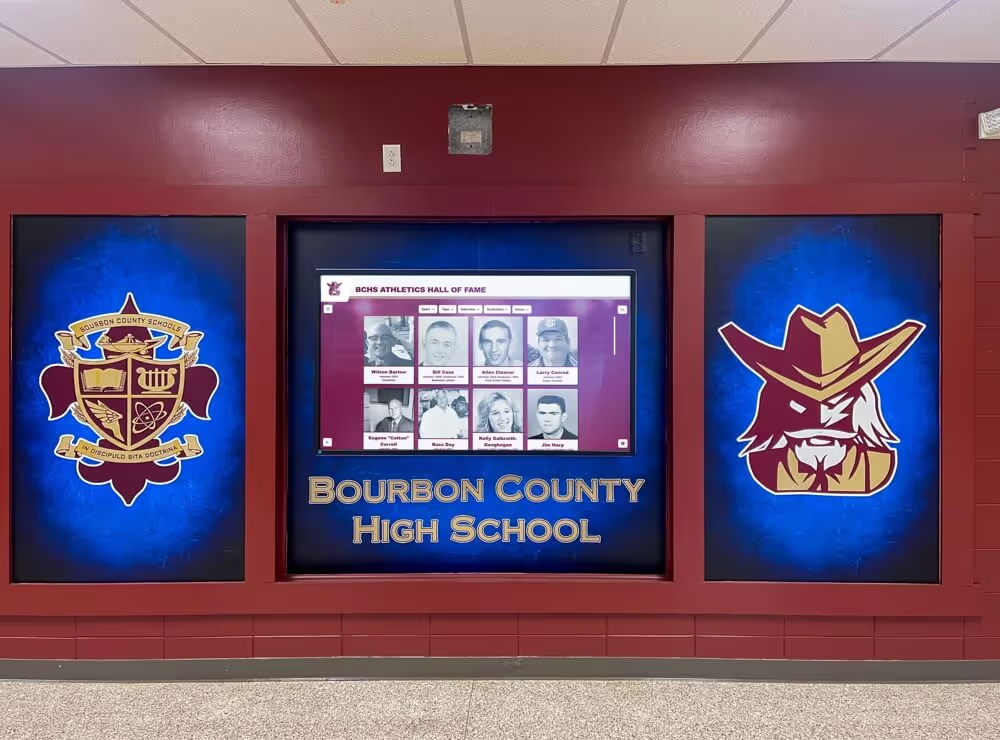
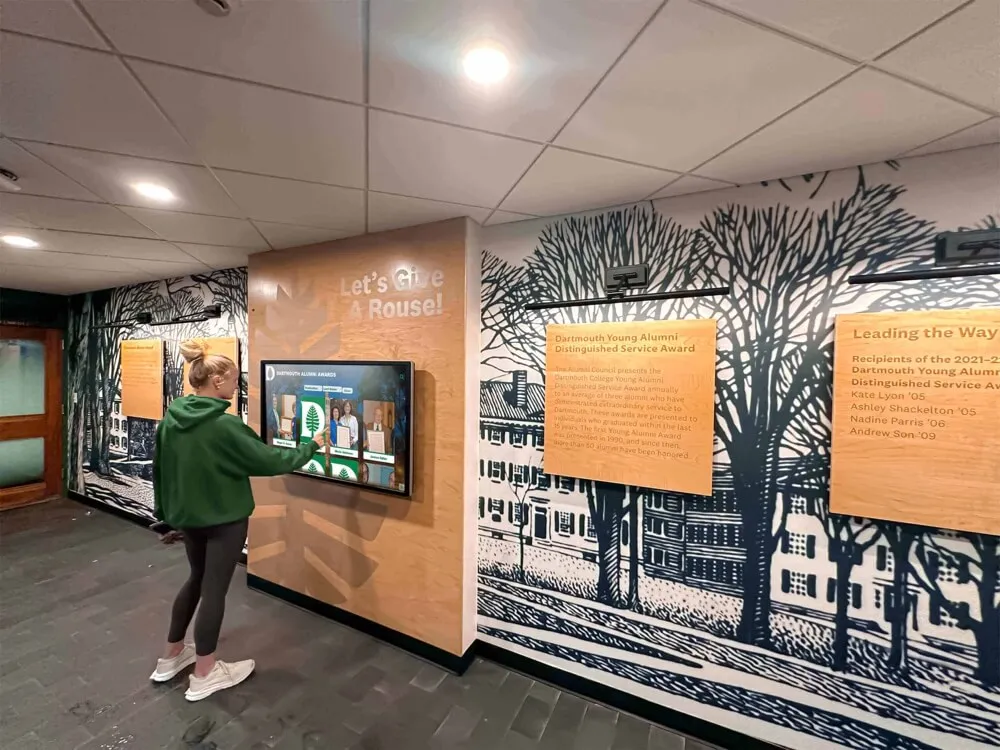
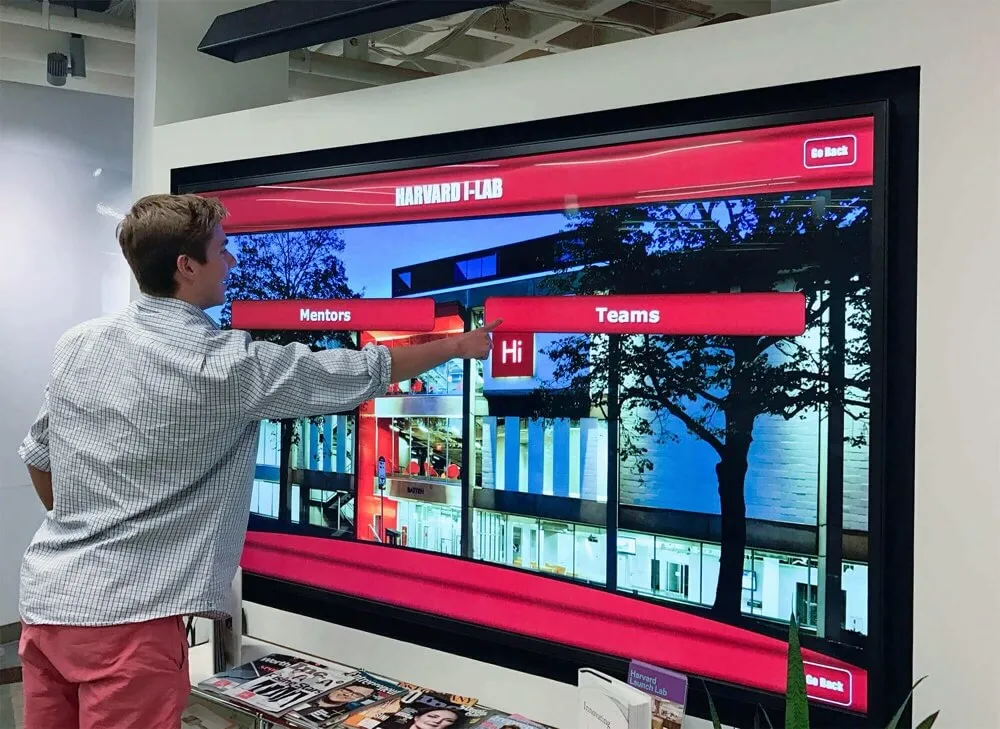
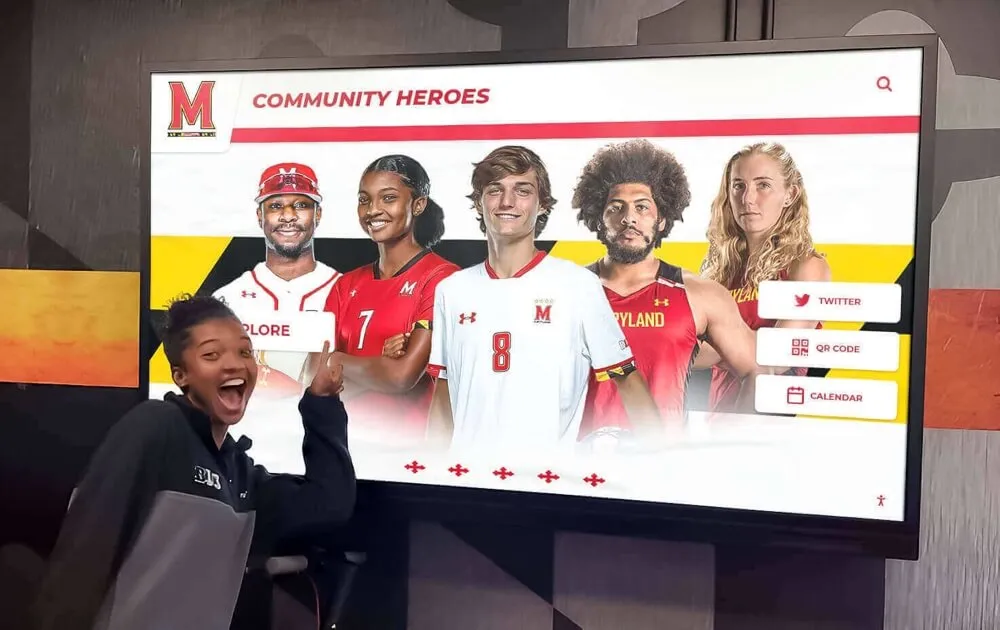
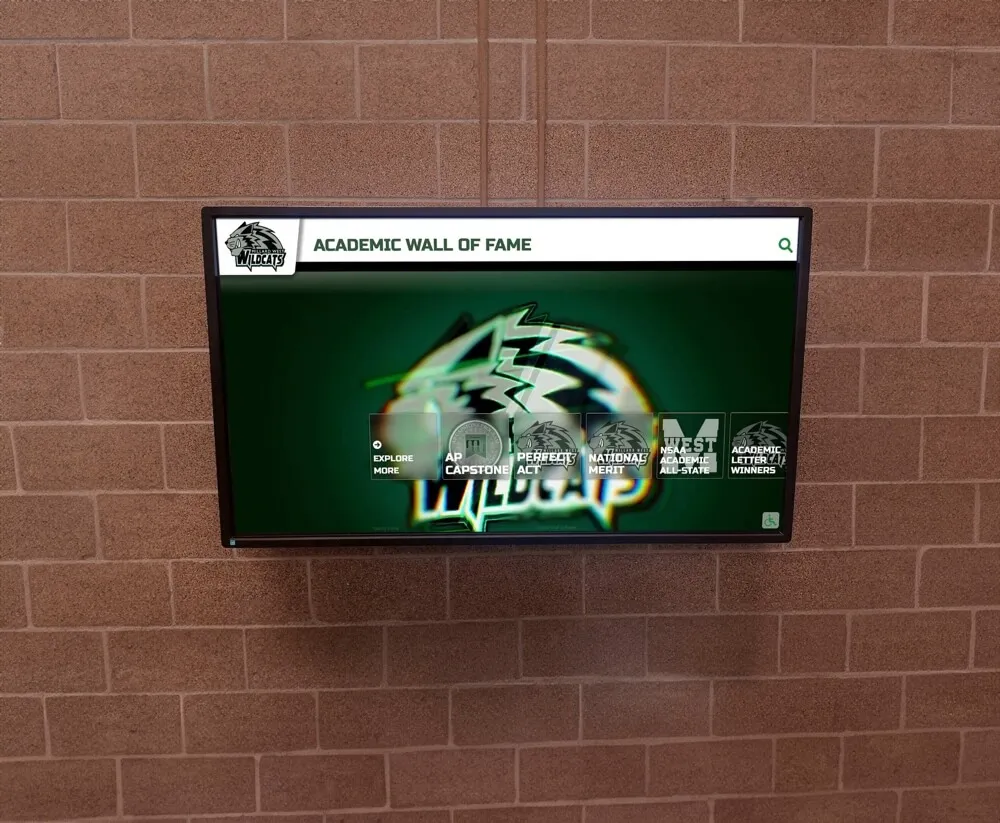
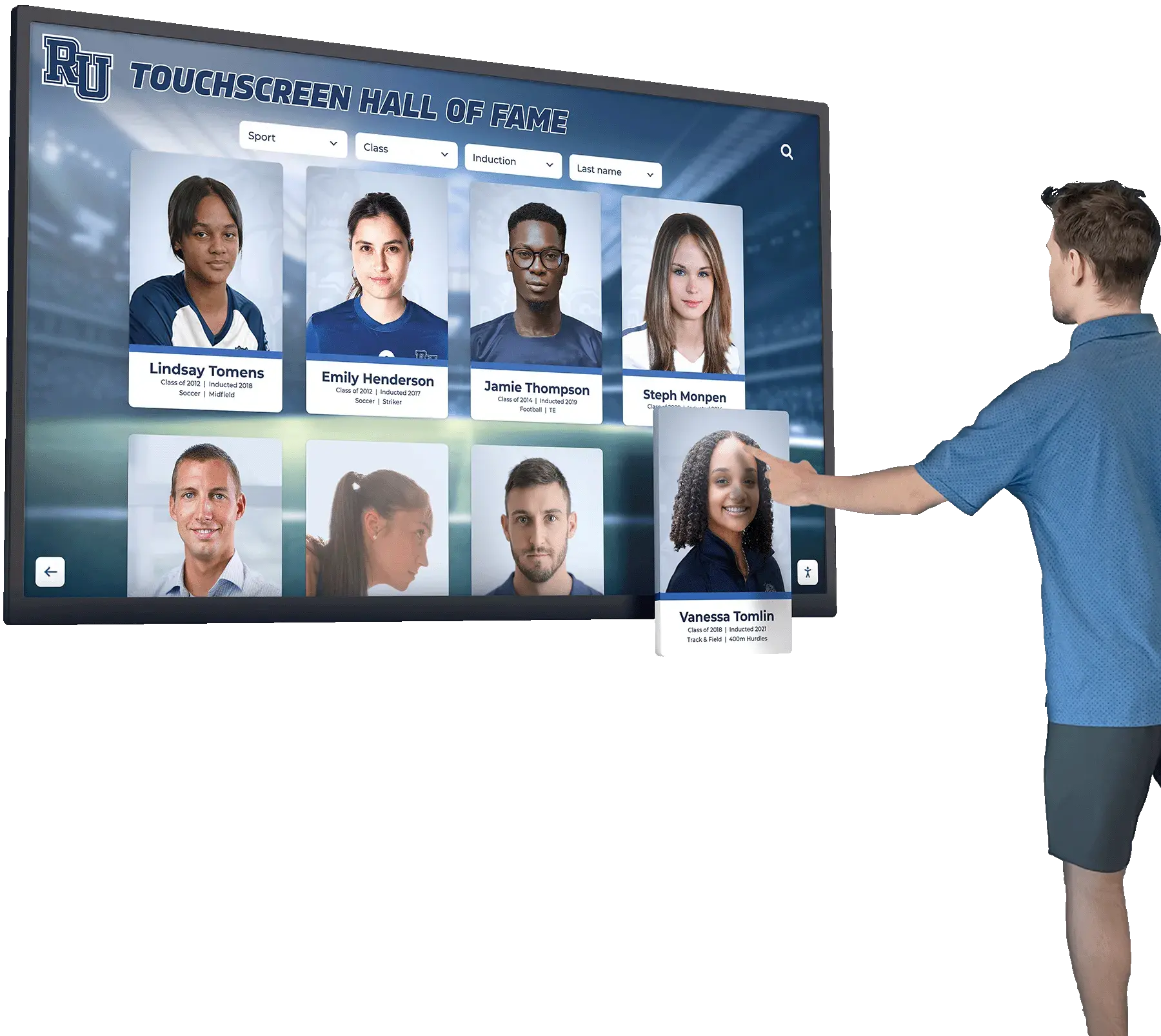
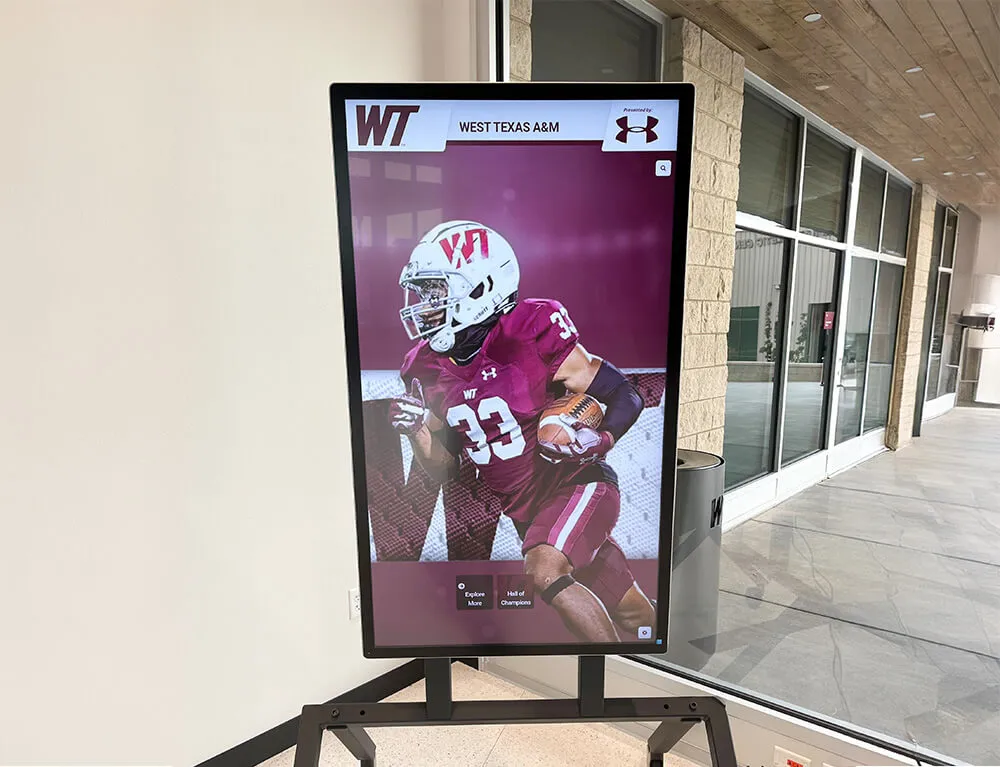
Interactive touchscreen displays allow alumni and visitors to explore the full depth of athletic history—browsing inductee profiles, records, and championship archives independently
Strategic Priority 6: Donor and Sponsor Recognition Within Athletics
Athletic programs frequently receive financial support from booster organizations, local businesses, and individual donors—and those donors deserve systematic recognition that is not left to individual coaches to manage ad hoc.
Your strategic plan should define:
- Naming rights policies: At what donation threshold does a facility, award, or program carry a donor’s name?
- Recognition display standards: Where and how are major donors acknowledged physically?
- Annual donor recognition events: How are contributors thanked publicly each year?
- Digital recognition: Are major donors featured on athletic display screens alongside athletic recognition?
For creative inspiration on how donor recognition walls and athletic recognition can share the same display environment, the donor wall ideas resource at donordisplay.com provides a range of approaches applicable to school athletic settings.
Implementation Checklist: First 12 Months
Building or restructuring a recognition and alumni engagement program within a high school athletic department is a multi-year effort. The first year should focus on assessment, policy creation, and foundational infrastructure.
Months 1–3: Audit and Assessment
- Audit existing records for all sports — identify gaps and assign recovery projects
- Review current hall of fame criteria (or create criteria if none exist)
- Inventory all physical recognition displays — document what needs updating or replacing
- Survey coaches and alumni on recognition program satisfaction
- Document current alumni communication channels and database state
Months 4–6: Policy and Governance
- Draft written recognition criteria for all tiers (in-season, season-end, career, hall of fame)
- Establish selection committee composition and conflict-of-interest policy
- Create records submission workflow and assign ownership per sport
- Define donor recognition naming thresholds and display standards
- Publish hall of fame induction calendar for the coming school year
Months 7–9: Infrastructure Investment
- Select digital display platform and begin procurement process
- Begin retroactive data entry for records and hall of fame archives
- Launch or revamp athletic alumni database with data collection campaign
- Design or update physical recognition display elements
- Develop alumni storytelling content calendar
Months 10–12: Activation and Launch
- Host first hall of fame induction ceremony under new process
- Activate digital display with complete inductee and records content
- Launch alumni communication cadence (newsletter, social channels)
- Conduct first athletic alumni event under the new engagement framework
- Document lessons learned and update strategic plan for year two
Frequently Asked Questions
How often should a high school athletic department update its strategic plan?
A full strategic plan review every three years is appropriate for most programs, with annual check-ins on specific metrics (records currency, hall of fame nomination volume, alumni engagement rates, display maintenance status). Leadership transitions—a new athletic director, new principal, or superintendent change—should also trigger a review regardless of timing.
What is the minimum viable hall of fame program for a small high school?
At minimum: written eligibility criteria, an annual induction calendar, a designated selection committee of three to five people, a public-facing display of inductees (physical or digital), and a ceremony that formally recognizes inductees. Programs without a designated display are missing the element that makes recognition visible to current students and visiting alumni.
How do digital displays improve alumni engagement compared to physical-only displays?
Physical displays—plaques, banners, trophy cases—are excellent for permanence and visibility but offer limited depth. A visiting alumnus can see that a hall of fame exists but cannot browse inductee biographies, watch video clips, or explore records without staff involvement. Digital displays make that depth self-service, which increases dwell time and the emotional connection alumni experience during campus visits. For programs that receive donor recognition through their athletic displays, platforms like those reviewed in the Rocket Alumni Solutions coverage from donorswall.com demonstrate how interactive recognition technology operates across multiple institutional contexts.
Should athletic alumni engagement be managed by the athletic department or the school’s general alumni office?
Both approaches work; the key is avoiding duplication and gaps. If the school has a central alumni office, the athletic department should coordinate with that team rather than building entirely separate infrastructure. Athletic-specific content (sport-by-sport records, athletic hall of fame, sport reunion events) typically belongs under athletic department ownership, while broader database infrastructure and major alumni communication platforms are managed centrally.
How do we handle sports where records were never systematically kept?
Begin a retroactive recovery project. Contact former coaches, pull data from old yearbooks and newspaper archives, engage alumni from relevant eras through social media, and document what is recoverable with appropriate caveats about completeness. An imperfect historical record acknowledged as incomplete is more credible than no record at all.
Building a Program That Outlasts Any One Administrator
The most important test of any strategic plan is whether the programs it creates continue to function when people leave. Athletic directors retire. Coaches move. Principals transfer. Recognition programs that depend on institutional memory carried by one person are one departure away from collapse.
Every system described in this guide—records workflows, hall of fame governance, alumni databases, display platform content—should be documented in writing, stored in department-controlled systems, and assigned backup ownership so that no single person’s departure interrupts the program.
That institutional durability is not just good planning. It is what makes recognition meaningful to athletes who gave years of their lives to a program. They deserve to know that what they achieved will still be visible and celebrated decades from now, independent of who happens to be running the athletic department at any given moment.
Ready to Build Your Recognition Infrastructure?
If your athletic department is ready to move from scattered recognition practices to a unified, durable program—one that covers records, hall of fame governance, digital displays, and alumni engagement—Rocket Alumni Solutions provides the platform and implementation support to make that transition manageable.
Rocket’s platform combines interactive touchscreen displays, an inductee management system, digital record boards, and alumni storytelling tools in a single solution designed specifically for school athletic programs. Request a demo to see how it fits your facility, your recognition goals, and your alumni engagement strategy.