



End of year awards ceremonies represent one of the most significant traditions in high school culture, providing formal recognition for students who excelled across academic, athletic, character, and extracurricular domains throughout the school year. These culminating celebrations honor students who demonstrated excellence, perseverance, leadership, and growth—creating memorable moments that validate effort while inspiring peers to pursue similar achievements.
Yet many schools struggle to create end of year award programs that truly resonate. Recognition often defaults to the same students receiving multiple awards while others go unacknowledged, ceremonies that run too long and lose audience engagement, award criteria that lack transparency creating perceptions of favoritism, and static recognition formats that fail to preserve achievements beyond the ceremony itself.
This comprehensive guide explores evidence-based strategies for designing and implementing end of year awards that celebrate diverse student accomplishments, maintain fairness and inclusivity, create engaging ceremonies families remember positively, and preserve recognition through modern displays that inspire future students long after ceremonies conclude.
Effective end of year awards extend beyond identifying top performers—they create systematic approaches acknowledging excellence across multiple dimensions while ensuring recognition opportunities exist for students at all achievement levels and backgrounds. Schools that excel at year-end recognition create cultures where diverse accomplishments receive appropriate celebration, students feel valued for their unique contributions, and achievement becomes aspirational across the entire school community.

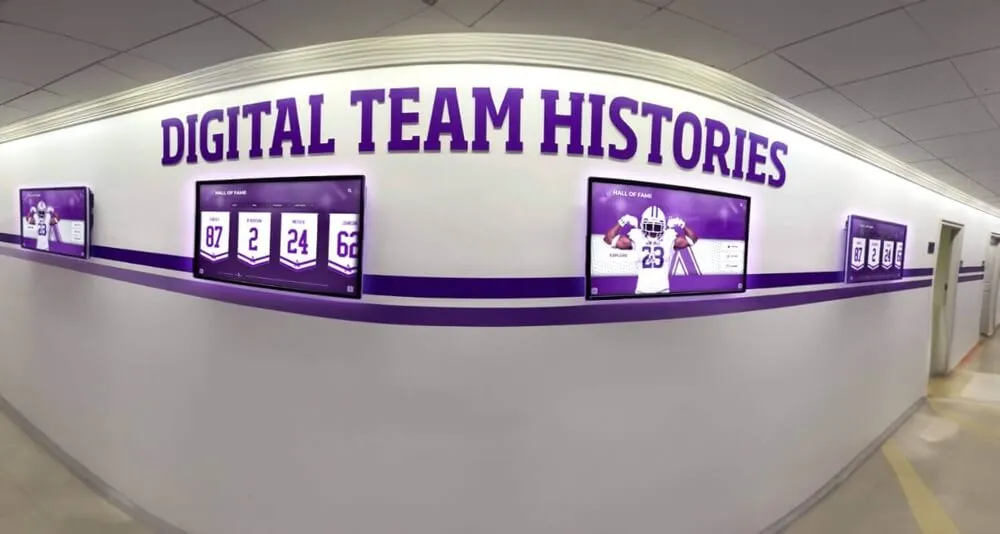
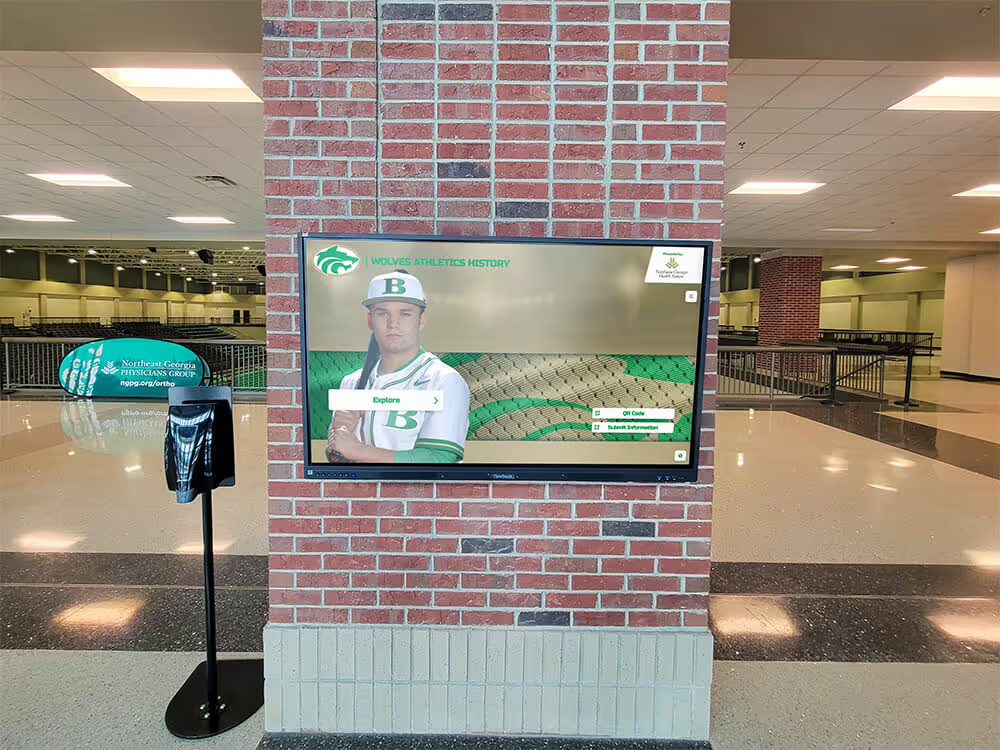
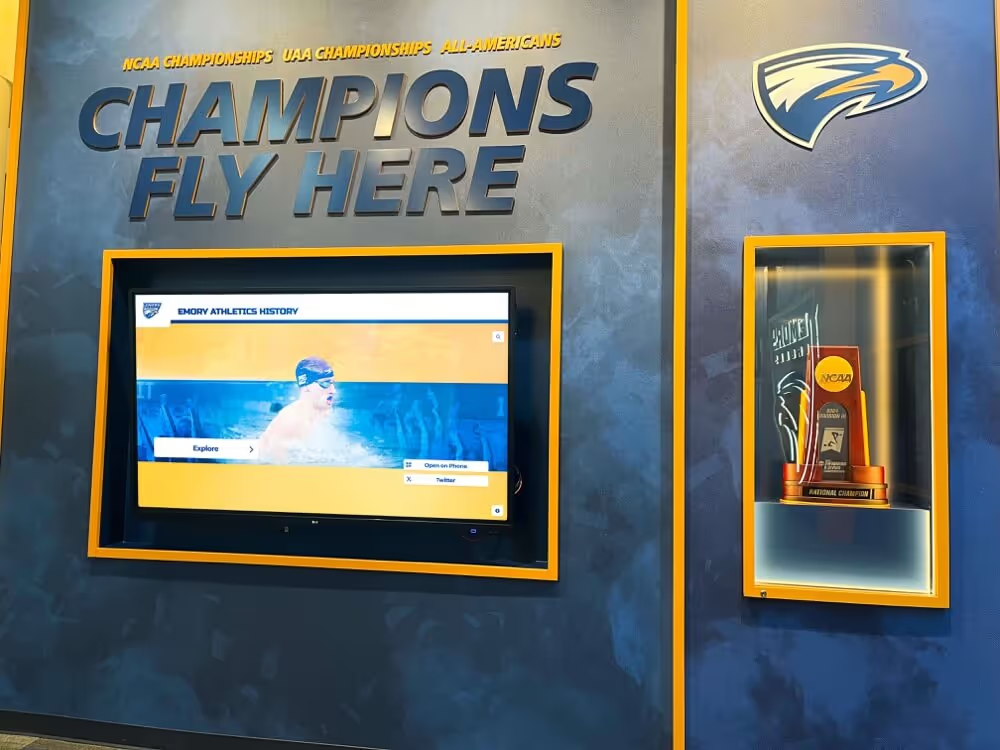
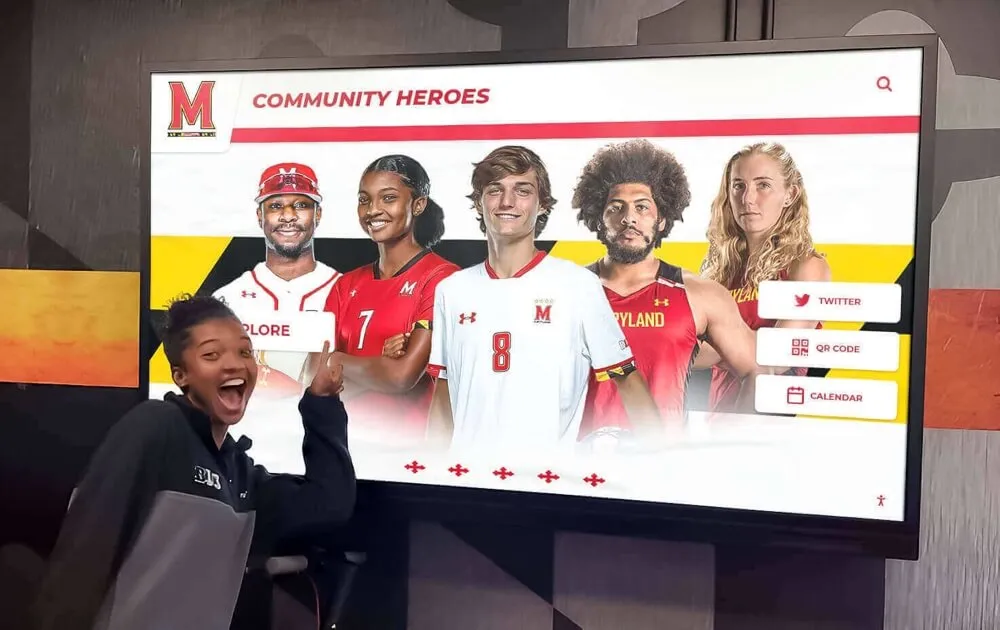
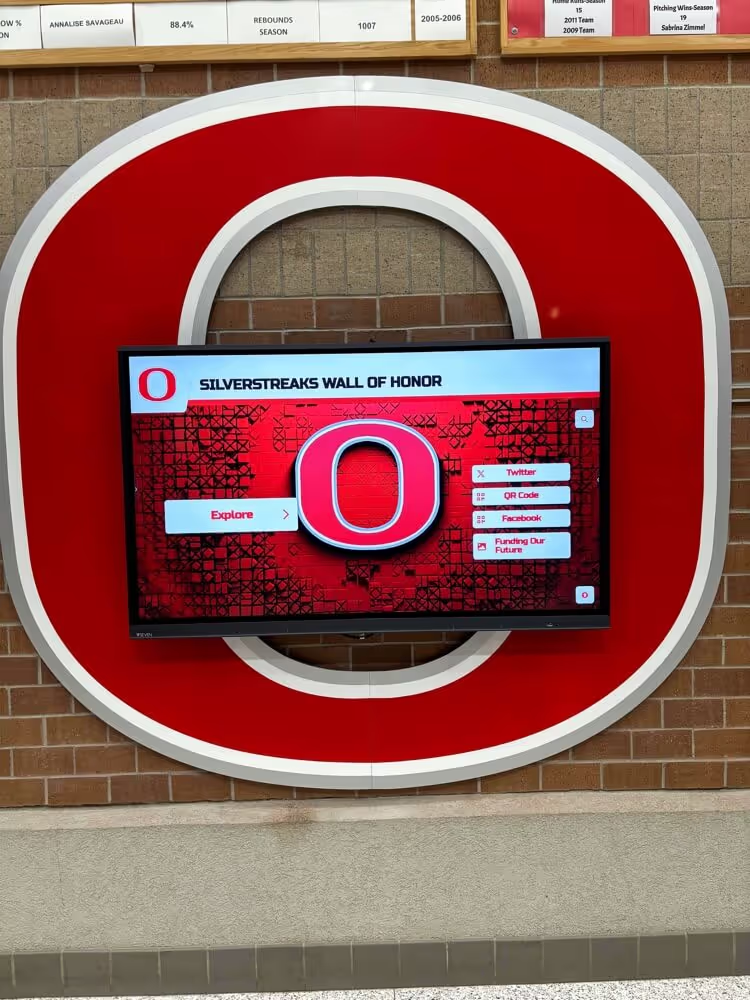
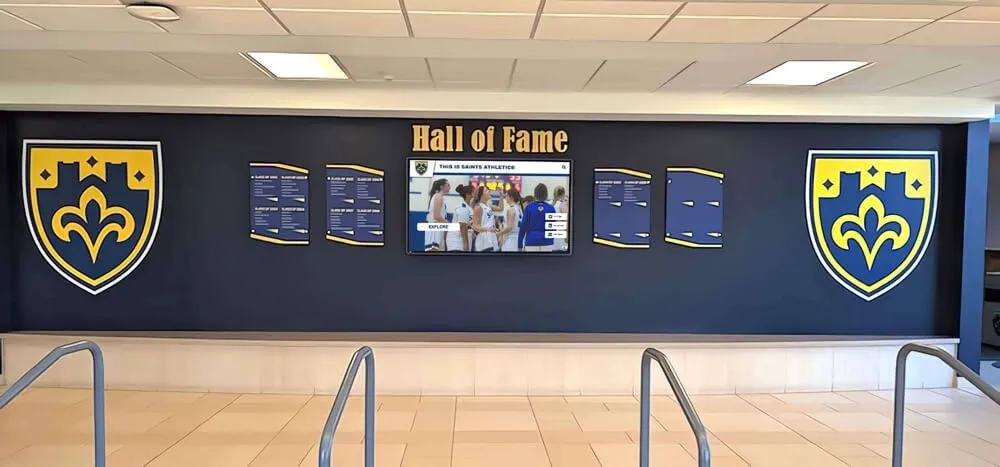
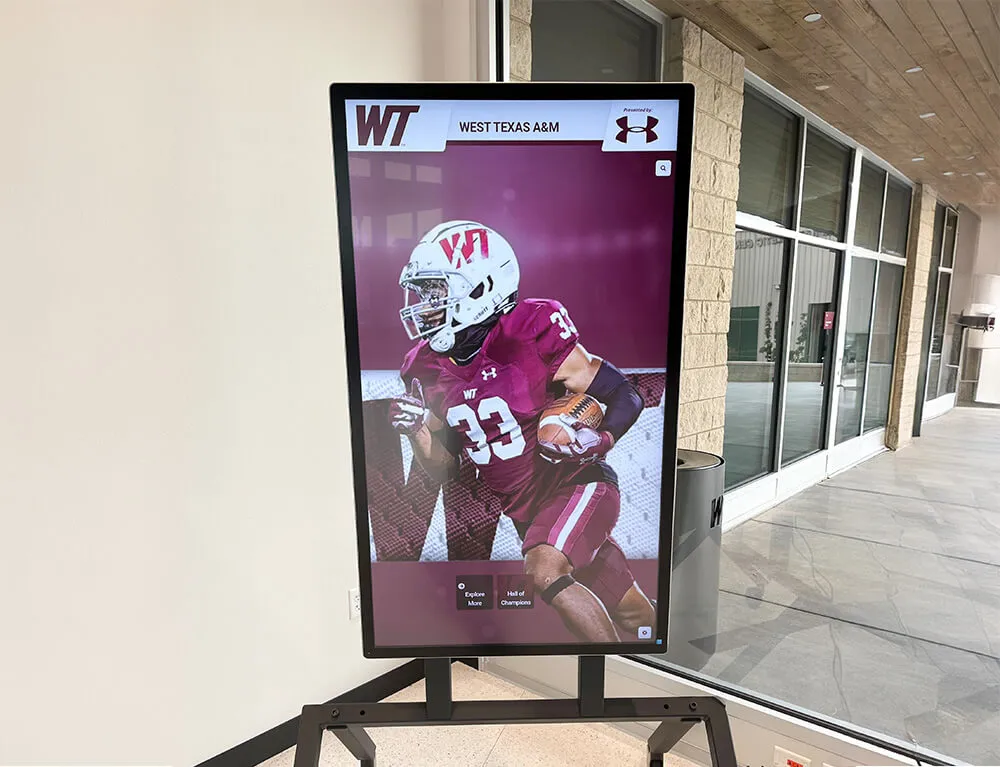
Modern digital displays preserve end of year award recognition beyond ceremony day, creating lasting visibility that inspires future achievement
Understanding End of Year Awards: Purpose and Impact
End of year awards serve multiple essential purposes within educational communities beyond simple acknowledgment of achievement, creating motivational systems that influence student behavior, institutional culture, and community perception of educational priorities and values.
The Psychological Impact of Year-End Recognition
Research consistently demonstrates that appropriately designed recognition programs create measurable positive outcomes for students, schools, and broader educational communities.
Motivation and Achievement Effects
End of year awards create powerful incentive structures when designed appropriately:
- Students working toward specific award criteria demonstrate higher sustained effort throughout academic years
- Public recognition creates positive peer pressure encouraging excellence across student populations
- Visible celebration of achievement normalizes academic and character excellence as desirable social outcomes
- Recognition reinforces specific behaviors and accomplishments worth repeating in subsequent years
- Awards provide concrete goals students can pursue systematically through deliberate effort
Student Identity and Belonging
Recognition profoundly affects how students perceive themselves and their place within school communities:
- Award recipients develop stronger school connectedness and institutional identification
- Recognition validates that effort and achievement matter to adults and institutional leadership
- Students who receive acknowledgment show increased likelihood of continued engagement and participation
- Diverse award categories ensure students with varied talents find paths to recognition and belonging
- Year-end celebration creates shared experiences strengthening cohort identity and school culture
Schools should view end of year awards not as ceremonial obligations but as strategic investments in student motivation systems, institutional culture development, and mission alignment demonstrating what schools genuinely value through systematic, visible celebration beyond rhetoric alone.
Types of End of Year Awards: Creating Comprehensive Recognition
Effective programs recognize excellence across multiple domains ensuring diverse student talents and accomplishments receive appropriate acknowledgment.
Academic Achievement Awards
Academic recognition remains central to most year-end programs:
- Honor roll recognition across different GPA thresholds (Principal’s List, Honor Roll, High Honor Roll)
- Valedictorian and salutatorian honors for graduating classes
- Subject-specific department awards recognizing excellence in individual disciplines
- Academic improvement awards celebrating significant GPA growth regardless of absolute achievement
- Perfect attendance recognition acknowledging consistency and commitment
- National Honor Society recognition honoring character, scholarship, leadership, and service
- AP Scholar Awards celebrating Advanced Placement examination achievement
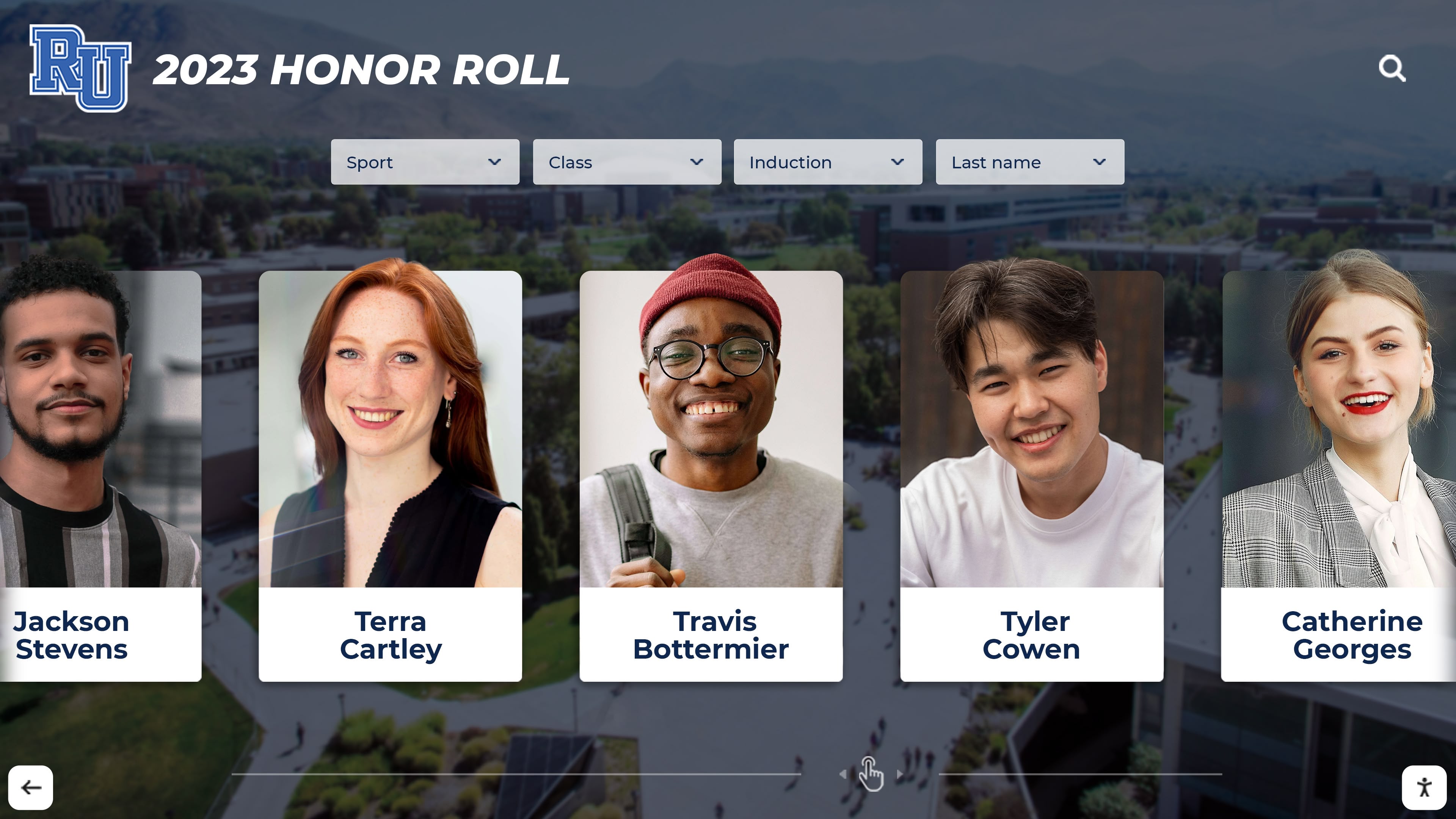
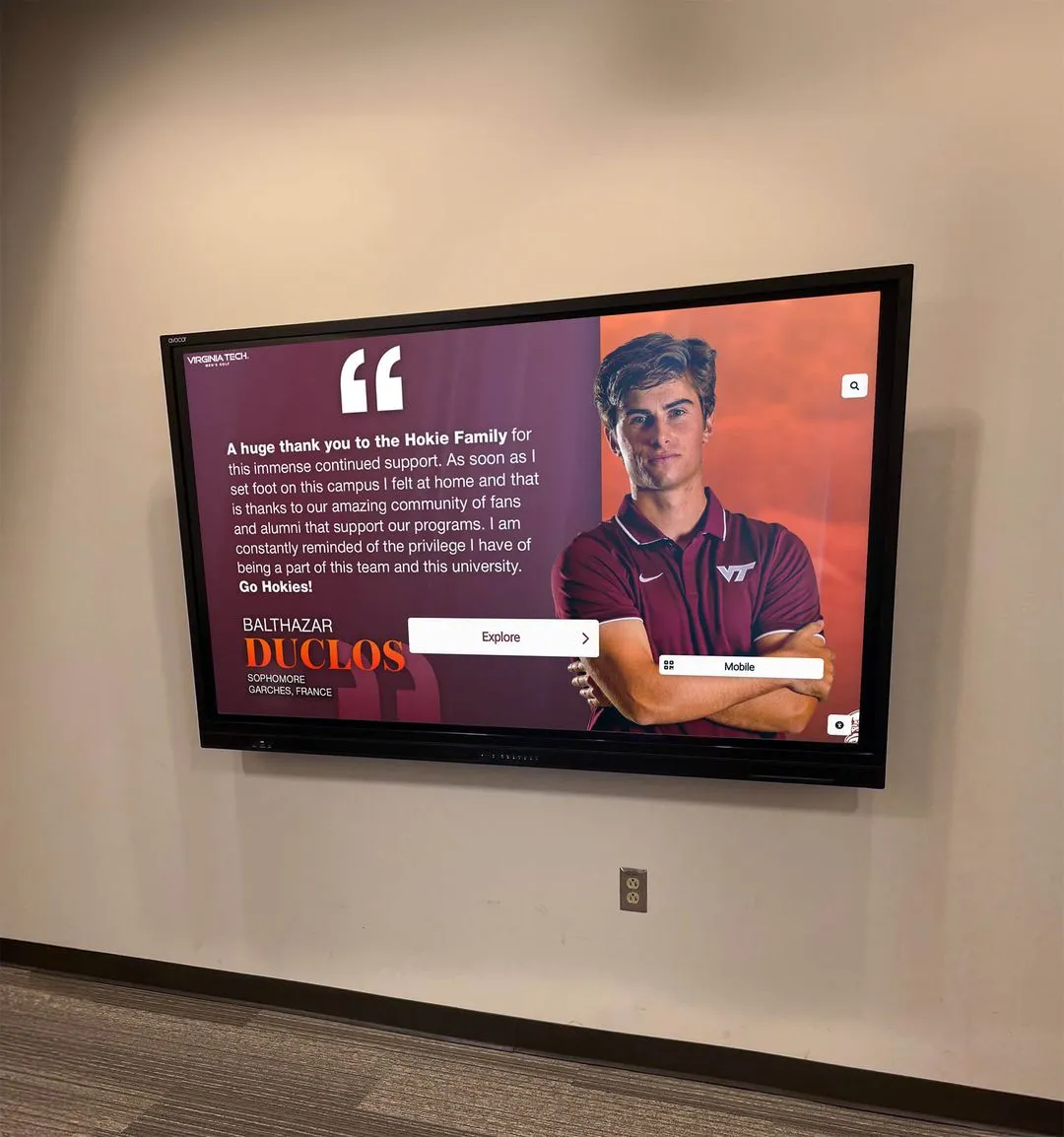
Individual recognition profiles celebrate specific accomplishments and create personal connections beyond generic award lists
Athletic Excellence Recognition
Athletic achievement deserves systematic year-end acknowledgment:
- Varsity letter awards for athletic participation and achievement standards
- Most Valuable Player (MVP) recognition by sport and level
- Coaches’ Awards honoring effort, character, and team contributions beyond statistics
- Scholar-Athlete Awards celebrating excellence in both academics and athletics
- Sportsmanship Awards recognizing character demonstrated through competition
- Most Improved Athlete recognition across different sports
- Athletic leadership awards for captains and team leaders who elevated programs
Learn more about comprehensive athletic recognition programs that document achievement systematically.
Character and Leadership Awards
Recognition should extend beyond measurable achievement to honor character qualities:
- Citizenship Awards recognizing positive community contribution and civic engagement
- Service Awards acknowledging significant volunteer hours and community impact
- Leadership Awards celebrating students who positively influenced school culture and programs
- Perseverance Awards honoring students who overcame significant challenges or adversity
- Kindness and Compassion Awards recognizing empathy and care for others
- Spirit Awards celebrating school pride and positive attitude
- Integrity Awards honoring ethical behavior and trustworthiness
Fine Arts and Extracurricular Recognition
Comprehensive programs acknowledge accomplishments beyond academics and athletics:
- Visual arts excellence awards for outstanding artistic achievement
- Music program awards across band, choir, orchestra, and individual performance
- Drama and theater recognition for outstanding theatrical contributions
- Journalism and media awards acknowledging school publication excellence
- Debate and forensics awards recognizing competitive speaking achievement
- Robotics and STEM competition recognition
- Student government and club leadership awards
This multi-dimensional approach ensures recognition opportunities exist for students across different talents, interests, and contribution types—creating inclusive cultures where diverse forms of excellence receive appropriate celebration.
Planning End of Year Award Programs: Strategic Considerations
Successful recognition requires systematic planning addressing award selection, criteria development, ceremony design, and program sustainability ensuring year-end awards remain meaningful and manageable long-term.
Establishing Award Categories and Criteria
Clear criteria ensure fairness, transparency, and consistency while maintaining award prestige and meaning.
Determining Award Categories
Schools should strategically select award categories balancing comprehensiveness with manageability:
- Survey faculty about subject-specific awards appropriate for different departments
- Review extracurricular programs identifying which deserve formal recognition
- Consider grade-level specific awards appropriate for freshmen through seniors
- Determine whether certain awards should have multiple recipients versus single honorees
- Identify special awards honoring founding donors, retired teachers, or institutional history
- Balance between too few awards (limiting recognition) and too many (diluting meaning)
- Plan for approximately 15-25% of student body receiving some formal year-end recognition
Defining Clear Criteria
Transparent criteria prevent perceptions of favoritism while maintaining standards:
- GPA thresholds for academic honors should be clearly specified and consistently applied
- Quantifiable metrics where possible (hours of service, attendance percentage, competition results)
- Qualitative criteria should have descriptive rubrics guiding selection committee evaluation
- Weight different factors appropriately when multiple elements contribute to decisions
- Publish all award criteria on school websites and in student handbooks
- Ensure criteria align with institutional mission and stated educational values
- Review criteria periodically adjusting based on participation patterns and outcome equity

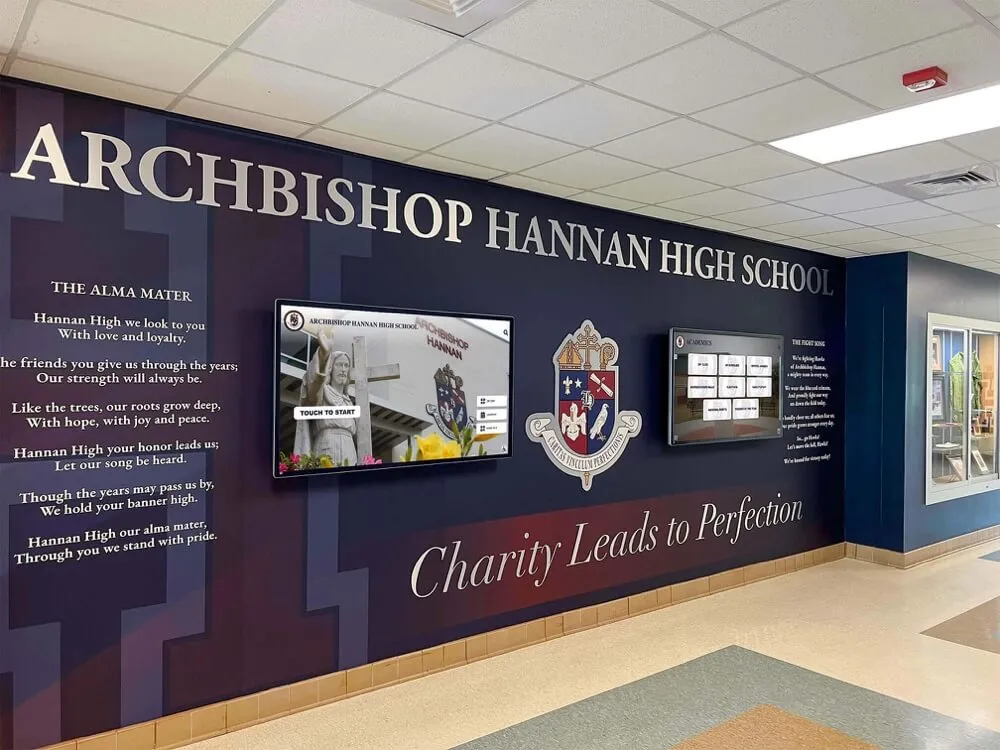
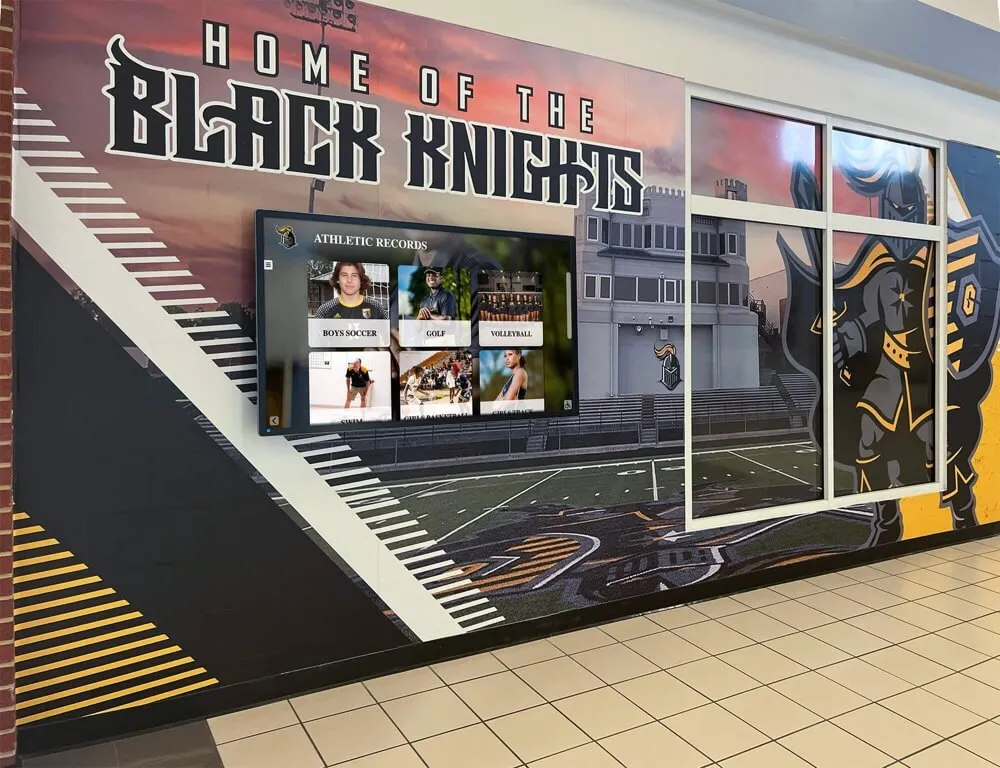
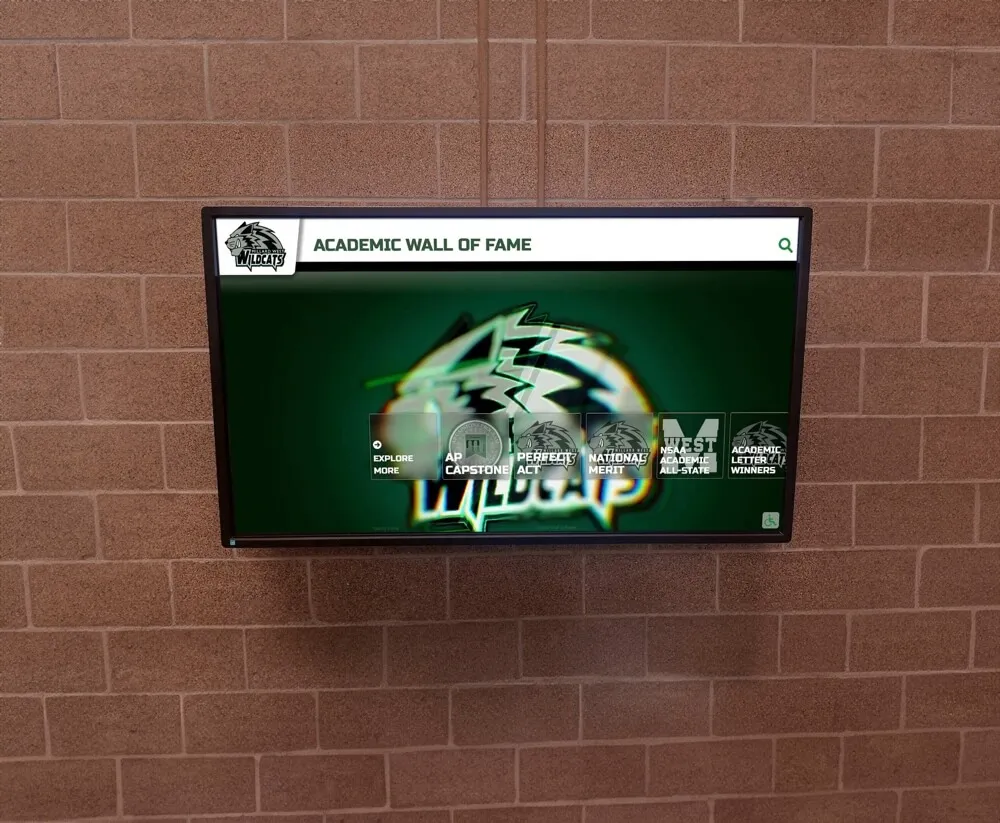
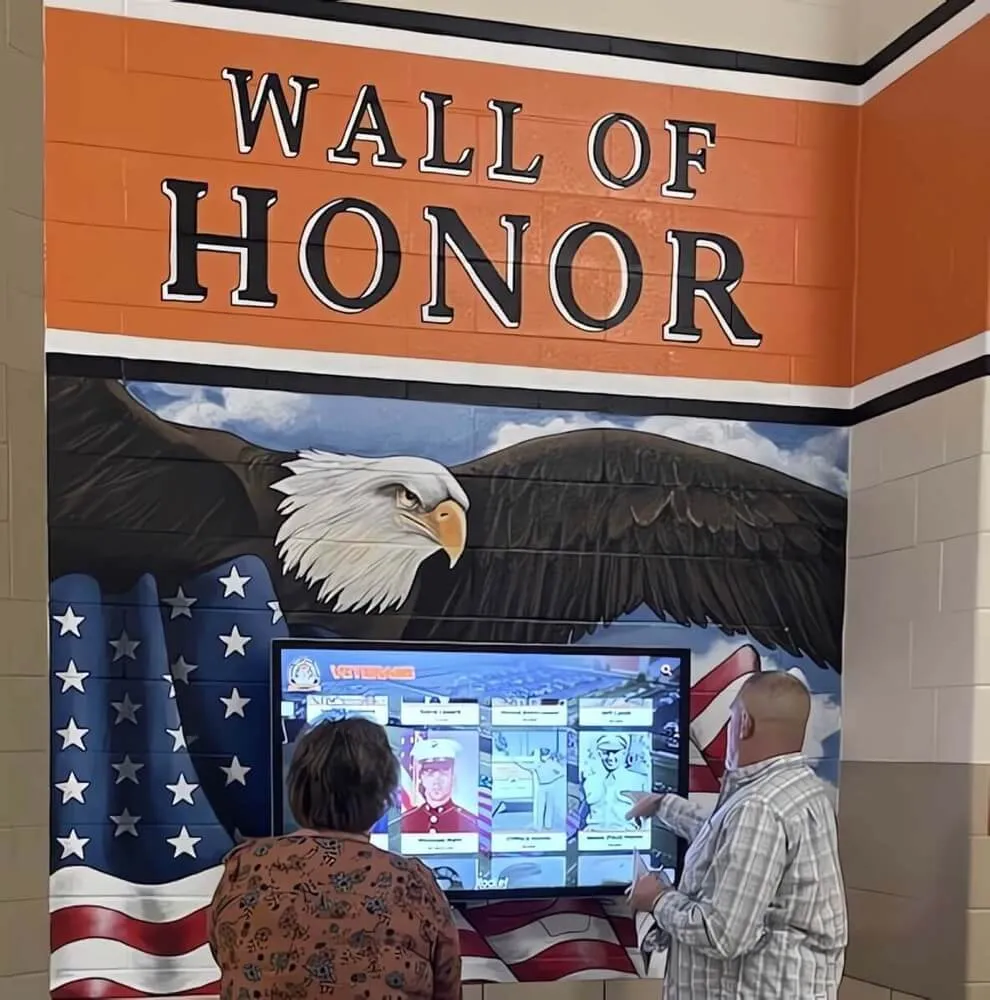
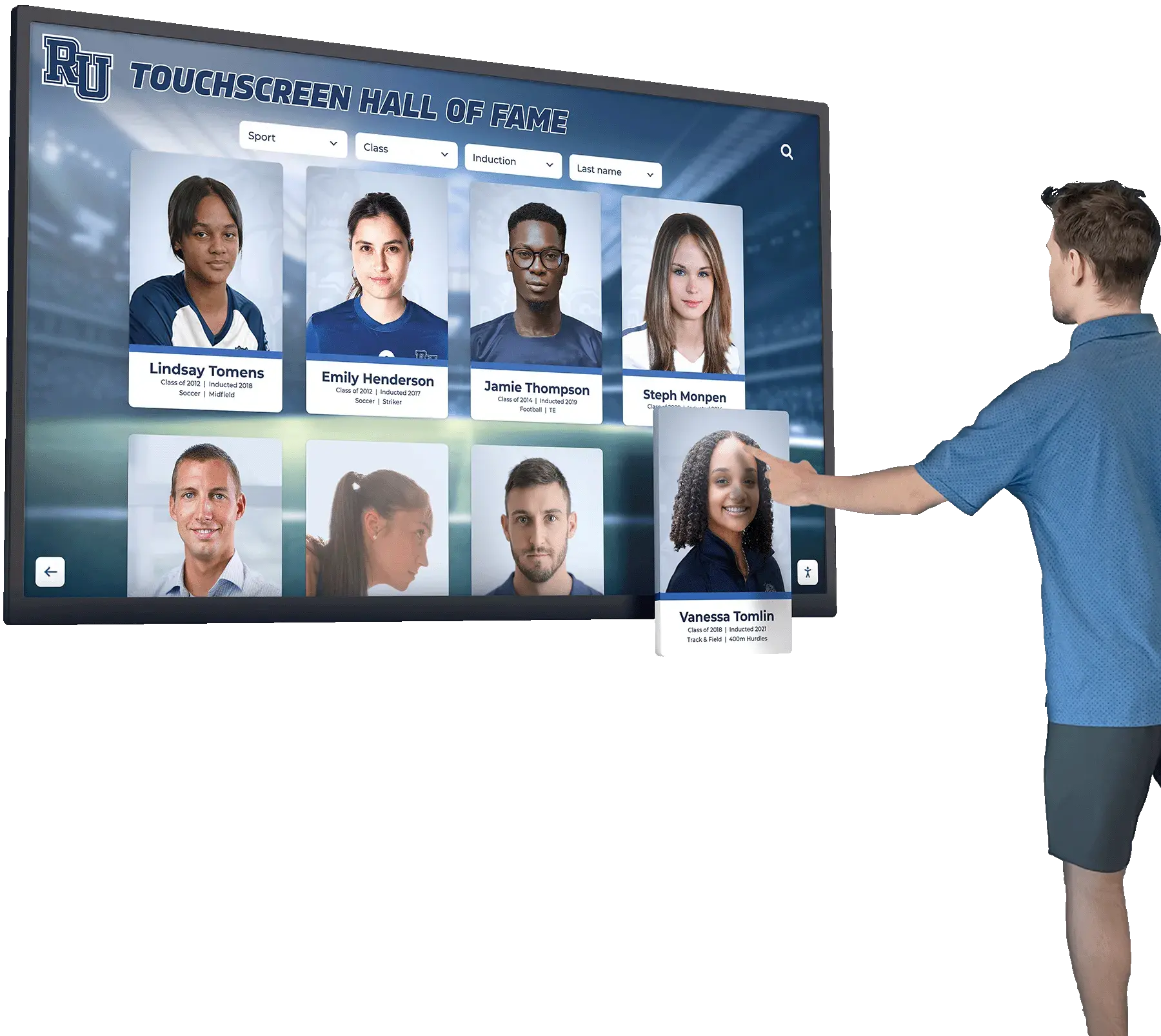
Interactive touchscreen displays enable exploration of award history and criteria, helping students understand achievement pathways clearly
Selection Committee Structures
Fair award selection requires thoughtful committee composition and processes:
- Department chairs typically select subject-specific award recipients with teacher input
- Athletic directors and coaches determine athletic award recipients collaboratively
- Character awards often involve administrator, counselor, and teacher nomination and voting
- Include diverse committee membership reflecting various perspectives and student populations
- Consider student representation on selection committees for certain award categories
- Establish conflict of interest policies for committee members with family connections
- Document decision-making processes and maintain records supporting selections
Creating Inclusive Recognition Programs
Award programs should ensure recognition opportunities exist for students across all backgrounds and achievement levels.
Multiple Pathway Recognition
Inclusive programs provide diverse routes to acknowledgment:
- Absolute achievement awards recognizing highest performance
- Growth and improvement awards celebrating progress from different starting points
- Effort-based recognition valuing work ethic regardless of outcome
- Specialized talent awards beyond traditional academic and athletic categories
- Grade-level awards ensuring underclassmen receive recognition alongside seniors
- First-time achievement awards celebrating initial qualification for honors
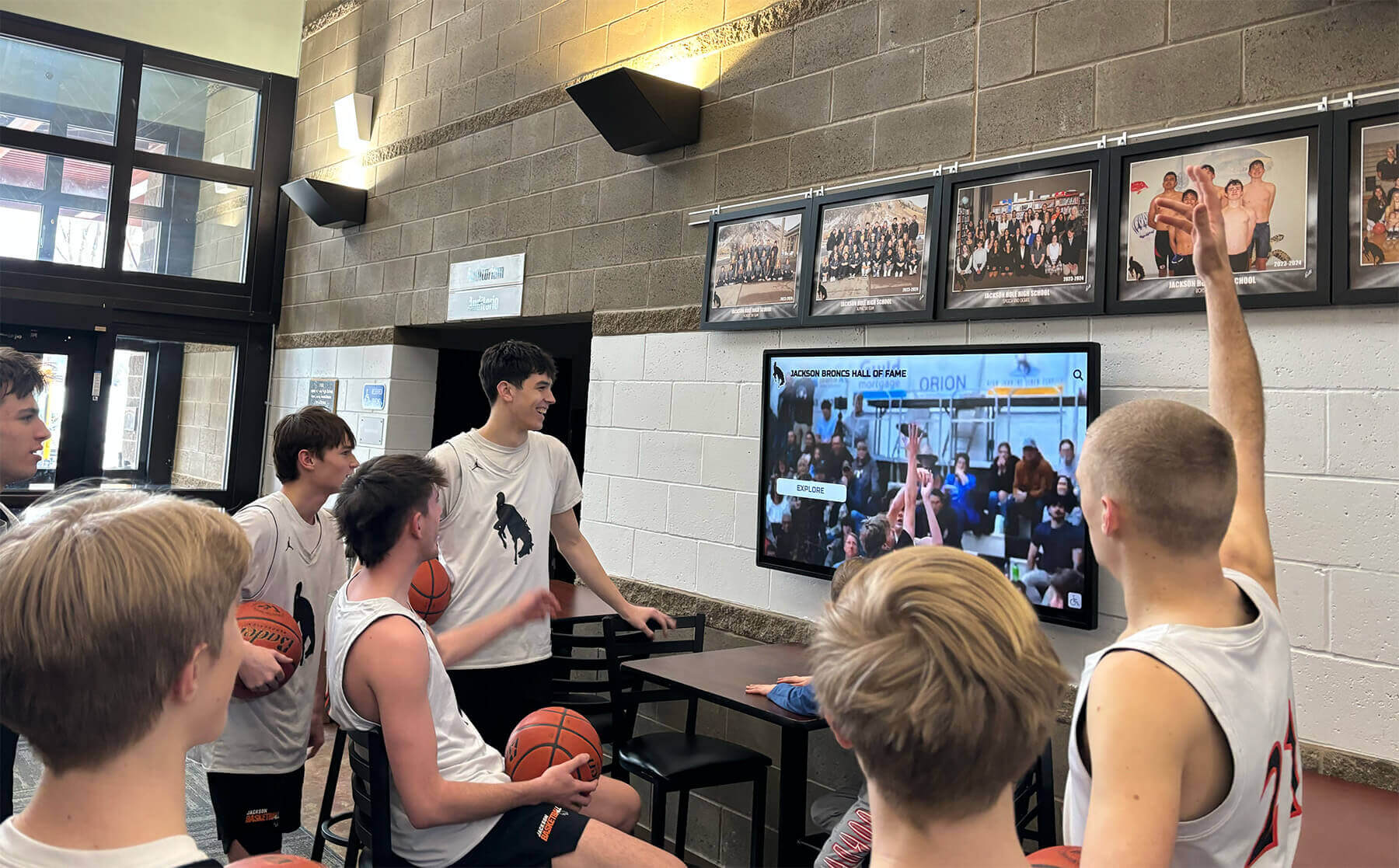
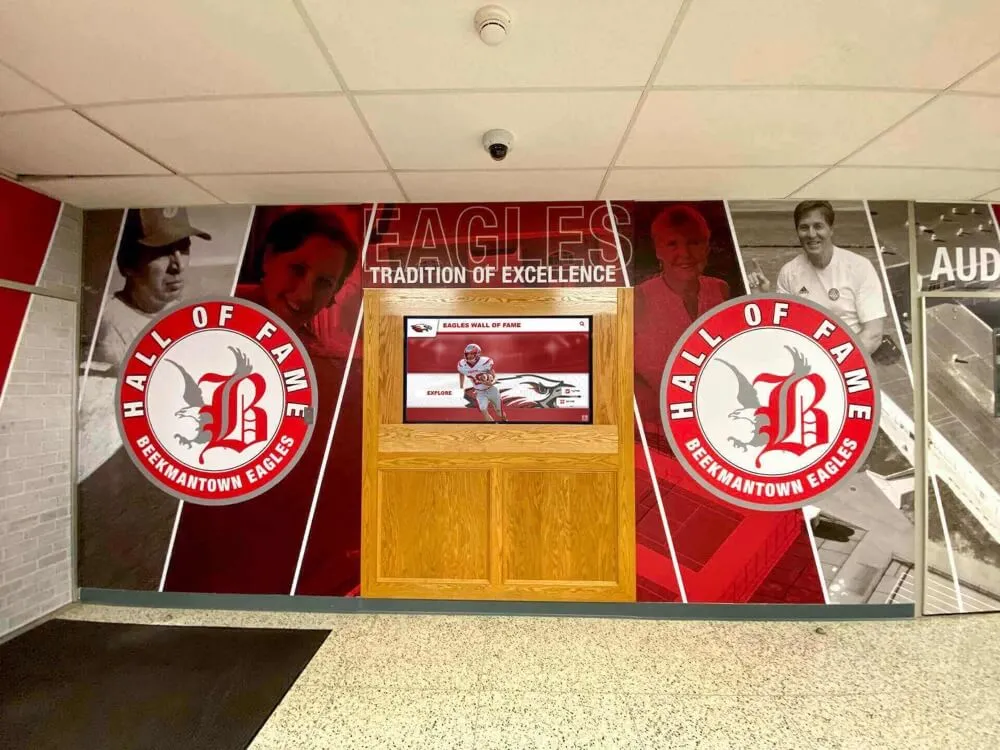
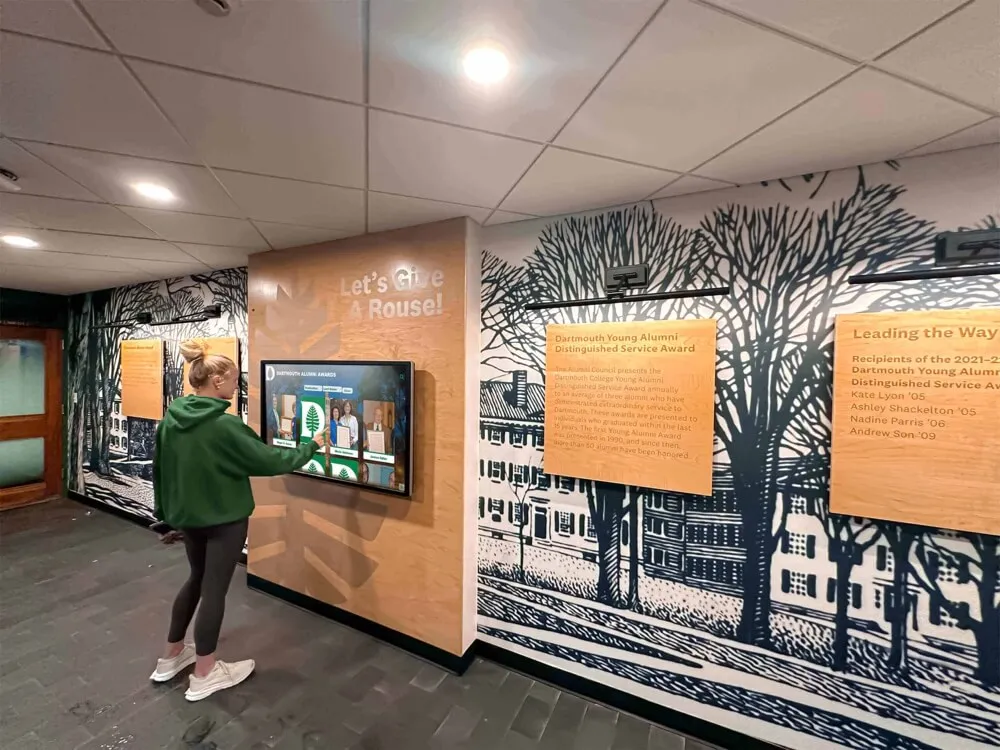
Engaging recognition displays create ongoing visibility for awarded achievements beyond single ceremony moments
Avoiding Common Equity Pitfalls
Thoughtful design prevents unintentional bias:
- Monitor recognition distribution patterns across demographic groups identifying disparities
- Ensure award criteria don’t inadvertently favor students with more resources or prior advantages
- Create recognition opportunities requiring no financial barriers or family contributions
- Consider whether awards require participation in fee-based activities or programs
- Review past recipient lists ensuring diverse students receive recognition over time
- Solicit faculty feedback about which student populations receive insufficient acknowledgment
- Adjust criteria and create new awards addressing identified recognition gaps
Learn about senior class awards and recognition that celebrate diverse student achievements across multiple dimensions.
Designing Engaging Award Ceremonies
Ceremony format significantly affects how recipients, families, and communities experience recognition, making thoughtful event design essential for creating meaningful memorable celebrations.
Ceremony Structure and Flow
Effective ceremonies balance formality with engagement preventing lengthy programs that lose audience attention.
Optimal Ceremony Duration and Pacing
- Target 60-90 minute total ceremony length as maximum attention span for mixed audiences
- Begin promptly at scheduled time respecting attendee schedules and commitments
- Group similar awards together (all academic, then athletic, then character) for logical flow
- Alternate between individual awards and group recognition maintaining energy and variety
- Include brief breaks or transition elements (musical performances, video segments) between sections
- Allow appropriate applause time between recipients without extending unnecessarily
- Conclude with inspirational speaker or reflection rather than abrupt ending
Opening and Welcome
Strong openings set appropriate tone and context:
- Welcome from principal or ceremony host acknowledging attendees and occasion significance
- Brief overview of ceremony purpose and format so audience understands structure
- Acknowledge selection committees, faculty, and volunteers who made recognition possible
- Set expectations for photography, applause, and audience participation during ceremony
- Opening remarks should be concise (5-7 minutes maximum) moving quickly to actual recognition
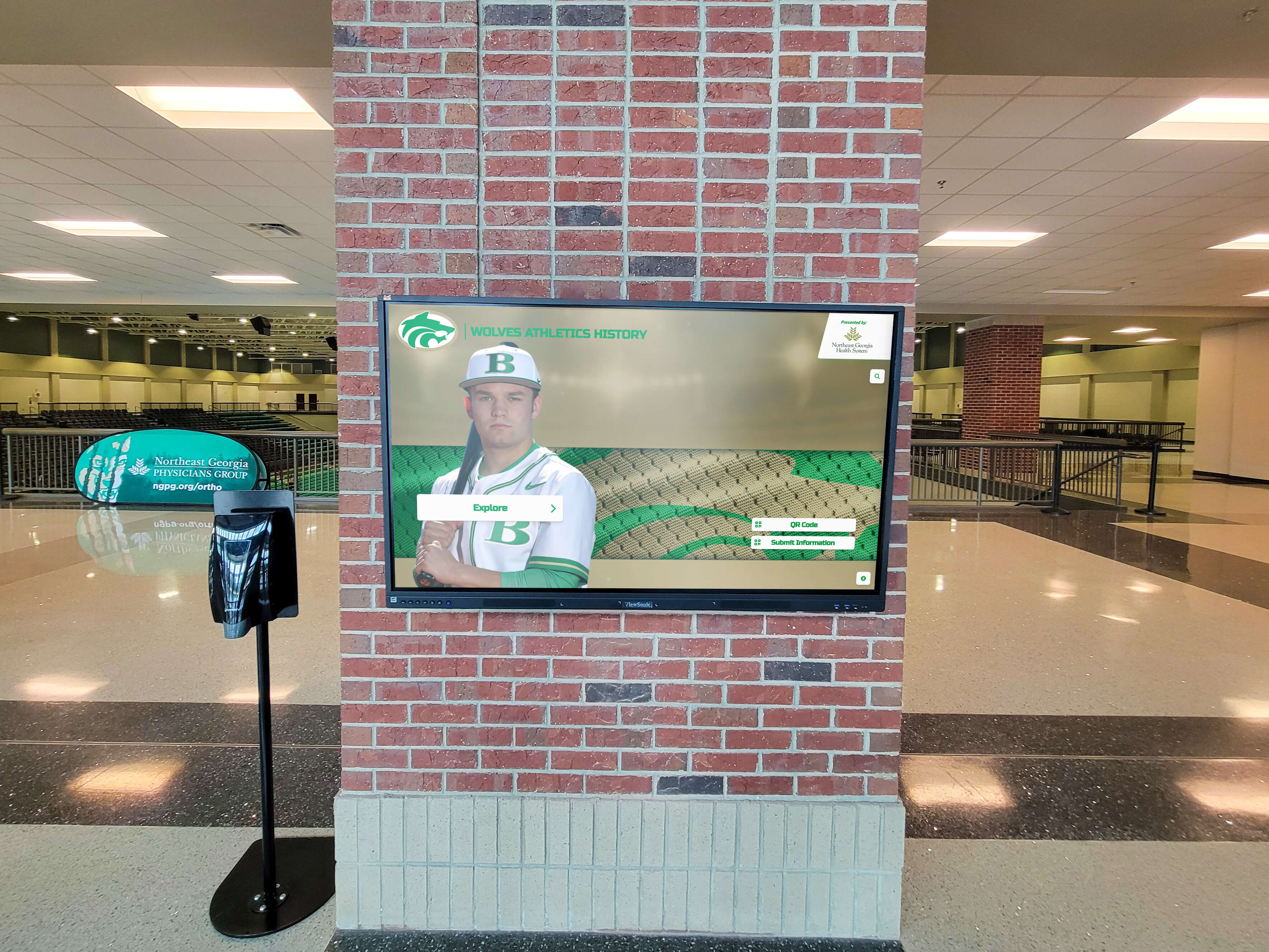
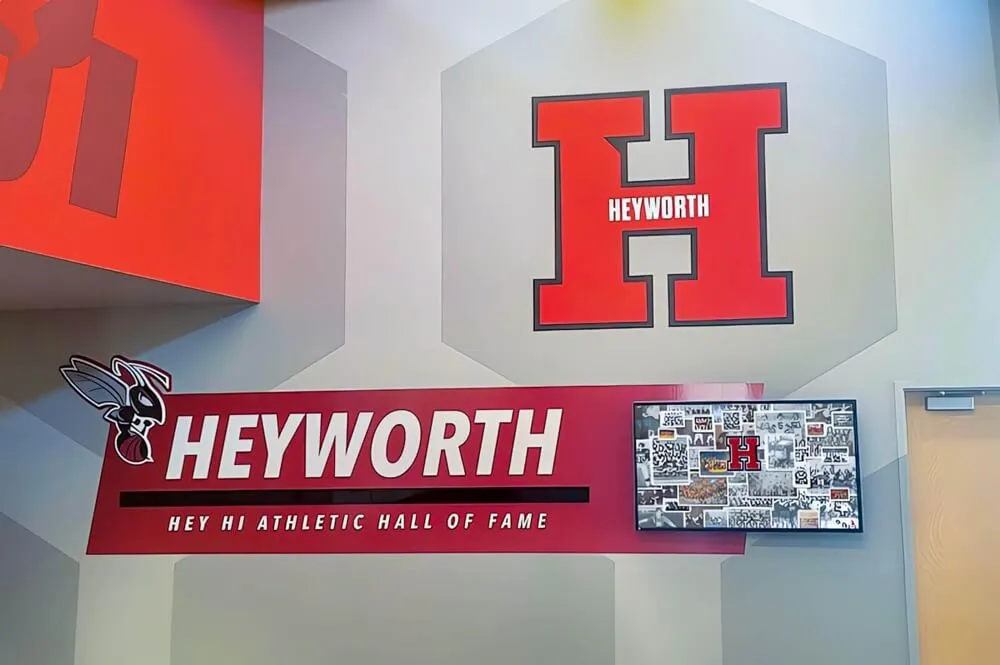
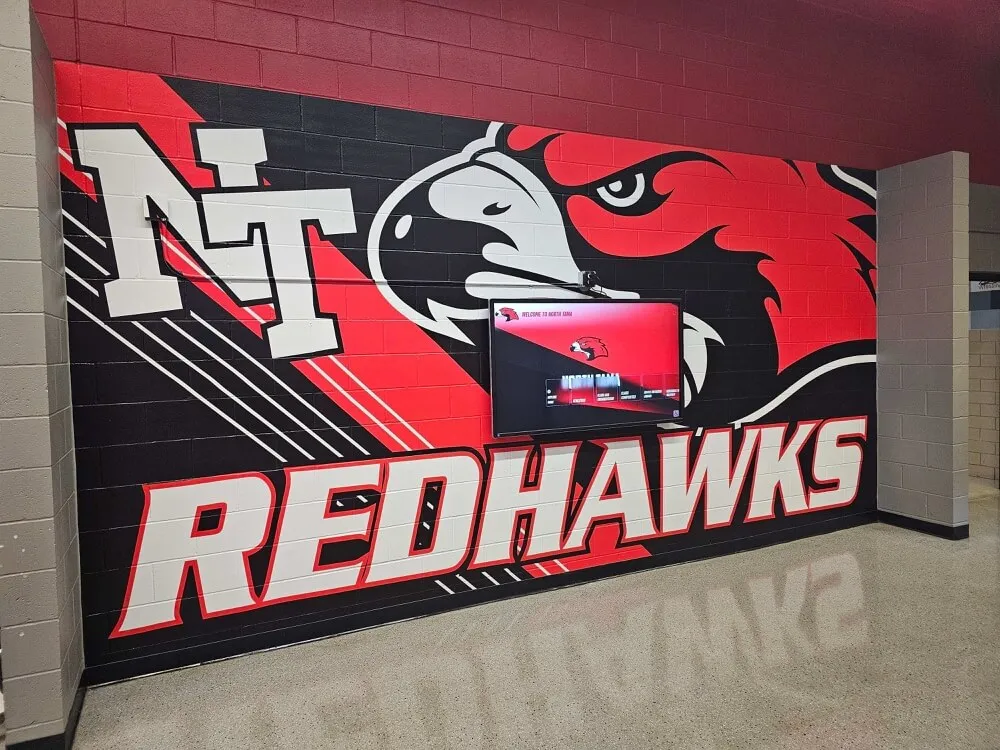
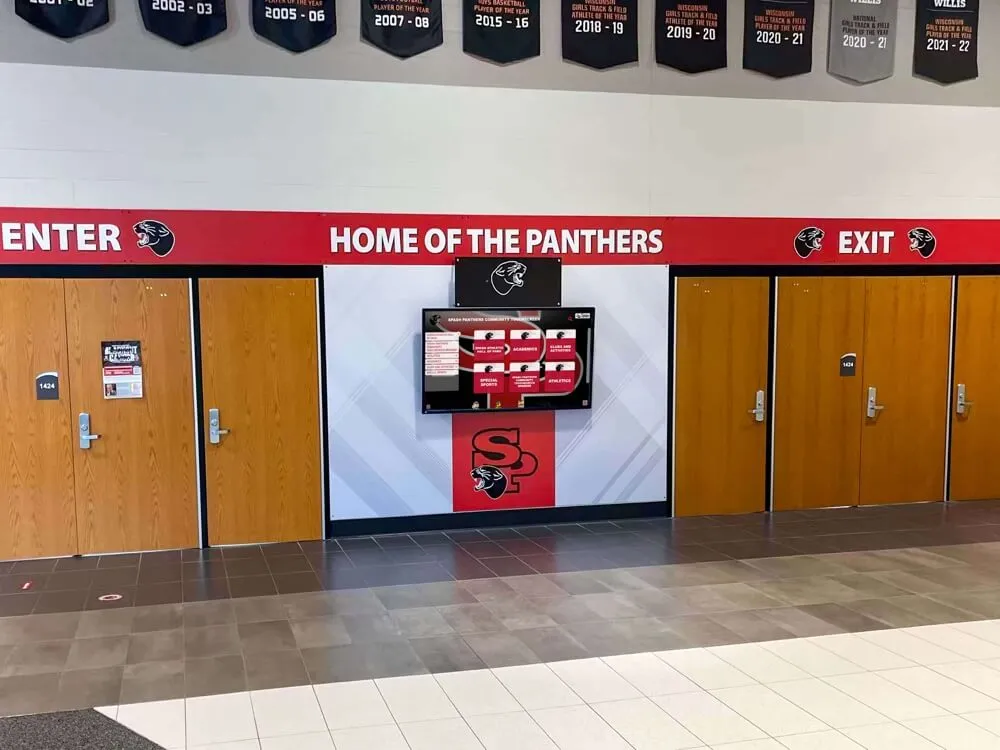
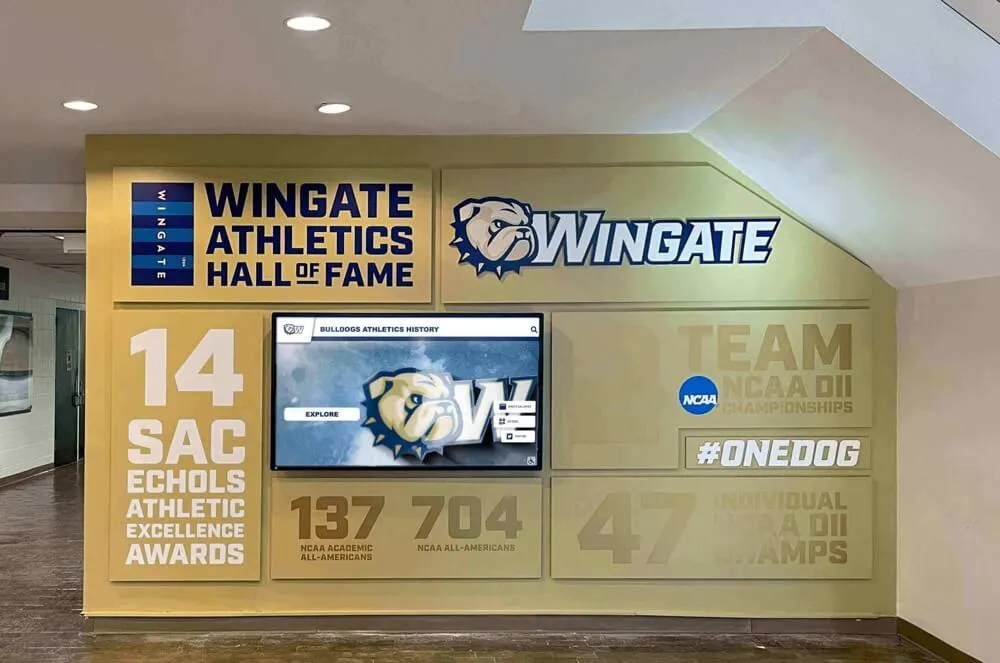
Strategic display placement in high-traffic areas extends award recognition visibility beyond ceremony day
Award Presentation Best Practices
Thoughtful presentation shows recipients their achievements matter genuinely:
- Clearly announce each award name and what it represents before naming recipients
- Provide brief description of award criteria so audience understands significance
- Pronounce student names correctly (verify pronunciations beforehand with phonetic notes)
- Allow time for photographs with presenters and certificates
- Present quality certificates or plaques appropriate to achievement significance
- Consider having students read brief award descriptions or present to peers
- Maintain consistent format across all awards ensuring equal treatment and dignity
Ceremony Logistics and Technical Elements
Smooth operations prevent distractions from recognition focus:
- Test all audio/visual equipment thoroughly before ceremony begins
- Arrange seating for award recipients with clear pathways to stage or presentation area
- Provide programs listing all awards and recipients for attendees to follow
- Designate official photographer or coordinate with families about photography protocols
- Consider live-streaming for family members unable to attend in person
- Plan for accessibility needs including wheelchair access and hearing assistance
- Arrange reception or refreshments afterward encouraging community connection
Ceremony Content and Special Elements
Beyond basic award presentation, thoughtful additions create memorable experiences.
Student Voices and Participation
Incorporating student perspectives increases authenticity and engagement:
- Invite senior speaker to reflect on their class experience and achievements
- Include student performers (musical, dramatic, or other talents) between award sections
- Consider peer recognition where students nominate and present certain awards to classmates
- Show student-created videos celebrating achievements, memories, or school year highlights
- Include student emcees alongside or instead of adult hosts when appropriate
- Feature student testimonials about how recognition impacted their educational experience
Multimedia Integration
Visual elements enhance engagement and emotional impact:
- Display slideshow of recipient photos during award reading if time allows
- Create video montages celebrating different achievement areas (academics, athletics, arts, service)
- Show footage of award recipients demonstrating their excellence (performances, competitions, projects)
- Display award criteria and recipient accomplishments on screens for audience reference
- Include archival photos connecting current awards to institutional tradition and history
Schools using solutions like Rocket Alumni Solutions can integrate digital recognition displays into ceremonies, showing real-time updates as awards are presented while simultaneously building permanent archives families can access online later.
Modern Recognition Display Solutions: Beyond Ceremony Day
Traditional ceremonies provide important acknowledgment, but recognition impact extends significantly when achievements receive lasting visibility inspiring future students and preserving institutional tradition.
Limitations of Ceremony-Only Recognition
Single-event recognition creates several missed opportunities:
Temporary Visibility
- Award announcement occurs once during ceremony then receives minimal subsequent attention
- Recipients experience brief moment of acknowledgment without sustained recognition
- Current underclassmen miss ceremony or forget award possibilities when making educational choices
- Prospective families touring campus see no evidence of recognition programs or achievement culture
- Community members unaware of student excellence lack connection to school accomplishments
Incomplete Documentation
- Physical certificates end up in personal storage rather than visible institutional displays
- School historical records of past recipients often incomplete or inaccessible
- No systematic connection between current students and tradition of past award recipients
- Difficulty tracking recognition patterns over time for program assessment and improvement
Limited Engagement Opportunities
- Ceremony format prevents detailed achievement storytelling beyond brief descriptions
- No opportunity for audiences to explore individual recipient accomplishments deeply
- Families cannot easily share recognition with extended networks beyond ceremony attendees
- Award significance unclear to those unfamiliar with specific criteria and selection processes
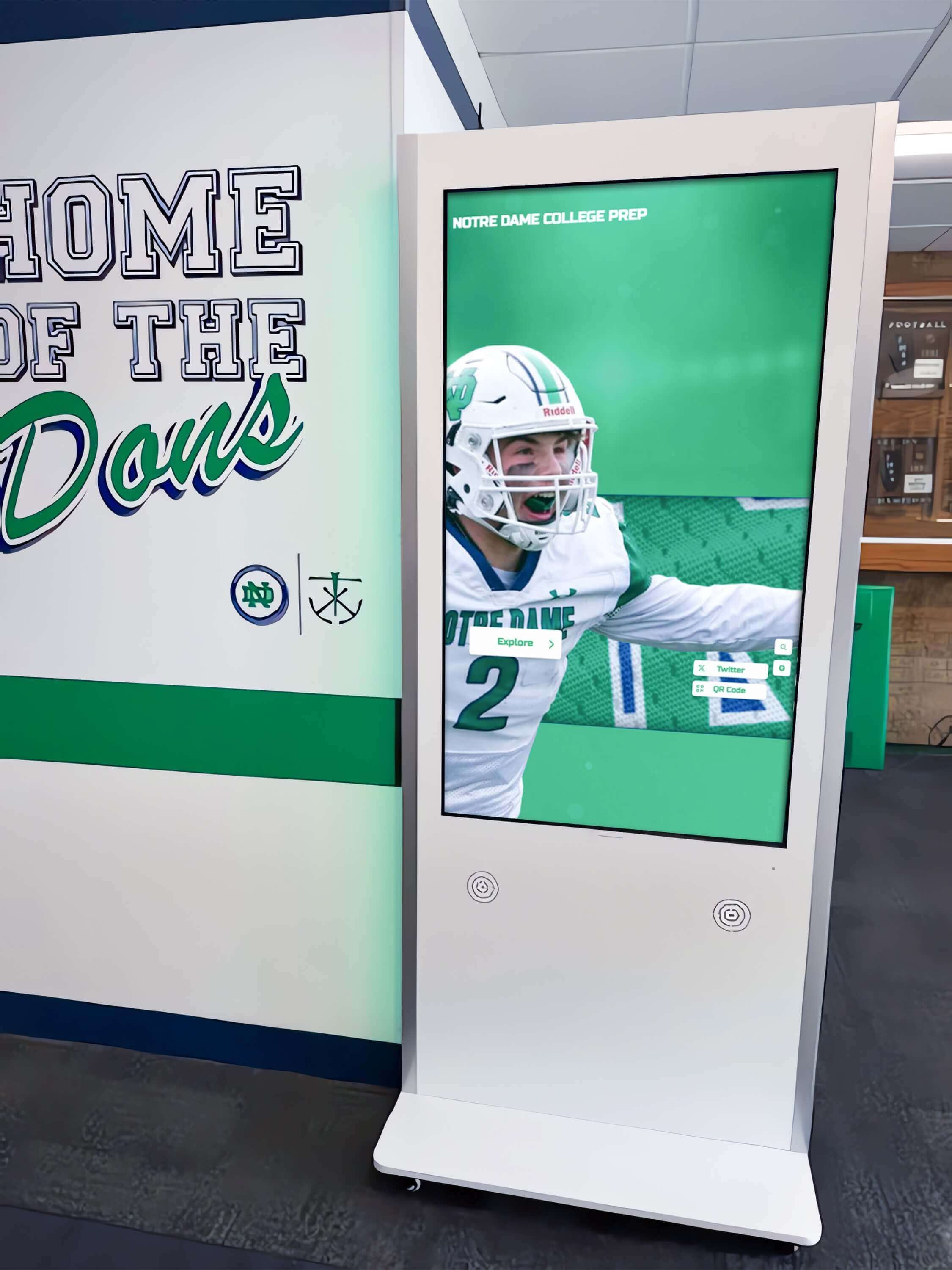
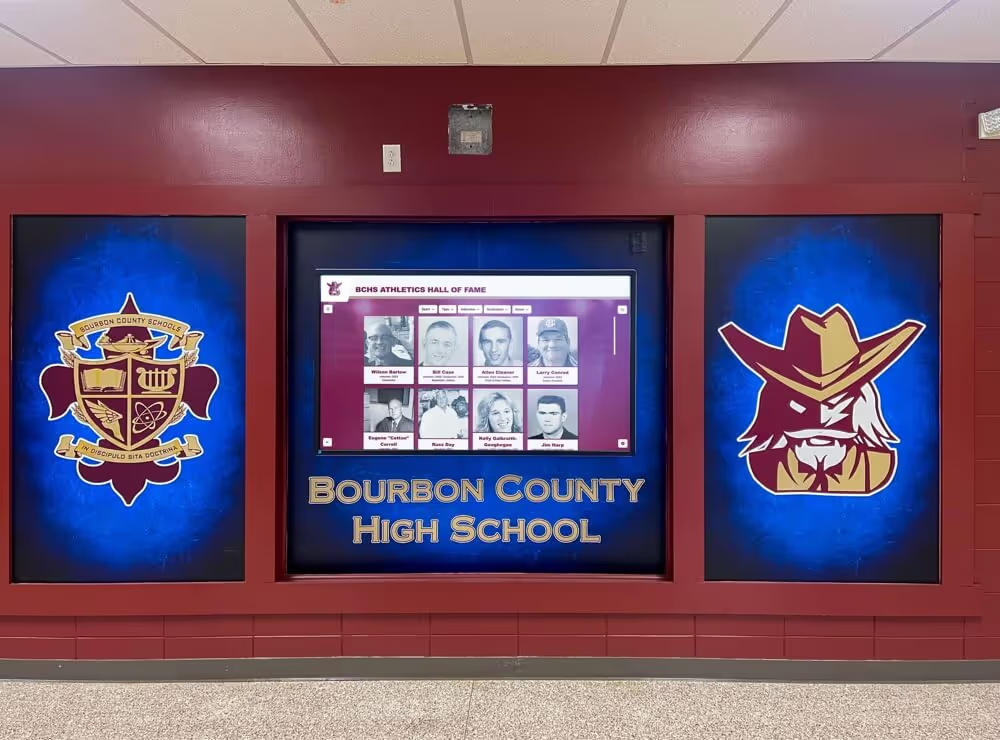
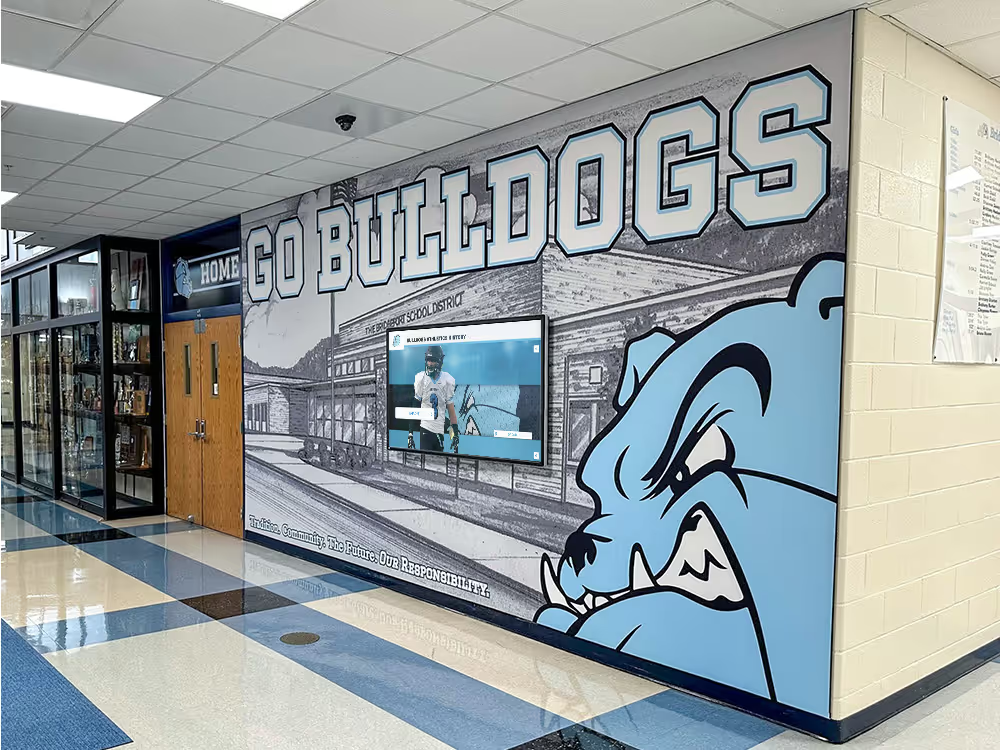
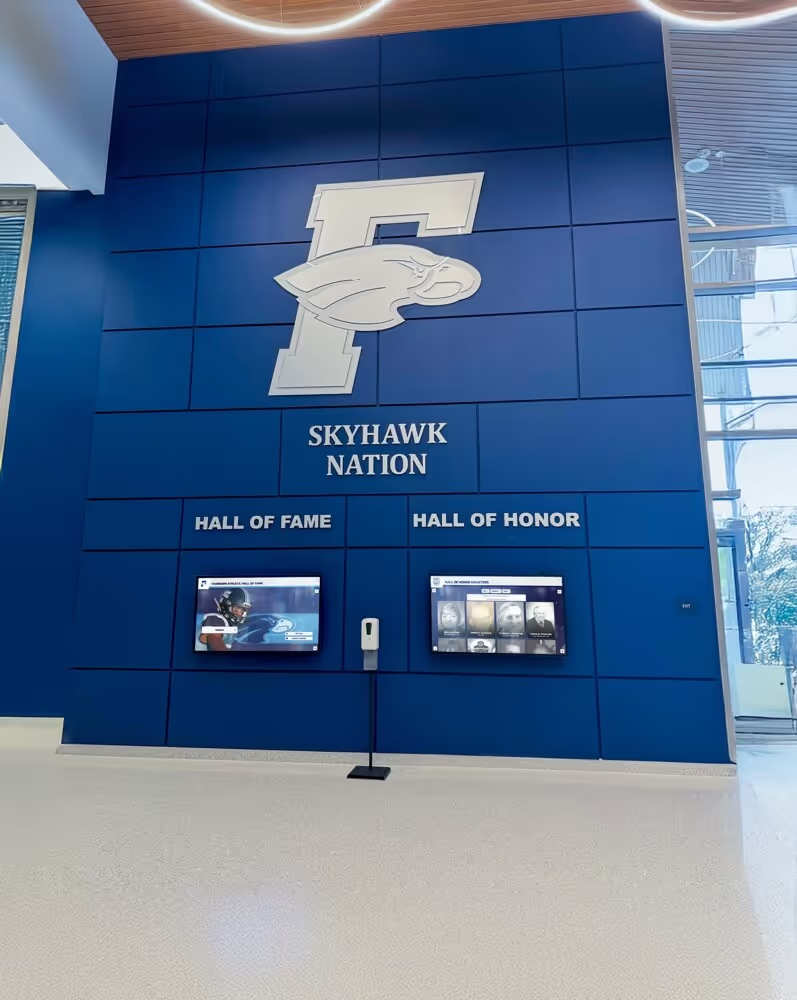
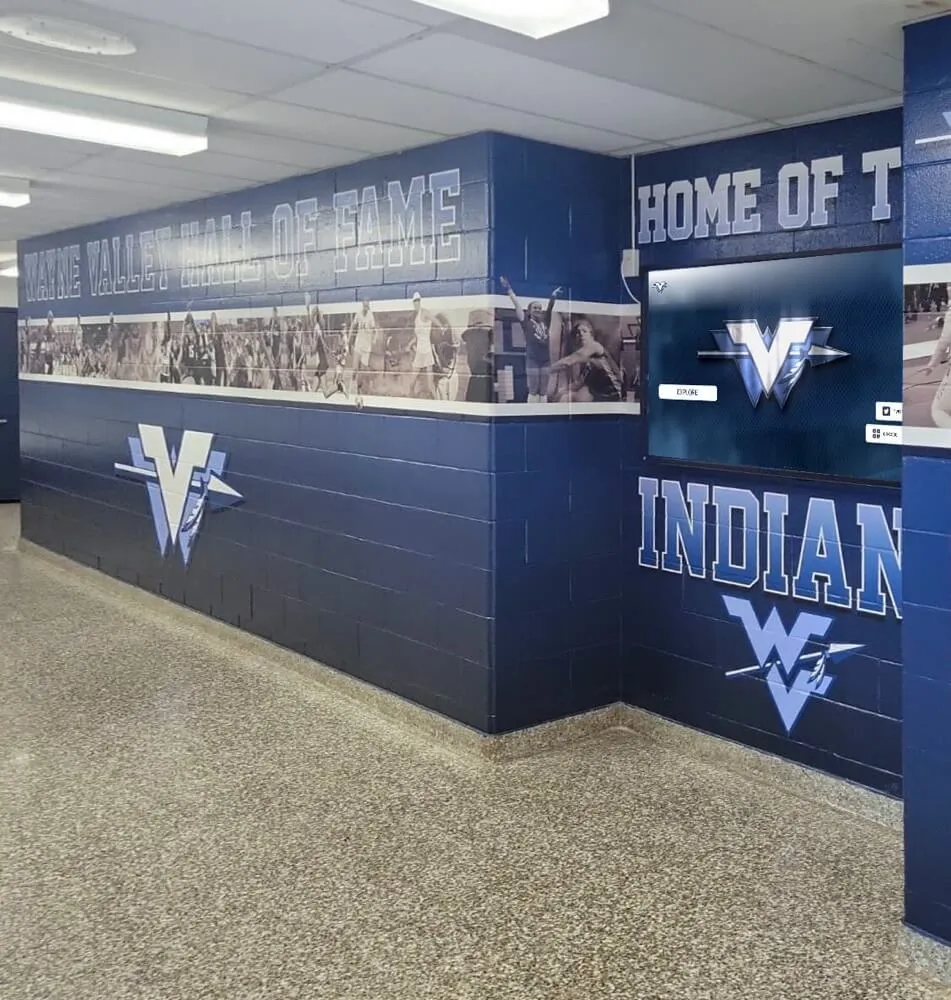
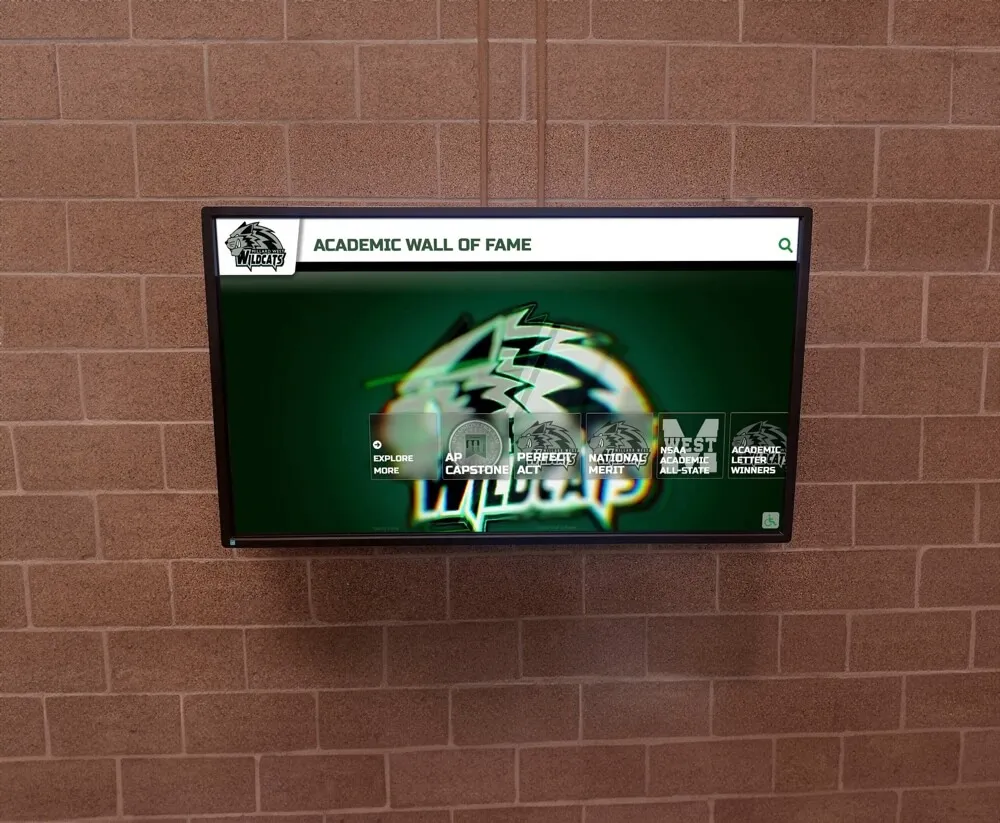
Permanent digital displays in high-traffic hallways provide ongoing visibility for end of year awards throughout subsequent school years
Digital Recognition Displays: Preserving and Amplifying Awards
Modern display solutions transform end of year awards from single moments into ongoing recognition inspiring future achievement.
Unlimited Recognition Capacity
Digital platforms eliminate space constraints:
- Single display accommodates unlimited award recipients across all categories and years
- No need to remove historical recipients when adding current year awards
- Comprehensive archives preserve complete institutional recognition tradition
- All award types receive equal display capacity regardless of physical space limitations
Rich Multimedia Profiles
Digital recognition creates deeper engagement than name lists:
- High-quality student photographs personalizing recognition beyond generic acknowledgment
- Detailed achievement narratives explaining what students accomplished and how
- Multiple awards per student shown comprehensively rather than forcing selective display
- Video integration possibilities including acceptance speeches or achievement demonstrations
- Links to project portfolios, performances, or competition results providing full context
Interactive Exploration Features
Touchscreen systems enable audience engagement impossible with static displays:
- Search functionality helping students find themselves, friends, or family members
- Filtering by year, award type, grade level, and other criteria
- Digital hall of fame displays connecting award recipients to broader achievement traditions
- Statistical views showing award trends and program growth over time
- Award criteria explanations helping students understand achievement pathways clearly
Web and Mobile Extensions
Recognition extends beyond physical campus through online platforms:
- Families worldwide can view award recipient profiles from any device
- Social sharing capabilities enabling recipients to celebrate with extended networks
- Permanent accessible archives surviving building renovations or relocations
- Integration with school websites and communication platforms
- Alumni access enabling former recipients to find their historical records
Solutions like Rocket Alumni Solutions provide comprehensive platforms combining physical touchscreen displays with cloud-based management and web access, creating recognition ecosystems that preserve awards permanently while making them accessible anywhere.
Department-Specific and Subject Awards
Comprehensive end of year recognition acknowledges excellence across the full curriculum, not just traditional core subjects.
Academic Department Awards
Subject-specific recognition celebrates deep engagement within disciplines:
English and Language Arts Recognition
- Outstanding Achievement in English
- Creative Writing Excellence Award
- Literary Analysis Award
- Public Speaking and Rhetoric Award
- Journalism and Media Production Award
Mathematics Excellence
- Outstanding Achievement in Mathematics
- Calculus Excellence Award
- Statistics and Data Science Award
- Mathematics Competition Achievement
- Applied Mathematics and Problem-Solving Award
Science Achievement
- Outstanding Biology Student Award
- Chemistry Excellence Award
- Physics Achievement Award
- Environmental Science and Sustainability Award
- Scientific Research and Innovation Award
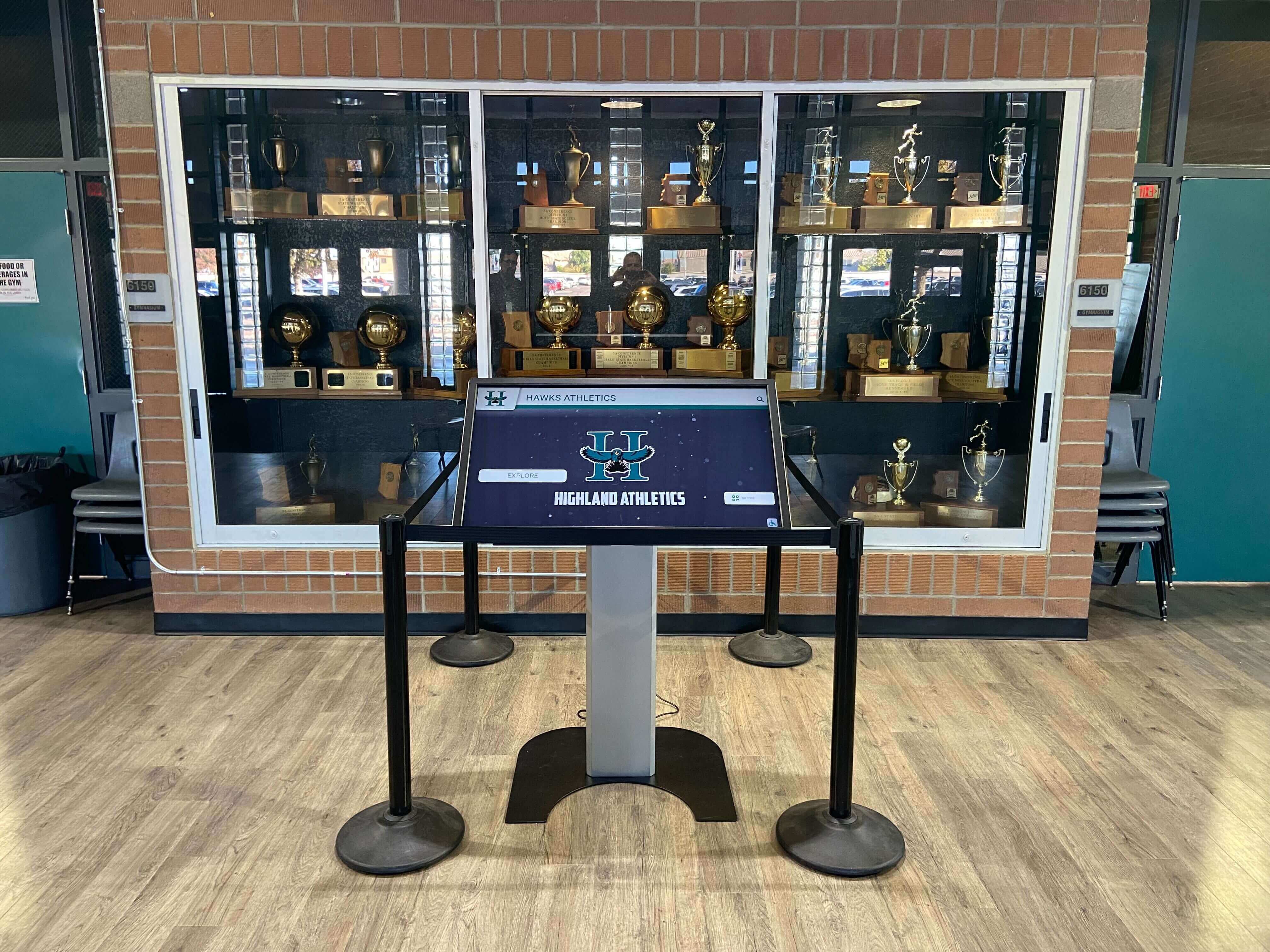
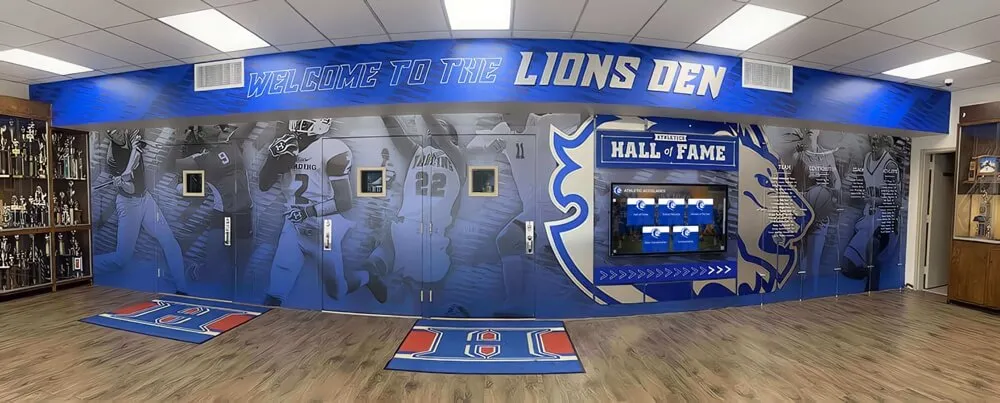
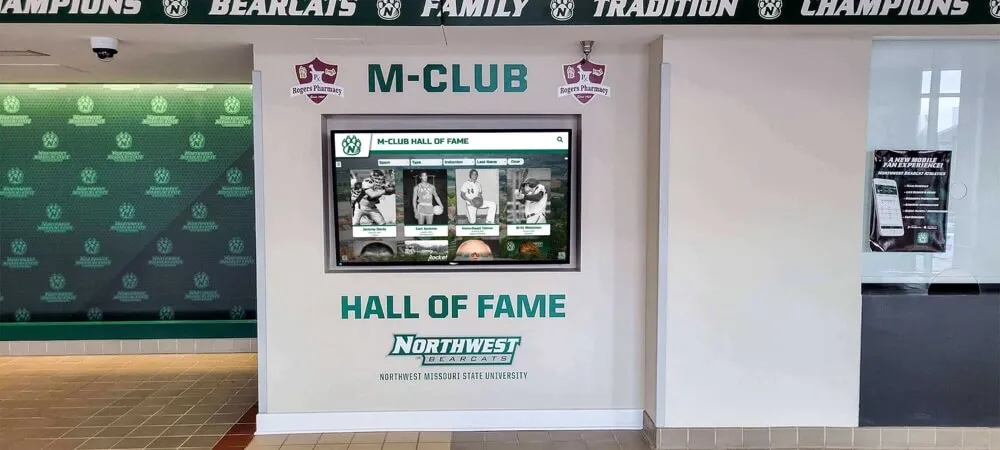
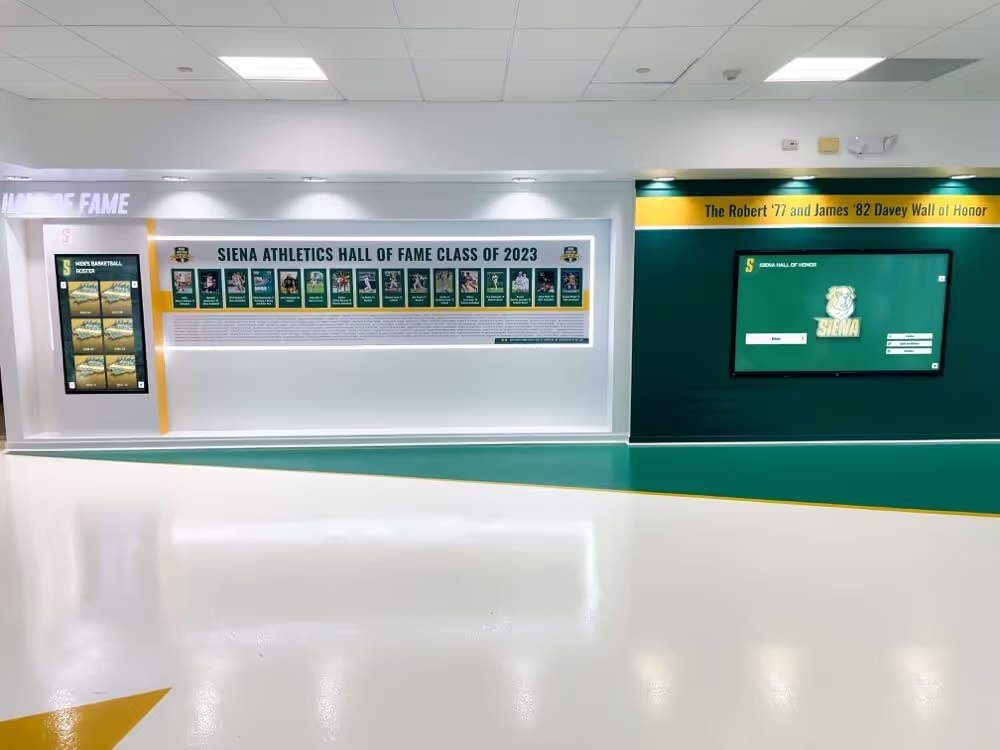
Integrating digital recognition with traditional trophy cases creates comprehensive celebration spaces honoring diverse achievements
Social Studies and Humanities
- Outstanding Achievement in History
- Government and Civics Award
- Economics and Business Studies Award
- Geography and Global Studies Award
- Philosophy and Ethics Award
World Languages
- Spanish Excellence Award (or other language-specific recognition)
- Multilingual Proficiency Award
- Foreign Language Honor Society Induction
- Cultural Understanding and Global Citizenship Award
Fine Arts and Career-Technical Education Awards
Recognition beyond academics and athletics acknowledges diverse talents:
Visual and Performing Arts
- Outstanding Visual Arts Student Award
- Music Excellence Award (instrumental, vocal, or comprehensive)
- Drama and Theatre Achievement Award
- Dance Performance and Choreography Award
- Digital Arts and Media Production Award
- Musical theater and performing arts recognition
Career and Technical Education
- Business and Entrepreneurship Award
- Computer Science and Technology Award
- Engineering and Design Excellence Award
- Health Sciences and Medical Careers Award
- Culinary Arts Achievement Award
- Automotive and Industrial Technology Award
- Industry Certification Achievement Recognition
This comprehensive approach ensures all teachers and departments participate in year-end recognition, creating school-wide cultures where achievement across diverse domains receives appropriate celebration rather than privileging certain subjects over others.
Special Recognition Categories and Unique Awards
Beyond standard academic and athletic awards, special categories create additional recognition opportunities.
Character and Service Awards
Recognition honoring qualities beyond measurable achievement:
Community Service Recognition
- Gold Cord Award for 100+ volunteer hours
- Silver Cord Award for 50-99 volunteer hours
- Community Impact Award for meaningful service project leadership
- Service learning and project-based recognition
- Sustained commitment to service organization or cause
Leadership Excellence
- Student Government Leadership Award
- Club and Organization Leadership Recognition
- Peer Mentorship Award
- Class Officer Acknowledgment
- Ambassador and School Spirit Award
Character Qualities
- Integrity and Ethics Award
- Kindness and Compassion Recognition
- Perseverance and Resilience Award
- Collaboration and Teamwork Excellence
- Innovation and Creative Problem-Solving Award
Improvement and Growth Recognition
Awards celebrating progress regardless of absolute achievement level:
Academic Improvement
- Most Improved GPA Award by grade level
- Subject-specific improvement recognition
- Reading level advancement and literacy growth
- Study habits and work ethic development
- Academic turnaround and comeback achievements
Personal Development
- Attendance improvement recognition
- Behavioral growth and maturity development
- Overcoming adversity and challenges
- Leadership skill development
- Communication and confidence building
These growth-oriented awards ensure students improving from any starting point receive acknowledgment, creating inclusive recognition cultures where effort and progress matter regardless of whether students achieve absolute excellence compared to highest performers.
National and State Recognition Programs
Schools should connect year-end ceremonies with broader achievement designations enhancing college applications and external validation.
Prestigious National Academic Awards
National Merit Scholarship Program
- National Merit Scholars
- National Merit Finalists
- Commended Students
- Corporate-sponsored scholarship recipients
Schools should prominently celebrate National Merit recognition during year-end ceremonies, connecting national distinction to local institutional pride and teaching excellence.
College Board Recognition Programs
- AP Scholar Awards including Scholar with Honor and Scholar with Distinction
- College Board National Recognition Programs (First-Generation, Rural/Small Town, and School Recognition Awards)
- SAT and PSAT achievement milestones
Honor Societies and Academic Organizations
- National Honor Society Induction
- National Art Honor Society
- National English Honor Society
- Rho Kappa Social Studies Honor Society
- Science National Honor Society
- Mu Alpha Theta Mathematics Honor Society
- Tri-M Music Honor Society
External Organization Awards
Many community organizations sponsor student recognition:
Civic Organization Awards
- Daughters of the American Revolution (DAR) Good Citizen Award
- American Legion School Award
- Veterans of Foreign Wars Citizenship Award
- Elks Club Student of the Year
- Rotary Youth Leadership Award
University Book Awards
- Harvard Book Award
- Yale Book Award
- Dartmouth Book Award
- University of Chicago Book Award
- Various regional university recognition programs
Schools should coordinate with community partners ensuring these external awards receive appropriate celebration during year-end ceremonies while maintaining clarity about selection processes and eligibility for students interested in pursuing recognition.
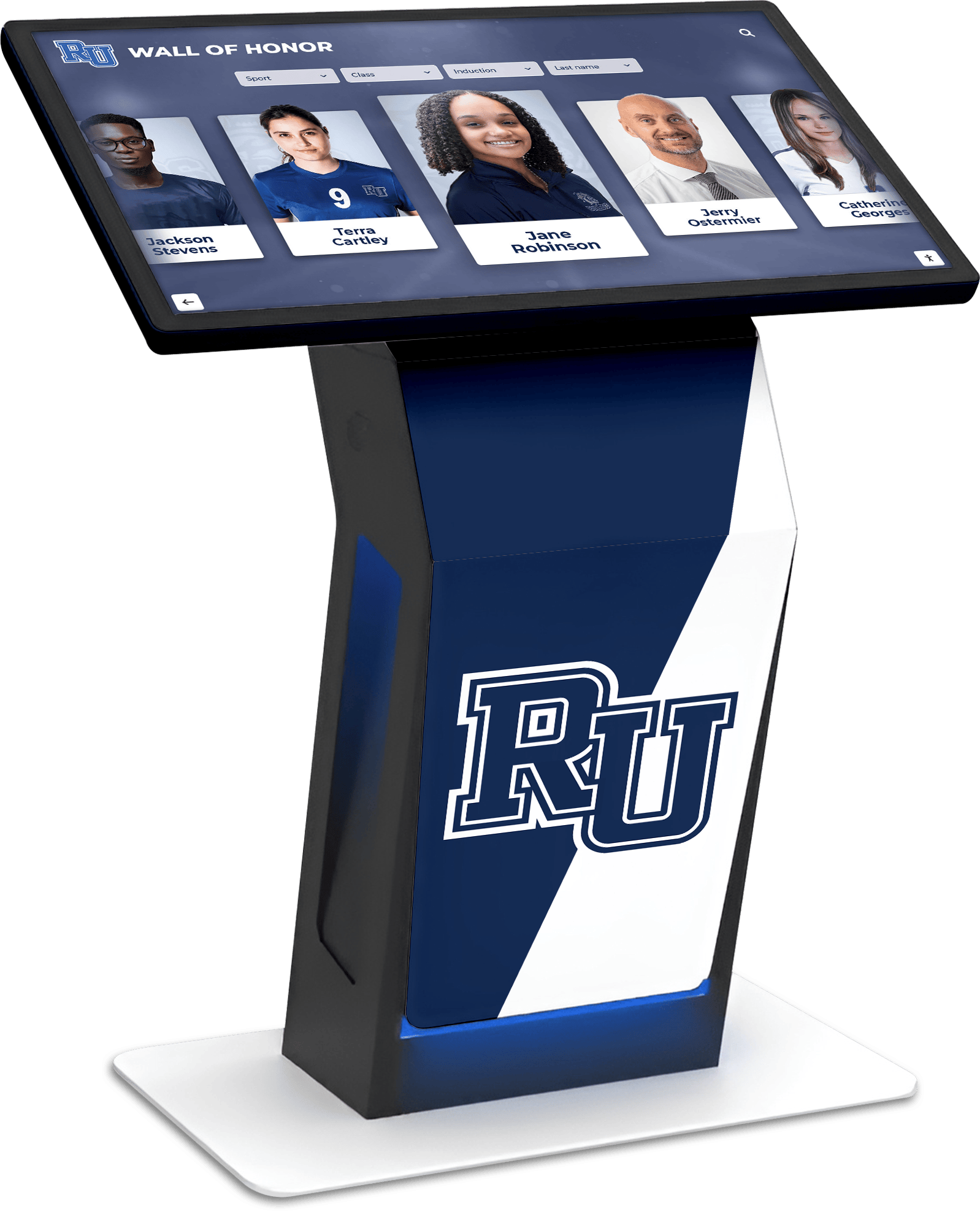
Modern recognition systems integrate physical displays with cloud-based management enabling easy updates and comprehensive documentation
Implementation and Management Best Practices
Sustainable programs require systematic planning, clear responsibilities, and continuous improvement.
Award Program Planning Timeline
Fall Semester (August-December)
- Review previous year’s award program identifying strengths and improvement opportunities
- Establish award selection committees and clarify responsibilities
- Update award criteria and publish on school website
- Announce award categories and criteria to students and families
- Remind faculty about nomination processes and timelines
Spring Semester Planning (January-April)
- January-February: Open nomination periods for peer-nominated and faculty-selected awards
- March: Selection committees review nominations and make award determinations
- Early April: Notify award recipients providing time to invite family to ceremony
- Mid-April: Finalize ceremony logistics including venue, technology, programs, and reception
- Late April: Rehearse ceremony with presenters ensuring smooth execution
Ceremony and Follow-Up (May-June)
- Host end of year awards ceremony
- Photograph all recipients for historical documentation and display purposes
- Update digital recognition displays with current year recipients
- Share ceremony highlights through school communications and social media
- Send thank-you messages to selection committee members and ceremony volunteers
- Conduct program evaluation gathering stakeholder feedback for continuous improvement
Maintaining Fairness and Transparency
Clear Communication
- Publish all award criteria publicly accessible on school website
- Explain selection processes and committee composition
- Announce nomination periods and processes clearly
- Notify all nominees of results regardless of whether selected
- Provide general feedback about competitive applicant pools when possible
Bias Prevention
- Use rubrics and standardized evaluation tools for subjective awards
- Multiple reviewers evaluate each candidate when possible
- Review recognition distribution patterns across demographic groups
- Address identified disparities through criteria adjustment or new award categories
- Document decision-making processes supporting selections made
Conflict of Interest Management
- Selection committee members recuse themselves when evaluating family members
- Multiple committee members prevent single individuals controlling outcomes
- Administrative oversight reviews selection processes ensuring appropriate procedures
- Anonymous nomination processes when appropriate protecting nominee privacy
Measuring Award Program Success and Impact
Regular assessment ensures programs achieve intended goals while identifying improvement opportunities.
Quantitative Success Metrics
Participation and Coverage
- Percentage of student body receiving some year-end recognition
- Distribution across grade levels ensuring equitable acknowledgment
- Demographic representation matching overall student population
- Year-over-year participation trends showing program growth or consistency
- Number of awards per student showing concentration versus distribution
Ceremony Metrics
- Attendance rates from families and community members
- Ceremony duration compared to target timeframe
- On-time start demonstrating organizational effectiveness
- Technical issues or problems requiring future attention
- Budget adherence and resource utilization efficiency
Recognition Display Engagement
- Physical display interaction rates from touchscreen analytics
- Average session duration showing depth of community engagement
- Web platform usage statistics demonstrating remote access
- Social media sharing and engagement with award content
- Search patterns revealing which awards receive greatest interest
Qualitative Assessment
Stakeholder Feedback
- Award recipient surveys about recognition meaningfulness and ceremony experience
- Family satisfaction with ceremony quality, communication, and logistics
- Faculty perspectives on award criteria appropriateness and selection fairness
- Student body awareness of award opportunities and achievement pathways
- Alumni reflection on how year-end recognition influenced their educational experience
Cultural Indicators
- Observable changes in student motivation and achievement goal-setting
- Increased student inquiries about specific award qualification requirements
- Shifting conversations celebrating diverse achievement types appropriately
- Community perception of institutional priorities and values
- Recognition of school reputation for excellence and student support
Regular comprehensive assessment enables continuous improvement ensuring award programs remain meaningful, fair, and impactful while justifying resource investment through demonstrated positive outcomes across student motivation, institutional culture, and community engagement dimensions.
Conclusion: Creating Meaningful Year-End Recognition
High school end of year awards represent powerful opportunities to celebrate student achievement across academic, athletic, character, and extracurricular domains while creating motivational systems that inspire excellence throughout entire school communities. When designed thoughtfully with clear criteria, inclusive categories, and engaging ceremonies, these programs validate student effort while demonstrating institutional values through systematic visible celebration of what schools genuinely prioritize beyond mission statements alone.
The strategies explored in this guide provide comprehensive frameworks for building award programs that honor diverse achievements while remaining sustainable, equitable, and aligned with educational goals. From establishing transparent selection processes to designing ceremonies that engage rather than exhaust audiences, from creating digital recognition displays that preserve awards permanently to ensuring recognition opportunities exist for students at all achievement levels, these approaches transform acknowledgment from occasional gestures into systematic celebration woven throughout school culture.
Transform Your End of Year Recognition
Discover how modern digital recognition solutions can help you celebrate every student's achievements through engaging displays that preserve awards permanently while inspiring future excellence across your school community.
Book a DemoModern technology fundamentally enhances end of year award impact through digital recognition platforms that eliminate physical space limitations forcing selective display, enable rich multimedia profiles telling complete achievement stories beyond ceremony announcements, provide interactive exploration features engaging students meaningfully, extend recognition globally through web and mobile access, and create permanent archives surviving infrastructure changes while remaining accessible to future generations.
Building effective award programs requires moving beyond limiting assumptions about who deserves recognition and creating inclusive systems ensuring acknowledgment opportunities exist for students across different talents, starting points, and contribution types. Purpose-built platforms like Rocket Alumni Solutions make comprehensive recognition achievable by providing intuitive management systems requiring no technical expertise, professional display hardware designed for educational environments, and ongoing support ensuring programs remain sustainable long-term rather than depending on single passionate staff members whose departure threatens continuity.
Start by evaluating your current end of year award programs honestly, gathering stakeholder feedback about what works well and where improvements would create greater impact, then systematically enhance approaches addressing identified gaps while building on existing strengths. Every student who receives meaningful recognition for their accomplishments develops stronger school connection and greater motivation to continue growing and contributing throughout their educational journey and beyond.
Your students’ achievements across academic, athletic, character, and extracurricular domains deserve celebration through thoughtful award programs that honor excellence appropriately while inspiring peers to pursue similar distinction. With strategic planning, inclusive design, engaging ceremonies, and modern recognition technology, you can create year-end traditions that students and families remember positively while building cultures where achievement and growth receive the systematic celebration they genuinely merit.
Ready to enhance your recognition programs? Explore student achievement recognition approaches or learn more about digital display solutions that preserve awards permanently while creating engaging experiences inspiring future student excellence across your educational community.