



High school football playoff awards represent more than simple recognition—they honor the exceptional performances, leadership, and competitive excellence that define championship journeys from district tournaments through state finals. From all-tournament team selections to MVP awards, offensive and defensive player honors to championship medals, playoff awards celebrate athletes who elevated their performance when stakes reached their highest and championship dreams hung in the balance.
Yet many athletic programs struggle to implement comprehensive playoff award systems that appropriately recognize achievement at every competitive level. Some schools focus exclusively on championship game recognition while overlooking earlier playoff rounds where equally impressive performances occurred. Traditional award presentations often lack permanent recognition infrastructure, causing playoff honors to fade from memory once seasons conclude. And limited resources force difficult decisions about which achievements receive awards and which athletes go unrecognized despite outstanding playoff contributions.
This comprehensive guide explores high school football playoff award best practices including determining which awards to present at each playoff level, establishing fair selection criteria and processes, creating meaningful recognition ceremonies, and implementing modern digital systems that preserve playoff honors permanently while inspiring future teams to pursue their own championship excellence.
High school football playoffs create opportunities for athletes to demonstrate character, skill, and leadership under championship pressure. Schools that thoughtfully recognize these extraordinary performances—from first-round heroics through championship game excellence—build powerful traditions that honor individual achievement while strengthening team culture and inspiring continued competitive excellence across generations.

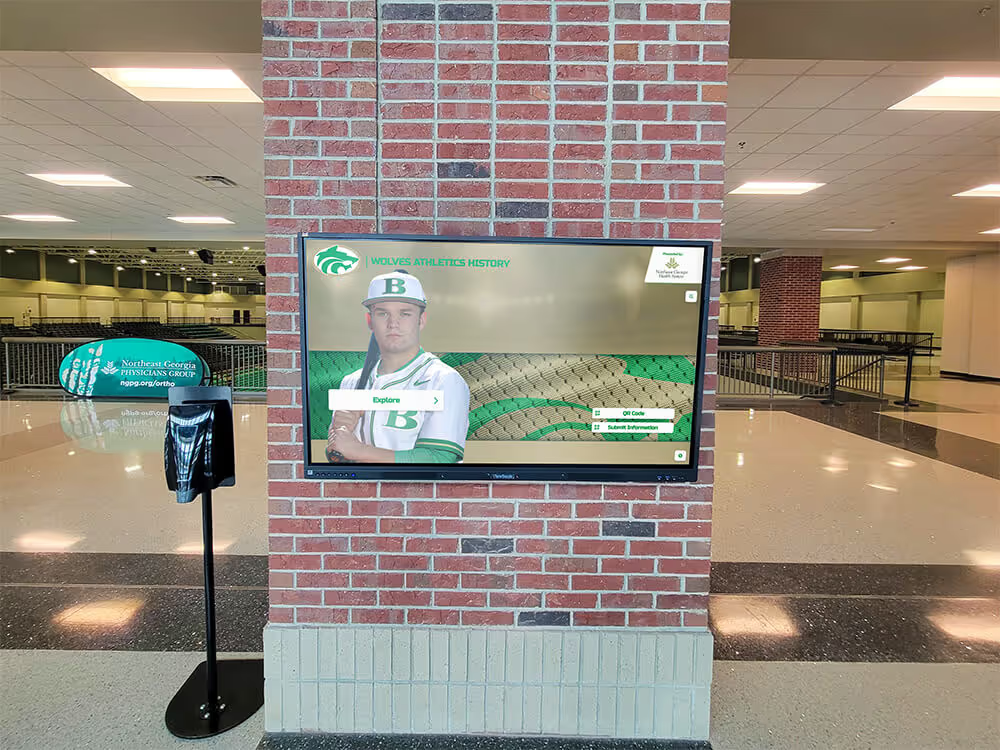
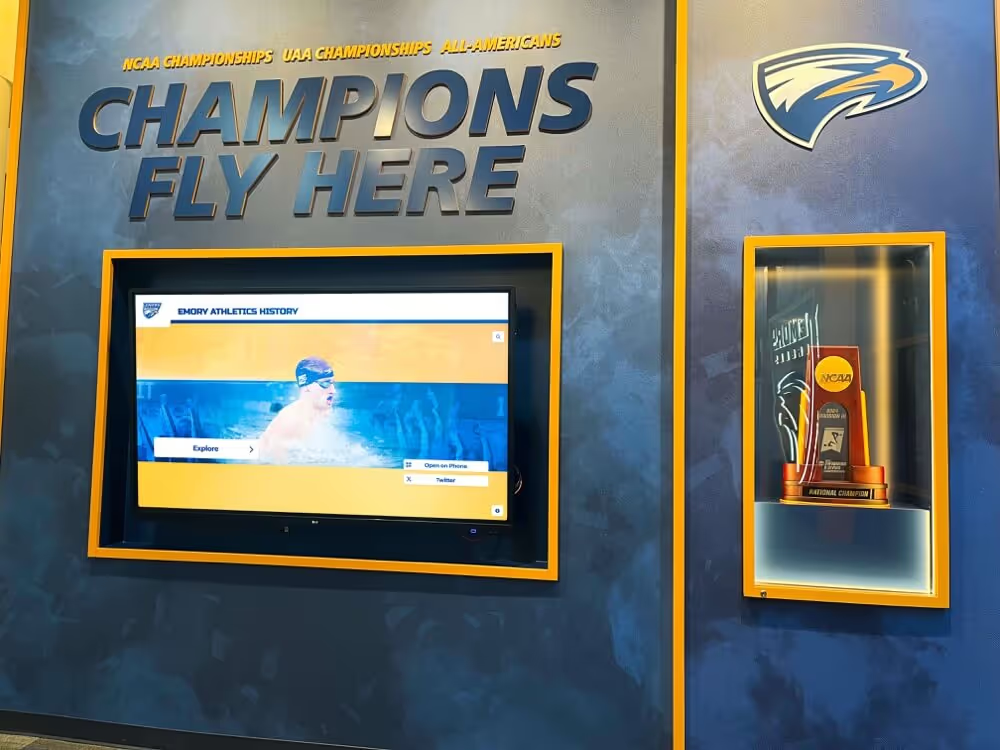
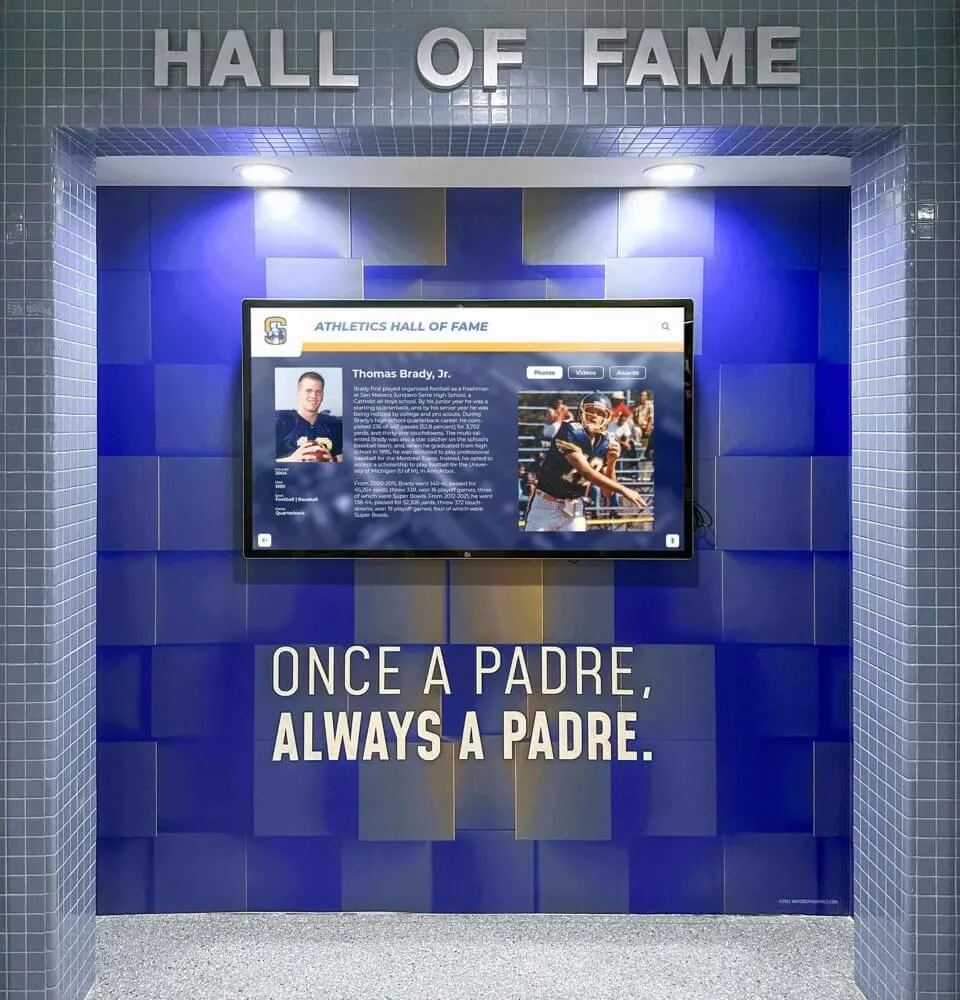
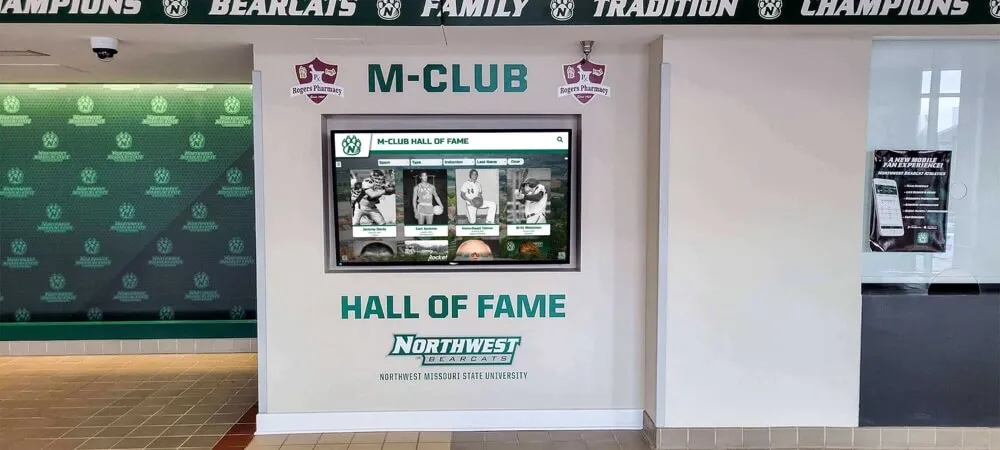
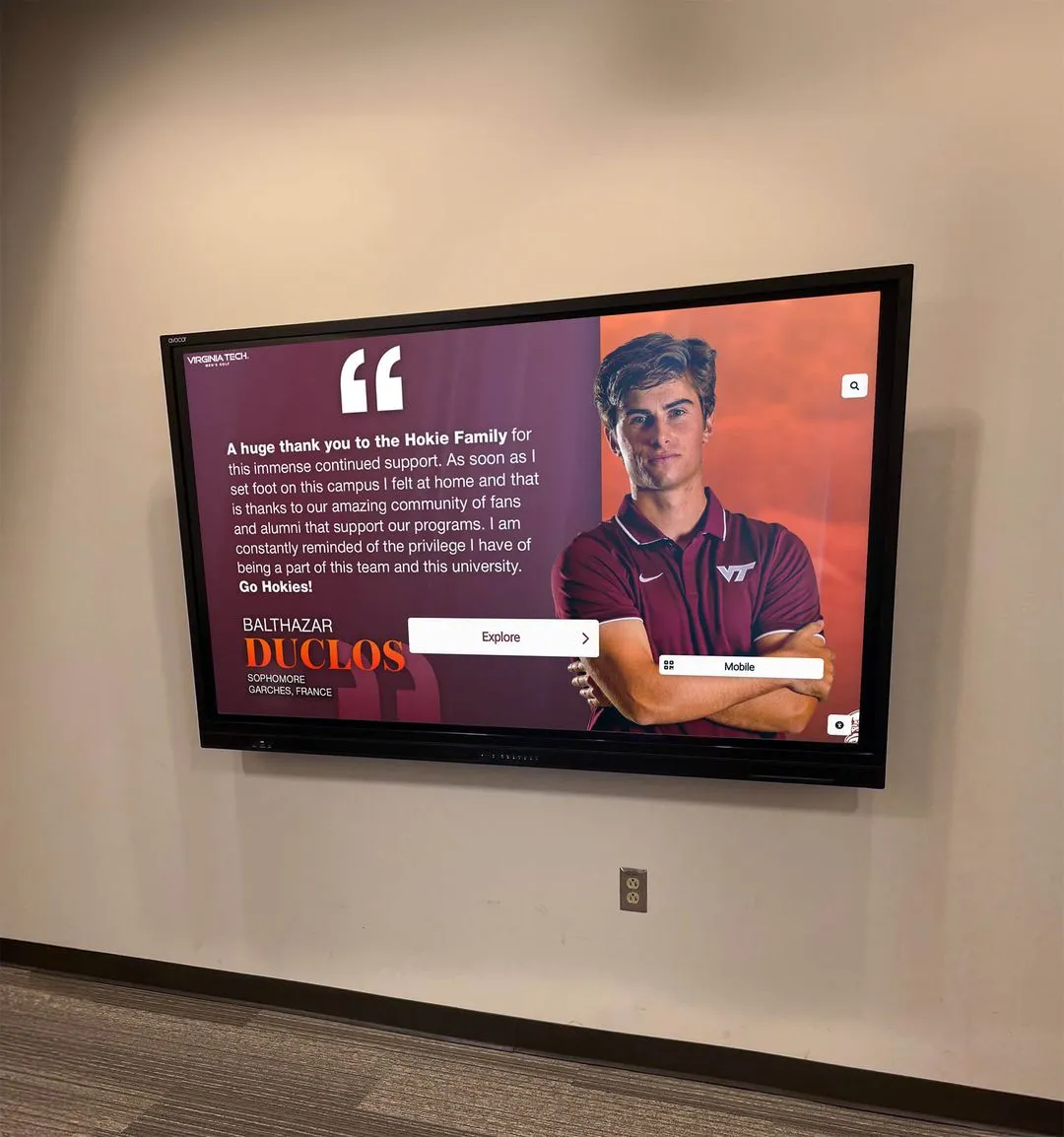
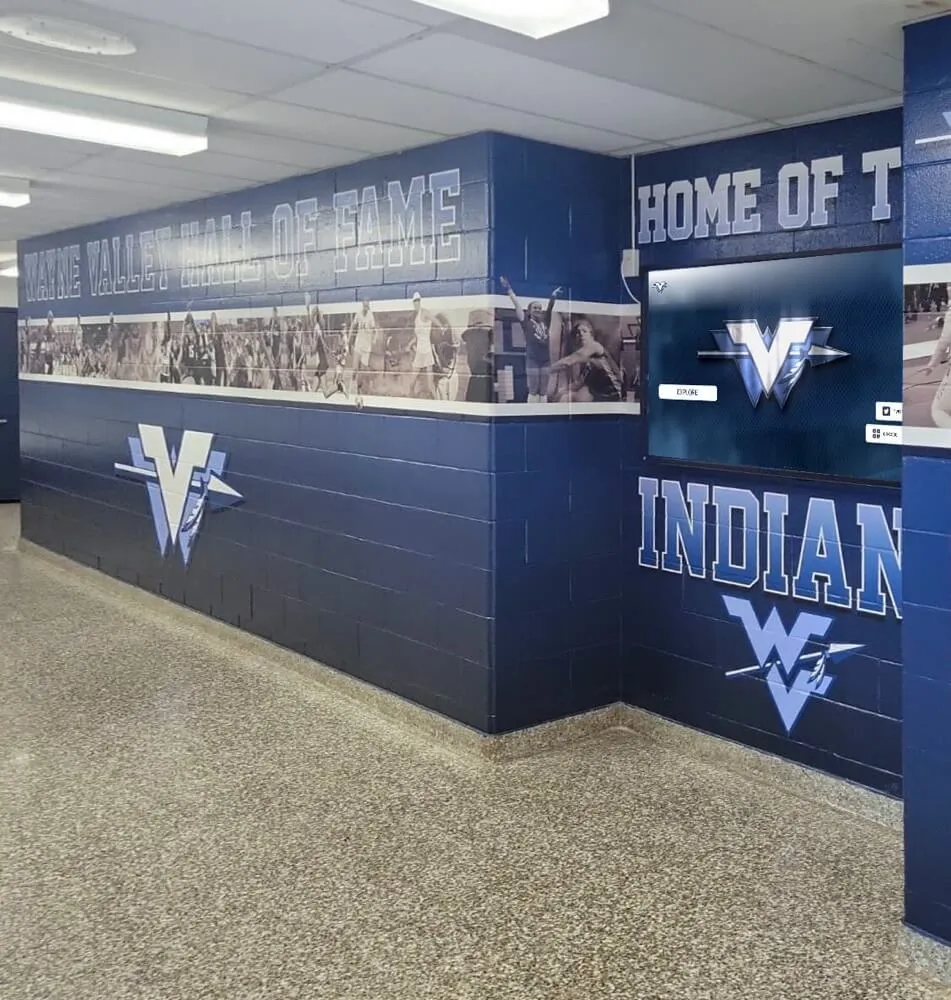
Modern recognition displays enable schools to celebrate playoff award winners and championship achievements where athletes naturally gather
Understanding High School Football Playoff Award Categories
Before implementing playoff recognition programs, athletic directors should understand the various award categories commonly used at different competitive levels and playoff stages.
All-Tournament and All-Playoff Team Recognition
All-tournament team selections represent the most comprehensive playoff award category, recognizing the most outstanding performers throughout tournament or playoff competition rather than limiting recognition to championship game participants alone.
District Tournament All-Tournament Teams
Many state associations organize district tournaments determining which teams advance to state playoffs. District tournament all-tournament teams typically recognize 11-22 players across offensive and defensive units selected from all participating teams regardless of final tournament placement. This structure ensures recognition extends beyond just championship teams to honor exceptional individual performances throughout tournament competition.
Selection criteria for district all-tournament teams commonly consider statistical performance throughout tournament games, impact on team success and competitive outcomes, position-specific excellence and technique, leadership and sportsmanship demonstrated throughout competition, and performance improvement or consistency across multiple tournament games. Coaching panels typically vote to select honorees, with nomination processes enabling each team’s coaching staff to advocate for their players’ achievements.
State Playoff All-Tournament Recognition
As teams advance through state playoff rounds—quarterfinals, semifinals, and championship games—some state associations or local media organizations create all-state playoff teams recognizing the most outstanding performers across all playoff rounds. These selections carry additional prestige given the elite competition level, with honorees typically representing the state’s absolute best players whose performance peaked during championship pursuits.
Understanding approaches to state championships display helps schools develop recognition systems celebrating both team championships and individual playoff honors appropriately.
Championship Game MVP Awards
Most championship games present Most Valuable Player awards recognizing the single most impactful performer whose contributions proved most crucial to their team’s championship victory or competitive performance in title games.
Selection Criteria for Championship MVPs
MVP selection typically considers statistical impact including touchdowns scored, yards gained, tackles made, or turnovers created, game-changing plays that shifted momentum or determined outcomes, performance under pressure in critical moments, overall consistency and dominance throughout championship games, and leadership and inspiration provided to teammates. Selection processes vary from media voting panels to coaching consensus, with some championships presenting co-MVPs when multiple players deliver equally outstanding performances.
MVP Beyond Champions
Progressive programs recognize that MVP-caliber performances can occur in championship losses when individual athletes deliver extraordinary efforts despite team defeat. Some schools present separate MVP recognition for both championship winners and runners-up, ensuring exceptional individual achievement receives appropriate honor regardless of final game outcomes.

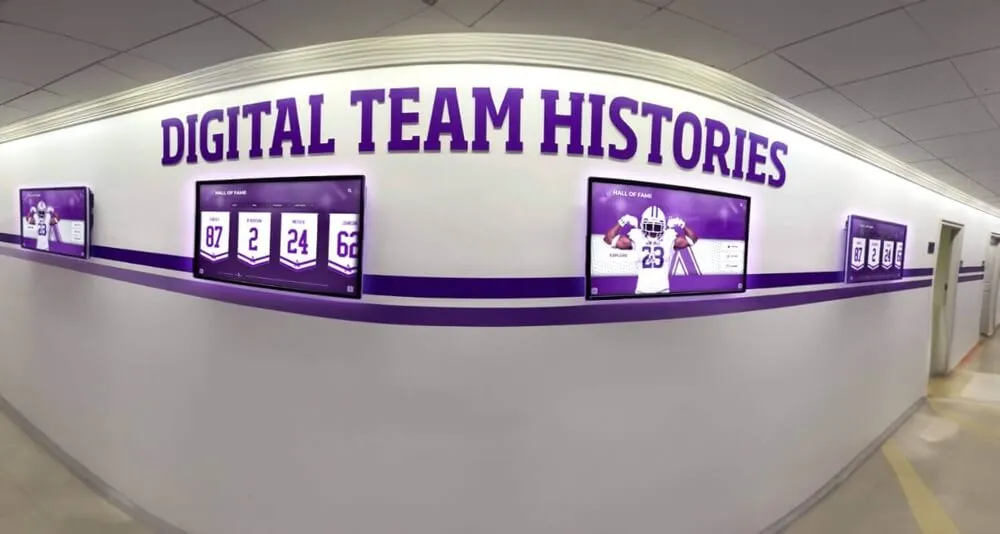
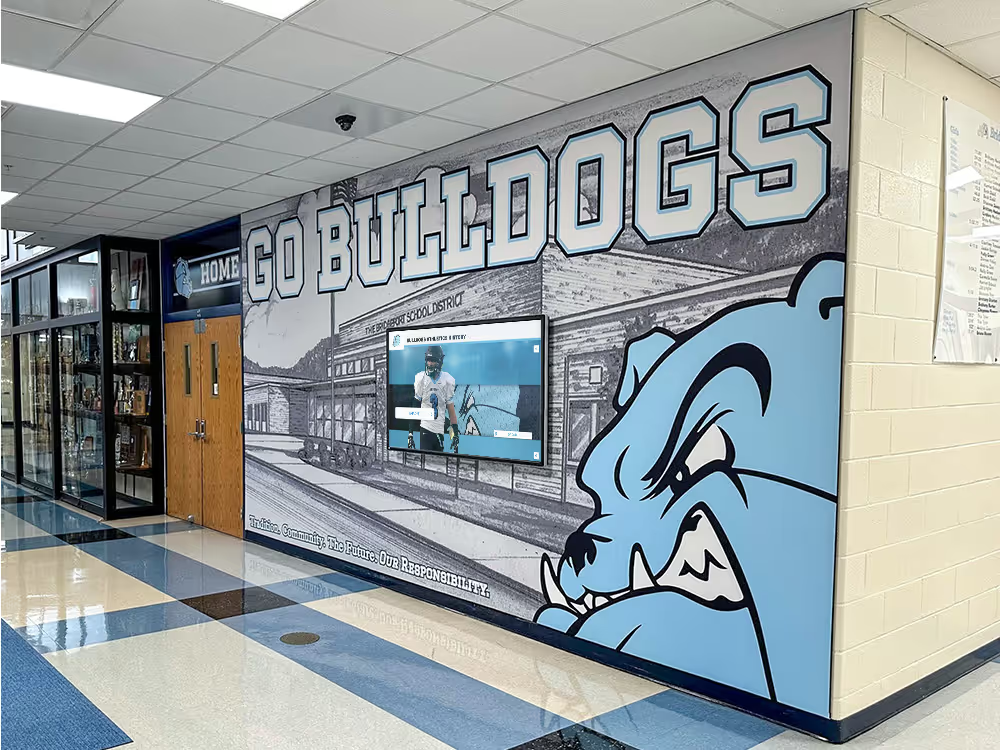
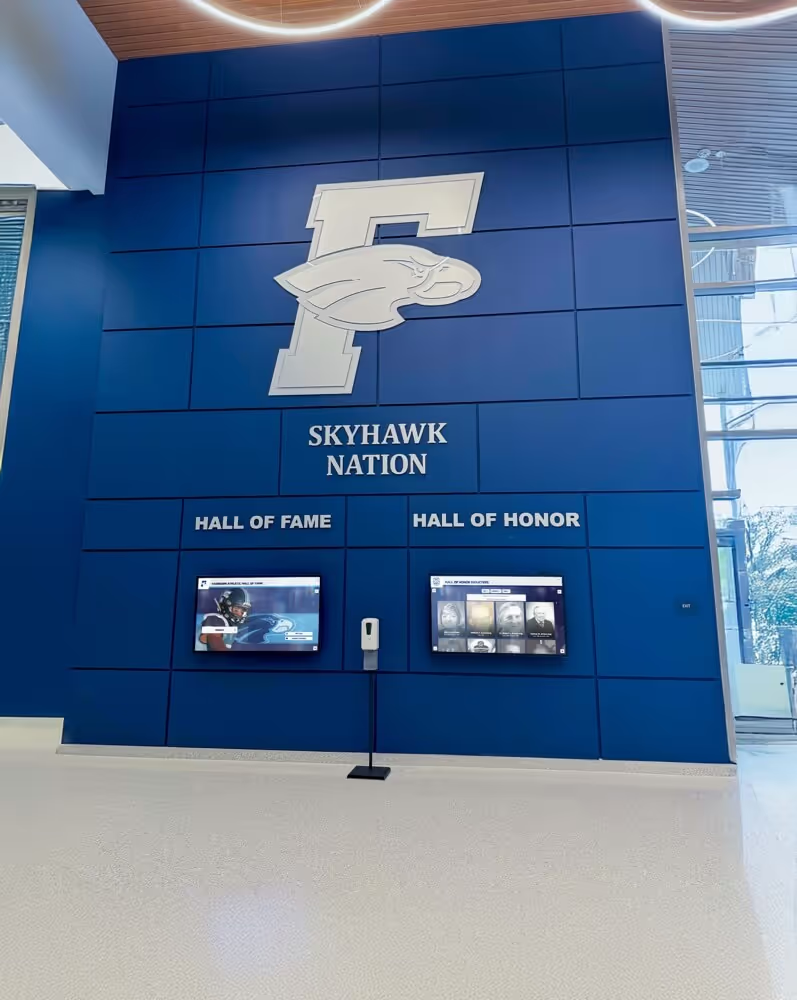
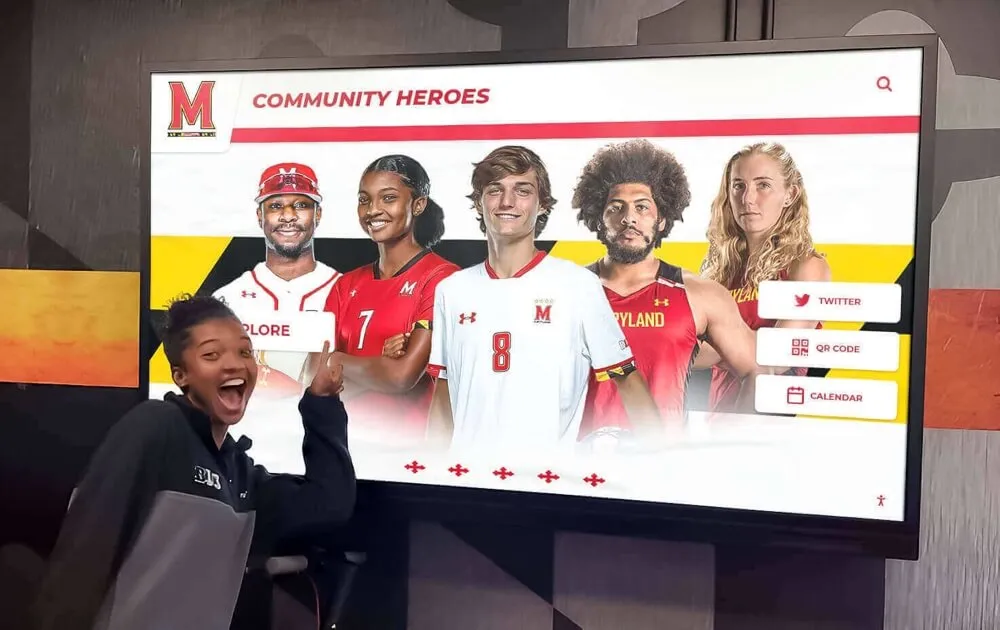
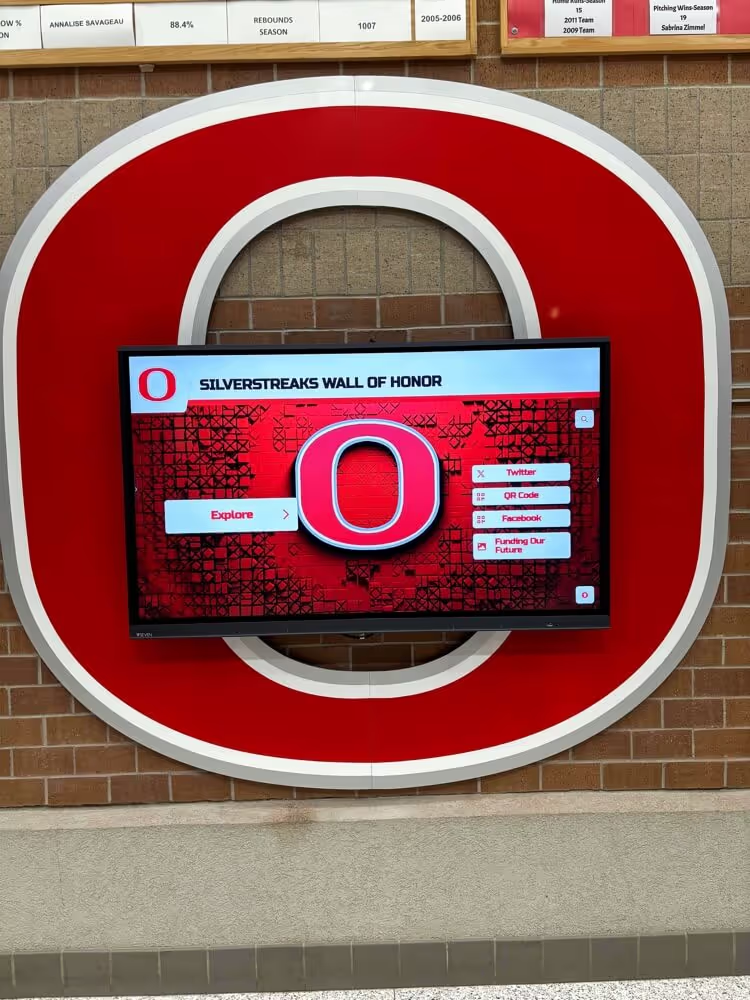
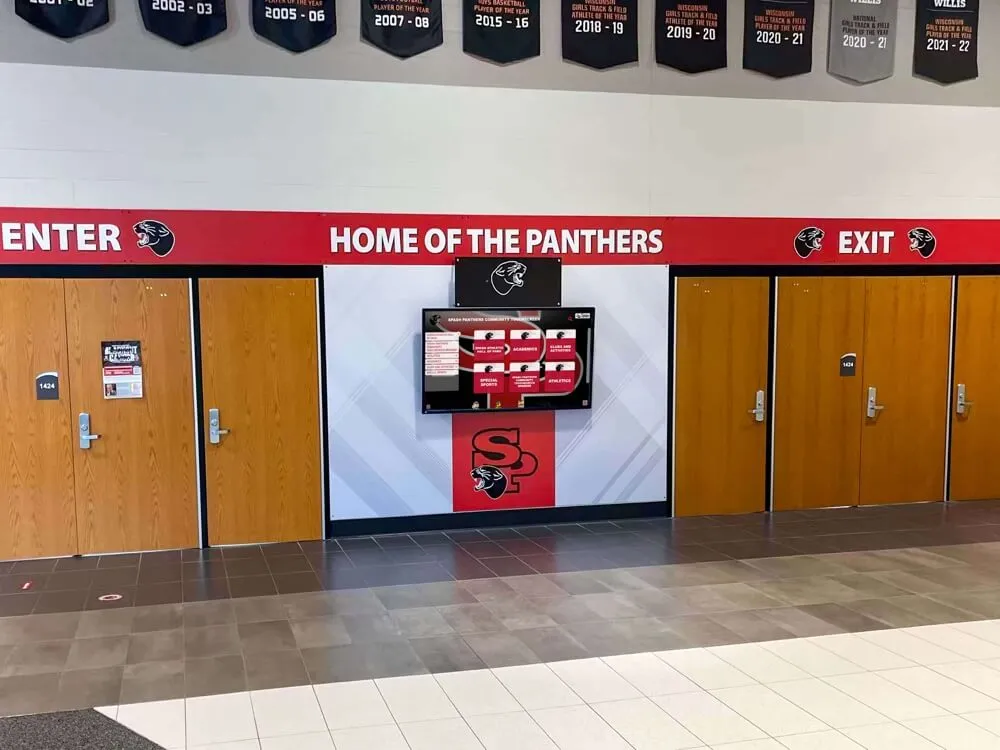
Strategic hallway placement ensures playoff award winners receive recognition from all students and visitors daily
Position-Specific Playoff Awards
Beyond general all-tournament recognition, position-specific awards celebrate excellence in specialized roles critical to football success.
Offensive Award Categories
Common offensive playoff awards include Most Outstanding Quarterback recognizing leadership and passing or rushing excellence, Most Outstanding Running Back honoring rushing performance and versatility, Most Outstanding Receiver celebrating receiving yards and touchdown receptions, Most Outstanding Offensive Lineman recognizing protection and run blocking, and Most Outstanding Offensive Player providing overall offensive excellence recognition. These awards highlight that championship success requires contributions across all offensive positions rather than just skill position stars.
Defensive Award Categories
Defensive playoff awards ensure recognition for athletes whose contributions may not appear prominently in general statistics including Most Outstanding Defensive Lineman honoring pressure and run defense, Most Outstanding Linebacker recognizing tackling and defensive leadership, Most Outstanding Defensive Back celebrating coverage and interceptions, Most Outstanding Defensive Player providing overall defensive excellence recognition, and Defensive MVP specifically honoring championship game defensive impact. Given football’s physical nature, defensive excellence often determines playoff success more than offensive fireworks.
Special Teams Recognition
Special teams frequently determine playoff outcomes through field position, scoring opportunities, and momentum shifts. Awards recognizing Most Outstanding Kicker for field goals and extra points, Most Outstanding Punter for field position control, Most Outstanding Return Specialist for kickoff and punt returns, and Most Outstanding Special Teams Player for overall special teams impact ensure these critical contributors receive appropriate recognition.
Resources on football records recognition provide frameworks for documenting playoff award winners alongside career and season statistical achievements.
Sportsmanship and Character Awards
Championship competition creates intense pressure that tests character as much as athletic ability. Sportsmanship awards recognize athletes who demonstrate exemplary conduct under playoff intensity.
Types of Character Recognition
Common sportsmanship awards include Team Sportsmanship Award recognizing entire teams demonstrating exemplary conduct, Individual Sportsmanship Award honoring single athletes modeling character excellence, Leadership Award celebrating inspirational leadership throughout playoffs, Comeback Player Award recognizing athletes overcoming adversity, and Heart Award honoring effort and determination despite statistical recognition. These awards communicate that competitive excellence encompasses character and conduct alongside athletic performance.
Coaching Awards and Recognition
While playoff awards primarily recognize student-athletes, coaching excellence deserves acknowledgment for strategic leadership producing championship success.
Coaching Honor Categories
Playoff coaching recognition commonly includes District Coach of the Year honoring tournament success, State Playoff Coach of the Year recognizing playoff round excellence, Championship Coach recognition celebrating championship victories, Assistant Coach recognition honoring coordinator and position coach contributions, and Career Coaching Milestone recognition marking championship anniversaries. Comprehensive recognition honors complete coaching staffs rather than limiting acknowledgment to head coaches alone.
Understanding teacher and staff recognition programs provides frameworks applicable to coaching recognition within athletic contexts.
Establishing Fair Playoff Award Selection Processes
Credible playoff awards require transparent selection processes that stakeholders perceive as fair and merit-based rather than political or biased.
Creating Selection Committees
Well-structured selection committees ensure diverse perspectives and reduce individual bias in award determinations.
Committee Composition Options
Common selection committee models include coaching panels where head coaches from participating teams vote collectively, media selection committees where sportswriters covering games make determinations, combined committees mixing coaches and media representatives, statistical selection using objective performance data, and fan voting incorporating community perspectives through online polling. Each model presents advantages and limitations requiring careful consideration based on local contexts.
Preventing Conflict of Interest
Selection process integrity requires policies preventing coaches from voting for their own players in individual awards, recusal requirements when family relationships exist, vote distribution requirements preventing single committee members from dominating selections, and transparent criteria published before playoff competition begins. These safeguards ensure that award recipients earn recognition through performance rather than political influence.
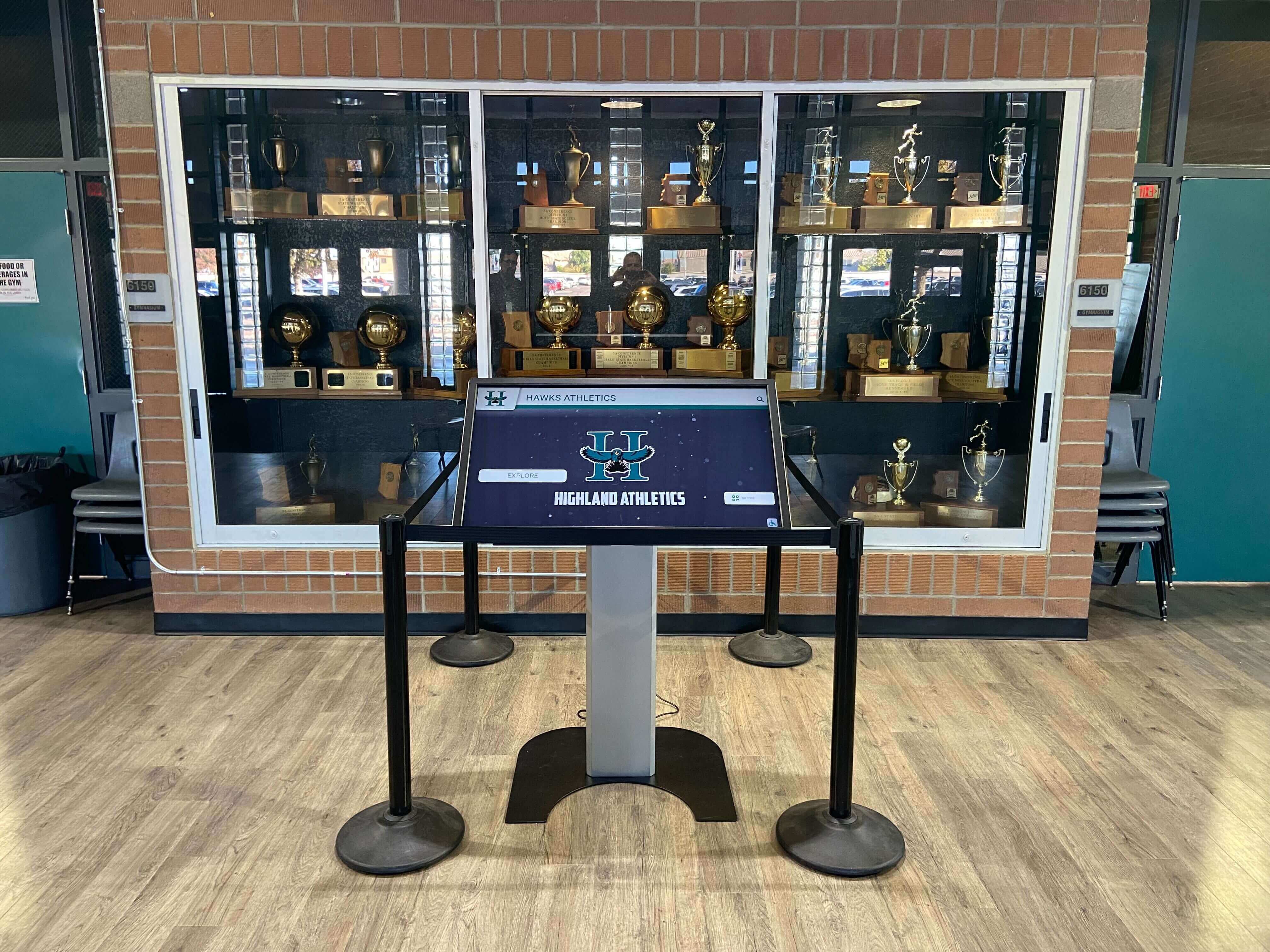
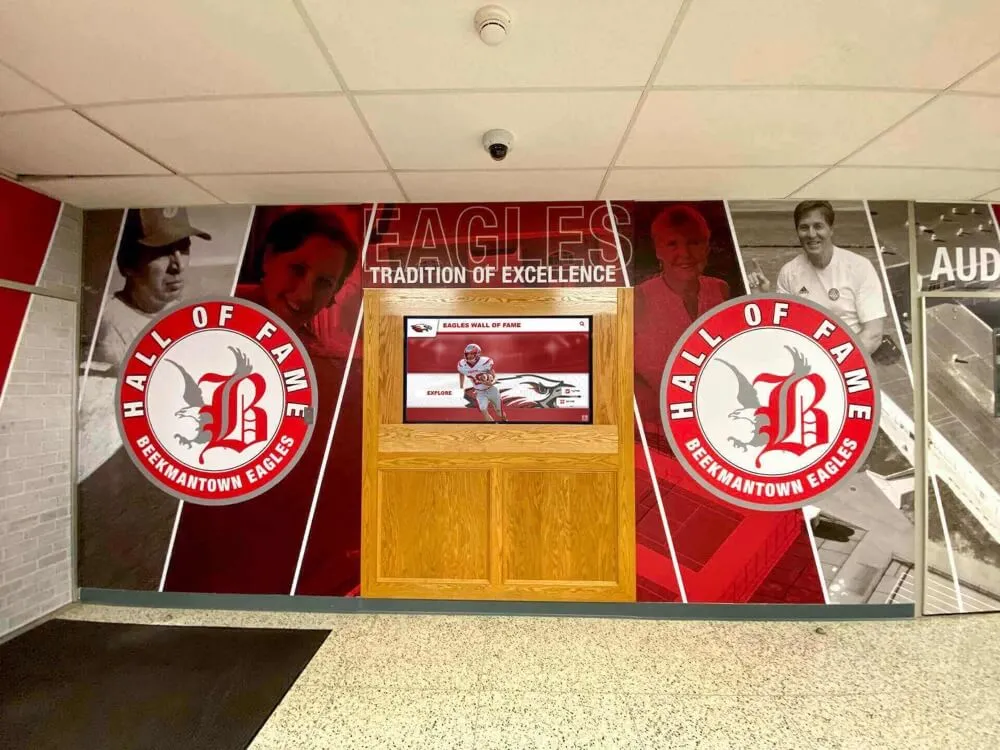
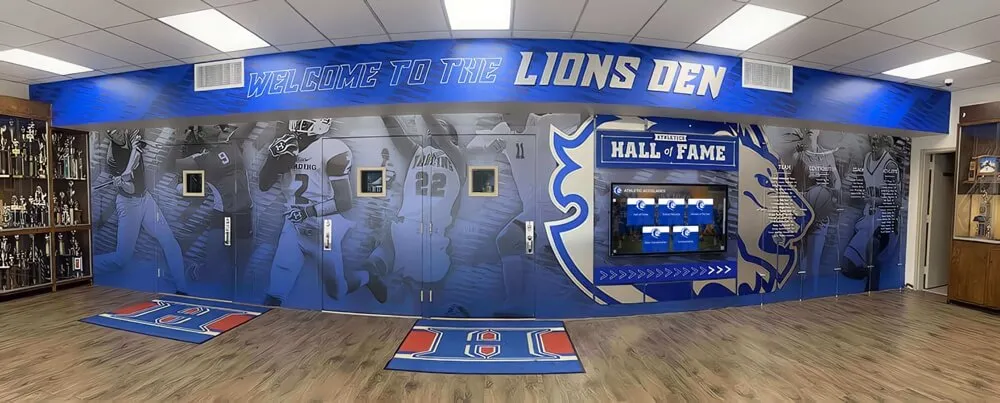
Combining traditional trophy displays with digital platforms creates comprehensive recognition for playoff award winners
Defining Clear Selection Criteria
Published criteria enable athletes and families to understand what excellence looks like while providing selection committees with objective frameworks.
Essential Criteria Components
Effective selection criteria should address statistical performance including quantifiable achievements, impact on team success beyond individual statistics, quality of competition faced during playoff games, consistency across multiple games versus single-game excellence, position-specific expectations recognizing diverse roles, and character and sportsmanship demonstrated throughout competition. Weighted criteria help committees prioritize among competing considerations when making difficult selections.
Communication and Transparency
Selection processes should publicly announce criteria before playoff competition begins, explain committee composition and voting procedures, publish statistical data informing selections when possible, and communicate selections through official channels immediately after determinations. Transparency reduces controversy while enabling constructive feedback improving future processes.
Balancing Individual and Team Recognition
Playoff awards create tension between celebrating individual excellence and maintaining team cohesion, requiring careful balance.
Strategies Preventing Division
Programs successfully balancing individual and team recognition typically ensure all-tournament teams include multiple positions providing broad recognition, implement team awards like championship rings or medals for all participants, schedule award presentations during team celebrations rather than separate individual events, recognize role players through effort and character awards, and publicly emphasize that individual honors reflect team success enabling standout performances. This approach celebrates individual achievement within team success frameworks rather than suggesting individuals succeeded independently.
Creating Meaningful Playoff Award Ceremonies
How schools present playoff awards significantly impacts their motivational value and lasting memory for recipients.
Championship Game Award Presentations
Immediate post-game presentations capitalize on championship excitement while emotions remain highest.
On-Field Presentations
Championship games often feature on-field trophy presentations immediately following final whistles including championship trophy presentation to team captains and coaches, championship medals distributed to all team members, MVP award announcement and recognition, all-tournament team acknowledgment, and brief championship celebration before family gatherings. These immediate presentations create powerful moments athletes remember for lifetimes while enabling families to witness recognition firsthand.
Timing and Flow Considerations
Effective on-field presentations balance celebration with efficiency through pre-planned presentation sequences ensuring smooth flow, designated presenters prepared with award materials ready, sound system coordination enabling audience hearing announcements, photography arrangements capturing recognition moments, and appropriate brevity respecting that exhausted athletes want to celebrate with families. Presentations typically last 10-15 minutes balancing recognition with championship emotion.
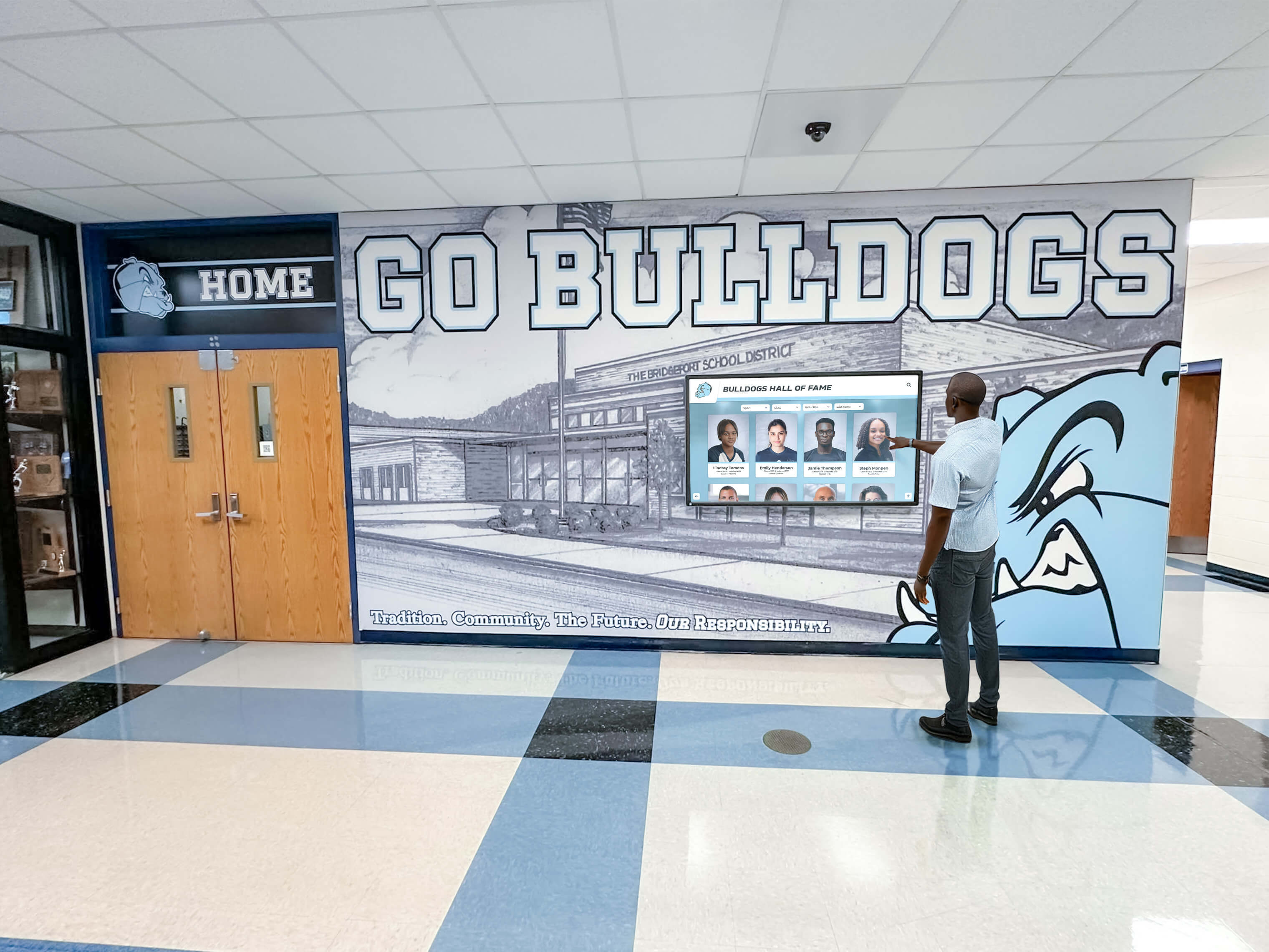
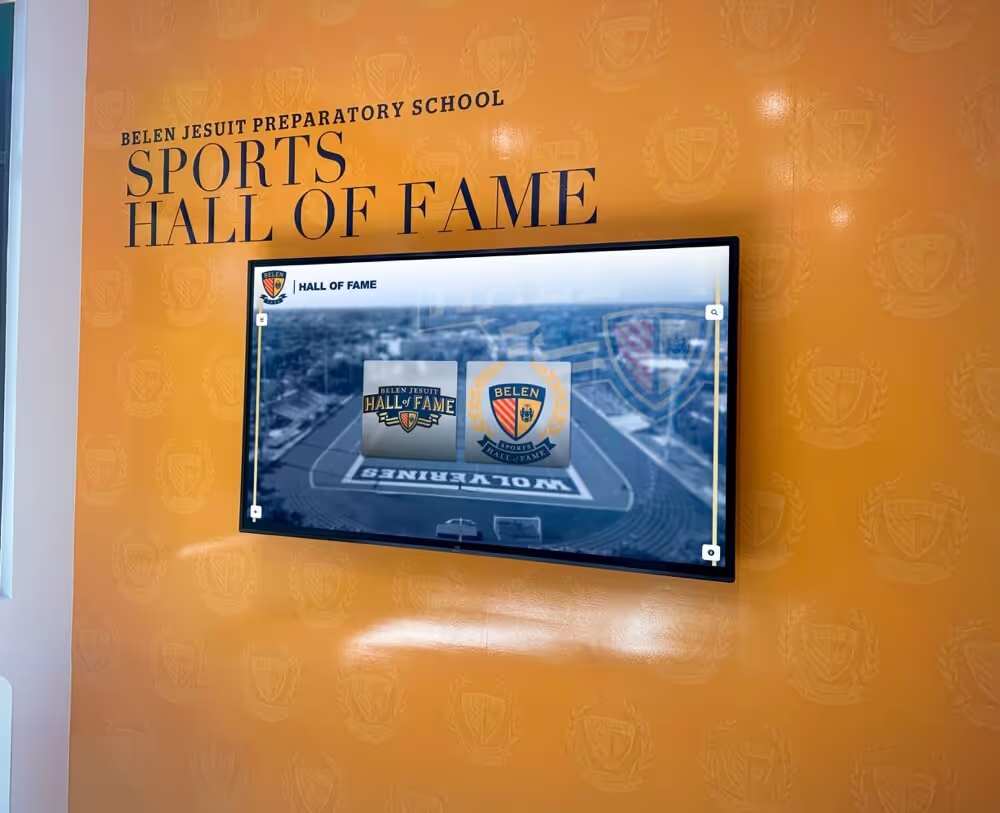
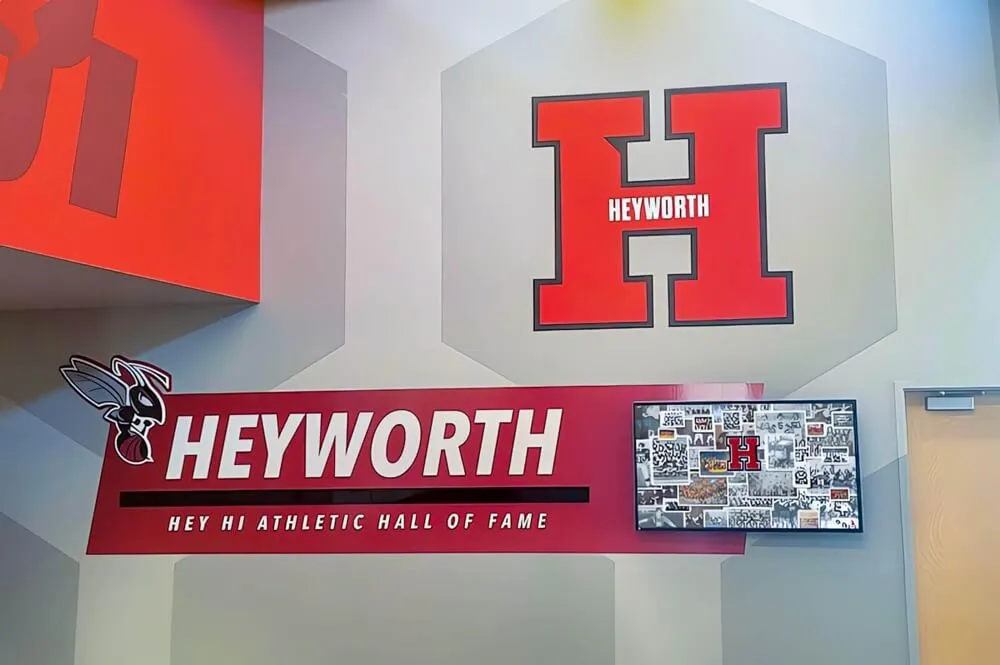
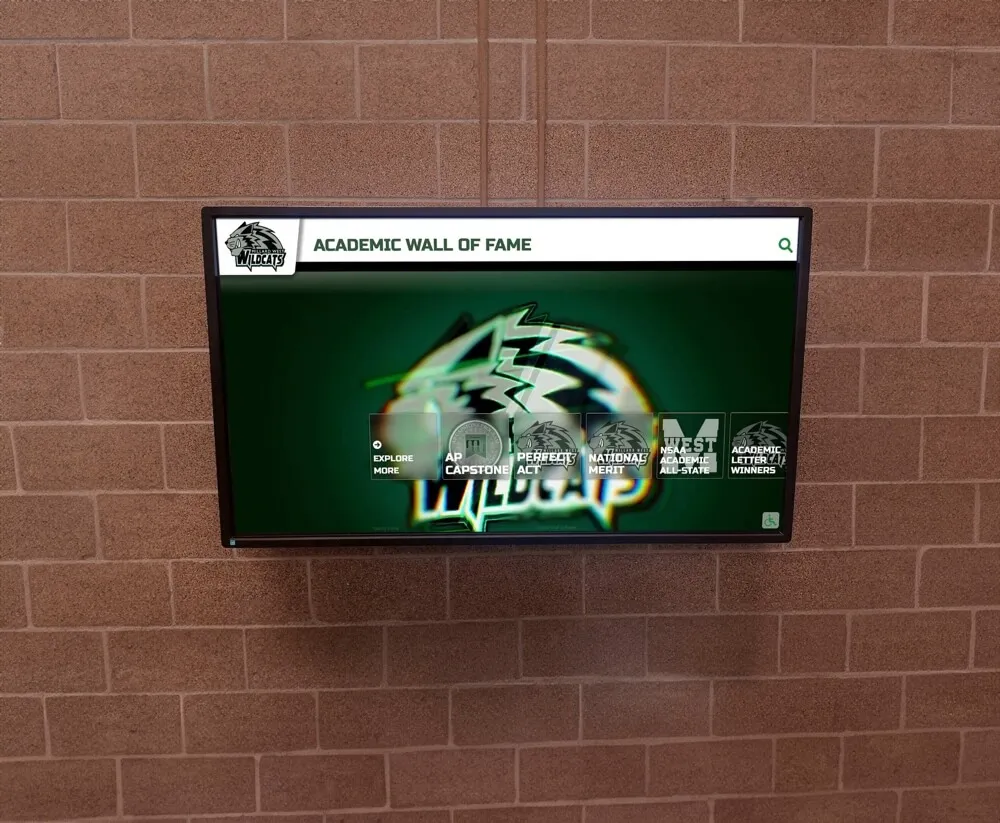
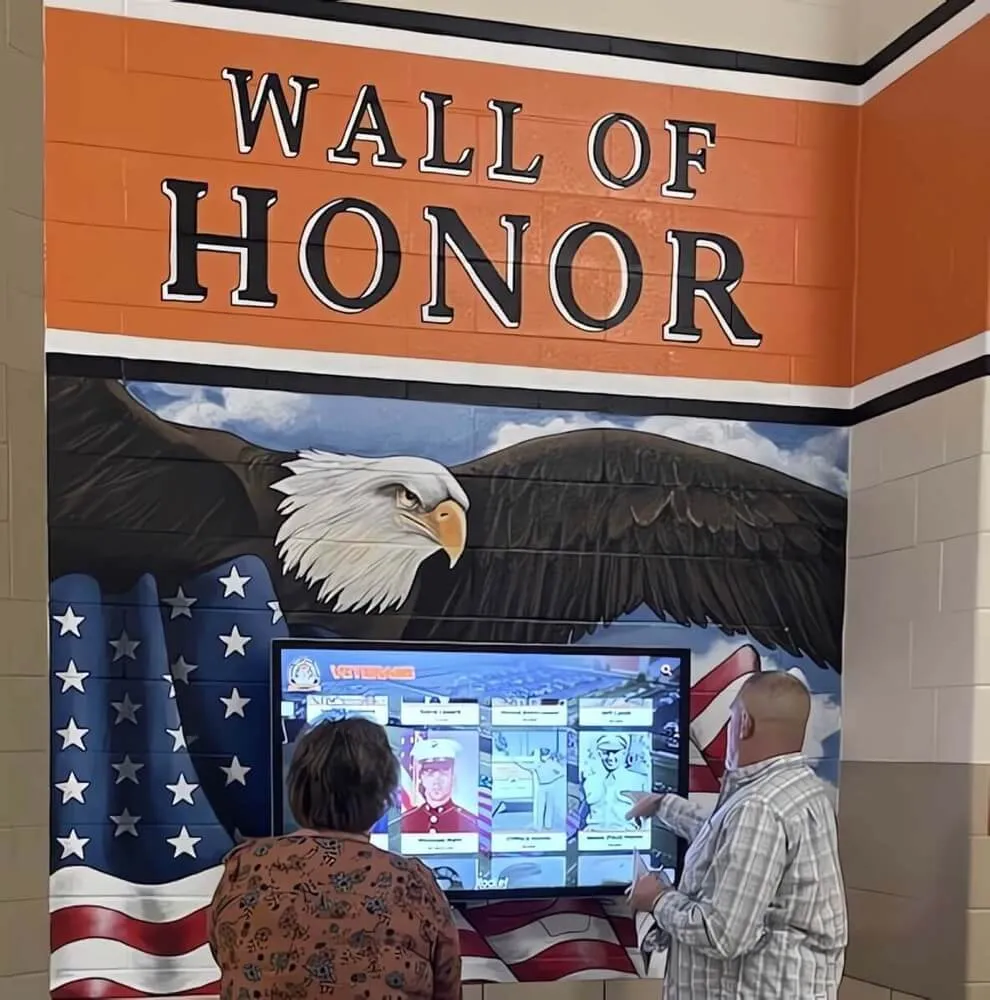
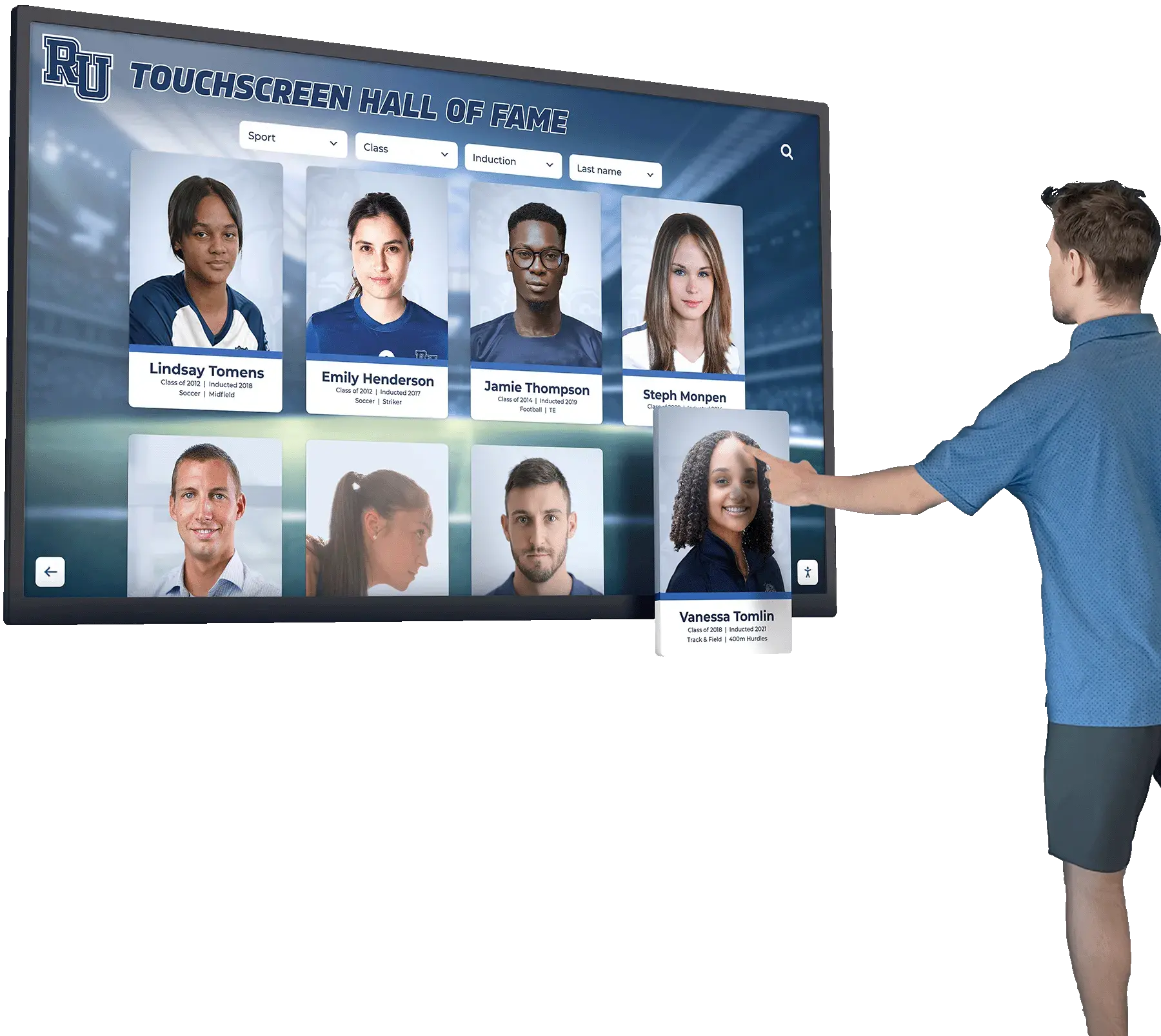
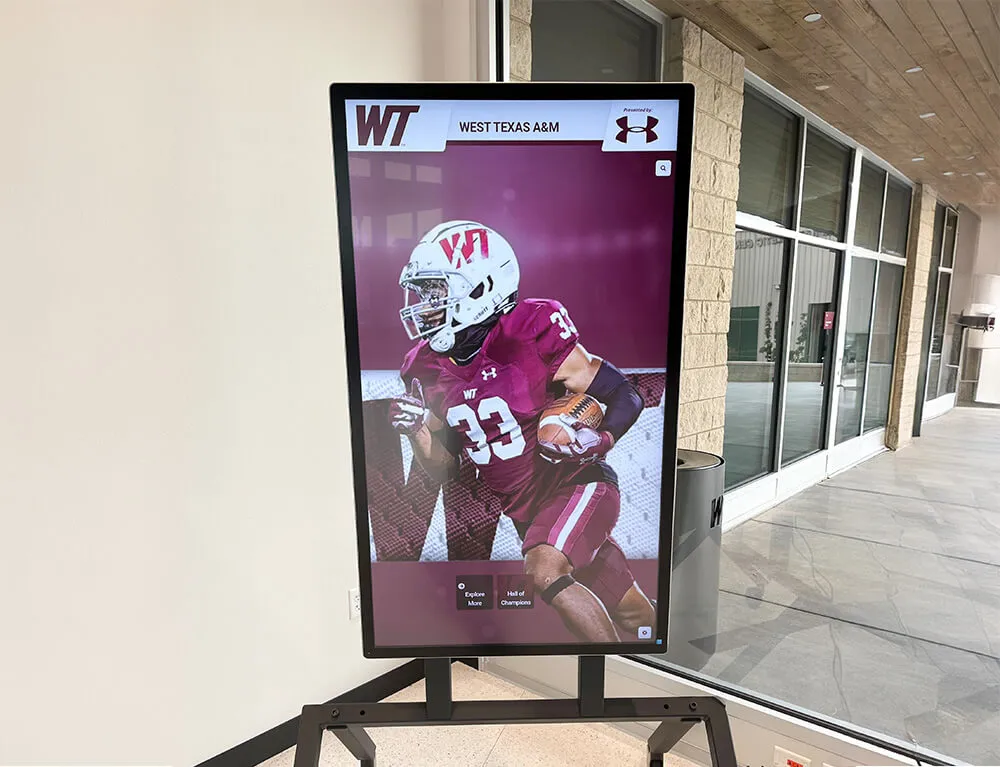
Interactive displays enable students to explore playoff award history and championship achievements
School Assembly Recognition
Post-season assemblies enable broader school communities to celebrate playoff achievement and honor award recipients.
Assembly Program Elements
Effective playoff recognition assemblies typically include recap video highlighting playoff journey and achievements, team recognition celebrating complete playoff participation, individual award presentations for all-tournament selections and position awards, coach remarks reflecting on season and championship pursuit, championship trophy display enabling student body viewing, and school administration acknowledgment emphasizing institutional pride. These assemblies reinforce that playoff success represents whole-school accomplishment worthy of community celebration.
Maximizing Student Engagement
Assembly success depends on engaging student audiences through concise programming lasting 30-45 minutes maximum, energetic presentation styles maintaining attention, multimedia content breaking up verbal presentations, student section recognition honoring their support, and appropriate music creating championship atmosphere. Boring assemblies where administrators lecture for extended periods waste playoff recognition opportunities.
Award Banquets and Formal Recognition
End-of-season banquets provide formal settings for comprehensive award recognition and season reflection.
Banquet Planning Essentials
Championship banquets typically feature plated dinners or buffets creating formal atmosphere, season highlight videos celebrating playoff journey, comprehensive award presentations recognizing all honorees, senior recognition acknowledging graduating athletes, coach reflections on season and playoff experiences, guest speakers providing inspiration or expertise, and family participation enabling shared celebration. These events create meaningful closure to seasons while permanently cementing playoff achievements in institutional memory.
Resources on athletic recognition programs demonstrate how comprehensive recognition systems extend beyond individual awards to celebrate complete playoff journeys.
Physical Playoff Award Items
What schools give award recipients matters significantly for lasting recognition value and personal meaning.
Championship Medals and Medallions
Medals represent classic playoff awards that athletes can keep permanently as tangible championship memories.
Medal Design Considerations
Quality championship medals typically include engraved championship details specifying level and year, ribbon colors matching school or association identity, medal size appropriate to achievement level (larger for higher accomplishments), quality materials using metal rather than plastic, and customization options enabling school or association branding. Professional medal companies provide design services ensuring attractive, durable recognition.
Medal costs typically range from $3-8 per basic medal to $15-30 for premium custom medals, making them affordable recognition even for programs with limited budgets. Bulk ordering for entire teams reduces per-unit costs while ensuring consistent quality.
Championship Rings
Championship rings represent the most prestigious physical playoff award, creating lifelong tangible recognition of championship achievement.
Ring Design and Investment
Championship rings involve significant investment requiring careful planning including design consultation developing custom ring aesthetics, size collection ensuring proper fit for all recipients, customization options like names or numbers engraved, quality determination balancing cost with appearance, and presentation planning creating memorable distribution moments.
Championship ring costs vary dramatically from $50-150 for basic rings to $300-800 for premium designs, creating total investments of $5,000-20,000 for entire teams. Many programs reserve rings exclusively for state championship teams rather than providing them for district titles or playoff appearances.
Fundraising strategies help offset ring costs including booster club support and special fundraising campaigns, sponsor partnerships with local businesses, alumni contributions from former players, player/family purchase options offering subsidized pricing, and multi-year budget planning spreading costs across seasons.

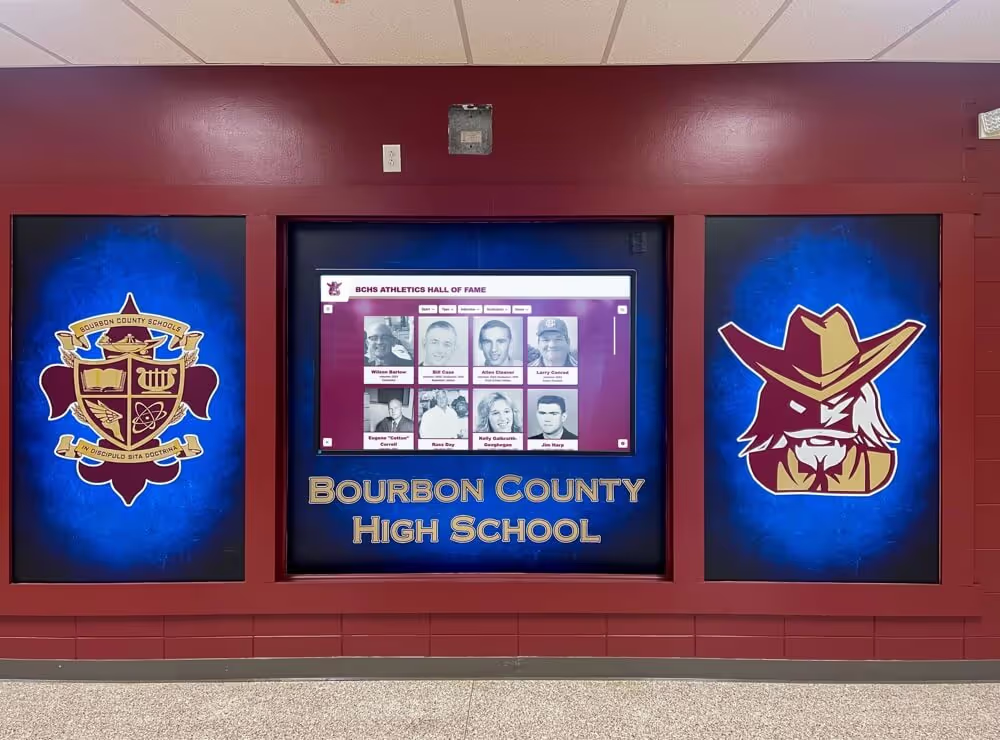
Coordinated physical and digital displays create comprehensive environments celebrating playoff awards and championships
Plaques and Trophies
Individual plaques and trophies provide formal recognition suitable for display in athletes’ homes.
Award Types and Applications
Common plaque and trophy applications include MVP trophies for championship game winners, all-tournament plaques recognizing team selections, position award trophies for specialized excellence, championship participant plaques for all team members, and coaching plaques recognizing leadership contributions. Quality awards feature engraved details, professional presentation, durable construction, and attractive design befitting achievement significance.
Costs range from $20-50 for basic plaques to $75-200 for substantial trophies, with bulk ordering reducing expenses. Many programs limit expensive individual trophies to highest awards while providing plaques or certificates for broader recognition.
Championship Apparel
Branded championship apparel provides wearable recognition athletes and families proudly display.
Apparel Recognition Options
Popular championship apparel includes championship t-shirts distributed to all participants, championship hoodies or jackets for higher achievement levels, championship caps or beanies as affordable additions, championship warm-up gear providing functional recognition, and all-tournament apparel recognizing individual selections. Quality apparel features professional designs, durable printing or embroidery, and attractive styling athletes actually want to wear rather than items immediately relegated to storage.
Apparel costs vary from $10-20 for basic t-shirts to $40-80 for hoodies or jackets, creating significant bulk expenses. Sponsor partnerships often help offset costs through business logo inclusion on championship apparel.
Preserving Playoff Award Recognition Permanently
Physical awards provide tangible recognition, but permanent institutional displays ensure playoff excellence remains visible to future generations.
Traditional Playoff Award Recognition
Classic approaches to displaying playoff award winners include printed honor boards listing recipients, trophy cases displaying physical awards, championship banners including award winners, media guide recognition documenting annual selections, and yearbook sections preserving award history. These traditional methods preserve recognition but face space and capacity limitations as programs accumulate decades of playoff awards.
Modern Digital Playoff Award Displays
Contemporary digital recognition systems overcome traditional limitations while enhancing engagement and accessibility.
Digital Display Capabilities for Playoff Awards
Modern platforms enable comprehensive recognition including complete award winner databases searchable by year, athlete, or award type, multimedia profiles featuring photos, videos, and detailed narratives, annual award listings showing each playoff season’s honorees, statistical integration connecting awards to performance data, and social sharing enabling award winners to share recognition digitally. Solutions like Rocket Alumni Solutions provide purpose-built platforms specifically designed for athletic recognition including playoff award preservation, combining unlimited capacity with intuitive management enabling athletic departments to honor all award winners permanently.
Advantages Over Traditional Physical Displays
Digital recognition provides unlimited capacity never requiring removal of historic winners to accommodate new awards, instant updates adding new award winners immediately following selection, rich multimedia incorporating photos and videos impossible with plaques, powerful search enabling families to locate athletes across decades, universal accessibility through web and mobile platforms, and cost-effectiveness eliminating recurring plaque and engraving expenses. Single platform investments serve decades of playoff award recognition without ongoing per-award costs.
Understanding digital hall of fame implementations provides frameworks for comprehensive athletic recognition including playoff award preservation.
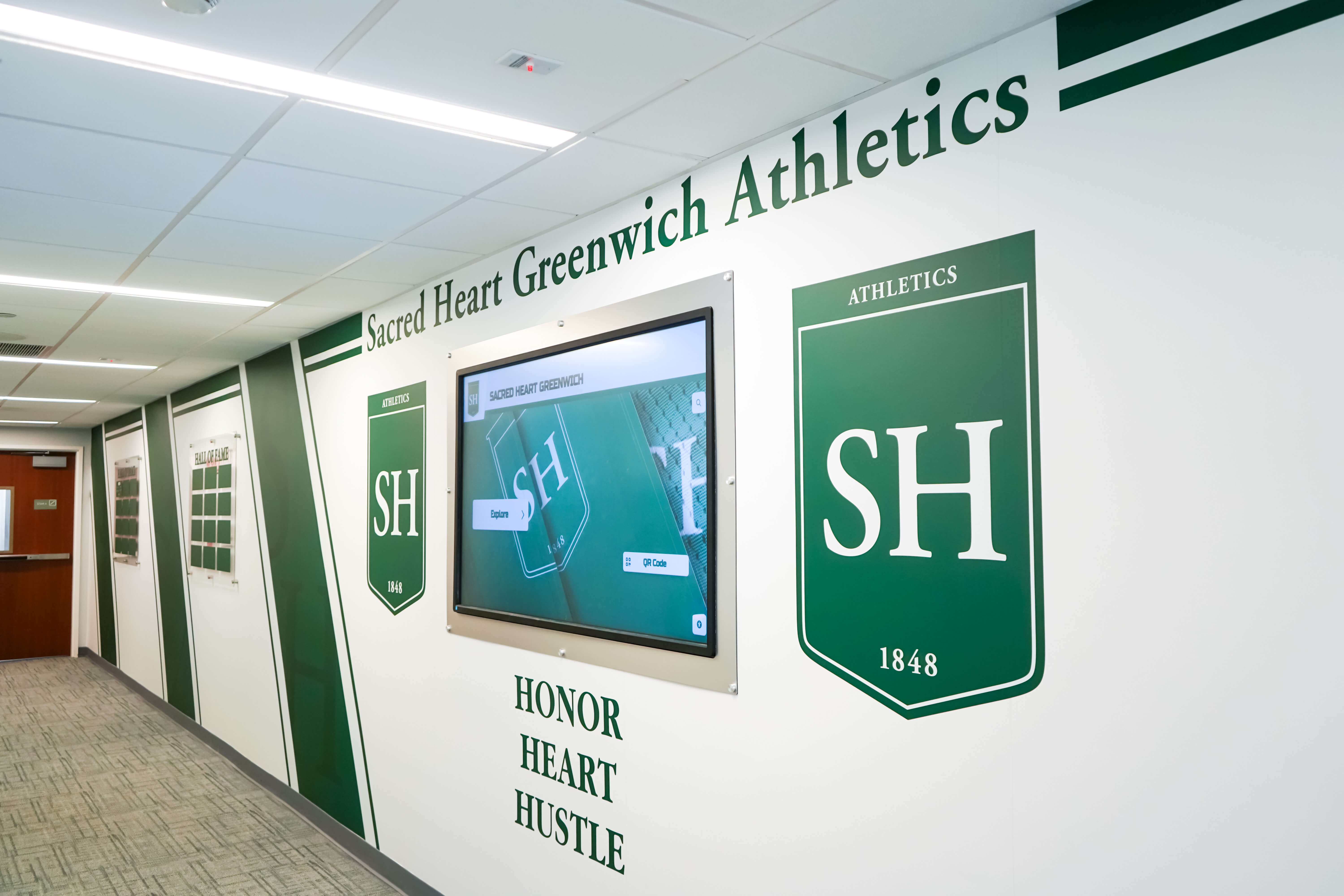
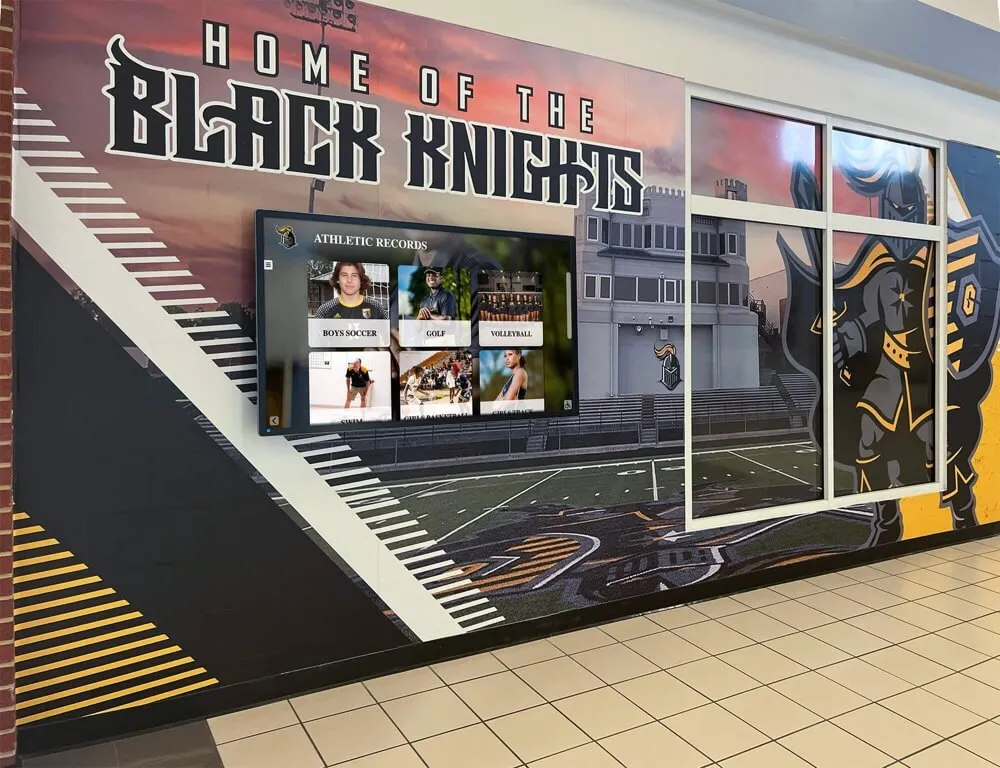
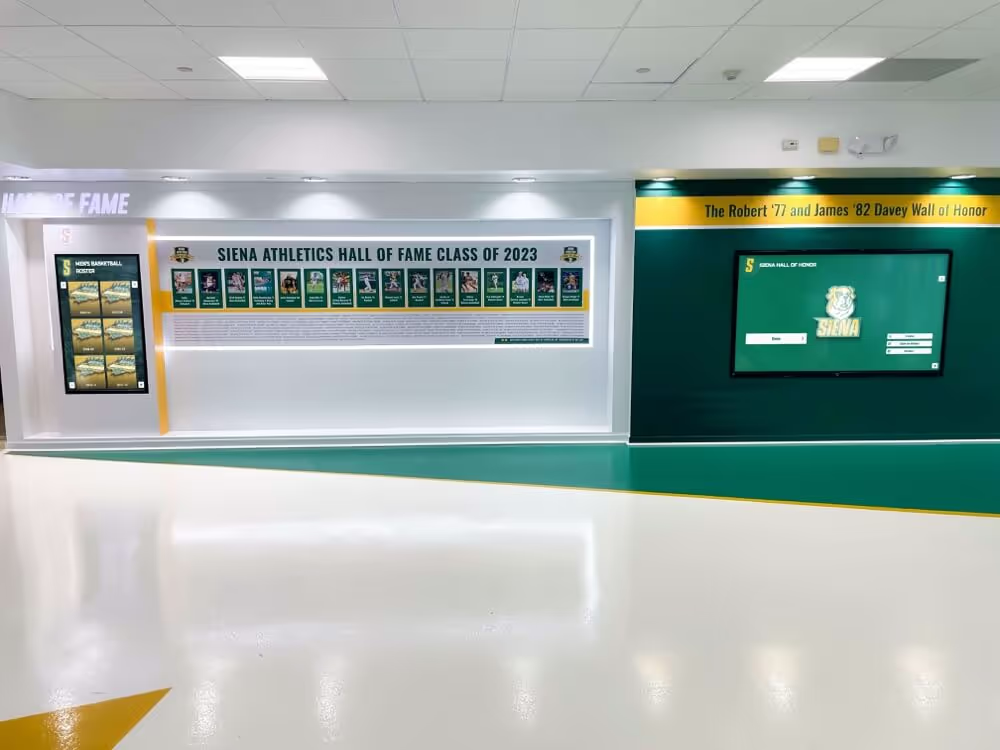
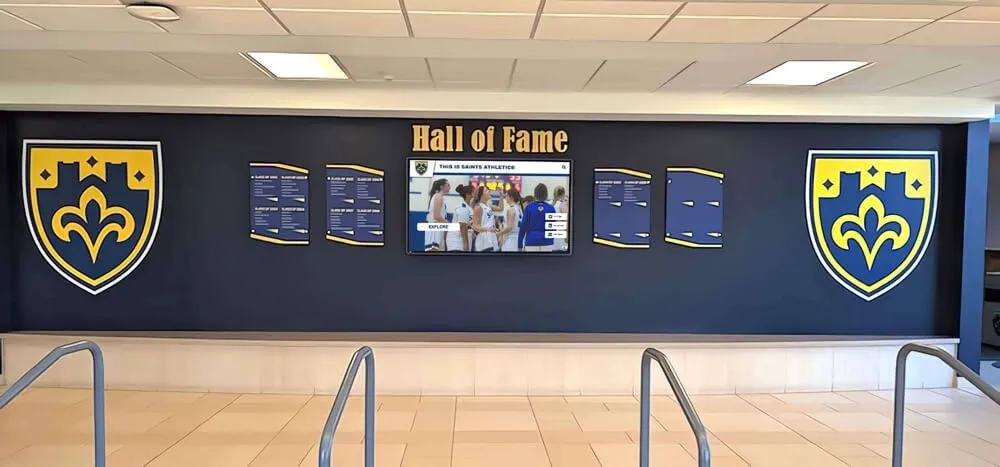
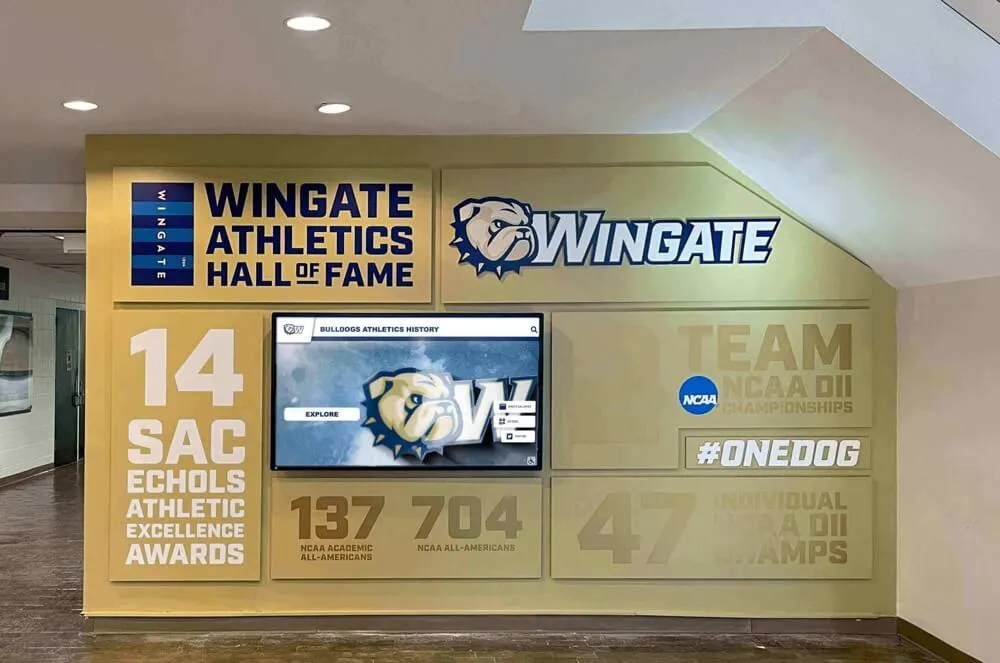
Prestigious athletic facilities combine traditional design elements with modern digital recognition for playoff awards
Creating Award Winner Profiles
Whether using traditional or digital recognition, comprehensive award winner profiles preserve complete achievement documentation.
Essential Profile Components
Effective award winner profiles should include athlete name with proper spelling and year of graduation, specific award received with achievement level, playoff statistics and performance highlights, team season record and playoff progression, memorable game performances or championship moments, post-high-school achievements demonstrating continued success, and athlete reflections on award significance and playoff memories. These detailed profiles transform simple award listings into compelling recognition honoring complete individual achievements.
Playoff Award Best Practices by Competitive Level
Different playoff stages warrant different recognition approaches matching achievement levels appropriately.
District and Conference Tournament Awards
Early playoff rounds deserve recognition while reserving highest honors for later stages.
Appropriate District Recognition
District tournament awards typically include all-tournament team certificates rather than expensive trophies, tournament MVP recognition with modest awards, team championship medals for district title winners, coach of tournament recognition, and sportsmanship awards acknowledging exemplary conduct. This recognition celebrates district achievement appropriately without inflating significance relative to state championship pursuits.
Regional and Quarterfinal Recognition
As teams advance beyond districts, recognition can escalate reflecting achievement significance.
Escalating Recognition Levels
Regional and quarterfinal recognition often includes all-regional team plaques providing formal recognition, region/quarterfinal MVP trophies marking elite performance, championship team medals or apparel for region winners, enhanced media recognition through expanded coverage, and permanent institutional displays documenting advancement. These honors acknowledge that reaching quarterfinals places teams among state’s elite programs worthy of increased celebration.
State Semifinal Recognition
Programs reaching state semifinals achieve top-four-in-class status warranting substantial recognition.
Semifinal Honor Approaches
Semifinal recognition frequently includes formal award plaques or trophies for all participants, all-state playoff team nominations, significant media coverage and celebration, permanent facility recognition through dedicated displays, and special recognition at school events and assemblies. Semifinal achievement represents extraordinary accomplishment deserving celebration regardless of championship game outcomes.
State Championship Game Awards
Championship games warrant most comprehensive recognition befitting ultimate achievement level.
Championship-Level Recognition
State championship awards typically include championship rings for all team members, championship medals or medallions, championship MVP trophies, all-tournament team plaques, championship banners hung prominently, comprehensive digital recognition profiles, championship apparel for all participants, and formal championship celebrations and assemblies. These extensive honors communicate championship achievement as program pinnacle worthy of maximum institutional celebration and investment.
Resources on championship display strategies demonstrate comprehensive approaches to preserving playoff awards alongside championship team recognition.
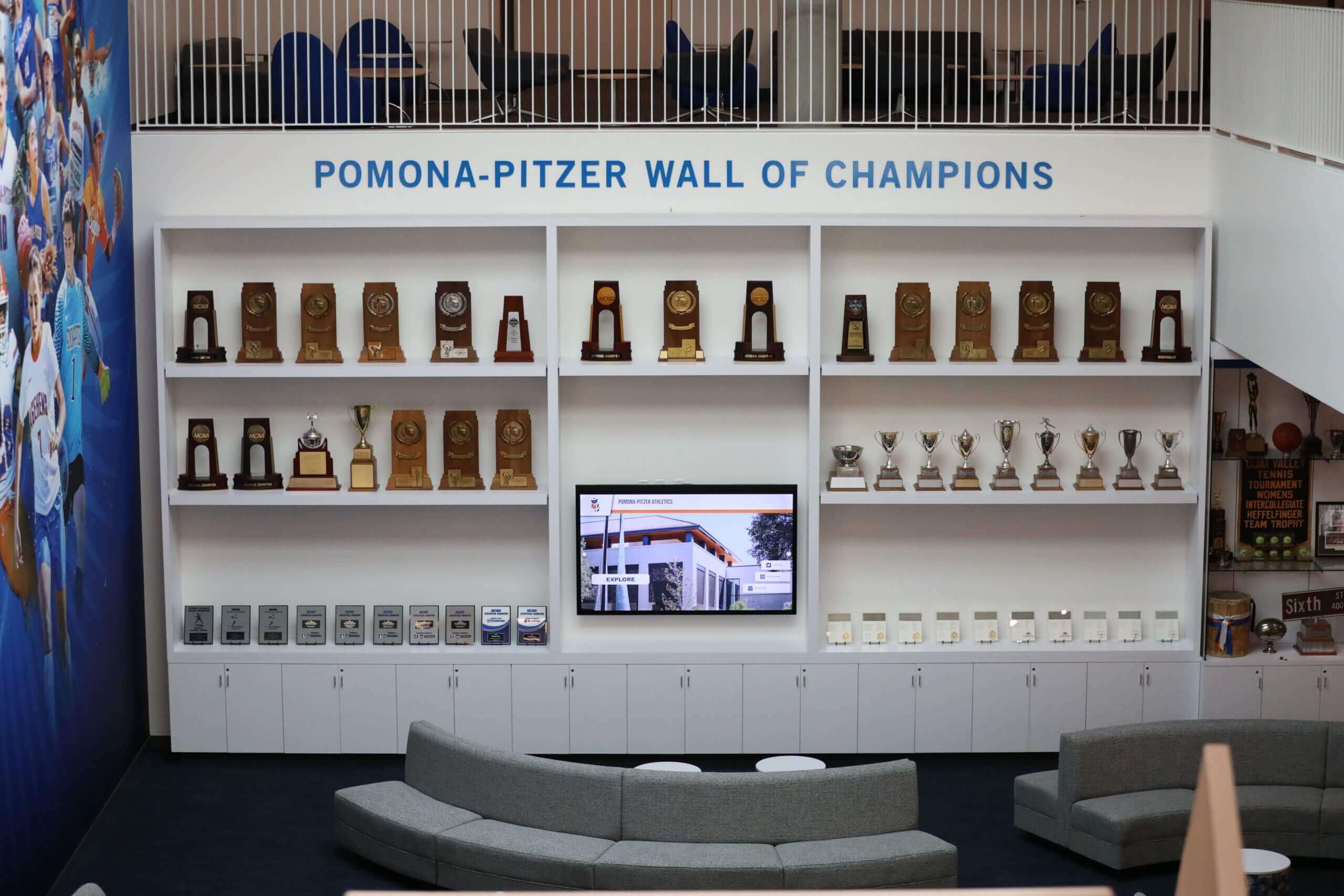
Dedicated recognition spaces combining award displays with gathering areas celebrate playoff excellence while inspiring future achievement
Connecting Playoff Awards to Program Culture
Effective playoff award programs strengthen overall athletic culture by establishing visible excellence standards and inspiring continued achievement.
Creating Championship Standards
Visible playoff award recognition communicates program expectations and achievement possibilities.
Standards Through Recognition
Award displays create championship consciousness by showing current athletes what excellence looks like, demonstrating consistent pattern of playoff success, highlighting specific performance benchmarks that earned recognition, connecting current team goals to historical achievement, and inspiring belief that championship pursuit represents reasonable expectation. Athletes surrounded by playoff award history understand that excellence represents program culture rather than rare exception.
Motivating Current Athletes
Strategic award program design intentionally motivates current competitors toward exceptional performance.
Motivational Strategies
Programs effectively using awards for motivation typically pre-announce award categories before playoffs begin, identify previous award winners as inspiration, discuss award criteria helping athletes understand excellence standards, recognize early-round award winners during playoff runs, and celebrate award winners broadly across school communities. This proactive approach makes awards aspirational targets motivating extraordinary playoff effort rather than surprise recognitions after seasons conclude.
Alumni Engagement Through Award Recognition
Playoff award winners represent engaged alumni likely to support programs long after graduation.
Leveraging Awards for Engagement
Schools strengthen alumni connections by maintaining updated award winner databases enabling reconnection, organizing award winner reunions at milestone anniversaries, featuring award winner career updates in program communications, recruiting award winners as mentors for current athletes, and honoring award winners at special recognition events. Digital platforms enable ongoing engagement impossible with static physical recognition by facilitating communication and continued relationship building with award recipients across decades.
Understanding alumni engagement strategies provides frameworks for connecting playoff award programs to broader institutional advancement objectives.
Budget Planning for Playoff Award Programs
Comprehensive playoff recognition requires appropriate resource allocation balanced with other program priorities.
Award Program Cost Components
Understanding all cost categories enables realistic budget planning.
Direct Award Costs
Primary expenses include physical awards (medals, rings, trophies, plaques), championship apparel for recipients, recognition displays (traditional or digital), photography and videography for documentation, award ceremony costs including venues and catering, and printing costs for programs and certificates. These direct costs scale based on how many awards programs present and how many recipients each award recognizes.
Administrative and Support Costs
Indirect expenses include selection committee coordination time, award design and customization services, shipping and delivery for purchased awards, recognition event marketing and promotion, and record-keeping and database management. While less visible than physical awards, these administrative costs contribute significantly to total program expenses.
Cost Management Strategies
Programs manage award costs through various approaches while maintaining recognition quality.
Budget Optimization Approaches
Effective cost management includes bulk ordering reducing per-unit award expenses, multi-year contracts providing vendor pricing stability, tiered recognition using expensive awards only for highest honors, sponsor partnerships offsetting costs through business support, digital recognition reducing recurring physical award expenses, volunteer coordination reducing administrative labor costs, and incremental implementation starting with essential awards before expanding. These strategies enable comprehensive recognition within realistic budget constraints.
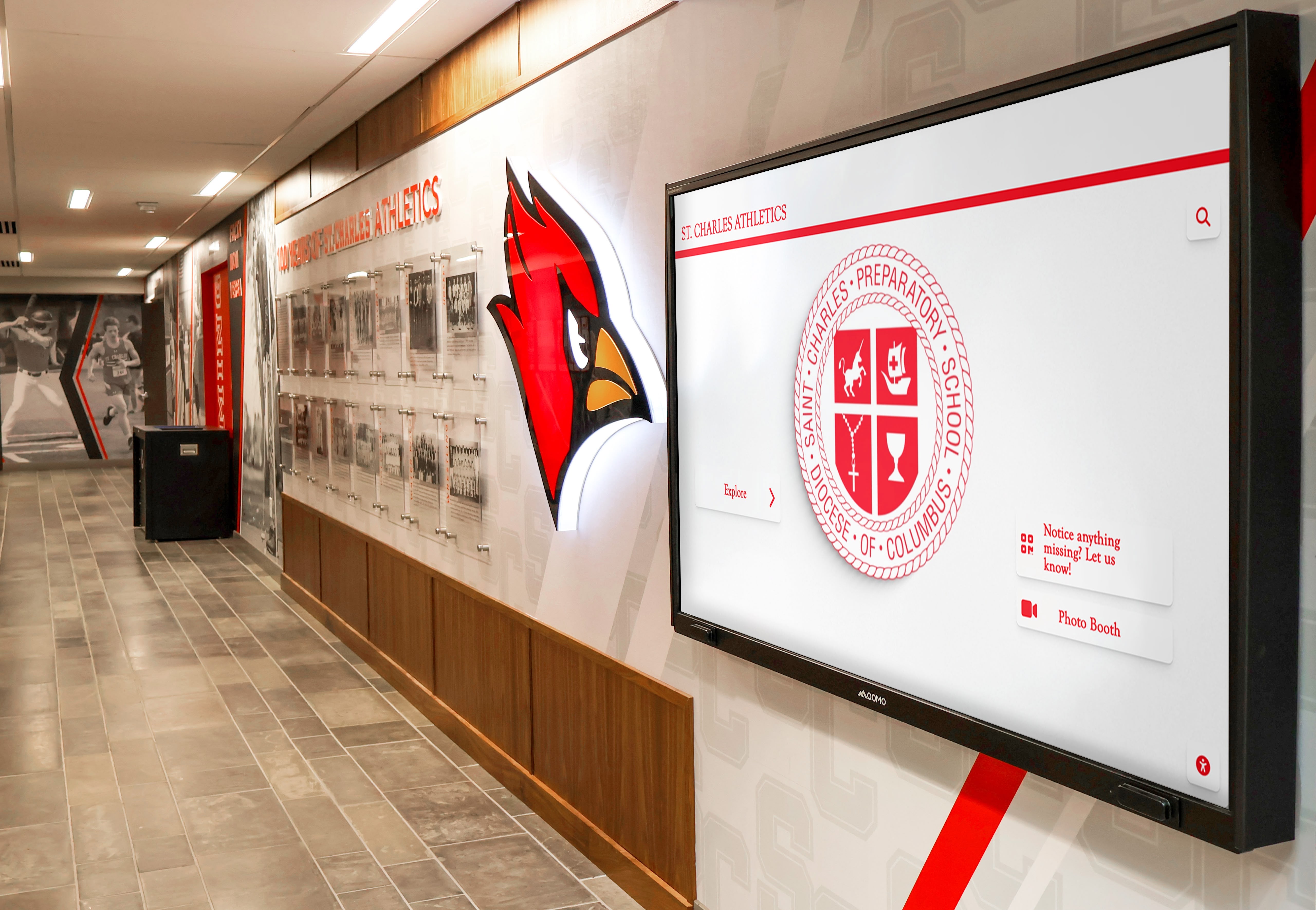
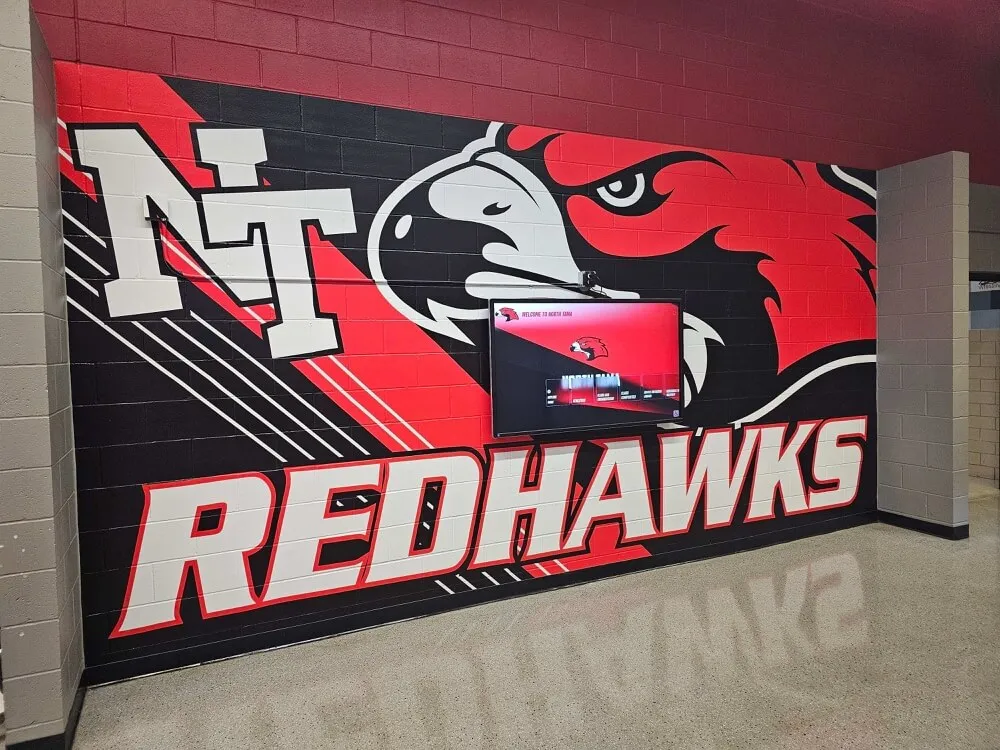
Modern athletic facilities seamlessly integrate digital recognition with traditional design celebrating playoff awards comprehensively
Fundraising to Support Award Programs
When existing budgets prove insufficient, targeted fundraising can expand recognition possibilities.
Award Program Fundraising
Successful fundraising strategies include booster club dedicated funding for awards and recognition, alumni contribution campaigns targeting former award winners, business sponsorships providing award funding, special event fundraisers like championship dinners, family contribution options offering subsidized participation, and multi-year capital campaigns for permanent recognition infrastructure. Connecting fundraising specifically to playoff recognition helps donors see direct impact of their support through visible award programs.
Measuring Playoff Award Program Success
Data-driven evaluation ensures award programs achieve intended objectives and continuously improve.
Key Performance Indicators
Different metrics reveal program effectiveness across various goals.
Quantitative Metrics
Measurable indicators include participation rates showing percentage of playoff athletes receiving recognition, award program budget efficiency tracking cost per recipient, recognition event attendance demonstrating community engagement, digital platform usage showing profile views and interactions, and social media engagement measuring award announcement reach. These metrics quantify program scale and efficiency.
Qualitative Feedback
Subjective assessment captures value harder to quantify through athlete satisfaction surveys gathering recipient perspectives, parent feedback measuring family appreciation, coach input assessing impact on team culture, community perception indicating broader institutional pride, and alumni engagement showing long-term connection. Regular feedback collection ensures programs serve stakeholder needs rather than existing for administrators’ convenience.
Continuous Improvement
Effective programs evolve based on experience and stakeholder feedback.
Improvement Strategies
Programs continuously enhance recognition by annually reviewing selection criteria and processes, soliciting stakeholder suggestions for additions or changes, benchmarking against comparable programs’ approaches, pilot testing new award categories before full implementation, and regularly communicating program value to administrators and supporters. This improvement mindset prevents programs from becoming stagnant traditions divorced from current needs and opportunities.
Legal and Equity Considerations
Award programs must navigate various legal and ethical considerations ensuring fair, appropriate recognition.
Title IX and Gender Equity
Federal law requires equitable recognition for girls’ and boys’ athletics.
Ensuring Gender Equity
Compliance requires providing equivalent awards for girls’ and boys’ championship teams, equal recognition infrastructure and display space, comparable award ceremony quality and attendance, equivalent budget allocation per participant, and similar publicity and promotion efforts. Programs systematically favoring boys’ awards while providing minimal girls’ recognition create legal liability and ethical problems.
Inclusive Recognition Practices
Beyond legal requirements, ethical recognition includes all participants appropriately.
Inclusion Strategies
Comprehensive programs ensure recognition extends beyond star players to role contributors, balance offensive and defensive player recognition, honor special teams performers frequently overlooked, recognize practice squad contributions enabling team success, and acknowledge managers and support staff critical to program operation. Broad recognition strengthens team culture while communicating that championships require complete team efforts.
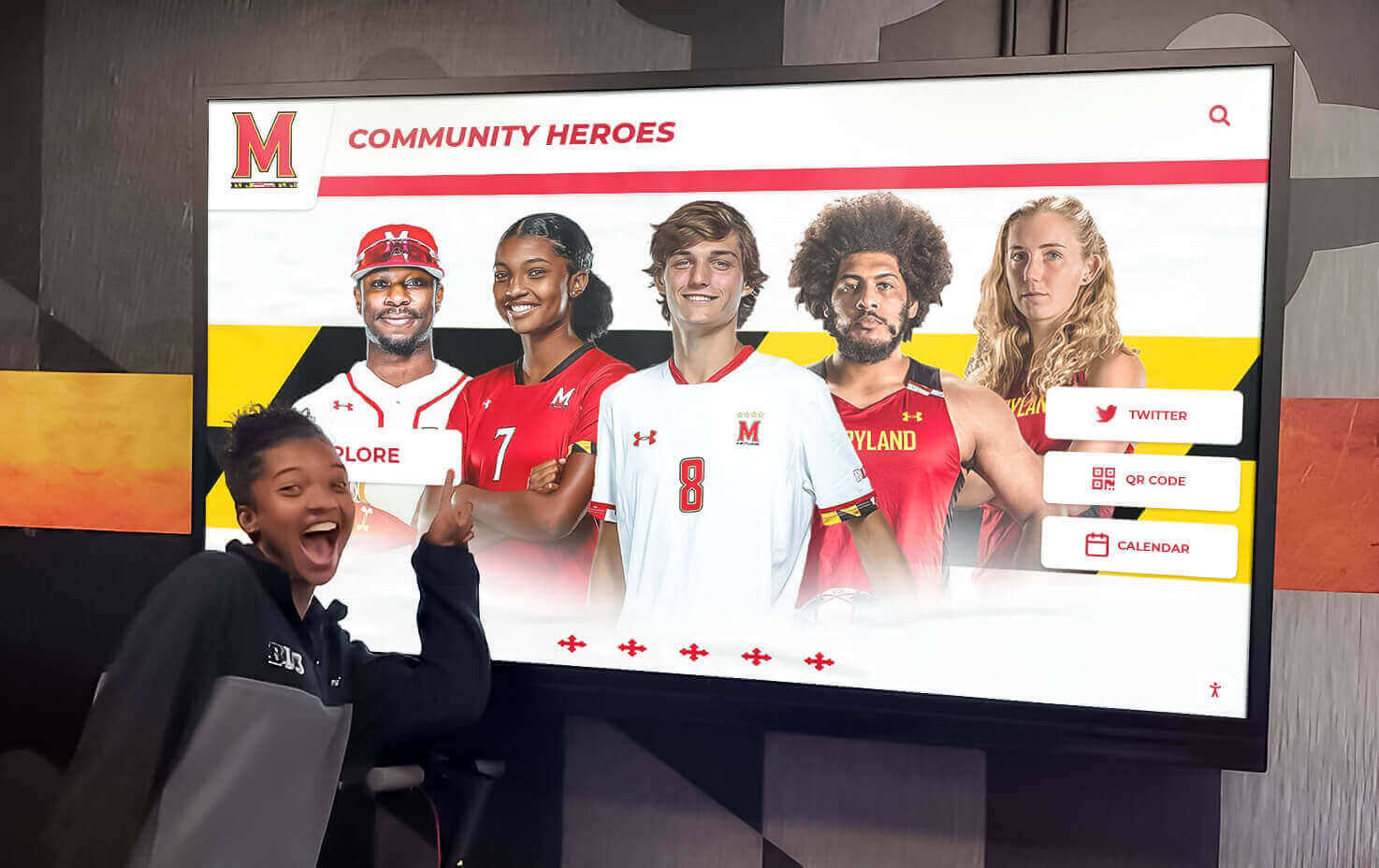
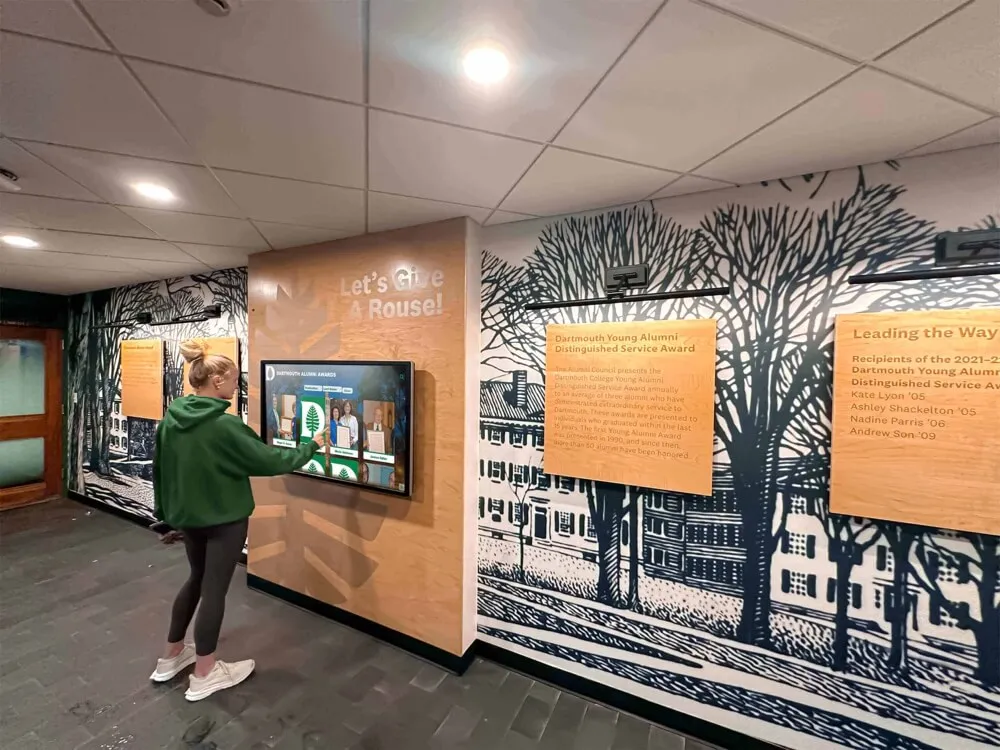
Interactive displays inspire young students while celebrating current playoff award winners and championship achievements
Privacy and Consent
Award recognition involves personal information requiring appropriate handling.
Privacy Best Practices
Programs should obtain consent for using athlete photos and information, provide opt-out opportunities for families preferring privacy, limit personal information to relevant details, secure digital systems protecting data, and comply with applicable student privacy regulations. While most athletes and families welcome recognition, programs must respect preferences for privacy when expressed.
Implementing Comprehensive Playoff Award Programs
Schools ready to enhance playoff recognition benefit from systematic implementation approaches.
Phase 1: Program Design and Planning
Begin by establishing clear objectives and frameworks.
Planning Essentials
Initial planning should define which awards to present at each playoff level, establish selection criteria and committee structures, determine award items and budget requirements, plan recognition ceremony formats and timing, and design permanent recognition infrastructure. Thorough planning prevents mid-season improvisation and ensures stakeholder buy-in.
Phase 2: Communication and Promotion
Effective programs communicate purpose and processes clearly.
Communication Strategies
Pre-season communication should announce award categories and selection criteria, explain how athletes can earn recognition, identify committee composition and processes, share previous award winners as inspiration, and build excitement around recognition opportunities. Early communication makes awards motivational targets rather than surprise announcements.
Phase 3: Selection and Recognition
Execute award processes professionally during playoff competition.
Implementation Excellence
Successful execution requires timely selection committee meetings following playoff rounds, professional award announcement communications, well-organized recognition ceremonies and presentations, quality photography and videography documentation, and immediate permanent recognition updates. Professional execution demonstrates institutional commitment to honoring achievement appropriately.
Phase 4: Permanent Preservation
Complete the cycle by ensuring award winners receive lasting recognition.
Preservation Approaches
Permanent recognition should document award winners in institutional databases, create comprehensive digital or physical displays, update recognition displays immediately following selections, share award winner profiles through multiple channels, and archive photos and documentation systematically. Complete preservation ensures playoff excellence receives recognition extending far beyond immediate post-award excitement.
Resources on Missouri high school football playoffs and fall sports playoff recognition provide additional frameworks for comprehensive playoff celebration including award programs.
Conclusion: Building Excellence Through Playoff Recognition
High school football playoff awards represent more than decorative honors—they create visible standards of excellence that inspire current athletes while preserving achievement for future generations. When schools thoughtfully design playoff award programs that recognize extraordinary performance at every competitive level, establish fair selection processes stakeholders trust, present awards through meaningful ceremonies creating lasting memories, and preserve award winners through permanent recognition systems, they build powerful cultures emphasizing that exceptional effort and championship pursuit define program identity and institutional expectation.
Preserve Your Playoff Excellence
Discover how modern digital recognition solutions help schools honor playoff award winners and championship achievements while building traditions that inspire continued excellence across all athletic programs.
<a href=“https://rocketalumnisolutions.com/contact-us?utm_source=organic&utm_medium=seo&utm_content=touchscreenwebsitecom&utm_campaign=site-cta&utm_term=seo"bg-white text-blue-800 font-bold py-3 px-6 rounded-lg shadow-lg hover:bg-blue-50 transition-all duration-300”>Explore Playoff Recognition Solutions
The evolution from limited traditional recognition to comprehensive digital platforms has transformed what’s possible in playoff award preservation. Schools no longer face constraints forcing them to choose which award winners receive permanent visibility or which achievements must be removed to accommodate new recognition. Modern systems provide unlimited capacity for complete award history documentation while creating interactive experiences that engage audiences and sustain playoff excellence appreciation long after championship seasons conclude.
Effective playoff award programs honor complete achievement rather than reducing excellence to basic facts—celebrating every contributor from MVP winners to sportsmanship award recipients, documenting award criteria and selection processes ensuring transparency and fairness, preserving memories through photos and videos capturing award presentations and celebrations, connecting playoff awards to program traditions and championship culture, and creating accessible recognition reaching current students, alumni, prospective families, and broader communities.
The most successful programs recognize that playoff awards represent ongoing engagement opportunities spanning entire years and decades. Award winners from previous generations become inspiration for current athletes when their achievements remain visible and celebrated. Alumni maintain stronger connections to schools when their playoff honors receive permanent recognition. Prospective families evaluate programs based on award traditions demonstrating competitive excellence and appropriate recognition of individual achievement within team contexts.
Whether your program celebrates breakthrough playoff appearances, builds on consistent tournament success, or adds to legacy championship traditions, strategic playoff award recognition represents essential investment delivering returns across multiple dimensions—enhanced athlete motivation through visible excellence standards, stronger community pride in individual and team achievement, improved recruiting competitiveness through demonstrated recognition tradition, increased alumni engagement with preserved shared honors, and sustained program culture emphasizing playoff excellence as fundamental expectation.
Every student-athlete who dedicates months to preparation and competes with heart deserves appropriate recognition when exceptional performance emerges during playoff competition. Through thoughtful award programs combining meaningful selection processes, quality physical awards, memorable presentations, and permanent recognition infrastructure, schools build traditions honoring individual excellence while strengthening team culture and inspiring future generations to pursue their own playoff excellence and championship dreams.
Ready to transform how your school recognizes playoff excellence? Explore how high school basketball scoring records tracking applies to football award documentation, discover athletic recognition program strategies applicable across sports, learn about digital storytelling for athletic programs that maximizes engagement while celebrating award winners, and understand comprehensive approaches to championship banner display that preserve playoff excellence permanently while inspiring continued championship pursuit across all athletic programs and competitive levels.