



High school graduation marks one of the most significant milestones in students’ lives—the culmination of years of academic work, personal growth, and memorable experiences that deserve celebration matching their importance. Yet planning high school graduation ceremonies involves complex coordination across dozens of moving parts: venue logistics, program scheduling, speaker selection, processional choreography, diploma presentation, technical production, family accommodation, and recognition displays that honor graduates appropriately while creating experiences families remember for decades.
Many schools approach graduation planning reactively, replicating previous years’ ceremonies without strategic consideration of what makes celebrations genuinely meaningful. The result? Rushed programs that feel perfunctory rather than celebratory, recognition that reduces graduates to names read from lists, logistical confusion frustrating families, and missed opportunities to create lasting connections between graduates and institutions. These shortcomings matter because graduation represents not just an ending but a beginning—the moment schools affirm graduates’ readiness for next chapters while establishing foundations for lifelong alumni relationships.
This complete guide explores comprehensive graduation ceremony planning that creates memorable, meaningful celebrations honoring graduates appropriately while managing practical logistics ensuring smooth execution. Whether you’re planning your school’s first graduation or refining established traditions, you’ll discover proven frameworks transforming ceremonies from obligatory formalities into inspiring celebrations that graduates, families, and communities genuinely value.
Effective graduation planning balances tradition with innovation, formality with warmth, and efficiency with personal touch—creating ceremonies that honor individual graduates while celebrating collective achievement representing entire communities’ investment in education.

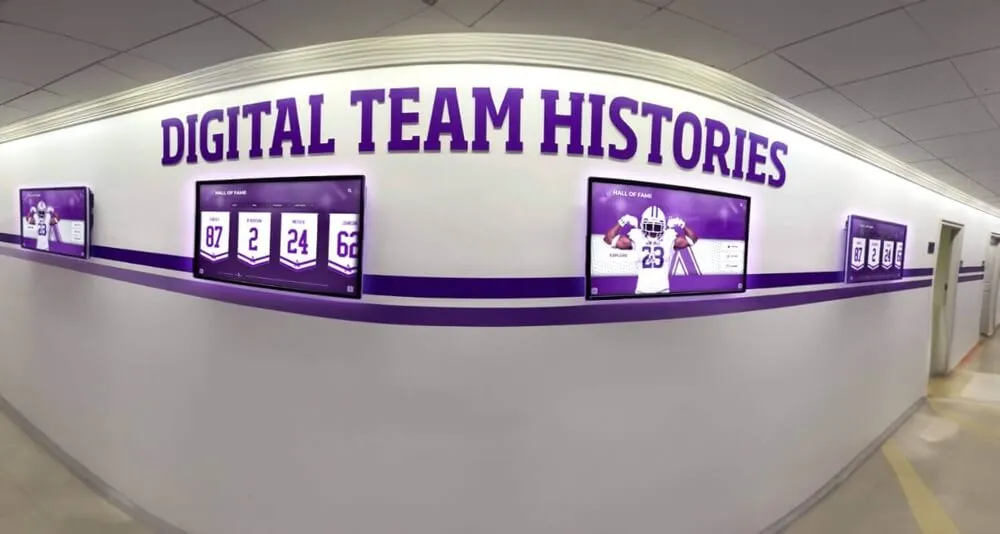
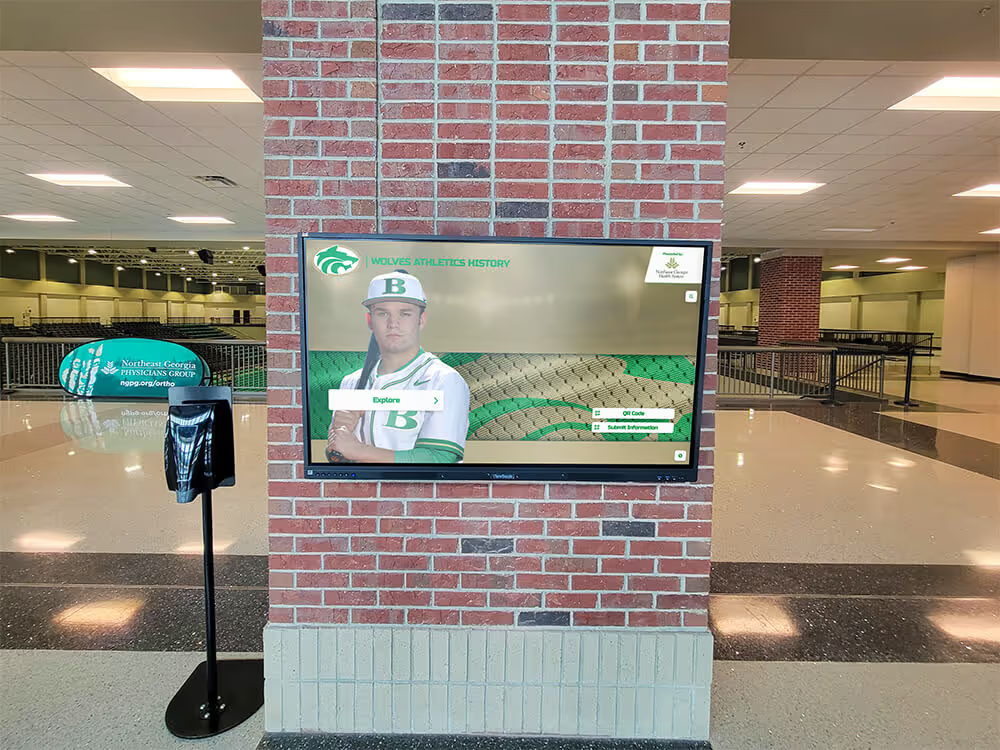
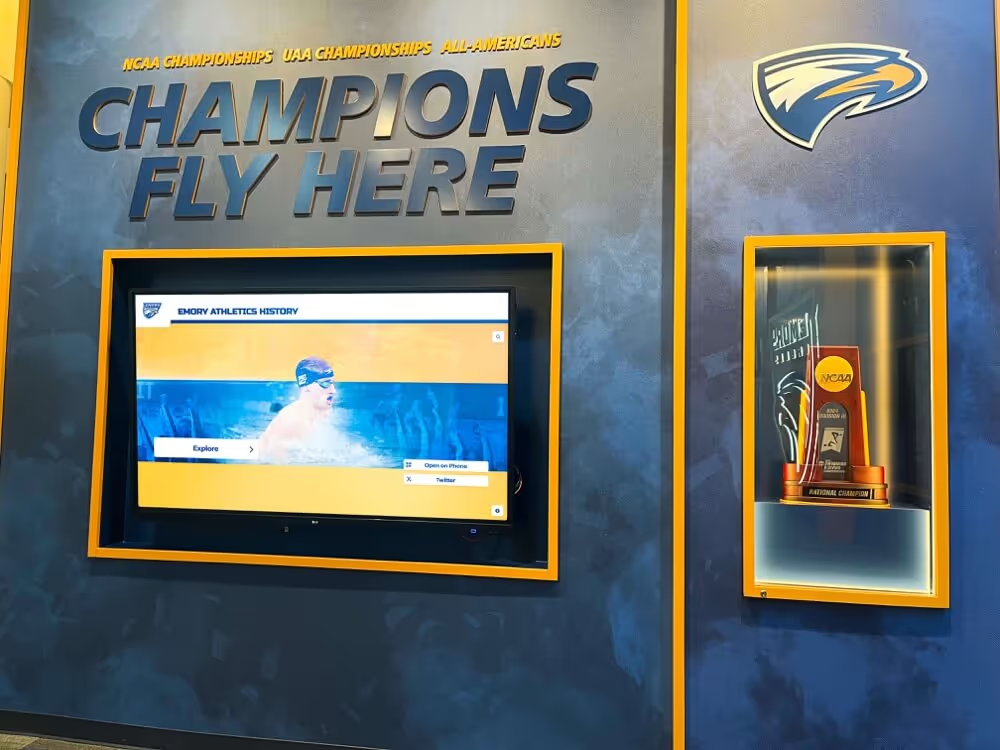
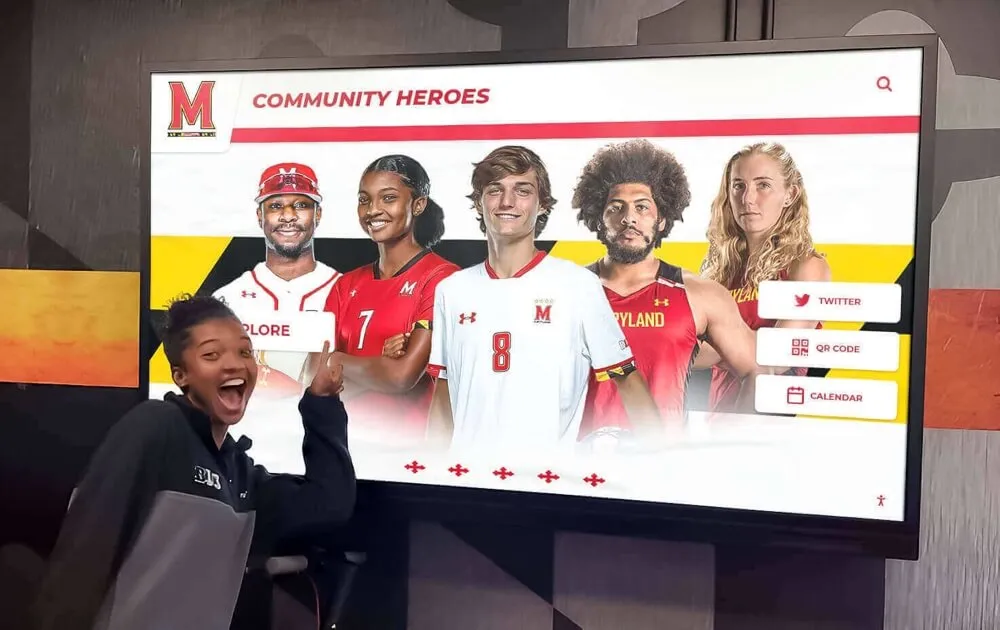
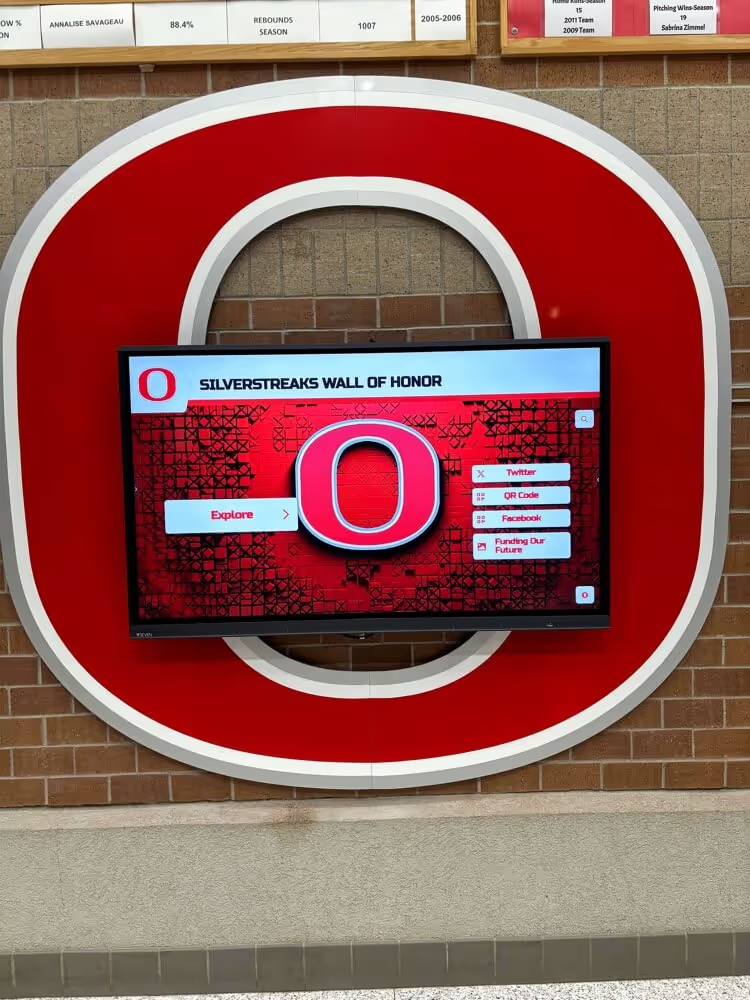
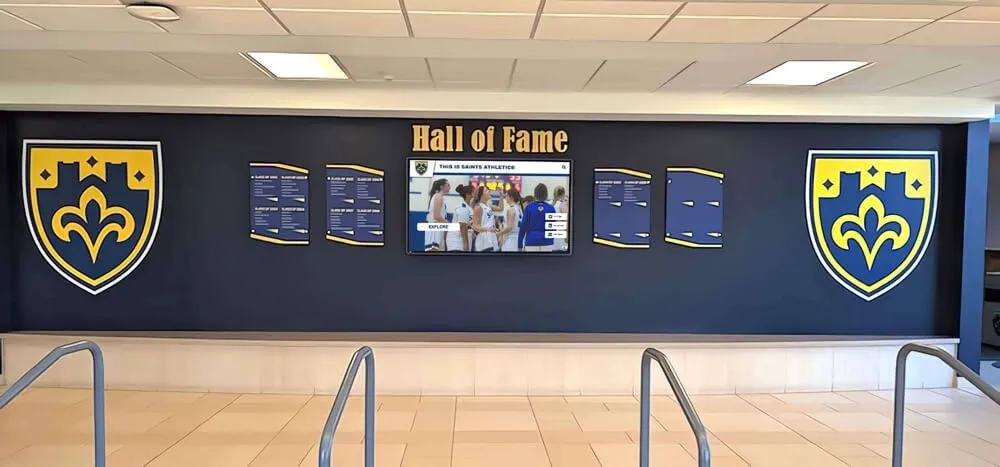
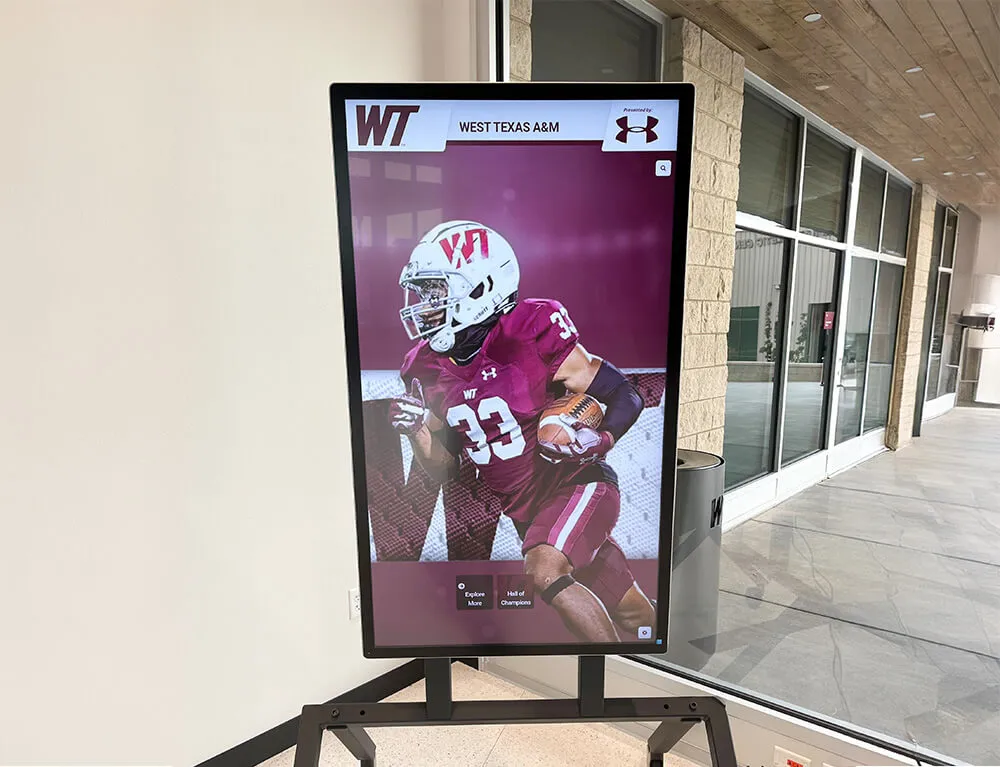
Permanent recognition systems complement graduation ceremonies by creating lasting celebration of student achievement
Understanding Graduation Ceremony Purpose and Goals
Before diving into logistics, successful planning begins with clear understanding of what graduation ceremonies should accomplish and whom they serve.
Primary Graduation Ceremony Objectives
Thoughtful ceremonies balance multiple interconnected purposes:
Individual Graduate Recognition
Graduation provides formal acknowledgment of individual achievement and transition. Essential elements include calling each graduate’s name publicly, presenting diplomas symbolizing educational completion, photographing milestone moments preserving memories, and creating personal recognition moments validating years of work. Programs reducing graduates to anonymous cohorts rather than recognized individuals miss fundamental ceremony purposes.
Collective Celebration of Class Achievement
Beyond individual recognition, ceremonies celebrate shared experiences uniting graduating classes through highlighting collective accomplishments and milestones, honoring class character and contributions to school community, acknowledging challenges overcome together, and marking transition from students to alumni. This collective dimension creates community identity graduates carry forward throughout lives.
Family and Community Acknowledgment
Graduation honors not just graduates but families and communities supporting their success including recognizing family sacrifices enabling educational opportunity, thanking educators, administrators, and support staff, acknowledging community investment in education, and celebrating intergenerational achievement within families. Comprehensive ceremonies make visible the networks supporting graduate success.
Institutional Tradition and Values Communication
Ceremonies embody institutional character and communicate priorities through visual symbolism including colors, architecture, and ceremonial elements, speaker selections reflecting institutional values, recognition categories highlighting what schools celebrate, and traditions connecting current graduates to institutional history. Every ceremony design choice communicates messages about what institutions value.
Understanding these intersecting purposes helps schools design ceremonies genuinely serving graduates, families, and communities rather than simply checking bureaucratic boxes.
Key Stakeholder Considerations
Different constituencies experience graduation differently, requiring planning accommodating varied needs:
Graduate Perspectives and Needs
From student viewpoint, ideal ceremonies provide clear personal recognition including name pronunciation accuracy, photo opportunities capturing milestone moments, dignified treatment reflecting adult transition, reasonable program length respecting attention limits, and opportunities to celebrate with friends and family. Graduates want to feel genuinely honored rather than processed through assembly lines.
Family Experience Priorities
Families attend seeking to witness their student recognized, photograph and video record celebration moments, understand institutional community their student joined, feel welcomed and accommodated regardless of family circumstances, and share pride with extended relatives and friends. Planning should actively consider family needs rather than treating them as passive ceremony audiences.
School Administrator and Staff Concerns
From administrative perspective, successful ceremonies require efficient logistics managing hundreds or thousands of people, dignified programs reflecting well on institutions, safety and security protecting all attendees, budget management within available resources, and minimal disruption to end-of-year operations. These practical concerns must be addressed without compromising ceremony meaningfulness.
Community and Board Expectations
School boards, local officials, and broader communities often view graduation as community celebration requiring appropriate formality and tradition, inclusive practices welcoming all families, positive public relations opportunities, and demonstration of educational outcomes justifying public investment. Understanding these external expectations shapes planning approaches.
Effective planning explicitly considers these diverse perspectives rather than defaulting to administrator-only viewpoints that may miss graduate and family needs.
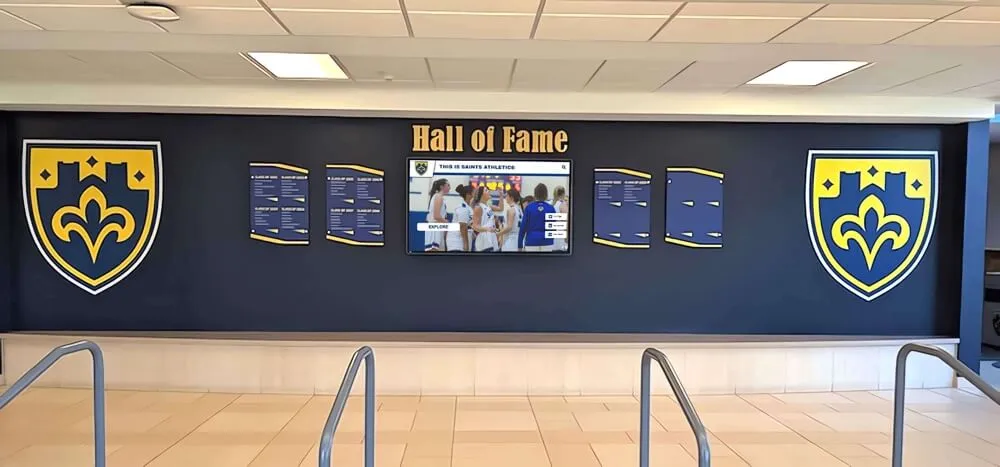
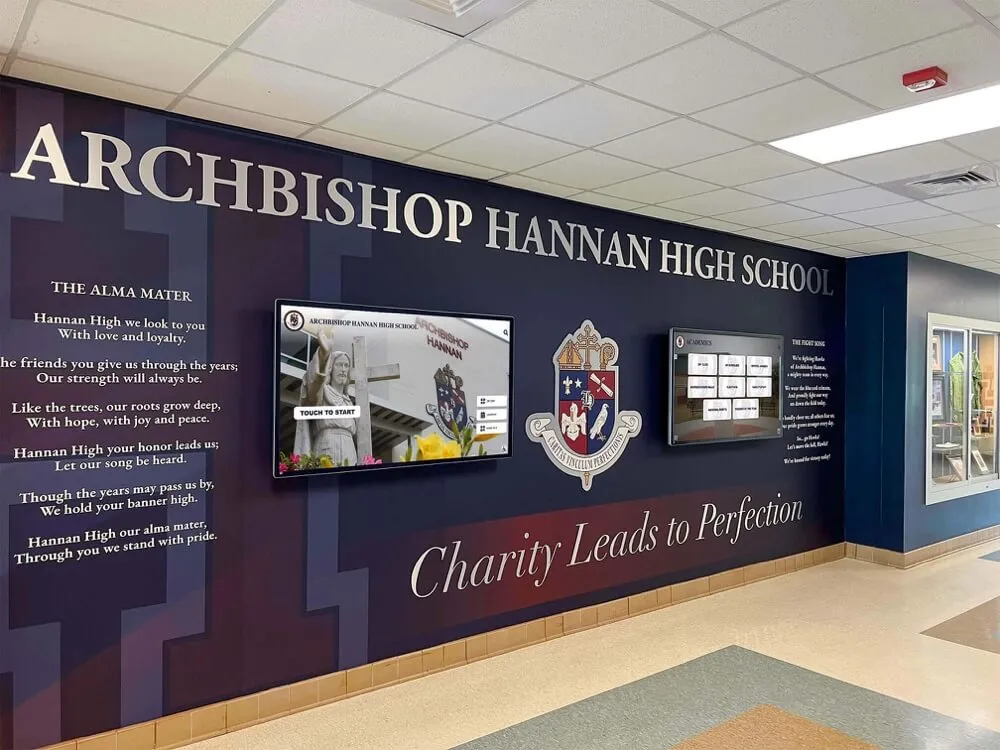
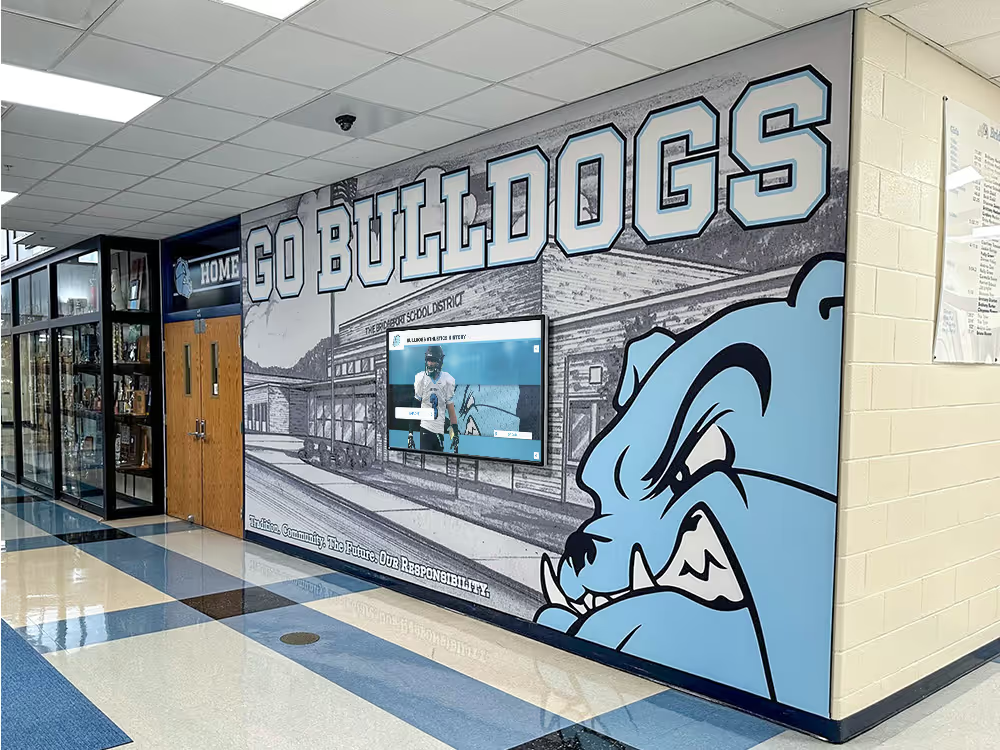
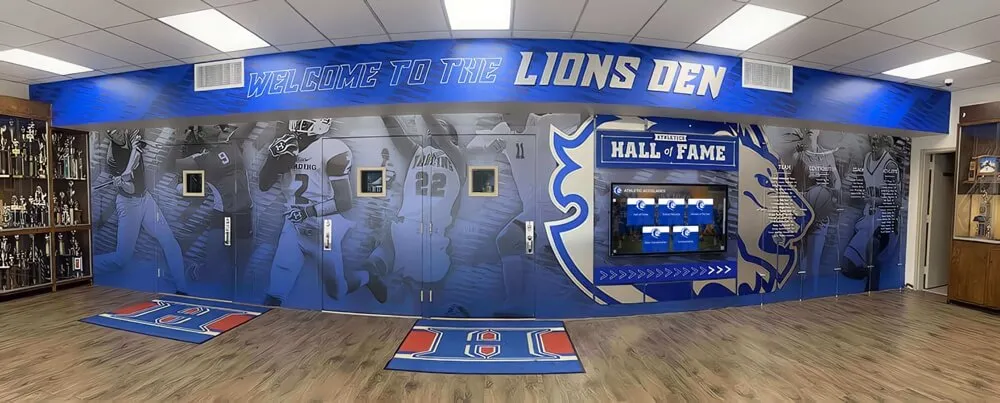
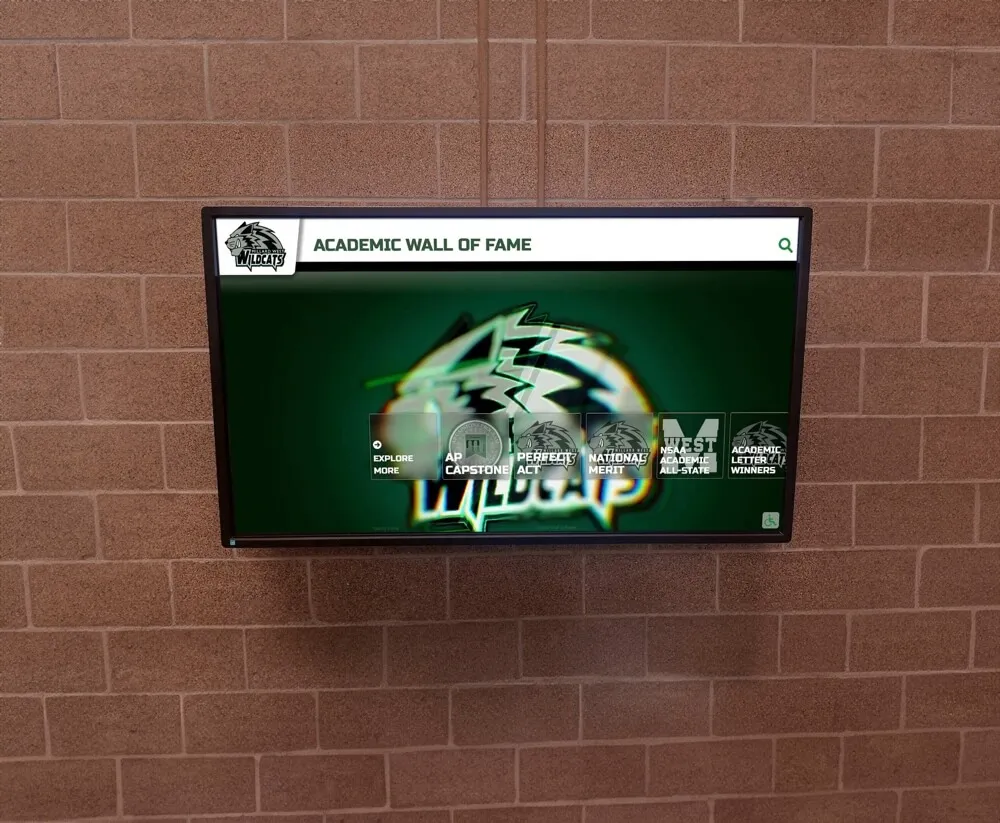
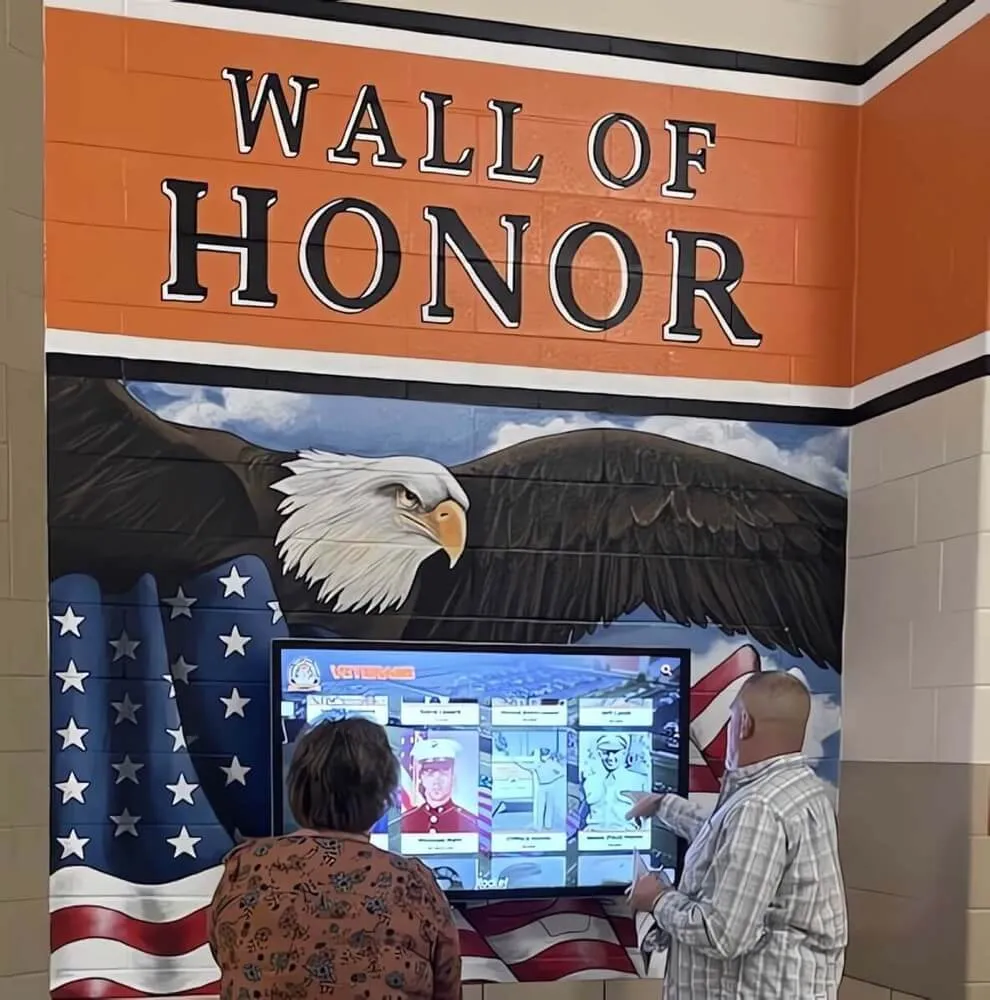
Hybrid recognition approaches combine traditional ceremonial elements with modern technology for comprehensive celebration
Early Planning Timeline and Preparation
Successful graduation ceremonies require systematic planning beginning months before actual events, preventing last-minute scrambling that compromises quality.
Recommended Planning Timeline
Comprehensive graduation planning should follow structured schedules:
Six to Nine Months Before Graduation
Initial planning phase establishes foundational decisions:
- Form graduation planning committee including administrators, faculty, student representatives, and parent liaisons
- Confirm graduation date and time considering academic calendar, facility availability, and community conflicts
- Reserve venue and secure necessary permits or approvals
- Establish ceremony format including processional style, program elements, and approximate duration
- Set budget including revenue sources and expense allocations
- Identify and invite graduation speakers
- Begin vendor research for necessary services including rental companies, photographers, and technical production
Early planning provides maximum flexibility while avoiding premium costs associated with last-minute arrangements. Schools exploring building school pride initiatives understand how graduation traditions contribute to broader institutional culture.
Three to Four Months Before
Mid-cycle planning addresses detailed program elements:
- Finalize graduation program structure and element sequencing
- Confirm speakers and provide guidance on content expectations and time limits
- Order graduation-related supplies including programs, tickets, signage, and recognition materials
- Coordinate with technical teams about audio-visual requirements
- Develop processional and stage movement choreography
- Create graduate information collection systems gathering pronunciation guides and special recognition data
- Begin promoting graduation to families and community
- Coordinate with facilities teams about setup, parking, and logistics
This phase transforms conceptual plans into concrete operational details enabling smooth execution.
One to Two Months Before
Final preparation period focuses on detail refinement:
- Collect and verify graduate information including name pronunciation recordings
- Rehearse ceremony logistics with staff and student participants
- Confirm all vendor contracts and delivery schedules
- Produce graduation programs and ticket distribution systems
- Communicate detailed information to graduates and families about ceremony expectations, arrival times, and dress codes
- Conduct graduate rehearsals ensuring students understand processional, stage procedures, and behavior expectations
- Finalize security and emergency response procedures
- Test all technical equipment including sound systems, video displays, and recording equipment
Thorough preparation during this window prevents ceremony disruptions caused by overlooked details or miscommunications.
Week of Graduation
Final countdown activities ensure readiness:
- Conduct full technical rehearsal in actual ceremony venue
- Brief all staff and volunteers about specific roles and responsibilities
- Complete facility setup including staging, seating, signage, and decorations
- Verify that all supplies and materials arrived and are properly stored
- Conduct graduate dress rehearsal in ceremony location
- Confirm weather contingencies if hosting outdoor ceremonies
- Review emergency procedures with security and facilities teams
- Prepare recognition displays and multimedia presentations
This final week transforms plans into reality through systematic verification and preparation.
Graduation Planning Committee Structure
Effective planning distributes responsibility across capable teams:
Committee Composition
Comprehensive committees should include administrators providing oversight and decision authority, faculty members understanding student needs and institutional traditions, counselors or student services staff managing graduate information, facilities and operations staff addressing logistical requirements, technology coordinators handling audio-visual needs, parent representatives offering family perspectives, and student representatives ensuring graduate voice in planning.
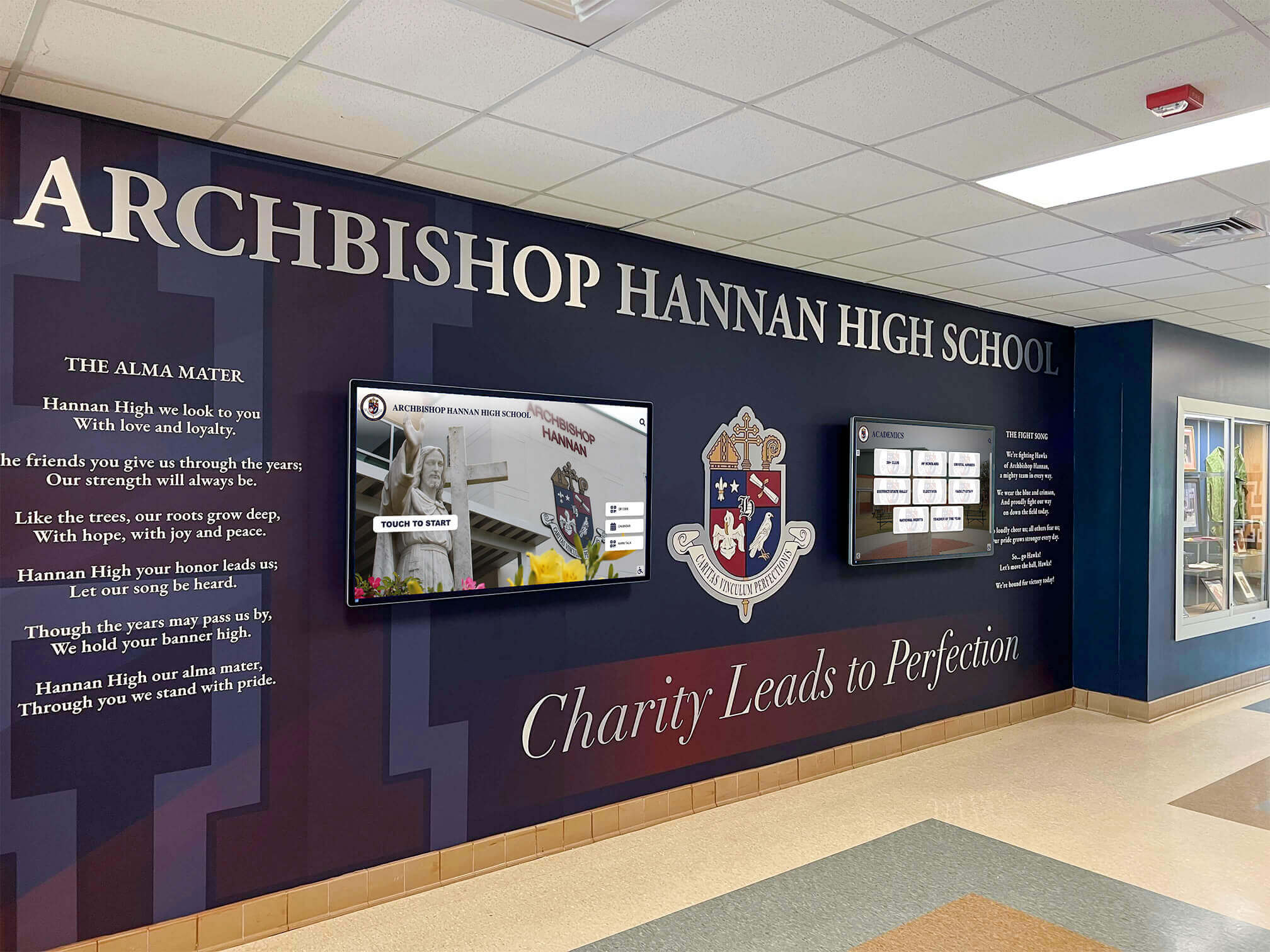
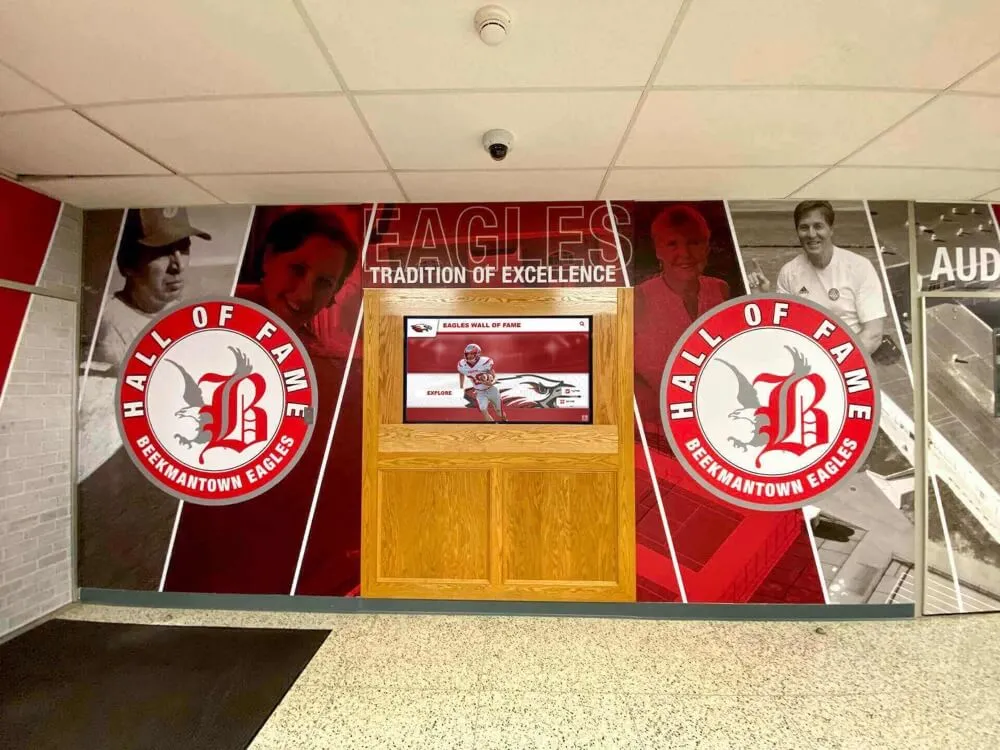
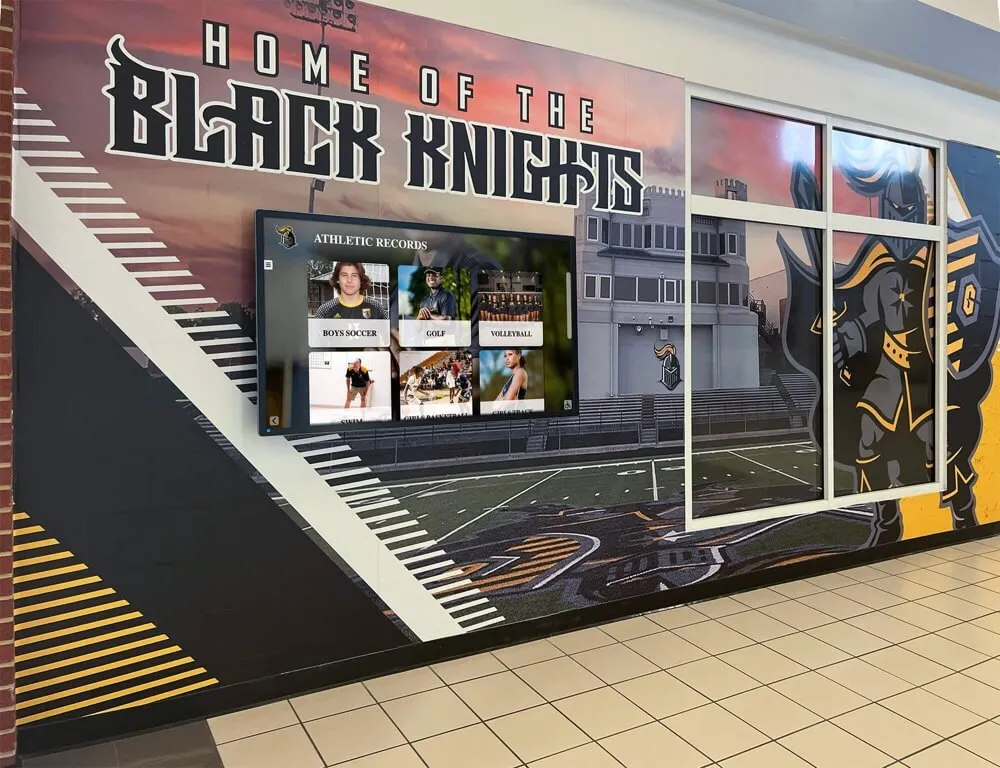
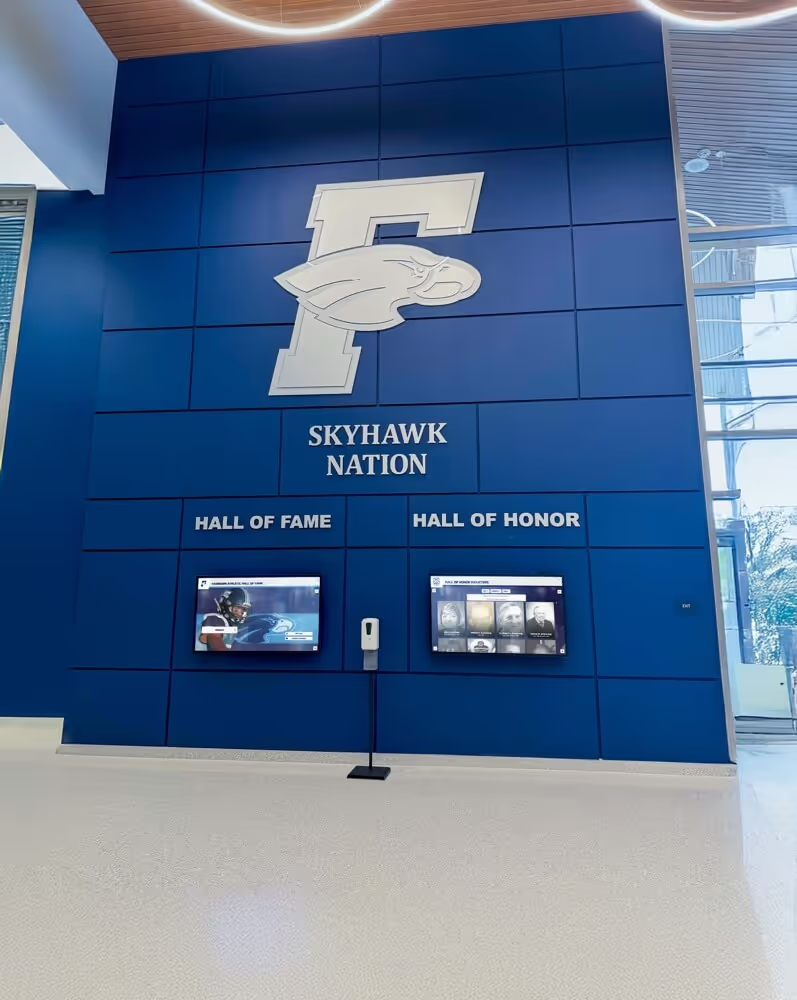
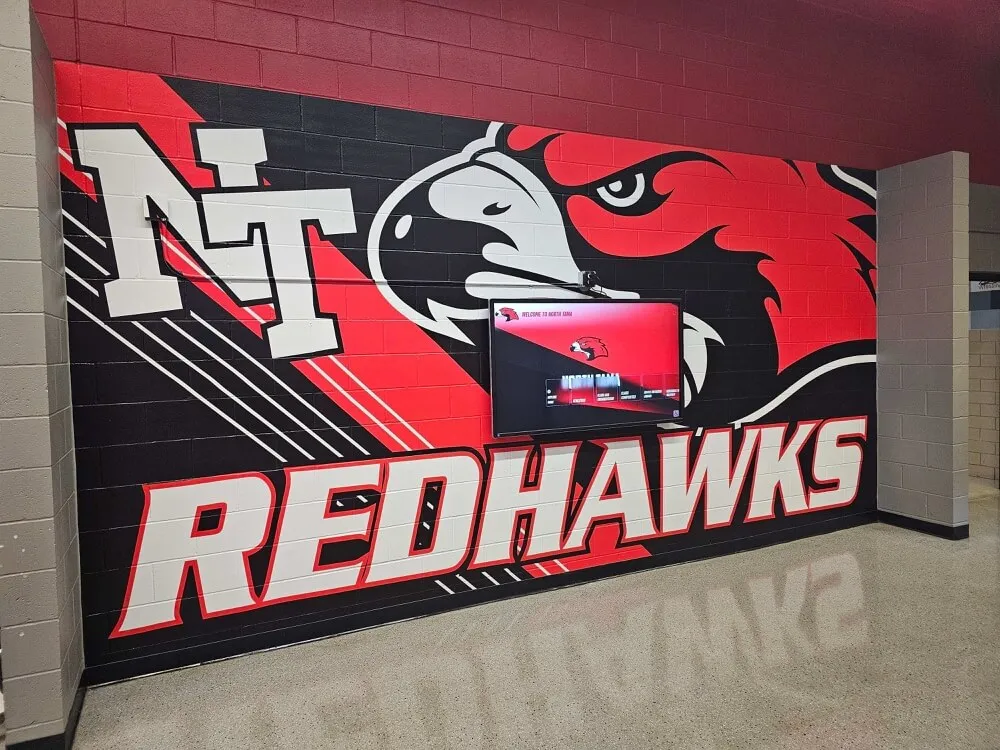
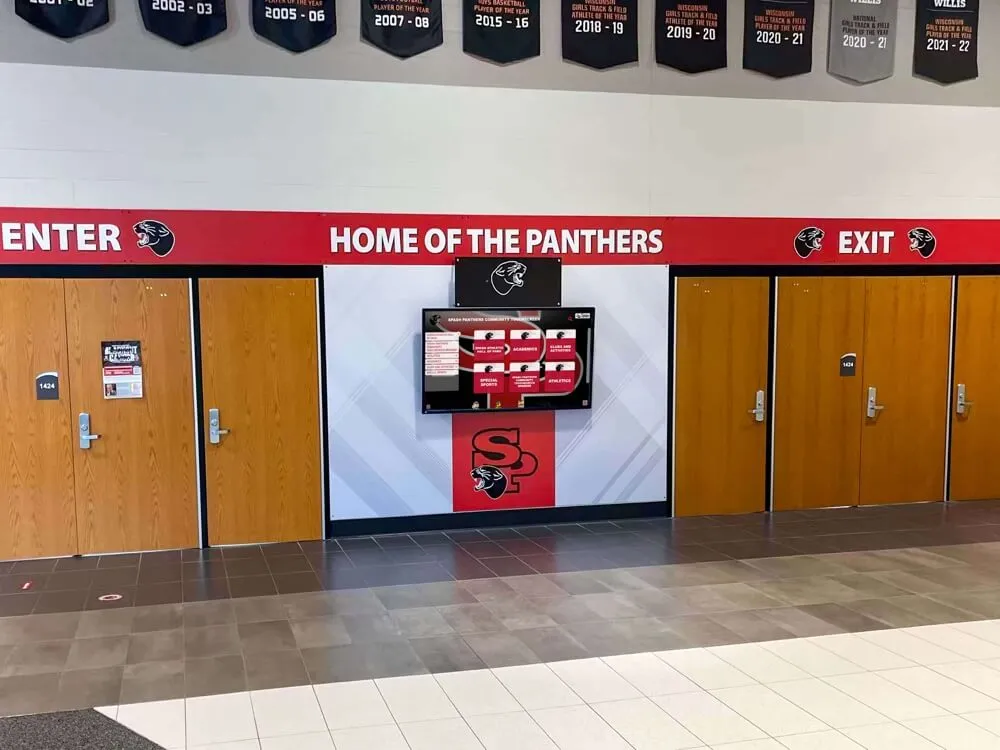
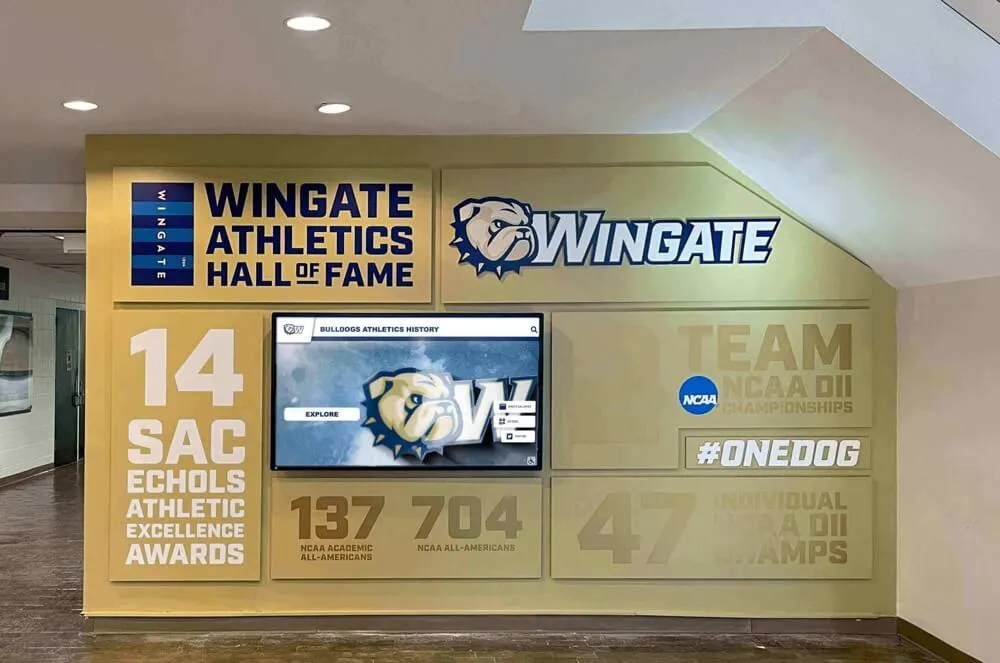
Strategic recognition placement in high-traffic entrance areas ensures graduates receive lasting visibility beyond ceremony moments
Responsibility Assignment
Clear role definition prevents gaps and duplications including overall event coordinator managing timeline and coordinating teams, program and script development lead, venue and logistics coordinator, speaker coordination and communications manager, graduate information management coordinator, technical production manager, security and safety coordinator, and volunteer coordinator recruiting and managing support staff.
Documented responsibilities with backup personnel prevent single points of failure during critical planning phases.
Venue Selection and Logistics Management
Venue choice significantly impacts ceremony experience, requiring thoughtful evaluation of options and careful logistics planning.
Venue Evaluation Criteria
Selecting appropriate graduation locations balances multiple considerations:
Capacity and Layout Requirements
Primary concern involves adequate seating for graduates plus two to three family members each, accounting for graduate class size plus all expected family attendance, accessible seating for guests with mobility needs, clear sightlines enabling all attendees to view proceedings, processional space accommodating graduate entries and exits, and stage areas providing appropriate graduate and speaker visibility.
Capacity miscalculations create significant problems including fire code violations, family members unable to attend, or awkward programs with excessive empty space communicating poor planning.
Facility Amenities and Support
Beyond basic space, venues should provide parking accommodating all attendees with clear traffic flow, accessible entrances and facilities meeting ADA requirements, climate control appropriate for ceremony dates and expected weather, adequate restrooms serving large groups, staging and technical infrastructure including platforms, sound systems, and lighting, and facility staff support assisting with setup, operations, and emergency response.
Many schools default to gymnasiums or auditoriums without evaluating whether these spaces truly provide appropriate ceremony environments.
Alternative Venue Options
Schools should consider diverse location possibilities:
- On-campus auditoriums or performing arts centers providing controlled environments and institutional connection
- School gymnasiums when other options unavailable, though requiring significant decoration and acoustic management
- Outdoor stadiums or athletic facilities offering capacity and dramatic settings but requiring weather contingency planning
- Community performing arts centers or theaters providing professional-quality presentation environments
- Convention centers or civic auditoriums accommodating very large graduating classes
- University facilities when partnerships exist providing aspirational settings
- Outdoor campus quads or lawns creating memorable settings but requiring comprehensive weather backup plans
Each option presents tradeoffs between capacity, cost, convenience, and atmosphere requiring careful evaluation.
Understanding school lobby design principles informs how schools can enhance on-campus graduation venues through strategic improvements creating more inspiring celebration spaces.
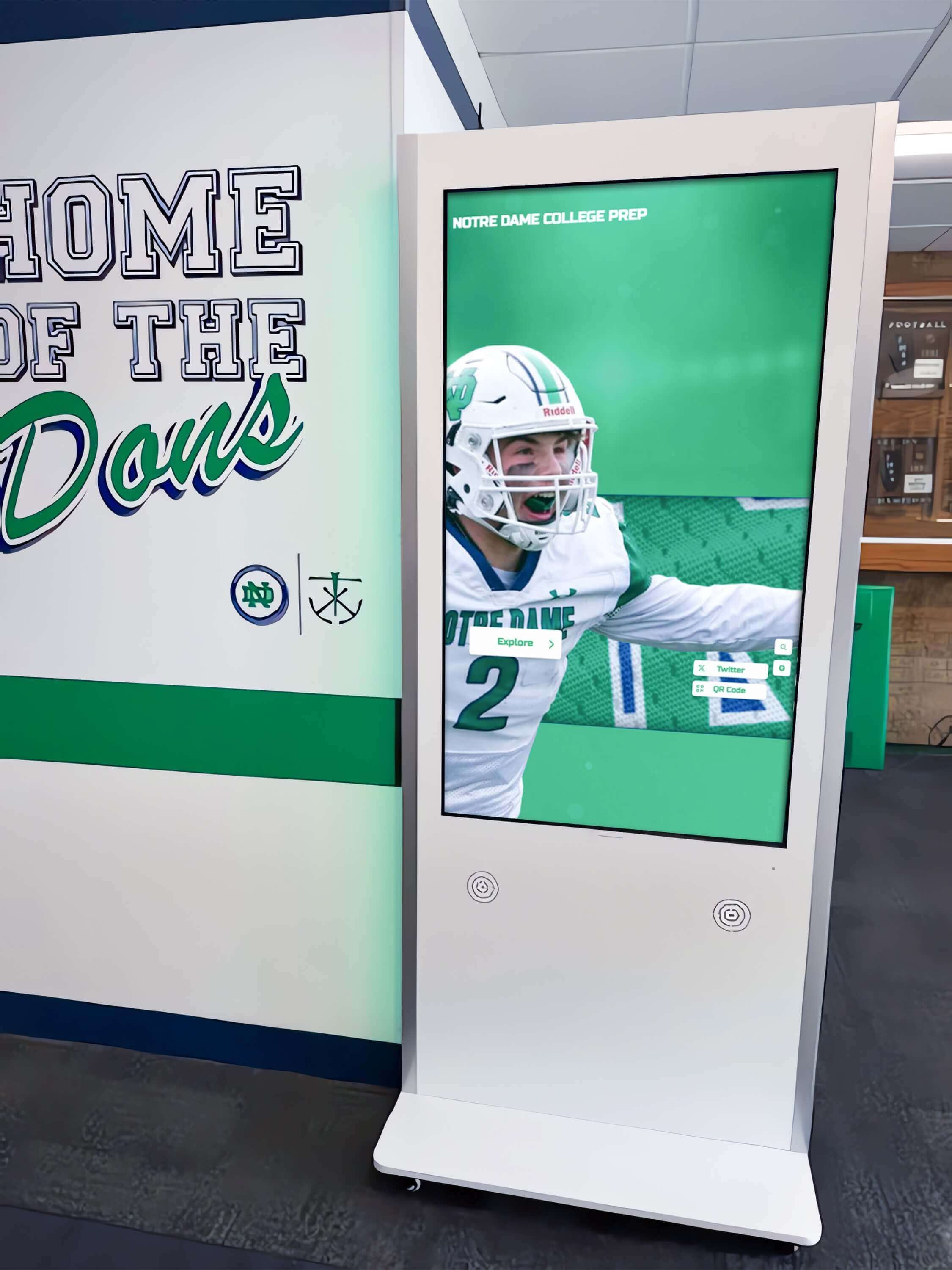
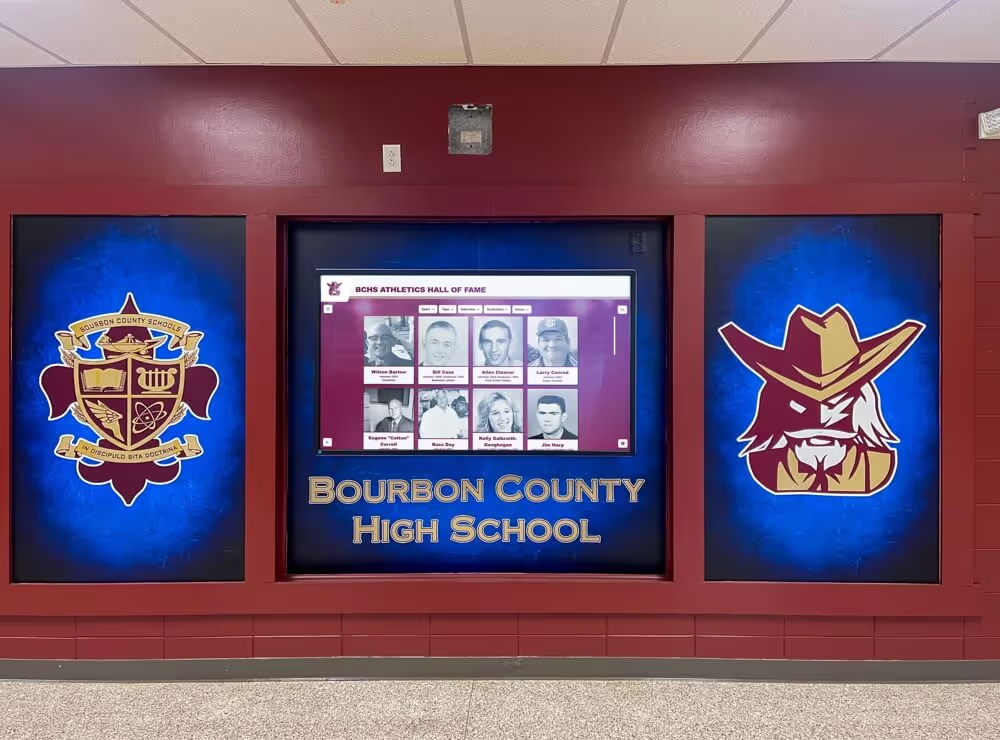
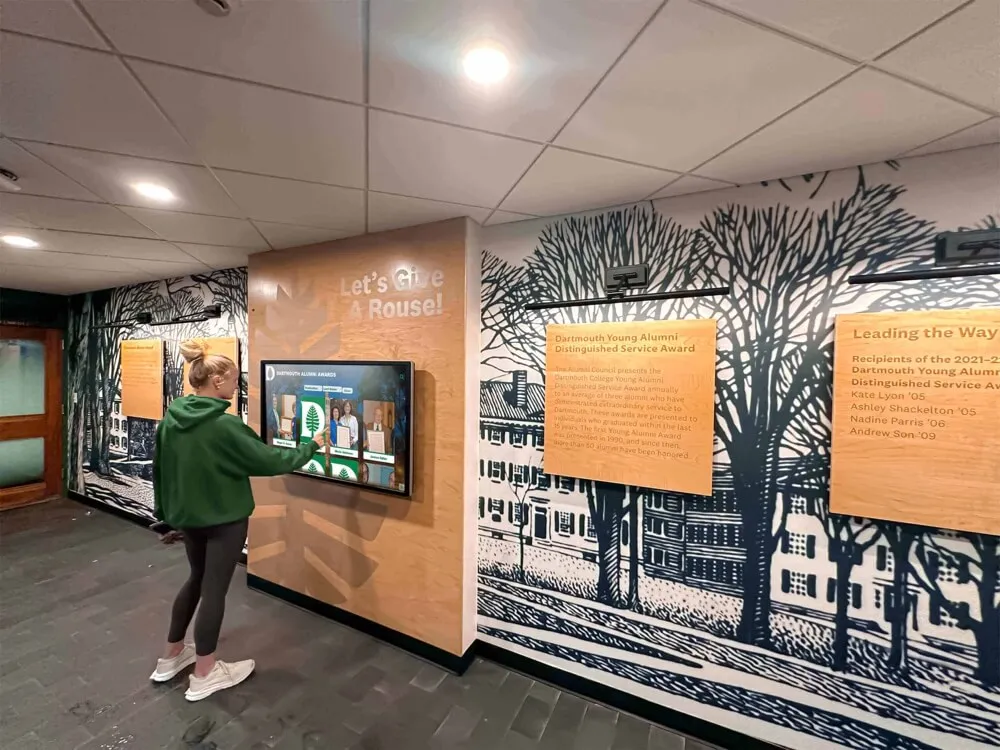
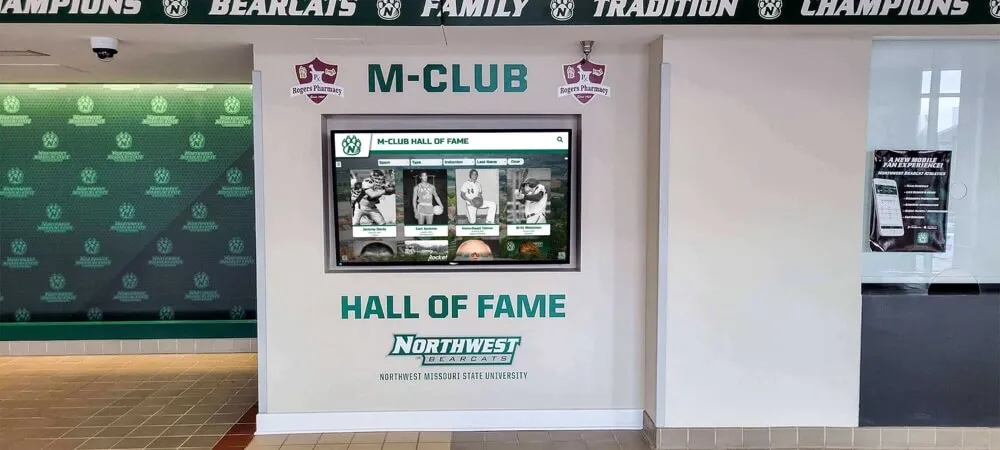
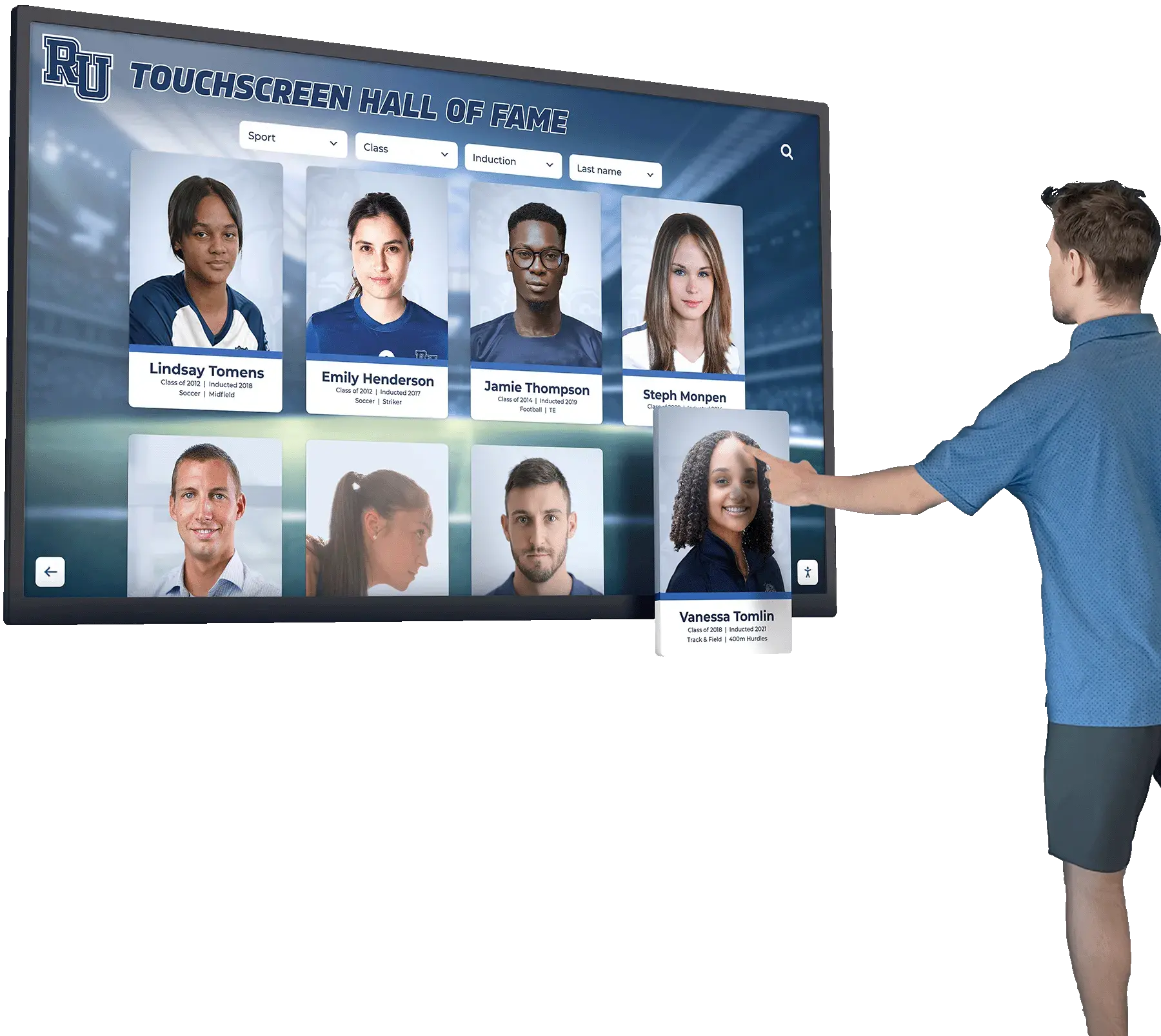
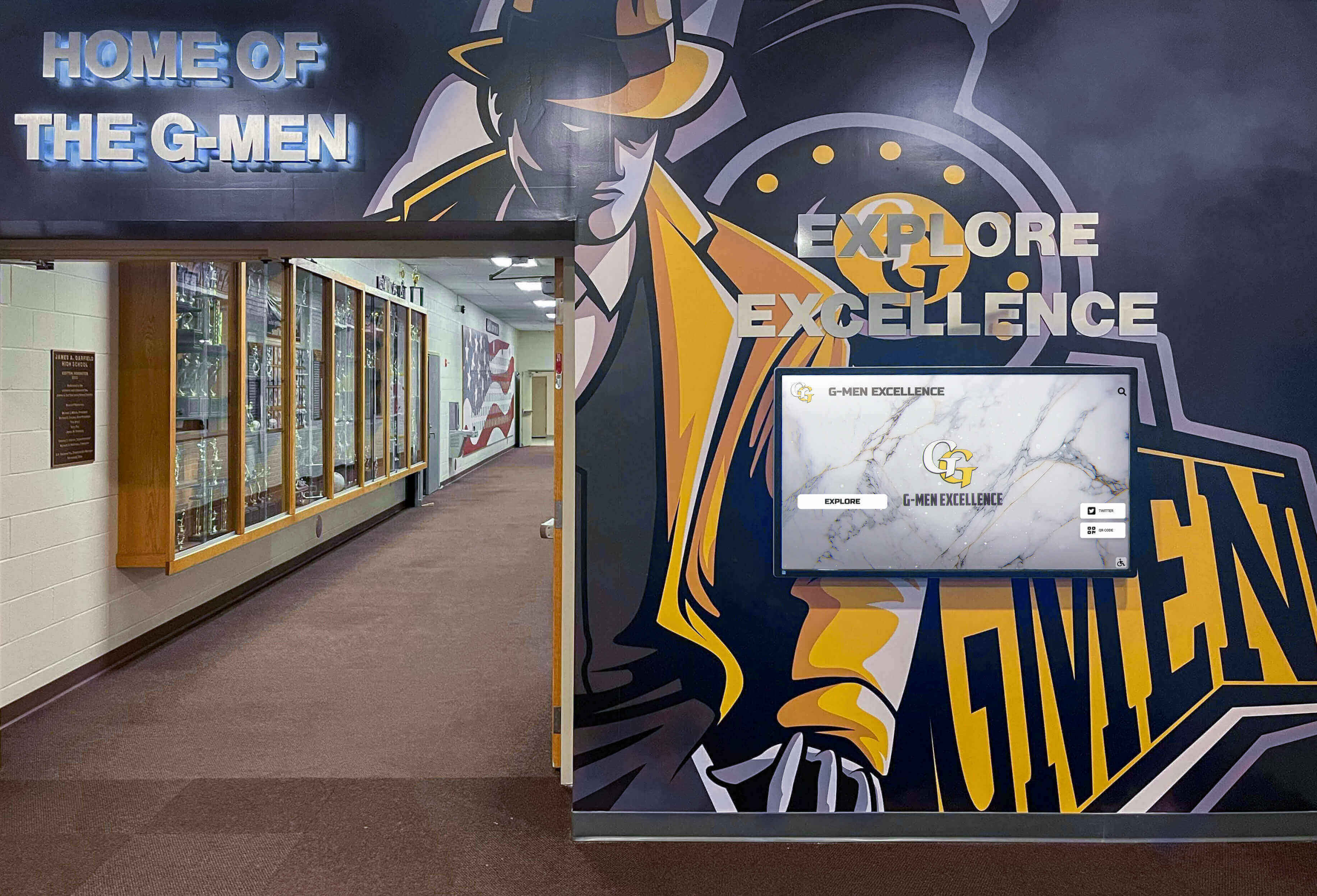
Interactive recognition kiosks enable comprehensive graduate celebration extending beyond single ceremony events
Logistics Planning and Site Management
Thorough operational planning prevents ceremony disruptions:
Traffic Flow and Parking Management
Large graduation events require strategic traffic planning including clearly marked parking areas with attendant direction, designated drop-off zones for guests with mobility needs, accessible parking spaces appropriately located and marked, directional signage preventing confusion, and staggered arrival recommendations reducing congestion. Many schools coordinate with local police for traffic management during high-volume periods.
Attendee Access and Seating
Strategic seating organization enhances experience:
- Reserved graduate seating arranged by name or section facilitating orderly processional and diploma distribution
- General admission family seating in most venues, though some schools offer limited reserved family sections
- Accessible seating areas with appropriate spacing and sightlines
- VIP seating for distinguished guests, board members, and special honorees
- Overflow seating or video viewing areas when attendance exceeds primary venue capacity
- Clear signage directing families to appropriate seating areas
Thoughtful seating reduces confusion while ensuring all guests feel welcomed and accommodated.
Technical Infrastructure Setup
Professional ceremony production requires comprehensive technical systems:
- Sound reinforcement ensuring all attendees hear programs clearly regardless of venue acoustics
- Video recording and streaming capabilities preserving ceremonies and enabling remote viewing
- Display screens allowing all attendees to view proceedings regardless of seating distance
- Lighting appropriate for dignified atmosphere, graduate photography, and video recording
- Presentation capabilities for slideshows, videos, or digital recognition elements
- Communication systems coordinating staff during ceremonies
Solutions like Rocket Alumni Solutions integrate recognition content across multiple display formats including ceremony video productions and permanent installation displays, ensuring consistent graduate celebration.
Safety and Emergency Preparedness
Responsible event planning includes security measures appropriate to venue and community context, emergency medical personnel on-site or immediately available, clearly marked emergency exits with staff knowing evacuation procedures, weather monitoring and contingency activation plans for outdoor venues, communication systems enabling rapid coordination during emergencies, and documented emergency response procedures reviewed with all staff.
While hoping never to activate emergency plans, responsible planning requires their development and communication.
Designing Meaningful Ceremony Programs
Program structure and content significantly influence whether ceremonies feel meaningful or merely perfunctory.
Core Ceremony Elements and Sequencing
Traditional graduation programs typically include essential components arranged for appropriate flow:
Processional and Opening
Ceremonies begin with formal graduate entrance through processional music establishing ceremonial tone, organized entry by graduate groups or alphabetically, graduates taking designated seating positions, and opening remarks welcoming attendees and establishing ceremony significance.
Processionals create powerful visual moments representing collective graduate achievement and transition while requiring careful choreography preventing confusion or awkward delays. Schools exploring homecoming traditions understand how ceremonial rituals create institutional meaning and community connection.
Welcoming Remarks and Introductions
Opening segments typically include administrator welcome contextualizing ceremony within institutional tradition, introduction of platform guests including board members, distinguished alumni, or honored community members, acknowledgment of special attendees, and overview of program structure.
Brief, focused openings establish appropriate tone without unnecessarily extending programs.
Speeches and Addresses
Most ceremonies feature multiple speaking opportunities:
- Principal or head of school address reflecting on class character and achievements
- Student speakers including valedictorian, salutatorian, or selected student representatives
- Commencement speaker providing inspirational message appropriate for transition moment
- Board or community representative remarks connecting graduates to broader community
- Faculty or staff tributes honoring particular contributions or remembering challenges
Speech coordination requires clear time limits, content guidance, and rehearsal ensuring quality presentations.
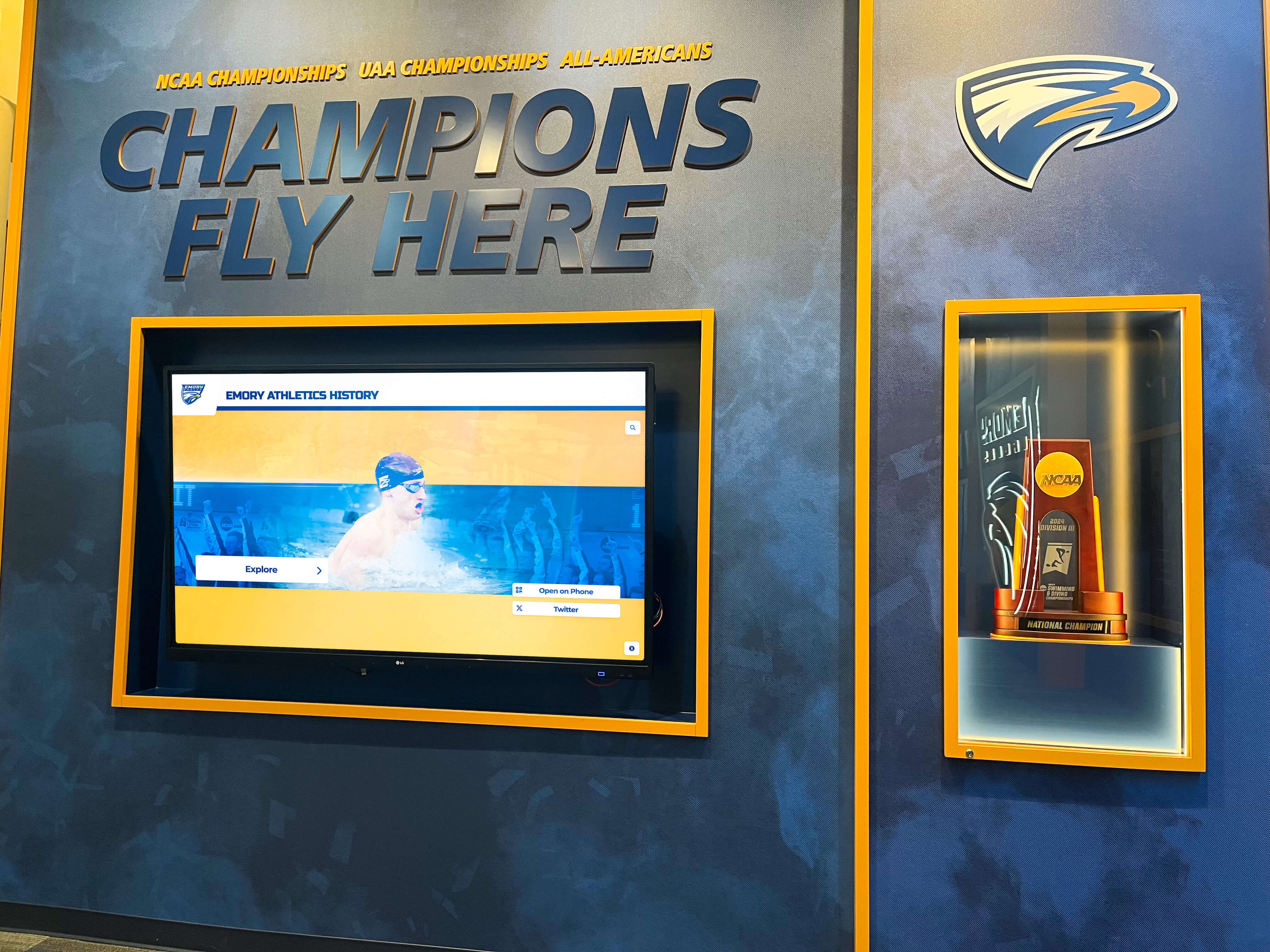
Excellence recognition traditions established during school years continue through graduation celebrations
Special Recognition and Awards
Many graduations include recognition moments acknowledging exceptional achievement through special academic awards for highest achievement, scholarships announced during ceremonies, athletic or extracurricular honors, community service recognition, or special institutional awards like school spirit or character awards.
Recognition sequences should be efficiently organized preventing excessive program length while appropriately honoring deserving graduates.
Diploma Presentation
Central ceremony moment involves formal diploma presentation including graduate name announcement with correct pronunciation, platform crossing to receive diploma, handshake and congratulations from presenters, photography capturing milestone moment, and return to seating. Diploma sequences require careful choreography managing hundreds of individual moments while maintaining program flow and dignity.
Modern schools often enhance this moment through digital recognition displays showing graduate photos and achievements during name announcements, creating richer recognition impossible with audio alone.
Closing Elements
Ceremony conclusions typically feature class transition ritual like moving tassels from right to left symbolizing graduate status, closing remarks and congratulations, and recessional music as graduates exit formally. Some schools include graduate class performances, video presentations, or special traditions unique to their communities.
Program Length and Pacing Considerations
Program duration significantly impacts ceremony experience:
Optimal Program Duration
Research and best practices suggest ideal graduation length of 90-120 minutes for most high schools, with very large classes potentially extending to 150 minutes maximum. Programs substantially exceeding two hours test audience attention and patience, particularly for young family members, elderly relatives, and graduates themselves.
Strategic planning requires calculating time allocations accounting for processional (10-15 minutes), opening remarks and introductions (10-15 minutes), speeches and addresses (30-40 minutes total across all speakers), special recognition and awards (15-20 minutes), diploma presentation (30-60 minutes depending on class size), and closing elements including recessional (10-15 minutes).
Strategies for Managing Program Length
Schools with large graduating classes employ various approaches preventing excessive ceremony duration including limiting speaker numbers or lengths, conducting diploma presentations efficiently through well-rehearsed procedures, considering separate graduation ceremonies when classes exceed 400-500 students, reading graduate names without additional biographical information during diploma moments, and featuring special recognition in separate honors programs rather than during graduation.
While efficiency matters, rushing ceremonies or eliminating personal recognition elements undermines fundamental ceremony purposes.
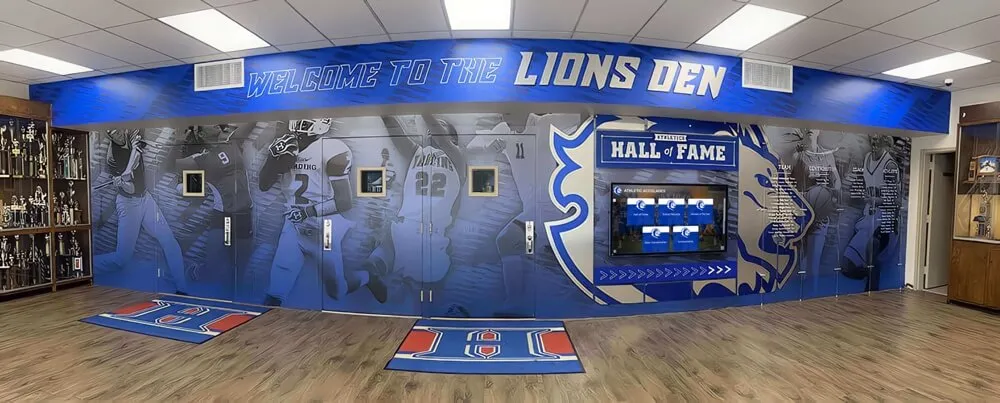
Permanent recognition installations ensure graduate celebration continues long after ceremony events conclude
Speaker Selection and Coordination
Graduation speakers significantly influence ceremony quality and memorability, requiring thoughtful selection and careful preparation.
Choosing Appropriate Graduation Speakers
Strategic speaker selection balances multiple considerations:
Commencement Speaker Options
Schools typically select commencement speakers from several categories including distinguished alumni who achieved notable success and can inspire graduates, community leaders with connections to schools or relevant expertise, education or business leaders offering valuable perspectives, faculty members with particularly strong student connections, or parent or family representatives reflecting family perspectives.
Effective speakers combine appropriate credential or connection with genuine communication ability and understanding of appropriate ceremony context. Celebrity name recognition alone doesn’t ensure meaningful addresses.
Student Speaker Selection
Most ceremonies feature graduate speakers selected through various processes including traditional valedictorian/salutatorian speaking roles based on academic rank, competitive application processes where interested students submit speeches for committee review, class elections where graduates vote for preferred speakers, or faculty nomination of students demonstrating particular eloquence or class representation.
Selection methods should be transparent and clearly communicated to avoid perceptions of favoritism or arbitrary decisions.
Speaker Diversity Considerations
Thoughtful planning ensures speaker selection reflects community diversity through gender representation across multiple speaking slots, cultural and ethnic diversity when possible within school community, varied perspectives offering different life experience viewpoints, balance between institutional insiders and external voices, and inclusion of various stakeholder perspectives including students, faculty, community members, and family representatives.
Speaker diversity communicates institutional values while ensuring broader audience engagement.
Understanding alumni event planning provides frameworks for identifying and engaging distinguished alumni as potential commencement speakers.
Speaker Preparation and Message Development
Securing speakers represents just initial step—preparation ensures quality presentations:
Providing Speaker Guidance
Schools should clearly communicate expectations including presentation length limits with specific time allocations, audience composition and appropriate tone guidance, ceremony context and program positioning, technical setup including microphone type and presentation capabilities, dress code and platform protocol, and rehearsal requirements and timing.
Written guidance documents prevent misunderstandings while establishing clear parameters for speaker preparation.
Content Review and Feedback
Many schools request advance speech drafts enabling review for appropriate content, length verification, problematic or controversial elements, and constructive feedback improving presentation quality. While some speakers resist oversight, schools have legitimate interest in ensuring ceremony appropriateness.
Balance respects speaker expertise while protecting institutional interests and graduate experience.
Technical and Logistical Preparation
Practical speaker support includes rehearsal opportunities in actual ceremony venue, technical orientation to microphone systems and stage layout, coordination with graduate recognition or visual elements, speaker platform seating assignments and processional participation, and designated liaison contacts for questions or last-minute issues.
Thorough preparation prevents technical glitches or awkward moments during actual ceremonies.
Graduate Recognition and Personal Touches
Meaningful graduation acknowledges individual graduates rather than treating them as undifferentiated masses.
Name Pronunciation and Personal Identification
Accurate name pronunciation represents fundamental respect:
Pronunciation Collection Systems
Schools should systematically gather pronunciation guidance through online forms where graduates phonetically spell names or provide pronunciation guidance, audio recording systems where graduates record their name pronunciations, one-on-one pronunciation sessions with ceremony readers, practice sessions where name readers and graduates verify accuracy, and backup notation systems providing ceremony day reference.
Modern digital systems enable efficient pronunciation collection and verification preventing embarrassing ceremony errors.
Graduate Photo Integration
Contemporary ceremonies often incorporate visual recognition displaying graduate photos during name announcements through synchronized slideshow systems coordinated with diploma presentation, video displays visible throughout venues, printed program photographs enabling families to identify all classmates, and post-ceremony photo galleries preserving complete graduate class documentation.
Visual recognition helps families beyond immediate relatives understand who comprises graduate classes while creating richer recognition moments.
Schools implementing senior class awards displays understand how visual recognition systems enhance graduate celebration beyond audio name reading alone.

Interactive recognition platforms enable rich graduate profiles impossible through ceremony announcements alone
Special Achievement Recognition
Graduation provides opportunities highlighting exceptional accomplishment:
Academic Honor Recognition
Many ceremonies acknowledge particular academic distinction through valedictorian and salutatorian identification, honor graduate designation for top academic percentages, academic awards for subject excellence, scholarship announcements when appropriate, and special recognition for students overcoming significant obstacles or demonstrating extraordinary growth.
Recognition sequences should be efficiently organized while appropriately honoring achievement.
Service and Character Awards
Beyond academic recognition, ceremonies may acknowledge community service excellence, leadership contributions, performing arts achievement, athletic accomplishment, or character exemplification through peer or faculty selection.
Diversified recognition communicates that schools value multiple excellence forms beyond pure academics.
Multimedia Recognition Enhancements
Digital technology enables richer graduate celebration through video tribute montages showcasing graduating class throughout school years, senior superlative presentations highlighting personality and character, student accomplishment reels documenting achievement across academics, arts, and athletics, teacher and staff tribute messages expressing pride and well-wishes, and historical connections showing graduates as kindergarteners or elementary students.
Multimedia elements create emotional engagement while comprehensively recognizing graduate experiences.
Post-Ceremony Graduate Celebration
Comprehensive planning extends beyond ceremony moments:
Reception and Family Celebration Spaces
Many schools provide post-ceremony gathering opportunities including designated reception areas with refreshments, photography locations with ceremony backdrops or school branding, exhibit spaces featuring graduate projects or artwork, information tables with alumni association resources, and outdoor gathering areas weather permitting.
Receptions facilitate community celebration and provide transition time managing large crowd dispersal.
Professional Photography and Video Services
Most families deeply value ceremony documentation including professional photography capturing diploma moments for purchase, video recording of complete ceremony for family archives, live streaming enabling remote attendance by distant relatives, photo booth stations with props and backdrops, and social media integration encouraging sharing and engagement.
Coordinated documentation services ensure all families can preserve milestone memories regardless of photography skill or equipment quality.
Understanding school history preservation approaches demonstrates how schools create lasting documentation of important institutional moments including graduation ceremonies.
Creating Lasting Recognition Beyond Ceremonies
While graduation ceremonies provide essential milestone celebration, permanent recognition systems extend acknowledgment indefinitely.
Digital Recognition Display Systems
Modern technology enables comprehensive graduate recognition impossible through traditional plaques:
Interactive Touchscreen Recognition
Purpose-built platforms provide unlimited graduate profiles including complete biographical information, academic and extracurricular achievements, post-graduation updates tracking college attendance and careers, photograph galleries documenting student experiences, and searchable databases enabling alumni to find classmates and reminisce.
Solutions like Rocket Alumni Solutions specialize in educational recognition, providing integrated systems where ceremony content becomes permanent installation displays preserving graduate achievement across decades. These platforms address traditional recognition limitations through unlimited capacity unconstrained by physical space, instant updates adding new graduates immediately after ceremonies, rich multimedia content including photos, videos, and comprehensive narratives, interactive exploration enabling personalized engagement, and web accessibility extending recognition beyond physical campus.
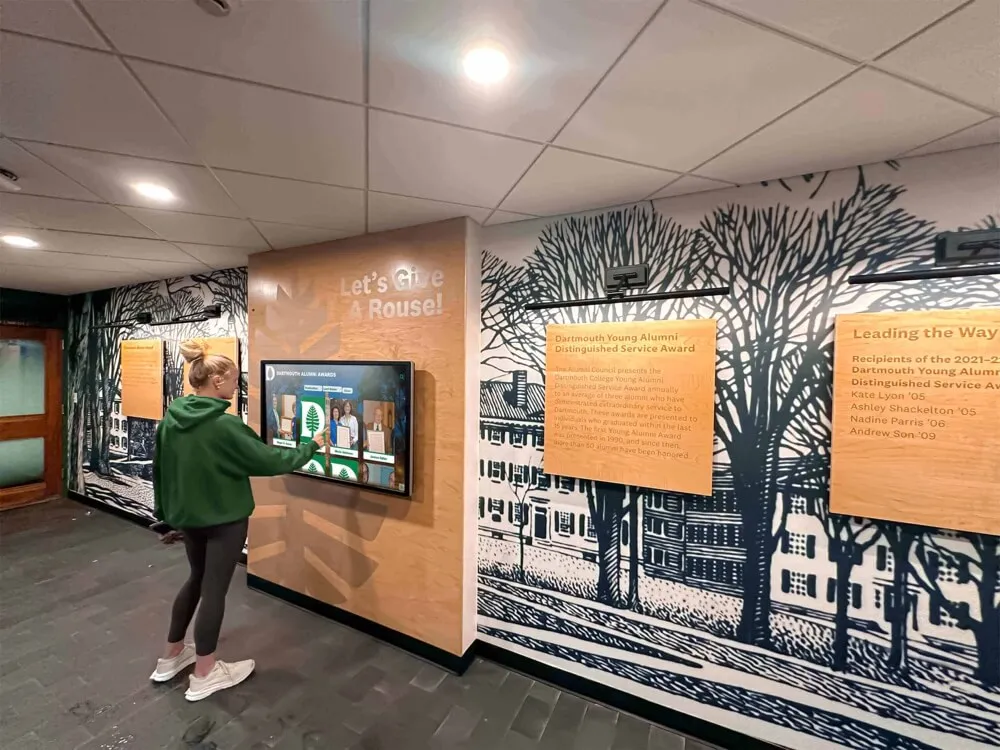
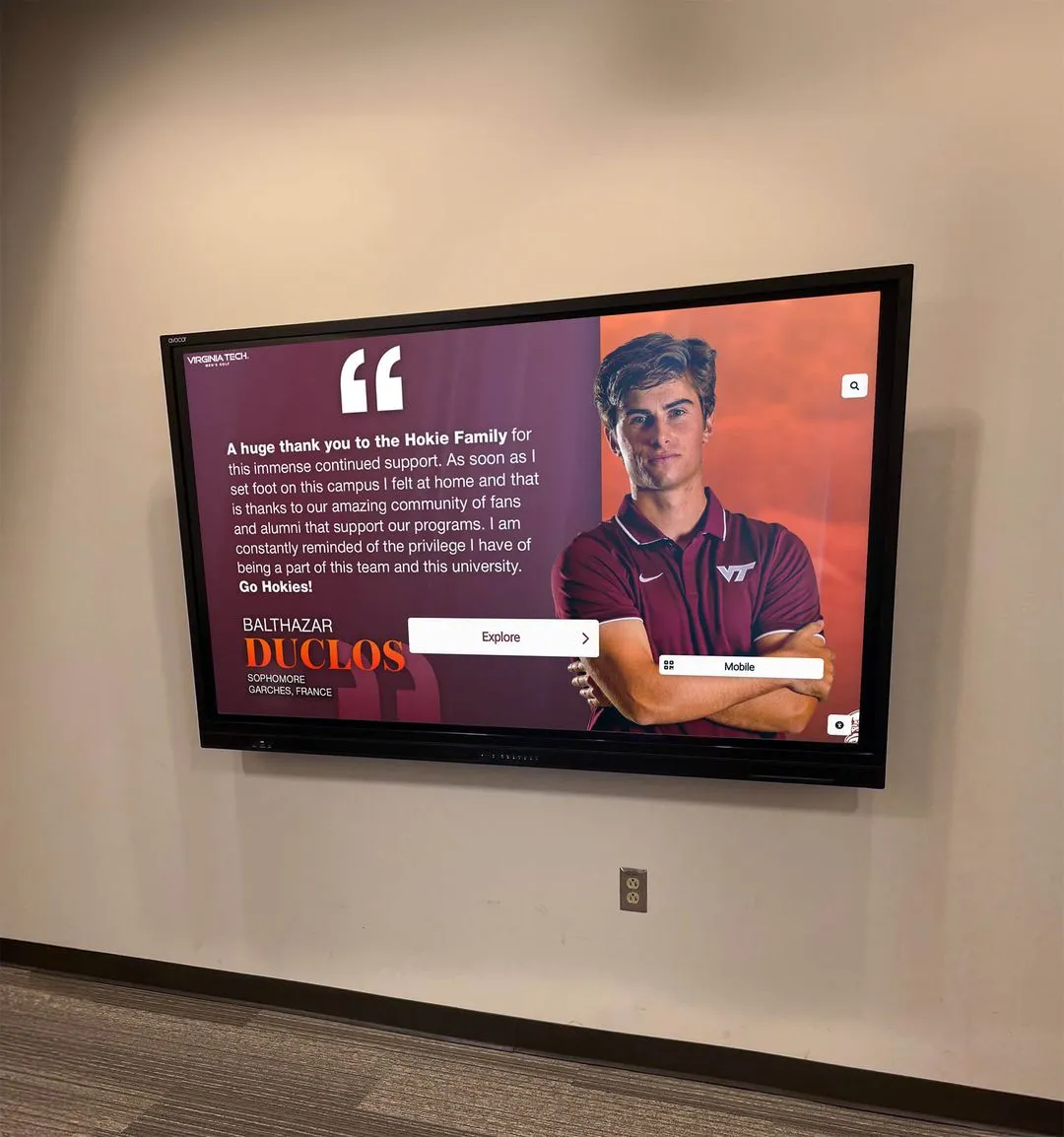
Accessible recognition systems enable alumni to revisit their achievements while inspiring current students
Strategic Display Placement
Recognition systems achieve maximum impact through high-traffic locations including main entrance lobbies welcoming all visitors, library or commons areas with extended dwell time, alumni centers or development office spaces, performing arts centers or athletic facilities depending on content focus, and hallway intersections throughout campus buildings.
Prominent placement ensures current students, visiting families, and returning alumni regularly encounter graduate recognition reinforcing institutional traditions.
Web-Based Graduate Recognition
Digital platforms extend recognition globally:
Alumni Directory and Profile Systems
Comprehensive online recognition includes searchable graduate directories organized by class year, graduate profiles with biographical information and achievements, career update systems enabling alumni to share current information, social connection tools facilitating graduate networking, and event information promoting reunion opportunities.
Web platforms maintain graduate connections across geographic distances and years after graduation.
Social Media Integration
Contemporary recognition leverages social platforms through ceremony photo galleries shared online, graduate spotlight features highlighting particular achievements or stories, anniversary celebrations recognizing milestone reunion years, virtual reunion experiences during times preventing in-person gatherings, and community discussion spaces enabling graduate interaction.
Multi-channel approaches ensure recognition reaches graduates through their preferred communication platforms.
Resources about digital yearbook systems demonstrate how schools create comprehensive historical documentation systems complementing graduation recognition.
Traditional Recognition Elements
Digital systems complement rather than replace traditional recognition:
Permanent Plaques and Displays
Many schools maintain physical recognition through class plaques documenting all graduating class members, honor graduate recognition highlighting top academic achievers, special award winner acknowledgment, distinguished alumni recognition, and memorial elements honoring deceased graduates.
Physical recognition provides tangible institutional presence valued by traditional constituents.
Printed Directories and Yearbooks
Despite digital alternatives, printed materials retain value including graduation programs documenting complete graduate classes, senior yearbook sections providing comprehensive graduate documentation, alumni directories published periodically, and commemorative publications marking milestone anniversaries.
Print materials create permanent artifacts families treasure across generations.
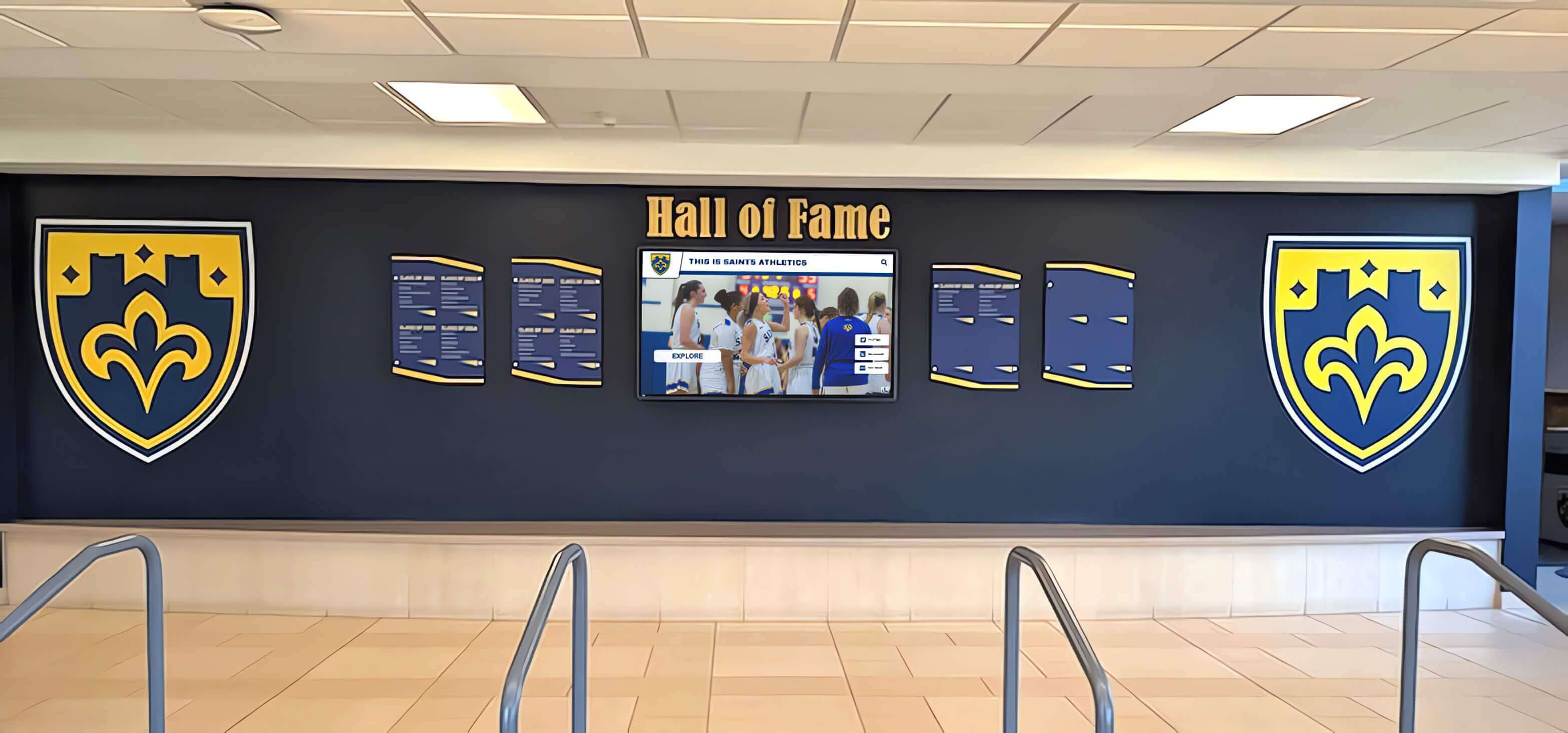
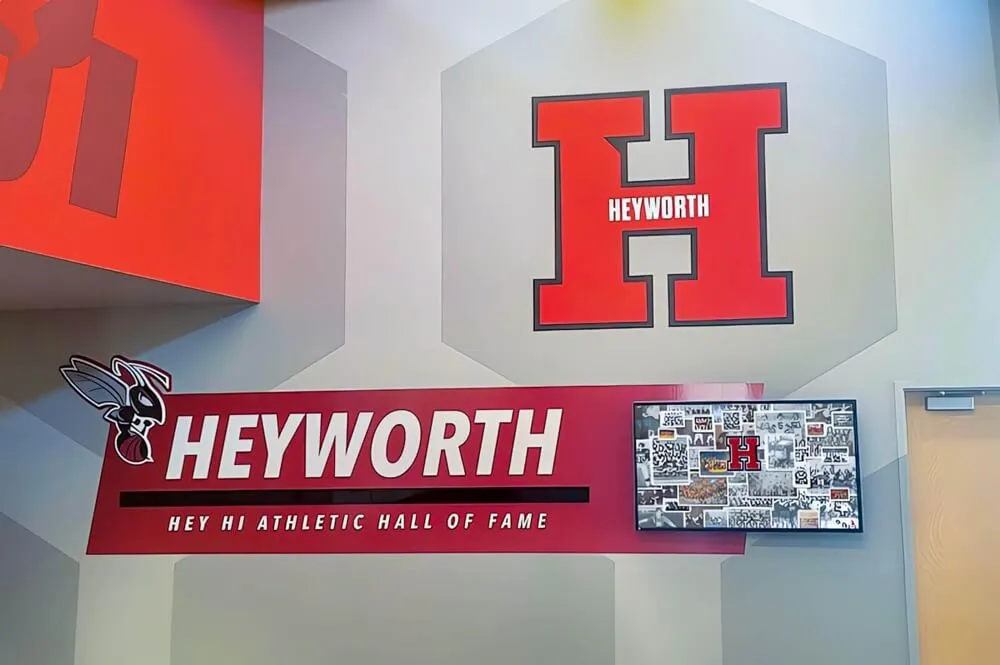
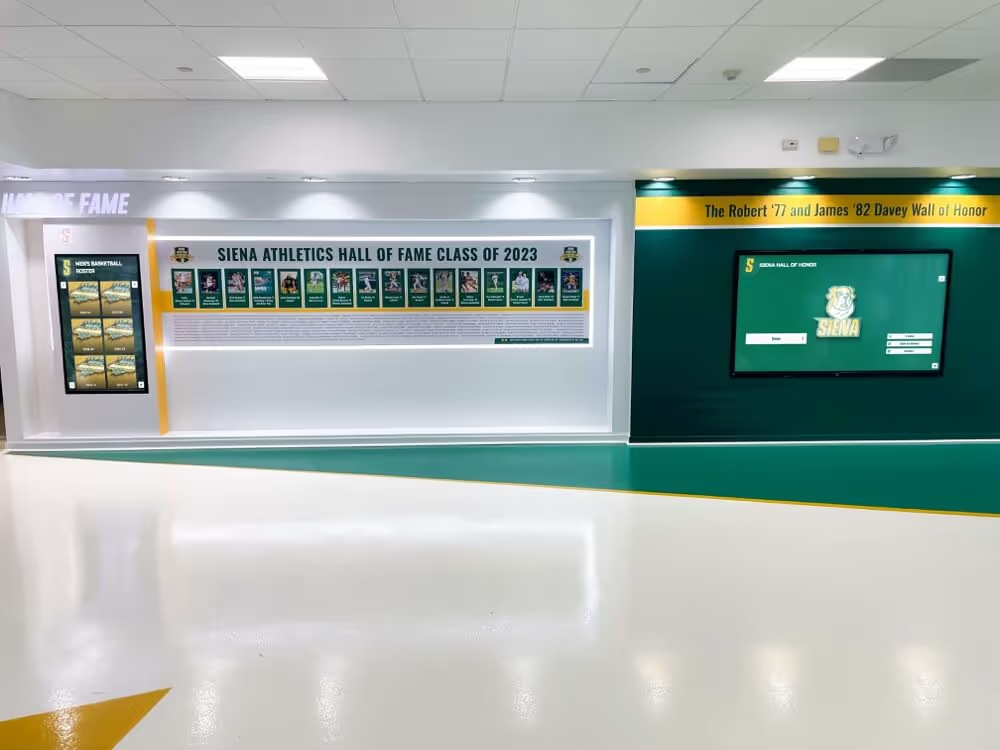
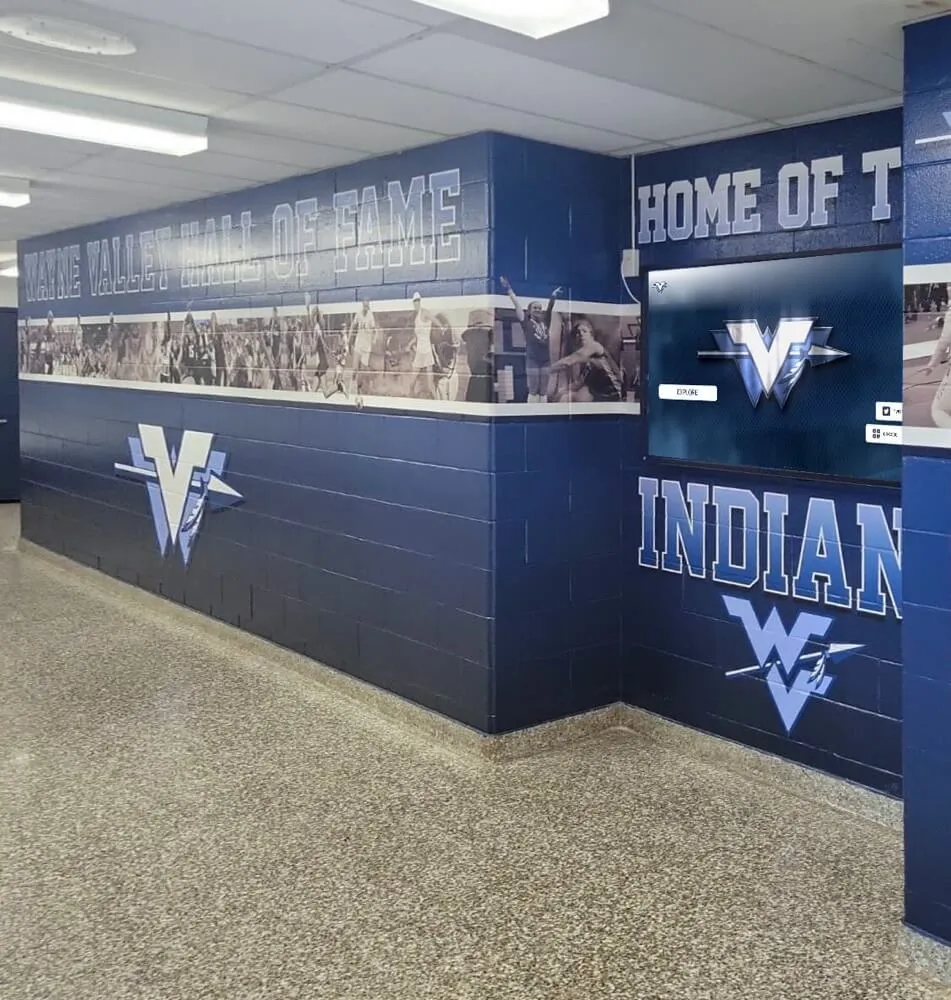
Hybrid recognition systems honor traditional institutional aesthetics while adding modern capability
Managing Special Circumstances and Accommodations
Comprehensive planning anticipates diverse needs and circumstances requiring flexible responses.
Accessibility and Inclusion Considerations
Equitable ceremonies accommodate all participants:
Physical Accessibility Requirements
ADA-compliant planning ensures wheelchair-accessible seating areas with appropriate sightlines, accessible processional routes and stage access, ASL interpreters for deaf or hard-of-hearing attendees, assistive listening systems for audio reinforcement, accessible parking and entrance routes, and accessible restroom facilities.
Proactive accessibility planning prevents last-minute scrambling when families identify specific needs.
Diverse Family Structure Recognition
Contemporary ceremonies acknowledge varied family circumstances through flexible ticket allocations accommodating different family sizes, recognition of guardians, grandparents, or non-traditional family structures, inclusive language avoiding assumptions about parental status, sensitivity to economic circumstances in requiring purchase of ceremony materials, and accommodation for graduates facing unique hardships or situations.
Inclusive approaches ensure all graduates feel equally honored regardless of family circumstances.
Cultural and Religious Sensitivity
Diverse communities require thoughtful consideration including secular ceremony content respecting religious diversity, scheduling avoiding major religious holidays when possible, accommodation for cultural traditions like name pronunciation or ceremonial dress elements, language access for non-English-speaking family members, and cultural competence in recognition approaches and messaging.
Cultural sensitivity demonstrates institutional respect for community diversity.
Weather Contingency Planning
Outdoor ceremonies require comprehensive backup planning:
Weather Monitoring and Decision Protocols
Systematic weather planning includes designated decision-makers with clear authority, established decision timelines communicated well in advance, weather monitoring services providing accurate local forecasts, clearly defined criteria triggering contingency plan activation, and communication systems rapidly informing all stakeholders of decisions.
Indecisive or delayed weather calls create significant confusion and frustration.
Backup Venue Identification
Schools planning outdoor ceremonies must secure alternative indoor locations providing adequate capacity, stage and technical capabilities, accessible features, and reasonable proximity enabling attendance by families preparing for original venue. Early venue reservation prevents availability issues when weather forces indoor moves.
Rapid Transition Procedures
Weather contingency activation requires documented procedures for setup crews transitioning between venues, communication protocols informing all attendees of location changes, timing adjustments accounting for transition delays, and simplified backup programs when complete original plans prove impossible.
Well-prepared contingencies enable smooth transitions minimizing disruption and maintaining ceremony dignity.
Budget Planning and Resource Management
Graduation ceremony costs vary dramatically based on venue, production quality, and included elements, requiring strategic budget development.
Core Graduation Expenses
Typical graduation budgets include several major categories:
Venue and Facility Costs
Location expenses include venue rental fees when using external facilities, facility staff requirements including security or technical support, event insurance protecting against liability, and utility costs when using campus locations. Venue selection represents typically largest single expense line.
Graduation Supplies and Materials
Essential supplies include printed graduation programs, tickets when required, diplomas and diploma covers, processional music or ceremony performance costs, stage decorations and setup, and signage directing attendees. Supply budgets scale with graduating class size.
Technical Production Expenses
Professional ceremony production includes sound system rental or operation, video recording and streaming services, display screen rental for large venues, lighting equipment and operation, and photographer or photo service contracts.
Production quality significantly impacts ceremony experience and memory preservation.
Recognition and Celebration Elements
Optional but meaningful expenses include recognition displays or multimedia production, post-ceremony reception costs, special awards or recognition items, speaker honoraria or travel expenses, and flower or decorative elements.
Budget constraints often force priority decisions about which optional elements to include.
Understanding donor wall costs and planning provides frameworks for evaluating permanent recognition installations complementing graduation ceremonies.
Revenue Sources and Cost Recovery
Graduation funding varies by institution:
School or District Funding
Many schools fully fund graduation from operating budgets treating ceremonies as fundamental educational program elements. Institutional funding prevents economic barriers limiting graduate or family participation while ensuring consistent quality regardless of class demographics.
Ticket or Attendance Fees
Some schools charge modest per-graduate fees offsetting ceremony costs, though this approach raises equity concerns for families facing financial hardship. Fee systems require waiver policies ensuring economic circumstances don’t prevent participation.
Booster or Foundation Support
Parent organizations, alumni associations, or educational foundations sometimes provide graduation funding as community service. Volunteer organizational support enables enhanced ceremonies while distributing costs beyond operating budgets.
Sponsorship Revenue
Though controversial in some communities, select schools pursue local business sponsorships supporting graduation expenses in exchange for recognition in programs or displays. Sponsorship approaches require clear policies maintaining appropriate ceremony dignity while acknowledging support.
Graduate Fee Structures
Many schools require graduates to purchase caps, gowns, and diploma frames through designated vendors generating indirect ceremony support through vendor relationships. Rental options or loaner programs should be available for families unable to afford purchases.
Diversified funding prevents single budget line cuts from eliminating meaningful ceremony elements.
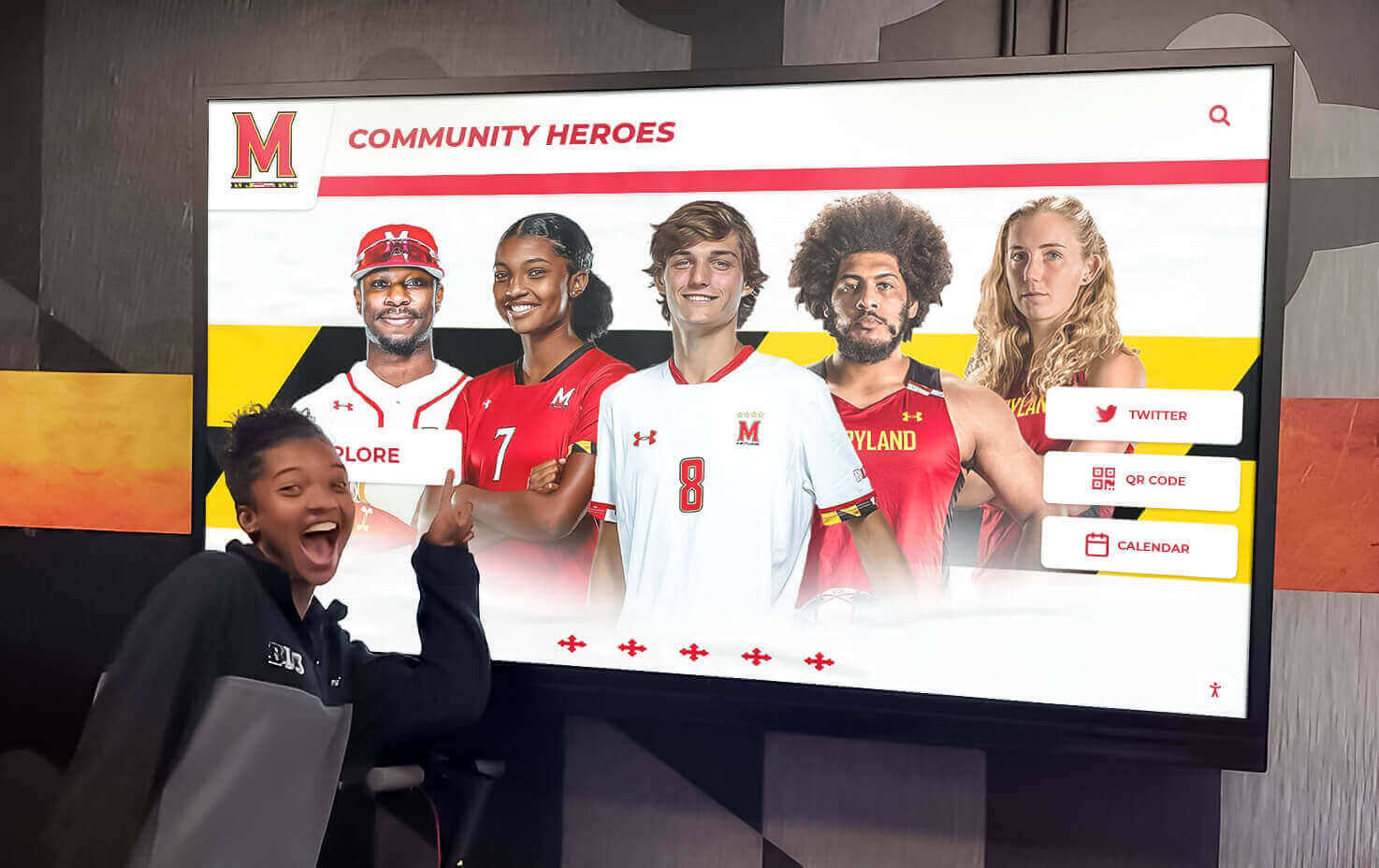
Recognition displays inspire younger students while celebrating graduate achievement
Evaluating Ceremony Success and Continuous Improvement
Assessment demonstrates value while identifying enhancement opportunities ensuring ceremonies improve over time.
Post-Ceremony Feedback Collection
Systematic evaluation requires stakeholder input:
Graduate and Family Surveys
Feedback instruments should gather graduate satisfaction with ceremony organization, recognition appropriateness, and overall experience, family perspectives on venue accessibility, program length, and ceremony meaningfulness, identification of specific positive highlights and concerning elements, and suggestions for future improvement.
Survey timing matters—immediate post-ceremony surveys capture fresh impressions while delayed follow-ups enable more reflective assessment.
Staff and Volunteer Debriefings
Internal assessment includes ceremony coordinator observations about planning and execution, volunteer team feedback about procedures and communication, technical crew input regarding production challenges, facilities staff perspective on logistics and setup, and security team observations about safety and crowd management.
Staff insights identify operational improvements invisible to external attendees.
Ceremony Metrics and Data
Quantitative assessment complements qualitative feedback through attendance figures and capacity utilization, ceremony duration versus planned timeline, technical incident or disruption documentation, budget variance analysis comparing projected to actual costs, and volunteer recruitment and retention for future planning.
Systematic data collection enables year-over-year trend analysis tracking improvement over time.
Continuous Improvement Implementation
Effective organizations systematically incorporate feedback:
Improvement Priority Identification
Post-ceremony analysis should prioritize enhancement opportunities by impact on graduate and family experience, feasibility given available resources, alignment with institutional values, and community support for proposed changes.
Not all feedback warrants equal response—strategic priority setting focuses improvement on highest-value changes.
Documentation and Knowledge Transfer
Institutional memory preservation requires comprehensive planning documentation including ceremony timeline and checklists, vendor contacts and contract templates, technical specifications and setup diagrams, communication templates for families and staff, and budget models and cost-tracking systems.
Thorough documentation prevents knowledge loss during personnel transitions enabling new coordinators to build on rather than recreate past work.
Tradition Balance and Innovation
Improvement initiatives should respect valued traditions while addressing legitimate concerns through community consultation about proposed changes, pilot programs testing innovations before full implementation, gradual evolution rather than dramatic disruption, and explicit connection between new approaches and ceremony core purposes.
Change management balancing tradition with innovation creates sustainable improvement rather than controversy.
Resources about memorial wall planning demonstrate how schools create lasting recognition honoring those who shaped educational communities.
Conclusion: Creating Memorable Graduation Celebrations
High school graduation ceremonies represent culminating celebrations marking significant life transitions deserving recognition matching their importance. Yet ceremonies truly honoring graduates require far more than simply gathering people in auditoriums to read names from lists—meaningful celebration demands comprehensive planning addressing logistics, thoughtful program design, authentic recognition, and strategic focus on what matters most: acknowledging individual graduates and their families while celebrating collective achievement representing communities’ investment in education.
The difference between perfunctory ceremonies and genuinely meaningful celebrations lies in systematic planning beginning months before events, clear understanding of diverse stakeholder needs and priorities, operational excellence preventing logistical failures distracting from celebration, program design balancing efficiency with personal acknowledgment, authentic recognition treating graduates as individuals rather than anonymous masses, inclusive practices accommodating diverse needs and circumstances, and permanent recognition systems extending celebration beyond ceremony moments into lasting institutional memory.
Transform Your Graduate Recognition Program
Discover how modern digital recognition platforms enable comprehensive graduation celebration with unlimited capacity, engaging multimedia profiles, and sustainable management systems extending graduate honor far beyond ceremony moments. Rocket Alumni Solutions specializes in purpose-built recognition technology serving schools across all sizes and contexts.
Explore Recognition SolutionsSchools approaching graduation planning strategically discover that comprehensive ceremonies deliver measurable institutional value through enhanced graduate satisfaction and emotional connection to schools, stronger family engagement and community perception, improved alumni network development beginning at graduation moment, positive public relations demonstrating institutional excellence, and lasting traditions creating intergenerational connections between past and future graduates. These benefits justify ceremony investment while demonstrating that celebrating achievement serves educational mission by reinforcing values, building community, and maintaining lifelong institutional relationships.
Whether planning your school’s first graduation ceremony, refining established traditions, or exploring how modern technology addresses traditional recognition limitations, the frameworks explored throughout this guide provide proven approaches creating graduation celebrations that genuinely honor graduates while strengthening school communities. Your graduates invest years developing knowledge, skills, and character preparing them for future success—they deserve recognition matching that commitment through thoughtful ceremonies, meaningful acknowledgment, and lasting visibility celebrating their achievement.
Ready to enhance your graduation program? Explore welcome back to school banner strategies creating celebration culture throughout school years, discover National Honor Society recognition approaches honoring academic excellence, learn about college signing day celebrations marking important student transitions, and understand how digital recognition display systems create comprehensive student celebration extending across entire educational experiences.