Choosing a school mascot represents far more than selecting a logo or costume character—it establishes the visual and emotional identity that unifies students, faculty, athletes, and alumni around shared institutional pride. The right mascot becomes inseparable from school culture, appearing on athletic uniforms and championship banners, displayed prominently throughout campus facilities, chanted at pep rallies and sporting events, and remembered decades later by alumni who still identify themselves as Eagles, Wildcats, or Warriors long after graduation.
High school mascot ideas must balance creativity with longevity, distinctiveness with community connection, and visual appeal with practical implementation across diverse contexts from uniform embroidery to digital displays. Schools selecting mascots face pressure to choose symbols that genuinely resonate with current students while establishing enduring identity capable of building institutional tradition spanning generations.
Yet many schools struggle with mascot selection—defaulting to overused options creating confusion with neighboring districts using identical mascots, choosing trendy concepts that feel dated within years, selecting mascots disconnected from community history or values, or adopting symbols creating implementation challenges for athletics, marketing, and visual consistency across school materials.
This comprehensive guide explores creative and unique high school mascot ideas across multiple categories, examines selection processes ensuring community buy-in and long-term satisfaction, reveals implementation strategies bringing mascots to life through visual systems and recognition programs, and provides frameworks helping schools choose mascots that genuinely strengthen institutional identity rather than becoming forgettable symbols generating little meaningful connection.
Schools implementing well-chosen mascots supported by consistent visual identity systems report measurably stronger school spirit, enhanced athletic program pride, improved alumni engagement, and distinctive community recognition—while poorly selected or inconsistently implemented mascots fail to generate meaningful institutional connection despite significant investment in design and promotion.

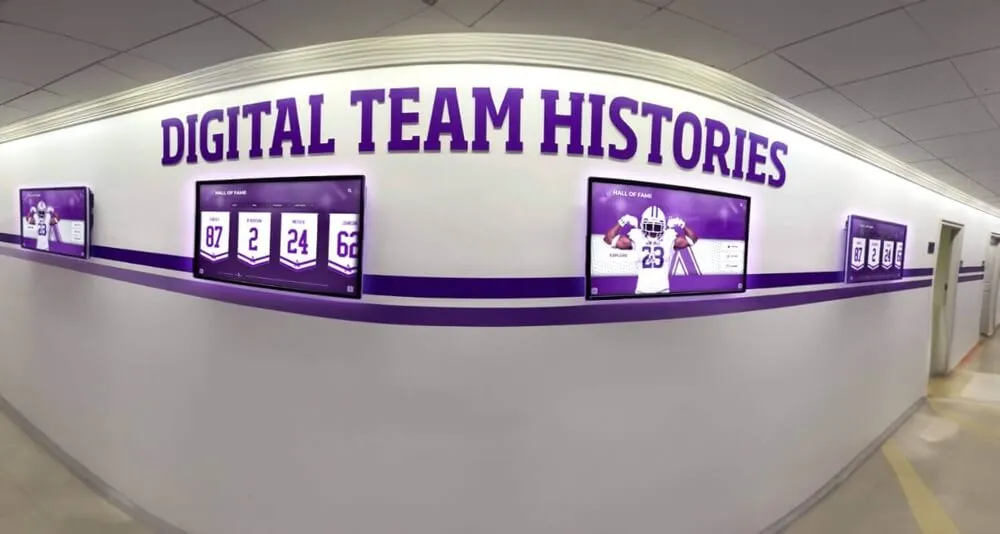
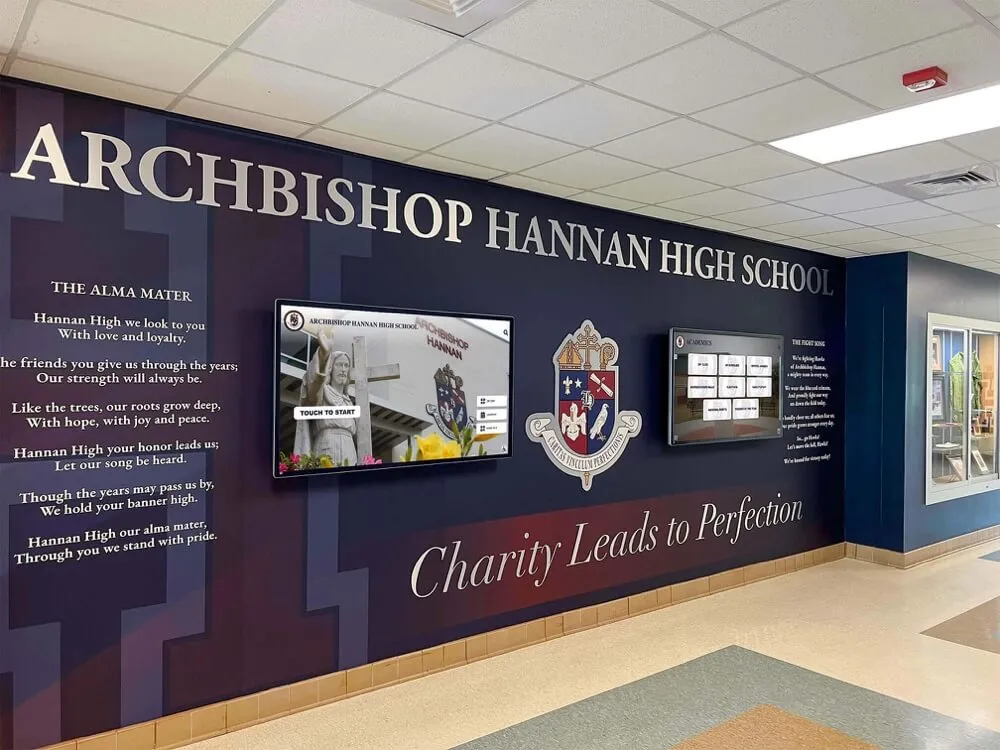
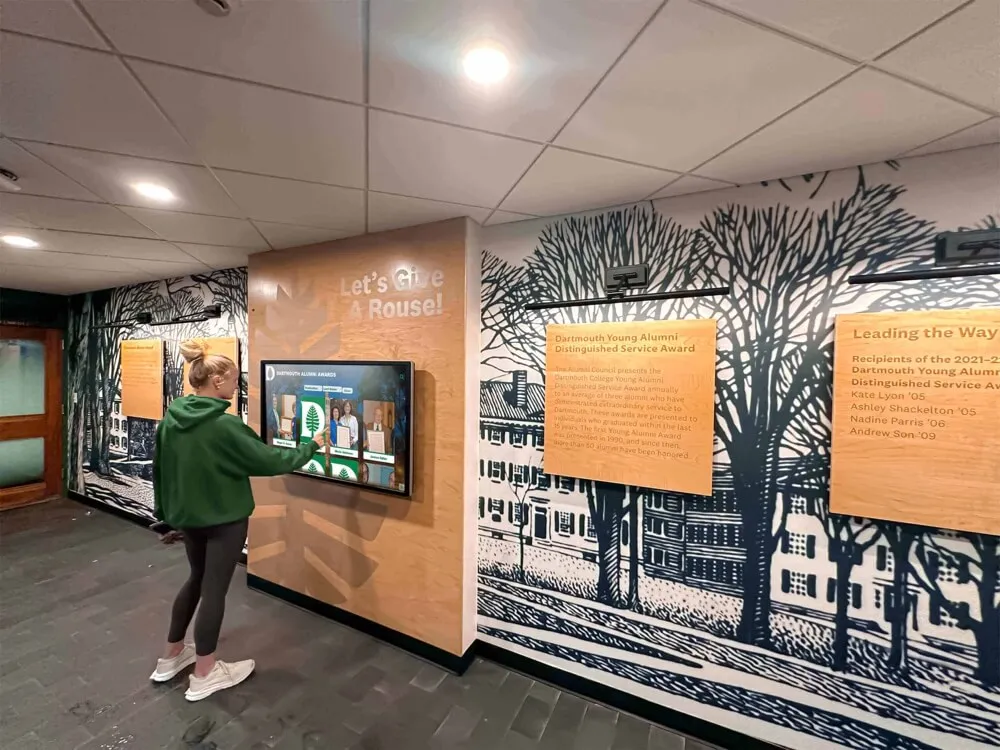
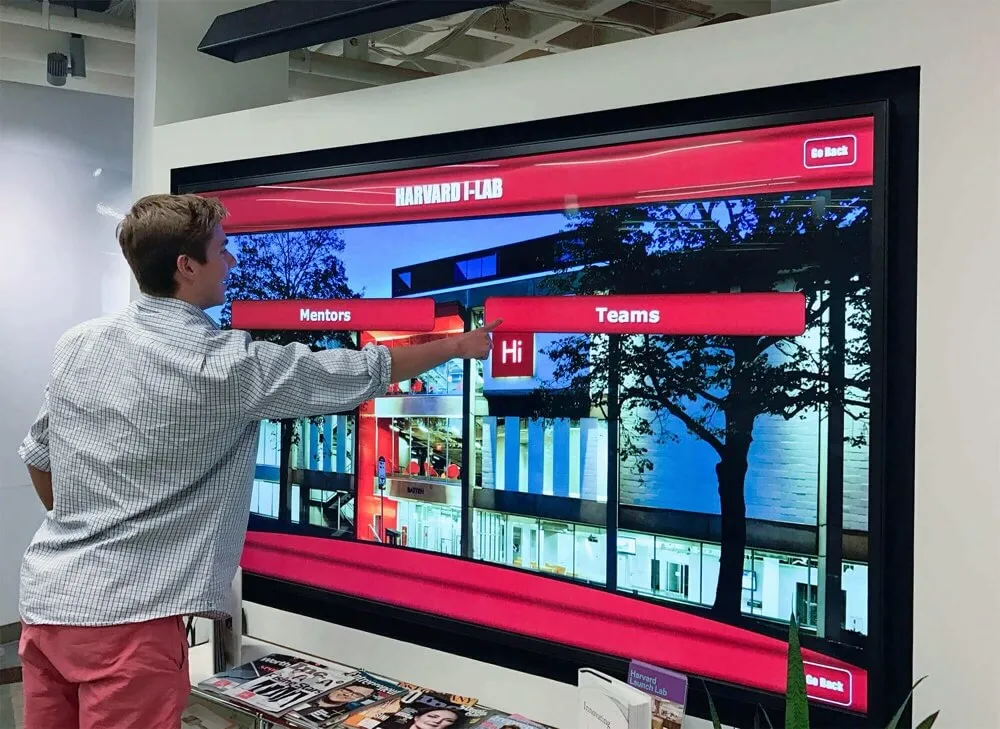
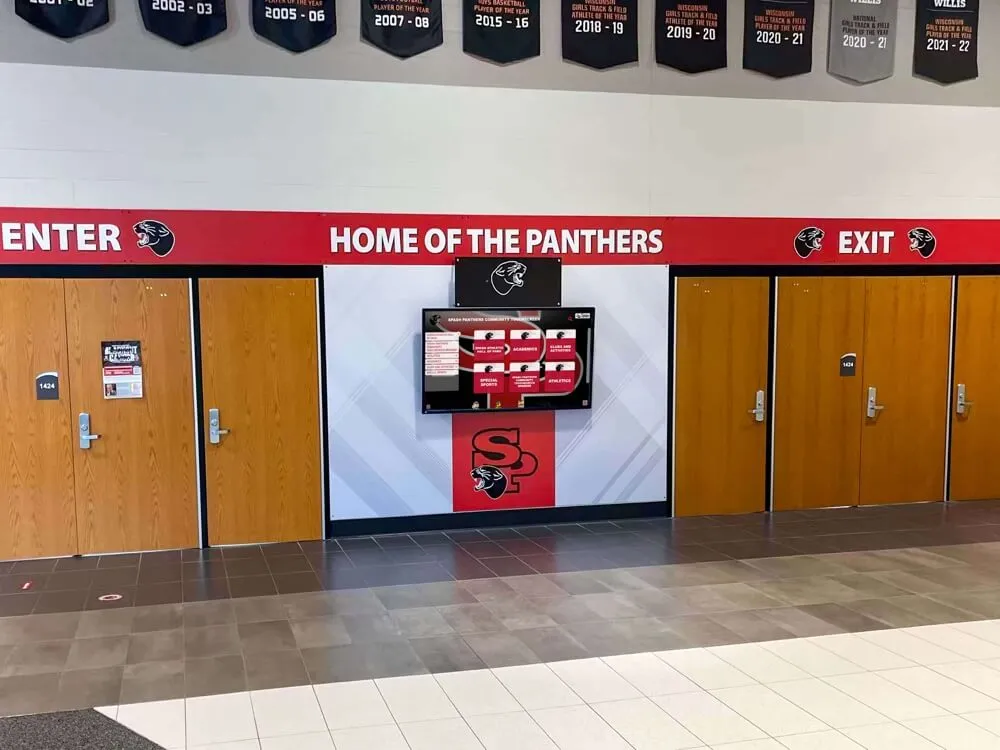
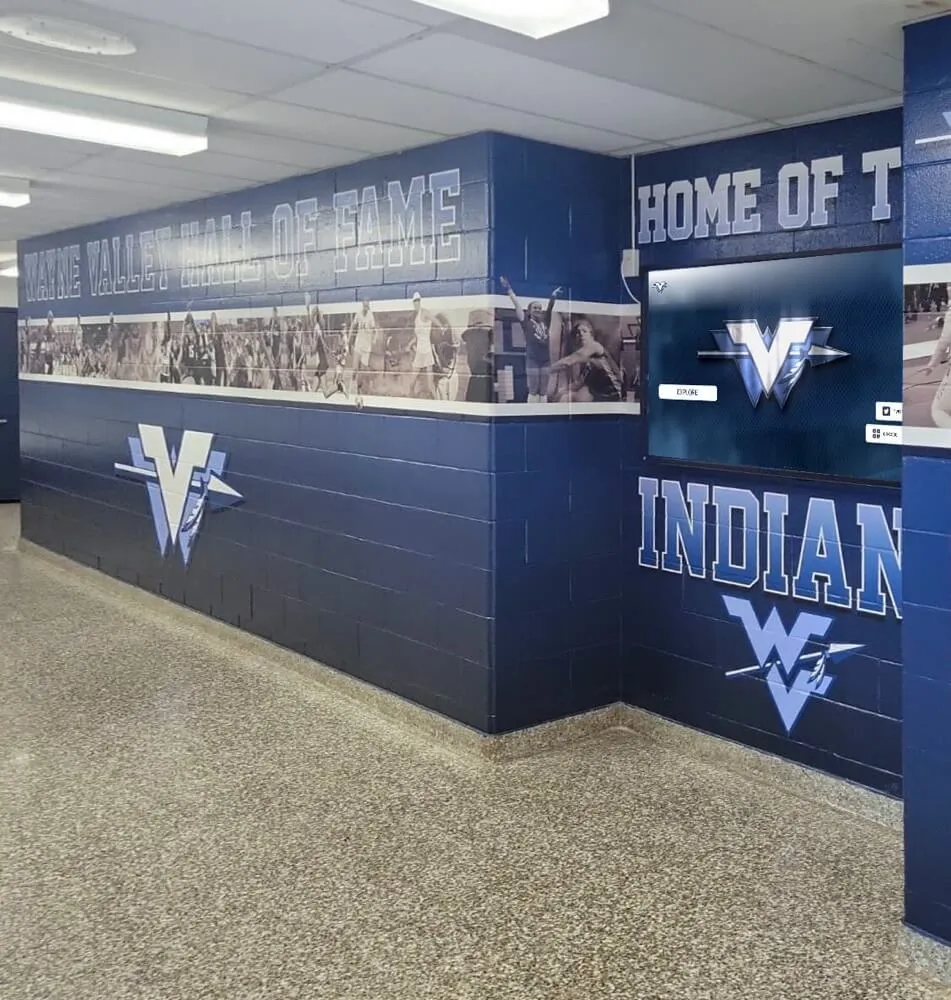
Effective mascot implementation integrates visual identity throughout campus facilities, combining traditional murals with modern digital recognition systems
Understanding Mascot Categories and Selection
Before exploring specific mascot ideas, understanding fundamental mascot categories helps schools identify which approaches align with their institutional values, community context, and desired identity positioning.
Traditional Animal Mascots: Power and Heritage
Animal mascots remain the most popular category, accounting for over 70% of high school selections based on their immediate visual recognition, versatile symbolism, and proven effectiveness:
Apex Predator Mascots
Large predatory animals convey strength, dominance, and competitive excellence—qualities schools seeking to project athletic prowess and institutional power typically favor. Common apex predator choices include:
Eagles represent vision, freedom, and soaring achievement, making them consistently popular while creating differentiation challenges given their widespread adoption. Lions symbolize courage, pride, and leadership with strong visual presence in both realistic and stylized renditions. Tigers project power, agility, and fierce determination with distinctive striping patterns enabling memorable visual design. Bears communicate strength, resilience, and protective spirit while offering versatility from intimidating grizzlies to community-oriented options. Panthers combine sleek athleticism with stealth and speed, providing modern visual appeal particularly popular among schools emphasizing excellence.
Wolves suggest teamwork, loyalty, and pack mentality—ideal for schools emphasizing collective achievement over individual stardom. Sharks convey relentless forward motion and competitive hunger with contemporary edge appealing to coastal communities or schools seeking distinctive aquatic identity.
While apex predators deliver immediate impact, schools should verify surrounding districts’ mascots to avoid duplication diminishing distinctiveness. Regional mascot databases maintained by state athletic associations help identify oversaturated options in specific areas.
Bird Mascots Beyond Eagles
Avian mascots extend beyond ubiquitous eagles to include distinctive options:
Hawks balance predatory symbolism with unique identity less common than eagles. Cardinals provide vibrant red visual identity with regional significance in specific areas. Falcons emphasize speed and precision with sleek modern aesthetic. Owls represent wisdom and night-prowling determination—particularly appropriate for schools emphasizing academic excellence alongside athletics. Ravens offer mysterious, intelligent symbolism with striking black-based visual identity. Blue Jays, Red Hawks, and War Hawks provide color-specific variations enabling regional differentiation.
Bird mascots typically translate well across implementation contexts from athletic uniforms to digital recognition displays celebrating school achievements.
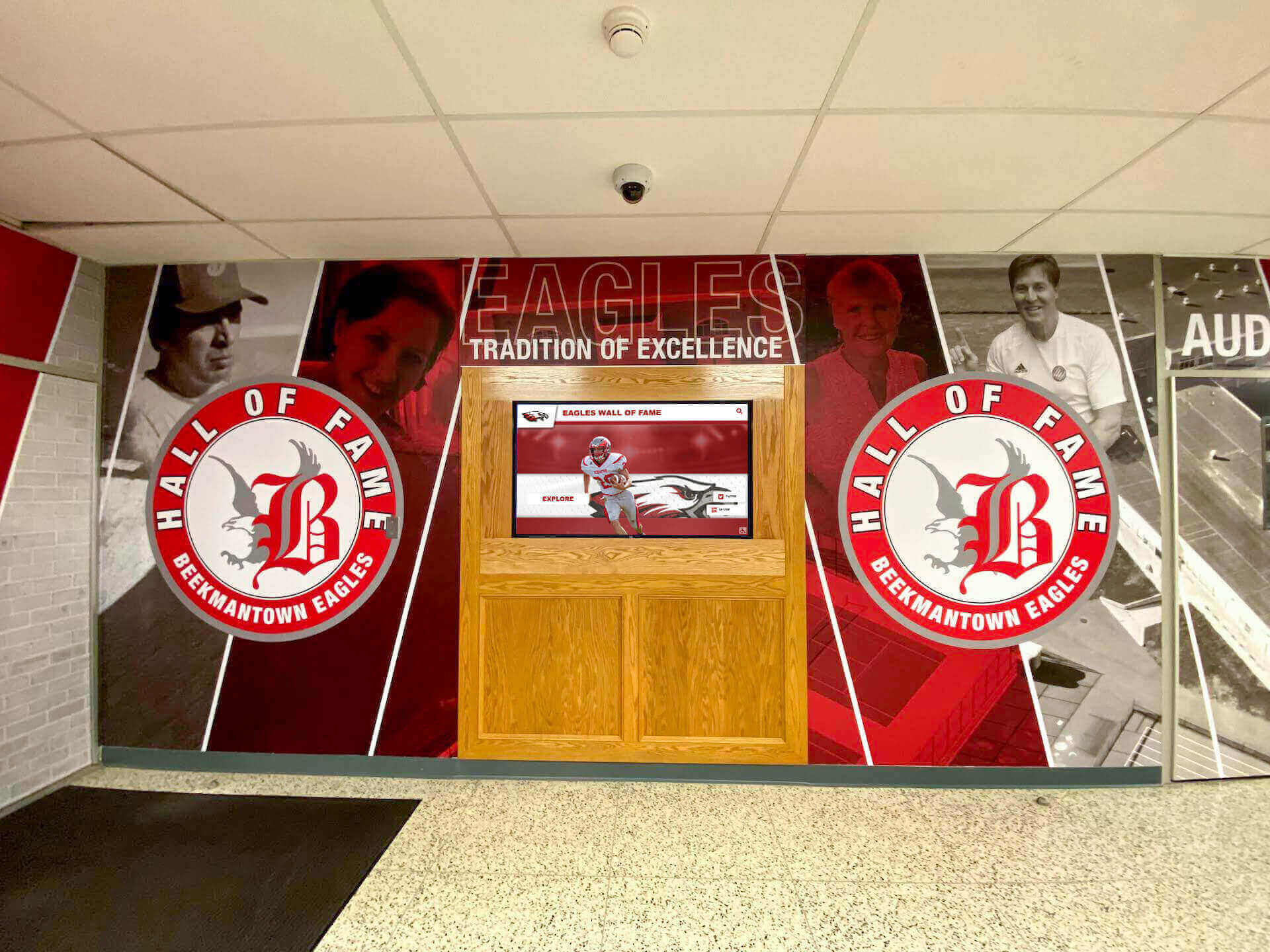
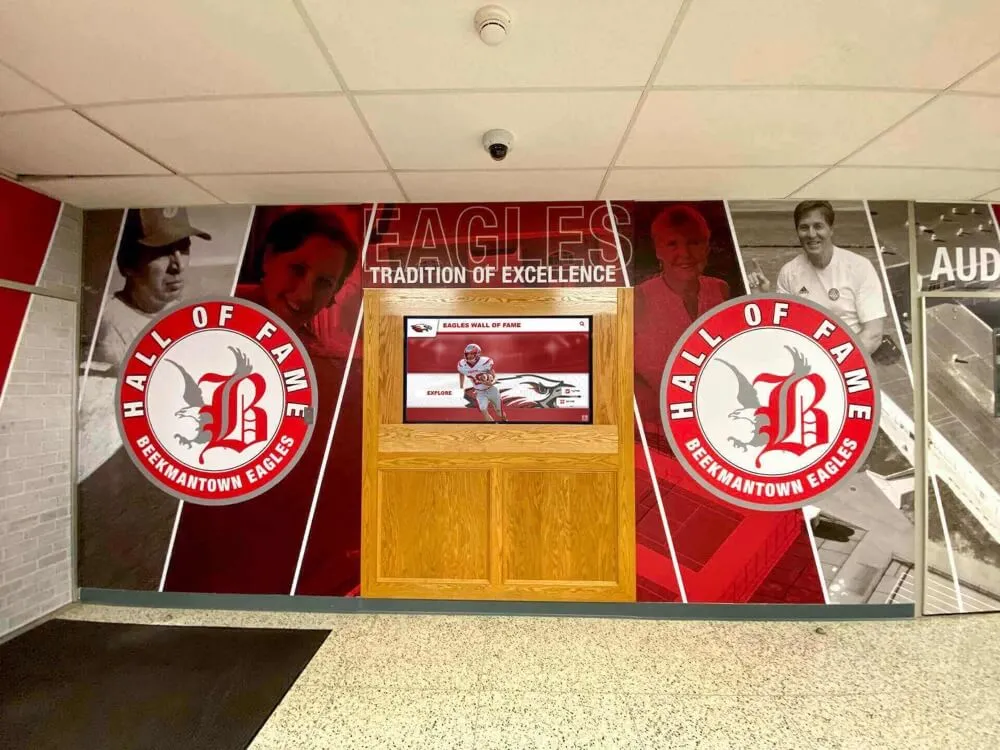
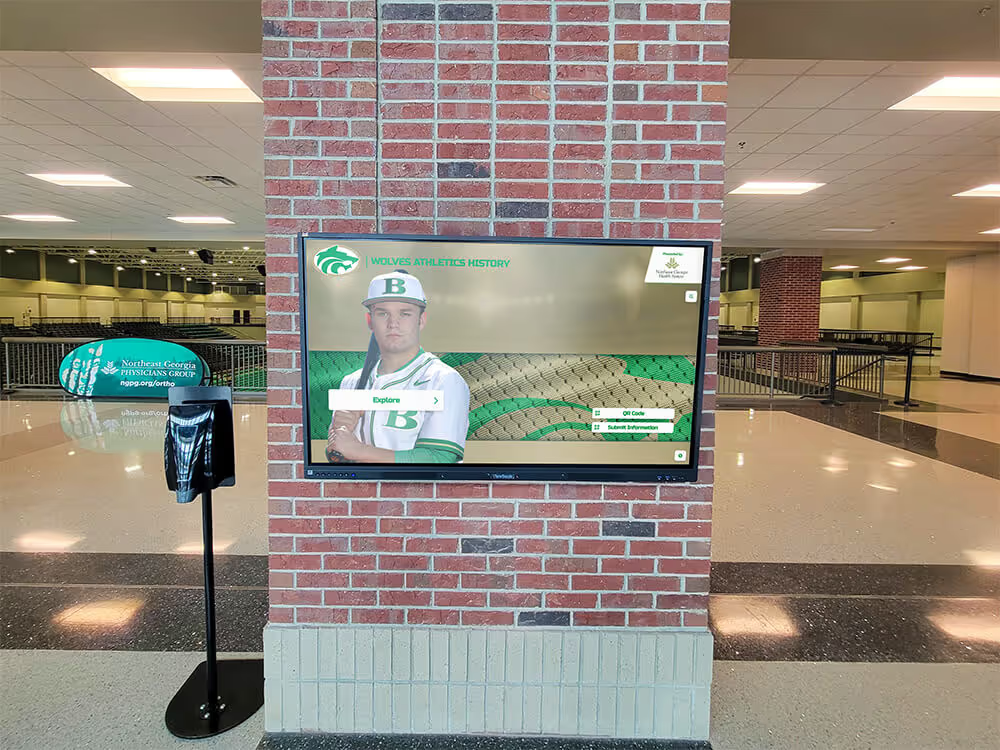
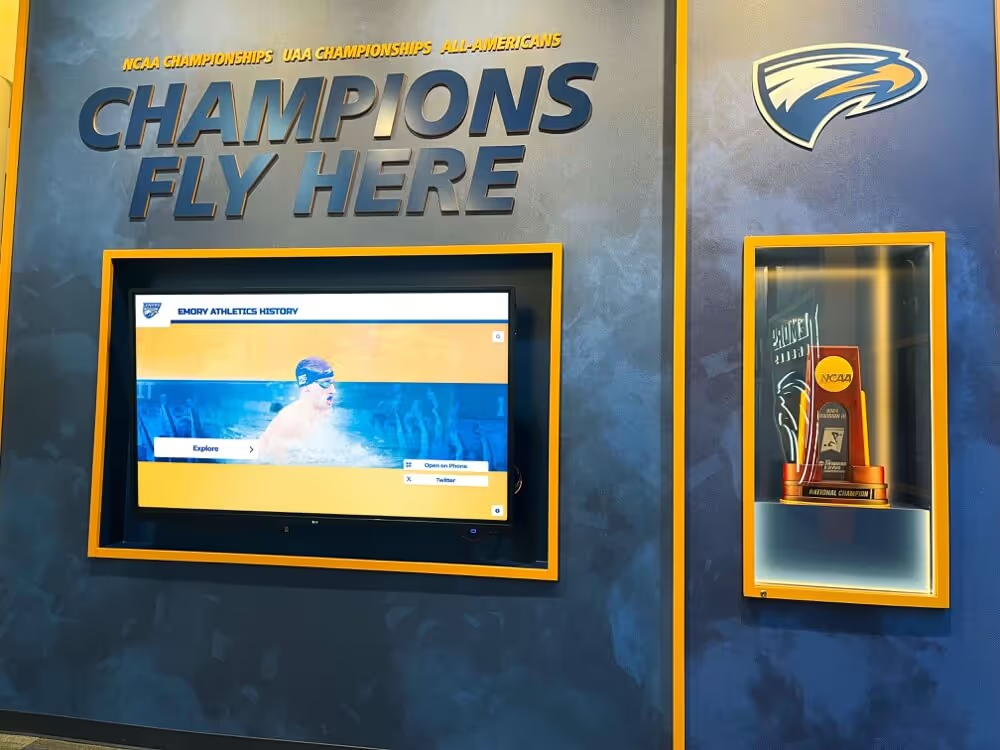
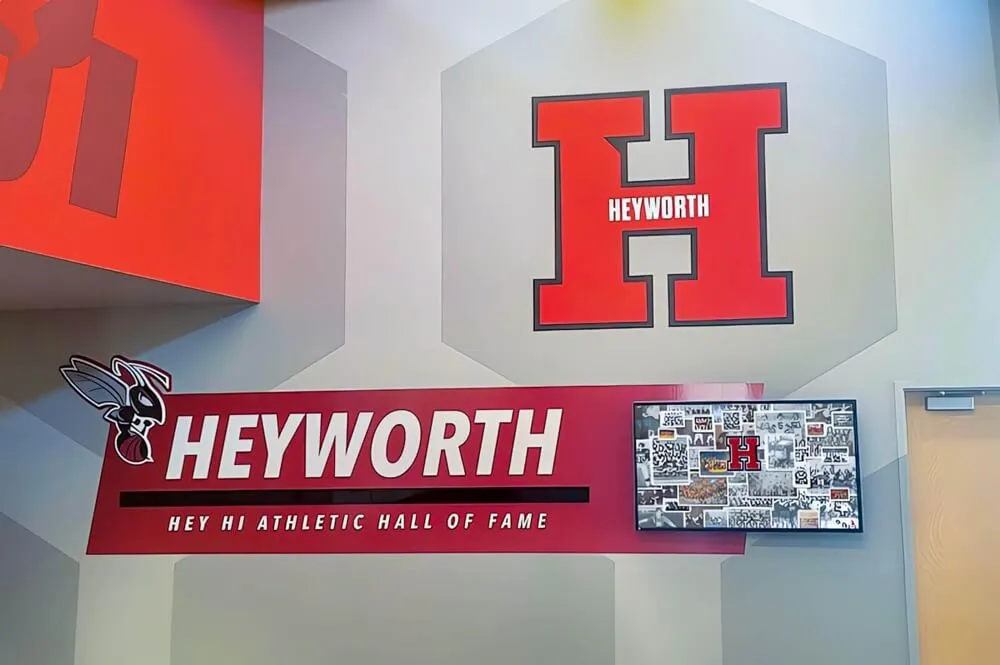
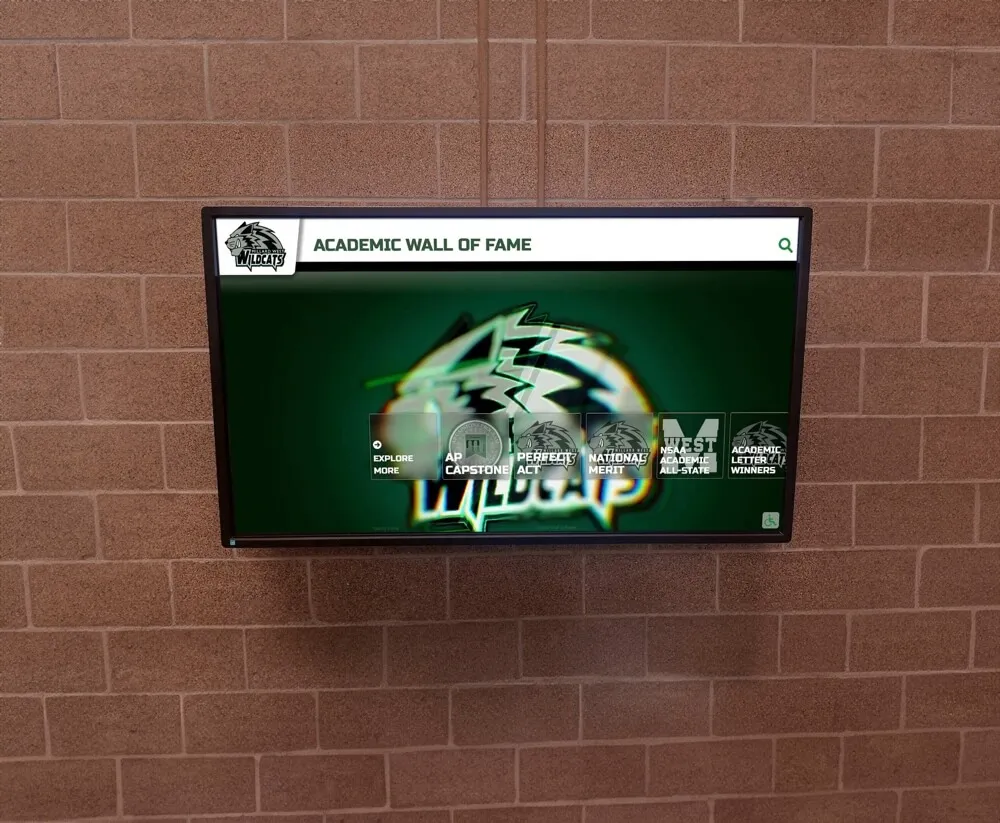
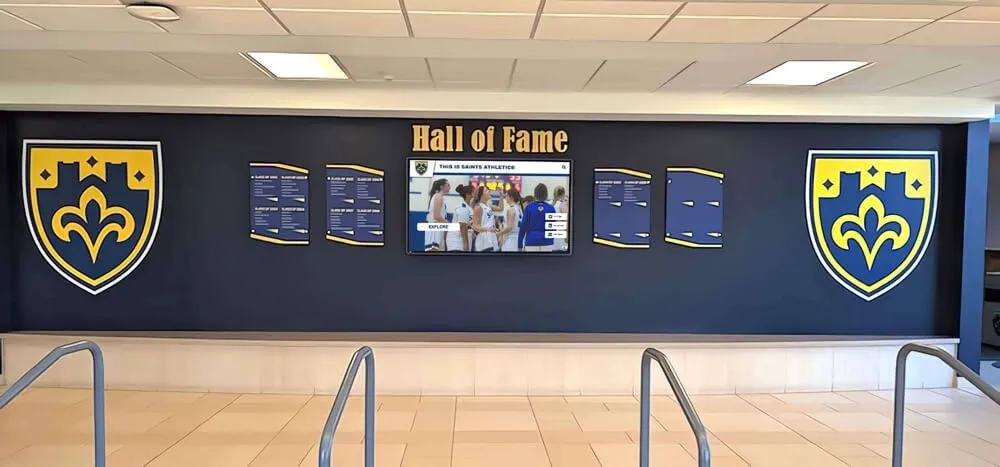
The Eagles mascot demonstrates versatility across traditional murals and modern recognition systems throughout campus environments
Mammal Mascots with Distinctive Character
Beyond apex predators, distinctive mammal choices offer personality and uniqueness:
Bulldogs project tenacity, determination, and resilient toughness despite size limitations—creating approachable yet competitive identity. Mustangs and Broncos emphasize freedom, wild spirit, and untamed energy particularly resonant in western regions or communities with equestrian heritage. Cougars provide regional alternatives to tigers and panthers with similar power symbolism. Wildcats offer generic strength while enabling specific variations (Bobcats, Lynx) for differentiation.
Rams communicate leadership and charging forward momentum with distinctive horned visual identity. Huskies suggest endurance, teamwork, and loyal determination particularly popular in northern regions. Bison represent powerful western heritage with unique historical significance for American schools.
Warrior and Human Mascots: Heritage and Community
Human figure mascots connect to cultural heritage, historical legacy, or community identity:
Historical and Cultural Warriors
Warriors, Knights, Spartans, Trojans, Vikings, Titans, and similar historical fighter archetypes project courage, discipline, and competitive excellence while connecting to historical civilizations known for warrior cultures. These mascots work particularly well for schools in communities with relevant historical connections—Vikings for Scandinavian heritage areas, Trojans for classical education emphasis, or Knights for communities with medieval European roots.
However, schools must exercise caution with cultural warrior mascots ensuring respectful representation avoiding appropriation or stereotyping. Native American mascots face particular scrutiny, with many states implementing restrictions or bans on Indigenous imagery in school mascots due to concerns about stereotyping and cultural sensitivity.
Knights offer versatile historical warrior symbolism without cultural sensitivity concerns, enabling diverse visual interpretations from medieval crusaders to chess pieces. Spartans reference classical military excellence with widespread recognition from popular culture. Centurions provide Roman historical connection with distinctive helmet-based visual identity.
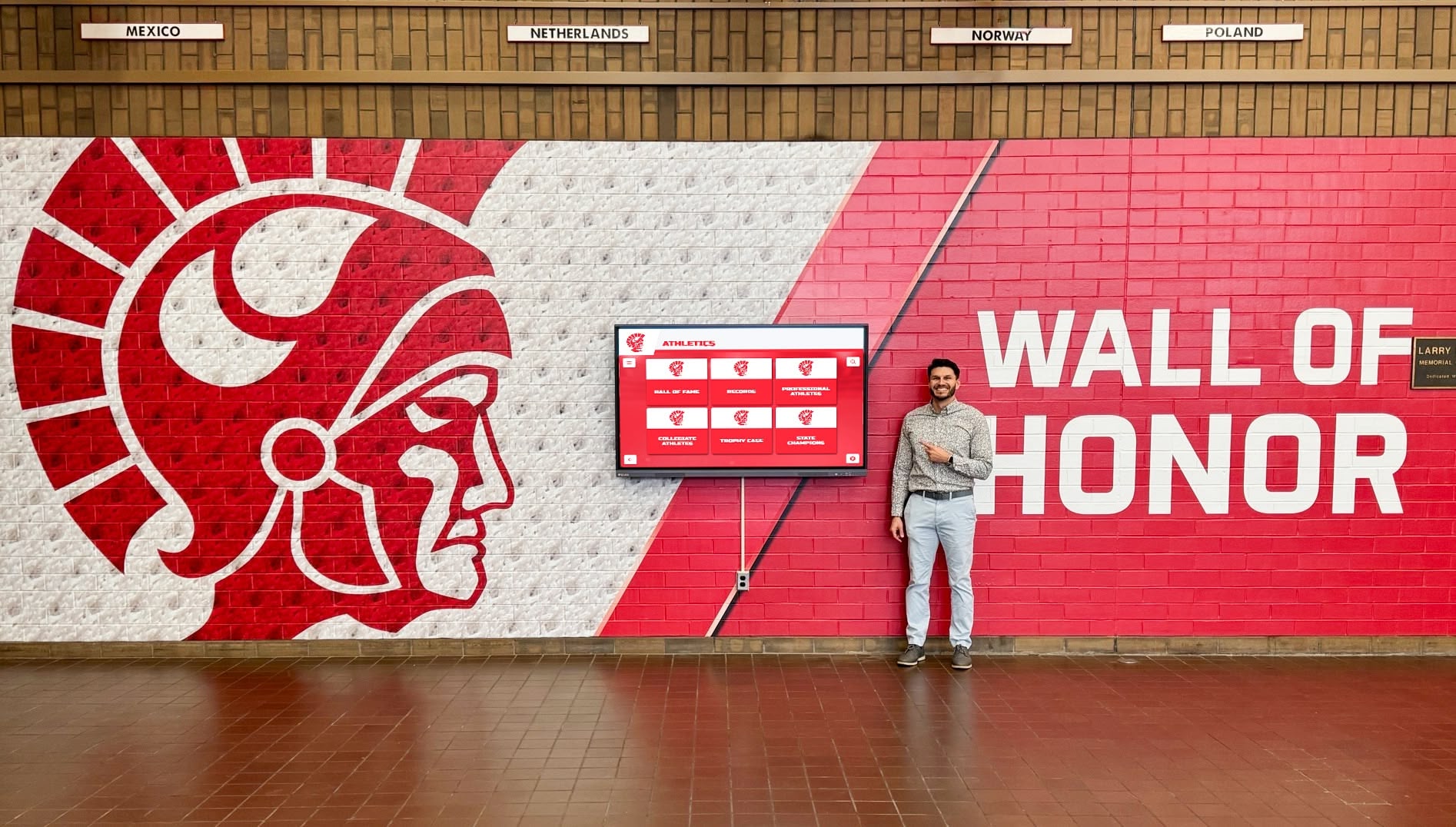
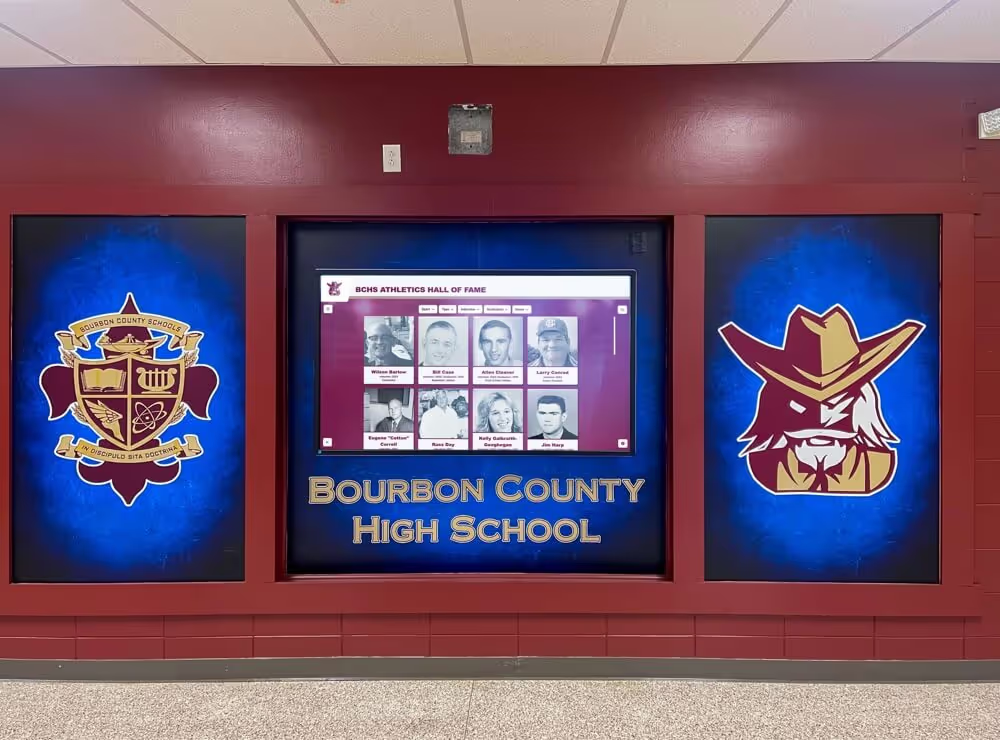
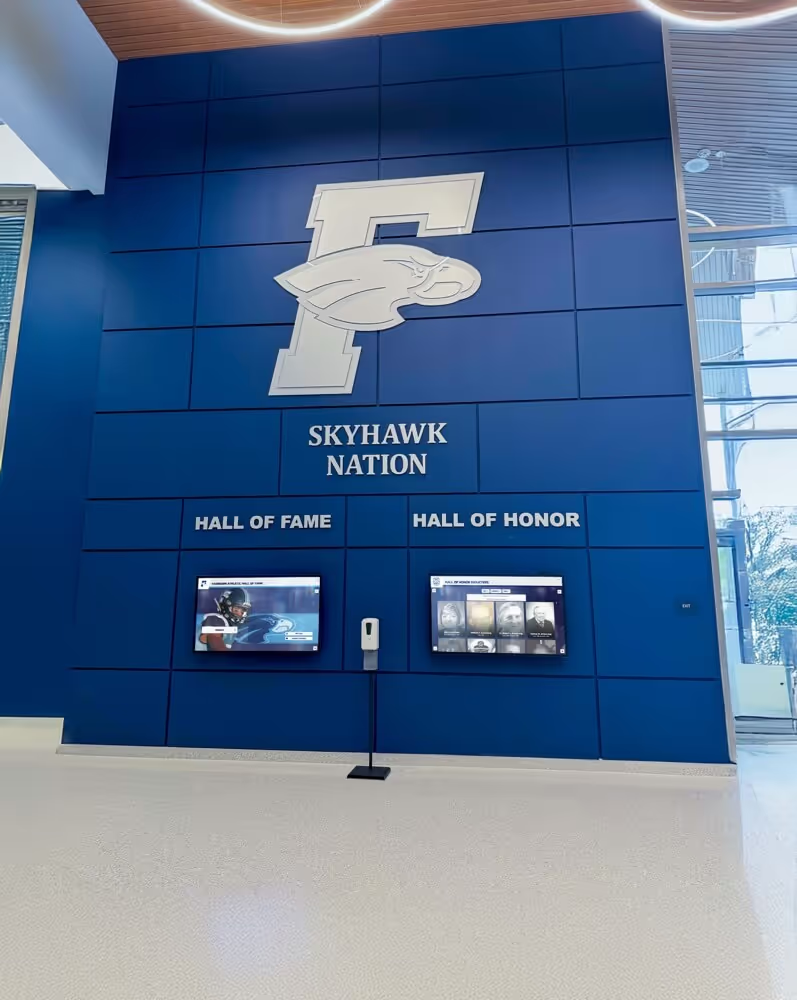
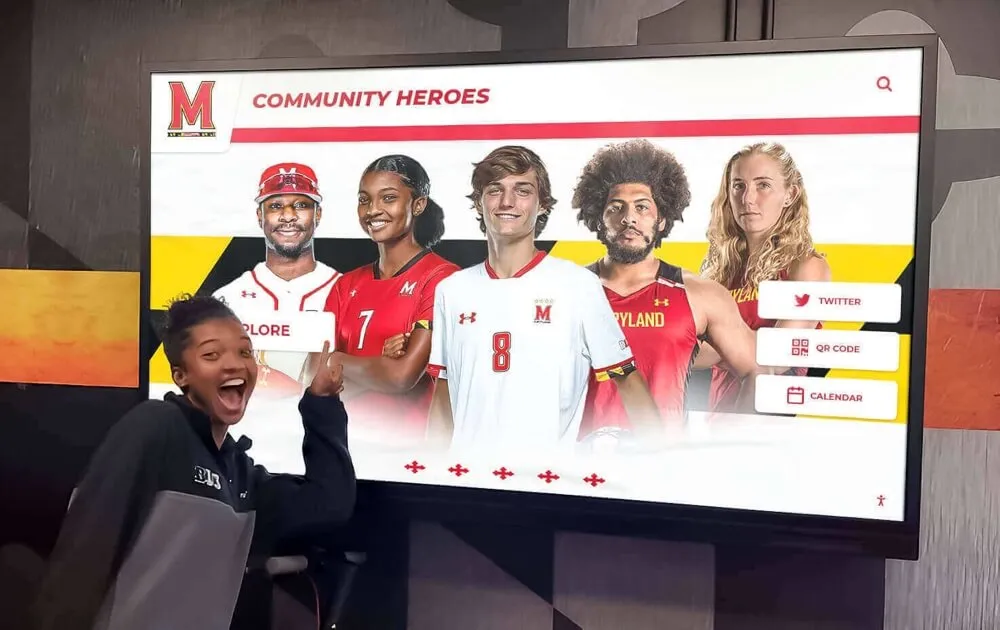
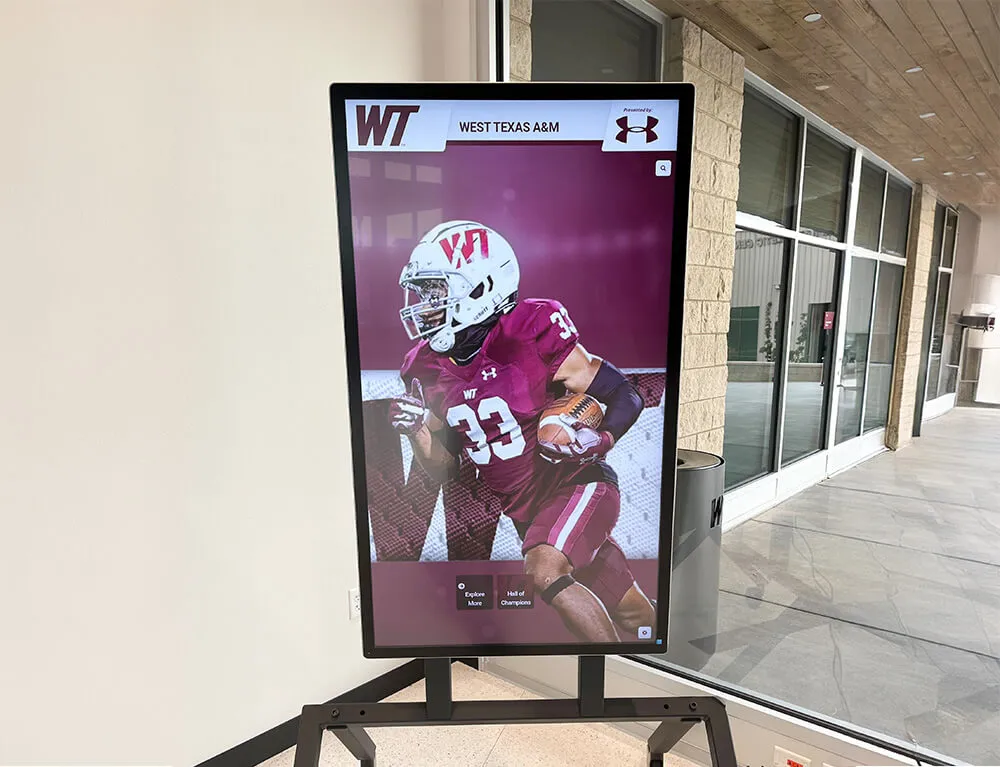
Warrior mascots like Trojans create strong visual identity systems integrated throughout campus recognition programs
Modern Community Identities
Some schools select mascots reflecting contemporary community identity rather than historical references:
Patriots emphasize civic pride and national identity. Pioneers celebrate community founding heritage and exploration spirit. Miners, Loggers, or Railroaders honor specific regional industries central to community history. Mariners, Sailors, or Admirals reflect coastal community maritime heritage.
These community-connected mascots create distinctive local identity but may lack immediate visual impact compared to animal or historical warrior options, requiring stronger design execution to achieve memorable presence.
Mythological and Unique Mascots: Distinctive Identity
Schools seeking maximum differentiation often explore mythological creatures and unique concepts:
Mythological Creatures
Dragons combine power symbolism with fantasy appeal creating distinctive identity unlikely to duplicate nearby schools. Griffins merge eagle and lion elements for hybrid predator symbolism. Phoenix represents rebirth, resilience, and rising from challenges—particularly meaningful for schools overcoming adversity or undergoing institutional renewal. Thunderbirds connect Native American mythology with avian power symbolism requiring culturally sensitive implementation.
Mythological mascots offer creative freedom in visual design unbound by realistic animal representation, enabling more stylized and distinctive artistic interpretation. However, they may prove harder to bring to life through physical mascot costumes compared to recognizable animals.
Abstract and Elemental Concepts
Most distinctive options eschew specific creatures for conceptual identity:
Storm, Thunder, Lightning, or similar weather phenomena project raw power and unstoppable force. Crimson Tide, Blue Wave, or similar elemental forces emphasize school colors while suggesting overwhelming momentum. Venom conveys danger and competitive edge with contemporary appeal.
Abstract mascots require especially strong visual design systems since they lack inherent form, demanding creative graphic development to establish memorable visual presence across implementation contexts.
Schools exploring high school awards ceremony ideas discover that effective mascot integration strengthens recognition event impact through consistent visual identity connecting athletic achievement to institutional pride.
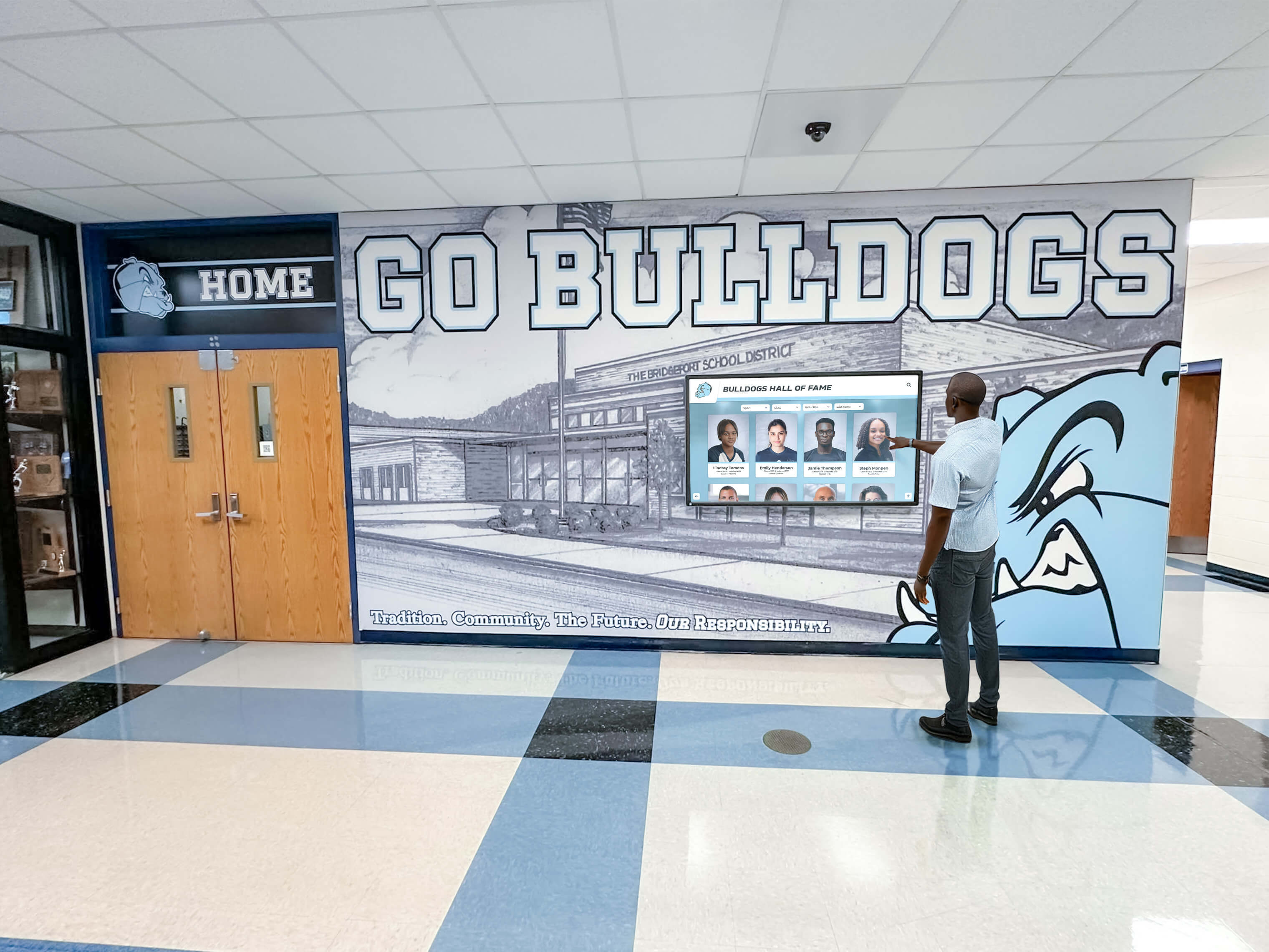
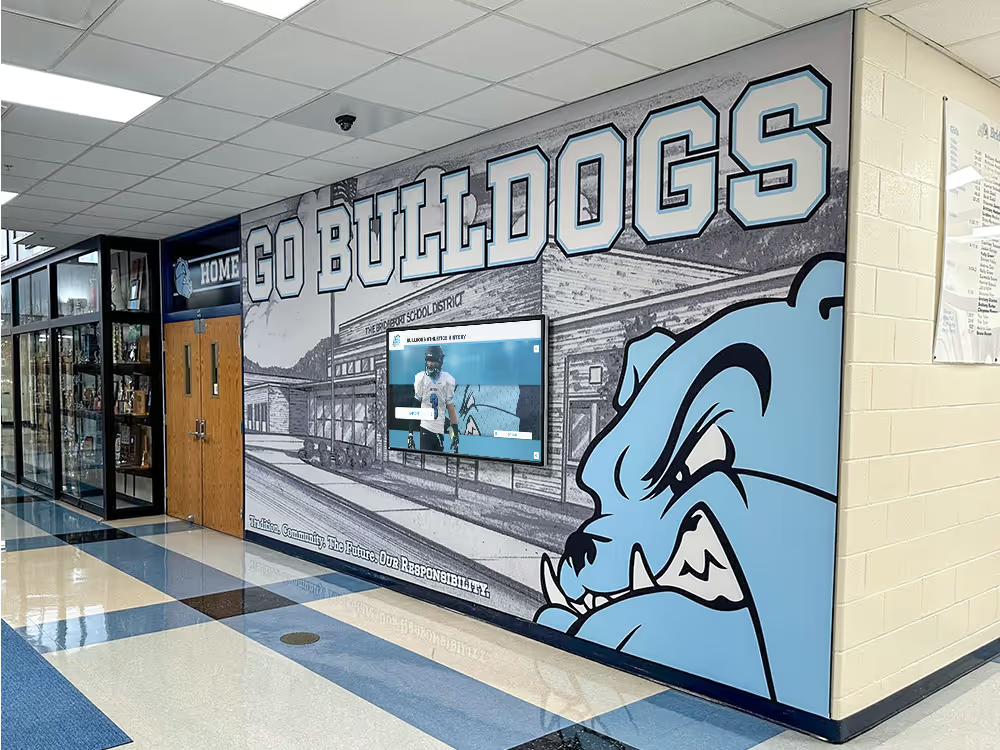
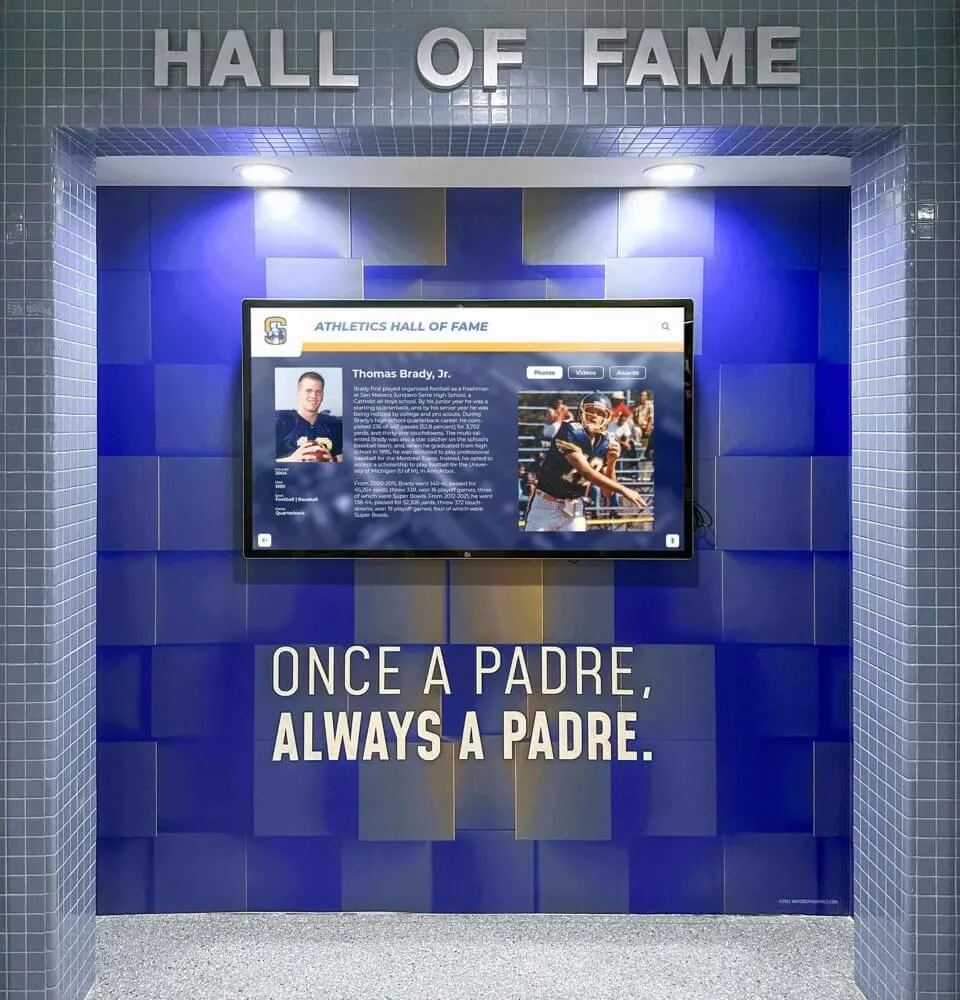
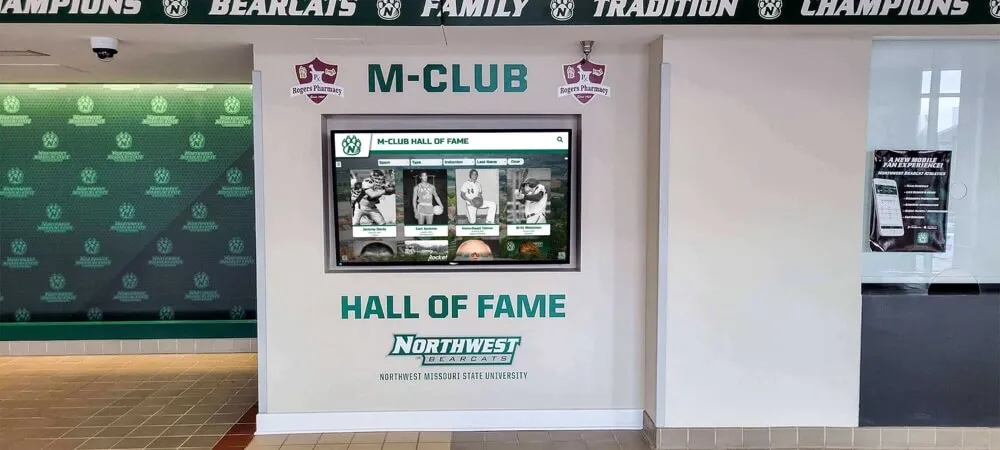
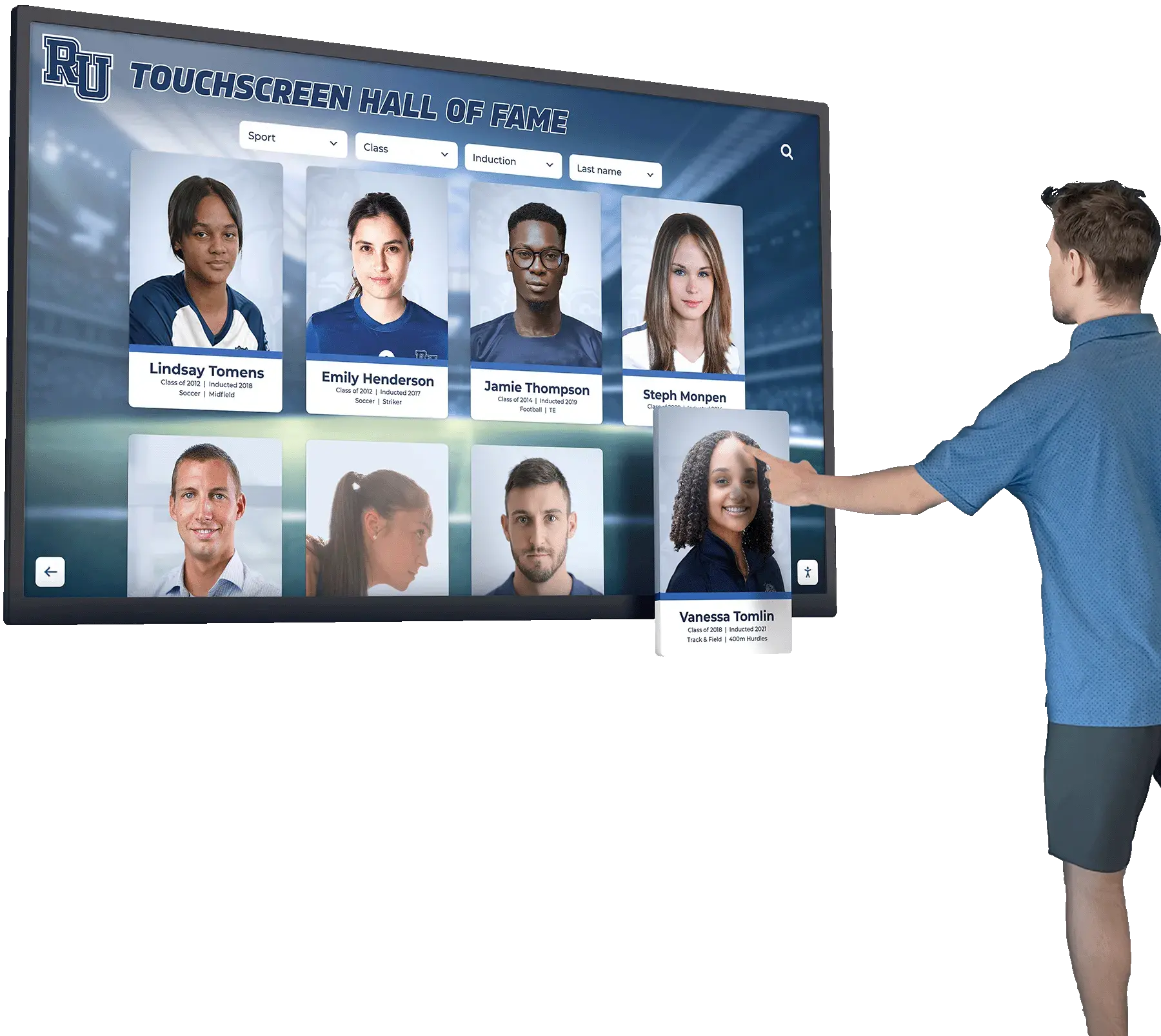
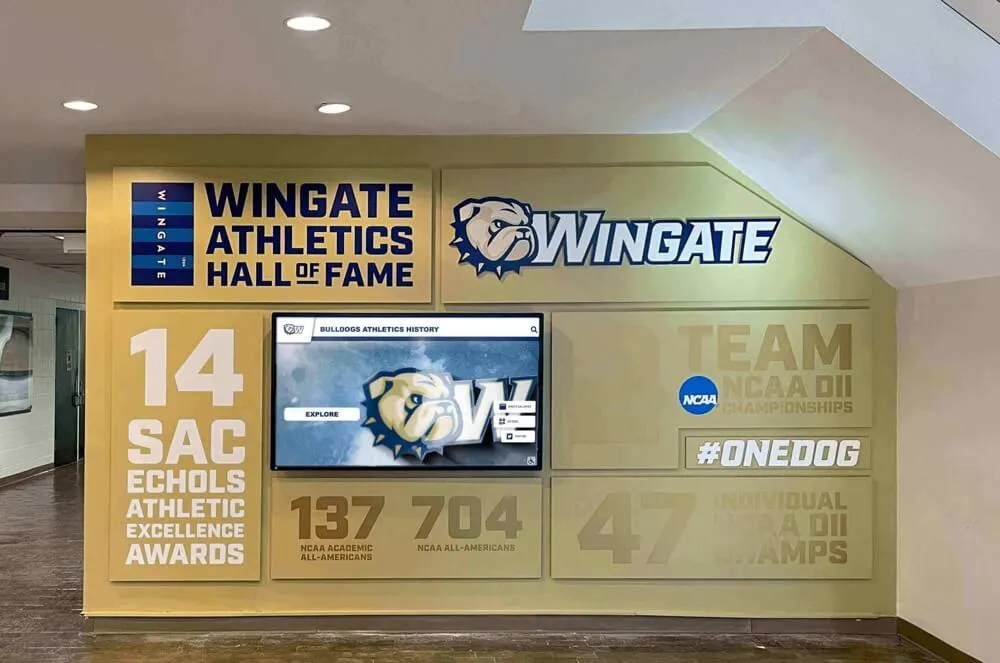
Traditional mascots like Bulldogs translate effectively across both physical displays and interactive digital recognition systems
Comprehensive Mascot Ideas by Category
Exploring specific options across categories helps schools identify possibilities matching their desired identity:
Power Animal Mascot Ideas
Feline Predators: Lions, Tigers, Panthers, Cougars, Wildcats, Bobcats, Leopards, Jaguars, Lynx
Canine Predators: Wolves, Huskies, Bulldogs, Timber Wolves, Coyotes, Foxes
Bear Species: Grizzlies, Black Bears, Polar Bears, Bruins, Kodiaks
Birds of Prey: Eagles, Hawks, Falcons, Osprey, Owls, Ravens, Red-Tailed Hawks, Peregrine Falcons
Aquatic Predators: Sharks, Barracudas, Orcas, Marlins, Piranhas
Reptilian Options: Alligators, Crocodiles, Diamondbacks, Cobras, Vipers, Komodo Dragons
Unique Animal Mascot Ideas
Distinctive Mammals: Mustangs, Broncos, Stallions, Bison, Buffalo, Rams, Stags, Bucks, Scorpions
Unusual Choices: Roadrunners, Hornets, Yellow Jackets, Bees, Firebirds, Thunderbirds
Regional Animals: Armadillos (Southwest), Moose (Northern regions), Gators (Southeast), Salmon (Pacific Northwest)
Warrior and Historical Mascot Ideas
Classical Warriors: Spartans, Trojans, Gladiators, Centurions, Legionnaires
Medieval Concepts: Knights, Crusaders, Lancers, Cavaliers
Naval and Military: Admirals, Captains, Commanders, Privateers, Minutemen
Cultural Heritage: Vikings, Norsemen, Highlanders, Celtics, Gaels
Mythological and Fantasy Mascot Ideas
Dragon Variants: Dragons, Red Dragons, Golden Dragons, Sea Dragons
Hybrid Creatures: Griffins, Gryphons, Phoenix, Thunderbirds
Legendary Beings: Titans, Olympians, Immortals, Legends
Color-Based and Abstract Mascot Ideas
Color Integration: Crimson Tide, Blue Wave, Green Wave, Golden Eagles, Scarlet Knights, Purple Reign
Weather and Elements: Storm, Thunder, Lightning, Tornadoes, Cyclones, Hurricanes, Blizzard
Conceptual Identity: Venom, Fury, Pride, Rebellion, Revolution
Community and Heritage Mascot Ideas
Industrial Heritage: Miners, Millers, Rivermen, Lumberjacks, Railroaders
Geographic Identity: Mountaineers, Highlanders, Islanders, Rangers
Agricultural Roots: Aggies, Farmers, Planters
Civic Pride: Patriots, Colonials, Rebels, Pioneers, Trailblazers
When planning sports banquet invitation wording and recognition events, strong mascot identity creates cohesive thematic elements connecting celebration materials to institutional branding.
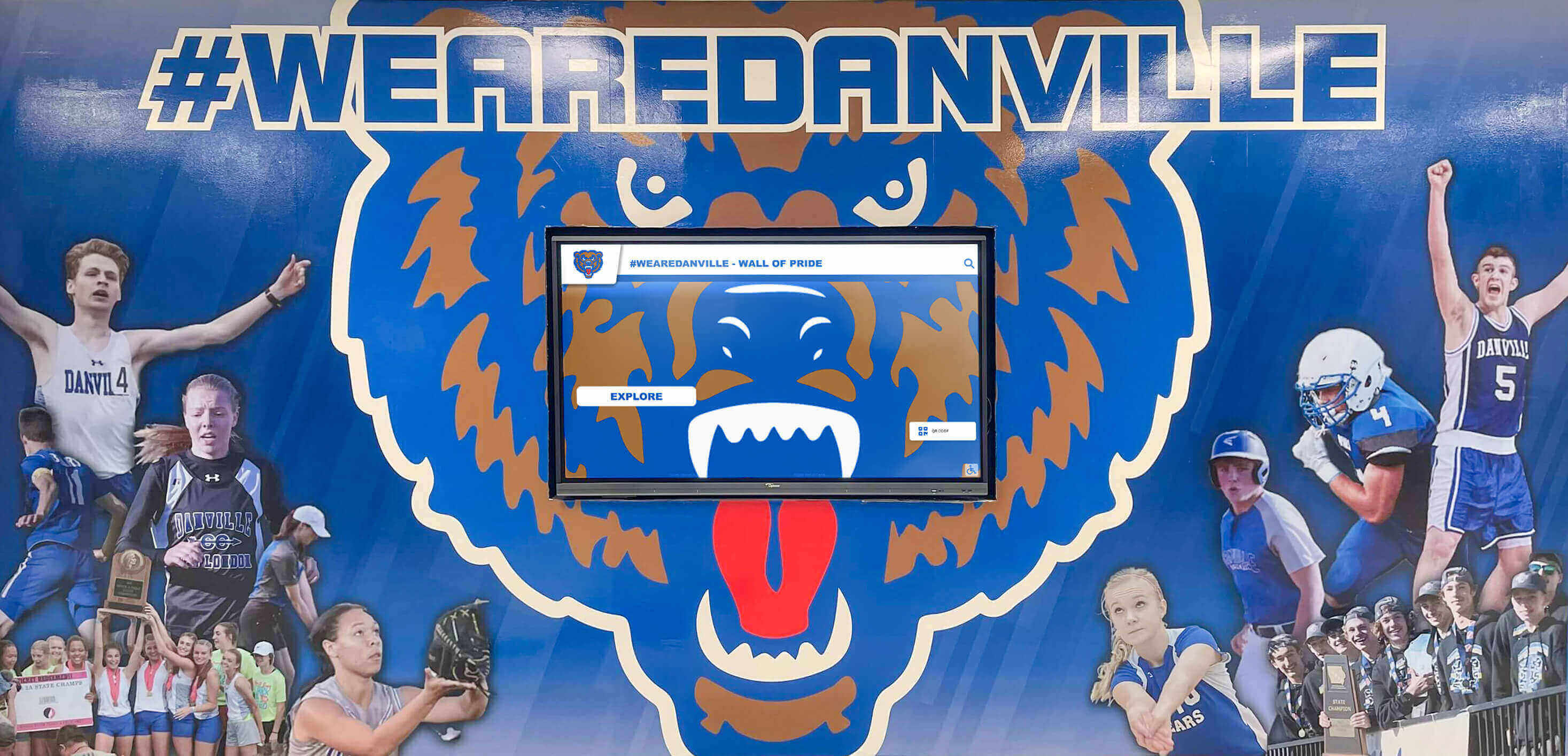
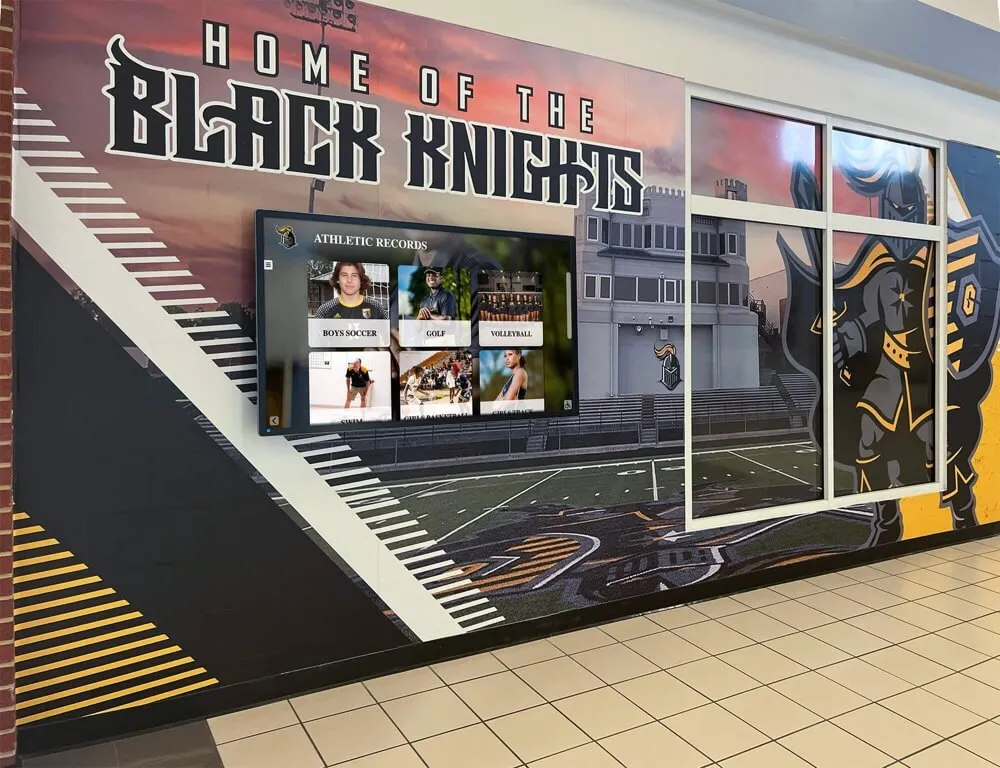
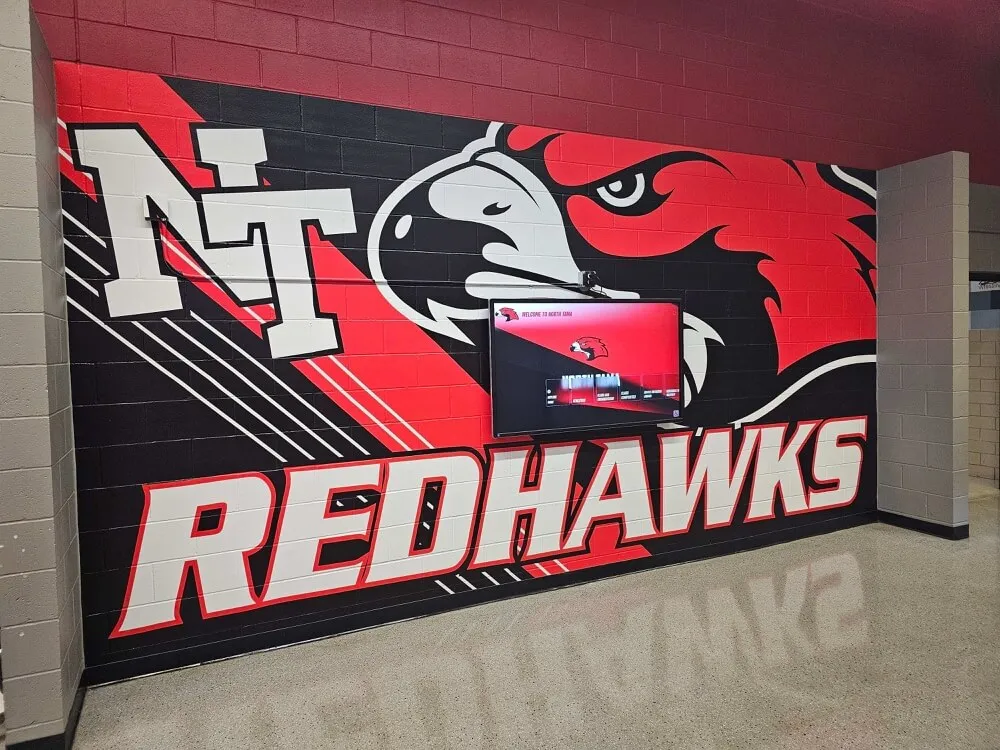
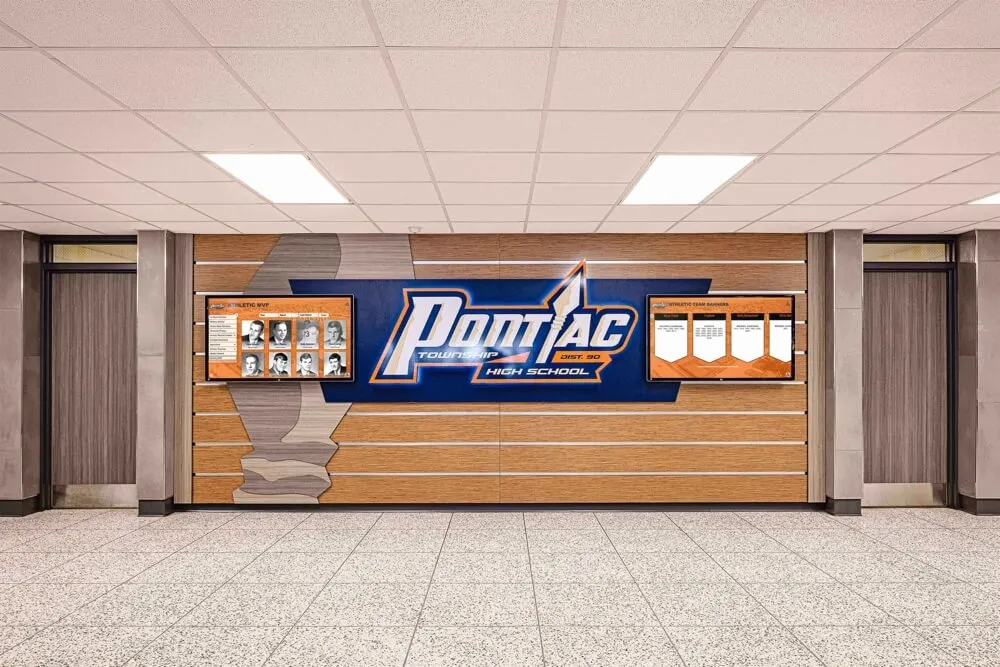
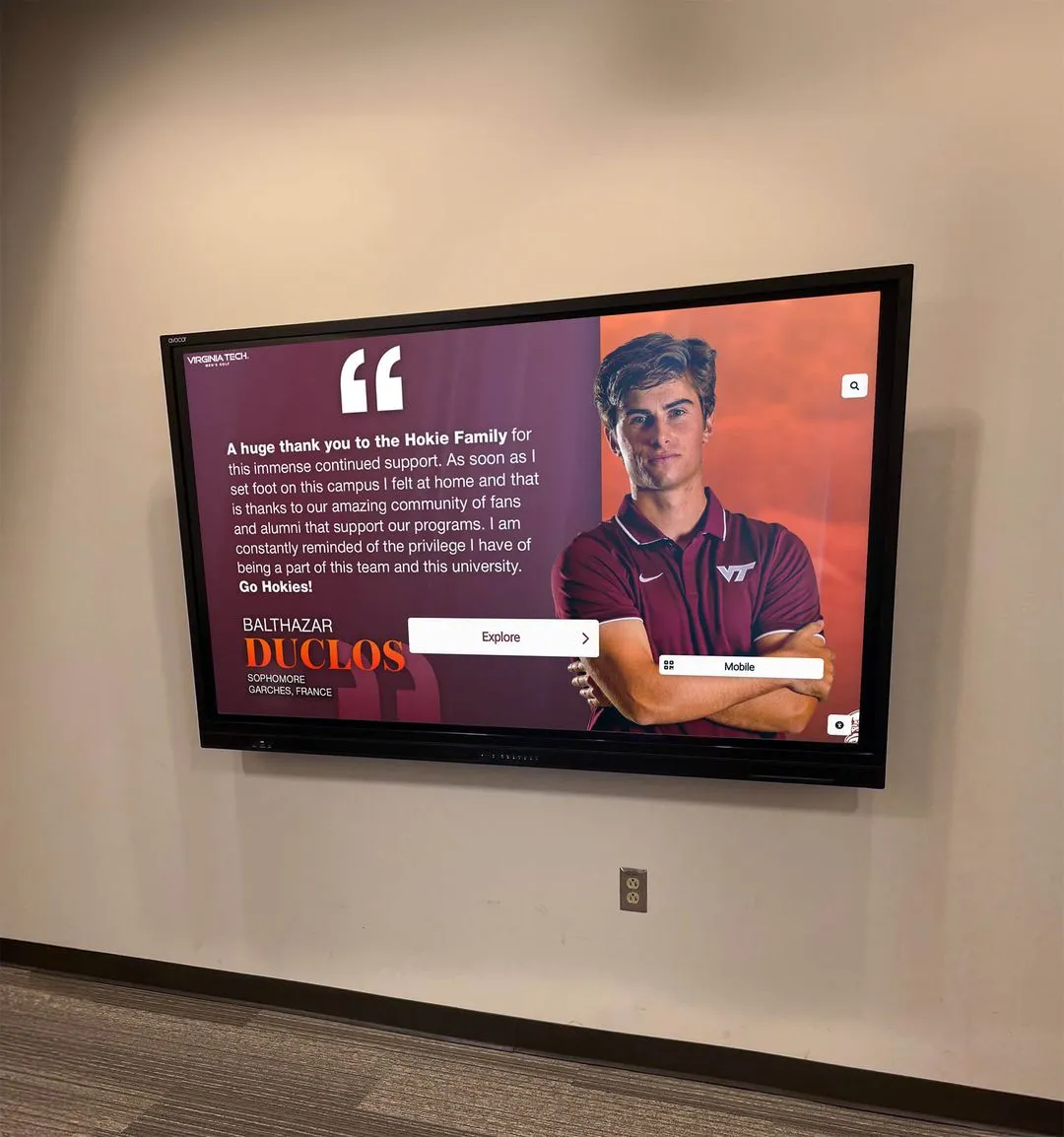
Effective mascot implementation combines bold visual murals with digital screens showcasing athletic achievements and school pride
Strategic Mascot Selection Process
Choosing mascots that genuinely resonate requires systematic community engagement ensuring broad buy-in and long-term satisfaction:
Assessing Current Identity and Needs
Before exploring options, schools should evaluate their existing identity position:
Institutional History Considerations
Schools with long-established mascots face different decisions than institutions selecting mascots for the first time or considering changes. Changing existing mascots risks alienating alumni who identify strongly with traditional symbols, disrupting established visual identity systems requiring extensive replacement, and losing institutional continuity connecting current students to school heritage.
However, mascot changes prove justified when existing symbols create cultural sensitivity concerns requiring addressing, current mascots generate little actual pride or connection among students and community, or schools undergo significant institutional transitions like consolidations or conversions warranting fresh identity establishing new institutional era.
Schools maintaining existing mascots should focus on refreshing visual design systems and implementation consistency rather than abandoning symbols already embedded in institutional culture.
Community Context and Values
Effective mascots reflect community characteristics and institutional values:
Geographic location influences mascot appropriateness—coastal schools naturally connect to maritime symbols, mountain region schools resonate with wilderness imagery, and agricultural communities appreciate heritage acknowledging farming roots. Community demographics including cultural composition, socioeconomic characteristics, and historical heritage inform which symbols genuinely reflect local identity versus feeling imposed or disconnected.
School values and mission focus whether emphasizing academic excellence, athletic achievement, inclusive community, innovative thinking, or traditional heritage should align with mascot symbolism. A school prioritizing STEM innovation might choose forward-looking symbols like Phoenix or Storm over traditional options, while institutions emphasizing classical education naturally connect to Spartans or Trojans.
Practical Implementation Requirements
Beyond symbolism, practical considerations affect mascot viability:
Visual versatility across applications from embroidered uniforms to painted murals to digital displays requires mascots with clear, recognizable silhouettes working across scales and contexts. Costume feasibility for physical mascot characters at events demands consideration whether symbols translate to wearable costumes that allow performer movement and safety.
Trademark availability prevents legal conflicts requiring verification that chosen mascots and specific design interpretations don’t infringe existing intellectual property, particularly important given commercial sports teams holding extensive mascot trademarks. Budget implications for implementing new visual identity including uniform replacements, facility signage updates, and digital system refreshes must align with available resources.
Community Engagement and Selection
Successful mascot selection involves stakeholders who will live with decisions:
Student Voice and Leadership
Students should drive mascot selection since they’ll most directly experience institutional identity daily. Effective engagement approaches include student government leading selection committees, all-school surveys gathering broad input across grade levels, student design competitions developing visual concepts, and focus groups testing mascot finalists with diverse student populations.
Student input ensures mascots genuinely resonate with current generation rather than reflecting adult preferences disconnected from youth culture and peer dynamics shaping actual school spirit expression.
Faculty, Staff, and Administrative Input
Educators and administrators provide institutional perspective balancing student enthusiasm with long-term viability. Faculty input ensures mascots align with educational mission and values beyond purely athletic identity, while administrators contribute practical implementation knowledge regarding budget constraints, facility considerations, and community relations factors.
Alumni Engagement
For schools with existing mascots, alumni represent critical stakeholders whose institutional connection often centers on traditional symbols. Alumni engagement through surveys, reunion event input sessions, and alumni association consultation helps gauge changing versus maintaining existing identity while identifying alumni willing to support implementation through donations or volunteer efforts.
Community and Parent Involvement
Broader community input ensures mascots reflect local identity and garner support beyond campus boundaries. Town hall meetings, parent organization consultations, and community surveys engage stakeholders whose connection to schools extends beyond current student enrollment to long-term community pride and institutional legacy.
Comprehensive guides on senior sports banner templates demonstrate how consistent mascot integration strengthens athletic recognition programs across diverse celebration contexts.
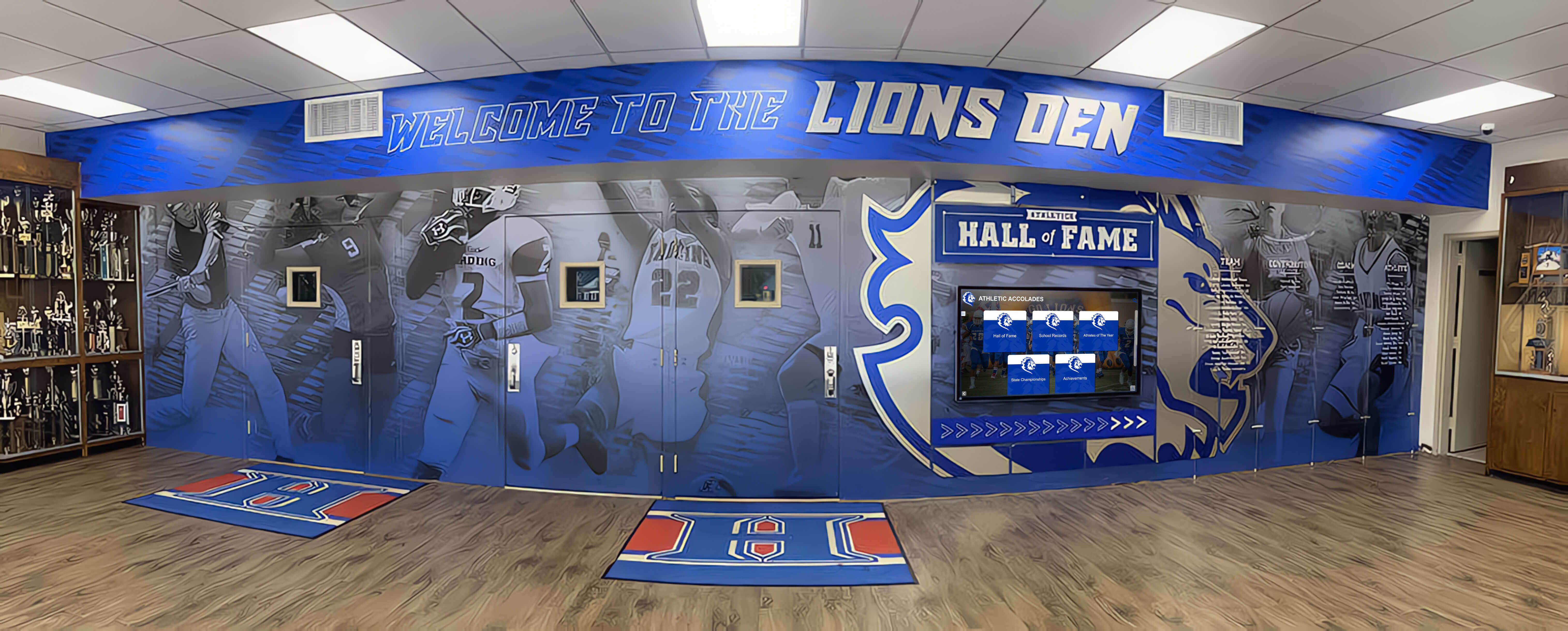
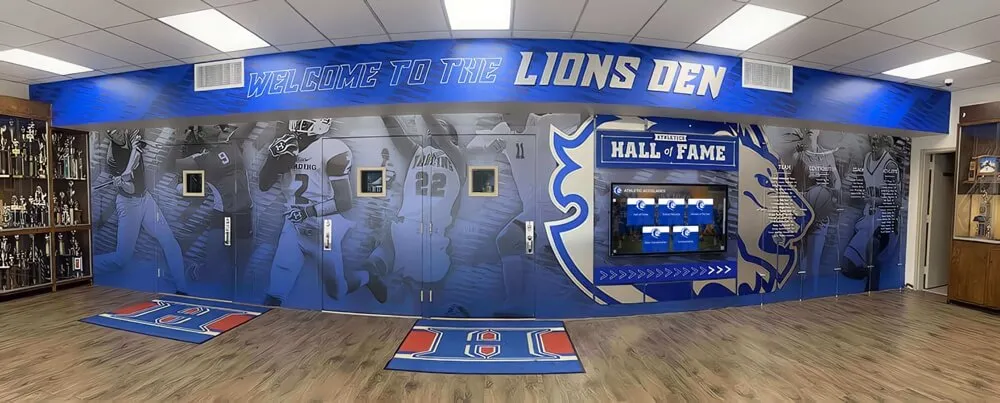
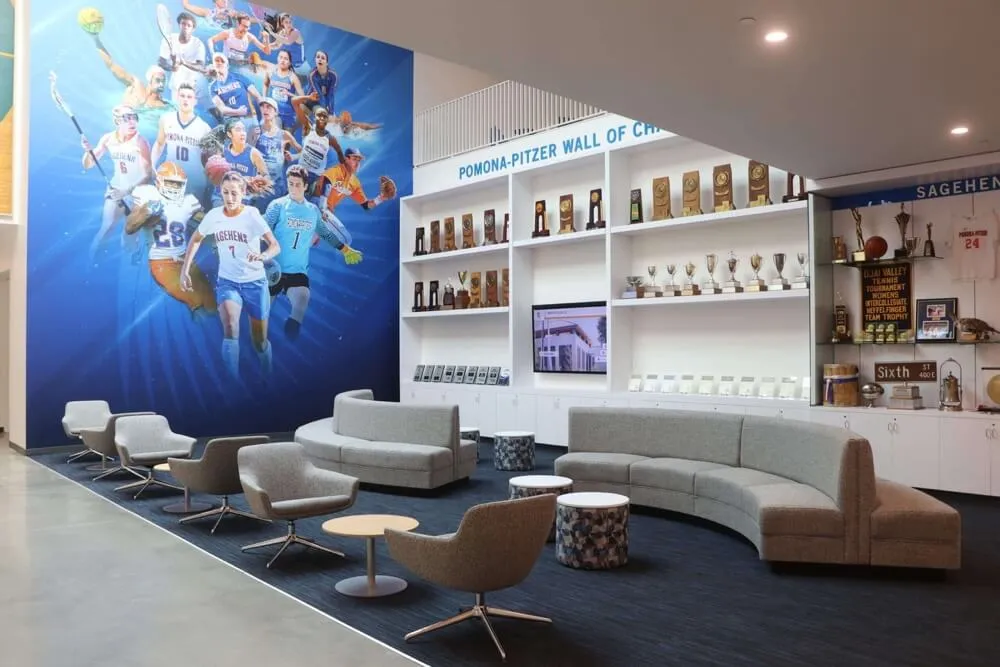
Traditional mascots like Lions create cohesive identity throughout athletic facilities from murals to trophy displays celebrating team achievements
Implementing and Showcasing School Mascots
Selection represents only the beginning—effective implementation brings mascots to life through consistent visual systems and recognition integration:
Developing Comprehensive Visual Identity
Strong mascot presence requires systematic design development:
Professional Logo Design Systems
Quality mascot implementation demands professional graphic design creating primary logos for official institutional use, secondary logos for alternative applications with different aspect ratios, wordmark combinations integrating school name with mascot imagery, icon-only versions for small-scale applications, and color variations for different background contexts.
Comprehensive logo packages include usage guidelines specifying minimum sizes, clear space requirements, approved color specifications, and application do’s and don’ts ensuring consistent implementation across diverse contexts. Schools should avoid amateur logo design or inconsistent mascot renderings diluting visual impact and creating fragmented institutional identity.
Athletic Uniform Integration
Mascots achieve highest visibility through athletic team uniforms and gear:
Consistent mascot placement across all sport uniforms creates unified department identity rather than disconnected team-by-team approaches. Helmet decals, jersey patches, court/field integration, warm-up gear, and team equipment should feature coordinated mascot implementation following established design standards.
Schools should work with athletic apparel vendors ensuring mascot reproduction meets quality standards across different manufacturing processes from embroidery to screen printing to sublimation, maintaining visual consistency regardless of application technique.
Campus Environmental Graphics
Physical campus presence reinforces mascot identity throughout daily student experience:
Entrance signage featuring prominent mascot imagery welcomes visitors and establishes institutional identity. Gymnasium murals, hallway graphics, cafeteria branding, and common area displays create immersive environments surrounding students with mascot presence. Athletic facility naming incorporating mascot identity like “Eagles Nest,” “Lions Den,” or “Spartans Arena” deepens connection between physical space and institutional symbol.
Facility graphics should balance bold visual impact with professional execution avoiding amateur painted murals that age poorly or appear unsophisticated compared to quality environmental design systems.
Digital Recognition and Display Integration
Modern mascot implementation extends beyond physical graphics to digital systems:
Interactive Recognition Displays
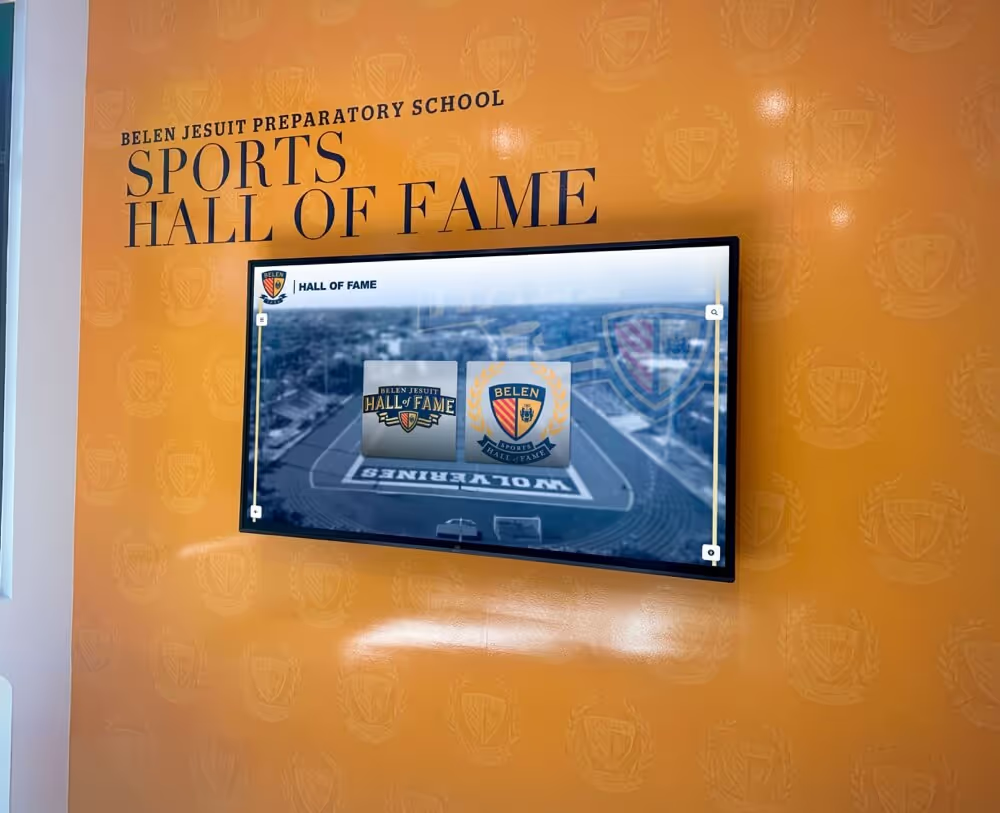
Contemporary schools integrate mascots throughout digital recognition systems celebrating student achievement. Digital hall of fame displays feature mascot-branded interfaces showcasing athlete profiles, championship history, and program milestones within coordinated visual identity reinforcing institutional brand.
Interactive touchscreens in lobbies, athletic facilities, and common areas utilize mascot imagery throughout user interfaces creating consistent branded experiences across digital and physical environments. Digital signage systems rotate mascot-integrated content including upcoming events, achievement celebrations, and institutional messaging maintaining constant visual presence.
Social Media and Digital Communications
Consistent mascot integration across digital communications strengthens online institutional identity:
Social media profile images, cover photos, and content graphics should feature established mascot designs rather than inconsistent variations diluting brand recognition. Email templates, digital newsletters, and website headers benefit from coordinated mascot integration creating unified digital presence matching physical campus identity.
Student-generated content guidelines help ensure unofficial uses maintain acceptable mascot representation standards while encouraging creative expression within established visual identity frameworks.
Mascot Character and Spirit Programs
Physical mascot characters bring symbols to life through performances and appearances:
Developing Mascot Personas
Effective mascot characters extend beyond costumes to developed personalities:
Naming mascot characters creates individual identity—“Eddie the Eagle,” “Louie the Lion,” or similar names personalize symbols making them more relatable and memorable. Character backstories, personality traits, and signature moves establish consistent portrayal across different student performers preventing haphazard characterization diminishing mascot impact.
Social media presence where mascot characters maintain dedicated accounts posting from character perspective creates ongoing engagement beyond physical appearances, particularly effective with younger students and alumni audiences.
Mascot Performance and Appearances
Systematic mascot deployment maximizes spirit impact:
Required athletic event appearances ensure consistent game-day presence building tradition and student expectations. Pep rally performances showcasing developed routines and crowd interaction skills energize school spirit events. Community event representation extends mascot presence beyond campus strengthening broader institutional visibility. Elementary school visits where high school mascots visit feeder schools build long-term institutional connection with future students.
Schools should establish mascot performer selection processes identifying students with appropriate performance skills, physical capabilities for costume wear, and commitment to consistent appearances rather than treating mascot duty as afterthought assignment generating unreliable participation.
Recognition programs celebrating championship achievements often utilize mascot imagery in state championship rings and commemorative items strengthening connection between athletic success and institutional identity.
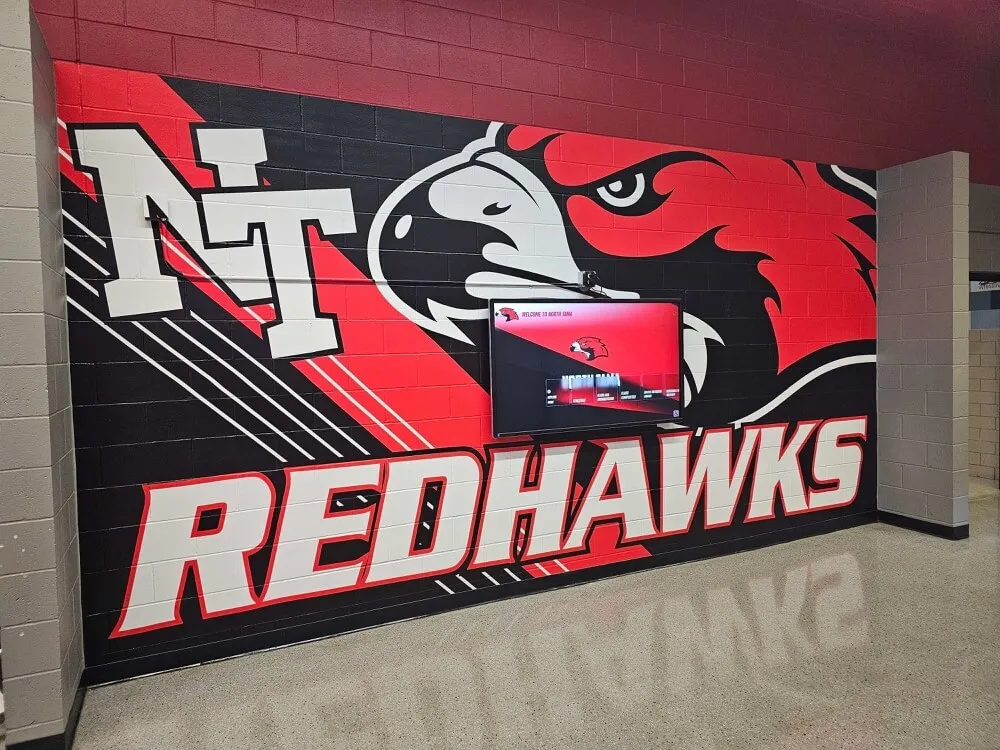
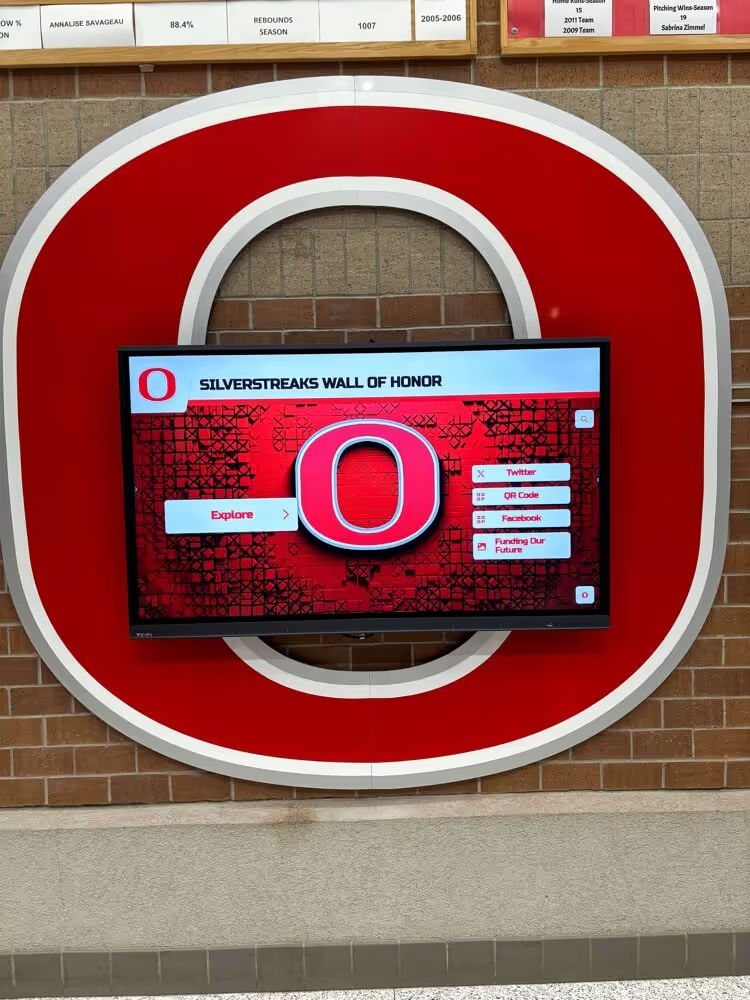
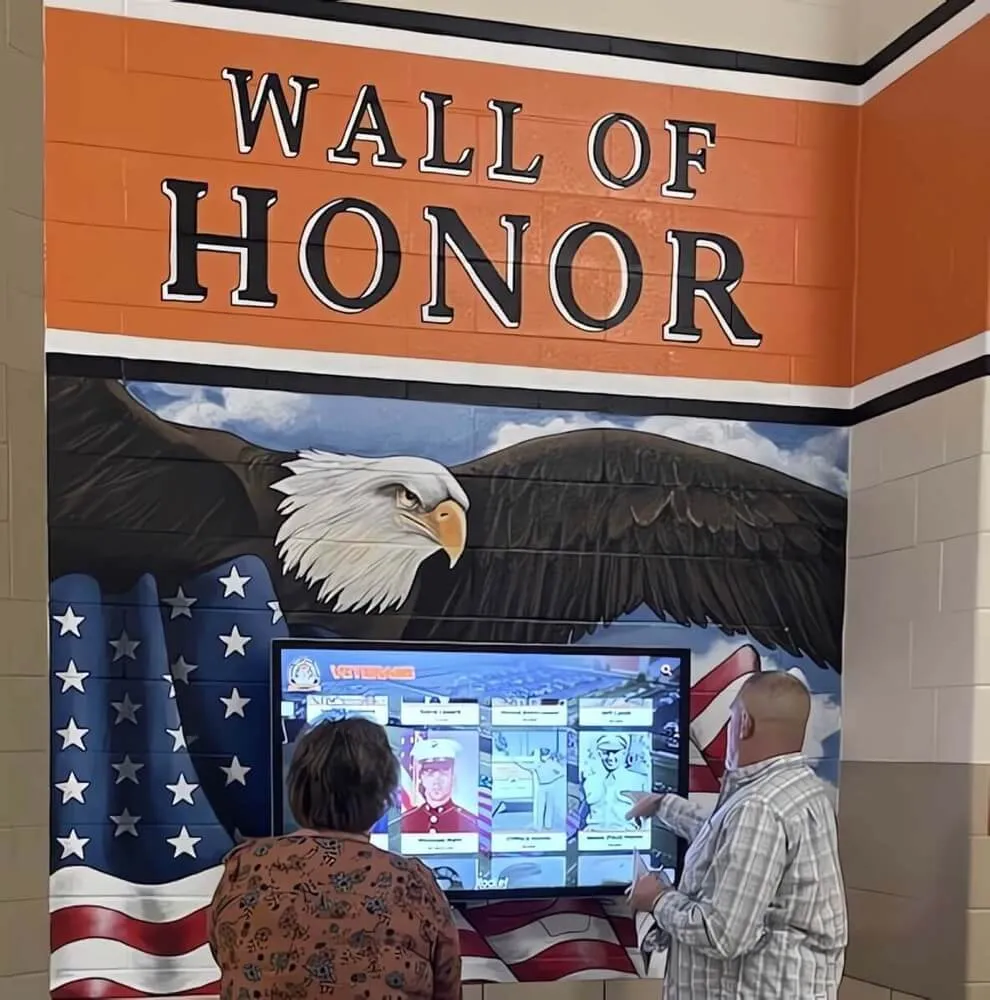
Modern mascot implementation combines traditional hallway murals with digital screens creating dynamic recognition environments celebrating school achievements
Avoiding Common Mascot Selection Pitfalls
Understanding frequent mistakes helps schools make better decisions:
Overused Mascot Concerns
Selecting mascots shared with numerous surrounding schools diminishes distinctiveness:
Regional Saturation Issues
Eagles, Tigers, Wildcats, Bulldogs, and Panthers rank among most common high school mascots, with many regions featuring multiple schools using identical symbols creating confusion and reducing unique identity. Before finalizing selections, schools should research mascots used by:
Immediate geographic competitors within athletic conferences, neighboring districts within 25-50 mile radius, and state/regional leaders in sports where schools regularly compete. Excessive duplication undermines mascot effectiveness as unique institutional identifier, particularly problematic when students transfer between schools or colleges recruit from multiple high schools sharing identical mascots.
However, common mascots aren’t automatically disqualified if schools can create distinctive visual interpretations, specific naming variations (Red Hawks vs. War Hawks), or unique color combinations differentiating from nearby schools using similar base concepts.
Creating Meaningful Differentiation
Schools committed to common mascot categories should emphasize distinctive implementation:
Specific species variations like selecting Grizzlies, Polar Bears, or Black Bears rather than generic Bears creates differentiation from neighboring schools using bear mascots. Unique color combinations pairing mascots with distinctive school color schemes—Crimson Bulldogs, Blue Panthers, Golden Eagles—establishes visual distinction. Creative naming incorporating geographic or community elements like River Hawks, Mountain Lions, or Coastal Sharks adds local flavor to common animal bases.
The most important differentiation comes through execution quality—schools with professional logo design, consistent implementation, and strong spirit programs make common mascots feel unique through superior activation rather than relying solely on symbol novelty.
Cultural Sensitivity and Appropriation
Mascot choices must navigate increasing awareness around cultural respect:
Native American Imagery Concerns
Many states have implemented restrictions or complete bans on Native American mascots due to concerns about stereotyping, cultural appropriation, and offensive imagery. Schools still using Indigenous imagery face community pressure to change, potential state legislation forcing transitions, and national attention focused on culturally insensitive institutional symbols.
Schools considering or currently using Native American mascots should engage with local tribal communities, evaluate whether imagery honors or stereotypes Indigenous cultures, research state regulations and emerging legislation, and prepare for potential mandatory changes rather than waiting for external pressure forcing rushed transitions.
Religious and International Symbol Respect
Beyond Indigenous imagery, schools should consider cultural sensitivity around religious symbols, international cultural imagery, and historical references potentially offensive to community members. Crusaders, for instance, references religious warfare potentially alienating non-Christian students and families. Overly aggressive or violent imagery may conflict with institutional values around sportsmanship and respect.
Inclusive mascot selection processes including diverse stakeholder engagement help identify potential cultural concerns before finalizing decisions that could generate controversy or require expensive reversal.
Practical Implementation Failures
Even well-chosen mascots fail without proper execution:
Insufficient Budget Planning
Complete mascot implementation or changes require significant investment including professional logo design development, athletic uniform replacement across all sports, facility signage and environmental graphics updates, digital system integration, mascot costume purchase, and marketing materials refresh.
Schools should develop comprehensive implementation budgets before final selection, phasing transitions if necessary rather than attempting partial implementation creating inconsistent visual presence undermining mascot impact. Insufficient funding results in mixed legacy and new imagery, amateur design execution, or incomplete rollout leaving mascot weakly established.
Lack of Visual Standards Enforcement
Without clear usage guidelines and enforcement, mascot visual identity fragments across departments:
Different coaches commissioning separate logo versions from various vendors creates inconsistent mascot renderings. Student organizations developing unofficial mascot variations dilutes established visual identity. Community groups and booster clubs creating their own interpretations produces fragmented institutional branding.
Successful schools establish clear brand standards, provide approved mascot artwork in various formats for different applications, create approval processes for new mascot uses, and enforce guidelines ensuring consistent implementation across all institutional touchpoints.
Comprehensive frameworks for academic recognition programs demonstrate how strong institutional identity including mascot integration strengthens celebration systems beyond purely athletic contexts.
Measuring Mascot Effectiveness and Engagement
Schools should assess whether mascots genuinely strengthen institutional identity:
Spirit and Engagement Indicators
Observable measures reveal mascot impact:
Student participation in mascot-themed spirit events like themed dress-up days, pep rally attendance, and athletic event turnout provides quantifiable engagement metrics. Merchandise sales of mascot-branded apparel and accessories indicates student willingness to personally identify with institutional symbol. Social media engagement around mascot content and physical character appearances demonstrates digital resonance.
Alumni connection measured through continued use of mascot references, nostalgic social media posts, and legacy merchandise purchases reveals whether mascot creates enduring institutional bond extending beyond graduation.
Recognition and Distinctiveness
External perception measures institutional identity strength:
Community awareness where local residents correctly identify school mascots without prompting demonstrates successful brand establishment. Media references in local news coverage, sports reporting, and community publications using mascot names rather than generic school references shows mascot integration into broader institutional identity.
Recruitment impact where prospective students mention mascot and school spirit as attraction factors indicates effective identity differentiation in competitive educational marketplace.
Long-Term Satisfaction and Evolution
Periodic assessment ensures mascots maintain relevance:
Stakeholder surveys every 3-5 years gauge continuing satisfaction among students, faculty, alumni, and community members. Visual identity refresh cycles updating graphic design while maintaining core mascot concept keeps implementation contemporary without abandoning established symbols. Strategic evolution opportunities identify when mascots require modernization versus complete replacement.
Schools should view mascots as living institutional identity elements requiring ongoing investment and periodic renewal rather than one-time decisions requiring no further attention after initial implementation.
Effective integration of mascot identity throughout comprehensive recognition systems including digital donor recognition displays strengthens institutional branding across all campus environments and stakeholder touchpoints.
Modernizing Existing Mascots
Schools with established mascots can strengthen identity without complete replacement:
Visual Identity Refresh Strategies
Updated design execution revitalizes aging mascots:
Contemporary Design Approaches
Professional logo redesign maintaining core mascot concept while updating visual style from dated illustration approaches to modern graphic design creates fresh appearance without abandoning established identity. Simplified, cleaner renderings often replace overly detailed or complex legacy designs that reproduce poorly across different applications.
Color palette refinement ensures mascot colors align with contemporary aesthetic preferences and reproduction capabilities while maintaining connection to traditional school colors. Typography updates pairing mascot imagery with modern fonts replaces dated lettering improving overall visual sophistication.
Expanded Logo System Development
Many schools with established mascots lack comprehensive logo packages:
Developing complete visual identity systems including multiple logo variations, usage guidelines, approved color specifications, and application standards transforms single legacy logo into professional brand architecture supporting diverse implementation needs. Creating secondary marks, icon versions, and wordmark combinations provides flexibility while maintaining consistent identity.
Digital Adaptation
Existing mascots designed for print applications often need optimization for digital contexts:
Developing web-friendly color variations, animated logo versions for digital signage and video, social media profile adaptations, and mobile app icon treatments ensures mascots translate effectively across contemporary digital touchpoints beyond traditional print applications.
Engaging Alumni During Transitions
Mascot changes or updates require careful alumni management:
Honoring Heritage While Evolving
Schools can acknowledge legacy while implementing changes through heritage displays documenting mascot evolution across institutional history, retired mascot merchandise allowing continued connection to traditional symbols, and dual branding transition periods gradually introducing new while phasing out old rather than abrupt switches alienating alumni attached to legacy identity.
Communication strategies should emphasize evolution rather than abandonment—framing updates as honoring tradition through modernization rather than discarding heritage for disconnected new identity.
Alumni Input and Support
Engaging alumni in mascot refresh processes through surveys, reunion consultations, and capital campaign connections where mascot implementation becomes donor opportunity transforms potential resistance into supportive engagement. Alumni willing to fund updated athletics facilities, digital recognition displays, or comprehensive visual identity systems feel invested in changes rather than alienated by decisions imposed without input.
Schools implementing hall of fame comprehensive guides discover that strong mascot identity creates cohesive recognition systems celebrating institutional heritage while connecting current students to alumni legacy.
Building School Spirit Through Mascot Integration
Mascots achieve maximum impact through systematic integration across school culture:
Spirit Week and Event Programming
Coordinated mascot-centered programming builds tradition and engagement:
Themed spirit weeks incorporating mascot colors, characteristics, and personality create immersive school-wide participation events. Mascot reveal ceremonies for new symbols or updated designs generate excitement and institutional milestone moments. Mascot birthday celebrations or anniversary recognitions establish annual traditions connecting students across graduating classes. Homecoming and pep rally programming featuring prominent mascot presence creates consistent association between mascot and school spirit events.
Schools should develop annual calendars systematically incorporating mascot elements throughout school year rather than sporadic, disconnected appearances failing to build consistent identity.
Cross-Curricular Integration
Extending mascots beyond athletics into academic and extracurricular contexts strengthens school-wide identity:
Art classes studying mascot design evolution and creating interpretive works. History classes researching mascot selection processes and institutional identity development. Marketing classes developing mascot-themed campaigns and brand strategies. Theater programs incorporating mascot characters into performance productions.
This academic integration communicates that mascots represent comprehensive school identity rather than exclusively athletic symbols, building broader institutional connection across diverse student populations beyond just athletes and sports fans.
Creating Mascot Traditions
Enduring rituals build mascot significance:
Signature chants, songs, or cheers incorporating mascot names and characteristics passed down through student generations. Physical mascot costume ceremony where outgoing seniors pass costume to new student performers establishing continuity. Mascot statues or monuments on campus creating permanent physical representations and photo opportunities. Legacy walls documenting mascot history and notable moments creating institutional narrative.
These traditions transform mascots from simple logos into meaningful institutional symbols carrying emotional weight and historical significance connecting current students to broader school legacy.
The Future of School Mascots
Emerging trends shape how schools approach institutional identity:
Digital-First Mascot Experiences
Contemporary students engage with mascots increasingly through digital rather than purely physical contexts:
Augmented reality applications enabling students to interact with virtual mascot characters through smartphones create contemporary engagement aligned with youth technology preferences. Animated social media content featuring mascot characters in short video formats matches content consumption patterns on TikTok, Instagram, and similar platforms. Esports integration where gaming teams use mascot avatars and branding extends institutional identity into competitive gaming programs growing across high schools.
Digital-native mascot implementation requires visual identity systems designed from inception for digital animation, motion graphics, and interactive experiences rather than static print-centric designs retrofitted for digital use.
Inclusive Identity Development
Modern mascot selection emphasizes inclusive processes and outcomes:
Community engagement prioritizing diverse stakeholder voices particularly from historically marginalized groups whose perspectives may have been excluded from legacy mascot decisions. Sensitivity review ensuring symbols respect cultural, religious, and community values across all student populations. Accessibility considerations ensuring mascot characters and events accommodate students with disabilities rather than creating exclusionary spirit programs.
Contemporary schools recognize that effective mascots unite entire communities rather than resonating with majority while alienating minority populations.
Sustainability and Responsible Implementation
Environmental and social responsibility influences mascot programs:
Sustainable merchandise production using environmentally responsible materials and ethical manufacturing. Costume design emphasizing durable, repairable construction over disposable seasonal replacement. Digital signage and recognition systems replacing constantly replaced paper materials with updateable displays reducing waste while improving visual impact.
Modern students increasingly value institutional alignment with sustainability principles, creating opportunities for mascot programs demonstrating environmental responsibility alongside school spirit building.
Conclusion: Choosing Mascots That Build Lasting Pride
Effective high school mascots transcend simple logos or costume characters to become powerful institutional symbols unifying students, athletes, faculty, alumni, and communities around shared identity and pride. The most successful mascots combine distinctive symbolism resonating with community values, professional visual design enabling consistent implementation, systematic integration throughout physical and digital environments, and ongoing investment maintaining relevance across evolving student generations.
Schools approaching mascot selection strategically—engaging diverse stakeholders, balancing tradition with contemporary appeal, planning comprehensive implementation rather than superficial adoption, and committing to long-term activation through spirit programming and recognition integration—create institutional identities that genuinely strengthen school culture and build meaningful connection extending decades beyond graduation.
Whether selecting mascots for new institutions, refreshing legacy symbols requiring modernization, or maximizing impact of established identity through improved implementation, schools investing in thoughtful mascot programs discover that these symbols become inseparable from institutional memory—transforming simple animal or warrior imagery into emotional touchstones connecting generations of students to shared legacy and enduring pride.
The right mascot doesn’t just represent a school—it becomes the school’s identity, establishing visual and emotional connections that unite communities and inspire excellence.
Ready to showcase your school mascot and celebrate student achievements through professional recognition systems? Rocket Alumni Solutions specializes in custom touchscreen displays integrating school branding, mascot imagery, and athletic recognition into stunning visual systems that build school spirit and honor excellence. Request a custom design preview showcasing how your mascot can come to life through modern digital recognition displays that inspire pride throughout your campus.