




Intent: Inspire reunion organizers to design interactive display boards that transform class gatherings from conventional social events into immersive experiences celebrating shared heritage, reconnecting classmates, and preserving memories through strategic layout, content, and engagement design.
High school reunion display boards serve as visual anchors for class gatherings, providing focal points where attendees reconnect with shared history, discover classmate updates, and celebrate collective journeys from graduation to present day. Traditional display approaches—poster boards with printed photos, static bulletin boards with minimal information, or slideshow projections cycling endlessly—struggle to engage modern audiences accustomed to interactive, self-directed content exploration enabling personal discovery and meaningful connection.
The challenge facing reunion organizers involves creating reunion display boards that genuinely facilitate engagement rather than serving as background decoration attendees glance past while socializing. Effective displays transform passive viewing into active exploration, provide conversation catalysts surfacing shared memories, accommodate diverse content including photos, biographies, and achievements, and balance nostalgia with contemporary presentation quality reflecting the professionalism classmates now bring to their own careers.
This comprehensive guide explores high school reunion display board design from strategic planning through implementation and activation—covering layout blueprints optimizing space and flow, content development strategies gathering compelling material, brand integration approaches celebrating class identity, interactive elements encouraging participation, and practical deployment considerations ensuring displays become genuine engagement drivers rather than afterthought decorations.
Reunion organizers implementing thoughtfully designed display boards report significant engagement improvements, with dedicated memory walls becoming primary gathering points where attendees spend 20-30 minutes exploring content, discovering forgotten classmates, and initiating conversations extending throughout events. This sustained interaction creates precisely the reconnection outcomes successful reunions seek while providing tangible value justifying reunion investment.

Professional portrait-based displays create cohesive presentations celebrating individual identities within collective class context
Understanding Reunion Display Board Objectives
Before designing specific displays, clarifying what reunion boards should accomplish ensures design decisions serve genuine event goals rather than simply filling wall space.
Creating Conversation Catalysts and Connection Points
The primary purpose of reunion display boards involves facilitating connections between attendees who may not have interacted in decades. Effective displays accomplish this by surfacing shared memories triggering recognition and reminiscence, highlighting commonalities between classmates whose life paths diverged, providing visual storytelling prompts that invite conversation, and creating comfortable gathering points where groups naturally congregate around content discovery rather than requiring forced ice-breaker activities many attendees resist.
Unlike generic event decoration, purpose-designed reunion boards function as social infrastructure—physical spaces where organic interaction occurs through content-mediated discovery. The board itself becomes conversation partner, supplying topics, revealing connections, and facilitating reintroductions between classmates who remember faces but struggle with names after 20 or 30 years.
Design Elements That Spark Conversation
Create discussion opportunities through “then and now” photo pairs generating immediate reaction and comparison, achievement highlights celebrating diverse post-graduation paths from teaching to entrepreneurship, memorable moment galleries featuring athletics, performances, and school events everyone recalls, superlative categories updating classic yearbook traditions with reunion-specific awards, and relationship mapping showing surprising connections between classmates who didn’t realize shared experiences.
Celebrating Collective Identity While Honoring Individual Journeys
Class reunions balance celebrating shared institutional experience with recognizing how individuals evolved from common starting points. Display boards should reflect this duality through content organization showcasing class-wide milestones alongside individual accomplishments, graduated school identity with personal authenticity, nostalgic references to shared past with current life realities, and collective achievements with appreciation for diverse success definitions.
This balanced approach ensures all attendees feel represented regardless of traditional success markers—celebrating the dedicated teacher equally alongside the corporate executive, the community volunteer alongside the published author, and the devoted parent alongside the accomplished professional.
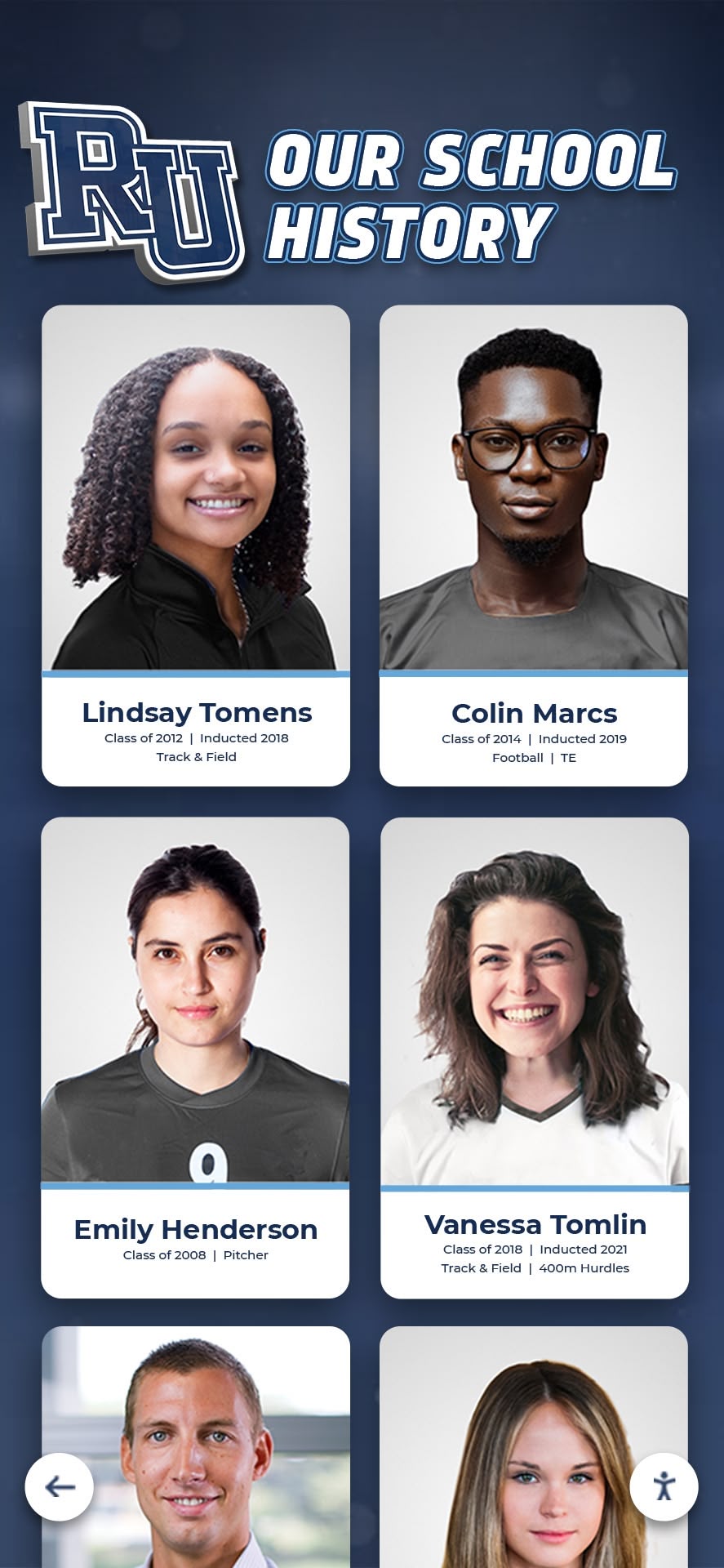
Grid-based portrait arrangements enable efficient browsing while maintaining individual recognition dignity
Preserving Memories Beyond Single Event
While reunion display boards serve immediate gathering engagement, their greatest long-term value emerges through memory preservation extending beyond single evenings. Thoughtful display design enables content capture creating lasting archives accessible after events conclude, provides frameworks for ongoing class communication, establishes patterns for future reunion planning, and creates artifacts families and communities value beyond attendee circles.
Organizations developing displays with permanence in mind often transition reunion boards into school-based installations or digital platforms maintaining year-round accessibility. Resources on touchscreen display applications for class reunions demonstrate how digital approaches extend traditional display board concepts into interactive experiences accessible worldwide.
Display Board Layout Blueprint
Effective reunion board design requires systematic spatial organization balancing aesthetic appeal with functional accessibility across attendees with varying physical abilities and content interests.
Physical Display Layout Strategies
Zone 1: Header Area with Class Identity (Top 15-20%)
The masthead establishes immediate context through clear class year and school identity with colors and logos, reunion milestone number (25th, 30th, 50th) celebrating the gathering significance, reunion date and location grounding attendees temporally and spatially, and optional tagline or theme message setting tone for celebration.
Use large, readable typography ensuring visibility from 10-15 feet away, enabling attendees across rooms to identify displays and navigate toward content. School colors should dominate this section, creating instant recognition and nostalgia connecting attendees with institutional identity.
Zone 2: Featured Content Area (Center, 40-50%)
The primary display zone showcases highest-value content including class composite or group photos showing full graduating class, featured classmate spotlights highlighting 8-12 compelling individual stories, achievement galleries celebrating diverse post-graduation successes, memorable moment collections featuring athletics, performances, and events, and interactive elements inviting participation through polls, memory submissions, or message boards.
Arrange content using visual hierarchy principles—larger images for most important elements, strategic color contrast drawing attention to key sections, whitespace preventing overwhelming density, and clear content groupings enabling logical scanning patterns.
Zone 3: Directory and Navigation (Side panels, 15-20% each)
Side zones provide systematic access to comprehensive class information through alphabetical directories listing all classmates with location or brief updates, categorical organization grouping attendees by activities, geography, or careers, memorial sections honoring deceased classmates with respectful presentation, and reunion information including schedule, committee acknowledgment, and next gathering plans.
These reference sections serve attendees seeking specific individuals or information, complementing the featured content areas designed for browsing and discovery.
Zone 4: Interactive Participation Areas (Bottom or dedicated sections, 15-20%)
Reserve space for attendee contributions including memory message boards where classmates write reflections or greetings, photo contribution areas displaying images attendees brought to reunion, polling stations gathering opinions on future reunions or class preferences, and digital access points providing QR codes linking to online class directories or photo galleries extending engagement beyond physical display.
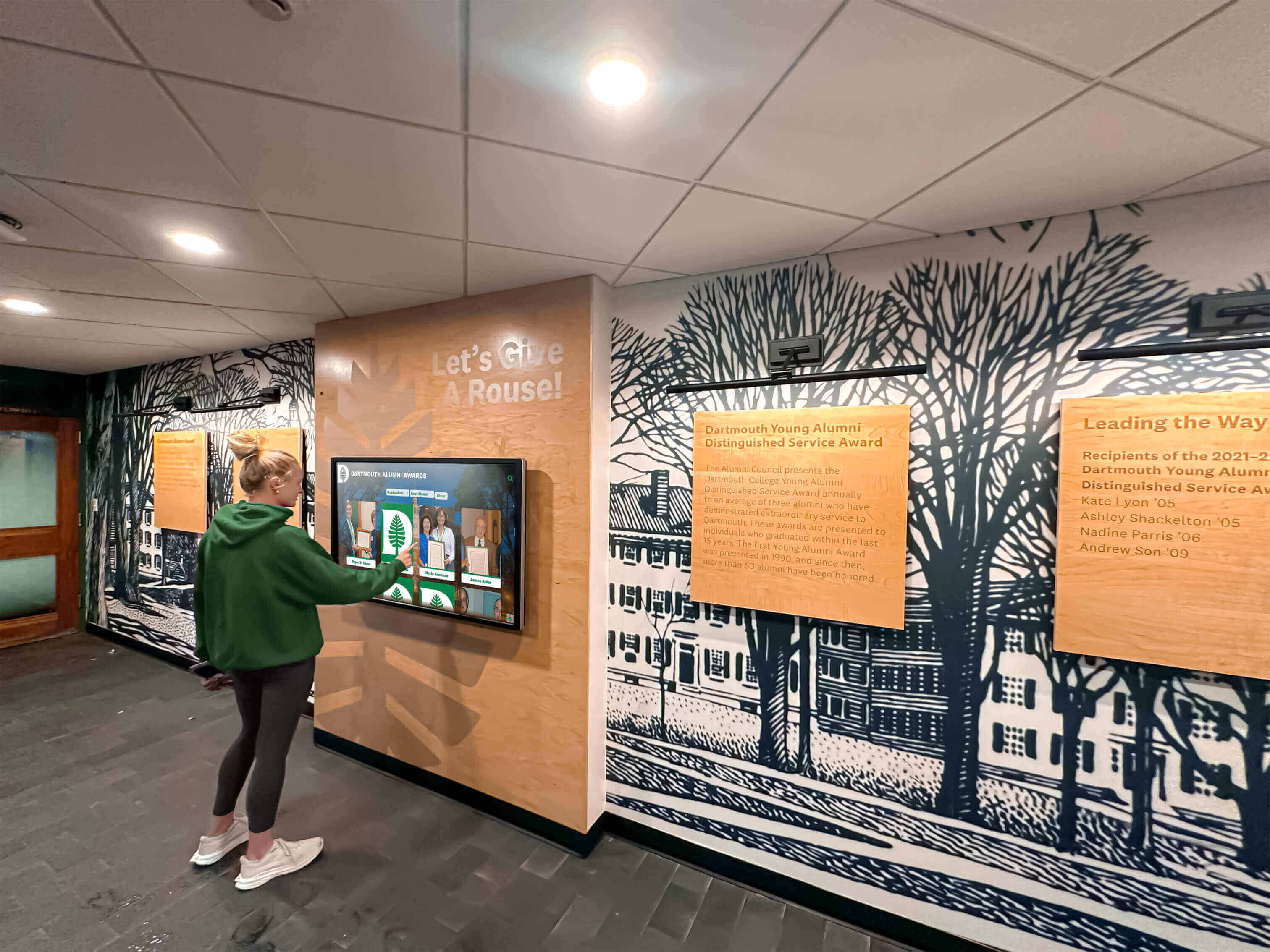
Accessible mounting heights and intuitive interfaces encourage exploration across all age groups and technical comfort levels
Multi-Board Display Networks for Large Reunions
Classes with 200+ graduates or extensive content benefit from multiple coordinated displays serving specialized purposes:
Display Board 1: Class Overview and Featured Highlights
Primary board showcasing collective class identity, major achievements, and featured content designed to draw initial attention and orient attendees to overall display system.
Display Board 2: Complete Class Directory
Comprehensive alphabetical listing with current photos, locations, and brief biographical updates for all classmates, enabling systematic discovery and reference.
Display Board 3: Memory Gallery and Historical Content
Photo-focused board featuring extensive image collections from senior year, major events, and submitted reunion photos, organized chronologically or thematically.
Display Board 4: Interactive Participation Station
Dedicated board for attendee contributions, polls, message boards, and future planning, encouraging active participation rather than passive viewing.
Coordinate displays through consistent branding, clear navigation signage indicating specialized content on each board, and strategic placement positioning boards along natural circulation paths rather than clustering in single location.
Accessibility Considerations for Inclusive Design
Create displays accessible to all attendees regardless of physical ability:
Physical Accessibility
Position primary content at 36-60 inches above floor for comfortable viewing from standing and seated positions, provide adequate approach space enabling wheelchair users and groups to gather, ensure adequate lighting without glare obscuring content, and consider providing seating nearby encouraging extended exploration for attendees preferring not to stand.
Visual Accessibility
Maintain high contrast between text and backgrounds ensuring readability (4.5:1 minimum for body text, 3:1 for large headings), use text sizing appropriate for viewing distances (minimum 18pt body text, 36pt+ headings for 6-foot viewing), avoid relying solely on color to convey information, providing text labels alongside color coding, and consider large-print supplement materials for attendees with vision impairment.
Cognitive Accessibility
Use clear, straightforward language avoiding jargon or dated references younger family members won’t understand, maintain consistent organizational logic throughout display, minimize required steps to find specific information, and provide clear directional cues and labels preventing confusion about content location.
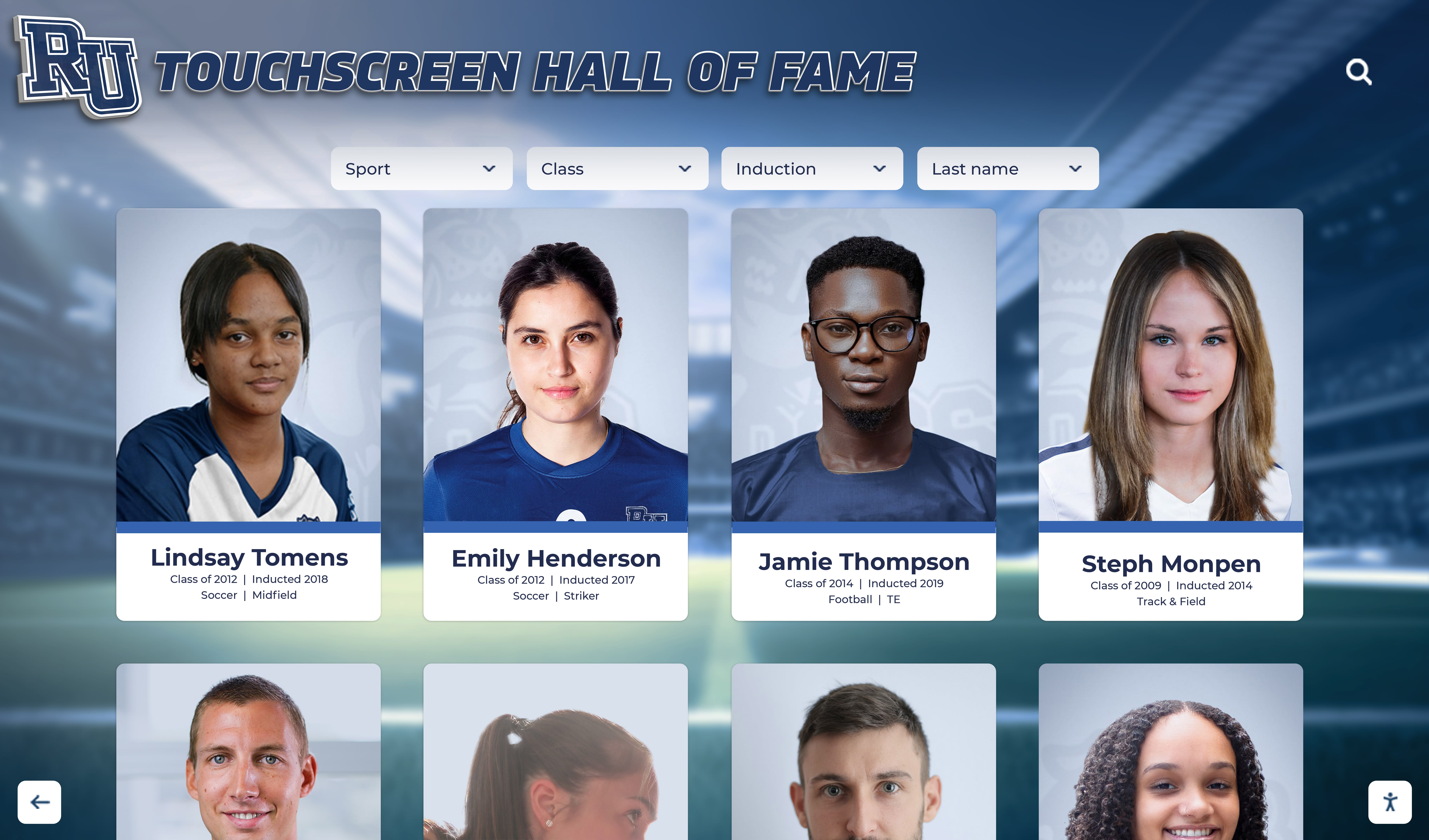
Card-based layouts provide familiar smartphone-like browsing experiences enabling intuitive navigation
Content Development Strategy for Engaging Displays
Display board effectiveness depends entirely on content quality—technology and design provide delivery mechanisms but substance determines engagement.
Gathering Comprehensive Class Information
Successful reunion displays require systematic content collection beginning 6-9 months before events:
Pre-Reunion Outreach Campaigns
Begin content gathering through structured requests including biographical update forms collecting current location, career, family, and milestone information, current photo submissions requesting professional or candid recent photos, favorite memory prompts asking attendees to share meaningful school experiences, achievement highlights inviting classmates to share significant accomplishments, and participation permissions confirming consent for inclusion and photo usage.
Distribute requests through multiple channels reaching diverse classmate segments including email campaigns to known addresses, social media outreach through class Facebook groups and LinkedIn networks, postal mail for classmates without digital presence, phone campaigns for harder-to-reach individuals, and dedicated reunion websites or portals enabling direct content submission.
Consider tiered participation approaches where basic profiles (name, yearbook photo, last known information) represent universal inclusion while enhanced profiles with current photos, narratives, and personal content recognize engaged participants. This ensures nobody feels excluded while incentivizing active involvement.
Archival Research and Historical Content Curation
Supplement direct submissions with institutional and community sources including school yearbooks providing official photos and documentation, local newspaper archives capturing athletic competitions, performances, and awards, school newsletters and programs documenting events and activities, athletic and club records showing championships and leadership, and personal collections families and alumni contribute.
Digitize historical materials through high-resolution scanning, organize content systematically by category and chronology, verify accuracy through cross-reference with multiple sources, and document source provenance supporting future research and corrections.
Resources on digital archives for schools and colleges provide frameworks for systematic historical content preservation applicable to reunion-specific projects.
Writing Compelling Biographical Narratives
Transform submitted information into engaging content celebrating individual journeys:
Profile Content Structure
Organize individual classmate profiles following consistent format including current status snapshot showing location, career, and family situation, post-graduation journey highlighting major life events and career progression, meaningful achievements celebrating professional accomplishments and community contributions, favorite school memories sharing personal perspectives on shared experiences, messages to classmates offering greetings or acknowledgments, and optional connection information enabling follow-up communication.
Storytelling Techniques for Authenticity
Make profiles engaging through specific details rather than generic descriptions (“Teaches 4th grade at Lincoln Elementary, inspiring students the way Mrs. Peterson inspired our class” rather than simply “Works as teacher”), conversational tone matching reunion’s celebratory atmosphere, appropriate humor and personality reflecting individual voices, contextual connections linking to shared experiences or other classmates, and authentic voice maintaining submitted content’s character rather than over-editing into uniform style.
Balance professional accomplishment recognition with personal life celebration—the classmate who raised remarkable children deserves equal recognition alongside those who led corporations, and the community volunteer who served others merits celebration alongside those who achieved traditional career success.
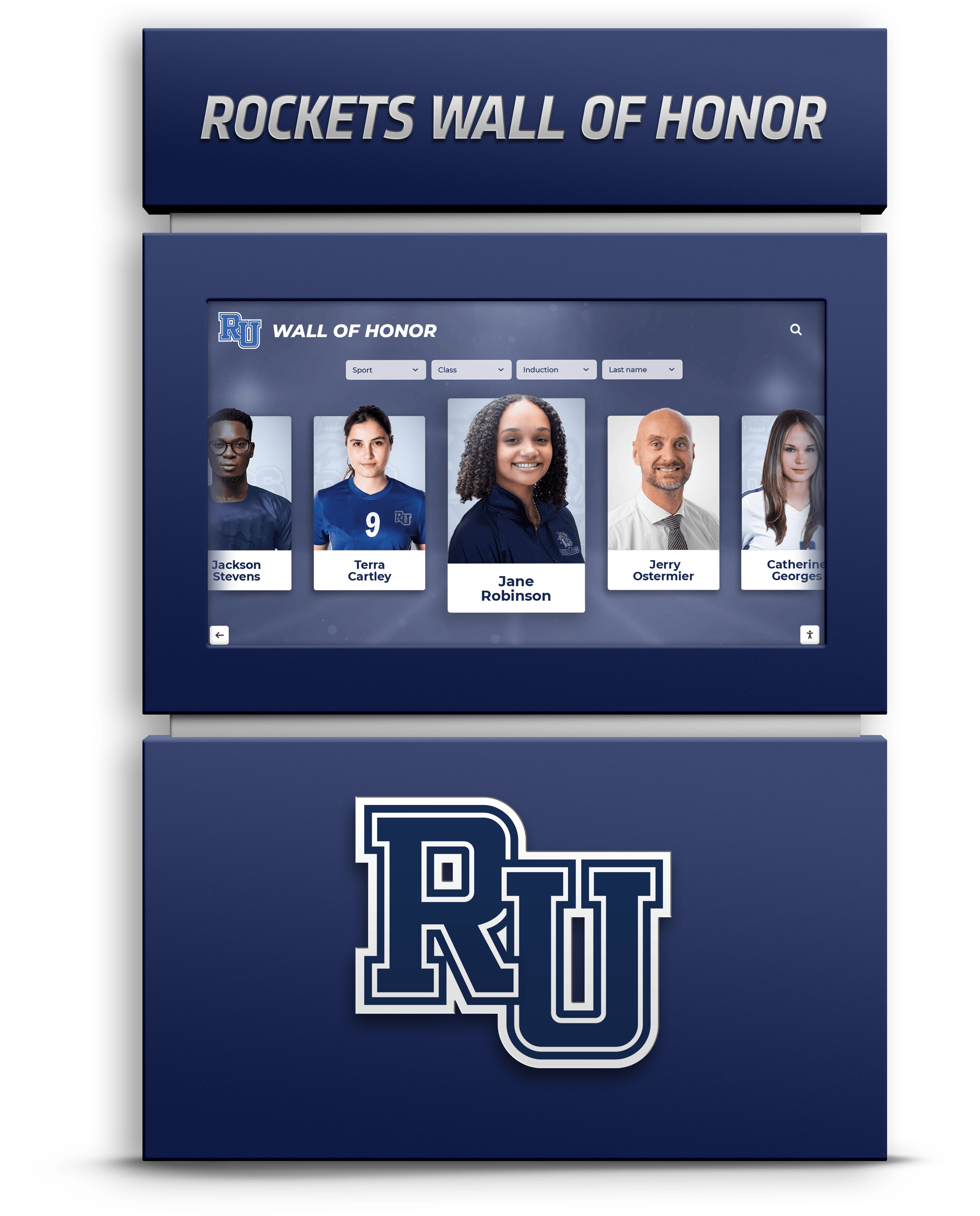
Branded displays incorporating school identity create powerful nostalgia while celebrating individual achievement
Organizing Memory Galleries and Visual Content
Photo collections form emotional centerpieces for reunion displays:
Memory Gallery Organization Strategies
Structure photo collections through chronological progression from freshman year through graduation, thematic categories like athletics, performances, clubs, and social events, location-based groupings featuring memorable campus spaces and venues, and people-focused galleries highlighting friend groups, teams, and activity participants.
Include captions providing context—dates, locations, names, and brief descriptions helping attendees remember circumstances and recognize classmates whose appearances changed significantly.
Photo Quality and Presentation Standards
Digitize historical photos at high resolution (minimum 300 DPI for printing, higher for large-format displays), restore damaged images through digital editing correcting fading, tears, and discoloration, crop images strategically highlighting subjects while eliminating unnecessary background, and apply consistent color correction ensuring visual cohesion across decades of source material with varying photographic technologies.
For traditional physical displays, print photos at professional quality through commercial services rather than home printers, achieving color accuracy, durability, and resolution justifying reunion investment and honoring classmates professionally.
Developing Interactive Engagement Elements
Beyond passive content viewing, interactive components increase participation and create memorable experiences:
Polling and Voting Stations
Create participation opportunities through superlative voting allowing attendees to vote on reunion-specific categories like “Most Changed,” “Least Changed,” or “Most Likely to Become President” updating classic yearbook traditions, prediction reveals comparing original senior year predictions with current reality, future reunion polls gathering preferences for next gathering timing and format, and trivia competitions testing class history knowledge with leaderboards tracking top scorers.
Provide simple voting mechanisms like sticker dots, tally marks, or digital polling if using tablet interfaces, making participation effortless and visually engaging as votes accumulate throughout events.
Memory Contribution Stations
Enable real-time content addition through memory message boards where attendees write favorite memories or messages on cards displayed on boards, photo sharing stations allowing attendees to add reunion photos or historical images they brought, advice collections inviting classmates to share life lessons learned since graduation, and digital submissions providing QR codes linking to online forms for memory submission accessible from smartphones.
These dynamic contributions transform displays from fixed presentations into living documents evolving throughout reunions and capturing events themselves for future memory. Guidance on school gala fundraiser recognition using digital displays provides frameworks for event-based interactive recognition applicable to reunion contexts.
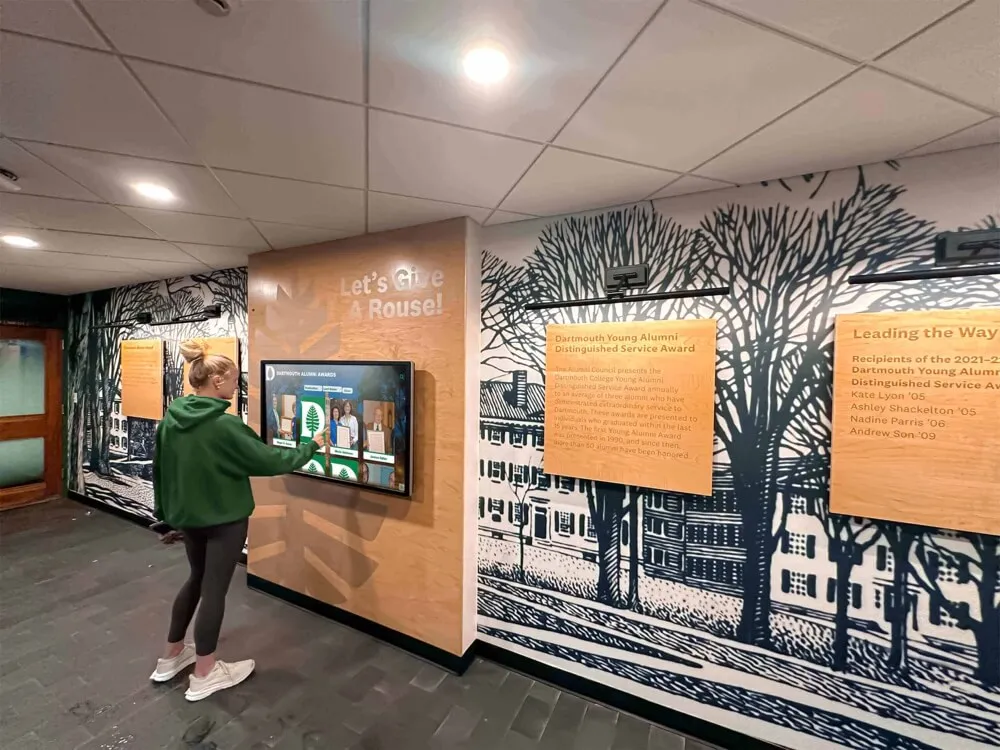
Strategic hallway placement ensures displays become natural stopping points during venue circulation
Brand Integration: Celebrating School and Class Identity
Effective reunion displays should immediately communicate class identity through thoughtful brand integration reflecting shared institutional experience.
Visual Identity Implementation
School Colors and Design Language
Apply institutional branding systematically throughout displays creating immediate recognition and nostalgia through primary school colors as dominant palette for headers, backgrounds, and key UI elements, secondary colors for accents and highlights maintaining visual interest, mascot imagery in headers or as watermarks connecting to school pride, and iconic campus imagery featuring recognizable locations and architectural elements.
Consider design aesthetics evoking graduation era—classes from 1970s might embrace period-appropriate fonts and color palettes while more recent classes prefer contemporary clean design. This temporal alignment adds nostalgia layers making displays feel custom-crafted for specific classes rather than generic templates.
Typography and Layout Patterns
Select fonts reflecting institutional character while prioritizing readability including bold, clear headline fonts for titles and section headers, highly legible body fonts for biographical content and descriptions, consistent sizing hierarchy creating clear information structure, and weight variations emphasizing key content without excessive styling.
Yearbook-Inspired Design Elements
Many reunion displays benefit from design languages referencing yearbook layouts familiar to all attendees including superlative categories echoing senior polls and awards, composite grid layouts showing class members organized systematically, section dividers matching yearbook organizational structure, and quote callouts highlighting memorable sayings and inside jokes only class members understand.
Custom Backgrounds and Environmental Imagery
Campus Photography Integration
Create strong sense of place through imagery featuring locations meaningful to attendees including exterior shots of main building entrances where students gathered, athletic facilities hosting memorable competitions, cafeteria and common areas where social interaction occurred, specialized spaces like auditoriums, libraries, and labs central to experience, and landscape or architectural details unique to campus identity.
For schools undergoing significant renovation or construction, juxtaposing “then and now” photography creates powerful visual storytelling showing institutional evolution while honoring historical memory attendees share.
Historical Context and Era References
Integrate temporal context helping attendees reconnect with specific moment they shared including world events and news headlines from graduation year, popular culture references like music, movies, and fashion trends, local community developments and changes, technology artifacts showing phones, computers, and entertainment devices illustrating lifestyle transformation, and price comparisons for gas, housing, and consumer goods providing humorous perspective on economic change.
These contextual elements help attendees remember not just each other but the specific era they shared together, enriching reminiscence and conversation opportunities beyond purely personal interactions.
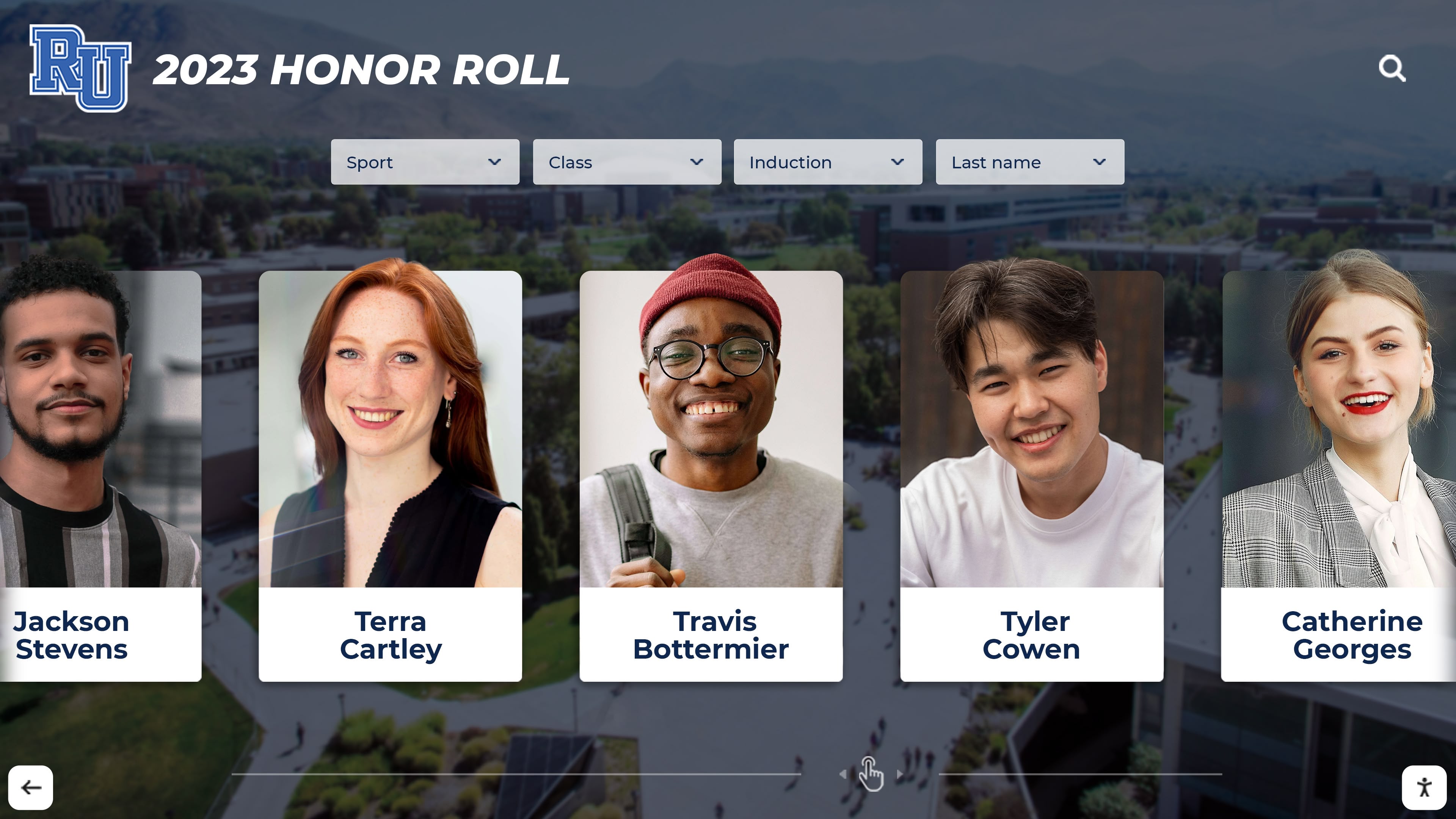
Systematic portrait organization creates browsable directories while maintaining visual appeal and professional presentation quality
Implementation Approaches: Traditional vs. Digital Displays
Reunion organizers face fundamental choices between traditional physical displays and modern interactive digital approaches—each offering distinct advantages, limitations, and implementation considerations.
Traditional Physical Display Boards
Materials and Construction Approaches
Conventional reunion boards typically use foam core poster boards for lightweight, affordable mounting surfaces, tri-fold presentation boards enabling freestanding displays without wall mounting, fabric-covered bulletin boards accepting pinned content for easy updates, wooden frames with corkboard or fabric backing for premium presentations, and banner stands with printed vinyl for professional appearance.
Advantages of Physical Displays
Traditional approaches offer no technology requirements or learning curves for attendees, straightforward setup requiring minimal technical expertise, tangible tactile experience some audiences prefer, lower initial costs compared to digital alternatives, and flexibility in venue placement without power or network requirements.
Limitations of Physical Boards
Physical displays face space constraints limiting recognition to available board area, update challenges requiring reprinting and remounting for corrections, minimal multimedia capacity beyond static photos and text, accessibility restrictions limiting visibility to those physically present, and durability concerns from wear, lighting, or environmental damage during events.
Digital Interactive Display Solutions
Technology Options for Digital Boards
Modern reunion displays increasingly leverage interactive technology including large-format touchscreen displays (55-75 inches) for hands-on exploration, standard digital screens running slideshow presentations or video content, tablet stations positioned on stands enabling small-group interaction, projection systems displaying content on walls or screens, and hybrid approaches combining physical boards with digital access through QR codes linking to online content.
Solutions like Rocket Alumni Solutions provide purpose-built platforms designed specifically for recognition and celebration, offering intuitive interfaces for content management, unlimited digital capacity for honoree profiles, and accessibility extending recognition beyond physical events to worldwide online access.
Advantages of Digital Displays
Interactive technology eliminates space constraints accommodating unlimited classmates without physical expansion, enables instant updates through content management systems, supports rich multimedia including photos, videos, and biographical narratives, provides powerful search and filtering for instant individual location, generates analytics demonstrating engagement levels, and extends accessibility to online audiences beyond physical venue attendees.
Implementation Considerations for Digital
Digital displays require hardware investment ($2,000-8,000 for rental, $8,000-15,000 for purchase), reliable network connectivity for content updates, basic technical expertise for setup and management, venue requirements including power access and appropriate mounting, and content development using digital platforms or specialized software.
For single-event reunions, rental options often prove most practical. Classes planning multiple future reunions or seeking permanent school installations benefit from purchase investments delivering value across decades. Organizations implementing digital hall of fame programs provide detailed technology selection frameworks applicable to reunion contexts.
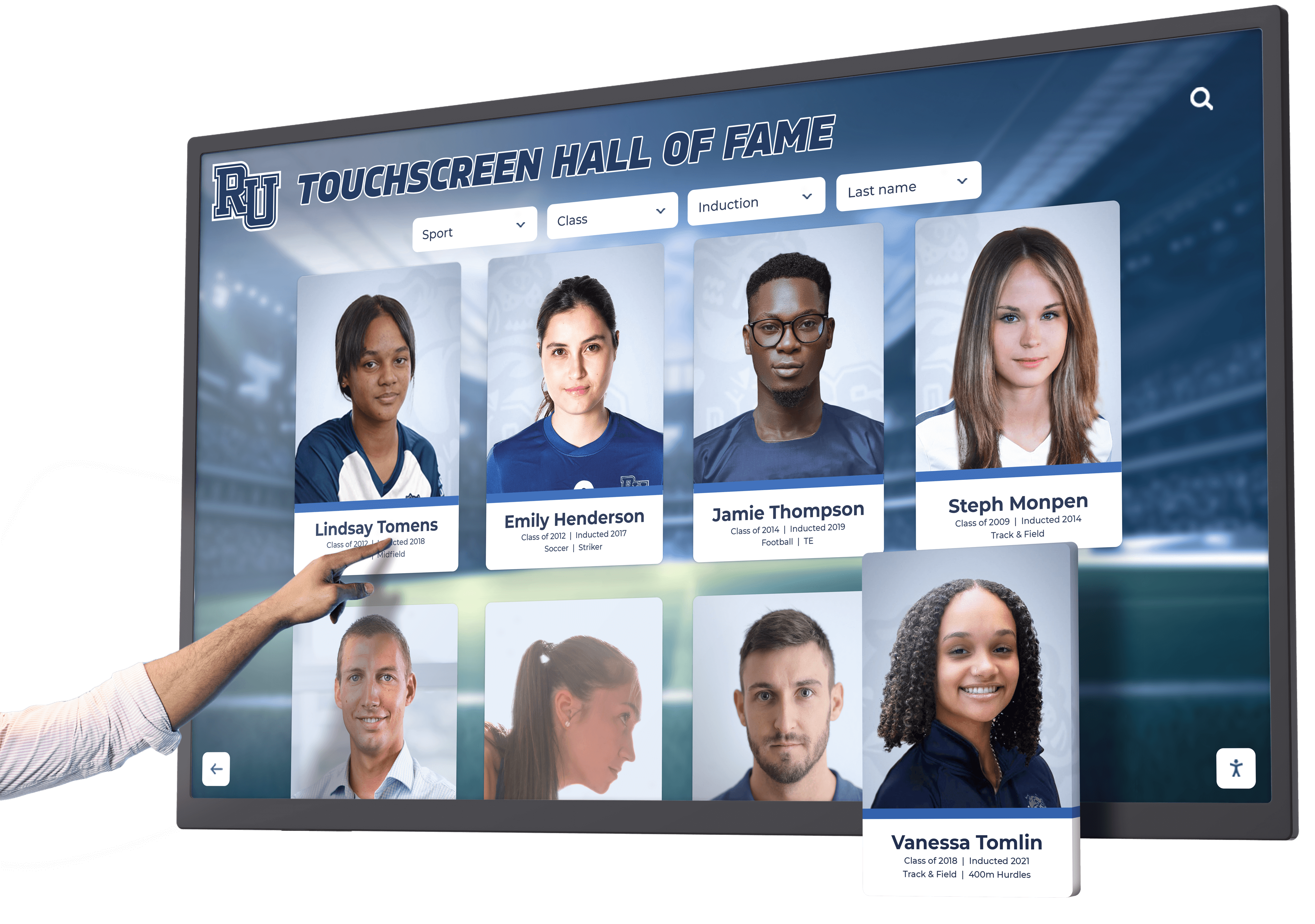
Touch-based interaction creates engaging user experiences matching familiar smartphone navigation patterns
Practical Deployment Strategies
Successful reunion display implementation requires careful planning across venue selection, setup logistics, promotion, and event-day management.
Strategic Placement and Installation
Optimal Venue Locations
Position displays in high-traffic circulation areas where attendees naturally pass including entrance areas where classmates arrive and form first impressions, near registration or check-in stations where attendees gather while signing in, adjacent to social spaces like bars or food stations where people naturally congregate, and visible from main event spaces drawing exploration during conversation lulls.
Avoid positioning displays in extremely noisy areas where conversation becomes difficult, in corners or side rooms requiring deliberate seeking, or in very bright spaces where screen visibility suffers or printed content fades.
Multi-Display Distribution Strategies
For large reunions with extensive content, distribute displays strategically throughout venues rather than clustering in single locations creating bottlenecks. Position Directory Display near entrance enabling classmate location, Memory Gallery Display in social areas encouraging group exploration, Interactive Participation Display in quieter zones supporting extended engagement, and Memorial Recognition Display in respectful separate areas allowing private reflection.
Physical Setup and Installation
Schedule installation minimum 2-3 hours before attendees arrive allowing troubleshooting time. Verify secure mounting or stable freestanding positioning preventing accidental damage, adequate lighting ensuring visibility without glare, clear approach space enabling wheelchair access and group gathering, and proper electrical and network connectivity for digital displays requiring power or internet.
Promotion and Engagement Activation
Pre-Event Promotion
Build anticipation through communications highlighting displays including reunion invitation mentions describing display features, pre-event emails encouraging content submission and photo sharing, social media posts previewing display content and encouraging attendance, and video teasers showing display development process creating excitement.
Event-Day Activation
Don’t assume displays automatically attract attention—actively promote them through mentions during welcome remarks and announcements, inclusion in event programs and directional signage, ambassador assignments where committee members encourage exploration and assist with navigation, and social media posts during events highlighting discoveries and encouraging sharing.
Capturing Engagement Moments
Document display interaction creating meta-content for future memories including photos of attendees discovering profiles or engaging in conversation around displays, video testimonials of classmates sharing what they found meaningful, recordings of particularly funny or touching moments as displays surface forgotten memories, and feedback collection about experience for future reunion planning.
Resources on academic recognition programs provide systematic activation frameworks applicable to reunion display contexts ensuring technology investments deliver genuine engagement rather than becoming unused decoration.
Special Applications and Creative Extensions
While standard reunion displays focus on classmate profiles and memories, creative applications extend engagement and value.
Memorial Recognition and Remembrance
Thoughtfully honor deceased classmates through dedicated memorial sections with respectful presentation including professional portraits when available rather than informal candid photos, biographical tributes celebrating lives and contributions, classmate remembrances sharing personal memories and perspectives, meaningful quotes or favorite sayings when known, and contribution opportunities directing memorial giving to scholarship funds or meaningful causes.
Establish clear editorial guidelines ensuring memorial content maintains appropriate tone and accuracy. Consider involving families when developing memorial tributes ensuring representation honors deceased classmates in ways families find meaningful and appropriate. Frameworks for honoring deceased faculty through memorial recognition provide applicable approaches for classmate memorial contexts.
Scholarship and Giving Integration
For classes with scholarship funds or philanthropic initiatives, integrate giving opportunities into displays through scholarship recipient profiles showing students supported by class generosity, giving level recognition acknowledging reunion campaign contributors without excessive commercialization, impact storytelling demonstrating concrete outcomes of class philanthropy, and convenient donation mechanisms enabling immediate contribution via QR codes linking to secure giving platforms.
Balance recognition with celebration—fundraising elements should enhance rather than dominate reunion experience, supporting class legacy building without creating uncomfortable pressure on attendees in varied financial circumstances.
Permanent Installation Opportunities for Schools
Many successful reunion displays evolve into permanent school installations celebrating class legacy while inspiring current students. Schools increasingly welcome digital recognition installations funded by reunion classes as lasting gifts serving multiple constituencies including current students gaining inspiration from alumni achievement, prospective families evaluating school communities during tours, future reunion attendees discovering comprehensive class histories, and school communities celebrating collective heritage.
Permanent installations justify increased technology investment delivering value across decades rather than single evenings, create naming opportunities recognizing reunion classes or donor leadership, and strengthen ongoing school relationships maintaining class engagement between milestone gatherings. Guidance on high school wall of fame implementation provides detailed frameworks for permanent recognition installations honoring class contributions.
Extended Digital Access Beyond Physical Events
Creating web-based companion experiences extends display value far beyond single reunion evenings including online class directories accessible from any device enabling year-round exploration, mobile-responsive designs supporting smartphone and tablet browsing, social sharing features distributing highlights to broader networks including classmates unable to attend, permanent reunion archives preserving content for future gatherings, and integration with class social media groups maintaining ongoing engagement.
This persistent digital access transforms reunion displays from temporary event decoration into lasting class assets supporting community connection between milestone gatherings.
Measuring Success and Gathering Feedback
Evaluating display effectiveness ensures reunion investments deliver value while informing future event planning.
Engagement Observation During Events
Monitor display interaction throughout reunions noting dwell time showing how long attendees engage with content, group formation patterns observing whether displays attract clusters or individual use, conversation catalysts watching whether display content sparks discussion, emotional responses noting laughter, surprise, or touching moments, and demographic patterns identifying whether all age segments engage equally.
These observational insights reveal what genuinely resonates beyond what attendees report when asked directly, helping organizers understand actual usage patterns versus intended design.
Post-Event Feedback Collection
Gather attendee perspectives through multiple channels including post-reunion surveys asking specifically about display experience including awareness, usage, value perception, content quality, and improvements for future events, social media monitoring capturing organic comments and shares, informal conversations during events as classmates naturally discuss displays, and committee debriefs gathering organizing team perspectives on what worked well and what would improve future implementations.
Often most valuable feedback emerges spontaneously when attendees share what resonated most or suggest enhancements for next reunion.
Long-Term Impact Assessment
Evaluate lasting value through ongoing engagement with display content when available online, new connections formed attributable to display discoveries, increased participation in class communications following reunion, interest in permanent school-based recognition installations, and enthusiasm for enhanced displays at future milestone gatherings.
Many reunion committees discover successful displays generate momentum for more ambitious recognition programs, creating virtuous cycles where each gathering’s success builds foundation for increasingly sophisticated subsequent celebrations.
Common Challenges and Practical Solutions
Understanding typical obstacles helps organizers proactively address implementation challenges.
Budget Constraints and Funding Approaches
Reunion displays require investment from several hundred dollars for basic physical boards to several thousand for sophisticated digital installations:
Alternative Funding Strategies
Reduce individual burden through early-bird ticket premiums allocating portions to display funding, corporate sponsorships particularly from classmate-owned businesses willing to support gatherings, dedicated technology fees as separate optional contributions, class fund allocation drawing from existing treasury when available, and volunteer contributed services leveraging classmates’ professional skills in design, printing, or technology.
Frame display investment as experience enhancement justifying premium ticket prices attendees willingly pay for transformed reunion rather than positioning as discretionary decoration expense. Quality displays become reunion highlights generating positive word-of-mouth encouraging attendance at future gatherings.
Content Development Timeline and Capacity
Comprehensive displays require significant development effort 6-9 months before reunions creating workload challenges for volunteer committees:
Resource Management Approaches
Distribute work through reunion committee subcommittees focused on content gathering, outreach, and design, multiple content collection waves beginning early and continuing through events rather than single campaigns, volunteer recruitment engaging classmates passionate about class history and connection, professional support contracting designers or developers for technical implementation while committees manage content, and realistic scope setting focusing on achievable coverage rather than overwhelming perfectionism.
Launch with strong foundation covering active participants before pursuing comprehensive universal inclusion. Better to celebrate 50 classmates richly than document 300 minimally, creating engagement rather than directories.
Technical Expertise for Digital Implementations
Digital displays require technical capabilities many reunion committees lack:
Technical Support Solutions
Simplify through platform selection prioritizing user-friendly content management over complex custom solutions, vendor partnership choosing providers offering comprehensive setup and support assistance, technical liaison recruitment identifying classmates with relevant professional backgrounds to own technical aspects, rental options leveraging provider setup and retrieval rather than managing equipment, and backup planning maintaining alternative entertainment if displays experience failure.
Quality vendors understand reunion organizers need reliable turnkey solutions rather than complex systems requiring constant technical intervention, providing white-glove service including setup, testing, and event-day support.
Conclusion: Creating Reunion Displays That Reconnect and Celebrate
High school reunion display boards represent powerful tools for transforming class gatherings from standard social events into immersive celebration experiences honoring shared history while recognizing how individuals evolved from common starting points. By creating visual focal points facilitating natural conversation, surfacing shared memories triggering recognition and reminiscence, providing systematic access to classmate information enabling reconnection, celebrating diverse achievement definitions beyond narrow success metrics, and preserving reunion content for lasting value extending beyond single evenings, well-designed displays deliver reunion enhancement traditional approaches cannot match.
Get Your Touchscreen Mock-Up
Transform your class reunion with interactive displays celebrating your unique story. Rocket Alumni Solutions creates engaging touchscreen experiences purpose-built for alumni connection and memory celebration.
Schedule Your Design ConsultationThe most successful reunion display implementations start with clear engagement objectives understanding what connections matter most to your class, develop compelling content celebrating both collective identity and individual journeys, position displays strategically where they become natural gathering points rather than afterthought decoration, select appropriate technology balancing sophistication with usability and budget, and actively promote engagement ensuring displays fulfill connection-building potential.
Whether planning your first reunion or enhancing milestone gathering for classes celebrating 20, 30, or 50 years since graduation, thoughtful display board design provides proven frameworks for creating memorable experiences honoring shared institutional foundation while celebrating remarkable diversity of paths emerging from common starting point.
Ready to explore display options for your class reunion? Discover comprehensive high school class reunion touchscreen display strategies integrating technology with traditional elements. Learn about alumni welcome area design approaches applicable to reunion venues creating inviting gathering spaces. Explore digital recognition display considerations helping evaluate technology options. Understand best platforms for building virtual halls of fame extending recognition beyond physical events. Review class composite presentation techniques showcasing graduating classes systematically. And when ready to discuss your specific reunion vision, connect with Rocket Alumni Solutions exploring how purpose-built interactive displays can help create reunion experiences your classmates deserve—experiences genuinely reconnecting friends, celebrating collective achievement, and honoring shared journeys binding your class together across decades and distance.































