



Planning a high school reunion is one of the most rewarding—and surprisingly complex—volunteer projects a person can take on. Whether you’re organizing a 10-year gathering for classmates who graduated together in the social media age, a 25-year milestone for people scattered across the country, or a 50-year reunion for a class that watched the moon landing on a black-and-white television, the core challenge is the same: create an experience meaningful enough that people actually show up, stay, and leave glad they came.
The best high school reunion ideas share a common thread. They honor what your class accomplished together, celebrate what everyone has become individually, and create an environment where reconnection feels natural rather than forced. This guide covers the full planning arc—from choosing a theme to designing recognition moments that genuinely move people—with practical ideas you can adapt to any budget, class size, or milestone year.
High school reunions occupy a unique space in the calendar of adult life. Unlike weddings or funerals that pull people together around a single protagonist, reunions distribute meaning across every person in the room. The football star and the drama kid, the class president and the quiet transfer student who arrived sophomore year—everyone’s story is part of the collective memory being honored. Getting that balance right is what separates a memorable reunion from a forgettable cocktail party.

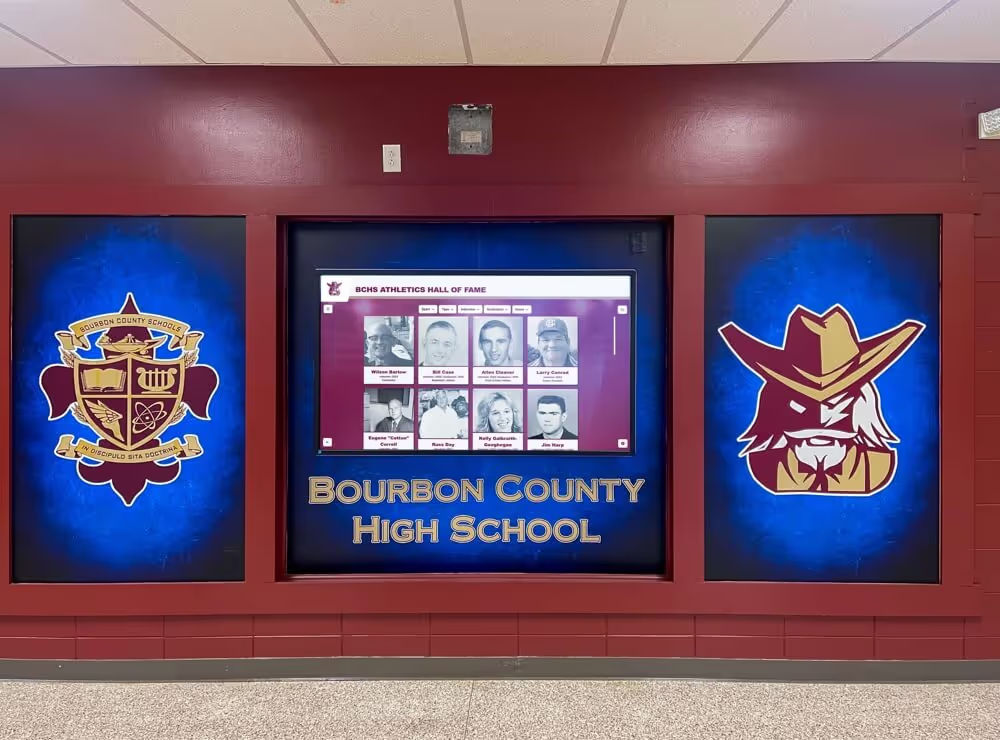
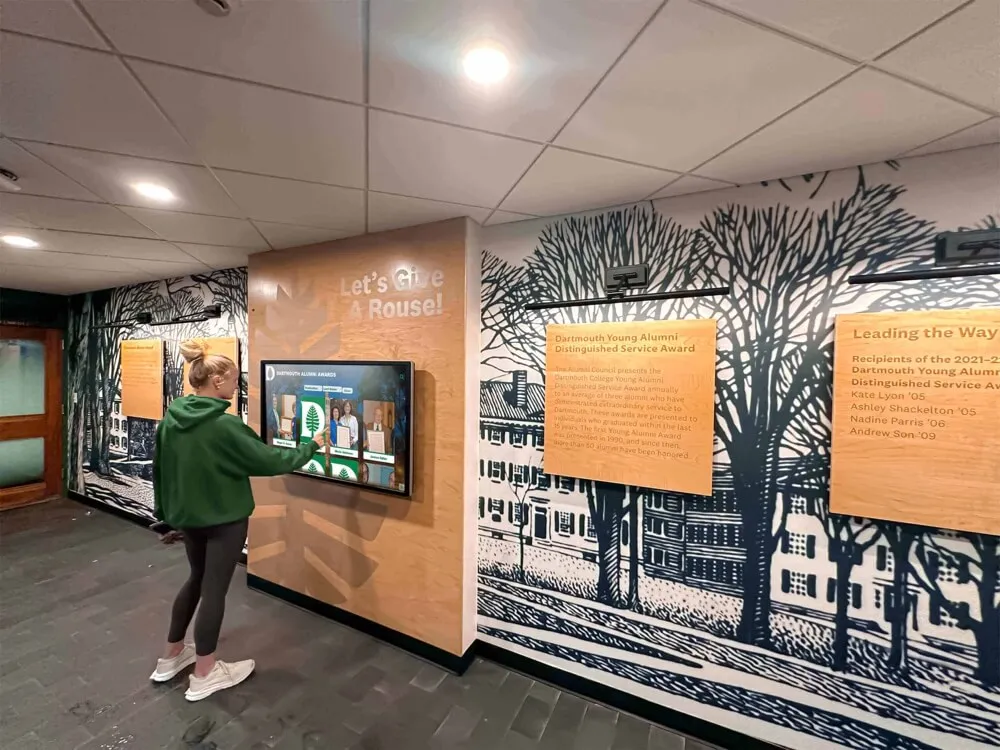
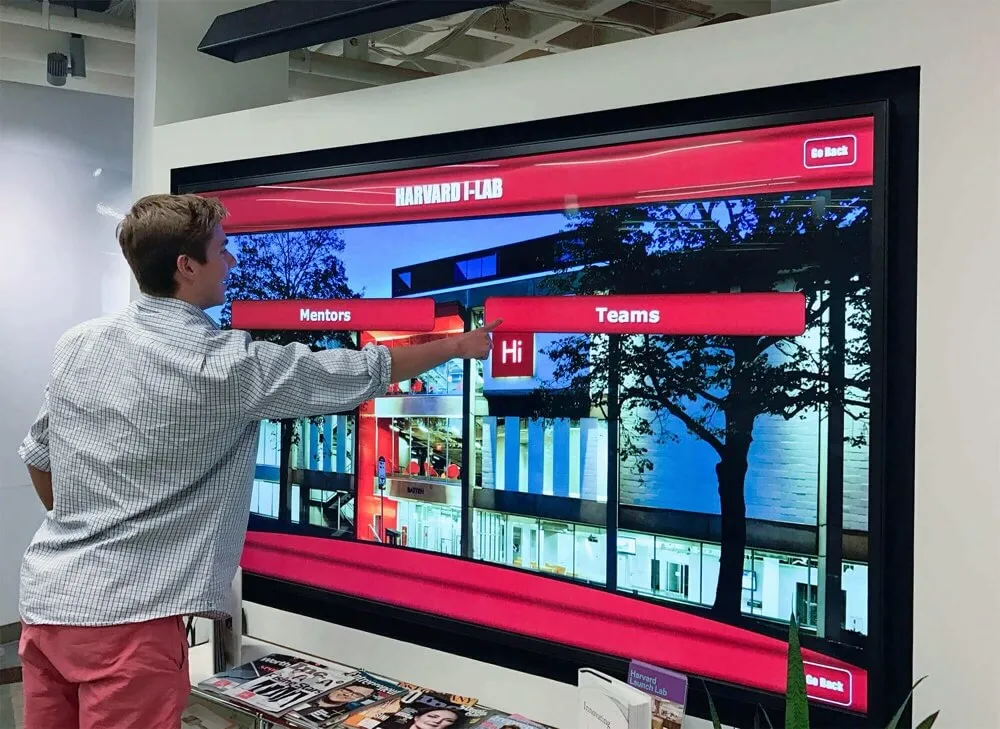
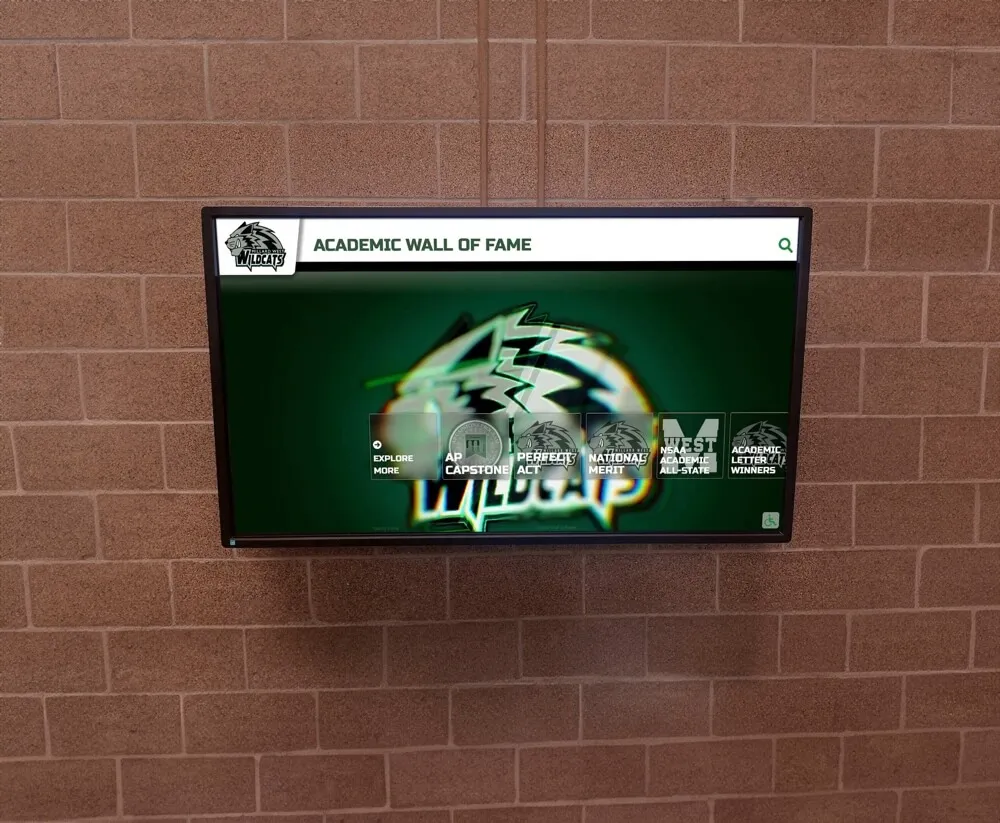
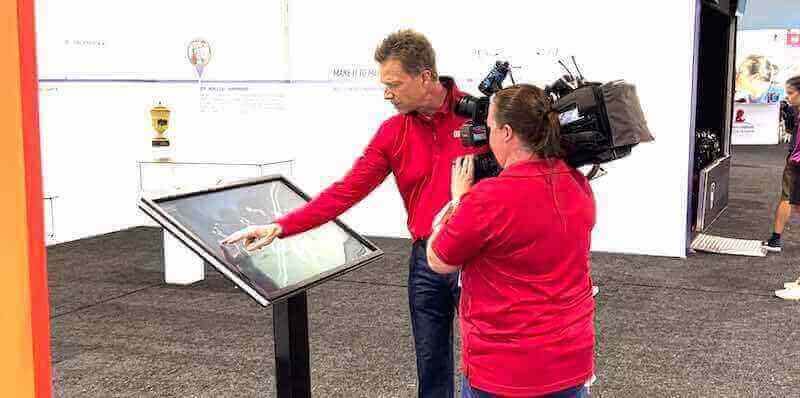
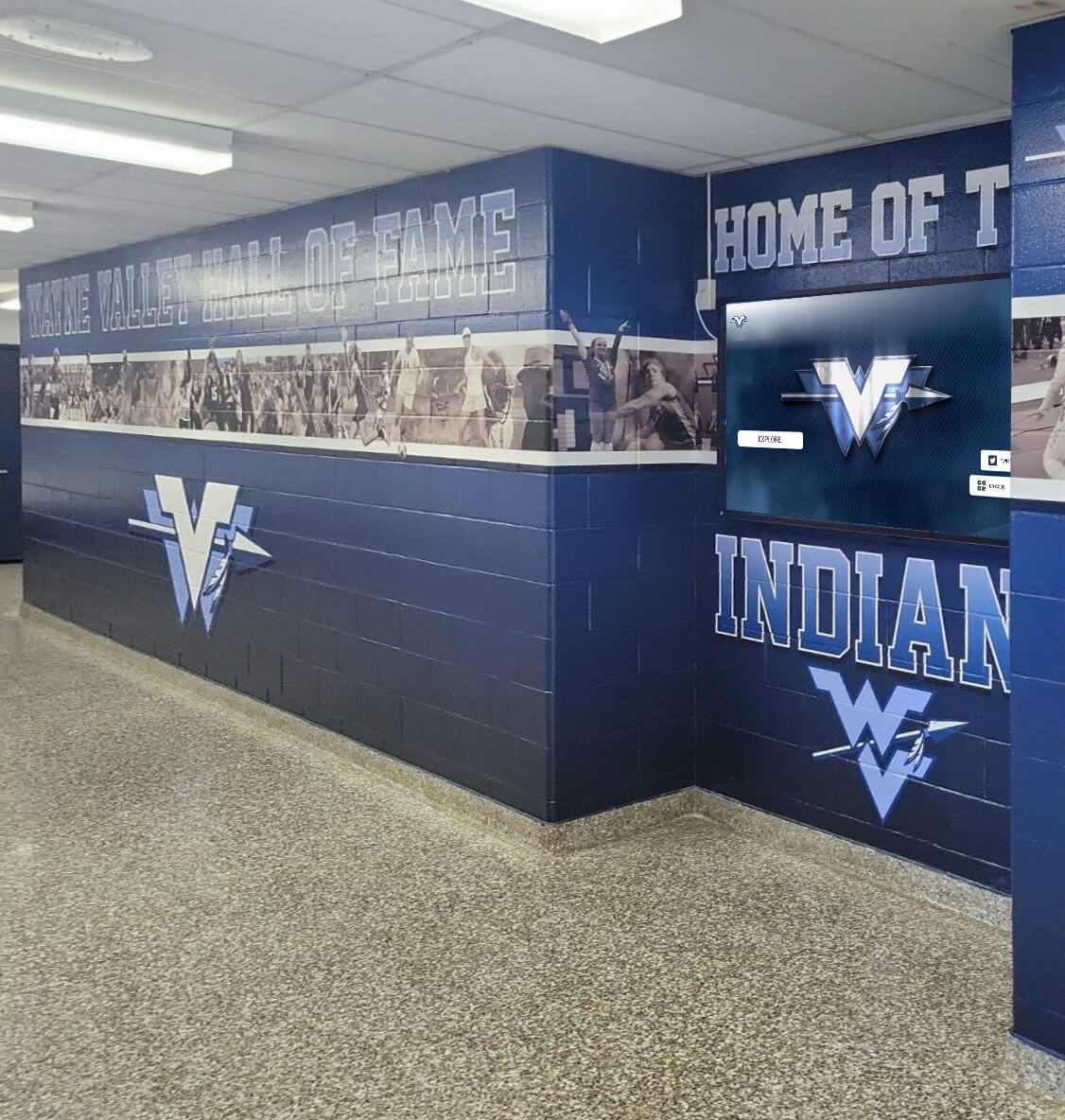
Creating focal points where alumni can explore shared history together encourages organic conversation and reconnection throughout the event
Building Your Reunion Planning Timeline
The single biggest predictor of reunion success is lead time. Committees that start 12 to 18 months out have options. Committees that start three months out have headaches.
18 to 12 Months Before: Foundation Work
Start with the non-negotiable decisions that everything else depends on.
Find and assemble your committee. Aim for five to eight people who represent different social circles from your graduating class. Diversity of perspective matters more than enthusiasm—you want someone who will advocate for the classmates who were never at the center of school social life, not just the ones who were.
Set your milestone and date. Round-number anniversaries (10, 20, 25, 30, 50 years) always outperform off-year gatherings. Late summer through early fall—August through October—consistently produces the strongest attendance for most regions. School’s back in session, travel is easier, and the weather cooperates in most of the country.
Establish a budget framework. Work backward from a realistic ticket price your class will accept. The cost-per-head for a sit-down dinner at a hotel ballroom differs wildly from a backyard-style gathering at someone’s property. Know your class before you commit to a venue category.
12 to 6 Months Before: Content and Outreach
Track down your classmates. Social media class groups are your best tool, but they’re never complete. Alumni directories, LinkedIn searches, and reaching out through parents still living in the area fill significant gaps. Set a goal: you want contact information for at least 70% of your graduating class before you send the first save-the-date.
Collect content. Bio forms, current photos, and memory submissions should go out early with multiple follow-up reminders. People intend to submit and forget. Build your content collection campaign around three or four outreach waves over several months, not one big ask.
Begin gathering historical materials. Yearbooks, game programs, newspaper clippings, team photos, and other archival materials become the raw material for decoration, displays, and memory activities. If your school has a library or archives, now is the time to reach out.
6 to 3 Months Before: Logistics Lock-In
Confirm your venue with a signed contract. Finalize catering. Book any entertainment. Send formal invitations. Launch your registration system. These details have long lead times that compress fast.
3 Months Through Event Day: Execution
Finalize program, confirm headcount with vendors, set up any digital displays or interactive experiences, prepare recognition content, and manage the inevitable last-minute changes with composure.
High School Reunion Theme Ideas That Actually Work
A strong theme gives reunion attendees a creative frame to walk into. It influences decoration decisions, dress code suggestions, music selection, and activity design. But the best themes aren’t gimmicky—they create genuine emotional resonance with your class.
Decade and Era Themes
Leaning into the cultural moment of your graduation year never gets old. Classmates love the recognition of shared cultural context.
“Back to [Your Graduation Year]” — Decorate around the pop culture of that specific year. Music charts, movie posters, news headlines, fashion. Works for any graduation year but especially powerful for decades with strong aesthetic identities.
“Then and Now” — Split the theme between your graduation year and today. Display boards featuring yearbook photos alongside current photos create instant conversation. Add elements representing then (favorite music, trends, prices) versus now (career accomplishments, families, achievements).
“The Decade We Graduated” — Broader than a single year, this theme allows more cultural reference material. Great for classes that want rich visual and musical atmosphere without obsessing over a single year’s details.
School Spirit Themes
Some classes feel most connected through institutional identity rather than cultural era.
Classic School Colors Theme — Lean hard into your school’s visual identity. Mascot imagery, color-coordinated decor, jerseys and letter jackets encouraged for dress code. This approach works especially well when your school has strong, distinctive branding.
"[School Mascot] Nation" — Position the reunion as a celebration of belonging to something bigger. Championship banners, retired numbers, athletic milestones, and academic achievements share space with classmate stories. This theme invites a deeper engagement with what the school accomplished during and after your class’s time there.
Homecoming-Inspired Theme — For classes with strong homecoming memories, bringing the traditional school homecoming aesthetic into the reunion setting creates immediate nostalgia. Check out these creative homecoming theme ideas for inspiration that translates well to reunion contexts.
Milestone Celebration Themes
“The Long Game” — Works especially well for 25-year and 30-year reunions. Emphasizes journey, wisdom, and accomplishment. Decor focuses on before-and-after comparisons, life milestones, and career highlights rather than nostalgia alone.
“Half a Century” or “50 and Fabulous” — 50-year reunions call for something with more gravitas. These gatherings often include memorial recognition more prominently, honor surviving teachers and administrators, and celebrate the full sweep of lives well-lived.
“Still Going Strong” — Light, optimistic framing that works across multiple milestone years. Focuses on energy, connection, and continued engagement rather than looking backward exclusively.
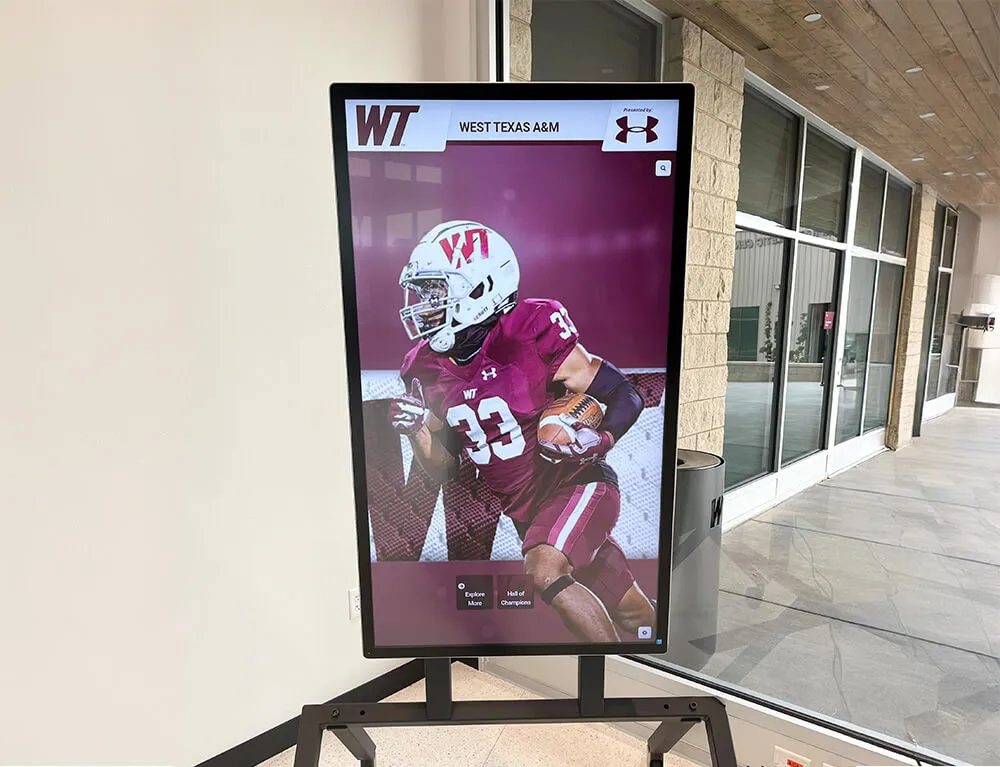
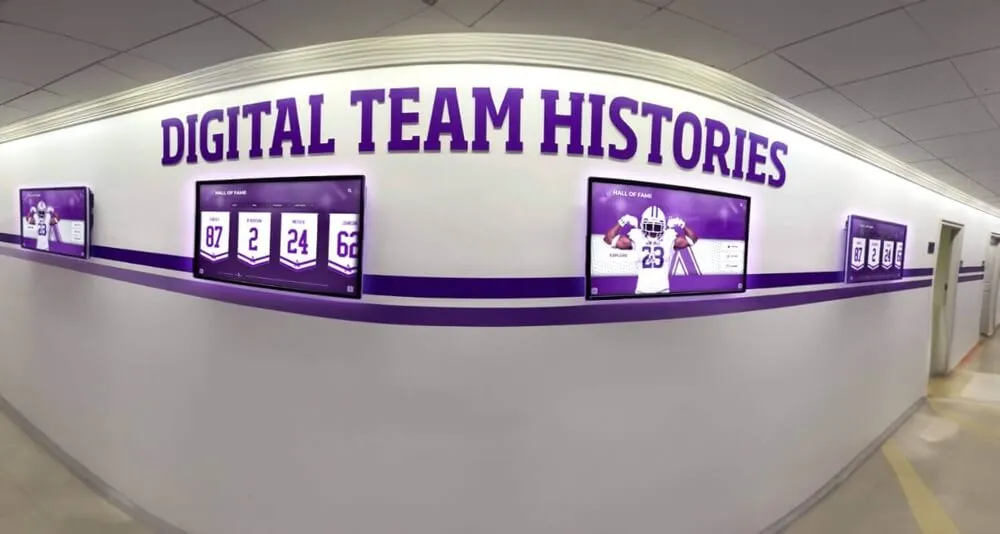
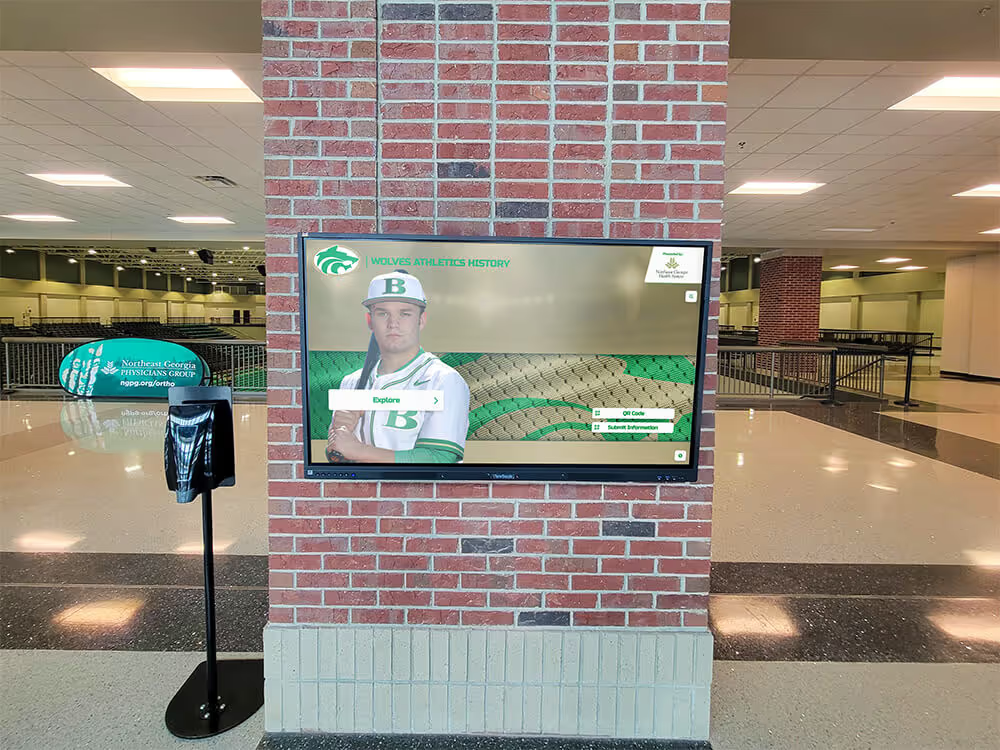
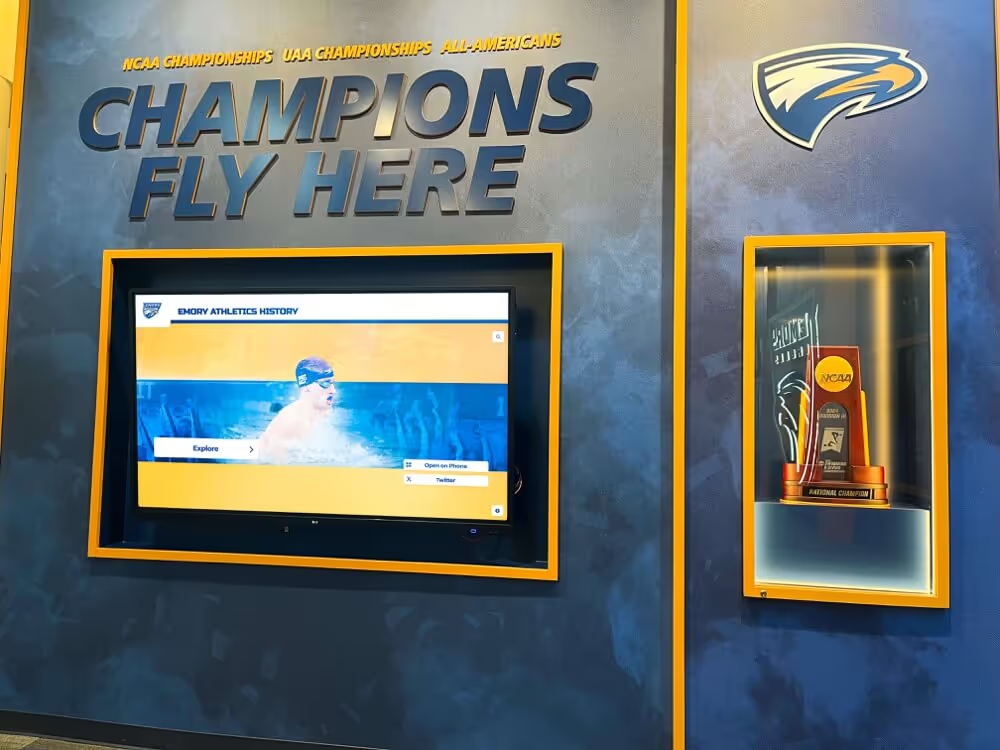
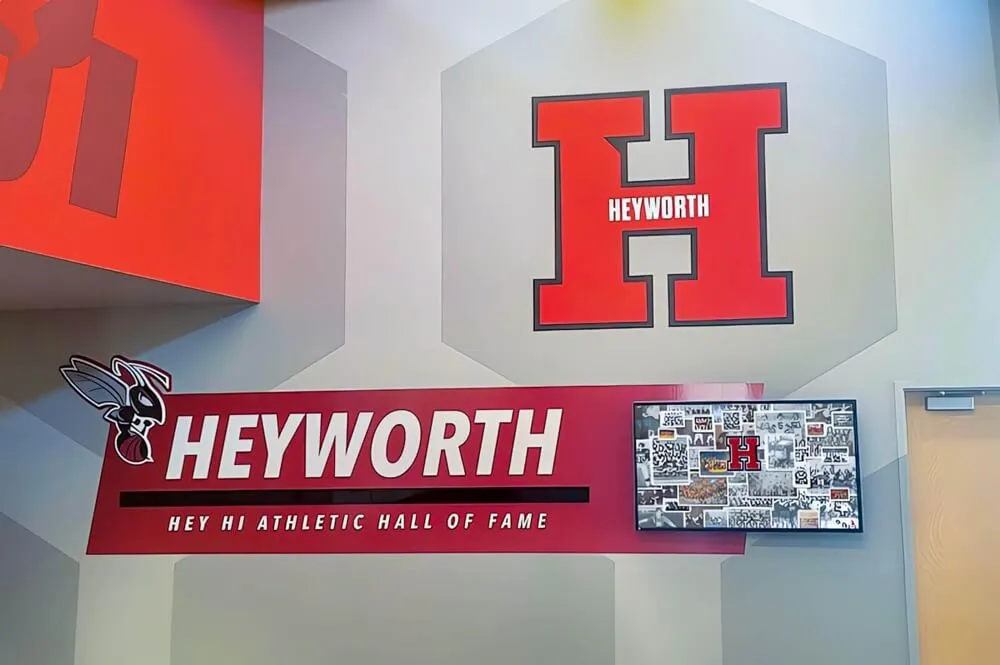
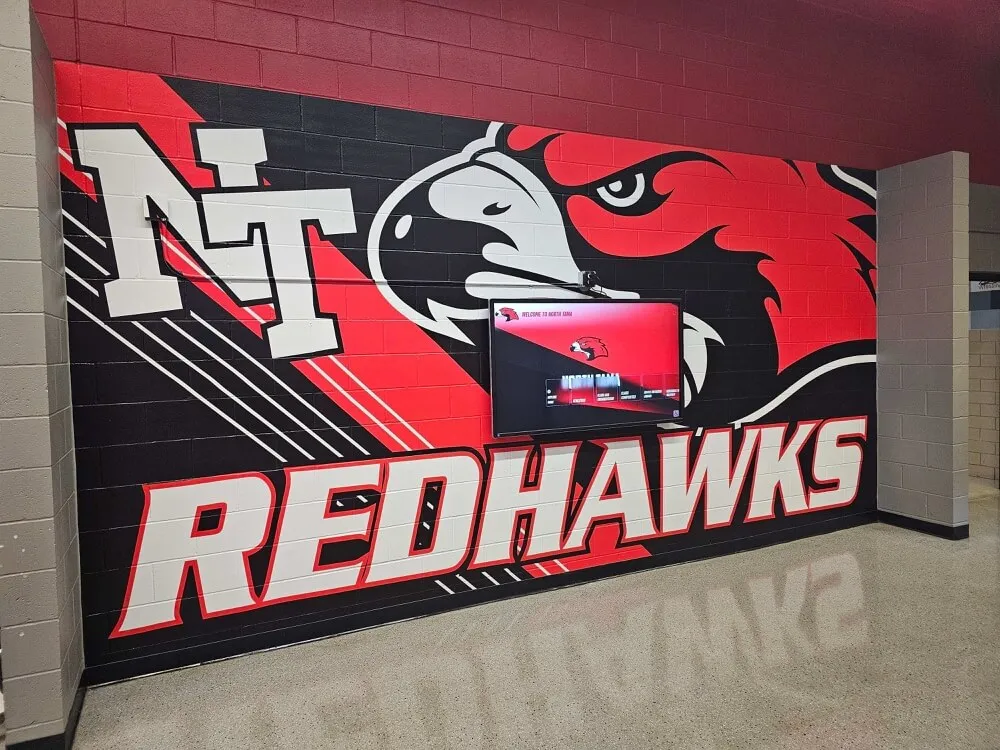
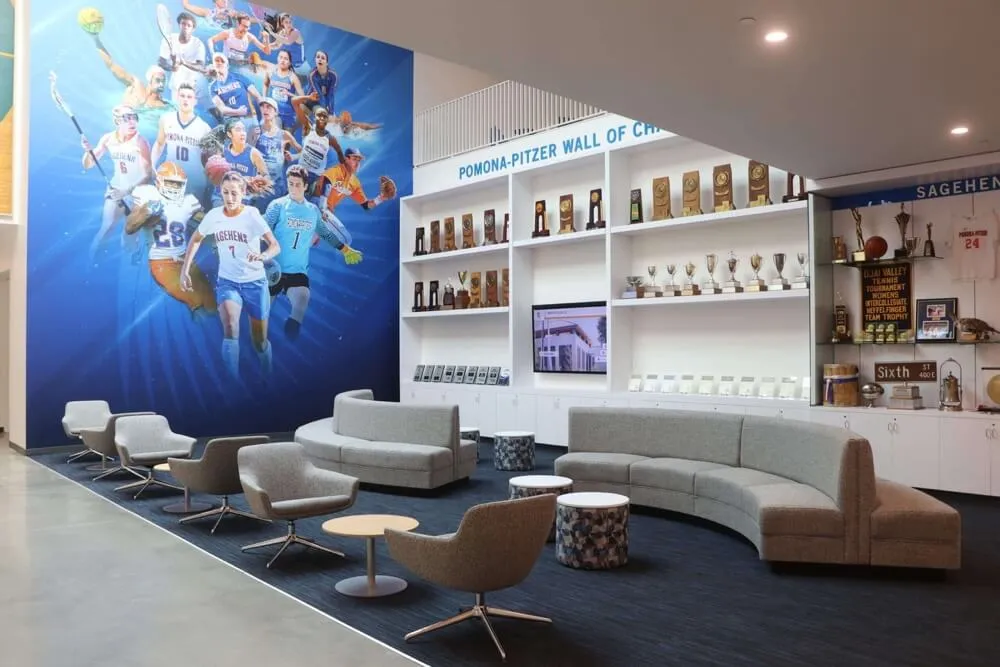
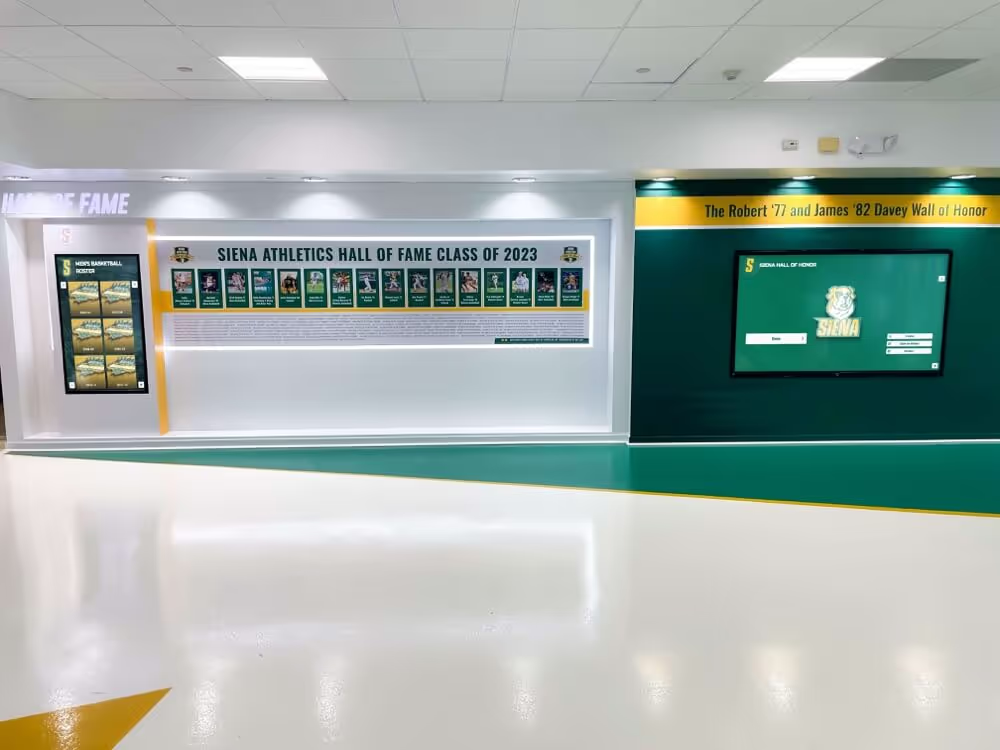
Athletic achievement displays remind alumni of the shared competitive spirit that defined their school years and creates rich conversation material
Venue Ideas for High School Reunions
Your venue choice shapes almost everything else about the event experience—budget, atmosphere, logistics, and the kinds of activities you can offer.
Traditional Venue Options
Hotel Ballrooms and Event Spaces — The default choice for good reasons. Parking, catering, AV infrastructure, and staffing come built in. Best for classes of 100 or more where professional logistics management matters. Can feel impersonal but consistent execution reduces planning risk.
Country Clubs and Golf Courses — Elevated atmosphere with flexible indoor-outdoor options. Works well for classes whose members have reached professional success milestones. Can present accessibility concerns if ticket price gets too high.
Restaurants with Private Event Spaces — Better for smaller reunion gatherings of 50 to 75 people. More intimate atmosphere, often better food quality than ballroom catering. Less space for activities and displays.
Distinctive Venue Options
The School Itself — Nothing beats authenticity. Gymnasium, cafeteria, courtyard, or performing arts center—hosting at the school creates instant connection with shared physical memory. Requires more coordination with school administration and may involve restrictions, but the payoff in atmosphere is significant.
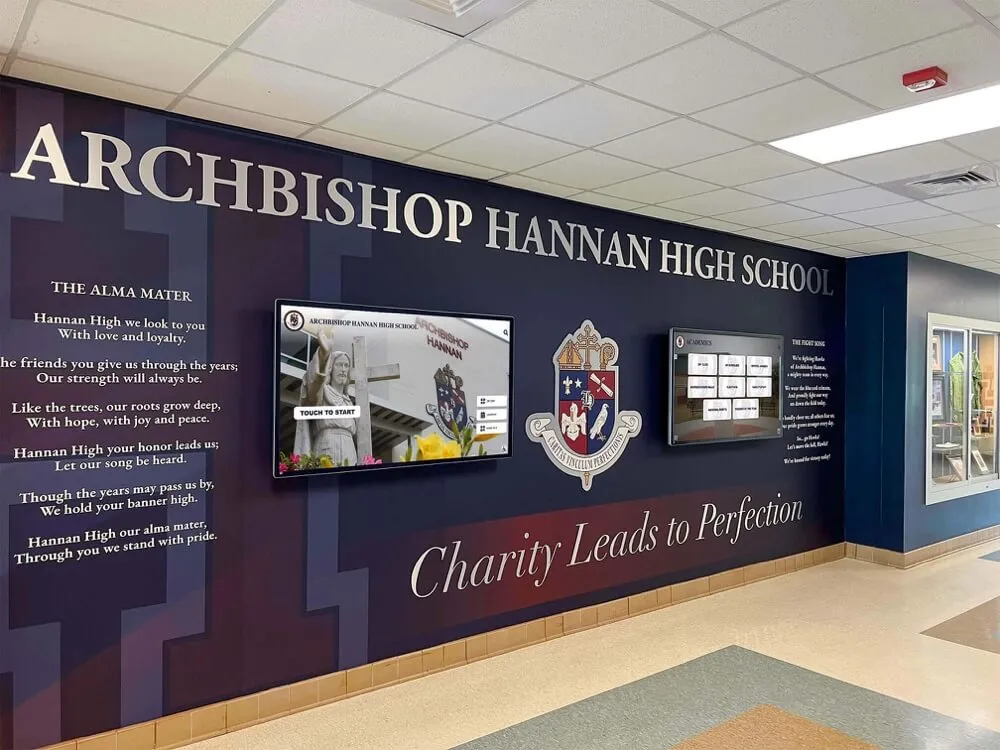
When hosting at the school, take advantage of existing installations. Many schools have digital signage systems that can display reunion content throughout hallways and common areas, transforming the entire campus into a welcome installation for returning alumni.
Historic or Landmark Venues — Restored theaters, old warehouses converted to event spaces, historic civic buildings. These venues create memorable atmosphere and photograph beautifully. Useful when the school itself is unavailable or less distinctive.
Outdoor Venues with Tent Structures — Parks, estates, or private properties can create magical summer event experiences. Requires weather contingency planning and more logistical management, but the casual atmosphere often unlocks better social mixing than formal ballroom settings.
Destination Reunion Concepts — For major milestone years (25th, 50th), some classes choose weekend retreats at camps, resorts, or travel destinations. These are expensive to plan and limit attendance to those with greater flexibility, but create extraordinary depth of connection for those who participate.
Activities and Entertainment Ideas That Drive Engagement
Activities transform reunions from cocktail parties into genuine experiences. The best activities work for multiple social types—they give extroverts something to do together and give introverts something to engage with independently.
Ice-Breaker and Connection Activities
“Then and Now” Photo Stations — Set up a photo station with props from your graduation year. Grad caps, school pennants, retro fashion items. Encourage attendees to recreate yearbook photo poses. The resulting photos become immediate social media content and shared memories.
Class Trivia Competition — Custom trivia focused on your graduating class: senior superlatives, championship scores, graduation year world events, famous classmates. Teams of four to six people work well. Keep rounds short—three to four questions each—to maintain energy.
Memory Wall and Contribution Stations — Set out blank cards and invite attendees to write their favorite memory from school, a message to a classmate, or a prediction for the next reunion. Physical contribution walls create ongoing activity throughout the evening and produce a lasting artifact.
“Find Someone Who…” Bingo — Classic but effective. Cards list accomplishments, experiences, or fun facts. Finding classmates who match squares creates natural introductions and conversation starters across social circles that haven’t reconnected in years.
Entertainment Options
Live Band Performing Your Graduation Year’s Hits — Music is the most powerful nostalgia trigger available to reunion planners. A live band performing songs from your senior year creates an emotional floor throughout the event that a DJ playlist can’t fully replicate.
Photo Booth with Custom Props — Modern photo booths with instant digital sharing have replaced the old print-strip version. Easy to execute, universally popular across age groups, and produces content that circulates on social media for weeks after.
Slideshow and Video Presentations — Curated slideshows of era-appropriate photos, school events, athletic highlights, and candid moments from school years serve as natural conversation launchers. For comprehensive slideshow planning, these sports banquet slideshow ideas offer excellent frameworks adaptable to reunion contexts.
Interactive Polling and Voting — Live audience polling tools (Mentimeter, Slido, or similar) create real-time participation. Conduct updated superlative votes, class prediction reveals, or fun current-day competitions. Results projected live keep energy high.
Guided School Tour for Out-of-Town Alumni — If hosting at or near the school, coordinate a guided walkthrough of the campus. Even for locals, seeing how the school has changed sparks conversation and emotional connection that formal programming can’t manufacture.
Activities for Milestone Years
50-Year Reunion Activities — Add elements that honor the full arc of lives. Oral history recordings where attendees can share two-minute reflections for an archive. “Life Timeline” boards where people map personal milestones. A memorial moment of silence or candle lighting for classmates who have passed.
25-Year Reunion Activities — This is often the “peak nostalgia” reunion where people are old enough to feel genuine longing for their youth but young enough to remember details clearly. Consider adding “letter to your younger self” writing stations and a compilation project to share afterward.
10-Year Reunion Activities — People are still building their lives and establishing identities. Keep activities lighter and more celebratory, focused on current accomplishments and future potential. This crowd responds well to career networking elements if handled casually.
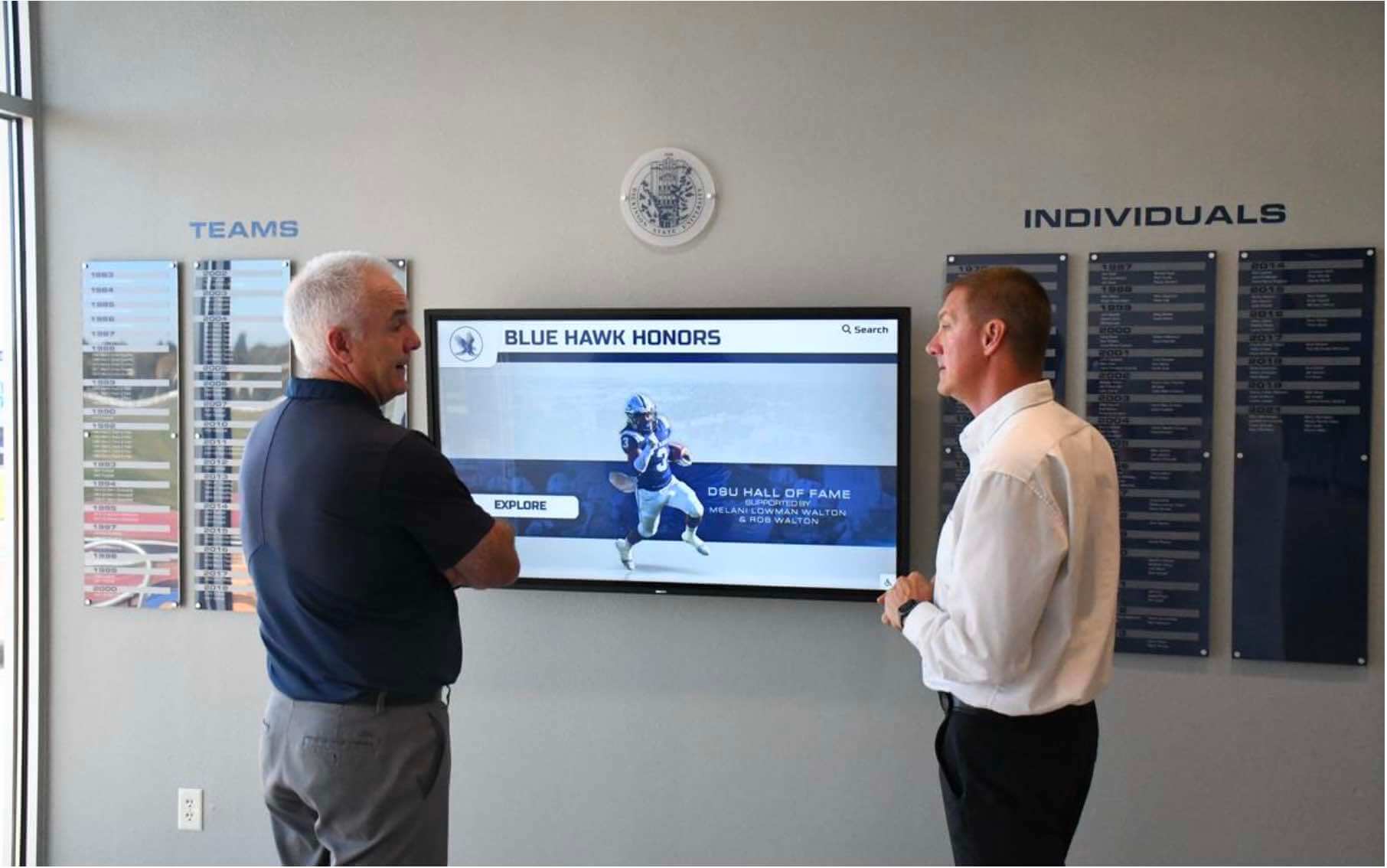
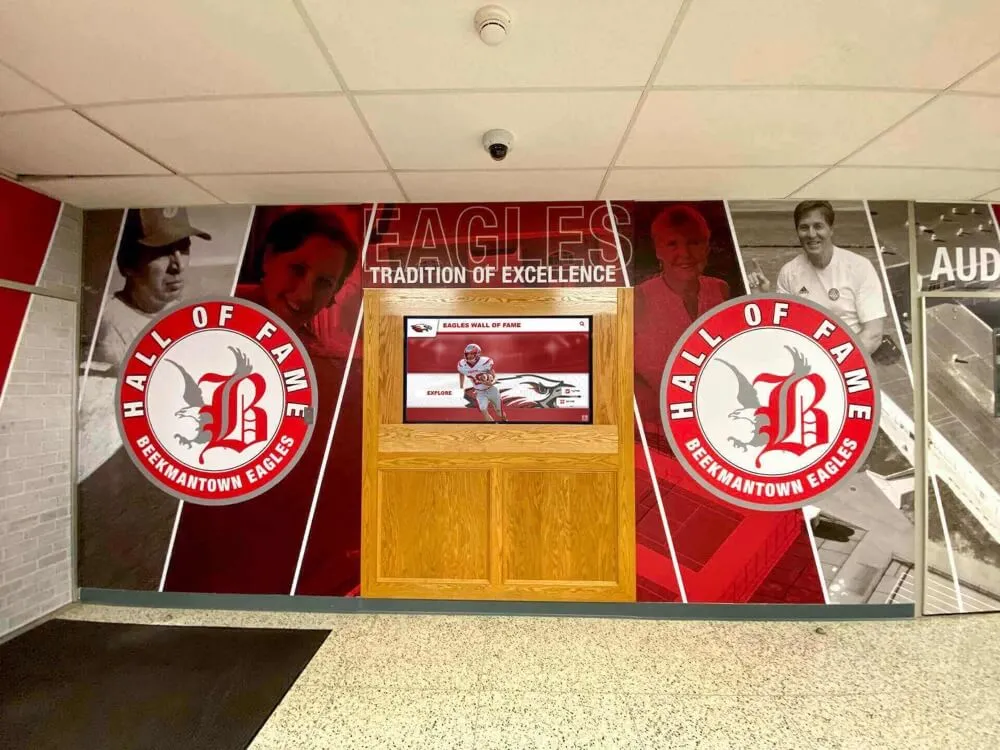
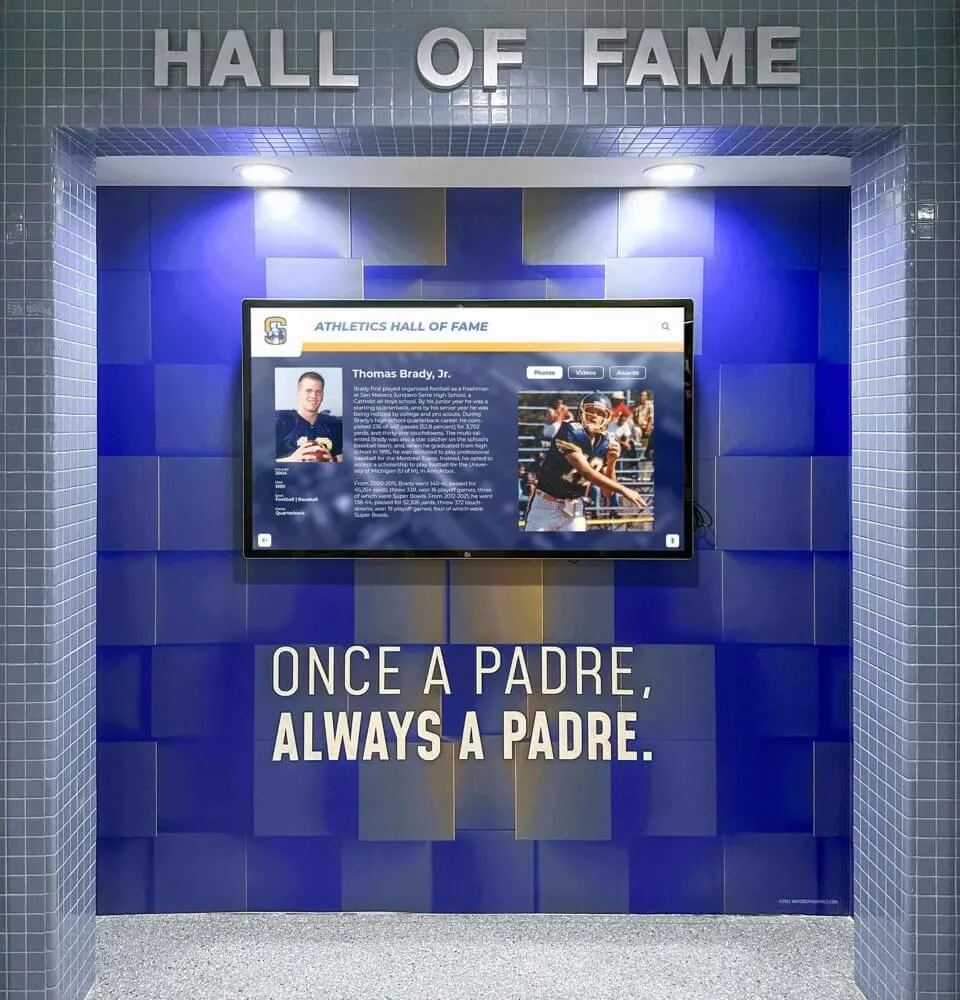
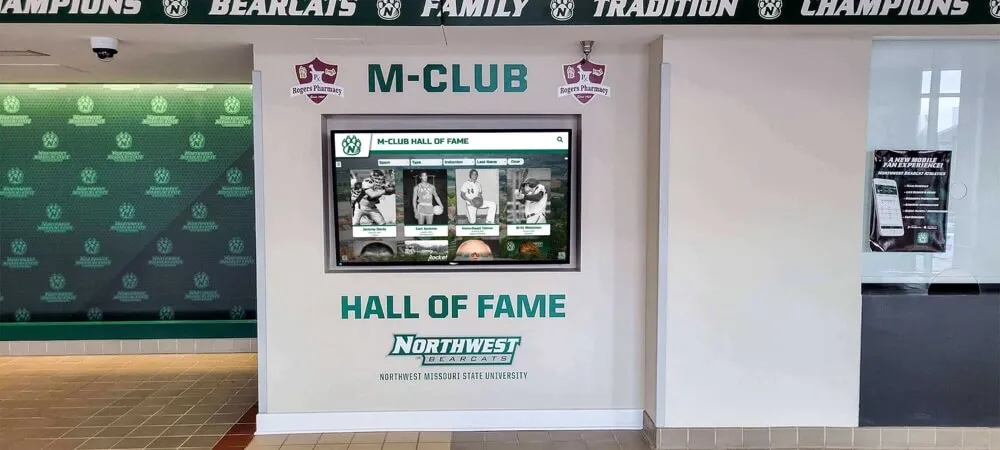
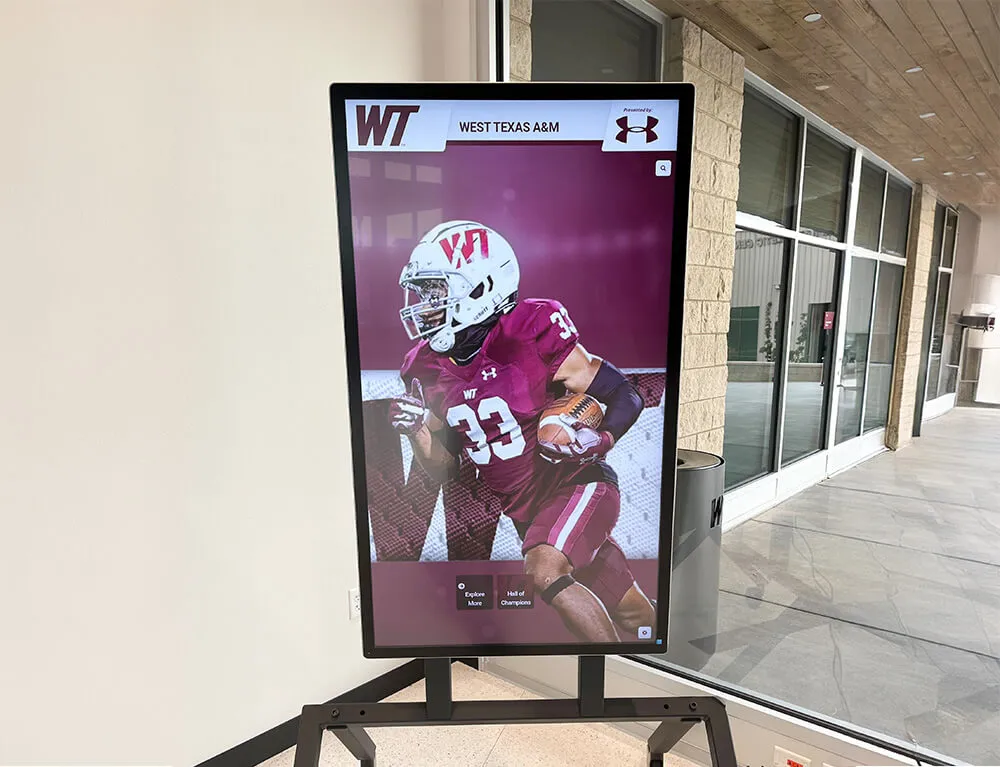
Interactive digital displays give reunion attendees a shared focal point that naturally draws groups together and sparks storytelling
Recognition Moments That Make Reunions Memorable
The most emotionally resonant reunion experiences almost always center on recognition. When people feel seen and honored—not just present—they remember the gathering for decades.
Classic Recognition Categories
“Most Changed / Least Changed” — Updated superlative voting is consistently popular. Keep it lighthearted and positive. Add categories that celebrate genuine life accomplishments: most adventurous career path, most likely to have made their parents proud, best comeback story.
Life Milestone Celebrations — Recognize major accomplishments since graduation: advanced degrees earned, books published, businesses founded, community service milestones, athletic achievements in adult sports. Create a recognition board where attendees can post their own milestones.
“Remember When…” Story Moments — Structure time in the program for three to four classmates to share brief, funny, or meaningful stories from school years. Keep each to two minutes maximum. These unscripted moments often become the most-quoted memories from the entire event.
Athletic and Academic Achievement Recognition
Alumni sports accomplishments deserve dedicated recognition, particularly at milestone reunions where athletic achievements can now be viewed in full historical perspective. Consider honoring classmates who went on to play college or professional sports, coaches who shaped multiple generations, and team accomplishments that defined your school’s identity.
For schools with substantial athletic history, a dedicated high school basketball alumni display or similar sport-specific recognition format provides a lasting touchstone that extends reunion recognition beyond the single event.
Academic distinction deserves equal weight. Valedictorians, scholarship recipients, award winners, and students who went on to distinguished academic careers should be celebrated alongside athletic achievers. Understanding the history of academic achievement recognition helps committees frame this recognition with appropriate context and ceremony.
Memorial Recognition
Handling deceased classmates with care is one of the most important responsibilities reunion committees face. A clumsy memorial moment can cast a shadow over the entire event; a well-executed tribute becomes a moment of genuine collective healing.
Creating a Memorial Display — Reserve prominent display space for classmates who have passed. Use yearbook photos as a baseline. Invite families to contribute current photos, brief biographical notes, or personal tributes. A simple candle-lit table with framed photos is dignified and accessible. Consider adding a QR code linking to an online tribute where remote participants and family members can contribute.
The Roll Call or Moment of Silence — During formal program time, reading the names of deceased classmates followed by a moment of silence is the most traditional format. Brief and respectful. Often followed by a brief tribute from someone who knew multiple people on the list.
Memorial Scholarship or Giving Opportunity — Some classes use reunion gatherings to launch or grow memorial scholarship funds. If your class has an existing fund, reconnect attendees with its impact by featuring scholarship recipient stories.
Class Hall of Fame Induction
One of the most powerful recognition formats is a class-specific hall of fame induction. Rather than recognizing everyone with equal weight, a class hall of fame selects three to six inductees per reunion cycle for extraordinary achievement—and holds that distinction with genuine rarity.
Categories can include professional distinction, community service leadership, artistic achievement, military service, teaching and mentorship, and entrepreneurship. Criteria should be published in advance and applied consistently.
Induction moments work best when inductees are present, receive a physical recognition item (plaque, framed certificate, or engraved keepsake), and have a brief presentation about their accomplishments. For ideas on designing recognition systems that feel prestigious rather than perfunctory, these trophy display and achievement showcase ideas provide useful frameworks.
Digital Displays and Interactive Experiences
Modern high school reunion ideas increasingly incorporate digital and interactive elements that expand what’s possible during a single evening event. These technologies solve a fundamental reunion problem: with 100, 200, or 500 attendees and a four-hour window, there’s no way for everyone to reconnect with everyone. Interactive digital displays create parallel paths for exploration and discovery that run continuously throughout the event.
Interactive Touchscreen Memory Stations
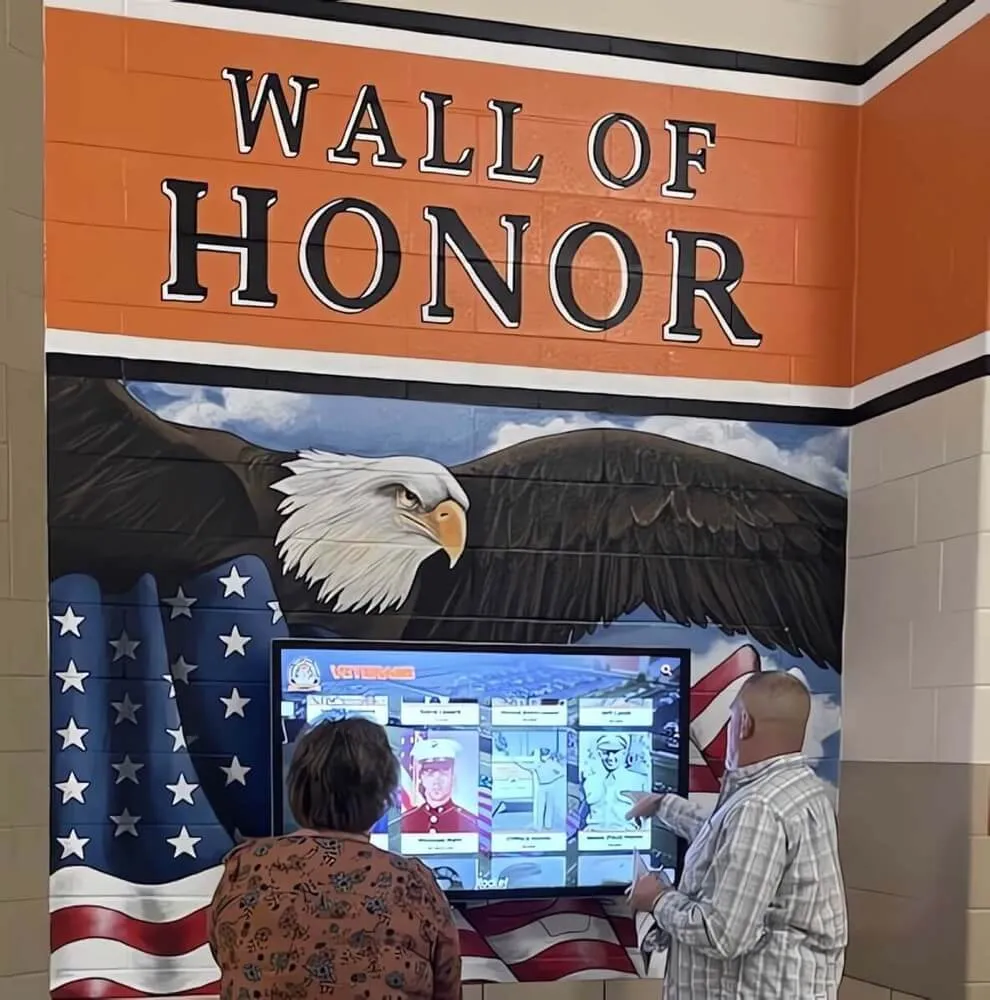
Touchscreen kiosks loaded with classmate profiles, historical photos, athletic records, and memorable moments become the most-visited stations at well-executed reunions. Attendees explore at their own pace, discover profiles of classmates they haven’t seen in decades, and use content as launching points for face-to-face conversations.
Effective touchscreen reunion stations include:
- Classmate directory with yearbook photos, current photos where submitted, and brief biographical updates
- Class timeline showing world events, cultural touchstones, and class milestones from freshman year through graduation and beyond
- Athletic record boards celebrating team championships, individual records, and post-graduation athletic achievement
- Memory gallery featuring contributed photos from school events, field trips, dances, and everyday moments
- Then and now comparisons placing graduation-year photos alongside current images
Rocket Alumni Solutions builds interactive touchscreen experiences specifically designed for alumni gatherings and permanent school installations, allowing reunion content to transition seamlessly from event display to lasting institutional recognition.
Yearbook Digitization and Display
Physical yearbooks are fragile, finite, and not browsable by multiple people simultaneously. Digitized yearbook content displayed on touchscreens or projected as rotating displays solves all three problems while making the content accessible to attendees who lost or never had their own copies.
Comprehensive yearbook digitization for hall of fame displays creates assets that serve both the reunion event and the school’s long-term preservation goals. Connecting with school librarians or historical societies early in your planning process often surfaces yearbook archives that individual committee members don’t possess.
Sports Memorabilia and Athletic History Displays
Athletic achievement is a powerful connector at high school reunions—even for people who weren’t athletes themselves. Championship seasons, rival game memories, and the physical culture of your school’s sports programs are shared community experiences.
Display collections featuring jerseys, trophies, game programs, newspaper articles, and team photos create immediate nostalgic engagement. For comprehensive approaches to showcasing athletic history and sports memorabilia, thoughtful curation and presentation dramatically outperforms a cluttered table of old trophies.
Arts and Music Achievement Recognition
Many reunion classes undervalue the arts in their recognition planning, focusing heavily on athletics and academic awards while overlooking theater productions, choir performances, band competitions, and visual art achievements that were equally central to many attendees’ school experiences.
Creating dedicated recognition content for arts and music achievement—featured programs, production photos, competition placements, and alumni who went on to professional creative careers—acknowledges the full range of your class’s accomplishments. Comprehensive digital arts and music showcase recognition approaches provide frameworks for integrating creative achievement into broader reunion recognition programming.

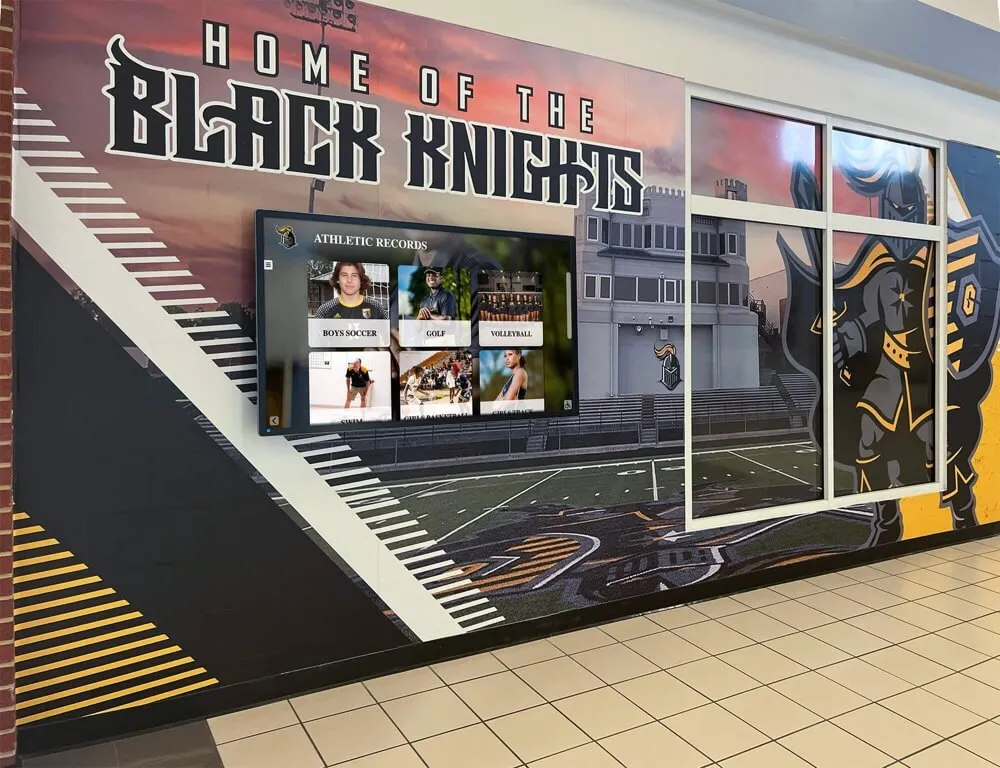
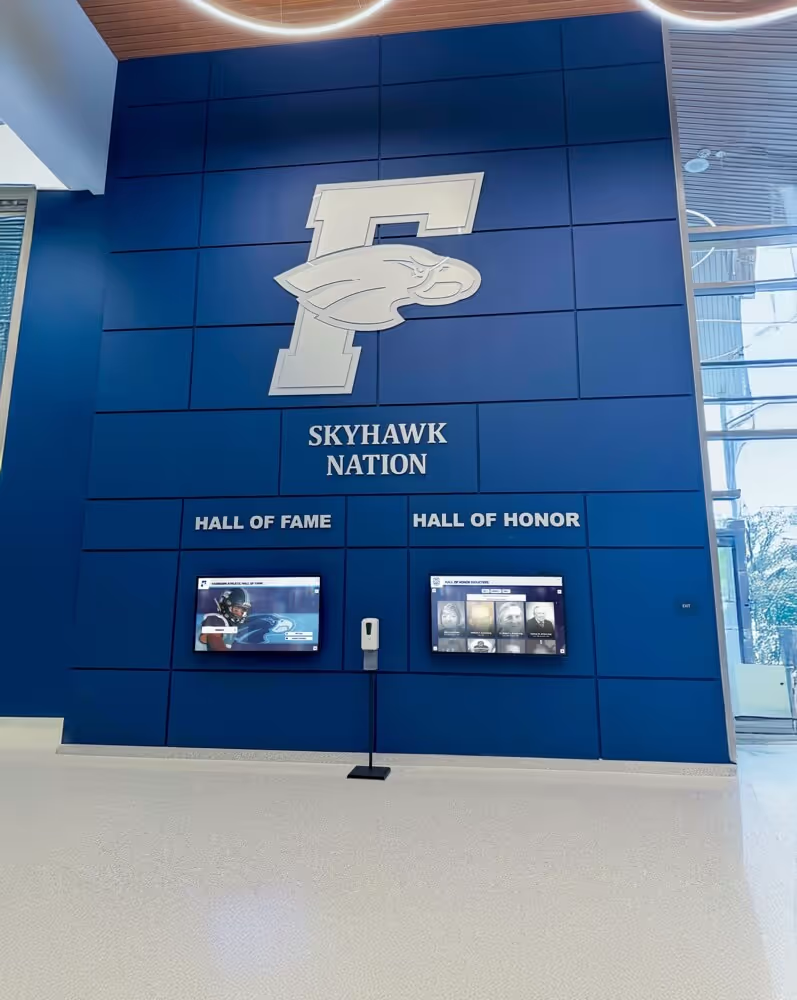
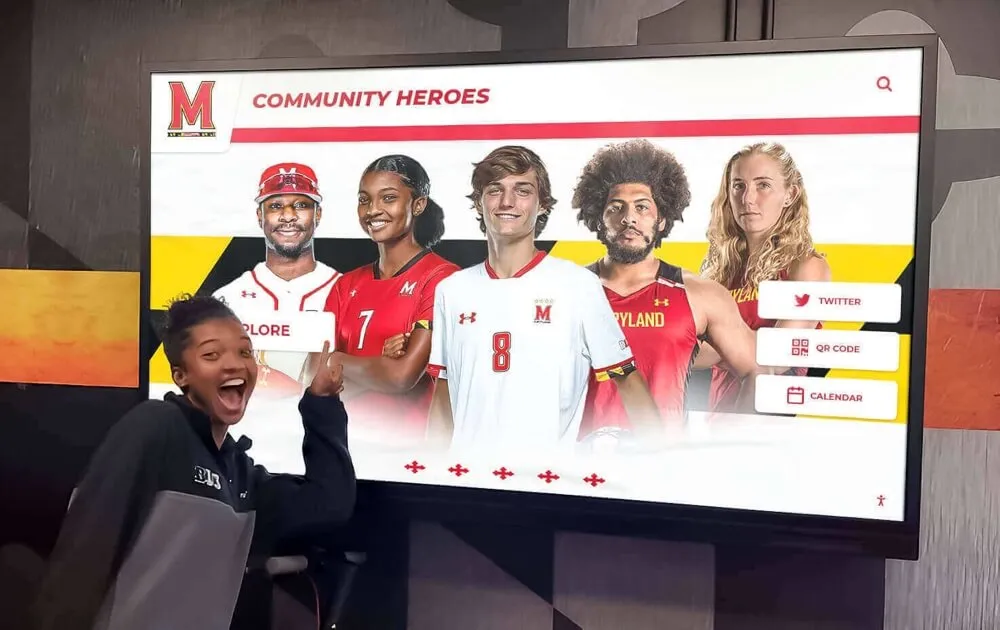
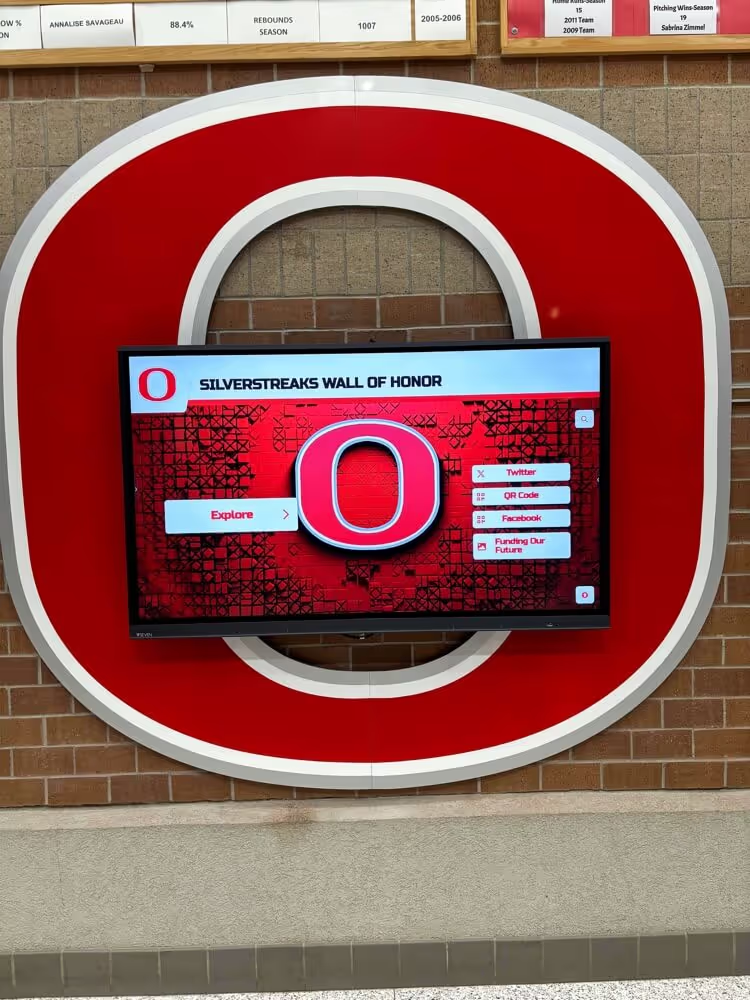
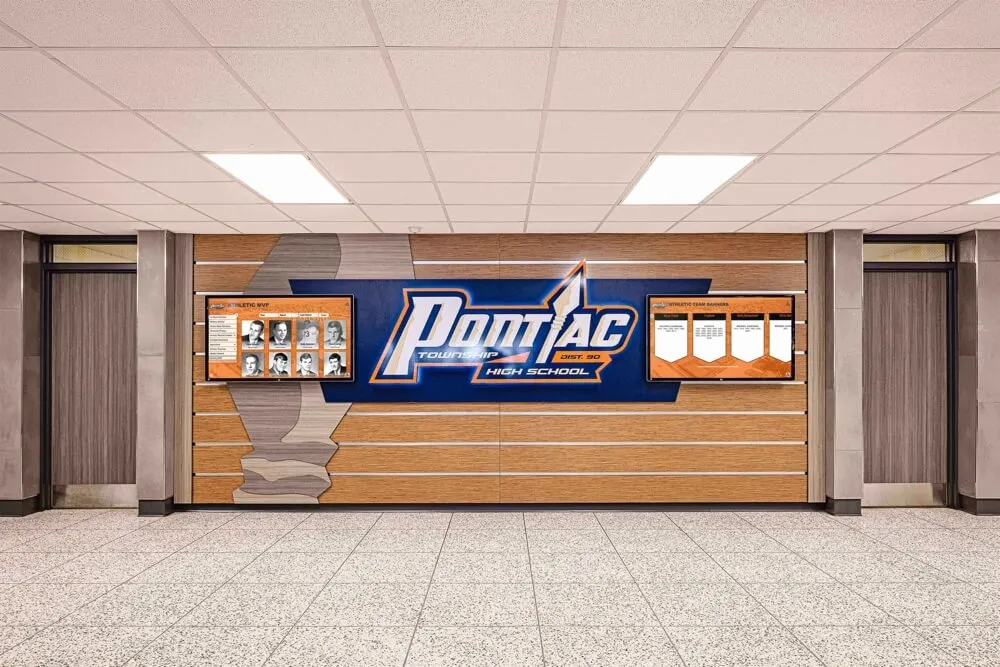
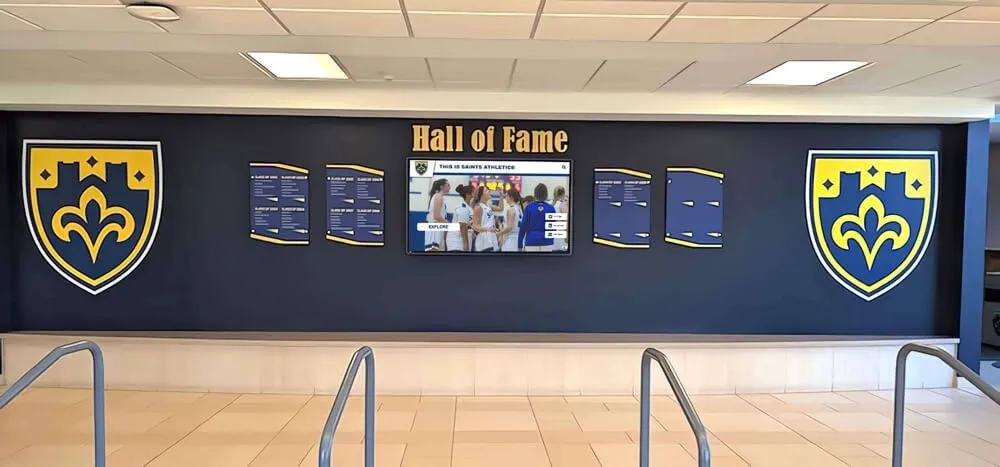
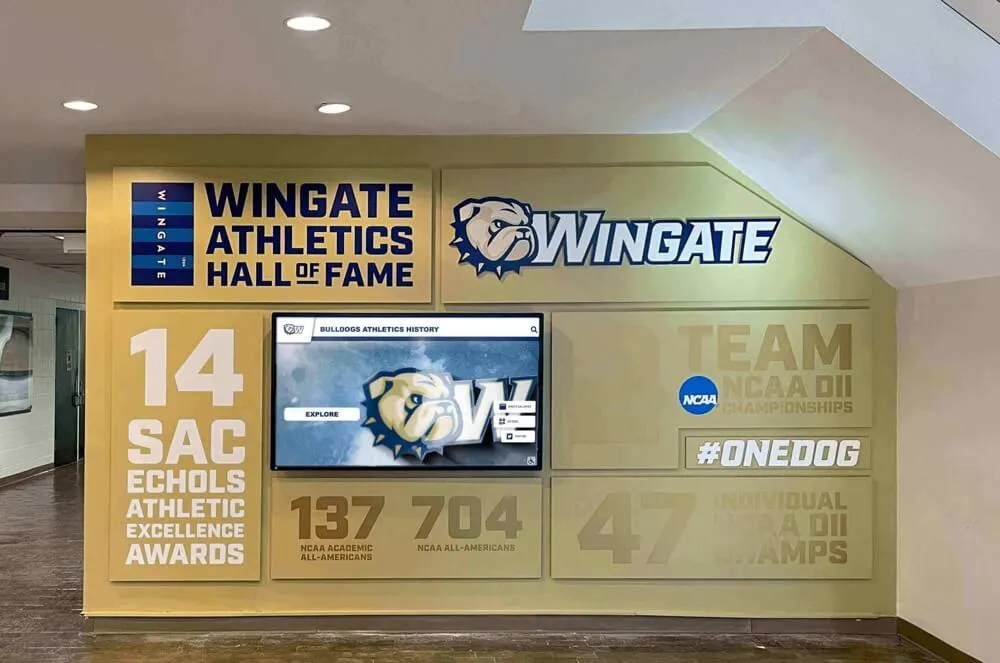
Integrating digital displays with traditional school color branding creates recognition environments that feel both institutional and contemporary
Permanent Legacy Installations
Successful reunion events increasingly become catalysts for permanent recognition installations at the school itself. A class that fundraises to install a digital hall of fame display, a touchscreen alumni directory, or a memorial recognition wall leaves a legacy that serves every subsequent graduation class and future reunion gathering.
These permanent installations make practical sense: the content development work done for a reunion—bio collection, photo curation, achievement research—directly feeds a permanent display that the school can maintain and expand indefinitely. Rather than investing significant resources in a single-evening decoration, reunion classes can direct that investment toward something that inspires current students for decades.
Food, Beverages, and Catering Considerations
Food quality has an outsized effect on reunion satisfaction ratings. People will forgive mediocre decor; they will not forget bad food or an empty bar.
Catering Format Options
Plated Sit-Down Dinner — Most formal and most expensive. Creates natural seating structure that either helps or hinders mingling depending on table assignments. Best for classes that want a structured program with keynote speeches and awards.
Buffet with Assigned Seating — A middle-ground option offering food variety and portion flexibility while maintaining some seating structure. Buffet lines create natural gathering points and conversation opportunities.
Stations and Heavy Appetizers — Increasingly popular for reunion formats where mingling matters more than seated dining. Multiple food stations (carving station, pasta bar, dessert spread) encourage movement throughout the venue. Pairs well with cocktail-style service and high-top tables.
Themed Menu Options — Consider incorporating foods popular during your graduation year, regional specialties from your school’s community, or items tied to your reunion theme. This detail rarely defines a reunion but adds texture appreciated by the most engaged attendees.
Bar and Beverage Service
Open bar is typically expected at milestone high school reunions. Budget accordingly. Consider adding:
- A signature reunion cocktail or mocktail named after the class year, mascot, or graduation slogan
- Non-alcoholic options beyond soft drinks—mocktail stations have become increasingly requested
- Coffee and tea service during the latter half of evening events
Memorabilia, Keepsakes, and Takeaways
Tangible items that attendees take home extend the reunion’s emotional reach beyond the event itself. Budget-permitting, physical keepsakes reinforce the celebration’s meaning.
Custom Reunion T-Shirts or Apparel — The most popular keepsake by volume. Include class year, school name, reunion milestone, and reunion date. Many classes offer pre-order registration as part of the ticketing process to manage sizing and quantities efficiently.
Photo Books — Curated photo books featuring reunion highlights, then-and-now comparisons, and classmate profiles distributed digitally immediately after the event (or physically within a few weeks) become treasured keepsakes. Services like Chatbooks, Artifact Uprising, or Blurb facilitate affordable custom photo book production.
Personalized Recognition Items for Inductees — Hall of fame inductees, award recipients, and memorial honorees should receive physical recognition items. Engraved plaques, custom frames, or quality printed certificates distinguish genuine recognition from participation-trophy recognition.
Class Memory Book Supplements — Some reunion committees create supplemental booklets covering the years since the last reunion: class statistics, major life milestones, notable achievements. More expensive to produce than digital alternatives, but the physical artifact holds different sentimental weight.
Communication and Marketing Your Reunion
Even the most perfectly planned reunion fails if classmates don’t know about it, can’t find registration information, or receive communications that feel impersonal and corporate.
Building Your Communication Strategy
Class Facebook Group — Create or revitalize a class Facebook group as your primary social hub at least one year before the reunion. Post content regularly throughout the planning process: throwback photos, committee updates, milestone announcements, and calls for memory contributions. Groups with active pre-reunion engagement consistently produce better attendance than purely transactional announcement-only approaches.
Dedicated Email Campaign — Email outreach to the addresses you’ve collected should follow a deliberate sequence: save-the-date 9 to 12 months out, formal invitation with registration link 6 months out, content contribution requests with specific deadlines, reminder waves at 90 days, 60 days, 30 days, and 2 weeks before registration closes.
Personal Outreach for High-Value Reconnections — Identify classmates whose attendance would generate the most positive energy—beloved figures who’ve been hard to reach, classmates with inspiring stories to share, or natural connectors whose presence brings others. Personal phone calls or personal messages from specific committee members dramatically outperform mass email for this targeted outreach.
Reunion Website — A simple dedicated website (Squarespace, Wix, or reunion-specific platforms like ReunionHub or ClassCreator) provides a permanent information hub where registration, logistics, and background information live without being buried in a social media feed.
Pricing and Registration
Ticket pricing needs to cover costs while remaining accessible enough to encourage broad participation. Common errors:
- Pricing too high and excluding classmates with financial constraints
- Underpricing and running short on budget mid-planning
- Not offering early-bird pricing that incentivizes and rewards early commitment
Consider a sliding scale or scholarship fund supported by more affluent classmates willing to subsidize tickets for those who couldn’t otherwise attend. Broad participation often matters more than per-head revenue.
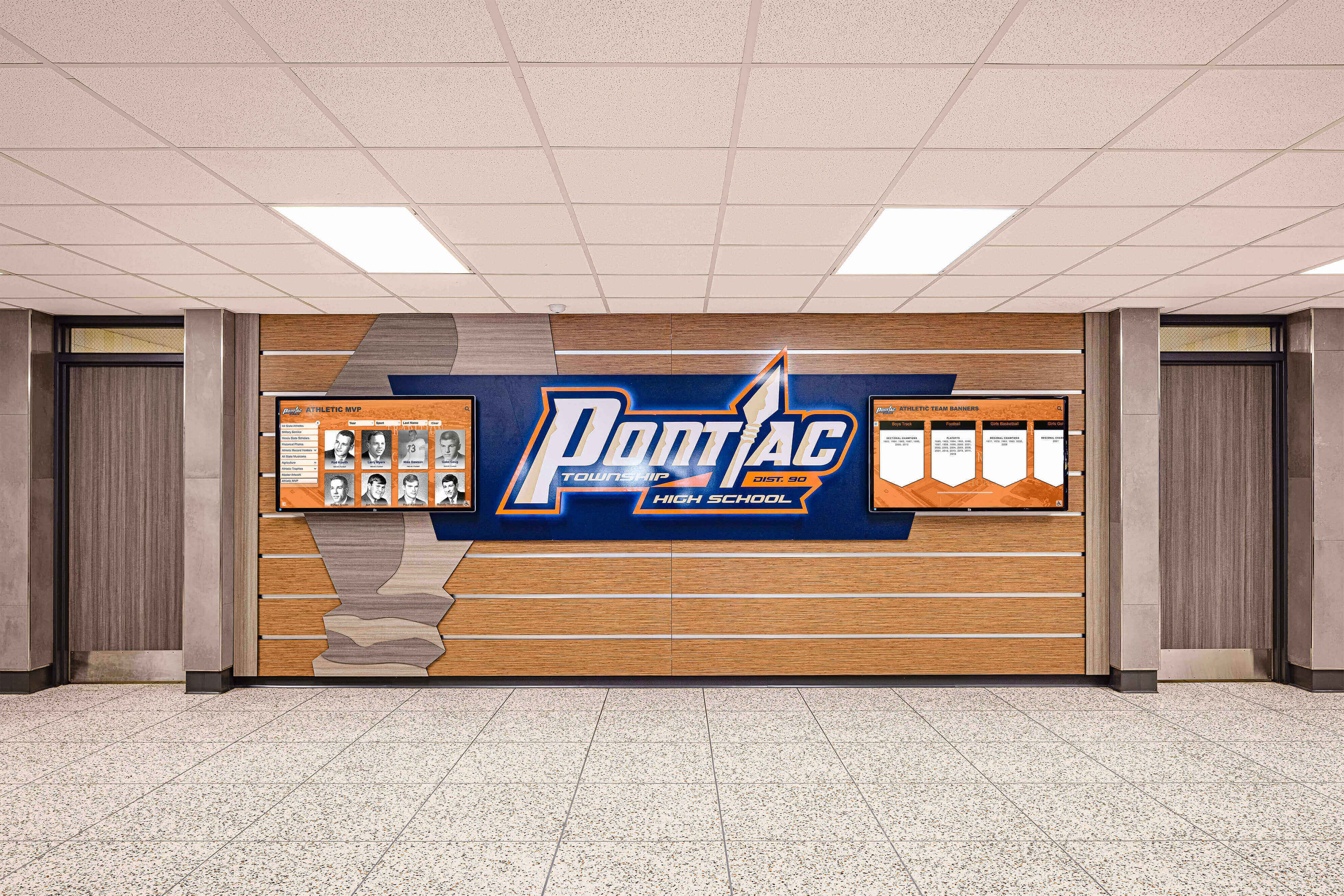
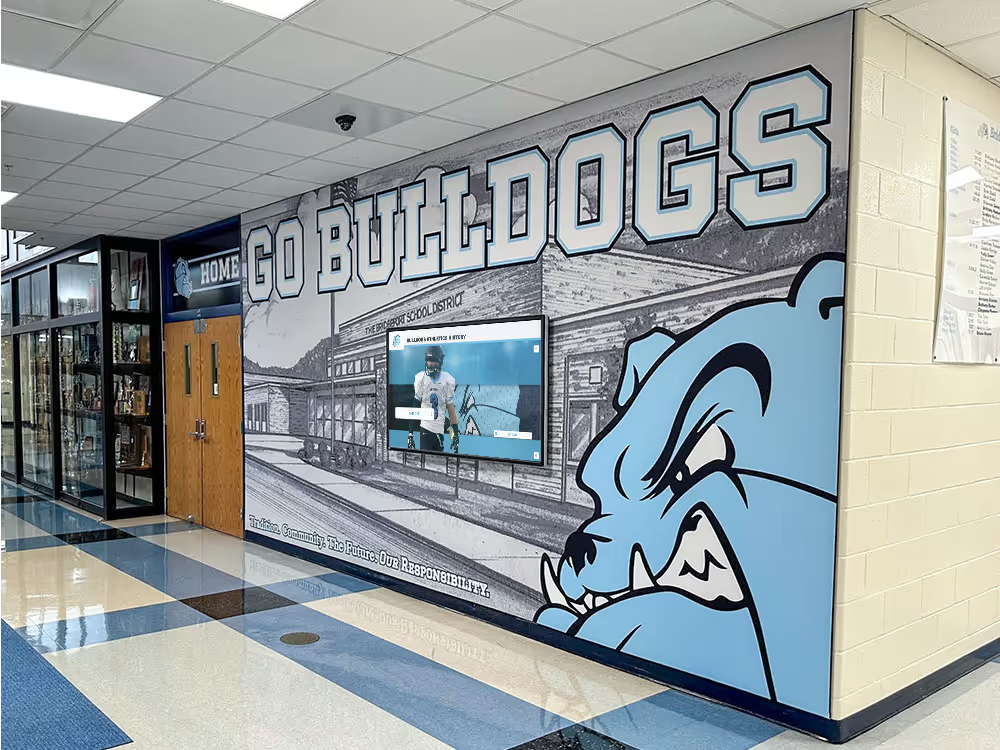
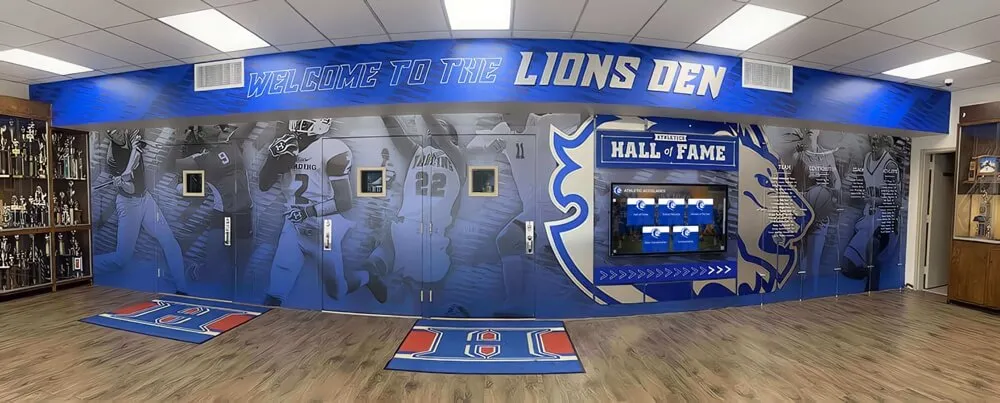
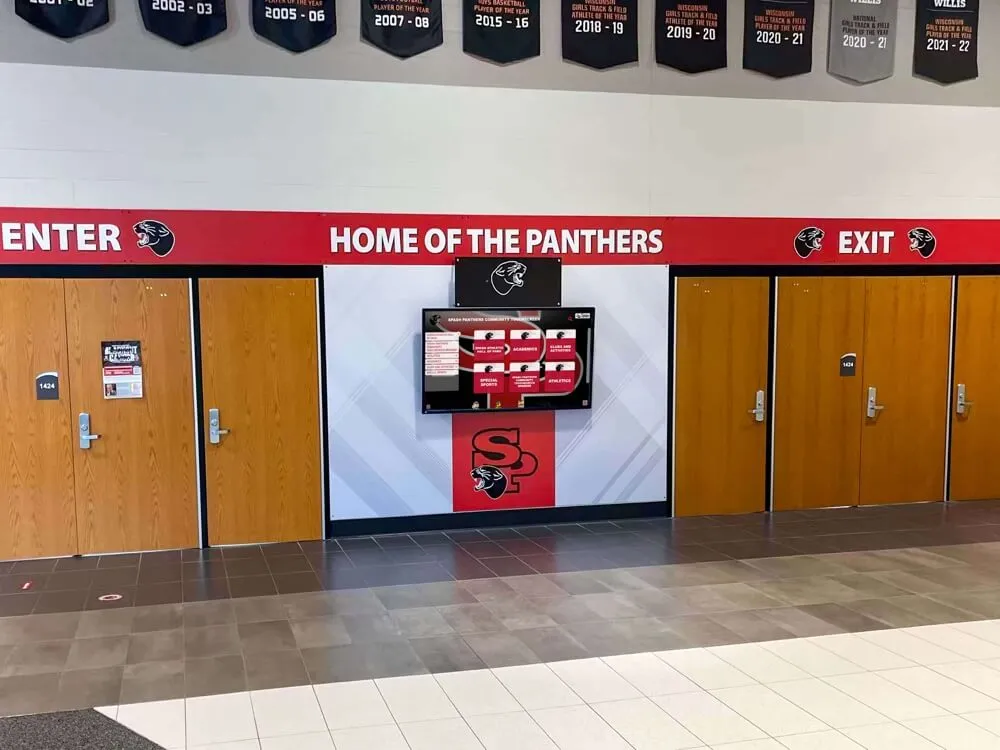
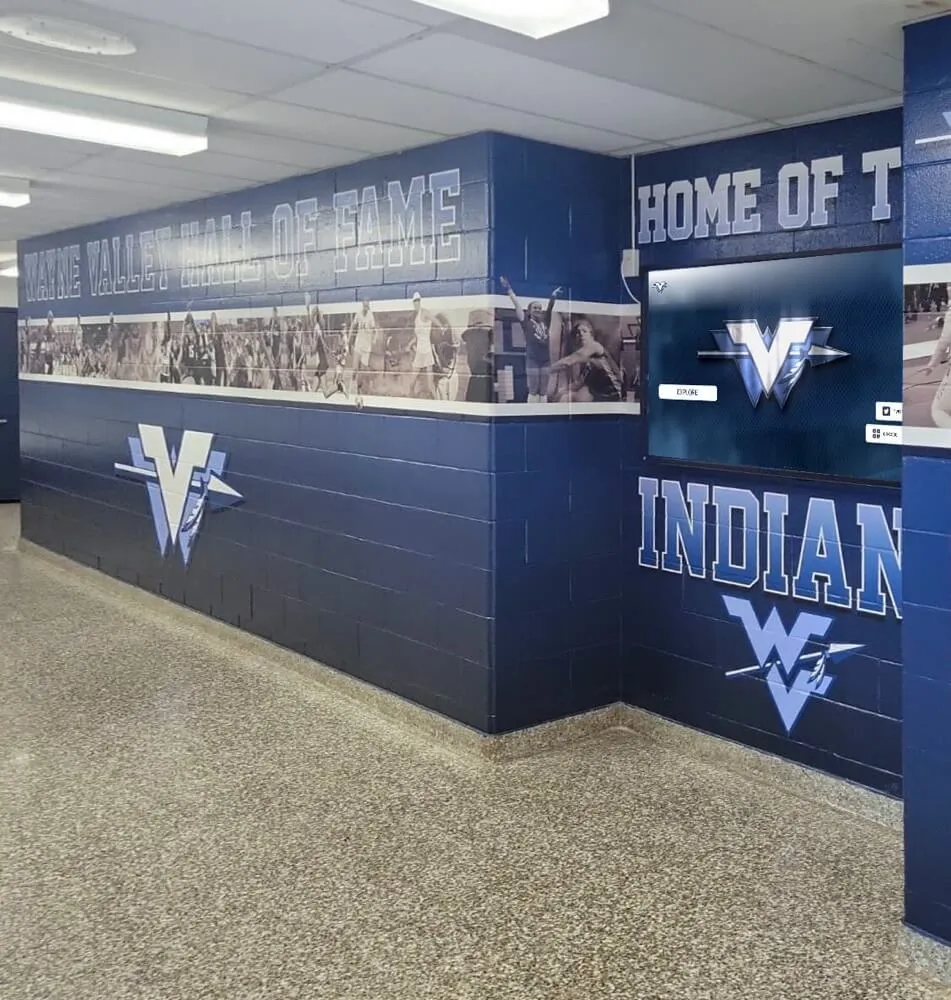
Athletic honor walls in school hallways serve as natural gathering points for alumni reconnecting with their shared competitive history
Managing the Day-Of Experience
All the planning in the world produces uneven results if execution on the day falters. Build contingency into every system.
Arrival Experience Design
The arrival experience sets the emotional tone for everything that follows. Invest in making the first 15 minutes feel welcoming and personal:
- Greet arriving guests by name when possible (committee members positioned at check-in with name tag lists)
- Name tags should be large enough to read from conversational distance—no squinting
- Offer a welcome drink available immediately upon arrival—this is not the moment to queue for a crowded bar
- Position a prominent display or interactive element near the entrance to give solo arrivals something to engage with immediately while their social comfort builds
Program and Flow
Most successful reunions follow a rhythm: arrival and cocktails (45-90 minutes), dinner or food service (60-90 minutes), formal program elements (45-60 minutes), open social time (60-90 minutes). Resist the urge to over-program.
Keep formal program segments to under 60 minutes total. Speeches that run long are the most common reason reunion energy collapses. Brief remarks from a committee chair, recognition moments, and one or two guest speakers are enough. Let the natural social reunion be the main event.
Handling Unexpected Situations
Even with perfect planning, surprises happen. Brief your committee on:
- What to do if AV equipment fails
- How to handle anyone who becomes disruptive
- Protocols for medical emergencies
- How to manage the “surprise guests” who show up without registration
Budget Breakdown: What Things Actually Cost
Understanding realistic cost ranges helps committees plan honestly rather than optimistically.
| Category | Budget Event | Mid-Range | Premium |
|---|---|---|---|
| Venue rental | $500–$1,500 | $2,000–$5,000 | $5,000–$15,000 |
| Catering (per head) | $25–$50 | $60–$100 | $100–$200+ |
| Entertainment | $500–$1,000 | $1,500–$3,500 | $4,000–$8,000 |
| Digital displays | $0 (basic slides) | $1,000–$3,000 | $5,000–$20,000 |
| Photography | $300–$600 | $800–$1,500 | $2,000–$4,000 |
| Decorations | $200–$500 | $600–$1,500 | $2,000–$5,000 |
| Printing/keepsakes | $200–$600 | $700–$2,000 | $2,500–$6,000 |
| Communication/website | $100–$300 | $300–$800 | $800–$2,000 |
These ranges are illustrative—regional costs, class size, and venue category vary significantly. Build a 10-15% contingency buffer into any budget.
Special Considerations by Reunion Milestone
10-Year Reunions
Many attendees are still building their identities and careers. Keep recognition celebratory rather than competitive. Activities that facilitate peer networking and future connection often land better than nostalgic lookback-focused elements. Energy tends to be high; don’t over-structure.
20-Year and 25-Year Reunions
The sweet spot for nostalgia and achievement recognition combined. Most attendees have enough career and life foundation to celebrate while enough youth remains to not make the gathering feel elegiac. Superlative recognition and hall of fame induction work particularly well at this milestone.
30-Year and 40-Year Reunions
Attendance typically stabilizes around a committed core who genuinely want to be there. The crowd tends to be more emotionally open, less concerned with image, and more interested in authentic connection than in earlier milestone reunions. Memorial recognition carries more weight as more classmates have passed.
50-Year Reunions
Often among the most emotionally profound reunions, even with smaller attendance. Surviving teachers and administrators become honored guests. Memorial recognition expands significantly. The focus shifts from “look what we’ve become” to “look at what we shared together.” Oral history projects and legacy documentation efforts often find their best audience here.
Technology and Hybrid Reunion Options
Modern reunion planning tools have expanded considerably in the past decade.
Virtual Participation Options — Livestreaming formal program elements, running parallel virtual social rooms, and creating asynchronous digital content contributions allow classmates who can’t travel to participate meaningfully. The pandemic accelerated acceptance of hybrid formats that were previously dismissed as lesser alternatives.
Mobile Event Apps — Dedicated event apps for reunions provide attendees with schedules, classmate directories, photo sharing, and real-time updates from a single interface. Several platforms including Whova, Eventbase, and reunion-specific options exist at various price points.
QR Code Integration — Embedding QR codes throughout reunion decor creates bridge points between physical displays and digital content. A QR code on a memorial display table links to an online tribute. A code on each table centerpiece links to a photo submission portal. A code on a trophy display links to athletic record boards and video highlights.
Social Media Integration — Create a class-specific reunion hashtag and promote it actively throughout the event. Live social walls displaying tagged posts create real-time community energy and ensure content circulates to classmates who couldn’t attend.
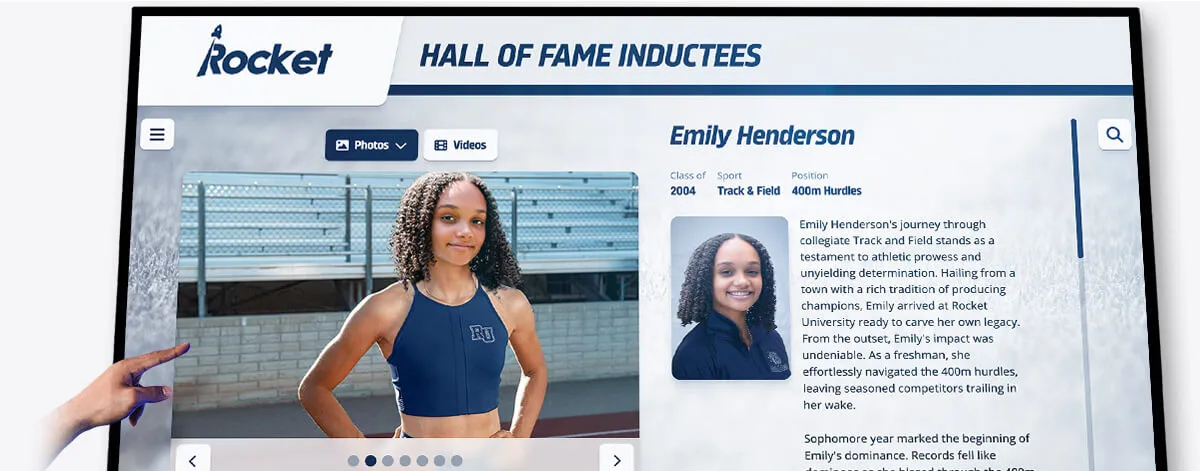
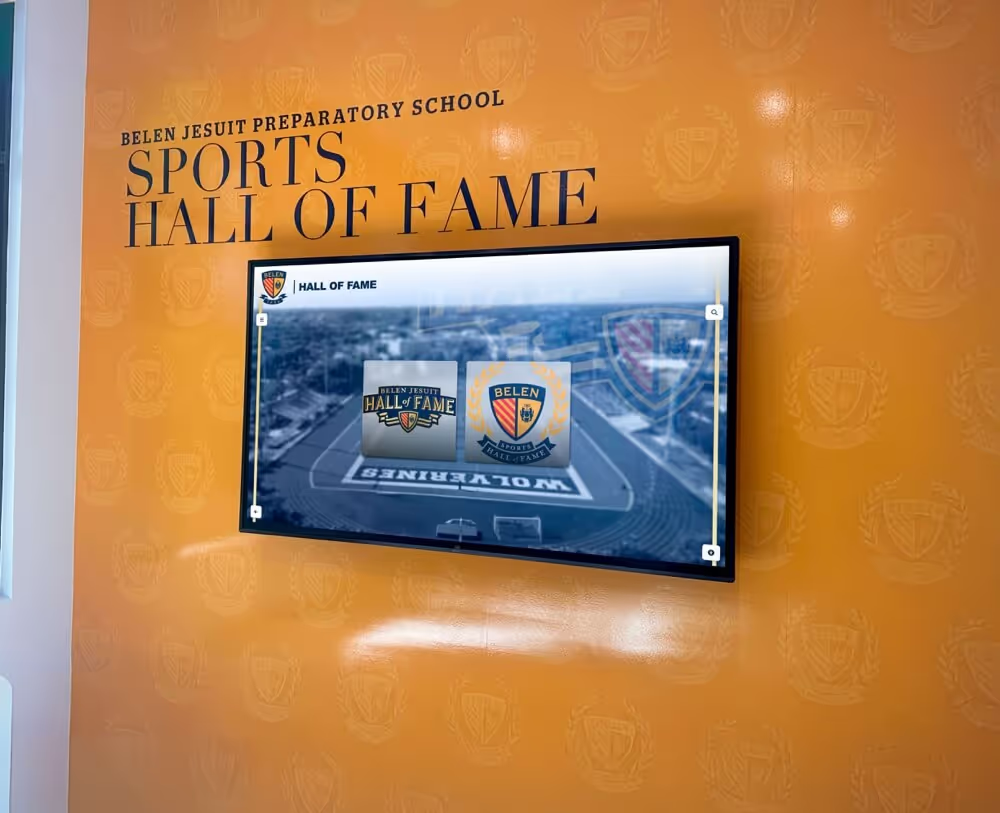
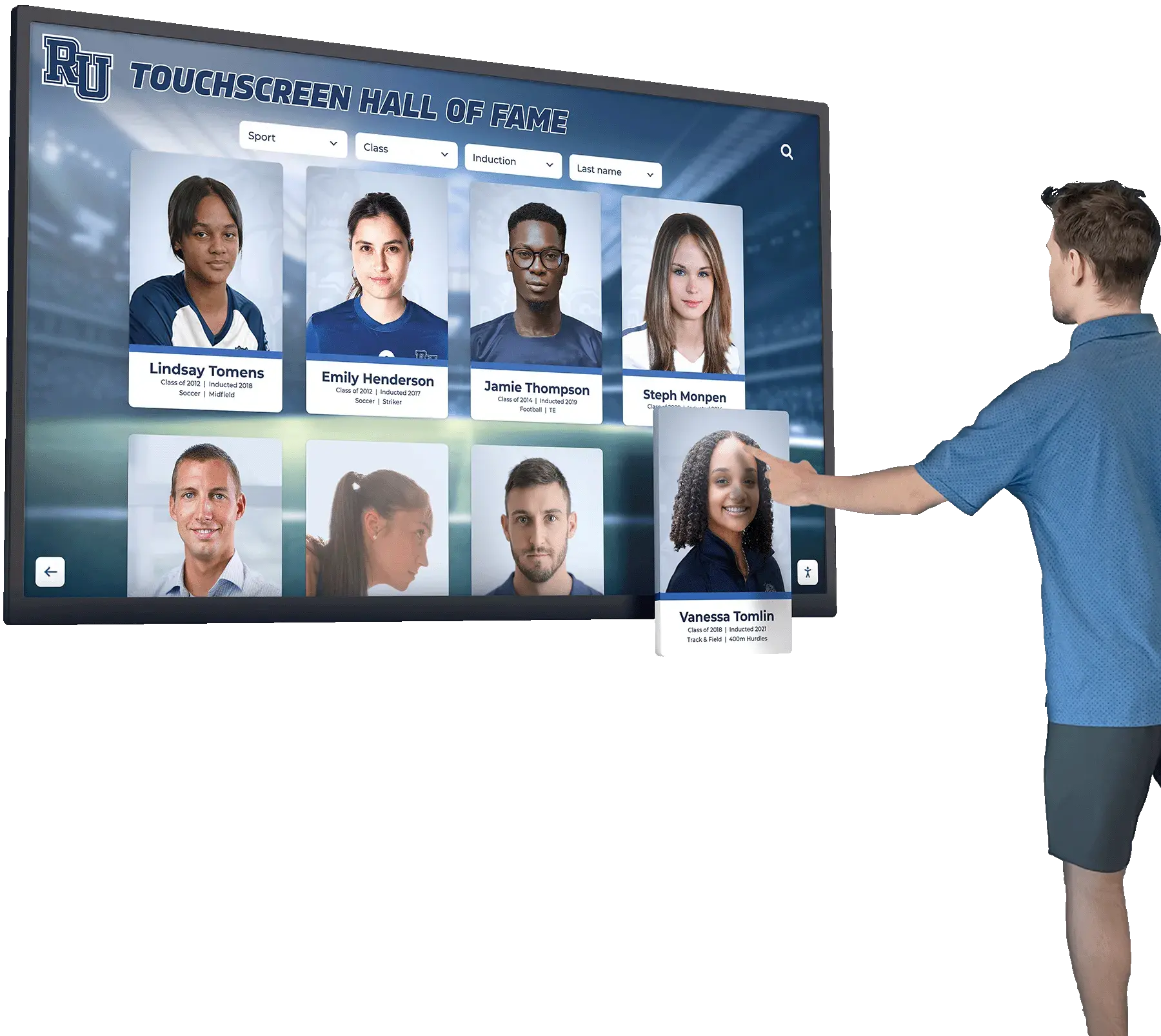
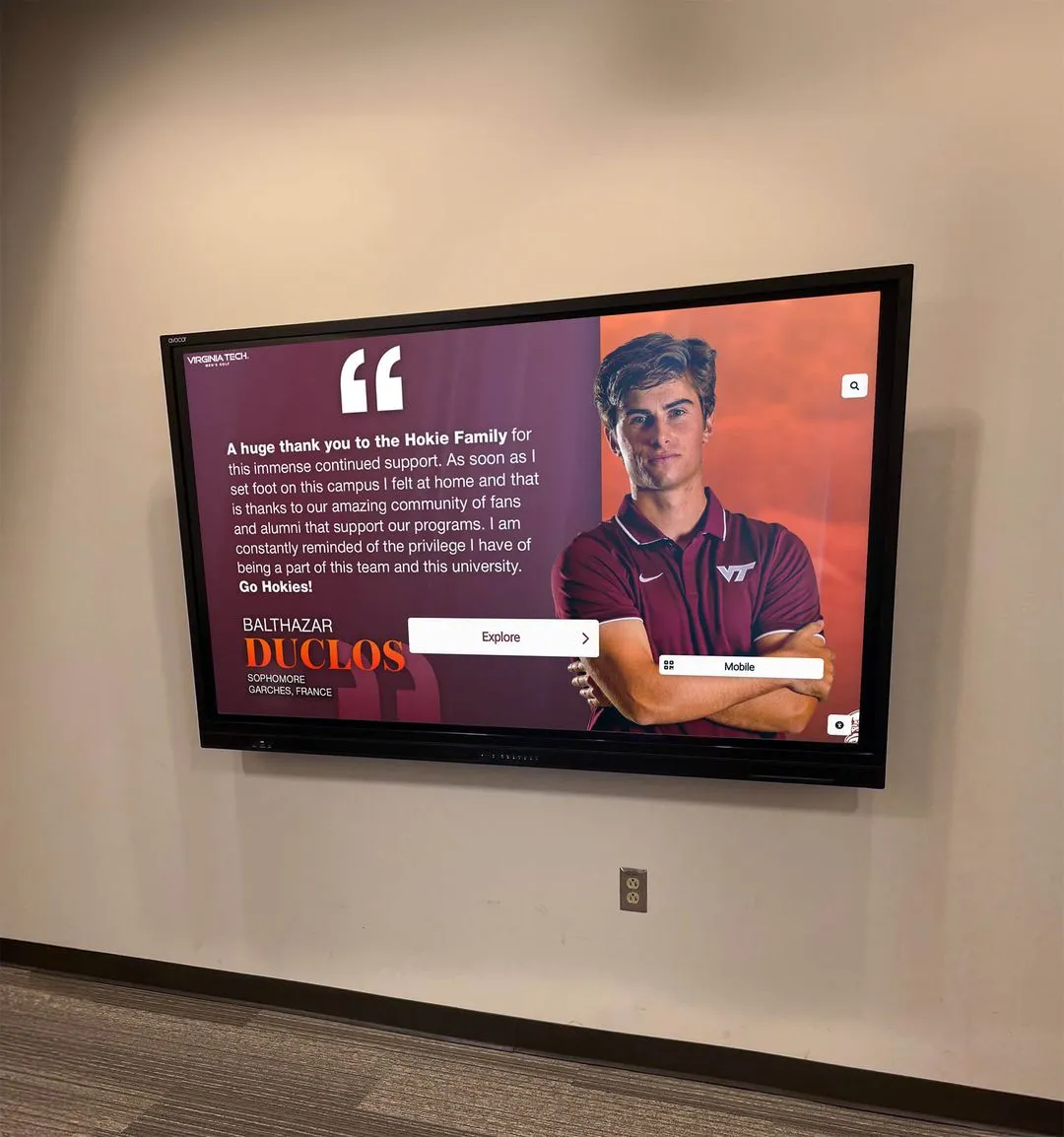
Individual profile touchscreens allow attendees to explore detailed achievement histories and personal stories at their own pace throughout the event
Post-Reunion Follow-Up and Legacy
The day after the reunion is when committees typically collapse with exhaustion and declare their work done. But the most value-generative follow-up happens in the weeks that follow.
Photo Distribution — Share professional event photos within one to two weeks. This is when reunion social media engagement peaks. Delay past three weeks and momentum dissipates.
Survey Collection — A brief post-reunion survey (six to eight questions maximum) captures satisfaction data while memories are fresh and generates specific insights for future planning committees. Share aggregate results with your class—people enjoy seeing how their experience compared to others.
Thank-You Acknowledgments — Committee members, sponsors, featured speakers, and inductees deserve personal thank-you messages within the first week.
Archiving for Future Committees — Document everything: vendor contacts and pricing, what worked and what didn’t, attendance numbers, budget actuals versus estimates, feedback survey results. This archive becomes invaluable for the next committee organizing the following milestone.
Permanent School Legacy Projects — If your class generated enthusiasm for a lasting contribution to the school, channel that energy while it’s high. Whether it’s funding a scholarship, contributing to an athletic facility, or partnering with the school on a permanent digital recognition installation, the window for converting post-reunion generosity into committed action is relatively short.
Making Your Reunion Genuinely Inclusive
The most meaningful high school reunions find ways to honor the full range of experiences that your graduating class actually had—not just the experiences of the most visible, connected, or traditionally celebrated members.
This means recognition categories that celebrate diverse definitions of success. It means explicit outreach to classmates who were socially marginalized, not just the ones who were active in alumni networks. It means decorations and activities that acknowledge different experiences of the same school years—not every memory of high school is golden.
Inclusive reunions produce higher emotional satisfaction ratings because they signal to every attendee that their presence was genuinely valued, not just numerically counted. That signal requires intentionality throughout planning, from committee composition through recognition criteria through physical setup choices on event day.
High school reunion ideas span a wide range of ambition levels, budget ranges, and emotional approaches—but the common thread in the most successful gatherings is genuine investment in making every attendee feel that showing up was worth it. When people leave a reunion saying it exceeded expectations, they’re describing an event that managed both the logistics and the emotional architecture with care.
The combination of classic reunion elements—great food, good music, meaningful recognition, and time to reconnect—with modern interactive and digital tools creates reunion experiences that are demonstrably richer than what previous generations could access. Your class deserves both.
Bring Your Reunion to Life with Interactive Displays
Ready to elevate your class reunion with a custom interactive touchscreen experience? Rocket Alumni Solutions designs engaging digital memory walls, alumni directories, and recognition displays purpose-built for class reunions and permanent school installations.
Get Your Custom Reunion Display