



Hilton lobby visitor kiosks represent a transformative shift in how hotels welcome guests, streamline check-in processes, and deliver modern hospitality experiences. When Hilton Hotels Corp. pioneered guest self-service kiosks at major properties like the 2,035-room Hilton New York and the 1,544-room Hilton Chicago, partnering with IBM to develop the hardware and software, they established new standards for hotel lobby technology that have since evolved into comprehensive digital guest experience platforms serving properties worldwide.
The traditional hotel check-in experience—standing in line at the front desk, waiting while staff manually processes paperwork, and receiving physical keys through face-to-face transactions—no longer aligns with modern traveler expectations shaped by airline self-service kiosks, mobile banking, and contactless commerce. Research shows that 73% of travelers now prefer hotels with self-service options, seeking the speed, convenience, and control that interactive kiosk technology provides while still valuing human assistance for complex requests and personalized service.
This comprehensive guide explores the evolution of Hilton’s lobby visitor kiosk systems, how interactive self-service technology transforms hotel operations, the benefits delivered to both guests and properties, implementation strategies for hotels considering kiosk deployment, and how similar interactive display principles serve diverse environments beyond hospitality—demonstrating that the fundamentals of intuitive wayfinding, self-service convenience, and engaging visitor experiences translate across industries from hotels to educational institutions, corporate facilities, and community spaces.
The hotel industry has witnessed dramatic technology adoption over the past two decades, with self-service kiosks representing one of the most visible and impactful innovations affecting the guest journey. Understanding how properties like Hilton implemented these systems, what capabilities modern kiosks provide, and how the technology continues evolving provides essential context for hospitality professionals, technology vendors, and anyone interested in how interactive displays reshape visitor experiences across diverse settings.

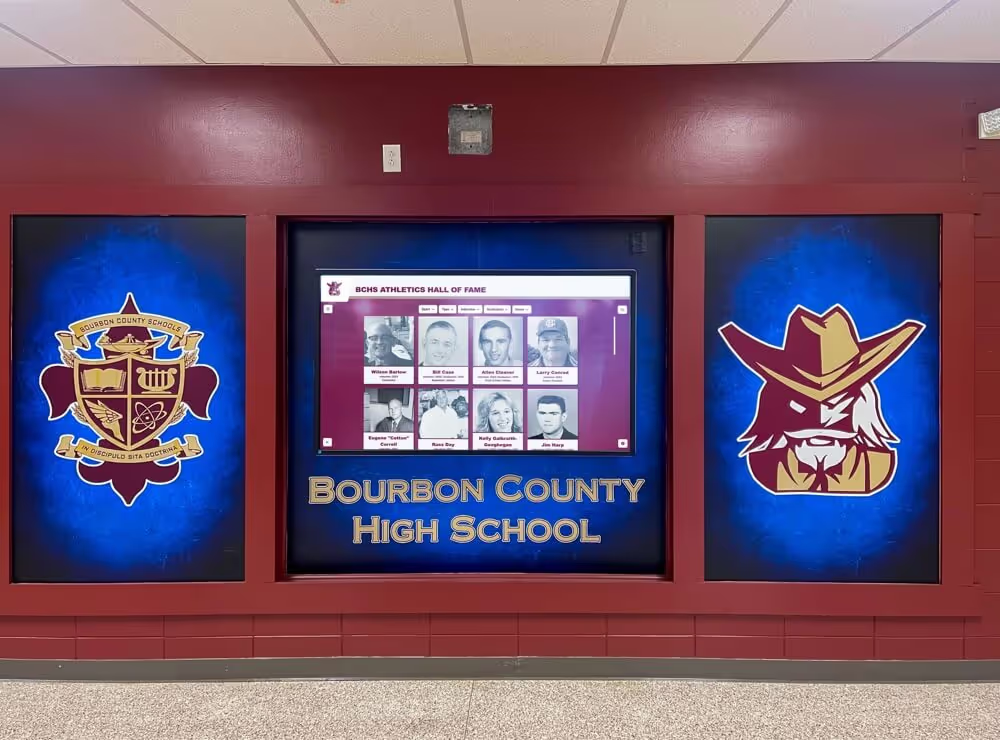
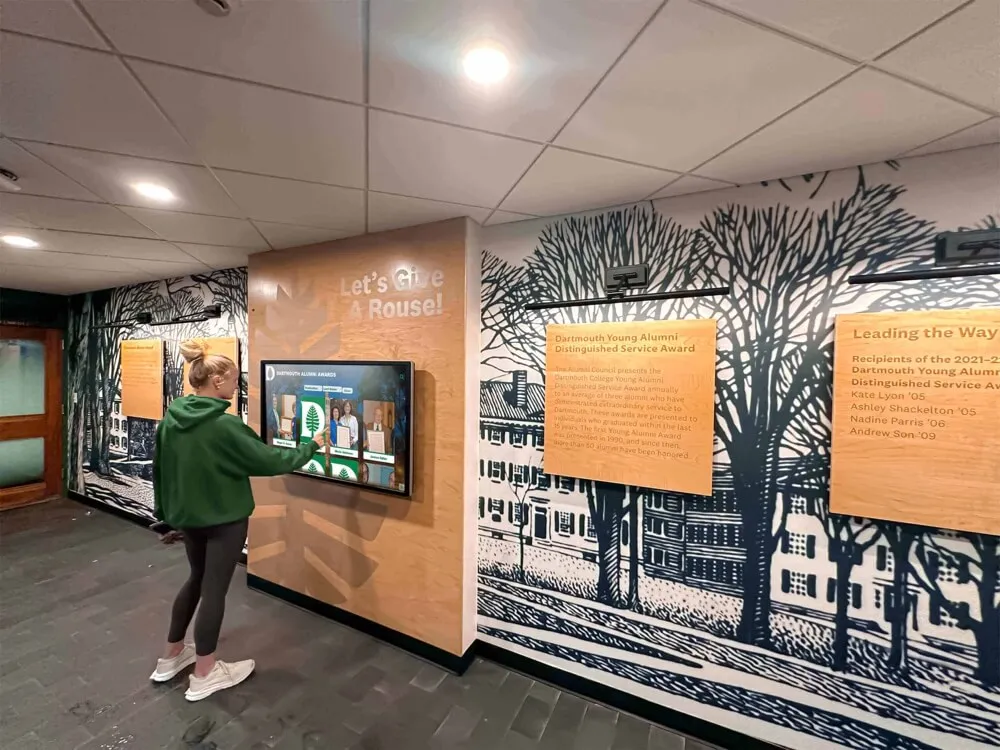
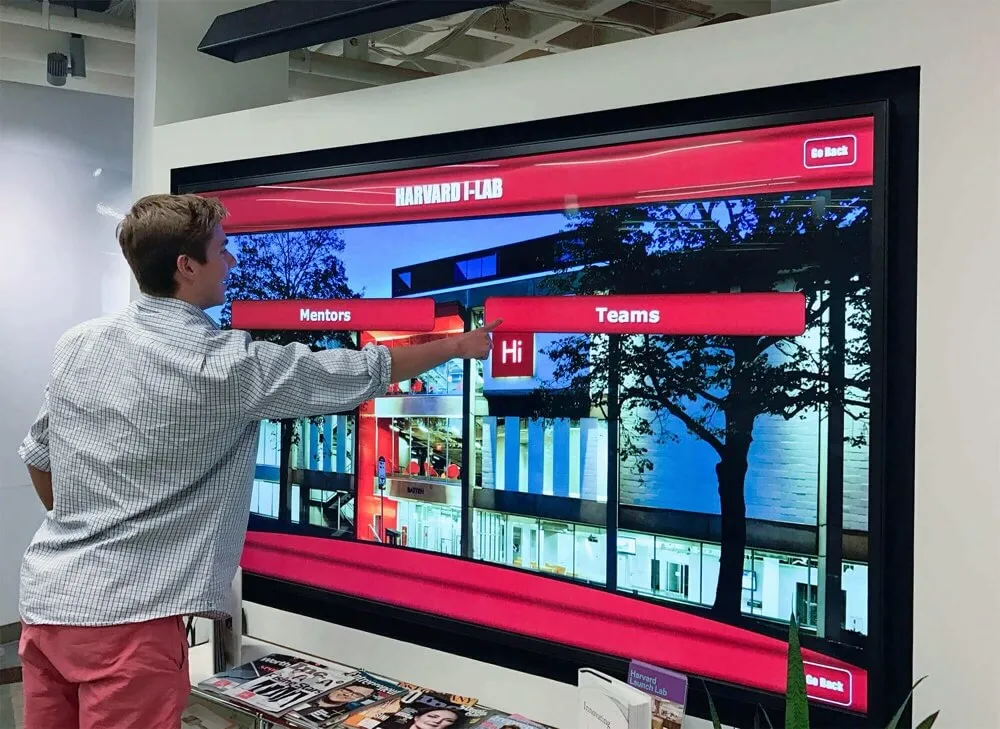
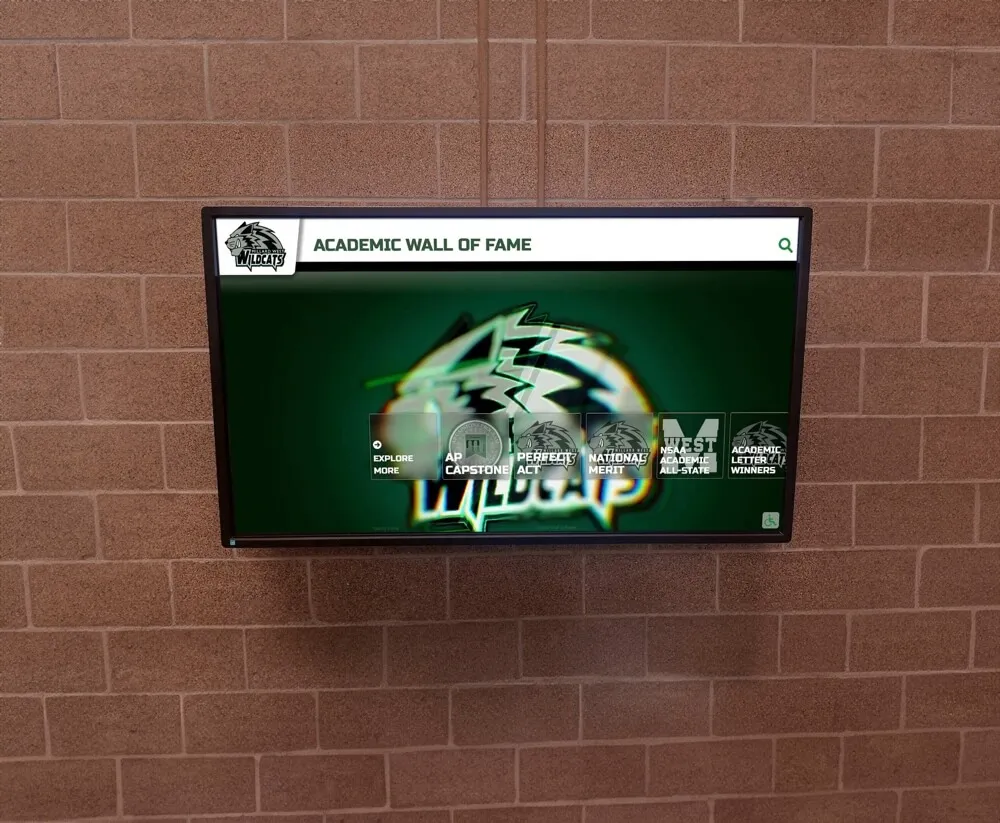
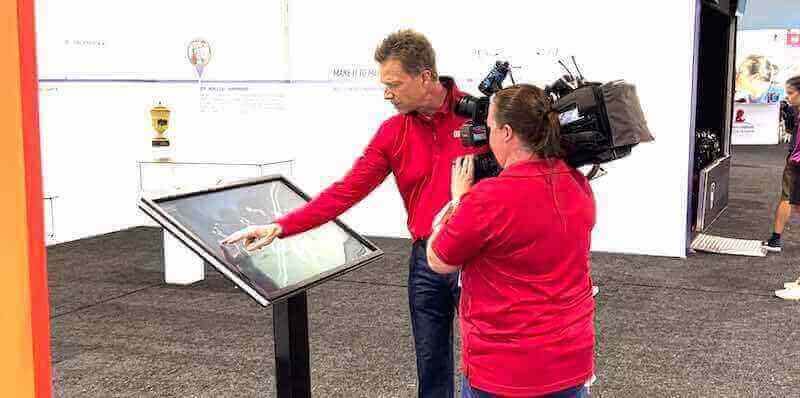
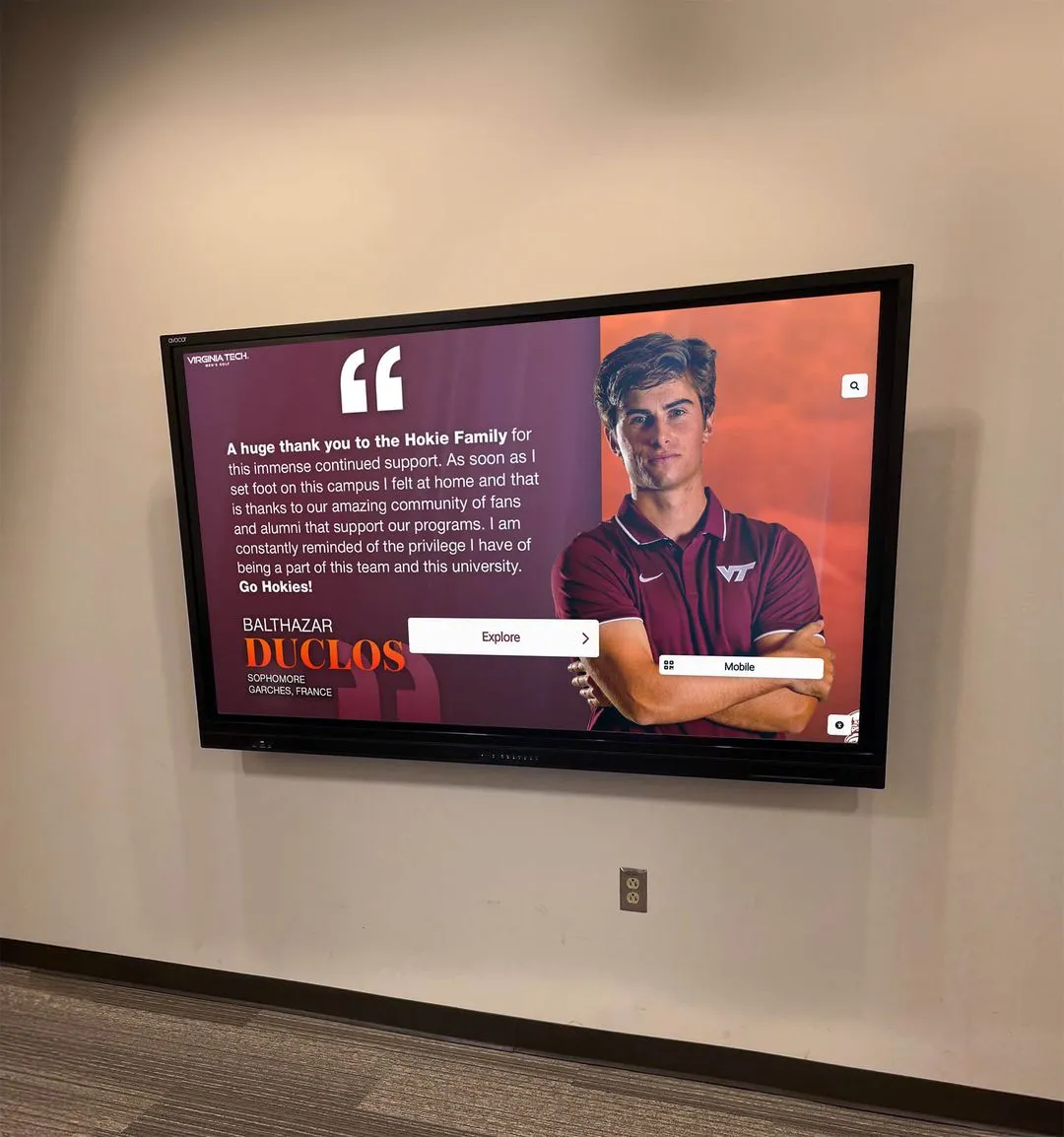
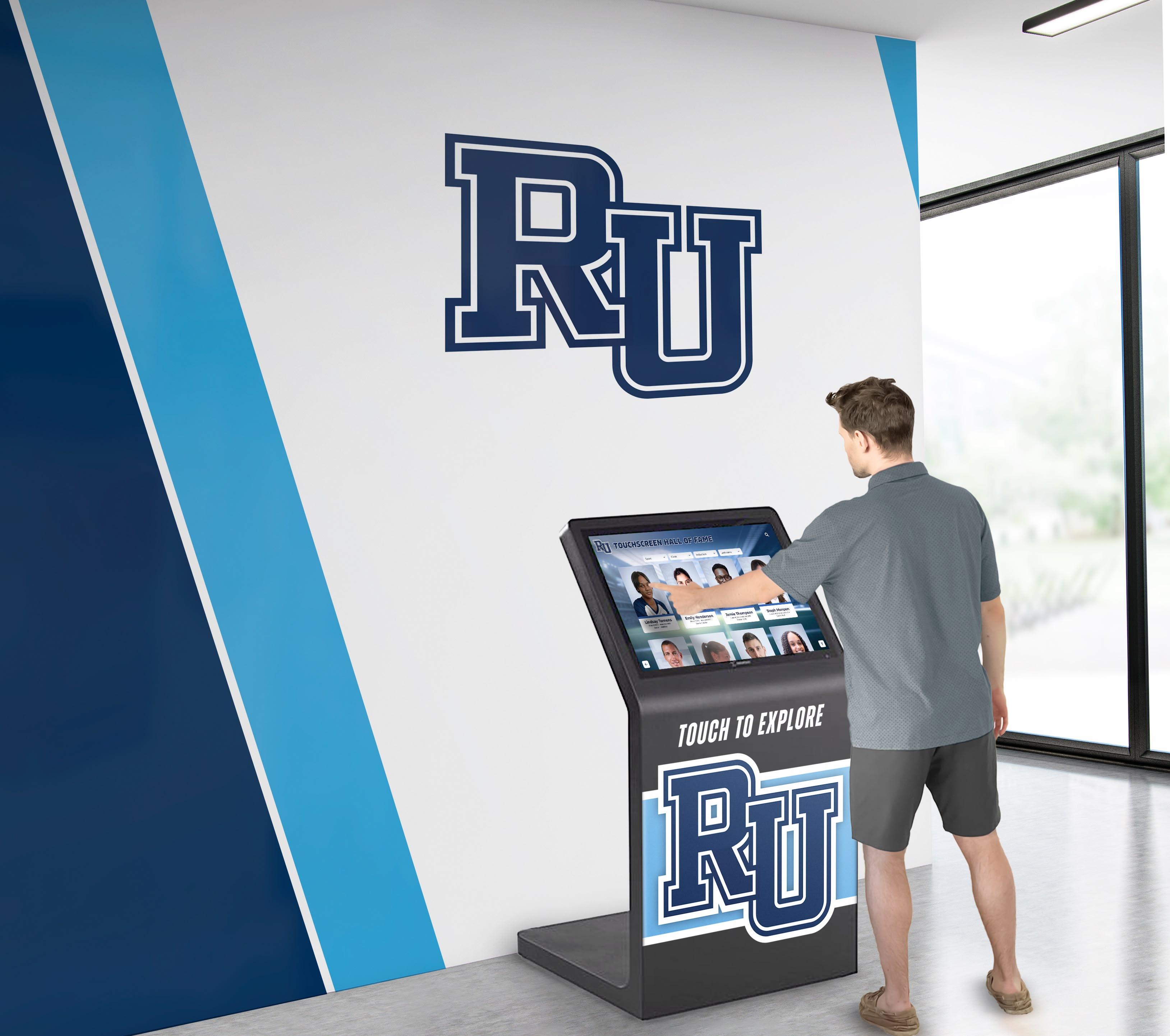
Modern lobby kiosks provide intuitive touchscreen interfaces enabling quick self-service transactions without staff assistance
The Evolution of Hilton’s Lobby Visitor Kiosk Technology
Understanding how hotel self-service kiosks evolved from concept to widespread adoption illuminates both the challenges traditional check-in processes created and the technological capabilities that made interactive alternatives viable.
Traditional Hotel Check-In Challenges
Before self-service kiosks became standard in major hotel properties, traditional check-in processes created systematic challenges affecting both guest satisfaction and operational efficiency:
Guest Experience Pain Points
The traditional front desk model forced all arriving guests through limited service bottlenecks. During peak arrival times—typically mid-afternoon to early evening—queues formed as staff manually processed each reservation, verified credit cards, assigned rooms, programmed key cards, and explained property amenities. Business travelers arriving after long flights and families with tired children found themselves waiting 10-20 minutes or longer during high-occupancy periods, creating negative first impressions that colored entire stays regardless of subsequent service quality.
Individual processing variation meant wait times proved unpredictable. Quick check-ins for simple reservations proceeded rapidly, but complex situations—group bookings, special requests, billing questions, or system issues—created delays affecting all guests waiting behind them. This variability prevented guests from planning arrival times strategically since they couldn’t know whether check-in would require five minutes or thirty depending on circumstances beyond their control.
Operational Efficiency Limitations
From the hotel perspective, traditional check-in workflows created labor intensity requiring substantial staffing during peak periods. Properties needed multiple front desk agents covering all operating hours despite demand concentrating primarily around check-in and check-out windows. The labor model proved expensive and inflexible—hotels either maintained excess capacity during slow periods or inadequate coverage during unexpected demand spikes.
Manual processes introduced error opportunities affecting guest satisfaction and operational accuracy. Agents manually selecting rooms sometimes overlooked guest preferences or special requests noted in reservations. Key programming mistakes occasionally resulted in non-functioning cards requiring guests to return to the desk. And data entry errors in registration systems created billing discrepancies discovered only at checkout when resolution proved more difficult and time-consuming.
Physical space constraints limited the number of front desk positions properties could accommodate. Lobby design typically incorporated 3-6 desk stations, establishing absolute capacity ceilings regardless of demand. Unlike digital systems that scale through additional terminals, physical desk expansion required extensive renovation affecting fundamental building layouts.
Hilton’s Pioneering Kiosk Implementation
Hilton Hotels Corp. recognized these challenges and partnered with IBM to develop comprehensive guest self-service kiosk solutions tested initially at flagship properties. The strategic selection of the Hilton New York and Hilton Chicago for pilot programs provided ideal testing environments—both properties featured extremely high room counts (2,035 and 1,544 rooms respectively) generating substantial daily check-in volumes that created significant operational challenges under traditional models.
Initial Kiosk Capabilities and Design
The original Hilton-IBM kiosks provided streamlined check-in workflows designed for intuitive self-service. Guests approached strategically-positioned kiosks in the lobby and inserted credit cards for identification purposes—the same cards used to guarantee reservations, creating familiar authentication without requiring guests to remember confirmation numbers or retrieve additional documentation from luggage.
Touchscreen interfaces guided guests through simple sequential steps: verifying reservation details, reviewing and modifying room preferences when possible, confirming rate and stay duration, and receiving programmed room key cards dispensed directly from kiosks. The entire process typically completed in under two minutes for standard reservations, representing 70-80% time savings compared to traditional front desk check-in during busy periods.
Printed materials accompanied key cards, including room directions, property maps, amenity information, and personalized welcome messages. This automated documentation ensured consistency while freeing staff from repeatedly explaining basic property information that first-time guests required.
Checkout functionality followed similar patterns. Departing guests inserted room keys, reviewed final bills displayed on touchscreens, confirmed charges, and received printed receipts. For guests without disputes or additional questions, the process proceeded entirely without staff interaction, enabling early morning departures before full front desk staffing and late checkouts without queuing behind incoming arrivals.
Strategic Placement and Guest Flow Design
Hilton positioned multiple kiosks at strategic lobby points ensuring visibility and accessibility. Placement near main entrances intercepted arriving guests before they joined traditional front desk queues, while clear signage promoted kiosk availability for those preferring self-service options. The multi-kiosk approach prevented bottlenecks—even during peak periods, guests rarely waited since concurrent usage accommodated demand far better than limited desk positions.
The design preserved traditional front desk services for guests preferring human assistance, those with complex needs, or those experiencing kiosk difficulties. This hybrid model acknowledged that technology serves best as a supplement rather than complete replacement for personal service, respecting diverse guest preferences and ensuring fallback options maintained service continuity when technical issues arose.
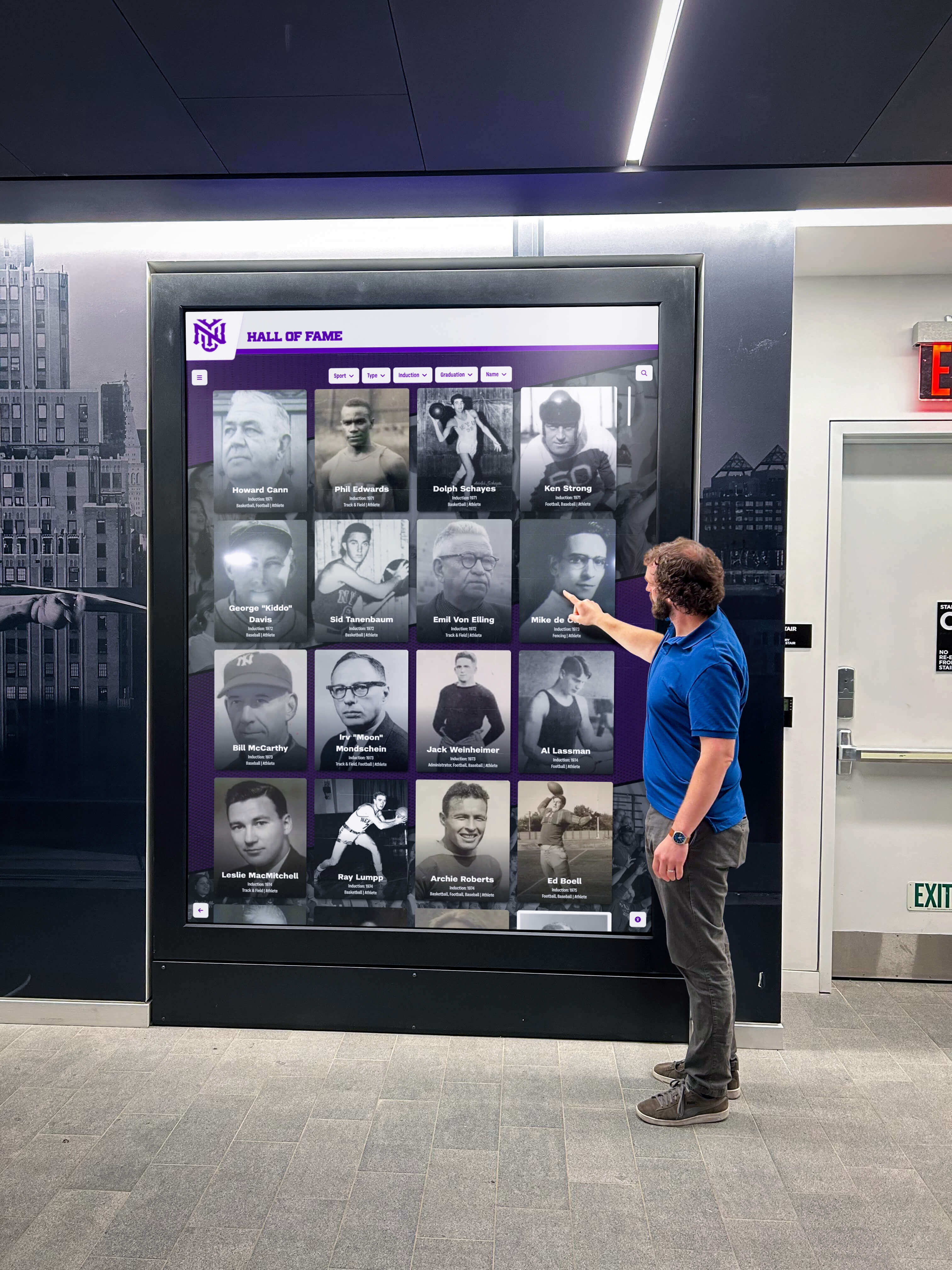
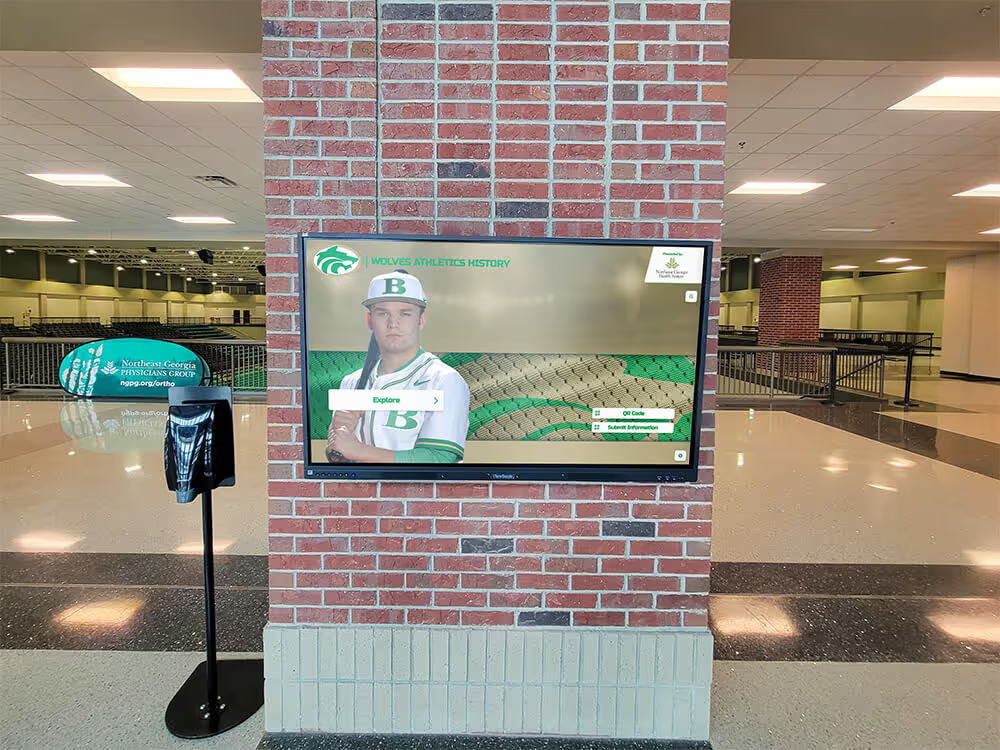
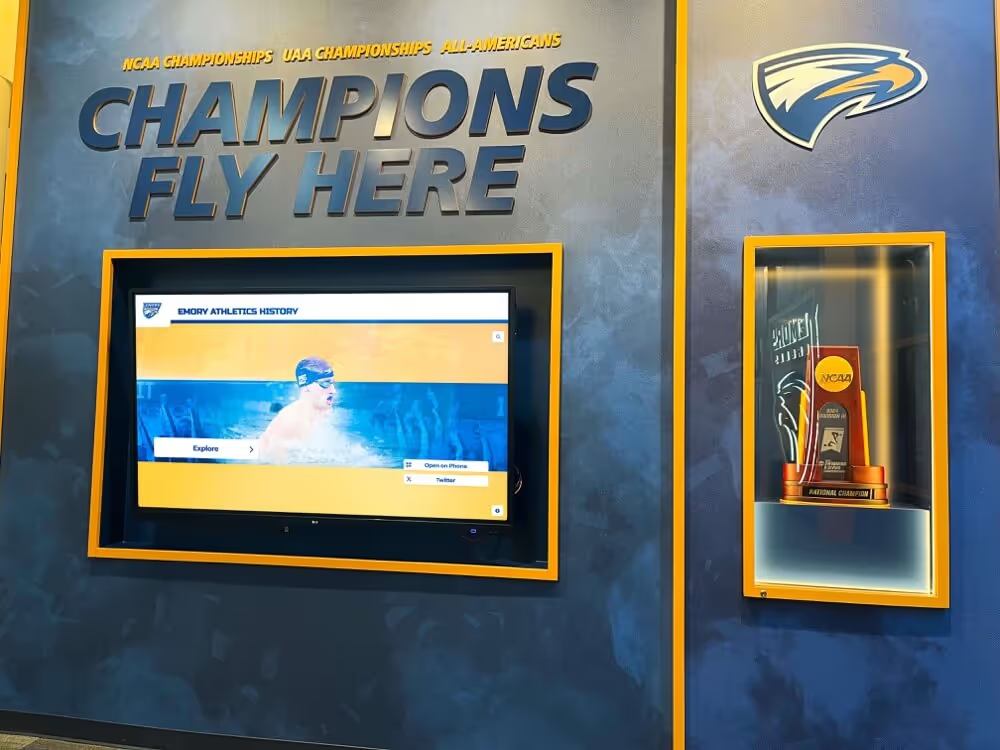
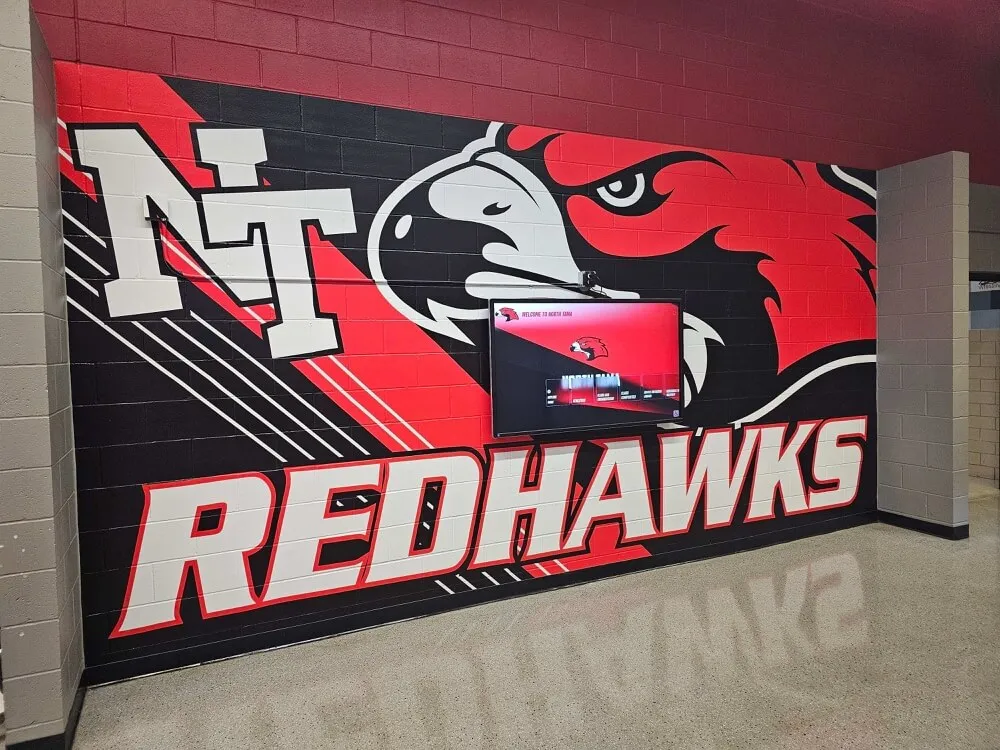
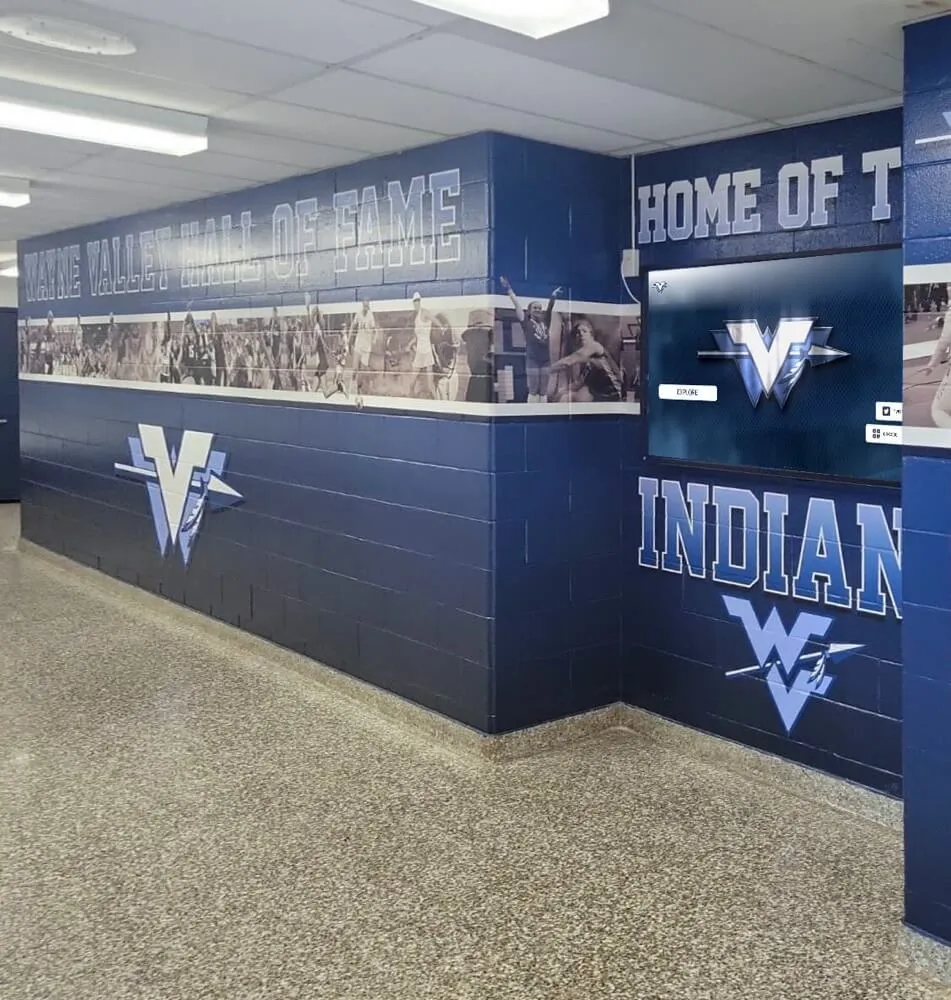
Strategic kiosk placement in high-traffic lobby areas ensures guests encounter self-service options naturally during arrivals
The Evolution to Mobile Integration
While Hilton’s physical lobby kiosks pioneered hotel self-service, the technology subsequently evolved toward mobile integration reflecting broader shifts in consumer behavior. The development of the Hilton Honors mobile app enabled pre-arrival digital check-in where guests selected rooms, specified arrival times, and received mobile key credentials before ever entering hotel lobbies. This mobile-first approach represented the logical extension of kiosk principles—self-service convenience and process control—delivered through devices guests already carried rather than property-based terminals.
However, physical lobby kiosks remain valuable even in mobile-enabled environments. Not all guests belong to loyalty programs providing mobile access. International travelers without domestic data plans face connectivity limitations. And some guest segments simply prefer physical kiosks over mobile apps for various reasons including larger screens, clearer instructions, or comfort with fixed terminals versus personal device usage.
Modern implementations therefore typically feature multi-channel strategies combining mobile pre-check-in, lobby kiosk self-service, and traditional front desk assistance. This comprehensive approach maximizes guest choice while optimizing operational efficiency through technology that handles routine transactions effectively while freeing staff capacity for personalized service that distinguishes hospitality experiences from purely transactional commodity lodging.
Core Features and Capabilities of Modern Hotel Lobby Kiosks
Contemporary hotel kiosk systems incorporate sophisticated features extending far beyond basic check-in functionality, creating comprehensive guest service platforms that enhance experiences while delivering operational benefits.
Comprehensive Check-In and Check-Out Services
Modern hotel kiosks streamline the entire guest arrival and departure process through integrated capabilities:
Automated Check-In Processing
Advanced kiosks enable guests to complete full check-in procedures independently through several key capabilities. Reservation retrieval functions automatically locate bookings through credit card scanning, confirmation number entry, or loyalty program credential input—multiple identification methods accommodating different guest preferences and situations. Identity verification compares presented credentials against reservation information while processing payment authorizations required to activate room access.
Room selection interfaces display available options when properties maintain inventory flexibility, enabling guests to view floor plans, review amenities, and select specific rooms matching preferences for location, view, bed configuration, or floor level. This self-service selection empowers guests while reducing staff time spent explaining options and processing change requests after initial assignments.
Key card programming and dispensing happen automatically, with kiosks creating encoded cards for assigned rooms and distributing them through secure dispensers. Some advanced systems support mobile key integration where kiosks activate digital credentials sent directly to guest smartphones, eliminating physical cards entirely for tech-comfortable travelers.
Streamlined Checkout Procedures
Departure processes benefit equally from kiosk automation. Guests insert room keys to retrieve accounts, review itemized bills showing room charges, incidental expenses, and applicable taxes or fees. Digital bill review enables guests to verify accuracy before finalizing checkout, with dispute resolution options directing guests requiring adjustments to front desk staff while allowing those without issues to complete checkouts in under 60 seconds.
Payment processing accepts credit cards for final authorization, with receipt printing providing documentation for expense reporting and recordkeeping. The automation enables 24/7 checkout capability—early departing guests can settle accounts without waiting for full front desk staffing, while late checkouts avoid congestion from incoming arrival processing happening simultaneously.
Express checkout options for guests with charges authorized to pre-registered credit cards require no interaction at all, with automated bills sent via email eliminating the need for even brief kiosk stops. This ultimate convenience particularly appeals to frequent travelers familiar with properties and confident in billing accuracy.
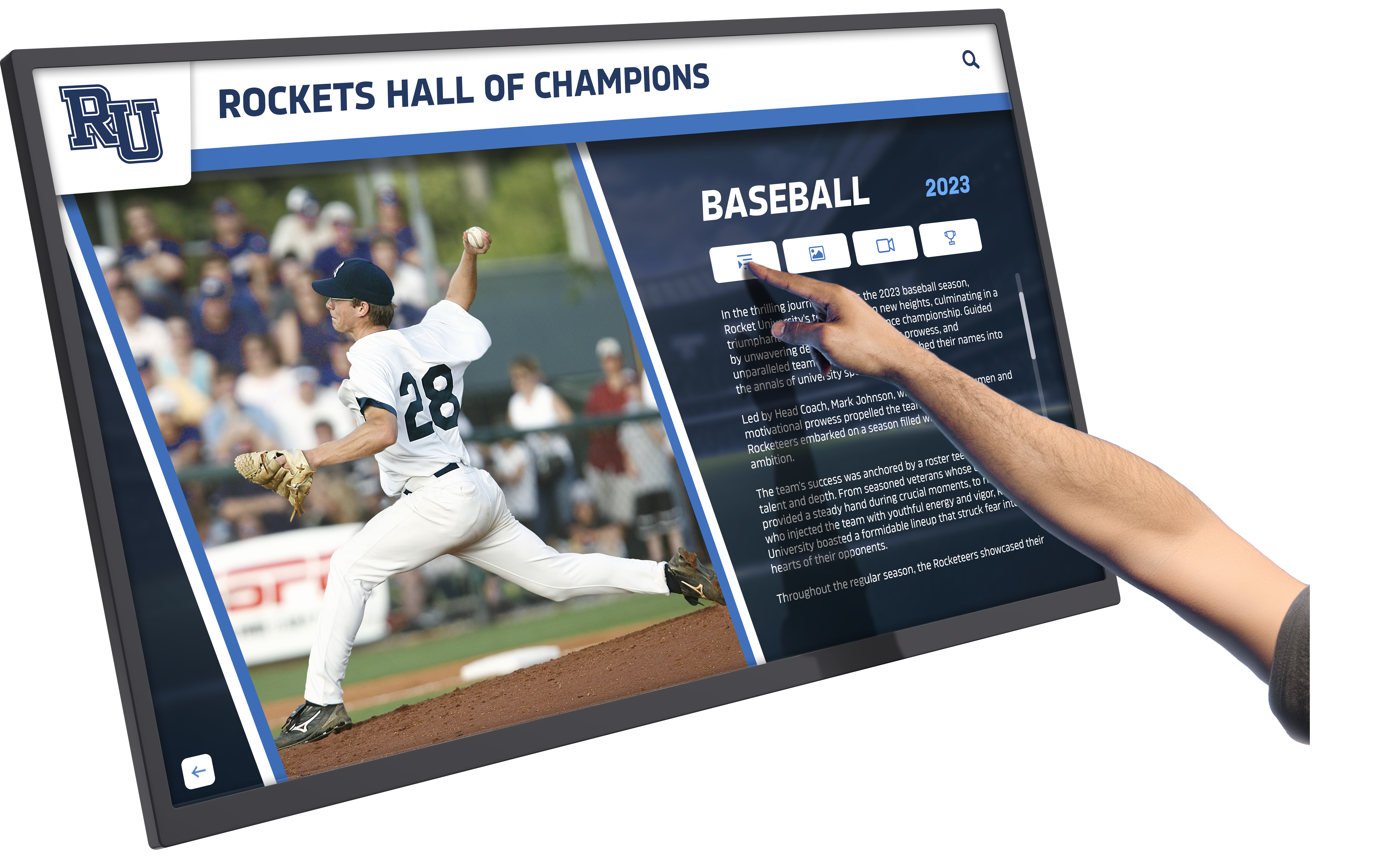
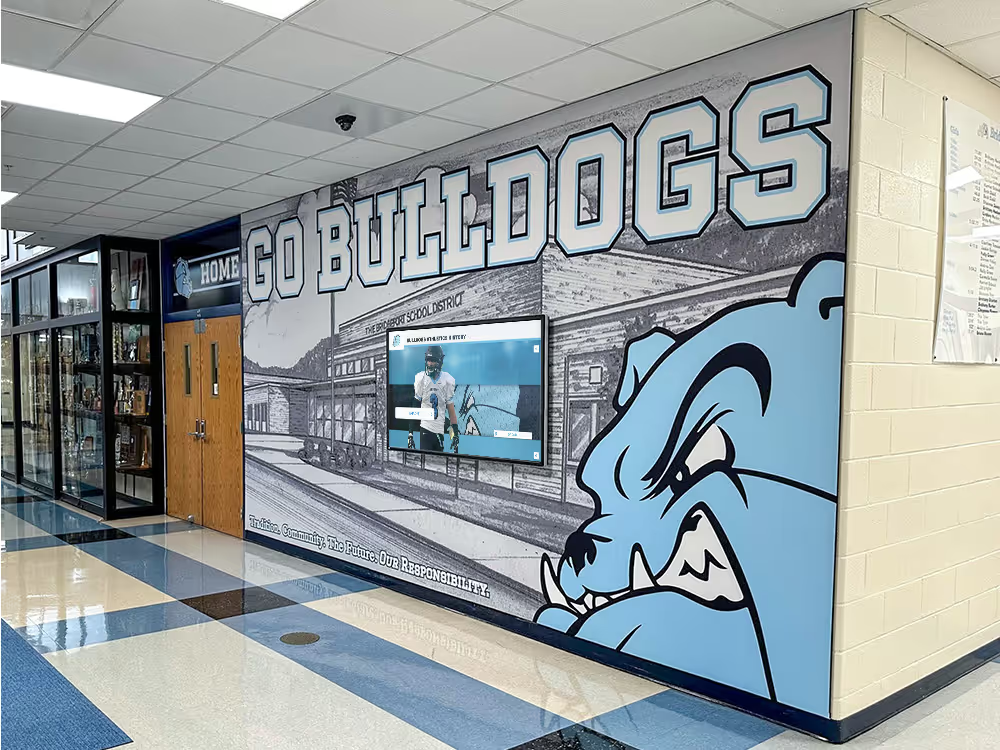
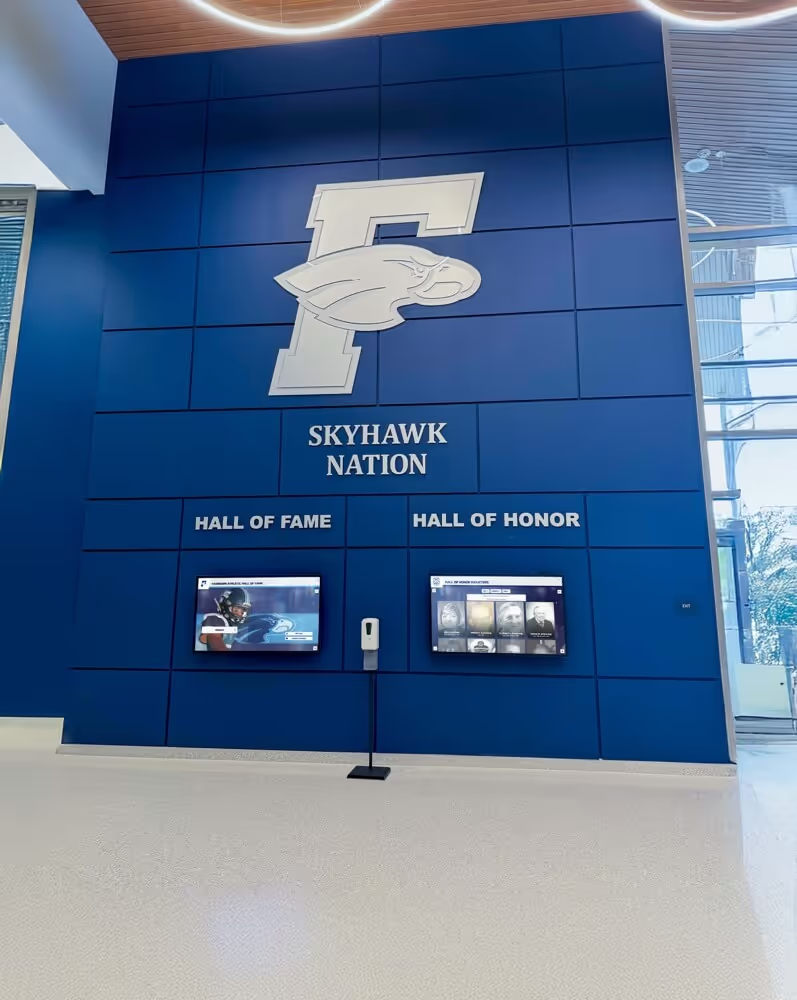
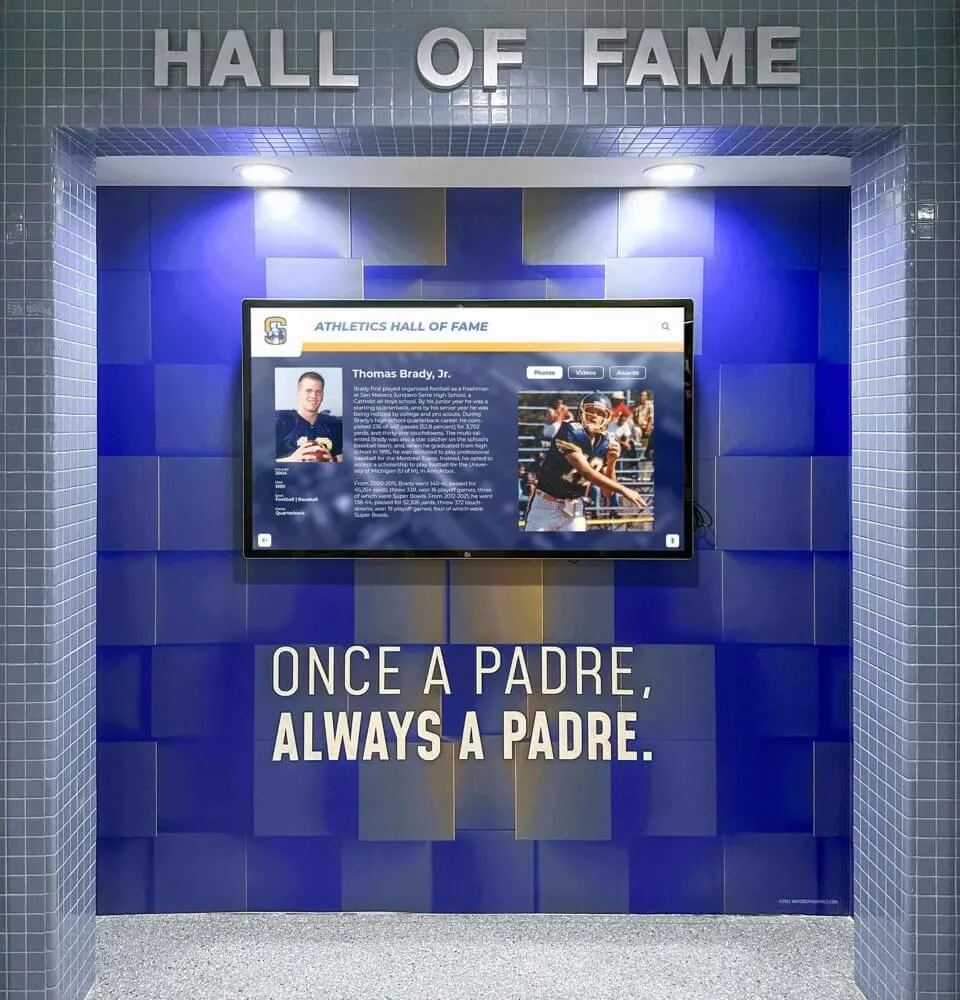
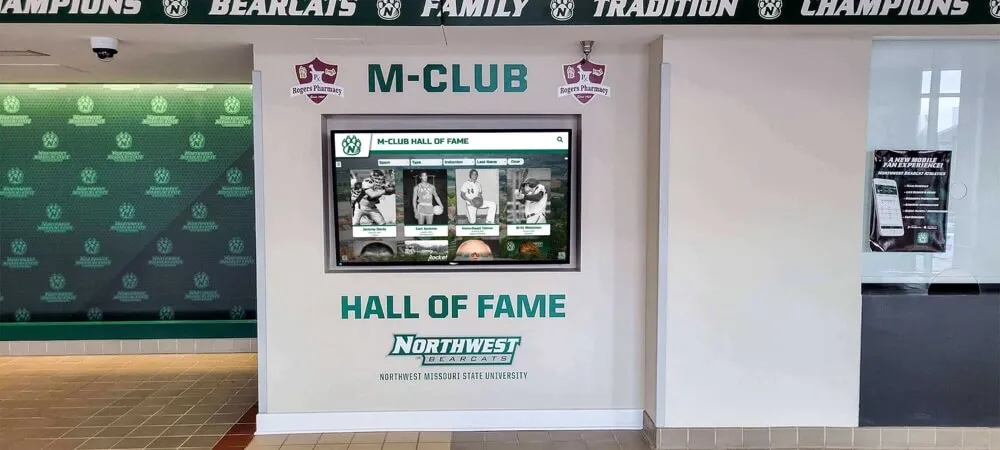
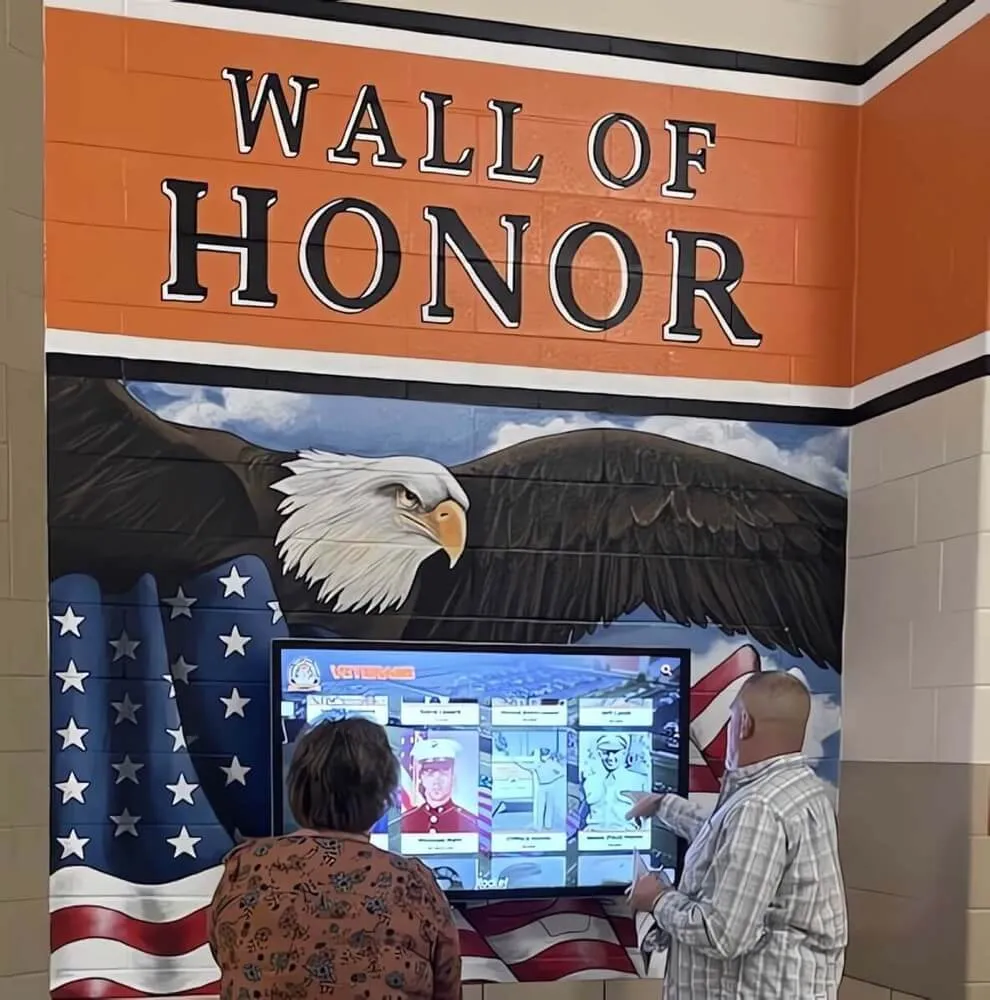
Intuitive touch interfaces enable guests to navigate check-in processes without technical expertise or staff guidance
Guest Information and Concierge Services
Beyond transactional check-in and checkout, modern hotel kiosks serve as comprehensive information resources addressing common guest questions and needs:
Property Information and Amenities
Interactive directories provide details about on-site restaurants, bars, fitness centers, pools, spas, business centers, and meeting facilities. Guests can browse operating hours, review menus or service offerings, view location maps, and access booking capabilities for restaurant reservations or spa appointments directly through kiosk interfaces.
This self-service information access reduces front desk inquiries about basic property details while providing more comprehensive information than verbal explanations permit. Visual presentations showing restaurant interiors, menu highlights, and amenity photos create more effective communication than descriptions alone, helping guests make informed decisions about how to utilize property offerings during stays.
Local Area Information and Recommendations
Quality hotel kiosks extend beyond property boundaries to provide destination information. Interactive maps show nearby attractions, restaurants, shopping, entertainment, and transportation options. Curated recommendations highlight popular destinations organized by category—dining, nightlife, cultural attractions, outdoor activities, or family entertainment—helping guests unfamiliar with areas discover experiences matching their interests.
Some advanced systems integrate real-time data including current wait times for attractions, restaurant availability, show times for entertainment venues, and weather forecasts affecting outdoor activity planning. This dynamic information proves far more useful than static printed guides that quickly become outdated and cannot adapt to changing conditions or guest-specific timeframes.
Wayfinding and Navigation
For large resort properties with multiple buildings, extensive grounds, or complex layouts, integrated wayfinding functionality helps guests navigate facilities independently. Interactive maps show current location relative to destinations, highlighted routes indicate paths to specific venues or amenities, and estimated walking times help guests plan schedules accounting for travel between locations.
This self-service navigation capability proves particularly valuable for conference and meeting attendees seeking specific function spaces, resort guests locating various pools or activity areas, and first-time visitors unfamiliar with property layouts. The technology reduces confusion while decreasing staff time spent providing repeated directional guidance.
Solutions like interactive building directory systems demonstrate how wayfinding technology serves diverse facility types from hotels to corporate offices, healthcare campuses, and educational institutions—all sharing common needs for helping visitors navigate complex environments independently.
Upselling and Revenue Optimization Features
Modern hotel kiosks incorporate strategic revenue management capabilities that benefit both guests and properties:
Room Upgrade Offers
During check-in, kiosks can present available upgrades showing enhanced room categories, better views, preferred locations, or premium amenities available for additional charges. Visual presentations displaying room photos and amenity comparisons enable guests to evaluate options at their own pace without perceived sales pressure from desk agents.
Research shows guests prove more receptive to upsell offers presented through kiosk interfaces versus face-to-face suggestions from staff. The private decision-making environment enables consideration without feeling rushed or pressured, while the visual presentation of upgrade benefits communicates value more effectively than verbal descriptions alone. Hotels leveraging strategic kiosk upselling report 15-25% acceptance rates on upgrade offers substantially higher than traditional desk conversion rates.
Ancillary Service Promotions
Beyond room upgrades, kiosks promote additional property services including spa packages, dining reservations at on-site restaurants, activity bookings for resort amenities, early check-in or late checkout options, and parking or valet services. Real-time availability display enables immediate booking rather than requiring guests to separately contact service departments.
This merchandising capability creates convenient guest purchasing while generating ancillary revenue beyond basic room rates. The automation requires no incremental staff time while capturing demand that might otherwise go unrealized if guests remained unaware of available services or faced friction contacting appropriate departments separately.
Loyalty Program Enrollment and Benefits
Kiosks facilitate loyalty program enrollment for guests not already members, explaining program benefits, processing registration, and immediately applying earned points or member rates to current reservations. For existing members, personalized welcome messages acknowledge status, highlight available member benefits, and present exclusive offers targeted to loyalty tier levels.
This automated loyalty integration strengthens program engagement while requiring no staff time for enrollment processing or benefit explanations. The technology ensures consistent program presentation and enrollment opportunity with every guest interaction rather than depending on agent initiative varying based on workload and individual attention.
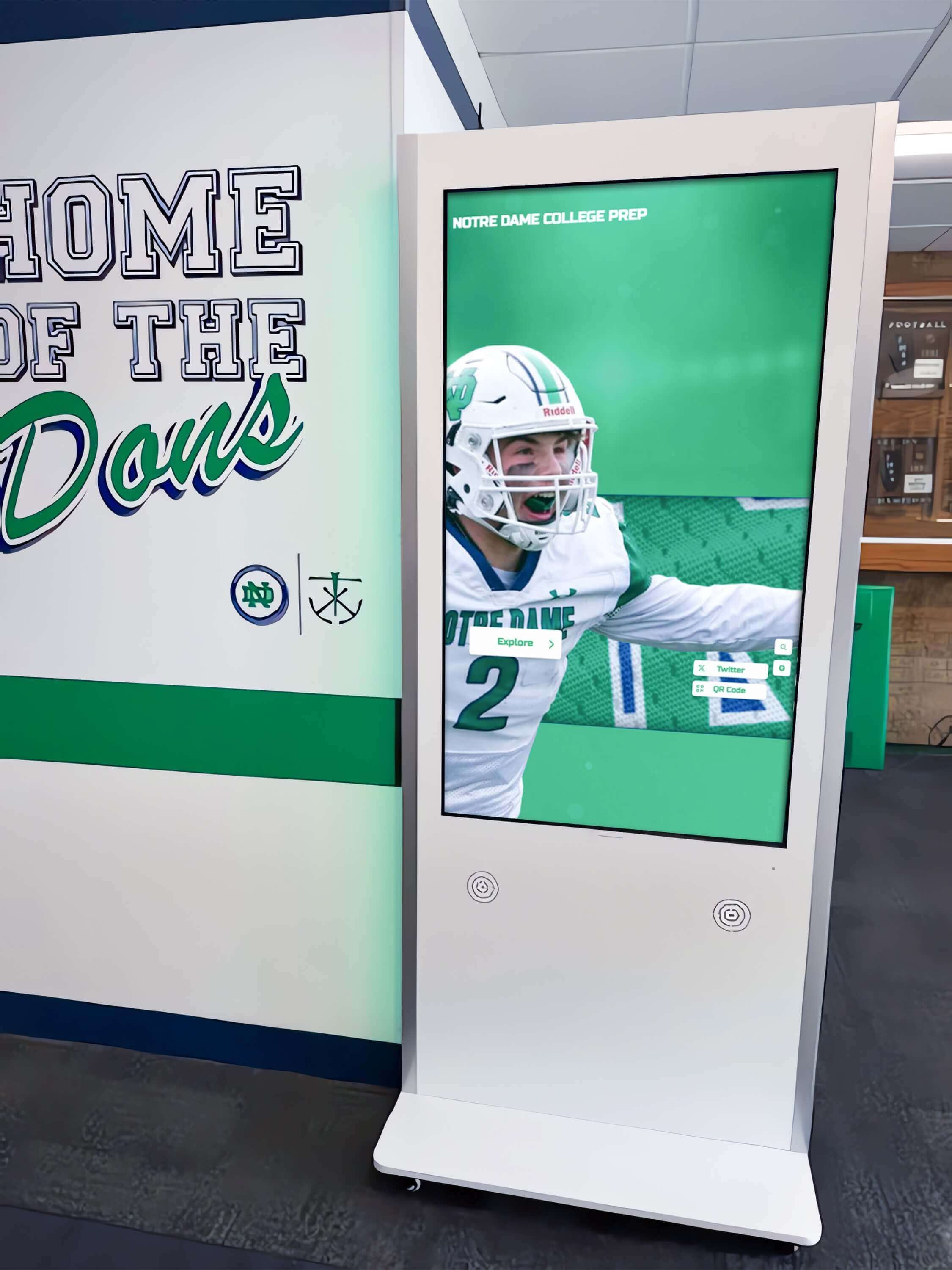
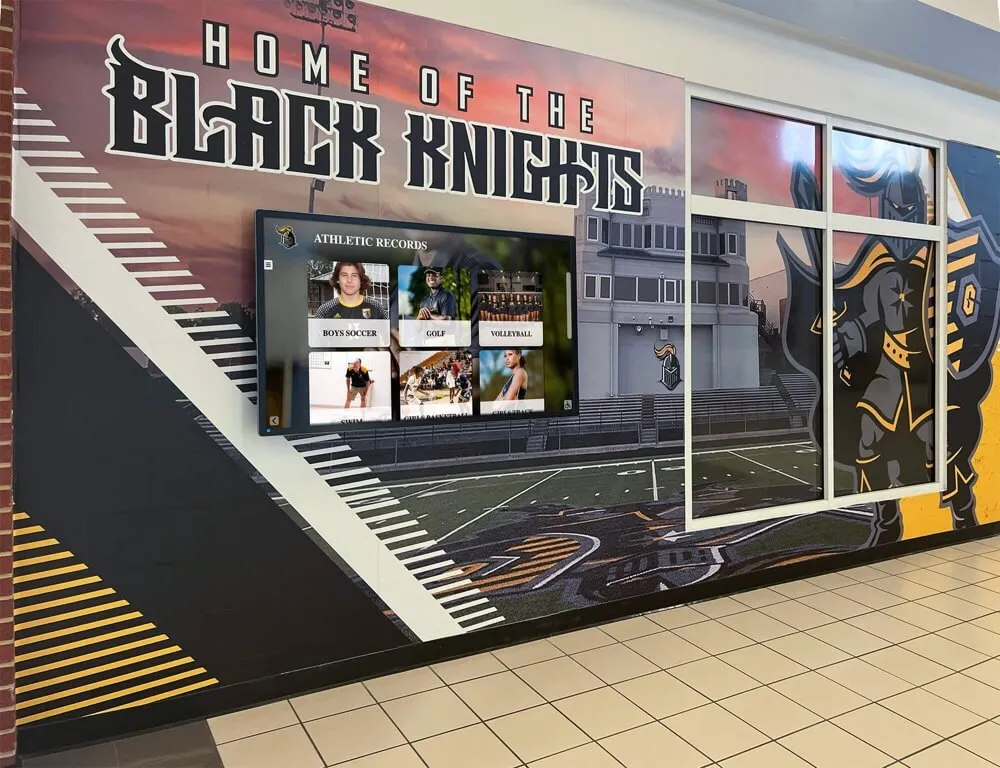
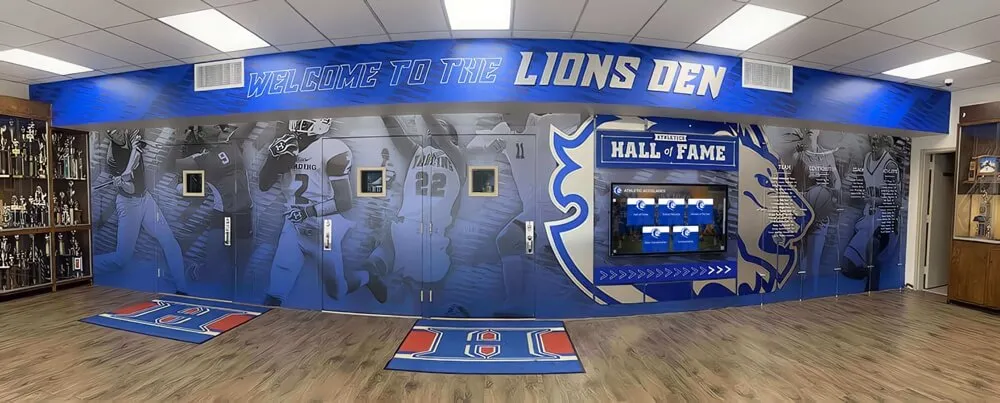
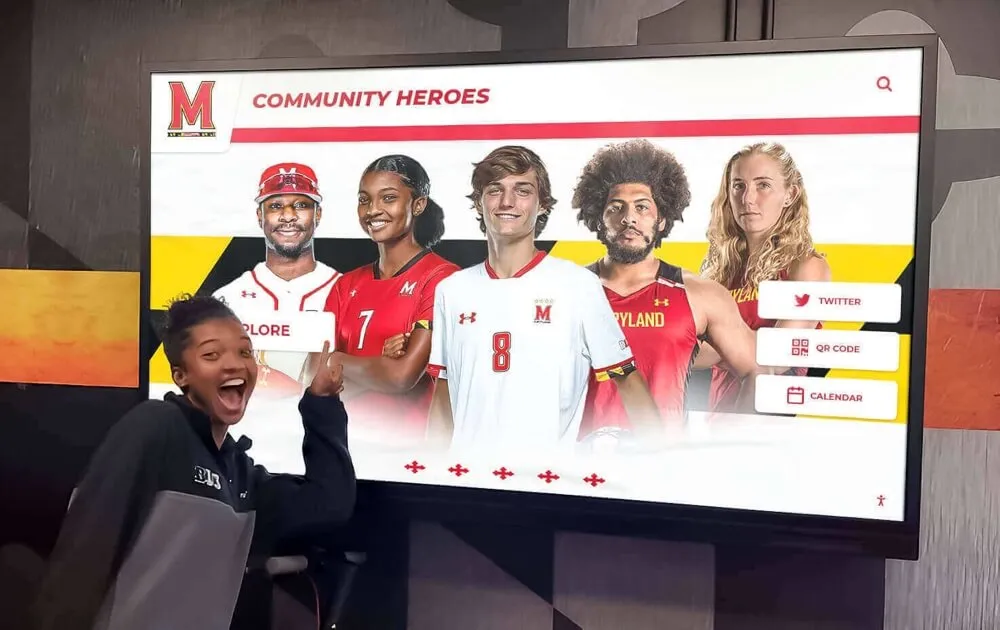
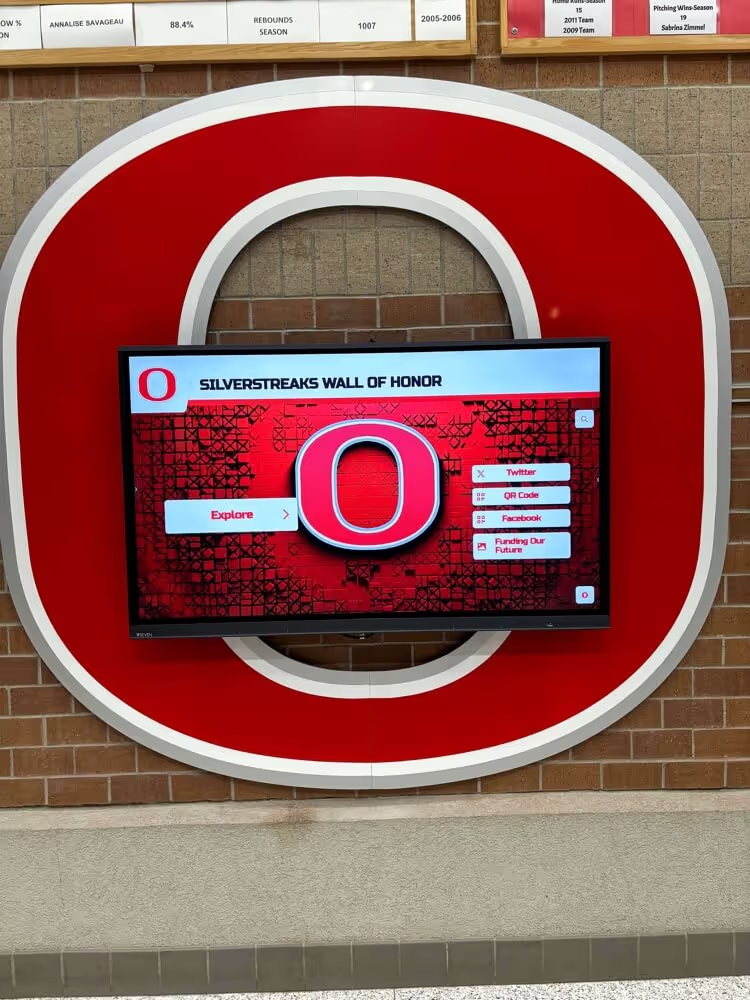
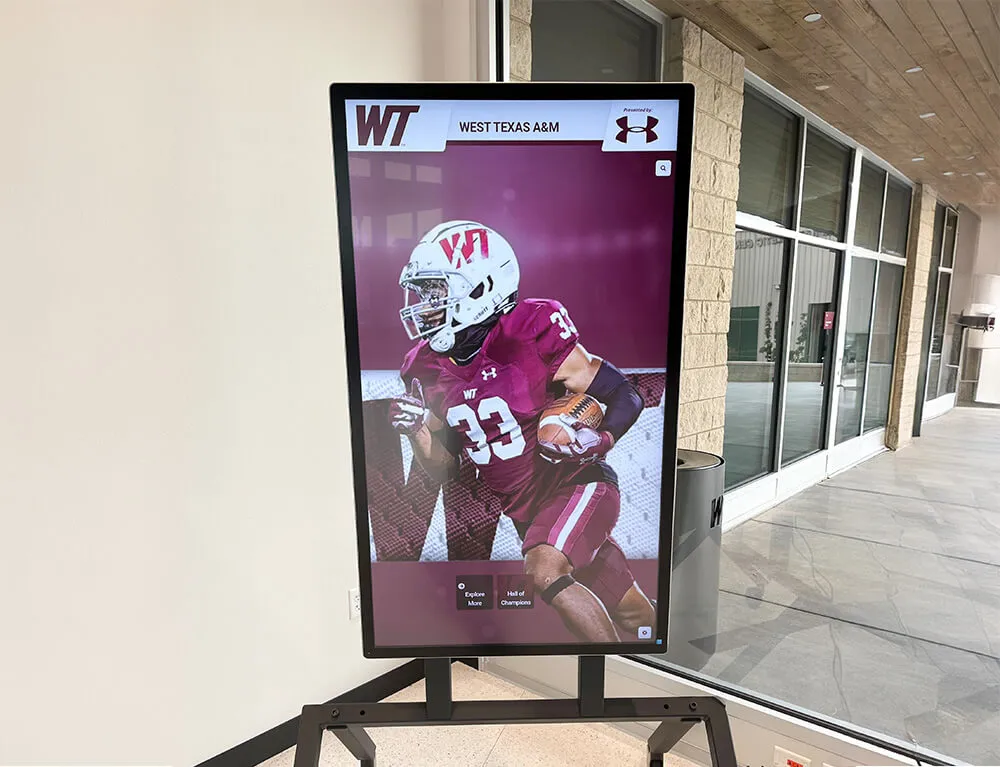
Freestanding kiosk installations accommodate various architectural settings while maintaining professional aesthetics
Benefits of Hotel Lobby Visitor Kiosks
Hotel self-service kiosks deliver interconnected benefits strengthening properties across guest experience, operational efficiency, revenue generation, and strategic positioning dimensions.
Enhanced Guest Experience and Satisfaction
The most immediate benefit kiosks provide involves dramatically improved guest experience particularly during peak arrival periods:
Reduced Wait Times
Self-service kiosks fundamentally transform lobby congestion during high-occupancy periods. Traditional front desk models processing 3-5 guests simultaneously create queues when 20-30 guests arrive within concentrated timeframes—common during afternoon check-in rushes. Kiosk deployments typically featuring 4-8 terminals enable far greater concurrent processing capacity while maintaining smaller footprints than equivalent desk expansion would require.
Guests using kiosks complete check-ins in 60-120 seconds on average compared to 5-8 minutes for traditional desk transactions involving similar straightforward reservations. This 70-80% time reduction means properties process significantly more guests hourly without proportional staffing increases. Hotels implementing comprehensive kiosk systems report average wait time reductions from 8-12 minutes during peak periods to under 2 minutes with kiosk availability.
Guest Control and Convenience
Beyond simple speed, kiosks provide autonomy that many modern travelers value highly. Self-service enables guests to proceed at their own pace, review information carefully, consider upgrade options without perceived sales pressure, and make selections based on personal preferences rather than staff suggestions potentially influenced by operational priorities.
The 24/7 availability extends convenience beyond traditional desk staffing hours. Early arrivals before standard check-in times can process preliminarily if rooms become available, late-night arrivals avoid waking minimal overnight staff for routine transactions, and early departures check out conveniently before full morning staffing begins. This around-the-clock accessibility particularly benefits business travelers with variable schedules and international guests managing jet lag affecting arrival and departure timing.
Consistency and Accuracy
Automated systems eliminate human variability affecting guest experience quality. Every kiosk interaction follows identical workflows ensuring consistent information delivery, uniform process quality, and reliable transaction accuracy regardless of time, staff skill level, or property workload. Guests receive the same professional experience whether arriving during slow afternoon periods or chaotic evening rushes when traditional desk service quality often deteriorates under pressure.
System integration reduces errors common in manual processes. Direct database connections ensure room assignments match availability, prevent double-booking, and properly record preferences and special requests. Automated key programming eliminates card encoding errors occasionally requiring guests to return for replacement keys after discovering non-functioning cards at room doors.
Operational Efficiency and Cost Effectiveness
While guest experience represents the primary kiosk benefit, operational impacts prove equally significant for properties managing labor costs and staffing challenges:
Labor Optimization
Self-service kiosks handle routine transactions efficiently, enabling hotels to reduce front desk staffing during peak periods or redirect staff capacity toward higher-value activities requiring human expertise. Properties report that 60-70% of standard check-ins and checkouts proceed through kiosks without staff intervention, fundamentally changing labor requirements and enabling alternative workforce allocation.
Rather than maintaining 3-4 desk agents during afternoon arrival rushes primarily processing routine transactions, hotels can operate with 1-2 agents handling complex situations, questions, and service recovery while kiosks address straightforward reservations. The freed capacity redirects toward concierge services, proactive guest engagement, loyalty program promotion, problem resolution, and personalized attention that distinguishes hospitality experiences from purely transactional lodging.
Extended Service Hours Without Proportional Labor
Kiosks enable service extension without corresponding staffing increases. Properties can offer full check-in and checkout capability 24/7 through kiosk availability while maintaining minimal overnight desk coverage for emergencies and complex needs. This extended access improves guest satisfaction while controlling labor costs that would prove prohibitive if maintaining full front desk teams around the clock.
The approach particularly benefits limited-service and select-service properties where maintaining extensive 24-hour staffing proves economically challenging. Strategic kiosk deployment provides capability levels previously possible only for full-service properties with larger labor budgets.
Scalability and Flexibility
Digital systems scale more efficiently than physical infrastructure. Adding kiosk capacity to accommodate demand growth requires modest investment in additional terminals rather than extensive desk expansion requiring structural renovation. Properties can strategically deploy kiosks based on actual demand patterns—more terminals during high seasons, fewer during slow periods—with flexibility impossible in fixed desk configurations.
This scalability proves particularly valuable for properties experiencing occupancy seasonality or hosting periodic large events. Temporary kiosk additions accommodate conference check-in volumes or seasonal peak demand without permanent infrastructure investment that would prove excessive during typical operations.
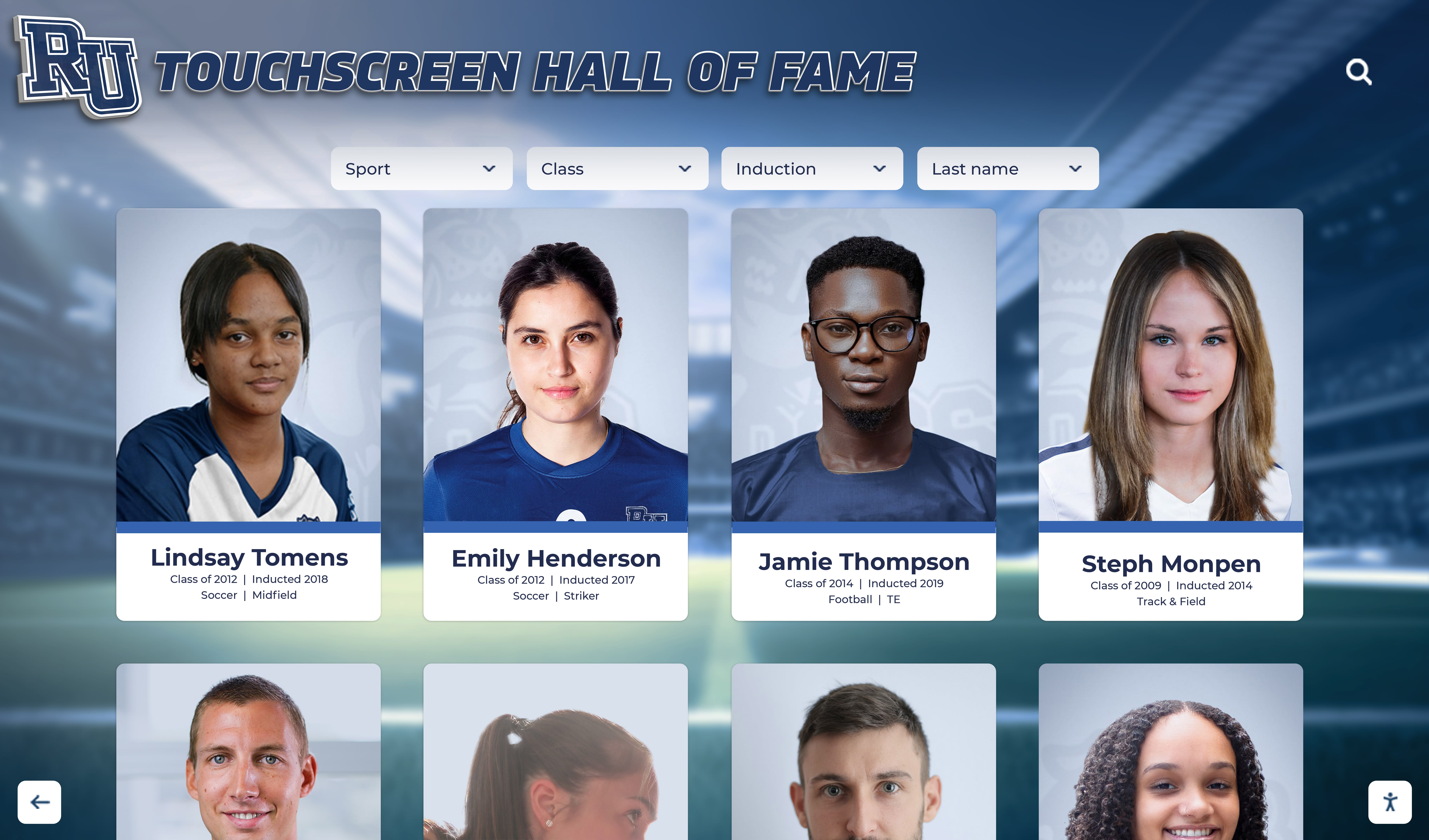
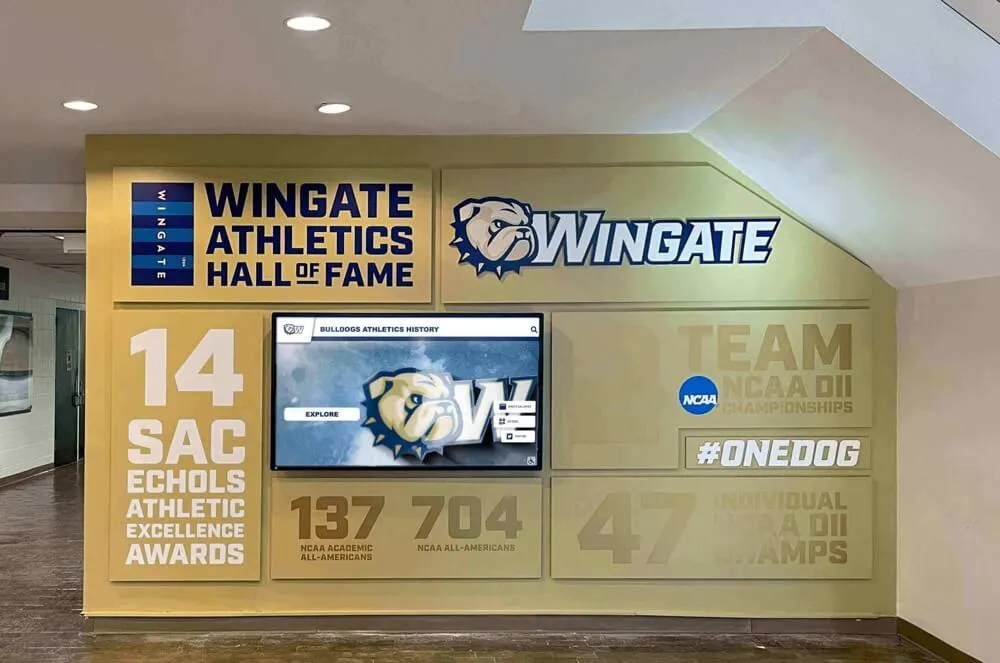
Visual browsing interfaces enable intuitive navigation across multiple options and information categories
Revenue Enhancement Through Strategic Upselling
Beyond cost savings through operational efficiency, kiosks generate incremental revenue through strategic merchandising:
Upgrade Conversion Optimization
As noted earlier, kiosk-based upgrade offers achieve 15-25% conversion rates substantially higher than traditional desk presentations. This effectiveness stems from several factors including private decision-making without perceived pressure, visual presentation clearly communicating upgrade benefits, self-paced consideration without rushing to complete transactions, and real-time availability display creating urgency when limited premium options remain.
For a 200-room property with 70% occupancy averaging 490 check-ins weekly, even modest $40 upgrade premiums converting at 20% generate over $4,000 weekly—roughly $200,000 annually from a single revenue stream. This incremental income easily justifies kiosk investment while enhancing guest experience through improved accommodations guests voluntarily selected rather than random assignments.
Ancillary Service Promotion
Beyond room upgrades, kiosk promotion of spa services, dining experiences, activities, and property amenities generates additional revenue while improving guest stays through enhanced engagement with available offerings. Research shows guests spending more on property amenities report higher satisfaction and demonstrate increased loyalty compared to those using properties purely as sleeping accommodations without experiencing broader services.
Kiosks provide perfect merchandising moments—guests focused on arrival tasks prove receptive to suggestions about how to maximize stays while property awareness remains high and booking commitment already established. The timing and context create ideal conditions for effective promotion that face-to-face interactions during rushed check-in transactions struggle to match.
Data-Driven Optimization
Kiosk systems provide analytics revealing which offers resonate with guests, optimal pricing points for upgrades, seasonal demand patterns for services, and conversion rates across different presentation formats. This data enables continuous refinement improving offer effectiveness over time through testing and optimization impossible with manual processes lacking systematic performance tracking.
Hotels can experiment with different upgrade presentation formats, varied pricing strategies, targeted promotions based on reservation types or guest segments, and seasonal offer adjustments—measuring results precisely and implementing successful approaches while discontinuing ineffective tactics. This iterative improvement amplifies revenue impact over time as systems become increasingly sophisticated in matching offers to guest preferences and willingness to purchase.
Implementing Hotel Lobby Kiosk Systems: Strategic Considerations
Properties considering kiosk deployment benefit from systematic approaches that maximize success probability while avoiding common implementation challenges.
Technology Selection and Vendor Evaluation
Not all kiosk solutions deliver equal results for hospitality applications. Hotels should carefully evaluate options across multiple dimensions ensuring selected systems meet property-specific requirements:
Critical Evaluation Criteria
Key factors for hotel kiosk assessment include purpose-built hospitality software designed specifically for hotel operations rather than generic kiosk platforms adapted inadequately, commercial-grade hardware rated for continuous operation in public high-traffic environments, seamless integration with existing property management systems ensuring real-time data synchronization, key card programming and dispensing capabilities compatible with property access control systems, payment processing integration supporting secure credit card authorization and settlement, total cost of ownership including hardware, software licensing, integration expenses, and ongoing support fees, and vendor support quality ensuring responsive technical assistance and system maintenance.
Properties should request demonstrations showing actual hotel implementations rather than generic capability presentations. Viewing functioning systems in similar hotel environments provides realistic assessment impossible through sales presentations alone. Reference checks speaking with properties using candidate systems reveal implementation challenges, ongoing support quality, and whether systems deliver promised capabilities in actual operational environments.
Integration Requirements
Seamless integration with property management systems (PMS) represents perhaps the most critical technical requirement. Kiosks providing outdated availability information, failing to properly update guest records, or requiring duplicate data entry create operational problems undermining technology value. Quality vendors support native integration with major PMS platforms including Opera, OnQ, Galaxy, Maestro, and others through established APIs and data protocols.
Beyond PMS integration, kiosks should connect with key management systems programming room access, payment gateways processing credit card transactions securely, loyalty program databases recognizing members and applying benefits, and analytics platforms tracking usage and performance. This comprehensive integration ensures kiosks function as seamless service extensions rather than isolated systems requiring manual coordination.
Solutions similar to those powering interactive museum exhibits and retail wayfinding systems demonstrate reliable content management and presentation capabilities that, when adapted with appropriate hospitality features and integrations, serve hotel needs effectively while leveraging proven technology platforms.
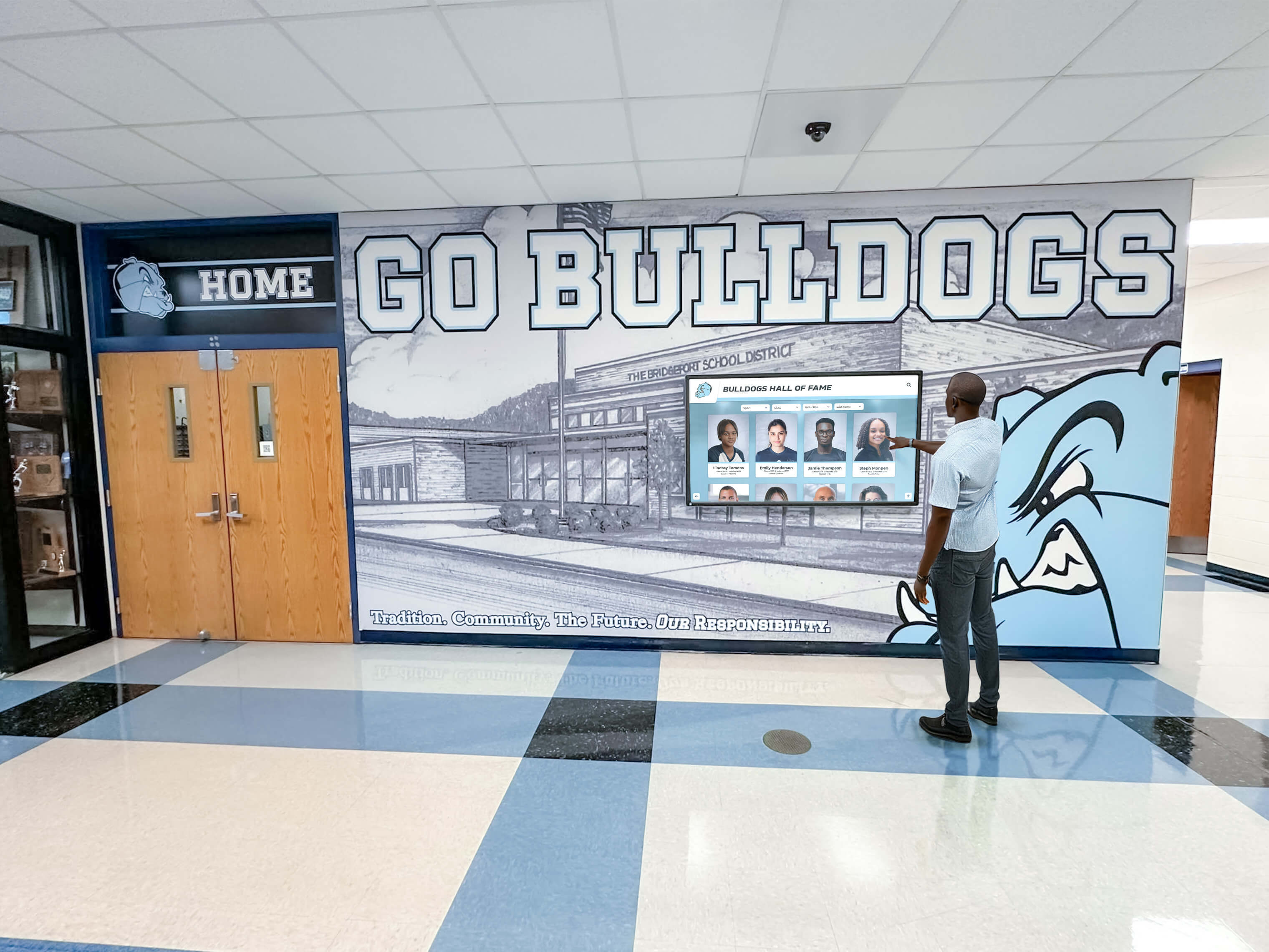
Large-format displays provide excellent visibility while accommodating detailed information presentation
Physical Installation and Strategic Placement
Kiosk effectiveness depends significantly on strategic placement in locations where guests naturally encounter systems during typical property experiences:
Optimal Installation Locations
Effective hotel kiosk placement typically includes main lobby entrance areas intercepting arriving guests before reaching traditional front desk queues, positions near front desk supplementing staff assistance with self-service options, elevator lobby areas serving guests departing who may prefer quick kiosk checkout over desk stops, and parking structure or side entrance locations accommodating guests entering through secondary access points.
Multiple kiosks serving peak demand often make sense in larger properties. Four to eight terminals provide sufficient capacity for most hotels under 300 rooms, while larger properties may require proportionally more units ensuring wait times remain minimal even during busy periods. The distributed approach maximizes convenience while preventing bottlenecks that would recreate the congestion problems kiosks intended to solve.
Design and Aesthetics Integration
Kiosk hardware should complement rather than clash with property design aesthetics. Customizable enclosures enable matching color schemes, materials, and styling to existing lobby design. Quality vendors offer various mounting options including freestanding floor kiosks, wall-mounted tablets, and desk-integrated terminals accommodating different architectural contexts and space constraints.
Professional installation ensures secure mounting, proper cable management concealing unsightly wiring, adequate lighting preventing screen glare, and ADA-compliant positioning serving guests with disabilities effectively. These details affect both functionality and aesthetic integration ensuring kiosks enhance rather than detract from lobby environments.
Signage and Wayfinding
Clear signage promoting kiosk availability proves essential for adoption. Properties should install prominent directional signs near entrances guiding guests toward kiosks, instructional signage at kiosks themselves explaining capabilities, and desk agent training encouraging verbal direction of appropriate guests toward self-service options.
Initial adoption often requires active promotion—many guests default to familiar desk interactions unless actively directed otherwise. Staff engagement promoting kiosks to suitable guests (“If you’d like to skip the line, our self-service kiosks provide quick check-in right over there”) builds awareness and trial that converts to habitual usage as guests experience the convenience benefits directly.
Staff Training and Change Management
Technology succeeds only when staff embrace systems as service enhancements rather than viewing them skeptically as job threats or IT impositions:
Comprehensive Training Programs
Effective kiosk implementation includes staff training covering system capabilities and limitations understanding what functions kiosks handle versus require staff assistance, basic troubleshooting resolving common guest issues without escalation, kiosk operation guiding guests through transactions when assistance needed, exception handling addressing situations beyond kiosk capability, and analytics interpretation using usage data for service improvement.
Training should position kiosks as tools empowering staff to deliver better service by handling routine transactions efficiently while freeing capacity for personalized attention, problem resolution, and service recovery activities that distinguish hospitality experiences. When staff understand technology as enabler rather than replacement, adoption proceeds smoothly with agents actively promoting capabilities rather than working around systems they view skeptically.
Guest Assistance Protocols
Despite intuitive interfaces, some guests require or request assistance with kiosk usage. Properties should establish clear protocols for staff support including monitoring kiosk areas during peak periods identifying guests struggling with transactions, proactive assistance approaches offering help without appearing intrusive, step-by-step guidance walking guests through processes while encouraging independence, and graceful escalation directing guests preferring traditional desk service to appropriate staff.
This supportive approach builds guest confidence while ensuring negative initial experiences don’t discourage future kiosk usage. Properties report that initial hesitation converts to enthusiastic adoption after successful first experiences, but problematic initial encounters create lasting avoidance even when issues stemmed from temporary problems or user error rather than systematic failures.
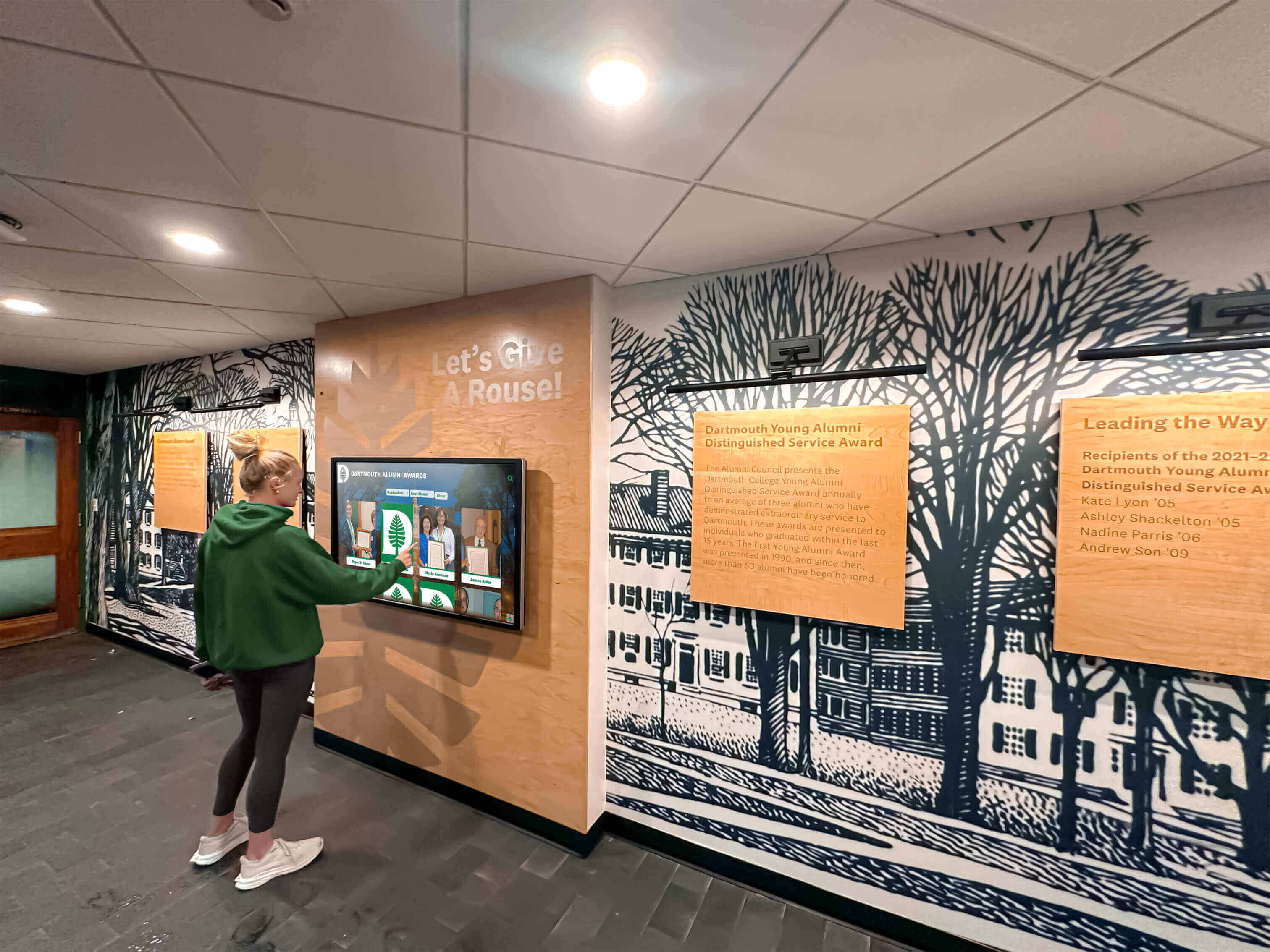
Intuitive interfaces enable successful usage across all age groups without extensive technical expertise
Beyond Hotels: Interactive Kiosk Applications Across Diverse Environments
While this guide focuses on hotel applications, interactive kiosk technology serves diverse contexts sharing common needs for visitor self-service, wayfinding assistance, and information access:
Educational Institutions
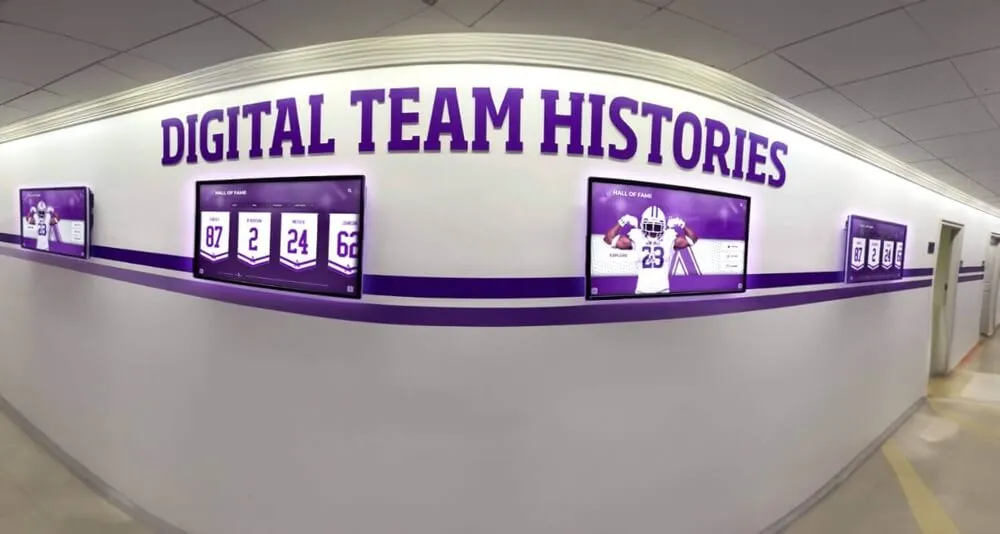
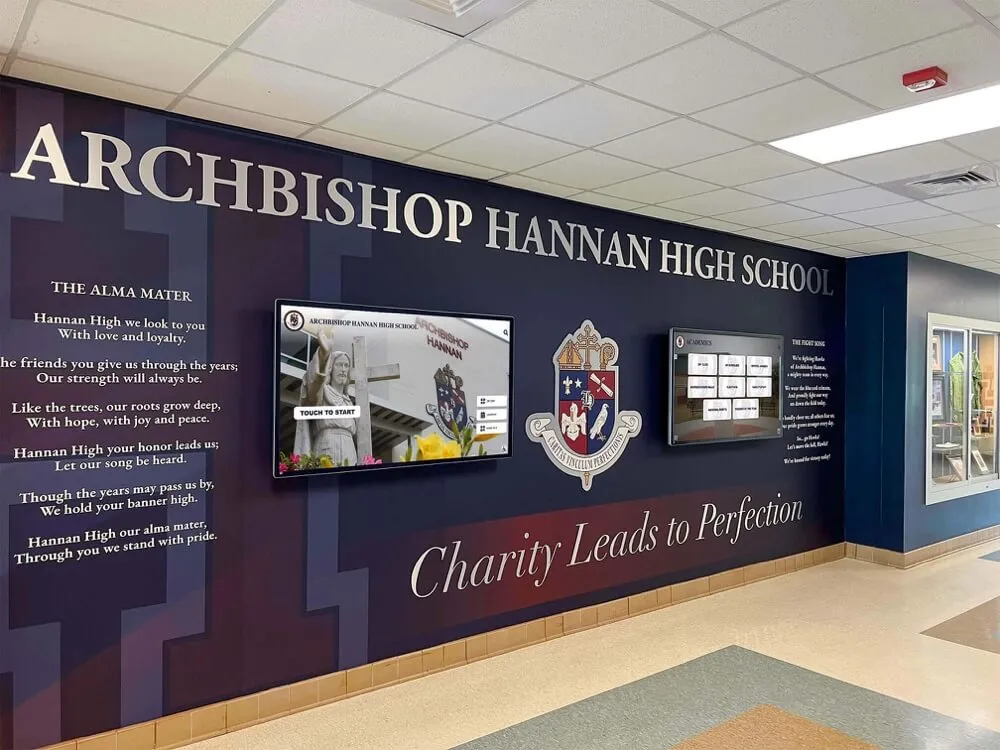
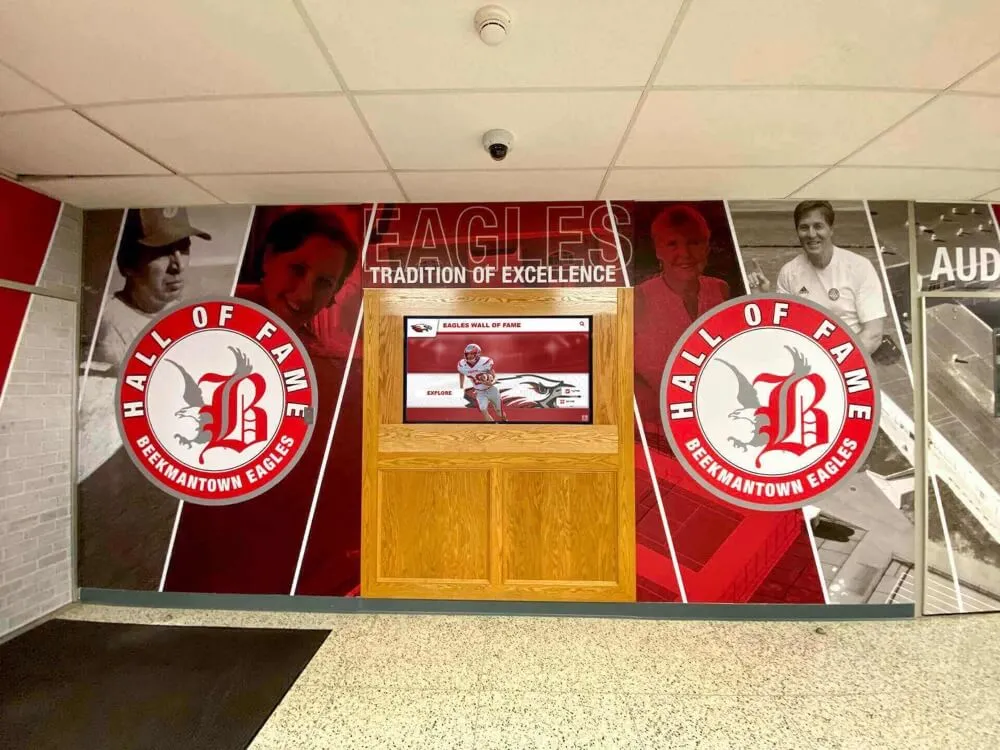
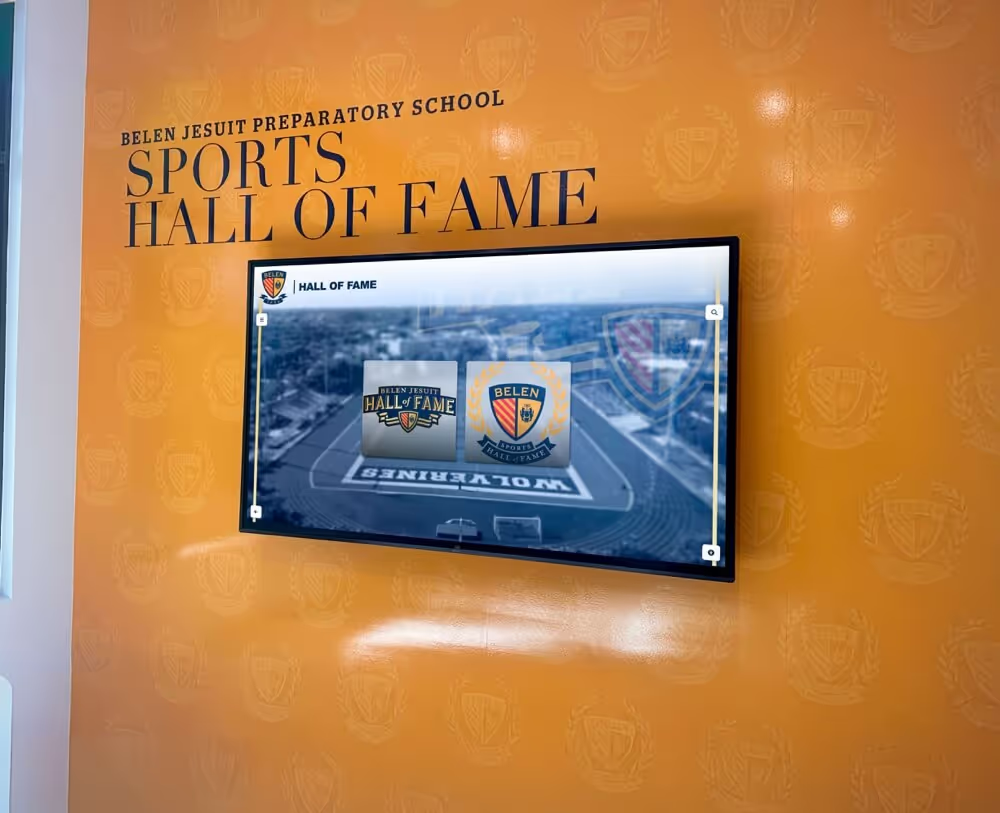
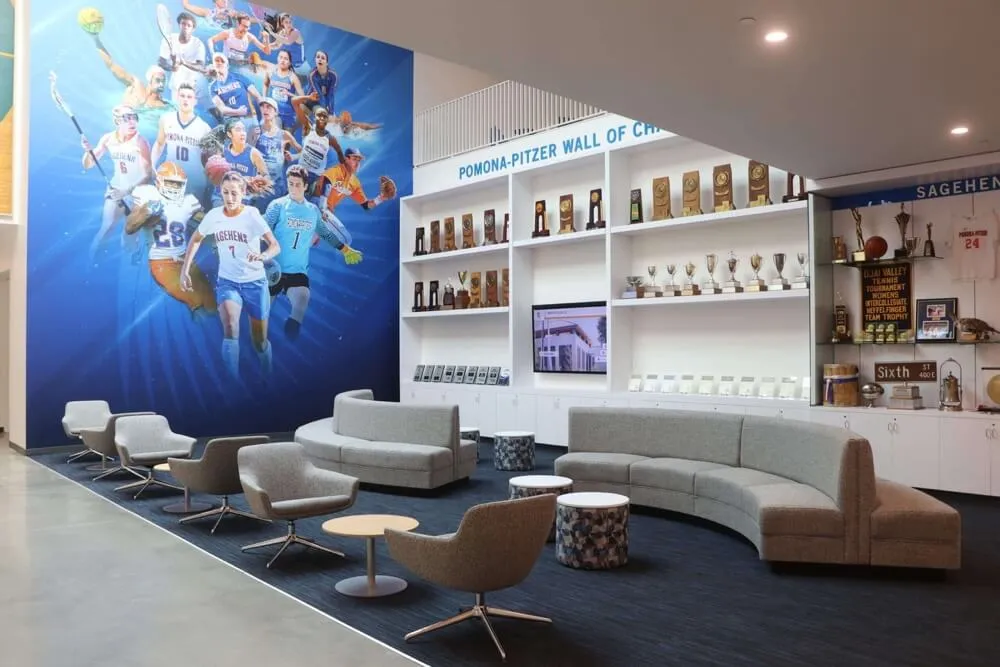
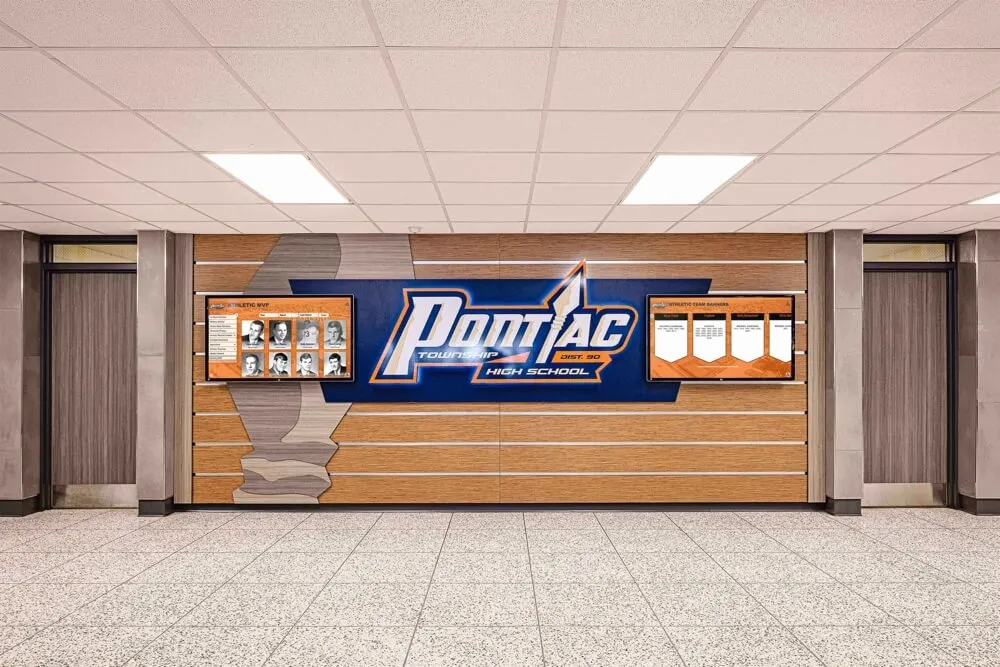
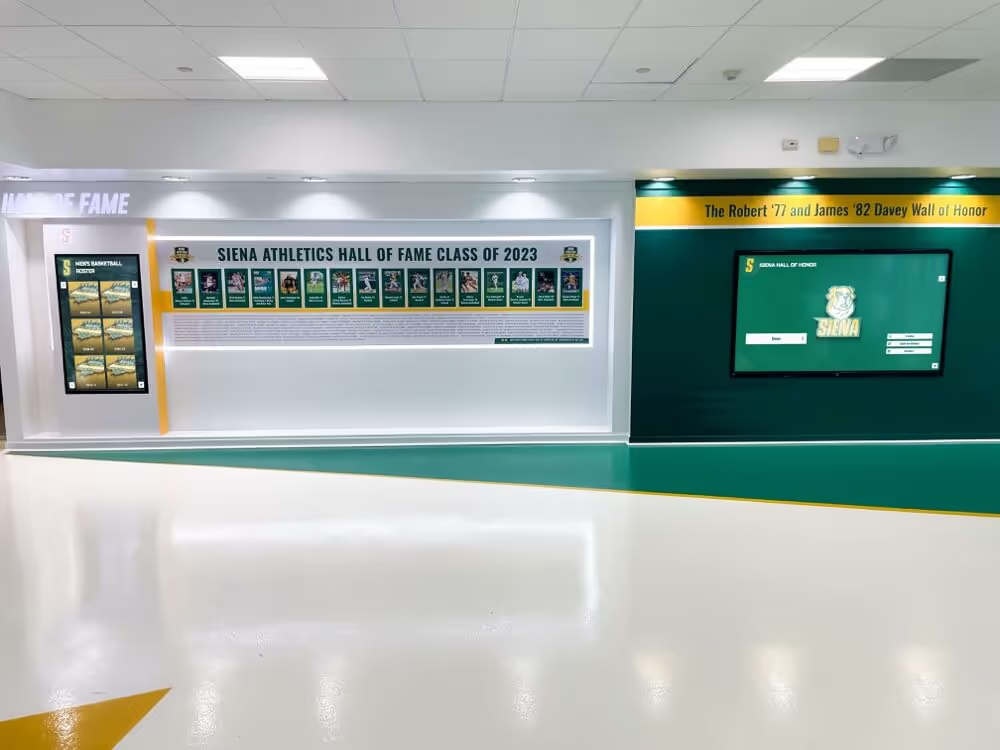
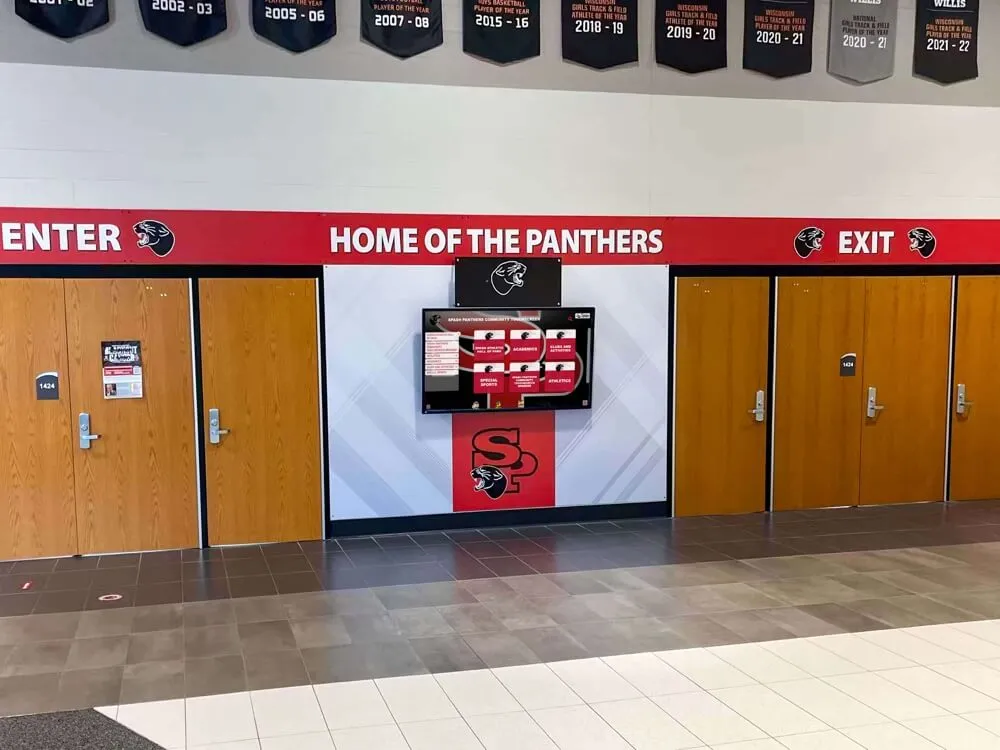
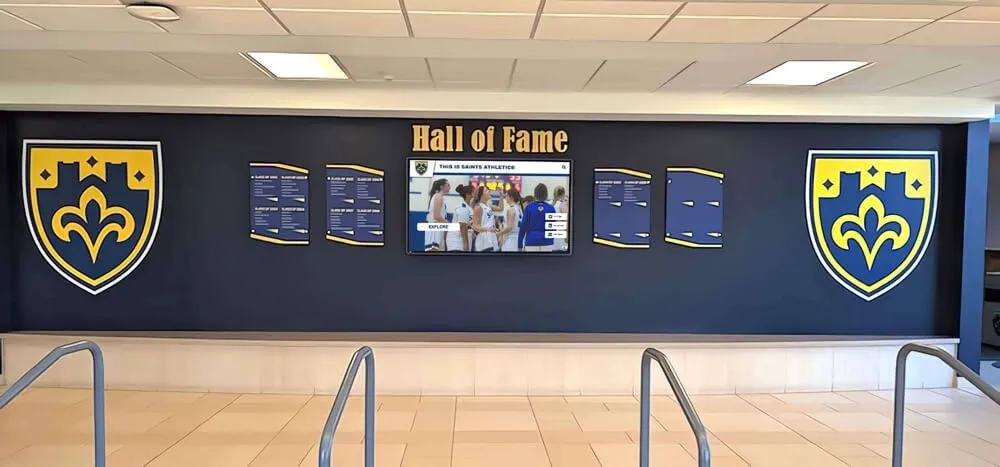
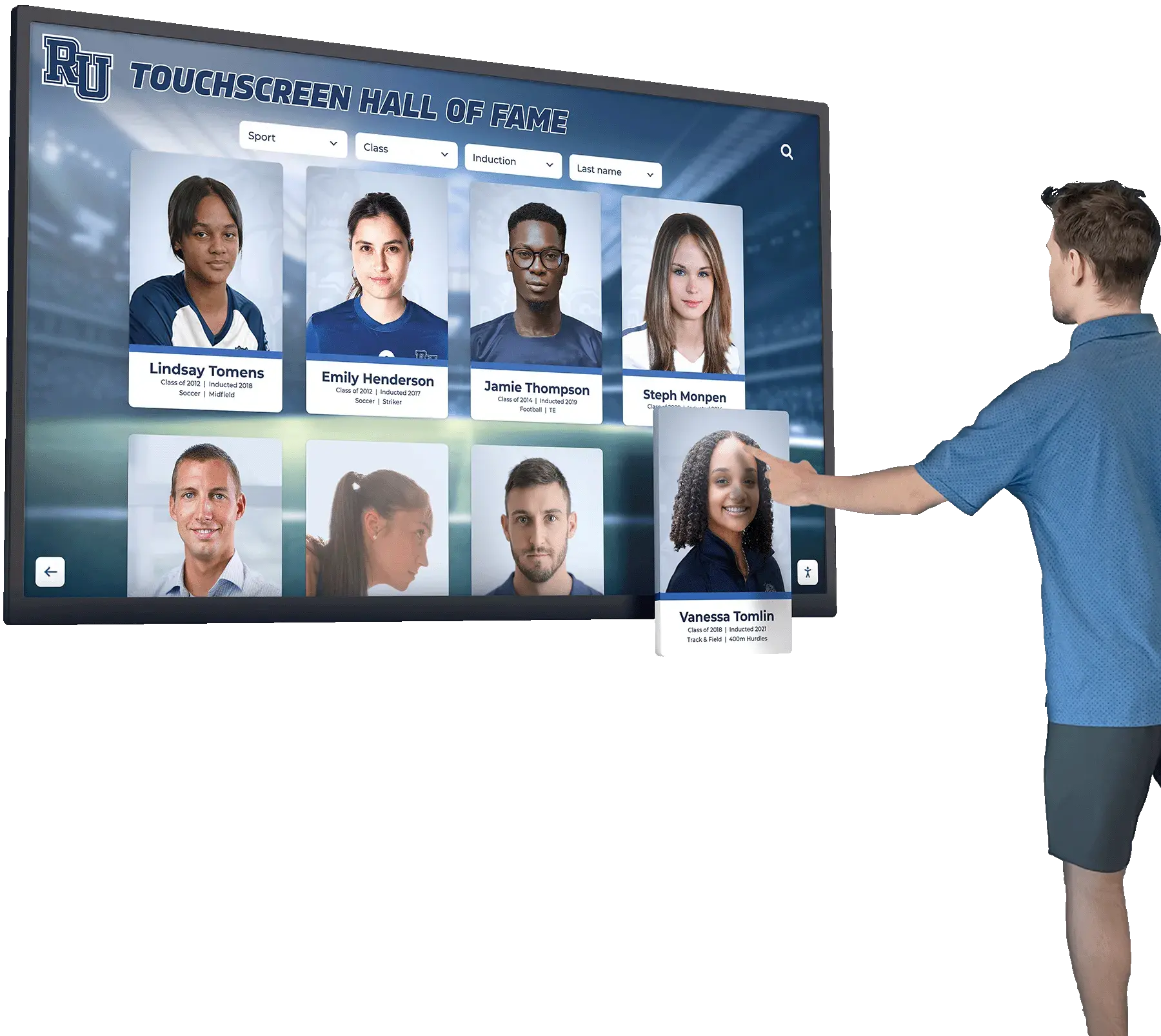
Schools, colleges, and universities implement interactive displays serving students, faculty, and campus visitors through campus wayfinding helping prospective students and parents navigate during recruitment visits, event information highlighting academic programming, athletic competitions, and performing arts, student achievement recognition celebrating academic and extracurricular excellence, digital trophy displays preserving athletic heritage without physical space constraints, and alumni recognition systems strengthening institutional community and donor relationships.
Educational applications demonstrate how wayfinding technology naturally extends to comprehensive recognition and engagement platforms serving institutional missions beyond simple navigation. The same principles enabling hotel guest self-service apply equally to campus visitor experiences—intuitive interfaces, strategic placement, integration with existing systems, and staff support ensuring successful adoption.
Corporate and Office Environments
Businesses implement interactive displays for visitor management and sign-in, employee directories in large campus environments, corporate recognition programs celebrating achievement and reinforcing culture, meeting room reservation systems, event promotion for internal programming, and building wayfinding helping employees and visitors navigate complex office facilities.
Corporate applications emphasize professional aesthetics and brand consistency while delivering practical functionality improving workplace efficiency and visitor experience. Quality systems integrate with existing workplace technology including building access control, calendar systems, and internal communication platforms.
Healthcare Facilities
Hospitals and medical centers leverage interactive kiosks for patient wayfinding through complex multi-building campuses, appointment check-in reducing administrative burden, provider directories helping patients locate specific departments and physicians, health information providing educational resources, and wellness program promotion supporting patient engagement initiatives.
Healthcare environments require specialized considerations including HIPAA compliance for any personal information collection, accessibility features serving patients with diverse abilities, and multilingual support for diverse patient populations. These requirements mirror hotel needs for privacy protection, ADA compliance, and language accessibility demonstrating common challenges across different application contexts.
Retail and Entertainment Venues
Shopping centers, stadiums, and entertainment complexes deploy kiosks for venue wayfinding helping visitors navigate large facilities, concession and amenity directories, event information and scheduling, interactive brand experiences creating memorable engagement, promotional content highlighting offerings and special events, and digital recognition celebrating history and achievements that enhance venue identity and fan connection.
Entertainment venues prioritize engaging visual design and multimedia content creating experiences that match the experiential nature of their core offerings. Quality implementations leverage large-format displays, rich media content, and interactive elements that entertain while informing—principles directly applicable to hotel lobbies seeking to create impressive arrival experiences.
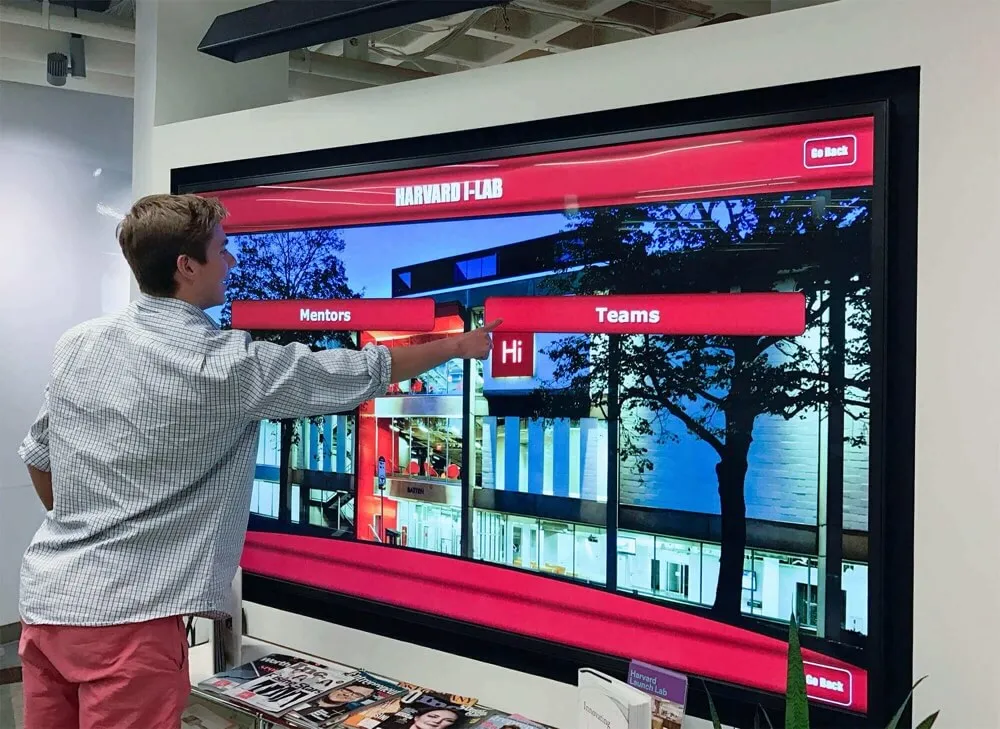
Comprehensive directory systems serve diverse facility types requiring wayfinding and information access
Measuring Success and Demonstrating Value
Properties implementing kiosk systems should track performance demonstrating value through quantifiable metrics:
Usage Analytics and Adoption Metrics
Quality kiosk platforms provide comprehensive analytics tracking system usage across multiple dimensions. Valuable metrics include total transaction volume showing how many check-ins and checkouts process through kiosks, adoption rates calculating the percentage of eligible transactions using self-service versus desk assistance, average transaction duration revealing process efficiency, peak usage times informing staffing decisions and capacity planning, and feature utilization demonstrating which capabilities guests use versus ignore.
Properties can use these insights to optimize kiosk placement relocating underutilized terminals to higher-traffic locations, enhance marketing promoting kiosk availability and benefits, improve interfaces addressing friction points causing transaction abandonment, adjust staffing levels matching demand patterns, and demonstrate technology value to ownership and management through quantified usage data.
Analytics commonly reveal surprising patterns—higher adoption among specific guest segments, seasonal variation in usage rates, or feature preferences differing from expectations. This data enables continuous refinement addressing actual guest behavior rather than assumptions about preferences and needs.
Guest Satisfaction Assessment
Beyond quantitative usage metrics, qualitative feedback reveals whether kiosks actually improve guest experience or create frustration despite heavy usage. Hotels should collect feedback through post-stay surveys including kiosk satisfaction questions, comment cards positioned near kiosks inviting immediate reactions, staff observations about guest struggles or successes, mystery shopper evaluations testing systems through realistic usage, and online review monitoring noting guest comments about check-in experiences.
This qualitative assessment often reveals issues quantitative metrics miss—confusing interface elements causing frustration, accessibility barriers preventing use by guests with disabilities, language limitations excluding non-English speakers, or specific features guests want but systems don’t currently provide. Regular feedback collection enables continuous improvement addressing real guest needs rather than assuming current configurations optimally serve property requirements.
Return on Investment Calculation
Administrators justifying kiosk investments to ownership should demonstrate value across multiple dimensions beyond simple cost accounting. ROI considerations include labor cost savings quantifying reduced front desk hours required during peak periods, upgraded room revenue from kiosk-facilitated upselling, ancillary service revenue from spa, dining, and activity promotion, improved guest satisfaction reflected in survey scores and review ratings, and operational cost avoidance preventing desk expansion or staffing increases otherwise required to meet growing demand.
Many properties conduct pre-implementation and post-implementation assessments measuring service metrics, satisfaction scores, and financial performance documenting improvements that justify technology investment through quantifiable business benefit rather than anecdotal impressions alone. Typical hotel kiosk systems generating $5,000-15,000 initial investment per terminal achieve payback within 18-36 months through combined labor savings and revenue enhancement while delivering satisfaction improvements that strengthen competitive positioning and drive repeat visitation.

Touch-responsive interfaces provide immediate feedback ensuring confident navigation and selection
Future Trends in Hotel Lobby Kiosk Technology
Hotel kiosk technology continues evolving with emerging capabilities that will further enhance guest experience and property operations:
Mobile Integration and Omnichannel Experiences
Future hotel services will seamlessly integrate kiosk systems, mobile apps, and web platforms creating unified guest experiences across all touchpoints. Guests will start reservation processes on websites, continue through mobile apps during travel, and complete check-in through either mobile digital keys or lobby kiosks with consistent information and preferences synchronized across all channels.
This omnichannel approach mirrors retail and financial services innovations where customers expect consistent service across all interaction methods. Hotels adopting similar unified service models will meet guest expectations shaped by these consumer experiences while maximizing service accessibility through multiple convenient options.
Digital key technology enables mobile devices to function as room keys, eliminating physical cards entirely for tech-comfortable guests. Kiosks serve as fallback options and preference alternatives for those wanting physical keys or experiencing mobile issues, ensuring comprehensive guest accommodation regardless of technology adoption levels or device capabilities.
Artificial Intelligence and Personalization
AI integration promises increasingly sophisticated kiosk experiences including natural language interfaces enabling conversational interaction, personalized recommendations based on guest history and preferences, predictive service suggestions anticipating needs before guests articulate them, automated upsell optimization testing offers and pricing dynamically based on real-time performance, and chatbot assistance providing conversational help for complex questions beyond standard workflows.
These AI enhancements will make kiosks more intuitive and helpful particularly for guests uncertain about options or unfamiliar with property offerings. When systems understand natural language questions and provide intelligent suggestions rather than requiring precise navigation through menu hierarchies, accessibility improves dramatically for all guest segments.
Contactless and Gesture-Based Interaction
Post-pandemic health consciousness accelerates touchless interface adoption including gesture recognition technology enabling mid-air gesture control without physical contact, voice-activated commands allowing completely hands-free interaction, facial recognition enabling identification without card scanning or code entry, and mobile device control where smartphones function as remote controls for nearby kiosks through Bluetooth connectivity.
These contactless options address hygiene concerns while creating distinctive futuristic experiences that differentiate progressive properties. While traditional touchscreens will remain standard for years given their familiarity and cost-effectiveness, touchless alternatives provide valuable options for properties emphasizing innovation and guests preferring minimal-contact interactions.
Enhanced Multimedia and Experiential Content
Next-generation kiosks will emphasize richer multimedia experiences including video content showing property tours, destination highlights, and amenity previews, augmented reality features overlaying digital information on physical spaces through mobile device integration, virtual concierge services providing personalized recommendations through conversational AI, interactive entertainment offering games, local attraction information, and booking capabilities, and social media integration enabling guests to share experiences and access user-generated content.
These multimedia capabilities transform lobbies into engaging destination spaces rather than purely functional transaction zones. When guests encounter compelling digital experiences highlighting property and destination offerings, perception shifts from hotels as commoditized lodging to distinctive destinations worth experiencing fully—supporting premium positioning and ancillary revenue generation beyond basic room rates.
Transform Your Facility with Interactive Kiosk Technology
Discover how interactive touchscreen systems designed for self-service, wayfinding, and visitor engagement can enhance experiences across hospitality, educational, corporate, and community environments while delivering measurable operational benefits.
Explore Interactive Display SolutionsConclusion: The Transformation of Guest Experience Through Interactive Technology
Hilton’s pioneering lobby visitor kiosk implementation established standards that have evolved into comprehensive self-service platforms fundamentally transforming how hotels welcome guests, streamline operations, and deliver modern hospitality experiences aligned with contemporary traveler expectations. By providing intuitive interfaces familiar to smartphone users, reducing wait times during peak periods, extending service availability beyond traditional staffing hours, and enabling strategic upselling that enhances both guest experiences and property revenue, interactive kiosk systems deliver measurable benefits justifying investment across properties of all sizes and service levels.
The most successful hotel kiosk implementations share common characteristics: they integrate seamlessly with existing property management systems ensuring accurate real-time information, position terminals strategically where guests naturally encounter them during arrivals and departures, provide intuitive interfaces requiring minimal learning curves, include staff training ensuring supportive assistance when needed, and continuously optimize based on usage analytics and guest feedback rather than assuming initial configurations remain optimal indefinitely.
The technology powering hotel lobby kiosks demonstrates broad applicability across diverse contexts sharing common needs for visitor self-service, facility wayfinding, information distribution, and engagement. Organizations ranging from educational institutions celebrating student achievement to healthcare facilities streamlining patient check-in, corporate environments managing visitors, and entertainment venues enhancing fan experiences leverage similar interactive display principles adapted to their specific requirements—demonstrating that the fundamentals of intuitive navigation, self-service convenience, and engaging multimedia content translate effectively across industries and applications.
As technology continues advancing through mobile integration, artificial intelligence, contactless interaction, and enhanced multimedia capabilities, hotels and other organizations implementing interactive kiosk systems position themselves to leverage these innovations while building on proven foundations delivering value today. The question facing hospitality and facility managers is no longer whether interactive kiosks deliver sufficient benefits to justify adoption, but rather how quickly to implement systems that increasingly represent baseline expectations rather than differentiating innovations.
Properties and facilities delaying interactive technology adoption risk perception as outdated, frustrate visitors accustomed to self-service convenience, and miss opportunities for operational efficiency and revenue enhancement that early adopters already leverage. The digital transformation of visitor experiences is not a future possibility but a current reality—organizations embracing this evolution serve contemporary audiences more effectively while those clinging to traditional models alone face growing competitive disadvantages.
Ready to explore interactive kiosk solutions for your property or facility? Learn about comprehensive touchscreen kiosk platforms, discover digital wayfinding implementation strategies, explore interactive recognition and engagement systems serving diverse institutional needs, and understand how solutions like Rocket Alumni Solutions provide purpose-built platforms adaptable to various self-service, wayfinding, and visitor engagement applications requiring intuitive interfaces, reliable operation, and professional presentation capabilities.
The future of visitor experience across hospitality, education, healthcare, corporate, and community environments is interactive, self-service, and increasingly digital—organizations embracing this evolution will serve their audiences more effectively while achieving operational excellence that traditional models cannot match.