



Historical timelines transform abstract institutional history into vivid visual narratives that connect current students, alumni, and visitors with the defining moments shaping your school’s identity. Whether documenting founding milestones, championship victories, academic achievements, facility expansions, or cultural transformations spanning decades or even centuries, effective timeline displays turn static dates into engaging stories that build community pride and institutional connection.
Yet many schools struggle to present their rich histories effectively. Traditional static timeline displays quickly become outdated, require expensive reinstallation when adding new content, limit storytelling depth through space constraints, and fail to engage digital-native audiences expecting interactive, multimedia experiences. Meanwhile, scattered historical artifacts sitting in dusty trophy cases, forgotten filing cabinets, or administrators’ personal collections receive none of the visibility and celebration they deserve.
This comprehensive guide explores how to create historical timeline displays that genuinely captivate audiences—from foundational storytelling principles through design frameworks, content organization strategies, and modern interactive implementation approaches that transform institutional history into compelling visual experiences visitors actually engage with and remember.
Schools implementing professional historical timeline displays report dramatically increased community engagement with institutional history, stronger alumni connections during reunions and fundraising events, enhanced student pride in school traditions, and powerful storytelling tools that communicate organizational values through narrative rather than abstract mission statements.

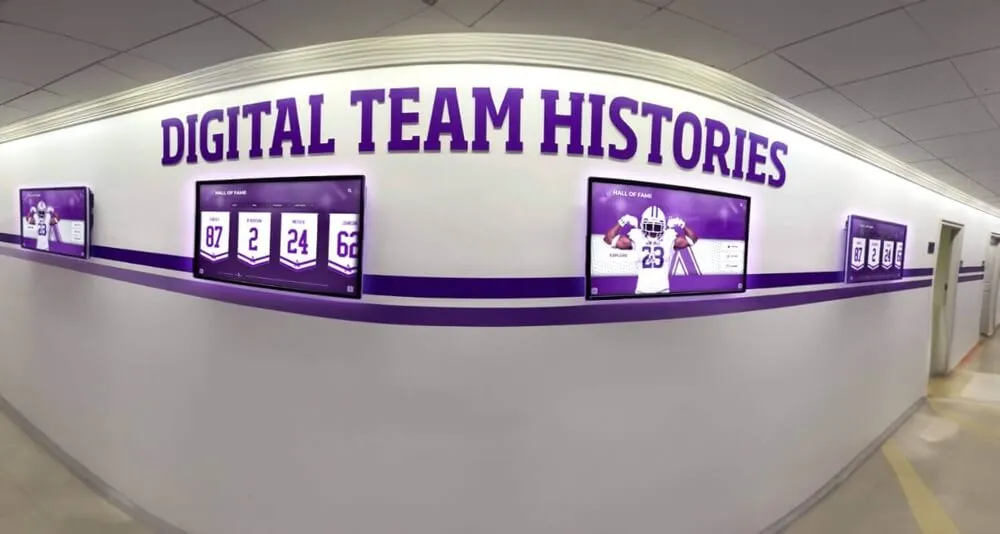
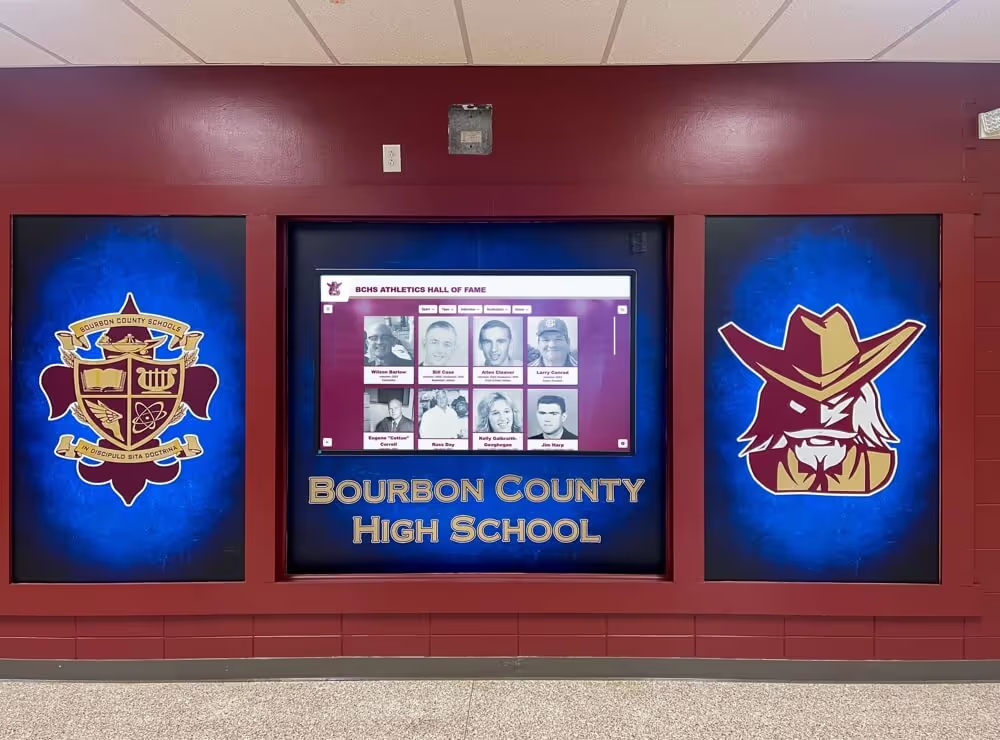
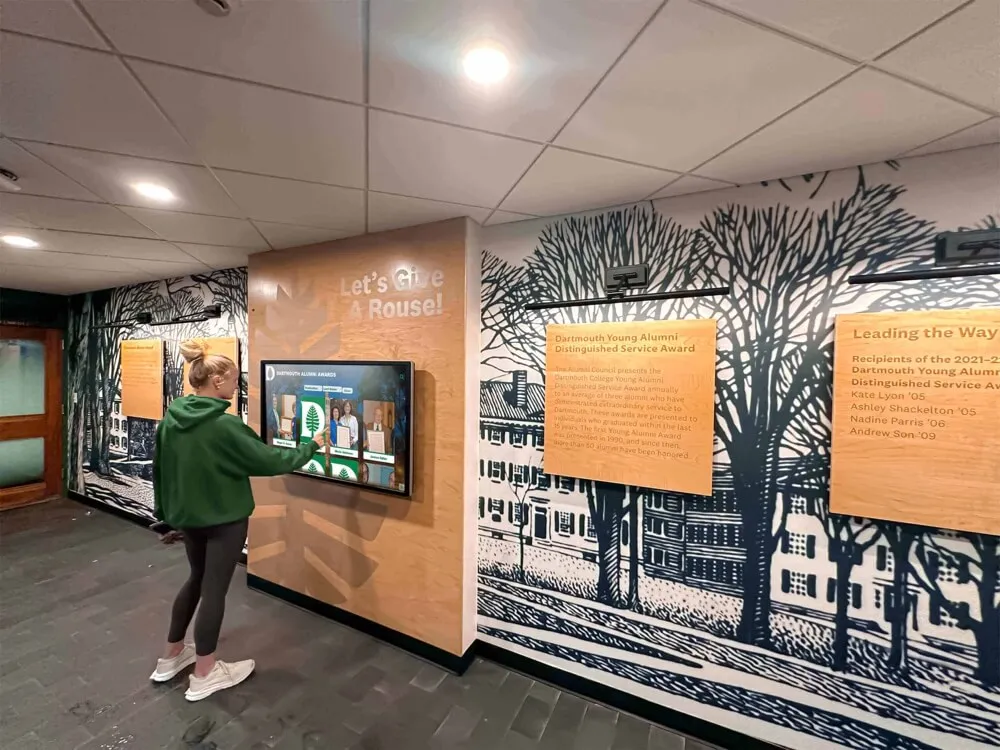
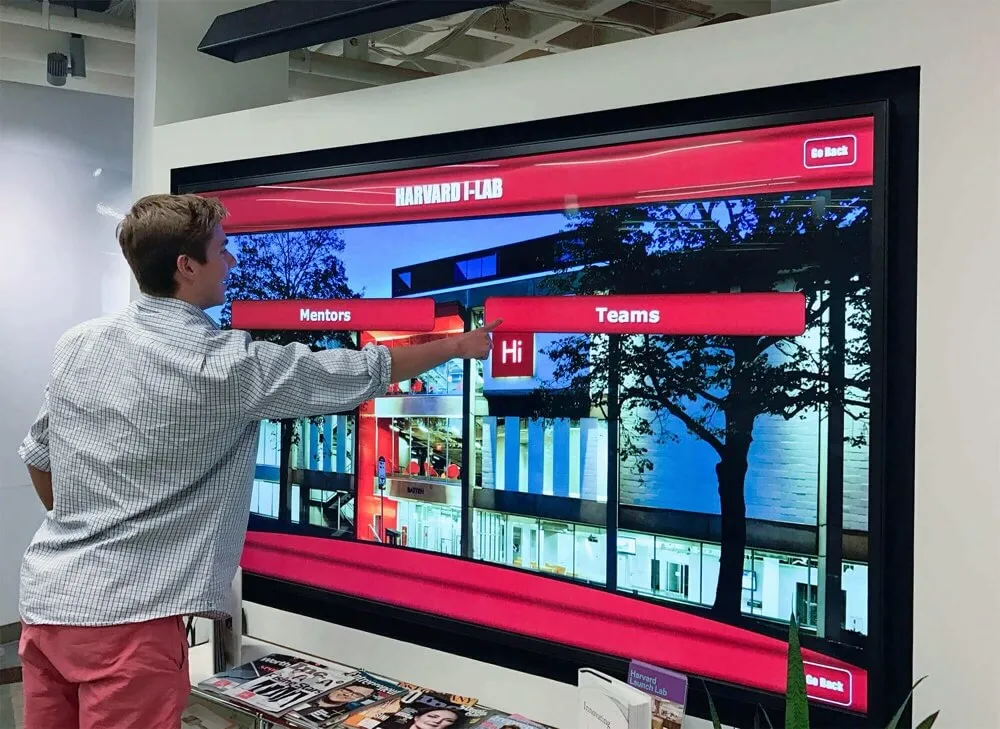
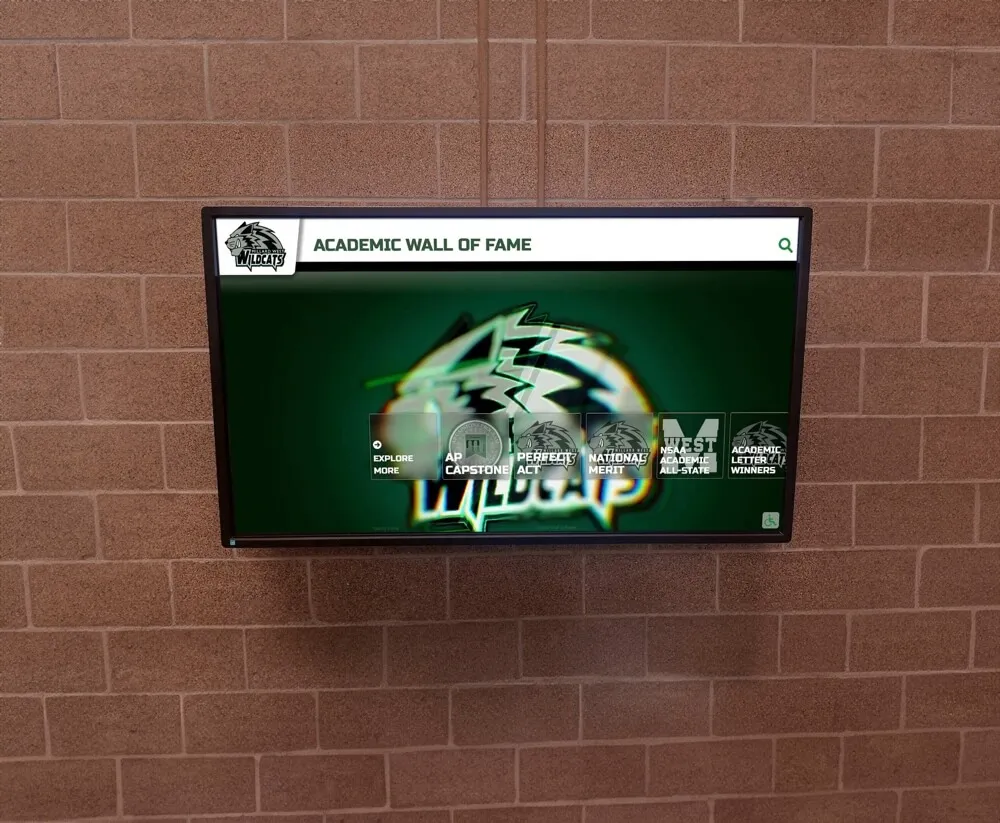
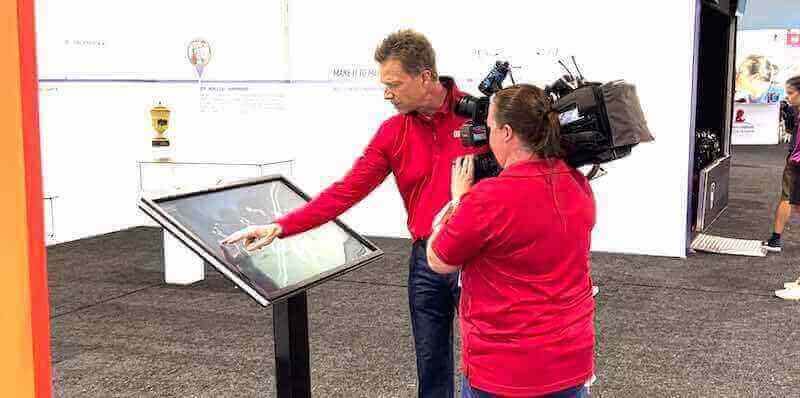
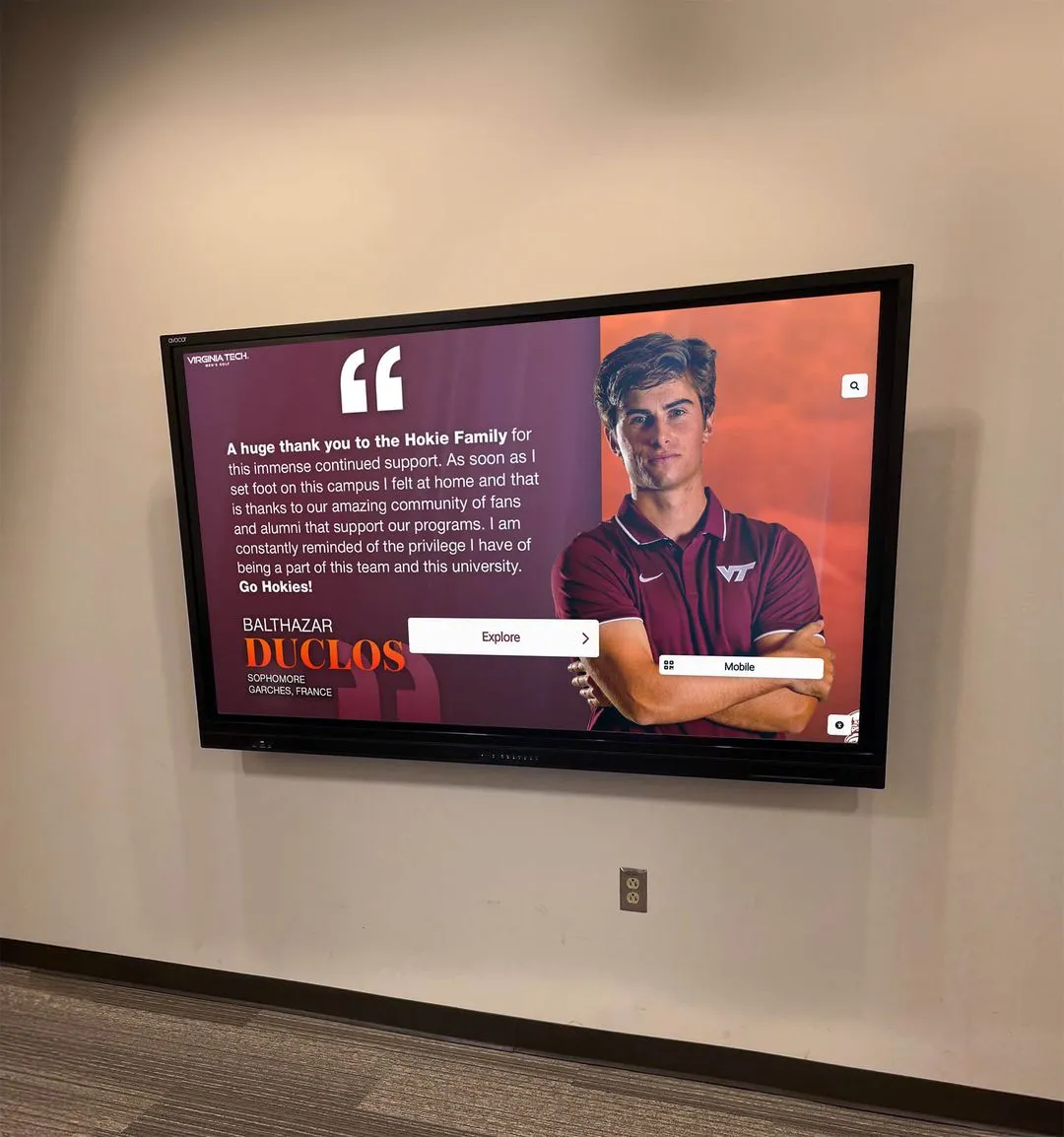
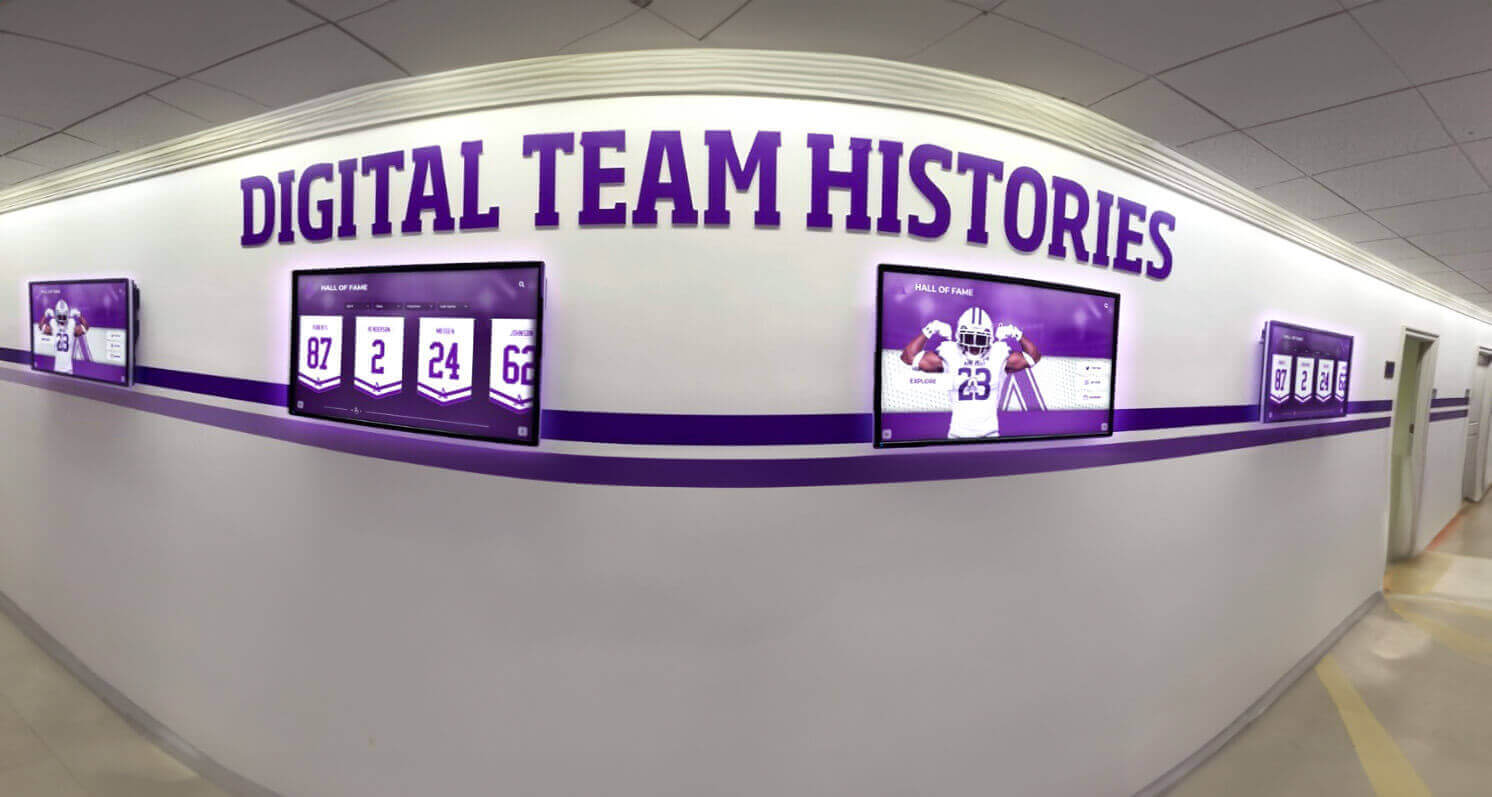
Modern digital displays transform how schools present institutional history, creating dynamic timeline experiences that evolve with your organization
Why Historical Timelines Matter for Institutional Identity
Before exploring specific design approaches, understanding the strategic value of historical timeline displays provides essential context for investment decisions and creative direction.
Building Institutional Pride and Connection
Historical timelines serve purposes far beyond simple documentation—they actively shape how communities understand and connect with organizational identity.
Creating Shared Identity
Effective timeline displays unite diverse community members around common institutional narratives. Students discover they walk the same halls where notable alumni achieved breakthrough moments. Alumni recognize their own experiences as part of continuous organizational evolution. Parents appreciate the enduring traditions their children inherit. This shared historical consciousness strengthens institutional bonds and creates belonging that transcends individual experiences.
Schools with prominent historical displays report students who can articulate specific institutional milestones, understand organizational values through concrete historical examples, and express stronger pride in school affiliation compared to institutions where history remains abstract or invisible.
Honoring Legacy and Achievement
Timeline displays provide systematic recognition for generations of community members whose contributions shaped current institutional reality. Championship teams, pioneering programs, transformational leaders, facility benefactors, academic achievements, and cultural milestones receive ongoing visibility rather than fading into forgotten archives. This recognition honors past contributions while setting aspirational standards for current and future community members.
Contextualizing Present Through Past
Understanding institutional history helps communities navigate present challenges and future decisions. Timeline displays reveal how organizations adapted to previous transformations, maintained values through changing contexts, and built current strengths through persistent effort across multiple generations. This historical perspective creates organizational wisdom informing strategic planning and cultural preservation.
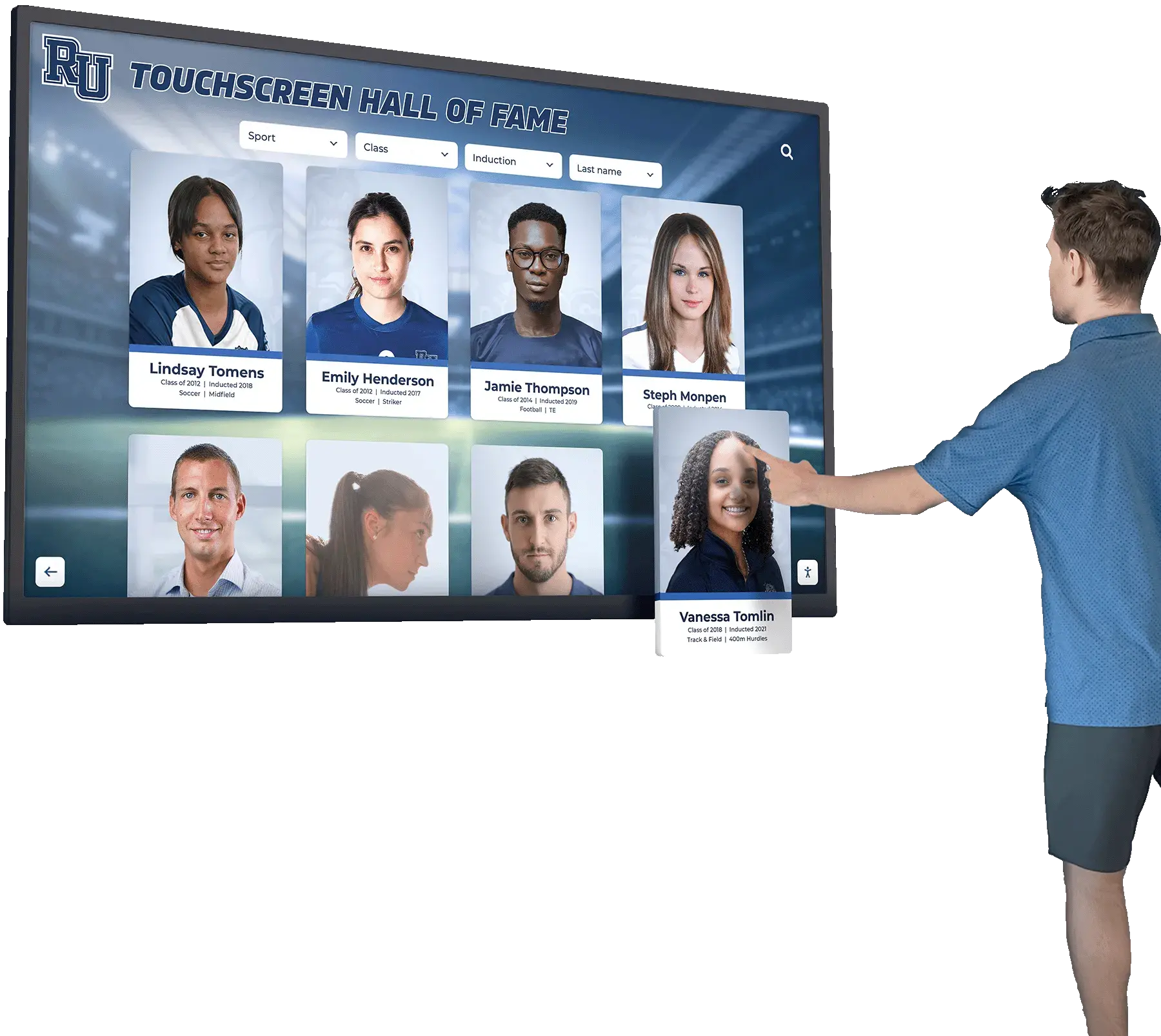
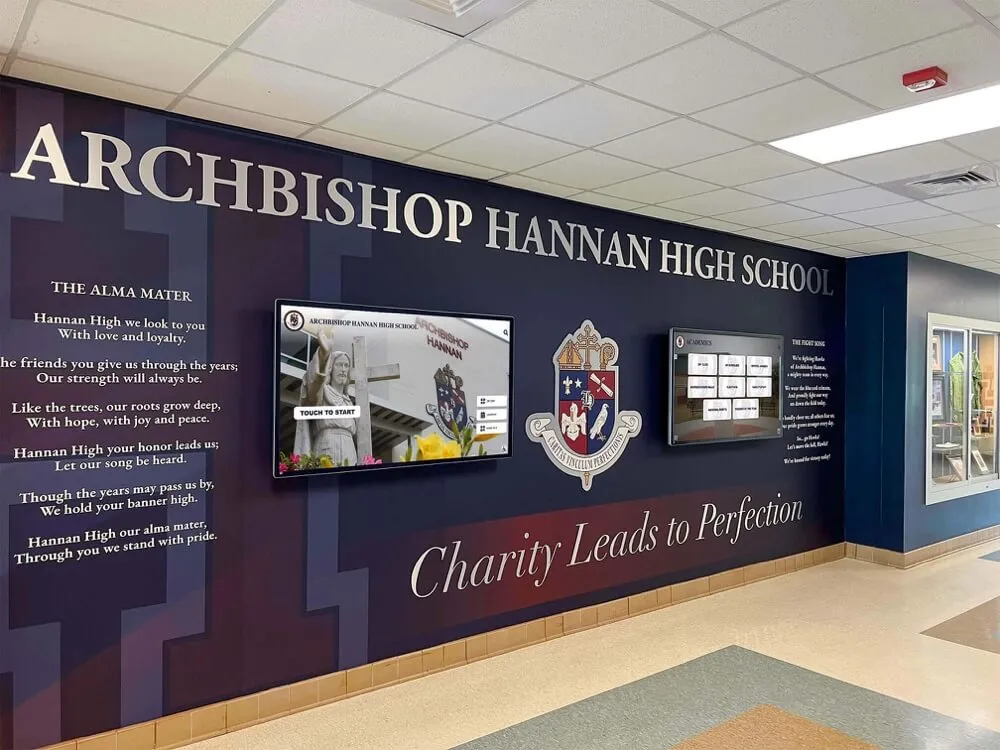
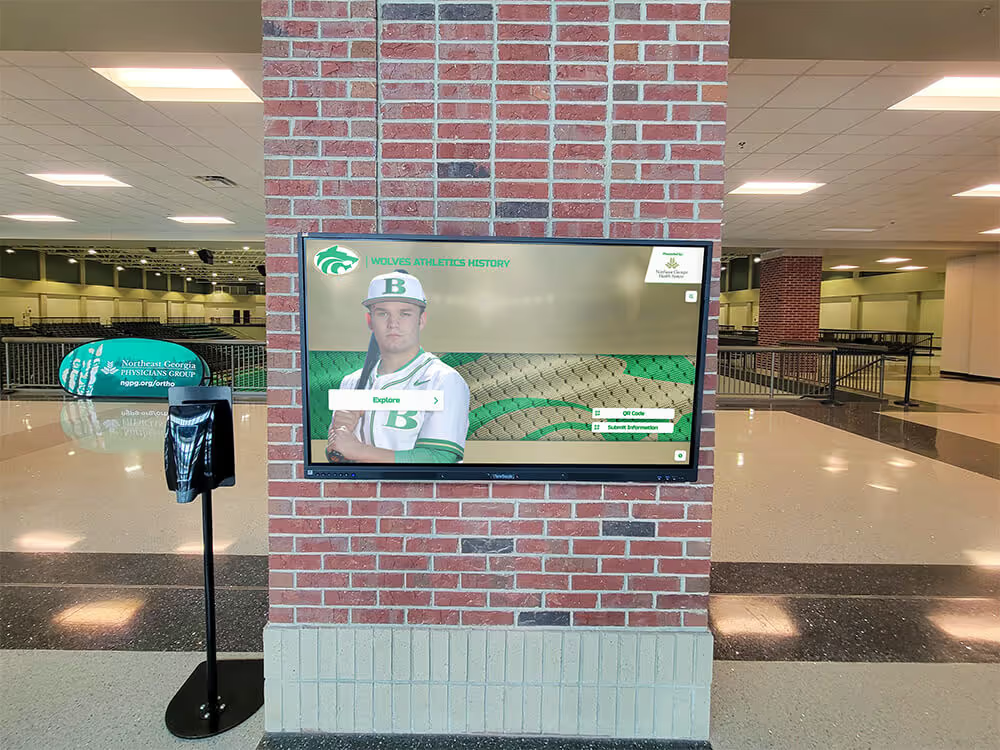
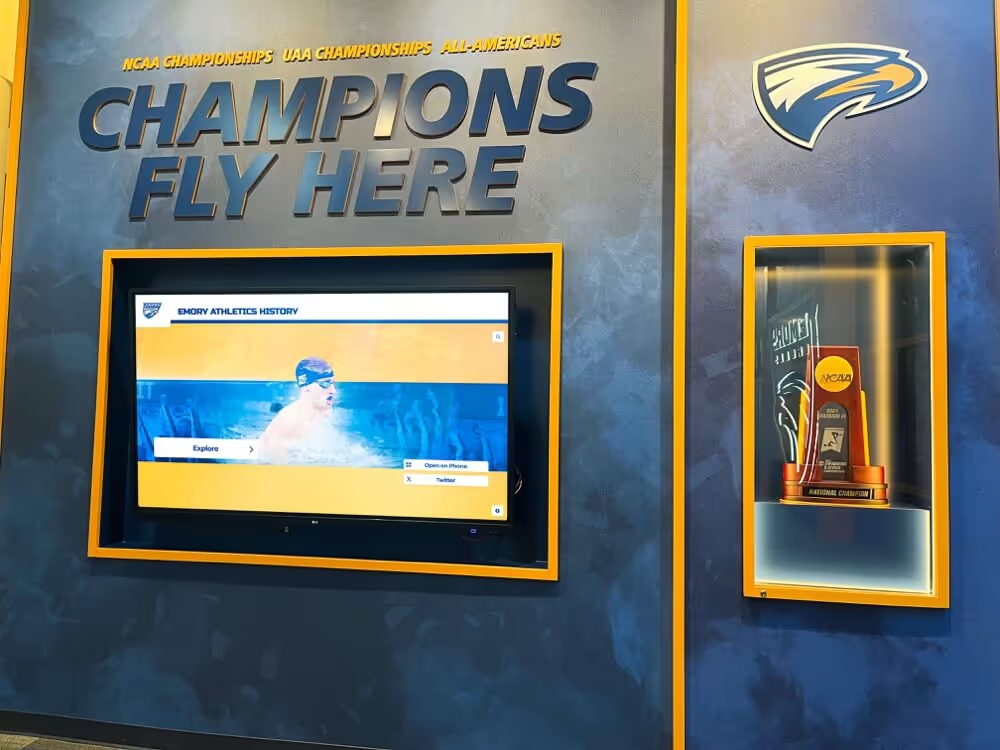
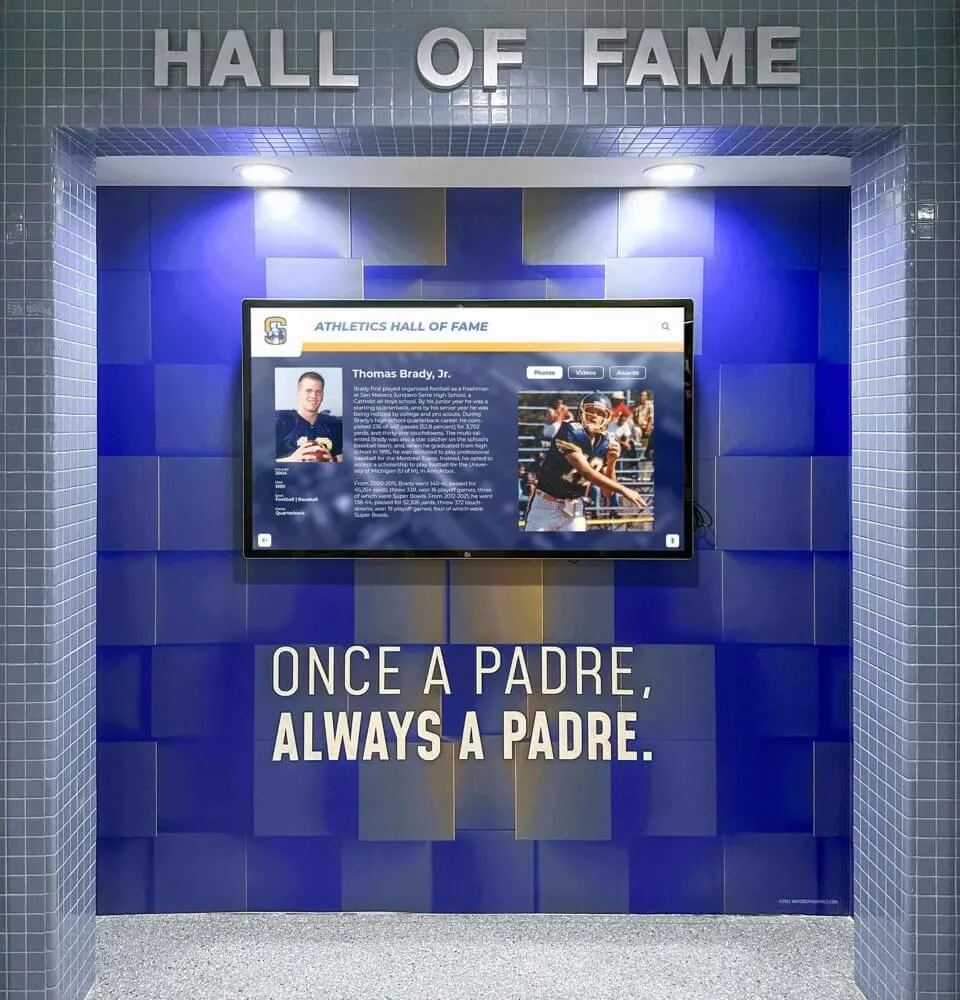
Interactive timeline displays enable deep exploration of institutional history through layered content and multimedia storytelling
Strategic Advantages of Visual Timeline Displays
Professional historical presentations deliver concrete organizational benefits beyond intangible cultural value.
Fundraising and Development Impact
Development professionals consistently identify historical timeline displays as powerful donor engagement tools. Prospective major gift donors exploring campus inevitably spend significant time at well-designed historical displays, discovering personal connections to institutional narratives and visualizing their potential legacy within that continuing story. Timeline displays that showcase donor recognition alongside historical milestones naturally position giving as participating in institutional evolution rather than transactional exchange.
Alumni giving rates correlate with emotional connection to alma mater—and historical displays that feature alumni achievements, class years, and generational connections actively strengthen those emotional bonds while making giving feel like continuing personal involvement with living institutional narrative.
Recruitment and Admissions Storytelling
Prospective students and families evaluating school options seek evidence of institutional stability, achievement tradition, and cultural values. Historical timeline displays communicate these qualities instantly through visual storytelling that admissions presentations struggle to convey through words alone. Championship traditions, academic milestones, facility investments, and community achievements visible in timeline displays provide concrete differentiation from competing institutions.
Schools with compelling lobby historical displays report prospective families specifically referencing timeline content during enrollment decisions, citing long institutional traditions and achievement cultures as selection factors.
Community Relations and Public Relations Value
Professional historical displays serve as permanent PR assets photographed for publications, featured in news coverage, referenced in marketing materials, and experienced by community members attending school events. Well-designed displays communicate organizational professionalism, attention to heritage, and community investment—qualities that enhance public perception and stakeholder confidence.
For schools exploring digital display options, modern interactive systems provide flexibility to customize timeline presentations for different audiences and events while maintaining consistent professional presentation.
Foundational Principles for Effective Timeline Design
Creating historical timeline displays that genuinely engage audiences requires understanding core design principles before selecting specific formats or technologies.
Narrative Structure Over Chronological Lists
The fundamental mistake in timeline design is presenting history as mere chronological fact lists rather than structured narratives with clear storytelling arcs.
Identifying Core Narratives
Effective timelines organize historical content around thematic storylines rather than simple date progressions. Consider institutional history through narrative lenses:
- Founding and Growth: How vision became reality, obstacles overcome, evolutionary milestones
- Achievement and Excellence: Championship eras, academic breakthroughs, recognition milestones, record-breaking performances
- Leadership and Transformation: Visionary leaders, pivotal decisions, cultural shifts, modernization efforts
- Community and Culture: Traditions born, cultural movements, demographic evolution, community partnerships
- Facility and Physical Evolution: Campus development, building additions, modernization projects, space transformations
Rather than presenting every date equally, effective timelines emphasize defining moments within these narrative arcs while providing context that helps viewers understand significance rather than simply recording occurrence.
Creating Entry Points and Depth Layers
Timeline displays should accommodate viewers with different time availability and interest levels:
- Primary Layer: Major milestones visible immediately to casual viewers passing by, establishing core narrative
- Secondary Layer: Supporting detail accessible through closer inspection or interactive exploration, providing depth for engaged viewers
- Tertiary Layer: Comprehensive content including photographs, documents, artifacts, and extended storytelling available to deeply interested researchers
This layered approach ensures displays engage both casual observers seeking quick orientation and dedicated explorers wanting comprehensive institutional knowledge.
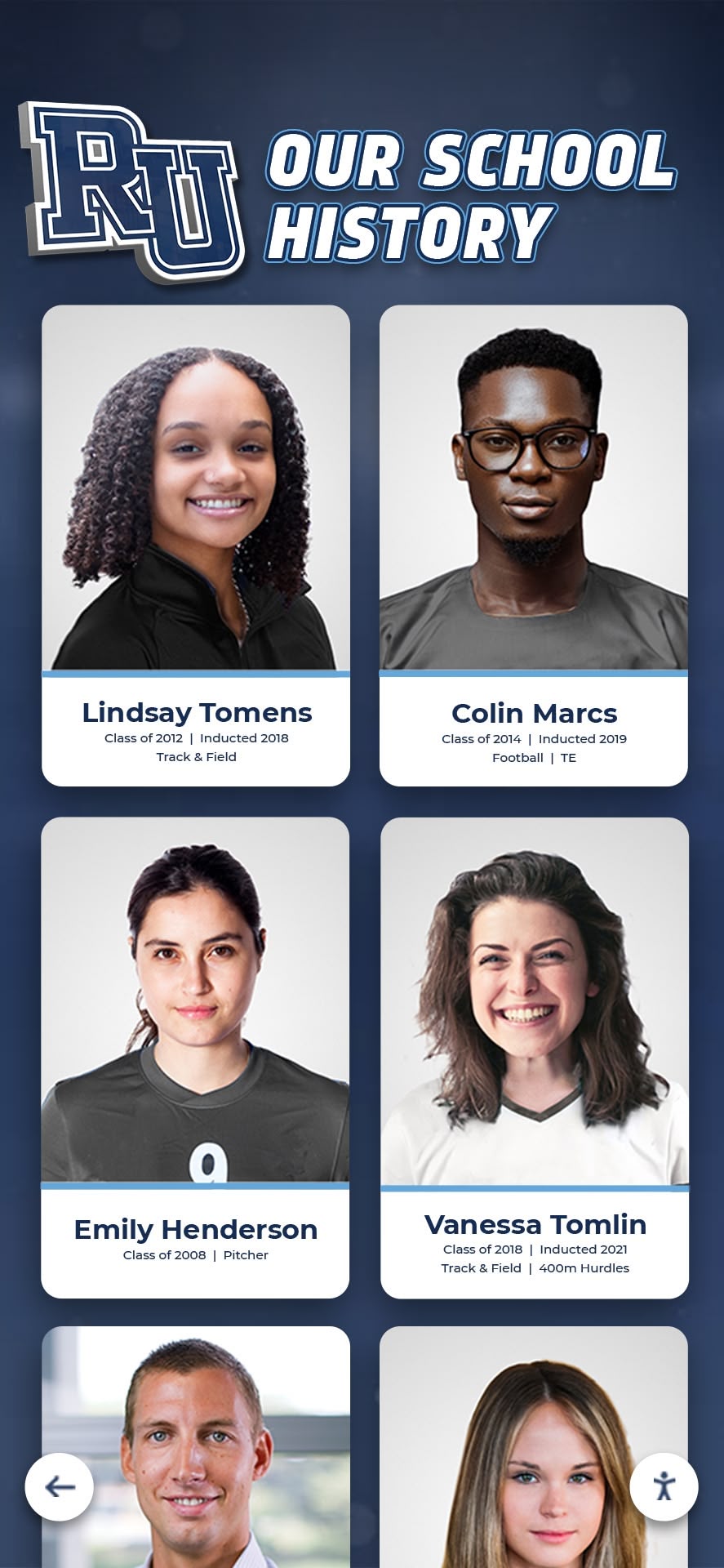
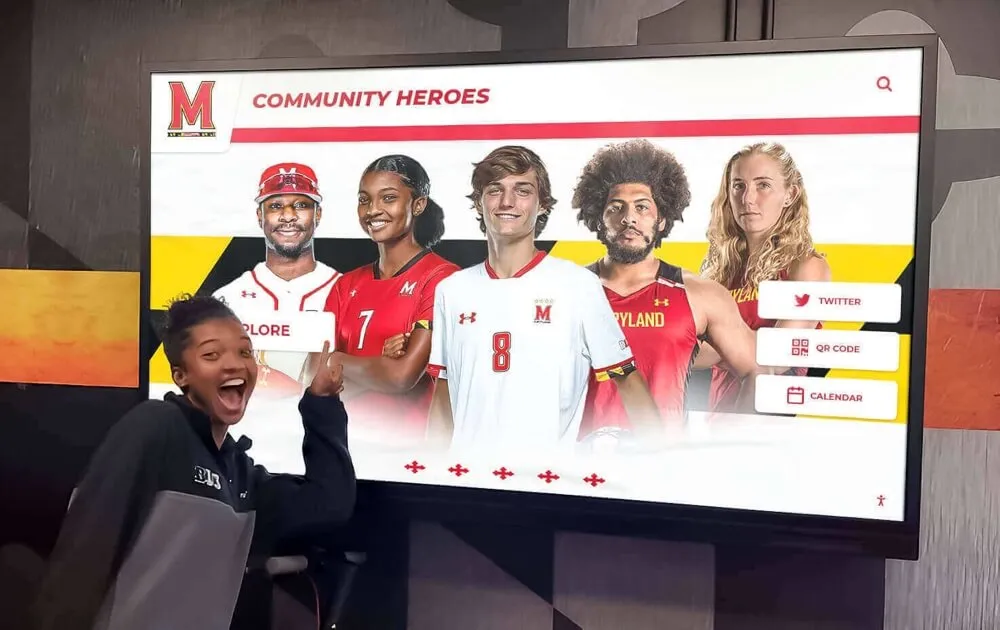
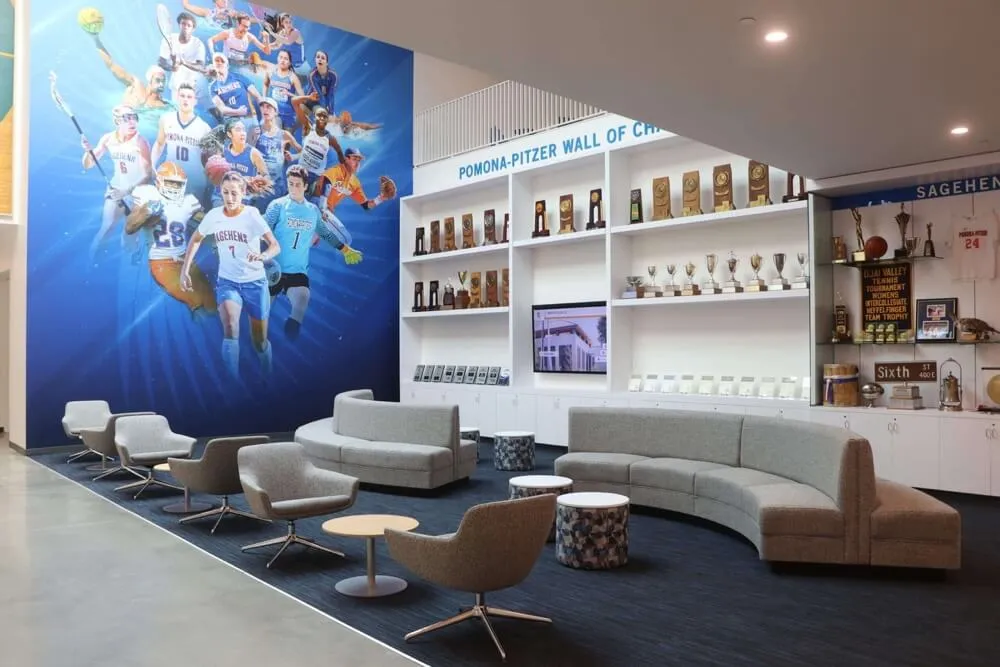
Effective timeline displays combine chronological structure with rich visual content showcasing the people behind institutional history
Visual Hierarchy and Information Design
How content appears visually determines whether audiences engage or feel overwhelmed.
Establishing Clear Visual Structure
Successful timeline displays create immediately apparent organizational systems through consistent visual language:
- Chronological Flow: Clear directional movement (typically left-to-right or top-to-bottom) establishing intuitive navigation
- Era Differentiation: Distinct visual treatment for different historical periods through color, typography, or spatial separation
- Milestone Emphasis: Visual hierarchy clearly distinguishing major milestones from supporting context
- Content Type Identification: Consistent visual systems identifying photographs versus documents versus artifacts versus narrative text
Viewers should understand the organizational system within seconds of approaching the display without requiring instructional text or extensive reading.
Balancing Density and Breathing Room
Timeline displays often fail by attempting to include excessive content creating visual chaos. Professional designs balance comprehensive storytelling with visual clarity through strategic editing and spatial planning. Not every detail deserves equal emphasis—editorial discipline identifying truly significant moments creates focused narratives more powerful than exhaustive catalogs.
Modern interactive touchscreen displays solve density challenges by presenting streamlined overview timelines with unlimited depth available through touch navigation, enabling comprehensive content without visual overwhelm.
Multimedia Integration and Storytelling Richness
Historical timelines become dramatically more engaging when incorporating diverse media types beyond simple text and static images.
Photographs as Primary Content
Historical photographs provide immediate emotional connection and visual interest that text alone cannot achieve. Effective timeline displays feature photographs prominently:
- People in Context: Historical figures shown in actual environments performing characteristic activities rather than formal portraits
- Environmental Documentation: Campus views, facility interiors, event crowds showing physical evolution
- Candid Moments: Authentic scenes capturing cultural atmosphere and period authenticity
- Before/After Comparisons: Visual evidence of transformation over time
When implementing digital timeline systems, high-resolution photograph galleries allow viewers to explore historical images in detail, zooming and examining elements impossible with small static prints.
Video and Audio Oral Histories
Video content transforms timeline displays from passive viewing into experiential storytelling:
- Alumni Reflections: Graduates sharing personal memories bringing historical periods to life through first-person narrative
- Event Footage: Championship games, performances, ceremonies, speeches capturing defining moments
- Evolution Montages: Time-lapse visualizations showing physical campus transformation
- Archival News Coverage: Historical broadcast segments documenting institutional moments in period context
Audio content enables multitasking—visitors can listen to oral histories while viewing related photographs or exploring connected content, creating richer engagement than purely visual experiences allow.
Documents and Artifacts
Primary source materials add authenticity and research depth:
- Founding Documents: Charters, mission statements, correspondence showing institutional origin stories
- Publications: Yearbooks, newspapers, programs, brochures documenting period perspectives
- Correspondence: Letters, telegrams, memoranda revealing behind-scenes decision-making
- Ephemera: Tickets, programs, certificates, awards adding tangible historical texture
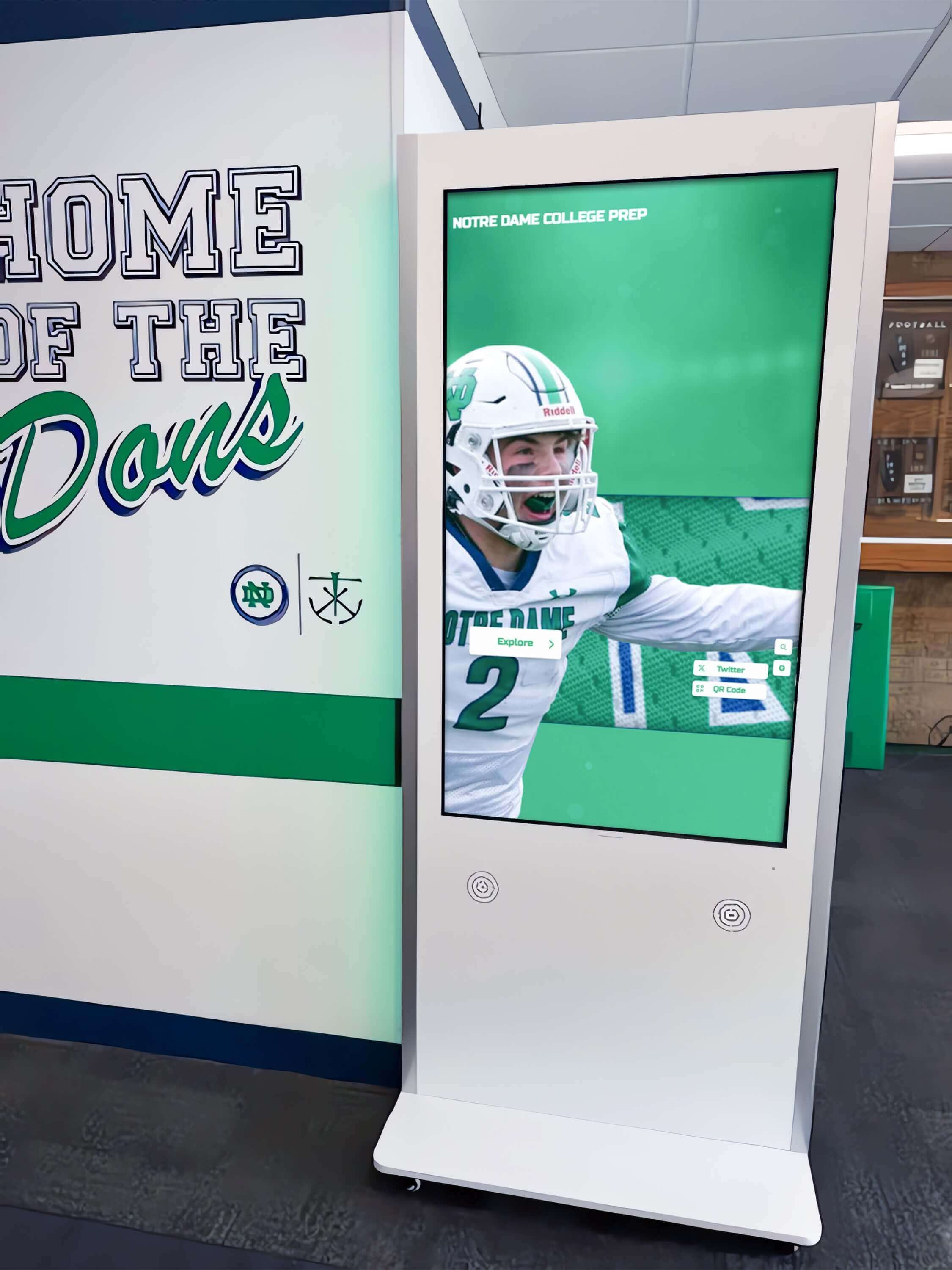
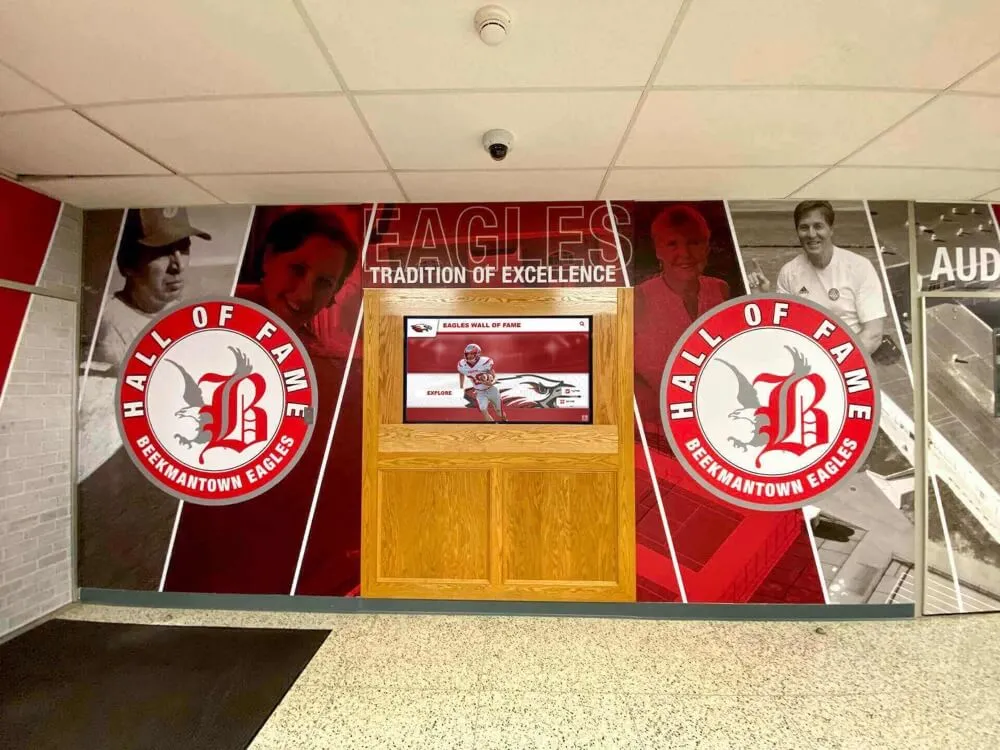
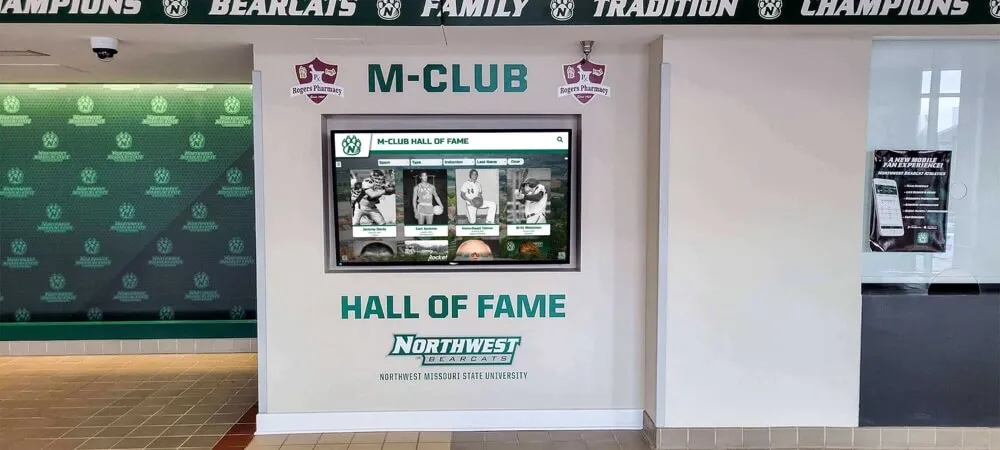
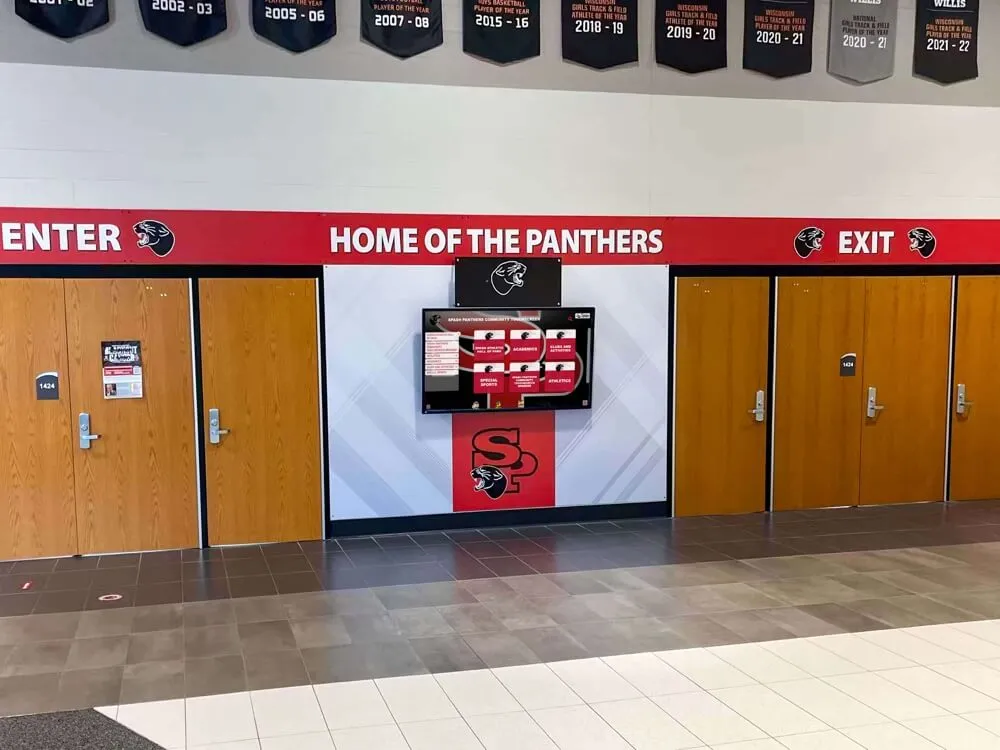
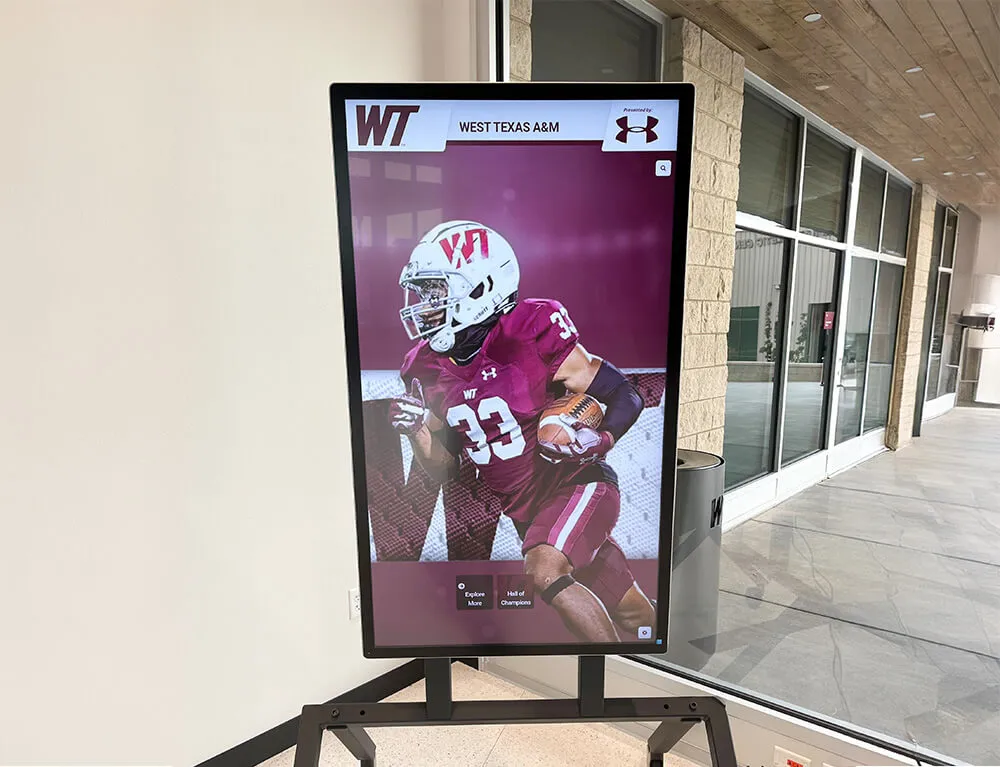
Purpose-built interactive kiosks create dedicated spaces for deep historical exploration within high-traffic institutional environments
Content Organization Strategies for Timeline Displays
How you structure and organize historical content determines whether displays create coherent narratives or confusing information overload.
Determining Timeline Scope and Scale
Early strategic decisions about timeline boundaries shape all subsequent design choices.
Defining Temporal Boundaries
Consider which historical periods your timeline encompasses:
- Comprehensive Institutional History: Full timeline from founding to present, appropriate for major lobby displays serving as primary institutional historical presentation
- Focused Era: Specific historical period (founding decade, championship era, specific administration, facility history), suitable for specialized displays in relevant locations
- Program or Department History: Timeline specific to athletics, academics, performing arts, or other institutional subdivision
- Annual Updates: Living timeline continuously growing, requiring expandable design systems
Timeline scope directly impacts content density, available detail, and appropriate display formats.
Establishing Content Inclusion Criteria
Develop clear standards determining which events and achievements merit timeline inclusion:
- Universal Milestones: Founding, facility openings, leadership transitions, accreditation achievements applying to entire institution
- Program Achievements: Championships, academic competitions, recognition awards, notable performances exceeding defined thresholds
- Cultural Moments: Tradition establishment, significant cultural shifts, community celebrations marking institutional evolution
- Notable Individual Achievements: Alumni accomplishments, faculty recognition, student achievements meeting institutional importance standards
Explicit criteria enable consistent editorial decisions and help stakeholders understand why specific content appears or doesn’t appear in displays.
Creating Effective Era Divisions
Breaking comprehensive timelines into distinct periods creates manageable chunks and highlights institutional evolution.
Natural Transitional Moments
Identify defining points dividing institutional history into meaningful chapters:
- Leadership Transitions: New administrators often mark strategic direction changes warranting era distinction
- Facility Milestones: Major construction projects, campus relocations, or facility expansions creating obvious before/after divisions
- Programmatic Shifts: Institutional focus changes, new schools or programs, educational model transformations
- Cultural Watershed Moments: Events fundamentally altering institutional identity or community composition
- External Historical Events: Wars, economic shifts, social movements impacting institutional trajectory
Era boundaries should feel natural and meaningful rather than arbitrary decade divisions lacking narrative significance.
Visual Era Differentiation
Once eras are defined, create distinct visual identities for each period:
- Color Coding: Unique color palettes reflecting different historical periods while maintaining overall design cohesion
- Typography Variation: Period-appropriate typeface selections evoking historical authenticity without sacrificing readability
- Design Styling: Visual treatment reflecting design aesthetics contemporary to each period
- Photographic Treatment: Consistent processing acknowledging photograph source quality while enhancing visual impact
These visual distinctions help viewers quickly orient themselves within timeline structure and understand historical progression at a glance.
Parallel Timeline Approaches
Rather than single linear progressions, consider multi-track timeline structures revealing connections between different institutional dimensions.
Simultaneous Institutional Stories
Create parallel timelines showing:
- Athletics and Academics: Simultaneous visualization showing how athletic and academic achievements evolved together
- Student Life and Facilities: How campus spaces developed alongside cultural traditions
- Internal Evolution and External Context: Institutional milestones positioned against broader historical events
- Leadership and Community: Administrative decisions shown alongside resulting community impacts
Parallel structures reveal relationships and contextual factors single-track timelines obscure.
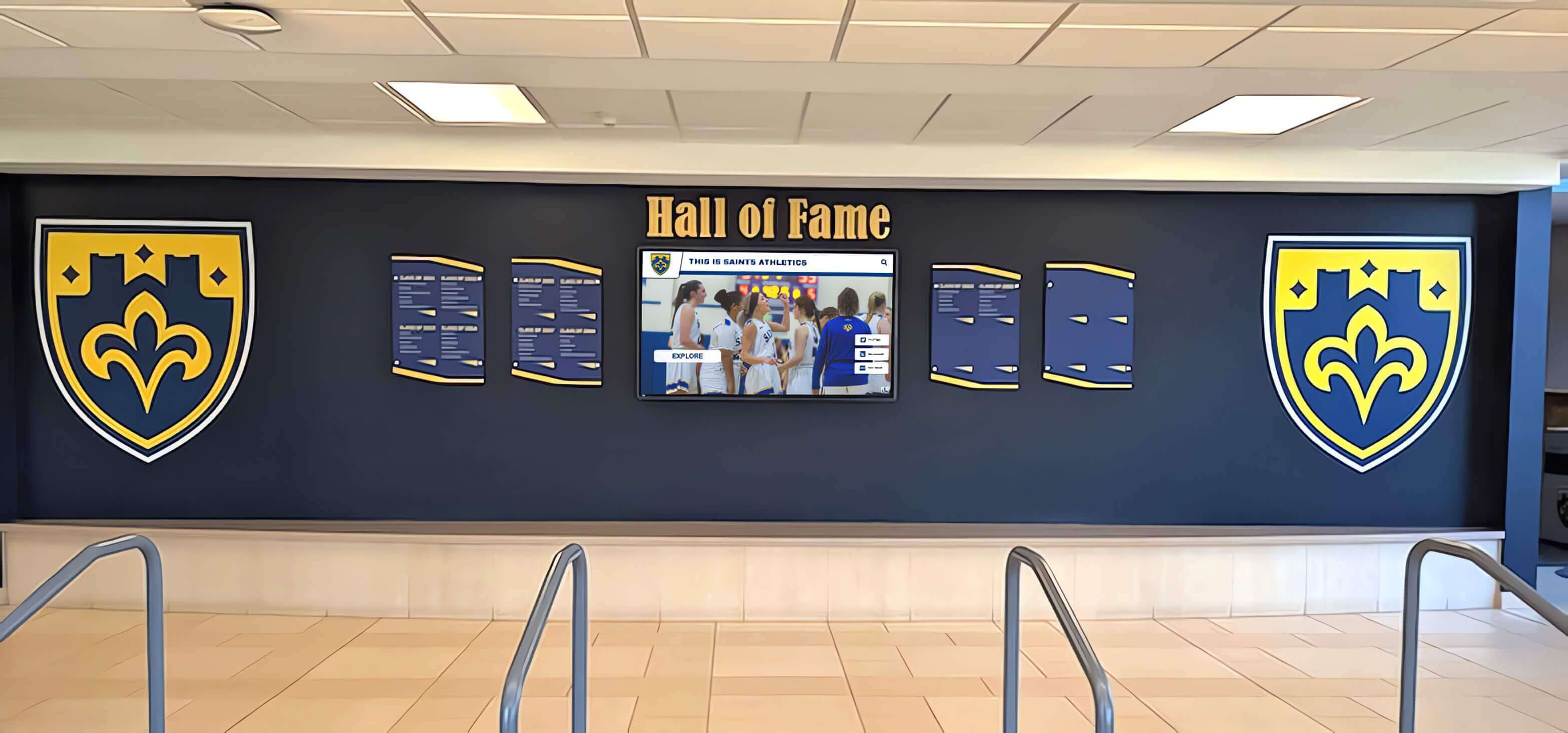
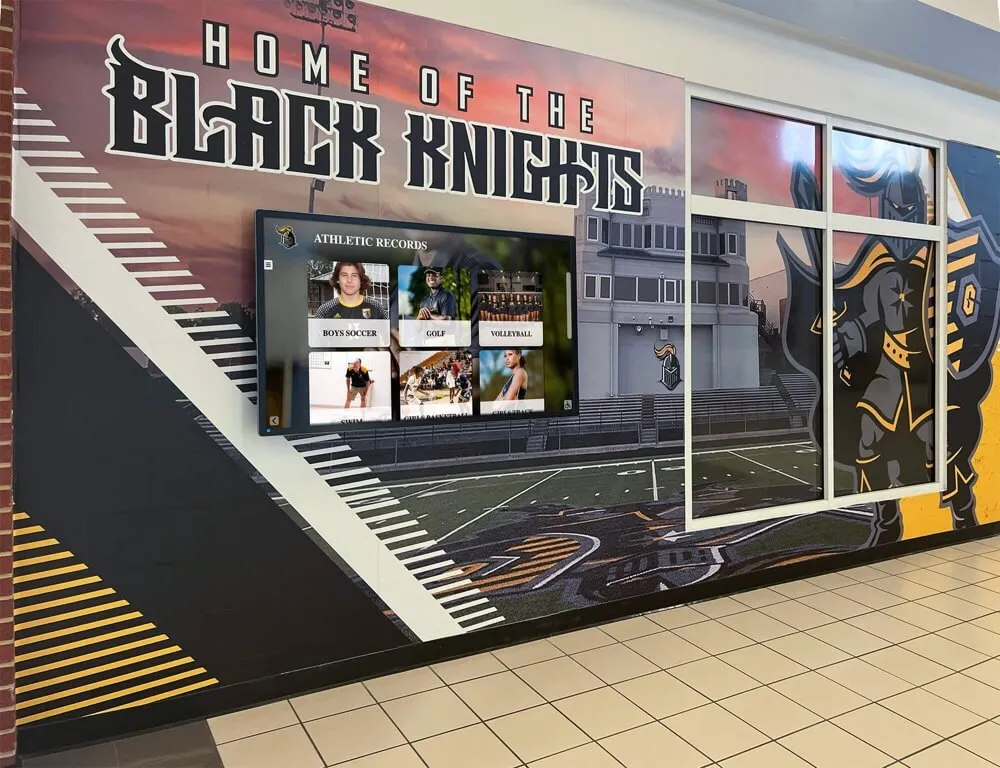
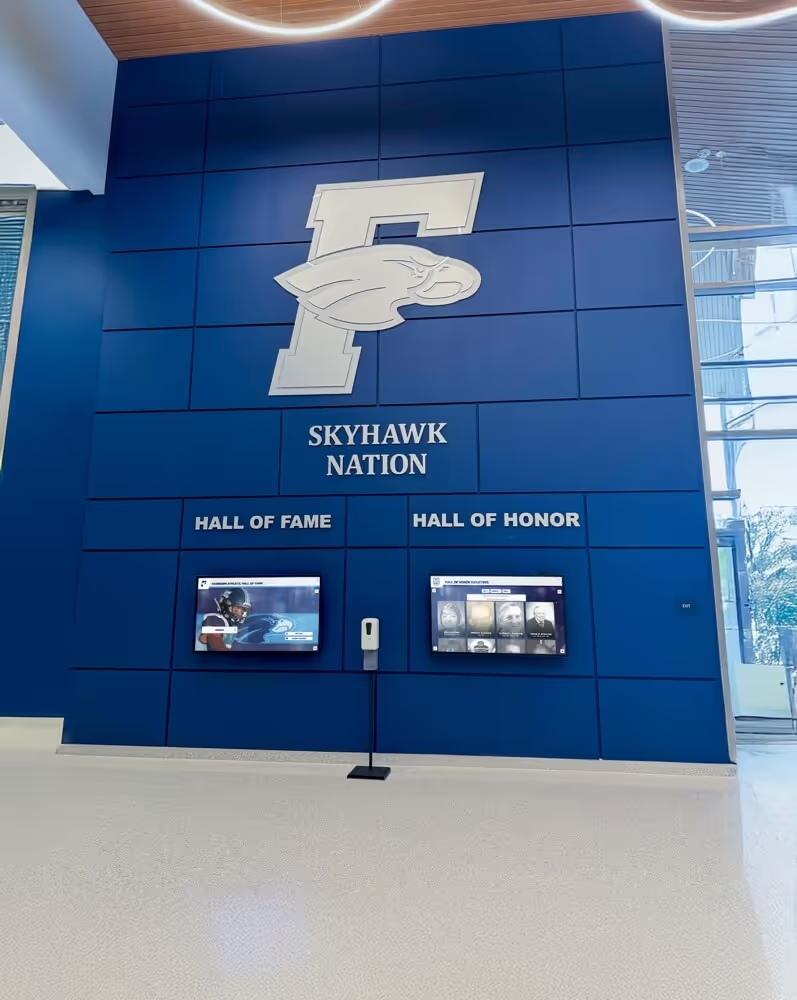
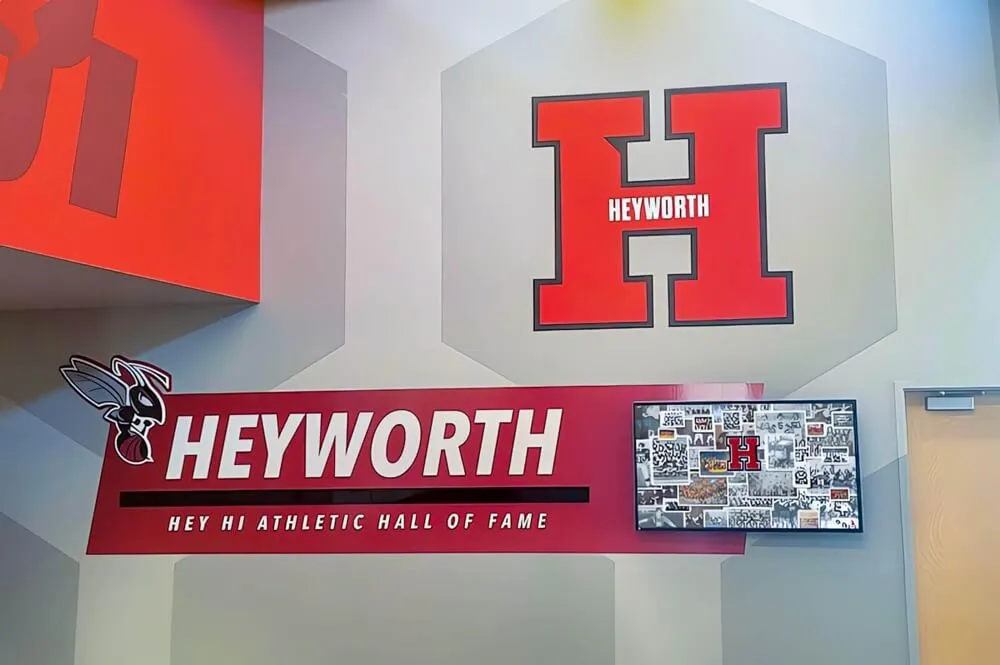
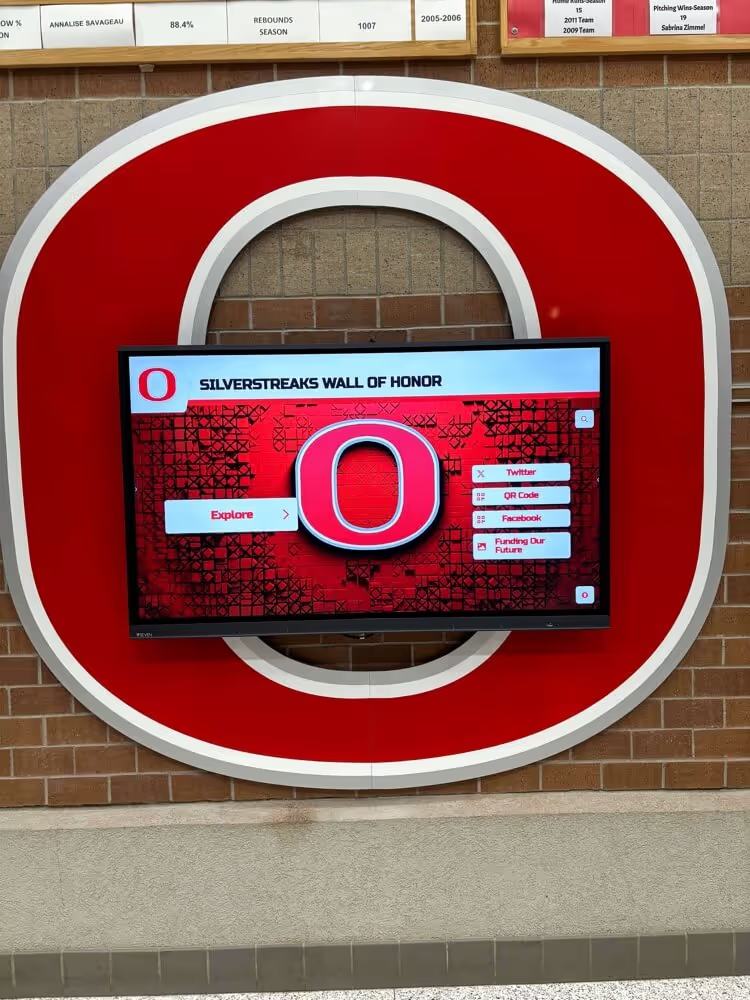
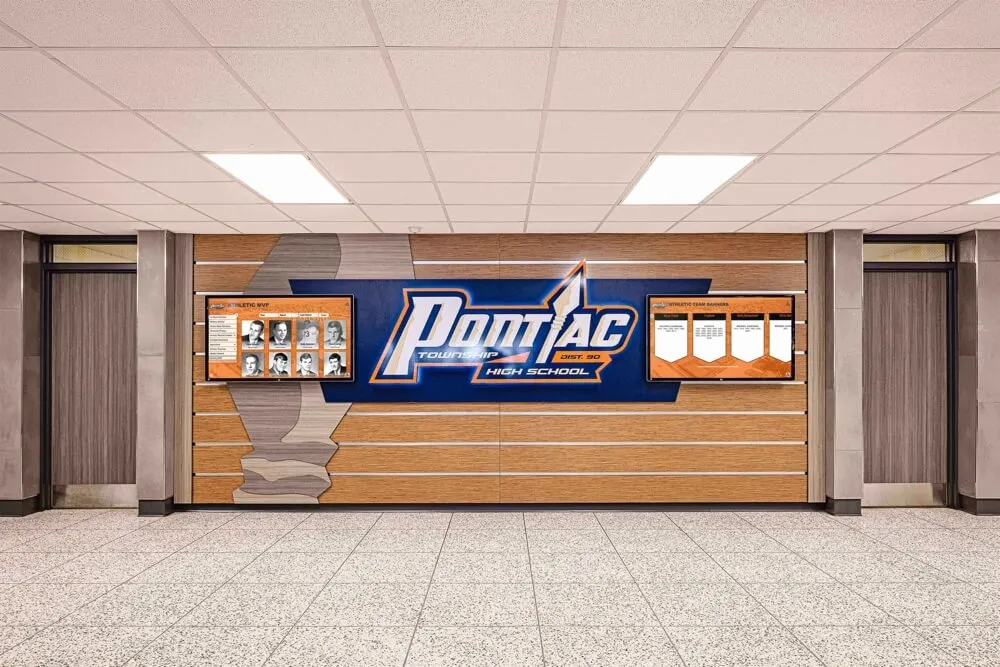
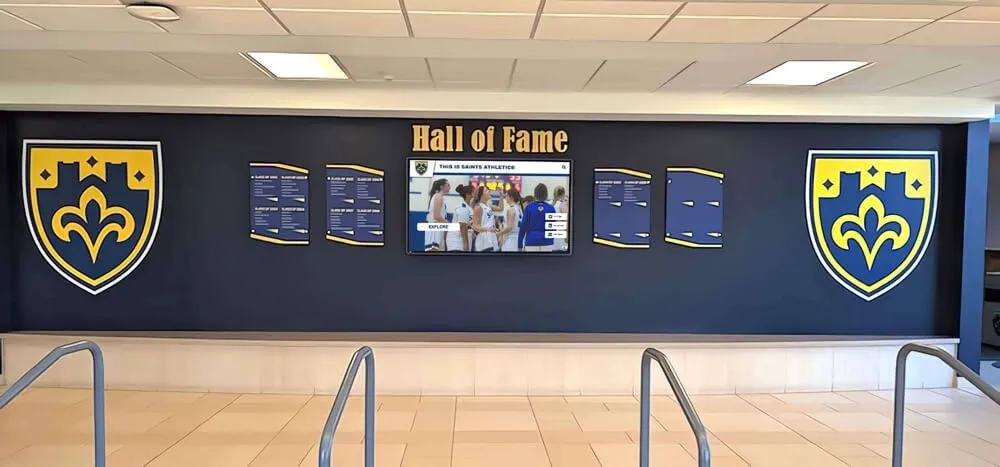
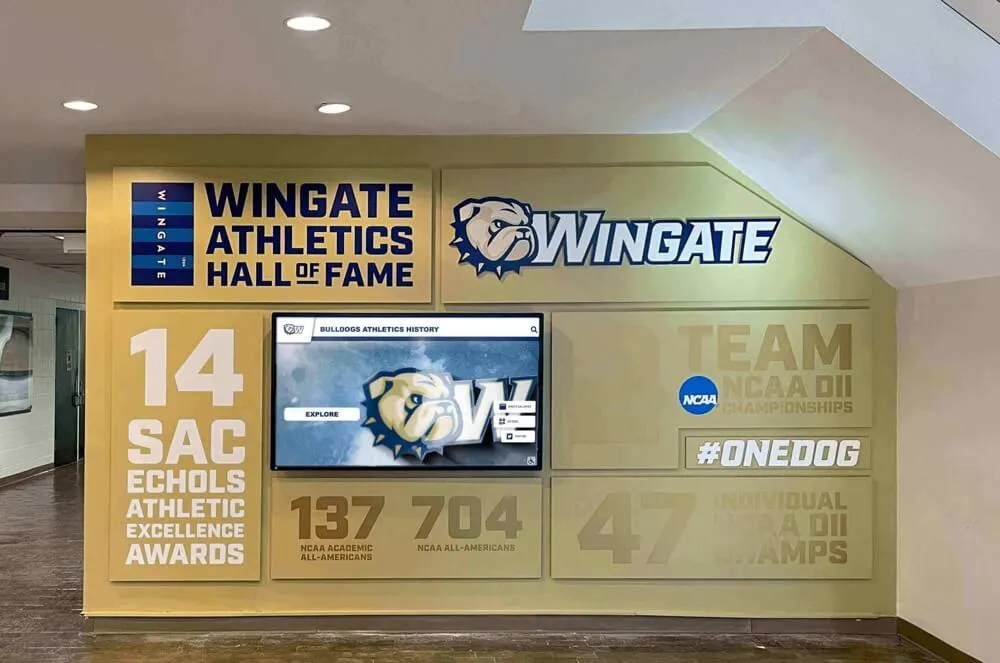
Multi-element displays combine traditional recognition components with digital screens enabling layered historical storytelling
Design Formats for Historical Timeline Displays
Different physical and digital formats serve different spatial contexts, audience behaviors, and content types.
Traditional Linear Wall Timelines
Classic horizontal or vertical timeline progressions work effectively in corridor environments with extended wall space.
Horizontal Timeline Implementation
Horizontal timelines leverage natural left-to-right reading patterns:
Layout Structure
- Central timeline spine running continuously along wall at consistent height
- Milestone markers indicating significant dates positioned along spine
- Content zones above and below spine containing photographs, text, and artifacts
- Visual connectors linking timeline markers to associated content
Spatial Considerations
- Typical viewing distance of 3-6 feet determines appropriate text size and image scale
- Content positioned within 4-7 feet floor height accommodates standing viewers including accessibility considerations
- Lighting design preventing glare on protective glazing while highlighting content
- Traffic flow patterns ensuring viewers can move along timeline without blocking corridor access
Content Sequencing
- Consistent information architecture: date marker, headline, supporting text, visuals
- Strategic rhythm alternating dense content clusters with breathing space
- Entry points identifying timeline beginning and orienting first-time viewers
Interactive Digital Timeline Displays
Modern touchscreen technology transforms timeline possibilities through unlimited content depth, multimedia integration, and dynamic presentation.
Touchscreen Timeline Interface Design
Digital timelines require specific interface design considerations:
Navigation Architecture
- Overview timeline screen showing major milestones providing entry points to deeper content
- Touch-to-expand functionality allowing users to explore specific periods or events in detail
- Clear navigation indicators showing current position within overall timeline
- Breadcrumb systems enabling return to overview or movement between related content
- Search capabilities allowing direct access to specific dates, people, or keywords
Content Presentation Layers
- Level 1: Timeline overview showing era divisions and major milestones
- Level 2: Period or event summary with key photographs and narrative introduction
- Level 3: Comprehensive multimedia content including photo galleries, video, documents, and extended text
- Level 4: Individual asset details and metadata for research users
Interaction Patterns
- Horizontal swipe for chronological timeline movement
- Tap to select and expand specific timeline elements
- Pinch-to-zoom for detailed examination of photographs and documents
- Video playback controls integrated seamlessly into content presentation
Schools implementing interactive timeline displays benefit from systems like those used for academic recognition programs—professional platforms designed specifically for institutional storytelling with timeline functionality built into core architecture.
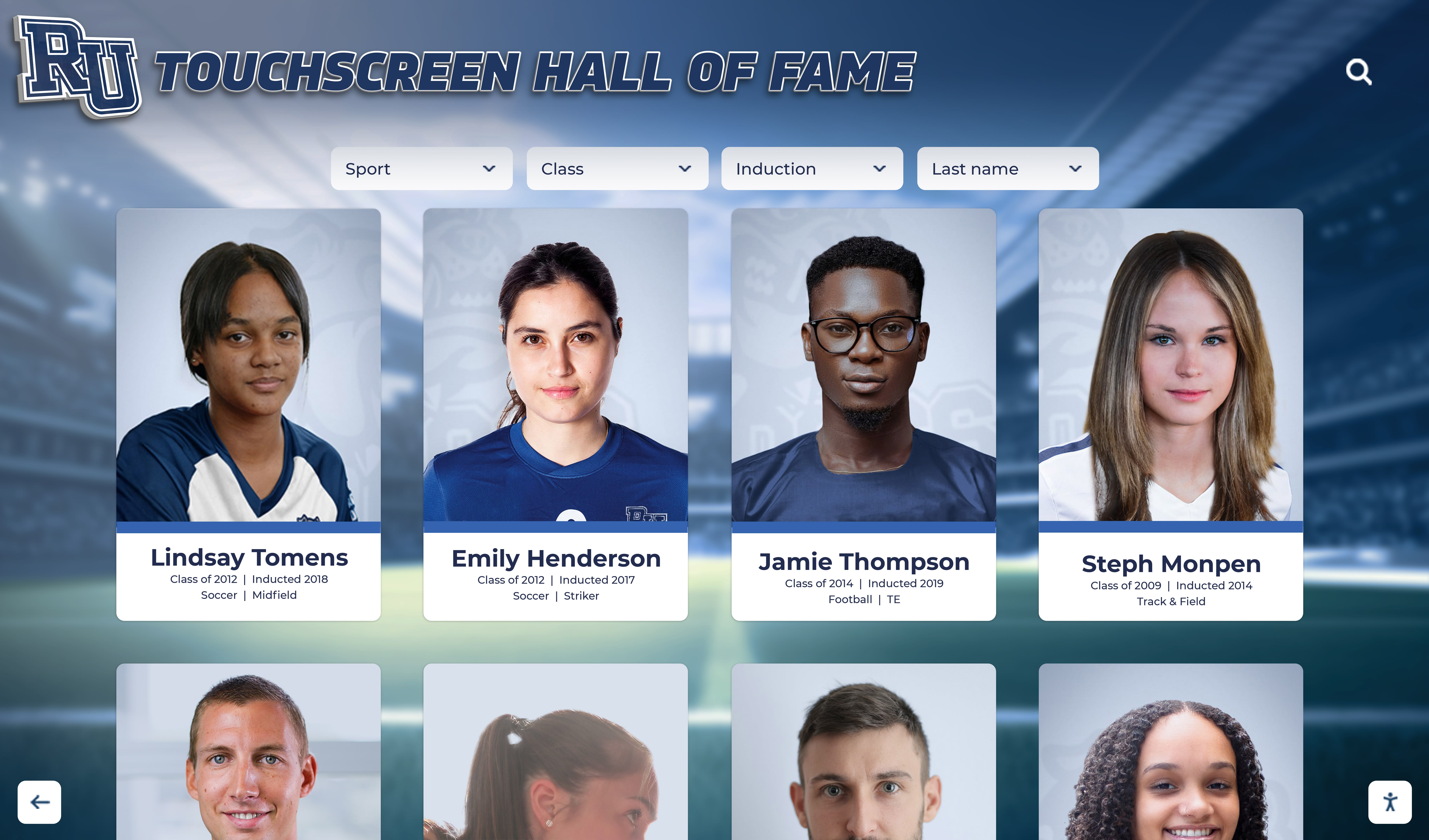
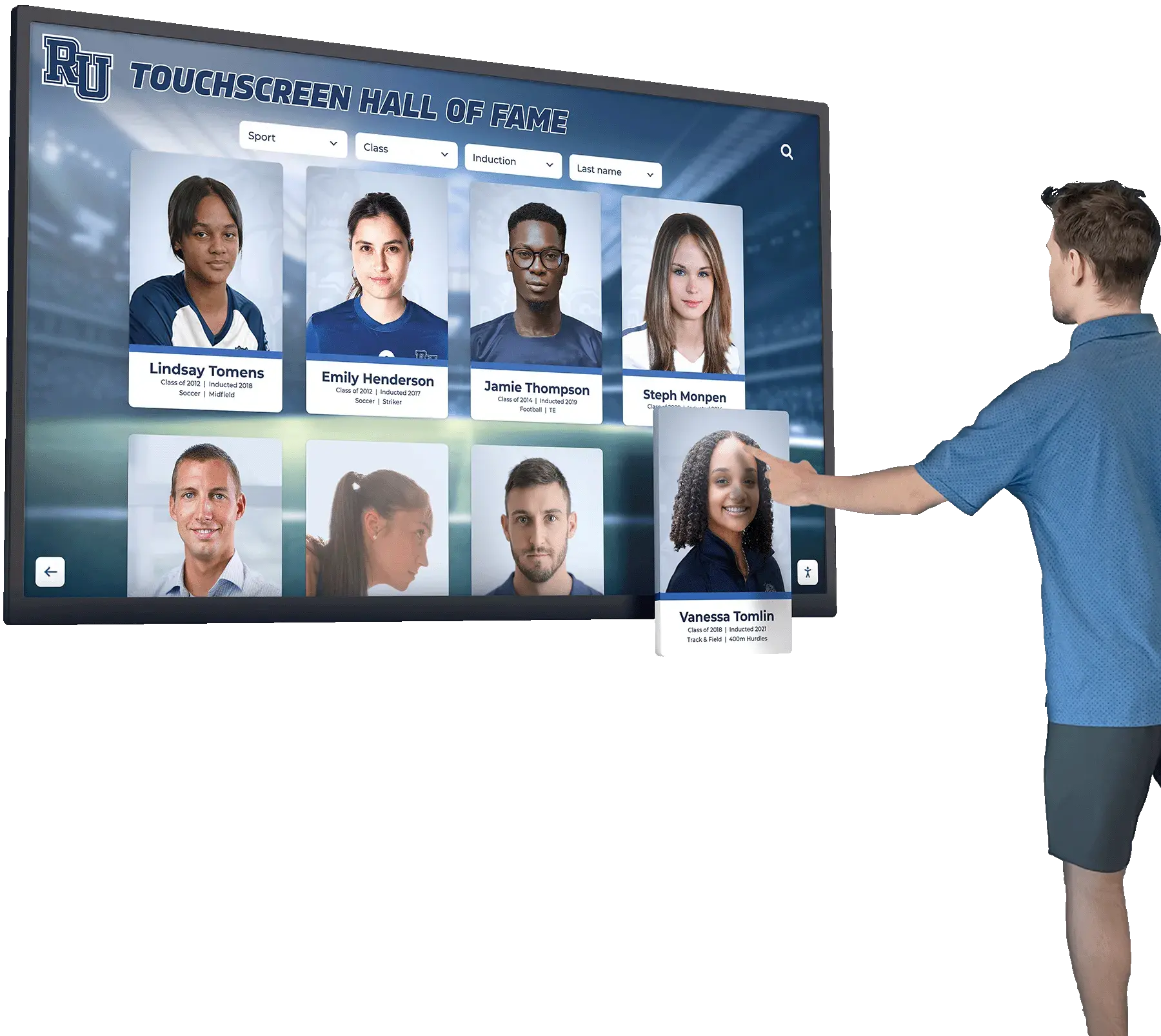
Modern touchscreen interfaces enable intuitive exploration of historical content through familiar interaction patterns users understand immediately
Advantages of Digital Timeline Implementation
Interactive digital systems solve persistent challenges traditional static displays cannot:
Unlimited Content Capacity
- Comprehensive historical documentation without physical space constraints
- Detailed individual profiles, extended narratives, complete photograph collections
- Supporting documents, news clippings, and research materials accessible without cluttering primary display
Easy Updates and Additions
- New historical content added through software updates without physical reinstallation
- Corrections to historical information implemented immediately
- Seasonal or event-specific customization highlighting relevant historical content
- Annual additions continuing timeline narrative as new institutional history occurs
Multimedia Integration
- Video oral histories from alumni and community members
- Historical event footage and ceremony recordings
- Audio narration providing accessibility and alternative content consumption
- Animated graphics and data visualizations illustrating trends and statistics
Personalization and Search
- Users searching specific graduation years, names, teams, or events
- Alumni finding personal connections to institutional history
- Researchers accessing detailed source materials and references
Analytics and Engagement Tracking
- Data revealing which historical periods attract most interest
- Content engagement metrics informing future historical research priorities
- Usage patterns demonstrating display value to stakeholders and donors
Organizations considering digital timeline implementation should explore interactive touchscreen solutions specifically designed for institutional recognition and historical presentation rather than generic digital signage not optimized for deep content exploration.
Hybrid Physical-Digital Timeline Approaches
Many institutions implement combined approaches leveraging strengths of both traditional and digital formats.
Complementary System Design
Hybrid displays typically feature:
- Physical Overview Timeline: Traditional wall-mounted timeline showing major eras and defining moments creating immediate visual impact
- Integrated Digital Components: Touchscreen displays positioned within or adjacent to physical timeline providing multimedia depth and comprehensive content access
- Physical Artifacts and Objects: Trophy cases, display niches, or mounting systems showcasing three-dimensional historical items
- Digital Extensions: QR codes linking to extended online content, downloadable resources, or personal device access
This approach combines the architectural presence and always-visible nature of physical installations with the flexibility and depth of digital systems.

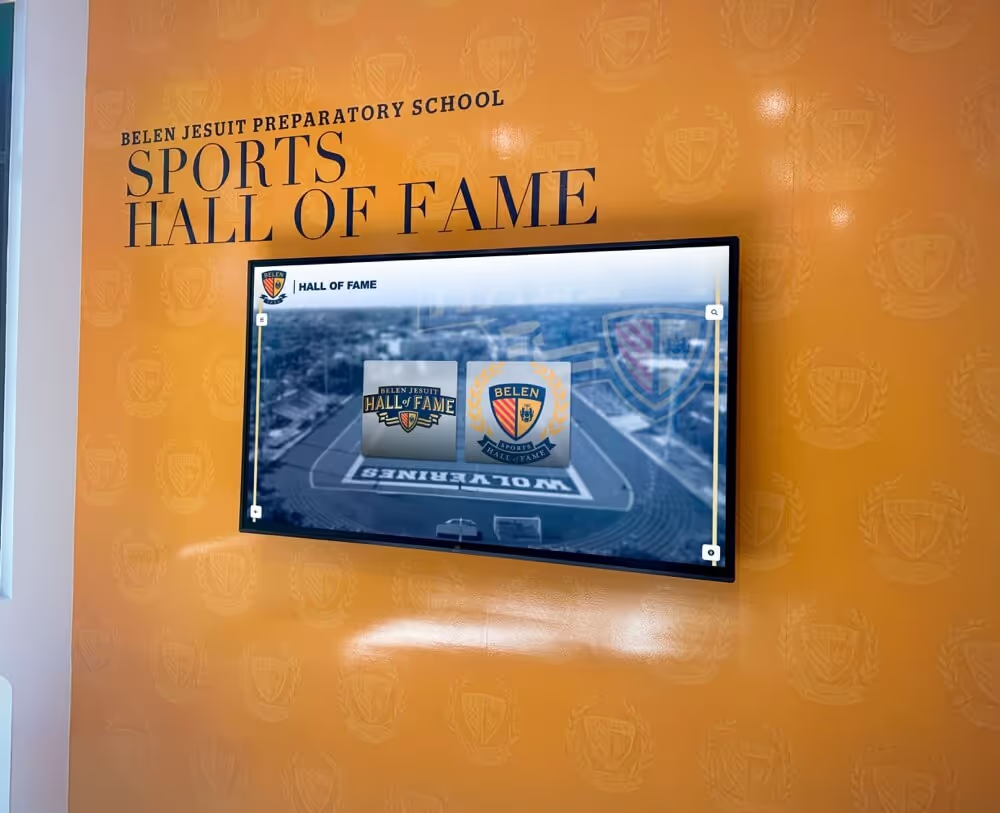
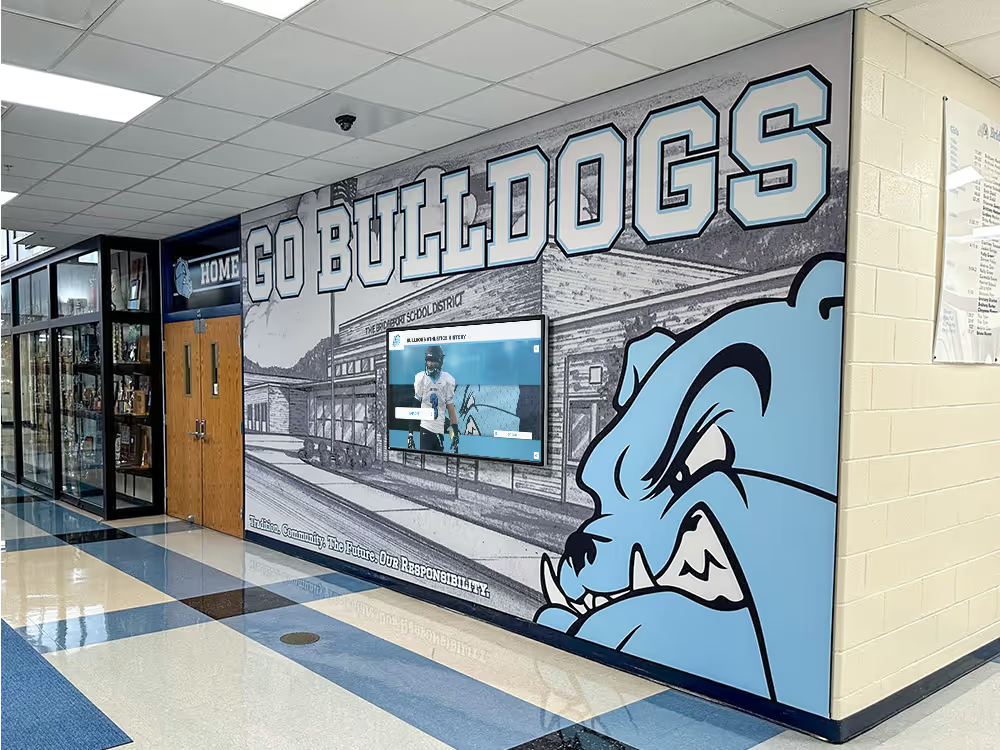
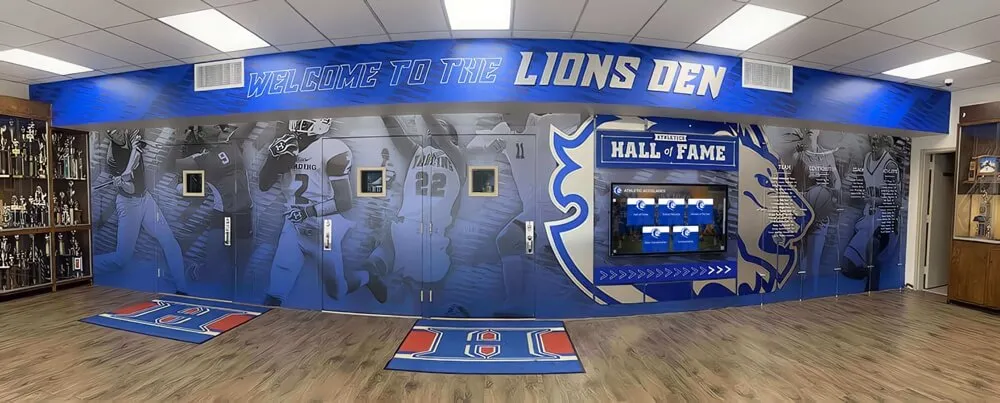
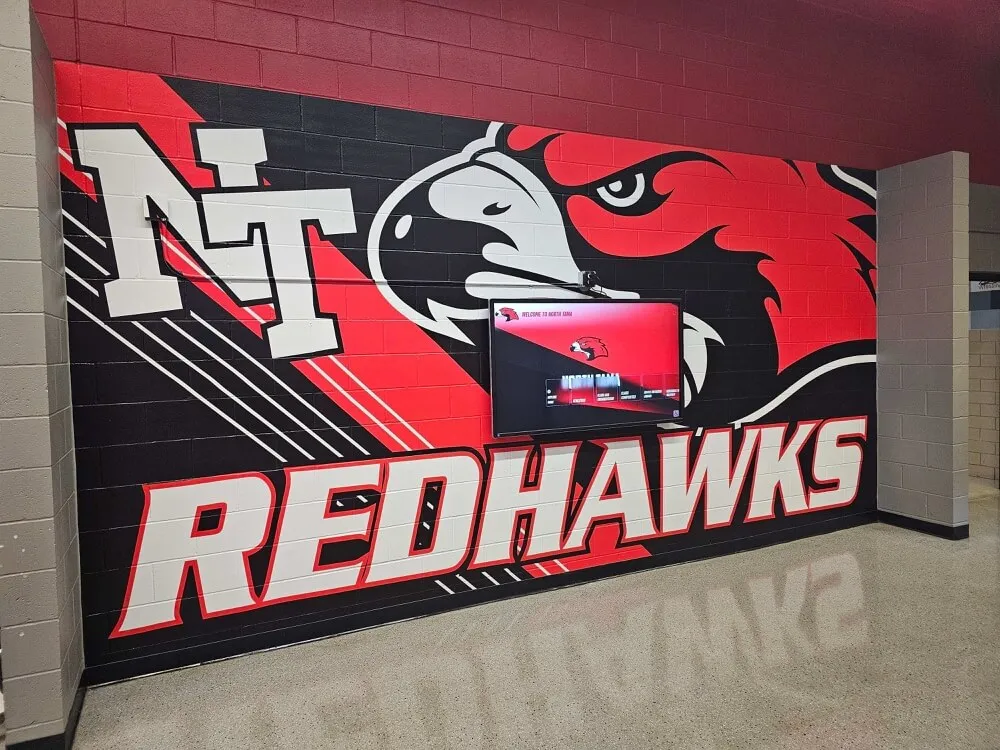
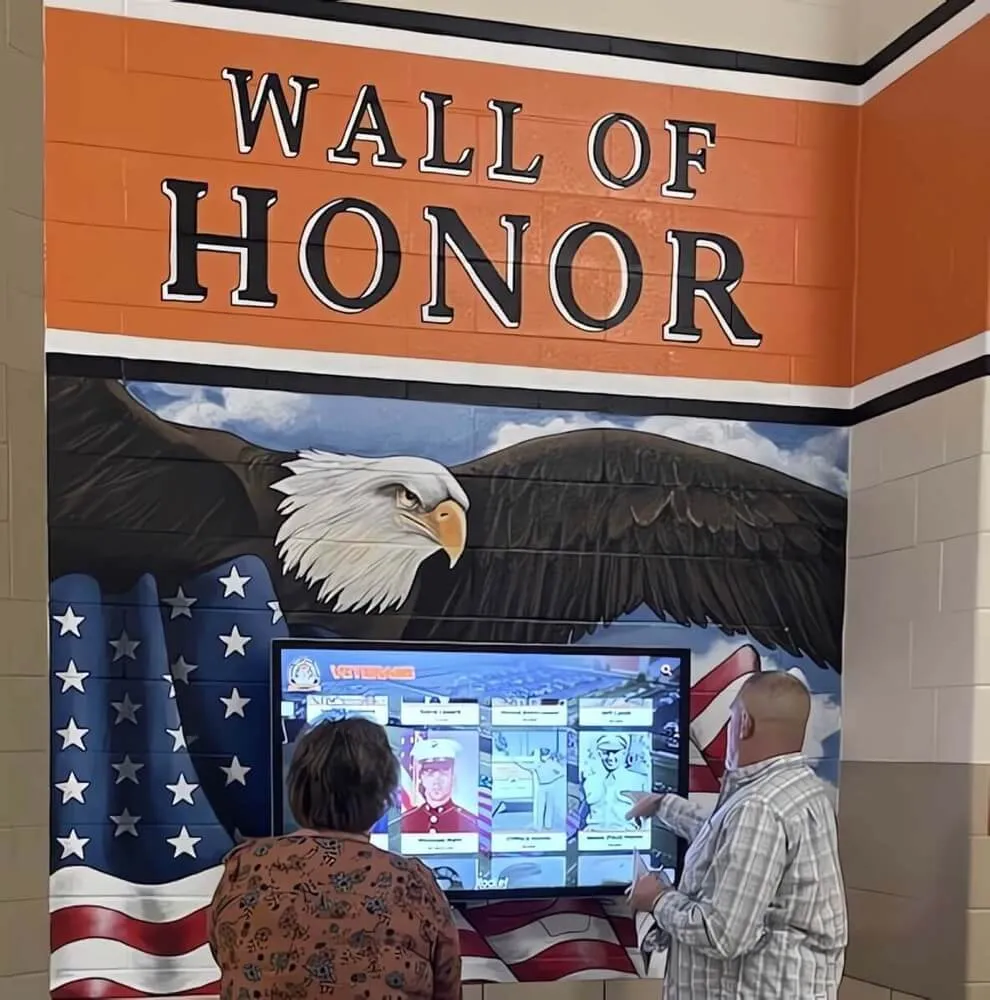
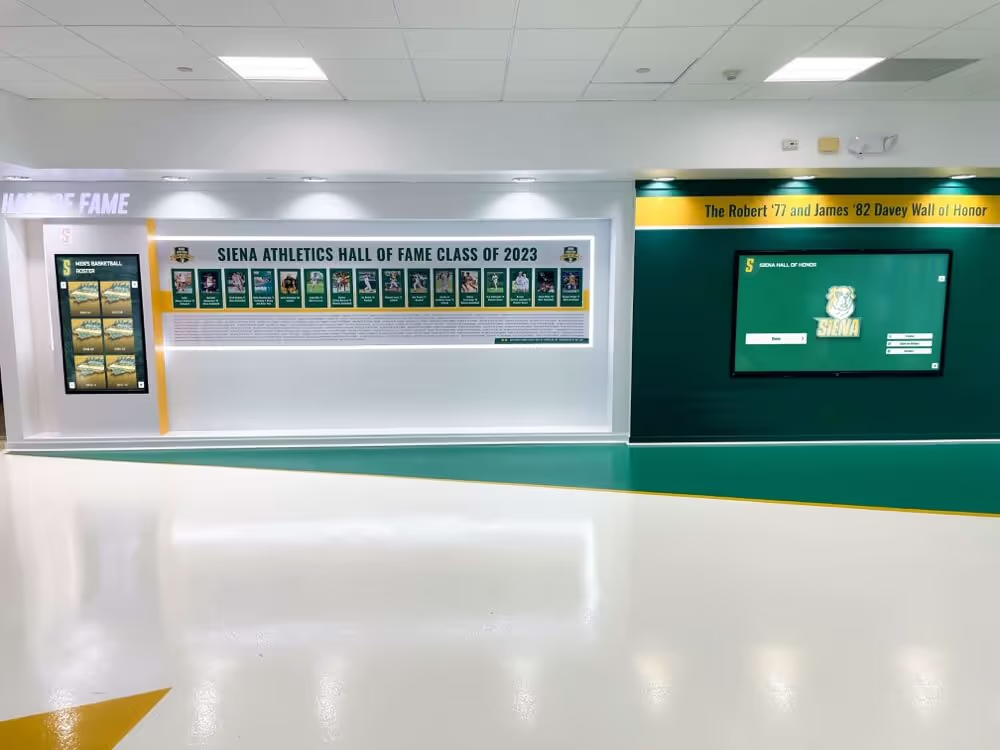
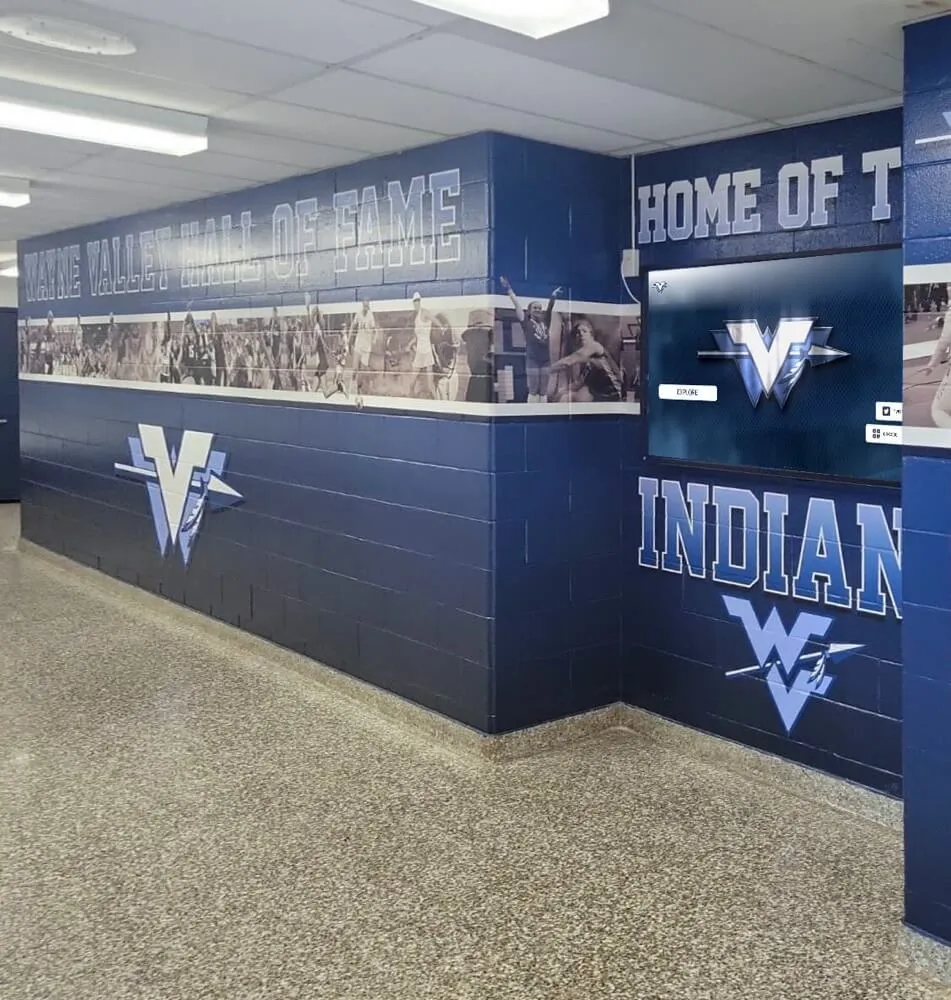
Hybrid installations combining custom murals with digital displays create visually striking environments integrating institutional branding with interactive historical content
Implementation Strategies and Best Practices
Successfully executing historical timeline displays requires careful planning addressing content development, technical implementation, and ongoing management.
Historical Research and Content Development
Quality timeline displays require substantial research gathering, verifying, and organizing historical materials.
Source Material Collection
Develop systematic approaches to gathering historical content:
Institutional Archives
- Official records, yearbooks, publications, photographs from institutional collections
- Administrative files documenting decisions, events, and organizational evolution
- Athletic records, academic achievements, program documentation
- Correspondence, meeting minutes, planning documents showing decision processes
Community Contributions
- Alumni photograph collections and personal memorabilia
- Faculty and staff historical knowledge and memory
- Community member oral histories and remembrances
- Local historical society resources and newspaper archives
Digital Scanning and Preservation
- Professional digitization of historical photographs maintaining archival originals
- Document scanning creating searchable PDF archives
- Video and audio digitization preserving deteriorating analog media
- Metadata documentation ensuring content remains identifiable and contextually meaningful
Historical Verification and Accuracy
Implement quality control ensuring timeline content accuracy:
- Cross-reference dates and facts against multiple sources
- Verify name spellings and biographical details with official records
- Contextualize historical photographs identifying people, locations, and dates
- Acknowledge gaps and uncertainties rather than making unsupported claims
- Establish editorial processes for reviewing content before publication
Maintaining historical accuracy protects institutional credibility and respects community members whose achievements and experiences the timeline documents.
Accessibility and Universal Design Considerations
Historical timeline displays must serve diverse audiences including visitors with varied abilities, ages, and technological comfort levels.
Physical Accessibility Requirements
For both traditional and digital timeline implementations:
- Viewing Heights: Content positioned within accessible sight lines for standing and seated viewers
- Approach Clearances: Adequate space for wheelchair users and mobility device users to position themselves comfortably
- Tactile Elements: Consider raised text, textured graphics, or three-dimensional elements for visually impaired visitors
- Lighting Design: Adequate illumination without glare, high contrast ratios for vision-impaired users
Digital Accessibility Features
Interactive timeline systems should include:
- Text Scaling Options: User-controlled text size adjustment for vision-impaired users
- Audio Content: Narrated descriptions and screen reader compatibility
- Caption and Transcripts: All video content captioned, audio content transcribed
- Alternative Navigation: Keyboard or simple button alternatives to complex touch gestures
- Color Contrast: WCAG 2.1 AA compliant color combinations ensuring readability
Multi-Generational Design
Timeline displays serve audiences from children to elderly alumni:
- Intuitive Navigation: Interface patterns requiring minimal instruction or previous technical knowledge
- Multiple Content Depths: Quick overview options for casual viewers, deep content for engaged explorers
- Familiar Interaction Patterns: Leverage standard gestures and conventions users recognize from smartphone usage
- Clear Instructional Cues: Subtle on-screen guidance for users unfamiliar with interactive displays
Schools implementing digital recognition displays should prioritize solutions specifically designed for public institutional environments where accessibility and intuitive operation are critical rather than consumer-oriented products assuming technical sophistication.
Location Selection and Environmental Integration
Where historical timelines appear significantly impacts effectiveness and visibility.
Strategic Placement Considerations
Select locations maximizing exposure to target audiences:
- Primary Entrances and Lobbies: Maximum visibility to all visitors, appropriate for comprehensive institutional timelines
- Athletic Facilities: Sports-specific timelines positioned where athletes, families, and spectators naturally gather
- Academic Buildings: Department or program histories located in relevant buildings creating contextual connection
- Alumni Spaces: Dedicated areas designed specifically for alumni engagement and gathering
- Corridors and Circulation Spaces: Extended wall spaces supporting linear timeline formats where foot traffic naturally moves past displays
Environmental Design Integration
Timeline displays should integrate cohesively with surrounding architecture:
- Color and Material Coordination: Display design harmonizing with interior finishes, institutional color schemes, and architectural character
- Scale Appropriateness: Display size proportionate to surrounding space avoiding overwhelming small areas or appearing lost in large spaces
- Lighting Coordination: Display illumination integrating with general lighting design
- Wayfinding Integration: Timeline displays potentially serving as destination landmarks and orientation points
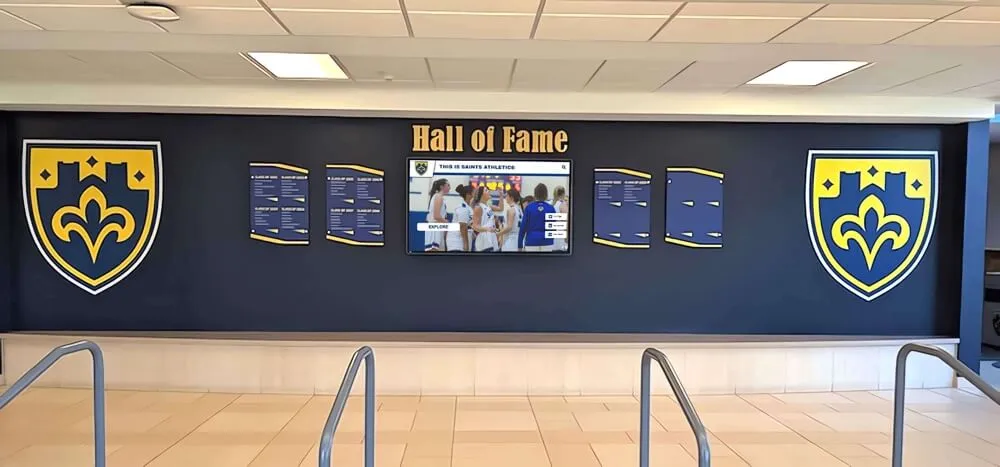
Professional timeline installations integrate seamlessly with architectural environments through cohesive design coordination
Ongoing Management and Content Evolution
Historical timeline displays require sustained stewardship ensuring content remains current, accurate, and engaging over years and decades.
Annual Update Processes
Establish systematic approaches to adding new historical content:
Regular Addition Cycles
- Annual end-of-year content updates documenting recent achievements and milestones
- Consistent deadline schedules for gathering, reviewing, and publishing new content
- Clear responsibility assignments for content collection, curation, and technical implementation
Continuous Improvement
- Ongoing discovery of historical materials previously unknown or inaccessible
- Enhanced content for existing timeline periods as research continues
- Corrections and clarifications as new information emerges
- Technology refreshes and interface improvements maintaining contemporary user expectations
Community Engagement and Contribution
Effective timeline displays foster ongoing community participation:
Alumni Contribution Programs
- Structured processes for alumni submitting historical photographs, documents, and memories
- Oral history initiatives systematically capturing alumni reminiscences before knowledge is lost
- Reunion-connected content campaigns encouraging class-specific historical contributions
- Recognition crediting contributors encouraging ongoing participation
Student Research Integration
- Class projects investigating institutional history and contributing findings to timeline content
- Student interview projects capturing faculty and staff historical knowledge
- Archive organization and digitization providing meaningful student work experience
- Historical writing assignments producing narrative content for timeline presentation
For institutions ready to implement professional historical timeline systems, Rocket Alumni Solutions provides comprehensive interactive touchscreen platforms specifically designed for institutional storytelling, historical presentation, and community recognition—combining intuitive timeline interfaces with unlimited content capacity, multimedia integration, and ongoing content management support ensuring your institutional history receives the professional presentation it deserves.
Conclusion: Transforming Institutional History Into Living Narratives
Historical timelines represent far more than simple documentation—they actively shape institutional identity, strengthen community connections, and transform abstract organizational heritage into tangible narratives that inspire pride, inform decisions, and create meaningful belonging across generations.
The difference between timeline displays that community members ignore and those that genuinely captivate lies in understanding fundamental storytelling principles, implementing thoughtful design frameworks balancing comprehensiveness with clarity, leveraging appropriate technologies enabling both visual impact and content depth, and maintaining ongoing stewardship ensuring displays evolve alongside institutional narratives rather than becoming frozen historical artifacts themselves.
Whether implementing traditional physical timeline installations, modern interactive digital systems, or hybrid approaches combining strengths of both formats, institutions prioritizing professional historical presentation demonstrate commitment to honoring legacy, celebrating achievement, and connecting past with present in ways that enrich institutional culture while serving practical recruitment, development, and community engagement objectives.
Modern interactive touchscreen platforms specifically designed for institutional applications solve persistent challenges that have historically limited timeline effectiveness—enabling unlimited content depth without physical space constraints, facilitating easy updates as new history occurs, integrating rich multimedia creating emotional connection, and providing personalized exploration letting each viewer discover elements personally meaningful to their relationship with organizational history.
Schools, universities, and organizations ready to transform their institutional histories from forgotten archives into compelling visual narratives should explore purpose-built interactive recognition platforms that combine sophisticated timeline functionality with comprehensive content management, intuitive user interfaces, accessibility compliance, and professional design services ensuring historical displays that genuinely honor your unique institutional story while inspiring current and future community members to build upon the remarkable foundations previous generations established.
Ready to create a professional historical timeline display that brings your institutional story to life? Rocket Alumni Solutions provides interactive touchscreen platforms specifically designed for schools and universities to showcase historical timelines, recognize achievements, and engage communities through compelling visual storytelling. Our systems combine intuitive timeline interfaces with unlimited content capacity, multimedia integration, and white-glove implementation support. Contact us today to explore how interactive timeline displays can transform how your community connects with institutional history.