



The history of consolidated schools tells the story of how American education transformed from thousands of small, isolated one-room schoolhouses into the comprehensive school districts we know today. Between 1930 and 1970, the number of school districts in the United States dropped from approximately 130,000 to just 18,000 as communities consolidated operations to provide better educational opportunities, according to data from the National Center for Education Statistics.
School consolidation represents one of the most significant structural changes in American education history. This movement fundamentally reshaped how communities organize learning, eliminated geographic isolation as an educational barrier, and created the comprehensive schools that serve most students today. Yet consolidation also sparked fierce debates about community identity, local control, and the preservation of traditions that defined smaller schools.
This comprehensive guide explores the complete history of school consolidation—from the rural consolidation movement that began in the late 1800s through contemporary district mergers. You’ll discover the social, economic, and educational forces that drove consolidation, understand the challenges communities faced during transitions, and learn how modern schools honor the heritage of multiple institutions that merged to create today’s districts.
Understanding consolidation history provides essential context for current educational policy debates and helps communities navigating mergers today learn from past experiences. Whether you’re researching educational history, managing a district merger, or working to preserve the heritage of consolidated schools, this guide offers frameworks for understanding this transformative period in American education.

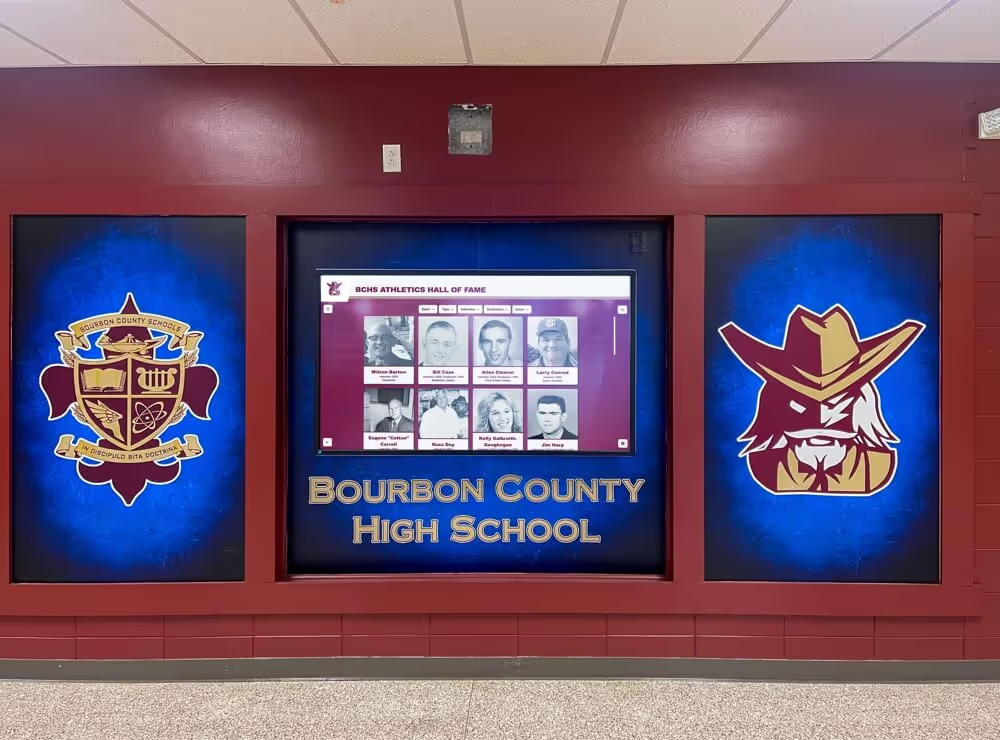
Modern schools honor consolidated heritage through displays that celebrate traditions from multiple predecessor institutions
The Origins of School Consolidation: Late 1800s Through 1920s
School consolidation emerged as a response to the limitations of the one-room schoolhouse model that dominated 19th-century rural America.
The One-Room Schoolhouse Era
Before consolidation transformed American education, the one-room schoolhouse represented the standard educational model across rural America:
Characteristics of One-Room Schools
- Single teacher instructing all grades simultaneously in one classroom
- Student enrollment typically ranging from 10 to 30 children
- Limited educational resources and teaching materials
- Curriculum focused on basic reading, writing, and arithmetic
- School terms scheduled around agricultural cycles
- Walking distance as the primary criterion for school location
Geographic Distribution According to the U.S. Department of Education, by 1918, approximately 196,000 one-room schools operated across the United States, with the highest concentrations in rural Midwest and Southern states where farming communities needed local access to basic education.
Educational Limitations One-room schools faced significant challenges:
- Teachers with limited training often teaching subjects beyond their expertise
- Minimal supervision or support for struggling teachers
- Insufficient resources for science, arts, or advanced subjects
- Isolation preventing teachers from professional development
- Grade-level mixing making it difficult to provide age-appropriate instruction
- Short school terms averaging just 130-150 days annually
Early Consolidation Movement: 1890s-1920s
Educational reformers began advocating for consolidation in the 1890s, arguing that larger schools could provide superior educational opportunities:
Progressive Education Philosophy The consolidation movement aligned with broader Progressive Era reforms emphasizing efficiency, professionalism, and scientific management. Education reformers contended that:
- Graded classrooms with specialized teachers produced better outcomes than multi-grade single-teacher models
- Larger student populations justified investment in laboratories, libraries, and specialized equipment
- Consolidated schools could attract and retain better-qualified teachers through improved salaries and working conditions
- Economies of scale reduced per-pupil costs while expanding educational offerings
- Professional administration improved educational quality through standardization and accountability
Transportation as the Key Enabler Early consolidation efforts failed because students couldn’t travel long distances to centralized schools. Two technological developments made consolidation practical:
Horse-Drawn School Wagons (1890s-1910s)
- Covered wagons transporting students along designated routes
- Operated by farmers hired to drive local routes
- Enabled consolidation of schools within 5-10 mile radiuses
- Weather-dependent reliability creating attendance challenges
Motorized School Buses (1920s) The introduction of motorized buses revolutionized consolidation possibilities by enabling reliable transportation regardless of weather conditions and dramatically expanding the geographic area from which schools could draw students.
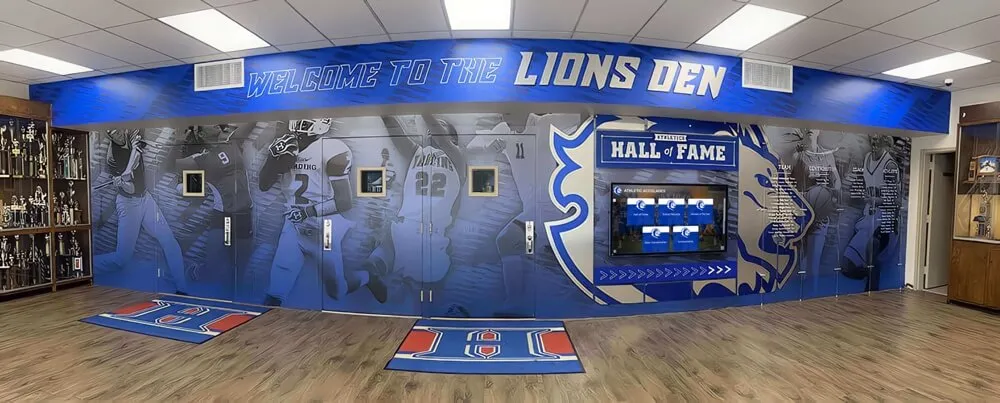
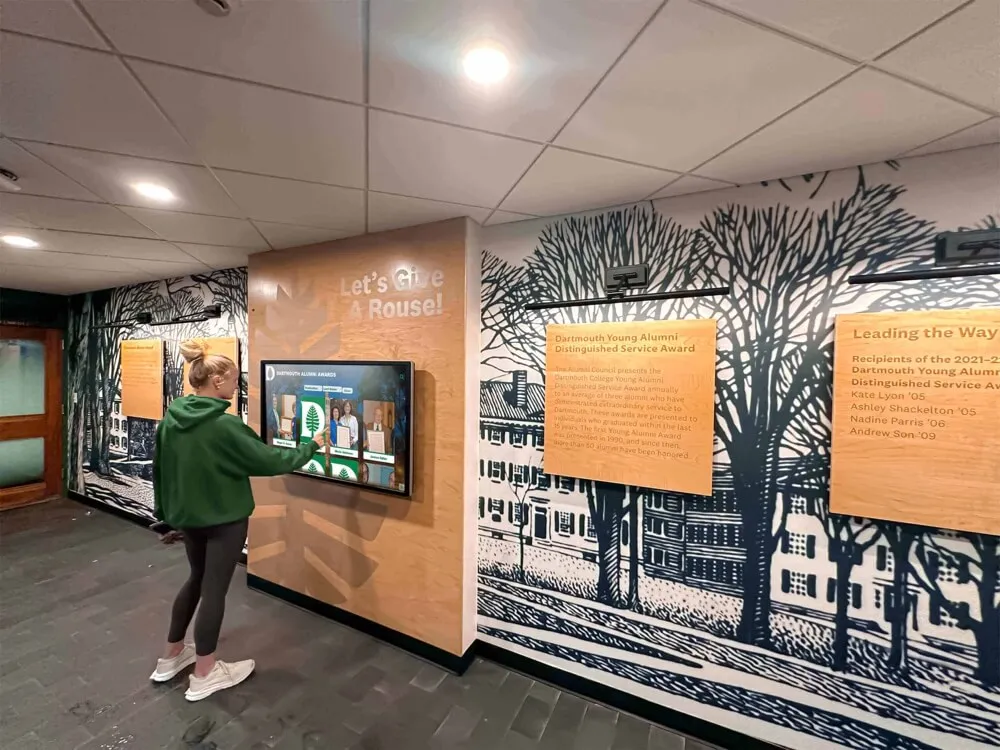
Consolidated schools integrate heritage from predecessor institutions through comprehensive recognition displays
Early Consolidation Examples and Patterns
Massachusetts Leadership Massachusetts became the first state to pass consolidation legislation in 1869, empowering local districts to combine operations. By 1900, the state had eliminated more than half its school districts through voluntary consolidation.
Ohio’s Systematic Approach Ohio enacted comprehensive consolidation legislation in 1914 creating township school districts. The law mandated that consolidated schools offer at least four years of high school instruction and provided state funding incentives for consolidation efforts.
Regional Variations Consolidation progressed at different rates across regions:
- New England states led consolidation efforts beginning in the 1870s
- Midwest states accelerated consolidation during the 1910s-1920s
- Southern states moved more gradually due to segregation policies complicating consolidation
- Western states consolidated later as population density remained low
The Great Depression and Accelerated Consolidation: 1930s-1940s
Economic hardship during the Depression created powerful financial incentives for consolidation that overcame local resistance.
Economic Pressures Driving Consolidation
Fiscal Crisis in Rural Education The Depression devastated rural school funding:
- Property tax revenues collapsed as farm values plummeted
- Many rural districts defaulted on teacher salaries
- Schools shortened terms or closed entirely due to insufficient funds
- Teacher pay in some rural districts fell below $400 annually
- Buildings deteriorated without maintenance budgets
According to the U.S. Office of Education, more than 20,000 rural schools closed between 1930 and 1934, though most closures were temporary due to financial crisis rather than permanent consolidation.
State Emergency Intervention States responded by:
- Assuming larger shares of education funding previously borne by local property taxes
- Requiring minimum school terms and teacher qualification standards
- Incentivizing consolidation through funding formulas favoring larger districts
- Mandating consolidation in districts unable to meet minimum standards
- Providing capital funding for consolidated school construction
Federal Support Through New Deal Programs
New Deal programs provided unprecedented federal support for school construction:
Public Works Administration School Buildings Between 1933 and 1939, the PWA funded construction of approximately 7,000 school buildings nationwide, according to National Park Service documentation of New Deal infrastructure. Many projects explicitly served newly consolidated districts requiring larger facilities.
Works Progress Administration Educational Projects The WPA employed teachers in rural areas and funded educational improvements including:
- Library development in consolidated schools
- Adult education programs justifying consolidated facilities
- Recreational facilities serving consolidated communities
- School ground improvements and maintenance
Community Resistance and Cultural Conflicts
Despite economic necessity, consolidation faced intense opposition:
Loss of Community Identity Small schools served as community centers for rural areas:
- School buildings hosted community gatherings, elections, and social events
- School activities provided primary entertainment and social connection
- Schools anchored community identity and pride
- Closing schools threatened community viability and property values
Local Control Concerns Consolidation meant losing direct community control:
- Consolidated districts covered larger geographic areas reducing individual community influence
- Professional administrators replaced community members in educational decisions
- Standardized curricula replaced locally-determined content
- County or regional authorities gained power over local boards
Generational Conflicts Older community members attended local schools and resisted closing institutions central to their identities, while younger parents often supported consolidation offering better educational opportunities for their children.

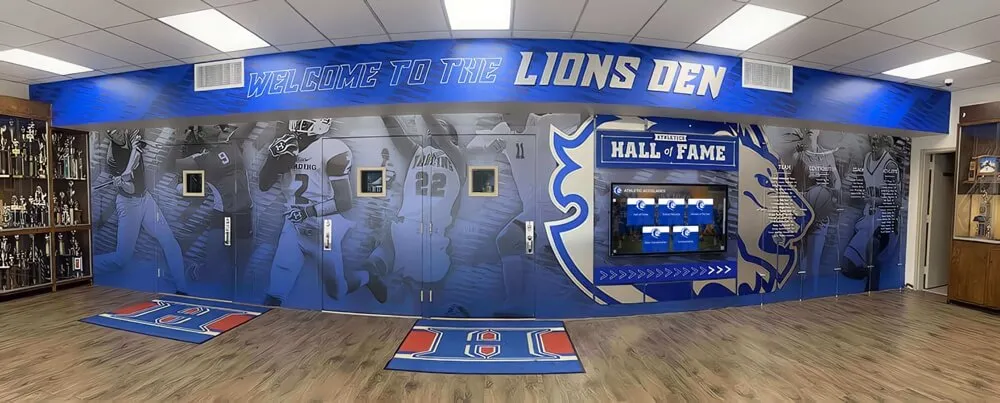
Athletic recognition displays honor achievements from all predecessor schools in consolidated districts
Post-War Consolidation Boom: 1950s-1970s
The decades following World War II saw the most dramatic consolidation in American education history.
Explosive Consolidation Statistics
The pace of consolidation accelerated dramatically in the postwar period:
National Trends According to the National Center for Education Statistics:
- 1950: Approximately 83,642 school districts operated in the United States
- 1960: Number declined to 40,520 districts
- 1970: Further reduction to 17,995 districts
- 1980: Consolidation reached 15,912 districts
This represents a reduction of more than 80% in just three decades, fundamentally restructuring American education.
Regional Patterns The Midwest and Great Plains experienced the most dramatic consolidation:
- Nebraska reduced from 7,400 districts in 1945 to 1,300 by 1970
- South Dakota consolidated from 4,000 districts to 217 during the same period
- Iowa decreased from approximately 4,600 districts to 450
- Kansas reduced from 9,000 districts to 304
Driving Forces Behind Postwar Consolidation
Demographic Shifts Rural-to-urban migration accelerated after World War II:
- Farm mechanization reduced agricultural labor needs
- Veterans returned seeking non-agricultural employment
- Rural school enrollments declined while suburban schools overflowed
- Maintaining small rural schools with declining enrollment became economically unsustainable
Rising Educational Standards Postwar expectations for education expanded significantly:
- High school graduation became expected rather than exceptional
- College preparation required advanced coursework small schools couldn’t offer
- Science education demands following Sputnik required laboratories and specialized teachers
- Vocational education programs needed equipment beyond small school budgets
Improved Transportation Infrastructure Highway construction and all-weather roads made longer bus routes practical, expanding the geographic area consolidated schools could serve effectively.
State-Mandated Consolidation Policies
Many states moved from incentivizing consolidation to mandating it:
Minimum Size Requirements States established minimum district enrollment requirements:
- Indiana required elementary districts to enroll at least 100 students
- Illinois mandated minimum 200-student elementary districts
- Some states set enrollment minimums at 500 or 1,000 students
- Districts below minimums faced forced consolidation or loss of state funding
Reorganization Commissions States created commissions with authority to mandate consolidation:
- Commissions studied district configurations and recommended mergers
- Some states gave commissions binding authority over local referenda
- Professional educators staffed commissions emphasizing educational quality over local preferences
- Commission decisions often overrode community opposition
Financial Incentives and Penalties States manipulated funding formulas encouraging consolidation:
- Per-pupil funding formulas favored larger districts
- Capital funding prioritized consolidated districts
- Small districts faced reduced aid or elimination
- Consolidated districts received immediate funding bonuses

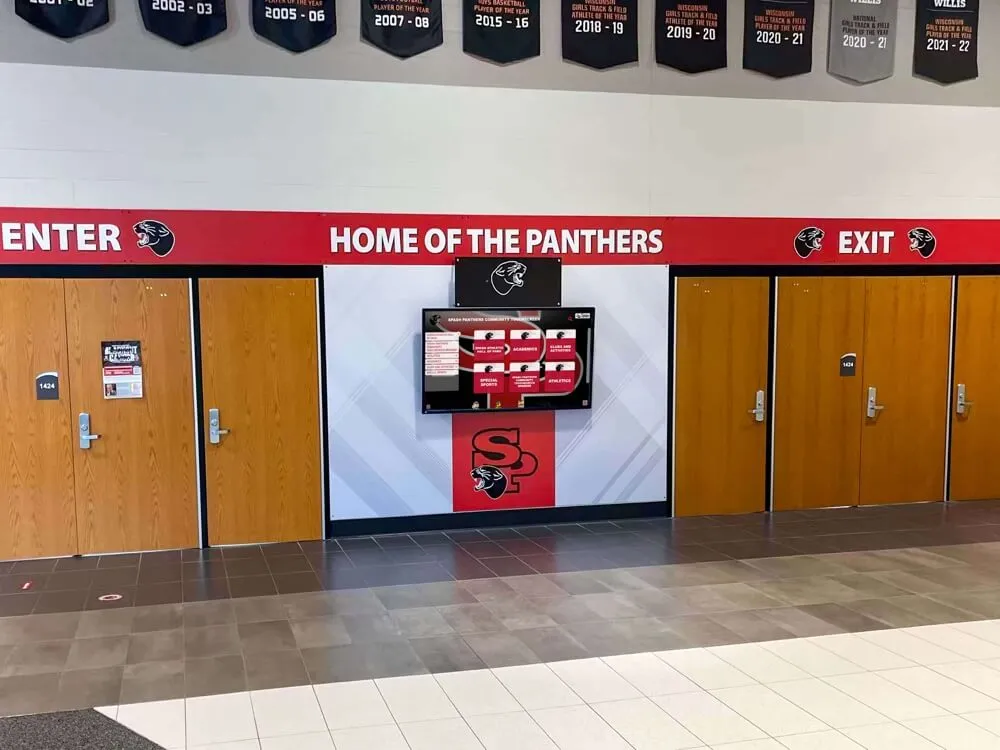
Visual displays honor mascots, colors, and traditions from all schools that merged to form current districts
The Consolidation Debate: Arguments For and Against
School consolidation sparked passionate debates that continue influencing education policy today.
Arguments Favoring Consolidation
Educational Quality Improvements Consolidation advocates emphasized superior educational opportunities:
- Specialized teachers for every subject rather than generalists teaching all grades
- Science laboratories, libraries, and specialized facilities
- Comprehensive curriculum including arts, foreign languages, and advanced mathematics
- Competitive sports programs and extracurricular activities
- College preparatory offerings preparing students for higher education
Economic Efficiency Larger schools achieved economies of scale:
- Lower per-pupil administrative costs
- Shared specialized staff across larger student populations
- Bulk purchasing reducing materials costs
- Professional maintenance rather than improvised repairs
- Ability to invest in modern equipment and technology
Teacher Quality and Retention Consolidated schools attracted better educators:
- Competitive salaries made teaching viable as career
- Professional working conditions with planning time and resources
- Opportunities for specialization rather than teaching all subjects
- Collegial environment with fellow teachers for collaboration
- Professional development opportunities through larger districts
Arguments Against Consolidation
Community Impact Consolidation opponents emphasized social costs:
- Loss of community identity and gathering places
- Decreased local engagement when schools became distant institutions
- Community decline following school closure affecting property values
- Loss of local employment when schools closed
- Weakened connection between schools and communities they served
Student Experience Concerns Critics worried about:
- Long bus rides reducing time for homework and activities
- Larger schools creating anonymity rather than personal attention
- Older facilities in towns whose schools closed while consolidated schools received new buildings
- Lost traditions and school spirit from predecessor institutions
- Reduced family involvement when schools became distant
Educational Philosophy Differences Some educators questioned consolidation assumptions:
- Small schools provided individualized attention large schools couldn’t match
- Multi-age classrooms offered peer learning benefits
- Community connection enhanced educational relevance
- School size correlated with behavioral issues and alienation
- Local control ensured schools reflected community values
Equity and Access Issues Consolidation sometimes created new inequalities:
- Transportation access became barrier for some families
- Consolidated schools sometimes located in wealthier communities
- School closure disproportionately affected poor and minority communities
- Rural students faced longer commutes than suburban counterparts
Contemporary Consolidation: 1980s-Present
School consolidation continues today, though at a slower pace and with different dynamics than the mid-20th century movement.
Recent Consolidation Trends
Slowing Pace of Consolidation According to the National Center for Education Statistics, the United States maintained approximately 13,500 school districts as of 2020-2021, representing much slower consolidation rates than previous decades.
Modern Consolidation Drivers Contemporary mergers typically result from:
- Declining enrollment due to demographic shifts and low birth rates
- Fiscal stress from reduced state funding and rising costs
- Inability to offer comprehensive programming with small student populations
- State requirements for minimum district sizes or capabilities
- Regional economic decline reducing tax bases
Geographic Patterns Recent consolidation concentrates in:
- Rural areas experiencing population decline and aging
- Rust Belt regions losing population through deindustrialization
- States with small districts remaining from earlier resistance to consolidation
- Regions where consolidation occurred later in the 20th century
Contemporary Consolidation Challenges
Political Opposition Modern consolidation faces organized resistance:
- Alumni associations mobilizing against closure of historic institutions
- Community groups forming specifically to prevent consolidation
- Social media enabling rapid organization of opposition
- Legal challenges to state consolidation mandates
- Political pressure on legislators to protect local districts
Identity and Heritage Preservation Communities demand consolidated schools honor predecessor institutions:
- Retention of school names, mascots, and colors
- Recognition of historical achievements and traditions
- Memorial displays documenting closed schools
- Continued community access to historical records
- Involvement of all communities in merged district governance
Implementation Complexity Modern consolidations face operational challenges:
- Merging different school cultures and educational philosophies
- Integrating incompatible technology systems and platforms
- Harmonizing different collective bargaining agreements
- Resolving facilities decisions when multiple buildings exist
- Managing community expectations during transitions
Solutions like Rocket Alumni Solutions help consolidated schools honor all predecessor institutions through digital displays that preserve the heritage of each merged school while creating unified district identity.
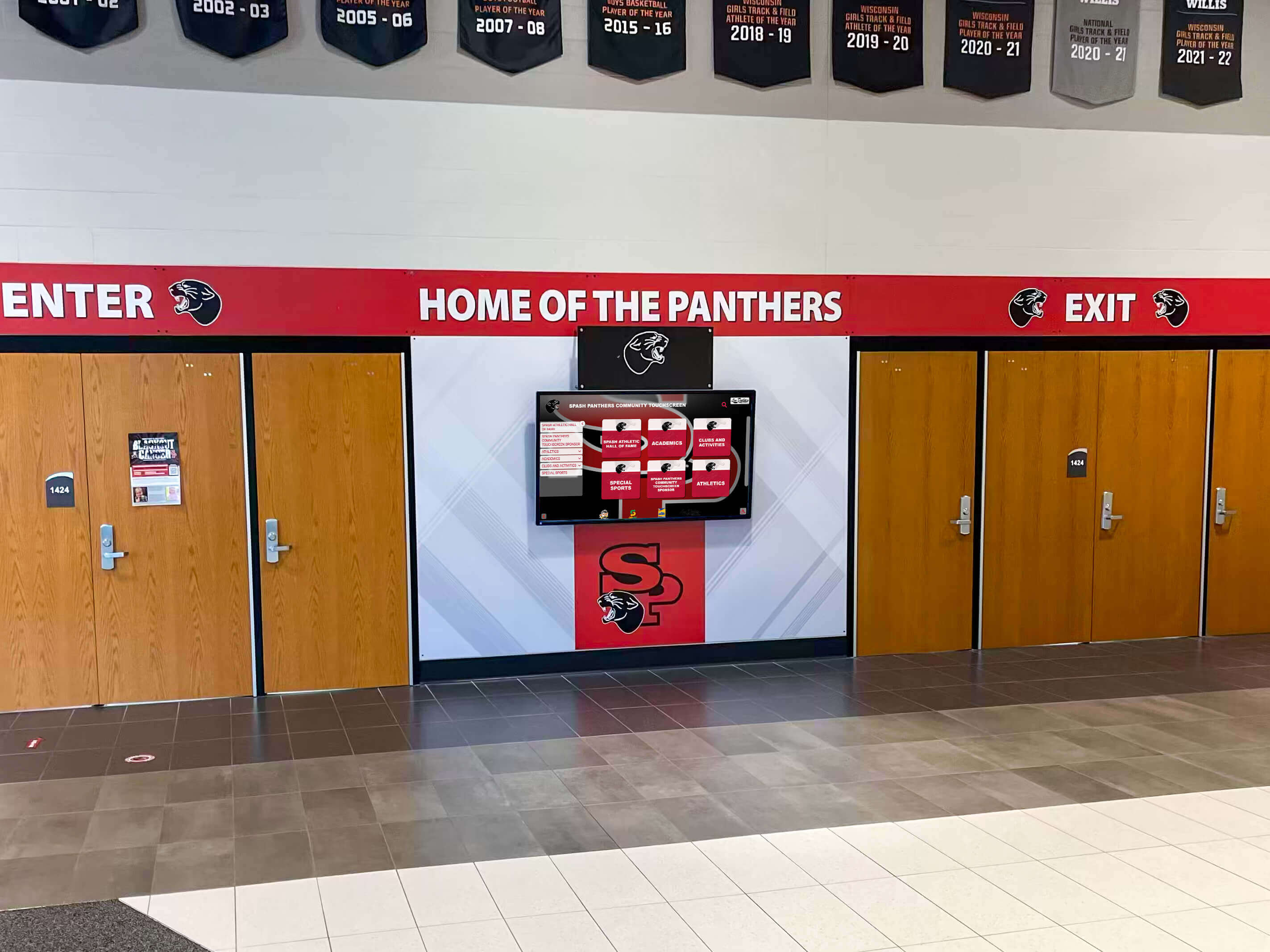
Modern consolidated schools create unified identity while honoring the distinct heritage of predecessor institutions
Preserving Heritage in Consolidated Schools
Schools formed through consolidation face unique challenges preserving the heritage of multiple predecessor institutions.
Documenting Multiple School Histories
Comprehensive Historical Research Consolidated schools should systematically document each predecessor institution:
- Founding dates and circumstances for each school
- Notable achievements, traditions, and defining characteristics
- Alumni who achieved distinction from each institution
- Athletic championships and academic accomplishments
- Architectural and facility history documenting physical structures
- Yearbooks, newspapers, and primary source materials from all schools
Resources on how to display school history provide frameworks for comprehensive heritage preservation across multiple institutions.
Oral History Projects Recording memories before they’re lost:
- Interviews with alumni from all predecessor schools
- Faculty and staff who experienced consolidation
- Community members who attended consolidated schools
- Administrators who managed consolidation transitions
- Students from first graduating classes in consolidated schools
Creating Unified Yet Inclusive Recognition Systems
Honoring Multiple Mascots and Traditions Consolidated schools can celebrate predecessor identities:
- Heritage displays featuring all mascots and school colors
- Recognition of championships won by any predecessor school
- Alumni halls of fame including inductees from all institutions
- Athletic record boards acknowledging achievements from all schools
- Academic excellence recognition spanning all predecessor institutions
Digital Solutions for Comprehensive Recognition Digital recognition displays offer particular advantages for consolidated schools:
- Unlimited capacity showcasing heritage from all predecessor institutions
- Searchable databases enabling alumni to find their specific school
- Filtering by institution separating predecessor school achievements
- Comprehensive historical timelines showing all schools chronologically
- Integration of digitized yearbooks from multiple schools
Physical Heritage Spaces Creating dedicated recognition areas:
- Heritage hallways with sections for each predecessor school
- Trophy cases organized by institution
- Historical photo displays from all schools
- Memorial plaques acknowledging closed schools
- Community gathering spaces named for predecessor institutions

Heritage displays should allocate equal recognition to achievements from all predecessor schools
Engaging Alumni Across Multiple Communities
Inclusive Alumni Relations Consolidated schools must maintain connections with alumni from all predecessor institutions:
- Unified alumni association with representation from all schools
- School-specific reunion events honoring individual traditions
- Alumni directories organized to enable searching by predecessor school
- Communication acknowledging all schools in district heritage
- Fundraising campaigns that honor all institutional histories
Reunion Planning for Consolidated Schools Special considerations when multiple school identities exist:
- Individual school reunions maintaining unique traditions
- Joint reunions celebrating consolidated school history
- Decade-based reunions crossing school boundaries
- Milestone celebrations acknowledging consolidation anniversaries
- Digital reunion displays featuring all predecessor schools
Managing Conflicting Traditions
Navigating Mascot and Identity Issues Consolidation creates identity challenges requiring sensitivity:
- Some consolidated schools adopt entirely new mascots creating fresh identity
- Others hyphenate mascots honoring multiple schools
- Dual mascots representing both communities
- Rotating recognition ensuring all schools receive equal visibility
- Student involvement in identity decisions builds acceptance
Balancing Historical Recognition Ensuring equity across predecessor schools:
- Proportional recognition based on years of operation
- Equal physical space allocation in heritage displays
- Rotating features ensuring all schools receive prominence
- Inclusive narrative acknowledging all institutional contributions
- Avoiding favoritism toward larger or more recent schools
Educational Impact of Consolidation: Research and Outcomes
Decades of consolidation provide data about impacts on educational quality and community well-being.
Academic Achievement Studies
Research on consolidation’s academic impact shows mixed results:
Achievement Benefits Studies document advantages of consolidated schools:
- Increased course offerings providing advanced academic opportunities
- Specialized teachers improving subject-specific instruction quality
- Better facilities and resources supporting learning
- Higher rates of college enrollment from comprehensive schools
- Improved standardized test scores in consolidated districts
Achievement Concerns Research also identifies potential drawbacks:
- Large school size sometimes correlating with decreased engagement
- Long bus rides reducing time for homework and activities
- Anonymous environments in large schools affecting struggling students
- Loss of individualized attention available in small schools
Nuanced Findings Recent research suggests optimal school sizes:
- Very small schools (under 100 students) struggle to offer comprehensive programming
- Very large schools (over 2,000 students) face student engagement challenges
- Mid-sized schools (400-1,000 students) may offer advantages of both small and large institutions
Community and Social Impact
Economic Effects Research documents consolidation’s community impact:
- School closure correlates with property value decline in affected communities
- Consolidated districts achieve operational cost savings
- Transportation costs increase with consolidation
- Administrative efficiency gains in larger districts
- Community economic activity shifts to consolidated school locations
Social Capital and Engagement Studies examine social consequences:
- School closure reduces community cohesion and identity
- Larger schools may decrease family involvement in education
- Alumni connections weaken when schools close
- Some consolidated communities develop new shared identities
- Consolidation affects community pride and self-perception
Research from the Rural School and Community Trust documents how rural school closure affects community vitality, social networks, and civic engagement beyond educational impacts alone.

Thoughtful heritage displays help consolidated communities develop new unified identities while honoring distinct histories
Best Practices for Managing School Consolidation Today
Districts considering or implementing consolidation can learn from historical experiences.
Community Engagement and Communication
Transparent Planning Processes Successful consolidations involve communities throughout:
- Public forums sharing data and rationale for consolidation
- Community representation on consolidation planning committees
- Multiple opportunities for input and feedback
- Clear communication about timeline and decision points
- Honest acknowledgment of challenges alongside benefits
Addressing Emotional Dimensions Consolidation involves grief and loss requiring sensitivity:
- Recognition that school closure represents genuine community loss
- Honoring the history and contributions of closing schools
- Creating opportunities for ceremonial closure and commemoration
- Involving all communities in naming and identity decisions
- Validating emotional responses rather than dismissing concerns
Building New Shared Identity Helping merged communities develop unity:
- Student involvement in mascot, colors, and identity selection
- Integration activities bringing different school communities together
- Recognition of all predecessor schools in new institution
- Celebration of consolidation milestones building new traditions
- Inclusive governance ensuring all communities have voice
Operational Integration Planning
Facilities and Space Management Thoughtful decisions about buildings and locations:
- Objective criteria for selecting facility locations
- Consideration of geographic equity serving all communities
- Repurposing closed school buildings when possible
- Preserving historical elements from all schools in consolidated facilities
- Creating heritage spaces honoring all predecessor institutions
Staff Integration and Culture Merging different organizational cultures:
- Inclusive hiring practices valuing staff from all schools
- Professional development building unified instructional approaches
- Team-building across previously separate staffs
- Clear communication about changes and expectations
- Retention of valued traditions from all schools
Technology and Systems Integration Practical operational consolidation:
- Unified student information systems
- Standardized curriculum and instructional resources
- Integrated scheduling and operations
- Combined extracurricular and athletic programs
- Technology platform consolidation
Resources on integrating digital recognition systems help consolidated schools create unified platforms honoring all predecessor institutions.
Heritage Preservation Strategy
Immediate Documentation Before consolidation, systematically preserve:
- Complete yearbook collections from all schools
- Athletic records and championship documentation
- Academic achievement records
- Faculty and staff rosters
- Building photographs and architectural documentation
- School newspapers, programs, and ephemera
- Oral history interviews with key community members
Long-Term Heritage Plan Creating sustainable recognition:
- Dedicated heritage displays in consolidated facilities
- Digital archives accessible to alumni worldwide
- Annual commemorations of predecessor schools
- Reunion support for all school communities
- Heritage endowments funding ongoing preservation
- Alumni involvement in heritage curation
Learn about comprehensive approaches to school history preservation that apply to consolidated districts.

Modern technology enables comprehensive recognition of all achievements from predecessor schools without space constraints
Case Studies: Successful Consolidation Examples
Learning from districts that navigated consolidation effectively provides practical insights.
Small Rural District Consolidation
Many rural districts consolidated multiple small schools:
Typical Patterns
- Three to five small K-8 schools consolidating into single K-12 district
- Geographic areas spanning 50-100 square miles
- Combined enrollment of 300-800 students
- New construction housing consolidated school
- Transportation networks serving entire consolidated area
Success Factors Districts that consolidated successfully:
- Involved all communities equally in planning
- Created heritage displays honoring each school
- Retained teachers and administrators from all schools when possible
- Developed new mascots through inclusive student processes
- Celebrated achievements from all predecessor institutions
- Maintained reunion support for individual school communities
Heritage Preservation Approaches Effective strategies included:
- Heritage hallways with sections dedicated to each school
- Digital displays featuring searchable alumni directories
- Rotating trophy case displays from all schools
- Annual heritage days celebrating each predecessor school
- Alumni associations maintaining individual school connections
Urban District Consolidation
City districts also experienced consolidation:
Urban Patterns
- Neighborhood schools consolidating as enrollment declined
- Buildings repurposed rather than demolished
- Transportation less critical due to population density
- Complex politics involving neighborhood identity
- Equity concerns about school closure locations
Unique Urban Challenges
- School closure disproportionately affecting particular neighborhoods
- Political organizing against consolidation in affected communities
- Questions about facility investments favoring certain areas
- Preservation of buildings holding historic or architectural significance
Suburban Growth and Consolidation
Suburban areas experienced different patterns:
Suburban Dynamics
- Consolidation of small township districts into larger county systems
- Enrollment growth requiring new facilities despite consolidation
- Tax base advantages driving consolidation decisions
- Less community opposition when new schools were built
Contemporary Alternatives to Traditional Consolidation
Modern technology and policy innovations offer alternatives to traditional consolidation.
Cooperative Service Models
Shared Services Agreements Districts maintain independence while sharing:
- Special education services across multiple districts
- Curriculum development and instructional materials
- Transportation coordination and shared routes
- Administrative services like payroll and human resources
- Technology infrastructure and platforms
Educational Service Agencies Regional agencies providing services to multiple districts enable small districts to access specialized programming without full consolidation.
Virtual and Online Learning
Technology expands small school capabilities:
Online Course Offerings Small schools partnering with online providers:
- Advanced Placement courses unavailable locally
- World language instruction beyond local teacher capacity
- Specialized electives in STEM, arts, or career fields
- Credit recovery and alternative education options
- Dual enrollment with colleges
Hybrid Learning Models Combining physical small schools with virtual expansion:
- Core instruction in local schools
- Specialized courses through online platforms
- Regional in-person gatherings for specific activities
- Maintains community schools while expanding opportunities
Innovative Small School Models
Some communities preserve small schools through innovation:
Community Schools Converting closed schools into multi-purpose community centers:
- Education combined with senior services, healthcare, or recreation
- Schools open beyond traditional hours serving broader community
- Shared funding across multiple community services
- Maintains school as community anchor
Charter and Alternative Models Small schools with specialized missions attracting students from wider areas justify continued operation through unique programming rather than geographic proximity alone.

Contemporary heritage displays blend traditional aesthetics with modern technology for comprehensive recognition
Conclusion: Learning From Consolidation History to Build Better Schools
The history of school consolidation reveals that structural organization alone doesn’t determine educational quality or community impact. The most successful consolidations balanced efficiency goals with sensitivity to community values, honored the heritage of predecessor institutions while building new shared identities, and involved all stakeholders in planning processes rather than imposing top-down decisions.
Understanding consolidation history provides essential context for current educational policy debates. Many challenges facing modern schools—declining rural enrollment, fiscal constraints, equity concerns, community engagement—mirror issues that sparked consolidation movements across different eras. Learning from both successes and failures of historical consolidation helps contemporary districts make better decisions.
Preserve Your Consolidated School Heritage
Discover how modern recognition solutions help consolidated schools honor all predecessor institutions through comprehensive digital displays that preserve heritage while building unified identity.
Explore Heritage Display SolutionsFor districts navigating consolidation today, the historical record suggests several best practices: prioritize transparent communication acknowledging both benefits and losses, involve all communities equitably in planning and identity development, systematically preserve heritage from all predecessor schools, create recognition systems honoring achievements from all institutions, maintain connections with alumni across all school communities, and allow sufficient time for merged communities to develop new shared identities.
Technology offers new possibilities for honoring consolidated school heritage. Digital recognition displays eliminate space constraints that previously forced difficult choices about whose achievements to display. Searchable online archives enable alumni worldwide to explore their school history regardless of which institution they attended. Interactive touchscreen systems let visitors filter by predecessor school or view consolidated district comprehensively.
Whether your district consolidated decades ago or is considering merger today, thoughtful heritage preservation strengthens community connections while building unified identity. Every school that merged to create today’s districts contributed traditions, achievements, and alumni deserving recognition equal to their contributions. Honoring this heritage demonstrates respect for community history while celebrating the comprehensive educational opportunities consolidation made possible.
Ready to preserve consolidated school heritage? Learn about comprehensive school history display approaches that honor all predecessor institutions. Discover strategies for creating engaging heritage displays that tell complete consolidation stories. Explore digital archive solutions preserving materials from all schools in consolidated districts.
Your consolidated school’s history matters—all of it. Make every predecessor institution visible, accessible, and honored for the communities that built them and the students they educated.