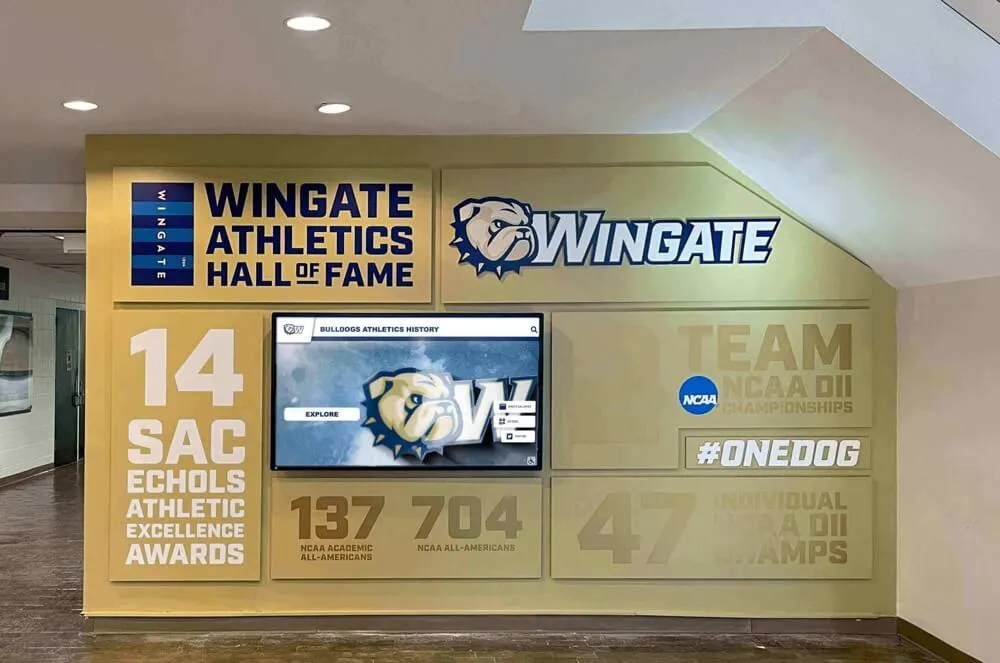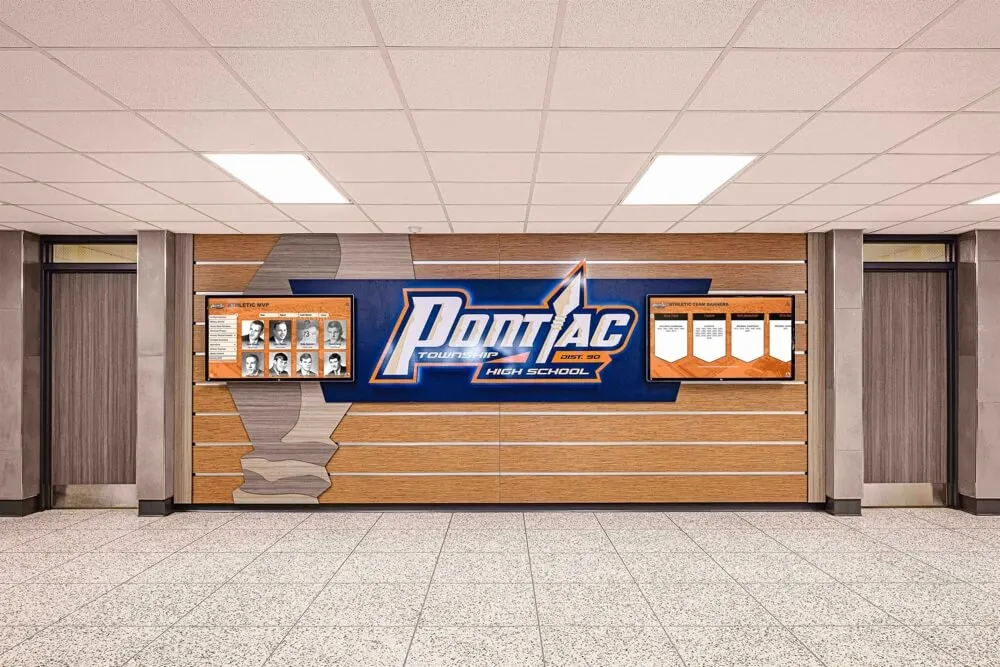




Every semester, thousands of schools compile honor roll lists—and then wonder why the recognition falls flat. A photocopied sheet on the cafeteria bulletin board, a quick PA announcement, a name buried in a newsletter: these gestures acknowledge achievement without truly celebrating it. Students who sustained a 3.5 GPA through midterms, finals, and three other commitments deserve a honor roll award experience that matches their effort with visible, lasting recognition.
The difference between a forgettable mention and a meaningful award comes down to design: how categories are defined, how tiers communicate relative achievement, and how the physical or digital display invites the school community to engage. Interactive touchscreen installations transform honor roll recognition from administrative checkbox into cultural cornerstone—searchable archives that preserve achievement across graduating classes, dynamic profile cards that tell individual stories, and filterable displays that let students find their own names and share that moment with family.
This guide covers the full spectrum: recognition category frameworks that give every honor roll award distinct meaning, layout blueprints for digital displays that hold attention, accessibility standards ensuring every student can access the experience, and brand integration strategies that tie academic celebration to institutional identity.
Recognition programs succeed when the structure behind them is clear—when a student understands exactly what earning a particular honor roll award required and what that tier signals to colleges, peers, and family. The creative execution of the display is only as strong as the category architecture underneath it.

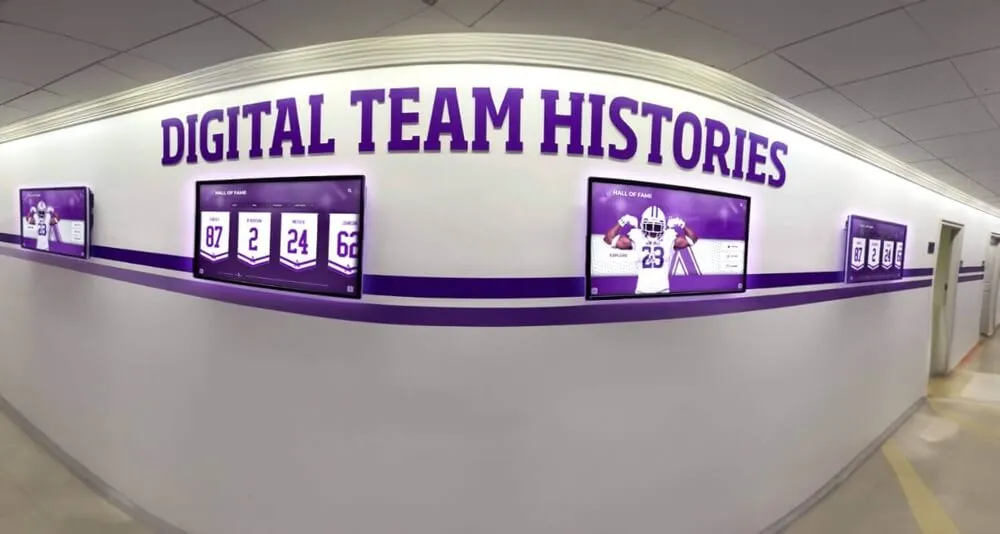
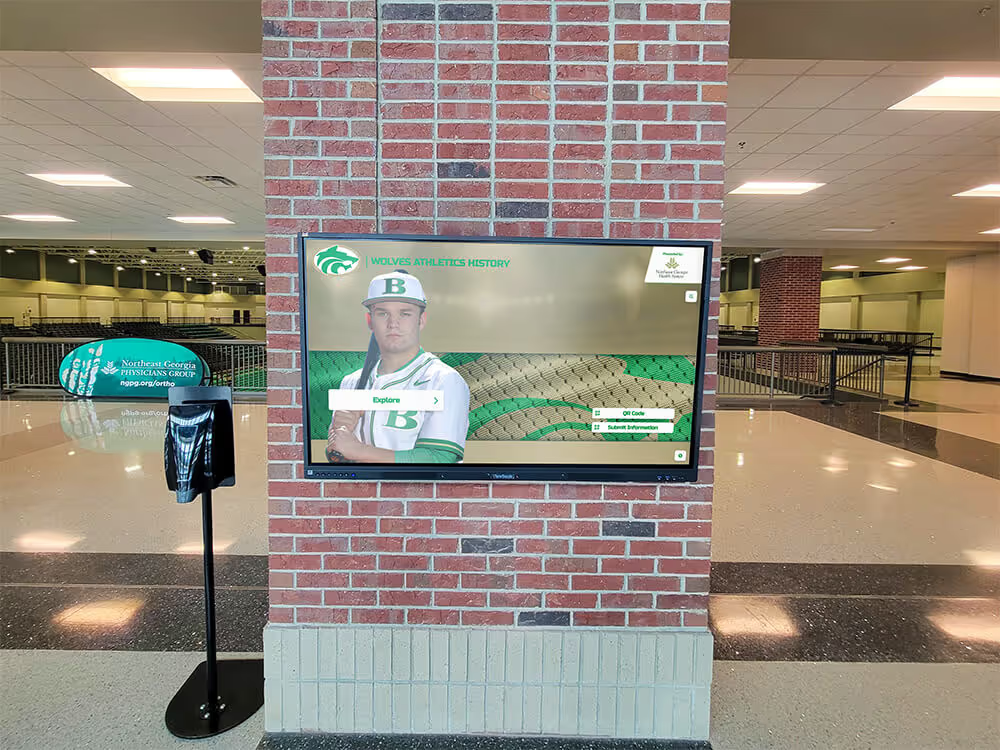
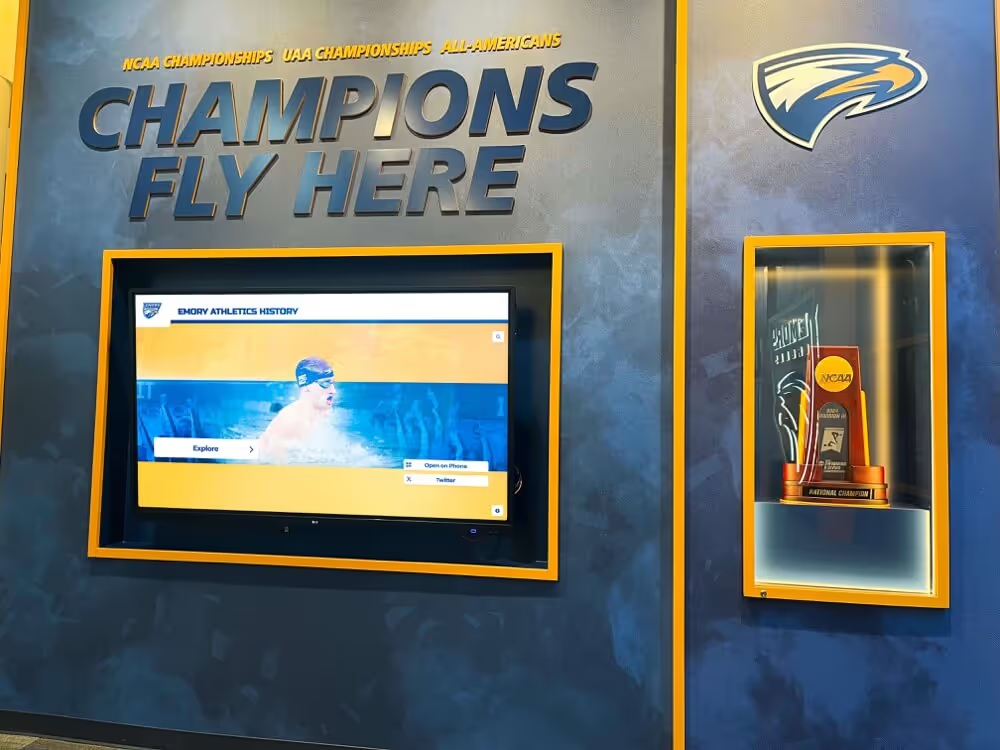
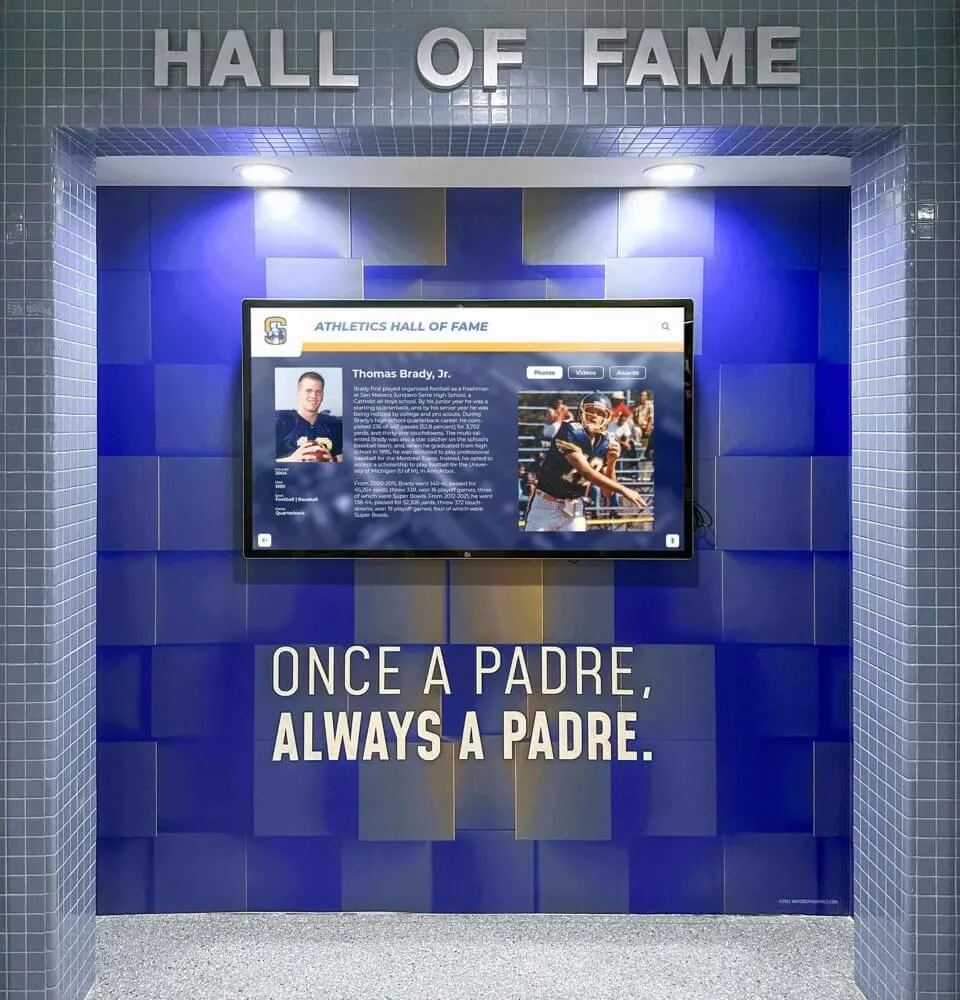
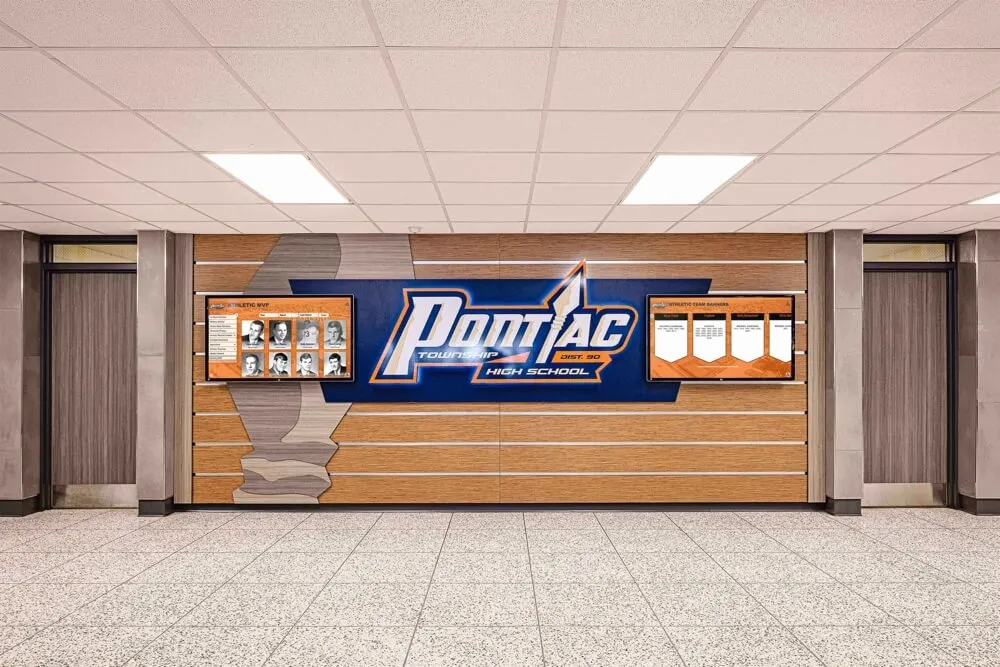
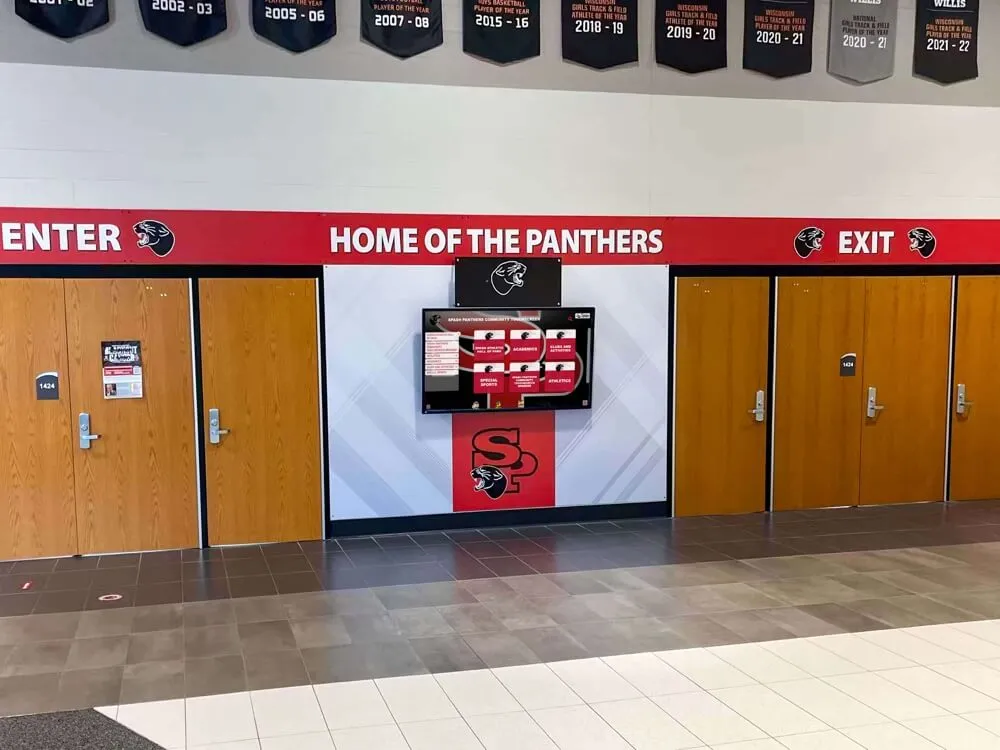
Well-designed honor walls transform corridor space into ongoing academic inspiration, pairing physical permanence with digital flexibility
Honor Roll Award Category Frameworks
The Two-Tier Standard: Principal’s and High Honor Roll
Most schools operate at least two recognition bands, and that structure holds for good reason—it gives students something to aspire toward beyond initial qualification while preserving meaning at each level.
High Honor Roll (Principal’s Honor Roll)
- Cumulative GPA threshold: 3.7–4.0 or equivalent
- No grade lower than B in core subjects (many programs require A– minimum)
- Full-period attendance compliance (varies by institution)
- Recognizes sustained excellence across all academic areas simultaneously
Honor Roll (Standard)
- Cumulative GPA threshold: 3.0–3.69
- Typically allows one B or C with offsetting A grades
- Demonstrates consistent above-average performance
Display design should make this tier separation immediately legible. Visual hierarchy—gold treatment for high honor roll, silver or blue for standard—communicates meaning before a student reads a single name. Card-based layouts that group tiers visually, with subtle background treatments distinguishing categories, accomplish this without heavy-handed labeling.
Subject-Specific Honor Roll Awards
Beyond cumulative GPA-based recognition, subject departments can establish dedicated honor distinctions that serve students excelling in specific disciplines without necessarily ranking in the top GPA band overall:
- Mathematics Excellence Award: Top performers in Algebra II, Pre-Calculus, Calculus, or AP courses
- Science Achievement Recognition: Laboratory excellence combined with exam performance
- Humanities Honor Award: Writing quality, critical analysis, and literary engagement
- Language Arts and Communication: Public speaking, debate success, and composition
- World Language Proficiency: Foreign language achievement and oral proficiency certifications
- Arts and Technology Excellence: Applied design, digital media, and CTE certification milestones
Subject-specific awards provide recognition pathways for students who demonstrate deep excellence in one domain—the future engineer who earns a mathematics award represents a different achievement story than the AP Literature student who earns a humanities distinction. Both deserve their own visible moment on the display.
For deeper thinking on how schools structure academic letter awards and the criteria behind them, that resource examines the full spectrum of letter-based academic recognition.
Growth and Improvement Recognition Tiers
The most equitable honor roll systems recognize two distinct achievement types: absolute performance (earning a 3.8 GPA) and relative growth (improving from a 2.4 to a 3.2 in one semester). A student who overcomes earlier struggles to reach the standard honor roll threshold has accomplished something remarkable—and a recognition program that ignores that growth misses a motivational opportunity.
Most Improved Academic Award
- Semester-over-semester GPA increase of 0.5 or higher
- Course-specific improvement in previously challenging subjects
- Documented effort and persistence through difficult coursework
First-Time Honor Roll Recognition
- Dedicated acknowledgment for students achieving honor roll qualification for the first time
- Particularly meaningful in middle school and early high school when academic habits form
Comeback Recognition
- Students returning to honor roll after a difficult semester
- Acknowledges resilience and recovery alongside performance
Digital displays excel at surfacing these growth narratives. A touchscreen system can pull a student’s semester-by-semester profile, visualizing progress over time in a way that a static plaque simply cannot replicate.
Attendance and Engagement-Based Recognition
Several schools integrate behavioral and engagement criteria into tiered honor roll structures, acknowledging that academic success depends on consistent presence and active participation:
Academic Citizenship Awards
- Perfect or near-perfect attendance combined with GPA threshold
- Teacher-nominated recognition for classroom engagement quality
- Study hall or academic support program completion
- Tutoring participation and peer mentorship
Extracurricular Academic Excellence
- Academic decathlon and quiz bowl achievements
- Science fair participation combined with GPA performance
- Writing competition recognition

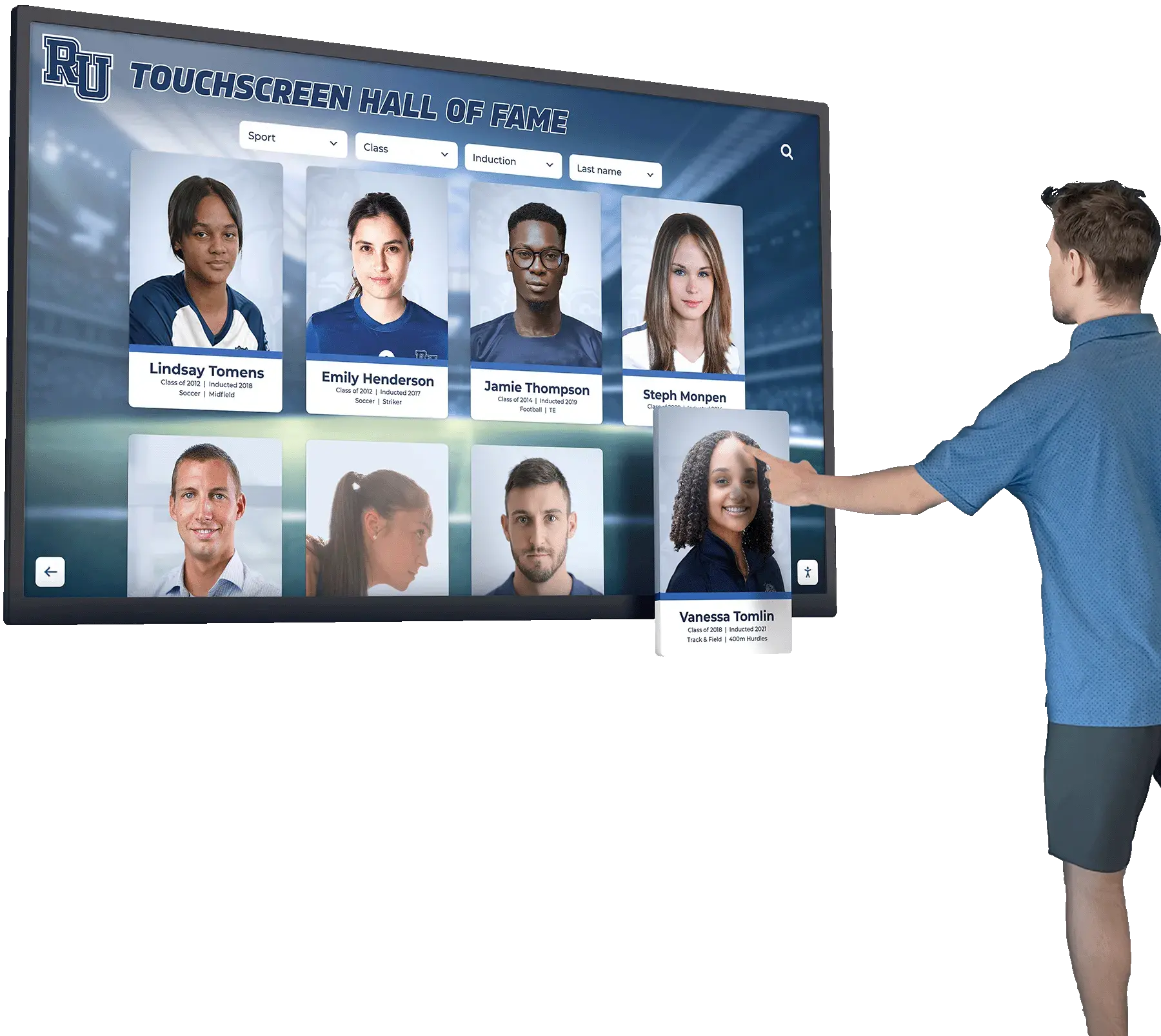
Individual profile cards transform semester GPA data into personalized recognition moments that students share with family and colleges
Layout Blueprint: Designing the Honor Roll Award Display Experience
Zone Architecture for Digital Honor Roll Displays
Effective honor roll displays divide real estate into intentional zones, each serving a specific purpose within the viewer’s journey from initial attraction through deep exploration.
┌─────────────────────────────────────────────────────────┐
│  HERO ZONE (Full Width, ~20% Vertical)                  │
│  ┌───────────────────────────────────────────────────┐  │
│  │  Honor Roll — [School Name] — [Semester/Year]     │  │
│  │  [Institutional Crest or Mascot + School Colors]  │  │
│  │  [Animated counter: 142 students recognized]      │  │
│  └───────────────────────────────────────────────────┘  │
├─────────────────────────────────────────────────────────┤
│  FILTER BAR (Horizontal)                                │
│  [ All ] [ High Honor Roll ] [ Honor Roll ] [ By Dept ] │
│  [ Grade 9 ] [ Grade 10 ] [ Grade 11 ] [ Grade 12 ]    │
├─────────────────────────────────────────────────────────┤
│  CONTENT GRID (Card Stack Layout)                       │
│  ┌──────┐  ┌──────┐  ┌──────┐  ┌──────┐  ┌──────┐    │
│  │ Gold │  │ Gold │  │ Gold │  │Silver│  │Silver│    │
│  │Photo │  │Photo │  │Photo │  │Photo │  │Photo │    │
│  │Name  │  │Name  │  │Name  │  │Name  │  │Name  │    │
│  │Grade │  │Grade │  │Grade │  │Grade │  │Grade │    │
│  │ GPA  │  │ GPA  │  │ GPA  │  │ GPA  │  │ GPA  │    │
│  └──────┘  └──────┘  └──────┘  └──────┘  └──────┘    │
├─────────────────────────────────────────────────────────┤
│  DETAIL PANEL (Appears on card tap)                     │
│  Full profile: photo, achievements, semester history,   │
│  subject-specific awards, activities, quote             │
└─────────────────────────────────────────────────────────┘
Hero Zone: Animate a rolling counter tallying total recognized students—watching a number increment from 0 to 142 in five seconds creates immediate engagement and signals program scale before a visitor reads a single name.
Filter Bar: Grade-level and tier filters serve different audiences simultaneously. Current freshmen filtering to “Grade 9” see their own class. Parents searching by last name use the search field. Teachers browsing “High Honor Roll” find the complete top-tier list in one view.
Content Grid: Card-based layouts scale elegantly from 20 students to 400 without requiring layout redesigns. Visual tier indicators—gold borders for High Honor Roll, blue or silver for standard Honor Roll—communicate recognition level instantly.
Detail Panel: When a visitor taps a card, the panel expands to reveal the full academic story: semester-by-semester GPA trend, subject-specific awards earned, activities, and optionally a short student-written quote about their academic journey.
Learn how schools are applying similar frameworks through digital record board campus engagement ideas that extend recognition beyond static lists into interactive exploration experiences.
Content Blocks and Motion Design
Attraction Loop Behavior
When no visitor is actively interacting, the display should cycle through content drawing the eye and establishing social proof:
- Rotate featured High Honor Roll students every 8–12 seconds
- Animate between department award categories—“Mathematics Excellence → Humanities Honors → Science Achievement”
- Display running statistics: total recognized students, total semesters of combined excellence, or GPA range represented
- Include subtle parallax motion on background imagery keeping periphery alive without competing with foreground content
Card Transition Effects
When visitors navigate between overview and detail views:
- Cards should expand smoothly into full profiles rather than triggering hard page switches
- Filtering should animate cards in and out with fade+slide behavior rather than instant disappearance
- Search results should highlight matching text within visible cards before navigating to detail
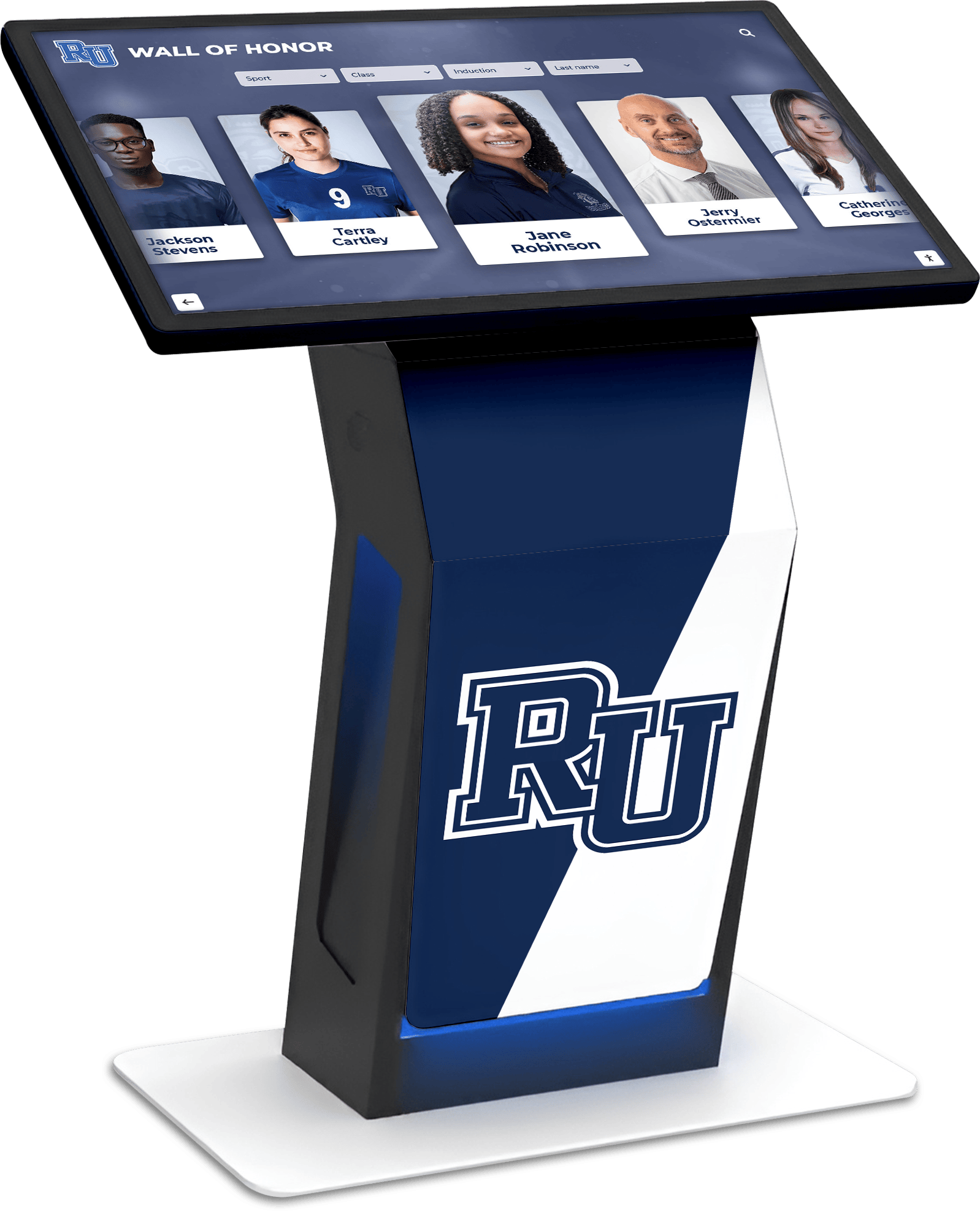
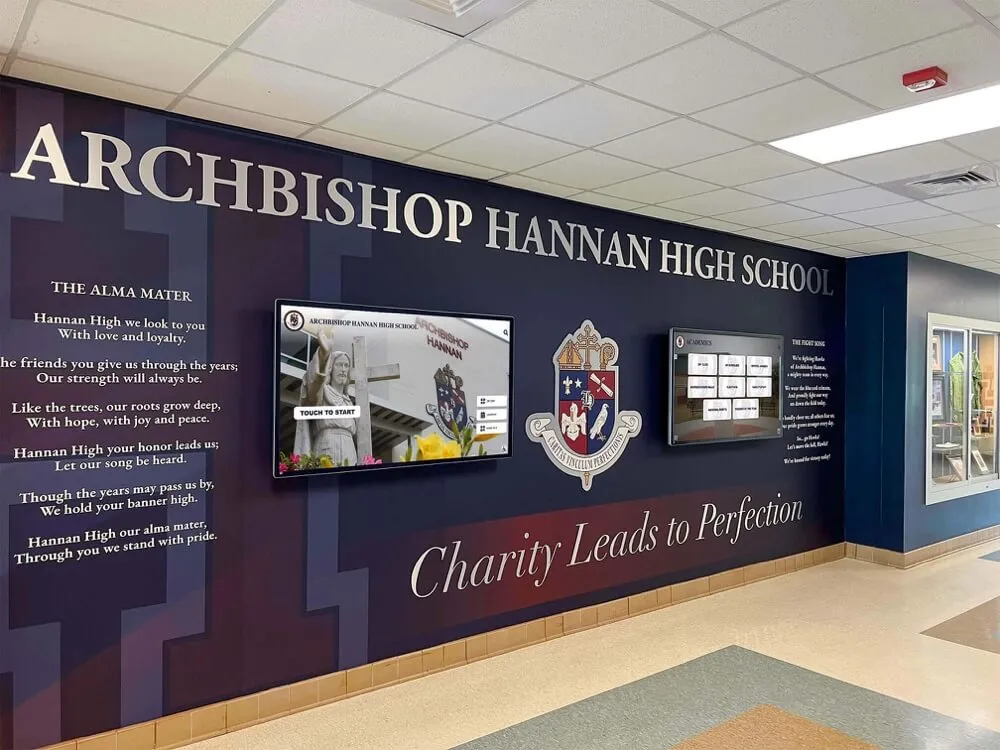
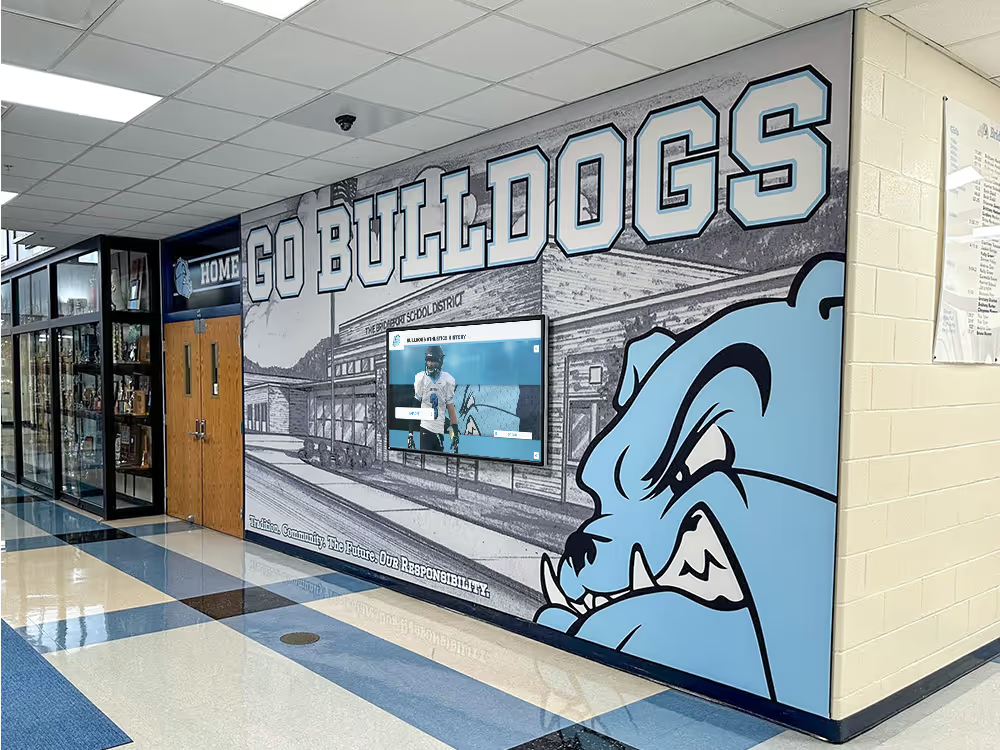
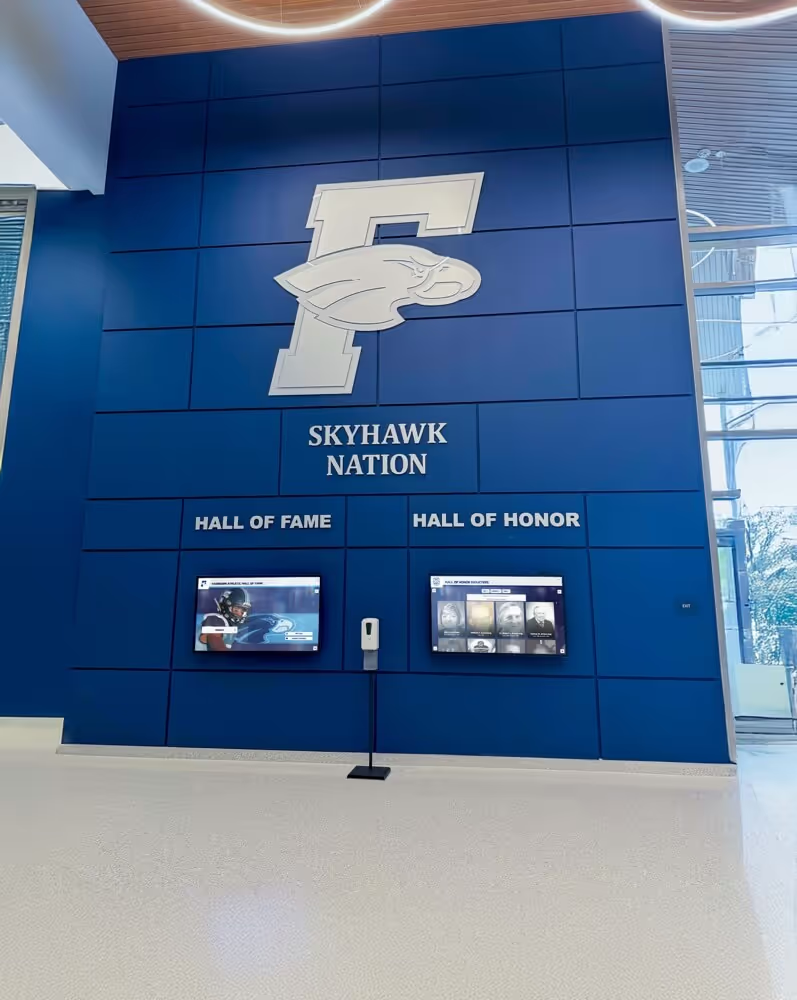
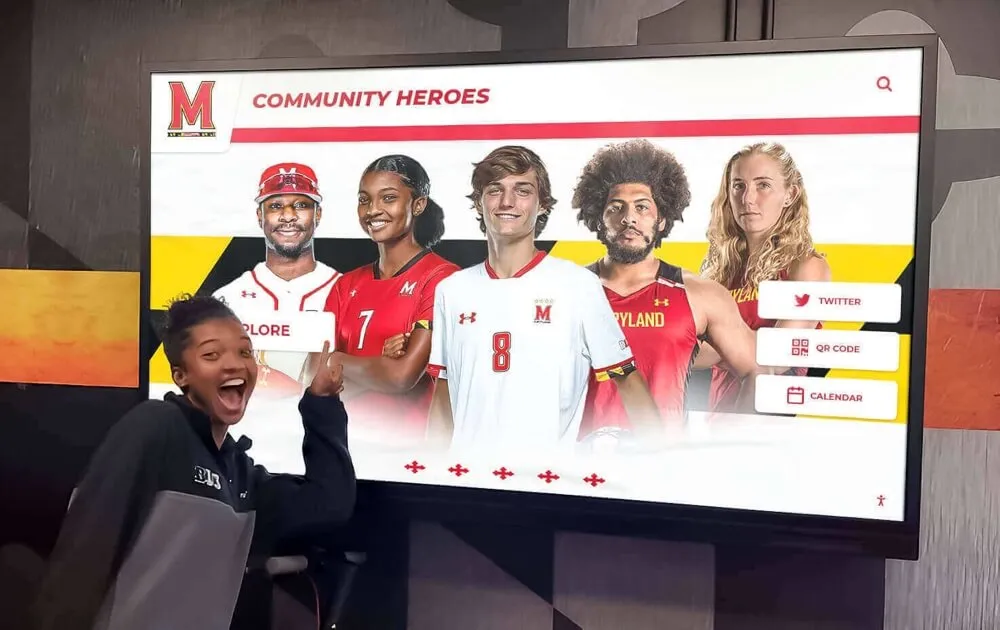
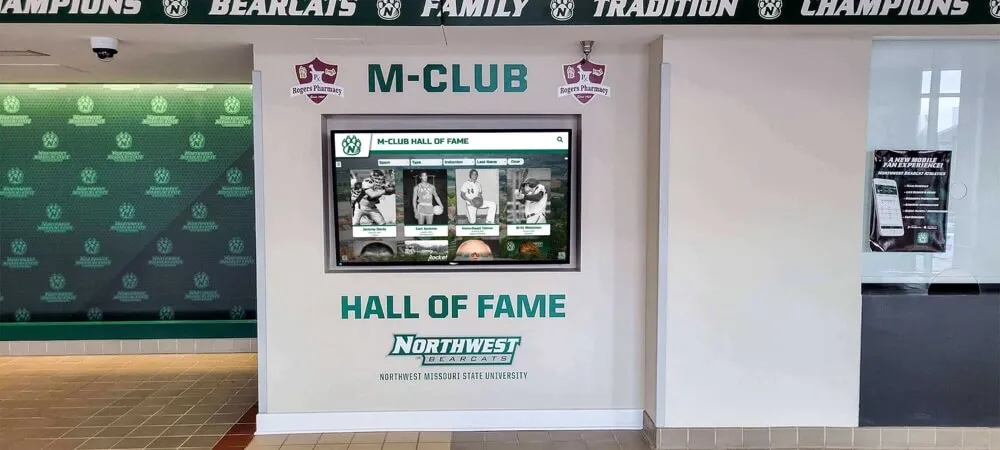
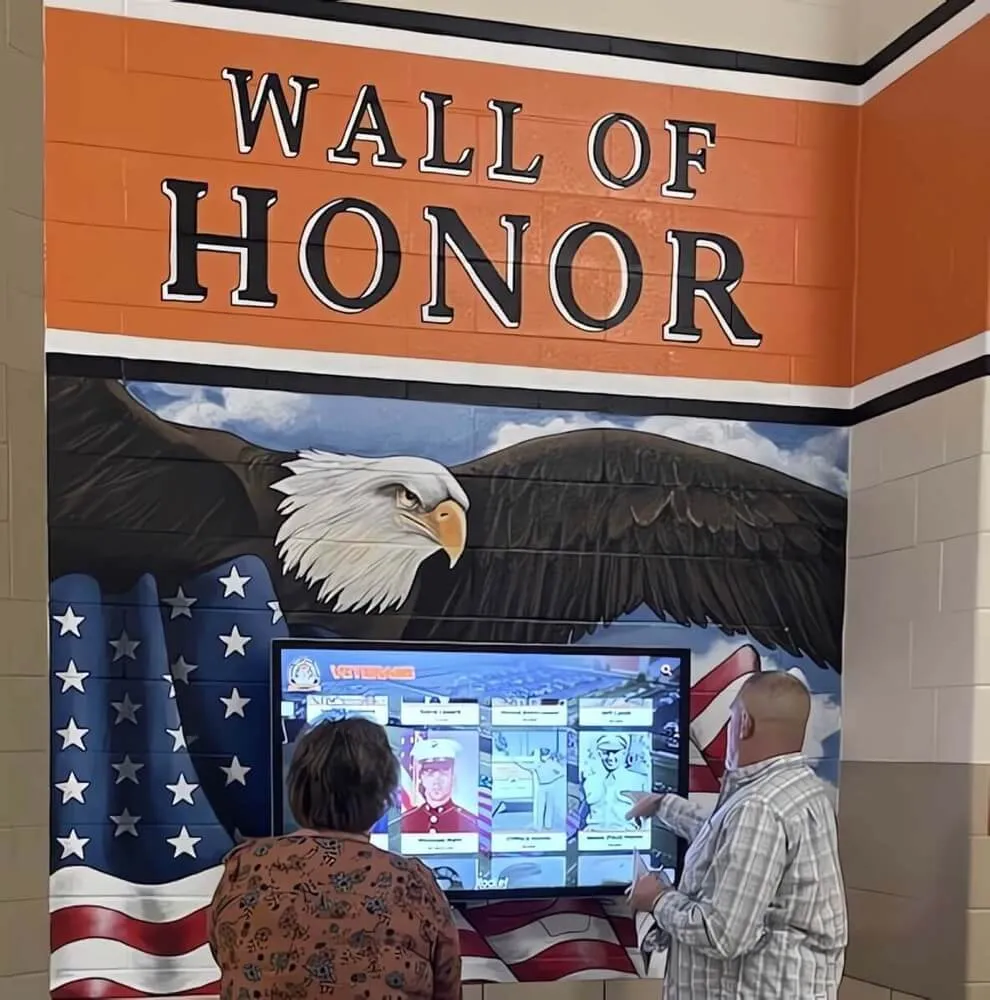
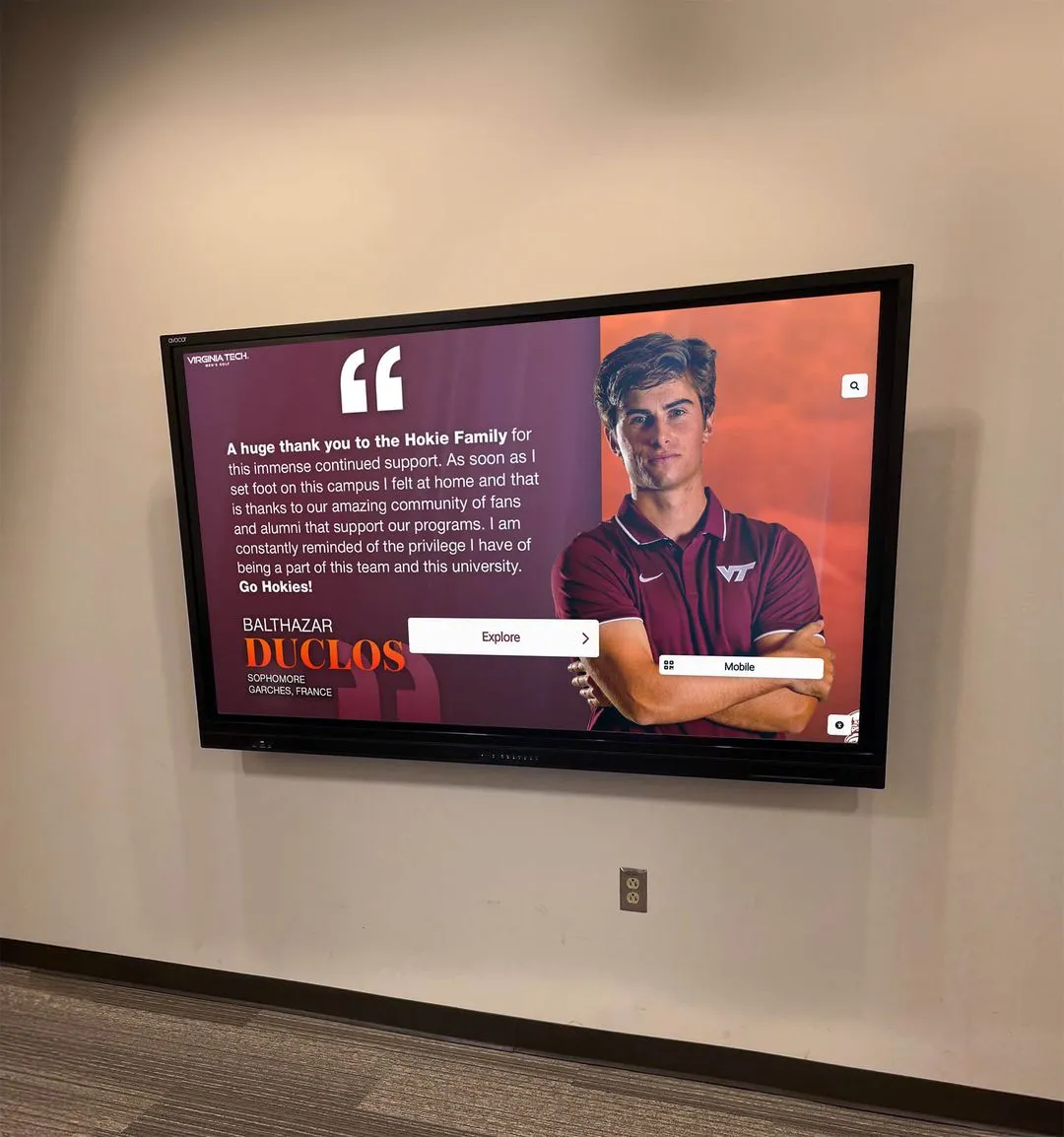
Purpose-built honor wall kiosks provide intuitive navigation supporting students, parents, and counselors exploring recognition archives
Physical Display Ideas for Honor Roll Awards
Traditional Formats Worth Preserving
Physical recognition elements retain important ceremonial value—a student who takes home a tangible certificate experiences recognition differently than one who sees their name on a screen. The goal is not replacing physical awards but ensuring they connect to a broader display strategy.
Certificate Design Principles
- Use school colors, crest, and official signatures for institutional weight
- Distinguish tiers clearly through paper weight, border treatment, or foil stamping
- Include semester and year prominently—certificates should remain meaningful years later
- Consider wallet-sized cards accompanying full certificates for easy sharing
Bulletin Board and Banner Approaches
- Dedicate permanent hallway space to rotating semester honor rolls
- Use large-format printed banners in main corridors during recognition periods
- Pair physical banners with QR codes linking to the interactive digital display for deeper exploration
Trophy Case Integration
- Class-level honor roll plaques in main entrance trophy cases
- Department-specific academic award displays in subject hallways
- Annual cumulative recognition boards tracking students who achieve honor roll across multiple consecutive semesters
Explore how showcasing academic achievement awards digitally pairs physical and digital recognition strategies for maximum community impact.
Wall-Mounted Hybrid Displays
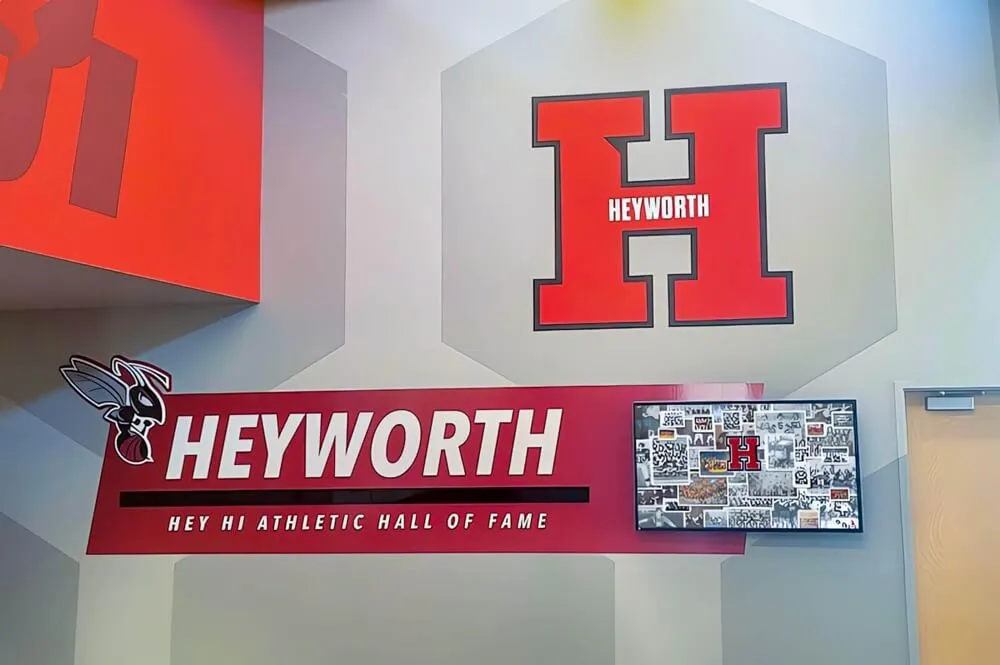
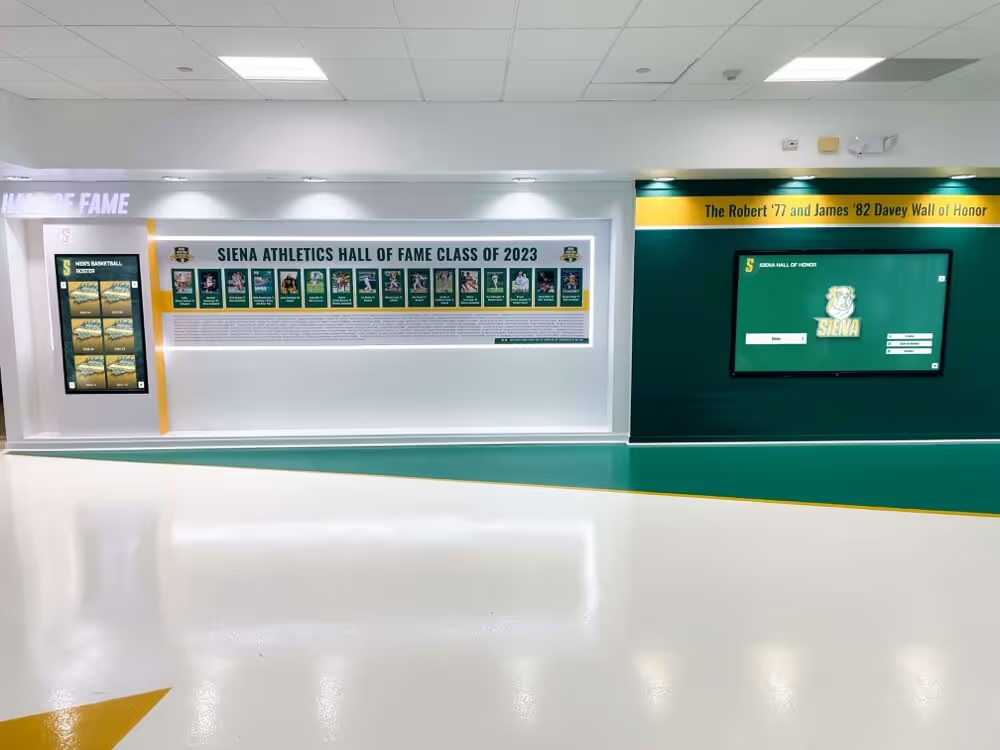
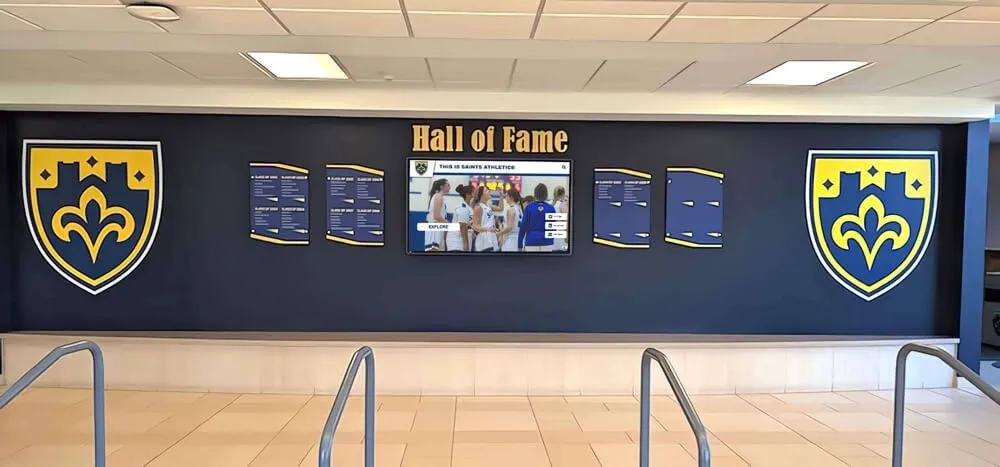
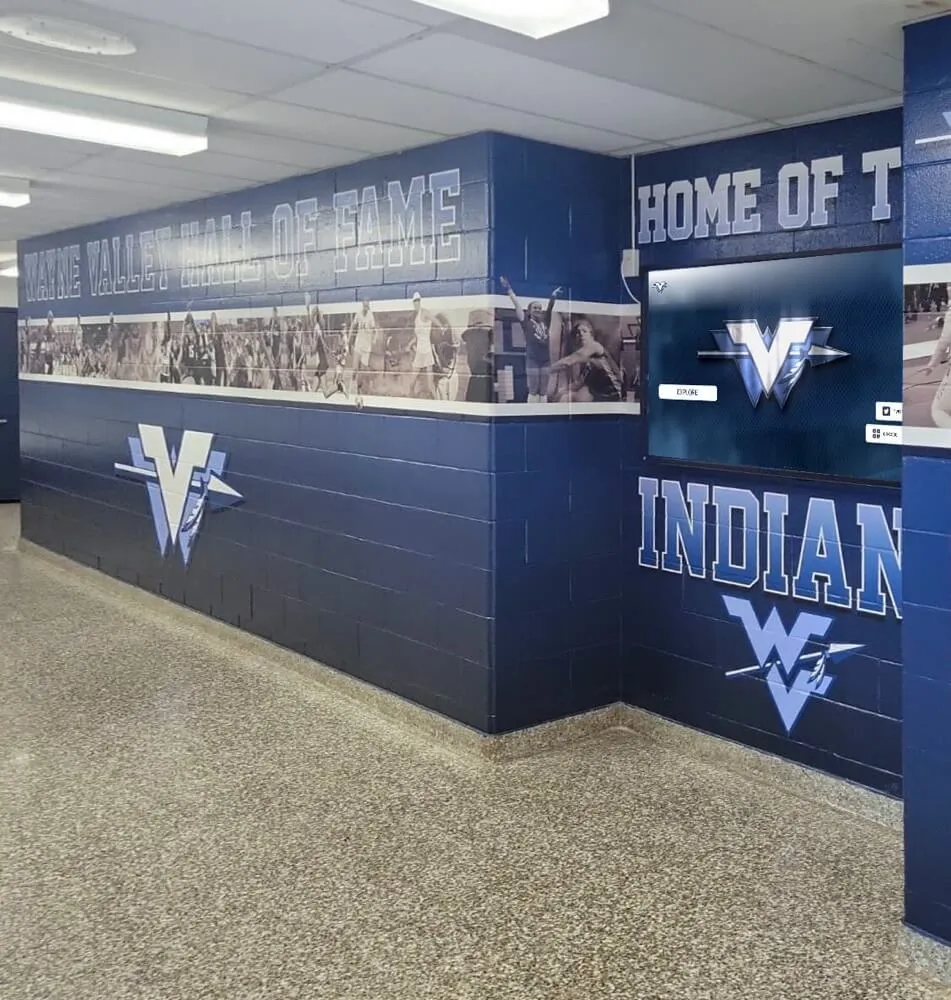
The most effective honor roll installations combine permanent physical framing with dynamic digital content in the center. A custom-fabricated surround in school colors with the institutional crest creates the sense of permanence and prestige, while a touchscreen embedded in that frame delivers updated content each semester without requiring physical replacement.
This hybrid approach serves multiple audiences:
- Students and parents who value the permanence of physical acknowledgment
- Administrators who need efficient, low-cost updates each semester
- Prospective families touring facilities who see both tradition and innovation expressed simultaneously
Wall Display Configuration Options
Single-screen installations work well for hallways and main entrance areas where space is limited. Multi-screen configurations—two or three displays arranged horizontally—allow simultaneous browsing by multiple visitors and support segmenting content by grade level or recognition tier across panels.
Portrait orientation suits narrow hallways and works well for department-specific award displays. Landscape orientation accommodates wider content grids and works best in lobby and commons areas with natural gathering space in front.
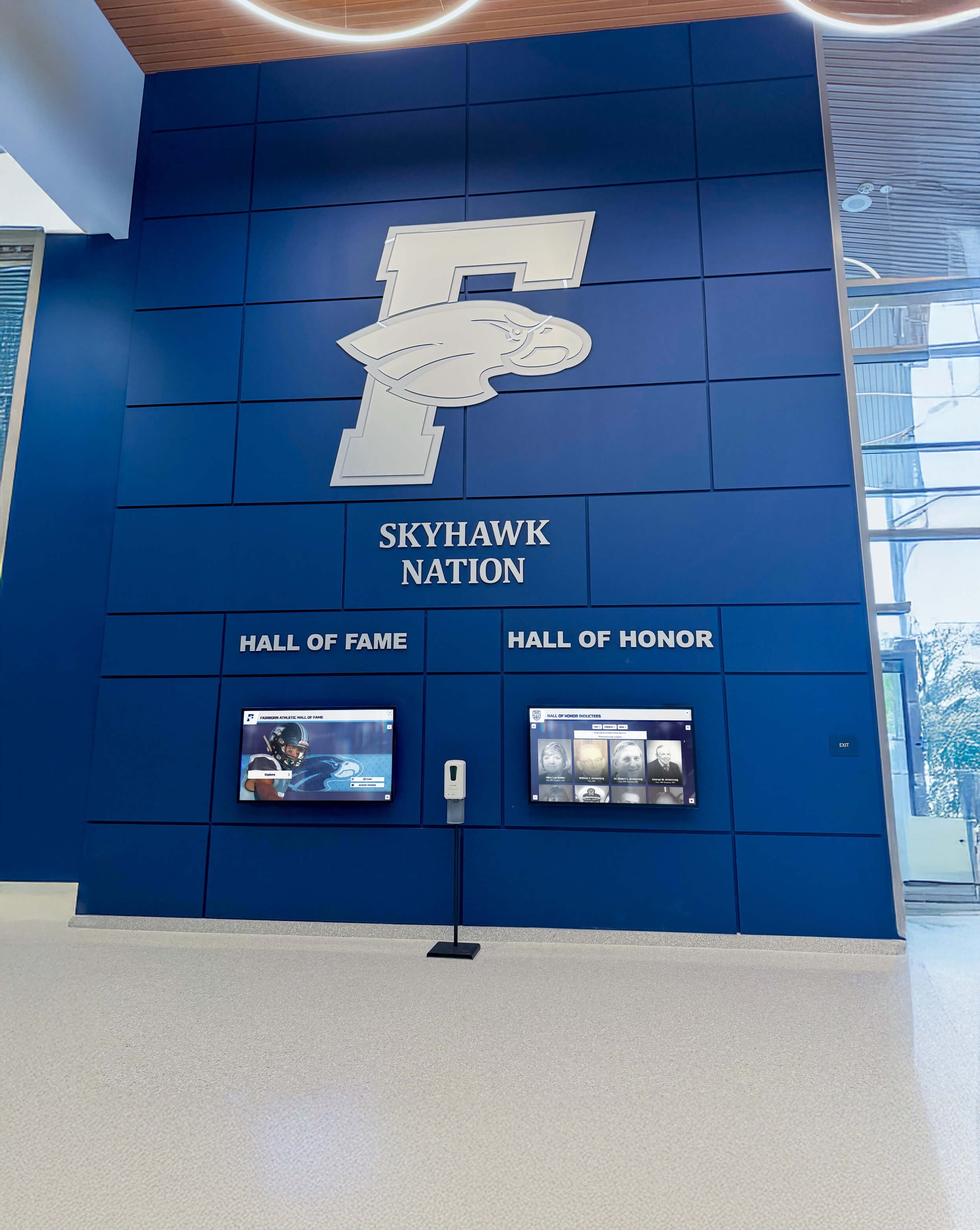
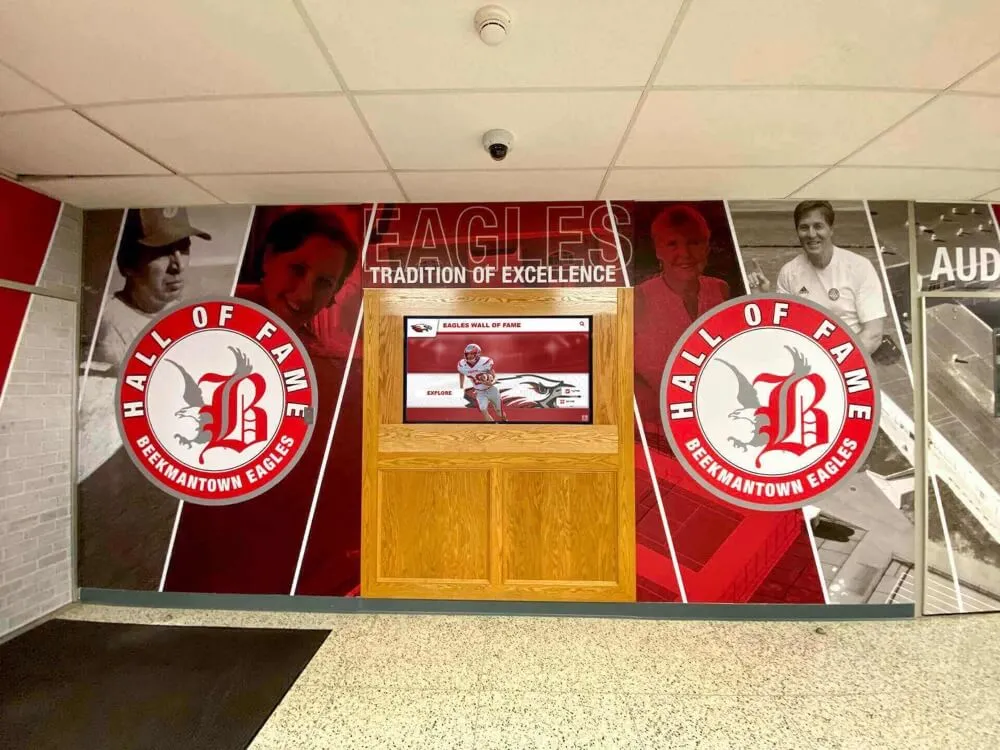
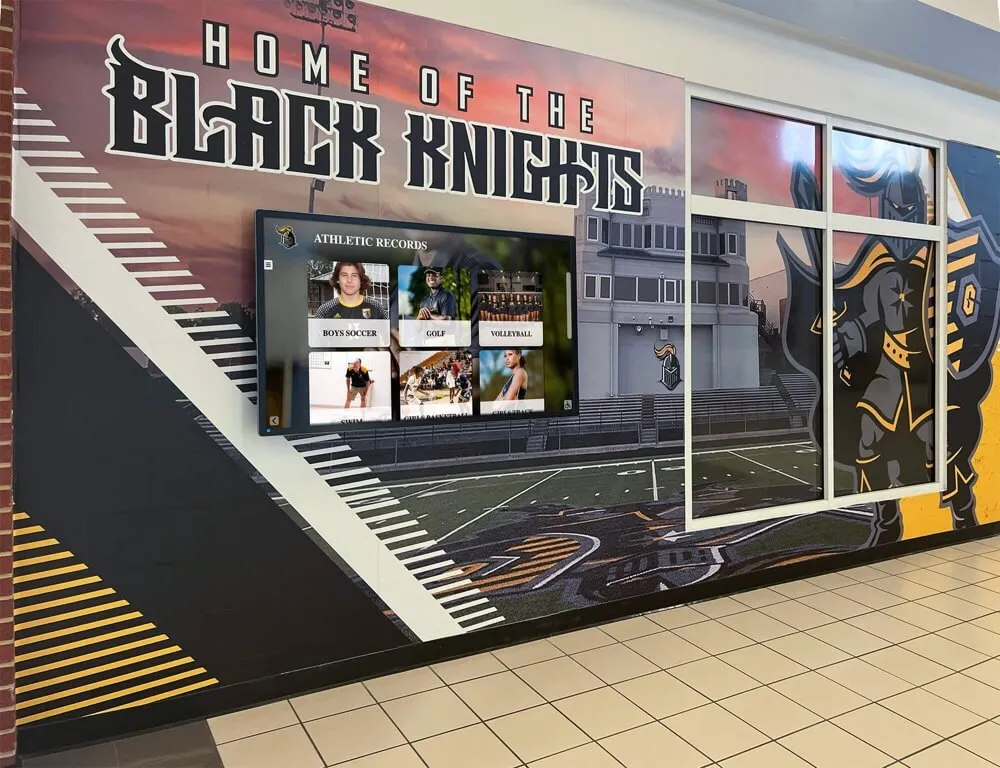
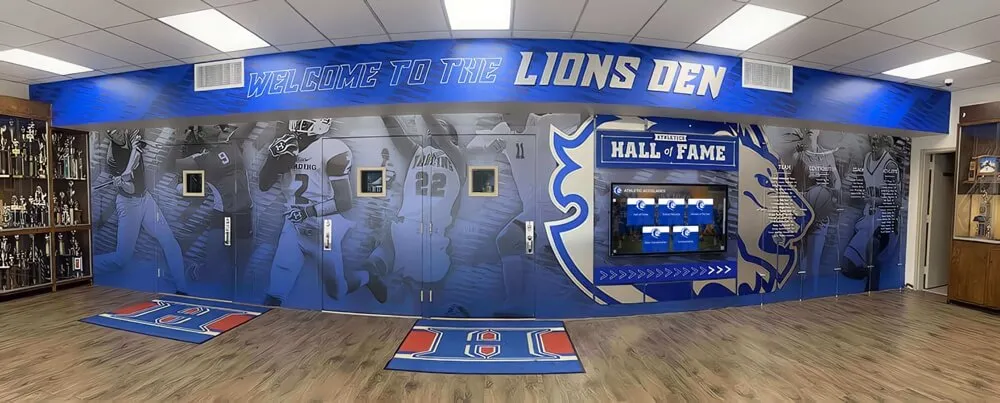
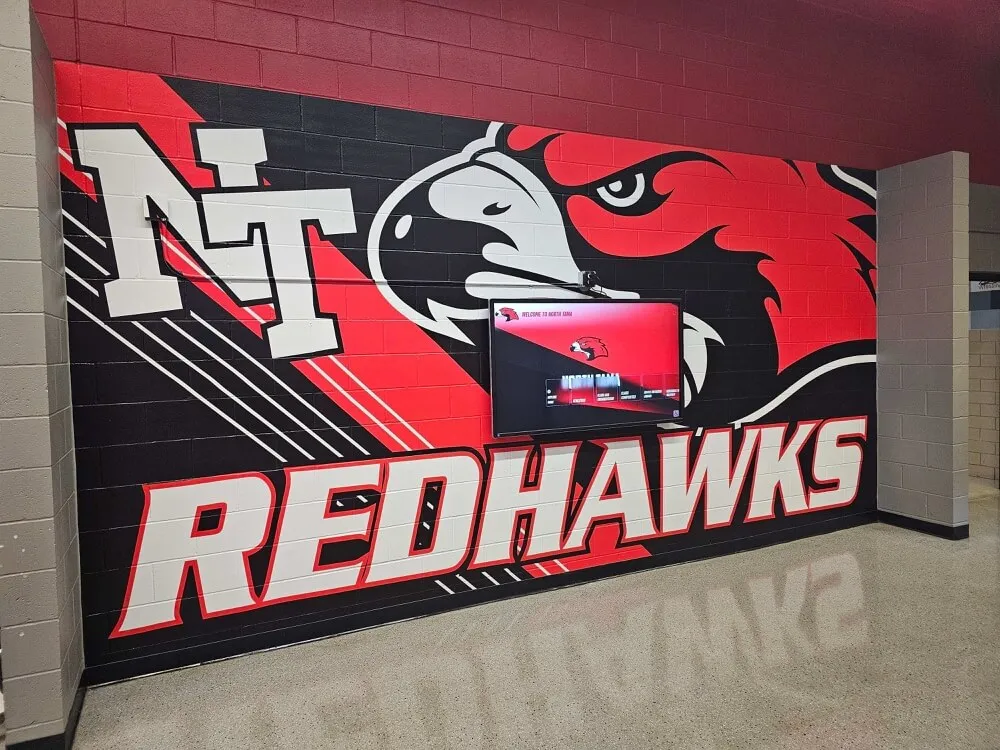
Branded wall installations in school colors create cohesive honor environments that extend institutional identity into recognition spaces
Academic Recognition Program Integration
Honor roll awards rarely stand alone—they exist within broader academic recognition ecosystems that include national programs, department-level awards, and extracurricular achievements. Display systems that integrate these layers create more complete pictures of student success.
National Honor Society and Honor Roll Coordination
Students inducted into National Honor Society typically maintain honor roll standing, but NHS requires additional criteria including service, leadership, and character. Your display architecture should accommodate both recognitions without conflating them—a filter for “NHS Members” within the honor roll display provides a useful overlay without suggesting that honor roll and NHS are equivalent.
The connection between honor roll participation and NHS readiness is a natural pathway to highlight. For schools that field NHS essay processes, resources like the National Honor Society essay guide help students understand what that transition requires.
SAT and Standardized Test Achievement Integration
Schools celebrating perfect SAT score award displays often find natural overlap with their high honor roll populations—students maintaining 3.9+ GPAs frequently also achieve top standardized test scores. Display systems that cross-reference academic recognition types create richer profiles showing the full breadth of a student’s academic accomplishment rather than siloing recognition into separate, disconnected displays.
Teacher and Faculty Recognition Alongside Student Awards
Some schools extend their academic recognition ecosystem to include teacher excellence alongside student achievement. A lobby display that showcases both honor roll students and faculty award recipients reinforces the message that academic excellence is a shared institutional value, not just a student obligation. For ideas on how teacher of the year award showcases function in school environments, that resource covers display and ceremony approaches worth considering.
Brand Integration Checklist for Honor Roll Award Displays
A well-branded honor roll display reinforces institutional identity while making the recognition feel genuinely prestigious. Use this checklist when designing or specifying your installation:
Visual Identity
- School colors as primary palette with no generic templates
- Official institutional crest or wordmark integrated into hero zone
- Mascot incorporated as subtle background treatment or accent element
- Typography matches school’s official brand fonts where possible
Layout and Content
- Tiered recognition categories visually distinct through color, border, or scale
- Student photography standardized (same background, framing, lighting) for grid cohesion
- Semester and year prominently displayed on all profiles
- Subject-specific award icons or badges included in profile cards
- Historical archive searchable back at least three academic years
Interactive Features
- Search by student name functional with partial-match support
- Filter by grade level, recognition tier, and department
- Tap-to-expand profile detail with full achievement narrative
- QR code linking to mobile-accessible web version
- Social sharing option within profile detail view
Motion and Engagement
- Attraction loop cycling student features with 8–12 second intervals
- Animated recognition counter in hero zone
- Smooth card expand/collapse transitions (no hard cuts)
- Subtle background parallax during idle state
Connectivity and Management
- Cloud-based content management with remote update capability
- Role-based access for registrar, principal, and communications staff
- Scheduled publishing for semester updates
- Export capability for honor roll data to parent communications
For a comprehensive look at how academic recognition fits into broader school community engagement, the academic recognition programs guide covers program design across multiple recognition dimensions.
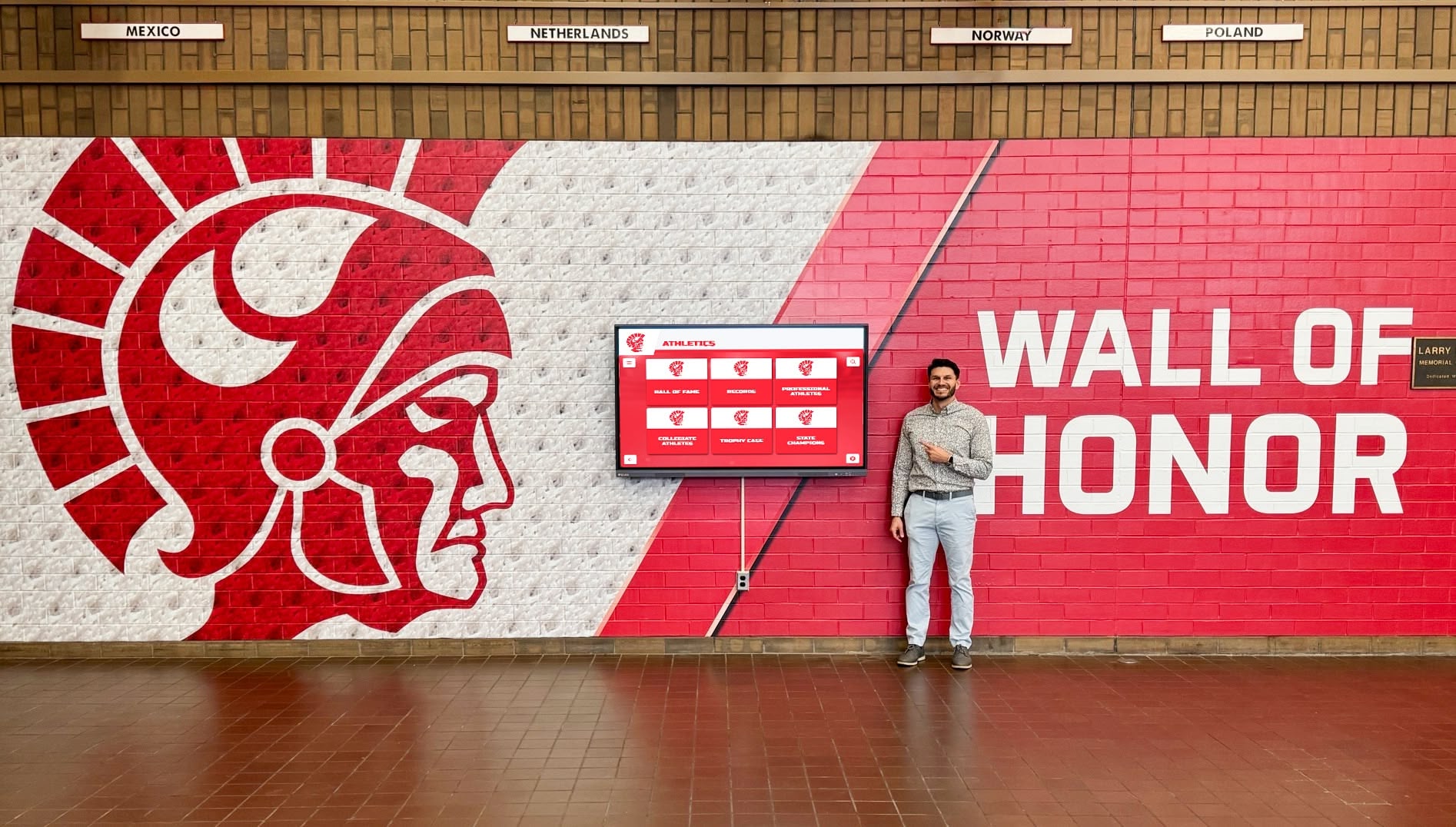
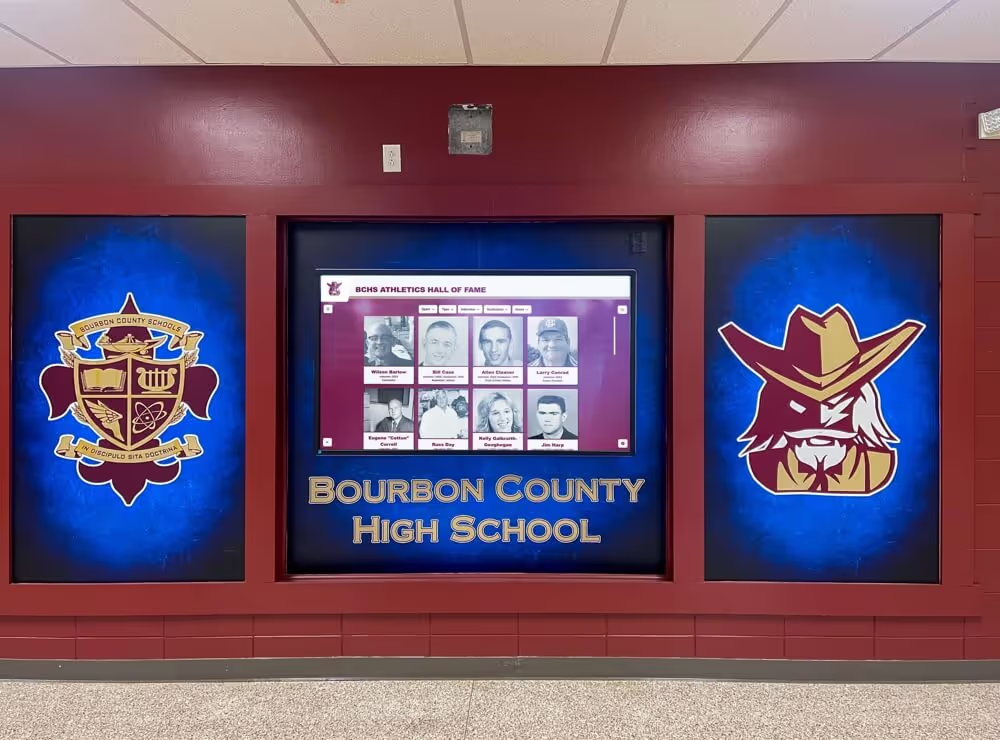
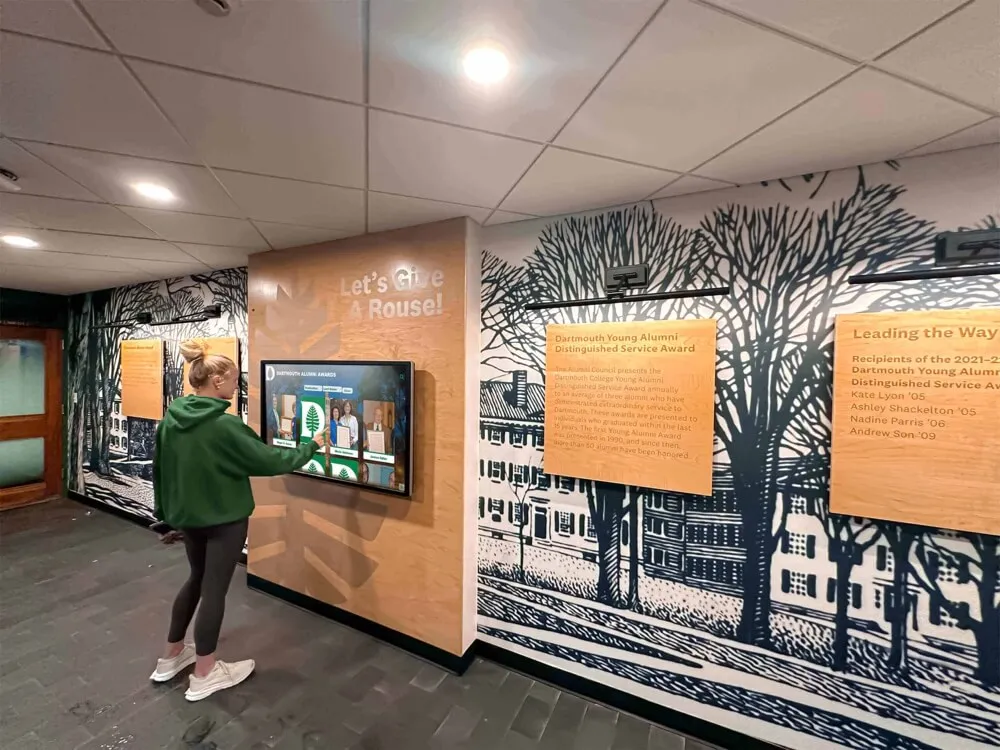
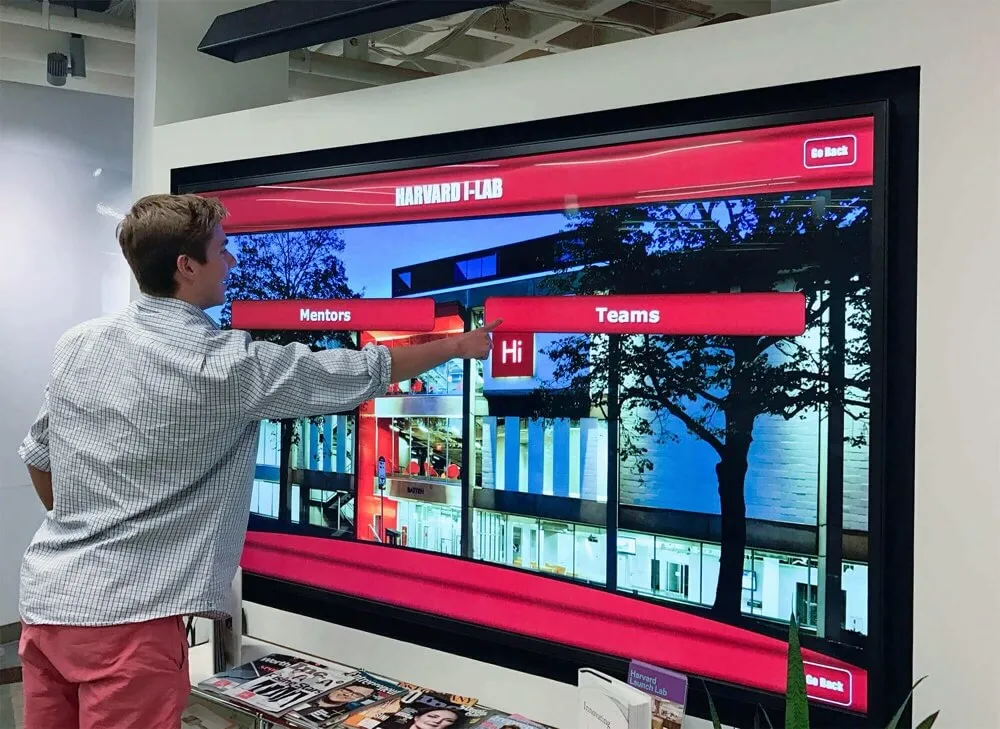
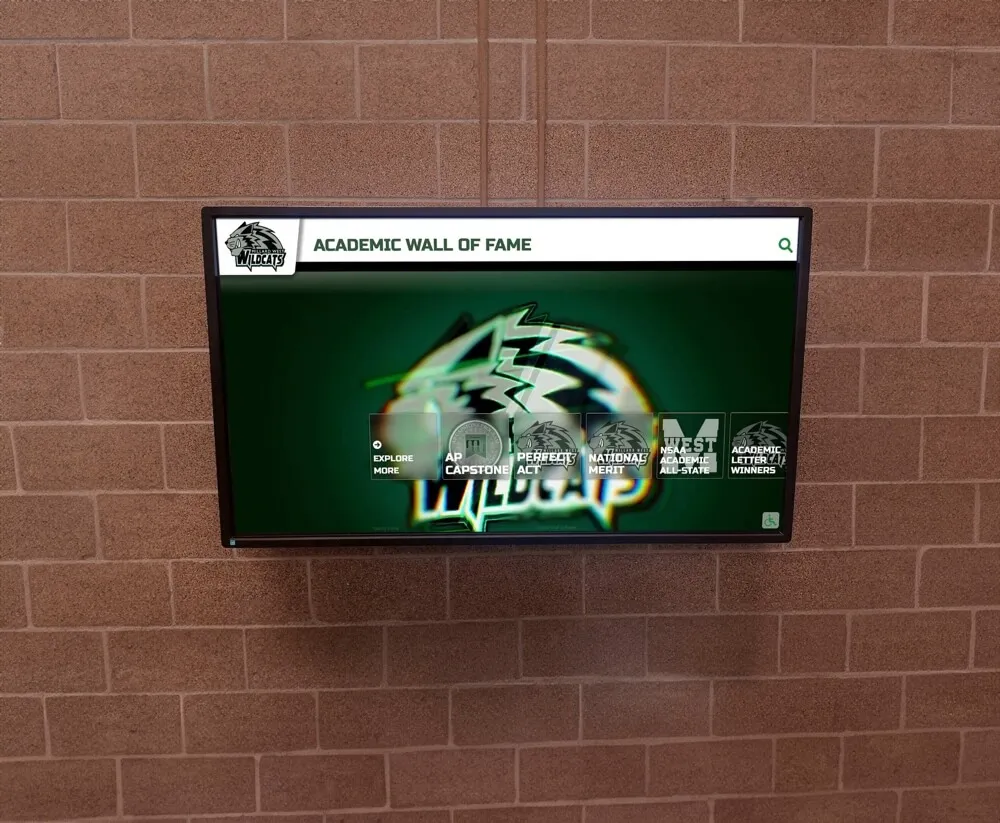
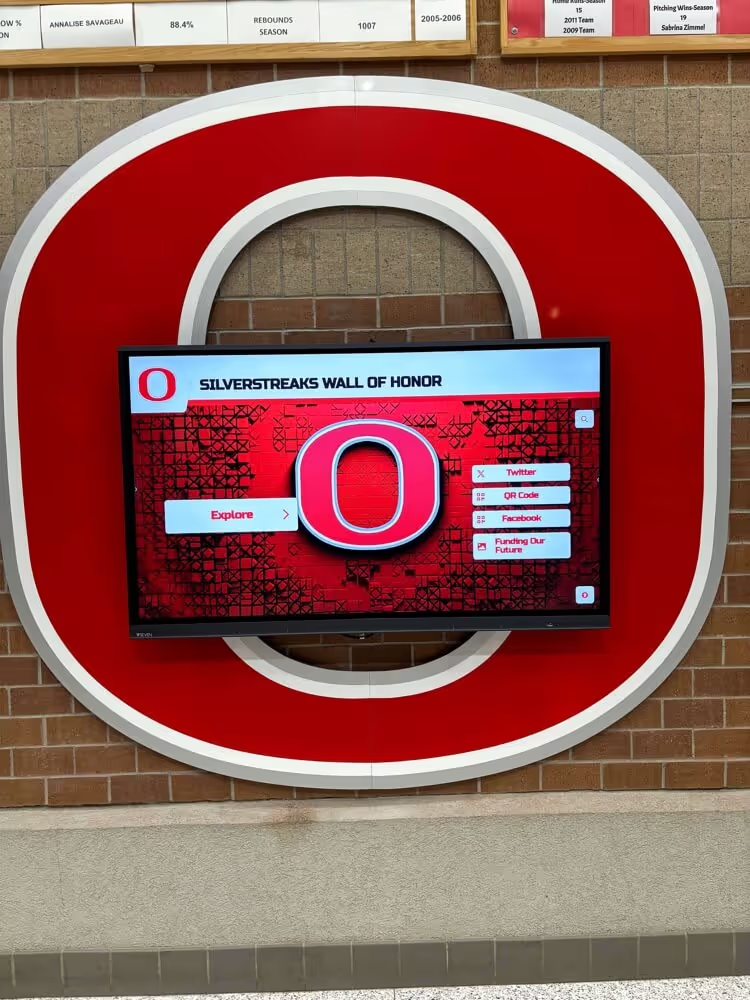
Wall-of-honor displays that integrate school branding with interactive digital content create lasting community landmarks worth touring
Accessibility and UX Standards for Honor Roll Displays
ADA Compliance Requirements
Physical installation of honor roll award displays must meet Americans with Disabilities Act requirements ensuring all students and families can engage with recognition content independently:
Mounting Height
- Touchscreen active area: 15-inch minimum to 48-inch maximum from floor level (forward approach)
- For parallel approach configurations: 54-inch maximum to primary interactive elements
- Primary content viewing at comfortable eye-level height for seated visitors
Clear Floor Space
- Minimum 30×48 inch unobstructed floor space positioned for forward or parallel approach
- No furniture, fixtures, or circulation paths cutting through approach zone
- Adequate viewing distance (typically 4–6 feet) clear of adjacent traffic
Protruding Object Hazards
- Wall-mounted displays extending beyond 4 inches from wall surface require detectable cues at floor level for visitors navigating with canes
Interface Accessibility Standards
Beyond physical placement, interface design must meet WCAG 2.1 AA standards:
Contrast and Readability
- Minimum 4.5:1 contrast ratio for body text (7:1 recommended for critical information like names and GPAs)
- High-contrast mode toggle available in interface settings
- Color never used as sole indicator—tier differentiation through both color AND icon/label
Touch Target Sizing
- Minimum 44×44 pixel touch targets on all interactive elements
- Sufficient spacing between adjacent targets preventing accidental activation
- Generous timeout before session reset (minimum 90 seconds idle) to accommodate deliberate exploration
Alternative Access
- QR code prominently displayed alongside touchscreen provides mobile web access for visitors unable to use the touchscreen comfortably
- Mobile version mirrors touchscreen content with identical search and filter capabilities
Tying honor roll displays into broader school pride initiatives through school pride building strategies extends the impact of individual recognition programs into community-wide engagement.
Activation Plan: Launching Your Honor Roll Award Display
Pre-Launch Content Development
8 Weeks Before Launch
- Define recognition categories and GPA thresholds with academic administration
- Establish photography protocol: background, lighting setup, framing standards
- Assign content management responsibilities (registrar, communications staff, IT)
- Collect historical honor roll data for at least two prior academic years
4 Weeks Before Launch
- Complete photography sessions for current recognized students
- Draft achievement narrative templates for profile content
- Configure platform: tier categories, filtering options, color palette, typography
- Load historical data and verify display accuracy
Launch Week
- Schedule announcement ceremony with administration and recognized students
- Prepare family communications explaining the display and how to access mobile version
- Brief faculty on display features and how to direct students and visitors
- Confirm QR code links, search functionality, and filter behavior
Semester Refresh Cadence
Honor roll displays require bi-annual content updates aligned with grading cycles:
End of Each Semester
- Pull updated honor roll data from student information system
- Collect photography for newly qualifying students (standardized session)
- Publish updated semester recognition within two weeks of final grades
- Archive prior semester while keeping it accessible through historical filter
Annual Review
- Assess category criteria—are thresholds producing appropriate recognition rates?
- Update design elements if institutional branding has changed
- Refresh attraction loop content to prevent staleness
- Analyze engagement data: which profiles attract longest dwell time, which filters are most used
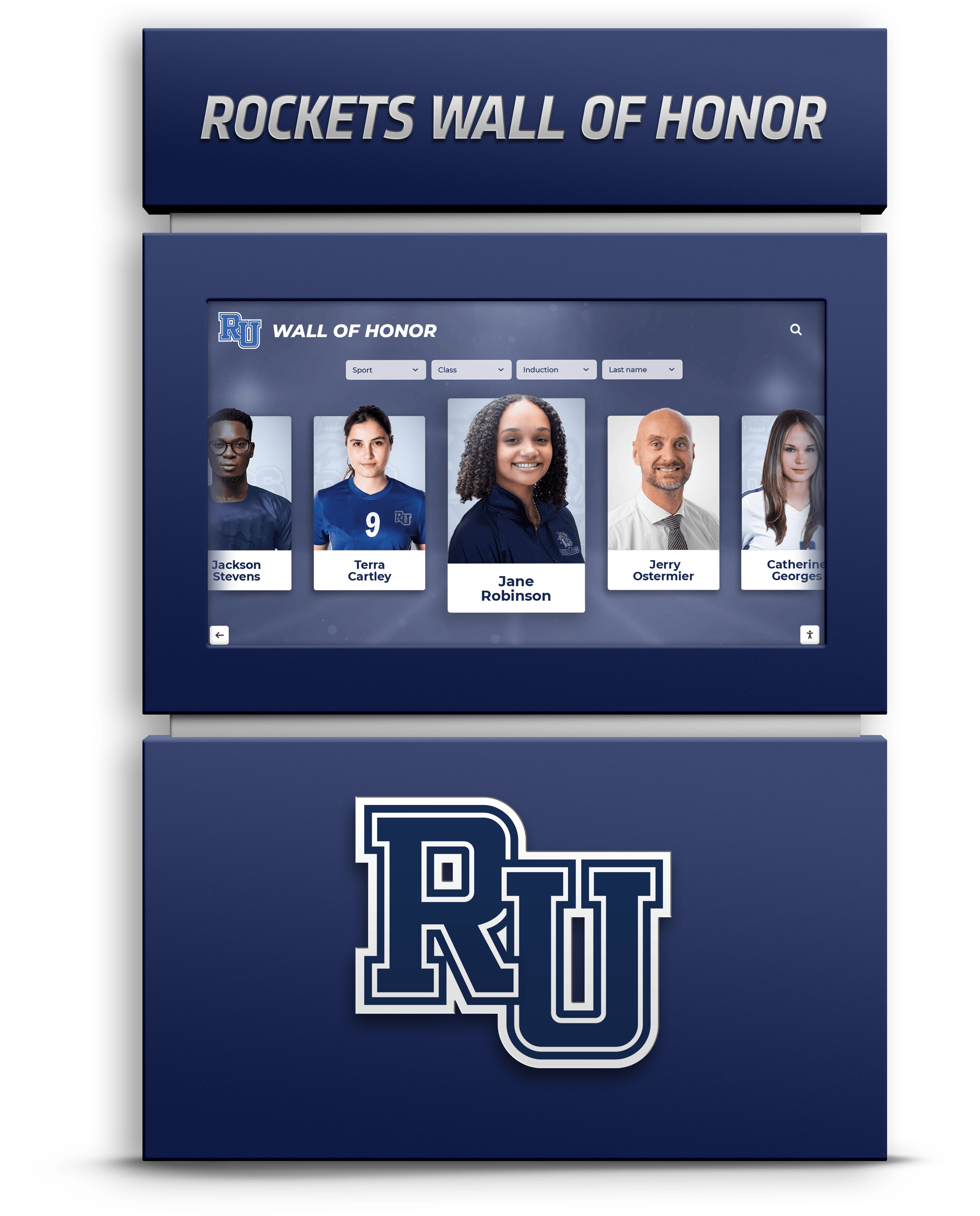
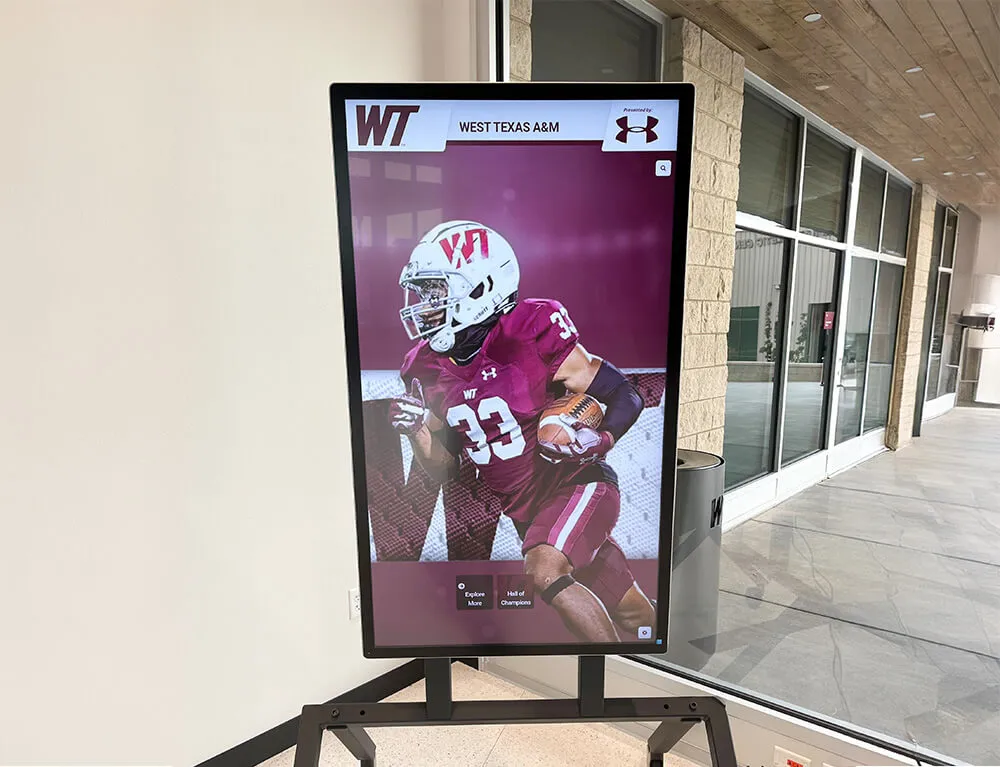
Purpose-built recognition platforms manage semester updates efficiently while preserving multi-year achievement archives students and alumni can explore
Integration with Existing School Communications
The display performs best when connected to the school’s broader communications ecosystem:
- Morning announcements referencing the display during recognition periods
- Parent newsletter links to the mobile web version of the honor roll
- Social media posts featuring individual honoree highlights drawn from the display
- College counselor tours incorporating display as evidence of academic culture
- Alumni communications connecting historical honor roll archives to current recognition
For ideas on how to apply team and group recognition alongside individual honor roll awards, team recognition ideas for celebrating group achievement offers frameworks transferable to academic team achievements like academic decathlon or academic bowl teams.
Why Interactive Displays Outperform Static Honor Roll Lists
The fundamental limitation of traditional honor roll recognition—the photocopied list, the bulletin board, the brief PA announcement—is that it broadcasts information once and then disappears. A student’s name appears, families see it if they happen to walk past at the right time, and within a semester it’s replaced.
Interactive digital displays address this structural problem:
Permanence and Archive Access Every student who achieves honor roll qualification maintains a searchable profile in the system indefinitely. A senior can show their full honor roll history to a college admissions counselor. An alumnus visiting campus five years after graduation can find their name in the archive. The achievement doesn’t disappear at semester’s end.
Family Engagement Mobile web access means parents who can’t physically visit campus during recognition periods can still find their student’s profile, share it on social media, and feel genuinely connected to the recognition moment. This is particularly meaningful for working parents who cannot attend in-person events.
Student Motivation Through Visibility Current underclassmen regularly encounter the display in hallways and common areas. Seeing a sophomore’s name prominently featured in gold under “High Honor Roll” creates a visible, attainable target. Research consistently shows that recognition visibility creates motivational spillover affecting students who haven’t yet qualified.
Administrative Efficiency Semester updates to a cloud-managed system take hours, not days. The registrar exports the honor roll list, uploads it to the platform, reviews the auto-generated profiles, and publishes—without printing, laminating, posting, or removing anything physical.
Rocket Alumni Solutions provides purpose-built platforms combining touchscreen displays with cloud management that address exactly these needs—delivering interactive honor roll experiences that scale across class sizes, update efficiently each semester, and extend recognition to web and mobile audiences beyond campus.
Conclusion: Designing Honor Roll Awards That Match Student Achievement
An honor roll award represents genuine effort—sustained work across a full semester, balanced across multiple subjects, maintained through the distractions and pressures of school life. The recognition program should honor that effort with the same intentionality the student brought to earning it.
Category architecture matters: clear tiers with meaningful thresholds create achievement ladders students understand and aspire toward. Subject-specific recognition captures excellence the GPA-only model misses. Growth and improvement awards extend recognition to students whose trajectories deserve celebration alongside absolute performance. The display design matters equally: interactive touchscreens with intuitive filtering, rich individual profiles, and thoughtful visual hierarchy transform recognition from administrative process into community experience.
Physical and digital elements work together when neither tries to replace the other—certificates and banners provide ceremonial permanence while touchscreen installations provide searchability, storytelling depth, and multi-year archives. QR codes bridge physical and digital seamlessly. Cloud management keeps content current without bureaucratic friction.
Start with your category structure, map the display zones to serve your specific audience, and choose a platform built for recognition—not repurposed from generic digital signage. Your honor roll students earned their recognition. Build the display experience that earns their lasting respect.
Get a Custom Honor Roll Display Design
See how Rocket Alumni Solutions can help your school build an interactive honor roll award experience—with custom branding, cloud-managed updates, and searchable archives your community will engage with every semester.
Explore Honor Roll Recognition Solutions