



Educational institutions carry profound responsibilities not only to celebrate living faculty achievements but also to honor the legacies of educators who have passed away. A faculty memorial recognition program serves as more than a simple tribute—it becomes a sacred space preserving stories, comforting grieving colleagues and families, educating current students and staff about institutional history, and demonstrating that the bonds formed within school communities transcend loss itself.
When faculty and staff members pass away, their contributions to students, colleagues, and the institution deserve permanent acknowledgment. Families and friends grieving the loss of beloved educators find comfort in knowing their connection to the school remains honored and visible. Current students and staff benefit from understanding the full scope of their institution’s impact across complete careers, including those ended too soon or concluded after decades of service.
This comprehensive guide explores thoughtful approaches to creating faculty memorial recognition programs that honor deceased educators with dignity, provide comfort to bereaved communities, and preserve institutional memory for generations to come. Whether establishing your first memorial program or enhancing existing tributes, these strategies ensure you honor those who dedicated their lives to education with the respect and permanence they deserve.
The loss of faculty and staff members affects entire educational communities deeply. Teachers, administrators, counselors, coaches, and support staff who dedicate careers to shaping young lives leave lasting impacts that extend far beyond their tenure. Memorial recognition acknowledges these contributions while helping communities process grief and celebrate lives well-lived in service of education.

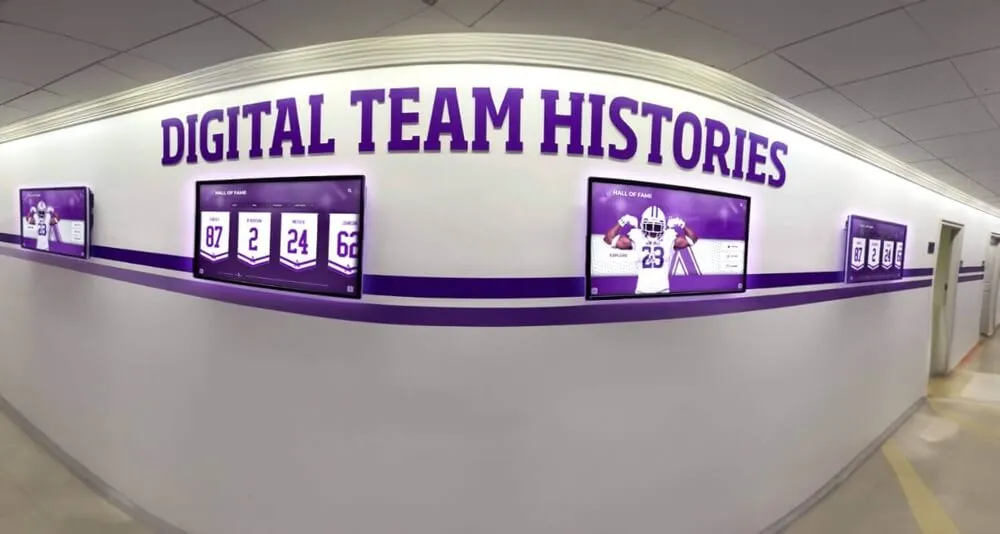
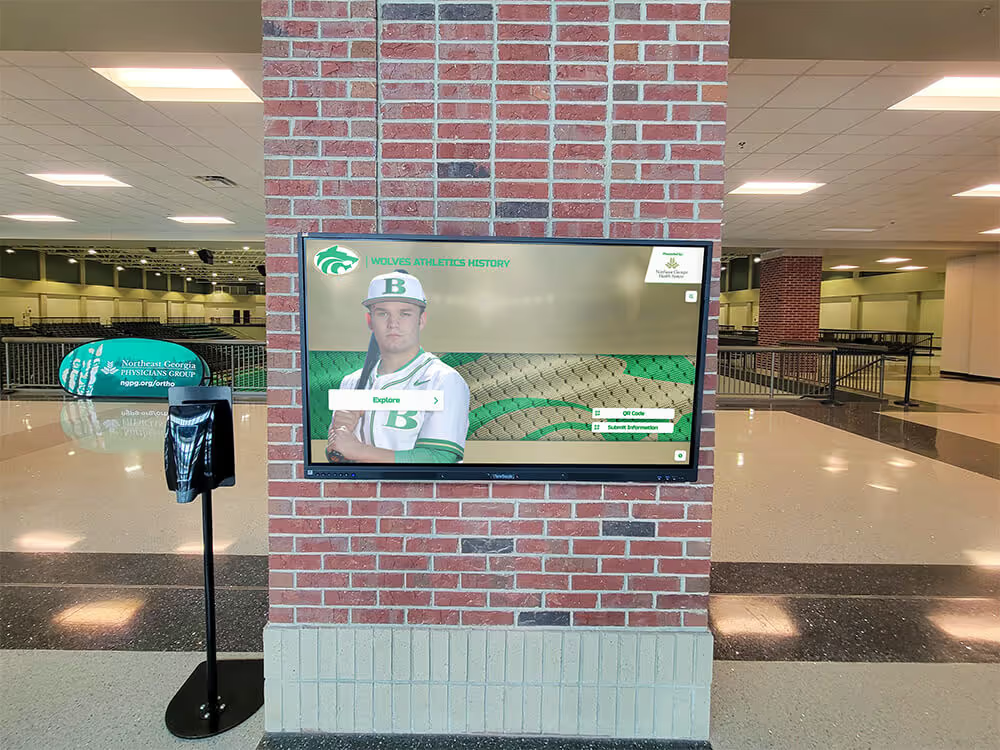
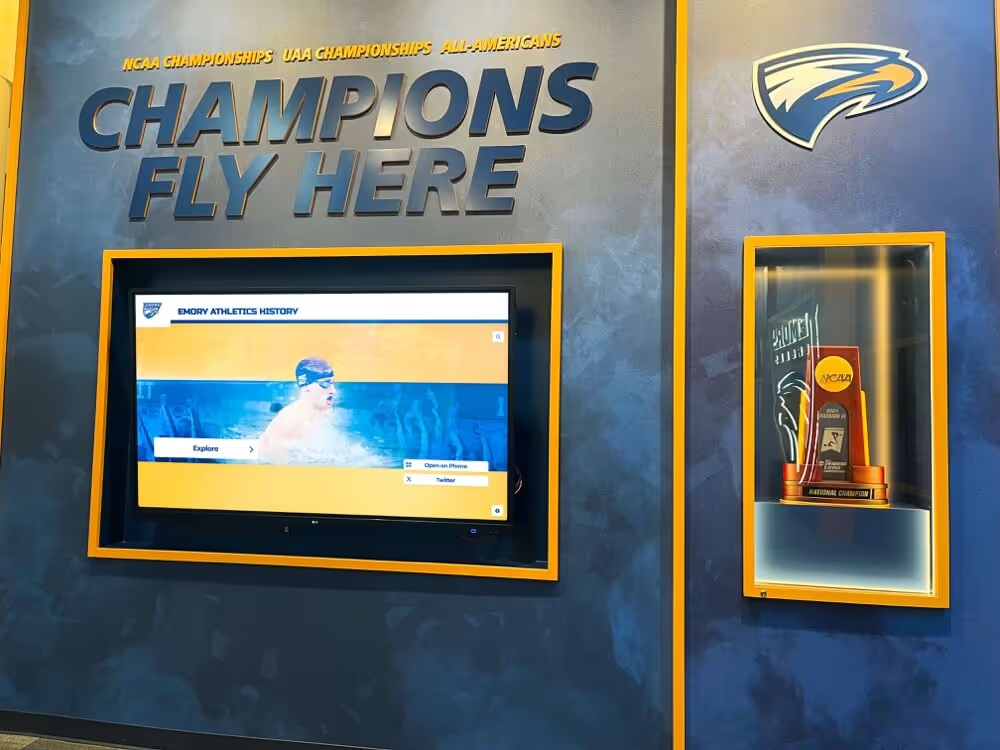
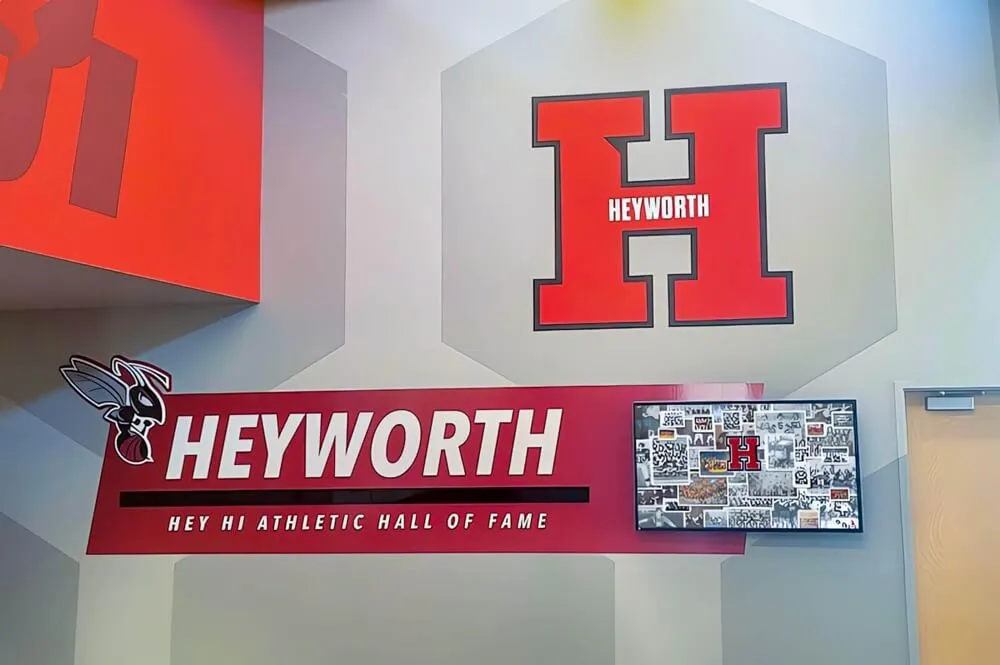
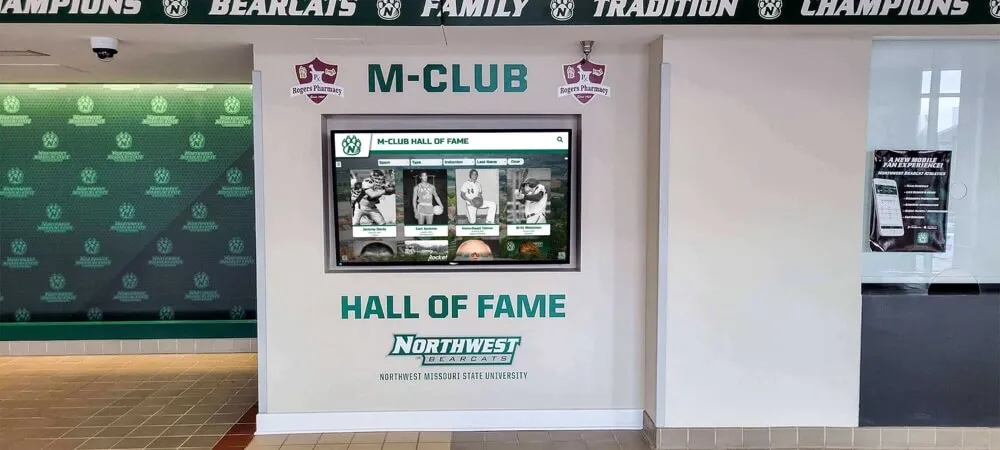
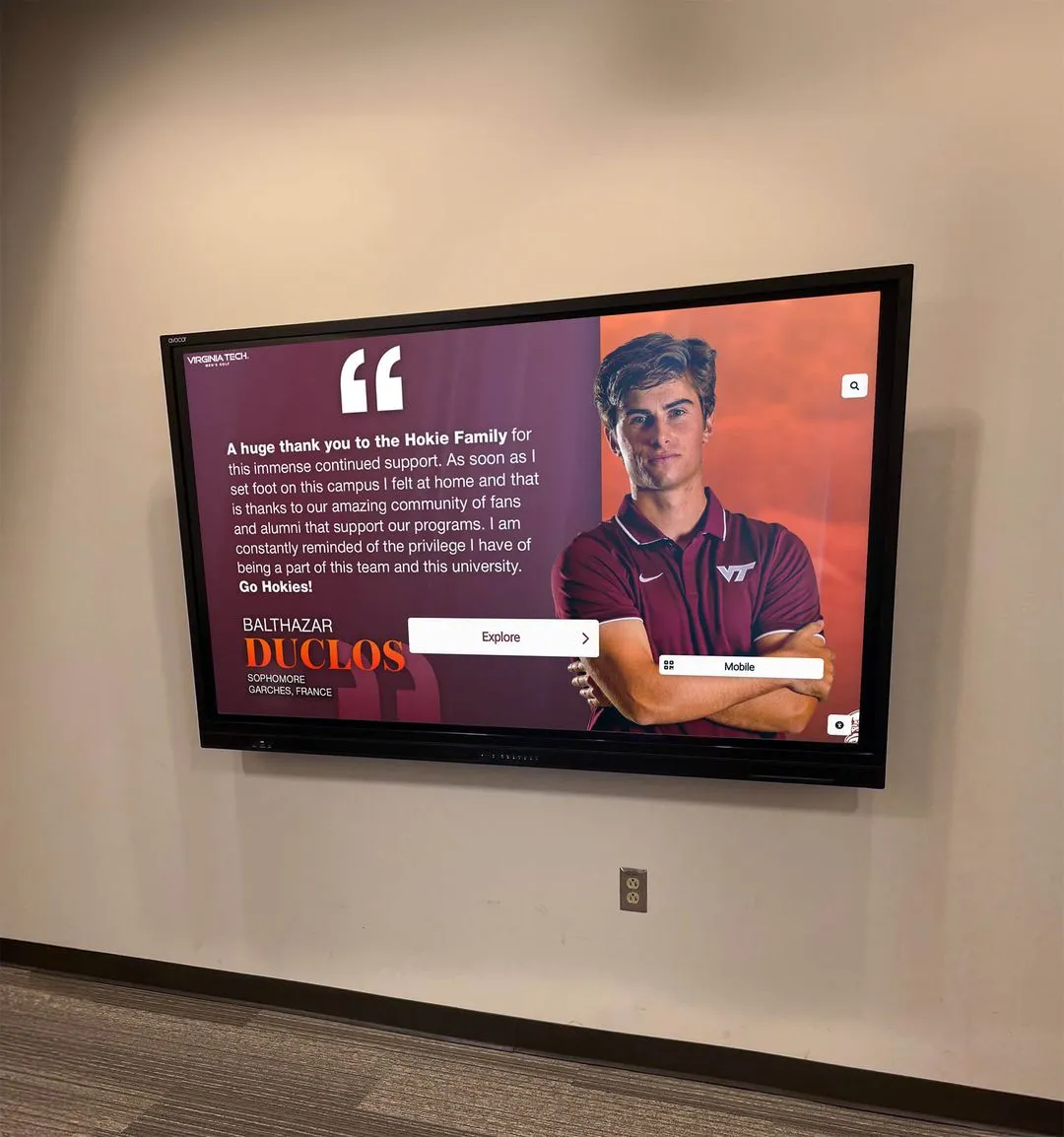
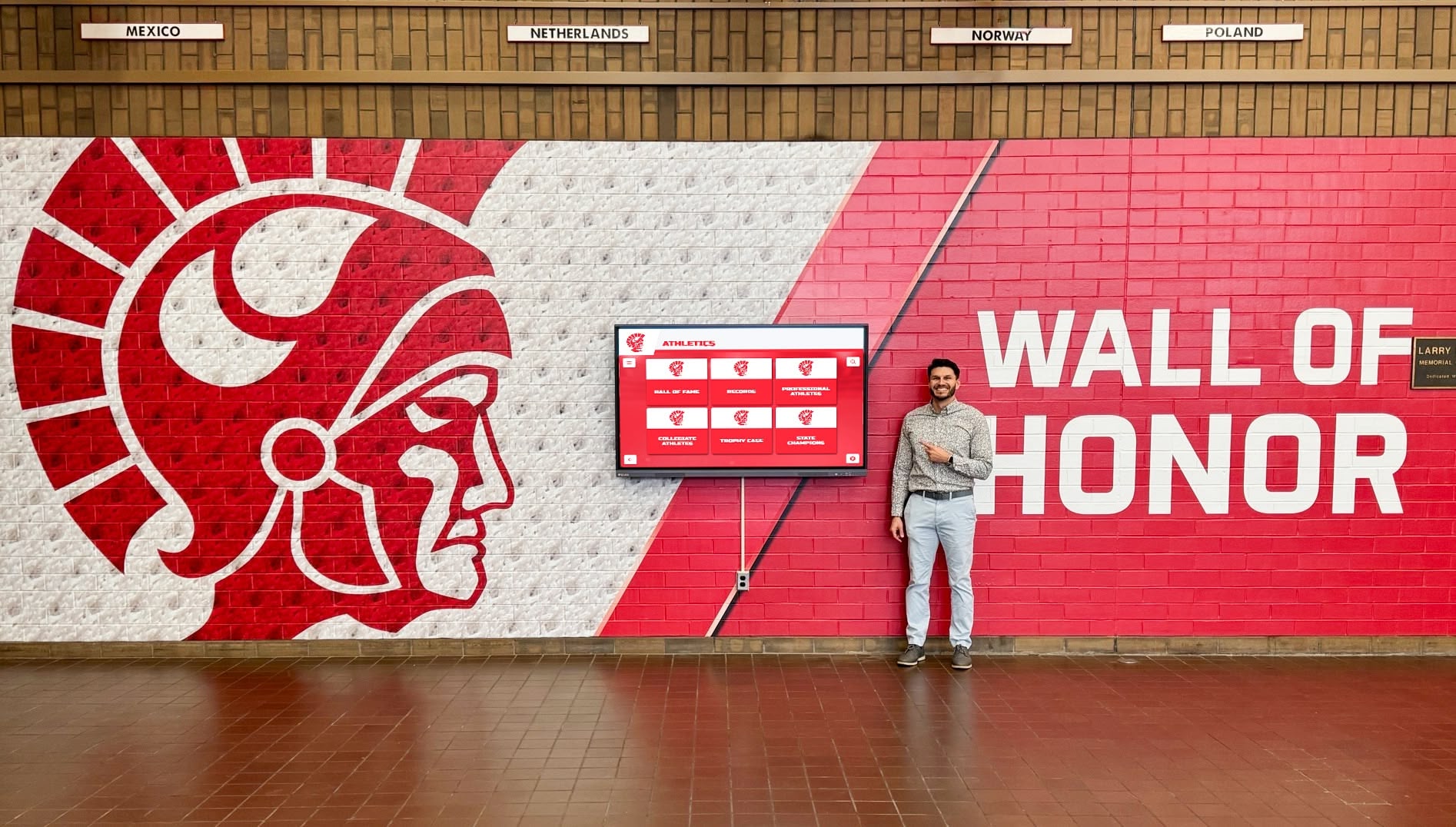
Digital memorial displays enable comprehensive celebration of deceased faculty with detailed profiles, photos, and lasting tributes accessible to entire school communities
Understanding Faculty Memorial Recognition
Faculty memorial programs differ significantly from traditional staff recognition in their purpose, tone, and approach. While living faculty recognition emphasizes current achievements and ongoing contributions, memorial recognition balances celebrating accomplishments with acknowledging loss, providing comfort to grieving communities, and preserving complete career narratives.
The Purpose of Memorial Recognition Programs
Educational institutions implement faculty memorial programs to serve multiple essential purposes that benefit various community members and preserve institutional history.
Honoring Complete Career Legacies
Living faculty recognition naturally emphasizes current work, recent achievements, and future potential. Memorial recognition for deceased educators captures complete professional narratives—early career beginnings, teaching philosophies developed over decades, countless students influenced, curriculum innovations created, and the full measure of contributions made across entire careers.
When colleagues, former students, and families contribute to memorial profiles, they often share personal details and emotional dimensions that living faculty might not include in their own recognition. Stories about inspirational teaching moments, quiet acts of mentorship, unwavering dedication during difficult times, and values that guided professional decisions create profound connections impossible through achievement-focused recognition alone.
According to research on institutional memory and grief support, organizations that systematically honor all members—including those who have passed—build stronger cultures of belonging and demonstrate authentic commitment to lifelong community bonds.
Providing Comfort to Grieving Communities
For colleagues navigating grief following faculty deaths, institutional memorial recognition offers meaningful comfort. Knowing their departed colleagues remain part of the institutional community—their names preserved, their stories told, their achievements celebrated—provides reassurance that relationships and legacies endure beyond physical presence.
Many educators report that visiting memorial spaces becomes part of healing processes, providing physical locations where they can reconnect with memories, share stories with others who knew their colleagues, and find solace in collective remembrance. This emotional function extends memorial programs’ purposes far beyond simple information documentation.
Educating About Institutional History
Faculty memorial recognition serves vital educational functions by documenting complete institutional history. When schools only celebrate living distinguished faculty, they inadvertently create incomplete historical records that erase educators whose careers ended before modern recognition programs existed or whose contributions occurred during eras when systematic documentation wasn’t prioritized.
Memorial programs address these gaps by preserving information about faculty from all eras—including those who died young, whose careers predated current record-keeping systems, or whose contributions occurred in contexts undervalued during their lifetimes but recognized as significant today. This comprehensive documentation creates authentic institutional memory acknowledging all who served.
Common Categories of Faculty Memorial Recognition
Educational institutions typically honor deceased faculty through several distinct approaches, each serving specific purposes and requiring tailored strategies.
Distinguished Deceased Faculty
Many exceptional educators—those who achieved remarkable teaching excellence, made significant contributions to their fields, or brought honor to institutions through extraordinary accomplishments—pass away before or after traditional recognition. Memorial sections within broader faculty recognition programs ensure these distinguished educators receive appropriate acknowledgment regardless of whether recognition occurred during their lifetimes.
This category enables retroactive recognition for faculty whose significance wasn’t fully appreciated during their careers, pioneering educators who broke barriers, and those whose contributions gained wider recognition only after their passing.

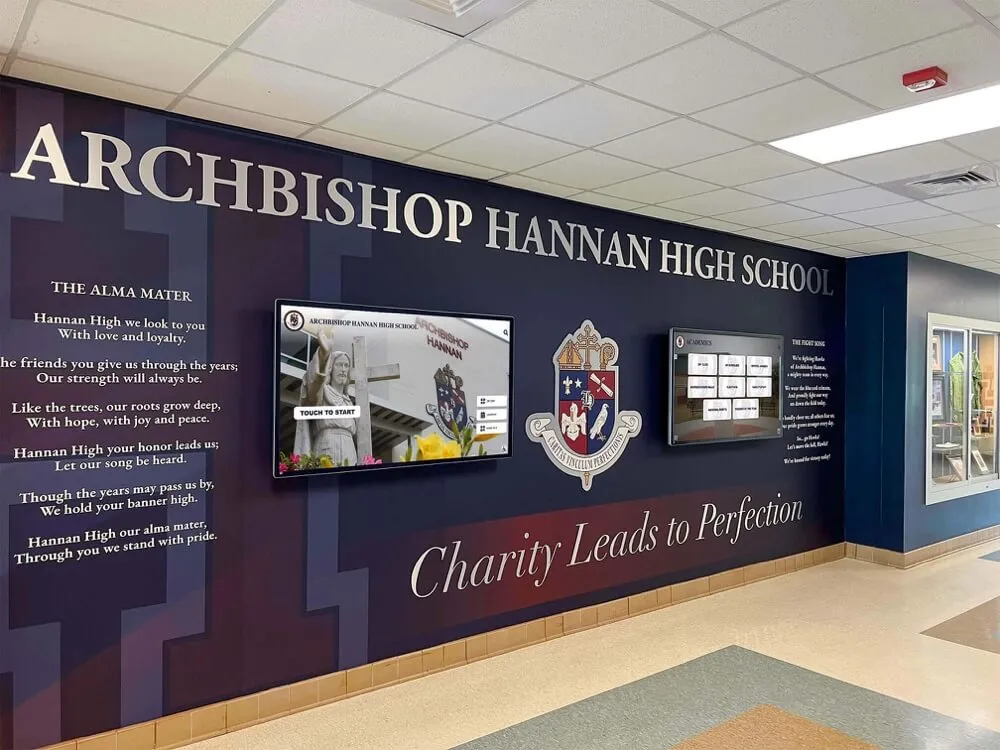
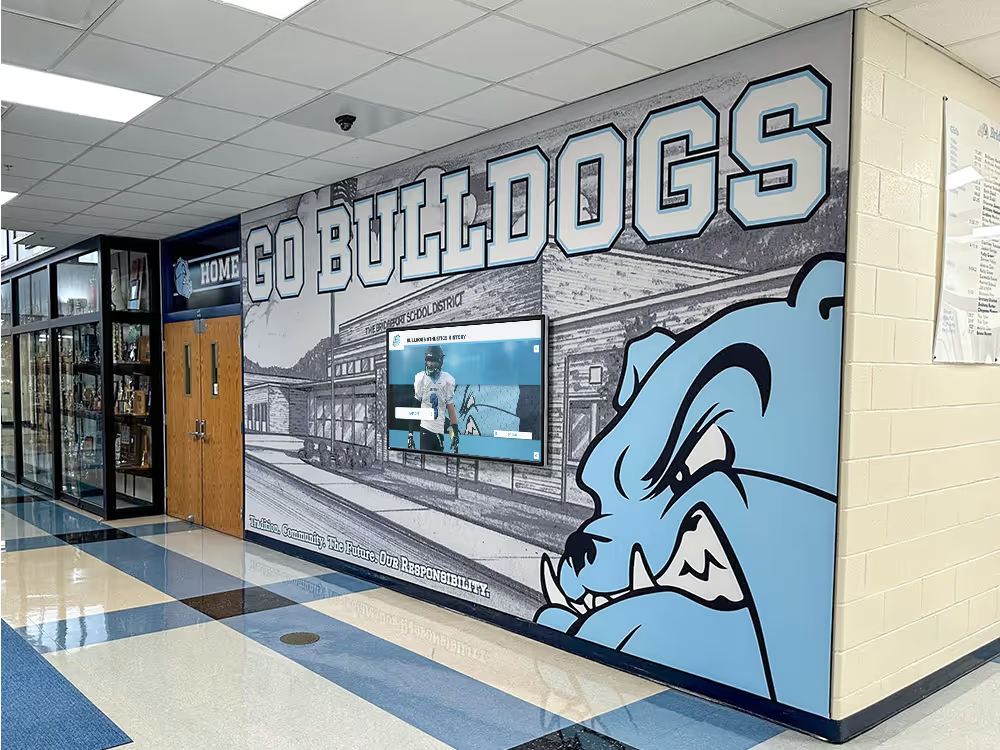
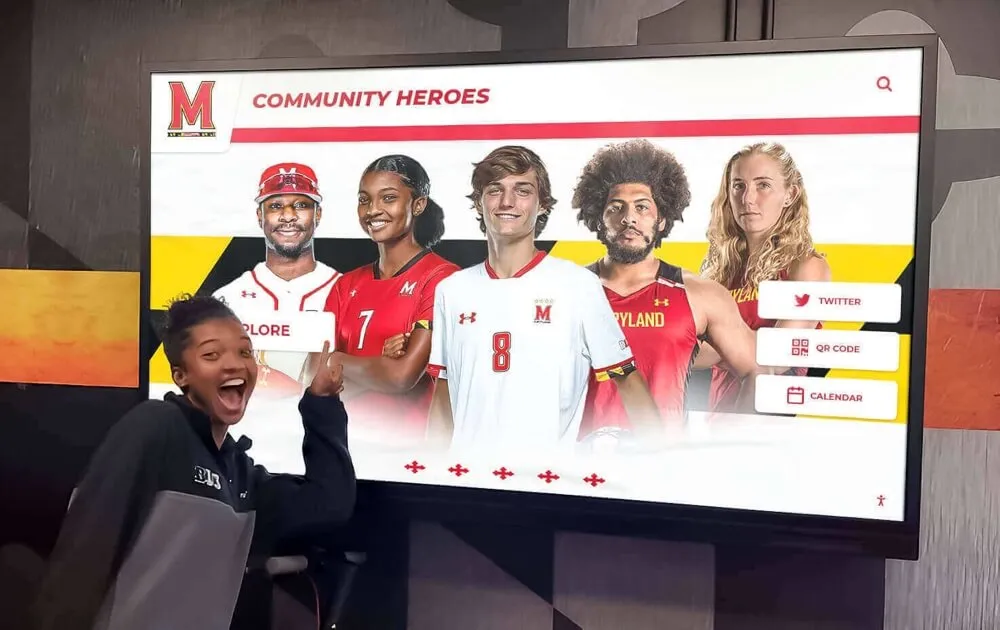
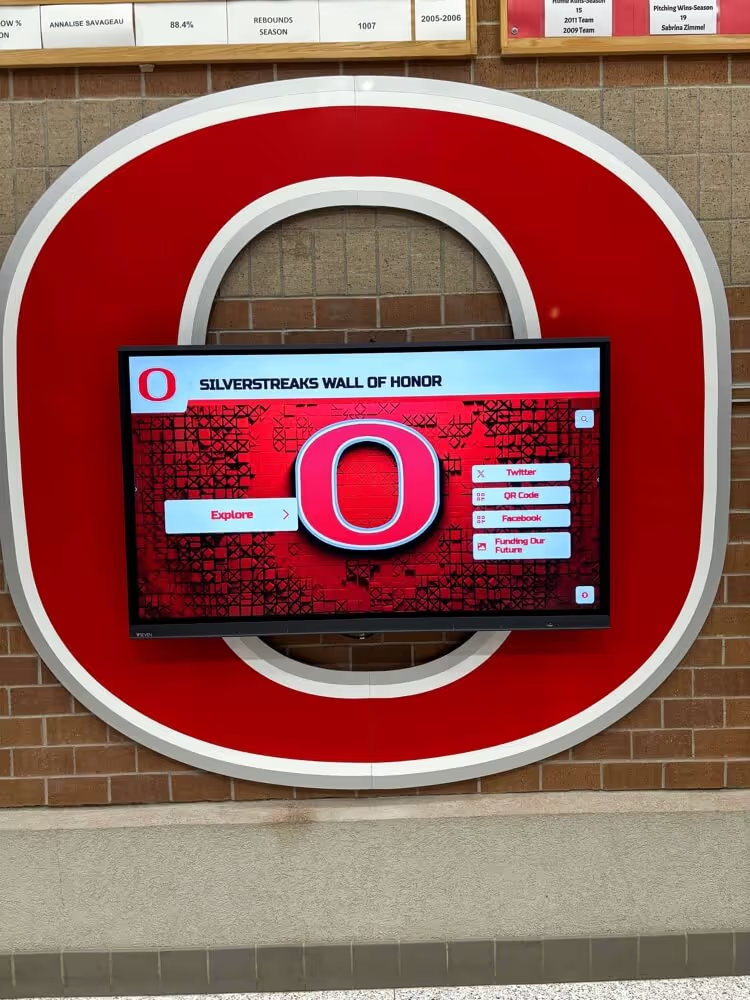
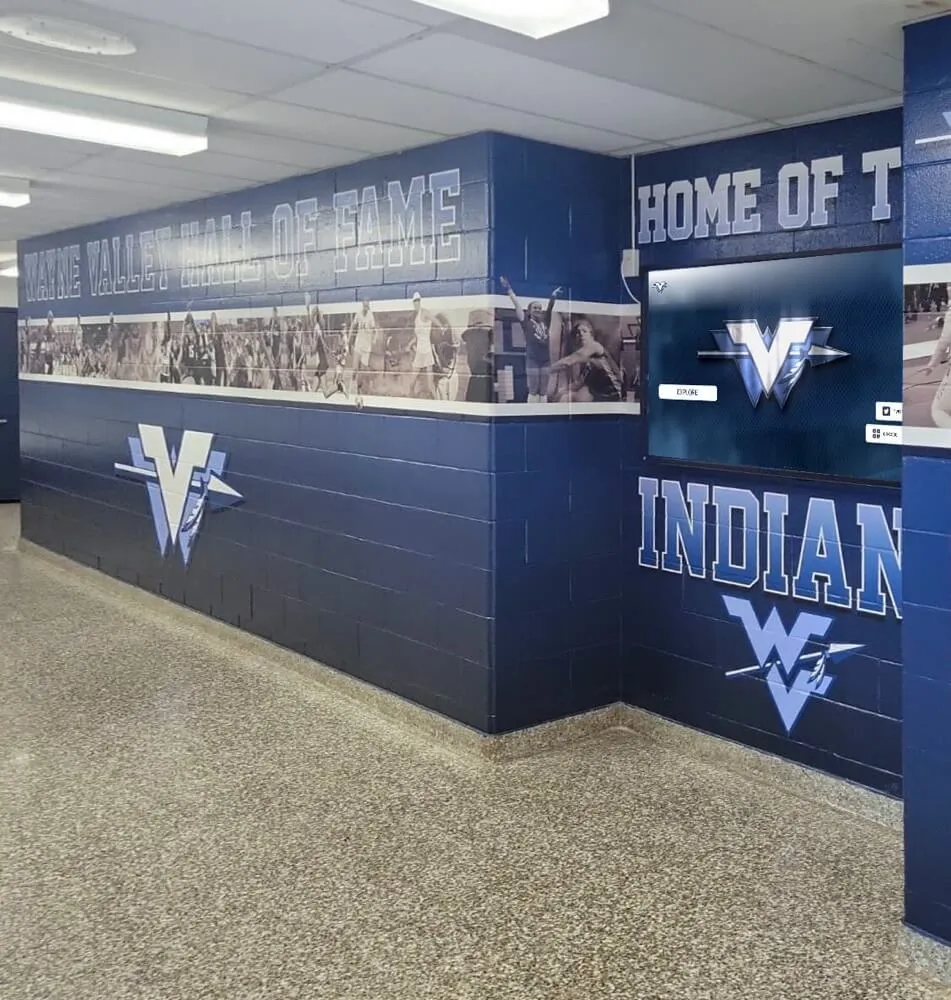
Digital platforms enable detailed memorial profiles that honor complete faculty careers with photos, accomplishments, and personal stories
Recently Deceased Faculty and Staff
When current or recently retired faculty members pass away, their deaths create immediate grief within school communities. Colleagues who worked alongside them daily, students they taught, and administrators who valued their contributions all experience acute loss requiring acknowledgment and memorialization.
Memorial recognition for recently deceased educators serves immediate emotional needs for those processing loss while ensuring these valued community members aren’t forgotten as time passes and new faculty join institutions.
Comprehensive Memorial Sections
Some institutions create inclusive memorial sections honoring all deceased faculty and staff regardless of achievement level, years of service, or circumstances of death. This democratic approach acknowledges that every educator represents part of institutional story and that colleagues of all deceased faculty deserve recognition providing comfort and preserving memory.
Comprehensive approaches particularly suit smaller schools where documenting complete faculty histories remains feasible or institutions with strong traditions of lifelong community connection emphasizing that all who served matter permanently.
Planning Thoughtful Memorial Recognition Programs
Creating faculty memorial recognition requires planning approaches that balance institutional objectives with family and colleague sensitivities, navigate complex emotional dynamics, and establish processes ensuring sustainable, respectful memorial preservation.
Establishing Memorial Recognition Criteria and Policies
Clear, transparent criteria ensure memorial programs maintain consistency and fairness while respecting the unique circumstances surrounding death and institutional grief.
Inclusion Standards
Define which deceased faculty receive memorial recognition through criteria such as minimum years of service (did they work at least one complete academic year?), employment status at time of death (current faculty, retired faculty, or both?), cause-of-death considerations if any exist, family consent requirements, and documentation availability thresholds.
Many institutions adopt inclusive approaches honoring all deceased faculty who completed at least one full year of service, avoiding difficult subjective judgments about which educators “deserve” memorial recognition. This universality removes potential conflicts and communicates that all faculty members matter regardless of career length or post-employment circumstances.
Family and Colleague Consultation
Always prioritize family and close colleague wishes when creating memorial recognition. Establish policies requiring family permission before publishing detailed information, respecting requests for minimal information or complete privacy, allowing families to review content before publication, providing opportunities for family and colleague input, and honoring cultural and religious traditions affecting memorial preferences.
Some families find public memorial recognition comforting and appreciate institutional gestures preserving loved ones’ legacies. Others prefer privacy during grief or hold beliefs about memorial practices that may conflict with public recognition. Respectful processes accommodate diverse preferences without judgment.
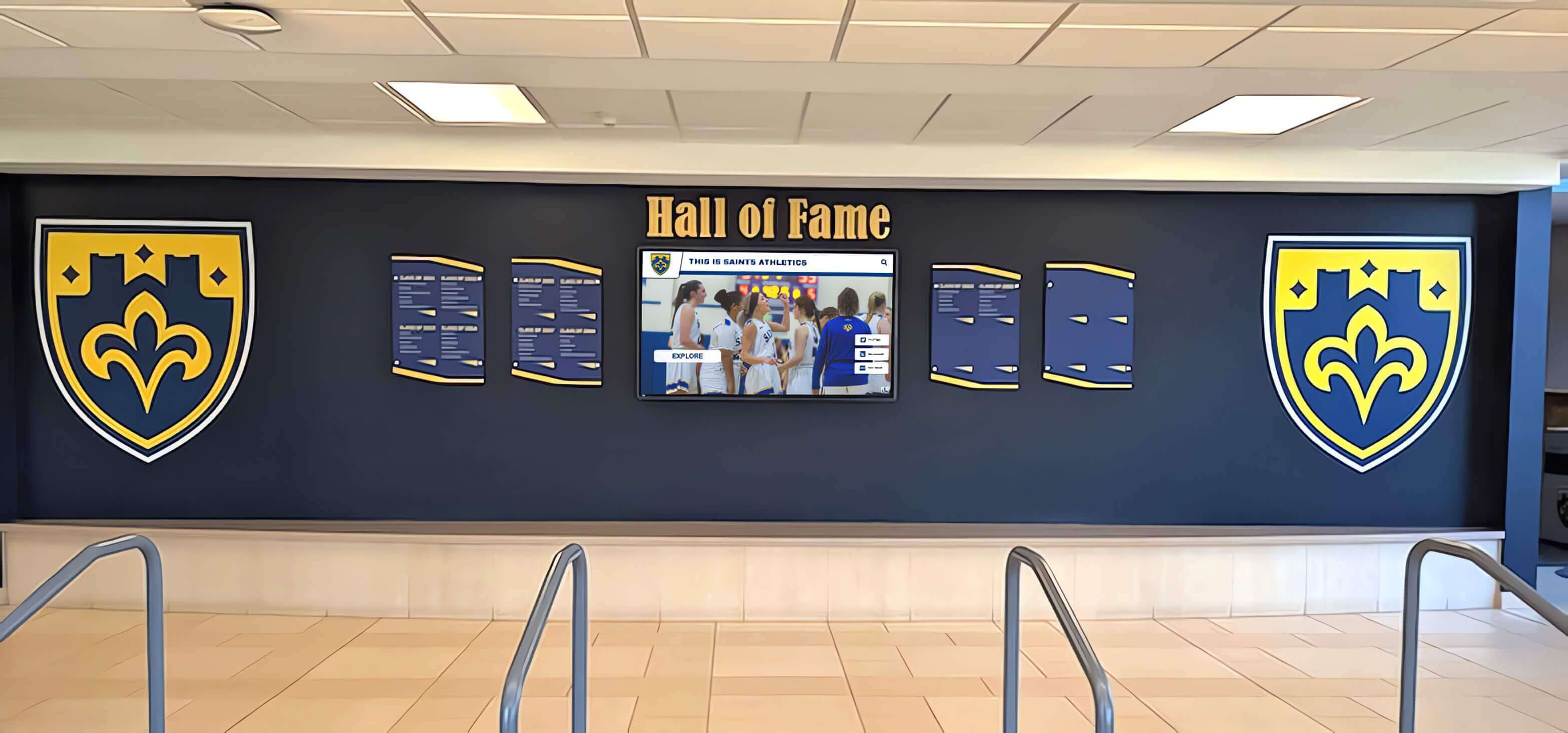
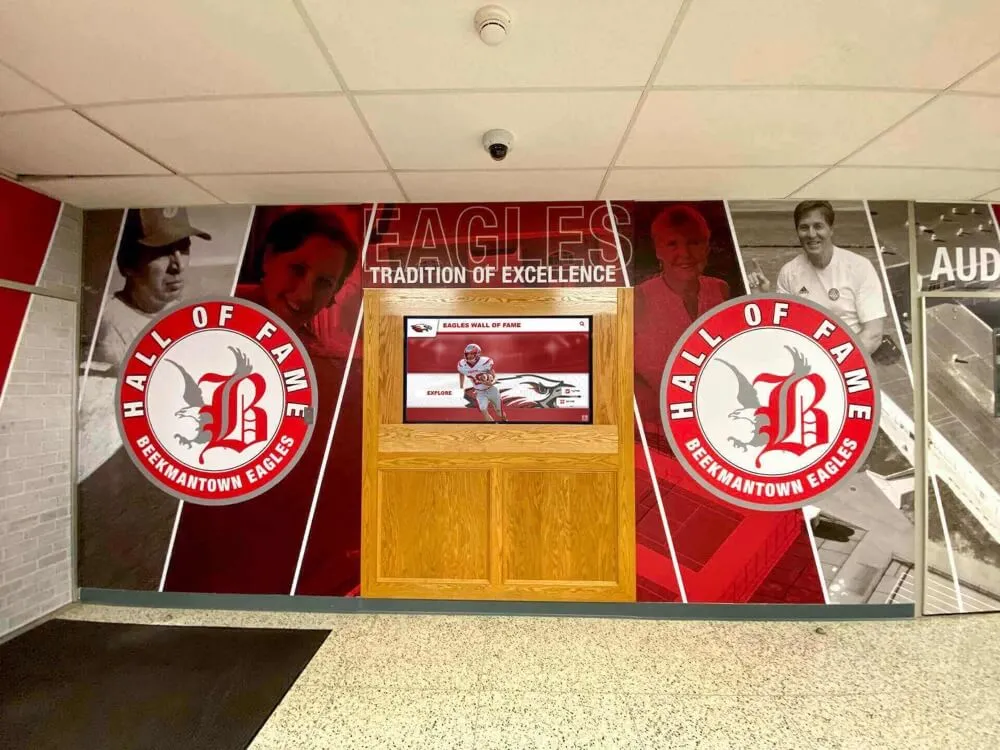
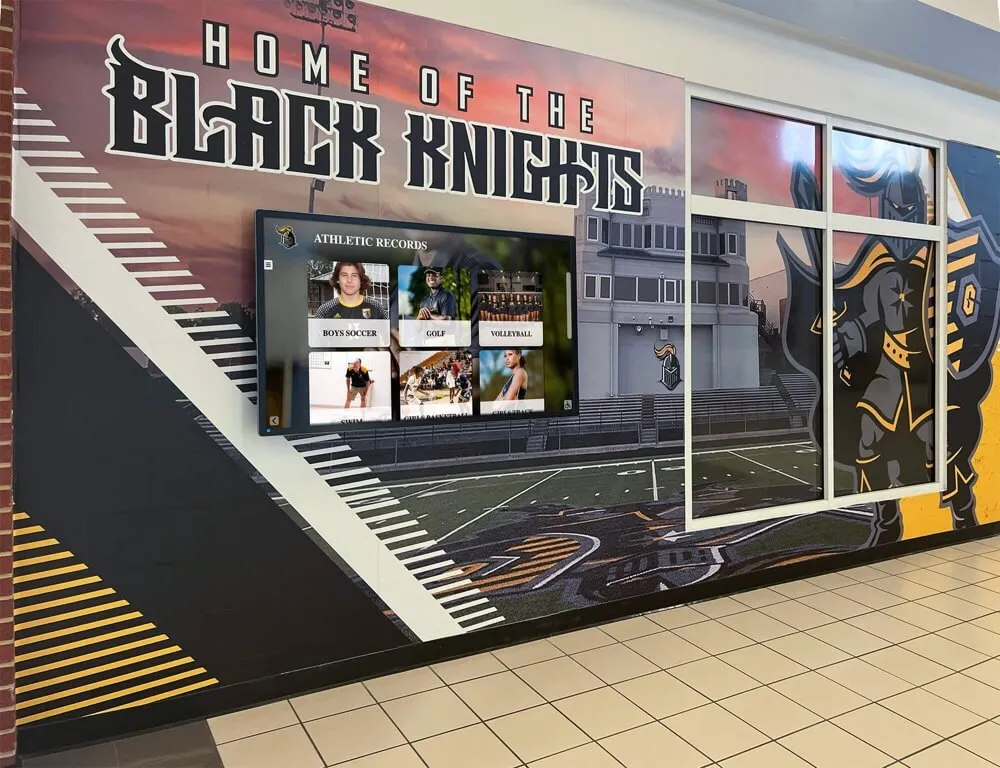
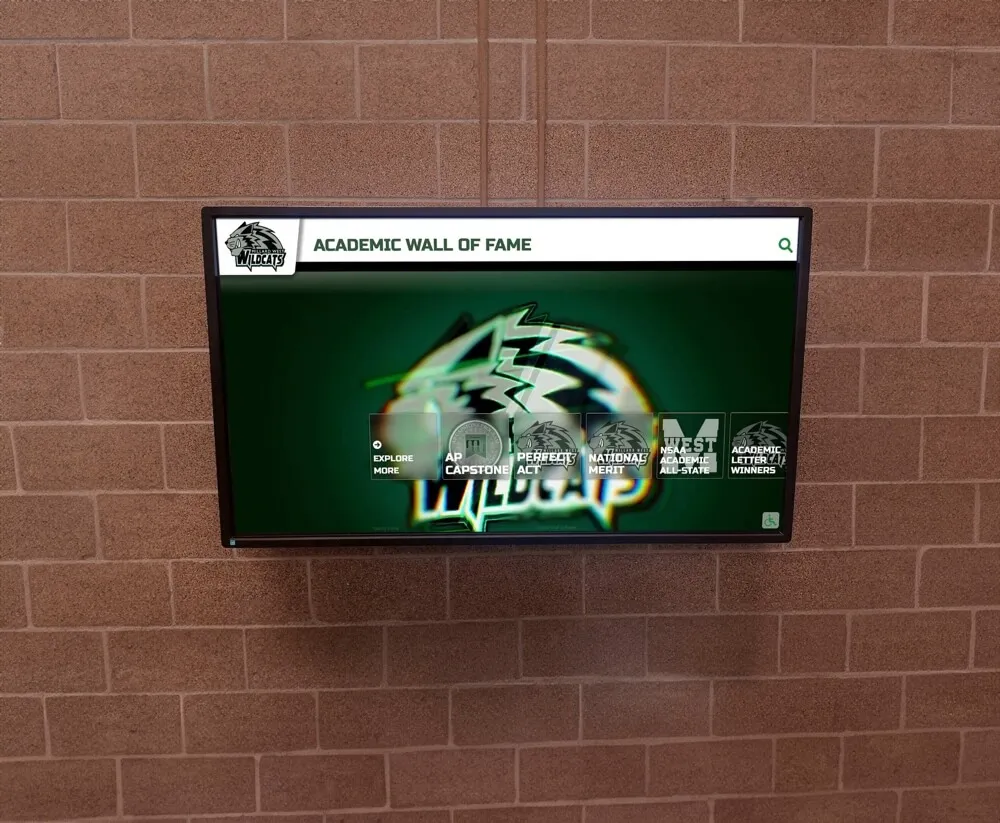
Strategic placement of memorial recognition in high-visibility areas ensures deceased faculty receive ongoing honor and remembrance
Timing Considerations
Establish thoughtful approaches to when memorial recognition occurs. Immediate recognition following death provides timely comfort to grieving communities and demonstrates institutional responsiveness. However, some schools implement brief waiting periods allowing colleagues and families time to process acute grief before engaging with recognition decisions and ensuring information accuracy when initial reports may be incomplete.
Both approaches have merit—the key is establishing clear, consistent policies communicated transparently so families and colleagues understand what to expect and when.
Gathering Information With Sensitivity and Respect
Creating meaningful memorial profiles requires collecting comprehensive information while respecting emotional states and privacy boundaries of those grieving.
Outreach to Bereaved Families and Colleagues
When contacting families about memorial recognition, approach conversations with extraordinary sensitivity. Use compassionate language acknowledging loss, clearly explain memorial program purposes and benefits, request rather than demand participation, offer flexible response timelines accommodating grief processes, and provide complete transparency about how information will be used and displayed.
Many families appreciate receiving requests several months after death when initial acute grief has somewhat subsided. Others find immediate engagement helpful as part of processing loss. Offering flexibility demonstrates respect for individual grief experiences while supporting comprehensive faculty and staff recognition that honors all who served.
Essential Information to Collect
Comprehensive memorial profiles typically include full name (including maiden names for married faculty), birth and death dates (with family permission), years of service and positions held, academic credentials and specializations, teaching philosophy and approaches, notable achievements and contributions, student impact stories and testimonials, colleague reflections and memories, professional association involvement, community service and engagement, and family information if families wish to share.
Sources Beyond Family
When families cannot participate or prefer minimal involvement, alternative information sources include institutional personnel records and archives, obituaries and memorial service programs, colleague interviews and remembrances, former student testimonials, departmental records and histories, professional association records, published works or curriculum materials, and historical documents and photographs.
Always verify information from multiple sources when families aren’t directly involved to ensure accuracy in memorial documentation while maintaining the respectful tone appropriate for honoring those who have passed.
Creating Memorial Content That Honors and Comforts
The quality and tone of memorial content profoundly affect whether recognition achieves its purposes of honoring deceased faculty and comforting grieving communities.
Balancing Celebration and Acknowledgment
Effective memorial content celebrates careers and contributions while acknowledging the reality and sadness of loss. This balance avoids dismissing grief while preventing memorial content from becoming exclusively somber or morbid.
Strong memorial profiles highlight teaching excellence, innovative contributions, student relationships, professional dedication, and lasting impact while appropriately noting that these remarkable educators are no longer physically present and that their absences create genuine loss for students, colleagues, families, and communities.
Using Colleague and Family Voices
Whenever possible, incorporate perspectives and words from colleagues who worked alongside deceased faculty and family members who knew them personally. First-person reflections from department chairs, teaching colleagues, administrators, or family members create authentic emotional connection impossible through third-person biographical summaries alone.
Many families and colleagues find the process of contributing to memorial content therapeutic—an opportunity to share what made their loved ones or colleagues special and ensure their stories are preserved accurately and lovingly. This participation gives families and colleagues agency in shaping how their faculty members are remembered.
Age-Appropriate Content
When memorializing faculty who died young or in tragic circumstances, consider how to present information appropriately for student and colleague audiences who will encounter memorial content. Balance honesty about circumstances with sensitivity toward viewers’ emotional wellbeing, particularly when discussing sudden deaths, serious illnesses, or other difficult circumstances.
Schools often develop content variations—comprehensive versions accessible to families and researchers alongside versions for general audiences that focus on celebrating careers and contributions while acknowledging loss less explicitly.

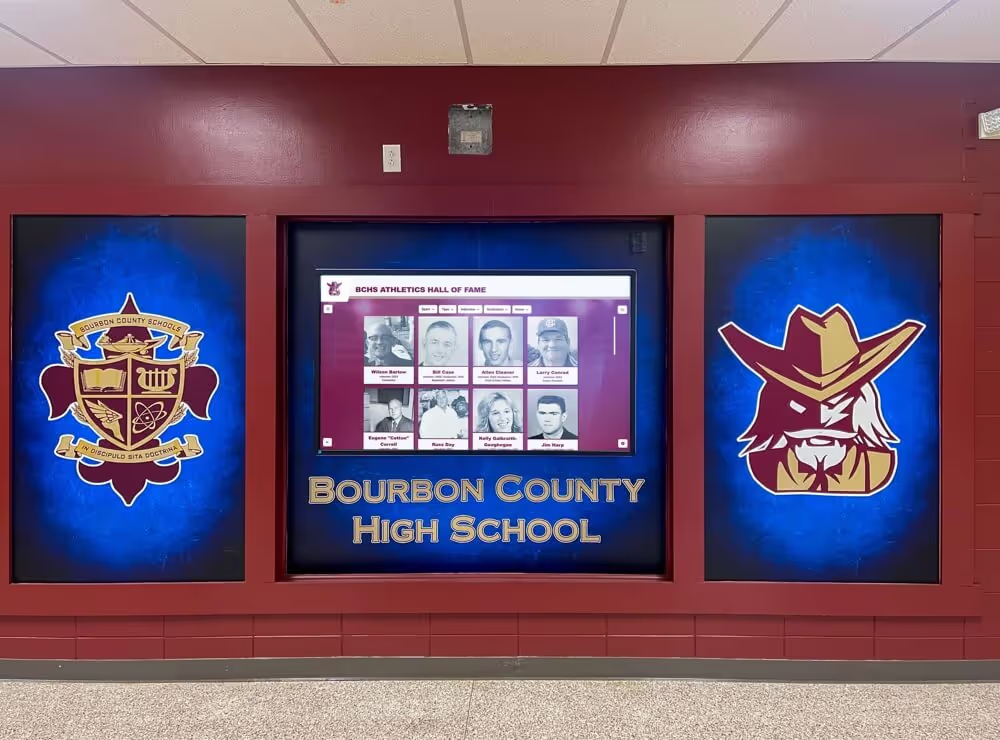
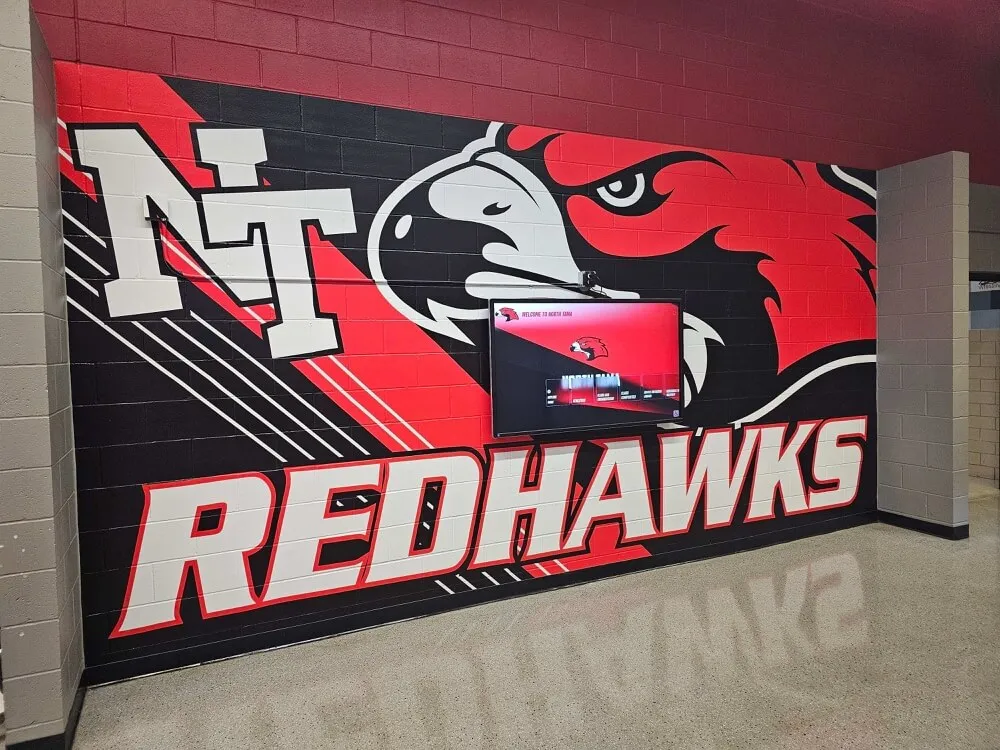
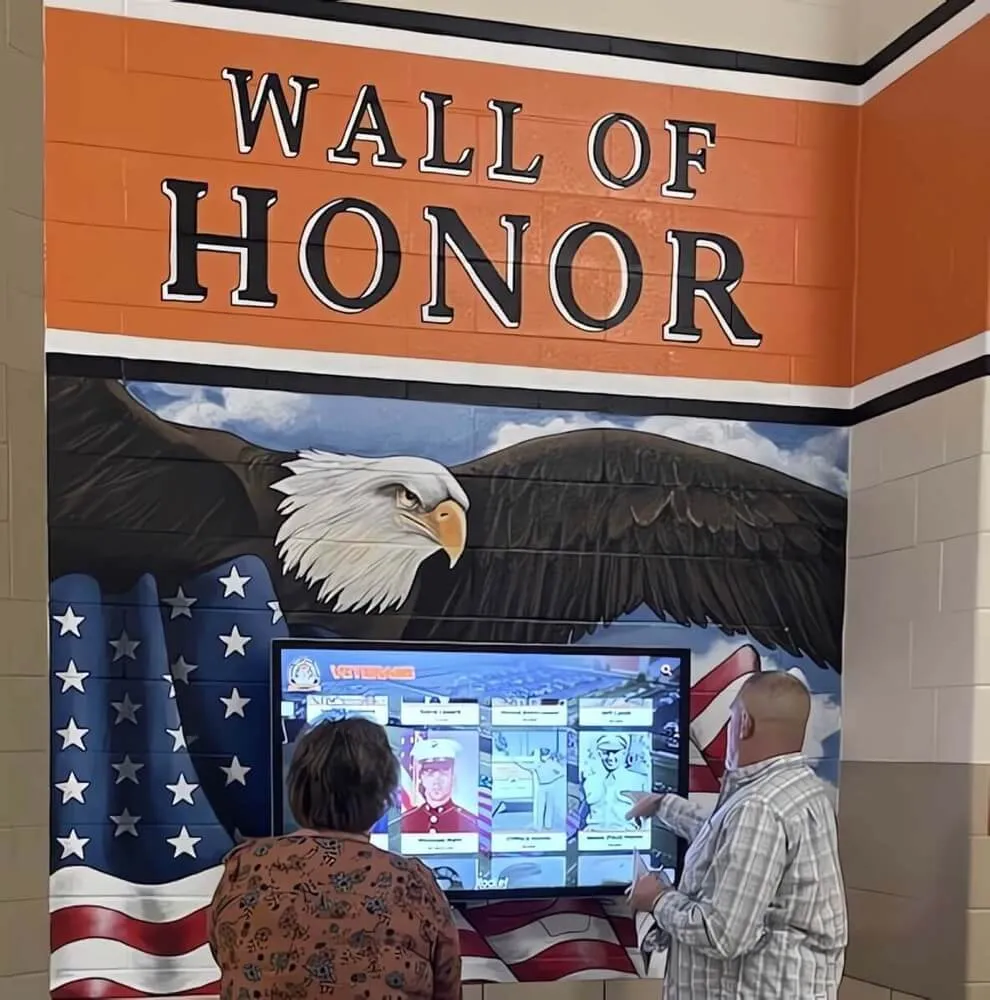
Integrated memorial displays become natural parts of school environments where students and staff regularly encounter tributes to those who shaped institutional history
Ongoing Updates and Living Memorials
Memorial recognition need not remain static. Some families and colleagues appreciate opportunities to add content over time—milestone anniversaries, posthumous honors, scholarship recipient updates, or new memories and photos discovered in personal collections.
Interactive digital memorial displays enable these dynamic updates easily, transforming static memorials into living tributes that grow as communities continue honoring loved ones’ legacies and as new generations of students and faculty learn about those who came before them.
Traditional vs. Modern Memorial Recognition Approaches
Educational institutions implementing faculty memorial programs can choose from several formats, each offering distinct advantages and considerations for honoring deceased educators.
Traditional Physical Memorial Approaches
Conventional approaches to faculty memorial recognition utilize engraved plaques, memorial gardens, or dedicated spaces creating tangible, permanent tributes.
Memorial Plaque Installations
Traditional brass or bronze plaques mounted on memorial walls provide familiar, solemn recognition that many find appropriate for honoring deceased faculty. Individual plaques engraved with names, dates, positions, and brief career summaries create uniform, dignified presentations conveying respect and permanence.
These physical memorials create spaces for quiet reflection where colleagues, former students, and families can visit specific plaques, read engraved words, and experience tangible connection to institutional recognition of their loved ones or former teachers.
However, physical plaques face significant limitations including finite wall space that eventually fills completely, substantial costs for engraving and installation ($200-$500+ per faculty member), limited biographical information restricted by plaque size, difficulty making updates if errors are discovered, and gradual deterioration requiring maintenance over decades.
Memorial Gardens and Dedicated Spaces
Some institutions create contemplative spaces dedicated to faculty memory. These memorial areas might include pathways with engraved paving stones, plantings or trees dedicated to specific individuals, sculptural elements or monuments, and benches for reflection.
Memorial spaces provide peaceful settings for colleagues and families to remember loved ones and for current faculty and students to reflect on institutional history and the educators who shaped it. These spaces work particularly well for memorial services, remembrance ceremonies, or personal visits during significant dates.
Outdoor memorials require ongoing landscape maintenance, face weather-related deterioration, and limit information presentation to brief engravings that can withstand outdoor conditions—making them better suited as contemplative spaces than comprehensive recognition.
Modern Digital Memorial Recognition
Contemporary technology transforms memorial recognition capabilities, enabling comprehensive tributes that overcome traditional limitations while adding powerful new possibilities for honoring deceased faculty.
Interactive Digital Memorial Systems
Digital platforms allow colleagues, students, and families to explore comprehensive memorial profiles through intuitive interfaces. Unlike physical plaques accommodating perhaps 50 words, digital memorial profiles support extensive content including complete career narratives documenting teaching philosophies and professional accomplishments, multiple photographs spanning entire careers, video tributes and recorded memories from colleagues and former students, detailed descriptions of contributions and innovations, family reflections and personal stories, and memorial service information and remembrances.
The unlimited capacity of digital systems means institutions can honor every deceased faculty member regardless of career length, creating comprehensive memorial documentation that traditional approaches cannot match. Whether memorializing 20 distinguished faculty or 200 educators across decades, display footprints remain constant while content grows infinitely.
Digital memorial updates occur instantly through software rather than requiring new plaque fabrication. When colleagues discover new information, families want to add photos, or updates are needed, changes happen within minutes rather than requiring months and significant expense per update.
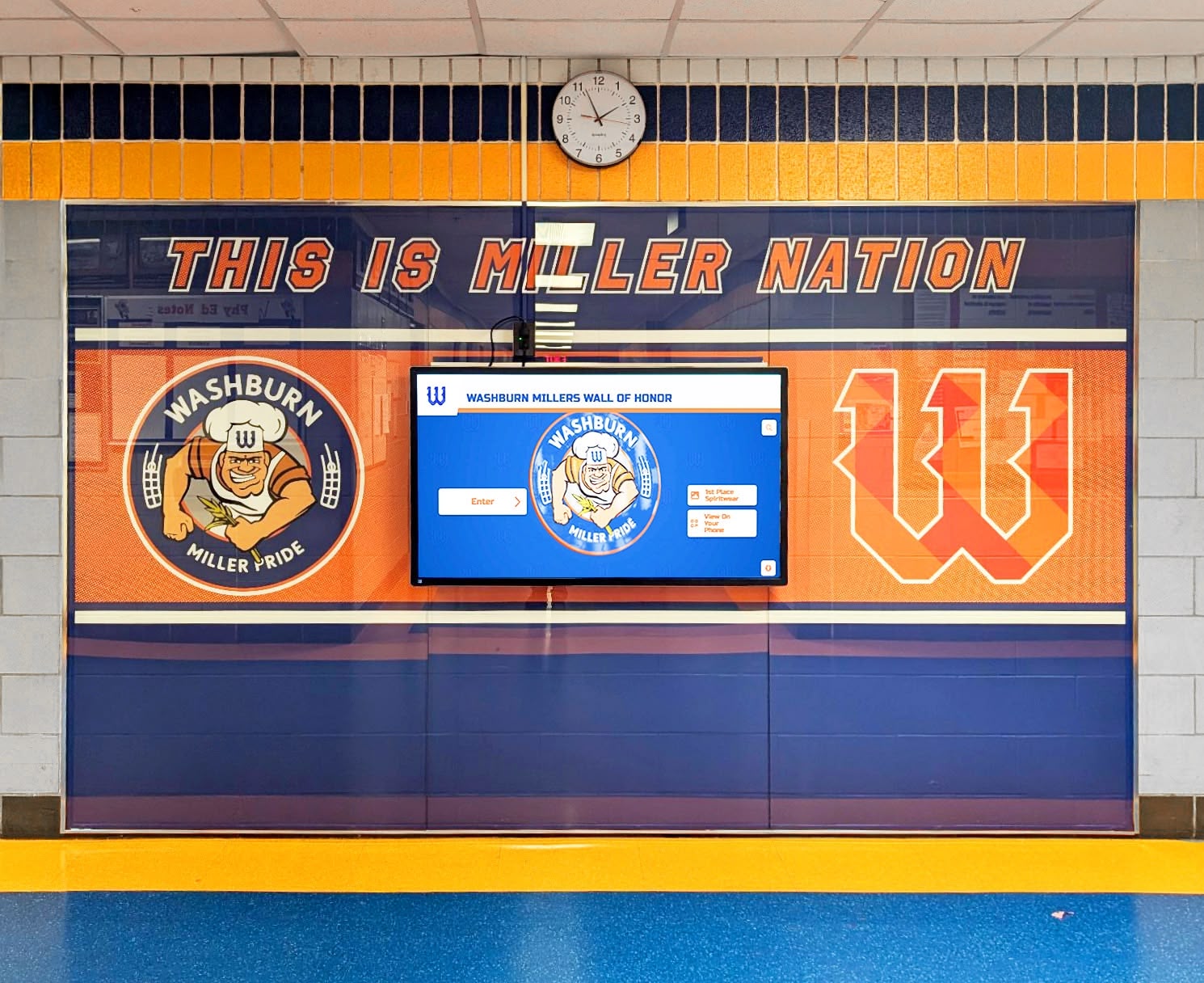
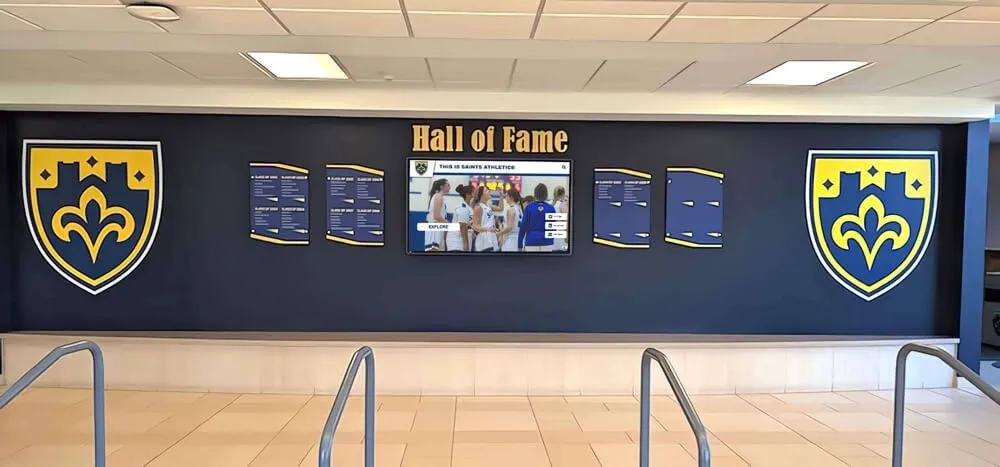
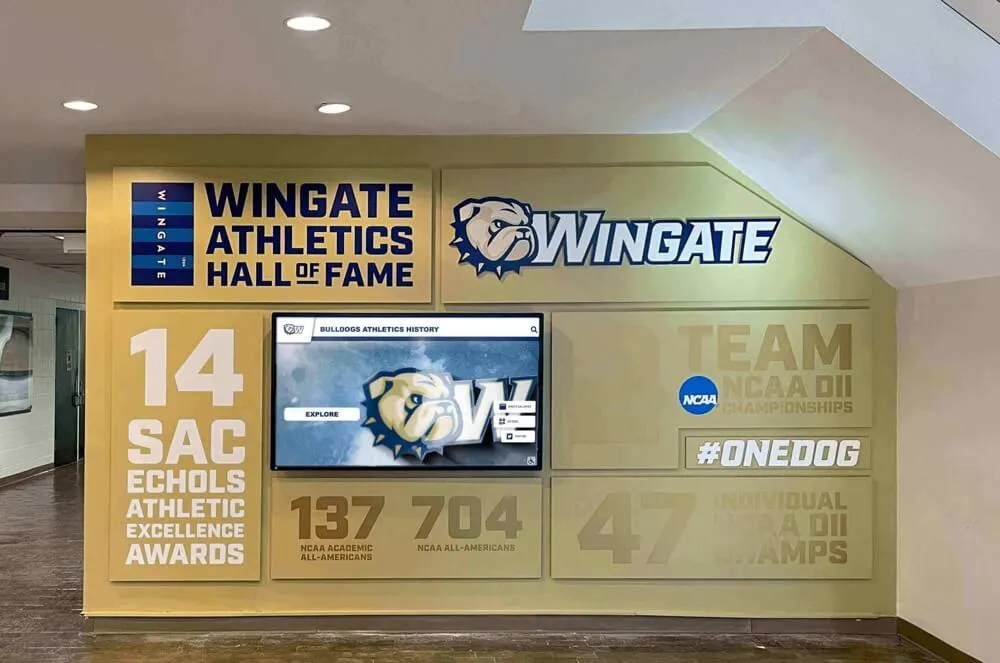
Digital memorial walls showcase deceased faculty alongside other honored educators, creating comprehensive spaces celebrating complete institutional histories
Web-Based Memorial Access
Online memorial recognition extends remembrance beyond physical campus locations, making tributes accessible to alumni, retired colleagues, and families anywhere in the world. This global accessibility proves particularly meaningful for geographically dispersed communities where most people cannot easily visit campus memorials.
Web platforms enable social sharing, allowing families to distribute memorial content through their networks—introducing wider audiences to loved ones’ teaching careers while demonstrating institutional commitment to preservation. When colleagues share memorial profiles with former students or families post tributes on anniversary dates, recognition extends far beyond what static physical memorials achieve.
Remote accessibility provides comfort to families who cannot physically visit campus frequently but want to maintain connection to institutional recognition of their loved ones. Knowing they can access memorial content anytime, anywhere, from any device provides ongoing comfort throughout extended grief journeys.
Hybrid Memorial Approaches
Many institutions implement strategic combinations of traditional and digital recognition, respecting conventional memorial practices while gaining technology’s advantages. Effective hybrid approaches might include prominent traditional memorial plaques listing all deceased faculty names alongside detailed interactive digital displays providing comprehensive profiles, memorial spaces serving as reflective settings while referencing digital content for detailed information, or printed memorial programs updated periodically while maintaining continuously updated online versions.
Solutions like Rocket Alumni Solutions provide purpose-built memorial platforms designed specifically for educational contexts, enabling institutions to honor deceased faculty with the permanence, sensitivity, and comprehensive storytelling capabilities that meaningful memorial recognition requires.
Special Memorial Scholarship and Legacy Programs
Memorial recognition often extends beyond information documentation to include ongoing programs ensuring deceased faculty legacies create tangible benefit for current and future students.
Memorial Scholarship Establishment
Many institutions and families honor deceased faculty through establishing scholarship funds providing financial support to students while keeping educators’ names and values alive within school communities.
Connecting Scholarships to Memorial Recognition
When institutions or families establish memorial scholarships, linking these funds directly to faculty memorial recognition creates powerful connections. Memorial profiles can describe scholarship criteria reflecting deceased faculty values and priorities, share stories of scholarship recipients expressing gratitude, document cumulative impact showing how many students benefited over years, and explain how scholarships ensure ongoing legacies.
This integration demonstrates that deceased faculty continue contributing to institutional missions through scholarships advancing the same educational opportunities they once provided. For families and colleagues, knowing their loved ones or colleagues still help students decades after death provides profound meaning and comfort.
Facilitating Memorial Gift Options
Institutions can encourage memorial giving by making processes simple and accessible including offering memorial gift options prominently in memorial recognition materials, providing giving platforms directly within digital memorial profiles when appropriate, establishing various scholarship fund levels accessible to different donor capacities, and supporting fundraising campaigns where colleagues and former students collectively fund memorial scholarships.
When multiple colleagues or former students contribute to memorial scholarships honoring deceased faculty, these collaborative efforts strengthen community bonds while creating meaningful tributes exceeding what individual donors might afford alone. These programs transform grief into action that perpetuates educators’ values and commitments.

Interactive memorial displays invite exploration and engagement, helping current community members connect with institutional history and educators who shaped it
Legacy Programs and Ongoing Connection
Beyond scholarships, various programs maintain deceased faculty connections to living institutional communities and ensure their influences continue shaping educational experiences.
Memorial Lecture Series
Some institutions establish lecture series honoring distinguished deceased faculty. These programs invite prominent speakers addressing topics related to deceased faculty specializations or values, provide platforms for discussing educational issues deceased faculty cared about, create intellectual legacies extending beyond individual teaching, and bring communities together for remembrance and learning.
Annual lectures create sustained recognition while educating current students and faculty about ideas and commitments that motivated deceased educators throughout their careers, ensuring their intellectual influences persist.
Mentorship and Teaching Excellence Programs
Educational organizations sometimes establish mentorship or teaching excellence programs named for deceased faculty, connecting early-career educators with experienced mentors in approaches the honored faculty exemplified. These programs honor memory through action rather than passive recognition, perpetuate guidance and support deceased faculty provided informally throughout careers, and create meaningful ways for current faculty to honor departed colleagues through teaching excellence.
Service Projects and Community Engagement
When deceased faculty were known for community service, volunteer commitments, or particular causes, institutions might establish ongoing service programs in their memory. These initiatives organize regular volunteer activities addressing causes deceased faculty supported, coordinate student participation in organizations deceased faculty served, maintain community partnerships deceased faculty established, and recognize current faculty and students who exemplify service values deceased faculty demonstrated.
Action-oriented memorial programs transform passive remembrance into active continuation of deceased faculty work and values, ensuring their influences extend indefinitely through inspired actions of current and future community members.
Memorial Ceremonies and Community Support
Memorial recognition achieves greatest impact when integrated with meaningful ceremonies and ongoing community engagement creating emotional connections around remembrance and celebration.
Annual Memorial Services and Dedications
Regular ceremonies create predictable opportunities for colleagues, families, former students, and communities to gather in remembrance and celebration of faculty who have passed.
All Faculty Memorial Services
Some schools hold annual services honoring all faculty and staff who passed away during the previous year. These ceremonies acknowledge death as natural part of human experience while celebrating lives lived in service of education and contributions made to students and communities.
Services might include reading names of all recently deceased faculty and staff, moments of silence for collective remembrance, sharing biographical highlights or meaningful stories, music and readings selected for memorial purposes, and receptions where colleagues and families gather to share memories.
These gatherings provide communal contexts for grief and remembrance, helping individuals feel less alone in loss while celebrating collective institutional history shaped by all who served.
New Memorial Dedication Events
When adding newly deceased faculty to memorial displays—whether annually or periodically—formal dedication ceremonies honor these educators while celebrating their families’ and colleagues’ ongoing connection to institutional community.
Dedications provide opportunities for colleagues to speak about departed faculty members, administrators to express gratitude for faculty legacies and service, former students to share impact stories and reflections, formal unveiling or recognition of new memorial content, and community gathering strengthening bonds across current faculty, students, families, and institutional history.
Creating Comfort for Bereaved Communities
Beyond formal ceremonies, thoughtful ongoing support provides meaningful comfort to colleagues and families navigating grief and preserving connections to institutions where loved ones served.
Family and Colleague Access
Ensure families and colleagues can easily access memorial recognition including clearly communicating memorial location and access information, providing comfortable viewing environments, offering private viewing times if requested, welcoming mementos families wish to leave, and maintaining welcoming, respectful memorial atmospheres that honor the sacred nature of remembrance.
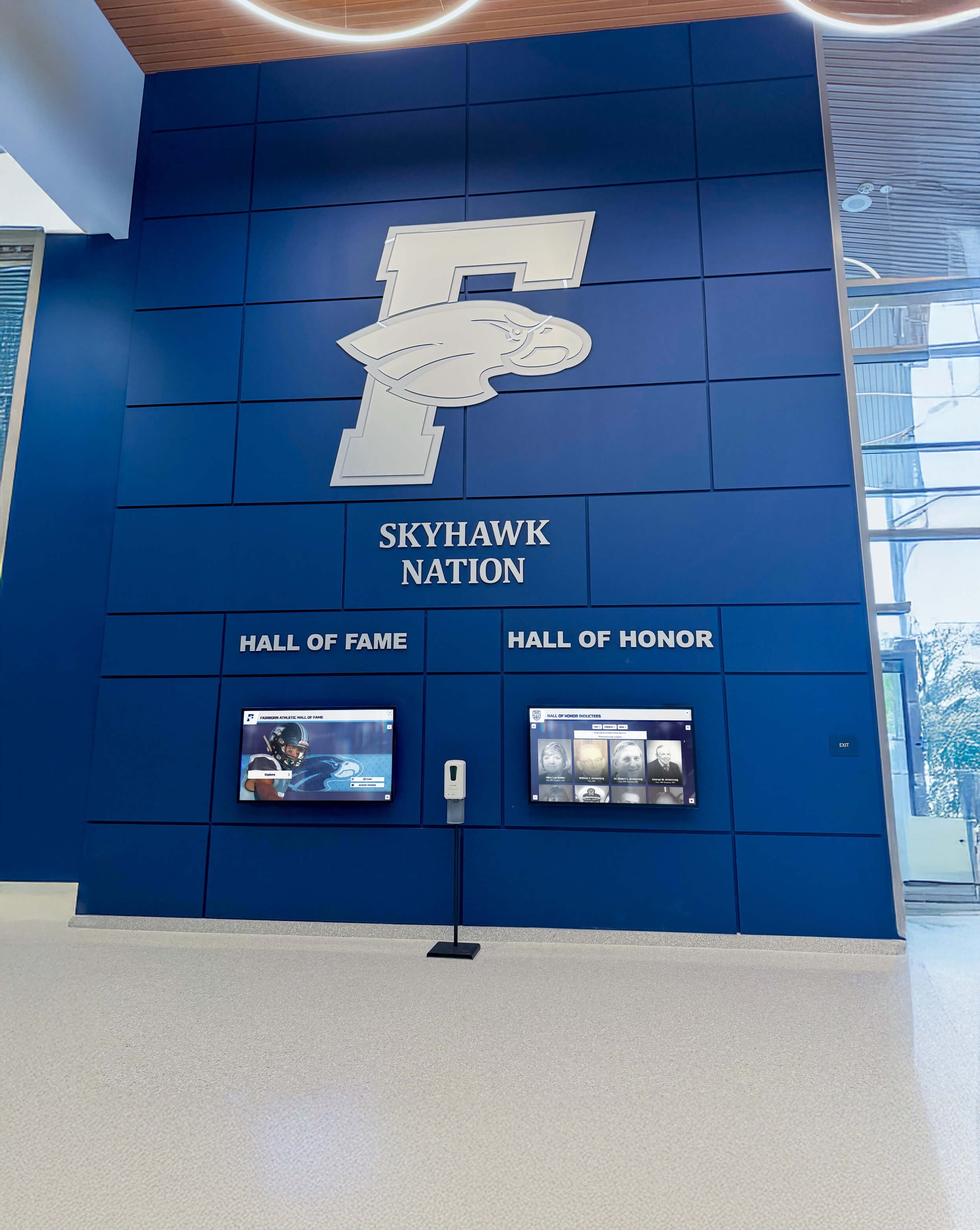
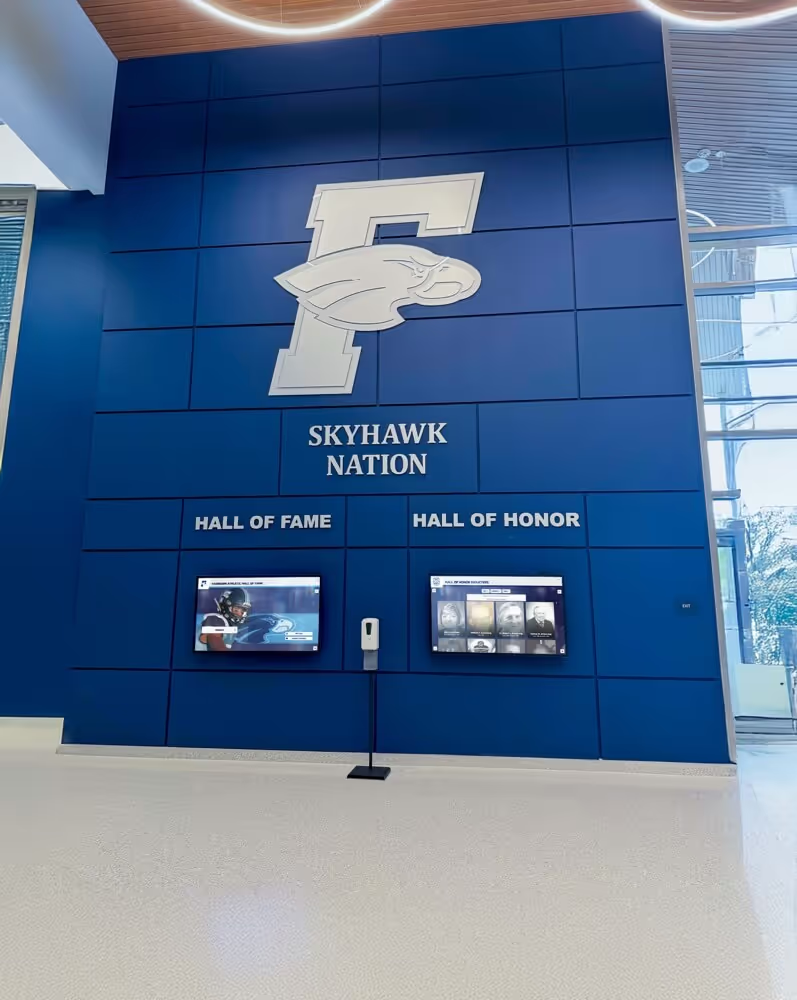
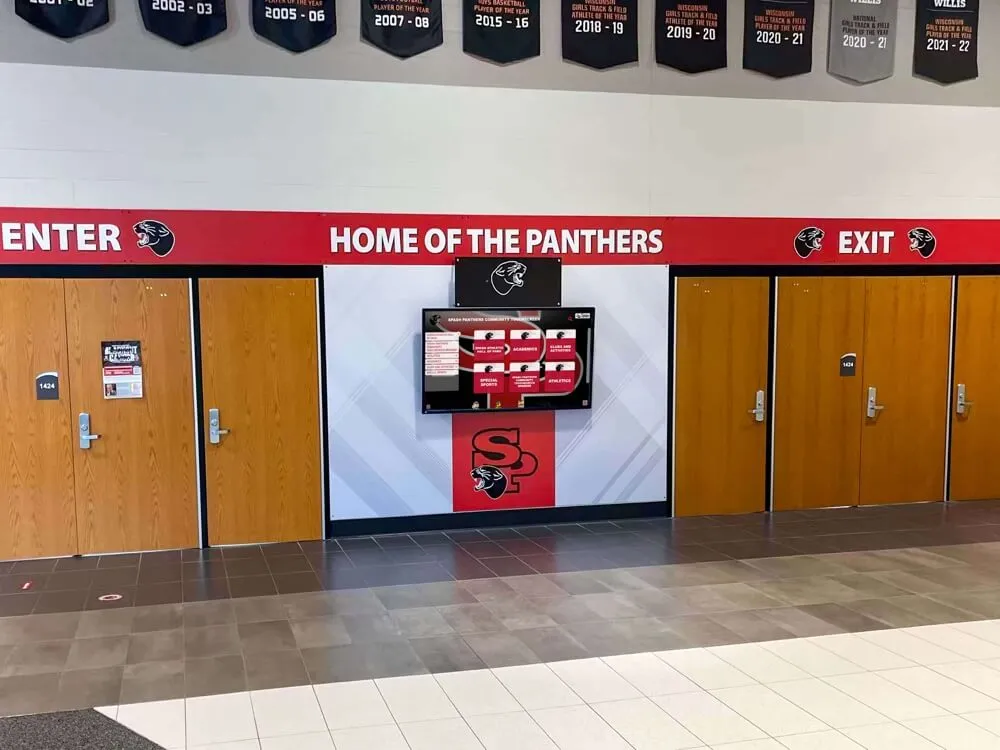
Prominent memorial placement in school lobbies and entrances ensures faculty legacies remain visible to entire school communities
Some families and colleagues visit memorial displays regularly, particularly around anniversaries, birthdays, or special occasions. Accommodating these visits with warmth and respect demonstrates genuine care for grieving community members and honors the significance of ongoing remembrance.
Ongoing Communication
Maintain connection with families of deceased faculty through annual notification of memorial service dates and special events, updates about memorial program enhancements or changes, invitations to relevant institutional celebrations, scholarship recipient communications when applicable, and periodic messages demonstrating continued institutional remembrance and gratitude.
These communications reassure families that their loved ones haven’t been forgotten and that institutional community continues honoring their memory and valuing their contributions—providing comfort that recognition represents genuine commitment rather than temporary gesture.
Technology Implementation for Faculty Memorial Recognition
Selecting and implementing appropriate technology platforms ensures memorial recognition serves its purposes effectively while remaining sustainable across decades of changing staff and evolving technology.
Platform Requirements for Memorial Applications
Digital memorial systems require specific capabilities addressing unique faculty memorial recognition needs and the sensitive nature of honoring those who have passed.
Sensitive Content Management
Memorial platforms should provide careful control over who can access, edit, or contribute content including role-based permissions ensuring only appropriate staff can make changes, optional family portal access allowing relatives to view and suggest content updates when appropriate, privacy controls respecting family wishes about information visibility, and audit trails documenting all changes for accountability and historical record-keeping.
Longevity and Archival Standards
Since memorial recognition aims for permanent preservation, platforms must support true permanence through reliable backup systems ensuring content never disappears, migration capabilities as technology evolves over decades, export functionality preventing vendor lock-in if transitions become necessary, archival-quality media handling preserving photos and videos indefinitely, and vendor commitment to long-term platform support rather than short-term products.
Unlike living faculty recognition that can be updated or migrated more flexibly, memorial content represents permanent institutional commitments to families and colleagues. Technology selections must reflect this permanence imperative and sacred trust.
Accessibility and Universal Design
Memorial recognition should be accessible to all community members regardless of disabilities including full screen reader compatibility for visually impaired visitors, keyboard navigation supporting those unable to use touch interfaces, adjustable text sizing accommodating various vision capabilities, high color contrast meeting accessibility standards, and multilingual support when serving diverse communities.
Accessible design ensures all families, colleagues, and community members can engage with memorial tributes regardless of technological skill or physical capabilities—honoring the inclusive values many educators embodied throughout careers.
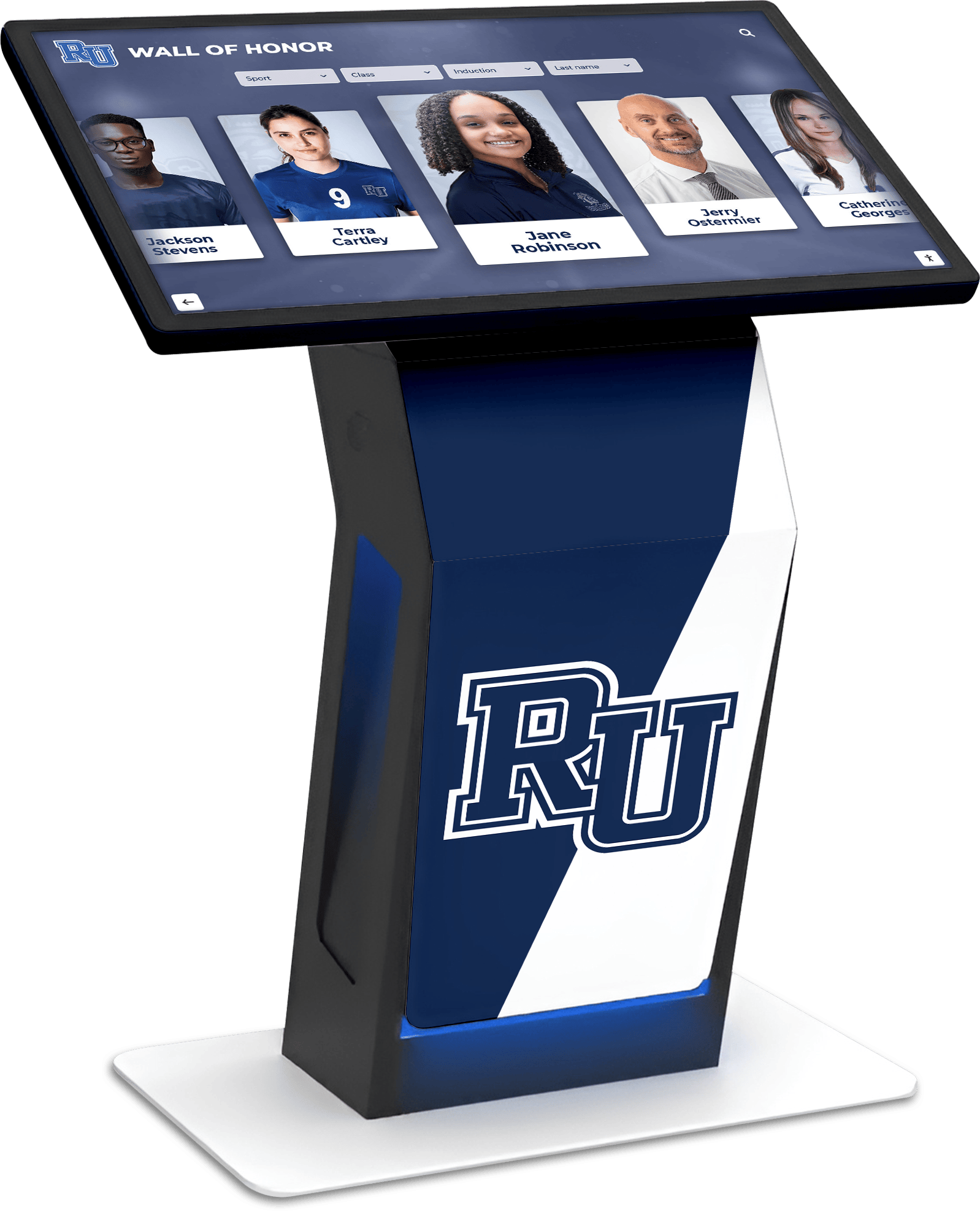
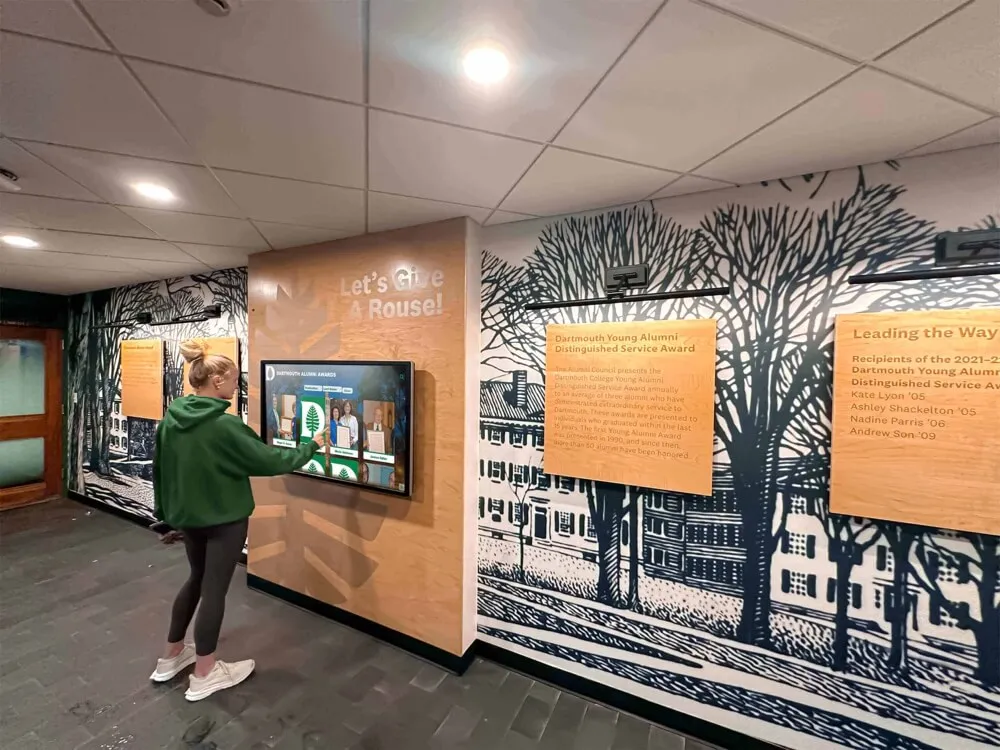
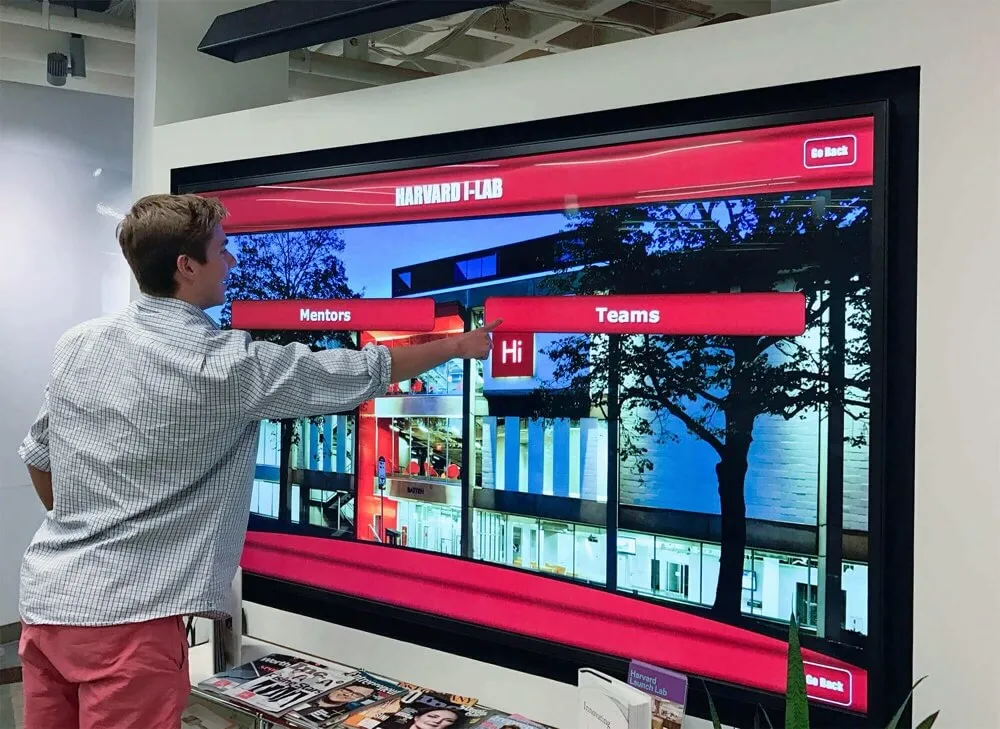
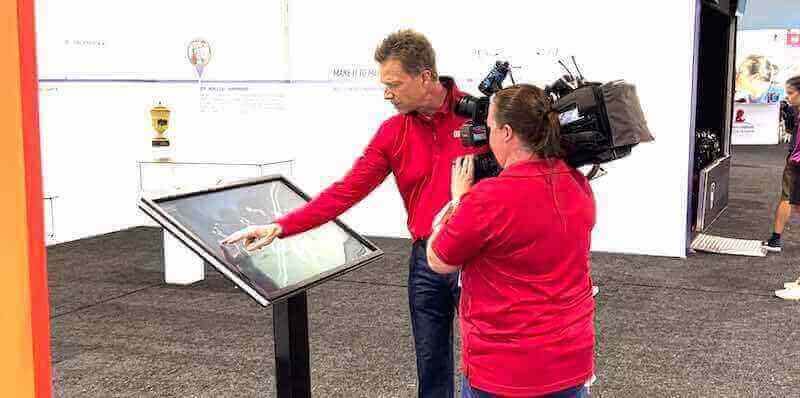
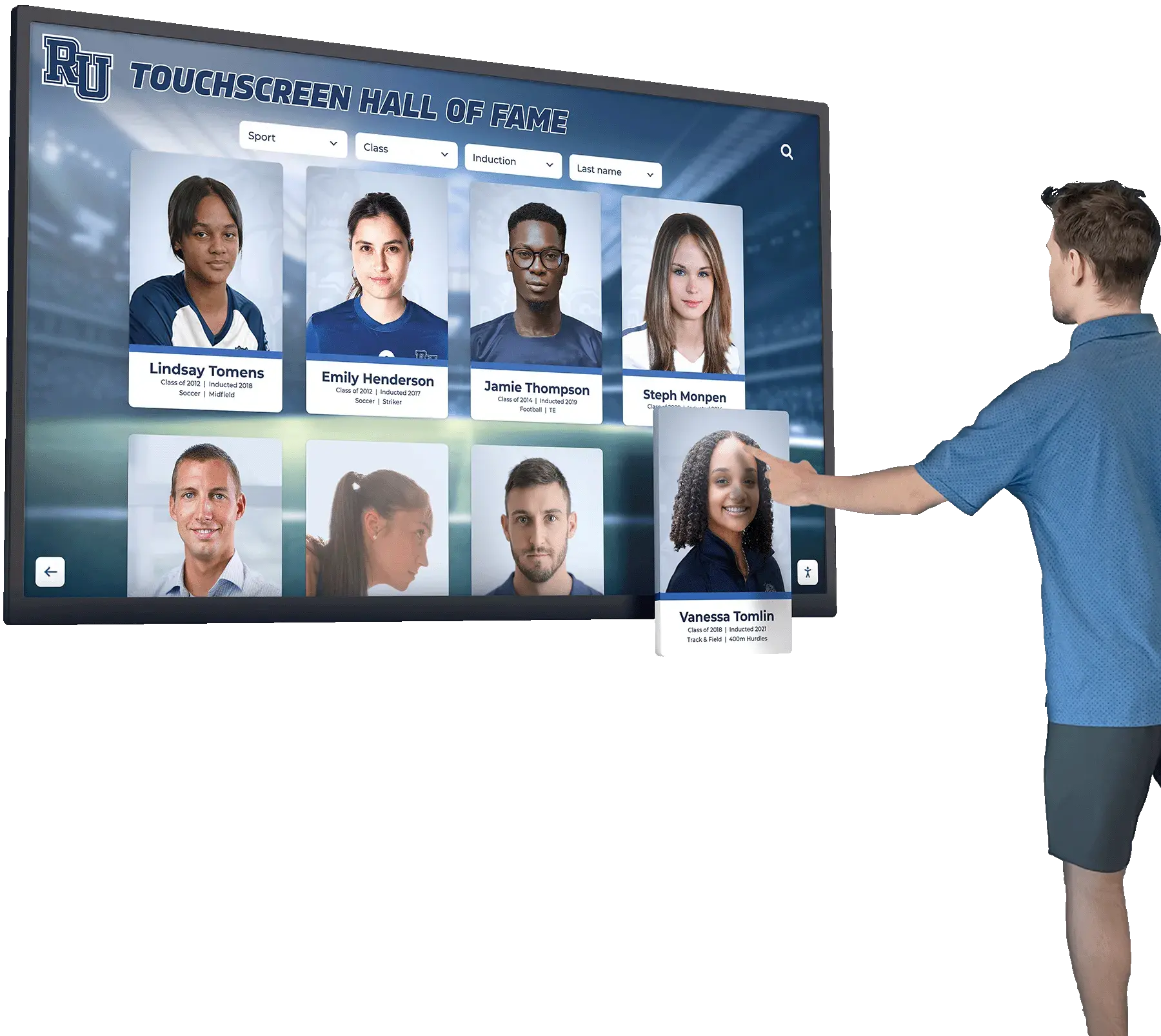
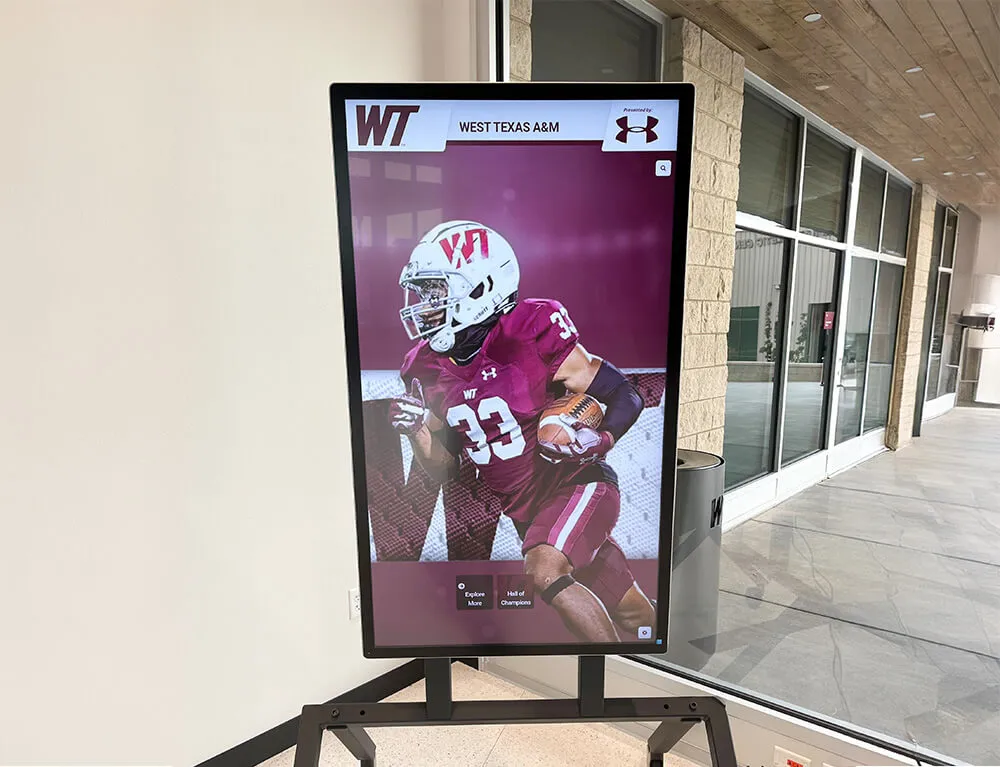
Modern touchscreen memorial systems provide intuitive interfaces enabling exploration of comprehensive faculty profiles with photos, videos, and detailed career information
Content Management Best Practices
Sustainable memorial programs establish clear processes ensuring consistent quality while managing sensitive content appropriately and respectfully.
Editorial Standards and Review
Develop clear guidelines ensuring memorial content maintains appropriate tone and accuracy through establishing tone guidelines emphasizing dignity, respect, and celebration of service, fact-checking processes verifying biographical information and career details, family and colleague review workflows before publication when possible, sensitivity review for potentially difficult content or circumstances, and regular quality audits maintaining consistency across profiles created over many years by different staff members.
Ongoing Maintenance Protocols
Memorial content requires periodic attention including annual reviews checking for technical issues or needed updates, responding promptly to family update requests or corrections, correcting errors if discovered through new information, enhancing profiles as additional resources or information becomes available, and ensuring photos and media display properly as technology evolves over years and decades.
Historical Research Support
For deceased faculty from distant eras, systematic research approaches help create comprehensive profiles including dedicated archive research periods reviewing institutional records, partnerships with local historical societies or genealogy organizations, colleague and former student outreach campaigns gathering memories and information, volunteer programs engaging retired faculty or staff in research efforts, and appropriate use of public records and historical documents when family participation isn’t possible.
Best Practices for Sustainable Memorial Recognition
Long-term memorial program success requires approaches ensuring recognition remains current, respectful, meaningful, and integrated into institutional culture across leadership transitions and decades of operation.
Maintaining Appropriate Tone and Cultural Sensitivity
Memorial content requires ongoing attention to emotional dimensions, cultural awareness, and the sacred nature of honoring those who have passed.
Regular Tone Audits
Periodically review all memorial content ensuring consistent, appropriate tone through confirming respectful language throughout all profiles, verifying no inadvertent insensitivity has occurred, checking age-appropriateness for student and general audiences, ensuring consistent treatment across all deceased faculty regardless of circumstances, and updating language that may have become dated or less sensitive over time as cultural norms evolve.
Language and cultural sensitivity standards change over decades. Regular audits ensure memorial content reflects contemporary best practices while maintaining timeless respect appropriate for honoring lives dedicated to education.
Cultural Competency and Awareness
Recognize that grief customs, memorial preferences, and discussions about death vary significantly across cultures, religions, and communities. Develop cultural awareness through consulting with diverse community members about memorial preferences and practices, offering flexible options accommodating various cultural traditions and beliefs, training staff in culturally sensitive grief communication and memorial program management, and researching cultural norms for communities your institution serves.
Culturally responsive memorial practices demonstrate genuine respect for all families and colleagues while avoiding inadvertent insensitivity that can cause additional pain during already difficult times.
Succession Planning and Institutional Memory
Memorial programs must transcend individual staff members to become permanent institutional commitments that survive staff transitions and leadership changes.
Documentation and Knowledge Transfer
Prevent program knowledge from being lost during staff transitions through comprehensive policy and procedure documentation accessible to future staff, organized files with all family correspondence, permissions, and historical information, clear content standards and style guides ensuring consistency, technology platform training materials and access procedures, and leadership succession plans identifying who assumes memorial program responsibility during transitions.
When memorial program knowledge exists only in individuals’ memories, staff departures risk program disruption and potential loss of family trust built carefully over years—making thorough documentation essential for sustainable programs.
Long-Term Funding and Sustainability
Ensure memorial programs receive sustained financial support through dedicated budget lines for memorial operations and maintenance, consideration of endowment funds supporting ongoing memorial preservation, planned giving opportunities where supporters can fund memorial programs in perpetuity, and clear institutional commitments that memorial content will be maintained indefinitely regardless of staff or leadership changes.
Families and colleagues entrust institutions with preserving educators’ memories permanently. This trust demands genuine, sustained institutional commitment beyond temporary initiatives or projects dependent on individual champions who may leave or retire.
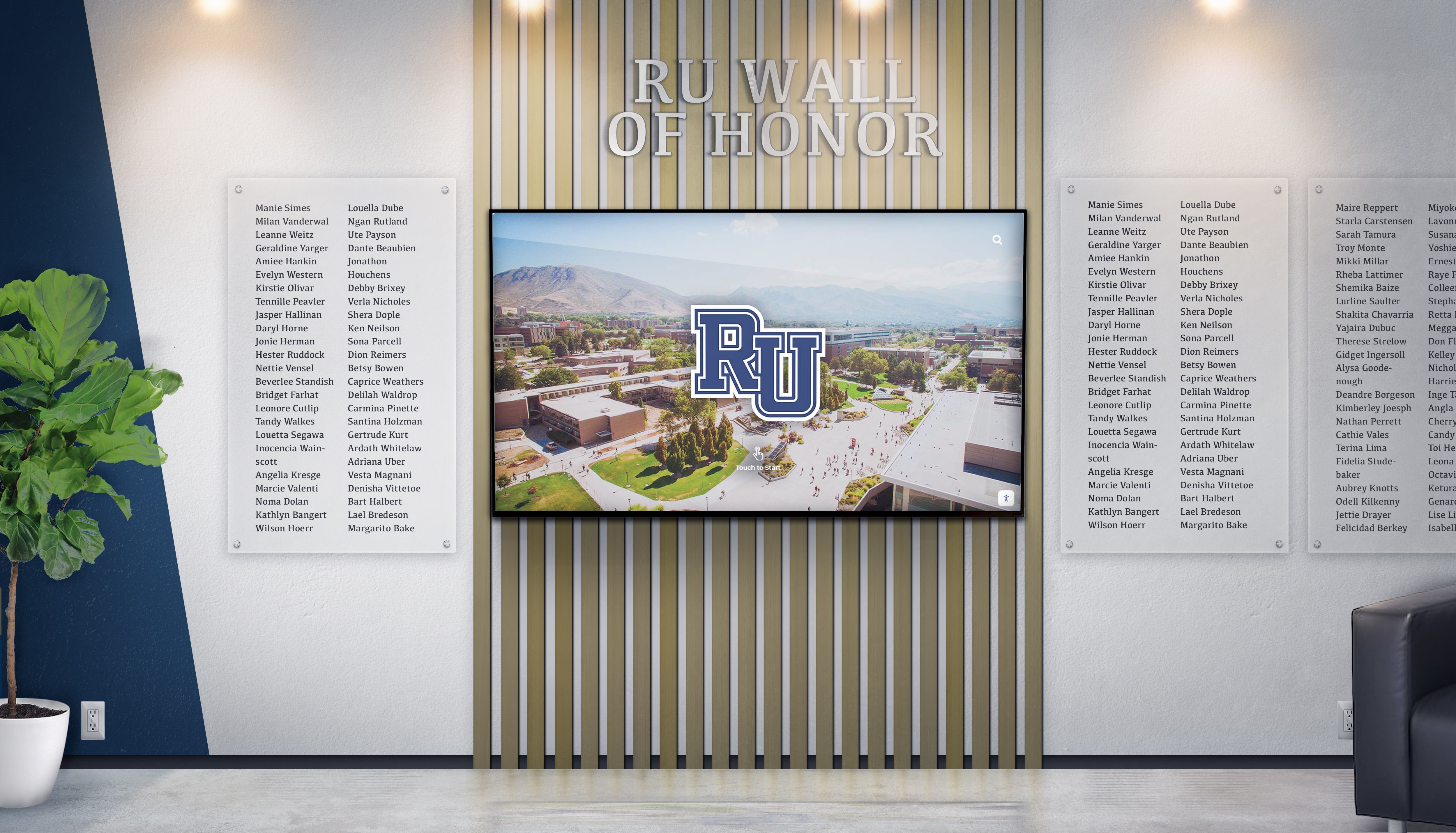
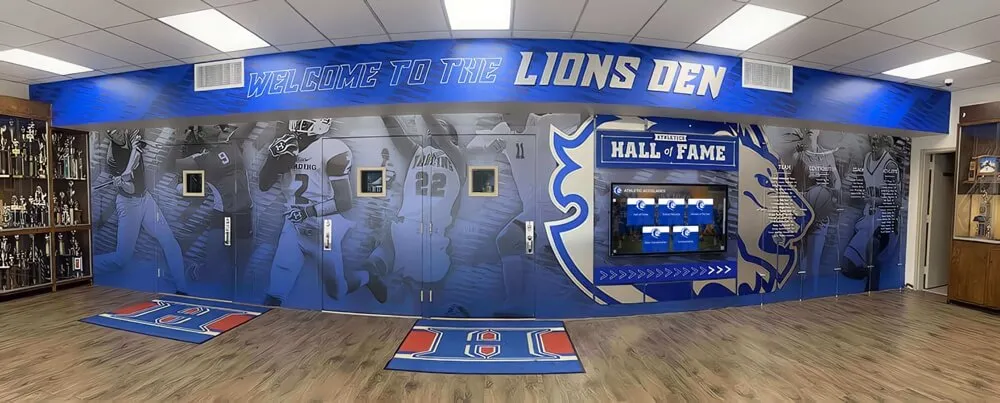
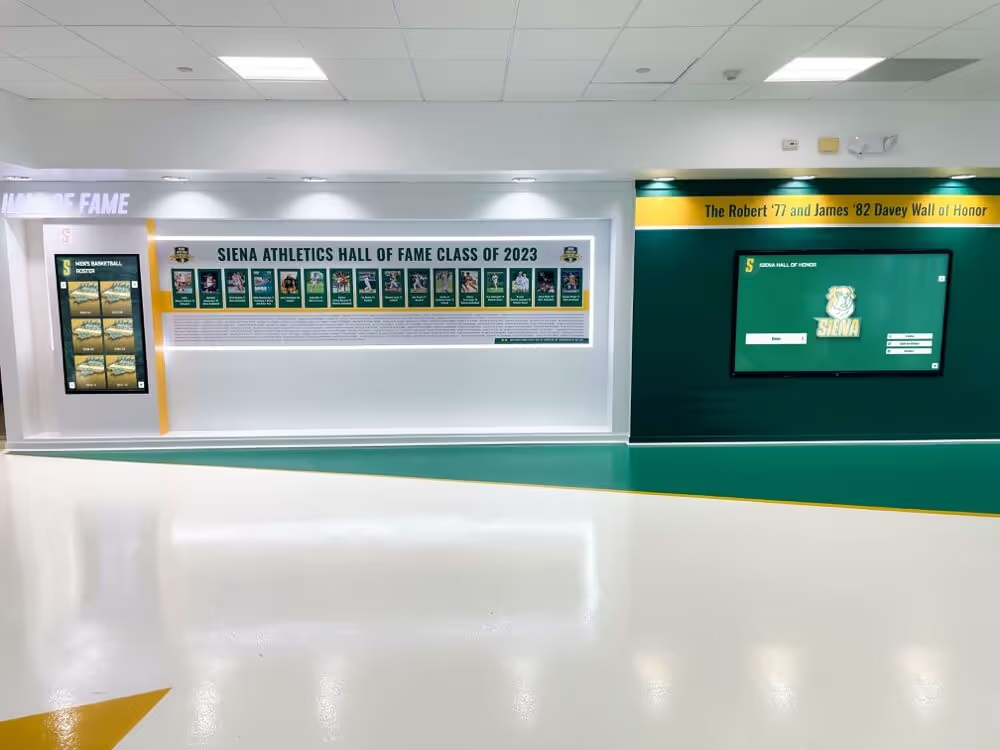
Comprehensive memorial systems integrate digital displays with traditional elements, creating rich recognition environments honoring complete institutional histories
Conclusion: Honoring Educators’ Lasting Legacies
Faculty memorial recognition programs represent sacred institutional commitments—promises to families that their loved ones will be remembered, assurances to all faculty that community bonds transcend loss, and demonstrations to current students and educators that institutional history encompasses complete career narratives including the inevitable reality of mortality.
The most meaningful memorial recognition achieves multiple purposes simultaneously: providing genuine comfort to grieving colleagues and families through permanent acknowledgment, preserving complete institutional history documenting all who served regardless of career length or circumstances, educating current community members about educational dedication and values, honoring the profound impact educators have on countless lives throughout careers, and maintaining cultural traditions around remembrance and memorialization.
Whether institutions choose traditional physical memorials, modern digital recognition displays, or strategic hybrid combinations, success depends on approaching memorial work with extraordinary sensitivity, respect for grief experiences of families and colleagues, commitment to permanent preservation honoring institutional promises, cultural competency accommodating diverse memorial traditions, and sustainable processes ensuring recognition continues across decades regardless of staff changes or leadership transitions.
Technology has transformed what’s possible in memorial recognition. Digital platforms eliminate space constraints that forced painful decisions about which deceased faculty to honor, enable rich multimedia tributes capturing complete career stories and personal memories, provide global accessibility serving geographically dispersed families and former students, support ongoing updates as communities discover new information or want to add memories, and integrate with memorial scholarship programs creating living legacies that continue supporting education.
Yet technology serves purposes, not replaces them. The essential element in all memorial recognition remains unchanged: genuine respect for deceased educators and authentic commitment to supporting families and colleagues through grief while preserving legacies for generations who never knew those being memorialized but benefit from understanding complete institutional histories.
Every educator’s career deserves remembrance. Every family and colleague deserves comfort. Every institution benefits from documenting complete narratives including inevitable losses that punctuate all educational communities. Faculty memorial recognition fulfills these needs while demonstrating that the relationships formed in schools transcend even death itself—that once someone becomes part of institutional family through dedication to education, they remain family forever, their stories preserved, their contributions acknowledged, and their memories honored with the dignity befitting lives dedicated to shaping future generations.
Create Meaningful Faculty Memorial Recognition
Discover how modern digital memorial solutions can help you honor deceased faculty with the permanence, dignity, and comprehensive storytelling they deserve while providing comfort to bereaved communities and preserving institutional memory for future generations.
Explore Memorial SolutionsIn educational environments where faculty dedication shapes countless student lives, systematic memorial recognition isn’t optional—it’s essential for demonstrating authentic values, supporting communities through inevitable losses, and maintaining complete institutional histories. Research demonstrates that thoughtful memorial practices strengthen organizational cultures by showing all members—past and present—truly matter to institutional identity.
Start with memorial recognition practices appropriate for your institution’s context and resources, then systematically expand to create comprehensive programs honoring all who served with distinction. Every educator who receives meaningful memorial recognition demonstrates to current faculty that their eventual legacies will be preserved with equal care and respect.
Your educators’ dedication deserves commemoration equal to the profound impact they had on student lives and institutional histories. With thoughtful planning, appropriate technology, and sustained implementation, you can create faculty memorial programs that honor careers authentically while building the positive, remembering culture where all who serve know their contributions will be valued in perpetuity.
Ready to establish meaningful memorial recognition? Explore how digital memorial displays enable comprehensive faculty tributes, or learn about building inclusive recognition programs that celebrate both current achievements and lasting legacies. Discover how Rocket Alumni Solutions provides memorial recognition platforms designed specifically for educational institutions prioritizing comprehensive faculty celebration and permanent preservation of those who dedicated careers to education.
Faculty memorial programs that honor genuine contributions, celebrate complete careers, and create lasting recognition transform institutional culture from one that forgets to one that remembers—demonstrating that teaching’s impact transcends individual lifetimes to shape educational communities forever.