



You’ve just received the season schedule for your swimmer’s team, and you’re staring at a calendar packed with meet dates. As you try to plan your family’s weekends around these events, one practical question keeps surfacing: how long is a swim meet? Whether you’re a first-time swim parent trying to understand the time commitment, a coach planning transportation logistics, or an athletic director coordinating facility schedules, understanding swim meet duration helps everyone prepare appropriately for these important competitive opportunities.
Unlike sports with predictable game lengths—where football games consistently run around three hours or basketball contests typically finish within two—swim meets vary dramatically based on multiple factors. A dual meet between two high school teams might conclude in under two hours, while championship invitational meets can extend six hours or longer. Meanwhile, swimmers themselves may compete for only minutes within these extended timeframes, requiring parents to navigate substantial wait periods between individual events while managing younger siblings, coordinating meal plans, and understanding when their athlete actually needs support poolside.
This comprehensive guide explores swim meet duration across different competitive levels and formats, breaks down what actually happens during these extended timeframes, helps parents plan effectively for various meet types, and discusses how schools can celebrate swimming achievements through recognition systems that honor the dedication these time-intensive competitions require.
Families new to competitive swimming report that understanding meet duration and format represents one of the most helpful preparations for successful season navigation—enabling better planning, appropriate expectations, and fuller appreciation for the sport’s unique competitive structure where athletes demonstrate excellence through multiple specialized events rather than continuous game-long participation.

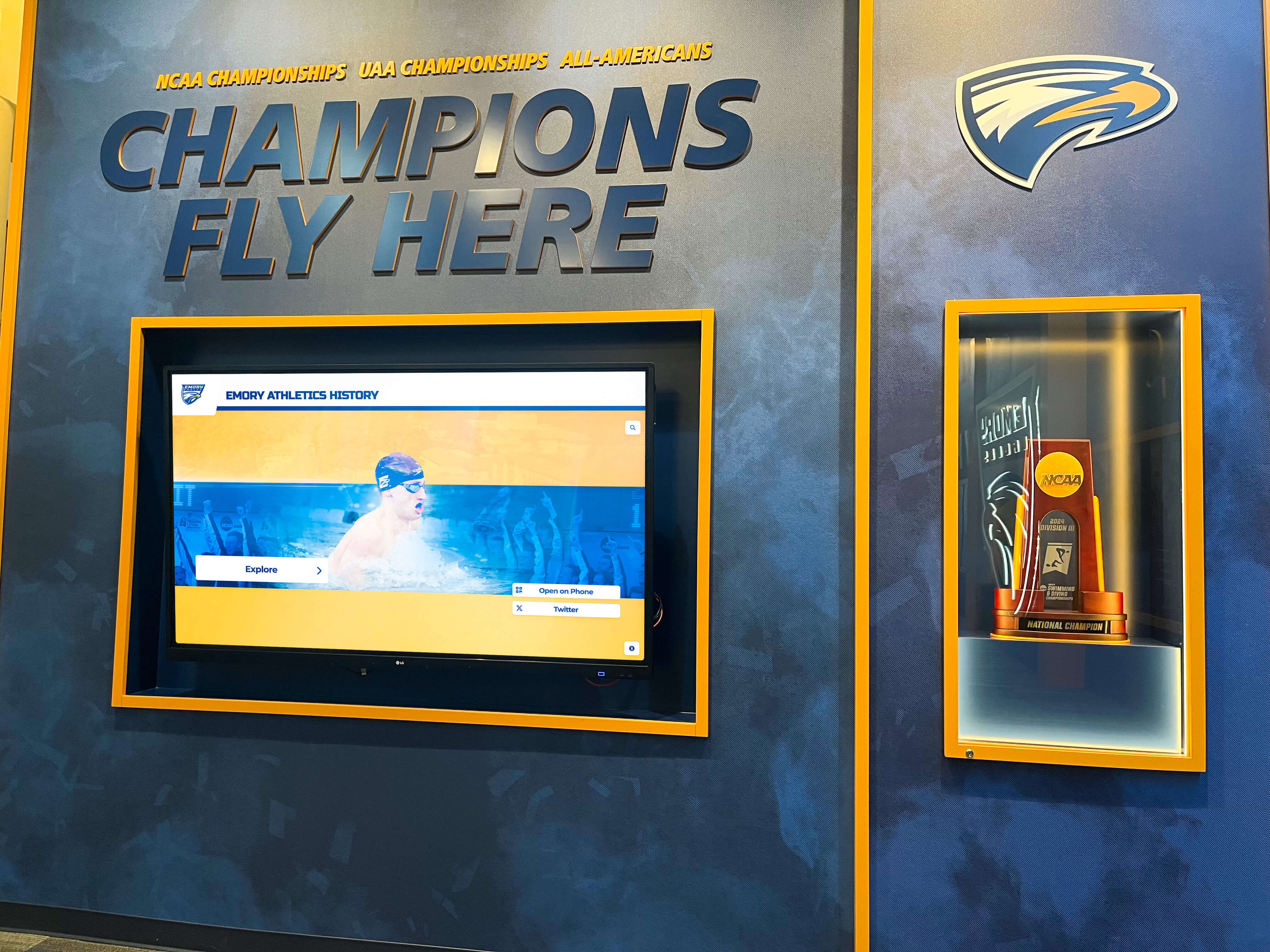
Recognition displays celebrating swimming championships inspire current athletes while honoring program excellence across generations
Understanding Basic Swim Meet Duration by Type
Different meet formats serve distinct competitive purposes, each with characteristic duration patterns parents should understand.
Dual Meets: The Quickest Competition Format
Dual meets feature two teams competing head-to-head in standard event lineups.
Typical Duration: 1.5 to 2.5 Hours
High school dual meets represent the most streamlined competitive format, usually completing within two to two-and-a-half hours. These meets follow predictable event sequences—typically 11 or 12 events including individual races (freestyle, backstroke, breaststroke, butterfly across various distances) and relays. With only two teams competing, each event features fewer heats, and the format moves efficiently from one race to the next with minimal downtime.
Dual meet efficiency stems from limited athlete numbers per team—most high school programs field 20-40 swimmers—and straightforward scoring where each event’s top finishers earn points for their respective teams. Parents can reasonably expect arrival at 6:00 PM to result in completion around 8:00 or 8:30 PM for evening meets, making these the most family-friendly competitive format requiring limited schedule disruption.
Factors Affecting Dual Meet Duration
Even within this format, duration varies based on team size (larger rosters mean more heats per event), pool configuration (some facilities enable faster event transitions), intermission timing (breaks between events or at meet midpoints), and meet management efficiency (experienced officials and meet directors facilitate smoother operations).
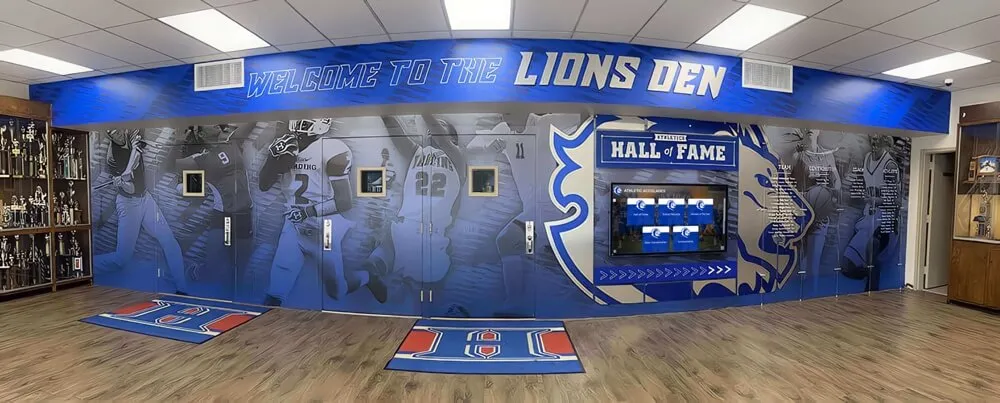
Dedicated recognition spaces honor swimming achievements alongside other athletic programs, building comprehensive program pride
Invitational Meets: Extended Multi-Team Competition
Invitational meets host multiple teams—sometimes 8, 12, or even 20 schools—competing simultaneously.
Typical Duration: 4 to 6+ Hours
These larger competitions extend significantly longer than dual meets due to expanded participant numbers. With multiple teams entered, each event may require numerous heats to accommodate all swimmers. A 200-yard freestyle that runs two heats at a dual meet might need eight or ten heats at a major invitational, multiplying the time required for event completion.
Most invitational meets employ prelims-finals or timed-finals formats. Timed-finals meets seed all swimmers by entry time, with fastest seeds swimming in final heats and results determined by overall times across all heats. These typically run 4-5 hours for well-managed events. Prelims-finals formats add complexity—morning or afternoon preliminary heats qualify swimmers for evening finals—effectively creating two separate meet sessions that can each span 3-4 hours.
Parents should plan for substantial time commitments at invitational meets, often arriving by 8:00 AM for warm-ups and potentially staying until 2:00 or 3:00 PM for timed-finals formats, or returning for evening finals sessions if the meet employs prelims-finals structure.
Strategic Planning for Invitational Meets
The extended duration of invitational meets creates unique challenges for families. Swimmers may have significant gaps between their events—perhaps competing in the 50 freestyle in the meet’s first hour, then waiting until hour four for the 100 backstroke. Parents need strategies for managing these long days including bringing sufficient food and drinks, planning entertainment for younger siblings, coordinating with other families for shared supervision enabling brief absences, and understanding the meet schedule to anticipate when their swimmer competes versus extended waiting periods.
Programs implementing comprehensive sports recognition systems help families appreciate how these time-intensive competitions build toward season-end achievements deserving lasting celebration.
Championship Meets: The Longest Events
Conference, regional, and state championship meets represent season pinnacles featuring only qualified swimmers.
Typical Duration: 5 to 8+ Hours (Often Multi-Day)
Championship meets combine large participant numbers with heightened competitive intensity and elaborate ceremonies. Many state championship meets span 2-3 days, with each day’s session running 5-6 hours or longer. These meets typically employ prelims-finals formats—morning preliminary sessions determine finalists, while evening finals sessions crown champions with full ceremony recognition including awards presentations, national anthem performances, and championship celebration.
The extended nature of championship meets reflects their significance as culminating competitive experiences. Beyond race time, championships include:
- Extended warm-up periods accommodating all qualifying teams
- Formal opening ceremonies with team introductions
- Longer breaks between prelims and finals sessions
- Awards presentations following each finals event
- Championship photo opportunities and media coverage
- Closing ceremonies celebrating team and individual champions
Parents attending championship meets should prepare for multi-day commitments, potentially involving travel to host facilities, hotel accommodations, coordinating multiple daily sessions, and managing the emotional intensity of championship competition while celebrating their swimmer’s season achievement regardless of final competitive placement.
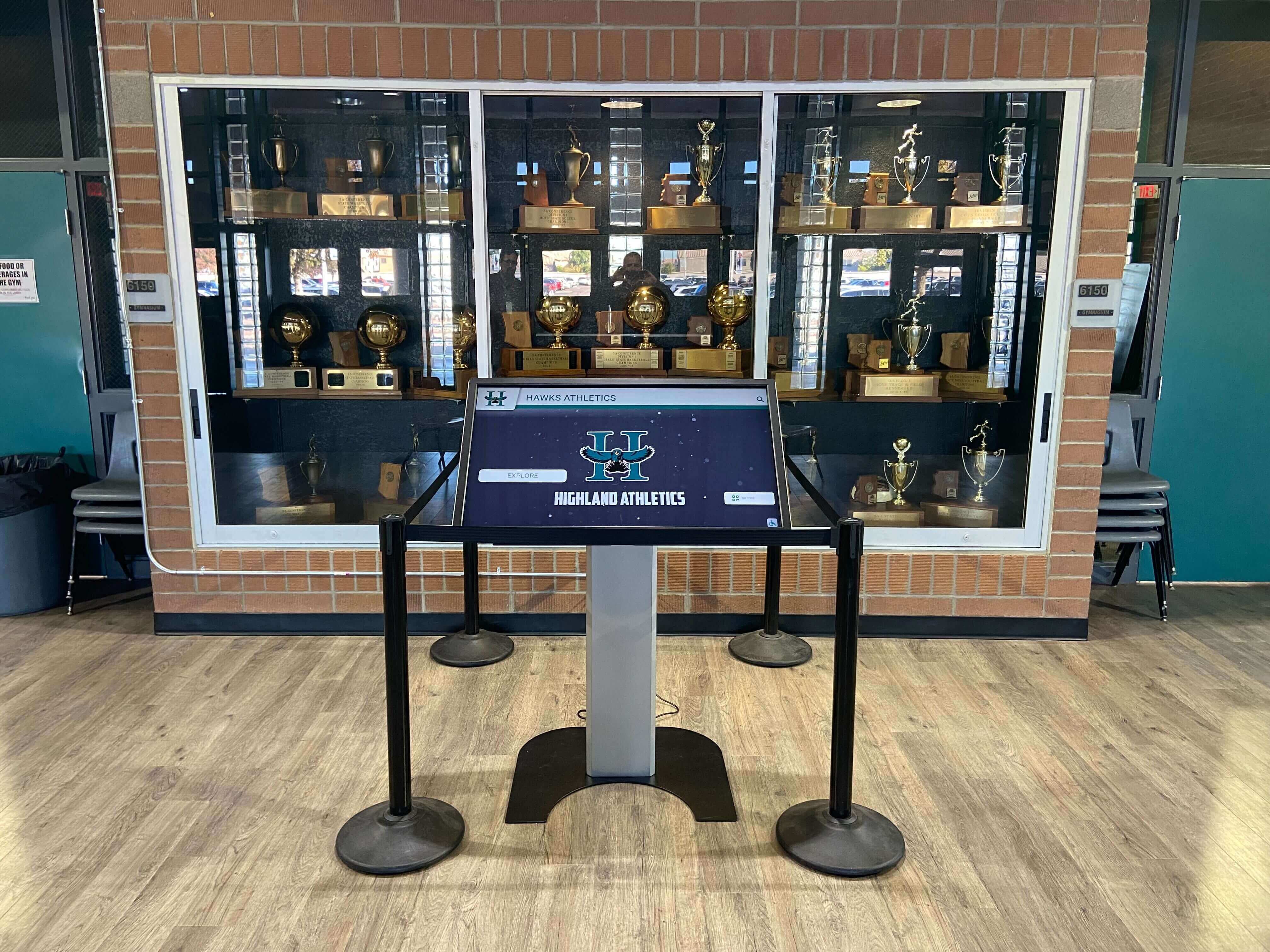
Modern recognition technology integrates with traditional displays, celebrating swimming achievements through engaging digital platforms
What Actually Happens During a Swim Meet?
Understanding the meet structure helps parents appreciate why events extend several hours despite relatively brief actual swimming time.
Pre-Meet Activities and Warm-Ups
Competitive swimming requires extensive preparation before the first race begins.
Warm-Up Period: 30-60 Minutes
Swimmers arrive well before scheduled meet start times for structured warm-ups. These aren’t casual stretching sessions but carefully planned training sequences preparing muscles, refining technique, and mentally focusing athletes for competition. Warm-ups typically include aerobic swimming building cardiovascular readiness, speed work practicing race-pace swimming, starts and turns rehearsing technical elements, and stroke-specific drills relevant to each swimmer’s events.
For home meets, teams often have earlier facility access for extended warm-up time, while visiting teams receive designated warm-up windows ensuring fair preparation opportunities. Championship meets implement elaborate warm-up schedules with designated lanes assigned to different teams on rotating timeframes preventing overcrowding while accommodating large athlete numbers.
Parents often underestimate warm-up importance, potentially arriving at listed meet start times only to find their swimmer already completed 45 minutes of intensive preparation. Understanding that swimmers need poolside presence well before competition begins prevents last-minute rushes and unnecessary athlete stress.
Meet Check-In and Administrative Setup
Beyond physical warm-up, meets require administrative setup including verifying swimmer entries and lane assignments, distributing heat sheets showing event order and seating, conducting coaches meetings reviewing meet procedures, organizing volunteer officials and timers, and testing electronic timing systems ensuring accurate result recording.
This behind-the-scenes work, while invisible to spectators, proves essential for smooth meet operation and typically adds 15-30 minutes between warm-up conclusion and actual event commencement.
Event Structure and Heat Organization
The actual competitive portion follows systematic patterns parents should understand.
Individual Event Format
Each individual event follows consistent structure:
- Event Announcement: Meet officials announce the upcoming event, distance, and stroke
- Heat Organization: Swimmers for the first heat gather behind their assigned lanes
- Swimmer Introduction: Larger meets may announce swimmers by name and school
- Starting Sequence: Officials initiate the formal starting protocol
- Race Execution: Swimmers compete for times ranging from 20 seconds (50 freestyle) to 5+ minutes (500 freestyle)
- Result Recording: Officials record times and verify placings
- Recovery and Transition: Swimmers exit the pool, next heat prepares
For events requiring multiple heats, this sequence repeats for each heat. A 100 freestyle with eight heats means this complete cycle occurs eight consecutive times before proceeding to the next event.
The Time Between Races
Much of swim meet duration derives from transitions between heats and events. Even efficient meets require 1-2 minutes between heats for pool clearing, swimmer positioning, and starting protocol execution. Multiply this by numerous heats across multiple events, and “dead time” accumulates substantially.
Between different events (moving from 200 freestyle to 200 individual medley, for example), additional time allows for distance change confirmation, lane rope adjustment if needed, and competitor reorganization. These event transitions might consume 3-5 minutes each, and with 11-12 events per meet, another 30-40 minutes of structural transition time accumulates beyond actual racing.
Schools exploring comprehensive athletic recognition approaches help athletes appreciate how their accumulated competitive investment—including extended meet duration—builds toward meaningful season-end celebration.
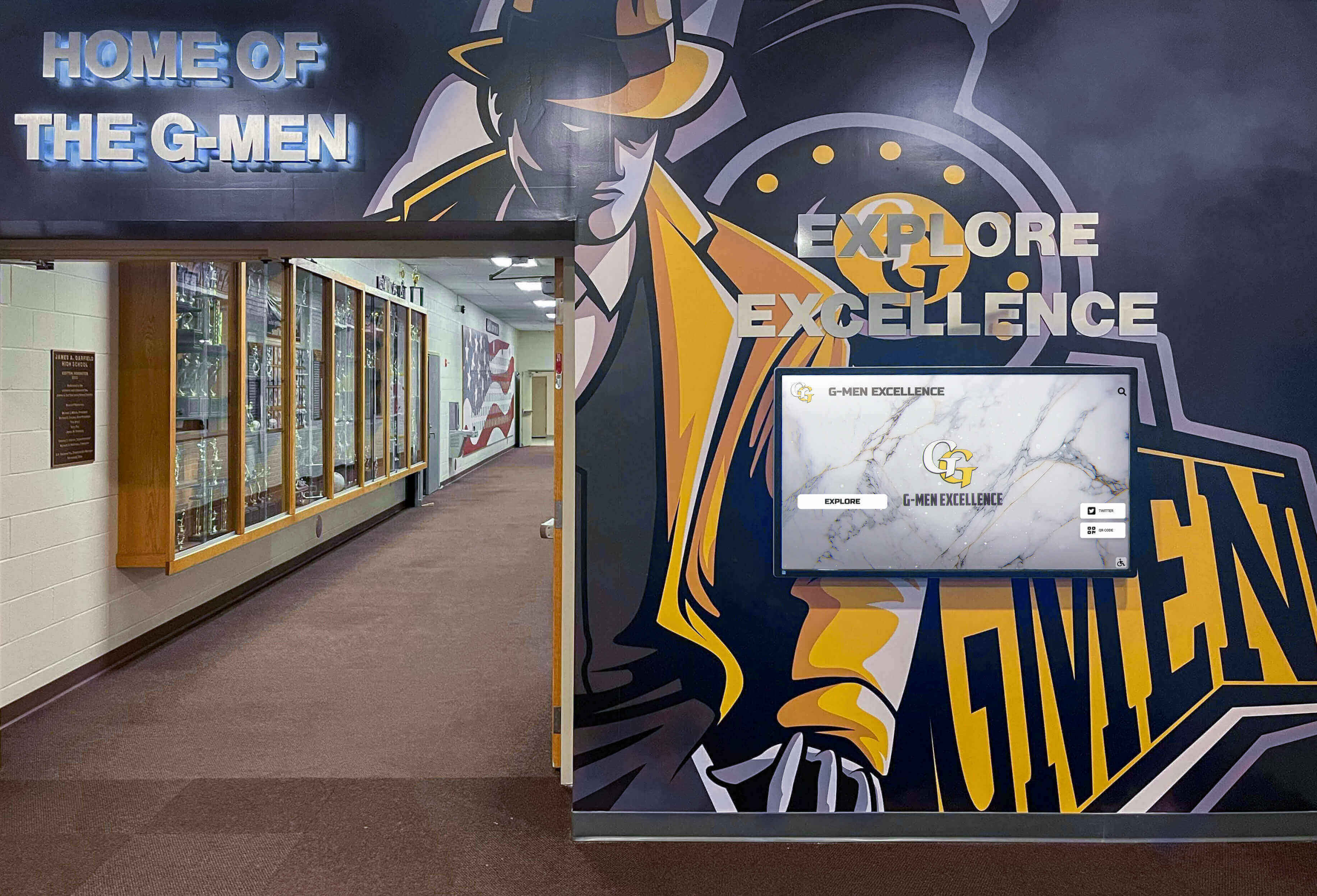
Coordinated recognition environments combining murals, digital displays, and trophy cases create comprehensive swimming program celebration
Relays and Special Events
Relay races add excitement but also complexity to meet duration.
Relay Event Characteristics
Most meets conclude with relay events—typically 200 freestyle relay, 400 freestyle relay, and 200 medley relay. These team events feature four swimmers each completing a segment, creating particular spectator excitement as team strategies and individual performances combine for collective outcomes.
Relays generally require fewer heats than individual events since each team enters only one relay per event (compared to individual events where teams might enter multiple swimmers). However, relay drama—close finishes, disqualification reviews, electronic timing verification—can extend these concluding events, particularly when meet outcomes depend on relay results.
Diving Competitions
Meets including diving add substantial duration. Diving operates differently from swimming—rather than simultaneous competition in multiple lanes, divers perform sequentially, each completing their full dive list before the next diver begins. With divers each performing 6 or 11 dives depending on level, and each dive requiring setup, execution, and judging, diving can extend meets by 60-90 minutes or more.
Many programs schedule diving separately or concurrently with swimming prelims to manage meet duration, but parents should verify whether diving affects their meet timeline.
Awards and Closing Ceremonies
Meet conclusions vary by competitive level and format.
Dual Meet Awards
Most dual meets conclude with brief team recognition—announcing final team scores, acknowledging senior swimmers on senior nights, and perhaps recognizing record-breaking performances. These informal conclusions typically add only 5-10 minutes to meet duration, with teams dismissing shortly after final relay completion.
Championship Awards Presentations
Championship meets feature elaborate awards ceremonies recognizing top finishers in each event. Finals sessions might include:
- Individual event medals for top 8 or 16 finishers
- Formal podium presentations with photography
- Team championship trophy presentations
- Record recognition and special achievement awards
- All-conference or all-state team announcements
These celebratory moments create memorable championship experiences but can extend meet duration by 30-60 minutes beyond actual competition completion. Parents should anticipate staying for full ceremonies, as swimmers cherish these recognition moments and team photographs following awards presentations.
Understanding how programs can implement lasting recognition for swimming excellence beyond brief ceremony acknowledgment helps families appreciate comprehensive achievement celebration.
Factors That Impact Swim Meet Duration
Multiple variables influence whether meets conclude quickly or extend significantly longer than expected.
Pool Configuration and Facility Factors
Physical facility characteristics substantially impact meet efficiency.
Lane Availability
Pools with 8 or 10 lanes accommodate more swimmers per heat than 6-lane facilities, reducing total heats required and accelerating meet completion. A 200 freestyle with 40 swimmers requires 5 heats in an 8-lane pool but 7 heats in a 6-lane pool—a difference that compounds across all meet events.
Championship facilities often feature 10-lane competition pools specifically enabling larger heats and faster meet completion despite high competitor numbers.
Timing System Technology
Modern electronic timing systems dramatically improve meet efficiency compared to manual timing. Automatic touchpads, digital displays, and integrated scoring software eliminate manual time recording delays, reduce result verification requirements, and enable immediate heat winner identification facilitating smooth event flow.
Facilities with dated timing equipment or backup manual timing systems typically experience slower meet progression due to result confirmation requirements and technology limitations.
Starting Equipment Quality
Advanced starting blocks with adjustable footrests, anti-slip surfaces, and integrated false-start detection enable faster, fairer starts with fewer restart requirements. Basic starting blocks or deck-level starts from older facilities may require additional time for swimmer positioning and occasionally need race restarts following starting complications.
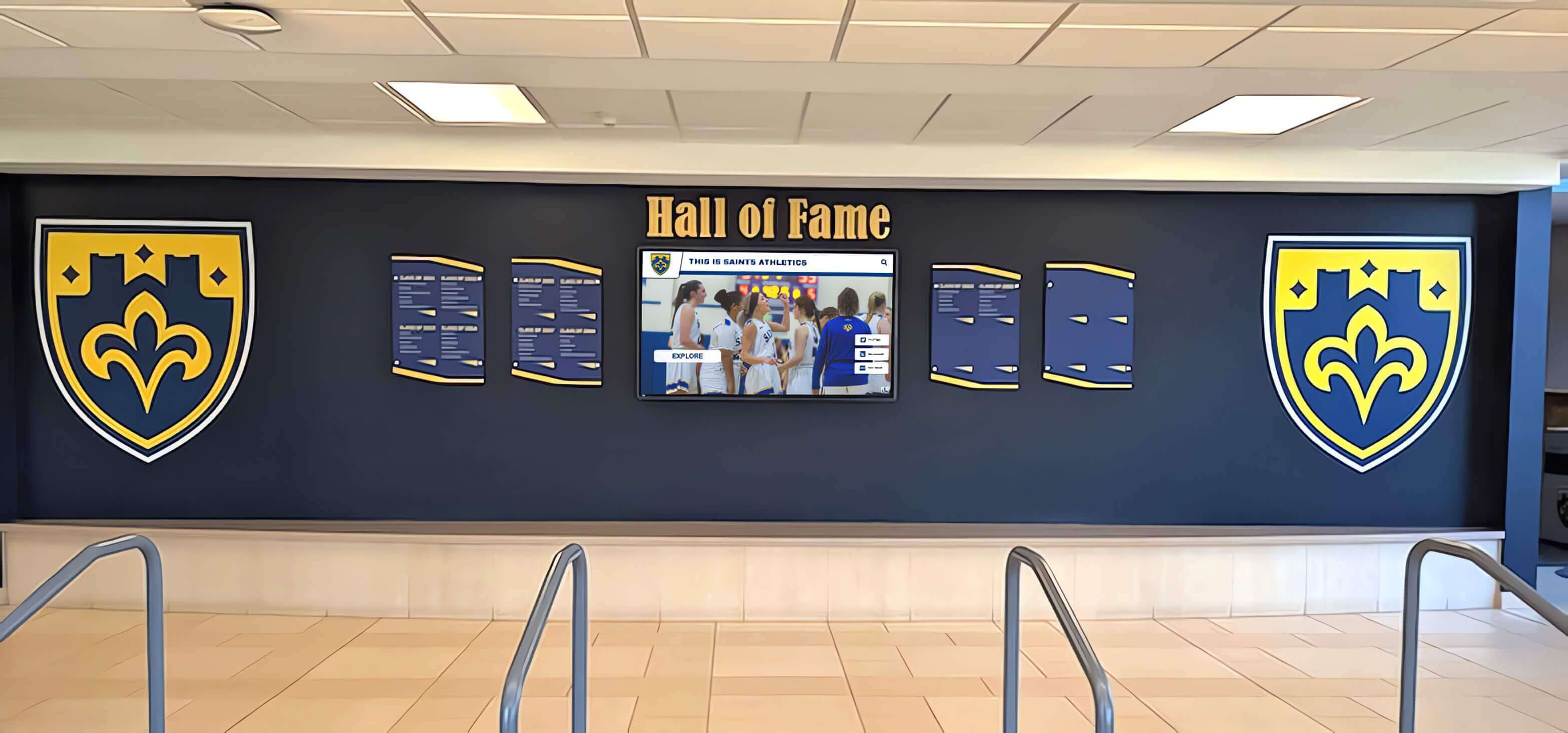
Strategic lobby recognition ensures swimming achievements receive visibility throughout school communities, building program pride
Meet Management and Officiating
Organizational quality significantly affects duration.
Experienced Meet Officials
Veteran meet directors, referees, and starters maintain efficient meet pace through effective communication, decisive rule application, streamlined administrative procedures, proactive problem-solving, and appropriate urgency balancing speed with fairness and safety.
Less experienced officials may struggle with timing system operation, demonstrate uncertainty during unusual situations, require additional time for decision-making, and generally conduct meets at slower pace affecting overall duration.
Volunteer Timer Availability
Most meets rely on volunteer parent timers for each lane. Adequate volunteer numbers enable quick lane timer rotation and immediate heat readiness. Insufficient volunteers create delays while officials recruit additional help or consolidate timing responsibilities, extending transitions between heats and events.
Parents volunteering as timers directly contribute to meet efficiency—shortened duration benefits everyone attending while providing intimate viewing positions watching races closely from deck level.
Entry Management
Well-organized entry procedures prevent meet delays from missing swimmers, incorrect event seeding, or heat sheet errors requiring last-minute correction. Meets with careful pre-meet entry verification and clear athlete communication maintain smooth event flow, while those with entry confusion experience frequent delays resolving organizational issues.
Competition Level and Athlete Numbers
Participant quantity directly correlates with meet length.
Swimmer Density Per Event
Events with numerous participants require multiple heats extending duration. Championship meets qualifying only top performers might have 3-4 heats per event despite representing entire states or regions, while invitational meets accepting all entries might need 8-10 heats for popular events like 100 freestyle.
Some invitational meets implement entry limits or qualifying time standards specifically to manage duration by limiting participant numbers to sustainable levels for single-day competition.
Stroke and Distance Complexity
Longer distance events extend meet duration simply through race length. A 500 freestyle (20 lengths in a 25-yard pool) requires 5-6 minutes per heat compared to 50 freestyle heats completing in under 30 seconds. Meets featuring multiple distance events (500 free, 400 IM) inherently run longer than those emphasizing sprint events.
Similarly, complex strokes requiring additional officiating attention—butterfly and individual medley events needing careful stroke legality monitoring—may proceed more cautiously than freestyle events, incrementally extending overall duration.
Programs implementing digital recognition platforms for swimming achievements create lasting celebration acknowledging the time commitment these lengthy competitions require from athletes and families.
Practical Planning Guide for Swim Meet Parents
Preparation makes extended meet duration manageable and even enjoyable for families.
What to Bring to Swim Meets
Essential items improve comfort during long events.
For Your Swimmer
- Multiple towels (pools are humid, everything stays damp)
- Team suit and backup suit
- Goggles and backup pair
- Swim cap (required for championship meets)
- Warm-up clothing (sweats, jackets for between-event warmth)
- Healthy snacks and hydration (avoid heavy meals before racing)
- Entertainment (homework, books, games for downtime between events)
For Parents and Spectators
- Comfortable seating (many facilities lack adequate bleacher space, stadium seats or cushions help)
- Layered clothing (pool environments fluctuate between humid warmth and air-conditioned chill)
- Snacks and drinks (concessions may be limited or expensive)
- Entertainment for younger siblings (books, tablets, quiet activities)
- Heat sheet or meet program (tracking your swimmer’s events)
- Camera or phone for capturing race moments
- Cash or payment cards (many facilities don’t accept cards at concessions)
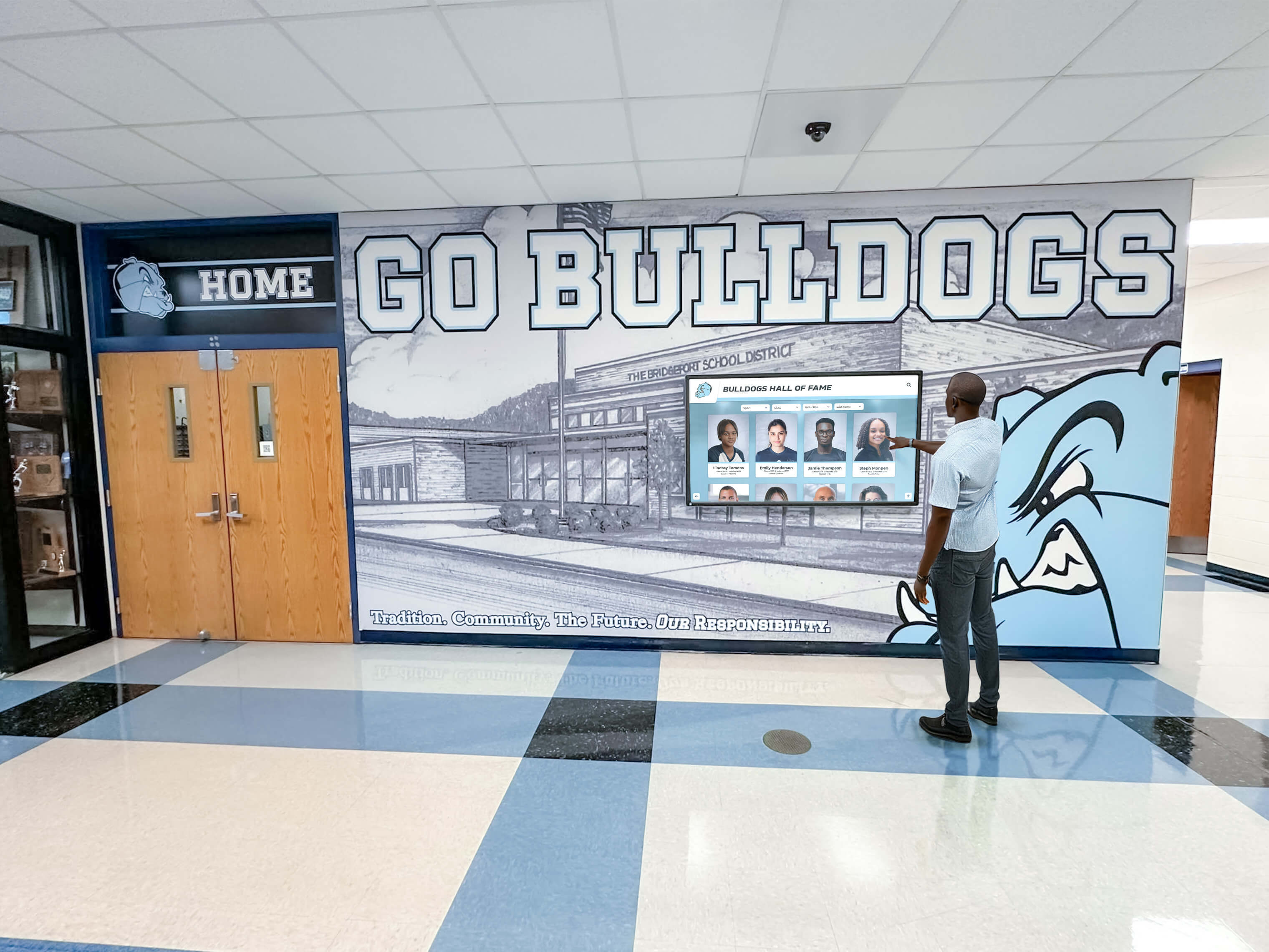
Engaging recognition displays enable swimming program exploration, connecting current athletes with program history and traditions
Managing Long Meet Days Strategically
Smart planning reduces stress during extended competitions.
Understanding Your Swimmer’s Schedule
Most meets provide heat sheets listing all competitors and their assigned heats for each event. Study these in advance to identify when your swimmer competes versus extended waiting periods. Swimmers entered in events 2, 5, and 11 experience very different days than those swimming events 1, 3, and 4, then waiting three hours for final relay.
This schedule awareness enables strategic planning including arriving shortly before your swimmer’s first event (if permissible and preferred), planning brief absences during long gaps between your swimmer’s races, coordinating with other families for shared supervision, and managing expectations about spectator attention and presence.
Meal and Snack Planning
Swimmers need fuel but shouldn’t race on full stomachs. Establish eating patterns including substantial breakfast before morning meets, light snacks (fruit, granola bars, pretzels) between events maintaining energy without heaviness, full meals only after competition concludes or during extended breaks (2+ hours), and constant hydration throughout meet duration.
Parents also need sustenance during long meet days. Bringing your own food proves more economical and reliable than depending on facility concessions that may offer limited options or experience long lines during meet breaks.
Managing Younger Siblings
Long swim meets challenge families with young children. Successful strategies include:
- Rotating parent responsibilities (one actively watches racing, one supervises young siblings in lobby or outside areas)
- Bringing extensive entertainment (tablets, coloring books, quiet toys)
- Planning periodic breaks leaving the facility briefly for playground time or walks
- Coordinating with other families for shared child supervision
- Accepting that young children may not attend entire meet duration
- Arranging alternate childcare when possible for championship meets where full attendance matters most
Understanding how schools celebrate swimming through year-round recognition helps families appreciate that individual meets represent steps toward broader season achievements deserving lasting acknowledgment.
Photography and Memory Preservation
Swim meets create important memories deserving documentation.
Capturing Race Moments
Swimming photography presents unique challenges—fast-moving athletes in bright, reflective environments with obstructed sight lines. Successful approaches include:
- Positioning near starting blocks for dive shots
- Shooting from pool end for head-on finish photography
- Using fast shutter speeds (1/500 second minimum) freezing motion
- Continuous shooting mode capturing entire race sequence
- Learning pool lighting to avoid over/underexposure
- Respecting official photographer positions and safety zones
Beyond Race Photography
Memorable meet moments extend beyond racing including warm-up preparations showing pre-race focus, teammate interactions revealing team bonds, awards presentations celebrating achievement, team photos documenting seasonal progress, and candid moments capturing genuine emotion and experience.
These comprehensive images create lasting memories while providing content for potential recognition systems celebrating swimmer development and program participation.
Age Group and Club Swimming: How Meet Duration Differs
Competitive swimming extends beyond high school, with different formats affecting family schedules.
USA Swimming and Club Competition
Club swimming features year-round training and competition schedules.
Age Group Meet Characteristics
Youth age-group swimming (typically ages 5-18 competing in 2-year age divisions) employs distinctive formats affecting duration. These meets often span multiple days with each session potentially running 4-5 hours, feature large entry numbers since clubs may have 50-100+ swimmers attending, include numerous events per session (sometimes 15-20 events), and emphasize participation allowing swimmers to enter multiple events building experience.
Age-group families should prepare for significant time commitments including multi-session weekend meets, possible overnight travel to championship competitions, younger swimmers competing in morning sessions while older groups swim afternoon/evening sessions, and extended facility time as coaches may keep teams together throughout sessions regardless of individual swimmer schedules.
Senior and National-Level Meets
As swimmers advance to senior competition levels (typically high school age and beyond), meets employ more selective qualifying standards, reducing participant numbers while extending individual event times as elite swimmers compete in distance events. These meets might run 3-4 days, with each day featuring both preliminary and finals sessions, creating substantial family commitments for qualified swimmers.
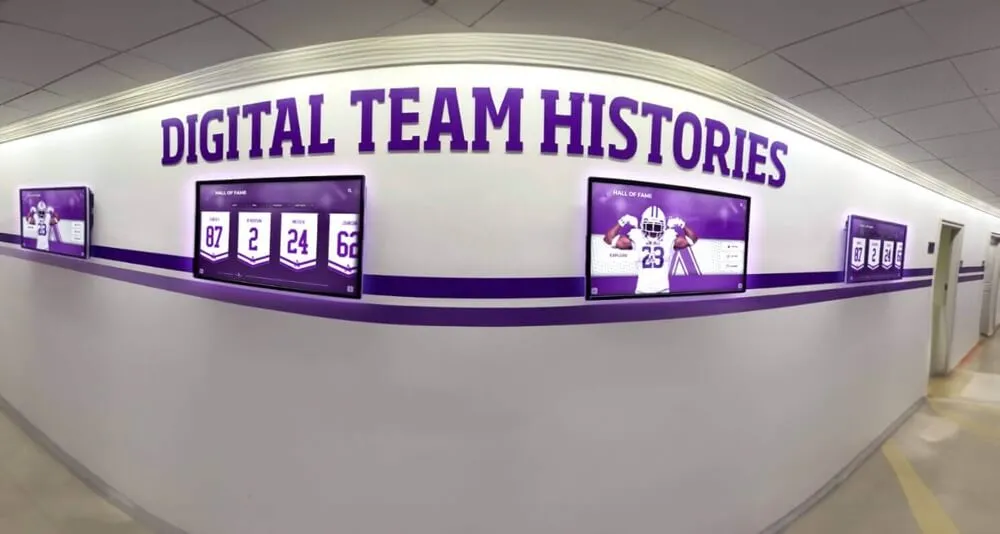
Coordinated recognition systems in school colors celebrate swimming alongside other athletics, building comprehensive program pride
Summer League and Recreational Swimming
Community-based swimming offers more casual competition formats.
Summer League Meet Duration
Summer recreational leagues typically feature shorter meets than year-round club competition. These family-friendly formats often include:
- Dual meet format (two teams competing)
- Abbreviated event lineups (8-10 events instead of 11-12)
- Age group divisions swimming simultaneously (using different pool sections)
- Recreational emphasis prioritizing participation over competitive intensity
- Social atmosphere with family picnics and community gathering
- Duration typically 2-3 hours for dual meets, 4-5 hours for league championships
Summer league provides entry-level competitive exposure, introducing families to meet structure without the intensive time commitments of year-round club programs.
Determining the Right Competitive Level
Families navigate various swimming options—high school team, year-round club, summer league, masters swimming for adults—each with different time commitments. Consider these factors when evaluating programs:
- Athlete goals and competitive ambitions
- Family schedule capacity and priorities
- Financial considerations (club swimming can be expensive)
- Travel willingness and capabilities
- Desired competitive intensity
- Social and developmental priorities beyond pure sport
Understanding competitive level characteristics including typical meet duration helps families select appropriate programs matching their circumstances and swimming goals while managing realistic expectations about time investment required.
Celebrating Swimming Achievement Through Recognition
The extensive time commitment swimming demands—lengthy meets, early morning practices, year-round training—deserves meaningful celebration acknowledging athlete dedication.
Challenges of Traditional Swimming Recognition
Physical recognition systems struggle to comprehensively honor swimming achievements.
Space Constraints and Recognition Capacity
Swimming programs generate abundant accomplishment worthy of recognition—individual records across numerous events, relay records for various combinations, conference championships, state qualifications, and individual athlete achievements. Traditional trophy cases and physical plaques quickly exhaust available space, forcing difficult decisions about which achievements warrant permanent recognition versus fading into forgotten history.
Schools with 50+ years of swimming tradition cannot feasibly maintain physical plaques for every school record, championship team, and individual achievement without dedicating entire buildings to athletic recognition—creating inevitable selectivity that excludes deserving accomplishments.
Maintenance Challenges
Physical recognition requires ongoing updates as records fall and new champions emerge. Each new record means creating, engraving, and installing new plaques—expensive, time-consuming processes that many programs defer or skip entirely, allowing recognition to become outdated and losing motivational value for current swimmers.
Traditional systems also deteriorate—plaques tarnish, engraving fades, mounting hardware fails—requiring periodic restoration investment many schools cannot sustain.
Limited Storytelling Capability
Physical plaques convey minimal information—typically name, year, event, and time. This data-only approach fails to capture complete stories including breakthrough moments overcoming injuries or adversity, season-long improvement arcs, team leadership and mentorship, training dedication and sacrifice, and personal context making achievements particularly meaningful.
Comprehensive athlete recognition requires richer storytelling than physical plaques enable, documenting not just what swimmers accomplished but the journeys creating those achievements.
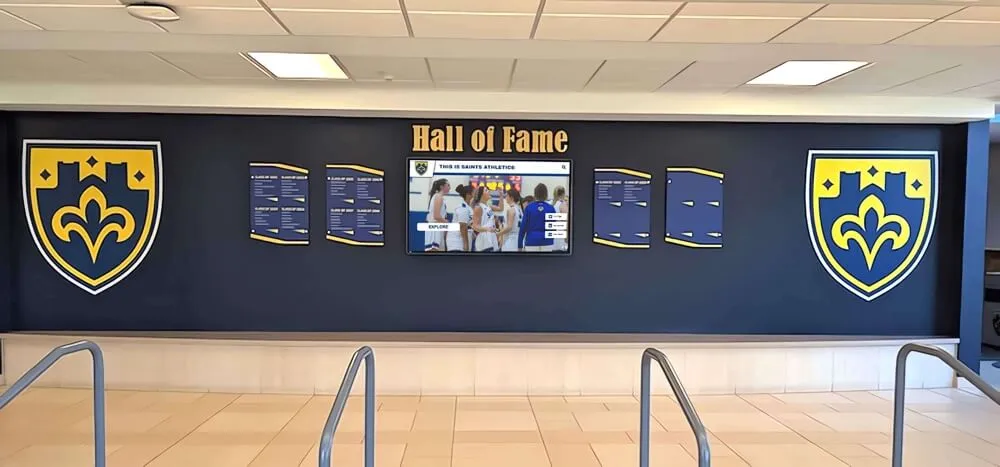
Hybrid recognition combining traditional elements with modern digital capability celebrates swimming achievements comprehensively
Modern Digital Recognition Solutions
Contemporary platforms address traditional limitations while creating engaging celebration experiences.
Unlimited Recognition Capacity
Digital recognition eliminates space constraints entirely—accommodating unlimited swimmers across unlimited seasons without physical expansion requirements. Programs never face removing earlier recognition to accommodate current honorees, and comprehensive celebration across complete program history becomes practically achievable rather than physically impossible.
This unlimited capacity proves particularly valuable for swimming programs seeking to recognize complete rosters rather than only record holders and champions—ensuring every committed swimmer receives lasting acknowledgment regardless of competitive outcomes or record-breaking achievement.
Rich Multimedia Swimmer Profiles
Interactive platforms support comprehensive documentation including:
- High-resolution photos capturing swimmers in competition and team settings
- Complete career statistics tracking all competitive results
- Video highlights preserving actual race footage showing swimming excellence
- Biographical narratives contextualizing achievements within broader personal stories
- Individual swimmer timelines documenting improvement throughout careers
- Record progression histories showing how school records evolved
- Team context connecting individual achievement to collective success
This multimedia depth transforms simple name listings into engaging storytelling that families, teammates, and community members genuinely explore rather than briefly glancing at traditional text-only plaques offering minimal information.
Immediate Content Updates
Cloud-based recognition management enables instant updates without construction delays. When swimmers break records or teams win championships, administrators add recognition through simple web interfaces—changes appearing immediately rather than requiring months-long fabrication and installation processes for physical displays.
Real-time updating ensures recognition remains current while eliminating ongoing physical modification costs that eventually make traditional systems financially unsustainable.
Web and Mobile Accessibility
Modern recognition extends beyond facility visitors through responsive web platforms enabling alumni exploring program history from distant locations, recruits researching program tradition during decision processes, families sharing swimmer achievements through social media, grandparents following swimming success from out-of-state, and community members celebrating program excellence remotely.
Digital accessibility dramatically expands recognition reach compared to physical displays limited to facility visitors—enabling achievement celebration inspiring far broader audiences than traditional trophy cases can engage.
Solutions like Rocket Alumni Solutions provide purpose-built athletic recognition platforms combining commercial-grade touchscreen hardware with intuitive content management enabling swimming programs to maintain comprehensive recognition without technical expertise—creating professional displays celebrating achievement while preserving complete program history accessible through multiple platforms simultaneously.

Strategic placement in aquatic facilities ensures swimming recognition reaches athletes, families, and community regularly—inspiring current swimmers while honoring past excellence
Implementing Swimming Recognition Systems
Schools considering comprehensive recognition should evaluate several factors.
Content Planning and Documentation
Effective recognition requires systematic information gathering including historical research documenting program records, championships, and notable achievements, current season documentation capturing ongoing accomplishments, athlete biographical information sharing personal stories and development, visual content management collecting photos and videos throughout seasons, and regular update protocols ensuring recognition remains current.
Establish clear content responsibilities—designating coaches, athletic directors, or volunteer coordinators who manage recognition information ensures systems remain active and valuable rather than becoming outdated databases losing relevance.
Integration with Existing Recognition
Many programs maintain existing trophy cases or physical displays with sentimental value. Modern recognition platforms don’t replace these traditional elements but rather complement them through:
- Digital systems documenting complete program history while physical displays highlight major championships
- Touchscreens positioned near existing trophy cases creating integrated recognition environments
- Digital content providing detailed context for physical trophies visible in displays
- Coordinated design ensuring visual consistency across physical and digital elements
This hybrid approach satisfies constituencies valuing traditional recognition while adding modern capability addressing conventional limitations.
Family and Alumni Engagement
Recognition systems create natural engagement opportunities including content contribution invitations where families share photos and memories, alumni update mechanisms maintaining connections with former swimmers, social media integration enabling achievement sharing, reunion event coordination connecting recognition to in-person gatherings, and fundraising opportunities where recognition sponsorships support program development.
Families appreciate schools that implement lasting recognition honoring the substantial time commitment swimming demands—extended meet duration, early morning practices, weekend competitions, and year-round dedication deserving permanent institutional acknowledgment rather than fleeting seasonal appreciation.
Understanding comprehensive sports recognition approaches helps athletic directors implement systematic celebration ensuring swimming receives visibility equal to other programs while addressing sport-specific recognition needs.
Conclusion: Making the Most of Your Swimming Journey
Understanding how long a swim meet lasts—and what actually happens during these extended competitions—empowers parents to prepare effectively, manage expectations appropriately, and fully appreciate the unique competitive structure defining swimming. While meet duration may initially seem excessive compared to other sports’ predictable game lengths, this extended timeframe reflects swimming’s distinctive format where athletes demonstrate excellence through multiple specialized events rather than continuous game-long participation.
From efficient 2-hour dual meets to marathon championship weekends, each competitive format serves specific purposes in swimmer development and program building. The key to successful swim parent navigation lies in understanding these format differences, preparing appropriately for various meet types, and appreciating that extended duration reflects the sport’s comprehensive nature celebrating diverse swimming skills across multiple strokes, distances, and team contexts.
Celebrate Your Swimming Program's Excellence
Discover how modern recognition displays enable comprehensive celebration of swimming achievements—preserving swimmer dedication through engaging multimedia profiles, unlimited capacity, and accessible platforms that traditional trophy cases cannot provide. Honor the extraordinary time commitment swimmers invest in their sport through lasting recognition worthy of their dedication.
Explore Recognition SolutionsBeyond understanding practical logistics, the swimming journey deserves meaningful celebration. The sport demands extraordinary dedication—early morning practices requiring 5:30 AM pool arrivals, lengthy meets extending entire weekends, year-round training preventing seasonal breaks, and physical intensity requiring unwavering commitment. This substantial investment deserves recognition matching its significance through thoughtful season-end celebrations, permanent recognition systems documenting achievements, and program cultures that honor swimming’s unique demands and the families supporting swimmer participation.
Whether you’re planning your first swim meet attendance or supporting a multi-year competitive swimmer, understanding meet duration and structure helps you appreciate this distinctive sport’s competitive excellence. The extended timeframes that initially seem inefficient actually enable comprehensive demonstration of swimming proficiency across diverse skills—acknowledging that great swimmers excel in multiple events requiring different physical capabilities, mental approaches, and technical execution.
Your swimmer’s dedication to this demanding sport—navigating lengthy meets with grace, maintaining focus through extended waiting periods, competing with excellence across multiple events, and investing themselves in team success requiring individual sacrifice—deserves celebration worthy of their extraordinary commitment. Make the most of your swimming journey by understanding its unique structure, supporting your athlete appropriately, and ensuring their achievements receive lasting recognition honoring the dedication these time-intensive competitions represent.
Ready to enhance your program’s swimming recognition? Explore additional resources on creating athletic displays celebrating individual excellence, discover comprehensive recognition strategies documenting program histories, learn about record board implementations tracking swimming achievements, and understand how Rocket Alumni Solutions provides purpose-built platforms specifically designed for educational institutions prioritizing comprehensive student achievement recognition across all athletic programs including swimming.































