



If you’ve spent years coaching, teaching, and building athletic programs, you’ve likely considered the natural next step in sports administration: becoming an athletic director. This leadership role offers the opportunity to shape entire athletic departments, influence school culture, mentor both coaches and student-athletes, and build programs that impact communities for generations.
But the path from coaching sidelines to administrative leadership involves more than simply wanting the position. Athletic directors must balance educational requirements, coaching experience, budgetary expertise, facility management, compliance knowledge, and leadership skills that extend far beyond game strategy. Schools need leaders who can navigate Title IX regulations, manage million-dollar budgets, cultivate community relationships, implement recognition programs that build tradition, and create comprehensive athletic experiences serving diverse student populations.
This complete guide walks you through every stage of becoming an athletic director—from foundational education and coaching experience through certifications, career progression strategies, skill development, and positioning yourself as a competitive candidate when opportunities arise. Whether you’re a current coach planning your next career move, a teacher interested in athletic administration, or a young professional mapping a path toward school sports leadership, you’ll discover actionable frameworks for building credentials, gaining experience, and ultimately securing athletic director positions.
The demand for qualified athletic directors continues growing as schools recognize that athletics play crucial roles in student development, school culture, alumni engagement, and community identity. Yet competition for positions remains intense—making strategic career planning essential for candidates hoping to advance from coaching to comprehensive athletic department leadership.

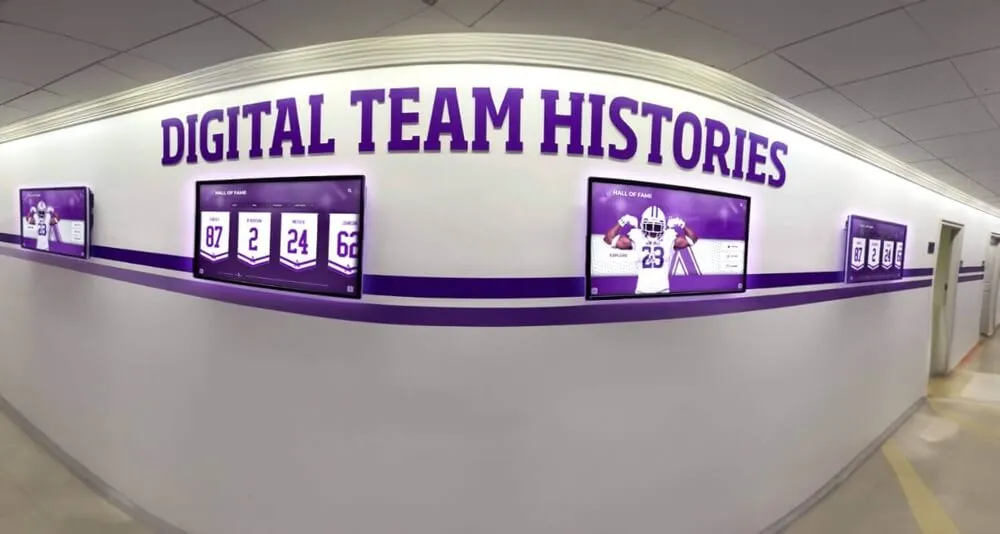
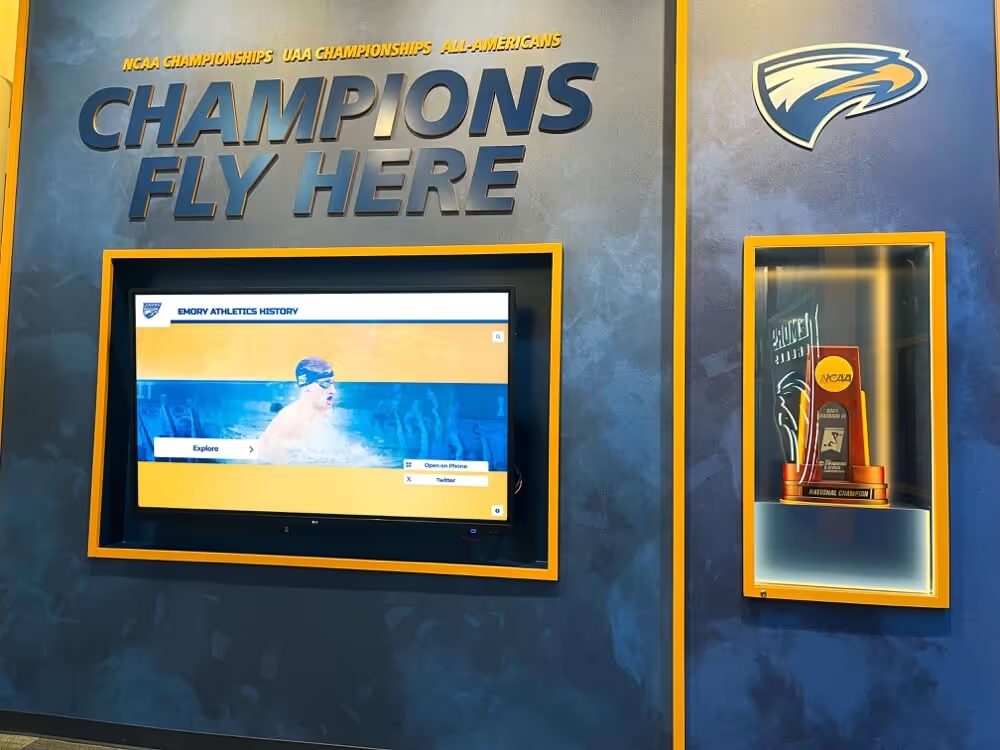
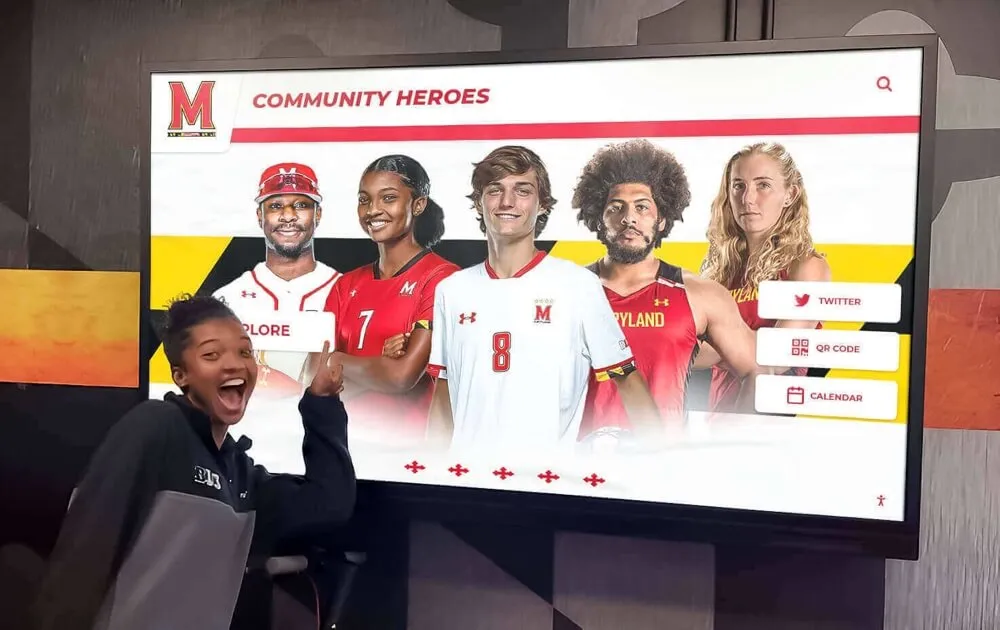
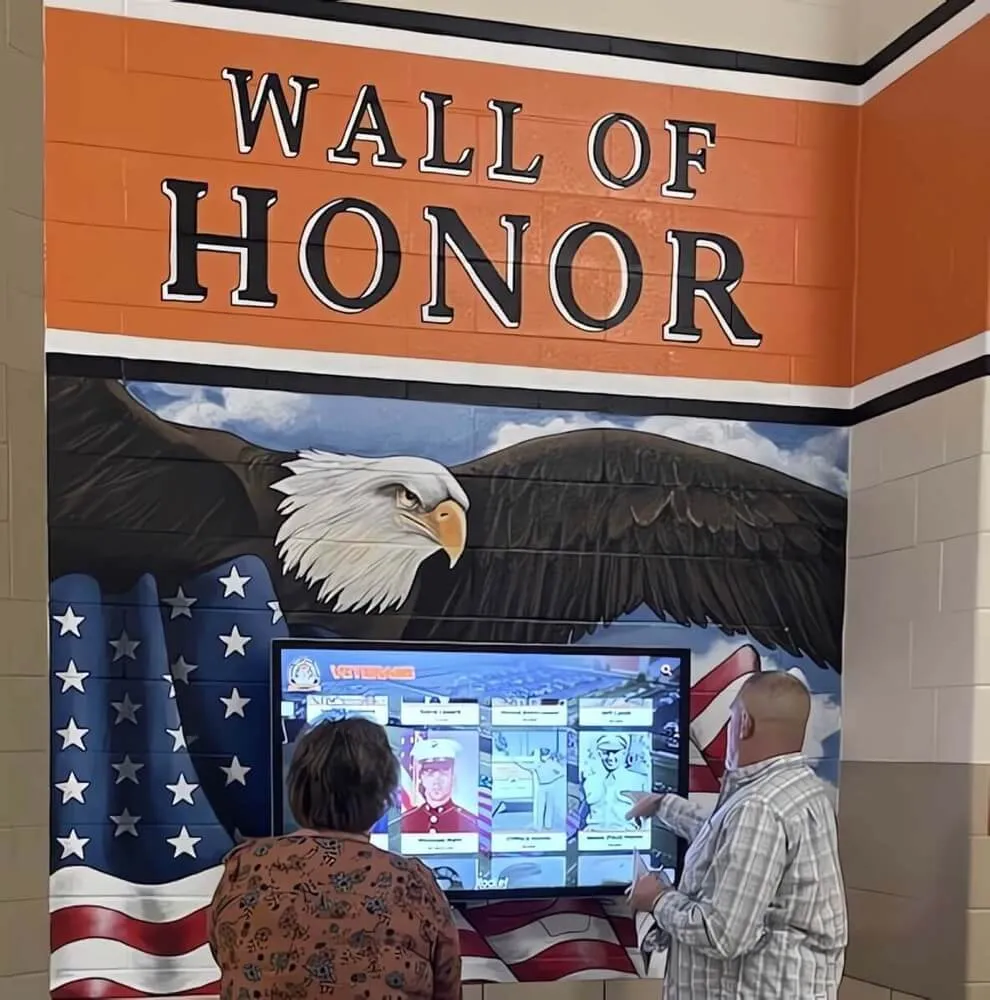
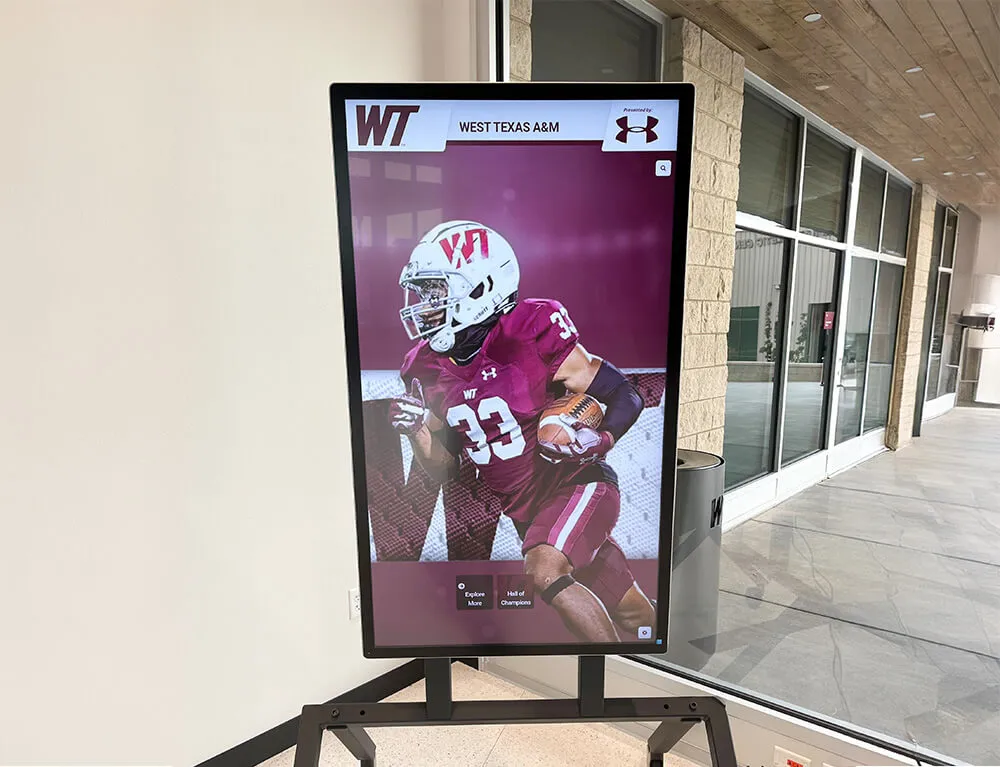
Modern athletic directors leverage technology and strategic display systems to enhance program tradition and community engagement
Understanding the Athletic Director Role
Before pursuing this career path, candidates should understand the comprehensive responsibilities athletic directors shoulder daily.
Core Responsibilities and Daily Functions
Athletic directors manage far more than simply scheduling games and ordering equipment:
Program Administration and Strategic Planning
Athletic directors oversee all aspects of athletic program operation including hiring, supervising, and evaluating coaching staff across multiple sports, developing long-term strategic plans aligning athletic programs with institutional mission, creating and managing departmental budgets often exceeding millions of dollars, scheduling competitions and managing conference relationships, and establishing program philosophies guiding decision-making across all sports.
Unlike coaching positions focused on single sports or teams, athletic directors maintain comprehensive perspective balancing needs across entire athletic departments while ensuring all programs receive equitable resources and support regardless of revenue generation or community visibility.
Compliance and Risk Management
Legal and regulatory compliance constitutes significant athletic director responsibility including Title IX compliance ensuring equitable treatment across gender lines, state athletic association rules governing eligibility and competition, academic eligibility requirements balancing athletic and educational priorities, safety protocols and emergency action plans protecting student-athlete welfare, and insurance, liability, and risk management addressing potential legal exposure.
Compliance failures carry serious consequences including litigation, sanctions, loss of competitive privileges, and reputational damage—making regulatory expertise essential for successful athletic directors regardless of school size or competitive level.
Facility Management and Operations
Athletic directors coordinate physical infrastructure supporting athletic programs through facility maintenance and improvement planning, scheduling facility use across multiple sports and programs, equipment purchasing and inventory management, field and court preparation for competitions, and coordination with facilities staff ensuring safe, functional spaces.
Schools with aging facilities face particular challenges balancing necessary improvements against limited capital budgets while maintaining competitive environments attracting talented student-athletes.
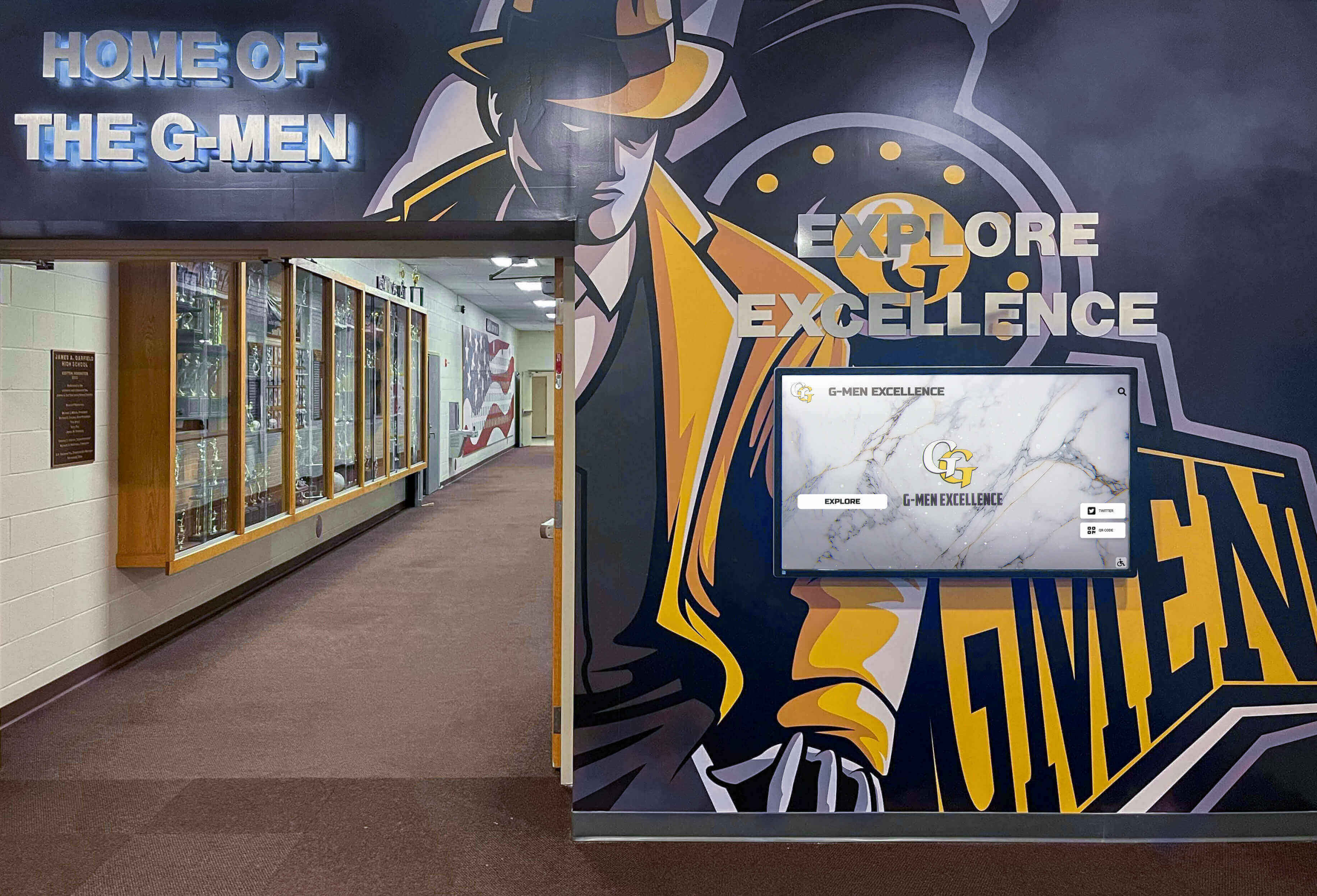
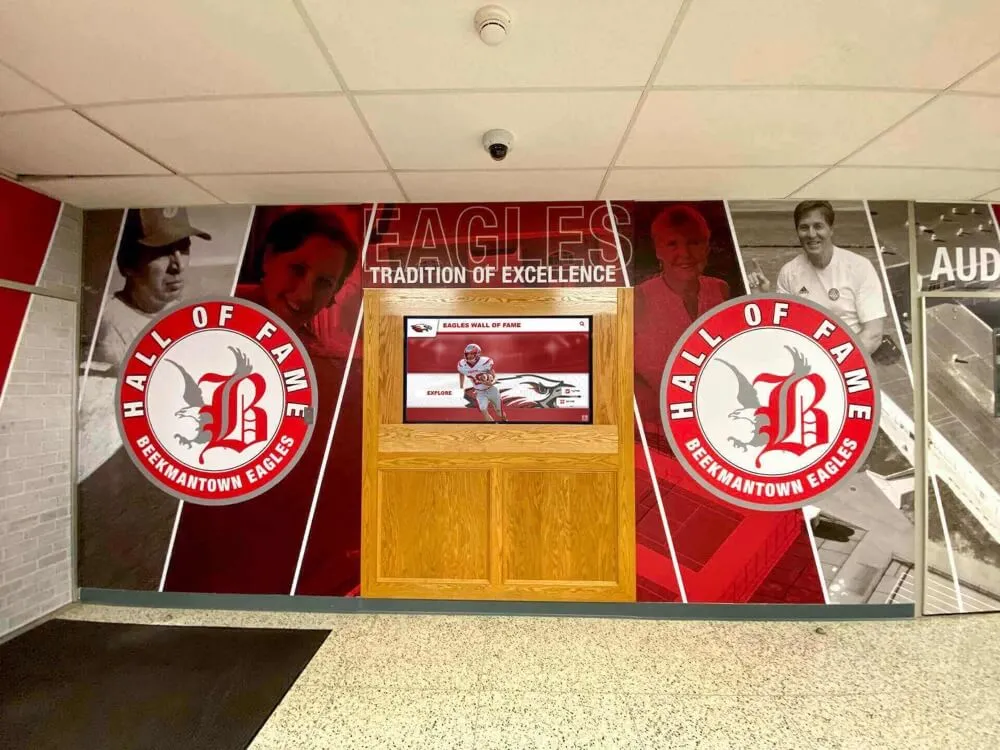
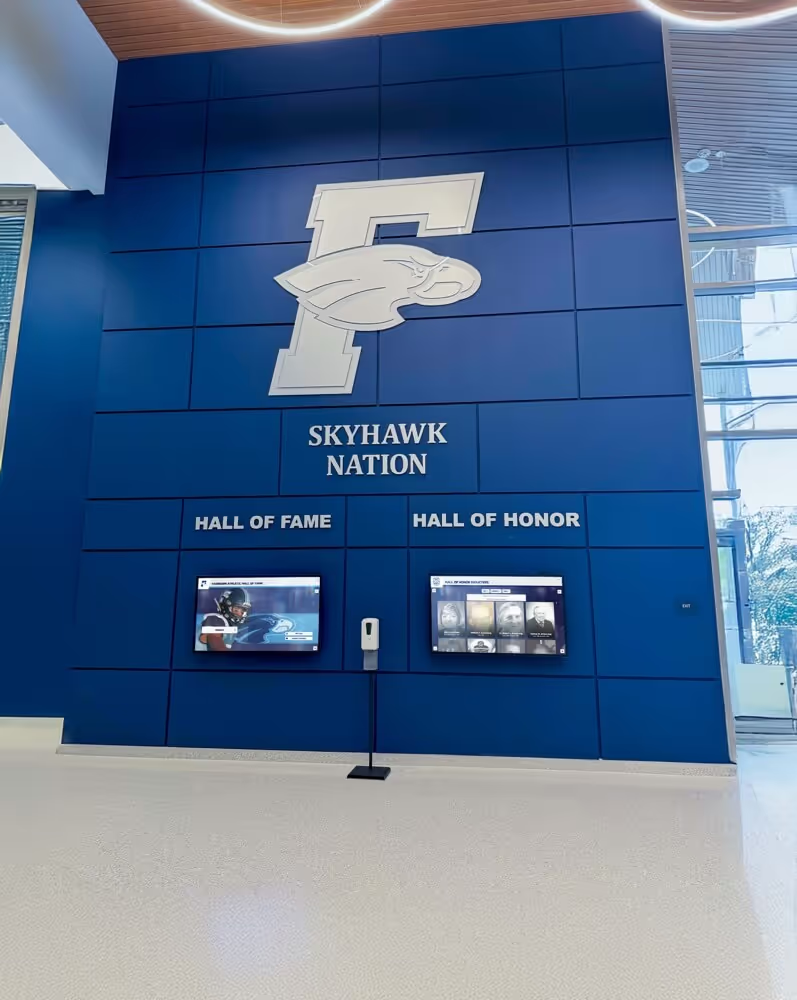
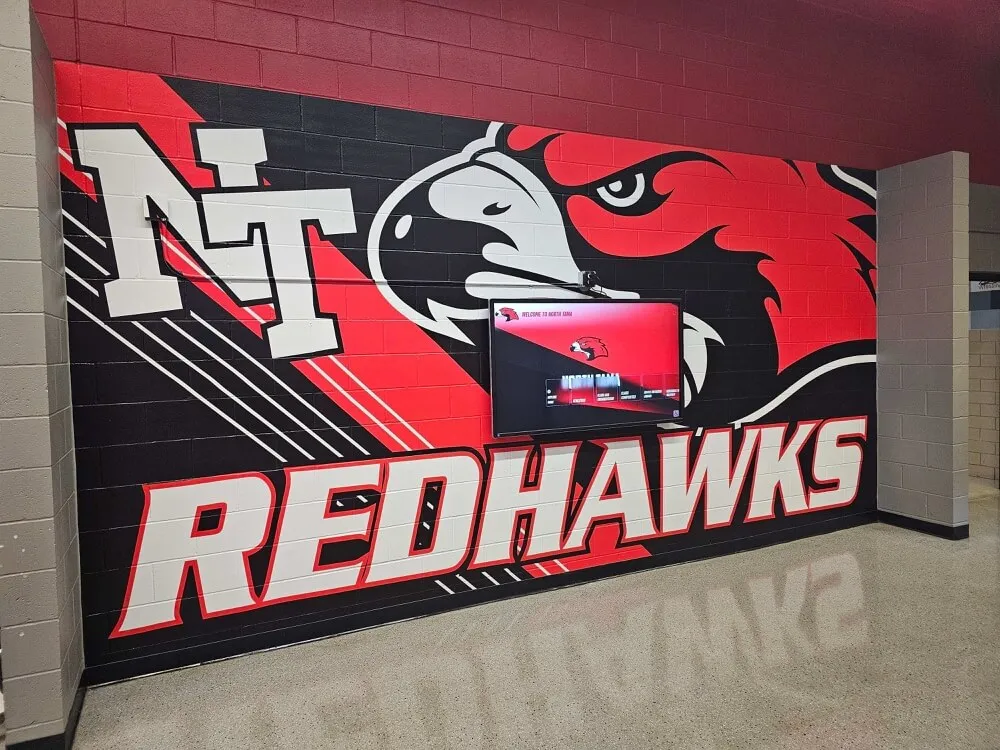
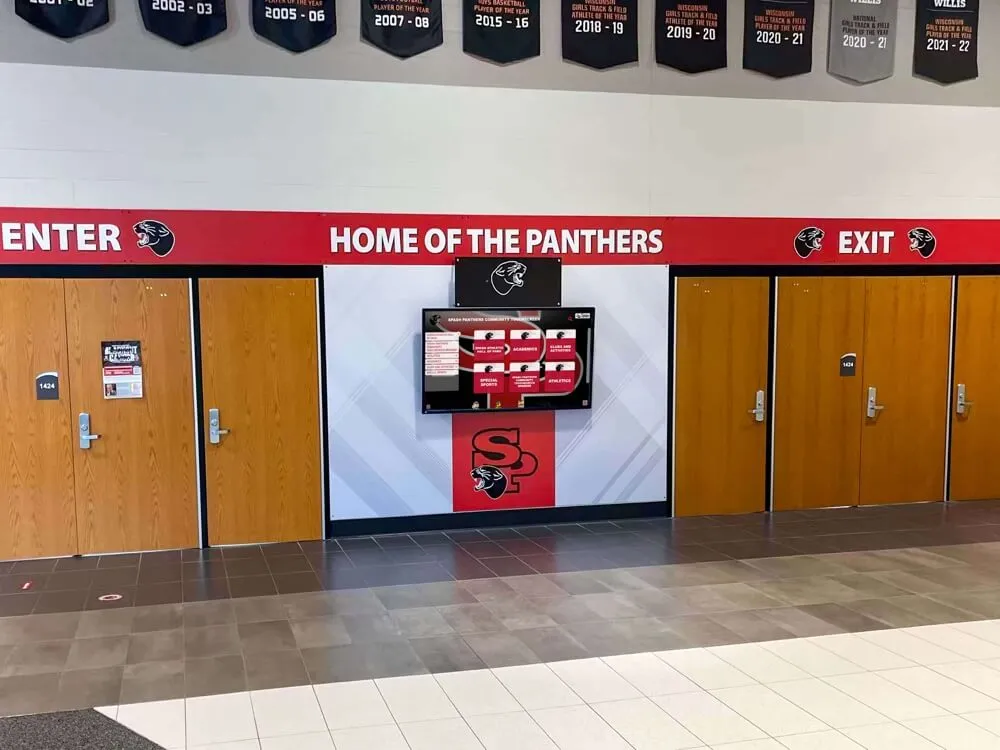
Athletic directors coordinate facility aesthetics, recognition programs, and environmental branding creating cohesive athletic experiences
Building Program Culture and Recognition Systems
Beyond operational management, athletic directors shape institutional culture:
Creating Recognition Infrastructure
Effective athletic directors implement systematic programs honoring achievement including athletic hall of fame programs documenting program history and honoring legends, championship recognition celebrating competitive success, academic excellence awards acknowledging student-athlete scholarship, and coaching recognition honoring staff contributions to program success.
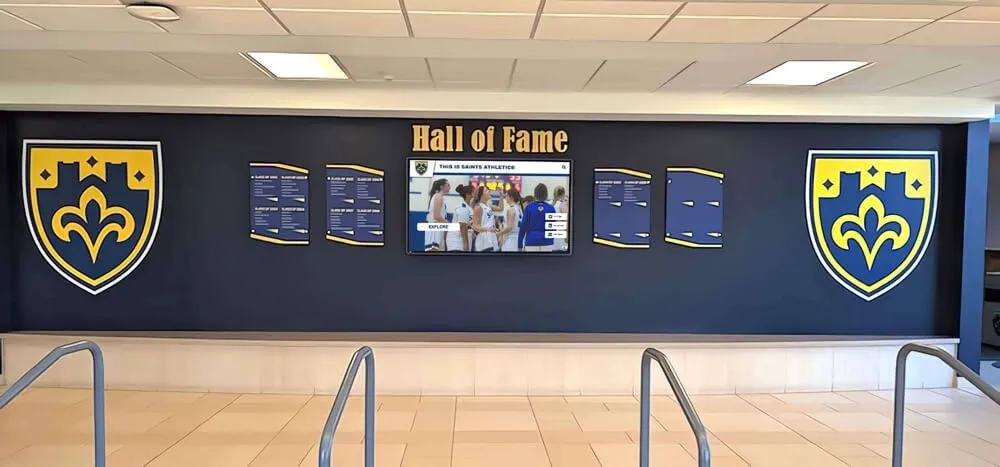
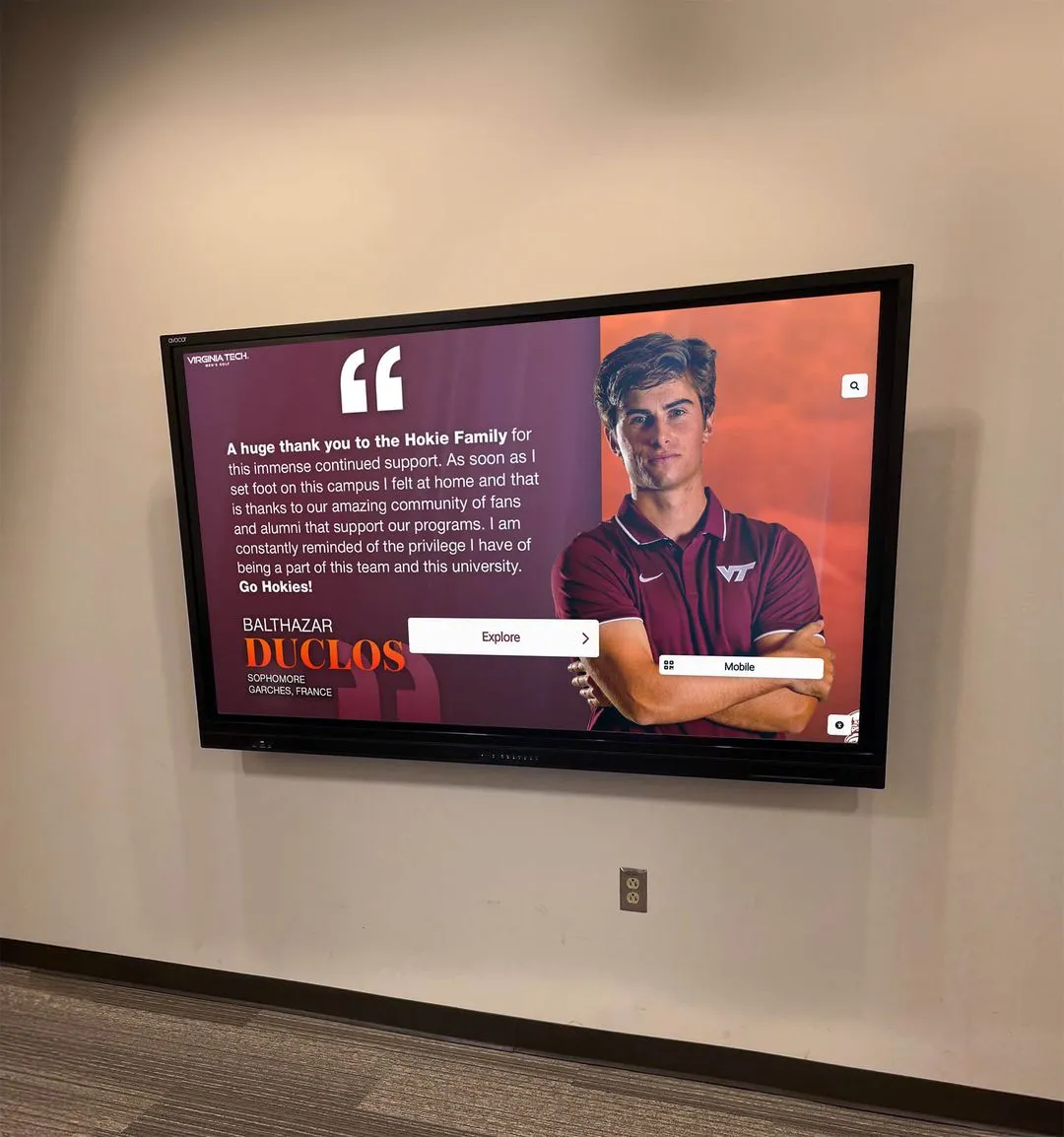
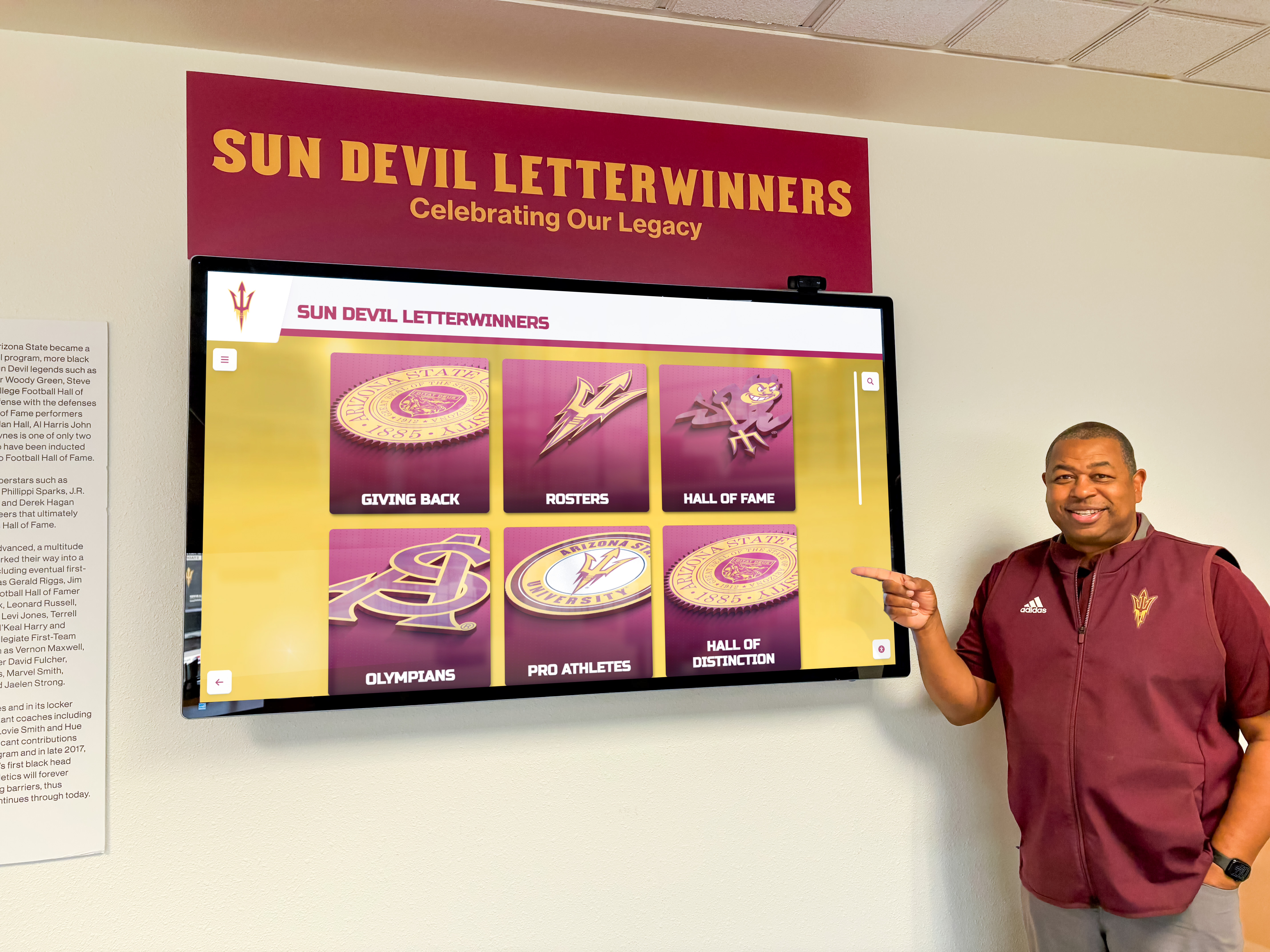
Modern solutions like digital recognition platforms enable comprehensive celebration without physical space limitations. Athletic directors increasingly utilize interactive touchscreen displays that accommodate unlimited athletes, provide rich multimedia profiles, enable instant updates, and extend recognition through web access reaching alumni and recruits regardless of geographic location.
Fostering Alumni Engagement
Athletic programs generate powerful lifelong connections when alumni receive meaningful recognition and ongoing program involvement. Strategic athletic directors build engagement through annual recognition ceremonies bringing graduates back to campus, systematic communication updating alumni about program developments, volunteer opportunities enabling alumni to contribute expertise, and recognition programs celebrating former athletes’ contributions to program tradition.
Resources on athletic director job opportunities and career paths demonstrate the expanding scope of modern sports administration roles.
Educational Requirements for Athletic Directors
Formal education provides foundational knowledge for athletic administration careers.
Undergraduate Degree Foundations
Most athletic director positions require minimum bachelor’s degree credentials:
Relevant Undergraduate Majors
Common educational backgrounds include physical education or kinesiology degrees providing sport science and pedagogy foundations, sports management or administration programs specifically designed for athletic careers, education degrees enabling dual coaching and teaching roles, business administration providing management and financial expertise, and recreation administration focused on program development and facility management.
While specific majors matter less than demonstrated coaching success and leadership capacity, relevant undergraduate education provides theoretical frameworks supporting practical experience gained through coaching progression.
Building Coaching Credentials During College
Aspiring athletic directors should begin building experience during undergraduate years through coaching internships and volunteer assistant positions, student teaching placements in physical education, intramural program coordination and recreation programming, athletic department work-study providing administrative exposure, and summer camp positions developing instructional and management skills.
Early experience differentiates candidates in competitive coaching job markets while providing practical application of classroom theory.
Minors and Certificate Programs
Complementary credentials strengthen athletic director candidacy including business or management minors providing financial and organizational skills, educational leadership programs introducing administrative frameworks, coaching education certificates demonstrating technical expertise, and special education coursework preparing coaches to support diverse student populations.
Strategic undergraduate planning creates credentials supporting both immediate coaching positions and long-term administrative aspirations.

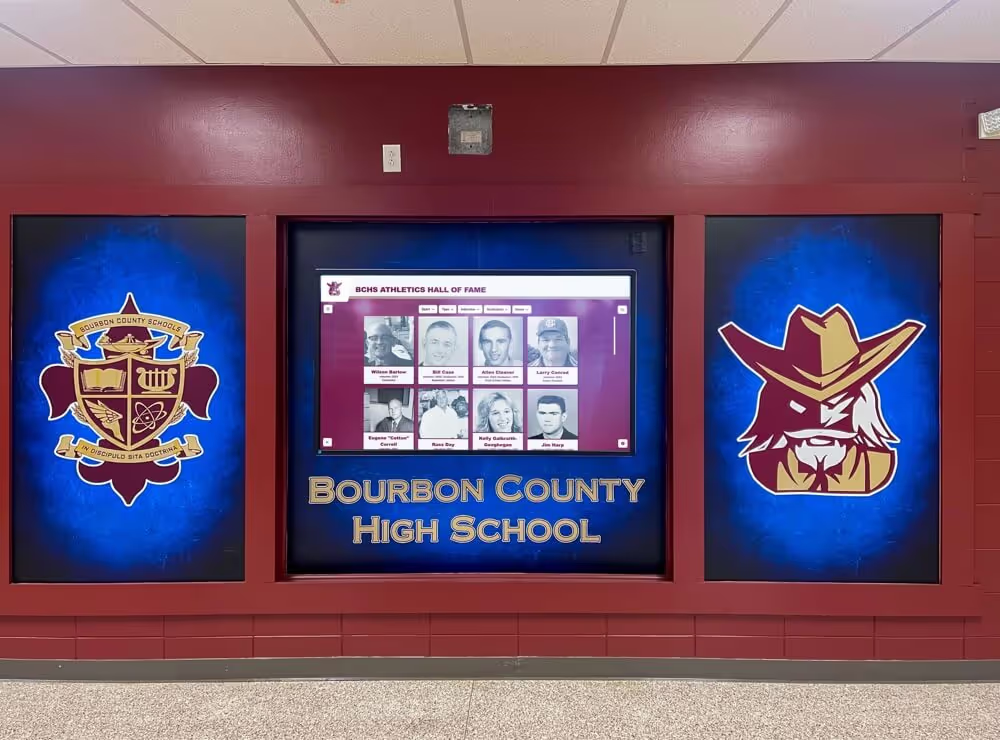
Athletic directors coordinate recognition displays and facility aesthetics that inspire current athletes while honoring program history
Graduate Education in Athletic Administration
Advanced degrees increasingly become standard credentials for competitive athletic director positions:
Master’s Degree Programs
Graduate education options include Master of Education in Educational Leadership or Administration with athletic administration concentration, Master of Sports Administration from specialized programs at major universities, Master of Business Administration (MBA) with sport management focus, Master of Science in Kinesiology with administrative emphasis, and Master of Education in Physical Education with leadership track.
Graduate programs provide specialized knowledge in athletic budgeting and financial management, facility planning and operations, legal issues and compliance frameworks, organizational leadership and change management, and strategic planning and program evaluation.
Many successful athletic directors complete master’s degrees while coaching full-time through part-time or online programs designed for working professionals.
Doctoral Credentials for Higher-Level Positions
College and university athletic director positions increasingly prefer or require doctoral credentials including Doctor of Education (Ed.D.) in Educational Leadership or Sport Administration, Ph.D. in Kinesiology, Sport Management, or Educational Administration, and Doctor of Philosophy in Higher Education Administration with athletics specialization.
Doctoral education develops research skills, advanced theoretical knowledge, and publication records distinguishing candidates for competitive positions at major institutions while preparing leaders to contribute to academic literature advancing athletic administration practice.
Online and Flexible Graduate Programs
Working coaches and administrators can access graduate education through online master’s programs from accredited universities, hybrid programs combining online coursework with occasional on-campus intensives, summer cohort models enabling full-time teaching and coaching during academic year, and evening and weekend programs serving working professionals.
Flexible options enable career advancement without sacrificing current employment—critical for professionals supporting families while building credentials for future positions.
Frameworks for academic recognition programs demonstrate how athletic directors balance athletics with comprehensive student development including scholarly achievement.
Building Coaching Experience and Track Record
Practical coaching success provides credibility essential for athletic director candidacy.
Progressing Through Coaching Ranks
Most athletic directors spend significant years coaching before administrative transition:
Starting as Assistant Coach
Entry-level positions provide foundational experience including volunteer or graduate assistant coaching roles at college level, paid assistant positions at high school programs, junior varsity head coach positions demonstrating leadership readiness, and specialized position coach roles developing technical expertise.
Assistant coaching enables learning from experienced head coaches while building skills in practice planning, game preparation, athlete development, parent communication, and program operations without full responsibility head coaching positions demand.
Advancing to Head Coaching Positions
Head coaching experience proves critical for athletic director preparation through complete program management responsibility, athlete recruitment and retention, budget development and financial management, parent and community relations, staff hiring and supervision, and competitive success demonstrating coaching effectiveness.
Successful head coaches develop comprehensive skill sets directly transferable to athletic director roles—making head coaching experience nearly universal among athletic director candidates.
Multi-Sport Coaching Experience
Coaching multiple sports strengthens athletic director candidacy by demonstrating versatility across different athletic contexts, building broader relationships across coaching staffs and communities, developing understanding of diverse student populations and needs, establishing balanced perspective beyond single-sport focus, and proving adaptability essential for department-wide leadership.
Athletic directors overseeing comprehensive programs benefit from experience across different sports rather than narrow expertise in single competitive contexts.
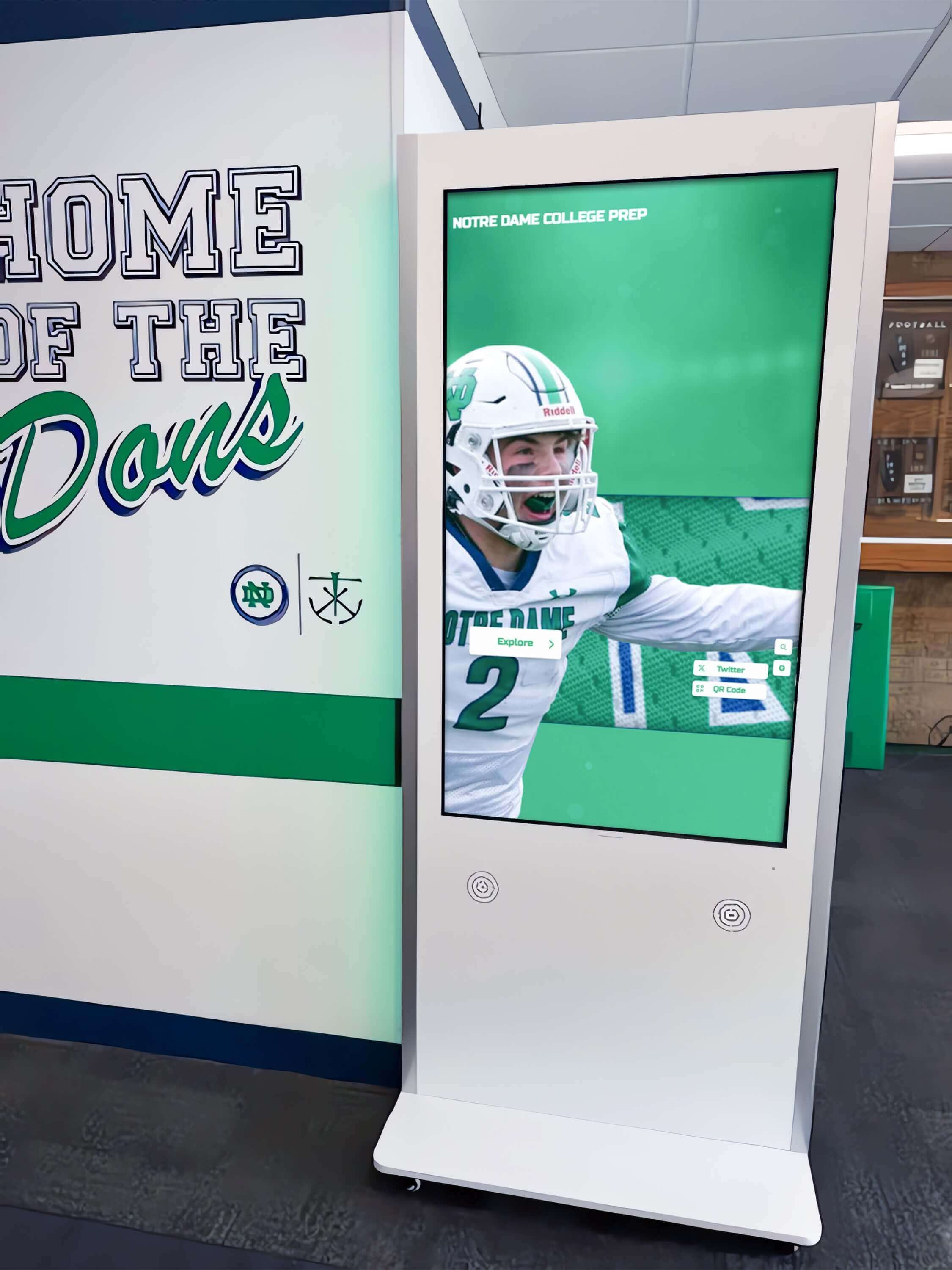
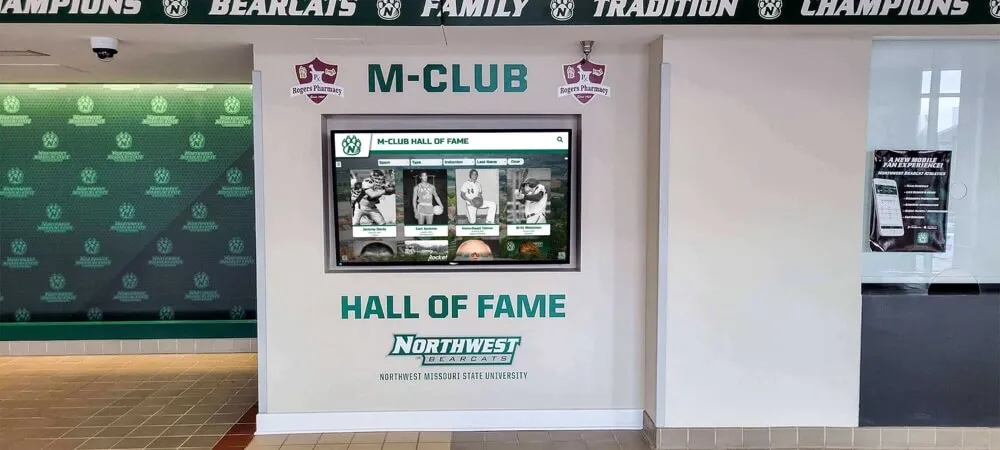
Modern athletic directors implement technology-enabled recognition systems celebrating program tradition while engaging students, alumni, and community members
Demonstrating Leadership Beyond Coaching
Winning games alone doesn’t guarantee administrative advancement:
Taking on Additional Responsibilities
Aspiring athletic directors should volunteer for department leadership roles including athletic department committee participation, facility improvement planning involvement, conference or league leadership positions, state coaching association board service, and mentor roles supporting younger or less experienced coaches.
Voluntary leadership demonstrates commitment beyond individual program success while building relationships and visibility crucial when athletic director positions become available.
Building Program Infrastructure
Coaches who develop comprehensive programs rather than simply winning games demonstrate athletic director readiness through systematic athlete development programs with multi-year training progressions, alumni engagement initiatives maintaining program connections, recognition systems honoring achievement across multiple categories, fundraising success generating program resources, and community partnership development extending program reach and support.
Evidence of program building beyond seasonal winning percentages shows capacity for institutional thinking athletic director roles require.
Cultivating Community Relationships
Athletic directors must maintain positive relationships with diverse constituencies including parent organizations and booster clubs, local media providing program coverage, youth programs feeding into school athletic programs, college coaches recruiting program athletes, and community businesses supporting athletic programs.
Coaches who excel at stakeholder management demonstrate interpersonal skills essential for athletic director success where relationship challenges extend across entire athletic departments rather than single teams.
Insights on sports banquet planning demonstrate how athletic directors coordinate recognition events celebrating achievement across comprehensive programs.
Obtaining Professional Certifications and Credentials
Specialized certifications supplement education and experience:
Athletic Administration Certifications
Professional credentials demonstrate commitment to administrative excellence:
Certified Athletic Administrator (CAA)
The National Interscholastic Athletic Administrators Association (NIAAA) offers the CAA credential—the gold standard in high school athletic administration. Requirements include minimum years of athletic administrative experience, completion of NIAAA Leadership Training Courses (LTC) spanning curriculum from leadership fundamentals through advanced administration, undergraduate degree from accredited institution, and professional development hours maintaining current knowledge.
The CAA credential signals serious professional commitment while providing networking opportunities and access to resources supporting administrative success.
State Athletic Director Certifications
Many states require specific athletic director certifications or credentials through state education departments or athletic associations including state-specific training programs covering regulations and policies, exam passage demonstrating knowledge of state requirements, professional development hours for credential renewal, and background checks and clearances ensuring candidate suitability.
Research certification requirements in states where you seek employment—requirements vary significantly across jurisdictions.
Higher Education Athletic Administration Credentials
College and university athletic directors may pursue certifications including National Association of Collegiate Directors of Athletics (NACDA) professional development programs, NCAA compliance certifications demonstrating regulatory expertise, conference-specific leadership development programs, and specialized credentials in sports information, facility management, or compliance.
Professional credentials supplement degrees and experience while demonstrating ongoing commitment to professional growth and current knowledge in rapidly evolving athletic administration landscape.

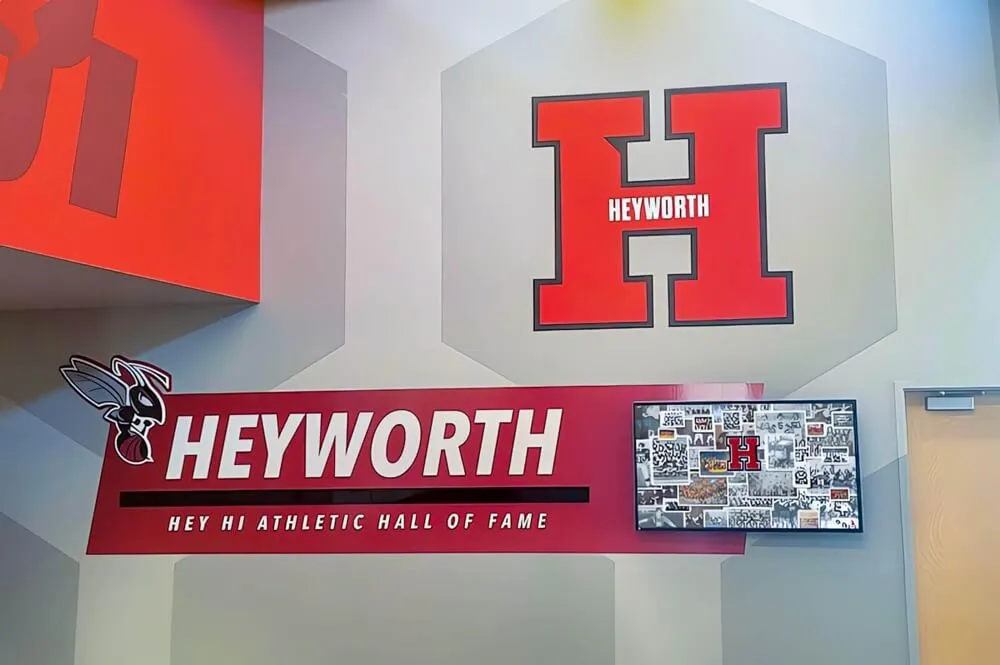
Athletic directors coordinate comprehensive branding strategies integrating physical and digital elements throughout athletic facilities
Coaching Education and Safety Certifications
Technical coaching credentials strengthen athletic director profiles:
Sport-Specific Coaching Credentials
National governing body certifications demonstrate coaching expertise including USA Football coaching certifications, National Federation of State High School Associations (NFHS) sport-specific courses, USA Hockey coaching education program levels, American Sport Education Program (ASEP) credentials, and sport-specific clinics and certification programs.
Coaching credentials prove technical competence while demonstrating commitment to athlete development through evidence-based methodologies rather than simply replicating how candidates were coached themselves.
First Aid, CPR, and AED Certification
Safety credentials constitute non-negotiable requirements including current CPR and AED certification from American Red Cross or American Heart Association, First Aid certification covering emergency response, concussion recognition and management training, and bloodborne pathogen training for handling injuries.
Athletic directors ensure all coaching staff maintain current safety certifications—making personal credential maintenance essential for role modeling and compliance oversight.
Specialized Safety and Risk Management Training
Additional safety expertise distinguishes candidates including emergency action plan development training, lightning safety and weather protocols, heat illness prevention and recognition, sudden cardiac arrest awareness programs, and sport-specific safety certifications addressing unique risk factors.
Safety expertise proves increasingly important as liability concerns and parent expectations for athlete protection continue rising across all competitive levels.
Resources on building school pride and recognition programs demonstrate how athletic directors leverage tradition and achievement to strengthen institutional culture.
Developing Essential Administrative Skills
Successful athletic directors master competencies beyond coaching expertise:
Financial Management and Budgeting
Athletic directors manage substantial financial resources:
Budget Development and Oversight
Financial responsibilities include developing comprehensive athletic department budgets allocating resources across all programs, monitoring expenditures ensuring compliance with approved budgets, revenue generation through ticket sales, sponsorships, and fundraising, financial reporting to school administration and boards, and long-term financial planning for equipment replacement, facility improvements, and program expansion.
Coaches should seek opportunities to manage team budgets, coordinate fundraising initiatives, and participate in departmental financial planning—building financial skills athletic director positions demand.
Grant Writing and Fundraising
External revenue supplements school funding through booster club coordination and nonprofit governance, grant applications to foundations supporting athletic programs, sponsorship cultivation from local businesses, capital campaign participation for facility projects, and alumni fundraising leveraging program tradition and recognition.
Development skills increasingly distinguish competitive candidates as schools expect athletic directors to generate revenue supplementing limited institutional budgets.
Cost Management and Resource Allocation
Budget constraints require strategic decision-making including equipment purchasing timing for optimal pricing and longevity, facility sharing and scheduling maximizing infrastructure utilization, transportation cost management through scheduling and vehicle efficiency, supply purchasing through competitive bidding and bulk purchasing, and staffing models balancing program needs against personnel costs.
Athletic directors demonstrating resourcefulness and cost efficiency while maintaining program quality earn institutional trust and support even during challenging economic periods.

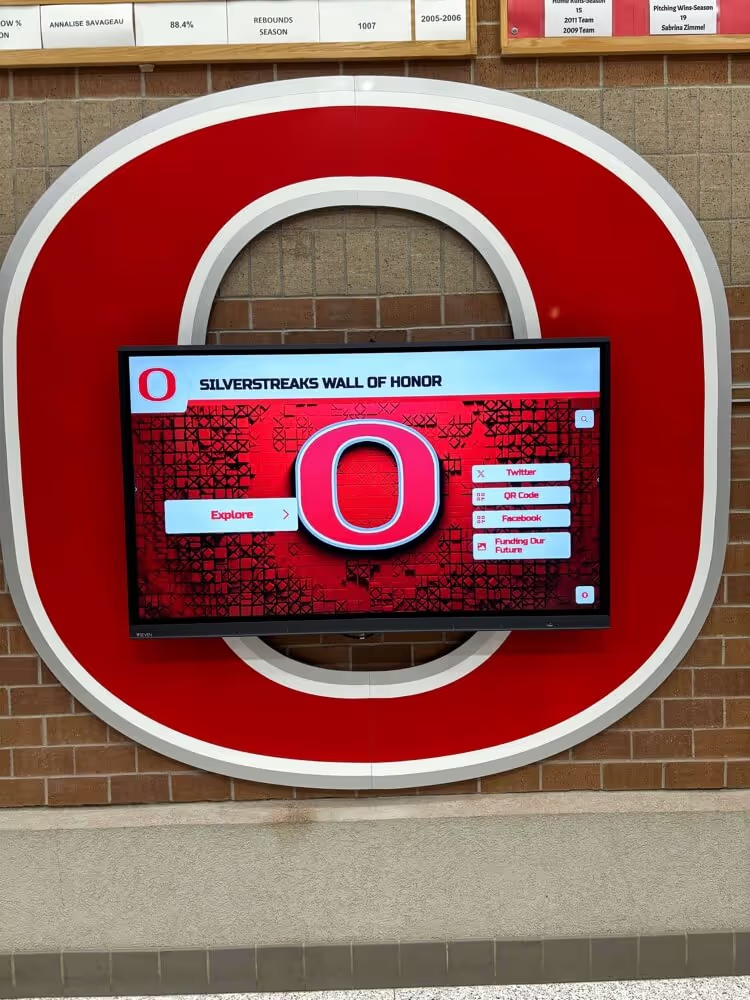
Athletic directors implement recognition infrastructure documenting program history while inspiring current athletes through visible connection to tradition
Legal Compliance and Risk Management
Athletic directors navigate complex regulatory environments:
Title IX Compliance
Gender equity requirements demand systematic attention including equitable resource allocation across male and female programs, participation opportunity proportional to student enrollment demographics, scholarship distribution meeting equity standards, facility access and quality comparable across genders, and equipment, supplies, and services meeting equity requirements.
Title IX violations carry serious legal and financial consequences—making compliance expertise essential for all athletic directors regardless of institution size or competitive level.
Student Eligibility and Academic Standards
Athletic directors ensure athletes meet eligibility requirements through academic performance monitoring and intervention systems, transfer student eligibility determination, age and enrollment duration limitations, amateur status maintenance and commercialization restrictions, and residency requirements for attendance boundary enforcement.
Eligibility mistakes disrupt competitive schedules, disadvantage opponents, and damage program reputation—requiring meticulous documentation and systematic oversight procedures.
Safety, Liability, and Legal Issues
Risk management encompasses diverse concerns including negligence prevention through proper supervision, equipment maintenance, and safety protocols, injury response and emergency action plan implementation, concussion protocols and return-to-play guidelines, hazing prevention and investigation procedures, and discrimination and harassment prevention and reporting obligations.
Athletic directors who demonstrate proactive risk management protect students while shielding institutions from litigation and liability exposure that could devastate school budgets and reputations.
Approaches to booster club fundraising and management demonstrate financial development skills athletic directors leverage supporting program excellence.
Communication and Stakeholder Management
Athletic directors maintain relationships with diverse constituencies:
Internal Communication Systems
Effective communication within school communities includes regular coaching staff meetings ensuring consistent messaging, administrative reporting to principals and superintendents, faculty communication addressing academic and scheduling concerns, student-athlete forums gathering participant perspectives, and department documentation maintaining institutional records.
Communication failures create confusion, conflict, and compliance problems—making systematic communication processes essential for smooth athletic department operation.
External Community Relations
Athletic directors serve as public faces of athletic programs through media relations and press interactions, parent communication managing expectations and concerns, booster club collaboration coordinating volunteer support, youth program coordination creating feeder systems, and community presentations maintaining public support and engagement.
Public relations skills enable athletic directors to build community pride supporting athletic programs while managing inevitable controversies and challenges without damaging institutional reputation.
Digital Communication and Social Media
Modern athletic directors leverage digital channels including department websites providing information and promoting programs, social media platforms engaging students, parents, and alumni, email communication delivering timely updates and announcements, digital signage throughout facilities sharing information and recognition, and mobile apps enabling on-demand access to schedules, scores, and content.
Digital literacy enables athletic directors to reach diverse audiences through preferred communication channels while building program visibility and community engagement.

Intuitive digital recognition platforms enable athletic directors to showcase comprehensive athlete profiles accessible through simple touch interaction
Strategically Positioning for Athletic Director Opportunities
Career advancement requires intentional positioning and opportunity identification:
Building Professional Networks
Relationships create awareness of opportunities and recommendations:
Conference and Association Involvement
Professional engagement includes state athletic director association membership and leadership, coaching association participation and board service, NIAAA conference attendance and professional development, league and conference committee involvement, and NFHS network engagement with national athletic leadership.
Visible participation in professional organizations builds name recognition among peers who often influence hiring decisions or provide recommendations for athletic director candidates.
Mentorship Relationships
Learning from experienced athletic directors accelerates development through formal mentorship programs matching aspiring administrators with veterans, informal advice relationships with respected leaders, shadowing experiences observing athletic director daily routines, professional reading groups discussing leadership literature, and peer networks providing mutual support and problem-solving.
Mentors provide honest feedback, alert mentees to opportunities, write recommendations, and offer insider perspective on position requirements and hiring processes.
Conference Presentations and Professional Contributions
Thought leadership distinguishes candidates including conference presentations sharing successful programs or innovations, professional journal articles contributing to athletic administration knowledge, workshop facilitation at coaching clinics or conferences, committee service advancing state or national athletic association priorities, and social media content demonstrating expertise and professional perspective.
Professional contributions build reputation beyond immediate school communities—creating awareness among hiring administrators potentially considering candidates for positions.
Gaining Administrative Experience Before Athletic Director Roles
Stepping-stone positions provide administrative credentials:
Assistant Athletic Director Positions
Many athletic directors first serve as assistants gaining supervised experience in comprehensive athletic department oversight, specific portfolio responsibilities like scheduling, facilities, or compliance, administrative project leadership without full directorship pressure, and mentorship from current athletic directors preparing successors.
Assistant athletic director experience provides insider understanding of position demands while building track record in administrative rather than purely coaching roles.
Athletic Coordinator or Department Chair Roles
Some schools designate athletic coordinators or department chairs with partial administrative responsibility including oversight of groups of sports like fall or winter sports, coordination of specific functions like scheduling or equipment, liaison roles between athletic department and school administration, and special project leadership addressing departmental priorities.
Coordinator roles demonstrate administrative readiness while maintaining coaching responsibilities—enabling candidates to test administrative interest without fully abandoning coaching careers.
District-Level or Multi-School Responsibilities
Candidates may gain administrative experience through district athletic coordinator positions overseeing multiple schools, supervisory roles managing coaches across school districts, league or conference leadership administering competition and officials, and consultant positions supporting multiple programs with administrative expertise.
Broader responsibilities beyond single schools demonstrate capacity for comprehensive oversight athletic director positions require.

Modern athletic directors implement recognition systems extending beyond physical facilities through responsive web platforms accessible to alumni worldwide
Navigating the Athletic Director Job Search Process
Securing positions requires strategic approach to applications and interviews:
Identifying and Evaluating Opportunities
Not all athletic director positions equally advance careers:
Assessing Position Fit
Candidates should evaluate opportunities against multiple criteria including school size and resource levels matching experience, competitive level and conference alignment, geographic location and family considerations, compensation and benefits meeting financial needs, administrative support and institutional culture, facility quality and capital investment trajectory, and growth opportunities and career advancement potential.
Early-career athletic directors may accept positions at smaller schools building experience before pursuing larger, more competitive roles later in careers.
Understanding Search Processes
Athletic director hiring varies across contexts including internal promotions from assistant or coaching positions, national searches advertised widely and professionally managed, regional searches targeting candidates from specific geographic areas, emergency or interim appointments requiring rapid transition, and search firm processes with professional recruitment consultants.
Understanding search type helps candidates tailor applications and manage expectations throughout selection processes.
Application Materials and Portfolios
Competitive candidates prepare comprehensive materials including detailed resumes emphasizing administrative accomplishments and progression, cover letters addressing specific school needs and candidate fit, letters of recommendation from athletic directors, administrators, and respected leaders, professional portfolios documenting program achievements and innovations, and certification and transcript documentation verifying credentials.
Generic applications rarely succeed in competitive markets—candidates must customize materials demonstrating understanding of specific schools and positions.
Excelling in Athletic Director Interviews
Interview performance often determines final selections:
Preparing for Common Interview Questions
Athletic director interviews typically explore leadership philosophy and vision for comprehensive programs, budget management experience and financial priorities, Title IX compliance knowledge and equity commitment, hiring and evaluation approaches for coaching staff, crisis management and difficult decision-making examples, facility planning and capital improvement priorities, community relations and stakeholder management strategies, and technology adoption and innovation openness.
Candidates should prepare specific examples demonstrating relevant experience while articulating clear vision for programs they would lead.
Demonstrating Cultural Fit
Hiring committees assess alignment with institutional values through understanding school demographics and community context, alignment with educational mission beyond purely competitive success, collaboration approaches with administration and faculty, student development philosophy balancing athletics and academics, and inclusive practices ensuring equity across programs.
Technical qualifications alone don’t guarantee selection—cultural fit and values alignment often determine final decisions among similarly credentialed finalists.
Presenting Program Vision
Successful candidates articulate compelling but realistic visions including 3-5 year strategic priorities addressing identified needs, facility improvement plans based on current conditions, recognition program development celebrating tradition and achievement, community engagement strategies building support, and measurement approaches demonstrating program success beyond competitive records.
Vision presentations demonstrate candidates have thoughtfully considered program needs rather than offering generic platitudes applicable to any position.
Resources on digital signage and recognition content strategies show how athletic directors leverage technology enhancing program visibility and tradition.
Thriving in Your First Years as Athletic Director
Position transition requires intentional approach to early success:
First 90 Days: Assessment and Relationship Building
Initial months establish foundations for long-term success:
Conducting Comprehensive Program Evaluation
New athletic directors should systematically assess meeting individually with all coaching staff understanding perspectives, reviewing budgets and expenditures identifying financial patterns, evaluating facilities noting maintenance and improvement needs, examining compliance documentation ensuring regulatory adherence, analyzing equity metrics across programs identifying potential issues, and gathering stakeholder feedback from parents, students, and community.
Thorough assessment prevents premature decisions while demonstrating thoughtful leadership approach valuing diverse perspectives before implementing changes.
Establishing Key Relationships
Relationship investments include building trust with principal and superintendent clarifying expectations, connecting with faculty understanding academic perspectives on athletics, engaging booster club leadership establishing productive partnerships, meeting community stakeholders and business supporters, and introducing yourself to conference and league leadership.
Strong relationships enable athletic directors to accomplish goals while weathering inevitable challenges and controversies arising throughout tenures.
Identifying Quick Wins
Early successes build credibility through addressing obvious problems or inefficiencies improving operations, implementing recognition programs celebrating recent achievements, enhancing communication systems increasing transparency, improving event management creating positive game-day experiences, and resolving persistent minor issues demonstrating responsiveness.
Quick wins demonstrate competence and decisiveness while building political capital for larger initiatives requiring significant time and resources.
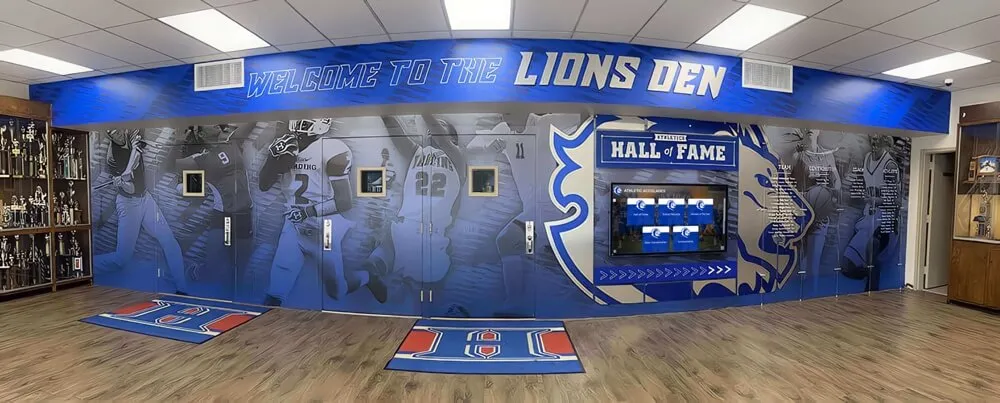
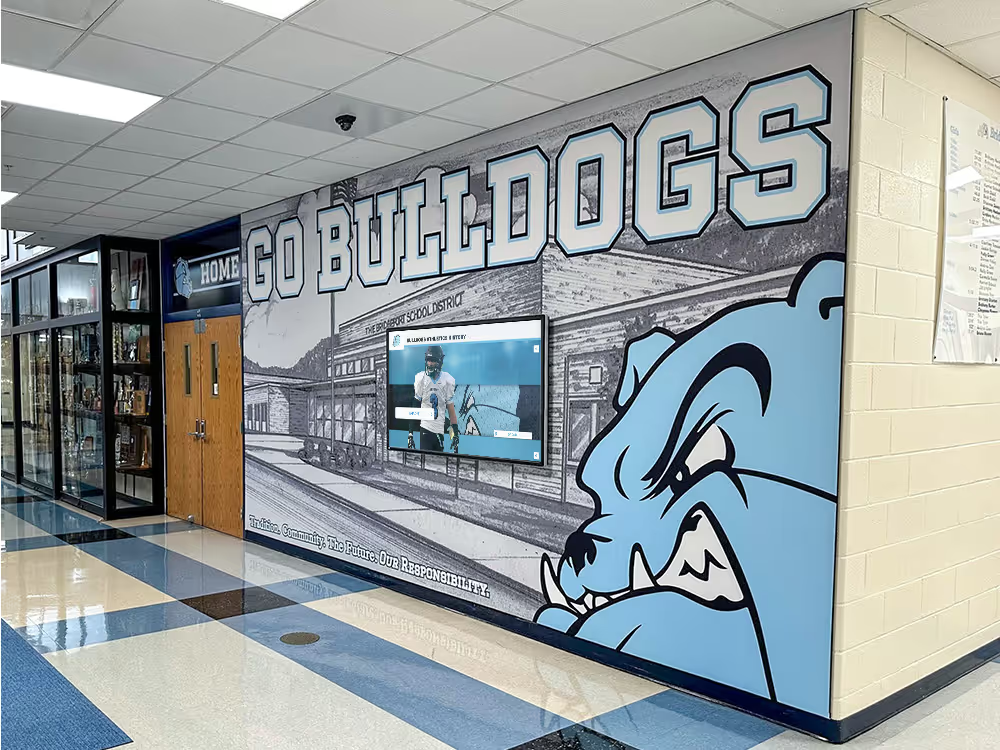
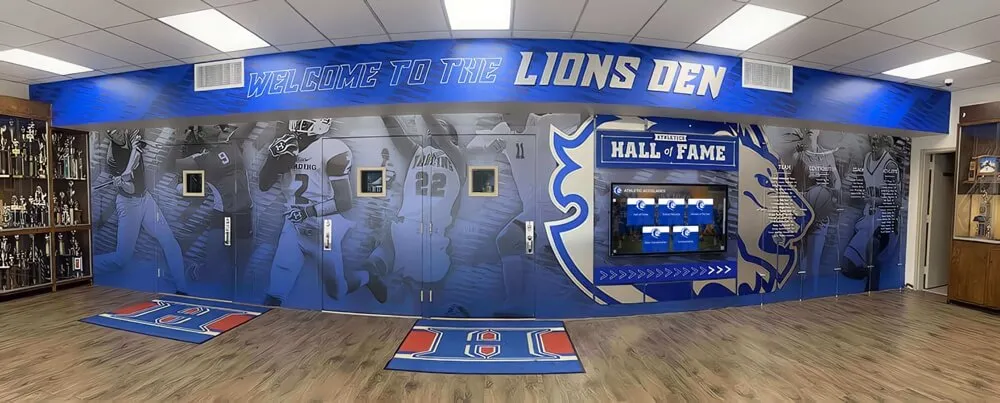
Athletic directors coordinate comprehensive recognition environments combining traditional trophy displays with branded environmental graphics and modern digital systems
Building Sustainable Programs Beyond First Year
Long-term success requires systematic program development:
Implementing Strategic Planning
Athletic directors should establish multi-year plans including facility improvement priorities with cost projections and timelines, coaching staff development programs enhancing instruction quality, athlete development frameworks creating systematic progression, recognition system expansion documenting tradition comprehensively, and technology adoption improving efficiency and engagement.
Strategic plans provide roadmaps guiding decision-making while communicating vision to stakeholders and demonstrating intentional leadership rather than reactive management.
Creating Recognition Infrastructure
Systematic recognition strengthens culture through athletic hall of fame programs documenting program history, annual award ceremonies celebrating achievement, digital displays providing unlimited capacity and multimedia profiles, web-based recognition extending reach to alumni and recruits, and social media content amplifying recognition impact.
Modern digital recognition solutions enable athletic directors to honor achievement comprehensively without physical space constraints limiting traditional trophy cases.
Measuring and Communicating Success
Demonstrating value sustains support through participation rate tracking across all programs, academic performance monitoring for student-athletes, graduation rate documentation, college placement tracking showing student-athlete outcomes, parent and student satisfaction surveys, alumni engagement metrics, and competitive success documentation balanced across programs.
Data-driven communication proves program value to administrators and communities—building continued support for athletic department priorities and budget needs.
Conclusion: Charting Your Path to Athletic Director Success
Becoming an athletic director requires deliberate career planning combining education, coaching excellence, administrative skill development, professional credentials, and strategic positioning. The journey typically spans 10-15 years from initial coaching positions through head coaching success and eventual administrative transition—demanding patience, continued learning, and persistent career management alongside day-to-day coaching and teaching responsibilities.
Yet for coaches passionate about comprehensive athletic program leadership, the athletic director role offers unmatched opportunity to shape institutional culture, develop diverse student-athletes across multiple sports, build traditions lasting generations, and create recognition systems celebrating achievement while inspiring future excellence. Athletic directors influence not just individual teams but entire communities—making lasting impact extending far beyond single seasons or championship runs.
Prepare for Athletic Director Success with Modern Recognition Systems
Aspiring athletic directors should understand how technology transforms athletic recognition, tradition-building, and alumni engagement. Rocket Alumni Solutions provides purpose-built platforms enabling comprehensive athletic celebration with unlimited capacity, rich multimedia profiles, and intuitive management systems—tools modern athletic directors leverage building programs that honor the past while inspiring future achievement.
Explore Recognition SolutionsThe frameworks outlined throughout this guide provide actionable roadmaps for candidates at every career stage—whether beginning coaching careers while pursuing undergraduate education, established coaches considering administrative transition, or assistant athletic directors preparing for director-level positions. Success requires combining formal education with practical coaching excellence, building administrative skills while accumulating professional credentials, cultivating networks connecting you to opportunities, and positioning yourself as compelling candidate when competitive positions become available.
Your coaching experience has prepared you for the challenges athletic directors face daily—managing diverse personalities, making difficult decisions under pressure, balancing competing priorities, and inspiring excellence from students and staff. Now systematic career planning can position you to leverage that experience at the departmental level, shaping comprehensive programs serving entire student populations while building traditions and recognition systems that celebrate achievement across generations of student-athletes.
Ready to understand modern athletic administration? Explore state championship recognition and display strategies athletic directors implement celebrating excellence, discover interactive touchscreen solutions for athletic recognition transforming program tradition, learn about digital recognition systems schools utilize honoring achievement permanently, and understand comprehensive athletic information display strategies modern athletic directors implement creating engaging athletic experiences throughout school facilities.