



Digitizing old yearbooks transforms aging, fragile school memories into accessible digital archives that preserve institutional heritage for future generations. Every school possesses yearbook collections spanning decades—volumes documenting graduating classes, championship teams, beloved faculty members, and countless memories that define institutional identity. Yet these irreplaceable resources face constant deterioration from physical aging, remain inaccessible to distant alumni who would treasure reconnecting with classmates, risk permanent loss through fire, water damage, or simple neglect, and consume valuable storage space while serving only those who can physically visit campuses.
The urgency for systematic yearbook digitization grows each year as older volumes deteriorate beyond recovery. According to preservation experts at the Northeast Document Conservation Center, yearbooks printed between the 1960s-1980s face particular vulnerability due to acidic paper and binding adhesives that accelerate deterioration. Meanwhile, modern scanning technology combined with interactive display platforms enable schools to not only preserve endangered yearbooks but transform static pages into searchable archives accessible worldwide, integrate with alumni recognition systems, display through engaging touchscreen installations, and create revenue opportunities through alumni access programs.
This comprehensive guide provides systematic approaches to yearbook digitization—from assessing collections and selecting appropriate equipment through implementing professional scanning workflows and creating compelling digital displays that honor school heritage while strengthening alumni engagement across generations.
Schools that systematically digitize and showcase yearbook collections report remarkable outcomes including preserved institutional memory before irreplaceable volumes deteriorate, strengthened alumni engagement through accessible connections to personal histories, enhanced student connections to school traditions, improved library efficiency eliminating repeated physical handling, and expanded revenue through digital yearbook access programs.

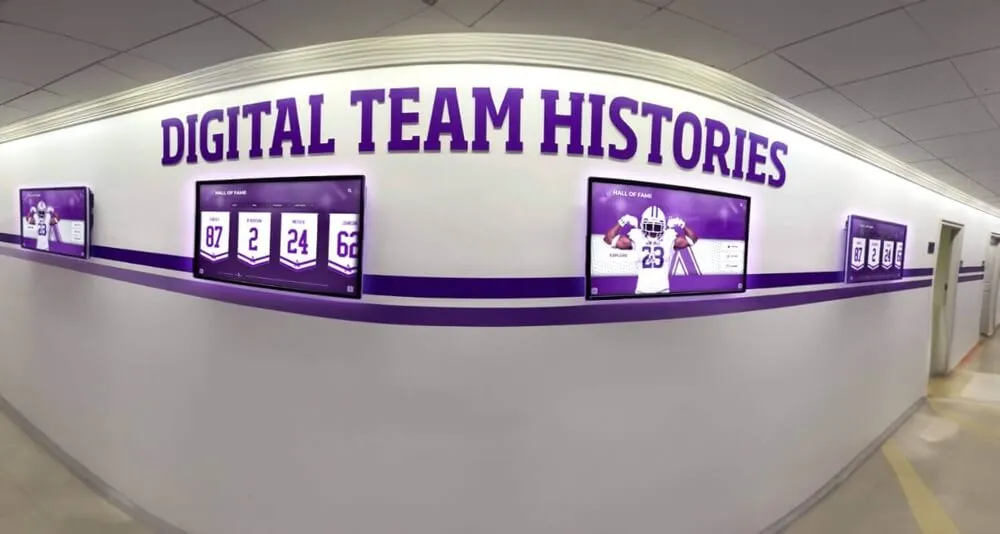
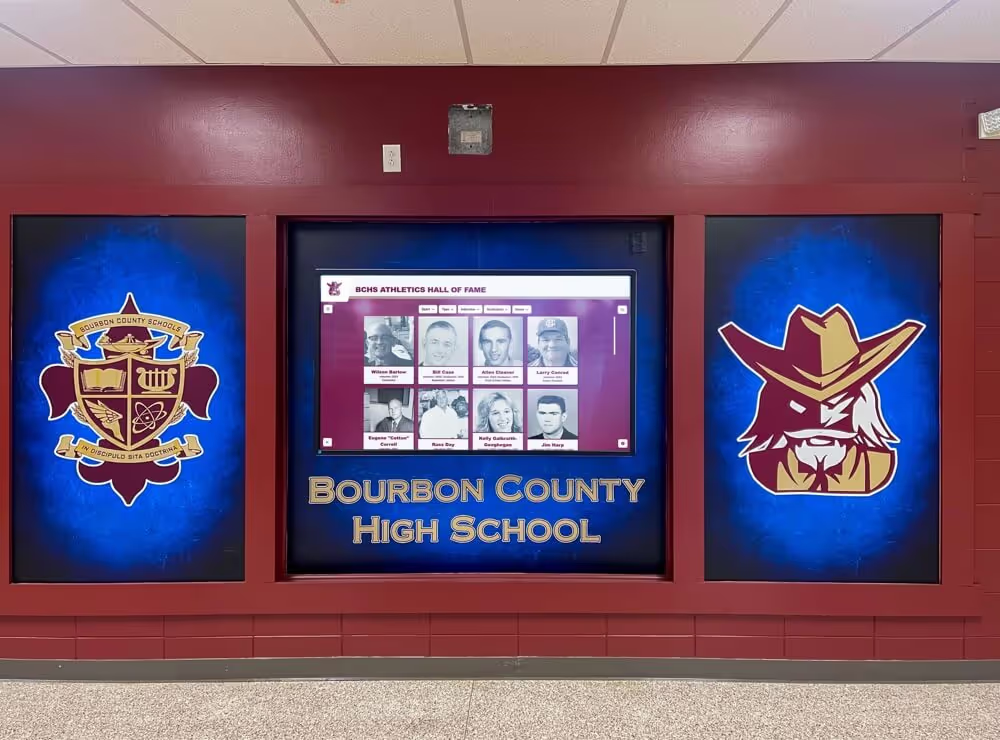
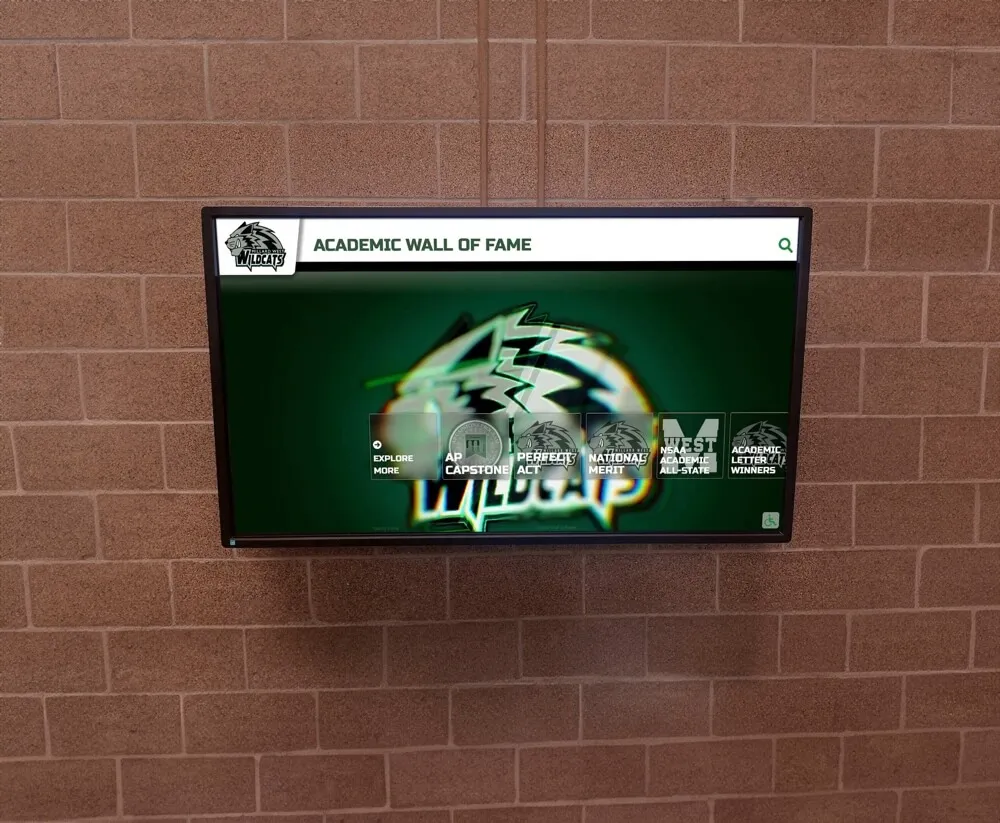
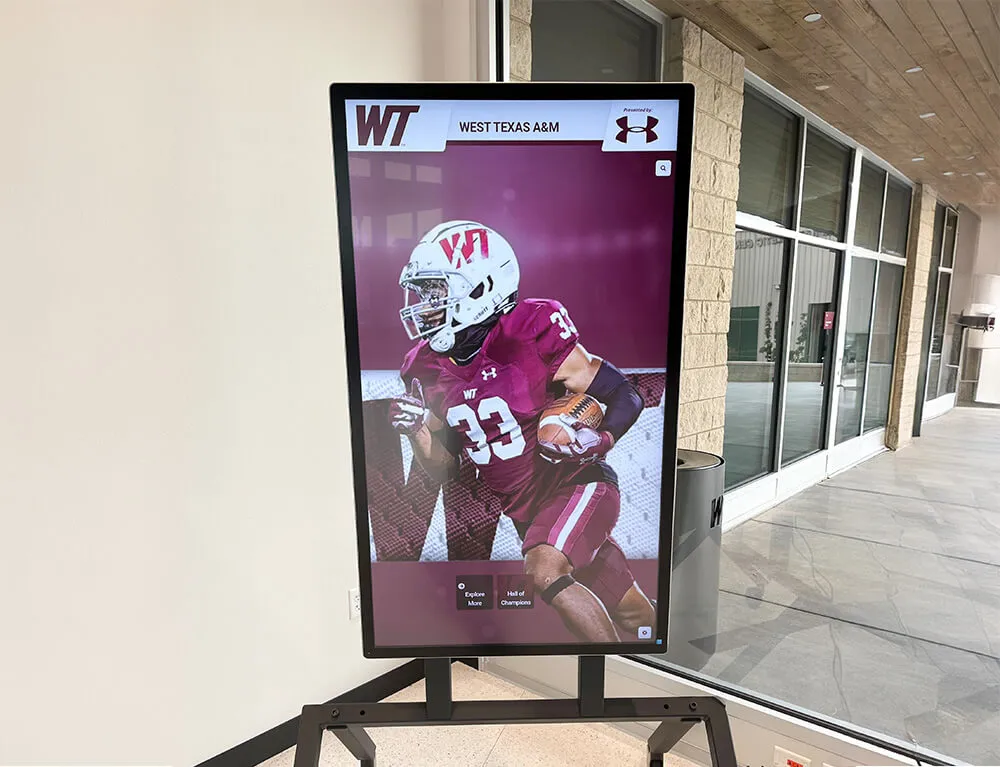
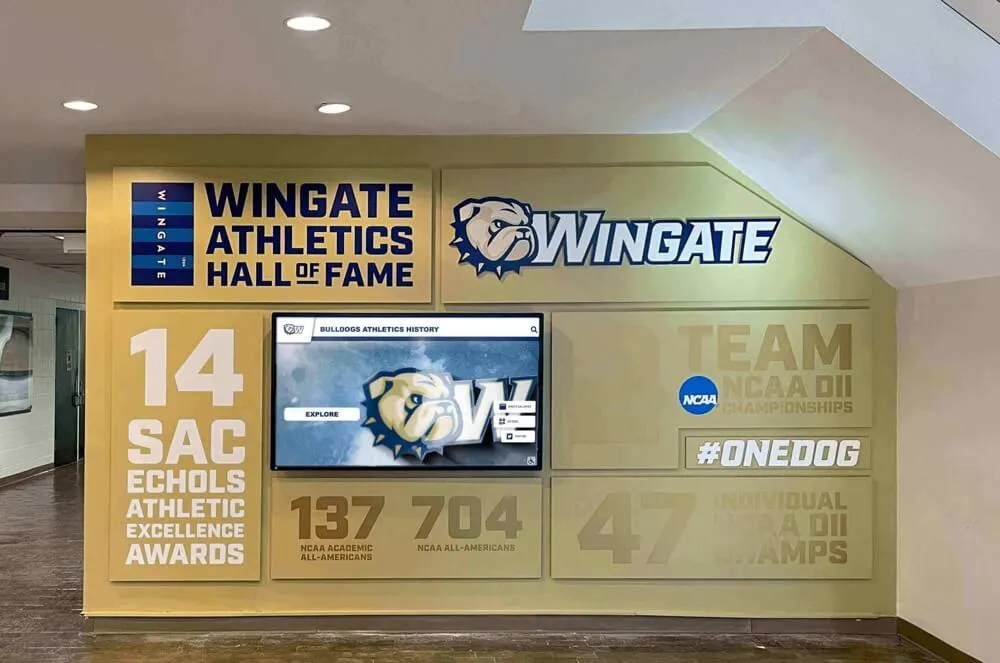
Professional yearbook digitization transforms aging print volumes into accessible digital archives honoring every era of school history
Why Digitizing Old Yearbooks Matters for Schools and Communities
Understanding the strategic value of yearbook digitization helps educational institutions prioritize preservation initiatives while shaping implementation approaches that maximize institutional impact and alumni engagement.
The Critical Preservation Challenge Facing School Yearbooks
Physical yearbooks face inevitable deterioration threatening permanent loss of irreplaceable historical documentation. Paper degradation accelerates as yearbooks age—acidic paper from 1960s-1980s becomes brittle and yellows, binding glues weaken causing pages to detach, photographic prints embedded in pages fade from light exposure, covers deteriorate from repeated handling, and environmental factors including humidity and temperature fluctuations compound damage.
According to the Library of Congress, paper containing high acid content—common in yearbooks produced between 1850-1990—deteriorates significantly within 50-100 years. This timeline means yearbooks from the 1950s through 1980s currently face critical preservation windows where intervention remains possible before materials degrade beyond salvage.
Critical Risk Factors Threatening Yearbook Collections
- Physical aging of acidic paper causing brittleness and disintegration
- Binding failure from adhesive deterioration
- Fading of photographs and printed content
- Damage from repeated handling during research or reunion events
- Storage in non-archival conditions accelerating deterioration
- Catastrophic loss risks from fire, flooding, or accidental disposal
- Knowledge loss as individuals who can provide context retire or pass away
Beyond physical preservation, schools face institutional memory challenges. Staff members who witnessed documented events retire without recording crucial context, alumni who could identify unlabeled photographs become difficult to locate, and connections between yearbook content and institutional significance fade without systematic documentation and preservation.
Strategic Benefits of Comprehensive Yearbook Digitization
Systematic yearbook digitization delivers interconnected benefits strengthening schools across multiple dimensions:
Preserving Irreplaceable Educational Heritage
Yearbooks represent unique primary sources documenting institutional development impossible to recreate. Unlike administrative records describing school operations, yearbooks provide authentic visual and textual evidence showing actual students, faculty, activities, and moments that defined each academic year. According to research published by the Society of American Archivists, yearbooks constitute among the most frequently accessed materials in educational archives—demonstrating their enduring value for historical research, alumni engagement, and institutional memory.
Proper digitization through high-resolution scanning and comprehensive metadata creation ensures this irreplaceable heritage survives for future generations while making content universally accessible regardless of original volume condition.
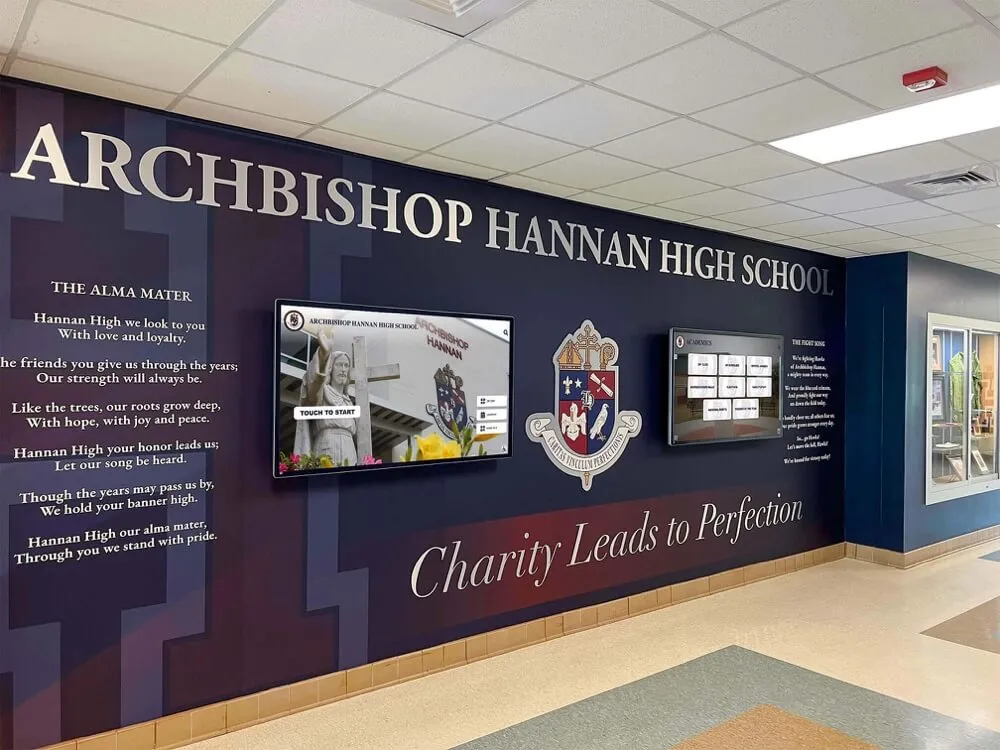
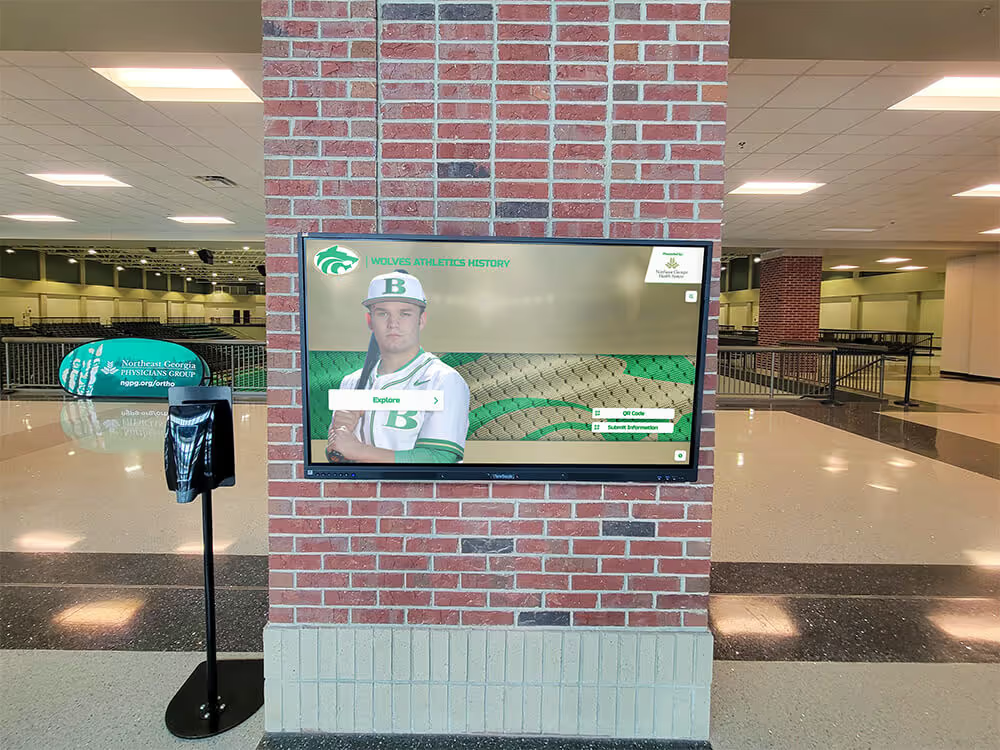
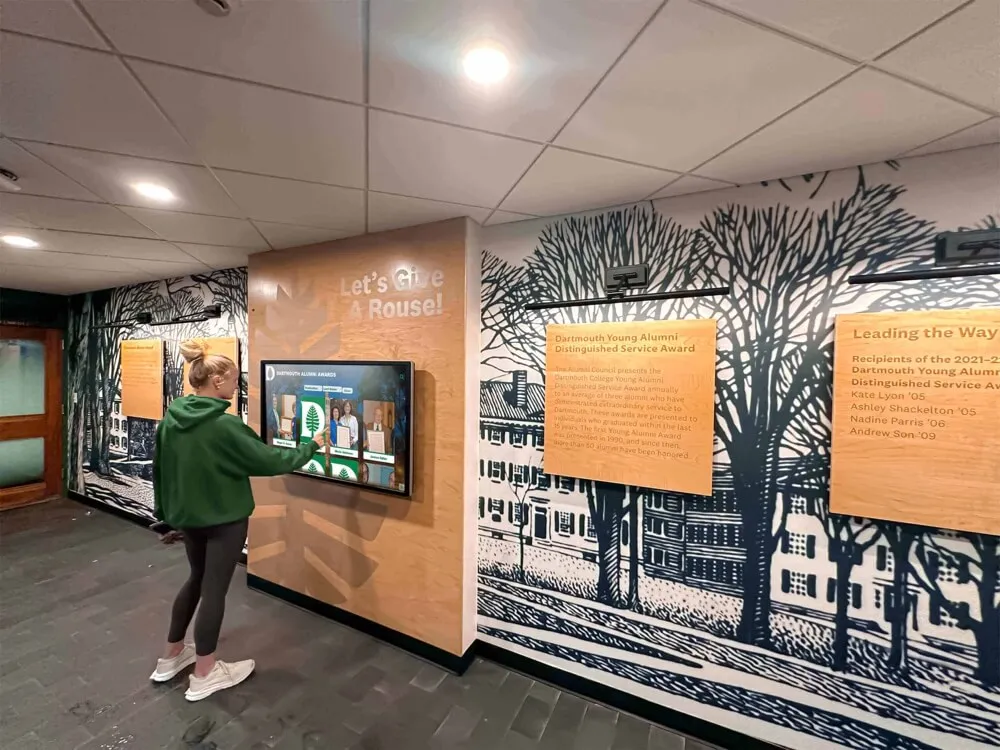
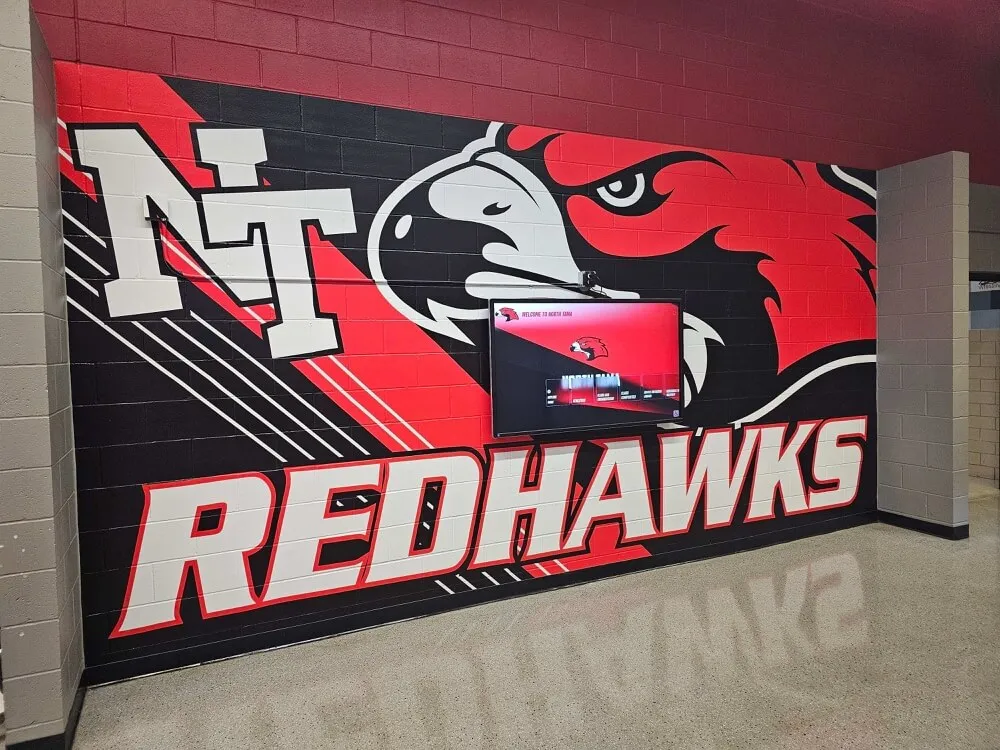
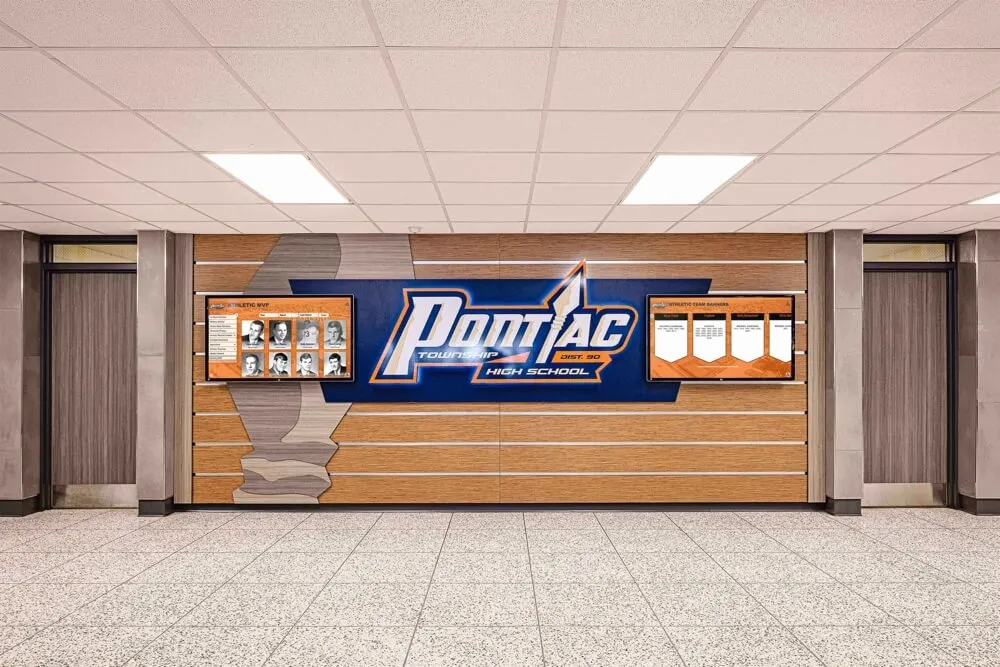
Strategic display placement ensures digitized yearbook content remains visible throughout daily school activities
Engaging Alumni and Strengthening Lifelong Connections
Alumni treasure connections to their formative educational experiences. Accessible digital yearbook archives enable former students to revisit their school years regardless of geographic distance, discover friends and classmates through searchable databases, share memories with children and grandchildren, contribute their own photos and stories expanding institutional collections, and maintain emotional bonds that translate to volunteerism and financial support.
Schools implementing comprehensive digital archives report increased alumni engagement metrics including higher reunion attendance, enhanced giving participation, and stronger volunteer involvement. When graduates can easily explore their class years and rediscover classmates, they maintain active relationships with institutions long after graduation.
Supporting Modern Educational Environments
Digital yearbook access eliminates repeated physical handling of aging volumes, enables simultaneous access by multiple researchers without scheduling conflicts, supports distance learning and online educational programs, integrates with curriculum through easily accessible primary sources, and facilitates rapid reference during reunion planning or alumni outreach without extensive archive searches.
Libraries and alumni offices consistently report that digitization reduces staff time managing physical collections while dramatically improving service levels for constituents seeking yearbook information.
Assessing Your Yearbook Collection and Planning Digitization
Successful digitization begins with comprehensive assessment understanding collection scope, condition, and organizational requirements before implementing scanning strategies.
Conducting Complete Collection Inventory
Begin digitization initiatives with thorough inventory documenting what yearbooks exist, their physical condition, and storage locations:
Creating Systematic Yearbook Inventories
- Document complete year ranges identifying which years are represented
- Note multiple copies or editions (school editions, special commemorative versions)
- Record physical condition using consistent rating scales
- Identify missing years requiring acquisition through alumni donations
- Catalog storage locations if collections span multiple spaces
- Document ownership rights and copyright considerations
- Note special features like signatures, annotations, or inserted materials
Assessing Physical Condition
Condition assessment informs handling procedures and digitization priorities. Key factors include binding integrity (intact, loose, or detached pages), paper condition (flexible, brittle, or fragile), photograph quality (clear, faded, or deteriorated), cover condition, and presence of damage like water stains, tears, or pest damage.
Volumes in poorest condition may require professional conservation consultation before scanning, while those in good condition can proceed directly to digitization workflows.
Establishing Digitization Priorities and Timelines
Limited resources require strategic prioritization focusing initial efforts where they deliver maximum benefit:
Priority Assessment Criteria
- Preservation urgency: Digitize most deteriorated volumes first before they pass recovery point
- Historical significance: Prioritize foundational years and significant institutional milestones
- Access demand: Focus on years most frequently requested by alumni or researchers
- Completeness opportunity: Finish sequential runs rather than starting scattered incomplete projects
- Alumni engagement: Time digitization around reunion years maximizing immediate engagement value
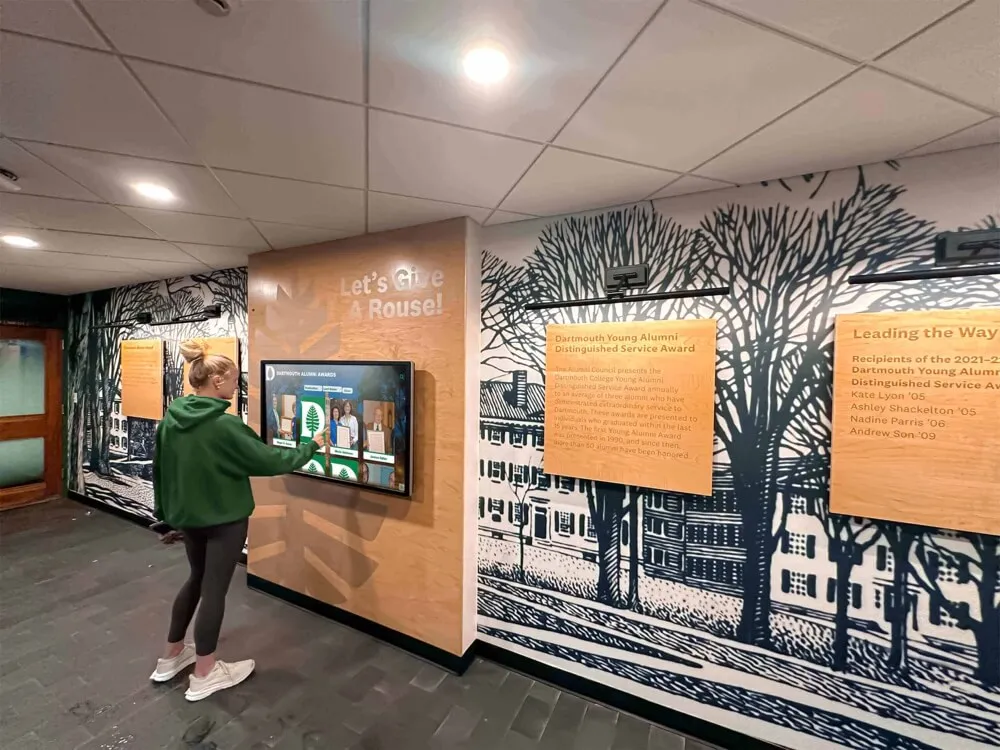
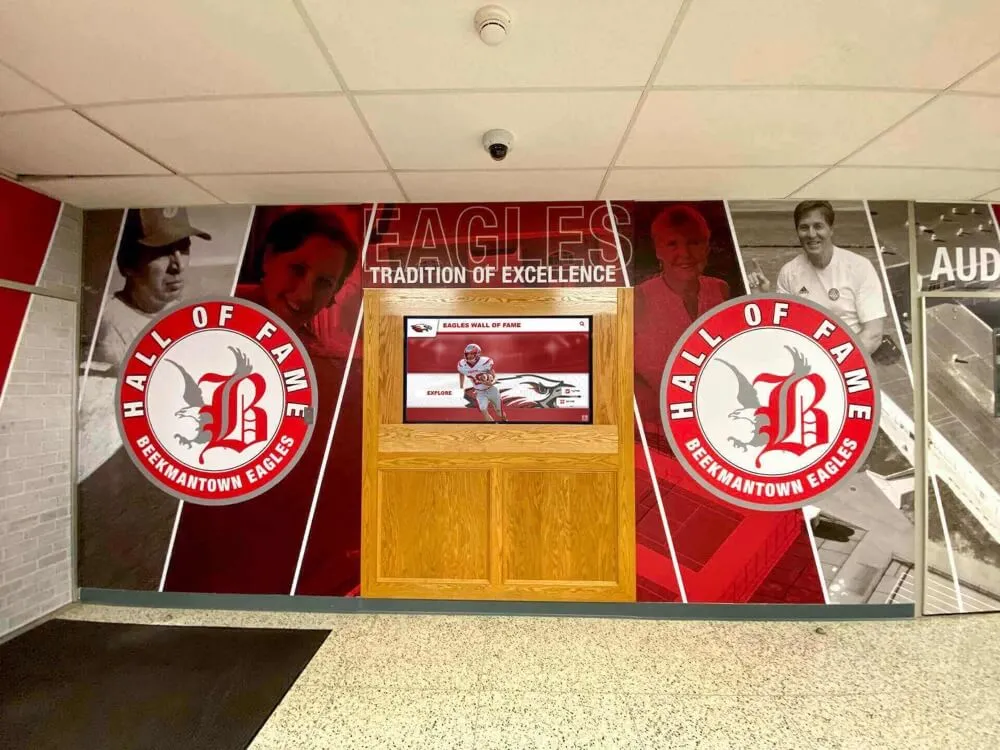
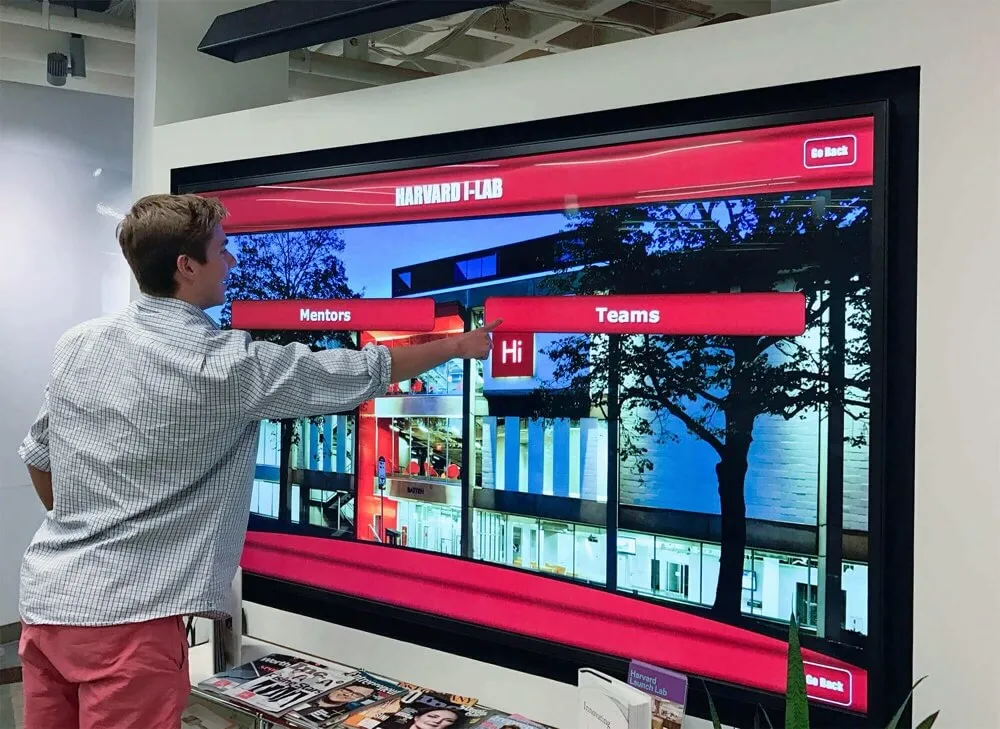
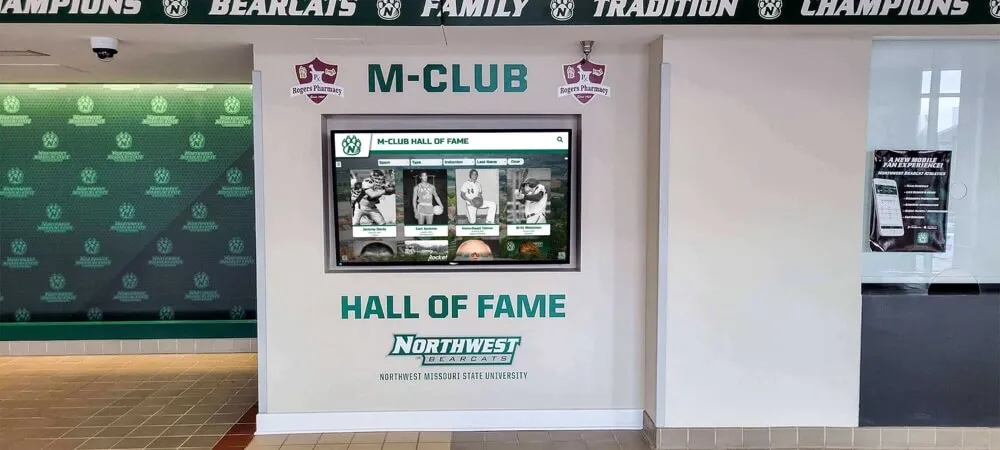
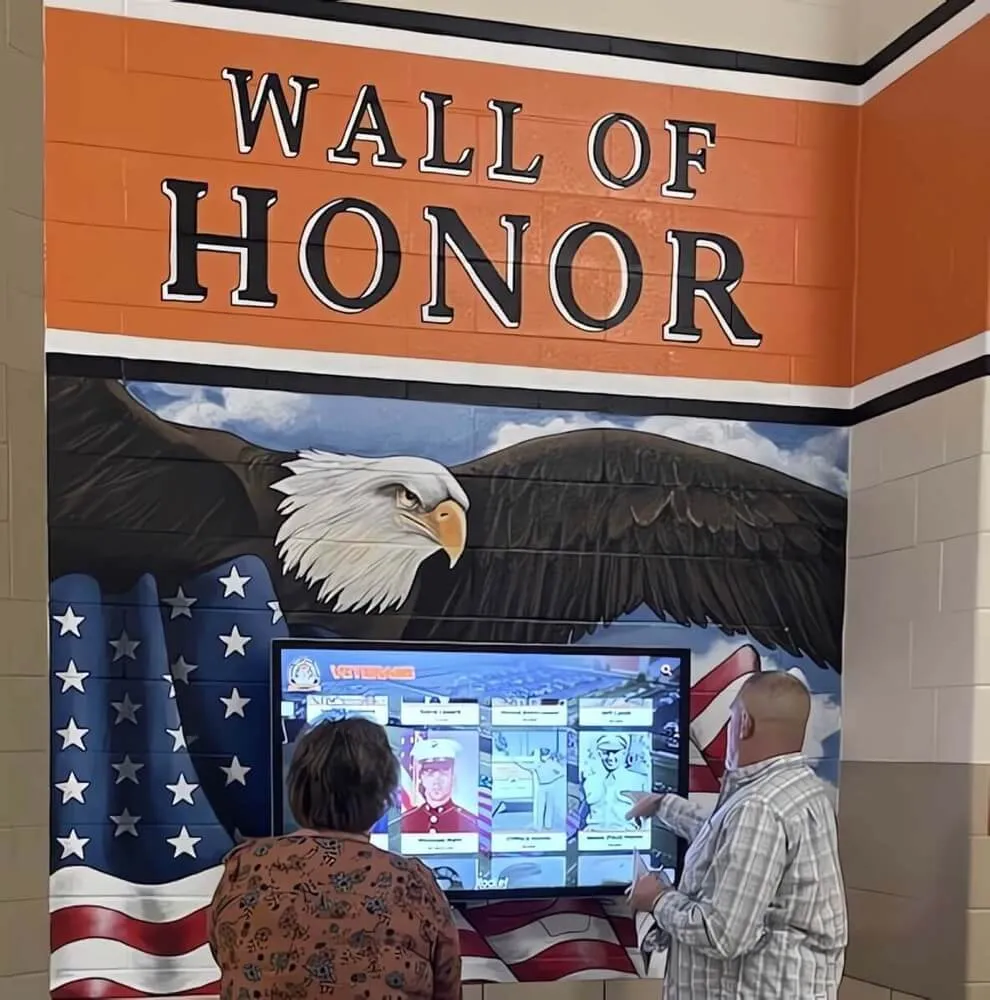
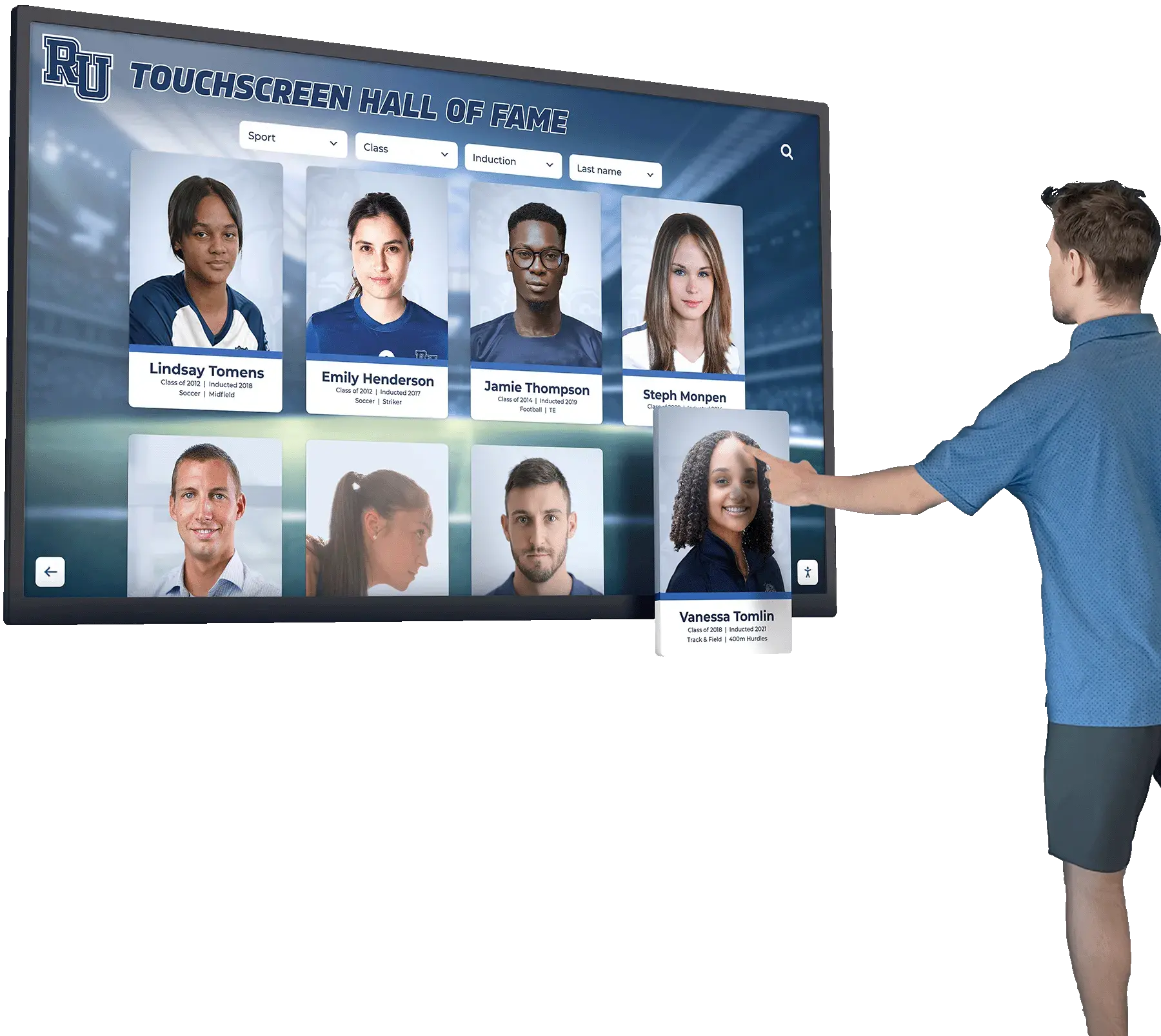
Interactive touchscreen access enables intuitive exploration of digitized yearbook collections
Phased Implementation Strategy
Rather than attempting complete collection digitization immediately, develop multi-year plans that spread resource requirements across budget cycles. Typical phases might include Phase 1 addressing most endangered volumes from 1960s-1980s with acidic paper, Phase 2 completing remaining 20th century yearbooks, Phase 3 digitizing early historical volumes requiring specialized handling, and Phase 4 focusing on modern yearbooks for comprehensive coverage.
Professional Yearbook Scanning Methods and Technical Standards
Quality digitization ensures archived yearbooks serve preservation and access needs through technically appropriate methods meeting recognized archival standards.
Selecting Appropriate Scanning Equipment
Yearbook digitization requires equipment capable of handling bound volumes while producing archival-quality digital files:
Flatbed Scanner Specifications
High-quality flatbed scanners work well for yearbooks that can be fully opened without damage. Essential specifications include minimum 600 dpi optical resolution (not interpolated), large format capacity accommodating yearbook dimensions, book-edge functionality minimizing shadows and distortion, color depth of 48-bit color or 16-bit grayscale, and USB 3.0 or faster connectivity for efficient large file transfers.
Popular models for yearbook digitization include Epson Expression series scanners offering excellent quality at reasonable cost, Canon CanoScan series providing reliable performance for institutional use, and professional-grade options from Fujitsu or Kodak for high-volume projects.
Overhead Book Scanners
For fragile yearbooks or high-volume digitization, overhead book scanners provide superior results. These specialized systems feature V-shaped cradles supporting books at natural angles minimizing spine stress, overhead cameras capturing pages without physical contact, automated page-turning options for volume processing, LED lighting preventing heat damage to materials, and glass platen pressing for optimal flatness when needed.
While overhead scanners require greater initial investment ($3,000-$15,000+), they prove cost-effective for extensive collections while providing gentler handling protecting fragile volumes. Many schools rent overhead scanners for intensive digitization campaigns rather than purchasing equipment for one-time projects.
Photography-Based Digitization
Digital photography provides flexible alternatives, particularly for extremely fragile volumes or field digitization. Requirements include minimum 24-megapixel digital cameras, copy stands or tripods ensuring perpendicular positioning, consistent lighting preventing hot spots or shadows, neutral backgrounds minimizing distractions, and color calibration targets ensuring accurate reproduction.
Photography-based approaches work well for preliminary digitization or backup copies while potentially requiring additional post-processing to correct perspective distortion or uneven lighting.
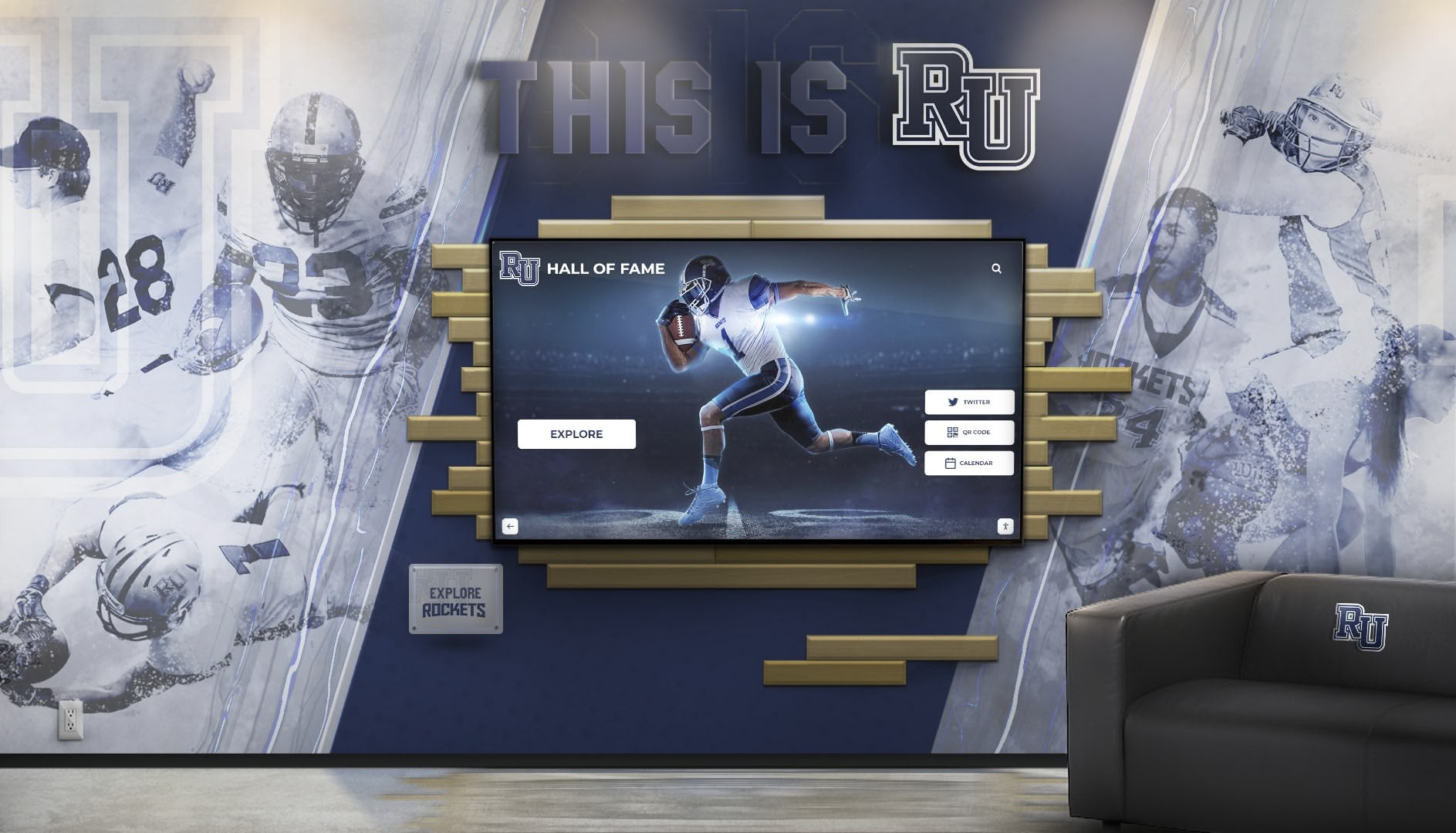
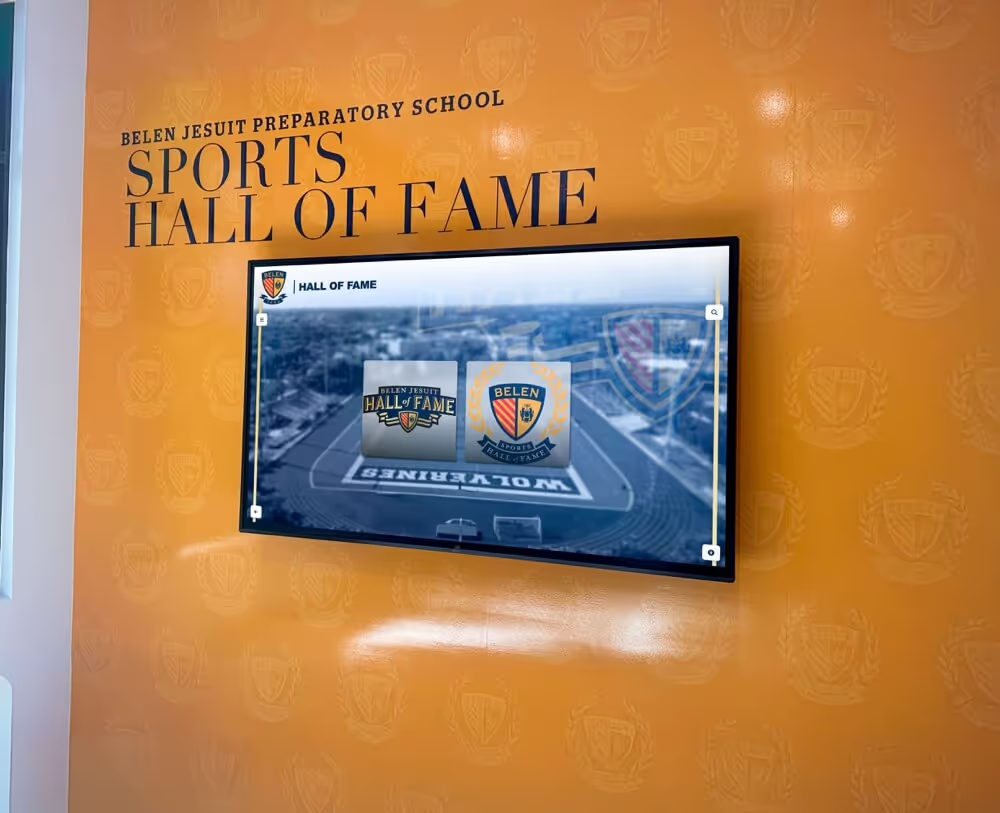
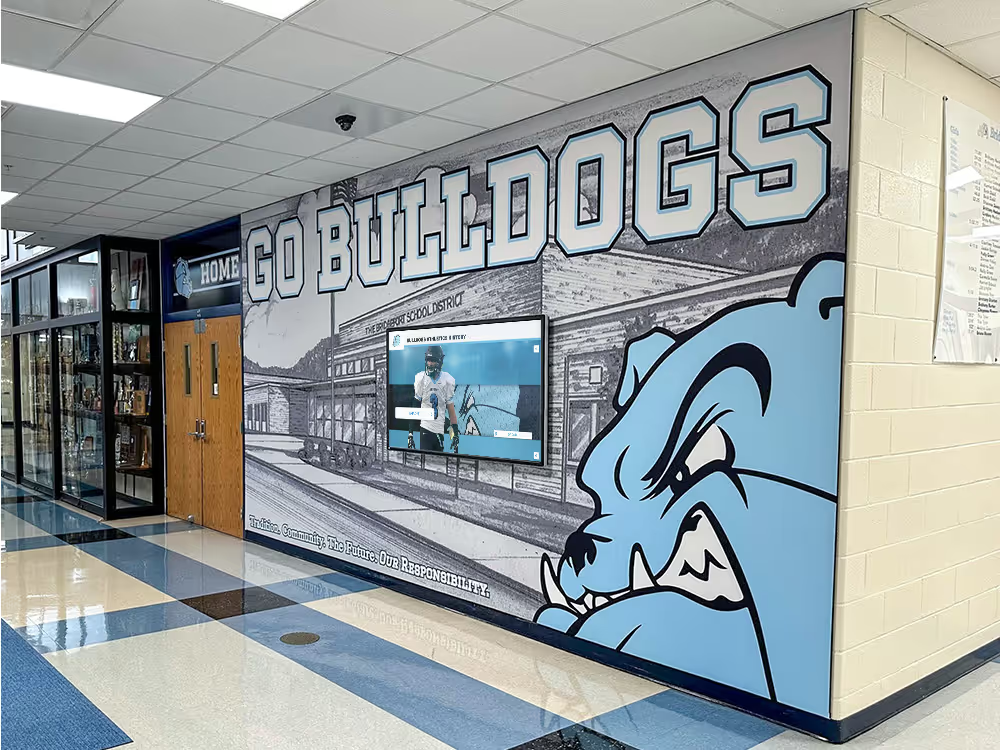
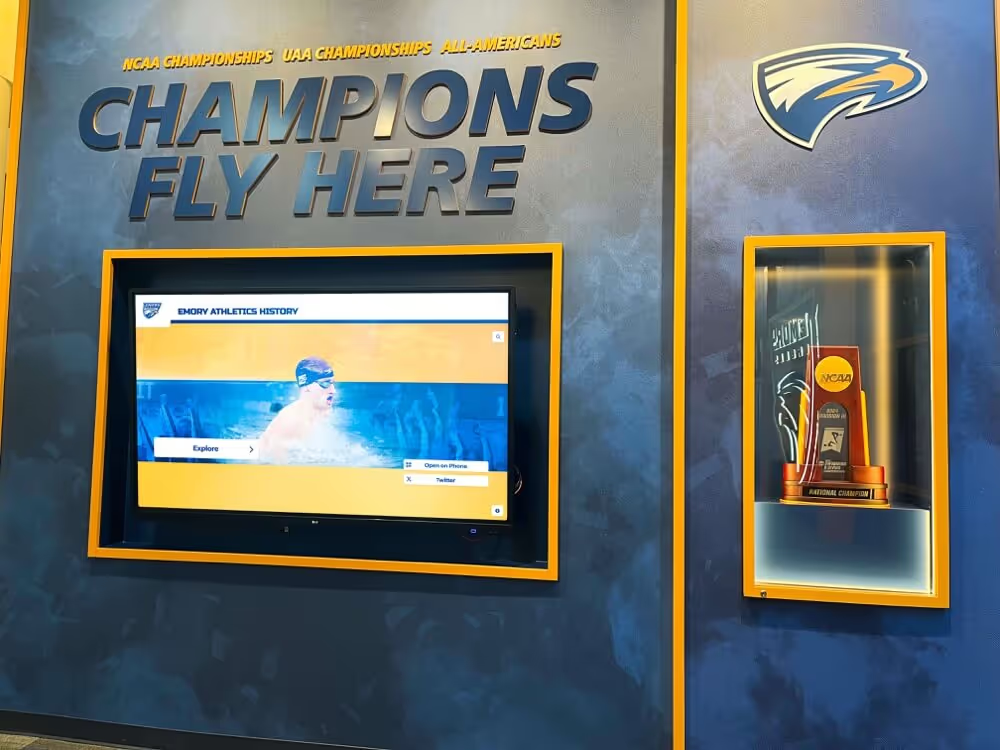
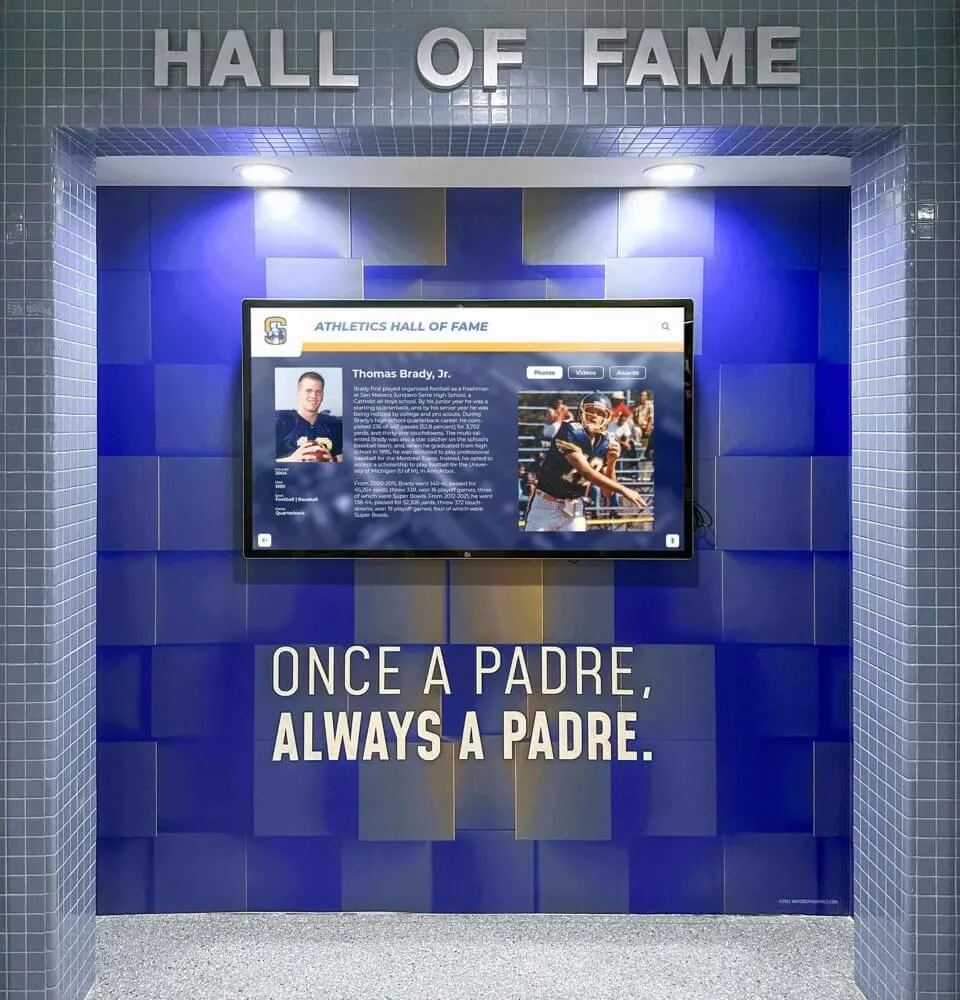
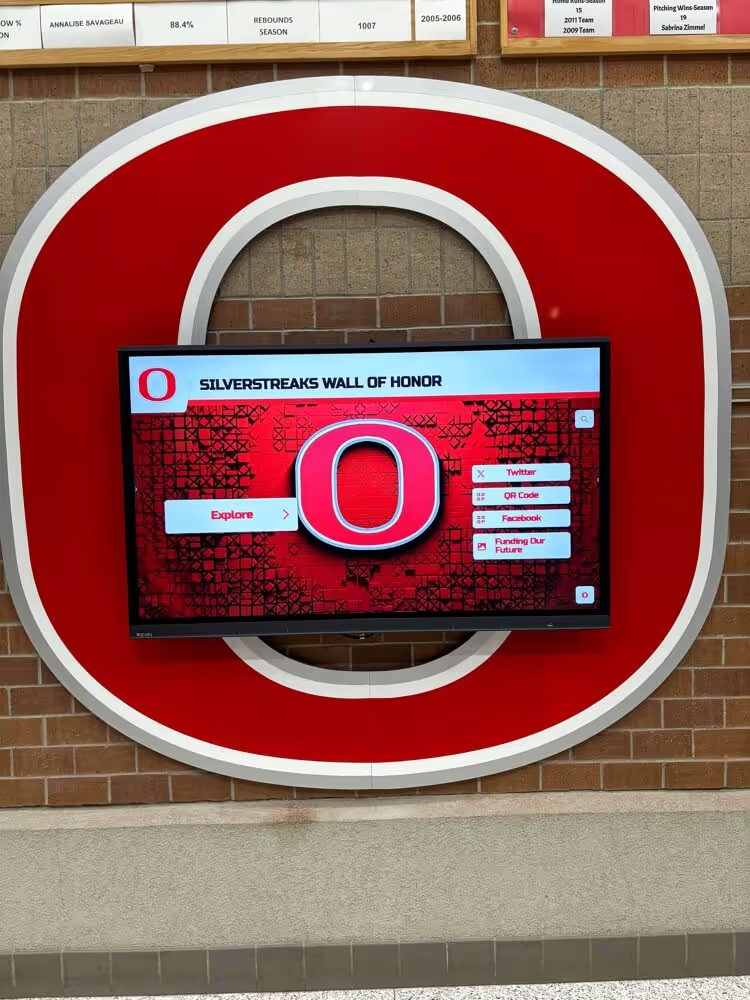
Modern installations blend historical yearbook content with contemporary display architecture
Technical Specifications for Archival Yearbook Digitization
Following established preservation standards ensures digital yearbooks serve long-term access and preservation needs:
Resolution Requirements
The Federal Agencies Digitization Guidelines Initiative (FADGI) provides comprehensive standards widely adopted by archival institutions. For yearbooks, archival digitization requires minimum 400 pixels per inch at original size for standard text and photographs, 600 ppi for yearbooks containing small text or fine details, and consideration of output requirements ensuring resolution supports intended uses including digital display, print reproduction, and OCR text recognition.
Higher resolution provides future flexibility for unanticipated uses while accommodating cropping or zooming during display without quality degradation.
File Formats and Color Specifications
Preservation best practices specify uncompressed TIFF format images as archival masters providing maximum quality without compression artifacts, 24-bit RGB color providing 8 bits per color channel, and 48-bit color for materials requiring highest fidelity color reproduction. Create separate JPEG derivatives optimized for different access purposes while maintaining uncompressed TIFF preservation masters.
Optical Character Recognition (OCR)
Applying OCR during digitization makes yearbook text searchable—enabling name searches, keyword discovery, and enhanced access. Professional OCR software achieves 98-99%+ accuracy on clean printed text, recognizes various fonts and layouts typical of yearbooks, outputs searchable PDFs or text files, and enables manual correction of recognized text improving accuracy.
Searchable yearbooks dramatically enhance value for alumni seeking classmates or researchers exploring institutional history by enabling instant discovery rather than page-by-page browsing.
Systematic Digitization Workflows and Quality Control
Consistent workflows ensure quality while managing large-scale digitization projects efficiently:
Preparation and Handling Protocols
Before scanning, prepare workspaces and materials appropriately. Clean hands or cotton gloves prevent transferring oils to pages, clean work surfaces minimize dust and contaminants, gentle handling protects fragile bindings and pages, and adequate workspace prevents rushing while handling delicate materials.
Page-by-Page Scanning Process
Systematic approaches maximize efficiency while maintaining quality:
- Position yearbook appropriately on scanner or book cradle
- Ensure pages lie flat without forcing bindings
- Adjust lighting and settings for consistent results
- Capture both facing pages simultaneously when possible
- Scan covers, end pages, and all inserted materials
- Verify image quality before proceeding to next section
- Include color reference targets periodically
Comprehensive Quality Review
Every scanned page requires quality review before final archiving. Check sufficient resolution and sharpness ensuring text remains readable, accurate color reproduction matching original materials, complete content capture including margins and page edges, minimal shadows or distortion, proper orientation and cropping, and appropriate file naming following consistent conventions.
Many successful digitization programs implement “two-pass” workflows where initial scanning creates preservation masters followed by separate derivative creation and enhancement addressing specific display or access needs while preserving unaltered originals.
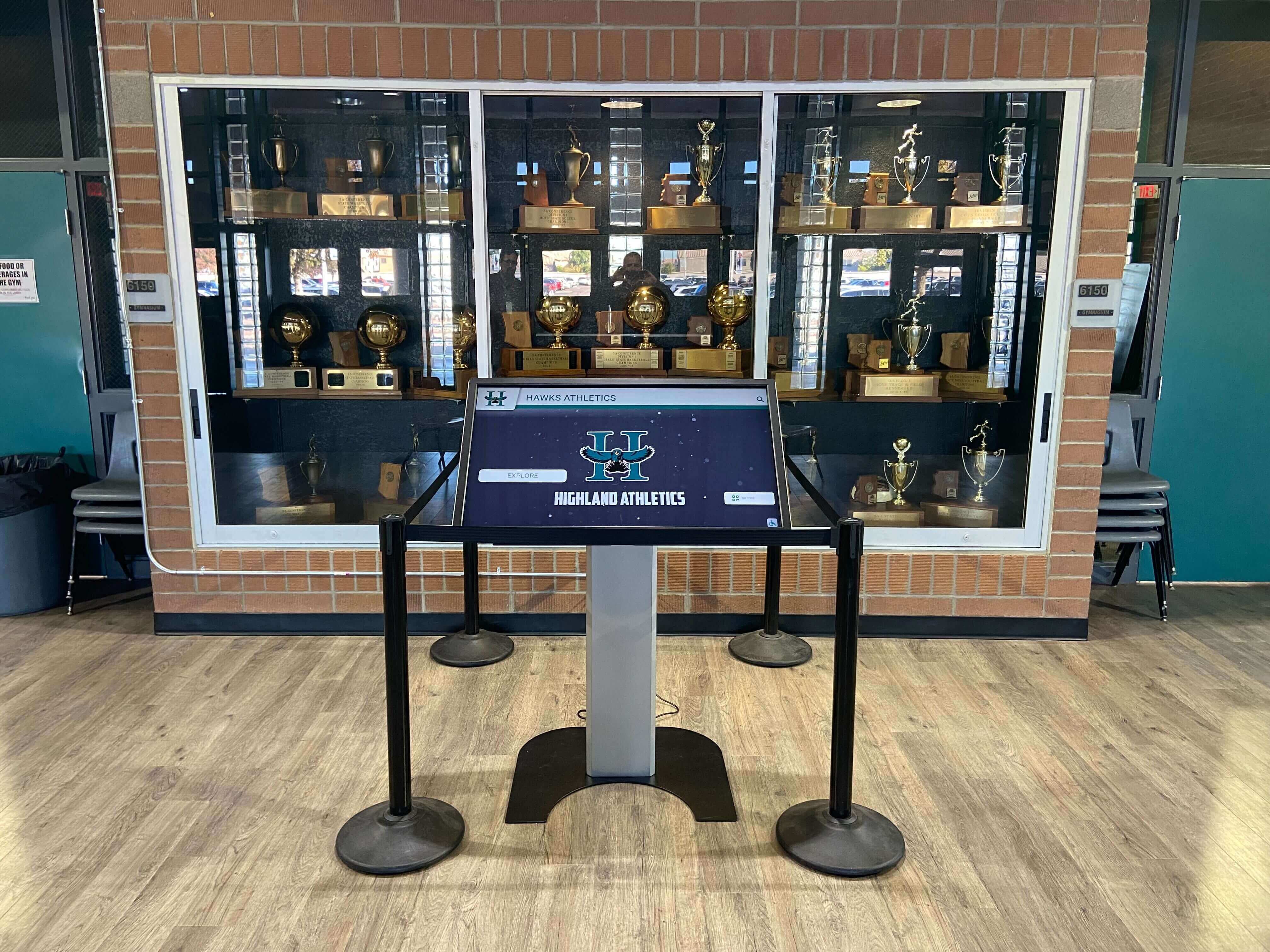
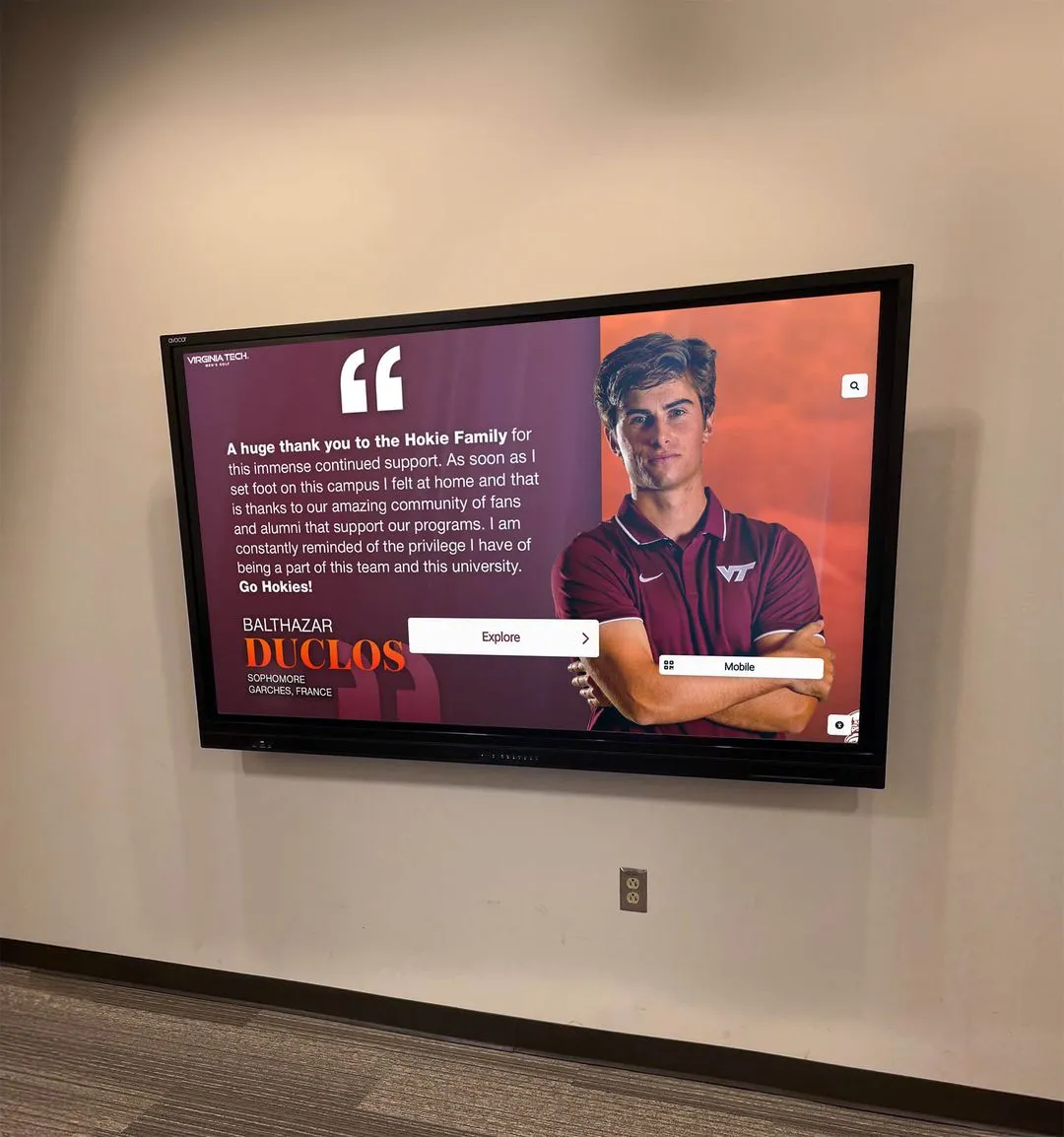
Flexible kiosk installations provide yearbook access throughout campus spaces
Organizing and Enriching Digital Yearbook Archives
Scanned pages require systematic organization and metadata enrichment transforming raw digital files into usable, discoverable archives.
Developing Logical File Organization Structures
Consistent organization enables efficient management and future access:
Hierarchical Folder Architecture
Create intuitive folder hierarchies using patterns like:
Yearbook Archives/
  ├─ 1950s/
  │   ├─ 1950/
  │   │   ├─ Preservation_Masters/
  │   │   ├─ Access_Derivatives/
  │   │   └─ Metadata/
  │   ├─ 1951/
  ├─ 1960s/
  ├─ 1970s/
File Naming Conventions
Standardized names enable sorting and discovery. Effective conventions include year indicators, page numbers with leading zeros (page_001, page_002), descriptive elements when relevant, and version indicators distinguishing masters from derivatives. Example: 1965_Yearbook_Page_042_Master.tiff or 1972_Senior_Class_Composite.jpg.
Creating Comprehensive Metadata for Discoverability
Metadata transforms digital files into discoverable resources serving diverse research needs:
Essential Yearbook Metadata Fields
- Publication year and school name
- Page numbers and section identifications
- Identified individuals with names and roles
- Activities, clubs, or organizations depicted
- Events or ceremonies documented
- Photographer credits when known
- Copyright and rights information
- Digitization date and specifications
- Original physical volume location
Implementing Name Recognition and Tagging
The most valuable yearbook metadata identifies individuals pictured throughout volumes. Systematic identification enables searchable name databases, facilitates alumni discovery of classmates and themselves, supports research identifying specific individuals, and creates engagement opportunities as alumni contribute identifications.
Name identification approaches include manual review and tagging by knowledgeable staff, crowdsourced identification through alumni contributions, facial recognition technology for preliminary identification requiring verification, and cross-referencing with existing databases or records.
Schools implementing comprehensive digital archives should explore approaches used for historical photo archive development that apply equally to yearbook collections requiring similar organization and metadata strategies.
Addressing Copyright and Usage Rights
Yearbook digitization involves complex copyright considerations requiring thoughtful navigation:
Understanding Yearbook Copyright
Copyright typically belongs to the institution that published yearbooks, though individual photographs may have separate protections. Key considerations include institutional ownership of published works, photographer rights for contributed images, personal privacy rights of depicted individuals, and fair use provisions for educational and historical purposes.
Establishing Clear Usage Policies
Before making digitized yearbooks publicly accessible, establish policies addressing who may access complete yearbook archives (alumni only, public access), what constitutes acceptable use (personal research, commercial use prohibitions), how to handle privacy concerns (removal requests, sensitive content), and commercial opportunities (paid alumni access, print-on-demand services).
Consulting legal counsel experienced in educational copyright ensures policies balance access goals with appropriate rights protection.
Creating Engaging Digital Yearbook Display and Access Systems
Digitized yearbooks deliver maximum value when accessible through compelling displays and intuitive access systems connecting audiences with institutional heritage.
Interactive Touchscreen Display Solutions
Modern touchscreen platforms transform passive yearbook viewing into active exploration enabling deep engagement with historical content:
Purpose-Built Digital Recognition Platforms
Specialized systems designed for educational recognition provide optimal functionality for yearbook archives. Quality platforms offer unlimited yearbook page capacity, intuitive touchscreen navigation, powerful search by name or year, high-resolution page display supporting zoom functionality, integration with other school history content, and easy content management requiring minimal technical expertise.
Solutions like Rocket Alumni Solutions provide integrated platforms specifically designed for schools, combining user-friendly content management with engaging interactive experiences optimized for campus installations. These purpose-built systems understand yearbook display needs while providing proven approaches based on numerous institutional implementations.
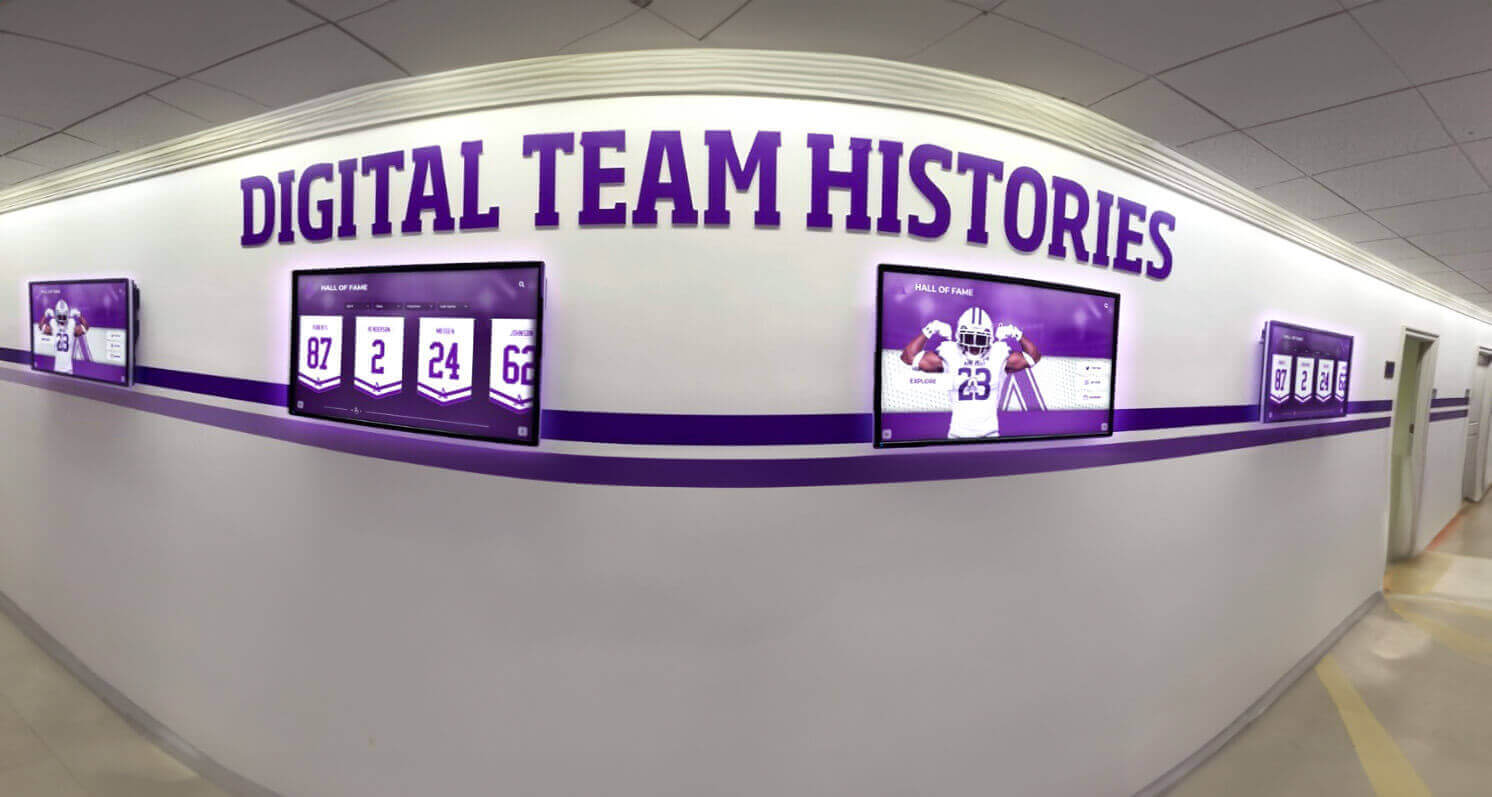
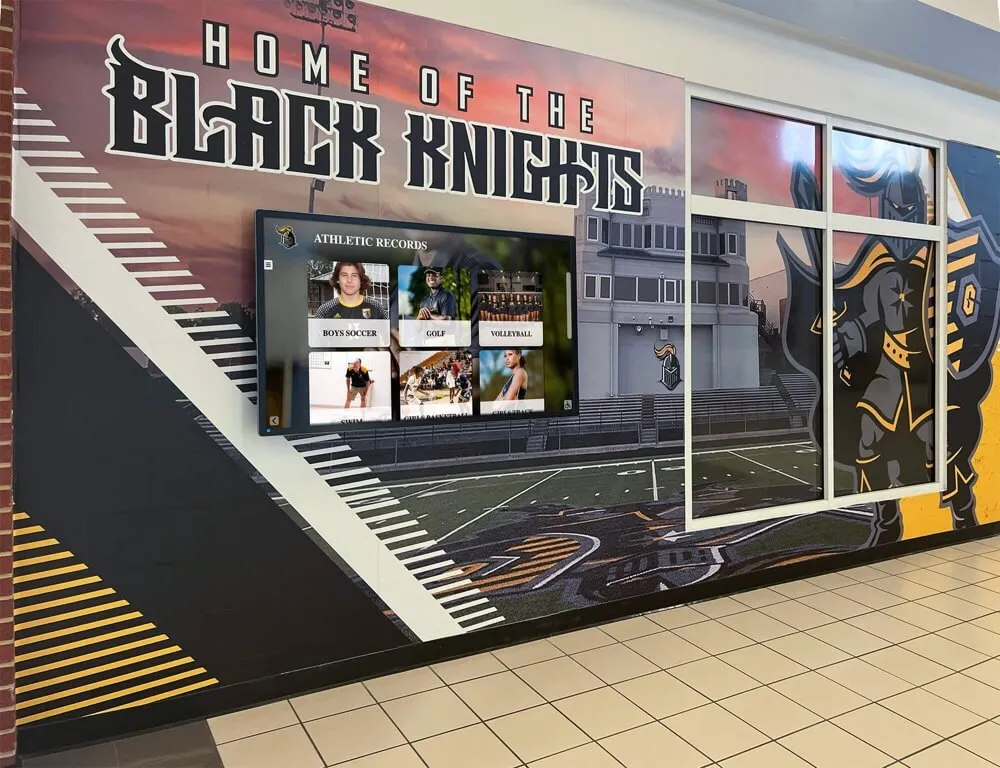
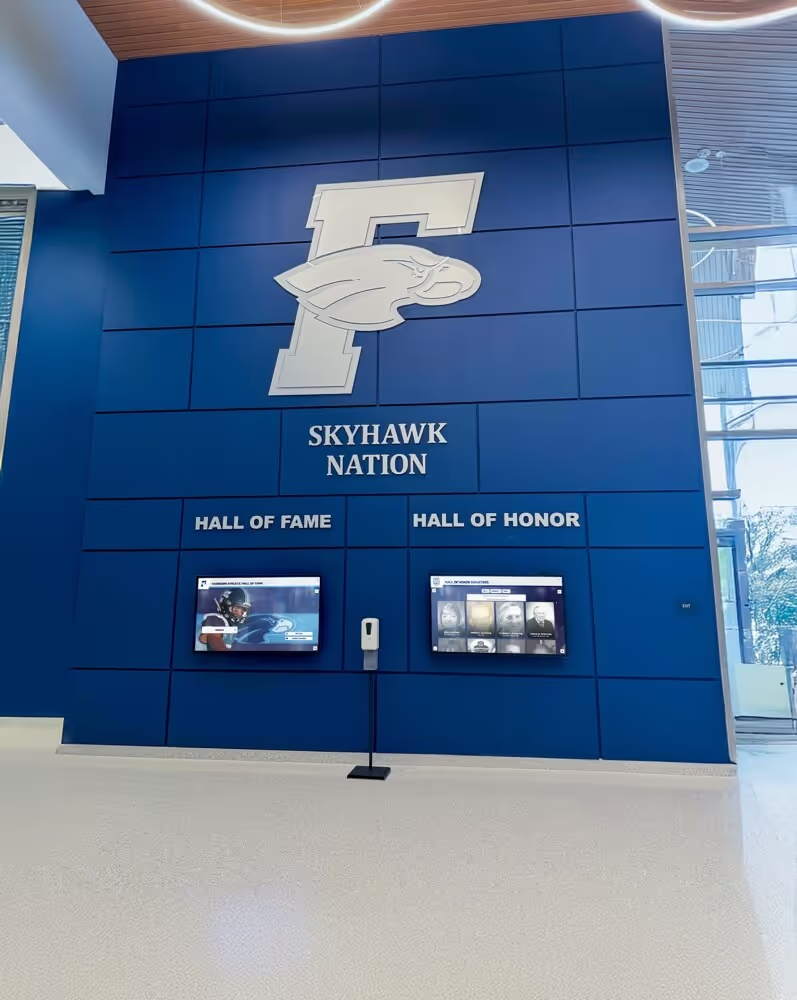
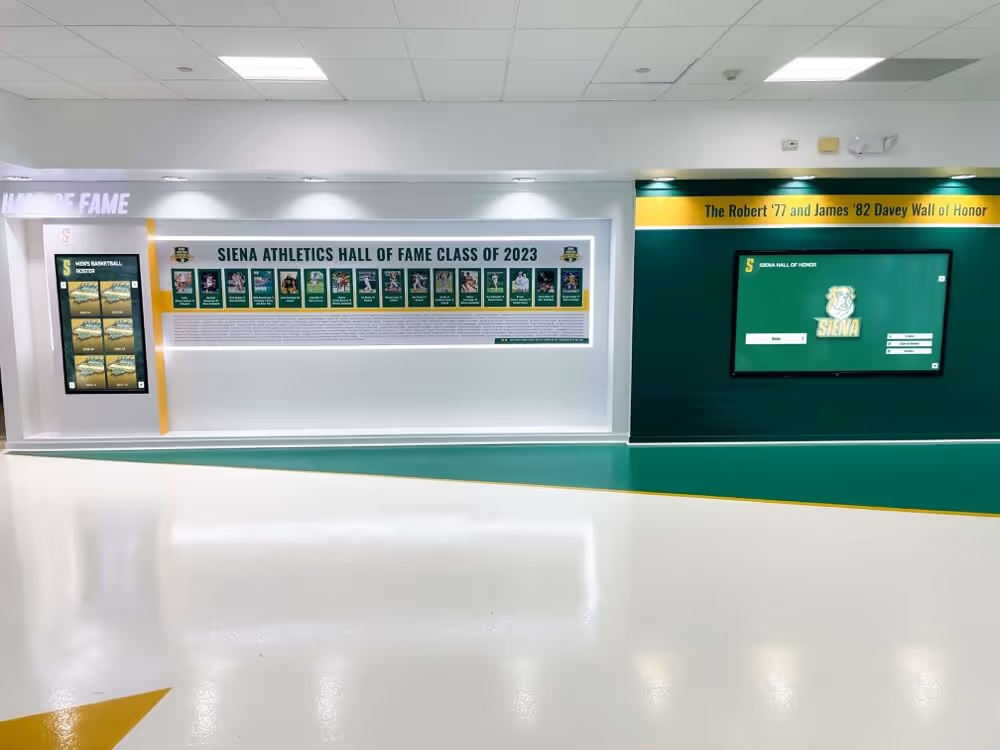
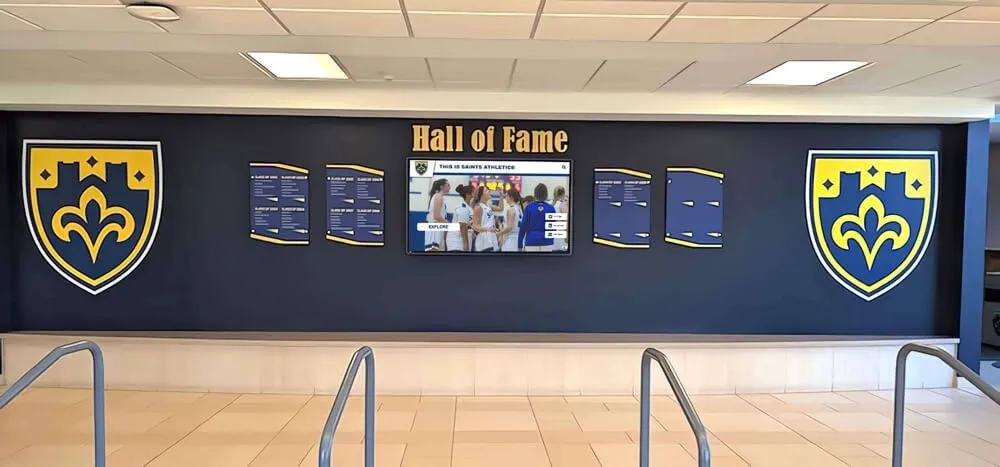
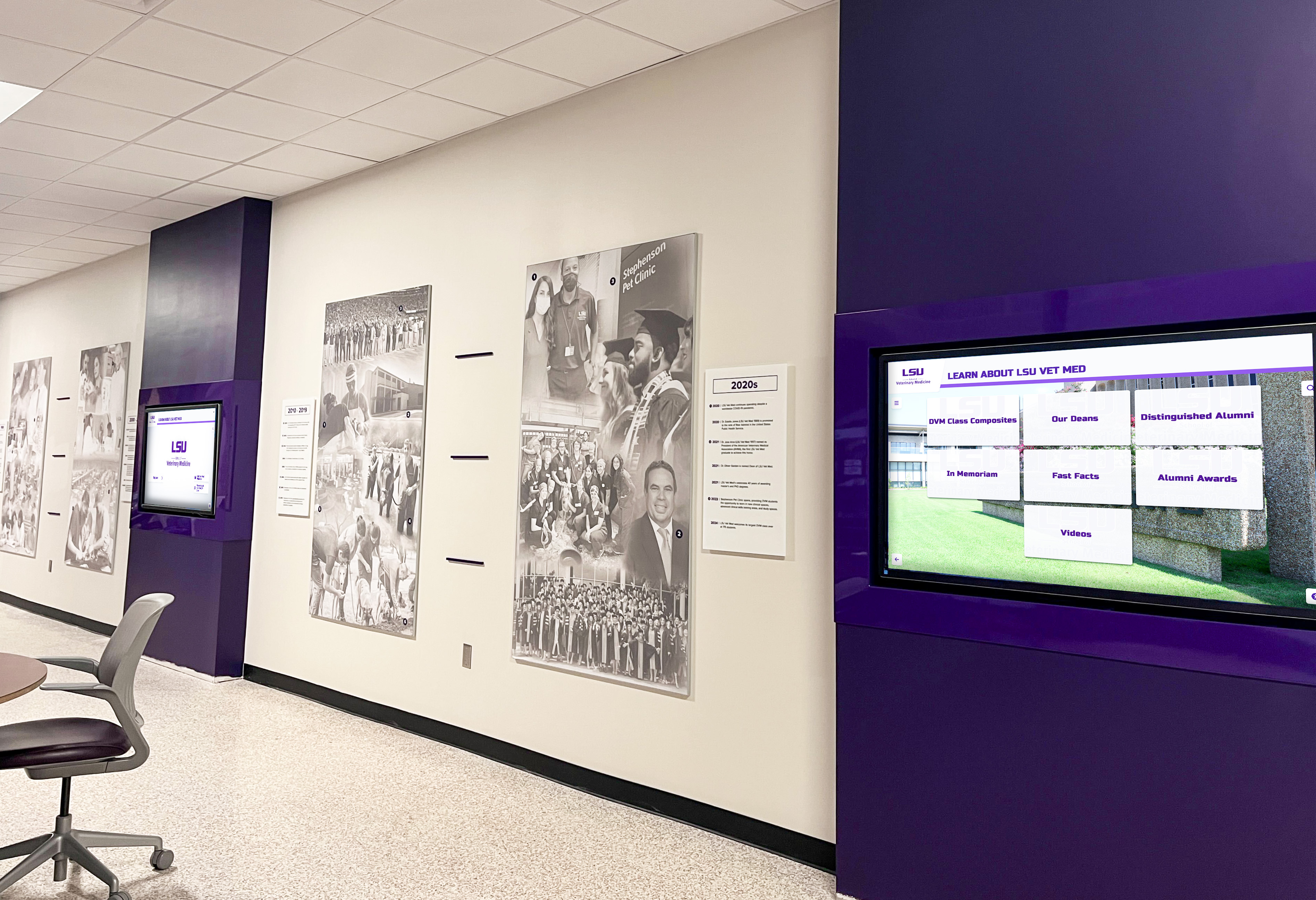
Multiple coordinated displays create comprehensive historical environments showcasing different yearbook eras
Strategic Campus Placement
Display location dramatically impacts visibility and engagement. Optimal placement includes main entrance lobbies greeting all visitors, libraries supporting research and historical exploration, hallways connecting major campus areas with high daily traffic, alumni centers emphasizing graduate connections, and reunion event spaces where nostalgia runs high.
Consider installing multiple coordinated displays creating comprehensive recognition environments throughout campus rather than single installations limiting access to specific locations.
Web-Based Digital Yearbook Archives
Online platforms extend yearbook access beyond campus boundaries enabling worldwide engagement:
Essential Features for Online Yearbook Systems
Effective web platforms provide responsive design functioning across devices, advanced search by name, year, or keyword, virtual page turning mimicking physical yearbook browsing, social sharing enabling users to distribute discoveries, zoom capabilities for reading small text, and download options for personal use within copyright parameters.
Many schools implement subscription-based access generating modest revenue while providing valuable alumni services. Typical models include free basic access with premium features for paid subscribers, year-based pricing where alumni purchase specific graduation years, or alumni association membership benefits including yearbook access.
Alumni Contribution Systems
Web platforms enable valuable alumni participation in yearbook enhancement. Former students can submit missing yearbooks from personal collections, identify unlabeled individuals in group photos, share memories and stories providing context, correct errors in existing identifications, and add contemporary “where are they now” updates.
This crowdsourced enhancement proves invaluable for yearbook collections where institutional documentation remains incomplete. Schools implementing alumni spotlight recognition programs often integrate yearbook access enabling complete biographical connections spanning school years through current accomplishments.
Integrating Yearbooks with Broader School History Recognition
Digitized yearbooks work most effectively when integrated within comprehensive heritage programs rather than existing as isolated archives:
Unified Digital Recognition Ecosystems
Successful implementations coordinate multiple heritage elements including digitized yearbook collections, athletic hall of fame recognition with historical athlete profiles, academic achievement displays documenting valedictorians and scholars, historical photo archives beyond yearbooks, facility evolution timelines showing campus development, and faculty recognition honoring dedicated educators.
Unified platforms enable cross-referencing—visitors exploring hall of fame inductees can view their yearbook photos, while those browsing yearbooks can discover which classmates achieved later recognition. This interconnection creates richer engagement than isolated systems.

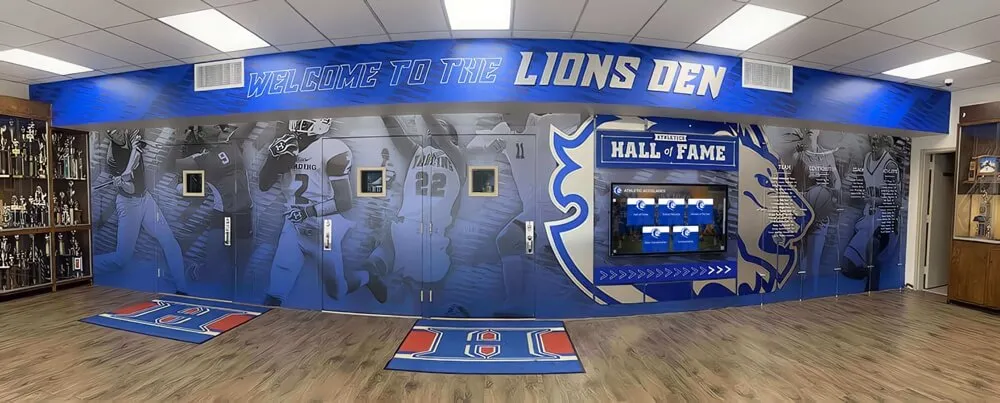
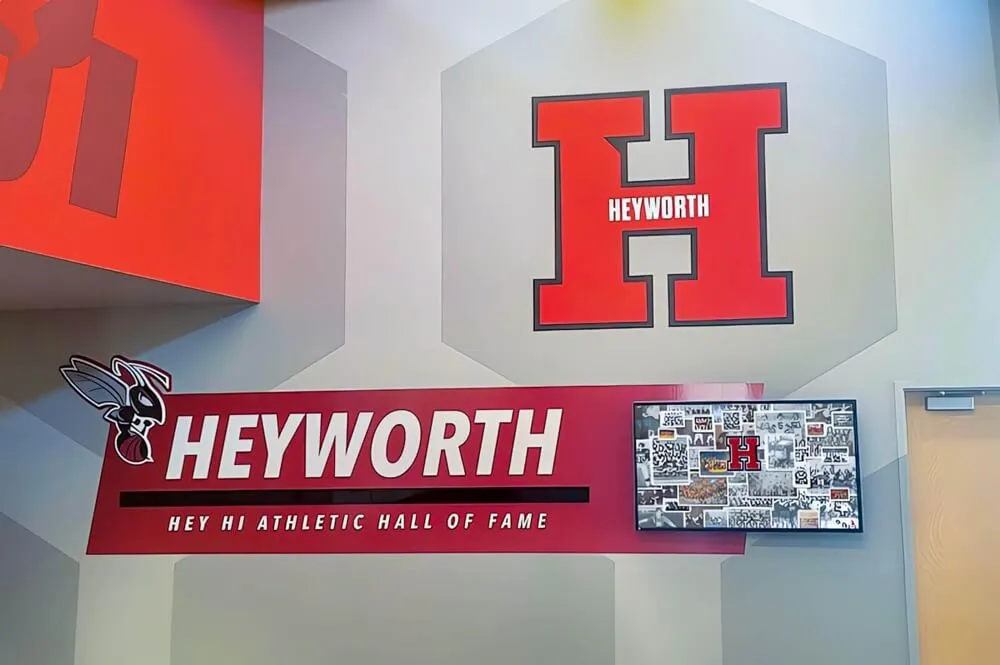
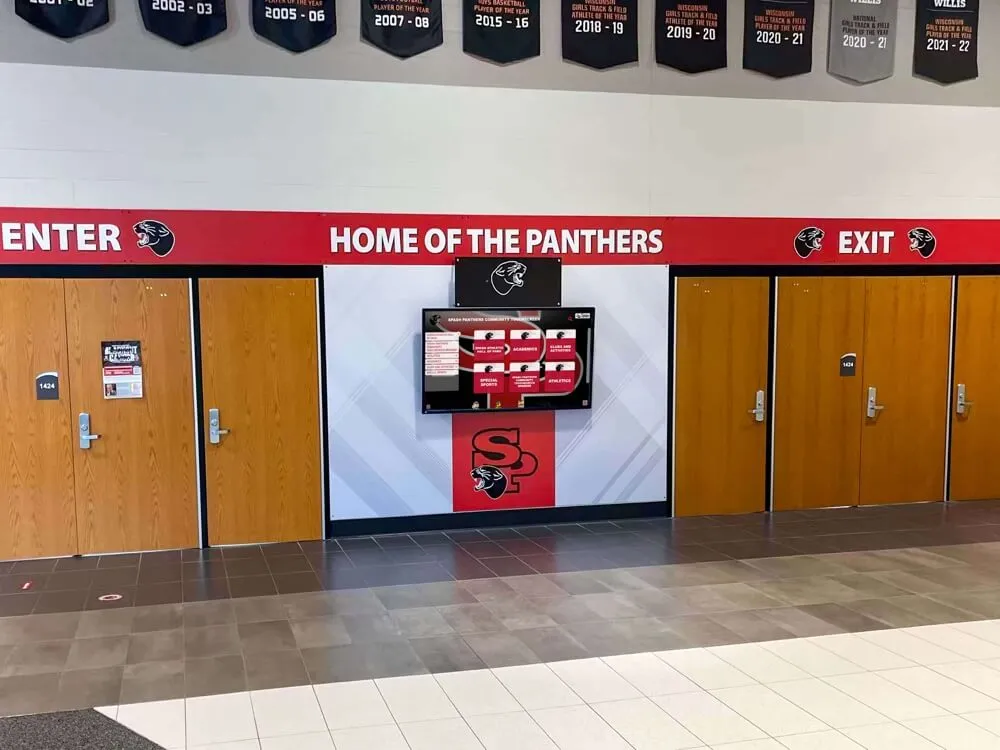
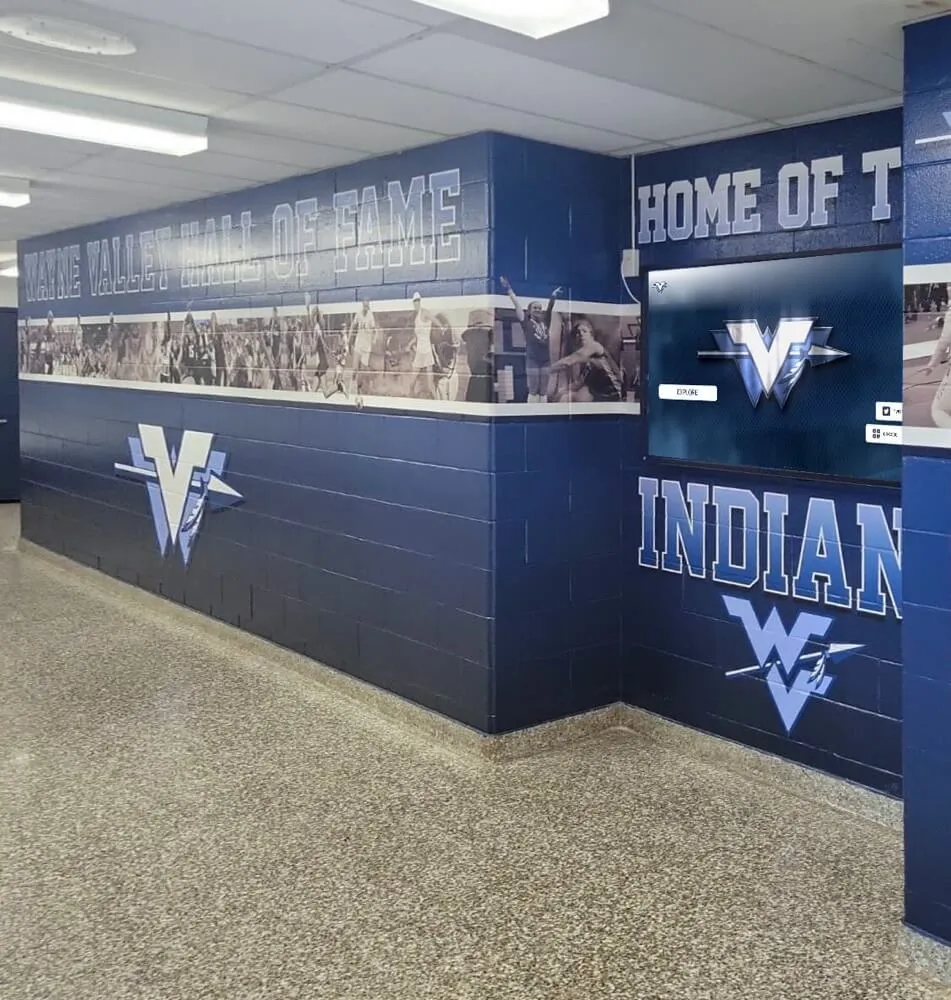
Blended installations preserve traditional aesthetic while adding modern interactive yearbook access
Budget Planning and Funding Strategies for Yearbook Digitization
Understanding financial requirements and exploring funding options enables schools to implement yearbook digitization sustainably within institutional constraints.
Cost Components and Budget Variables
Yearbook digitization expenses vary significantly based on collection size, quality standards, and chosen approaches:
Equipment and Technology Costs
- Flatbed scanners: $400-$2,000 for quality consumer/prosumer models
- Overhead book scanners: $3,000-$15,000+ for professional systems
- Digital cameras and copy stands: $1,500-$5,000 for photography approaches
- Computer workstations: $1,000-$3,000 for processing and management
- Software including image editing, OCR, and database management: $500-$3,000
- Storage infrastructure: $1,000-$5,000 initial plus ongoing cloud costs
Service Provider Options
Commercial digitization services provide professional alternatives when in-house capacity proves insufficient. Typical costs range from $20-$60 per yearbook depending on page count, condition, desired resolution, OCR requirements, and metadata creation services.
For schools with extensive collections (100+ yearbooks), service providers may offer volume discounts or specialized pricing. Request detailed quotes specifying exactly what deliverables include to ensure accurate cost comparisons.
Interactive Display Hardware
Campus touchscreen installations require additional investment including commercial-grade touchscreen displays at $8,000-$15,000 per unit, professional mounting and installation at $1,500-$3,000, protective enclosures for high-traffic areas at $2,000-$4,000, and network infrastructure ensuring reliable connectivity.
Ongoing Operational Expenses
- Software subscriptions or licensing: $1,000-$4,000 annually
- Cloud storage scaling with collection size: $500-$2,000 annually
- Staff time for continued digitization and maintenance
- Technology updates and equipment replacement
Alternative Funding Sources Beyond Operating Budgets
Schools can pursue multiple funding strategies supporting yearbook digitization initiatives:
Grant Opportunities
Various foundations and government programs support heritage preservation projects. Potential sources include state humanities councils funding cultural heritage, library services and technology grants, local community foundations supporting educational institutions, and alumni foundation grants focused on heritage initiatives.
Successful grant applications emphasize preservation urgency documenting endangered materials, educational benefits for current students and researchers, community access improvements, and measurable outcomes demonstrating project impact.
Alumni Fundraising Campaigns
Yearbook digitization proves highly attractive to alumni who directly benefit from access. Fundraising approaches include “sponsor a decade” campaigns creating fundable project units, reunion class gifts where graduates collectively fund their era, memorial giving opportunities honoring deceased classmates, and major donor recognition through naming opportunities.
Volunteer and In-Kind Support
Non-monetary support significantly reduces project costs. Options include alumni volunteer time providing scanning assistance, equipment donations or loans from individuals or businesses, student work-study or service-learning projects, and partnerships with local libraries or historical societies providing scanning capacity.
Schools developing comprehensive approaches should explore strategies used for online high school digital archives addressing similar funding challenges through creative resource development.

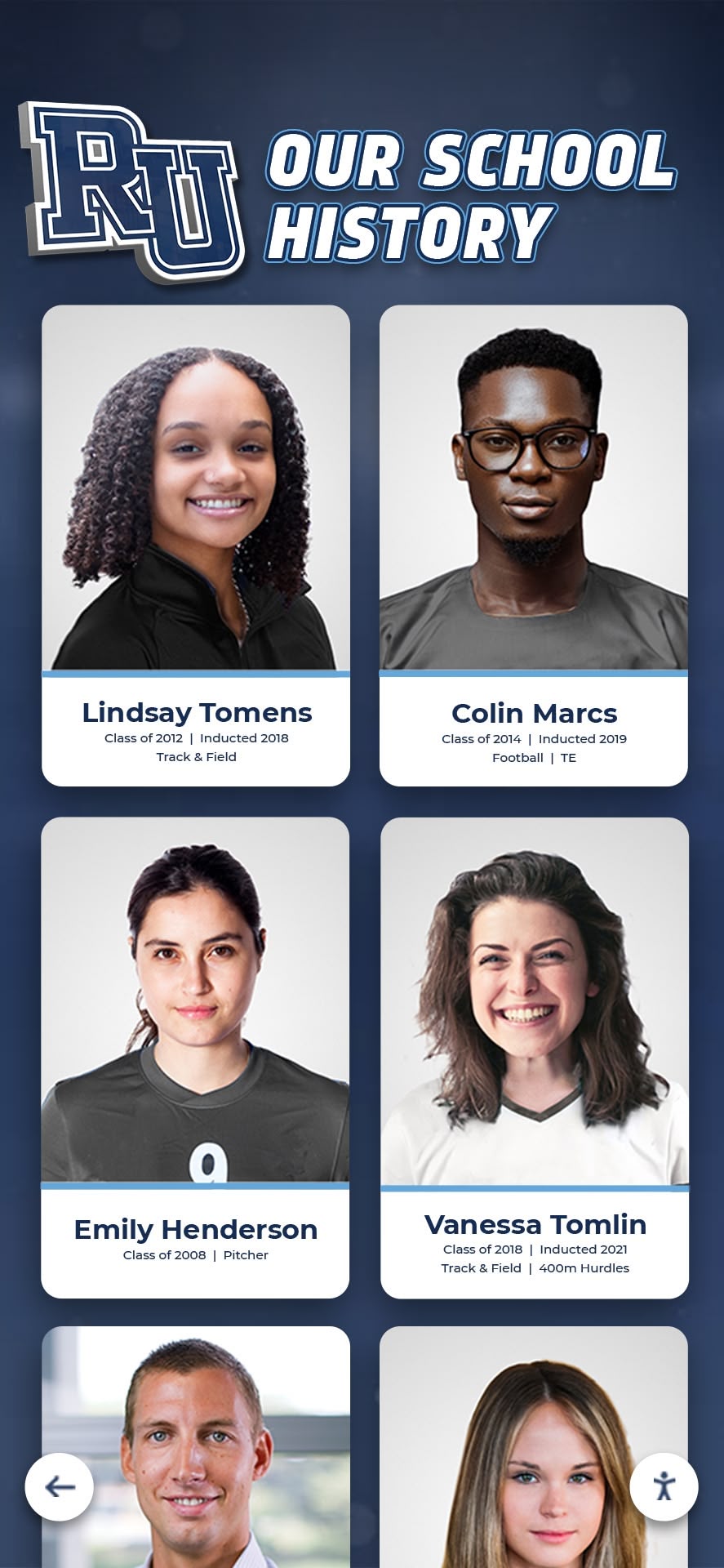
Searchable interfaces enable instant discovery of specific individuals across decades of yearbook content
Implementation Strategies and Project Management
Moving from planning to operational digital yearbook archives requires systematic project management addressing resources, timelines, and organizational coordination.
Building Effective Digitization Teams
Successful projects require diverse skills and clearly defined roles:
Internal Stakeholders
- Librarians or archivists providing preservation expertise and project leadership
- IT staff supporting technology infrastructure and digital systems
- Alumni relations coordinating graduate engagement and contributions
- Communications professionals promoting archives and generating awareness
- Student assistants performing scanning, quality control, and data entry
- Faculty advisors providing historical context and research support
External Partners
- Commercial digitization vendors for large-scale scanning when appropriate
- Technology providers supplying display hardware and software platforms
- Alumni volunteers contributing time, expertise, or personal yearbook collections
- Professional organizations like state library associations offering guidance
- Historical societies providing context or collaborative opportunities
Many schools implement yearbook digitization through library leadership with cross-functional teams. Student involvement through work-study, internships, or academic credit provides cost-effective staffing while creating valuable educational experiences teaching preservation skills, historical research methods, and technology applications.
Establishing Workflows and Production Standards
Consistent processes ensure quality and efficiency:
Standard Operating Procedures
Document detailed workflows including equipment setup and calibration procedures, page scanning or photography protocols, quality review checklists, file naming and organization standards, metadata creation requirements, and derivative file generation specifications.
Written procedures enable consistent quality across different staff members and project phases while facilitating training for new team members.
Quality Assurance Processes
Implement systematic quality control including immediate verification after each scanning session, periodic comprehensive reviews of completed work, random sampling for ongoing quality monitoring, and error correction procedures addressing identified issues.
Research on digital preservation projects indicates that approximately 5-10% of project time should be dedicated to quality assurance activities—investment that prevents costly rework while ensuring archival standards.
Generating Awareness and Promoting Digital Yearbook Archives
Archives deliver value only when communities know they exist and understand access options:
Launch Activities
- Formal unveiling events showcasing new systems
- Media coverage through local news and school communications
- Alumni magazine features explaining digitization and highlighting discoveries
- Social media campaigns sharing throwback yearbook content
- Reunion program integration ensuring graduates encounter archives
- Campus tour inclusion for prospective students and families
Ongoing Promotion
- Regular “Throwback Thursday” social media posts featuring yearbook content
- Class year reunion notifications highlighting newly digitized eras
- Research support marketing to academic departments
- Alumni newsletter features maintaining awareness
- Annual reports documenting archive growth and usage
Schools should develop promotional plans treating yearbook archive launches as significant institutional achievements deserving strategic communications similar to facility openings or program announcements.
Measuring Success and Demonstrating Archive Value
Regular assessment demonstrates yearbook digitization impact while identifying improvement opportunities and justifying continued resource allocation.
Quantitative Engagement Metrics
Modern platforms provide analytics revealing usage patterns:
Physical Display Analytics
- Total interaction sessions showing overall engagement levels
- Average session duration indicating depth of exploration
- Most-viewed yearbook pages revealing popular content
- Peak usage times informing content updates
- Search query analysis showing what visitors seek
Online Access Metrics
- Website visitors exploring yearbook archives
- Page views and yearbook downloads
- Search patterns revealing research interests
- Geographic distribution showing alumni engagement across locations
- Social media shares amplifying archive reach
- Subscription or paid access revenue when applicable
Collection Development Metrics
- Total yearbooks digitized over time
- Percentage of complete collection archived
- Name identifications completed
- Alumni contributions received
- Metadata completeness improvements
These metrics demonstrate tangible engagement justifying technology investment while revealing which content resonates most strongly with various audiences.
Qualitative Outcomes and Impact Stories
Beyond quantitative data, archive success appears in broader institutional outcomes:
Enhanced Alumni Engagement
Do yearbook archives strengthen graduate relationships? Success indicators include increased reunion attendance, higher giving participation rates, greater volunteer involvement, and positive feedback expressing appreciation for accessibility. Schools often discover that yearbook digitization catalyzes renewed alumni engagement after years of dormant relationships.
Student Connection to Heritage
Do archives strengthen current student connections to institutional traditions? Positive outcomes include increased awareness of school history, enhanced institutional pride, greater participation in heritage-related events, and curriculum integration using primary sources.
Preserved Institutional Memory
Has digitization successfully protected endangered materials? Accomplishments include completion of high-priority volumes before further deterioration, rescue of materials from inadequate storage, recovery of missing years through alumni contributions, and establishment of sustainable preservation infrastructure.
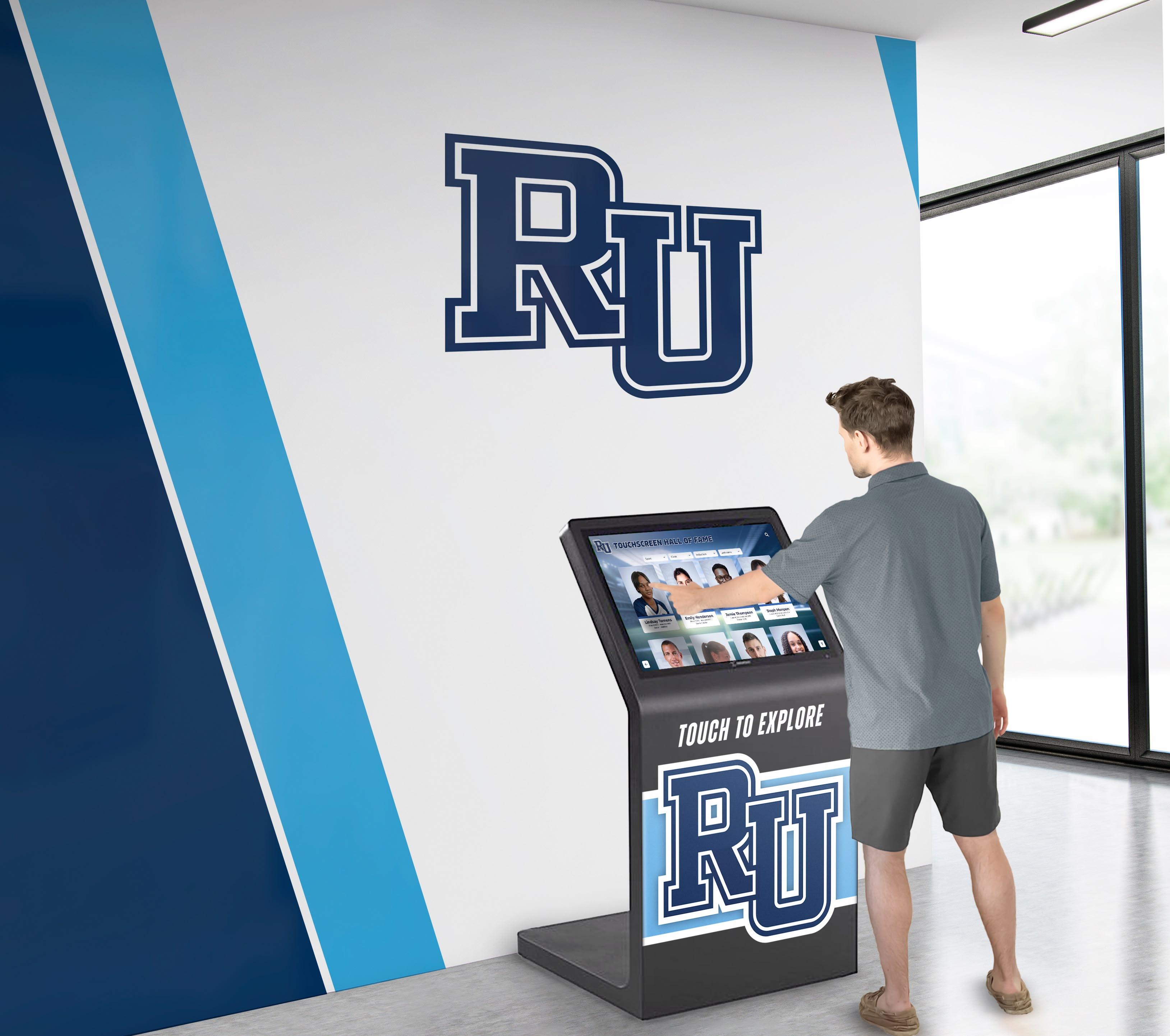
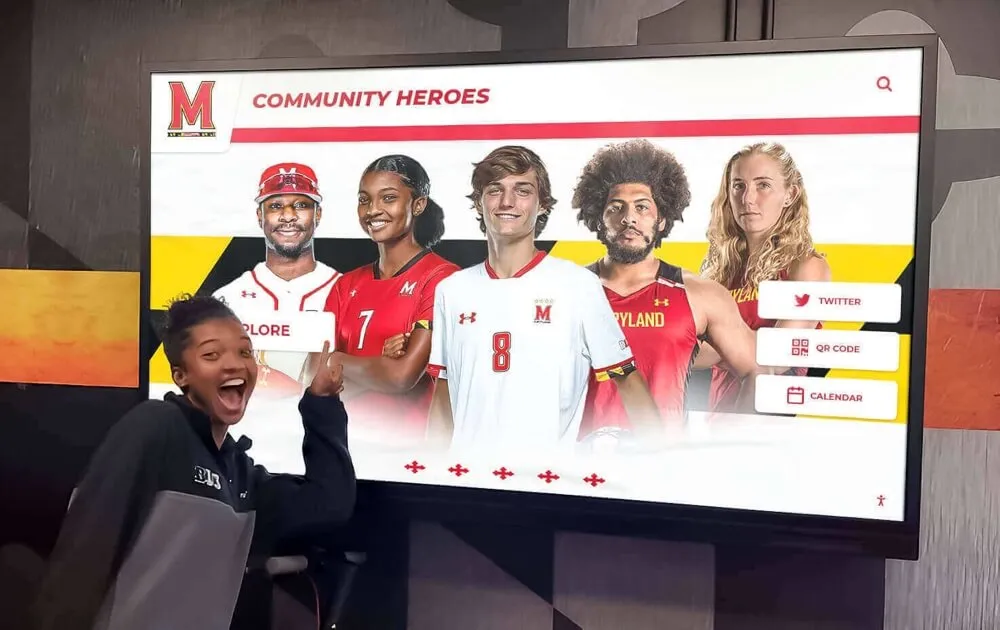
Professional installations create inviting exploration environments encouraging extended engagement with yearbook archives
Overcoming Common Yearbook Digitization Challenges
Digitization projects encounter predictable obstacles that systematic planning addresses effectively:
Limited Staff Time and Resources
Comprehensive yearbook digitization requires significant time investment that many schools struggle to allocate amid competing priorities.
Phased Implementation Approaches
Rather than attempting complete collection digitization immediately, implement multi-year plans spreading resource requirements across budget cycles. Start with highest-priority volumes delivering immediate preservation and access benefits, then systematically expand coverage as capacity permits.
Leveraging Student and Volunteer Labor
Student workers, interns, or volunteers provide cost-effective capacity. Effective approaches include work-study positions performing scanning and quality control, service-learning courses integrating digitization with information science curriculum, alumni volunteers contributing scanning time during visits, and senior capstone projects addressing yearbook digitization as academic work.
Proper training and supervision ensures volunteers produce quality work while structured projects provide meaningful contributions justified by time investment.
Missing or Incomplete Yearbook Collections
Many schools discover significant gaps when inventorying complete yearbook collections—missing years, damaged volumes, or incomplete holdings.
Acquisition Strategies
Address collection gaps through targeted approaches including alumni appeals requesting personal yearbook donations or loans for scanning, partnerships with local historical societies potentially holding copies, online marketplace searches through platforms like eBay or AbeBooks, and community outreach through local newspapers or social media requesting yearbook locations.
When original yearbooks prove impossible to locate, consider accepting photocopies or lower-quality scans as placeholder documentation until better sources emerge—imperfect coverage exceeds complete absence in most cases.
Balancing Open Access with Privacy Concerns
Yearbook digitization raises legitimate privacy considerations requiring thoughtful policies:
Addressing Privacy Appropriately
Develop clear policies addressing individual removal requests from those not wishing public visibility, age considerations restricting recent yearbook access, sensitive content review before public release, and parental notification for yearbooks including current minors.
Most schools find that privacy concerns prove minimal in practice—the vast majority of individuals welcome yearbook inclusion while policies accommodating legitimate concerns demonstrate appropriate sensitivity.
Conclusion: Preserving Yesterday’s Memories for Tomorrow’s Generations
Yearbook digitization represents strategic investment in institutional memory, alumni engagement, and heritage preservation that collectively determines whether schools merely store aging volumes or create living connections inspiring current and future generations.
Traditional yearbook management—volumes deteriorating in storage, accessible only during campus visits, serving declining numbers as physical condition worsens—fails to honor the memories and institutional heritage these remarkable compilations represent.
Purpose-built digital yearbook systems address these limitations comprehensively by preserving endangered volumes before irreplaceable deterioration, organizing collections for intuitive discovery through searchable databases, providing universal access serving on-campus and distant audiences equally, enabling detailed exploration impossible with fragile physical volumes, creating engaging interactive experiences encouraging extended exploration, and supporting continued growth integrating new digitization and alumni contributions over time.
Transform Your Yearbook Collection Into an Interactive Digital Archive
Discover how modern digitization and display solutions can help you preserve endangered yearbooks, engage students and alumni, and showcase your school's remarkable visual heritage for generations to come.
Explore Yearbook Archive SolutionsSchools implementing comprehensive yearbook digitization consistently report remarkable outcomes including rescued materials previously facing deterioration and loss, increased alumni engagement through accessible personal connections, strengthened student identity from visible institutional traditions, improved library efficiency eliminating repeated physical handling, and sustainable preservation infrastructure protecting irreplaceable heritage investments.
The most successful digitization initiatives share common characteristics including systematic planning defining clear scope and priorities, professional standards ensuring appropriate technical quality and metadata, engaging access through both physical displays and online platforms, ongoing maintenance treating archives as living resources requiring continued attention, and community involvement engaging diverse stakeholders as contributors and audiences.
Begin where you are with resources available—even modest yearbook digitization projects focusing on specific decades or endangered volumes provide more value than comprehensive plans remaining unimplemented due to overwhelming scope. Build systematically over time, expanding collections and access as capacity allows. Engage communities treating yearbook archives as collaborative rather than purely administrative initiatives. Celebrate progress promoting awareness and generating continued support.
Ready to begin your yearbook digitization journey? Explore comprehensive approaches to school history preservation encompassing yearbooks within broader heritage programs, discover strategies for digitizing veteran artifacts applying similar preservation principles to specialized collections, learn about online high school digital archives implementing complete heritage systems, understand historical photo archive development complementing yearbook digitization, explore digital yearbook wall displays showcasing content through modern installations, and consider specialized platforms from Rocket Alumni Solutions designed specifically for educational institutions prioritizing yearbook preservation through intuitive, engaging, professionally supported systems.
Your yearbook collection deserves recognition equal to its significance. Decades or centuries of graduating classes, beloved faculty members, championship teams, student activities, and countless experiences defining institutional character—these remarkable compilations deserve preservation through thoughtfully developed digital archives making abstract heritage tangible and inspiring for all who encounter them. With systematic planning, appropriate technology, and genuine commitment to comprehensive preservation, you can create yearbook archives ensuring your school’s irreplaceable visual legacy survives and thrives for generations to come.