



Every successful athletic program depends on more than talented athletes and dedicated coaches—they require consistent financial support funding equipment, facility improvements, travel expenses, and opportunities that school budgets alone cannot provide. Starting a booster club creates the organizational infrastructure that channels parent enthusiasm, alumni pride, and community generosity into sustainable revenue streams supporting athletic excellence for years to come.
Yet launching a new booster club presents substantial challenges. How do you establish legal structures protecting volunteers from liability? What organizational models work best for different school contexts? Which fundraising strategies generate meaningful revenue without overwhelming volunteer capacity? And how do you recognize supporters in ways that inspire continued giving while honoring everyone who contributes to program success?
This comprehensive guide walks school administrators, athletic directors, and parent leaders through every step of creating booster clubs that generate sustainable funding, maintain legal compliance, engage broad community support, and honor contributors through meaningful recognition—including modern digital displays that celebrate supporters while building the donor relationships that fuel long-term athletic program success.
Starting a booster club represents a strategic investment in athletic program sustainability. Schools with established booster organizations consistently report enhanced competitive capabilities, improved facilities, expanded program offerings, and stronger community connections compared to those relying solely on limited institutional budgets.

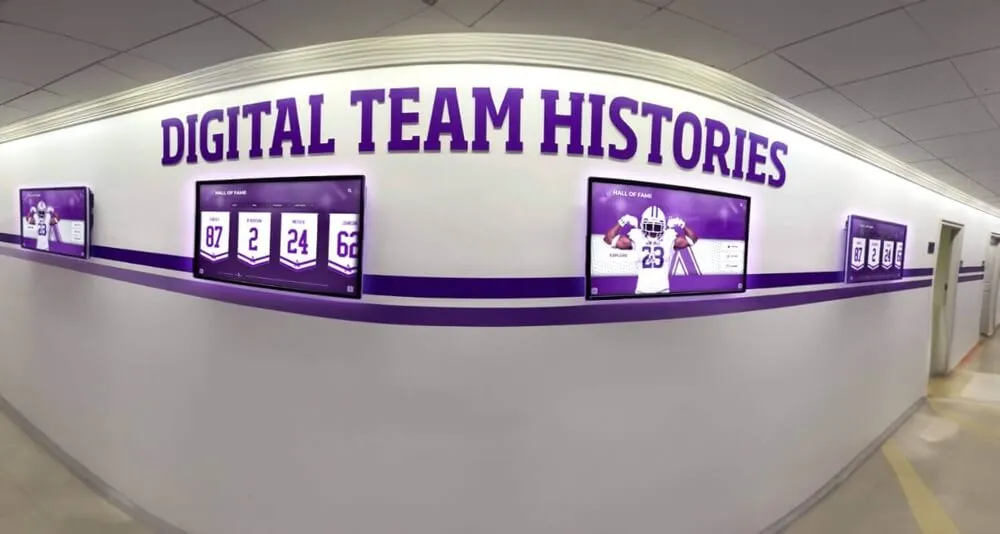
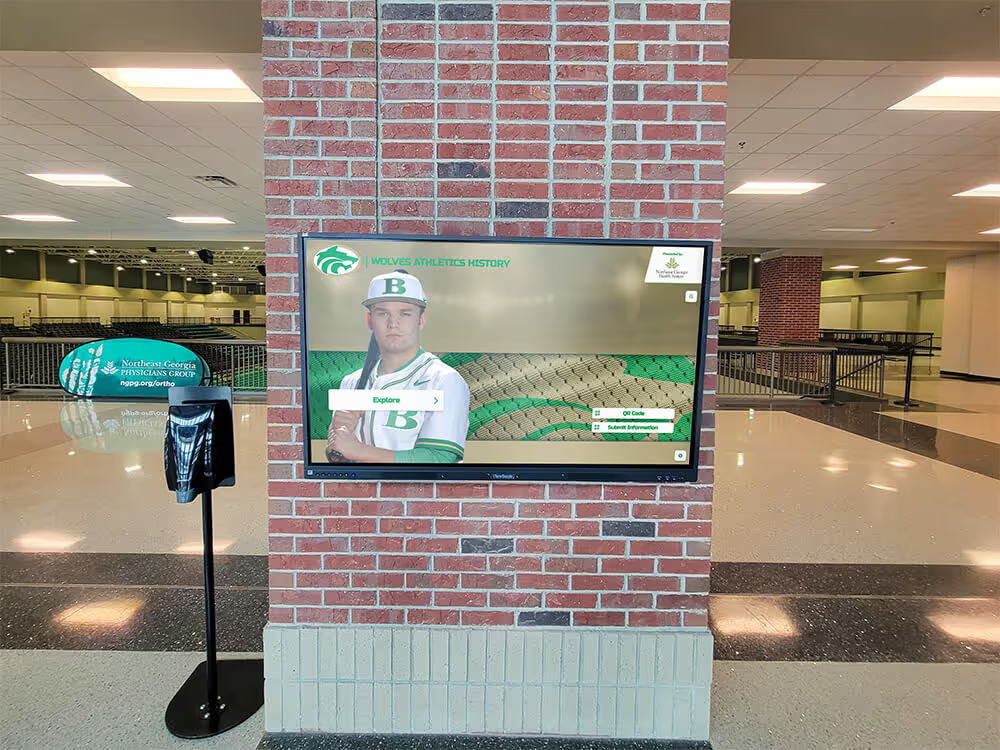
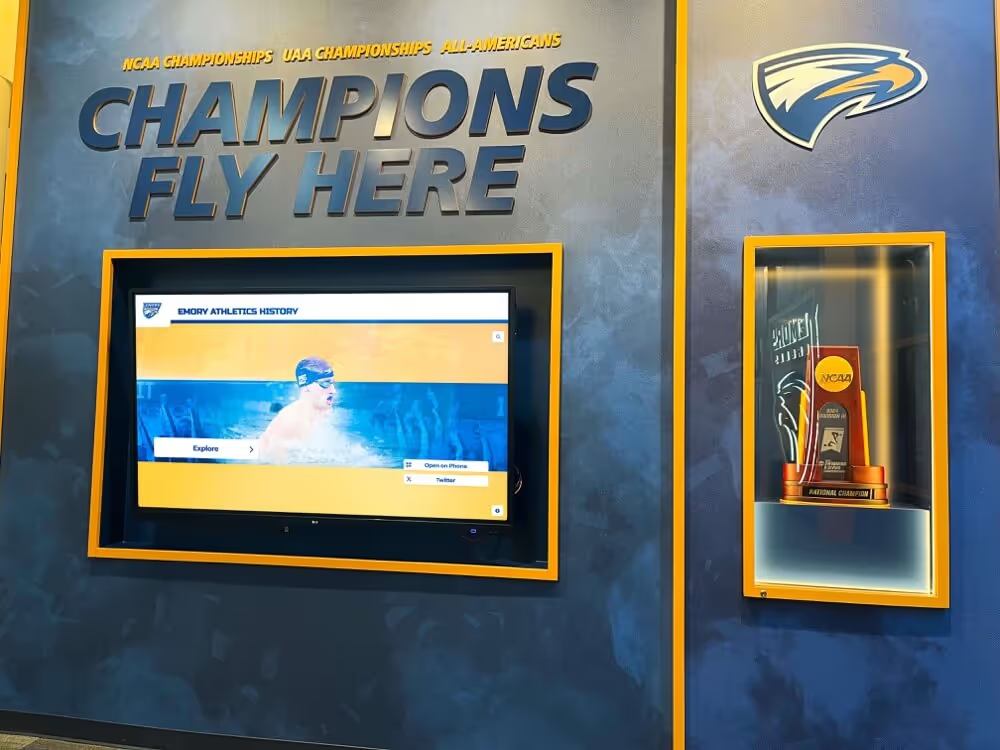
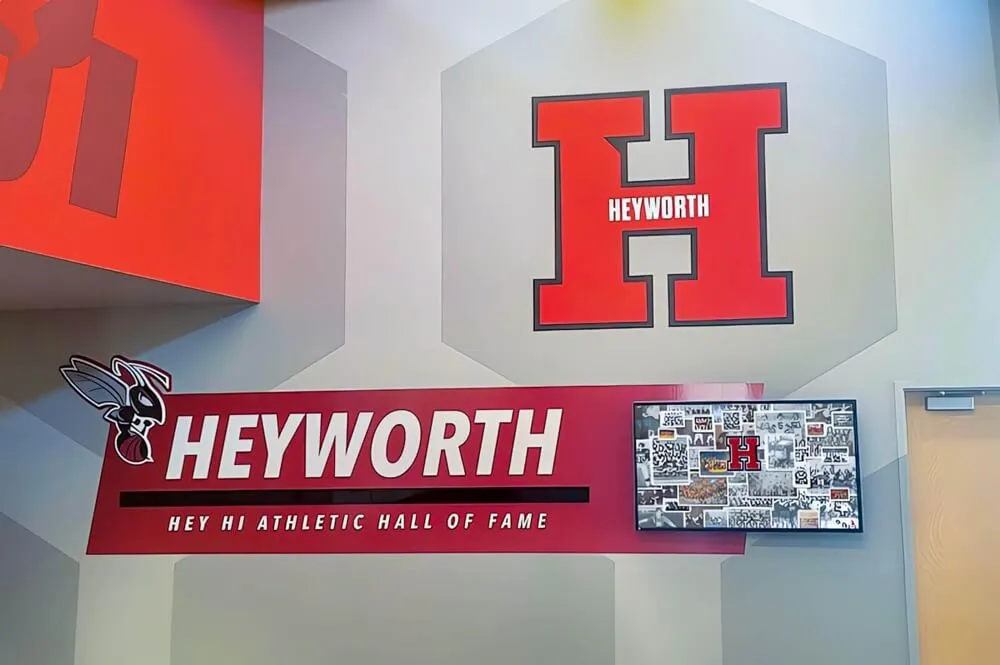
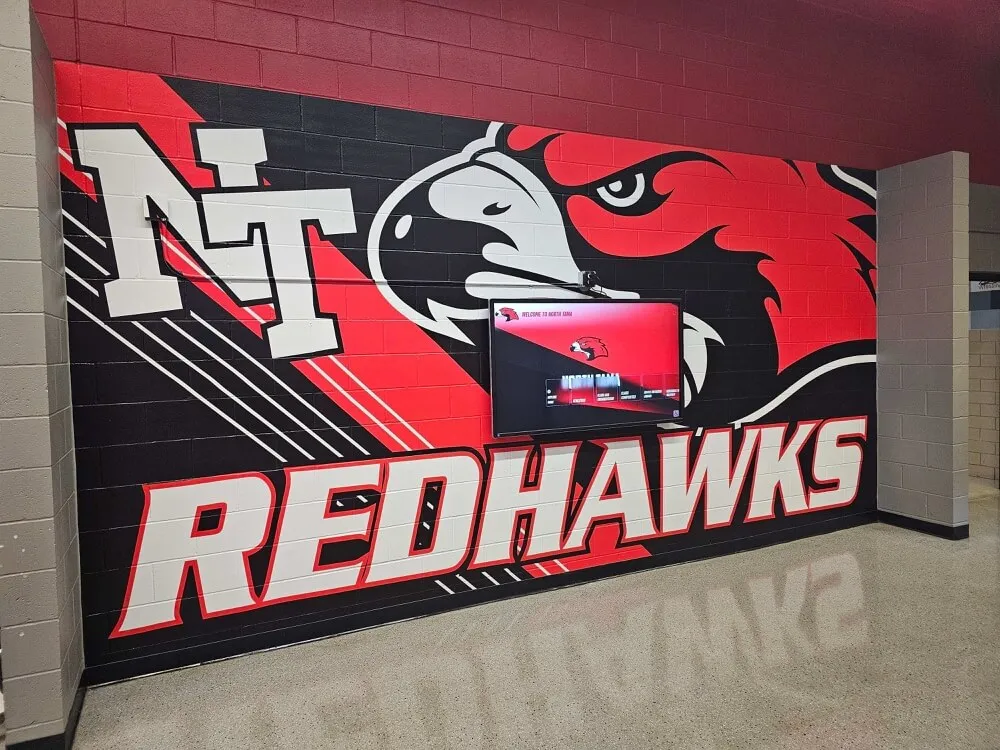
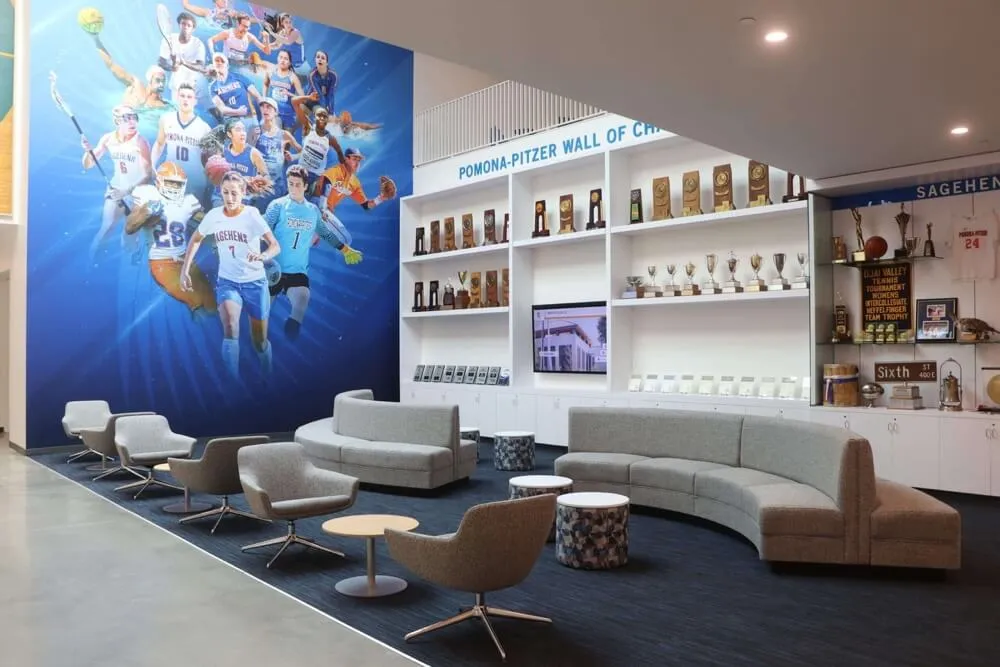
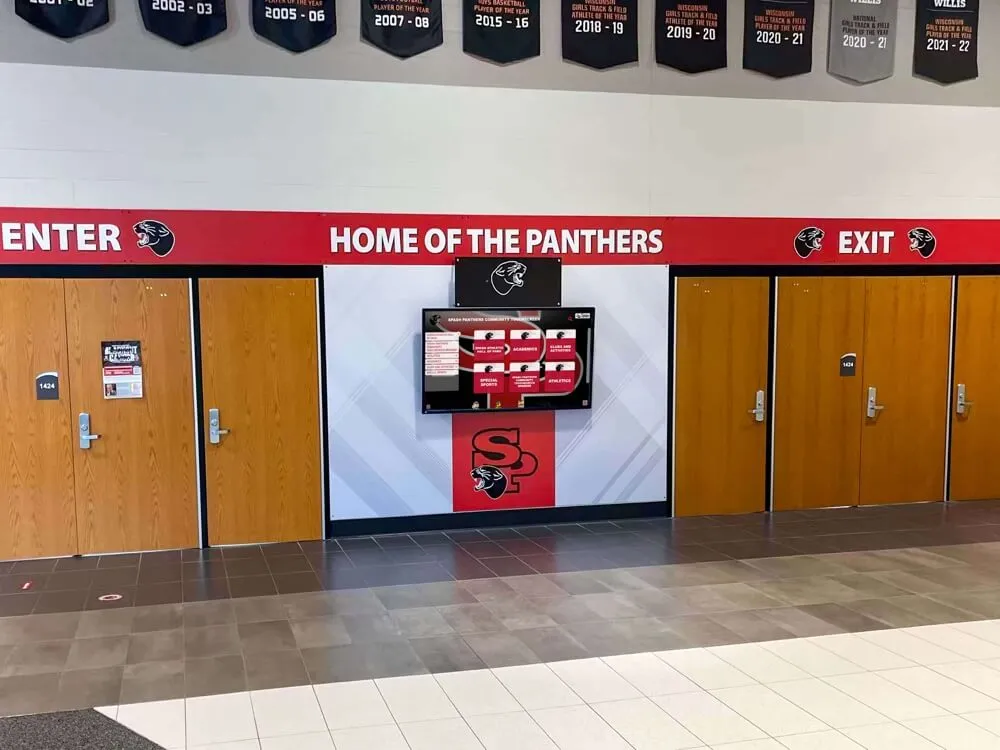
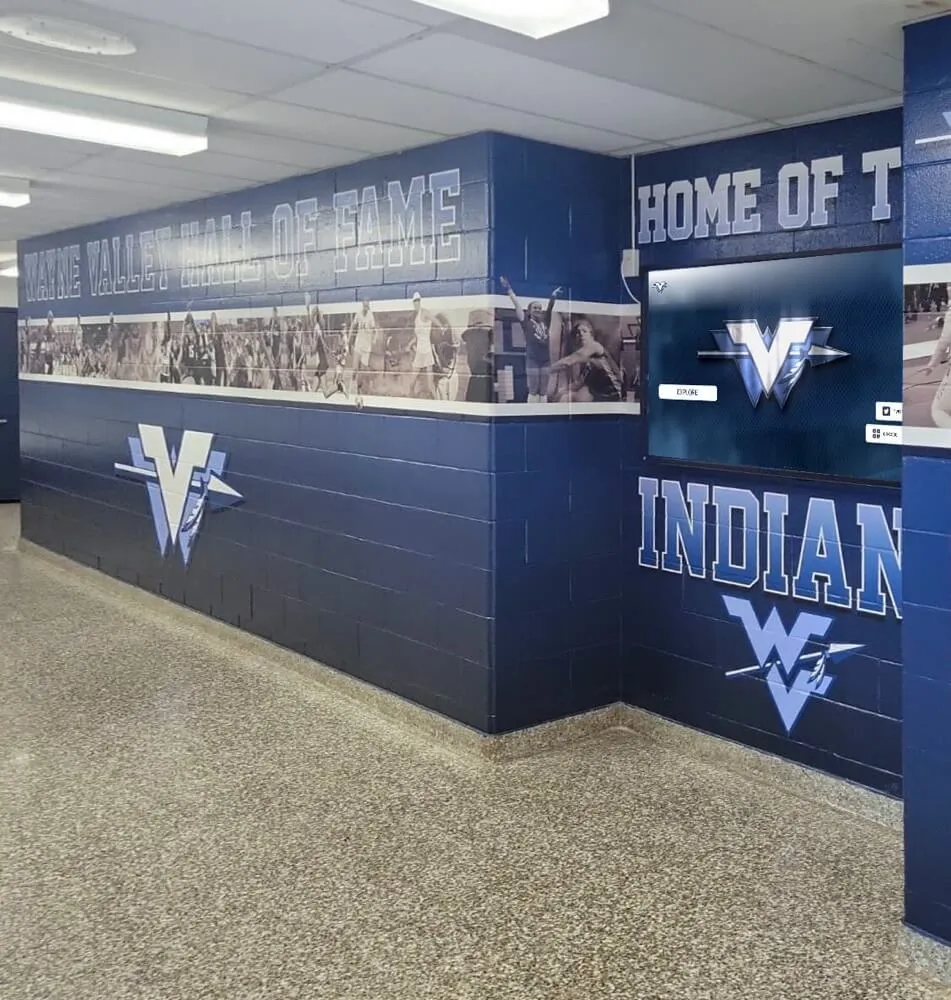
Modern booster club recognition spaces celebrate both athletic achievement and supporter contributions that enable program success
Understanding Booster Clubs: Purpose and Benefits
Before diving into formation logistics, clarify what booster clubs accomplish and why they matter for athletic programs.
What Booster Clubs Do
Athletic booster clubs serve as independent nonprofit organizations supporting school sports programs through:
Financial Support Activities
- Fundraising campaigns generating revenue beyond school budgets
- Direct financial contributions for equipment, uniforms, and supplies
- Travel expense funding enabling competition participation
- Scholarship programs supporting student-athletes
- Facility improvement financing upgrading athletic infrastructure
- Equipment replacement ensuring safety and competitive quality
Community Building Functions
- Parent engagement creating connections between families supporting programs
- Alumni involvement maintaining relationships with graduated participants
- Local business partnerships generating sponsorship and support
- Volunteer coordination organizing essential program operations
- Spirit building through recognition events and celebrations
- Communication networks keeping communities informed about program activities
Program Enhancement Support
- Competitive advantage through resources unavailable from institutional budgets alone
- Expanded opportunities including specialized training and elite competition access
- Recognition systems honoring athletes, coaches, and supporters
- Recruitment benefits showcasing program commitment and infrastructure
- Coaching support providing resources enabling program development
- Training facility improvements enhancing athlete development capacity
Resources on booster club fundraising strategies demonstrate diverse approaches organizations use to generate sustainable program support.
Why Schools Need Booster Clubs
Educational institutions face persistent budget constraints limiting athletic program investments:
Budget Reality Challenges
- School budgets prioritize academic programs and essential operations
- Athletic funding often covers only basic participation opportunities
- Equipment replacement cycles exceed institutional funding capacity
- Facility maintenance and improvements compete with numerous institutional priorities
- Travel expenses for competitive opportunities strain limited resources
- Specialized training programs remain inaccessible without supplemental funding
Competitive Considerations Schools with robust booster support demonstrate measurable advantages including superior equipment providing safety and performance benefits, enhanced training facilities enabling skill development, expanded competition schedules building experience, specialized coaching access improving technique, and recruitment appeal attracting talented student-athletes to programs with visible commitment and infrastructure.
Community Connection Benefits Booster clubs create engagement opportunities strengthening institutional relationships through parent involvement beyond passive spectatorship, alumni connection maintaining lifelong program bonds, local business partnerships supporting youth development, volunteer opportunities enabling community contribution, and recognition visibility celebrating collective community investment in athletic excellence.
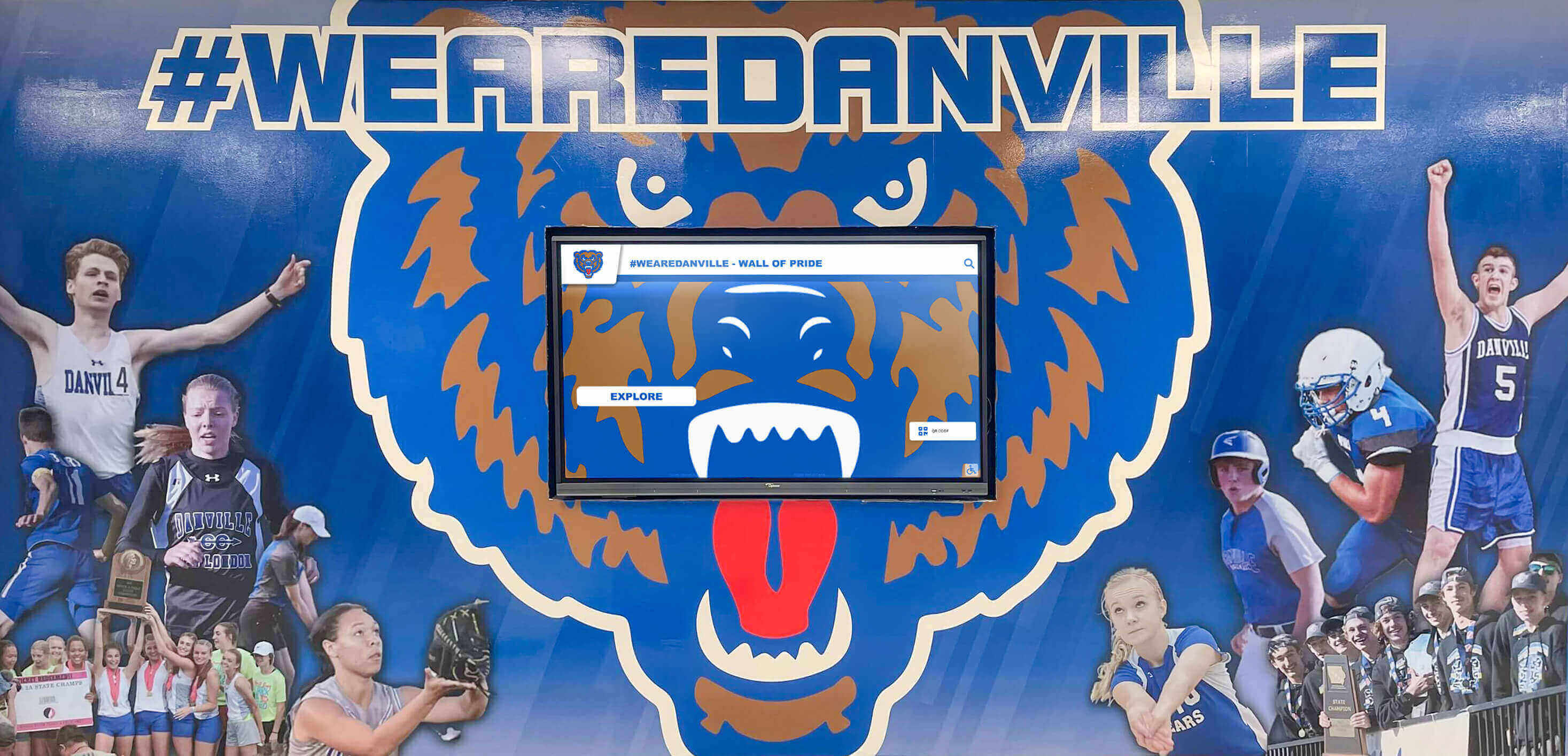
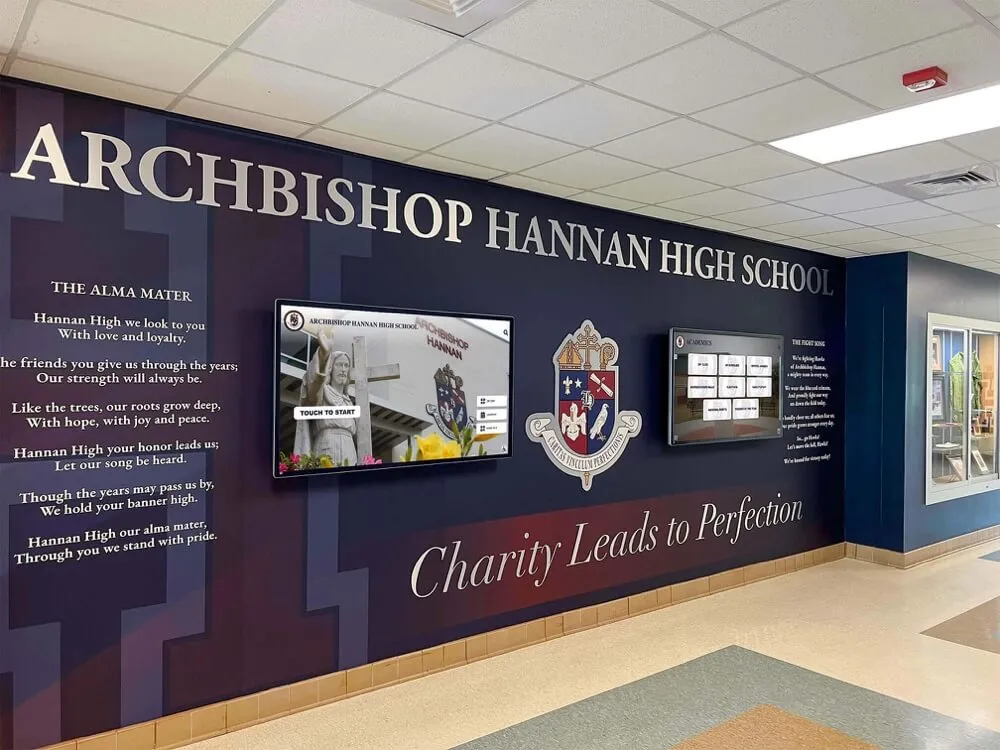
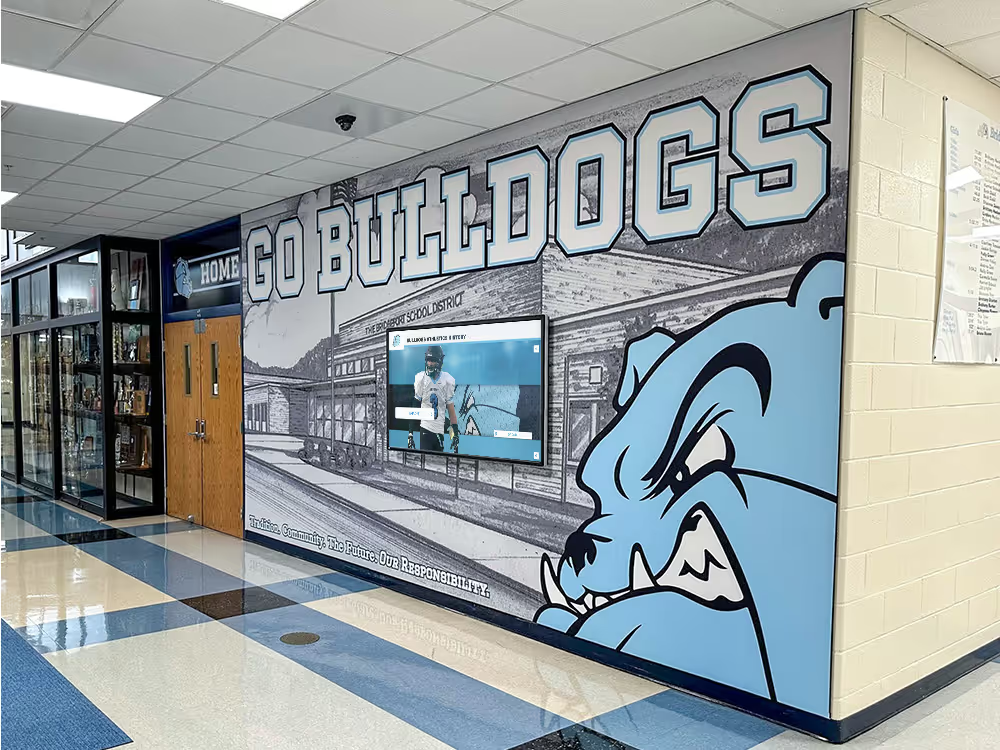
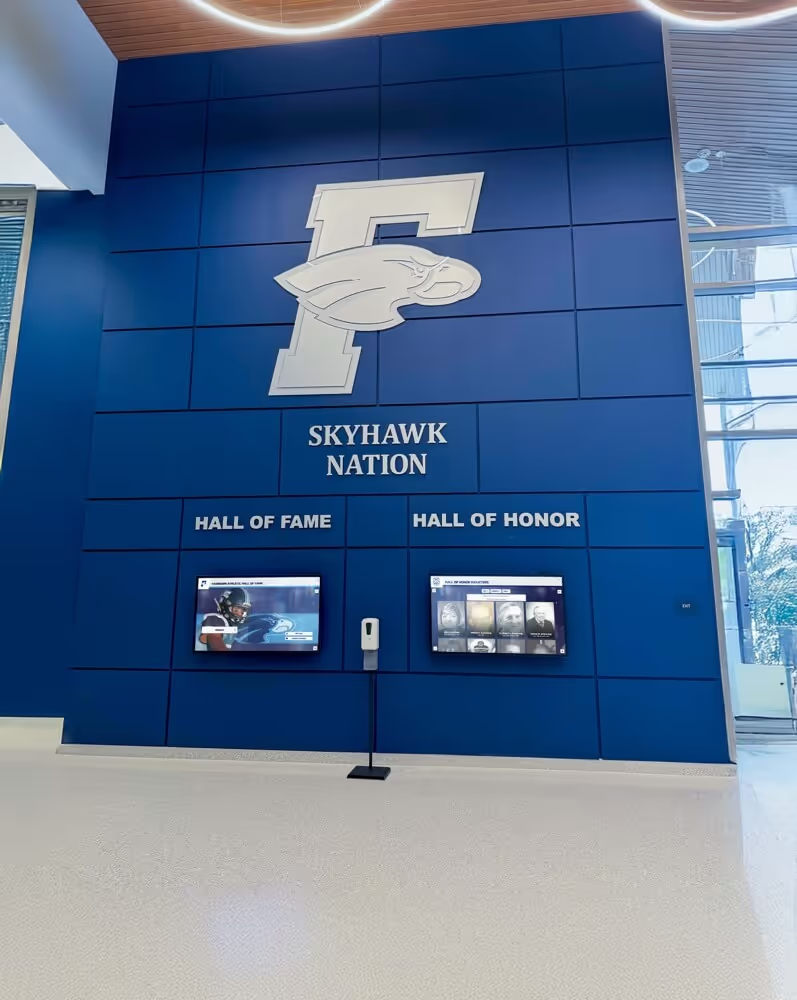
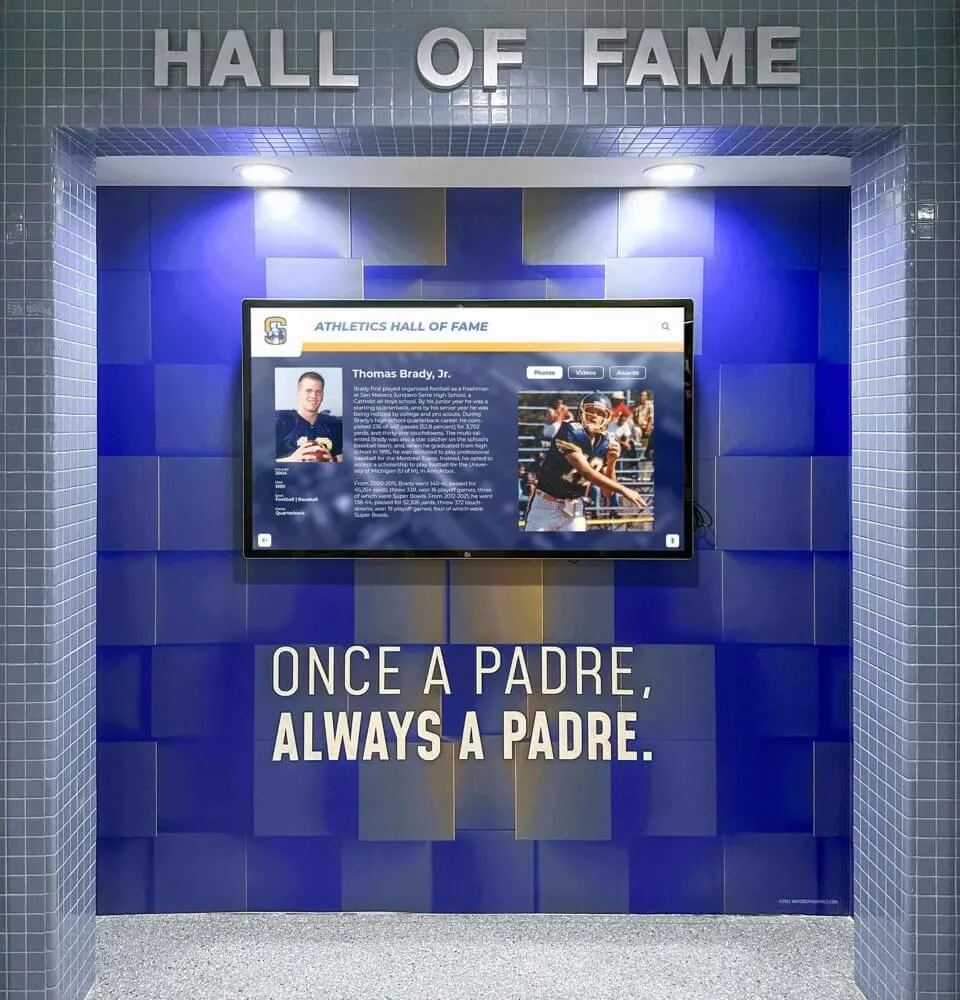
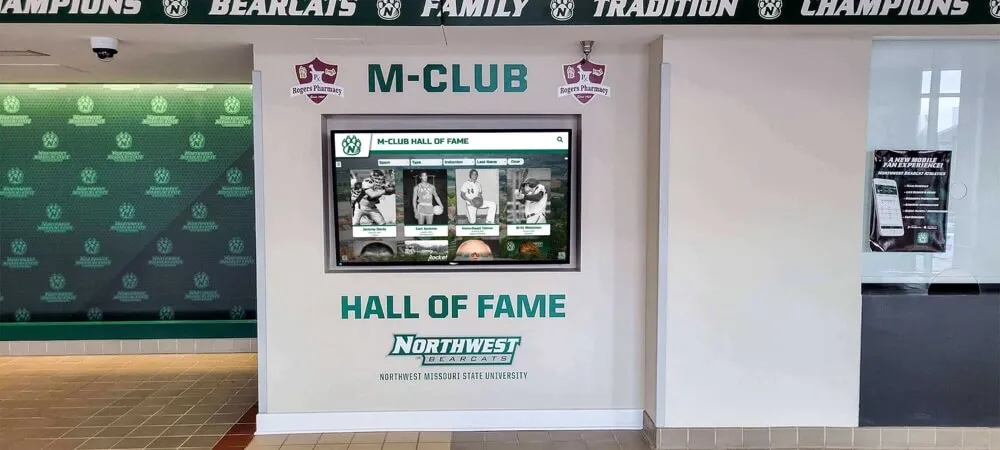
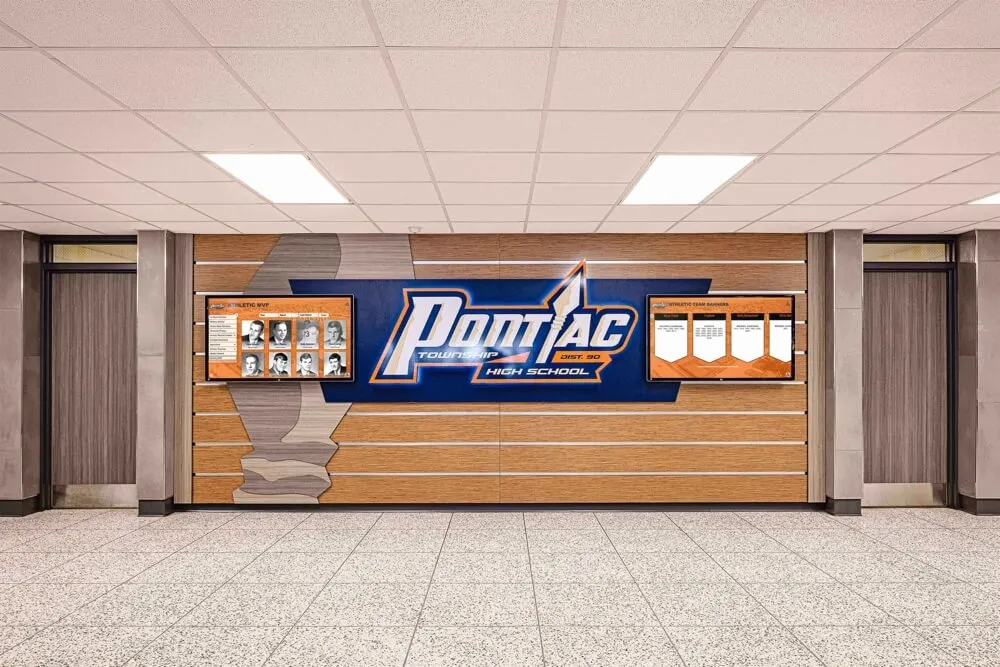
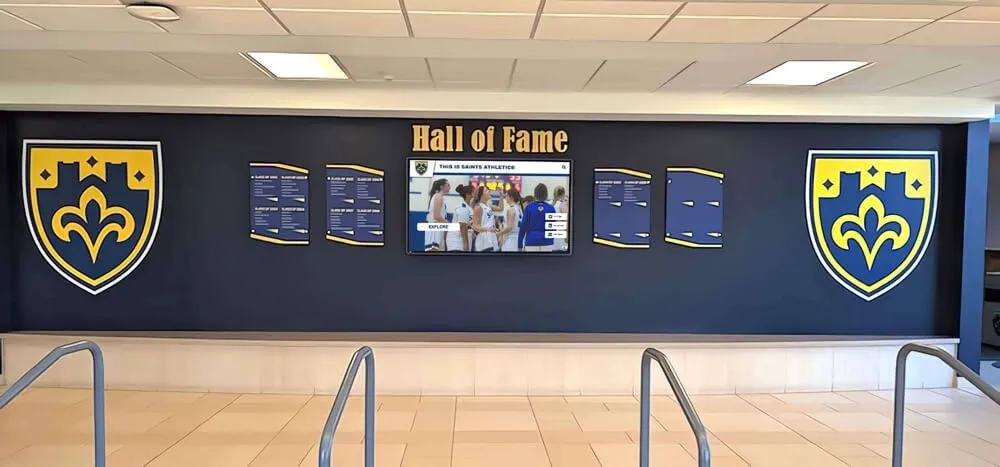
Integrated recognition displays demonstrate community support while celebrating athletic program identity and tradition
Step 1: Assess Need and Gather Initial Support
Successful booster clubs begin with thorough assessment and stakeholder alignment.
Evaluate Current Athletic Funding
Before launching new organizations, understand existing resources and gaps:
Conduct Funding Analysis Document current athletic program budgets identifying school-provided funding by sport and program, equipment replacement timelines and associated costs, facility condition assessments revealing improvement needs, travel expense requirements for competitive schedules, scholarship and financial aid gaps limiting student participation, and coaching support needs enhancing program development capacity.
This analysis reveals specific financial needs new booster clubs should address while preventing duplication of existing resources.
Identify Priority Programs Determine whether booster clubs should support all athletic programs through unified multi-sport organizations, focus on specific high-need sports through dedicated single-program clubs, or utilize hybrid approaches with umbrella organizations coordinating sport-specific fundraising efforts.
Most schools benefit from comprehensive multi-sport booster clubs ensuring equitable support distribution and avoiding competition between programs for limited donor and volunteer resources.
Assess Existing Support Structures Evaluate current fundraising activities including informal parent fundraising efforts that could formalize through organized structures, alumni giving programs potentially expanding through systematic cultivation, local business relationships providing sponsorship foundation, volunteer networks demonstrating community commitment, and recognition systems acknowledging supporters.
Building on existing initiatives rather than starting from scratch leverages established relationships while adding organizational infrastructure increasing effectiveness.
Build Founding Leadership Team
Strong leadership determines booster club success:
Recruit Committed Founding Members Identify 8-15 dedicated individuals willing to invest time and energy launching organizations including parents with school and athletic program connections, alumni maintaining program commitment after children graduate, community members passionate about youth athletics, business leaders providing expertise and local connections, and school staff offering institutional knowledge and administrative liaison.
Diverse founding teams bring varied perspectives, skills, and networks essential for comprehensive organizational development.
Assess Available Skills and Expertise Successful booster clubs require multiple competencies: nonprofit management and governance understanding, financial management and accounting capabilities, fundraising and development experience, marketing and communications skills, event planning and coordination abilities, volunteer recruitment and management capacity, and legal and compliance knowledge ensuring regulatory adherence.
Identify skill gaps requiring outside expertise or learning investment during organizational development.
Establish Founding Committee Structure Create initial working groups addressing key organizational needs: legal formation committee handling incorporation and tax-exempt status, bylaws and governance committee establishing organizational policies, fundraising strategy committee planning revenue generation, communications and marketing committee building community awareness, and recognition and stewardship committee honoring supporters.
This distributed approach prevents overwhelming individual volunteers while ensuring comprehensive organizational foundation development.
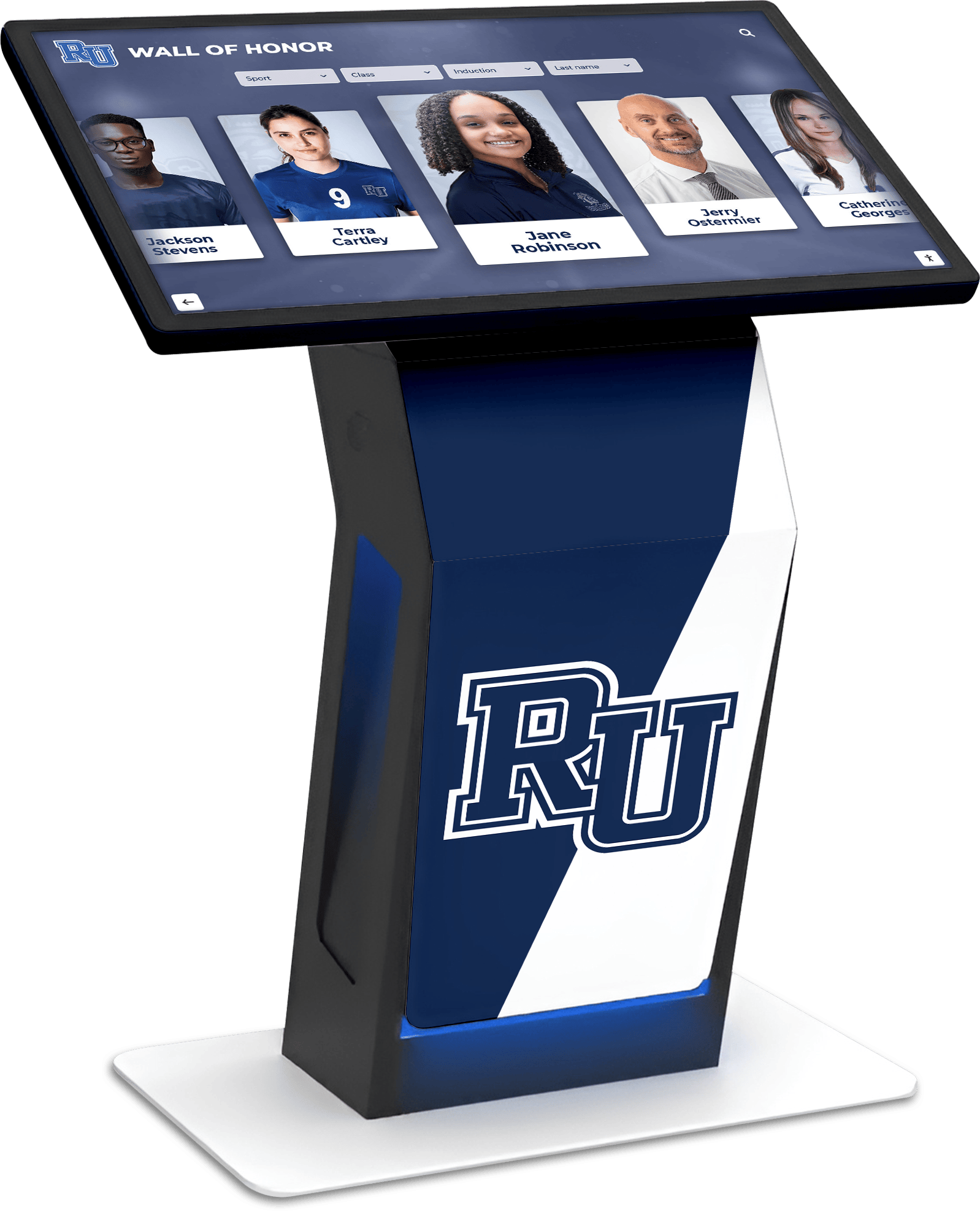
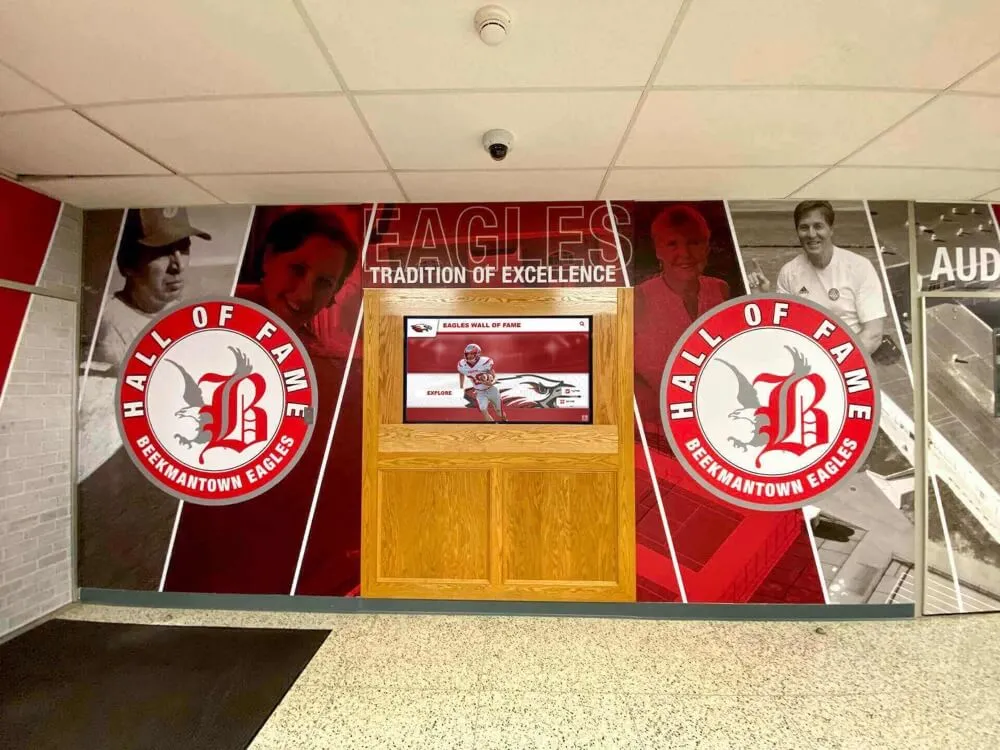
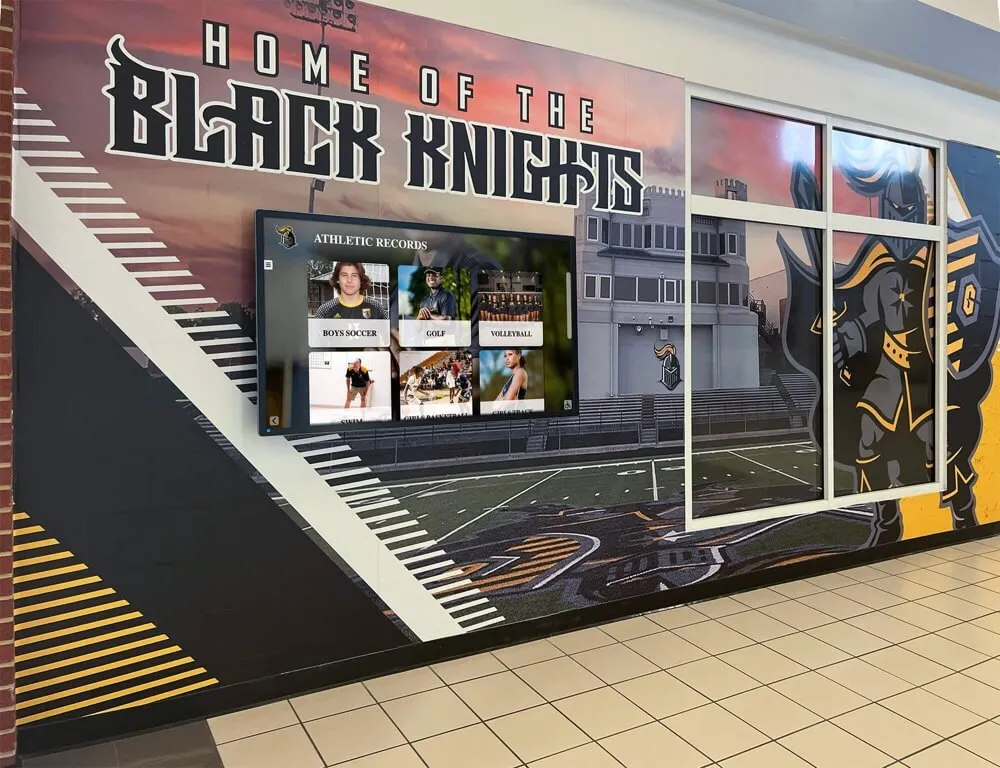
Purpose-built recognition systems enable new booster clubs to honor supporters professionally without extensive technical expertise
Step 2: Establish Legal and Organizational Structure
Proper legal formation protects volunteers, enables tax-deductible giving, and ensures sustainable operations.
Choose Appropriate Legal Structure
Booster clubs typically organize as nonprofit corporations:
Benefits of Nonprofit Incorporation
- Personal liability protection for board members and volunteers
- Tax-exempt status enabling donors to receive tax deductions
- Separate legal identity independent of school district
- Perpetual existence beyond founding member involvement
- Access to grants and funding opportunities requiring nonprofit status
- Credibility with donors, sponsors, and community partners
State Nonprofit Corporation Formation Incorporation requirements vary by state but generally include:
- Choose unique organizational name complying with state requirements
- Appoint initial board of directors meeting minimum number requirements
- File Articles of Incorporation with state authorities
- Pay required filing fees ($50-$300 depending on jurisdiction)
- Obtain Employer Identification Number (EIN) from IRS
- Establish organizational bylaws governing operations
- Hold initial board meeting adopting bylaws and appointing officers
Most states provide online filing systems simplifying incorporation processes for volunteer organizations. Consider working with attorneys experienced in nonprofit law ensuring proper formation or use affordable incorporation services specializing in charitable organizations.
Obtain Tax-Exempt Status
IRS recognition as 501(c)(3) charitable organizations enables tax-deductible contributions:
IRS 501(c)(3) Application Process File Form 1023 or 1023-EZ (simplified version for small organizations) including:
- Detailed organizational purpose and activities descriptions
- Governance structure and conflict of interest policies
- Financial projections for initial operating years
- Fundraising plans and revenue sources
- Asset distribution provisions upon dissolution
- Supporting documentation proving public charity classification
Application fees range from $275-$600 depending on organization size and form selection. Processing times typically span 3-6 months, though IRS can issue determination letters faster for urgent cases.
Many new booster clubs operate with “advance ruling status” as they establish public support during initial years before permanent 501(c)(3) classification.
Alternative: Fiscal Sponsorship Organizations finding 501(c)(3) application overwhelming may temporarily operate through fiscal sponsorship arrangements where established charities accept donations on behalf of new booster clubs while they complete formal tax-exempt status applications. This enables immediate tax-deductible giving but creates dependency and typically involves administrative fees (10-15% of donations processed).
Most booster clubs with serious fundraising goals pursue independent 501(c)(3) status despite upfront investment required.
Develop Comprehensive Bylaws
Bylaws establish governance frameworks guiding organizational operations:
Essential Bylaws Components
- Organizational purpose and mission statement
- Membership categories, rights, and responsibilities
- Board composition, terms, election procedures, and meeting requirements
- Officer positions, duties, selection, and succession
- Committee structure and responsibilities
- Financial management policies and controls
- Conflict of interest policies
- Amendment procedures for updating bylaws
- Dissolution provisions for asset distribution
Key Governance Policies Address specific booster club contexts through policies covering:
- School district relationship and approval requirements
- Athletic director consultation and coordination
- Coach communication protocols and boundaries
- Fundraising activity approvals and restrictions
- Recognition program management and donor acknowledgment
- Financial transparency and reporting standards
- Volunteer screening and conduct expectations
- Gift acceptance policies defining what donations organizations accept
Well-drafted bylaws prevent future conflicts by establishing clear procedures before disputes arise. Consult sample bylaws from similar organizations and consider legal review ensuring compliance with state law requirements for nonprofit governance.
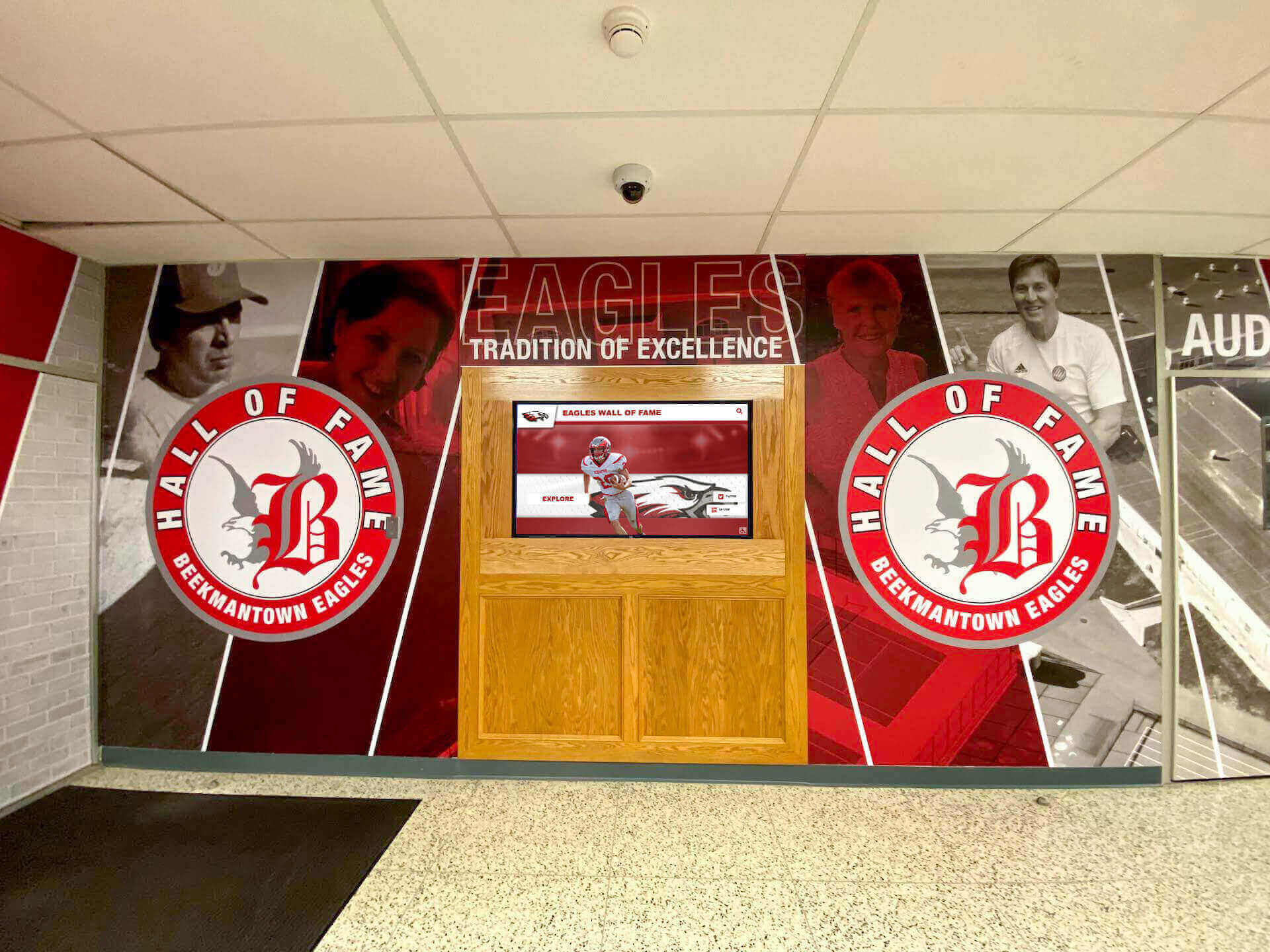
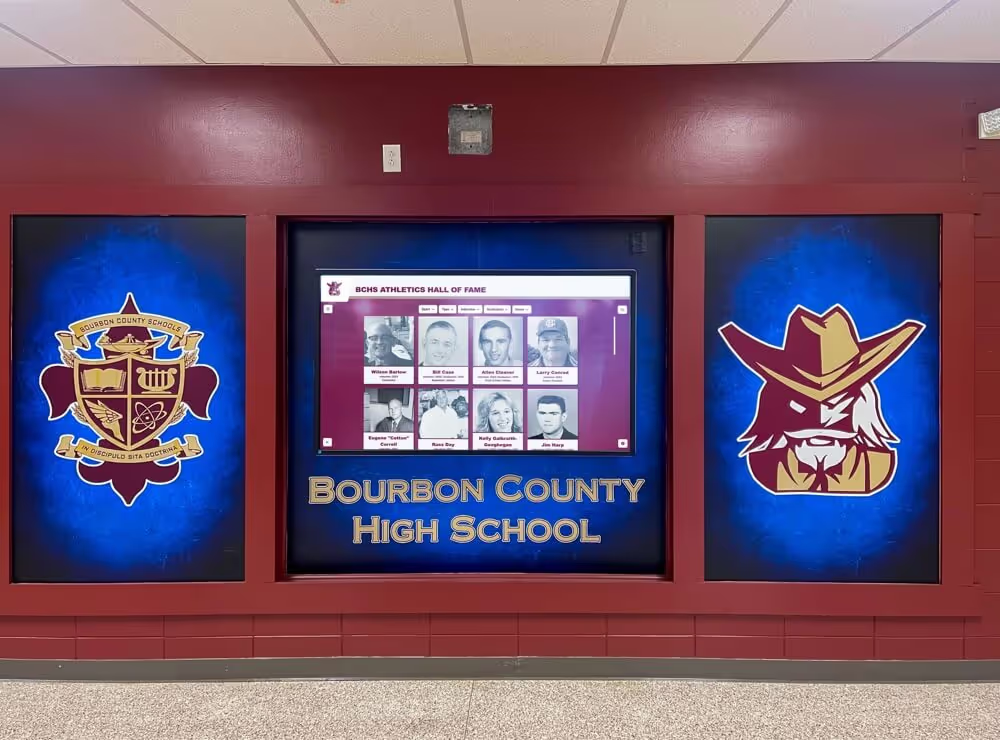
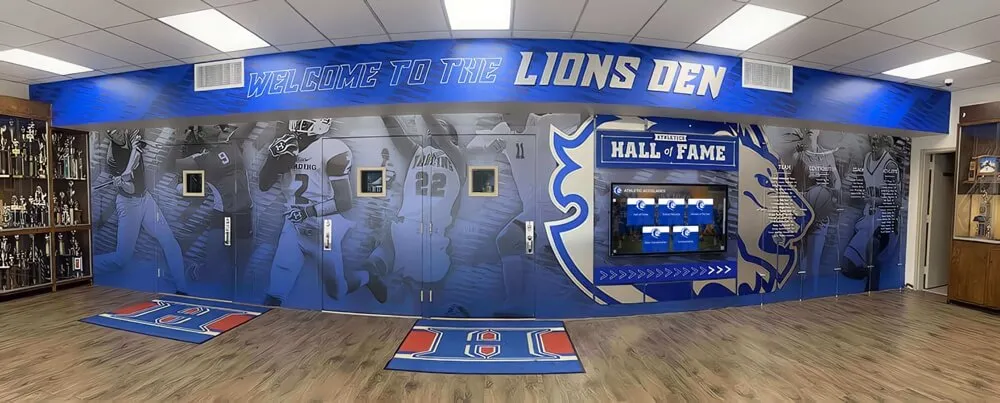
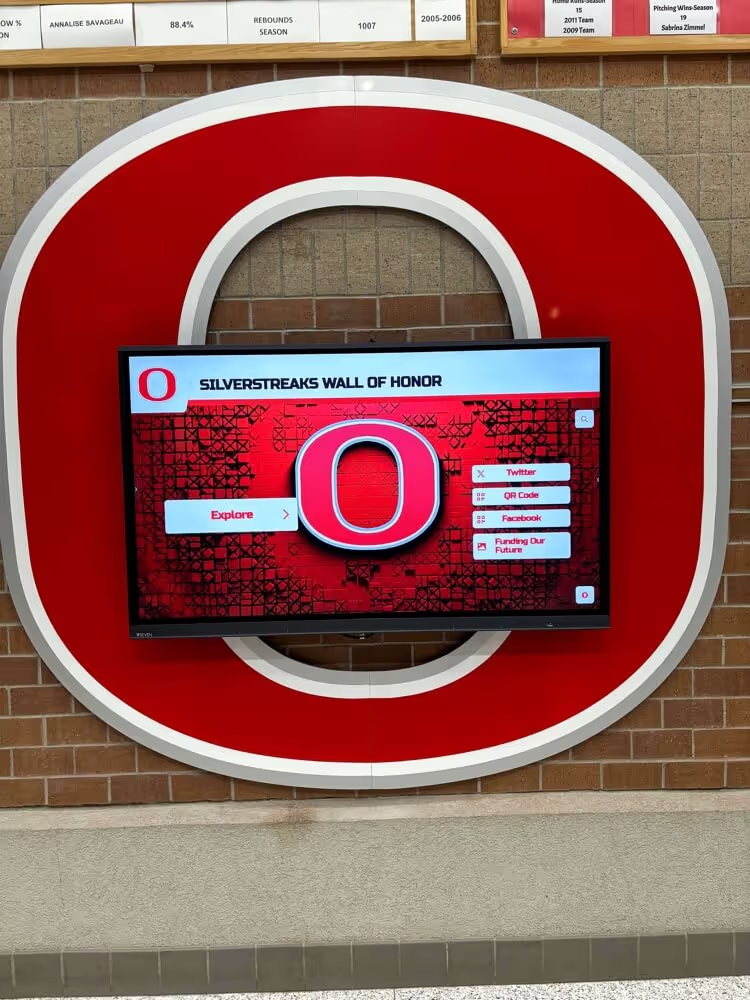
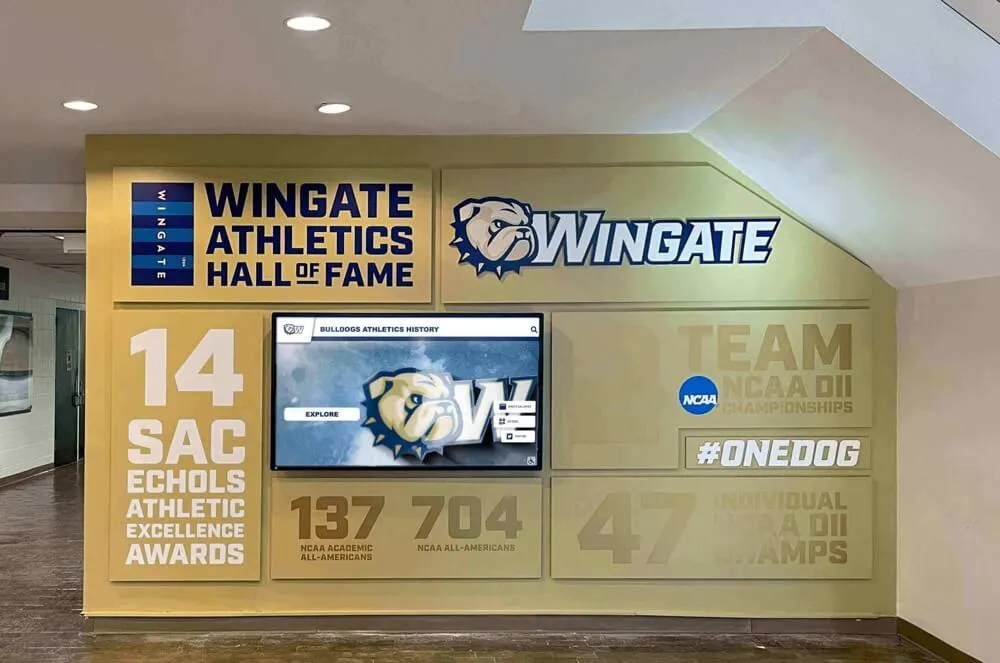
Prominent recognition placements demonstrate organizational commitment to honoring supporters who enable athletic program success
Step 3: Establish School District Relationship and Approvals
Successful booster clubs maintain positive partnerships with school administrations.
Secure Formal School Approval
Work collaboratively with school leadership:
Initial Approval Process Present booster club proposals to appropriate administrators including:
- Athletic directors overseeing sports program operations
- Building principals managing school facility use
- District superintendents approving outside organization activities
- School board members (when required by district policies)
Provide documentation addressing:
- Organizational purpose and proposed activities
- Legal structure and governance framework
- Proposed fundraising approaches and plans
- Recognition systems honoring supporters
- School partnership benefits and coordination protocols
- Financial management and transparency commitments
- Insurance coverage protecting school interests
Most districts welcome properly structured booster support but require formal approval processes ensuring alignment with institutional policies and risk management requirements.
Negotiate Memorandum of Understanding Formalize relationships through written agreements specifying:
- Scope of booster club activities on school property
- Facility use policies and scheduling procedures
- Fundraising activity approvals and restrictions
- Fund distribution processes and spending approvals
- Communication protocols between booster clubs and school staff
- Recognition display approvals and content guidelines
- Annual reporting requirements to school administration
- Periodic review processes ensuring continued alignment
Written agreements prevent misunderstandings while clarifying expectations for both organizations and school districts.
Define Roles and Boundaries
Clarify distinct organizational responsibilities:
School District Responsibilities
- Employ and supervise coaching staff
- Maintain educational standards and eligibility requirements
- Provide basic athletic program funding and operations
- Ensure Title IX compliance across all sports
- Manage facility maintenance and scheduling
- Oversee student health, safety, and welfare
- Maintain ultimate authority over athletic program decisions
Booster Club Responsibilities
- Generate supplemental funding beyond school budgets
- Support programs through approved fundraising activities
- Provide volunteer resources for non-coaching functions
- Honor supporters through recognition systems
- Engage community around athletic programs
- Communicate with stakeholder constituencies
- Operate as independent organizations maintaining separate finances
Clear Boundaries Preventing Conflicts Successful partnerships require booster clubs to:
- Avoid interfering in coaching decisions or team selection
- Respect school authority over athletic program operations
- Coordinate all activities through proper administrative channels
- Maintain financial transparency and independent accounting
- Support all sports equitably without favoritism
- Acknowledge that schools make final decisions regarding donations usage
- Focus on support functions rather than operational control
These boundaries enable booster clubs to provide valuable assistance while respecting school district authority and professional staff expertise.
Resources on corporate sponsorship recognition for schools demonstrate effective partnership frameworks applicable to booster club-school district relationships.

Cohesive athletic branding integrating recognition displays creates pride-inspiring environments celebrating community support
Step 4: Build Financial Systems and Controls
Proper financial management ensures donor confidence and organizational sustainability.
Establish Banking and Accounting
Create financial infrastructure supporting operations:
Open Organizational Bank Accounts Select financial institutions offering:
- No-fee or low-fee nonprofit banking services
- Online banking access for multiple authorized users
- Integration with accounting software platforms
- Merchant services for donation processing
- Credit card options for organizational expenses
- Adequate insurance coverage protecting assets
Require dual signatures on checks above specified amounts (typically $500-$1,000) protecting against fraud while enabling operational efficiency.
Implement Accounting Systems Adopt appropriate financial tracking based on organizational complexity:
- Simple spreadsheet systems for small organizations with limited transactions
- QuickBooks or similar small business accounting software for moderate transaction volumes
- Nonprofit-specific platforms like Aplos or Blackbaud for comprehensive financial management
Ensure systems track income sources, expense categories, fund restrictions, donor records, and budget versus actual comparisons enabling transparent financial reporting.
Create Initial Operating Budget Project first-year revenues and expenses including:
- Startup costs (incorporation, insurance, initial supplies)
- Ongoing operational expenses (accounting, filing fees, insurance renewals)
- Fundraising activity costs and projected revenue
- Program support commitments to athletic departments
- Recognition system investments honoring supporters
- Marketing and communications expenses
- Reserve fund allocations for unexpected needs
Conservative initial budgets build credibility while establishing realistic fundraising goals rather than overpromising unsustainable support levels.
Develop Financial Policies and Controls
Protect organizational assets through systematic policies:
Essential Financial Controls
- Segregation of duties separating transaction authorization, recording, and reconciliation
- Dual authorization for expenditures above specified thresholds
- Monthly financial reconciliation comparing bank statements to accounting records
- Regular financial reporting to full board of directors
- Annual independent financial review or audit (required for larger organizations)
- Written expense approval processes preventing unauthorized spending
- Deposit requirements ensuring timely cash and check processing
- Receipt and documentation requirements supporting tax deductibility
Gift Acceptance Policies Define what types of donations organizations accept including:
- Cash and check donation processing procedures
- Credit card and online giving capabilities
- Stock and securities transfer protocols
- Real property and complex asset considerations
- In-kind donation acceptance and valuation
- Anonymous gift handling procedures
- Restricted gift management ensuring donor intent compliance
- Gift refusal criteria for inappropriate contributions
Clear policies prevent acceptance of problematic donations while ensuring proper handling of typical contributions booster clubs receive.
Fund Restriction Management When donors designate gifts for specific purposes, organizations must honor restrictions through:
- Separate fund accounting tracking restricted balances
- Board approval for any restriction releases or modifications
- Periodic reporting to donors about restricted fund usage
- Clear policies about minimum amounts for establishing new restricted funds
- Procedures for handling restricted gifts when purposes become obsolete
Proper restriction management maintains donor confidence while ensuring legal compliance with charitable gift handling requirements.
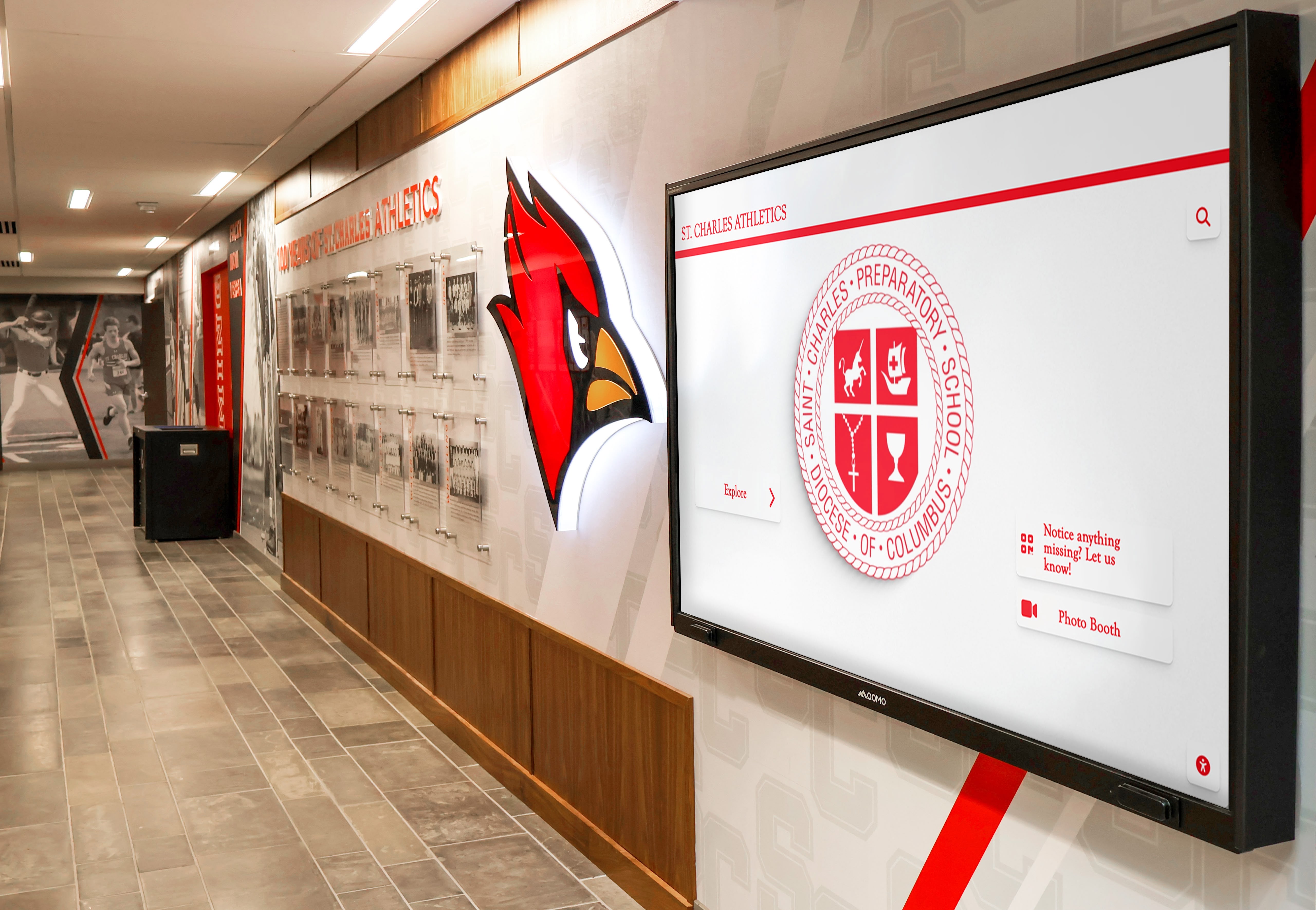
Brand-integrated recognition displays reinforce athletic program identity while celebrating supporter communities
Step 5: Develop Fundraising Strategies
Sustainable booster clubs implement diverse revenue approaches.
Traditional Fundraising Activities
Proven methods generate consistent booster club revenue:
Membership Programs Annual membership campaigns provide predictable base funding:
- Tiered membership levels ($50, $100, $250, $500, $1,000+) offering appropriate recognition
- Family and individual membership options accommodating different household structures
- Business membership categories enabling corporate participation
- Lifetime membership opportunities for major commitments
- Automatic renewal options simplifying continued support
Special Events Well-executed events generate revenue while building community:
- Golf outings attracting business sponsors and alumni participants
- Banquets celebrating seasons and honoring participants
- Auctions (silent, live, or online) leveraging donated items
- Fun runs or walkathons engaging broader communities
- Sporting clay shoots or bowling events appealing to specific demographics
- Athletic competitions generating registration and sponsorship revenue
Successful events require balancing revenue potential against volunteer time investment and ensuring activities align with organizational missions.
Concessions and Game Day Activities Regular athletic events create ongoing revenue opportunities through:
- Concession stand operations at home competitions
- Program book advertising and sales
- Spirit wear and merchandise sales
- 50/50 raffles and game day contests
- Parking fees and services
- Season ticket packages for dedicated fans
These activities generate incremental revenue while enhancing fan experiences at athletic events.
Corporate Sponsorship Programs
Business partnerships provide substantial revenue:
Sponsorship Level Structure Create tiered options offering:
- Title sponsorships for major programs or facilities
- Team sponsorships supporting specific sports
- Equipment sponsorships funding particular needs
- Event sponsorships for tournaments or competitions
- General sponsorships providing flexible support
Sponsor Recognition Benefits Provide value through:
- Logo placement on uniforms, equipment, or facilities
- Banner displays at athletic venues
- Recognition in programs and communications
- Social media acknowledgment throughout seasons
- Digital donor recognition displays celebrating business community support
- Website presence and promotional materials inclusion
Ensure recognition appropriately balances acknowledgment with avoiding excessive commercialization that could conflict with school policies or nonprofit tax-exempt requirements.
Corporate Partnership Development Build business relationships through:
- Identifying local businesses with natural athletic program connections
- Developing sponsorship packages articulating clear benefits
- Personal meetings explaining community impact and recognition
- Multi-year commitments providing sponsorship stability
- Stewardship reporting demonstrating sponsorship value
- Recognition ensuring visibility for business supporters
Strong corporate partnerships generate sustainable funding while engaging business communities in youth development through athletics.
Online and Digital Fundraising
Modern technology expands fundraising capabilities:
Online Giving Platforms Implement systems enabling convenient electronic donations through:
- Website-integrated donation forms processing credit cards and ACH transfers
- Mobile-optimized giving pages accommodating smartphone donors
- Peer-to-peer fundraising tools enabling supporters to fundraise on behalf of organizations
- Recurring donation options simplifying sustained monthly or annual giving
- Tribute and memorial giving features honoring loved ones
- Employer matching gift integration multiplying corporate employee donations
Popular platforms for school-connected nonprofits include GiveButter, Donorbox, and specialized athletic fundraising services offering sport-specific features.
Social Media Fundraising Leverage social platforms for:
- Facebook fundraising campaign integration
- Instagram story donation links during campaigns
- Twitter giving days coordinating with broader movements
- LinkedIn corporate engagement for business donations
- YouTube video storytelling inspiring support
Social fundraising works best when combined with compelling storytelling showing program impact and athlete experiences donations enable.
Crowdfunding Campaigns Focused campaigns around specific needs generate urgency:
- Equipment replacement campaigns with clear funding goals
- Facility improvement projects with visual before-and-after potential
- Travel opportunity funding for championship competition
- Scholarship campaigns supporting specific student-athletes
- Emergency needs addressing urgent program requirements
Successful crowdfunding requires clear goals, compelling narratives, regular updates showing progress, and completion celebrations thanking supporters.
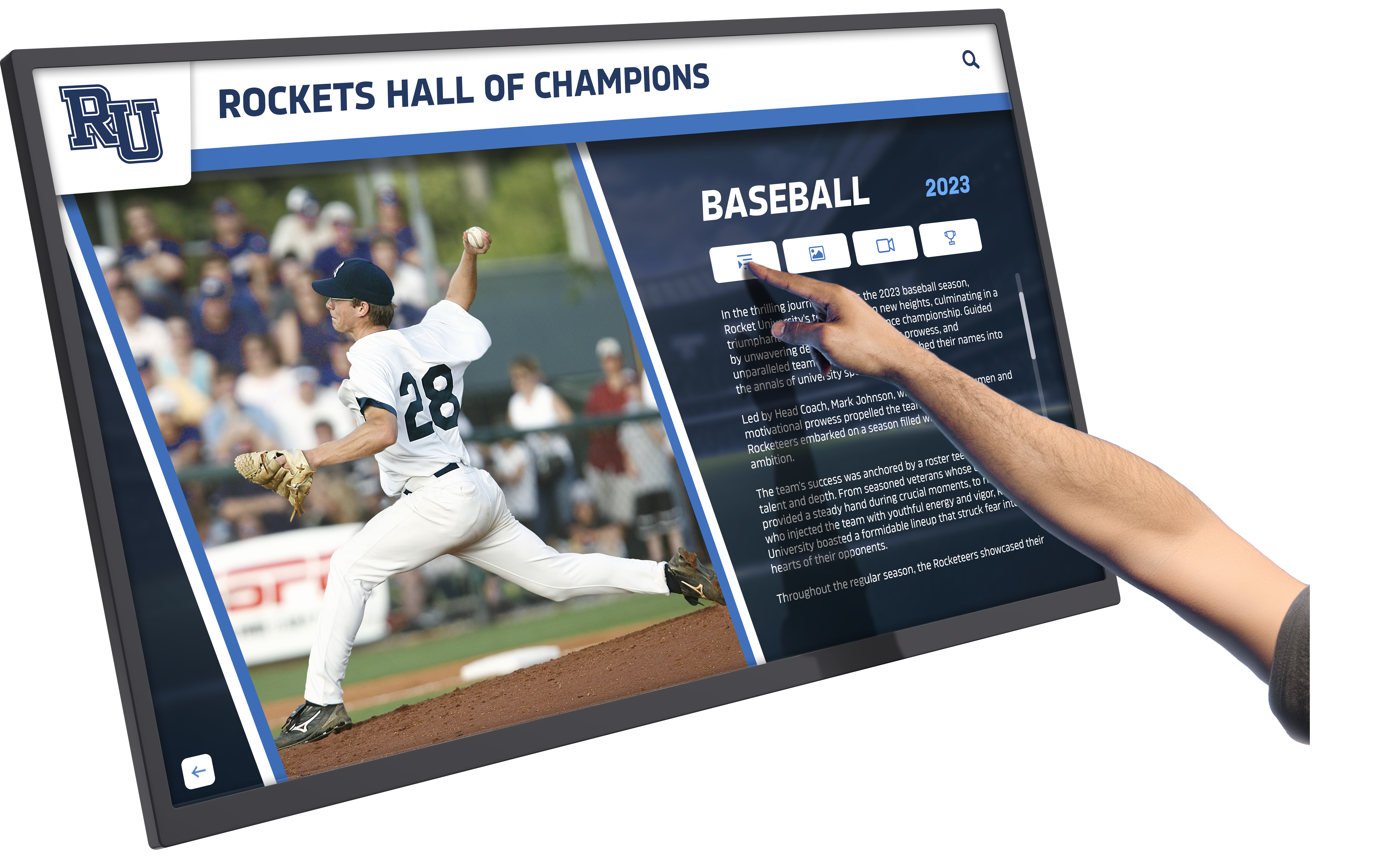
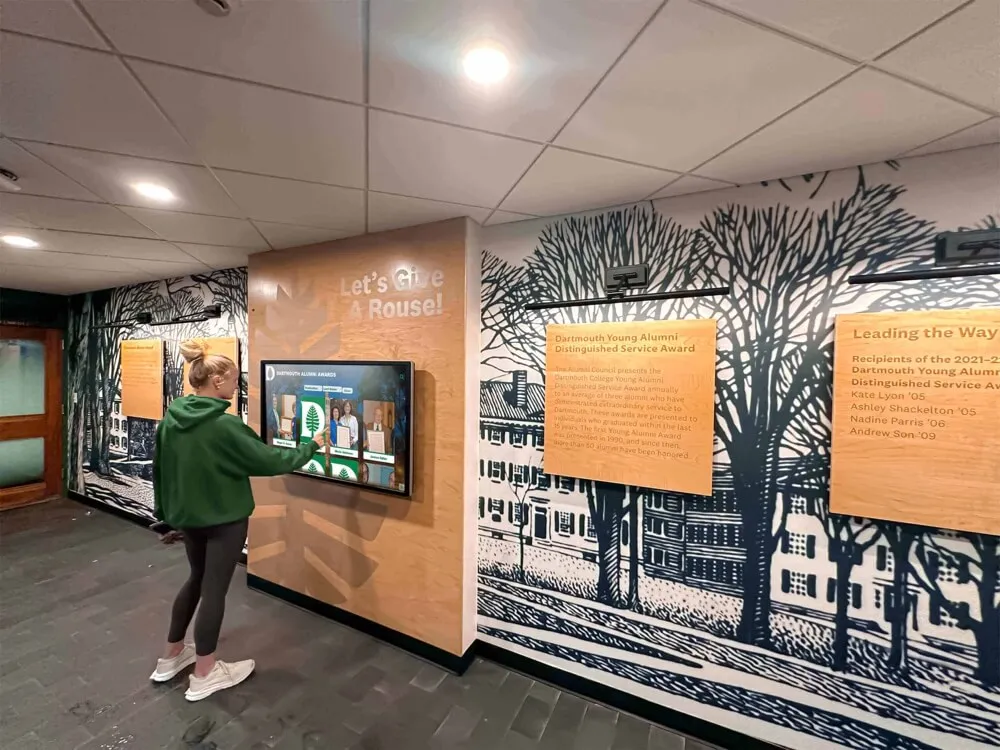
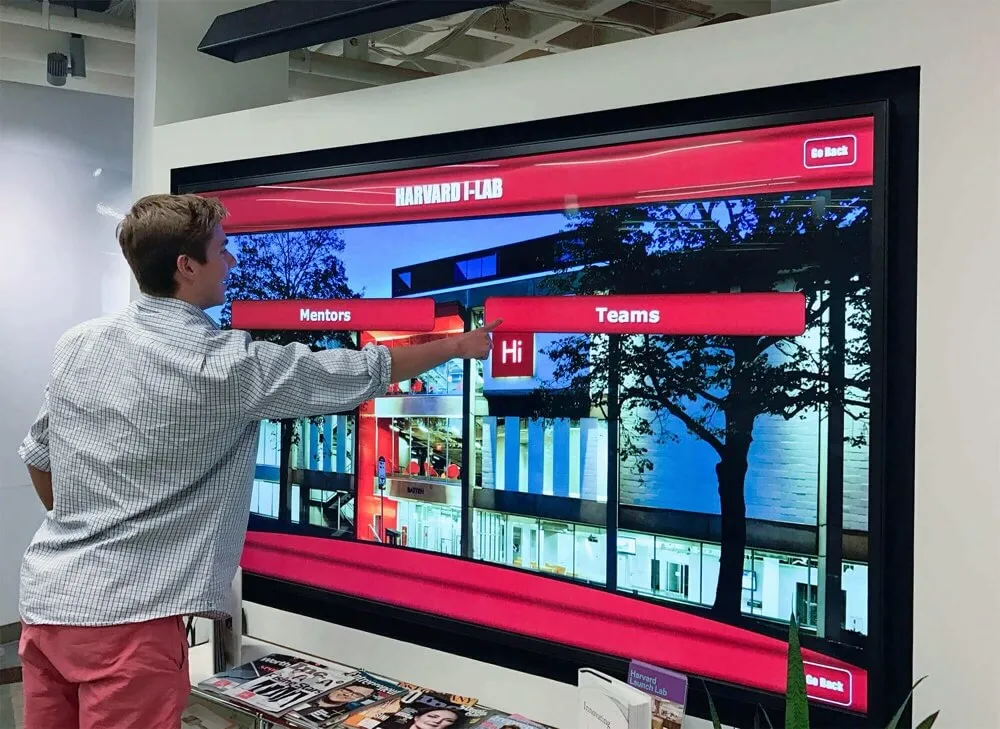
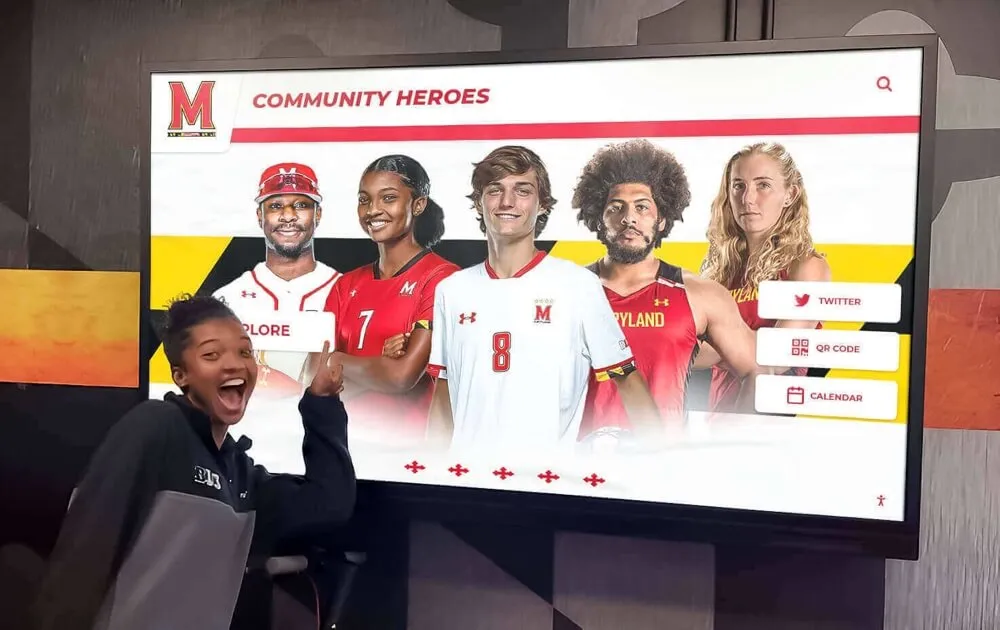
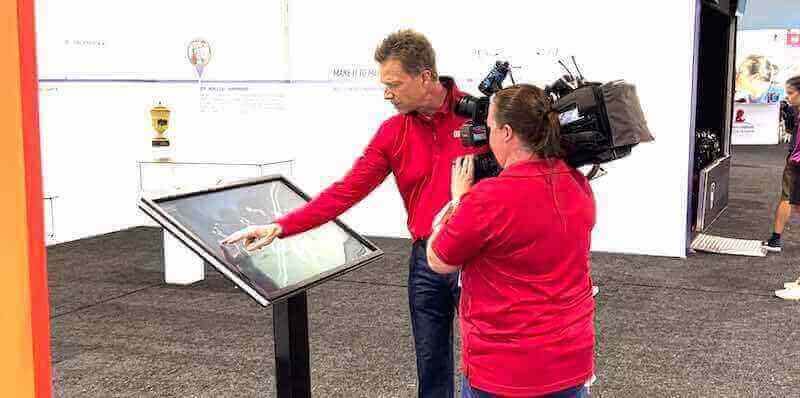
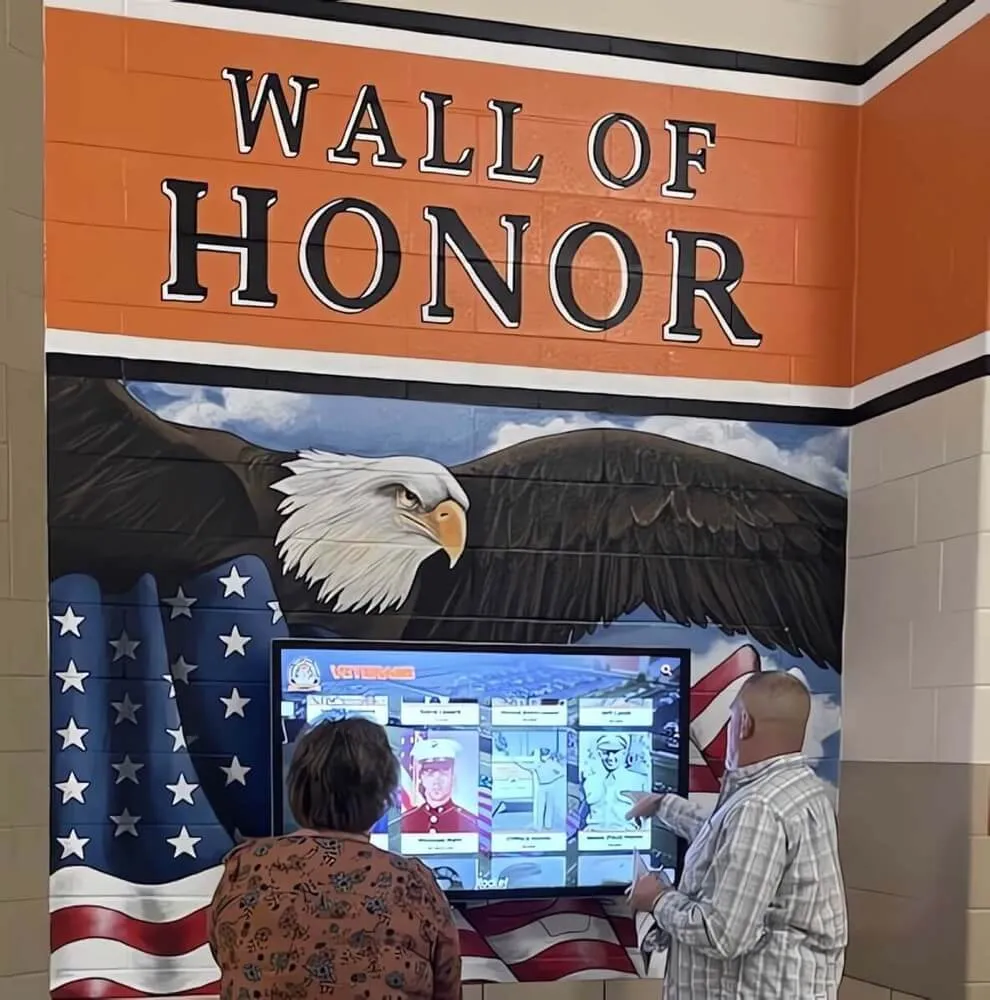
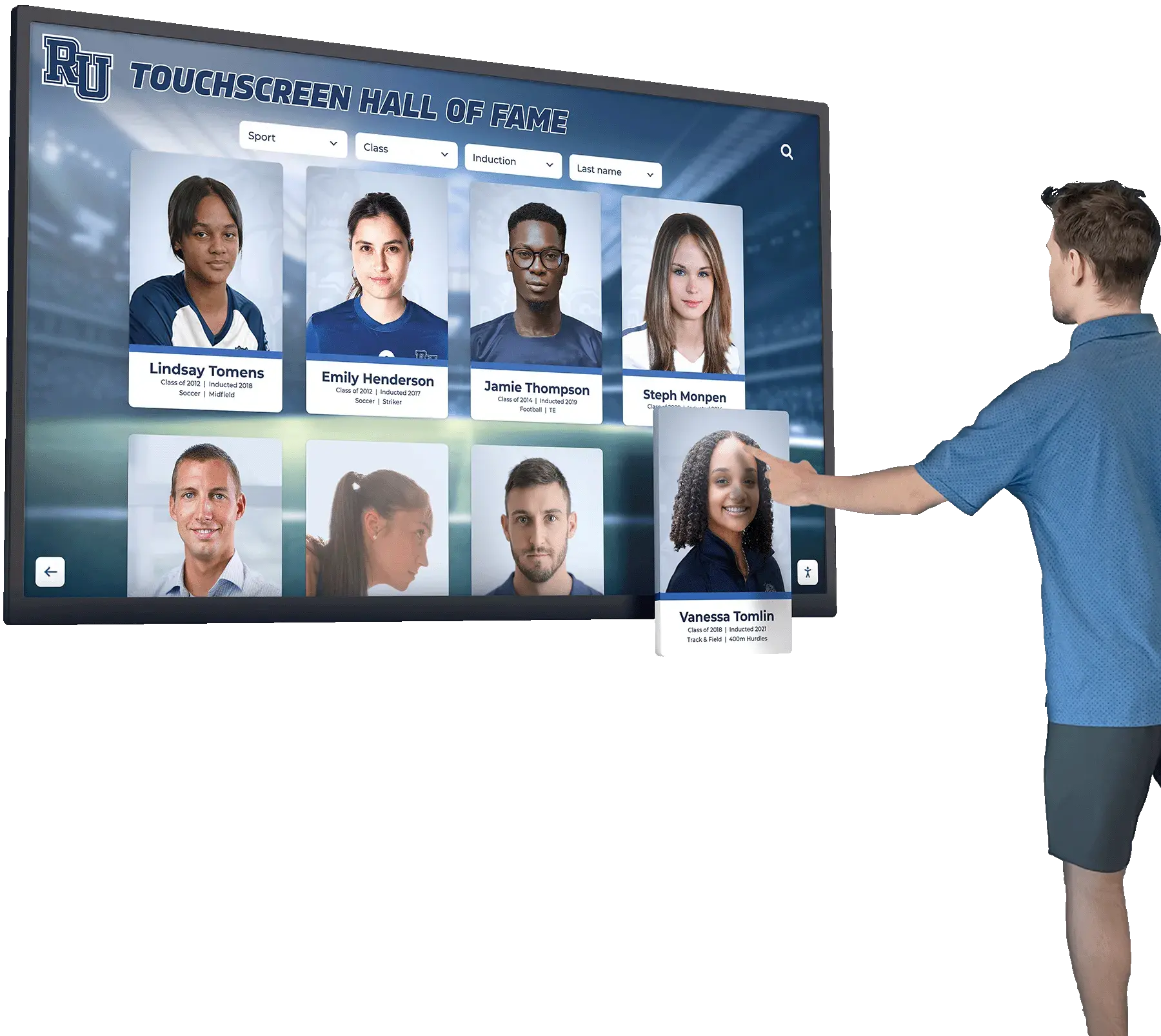
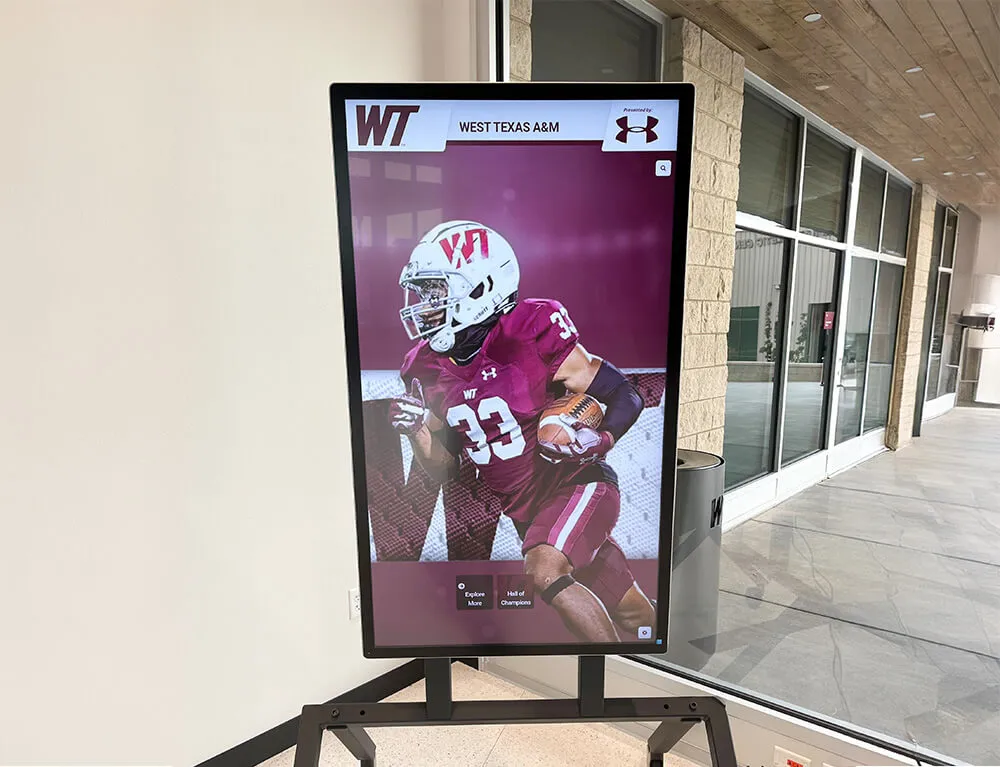
Intuitive touchscreen interfaces enable donors to explore their recognition and see tangible connections to program success
Step 6: Create Recognition and Stewardship Systems
Honoring supporters drives retention and continued giving.
Develop Multi-Tier Recognition Program
Systematic acknowledgment inspires sustained support:
Recognition Level Structure Create differentiated acknowledgment based on giving levels:
- Major donor recognition ($5,000+ annually or cumulative): Enhanced profiles with photos, biographical content, impact stories
- Leadership circle ($1,000-$4,999): Standard profiles with photos and program connections
- Supporting member ($100-$999): Name recognition with giving level acknowledgment
- Friend level (under $100): Listed appreciation in annual communications
- Volunteer recognition: Honoring time contributions equivalent to financial gifts
Multiple Recognition Channels Acknowledge supporters through:
- Annual recognition events celebrating donors
- Printed materials including programs and newsletters
- Website donor walls accessible to alumni and distant community members
- Social media posts featuring supporter stories
- Personal thank-you communications from students, coaches, and leaders
- Facility signage acknowledging major gifts
- Digital recognition displays honoring all contribution levels
Multi-channel approaches ensure recognition reaches supporters through their preferred engagement methods while providing multiple appreciation touchpoints reinforcing gratitude.
Implement Digital Donor Recognition
Modern technology transforms supporter acknowledgment:
Benefits of Digital Recognition Systems Purpose-built platforms address traditional limitations:
- Unlimited capacity accommodating growing supporter communities without space constraints
- Instant updates enabling immediate recognition as donations process
- Rich multimedia storytelling connecting donors to program impact
- Search and filtering helping visitors discover specific supporters
- Web accessibility extending recognition beyond physical facility visitors
- Analytics tracking engagement and demonstrating recognition program value
- Cost efficiency compared to ongoing physical plaque manufacturing and installation
Recognition Content Development Effective digital profiles include:
- Donor names with appropriate titles and respectful identification
- Giving levels or ranges providing appropriate differentiation
- Years of support highlighting sustained commitment
- Family connections to athletic programs showing personal involvement
- Impact statements explaining how contributions support specific needs
- Photos and stories creating emotional connections
- Thank-you messages from athletes whose opportunities donations enable
Solutions like Rocket Alumni Solutions provide comprehensive recognition platforms specifically designed for athletic programs, combining commercial-grade touchscreen hardware with intuitive content management enabling volunteer-operated booster clubs to maintain professional donor acknowledgment without technical expertise burdens.
Strategic Display Placement Maximize recognition visibility through:
- Athletic facility lobbies where all event attendees gather
- Concession stand areas capturing game-day audiences
- Locker room hallways visible to athletes daily
- Main school entrances integrating booster recognition institutionally
- Training facilities where student-athletes prepare
- Community centers where broader audiences engage with programs
Prominent placement demonstrates organizational commitment to honoring supporters while inspiring additional giving through visible community recognition.
Build Ongoing Stewardship Practices
Retention depends on continued engagement beyond initial acknowledgment:
Regular Donor Communication Maintain relationships through:
- Quarterly newsletters sharing program updates and donor impact stories
- End-of-season reports documenting achievements support enabled
- Mid-season updates maintaining engagement during active competition
- Annual impact reports celebrating collective community contribution
- Personal touches for major donors including coach notes and athlete messages
Engagement Opportunities Create connection through:
- Exclusive donor events providing behind-scenes program access
- Volunteer opportunities enabling hands-on program involvement
- Alumni gatherings reconnecting graduated families to current programs
- Recognition celebrations honoring supporters publicly
- Facility tours showing improvements donations funded
- Student-athlete interaction opportunities personalizing impact
Retention Strategies Research consistently shows acknowledged donors give 60-80% more over time compared to minimally recognized supporters. Comprehensive recognition programs drive:
- Higher renewal rates for annual giving programs
- Increased likelihood of giving level upgrades
- Greater probability of major gift conversations
- Stronger program advocacy within communities
- Enhanced volunteer recruitment and sustained involvement
- Multi-generational family support across siblings and years
Resources on donor recognition strategies for booster clubs provide detailed frameworks ensuring supporters receive meaningful acknowledgment inspiring continued engagement.
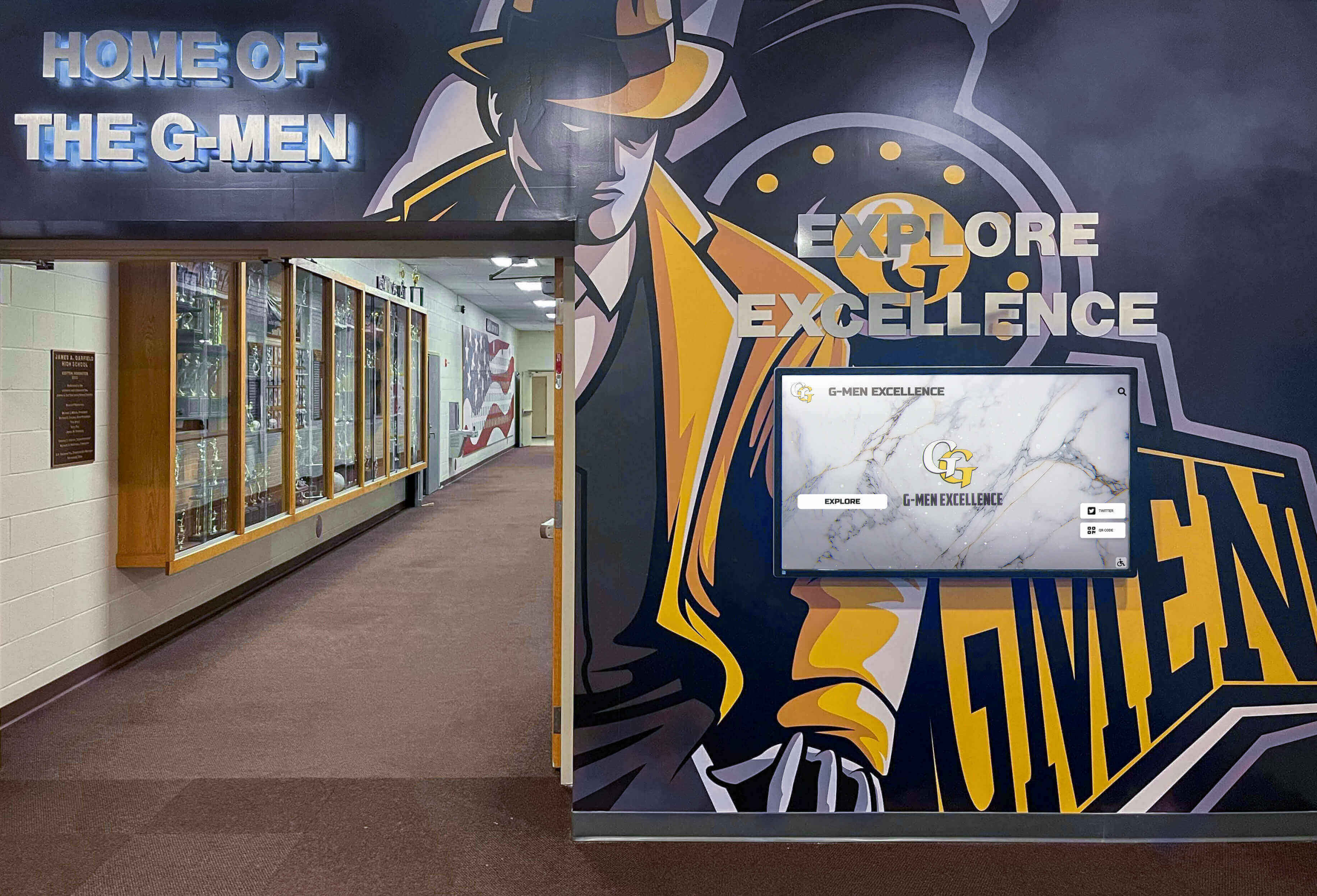
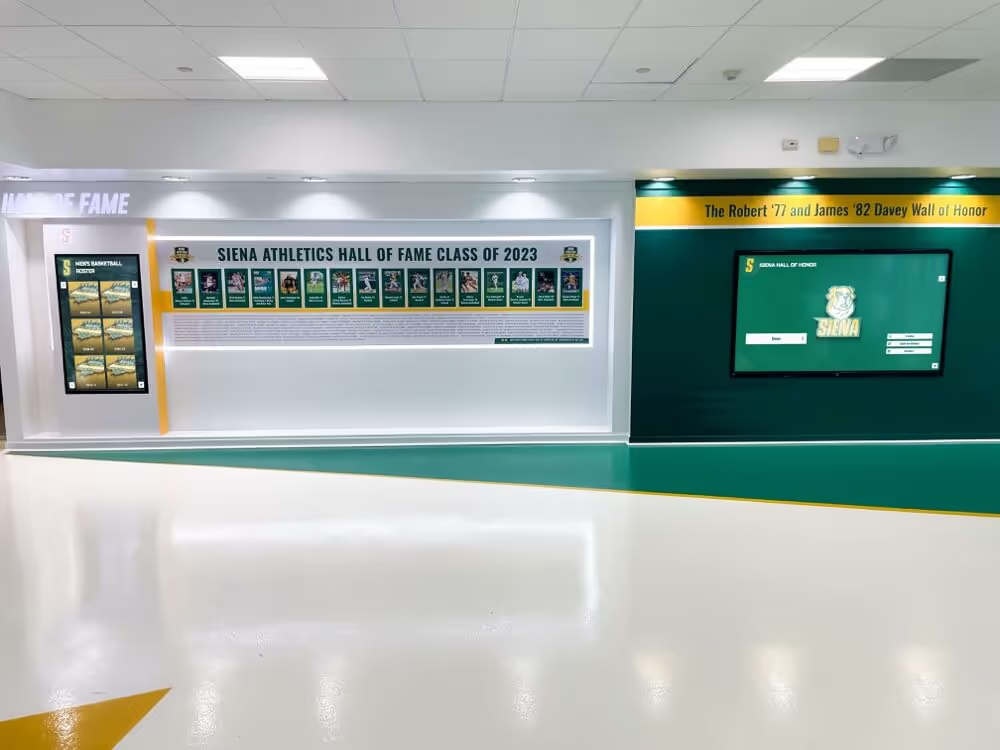
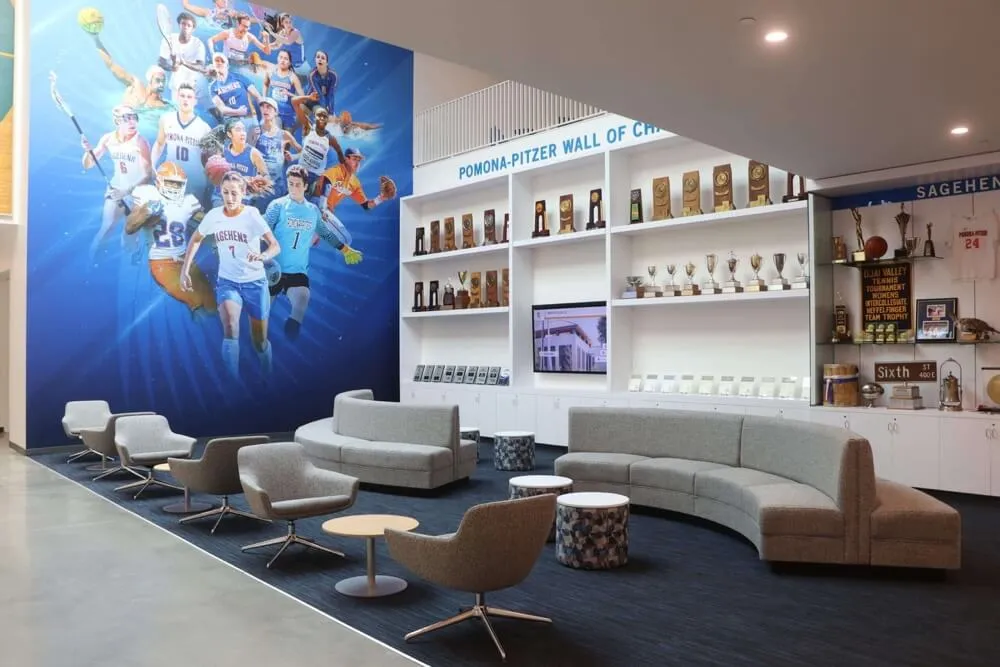
Coordinated recognition installations integrate donor appreciation with athlete achievement, celebrating community support enabling program success
Step 7: Launch Operations and Build Momentum
Successful launches establish organizational credibility and community engagement.
Plan Inaugural Campaign
First fundraising efforts set organizational tone:
Set Achievable Initial Goals Establish realistic first-year targets:
- Modest financial goals building credibility through attainment
- Specific program support commitments showing tangible impact
- Membership recruitment targets engaging broad community
- Recognition program implementation honoring early supporters
- Event attendance goals demonstrating community interest
Success breeds success—achieving initial goals creates momentum supporting subsequent growth.
Identify Early Supporters Cultivate founding donor base through:
- Direct solicitation of founding leadership families
- Athletic department staff and coaching community engagement
- Alumni outreach to graduated families maintaining program connections
- Local business partnerships with existing school relationships
- Community leaders passionate about youth athletics
Early supporters become organizational ambassadors recruiting additional participants through personal networks and testimonials.
Create Compelling Case for Support Articulate clear fundraising rationales explaining:
- Specific needs school budgets cannot address
- Competitive disadvantages current resource constraints create
- Opportunities funding would enable for student-athletes
- Program vision donors can help achieve
- Recognition honoring all supporters regardless of capacity
- Volunteer involvement opportunities beyond financial giving
Emotional storytelling about student experiences and program impact resonates more powerfully than abstract institutional needs when inspiring support.
Execute Launch Events
Public introduction builds awareness and momentum:
Kickoff Event Planning Host inaugural gatherings featuring:
- Athletic department leadership endorsement
- Coach presentations about program needs and vision
- Student-athlete testimonials explaining supporter impact
- Founding board member introductions
- Recognition program unveiling showing commitment to honoring supporters
- Initial fundraising campaign announcements
- Volunteer recruitment opportunities
Events should celebrate community coming together around shared commitment to youth development through athletics rather than feeling like sales pitches.
Communications Launch Build awareness through:
- Press releases to local media announcing formation
- Social media campaign introduction
- School newsletter and communication channel features
- Direct mail to current athletic families
- Email campaigns to alumni networks
- Website launch with donation capabilities and information
- Facility signage raising awareness about new organization
Multi-channel communication ensures broad community awareness while providing multiple engagement pathways accommodating different preferences.
Build Operational Momentum
Sustain early enthusiasm through visible action:
Quick Wins Demonstrating Impact Achieve early visible successes:
- Fund modest but tangible equipment improvements athletes immediately experience
- Complete small facility enhancements community members observe
- Launch recognition display honoring founding supporters
- Execute successful initial fundraising event
- Achieve membership recruitment milestones
Rapid visible impact demonstrates organizational effectiveness inspiring continued support.
Volunteer Engagement Distribute work preventing burnout:
- Recruit committees for specific functions distributing responsibilities
- Create project-based volunteer opportunities with defined scopes
- Recognize volunteer contributions alongside financial gifts
- Provide training and resources enabling success
- Celebrate volunteer achievements publicly
Sustainable organizations avoid overwhelming founding members by systematically expanding volunteer bases sharing workload.
Regular Communication Maintaining Engagement Keep momentum through:
- Monthly updates about organizational activities and achievements
- Donor appreciation communications thanking support
- Social media content showcasing student-athletes and programs
- Event promotion building attendance and participation
- Success stories celebrating supporter impact
Consistent communication maintains top-of-mind awareness while demonstrating active organizational operations justifying continued support.
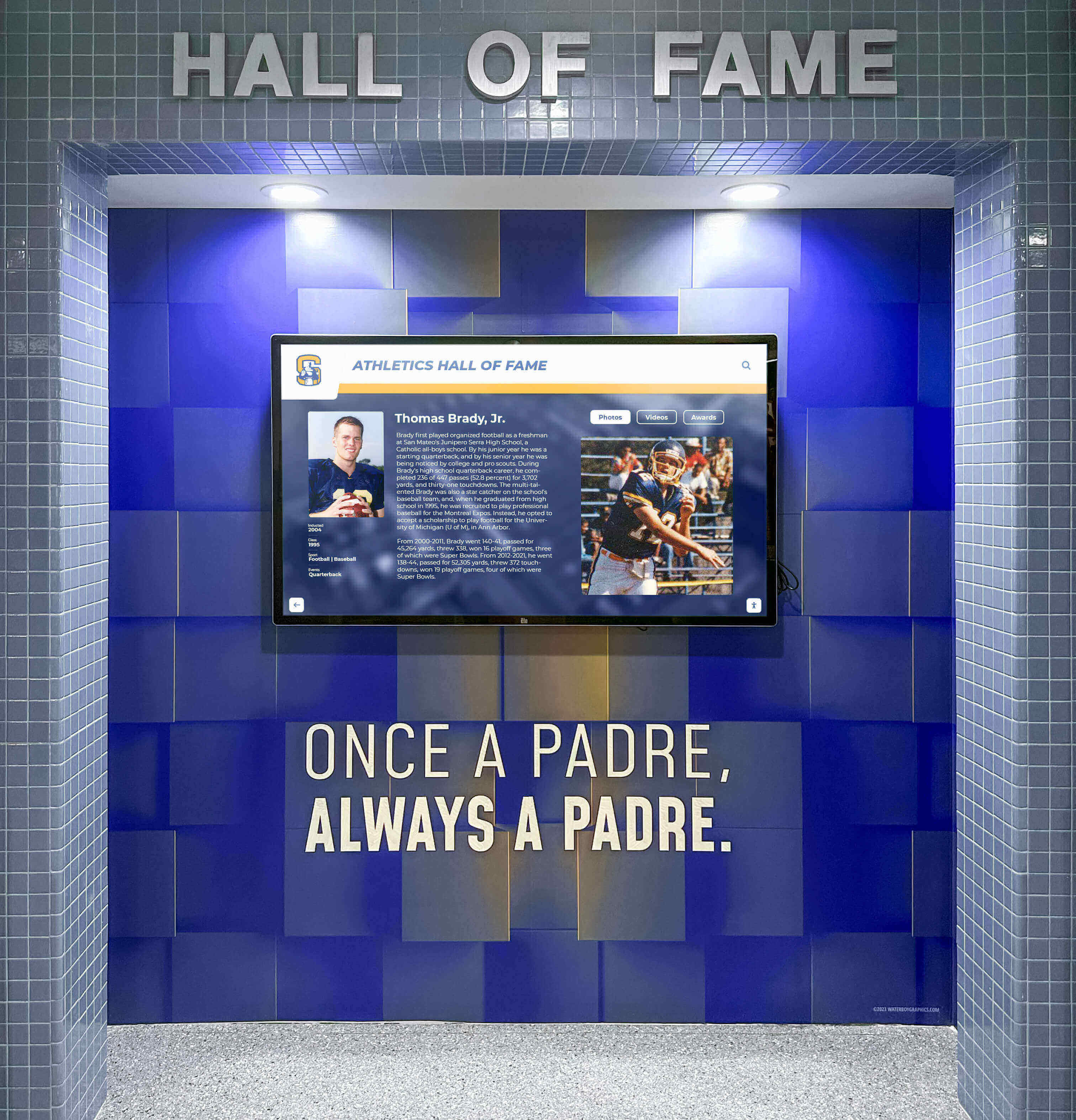
Strategic recognition placement in high-traffic athletic corridors ensures supporter acknowledgment reaches all facility visitors regularly
Common Challenges and Solutions
Anticipate typical obstacles enabling proactive problem-solving.
Volunteer Burnout Prevention
Booster clubs depend on sustained volunteer commitment:
Challenge Symptoms
- Founding members expressing exhaustion
- Same individuals handling multiple roles
- Declining volunteer responsiveness
- Leadership recruitment difficulties
- Event attendance decreasing
Prevention Strategies
- Limit board terms preventing permanent positions
- Create defined volunteer roles with clear scopes
- Implement project-based opportunities with end dates
- Recognize volunteers publicly alongside financial donors
- Rotate event leadership distributing workload
- Use technology reducing administrative burdens
- Set realistic activity levels matching capacity
Sustainable organizations protect volunteer capacity through systematic work distribution and appropriate boundary setting preventing overcommitment.
School Relationship Management
Maintaining positive school partnerships requires ongoing attention:
Common Friction Points
- Booster clubs overstepping appropriate boundaries
- Confusion about decision-making authority
- Fundraising activity conflicts with school policies
- Recognition display content disagreements
- Fund distribution timing expectations
- Communication gaps creating misunderstandings
Relationship Best Practices
- Maintain regular communication with athletic directors
- Seek advance approval for all activities requiring school involvement
- Respect school authority over program operations
- Provide transparent financial reporting
- Honor school policies regarding facilities, students, and programs
- Include school leadership in recognition and celebration
- Address concerns promptly and professionally
Strong school partnerships depend on booster clubs operating as supportive partners rather than shadow athletic departments attempting to control programs.
Financial Management Challenges
Proper fiscal oversight protects organizations:
Common Financial Risks
- Inadequate financial controls enabling fraud
- Poor accounting creating tax compliance problems
- Restricted gift mismanagement violating donor intent
- Insufficient insurance exposing volunteers to liability
- Cash handling problems losing revenue
- Budget overruns exceeding available resources
Risk Mitigation Approaches
- Implement robust financial policies with appropriate controls
- Maintain comprehensive insurance coverage
- Use professional accounting services or experienced volunteer treasurers
- Conduct annual independent financial reviews
- Provide board training on fiduciary responsibilities
- Maintain transparent financial reporting to all stakeholders
- Create reserve funds addressing unexpected needs
Financial credibility determines donor confidence—organizations demonstrating fiscal responsibility earn trust inspiring increased support.
Equitable Multi-Sport Support
Booster clubs supporting multiple programs must ensure fairness:
Title IX Compliance Requirements Federal law mandates equal treatment for male and female athletics including:
- Equitable resource allocation across gender lines
- Comparable recognition visibility and quality
- Fair volunteer time and fundraising effort distribution
- Equal facility access and improvement benefits
- Equivalent marketing and promotional emphasis
Multi-Sport Fairness Strategies
- Establish clear fund distribution formulas based on participation, need, or hybrid models
- Rotate spotlight recognition across all supported programs
- Ensure recognition displays provide equal space and prominence
- Include all sports in communications and events
- Track support distribution verifying equity
- Engage coaches from all programs in organizational governance
Systematic equity prevents political conflicts while ensuring booster clubs strengthen all athletic programs rather than privileging particular sports.
Resources on athletic equity visibility provide detailed frameworks ensuring fair multi-sport booster club operations.
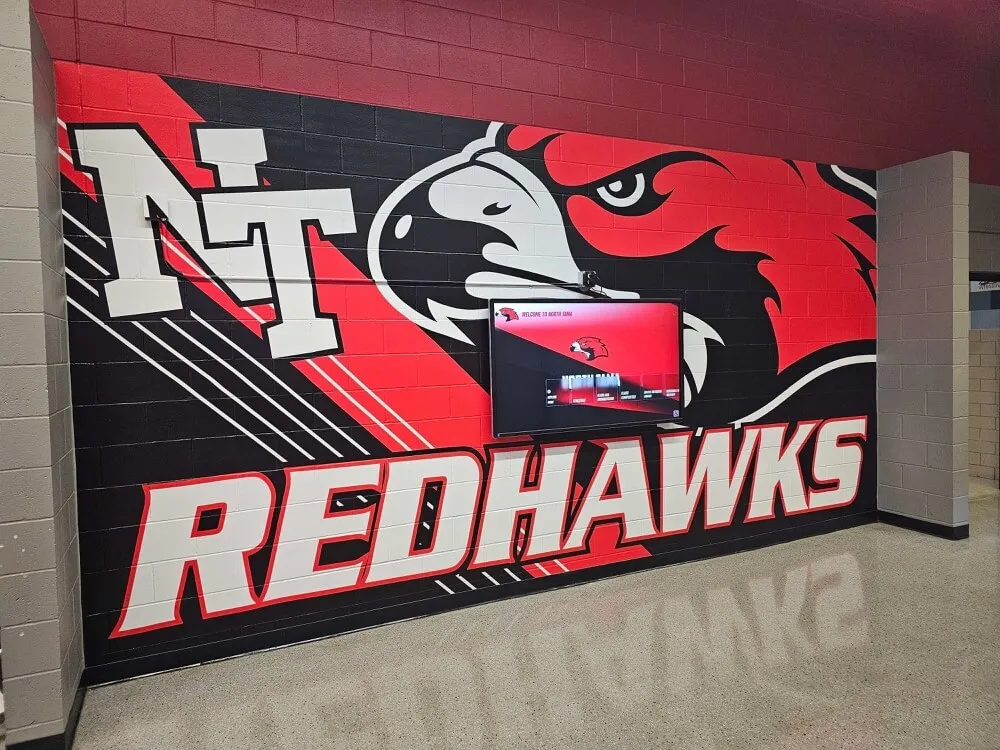
Athletic identity integration creates cohesive recognition environments celebrating both participant achievement and community support
Long-Term Sustainability Planning
Successful booster clubs plan beyond founding years.
Leadership Development and Succession
Organizations need systematic leadership renewal:
Board Succession Planning
- Establish staggered terms ensuring continuity through gradual turnover
- Limit consecutive terms preventing entrenchment
- Create leadership pipelines identifying future officers
- Provide mentorship pairing experienced and new board members
- Document institutional knowledge preventing information loss
- Develop written procedures reducing dependence on individual expertise
Officer Transition Management
- Create comprehensive handoff documentation for each position
- Overlap terms enabling knowledge transfer
- Maintain organizational archives with historical records
- Provide orientation for new board members
- Establish officer shadowing opportunities before transitions
- Celebrate outgoing leadership publicly acknowledging contributions
Planned transitions maintain organizational effectiveness while preventing leadership gaps disrupting operations.
Program Evaluation and Improvement
Continuous improvement strengthens organizations:
Annual Assessment Activities
- Review fundraising performance against goals
- Analyze donor retention and acquisition trends
- Evaluate volunteer engagement and capacity
- Assess school relationship satisfaction
- Survey stakeholder satisfaction with programs and communications
- Review financial performance and budget adherence
- Examine recognition program effectiveness and engagement
Strategic Planning Processes Every 3-5 years, conduct comprehensive strategic planning:
- Reassess mission alignment with current needs
- Evaluate program portfolio optimizing activities
- Set multi-year goals with measurable objectives
- Identify growth opportunities and capacity needs
- Address weaknesses and operational challenges
- Refine fundraising and stewardship strategies
- Update recognition systems maintaining contemporary appeal
Regular evaluation prevents stagnation while ensuring booster clubs evolve meeting changing program needs and community expectations.
Technology and Innovation Adoption
Modern tools increase efficiency and effectiveness:
Digital Tool Integration Leverage technology for:
- Online donation processing simplifying giving
- Donor database management tracking relationships
- Accounting software ensuring financial accuracy
- Communication platforms coordinating volunteers
- Social media expanding awareness and engagement
- Digital recognition displays honoring supporters comprehensively
- Analytics measuring program effectiveness
Technology adoption should match organizational capacity—selecting appropriate tools providing value without overwhelming volunteer management capability.
Recognition System Evolution As booster clubs mature, recognition should expand:
- Transition from basic acknowledgment to comprehensive storytelling
- Implement digital displays eliminating space constraints
- Create web-accessible recognition extending reach beyond facility visitors
- Develop rich multimedia content honoring supporter stories
- Integrate recognition with broader stewardship strategies
- Use analytics demonstrating recognition program value and engagement
Modern recognition platforms like Rocket Alumni Solutions enable comprehensive donor acknowledgment through interactive touchscreen displays combined with web access and intuitive cloud management—providing professional recognition capacity matching any institutional advancement office despite volunteer operation.
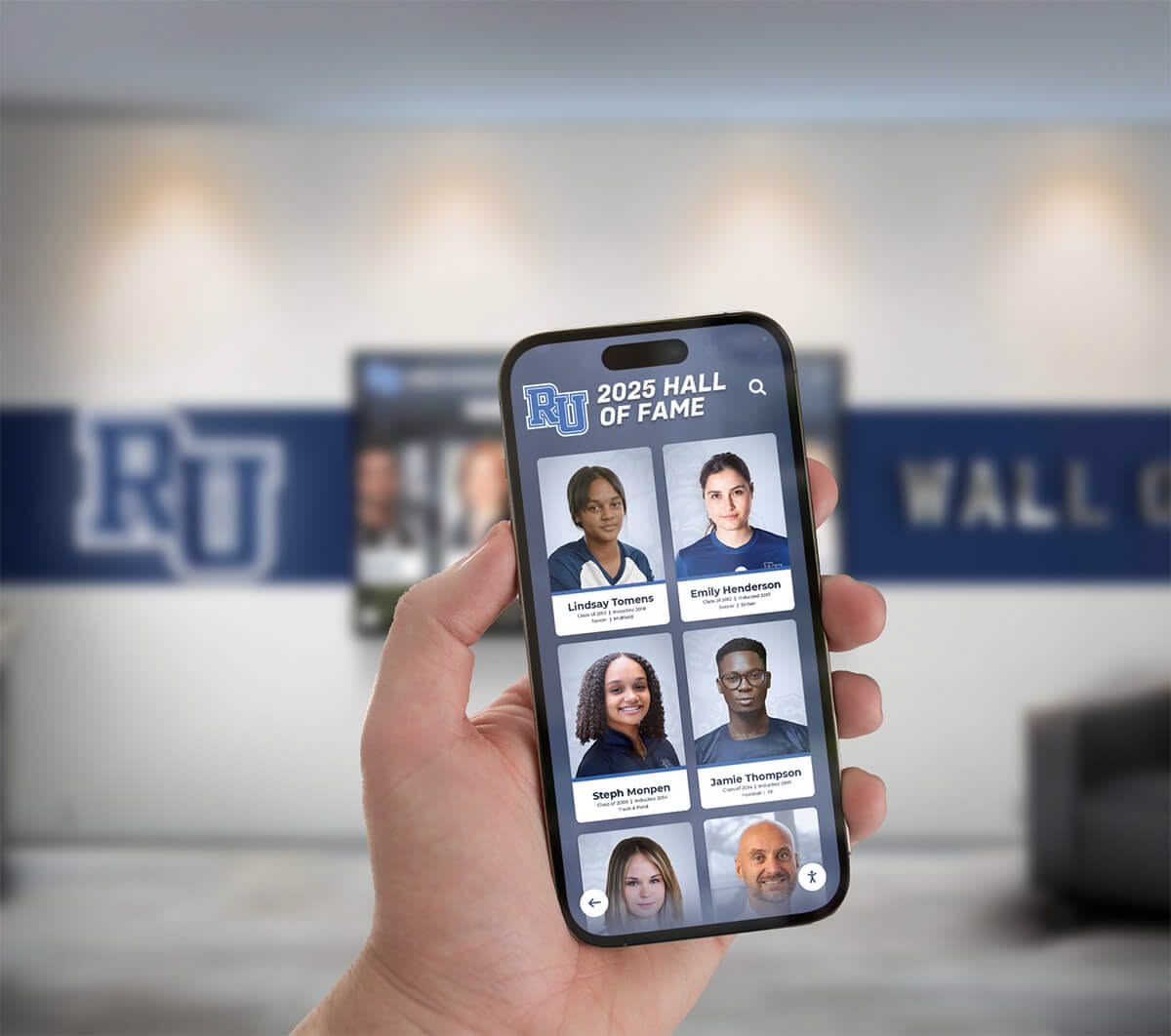
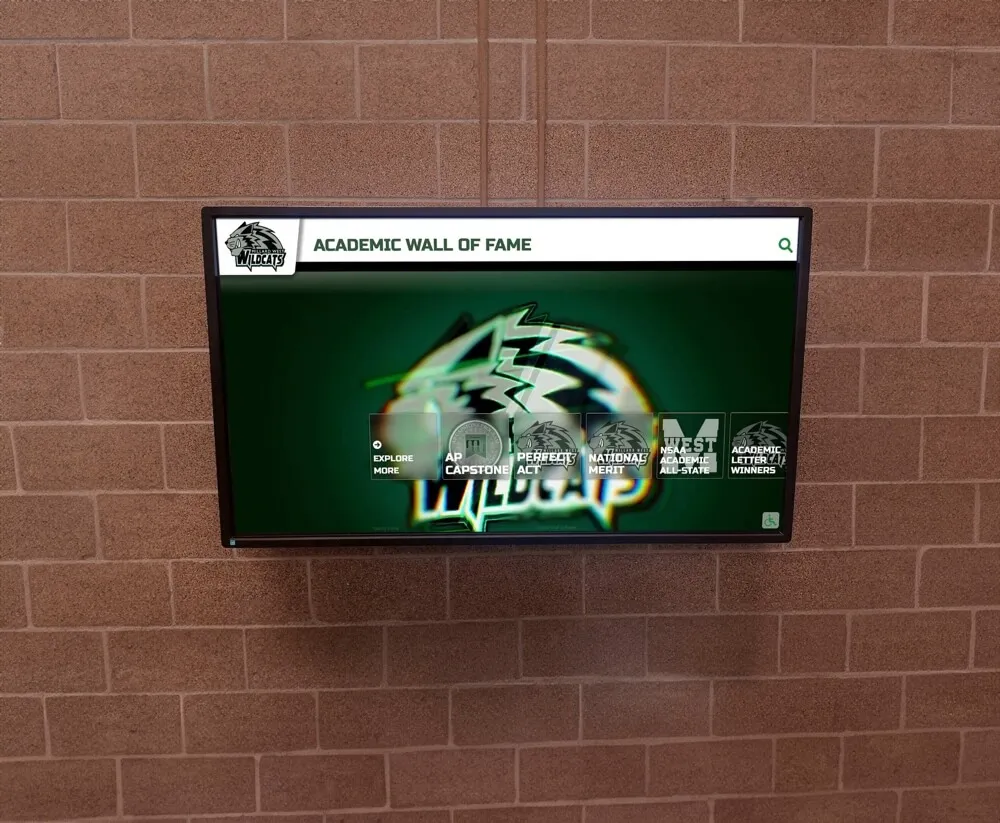
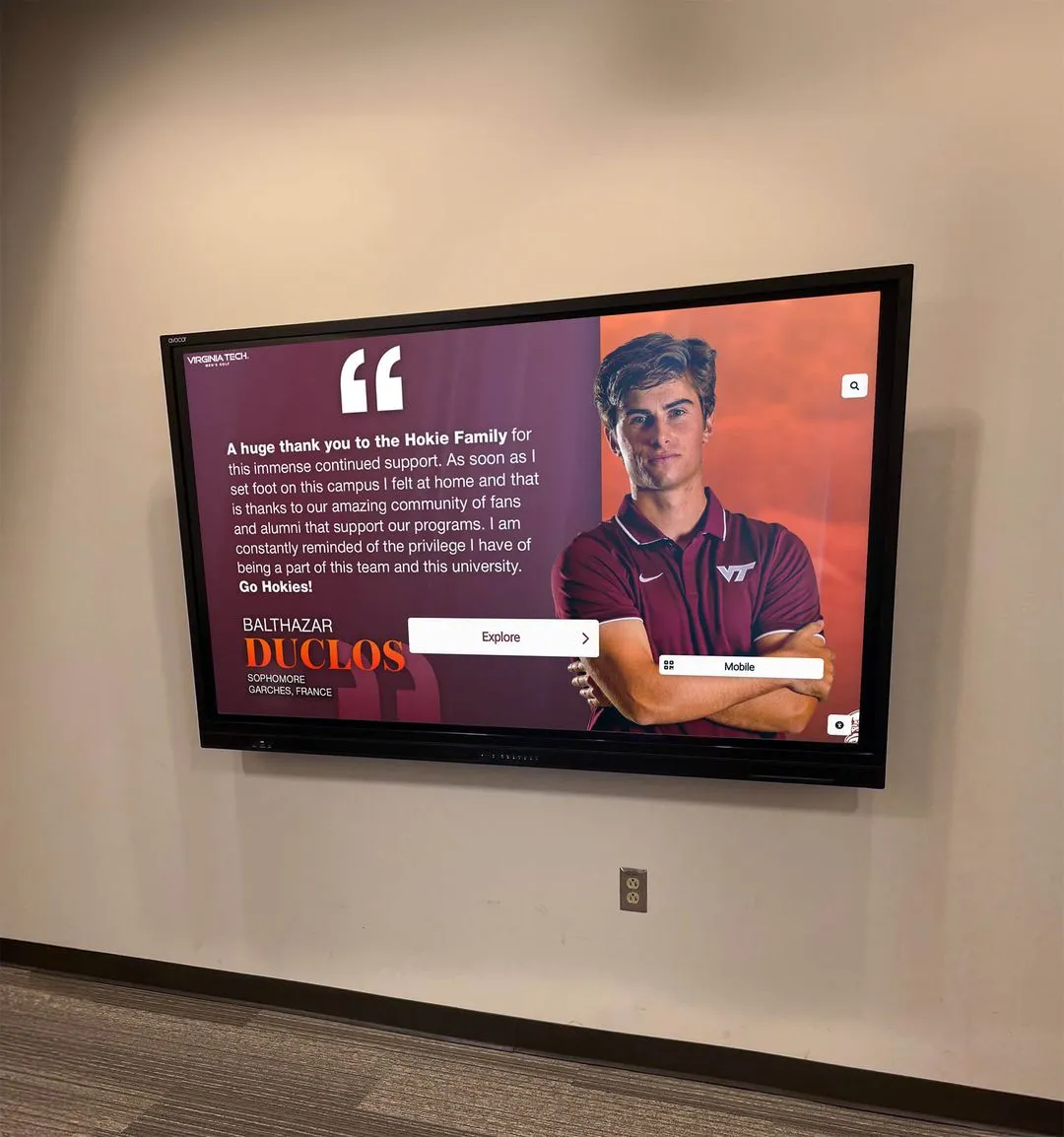
Cloud-based recognition extends supporter acknowledgment beyond physical locations through mobile-accessible platforms
Measuring Booster Club Success
Data-driven assessment demonstrates organizational impact.
Fundraising Performance Metrics
Track financial effectiveness:
Revenue Indicators
- Total annual fundraising compared to goals
- Donor acquisition rates showing community expansion
- Donor retention rates demonstrating stewardship effectiveness
- Average gift sizes indicating cultivation success
- Giving level progression as supporters increase commitment
- Fundraising efficiency comparing revenue to expenses
Program Impact Measures
- Direct athletic program support provided
- Equipment and facility improvements funded
- Scholarship and financial aid distributed
- Travel opportunities enabled
- Coaching and training resources supplied
- Recognition investments honoring supporters
Financial performance matters only insofar as it translates to tangible athletic program enhancement—tracking both revenue and program impact demonstrates comprehensive organizational effectiveness.
Community Engagement Assessment
Evaluate relationship building:
Participation Metrics
- Active membership totals and growth trends
- Volunteer participation rates
- Event attendance showing community interest
- Social media engagement and reach
- Website traffic and donation platform usage
- Alumni involvement beyond current families
Stakeholder Satisfaction
- Coach and athletic director feedback about support quality
- Donor satisfaction with recognition and communication
- Volunteer contentment and willingness to continue service
- School administration partnership quality assessment
- Student-athlete awareness and appreciation of support
Strong community engagement creates sustainable support transcending any individual leader or campaign—building durable institutional assets supporting athletic programs indefinitely.
Recognition Program Effectiveness
For digital recognition systems, measure engagement:
Usage Analytics
- Daily unique visitors and total interactions
- Average session duration indicating content interest
- Searches and browsing patterns showing discovery methods
- Most-viewed donor profiles revealing compelling stories
- Return visitor rates demonstrating sustained engagement
- Peak usage times informing promotional strategies
Impact Indicators
- Donor feedback about recognition satisfaction
- Giving behavior correlations with recognition implementation
- Volunteer recruitment connections to public acknowledgment
- School and athletic director satisfaction with supporter visibility
- Community perception of booster club professionalism
Effective recognition demonstrates measurable value through both engagement metrics and donor behavior showing that meaningful acknowledgment drives retention and continued support.
Comprehensive approaches to measuring recognition effectiveness provide detailed assessment frameworks ensuring stewardship investments deliver intended outcomes.
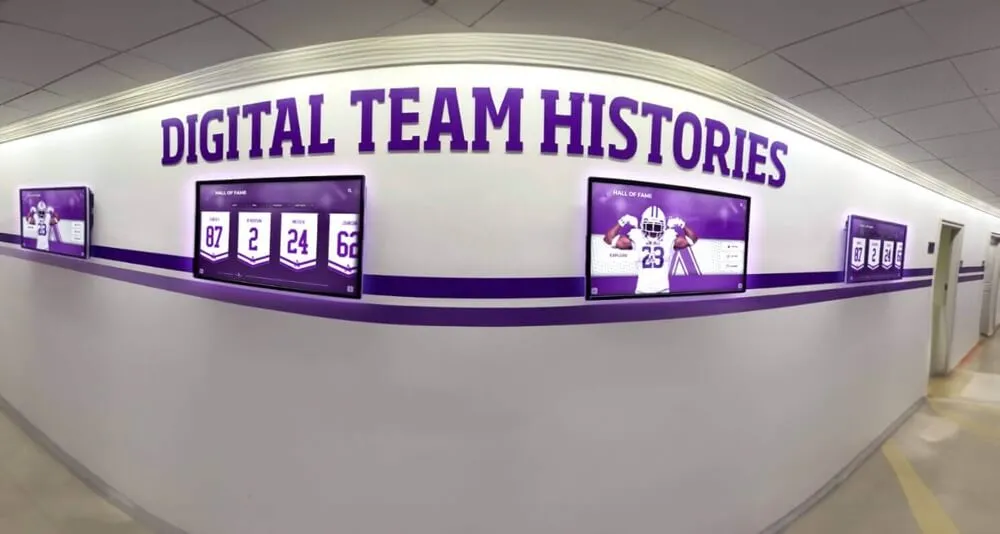
Coordinated display networks throughout athletic facilities ensure comprehensive recognition visibility celebrating all supporters
Conclusion: Building Lasting Athletic Support Organizations
Starting a booster club represents strategic investment in athletic program sustainability—creating organizational infrastructure that channels community enthusiasm into systematic support funding equipment, facilities, opportunities, and excellence that school budgets alone cannot provide. Successful booster clubs combine legal compliance, sustainable operations, effective fundraising, and meaningful recognition into comprehensive support systems strengthening programs across years and student generations.
The frameworks explored throughout this guide provide roadmaps for parent leaders and school administrators creating booster organizations that deliver sustained value: proper legal formation protecting volunteers while enabling tax-deductible giving, strong school partnerships respecting institutional authority while providing valuable support, diverse fundraising approaches generating sustainable revenue, and recognition systems honoring supporters inspiring continued engagement and generosity.
Ready to Launch Your Booster Club Recognition Program?
Discover how purpose-built digital recognition platforms enable new booster clubs to honor supporters professionally from day one, building the donor relationships that fuel long-term athletic program success.
Explore Recognition SolutionsModern technology has fundamentally expanded what’s possible in supporter recognition. New booster clubs no longer face impossible choices between comprehensive acknowledgment and limited physical space, expensive ongoing plaque fabrication and sustainable operating budgets, or rich multimedia storytelling and minimal volunteer technical capacity. Interactive digital platforms address each constraint while creating superior recognition experiences compared to traditional static approaches.
Whether launching new booster clubs, revitalizing existing organizations, or exploring how modern recognition technology strengthens donor relationships, the organizational principles and implementation strategies outlined here provide proven frameworks creating support infrastructure serving athletic programs across decades of sustained operation.
Your community’s generosity—whether financial contributions, volunteer hours, in-kind donations, or sustained multi-year commitment—enables everything your athletic programs accomplish. Supporters deserve thoughtful recognition honoring their dedication while deepening connections to programs shaping student character, teaching teamwork, and creating memories lasting lifetimes. With strategic planning, appropriate legal structures, sustainable fundraising approaches, and meaningful recognition systems, you can build booster clubs transforming seasonal enthusiasm into lifetime support advancing athletic excellence for generations to come.
Ready to begin your booster club journey? Explore comprehensive booster club fundraising strategies, discover athletic recognition program designs celebrating achievement while honoring supporters, learn about senior night ideas that engage booster communities, and understand digital trophy case approaches showcasing achievements your supporters enable through their generous commitment to youth athletics.