



Athletic directors considering new sport programs face a compelling opportunity with competitive swimming. Unlike football or basketball programs requiring extensive field space and expensive equipment for dozens of athletes, swim teams offer year-round competition, inclusive participation across skill levels, strong college recruitment pathways, and championship opportunities even for smaller schools that struggle to compete in traditional major sports.
Yet launching a swim team presents unique challenges that differ substantially from land-based athletics. Facility access determines program viability before considering any other factor. Specialized coaching expertise proves harder to recruit than general physical education instructors. Equipment and operational costs follow different patterns than field sports. Safety protocols demand rigorous attention given water-based training environments. And building competitive depth requires strategic recruiting reaching beyond traditional athlete populations.
This complete guide provides athletic directors with a systematic framework for evaluating swim team feasibility, securing necessary resources, hiring qualified coaching staff, recruiting founding team members, establishing operational systems, and building sustainable programs that enhance school athletic offerings while creating meaningful student opportunities. Whether exploring initial feasibility or actively launching your program, you’ll discover proven strategies addressing every aspect of successful swim team development.
Schools adding swim programs report measurable benefits extending beyond athletic competition: 40-60% of swimmers continue competing collegiately, providing valuable recruitment pathways. Swimming develops lifelong fitness skills and water safety competencies. Year-round training creates consistent athletic engagement. And successful swim programs often generate strong community support and alumni involvement that strengthens overall athletic department resources.

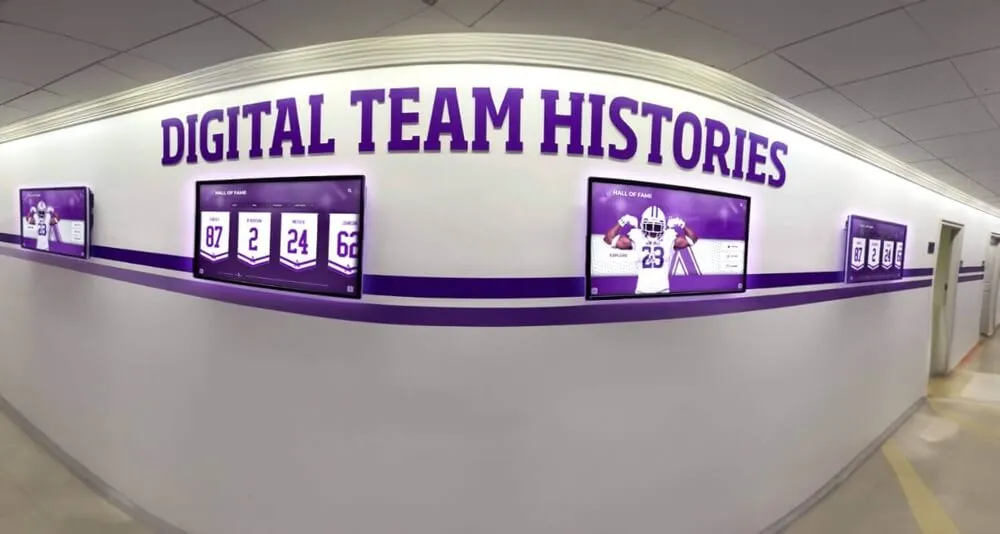
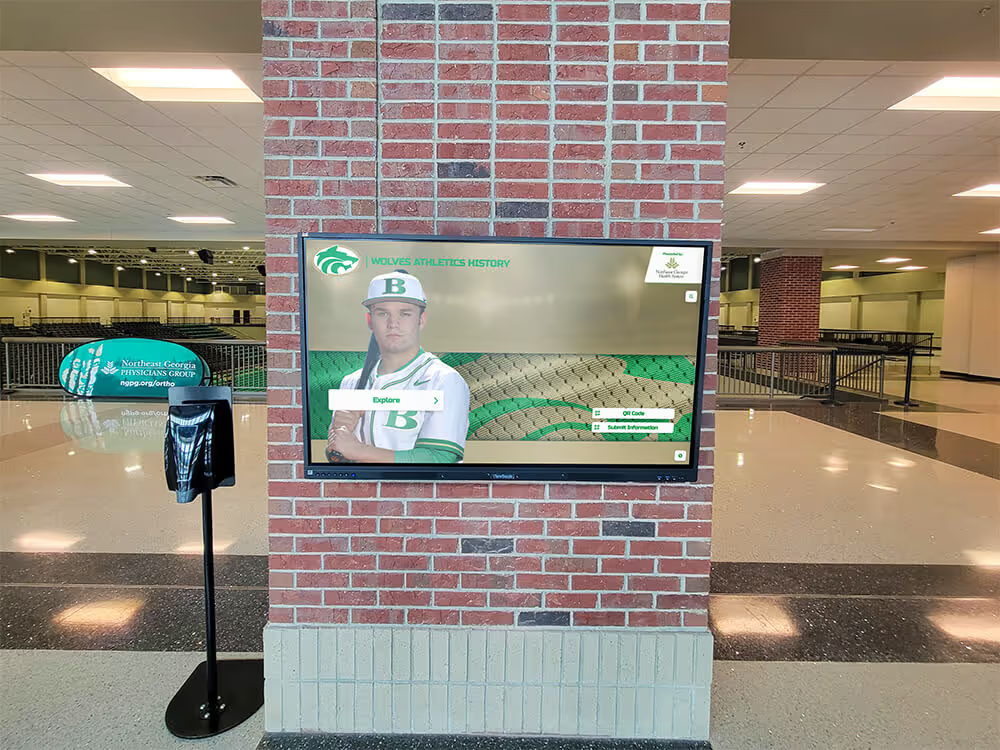
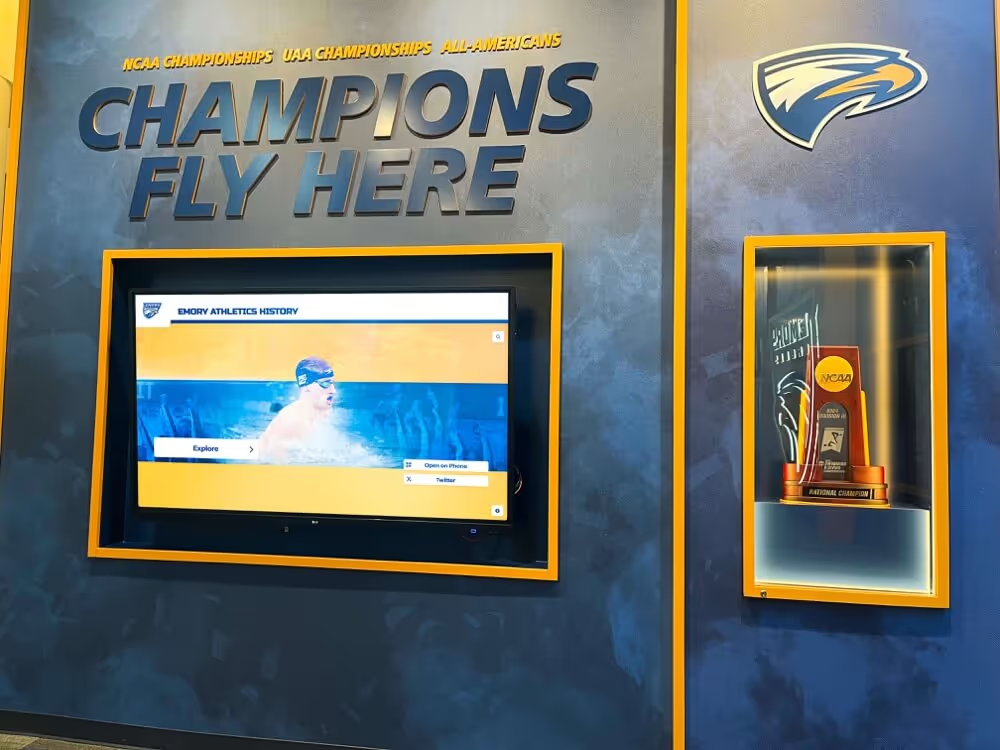
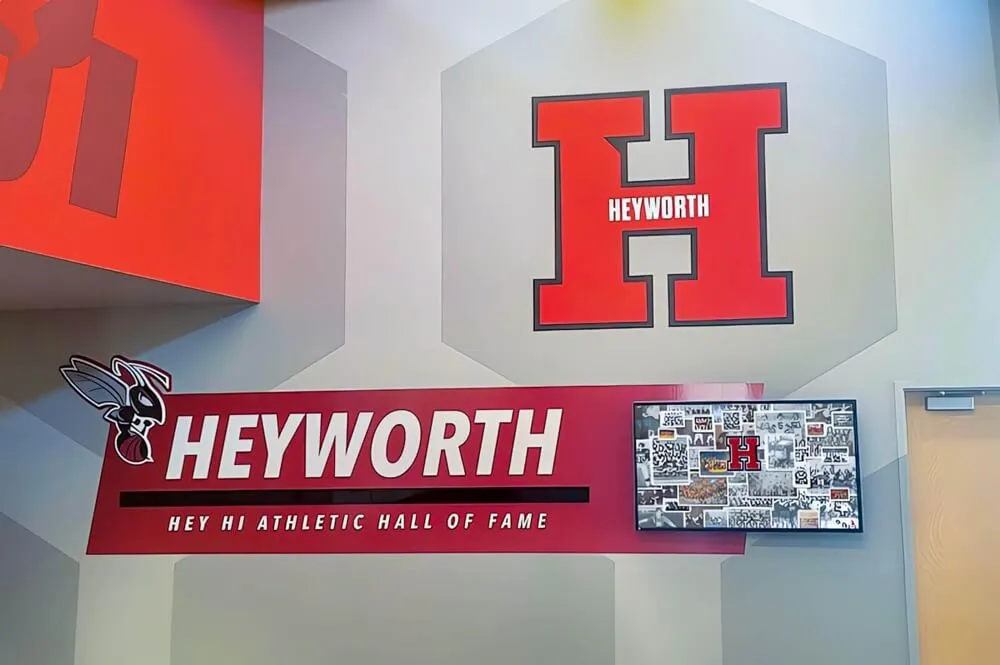
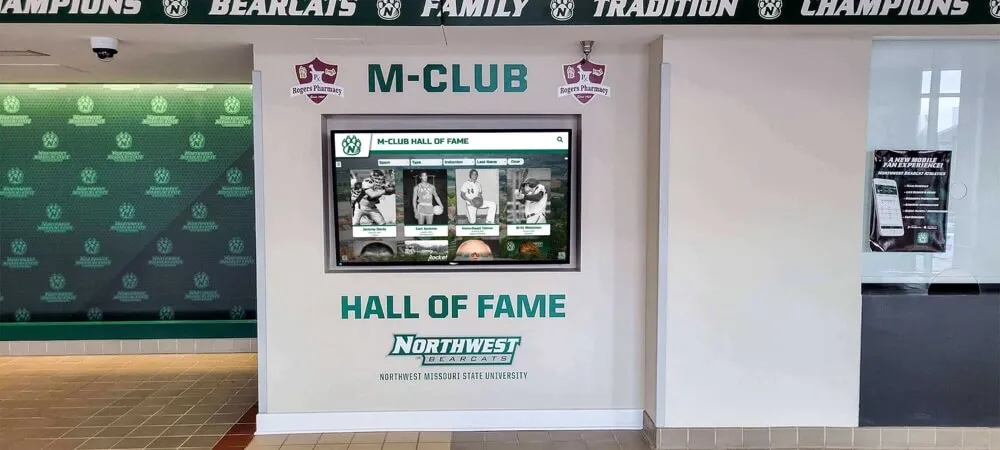
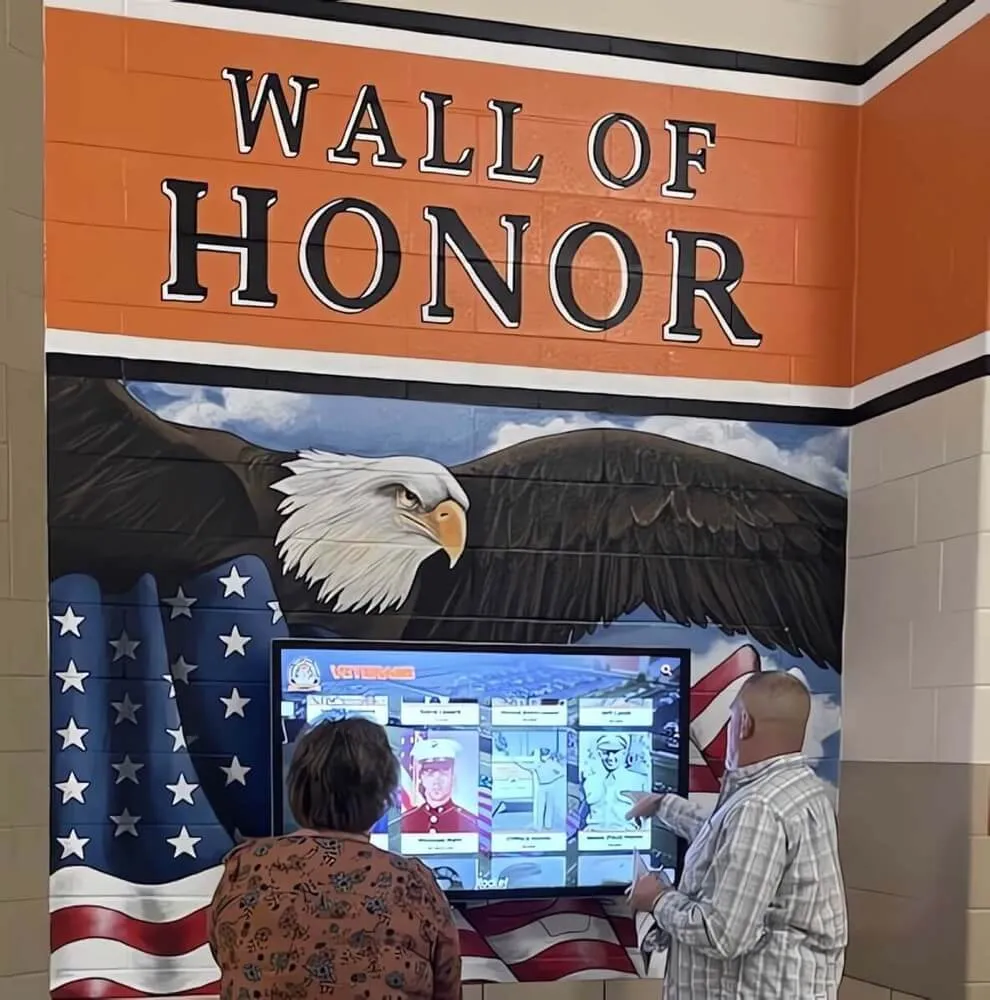
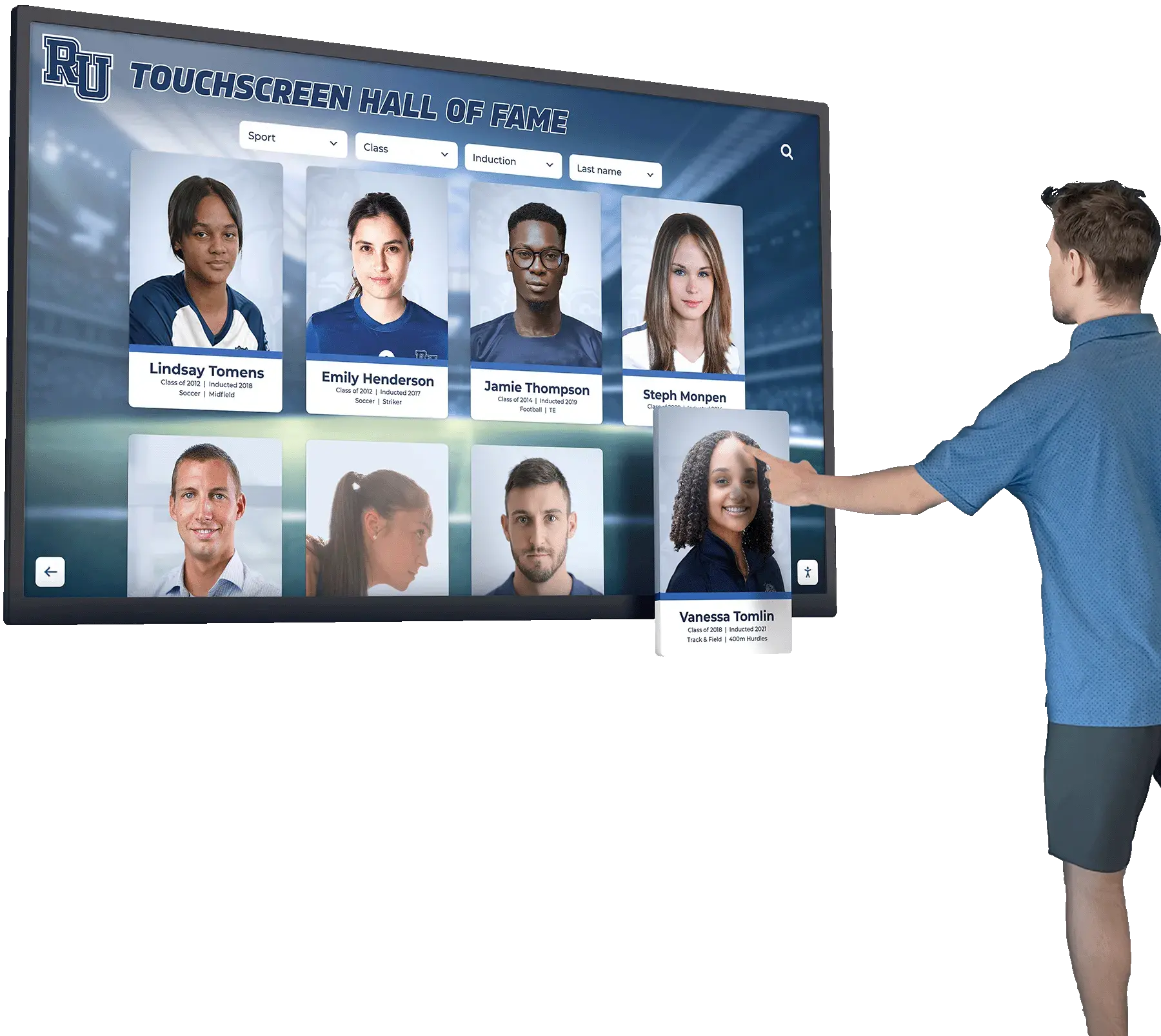
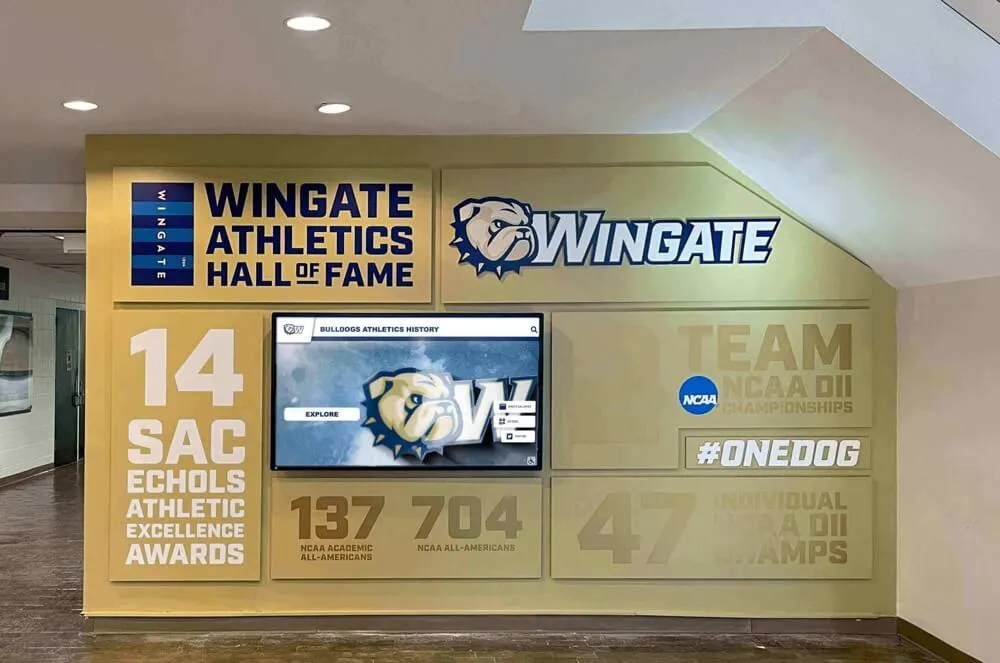
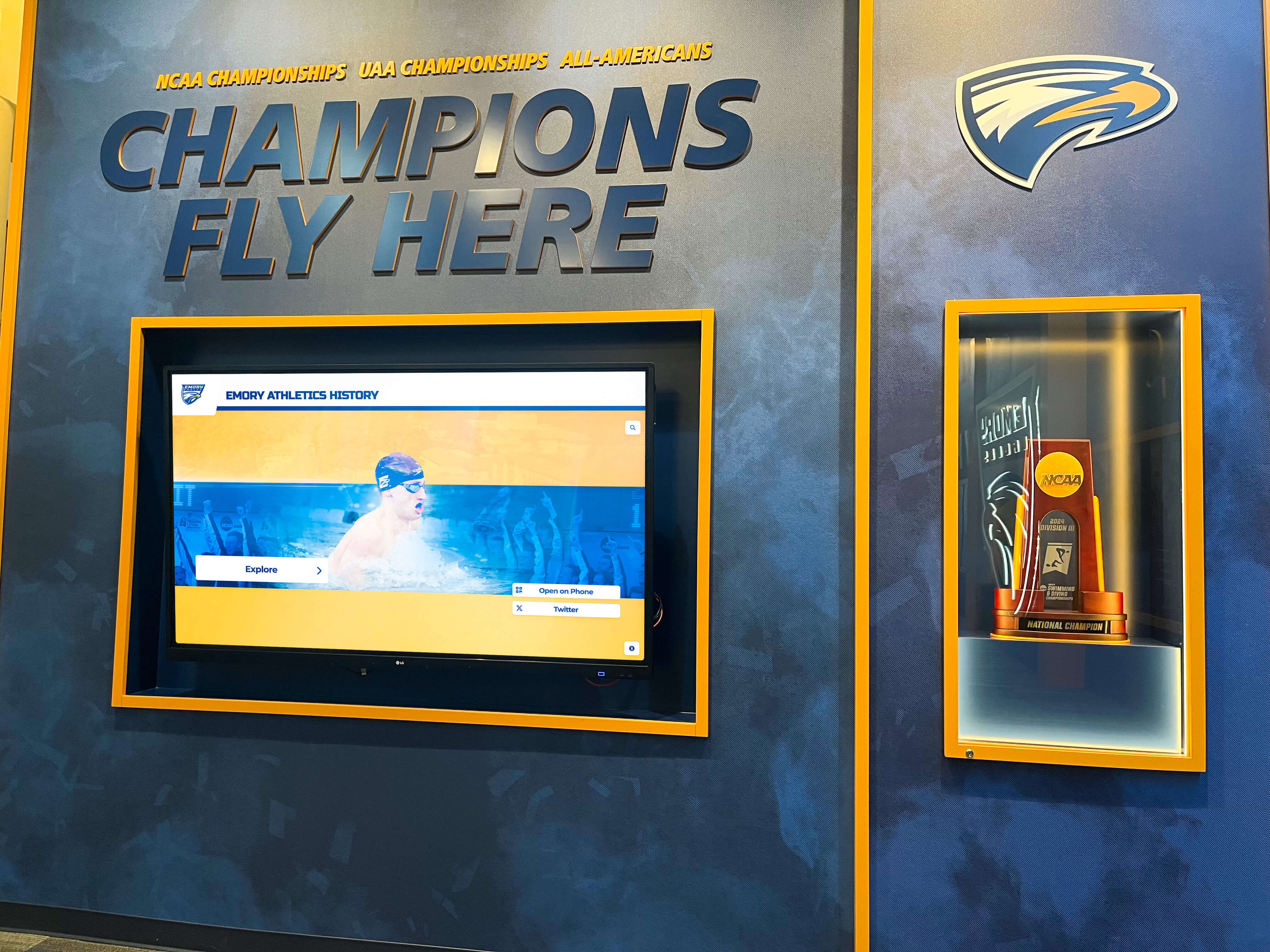
Championship recognition displays celebrate swim team achievements and record performances, creating visible program tradition that inspires current athletes and attracts recruits
Assessing Program Feasibility and Facility Requirements
Successful swim programs require realistic evaluation of fundamental prerequisites before committing resources.
Evaluating Pool Access Options
Facility availability represents the single most critical factor determining swim team viability:
School-Owned Aquatic Facilities
Districts with existing pools enjoy substantial advantages through guaranteed access, flexible scheduling accommodating practices and meets, control over facility conditions and maintenance, potential revenue generation through community programs and facility rentals, and long-term cost efficiency compared to ongoing rental expenses.
However, school-owned pools carry significant responsibilities including year-round maintenance and repair costs, utility expenses for heating and chemical treatment, staffing requirements for lifeguards and facility management, regulatory compliance with health department standards, and capital expenditure for eventual renovation or replacement as facilities age.
Athletic directors should conduct thorough facility assessments before assuming existing pools adequately support competitive programs. Many school pools built for physical education classes lack competition depth requirements, proper lane configurations, starting blocks, timing systems, or spectator capacity necessary for hosting meets.
Partnership with Community Facilities
Schools without owned pools can access community resources through partnerships with municipal recreation centers, YMCAs, country clubs, or college facilities. These arrangements provide competitive-quality facilities without capital investment while avoiding direct maintenance responsibilities.
Effective partnerships require negotiated agreements addressing practice time allocation ensuring consistent access, meet hosting capabilities including spectator space and officials’ areas, cost structures covering hourly rental or seasonal agreements, long-term commitment preventing sudden access loss, and facility standard maintenance ensuring competitive conditions.
The primary risk involves dependency on external facilities where school needs compete with community programs, membership activities, and facility priorities potentially conflicting with team schedules. Secure written agreements with multi-year terms before launching programs dependent on external facility access.
Shared Use with Other Districts
Neighboring schools sometimes establish cooperative programs sharing facility costs and coaching resources while maintaining separate team identities. These arrangements work particularly well in rural areas where individual schools lack sufficient athlete numbers or facility access to support standalone programs.
Cooperative models require clear governance structures, equitable cost sharing, fair athlete selection processes, agreed competition representation, and conflict resolution procedures addressing inevitable disputes.
Understanding athletic facility planning and maintenance helps athletic directors evaluate whether existing or accessible pools meet competitive swimming standards.
Determining Competition Format and Season
Swimming offers flexible competitive structures accommodating different resource levels:
USA Swimming Club Team Affiliation
Many school programs affiliate with USA Swimming, the national governing body providing competition structure, standardized rules, rankings systems, and championship opportunities. USA Swimming membership enables athletes to compete at local, regional, and national levels while accumulating times qualifying for major competitions.
Club affiliation requires annual membership fees, meet entry costs, coaching certification requirements, and administrative obligations managing rosters and competition registration. However, the structured competitive pathway and national standardization provide valuable frameworks for program development.
Interscholastic High School Competition
State high school athletic associations typically govern scholastic swimming with separate championship structures from club swimming. High school seasons usually run during winter months, allowing athletes to participate in both school and club programs during different seasons.
State association membership carries different requirements than USA Swimming, including coach education, athlete eligibility rules, meet format standards, and championship qualification systems. Athletic directors should research state-specific requirements before finalizing program plans.
Dual Meet vs. Invitational Focus
Teams can emphasize traditional dual meets against individual opponents or prioritize larger invitational competitions hosting multiple teams. Dual meets build traditional rivalries and provide frequent competition opportunities. Invitationals offer exposure to stronger competition and larger championship-style atmospheres.
Most successful programs balance both formats, scheduling regular dual meets for consistent competition while attending select invitationals providing benchmark assessment against regional programs.

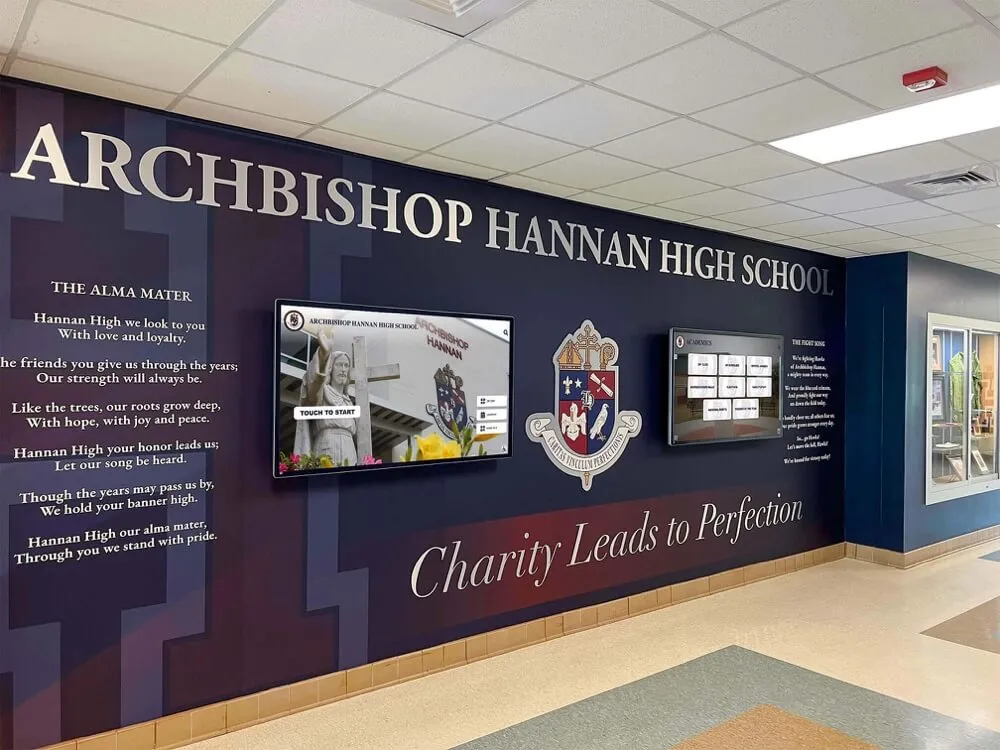
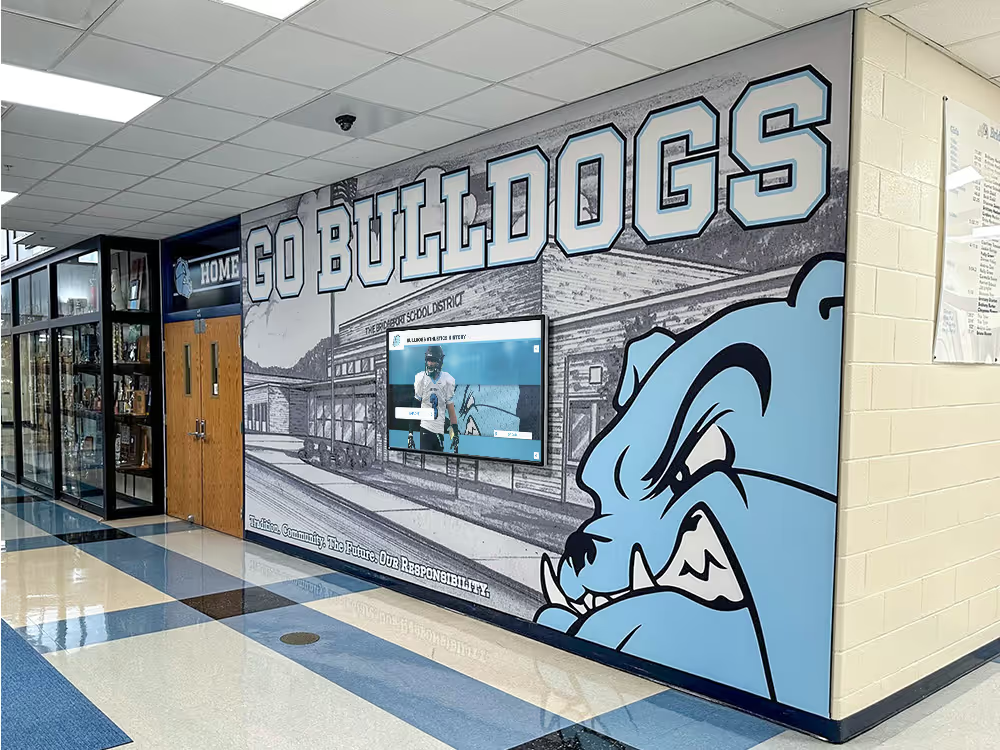
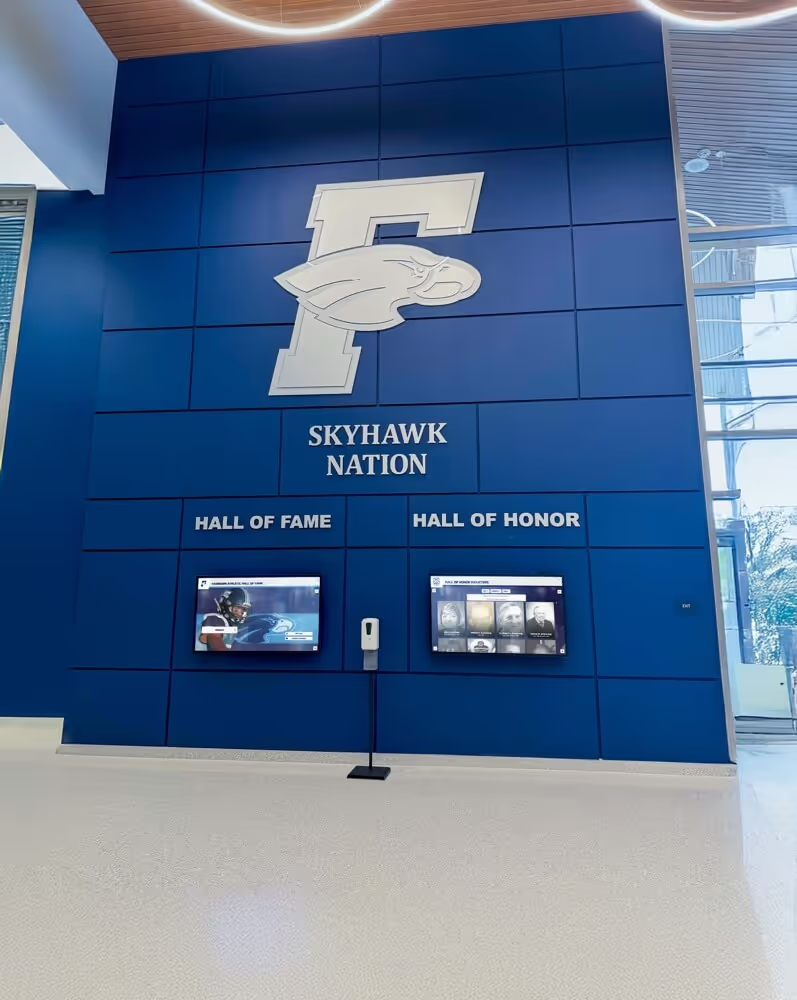
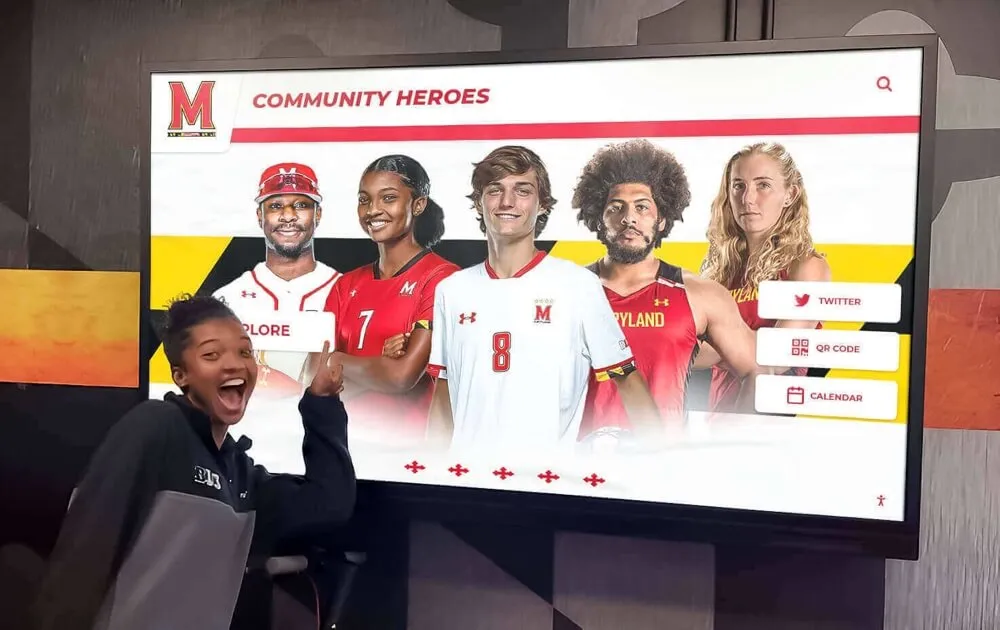
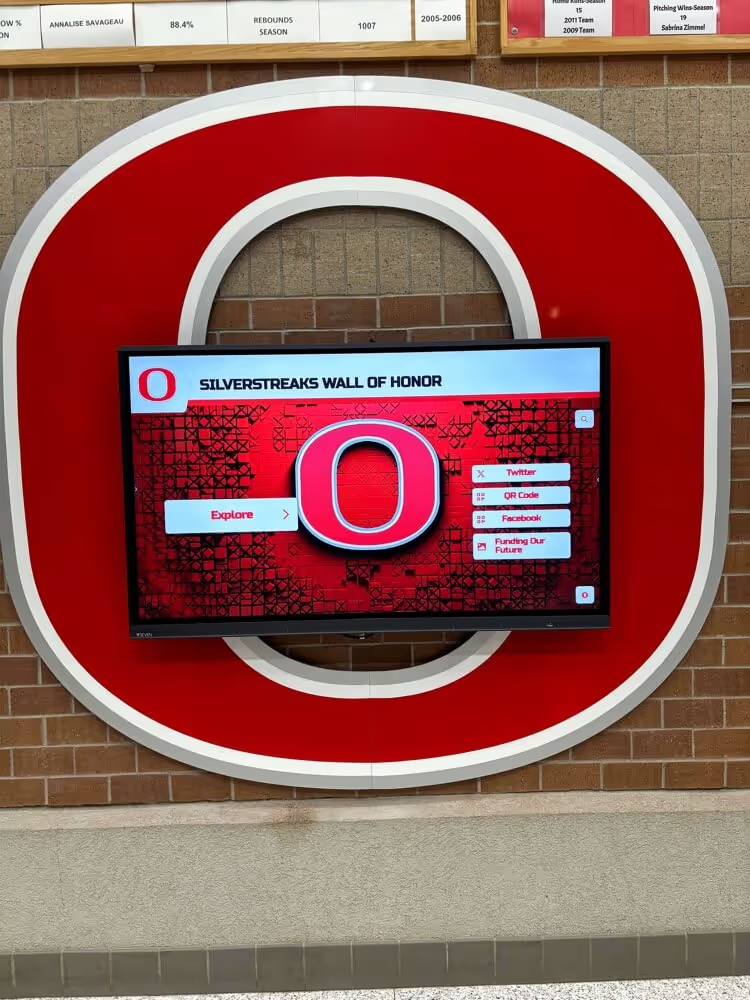
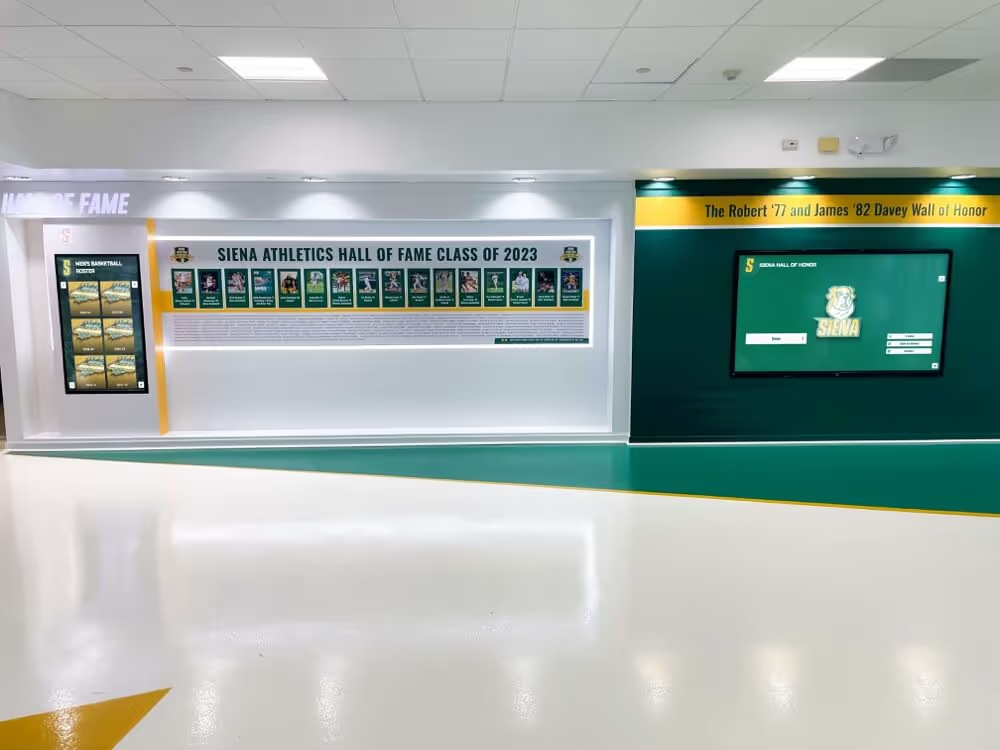
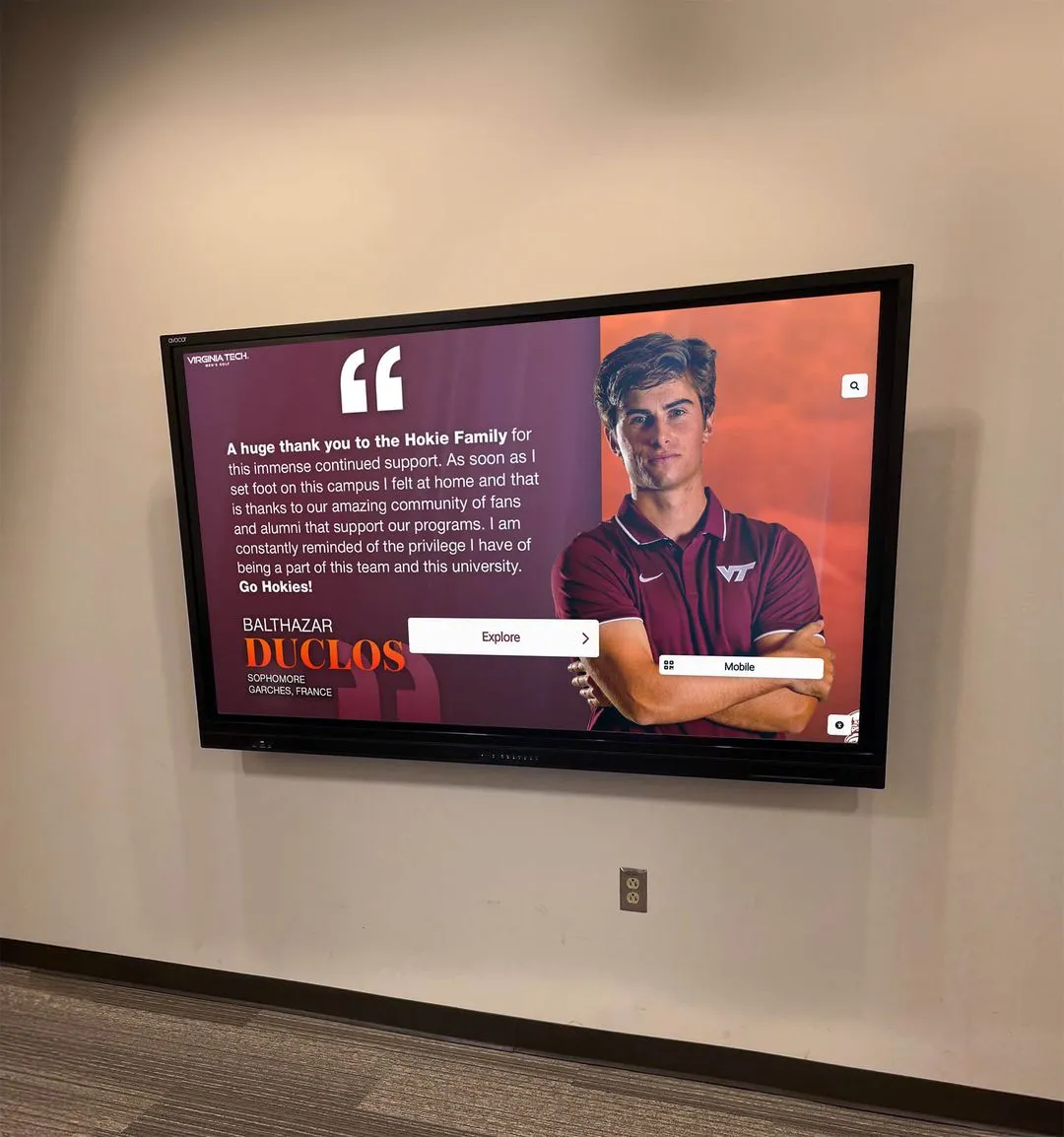
Strategic placement of athletic recognition displays in facility corridors ensures swim team achievements receive prominent visibility alongside other sports programs
Developing Comprehensive Program Budgets
Realistic financial planning prevents underfunded programs from failing due to inadequate resource allocation.
Calculating Startup Costs
Initial investment requirements include:
Facility Access and Preparation
Pool rental agreements typically cost $50-150 per hour depending on facility quality and location. Teams practicing 5-6 days weekly for 3-hour sessions accumulate $3,000-10,000 in monthly facility costs. Schools with owned pools avoid rental expenses but face maintenance, utilities, and lifeguard staffing potentially equaling or exceeding rental costs.
Competition pools require starting blocks ($800-2,000 per block for 8-10 lanes), lane lines ($2,000-5,000 for quality competition sets), pace clocks ($300-600 each), backstroke flags, and depth markers. Many rented facilities provide this equipment, but school-owned pools need complete outfitting.
Coaching Compensation
Competitive swim coaching requires specialized expertise commanding appropriate compensation. Head coach salaries range from $3,000-8,000 for seasonal positions to $40,000-70,000 for full-time positions with year-round responsibility. Assistant coaches typically earn $2,000-5,000 seasonally.
Programs unable to offer competitive salaries struggle to attract qualified coaches with technical swimming knowledge, stroke mechanics expertise, training periodization understanding, and meet management experience necessary for program success.
Equipment and Supplies
Essential equipment includes kickboards ($15-25 each for 20-30 boards), pull buoys ($10-20 each for 20-30 buoys), fins ($30-50 per pair for shared sets), hand paddles ($15-30 per pair), training snorkels ($25-40 each), stopwatches ($20-100 each for coaches and timing), and mesh equipment bags for storage.
Initial equipment investment typically ranges $3,000-6,000 depending on team size and quality selections. Budget annual replacement costs of 15-20% as equipment wears through intensive use.
Team Uniforms and Competition Suits
Swimmers require practice suits ($25-40 each), team warm-ups ($80-150 per set), competition suits ($60-400 depending on technology level), team caps ($8-15 each), and optional team apparel. Schools typically require athletes to purchase their own suits and gear, but providing team warm-ups creates professional appearance and program identity.
Budget $150-300 per athlete for complete team outfitting, with competition suits representing the largest expense and often purchased individually by athletes rather than through team budgets.
Meet Entry Fees and Travel
Competition costs include meet entry fees ($8-15 per individual event), facility fees ($50-200 per meet), travel expenses for away competitions, and official fees when hosting meets ($150-300 per official per meet).
Competitive schedules with 8-12 meets annually generate $5,000-15,000 in competition-related expenses depending on travel distances and competition levels selected.
Identifying Revenue Sources
Sustainable programs develop diverse funding streams:
Athletic Department Budget Allocation
Schools typically fund new sports through general athletic budgets, particularly during startup phases before establishing independent revenue capacity. Athletic directors should secure multi-year commitment ensuring consistent funding through initial development periods when programs lack established support bases.
Athlete Participation Fees
Many programs charge participation fees covering equipment, uniforms, meet entries, and partial facility costs. Fees ranging $300-800 per season help offset program expenses while maintaining accessibility through scholarship provisions for families with financial need.
Transparent fee structures explaining exactly what costs are covered and clear scholarship policies prevent access barriers while generating necessary revenue supporting program operations.
Fundraising and Sponsorships
Swim programs pursue revenue through team fundraisers, local business sponsorships, swim-a-thon events, community swim lesson programs generating income while serving public benefit, and concession sales during hosted meets.
Effective fundraising requires dedicated parent volunteers, professional sponsorship proposals, and creative revenue strategies beyond traditional product sales. Successful programs often generate $5,000-20,000 annually through diverse fundraising initiatives.
Booster Club Development
Organized booster clubs provide sustained financial support, volunteer labor, athlete recognition, and program advocacy. Strong boosters fund equipment upgrades, facility improvements, travel expenses, and coach supplements that enhance program quality beyond base athletic department allocations.
Building effective booster organizations requires administrative support, clear governance structures, financial transparency, and defined roles preventing conflicts between volunteer enthusiasm and administrative authority.
Exploring championship team recognition approaches helps athletic directors understand how successful swim programs celebrate achievements that strengthen community support and fundraising capacity.
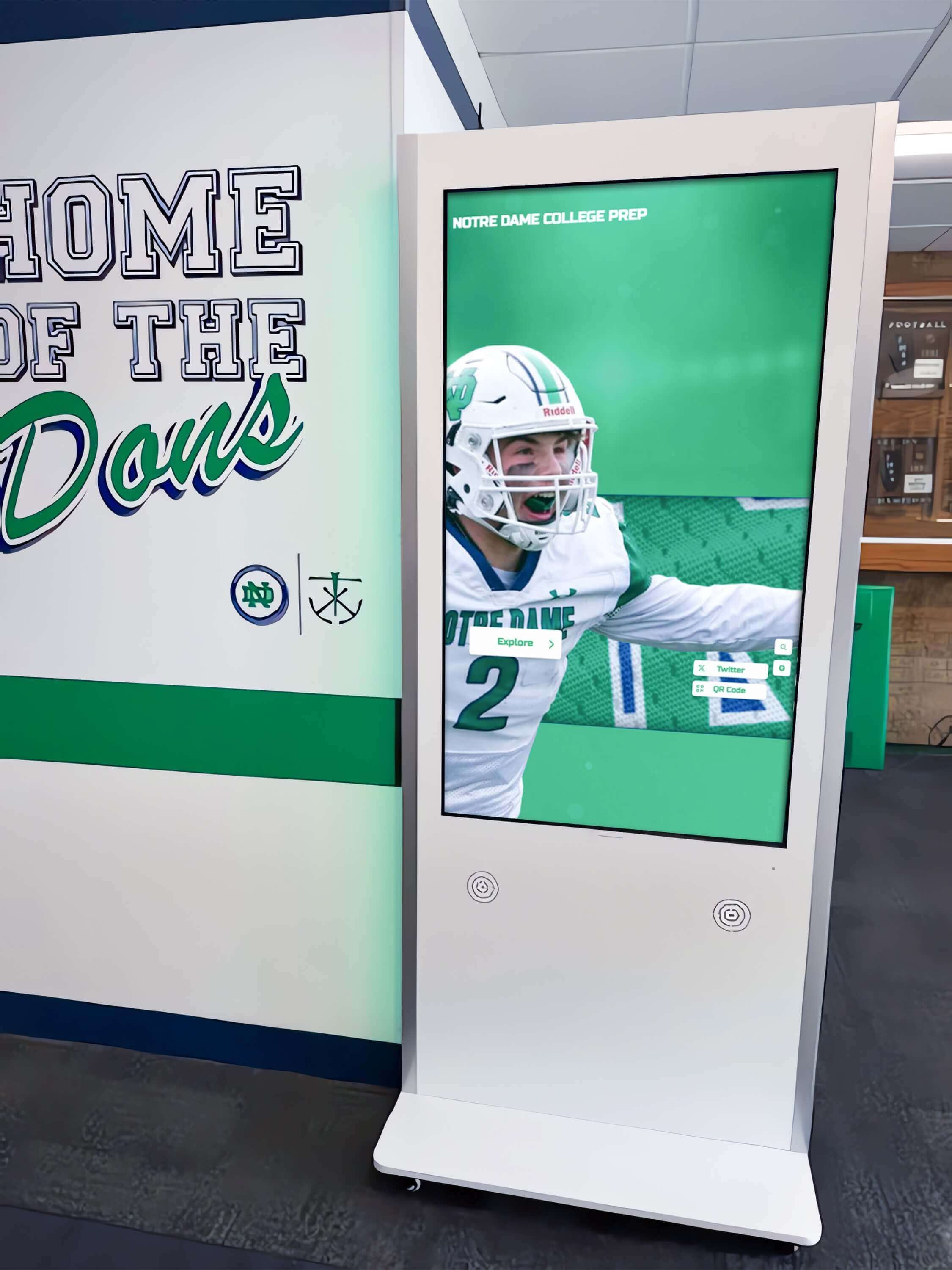
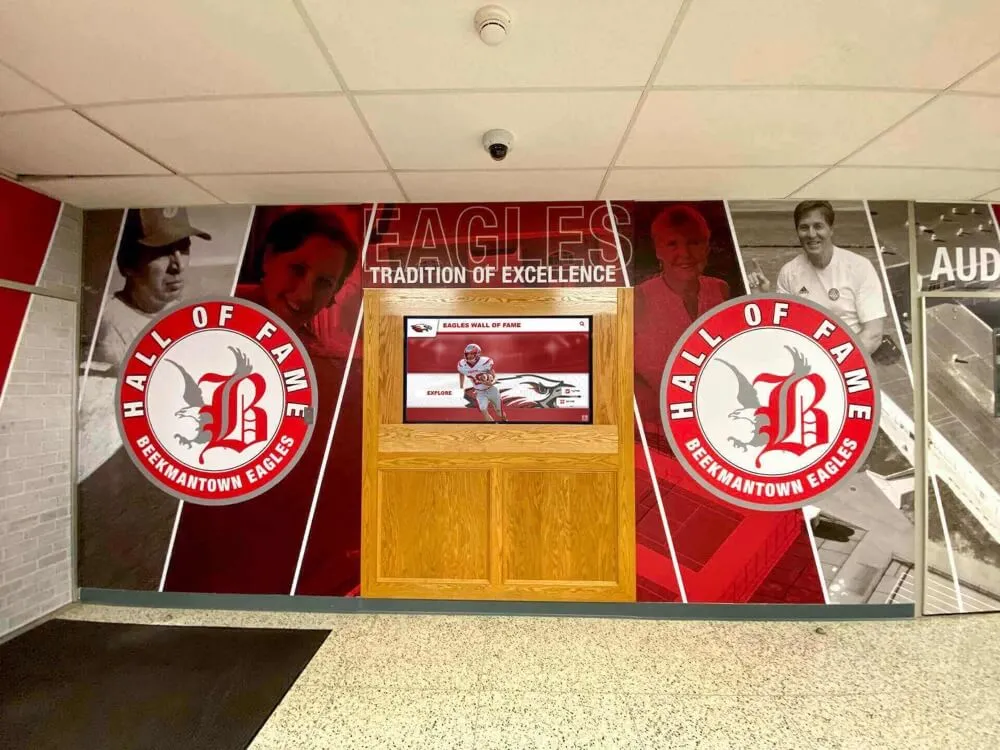
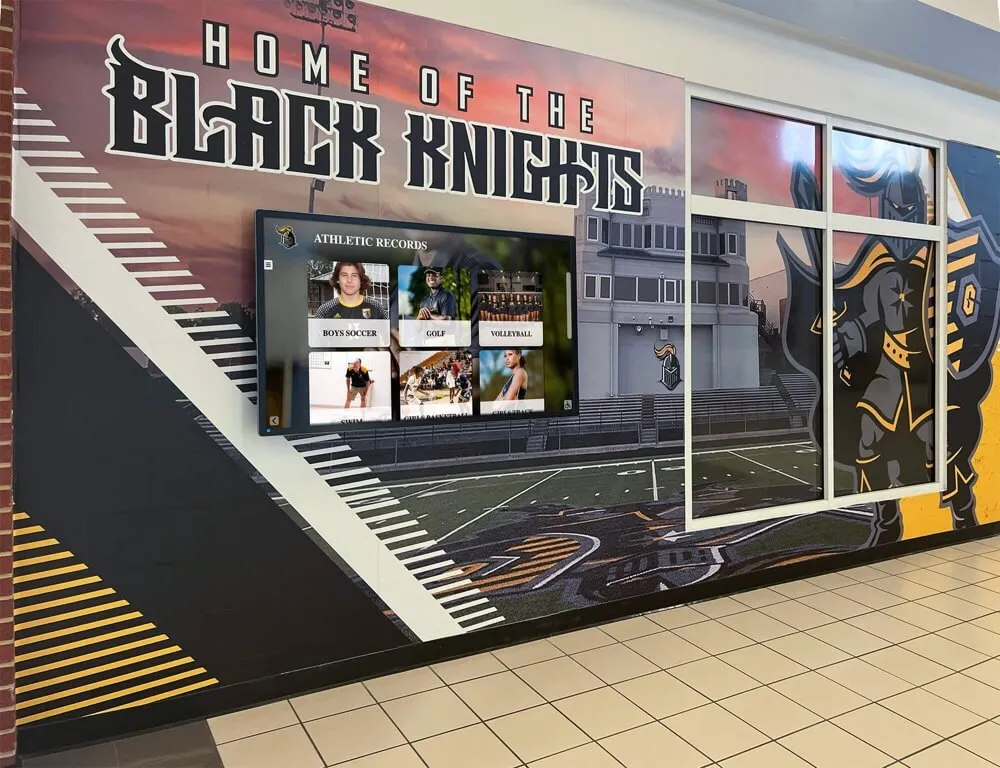
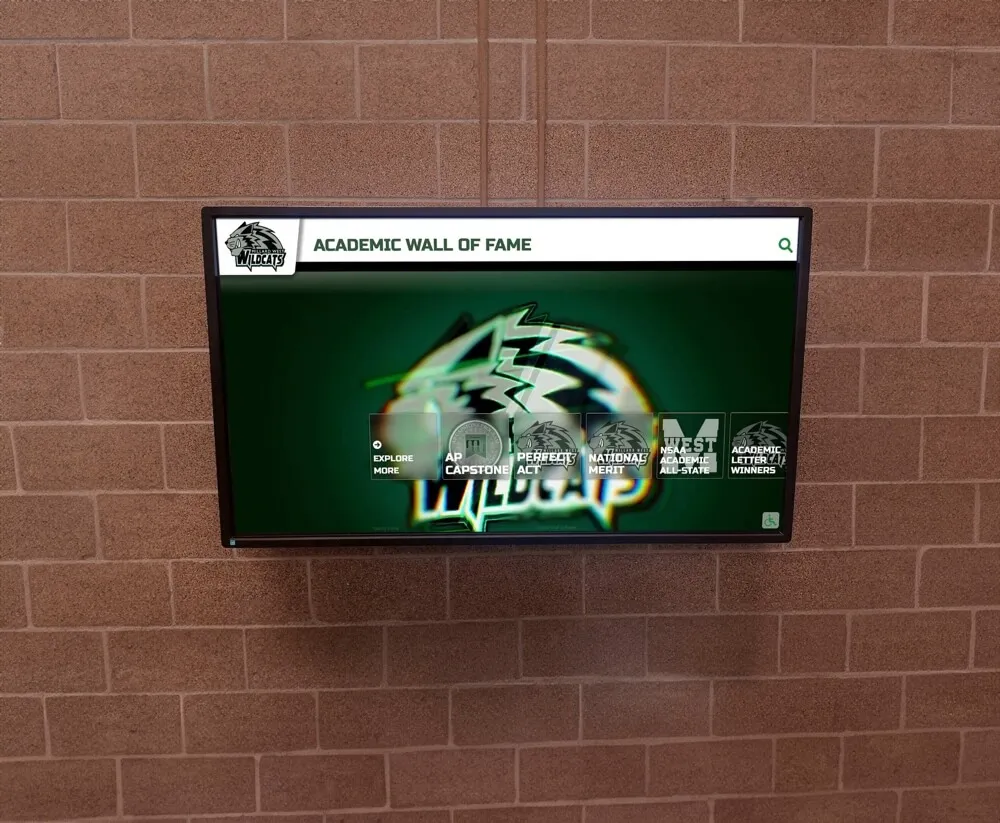
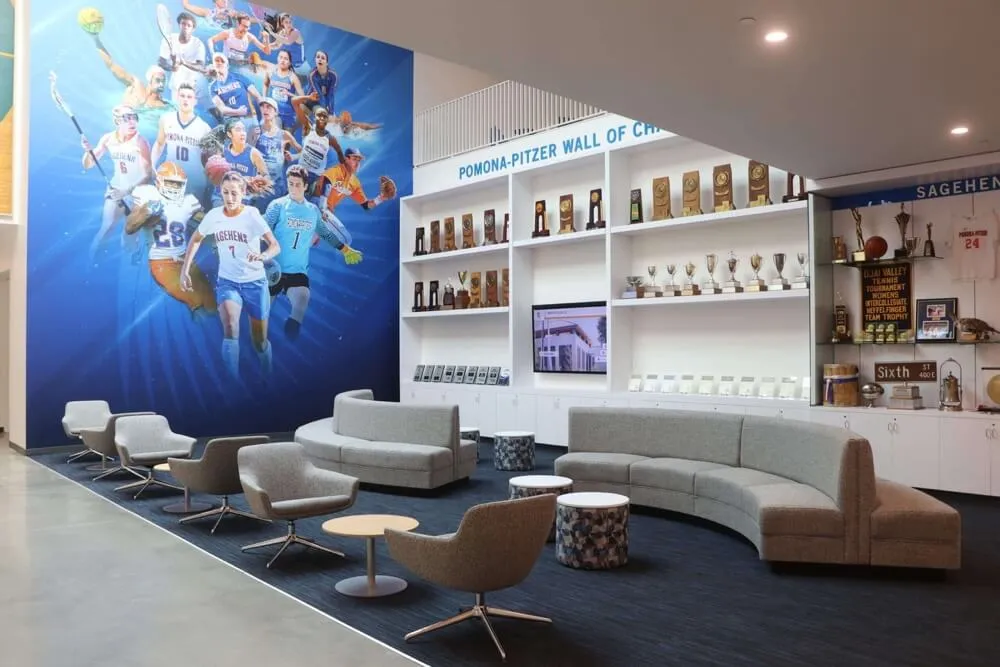
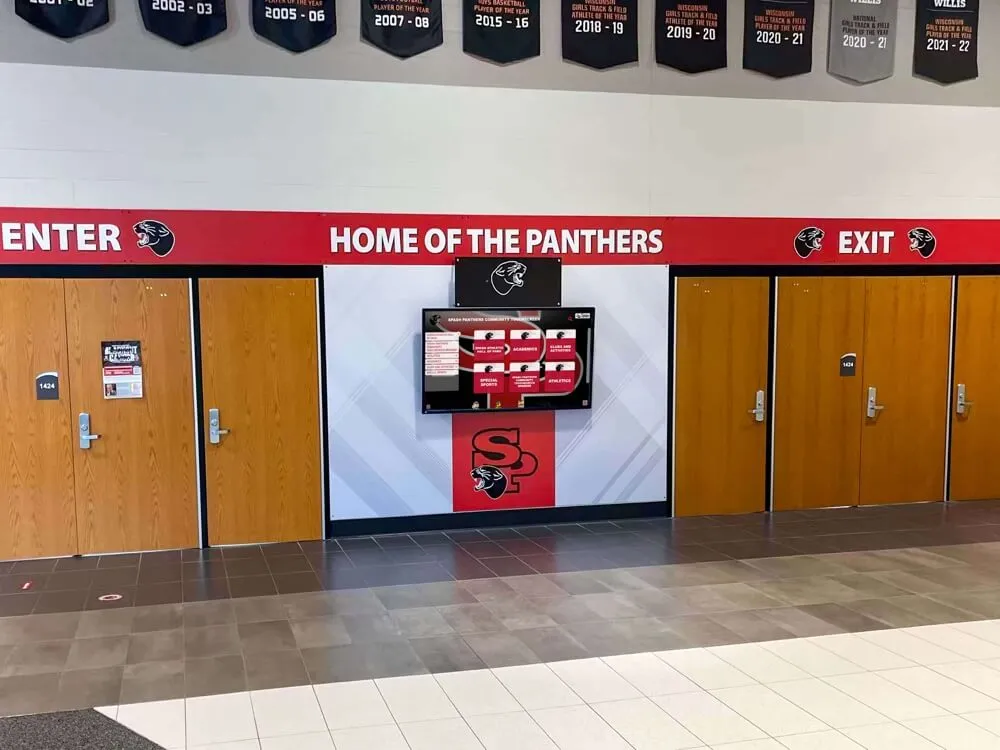
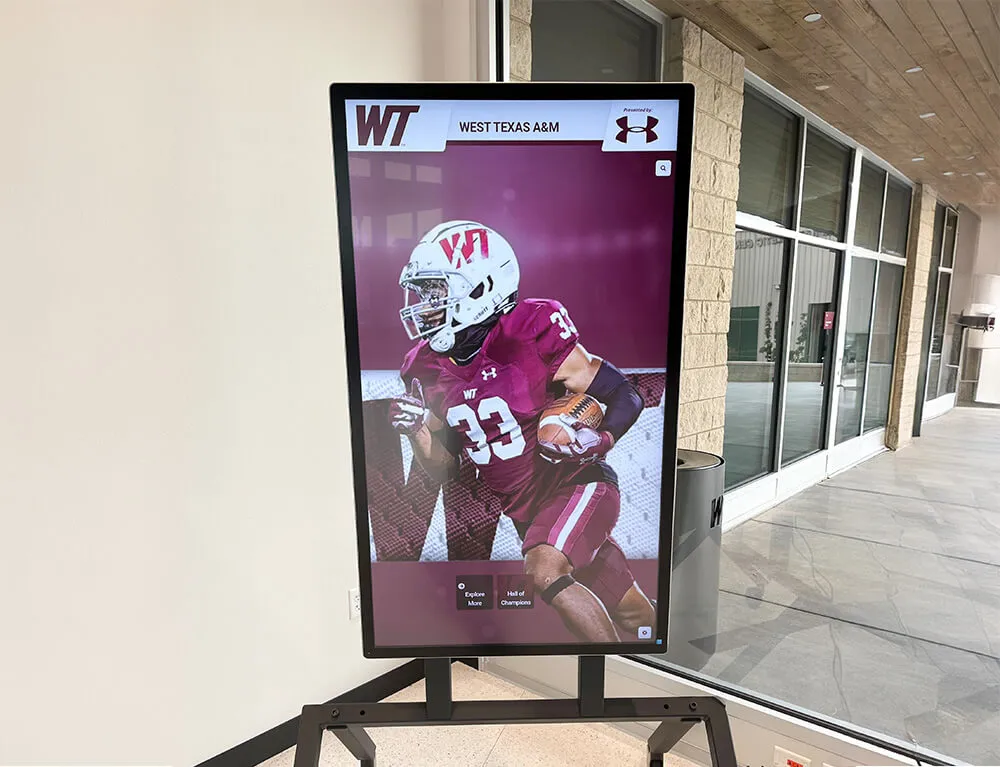
Free-standing recognition kiosks provide flexible placement options throughout athletic facilities, enabling swim record displays alongside other sports without permanent wall modifications
Recruiting and Hiring Qualified Coaching Staff
Technical expertise and teaching ability determine program quality and athlete development.
Identifying Essential Coaching Qualifications
Effective swim coaches possess specific competencies:
Competitive Swimming Background
Ideal candidates have personal competitive swimming experience providing firsthand understanding of training demands, race strategies, mental preparation, and competitive culture. Former collegiate swimmers often transition successfully to coaching, bringing recent technical knowledge and competitive perspective.
However, personal swimming achievement alone doesn’t ensure coaching effectiveness. Excellent swimmers sometimes struggle teaching fundamentals to beginners, while coaches without elite competitive backgrounds may excel at instruction, motivation, and program development.
Technical Stroke Mechanics Knowledge
Swimming success depends heavily on biomechanical efficiency. Coaches must identify stroke flaws, communicate corrections effectively, design progressive drills developing proper technique, and understand how individual body types affect optimal stroke patterns.
During interviews, assess technical knowledge by requesting demonstration of common stroke corrections, explanation of drill progressions for specific stroke elements, and approach to evaluating and improving individual swimmer mechanics.
Training Periodization Understanding
Year-round swim programs require sophisticated training cycles balancing volume and intensity across season phases. Coaches should understand base training principles, taper strategies before championship meets, recovery protocols preventing overtraining, and age-appropriate training volumes for developing athletes.
Request sample season plans showing training progression, meet selection strategy, and periodization approach providing evidence of systematic training philosophy rather than ad hoc workout planning.
Safety Certification and Risk Management
Swimming coaches must maintain current lifeguard certification, CPR and first aid training, USA Swimming or state association coaching certification, and concussion recognition training. Beyond certifications, coaches need sound judgment regarding fatigue management, weather protocols, proper supervision ratios, and emergency response procedures.
Verify all certifications during hiring and establish policies requiring ongoing certification maintenance as employment conditions.
Structuring Coaching Positions
Program scale determines staffing needs:
Head Coach Responsibilities
Head coaches typically manage program vision and development, practice planning and season periodization, meet strategy and competition management, recruiting and athlete retention, staff hiring and development, parent communication and booster coordination, budget management, and safety oversight.
For startup programs, head coaches often handle most responsibilities personally while gradually building support staff as programs grow. Clearly defined expectations prevent misunderstandings about workload and compensation relationships.
Assistant Coach Roles
Growing programs add assistants handling specific responsibilities such as age-group development, sprint specialists, distance training, diving coaching, stroke technique specialists, or administrative coordination.
Assistant coaches often come from parent volunteers with swimming backgrounds, college students seeking coaching experience, or teachers with relevant expertise. While volunteers provide valuable support, paid positions ensure accountability and consistent availability.
Volunteer Parent Involvement
Parents contribute significantly through timing at meets, administrative support, fundraising leadership, transportation coordination, and athlete supervision. Effective programs establish clear volunteer structures with defined roles, training requirements, and professional boundaries maintaining coach authority while leveraging parent support.
Understanding how schools recognize various contributors, including student achievement and athlete performance, helps coaches develop comprehensive recognition cultures that motivate swimmers toward excellence.
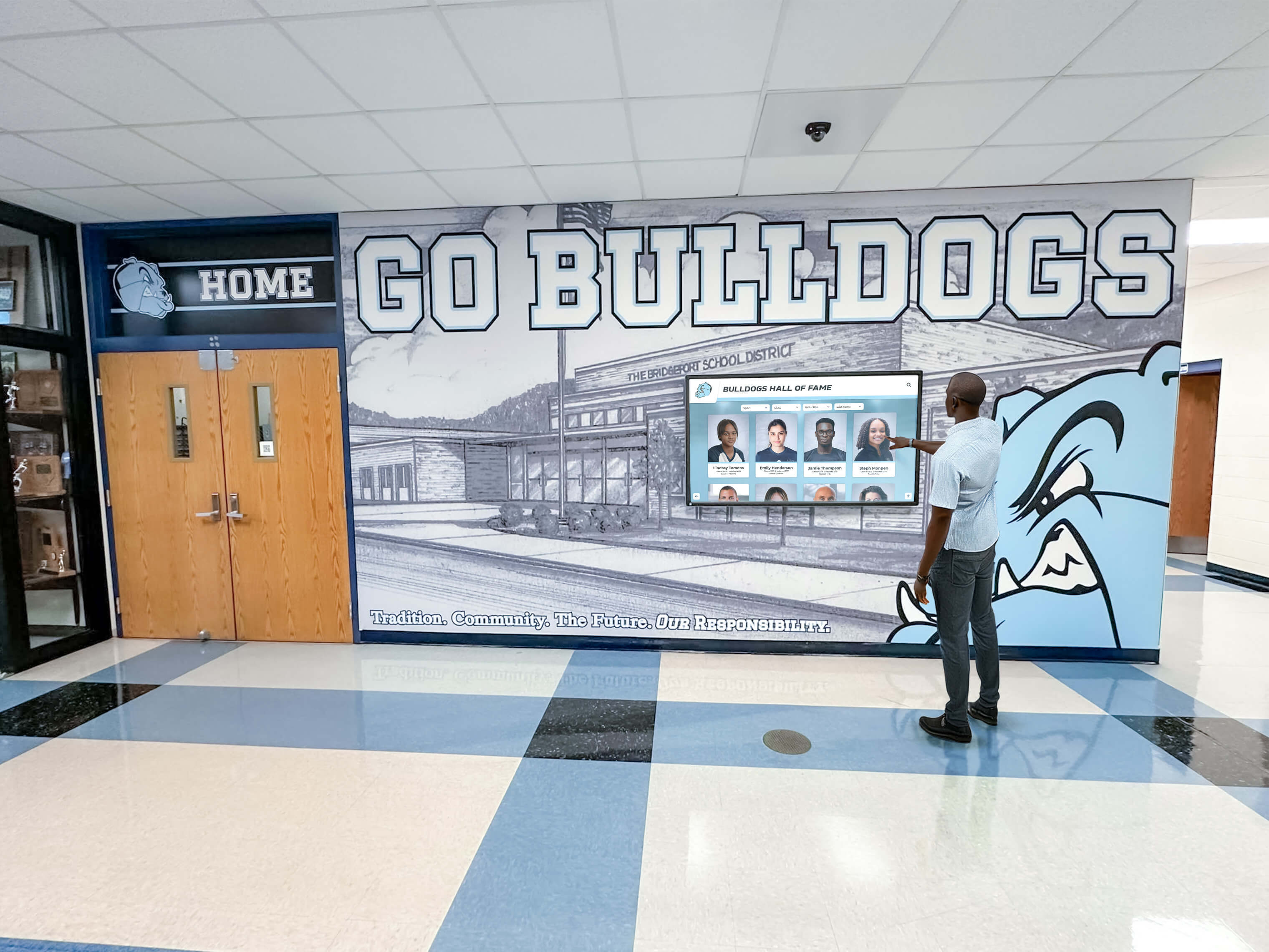
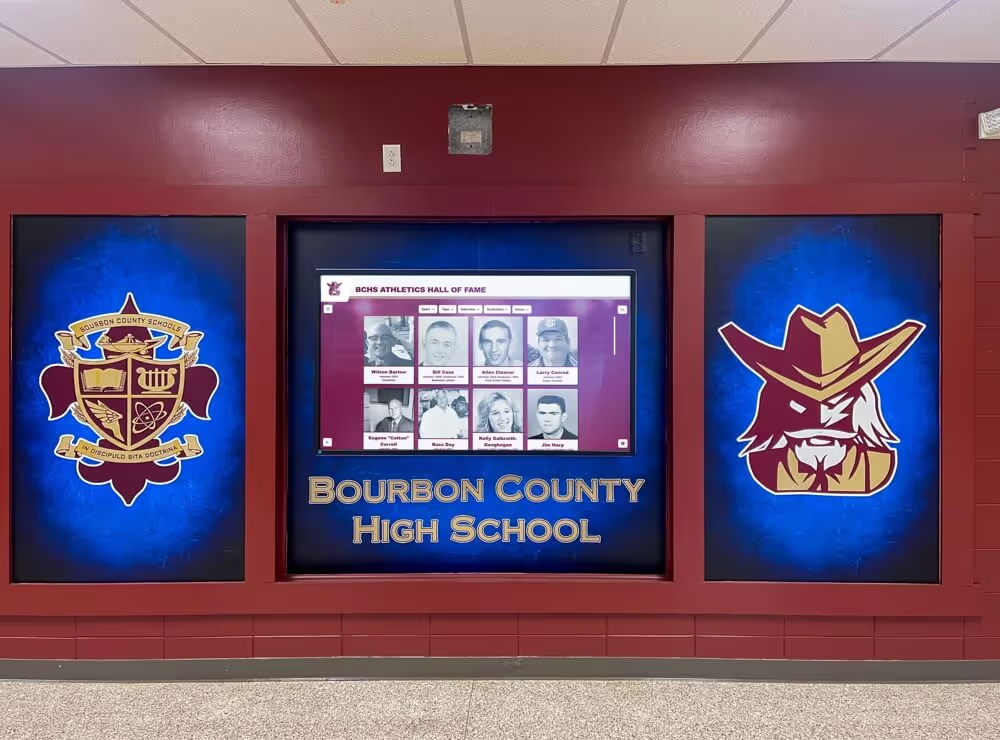
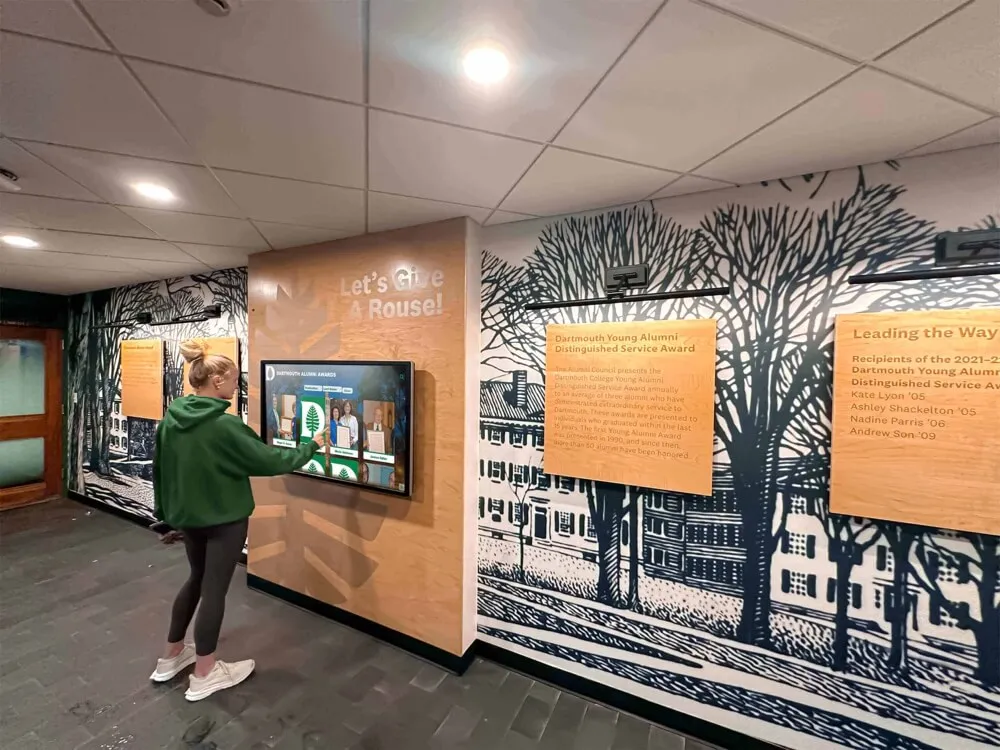
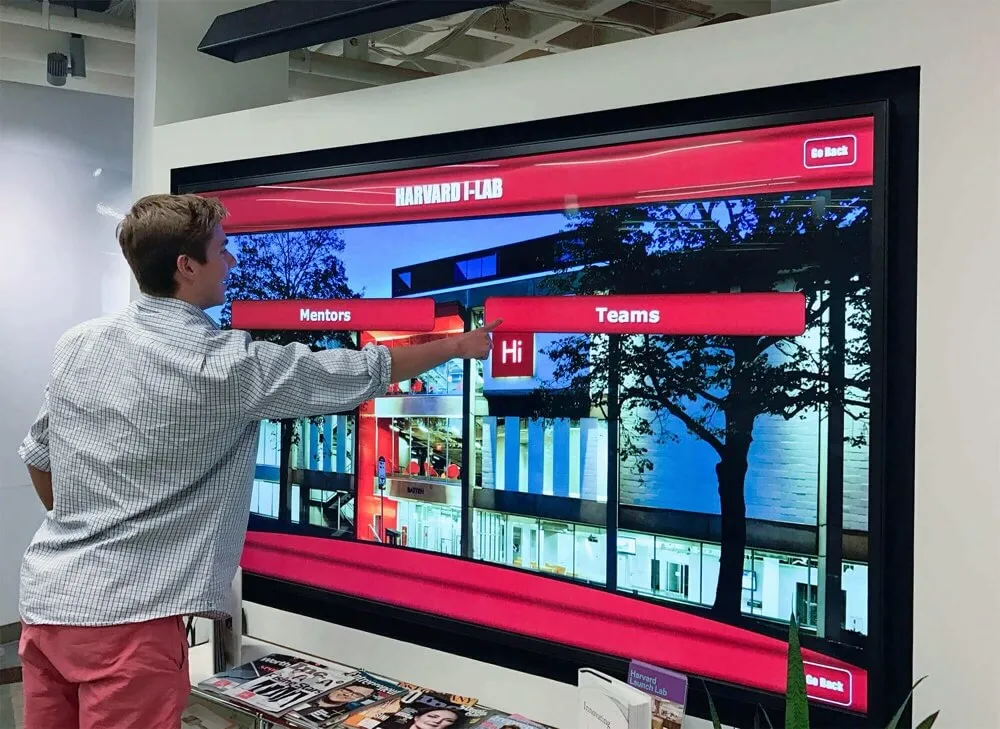
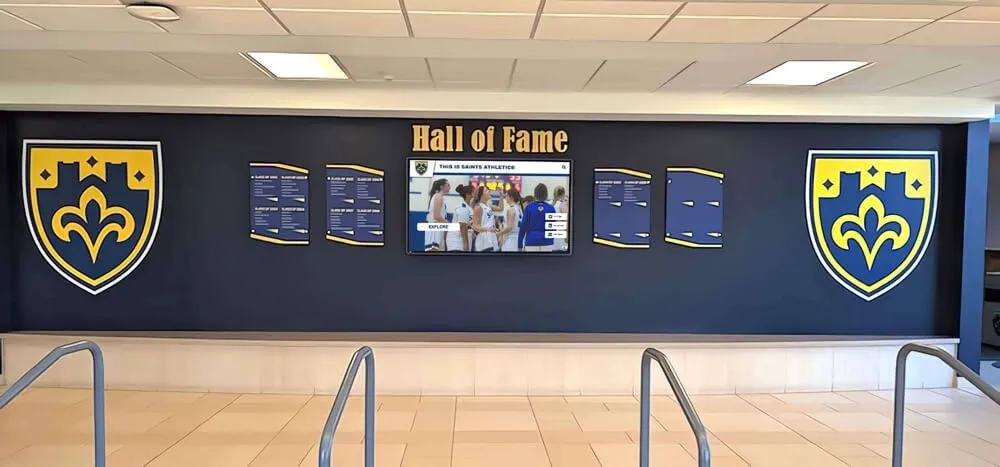
Interactive athletic displays enable swimmers to explore program history, review current records, and track performance improvements that create aspirational goals for developing athletes
Recruiting Founding Team Members
Initial roster development requires strategic outreach and inclusive recruitment.
Reaching Beyond Traditional Athlete Populations
Successful swim programs cast wide recruitment nets:
Middle School Feeder Programs
Establish relationships with middle school physical education departments, recreational swim programs, and youth swim clubs identifying students with swimming interest or experience. Early recruitment builds pipeline awareness and allows program promotion before students commit to other sports.
Conduct middle school swim clinics, informational sessions for parents and students, and facility tours showcasing program opportunities and competitive pathways available through high school participation.
Multi-Sport Athletes
Many successful swimmers compete in other sports during different seasons. Running, soccer, and track athletes often transition effectively to swimming given existing endurance conditioning and competitive mindset. Basketball and volleyball players bring useful height and explosive power to sprint events.
Promote swimming as complementary sport developing total fitness, providing injury recovery alternatives, and offering college recruitment opportunities beyond crowded major sports. Emphasize year-round conditioning benefits and transferable athletic skills.
Non-Traditional Participants
Swimming welcomes athletes who struggle with traditional team sports due to individual performance preferences, anxiety about ball skills, or physical attributes less suited to basketball or football. Larger students excel in distance events and individual medleys. Smaller athletes dominate sprint races. Athletes uncomfortable with contact sports appreciate swimming’s individual focus and personal improvement emphasis.
Inclusive recruitment messaging emphasizing swimming’s accessibility across body types, skill levels, and prior experience helps build diverse teams while creating welcoming cultures attracting students who might otherwise avoid athletics entirely.
Community Swim Program Participants
Partner with recreational programs, summer leagues, and learn-to-swim initiatives identifying experienced swimmers not previously considering competitive participation. Many recreational swimmers possess strong technical foundations and fitness bases enabling immediate competitive contributions with proper training and coaching.
Creating Inclusive Development Pathways
Sustainable programs accommodate varying experience levels:
Novice Swimmer Integration
Accept athletes with limited competitive experience, providing beginner instruction, modified practice groups, appropriate competition opportunities, and patient development timelines. Novice swimmers often demonstrate tremendous improvement during first seasons, creating visible progress that motivates continued participation.
Establish separate practice groups by ability level rather than grade, allowing appropriate challenge for experienced swimmers while preventing beginners from becoming overwhelmed by advanced workouts beyond their current capacity.
Competitive Experience Differentiation
Swimmers arrive with diverse backgrounds from year-round club programs, summer recreational leagues, or no formal competition experience. Design practice structures, meet selections, and goal-setting approaches accommodating different experience levels while maintaining challenging environments for advanced athletes.
Avoid program cultures where only club-experienced swimmers receive recognition and opportunity. Celebrate improvement and effort alongside absolute performance, creating value for all participation levels rather than exclusively focusing on top performers.
Year-Round vs. Seasonal Participation
Determine whether your program operates year-round or seasonally, and whether athletes can participate in other school sports. Year-round programs develop deeper skill but may conflict with multi-sport participation. Seasonal programs enable sport diversity but limit development time.
Many successful programs offer year-round training with flexible participation allowing athletes to prioritize other sports during off-seasons while maintaining swimming fitness. This approach builds larger rosters than demanding exclusive year-round commitment.
Resources on recognizing athletic commitment and achievement help coaches celebrate both team excellence and individual accomplishments that define successful program cultures.
Establishing Practice Structures and Training Protocols
Systematic training organization maximizes limited pool time and athlete development.
Designing Effective Practice Plans
Quality practices balance multiple training dimensions:
Technical Development Focus
Beginning swimmers require extensive stroke instruction developing proper freestyle, backstroke, breaststroke, and butterfly mechanics. Devote 20-30% of practice time to focused technique work through drill progressions, video analysis, partner feedback, and targeted corrections.
Even advanced swimmers benefit from ongoing technical refinement. Small mechanical improvements generate significant performance gains through enhanced efficiency reducing energy waste and improving race-pace sustainability.
Aerobic Base Building
Distance and middle-distance swimmers develop aerobic capacity through moderate-intensity volume accumulation. Base training phases emphasize consistent moderate effort rather than high-intensity intervals, building cardiovascular fitness and muscular endurance supporting later speed development.
Age-appropriate volume prevents overtraining while ensuring sufficient stimulus for adaptation. Youth swimmers typically handle 3,000-5,000 yards per practice, while high school athletes may progress to 5,000-8,000 yards depending on training phase and individual capacity.
Speed and Power Development
Sprint performance requires explosive power, efficient speed mechanics, and race-pace specificity. Incorporate sprint sets, starts and turns practice, underwater kicking emphasis, and competition-specific intervals preparing athletes for race demands.
Balance speed work with adequate recovery allowing maximum effort during quality sets rather than accumulating excessive fatigue preventing proper intensity execution.
Mental Preparation and Race Strategy
Competitive success requires mental toughness, pre-race preparation, race strategy understanding, and pressure performance skills. Incorporate visualization exercises, simulated race conditions during practice, pacing strategy discussions, and deliberate high-pressure training sets developing mental resilience.
Many coaches conduct regular mental skills sessions addressing goal setting, anxiety management, focus techniques, and competitive mindset development that separate successful competitors from equally talented athletes who struggle under pressure.
Implementing Safety Protocols
Water-based training demands rigorous safety standards:
Supervision and Lifeguard Requirements
Maintain proper coach-to-athlete ratios ensuring adequate supervision. USA Swimming recommends minimum one coach per 30 athletes, with lower ratios for younger or less experienced groups. Facilities typically require certified lifeguards on duty during all practices regardless of coach certifications.
Establish clear visibility protocols ensuring coaches can observe all swimmers throughout practices, particularly during deep-water training. Position coaches strategically around pool deck maintaining sight lines across all lanes.
Emergency Action Plans
Develop written emergency procedures addressing potential incidents including drowning or near-drowning, injuries on pool deck, medical emergencies, severe weather, and facility evacuations. Train all staff on emergency protocols and practice regular drills ensuring smooth execution during actual emergencies.
Maintain emergency equipment including rescue tubes, first aid kits, AED devices, spine boards, and emergency contact information for all athletes. Verify all safety equipment remains accessible and functional through regular inspections.
Medical Screening and Communication
Require pre-participation physical examinations, medical history disclosure, and medication information for all athletes. Establish systems communicating medical information to coaches and staff while protecting athlete privacy under HIPAA requirements.
Maintain clear parent communication protocols for reporting injuries, discussing health concerns, and coordinating return-to-play procedures following illness or injury.
Understanding comprehensive facility safety and maintenance protocols ensures aquatic environments meet appropriate safety standards supporting successful program operations.
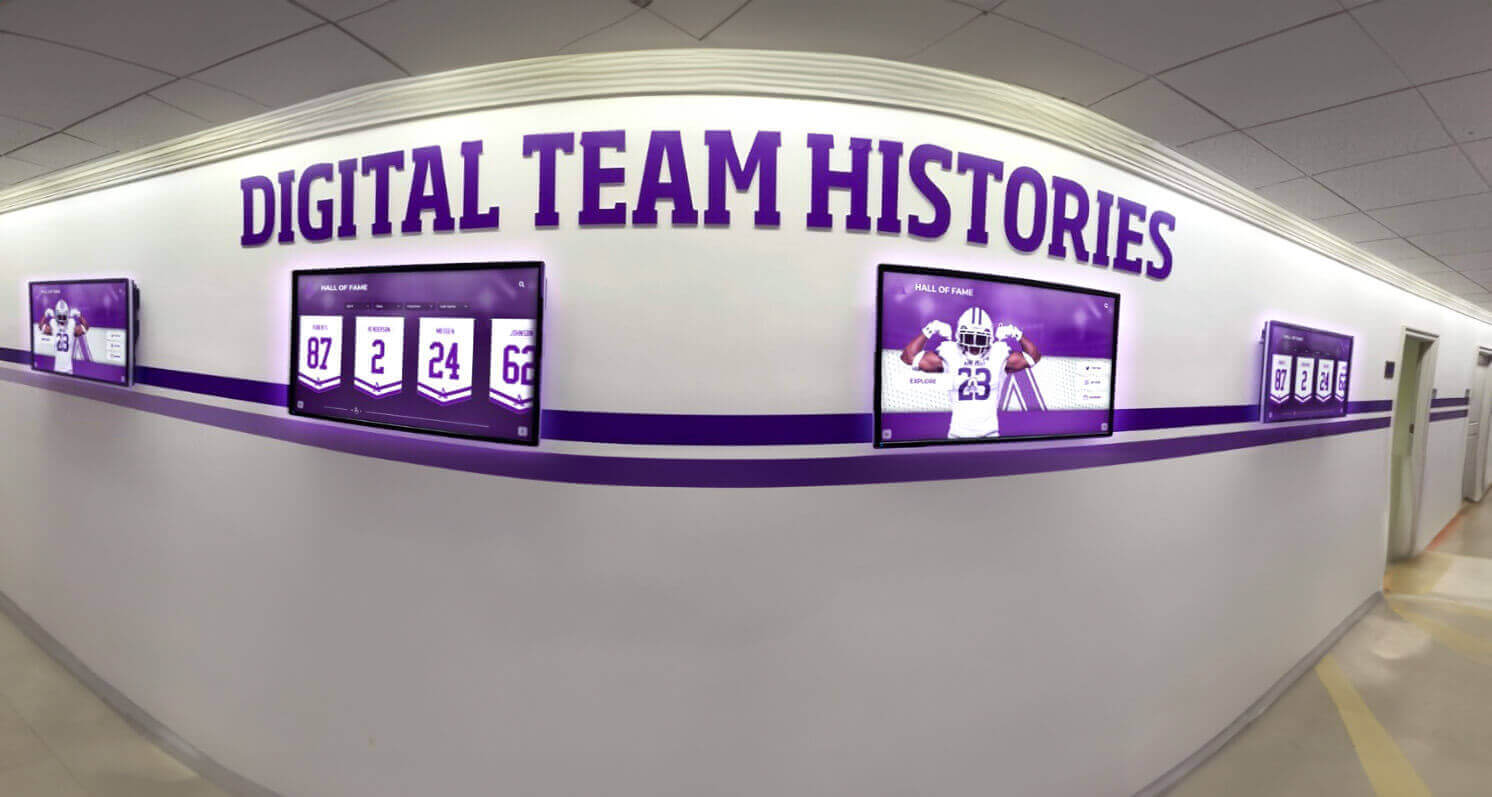
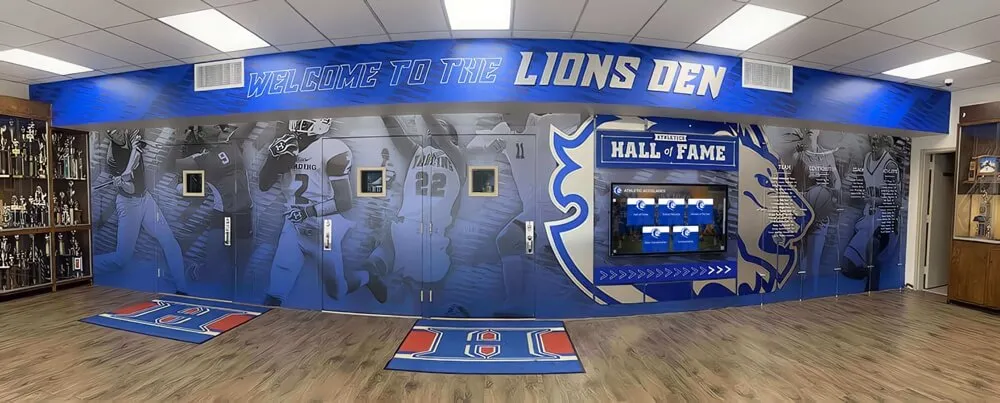
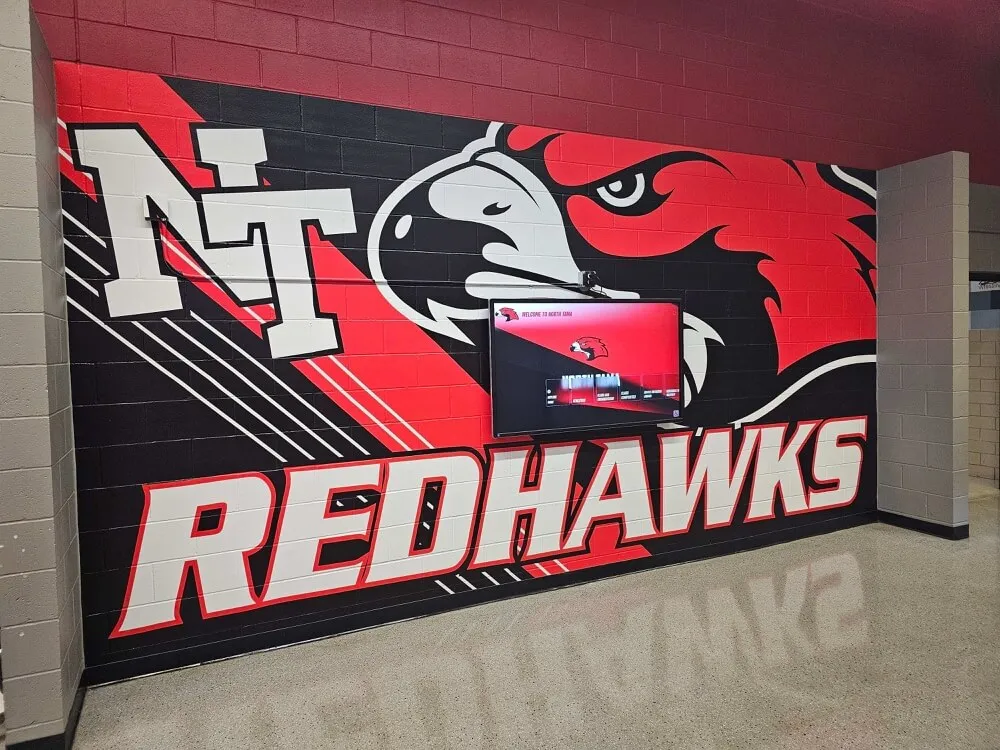
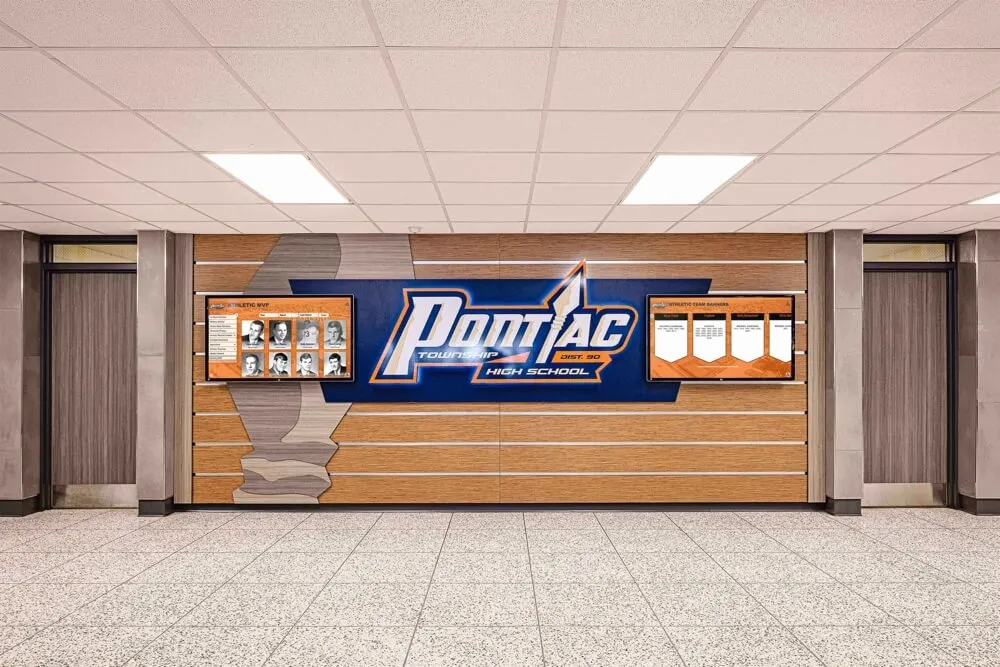
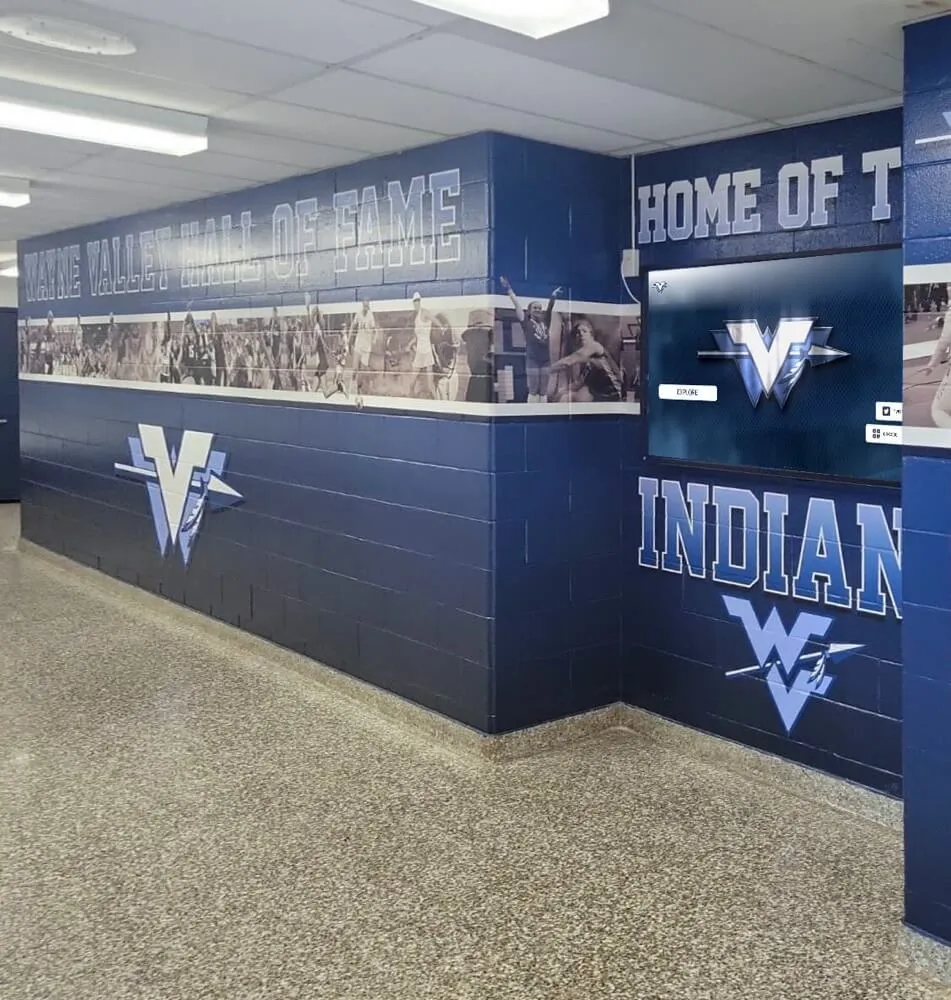
Hallway recognition installations celebrate swim team history and individual records, creating constant visibility that builds program tradition and motivates current athletes
Managing Competitions and Meet Hosting
Successful meet participation and hosting requires detailed planning and execution.
Preparing Teams for Competition
Pre-meet preparation determines competitive success:
Entry Strategy and Event Selection
Select events matching athlete strengths while providing developmental challenges. Balance specialization in primary events with strategic secondary events broadening competitive experience. Consider relay opportunities maximizing team scoring potential.
Discuss event selections with athletes, explaining strategy while incorporating their preferences and comfort levels. New swimmers often need guidance selecting appropriate events matching their training and current ability levels.
Taper and Peak Planning
Championship meets require training tapers reducing volume while maintaining intensity, allowing physical recovery and performance optimization. Taper duration typically ranges 7-21 days depending on athlete maturity, training volume, and competition importance.
Educate athletes about taper physiology, expected feelings during training reduction, and trust in the process despite reduced workout intensity. Many swimmers feel anxious during taper periods, fearing fitness loss when actually achieving peak readiness.
Meet Logistics and Team Management
Communicate detailed meet information including schedules, warm-up times, check-in procedures, facility locations, parking information, and team meeting times. Provide written heat sheets showing when athletes compete, enabling family attendance planning.
Establish team areas with tents or designated space for athlete belongings, recovery between events, and team cohesion. Organized team spaces create professional atmosphere and facilitate coaching access to athletes throughout meets.
Hosting Home Meets Successfully
Meet hosting generates revenue while providing home competitive advantage:
Facility Preparation and Staffing
Home meets require substantial volunteer support: timers for each lane, stroke and turn judges, runner positions, administrative officials, concession operations, parking attendants, and cleanup crews. Develop volunteer coordinator roles within booster organizations recruiting and training necessary staff.
Prepare facilities with proper signage, spectator seating, official work areas, warm-up lane designations, and awards presentation space. Professional facility presentation creates positive impressions on visiting teams and officials.
Technology and Timing Systems
Competitive meets require electronic timing systems, scoring software, heat sheet generation, results posting, and announcer information. Systems range from basic timing consoles to sophisticated touchpad systems with automatic results displays.
Budget $8,000-25,000 for competitive timing equipment, or explore rental options for occasional use. Many programs share equipment costs with other local teams, rotating hosting responsibilities and equipment access.
Revenue Generation Opportunities
Hosted meets generate income through admission charges, concession sales, program sales, and meet merchandise. Well-organized meets with quality concessions and professional operations can net $1,000-3,000 profit while providing valuable home competitive opportunities.
Consider additional revenue through meet naming sponsorships, advertising in meet programs, facility signage during events, and premium seating options for key supporters.
Exploring how schools display and celebrate championship achievements helps athletic directors create recognition systems that preserve meet results and build program tradition through visible celebration of team and individual accomplishments.
Building Program Culture and Athlete Recognition
Sustainable programs develop strong identities and recognition traditions.
Creating Team Identity and Traditions
Culture defines program character beyond competitive results:
Team Values and Standards
Establish clear behavioral expectations, academic standards, attendance policies, and effort requirements. Successful programs balance competitive intensity with positive team culture, individual accountability with mutual support, and high standards with compassionate understanding of individual circumstances.
Involve athletes in defining team values and culture through leadership councils or team meetings, creating ownership of standards rather than imposing purely top-down expectations.
Traditions and Rituals
Develop unique program traditions including pre-meet rituals, team cheers, veteran swimmer mentorship programs, senior recognition ceremonies, and social events building relationships beyond pool deck. Traditions create continuity across seasons and graduating classes, establishing program identity transcending individual athletes or coaches.
Simple traditions like team breakfasts before championship meets, silly hat practices, or awards banquets celebrating season achievements create memorable experiences strengthening athlete connection to programs and likelihood of long-term involvement as alumni supporters.
Recognition and Celebration Systems
Acknowledge both absolute performance and individual improvement through varied recognition approaches. Celebrate personal records, time drops, mental toughness displays, leadership contributions, and competitive effort alongside traditional medals and trophies.
Modern recognition extends beyond physical awards through digital platforms celebrating achievements permanently and accessibly. Interactive displays enable real-time record tracking, performance comparison across program history, and multimedia athlete profiles that create aspiration for current swimmers while honoring past excellence.
Schools implementing comprehensive athlete recognition often explore digital display solutions that showcase individual and team records in formats that remain perpetually current and visually engaging for students, families, and visitors.
Developing Leadership Structures
Athlete leadership strengthens program culture and development:
Captain Selection and Responsibilities
Team captains provide peer leadership, practice culture setting, new swimmer mentoring, and athlete voice representation. Select captains through combination of coach selection and team voting, ensuring leadership combines performance credibility, character standards, and peer respect.
Define specific captain responsibilities including leading warm-ups, organizing team activities, communicating athlete perspectives to coaches, and modeling appropriate behavior and effort standards. Captains with clear roles contribute more effectively than those with vague “leadership” expectations.
Veteran Swimmer Mentorship
Pair experienced swimmers with newcomers, creating support systems helping beginners navigate team culture, understand practice expectations, learn meet procedures, and develop social connections. Mentorship programs accelerate new swimmer integration while developing leadership skills in veterans.
Formalize mentorship through specific assignments, guidance on mentoring approaches, and recognition of effective mentors contributing to team culture development beyond their personal competitive achievements.
Alumni Engagement and Legacy Building
Maintain connections with graduated swimmers through alumni networks, occasional practice visits, social media groups, and formal recognition at competitions. Alumni provide recruiting assistance, fundraising support, coaching volunteers, and visible examples of program value extending beyond high school participation.
Celebrate alumni achievements in college swimming, professional careers, and continued aquatic involvement, demonstrating program impact on lifelong development rather than merely four years of high school competition.
Measuring Success and Continuous Improvement
Effective programs evaluate performance across multiple dimensions beyond win-loss records.
Defining Success Metrics
Comprehensive assessment examines varied indicators:
Competitive Performance Indicators
Track individual time improvements, state qualifying percentages, championship meet performance, team scoring at invitationals, and record-breaking achievements. Competitive metrics provide objective performance assessment while highlighting specific strengths and improvement areas.
However, overemphasis on absolute competitive results may discourage programs in development phases or schools facing strong regional competition. Balance competitive metrics with improvement-focused measures celebrating progress regardless of absolute performance levels.
Participation and Retention Rates
Monitor roster sizes, year-over-year athlete retention, multi-year participation rates, and recruitment success bringing new swimmers into programs. Healthy participation numbers indicate positive culture and program value perceived by students and families.
Declining retention suggests problems with culture, coaching, workload, or competitive stress requiring attention before widespread roster erosion threatens program sustainability.
Academic Performance and College Placement
Swimming programs should enhance educational experience rather than detracting through excessive time demands. Monitor swimmer academic performance, graduation rates, and college placement including athletic recruitment and scholarship awards.
Successful programs produce college swimmers across competitive levels from Division I programs to club teams at academic institutions, demonstrating preparation for continued participation and helping recruits understand realistic college swimming opportunities.
Community Support and Financial Health
Assess booster involvement, fundraising success, facility partnerships, budget stability, and community perception. Programs with strong support bases withstand temporary competitive downturns while unsupported programs may face elimination despite competitive success.
Understanding how schools recognize and display various achievements helps athletic directors build comprehensive recognition cultures that celebrate diverse contributions and strengthen community connection supporting program sustainability.
Implementing Program Improvements
Continuous refinement addresses evolving needs:
Regular Stakeholder Feedback
Collect systematic input from athletes, parents, coaches, and administrators through end-of-season surveys, focus groups, exit interviews with departing seniors, and ongoing communication channels. Stakeholder perspectives reveal issues invisible to program leadership while identifying successful elements deserving continuation.
Act on feedback through visible improvements, communicating changes implemented based on stakeholder input. Demonstrated responsiveness encourages continued honest feedback rather than creating perception that input is collected but ignored.
Professional Development and Coaching Growth
Support coach development through continuing education, clinic attendance, mentorship from experienced coaches, and professional organization involvement. Coaching quality directly impacts athlete development and program success, making coach growth investments among the most valuable program improvement strategies.
Budget annual professional development funding enabling coaches to attend relevant conferences, pursue advanced certifications, and learn from successful programs at similar schools.
Facility and Equipment Upgrades
Prioritize strategic improvements enhancing training quality or competitive capability. Investments in timing systems, training equipment, or facility enhancements generate long-term value exceeding costs through improved athlete development and competitive preparation.
Develop multi-year capital plans identifying major needs, establishing funding timelines, and preventing emergency purchases when equipment fails unexpectedly.
Conclusion: Building Swimming Programs That Thrive
Starting a school swim team represents a significant undertaking requiring careful planning, resource commitment, and sustained effort across multiple years before programs achieve established stability and competitive success. However, the rewards—providing meaningful athletic opportunities for students, developing lifelong skills, creating college pathways, and adding program diversity to athletic departments—justify the investment required for successful program development.
The systematic framework explored throughout this guide provides athletic directors with proven approaches to feasibility assessment, budgeting, coaching recruitment, athlete development, operational management, and continuous improvement. Whether launching programs from scratch or revitalizing struggling teams, these principles create foundations for sustainable programs serving students, schools, and communities across generations.
Celebrate Your Swim Team's Achievements with Modern Recognition
Discover how digital recognition displays enable comprehensive swim record tracking, athlete profiles, and championship celebration that builds program tradition and motivates current competitors toward excellence.
Explore Recognition SolutionsSuccessful swim programs extend far beyond coaching technical stroke mechanics and designing effective practices. They require facility partnerships, financial sustainability, inclusive recruiting, comprehensive safety protocols, competitive preparation, and recognition cultures that celebrate achievements while building program identity and tradition. Athletic directors who address these multiple dimensions create programs that not only compete successfully but thrive as valued components of comprehensive athletic offerings.
Your students deserve athletic opportunities matching their interests, abilities, and aspirations. For many, competitive swimming provides the ideal environment combining individual performance focus, measurable improvement tracking, supportive team culture, and pathways to college competition and lifelong fitness engagement. With thorough planning, adequate resources, qualified coaching, and sustained commitment, you can build swim programs that enhance school athletic experiences while creating lasting value for participants and communities.
Ready to explore swimming program development further? Learn about donor recognition strategies applicable to athletic booster support. Discover perfect attendance recognition approaches demonstrating commitment celebration transferable to athletic dedication. And explore how comprehensive student achievement recognition creates cultures celebrating excellence across academic and athletic dimensions that define successful educational institutions committed to comprehensive student development and achievement.