



When institutions face the solemn responsibility of honoring community members who have passed, they confront a profound design challenge: how do you create memorial recognition that balances reverence with engagement, permanence with accessibility, and tradition with the practical realities of limited space and evolving remembrance needs?
The Latin phrase “in memoriam”—meaning “in memory of”—appears on countless memorial plaques, monuments, and dedications. Yet its simple translation belies the complexity of creating truly meaningful memorial experiences that honor individuals appropriately while serving the emotional, educational, and community-building purposes effective memorials fulfill. Whether commemorating alumni who achieved greatness, faculty who shaped generations, community leaders who served selflessly, or those who made ultimate sacrifices, memorial recognition deserves thoughtful design reflecting the significance of lives being celebrated.
This comprehensive guide explores in memoriam meaning, memorial design principles, and how modern institutions create tribute displays that honor legacy through compelling visual storytelling, unlimited recognition capacity, and accessibility extending far beyond physical memorial locations.
Traditional memorial approaches—engraved plaques, printed memorial books, static wall displays—face inherent limitations that compromise recognition effectiveness over time. Physical space constraints force painful decisions about whose memory receives visibility. Static formats prevent updating information as family members share additional stories or historical research reveals new insights. And fixed installations serve only those who can physically visit memorial locations, excluding distant family members, alumni communities, and future generations seeking connections to institutional heritage.

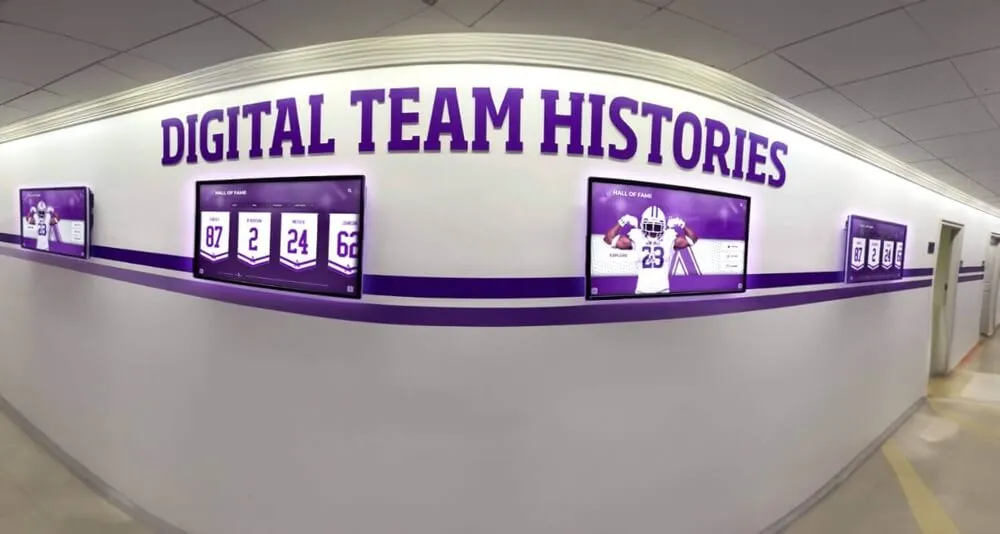
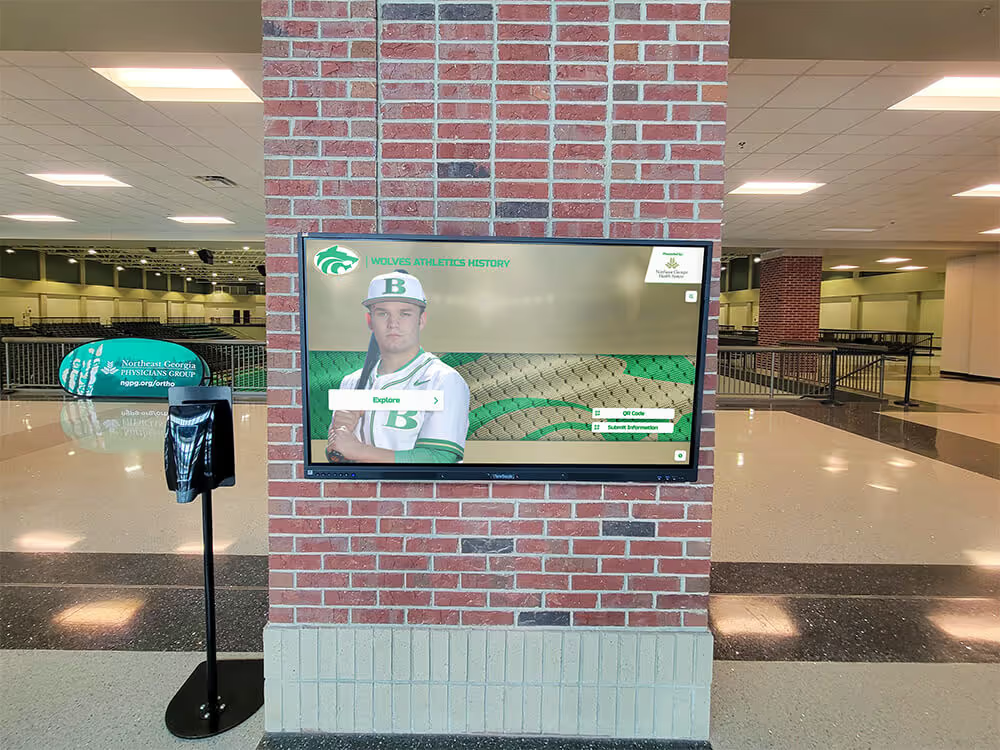
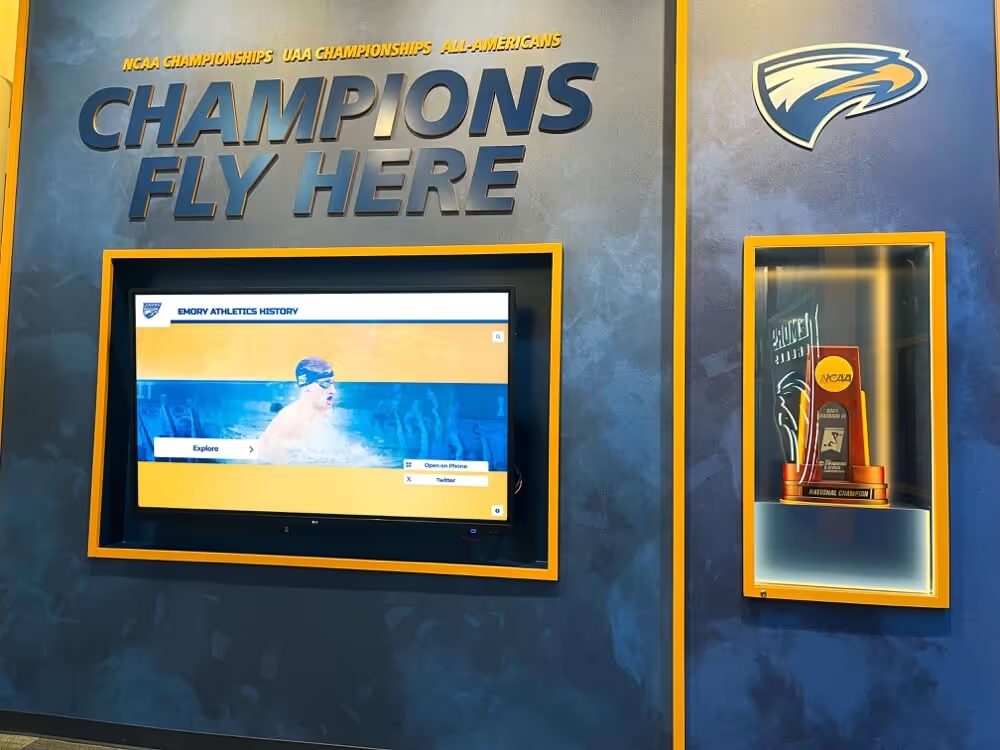
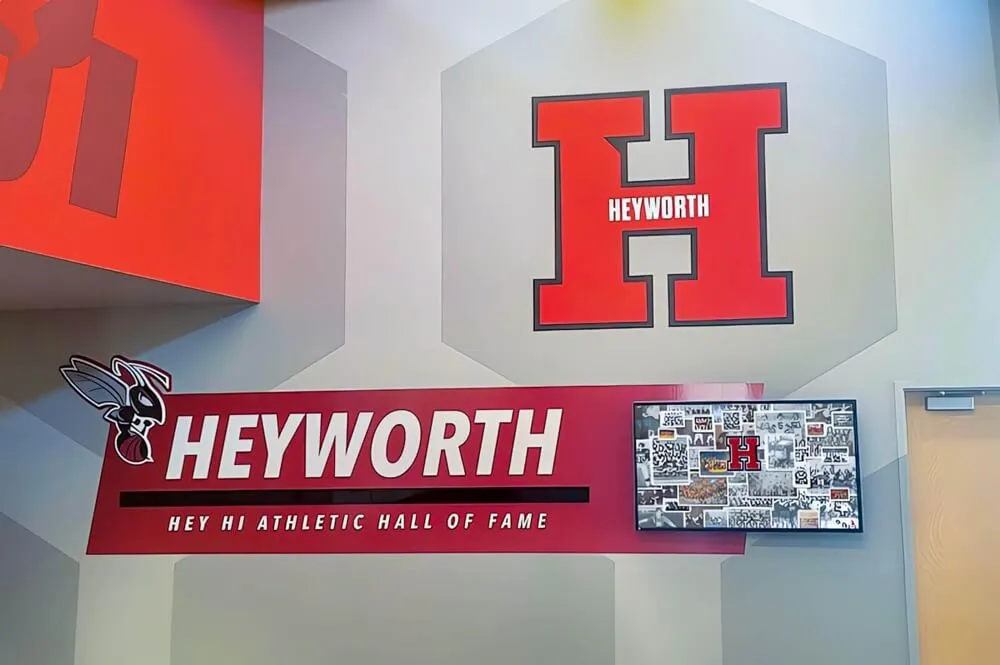
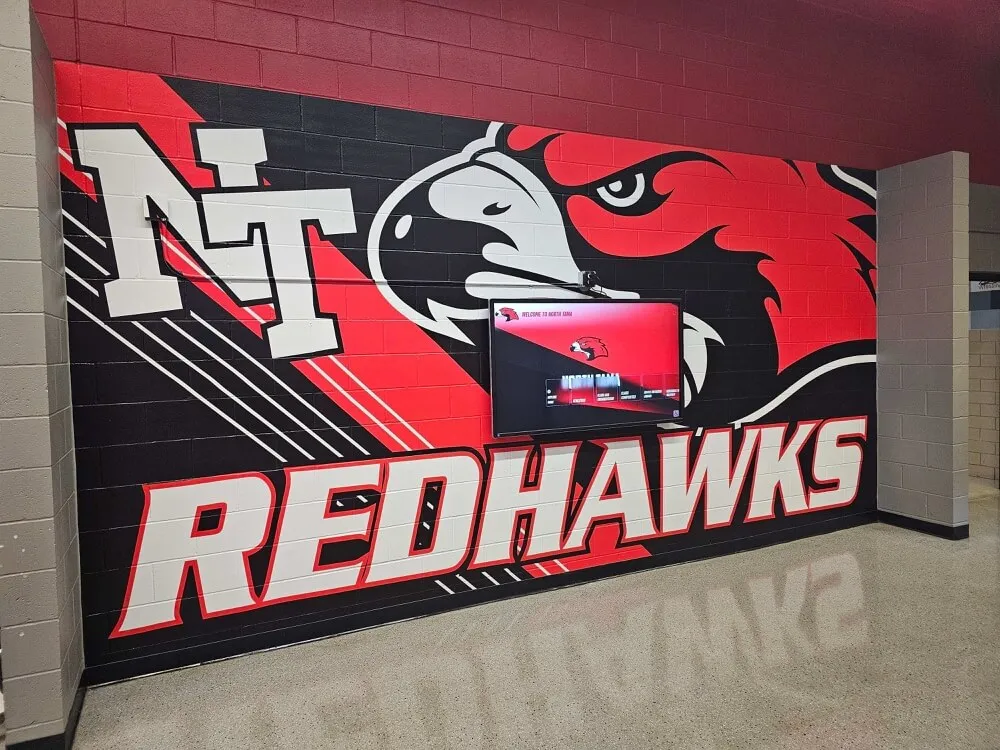
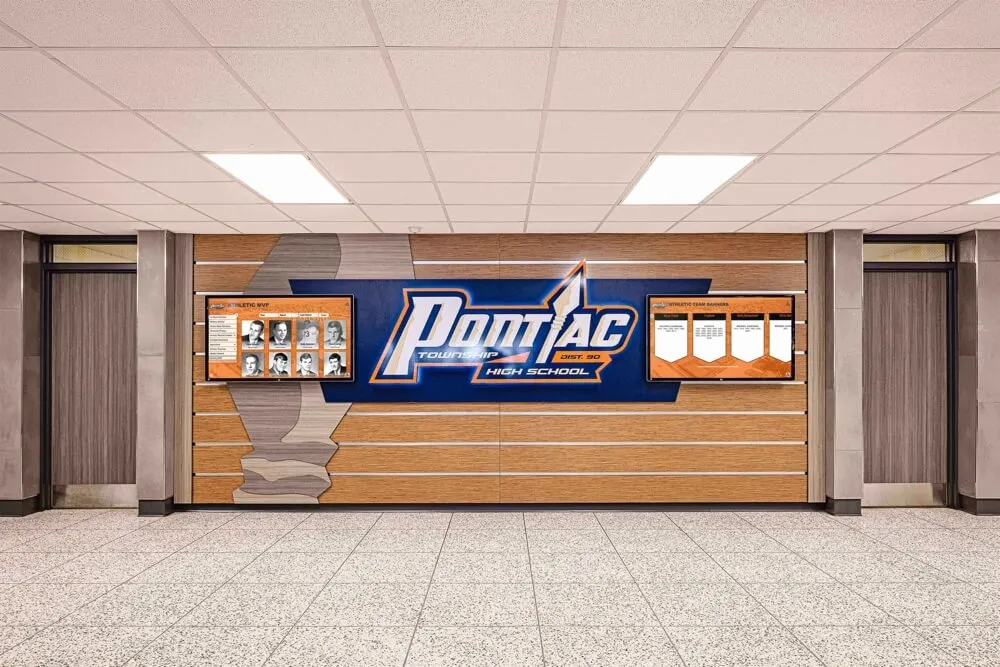
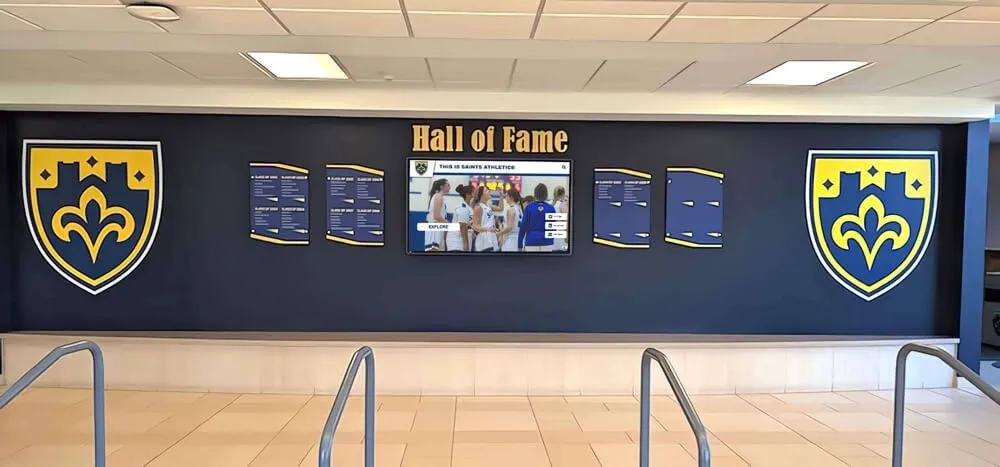
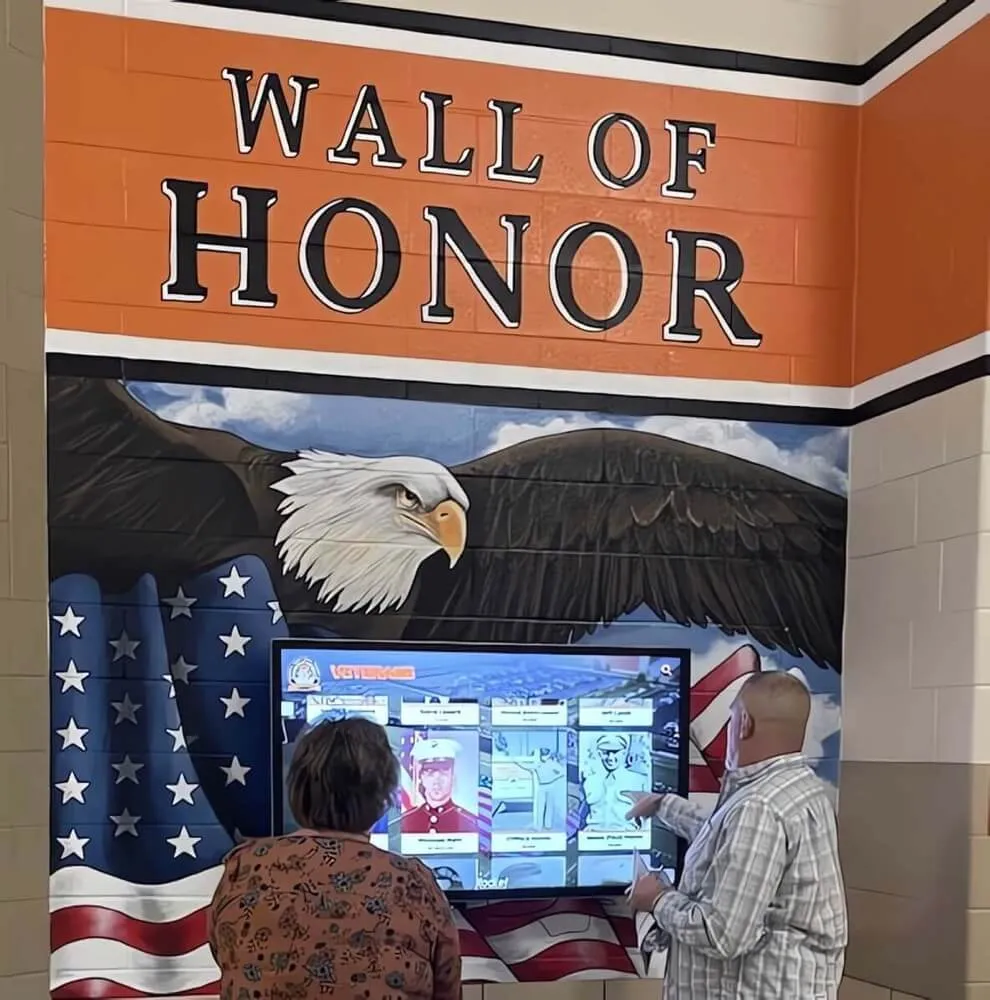
Thoughtful memorial design combines reverent visual elements with interactive technology, creating experiences that honor sacrifice while enabling meaningful exploration of individual stories
Understanding In Memoriam: Meaning, Purpose, and Cultural Significance
Before designing memorial displays, understanding what “in memoriam” represents and why memorial recognition matters helps organizations create appropriate tribute systems.
The Etymology and Traditional Usage of In Memoriam
“In memoriam” derives from Latin, translating directly as “in memory of” or “to the memory of.” This phrase has functioned as a memorial dedication for centuries, appearing on tombstones, monuments, plaques, and commemorative installations honoring deceased individuals.
Historical Memorial Contexts
Traditional in memoriam usage includes:
- Tombstone inscriptions marking burial sites
- Memorial plaques dedicating buildings, rooms, or facilities in someone’s honor
- Monument inscriptions commemorating historical figures or significant events
- Literary dedications in books or poems honoring deceased individuals
- Memorial service programs and funeral materials
- Academic tributes in yearbooks, publications, and institutional records
The phrase carries solemn weight, immediately signaling that what follows concerns honoring someone who has passed away. This cultural understanding creates expectations about appropriate tone, visual design, and content presentation for in memoriam contexts—recognition should reflect dignity befitting memorial purposes while celebrating lives in ways that resonate with those who knew deceased individuals or seek to learn about their contributions.
Why Memorial Recognition Matters for Schools and Organizations
Memorial displays serve multiple interconnected purposes extending beyond simple documentation of loss:
Honoring Individuals and Preserving Legacy
Memorial recognition ensures that individuals who contributed to institutions, served communities, or achieved distinction receive perpetual acknowledgment. These systems preserve complete stories—not just names and dates, but biographical narratives explaining who people were, what they accomplished, what values guided them, and how their contributions continue influencing institutions and communities they served.
Comprehensive memorial content creates stronger emotional connections than minimal plaques alone. When visitors encounter rich narratives explaining backgrounds, achievements, personal qualities, and lasting impact, they develop authentic appreciation that simple name engraving cannot inspire.
Supporting Grieving Communities and Families
Memorial recognition serves important functions for those experiencing loss. Families need assurance that loved ones’ contributions receive appropriate honor and that institutions remember them permanently. Well-designed memorial experiences communicate that communities value what individuals gave, that service matters perpetually, and that memories continue shaping institutional identity and values.
Public memorial displays also create gathering points where families, friends, colleagues, and community members collectively honor those who passed during significant dates—anniversaries, memorial services, and personal remembrance visits. These shared spaces facilitate healing through community connection around collective memory and appreciation.
Educating Current and Future Generations
Memorial displays educate visitors about institutional history, community heritage, and values that honored individuals embodied. Students encountering comprehensive biographical content learn about dedication, service, and achievement through real examples rather than abstract concepts. Community members discover individuals whose contributions they never knew about. And younger generations inherit responsibility for remembering those who built institutions and values they benefit from today.
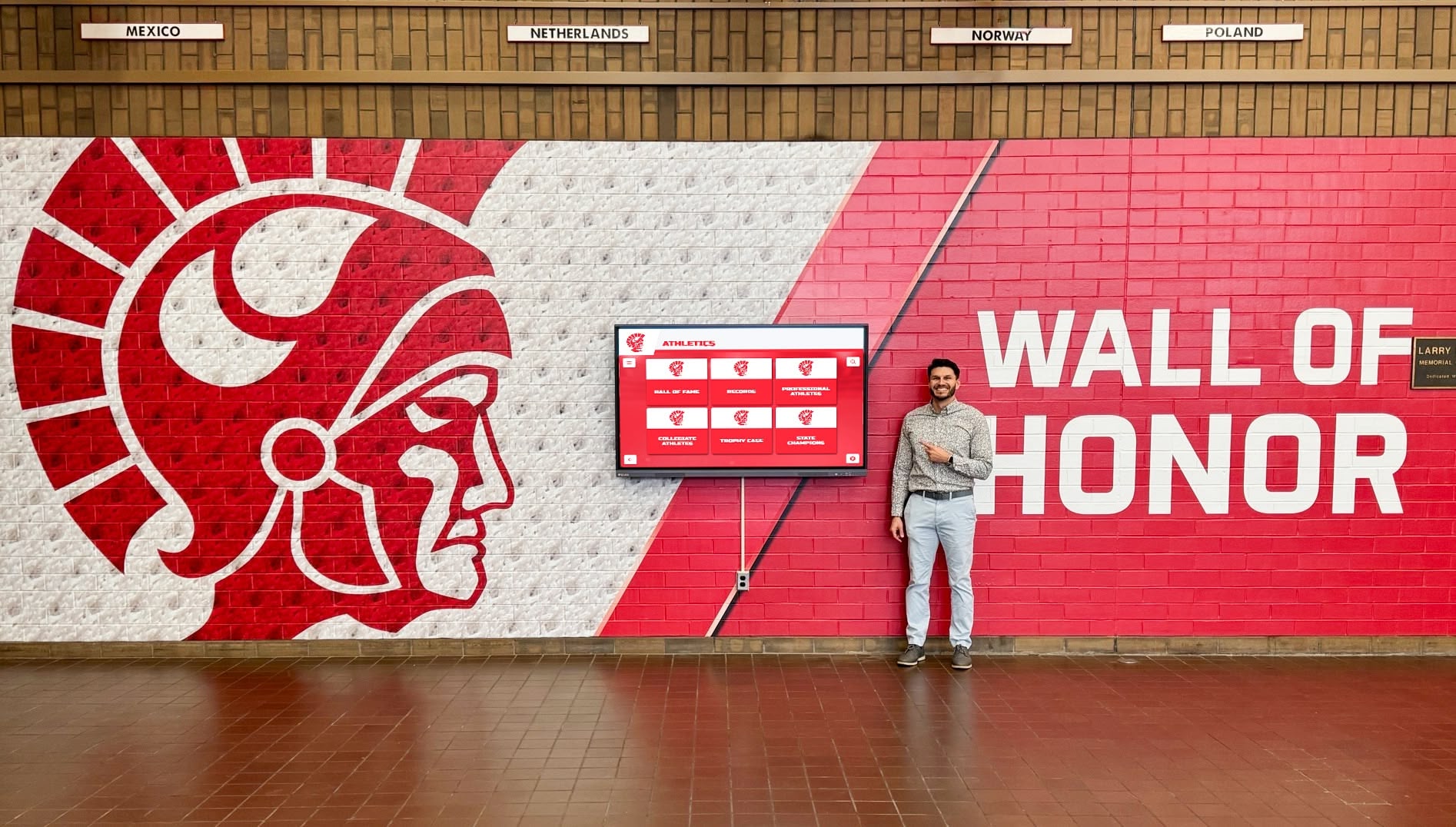
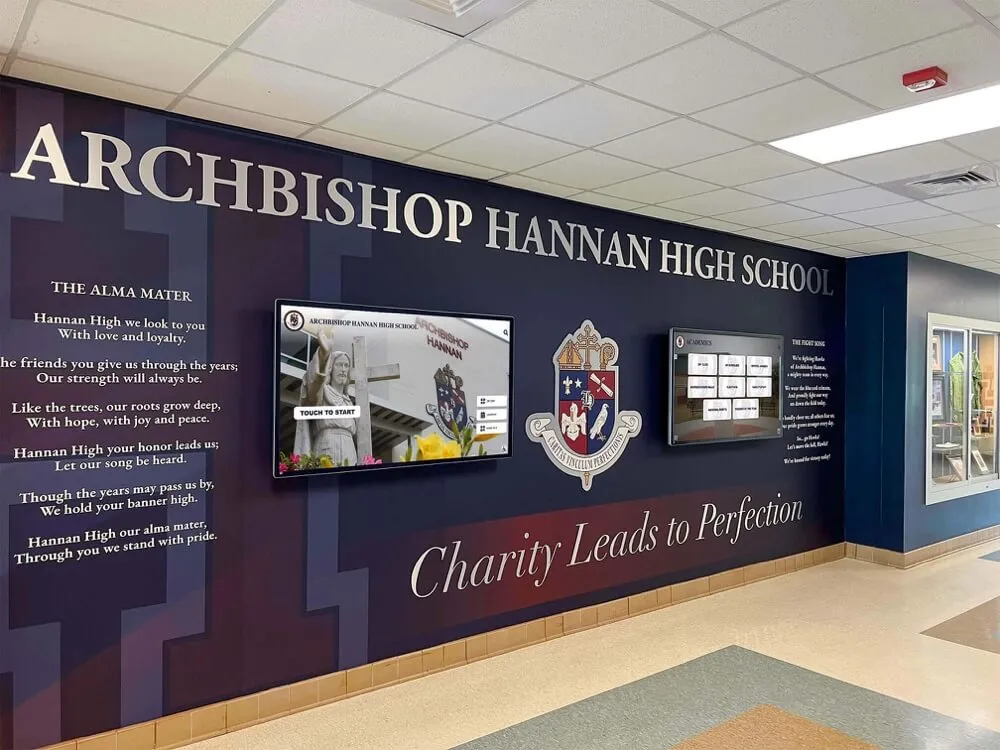
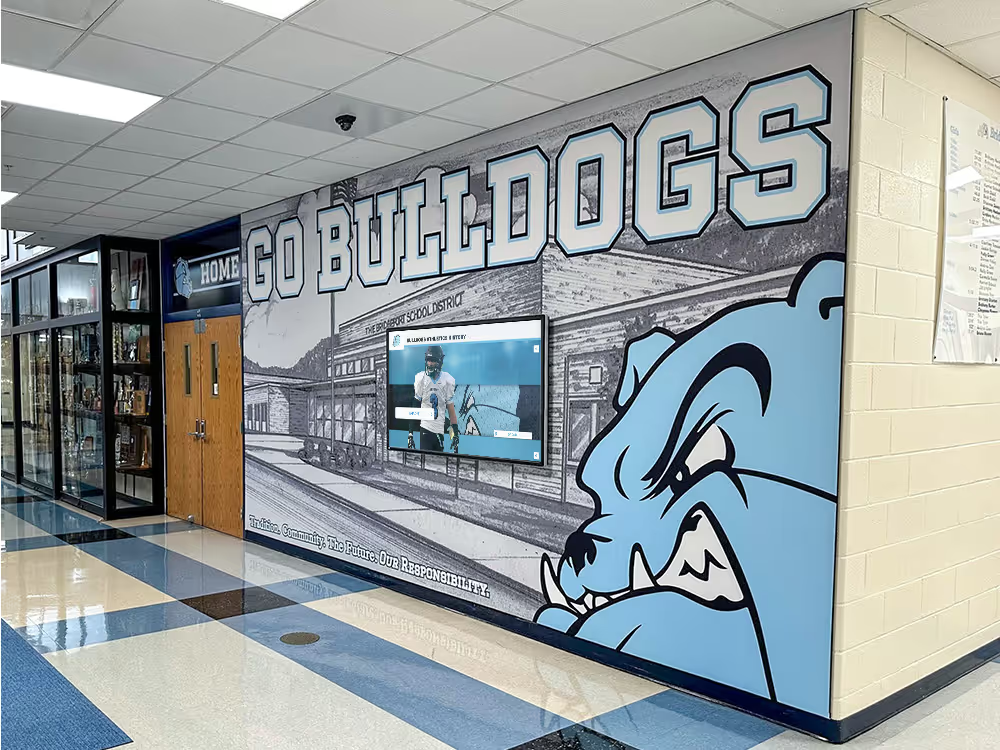
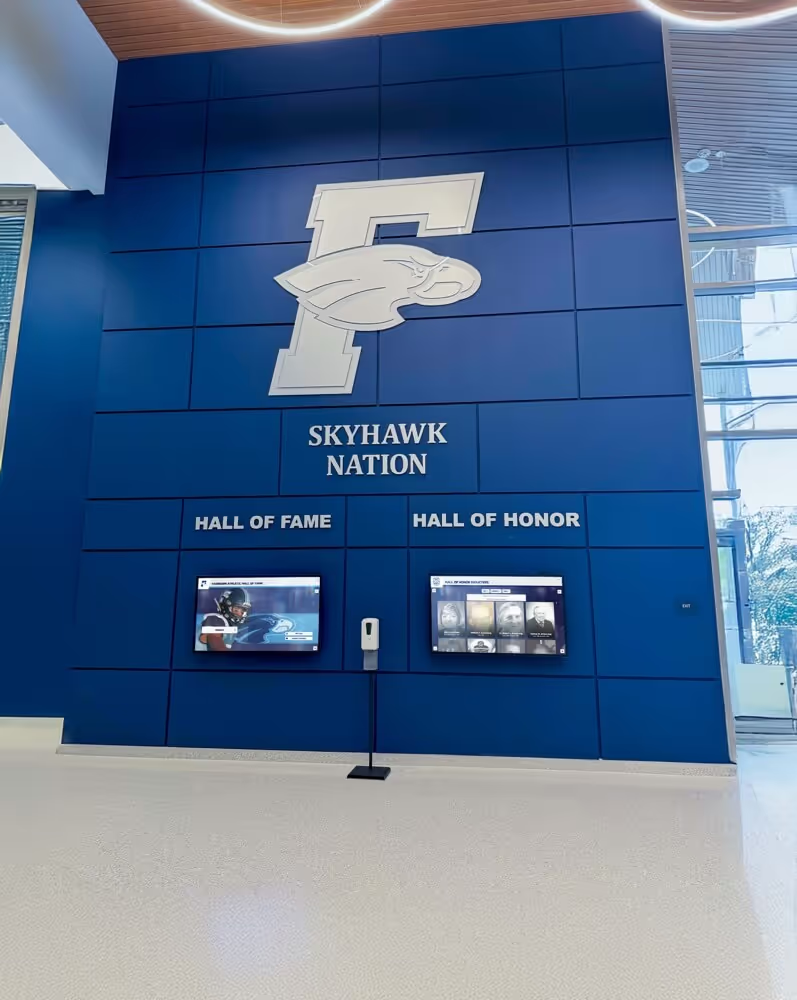
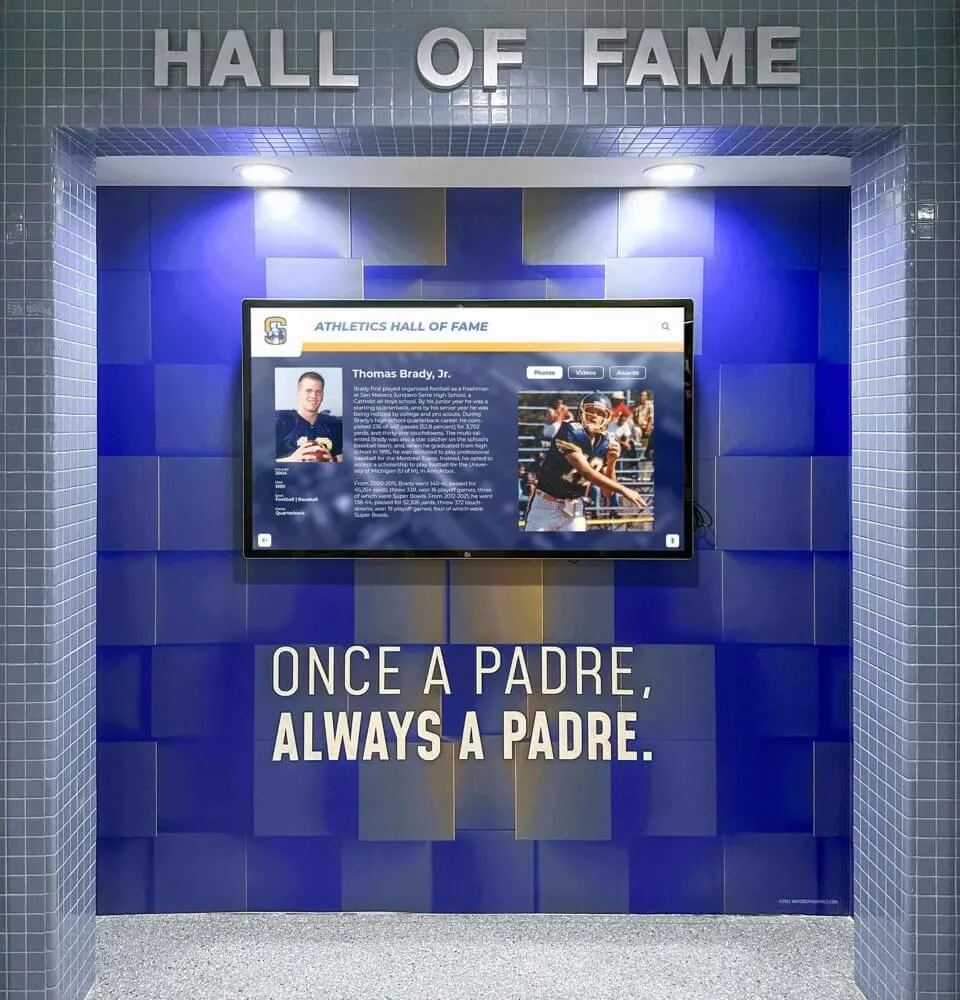
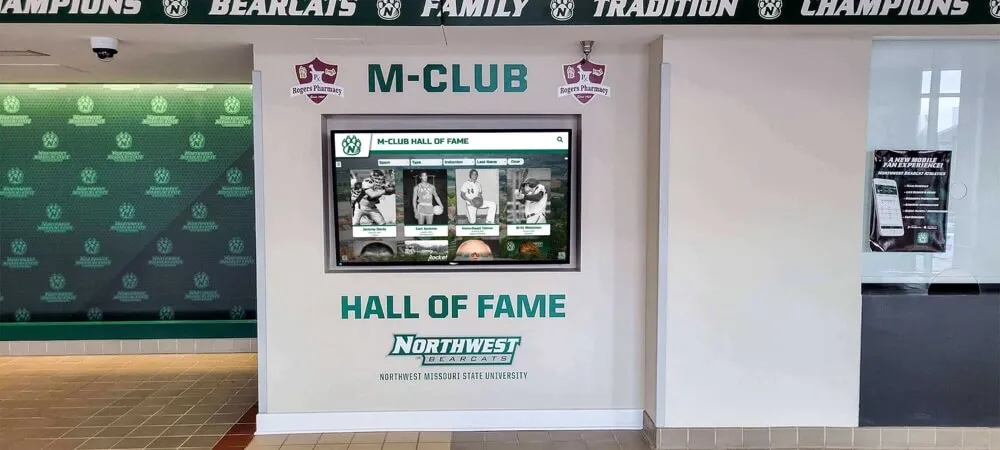
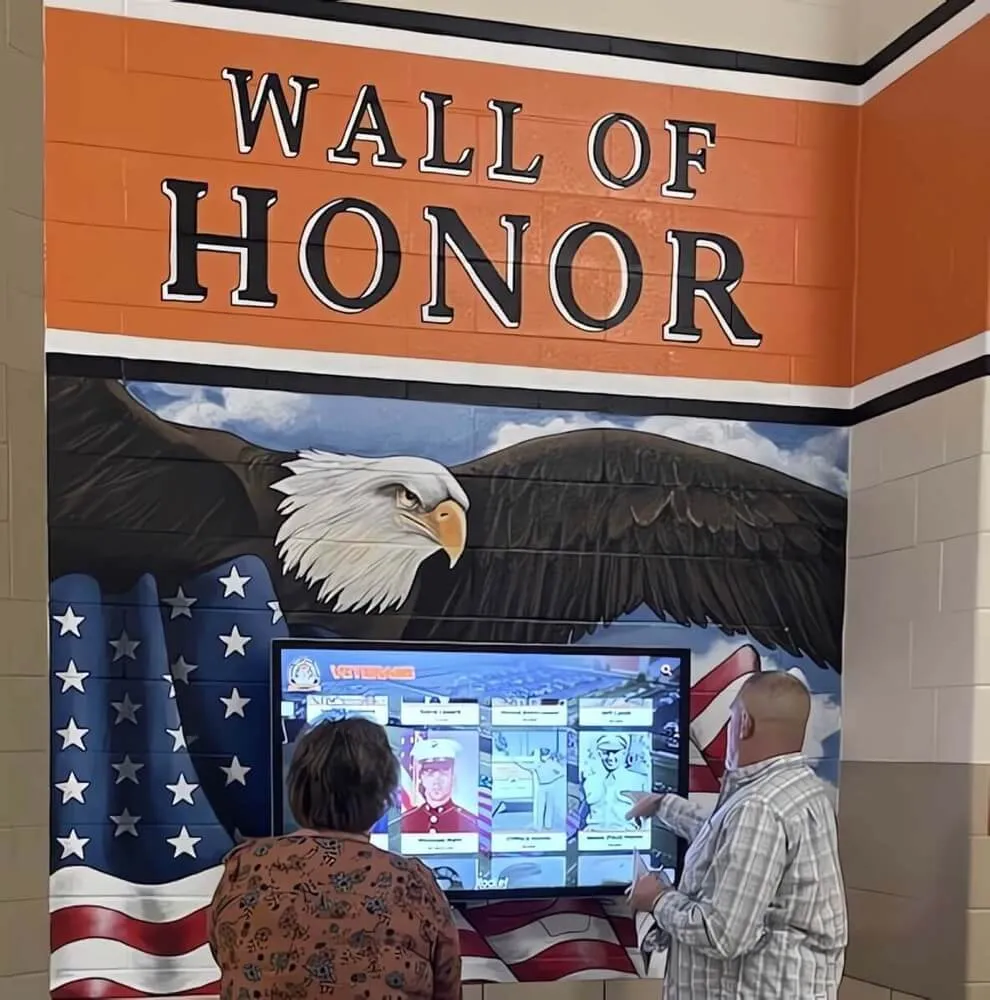
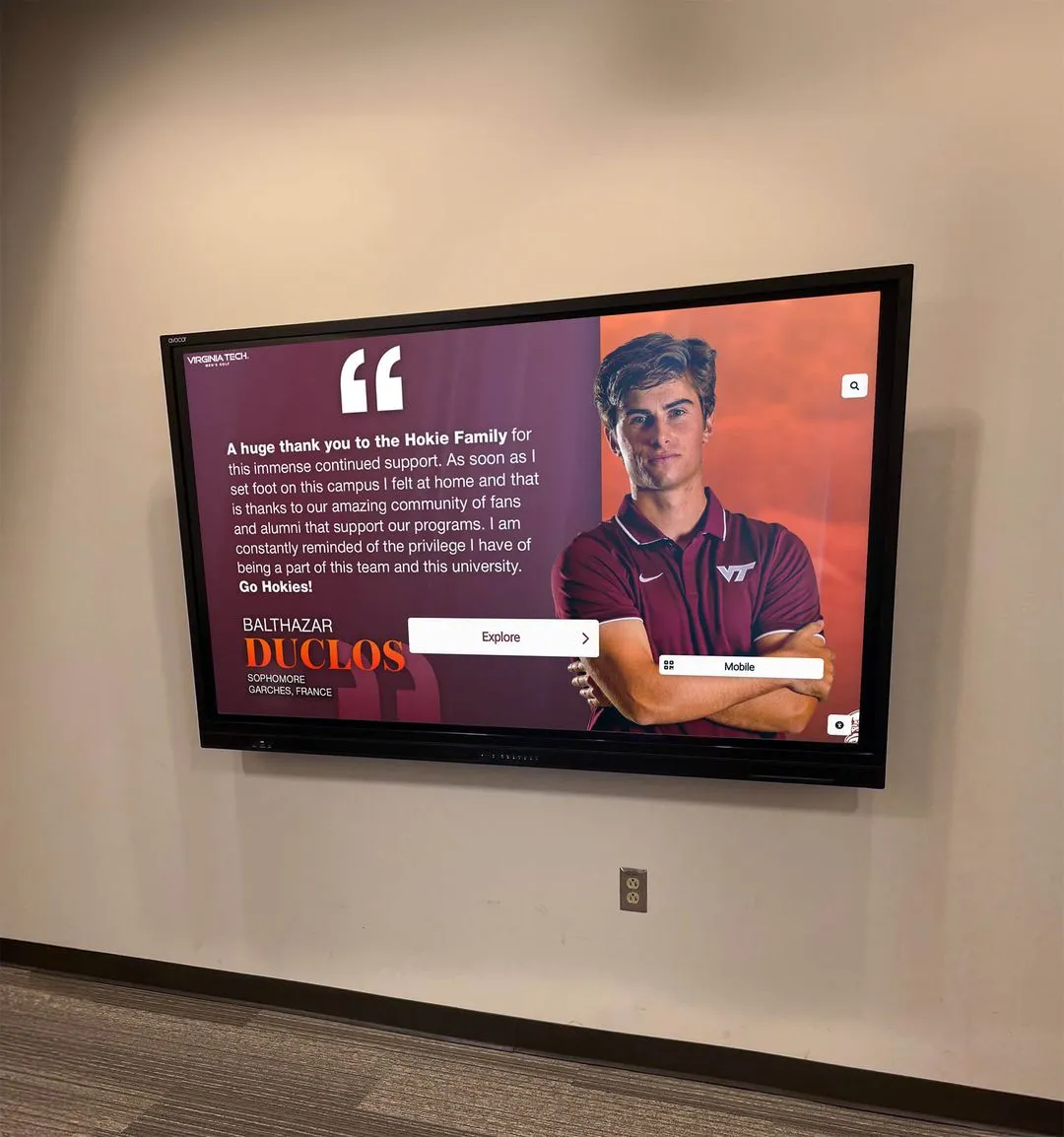
Memorial installations in schools create educational opportunities teaching students about institutional history while honoring those who contributed to community heritage
Different Types of Memorial Recognition in Institutional Settings
Organizations implement various memorial approaches depending on who they’re honoring and what purposes recognition serves:
Alumni Memorial Recognition
Schools and universities frequently create in memoriam sections within broader alumni recognition systems, celebrating graduates who passed away. These memorials might highlight distinguished alumni who achieved notable success before their deaths or simply honor all alumni maintaining that connection to alma maters remains permanent regardless of achievement level.
Faculty and Staff Memorial Tributes
Educational institutions honor faculty members, administrators, coaches, and staff who dedicated careers to serving students and shaping institutional excellence. These memorials celebrate professional achievements while capturing personal qualities—mentorship, dedication, innovation, compassion—that defined individuals beyond their formal roles.
Donor and Benefactor Memorials
Many memorial recognition programs honor philanthropists whose generosity advanced institutional missions. Digital donor walls increasingly incorporate in memoriam sections celebrating supporters who made lasting impact through their giving, ensuring their philanthropic legacy continues inspiring future generations of donors.
Military and First Responder Fallen Heroes Recognition
Organizations with military connections or community first responder relationships create fallen heroes displays honoring those who made ultimate sacrifices. These memorials require particular sensitivity balancing celebration of service with acknowledgment of profound loss families experienced.
Community Leaders and Distinguished Citizens
Cities, civic organizations, and community institutions create memorial recognition celebrating local leaders, volunteers, and citizens whose service strengthened communities and created lasting positive impact on residents’ lives.
Design Principles for Meaningful Memorial Displays
Effective in memoriam recognition requires particular design sensitivity distinguishing memorial displays from celebratory halls of fame or achievement recognition.
Balancing Reverence with Engagement
Memorial displays must honor individuals with appropriate solemnity while creating engaging experiences that encourage exploration rather than passive viewing.
Visual Design Creating Appropriate Memorial Atmosphere
Color palette selections significantly impact memorial tone:
Primary Memorial Colors:
- Deep navy blues conveying dignity and stability
- Muted grays suggesting reflection and solemnity
- Subdued earth tones (soft browns, sage greens) connecting to groundedness
- Black for text and structural elements ensuring readability
- White for contrast and creating clean, respectful space
Secondary Accent Colors:
- Metallic gold or bronze for subtle highlights honoring significance
- Institutional colors when memorial connects to school or organizational identity
- Patriotic colors (deep red, navy, white) for military or civic memorial contexts
- Memorial-specific colors reflecting honored individuals’ preferences or affiliations
Colors and Patterns to Avoid:
- Bright, energetic colors (vivid oranges, electric blues, hot pinks) lacking memorial dignity
- Neon or fluorescent colors appearing insufficiently serious
- Busy patterns creating visual chaos rather than contemplative calm
- High-contrast combinations feeling harsh or aggressive rather than reverent
Typography Choices Ensuring Both Dignity and Readability
Font selection significantly impacts memorial tone while determining accessibility for visitors of all ages:
- Serif fonts (Garamond, Georgia, Palatino) conveying traditional dignity appropriate for formal memorial contexts
- Clean sans-serif options (Helvetica, Arial, Lato) for modern professional appearance
- Consistent font families throughout interface maintaining coherent experience
- Minimum 18-point body text ensuring readability for elderly visitors
- Clear hierarchy with distinct heading sizes creating scannable organization
- Adequate line spacing (1.5x) improving readability without feeling cramped
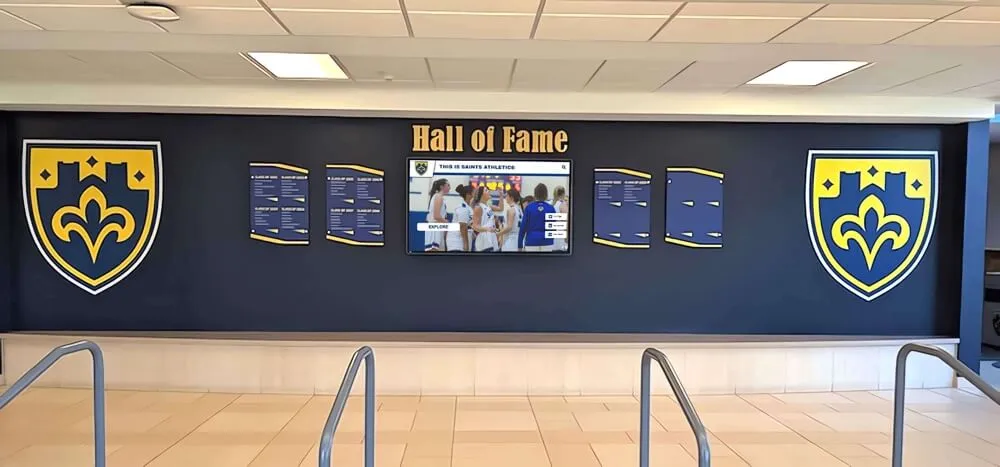
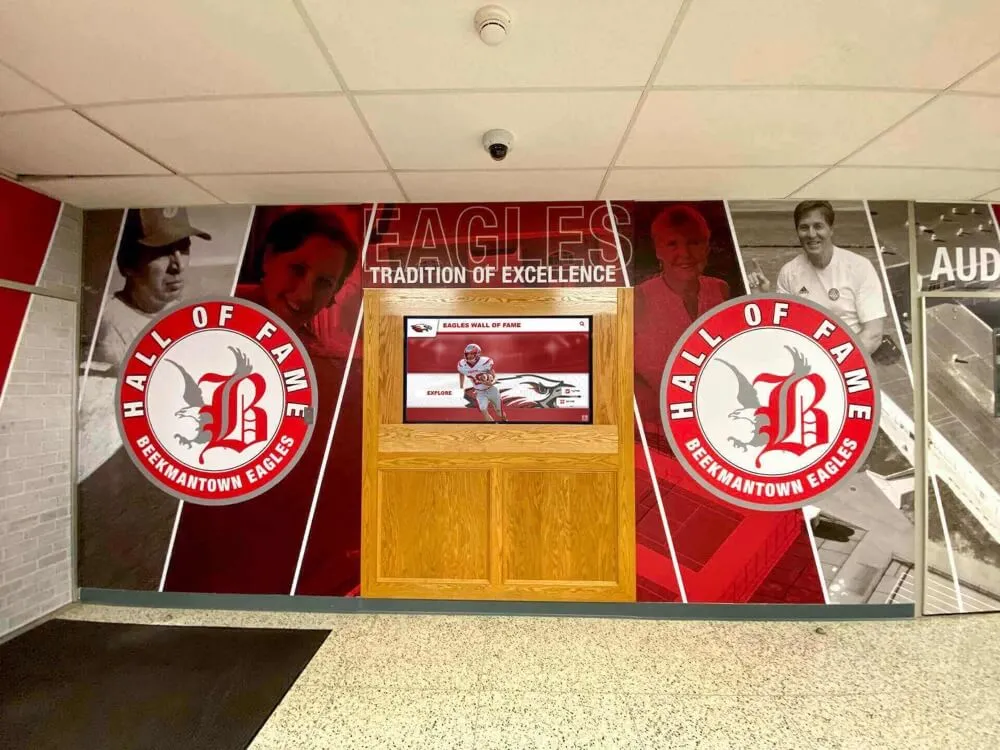
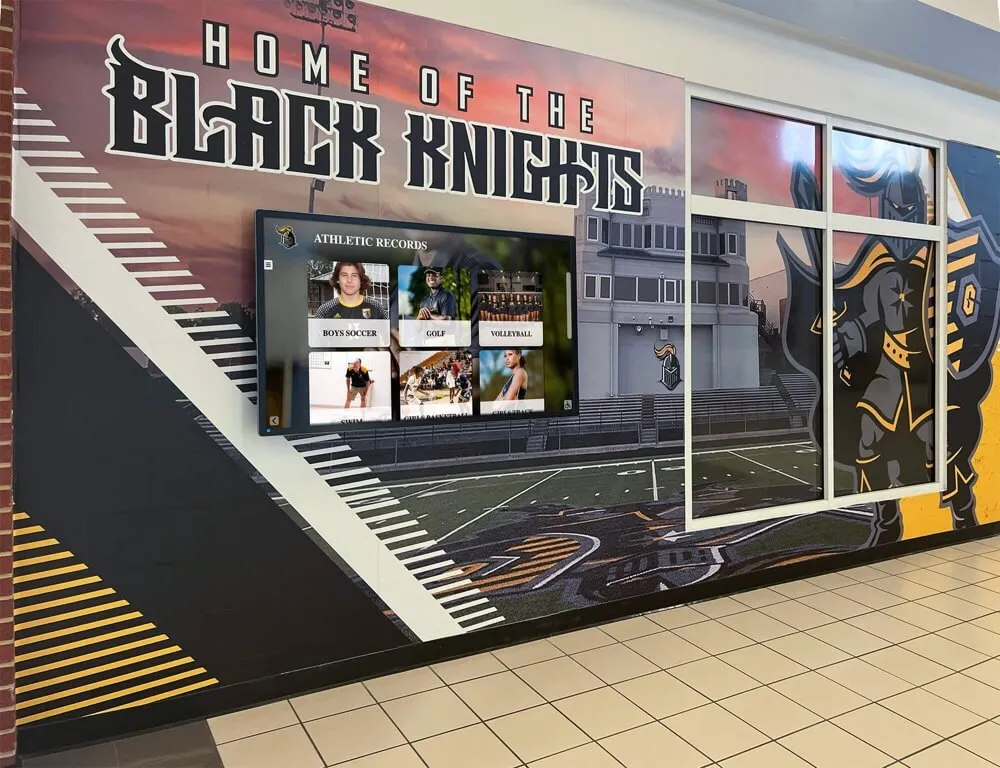
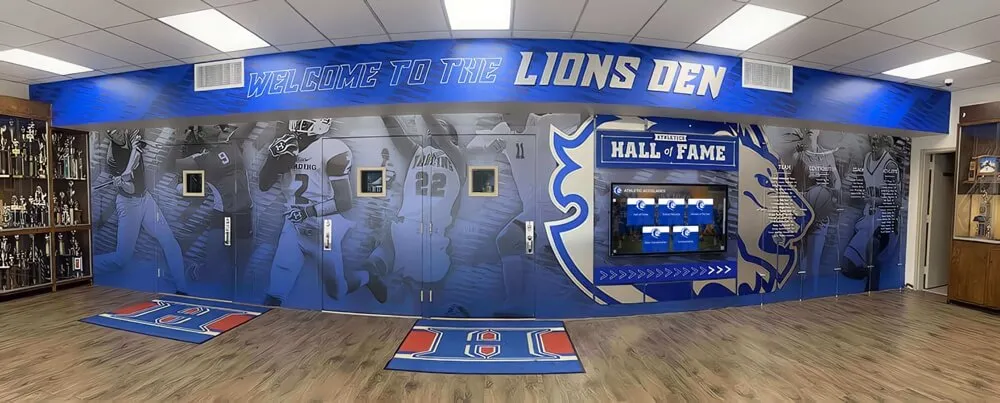
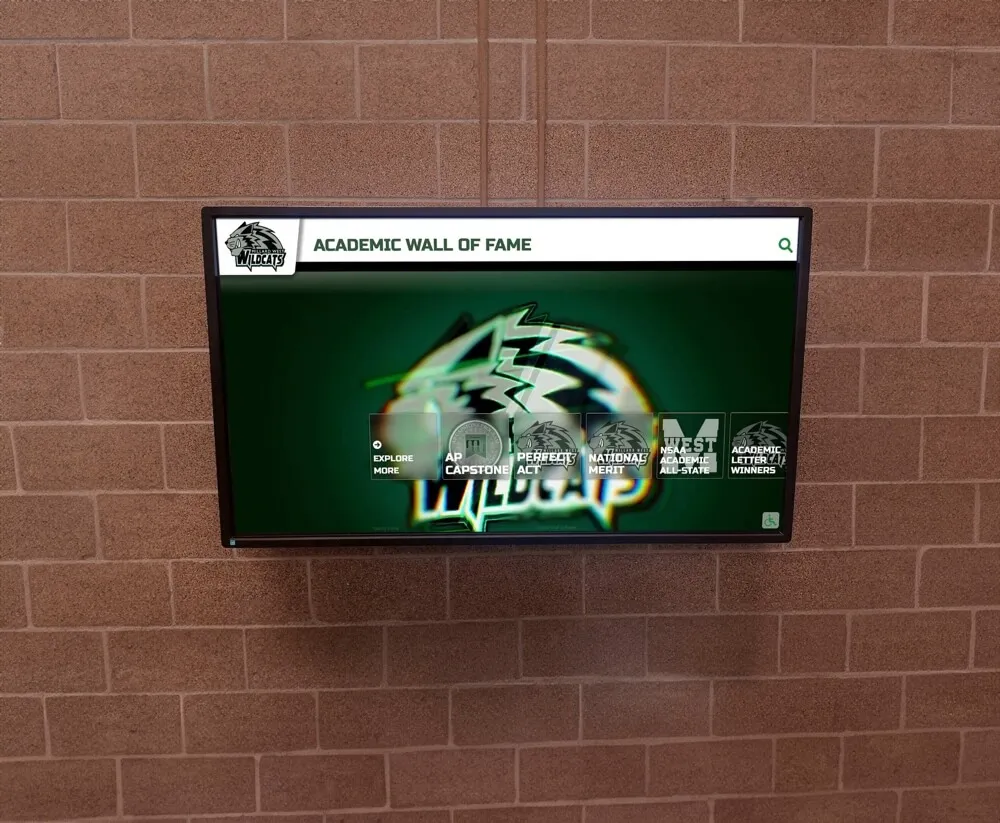
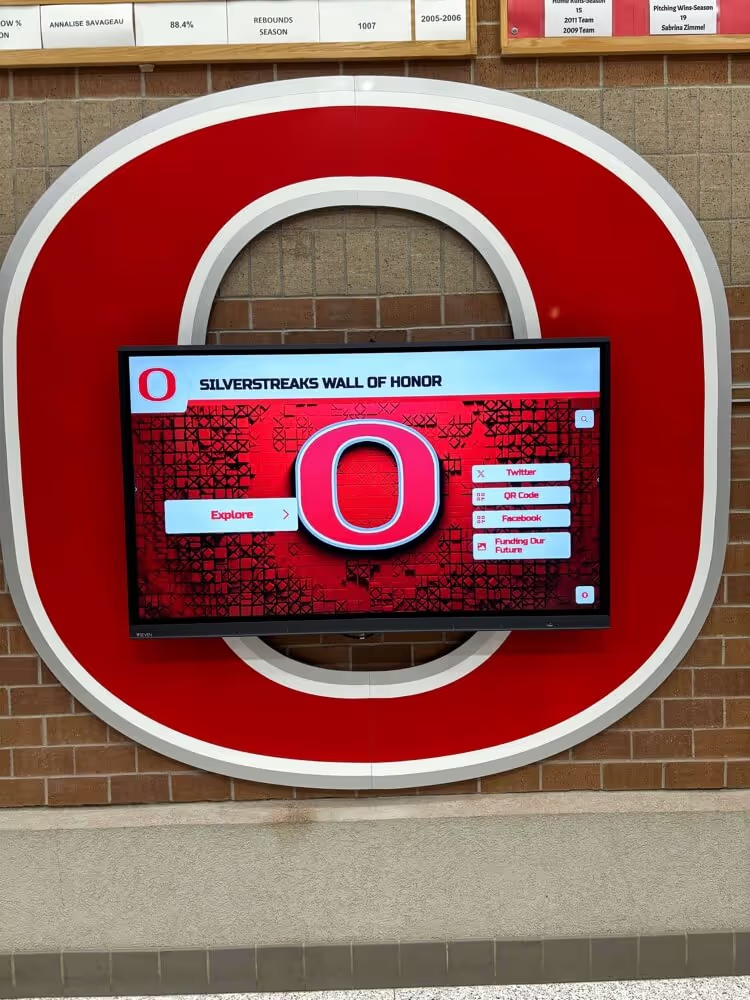
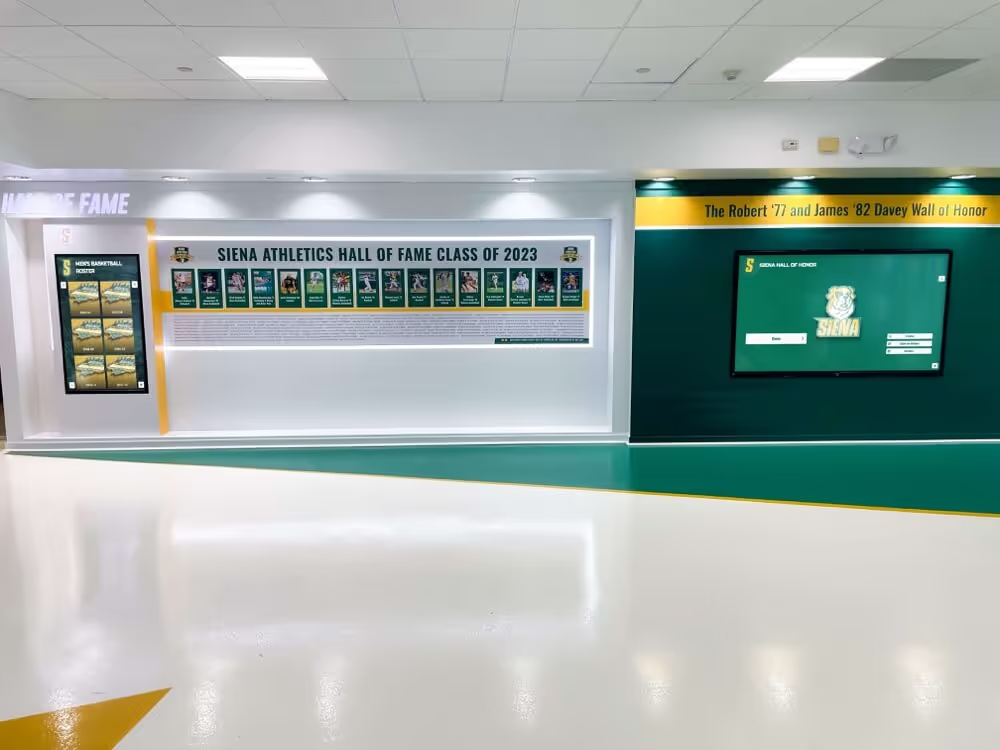
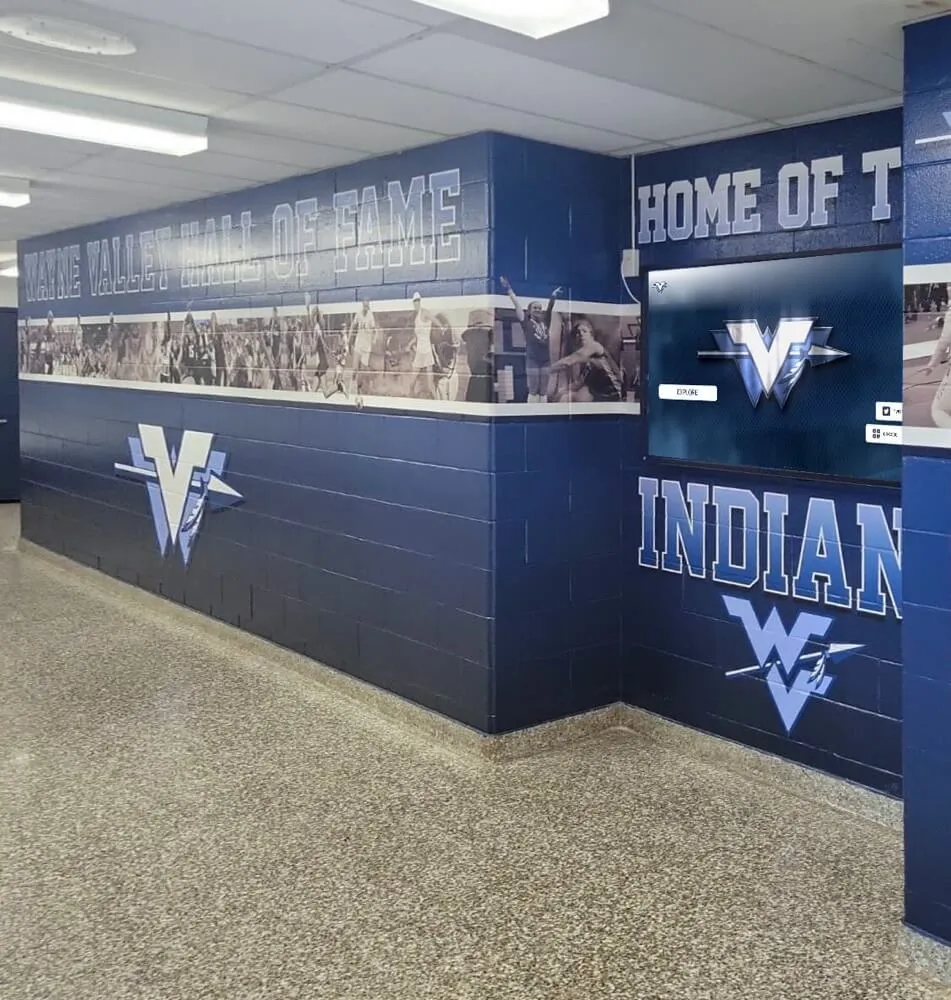
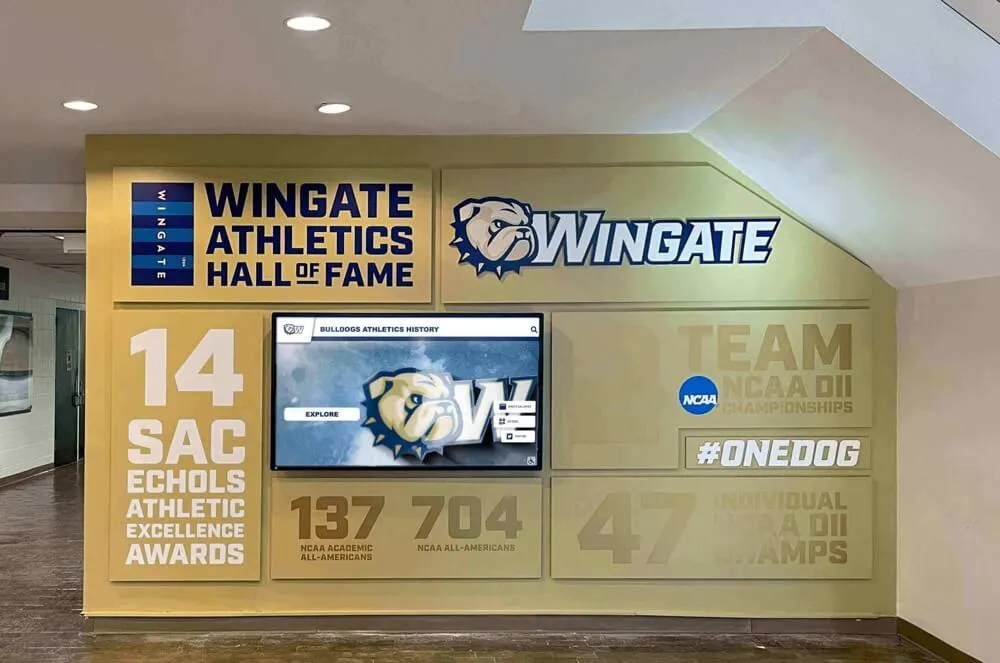
Effective memorial design blends traditional architectural elements with modern technology, honoring heritage while embracing contemporary storytelling capabilities
Creating Comprehensive Individual Memorial Profiles
The heart of meaningful memorial recognition lies in individual profile pages celebrating people comprehensively through thoughtful content organization.
Essential Memorial Profile Components
Well-designed memorial profiles include organized content zones:
Zone 1: Individual Identification and Core Information
- Dignified portrait photograph showing individual during their connection to institution
- Full name, titles, or positions held
- Birth and death dates, age at death
- Years of service or institutional connection
- Hometown or geographic connection
Zone 2: Biographical Narrative and Life Story
- Background explaining path to institutional involvement (300-500 words)
- Major achievements, recognitions, and career highlights
- Educational background and formative experiences
- Professional accomplishments and contributions
- Awards, honors, and distinctions earned
Zone 3: Personal Story and Character Portrait
- Personal interests, hobbies, and passions beyond professional roles
- Family information when families approve sharing
- Colleague and friend remembrances or quotations
- Personal values and character qualities that defined them
- Anecdotes capturing personality and spirit
Zone 4: Institutional Impact and Continuing Legacy
- Specific contributions to institution or community
- Programs, initiatives, or changes they championed
- Students, colleagues, or community members they influenced
- Memorials, scholarships, or programs established in their honor
- How their contributions continue shaping institutional identity
Zone 5: Multimedia Elements Enriching Memorial Stories
Beyond text biography, memorial profiles should incorporate rich multimedia:
- Photo galleries showing individuals throughout their lives and institutional connections
- Video tributes from colleagues, students, or family members when available
- Scanned historical documents, letters, or artifacts digitally preserved
- Audio recordings or oral history segments when available
- Connections to contemporaries or colleagues creating historical context
This comprehensive approach transforms memorial experiences from simple documentation into compelling storytelling that preserves complete memories rather than reducing individuals to names and dates alone.
Appropriate Tone and Language for Memorial Content
Memorial writing requires particular sensitivity and style ensuring content honors individuals appropriately:
Memorial Content Writing Guidelines:
- Use respectful, dignified language avoiding clichés or empty platitudes
- Focus on specific achievements and personal qualities rather than generic praise
- Include direct quotations from those who knew individuals personally
- Celebrate life and contributions while acknowledging community loss
- Respect family preferences regarding what aspects of stories are shared publicly
- Avoid sensationalizing circumstances of death, focusing instead on life lived
- Maintain consistent voice and tone across all memorial profiles
- Balance professional accomplishments with personal qualities humanizing individuals
Example of Effective Memorial Writing Style:
Rather than: “Dr. Smith was an amazing teacher beloved by all students who will be deeply missed.”
Write instead: “Dr. Helen Smith taught chemistry at Jefferson High School for 32 years, transforming science education through hands-on laboratory experiments that made complex concepts accessible. Former students remember her Friday afternoon ‘kitchen chemistry’ demonstrations where she related molecular reactions to baking bread and caramelizing sugar. ‘Dr. Smith made chemistry feel like magic, then showed us it was science,’ recalled Marcus Washington, Class of 2010, now pursuing his PhD in biochemistry. She mentored fourteen students who went on to earn science degrees, many crediting her encouragement for their career choices.”
This specific, story-driven approach creates authentic tribute while providing details that help readers understand who individuals really were and why they mattered to communities.
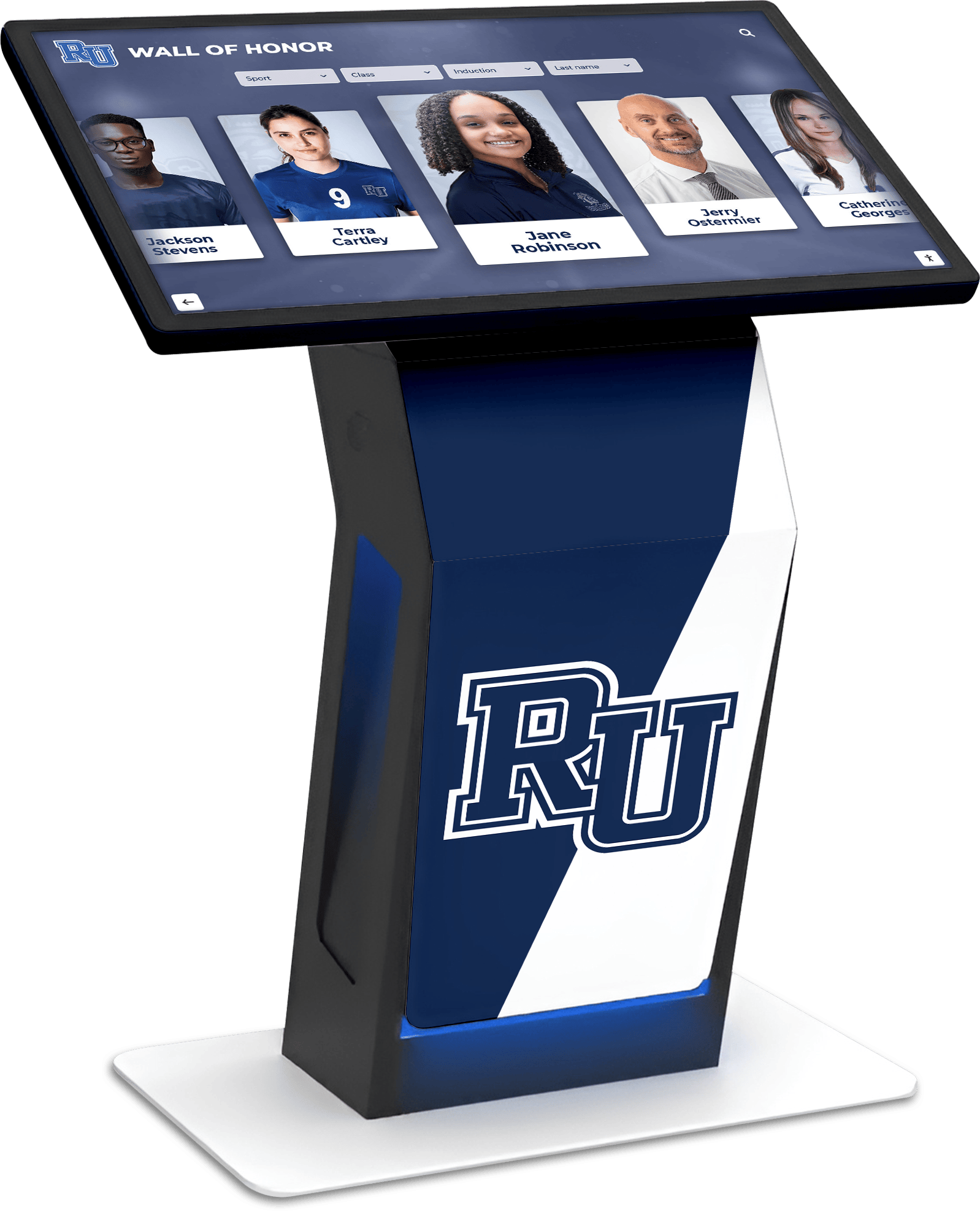
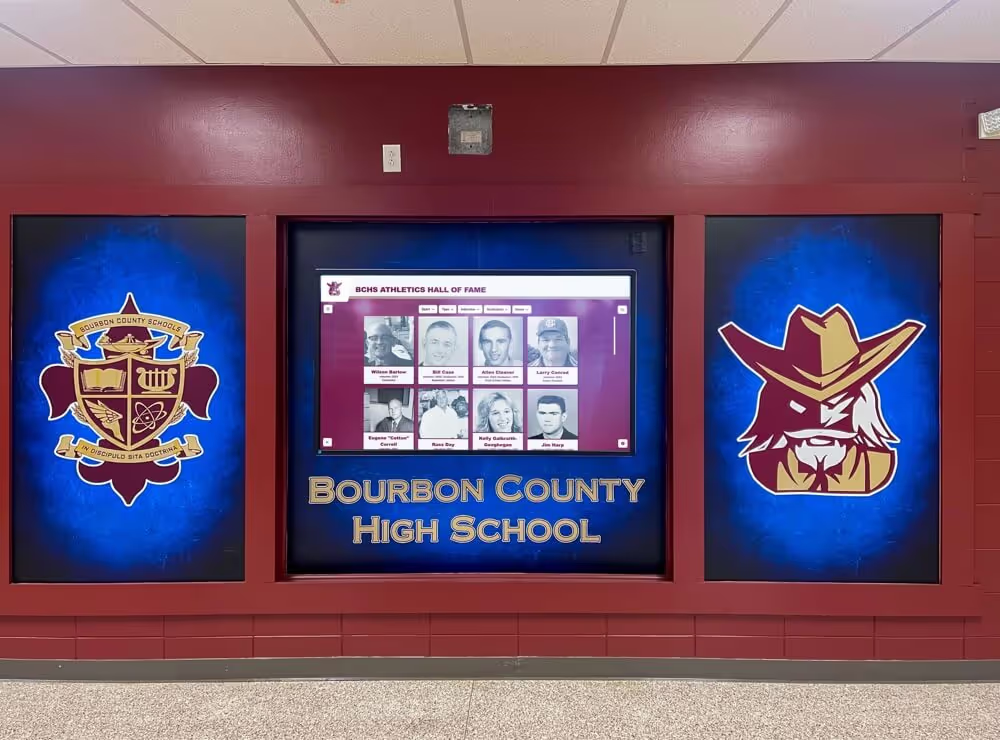
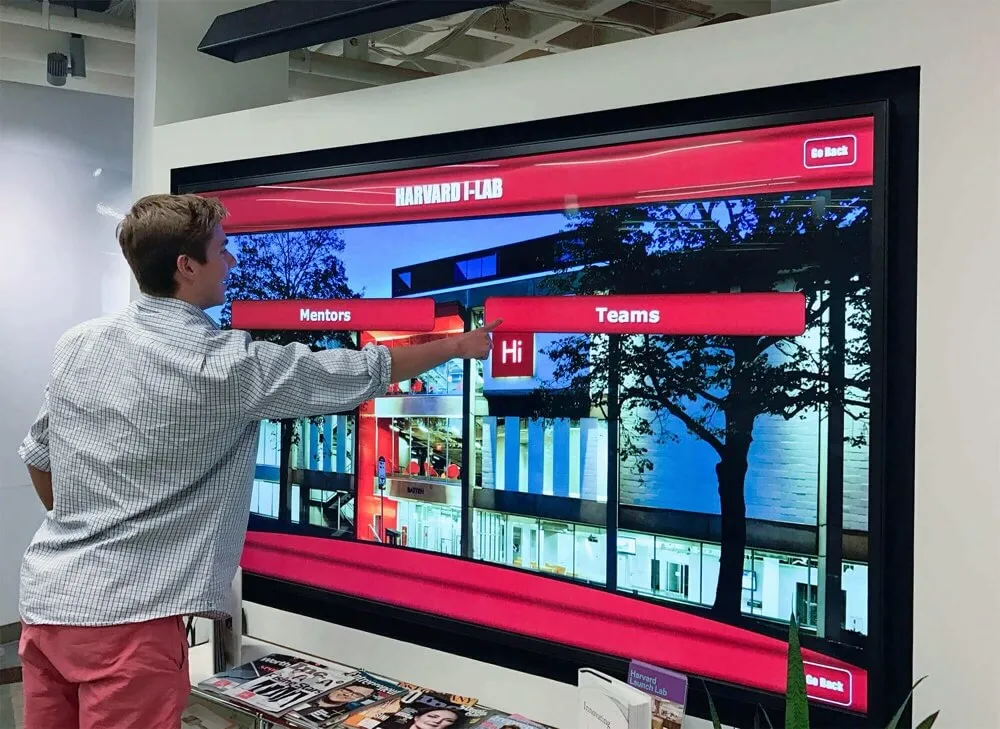
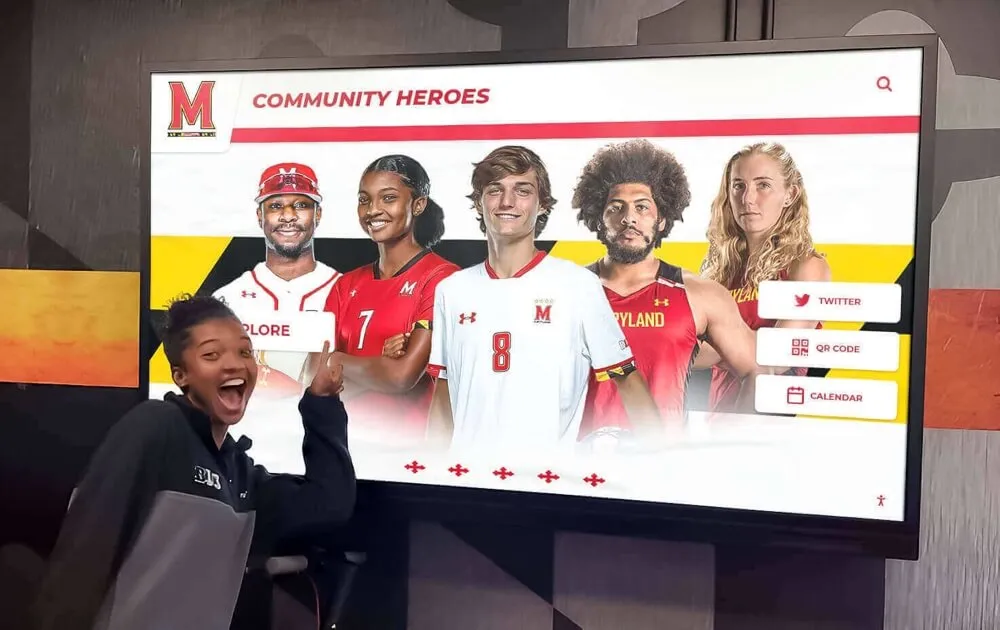
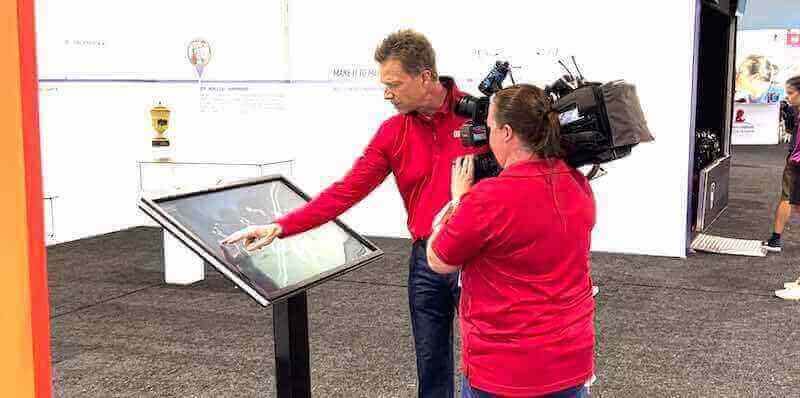
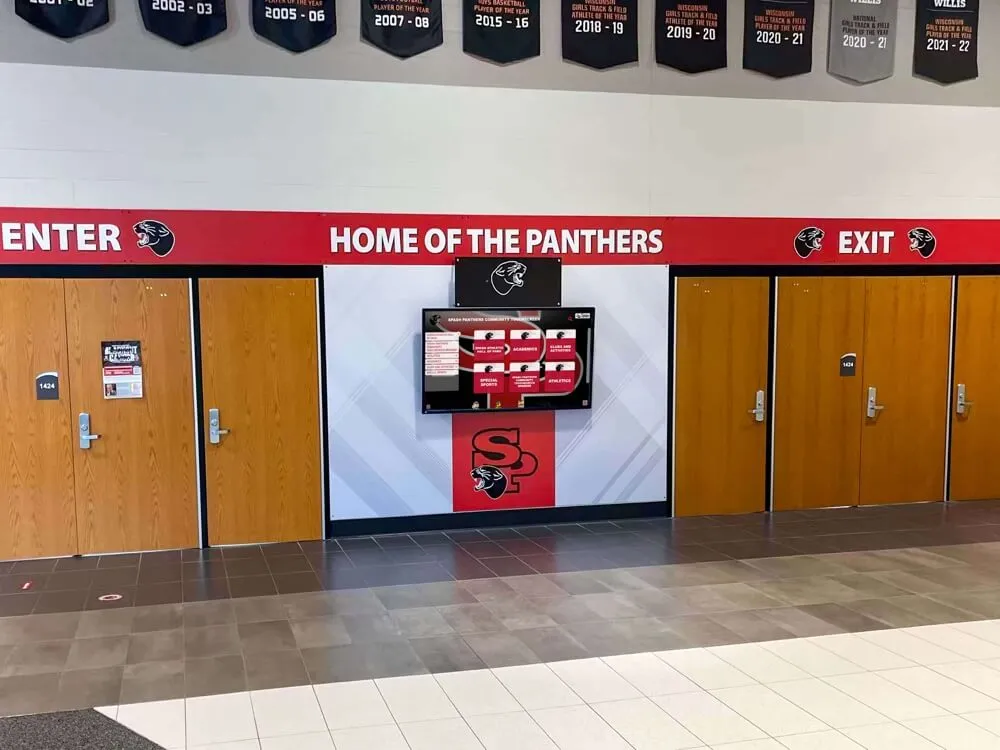
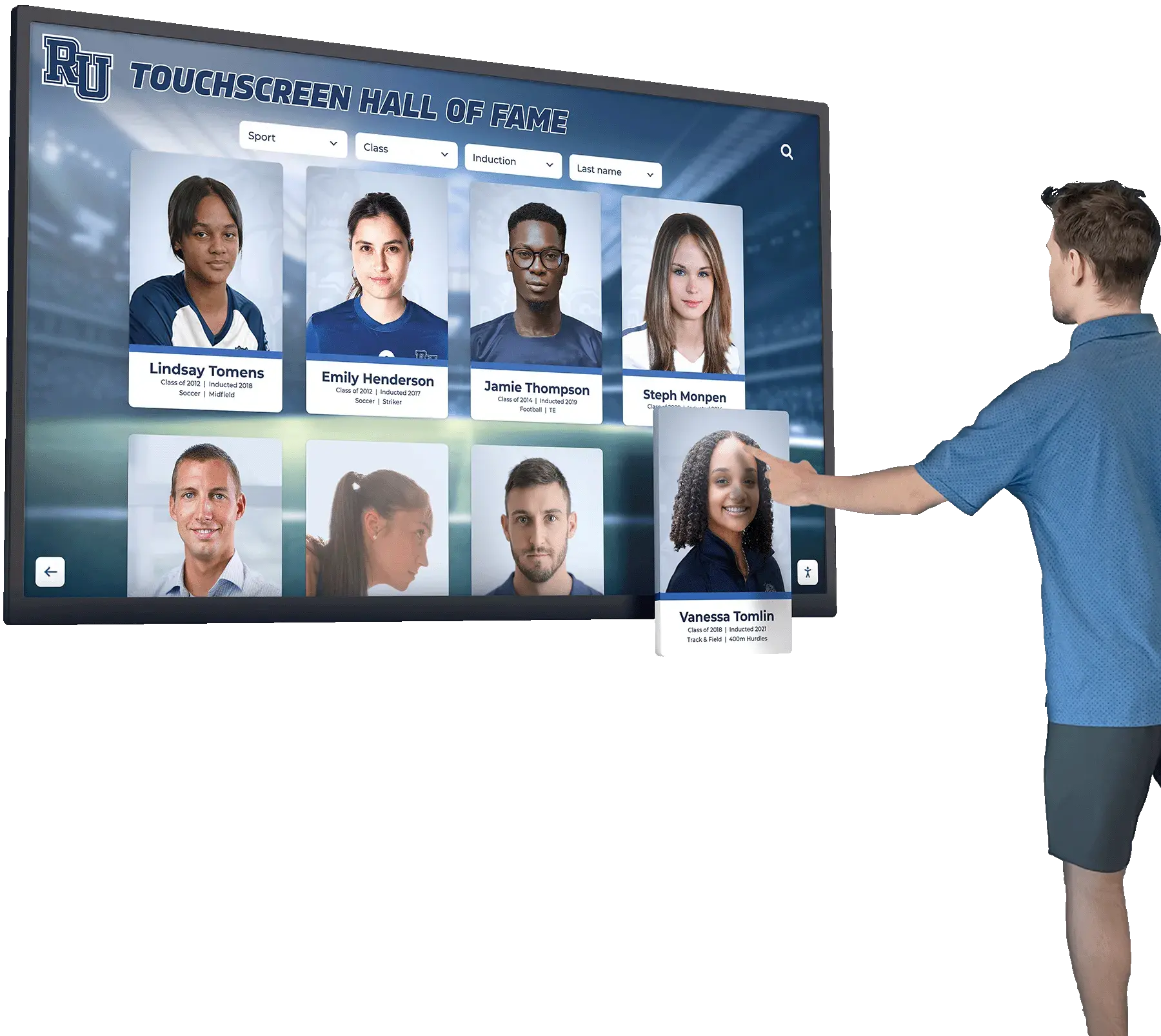
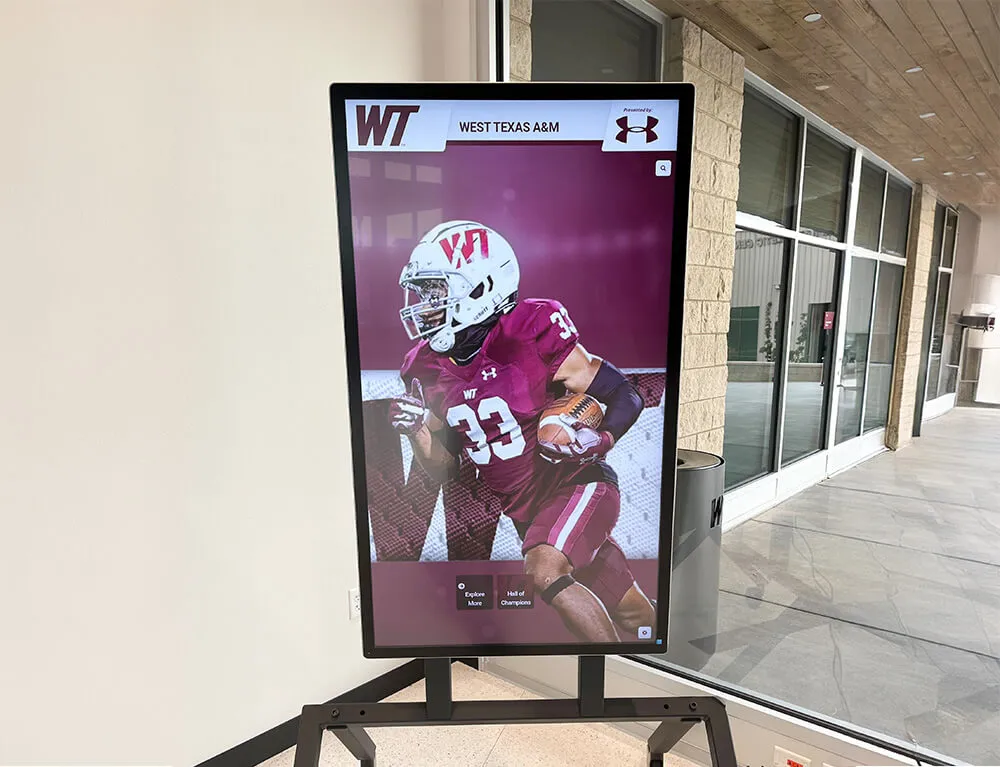
Freestanding memorial kiosks provide flexible placement options while creating professional recognition experiences appropriate for honoring those who passed
Overcoming Traditional Memorial Display Limitations Through Digital Solutions
Physical memorial displays face inherent constraints that compromise long-term effectiveness. Understanding these limitations helps organizations appreciate how modern approaches solve persistent challenges.
The Inevitable Space Crisis of Physical Memorials
Traditional plaques and engraved walls create painful dilemmas as communities experience ongoing loss:
Common Space Limitations:
- Finite wall space within facilities forcing selective recognition
- Architectural constraints limiting suitable memorial locations
- Competing facility usage priorities restricting memorial areas
- Aesthetic limits where excessive plaques create cluttered appearance
- Cost constraints preventing continuous memorial wall expansion
Difficult Recognition Decisions:
- Determining which individuals receive permanent memorial visibility
- Removing older memorials to accommodate new tributes
- Prioritizing certain community members over others when space runs out
- Managing family expectations when space prevents desired recognition
- Balancing memorial space against other institutional facility needs
These challenges intensify for long-established institutions with extensive histories and growing communities experiencing ongoing loss over decades.
Update Delays and Correction Difficulties
Physical memorial production creates frustrating timelines undermining recognition impact:
Memorial Plaque Production and Installation Challenges:
Manufacturing Delays: Custom engraved plaques typically require 4-8 weeks production time, creating significant gaps between loss and memorial installation.
Installation Scheduling: Coordinating installation with facility schedules, architectural modifications, and formal dedication ceremonies adds 2-4 weeks, creating total timelines of 2-4 months.
Correction Difficulties: Fixing errors in engraved plaques requires manufacturing replacements ($150-400 each), removal, and reinstallation—expensive and time-consuming processes.
Cumulative Impact: These delays mean families wait months after experiencing loss before seeing permanent memorial recognition, diminishing emotional impact and sometimes leading to family dissatisfaction with memorial programs.
Institutions implementing digital recognition wall solutions can add new memorial profiles within hours rather than months, providing timely recognition when it matters most to grieving families.
Limited Storytelling Capacity of Static Plaques
Traditional memorial plaques accommodate minimal information—typically just names, dates, and brief descriptions. This limitation prevents meaningful narrative that truly honors individuals:
What Physical Plaques Cannot Include:
- Comprehensive biographical narratives explaining life stories
- Multiple photographs showing individuals throughout their lives
- Video tributes from colleagues, students, or family members
- Extended quotations capturing personality and values
- Detailed achievement documentation and recognition history
- Connections to contemporaries or colleagues providing historical context
The Result: Visitors encounter names they don’t recognize with insufficient context to understand who people were, what they contributed, or why they deserve memorial recognition. This minimal format reduces individuals to data points rather than celebrating full lives worthy of remembrance.
Digital memorial systems overcome these constraints through unlimited content capacity, enabling comprehensive storytelling that transforms memorial experiences from passive name-reading into engaging exploration of individual lives and contributions.
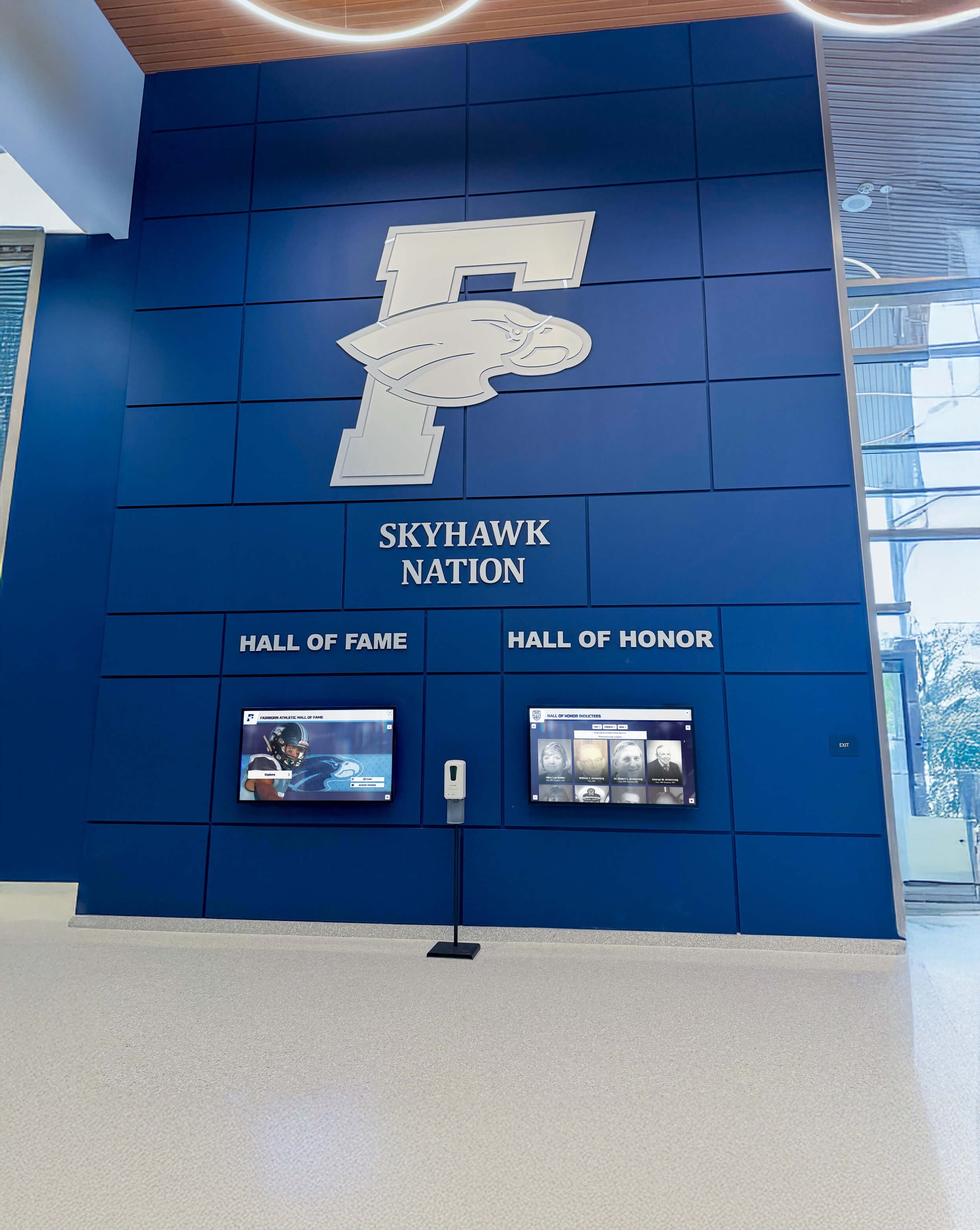
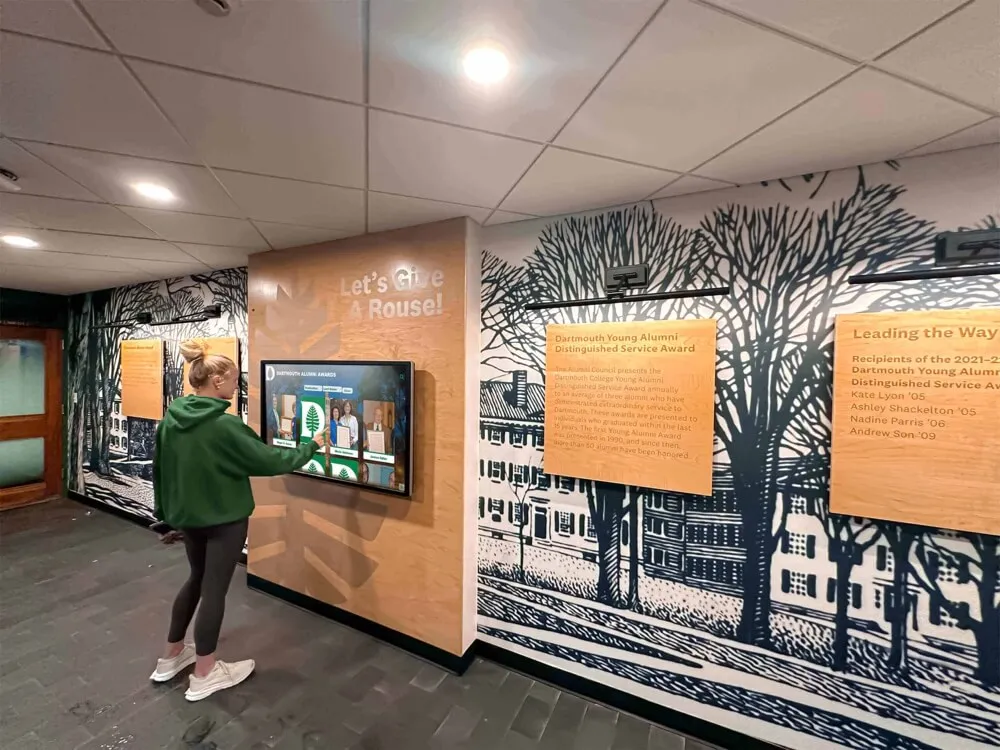
Campus memorial installations honor alumni and community members comprehensively, creating gathering spaces for remembrance and education about institutional heritage
Modern Digital Memorial Display Solutions
Technology enables memorial experiences that traditional approaches simply cannot provide, solving persistent challenges while creating enhanced engagement appropriate for contemporary memorial contexts.
Interactive Touchscreen Memorial Recognition
Interactive digital displays transform memorial recognition from passive plaque-reading into engaging exploration honoring individuals through comprehensive storytelling:
Core Capabilities of Interactive Memorial Displays:
- Unlimited Recognition Capacity: Showcase unlimited memorial profiles without space constraints, ensuring every individual receives appropriate recognition regardless of when they passed
- Comprehensive Biographical Content: Include extensive narratives, multiple photographs, achievement documentation, and personal stories capturing who individuals truly were
- Instant Updates: Add new memorial profiles within hours of family approval rather than waiting months for plaque manufacturing and installation
- Searchable Databases: Enable visitors to find specific individuals easily through name search, year ranges, or categorical filtering
- Multimedia Storytelling: Incorporate video tributes, audio recordings, scanned historical documents, and photo galleries enriching memorial narratives
- Accessibility Features: Ensure memorial content reaches all community members through screen readers, text resizing, and mobile-responsive web extensions
Implementation Success Factors:
Effective digital memorial programs require:
- Commercial-grade touchscreen hardware rated for continuous public operation ensuring reliability
- Purpose-built memorial software with intuitive interfaces respecting memorial dignity
- Strategic placement in prominent, accessible locations ensuring visibility
- Professional content development creating compelling memorial narratives
- Family collaboration protocols ensuring appropriate content and respecting privacy preferences
- Ongoing stewardship maintaining accuracy and adding new memorials as needed
Solutions like Rocket Alumni Solutions provide memorial-appropriate platforms designed specifically for honoring individuals through comprehensive biographical recognition rather than generic digital signage repurposed inadequately for memorial contexts. These specialized platforms understand unique requirements of memorial recognition including sensitive tone, privacy controls, and family collaboration workflows.
Web-Based Memorial Extensions Reaching Global Audiences
Physical memorial displays serve those who can visit installation locations, but many family members, alumni, and community members live too far away for regular visits. Web-based memorial extensions expand recognition reach:
Online Memorial Platform Benefits:
- 24/7 Global Accessibility: Enable distant family members, dispersed alumni communities, and future generations to access memorial recognition from anywhere
- Social Media Integration: Allow visitors to share specific memorial profiles through their networks, amplifying recognition reach organically
- Mobile Accessibility: Ensure memorial content displays properly on smartphones and tablets, meeting contemporary technology usage patterns
- Search Engine Visibility: Make memorial content discoverable through search engines, enabling people researching family history or institutional heritage to find relevant profiles
- Permanent Digital Archive: Create enduring memorial record independent of physical building changes, renovations, or institutional evolution
Effective Online Memorial Design Elements:
- Responsive design ensuring accessibility across devices and screen sizes
- Intuitive navigation mirroring physical display organization
- Privacy controls respecting family preferences about public visibility
- Compelling visual presentation befitting institutional brand and memorial dignity
- Regular updates demonstrating ongoing organizational stewardship
- Integration with genealogy and historical research resources
Many organizations implement hybrid approaches combining physical memorial displays in prominent campus or facility locations with online portals extending recognition reach to global audiences while maintaining prestigious on-site memorial presence.
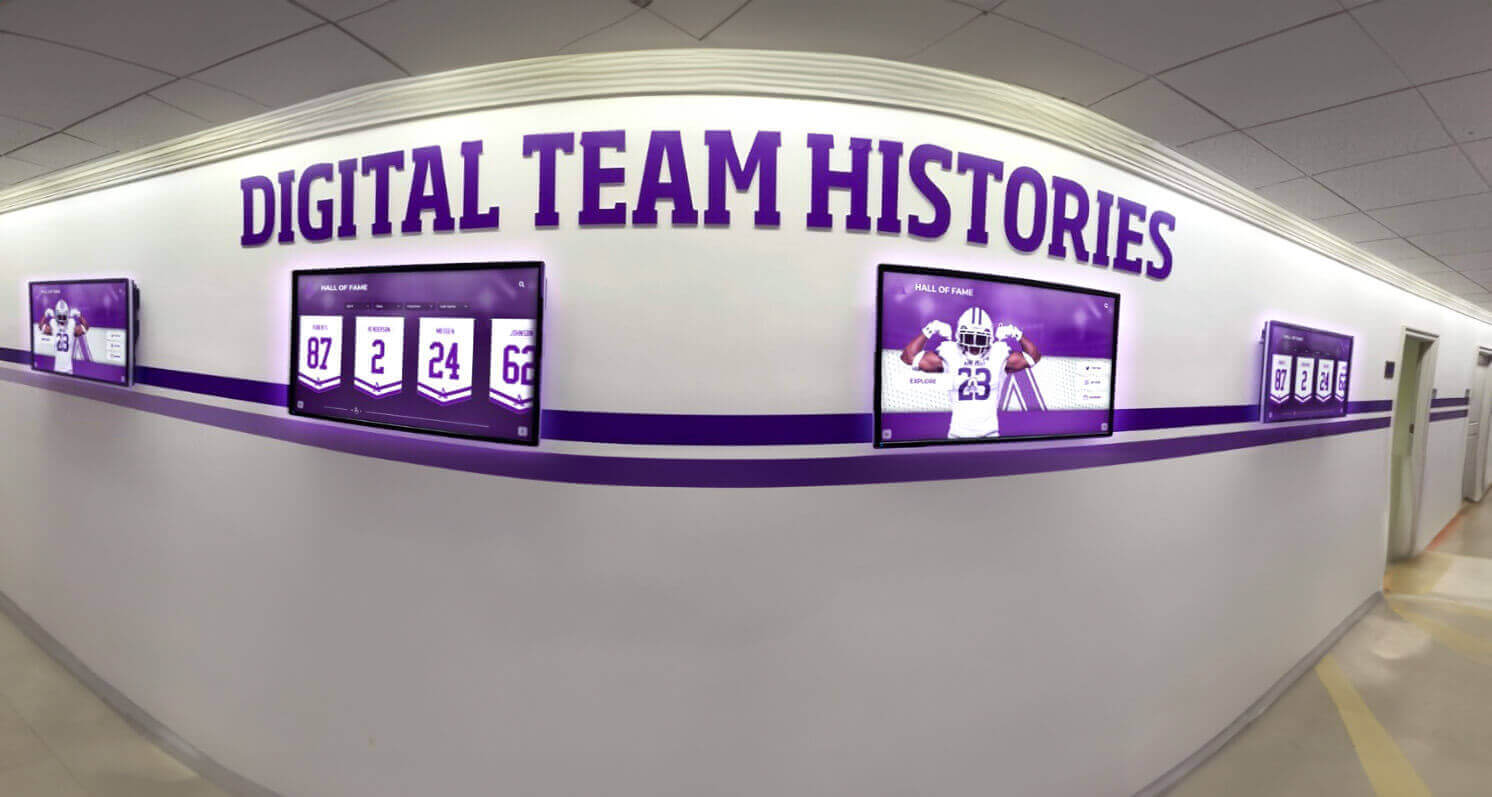
Coordinated multi-screen memorial installations can separate different content types or recognition categories while maintaining cohesive memorial experience
Hybrid Memorial Approaches Balancing Tradition and Innovation
The most effective memorial strategies often combine traditional elements with digital enhancement, satisfying those who value physical memorials while providing comprehensive recognition modern technology enables:
Strategic Integration Approaches:
Primary Physical Memorial with Digital Extension:
- Maintain traditional engraved memorial wall or plaque display in prominent location honoring tradition
- Install adjacent touchscreen display providing comprehensive biographical content for all individuals
- Include QR codes on physical plaques linking to detailed online memorial profiles
- Use consistent visual design connecting physical and digital elements cohesively
Featured Physical Recognition with Comprehensive Digital Archive:
- Reserve physical memorial space for most recent losses or most significant contributors
- Provide comprehensive digital memorial database including all individuals from institutional history
- Create visual harmony between physical and digital recognition elements
- Explain relationship between physical and digital components clearly through signage
Rotating Physical Display with Permanent Digital Memorial:
- Design physical memorial displaying rotating selection of individuals (changing monthly, seasonally, or annually)
- Maintain permanent comprehensive digital memorial including everyone
- Use physical display to feature specific anniversary commemorations, particular affiliation groups, or thematic selections
- Draw attention to digital memorial through physical installation, encouraging exploration
These balanced approaches satisfy traditionalists valuing physical memorials while providing comprehensive recognition capacity honoring everyone appropriately regardless of space constraints.
Implementation Planning for Memorial Recognition Systems
Successfully implementing memorial recognition—whether traditional, digital, or hybrid approaches—requires systematic planning addressing organizational, technical, and community dimensions.
Phase 1: Memorial Planning and Stakeholder Engagement
Begin with inclusive planning processes ensuring memorial serves community needs appropriately.
Establishing Memorial Advisory Committees:
Assemble diverse stakeholders representing various perspectives:
- Family members of deceased community members providing personal insight
- Alumni or community representatives understanding constituency needs
- Organizational leadership ensuring alignment with institutional mission
- Design and technology professionals providing implementation expertise
- Development or advancement staff integrating memorial with fundraising when appropriate
- Historians or archivists contributing historical research capabilities
- Grief counselors or clergy offering sensitive support perspective
Committee involvement builds community ownership while ensuring memorial reflects authentic needs rather than imposing technology without clear purpose.
Defining Memorial Scope and Inclusion Criteria:
Clarify who memorial recognizes through systematic criteria:
For Educational Institutions:
- Which categories of community members receive memorial recognition (alumni, faculty, staff, trustees, major donors)
- Whether memorial includes only distinguished individuals or all deceased community members meeting basic connection criteria
- How to handle individuals with complex or controversial legacies
- Whether memorial incorporates historical figures from institutional founding or focuses on recent generations
For Organizations:
- Which types of service, contributions, or connections qualify individuals for memorial inclusion
- How to balance memorializing organizational leaders versus recognizing all members
- Whether memorial focuses on specific types of service (board members, volunteers, major donors)
- Geographic scope when organizations serve broad communities
Clear criteria prevent later conflicts about inclusion decisions while ensuring memorial serves stated purposes appropriately.
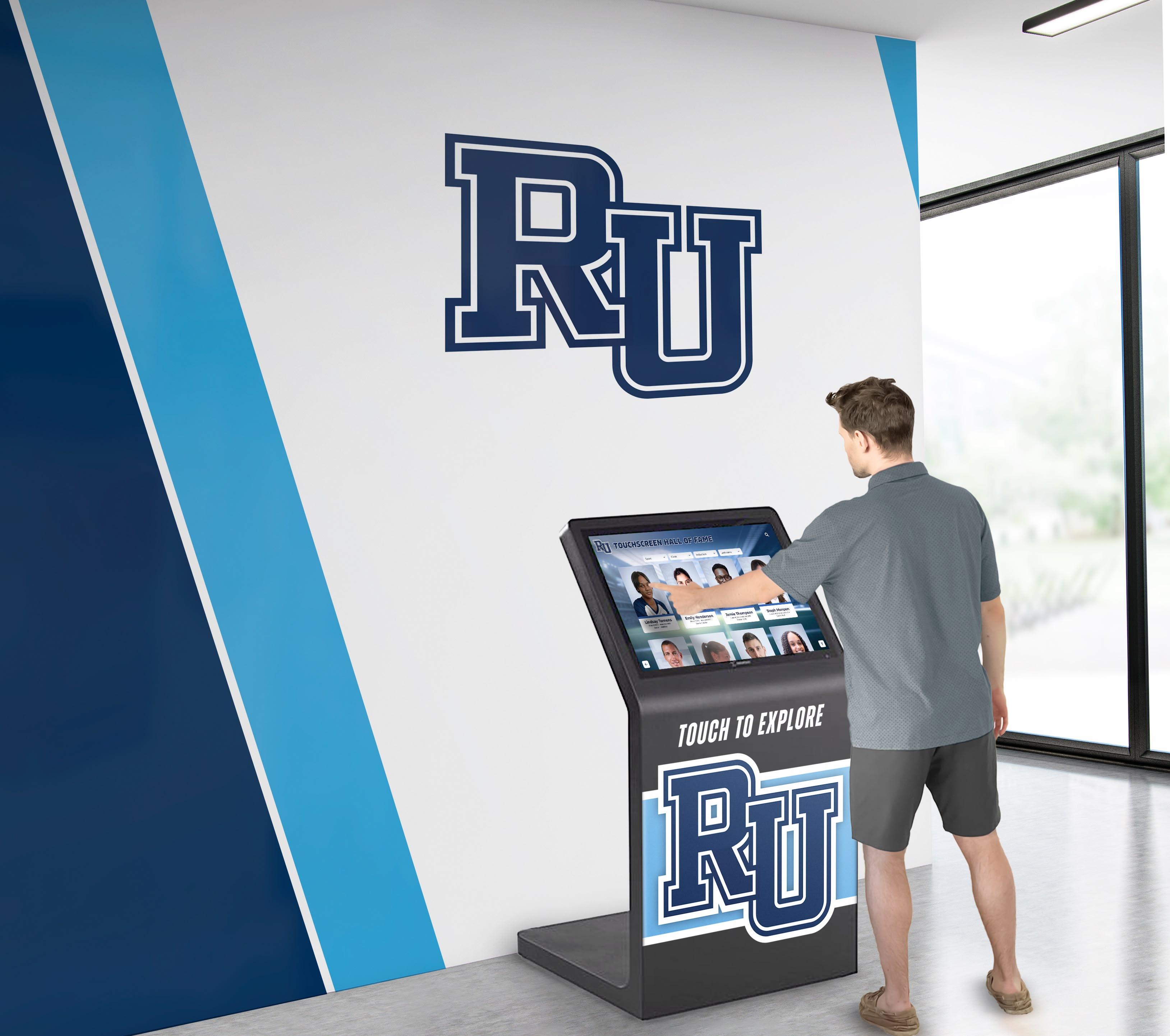
Accessible placement and intuitive design enable visitors of all abilities and technical experience levels to engage with memorial content meaningfully
Phase 2: Content Development and Family Collaboration
Memorial value depends entirely on comprehensive, accurate, sensitive biographical content honoring individuals appropriately.
Systematic Information Gathering Processes:
Collect memorial content through organized approaches:
Official Institutional Records:
- Alumni records, transcripts, and participation documentation
- Employment files, service records, and achievement documentation
- Historical archives containing photographs, publications, and correspondence
- News articles, press releases, and institutional communications
- Previous memorial or recognition materials
Family Contributions and Collaboration:
- Outreach inviting family members to contribute biographical information and photographs
- Structured questionnaires guiding families through relevant information categories
- Personal stories and memories from those who knew individuals best
- Preferred framing of memorial presentation respecting family wishes
- Privacy preference documentation ensuring appropriate public visibility
Community and Colleague Input:
- Remembrances from colleagues, classmates, or contemporaries
- Student or mentee perspectives for educational memorial contexts
- Organization member contributions for civic or nonprofit memorials
- Historical research filling gaps in official documentation
Content Review and Approval Workflows:
Before publication, all memorial content should undergo family review when possible:
- Draft biographical narratives shared with next of kin or designated family representatives
- Photograph selection review ensuring family comfort with images used
- Opportunity for families to provide additional content or request modifications
- Final approval confirmation before content becomes publicly accessible
- Ongoing update processes enabling families to enhance profiles over time as they discover additional materials or wish to share new information
Respectful family collaboration ensures memorial honors individuals according to those who knew them best while building trust between memorial administrators and bereaved families.
Phase 3: Technical Implementation and Design Execution
Convert memorial vision into functioning recognition reality through systematic technical and design implementation.
Hardware Selection for Physical Displays:
Memorial displays require robust, professional-grade technology:
Display Specifications:
- Commercial touchscreen displays rated for continuous operation (minimum 16-18 hours daily)
- Screen sizes appropriate to content volume and viewing distances (43-65 inches typical)
- High brightness (400-700 nits) ensuring visibility under various lighting conditions
- Anti-glare coating maintaining readability in bright environments
- Vandal-resistant construction protecting against accidental or intentional damage
Mounting and Installation Approaches:
- Wall-mounted installations for traditional memorial placement integrating with architectural design
- Freestanding kiosks for flexible positioning or when wall mounting proves impractical
- Integrated architectural elements connecting displays to memorial design themes
- Appropriate enclosures for semi-outdoor or challenging environmental conditions
Memorial Software Platform Selection:
Memorial recognition requires specialized platforms rather than generic digital signage:
- Purpose-built recognition software designed for biographical content management
- Unlimited content capacity accommodating comprehensive memorial recognition
- Intuitive content management enabling non-technical staff to maintain memorial
- Family-appropriate privacy controls respecting individual preferences
- Web-based extensions making memorial accessible beyond physical locations
- Professional design templates supporting dignified memorial presentation
Rocket Alumni Solutions provides memorial-appropriate platforms designed specifically for honoring individuals through comprehensive biographical recognition, understanding unique sensitivity and functionality requirements memorial applications demand.
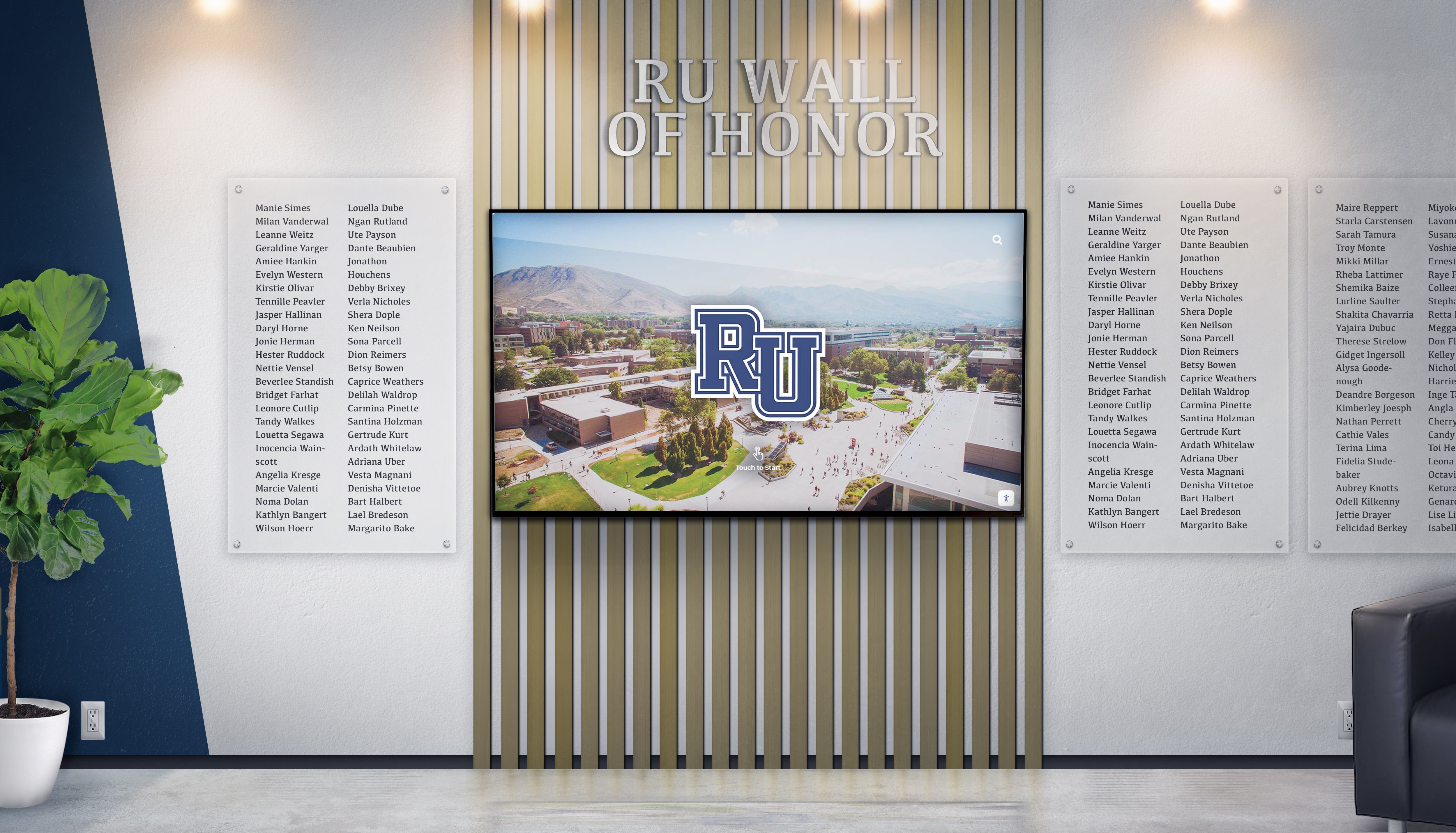
Comprehensive memorial installations can scale to honor unlimited individuals while maintaining dignity for each through well-organized content architecture and thoughtful visual design
Phase 4: Memorial Dedication and Ongoing Stewardship
Launch memorial appropriately while establishing sustainable long-term management ensuring continued relevance and accuracy.
Memorial Dedication Ceremonies and Events:
Public unveiling creates opportunities for community healing and connection:
- Invitations to families of those memorialized ensuring they participate in dedication
- Speeches from organizational leadership explaining memorial purpose and significance
- Recognition of donors, volunteers, and committee members who made memorial possible
- Moment of silence or appropriate remembrance observance respecting memorial nature
- Opportunity for attendees to explore memorial displays and provide feedback
- Media coverage educating broader community about memorial and how to access it
Dedication ceremonies acknowledge loss solemnly while celebrating memorial completion as community achievement honoring those who passed.
Sustainable Ongoing Memorial Stewardship:
Memorial displays require sustained attention maintaining accuracy and adding new individuals as community experiences ongoing loss:
- Designated staff responsibility for memorial content management preventing neglect
- Clear protocols for adding newly deceased individuals promptly after passing
- Regular content audits ensuring accuracy and identifying opportunities for enhancement
- Family communication about update opportunities as anniversaries approach or new materials become available
- Technical maintenance ensuring hardware and software continue functioning reliably
- Budget planning ensuring ongoing resources support memorial commitments long-term
Anniversary Observances and Memorial Programming:
Annual or periodic events maintain community connection to memorial:
- Memorial services during significant dates honoring those who passed
- Anniversary recognitions for specific individuals or groups
- Educational programs using memorial for teaching about institutional history
- Alumni or community gatherings incorporating memorial visits
- Family events providing community support and recognition
These recurring events ensure memorial remains active community resource rather than static installation losing relevance over time.
Accessibility and Inclusive Memorial Design
Memorial recognition must serve all community members regardless of physical abilities, technical knowledge, or language background.
Physical and Digital Accessibility Standards
ADA WCAG 2.1 AA Compliance Requirements:
Memorial displays must meet or exceed accessibility standards:
Visual Accessibility:
- Minimum contrast ratio 4.5:1 for body text, 3:1 for large text ensuring readability for vision-impaired visitors
- Text resizing capabilities up to 200% without content loss accommodating visual needs
- Color never used as sole means of conveying information
- Alternative text descriptions for all images enabling screen reader access
- High-contrast display mode options
Motor Control Accessibility:
- Touch targets minimum 44x44 pixels preventing accidental activation
- Simple gestures (tap, scroll) without complex multi-touch requirements
- No time limits on interactions preventing rushed experiences
- Screen reader compatibility for blind visitors when technically feasible
Physical Mounting and Placement:
- Display centers mounted 48-54 inches from floor enabling wheelchair access
- Adequate clear floor space (30x48 inches minimum) in front of displays
- Angled mounting (10-15 degrees from vertical) reducing glare and improving ergonomics
- Adequate surrounding clearance for groups and wheelchair maneuverability
Comprehensive accessible digital recognition design principles ensure memorial displays serve all community members appropriately regardless of physical capabilities.
Multilingual Support for Diverse Communities
Many communities include significant populations for whom English is not primary language. Memorial accessibility requires multilingual consideration:
Language Selection Implementation:
- Prominent language selection toggle on home screen
- Complete content translation, not just navigation elements
- Professional translation ensuring cultural appropriateness and memorial dignity
- Persistent language selection throughout browsing sessions
Languages to consider include Spanish, languages reflecting local demographic composition, and sign language video content for Deaf community access when feasible.

Creating comfortable memorial spaces with seating encourages extended engagement, enabling visitors to explore content thoroughly while processing emotional connections
Memorial Recognition for Specific Institutional Contexts
Different organizational types have unique memorial needs requiring tailored recognition approaches.
Educational Institution Alumni and Faculty Memorials
Schools and universities create in memoriam recognition celebrating community members who passed:
K-12 School Memorial Contexts:
- Alumni who passed at various ages from all graduation years
- Faculty and staff who dedicated careers to students
- Coaches who shaped athletic programs and mentored generations
- Administrators and board members who led institutional development
- Community supporters whose philanthropy advanced school mission
Higher Education Memorial Recognition:
- Massive alumni bodies spanning decades or centuries requiring extensive capacity
- Distinguished alumni who achieved notable success before passing
- Faculty whose scholarship, teaching, or service defined academic excellence
- Administrative leaders who shaped institutional direction
- Donors whose transformational gifts created lasting impact
Schools implementing school history digital displays can integrate in memoriam sections within broader historical recognition, connecting memorial content to institutional heritage narratives that provide context about eras when individuals served.
Organizational and Community Memorial Recognition
Beyond educational contexts, many organizations create memorial recognition:
Religious Community Memorials:
- Clergy and religious leaders who served congregations
- Longtime members who contributed to community life
- Founders and historical figures who established institutions
- Philanthropists whose giving sustained operations and mission
Nonprofit Organization Memorials:
- Board members who provided governance and leadership
- Staff who dedicated careers to organizational missions
- Volunteers who contributed countless service hours
- Benefactors whose support enabled program delivery
- Beneficiaries whose stories illustrate why missions matter
Civic and Community Organization Recognition:
- Municipal leaders and elected officials who served communities
- Volunteers who strengthened civic institutions
- Business leaders whose companies supported community development
- Citizens whose service made communities better places to live
Each context requires memorial approaches reflecting organizational cultures, stakeholder expectations, and specific purposes memorial recognition serves within broader institutional narratives.
Content Strategy for Compelling Memorial Storytelling
Beyond technical implementation, memorial effectiveness depends on comprehensive, well-written biographical content that truly honors individuals.
Essential Biographical Information Elements
Effective memorial profiles include organized content covering multiple life dimensions:
Basic Biographical Details:
- Full name, including nicknames or preferred names
- Birth and death dates, age at death
- Hometown or geographic connections
- Family information (when families approve sharing): spouse, children, parents, siblings
- Educational background and degrees
- Professional career overview
Institutional Connection Documentation:
- Years of service, enrollment, or involvement
- Positions held, roles filled, or programs participated in
- Major achievements, recognitions, or awards received
- Contributions to institutional development or mission advancement
- Relationships with colleagues, classmates, or community members
- Particular programs, initiatives, or changes they championed
Personal Character and Legacy:
- Personal values, beliefs, or philosophies guiding their lives
- Interests, hobbies, or passions beyond professional roles
- Character qualities colleagues, students, or family members describe
- Memorable anecdotes or stories capturing personality
- Quotations from individuals themselves or those who knew them
- How they influenced others or contributed to communities
- Continuing legacy through programs, scholarships, or values they established
This comprehensive approach ensures memorial content celebrates complete lives rather than reducing individuals to minimal documentation.
Gathering Memorial Content from Multiple Sources
Comprehensive memorial profiles require systematic information collection:
Primary Source Materials:
- Obituaries and funeral service materials
- Institutional records: transcripts, employment files, service documentation
- Published works, speeches, or writings by individuals
- Photographs from personal collections and institutional archives
- Video or audio recordings when available
Secondary Sources and Personal Contributions:
- Family remembrances and biographical submissions
- Colleague and contemporary reflections
- Student or mentee testimonials for educational contexts
- News articles, press coverage, or media profiles
- Historical research about eras or contexts individuals lived within
Ongoing Enhancement Processes:
Memorial content should evolve as new information becomes available:
- Annual outreach inviting families to update profiles or contribute additional materials
- Historical research projects systematically enhancing older profiles with limited initial information
- Community contribution opportunities enabling those with memories or materials to share them
- Anniversary milestones prompting content review and potential enhancement
This ongoing stewardship approach treats memorial recognition as living system that grows richer over time rather than static installation completed once and never updated.
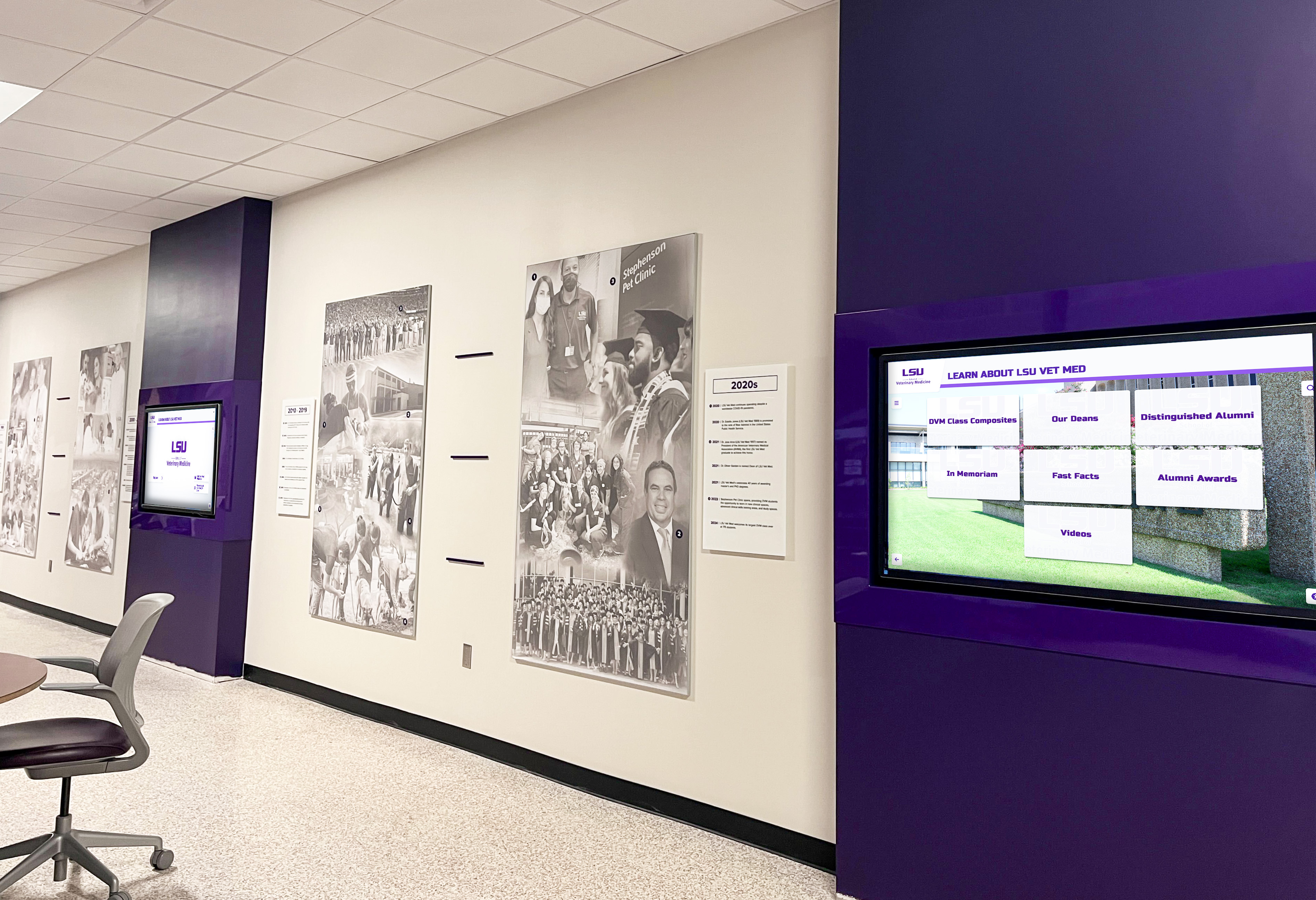
Large institutions often implement multiple coordinated displays across facilities, ensuring memorial recognition reaches diverse audiences throughout campuses or buildings
Measuring Memorial Recognition Program Success
While memorial recognition serves primarily emotional and cultural purposes rather than transactional goals, organizations benefit from assessing program effectiveness:
Engagement and Usage Metrics
For digital memorial platforms, track:
Display Interaction Metrics:
- Unique visitors and total interactions with physical displays
- Average session duration indicating engagement depth
- Most-viewed memorial profiles revealing compelling content
- Search queries showing what visitors seek
- Return visitor rates demonstrating sustained interest
Online Memorial Portal Metrics:
- Website visits and unique visitors
- Pages viewed per session
- Geographic distribution of visitors
- Social media shares amplifying recognition reach
- Search engine referrals bringing new audiences
Qualitative Feedback and Community Response
Beyond quantitative metrics, gather qualitative insights:
Family Satisfaction Feedback:
- Surveys or conversations with families of memorialized individuals
- Testimonials about memorial appropriateness and impact
- Requests for updates or enhancements
- Appreciation expressions or concerns raised
Community Response Indicators:
- Comments and reflections shared during memorial events
- Social media sentiment and community discussions
- Alumni or member engagement with memorial content
- Educational usage of memorial resources
Institutional Impact Assessment:
- Enhanced community connection to institutional heritage
- Educational value for current students or members
- Fundraising connections through memorial giving programs
- Recruitment or engagement messaging incorporating memorial content
These assessment approaches help organizations understand whether memorial recognition achieves intended purposes while identifying opportunities for enhancement over time.
Conclusion: Honoring Legacy Through Thoughtful Memorial Recognition
The Latin phrase “in memoriam” carries profound responsibility—it commits institutions to perpetually honoring individuals who contributed to communities, served missions, or achieved distinction. This commitment deserves memorial recognition that reflects the significance of lives being celebrated through comprehensive biographical storytelling, accessible presentation, and sustainable stewardship ensuring memories endure across generations.
Traditional memorial approaches using engraved plaques and static wall displays provided meaningful recognition for centuries but face inherent limitations that compromise effectiveness over time. Physical space constraints force painful decisions about whose memory receives visibility. Update delays create frustrating gaps between loss and recognition. Static formats prevent the comprehensive storytelling that truly honors individuals appropriately. And fixed installations serve only those who can physically visit memorial locations.
Modern digital memorial solutions overcome these persistent challenges while maintaining the reverence and dignity effective memorial recognition requires. Interactive touchscreen displays provide unlimited recognition capacity ensuring everyone receives appropriate honor. Comprehensive multimedia profiles enable rich biographical storytelling impossible on physical plaques. Instant updates allow timely recognition when it matters most to grieving families. And web-based extensions make memorial content accessible to global audiences including distant family members, dispersed alumni communities, and future generations seeking connections to heritage.
Create Meaningful Memorial Recognition Worthy of Those You Honor
Discover how purpose-built digital memorial platforms enable comprehensive in memoriam recognition combining reverent design, unlimited biographical capacity, and accessibility features ensuring all community members can honor those who passed appropriately and meaningfully.
Explore Memorial SolutionsThe most successful memorial recognition programs share fundamental characteristics: they honor individuals comprehensively rather than reducing them to minimal documentation, they maintain professional quality reflecting memorial significance, they integrate strategically within communities creating meaningful touchpoints for remembrance, they incorporate family collaboration ensuring appropriate content and respecting privacy, and they establish sustainable stewardship ensuring memorial remains current and relevant across time.
Whether your school seeks to create alumni memorial recognition celebrating graduates who passed, your university plans comprehensive faculty and distinguished alumni tributes, your organization needs to honor longtime members and supporters, or your community wants to memorialize leaders and citizens who served selflessly, thoughtful in memoriam displays provide proven solutions creating dignified recognition experiences worthy of lives being celebrated.
Communities implementing memorial touchscreen recognition demonstrate enduring commitment that contributions will never be forgotten, that service matters perpetually, that stories will be preserved for future generations, and that families receive assurance their loved ones’ memory remains honored appropriately. This comprehensive recognition approach communicates institutional values while building cultures where every community member knows their contributions will be remembered long after they’re gone—creating powerful motivations for service, achievement, and giving that strengthen institutions and communities across generations.
Understanding in memoriam meaning goes beyond simple translation—it encompasses the profound responsibility institutions accept when committing to perpetual remembrance. The memorial displays you create tell stories about who your community values, what achievements you celebrate, and how you honor those whose contributions built foundations current generations benefit from today. Make those stories compelling, comprehensive, and worthy of the lives you’re celebrating.
Ready to enhance your in memoriam recognition? Explore memorial and recognition wall design approaches that celebrate history meaningfully. Discover interactive museum displays that apply storytelling principles to memorial contexts. Learn about touchscreen kiosk software enabling engaging memorial experiences. And consider specialized memorial solutions from Rocket Alumni Solutions designed specifically for creating accessible, permanent recognition experiences through modern interactive technology built for celebrating lives and preserving institutional heritage.
Those you memorialize gave to your community, served your mission, or achieved distinction that built your institution. They deserve nothing less than thoughtful, comprehensive, and sustained recognition making in memoriam not just words on plaques but living commitments to perpetual remembrance across generations.