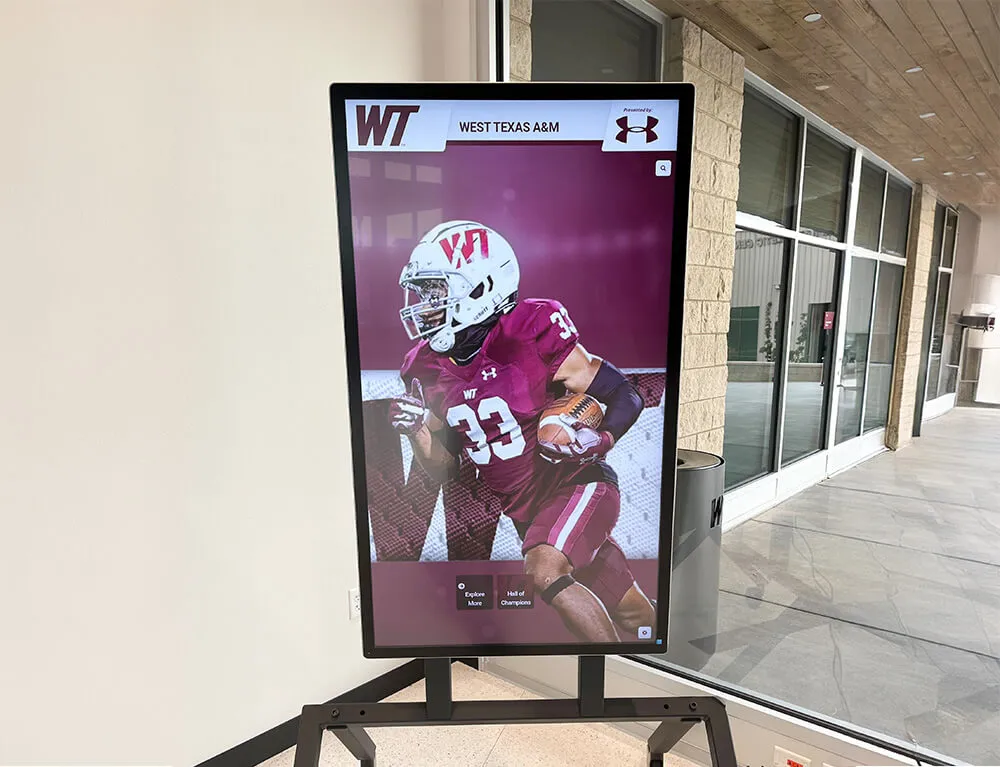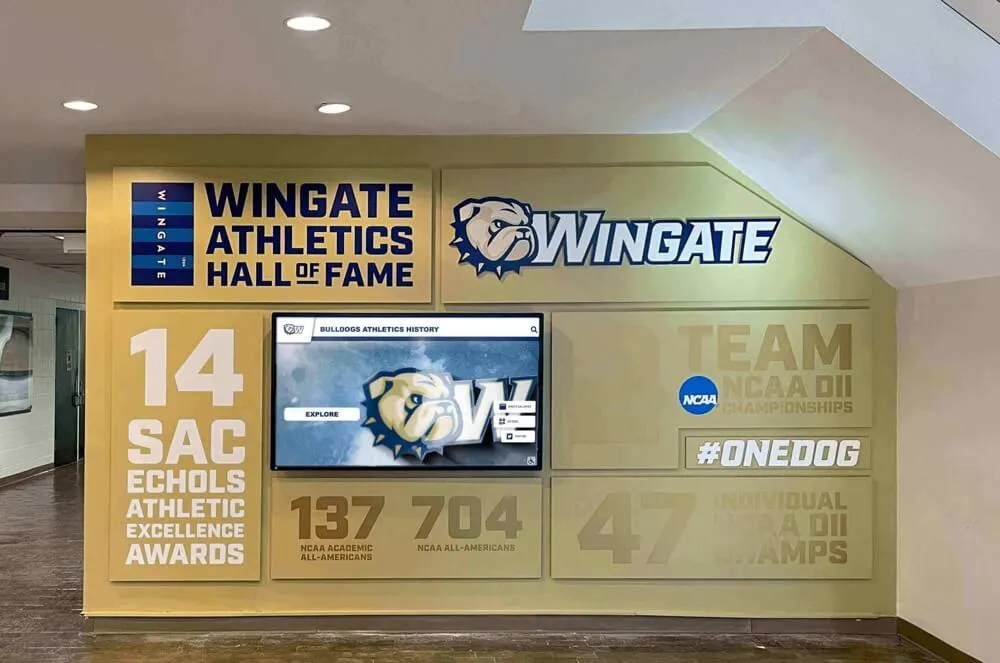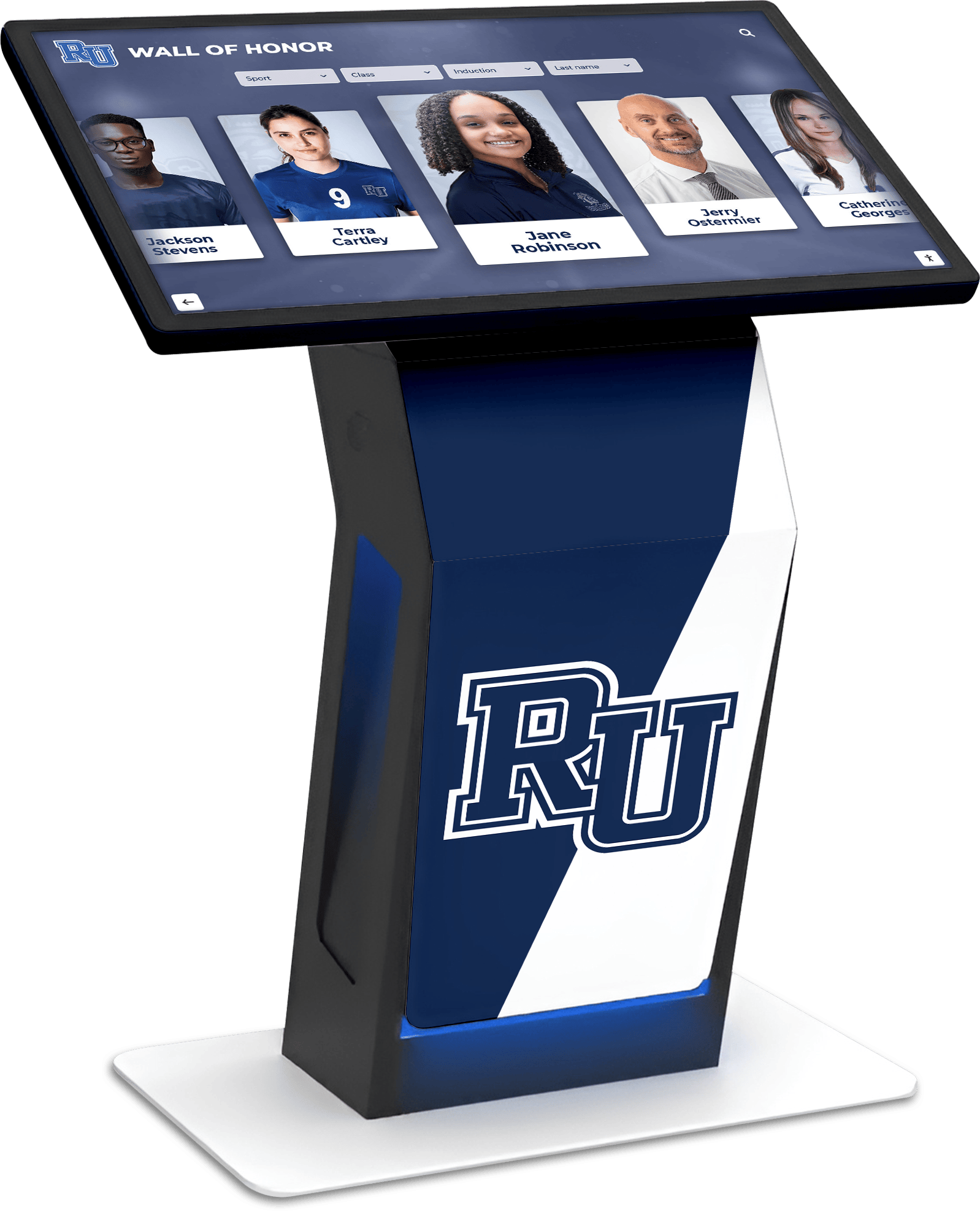




Interactive announcement feeds represent the next evolution in school communications, transforming how educational institutions share information about events, clubs, activities, and opportunities with their student communities. Unlike traditional bulletin boards or one-way digital signage that broadcasts rotating messages to passive viewers, interactive announcement systems enable students to explore content at their own pace, click into details about opportunities that interest them, and take action on information that matters to their educational experience.
Schools face mounting challenges with traditional announcement methods that fail to engage today’s students. Paper flyers disappear from bulletin boards within hours. Morning PA announcements compete with distractions and reach only students present during specific times. Email announcements drown in overflowing inboxes that students check infrequently. Static digital signage displays rotating slides that change before students can read complete information or take action on opportunities that interest them.
This comprehensive guide explores how interactive announcement feed technology revolutionizes school communications across student activities, club recruitment, event promotion, and community engagement. You’ll discover practical implementation strategies, understand the difference between passive digital signage and truly interactive announcement systems, learn about successful school deployments, and gain actionable frameworks for launching announcement feeds that capture student attention while driving meaningful engagement with campus opportunities.
The shift from broadcast-style announcements to interactive exploration represents more than technological upgrade—it fundamentally transforms how schools communicate with students, creating dynamic platforms where learners control what information they receive, how deeply they explore opportunities, and when they choose to engage with activities that align with their interests and schedules.

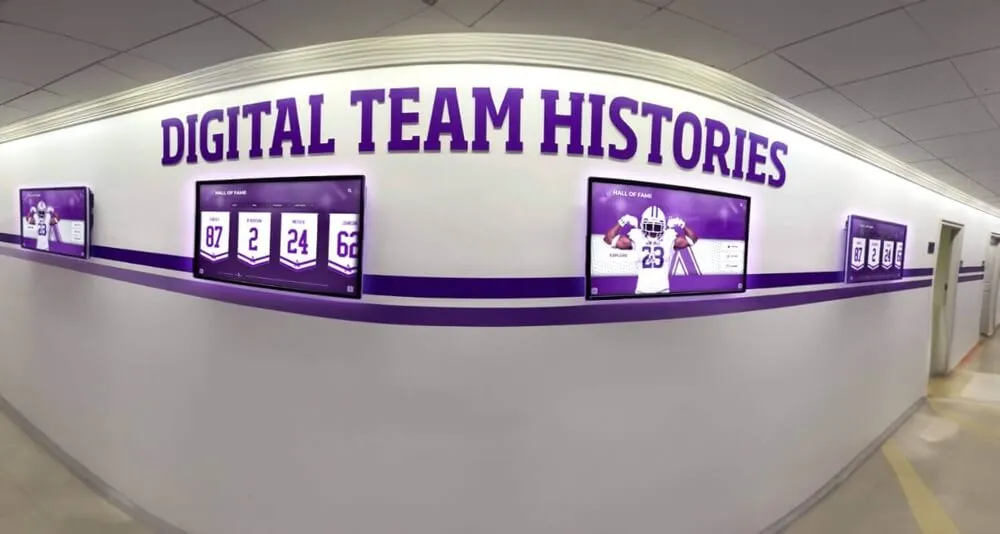
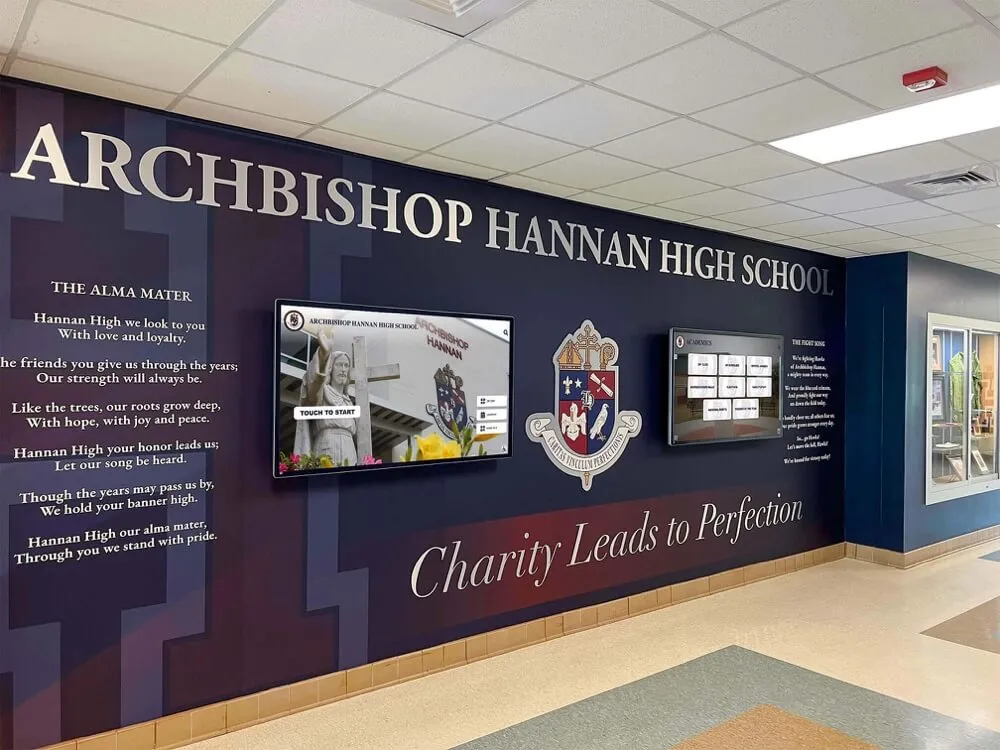
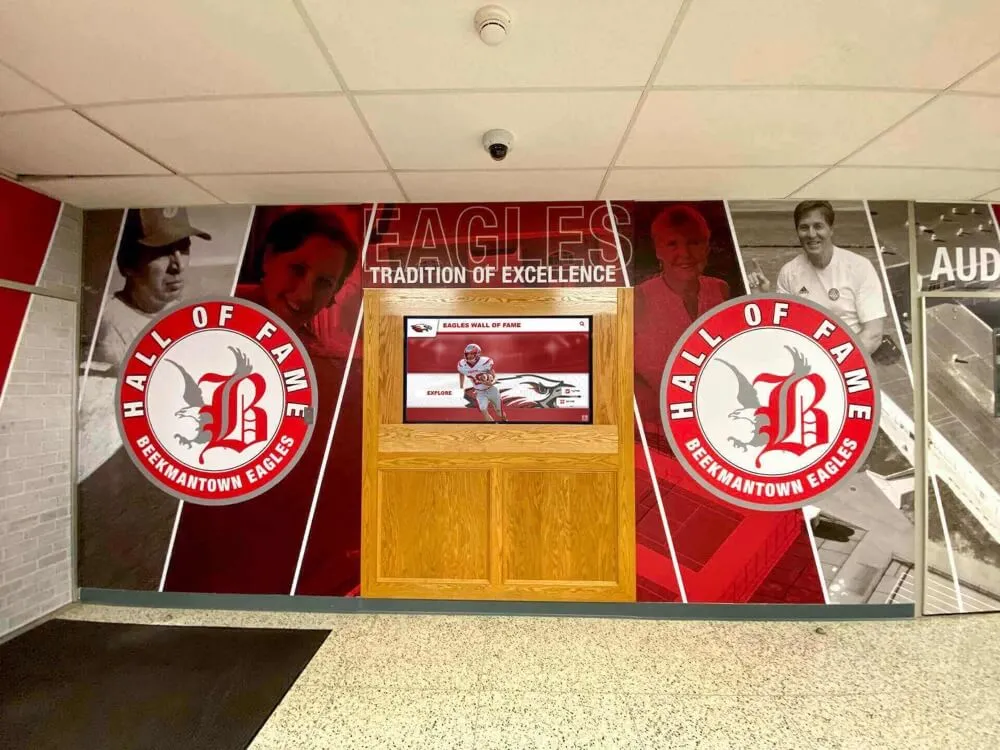
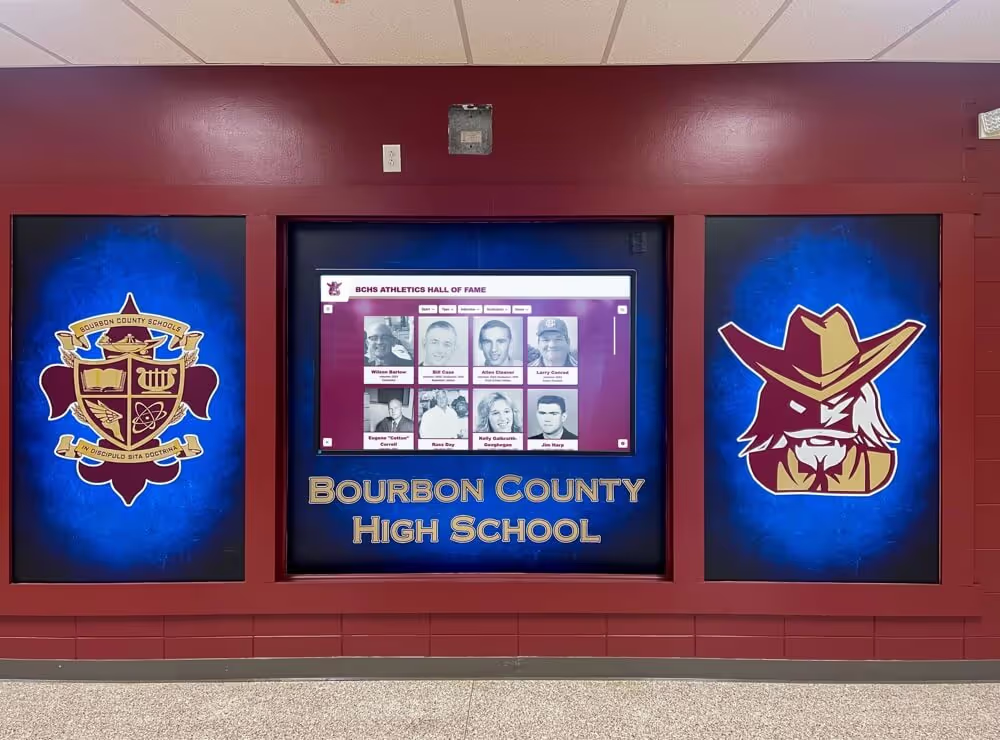
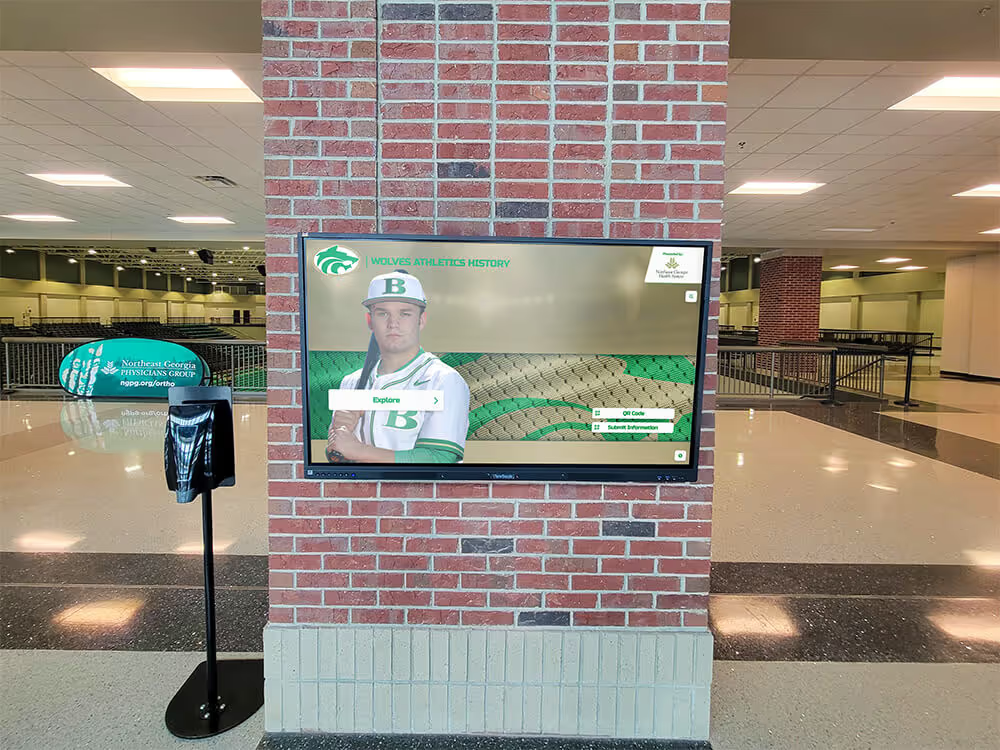
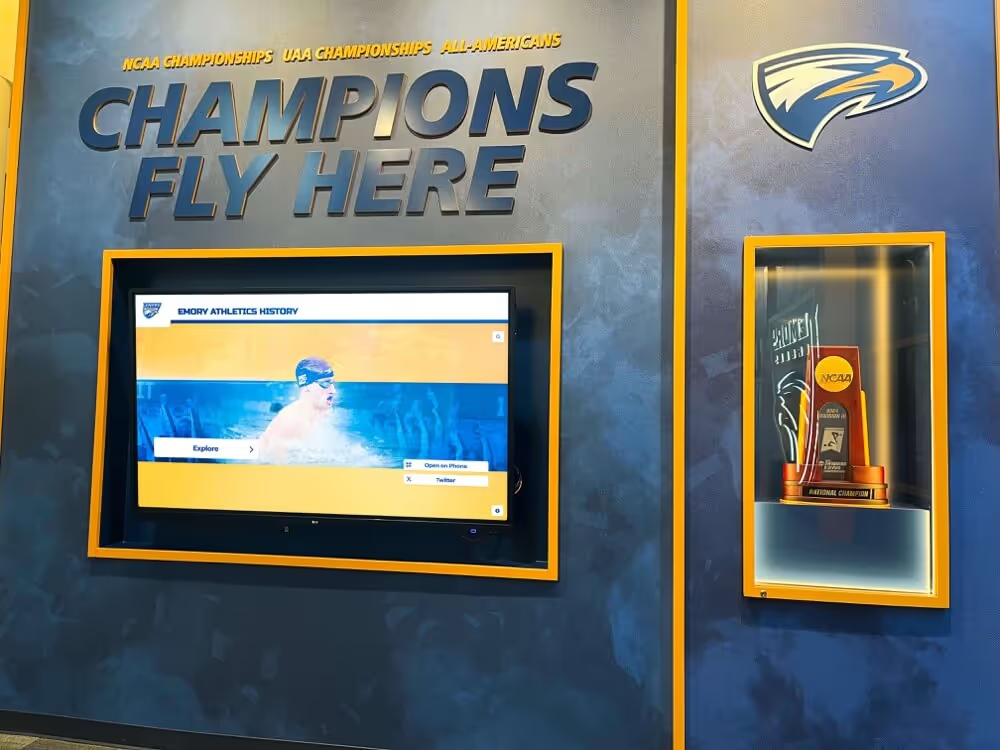
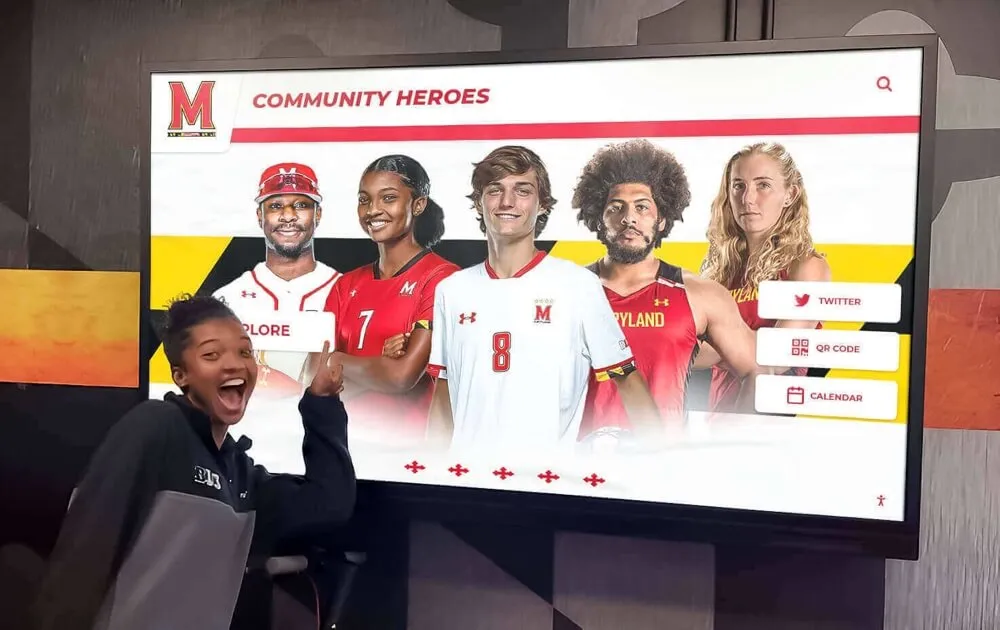
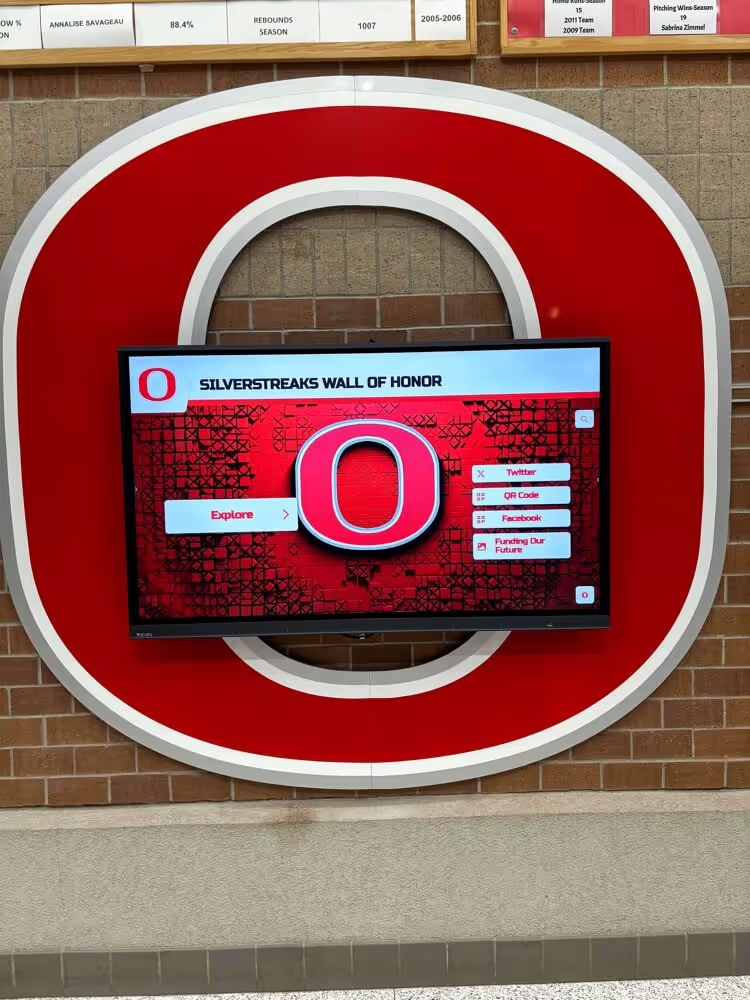
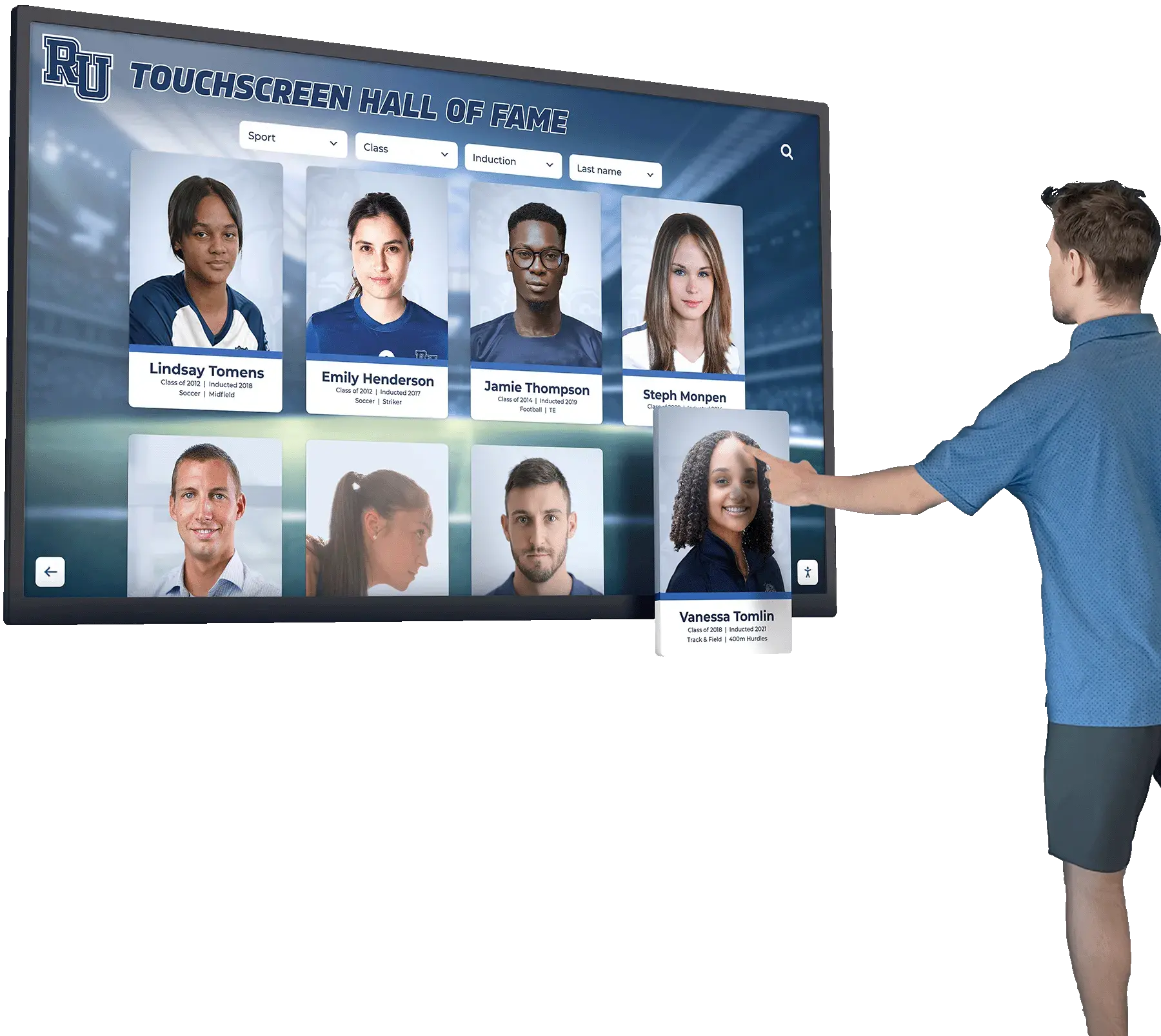
Interactive announcement systems enable students to explore campus opportunities through intuitive touchscreen interfaces
Understanding Interactive Announcement Feed Technology
Before exploring specific applications and benefits, understanding what interactive announcement feeds are and how they differ from traditional communication methods helps schools make informed decisions about implementing these transformative engagement systems.
What Is an Interactive Announcement Feed?
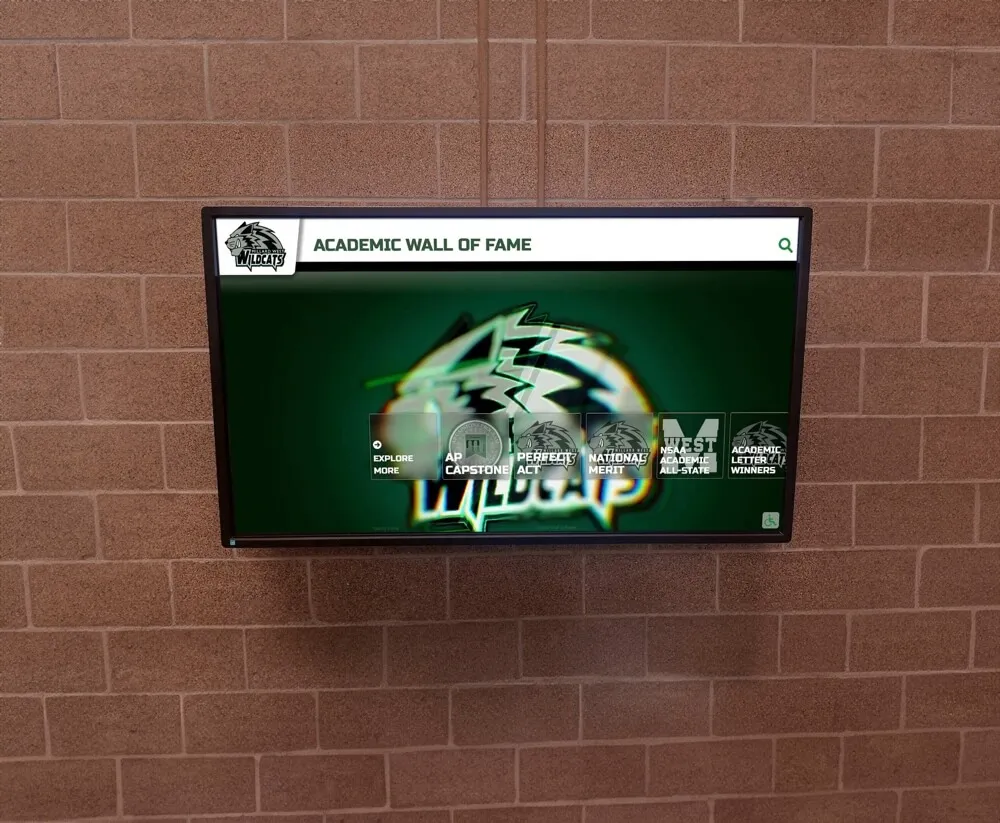
An interactive announcement feed consists of touchscreen displays—typically 55 to 86 inches diagonal—installed in high-traffic school locations like main lobbies, cafeterias, student centers, and hallway commons areas. Unlike passive digital signage that rotates through predetermined content on fixed schedules, interactive feeds enable students to actively browse announcements, search for specific topics or activities, filter content by category or date, and click into detailed information about opportunities that capture their interest.
Students interact with announcement feeds by tapping the screen to browse current announcements and upcoming events, searching for specific clubs, activities, or opportunities, filtering by category such as sports, arts, academics, or community service, clicking into individual announcements for complete details and registration information, and viewing related content connecting to similar opportunities and activities.
The experience mirrors social media feeds and smartphone interfaces familiar to today’s students, requiring no instructions or technical expertise to navigate effectively. This intuitive interaction creates engagement that passive announcement methods cannot achieve.
Key Components of Interactive Announcement Systems
Modern interactive announcement feeds combine several integrated elements creating complete communication solutions. Commercial-grade touchscreen displays rated for continuous operation provide the hardware foundation capable of handling constant student interaction throughout school days. Cloud-based content management systems enable administrators, teachers, and activity coordinators to publish announcements remotely from any internet-connected device without requiring technical expertise or IT department intervention.
Specialized engagement software organizes content around individual announcement cards with images, descriptions, details, and calls-to-action rather than simple text slides. Web-based extensions make announcement content accessible beyond physical displays through school websites and mobile apps that students can access from their personal devices anytime, anywhere.
This integrated approach ensures announcement feeds serve as comprehensive communication platforms rather than isolated display screens with limited functionality disconnected from broader student engagement strategies.
How Interactive Feeds Differ from Traditional Digital Signage
Many schools already deploy digital signage for basic announcements, lunch menus, event calendars, and general information display. However, interactive announcement feeds serve fundamentally different purposes requiring specialized capabilities that generic signage systems cannot provide effectively.
Traditional Digital Signage
Traditional digital signage excels at broadcasting rotating content to passive viewers. Screens display announcements that change every 5-10 seconds according to fixed schedules, require no viewer interaction beyond looking, and present identical content to all viewers regardless of individual interests. Content rotates continuously whether anyone is watching or not, and systems prioritize scheduling flexibility rather than deep engagement or exploration capabilities.
This broadcast approach works reasonably well for basic information like daily lunch menus, weather updates, or emergency notifications. However, it fails dramatically when schools need to communicate detailed information about clubs, events, activities, and opportunities requiring more than a few seconds to convey complete value propositions and engagement pathways.
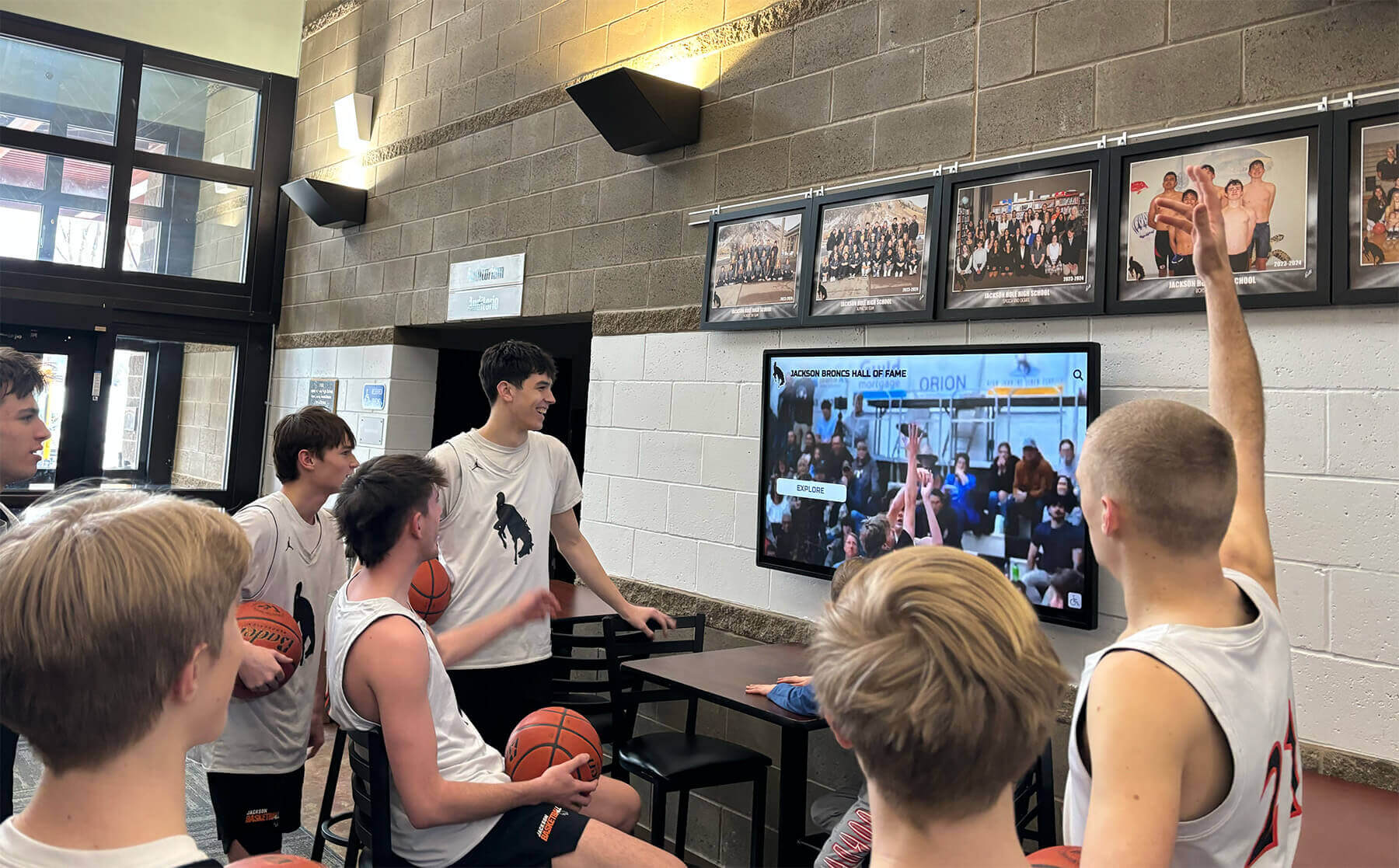
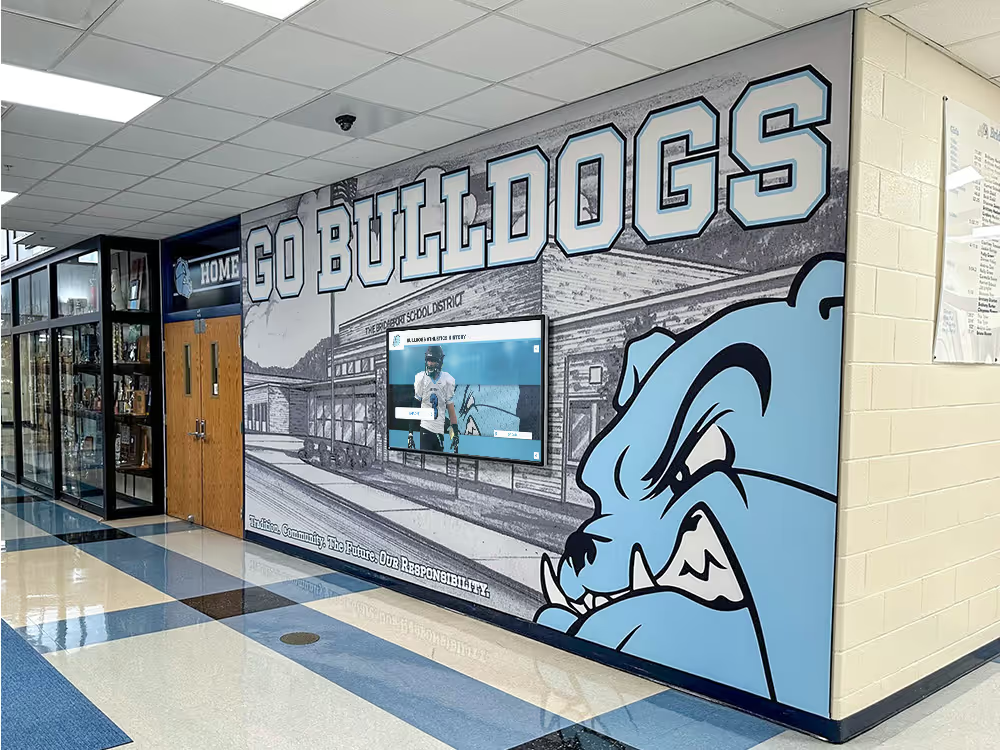
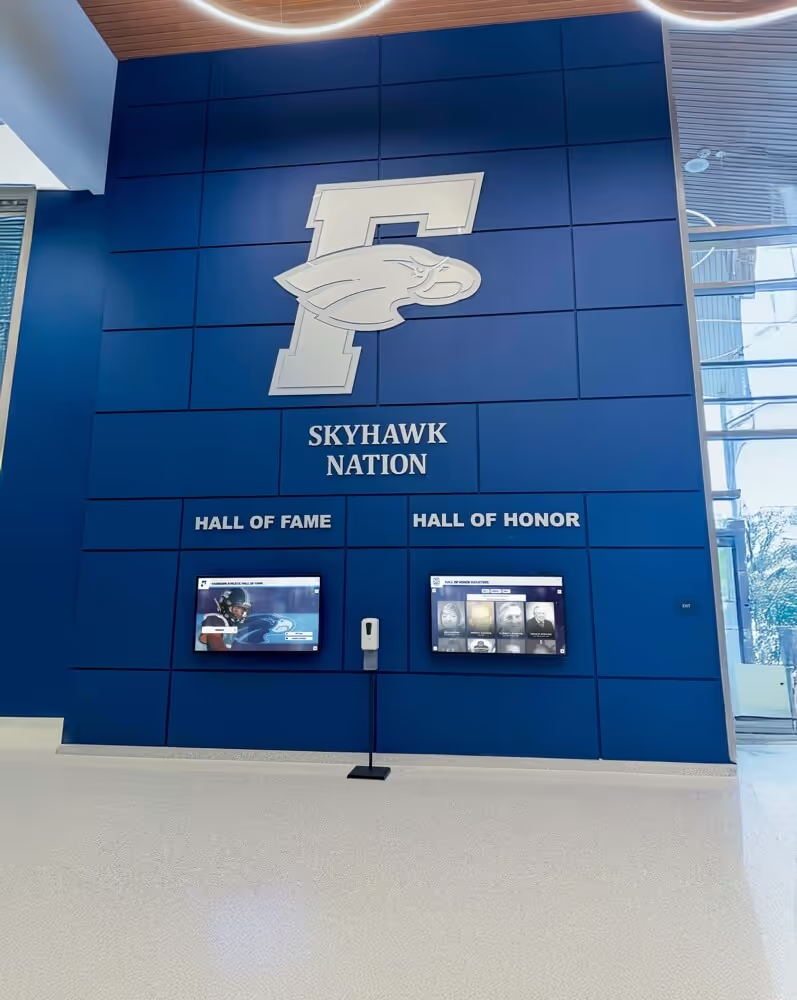
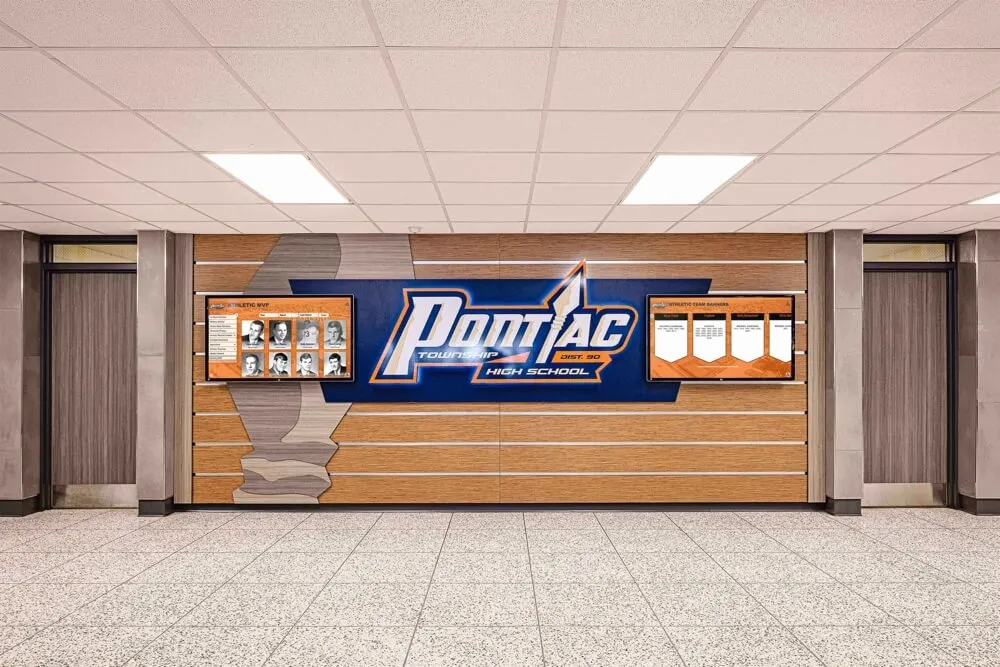
Interactive feeds create natural gathering points where students explore opportunities during passing periods
Interactive Announcement Feeds
Interactive announcement feeds enable active exploration controlled entirely by interested users. Students determine what content they view, how long they engage, and which announcements they explore in depth. Average interaction sessions last 3-8 minutes as students browse multiple announcements, read complete details, and discover opportunities they didn’t know existed before encountering the display.
Each announcement receives individual detail pages with images, descriptions, dates, locations, contact information, and next steps for participation. Content remains accessible for exploration as long as announcements remain current rather than disappearing after 10-second display windows. Systems prioritize intuitive search, powerful filtering, and logical content relationships that help students discover opportunities aligned with their interests.
The difference matters profoundly because schools attempting to communicate complex information through passive digital signage create frustrating experiences where students cannot read complete announcements before content changes, cannot explore details about opportunities that interest them, cannot discover related activities they might also enjoy, and cannot take action on opportunities because necessary information disappears before they can record it.
Solutions like Rocket Alumni Solutions provide platforms specifically designed for interactive exploration rather than passive broadcast, delivering far superior engagement results compared to generic digital signage systems repurposed for complex communications.
The Communication Challenge in Modern Schools
Understanding why traditional announcement methods increasingly fail to engage students helps schools appreciate the value interactive announcement feed technology delivers across multiple dimensions of campus communication and student engagement.
Information Overload and Attention Scarcity
Today’s students navigate unprecedented information environments where countless sources compete for limited attention. Social media notifications, text messages, email, online coursework, and entertainment options create constant distractions making it extraordinarily difficult for schools to break through noise with important information about campus opportunities and activities.
Traditional announcement methods compound this challenge by adding more broadcast messages to environments already saturated with unfiltered information. Morning PA announcements interrupt other activities but reach only students present during specific times. Email announcements arrive in inboxes already overflowing with messages from teachers, administrators, and external sources. Flyers and posters blend into visual background noise that students have learned to ignore through years of conditioning in cluttered environments.
Interactive announcement feeds address attention scarcity by enabling students to seek information when they’re mentally available and interested rather than interrupting them with broadcast messages during inopportune moments. Students control when they engage, what they explore, and how deeply they investigate opportunities—creating mental receptiveness that forced interruptions cannot achieve.
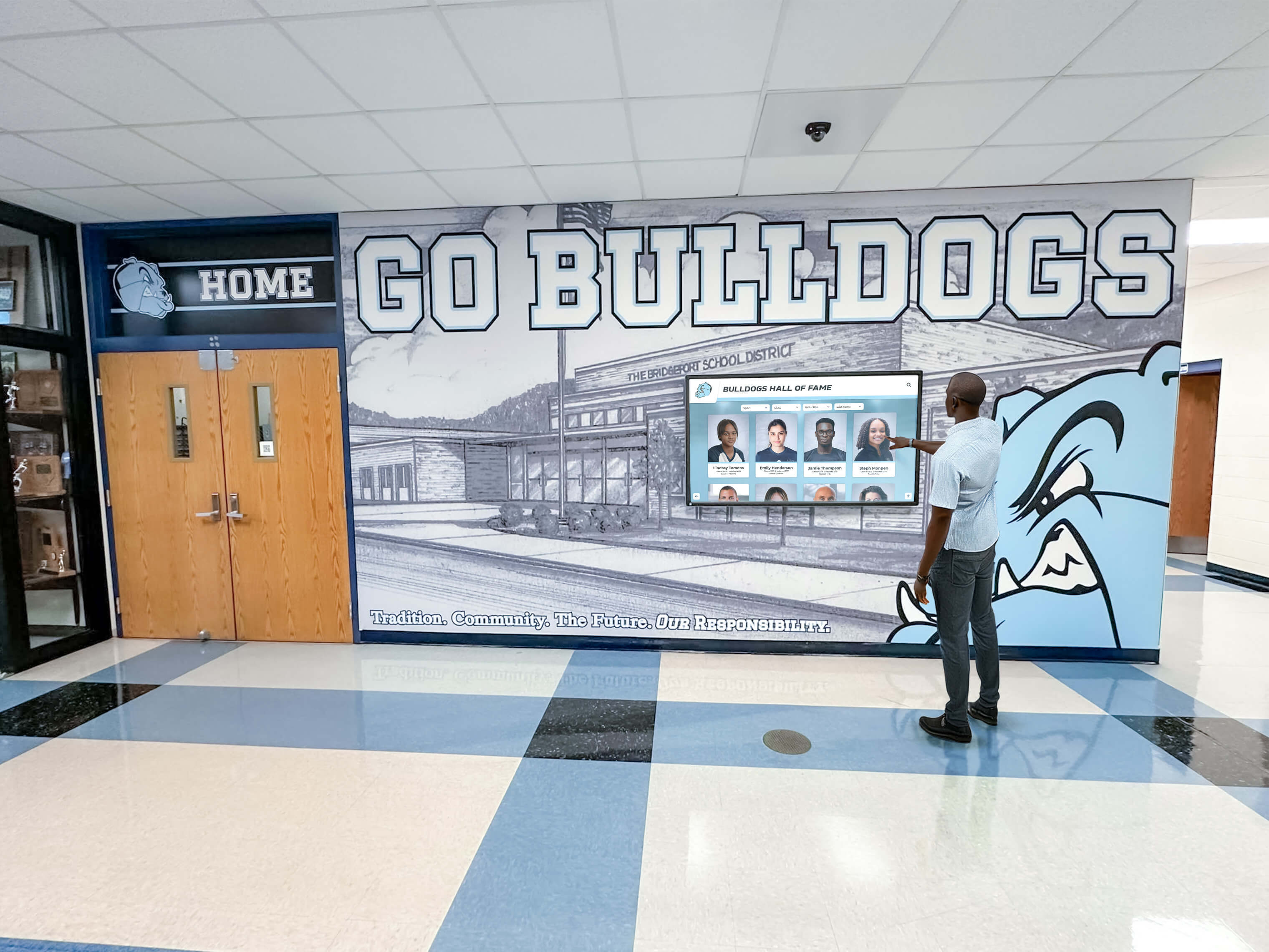
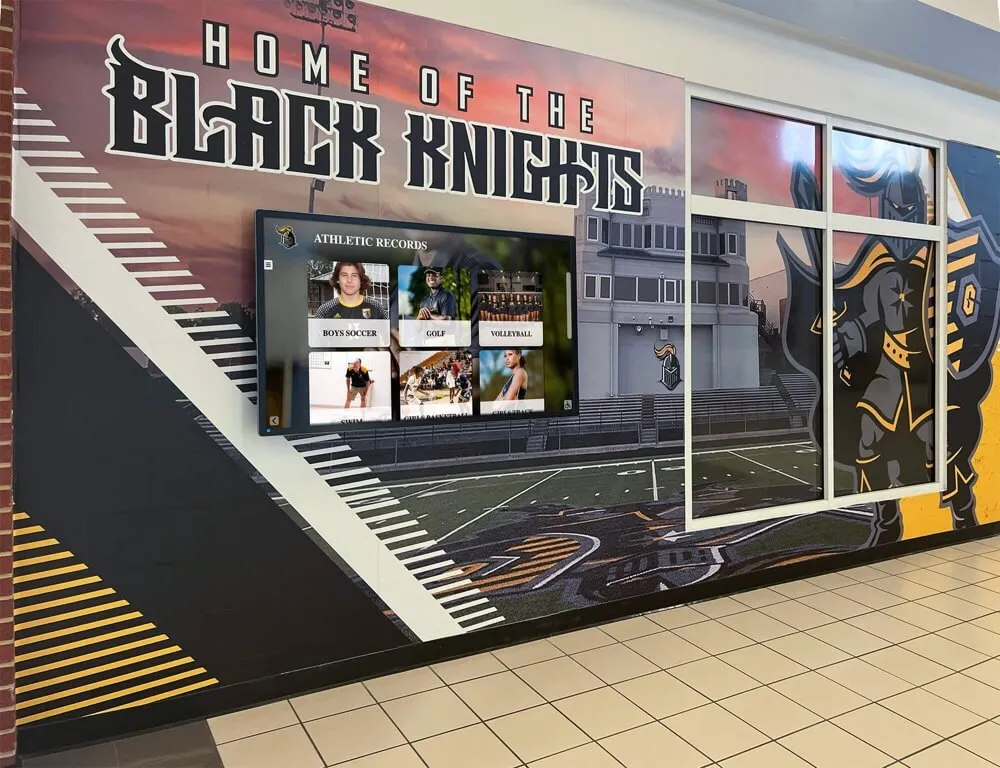
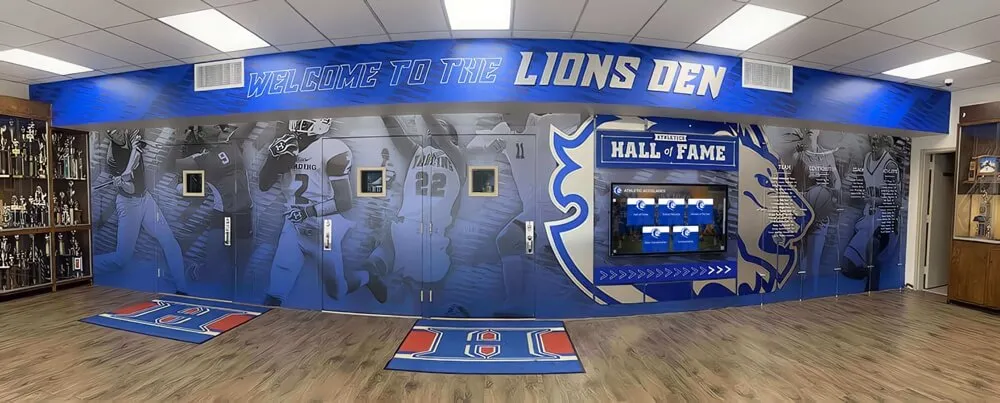
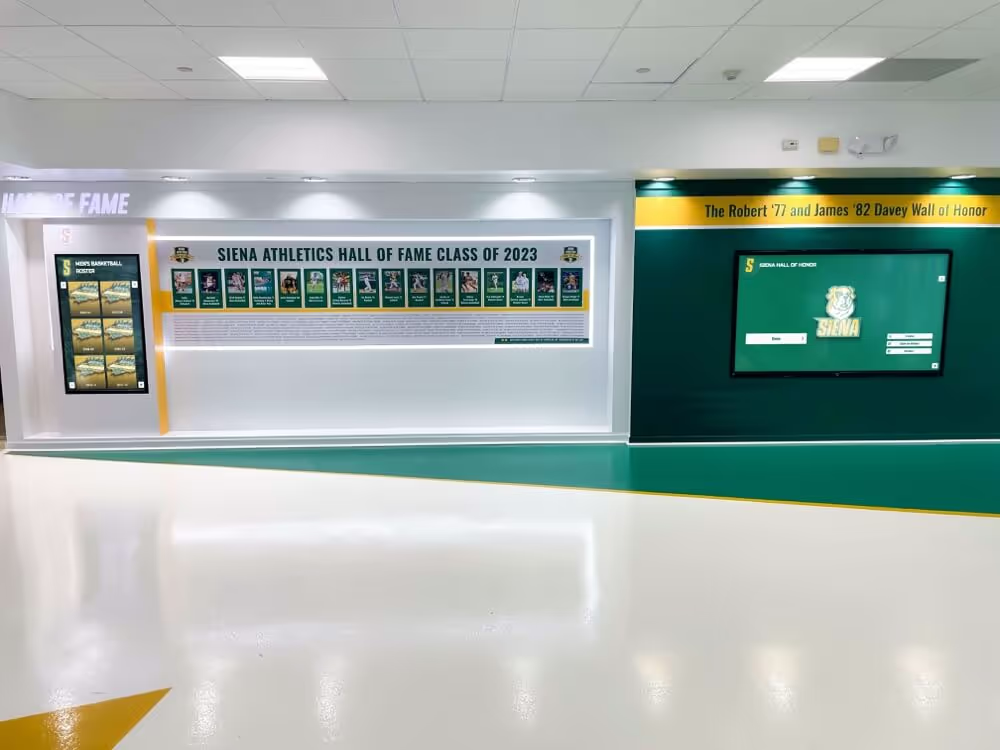
Strategic placement in high-traffic areas enables students to explore announcements during natural breaks in their schedules
Limited Detail and Context in Traditional Announcements
Traditional announcement methods severely constrain how much information schools can communicate about opportunities, creating barriers that prevent students from fully understanding value propositions and participation pathways for clubs, events, and activities.
PA announcements typically provide 15-30 seconds per item—barely enough time to state what an opportunity is, let alone explain why students should care or how they can participate. Printed flyers offer more space but still limit detail to what fits on single pages while requiring physical distribution and posting. Email announcements compete with dozens of other messages and face severe constraints on length before students stop reading.
These limitations mean traditional announcements rarely communicate compelling details about what makes opportunities valuable, who might benefit from participation, what commitments are required, what students will gain from involvement, or how interested students can take next steps toward participation.
Interactive announcement feeds eliminate these constraints by providing unlimited space for detailed descriptions, multiple photos and videos showing activities in action, complete schedules and time commitments, participant testimonials explaining benefits, clear instructions for how to join or register, and links to related opportunities students might also enjoy.
This comprehensive information enables students to make informed decisions about participation rather than dismissing opportunities because superficial announcements failed to communicate sufficient value or clarity about what participation involves.
Timing Mismatches Between Announcements and Availability
Traditional announcement methods create significant timing mismatches where information arrives when students cannot act on it or disappears before students are ready to engage. PA announcements broadcast during homeroom or specific class periods reach only students present at those precise times. Students who are absent, arrive late, or have different schedules never receive information. Students who are present but focused on other priorities during announcement times miss information that might interest them at different moments.
Digital signage rotating on fixed schedules displays announcements whether anyone is present to view them or not, while removing content from rotation before many students have opportunities to encounter it. A student who walks past a display five minutes after an announcement appeared in rotation misses information completely.
Interactive announcement feeds solve timing mismatches by keeping content continuously available for exploration whenever students are mentally available and interested. Announcements remain accessible throughout their relevance periods—days or weeks rather than seconds—ensuring that students can discover opportunities when they’re personally ready to engage rather than only at moments when schools choose to broadcast messages.
This asynchronous availability dramatically expands reach and effectiveness compared to synchronous broadcast methods that require students to be present, attentive, and interested at exact moments when announcements occur.
Core Benefits of Interactive Announcement Feeds
Interactive announcement feed technology delivers multiple interconnected benefits that strengthen schools across communication effectiveness, student engagement, activity participation, and community building dimensions.
Dramatically Increased Announcement Detail and Context
The most immediate benefit interactive feeds provide involves eliminating the severe constraints traditional methods place on how much information schools can communicate about opportunities. Schools implementing interactive announcement systems can provide comprehensive detail for every opportunity including complete descriptions explaining what activities involve and why students should participate, multiple photos and videos showing activities in action and highlighting participant experiences, detailed schedules and time commitment information helping students assess fit with their availability, participation requirements and prerequisites ensuring students understand what’s expected, clear next steps and registration processes removing barriers to getting involved, and connections to related opportunities students might also find interesting.
This comprehensive information transforms announcement effectiveness from basic awareness—students know something exists—to genuine understanding where students comprehend value propositions, assess personal fit, and feel equipped to take action on opportunities that align with their interests and circumstances.
Research on information processing and decision-making consistently demonstrates that people need sufficient context to evaluate options and commit to action. When schools provide only superficial announcement detail, they expect students to make participation decisions without adequate information—creating predictable barriers that suppress engagement regardless of how compelling opportunities actually are once students understand them fully.
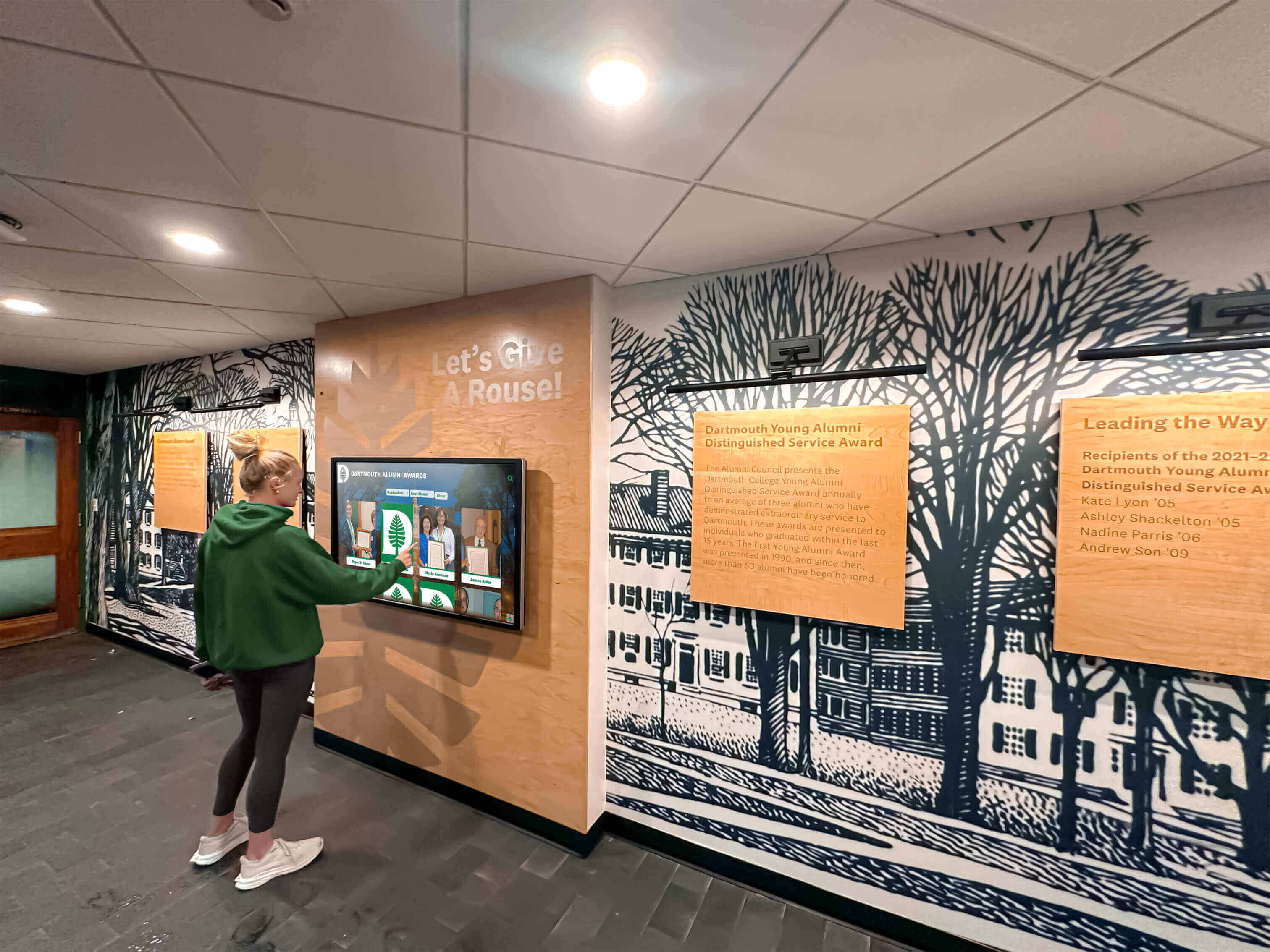
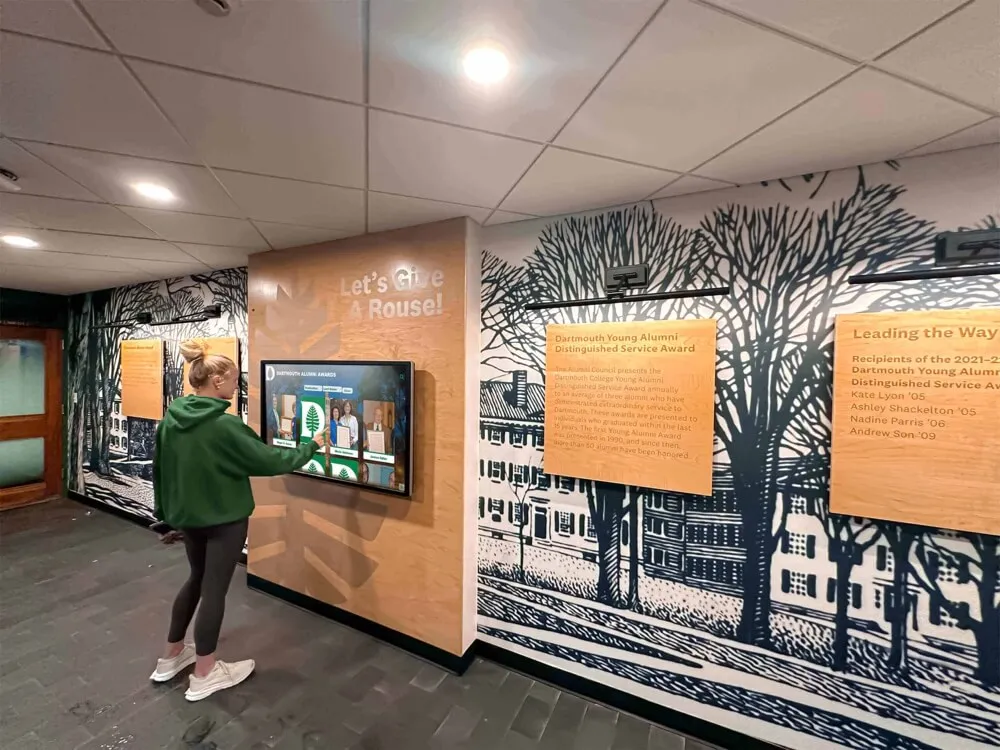
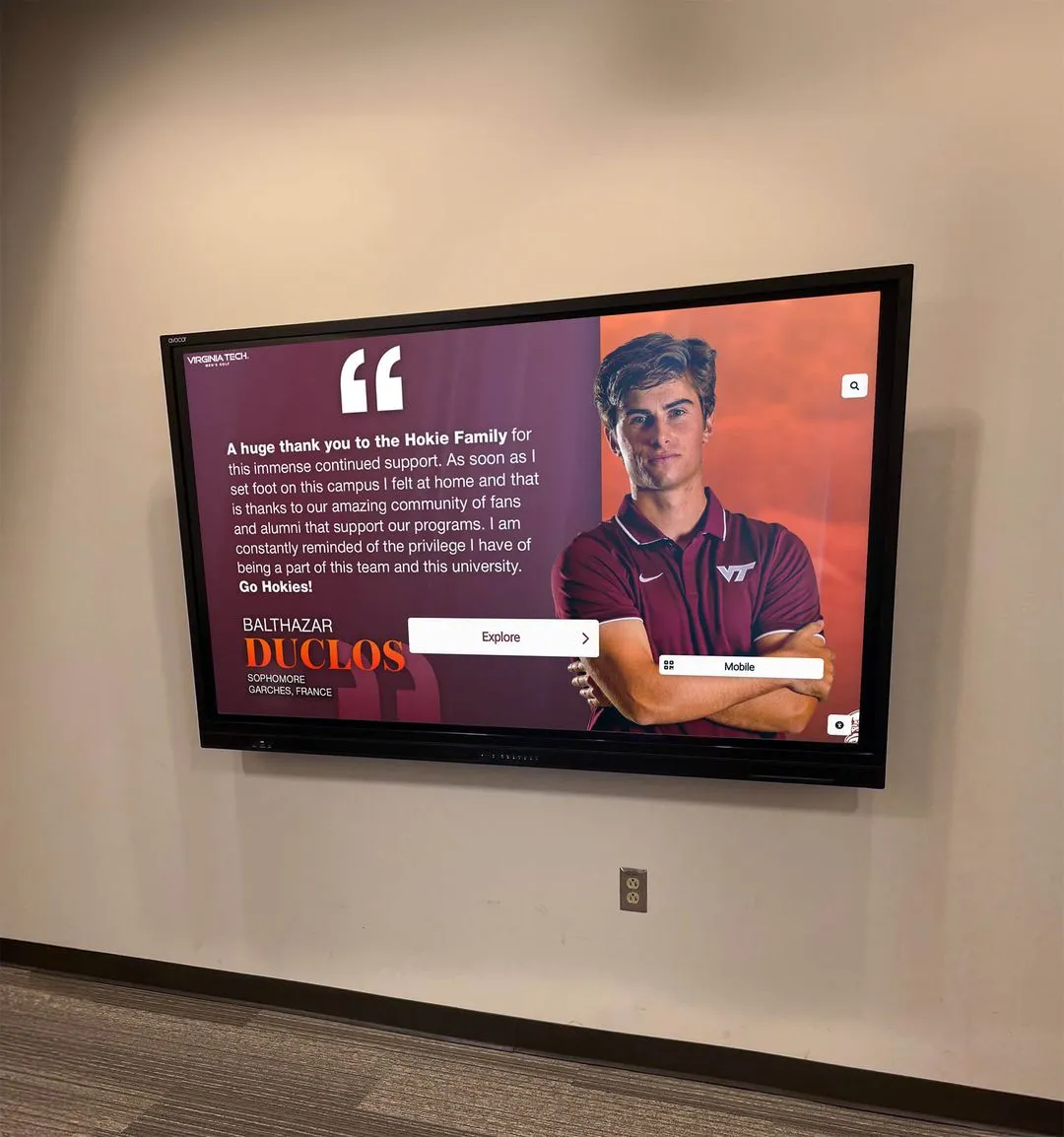
Interactive displays enable students to explore complete information about opportunities that interest them
Student-Directed Exploration Based on Personal Interests
Interactive announcement feeds enable student-directed exploration where learners control what information they receive based on their personal interests, schedules, and participation preferences. During passing periods, before school, during lunch, and other unstructured times, students naturally gravitate toward announcement displays to browse current opportunities and upcoming events, search for specific activities or interest areas, filter announcements by category aligning with their preferences, explore complete details about opportunities that capture attention, and discover related activities they might not have known to seek out directly.
This student-directed approach creates engagement that broadcast announcements cannot achieve. When students actively choose to explore information rather than passively receiving broadcast messages they didn’t request, they demonstrate mental availability and genuine interest that makes communication far more effective.
Schools implementing interactive announcement feeds consistently report that students spend 3-8 minutes per interaction session exploring multiple announcements and discovering opportunities, return to displays repeatedly throughout weeks as they consider participation decisions, share interesting opportunities with friends during social interactions around displays, and reference announcement content during conversations with parents about getting involved in activities.
This organic engagement builds awareness and participation that forced broadcast announcements struggle to generate because students control when they receive information and what they choose to explore based on personal readiness and interest.
Discovery of Previously Unknown Opportunities
One of the most valuable benefits interactive announcement feeds deliver involves helping students discover opportunities they didn’t know existed or wouldn’t have thought to seek out directly. Traditional announcement methods suffer from attention filters where students tune out broadcast messages about activities they’re not already interested in—creating self-reinforcing cycles where students only learn about opportunities that align with existing awareness rather than discovering new interests.
Interactive feeds enable discovery through browse-based exploration where students encountering one announcement often explore related opportunities appearing in recommended content sections, category browsing surfaces diverse activities within broad interest areas, visual imagery captures attention for opportunities students might have ignored in text-only announcements, and featured content sections highlight newer or less-known activities deserving broader visibility.
Schools implementing browse-friendly announcement systems report students joining clubs and activities they would never have discovered through traditional methods because the opportunity didn’t align with existing interests closely enough to capture attention in broadcast environments but became intriguing once students encountered compelling visual presentation and detailed information during exploratory browsing sessions.
This discovery dimension proves especially valuable for newer clubs, specialized activities, and opportunities in less mainstream areas that struggle to reach critical participation mass when dependent entirely on students who already know to seek them out. Interactive feeds level the promotional playing field by giving all activities equal opportunities to capture student attention through compelling presentation rather than relying solely on existing awareness and reputation.
Organizations seeking to showcase diverse student opportunities should explore digital photo gallery approaches that bring activities to life through engaging visual presentation.
Accessibility Beyond Physical Campus Locations
Traditional announcements serve only students physically present in specific locations at particular times. Students who are absent, who don’t pass by specific hallway locations, or who rush through passing periods without time to stop miss information completely. Parents and families have no access to announcement information unless students explicitly share it—creating information asymmetries where families can’t support student involvement in opportunities they don’t know exist.
Interactive announcement feed platforms address these accessibility limitations through web-based extensions that make announcement content universally available. Solutions like Rocket Alumni Solutions provide online portals where students can browse announcements from smartphones during any unstructured time, search for specific opportunities by keyword or category, save announcements they want to reference later, and share opportunities directly with parents and friends via text and social media.
Parents can explore the same announcement content their students see, enabling informed conversations about involvement opportunities and family support for participation in activities that interest their children. This universal accessibility dramatically expands announcement reach and effectiveness beyond the fraction of students who happen to be in the right place at the right time to encounter physical displays.
Schools report that extending announcement access to mobile and web platforms increases total engagement by 40-60% compared to physical displays alone—reaching students during idle moments throughout days when they’re mentally available to explore information rather than rushing between classes or focused on other immediate priorities.
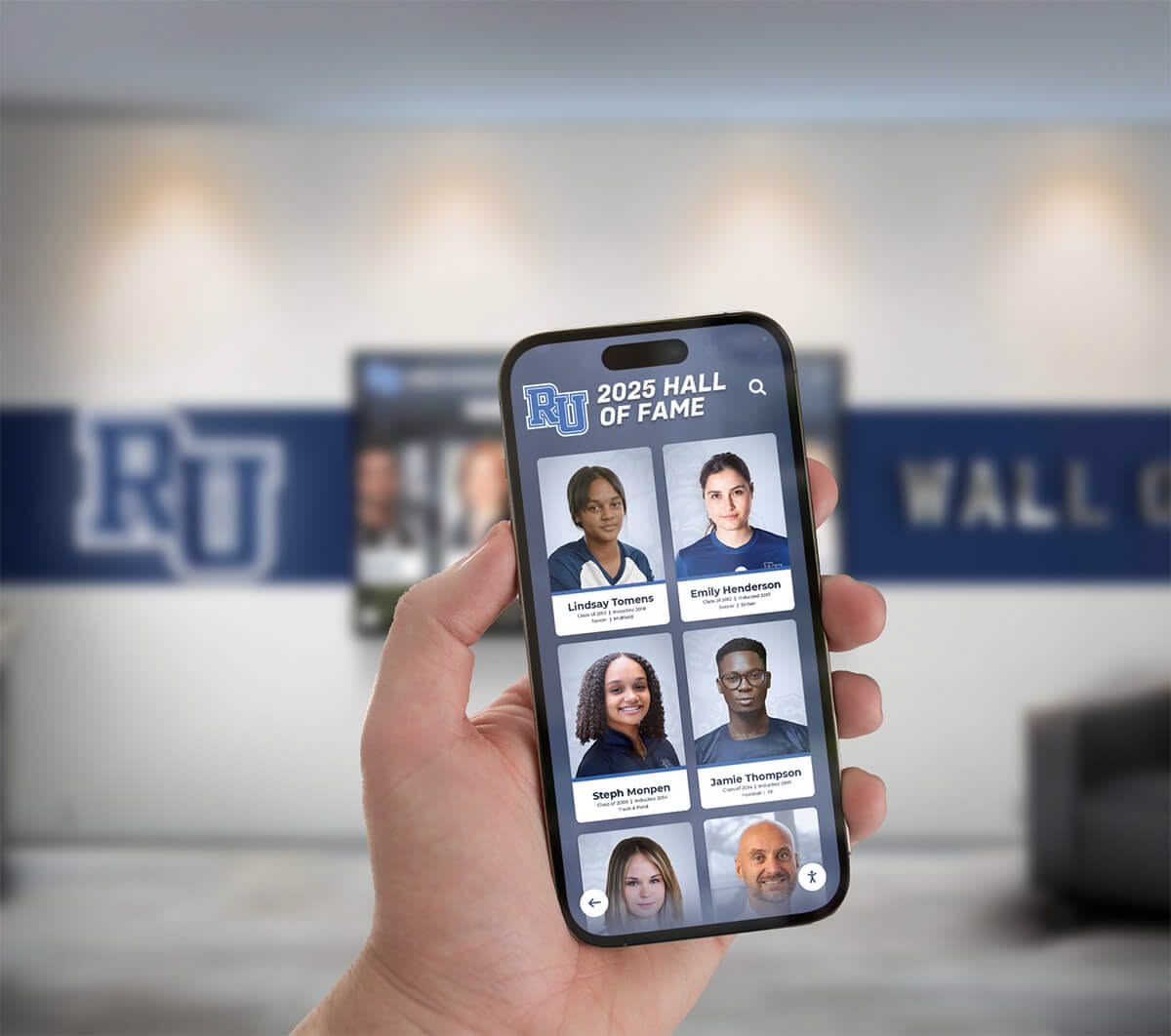
Mobile and web extensions enable students to explore announcements anytime from personal devices
Event Announcements and Participation Engagement
School events represent primary opportunities for building community, creating memorable experiences, and fostering school spirit. Interactive announcement feeds transform how schools promote events while making it easy for students to understand what’s happening, why they should attend, and how to participate.
Comprehensive Event Information and Promotion
Interactive announcement systems enable detailed event promotion far exceeding traditional methods’ capabilities. Schools can create rich event announcements including complete descriptions explaining what events involve and why attendance matters, dates, times, and location information with integrated calendar functions, registration and ticketing information with direct links to sign-up processes, photos and videos from previous similar events showing what participants can expect, schedule details for multi-component events helping students plan attendance, cost information and any financial assistance available, and connections to organizations hosting events providing context about groups students might want to learn more about.
This comprehensive event promotion helps students understand complete value propositions rather than making attendance decisions based on minimal information that fails to communicate what makes events worth their limited time and attention. When students see compelling photos from previous events, read enthusiastic descriptions explaining experiences, and understand exactly what participation involves, they make better-informed decisions about attendance while feeling excited about opportunities rather than uncertain about whether events are worth their time.
Event-specific information can include themes and featured activities generating interest and excitement, special guests or entertainment creating additional attendance motivation, dress codes or items to bring removing uncertainty about preparation, accessibility information ensuring all students understand how they can fully participate, and FAQ sections addressing common questions or concerns that might prevent attendance.
Schools promoting school spirit events can explore homecoming festivities strategies that build excitement through comprehensive event communication and recognition.
Real-Time Event Updates and Last-Minute Changes
One of the most valuable capabilities interactive announcement feeds provide involves enabling real-time updates for event information as circumstances change. Weather-related location changes, time adjustments, cancelled components, and other modifications can be communicated instantly to students who check announcement feeds rather than relying on manual notification processes that inevitably miss students who weren’t present during PA announcements or who don’t check email regularly.
Cloud-based announcement systems enable event coordinators to update information immediately from smartphones or computers without requiring IT department intervention or waiting for next business day when technical staff are available. This immediacy ensures students always see current information when they reference announcement feeds while considering attendance decisions or preparing to participate.
Real-time update capability proves especially valuable for time-sensitive situations including weather-related changes for outdoor events, venue modifications due to facility issues, performance time adjustments for theatrical productions, registration deadline extensions encouraging increased participation, and sold-out events or capacity limitations helping students understand current status.
Students quickly learn that interactive announcement feeds provide authoritative, current information—creating habits where they reference displays before events rather than relying on potentially outdated information from earlier announcements or secondhand reports from peers who may have incomplete or inaccurate details.
Post-Event Content and Celebration
Interactive announcement feeds extend value beyond pre-event promotion by serving as platforms for post-event celebration and documentation. Schools can publish post-event content including photo galleries capturing memorable moments and celebrations, video highlights preserving key experiences and achievements, participation statistics celebrating attendance and involvement, thank you messages recognizing organizers, volunteers, and attendees, and preview information for upcoming similar events encouraging ongoing participation.
This post-event content serves multiple valuable purposes including creating public celebration and recognition for successful events and participants, demonstrating to non-attendees what they missed while encouraging future attendance, providing documentation preserving school memories and traditions, building anticipation for recurring annual events through reminders of previous successes, and giving event organizers visible appreciation motivating continued volunteer leadership.
Post-event celebration creates positive reinforcement loops where students who attended feel recognized for participation, students who didn’t attend develop interest in future similar events, and event organizers receive validation that their efforts produced meaningful experiences worth repeating. This virtuous cycle strengthens event attendance and school culture over time as interactive announcement feeds make celebration systematic rather than inconsistent or non-existent.
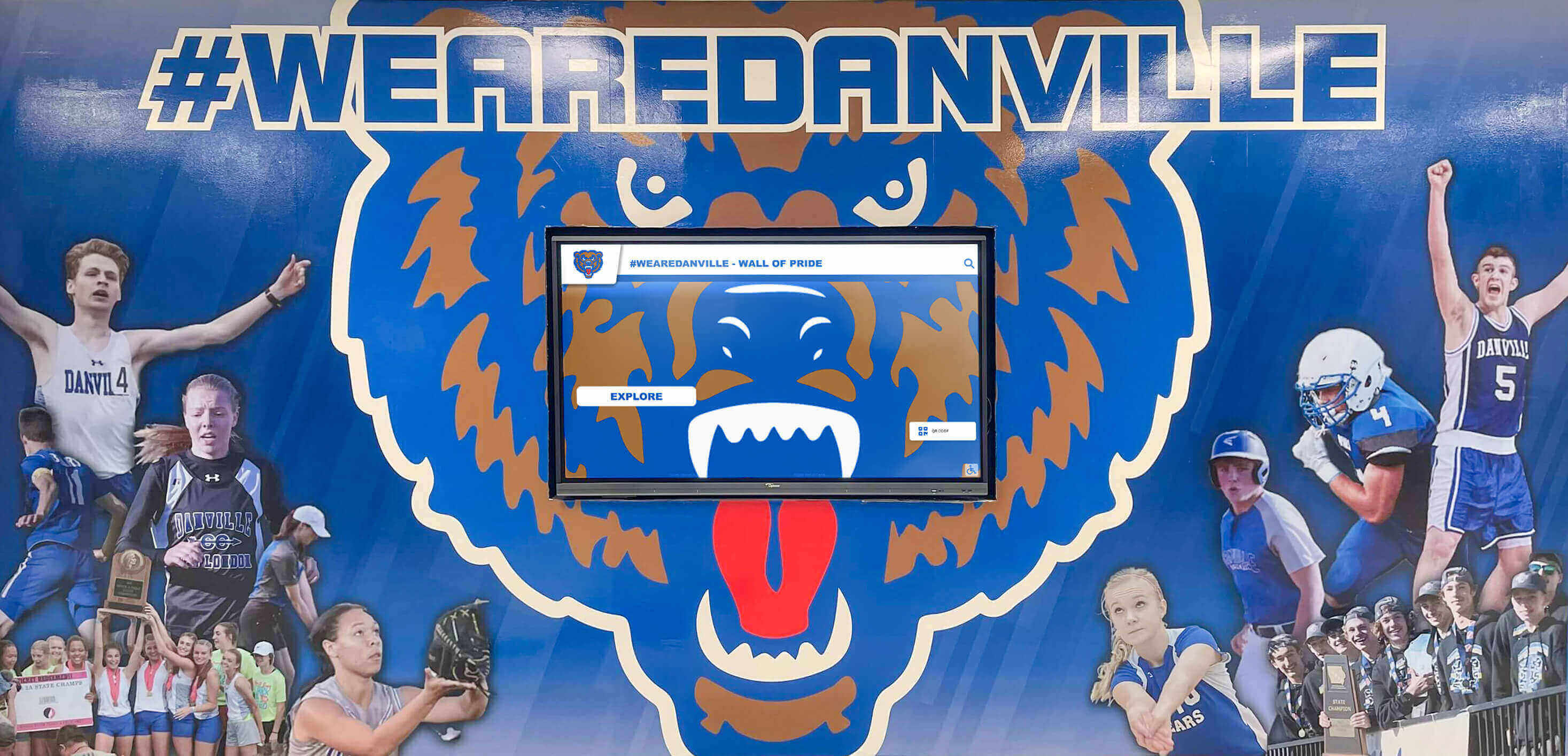
Interactive displays can celebrate past events while promoting upcoming opportunities, creating engagement continuity
Club Recruitment and Activity Participation
Beyond one-time events, interactive announcement feeds excel at promoting ongoing clubs and activities where schools need to maintain student engagement across entire academic years while recruiting new members during optimal windows.
Detailed Club Profiles and Participation Information
Interactive announcement systems enable comprehensive club promotion that helps students understand what organizations do, who they’re for, and how to get involved. Schools can create detailed club profiles including mission statements and descriptions explaining what clubs focus on, meeting schedules and time commitments helping students assess fit with their availability, membership requirements and prerequisites ensuring students understand eligibility, current member information and leadership team details creating social connections, photo galleries showing club activities and typical meetings, achievement highlights celebrating accomplishments and demonstrating value, and clear joining instructions removing barriers to getting involved.
This comprehensive information addresses the primary barrier to club participation—students don’t join clubs because they don’t understand what organizations do, whether clubs are appropriate for their experience levels, how much time participation requires, or how to actually get involved beyond vague awareness that clubs exist.
When interactive announcement feeds provide complete answers to these fundamental questions, students can make informed participation decisions rather than avoiding clubs due to uncertainty or assumptions that may not reflect reality. A student who assumes a club requires expert-level experience might discover through detailed profile information that the organization explicitly welcomes beginners and provides mentoring—transforming a barrier into an opportunity through better communication.
Club-specific content can include typical meeting agendas showing what members actually do during sessions, member testimonials explaining why participants find clubs valuable, connections to related academic subjects or career interests demonstrating relevance, competition and achievement opportunities available through participation, and social dimensions explaining how clubs build friendships and community beyond pure activity focus.
Schools building comprehensive activity participation should explore student mentorship and discovery approaches that connect students with opportunities aligned to their interests and goals.
Optimal Timing for Recruitment Campaigns
Interactive announcement feeds enable strategic recruitment campaign timing that aligns with natural participation windows throughout academic years. The beginning of each semester represents prime recruitment opportunity when students establish new schedules, look for activities to fill unstructured time, and feel motivated by fresh starts. Clubs can publish featured announcements during these windows providing maximum visibility for membership drives when students are most receptive to joining new activities.
Mid-year recruitment campaigns target students who discovered that initial activity choices didn’t meet expectations or whose changing interests create receptiveness to new opportunities. End-of-year campaigns focus on rising students transitioning to new grade levels where expanded activity options become available or leadership opportunities open as current leaders graduate.
Cloud-based announcement systems enable club leaders and faculty advisors to schedule content publication for optimal timing without requiring constant manual intervention. Recruitment announcements can be prepared in advance and scheduled to appear automatically at strategic moments—beginning of school year, start of each semester, before specific interest-related events, or during school-wide activity fairs when student receptiveness peaks.
This strategic timing dramatically improves recruitment effectiveness compared to constant year-round announcements that blend into background noise where students tune out information about opportunities they’re not currently considering. Concentrated campaigns during high-receptiveness windows capture attention and drive action more effectively than diffuse, continuous promotion lacking strategic timing.
Showcasing Club Achievements and Member Success
Beyond basic recruitment information, interactive announcement feeds enable ongoing celebration of club achievements that builds prestige, motivates current members, and attracts new participants who want to be part of successful organizations. Schools can highlight club accomplishments including competition results and awards celebrating organizational excellence, individual member achievements recognizing personal success through participation, community service projects demonstrating positive impact and citizenship, special events and activities showcasing exciting opportunities unique to specific clubs, and member post-graduation success showing how club participation contributed to college admissions, career preparation, or personal development.
This achievement celebration transforms club participation from abstract activities that might be interesting to concrete opportunities that demonstrably contribute to student success and meaningful experiences. When prospective members see that robotics club participants win regional competitions, that debate club members develop public speaking skills valuable for college and careers, or that service clubs make genuine community impact through volunteer projects, they understand specific value propositions rather than vague possibilities.
Achievement celebration also motivates current members by providing public recognition for their efforts and accomplishments. When students see their clubs featured prominently on interactive announcement feeds celebrating recent successes, they feel validated that their time and effort matters while experiencing pride in organizational affiliation that strengthens commitment and engagement.
Organizations recognizing student leadership should explore class president recognition approaches and student leadership celebration strategies that honor contributions across activities.
Special Opportunity Announcements and Applications
Beyond regular clubs and events, schools need to communicate about special opportunities including competitive programs, selective activities, leadership positions, and time-sensitive applications that require more sophisticated promotion than basic broadcast announcements can provide.
Academic Program and Competition Opportunities
Interactive announcement feeds excel at promoting academic opportunities that require detailed explanation and application processes. Schools can create comprehensive announcements for opportunities including Advanced Placement course registration with prerequisites and benefits explanations, academic competition opportunities like Science Olympiad, math competitions, and debate tournaments, summer program applications for specialized learning experiences, scholarship opportunities requiring applications and supporting documentation, and honors program recruitment for selective academic initiatives.
These academic opportunities typically require students to understand complex information including eligibility requirements, application processes and deadlines, time commitments and scheduling considerations, benefits and value propositions justifying effort, and next steps for expressing interest or beginning applications.
Traditional announcement methods struggle with this complexity because PA announcements can’t communicate sufficient detail, email announcements get lost in overflowing inboxes, and flyers can’t provide depth students need for informed decisions. Interactive announcement feeds solve these challenges by providing unlimited space for comprehensive explanations, downloadable application materials and forms, links to additional information and resources, contact information for questions and clarifications, and clearly displayed deadlines preventing missed opportunities.
Students considering academic opportunities can explore announcements at their own pace, return multiple times as they gather information and make decisions, share announcements with parents through mobile access facilitating family conversations about applications, and save announcements for future reference preventing information loss that occurs with transient broadcast methods.
Schools promoting academic excellence should explore National Honor Society recognition approaches and AP Scholar celebration strategies that honor student achievement.
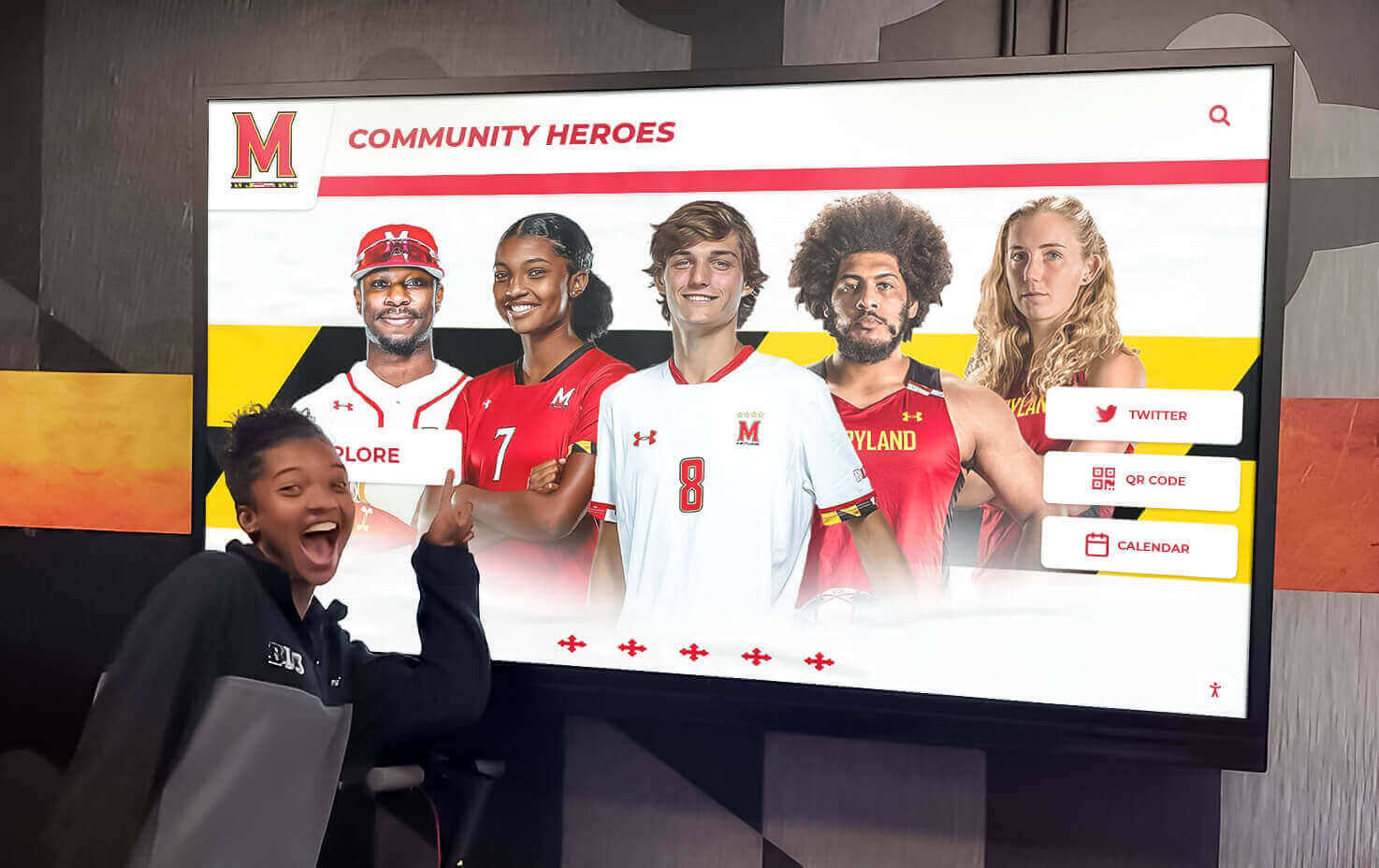
Interactive exploration helps students discover specialized opportunities they might have missed through broadcast announcements
Leadership Position Applications and Elections
Student government, club leadership positions, and other elected or appointed roles require recruitment and application processes where interactive announcement feeds provide significant advantages over traditional methods. Schools can create detailed announcements explaining leadership opportunities including position descriptions clarifying responsibilities and expectations, application requirements and processes with downloadable forms, election timelines and important dates preventing confusion about deadlines, qualification criteria ensuring students understand eligibility, time commitments helping students assess whether they can fulfill responsibilities, and benefits of leadership participation explaining what students gain from service.
Leadership recruitment especially benefits from interactive announcement capabilities because position descriptions often require substantial detail that broadcast methods cannot accommodate. When students understand exactly what positions involve, what time commitments are required, and what they’ll gain from service, they make better-informed decisions about whether to apply while feeling confident they understand what they’re committing to if selected.
Announcement feeds can also facilitate election processes by providing candidate profile information including photos, statements, and platforms, enabling students to learn about candidates before voting rather than making uninformed choices based solely on name recognition or popularity disconnected from leadership capability and vision.
Post-election announcements can celebrate newly elected or appointed leaders, introduce them to school communities, and explain their priorities and goals—building awareness and engagement that strengthens student government effectiveness and community participation.
Service and Volunteer Opportunity Promotion
Community service and volunteer opportunities represent another category where interactive announcement feeds deliver exceptional value through detailed information that helps students understand opportunities, assess fit with their interests and availability, and take clear next steps toward participation. Schools can promote service opportunities including one-time volunteer projects with flexible participation options, ongoing service partnerships with community organizations, service-learning projects integrated with academic coursework, volunteer hour opportunities for students needing documented service for graduation or college applications, and service organization membership opportunities for students wanting sustained community engagement.
Comprehensive service announcements include cause areas and focus populations helping students find missions aligned with their values, time requirements and scheduling flexibility enabling realistic assessment of participation feasibility, training requirements and preparation needs setting clear expectations, impact descriptions explaining how volunteer efforts make differences, and registration or contact information removing barriers to getting involved.
Many students want to participate in community service but struggle to find opportunities that fit their schedules, interests, and experience levels. Interactive announcement feeds solve this discovery problem by making diverse volunteer opportunities visible and accessible through detailed information that enables informed decision-making and easy access to participation pathways.
Schools emphasizing service should explore community service recognition programs and volunteer celebration strategies that honor student contributions to communities.
Implementation Planning for Interactive Announcement Systems
Successful interactive announcement feed deployment requires thoughtful planning across technology selection, content strategy, organizational processes, and stakeholder engagement ensuring systems deliver maximum value while fitting seamlessly into existing school operations.
Needs Assessment and Goal Setting
Before selecting announcement feed technology, schools should carefully assess communication needs and engagement goals. Key planning questions include what announcement categories and content types require enhanced communication beyond traditional methods, what current communication gaps and limitations exist that interactive feeds should address, who will create announcement content and how creation responsibilities will be distributed, what existing technology infrastructure exists including network connectivity and display locations, and how success will be measured including engagement metrics and participation outcomes.
Involving stakeholders early builds organizational support and ensures solutions meet actual needs rather than imposing technology without clear purpose. Planning committees should include administrators responsible for student engagement and activities, student activities directors and club advisors, athletic directors for sports-related announcements, technology coordinators who will support implementation, and student representatives ensuring solutions serve actual student preferences and behaviors.
Clear goal-setting establishes success criteria including increasing student awareness of available opportunities by measurable percentages, driving higher participation rates in clubs, events, and activities, reducing information asymmetries where some students know about opportunities while others remain unaware, making special opportunity applications more accessible to diverse student populations, and demonstrating effective communication through engagement analytics and participation data.
Technology Platform Selection and Evaluation
Not all digital display solutions deliver equal results for interactive announcement applications. Schools should evaluate purpose-built engagement platforms like Rocket Alumni Solutions designed specifically for interactive content exploration, commercial-grade touchscreen hardware rated for continuous operation withstanding constant student interaction, cloud-based content management systems enabling multiple staff members to publish announcements independently, intuitive student interfaces requiring no instructions for navigation and exploration, and web and mobile extensions making announcement content accessible beyond physical displays.
Critical evaluation criteria include ease of announcement creation for non-technical staff without requiring IT support for routine publishing, engagement capabilities including search, filtering, and related content recommendations, content organization systems that help students discover announcements by category, date, or interest area, analytics tracking engagement and demonstrating platform value, support and training ensuring schools can use systems effectively from launch, and total cost of ownership including initial investment and ongoing subscription fees.
Schools should request demonstrations using actual announcement content rather than generic examples that may not reflect real-world use cases, speak with reference schools about implementation experiences and challenges, pilot systems with limited content before full deployment to identify issues in controlled settings, and verify that platforms will scale as announcement volume grows over time without performance degradation.
Solutions like Rocket Alumni Solutions provide comprehensive platforms specifically designed for student engagement including announcements, recognition, and achievement celebration in unified systems serving multiple institutional purposes simultaneously through integrated technology rather than separate disconnected systems for each function.
Content Strategy and Governance
Interactive announcement feed value depends entirely on quality, current content that students find relevant and engaging. Schools should develop systematic content strategies establishing who can publish different announcement types including open publishing for approved club leaders and activity coordinators, administrative approval requirements for schoolwide announcements, and student contributor opportunities for appropriate content categories.
Content standards ensure consistency and quality across all announcements including required elements like titles, descriptions, images, dates, and contact information, image quality and formatting specifications maintaining professional appearance, tone and language guidelines ensuring appropriate communication, and deadline and event date requirements preventing outdated announcements from remaining visible after opportunities pass.
Regular content auditing maintains announcement feed relevance by removing outdated announcements after events occur or deadlines pass, updating information when details change, verifying that featured content rotates regularly preventing staleness, and monitoring announcement volume by category ensuring reasonable balance across different opportunity types.
Effective governance assigns clear responsibilities including primary content coordinators with overall accountability for announcement feed quality, category managers responsible for specific content areas like athletics, arts, or academics, technical administrators managing platform settings and configurations, and student roles where appropriate enabling peer-to-peer communication while maintaining appropriate oversight.
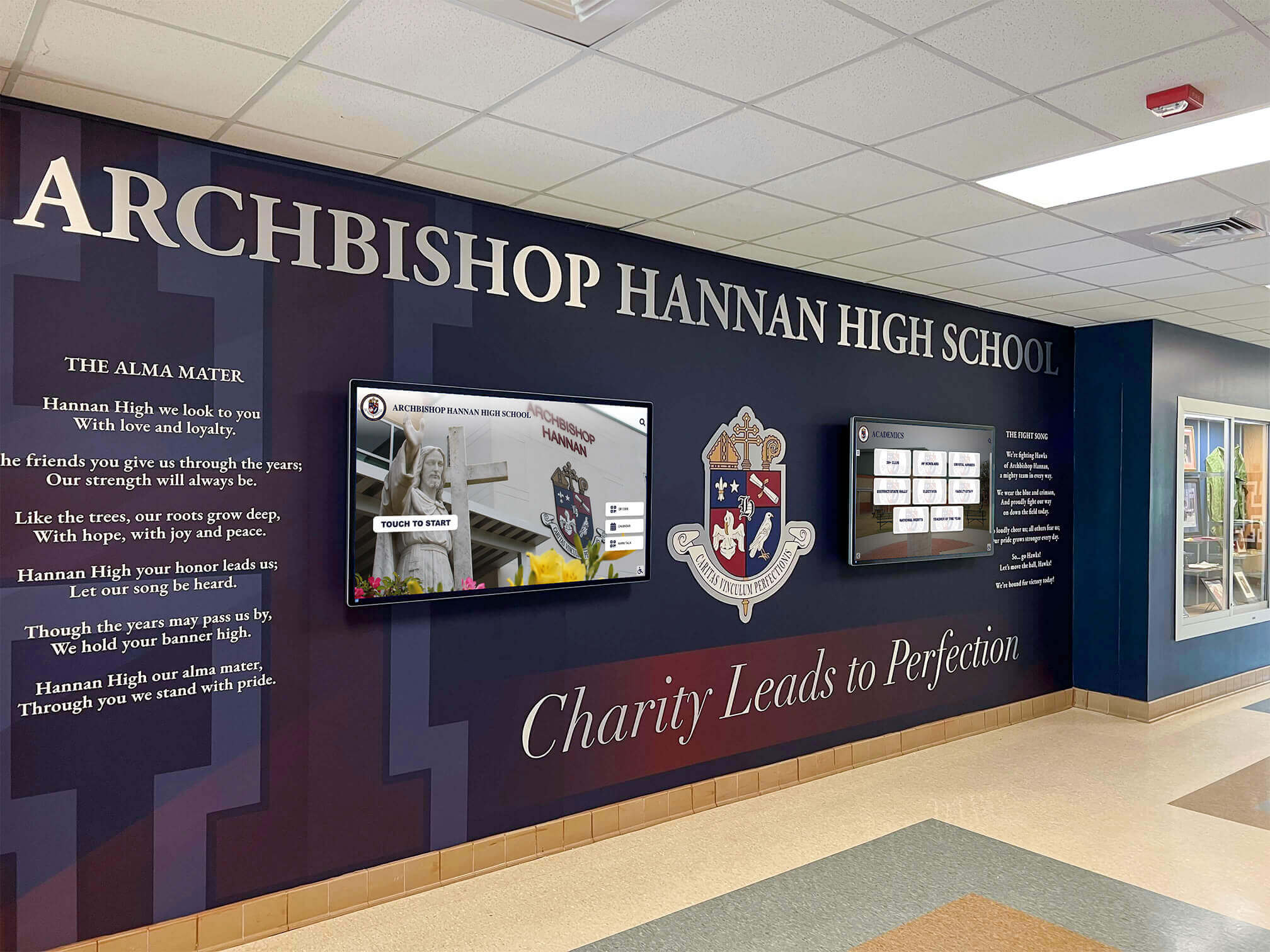
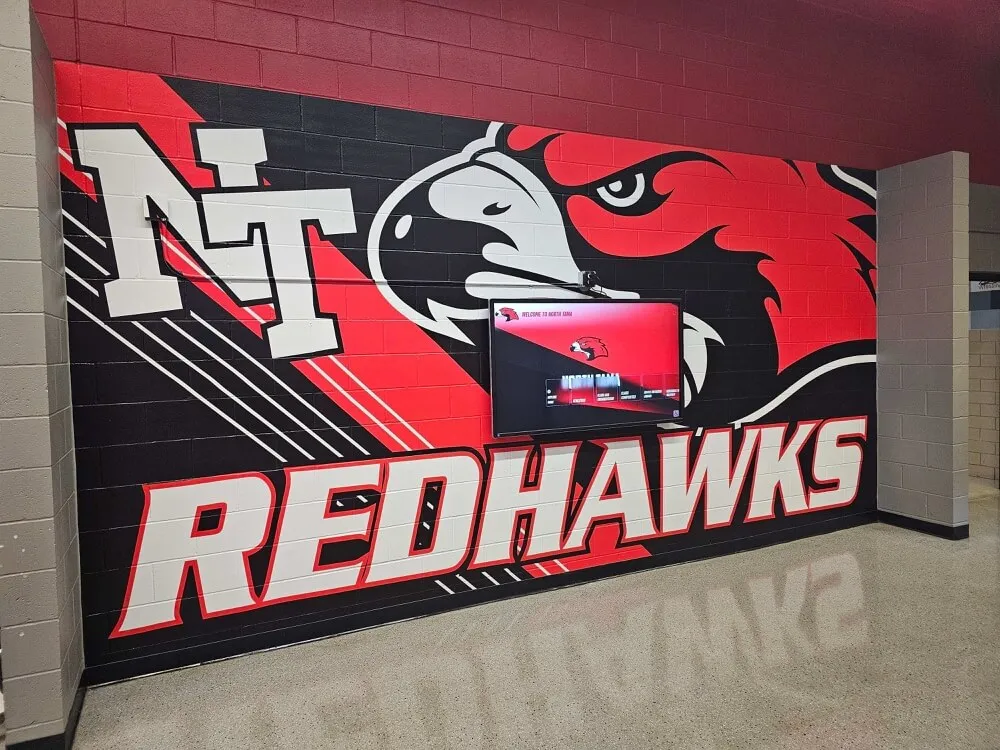
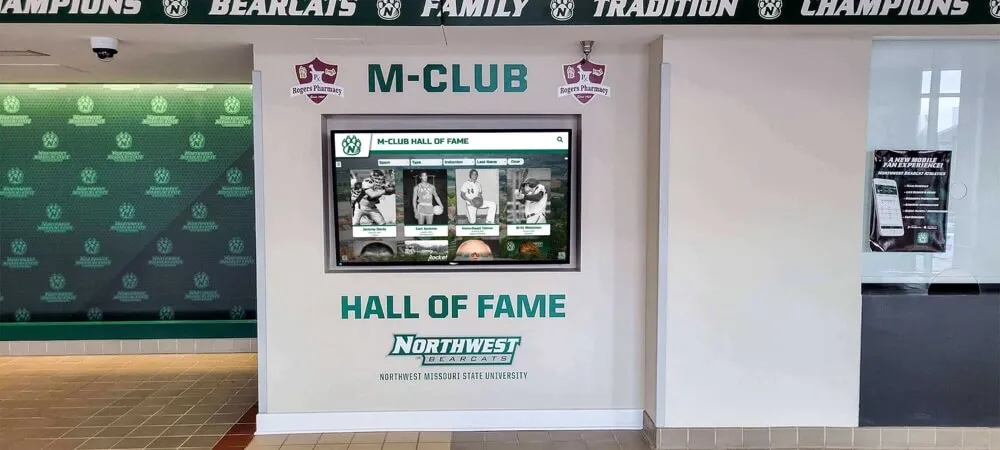
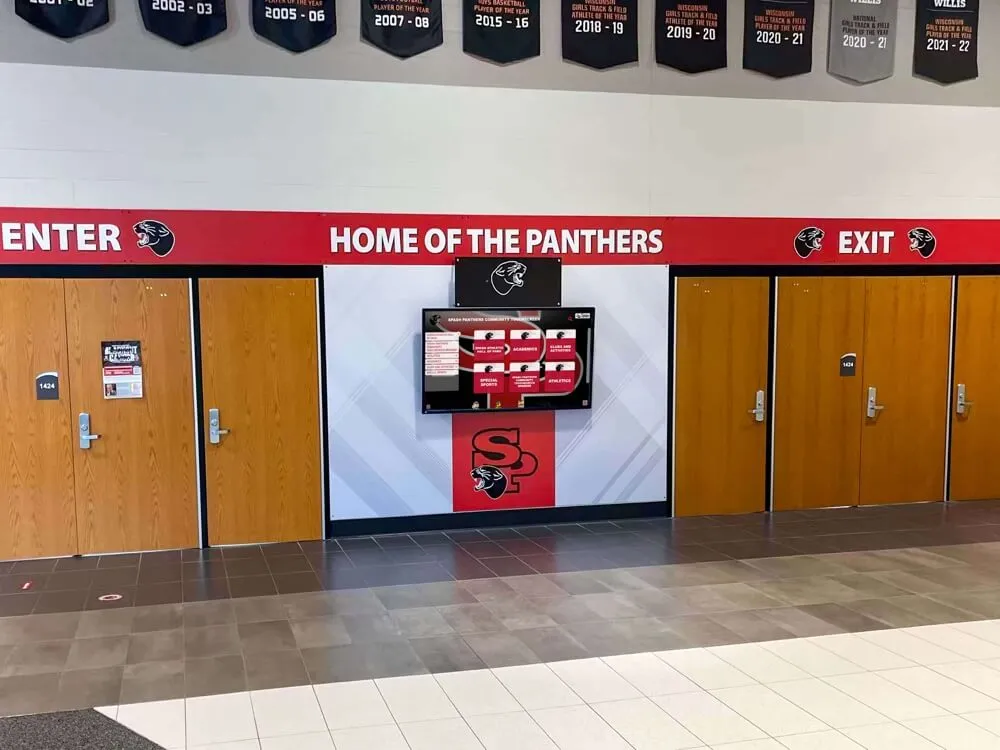
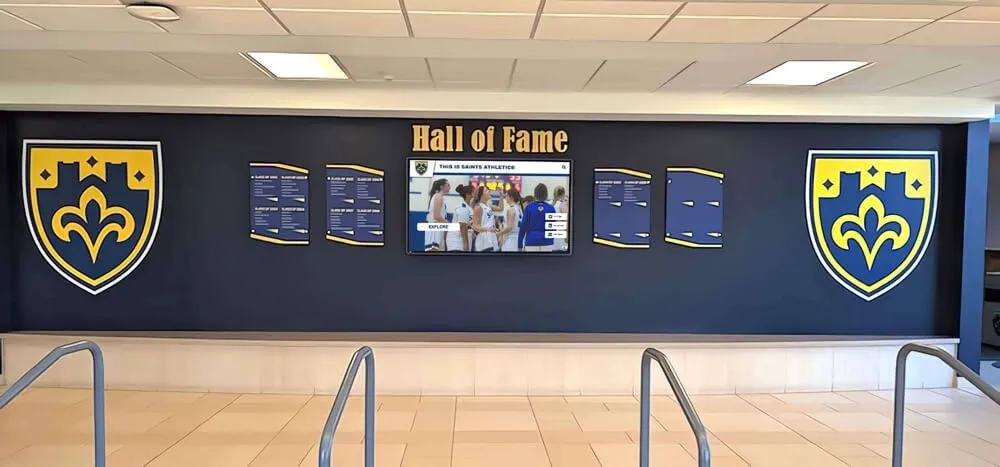
Strategic placement in main entrance areas ensures maximum visibility for announcement feeds throughout school days
Physical Installation and Location Strategy
Interactive announcement feed effectiveness depends significantly on strategic placement in locations where students naturally encounter displays during daily routines. Optimal installation locations include main entrance lobbies where all students pass during arrival and dismissal, cafeterias and dining areas where students gather during lunch and free periods, student center common areas serving as natural congregation spaces, library entrances capturing students during study and research time, and high-traffic hallway intersections connecting major building sections.
Professional installation ensures proper considerations including secure wall mounting or free-standing kiosks depending on space and architecture, adequate electrical power and network connectivity for reliable operation throughout school days, appropriate height positioning for comfortable interaction including wheelchair accessibility, screen orientation avoiding glare from windows and overhead lighting, and clean cable management maintaining professional appearance while preventing damage.
Schools should consider phased deployment starting with single displays in highest-traffic locations, demonstrating value and building organizational support before broader expansion. Many successful schools begin with main lobby installations reaching maximum students, assess engagement and effectiveness through analytics and feedback, refine content strategies based on actual usage patterns, then expand strategically to additional locations as budgets allow and as initial installations prove value.
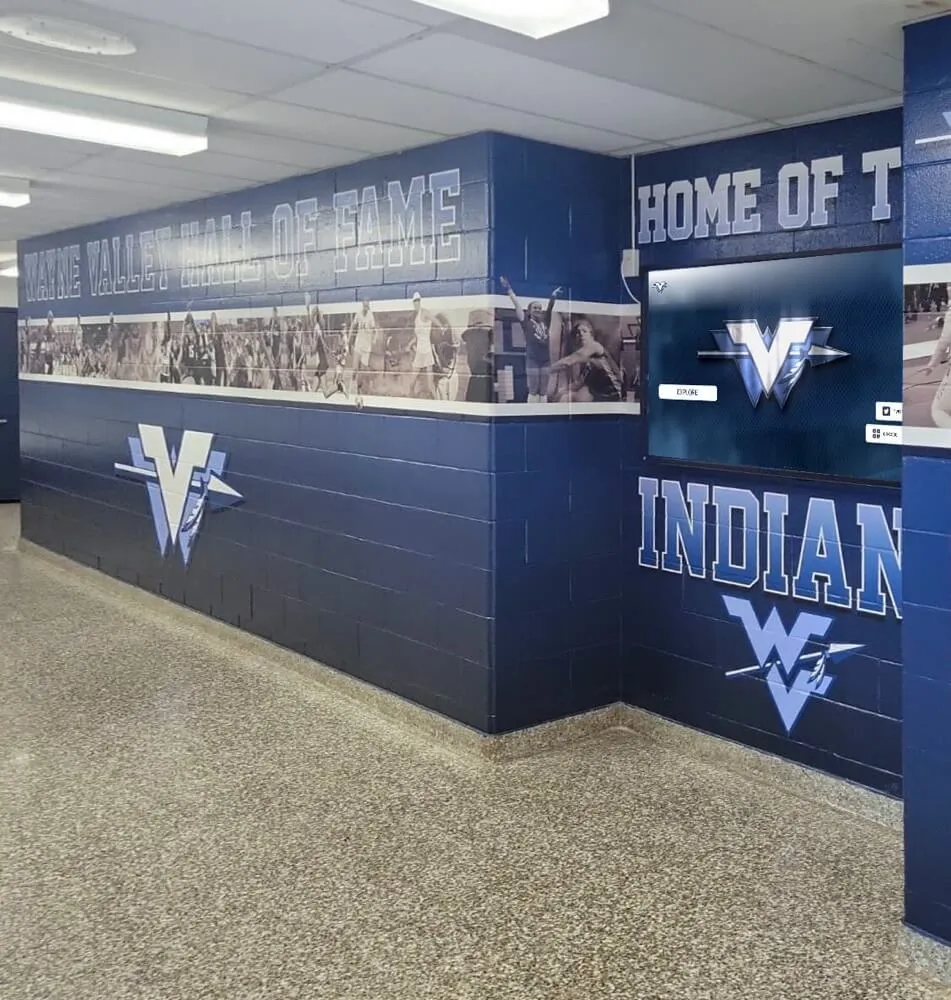
Multiple display networks throughout large campuses create announcement redundancy ensuring students encounter content even if they don’t pass by specific locations while enabling location-specific content variations appropriate for different areas—athletic announcements prominently featured near gyms, arts opportunities highlighted in creative spaces, and academic content emphasized near classroom buildings.
Measuring Success and Continuous Improvement
Understanding how students interact with announcement feeds and whether systems achieve communication goals helps schools demonstrate value, justify investment, and continuously improve engagement effectiveness.
Engagement Analytics and Usage Metrics
Quality interactive announcement platforms provide comprehensive analytics revealing student interaction patterns and content effectiveness. Valuable metrics include total interaction sessions showing how frequently students engage with displays, unique users indicating reach across student populations, average session duration revealing depth of engagement and genuine interest, announcements viewed per session showing exploration breadth, most-viewed announcement categories identifying content areas generating greatest interest, search terms demonstrating what students actively seek, and peak usage times informing optimal windows for featuring priority content.
Schools can use these insights to identify which announcement types generate most student engagement, determine what content categories deserve expanded coverage, understand peak traffic periods for strategic featured content placement, demonstrate announcement feed value to stakeholders and budget authorities, and optimize content strategies based on actual behavior rather than assumptions about student preferences.
Analytics commonly reveal surprising patterns including unexpected announcement categories generating high engagement, specific clubs or activities attracting broad interest, particular announcement elements like videos or images driving increased interaction, and usage peaks during specific times or days suggesting optimal publication schedules.
Regular analytics review enables data-driven optimization replacing guesswork with evidence about what works and what students actually want from announcement systems. Organizations seeking to measure digital engagement should explore measuring digital success strategies providing comprehensive analytics frameworks applicable to announcement contexts.
Participation Outcome Tracking
Beyond platform engagement metrics, schools should track whether interactive announcement feeds achieve ultimate goals of driving increased participation in clubs, events, and activities. Valuable outcome measures include club membership numbers compared to previous years before announcement feeds, event attendance rates for promoted activities, application volumes for competitive opportunities and selective programs, volunteer participation in service opportunities, and student survey feedback about awareness of available opportunities.
Schools implementing interactive announcement feeds consistently report measurable increases including 20-35% higher event attendance for promoted activities, 30-50% increases in club membership inquiries and new member recruitment, 40-60% more applications for selective programs and competitive opportunities, and significantly improved student awareness of available opportunities in survey assessments.
These participation outcomes demonstrate that interactive announcement feeds don’t just improve communication processes—they fundamentally change student engagement with school communities by removing information barriers that previously prevented students from discovering and participating in opportunities that would enrich their educational experiences.
Participation tracking should distinguish between overall increases that might result from other factors and specific outcomes clearly attributable to announcement feed promotion through targeted measurement during defined promotional periods, control group comparisons between heavily promoted versus minimally promoted similar opportunities, and longitudinal trending showing consistent improvement after announcement feed implementation.
Continuous Content and Strategy Improvement
Interactive announcement feed success requires ongoing refinement based on engagement data, participation outcomes, and stakeholder feedback. Schools should establish regular improvement processes including monthly analytics review identifying high-performing and underperforming content, quarterly stakeholder feedback sessions gathering input from students, club advisors, and administrators, annual comprehensive assessment evaluating whether announcement feeds achieve communication goals, and responsive adjustments addressing issues and capitalizing on opportunities identified through data analysis and feedback.
Common improvement areas include content template refinement to increase consistency and quality, featured content strategy optimization based on what drives engagement, announcement category structure modifications improving discovery and browsing, search functionality enhancement addressing terms students actually use, and mobile experience improvements ensuring quality access from personal devices.
Schools that treat interactive announcement feeds as evolving communication platforms requiring continuous attention deliver far superior results compared to those viewing systems as static technology deployments requiring no ongoing optimization after initial installation. The most successful schools establish announcement feed responsibility roles with clear accountability for maintaining quality, relevance, and effectiveness rather than allowing systems to become neglected and outdated over time.
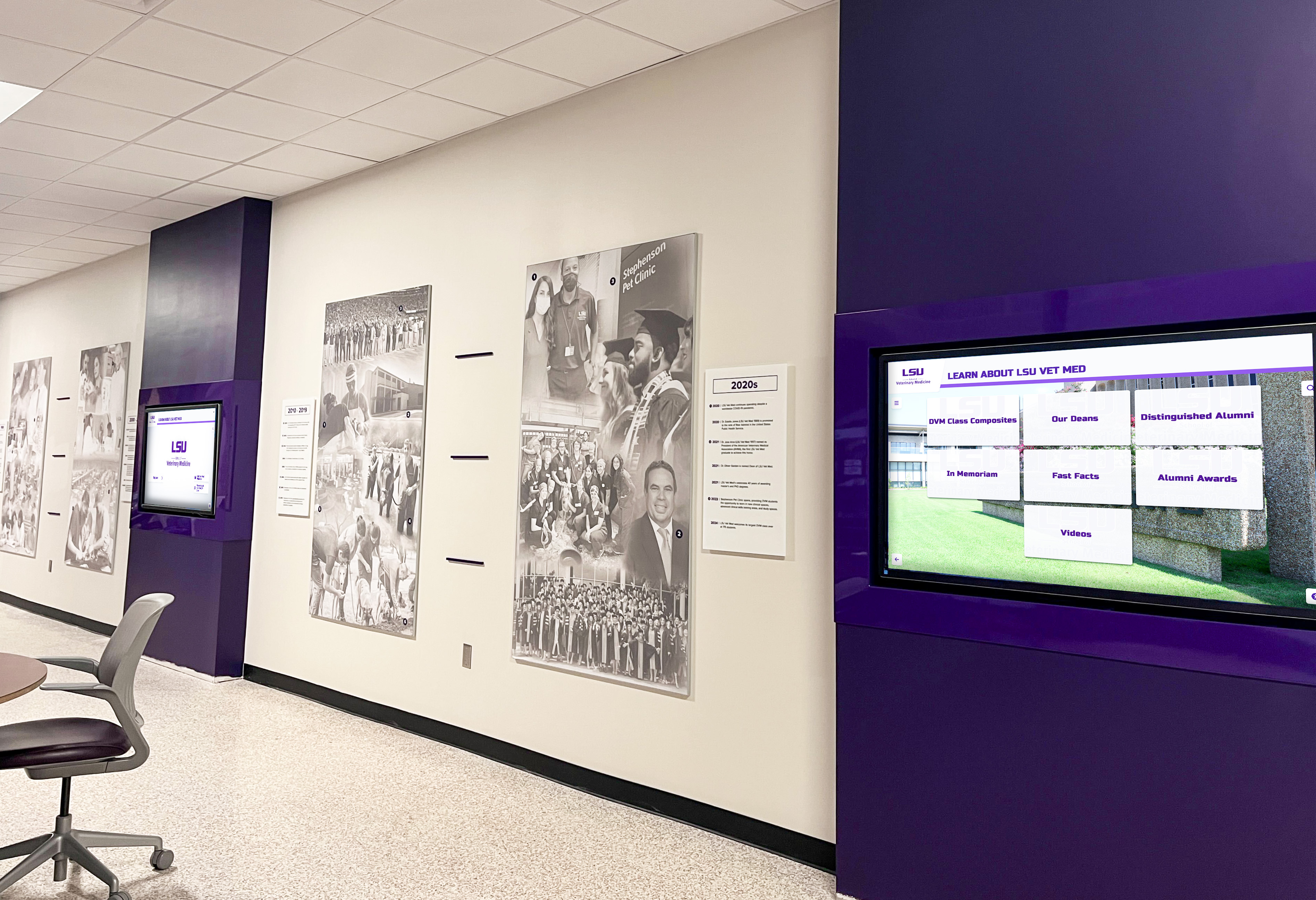
Large schools benefit from multiple coordinated displays ensuring announcement access throughout sprawling campuses
Conclusion: Transforming School Communications Through Interactive Engagement
Interactive announcement feed technology represents fundamental advancement in how schools communicate with students about opportunities, events, clubs, and activities that enrich educational experiences and build vibrant school communities. By enabling student-directed exploration of detailed information rather than forcing broadcast messages through crowded communication channels, providing comprehensive context that helps students make informed decisions about participation, making announcement content accessible anytime through web and mobile extensions beyond physical displays, and creating discovery pathways where students encounter opportunities they didn’t know to seek out directly, interactive announcement feeds solve communication challenges that traditional methods cannot address effectively.
Transform Your School's Announcement Strategy
Discover how purpose-built interactive announcement platforms deliver superior engagement compared to traditional broadcast methods. Rocket Alumni Solutions offers comprehensive systems designed specifically for student engagement and campus communications.
Explore Interactive Announcement SolutionsSchools implementing interactive announcement feeds consistently report remarkable outcomes including 30-50% increases in student awareness of available opportunities measured through surveys and participation data, 20-35% higher attendance at promoted events compared to traditional announcement methods, significant improvements in club membership recruitment especially for newer and specialized organizations, more equitable access to competitive opportunities as diverse students discover applications previously known only to connected insiders, and enhanced school culture as students engage more deeply with communities through expanded activity participation.
The most successful interactive announcement implementations start with clear communication goals identifying specific problems to solve, select purpose-built engagement platforms designed for interactive exploration rather than passive broadcast, develop systematic content strategies with clear governance ensuring quality and currency, position displays strategically in high-traffic locations where students naturally encounter announcements, and commit to ongoing optimization using engagement analytics and participation outcomes to continuously improve effectiveness.
Whether implementing announcement feeds to promote athletic events and build school spirit, recruit diverse students into clubs and activities that would benefit from broader membership, communicate academic opportunities that require detailed explanation and application processes, or simply overcome information overload that prevents important announcements from reaching students through crowded traditional channels, interactive announcement feed technology provides proven solutions that transform communication effectiveness while strengthening school culture through increased engagement and participation.
Schools investing in interactive announcement feeds demonstrate commitment to ensuring all students can discover and access opportunities that enrich their educational experiences rather than accepting information asymmetries where connected students know about opportunities while others remain unaware. This comprehensive communication approach supports equitable access to activities, leadership positions, and special programs that contribute to student success and personal development throughout high school years and beyond.
Ready to explore interactive announcement options for your school? Learn more about school digital engagement strategies, discover increasing school pride approaches, and explore comprehensive student recognition systems that celebrate achievement while communicating opportunities through modern interactive technology built specifically for education.