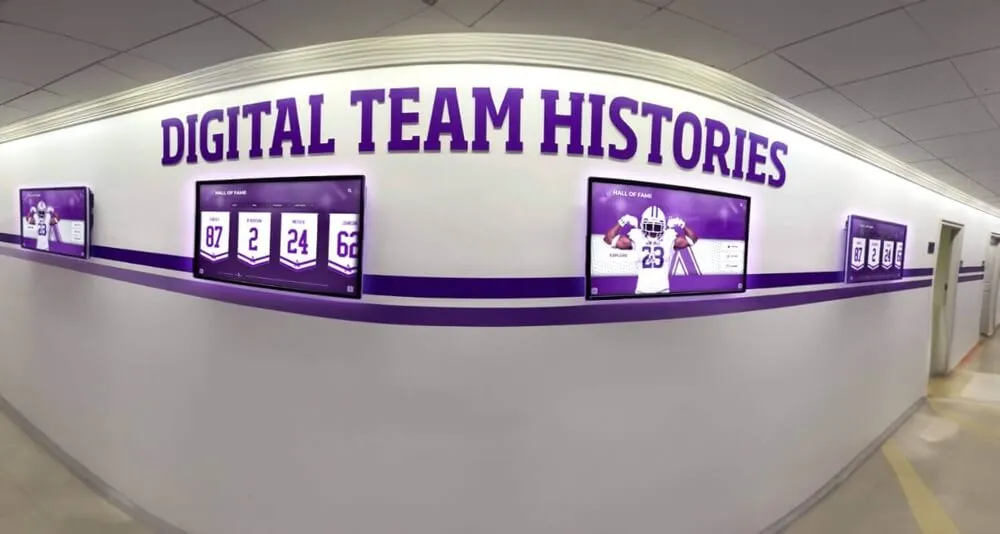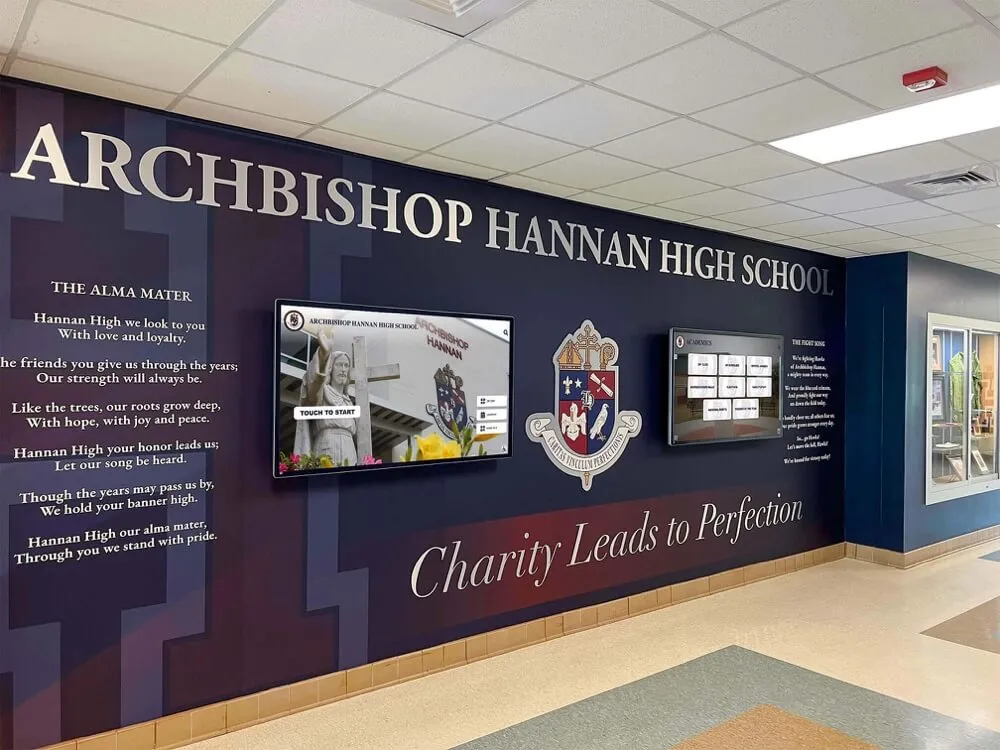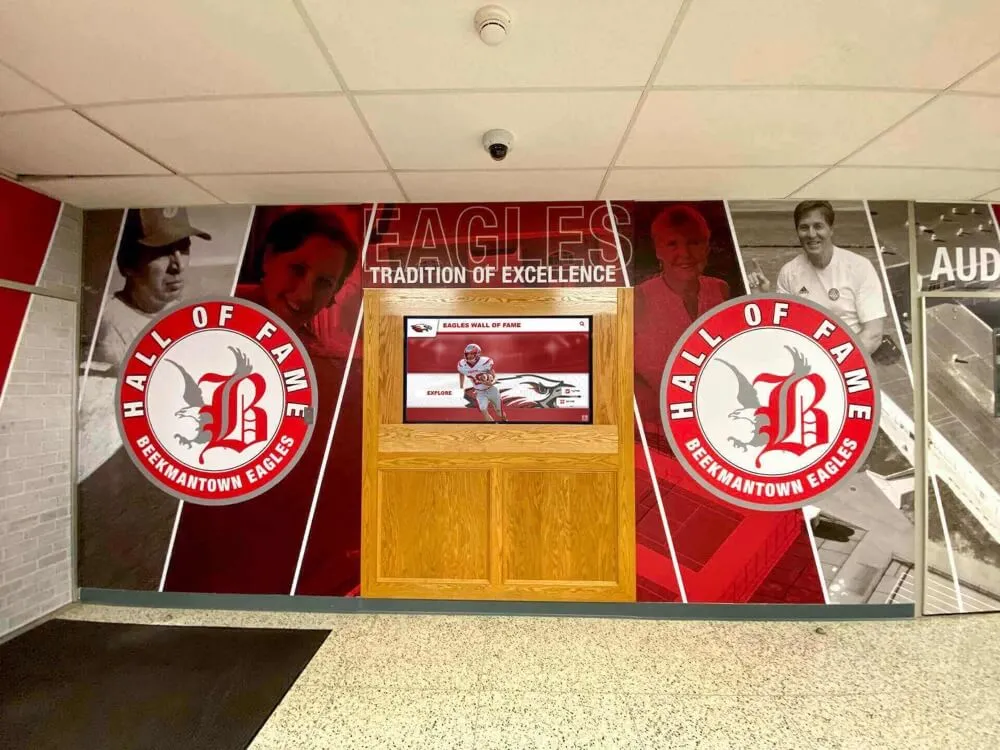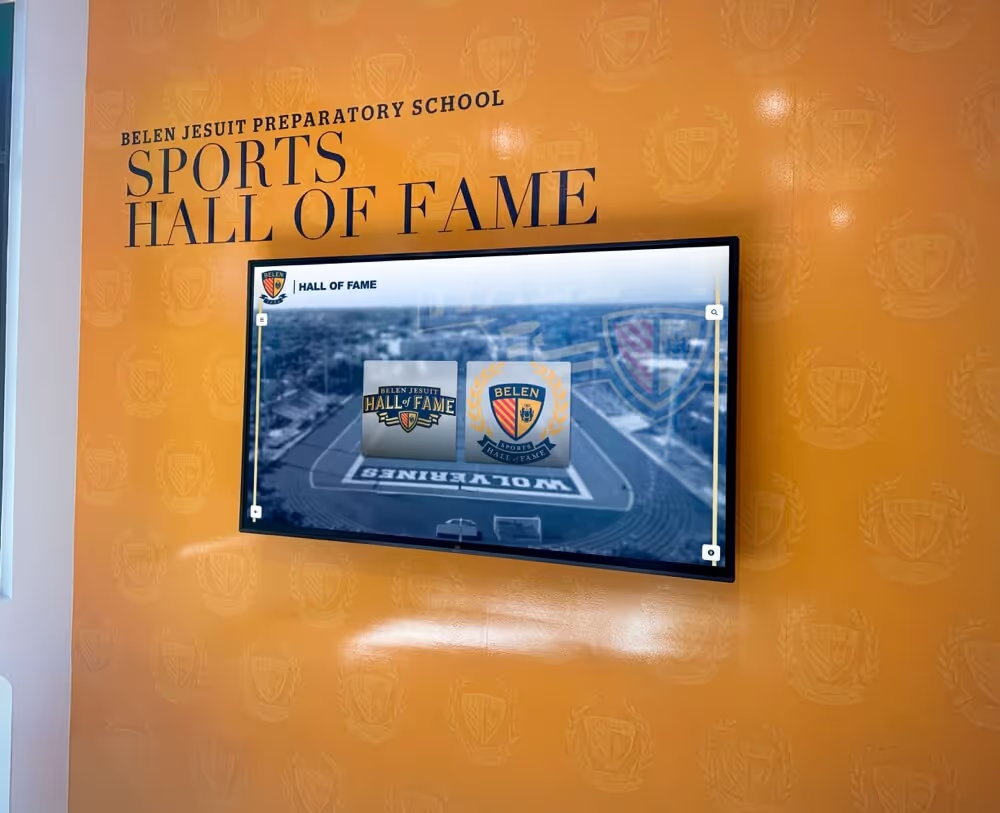




Schools have always sought meaningful ways to celebrate student achievement and preserve institutional history. Trophy cases filled with gleaming awards, hallway plaques commemorating notable alumni, and painted honor rolls listing academic excellence have long served as permanent reminders of institutional pride. Yet these traditional recognition methods share common limitations: finite physical space forcing difficult choices about what receives visibility, static presentations that communicate minimal context beyond names and dates, and aging displays that fade, crack, or become outdated as programs evolve.
Today’s schools increasingly turn to interactive school display technology as a comprehensive solution addressing these challenges while creating engagement impossible with traditional recognition methods. Interactive touchscreen displays enable unlimited recognition capacity that grows with achievement rather than forcing artificial scarcity, multimedia storytelling combining photos, videos, statistics, and biographical narratives that bring accomplishments to life, instant updates reflecting current achievements without physical reinstallation or expense, and engaging experiences where students, visitors, and alumni actively explore institutional history rather than passively viewing static displays.
This comprehensive guide explores how schools implement interactive display software to celebrate achievement and preserve history, examining content strategies that maximize engagement, installation considerations that ensure accessibility and visibility, and design frameworks that transform recognition from documentation into inspiration.
Schools implementing interactive recognition displays consistently report transformative impacts beyond simple achievement documentation—increased student pride as more individuals receive meaningful visibility, stronger alumni connections as graduates explore their cohort’s history and share memories with current students, enhanced recruitment impressions as prospective families witness institutional commitment to comprehensive recognition, and improved institutional culture as celebration becomes ongoing and inclusive rather than limited by physical constraints.

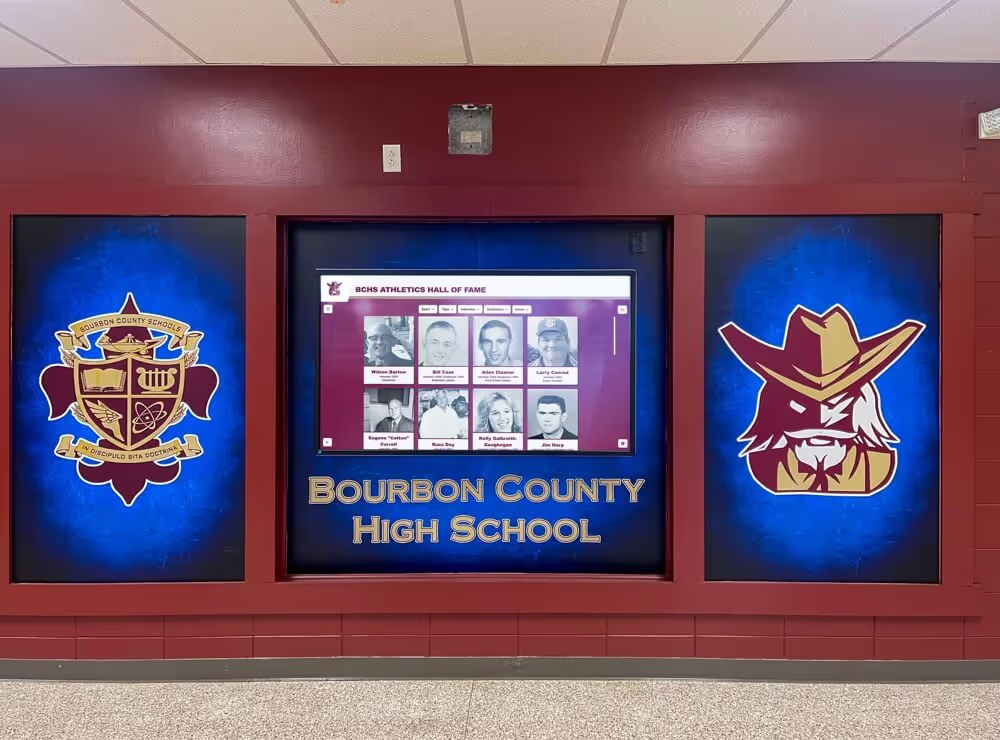
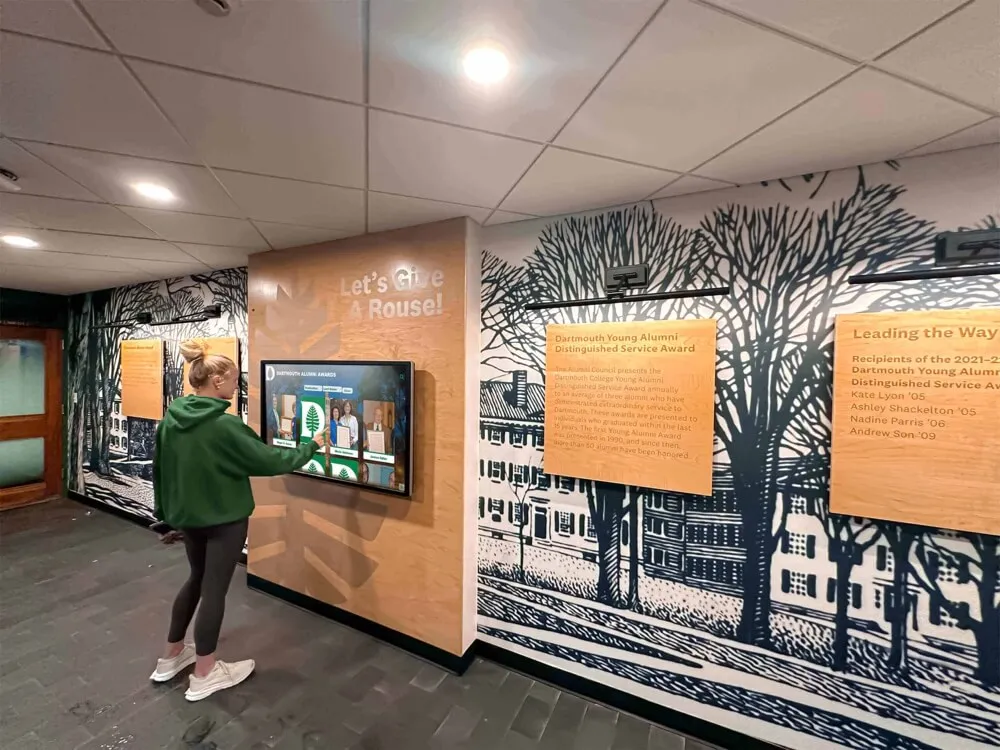
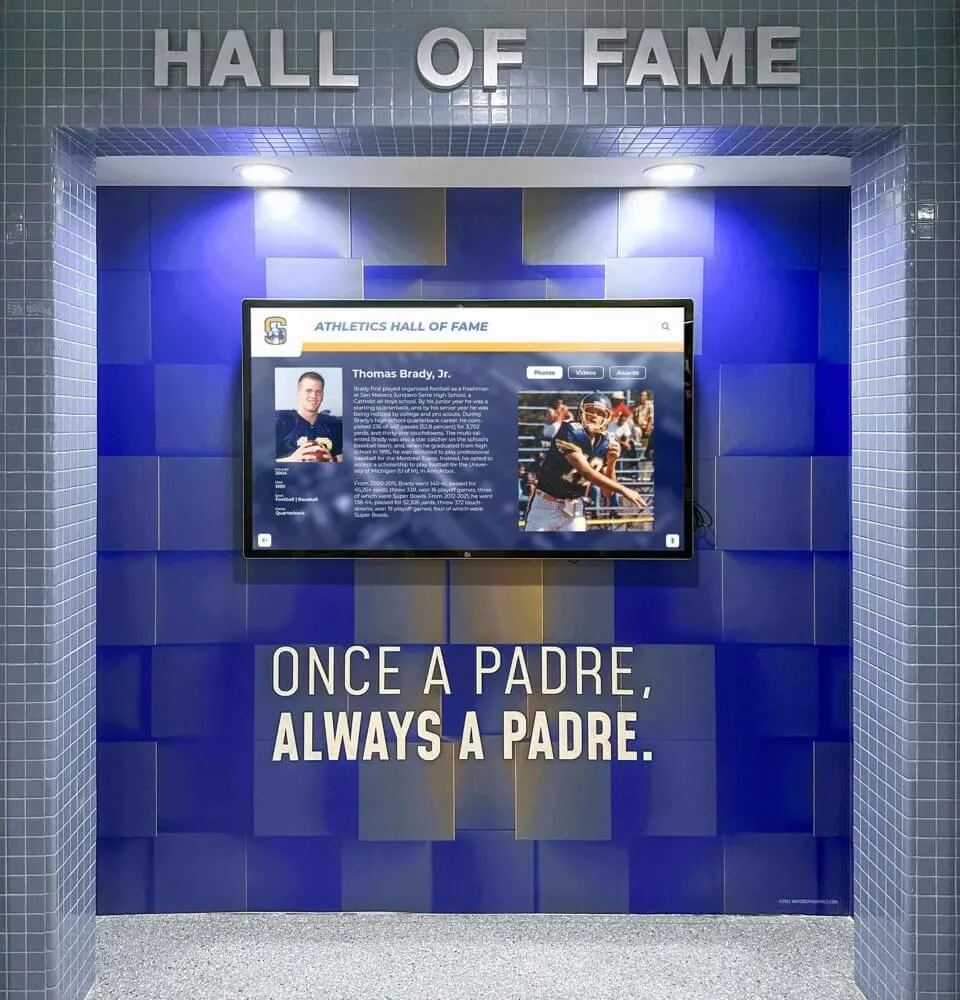
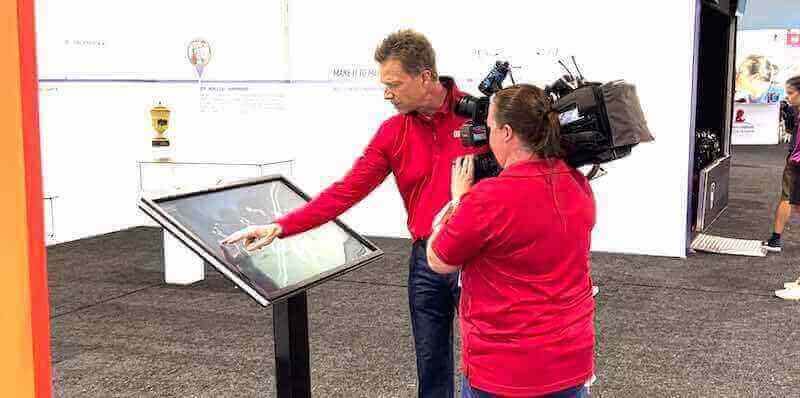
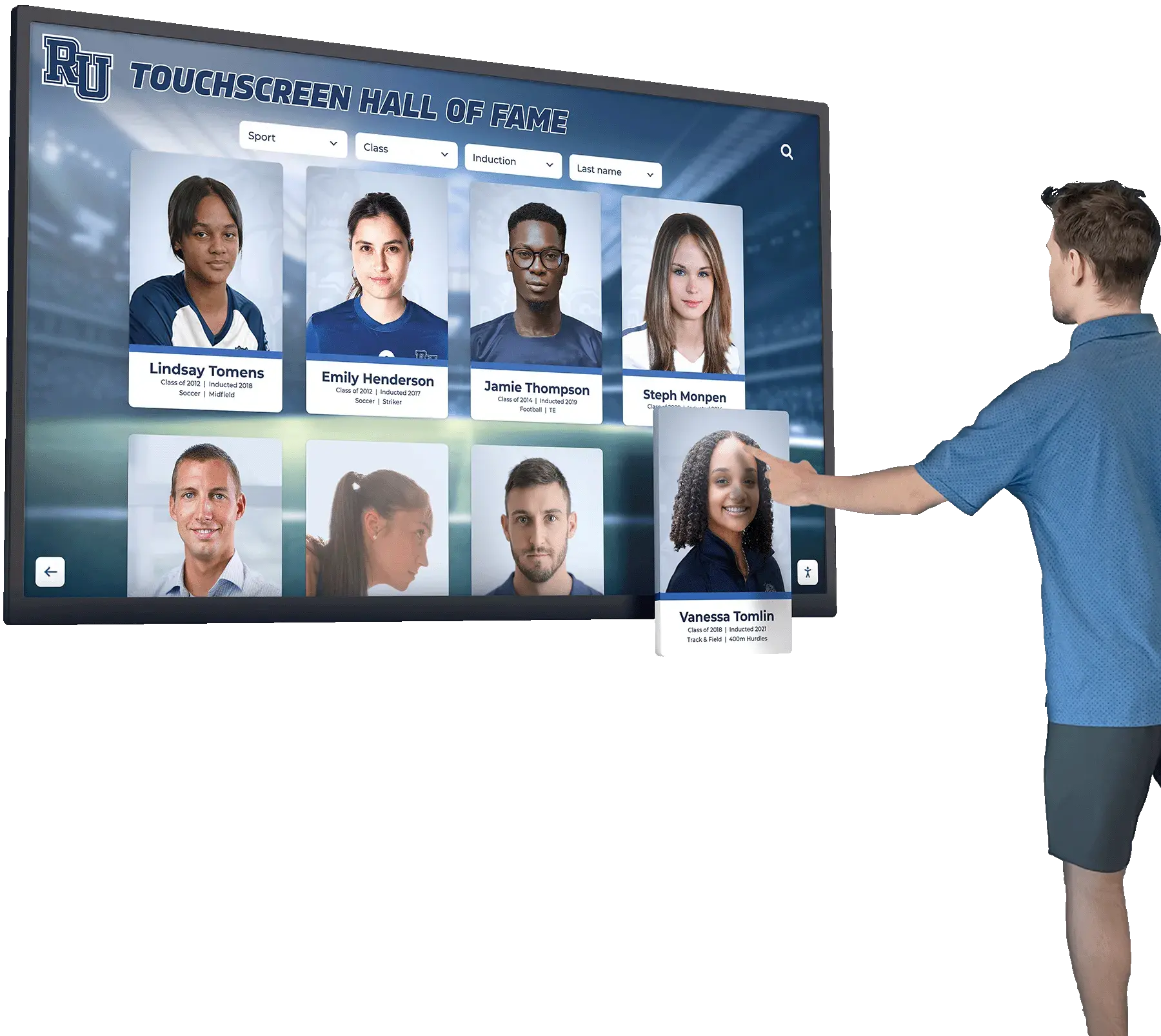
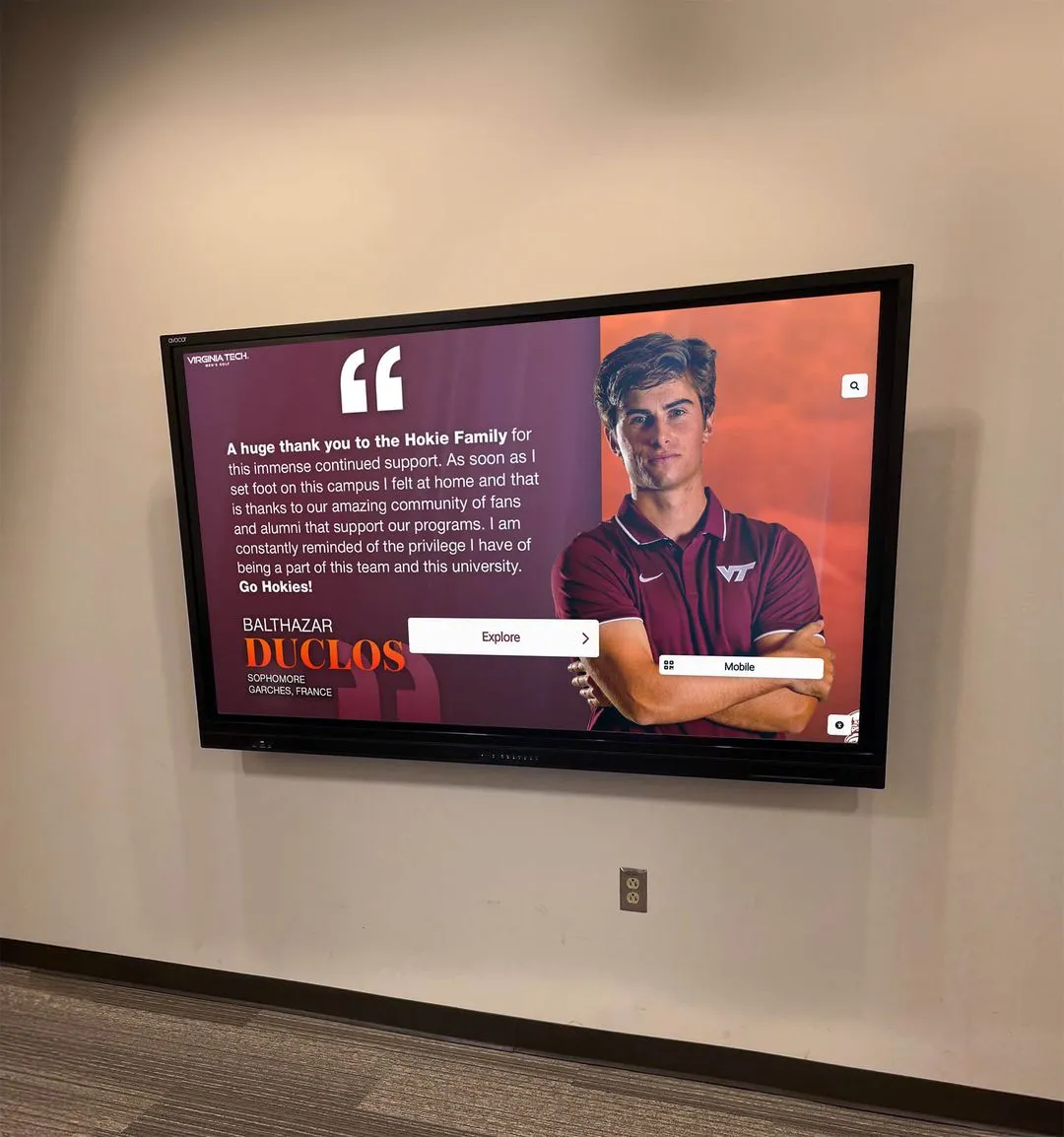
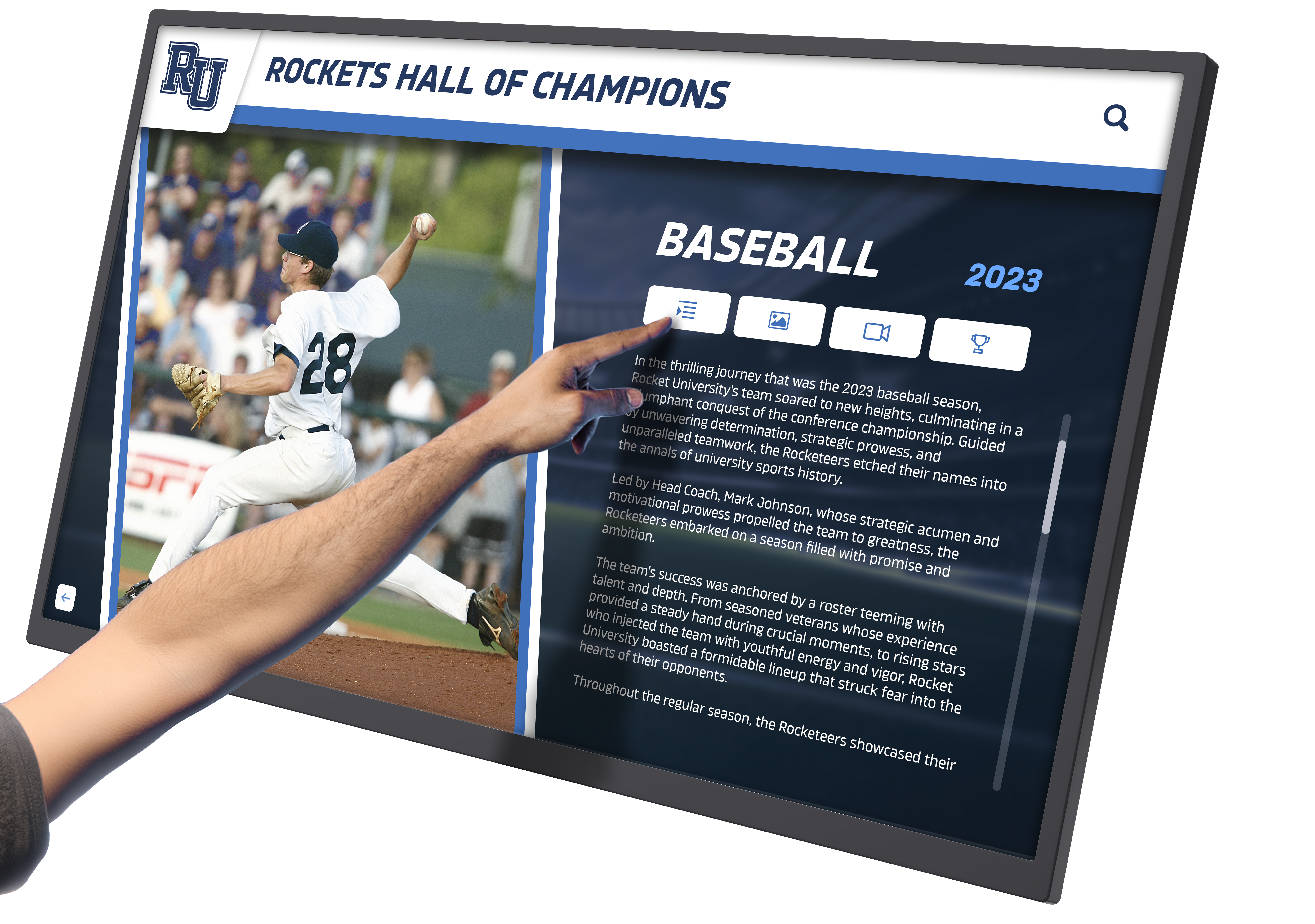
Interactive touchscreen displays allow students to explore athletic achievements through engaging profiles featuring photos, statistics, and career highlights
Understanding Interactive School Display Technology
Before exploring implementation strategies, understanding the core technology components and capabilities that distinguish interactive displays from traditional recognition methods provides essential context.
Core Components of Interactive Display Systems
Modern interactive school displays integrate several technological elements working cohesively to deliver engaging recognition experiences:
Commercial-Grade Touchscreen Hardware
Unlike consumer tablets or monitors, school-appropriate interactive displays utilize commercial-grade touchscreen panels specifically designed for high-traffic public environments. These displays feature reinforced glass protecting against impacts and scratches, high-brightness panels (400-700 nits) ensuring visibility in brightly lit hallways and lobbies, industrial-grade touch sensors supporting thousands of daily interactions without degradation, and commercial warranties (typically 3-5 years) reflecting enterprise durability expectations.
Display sizes typically range from 43 inches for hallway installations to 75+ inches for lobby showcase environments. Larger displays create greater visual impact while accommodating more information simultaneously, though installation location, viewing distance, and mounting constraints influence optimal sizing decisions.
Content Management Software
The software powering interactive displays determines functionality, user experience, and administrative capabilities. Purpose-built recognition software provides specialized features addressing school-specific needs including intuitive profile creation systems allowing administrators to add achievements with photos and information quickly, responsive design automatically adapting layouts for different display sizes and orientations, robust search and filtering enabling users to locate specific individuals, teams, or time periods efficiently, and scheduled content rotation showcasing featured achievements automatically without manual intervention.
The distinction between generic digital signage software and purpose-built recognition platforms becomes apparent in user experience quality—platforms designed specifically for achievement celebration provide thoughtful interaction patterns, appropriate data structures for biographical information and statistics, and visual templates reflecting recognition contexts rather than advertising or wayfinding applications.
Network Connectivity and Cloud Management
Modern interactive displays connect to institutional networks enabling remote content updates, centralized management across multiple displays, automatic software updates and feature enhancements, and integration with existing school databases and information systems when applicable.
Cloud-based management eliminates the need for physical access when updating content, allowing administrators to refresh displays from any internet-connected device. This capability proves particularly valuable for multi-building campuses or districts managing numerous displays across different locations.
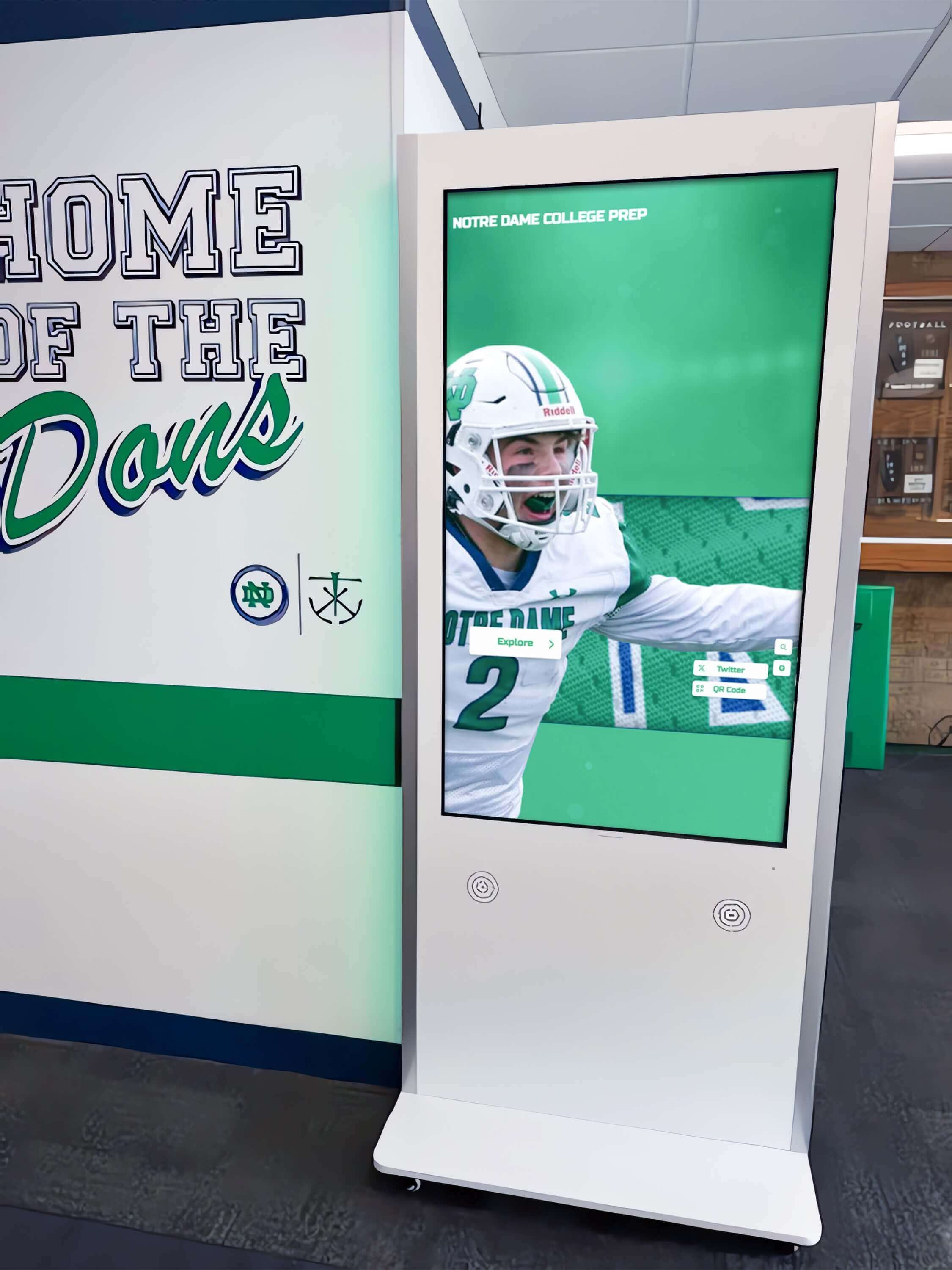
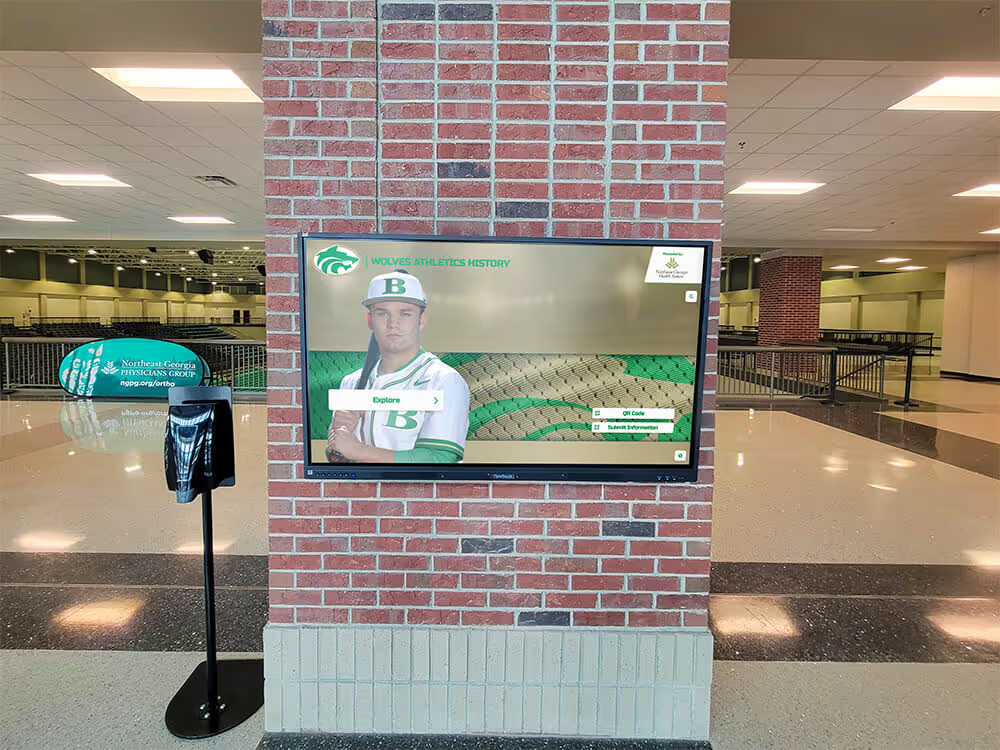
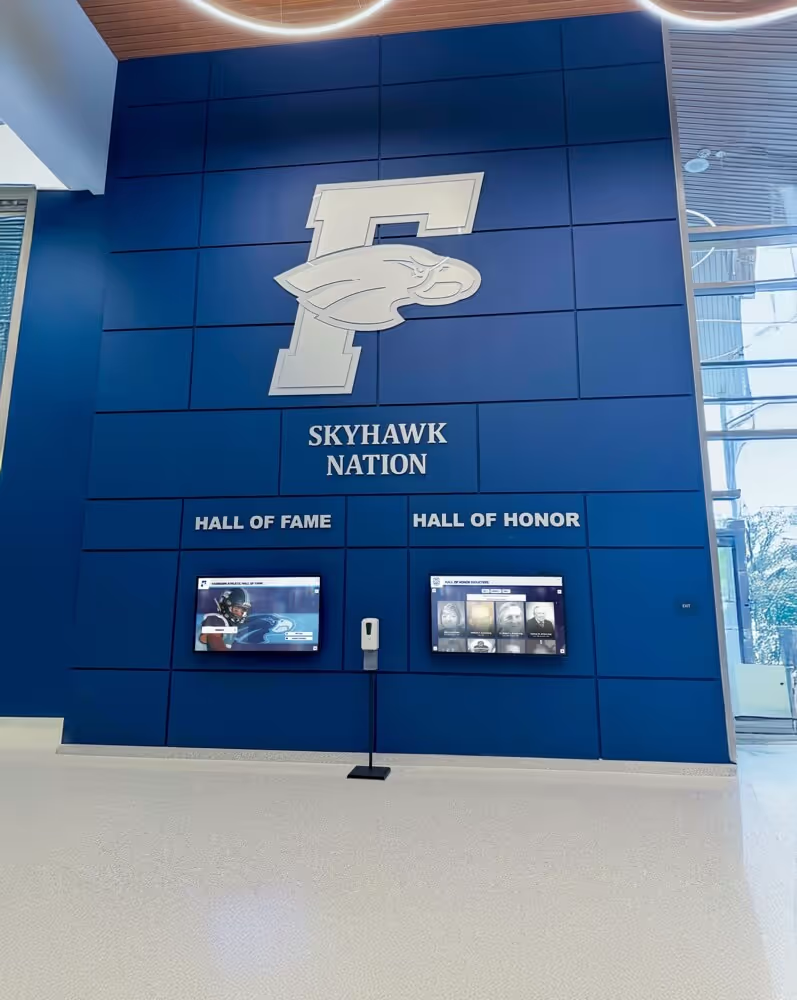
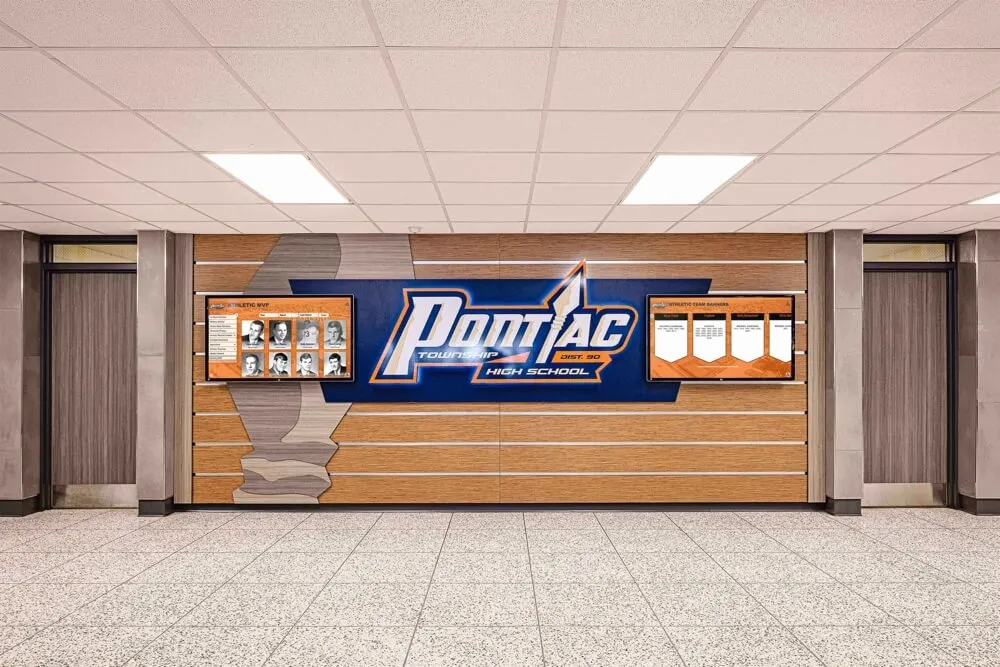
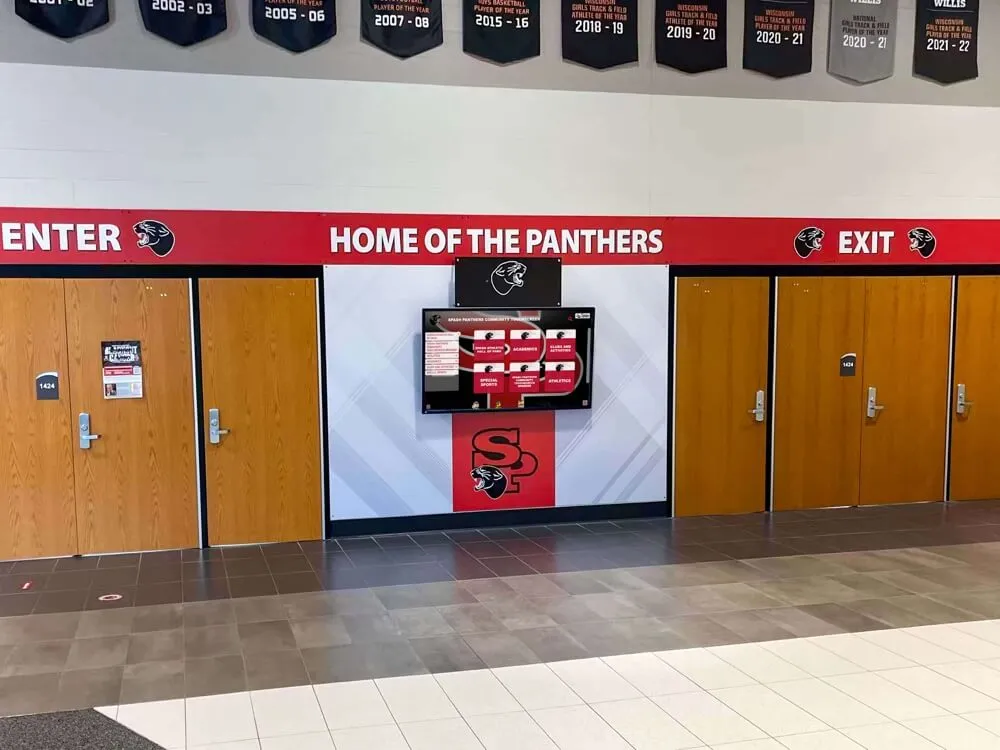
Strategic hallway placement ensures recognition reaches students throughout daily activities, creating frequent engagement opportunities beyond special events
Key Capabilities Distinguishing Interactive from Static Displays
Interactive touchscreen technology enables recognition approaches fundamentally different from traditional static methods:
Unlimited Recognition Capacity
Perhaps the most transformative capability involves eliminating physical space constraints that plague traditional recognition programs. A single interactive display can showcase hundreds or thousands of profiles, achievements, and historical records—far exceeding the capacity of trophy cases, plaques, or banner displays occupying similar physical footprints.
This unlimited capacity fundamentally changes recognition philosophy. Rather than selection committees determining which achievements “deserve” permanent visibility, schools can celebrate every deserving accomplishment, creating comprehensive achievement archives honoring all contributors across decades of institutional history.
The psychological impact extends beyond individual recognition. Students seeing comprehensive celebration of diverse achievements—academic excellence, athletic success, artistic accomplishment, community service, leadership, and specialized program recognition—understand that excellence takes many forms and multiple pathways to meaningful contribution exist.
Multimedia Storytelling and Context
Traditional recognition methods communicate minimal information—typically names, dates, and brief achievement descriptions. Interactive displays transform simple documentation into rich storytelling experiences combining professional photography capturing achievement moments, video clips preserving championship performances or acceptance speeches, detailed biographical narratives providing context about individuals’ journeys, statistical comparisons showing achievement significance within program history, and teammate or cohort connections revealing relationships and shared experiences.
This multimedia approach particularly benefits historical preservation. Where traditional plaques listing names from decades past communicate little to current students unfamiliar with those individuals, interactive profiles featuring photos, stories, and contextual information create genuine connections bridging generational gaps. Students exploring profiles from their parents’ or grandparents’ eras discover shared experiences, understand institutional traditions, and appreciate continuity connecting past and present.
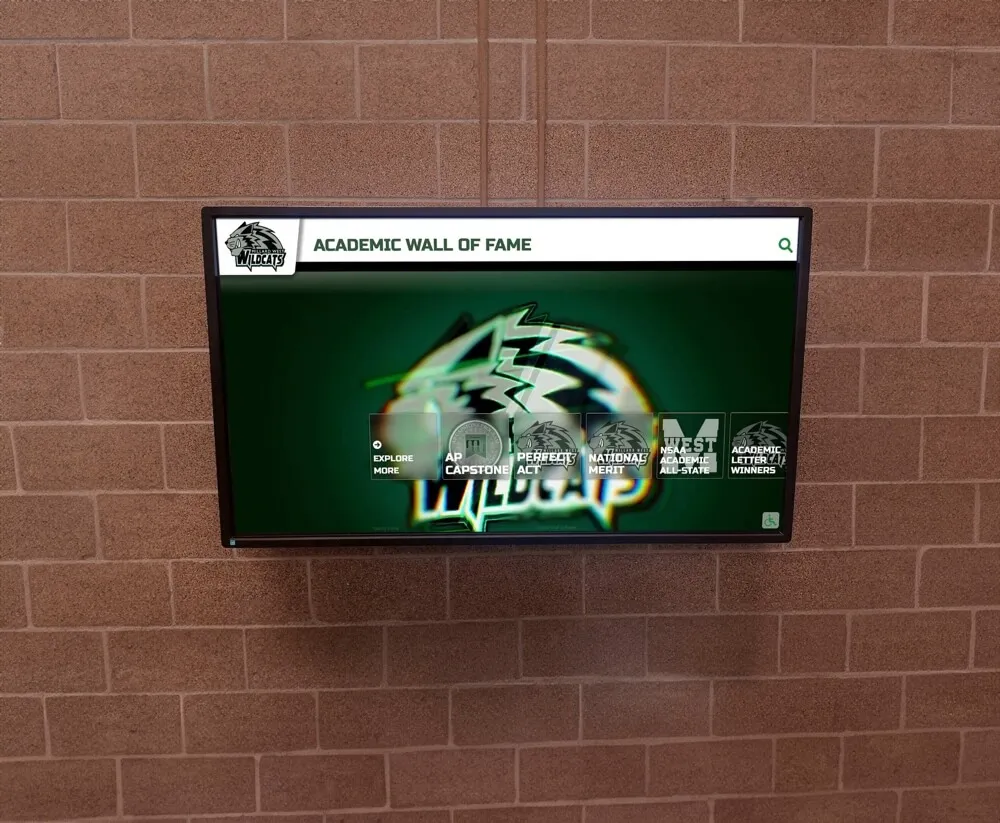
Schools implementing comprehensive academic recognition programs find interactive displays essential for showcasing the full scope of student achievement beyond athletics alone.
Search, Filter, and Discovery Features
Passive browsing represents just one interaction mode with interactive displays. Robust search and filtering capabilities enable users to locate specific information quickly while discovering unexpected connections:
Search functionality allows visitors to find particular individuals by name, locate all achievements from specific years or decades, identify participants in particular sports or programs, and discover record-holders in various statistical categories. This capability proves especially valuable during reunion events when alumni seek classmates and memorable moments from their eras.
Filter systems enable focused exploration—viewing only National Honor Society inductees, examining championship teams across all sports chronologically, highlighting female athletes or underrepresented contributors, or showcasing current year achievements exclusively.
The combination of browsing, search, and filtering accommodates different user goals—casual exploration, targeted research, and comparative analysis—making displays valuable for diverse audiences including current students seeking inspiration, alumni researching institutional history, prospective families evaluating school culture, and community members celebrating local achievement.
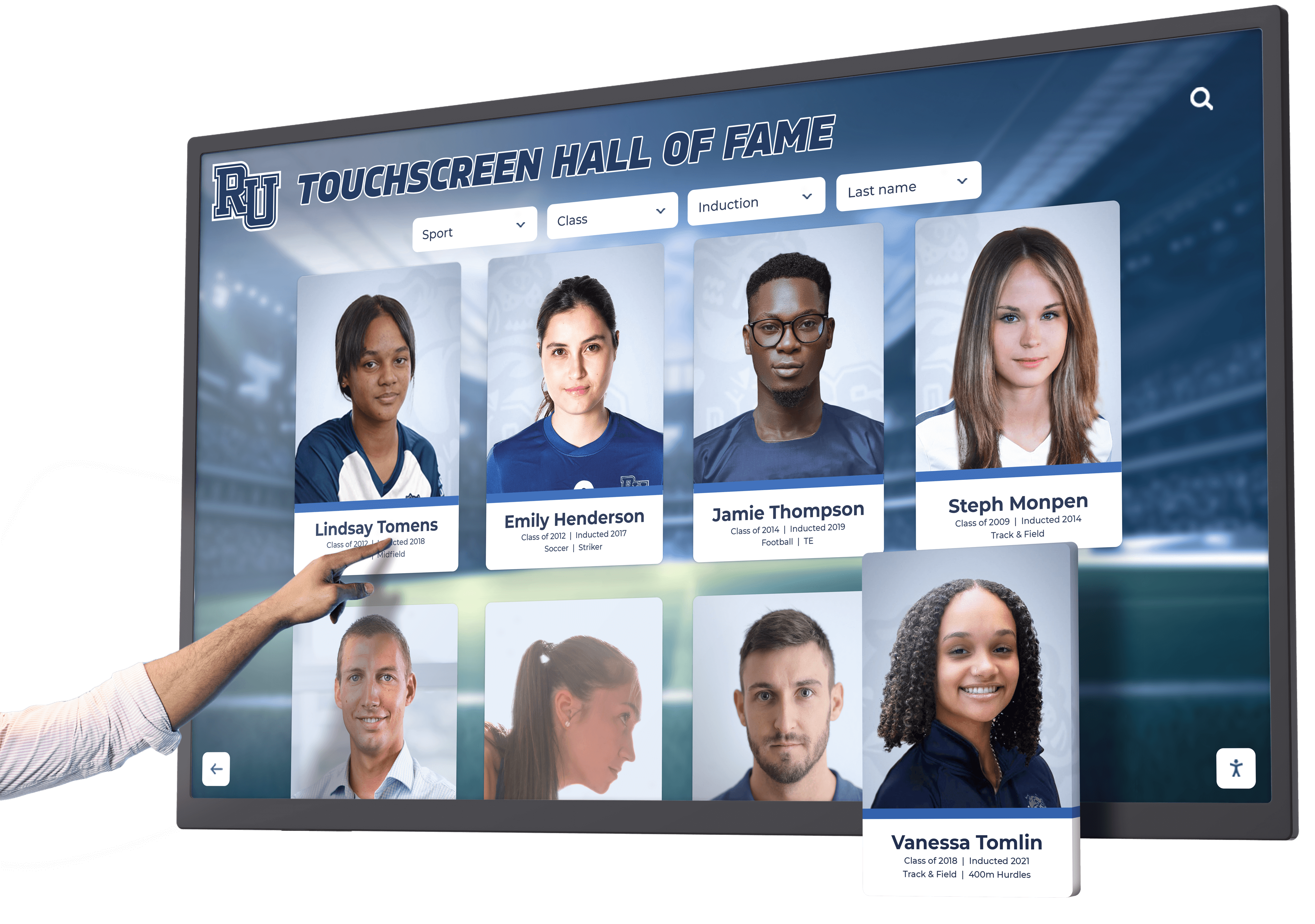
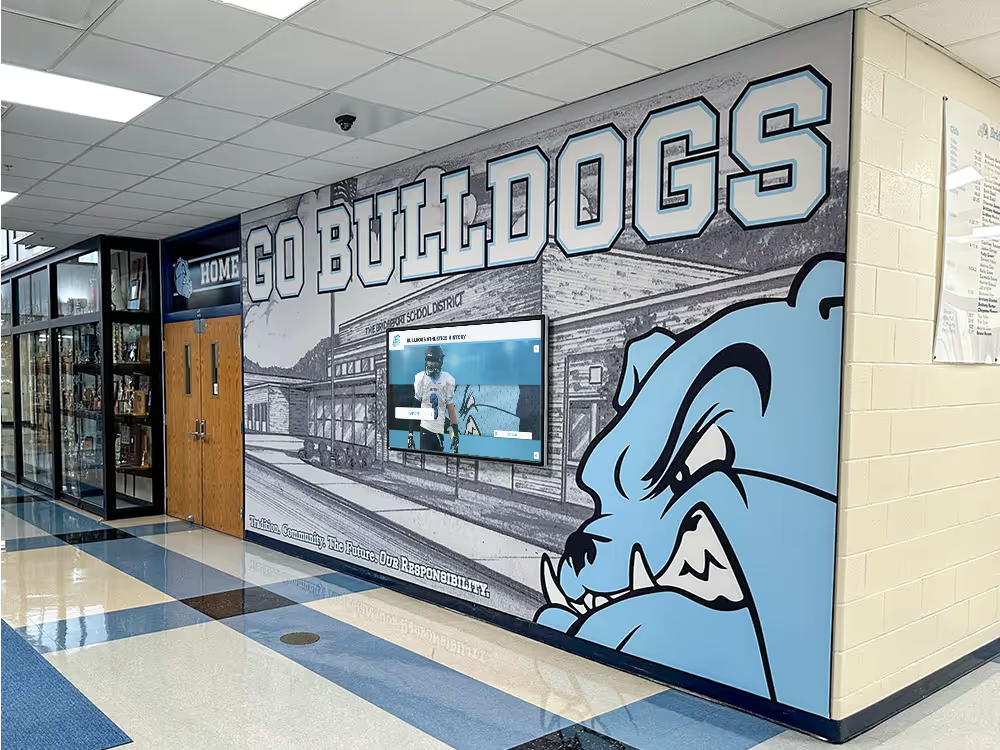
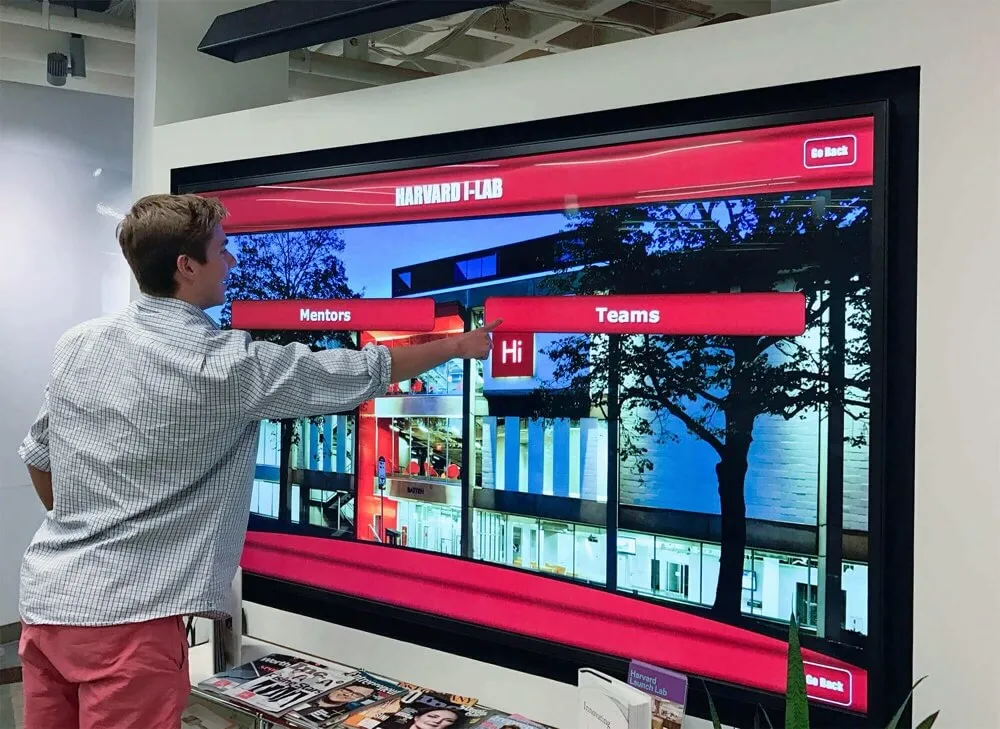
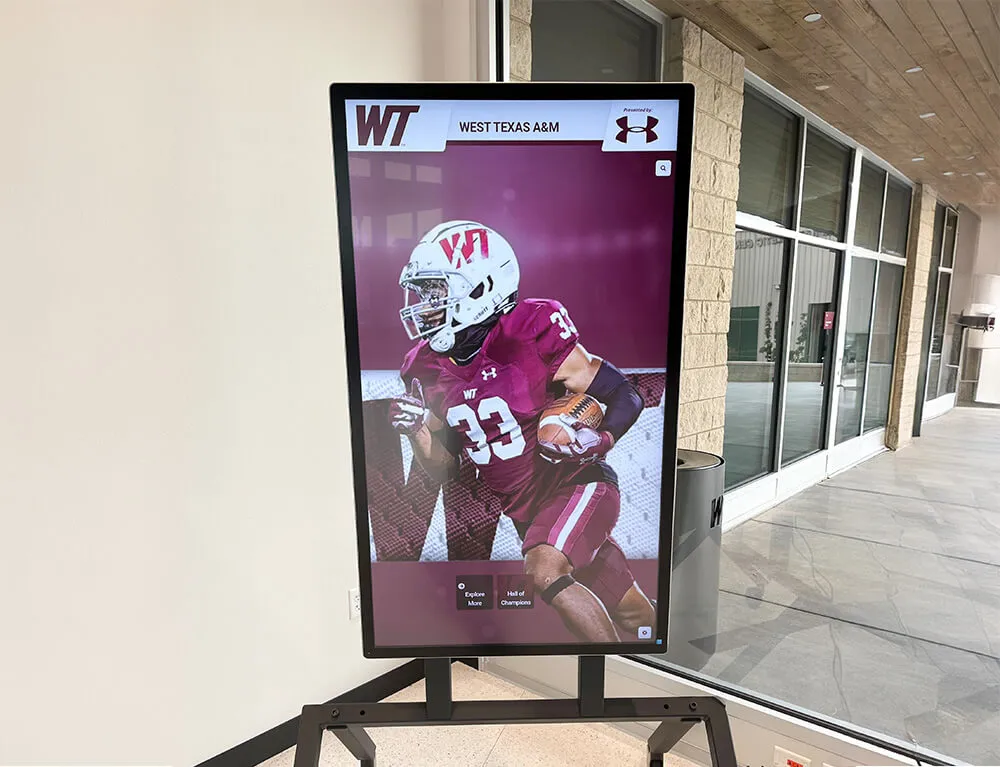
Intuitive touch interaction allows users to explore individual profiles, view detailed statistics, and discover connections between athletes and achievements
Content Strategies for Achievement Recognition
Effective interactive display implementations require thoughtful content strategies determining what information to showcase, how to organize achievements for optimal discovery, and how to maintain engaging experiences over time.
Structuring Comprehensive Achievement Categories
Schools celebrate diverse accomplishments requiring organized categorization systems enabling efficient navigation while ensuring all achievement types receive appropriate visibility.
Athletic Achievement Recognition
Athletic accomplishments typically represent the most visible recognition category in many schools, but interactive displays enable celebration extending beyond championship teams alone:
Team championships documenting conference, regional, and state titles across all sports and both genders create comprehensive athletic history. Including detailed team rosters, season records, championship game summaries, and coaching information provides context beyond simple title acknowledgment.
Individual athletic excellence deserves equal recognition—all-conference selections, all-state honors, record-holders in various statistical categories, players advancing to collegiate athletics, and hall of fame inductees. These individual profiles celebrate exceptional talent while inspiring current athletes to pursue similar achievements.
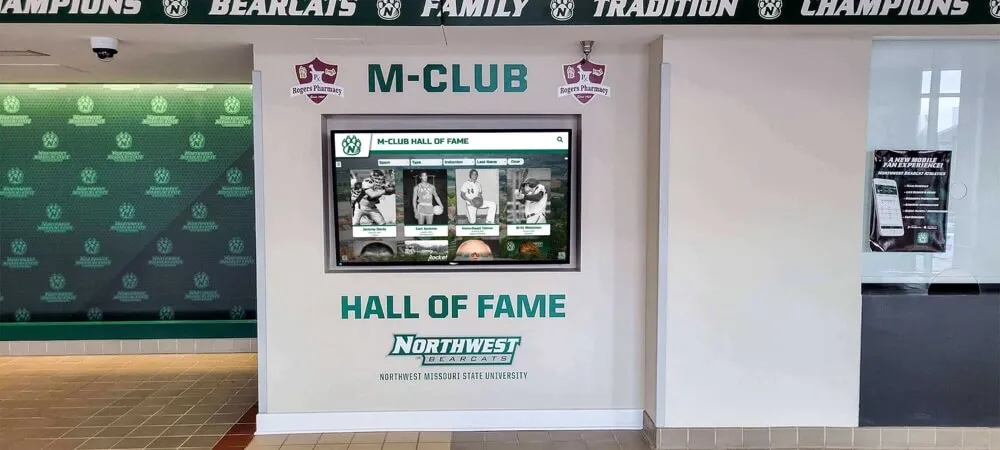
For schools developing digital hall of fame displays, organizing athletic content chronologically, by sport, and by achievement type accommodates different discovery preferences.
Academic Excellence and Scholarship
Academic achievement often receives less prominent recognition than athletics in traditional displays due to space constraints and privacy considerations around grade-based honors. Interactive displays address both limitations:
Honor roll recognition listing students achieving academic excellence each semester or year creates permanent celebration previously limited to temporary bulletin boards. Privacy settings can display names without specific GPAs when appropriate while still acknowledging achievement.
Scholarship recipients—institutional awards, community scholarships, and competitive national programs—deserve visibility demonstrating academic success pathways. Including scholarship values, selection criteria, and recipient profiles helps current students understand achievement requirements and financial aid opportunities.
Academic competition achievements including science fairs, math competitions, debate tournaments, robotics challenges, and other intellectual pursuits showcase diverse excellence forms complementing traditional course-based honors.
Valedictorians and salutatorians across decades create historical perspective on academic leadership, with biographical profiles and graduation speech excerpts preserving student voices and perspectives from different eras.
Arts, Activities, and Leadership Recognition
Comprehensive recognition extends beyond athletics and academics to celebrate diverse contributions:
Fine arts achievements including all-state music selections, theater performance leads, visual arts competition winners, and dance accomplishments demonstrate creative excellence. Including performance videos, artwork images, and show programs preserves artistic achievements often ephemeral in nature.
Student leadership positions—student government officers, club presidents, organization founders, and peer mentors—recognize contributions to school culture and community building. Leadership profiles can highlight initiatives launched, programs created, or traditions established that outlasted individual tenures.
Community service recognition celebrates volunteer contributions, service project completion, and civic engagement demonstrating students’ commitment to causes beyond personal achievement.
Specialized program certifications such as CTE program completions, industry credentials, and technical skill achievements recognize career-focused educational pathways increasingly important in modern secondary education.
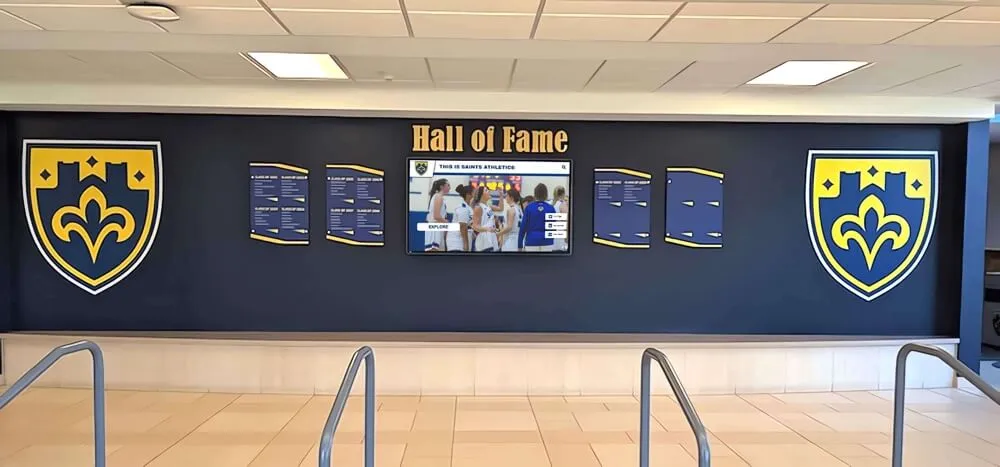
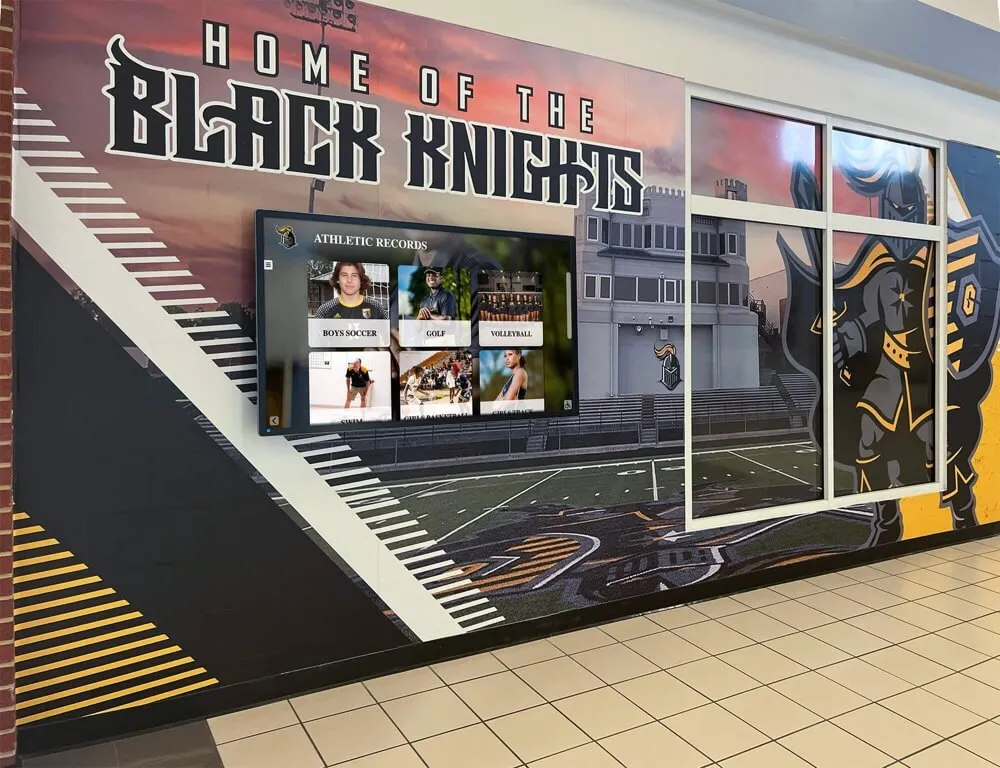
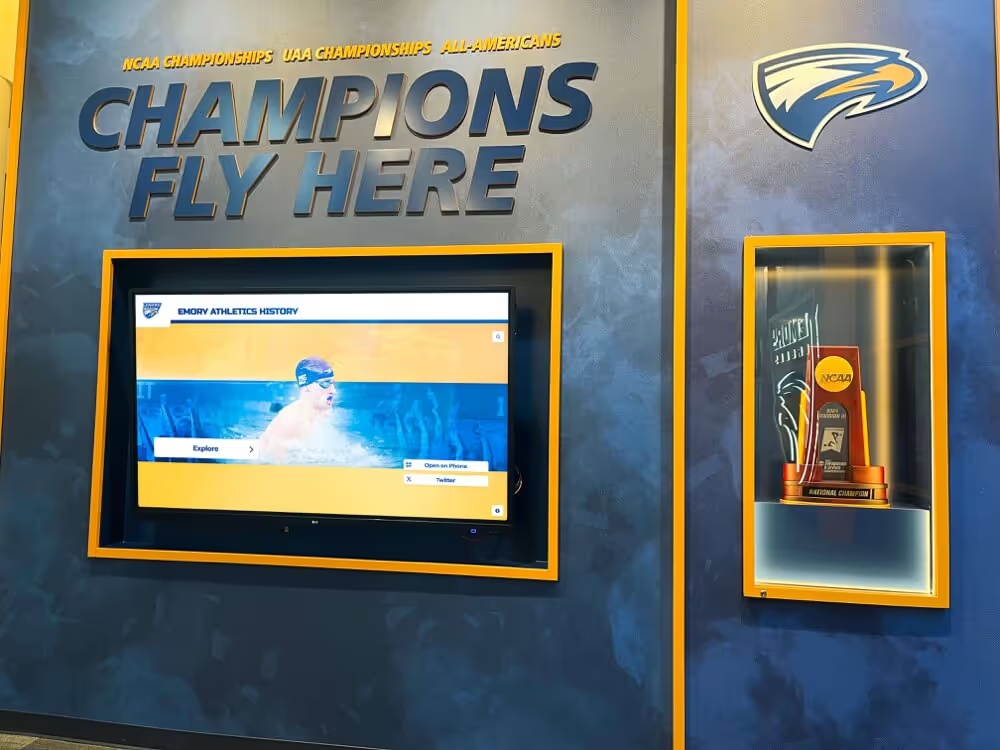
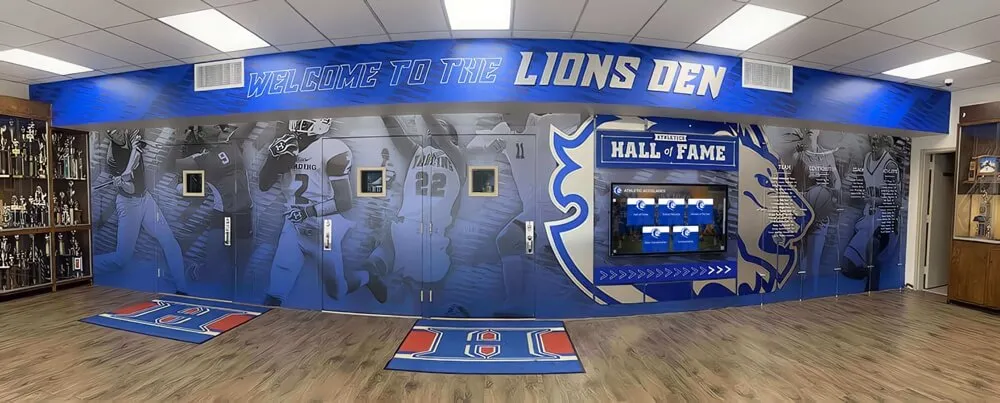
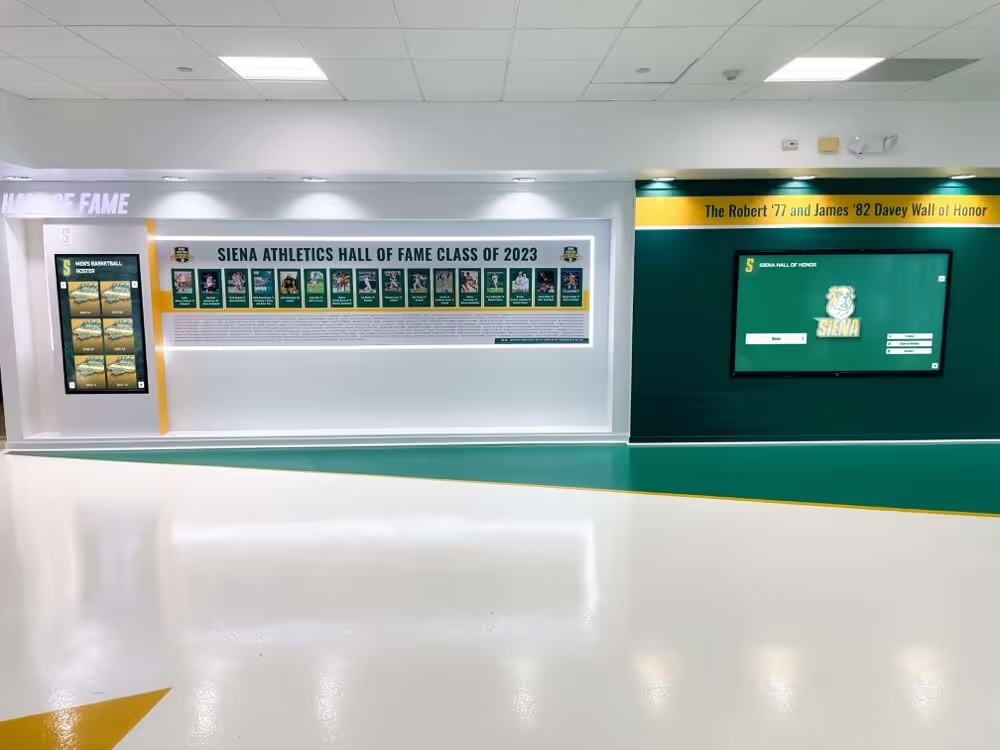
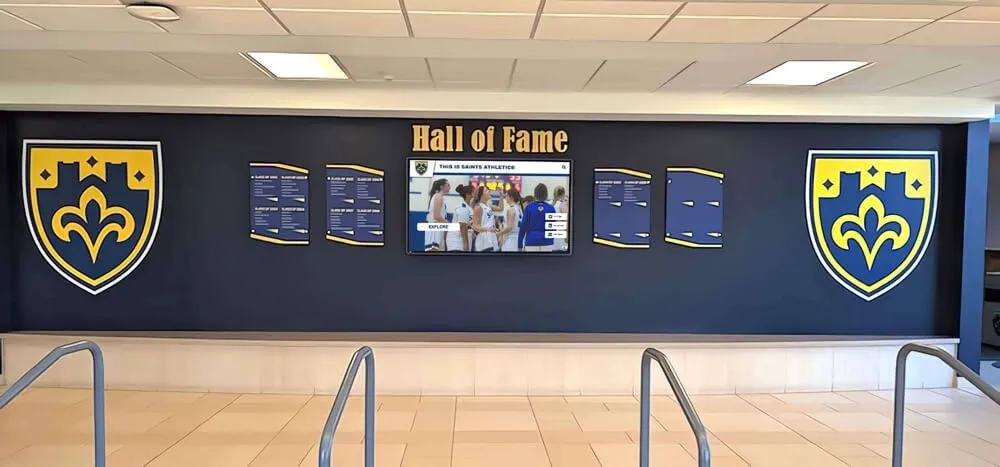
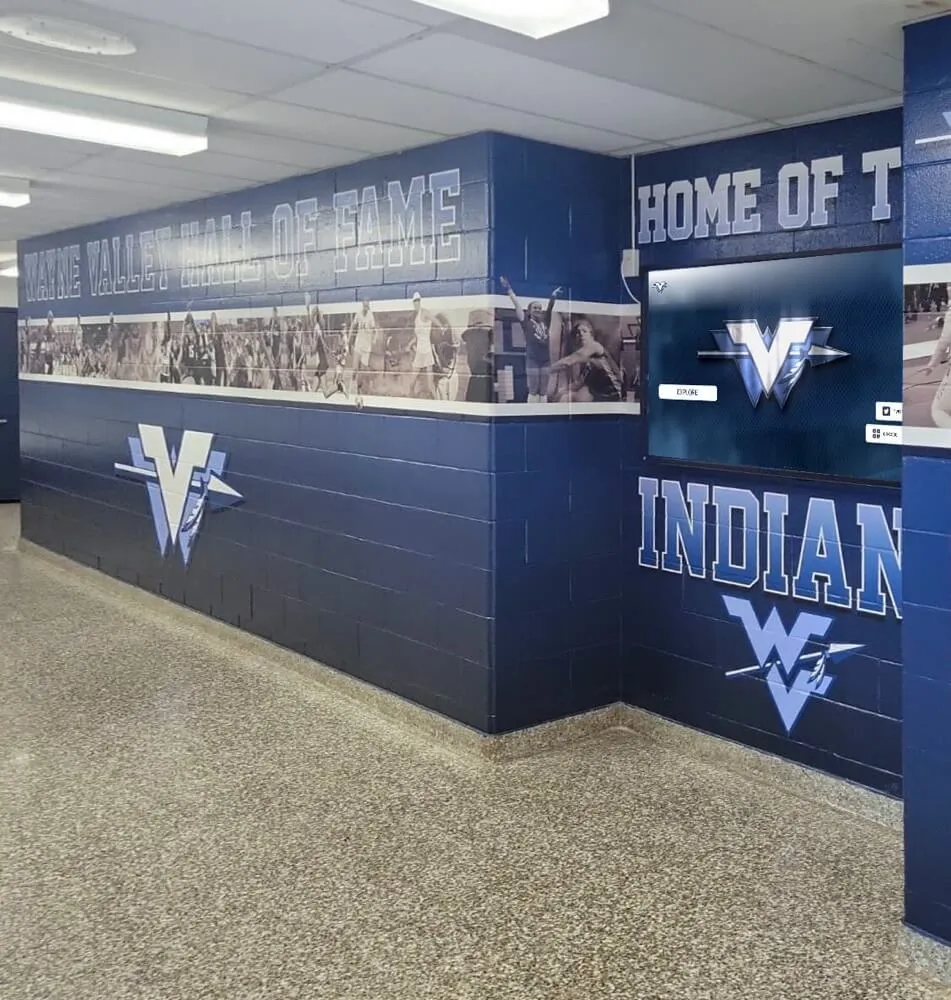
Successful implementations often blend traditional recognition elements with modern interactive displays, honoring established visual traditions while adding dynamic digital capabilities
Organizing Historical Content for Discovery
Beyond current achievement recognition, interactive displays serve as institutional archives preserving decades of history in accessible, engaging formats.
Chronological Organization and Timeline Navigation
Timeline-based navigation allows users to explore institutional evolution decade by decade or year by year. Effective timeline implementations include visual markers indicating significant milestones like facility openings, program launches, or notable achievements, thumbnail images providing visual entry points to different eras, contextual information about broader historical events providing cultural backdrop, and quick-jump controls enabling efficient navigation across long time spans.
Timeline views prove particularly engaging during anniversary celebrations, reunion events, or historical commemorations when specific time periods receive focused attention.
Thematic Collections and Featured Stories
Curated collections organizing achievements around themes create compelling browsing experiences: “First in History” collections highlighting pioneering individuals who established records or broke barriers, “Championship Dynasties” showcasing dominant teams across consecutive seasons, “Family Legacies” featuring multi-generational families with members appearing across different decades, and seasonal features rotating spotlight content based on current athletic seasons, academic terms, or cultural events.
These curated experiences transform random browsing into purposeful storytelling, helping users understand broader narratives and institutional character beyond individual achievements.
Search and Discovery Tools
Robust search functionality proves essential for large historical archives. Beyond basic name search, advanced capabilities should include Boolean operators enabling complex queries, phonetic matching accommodating spelling variations in historical records, keyword tagging allowing searches for positions, sports, honors, or other attributes, and related content suggestions presenting similar profiles or connected achievements.
Discovery features can surface interesting connections automatically—displaying classmates when viewing individual profiles, showing record progression when viewing statistical achievements, or presenting coaching trees when exploring athletic history.
Installation Considerations and Environmental Integration
Technical capability matters little if installations fail to attract attention, accommodate diverse users, or integrate thoughtfully into existing architectural environments.
Strategic Placement for Maximum Visibility and Engagement
Location selection fundamentally impacts display utilization and engagement frequency.
High-Traffic Transitional Spaces
The most effective installations position displays where students, staff, and visitors pass regularly during normal activities rather than requiring special trips to dedicated recognition areas:
Main entrance lobbies create first impressions for all building visitors while serving as gathering spaces before and after school. Lobby installations reach the broadest possible audiences including prospective families during tours, community members attending events, and daily student traffic.
Hallway intersections connecting different building wings or leading to frequently accessed destinations like cafeterias, gymnasiums, or auditoriums ensure consistent visibility throughout school days. Strategic hallway placement integrates recognition into daily routines rather than segregating it in isolated locations.
Cafeteria and commons areas where students congregate during lunch periods and breaks provide natural browsing opportunities during unstructured time. The social nature of these spaces encourages group exploration and conversation about achievements displayed.
Athletic facility entrances and locker room hallways reach student-athletes specifically while ensuring all gymnasium visitors encounter recognition during events. This targeted placement maximizes impact on the audience most directly inspired by athletic achievement celebration.
Accessibility and Universal Design
Interactive displays must accommodate diverse users including young children, individuals using wheelchairs or mobility devices, users with visual or auditory impairments, and visitors unfamiliar with touchscreen technology.
Mounting heights should position primary content between 36-48 inches from floor level, ensuring wheelchair users can access all interactive elements while remaining visible to standing users. Tilted installations angled 10-15 degrees from vertical reduce glare while providing comfortable viewing angles for users of different heights.
Interface design should incorporate high-contrast color schemes aiding users with visual impairments, large touch targets (minimum 44x44 pixels) accommodating users with limited dexterity, clear text hierarchy using appropriate font sizes for various reading distances, and intuitive navigation patterns requiring minimal instruction.
Audio components, when included, should provide individual headphone jacks rather than open speakers, ensuring accessibility for hearing-impaired users while avoiding noise disruption in active environments.
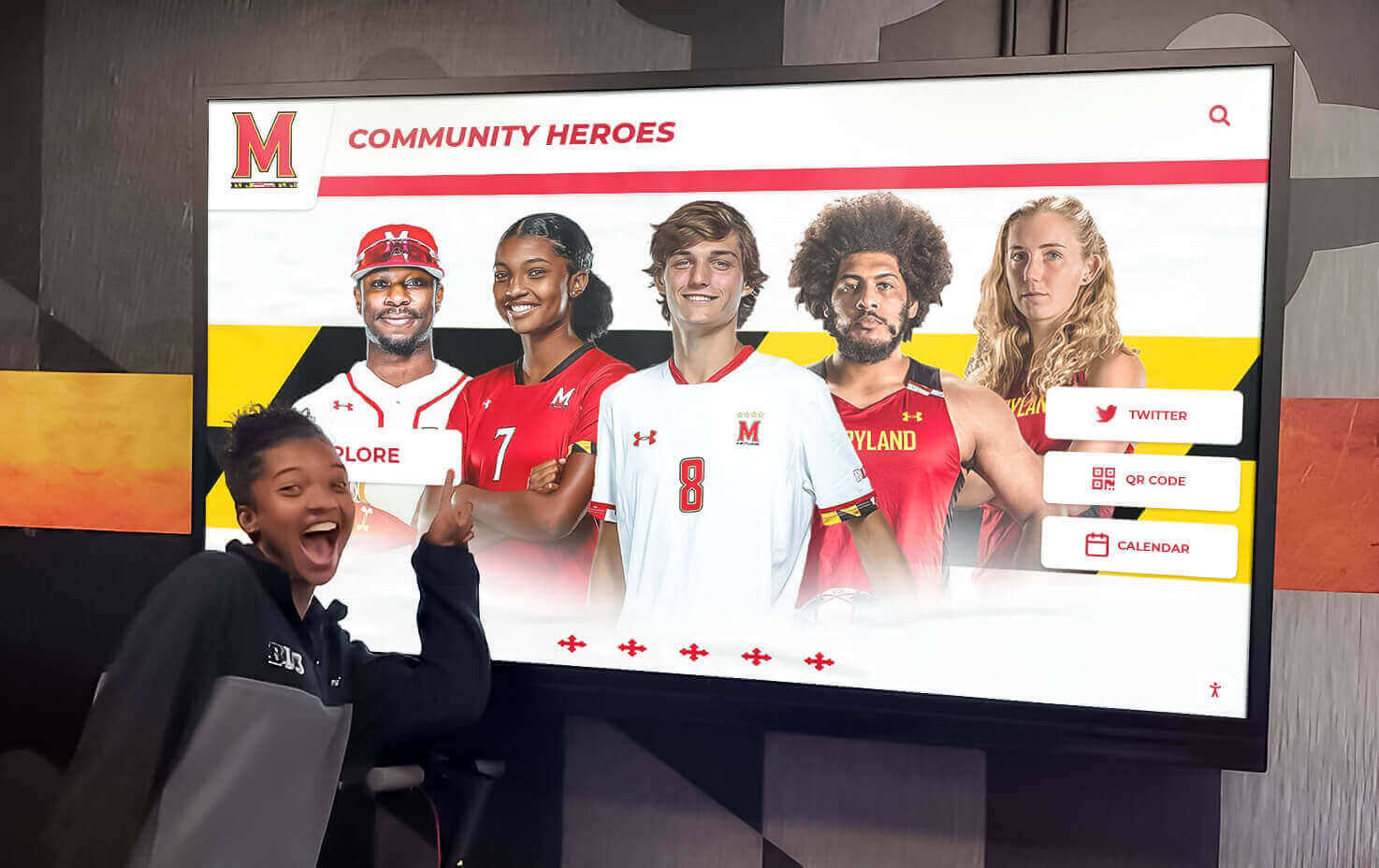
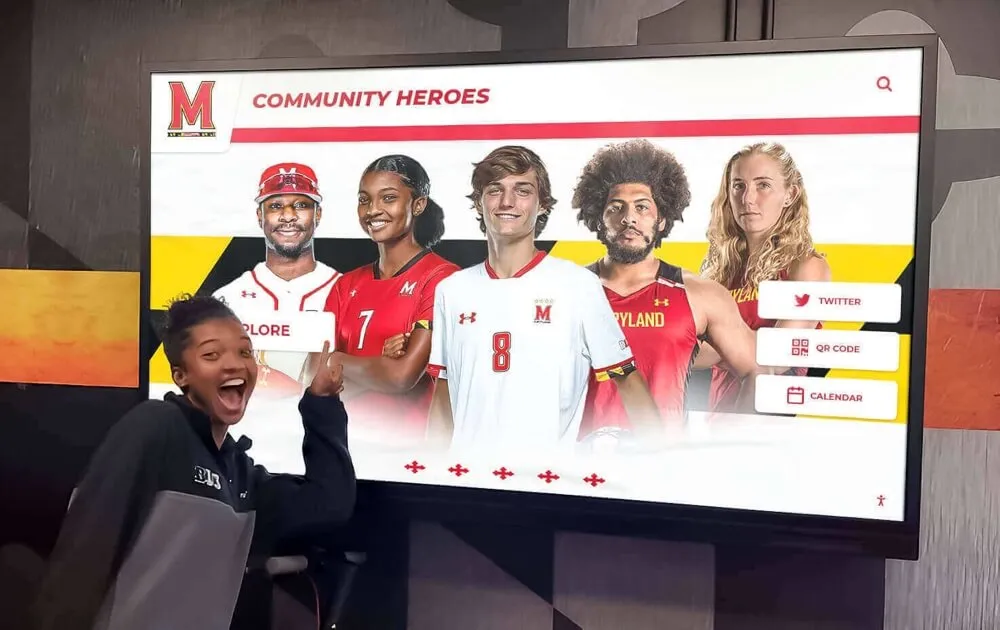
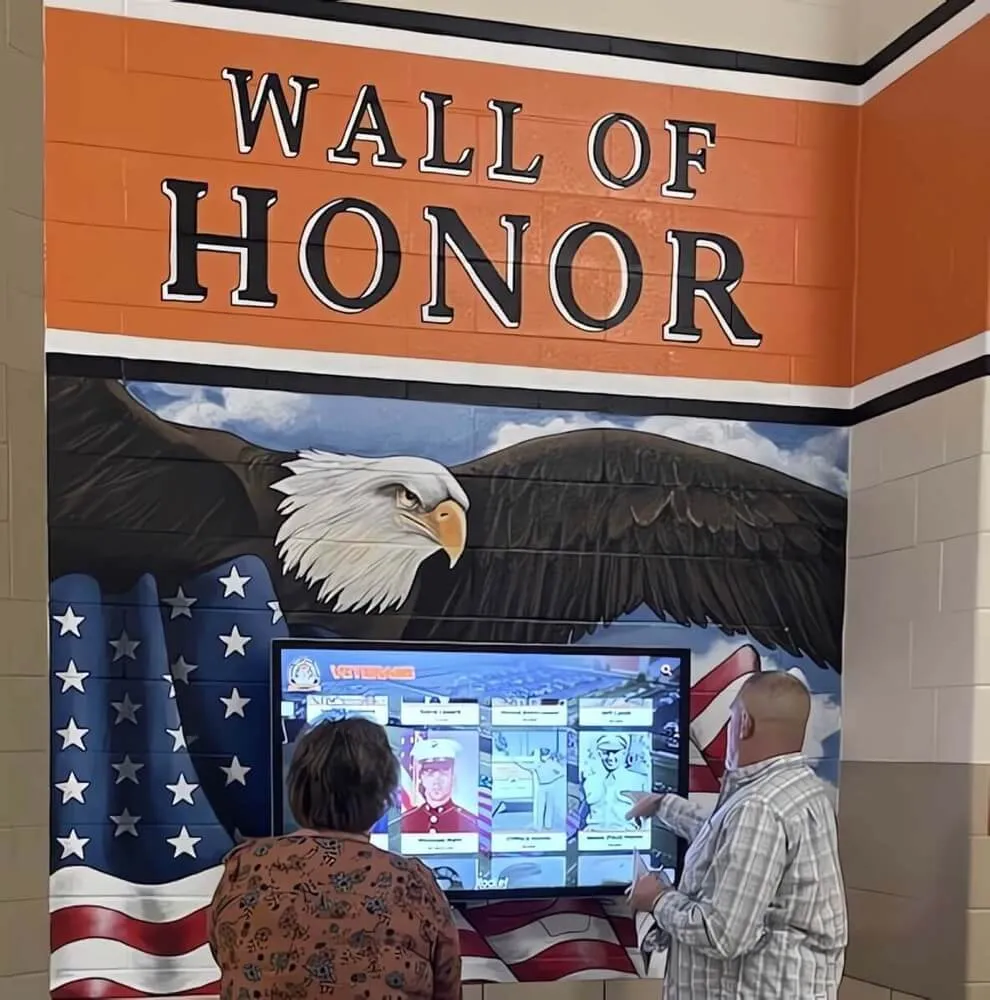
Installations designed with appropriate mounting heights and intuitive interfaces ensure users of all ages can explore achievements independently
Aesthetic Integration with Existing Architecture
Interactive displays represent significant visual elements requiring thoughtful architectural integration rather than appearing as disconnected technology installations.
Coordinating with Institutional Branding and Visual Identity
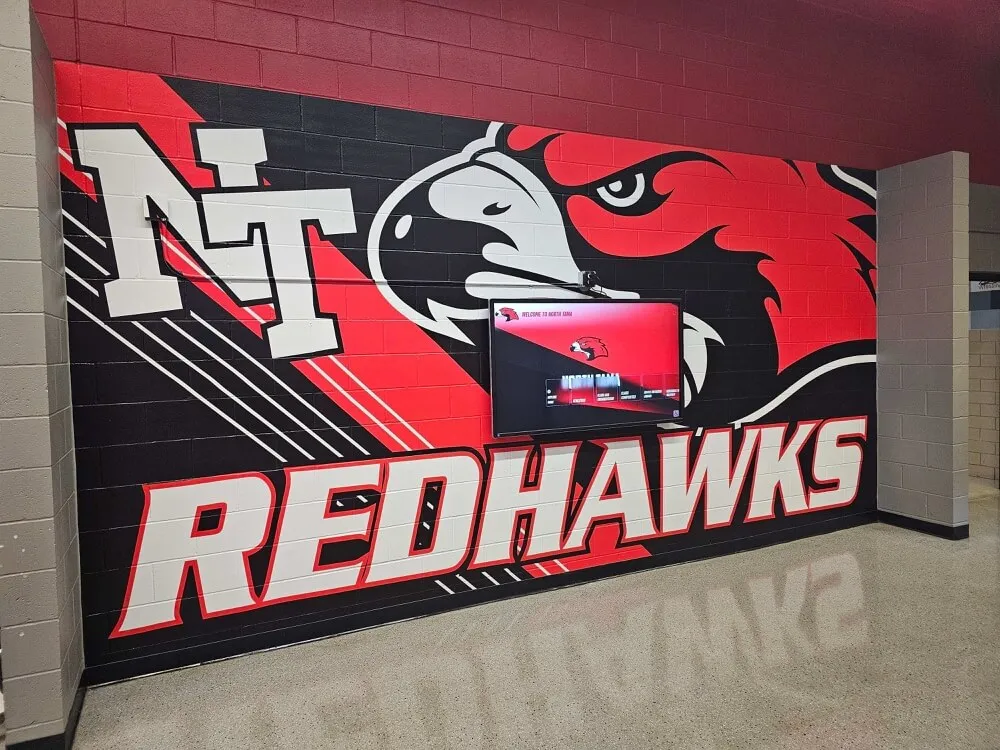
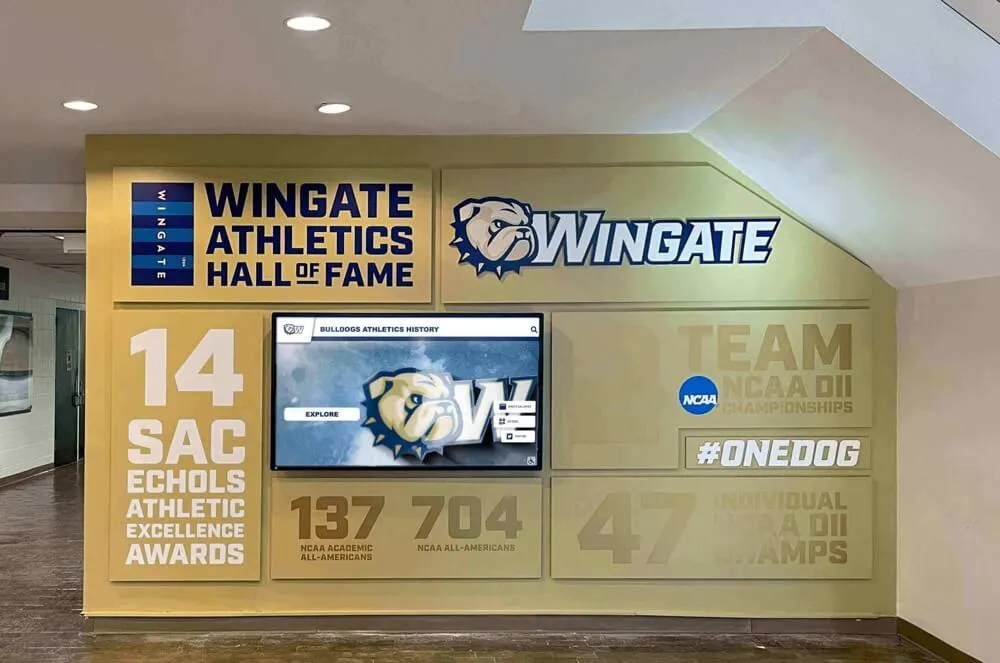
Effective installations reflect and reinforce existing school branding through coordinated color schemes matching institutional colors in display bezels, mounting systems, and surrounding elements, logo integration incorporating official mascots and wordmarks within interface design, material selections using finishes consistent with broader architectural palettes, and custom mounting solutions or surrounds harmonizing with millwork, masonry, or other existing materials.
This visual coordination signals institutional investment and permanence rather than temporary technology experiments, encouraging community acceptance and pride in recognition installations.
Combining Traditional and Digital Recognition Elements
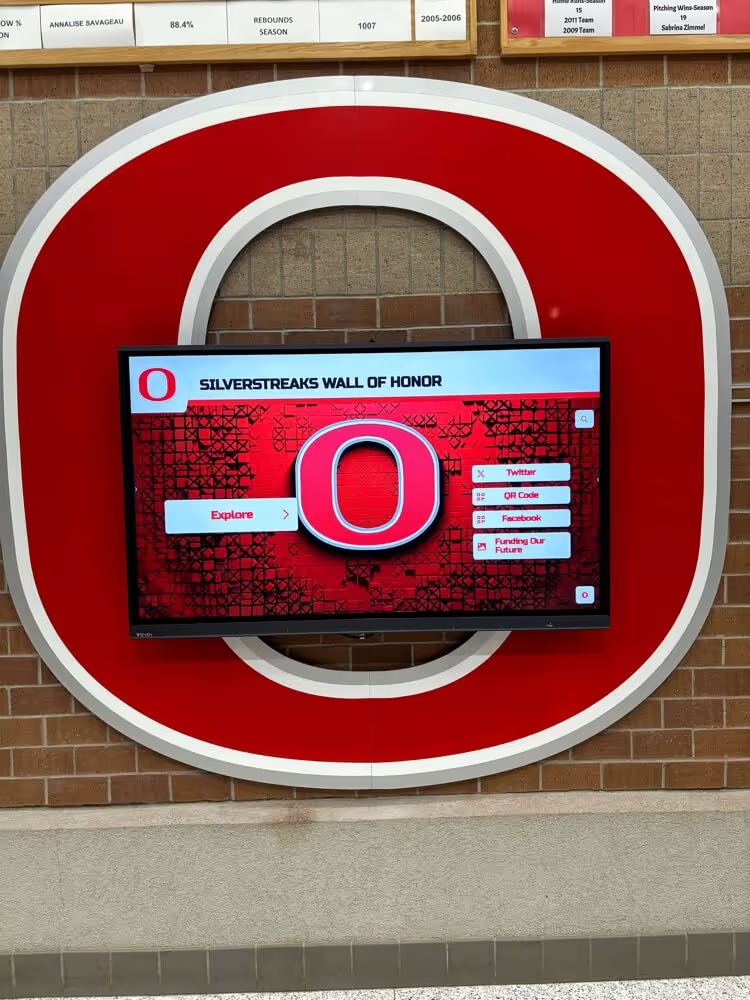
Many successful implementations blend interactive displays with traditional recognition elements rather than completely replacing established systems. Donor recognition walls often combine engraved plaques with digital displays showing detailed donor profiles and impact stories.
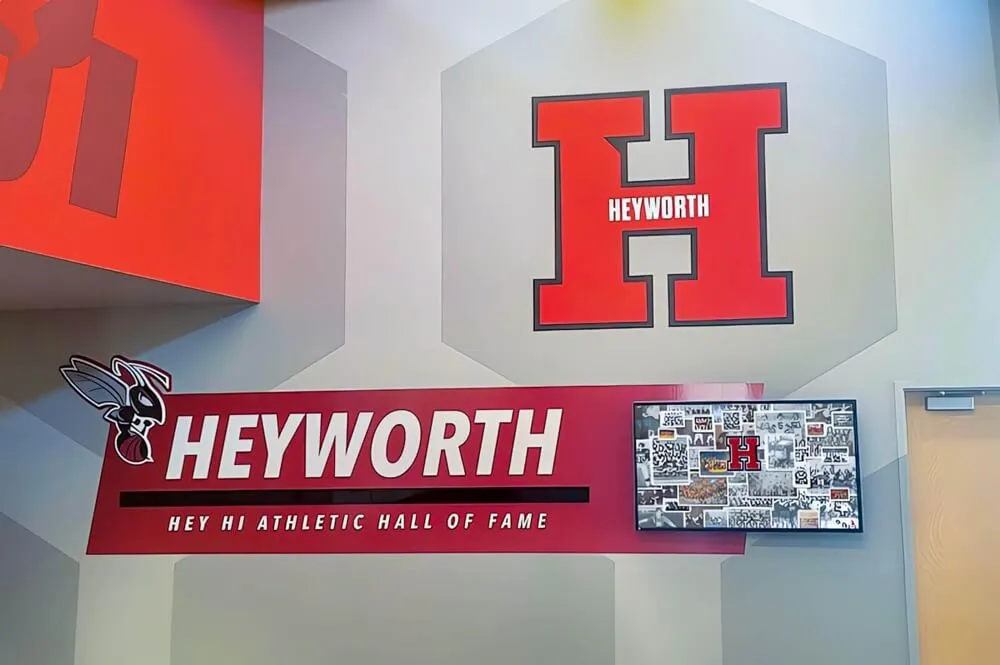
Athletic recognition might preserve existing championship banners while adding interactive displays providing comprehensive team rosters, statistics, and highlight videos impossible with physical banners alone. This hybrid approach honors traditions while expanding capabilities.
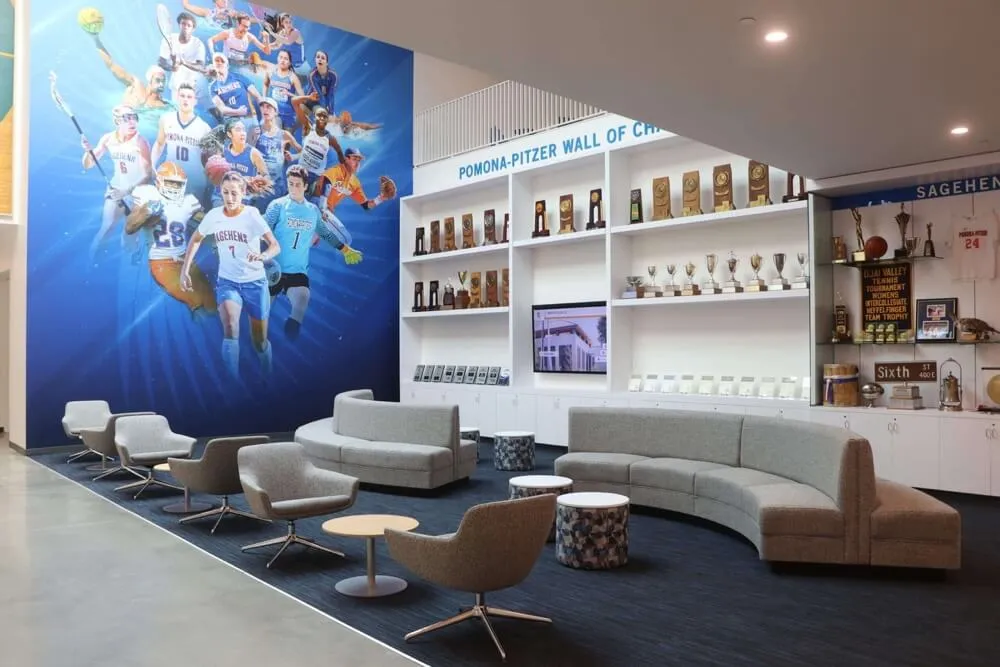
Trophy cases can incorporate displays showing additional context about awards visible in physical cases—athlete biographies, championship game summaries, or historical perspective about achievement significance. The physical trophies retain tangible appeal while digital elements add narrative depth.
Maintaining Fresh, Engaging Content Over Time
Initial installation enthusiasm often fades without ongoing content strategies keeping displays fresh and relevant year after year.
Establishing Sustainable Update Workflows
Content staleness represents the primary threat to long-term display effectiveness. Establishing clear update responsibilities and workflows prevents gradual neglect.
Defining Administrative Responsibilities
Successful programs designate specific individuals responsible for content updates rather than assuming collective responsibility resulting in individual neglect. Athletic directors typically manage sports-related content, counselors or academic administrators handle honor roll and scholarship recognition, activities directors coordinate club and leadership acknowledgment, and designated coordinators or technology specialists manage overall system administration and technical maintenance.
Clear responsibility assignment prevents content gaps while ensuring appropriate individuals with relevant knowledge manage their respective recognition areas.
Creating Regular Update Schedules
Proactive update schedules prevent reactive scrambling: season-end reviews adding championship teams, record-holders, and individual honors immediately following conclusion, semester honor roll updates recognizing academic achievement each grading period, annual comprehensive audits reviewing entire content libraries for accuracy and completeness, and featured content rotation refreshing homepage highlights monthly or quarterly.
Regular schedules transform updates from occasional projects into routine practices integrated within existing administrative workflows.
Leveraging Student Involvement
Student participation in content creation provides valuable assistance while building ownership and reducing administrative burden. Student photographers and videographers can document events, capture achievement moments, and interview accomplished peers. Journalism or media production classes might assume regular content creation responsibilities as authentic learning experiences.
Student involvement often results in peer-focused content resonating more authentically with student audiences than adult-created materials while teaching valuable digital media and storytelling skills.
Balancing Historical Preservation with Current Achievement
Interactive displays must simultaneously honor institutional history while remaining current and relevant to today’s students.
Creating Dedicated Historical Archives
Organizing content into distinct current and historical sections allows focused exploration of different time periods. Current achievement sections might showcase the present academic year and previous 3-5 years prominently, while historical archives organize older content chronologically or thematically for interested exploration without cluttering contemporary recognition.
This separation acknowledges that most casual browsing focuses on recent familiar achievements while ensuring historical content remains accessible for deliberate research, reunion events, or anniversary celebrations.
Seasonal and Event-Based Featured Content
Rotating featured content based on current school calendars keeps displays feeling fresh and relevant. During basketball season, featuring basketball-related achievements capitalizes on existing interest and excitement. During homecoming celebrations, highlighting traditions and historical homecoming moments across decades creates thematic resonance.
This calendar-aligned curation demonstrates active management while creating reasons for repeat engagement—students checking displays during different seasons encounter different content rather than static presentations.
Measuring Impact and Success
Quantifying interactive display effectiveness helps justify investments and guide ongoing improvements.
Engagement Metrics and Analytics
Modern interactive display systems provide detailed usage analytics revealing how visitors actually engage with content:
Total interaction counts measure overall engagement frequency, session duration indicates depth of engagement rather than casual touches, popular content reveals which profiles, teams, or time periods receive greatest attention, search queries show what visitors seek proactively, and peak usage times identify when displays receive most attention.
These metrics inform content strategy decisions—if certain achievement categories receive minimal attention, additional promotion or reorganization might improve discovery. If average session durations remain very brief, interface complexity or content organization might require simplification.
Qualitative Impact Indicators
Beyond quantitative metrics, qualitative observations reveal cultural and community impacts:
Student conversations referencing display content indicate genuine engagement and social integration, alumni feedback during reunion events or facility tours reveals emotional responses and memory activation, prospective family reactions during recruitment visits demonstrate competitive differentiation value, and community pride expressions at athletic events or school functions suggest broader cultural resonance.
Schools implementing comprehensive digital recognition solutions consistently report that technology becomes less noticeable over time as it integrates naturally into institutional culture—the ultimate success indicator. Recognition transitions from special-occasion acknowledgment to ongoing celebration woven throughout daily school experience.
Choosing Interactive Display Solutions
Schools evaluating interactive display options face numerous technology providers, platform approaches, and implementation models requiring careful assessment.
Purpose-Built Recognition Platforms vs. Generic Digital Signage
The most fundamental decision involves choosing between platforms specifically designed for achievement recognition versus generic digital signage software adapted for recognition purposes.
Purpose-built recognition platforms provide specialized features including profile-based data structures designed for biographical information and statistics, intuitive administrative interfaces optimized for school staff rather than marketing professionals, pre-designed templates reflecting recognition contexts and best practices, and built-in features like search, filtering, timelines, and relationship mapping addressing specific recognition needs.
Generic digital signage platforms offer broader flexibility for diverse content types but typically require significantly more custom development and design work to achieve recognition-specific functionality. The apparent cost savings of choosing general-purpose platforms often evaporate in ongoing customization and content production expenses.
Implementation and Support Considerations
Technology purchases represent just one component of total project costs and success factors. Implementation services, ongoing support, and long-term partnerships significantly impact outcomes:
Professional installation ensuring proper mounting, network configuration, and environmental integration prevents technical issues and suboptimal placement decisions. Design and content creation assistance helps schools develop attractive, effective initial content establishing quality standards and administrative workflows. Training programs preparing designated administrators to update content independently ensure long-term sustainability beyond vendor dependence.
Ongoing technical support, software updates, and system monitoring prevent gradual degradation and ensure platforms evolve with advancing capabilities rather than becoming outdated within years of installation.
Ready to transform how your school celebrates achievement and preserves institutional history? Rocket Alumni Solutions provides purpose-built interactive touchscreen platforms specifically designed for educational institutions, combining unlimited recognition capacity with intuitive content management and thoughtful design frameworks that honor tradition while embracing modern technology.
Conclusion: Interactive Displays as Institutional Investment
Interactive school displays represent more than technological upgrades to traditional recognition methods. They fundamentally transform celebration philosophy from scarcity-based selection to comprehensive acknowledgment, from passive viewing to active exploration, and from static documentation to dynamic storytelling.
Schools implementing thoughtful interactive display strategies report lasting impacts including strengthened institutional culture as celebration becomes inclusive and ongoing, enhanced student pride and aspiration as diverse achievements receive meaningful visibility, improved community connections as alumni engage with institutional history and current families witness commitment to recognition, and preserved institutional memory as decades of achievement remain accessible in engaging formats rather than deteriorating in storage or fading from collective memory.
The investment in interactive recognition technology extends beyond individual displays or software licenses. It represents institutional commitment to valuing every achievement, preserving complete history, and creating environments where celebration permeates daily experience rather than occurring only during special occasions. These cultural outcomes ultimately define success more meaningfully than technical capabilities or feature lists.
As schools continue navigating evolving educational priorities, diverse student populations, and advancing technological possibilities, interactive display platforms provide flexible, scalable foundations supporting recognition philosophies emphasizing inclusion, engagement, and comprehensive celebration—values reflecting the best aspirations of educational communities committed to honoring every deserving achievement and preserving the complete institutional story for generations to come.