



Selecting interactive touchscreen kiosk software in 2026 requires careful evaluation of platforms designed for fundamentally different purposes. Schools implementing recognition displays need different capabilities than retail stores showing promotional content, while museums creating educational exhibits require features distinct from corporate wayfinding systems. The challenge lies not in finding any kiosk software, but identifying solutions matching your specific application, technical resources, and long-term goals.
The kiosk software market spans from purpose-built recognition platforms serving educational institutions through general-purpose digital signage systems to sophisticated interactive experience designers supporting complex museum installations. Each category optimizes for different use cases, with feature sets, pricing models, and implementation complexity varying dramatically across solutions.
This comprehensive guide compares leading interactive touchscreen kiosk software options for 2026, examining platforms ranging from Rocket Alumni Solutions’ recognition-focused system through Intuiface’s no-code experience builder to specialized solutions like Halloffamewall.com and Touchwall.us. You’ll discover which platforms excel at specific applications, what features genuinely matter versus marketing claims, and how to match software capabilities to your organization’s actual needs rather than getting distracted by impressive but irrelevant functionality.
Organizations successfully implementing touchscreen kiosks report that software selection matters more than hardware choices. The right platform transforms displays into engaging interactive experiences that inform, inspire, and connect communities, while mismatched software creates frustrated administrators and disengaged users regardless of premium hardware investments.

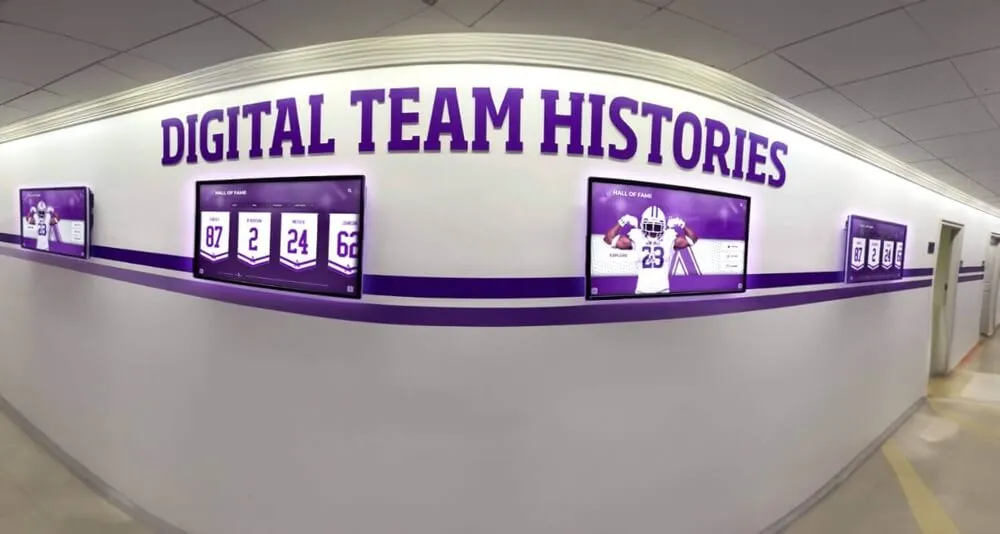
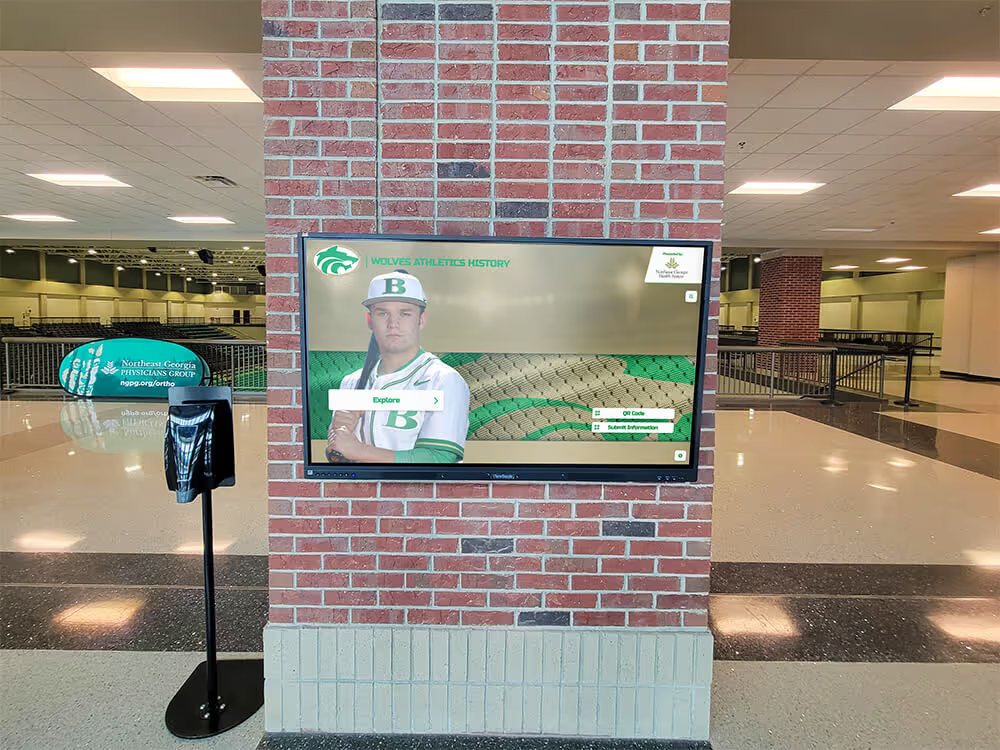
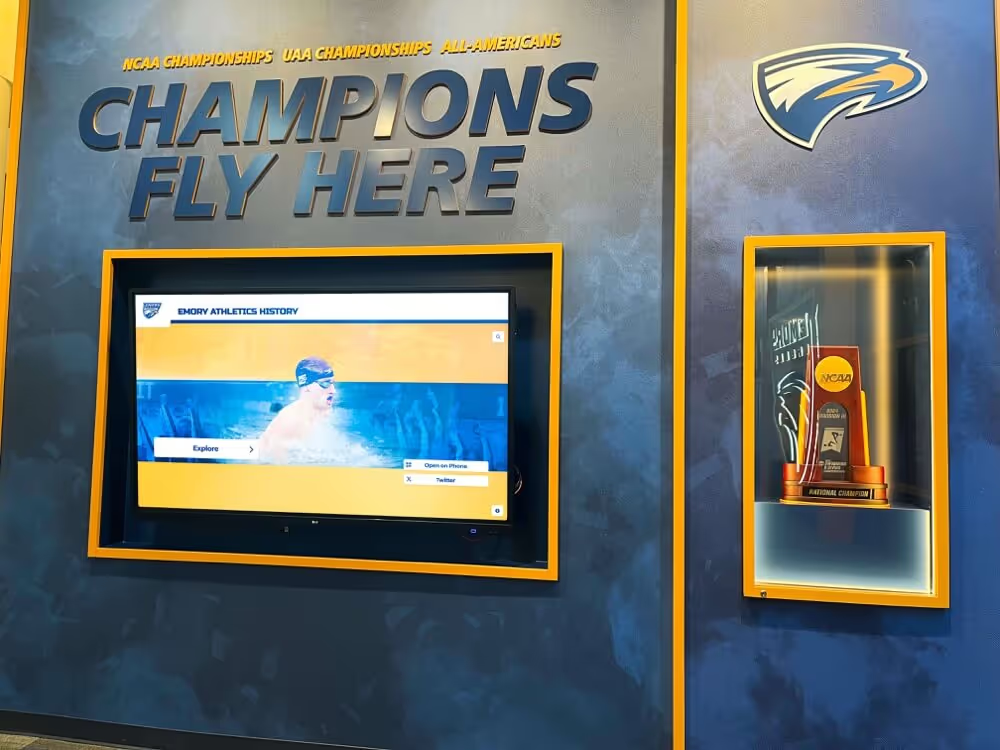
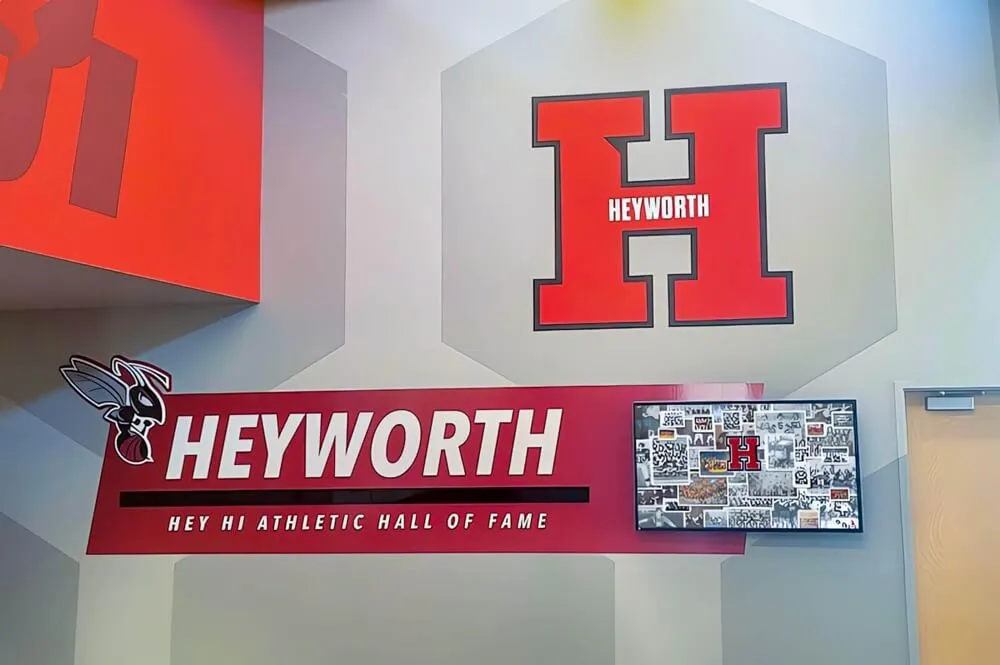
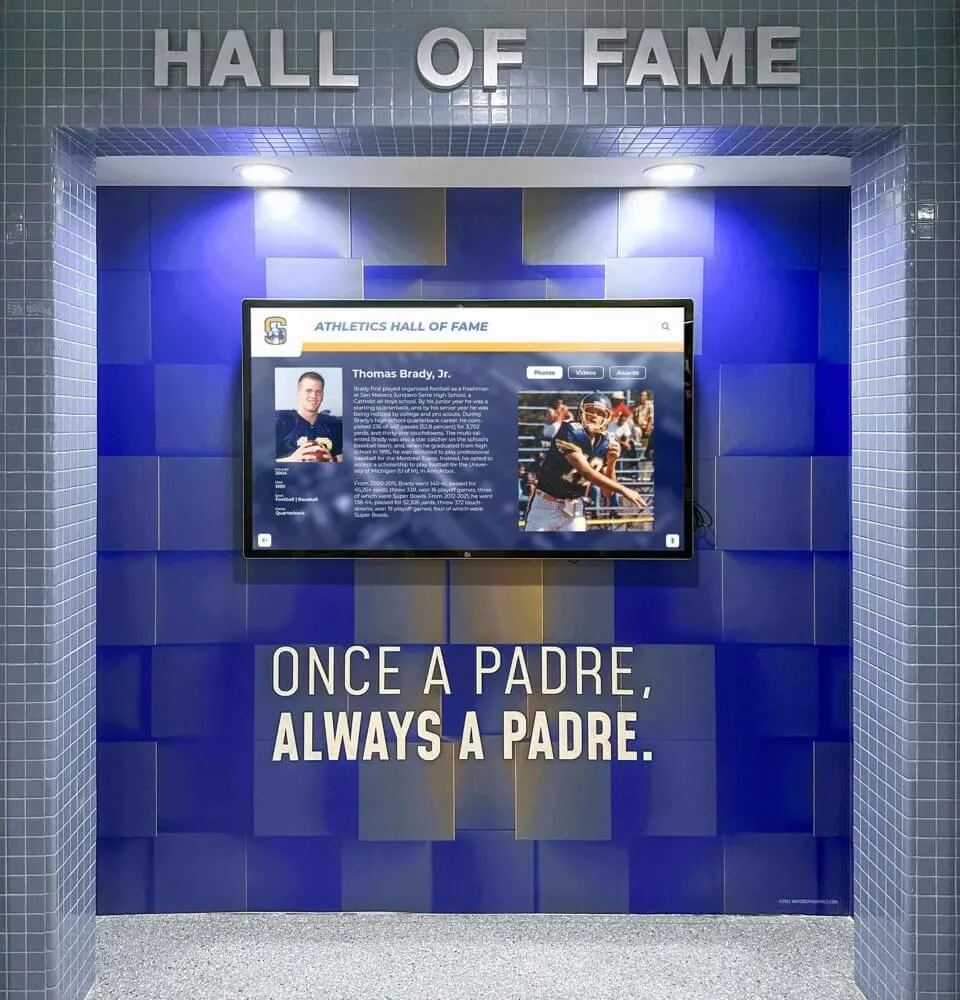
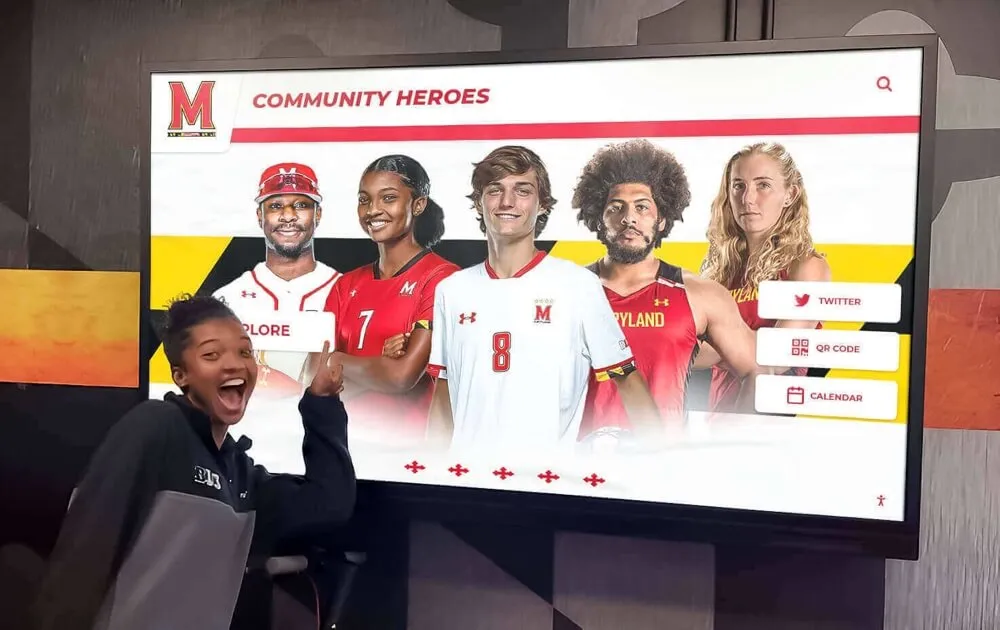
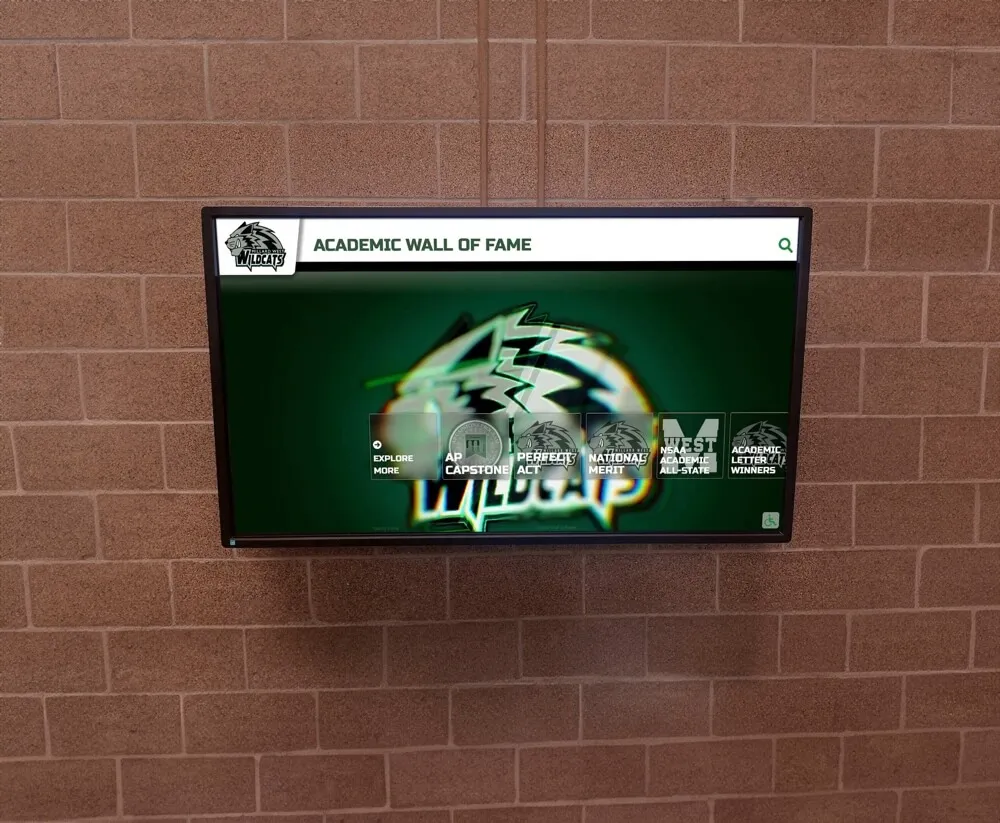
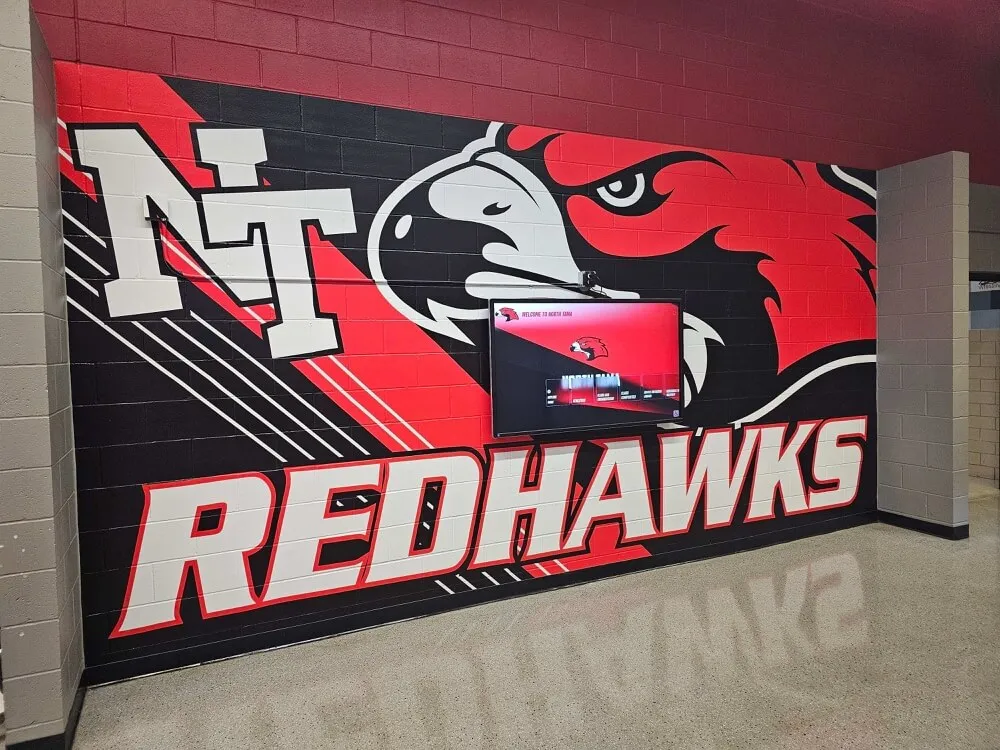
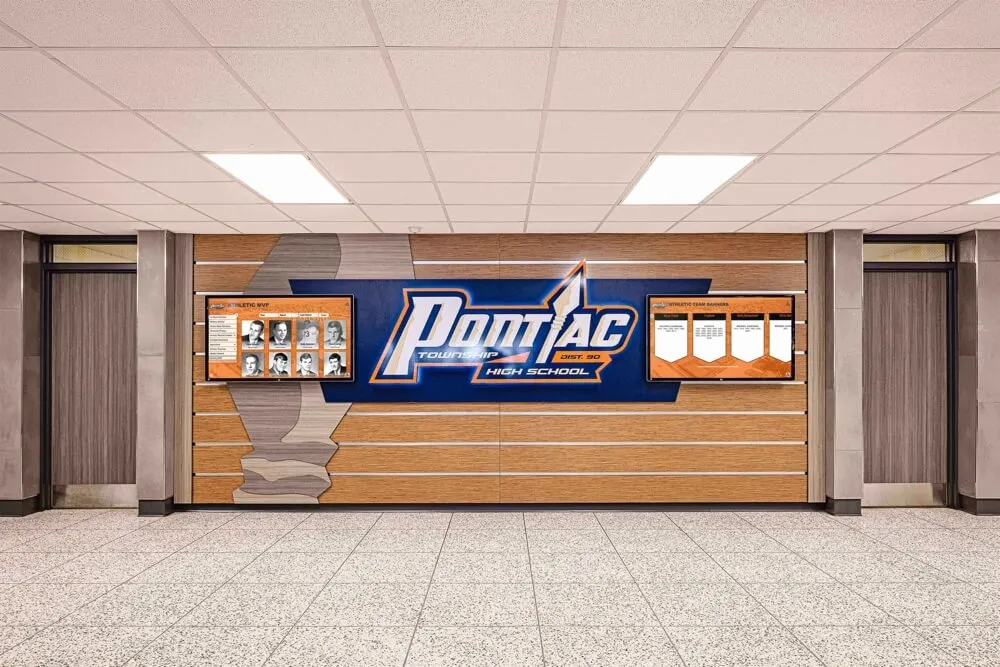
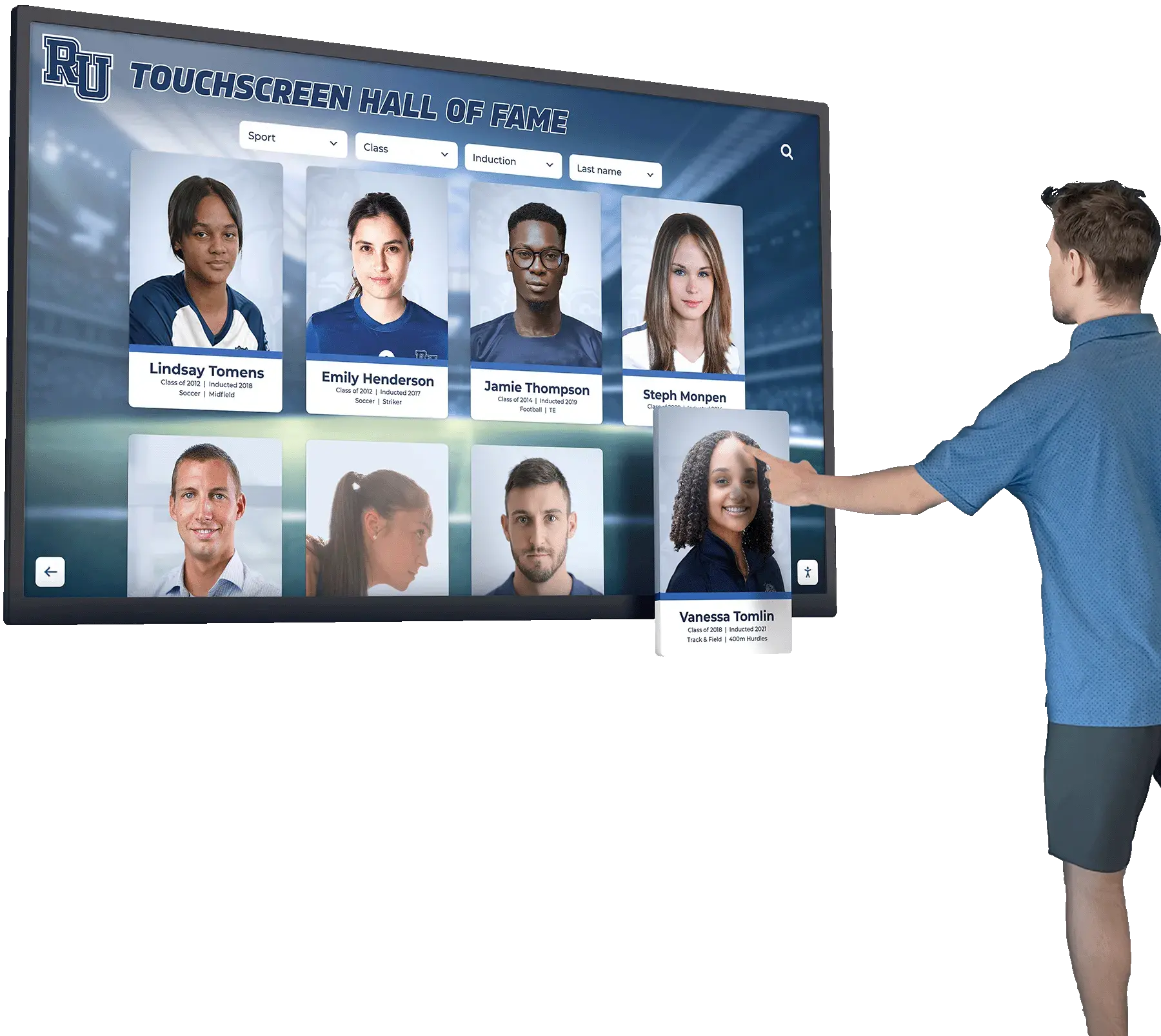
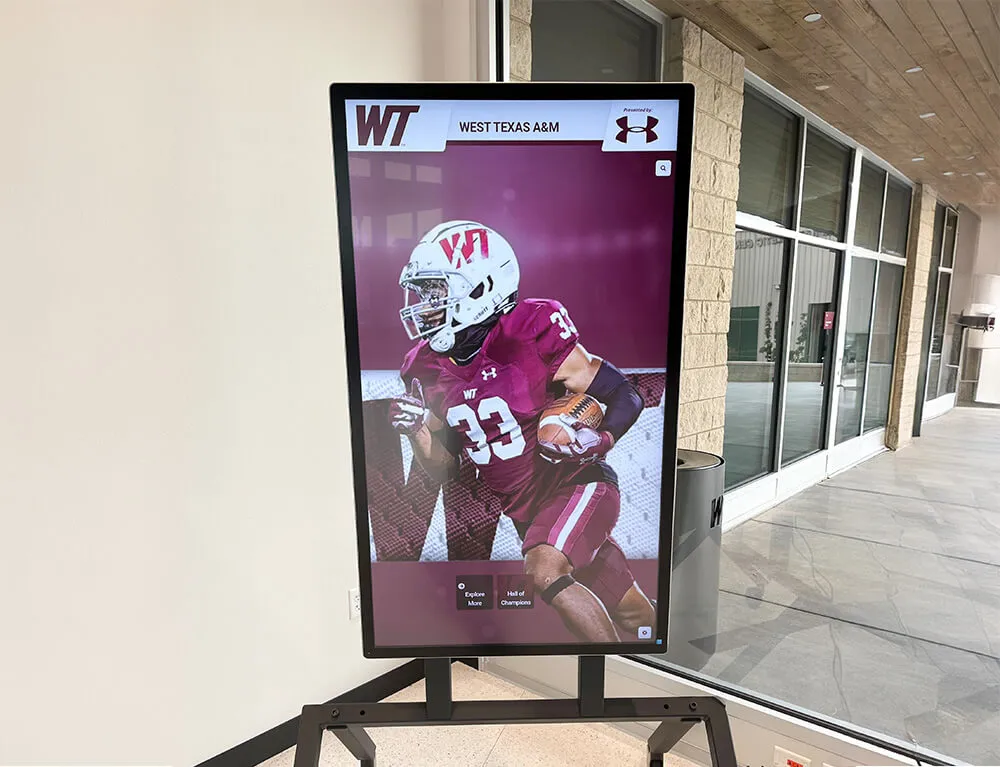
Modern touchscreen kiosk software enables intuitive content discovery through interfaces designed specifically for public interaction
Understanding Touchscreen Kiosk Software Categories
Before comparing specific platforms, understanding fundamental software categories helps organizations identify which solution types align with their needs.
Purpose-Built Recognition Platforms vs. General Digital Signage
Interactive kiosk software falls into distinct categories serving different core objectives:
Recognition and Achievement Platforms
Software designed specifically for celebrating people—athletic halls of fame, donor recognition, academic achievement displays, alumni showcases—takes fundamentally different approaches than general digital signage. These platforms organize content around individual profiles enabling searchable databases where visitors control discovery, support rich multimedia storytelling through photos and videos, provide navigation designed for touchscreen exploration, and extend accessibility beyond physical displays through integrated web portals.
Purpose-built recognition software understands unique requirements of honoring contributors and celebrating achievements that generic slideshow players cannot effectively accommodate. The difference resembles using specialized database software versus trying to manage complex data in presentation tools—both display information, but each optimizes for fundamentally different workflows and outcomes.
General-Purpose Digital Signage
Broader kiosk platforms prioritize content scheduling across screen networks, template-based design enabling quick content creation, multi-display management controlling numerous screens centrally, and media playback showing announcements, advertisements, wayfinding information, and promotional content. These solutions excel at broadcasting information to passive audiences but typically lack sophisticated interactivity features, advanced data organization for complex content collections, or specialized capabilities supporting recognition storytelling.
Organizations implementing interactive kiosk solutions for schools consistently find purpose-built platforms deliver superior results compared to forcing recognition content into announcement-oriented frameworks.
Interactive Experience Builders vs. Content Players
Another fundamental distinction separates platforms enabling custom interactive experience creation from those playing predetermined content:
No-Code Experience Builders
Sophisticated platforms like Intuiface and Pandasuite provide visual development environments where organizations design custom interactive applications without programming expertise. These tools support data integrations pulling from external systems, conditional logic creating dynamic experiences responding to user choices, custom animations and transitions, multi-screen coordination, and virtually unlimited creative possibilities limited only by design imagination rather than platform constraints.
Experience builders suit organizations with specific interaction requirements, unique content structures, or creative visions not accommodated by standard platform templates. However, they demand significantly more design effort, require learning curves for effective utilization, and often cost considerably more than simpler content management systems.
Managed Content Platforms
Simpler systems provide pre-designed interfaces where organizations populate content into established templates and navigation structures. Users add profiles, upload media, and organize information without designing interfaces or defining interaction patterns. This approach dramatically reduces implementation complexity while delivering professional results optimized specifically for particular applications like recognition, wayfinding, or directories.
Managed platforms suit organizations prioritizing quick deployment, simplified administration, and proven interaction patterns over unlimited customization flexibility. Schools implementing digital hall of fame touchscreen systems typically benefit more from recognition-optimized managed platforms than general experience builders requiring extensive custom development.
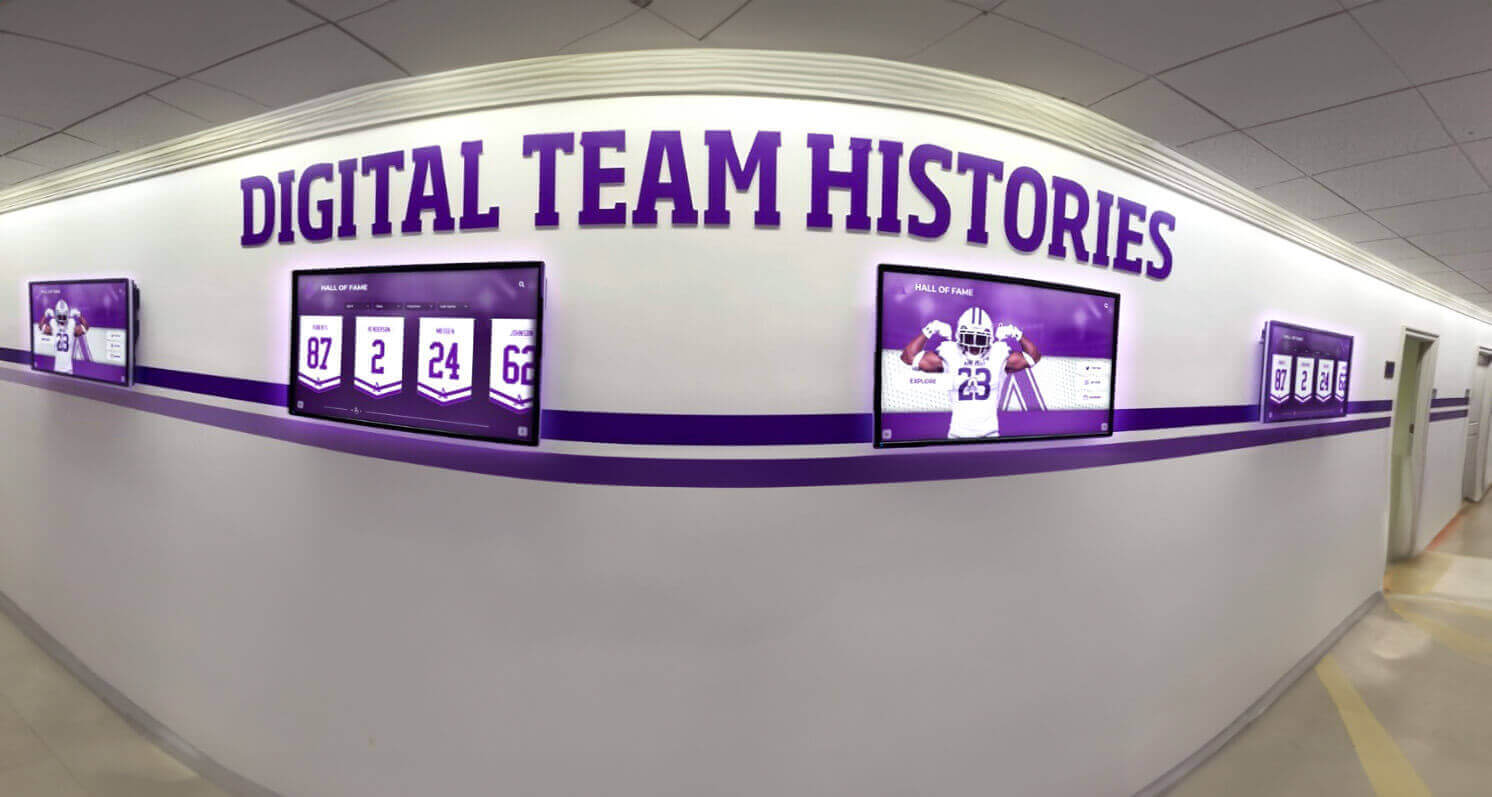
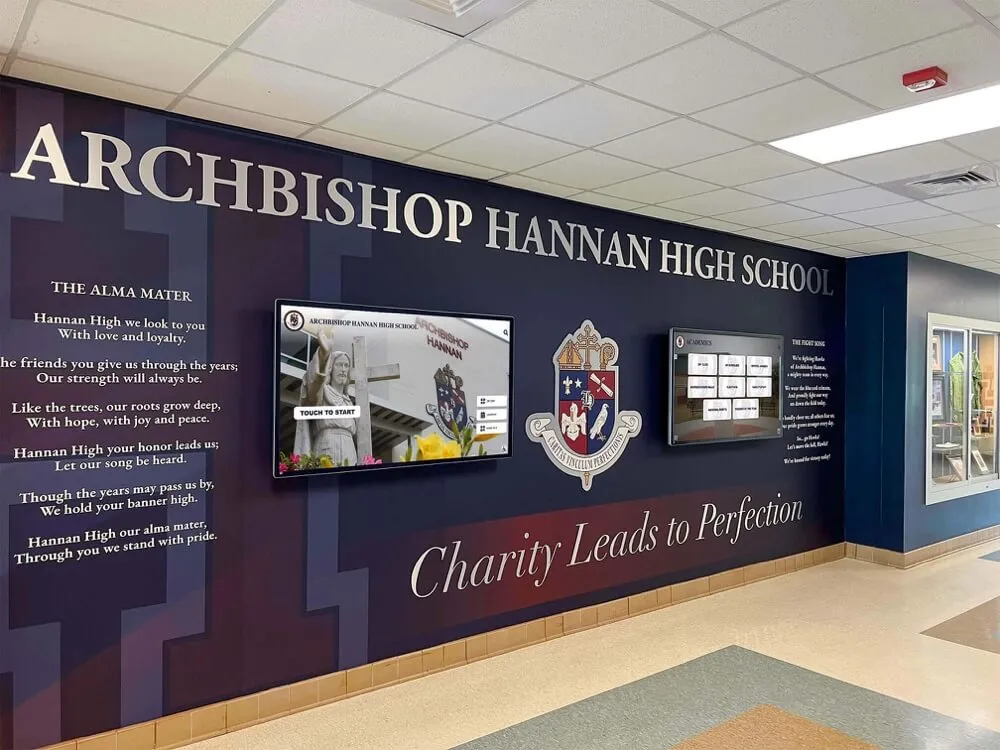
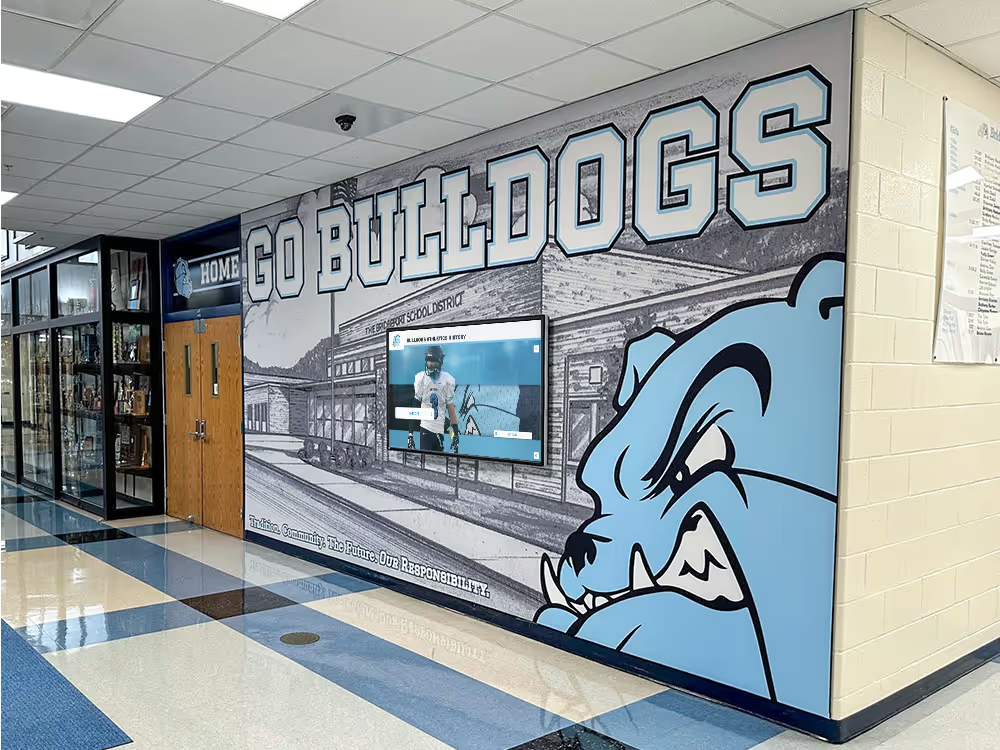
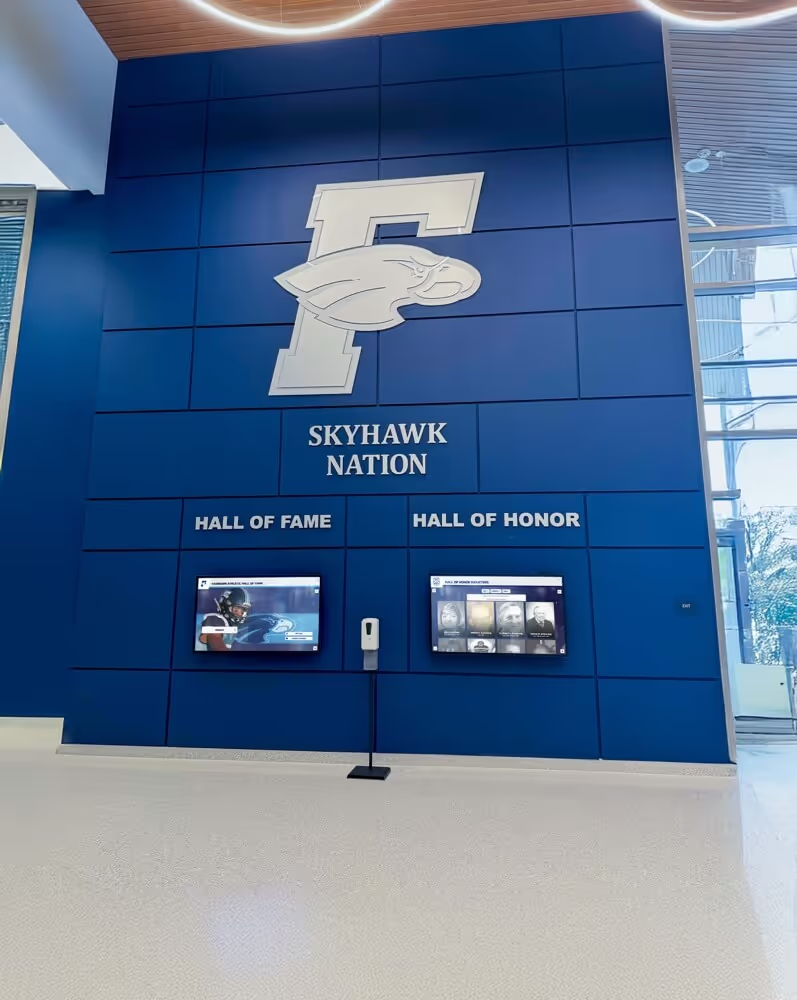
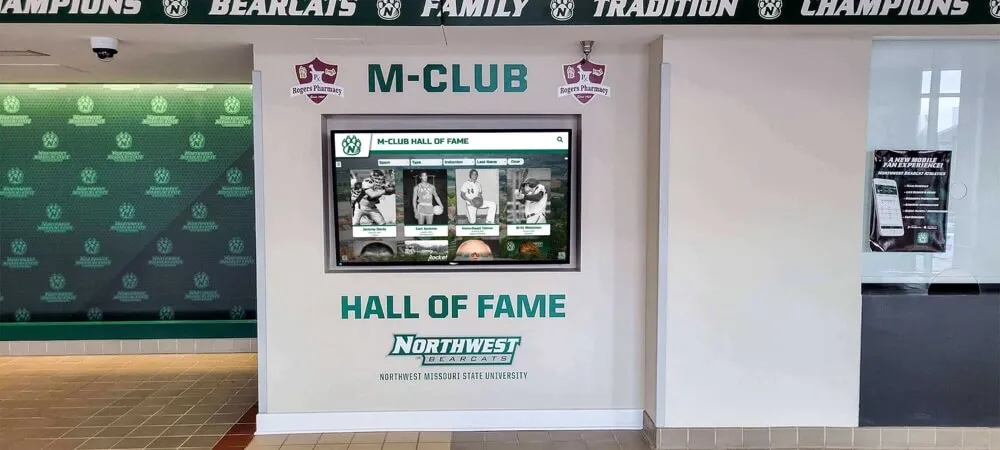
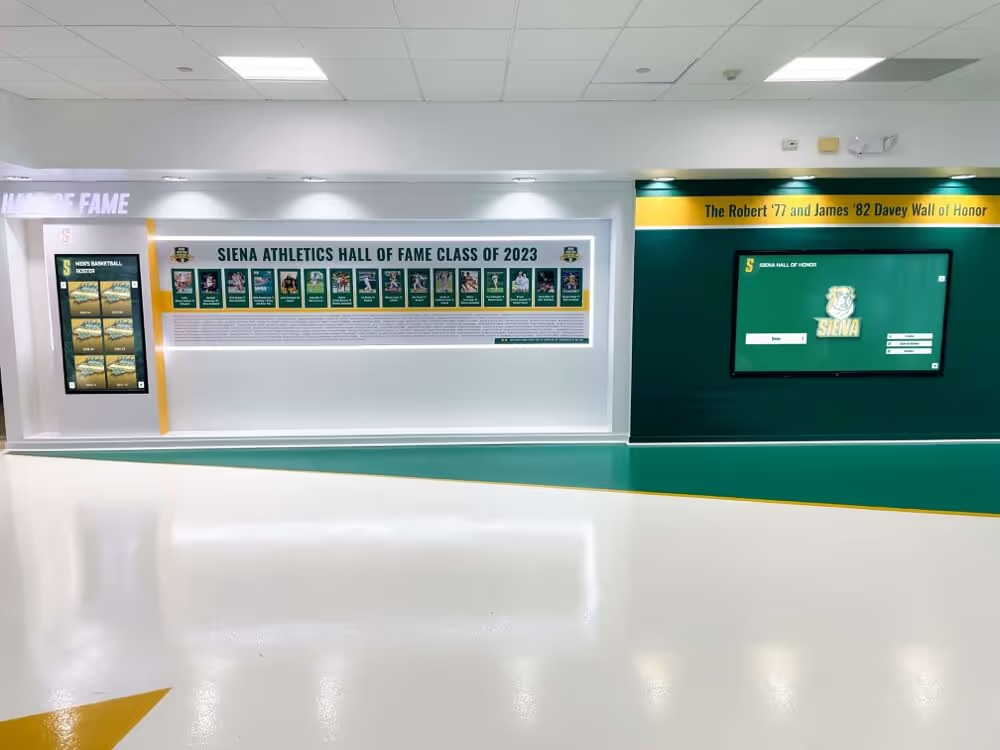
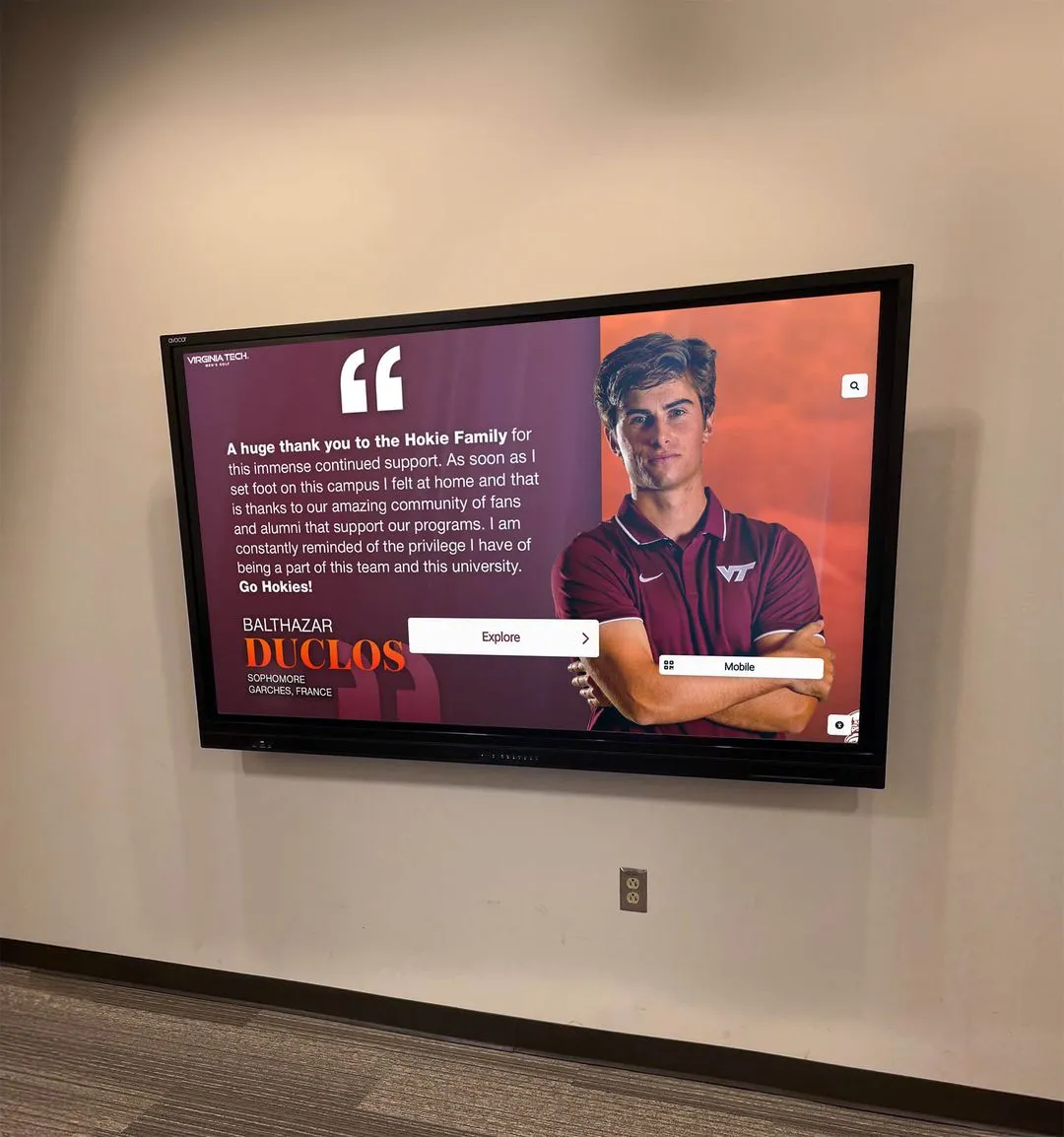
Effective kiosk software enables coordinated multi-display installations presenting consistent experiences across multiple touchscreens
Comprehensive Software Comparison: Top 9 Platforms
Understanding leading platforms’ strengths, limitations, ideal applications, and pricing helps organizations identify optimal matches for their specific requirements.
1. Rocket Alumni Solutions: Best for Recognition and Achievement Displays
Rocket Alumni Solutions represents the premier choice for schools, athletic departments, nonprofits, and organizations implementing halls of fame, donor recognition, academic achievement displays, and community celebration through interactive touchscreens.
Core Strengths
The platform was purpose-built specifically for recognition applications, with every feature optimized for honoring people and celebrating achievements. Organizations benefit from unlimited recognition capacity accommodating comprehensive honoree collections without per-profile costs, rich multimedia support including photos, videos, biographical narratives, and social media integration, powerful search and filtering enabling instant location of specific individuals or browsing by category, and integrated web portals extending recognition worldwide beyond physical kiosks.
Content management empowers non-technical administrators through intuitive interfaces requiring no specialized expertise. Athletic directors, development officers, and communications staff manage recognition independently without IT involvement or technical training. The cloud-based architecture eliminates server maintenance, software updates, and infrastructure management while ensuring content remains accessible from any device for convenient administration.
Touch-optimized interfaces provide smartphone-like experiences users intuitively understand without instruction. Single-touch mode ensures accessibility for diverse populations including elderly visitors, young students, and users with limited dexterity. And comprehensive analytics track engagement demonstrating program impact through concrete usage data rather than assumptions.
Ideal Applications
Athletic halls of fame in schools, colleges, and universities celebrating competitors across all sports and eras. Academic recognition showcasing honor roll students, valedictorians, scholarship recipients, and intellectual achievement. Alumni success displays inspiring current students through distinguished graduate accomplishments. Donor recognition acknowledging philanthropic contributions at all giving levels. And comprehensive student recognition programs celebrating diverse achievements across athletics, academics, arts, and service.
Pricing Structure
Rocket Alumni Solutions operates on subscription models scaled to organizational size and requirements. Typical installations range $10,000-20,000 for comprehensive turnkey solutions including hardware, software, professional installation, content strategy consultation, design customization, training, and first-year service. This represents complete functional systems rather than software licensing alone.
The company provides white-glove implementation ensuring long-term success without requiring internal technical expertise. Organizations receive ongoing support, regular software enhancements, and content assistance enabling sustainable recognition programs that grow more valuable over time.
Why Rocket Leads Recognition Software
Unlike general digital signage adapted for recognition or experience builders requiring custom development, Rocket delivers proven recognition-specific solutions refined through hundreds of educational institution deployments. The platform understands recognition workflows, provides features schools actually need rather than generic capabilities, and maintains pricing accessible to K-12 budgets while delivering enterprise-grade reliability and support.
2. Intuiface: Best for Custom Interactive Experience Development
Intuiface provides comprehensive no-code interactive experience creation supporting Mac, Windows, iOS, Android, and web deployment for organizations building custom kiosk applications beyond standard recognition or information display.
Platform Capabilities
The visual development environment enables sophisticated interactive application design without programming through drag-and-drop interface builders, rich data integration connecting with databases, REST APIs, Excel files, and external services, multi-touch gesture support including swipe, pinch, rotate, and custom interactions, and conditional logic creating dynamic experiences responding to user choices and context.
Organizations can build virtually any interactive experience imaginable—educational museum exhibits, product showcases with interactive features, complex wayfinding systems, data visualization dashboards, and specialized applications requiring unique interaction patterns. The platform supports multi-screen coordination enabling installations spanning multiple displays with synchronized content.
Best Applications
Museums creating elaborate educational exhibits with custom interactivity. Retail showrooms presenting products through interactive features and specifications. Corporate visitor centers showcasing company history and capabilities. Trade show exhibits requiring unique branded experiences. And organizations with specialized requirements not accommodated by standard platform templates.
Pricing and Complexity Considerations
Intuiface subscriptions start around $228 monthly for Composer licenses enabling experience creation, with additional display licenses required for content playback. Total costs typically range $3,000-10,000+ annually depending on deployment scale and required capabilities.
The platform demands significant design expertise and time investment. Organizations should expect 40-120 hours developing initial experiences plus ongoing maintenance. This investment makes sense for unique custom applications but proves excessive for standard recognition displays where purpose-built platforms deliver superior results with dramatically less effort.
3. Pandasuite: Creative Interactive Content Platform
Pandasuite targets creative professionals and agencies building interactive content for touchscreens, tablets, and digital installations with emphasis on visual storytelling and media-rich experiences.
Creative-Focused Features
The platform emphasizes visual design tools enabling pixel-perfect layouts, animation capabilities creating engaging transitions and motion graphics, offline functionality ensuring experiences work without internet connectivity, and cross-platform publishing supporting iOS, Android, web, and kiosks from single projects.
Pandasuite suits organizations prioritizing creative presentation over data management, with strengths in visual storytelling, branded experiences, and media-rich interactive content. However, it lacks database-driven organization, advanced search functionality, and profile management capabilities required for comprehensive recognition applications.
Ideal Use Cases
Brand experience centers presenting company stories through interactive media. Art gallery installations providing interpretive content. Event activations requiring temporary interactive installations. And creative projects where visual presentation matters more than data organization or searchability.
Pricing Model
Subscription pricing starts around €49 monthly for basic plans, with professional and enterprise tiers providing additional features and deployment options. Annual costs typically range $600-2,400 depending on required capabilities and number of projects.
4. Novisign: Affordable Cloud-Based Digital Signage
Novisign provides budget-friendly cloud digital signage emphasizing simplicity and affordability for organizations wanting basic interactive kiosks without complexity or significant investment.
Value Proposition
Low monthly pricing starts around $20 per screen making it accessible for small deployments. Cloud-based management enables content control from any internet-connected device. Template libraries provide quick content creation without design expertise. And support for diverse display hardware accommodates existing equipment rather than requiring specialized players.
The platform handles basic slideshow content, simple navigation, and limited interactivity suitable for announcements, menus, and information displays. However, it lacks sophisticated database organization, advanced search, rich profile management, and touch optimization required for engaging recognition applications.
Appropriate Applications
Small business promotional displays. Restaurant menu boards. Corporate office announcements. Simple wayfinding directories. And budget-constrained implementations prioritizing basic functionality over advanced interactivity.
Cost Considerations
While $20 monthly per screen seems economical, costs accumulate over time and across multiple displays. Five screens cost $1,200 annually just for software access, with additional expenses for content creation and management. Organizations implementing recognition programs typically find purpose-built platforms deliver dramatically better results justifying higher initial costs through superior engagement and simplified administration.
5. Touchpros: Kiosk Hardware and Software Solutions
Touchpros provides integrated kiosk solutions combining hardware and software for organizations seeking complete turnkey installations rather than separate component procurement.
Integrated Approach
The company supplies commercial-grade touchscreen displays, kiosk enclosures, mounting solutions, and included software as complete packages. This approach simplifies procurement by providing single-vendor accountability for hardware and software integration, professional installation services, and coordinated warranty coverage across all components.
Software capabilities focus on content display, basic interactivity, and scheduled playback suitable for information kiosks, wayfinding, and general digital signage applications. However, the platform lacks recognition-specific features like profile databases, advanced search, biographical storytelling, and specialized workflows supporting achievement celebration.
Best Fit Scenarios
Organizations wanting complete turnkey installations without managing multiple vendors. Retail environments requiring integrated hardware/software packages. Corporate facilities implementing multiple identical kiosks. And deployments prioritizing procurement simplicity over software sophistication.
Investment Considerations
Complete kiosk packages typically range $3,000-8,000 per unit including hardware, software, and installation. While this bundled approach simplifies purchasing, organizations should verify software capabilities match their actual needs rather than accepting included platforms inadequate for intended applications.
6. Arreya: Enterprise Digital Signage Platform
Arreya targets enterprise organizations and multi-location deployments with cloud-based digital signage emphasizing centralized management, scalability, and professional services.
Enterprise Features
The platform supports large-scale deployments managing hundreds or thousands of screens from centralized control. Advanced scheduling enables sophisticated content rotation based on time, location, audience, and conditional rules. Integration capabilities connect with corporate data systems, room scheduling platforms, emergency notification systems, and business intelligence tools.
Professional services including content creation, design consultation, and custom development address enterprise requirements beyond self-service capabilities. And multi-user permissions support distributed administration across departments and locations while maintaining centralized oversight.
Target Market
Corporate enterprises with extensive screen networks across multiple facilities. Retail chains deploying coordinated campaigns across store locations. Healthcare systems presenting information across hospital campuses. And large institutions requiring enterprise-grade reliability, support, and scalability.
Pricing and Commitment
Enterprise pricing varies by deployment scale and requirements, typically starting around $25-40 per screen monthly with volume discounts. Initial setup fees, professional services, and custom development create substantial upfront investments. Total costs often exceed $50,000 annually for comprehensive enterprise deployments.
This investment makes sense for large-scale passive viewing applications but proves excessive for schools implementing recognition displays where purpose-built platforms deliver superior results at lower costs with specialized features enterprise signage cannot provide.

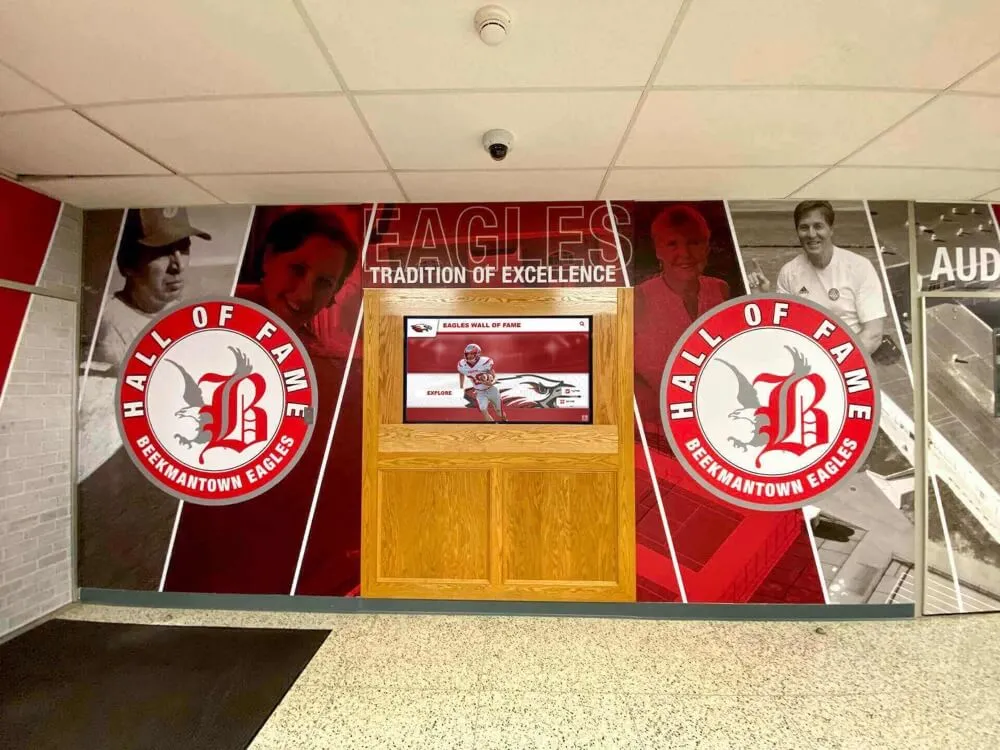
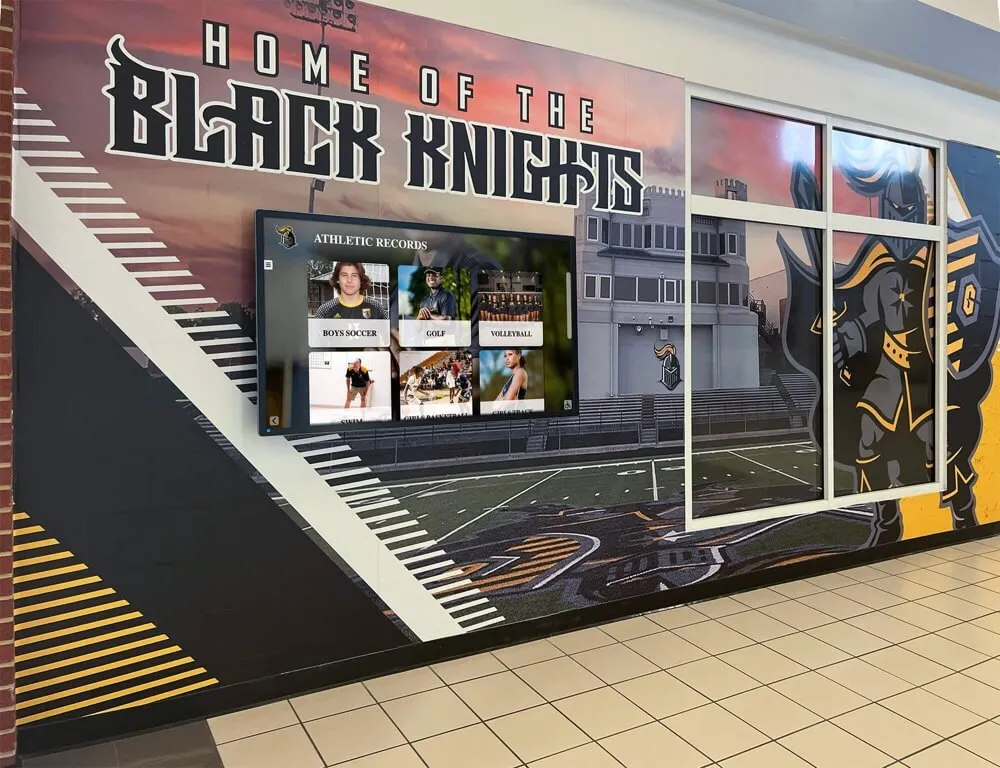
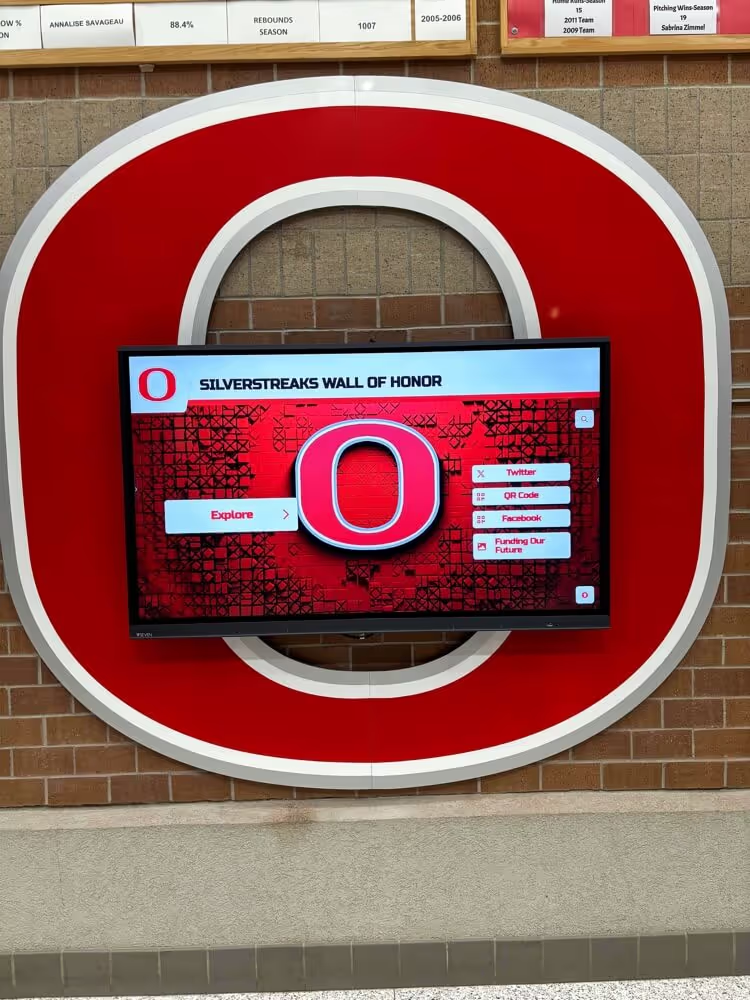
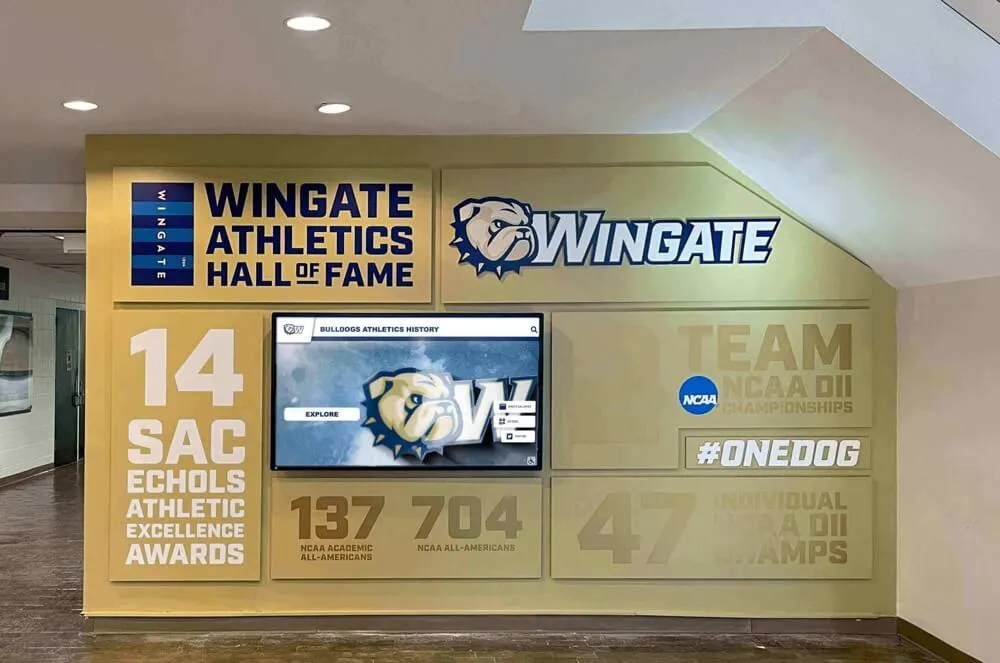
Recognition-optimized software provides appropriately sized touch targets and intuitive navigation enabling confident exploration
7. Halloffamewall.com: Specialized Recognition Platform (Niche, High Quality)
Halloffamewall.com serves as a specialized alternative focusing exclusively on hall of fame and recognition displays for athletic programs, providing purpose-built solutions particularly suited to sports recognition.
Specialized Recognition Focus
The platform emphasizes athletic achievement celebration with features tailored specifically to sports programs. Organizations benefit from sport-specific templates designed for teams and competitions, statistics integration showcasing career achievements and records, championship celebration highlighting team success, and athlete profile management optimized for sports recognition workflows.
Implementation simplicity enables quick deployment without extensive configuration or custom development. The platform provides proven recognition templates refined through athletic program deployments, ensuring organizations receive tested solutions rather than generic frameworks requiring adaptation.
Ideal Applications
High school athletic halls of fame celebrating multi-sport programs. College and university sports recognition across athletic departments. Athletic facilities showcasing program history and achievements. And sports-focused organizations prioritizing athletic recognition over broader institutional applications.
Value Proposition
As a niche platform, Halloffamewall.com provides exceptional quality specifically for athletic recognition at accessible pricing. Organizations implementing sports halls of fame benefit from athletic-specific features, simplified implementation, and focused expertise that general platforms cannot match. The platform’s specialized nature ensures features align precisely with sports recognition needs rather than attempting to serve all possible applications.
8. Touchwall.us: Premium Recognition and Heritage Platform (Niche, High Quality)
Touchwall.us represents another specialized platform focusing on heritage preservation, institutional history, and comprehensive recognition for educational institutions and organizations celebrating legacy.
Heritage and History Focus
The platform emphasizes institutional storytelling through historical timeline integration showcasing organizational evolution, archival photo support preserving visual heritage, comprehensive biography capabilities celebrating institutional contributors, and integrated narrative presentation connecting individuals to broader institutional stories.
Content organization supports complex recognition programs spanning athletics, academics, arts, service, alumni, donors, and institutional leadership. The platform enables coordinated storytelling where individual achievements connect to team success, departmental growth, and institutional milestones.
Best Applications
Universities implementing comprehensive recognition spanning multiple departments and constituencies. Independent schools celebrating diverse excellence across programs. Museums preserving organizational heritage. And institutions prioritizing storytelling and historical context alongside individual recognition.
Quality and Specialization
Like Halloffamewall.com, Touchwall.us delivers exceptional quality within its niche focus. Organizations benefit from heritage-specific features, proven templates refined through educational deployments, and expertise concentrated on recognition and institutional storytelling rather than diluted across unrelated digital signage applications.
The platform provides easier implementation than general experience builders while offering greater specialization than broad digital signage systems, creating optimal balance for heritage-focused recognition programs.
9. Donorswall.com: Donor Recognition Specialist (Niche, High Quality)
Donorswall.com specializes exclusively in donor recognition and philanthropic acknowledgment for nonprofits, educational institutions, healthcare organizations, and cultural institutions managing fundraising programs.
Donor-Specific Capabilities
The platform provides giving level management organizing donors by contribution tiers, campaign organization tracking recognition across fundraising initiatives, tribute and memorial features honoring donors and honorees, and privacy controls respecting donor preferences regarding public recognition.
Integration capabilities connect with fundraising databases enabling synchronized recognition reflecting current giving data. Automated updates ensure donor displays remain current as new contributions arrive without manual intervention for every donation.
Ideal Applications
Nonprofit capital campaigns acknowledging major donors. Educational institution development offices managing comprehensive giving recognition. Healthcare foundations celebrating philanthropic support for medical facilities. Cultural organizations honoring arts and museum benefactors. And religious institutions recognizing building campaigns and endowment contributions.
Specialized Excellence
Donorswall.com understands donor recognition workflows, fundraising program requirements, and acknowledgment best practices through concentrated focus on philanthropic applications. Organizations benefit from donor-specific features, proven templates for giving recognition, and expertise in fundraising contexts that general platforms lack regardless of customization efforts.
The platform’s niche specialization ensures capabilities match actual donor recognition needs precisely, delivering superior results compared to adapting general kiosk software for fundraising applications.
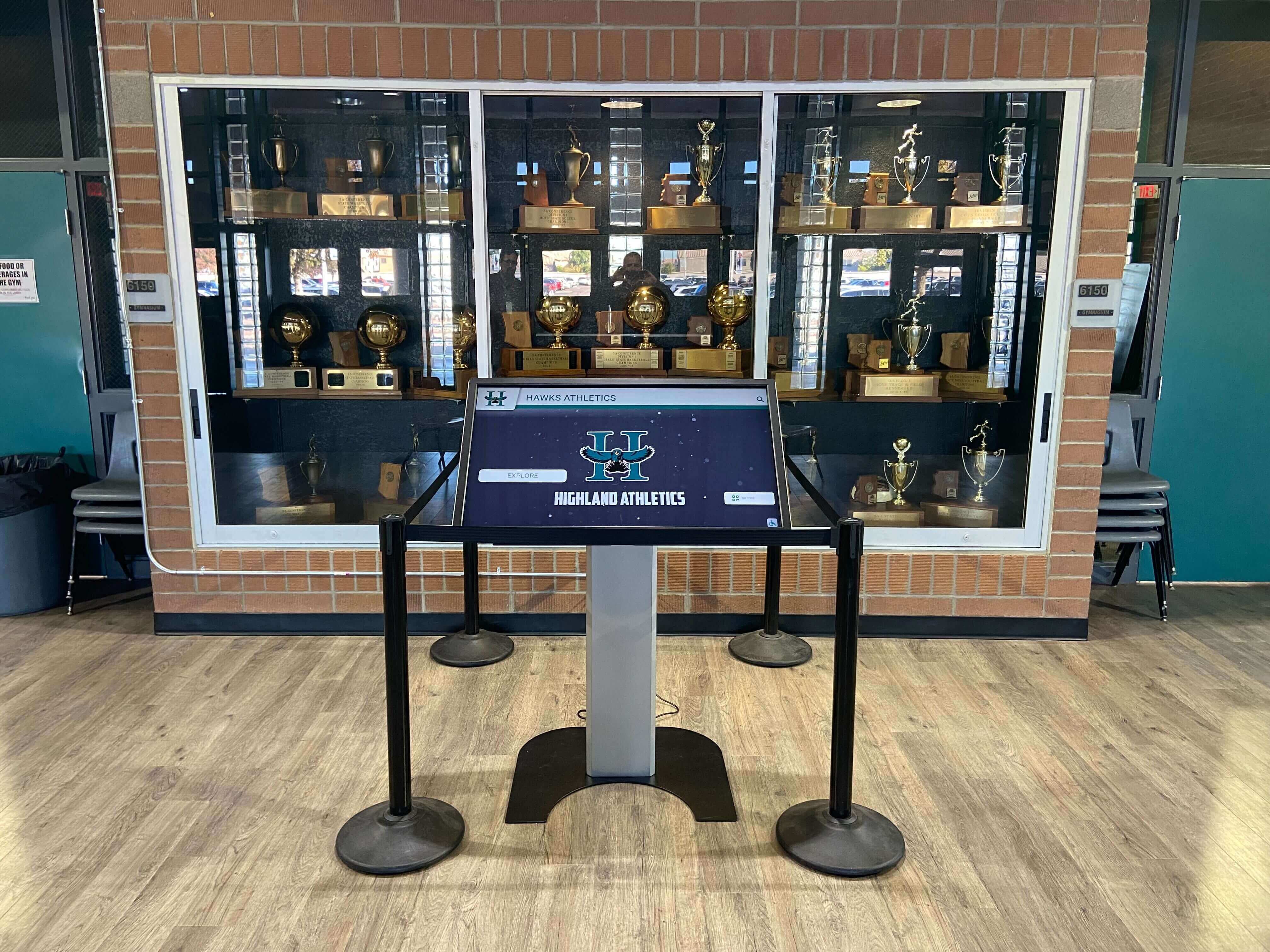
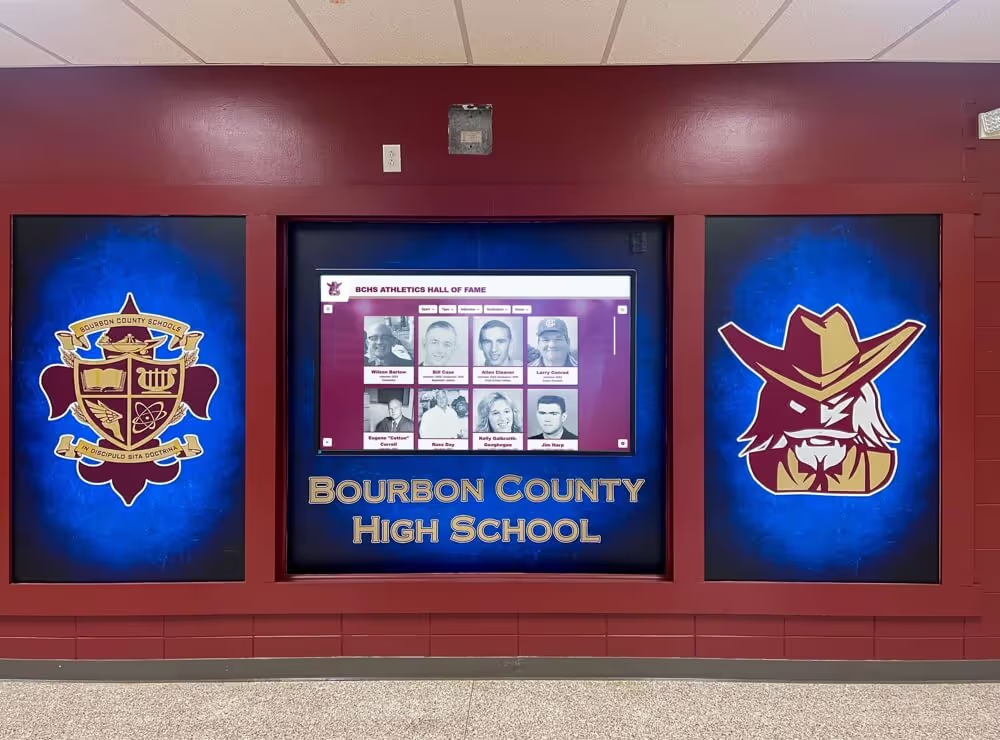
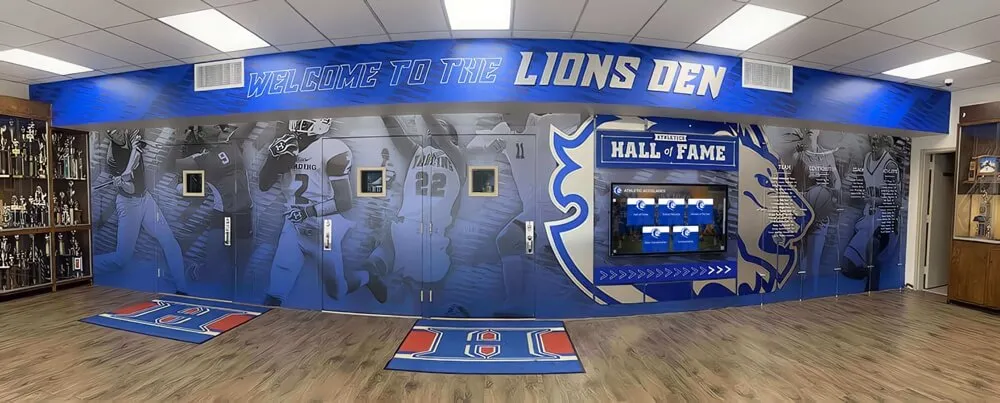
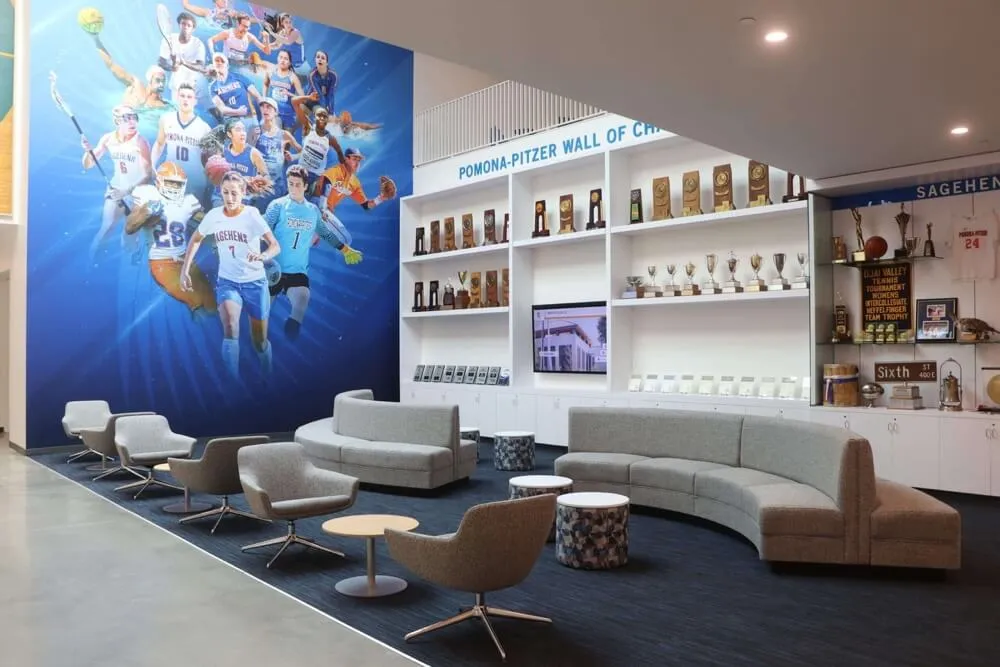
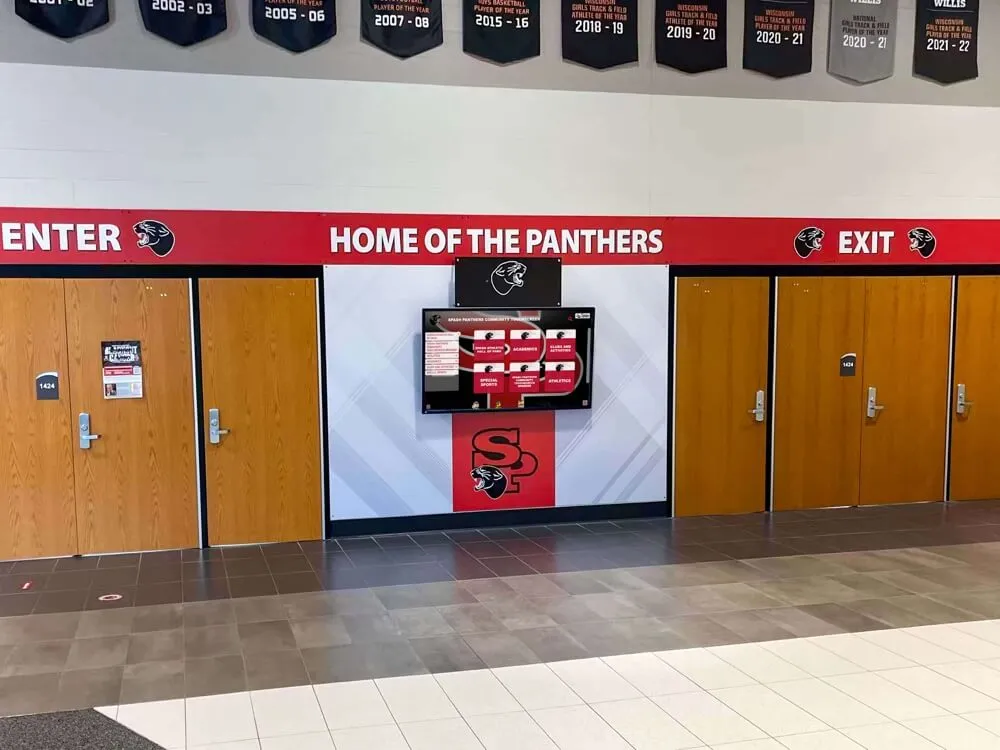
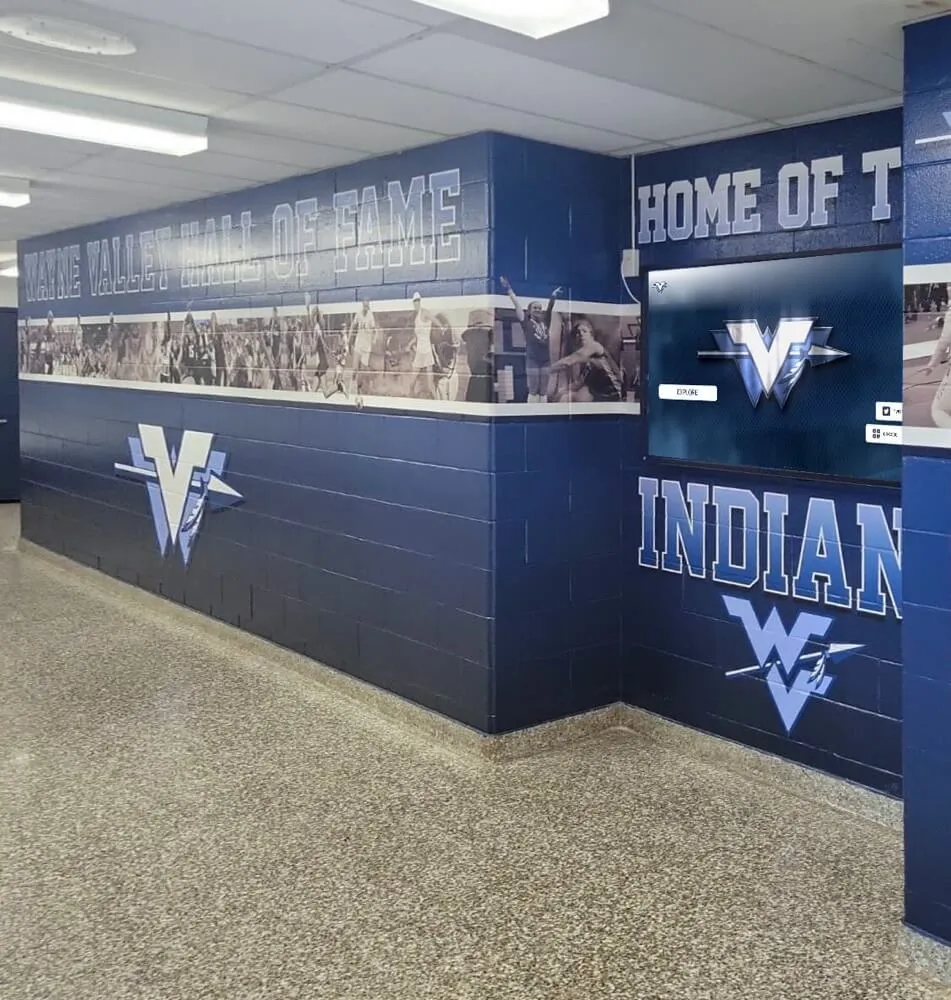
Successful implementations blend digital interactive displays with traditional recognition elements creating comprehensive celebration environments
Critical Selection Factors: Matching Software to Your Needs
Beyond feature comparisons, several key considerations determine which platform delivers optimal results for your specific situation.
Application Type Determines Optimal Platform Category
Start by clearly defining primary objectives:
Recognition and Achievement Celebration
If honoring people represents your core purpose—athletic halls of fame, donor acknowledgment, academic achievement, alumni success, employee recognition—purpose-built recognition platforms deliver dramatically superior results. Rocket Alumni Solutions, Halloffamewall.com, Touchwall.us, and Donorswall.com provide specialized capabilities that general signage or experience builders cannot effectively replicate.
Recognition demands rich individual profiles, powerful search functionality, biographical storytelling, multimedia support, and web accessibility extending celebration beyond physical displays. Generic slideshow players treating people as content slides fail to create meaningful engagement regardless of hardware quality.
Custom Interactive Experiences
Organizations requiring unique interaction patterns not accommodated by standard templates benefit from experience builders like Intuiface or Pandasuite. Museum exhibits with specialized educational interactions, product showcases with custom features, and branded experiences requiring unique creative visions justify the additional complexity and cost of development platforms.
However, most schools implementing recognition displays find purpose-built platforms deliver superior results with dramatically less effort than custom development approaches.
Information Display and Wayfinding
Passive viewing applications broadcasting announcements, displaying schedules, presenting menus, and showing general information leverage different capabilities than interactive recognition. General digital signage platforms like Novisign, Arreya, or OptiSigns excel at scheduled content rotation, template-based design, and multi-display management suitable for announcement applications.
Technical Resources and Expertise Assessment
Honestly evaluate organizational capabilities:
Limited IT Resources
Schools, nonprofits, and small organizations without dedicated IT staff benefit enormously from fully managed platforms requiring no server maintenance, software updates, or complex troubleshooting. Purpose-built recognition platforms typically provide turnkey solutions including hardware, software, installation, training, and ongoing support as complete packages.
Organizations should prioritize vendors offering white-glove service ensuring long-term program sustainability rather than attempting to assemble components requiring technical expertise unavailable in-house.
Robust Technical Capabilities
Larger institutions with professional IT departments can consider platforms requiring more technical involvement, custom development, or complex integrations. However, even technically sophisticated organizations increasingly choose managed cloud platforms for operational simplicity, enabling IT focus on strategic initiatives rather than maintaining kiosk infrastructure.
Budget Analysis: Total Cost of Ownership
Evaluate complete five-year costs rather than focusing exclusively on initial licensing:
Purpose-Built Recognition Platform
- Initial investment: $10,000-20,000 (complete turnkey solution)
- Annual subscription: $2,000-4,000 (software, support, updates)
- Content development: Internal time or $2,000-5,000 annually
- Five-year total: $26,000-50,000
This delivers comprehensive recognition with professional design, robust interactivity, analytics, web accessibility, and vendor support ensuring long-term success.
Experience Builder Platform
- Software subscriptions: $3,000-10,000 annually
- Development time: 40-120 hours initial, 10-30 hours annually
- Hardware: $2,000-4,000
- Training and expertise development: $2,000-5,000
- Five-year total: $20,000-60,000
While flexibility appeals to creative organizations, most schools find development complexity and ongoing maintenance requirements unsustainable compared to purpose-built solutions.
Generic Digital Signage
- Hardware: $2,000-3,000 per screen
- Software: $240-1,200 annually per screen
- Custom development for recognition features: $5,000-15,000
- Content creation: $3,000-8,000 annually
- Technical support: $1,000-3,000 annually
- Five-year total: $20,000-60,000
Initial costs appear lower, but customizing general signage for recognition often equals or exceeds purpose-built platforms while delivering inferior results lacking specialized capabilities.
Ease of Use and Administrative Sustainability
Software only succeeds if designated staff can manage it effectively long-term:
Content Management Complexity
Evaluate whether non-technical administrators can independently add profiles, upload media, organize content, and maintain accuracy. Purpose-built recognition platforms typically provide intuitive interfaces matching administrative workflows, while experience builders require specialized expertise limiting who can manage content effectively.
Long-Term Sustainability
Consider whether initial enthusiasts can hand off management to successors. Cloud-based platforms with straightforward interfaces enable smooth transitions when staff changes occur, while complex custom systems often become unmaintained as knowledge walks out the door with departing personnel.
Organizations implementing best practices for digital recognition displays prioritize sustainable administration over impressive but unmaintainable complexity.
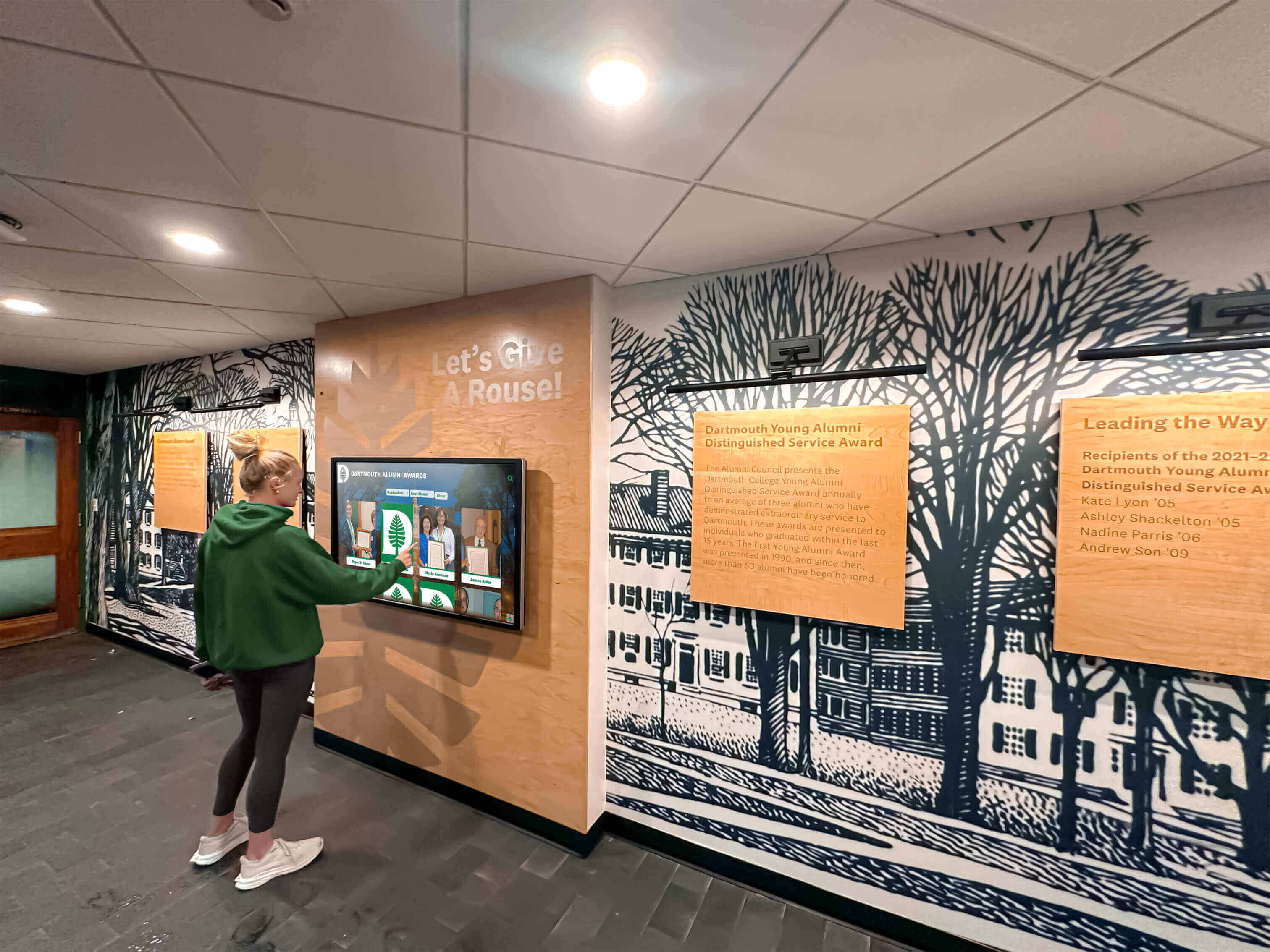
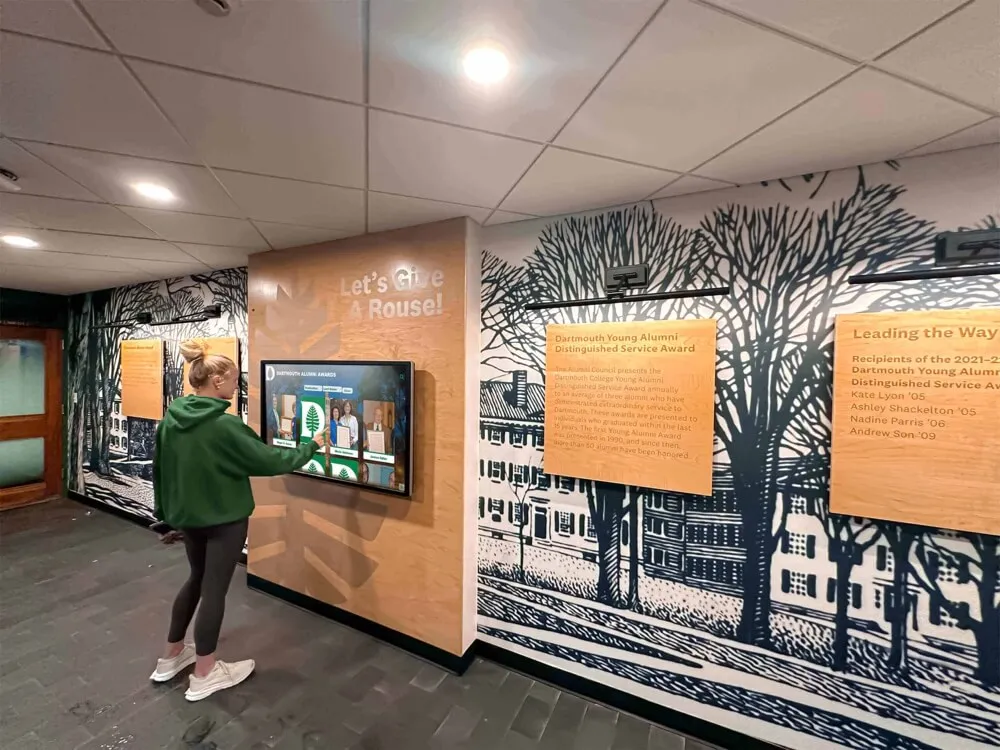
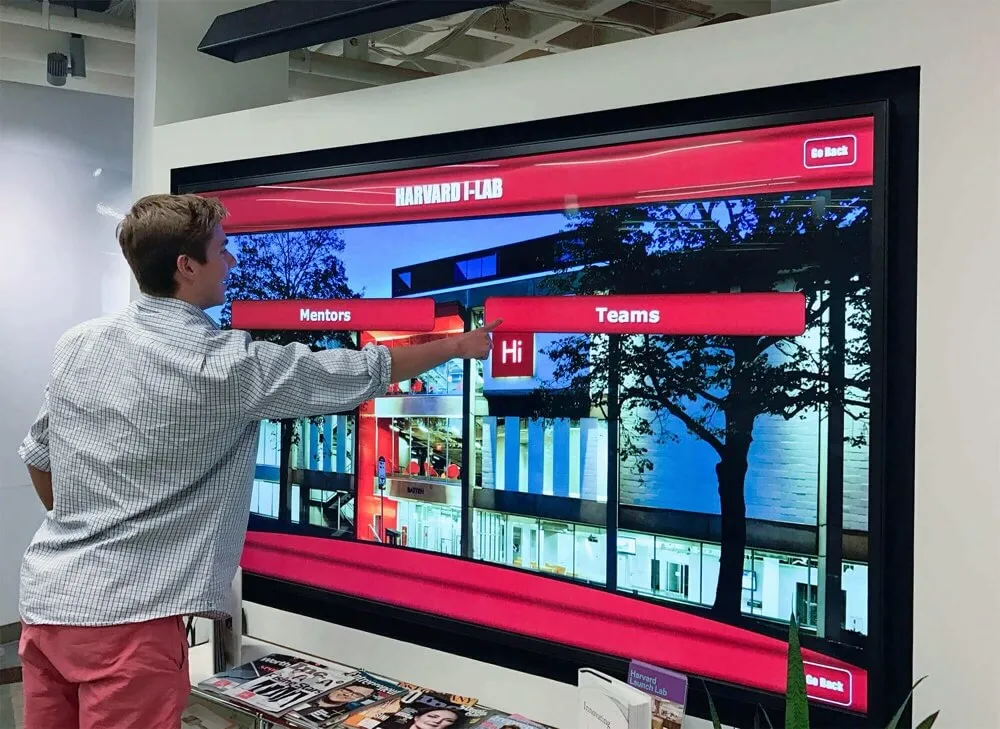
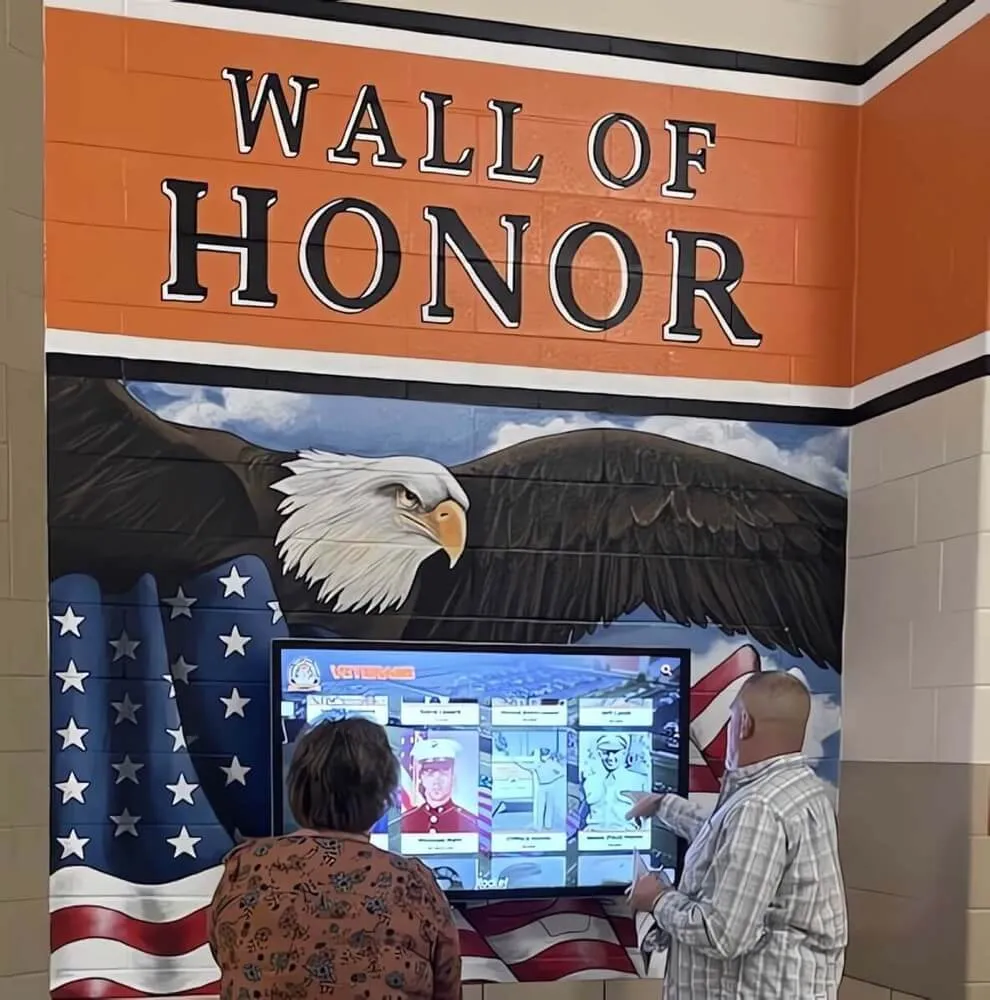
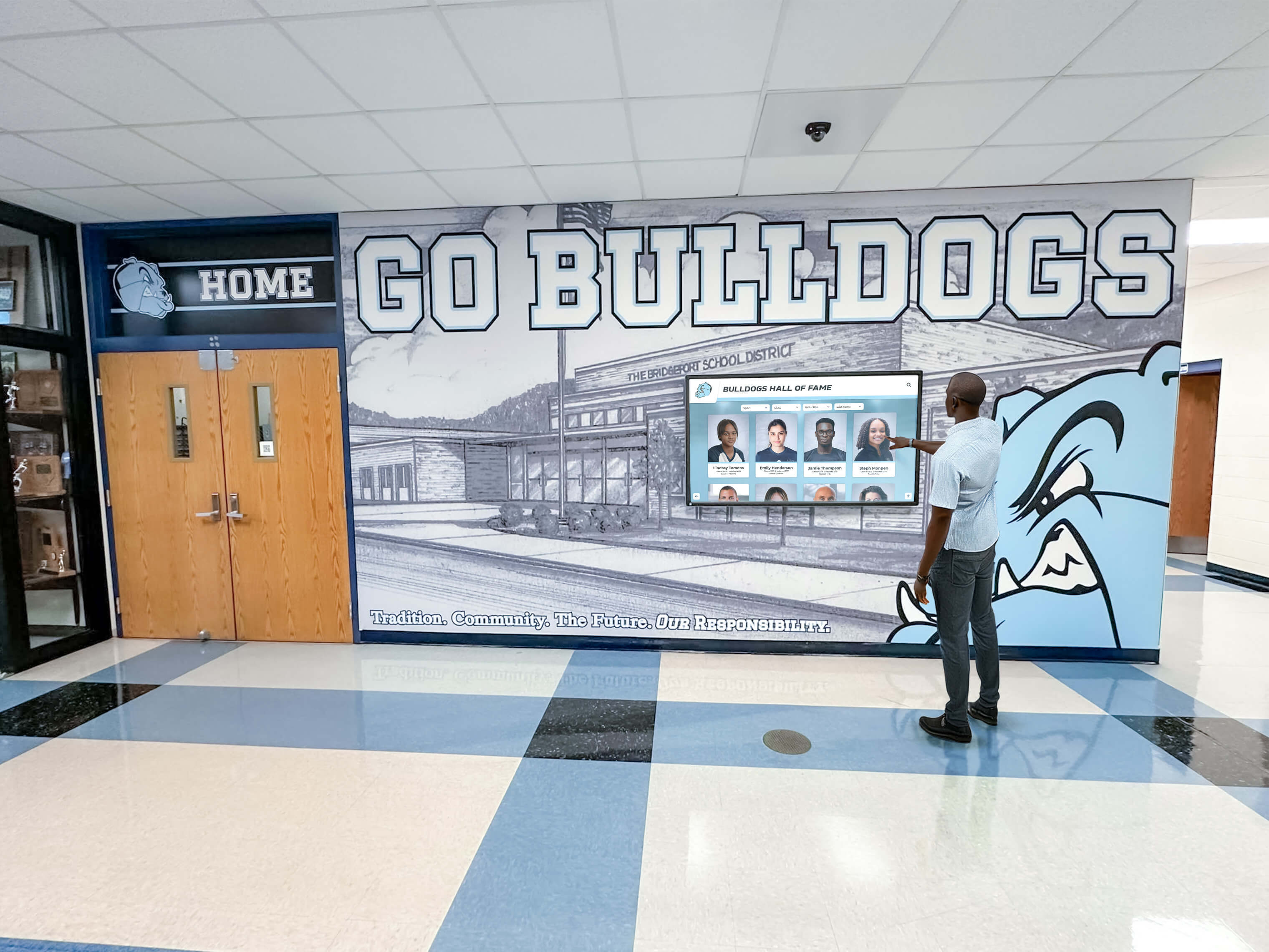
Intuitive navigation enables independent exploration without requiring training or staff assistance, maximizing engagement and accessibility
Implementation Best Practices for Kiosk Software Success
Technology selection represents just one element of successful deployments—implementation approach determines whether displays engage audiences or become ignored installations.
Content Strategy Development
Compelling content ultimately determines whether displays succeed or fail:
Content Before Technology
Organizations should map content requirements before selecting platforms. Understanding what you need to display, how content organizes, who creates and maintains information, and update frequency informs which software capabilities matter versus marketing features lacking practical value.
For recognition applications, inventory honoree populations, define profile standards (biographical length, photo requirements, statistics), establish approval workflows, and plan systematic expansion covering historical content gradually rather than attempting comprehensive coverage immediately.
Sustainable Workflows
Assign clear ownership with designated individuals responsible for ongoing updates. Establish schedules aligned with organizational rhythms—annual induction ceremonies, quarterly reviews, monthly feature highlights maintaining freshness.
Cloud-based platforms enable distributed management where department heads maintain respective areas without technical bottlenecks, creating sustainable programs surviving staff transitions and changing priorities.
User Experience Testing
Don’t assume technical teams understand how actual visitors will interact:
Representative User Testing
Conduct testing with actual populations before finalizing deployments—students, elderly visitors, community members. Observe where they struggle, note confusions, and identify what works intuitively. This reveals usability issues invisible to technical teams designing interfaces.
Software seeming obvious to developers frequently confuses non-technical users thinking differently about navigation and interaction. Testing enables refinement before expensive installations rather than discovering problems after deployment.
Analytics and Continuous Improvement
Measure engagement and refine based on actual usage:
Usage Tracking
Quality platforms track interaction sessions, content popularity, search queries, and navigation patterns. These insights inform optimization by identifying popular categories deserving expansion, revealing confusing navigation requiring simplification, and measuring engagement trends demonstrating program growth.
Iterative Refinement
Initial deployments rarely prove optimal. Effective programs embrace continuous improvement through interface modifications based on observed behavior, content enrichment responding to popular topics, navigation clarification addressing confusion points, and feature enhancements expanding capabilities as needs evolve.
Organizations treating kiosk implementations as continuous programs rather than one-time projects achieve dramatically better long-term results and sustained engagement.
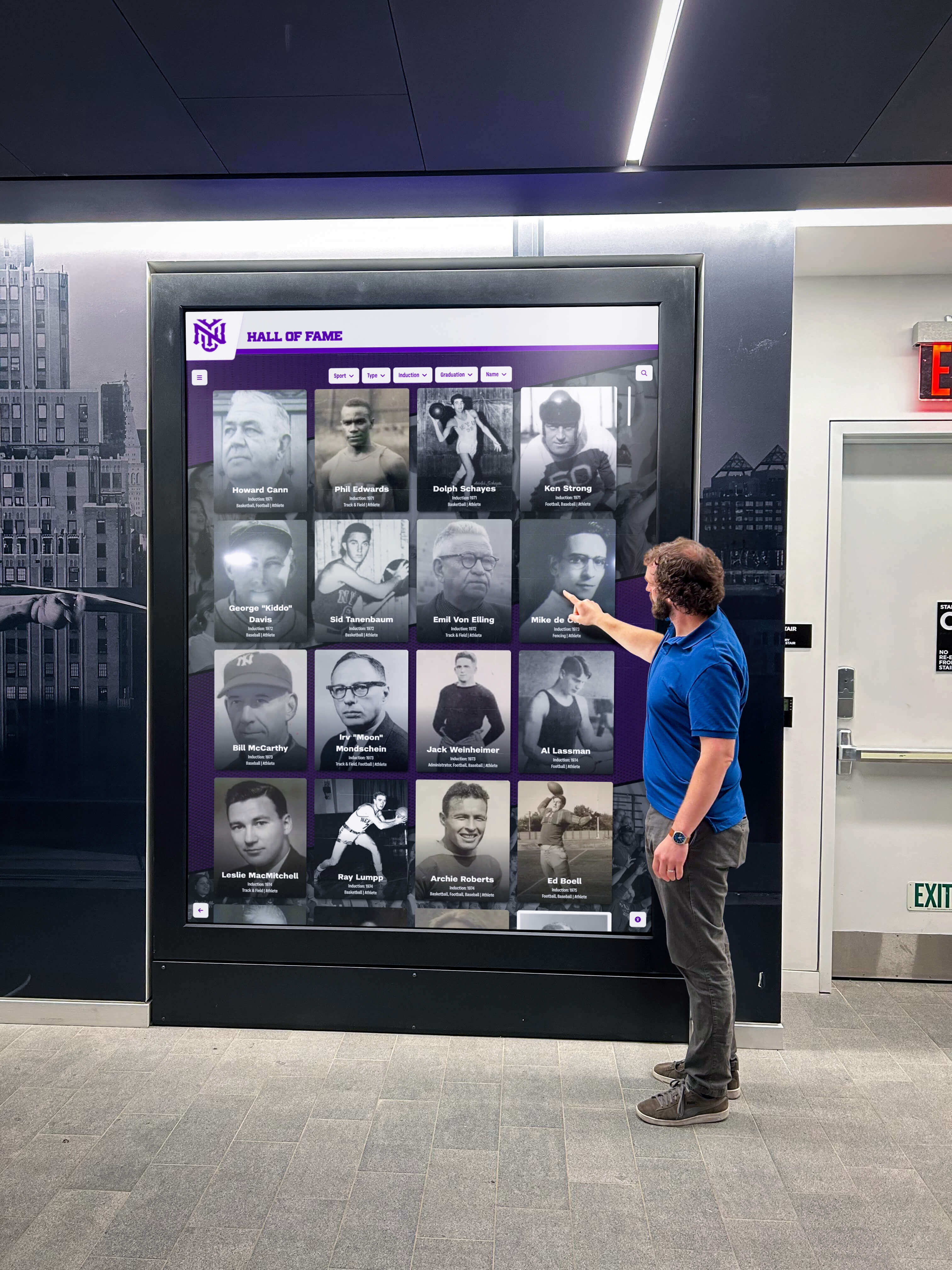
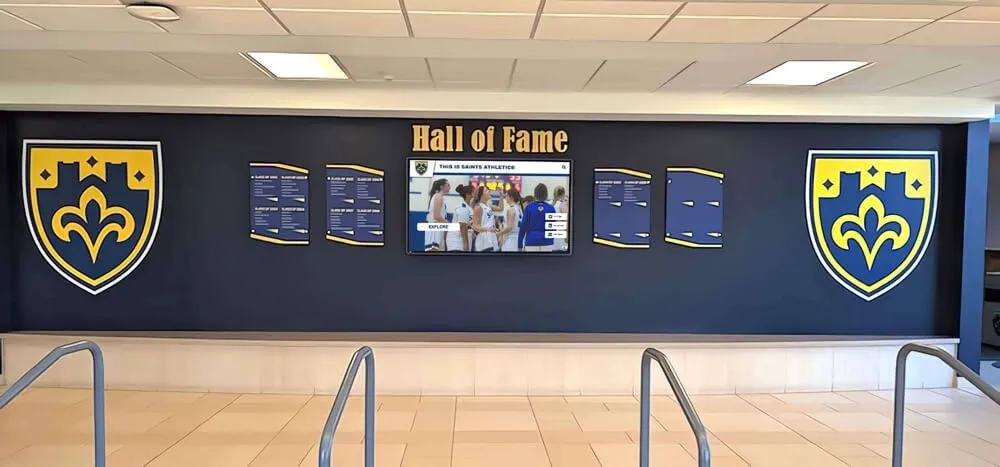
Strategic placement in high-traffic entrance areas maximizes visibility while welcoming visitors with dynamic institutional storytelling
Common Mistakes and How to Avoid Them
Learning from others’ experiences prevents costly implementation failures:
Choosing Wrong Platform for Your Application
The most expensive mistake involves selecting software optimized for different applications than you actually need:
Forcing Recognition Into Generic Signage
Organizations frequently attempt adapting announcement-oriented digital signage for recognition applications. Results prove disappointing—people reduced to slideshow elements, no searching or discovery, minimal storytelling capability, and frustrated administrators struggling with workflows designed for scheduled content rather than profile management.
This mismatch typically costs more over time than implementing appropriate purpose-built platforms initially, considering wasted effort, inferior results, and eventual replacement expenses when organizations acknowledge inadequacy.
When celebrating people represents your core objective, evaluate specialized recognition platforms designed specifically for that purpose before attempting cheaper generic alternatives.
Underestimating Content Development Effort
Technology proves simple compared to content creation:
Content Reality
Each recognition profile requires research, photo acquisition, biographical writing (200-500 words typical), statistics compilation, and approval verification. This demands 30-90 minutes per profile depending on complexity. Planning 100-person halls of fame means 50-150 hours of content development—substantial investment requiring realistic planning and adequate resources.
Successful implementations often start focused on recent recognition (last 5-10 years) demonstrating value before systematically expanding historical coverage as capacity permits.
Prioritizing Price Over Fit
Choosing cheapest software often costs more long-term:
False Economy
$10 monthly digital signage seems attractive compared to $15,000 purpose-built recognition platforms. However, inadequate software requires expensive customization, frustrates administrators through poor workflows, delivers weak engagement from suboptimal user experiences, and ultimately gets replaced—total costs exceeding appropriate solutions that worked correctly initially.
Organizations should evaluate total five-year costs including software, hardware, implementation, content development, and administrative time rather than focusing exclusively on monthly licensing fees.
Making Your Selection: Decision Framework
Systematic evaluation leads to confident decisions:
Step 1: Define Primary Objectives
Clearly articulate core purpose:
- Recognition and achievement celebration?
- Wayfinding and directory information?
- Announcements and communication?
- Custom interactive experiences?
Step 2: Assess Technical Resources
Evaluate organizational capabilities:
- Dedicated IT staff availability?
- Technical expertise for complex platforms?
- Preference for managed solutions versus self-managed?
Step 3: Map Content Requirements
Understand content needs:
- How many profiles/items?
- Update frequency and workflow?
- Who creates and maintains content?
- Required multimedia support?
Step 4: Evaluate Total Costs
Calculate five-year ownership:
- Initial investment
- Annual subscriptions
- Content development
- Administrative time
- Technical support
Step 5: Test Shortlisted Platforms
Experience solutions directly:
- Request demonstrations
- Trial features with realistic content
- Test with representative users
- Verify ease of administration
This systematic approach ensures software selection matches actual needs rather than getting swayed by sales presentations or marketing claims.
Conclusion: Choosing Interactive Touchscreen Kiosk Software That Delivers Results
Selecting optimal interactive touchscreen kiosk software in 2026 requires matching platform capabilities to specific organizational objectives, technical resources, and application requirements rather than chasing impressive but irrelevant features.
Purpose-built recognition platforms like Rocket Alumni Solutions deliver superior results for schools, athletic departments, and organizations implementing halls of fame, donor recognition, and achievement celebration. Specialized capabilities including unlimited recognition capacity, powerful search and discovery, rich multimedia profiles, intuitive touch interfaces, integrated web accessibility, and recognition-optimized workflows justify investment through engagement levels impossible with generic alternatives.
Niche specialists Halloffamewall.com, Touchwall.us, and Donorswall.com provide exceptional quality within focused domains—athletic recognition, institutional heritage, and donor acknowledgment respectively. Organizations with specialized needs benefit from platforms concentrating expertise on specific applications rather than attempting to serve all possible use cases.
Experience builders Intuiface and Pandasuite suit organizations requiring custom interactive applications beyond standard templates, justifying additional complexity and development effort through unique creative visions, specialized interactions, or requirements not accommodated by managed platforms.
General digital signage solutions Novisign, Arreya, OptiSigns, and Touchpros excel at announcement applications, scheduled content rotation, and passive viewing displays while proving inadequate for sophisticated recognition or complex interactive experiences requiring specialized capabilities.
Success requires more than technology selection—content strategy development, sustainable workflows, user experience testing, and continuous improvement based on analytics and feedback transform displays from installations occupying wall space into engaging experiences inspiring communities.
Discover Purpose-Built Recognition Software
Transform recognition for your school or organization through interactive touchscreen displays designed specifically for celebrating achievement. Rocket Alumni Solutions provides comprehensive platforms optimized for educational institutions, athletic programs, and nonprofits honoring contributors and building community through digital storytelling.
Book a demoOrganizations implementing interactive touchscreen kiosks for recognition in 2026 find purpose-built platforms deliver dramatically better results than attempting to force achievement celebration into announcement-oriented digital signage frameworks. The difference between mediocre installations and transformative recognition experiences lies in choosing software specifically designed for honoring people rather than settling for generic compromises lacking essential capabilities.
Ready to implement interactive recognition displays? Explore resources on designing recognition touchscreen experiences, discover best practices for student achievement displays, and understand complete buying guides for digital recognition ensuring informed decisions delivering lasting value through kiosk technology that genuinely engages, inspires, and connects communities.