



Every March, basketball fever sweeps across Iowa as the state’s top high school teams converge on Des Moines for the Iowa Boys State Basketball Tournament. This annual tradition, spanning over a century, represents the pinnacle of high school basketball competition in the Hawkeye State—a tournament where small-town gyms and metropolitan powerhouses compete on equal footing, where legendary coaches build dynasties, and where unforgettable performances become permanent parts of Iowa’s rich basketball heritage.
The tournament’s mystique extends far beyond the hardwood. Iowa’s legendary passion for basketball creates an atmosphere unmatched in high school sports—sold-out arenas, statewide media coverage, and communities rallying behind their teams with intensity rivaling college championships. For student-athletes, reaching “state” represents career-defining achievement. For schools, tournament appearances become touchstones of institutional pride celebrated for decades through banners, displays, and recognition programs honoring these historic moments.
This comprehensive guide explores every dimension of the Iowa Boys State Basketball Tournament—its history and format, qualification pathways and competitive landscape, memorable moments and legendary programs, and how schools effectively commemorate tournament participation through modern recognition displays that preserve these achievements permanently for current students and future generations.
The Iowa Boys State Basketball Tournament draws approximately 50,000 spectators annually to Wells Fargo Arena in Des Moines, generating significant economic impact while showcasing Iowa’s deep basketball tradition. Schools that reach the tournament celebrate these appearances as milestone achievements worthy of permanent recognition alongside other institutional honors.

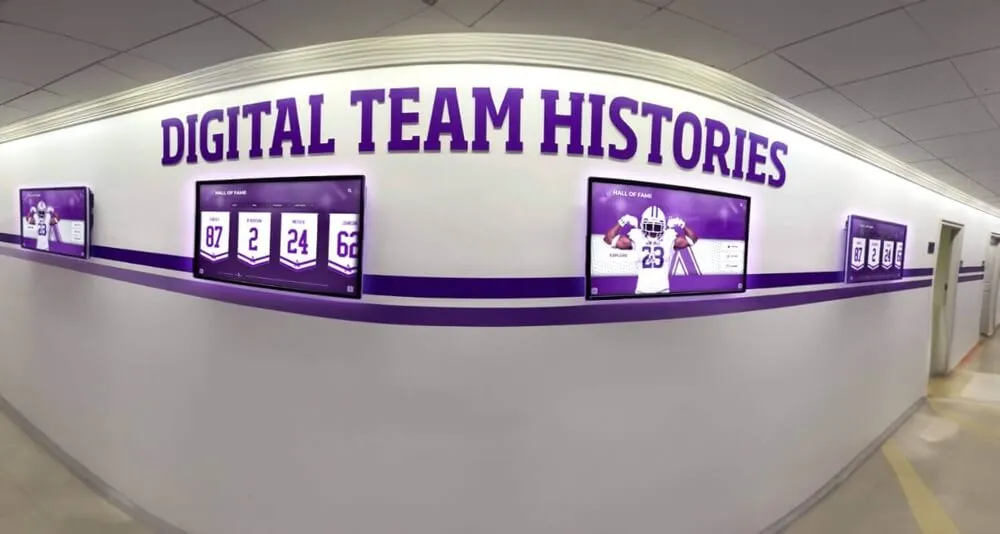
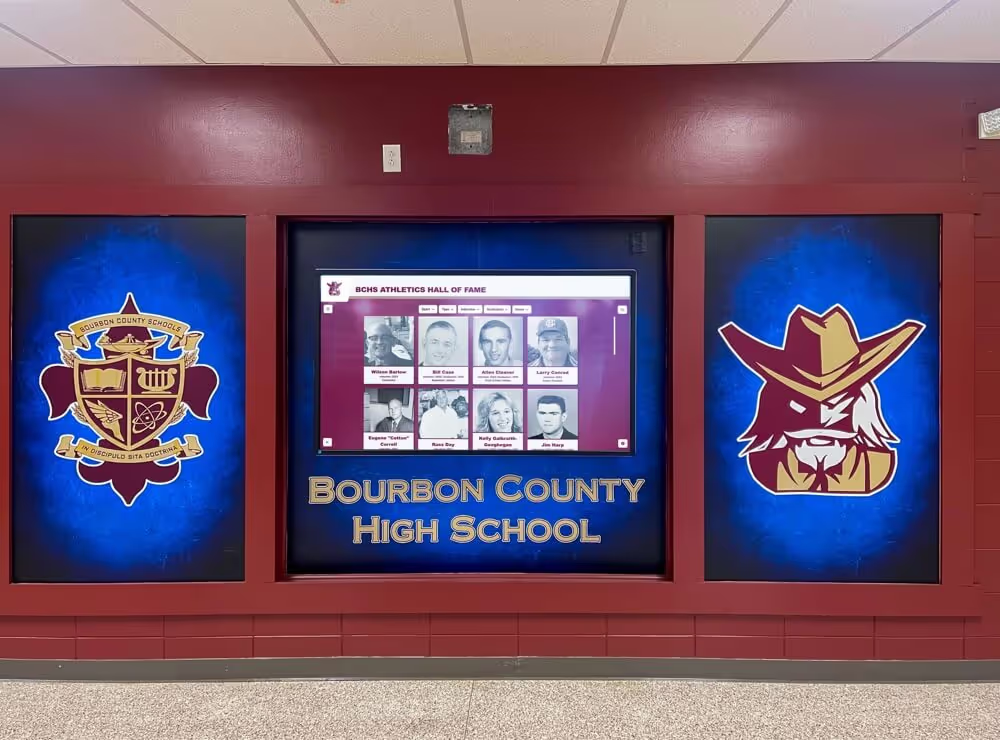
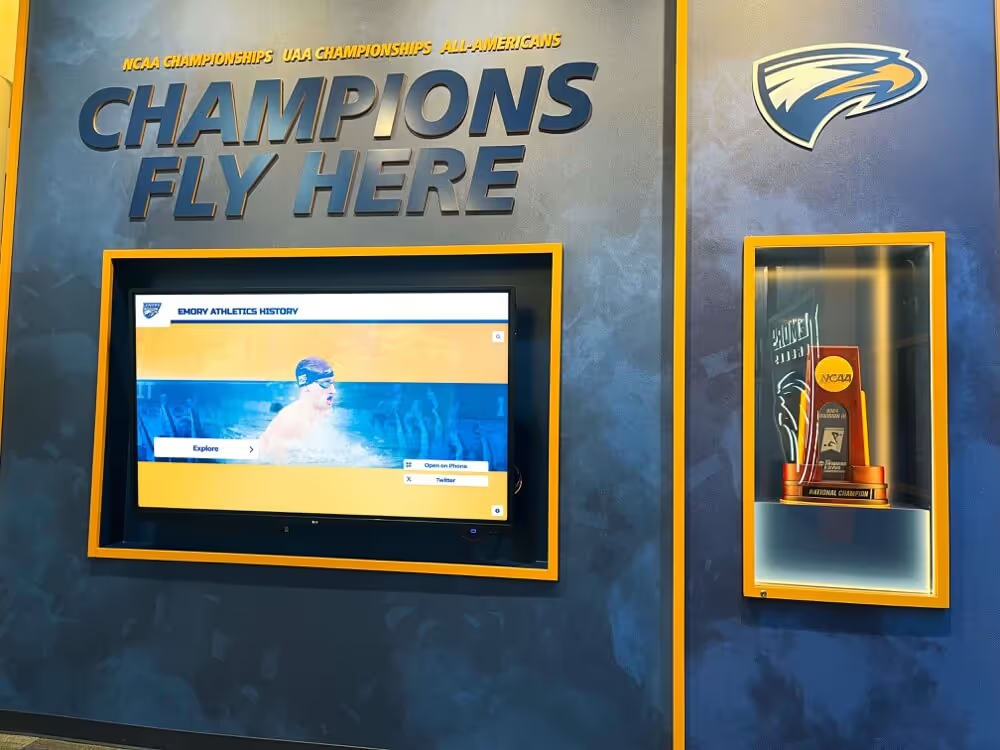
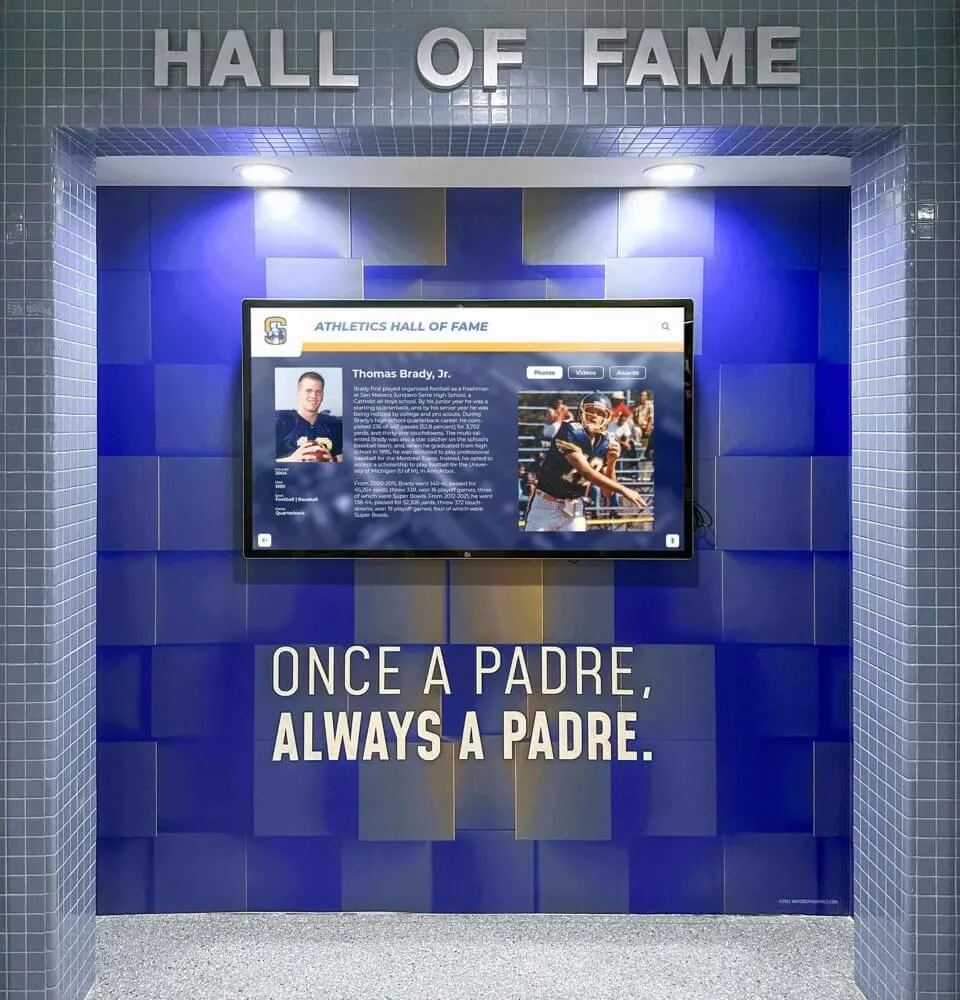
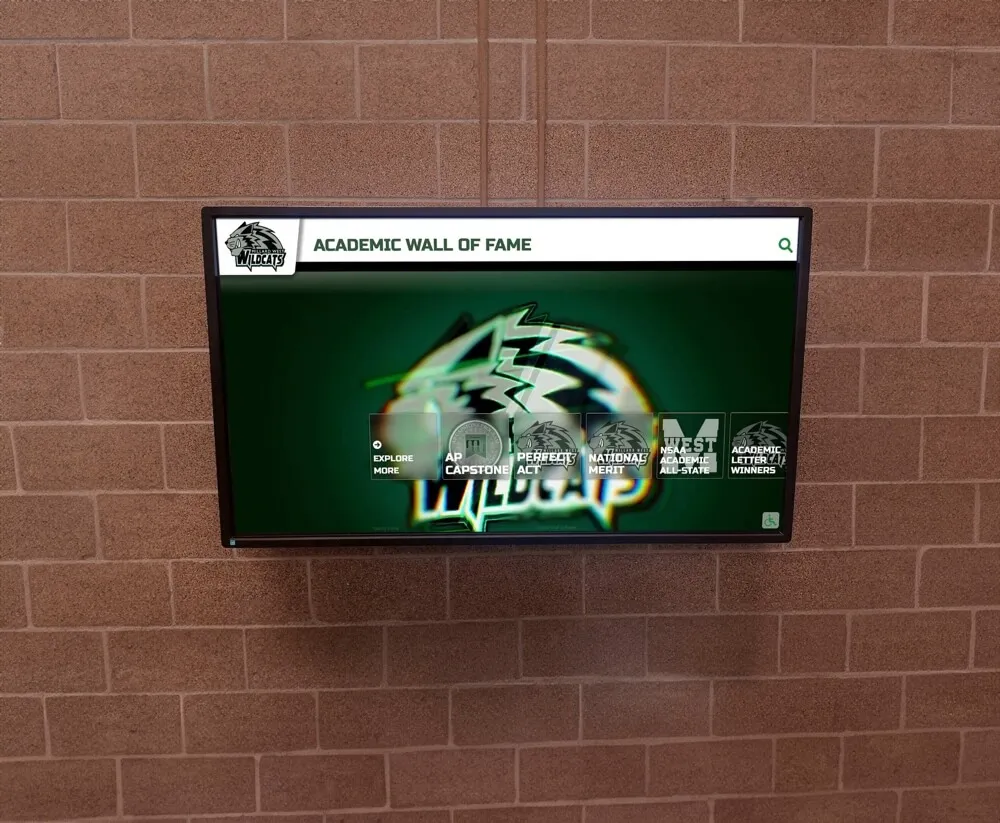
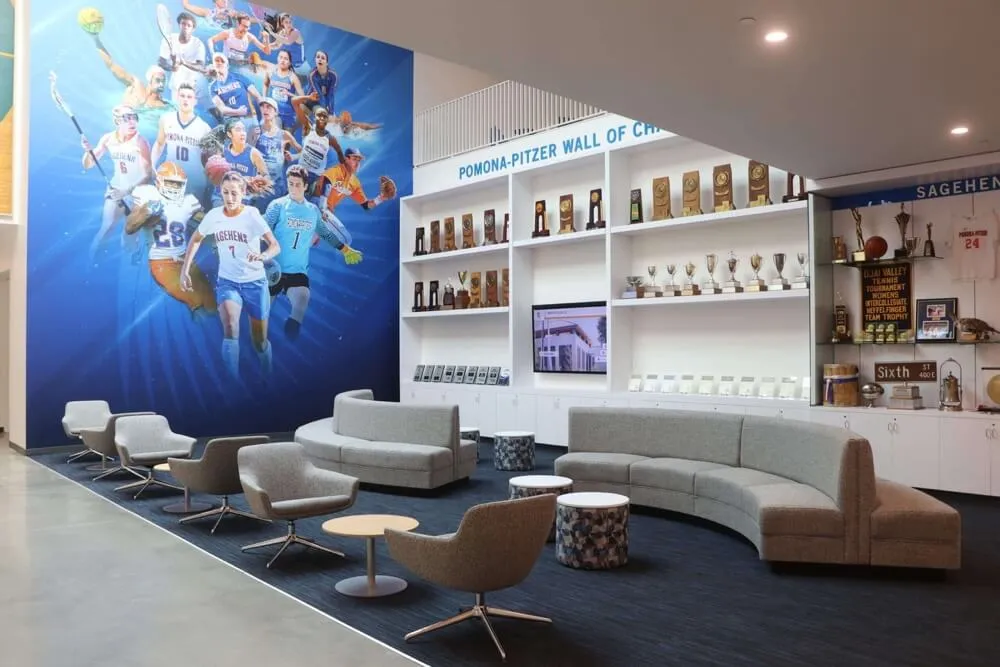
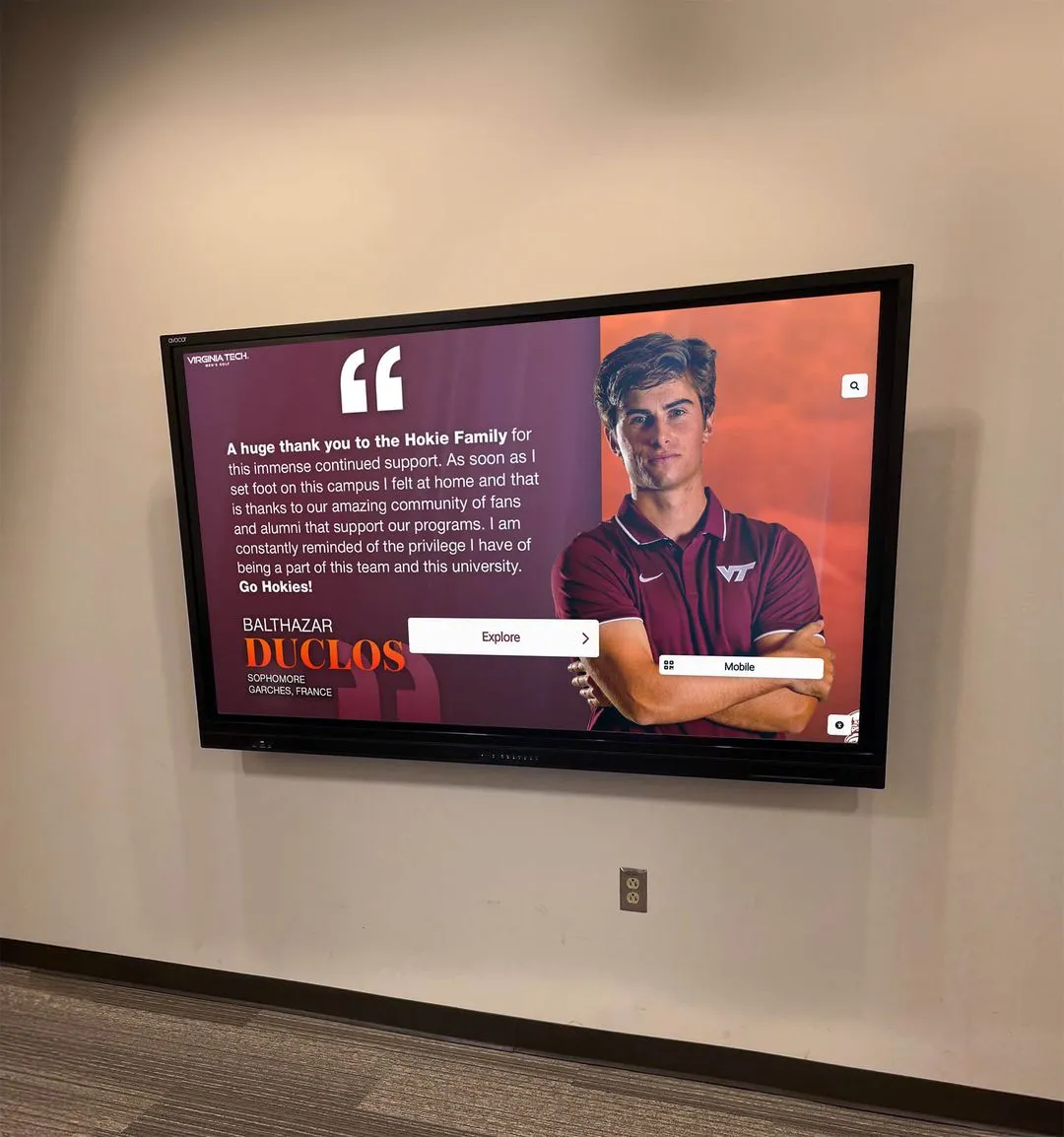
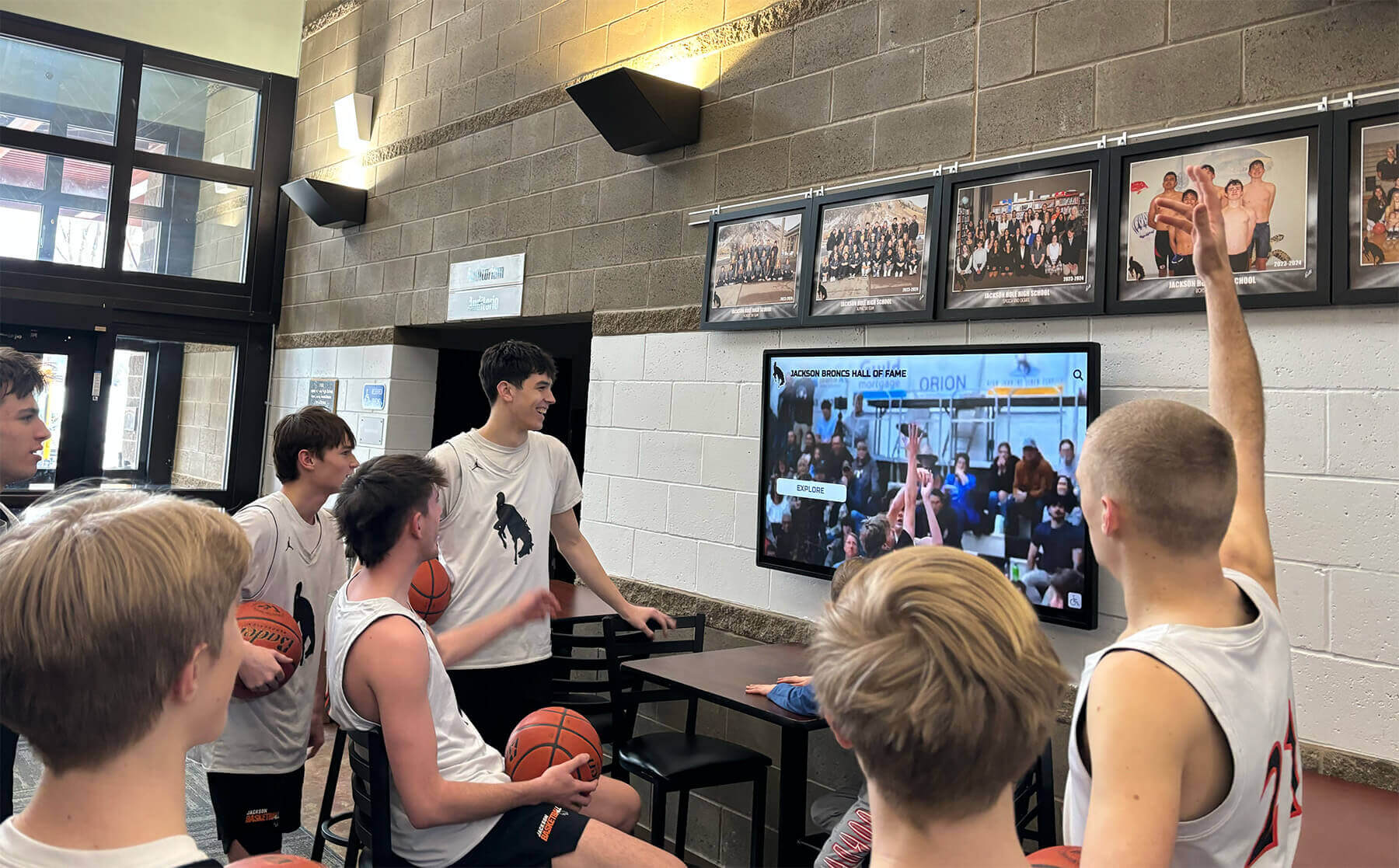
Modern digital displays allow schools to preserve tournament memories through video highlights and photo galleries that bring historic moments to life for current students
Understanding Iowa’s Basketball Tournament Structure
Iowa’s state basketball tournament operates through a unique classification system ensuring equitable competition while maintaining the event’s inclusive tradition.
Classification System and Tournament Format
Iowa currently organizes boys basketball into four competitive classes:
Class 4A: Large School Division
Class 4A features Iowa’s largest high schools—metropolitan programs from Des Moines, Cedar Rapids, Davenport, and other major population centers. These schools typically enroll 1,000+ students with substantial athletic infrastructure supporting competitive programs. Class 4A represents the highest level of Iowa high school basketball, featuring athletes who frequently continue playing at NCAA Division I programs.
The competitive intensity in 4A requires consistent excellence throughout the season. Teams must navigate challenging conference schedules against quality opponents before surviving district and regional tournaments to reach the state competition.
Class 3A: Mid-Large School Division
Class 3A includes schools with enrollments typically ranging from 600-1,000 students. This classification features strong suburban programs and larger rural consolidated schools. The competitive balance in 3A creates highly contested state tournaments where any qualifier can potentially claim championships.
Many 3A programs have built sustained success through strong coaching continuity and community support enabling competitive infrastructure rivaling larger schools despite smaller enrollment bases.
Class 2A: Mid-Small School Division
Class 2A encompasses schools with approximately 200-600 students—often representing smaller cities and larger rural communities. This classification showcases Iowa’s small-town basketball tradition where entire communities rally behind their teams. Class 2A state tournament runs feature compelling David-versus-Goliath narratives as programs with limited resources compete for championships through excellent coaching and player development.
The passion surrounding 2A basketball often exceeds larger classifications as these teams represent tightly-knit communities where basketball serves as central community identity elements.
Class 1A: Small School Division
Class 1A features Iowa’s smallest schools—rural communities where student bodies may number fewer than 200 students. Despite limited enrollment, 1A produces exceptional basketball as small schools maximize talent through strong fundamental development and team-oriented systems compensating for size disadvantages.
Class 1A games showcase pure basketball fundamentals as coaches develop complete players capable of excelling in multiple roles. The tournament atmosphere in 1A reflects small-town pride as entire communities travel to Des Moines supporting their teams.
Understanding tournament structure helps schools appropriately contextualize their achievements when developing athletic recognition displays celebrating state tournament appearances.
Qualification Pathways to State
Reaching the Iowa Boys State Basketball Tournament requires navigating a rigorous postseason structure:
Regular Season Excellence
The journey begins with regular season performance determining postseason seeding. Conference championships and strong win-loss records establish tournament positioning affecting district matchups and potential pathways to state qualification.
Iowa’s conference structure varies by classification, with larger schools competing in established athletic conferences while smaller schools participate in regional groupings creating natural rivalries and competitive balance.
District Tournament Competition
District tournaments represent the first elimination stage. Schools within geographic districts compete for advancement to regional competitions. District tournaments typically feature single-elimination formats where every game carries elimination stakes—creating intense pressure testing team character and resilience.
District tournament success requires peak performance timing as teams must execute efficiently despite heightened competitive intensity and emotional atmosphere surrounding potential season-ending defeats.
Regional Tournament Advancement
District winners advance to regional tournaments—typically single-game competitions determining state tournament qualification. Regional games represent final barriers to reaching Des Moines, creating pressure-packed environments where seasons culminate in do-or-die performances.
Winning regional championships generates community-wide celebration as schools secure coveted state tournament berths representing months of dedicated preparation and competitive excellence throughout seasons.
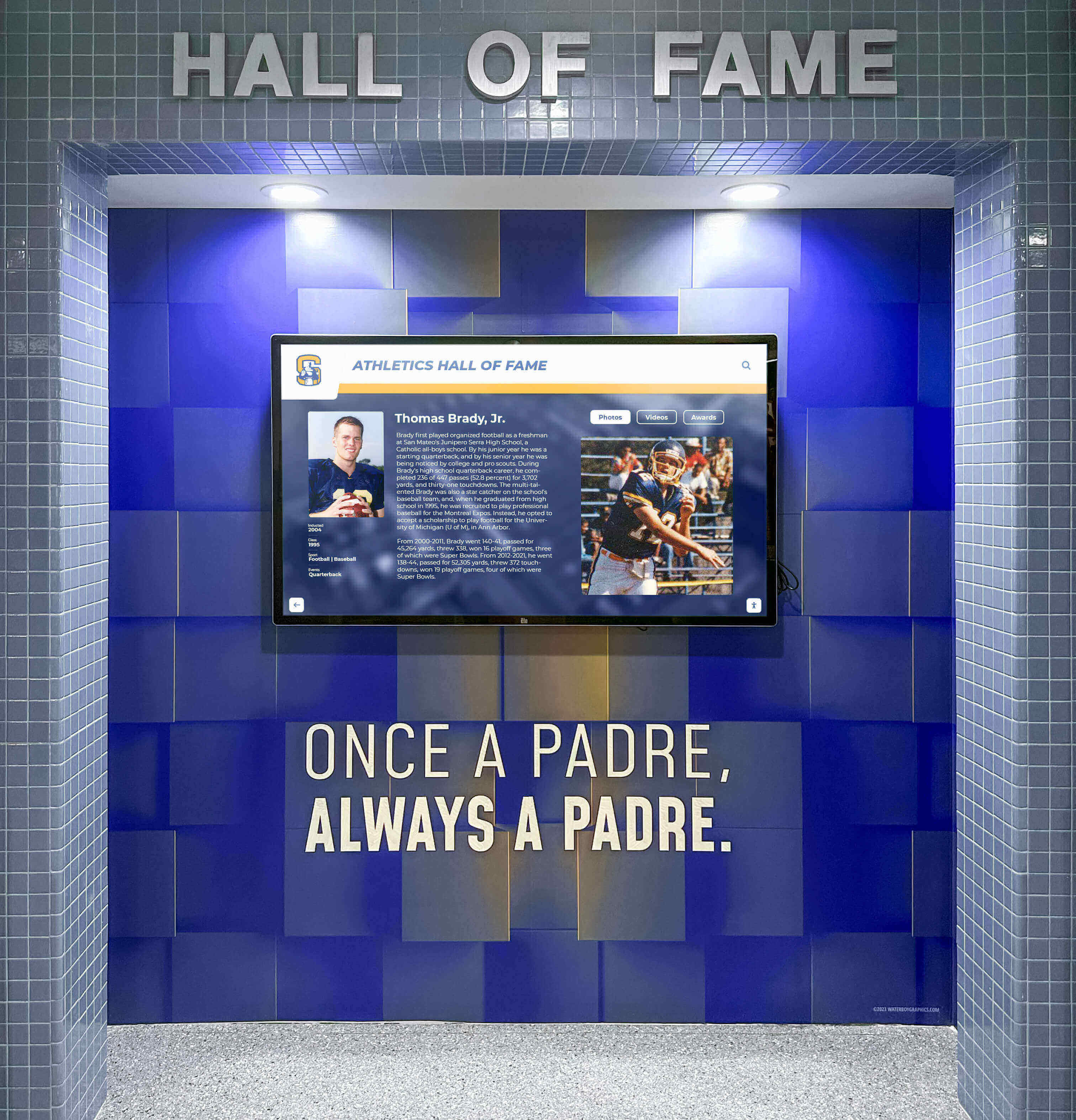
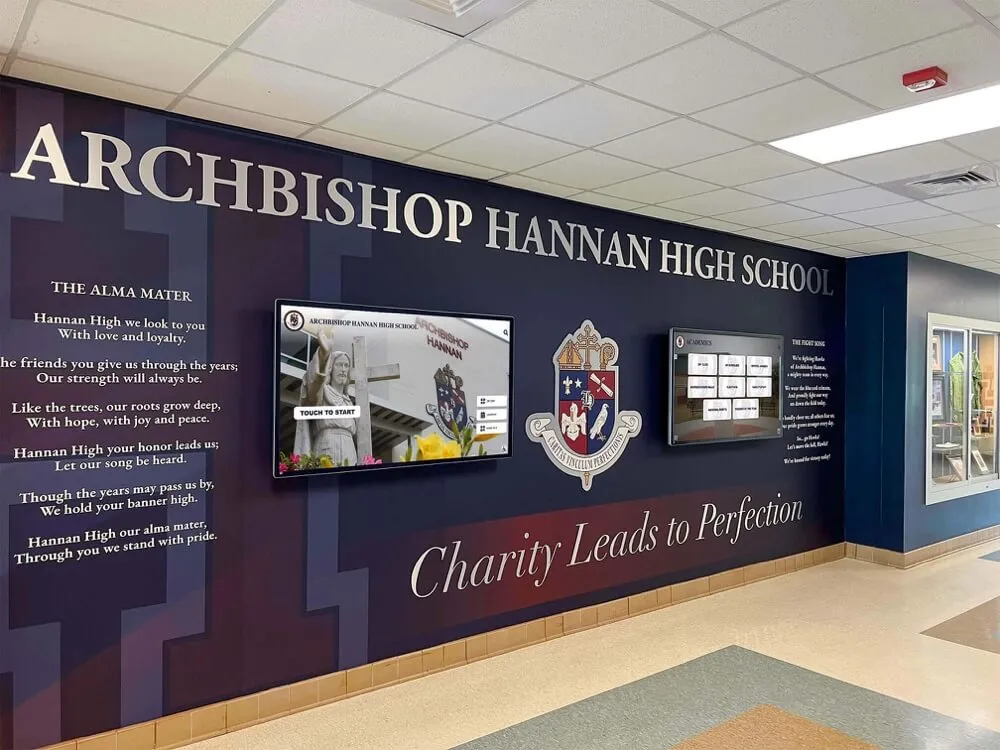
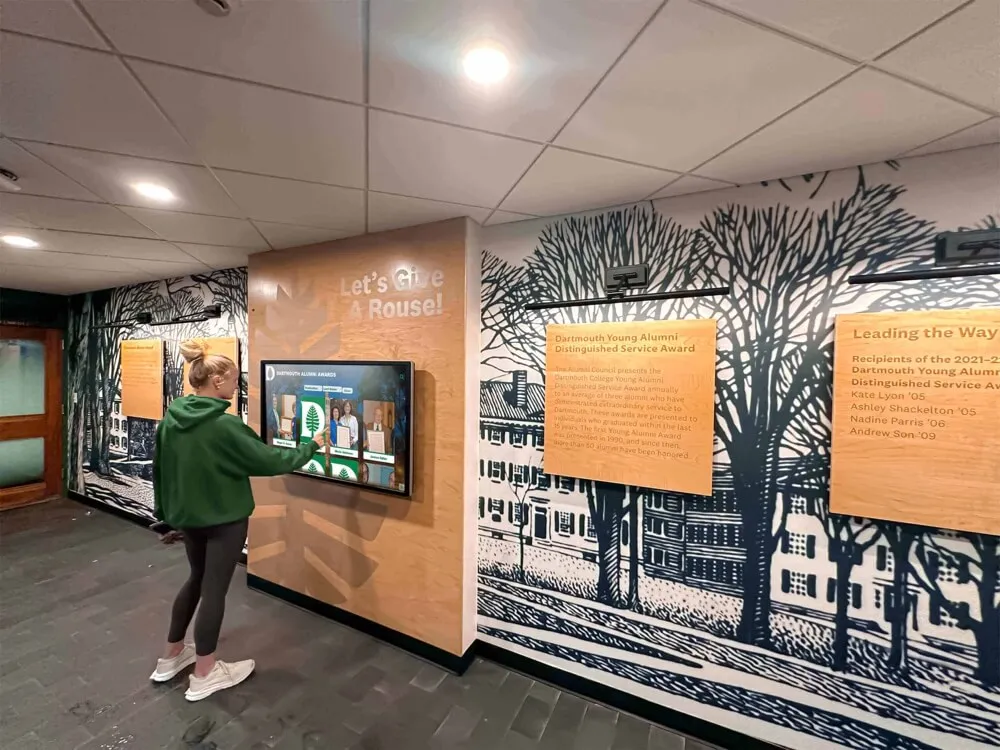
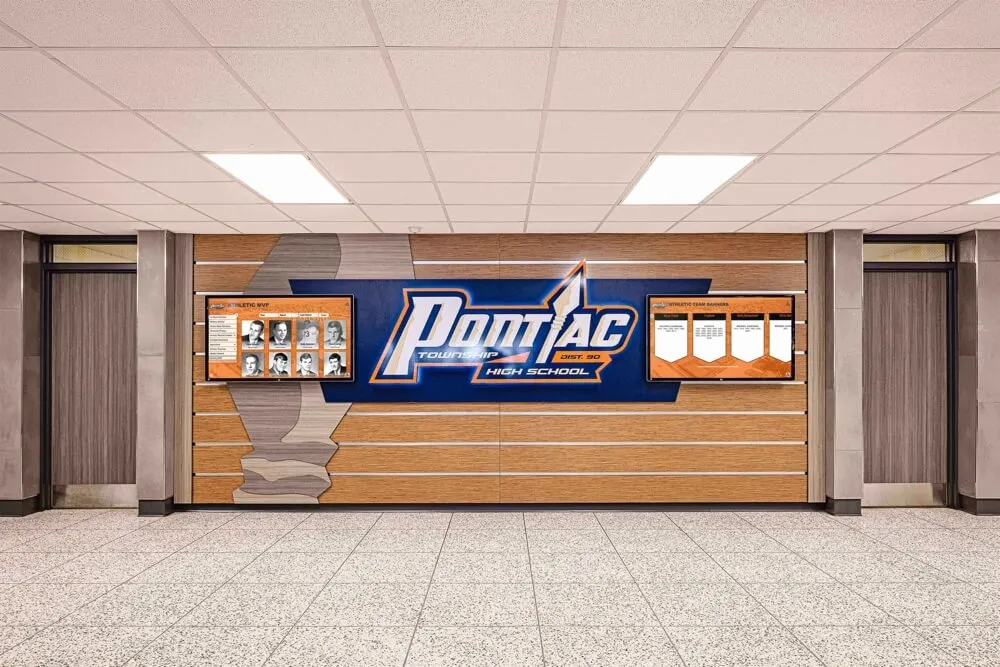
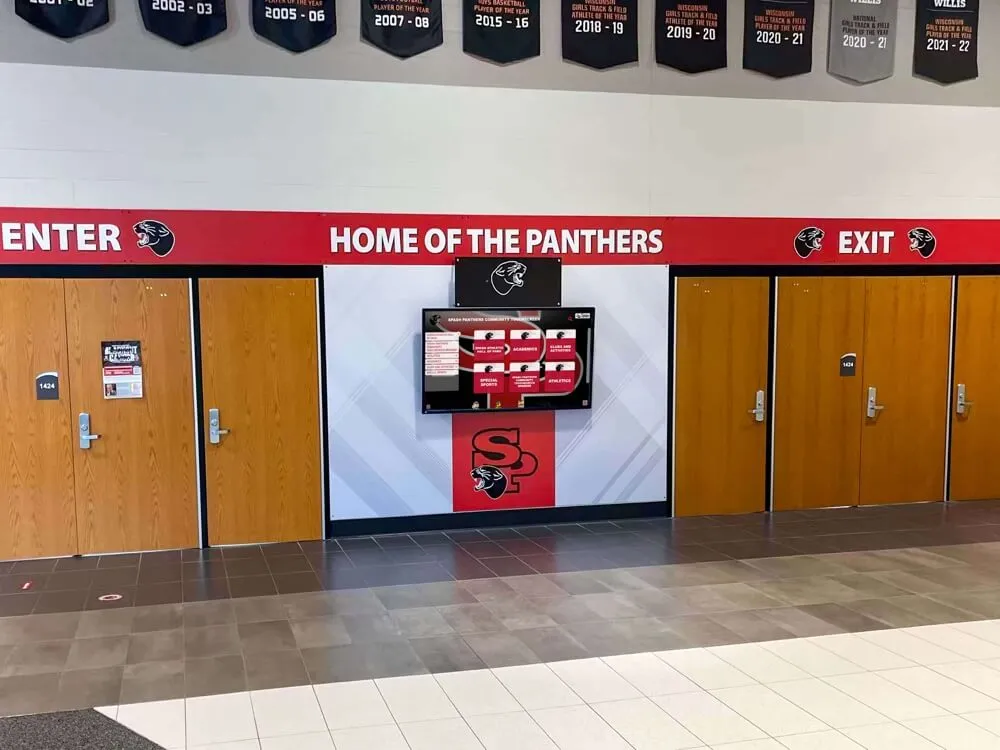
Strategic placement of recognition displays in athletic corridors ensures tournament achievements receive ongoing visibility celebrating program excellence
The Rich History and Tradition of Iowa Basketball
Iowa’s basketball tournament tradition spans over 100 years, creating cultural significance extending far beyond typical high school athletics.
Tournament Origins and Evolution
The Iowa Boys State Basketball Tournament began in 1912, making it one of America’s oldest continuous high school championship events. Early tournaments featured dramatically different formats—with all participating schools competing in single-class tournaments regardless of enrollment size.
The Single-Class Era
For decades, Iowa’s tournament maintained a single-class format where tiny rural schools competed directly against large city programs. This David-versus-Goliath structure created legendary upsets and compelling narratives as small-town teams occasionally defeated metropolitan powerhouses.
The single-class format generated unique competitive drama while reinforcing Iowa’s egalitarian basketball culture where school size didn’t determine championship eligibility. Small schools developed exceptional fundamental skills compensating for talent pool limitations, occasionally producing championship-caliber teams despite enrollment disadvantages.
Transition to Multiple Classifications
Growing enrollment disparities eventually prompted Iowa to adopt multiple classifications ensuring more equitable competition. The transition occurred gradually as the state recognized that massive size differences created increasingly unbalanced matchups undermining competitive integrity.
Despite initial resistance from traditionalists valuing the single-class format’s inclusive character, multiple classifications have successfully maintained competitive balance while preserving the tournament’s essential character and community significance.
Legendary Programs and Championship Dynasties
Iowa basketball history features numerous programs building sustained excellence through championship traditions:
Multiple Championship Winners
Several Iowa programs have captured multiple state championships across different eras, building reputations as basketball powers. These programs typically feature strong coaching continuity, community support generating resources for competitive infrastructure, youth development pipelines systematically preparing players for high school competition, and institutional cultures prioritizing basketball excellence across generations.
Championship programs recognize the importance of celebrating their tournament achievements prominently, using digital recognition solutions to document championship seasons comprehensively through photos, statistics, and player profiles preserving these accomplishments permanently.
Cinderella Tournament Runs
Iowa tournament history also celebrates unexpected championship contenders—small schools or rebuilding programs making improbable tournament runs capturing statewide attention. These Cinderella stories embody basketball’s appeal, demonstrating how teamwork, excellent coaching, and timely performance can overcome talent disadvantages.
Schools experiencing breakthrough tournament success often struggle to adequately document and celebrate these historic achievements without systematic recognition infrastructure. Modern digital platforms enable comprehensive celebration regardless of program size or resource constraints.
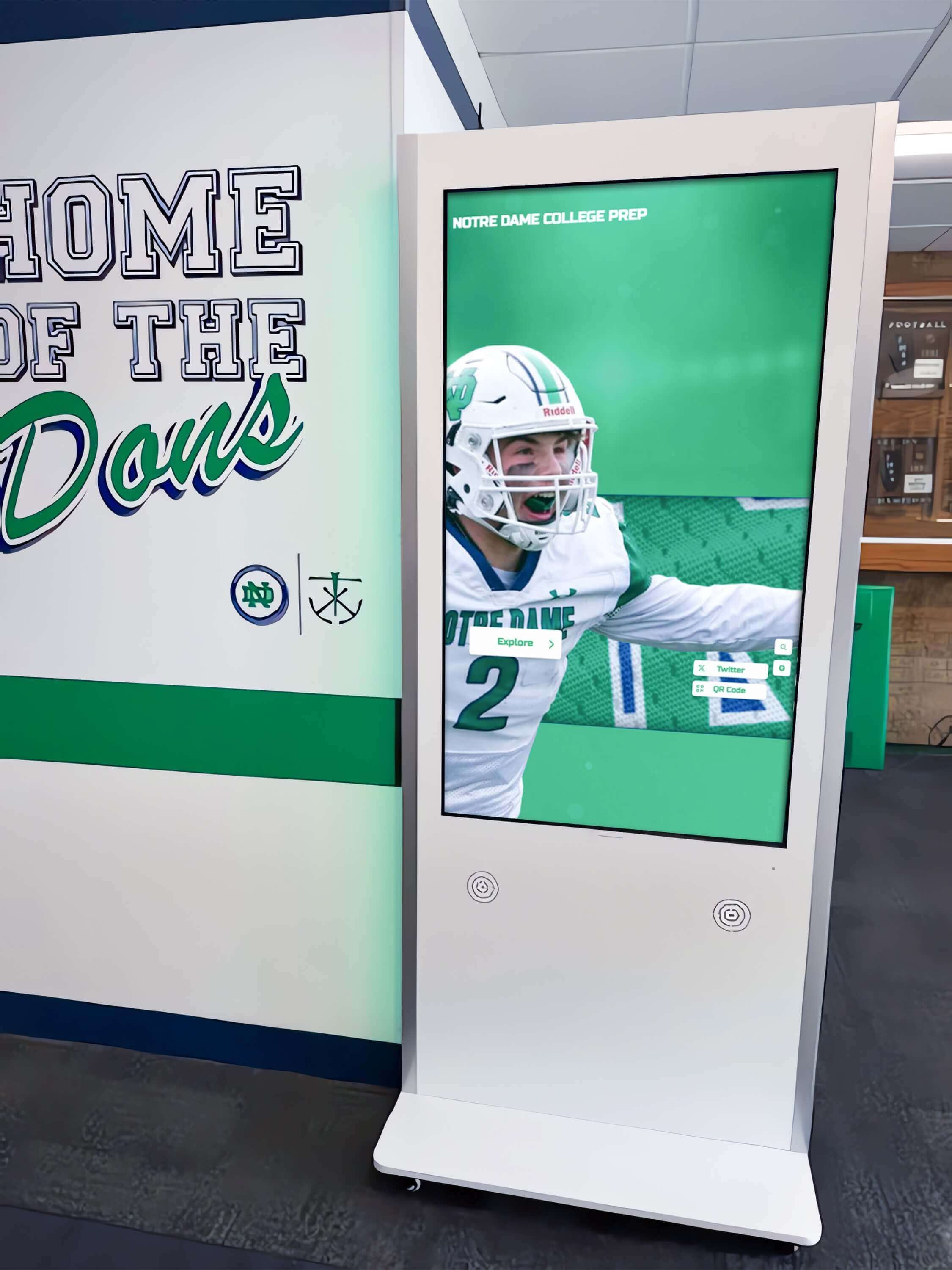
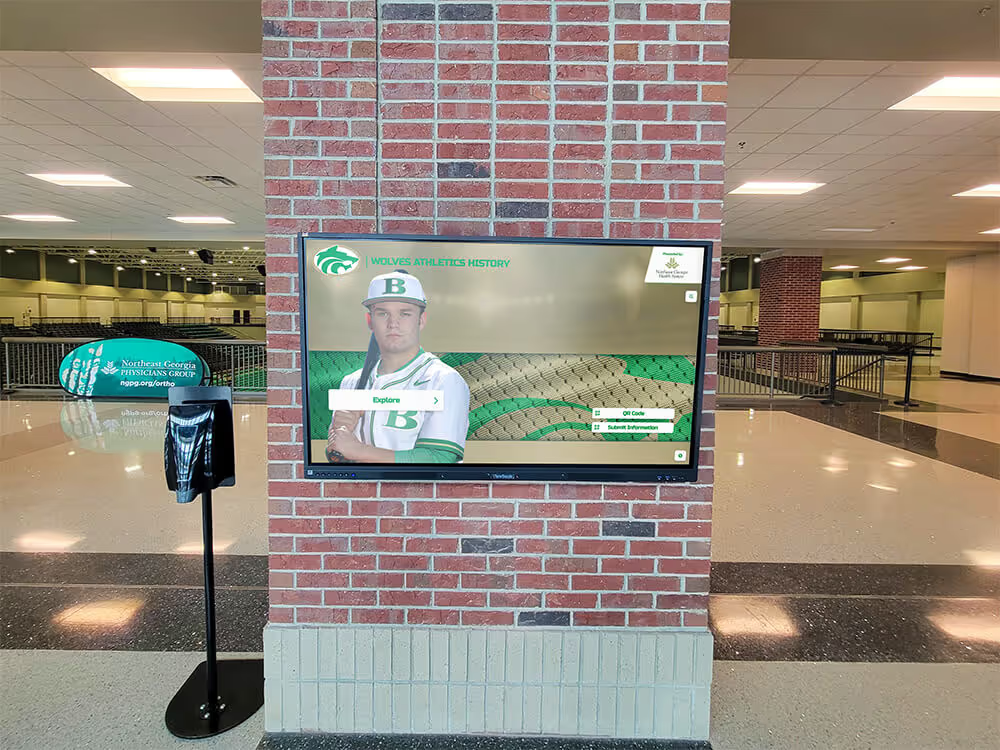
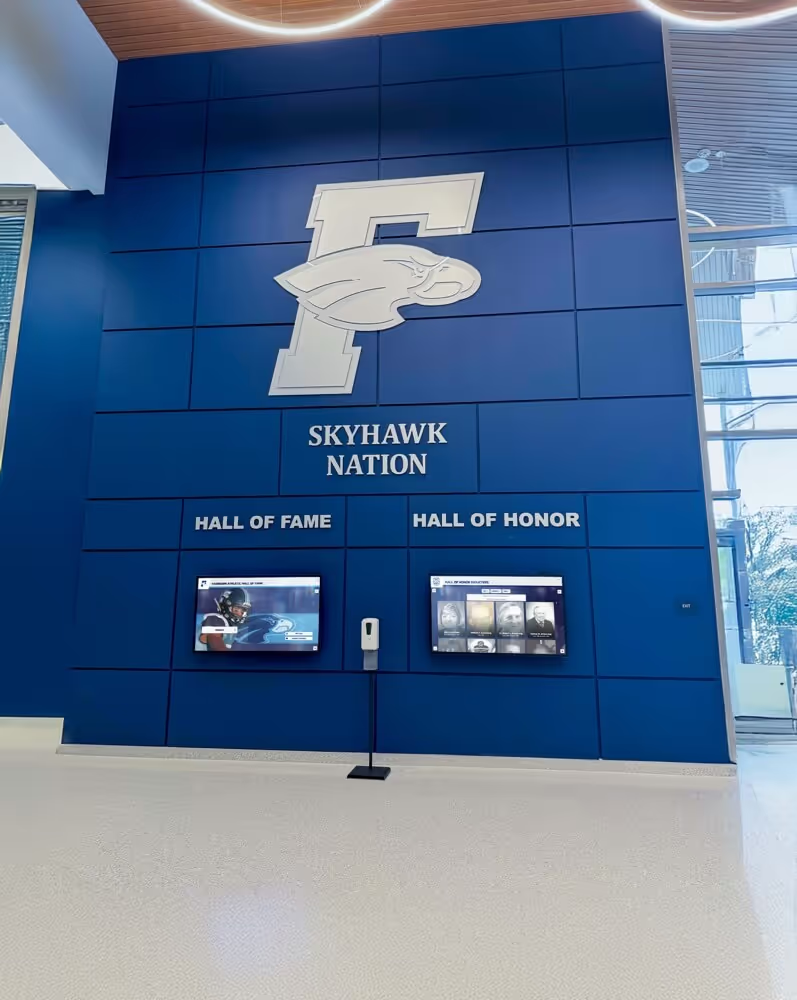
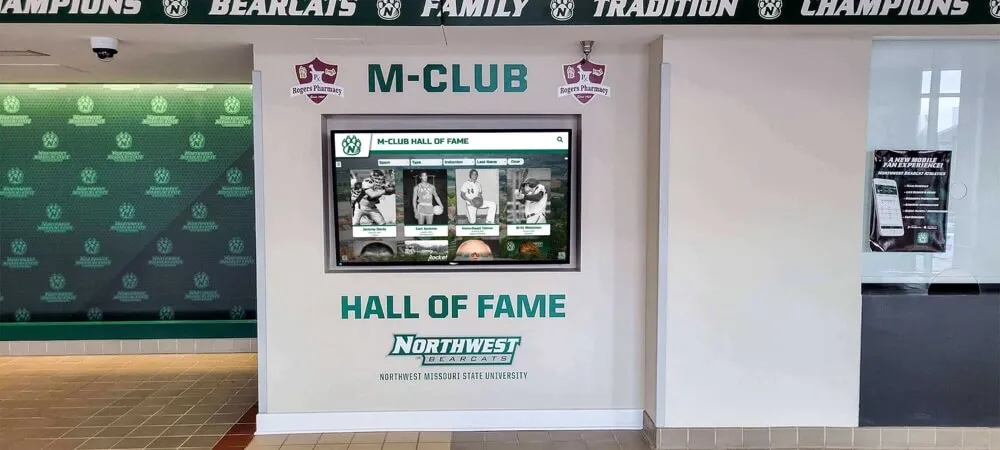
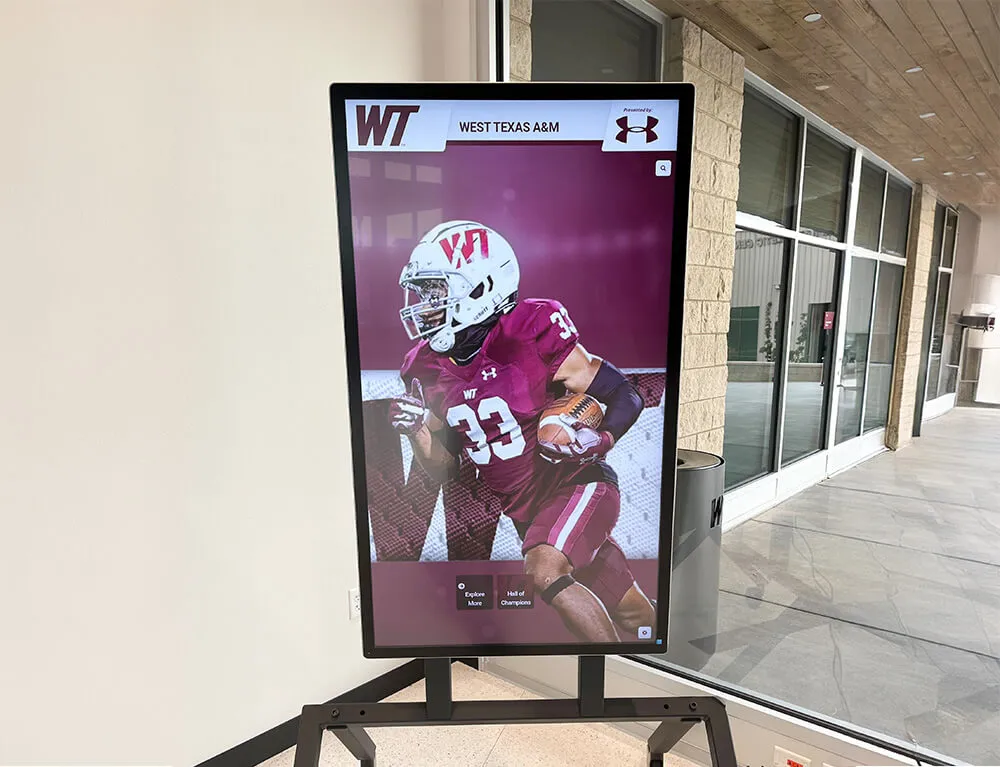
Free-standing kiosks provide flexible placement options throughout athletic facilities showcasing tournament achievements and team histories
The Tournament Experience: What Makes It Special
The Iowa Boys State Basketball Tournament creates distinctive atmosphere and traditions differentiating it from typical high school championships.
Wells Fargo Arena and the Des Moines Setting
Since moving to Wells Fargo Arena, the tournament has maintained professional atmosphere while preserving intimate connections between teams and fans:
Professional Venue Features
Wells Fargo Arena provides collegiate and professional-quality facilities including seating for over 15,000 spectators, high-definition video boards presenting game action and replays, modern sound systems creating energetic atmosphere, premium lighting ensuring optimal playing conditions, and broadcast infrastructure supporting comprehensive media coverage.
Playing in professional-caliber facilities elevates the experience for student-athletes while demonstrating the tournament’s prestigious status within Iowa athletics. Teams prepare specifically for the arena environment as part of tournament preparation.
Accessibility and Community Attendance
Des Moines’ central Iowa location enables fan attendance from across the state. Communities travel together supporting their teams—sometimes bringing thousands of supporters creating electric atmospheres during games. The accessibility ensures the tournament remains genuinely statewide event rather than regional competition.
Schools often coordinate group travel, organizing buses and creating community viewing experiences for residents unable to attend personally. This collective participation strengthens community bonds while celebrating athletic achievement as shared experience.
Tournament Week Traditions and Atmosphere
Tournament week features distinctive traditions creating memorable experiences:
Daily Multiple Game Sessions
The tournament structure schedules multiple games daily across different classifications. This condensed format creates festival atmosphere as fans attend multiple games throughout days, often watching non-affiliated teams while waiting for their schools’ scheduled games.
The multi-game structure generates sustained energy throughout tournament days as successive contests maintain crowd engagement and competitive intensity from morning through evening sessions.
Media Coverage and Statewide Attention
Iowa media provides comprehensive tournament coverage rivaling college championships. Television broadcasts, radio coverage, newspaper reporting, and digital content ensure statewide audiences follow tournament developments regardless of geographic location.
This extensive media attention elevates tournament prestige while creating pressure and excitement for participating teams. Players become temporary celebrities as their performances receive coverage typically reserved for collegiate or professional athletes.
Community Pride and School Spirit
Tournament qualification generates intense community pride. Schools display tournament banners throughout communities, businesses post congratulatory messages, and local media celebrate teams’ achievements. This community-wide recognition demonstrates basketball’s cultural significance within Iowa.
Smart schools capitalize on this momentum by developing permanent recognition celebrating tournament participation through digital trophy displays ensuring these accomplishments remain visible long after tournament excitement subsides.

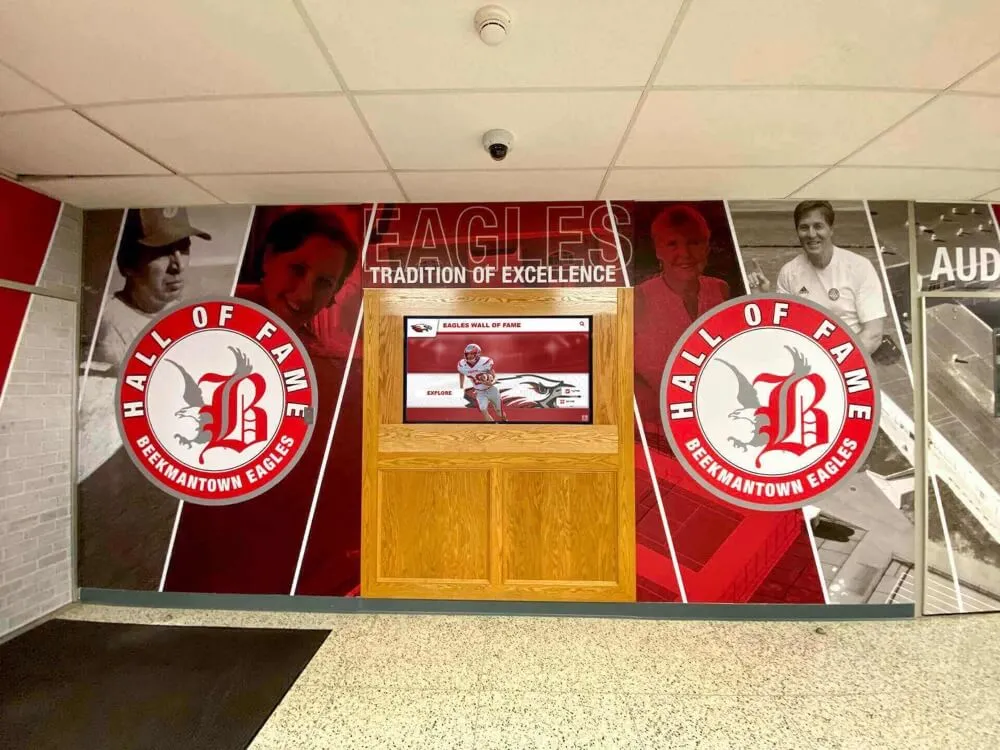
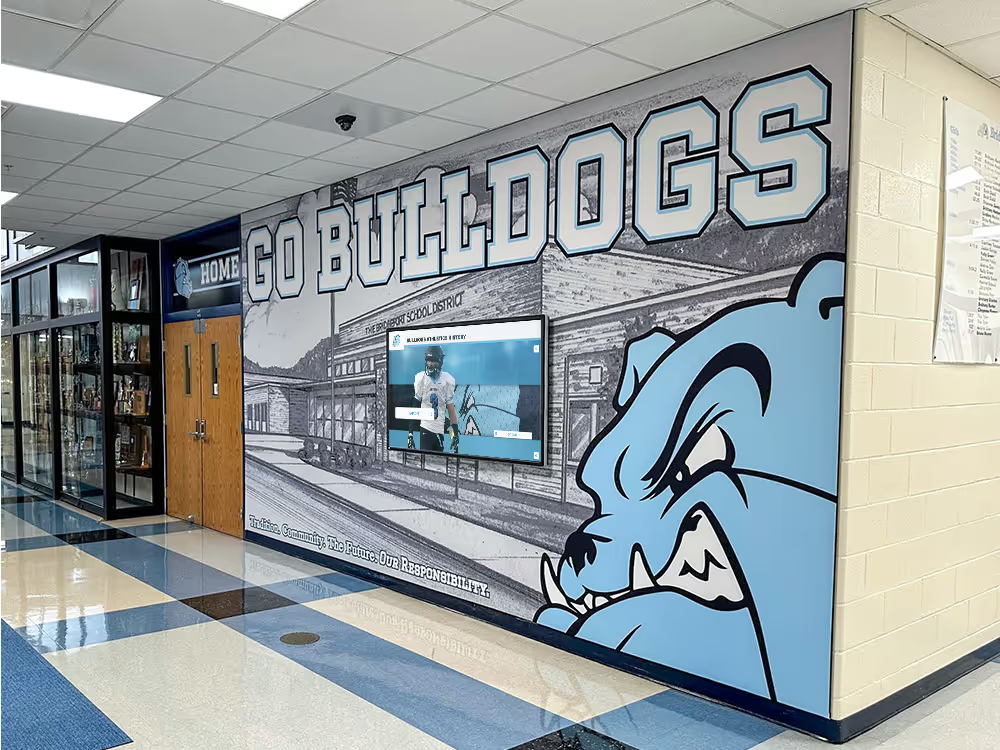
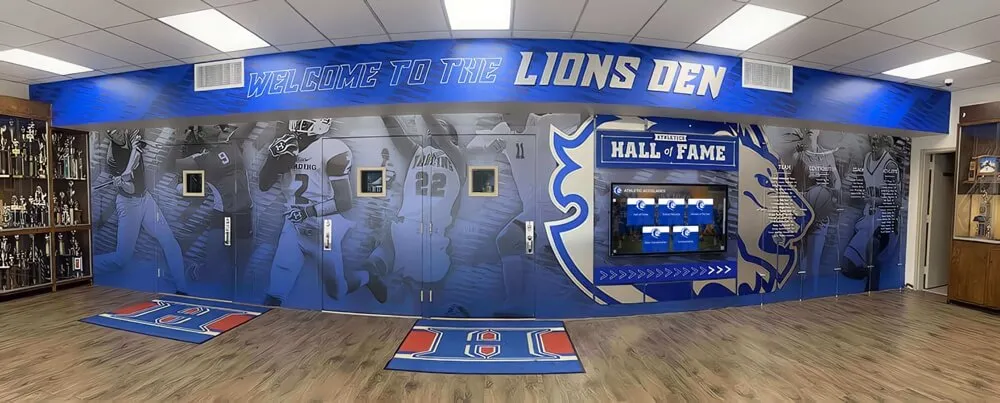
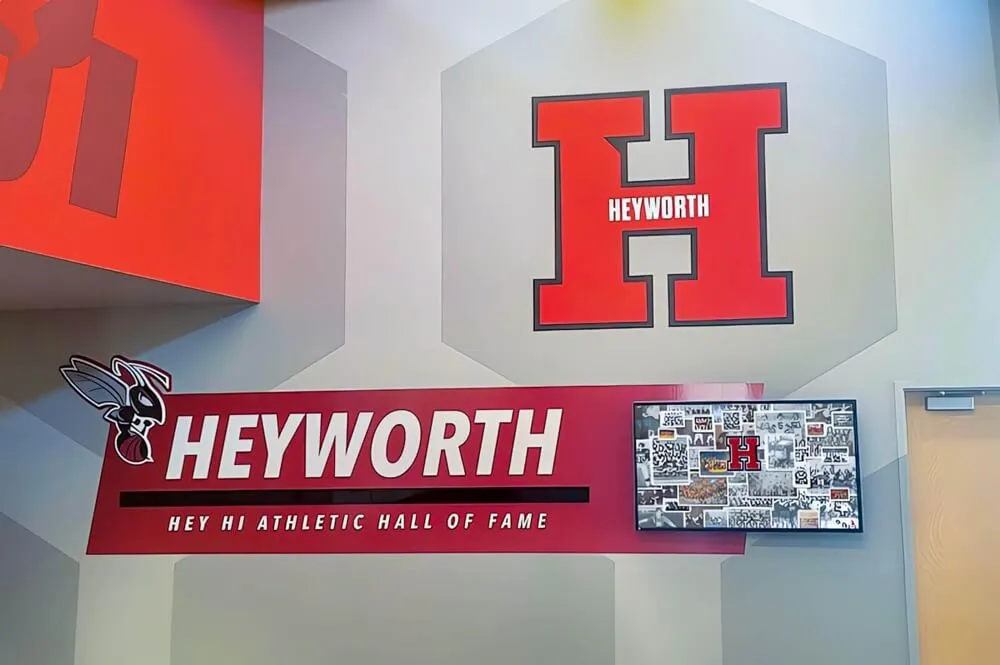
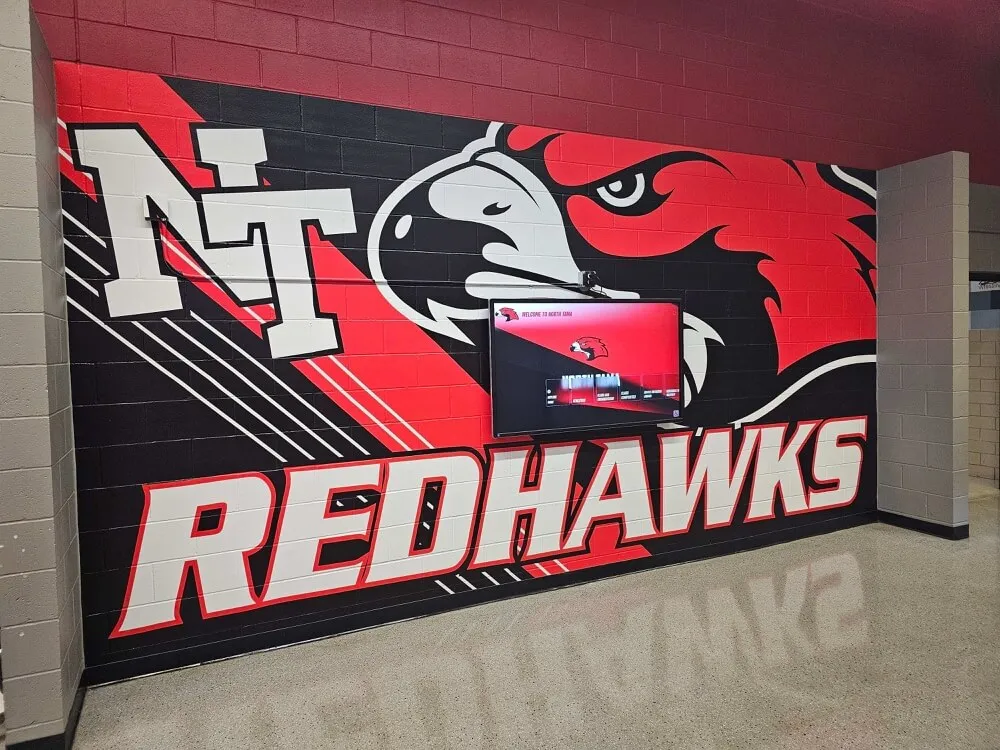
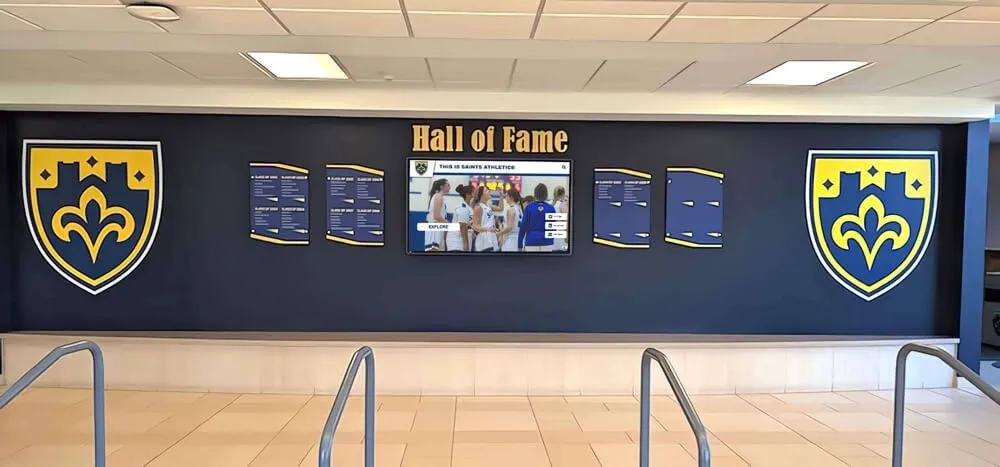
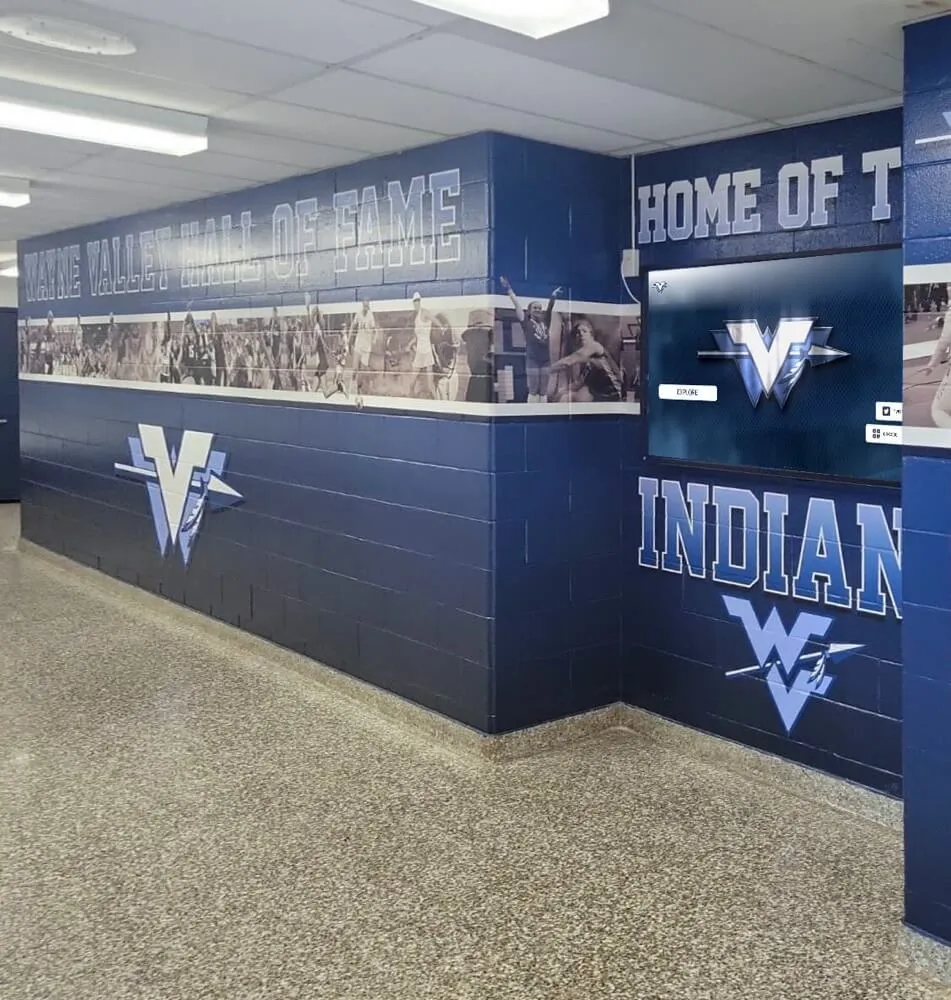
Integrated installations combine architectural murals with digital displays creating comprehensive athletic celebration environments in school facilities
Memorable Moments and Legendary Performances
Iowa tournament history includes countless unforgettable performances and dramatic finishes defining the event’s legendary status.
Historic Championship Games
Championship games frequently produce dramatic conclusions remembered for generations:
Last-Second Winners and Overtime Thrillers
Tournament lore includes numerous championship games decided by buzzer-beaters or extended through multiple overtime periods. These dramatic finishes create lasting memories for participants and spectators while generating legendary status for players delivering clutch performances.
Schools preserve these historic moments through comprehensive documentation, using multimedia recognition platforms to showcase game footage, final box scores, and player testimonials describing the experience and significance of these championship performances.
Upset Victories and Giant Killings
Iowa tournament history celebrates David-versus-Goliath victories where lower-seeded teams or smaller schools defeated heavily-favored opponents. These upset victories embody basketball’s appeal, demonstrating how execution, teamwork, and determination can overcome talent and size advantages.
Upset victories generate disproportionate community pride as they represent breakthrough achievements exceeding expectations. Documenting these accomplishments through permanent recognition ensures their significance endures across generations.
Individual Performance Records
The tournament showcases exceptional individual performances establishing records celebrated as benchmarks of excellence:
Single-Game Scoring Performances
Tournament history includes remarkable individual scoring performances where players dominated games through exceptional offensive displays. These scoring outbursts become permanent parts of tournament lore, remembered alongside the players who achieved them.
High-scoring performances often occur during elimination pressure when exceptional players elevate their games carrying teams through must-win situations. Schools honor these performances by featuring individual player profiles within broader team recognition displays.
Career Tournament Statistics
Players fortunate enough to reach multiple state tournaments accumulate career statistics demonstrating sustained excellence across seasons. Career tournament statistical leaders earn recognition as program legends who consistently performed at highest levels during most pressure-packed competitive environments.
Celebrating individual achievement requires comprehensive athletic recognition programs that document complete careers including regular season excellence and tournament performances representing achievement pinnacles.
Coaching Excellence and Strategic Masterpieces
The tournament also celebrates coaching excellence through tactical preparation and in-game adjustments:
Multiple Championship Coaches
Certain coaches build championship dynasties through sustained excellence across multiple seasons and teams. These coaching legends demonstrate program-building expertise beyond single-season success, developing systems and cultures producing consistent championship contention.
Schools should recognize coaching excellence alongside player achievement when developing recognition displays, acknowledging the leadership enabling tournament success and competitive tradition.
Strategic Game Plans and Adjustments
Tournament games frequently feature compelling strategic battles where coaches’ tactical decisions determine outcomes. Successful game planning—identifying opponent weaknesses, making effective adjustments, and managing critical possessions—often proves as important as player execution.
Documenting coaching strategies and tactical approaches within recognition content provides complete historical record acknowledging all contributors to tournament success beyond players receiving most public attention.
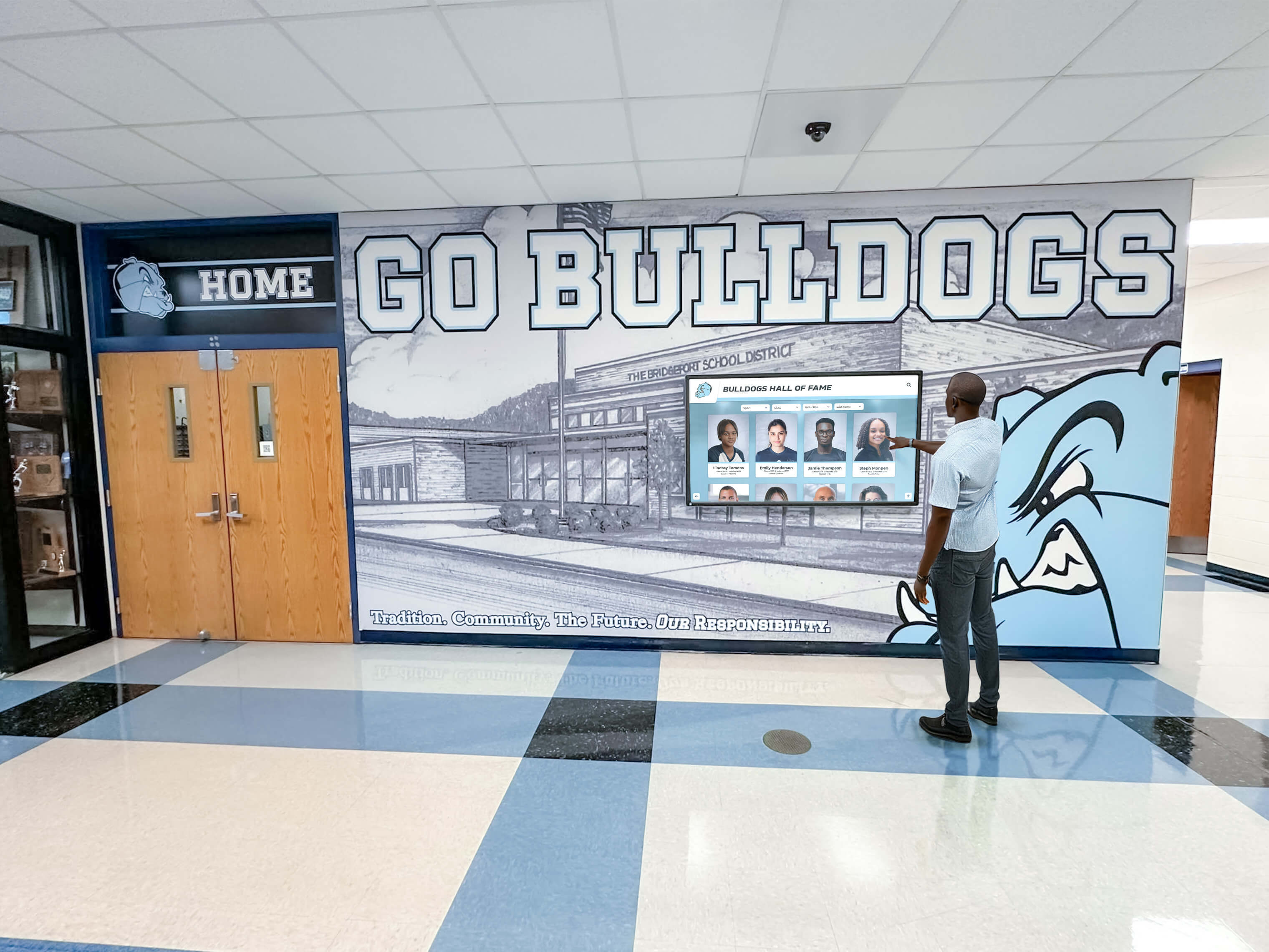
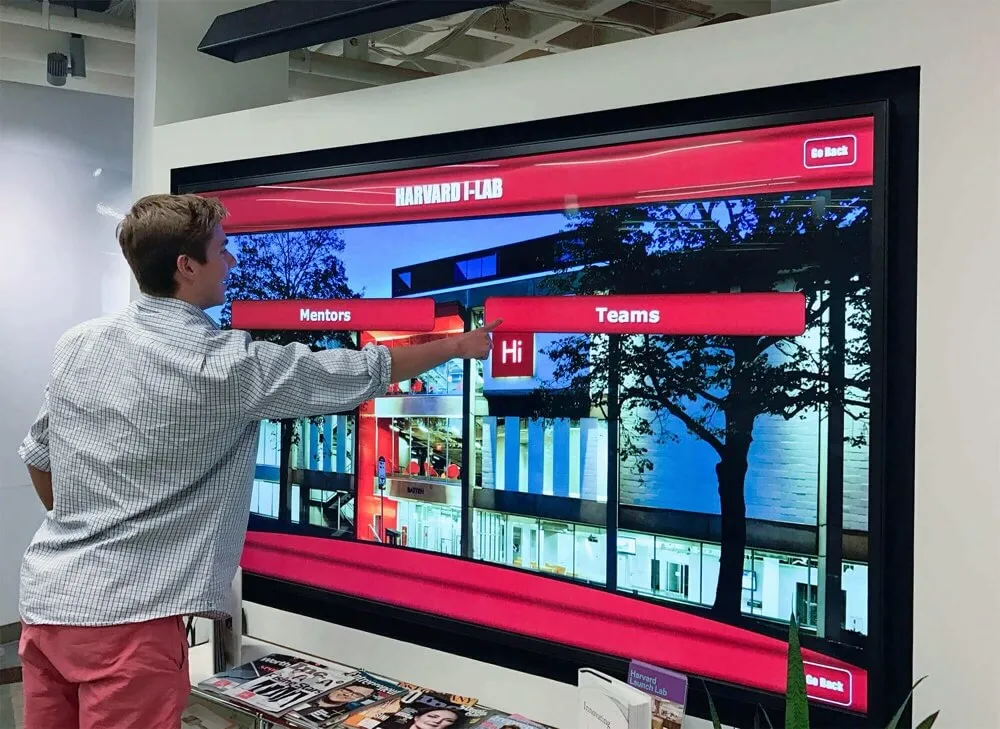
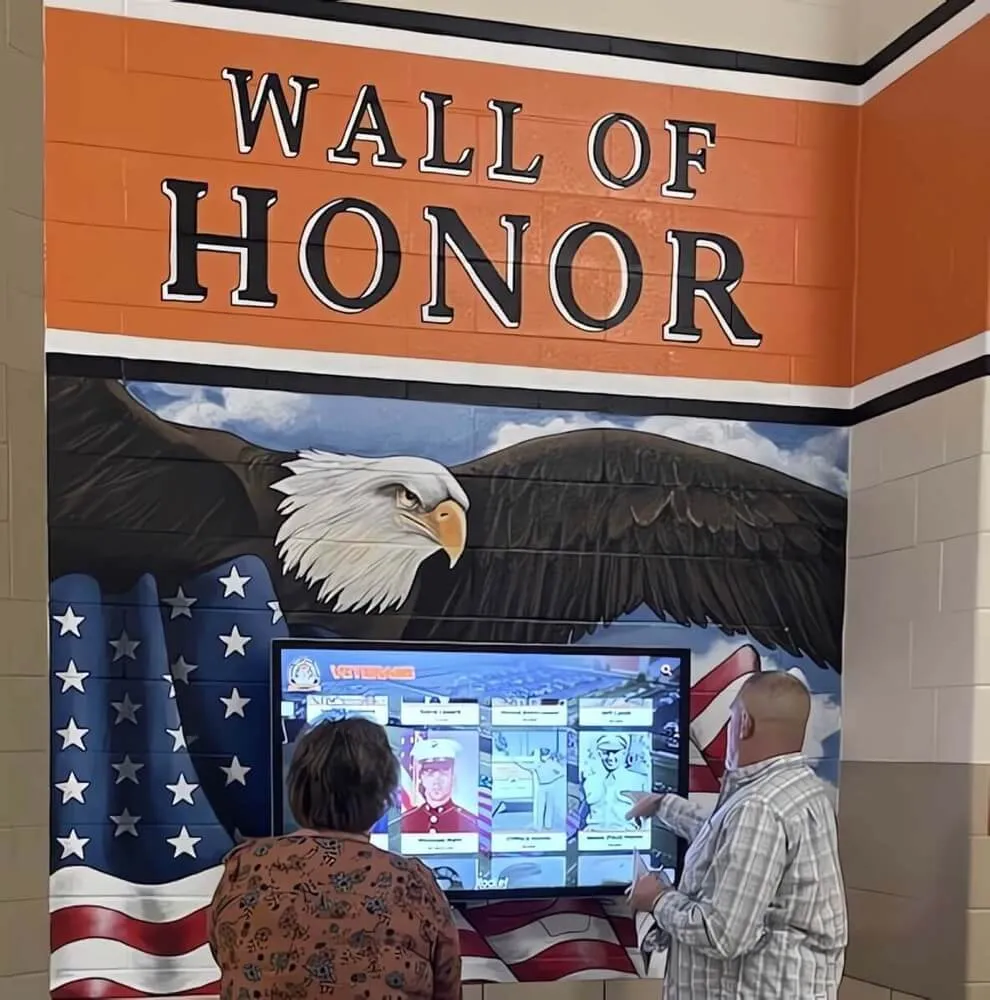
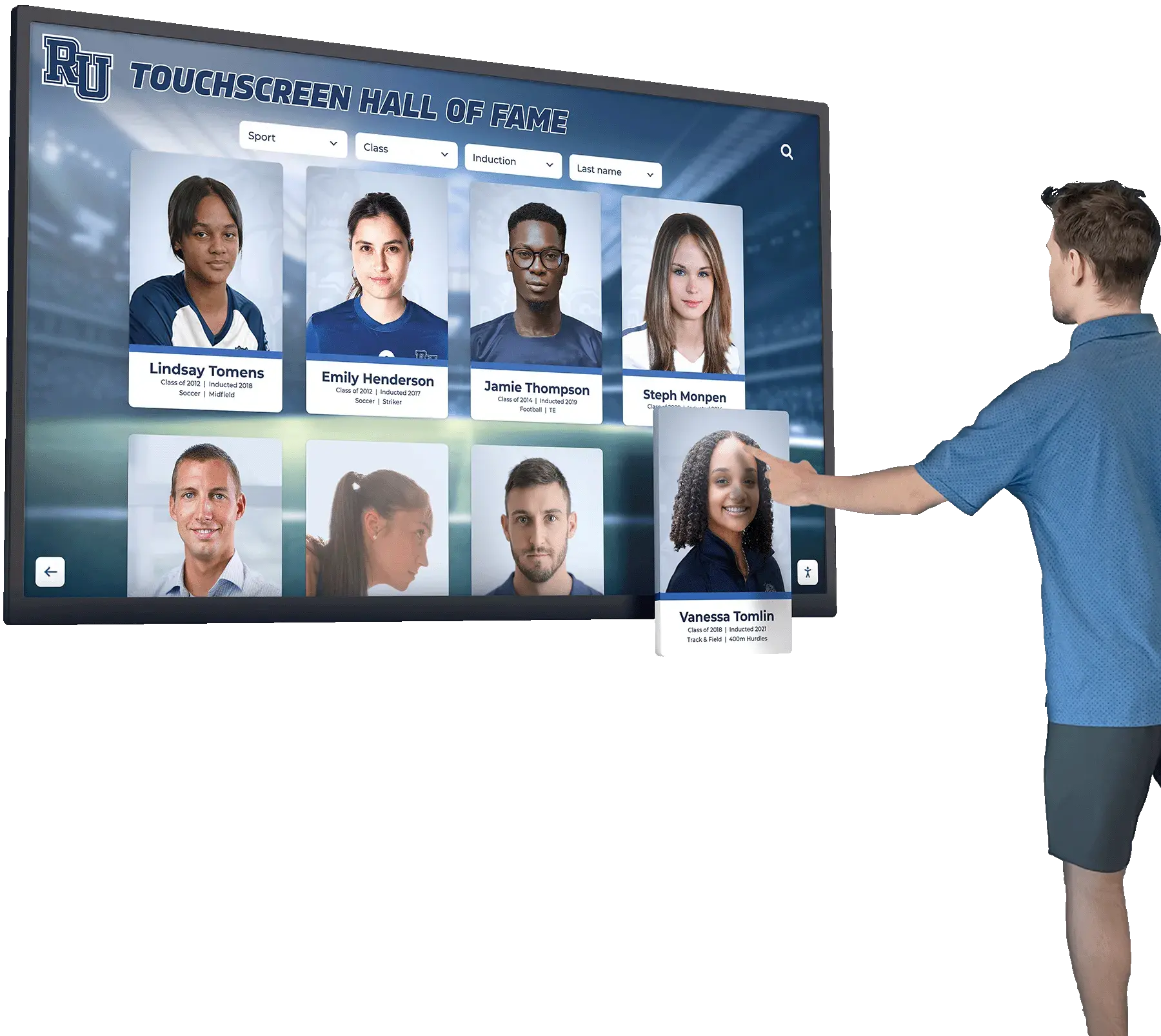
Interactive displays enable visitors to explore detailed tournament histories through intuitive touchscreen interfaces showcasing complete team stories
How Schools Celebrate Tournament Achievements
Smart schools recognize tournament participation as milestone achievement deserving permanent celebration and institutional recognition.
Traditional Recognition Methods
Schools have historically commemorated tournament appearances through various physical recognition formats:
Championship and Participation Banners
The most visible recognition involves hanging banners in gymnasiums documenting state tournament participation and championship victories. These banners serve as constant reminders of program excellence visible during all home games and school events.
Banner traditions vary by school—some display all tournament appearances while others reserve banner recognition for championship victories or final-four finishes. Regardless of specific standards, banners create immediate visual impact communicating program tradition and competitive excellence.
Trophy Cases and Physical Displays
Schools maintain trophy cases displaying championship hardware, commemorative plaques, and tournament memorabilia. These displays typically feature team photographs, game balls, newspaper clippings, and artifacts preserving tangible connections to historic achievements.
Trophy cases serve important recognition functions but face inherent limitations including limited space constraining display capacity, static presentation offering minimal engagement, difficulty updating requiring physical modification, and minimal content depth beyond brief text descriptions and small photographs.
Learn about modern approaches combining traditional and digital elements through trophy display case strategies that preserve physical recognition while adding interactive depth.
Wall Plaques and Team Composites
Many schools install wall plaques or composite team photographs commemorating state tournament teams. These displays typically include team photos with player names, season records, tournament results, and coaching staff recognition.
Physical plaques provide lasting acknowledgment but cannot accommodate the storytelling depth that comprehensive tournament celebration requires—limiting recognition to basic information rather than rich narratives capturing complete season journeys and tournament experiences.
Modern Digital Recognition Solutions
Interactive technology addresses traditional recognition limitations while creating superior celebration experiences:
Unlimited Content Capacity
Digital platforms eliminate space constraints entirely, enabling schools to document every tournament appearance comprehensively regardless of program history length. Single displays can present decades of tournament teams through organized navigation systems enabling efficient content discovery.
This unlimited capacity proves particularly valuable for programs with rich tournament traditions spanning multiple decades or classifications—ensuring complete institutional history receives appropriate recognition without space-related compromises.
Rich Multimedia Storytelling
Interactive displays support comprehensive tournament documentation including complete team rosters with player profiles and statistics, season schedules and game results providing context, tournament bracket progressions showing advancement pathways, game highlight videos preserving signature moments, photograph galleries capturing team activities and community celebrations, newspaper coverage documenting contemporary perspectives, and coach and player reflections sharing personal memories and experiences.
This multimedia depth transforms simple tournament acknowledgment into compelling storytelling creating emotional connections and lasting appreciation for these achievements across multiple dimensions impossible with traditional static displays.
Engaging Interactive Features
Touchscreen functionality enables active exploration through comprehensive search capabilities finding specific seasons or players instantly, filtering by tournament results, championships, or classification levels, detailed team pages presenting complete season information, statistical leaderboards comparing achievements across eras, video content including game highlights and interview footage, and photo galleries showcasing multiple images documenting team journeys.
Solutions like Rocket Alumni Solutions provide purpose-built platforms specifically designed for athletic recognition, combining commercial-grade hardware with intuitive content management enabling schools to maintain comprehensive tournament documentation without requiring specialized technical expertise.
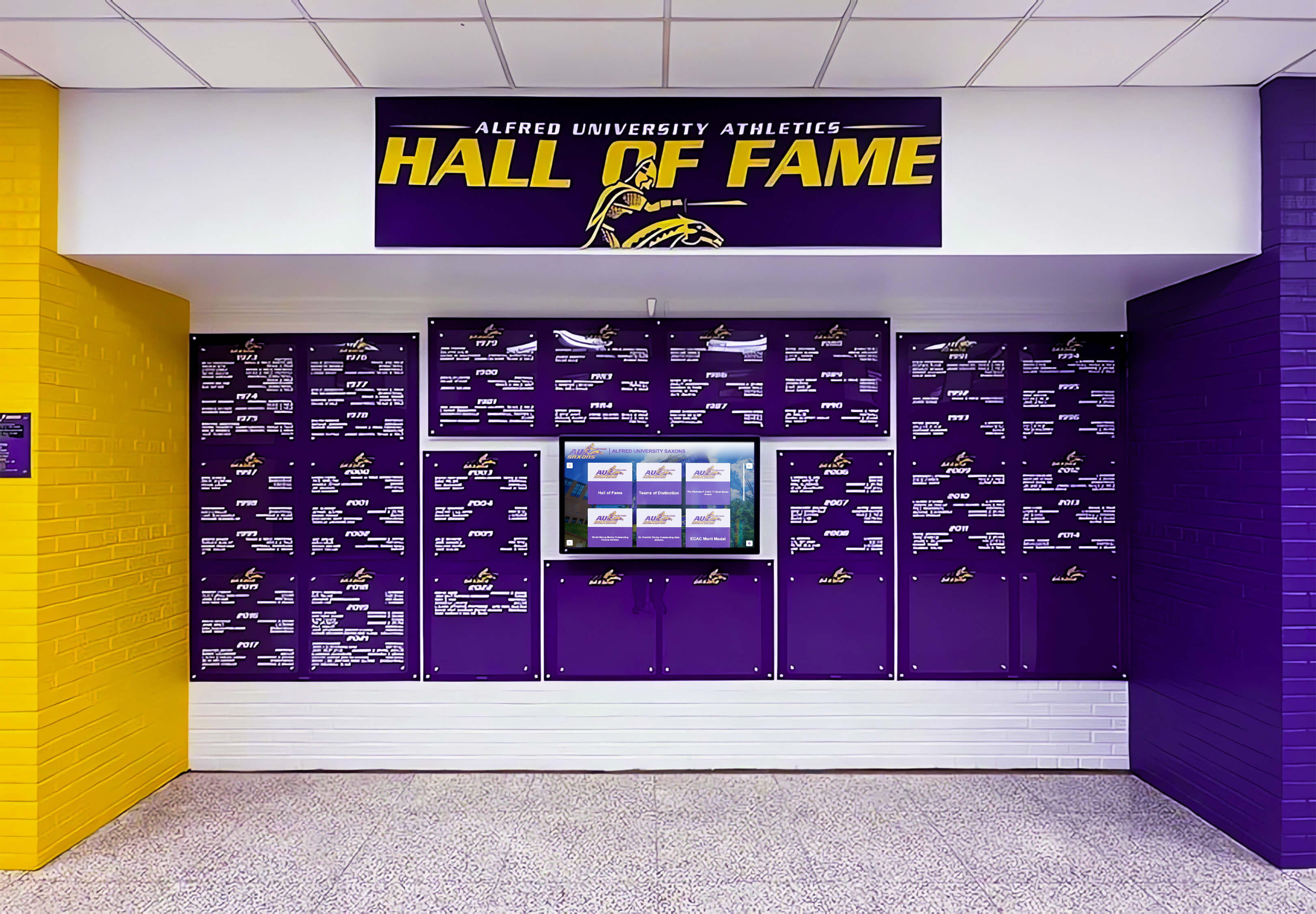
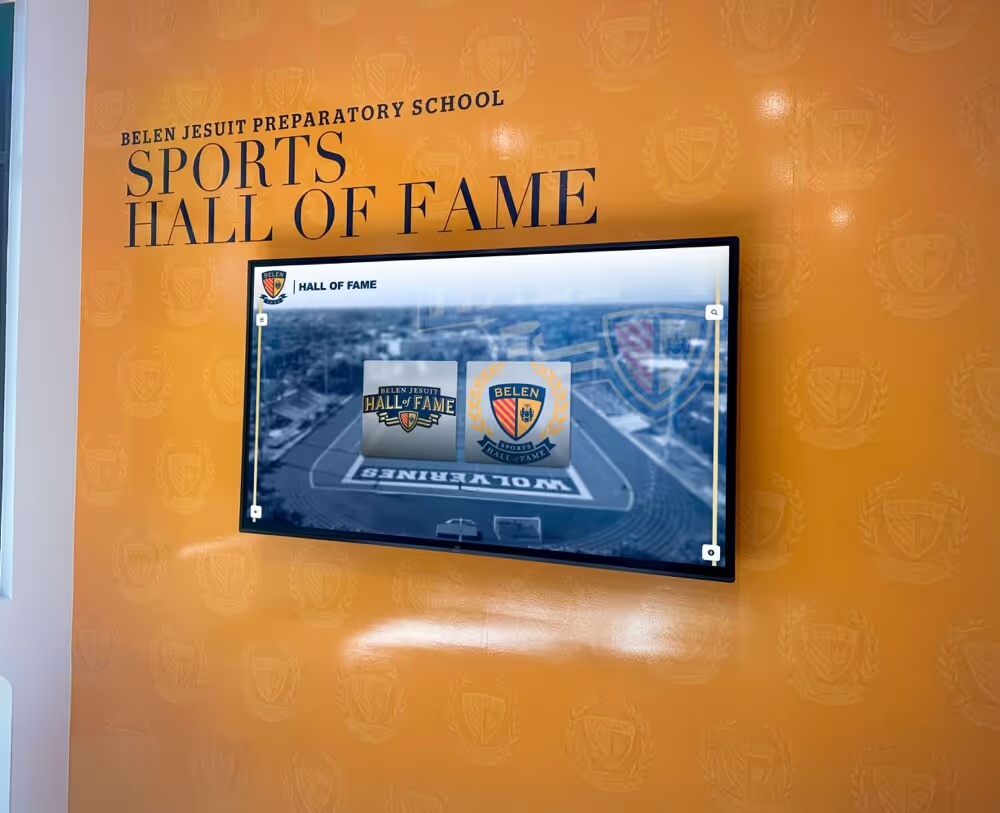
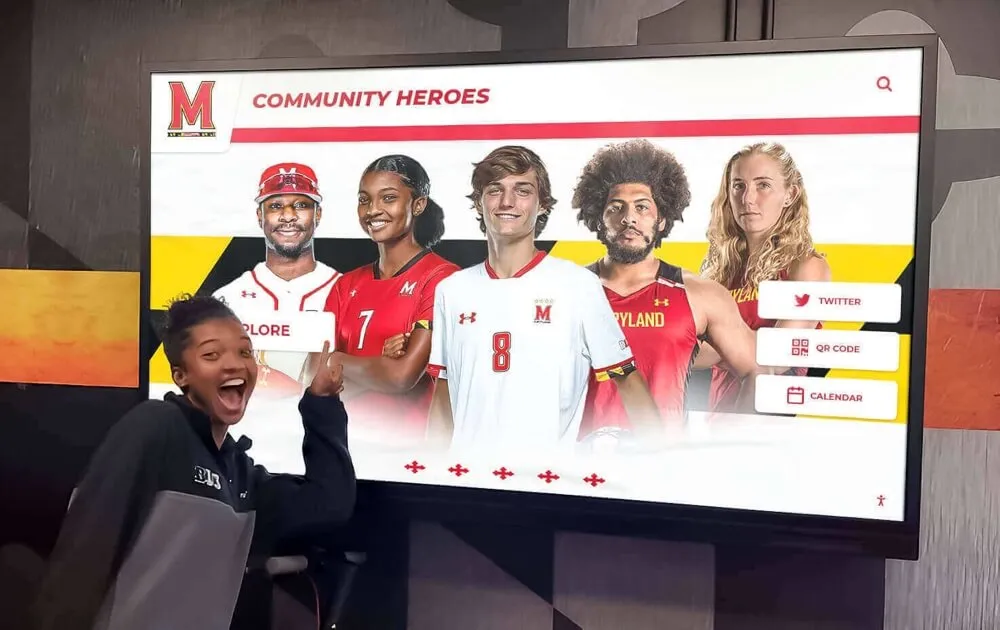
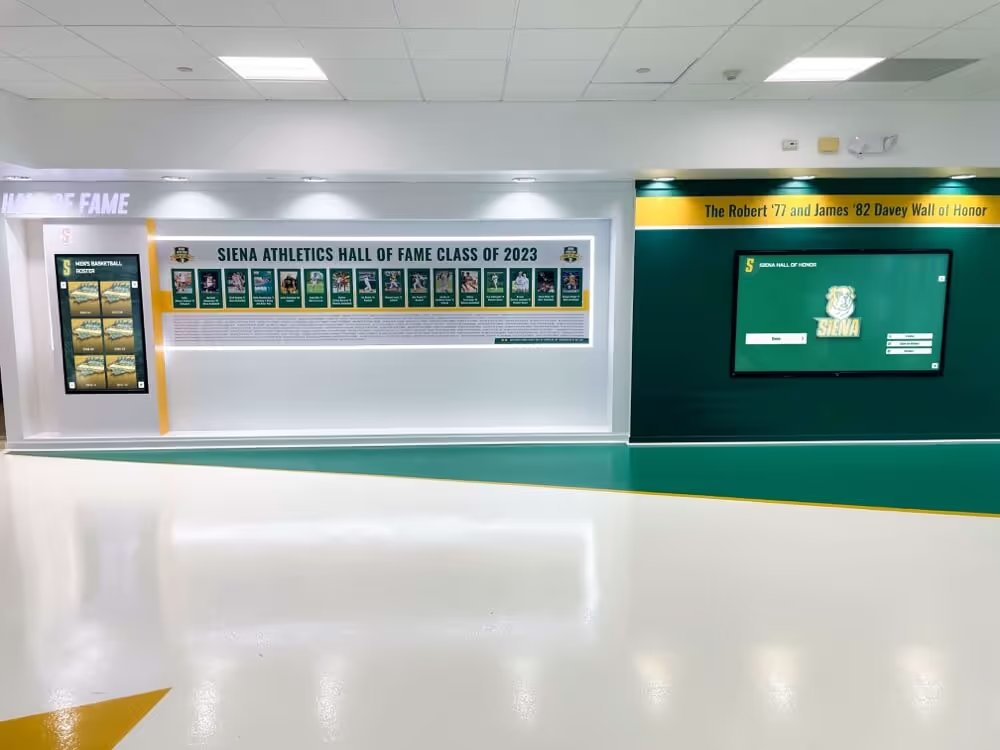
Brand-integrated displays incorporate school colors and logos creating recognition experiences that reinforce institutional identity while celebrating achievement
Developing Comprehensive Tournament Recognition Programs
Effective recognition requires systematic planning documenting tournament achievements appropriately and comprehensively.
Content Development and Historical Research
Thorough documentation ensures complete tournament history preservation:
Gathering Historical Information
Schools should compile comprehensive records including complete tournament qualification rosters across all seasons, season records and conference standings providing context, district and regional tournament results showing qualification pathways, state tournament bracket positions and game results, individual player statistics and achievement highlights, coaching staff information and program leadership, team photographs from official season documentation, game action photos capturing competitive moments, community celebration images showing broader impact, and newspaper clippings documenting contemporary coverage and community response.
Systematic research often requires extensive investigation through yearbook archives, athletic department records, newspaper collections, and alumni networks to document complete tournament histories spanning decades or longer periods.
Interviewing Participants and Coaches
Personal narratives dramatically enhance recognition content beyond bare statistical documentation. Interview former players and coaches documenting memories, experiences, and perspectives on tournament seasons including preparation approaches and training emphases, memorable games and defining moments, team chemistry and leadership dynamics, community support and atmosphere, personal reflections on achievement significance, and lessons learned through tournament experiences.
These personal accounts create emotional depth transforming recognition from simple historical record into compelling human stories resonating with current students and community members.
Organizing Content Systematically
Effective presentation requires logical organization enabling intuitive navigation. Structure tournament content chronologically by season, organized by classification level when schools have competed in multiple classes, categorized by achievement level distinguishing championships from other tournament appearances, and integrated within broader athletic recognition including regular season excellence and individual honors.
Clear organizational structure ensures visitors can efficiently locate specific content while discovering related achievements through natural exploration patterns.
Implementing Digital Recognition Technology
Technology deployment requires planning addressing hardware, software, and ongoing management:
Platform Selection Criteria
Evaluate recognition solutions against essential requirements including purpose-built athletic functionality rather than adapted generic software, intuitive content management requiring minimal technical expertise, basketball-specific templates optimized for team and tournament presentation, comprehensive multimedia support including photos, videos, and statistics, commercial-grade hardware rated for continuous institutional operation, cloud-based architecture eliminating local server maintenance, and responsive web extensions reaching audiences beyond physical display locations.
Purpose-built athletic platforms offer substantial advantages over generic digital signage systems adapted for recognition purposes through specialized features and optimized workflows designed specifically for celebrating achievement rather than displaying general information or advertising content.
Strategic Display Placement
Location significantly impacts engagement and recognition effectiveness. Optimal placements include main gymnasium entrance lobbies where all visitors naturally pass, athletic corridor locations viewed by current athletes daily, school main entrance areas ensuring whole-community visibility, cafeteria and commons areas where students gather socially, and alumni center locations dedicated to graduate engagement.
Consider both traffic volume and audience composition when selecting locations—areas with concentrated athlete and alumni traffic often outperform higher-volume locations where few viewers have athletic program connections justifying extended engagement.
Content Management Planning
Sustainable recognition requires manageable ongoing maintenance. Establish clear responsibilities for adding new tournament seasons immediately following state appearances, updating existing content as additional information becomes available, maintaining current roster and coaching information, and periodically refreshing presentation maintaining contemporary appearance.
Assign specific staff ownership preventing ambiguous responsibility where content maintenance falls to no one because everyone assumes someone else handles updates.
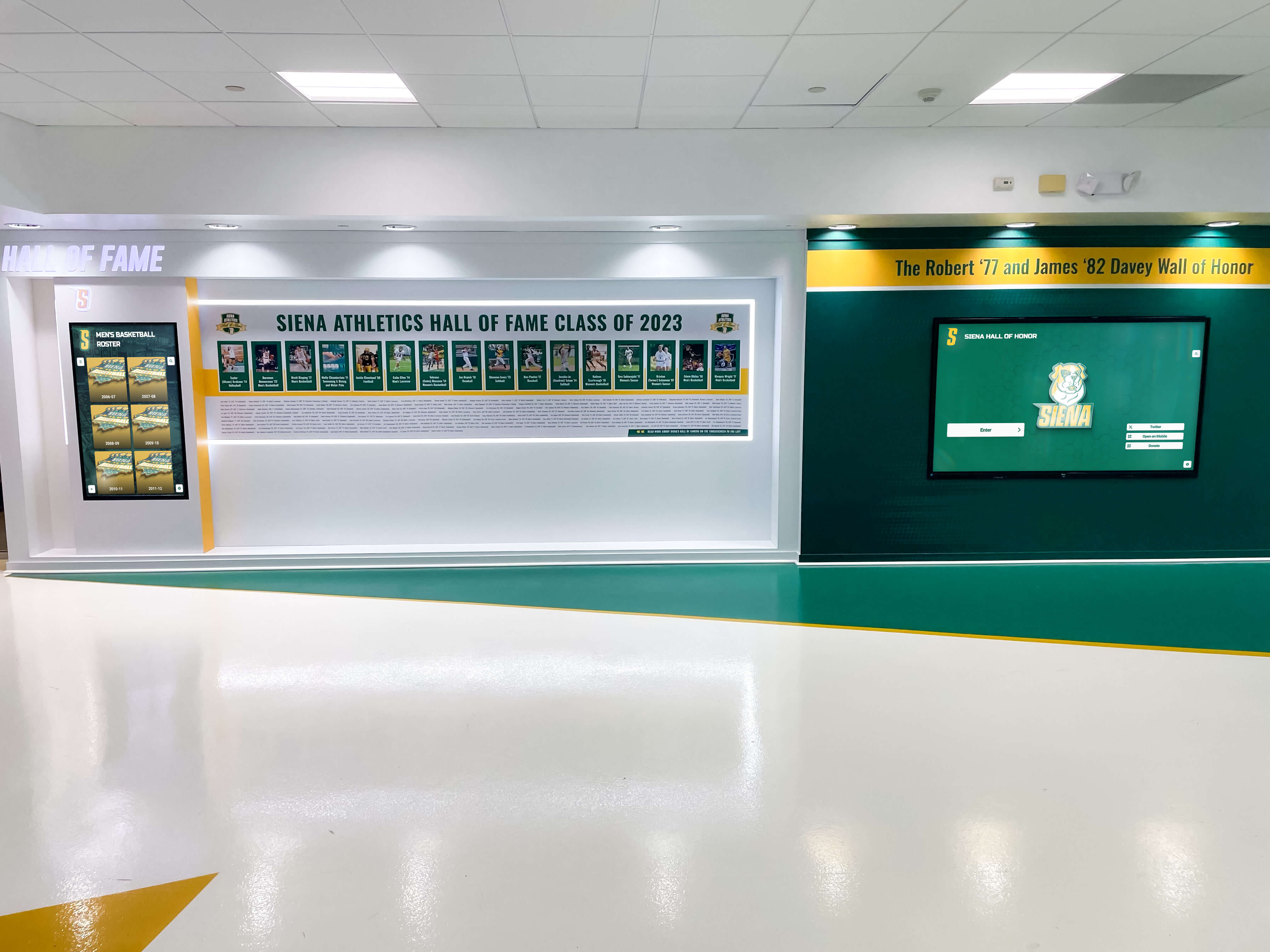
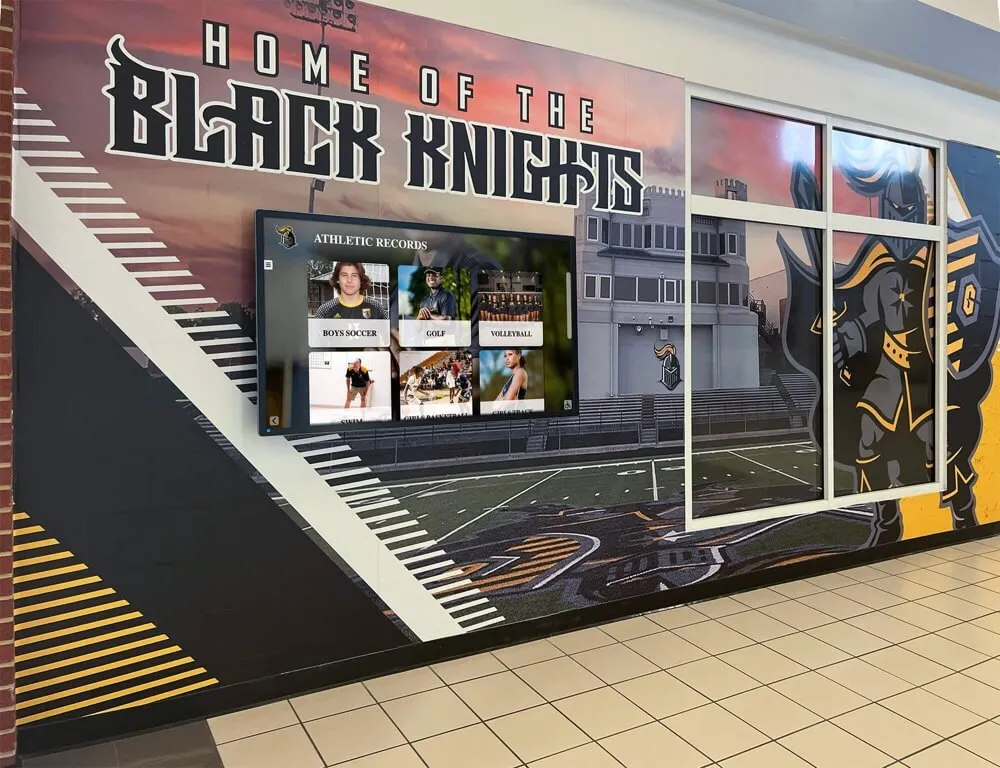
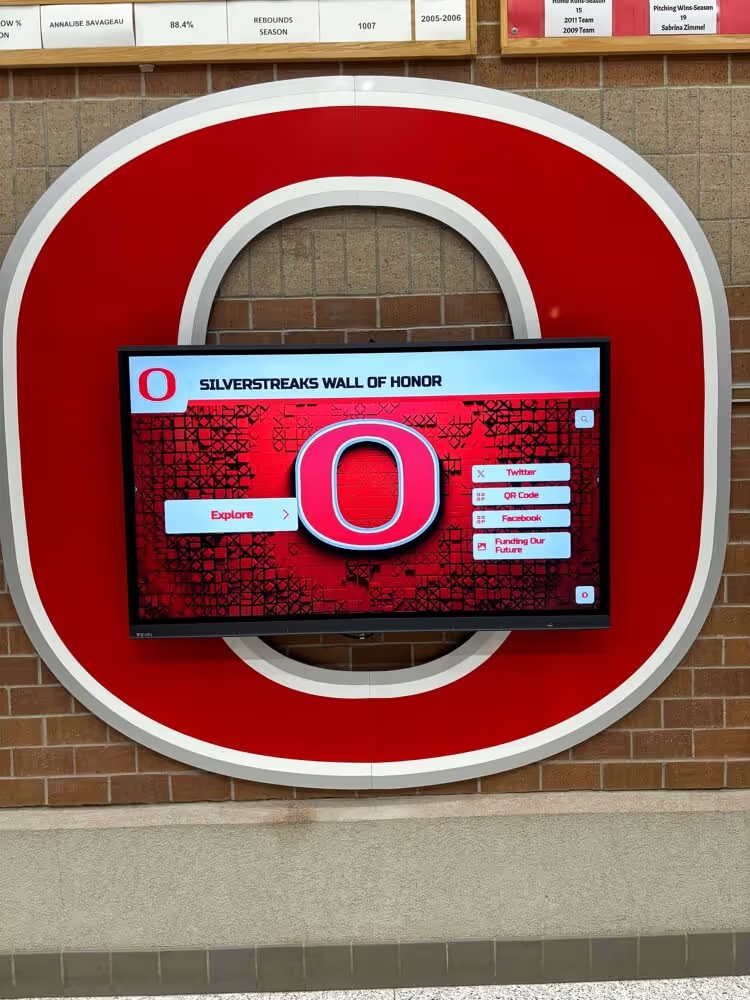
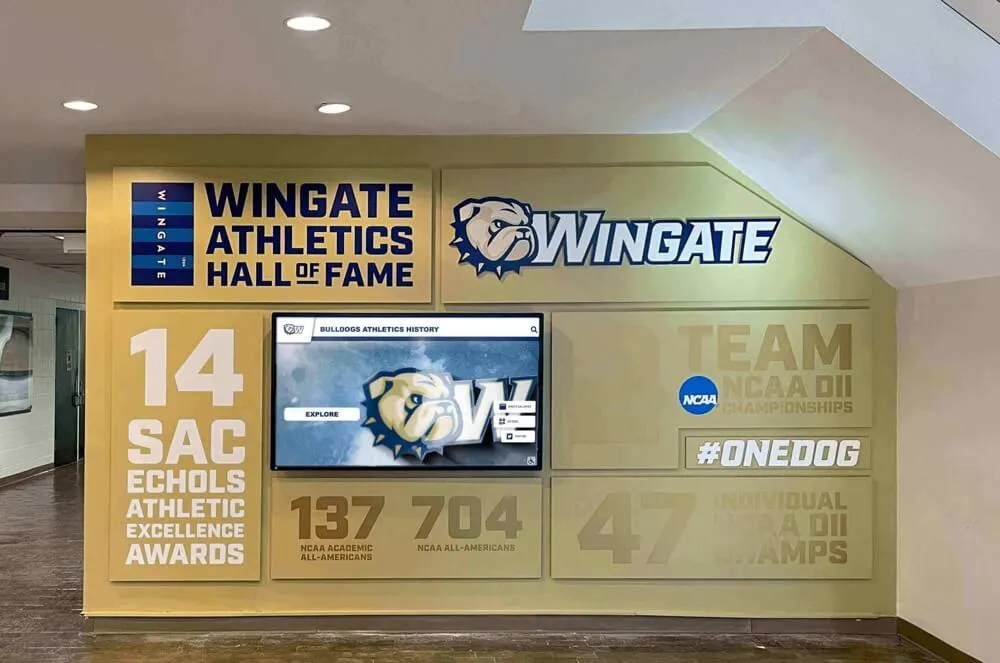
Large-format installations in prominent locations ensure recognition receives appropriate visibility demonstrating institutional commitment to celebrating excellence
The Broader Impact of Tournament Recognition
Comprehensive tournament celebration generates value extending beyond simple historical acknowledgment.
Current Athlete Motivation and Goal Setting
Visible recognition inspires developing players:
Establishing Concrete Achievement Targets
When current athletes see previous teams’ tournament achievements celebrated prominently, state tournament qualification transforms from abstract aspiration into concrete achievable goal. Detailed documentation showing how previous teams reached tournaments provides roadmaps current players can study and emulate.
Coaches leverage recognition content during team meetings and goal-setting sessions, referencing specific past achievements and discussing the preparation, sacrifice, and execution required to reach similar heights. This concrete connection between current effort and potential recognition creates powerful motivation driving sustained excellence.
Creating Competitive Culture
Comprehensive tournament recognition reinforces institutional expectations around competitive excellence. When students see decades of tournament appearances documented throughout facilities, they understand basketball success represents ongoing tradition rather than isolated achievement—creating cultural pressure and aspiration to maintain competitive standards established by previous generations.
This cultural continuity proves particularly valuable for sustaining excellence during coaching transitions or rebuilding years when maintaining competitive standards requires institutional commitment extending beyond individual personalities.
Alumni Engagement and Community Connection
Recognition strengthens relationships between graduates and institutions:
Celebrating Shared Experiences
Tournament recognition creates natural engagement vehicles connecting alumni to current programs. Former players enjoy revisiting their tournament seasons through comprehensive displays, sharing memories with family members and teammates during school visits.
Schools strategically leverage recognition during reunion events, homecoming celebrations, and alumni gatherings—using interactive displays as focal points generating conversation, nostalgia, and continued institutional connection among graduates who shared tournament experiences decades earlier.
Fundraising and Program Support
Alumni who see their achievements celebrated appropriately often become program supporters through financial contributions, volunteer involvement, and advocacy within broader communities. Recognition demonstrates institutional appreciation for past excellence while providing tangible evidence that current programs honor and preserve competitive tradition alumni helped establish.
Strategic schools integrate recognition displays within broader athletic recognition programs that celebrate diverse achievements while connecting historical excellence to current needs supporting sustained competitive success.
Recruiting Impact and Competitive Advantage
Prospective athletes evaluate program tradition when making school decisions:
Demonstrating Competitive Excellence
During recruiting conversations and campus visits, comprehensive tournament recognition demonstrates program commitment to basketball excellence. Prospective athletes see tangible evidence of competitive tradition, championship pedigree, and institutional support for basketball success.
This visible tradition proves particularly valuable for programs competing against schools with superior facilities or resources—demonstrating that despite other limitations, the program maintains strong competitive culture and achievement history making it attractive destination for talented athletes.
Showcasing Player Development
Detailed recognition content documenting individual player achievements within tournament teams demonstrates program effectiveness developing talent. Prospective athletes can see specific examples of previous players who achieved excellence within the program, providing confidence that joining offers legitimate pathway to personal achievement and potential college opportunities.
Coaches reference specific recognition content during recruiting conversations, showing recruits detailed profiles of former players who progressed through the program to college basketball and beyond—concrete evidence supporting claims about developmental effectiveness and competitive opportunity.
Celebrating the Full Tournament Journey
Comprehensive recognition extends beyond tournament games themselves to document complete season experiences:
Regular Season Excellence
Tournament qualification requires sustained regular season success deserving recognition alongside tournament performance:
Conference Championships and Regular Season Records
Strong conference performance and impressive win-loss records establish teams as championship contenders before tournament play begins. Recognition displays should document these regular season achievements providing context showing tournament appearances represented culminations of season-long excellence rather than isolated postseason performances.
Complete season documentation helps current players understand that reaching tournaments requires consistent execution throughout entire seasons—not just peak performance during elimination games.
District and Regional Tournament Success
The pathway to state involves competitive district and regional tournament victories:
Celebrating Qualification Achievements
Winning district and regional tournaments represents significant accomplishment deserving recognition beyond just state tournament participation. Many strong seasons end during these qualification stages making advancement noteworthy achievement reflecting competitive excellence.
Schools should document complete tournament pathways including district and regional results, showing the progressive stages teams navigated to reach state competition—acknowledging that state qualification required multiple victory performances under elimination pressure.
Community Support and Celebration
Tournament seasons generate community-wide engagement and celebration:
Documenting Fan Support and Community Pride
Recognition content should capture community dimensions of tournament seasons including pep rally photographs showing school-wide support, community send-off events celebrating teams’ state tournament qualification, businesses displaying congratulatory messages and school colors, attendance figures and crowd support during tournament games, and community celebration events following tournament participation or championship victories.
These community elements demonstrate basketball’s broader significance extending beyond athletic achievement to represent shared institutional and community pride connecting diverse constituencies through common celebration.
Conclusion: Preserving Iowa Basketball’s Rich Legacy
The Iowa Boys State Basketball Tournament represents far more than high school athletic competition—it embodies Iowa’s cultural identity, community pride, and basketball tradition spanning over a century. For schools fortunate enough to qualify for this prestigious event, tournament appearances become defining moments in institutional history deserving comprehensive celebration and permanent recognition.
The strategies explored throughout this guide provide frameworks for effectively documenting and celebrating state tournament achievements through recognition programs serving multiple constituencies: honoring past teams and players who achieved tournament excellence, inspiring current athletes toward similar achievement through visible examples of program tradition, engaging alumni through celebration of shared memories and accomplishments, strengthening community connections through documentation of collective pride and support, and preserving institutional history ensuring tournament legacy endures across generations and leadership transitions.
Celebrate Your Tournament Legacy with Modern Recognition
Discover how interactive digital displays can help your school comprehensively document state tournament achievements with unlimited capacity for photos, videos, statistics, and stories that traditional banners and plaques cannot provide.
Explore Recognition SolutionsModern recognition technology has fundamentally expanded what’s possible in celebrating tournament achievements. Schools no longer face impossible choices between comprehensive documentation and limited physical space. Interactive platforms provide unlimited capacity presenting every tournament team through detailed profiles, rich multimedia content, and engaging features creating meaningful visitor experiences impossible with traditional static banners and plaques. Cloud-based management enables easy updates ensuring recognition remains current as programs continue qualifying for future tournaments.
Whether your school boasts decades of tournament tradition requiring comprehensive historical documentation, recently achieved breakthrough qualification deserving appropriate celebration, or aspires toward future state tournament appearances requiring visible goals inspiring current athletes, the recognition principles and implementation strategies outlined here provide proven frameworks for creating lasting celebration of tournament excellence.
Your tournament teams—players who achieved excellence under pressure, coaches who prepared them for championship competition, and communities who supported them throughout their journeys—deserve recognition matching these accomplishments’ significance. Through comprehensive content documenting complete seasons, thoughtful display formats combining traditional and digital elements, strategic placement ensuring ongoing visibility, and sustained commitment to program enhancement, you can create tournament recognition that preserves the past, celebrates the present, and inspires the future excellence that will extend your program’s proud tradition.
Iowa basketball’s tournament legacy continues growing each March as new teams write their chapters in this legendary competition’s ongoing story. Ensure your school’s contributions to this rich tradition receive the celebration and documentation they deserve—honoring the extraordinary achievements that make the Iowa Boys State Basketball Tournament one of America’s premier high school sporting events.
Ready to explore modern tournament recognition solutions? Learn about digital athletic recognition displays for celebrating championship seasons. Discover state championship display strategies honoring tournament excellence. Explore basketball hall of fame programs integrating tournament achievements within comprehensive athletic recognition. And understand senior night ideas celebrating players during tournament seasons who have earned special recognition for their contributions to program tradition and competitive excellence.