



Every year, thousands of college students receive an invitation to join the National Society of Leadership and Success (NSLS)—and every year, thousands of them type the same question into Google: is NSLS worth it? The invitation feels prestigious, the website looks professional, and the membership fee seems modest enough. But between the fee, the time commitment, and the skepticism circulating on Reddit and rate-my-professor forums, it’s reasonable to pause before accepting.
This guide gives you an honest, complete answer. We cover what NSLS actually is, what you get for your membership fee, the legitimate criticisms you’ve probably already heard, and a practical framework to decide whether joining makes sense for you specifically. For school administrators and leadership advisors who want to support students navigating this decision—or who want to think about how their institution recognizes leadership society members—we’ve included a dedicated section for your perspective as well.
There is no universally correct answer to whether NSLS is worth it. The right answer depends on what you’re looking for, how much you engage with the organization, and what you compare it against. What follows is the context you need to make that judgment clearly.
When students ask whether any honor society is worth joining, they’re really asking two separate questions: Does the credential add value to my résumé or graduate school application? And does the experience itself—the networking, the development, the community—justify the time and cost? With NSLS, those two questions have different answers, and conflating them is the source of most of the confusion around membership value.

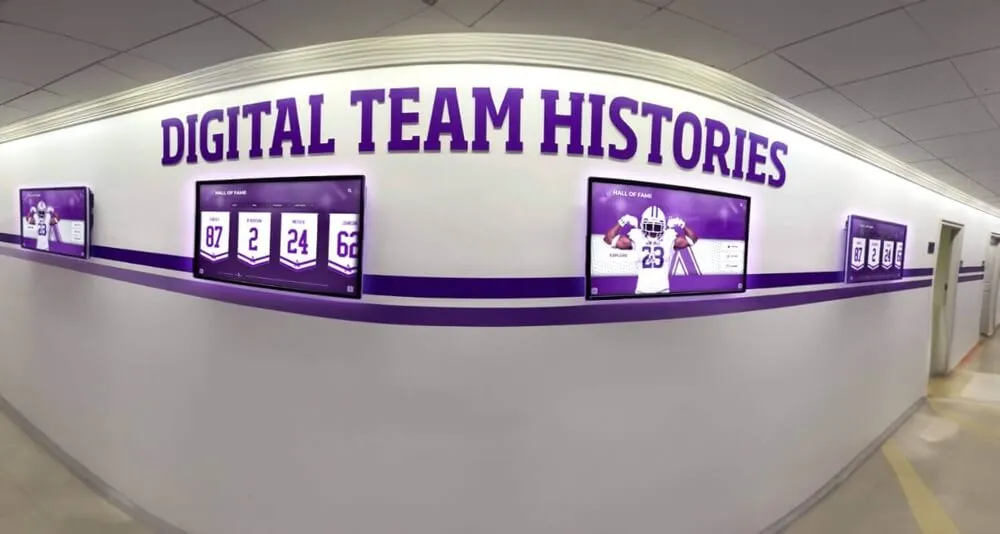
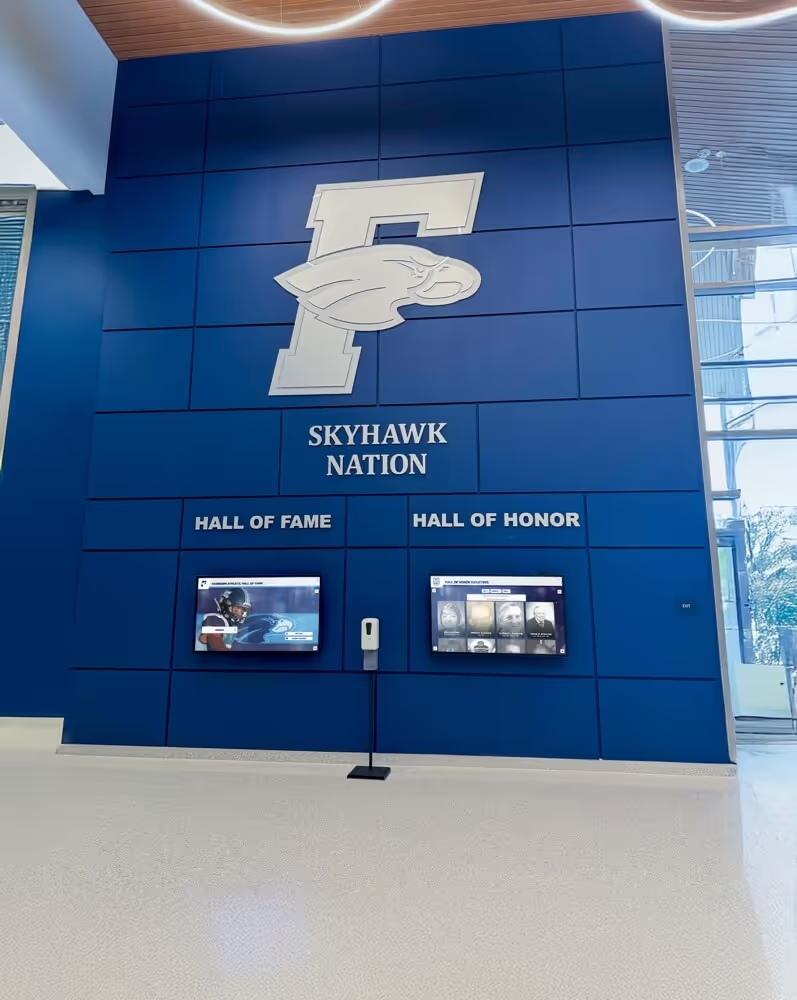
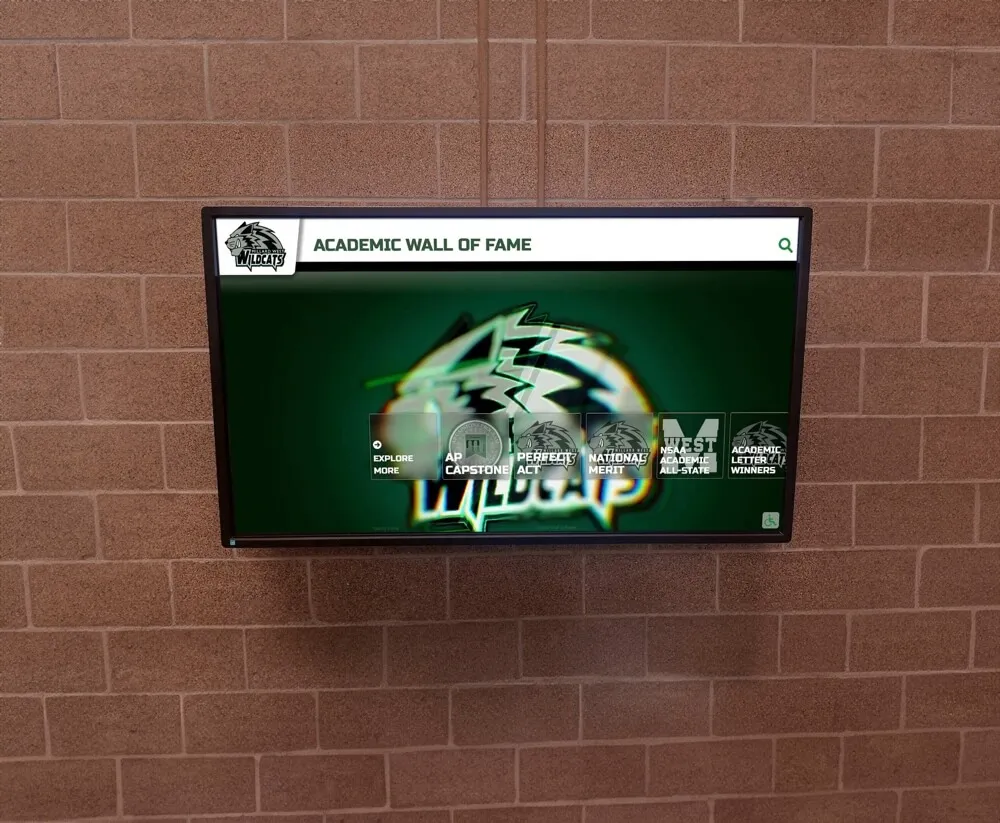
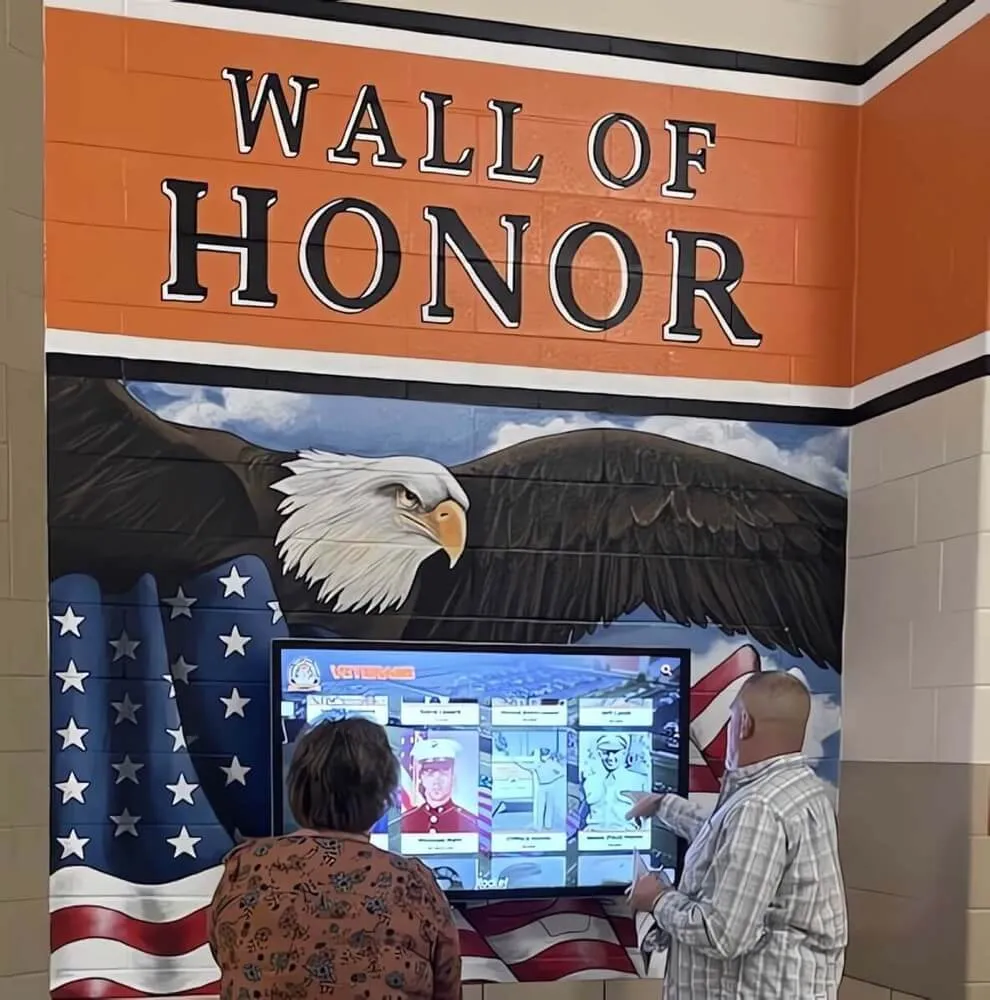
Universities increasingly invest in digital recognition systems that celebrate student leadership society members, making achievements visible to the entire campus community
What Is NSLS? Understanding the National Society of Leadership and Success
The National Society of Leadership and Success was founded in 2001 and has grown into one of the largest leadership honor societies in the United States, with chapters at more than 700 colleges and universities and a membership base that has surpassed one million students. Headquartered in New York, NSLS operates under the tagline “Become the Person You Want to Be” and positions itself as a leadership development organization as much as an honor society.
Unlike academic honor societies such as Phi Beta Kappa or discipline-specific groups like Tau Beta Pi for engineers, NSLS is primarily a leadership and professional development organization. Its emphasis is on building practical leadership skills, expanding professional networks, and providing scholarship access—not on recognizing a fixed academic threshold in the way that GPA-based societies do.
How NSLS Differs from Traditional Honor Societies
Traditional honor societies like Phi Kappa Phi or the National Honor Society (at the high school level) are invitation-only organizations recognizing students who have already achieved high academic standing. Being inducted is itself the primary recognition—the credential signals past achievement.
NSLS follows a somewhat different model. The invitation opens the door, but full membership requires completing an active participation program after paying the membership fee. Students are invited based on meeting a minimum GPA threshold (typically 2.5–3.0 depending on the chapter), but induction into full membership requires:
- Attending an Orientation and Success Training session with your chapter
- Completing three virtual Speaker Broadcasts featuring motivational speakers and leadership content
- Attending two Leadership Training Missions, which are peer-led group workshops on topics like effective communication, time management, goal setting, and team leadership
Only after completing these requirements is a student inducted in a formal ceremony and considered a full NSLS member. This completion-based model is important to understand: NSLS is asking you to earn the credential through participation, not just pay for it.
The NSLS Membership Fee
At the time of writing, NSLS charges a one-time membership fee of approximately $95–$117, depending on the school and any current promotions. This covers lifetime membership with no annual renewal fees. Students pay once and maintain their member status permanently, including access to the scholarship database, professional development resources, and alumni network after graduation.
The fee structure is where much of the criticism originates. Critics argue this makes NSLS a “pay to play” honor society. Defenders point out that most meaningful professional organizations—from bar associations to trade groups—charge membership fees, and that the resources provided have genuine dollar value. Both observations are true, which is why the fee question doesn’t resolve the worth question by itself.
How NSLS Membership Works: Requirements, Timeline, and Commitment
Understanding the actual time and effort involved helps set realistic expectations about what joining entails.
Typical NSLS Timeline:
Most students who pursue full membership complete the requirements within one semester. The workload is not burdensome for organized students:
- Orientation: A 90–120 minute session introducing the program
- Speaker Broadcasts: Three virtual broadcasts, each approximately one hour; most students can watch recordings if they miss the live version
- Leadership Training Missions (LTMs): Two peer-led group workshops of roughly 90 minutes each, focused on practical leadership skills
- Induction Ceremony: A formal ceremony celebrating completion and official membership
The total time investment for most students runs between 8–12 hours to complete all requirements—roughly equivalent to a single weekend of focused effort spread across a few weeks.
What Full Members Receive:
After completing requirements, members gain access to:
- The NSLS scholarship database with over $16,000 in direct NSLS scholarships and access to a broader external scholarship search tool
- Networking events and chapter meetings at their home institution
- The NSLS online member portal with leadership resources, webinars, and career development tools
- The official NSLS digital membership certificate and LinkedIn verification
- Access to alumni network features post-graduation
- Eligibility for officer and leadership roles within their local chapter
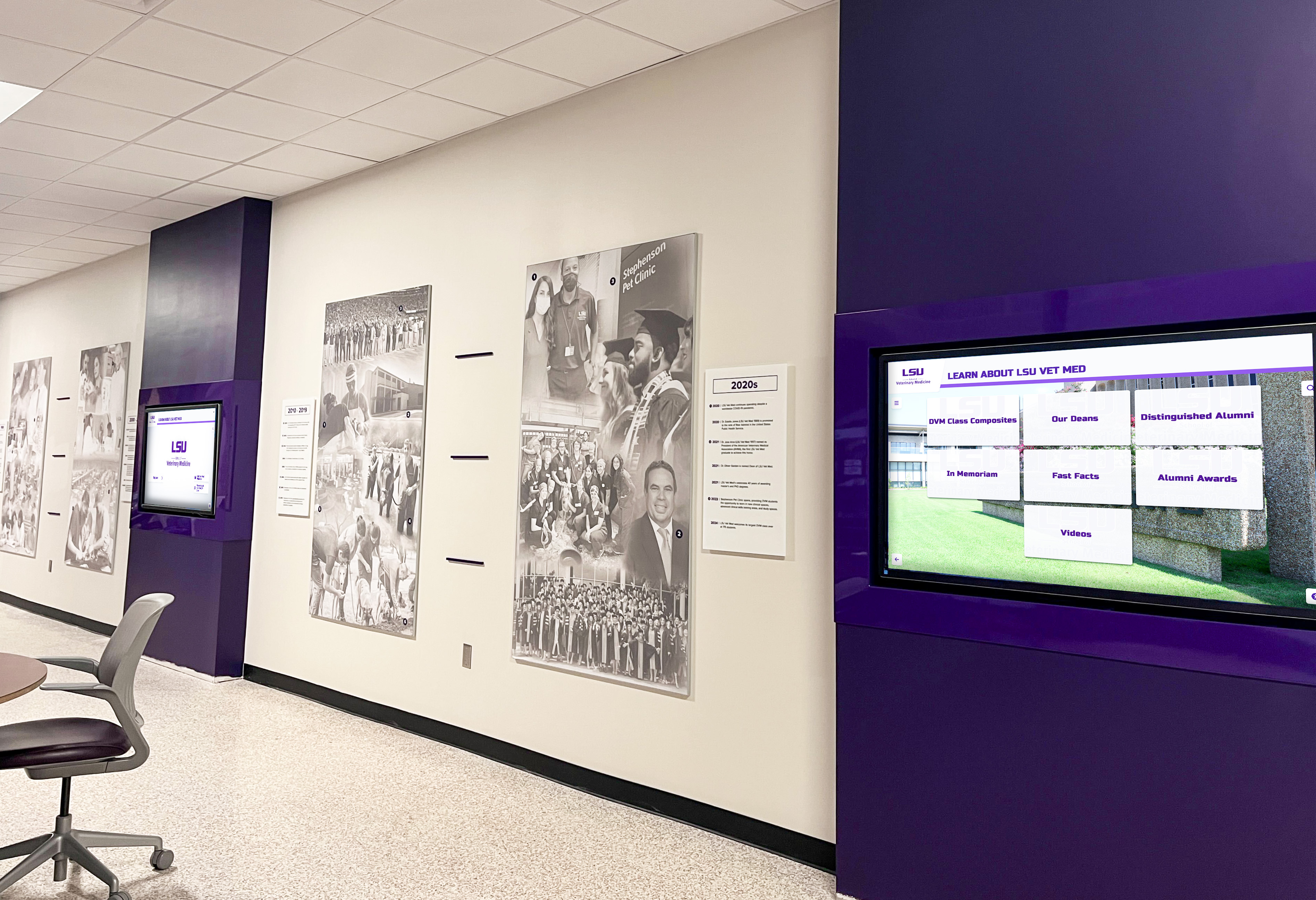
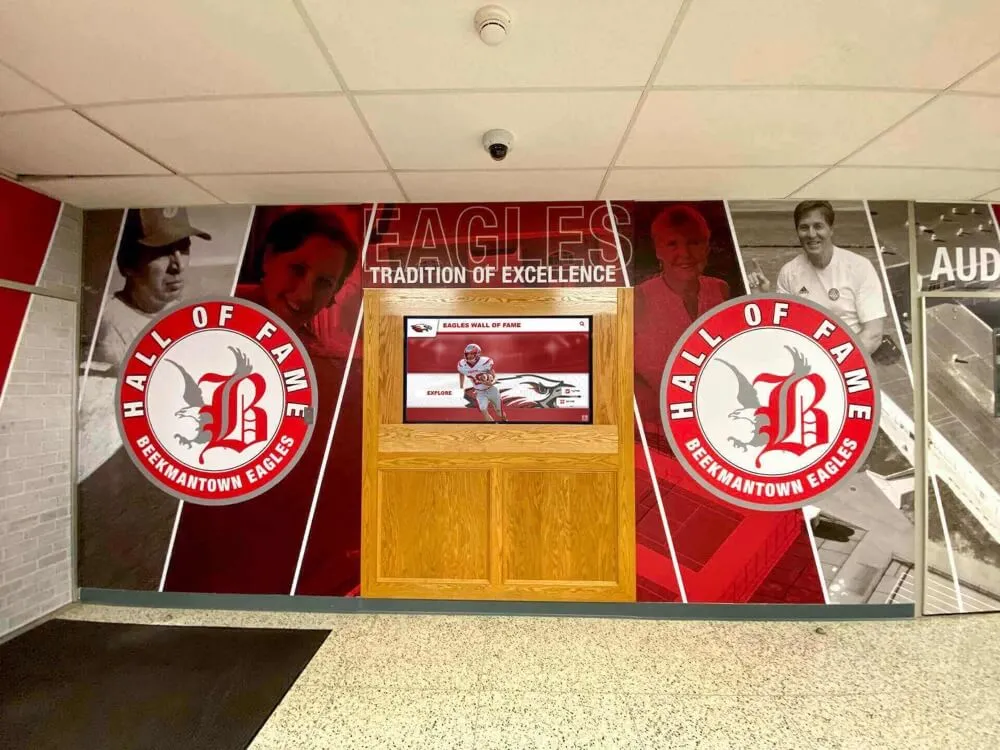
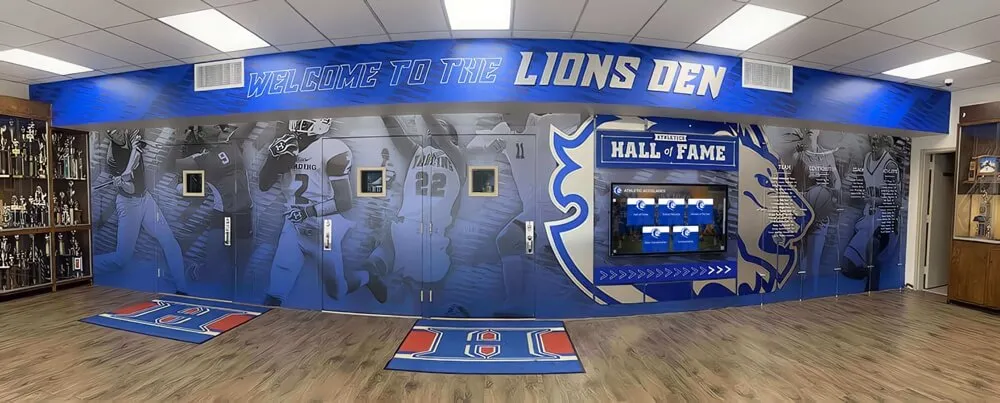
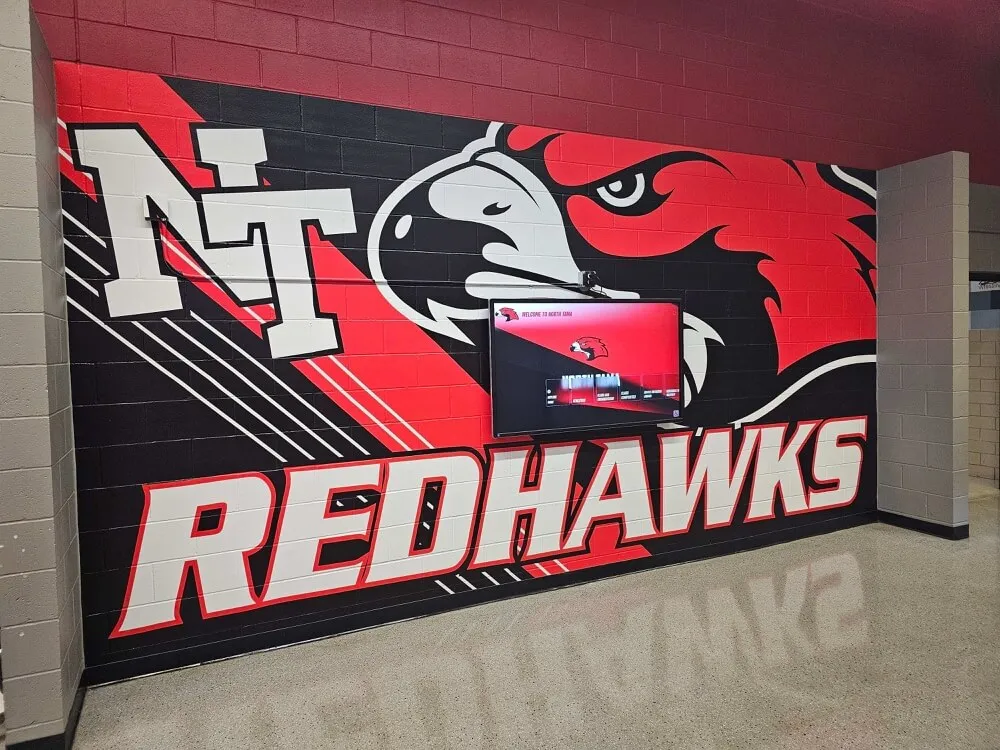
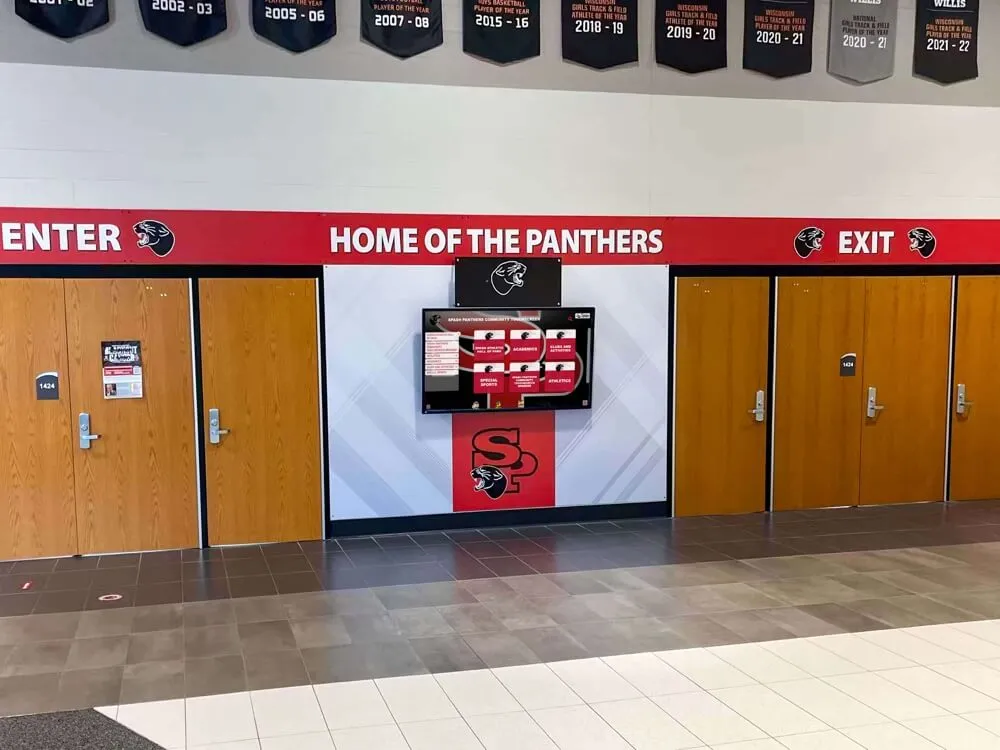
Permanent digital recognition in high-traffic campus corridors signals institutional commitment to celebrating student leadership achievement beyond ceremonies
The Honest Case FOR NSLS: Real Benefits Worth Considering
The pro-NSLS argument is more substantive than critics sometimes acknowledge. Here are the benefits that hold up under scrutiny.
1. The Scholarship Access Has Real Value
NSLS offers more than $16,000 in direct scholarships to members annually, distributed across multiple award categories. While competition exists for these awards, the number of applicants per scholarship is significantly lower than national scholarships with broader eligibility pools.
More practically, NSLS membership includes access to a scholarship search database. For students who haven’t systematically searched for institutional and private scholarships, even finding one award that offsets the membership fee represents a positive ROI. Students already conducting thorough scholarship searches will get less incremental value from this feature.
2. Leadership Experience for Résumés and Graduate Applications
For students in majors where structured leadership experience is sparse—say, an introductory student in a large lecture-heavy program without obvious club or organization options—NSLS provides a documented, structured experience. The Speaker Broadcasts and Leadership Training Missions create talking points about professional development that students can use in interviews and application essays.
For graduate school applications, demonstrated leadership engagement matters particularly in fields like public policy, education, healthcare administration, and business. NSLS membership, especially when combined with chapter officer roles, gives applicants a concrete example of leadership initiative.
Understanding how schools build structured academic honor recognition programs provides useful context for evaluating how leadership credentials function alongside traditional academic recognition on applications.
3. The Networking Opportunity Is Real at Active Chapters
NSLS chapter quality varies significantly by school, but at universities with active chapters, the networking value is genuine. Students gain access to a peer community interested in professional development at a stage—early college—when such networks are being built from scratch. NSLS events frequently feature local business leaders and professionals as guest speakers, creating connections that discipline-specific classes don’t provide.
The alumni network, while less structured than some professional associations, gives graduating members a basis for LinkedIn connection and professional reach-outs that cold contacts lack.
4. Leadership Skill Development for Students Who Engage
The Leadership Training Missions—the peer-led workshops—receive generally positive reviews from students who engage with them seriously. Topics like conflict resolution, active listening, team dynamics, and goal-setting are directly applicable to any professional context. Students who treat the LTMs as genuine learning opportunities rather than checkboxes report meaningful skill development.
The Speaker Broadcasts vary in quality (as motivational speakers do), but the best ones provide frameworks and perspectives that stick. Students who treat the completion requirements as a floor rather than a ceiling—attending optional events, taking on chapter roles, participating in community service projects—consistently report higher satisfaction with NSLS membership value.
5. Institutional Recognition and Visibility
Colleges and universities often maintain official recognition relationships with NSLS chapters, and being inducted at a formal ceremony—particularly one attended by faculty advisors and administrators—carries social and professional significance on campus. At schools where NSLS is recognized by career services and development offices, the credential carries internal visibility that supports internship recommendations and university-level awards nominations.
For students researching how academic recognition programs compare across institutions, academic awards examples by recognition category and grade level provides useful context about how different credentials communicate achievement to different audiences.
The Honest Case AGAINST NSLS: Legitimate Criticisms to Weigh
The criticism of NSLS isn’t just internet skepticism. There are substantive concerns that deserve consideration before joining.
1. “Invite Factories” Lower the Credential’s Signaling Power
The GPA threshold for NSLS invitations is lower than traditional academic honor societies—often 2.5 or above, compared to 3.5+ for societies like Phi Kappa Phi or Golden Key. Some chapters invite a significant portion of their eligible student population, which means the invitation itself doesn’t signal the selectivity that makes honor society credentials compelling on résumés.
If your interviewer or admissions committee knows that NSLS accepts a broad range of students at the invitation stage, the credential’s external signaling value is diminished compared to more selective organizations. The honest answer is that NSLS carries more weight internally—at your institution and in your network—than it does with external audiences unfamiliar with the organization.
2. Employer and Admissions Committee Recognition Varies
In some industries and regions, NSLS is well-recognized. In others, hiring managers and admissions committees are unfamiliar with it. Unlike Phi Beta Kappa, which carries consistent name recognition among hiring managers with liberal arts backgrounds, or NHS (which is universally recognized among K-12 educators), NSLS requires more context in application materials.
Students who list NSLS without explanation may find it does little work. Students who briefly contextualize it—“inducted into NSLS after completing leadership training program; served as chapter [officer/committee member]"—get more mileage from the credential.
3. The Experience Value Requires Active Engagement
The minimum completion requirements—three Speaker Broadcasts and two LTMs—are enough to get inducted but not enough to extract the full value of membership. Students who do the minimum, get their certificate, and move on frequently report that NSLS wasn’t worth it. Students who engage actively—attend optional events, take chapter leadership roles, apply for scholarships, use the alumni network—report the opposite.
This makes NSLS fundamentally different from an academic honor society, where the value is largely in the credential itself. NSLS is more like a gym membership: the equipment is available, but you have to actually use it to get results.

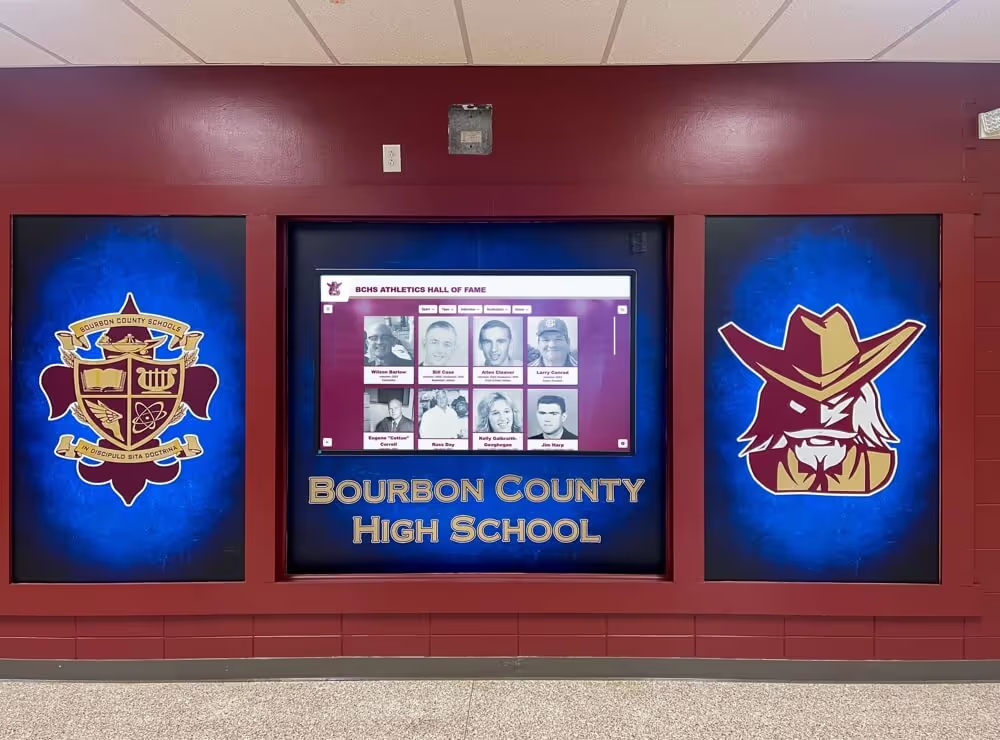
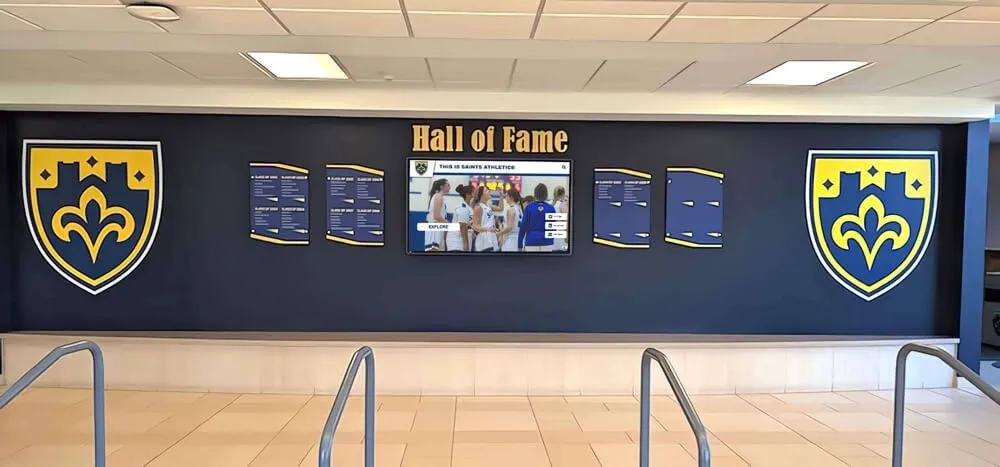
Comprehensive recognition systems celebrate students across all achievement categories—academic honors, athletics, and leadership societies—creating aspirational culture throughout campus environments
4. Better Free Alternatives Exist for Some Students
Depending on your institution and major, there may be comparable or superior alternatives that don’t require a membership fee:
- Department-specific honor societies (e.g., Beta Gamma Sigma for business, Pi Sigma Alpha for political science) often carry stronger name recognition within their fields
- Campus leadership programs run by student affairs offices frequently offer structured leadership development at no cost
- Student government and club officer roles provide demonstrated leadership experience with zero membership fee
- Rotary, Lions, or other community service organizations offer networking with established professional networks
For students who already have access to strong leadership development pathways through their institution or major, the incremental value of NSLS membership is lower than for students whose options are more limited.
5. Not All Chapters Are Equal
NSLS chapter quality varies enormously. An active chapter with engaged officers, well-attended events, and a strong relationship with the career services office provides a genuinely different experience than a dormant chapter that processes memberships with minimal programming. Students should research their specific chapter—look for active social media presence, check with current students, and ask chapter officers about recent programming—before deciding.
Who NSLS Is (and Isn’t) Right For: A Practical Decision Framework
Rather than a universal verdict, here’s a framework for making the decision that fits your situation.
NSLS is likely worth it if:
- You’re an underclassman still building your leadership résumé and professional network from scratch
- You’re in a major or program where structured leadership experience is hard to find organically
- Your chapter is active and well-regarded at your institution
- You’re willing to engage beyond the minimum requirements—attend events, apply for scholarships, take on chapter roles
- You’re considering graduate school applications where documented leadership engagement supports your candidacy
- The $95–$117 fee is manageable and you haven’t already accessed comparable scholarship search tools
NSLS may not be worth it if:
- You already hold more selective leadership roles (student government officer, club president, research lab position)
- You’re already a member of a more recognized honor society in your field
- Your chapter is largely inactive with minimal programming
- You’re planning to complete only the minimum requirements for the certificate
- You’re a senior in your final semester with limited time to engage with the organization
For context on how institutions calendar and celebrate different types of student achievement throughout the year, school recognition days 2026 calendar guides show how different credentials and milestones are woven into institutional recognition culture.
NSLS vs. Other Leadership Honor Societies: How It Compares
For context, here’s how NSLS compares to other common leadership-oriented honor societies students might encounter.
| Society | Selectivity | Focus | Fee | Recognition Level |
|---|---|---|---|---|
| NSLS | Moderate (GPA 2.5–3.0+) | Leadership development | ~$95–$117 one-time | Growing; institution-dependent |
| Omicron Delta Kappa (ODK) | High (top 35% + campus involvement) | Leadership recognition | Varies (~$75–$100) | Strong at member institutions |
| Order of Omega | High (Greek leadership excellence) | Greek leadership | Varies | Recognized within Greek communities |
| Alpha Lambda Delta | Moderate (3.5 GPA first year) | Academic + leadership for first-years | ~$50 | Moderate; known for first-year recognition |
| Phi Kappa Phi | Very high (top 7.5–10% GPA) | Academic excellence | ~$70 initiation | High; strong name recognition |
NSLS competes most directly with ODK for multi-dimensional leadership recognition. ODK requires demonstrated campus leadership before eligibility, making it more selective but available only to students who have already established leadership involvement. NSLS is more accessible to students still building their leadership profile, which is both its advantage and its Achilles heel in terms of credential signaling.
For students deciding between multiple honor society invitations, the general principle is: prioritize recognition from the most selective organization you can achieve membership in, while engaging actively in whichever organizations you do join. Multiple memberships with shallow engagement typically add less résumé value than deep, active engagement in a single organization.
For additional context on leadership recognition programs with hierarchical structures, JROTC ranks and recognition frameworks illustrate how tiered achievement systems communicate different levels of commitment and accomplishment to external evaluators.

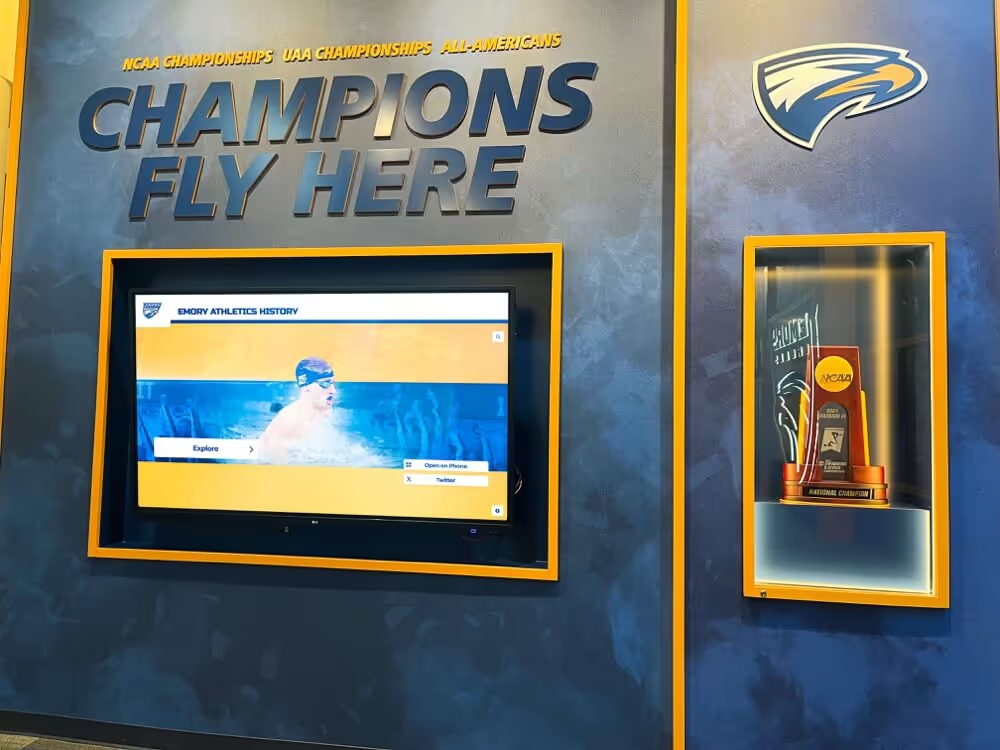
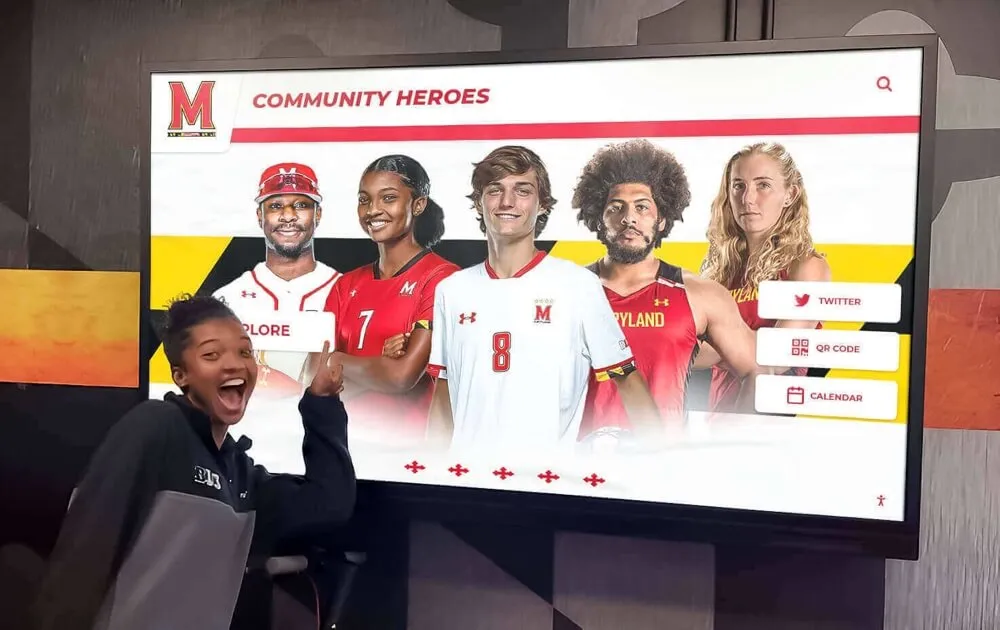
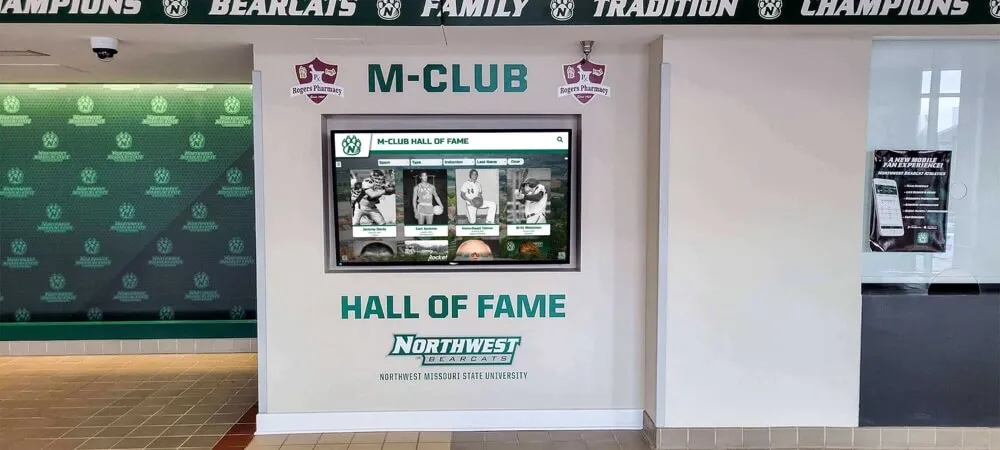
Interactive campus kiosks transform static honor society recognition into engaging, searchable archives that connect visitors to student leadership achievements at any time
How leadership recognition connects to long-term academic and career outcomes also matters when evaluating NSLS. National Merit Scholar touchscreen recognition guides illustrate how credential visibility—both at the time of achievement and through permanent, searchable recognition—shapes the long-term value students and institutions extract from honors programs.
How Schools and Universities Can Recognize NSLS Members
The “is NSLS worth it” question extends beyond individual students to institutional policy. Colleges and universities that host active NSLS chapters face a parallel question: how should we recognize and celebrate NSLS membership in ways that reinforce its value for students while maintaining appropriate institutional standards?
The Recognition Gap for Leadership Society Members
At many institutions, NSLS recognition defaults to induction ceremonies alone—a meaningful event in the moment but one that creates temporary visibility rather than lasting recognition. Students who complete NSLS requirements deserve sustained, visible celebration that inspires underclassmen to pursue membership and helps inducted students connect their achievement to their developing professional identity.
Traditional physical recognition approaches—plaques, bulletin boards, framed photos—face the same space and scalability constraints that limit recognition across all student achievement categories. As NSLS chapters grow and historical membership accumulates, static displays quickly become outdated or selectively recognize only recent cohorts.
For institutions thinking about how to refresh their approach to recognition, how to modernize recognition walls demonstrates proven strategies for transitioning from static physical recognition to dynamic, scalable digital systems—strategies that apply directly to leadership society recognition programs.
Digital Recognition Strategies for NSLS Chapters
Modern digital recognition platforms allow universities to celebrate NSLS members with the same prominence and permanence typically reserved for athletic achievements and major academic honors.
Member Profile Archives
Digital displays can maintain comprehensive, searchable NSLS member archives organized by induction year, chapter officer role, scholarship recipients, and special recognition categories. Rather than a flat list of names on a bulletin board, each member profile can include:
- Professional headshot from induction ceremony
- Chapter officer positions and committee leadership roles
- Scholarship awards received through NSLS
- Leadership initiatives and community service projects completed
- Personal leadership statements and post-graduation destinations
Induction Ceremony Integration
Digital recognition systems can be updated immediately following induction ceremonies, creating same-day visibility for new members. When students’ profiles appear on campus displays within hours of their official induction, the recognition feels immediate and meaningful rather than an administrative afterthought added weeks later.
Historical Archive and Legacy Building
For NSLS chapters that have operated for years or decades, digital archives can document complete chapter history—every member, every cohort, every leadership initiative—in searchable form accessible to current students, alumni, and campus visitors. This historical depth transforms recognition from a current-events display into an institutional legacy that communicates the program’s sustained value over time. Building individual donor and student stewardship programs provides a framework for how institutions can create lasting recognition relationships with students that extend well beyond their enrollment years.
Campus Visibility and Recruitment Impact
When NSLS recognition is visible in high-traffic campus areas—lobby displays, student union installations, corridor digital signage—it serves as passive recruitment marketing for the program itself. Students who see peers celebrated in prominent recognition displays are more likely to engage seriously with NSLS invitations when they receive them. The recognition becomes part of the campus culture that makes the program’s value tangible.

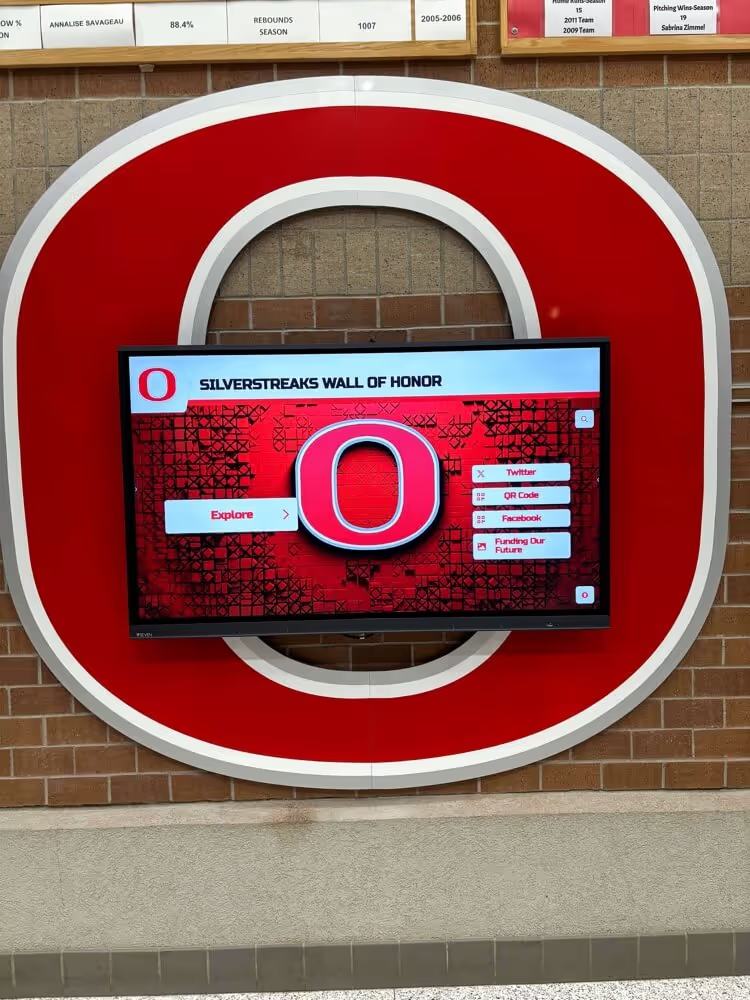
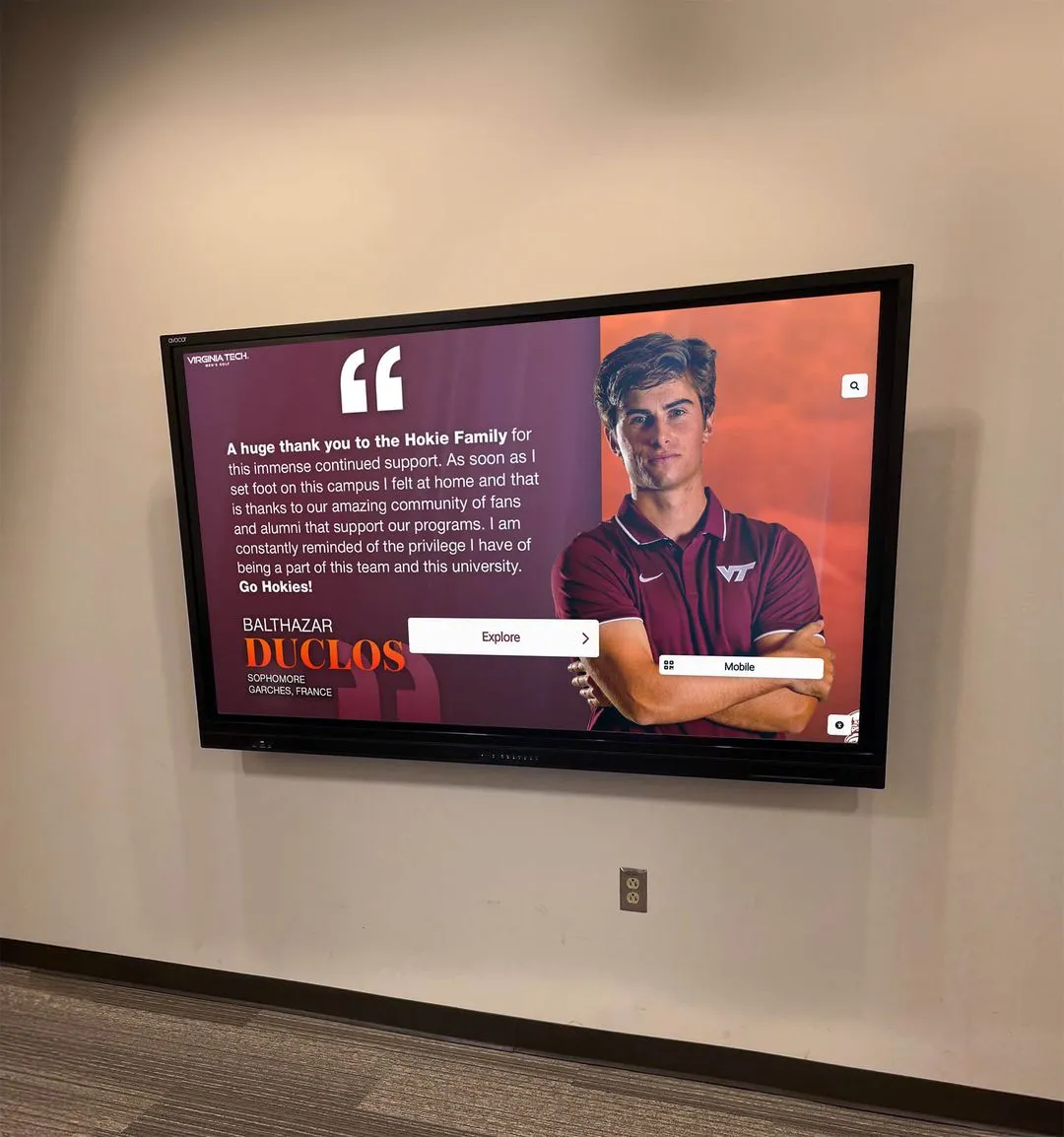
Prominent campus recognition installations honoring leadership society members communicate institutional values and inspire current students to pursue similar achievements
Solutions like Rocket Alumni Solutions provide universities and colleges with purpose-built digital recognition platforms that eliminate the space constraints and update challenges of physical displays while creating interactive, engaging recognition experiences for leadership society members. Touchscreen kiosk installations in lobbies and common areas allow students, families, and visitors to explore NSLS member achievements at any time—extending the recognition value far beyond the induction ceremony itself.
For schools evaluating whether digital donor and recognition walls are worth the institutional investment, donor walls complete guide 2026 provides a framework for assessing costs, benefits, and implementation approaches that apply equally to student leadership recognition programs.
Beyond the Certificate: Making the Most of NSLS Membership
For students who have already joined NSLS or are leaning toward joining, the question shifts from “is it worth it?” to “how do I make it worth it?” The answer consistently comes from research on member satisfaction: active engagement in the program predicts positive outcomes, and passive participation predicts disappointment.
High-Return Engagement Strategies
Take a Chapter Leadership Role
Officers in NSLS chapters—presidents, vice presidents, community service chairs, event coordinators—develop demonstrable organizational and leadership skills that passive members don’t. Officer experience converts NSLS from a line item on a résumé to a substantive leadership narrative. Most chapters have open positions and welcome motivated members willing to contribute.
Apply for Every Scholarship You’re Eligible For
The scholarship application process itself is valuable practice: writing competitive scholarship essays, requesting recommendations, and articulating leadership accomplishments are skills directly applicable to graduate school applications and competitive employment processes. The NSLS scholarship database is only valuable if you use it, and students report that members who submit multiple applications are the ones who benefit financially.
Use the Speaker Broadcasts as Learning Events, Not Compliance Requirements
The Speaker Broadcasts feature professionals with genuine expertise and experience. Students who approach them as educational opportunities—taking notes, reflecting on applications to their own goals, following up on ideas mentioned—extract significantly more value than students treating them as boxes to check.
Build Your Chapter Community
The networking value of NSLS is most accessible through consistent, authentic engagement with fellow members—not through formal events alone. Students who show up early, stay late, volunteer for committees, and invest in peer relationships build the professional network that NSLS promises. This requires treating fellow members as potential long-term colleagues and collaborators, not just faces at required events.
Documenting NSLS for Applications
Whether applying to graduate school, scholarships, or employment, students benefit from documenting NSLS engagement specifically rather than generically. Effective documentation includes:
- Specific role and responsibilities: Not “NSLS member” but “NSLS Vice President, coordinating 12 monthly chapter events for 80 members”
- Concrete outcomes: “Applied for and received $2,500 NSLS scholarship” or “Led community service initiative with 35 participants contributing 150 volunteer hours”
- Skills developed: Communication, event management, team leadership, conflict resolution—with examples
- Duration and commitment: Years of active participation demonstrate sustained commitment beyond initial induction
The same principles that make recognition effective for institutions apply to individual students documenting their own achievements—specificity, context, and demonstrated impact matter far more than the credential name alone. Employee recognition programs that build culture of appreciation offers a parallel perspective on how recognition functions in professional contexts, providing a preview of the environment NSLS members will enter after graduation.
The School Administrator Perspective: Should Your Institution Promote NSLS?
For faculty advisors, student affairs professionals, and academic administrators evaluating whether to actively support or endorse NSLS at their institution, the relevant considerations differ from the individual student question.
Institutional Benefits of Active NSLS Chapters
Well-run NSLS chapters contribute meaningfully to campus leadership development infrastructure. They provide structured programming that complements but doesn’t duplicate student government, Greek life, or major-specific organizations. For first-generation college students and students unfamiliar with professional networking norms, NSLS chapters can provide foundational professional development that these students might not access otherwise.
The scholarship component also adds measurable financial value for member students—a positive outcome institutions can point to when demonstrating student success support.
Quality Assurance and Chapter Health
Institutions benefit from maintaining oversight of their NSLS chapter’s programming quality and officer engagement. Chapters that process memberships without meaningful programming undermine the organization’s stated value and may generate student complaints that reflect on the institution. Faculty advisors who invest in chapter quality—helping officers develop programming, connecting members to campus resources, facilitating relationships with career services—help ensure the chapter delivers on its promises.
Recognition as Institutional Investment
When institutions invest in recognizing NSLS members prominently—through displays, events, and formal acknowledgment alongside other leadership honors—they signal that leadership society membership carries institutional weight. This signal matters for student motivation: students who see NSLS recognition treated as substantively meaningful by their institution are more likely to engage seriously with the program.
How athletic and academic programs use physical and digital recognition to preserve achievement history offers a useful parallel. Tracking and preserving school athletic records and history demonstrates the principles of comprehensive archival recognition that apply equally to leadership society history preservation.
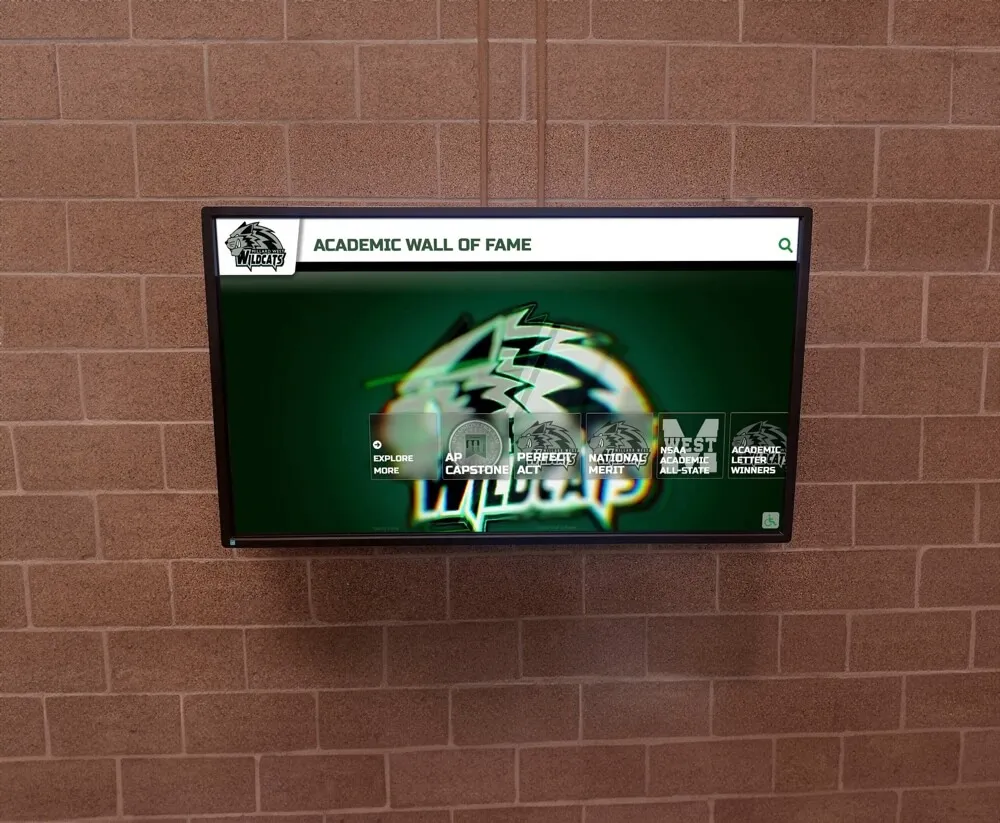
Schools that invest in prominent, permanent academic and leadership recognition signal institutional values that shape student culture and motivate achievement across programs
Frequently Asked Questions About NSLS
Is NSLS a legitimate honor society?
Yes. NSLS is an accredited member of the Association of College Honor Societies (ACHS), which sets standards for honor society quality and legitimacy. ACHS membership is the benchmark credential for distinguishing legitimate honor societies from diploma mills, and NSLS has maintained this accreditation. That said, ACHS accreditation doesn’t address questions about an individual chapter’s programming quality or a specific credential’s relevance to a particular career path.
Does NSLS look good on a résumé?
It can, depending on how you present it and what you’ve done with it. Generic listing of NSLS membership adds modest value at best. Active engagement—officer roles, scholarship awards, documented leadership initiatives—adds meaningful value, especially for students whose résumés are otherwise light on leadership experience. The credential carries more weight internally (at your institution and in your professional network) than it does with external audiences unfamiliar with the organization.
Is NSLS worth the fee?
For students who engage actively, the scholarship access alone can offset the membership fee, and the leadership experience adds value that’s harder to quantify. For students who complete minimum requirements and disengage, the fee likely isn’t offset by tangible returns. The honest answer is that the fee is a small determinant of value compared to engagement level.
Can I get my money back if I decide NSLS isn’t for me?
NSLS does not typically offer refunds on membership fees once they are processed. If cost is a concern, research your specific chapter’s programming quality before committing—not just the national organization’s materials.
Does NSLS help with graduate school applications?
Leadership society membership, including NSLS, can strengthen graduate school applications in fields that value demonstrated leadership and professional development. Active engagement—officer roles, scholarship awards, community service coordination—provides concrete examples for personal statements and interviews. Passive membership adds minimal value to graduate applications.
Is NSLS worth it for community college students?
NSLS has chapters at community colleges as well as four-year institutions. For community college students planning to transfer to four-year programs, NSLS membership can strengthen transfer applications by demonstrating leadership initiative and professional engagement. The scholarship resources are equally accessible regardless of institution type.
How does NSLS compare to Phi Beta Kappa or Phi Kappa Phi?
Phi Beta Kappa and Phi Kappa Phi are more selective academic honor societies (typically requiring top 10% GPA or higher) with stronger name recognition in academic and professional contexts. If you’re invited to both NSLS and a more selective society, prioritizing the more selective organization generally serves career and application goals better. The organizations aren’t mutually exclusive—students often join both.
Conclusion: Making an Informed Decision About NSLS
So, is NSLS worth it? The honest answer is: probably yes if you engage, probably no if you don’t—and the fee matters less than your own behavior as a member.
NSLS is a legitimate, ACHS-accredited organization with real benefits: scholarship access, structured leadership development programming, campus networking opportunities, and a growing alumni network. The credential has genuine value for students actively building leadership experience, particularly those in fields where professional development resources are otherwise sparse and for graduate school applicants who need leadership examples to discuss.
The criticisms are also valid: the invitation threshold is lower than elite honor societies, chapter quality varies substantially, and students who complete minimum requirements without deeper engagement frequently feel the membership wasn’t worth the fee. The organization’s value is contingent on engagement in a way that academic honor societies—where the credential itself is the primary recognition—are not.
For schools and universities supporting NSLS chapters, the institutional question parallels the student question: shallow recognition of a legitimate program produces modest outcomes; active investment in chapter quality and prominent member recognition creates meaningful culture-level benefits. Digital recognition systems that celebrate NSLS members with the same visibility and permanence given to other academic honors signal that leadership development matters—and that signal itself shapes student engagement with the program.
Whether you’re a student deciding whether to accept an NSLS invitation or an administrator evaluating your institution’s approach to leadership society support, the path to maximizing value is the same: treat the credential as the beginning of engagement, not the end of it.
Celebrate Your Leadership Society Members the Right Way
Discover how modern digital recognition solutions from Rocket Alumni Solutions help colleges and universities honor NSLS members, academic honor societies, and student leaders with the permanent, visible recognition that inspires the next generation to pursue leadership excellence.
Explore Digital Recognition Solutions