



Every lacrosse coach understands the fundamental truth separating winning programs from those perpetually fighting for playoff spots: games are decided by shooting efficiency, not shooting volume. Teams generating 35 quality shot attempts but converting only 15% will consistently lose to opponents taking 20 shots and scoring at 30% rates. Elite offensive execution requires more than raw athleticism or aggressive dodging—it demands systematic development of lacrosse shooting drills that transform average shooters into clutch scorers who capitalize on every possession.
Yet despite shooting’s critical importance to offensive success, many lacrosse programs dedicate insufficient practice time to structured shooting development. Practices emphasize dodging, clearing, and transition work while treating shooting as something players should naturally master through game repetition alone. This approach leaves scoring opportunities unrealized and forces teams to grind through low-scoring battles against defensively sound opponents who eliminate second chances.
Championship lacrosse programs approach shooting differently. They implement systematic shooting development through progressive drills building complete offensive arsenals—from fundamental release mechanics through game-situation accuracy under defensive pressure. This comprehensive guide presents ten proven lacrosse shooting drills developing the technical precision, quick release capability, accuracy under pressure, shot variety, and scoring confidence that separate elite offensive players from those who merely participate in attacks.

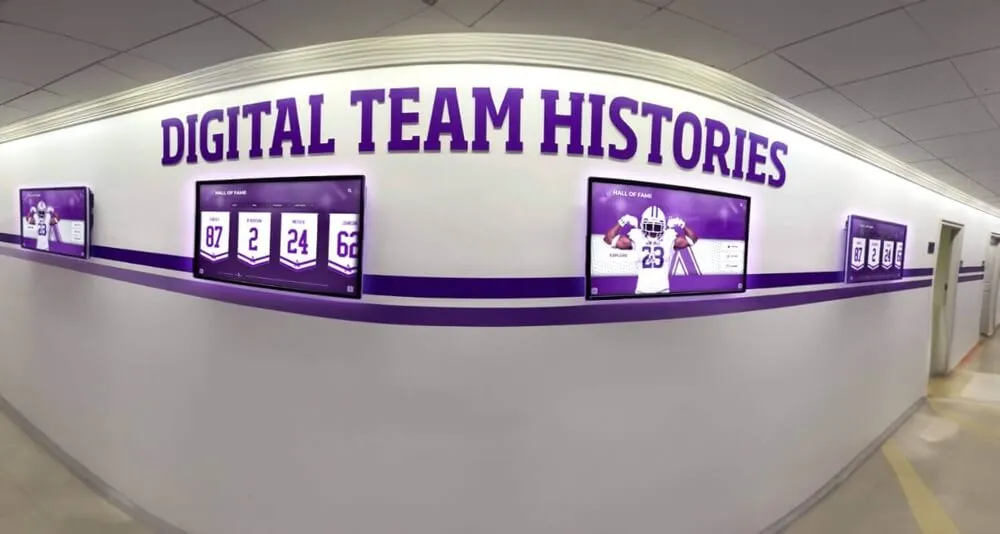
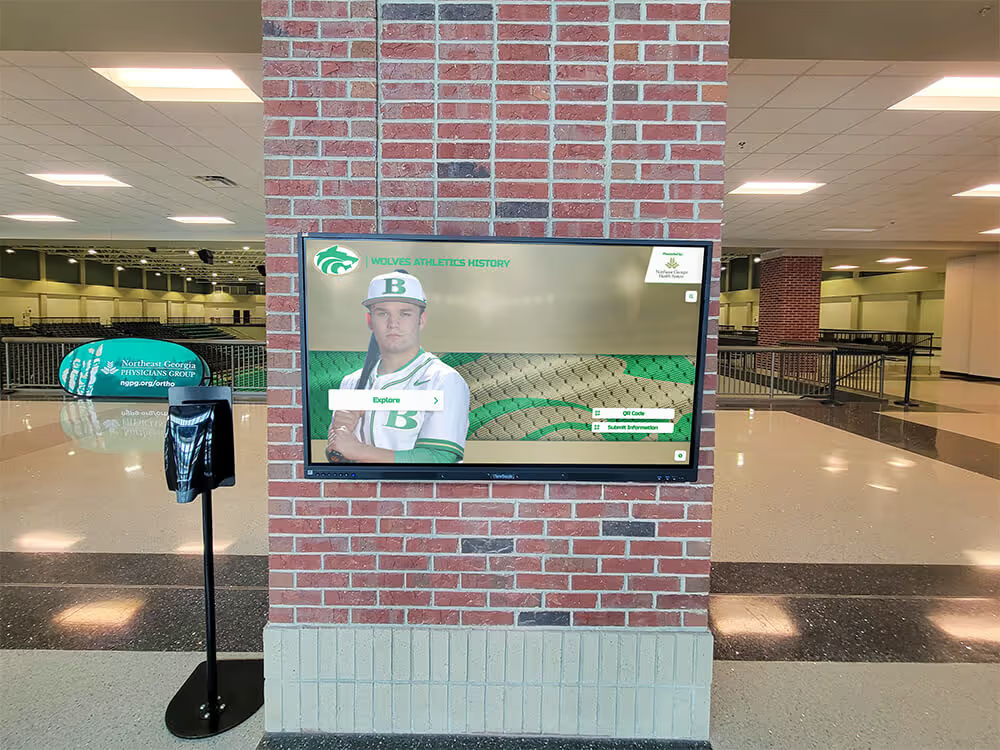
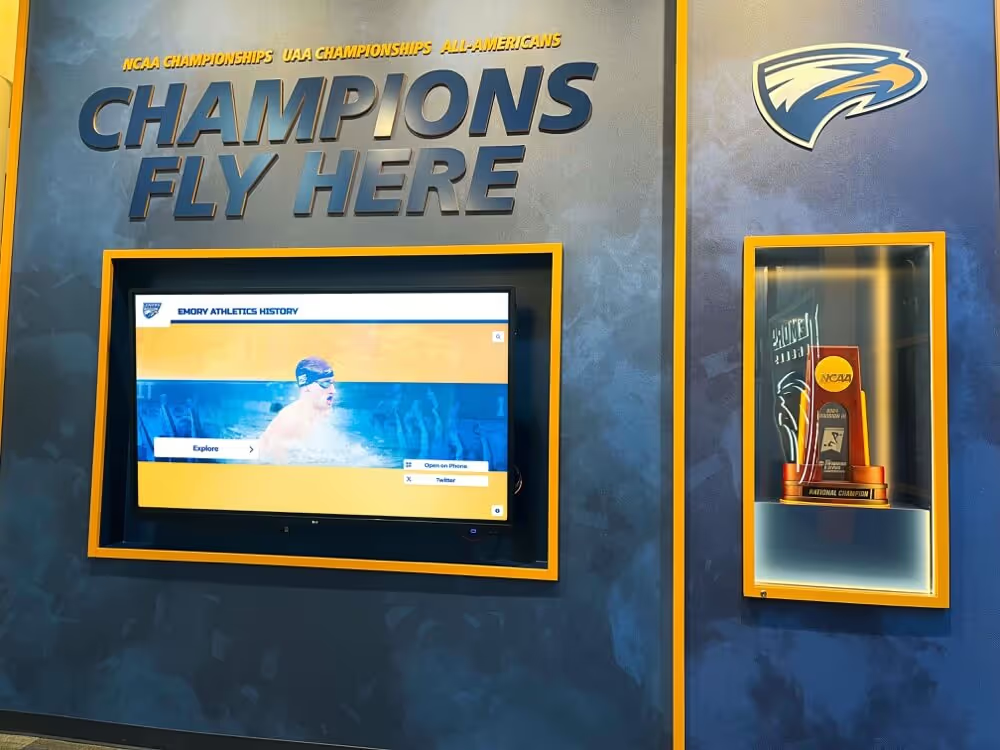
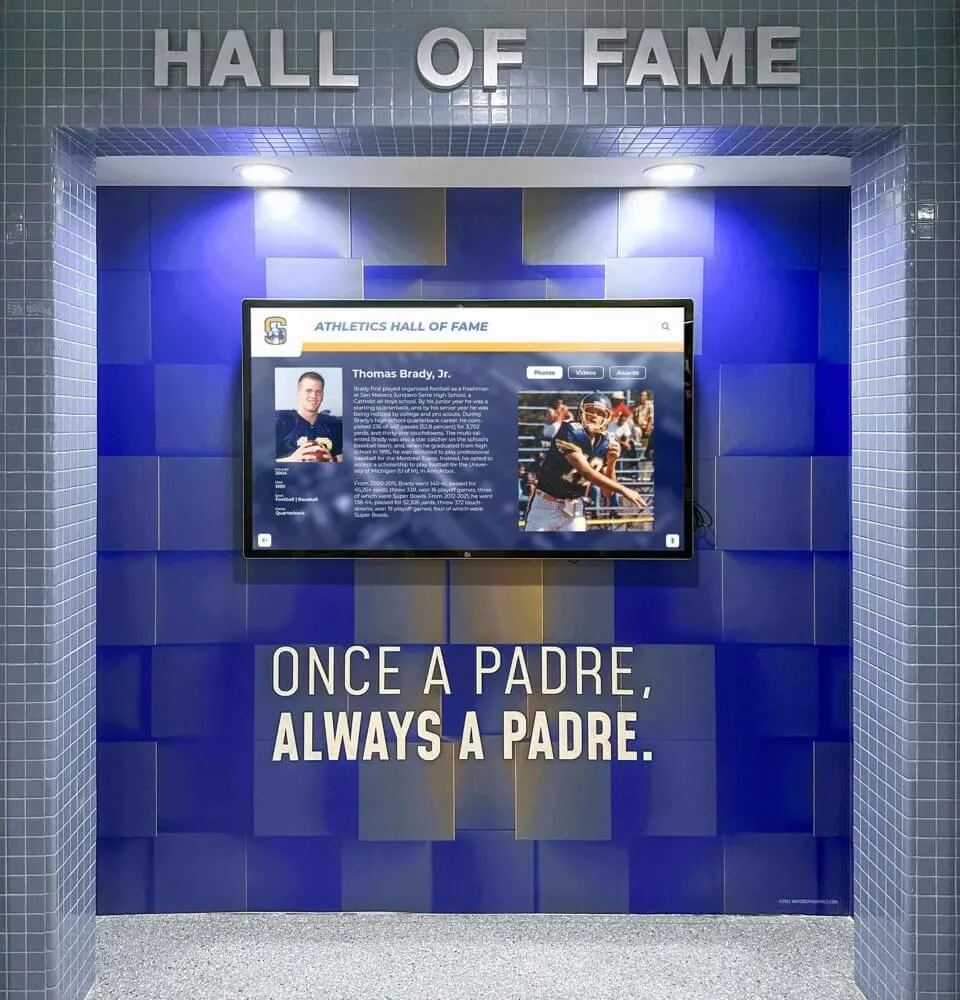
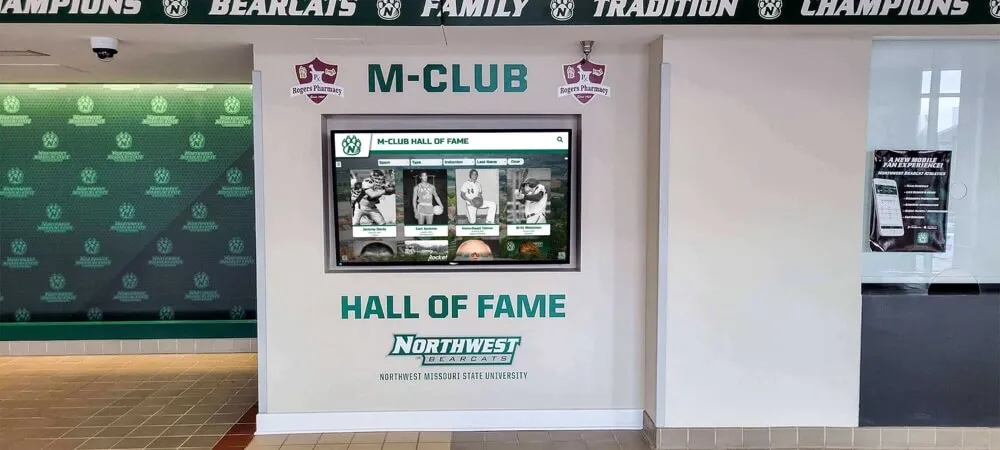
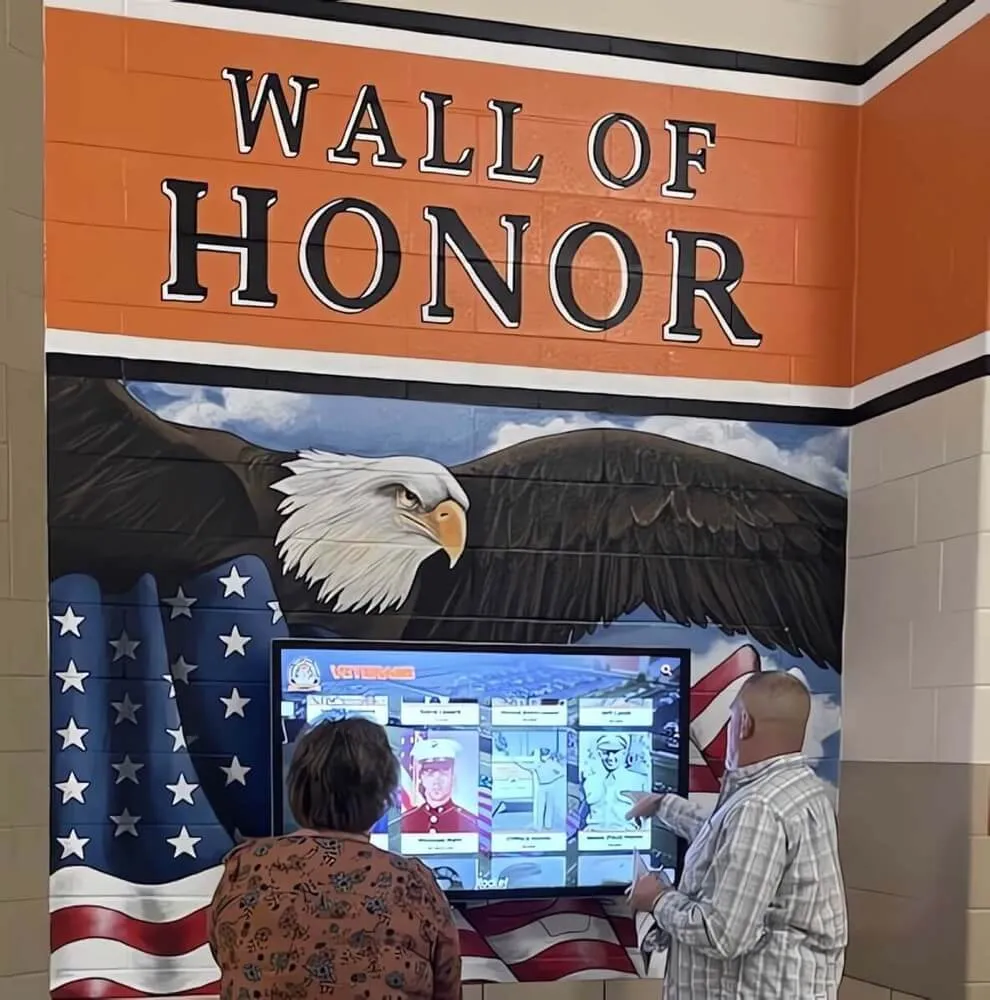
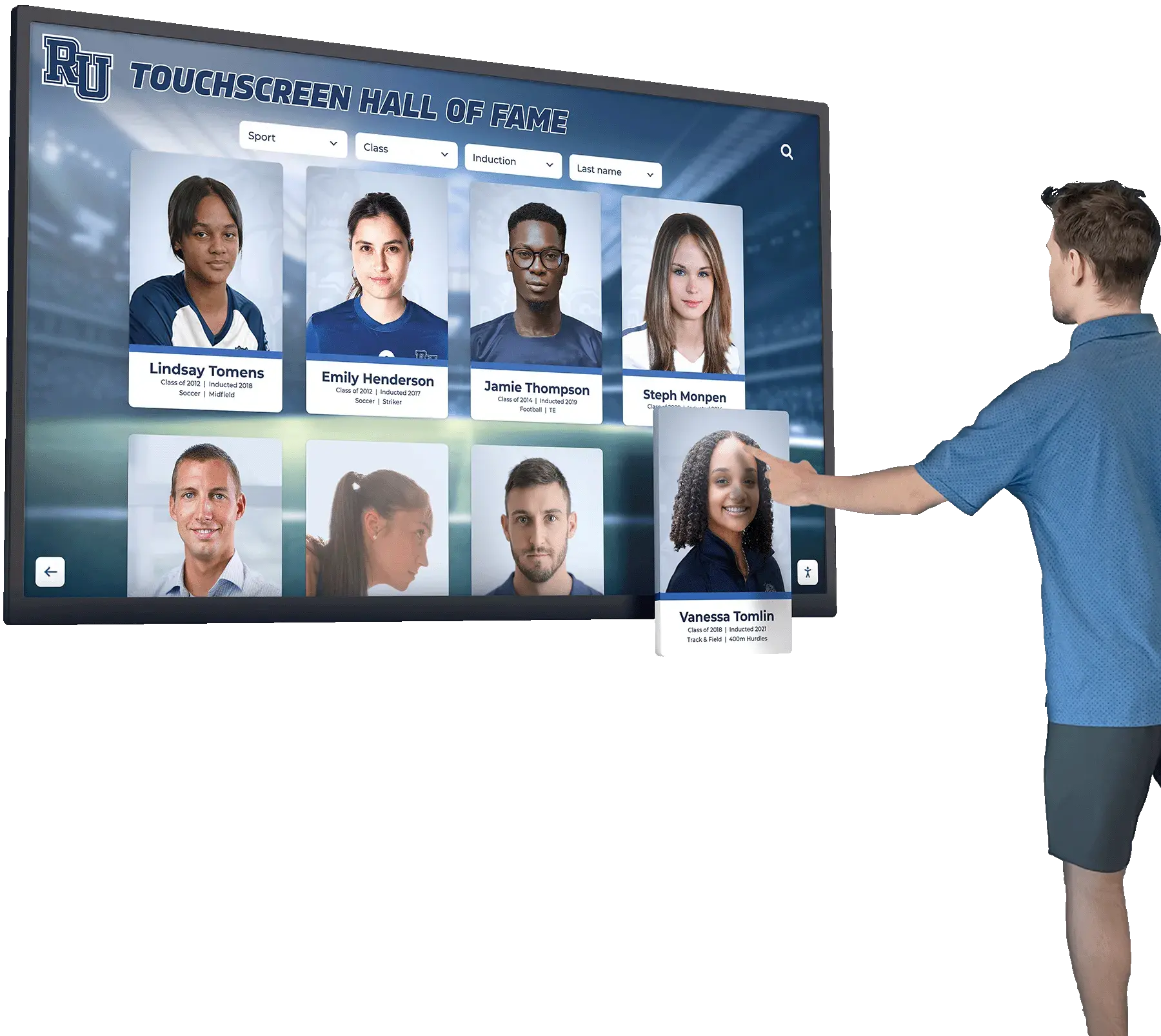
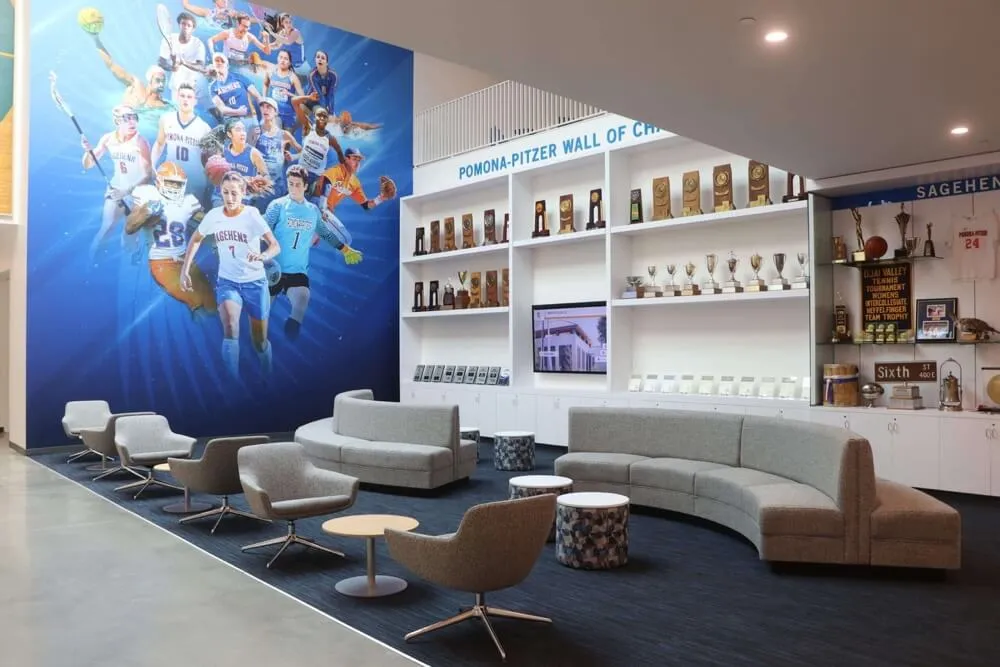
Championship lacrosse programs celebrate offensive excellence through recognition systems showcasing goal-scoring achievements and offensive records
Understanding Lacrosse Shooting Fundamentals: The Foundation of Scoring Excellence
Before implementing specific lacrosse shooting drills, players must understand fundamental shooting principles that make offensive systems effective and enable consistent goal production against quality competition.
The Anatomy of an Elite Lacrosse Shot
Effective lacrosse shooting combines multiple technical elements executing in precise sequence. Breaking down the complete shooting motion into component parts helps coaches identify and correct specific weaknesses preventing scoring success.
Body Positioning and Shot Preparation (The Foundation)
Elite shooting begins before the stick ever moves. Proper body positioning creates the foundation enabling powerful, accurate shots. Key positioning elements include feet positioning shoulder-width apart or slightly wider providing stable base, shoulders squared toward the target creating proper release angles, top hand positioned 12-18 inches from the head creating leverage, bottom hand placed near the butt end providing control and power, head up with eyes focused on the target rather than the ball, and knees slightly bent enabling weight transfer through the shooting motion.
Players shooting with poor body positioning—whether too narrow a stance, incorrect shoulder angles, or improper hand placement—will struggle with both shot power and accuracy regardless of stick skill development.
The Shooting Motion Sequence
Once positioned properly, the shooting sequence involves four distinct phases executed smoothly: wind-up phase where the stick comes back past the shooter’s ear with top hand pulling back, power transfer phase where bottom hand pushes forward while top hand pulls down, release point where the ball leaves the pocket at optimal angle and trajectory, and follow-through where the stick continues toward the target ensuring accuracy and power completion.
Many developing players rush this sequence, sacrificing power and accuracy for perceived speed. Effective lacrosse shooting drills emphasize smooth, complete motions rather than hurried releases that miss targets.
Shot Placement Versus Shot Power: The Accuracy Priority
Inexperienced shooters often prioritize shot power, believing that harder shots create greater scoring probability. This misconception leads to wild shooting that generates impressive shot speed but minimal goal production. Elite shooters understand a fundamental truth: shot placement beats shot power in nearly every situation.
The Science of Shooting Percentage
Research examining lacrosse shooting efficiency across competitive levels consistently demonstrates that accurate shots targeting specific goal locations (corners, pipes, specific holes) score at rates 3-4 times higher than powerful but poorly placed shots targeting center mass or general areas. A shot traveling 60 MPH placed six inches inside the pipe scores more frequently than an 80 MPH shot hitting the goalkeeper’s chest.
This accuracy priority should inform all shooting drill design. Programs building comprehensive offensive recognition systems understand that shooting percentage statistics deserve equal prominence alongside goal totals when celebrating offensive excellence.
Reading Goalkeepers: The Often-Neglected Shooting Skill
Shot mechanics and accuracy matter little if shooters cannot read goalkeeper positioning and identify available scoring opportunities. Elite shooters constantly process goalkeeper information including stance and ready position, positioning relative to goal posts, stick position and hand placement, movement patterns and tendencies, and reaction speed to different shot types and locations.
This reading ability separates good shooters from great ones. A player with average shot power and mechanics who consistently identifies and targets open areas will dramatically outperform a physically gifted shooter who fires shots regardless of goalkeeper positioning.
Incorporating goalkeeper reading into shooting drills rather than treating it as a separate skill ensures players develop complete offensive capabilities. Learn more about developing complete player skills through systematic athletic development programs that emphasize technical mastery alongside physical development.
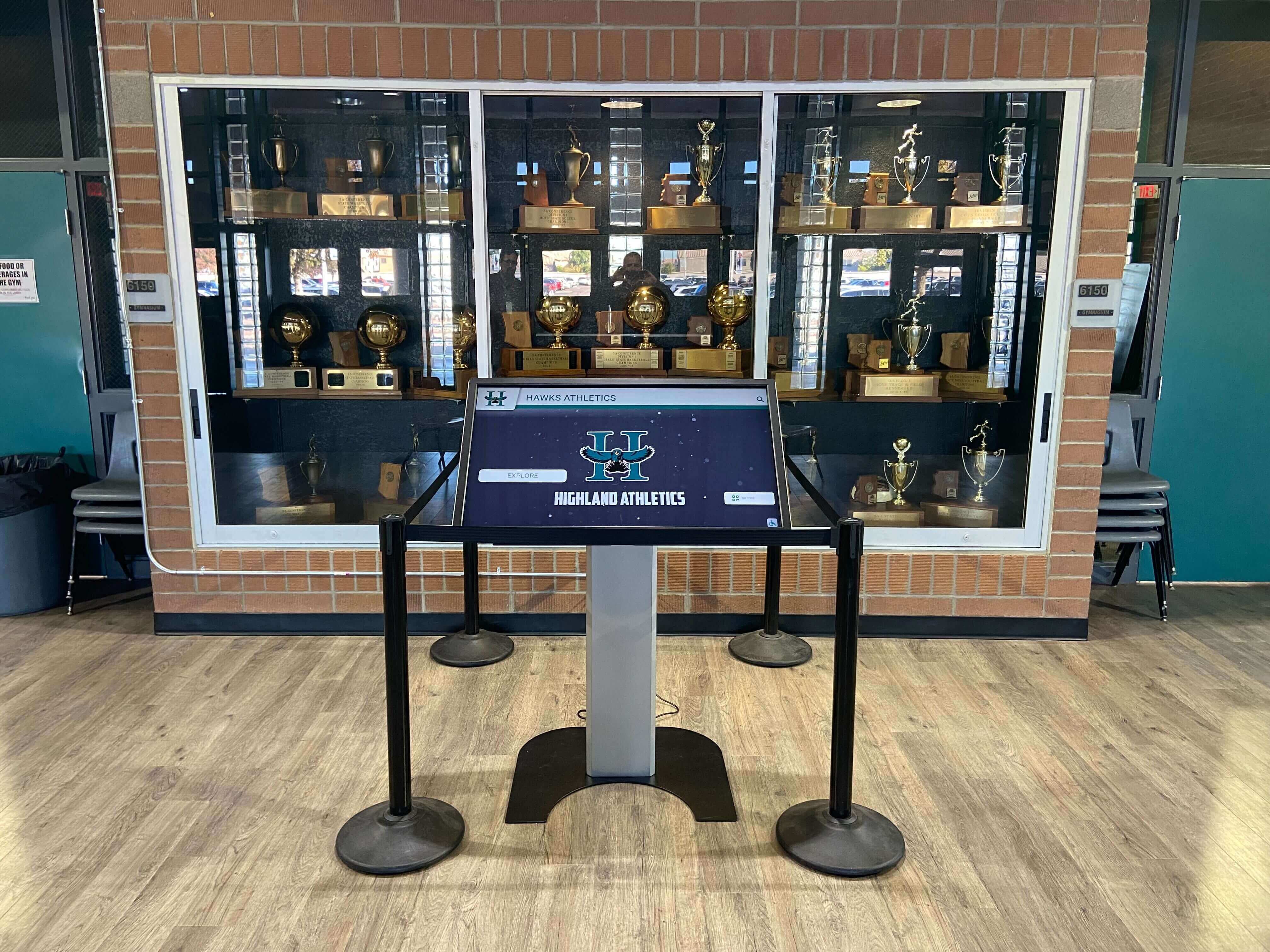
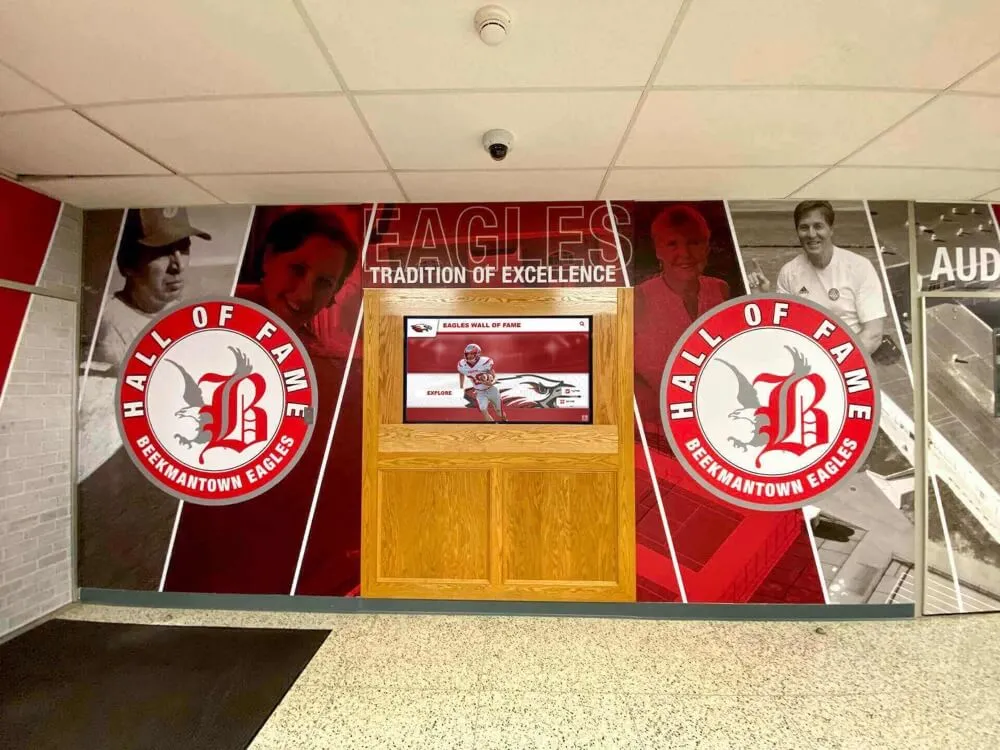
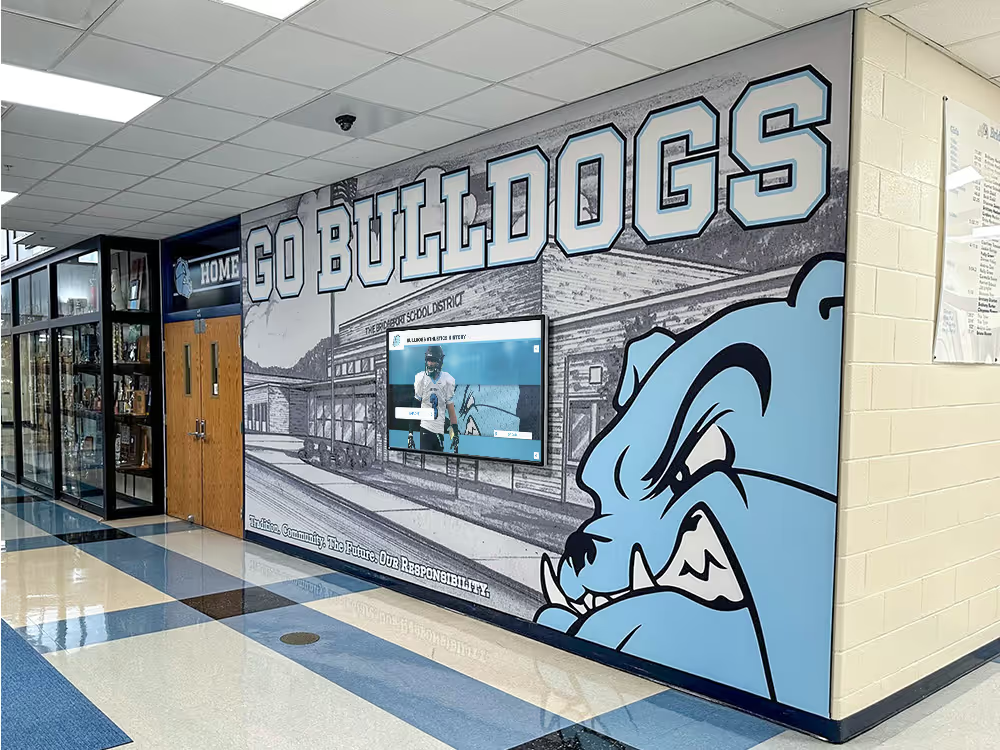
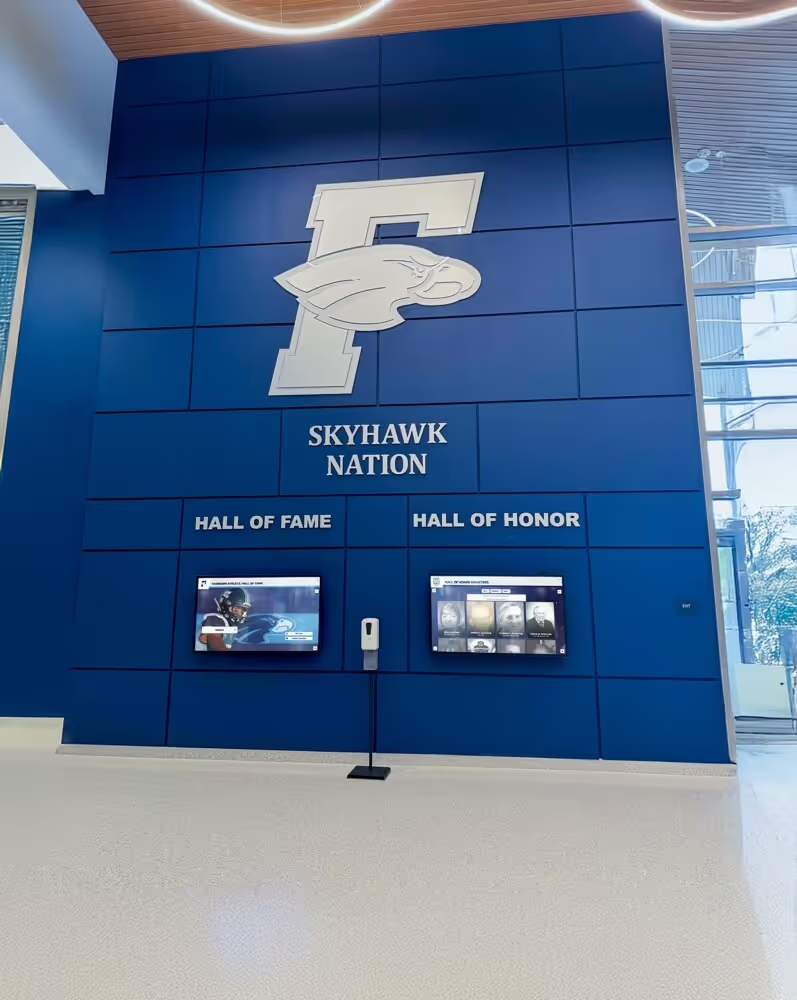
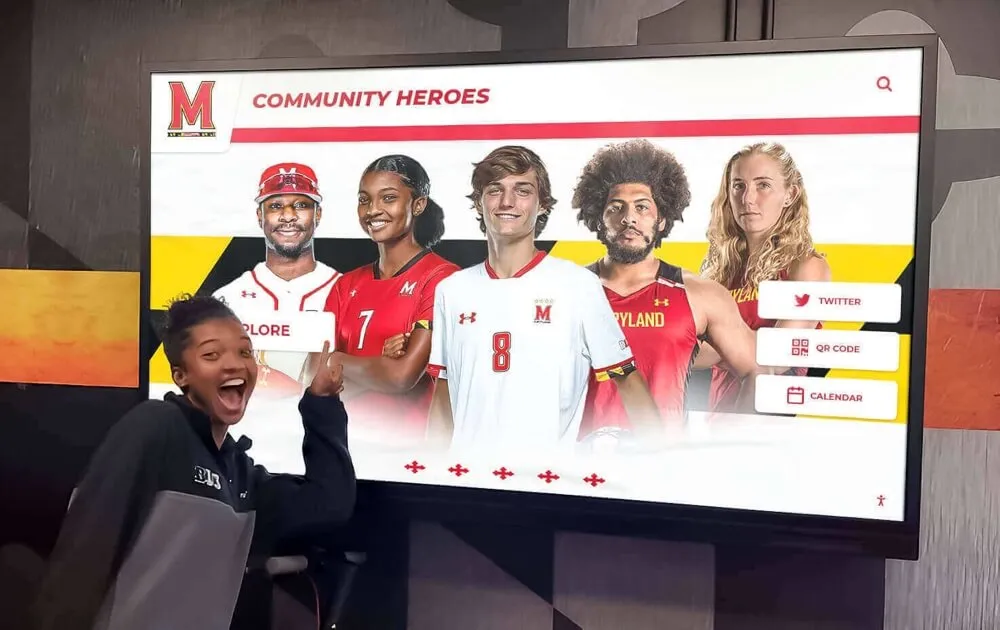
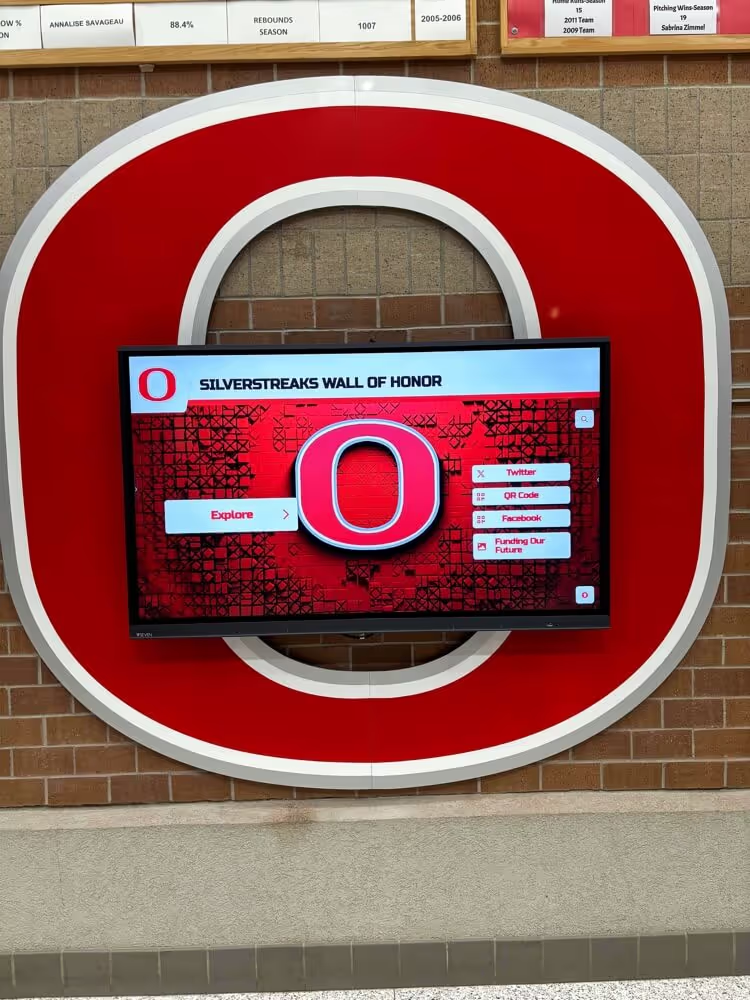
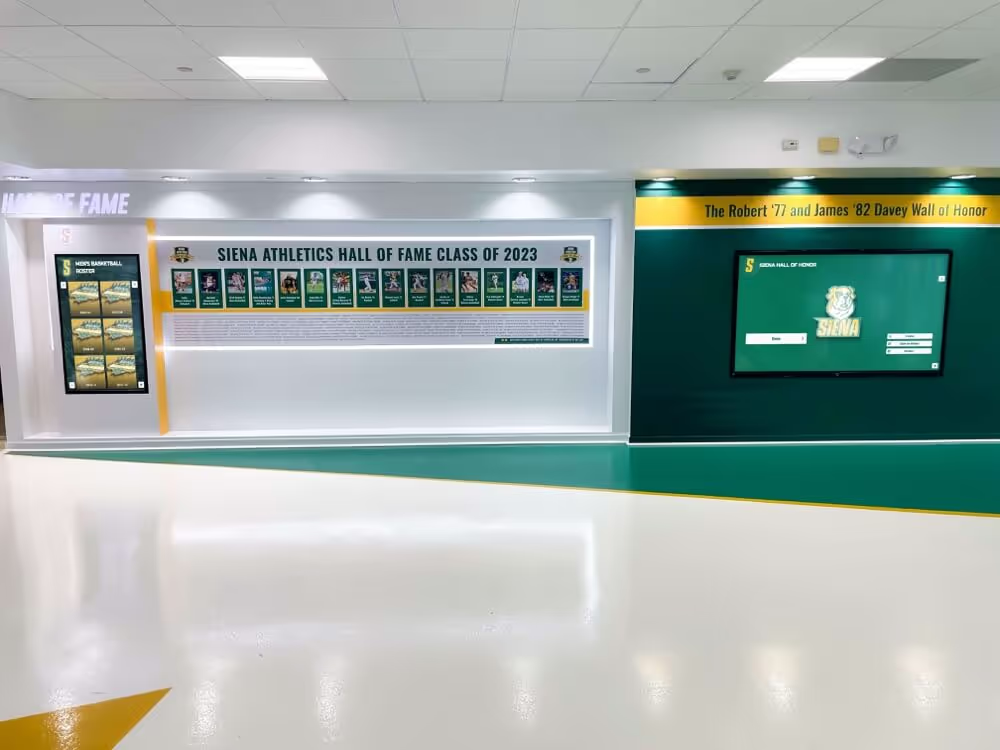
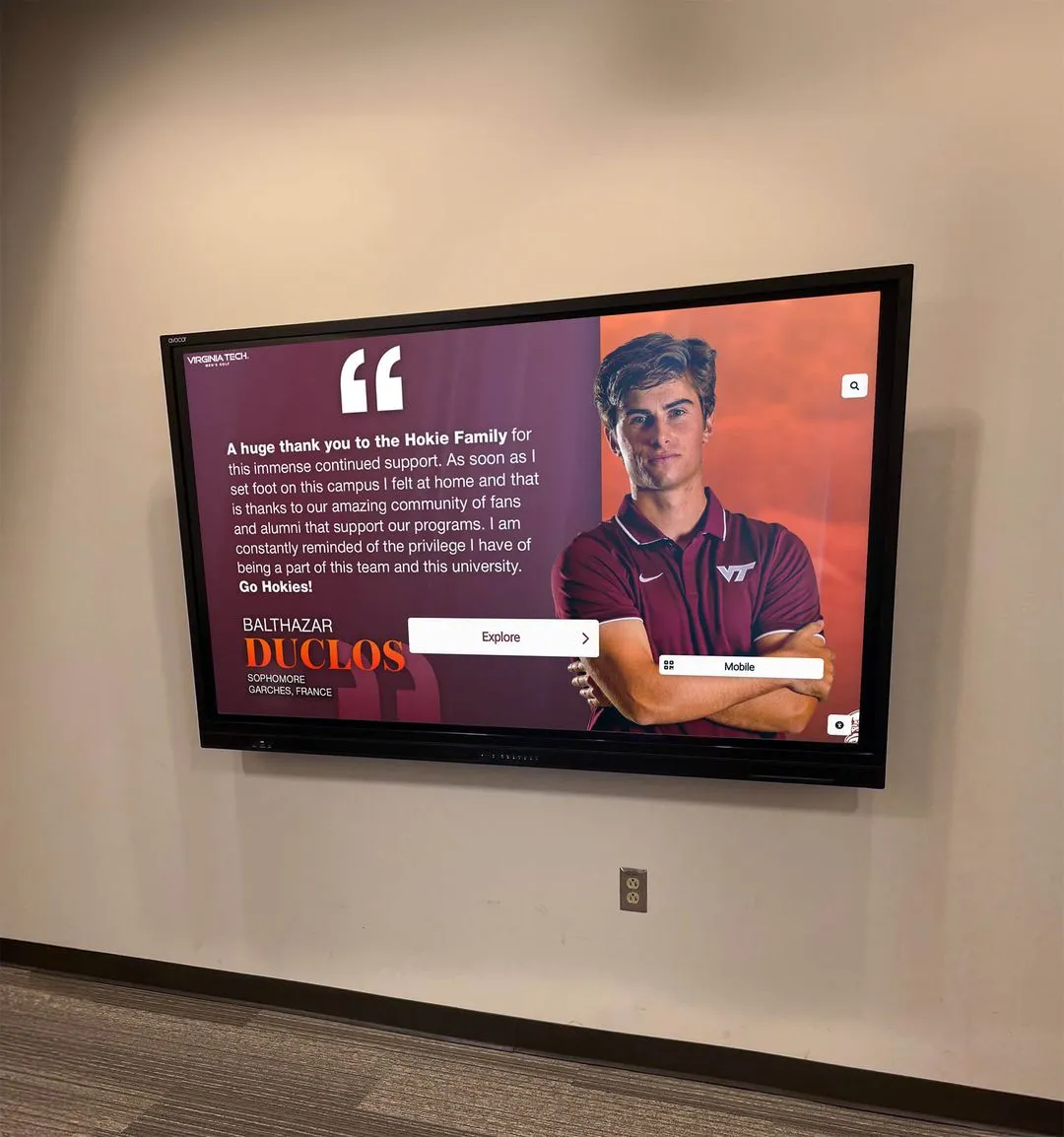
Modern recognition systems complement traditional trophy displays while providing unlimited capacity for celebrating offensive achievements and scoring records
Drill 1: Form Shooting—Stationary Technique Development
Form shooting establishes fundamental shooting mechanics through controlled repetition without defensive pressure or movement variables, enabling coaches to identify and correct technical flaws before adding complexity.
Setup and Organization
Position shooters 8-12 yards from goal in a straight line perpendicular to the goal mouth. This distance allows players to focus on form rather than power while remaining close enough to observe shot results clearly. Each shooter should have multiple balls to maintain drill flow without constant retrieval breaks.
For team practices, set up two shooting lines on opposite sides of the goal to maximize repetitions and minimize waiting time. Rotate goalkeepers every 8-10 minutes to maintain focus and energy levels.
Execution Protocol
Phase 1: Static Form Repetition
Players begin in proper shooting stance with feet positioned, shoulders squared, and hands placed correctly. On coach’s command, execute shooting motion emphasizing:
- Complete wind-up bringing stick back past ear with controlled motion
- Smooth power transfer pushing with bottom hand and pulling with top hand
- Ball release at proper height and angle targeting specific goal location
- Full follow-through with stick pointing toward target after release
Execute 10-15 repetitions focusing entirely on mechanics rather than speed or power. Coaches should circulate providing individual technical corrections.
Phase 2: Targeted Shooting
Once players demonstrate consistent form, add specific target requirements. Designate four target zones: top left corner, top right corner, bottom left corner, bottom right corner. Players execute five shots at each corner in sequence, maintaining proper form while adding accuracy demands.
Phase 3: Pressure Progression
Gradually increase shooting tempo without sacrificing form. Call out rapid-fire sequences where players must shoot, reset, and shoot again within 3-4 seconds, simulating game pressure while maintaining technical consistency.
Common Technical Errors and Corrections
Error: Dropping the Stick Below Shoulder Level During Wind-Up
Many players develop lazy wind-ups that drop the stick low, sacrificing power and creating easily saved shot trajectories. Correction: Emphasize “ear to target” cue where the stick passes the ear during wind-up and follows directly toward the goal during release.
Error: Pushing with Top Hand Instead of Pulling
Inexperienced shooters often push their top hand forward rather than pulling down, creating weak, inaccurate shots. Correction: Exaggerate the pulling motion by having players practice with only their top hand on the stick, feeling the downward pull that generates power.
Error: Incomplete Follow-Through
Players stopping their stick motion immediately after release lose both power and accuracy. Correction: Require exaggerated follow-through where the stick finishes pointing directly at the target location, extending past the shooter’s front hip.
Repetition Volume: Execute 50-75 total form shots per practice session during the season’s first 2-3 weeks when establishing mechanics. Once form becomes consistent, reduce volume to 20-30 shots maintaining technical standards while adding more complex drills.
Form shooting provides the foundation enabling all advanced shooting skills. Programs emphasizing fundamental excellence often showcase technical mastery through recognition systems celebrating skill development alongside competitive achievements.
Drill 2: Quick-Release Shooting—Developing Shot Speed Under Pressure
Quick-release shooting transforms fundamental mechanics into game-applicable skills by emphasizing release speed and shooting efficiency under time pressure, developing the rapid execution essential for success against aggressive defensive pressure.
Drill Structure and Setup
Position shooters 10-12 yards from goal with balls placed 5-7 yards away from shooting position. Set up multiple ball stations with 4-6 balls at each location arranged in various positions (ground balls, balls in shooting position, balls requiring scoop and shoot sequences).
Divide players into groups of 3-4, with each group rotating through shooting stations while others retrieve balls or rest between sets.
Execution Sequence
Station 1: Catch and Release
Player stands ready position without ball. Coach or teammate passes ball to shooter who must catch and release a shot within 1.5 seconds. This compressed timeline forces quick decision-making and rapid technical execution. Execute 10 repetitions alternating between different target zones.
Station 2: Ground Ball to Shot
Place ball on ground 3-4 yards from shooter. On whistle, player sprints to ball, scoops cleanly, and immediately shoots without additional steps or hesitation. This sequence simulates loose ball situations or rebounds requiring instant offensive transition. Execute 8-10 repetitions.
Station 3: On-The-Run Shooting
Shooter begins 15 yards from goal, sprinting toward shooting position. Coach passes ball when shooter reaches the designated shooting zone (10-12 yards out). Player must catch and shoot in one fluid motion without breaking stride. This station develops shooting capability during transition situations when defenders trail plays. Execute 8-10 repetitions.
Competitive Variations
Time Challenge: Set 90-second clock requiring players to complete all three station sequences as many times as possible. Track totals creating competitive environment while maintaining shot quality standards.
Accuracy Under Pressure: Award points only for shots hitting designated corners or beating the goalkeeper. Quick releases missing the goal entirely score zero points, emphasizing that speed without accuracy provides no offensive value.
Simulated Defense: Add passive defenders who cannot check but position themselves to obstruct shooting lanes, forcing shooters to adjust release angles and timing while maintaining rapid execution.
Coaching Emphasis Points
Quick-release shooting exposes players who rely on excessive setup time or multiple dodges before shooting. In competitive games, defenders close shooting windows rapidly—players needing 2-3 seconds to set up and shoot will rarely find quality opportunities against strong defensive units.
Key teaching points include minimizing unnecessary stick movement before release, catching passes in shooting position rather than resetting stick placement, maintaining proper hand position even during rapid sequences, and shooting quickly while keeping eyes on target rather than rushing without focus.
This drill develops the decisive shooting mentality characterizing elite offensive players. Rather than overthinking opportunities, they recognize shooting windows and execute immediately, capitalizing on momentary defensive breakdowns before recovery.
Drill 3: Shooting Off the Dodge—Integrating Offensive Movement
Shooting off the dodge integrates shooting skills with offensive movement patterns, developing the complete offensive capability required for breaking down organized defensive systems through individual creation.
Setup and Organization
Create full offensive spacing with shooters beginning from various attack positions: top center, wing positions, behind goal extended (GLE), and corners. Position defenders playing controlled resistance—enough pressure to simulate game conditions without completely eliminating shooting opportunities.
Goalkeepers should play realistic defensive support, stepping to shooters and challenging shots appropriately.
Dodge-to-Shoot Sequences
Sequence 1: Split Dodge to Shot
Attacker begins 15 yards from goal facing defender. Execute split dodge driving toward goal, separating from defender through quick directional change. Once creating 2-3 yards of separation, plant foot and shoot in rhythm without breaking offensive flow. This sequence develops shooting capability following the most common offensive move in lacrosse.
Sequence 2: Roll Dodge to Shot
Position attacker with defender applying top-side pressure. Execute roll dodge spinning away from pressure while protecting stick. Emerge from roll with shoulders squared and immediate shot. This sequence challenges players to transition smoothly from rotational movement into proper shooting position.
Sequence 3: Face Dodge to Quick Shot
Begin in triple threat position 12-14 yards from goal. Execute face dodge showing shot fake, driving past defender’s stick side, and immediately shooting after beating the initial check. This rapid sequence requires excellent stick skills transitioning from fake to legitimate shot.
Sequence 4: Question Mark Dodge to Shot
Start from behind goal extended, drive toward crease, plant and change direction sharply creating question mark pattern, and shoot on the run after creating separation. This advanced sequence develops the creativity and shooting adaptability required for attacking from varied angles.
Defensive Pressure Progressions
Begin with defenders playing 50% resistance, focusing on proper dodging mechanics and smooth shooting transitions. Progressively increase defensive intensity to 75%, then 90% competitive pressure as shooters demonstrate consistent technique and success rates.
This progression ensures players master mechanics before facing game-level resistance that can reinforce bad habits if introduced prematurely.
Reading and Reacting to Defensive Pressure
Elite shooters constantly process defensive information determining whether to shoot, continue dodging, or pass to teammates. Incorporate decision-making requirements into this drill by adding:
Goalkeeper Assessment: If goalkeeper steps aggressively to challenge shooter, player should recognize the open low area and adjust shot location accordingly.
Slide Recognition: When defenders slide to help, shooters must quickly decide whether shooting windows remain available or passing represents better options.
Recovery Positioning: If defenders recover to balanced positions eliminating clean shooting lanes, players should continue offensive movement rather than forcing poor-percentage shots.
This decision-making component separates drill shooting from game shooting. Programs developing complete offensive players often highlight decision-making excellence through recognition systems celebrating basketball IQ and game awareness alongside physical achievements.
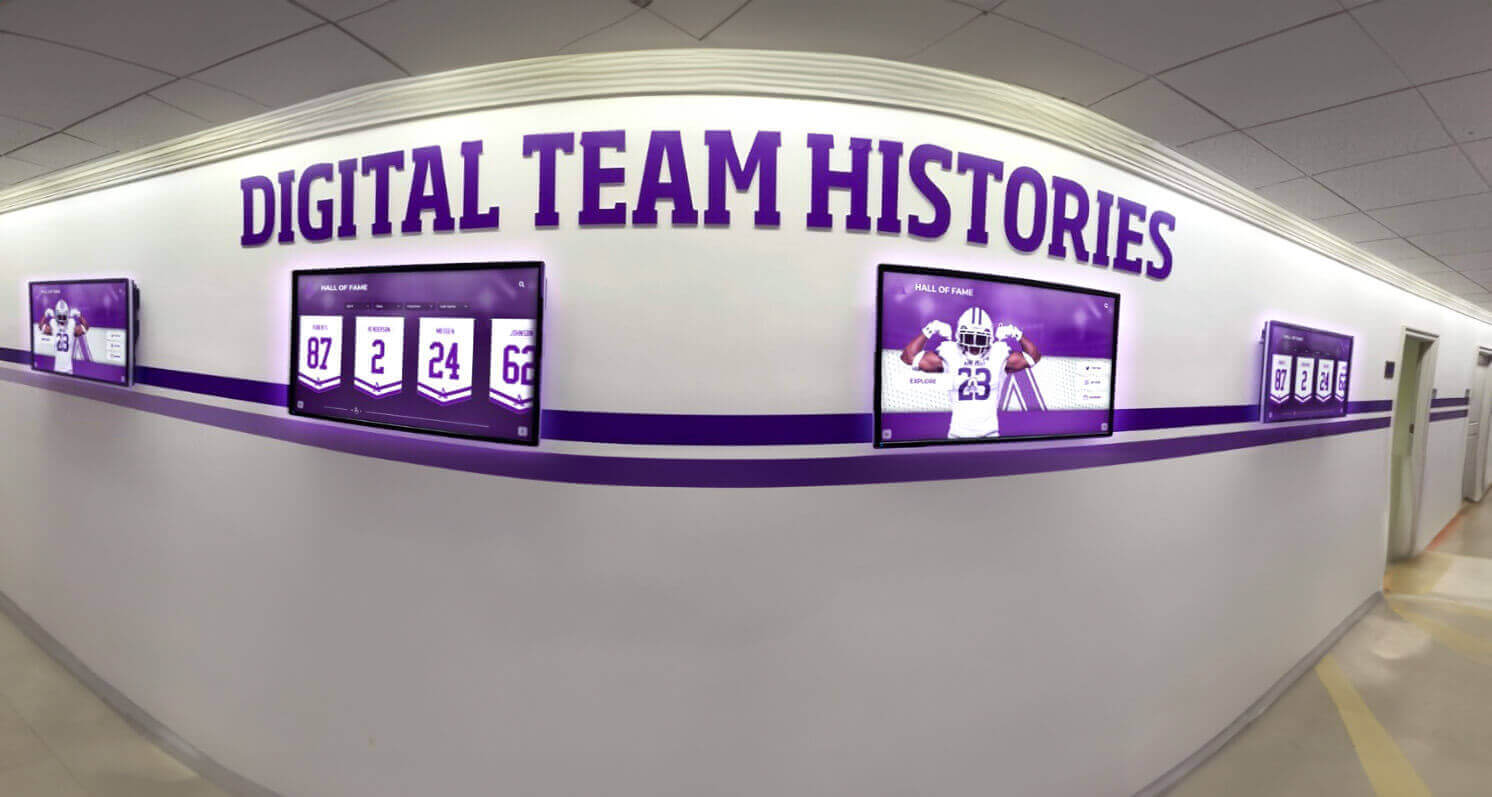
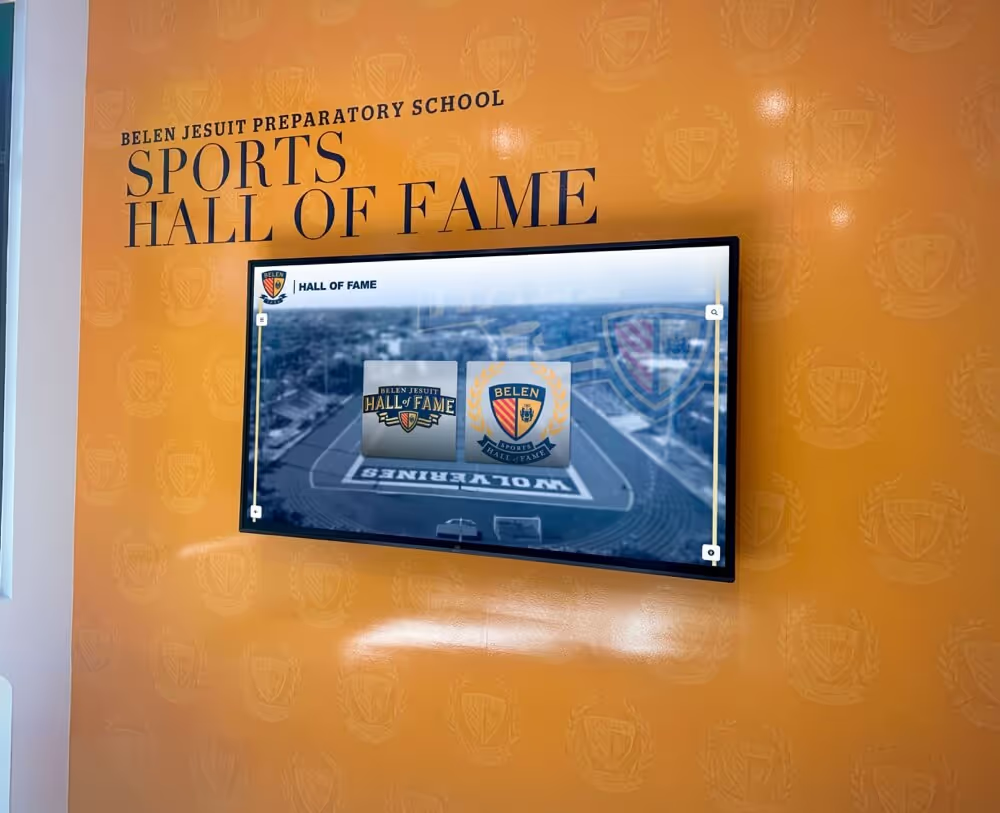
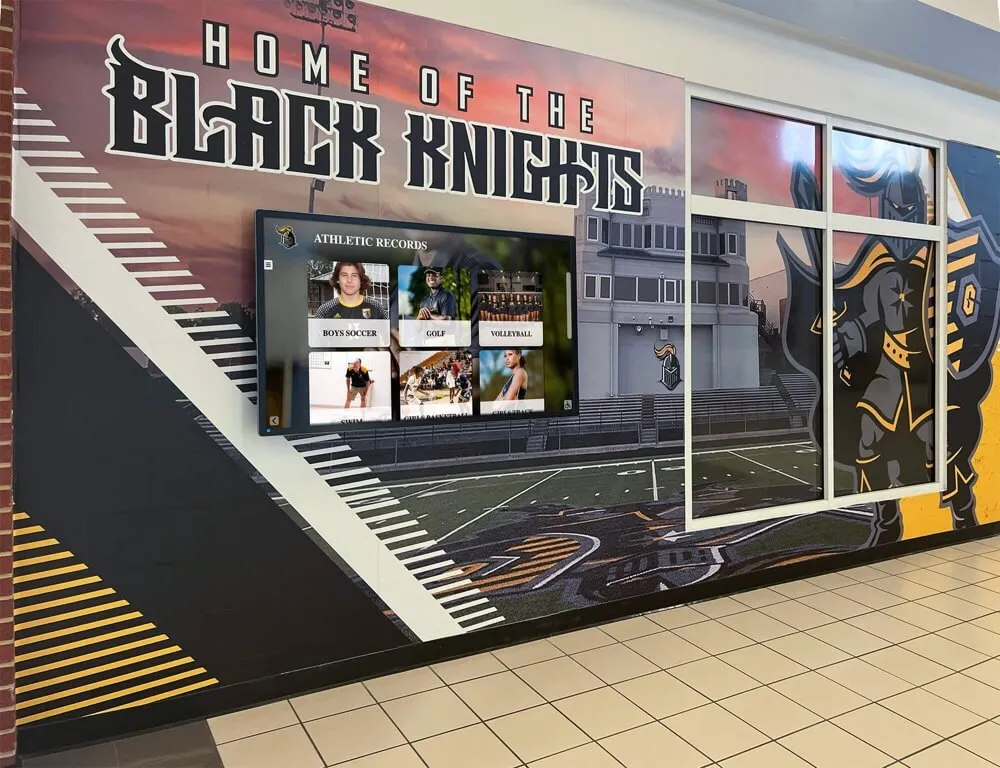
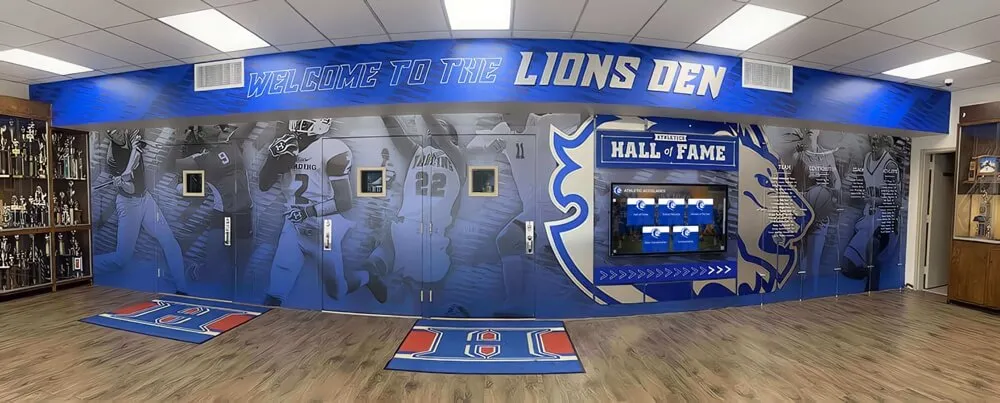
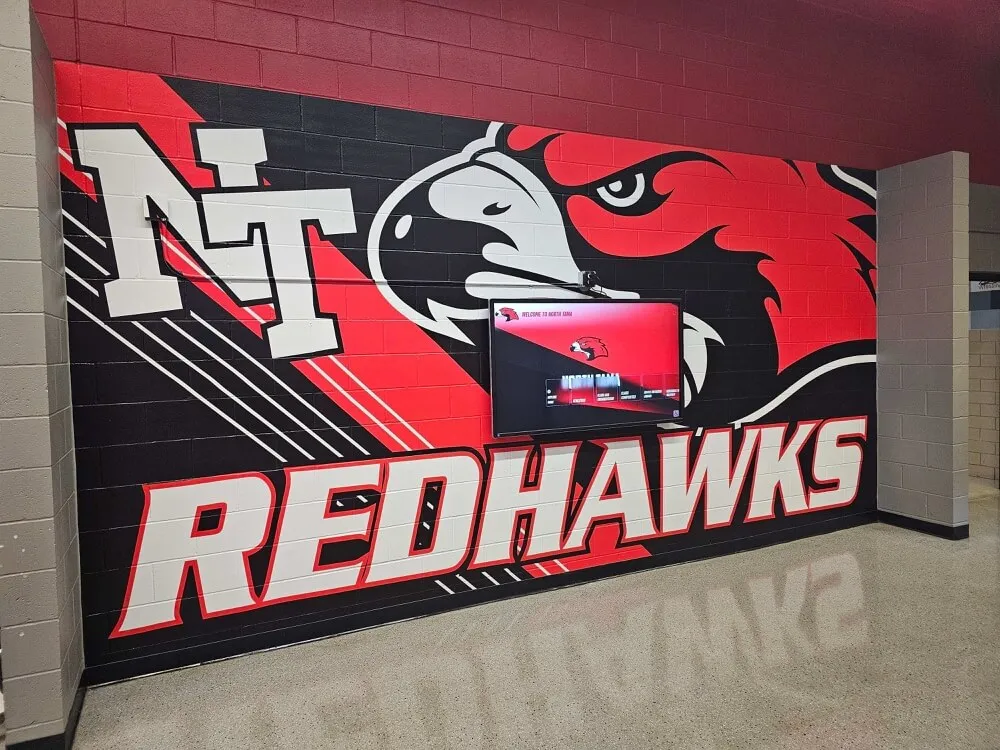
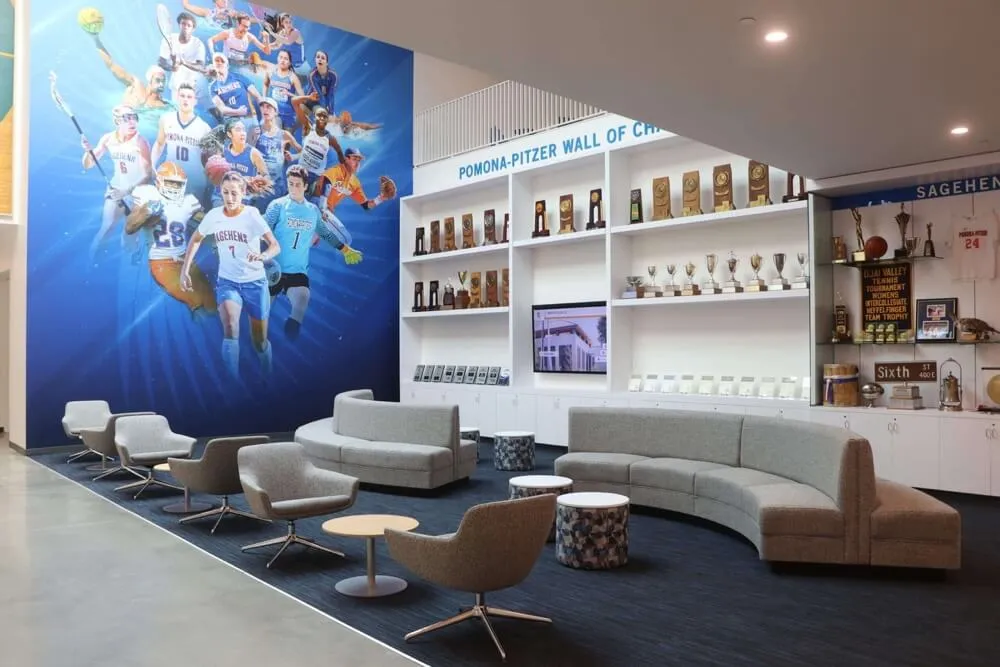
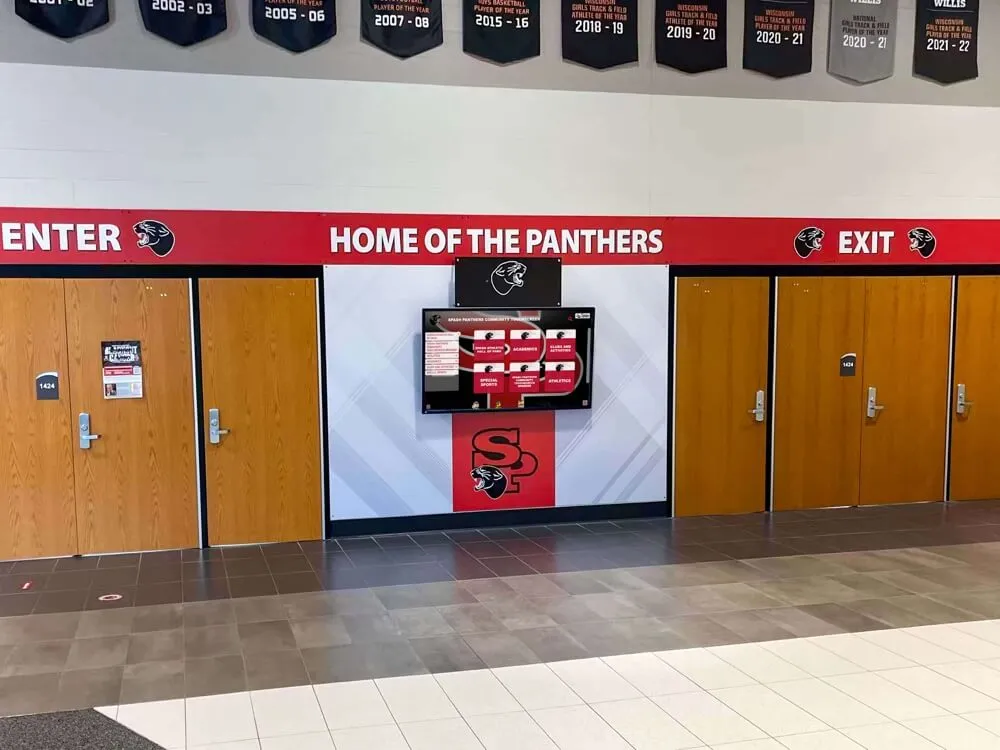
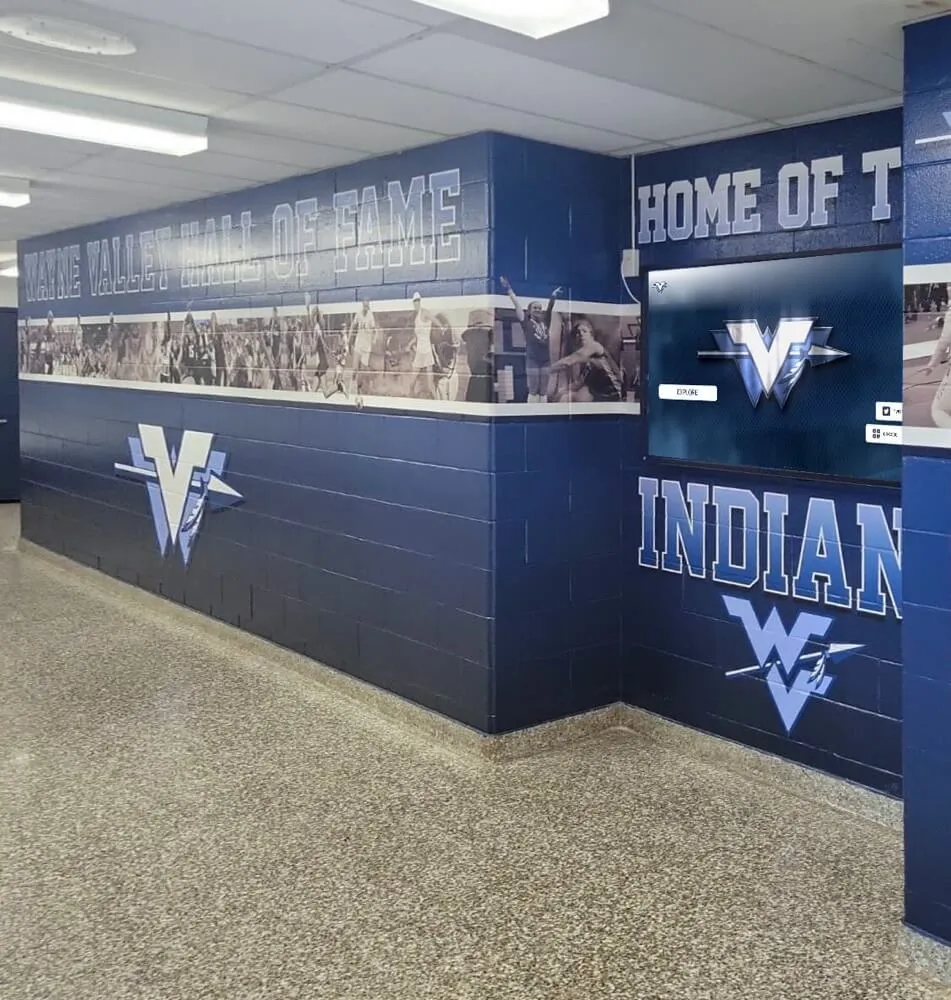
Championship programs preserve offensive excellence and scoring records through modern recognition displays accessible to current and future athletes
Drill 4: Two-on-One Shooting—Decision Making Under Pressure
Two-on-one shooting situations develop crucial offensive decision-making skills, teaching players to recognize when they possess quality shooting opportunities versus when passing creates better scoring chances for teammates.
Drill Setup
Position two offensive players 12-15 yards from goal on opposite sides (one at approximately 45-degree angle on each side). Place one defender in the middle between them. Goalkeeper plays normal defensive position. This creates numerical advantage requiring the defender to make difficult decisions about which shooter to pressure.
Execution Patterns
Pattern 1: Drive and Dish
Ball carrier initiates dodge toward goal drawing defensive commitment. The moment the defender fully commits to stopping the ball carrier, pass immediately to the open teammate who should have clear shooting lane. Open player must shoot immediately before defense recovers.
This pattern teaches ball carriers to recognize when their dodge draws help defense, creating opportunities for teammates. Many players become so focused on their individual dodge that they miss obvious passing opportunities to wide-open shooters.
Pattern 2: Quick Ball Movement to Shooting Windows
Begin with rapid ball movement between the two offensive players (2-3 quick passes). This ball movement forces the defender to shift positions repeatedly. When ball movement pulls the defender out of position, the player with the ball must recognize the shooting window and fire immediately.
This pattern develops the offensive patience and discipline required to probe defenses rather than forcing early shots against well-positioned defenders.
Pattern 3: Shot Fake to Pass
Ball carrier shows shot fake drawing goalkeeper commitment. If goalkeeper reacts to fake by stepping out, shoot high. If goalkeeper holds position, pass to teammate for better angle. This reads goalkeeper reactions and exploits overly aggressive positioning.
Competitive Scoring System
Award points based on shot quality and decision-making rather than simply whether goals occur:
- Goal from good decision (shoot when truly open or pass when help arrives): 2 points
- Goal from poor decision (forcing shots when help arrives or passing up wide-open looks): 1 point
- Miss from good decision: 1 point
- Miss from poor decision: 0 points
This scoring system reinforces the importance of offensive decision-making separate from shooting results. Even missed shots from good decisions build positive habits, while goals resulting from poor decisions reinforce bad offensive patterns.
Defensive Coaching Integration
Rotate players through defensive position ensuring everyone experiences both sides of this situation. Defenders learn to play the shooting gaps effectively, fake commitments to induce bad passes, and recover quickly when beaten initially.
Understanding defensive perspectives makes offensive players better shooters—they recognize what defenders try to take away and exploit the corresponding openings.
Drill 5: Rapid-Fire Shooting—Building Shot Volume and Stamina
Rapid-fire shooting develops shooting endurance and maintains technical consistency through fatigue, simulating the physical demands of late-game situations when maintaining shot quality determines outcomes.
Setup Requirements
Create shooting station 10-12 yards from goal with 15-20 balls arranged in 3-4 piles around shooting area. Position 2-3 feeders around shooting zone to deliver passes continuously. Set up multiple stations to maximize participation.
Drill Protocol
90-Second Shooting Sprint
Shooter assumes ready position. On whistle, feeders begin delivering rapid passes to shooter from various angles. Shooter must catch and shoot immediately, transition to next feeder, catch and shoot again, creating continuous shooting sequence for full 90 seconds without rest.
The objective is maximum shot volume while maintaining technical form and accuracy. Coaches track both total shots attempted and shots on goal percentage.
Coaching Expectations: Advanced shooters should execute 20-25 shots during 90-second periods. Beginning players may manage 12-15 shots as they develop quicker transitions between catches and releases.
Fatigue Resistance Training
The final 30 seconds of each 90-second sprint typically shows dramatic form degradation as fatigue impacts mechanics. Elite shooters maintain technical consistency even when exhausted—a critical skill separating clutch performers from players whose effectiveness declines late in close games.
Coaches should pay particular attention to form during the final 20 seconds, providing immediate feedback about technical breakdowns: shortened wind-ups, incomplete follow-throughs, dropped shooting angles, or lazy footwork.
Progressive Variations
Variation 1: Moving Target Shooting
Rather than shooting from static position, shooters must move between cones or markers before each shot, adding lateral movement fatigue to vertical shooting demands.
Variation 2: Ground Ball Integration
Mix ground balls into the feed sequence requiring shooters to scoop balls cleanly before shooting, adding ball handling demands to shooting fatigue.
Variation 3: Defensive Pressure
Add passive defender who trails shooter without checking but creates presence forcing slight shooting adjustments. This mental pressure combined with physical fatigue simulates fourth-quarter game conditions.
Recovery and Conditioning Balance
This high-intensity drill provides excellent conditioning benefits while developing shooting-specific stamina. Schedule 3-4 minute rest periods between rounds ensuring players maintain quality rather than creating sloppy shooting habits through excessive fatigue.
Many programs integrate rapid-fire shooting into the conclusion of practice sessions, simulating end-of-game fatigue when shooting opportunities often determine outcomes. Programs emphasizing complete athletic development often celebrate both physical and technical excellence through comprehensive recognition systems that honor diverse contributions to team success.
Drill 6: Behind-The-Goal Shooting—Mastering Angle Shots
Behind-the-goal shooting develops the specialized angle shooting skills required for effective offensive production from behind goal extended (GLE) positions where attack players spend significant time generating scoring opportunities.
Understanding Behind-Goal Shooting Mechanics
Shooting from behind goal presents unique challenges compared to shooting from positions in front of or beside goal. The compressed shooting angles require different stick positioning, release points, and target selection. Many players proficient at shooting from standard positions struggle from GLE because they fail to adjust mechanics appropriately.
Setup and Positioning
Position shooters 3-5 yards behind goal extended on both sides. This represents the typical distance where attackmen receive feeds or dodge to create shooting opportunities. Initially practice without defensive pressure, adding resistance as mechanics improve.
Shot Types From Behind Goal
Shot Type 1: Skip Shot
The skip shot targets the area between the goalkeeper’s feet, bouncing just in front of the crease and skipping past the goalkeeper into goal. This shot proves particularly effective against goalkeepers who maintain high hand positioning.
Execute by aiming stick downward toward ground 2-3 feet in front of crease, releasing with normal shooting power, and following through low rather than high. The ball should bounce once sharply before reaching the goal line.
Shot Type 2: High-to-High Shot
From behind goal, the high corner near the shooter becomes accessible while the far high corner appears as a smaller target. The high-to-high shot targets the high corner on the shooter’s side of goal.
Execute by elevating stick angle higher than standard shots (approximately 45-degree upward angle), releasing across body toward near-side post, and following through upward. This shot requires strong top-hand pull to generate necessary elevation.
Shot Type 3: Wrap-Around Shot
The wrap-around shot comes from very tight angles close to the goal line extended. Shooters use the crease as a screen, wrapping shots around the near post toward the far post.
Execute by driving close to goal line extended, releasing with inside roll motion wrapping stick around body, and targeting far post. This shot requires excellent stick skills and creative release points.
Drill Progressions
Progression 1: Static Angle Shooting
Begin from stationary positions practicing each shot type separately. Execute 10 repetitions of each shot type from each side of goal, totaling 60 shots focused purely on mechanical development.
Progression 2: Dodge-to-Angle Shot
Add dodging from GLE toward the crease, planting, and shooting in rhythm. This more realistic sequence requires transitioning from movement into proper shooting position and release.
Progression 3: Live Goalkeeper Competition
Introduce live goalkeepers who can step out and challenge shots aggressively. Shooters must read goalkeeper positioning and select appropriate shot types—skip shots when goalkeepers step high, high shots when goalkeepers maintain low positioning, wrap-around shots when goalkeepers overcommit to near post.
Common Mistakes From Behind Goal
Mistake: Using Standard Shooting Mechanics
Players often attempt shooting from GLE using the same mechanics effective from 12 yards in front of goal. These standard mechanics produce shots directly into goalkeepers from behind goal angles. Correction: Emphasize angle awareness and modified release points.
Mistake: Forcing Far-Post Shots
The far post appears as an attractive target from GLE but represents a low-percentage shot requiring perfect placement. Players waste possessions attempting far-post shots that miss slightly and sail harmlessly wide. Correction: Emphasize near-post shots and skip shots providing larger target areas.
Mistake: Shooting Too Close to Goalkeeper
Players driving too close to goal create situations where goalkeepers simply smother shots with body positioning. Correction: Teach optimal shooting distance from GLE (3-5 yards) where angles open while goalkeepers cannot simply step into shooting lanes.
Behind-goal shooting separates complete offensive players from one-dimensional dodgers who can only create offense from specific positions. Programs developing versatile athletes often showcase positional excellence through recognition systems celebrating diverse skill development across all positions and situations.
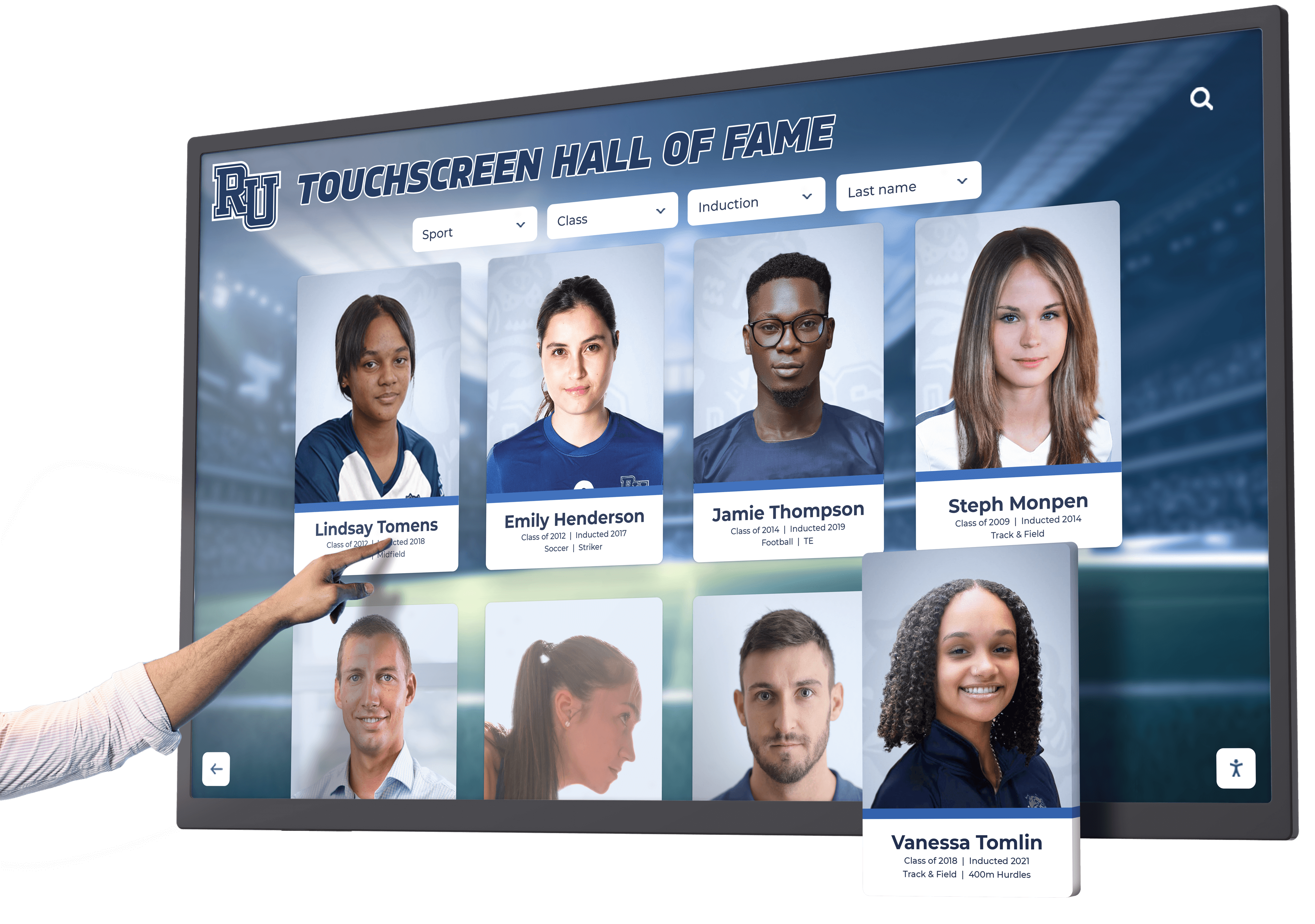
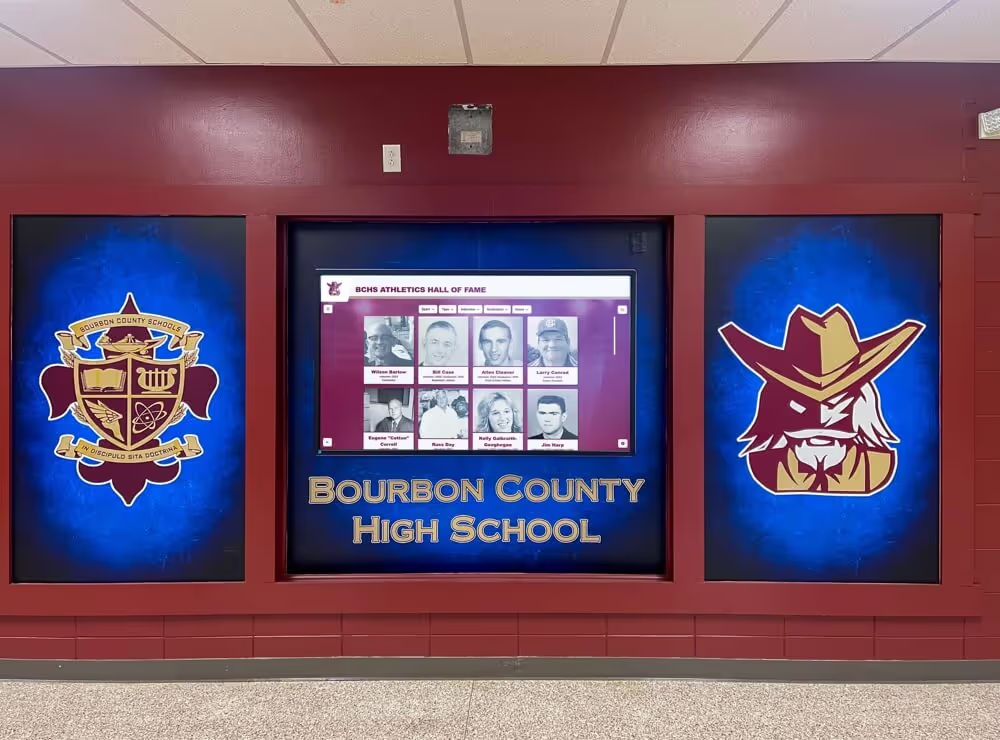
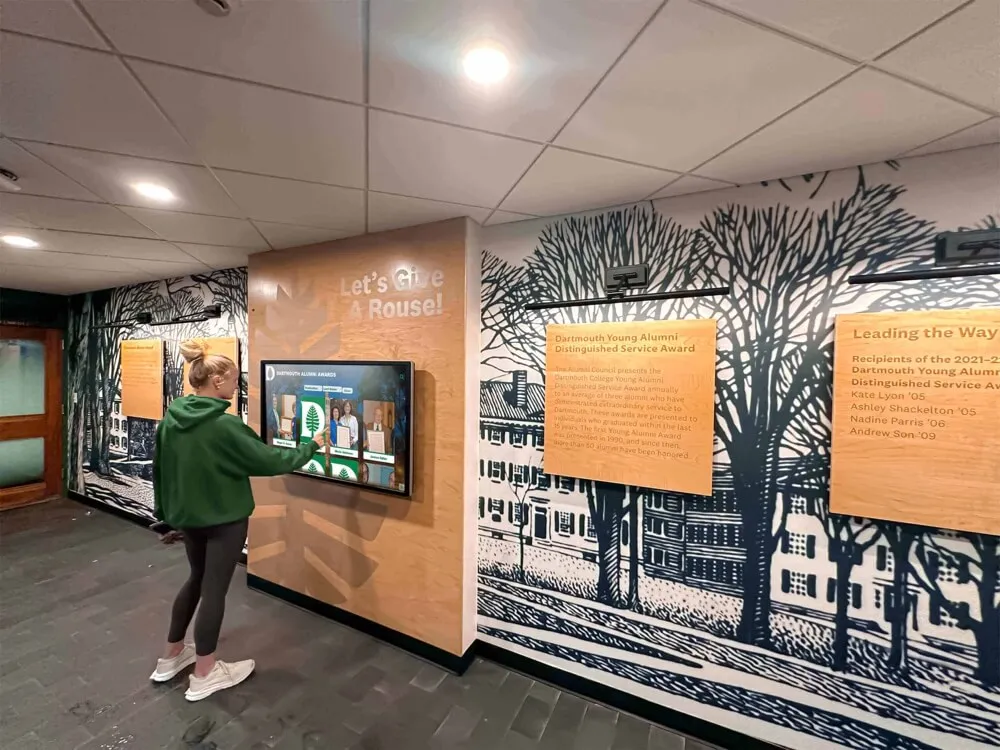
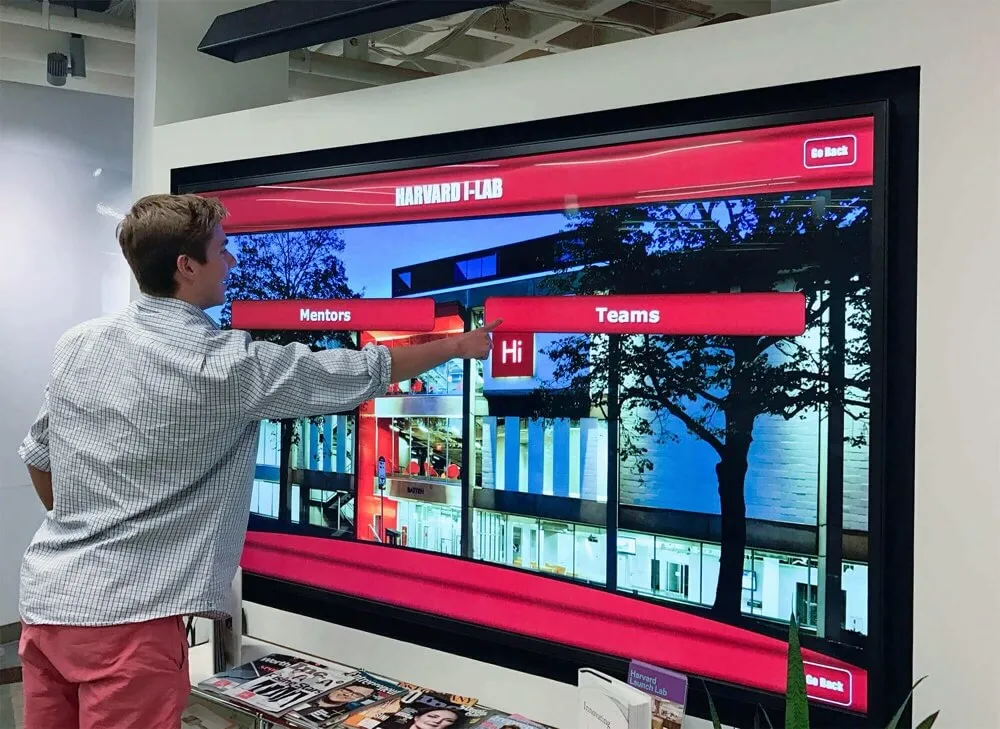
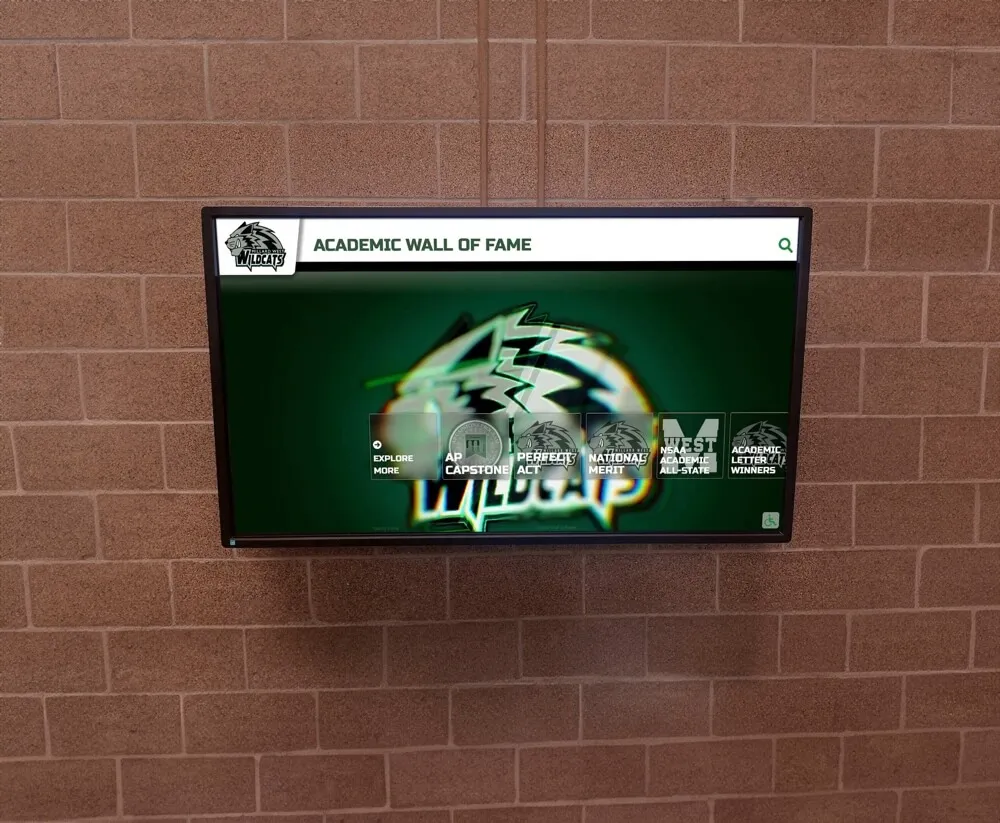
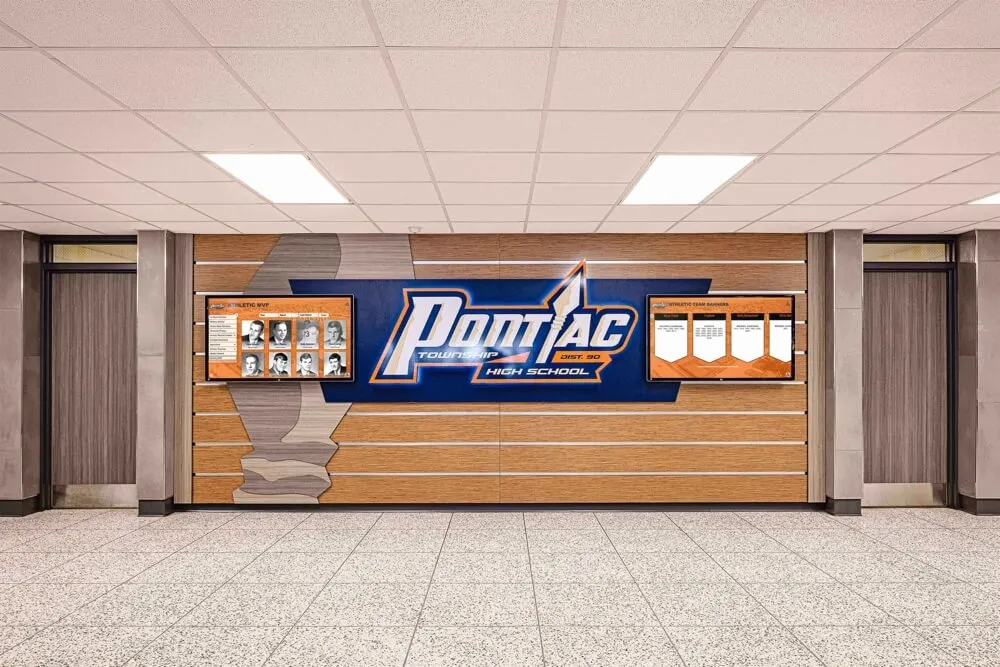
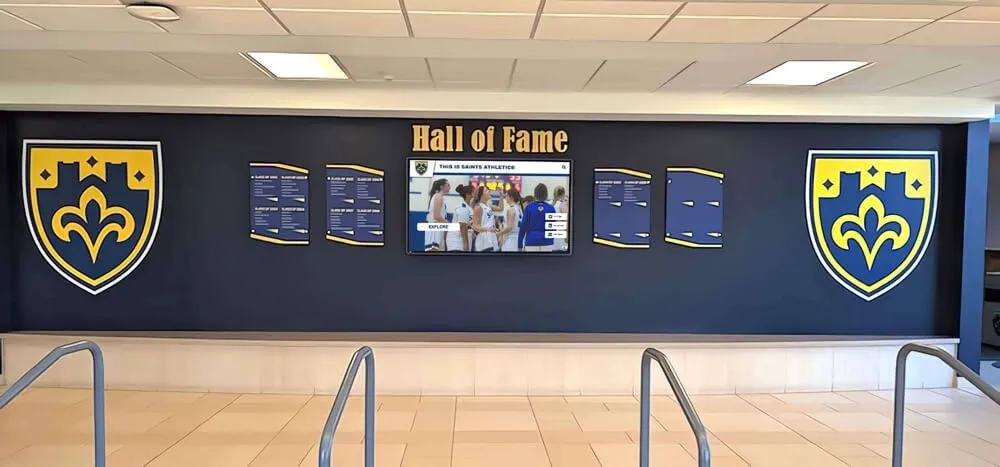
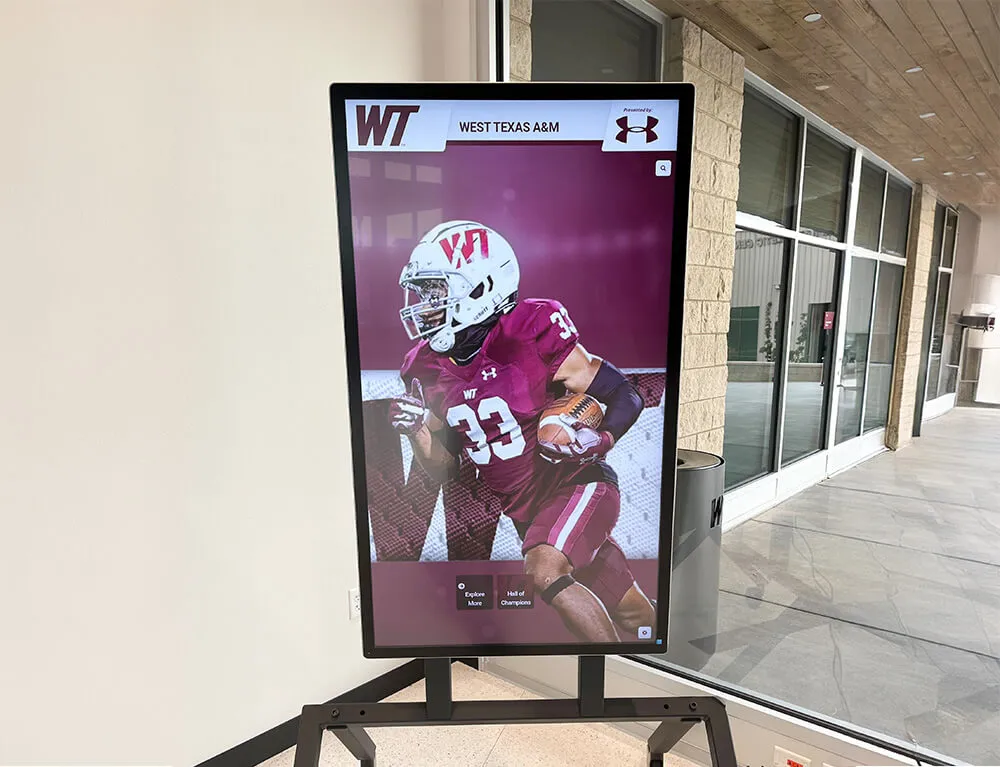
Modern touchscreen displays allow programs to celebrate complete offensive achievement including specialized skills like angle shooting and assist records
Drill 7: Screen Shooting—Working Off Offensive Sets
Screen shooting develops the timing, positioning, and quick-release capability required for capitalizing on organized offensive sets that create shooting opportunities through coordinated team movement and screening action.
Understanding Screen Shooting Fundamentals
Effective screen shooting requires precise timing coordinating with screeners’ movements, spatial awareness identifying shooting windows as screens develop, and instant release capability firing shots within narrow time windows before defense recovers. Many individual shooting specialists struggle in organized offensive systems because they cannot execute within these structured constraints.
Setup and Organization
Position players in common offensive screen formations: pick plays where screener sets screen for ball carrier, off-ball screens creating shooting opportunities for cutters, and stack formations where multiple players screen simultaneously creating chaos near the crease.
Pick-and-Roll Shooting Execution
Setup: Ball carrier approaches defender with teammate setting screen 10-12 yards from goal. Screener must set solid screen with feet planted, creating legal pick that impedes defender pursuing ball carrier.
Shooter Responsibilities:
- Set up defender by driving opposite direction from intended screen side
- Change direction sharply using screen to create separation
- Catch defense trailing around screen
- Plant foot and shoot immediately upon clearing screen
- Target far side of goal away from goalkeeper’s positioning
The key to screen shooting is rhythm—players must shoot in natural offensive flow rather than catching, stopping, resetting, and then shooting. That hesitation allows defenders to recover, eliminating screening advantages.
Off-Ball Screen Shooting
Setup: Shooter begins away from ball without immediate pressure. Teammate sets screen for shooter who cuts toward ball and goal using screen to create separation from defender.
Execution: Shooter must time cut to arrive in shooting position exactly when teammate delivers pass. Arriving too early allows defense to recover; arriving too late creates poor shooting angles. Catch and shoot in one motion without additional steps or resets.
This timing represents the most challenging aspect of screen shooting—many players possess excellent individual shooting skills but struggle reading team timing and cutting to proper positions at optimal moments.
Stack Shooting Situations
Stack formations create congestion near the crease with multiple offensive players screening for each other. Shooters working from stack positions must:
- Read defense to identify which defenders become screened
- Cut to open spaces rather than congested areas
- Receive passes with stick in shooting position already
- Shoot quickly before help defense rotates
Stack shooting particularly emphasizes spatial awareness—recognizing where open spaces exist and moving decisively to exploit them.
Communication and Offensive Chemistry
Screen shooting requires extensive communication between shooters and screeners. Teams should develop simple verbal cues indicating screen timing (“here, here, here” as screen sets) and screen directions (“left, right”) ensuring all players coordinate movement.
This communication becomes automatic through repetition. Programs practicing screen shooting regularly develop offensive chemistry enabling seamless execution under game pressure.
Drill 8: Shooting Under Harassment—Mental Toughness Development
Shooting under harassment builds mental toughness and concentration enabling players to maintain shot quality despite physical pressure, verbal distraction, and environmental chaos characterizing playoff-intensity competition.
Drill Philosophy
Most shooting drills occur in relatively controlled environments without significant physical or mental pressure beyond competitive game simulation. While these drills develop technical skills, they often fail to prepare players for hostile road environments, aggressive defensive pressure after whistles, and the mental challenge of maintaining focus through adversity.
Harassment shooting intentionally creates uncomfortable, distracting conditions requiring shooters to block out external pressure and execute purely based on technical training.
Setup and Pressure Introduction
Position shooters in standard shooting positions 10-15 yards from goal. Add 2-3 harassment defenders who cannot check or interfere with shooting motion but can:
- Shout and yell creating auditory distraction
- Wave arms and sticks in peripheral vision
- Apply physical bumps and contact immediately after shot release
- Trash talk and attempt verbal intimidation
- Create general chaos around shooting area
Execution Protocol
Shooters execute normal shooting sequences (catch and shoot, dodge and shoot, screen shooting, etc.) while harassment defenders apply maximum legal pressure. Coaches observe whether shooters maintain technical form and shot quality despite distractions.
Key Coaching Focus: This drill exposes players whose shooting effectiveness depends on comfortable practice environments. Elite shooters maintain identical mechanics whether shooting in empty gyms or hostile playoff games—harassment shooting builds that consistency.
Competitive Scoring
Round 1: Standard Shooting (No Harassment)
Shooters execute 10 shots tracking shooting percentage and shot quality. This establishes baseline performance in comfortable conditions.
Round 2: Harassment Shooting
Shooters execute 10 shots with full harassment pressure. Track shooting percentage and shot quality again.
Performance Evaluation: Elite shooters maintain 85-90% of their baseline shooting percentage even under harassment. Shooters whose effectiveness drops more than 15-20% require additional mental toughness training developing resistance to external pressure.
Mental Skills Integration
Incorporate specific mental skills training during harassment shooting:
Pre-Shot Routine: Require shooters to execute consistent pre-shot routine (specific foot positioning, hand placement check, target identification) before every shot regardless of harassment levels. Consistent routines build automatic responses reducing mental processing demands.
Breathing Control: Teach shooters to take controlled breath before each shot release, maintaining physical composure through distractions.
Refocusing After Misses: When shooters miss under harassment, coaches should add extra pressure on the immediate next shot, teaching players to refocus quickly rather than letting mistakes compound through emotional reactions.
This mental toughness training proves invaluable during championship situations when external pressure reaches maximum levels. Programs developing complete athletes understand that mental preparation deserves equal emphasis alongside physical training, often highlighted through recognition systems celebrating clutch performance and leadership beyond simple statistics.
Drill 9: Weak-Hand Shooting—Developing Two-Sided Offensive Capability
Weak-hand shooting develops ambidextrous offensive capability transforming one-dimensional players into complete threats who can score from any position regardless of defensive pressure or field location.
The Strategic Value of Two-Handed Shooting
Lacrosse defenders play aggressively toward players’ strong hands, forcing shooters to their weak sides where shooting becomes uncomfortable and less accurate. Players limited to strong-hand shooting become predictable and easily neutralized by intelligent defensive schemes that eliminate strong-hand opportunities.
Conversely, players shooting effectively with both hands create impossible defensive dilemmas. Defenders cannot overplay one side without exposing the other. This two-sided capability doesn’t require equal ability with both hands—even moderate weak-hand competency dramatically expands offensive options.
Progressive Weak-Hand Development
Phase 1: Form Shooting (Weeks 1-2)
Begin weak-hand development with basic form shooting from 8-10 yards using identical technique teaching points emphasized for strong-hand shooting. Execute 25-30 weak-hand form shots per practice, focusing purely on mechanics rather than power or complex movements.
Most players feel extremely awkward during initial weak-hand shooting. This discomfort is normal and decreases rapidly with consistent repetition. Emphasize that weak-hand development takes time—players should not expect immediate strong-hand equivalency.
Phase 2: Stationary Shooting (Weeks 3-4)
Once basic form becomes consistent, increase distance to 10-12 yards and add target requirements. Players shoot at specific corners developing accuracy alongside basic mechanics. Execute 15-20 weak-hand shots per practice at this stage.
Phase 3: Movement Integration (Weeks 5-8)
Add dodging sequences and on-the-run shooting using weak hand. This represents the most challenging phase as players must coordinate movement with unfamiliar shooting mechanics. Start with simple drives and gradually increase complexity.
Phase 4: Game Integration (Weeks 9+)
Require players to attempt minimum number of weak-hand shots during scrimmages and games. For example, establish rule that each player must attempt at least three weak-hand shots per scrimmage period. This forced usage accelerates comfort development in game situations.
Drill Structure for Weak-Hand Sessions
Station 1: Weak-Hand Form Shooting
Execute 15 form shots emphasizing complete technique including proper wind-up, smooth power transfer, ball release at correct height, and full follow-through to target.
Station 2: Weak-Hand Quick Release
Execute 10 catch-and-shoot sequences requiring rapid release with weak hand. Feeders deliver passes from various angles forcing stick adjustments before shooting.
Station 3: Weak-Hand Dodge-to-Shoot
Execute 8 dodge sequences ending with weak-hand shots. Begin with split dodge (simplest coordination) before advancing to roll dodge and face dodge sequences.
Creating Practice Pressure for Weak-Hand Usage
Many players avoid weak-hand shooting during open scrimmages, naturally reverting to comfortable strong-hand tendencies. Create practice incentives encouraging weak-hand attempts:
- Award double points for goals scored with weak hand during competitive drills
- Require successful weak-hand shots before players can substitute out of drills
- Track weak-hand attempt ratios providing public accountability
This structured encouragement accelerates weak-hand development by forcing uncomfortable repetitions players would otherwise avoid.
Elite offensive players shoot comfortably with both hands, creating complete offensive arsenals impossible for defense to contain. Programs celebrating comprehensive skill development often feature recognition systems highlighting technical mastery across diverse athletic disciplines.
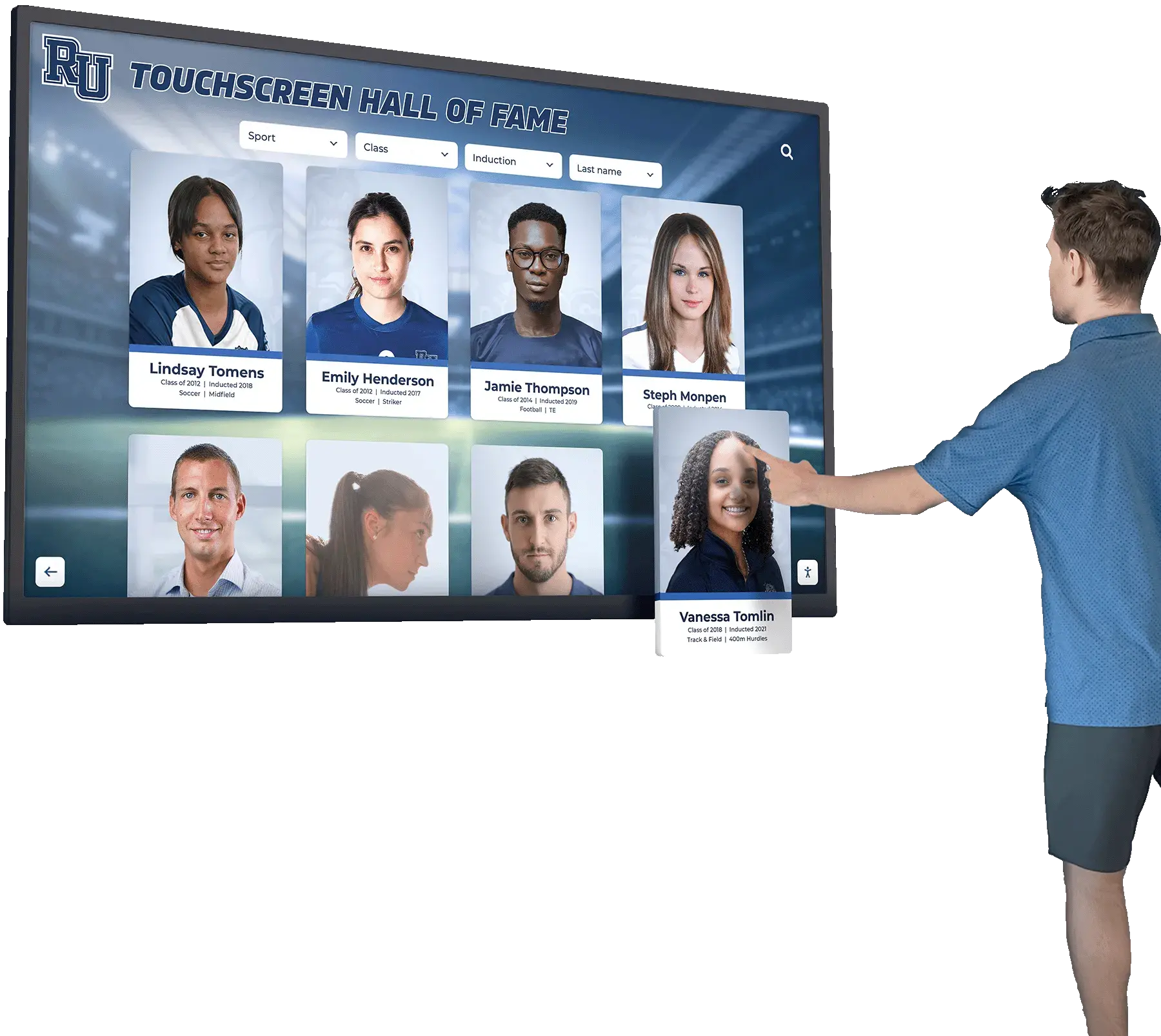
Interactive recognition systems enable programs to showcase complete offensive statistics including weak-hand shooting percentages and two-sided scoring capability
Drill 10: Game-Situation Shooting—Integrating Complete Offensive Scenarios
Game-situation shooting synthesizes all previously developed skills into comprehensive scenarios simulating actual game conditions including transition opportunities, settled offensive possessions, man-up advantages, and pressure situations requiring clutch execution.
The Training-to-Competition Transfer Challenge
Many players shoot exceptionally well in controlled drill environments but struggle translating that success into games. This transfer failure occurs because most drills isolate specific skills without integrating the decision-making complexity, defensive unpredictability, physical fatigue, and mental pressure characterizing actual competition.
Game-situation shooting bridges this gap by creating practice scenarios matching game conditions as closely as possible without actual referees and scoreboards.
Transition Shooting Scenarios
Scenario 1: 3v2 Fast Break
Three offensive players push transition against two recovering defenders. Ball carrier must quickly identify whether quality shooting opportunities exist or whether defense recovered sufficiently to force patient possession. This scenario teaches offensive decision-making under time pressure.
Scenario 2: 4v3 Unsettled Offense
Four offensive players attack before defense establishes full organization, creating temporary numerical advantage. Offensive team has 10 seconds to shoot or possession ends without points. This time constraint forces decisive action rather than passive ball movement.
Settled Possession Shooting
Scenario: 6v6 Settled Offense with Shot Clock
Full offensive and defensive units play organized lacrosse with 30-second shot clock requiring offensive team to generate quality shots within time constraints. This simulates actual game conditions including organized defensive pressure, need for offensive patience while maintaining urgency, and realistic shooting windows.
Coaches should chart shot quality and decision-making during settled possessions, providing feedback about shot selection and offensive execution.
Man-Up Shooting Situations
Scenario: 6v5 Extra-Man Offense
Offensive team possesses one-player advantage simulating man-up situations following defensive penalties. Rather than forcing immediate shots, offensive team must demonstrate discipline working for highest-percentage opportunities. This scenario teaches patient shot selection despite numerical advantages creating temptation to force early attempts.
Pressure Shooting and Clutch Situations
Scenario: Last Possession Game-Winner
Team trailing by one goal receives possession with 30 seconds remaining. Offensive unit must generate quality shot knowing the game depends on conversion. This scenario creates mental pressure simulating championship-game situations requiring clutch execution.
Add verbal pressure from coaches and sideline players creating hostile environment. Observe which players embrace pressure and which players’ effectiveness declines under stress.
Comprehensive Performance Evaluation
During game-situation shooting, track multiple metrics beyond simple shooting percentage:
- Shot quality rating (grade each shot attempt as excellent, good, acceptable, or poor based on defensive pressure and shooting window)
- Decision-making accuracy (evaluate whether shooters shot when appropriate or forced poor opportunities)
- Offensive patience and ball movement quality
- Weak-hand usage frequency
- Performance under pressure compared to standard situations
This comprehensive evaluation provides complete picture of offensive readiness rather than oversimplified statistics that miss crucial context.
Video Review Integration
Record game-situation shooting sessions and conduct video review sessions where team evaluates decision-making, shot selection, and execution. This video review helps players recognize the difference between what felt like good shots in real-time versus what actually constituted quality opportunities.
Elite programs integrate systematic shooting development with comprehensive recognition programs celebrating offensive achievement while teaching current athletes about the tradition of excellence they inherit.
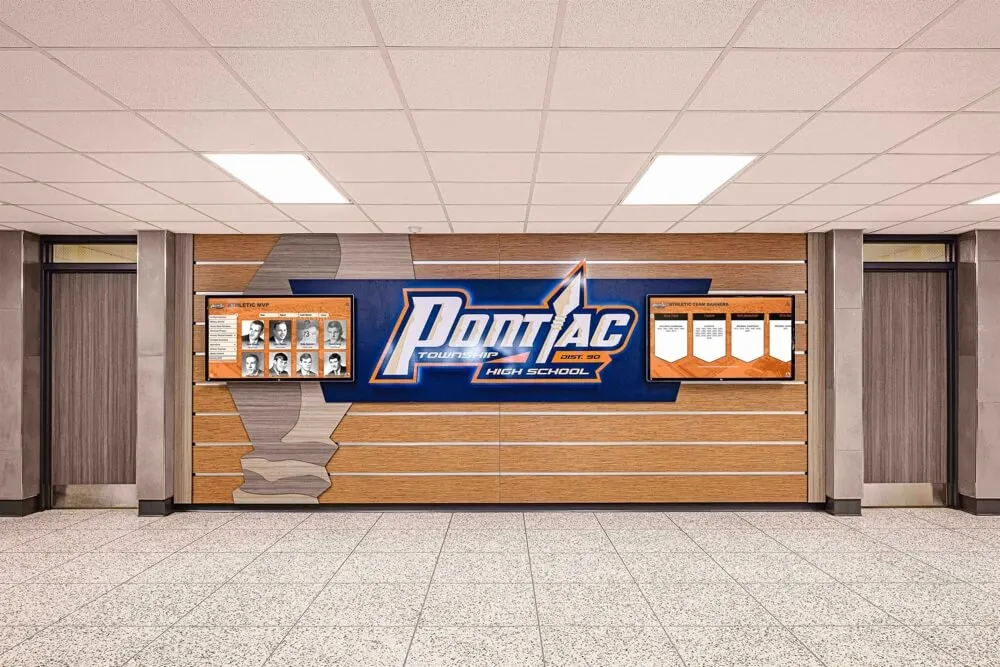
Championship lacrosse programs preserve offensive excellence through prominent recognition displays inspiring current players while honoring past achievements
Implementing Progressive Shooting Development: Building Complete Offensive Systems
Individual lacrosse shooting drills provide technical value only when integrated into comprehensive training systems that develop skills progressively from fundamental mechanics through game-applicable execution under pressure.
Season-Long Shooting Curriculum
Pre-Season (Weeks 1-4): Fundamental Development
Dedicate 60-70% of shooting practice time to form shooting, stationary technique work, and basic accuracy training. This foundation enables all subsequent skill development. Players should execute 100-150 form shots weekly establishing mechanical consistency.
Early Season (Weeks 5-8): Movement Integration
Reduce form shooting to 30-40% of shooting time while adding dodge-to-shoot sequences, quick-release drills, and behind-goal shooting. Players begin integrating movement with shooting mechanics. Weekly shot volume increases to 150-200 total shots as conditioning improves.
Mid-Season (Weeks 9-12): Pressure and Competition
Incorporate competitive shooting drills, harassment shooting, and game-situation scenarios constituting 50-60% of shooting work. Players maintain technical form under increasing pressure and complexity. Weekly shot volume peaks at 175-225 shots.
Late Season and Playoffs (Weeks 13+): Game Simulation and Mental Preparation
Emphasize game-situation shooting, pressure scenarios, and mental toughness development. Reduce overall shot volume to 100-125 weekly shots maintaining sharpness without creating fatigue. Focus shifts toward decision-making, shot selection, and clutch execution.
Individual Player Development Plans
Teams feature players with vastly different shooting capabilities requiring customized development approaches. Strong shooters need different emphasis than developing players struggling with basic mechanics.
For Advanced Shooters: Emphasize weak-hand development, specialized angle shooting, and shooting under maximum defensive pressure. These players need complexity and challenge maintaining engagement.
For Developing Shooters: Emphasize fundamental form, accuracy from standard positions, and building shooting confidence through success. These players need volume and repetition building basic proficiency before adding complexity.
For Role Players: Focus on shooting from positions they’ll occupy during games. A defensive midfielder doesn’t need extensive behind-goal angle shooting but absolutely needs transition shooting and quick-release capability on fast breaks.
Customized approaches ensure all players develop relevant skills rather than one-size-fits-all programming that inadequately serves diverse team needs.
Measuring and Tracking Shooting Development
Systematic shooting development requires objective measurement tracking progress and identifying areas requiring additional focus. Implement structured tracking systems including:
Weekly Shooting Statistics: Track shooting percentage from various positions (standard position, behind goal, transition, etc.) providing objective feedback about improvement areas.
Shot Quality Metrics: Beyond simple percentages, evaluate shot quality through coach ratings or video review. Players shooting 40% with excellent shot selection demonstrate better offensive judgment than players shooting 50% forcing poor opportunities that occasionally succeed.
Weak-Hand Progress: Separately track weak-hand shooting attempts and percentage, ensuring players actually develop two-sided capability rather than simply claiming to work on it.
Clutch Performance: Track shooting percentage in competitive pressure situations versus standard drill work, identifying players who elevate under pressure versus those who struggle with stress.
This data-driven approach to shooting development provides accountability while celebrating improvement. Programs emphasizing measurement and recognition often implement comprehensive digital tracking systems preserving performance data and making historical comparisons accessible.
Celebrating Offensive Excellence: Recognition Systems That Inspire Future Scorers
Championship lacrosse programs understand that celebrating offensive achievement serves dual purposes: honoring individual excellence while inspiring current players to pursue similar accomplishments through dedicated skill development.
Comprehensive Offensive Recognition
Traditional lacrosse recognition emphasizes goal totals and perhaps assists, creating limited recognition opportunities for players contributing in diverse offensive ways. Modern recognition systems celebrate more comprehensive offensive achievement including:
- Career goals and single-season goal records
- Shooting percentage achievements (minimum attempt requirements)
- Assist totals recognizing playmaking alongside scoring
- Game-winning goals in crucial situations
- Man-up offensive efficiency and specialist roles
- Behind-goal offensive production and angle shooting mastery
- Weak-hand shooting development and two-sided capability
This expanded recognition framework honors complete offensive players rather than only pure goal scorers, encouraging players to develop diverse skills rather than one-dimensional abilities.
Digital Recognition Advantages for Lacrosse Programs
Traditional recognition approaches—static plaques, gymnasium banners, trophy cases—face inevitable space constraints limiting how many athletes and achievements programs can celebrate prominently. Successful lacrosse programs producing decades of offensive excellence quickly exhaust available physical space.
Digital recognition systems solve this challenge through unlimited digital capacity enabling programs to recognize every significant achievement across program history. These modern systems provide searchable databases where current players explore past offensive excellence, compare their developing statistics against program legends, and visualize pathways toward their own recognition. Interactive touchscreen displays transform passive recognition into engaging experiences encouraging repeated interaction with program history and tradition.
For lacrosse programs emphasizing offensive development and shooting excellence, digital recognition platforms enable coaches to showcase shooting percentage leaders, behind-goal specialists, weak-hand shooting achievements, and clutch performers alongside traditional goal-scoring records—celebrating the complete offensive systems developed through systematic training rather than only measuring final statistical outputs.
Creating Shooting Culture Through Recognition
Programs that prominently recognize shooting excellence, technical mastery, and offensive skill development create organizational cultures where shooting improvement becomes valued priority rather than secondary consideration behind strength training, conditioning, or defensive work.
When players see past offensive leaders celebrated for shooting percentage, quick-release capability, two-handed shooting, and clutch performance—not just total goals—they understand that comprehensive skill development earns lasting recognition within program tradition. This cultural message influences daily practice behaviors as players embrace shooting drills understanding these skills build legacies extending beyond their playing careers.
Conclusion: Building Elite Shooting Through Systematic Practice
Lacrosse shooting excellence doesn’t occur accidentally through pickup games and casual practice. It requires systematic development through structured lacrosse shooting drills that progressively build complete offensive capability from fundamental mechanics through game-pressure execution.
The ten drills presented in this guide provide comprehensive shooting development addressing form shooting fundamentals, quick-release capability, shooting off dodges, decision-making under pressure, rapid-fire stamina, specialized angle shooting, screen shooting within offensive systems, mental toughness through harassment, weak-hand development, and complete game-situation integration. Programs implementing these drills systematically throughout seasons develop offensive players capable of consistent production against quality competition rather than relying on individual talent alone.
Elite shooting separates championship programs from mediocre teams content with occasional offensive success. By dedicating structured practice time to shooting development, tracking objective improvement metrics, customizing approaches to individual player needs, and celebrating shooting excellence through comprehensive recognition, lacrosse programs build offensive traditions producing elite scorers season after season regardless of individual talent variation.
The path from average shooter to elite offensive player requires dedicated practice, technical refinement, competitive pressure exposure, and mental toughness development. These proven lacrosse shooting drills provide the roadmap—implementation determines results.
Start building your program’s offensive legacy today through systematic shooting development and comprehensive recognition celebrating that excellence for generations of future players to admire and pursue.