Few symbols in American high school and college athletics carry the cultural weight of letterman jacket patches. These embroidered emblems represent countless hours of practice, competitive excellence, leadership contributions, and personal achievement earned through athletic participation. Each patch tells a specific story—a conference championship won, an all-state honor received, a team captain role fulfilled, or a personal milestone achieved during years of dedicated athletic competition.
Yet as powerful as these symbols are when worn on traditional wool jackets, their impact traditionally ends when athletes graduate and jackets move to closets. The recognition remains personal rather than institutional, visible only when worn rather than preserved as part of school athletic heritage. This creates a fundamental challenge: how do schools honor the achievements these patches represent in ways that inspire current athletes, preserve institutional memory, and celebrate excellence permanently rather than temporarily?
This comprehensive guide explores letterman jacket patches from multiple angles—their historical origins and cultural significance, the different types and what each represents, traditional display approaches and their limitations, and how modern digital recognition systems enable schools to preserve and showcase patch achievements permanently through interactive displays accessible to entire communities rather than just individual jacket owners.
Letterman jacket patches serve as portable athletic portfolios documenting achievement across multiple dimensions. Understanding what different patches represent and how schools can honor these accomplishments systematically transforms varsity letter programs from simple uniform elements into comprehensive recognition infrastructure celebrating excellence permanently.

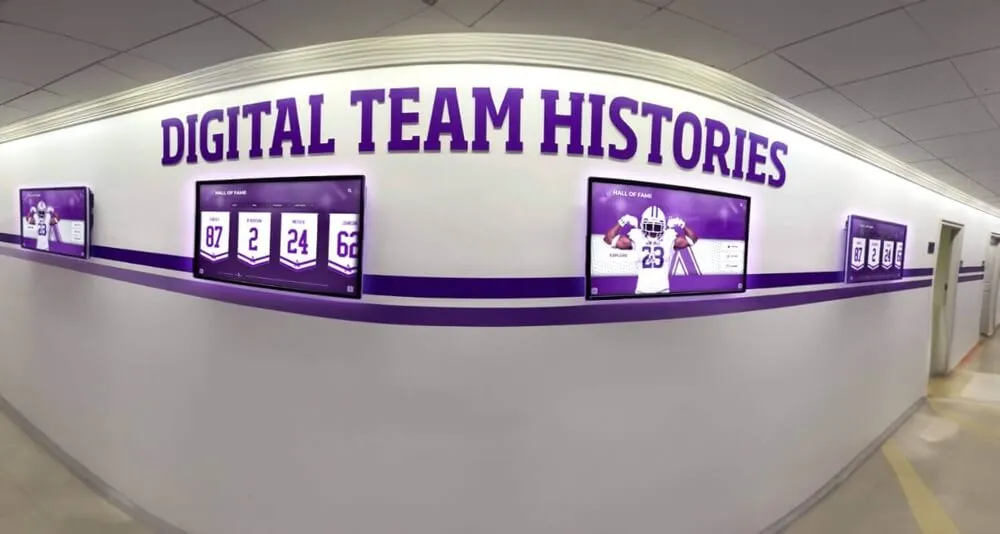
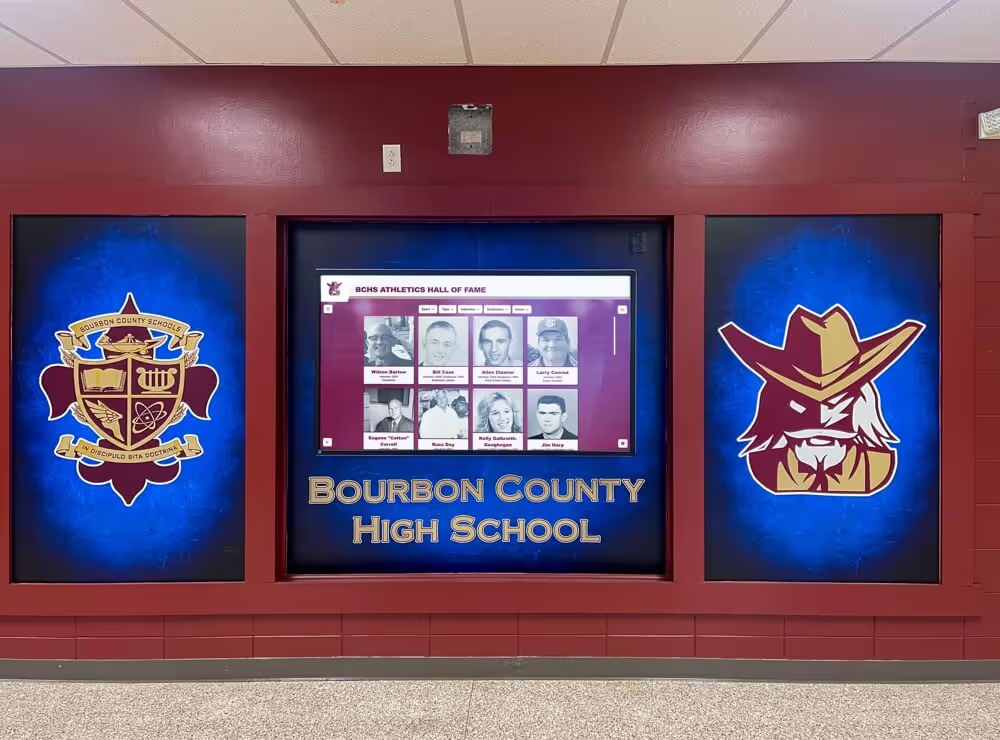
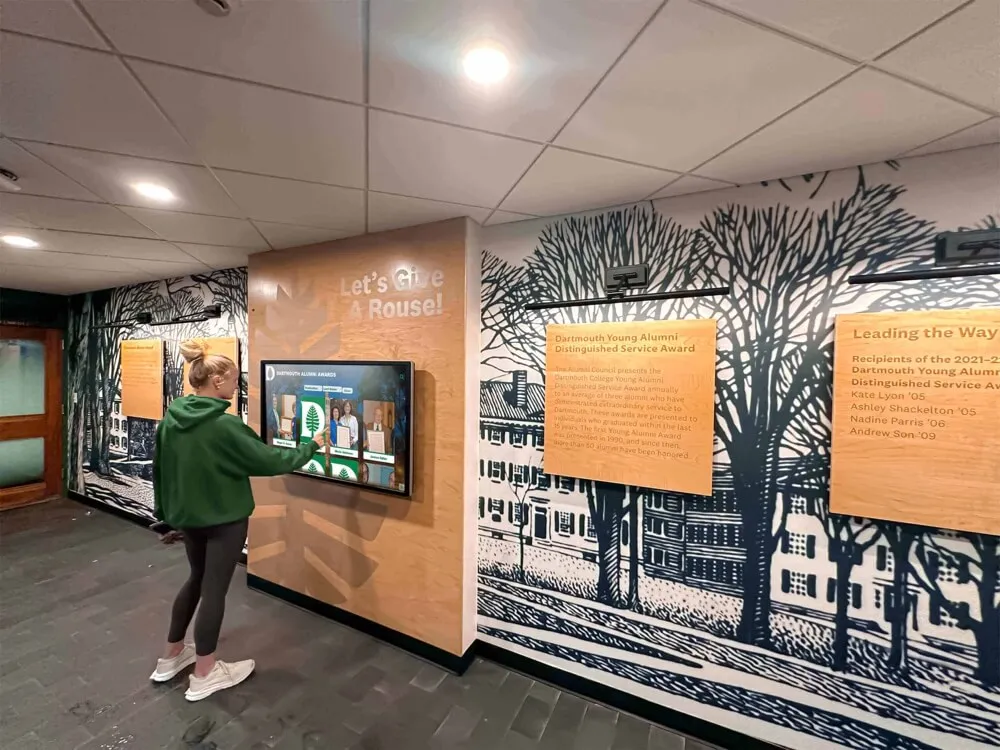
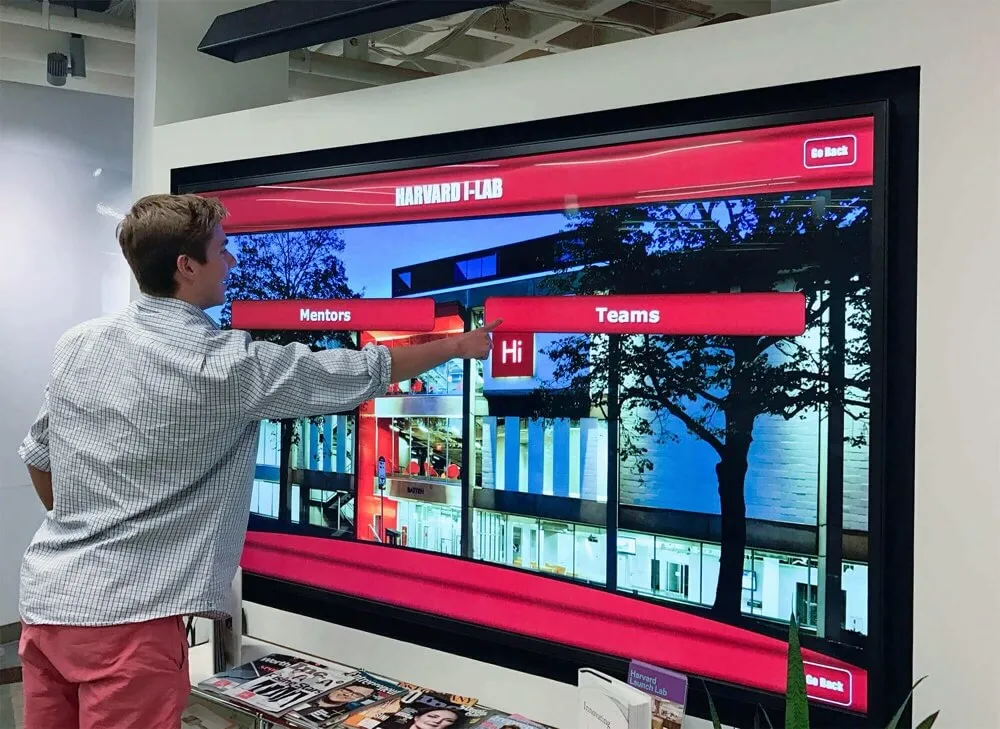
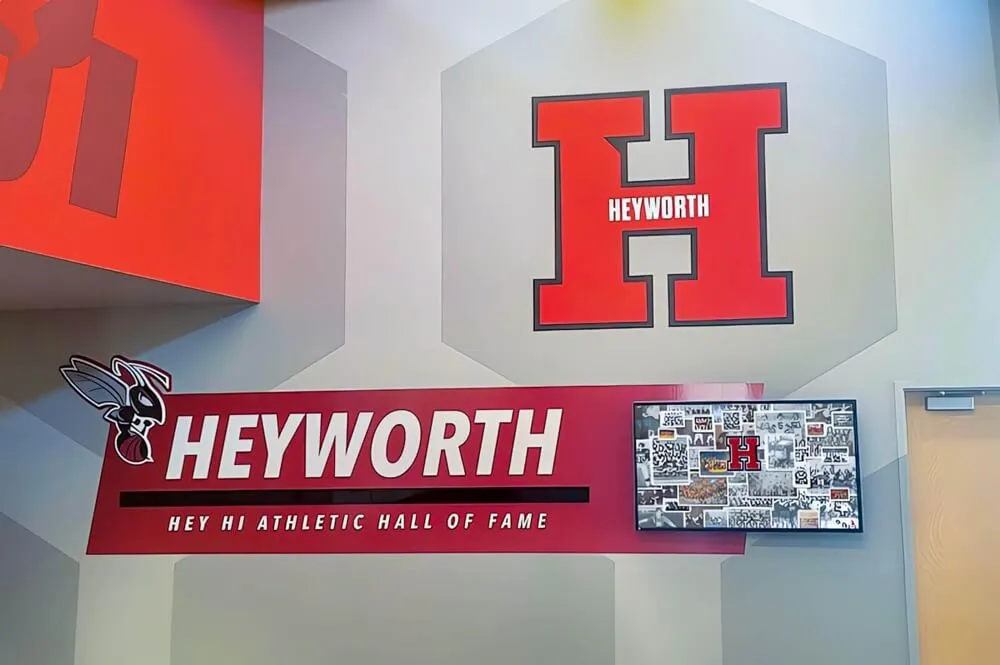
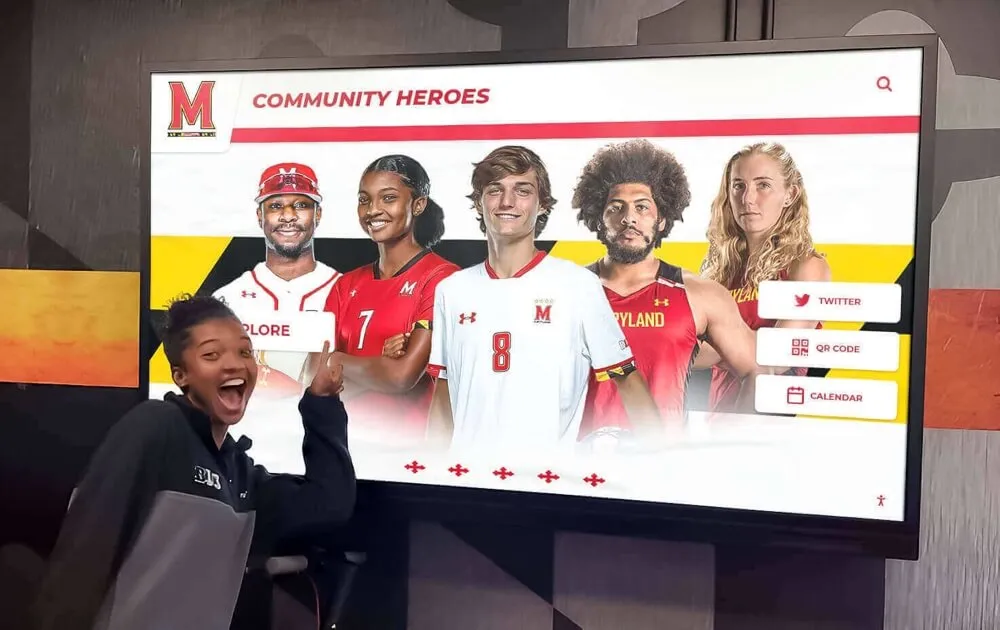
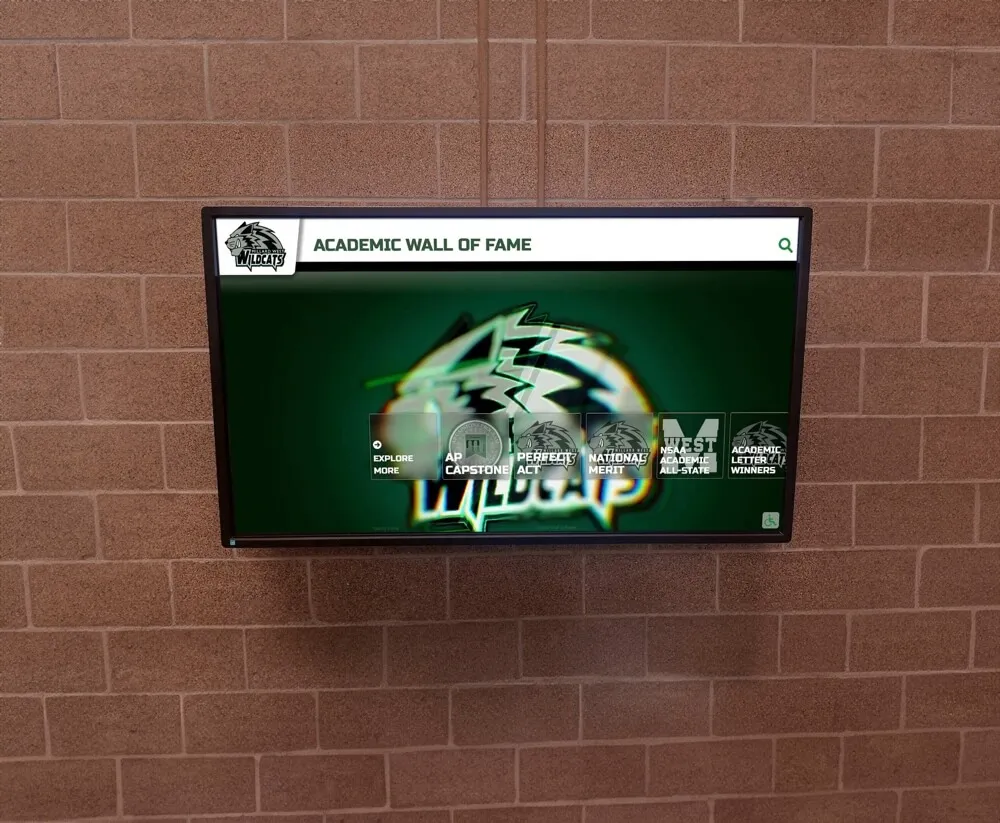
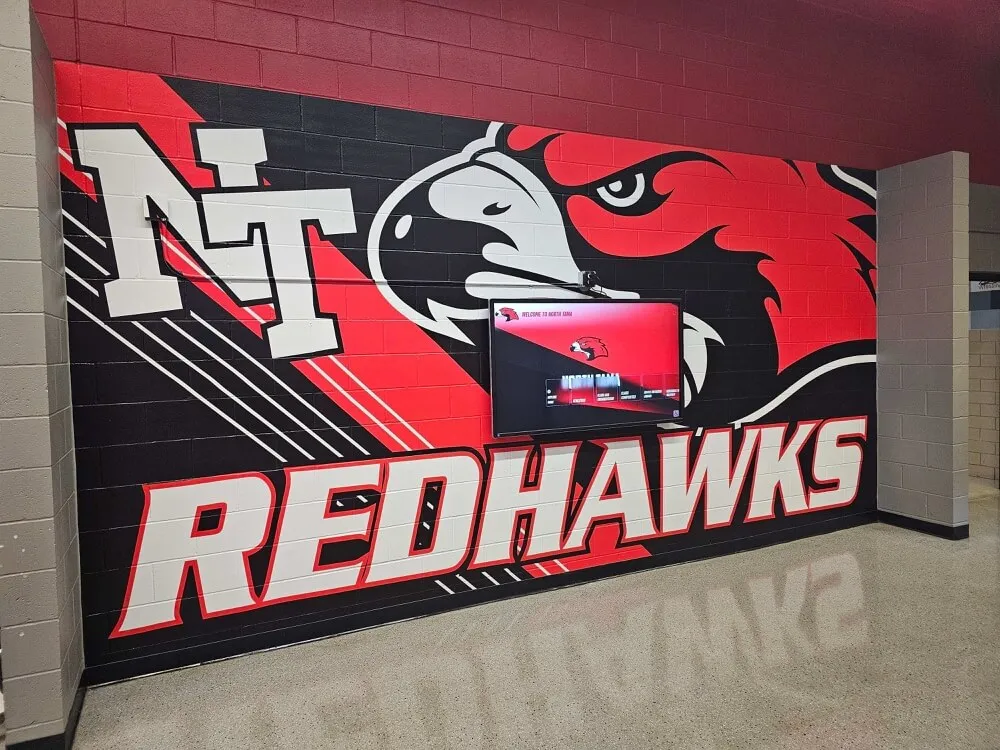
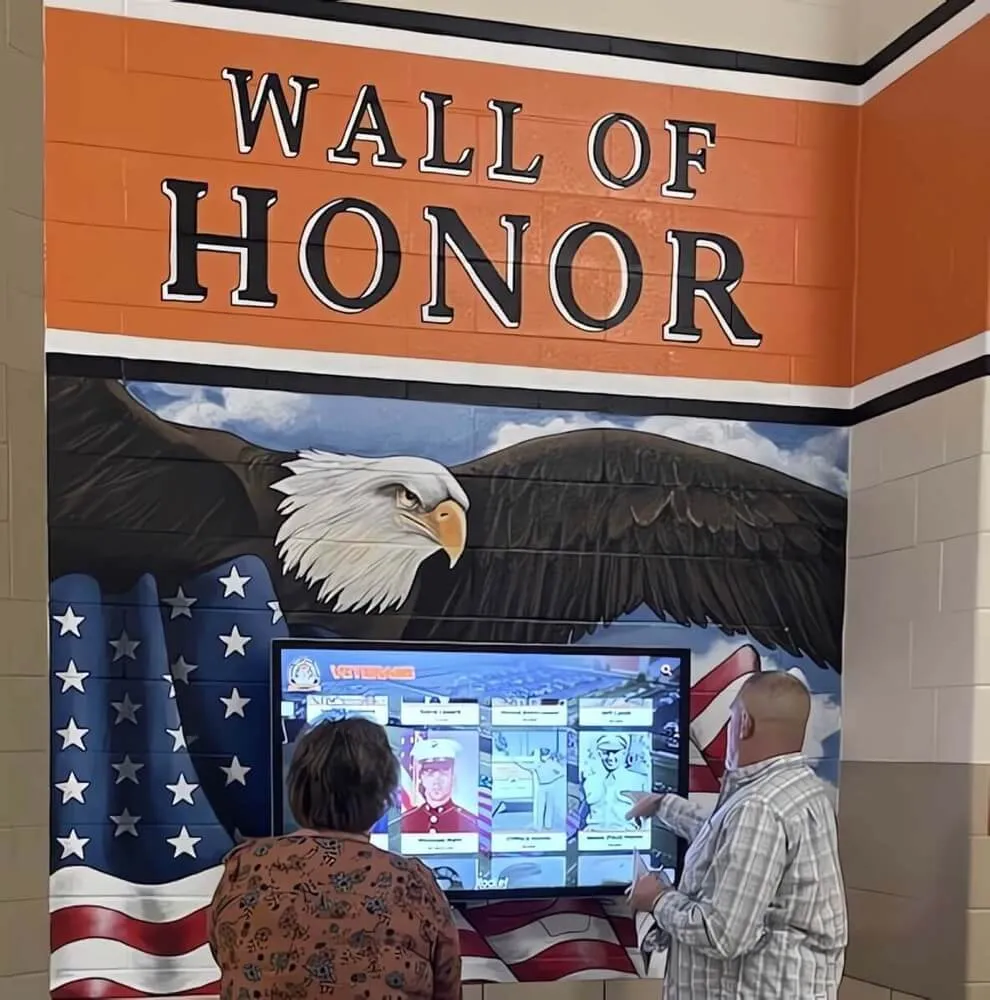
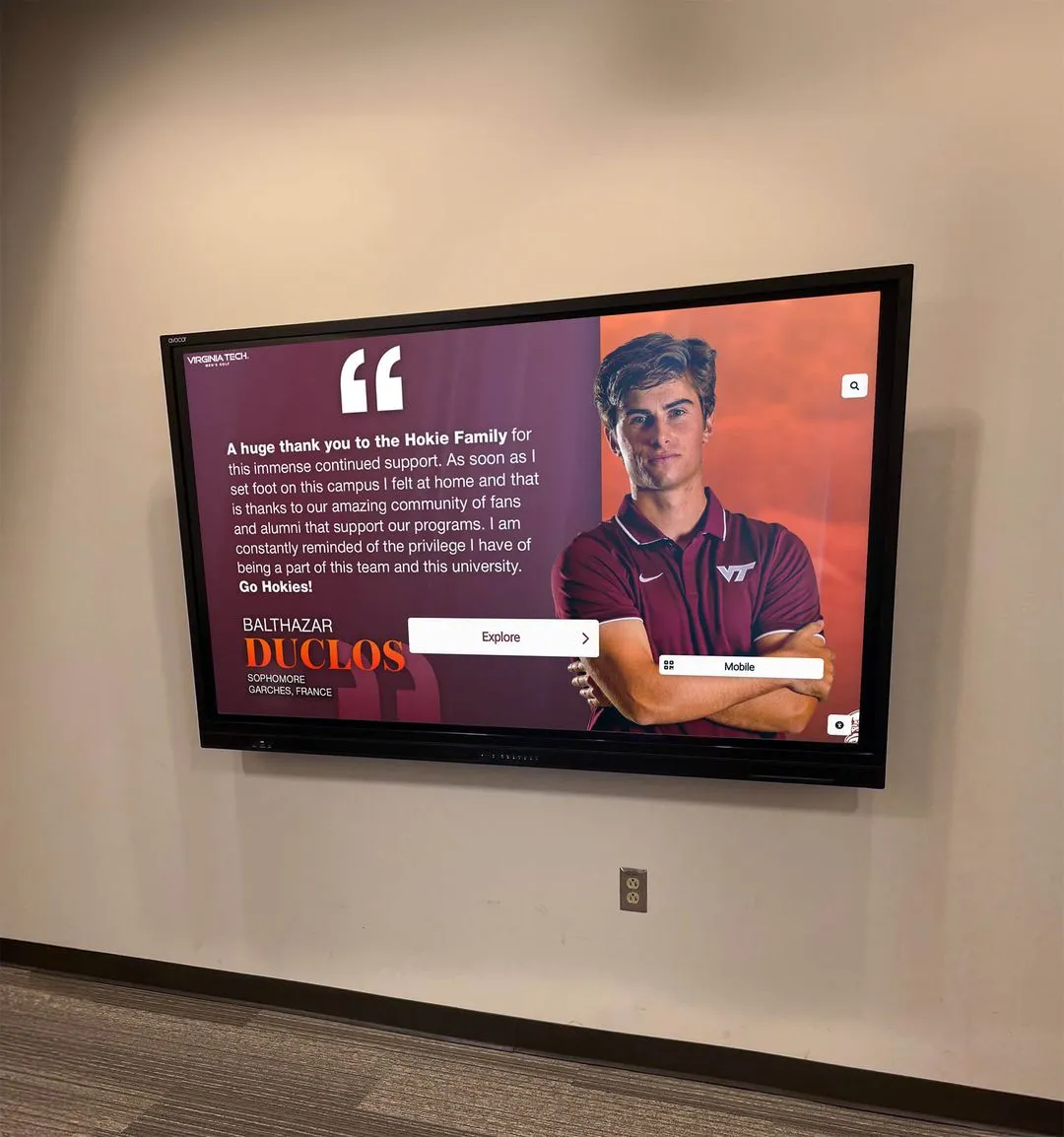
Modern athletic recognition combines traditional visual elements with digital displays preserving varsity letter achievements permanently
Understanding Letterman Jacket Patch History and Cultural Significance
The tradition of earning varsity letters dates to 1865 at Harvard University, where the baseball team first wore the letter “H” on their uniforms. This simple fabric letter evolved into a comprehensive achievement recognition system spanning American secondary and higher education athletics.
The Evolution of Varsity Letter Recognition
Early letterman systems focused exclusively on participation—athletes who competed at varsity level received their school letter as acknowledgment of team membership. This basic structure expanded dramatically throughout the 20th century as schools developed more nuanced recognition systems celebrating diverse achievement categories beyond simple participation.
Participation to Achievement Recognition
Modern letterman programs recognize multiple achievement dimensions through specialized patches including sport-specific participation letters, championship patches celebrating team titles, individual achievement patches honoring personal excellence, leadership patches acknowledging captain roles and team contributions, academic achievement patches recognizing scholar-athlete status, and milestone patches documenting career longevity or statistical achievements.
This evolution transformed letterman jackets from simple team uniform pieces into comprehensive achievement portfolios displaying athletic careers across multiple dimensions that simple letters alone could never communicate effectively.
Cultural Significance Beyond Athletics
Letterman jackets transcended pure athletic function to become powerful cultural symbols representing achievement, belonging, status, tradition, and school pride. Athletes wearing letterman jackets visibly demonstrate institutional connection while patches communicate specific accomplishments to those understanding the symbolic language of athletic recognition.
For alumni, letterman jackets often represent peak achievement periods and formative experiences that shaped character, work ethic, and identity in lasting ways extending far beyond athletic careers themselves.
Resources on high school athletic recognition programs demonstrate how varsity letter systems fit within broader institutional celebration infrastructure honoring student excellence across multiple achievement categories.
Modern Letterman Programs and Evolving Standards
Contemporary letterman jacket programs face evolving questions about inclusion, equity, and achievement standards:
Expanding Beyond Traditional Sports
Many schools now extend letterman recognition beyond traditional competitive athletics to include marching band members dedicating equivalent practice time and performance commitment, academic competition teams in subjects like debate, math, and robotics, performing arts participants in theater and choir programs requiring similar dedication, and leadership roles in student government and service organizations.
This expansion recognizes that achievement, leadership, and institutional contribution occur across multiple domains deserving equivalent celebration rather than privileging athletics alone within recognition systems.
Gender Equity and Title IX Considerations
Modern letterman programs must ensure equitable recognition for female athletes through identical qualification standards, equivalent patch availability and design quality, equal jacket access and funding support, and comparable ceremony visibility celebrating achievement publicly.
Schools should regularly audit letterman program participation demographics ensuring recognition systems serve all athletes equitably regardless of gender, sport prominence, or program size.

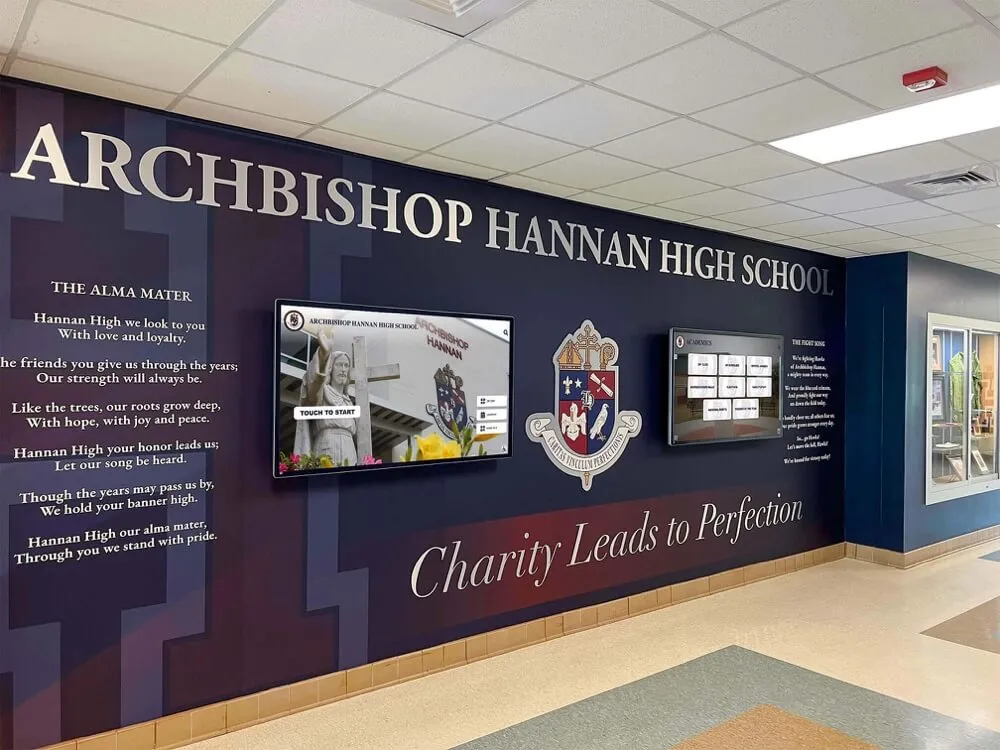
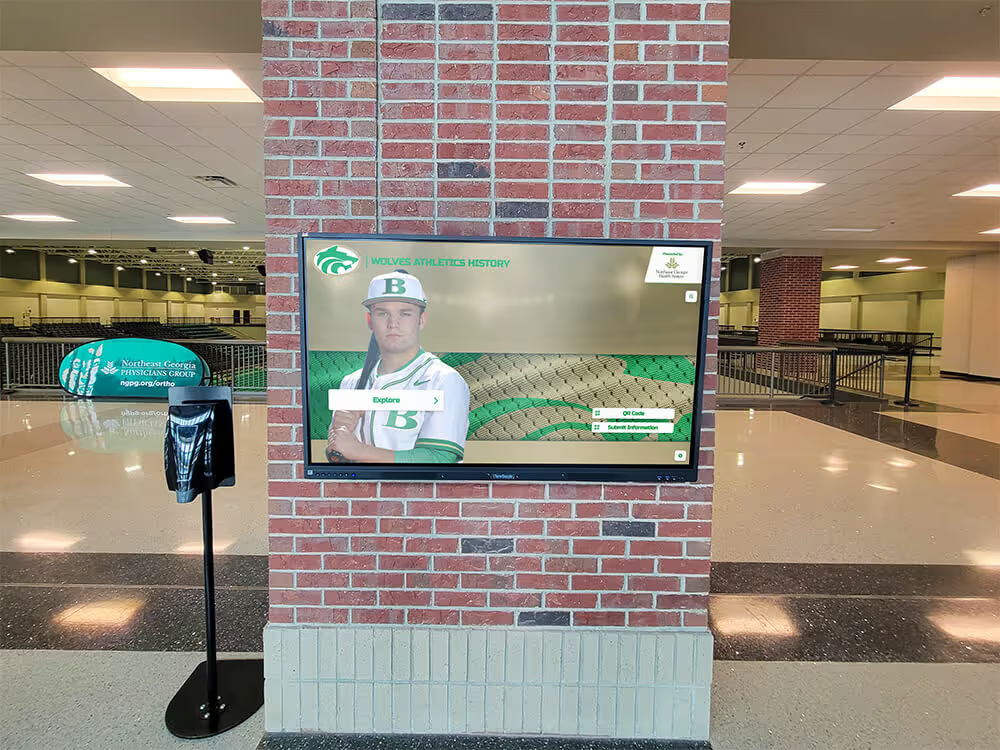
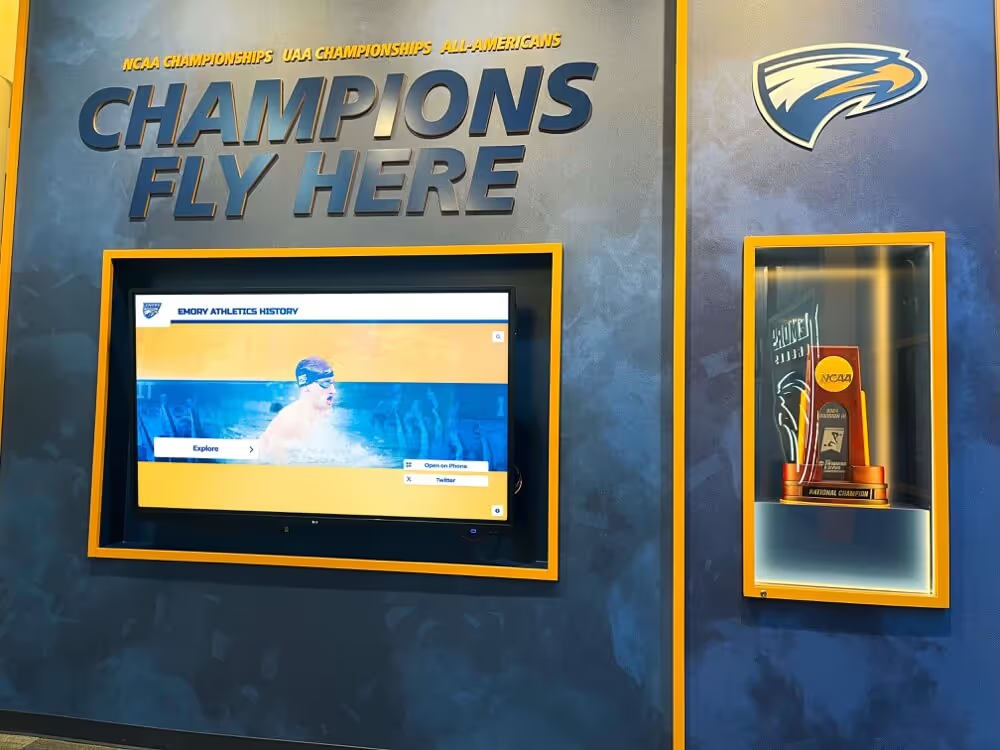
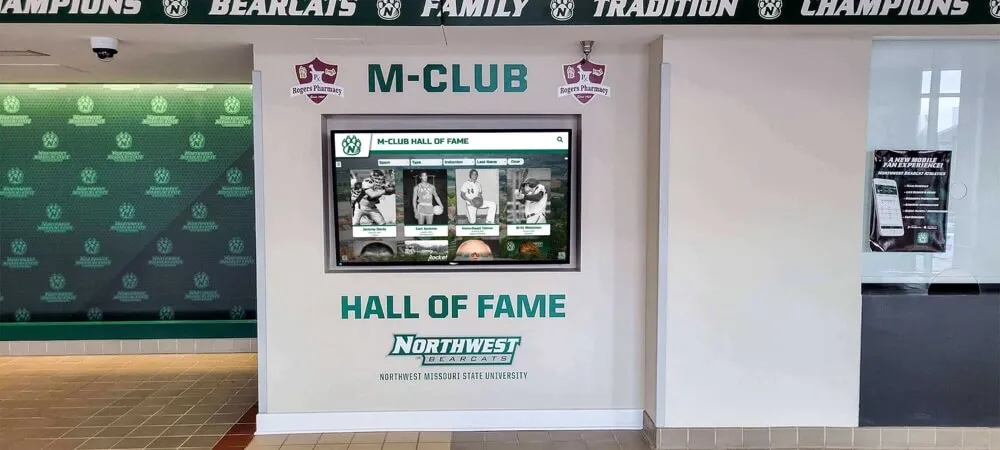
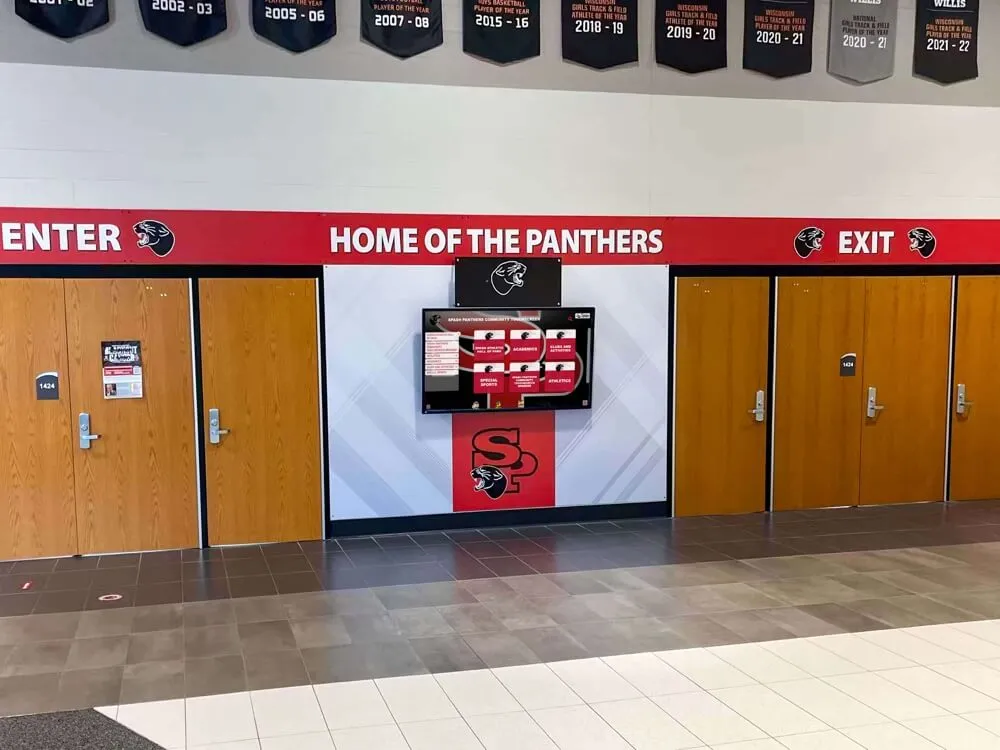
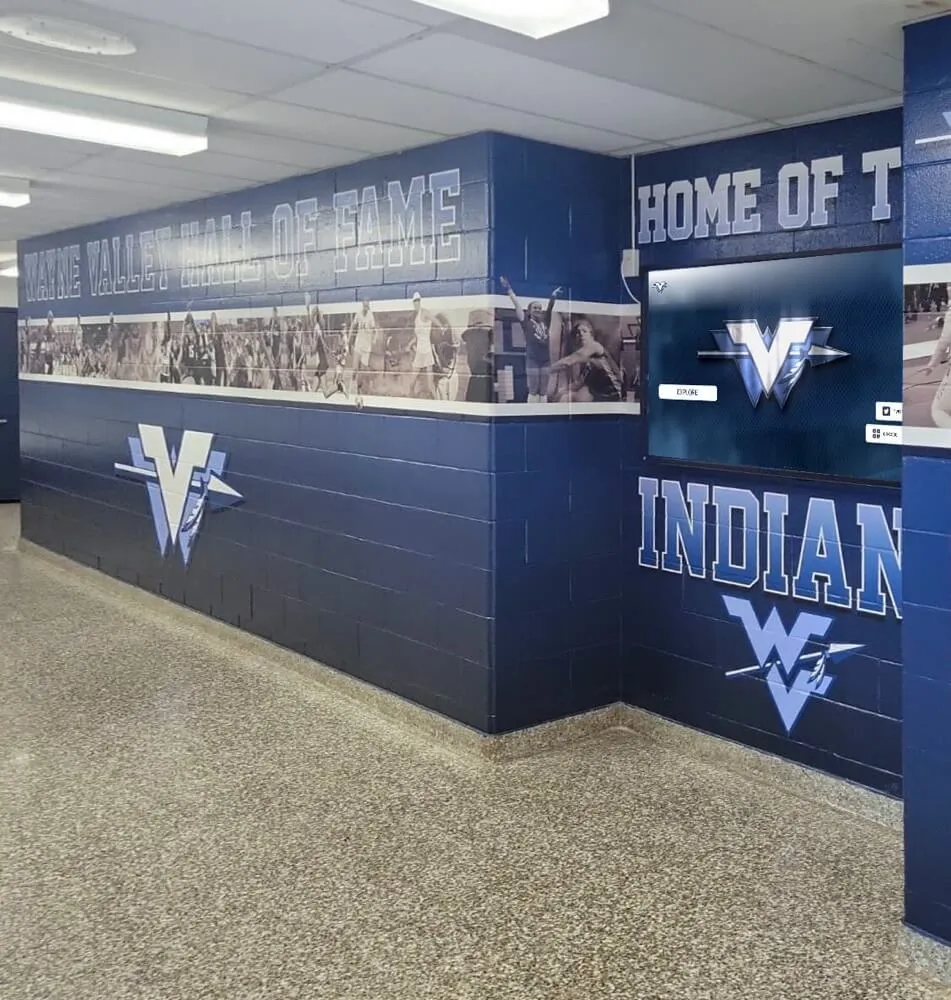
Digital recognition displays preserve letterman achievements permanently while maintaining accessibility for entire school communities
Types of Letterman Jacket Patches and Their Meanings
Understanding the language of letterman patches helps schools develop systematic recognition celebrating diverse achievements appropriately.
Sport Participation Letters
The foundational letterman patch remains the sport letter indicating varsity participation:
Primary Varsity Letter Design
The large chenille letter (typically 5-7 inches tall) features school initials in institutional colors, attached to jacket left chest or back, representing competitive season completion at varsity level, and serving as the base upon which all other patches build recognition layers.
Many schools establish specific criteria for earning letters including minimum participation requirements measured in games, meets, or competitions, attendance standards ensuring commitment throughout full seasons, practice engagement demonstrating dedication beyond just competitions, and sportsmanship standards reflecting institutional character values.
Additional Sport Year Bars
When athletes participate multiple seasons in the same sport, year bars (small rectangular patches) indicate continued participation. These typically appear below the primary letter, show year of competition or graduation class, and accumulate vertically demonstrating multi-year commitment to single programs.
Athletes competing four years in one sport display their longevity visibly through stacked year bars making sustained commitment immediately apparent to observers understanding the recognition system.
Multi-Sport Participation Pins or Patches
Athletes earning letters in multiple sports receive special recognition through crossed sports pins showing athletic versatility, smaller sport-specific patches for secondary letters rather than multiple large letters, or special multi-sport achievement bars indicating exceptional athletic breadth.
Multi-sport athletes often receive particular recognition as their diverse participation demonstrates remarkable time management, athletic versatility, and institutional contribution across multiple programs simultaneously.
Championship and Team Achievement Patches
Beyond participation, specific patches celebrate exceptional team success:
Conference and League Championship Patches
When teams win conference titles, special patches commemorate the achievement through sport-specific designs incorporating championship years, conference or league name identification, and special colors or design elements distinguishing championship recognition from routine participation.
These patches transform jackets from simple participation documentation into championship portfolios showing specific competitive excellence achieved rather than just seasons played.
State Tournament and Playoff Patches
Schools reaching state tournaments or championship playoffs issue patches documenting postseason achievement through round-specific patches for quarterfinals, semifinals, and finals appearances, state championship patches with special prominence and design quality, and runner-up patches honoring competitive excellence even when falling short of ultimate championships.
The hierarchy of postseason patches enables observers to instantly understand competitive achievement depth—distinguishing state champions from playoff participants while honoring both appropriately.
Tournament and Invitational Recognition
Beyond conference and state competition, patches commemorate significant tournament participation or victories including holiday tournament championships, prominent invitational victories, and out-of-state competition achievements demonstrating program strength against broader competitive fields.
Comprehensive information about athletic awards and championship recognition provides frameworks for systematic achievement celebration across multiple competitive levels.
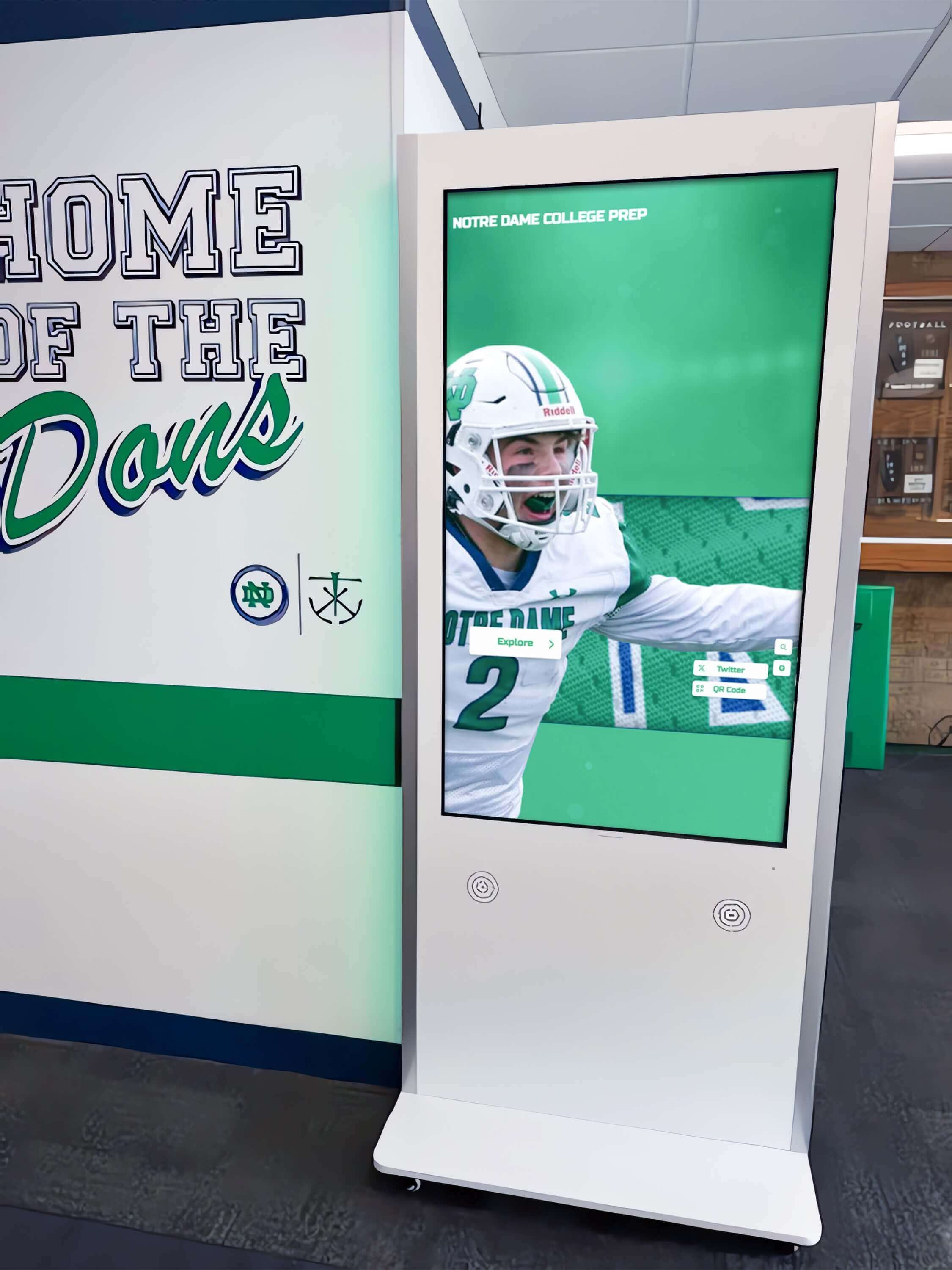
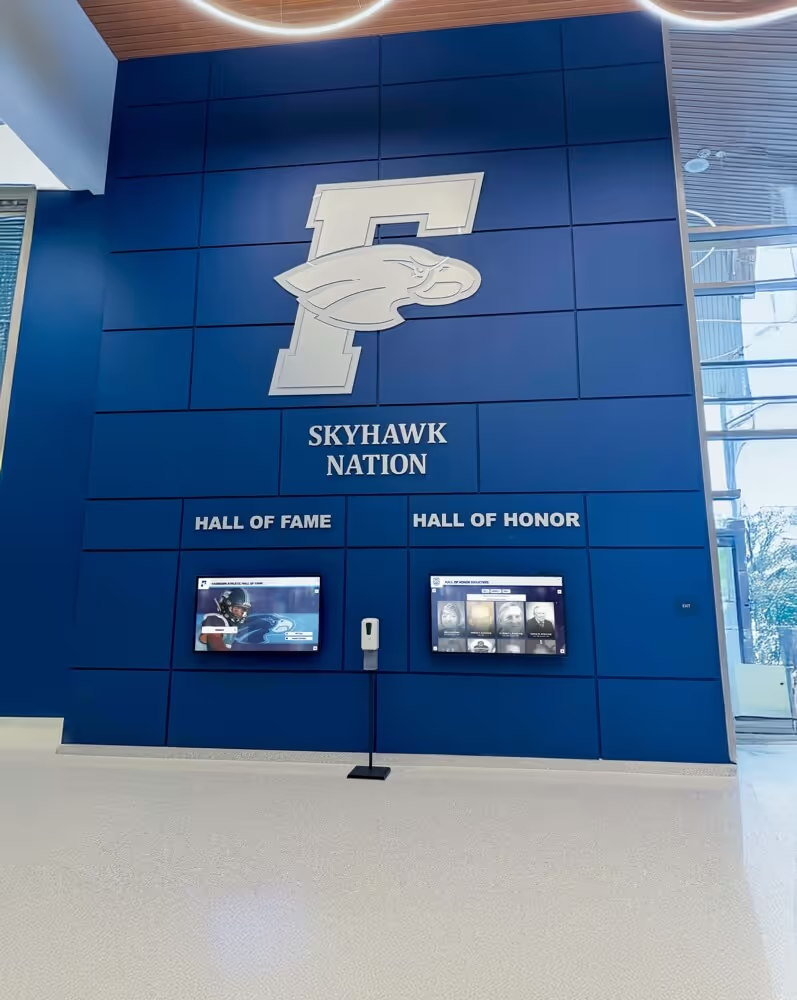
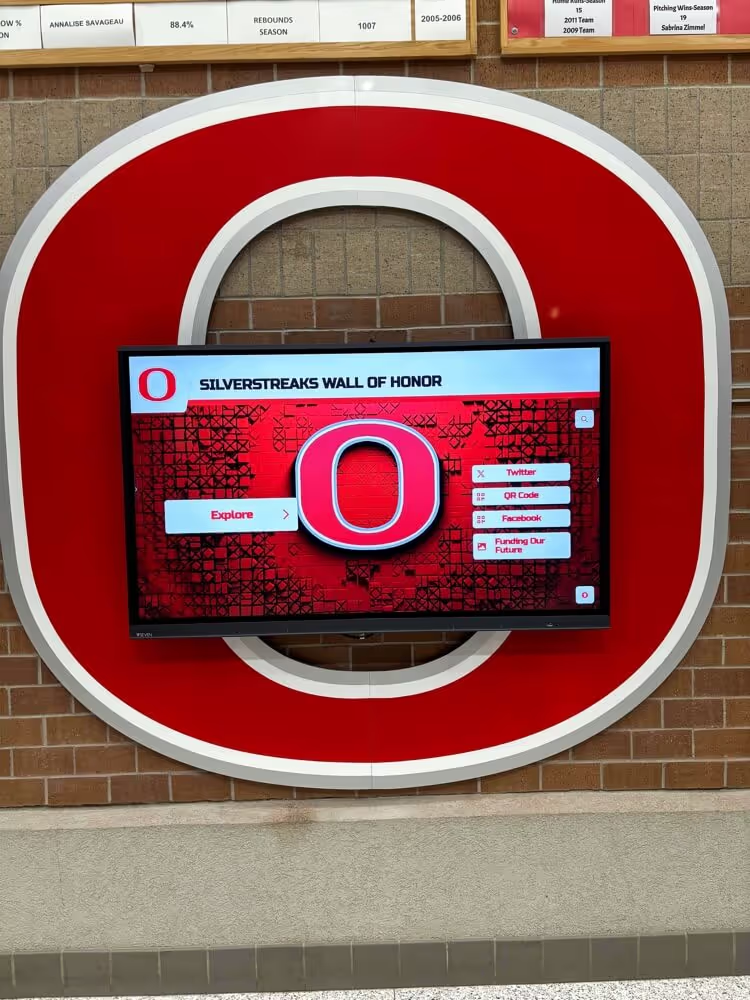
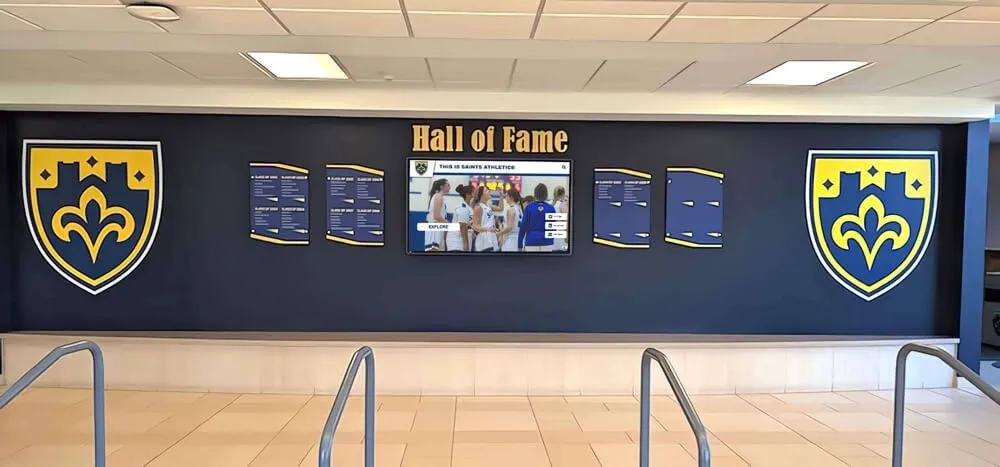
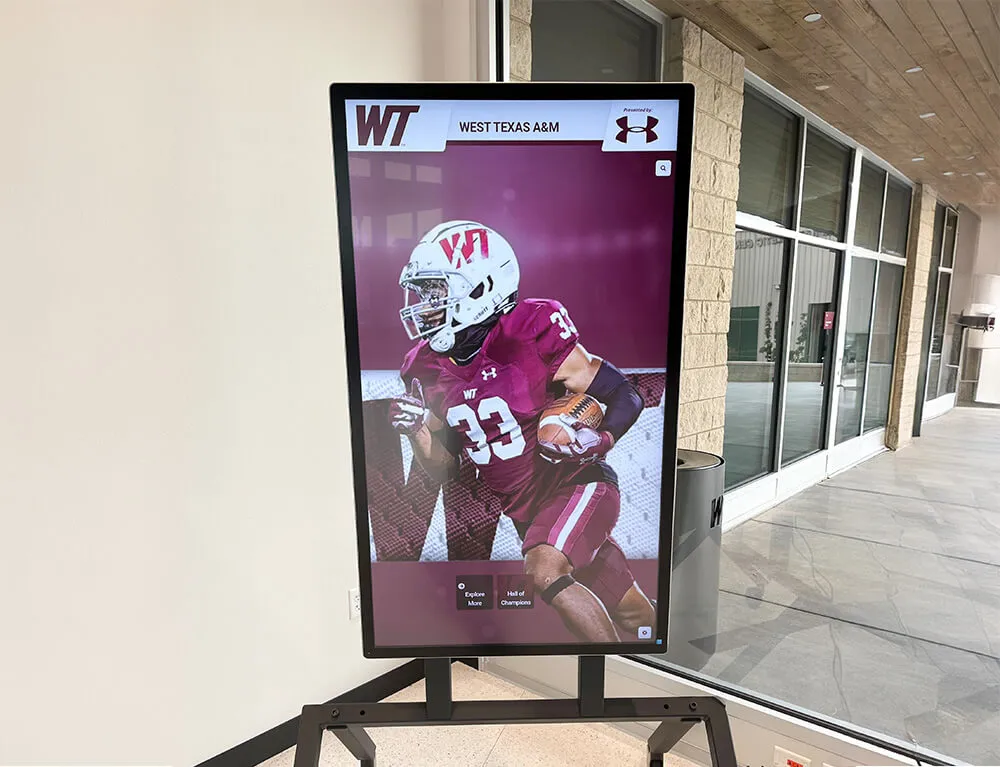
Interactive displays enable comprehensive athletic achievement documentation including all varsity letter and patch awards earned throughout athletic careers
Individual Achievement and Honor Patches
Personal excellence receives recognition through specialized patches:
All-Conference and All-District Recognition
Individual athlete selections to all-conference or all-district teams merit patches identifying the specific honor, year received, and sometimes position or special recognition levels like first team versus honorable mention.
These patches document peer and coach recognition of individual excellence within broader competitive contexts, signifying achievement beyond team membership alone.
All-State and Regional Honor Patches
Higher-level individual recognition receives more prominent patches including all-state team selections representing top performers statewide, all-region honors for states using regional organization, player of the year awards in specific sports or positions, and academic all-state recognition combining athletic and academic excellence.
The visual hierarchy of achievement patches enables experienced observers to immediately assess athletic career accomplishment depth by scanning jacket patch arrangements.
Statistical and Milestone Achievement Patches
Personal statistical achievements often receive patch recognition including 1,000-point scorers in basketball, 100-goal scorers in hockey or soccer, state record holders in various sports, and program record achievement in categories like career rushing yards or batting average.
These milestone patches celebrate sustained excellence over entire careers rather than single-season or single-game achievements, representing dedication and consistency producing remarkable cumulative results.
Leadership and Character Recognition Patches
Achievement extends beyond statistics and championships to include leadership contributions:
Team Captain Patches
Captain roles receive special recognition through distinctive patches often featuring “C” designation, special colors or designs distinguishing captain status, and year-specific identification when captains serve multiple seasons.
Captain patches acknowledge peer respect and leadership contributions that statistics alone cannot measure, honoring athletes who elevated team culture and performance through example and guidance.
Sportsmanship and Character Awards
Many programs issue patches for special character recognition including sportsmanship awards given by conferences or tournament organizers, most improved player honors, and most valuable player designations beyond statistics considering leadership and team impact.
These patches communicate that excellence encompasses character dimensions beyond purely athletic performance—reinforcing institutional values about what truly merits celebration and recognition.
Scholar-Athlete Recognition
Academic excellence combined with athletic achievement receives acknowledgment through scholar-athlete patches, national honor society membership indicators, academic all-state recognition, and GPA-based achievement patches celebrating students balancing athletic demands with academic excellence.
Scholar-athlete patches communicate that athletics serves educational mission rather than existing separately from academic priorities—honoring students who excel across both dimensions rather than narrowly in competition alone.
Resources on academic recognition programs demonstrate how schools integrate athletic and academic achievement within comprehensive student recognition systems.
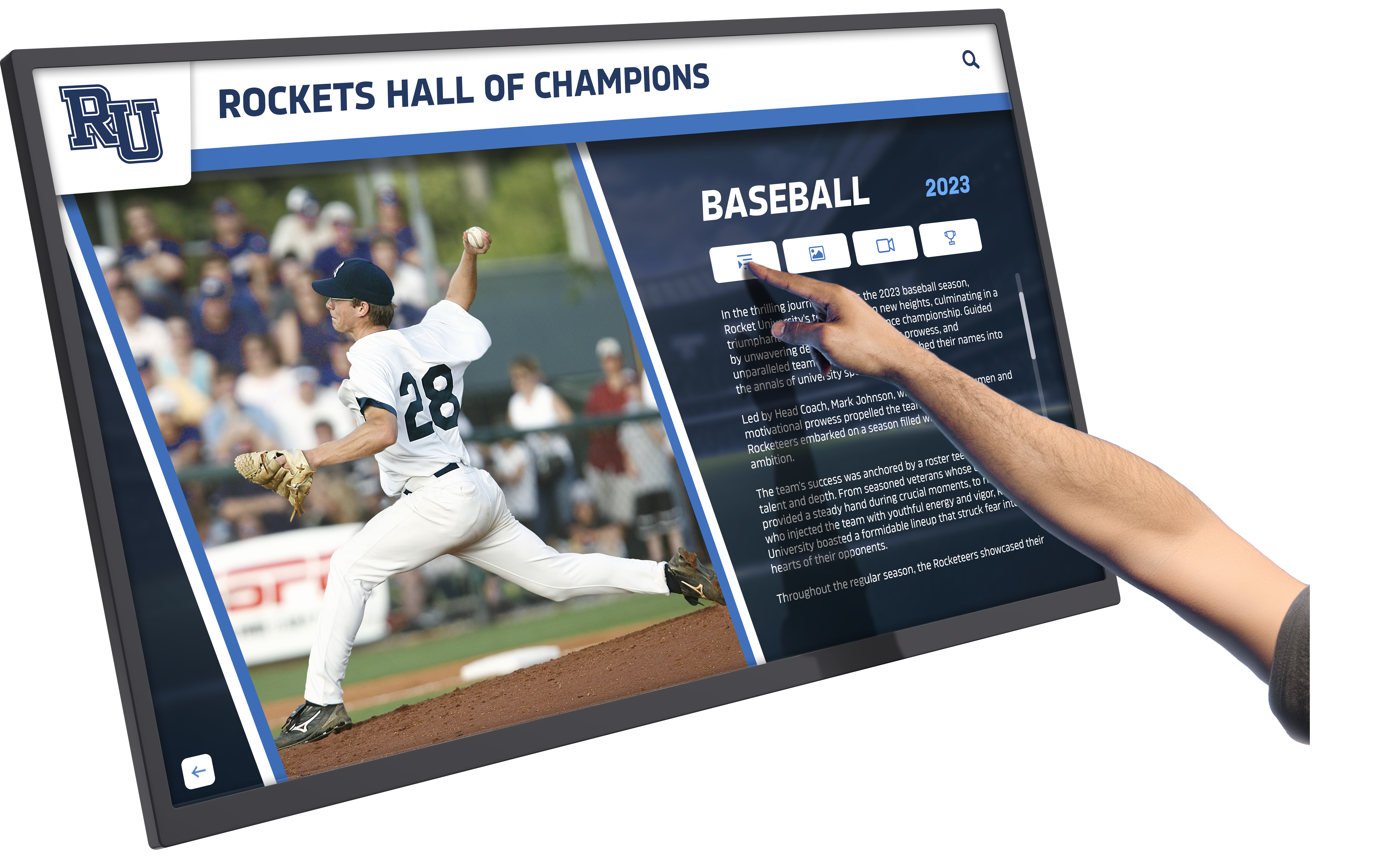
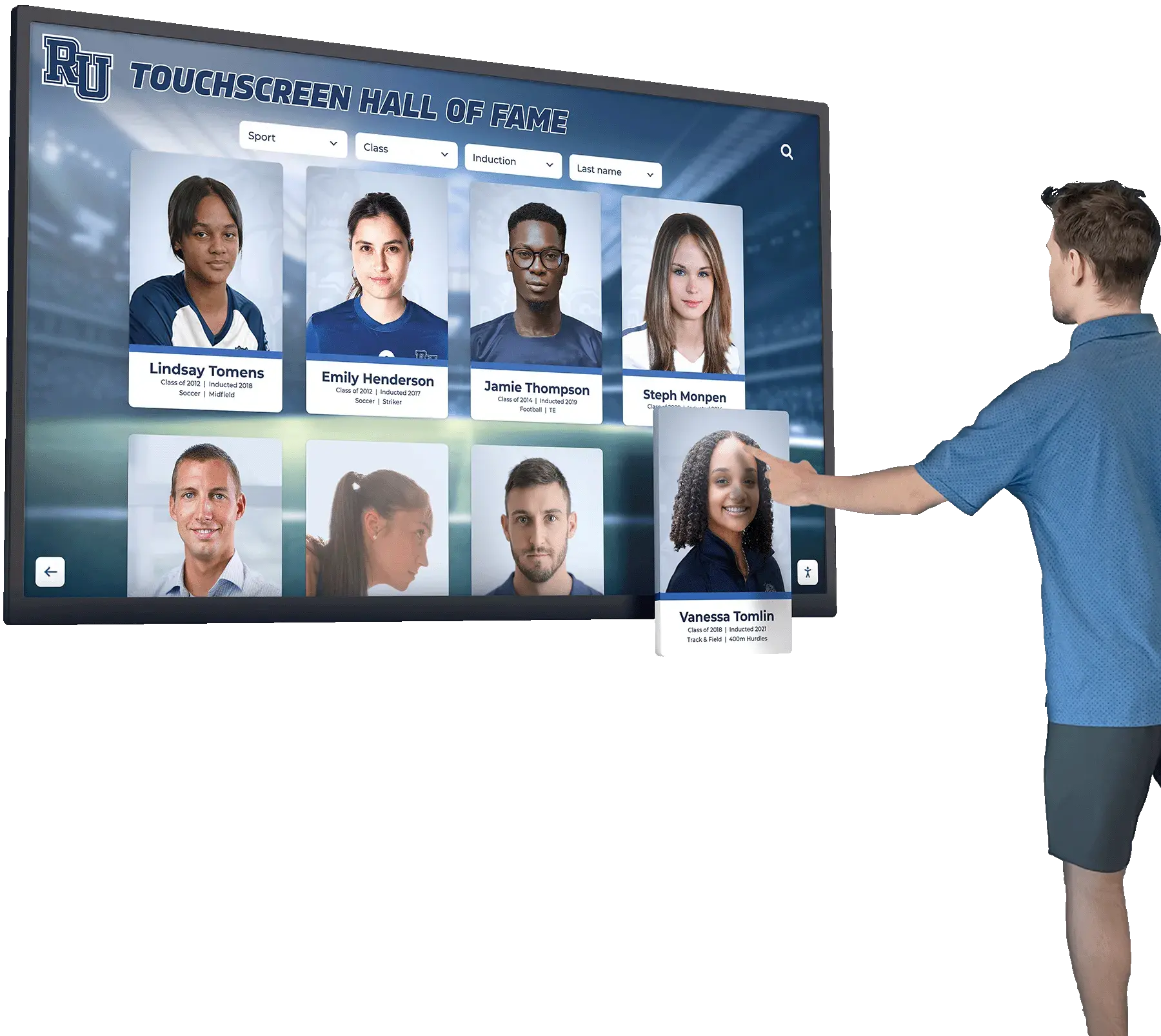
Digital interfaces enable detailed athlete profile exploration documenting complete achievement histories including all earned patches and honors
Traditional Letterman Patch Display Approaches and Limitations
While letterman jackets provide personal recognition, schools seeking institutional celebration face distinct challenges preserving and displaying patch achievements systematically.
Personal Display on Letterman Jackets
The primary patch display method remains individual jacket wear:
Arrangement Conventions and Visual Hierarchy
Traditional jacket arrangements follow conventional patterns with primary sport letter on left chest, secondary sport letters or patches on sleeves, championship patches clustered on jacket front, and achievement bars positioned below primary letters creating visual hierarchy communicating accomplishment depth.
Experienced observers can “read” letterman jackets quickly, understanding career accomplishments through patch placement, density, and specific design elements representing different achievement categories.
Limitations of Personal Display Approaches
Personal jacket display creates inherent limitations including visibility only when jackets are worn, recognition limited to jacket owner rather than institutional documentation, no systematic preservation after graduation, difficulty accessing achievement details beyond visual symbols, and exclusion of community members unable to wear jackets but deserving recognition nonetheless.
These constraints mean achievement recognition remains primarily personal rather than becoming institutional memory preserved and accessible long-term.
Shadow Box and Display Case Preservation
Some athletes preserve letterman jackets and patches in display cases:
Home Display and Personal Memory Preservation
Shadow box displays mounted in homes preserve jackets as personal mementos with controlled environments protecting fabric and patches from deterioration, professional mounting creating attractive presentations, and custom frames incorporating championship photos, newspaper clippings, and other memorabilia contextualizing patch achievements.
These personal displays preserve memories effectively for families while providing no institutional benefit or broader community access to achievement recognition.
School Facility Display Options
Some schools display notable letterman jackets or patch collections in athletic facilities through trophy case installations featuring exceptional athlete jackets, rotating displays showcasing current championship season jackets, and historical exhibits documenting program tradition through preserved letterman artifacts.
However, physical display limitations create capacity constraints—schools can showcase only limited jackets even when hundreds of athletes earned remarkable patch collections deserving recognition that available display space simply cannot accommodate.
Physical Patch Collection and Archive Approaches
Schools sometimes collect patches separately from jackets:
Creating Visual Patch Displays
Physical patch collections can be mounted on display boards organizing patches by sport, year, or achievement category, creating visual representations of program tradition, and preserving patches even when jackets deteriorate or graduates retain their personal jackets.
These displays document achievement comprehensively but face the same space constraints as trophy cases—eventually running out of room as athletic programs accumulate decades of patch awards across expanding student bodies and growing numbers of recognized achievement categories.
Archival Storage and Documentation Challenges
When display space fills, patches move to archival storage where they’re protected but invisible. Storage approaches include organized filing systems categorizing patches systematically, photographic documentation of stored collections, and database records tracking what exists even when physically inaccessible.
Storage preserves artifacts but eliminates recognition value—achieving conservation goals while failing celebration purposes that varsity letter programs fundamentally serve.
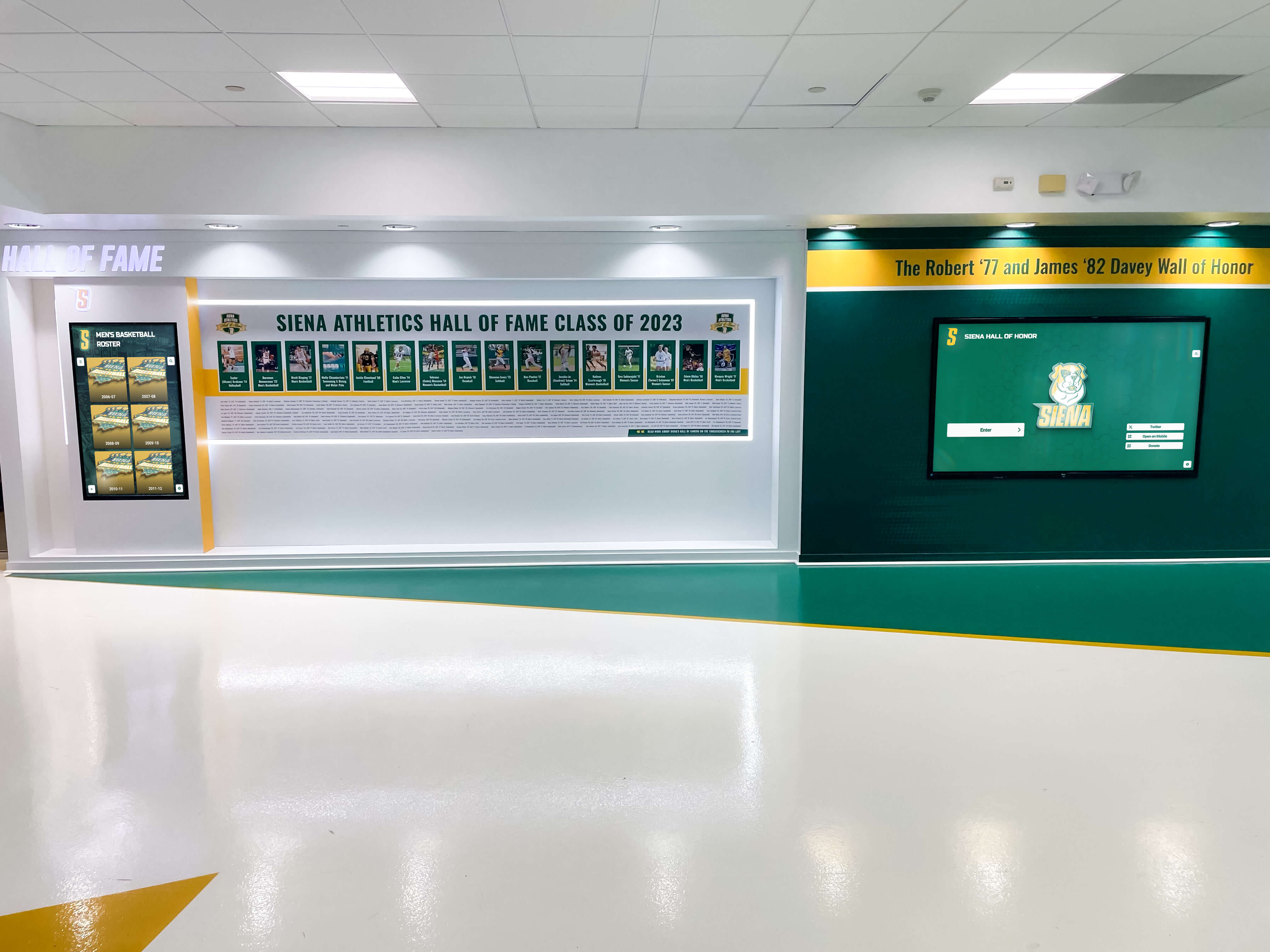
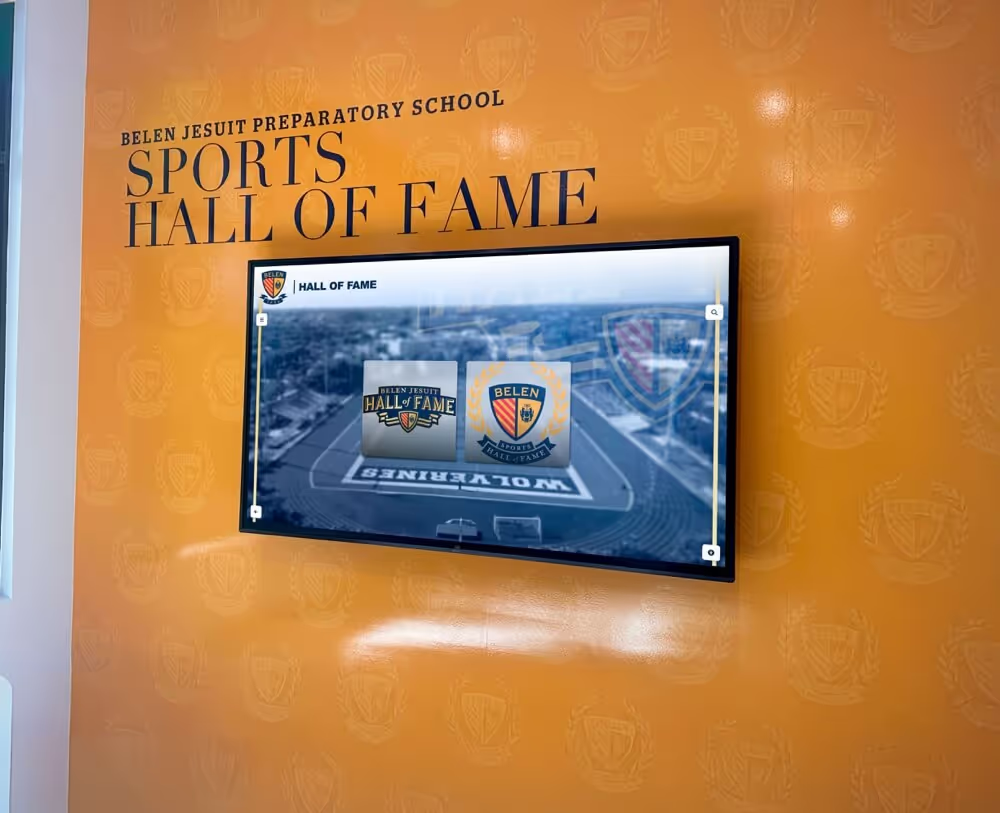
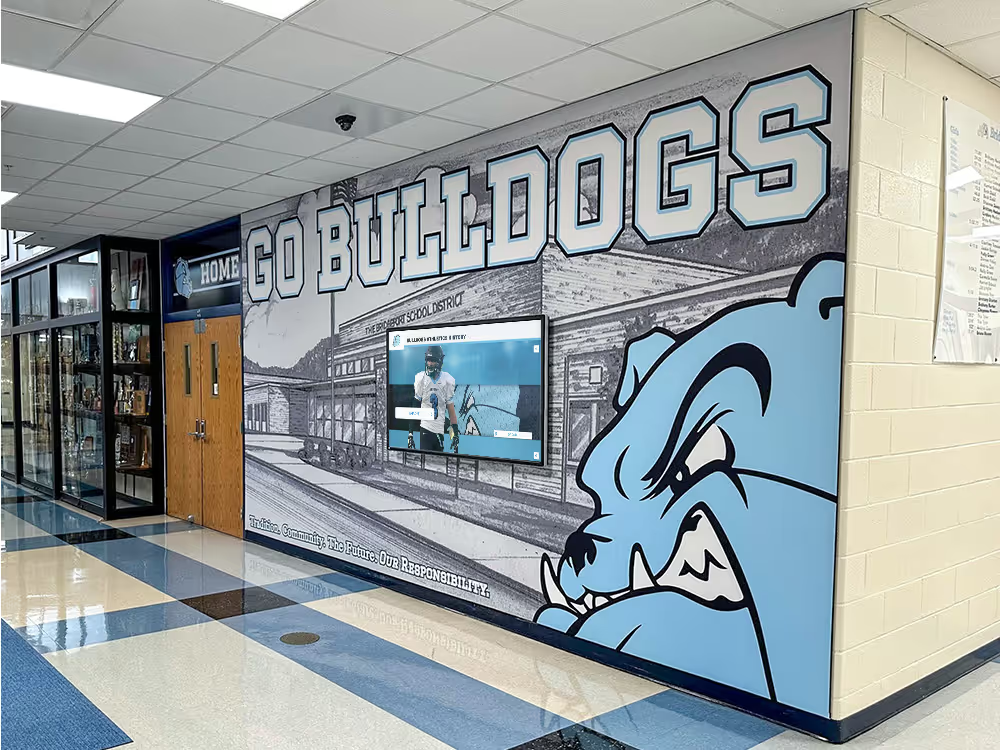
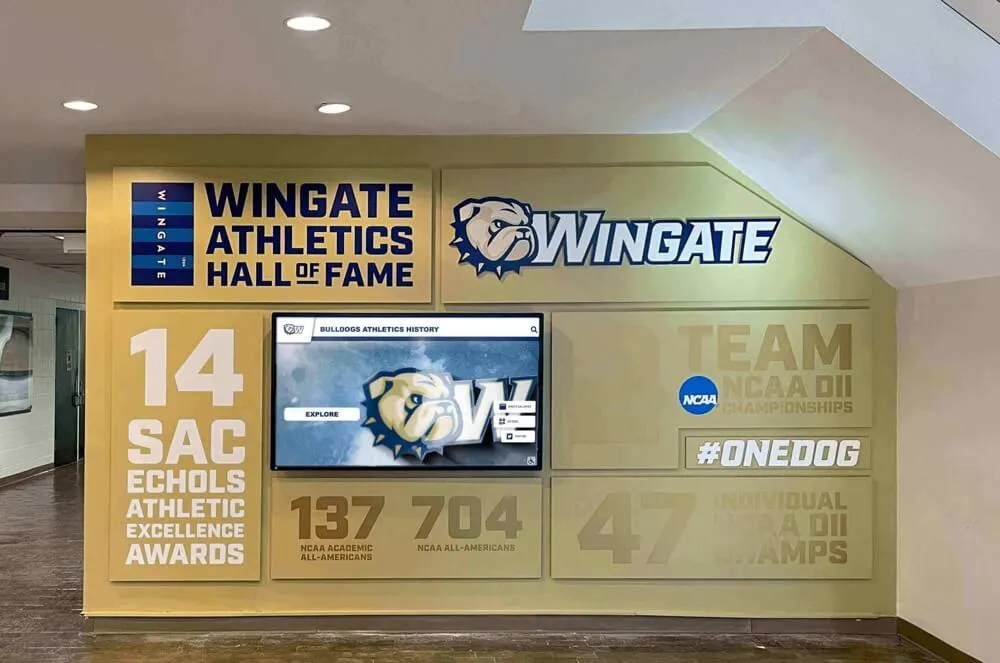
Large-format digital installations accommodate unlimited achievement recognition without physical space constraints limiting traditional display approaches
Modern Digital Recognition of Letterman Achievements
Technology solutions address traditional limitations while creating more engaging, comprehensive, and accessible recognition celebrating varsity letter achievements permanently.
Digital Athletic Recognition Platform Capabilities
Purpose-built platforms transform how schools document and celebrate letterman patch achievements:
Comprehensive Achievement Documentation
Digital systems enable complete documentation of every letter earned documenting sport, year, and participation details, every patch received with detailed achievement descriptions, visual patch library showing actual patch designs and meanings, statistical context explaining achievement significance, photos documenting athletes wearing jackets and receiving awards, and video highlights connecting patches to actual competitive performances they commemorate.
This comprehensive documentation transforms simple patch symbols into rich narratives explaining what achievements patches represent and why they matter within program tradition and competitive context.
Unlimited Capacity Eliminating Display Constraints
Digital platforms accommodate unlimited recognition without space limitations—documenting every letterman jacket recipient throughout school history, preserving complete patch collections for all athletes regardless of achievement level, maintaining equity showing all earned recognition rather than selective displays featuring only highest accomplishments, and enabling comprehensive searches finding specific athletes, sports, years, or achievement types instantly.
Schools never face decisions about whose achievements deserve display space and whose must be stored when capacity fills—digital systems honor everyone equitably and permanently.
Instant Updates and Real-Time Recognition
Cloud-based content management enables immediate recognition publishing when athletes earn new patches including same-day updates after championship victories, timely recognition during peak excitement periods, administrative efficiency through simple web-based content entry, and cost elimination for physical display modification expenses.
Real-time capability ensures recognition remains current and relevant rather than waiting months for physical display updates that arrive long after achievement moments have passed and attention has moved elsewhere.
Frameworks for digital athletic recognition implementation provide detailed planning guidance ensuring successful technology deployment serving recognition goals effectively.
Interactive Touchscreen Display Experiences
Physical installations create engaging exploration experiences:
Intuitive Navigation and Achievement Discovery
Well-designed interfaces enable natural exploration through athlete name search finding specific individuals instantly, sport filtering organizing recognition by athletic program, year browsing enabling decade-by-decade program history exploration, achievement type filtering showing all conference champions or scholar-athletes, and featured collections highlighting special recognition categories or milestone achievements.
Touch-based interaction following smartphone design patterns creates experiences requiring no instructions—visitors naturally understand what to do through clear visual design and familiar interaction models.
Rich Multimedia Profiles and Visual Design
Digital profiles provide depth impossible with physical patches alone including high-resolution patch photographs showing designs clearly, complete achievement lists documenting all earned recognition, statistical career summaries providing performance context, video highlights showing athletes in competition, biographical information connecting faces to names and achievements, and related athlete suggestions connecting teammates and program eras.
This multimedia richness creates emotional engagement that simple patch viewing cannot match, helping current students connect with institutional heritage while building genuine appreciation for achievement tradition.
Strategic Installation Locations
Thoughtful placement maximizes recognition visibility and impact through main entrance lobbies ensuring whole-community awareness, athletic facility corridors reaching athletes daily, cafeteria and commons areas where students gather socially, and alumni centers cultivating graduate engagement and philanthropic connection.
Multiple displays throughout facilities ensure recognition reaches diverse audiences rather than remaining isolated in single locations serving limited constituencies.
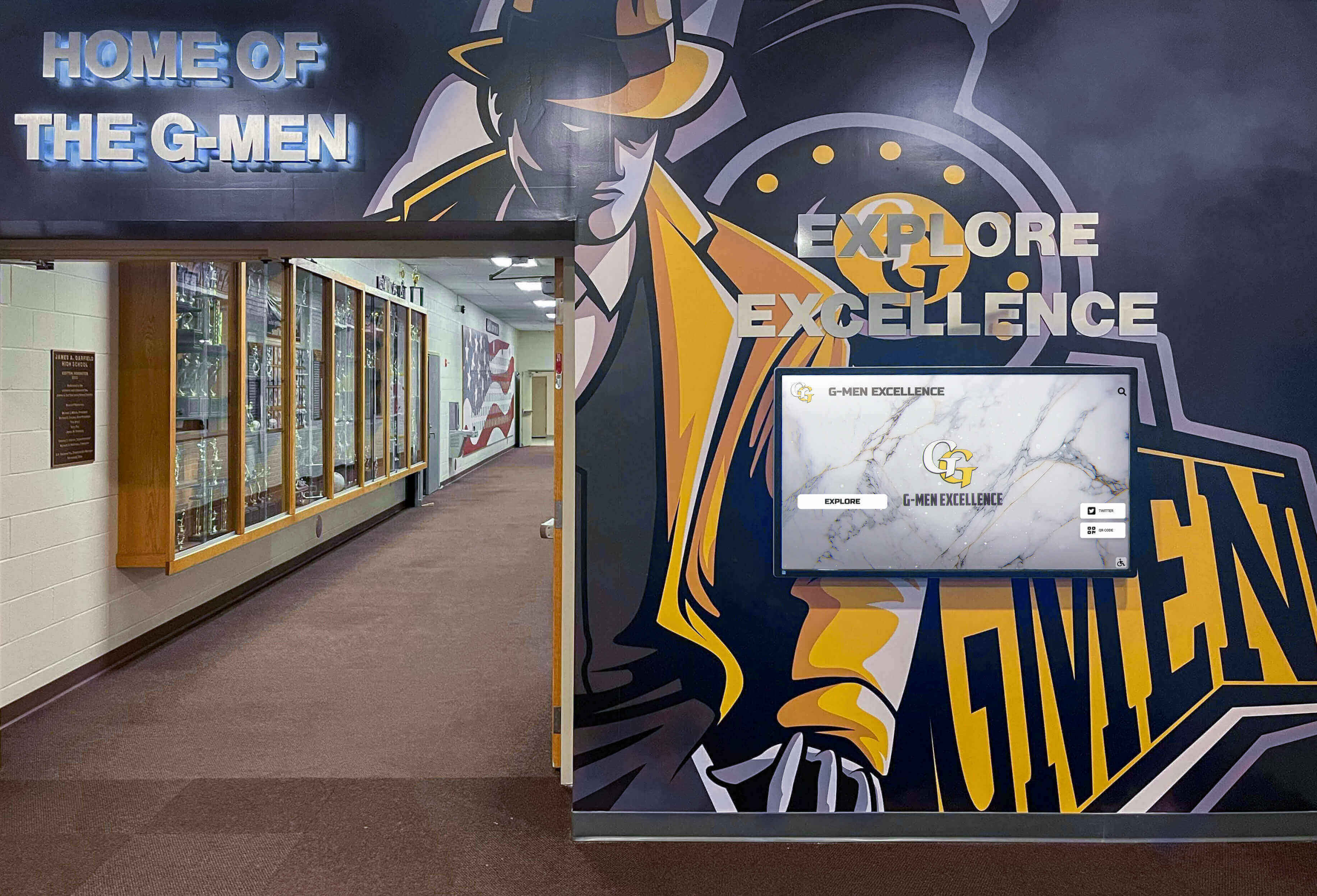
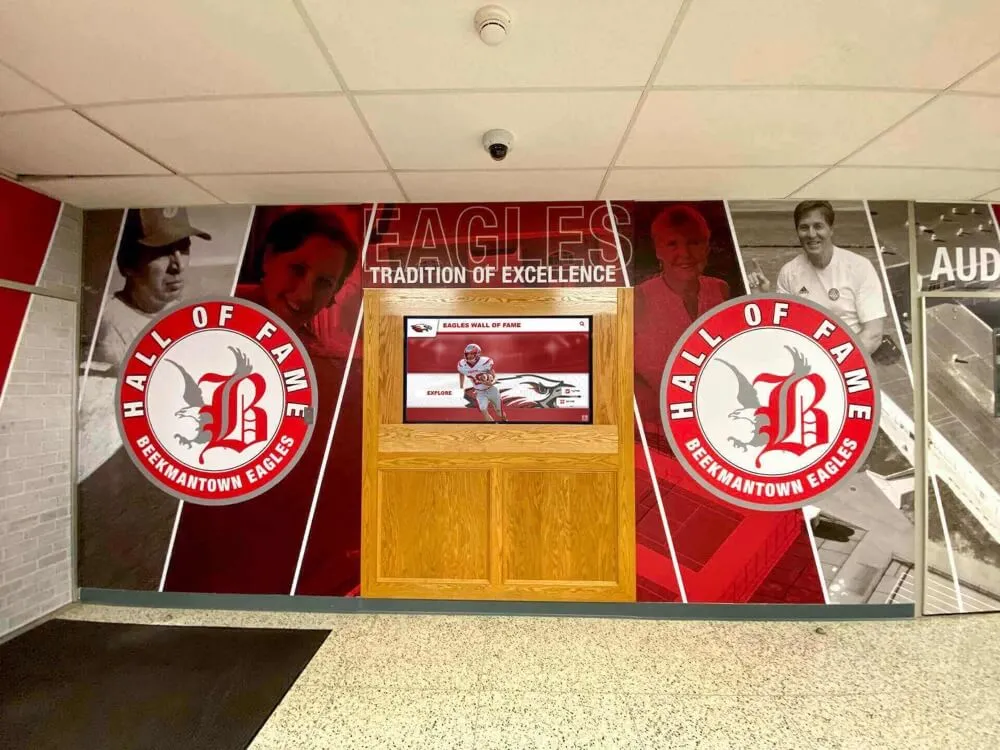
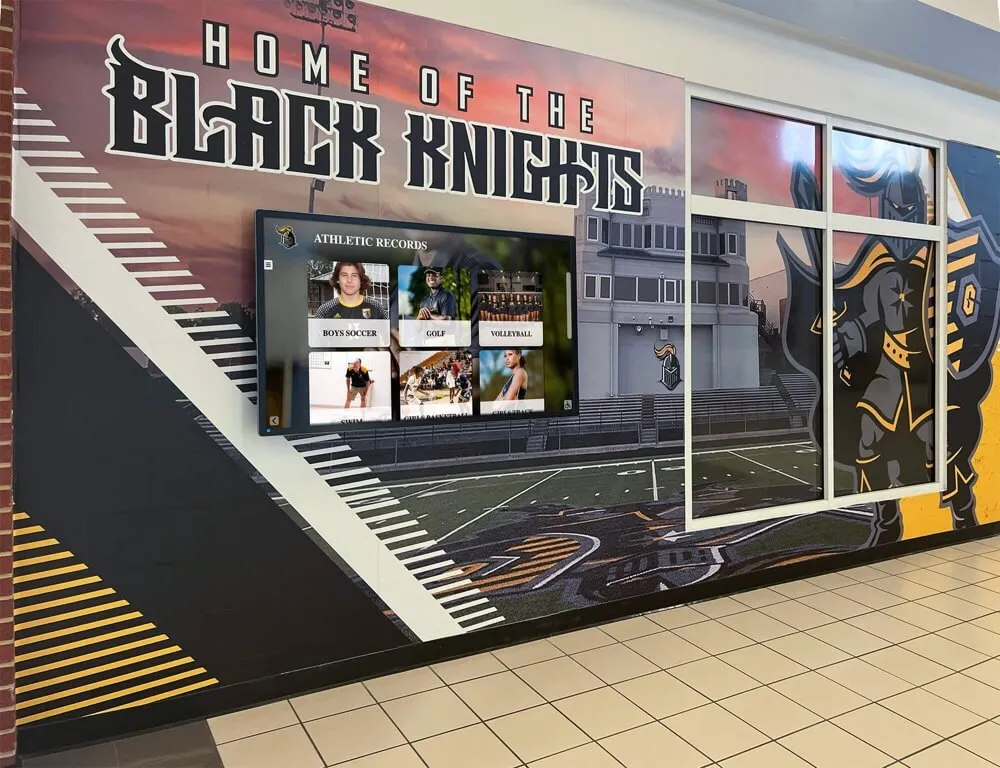
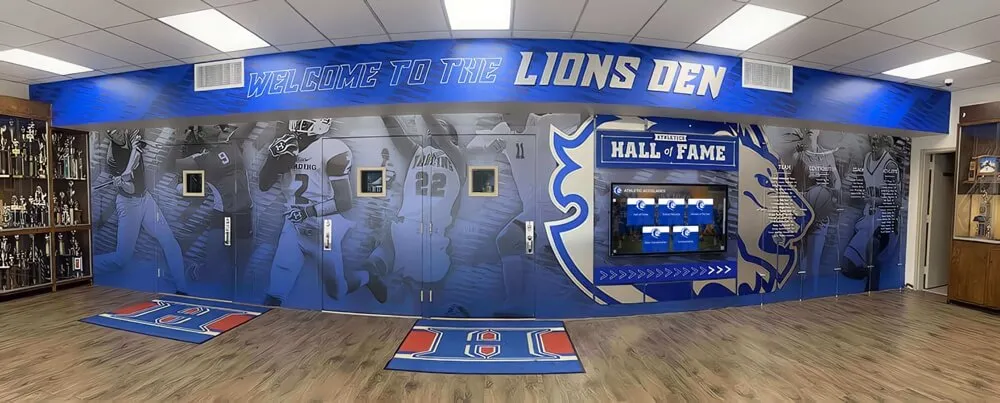
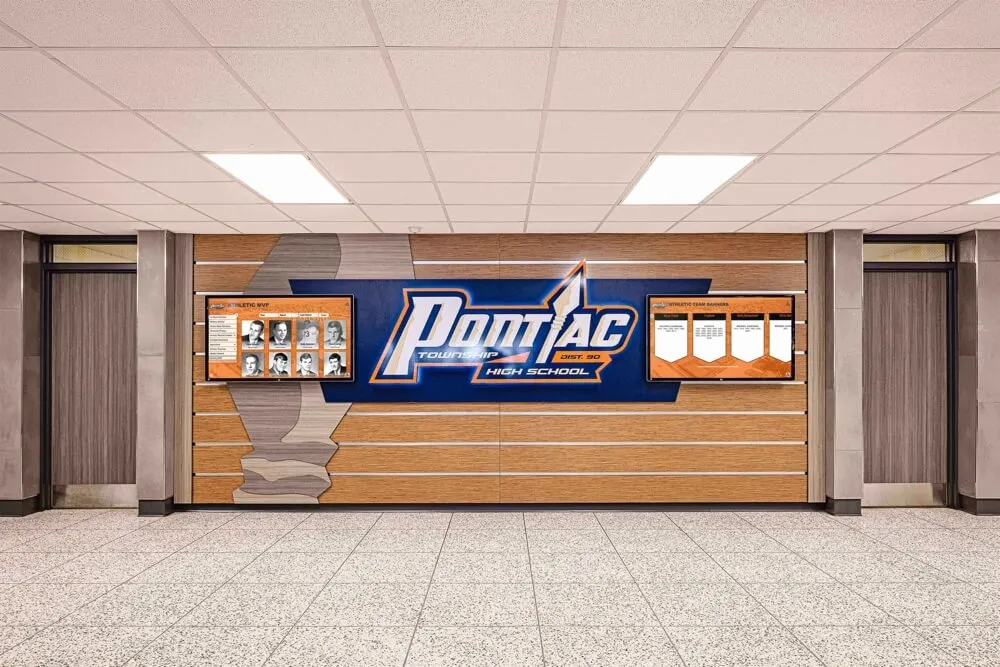
Hybrid approaches combine traditional trophy case displays with comprehensive digital recognition documenting complete letterman achievement histories
Web-Based Access Extending Recognition Universally
Modern platforms extend beyond physical locations through responsive web portals:
Alumni Engagement and Remote Access
Graduates anywhere access recognition content including personal achievement histories showing earned letters and patches, teammate discovery exploring classmates and program connections, program history research understanding tradition evolution, social sharing celebrating accomplishments with families and friends, and mobile optimization enabling smartphone and tablet access anytime from anywhere.
Universal accessibility dramatically expands recognition reach and impact—alumni engage with their achievements frequently rather than only during rare campus visits when physical displays happen to be viewed.
Prospective Student Recruitment Value
Families researching schools during recruiting processes thoroughly explore athletic tradition including program championship histories demonstrating competitive excellence, letterman award comprehensiveness showing recognition systems, scholar-athlete emphasis communicating academic priorities, and tradition depth revealing sustained excellence across generations.
Comprehensive digital recognition communicates institutional commitment to celebrating achievement—differentiating programs from competitors lacking similar infrastructure and showing sustained tradition rather than just recent isolated success.
Current Student Motivation and Cultural Impact
Visible recognition inspires developing athletes through concrete achievement goals showing what’s possible and how recognition works, role model examples documenting paths previous athletes followed, tradition connection helping students understand program heritage, and aspirational benchmarks making excellence tangible rather than abstract.
When students regularly encounter comprehensive achievement recognition through physical displays and web access, schools build cultures where excellence becomes normalized expectation rather than rare exception—motivating sustained achievement through systematic celebration.
Solutions like Rocket Alumni Solutions provide purpose-built platforms specifically designed for athletic recognition including letterman achievements, combining commercial-grade touchscreen displays with intuitive content management and engaging interactive features administrators maintain without specialized technical expertise.
Experience Layout and Content Strategy for Letterman Recognition
Effective digital letterman patch recognition requires thoughtful design creating intuitive exploration and comprehensive achievement celebration.
Hero Zone and Institutional Brand Integration
The top screen area establishes context and identity:
Essential Design Elements
Primary hero components include prominent school logos and colors creating instant institutional connection, clear display titles identifying recognition purpose like “Varsity Letter Athletes” or “Letterman Hall of Honor,” optional featured content spotlighting recent letter recipients or championship seasons, and clean professional design communicating appropriate recognition prestige.
The hero zone serves as visual anchor orienting visitors immediately while reinforcing institutional brand throughout recognition experiences.
Background Imagery and Thematic Consistency
Custom backgrounds incorporate athletic facility photography, competition action imagery, historical letterman jacket photos blending tradition with modern presentation, and abstract designs using school colors maintaining visual interest without competing for attention with primary recognition content.
Thoughtful background selection enhances rather than distracts from athlete profiles and patch achievement documentation visitors primarily seek during display interaction.
Navigation Architecture Enabling Achievement Discovery
Clear navigation supports multiple exploration pathways:
Primary Navigation Options
Essential navigation includes athlete search finding specific individuals by name instantly, sport filtering organizing recognition by athletic program, graduation year browsing enabling class-by-class or decade exploration, achievement type filtering showing all conference champions, scholar-athletes, or specific patch categories, and featured collections highlighting special recognition like multi-sport athletes or career milestone achievers.
Large touch-friendly buttons with adequate spacing prevent accidental selections while maintaining accessibility compliance supporting diverse users including those with limited dexterity or vision impairments.
Visual Hierarchy and Information Architecture
Effective layouts establish clear hierarchy through primary navigation receiving prominent visual treatment, secondary options appearing in less dominant locations, consistent interaction patterns throughout experiences, and obvious home/back navigation enabling error recovery preventing visitors from becoming lost within interfaces.
The most successful systems require zero instructions—visitors naturally understand options through clear visual design matching familiar smartphone interaction models used daily.
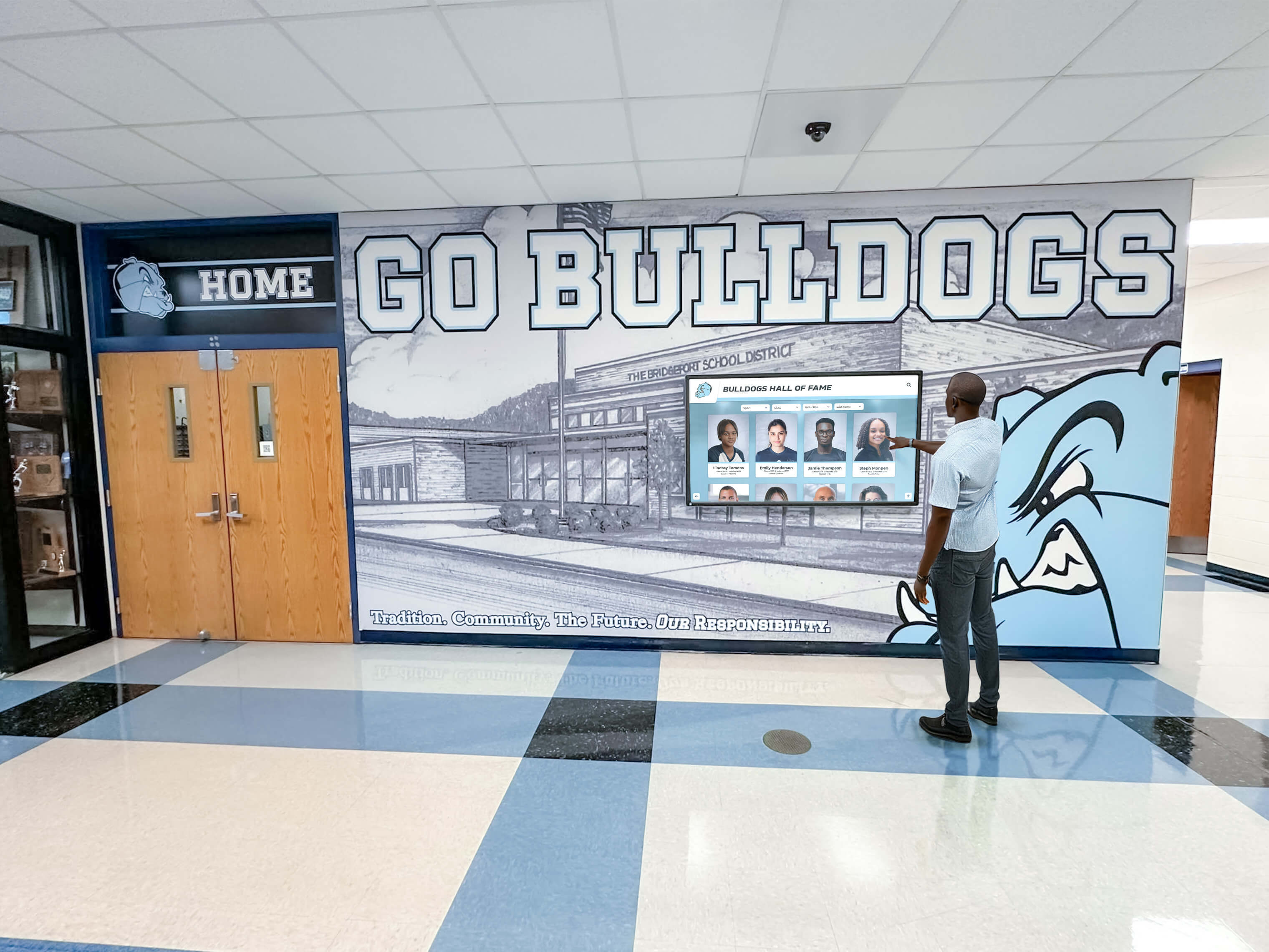
Natural visitor interaction demonstrates successful implementation creating genuine engagement rather than passive viewing of athletic recognition content
Content Display and Achievement Profile Design
Central screen areas present comprehensive athlete information:
Card-Based Overview Browsing
Grid layouts display multiple athletes simultaneously showing profile photos with athlete names and graduation years, primary sport participation, major achievements like all-state honors or championships, and visual indicators distinguishing recognition categories.
Card interfaces enable efficient scanning while maintaining visual appeal and clear information hierarchy guiding visitors toward profiles warranting detailed exploration based on interests and connections.
Detailed Athlete Achievement Profiles
Complete profiles document careers comprehensively including large profile photographs showing athletes in uniforms or with letterman jackets, complete letter and patch lists documenting all earned recognition, achievement descriptions explaining patch meanings and significance, statistical summaries providing performance context, participation years and team connections, video highlights when available showing athletes in competition, and related athlete suggestions connecting teammates and program eras.
This depth transforms simple name acknowledgment into compelling storytelling creating emotional connections and appreciation for achievement breadth that brief summary displays alone cannot communicate effectively.
Visual Patch Library and Achievement Taxonomy
Dedicated sections can document patch meanings through visual libraries showing actual patch designs, detailed descriptions explaining what each represents, achievement criteria describing how patches are earned, historical context about patch tradition evolution, and statistical data about award frequency and recipient numbers.
Educational content helps community members understand the recognition language of letterman patches while building appreciation for achievement diversity beyond only championship victories or statistical records.
Accessibility and Inclusive Design Requirements
Recognition systems must serve all community members equitably:
ADA WCAG 2.1 AA Compliance
Digital recognition requires text contrast ratios meeting minimum 4.5:1 for body text ensuring readability, touch targets sized adequately (44x44 pixel minimum) with sufficient spacing, text scaling support enabling enlargement without horizontal scrolling, and alternative text for images supporting screen readers when visitors have visual impairments.
Physical Accessibility Considerations
Display mounting heights place primary controls 15-48 inches from floor enabling wheelchair accessibility, forward reach depth stays within 25 inches for seated access, free-standing kiosks include adequate knee and toe clearance, and volume controls respect quiet environments while providing audio when appropriate.
Cognitive Accessibility Design
Simple clear navigation with consistent patterns prevents confusion, plain language avoids jargon and complex terminology, minimal steps accomplish common tasks like finding specific athletes, and obvious navigation controls enable error recovery without frustration.
Accessibility verification through diverse user testing ensures recognition systems genuinely serve all constituencies equitably rather than creating barriers excluding community members from achievement celebration.
Resources on sports banquet planning and athlete recognition provide frameworks for comprehensive celebration incorporating digital recognition within broader recognition program infrastructure.
Content Development and Historical Documentation
Effective digital letterman recognition requires systematic content creation documenting achievement comprehensively.
Starting Point and Scope Decisions
Begin with achievable initial scope enabling quick launch:
Practical Initial Content Strategy
Start with current academic year letter recipients providing immediate relevance, 3-5 years of recent history building comprehensive recent coverage, notable historical athletes whose achievements are well-documented, and featured content spotlighting program tradition and excellence.
This achievable scope demonstrates value quickly while comprehensive historical documentation develops in parallel over subsequent months and years as capacity and resources allow expansion.
Phased Historical Expansion
After launching with recent recognition, expand systematically by decade working backward from present, prioritizing major achievement categories like all-state honors and championships when resources are limited, engaging alumni assistance gathering information and photos from their eras, and utilizing student volunteers particularly in journalism and digital media programs seeking authentic project-based learning opportunities.
Phased approaches maintain momentum while building comprehensive recognition over time rather than delaying indefinitely until complete historical documentation finishes—a timeline often stretching years causing projects to stall before delivering any community value.
Athlete Photography and Visual Asset Collection
Quality visual documentation brings recognition to life:
Profile Photography Standards
Collect high-resolution athlete photos showing individuals in uniforms or with letterman jackets, yearbook portrait scanning for consistent visual coverage, team photo cropping extracting individual athletes, action photography showing athletes in competition when available, and awards ceremony photos documenting patch receipt and celebration moments.
Visual consistency throughout athlete collections maintains professional appearance while diverse photo types add depth showing athletes across multiple contexts rather than limiting recognition to single formal portraits alone.
Patch Documentation and Design Preservation
Photograph actual patches showing designs clearly through neutral backgrounds eliminating distractions, proper lighting avoiding shadows and reflections, multiple angles for three-dimensional patches, close-ups showing engraving and detail, and consistent sizing maintaining visual uniformity across patch collections.
Visual patch documentation preserves design details supporting educational content explaining what different patches represent while maintaining visual records even if physical patches deteriorate or are lost over time.
Writing Achievement Descriptions and Biographical Narratives
Text content provides context images alone cannot convey:
Essential Profile Information Elements
Complete athlete profiles include biographical basics like name, graduation year, and primary sport participation, comprehensive achievement lists documenting all earned letters and patches, statistical highlights providing performance context, team accomplishments connecting individual recognition to collective success, leadership roles acknowledging captain positions and team contributions, post-graduation updates documenting continued success in college athletics or other achievements, and personal reflections through quotes or recorded interviews when available.
Storytelling Beyond Raw Documentation
Compelling recognition tells stories about achievement journeys showing progression from initial letter through accumulated honors, adversity overcome including injuries or challenges faced, memorable performances defining careers and program tradition, lasting impact on team culture and subsequent athletes, and connections between past excellence and current program status.
Narrative depth helps current students connect emotionally with historical achievements while building appreciation for institutional heritage that dry facts alone cannot create effectively.
Comprehensive approaches to student athlete recognition demonstrate how schools celebrate achievement across multiple dimensions including letterman honors, college commitments, and career excellence.
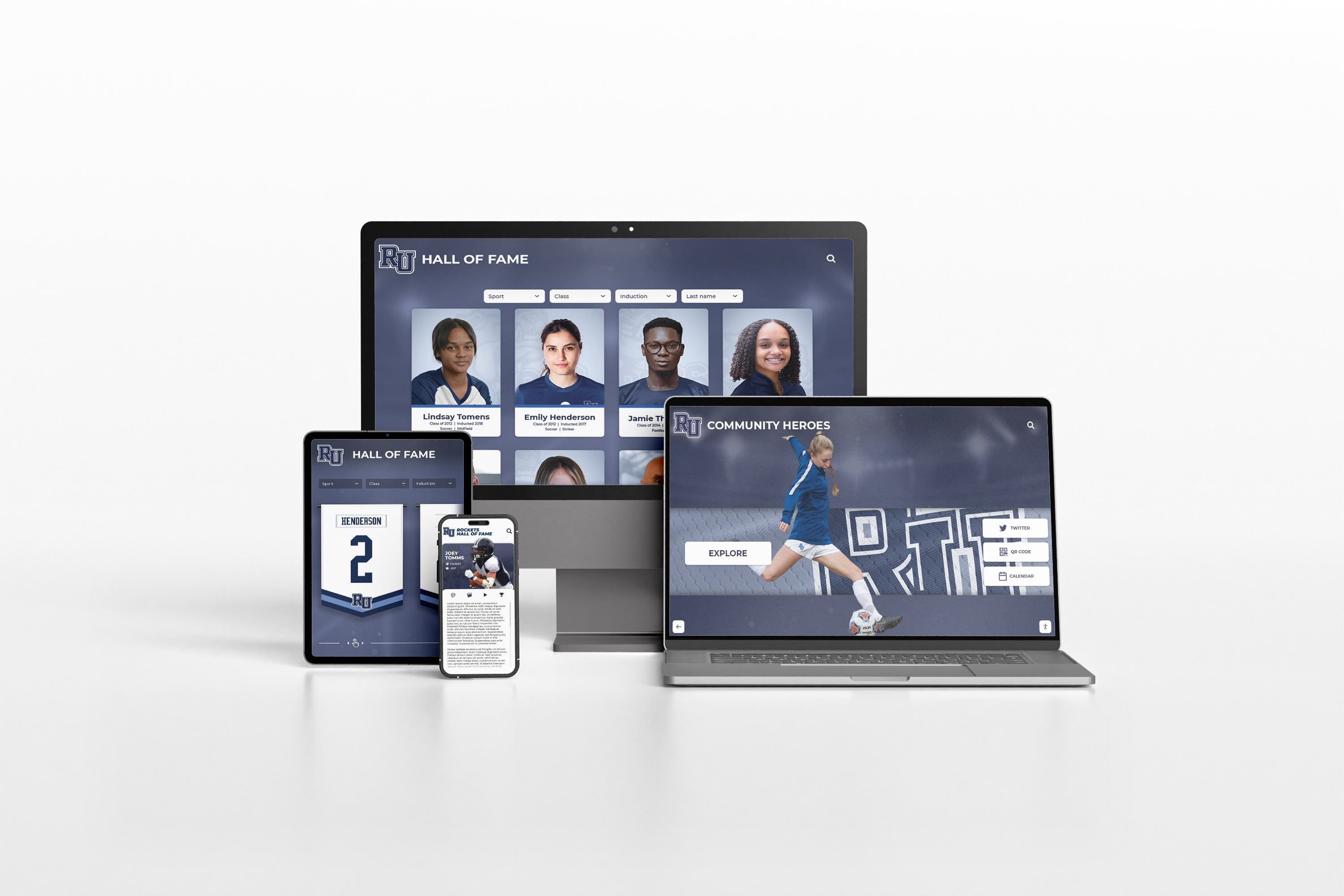
Responsive web access extends letterman recognition beyond physical displays enabling alumni and families to explore achievements from any device anywhere
Implementation Planning and Technology Selection
Successful digital letterman recognition requires careful platform evaluation and systematic deployment planning.
Purpose-Built Recognition Platforms vs. Generic Digital Signage
Not all touchscreen solutions deliver equal results for athletic recognition:
Specialized Recognition Platform Advantages
Purpose-built athletic recognition software provides intuitive interfaces requiring no visitor instructions, content management systems enabling non-technical administrators to maintain displays confidently, unlimited recognition capacity accommodating comprehensive achievement documentation, powerful search and filtering helping visitors find specific content instantly, responsive web extensions making recognition accessible beyond physical displays, analytics tracking engagement demonstrating program value, and specialized support understanding institutional recognition needs.
Generic digital signage platforms designed for rotating announcements fundamentally differ from recognition systems requiring sophisticated athlete profile organization, achievement taxonomy, and user-directed exploration capabilities purpose-built platforms provide natively.
Vendor Evaluation Criteria
Thorough vendor assessment requires examining demonstrated experience with educational athletic recognition programs, quality of reference installations and client testimonials, technical support availability and documented response commitments, training resources and onboarding assistance, customization capabilities matching institutional branding requirements, pricing transparency including all ongoing costs, and total cost of ownership across typical 5-7 year hardware lifecycle.
Request live demonstrations with actual athletic recognition content, speak directly with reference clients about implementation experiences, and verify accessibility compliance before committing to platforms requiring future modification addressing regulatory requirements.
Installation Location and Facility Integration
Display placement significantly impacts engagement and recognition effectiveness:
Strategic High-Traffic Locations
Optimal installations include main entrance lobbies ensuring whole-community visibility, athletic corridor and gymnasium areas reaching athletes daily, cafeteria and commons areas where students gather socially, training facility entrances viewed during regular practice attendance, and alumni centers cultivating graduate engagement.
Consider both traffic volume and audience composition—locations with modest total visitors but high athlete and family concentration often outperform higher-traffic areas where few viewers have athletic program connections justifying extended engagement with recognition content.
Physical Installation Requirements
Professional implementation ensures reliable operation through secure mounting at appropriate viewing heights (48-60 inches to screen center), dedicated electrical circuits with surge protection, hardwired network connectivity preferred over WiFi for reliability, professional cable management maintaining clean aesthetics, and comprehensive testing verifying all functionality before launch.
Work with experienced installers familiar with commercial-grade display systems and educational facility environments ensuring installations withstand demanding conditions while maintaining professional appearance and reliable operation across years without constant technical intervention.
Resources on digital recognition display buying guides provide detailed vendor evaluation frameworks and technical specifications ensuring successful platform selection aligned with institutional needs and constraints.
Measuring Success and Demonstrating Recognition Value
Understanding how communities engage with digital letterman recognition helps schools demonstrate value while continuously improving systems.
Engagement Analytics and Usage Metrics
Quality platforms provide comprehensive analytics revealing usage patterns:
Valuable Metrics to Monitor
Track total interaction sessions showing display usage frequency, average session duration indicating engagement depth (targeting 4-8 minutes for comprehensive exploration), most-viewed profiles revealing popular content and community interests, search terms demonstrating what visitors seek, peak usage times informing content update strategies, and return visitor rates showing sustained interest.
Analytics reveal surprising patterns including historical athletes viewed repeatedly by current students discovering program heritage, specific sports generating unexpectedly high engagement, and search patterns revealing content gaps requiring development attention.
Using Data for Continuous Improvement
Usage insights guide enhancement priorities including identifying athletes deserving enriched profiles, popular content types warranting expansion across more profiles, underutilized features requiring redesign or better promotion, and optimal times for special content featuring and promotional campaigns.
Regular analytics review enables evidence-based improvement decisions rather than assumptions about what communities might want or value within recognition systems.
Qualitative Feedback and Cultural Impact Assessment
Beyond quantitative metrics, gather qualitative feedback revealing impact:
Stakeholder Feedback Collection
Conduct surveys about recognition program awareness and impact among athletes, families, alumni, and staff. Observe visitor comments during campus tours and athletic events. Collect staff observations about community engagement during daily activities. Document alumni reactions at reunions and homecoming gatherings. And solicit athlete feedback about seeing achievements recognized alongside program heritage.
Qualitative feedback often reveals meaningful impact including students expressing pride when finding recognition, alumni showing families their achievements via web access from anywhere, prospective students impressed during recruiting visits, families appreciating comprehensive rather than selective recognition, and current athletes motivated by visible achievement standards.
Long-Term Cultural Benefits
Most significant recognition benefits emerge over time as systems become embedded in school culture:
Observable Cultural Changes
Schools implementing comprehensive digital letterman recognition typically report increased student identification with institutional community and tradition, enhanced alumni engagement through ongoing recognition access, improved recruitment effectiveness with prospective student-athletes, stronger achievement culture across athletic and academic programs, modernized institutional image demonstrating innovation, and equitable recognition practices ensuring all athletes receive appropriate celebration.
These cultural shifts justify digital recognition investment beyond immediate documentation value—strengthening schools across multiple dimensions including enrollment, fundraising, community support, program competitiveness, and overall stakeholder experience quality.
When letterman achievement recognition becomes systematic and comprehensive rather than limited by display space constraints, schools communicate clear values about what matters and who deserves celebration—building cultures where excellence across all dimensions receives acknowledgment inspiring continued achievement.
Conclusion: Preserving Letterman Jacket Traditions Through Modern Recognition
Letterman jacket patches represent powerful symbols of athletic achievement, leadership, and institutional connection that have defined American secondary and higher education athletics for over a century. Each patch tells specific stories about championships won, honors earned, leadership demonstrated, and excellence achieved through years of dedicated athletic participation. Yet traditional recognition approaches limiting visibility to personal jacket wear or selective physical displays constrained by space availability fail to honor these achievements systematically or preserve them as institutional memory accessible across generations.
Get Your Touchscreen Mock-Up
Discover how custom-designed digital recognition experiences can transform how your school celebrates letterman achievements. Rocket Alumni Solutions creates interactive displays purpose-built for educational environments, combining professional design with intuitive administration that makes honoring varsity letter excellence effortless while preserving tradition permanently.
Schedule Your Design ConsultationModern digital recognition platforms address these traditional limitations comprehensively. By eliminating space constraints enabling documentation of every letterman jacket recipient throughout school history regardless of achievement level, providing instant updates maintaining current recognition without engraving delays or installation scheduling, creating engaging interactive experiences connecting current athletes with institutional heritage through rich multimedia profiles, and extending recognition accessibility beyond physical buildings to worldwide alumni and family communities through responsive web portals, digital technology transforms how schools honor varsity letter achievements permanently.
The most successful digital letterman recognition implementations share common characteristics: they document achievement comprehensively across all sports and eras rather than limiting celebration to highest accomplishments alone, they integrate seamlessly with existing letterman jacket programs enhancing rather than replacing personal recognition traditions, they position displays strategically in high-traffic locations where communities naturally encounter recognition throughout daily activities, and they combine touchscreen physical installations with web-based access serving diverse stakeholder needs through multiple access pathways.
Whether implementing athletic recognition preserving championship heritage and letterman patch traditions, creating comprehensive systems documenting complete institutional athletic histories spanning decades of excellence, or developing hybrid approaches combining continued personal letterman jacket recognition with institutional digital documentation, modern platforms provide proven solutions strengthening school culture while giving every achievement the permanent celebration it deserves regardless of physical display space limitations.
Your student-athletes—individuals who dedicated countless hours to athletic excellence, earned varsity letters and specialized patches through achievement and leadership, and contributed to program tradition through competitive excellence—deserve recognition matching their contributions’ significance. With unlimited digital capacity, instant content updates, engaging interactive experiences, and universal web accessibility, schools can finally honor letterman achievements comprehensively while preserving athletic heritage permanently for current students, alumni, and future generations to explore, appreciate, and draw inspiration from as they build upon traditions established by those who came before.
Ready to explore digital letterman recognition solutions? Learn about wrestling team awards and recognition including varsity letter programs. Discover track and field records display approaches documenting individual excellence. Explore soccer team awards and recognition ideas celebrating athletic achievement comprehensively. And understand digital hall of fame implementation strategies enabling systematic varsity letter recognition preserving institutional memory while inspiring future athletic excellence through purpose-built interactive technology designed specifically for celebrating achievement permanently across all sports, levels, and student-athlete contributions to your school’s athletic tradition.