




Magna cum laude stands as one of the most prestigious academic honors students can achieve at graduation, representing exceptional academic performance that places graduates among the top tier of their class. Translated from Latin as “with great honor,” this distinction appears on diplomas and transcripts, signaling to employers and graduate schools that recipients demonstrated sustained excellence throughout their undergraduate education. For students pursuing competitive careers and advanced degrees, earning magna cum laude recognition can provide meaningful differentiation in crowded applicant pools.
Yet despite its importance, many students remain unclear about exactly what GPA threshold they must achieve to earn magna cum laude honors, how requirements vary between institutions, and what strategies most effectively support sustained academic excellence across four years of college. The criteria can differ dramatically—what qualifies at one university might fall short at another, making it essential for students to understand their specific institution’s standards early in their academic journey.
This comprehensive guide explores magna cum laude GPA requirements across different types of institutions, explains how Latin honors systems work, provides strategies for achieving this distinction, and examines how colleges and universities can effectively celebrate these remarkable academic accomplishments through modern recognition programs that inspire current and future students.
Understanding the specific requirements for magna cum laude at your institution—and developing a strategic approach to academic excellence from your first semester—dramatically increases your likelihood of achieving this prestigious honor that can positively impact graduate school admissions, scholarship opportunities, and career prospects for years after graduation.

Modern digital displays enable institutions to celebrate academic honors like magna cum laude recipients with prominent, permanent recognition
Understanding Latin Honors: Cum Laude, Magna Cum Laude, and Summa Cum Laude
The Latin honors system originated in medieval European universities and remains the standard framework for recognizing exceptional academic achievement at graduation ceremonies worldwide.
The Three-Tier Latin Honors System
Most institutions that award Latin honors use a three-level system distinguishing top academic performers:
Cum Laude (“With Honor”)
- The foundational level of Latin honors recognition
- Typically awarded to the top 15-30% of graduates depending on institution
- Demonstrates consistently strong academic performance throughout college
- Provides meaningful distinction above standard graduation without honors
Magna Cum Laude (“With Great Honor”)
- The intermediate level representing exceptional academic excellence
- Generally awarded to the top 5-15% of graduates
- Signals sustained outstanding performance requiring significant dedication
- Carries substantial weight in graduate school admissions and competitive job applications
Summa Cum Laude (“With Highest Honor”)
- The pinnacle of undergraduate academic recognition
- Reserved for the top 1-5% of graduates at most institutions
- Represents the highest level of academic distinction available
- Often requires near-perfect academic performance across all coursework
The specific GPA thresholds and percentage-based cutoffs for each level vary significantly between institutions based on their academic cultures, grading philosophies, and historical traditions around honors designation.
Why Magna Cum Laude Matters
Beyond the ceremonial distinction, magna cum laude recognition provides tangible benefits across multiple dimensions:
Graduate School Admissions Admissions committees at competitive graduate and professional programs view magna cum laude as strong evidence of intellectual capability, academic discipline, and sustained performance under rigorous academic demands. The distinction helps applications stand out in highly selective programs where most applicants have strong credentials.
Career Opportunities Employers in consulting, finance, law, medicine, and other competitive fields often screen candidates based on academic honors. Magna cum laude signals exceptional work ethic, intellectual ability, and achievement orientation—qualities valued across professional contexts.

Comprehensive recognition profiles celebrate individual achievement journeys and inspire future academic excellence
Scholarship and Fellowship Eligibility Many prestigious scholarships, fellowships, and grant programs require or strongly prefer candidates with Latin honors. Magna cum laude designation can unlock opportunities including Fulbright grants, Rhodes Scholarship consideration, and competitive research fellowships.
Long-Term Professional Credentialing Unlike many undergraduate achievements that fade from résumés over time, Latin honors remain permanent credential components. Decades into careers, professionals continue listing “J.D., magna cum laude” or “B.S., magna cum laude” on biographical materials, demonstrating lasting value.
Learn more about comprehensive approaches to academic recognition programs that celebrate diverse forms of educational excellence beyond just Latin honors.
Typical Magna Cum Laude GPA Requirements by Institution Type
While specific requirements vary considerably, understanding general patterns across different types of institutions helps students gauge what level of performance their magna cum laude goals require.
Research Universities and Flagship State Schools
Large research universities typically use either fixed GPA thresholds or percentage-based systems for Latin honors:
Fixed GPA Threshold Examples:
- 3.7-3.79 GPA: Common magna cum laude minimum at many flagship state universities
- 3.75-3.85 GPA: Typical range at competitive research institutions
- 3.8+ GPA: Required at highly selective research universities with grade deflation
Percentage-Based Systems: Some institutions award magna cum laude to students graduating in approximately the top 10% of their class, with exact GPA cutoffs fluctuating annually based on cohort performance. This approach ensures consistency in the percentage receiving honors even as absolute GPA distributions change over time.
At large universities, magna cum laude requirements may also differ by college or school within the institution—engineering students might face different thresholds than liberal arts students, reflecting varying grading cultures across disciplines.

Tracking academic achievements across years demonstrates progression and celebrates sustained excellence
Liberal Arts Colleges and Private Universities
Smaller private institutions often maintain higher standards for Latin honors due to different grading cultures and student body selectivity:
Highly Selective Liberal Arts Colleges:
- 3.8-3.85 GPA: Typical magna cum laude minimum at top liberal arts colleges
- Top 8-12% threshold: Common percentage-based approach
- Departmental distinctions: Additional honors specific to major fields
- Thesis or capstone requirements: Some institutions require exceptional senior projects beyond GPA
Competitive Private Universities:
- 3.75-3.8 GPA: Standard range for magna cum laude at selective privates
- Grade deflation considerations: Institutions with rigorous grading may use lower numeric thresholds
- School-specific variations: Different standards across undergraduate colleges within universities
- Quality point systems: Some use weighted calculations beyond simple GPA
The most selective institutions may reserve magna cum laude for an even smaller percentage of graduates, maintaining exclusivity and prestige around the distinction.
Ivy League and Elite Institution Standards
Elite universities often maintain the most rigorous Latin honors standards, though specific approaches vary significantly:
Variable Approaches Among Elite Schools:
- Harvard: Uses percentage-based system with approximately top 20% receiving cum laude, top 10% magna cum laude, and top 5% summa cum laude (exact percentages vary by year and department)
- Yale: Awards Latin honors based on academic record evaluation beyond just GPA, incorporating course difficulty and academic contribution
- Princeton: Historically limited magna cum laude to specific percentages of each graduating class
- Stanford: Awards Latin honors to top 15% overall (specific tier breakdowns vary)
Many Ivy League institutions deliberately avoid publishing exact GPA cutoffs, preferring holistic evaluation systems that consider course selection rigor, departmental performance, and academic trajectory beyond raw numerical averages.
Understanding your specific institution’s published requirements—typically available through registrar offices or academic dean communications—proves essential since general patterns may not reflect your school’s actual policies.
How Colleges Calculate Latin Honors: Systems and Methodologies
The methods institutions use to determine Latin honors eligibility vary considerably, affecting strategies students should employ to achieve magna cum laude recognition.
Cumulative GPA-Based Systems
The most common approach uses overall undergraduate GPA as the primary determinant:
Straightforward Cumulative GPA:
- All undergraduate coursework factors into calculation
- Fixed GPA thresholds determine honors levels (e.g., 3.7 for magna cum laude)
- Clear, transparent system students can track throughout college
- Equal weight given to all courses regardless of difficulty or timing
Advantages: Simplicity, transparency, and predictability enabling students to monitor progress and calculate exactly what performance they need in remaining coursework.
Disadvantages: May not account for varying course difficulty, departmental grading differences, or academic growth trajectories where students start slowly but excel later.
Major GPA and Departmental Honors
Some institutions calculate Latin honors based on performance specifically within major coursework:
Major-Based Honors Systems:
- Only courses in primary major count toward honors calculation
- Students must achieve threshold GPA in major courses (often higher than overall requirement)
- Encourages depth and excellence in chosen field
- May allow overall GPA to be lower while still achieving honors in specialty
Combined Requirements: Many schools require both overall GPA and major GPA thresholds—students might need 3.7 overall AND 3.8 in major to qualify for magna cum laude, ensuring excellence across breadth and depth dimensions.

Interactive displays create engaging ways for students to explore academic excellence and aspire to honors recognition
Percentage-Based and Ranking Systems
Rather than fixed GPA cutoffs, some institutions award honors to top percentage performers:
Class Ranking Approaches:
- Magna cum laude awarded to approximately top 10% of graduating class
- Exact GPA cutoff fluctuates annually based on cohort performance
- Maintains consistency in honors scarcity regardless of grade inflation
- Creates uncertainty as students don’t know precise threshold until graduation
Benefits: Prevents grade inflation from diminishing honors value and ensures consistent prestige across different graduating classes and eras.
Challenges: Students cannot know with certainty whether their GPA qualifies until final class rankings are calculated, creating anxiety and reducing ability to plan precisely.
Weighted Systems and Course Difficulty Factors
More sophisticated approaches attempt to account for course difficulty variation:
Honors-Weighted Calculations:
- Advanced, honors, and graduate courses receive GPA boosts (e.g., A in honors course = 4.33 instead of 4.0)
- Incentivizes challenging coursework rather than strategic easy course selection
- Reflects true intellectual achievement more accurately than raw GPA
- Adds complexity to student planning and calculation
Departmental Adjustment Systems: Some institutions apply statistical adjustments accounting for varying grading standards across departments, attempting to ensure that students in rigorous programs aren’t disadvantaged compared to those in departments with grade inflation.
Students should consult their specific institution’s registrar office or academic advising resources to understand exactly which calculation method applies and how to optimize their approach accordingly.
Strategies for Achieving Magna Cum Laude Recognition
Earning magna cum laude requires consistent excellent performance across years of coursework, strategic planning, and effective academic habits developed early and maintained throughout college.
Start Strong: The Importance of First-Year Performance
Your freshman year GPA establishes the foundation that all subsequent academic work builds upon, making strong early performance crucial:
First-Year Impact on Overall GPA: A struggling first semester creates mathematical challenges—recovering from a 3.0 first-semester GPA to overall 3.75 requires sustained near-perfect performance across remaining semesters. Students earning 3.8+ their first year create cushion allowing for normal fluctuations while maintaining magna cum laude trajectory.
Early Excellence Strategies:
- Take course loads you can genuinely excel in rather than overloading initially
- Front-load distribution requirements rather than saving all challenging major courses for later
- Establish effective study systems and time management habits immediately
- Build relationships with professors and academic support resources
- Understand your institution’s grading standards and academic expectations early
The transition to college-level work challenges most students regardless of high school performance. Recognizing this reality and prioritizing academic adjustment during first year prevents GPA damage that may prove impossible to fully overcome despite excellent later performance.
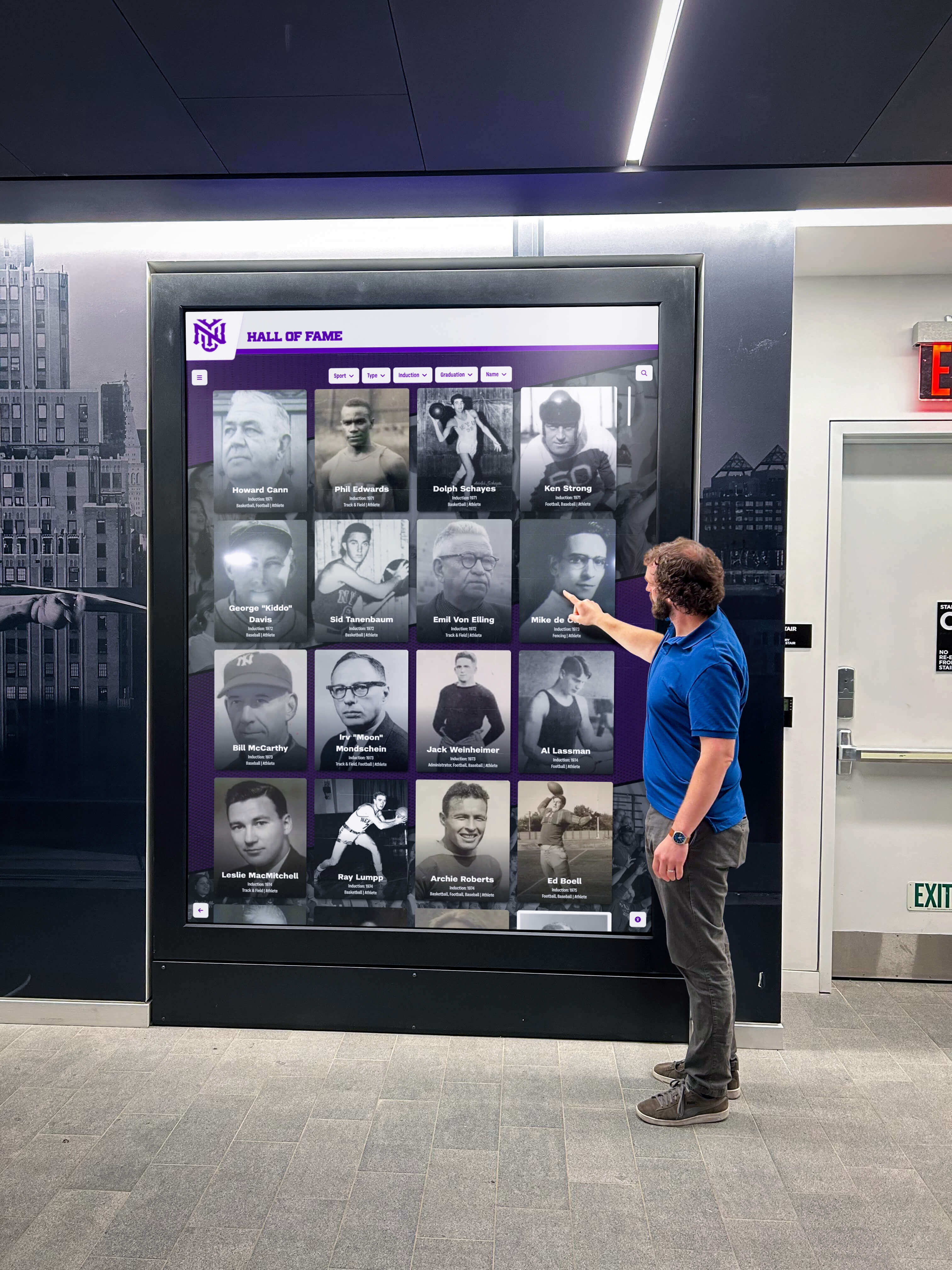
Visible academic recognition inspires students while allowing families to celebrate scholarly achievements
Strategic Course Selection and Academic Planning
Thoughtful course selection throughout college significantly impacts honors achievement:
Balancing Rigor and Performance:
- Challenge yourself with advanced coursework demonstrating intellectual ambition
- Avoid strategic “easy A” approaches that may limit learning and signal poor rigor to graduate schools
- Understand your strengths—excel in areas you’re naturally talented while carefully managing weaker subjects
- Time intensive courses strategically—don’t overload single semesters with multiple extremely demanding classes
Distribution Requirement Strategy:
- Complete breadth requirements in areas of strength when possible
- Take quantitative requirements early if math-oriented, later if humanities-focused (allowing skill building time)
- Use pass/fail options strategically where permitted for exploratory courses outside comfort zones
- Consider summer courses for requirements in weaker areas (though verify these count in honors calculations)
Major Selection Considerations: While choosing a major primarily for honors achievement proves shortsighted, understanding how your natural abilities align with different fields’ grading cultures helps set realistic expectations and inform decisions between genuinely interesting alternatives.
Similar to how valedictorian recognition celebrates top academic achievement at the high school level, magna cum laude distinguishes the highest-performing college graduates.
Effective Study Systems and Academic Habits
Sustained excellence requires systematic approaches to learning rather than relying on natural ability alone:
High-Performance Study Practices:
- Active learning through practice problems, self-testing, and application rather than passive reading
- Distributed practice over time rather than cramming before examinations
- Strategic use of office hours building professor relationships while clarifying confusions
- Study groups providing accountability, diverse perspectives, and teaching opportunities
- Regular review preventing knowledge decay between initial learning and cumulative assessments
Time Management and Balance: Magna cum laude students typically demonstrate exceptional time management enabling both academic excellence and healthy balanced lives including extracurricular engagement, relationships, and self-care supporting sustained performance.
Academic Support Resource Utilization:
- Writing centers for essay and paper development
- Peer tutoring for challenging subject areas
- Professor office hours for clarification and deeper engagement
- Academic advisors for strategic planning and course selection guidance
- Mental health resources when stress or challenges impact academic performance
Successful students view these resources as normal components of excellence rather than stigmatized “struggling student” services, accessing support proactively before problems escalate.
Institutional Recognition of Magna Cum Laude Graduates
While Latin honors appear on diplomas and transcripts, many colleges and universities extend recognition beyond these formal credentials through comprehensive celebration programs that inspire current students while honoring graduate achievement.
Traditional Academic Recognition Approaches
Standard recognition methods at most institutions include:
Graduation Ceremony Acknowledgment:
- Special honor cords, stoles, or medallions distinguishing Latin honors graduates
- Recognition in commencement programs listing honors recipients
- Sometimes separate honors convocation ceremonies
- President’s list or dean’s list semester-by-semester recognition
Permanent Record Documentation:
- Latin honors designation on official transcripts
- Notation on diplomas presented at graduation
- Inclusion in university honors program records
- Alumni association honors recognition
While these traditional approaches provide official acknowledgment, they often lack the visibility and engagement needed to inspire current students or create lasting institutional celebration of academic excellence.

Modern recognition systems enable institutions to permanently showcase academic honors recipients
Modern Digital Recognition Solutions
Progressive institutions increasingly leverage digital recognition platforms creating permanent, engaging celebration of academic honors that traditional approaches cannot match:
Unlimited Recognition Capacity: Solutions like Rocket Alumni Solutions enable institutions to recognize every magna cum laude graduate across all years without space constraints that limit traditional plaques or physical walls:
- Comprehensive historical archives preserving complete institutional academic tradition
- Equal recognition for all honors levels and graduation years
- Detailed graduate profiles beyond simple name listings
- Scalable systems accommodating growing honors programs
- Integration with other academic recognition including National Honor Society members
Rich Multimedia Graduate Profiles: Digital platforms transform honors recognition from basic lists into compelling stories celebrating individual achievement:
- Professional photography and personal narratives
- Academic achievement details including major, GPA, and special accomplishments
- Post-graduation outcomes showing career and graduate school success
- Student testimonials about their academic journey and institutional experience
- Faculty endorsements celebrating exceptional students
Interactive Engagement Features: Modern touchscreen systems create exploration experiences impossible with static displays:
- Search functionality enabling visitors to find specific graduates
- Filtering by graduation year, honors level, major, or other criteria
- Detailed achievement pages telling complete academic stories
- Integration with alumni networks maintaining graduate connection
- Analytics demonstrating recognition program engagement and effectiveness
These digital approaches ensure academic excellence receives visibility and celebration comparable to athletic achievement, reinforcing institutional values around intellectual accomplishment while inspiring current students pursuing their own honors recognition.
Learn more about comprehensive academic recognition programs that celebrate diverse educational achievements.
Summa Cum Laude: The Highest Academic Honor
While this guide focuses on magna cum laude, understanding the highest tier helps contextualize the honors system:
Summa Cum Laude GPA Requirements
The most prestigious Latin honor typically requires:
Typical GPA Thresholds:
- 3.9-4.0 GPA: Standard minimum at most institutions
- Top 1-5%: Percentage-based systems limiting summa recognition to tiniest elite
- Near-perfect performance: Usually requires mostly A grades with minimal B grades
- Additional requirements: Some institutions require honors thesis or exceptional capstone
The gap between magna cum laude and summa cum laude often proves substantial—moving from 3.75 to 3.9 GPA requires maintaining A/A- average rather than A-/B+ average, reflecting significantly more demanding consistent performance standards.
When to Pursue Summa Cum Laude: Students consistently earning 3.85+ through first two years should understand summa requirements at their institution and strategically pursue this highest recognition if within reach. However, students should avoid sacrificing learning, balanced development, or mental health for marginal GPA improvements—the difference between magna and summa, while meaningful, rarely justifies extreme sacrifice or unhealthy academic obsession.
For context on the highest high school academic honor, explore what it means to be valedictorian, which parallels summa cum laude as the pinnacle recognition.
Special Considerations and Common Questions
Several nuanced situations affect Latin honors achievement and calculation:
Transfer Students and Latin Honors Eligibility
Transfer student honors eligibility varies by institution:
Common Transfer Policies:
- Minimum residency requirements: Many schools require completing 50-60+ credits at institution to qualify for honors
- Transfer credit exclusion: Only coursework at degree-granting institution counts in honors GPA calculation
- Hybrid calculations: Some institutions consider all collegiate work while others use only resident coursework
- Articulation agreements: Community college transfer partnerships may have special honors calculation provisions
Transfer students should verify their institution’s specific policies immediately upon enrollment to understand what GPA they must achieve in resident coursework to qualify for magna cum laude recognition.
Study Abroad and Latin Honors Impact
International study programs affect honors calculations differently across institutions:
Study Abroad Grade Policies:
- Letter grade transfer: Some schools incorporate study abroad letter grades into GPA
- Pass/fail only: Other institutions accept study abroad credits as pass/fail regardless of actual grades
- Pre-approved programs: GPA treatment may differ for sponsored vs. independent study abroad
- Strategic planning: Understanding your institution’s policy helps optimize study abroad timing and selection
Students serious about Latin honors should clarify these policies before committing to study abroad programs, potentially selecting options that transfer letter grades if permitted and beneficial.
Grade Replacement and Fresh Start Policies
Some institutions offer second-chance policies affecting honors calculations:
Common Policies:
- Course retake: Replacing failed or low grades by retaking courses, with only higher grade counting
- Academic renewal: Excluding entire semesters from calculation after readmission following absence
- Forgiveness periods: Fresh start options for students struggling early but demonstrating improvement
These policies can provide pathways to honors recognition for students who struggled initially but developed into excellent scholars—similar to how institutions celebrate academic improvement through academic recognition programs honoring growth alongside absolute achievement.
Beyond GPA: Holistic Approaches to Academic Excellence
While achieving magna cum laude requires focusing on GPA metrics, the most successful students pursue broader intellectual development:
Balancing Honors Pursuit with Meaningful Learning
Avoiding Grade Obsession: Students who fixate exclusively on grades sometimes sacrifice genuine learning, intellectual exploration, and personal development. The most fulfilled honors graduates typically:
- Take courses genuinely interesting them even if challenging
- Engage deeply with material beyond examination requirements
- Build meaningful relationships with faculty mentors
- Pursue research, creative work, or projects driven by curiosity
- Maintain balanced lives including relationships, activities, and self-care
Employers and graduate programs value intellectual curiosity, authentic engagement, and well-rounded development alongside strong academic records—magna cum laude combined with genuine intellectual passion proves far more impressive than slightly higher GPA achieved through strategic corner-cutting or unhealthy obsession.
Complementary Achievements and Recognition
Latin honors gain additional significance when combined with other accomplishments:
Complementary Academic Distinctions:
- Departmental honors in major field
- Undergraduate research achievements and publications
- Academic competition success in discipline-specific contests
- Honors program completion with thesis or capstone
- Teaching assistant or peer tutoring roles demonstrating mastery
Well-Rounded Excellence: The most impressive candidates combine academic honors with leadership, service, creative accomplishment, or other dimensions demonstrating capability across multiple domains—similar to how comprehensive student recognition programs celebrate diverse achievement types.

Creating engaging recognition displays inspires students while fostering community celebration of excellence
How Recognition Programs Inspire Future Academic Excellence
When institutions prominently celebrate magna cum laude graduates and other academic honors recipients, they create cultural impact extending far beyond individual recognition:
Modeling Excellence for Current Students
Visible academic recognition provides concrete achievement models for students considering their own potential:
Clear Achievement Pathways: When students regularly encounter displays celebrating academic honors recipients, they see:
- Proof that peers from similar backgrounds achieved exceptional performance
- Specific academic journeys showing various paths to excellence
- Post-graduation outcomes demonstrating honors recognition value
- Faculty relationships and support systems enabling success
- Balance between academic achievement and other collegiate experiences
This visibility transforms abstract honors concepts into tangible, achievable goals with clear strategic pathways.
Creating Academic Achievement Culture
Institutions that celebrate intellectual accomplishment as prominently as athletic success develop cultures where academic excellence represents a valued, desirable identity:
Cultural Messaging:
- Academic achievement receives comparable visibility to sports recognition
- Intellectual accomplishment becomes source of positive peer recognition
- Faculty engagement and academic mentorship receive institutional emphasis
- Graduate school and career success linked to undergraduate academic excellence
- Alumni maintain connection to academic achievements throughout careers
Digital recognition solutions like those from Rocket Alumni Solutions enable institutions to create this culture through permanent, engaging celebration systems that traditional approaches cannot match.
Strengthening Alumni Engagement and Institutional Pride
Graduates who see their academic achievements prominently celebrated maintain stronger institutional connections:
Long-Term Alumni Benefits:
- Pride in permanent recognition of their accomplishments
- Ongoing connection to institutional academic tradition
- Motivation to support current students pursuing similar excellence
- Positive institutional reputation supporting career credential value
- Legacy preservation as part of institution’s proud academic history
This sustained engagement benefits institutions through enhanced alumni relationships, philanthropic support, and positive reputation effects as successful graduates credit their academic foundation.
Practical Timeline: Pursuing Magna Cum Laude from Freshman Year
A semester-by-semester strategic approach maximizes honors achievement likelihood:
Freshman Year:
- Research your institution’s specific magna cum laude requirements
- Establish excellent study habits and time management systems
- Build relationships with professors and academic advisors
- Achieve strong first-year GPA creating honors trajectory foundation
- Identify preliminary major interests and requirements
Sophomore Year:
- Declare major after careful consideration of interests and strengths
- Begin major coursework while completing distribution requirements
- Maintain GPA at or above magna cum laude threshold
- Develop relationships with faculty in potential major department
- Consider summer opportunities (research, internships) building academic depth
Junior Year:
- Calculate exact GPA needed in remaining coursework for honors qualification
- Take challenging upper-level courses demonstrating rigor to graduate schools
- Begin graduate school or career planning leveraging strong academic record
- Consider honors thesis or capstone opportunities if applicable
- Maintain balanced approach avoiding burnout with graduation approaching
Senior Year:
- Monitor GPA carefully ensuring honors qualification maintained
- Complete any honors thesis or special distinction requirements
- Apply to graduate programs or career opportunities highlighting academic achievement
- Celebrate accomplishments while supporting younger students pursuing similar goals
- Transition focus toward post-graduation success while finishing strong
This strategic, long-term approach proves far more effective than attempting to compensate for weak early performance through unsustainable intensity later.
Celebrating Latin Honors: Recognition Best Practices for Institutions
Colleges and universities seeking to maximize the motivational and cultural impact of Latin honors should implement comprehensive recognition approaches:
Multi-Channel Recognition Strategies
Physical Campus Recognition:
- Prominent digital displays in high-traffic campus locations showcasing honors graduates
- Integration with broader academic recognition including dean’s list, departmental awards, research achievements
- Strategic placement near admissions offices where prospective students and families encounter academic excellence evidence
- Lobby and common area recognition creating regular community exposure
Digital and Web-Based Recognition:
- Online honor roll platforms accessible to global audiences
- Social media celebration of academic achievement
- Email communications to campus community announcing honors recipients
- Alumni website integration maintaining graduate connection
- Mobile-responsive displays ensuring accessibility across devices
Ceremonial Recognition:
- Special honors convocations or recognition within commencement ceremonies
- Distribution of honor cords, stoles, or medallions distinguishing honors graduates visibly
- President’s or dean’s receptions celebrating academic achievement
- Faculty recognition of outstanding students in their disciplines
Ensuring Equity and Inclusivity in Recognition
Academic recognition programs should celebrate excellence while ensuring equitable access to honors achievement:
Equitable Support Systems:
- Robust academic advising helping all students understand honors requirements and pathways
- Tutoring and academic support resources removing barriers to excellence
- Financial aid ensuring all students can focus on academics without excessive work obligations
- Mentorship programs connecting students with faculty and successful peers
- Clear communication about requirements, resources, and strategies
Inclusive Recognition Approaches: When institutions recognize not only final Latin honors but also semester dean’s list achievement, academic improvement, and diverse excellence dimensions, they create cultures where students from all backgrounds see achievement pathways and receive encouragement toward honors goals.
Conclusion: The Lasting Value of Magna Cum Laude Recognition
Magna cum laude represents far more than a line on a diploma—it signals sustained academic excellence, intellectual capability, and achievement discipline that serve graduates throughout their professional lives. Whether you’re a student pursuing this distinction, an educator supporting academic excellence, or an institution seeking to celebrate scholarly achievement, understanding the specific requirements, strategic approaches, and recognition best practices explored in this guide enables more effective pursuit and celebration of exceptional academic accomplishment.
For students, achieving magna cum laude requires beginning with clear understanding of your institution’s specific requirements, establishing strong academic foundations early, maintaining strategic focus across four years of coursework, and balancing grade achievement with genuine intellectual development and well-rounded growth. The distinction provides meaningful differentiation in graduate school admissions and competitive career opportunities while representing personal accomplishment worthy of pride regardless of external validation.
For institutions, prominently celebrating magna cum laude graduates and other academic honors recipients creates powerful cultural messaging about intellectual values, provides inspiration and concrete models for current students, and maintains alumni connection through permanent recognition of their scholarly achievements. Modern digital recognition platforms transform how colleges and universities honor academic excellence by eliminating space constraints, enabling rich multimedia storytelling, creating interactive engagement experiences, and extending recognition reach far beyond physical campus boundaries.
Celebrate Academic Excellence with Modern Recognition
Discover how digital recognition solutions can help your institution honor magna cum laude graduates and other academic achievers while building a thriving culture of intellectual excellence that inspires current and future students.
Explore Recognition SolutionsThe path to magna cum laude begins with that first college course and continues through sustained excellent performance across years of challenging academic work. Whether you’re just beginning your undergraduate journey or approaching graduation with honors within reach, understanding the specific requirements and strategic approaches outlined here positions you for success in achieving this prestigious recognition that will enhance your credentials and opportunities for decades to come.
Academic honors like magna cum laude represent our collective commitment to celebrating intellectual achievement, supporting scholarly excellence, and recognizing the remarkable accomplishments of students who dedicate themselves to rigorous learning and sustained high performance. By pursuing these distinctions strategically and celebrating them prominently, students and institutions together create cultures where academic excellence receives the recognition, support, and celebration it deserves.
Ready to learn more? Explore how institutions recognize other forms of academic achievement through dean’s list and president’s list programs, or discover related recognition including summa cum laude celebrations.































