The Naismith Memorial Basketball Hall of Fame stands as one of the world’s premier sports institutions, celebrating basketball excellence while demonstrating how strategic donor recognition sustains athletic organizations through generations. Located in Springfield, Massachusetts—the birthplace of basketball—the Hall of Fame represents far more than a museum honoring legendary players and coaches. It embodies comprehensive recognition principles that transform philanthropic support into lasting institutional sustainability, providing actionable frameworks for sports organizations seeking to implement effective donor acknowledgment programs.
The Naismith Hall of Fame’s approach to donor recognition reflects sophisticated understanding of what motivates athletic philanthropy and how recognition creates emotional connections inspiring continued generosity. Through multiple capital campaigns, including the highly successful “It’s Time to Step Forward” initiative that raised over $30 million, the institution demonstrates how comprehensive recognition programs honor every supporter while cultivating major gifts that enable transformational facility improvements and program expansions serving basketball communities worldwide.
This comprehensive guide explores donor recognition strategies inspired by the Naismith Basketball Hall of Fame experience, offering practical frameworks for athletic organizations implementing their own recognition programs. From understanding what makes sports donor recognition unique through planning comprehensive digital recognition systems and measuring program success, you’ll discover how forward-thinking institutions leverage modern technology and proven stewardship principles to celebrate supporters while building sustainable fundraising programs for decades to come.
Sports halls of fame occupy unique positions within athletic communities—serving simultaneously as museums preserving competitive heritage, educational institutions inspiring future generations, and fundraising organizations requiring sustained philanthropic support. Effective donor recognition proves essential for these institutions, creating visible appreciation that inspires both existing supporters and prospective donors to invest in athletic legacy preservation.

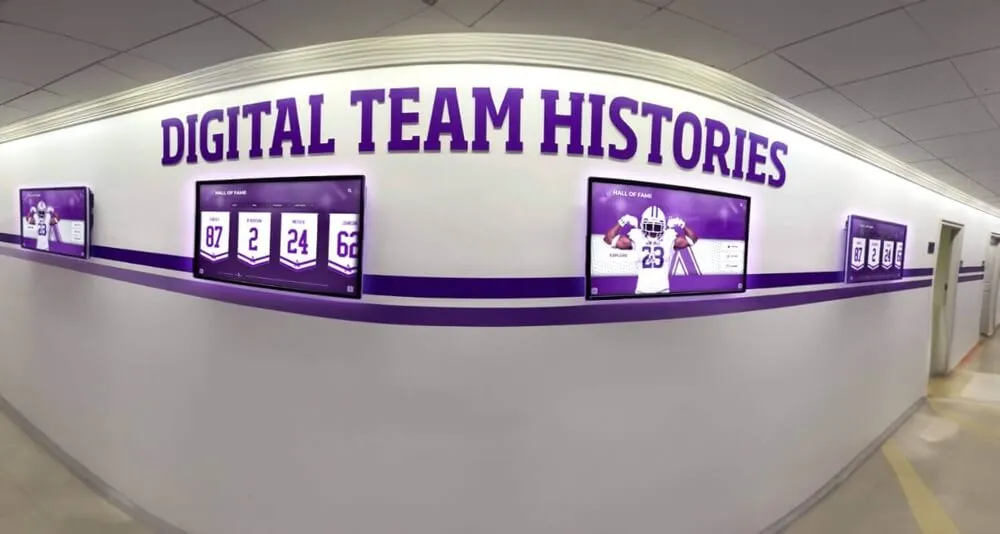
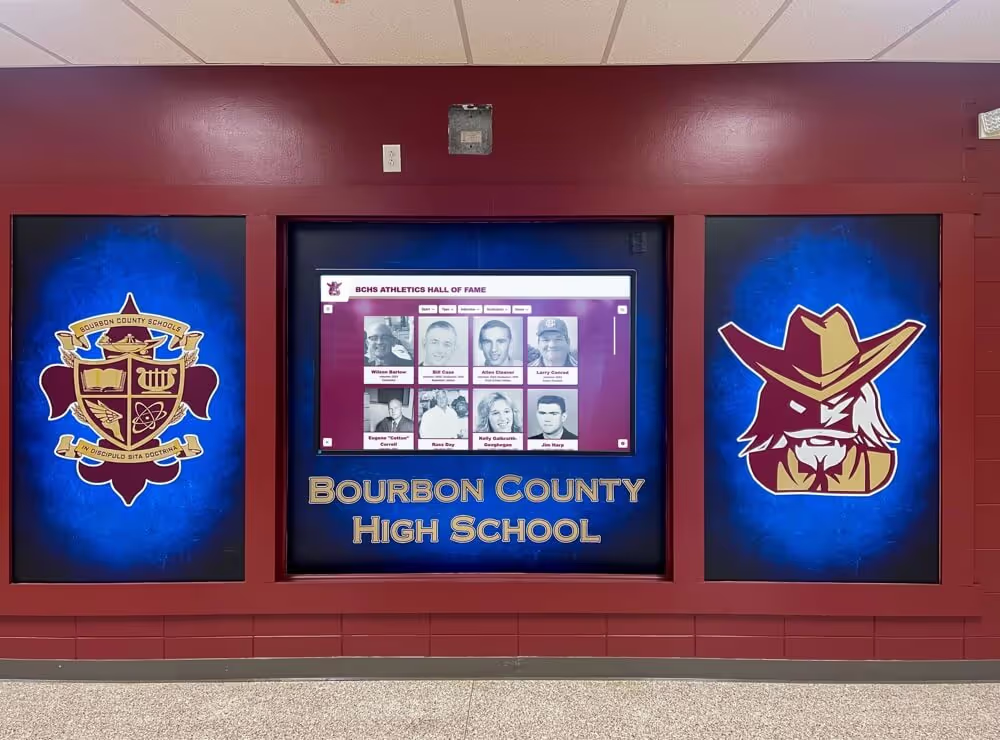
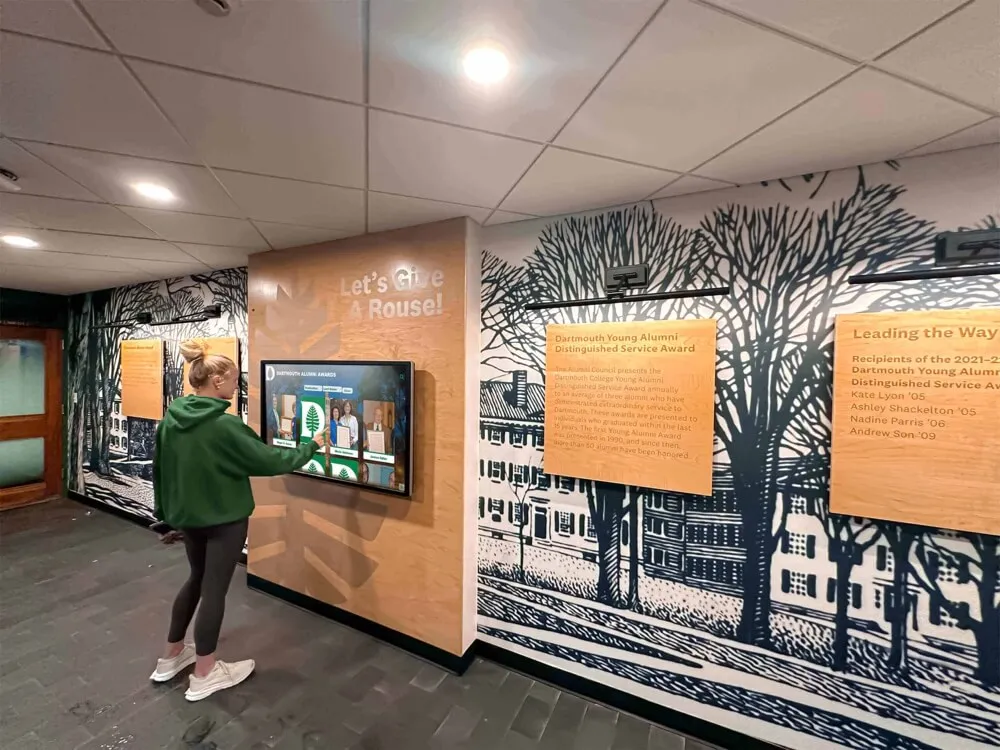
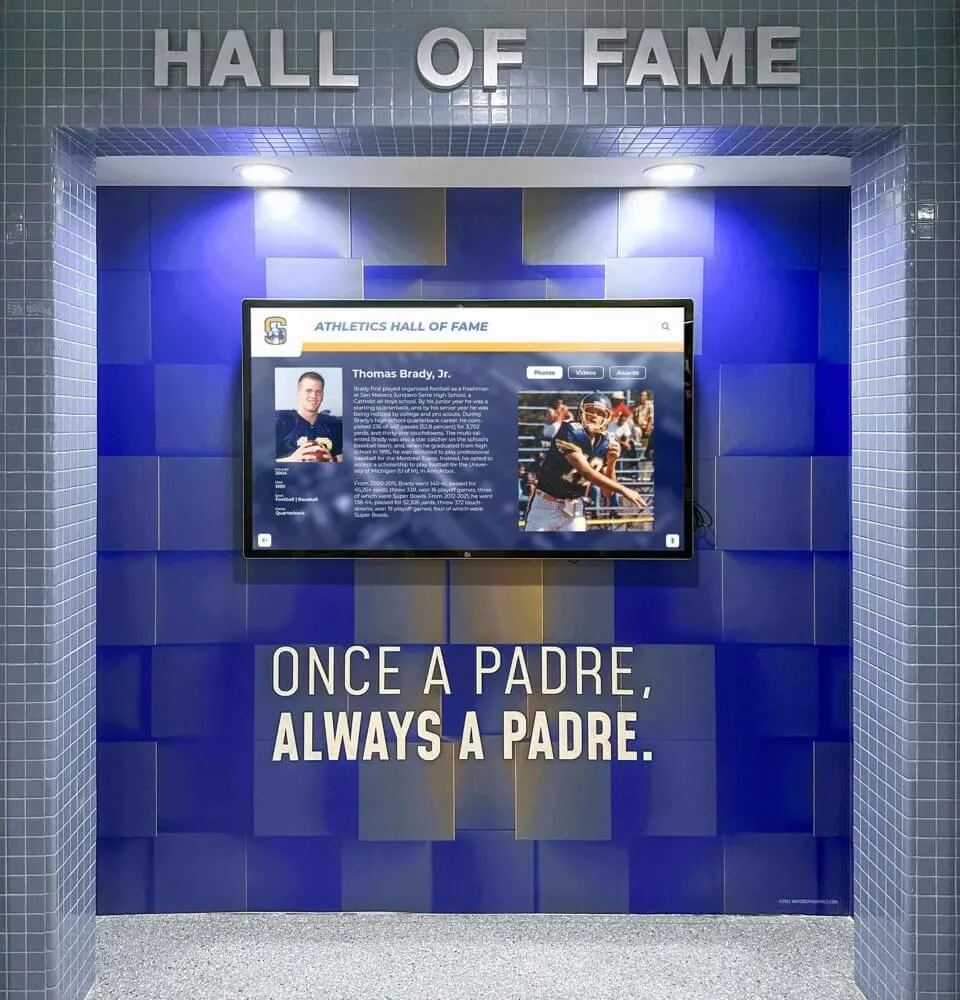
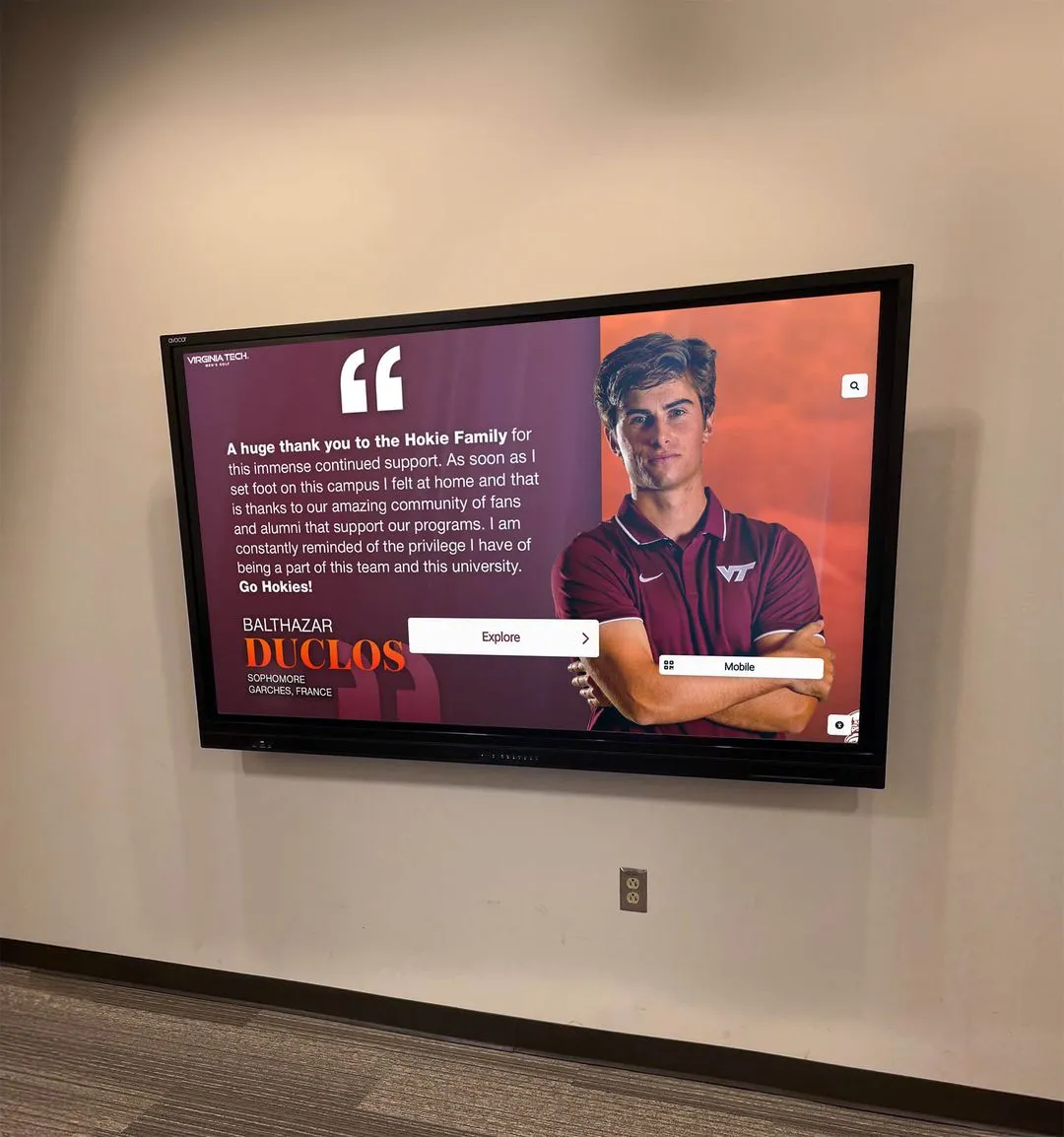
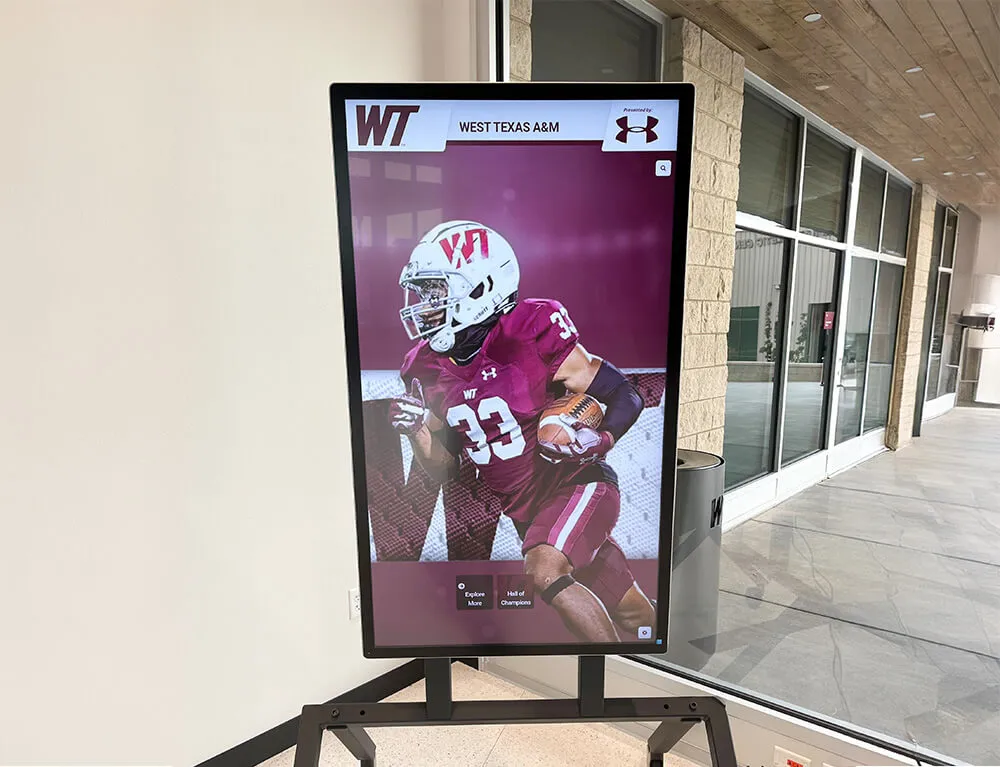
Modern athletic donor recognition combines sophisticated digital displays with compelling storytelling that honors supporters while demonstrating impact
Understanding the Naismith Hall of Fame’s Donor Recognition Approach
The Naismith Memorial Basketball Hall of Fame provides excellent case study in comprehensive donor recognition for sports organizations, demonstrating principles applicable across athletic institutions of all sizes.
The “It’s Time to Step Forward” Capital Campaign
In early 2015, Jerry Colangelo, Chairman of the Hall of Fame’s Board of Governors, announced the launch of a major capital campaign aimed at facility improvements and program expansion. The campaign ultimately raised over $30 million from diverse donor communities, creating one of the most successful fundraising initiatives in sports hall of fame history.
Campaign Donor Recognition Components
The capital campaign featured multiple recognition elements acknowledging support across giving levels:
Major Donor Recognition: The campaign received transformational gifts from basketball luminaries including Junior Bridgeman, Jerry Colangelo, Grant Hill, Mannie Jackson, Michael Jordan, Phil Knight, Nancy Lieberman, George Raveling, Adam Silver, and Elaine Wynn. These high-profile supporters received enhanced recognition reflecting their leadership roles in both basketball and philanthropic support.
Organizational Donor Acknowledgment: Corporate and foundation supporters including Mohegan Sun, the MassMutual Foundation, Balise Auto Group, the Davis Foundation, Excel Dryer, and Florence Bank received appropriate institutional recognition demonstrating community investment in basketball heritage preservation.
Board Member Participation: Achieving 100% Board member participation created powerful social proof, demonstrating unified commitment that influenced prospects considering their own contributions. This complete Board engagement received specific recognition highlighting leadership example.
Public Recognition Through Renovation Reveals: As capital campaign funds enabled facility improvements, the Hall strategically announced renovations publicly, connecting visible improvements to donor generosity and creating ongoing recognition touchpoints throughout project implementation.
Physical and Digital Recognition Integration
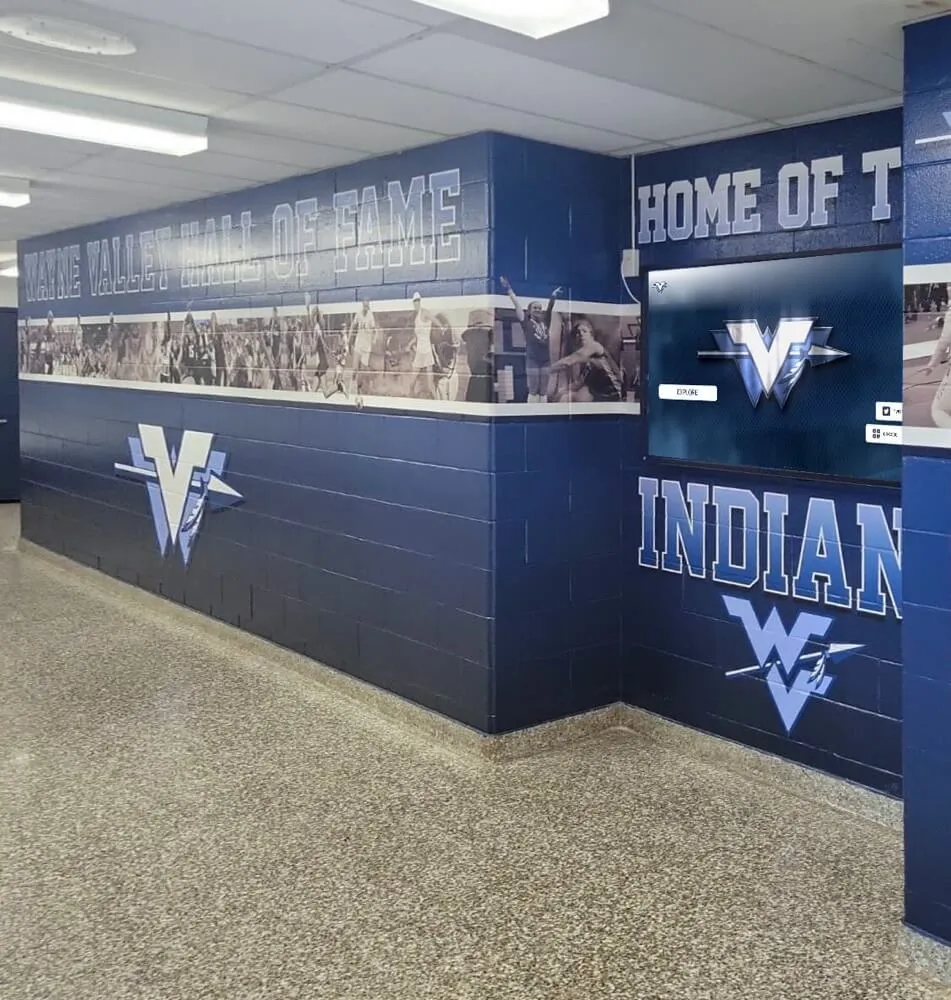
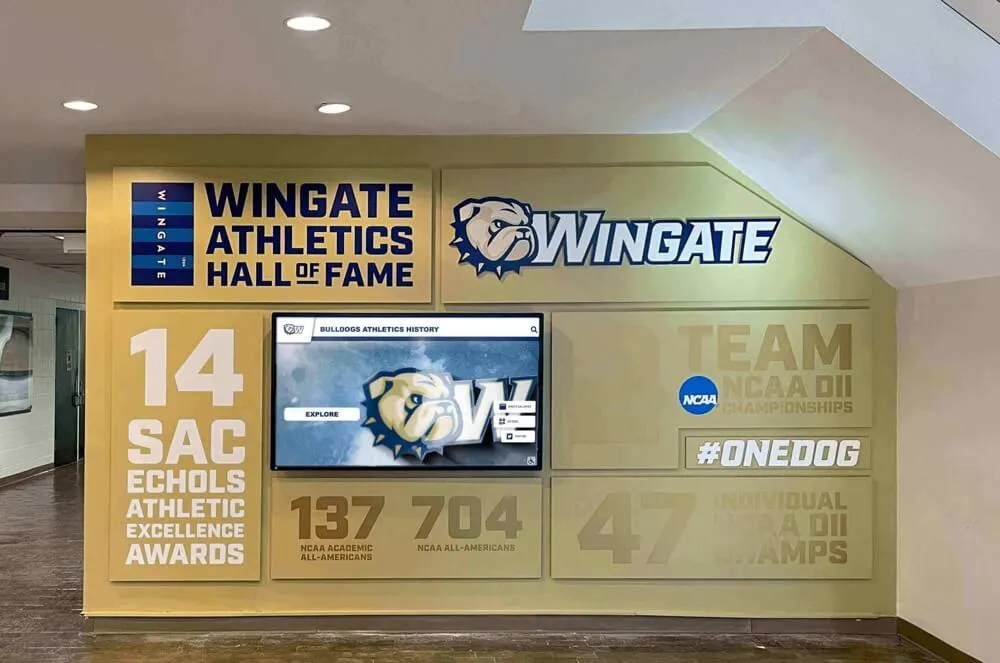
The Naismith Hall of Fame renovation included comprehensive donor recognition wall with interactive digital kiosk, completed during Phase I renovations in 2017-2018. This integration demonstrates how modern sports institutions blend traditional recognition visibility with contemporary interactive technology.
Interactive Donor Recognition Kiosk Features
The digital recognition component enables visitors to explore donor contributions through searchable interfaces, multimedia profiles, and organized giving level displays. This interactive approach transforms passive name-reading into engaging exploration where visitors discover supporter stories while understanding philanthropic investment enabling the Hall’s mission.
Permanent Physical Recognition Elements
Traditional donor wall components provide visible, permanent acknowledgment that major donors especially value for its prestigious placement and lasting legacy creation. The combination of permanent physical recognition with flexible digital content creates optimal recognition experiences honoring both donor preferences and organizational communication needs.
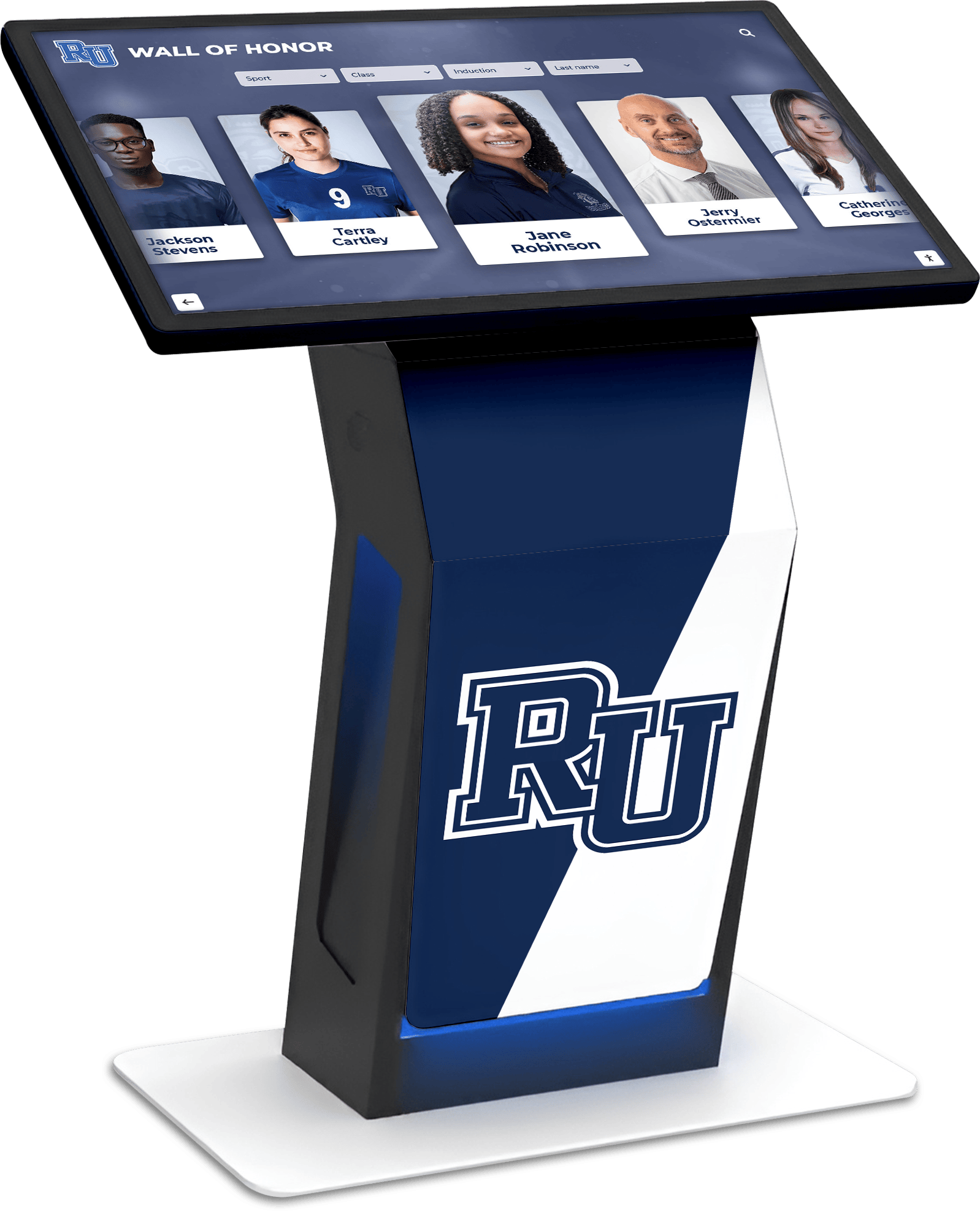
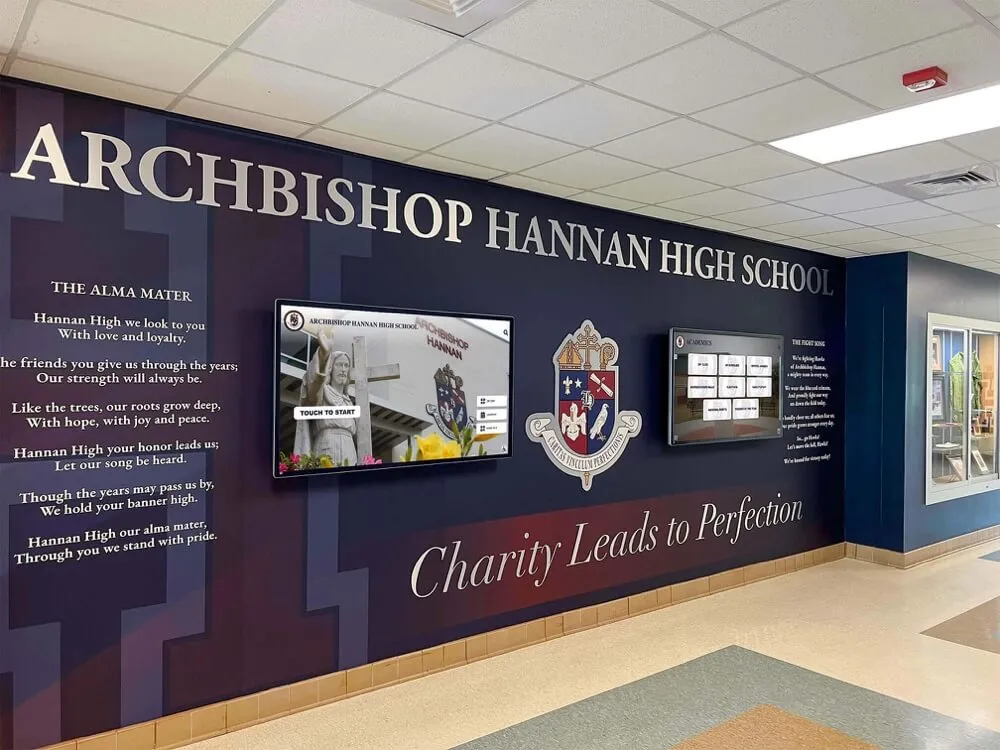
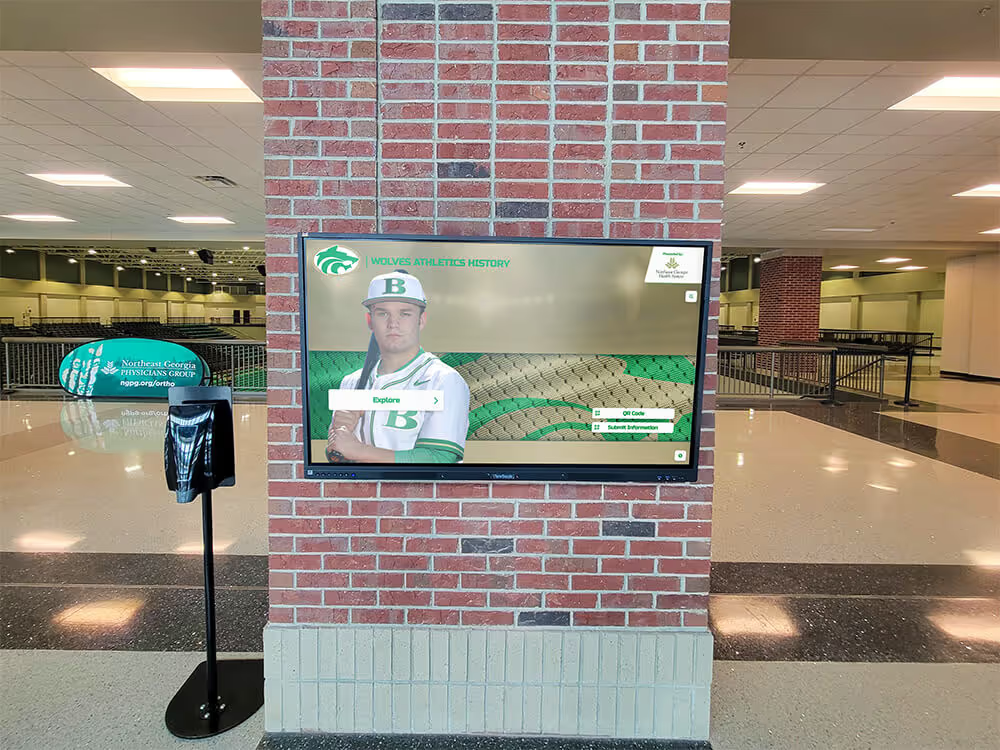
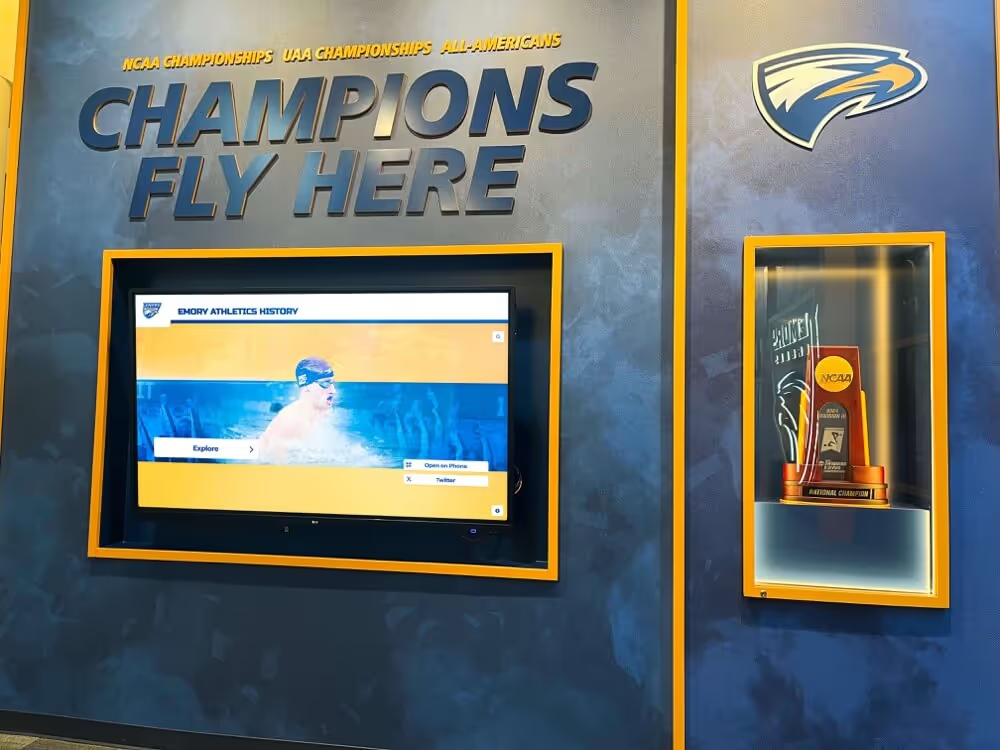
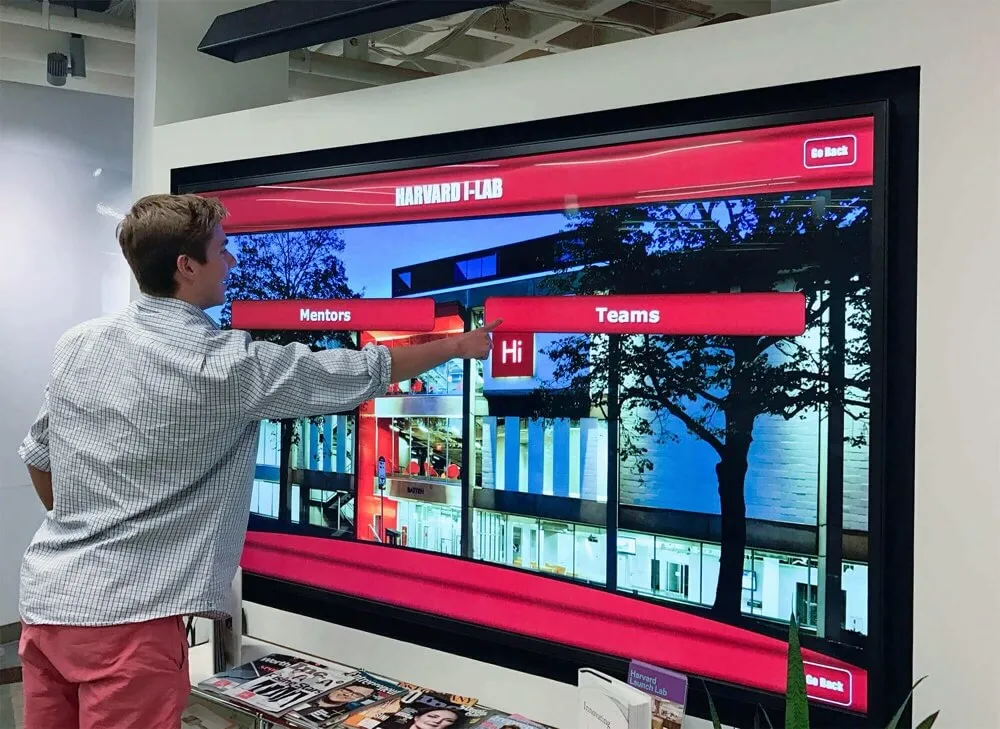
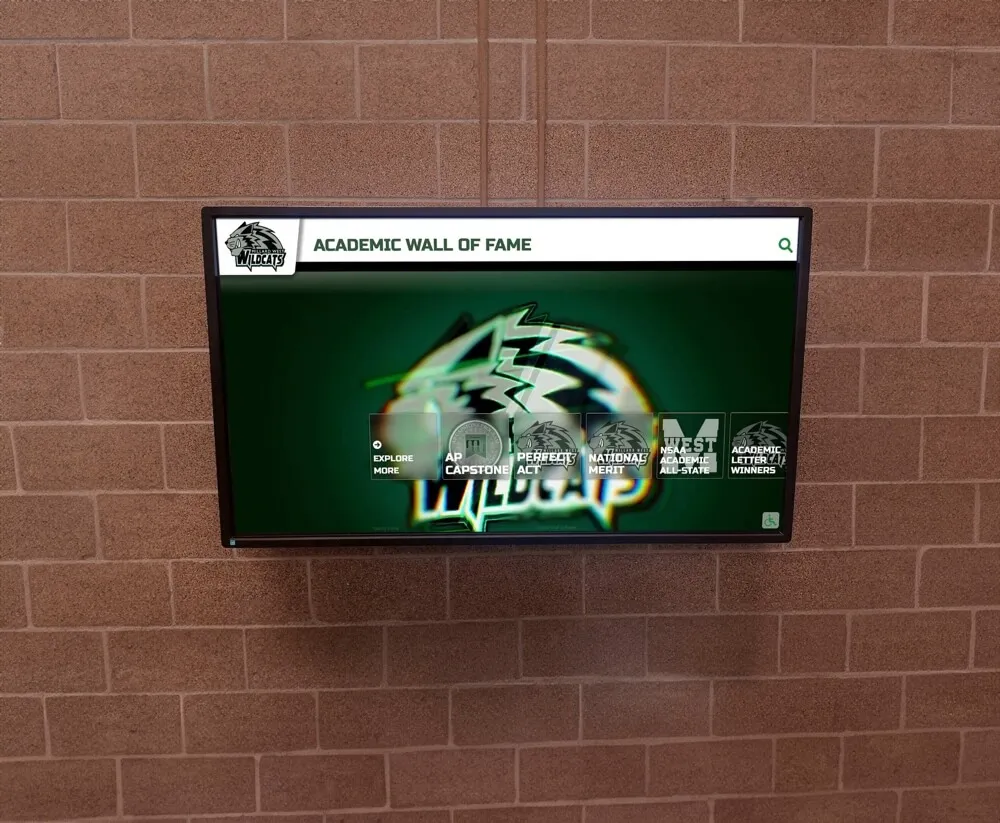
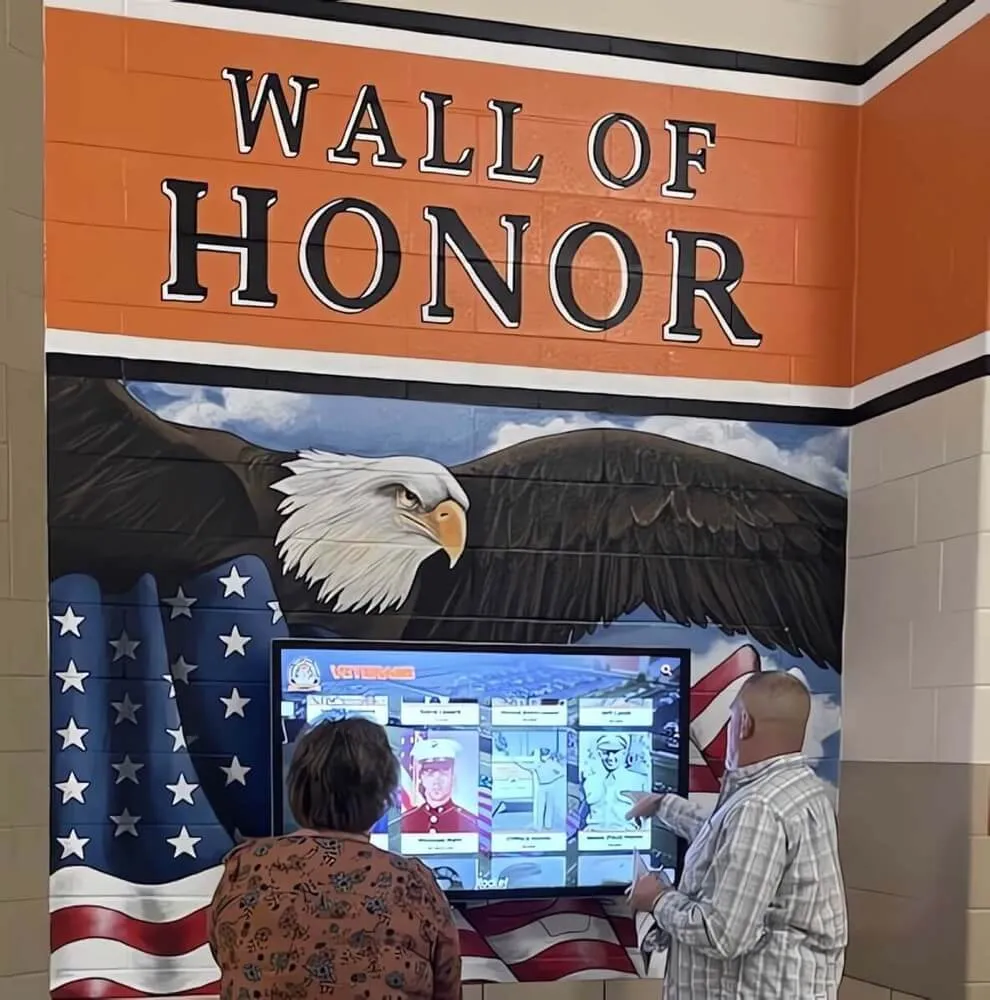
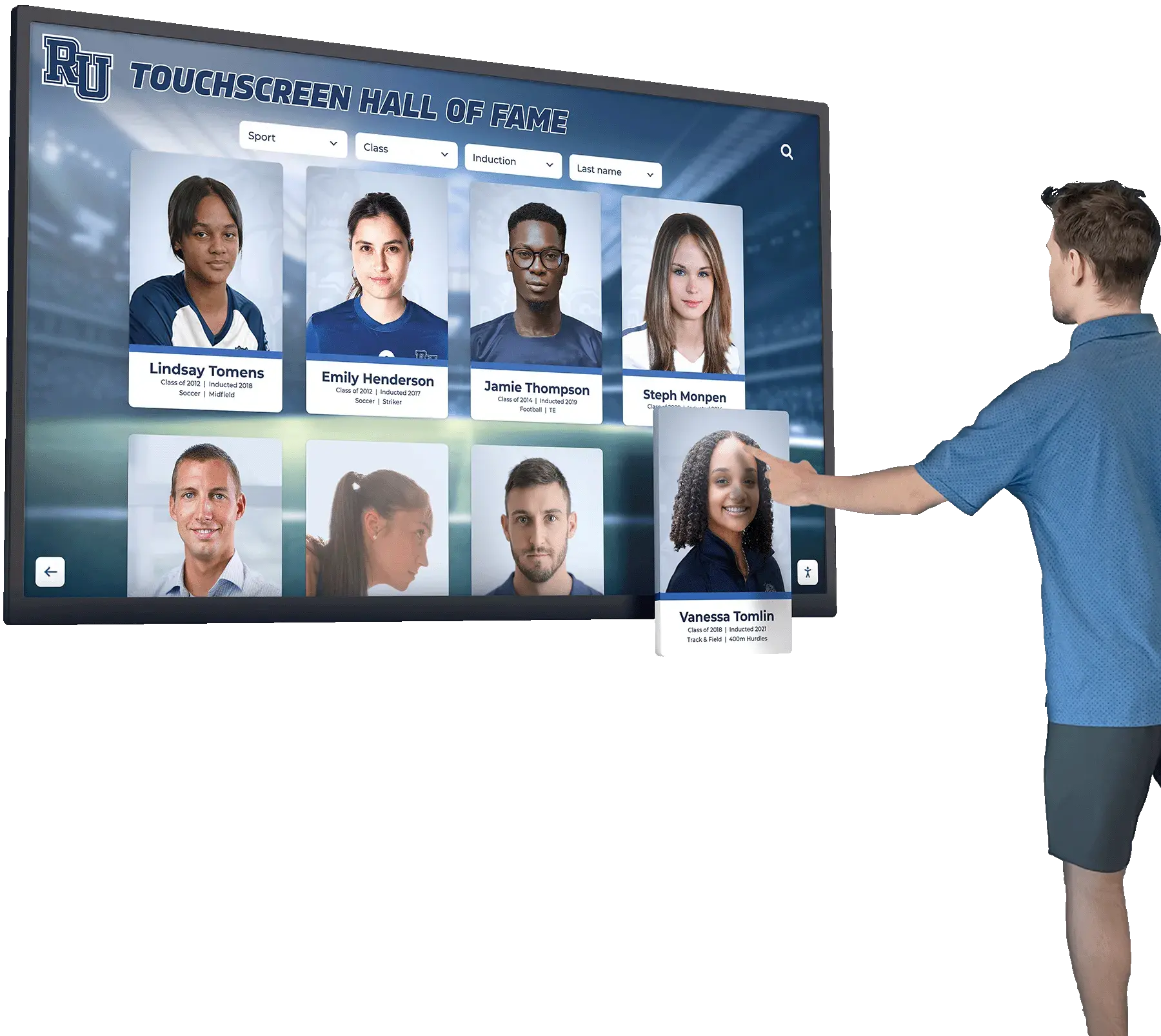
Purpose-built donor recognition kiosks combine commercial-grade touchscreens with intuitive interfaces enabling visitors to explore supporter stories easily
Structured Giving Programs Creating Recognition Pathways
The Hall of Fame offers multiple structured giving programs establishing clear recognition pathways for supporters at different capacity levels:
The Naismith Legacy Society
This premier giving society acknowledges supporters making significant commitments to the Hall’s endowment and long-term sustainability. Members receive enhanced recognition throughout Hall facilities, exclusive access to special events and programs, and ongoing stewardship communications demonstrating gift impact. The Legacy Society creates aspirational giving tier inspiring major gift commitments while honoring those making transformational investments.
The Ambassadors of the Game Program
Representing the Hall’s premier philanthropic opportunity, this program creates deeper engagement connecting major donors to specific institutional priorities and programs. Ambassadors receive comprehensive recognition appropriate to their elevated giving levels while participating in exclusive experiences strengthening emotional connections to basketball heritage preservation.
Accessibility Across Giving Levels
Beyond premier giving societies, the Hall implements recognition accessible to supporters across capacity ranges, ensuring all contributions receive appropriate acknowledgment. This inclusive approach builds broad donor communities while maintaining meaningful differentiation honoring major gifts appropriately.
Organizations seeking comprehensive donor recognition frameworks should explore digital donor walls that enable unlimited supporter acknowledgment without space constraints limiting physical plaques.
Unique Characteristics of Athletic Donor Recognition
Sports organizations face distinct donor recognition considerations differing from traditional nonprofits, educational institutions, or arts organizations. Understanding these unique factors helps athletic halls of fame implement recognition programs resonating with supporter motivations.
Emotional Connections Through Athletic Heritage
Athletic donors often maintain extraordinarily deep emotional connections to sports organizations through personal competitive experiences, decades of fan engagement, or family traditions spanning multiple generations. Recognition programs should acknowledge and amplify these emotional bonds.
Honoring Competitive Legacies
Many athletic donors are former athletes, coaches, or administrators whose personal identities intertwine with sports organizations. Recognition honoring their competitive achievements alongside philanthropic contributions creates comprehensive acknowledgment celebrating total institutional relationships rather than isolated financial transactions.
Multi-Generational Family Connections
Sports fandom frequently passes through families across generations, with grandparents, parents, and children sharing team loyalties and game attendance traditions. Recognition highlighting multi-generational giving patterns celebrates family legacies while inspiring continued support from younger generation family members.
Community and Regional Pride Factors
Sports organizations often represent community identity and regional pride, particularly for high schools, colleges, and regional sports halls of fame. Recognition connecting individual philanthropy to community benefit and regional prominence resonates powerfully with locally-rooted donors motivated by civic contribution beyond pure sports interest.
The Role of Recognition in Major Athletic Facilities
Athletic facilities represent enormous capital investment requiring sustained donor support across decades. Recognition integrated into these facilities serves multiple strategic purposes beyond basic acknowledgment.
Cultivation Tools During Facility Tours
Development officers leverage facility recognition displays during prospect tours and cultivation meetings, demonstrating institutional recognition philosophy tangibly while providing peer social proof through visible acknowledgment of respected community members who made similar commitments. This cultivation application directly influences major gift decisions during facility projects.
Inspiration for Naming Opportunities
Comprehensive facility recognition systems help prospects envision their own naming opportunities and legacy creation potential. When visitors see gyms, courts, locker rooms, training facilities, and specific program areas named for donors, they understand available recognition options and imagine their own potential acknowledgment.
Event and Gathering Backdrops
Athletic facilities host competitions, championships, banquets, and community gatherings where recognition displays serve as visible backdrops connecting events to philanthropic support that made facilities possible. This ongoing visibility maintains donor acknowledgment long beyond initial dedication ceremonies.
Institutions implementing athletic recognition should review digital trophy case solutions that combine competitive achievement recognition with donor acknowledgment in unified displays.
Peer Recognition and Social Dynamics in Sports Giving
Sports philanthropy carries distinct social dynamics where peer recognition and community visibility influence giving decisions more prominently than in many other nonprofit contexts.
Visible Recognition Creating Social Proof
When respected team supporters, former athletes, or community leaders receive prominent recognition for athletic philanthropy, their acknowledgment signals giving expectations and opportunities to peers. This social proof proves especially powerful for sports organizations where competitive and community networks run deep.
Board Member and Leadership Giving Visibility
Sports organization boards typically include successful business leaders, former athletes, and passionate fans with substantial capacity. Their giving—and its recognition—establishes philanthropic standards influencing broader donor communities. The Naismith Hall of Fame’s 100% Board participation during their capital campaign created exactly this powerful social proof.
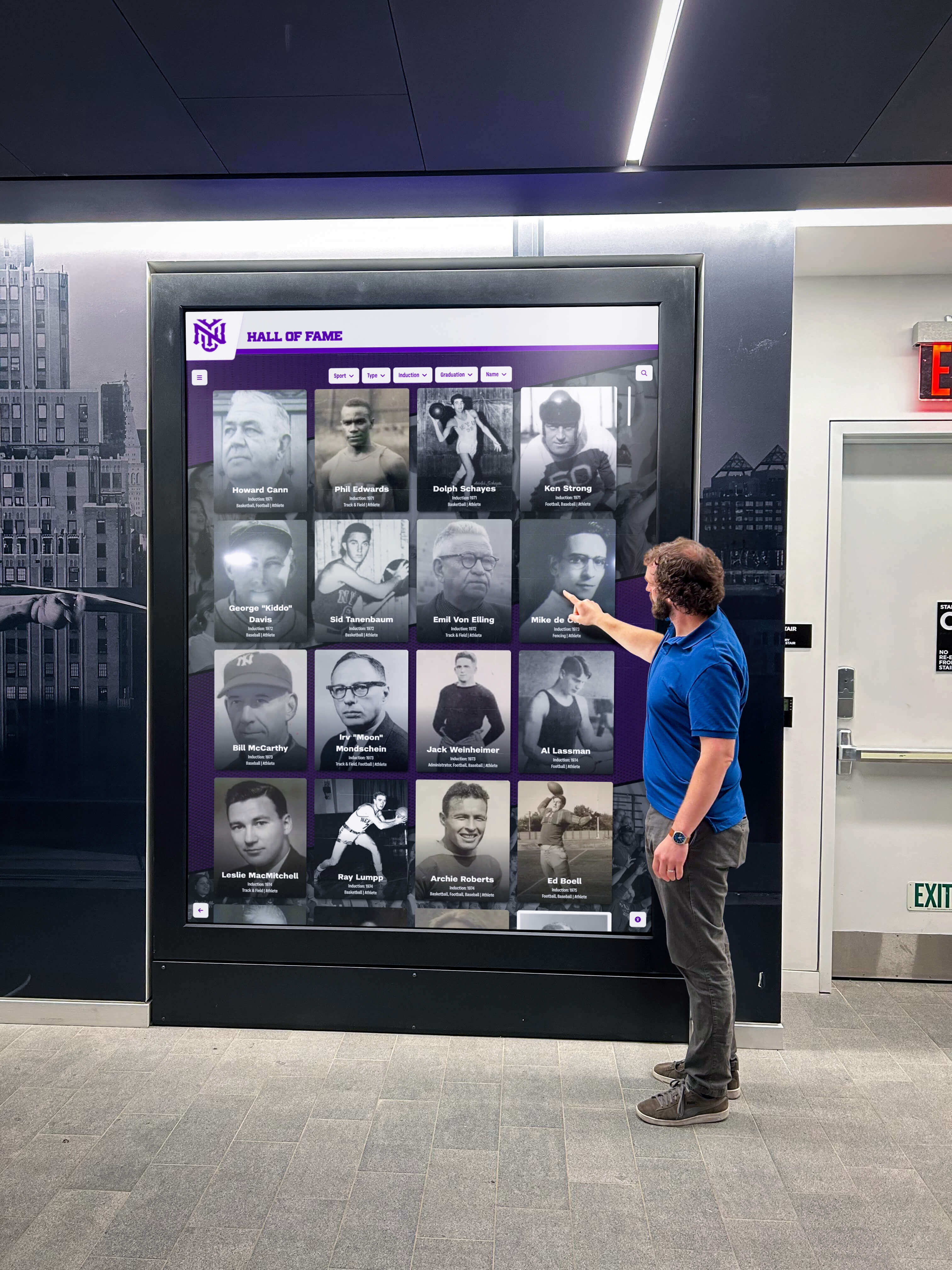
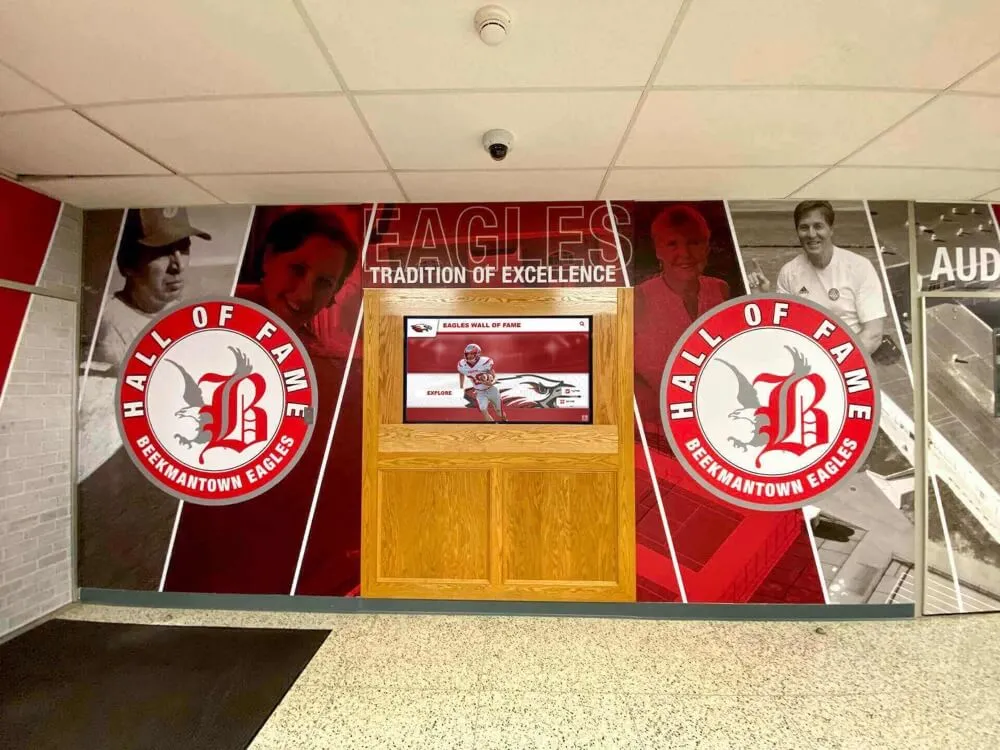
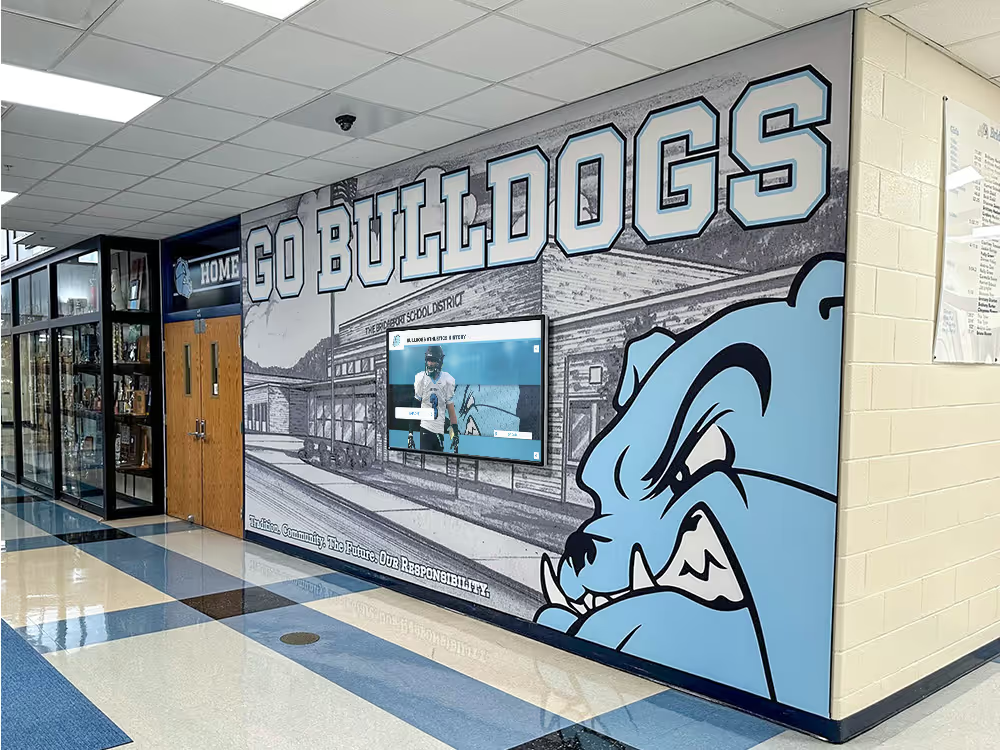
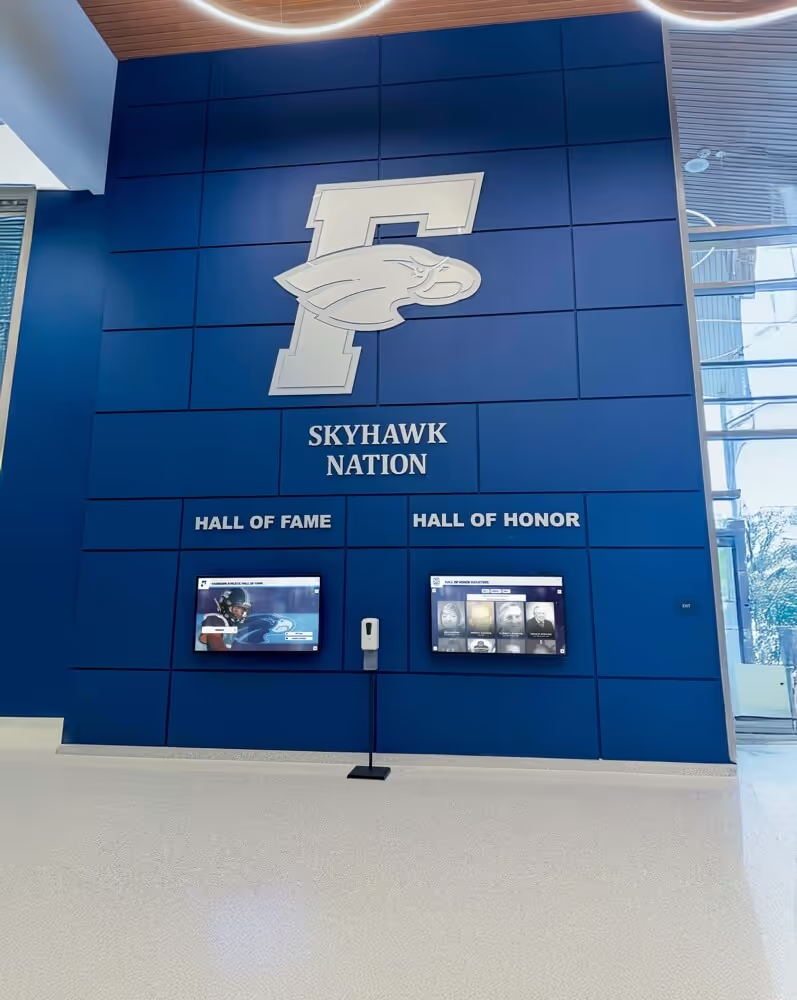
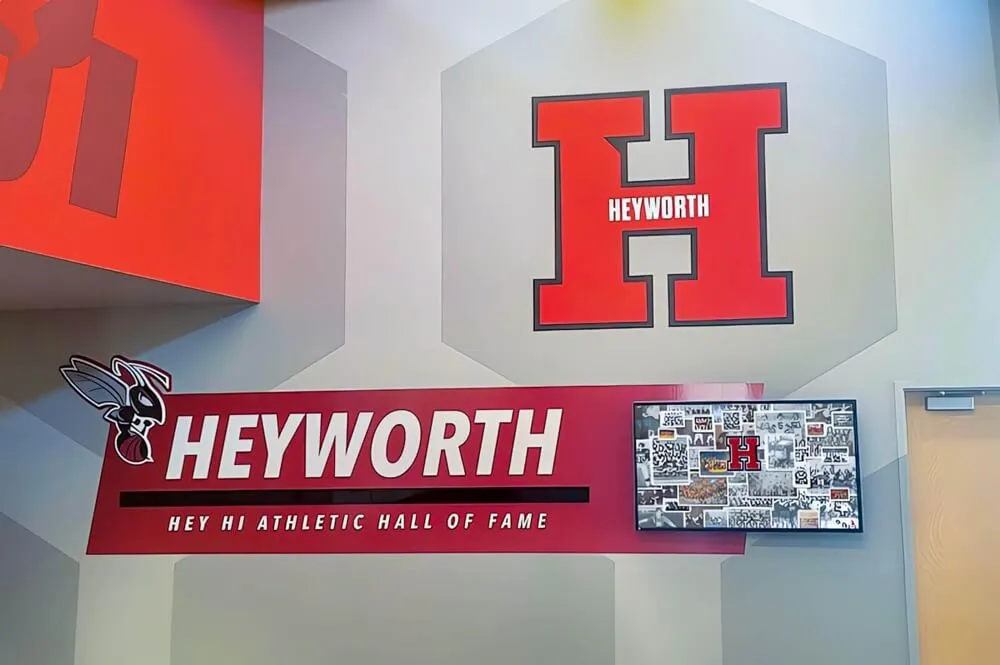
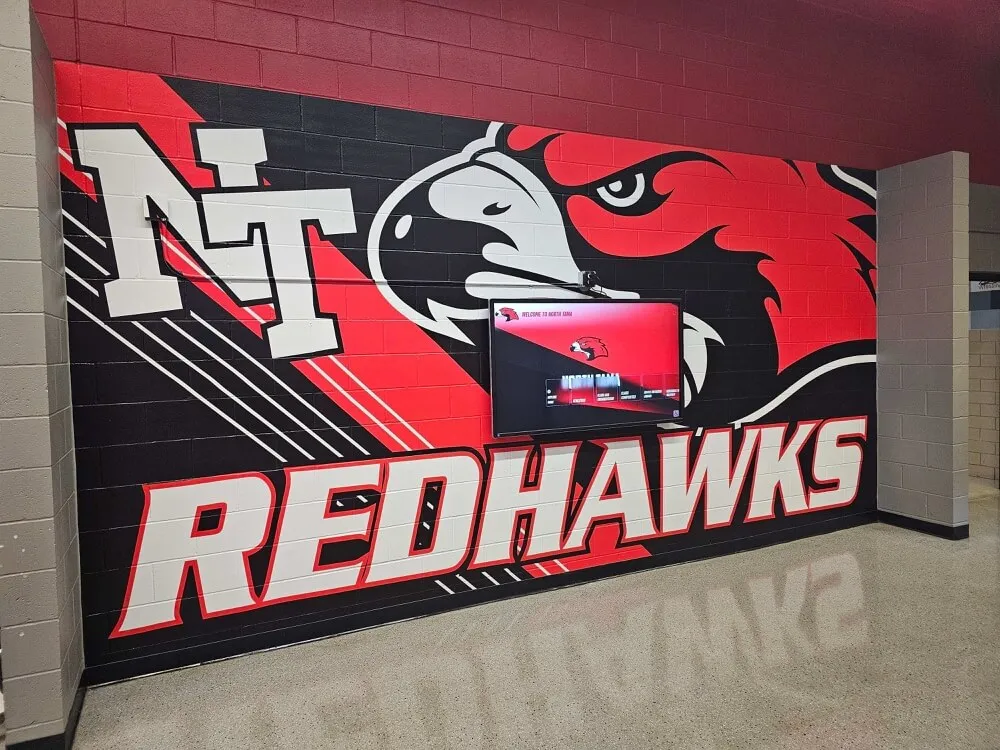
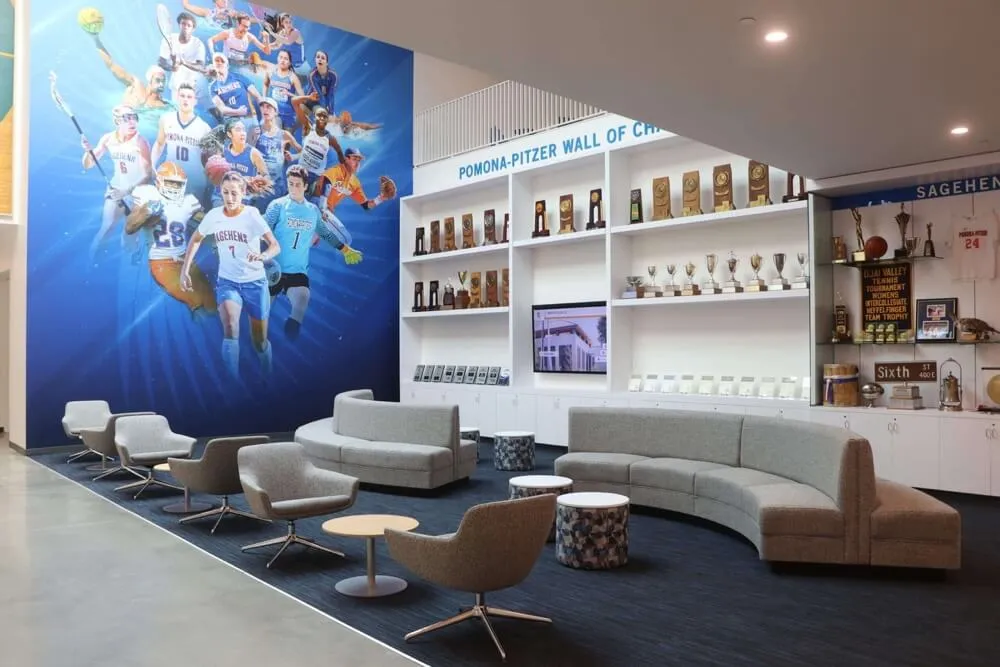
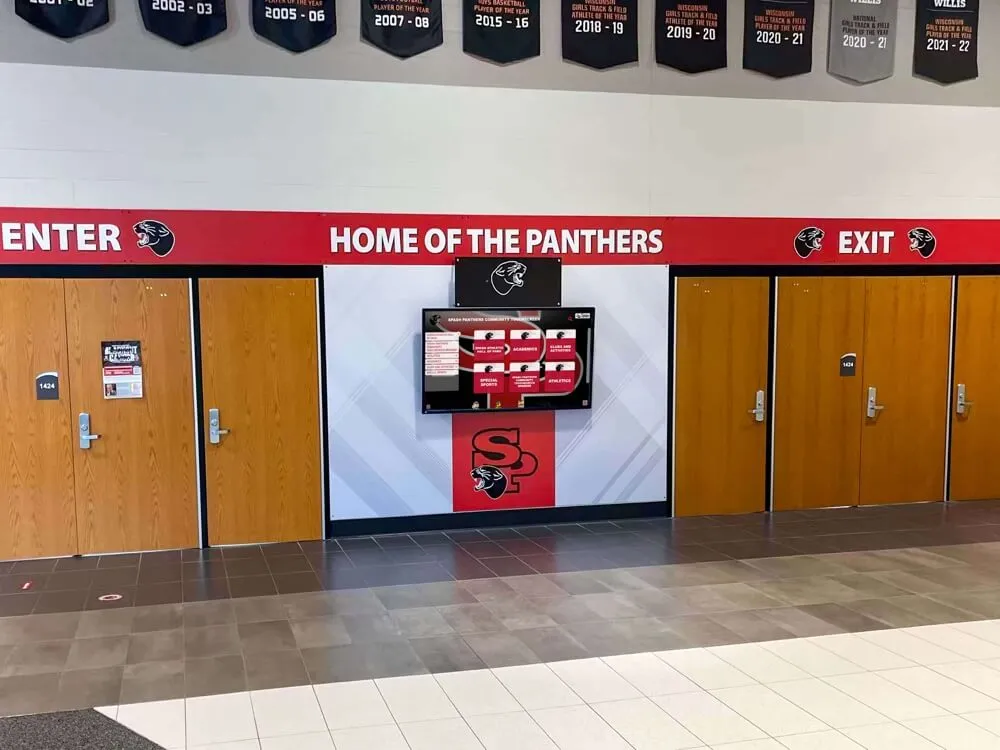
Strategic placement in high-traffic lobby spaces ensures recognition reaches maximum audiences during events and daily facility usage
Alumni Athlete Networks and Giving Circles
Many athletic donor recognition programs organize acknowledgment around team years, championship seasons, or position groups, leveraging existing social networks to encourage group giving. Recognition celebrating collective contributions from specific teams or eras creates peer motivation and friendly competition inspiring increased participation and gift sizes.
Organizations building athletic donor communities should explore athletic wall of honor programs that celebrate both competitive achievement and philanthropic support comprehensively.
Planning Comprehensive Donor Recognition Programs for Sports Organizations
Successful athletic donor recognition requires systematic planning aligning acknowledgment with organizational culture, supporter preferences, and development objectives specific to sports contexts.
Establishing Recognition Philosophy and Criteria for Athletic Donors
Clear recognition principles ensure programs maintain credibility and fairness while serving strategic development goals within competitive contexts.
Defining Recognition Purpose in Sports Settings
Sports organization recognition serves multiple simultaneous purposes including expressing authentic gratitude for financial support, demonstrating stewardship accountability building trust, creating social proof inspiring additional giving, honoring competitive legacies alongside philanthropic contributions, building community identity around shared athletic heritage, and cultivating ongoing relationships generating sustained support across decades.
Articulating these purposes explicitly ensures tactical recognition decisions align with strategic objectives rather than defaulting to reactive acknowledgment lacking coherence.
Recognition Threshold Decisions for Athletic Programs
Determine what contribution levels qualify for different recognition types within your athletic context:
Universal Acknowledgment: Consider recognizing all donors regardless of amount in annual reports, websites, or program materials—building inclusive donor communities around shared athletic passion.
Donor Wall Inclusion Thresholds: Common entry points for physical or digital donor wall recognition range from $1,000 to $5,000+ depending on organizational scale, campaign goals, and donor community characteristics.
Named Recognition Opportunities: Facility naming rights, specific space dedications, or program naming typically require six-figure or seven-figure commitments reflecting transformational impact. Research comparable athletic organizations to benchmark appropriate minimum gift levels.
Giving Society Structures: Create tiered societies with clear entry points ($5,000, $10,000, $25,000, $50,000, $100,000+) providing aspiration pathways while differentiating recognition appropriately across levels.
Special Athletic Recognition Categories
Beyond financial contributions, consider acknowledging volunteer coaching contributions, equipment and uniform donations, facility maintenance and improvement labor, event organizing and program management, and athlete mentorship and career guidance. These non-financial contributions deserve recognition building comprehensive stewardship cultures.
Organizations implementing athletic recognition programs should review hall of fame wall design principles ensuring acknowledgment integrates seamlessly with competitive achievement celebration.
Budget Planning for Athletic Recognition Systems
Comprehensive budgeting ensures recognition programs remain financially sustainable while generating positive returns through enhanced fundraising results.
Implementation Investment Requirements for Sports Facilities
Athletic donor recognition systems serving halls of fame, stadiums, arenas, and training facilities typically require these initial investments:
Hardware Components: Commercial-grade touchscreen displays ($8,000-$25,000) rated for continuous operation in high-traffic athletic environments, secure mounting systems preventing theft and vandalism in public spaces ($1,500-$4,000), and protective enclosures for outdoor or semi-outdoor installations ($2,000-$6,000).
Software Platform and Content Management: Purpose-built recognition software with intuitive content management ($12,000-$25,000), institutional branding and customization reflecting athletic identity ($3,000-$8,000), and integration with existing websites and advancement databases ($2,000-$5,000).
Content Development Investments: Initial donor profile creation for existing supporters ($5,000-$15,000 depending on donor volume), professional photography of donors, facilities, and athletic programs ($3,000-$8,000), multimedia content including video testimonials and impact stories ($5,000-$12,000), and historical content documenting organizational heritage ($2,000-$6,000).
Installation and Infrastructure: Professional mounting and electrical work ($3,000-$8,000), network connectivity and IT infrastructure ($2,000-$5,000), site preparation and facility modifications ($1,000-$4,000), and launch event coordination and unveiling ceremony ($2,000-$5,000).
Total initial investment typically ranges from $45,000-$115,000 depending on display quantity, donor volume, content complexity, and facility requirements. While substantial, these investments typically generate positive return on investment within 18-24 months through improved donor retention eliminating acquisition costs and operational efficiencies reducing staff time managing recognition.
Annual Operating Expenses for Athletic Recognition
Sustainable programs budget for ongoing costs including platform subscriptions ($4,000-$10,000 annually) for software licensing, cloud hosting, technical support, and platform updates. Content maintenance requires 6-10 hours monthly staff time for regular updates, new donor additions, and seasonal content reflecting athletic calendars. Hardware maintenance ($1,000-$2,500 annually) covers cleaning, calibration, preventive service, and screen protection in high-traffic athletic environments. Periodic content refresh ($3,000-$8,000 annually) includes new photography during events and competitions, updated videos featuring current programs, and enhanced donor profiles as relationships deepen.
Solutions like Rocket Alumni Solutions provide comprehensive platforms specifically designed for athletic recognition, offering integrated donor acknowledgment alongside competitive achievement celebration in unified systems serving multiple institutional purposes simultaneously.
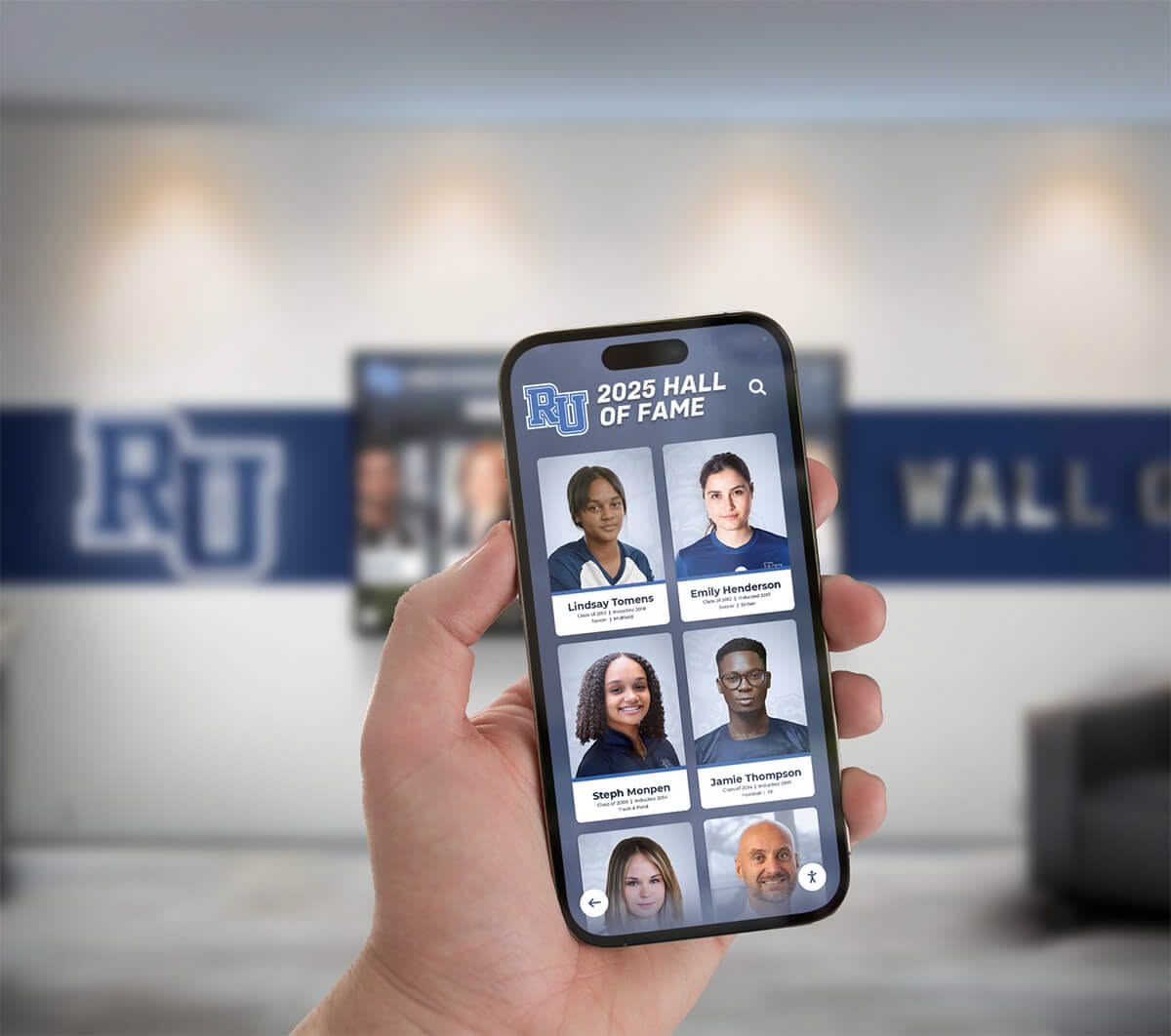
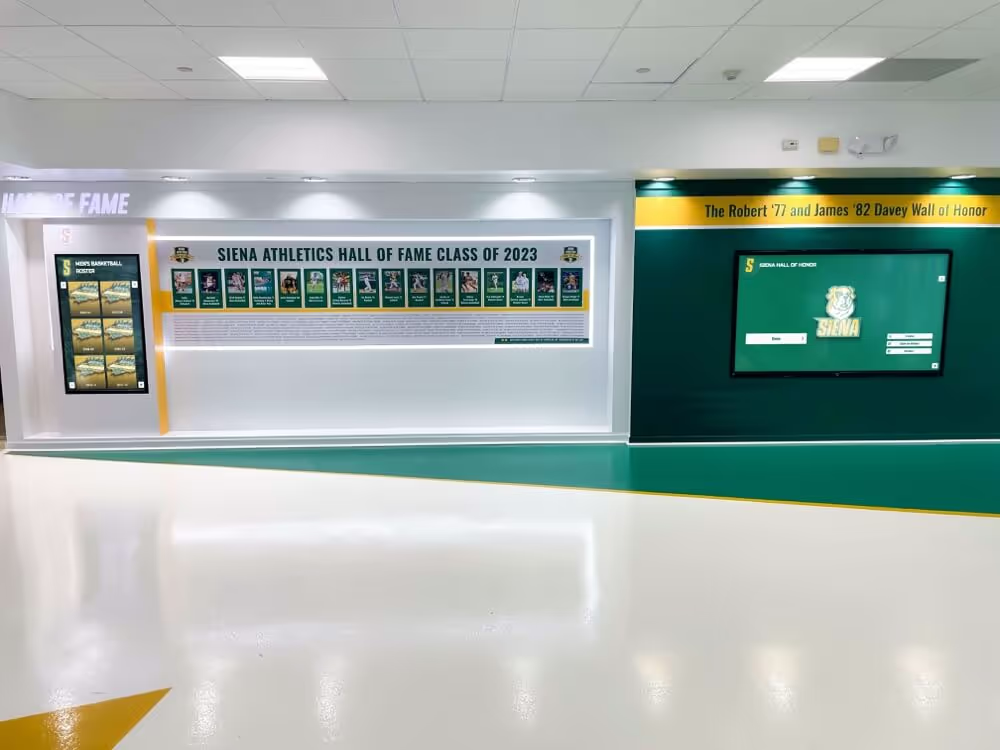
Cloud-based recognition platforms enable management from any device while extending access through web and mobile interfaces reaching distant supporters
Location Selection for Maximum Recognition Impact
Strategic placement maximizes recognition visibility and engagement while ensuring appropriate dignity befitting philanthropic acknowledgment.
Optimal Donor Wall Locations in Athletic Facilities
Main facility lobbies where all visitors, athletes, and attendees naturally congregate create primary recognition opportunities. Development office areas ensure recognition reaches donors visiting for cultivation meetings and stewardship conversations. Competition and event spaces hosting games, championships, and tournaments provide ongoing visibility during high-emotion moments when facility pride peaks. Hall of fame areas in historically significant spaces create prestigious recognition contexts appropriate for major donors. Training facility entrances used daily by athletes reinforce that donor support enables athletic excellence student-athletes experience.
Consider both traffic volume and audience composition—locations with modest total visitors but high donor concentration often outperform higher-traffic areas where few visitors are donors or prospects. Learn about capital campaign donor recognition strategies for placement guidance during major athletic facility projects.
Multi-Display Strategies for Large Athletic Complexes
Large sports facilities often benefit from multiple coordinated displays ensuring recognition reaches diverse audiences throughout sprawling athletic complexes. Implement primary displays in main facility entrances providing comprehensive recognition, secondary displays in specific venue areas highlighting donors supporting particular programs or spaces, outdoor displays acknowledging supporters at field and stadium entrances, and mobile displays used during special events and celebrations creating flexible recognition during fundraising gatherings.
Technical Infrastructure for Athletic Environments
Coordinate with facilities teams regarding electrical requirements for dedicated circuits with surge protection, network connectivity with hardwired ethernet strongly preferred over WiFi for reliability, structural support for wall mounting adequate to weight loads and potential impacts, climate control since displays operate optimally in temperature-controlled environments, security considerations including anti-theft mounting in public athletic facilities, and protection from moisture in pool areas, ice rinks, or semi-outdoor spaces.
Organizations implementing recognition in multiple athletic venues should review athletic history display approaches integrating donor acknowledgment with comprehensive facility storytelling.
Content Strategy for Compelling Athletic Donor Recognition
Engaging content transforms technology platforms into meaningful recognition experiences that honor donors while advancing development goals specific to sports organizations.
Donor Profile Development for Athletic Supporters
Effective profiles create comprehensive acknowledgment appropriate to giving levels while emphasizing athletic connections and competitive heritage.
Essential Information Elements for Sports Donors
Every athletic donor profile should include names with proper titles ensuring accurate and respectful identification, giving levels or ranges providing appropriate recognition differentiation, years of support highlighting sustained commitment, recognition society memberships celebrating giving community participation, and athletic connections explaining donor relationships to sports organizations—former athlete or coach status, family athletic legacies, long-time fan participation, or community connections to programs.
Enhanced Content for Major Athletic Donors
Premium recognition tiers deserve enriched profiles including biographical narratives explaining donor athletic histories and competitive experiences, personal stories describing what inspired philanthropic support and ongoing engagement, impact descriptions connecting gifts to specific outcomes—facility improvements, program enhancements, athlete support, or competitive success, professional photography showing donors at athletic events, with athletes, or in facility settings their support enabled, and video testimonials preserving authentic voices explaining motivations and encouraging others to support athletic programs.
Connecting Competitive Achievement to Philanthropic Support
For donors who are former athletes or coaches, recognition should celebrate both their competitive legacies and philanthropic contributions comprehensively. Include athletic statistics and achievements demonstrating competitive excellence, championship participation and significant career moments, coaching records and program building accomplishments, post-competitive career paths showing lifelong athletic connections, and current involvement as donors, volunteers, or mentors bridging competitive and philanthropic engagement.
This integrated approach honors total relationships rather than treating athletic achievement and financial support as separate, unrelated aspects of donor engagement. Explore alumni recognition programs that celebrate comprehensive contributions to sports organizations across multiple dimensions.
Organizing Content by Athletic Era and Achievement
Structure content enabling intuitive navigation across potentially hundreds or thousands of donor profiles while leveraging sports-specific organizational frameworks.
Organization by Team Era and Championship Years
Athletic organizations possess natural organizing structures through team years, championship seasons, and coaching eras. Recognition content organized around these frameworks creates intuitive exploration for athletic audiences while celebrating collective team contributions alongside individual philanthropy.
Position Groups and Competitive Categories
For sports like football, basketball, baseball, and others with distinct positions, organize content highlighting donations from quarterbacks, offensive lines, pitching staffs, or other position groups. This structure creates friendly competition encouraging group giving while honoring collective position legacies.
Geographic and League Structures
Sports halls of fame covering broad geographic areas or multiple competitive levels can organize recognition content by region, conference affiliation, or competitive division. This geographic structure helps visitors discover donors from their communities while celebrating comprehensive regional athletic heritage.
Featured Content Rotation Maintaining Engagement
Implement systematic rotation keeping recognition fresh: monthly spotlight donors highlighting different supporters prominently, seasonal alignments connecting recognition to competitive calendars and current athletic seasons, championship anniversary celebrations honoring donors connected to historic competitive achievements, and hall of fame induction integration featuring new inductees and connecting them to donors whose support enables ongoing operations.
Regular content rotation gives returning visitors reasons to interact repeatedly rather than assuming they’ve seen everything after initial exploration. Organizations implementing dynamic athletic recognition should review interactive digital board approaches that maintain engagement through systematic content updates.
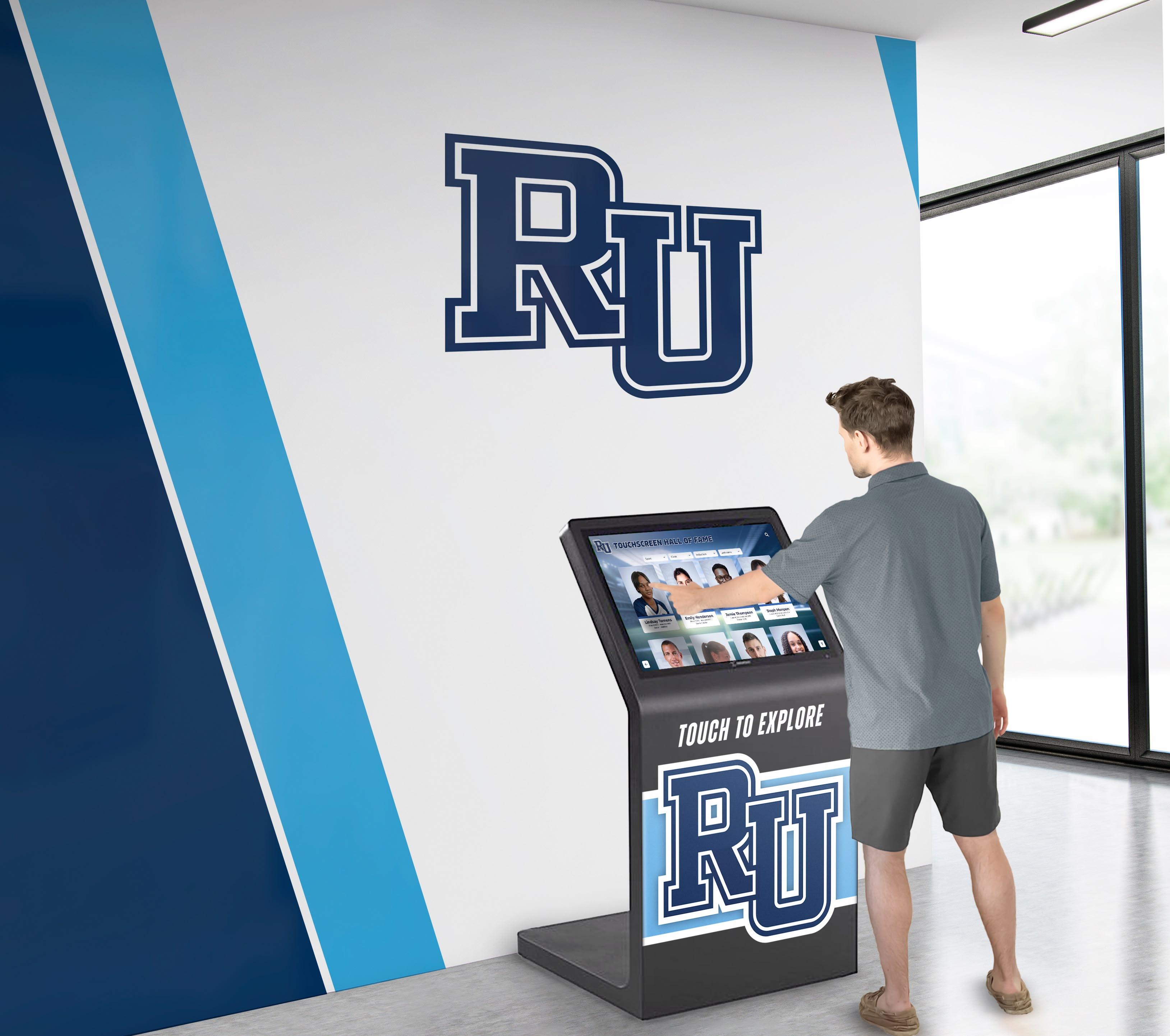
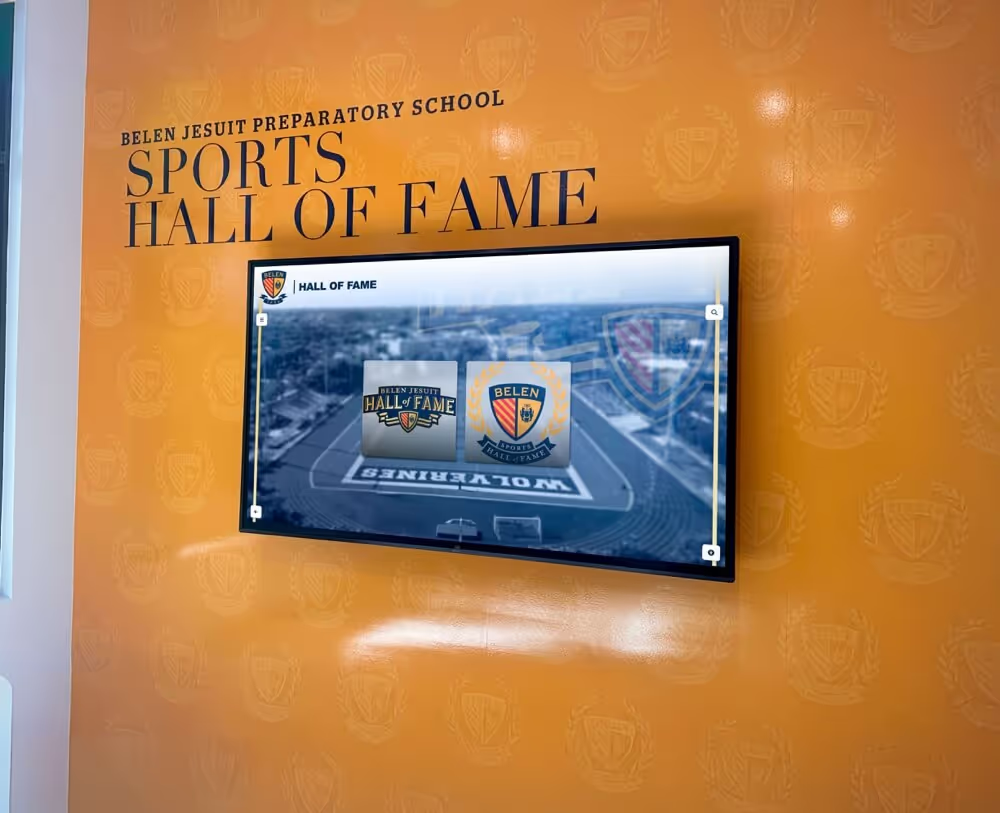
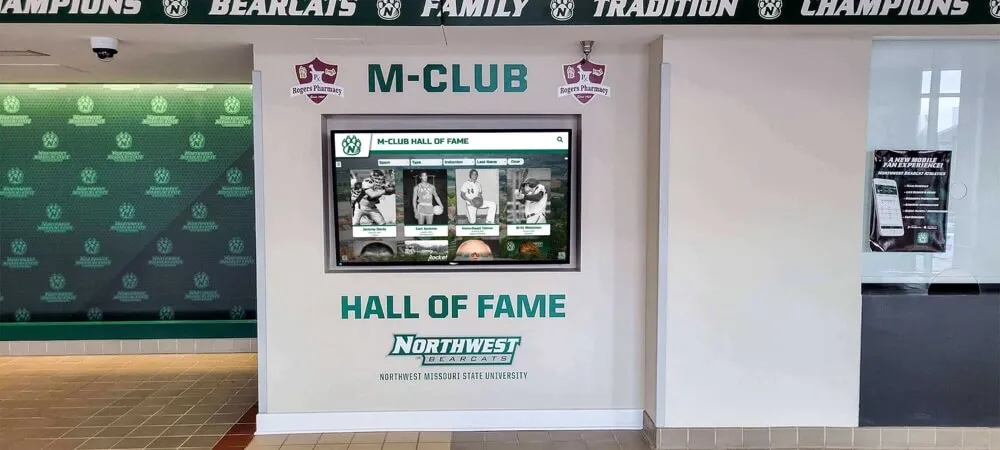
Free-standing kiosks provide flexible placement options throughout athletic facilities while maintaining secure installations preventing theft in high-traffic areas
Technology Selection for Athletic Donor Recognition
Choosing appropriate technology ensures recognition vision becomes reliable, sustainable reality serving organizational purposes for decades within demanding athletic environments.
Hardware Requirements for Athletic Facilities
Athletic environments create unique demands requiring especially robust hardware specifications exceeding standard commercial displays.
Commercial-Grade Display Specifications for Sports Settings
Athletic donor recognition demands premium displays: operating hours rated 16-24 hours daily supporting continuous operation during extended competition days and tournament hosting, enhanced durability features including impact-resistant hardened glass protecting against incidental contact in crowded athletic facilities, brightness levels 400-500 nits ensuring visibility in athletic facilities with challenging lighting including large windows and skylights, resolution minimum 1080p with 4K preferred creating crisp text and images visible from distances in large facility spaces, responsive multi-touch technology enabling intuitive interaction even during high-traffic events, and warranty coverage minimum 3-year commercial protection with on-site service providing confidence in long-term reliability.
Consumer displays designed for residential use fail rapidly under athletic facility conditions—making higher initial cost of commercial displays significantly better long-term investments avoiding premature failures that create maintenance burdens and donor disappointment.
Environmental Protection for Athletic Installations
Consider protective measures for athletic contexts including outdoor-rated enclosures for stadium and field installations exposed to weather, moisture protection for pool areas, ice rinks, or facilities with humidity concerns, temperature management for displays in spaces without climate control, anti-glare screen treatments for facilities with extensive natural lighting, and vandalism protection including tamper-resistant mounting and protected cable management.
Computing Power for Multimedia Athletic Content
Athletic recognition often features extensive video content from competitions, championship highlights, and athlete testimonials requiring adequate computing power: processor minimum Intel i5 or AMD Ryzen 5 equivalent, memory 16GB RAM supporting smooth video playback, storage 512GB+ SSD accommodating substantial video libraries, dedicated graphics GPU ensuring smooth 4K display and multimedia performance, and reliable connectivity with gigabit ethernet preferred over WiFi for dependable operation during major events.
Organizations selecting hardware should explore hardware selection guides for digital recognition displays ensuring appropriate specifications for athletic environments.
Software Platform Capabilities for Athletic Recognition
Software fundamentally determines long-term value, usability, and appropriateness for athletic donor recognition contexts.
Content Management Features for Sports Organizations
Look for platforms offering intuitive interfaces requiring no technical expertise enabling development teams and athletic administrators to maintain recognition independently, drag-and-drop media upload simplifying addition of photos and videos from competitions and events, template-based profile creation ensuring consistency while allowing customization for athletic contexts, bulk import capabilities handling large data sets when adding team rosters or season donor groups, scheduled publishing automating content updates coordinating with competitive seasons and campaigns, multi-user access with role-based permissions enabling collaborative management across development and athletic departments, and cloud-based operation enabling remote management from any internet-connected device.
Interactive Experience Features for Athletic Audiences
Purpose-built athletic recognition platforms should provide responsive touchscreen interface design creating engaging user experiences appropriate for diverse ages and technical abilities, comprehensive search and filtering enabling visitors to find specific donors, teams, or eras quickly, multimedia support incorporating photos, videos, and documents seamlessly into athletic storytelling, social media integration enabling visitors to share recognition content amplifying reach, analytics and reporting dashboards tracking engagement and informing optimization, and web and mobile extensions enabling access beyond physical displays reaching distant alumni athletes and fans.
These capabilities distinguish purpose-built recognition platforms from generic digital signage systems adapted for donor acknowledgment. Athletic organizations should seek specialized platforms understanding unique requirements of sports contexts rather than adapting generic solutions lacking athletic-specific functionality.
Integration Capabilities for Athletic Operations
Consider platforms offering advancement database connectivity eliminating duplicate data entry while ensuring accuracy, ticketing system integration connecting donor recognition to athletic event attendance and engagement, website embedding options extending recognition beyond physical facilities to organization web presence, merchandise and licensing connections highlighting donors supporting athletic brand building, and API access enabling custom integrations with unique institutional systems serving athletic operations.
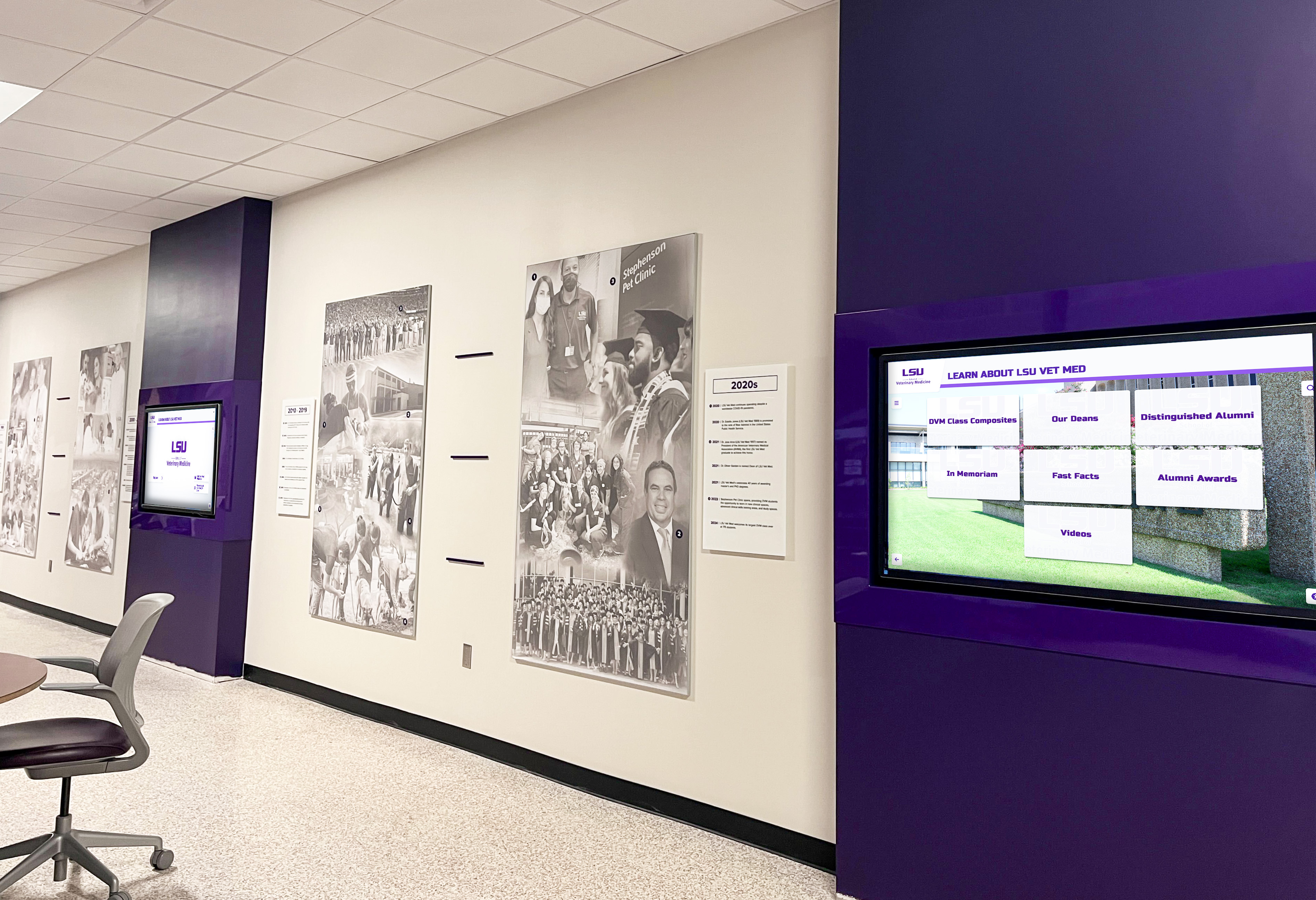
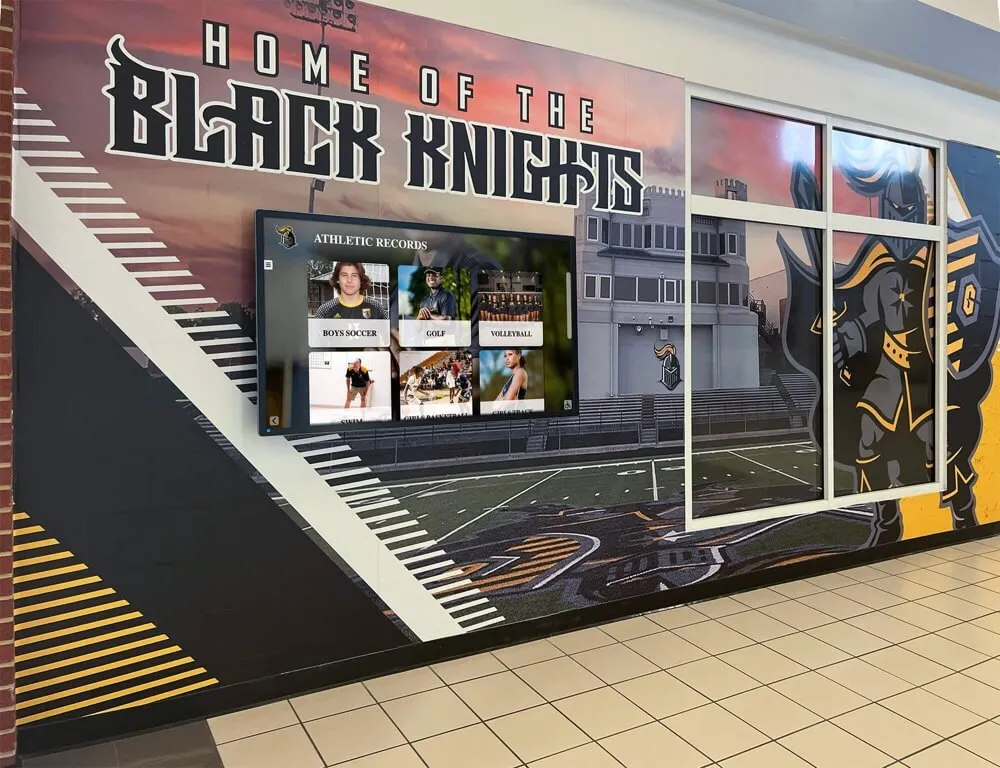
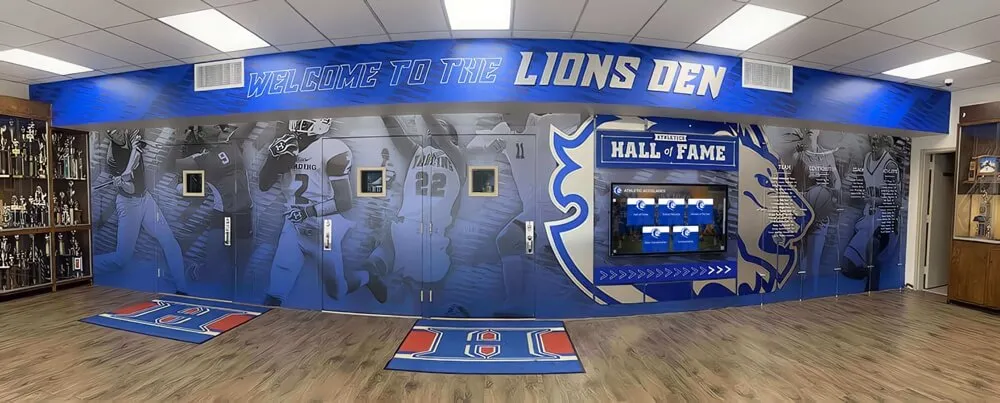
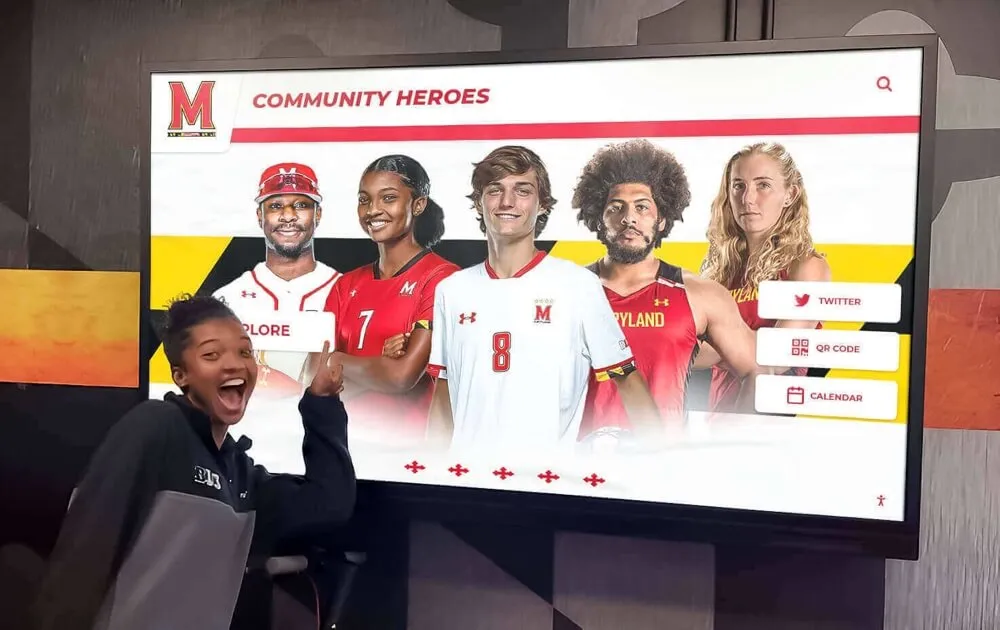
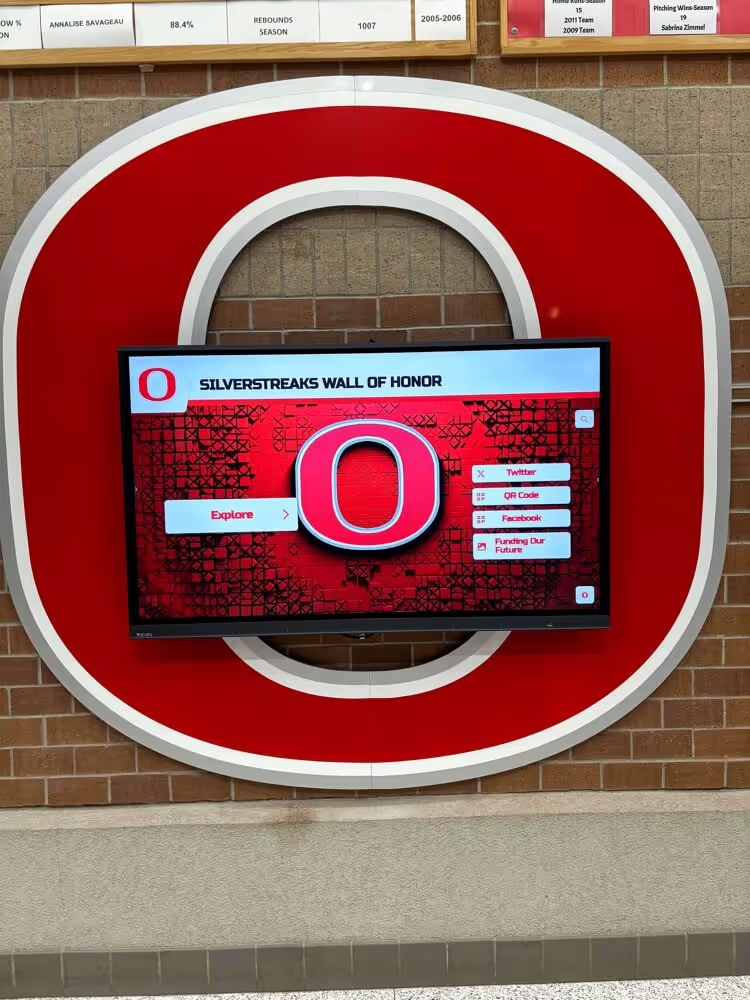
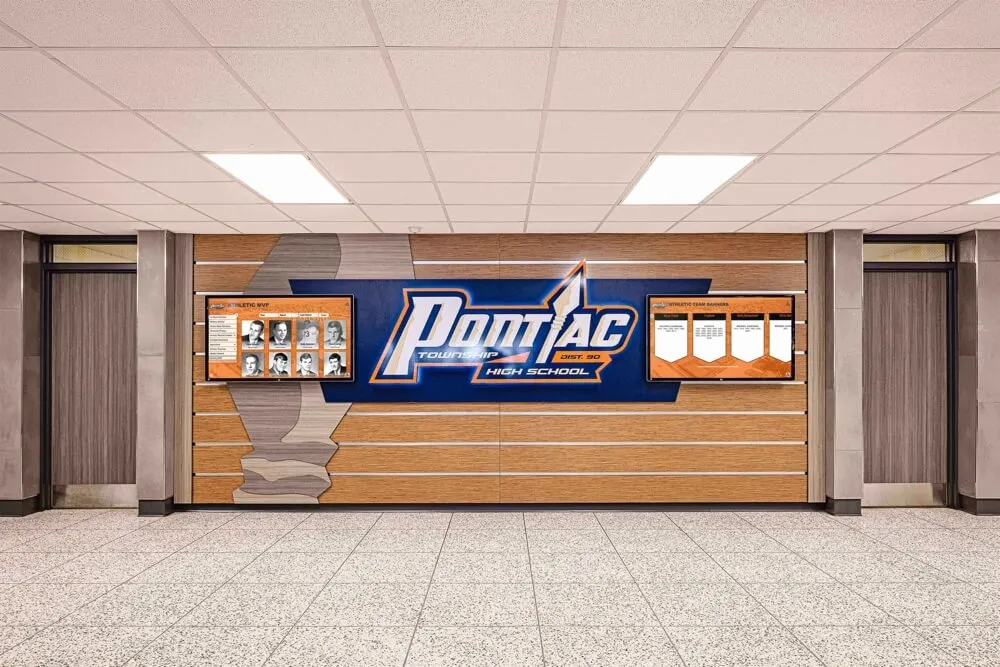
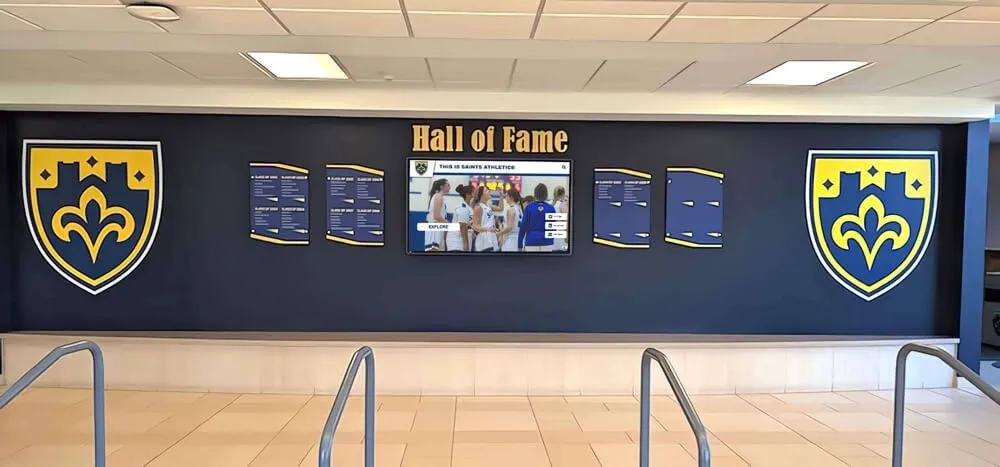
Large athletic complexes often implement multiple coordinated displays across facilities ensuring recognition reaches diverse audiences throughout venues
Implementation Best Practices for Athletic Donor Recognition
Organizations achieving exceptional results follow proven practices maximizing donor satisfaction and engagement within sports contexts.
Timely Recognition Updates During Athletic Campaigns
Athletic donors value prompt acknowledgment reinforcing positive giving experiences during emotionally charged campaign periods around facility projects or championship celebrations.
Campaign Recognition Timing
Establish workflows ensuring new donors appear on displays within 24-48 hours of gift processing during active campaigns. This immediacy demonstrates operational efficiency and organizational appreciation—creating positive reinforcement for philanthropic behavior when emotions run strongest around athletic project excitement.
Seasonal Update Strategies
Athletic calendars create natural recognition update opportunities including pre-season updates highlighting donors before competitive seasons begin, championship celebration updates acknowledging supporters after significant competitive achievements, senior day and athlete departure updates connecting donor support to athlete success, reunion weekend and hall of fame induction updates leveraging alumni athlete gatherings for recognition unveiling, and off-season refresh periods implementing comprehensive content improvements during competitive down time.
Coordinating recognition updates with athletic calendars creates emotional resonance impossible with arbitrary update schedules disconnected from competitive rhythms supporters follow closely.
Donor Privacy and Preference Management in Public Athletic Settings
Recognition preferences vary widely across athletic donor populations requiring sophisticated preference management accommodating diverse comfort levels with public acknowledgment.
Privacy Options for Athletic Donors
Offer comprehensive choices respecting individual preferences including full recognition with biographical content, photographs, and athletic connections, name-only recognition without detailed profiles or personal information, anonymous recognition indicating contribution level without donor identification, or no public recognition honoring desires for complete privacy while maintaining private stewardship relationships.
High-profile donors including professional athletes, coaches, and sports industry executives may require especially sensitive privacy management given their public profiles and potential recognition fatigue from multiple athletic connections. Document preferences clearly and honor them consistently across all recognition channels.
Managing Recognition for Controversial Figures
Athletic organizations occasionally face recognition challenges when formerly celebrated athletes, coaches, or donors become involved in controversies or legal issues. Establish policies in advance addressing name removal or modification procedures, interim approaches during investigation periods, communication strategies explaining recognition changes, and reinstatement criteria if circumstances warrant.
These difficult situations require careful navigation balancing institutional values, legal considerations, donor community sentiments, and fairness to accused individuals—making advance policy development essential rather than reactive crisis management.
Integration with Competitive Achievement Recognition
Athletic donor recognition should integrate seamlessly with competitive achievement celebration rather than existing as separate, disconnected acknowledgment.
Unified Recognition Platforms
Implement platforms celebrating both competitive excellence and philanthropic support in unified systems where visitors explore athletic records, championship histories, and hall of fame inductees alongside donor profiles. This integration demonstrates that supporter generosity enables athletic achievement—reinforcing connections between philanthropy and competitive success.
Highlighting Donor Impact on Athletic Achievement
Recognition content should explicitly connect donor support to competitive outcomes including facility improvements enabling athlete training excellence, scholarship funding providing educational opportunities enabling talented athletes to compete, coaching support attracting and retaining excellent program leadership, equipment and technology investments giving athletes competitive advantages, and travel funding enabling participation in elite competitions and tournaments.
These impact connections transform donor recognition from acknowledgment obligation into compelling storytelling demonstrating philanthropic importance to athletic success. Organizations integrating recognition comprehensively should explore Division II athletics digital recognition systems and Division III athletics digital recognition systems demonstrating comprehensive integration at various competitive levels.
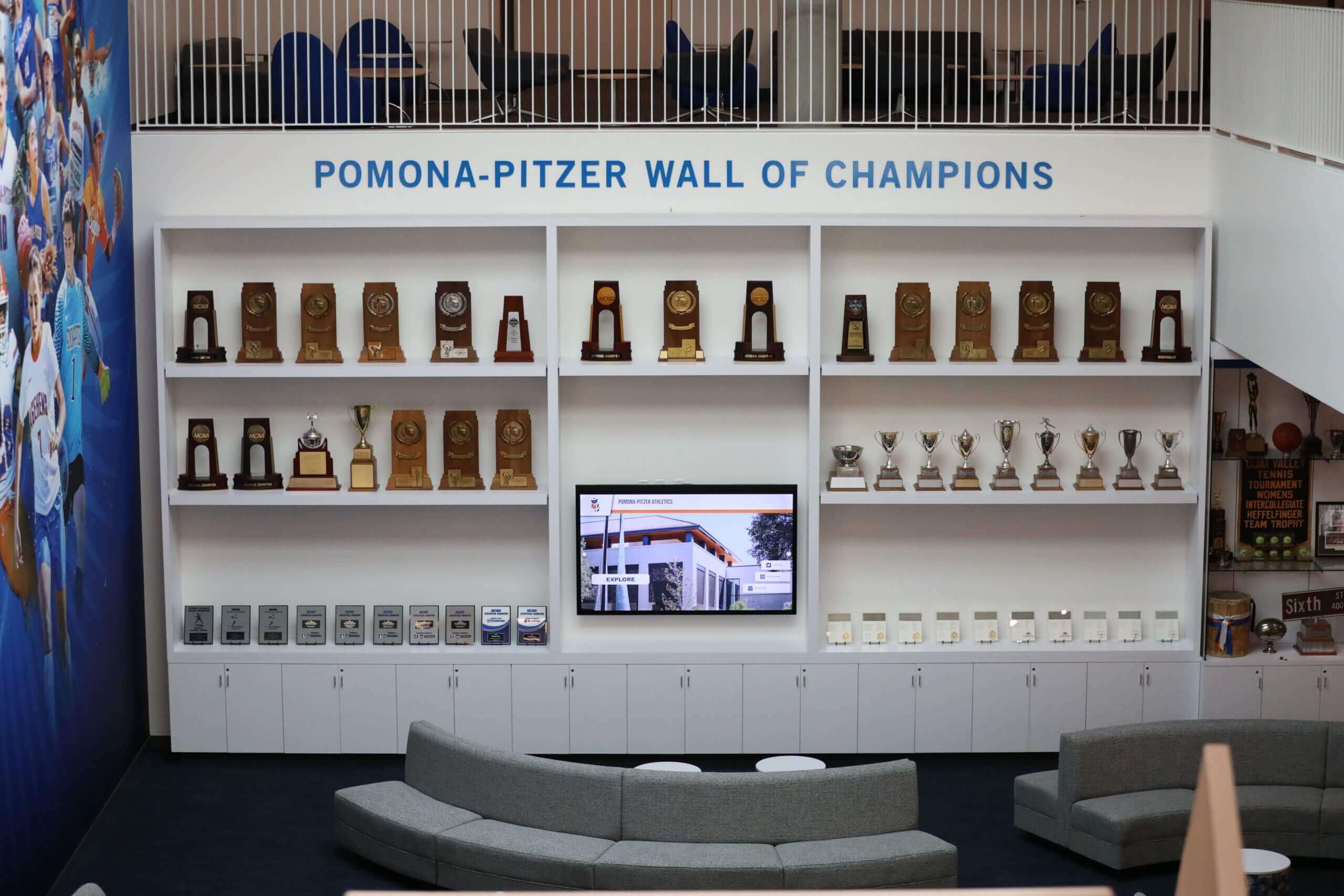
Creating recognition spaces with comfortable seating encourages extended engagement, enabling visitors to explore content thoroughly during facility visits
Measuring Athletic Donor Recognition Success
Data-driven optimization ensures recognition programs deliver maximum value and continuously improve stewardship results specific to athletic fundraising contexts.
Engagement Analytics and Usage Metrics for Athletic Displays
Modern platforms provide rich engagement data revealing how visitors interact with athletic donor recognition:
Basic Engagement Metrics: Total daily interactions and unique visitors establishing baseline engagement, average session duration (target: 6-10 minutes for athletic content) indicating interest depth, interactions per session (target: 12-20 screens) showing exploration breadth across donor and athletic content, peak usage times correlating with athletic events and facility traffic patterns, and repeat visitor percentages demonstrating sustained interest across multiple visits during seasons.
Content Performance Analysis: Most-viewed donor profiles revealing which stories resonate powerfully with athletic audiences, popular search terms showing what visitors seek when exploring recognition, athletic era browsing preferences indicating which teams or seasons generate greatest interest, video completion rates determining whether multimedia content maintains attention during extended viewing, and photo gallery engagement assessing visual content effectiveness especially for action photography and event images.
Navigation Pattern Insights: Common exploration pathways understanding how visitors discover donor content from athletic achievement displays, search versus browse ratios showing discovery preferences in sports contexts, navigation depth revealing how thoroughly visitors explore recognition beyond initial screens, feature utilization rates indicating which capabilities users value most, and abandonment points requiring improvement to reduce frustration and maintain engagement.
These analytics guide content optimization, inform feature enhancements, and demonstrate recognition program value to athletic leadership through objective data rather than anecdotal impressions.
Fundraising Outcome Correlations for Athletic Programs
Ultimate recognition program success appears in broader advancement metrics measuring donor behavior changes:
Retention and Upgrade Metrics: Donor retention rates for recognized versus non-recognized supporters (benchmark: 15-25 percentage point improvements), average gift size trends year-over-year for engaged donors (benchmark: 18-25% increases), upgrade conversion rates showing donors moving to higher recognition tiers (benchmark: 10-15% annually in athletic contexts with strong peer dynamics), time-to-next-gift intervals comparing recognized donors to non-recognized supporters, and consecutive giving streaks indicating sustained commitment across multiple athletic seasons.
Major Gift Success Indicators: Major gift success rates for prospects exposed to recognition during cultivation tours and facility visits (benchmark: 25-40% increases), naming opportunity conversion percentages following recognition system implementation, planned giving inquiries correlating recognition visibility with legacy gift discussions, and reunion weekend giving spikes during events featuring recognition prominently.
Return on Investment Calculation for Athletic Recognition
Organizations implementing athletic donor recognition typically measure ROI through lifetime donor value improvements:
Investment Costs: Hardware and software for recognition platforms, staff time for content development and maintenance, recognition event expenses during unveilings and celebrations, print and mailing costs for supplementary acknowledgment, and video production featuring athletic content and donor testimonials.
Financial Returns: Retained donors avoiding acquisition costs ($300-$600 per new athletic donor), gift upgrades from enhanced engagement (18-25% increases common in athletic contexts), major gift conversions from cultivation incorporating recognition experiences, and planned giving inquiries translating to estate gifts from loyal athletic supporters.
Most athletic organizations report recognition systems paying for themselves within 18-24 months through enhanced giving patterns alone—before accounting for operational efficiencies and stewardship benefits. Long-term returns prove even more substantial as retention improvements compound across seasons and athletic generations.
Organizations measuring recognition effectiveness should review measuring digital hall of fame success strategies providing comprehensive analytics frameworks for athletic contexts.
Conclusion: Building Lasting Athletic Donor Recognition Programs
The Naismith Memorial Basketball Hall of Fame demonstrates how sophisticated donor recognition creates sustainable fundraising programs supporting athletic institutions across generations. By combining premier giving societies, comprehensive capital campaigns, physical recognition visibility, and modern interactive digital displays, the Hall created recognition experiences that honor every supporter appropriately while inspiring continued generosity enabling ongoing operations and facility improvements.
Athletic organizations implementing comprehensive donor recognition consistently report remarkable outcomes including retention improvements of 15-25 percentage points transforming fundraising economics, major gift increases of 20-35% as cultivation incorporates compelling recognition experiences, donor satisfaction gains exceeding 30% when supporters feel genuinely valued and connected to athletic programs, and operational efficiencies saving countless staff hours previously spent coordinating traditional plaque manufacturing and installation.
Transform Your Athletic Donor Recognition Program
Discover how modern recognition solutions specifically designed for sports organizations can help you celebrate every supporter's generosity while building lasting relationships that sustain your athletic programs for generations to come.
Explore Athletic Recognition SolutionsThe most successful athletic donor recognition programs view acknowledgment as integral components of comprehensive stewardship strategies honoring philanthropic support while inspiring continued engagement across donor lifecycles. By combining thoughtful planning with compelling content creation emphasizing athletic heritage, modern technology implementation meeting sports facility demands, and sustained commitment to maintenance and enhancement, organizations create recognition experiences athletic donors genuinely value—experiences acknowledging not just what supporters give, but why they give and the transformational impact their generosity creates throughout competitive programs and athletic communities.
Whether you’re leading a sports hall of fame, managing athletic facilities for schools or universities, or developing recognition programs for competitive organizations, the principles and strategies explored in this guide provide frameworks for creating acknowledgment that strengthens relationships, inspires continued support, and advances athletic missions for decades. Your athletic donors enable every competitive achievement, facility improvement, and program expansion your organization accomplishes. They deserve thoughtful, meaningful recognition that honors their commitment to athletic excellence while deepening emotional connections to competitive legacies they help preserve and extend.
Ready to elevate your athletic donor recognition? Explore virtual hall of fame programs providing implementation frameworks for sports organizations, discover athletic engagement through digital recognition extending acknowledgment impact beyond single touchpoints, or learn about interactive advancement solutions integrating recognition with comprehensive development operations serving athletic fundraising goals.