



When organizations name facilities, programs, or spaces to honor generous contributors, the naming ceremony marks a pivotal moment—transforming abstract appreciation into permanent legacy recognition that resonates for generations. These milestone events celebrate philanthropic partnerships while publicly acknowledging the vision, generosity, and commitment that enable institutions to expand capacity, enhance programs, and serve communities more effectively.
Yet many organizations approach naming ceremonies as simple ribbon-cutting obligations rather than strategic opportunities to deepen donor relationships, inspire future giving, and create memorable experiences that honored individuals and their families genuinely treasure. Generic ceremonies fail to capture the personal stories, emotional connections, and transformational impact that make philanthropy meaningful—reducing what should be profound recognition moments into perfunctory formalities quickly forgotten.
This comprehensive guide explores creative naming ceremony ideas that honor contributors authentically while strengthening the institutional relationships sustaining long-term mission success. From strategic planning and personalized program elements through meaningful permanent recognition displays and follow-through strategies, you’ll discover approaches that transform naming ceremonies from obligatory acknowledgments into transformational celebration experiences that inspire continued engagement and philanthropic investment for decades.
Naming ceremonies represent far more than unveiling events for buildings or program names—they embody strategic investments in donor stewardship, community engagement, institutional culture, and long-term development success. Understanding these dimensions ensures ceremonies deliver maximum value for both honorees and organizations.

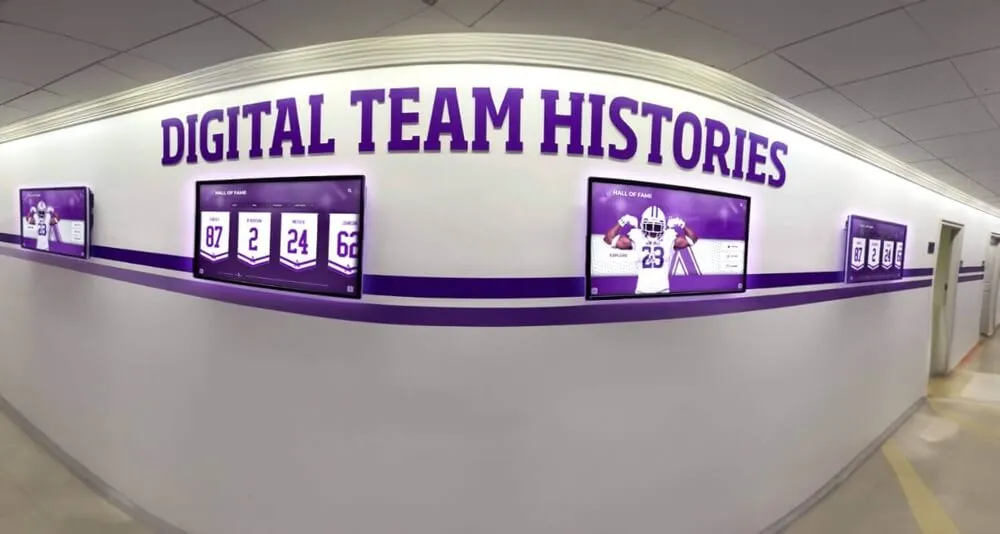
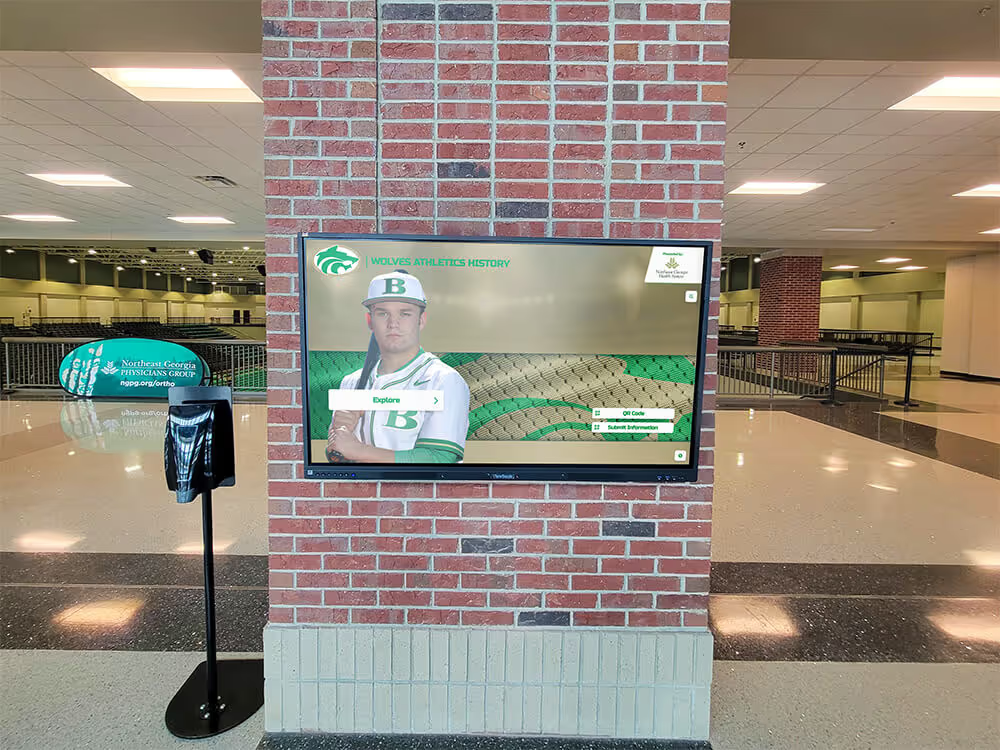
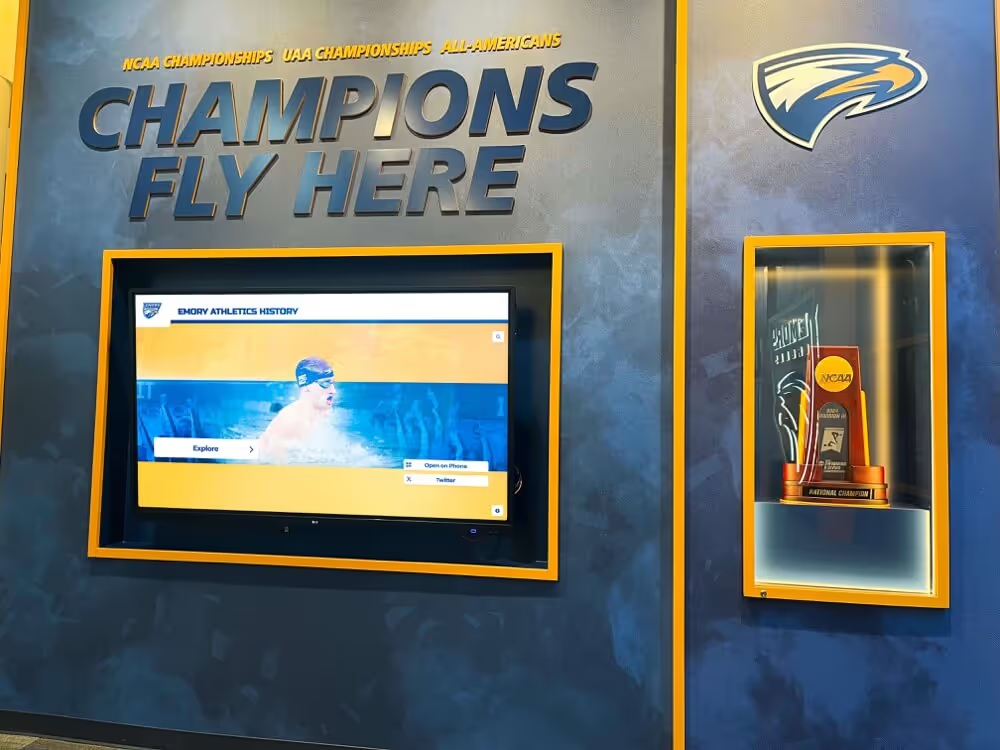
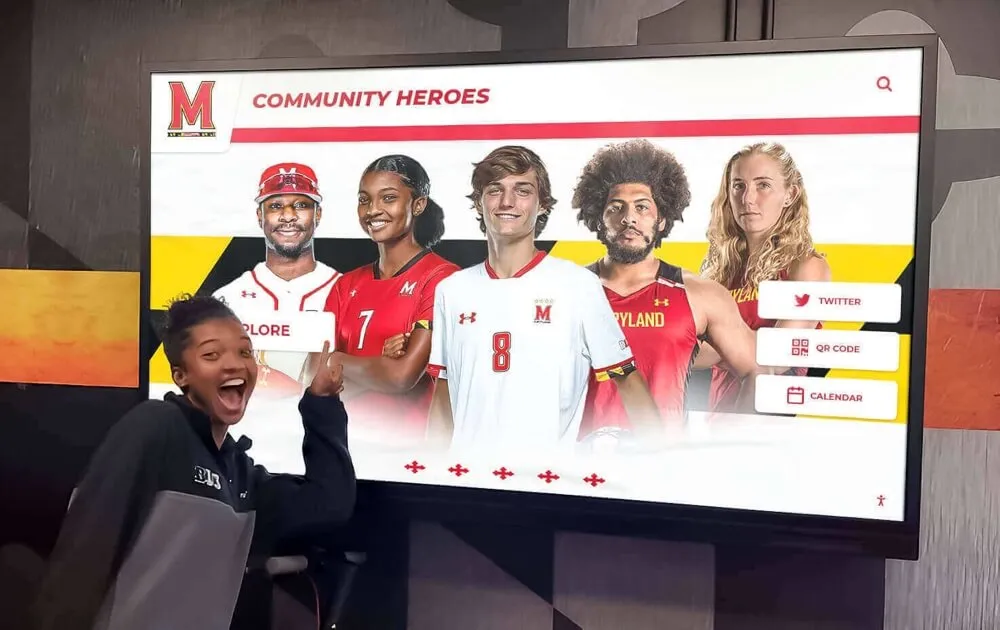
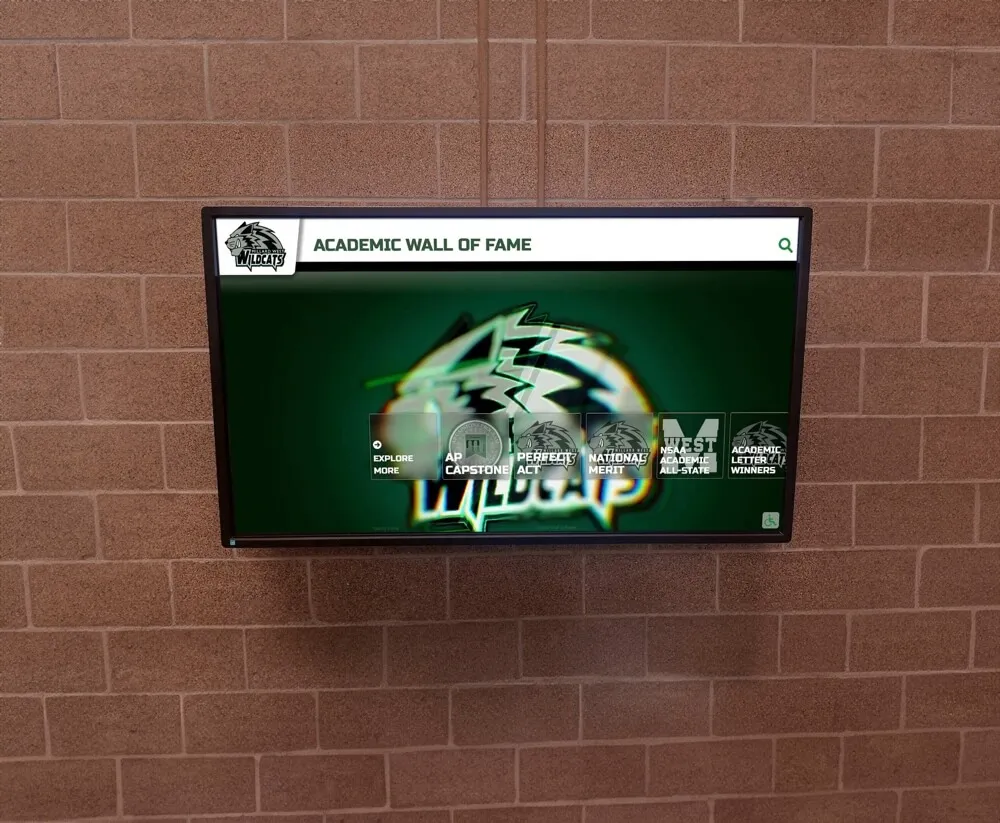
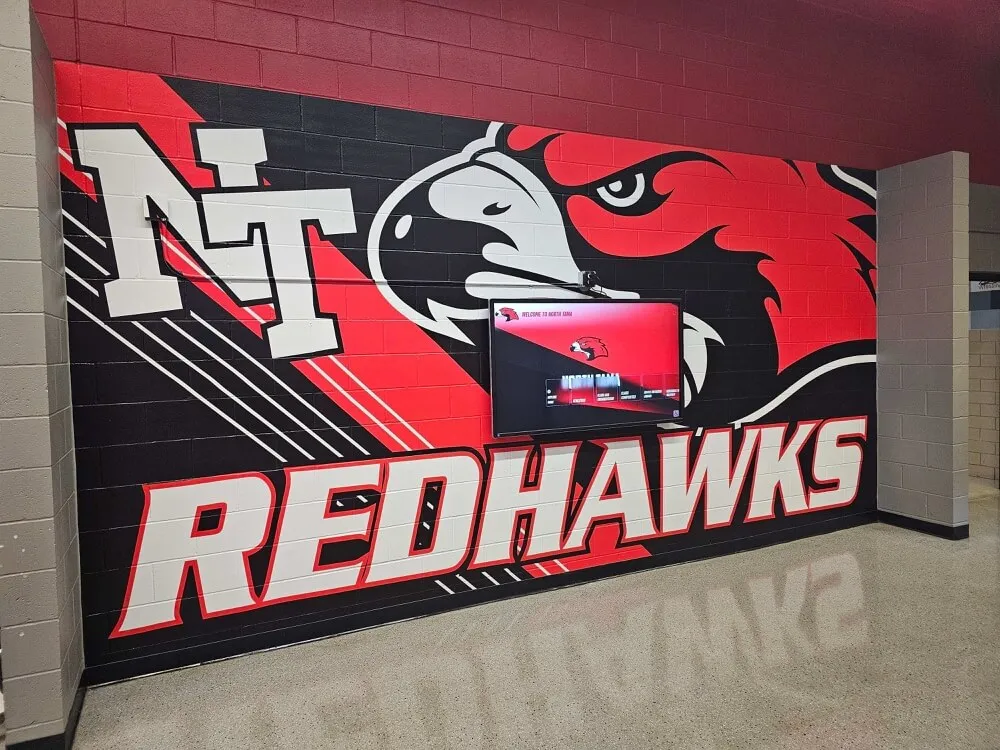
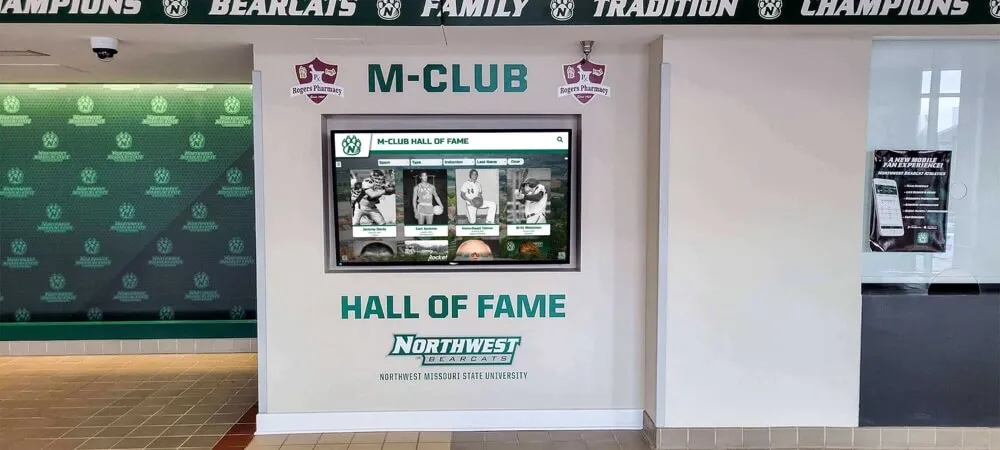
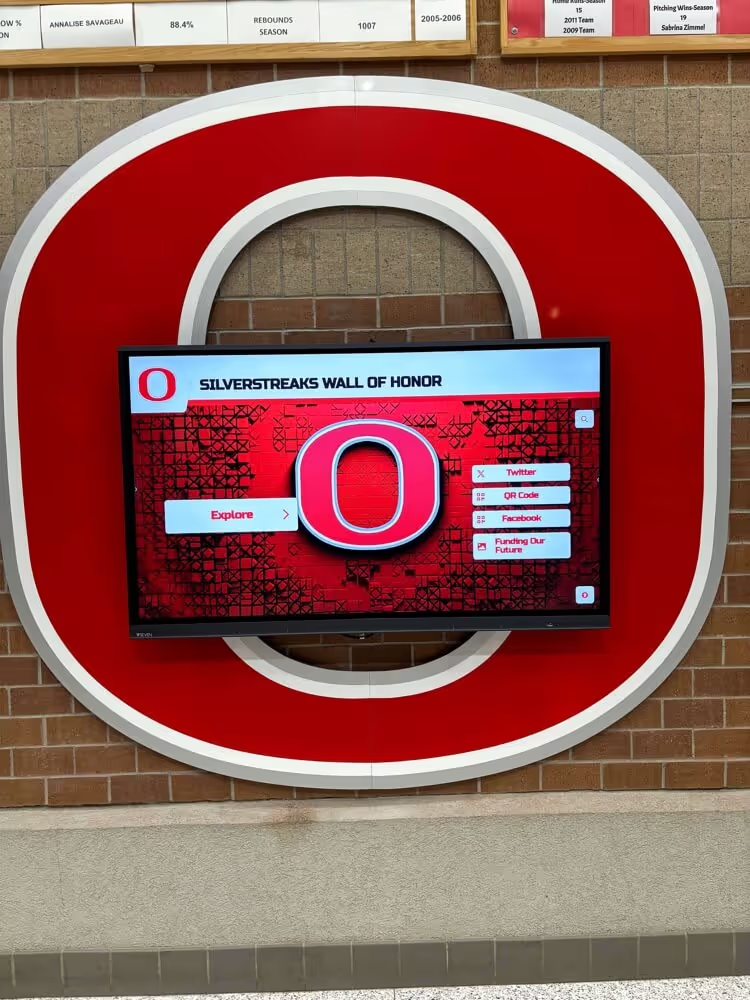
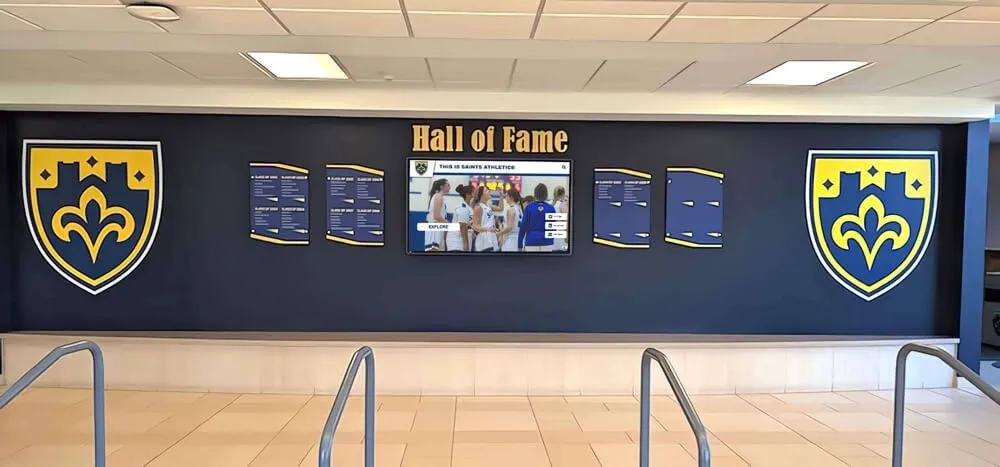
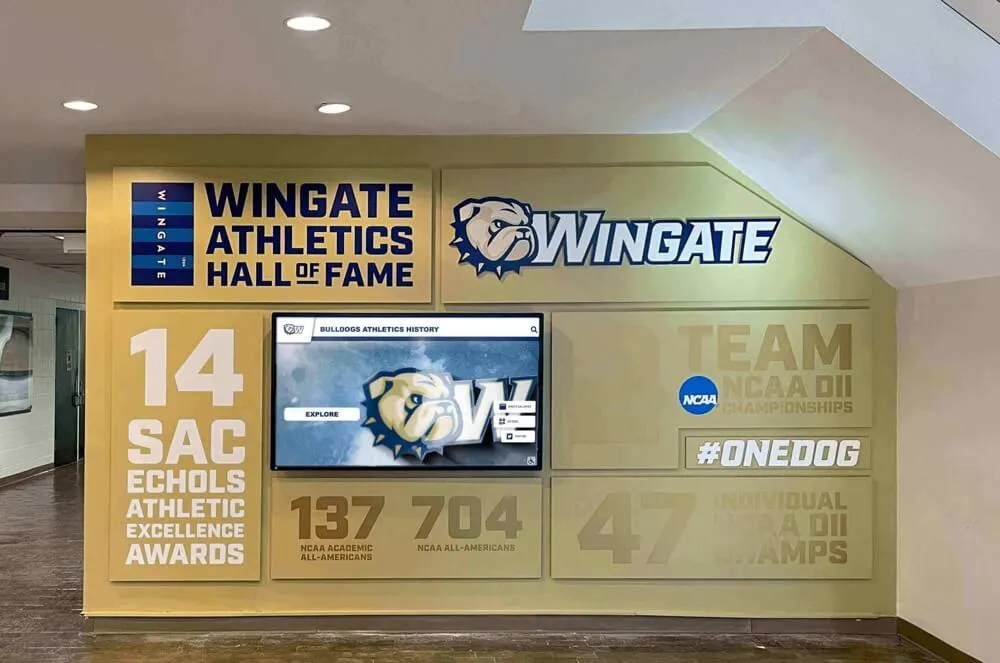
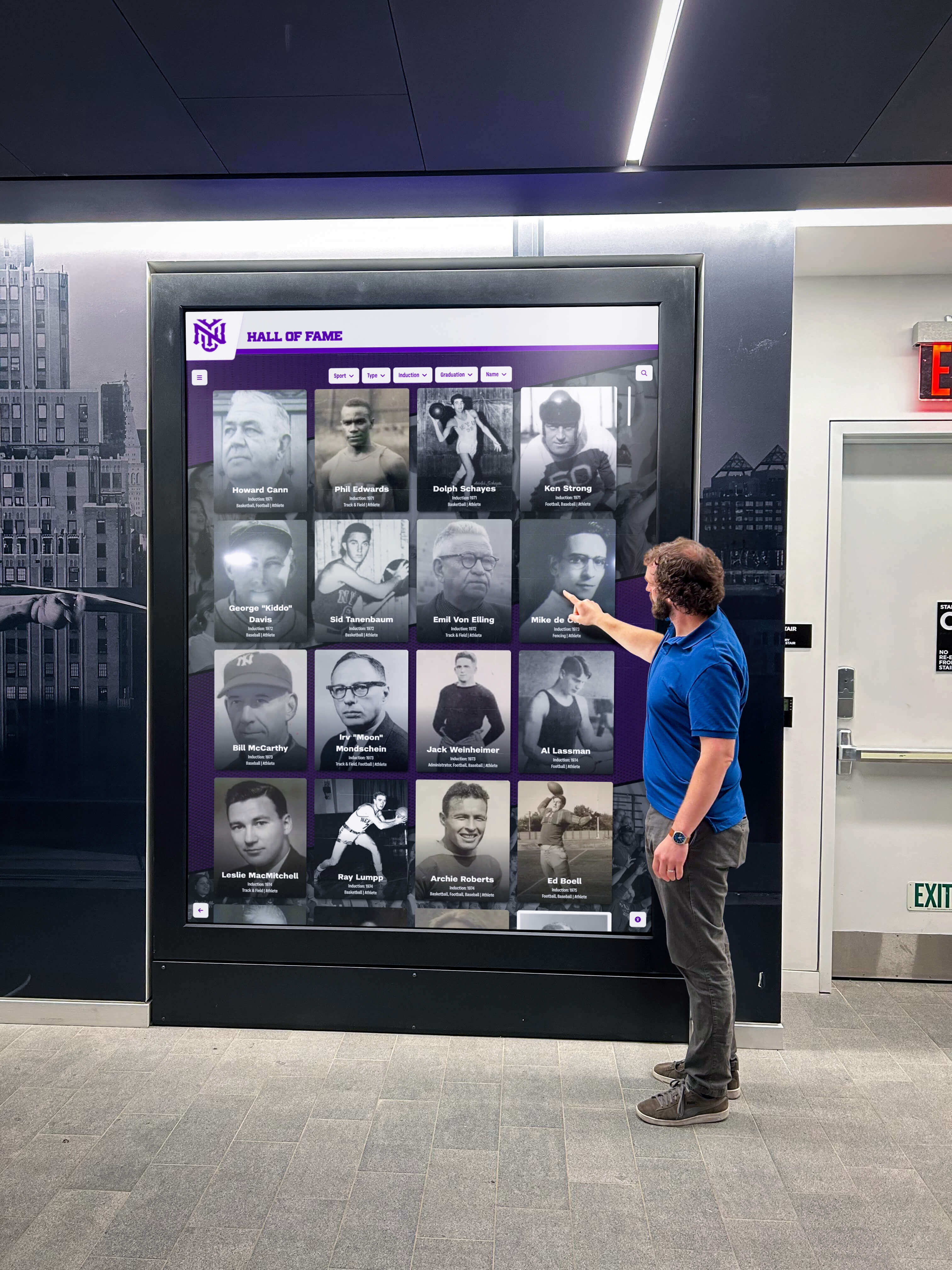
Modern naming ceremonies increasingly incorporate permanent interactive recognition displays enabling ongoing celebration beyond single dedication events
Why Naming Ceremonies Matter: Strategic Recognition Beyond the Event
Thoughtfully planned naming ceremonies deliver measurable benefits extending well beyond the dedication day itself—strengthening relationships, inspiring philanthropy, and shaping organizational culture for years.
Honoring Transformational Contributions
Major gifts enabling facility construction, program endowment, or organizational capacity expansion represent extraordinary commitment deserving proportional recognition. Naming opportunities acknowledge these transformational contributions through permanent association between donors and the institutions, programs, or facilities their generosity created.
Research on philanthropic motivation consistently demonstrates that recognition ranks among donors’ primary giving drivers—not from vanity, but from desire for meaningful impact acknowledgment and lasting legacy creation. According to development professionals, appropriate recognition significantly influences both initial major gift decisions and subsequent giving patterns, with recognized donors contributing 40-60% more over their lifetimes compared to those receiving minimal acknowledgment.
Naming ceremonies provide formal, public platforms for acknowledgment that private thank-you letters and donor dinners cannot match. These events communicate to honorees, their families, and broader communities that organizations genuinely value partnership and understand the significance of contributed resources.
Key Recognition Functions
Effective naming ceremonies accomplish:
- Public appreciation demonstrating organizational gratitude visibly to entire communities
- Family celebration enabling honorees to share recognition moments with those who matter most
- Peer acknowledgment providing social proof encouraging similar philanthropic participation
- Legacy establishment creating permanent association between donors and institutional missions
- Relationship deepening strengthening emotional connections through memorable shared experiences
Inspiring Future Philanthropy Through Social Proof
Beyond honoring current donors, naming ceremonies influence prospective contributors by demonstrating organizational recognition culture and providing compelling examples of philanthropic partnership.
When community members attend ceremonies celebrating peer recognition, they receive powerful social signals about giving expectations and opportunities within their networks. This peer influence proves particularly effective for major gift cultivation—prospects witnessing respected colleagues honored for transformational contributions internalize that similar giving represents achievable and valued participation in institutional advancement.
Ceremonies highlighting tangible outcomes philanthropy enables—new facilities serving community needs, endowed programs ensuring sustained excellence, enhanced capacity benefiting future generations—help prospective donors visualize their own potential impact. This concrete demonstration of contribution significance far exceeds abstract fundraising presentations discussing organizational needs without tangible accomplishment evidence.
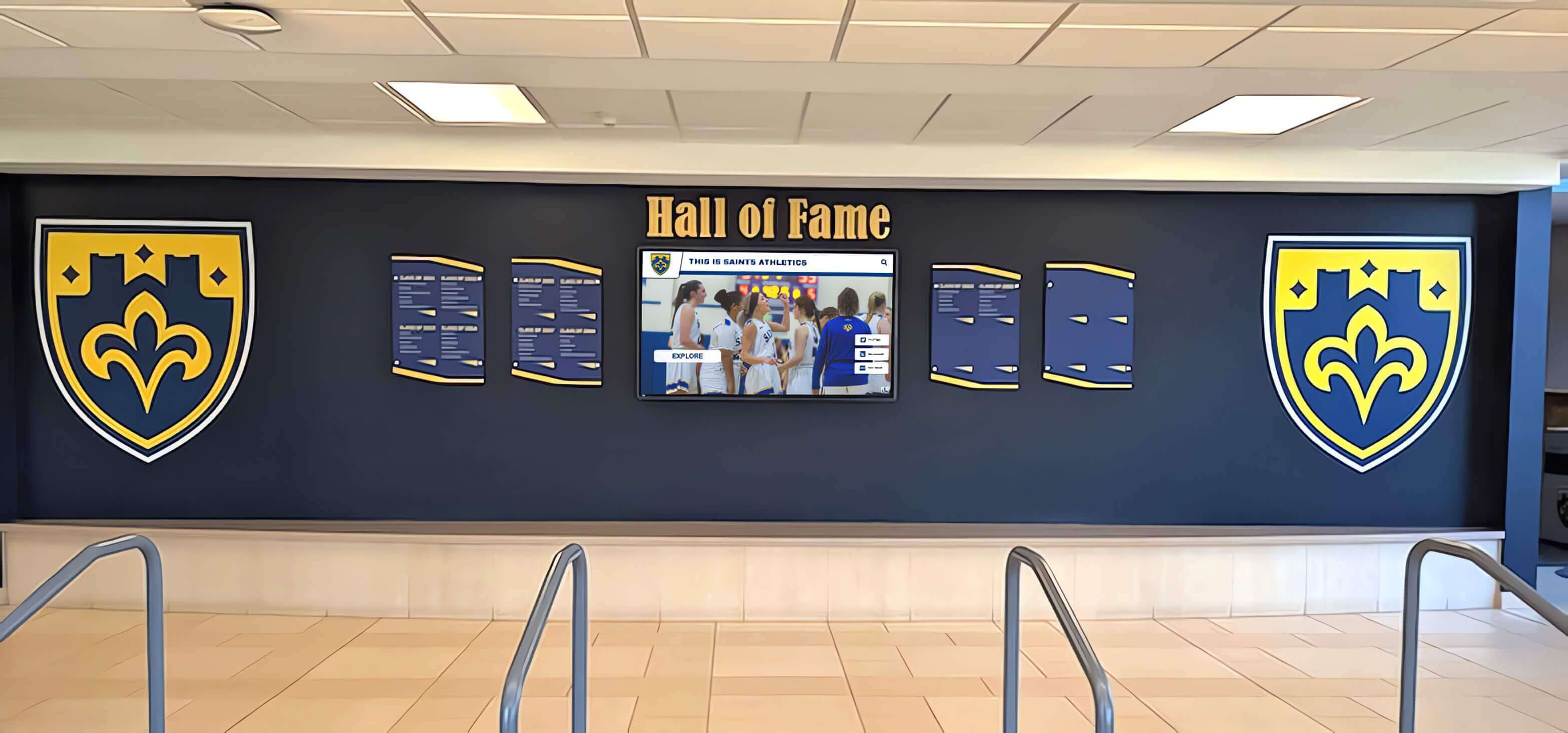
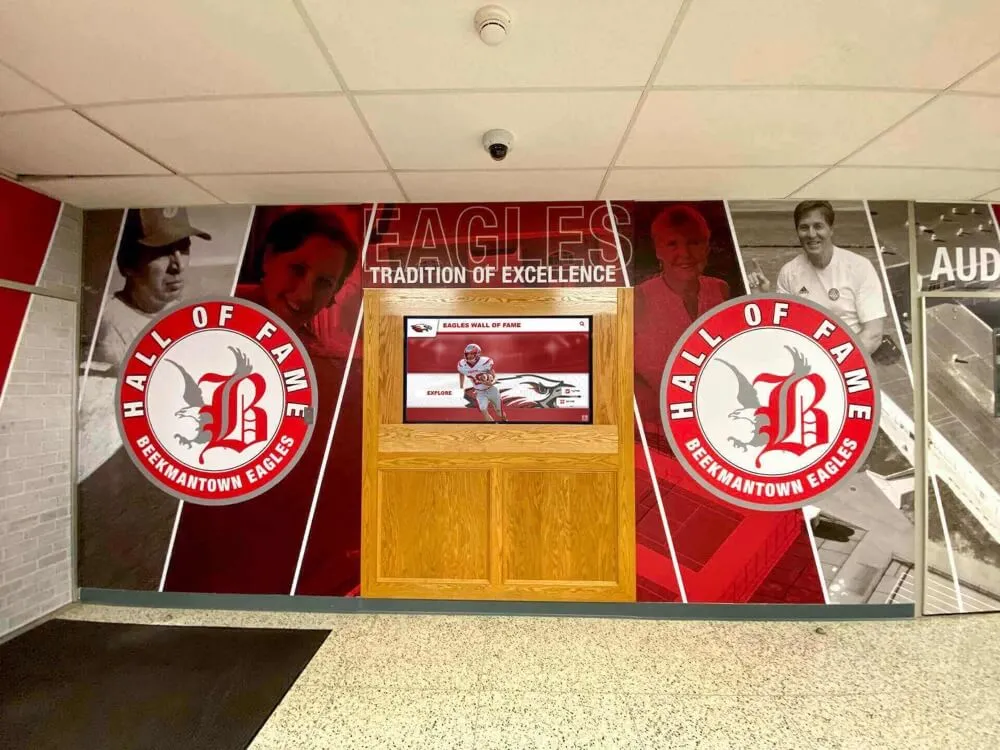
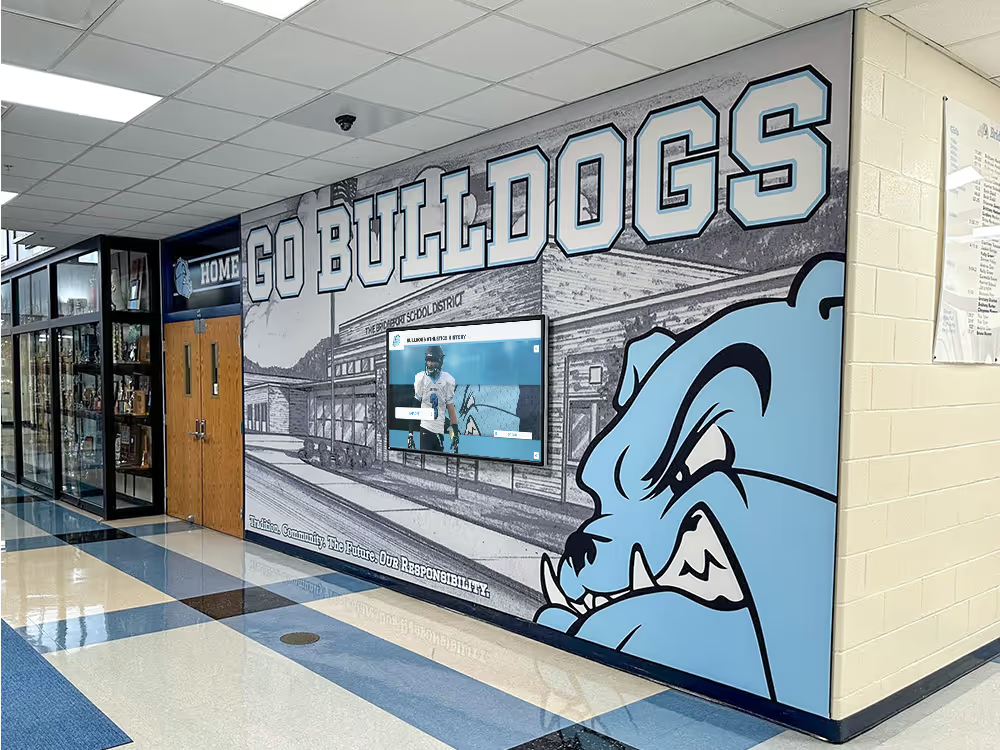
Permanent recognition displays installed during naming ceremonies continue inspiring future contributors long after dedication events conclude
Building Organizational Recognition Culture
Naming ceremonies shape institutional culture by demonstrating that organizations remember, value, and appropriately honor those whose generosity advances mission fulfillment.
Current students, staff, faculty, and community members attending ceremonies develop deeper understanding of philanthropic support sustaining educational quality, program excellence, and facility capacity they often take for granted. This awareness cultivates appreciation while potentially inspiring future giving as students become alumni with their own capacity to contribute.
Organizations known for meaningful, dignified donor recognition consistently attract higher levels of philanthropic support compared to those with minimal or perfunctory acknowledgment. Thoughtful naming ceremonies contribute to reputation development as institutions that genuinely value partnership—reputations attracting donors who want assurance their contributions will be stewarded respectfully.
Creating Milestone Moments in Capital Campaigns
For organizations conducting capital campaigns, naming ceremonies provide natural milestone celebrations demonstrating campaign progress, maintaining momentum, and publicly showcasing early success that encourages additional participation.
Ceremonies celebrating major gifts secured early in campaigns create opportunities to thank leadership donors while announcing progress toward goals—building confidence among prospective contributors that campaigns will succeed. This momentum generation proves particularly valuable during quieter fundraising periods when public celebration re-energizes volunteer leadership and donor bases.
Multiple ceremonies throughout multi-year campaigns maintain sustained visibility and engagement rather than concentrating all recognition at distant campaign conclusions when initial donor enthusiasm has faded.
Planning Memorable Naming Ceremonies: Essential Elements
Successful ceremonies require systematic planning addressing logistics, program content, participant experience, and follow-through ensuring events deliver meaningful experiences for honorees while advancing organizational objectives.
Strategic Timing and Scheduling Considerations
Ceremony timing significantly influences attendance, media coverage, and overall impact.
Optimal Timing Approaches
Consider these scheduling strategies:
- Facility completion alignment conducting ceremonies when buildings or spaces are substantially complete and visually impressive
- Academic year coordination scheduling during terms when students, faculty, and campus communities are present
- Honoree convenience accommodating donor schedules and significant personal dates like anniversaries
- Weather planning selecting seasons with favorable conditions for outdoor components or backup plans for inclement weather
- Community event integration potentially coordinating with homecoming, reunions, or other gatherings maximizing attendance
Many organizations conduct ceremonies 2-4 weeks after facility completion, allowing time for final preparations while capitalizing on newness excitement. This timing enables honorees to see completed facilities rather than construction sites, substantially enhancing ceremony emotional impact.
Duration and Format Decisions
Effective ceremonies typically run 45-90 minutes, providing sufficient time for meaningful program elements without testing attention spans. Consider whether formal seated programs, casual receptions, or hybrid approaches best suit your organizational culture, honoree preferences, and facility types being dedicated.
Invitations and Guest List Development
Thoughtful invitation strategies ensure appropriate attendance supporting recognition objectives while creating comfortable, meaningful experiences for honorees.
Core Invitation Categories
Essential invitees include:
- Honorees and their families (immediate and extended based on preferences)
- Organizational leadership including presidents, superintendents, board chairs, and trustees
- Development staff and volunteers who cultivated relationships and secured gifts
- Campaign leadership recognizing volunteer efforts advancing fundraising success
- Community leaders and elected officials providing civic context and potential media coverage
- Peer donors reinforcing social proof and philanthropic community
- Students, staff, or program beneficiaries demonstrating impact and expressing gratitude
- Media representatives amplifying recognition reach beyond event attendees
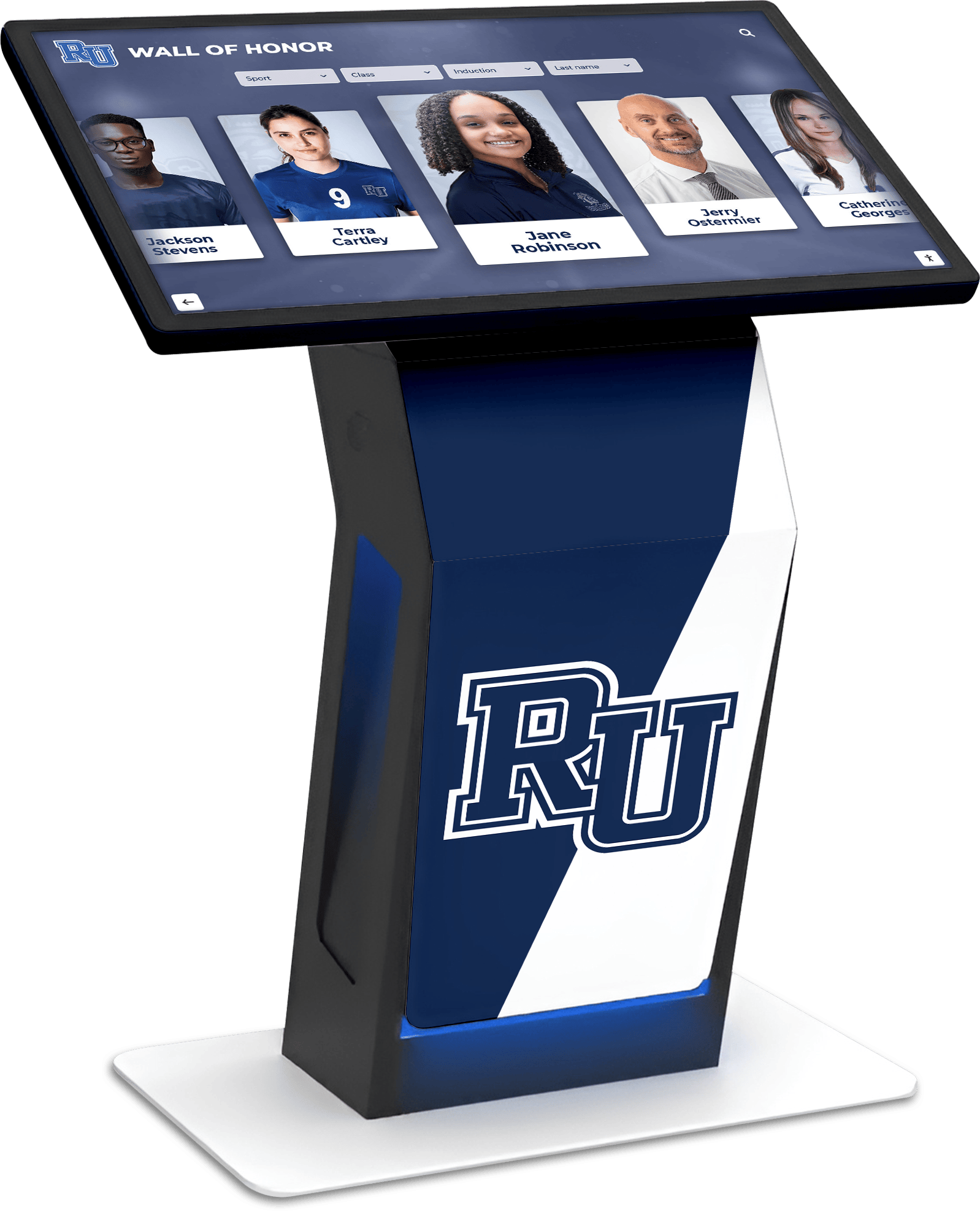
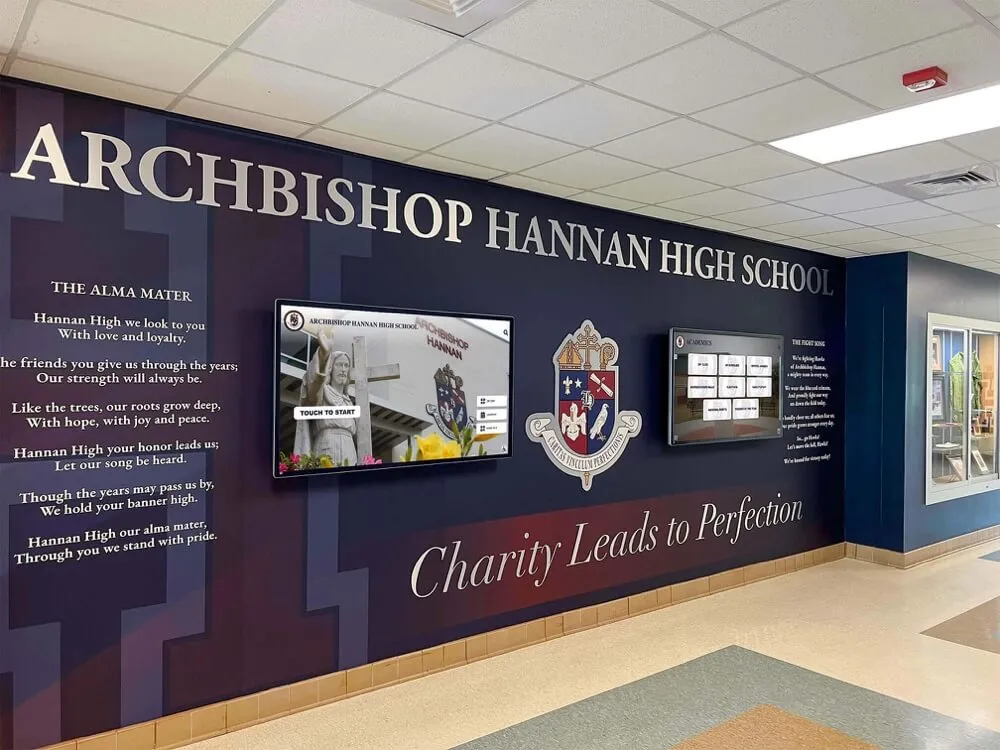
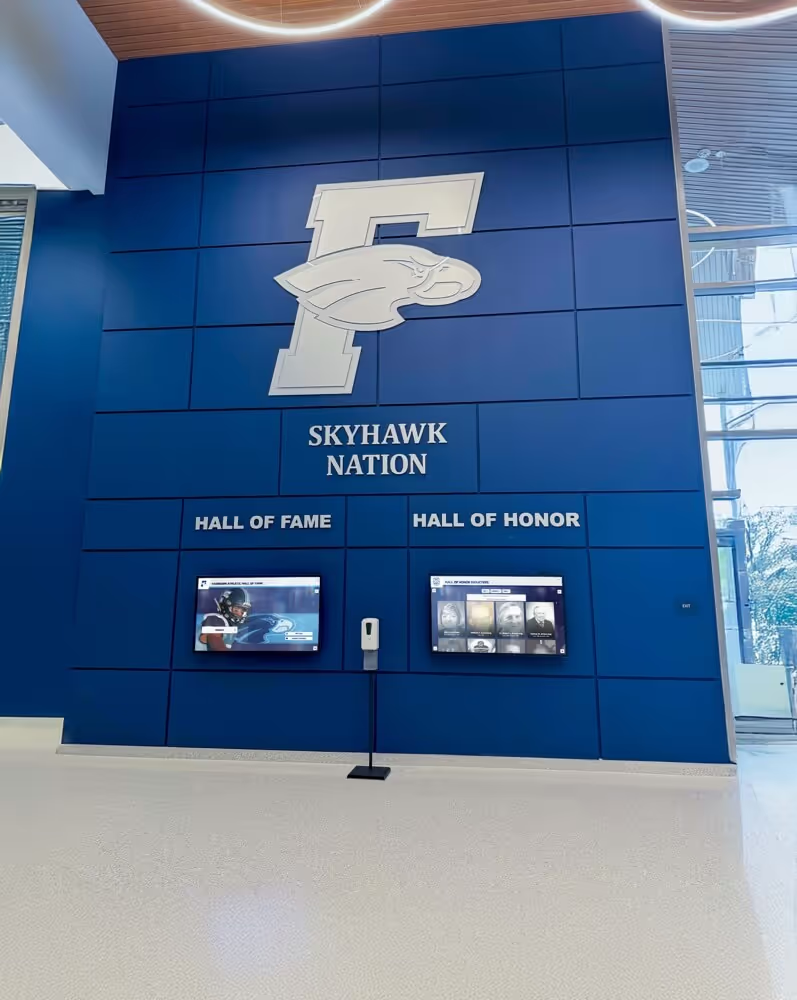
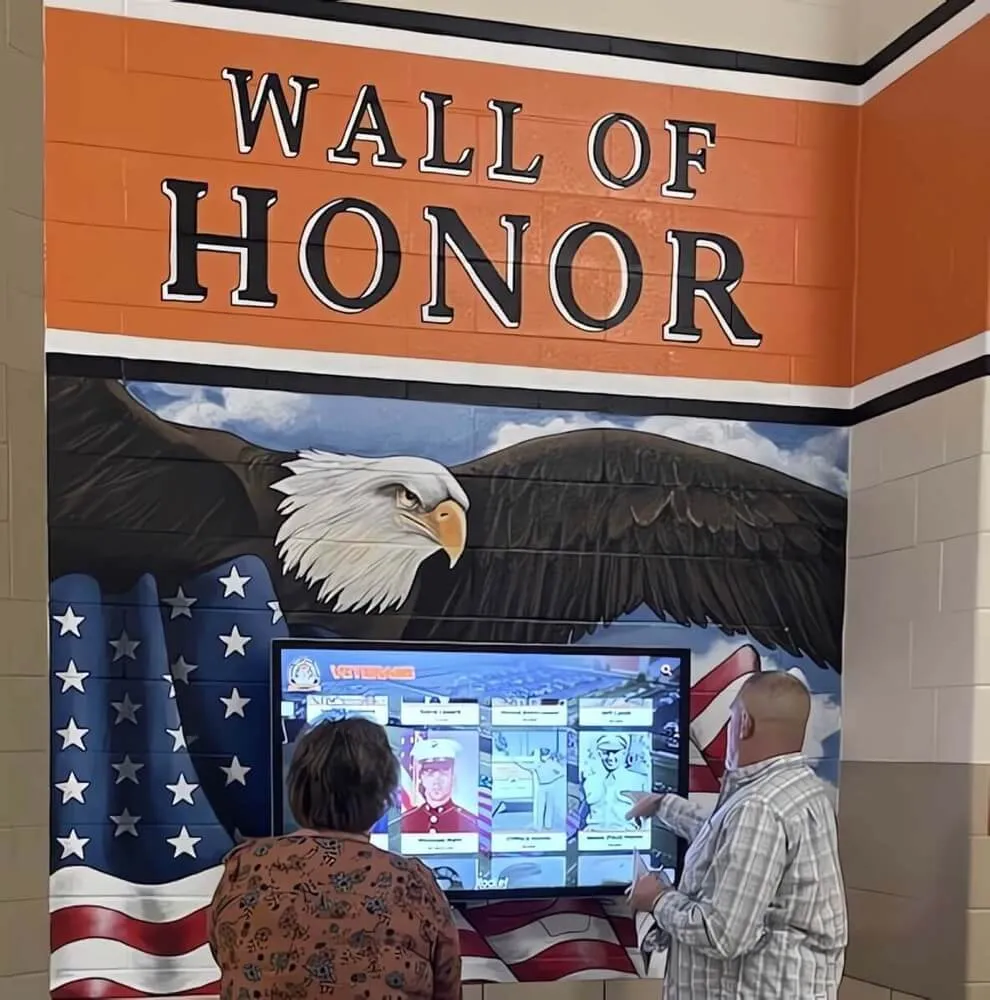
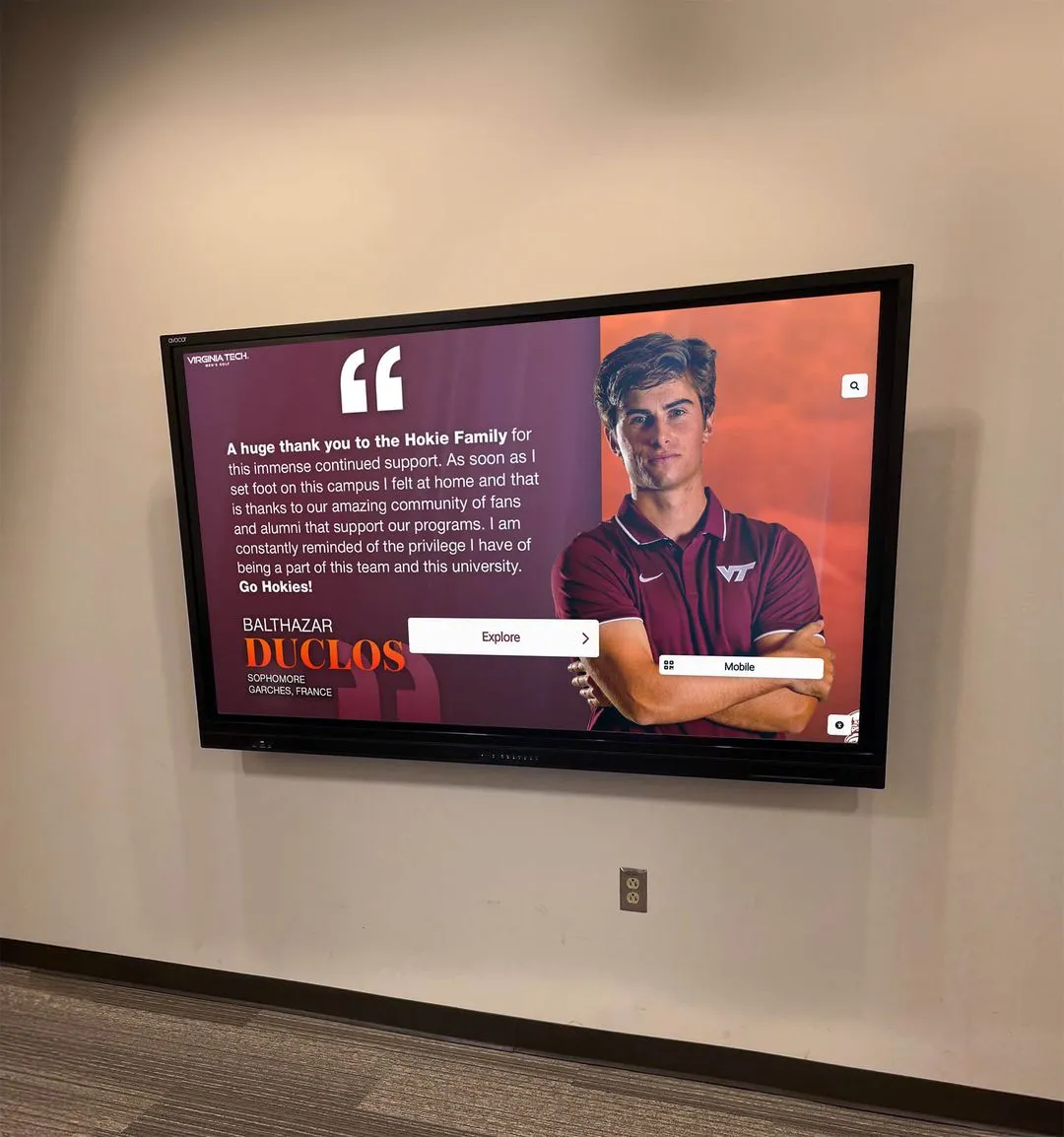
Purpose-built recognition kiosks unveiled during naming ceremonies provide permanent interactive platforms celebrating honoree contributions
Invitation Approach and Timing
Send formal invitations 4-6 weeks before ceremonies, providing sufficient notice for calendar holds while maintaining anticipation. Include save-the-date notifications 8-12 weeks in advance for major ceremonies requiring travel or attracting large audiences.
Work directly with honorees to review guest lists ensuring important family members, friends, and colleagues receive invitations. This collaboration demonstrates respect while preventing oversight of individuals honorees particularly want present.
Ceremony Program Elements That Create Meaning
Compelling programs balance formality with personalization, incorporating elements that tell honoree stories while demonstrating gift impact.
Welcome and Opening Remarks
Begin with warm welcomes from organizational leadership—presidents, board chairs, superintendents, or campaign chairs—providing context for gathering while expressing institutional gratitude. Opening remarks should be brief (3-5 minutes) and gracious, establishing celebratory rather than obligatory tone.
Honoree Recognition and Storytelling
The ceremony centerpiece focuses on honorees through biographical narratives explaining their institutional connections, philanthropic motivations, and contribution significance. Effective recognition storytelling includes personal anecdotes revealing character and values, career or life accomplishments providing context, connections to institutions explaining why giving mattered personally, and impact statements describing what contributions enable.
Consider video presentations featuring honoree interviews, family testimonials, or historical photography creating emotional depth text alone cannot achieve. Organizations with capabilities should explore interactive recognition displays that enable rich multimedia storytelling celebrating donor contributions permanently.
Facility or Program Tours
For building dedications, guided tours demonstrating how facilities serve institutional missions provide tangible evidence of philanthropic impact. Invite honorees to activate inaugural uses—first classroom lesson, initial lab experiment, opening performance, or initial athletic practice—creating symbolic moments marking facility launches.
For named programs or endowments without physical facilities, consider presentations featuring scholarship recipients, program participants, or research beneficiaries sharing how support enabled their success. These personal testimonials create emotional connections between abstract donations and concrete human impact.
Recognition lounges dedicated during naming ceremonies provide welcoming spaces for ongoing community engagement and donor celebration
Student, Faculty, or Beneficiary Remarks
Inviting program beneficiaries to speak creates powerful moments demonstrating gift significance. Students receiving scholarships, teachers using enhanced facilities, researchers benefiting from equipment, or community members accessing new services can express appreciation authentically while helping donors understand their transformational impact.
Coach speakers to focus on specific, personal stories rather than generic thank-yous. Individual narratives about educational dreams enabled, research breakthroughs achieved, or community needs met prove far more compelling than abstract institutional improvement descriptions.
Unveiling and Dedication
The ceremonial climax involves physical naming element reveals—exterior building signs, interior plaques, endowment recognition displays, or program dedications. Create memorable unveiling moments through:
- Ribbon cuttings offering traditional symbolic openings
- Plaque reveals using fabric draping removed during ceremonies
- Digital display launches activating interactive recognition screens for first times
- Key presentations symbolically transferring facility access to honorees
- Cornerstone placements for construction projects or renovations
Invite honorees and their families to participate directly in unveiling acts, creating personal ownership and photo opportunities families treasure. Organizations should explore digital donor recognition walls providing permanent, dynamic celebration beyond static plaques.
Closing and Reception
Conclude formal programs with brief closing remarks reiterating gratitude and inviting attendees to receptions enabling personal conversations between honorees and community members. Receptions should provide comfortable environments for relationship building rather than rushed pass-through events.
Consider providing:
- Light refreshments appropriate to time of day
- Tour opportunities for facility exploration
- Photo stations with professional photographers capturing family memories
- Guest books enabling attendees to leave personal messages for honorees
- Recognition materials including ceremony programs and commemorative items
Creative Naming Ceremony Ideas for Different Recognition Contexts
Ceremony approaches should align with what is being named, organizational culture, and honoree preferences—creating authentic experiences rather than generic formulas.
Building and Facility Naming Ceremonies
Architectural dedications offer unique opportunities for creative celebration incorporating physical spaces being honored.
Grand Opening Integration
Combine naming ceremonies with facility grand openings, transforming dedication from isolated events into comprehensive celebrations featuring facility tours demonstrating capabilities, program demonstrations showcasing how spaces will be used, community open houses welcoming broader constituencies, and ceremonial first uses marking facility activations.
This integration maximizes turnout while demonstrating facility value to entire communities beyond donor circles alone.
Construction Timeline Recognition
For projects involving honorees throughout planning and construction, consider photo or video presentations documenting facility evolution from groundbreaking through completion. Time-lapse photography capturing entire construction sequences creates compelling visual narratives celebrating transformation philanthropy enabled.
Include construction photos in permanent digital recognition displays, enabling future visitors to understand facility development history while appreciating donor contributions that made projects possible.
Legacy Cornerstone Placements
Traditional cornerstone ceremonies maintain enduring appeal, particularly for institutions valuing historical continuity. Consider time capsule inclusions containing:
- Contemporary institutional publications and yearbooks
- Letters from current students to future generations
- Honoree statements explaining philanthropic motivations
- Campaign materials documenting fundraising efforts
- Community artifacts representing current era
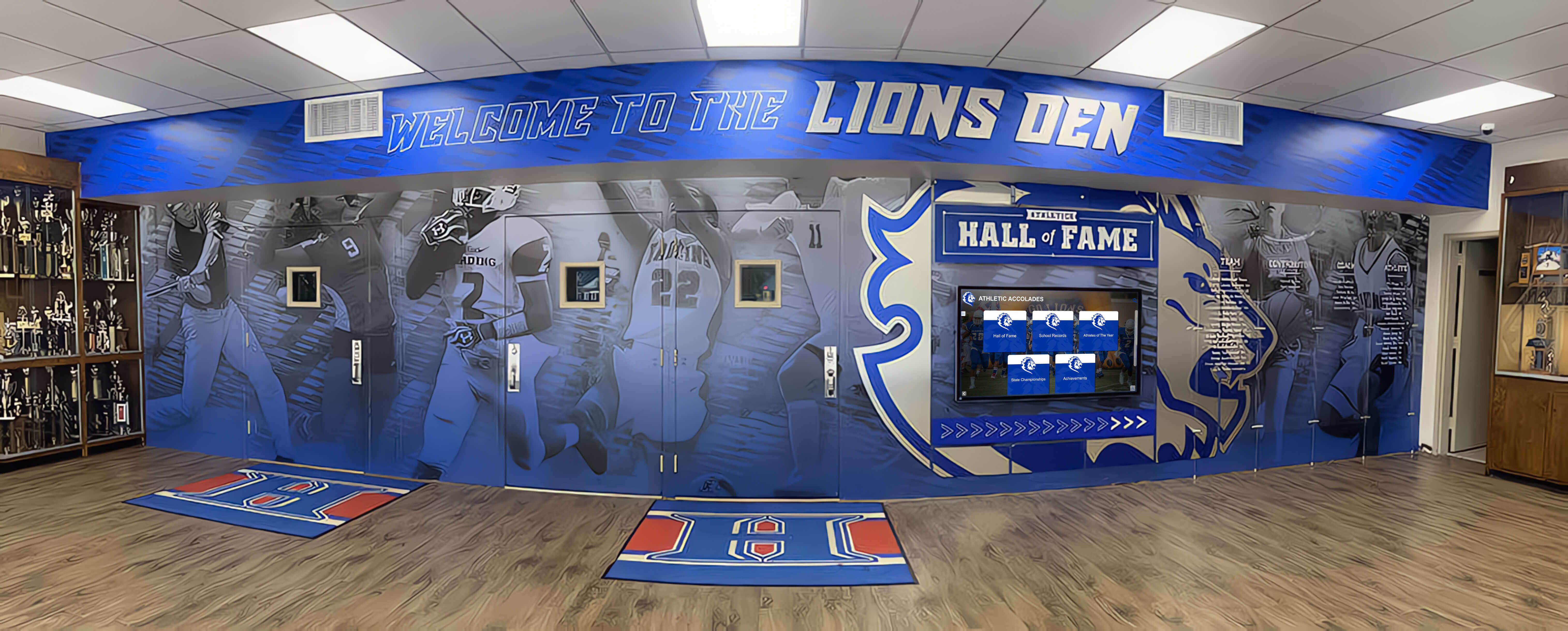
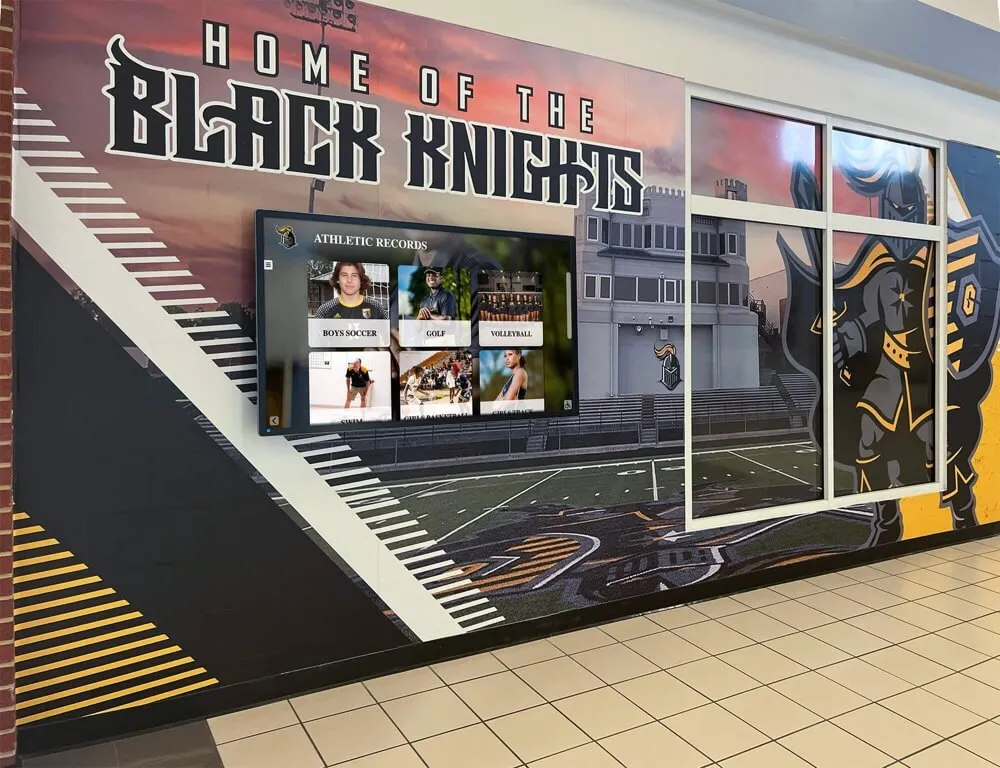
Athletic facility naming ceremonies often incorporate sport-specific traditions while celebrating donor contributions enabling program excellence
Athletic Facility and Stadium Naming Recognition
Sports venue dedications create unique opportunities for ceremonial creativity incorporating athletic traditions and community passion.
Game Day Integration
Schedule naming ceremonies during athletic events, leveraging existing attendance while creating memorable recognition moments. Conduct halftime or pre-game ceremonies featuring:
- On-field or on-court recognition with honorees
- Video board presentations celebrating donor contributions
- Team introductions incorporating naming recognition
- First pitch, kick, or ceremonial plays by honorees or family members
- Student-athlete expressions of gratitude for enhanced facilities
This approach ensures maximum visibility while connecting recognition directly to athletic competition donors’ contributions support.
Championship and Legacy Connections
For honorees with athletic backgrounds or family connections to institutional sports, incorporate competitive history and championship celebrations. Display historical championship banners or trophies, feature video highlights from significant victories, and invite former coaches or legendary athletes to participate in ceremonies—creating emotional connections between past athletic excellence and future success philanthropy enables.
Organizations modernizing athletic recognition should explore digital trophy case solutions that enable unlimited championship celebration within named facilities.
Youth Sport and Community Integration
For facilities serving youth or community athletics, invite youth league participants to perform demonstrations or participate in ceremonies. This inclusion emphasizes community benefit while creating memorable experiences for young athletes who will use named facilities for years.
Academic Program and Endowment Naming Celebrations
Named academic programs, scholarships, and endowments lack physical facilities but deserve equally meaningful recognition.
Scholarship Recipient Gatherings
For named scholarship endowments, host gatherings featuring current and past recipients who can share how financial support enabled educational dreams. Panel discussions, networking opportunities, and testimonial presentations create compelling evidence of endowment impact while connecting donors directly to students benefiting from their generosity.
Consider annual recognition events celebrating all active scholarship recipients, ensuring sustained visibility and ongoing relationship maintenance with donors who may increase support when understanding program impact deeply.
Academic Program Showcases
Named academic programs benefit from demonstration events featuring:
- Student project presentations highlighting program excellence
- Faculty research talks demonstrating scholarship advancement
- Industry partnerships showcasing career outcomes
- Alumni speaker panels connecting education to professional success
- Interactive demonstrations of program methodologies and innovation
These showcases prove particularly effective for STEM programs, arts programs, career academies, or specialized curricula where tangible output demonstrations possible.
Endowed Position Installations
When naming endowed faculty positions, coordinate naming ceremonies with formal installation events welcoming position holders. These combined ceremonies honor both donors enabling positions and exceptional faculty selected to fill them—creating symbolic connections between philanthropic vision and academic excellence realization.
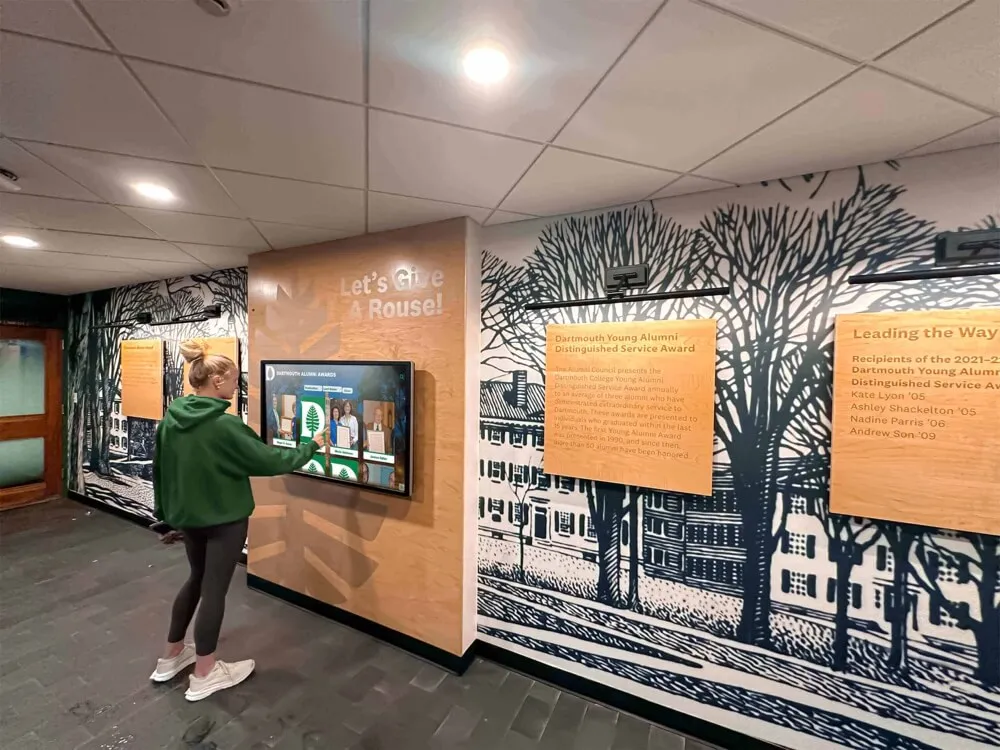
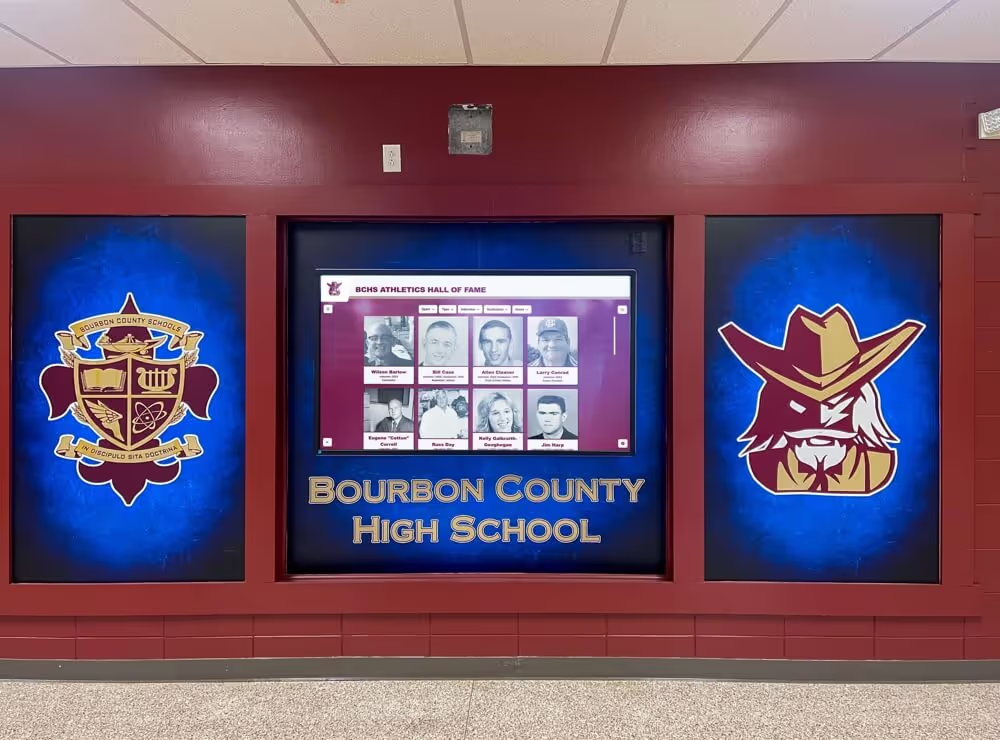
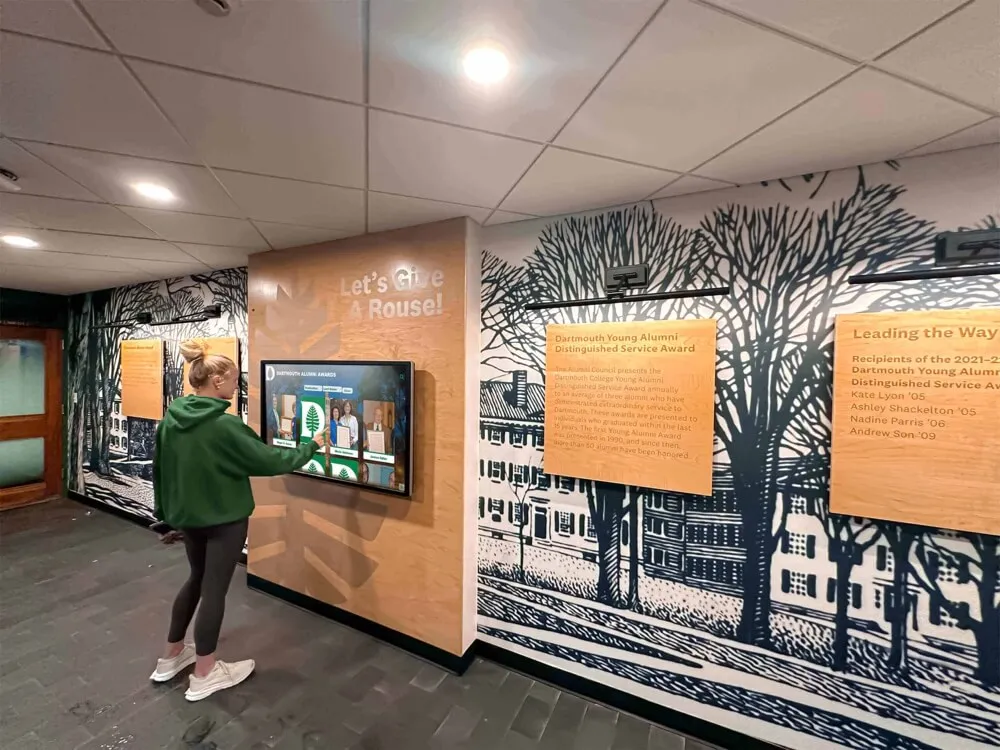
Interactive recognition systems enable ongoing discovery and engagement with named programs and donor stories throughout institutional spaces
Memorial and Legacy Naming Ceremonies
Ceremonies honoring deceased individuals or celebrating multi-generational family legacies require particular sensitivity and thoughtfulness.
Memorial Dedication Approaches
When facilities or programs are named in memory of beloved community members, incorporate elements celebrating their lives and contributions:
- Biographical presentations sharing personal stories, accomplishments, and character
- Family participation enabling relatives to share memories and perspectives
- Legacy statements connecting honorees’ values to institutional missions
- Moment of silence or reflection acknowledging loss while celebrating lasting impact
- Memorial elements including photos, artifacts, or exhibits preserving memories
Work closely with families to ensure ceremonies appropriately balance celebration with acknowledgment of loss, respecting grief while honoring lives meaningfully.
Multi-Generational Legacy Recognition
For family legacy naming involving multiple generations of support, highlight continuity and sustained commitment through:
- Historical timelines documenting family involvement across decades
- Multi-generational participation inviting family members from various ages to speak or participate
- Archive exhibits displaying historical photos, documents, and artifacts
- Future commitment statements from younger generations continuing philanthropic traditions
- Family tree visualizations showing extensive family connections to institutions
Solutions like Rocket Alumni Solutions enable creation of comprehensive family legacy displays celebrating multi-generational connections through interactive digital storytelling impossible with traditional static plaques.
Creating Permanent Recognition: Beyond the Ceremony Day
While ceremonies provide memorable celebration moments, permanent recognition ensures ongoing visibility and sustained stewardship long after events conclude.
Traditional Recognition Elements
Conventional recognition approaches remain valuable for formal acknowledgment:
Exterior Building Signage
Prominent exterior signs ensuring community visibility typically feature:
- Facility names with honoree recognition
- Dedication dates documenting historical context
- Institutional branding maintaining identity consistency
- Durable materials (bronze, stone, metal) ensuring longevity
- Professional design reflecting organizational quality standards
Exterior signs function as permanent public statements of appreciation visible to entire communities daily.
Interior Plaques and Recognition Walls
Lobby or entrance plaques provide detailed information beyond exterior signage capacities:
- Comprehensive donor recognition with biographical context
- Gift purpose explanations connecting philanthropy to facility function
- Dedication statements from organizational leadership
- Historical context positioning gifts within institutional development
- Artistic design elements enhancing rather than cheapening recognition
Traditional plaques maintain prestige and permanence many donors value, particularly for major gift recognition where formal acknowledgment expected.
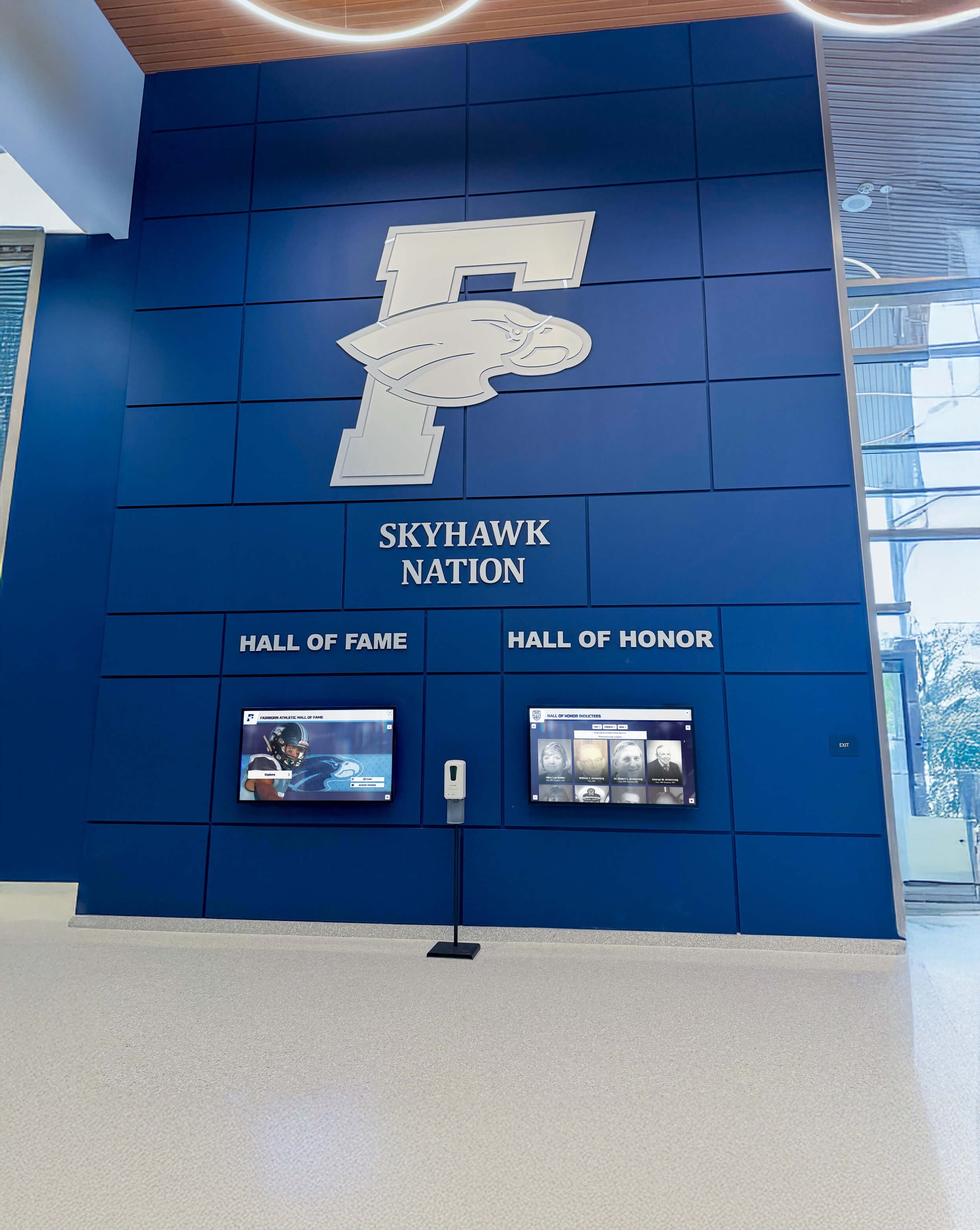
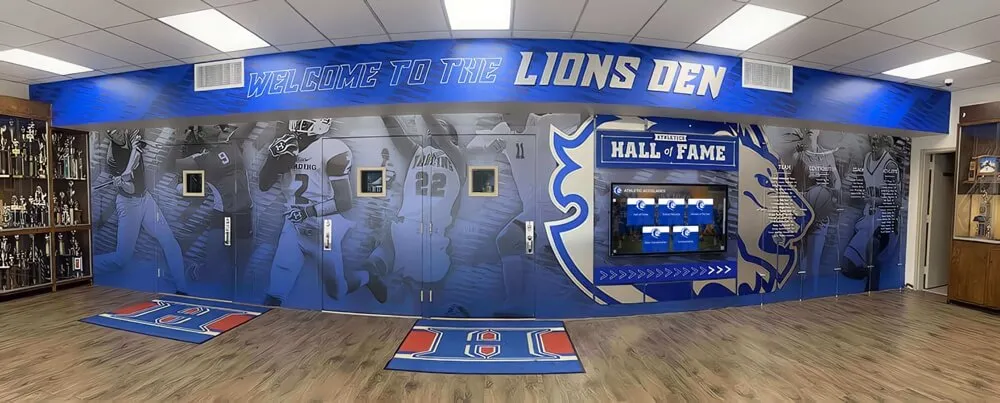
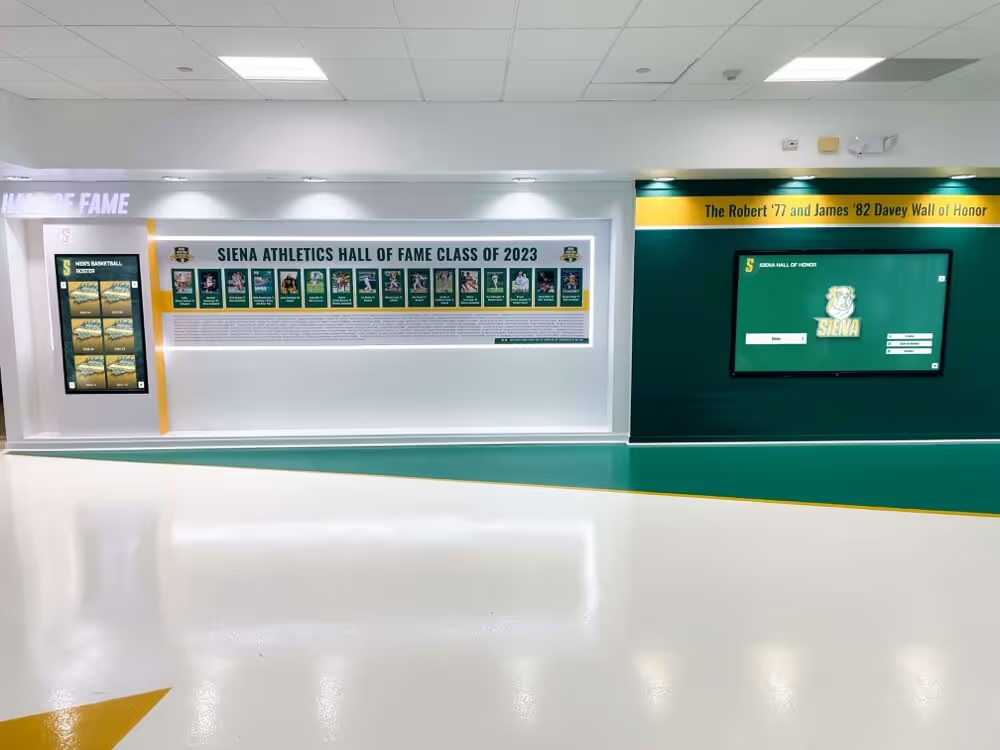
Comprehensive recognition spaces combine traditional permanence with modern interactivity, honoring donors through multiple complementary formats
Modern Interactive Recognition Displays
Digital recognition platforms dramatically expand acknowledgment possibilities while solving traditional recognition limitations.
Unlimited Recognition Capacity
Traditional plaques accommodate limited information before space exhaustion, while digital displays showcase unlimited content organized through intuitive navigation. Single touchscreen installations can feature:
- Comprehensive donor profiles with biographical narratives (300-1,000 words)
- Professional photography showing honorees in institutional or professional contexts
- Video testimonials capturing authentic voices expressing giving motivations
- Impact documentation demonstrating specific outcomes contributions enabled
- Historical context connecting current philanthropy to institutional evolution
This depth creates emotional engagement simple name listings cannot match, particularly valuable for complex giving stories deserving thorough telling.
Instant Updates and Content Management
Digital platforms enable immediate recognition updates through cloud-based content management systems accessible from any internet-connected device. Development staff can:
- Add new donors within hours of gift processing
- Correct information instantly without expensive plaque replacement
- Update giving levels as cumulative support crosses recognition thresholds
- Refresh featured content maintaining engagement for returning visitors
- Incorporate new multimedia elements as they become available
This flexibility proves essential during active capital campaigns when donor recognition lists evolve continuously.
Engaging Multimedia Storytelling
Interactive displays transform recognition from passive reading into active exploration through:
- Touchscreen navigation enabling visitor-directed content discovery
- Search capabilities allowing instant donor profile location
- Category filtering organizing donors by giving level, designation, or campaign
- Related content connections linking family members or associated giving
- Social sharing features extending recognition beyond physical locations
Organizations should explore award ceremony planning strategies that incorporate permanent recognition displays unveiled during dedication events while continuing to celebrate contributions perpetually.
Analytics Revealing Engagement
Comprehensive digital platforms provide valuable data showing:
- Usage patterns indicating peak engagement times
- Popular content identifying most-viewed donor profiles
- Search query trends revealing what information visitors seek
- Session duration demonstrating depth of engagement
- Repeat visitors indicating sustained community interest
These analytics inform content strategy while demonstrating recognition program value to institutional leadership through objective engagement metrics.
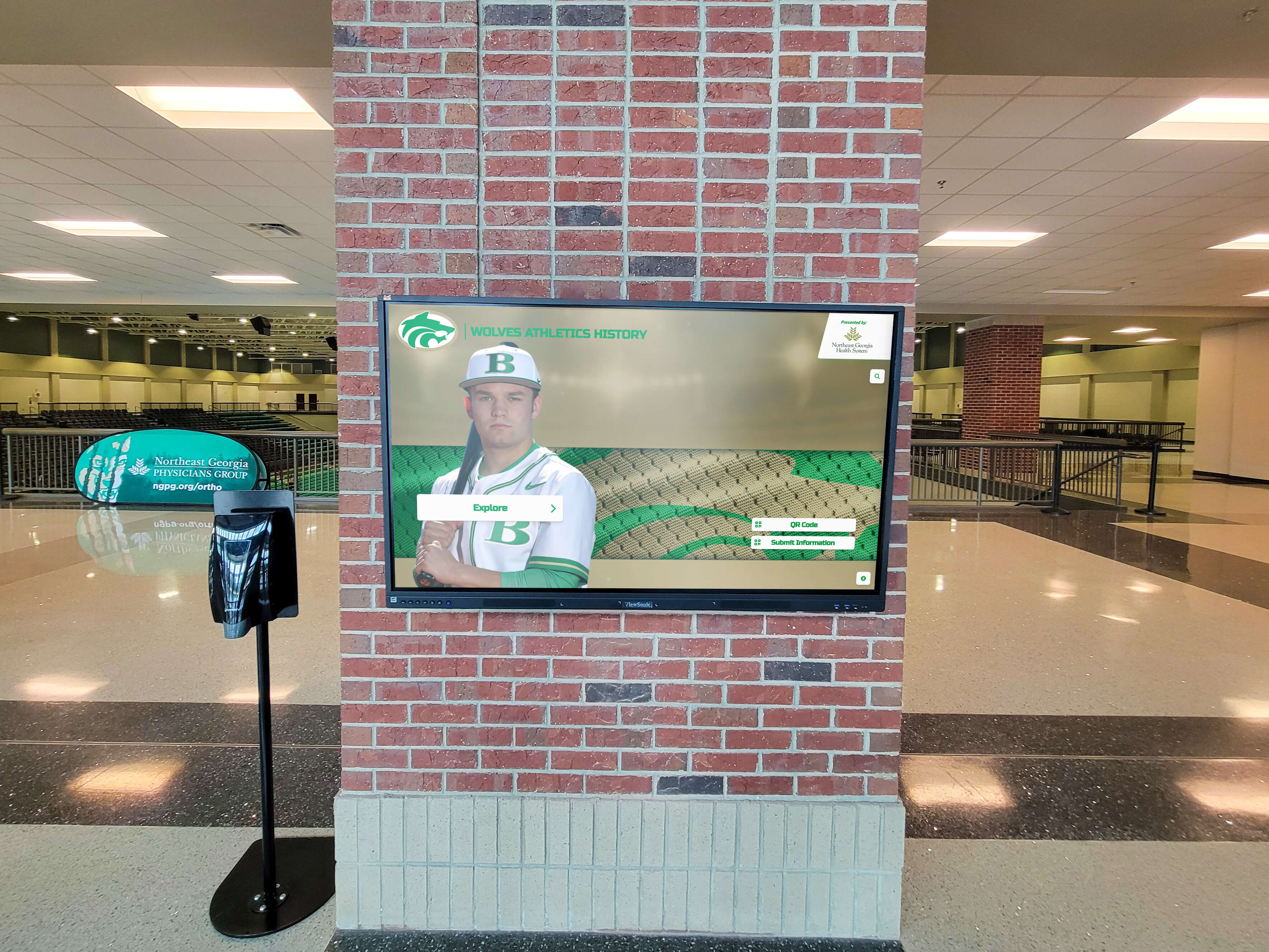
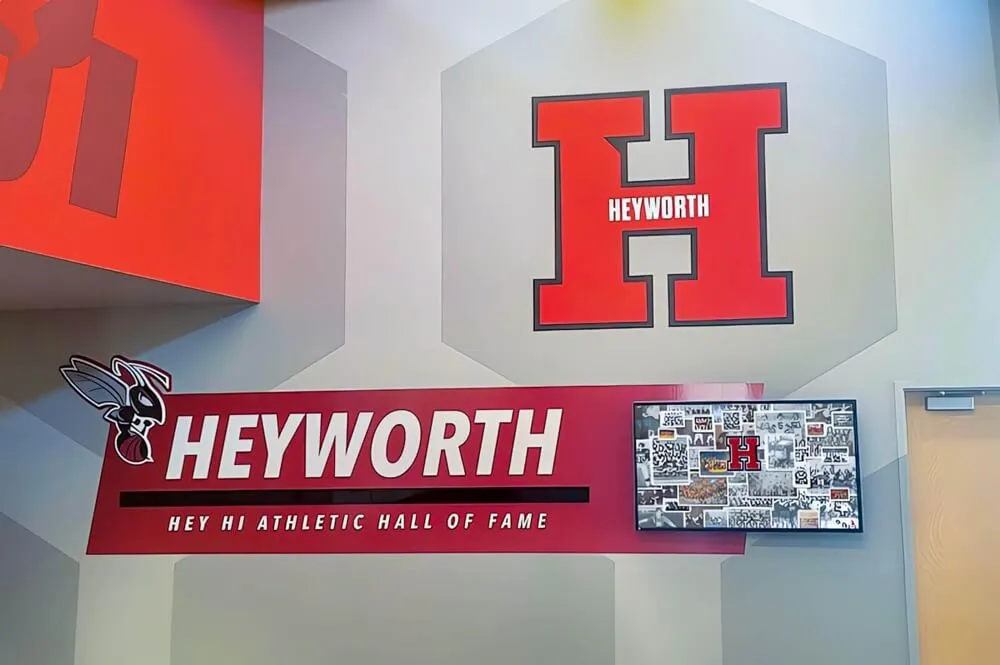
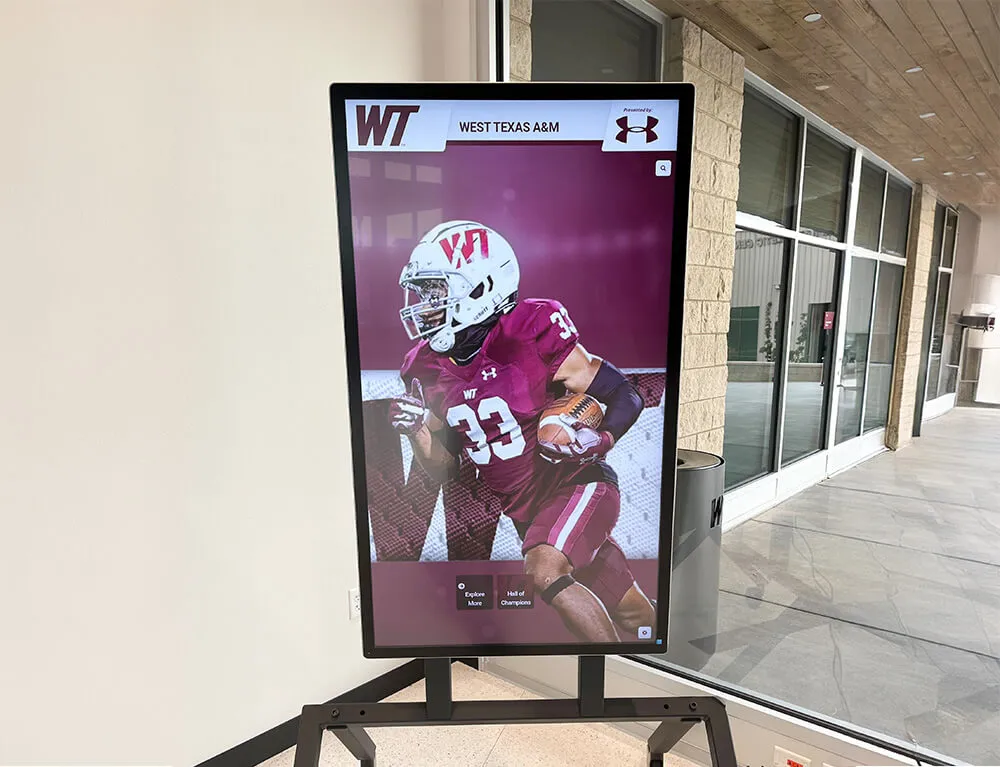
Large-format digital displays create prominent recognition statements while enabling dynamic content celebrating multiple donors and honorees
Hybrid Recognition Approaches
Many organizations discover that combining traditional and digital recognition delivers optimal results—honoring convention while embracing contemporary capabilities.
Paired Plaque and Display Systems
Install formal bronze or stone plaques providing permanent, prestigious recognition alongside interactive digital displays offering expanded storytelling depth. This approach satisfies donors valuing traditional recognition permanence while enabling rich multimedia celebration younger generations expect.
Plaques establish formal record while displays engage visitors through exploration impossible with static text alone.
QR Code Integration
Enhance traditional plaques by incorporating QR codes linking to comprehensive online profiles, enabling visitors to access expanded content through personal mobile devices. This low-cost enhancement bridges traditional and digital recognition without requiring touchscreen installation investments.
Physical and Virtual Recognition Extensions
Extend physical recognition through web-accessible platforms enabling:
- Global access for distant community members unable to visit campuses
- Alumni directory integration connecting recognition to networking
- Social media amplification enabling donors to share acknowledgment
- Mobile applications providing convenient anytime access
- Virtual tour inclusion showcasing named facilities to remote audiences
Organizations should consider digital donor recognition approaches that extend physical ceremony moments into sustained year-round celebration accessible globally.
Ceremony Follow-Through: Sustaining Recognition Impact
The most successful naming ceremonies view dedication days as recognition program beginnings rather than conclusions—implementing follow-through strategies that deepen relationships and inspire continued engagement.
Post-Ceremony Communication and Stewardship
Thoughtful follow-through maintains momentum and demonstrates ongoing appreciation.
Thank You Communications
Within 48-72 hours following ceremonies, send personalized thank-you messages to:
- Honorees expressing gratitude for their presence and generosity
- Speakers acknowledging their participation and message contributions
- Volunteers recognizing planning assistance and logistical support
- Attendees thanking them for sharing in celebration
- Media representatives appreciating coverage and publicity
Personal notes from organizational leadership prove particularly meaningful, demonstrating that ceremonies mattered and attendance was valued.
Professional Photography and Video Sharing
Commission professional documentation capturing ceremony moments, then promptly share:
- Photo galleries accessible through institutional websites or shared online albums
- Highlight videos edited for email communication and social media sharing
- Individual family portraits featuring honorees with loved ones
- Candid moments showing community celebration and facility use
- Ceremony recordings enabling those unable to attend to experience events
Many development offices maintain ongoing relationships with honorees through periodic photo sharing from named facilities—classroom activities in named academic buildings, athletic competitions in named gymnasiums, or community events in named auditoriums—demonstrating continued use and impact.
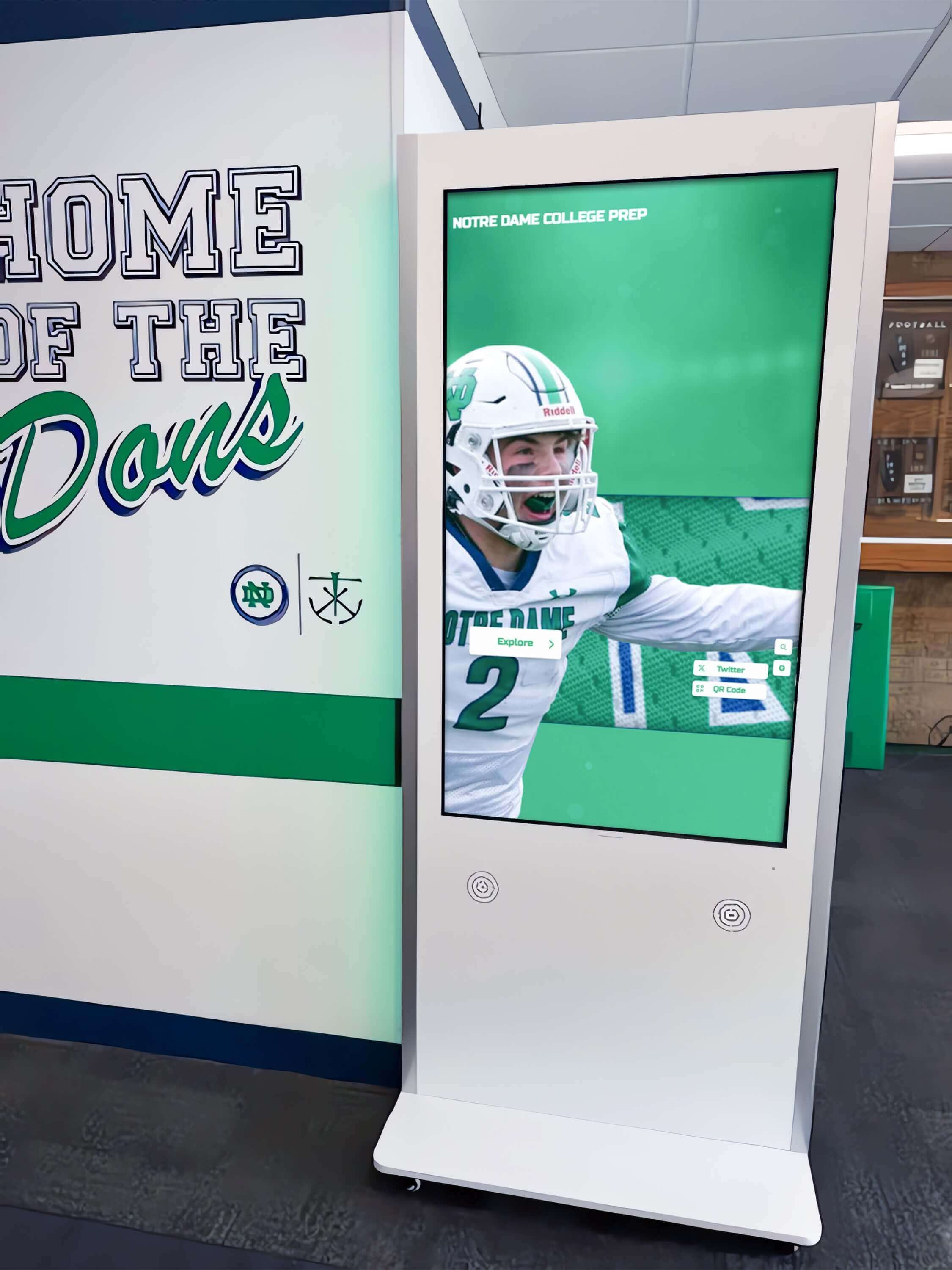
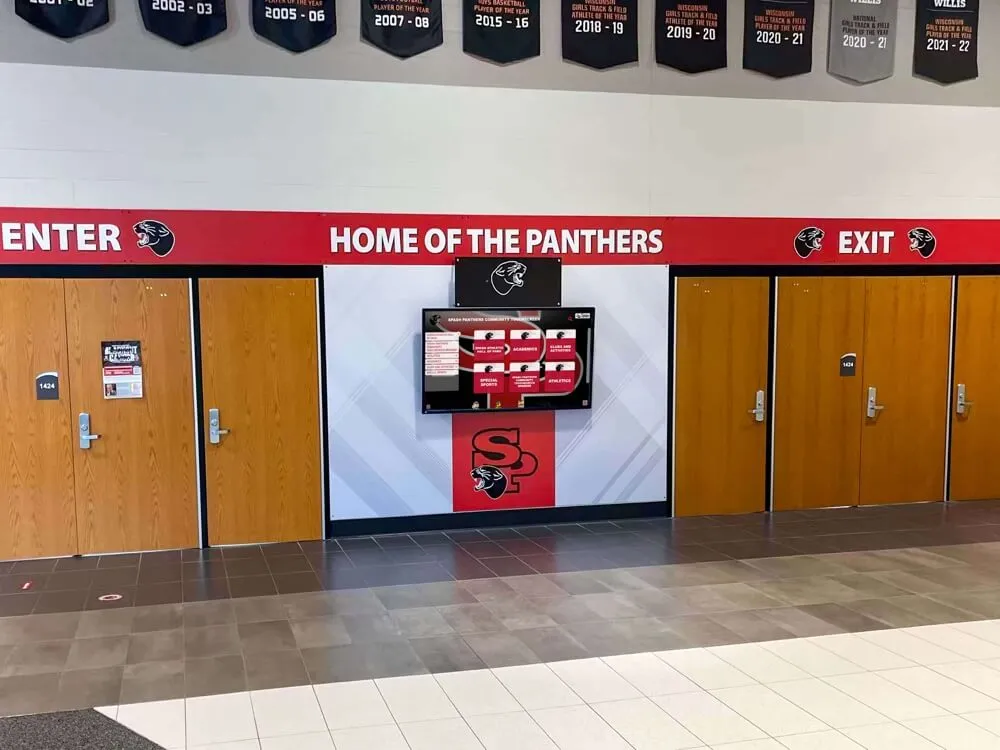
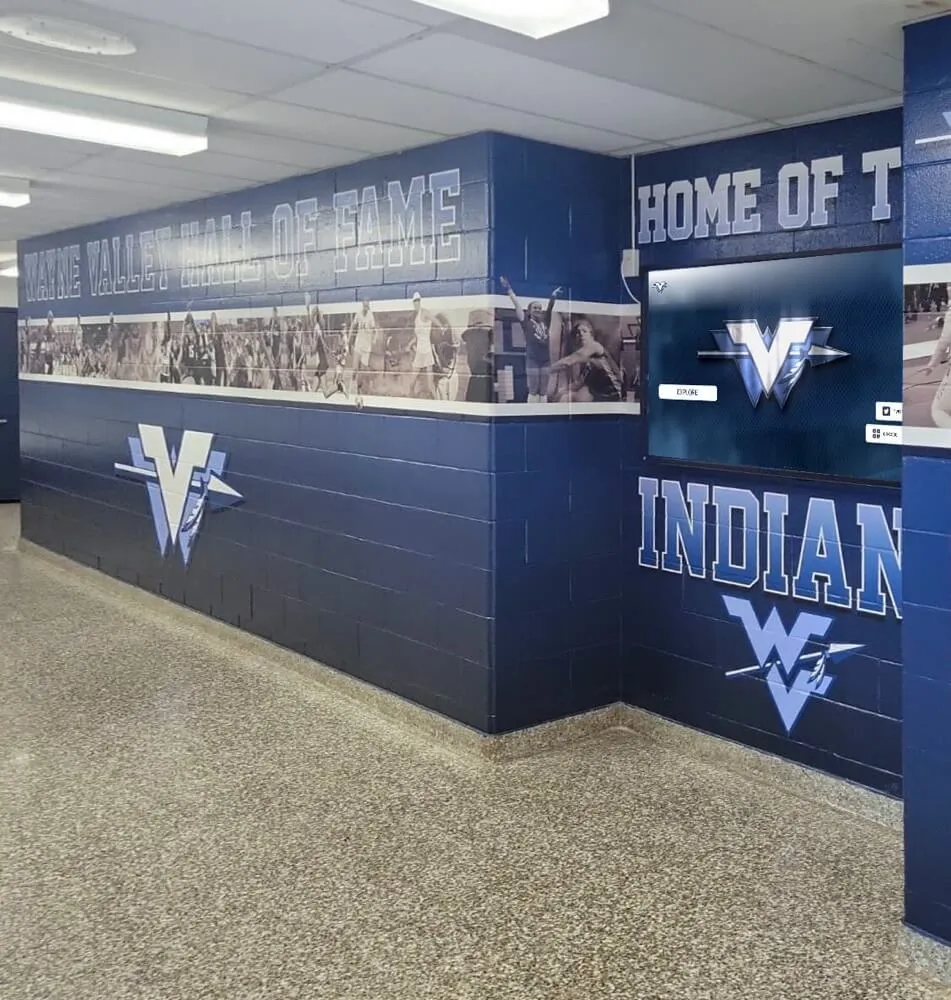
Strategic placement of interactive recognition displays in high-traffic corridors ensures daily visibility and sustained engagement with donor stories
Ongoing Recognition and Annual Connections
Naming ceremonies mark beginning points for sustained recognition relationships rather than one-time acknowledgments.
Annual Reports and Impact Updates
Provide honorees with:
- Facility usage statistics documenting community benefit
- Academic program outcomes showing educational excellence
- Scholarship recipient updates highlighting student success
- Research breakthroughs enabled by named endowments
- Testimonials from beneficiaries expressing ongoing gratitude
These impact reports demonstrate that contributions continue delivering value while maintaining donor engagement with institutional missions.
Anniversary Recognition
Celebrate naming milestones—5th, 10th, 25th anniversaries of dedications—through:
- Anniversary events hosted in named facilities
- Recognition updates incorporating new content to digital displays
- Alumni reunion integration connecting naming anniversaries to homecoming
- Historical retrospectives documenting facility or program evolution
- Renewed media coverage highlighting sustained philanthropic impact
Anniversary recognition maintains visibility while acknowledging that gifts continue benefiting communities years and decades after initial contributions.
Beneficiary Connections
Facilitate ongoing relationships between donors and program beneficiaries when appropriate:
- Scholarship recipient correspondence programs
- Faculty position holder interactions and research updates
- Student project presentations showcasing academic program outcomes
- Athletic team recognitions for sports facility donors
- Community program participation invitations
These authentic connections between donors and those benefiting from their generosity prove far more meaningful than abstract stewardship reports alone.
Inspiring Future Giving Through Recognition Excellence
Beyond honoring current donors, exceptional naming recognition programs influence prospective contributors by demonstrating organizational stewardship commitment.
Cultivation Tool Integration
Development officers should leverage naming ceremonies and permanent recognition displays as cultivation tools by:
- Including prospects in ceremony attendance lists exposing them to recognition culture
- Conducting facility tours highlighting named spaces during prospect meetings
- Sharing ceremony videos and photos during cultivation conversations
- Referencing recognition approaches when discussing major gift opportunities
- Demonstrating stewardship commitment through ceremony excellence
Prospects witnessing meaningful recognition of peer donors gain confidence that their own contributions will be stewarded respectfully—directly influencing major gift decision-making.
Recognition Program Promotion
Market naming recognition excellence through:
- Development materials featuring ceremony photos and donor stories
- Website content showcasing named facilities and programs
- Social media campaigns celebrating donor impact
- Annual report recognition program highlights
- Campaign collateral emphasizing stewardship commitment
This promotion builds reputation as organization that values partnership, attracting donors seeking assurance their contributions will be appreciated appropriately.

Comprehensive recognition displays created during naming ceremonies provide permanent platforms celebrating philanthropic partnership while inspiring future giving
Budget Planning for Naming Ceremonies and Recognition
Creating memorable ceremonies while implementing permanent recognition requires systematic budget planning ensuring resources align with recognition objectives.
Ceremony Event Expenses
Typical naming ceremony costs include:
- Venue and facility preparation: $2,000-$8,000 for setup, decorations, audio-visual equipment, and environmental enhancements
- Invitations and printing: $1,500-$5,000 for formal invitation design, printing, and mailing including save-the-date notices
- Catering and hospitality: $3,000-$15,000 depending on guest count and reception scale
- Photography and videography: $2,000-$8,000 for professional documentation creating lasting records
- Program materials: $800-$3,000 for ceremony programs, commemorative booklets, and recognition materials
- Entertainment or speakers: $1,000-$5,000 for musical performances, celebrity speakers, or special presentations
- Signage and wayfinding: $500-$2,000 ensuring guests navigate venues easily
- Media relations: $1,000-$4,000 for public relations support and media kit development
Total ceremony event range: $11,800-$50,000 depending on scale, guest count, venue requirements, and production sophistication.
Permanent Recognition Display Investment
Lasting recognition installations typically require:
- Traditional plaques: $2,000-$15,000 for bronze, stone, or architectural plaques with professional design and installation
- Exterior signage: $5,000-$40,000 for building signs, monuments, or architectural lettering with durability and visibility
- Digital recognition displays: $30,000-$75,000 for commercial-grade touchscreen kiosks with purpose-built recognition software and content development
- Recognition wall construction: $15,000-$100,000+ for comprehensive donor walls incorporating multiple recognition elements
- Content development: $8,000-$25,000 for professional photography, video production, biography writing, and database population
Organizations should view permanent recognition as strategic development investments delivering ongoing stewardship value for decades, not mere ceremony expenses. Explore recognition program best practices that maximize return on recognition investment.
Funding Strategies and Budget Approaches
Smart budgeting approaches make meaningful recognition achievable:
Campaign Budget Allocation
Capital campaigns typically allocate 0.5-2% of total campaign goals to recognition and stewardship expenses. For $10 million campaigns, this provides $50,000-$200,000 for comprehensive recognition including multiple naming ceremonies and permanent display installations.
Gift-Specific Recognition Budgets
Organizations may establish recognition budgets as percentages of individual major gifts—typically 2-5% of gift values—ensuring recognition appropriateness scales with contribution size. This approach prevents recognition overspending for modest gifts while enabling elaborate celebration for transformational contributions.
Donor-Funded Recognition
Some organizations discuss recognition preferences during gift negotiations, occasionally enabling donors to designate portions of contributions to fund their own recognition displays—particularly common for comprehensive donor walls or elaborate recognition spaces.
Phased Implementation
Organizations with limited immediate budgets may implement phased recognition—conducting simple initial ceremonies with plans for enhanced permanent displays added later as resources permit. This approach enables timely dedication without delaying recognition for budget accumulation.
Best Practices for Inclusive and Meaningful Recognition
Excellence in naming recognition requires attention to details ensuring all honorees feel genuinely valued while maintaining organizational integrity.
Respecting Diverse Donor Preferences
Recognition preferences vary significantly across donor populations, requiring sensitivity and flexibility.
Privacy and Publicity Balance
While many donors appreciate public celebration, others prefer privacy or minimal recognition. Always discuss ceremony scale and publicity with honorees before planning, accommodating preferences for:
- Private intimate gatherings versus large public events
- Media coverage inclusion or exclusion
- Photography permissions and image usage rights
- Speech expectations or preferences for others to speak on their behalf
- Guest list input ensuring comfortable attendee compositions
Honoring these preferences demonstrates respect while preventing unwanted attention that could undermine recognition intended to honor.
Cultural and Religious Sensitivity
Naming ceremonies may involve honorees from diverse cultural or religious backgrounds requiring particular considerations:
- Scheduling around religious observances and cultural celebrations
- Dietary accommodations for reception catering
- Ceremonial element adaptations respecting cultural traditions
- Inclusive language avoiding assumptions about family structures or backgrounds
- Appropriate formality levels matching cultural expectations
Engage directly with honorees and families to understand and accommodate specific needs rather than assuming generic approaches suit everyone.
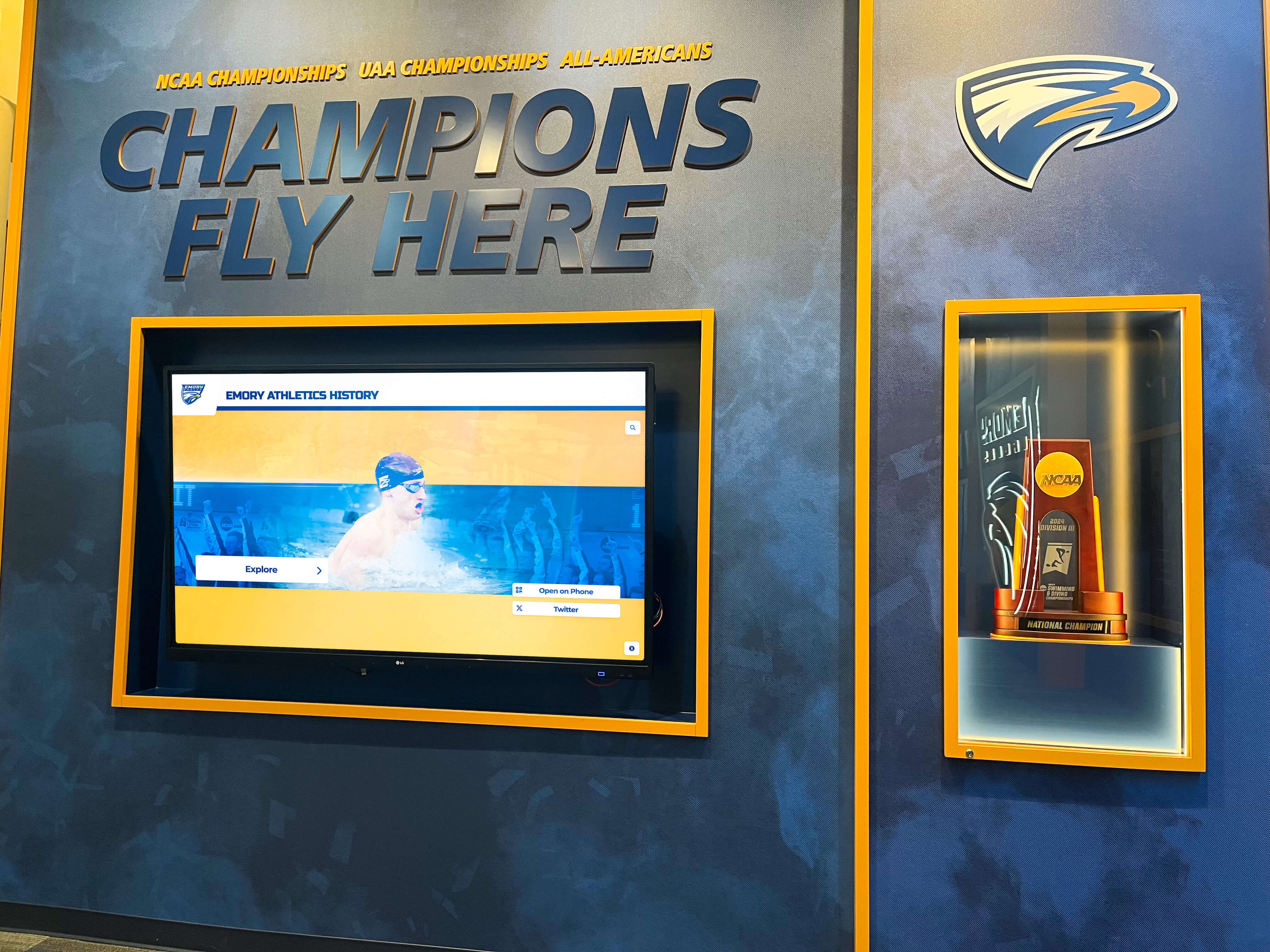
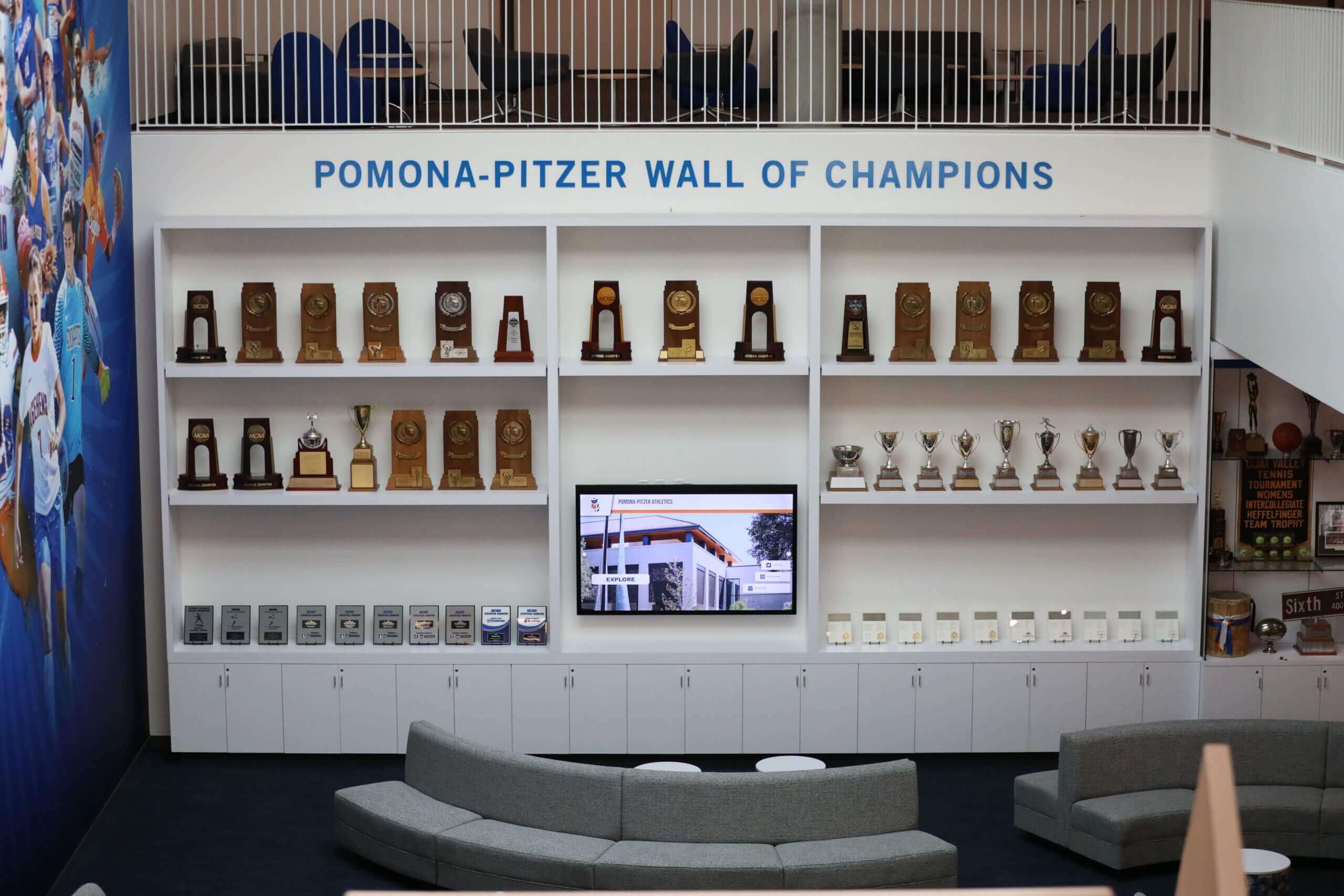
Multi-element recognition spaces combine traditional trophy displays with modern digital platforms creating comprehensive celebration environments
Ensuring Accuracy and Appropriate Tone
Recognition must be factually accurate and tonally appropriate, avoiding errors that embarrass organizations and honorees.
Biographical Verification
Before creating recognition content or ceremony programs:
- Verify biographical information directly with honorees or families
- Confirm name spellings, titles, and credential accuracy
- Review career accomplishments and dates for precision
- Validate family member names and relationships
- Confirm institutional connection details and chronology
Even minor errors—misspelled names, incorrect dates, wrong titles—undermine recognition quality while causing unnecessary embarrassment.
Gift Acknowledgment Accuracy
Ensure absolute precision regarding:
- Gift amounts and campaign credit calculations
- Designation specificity about how funds will be used
- Recognition level assignments based on institutional policies
- Pledge fulfillment status if gifts are paid over time
- Anonymous wishes or partial name usage preferences
Financial acknowledgment errors create serious legal and ethical concerns requiring immediate correction with potential donor relationship damage.
Long-Term Recognition Maintenance
Permanent recognition requires sustained maintenance ensuring continued quality and accuracy.
Physical Display Upkeep
Traditional plaques and signage need:
- Regular cleaning preventing tarnish and deterioration
- Periodic refinishing maintaining appearance quality
- Prompt damage repair preserving recognition dignity
- Landscape maintenance ensuring visibility isn’t obscured
- Lighting maintenance illuminating evening recognition
Neglected recognition communicates lack of respect for honorees, undermining stewardship messages organizations intend.
Digital Content Currency
Interactive recognition displays require ongoing management including:
- Software updates maintaining security and functionality
- Content additions as new donors merit recognition
- Information corrections when changes occur
- Featured content rotation preventing stagnation
- Hardware maintenance ensuring reliable operation
Organizations implementing digital recognition should establish clear staff responsibilities for content management, ensuring displays remain current rather than becoming outdated monuments to initial installation dates.
Conclusion: Creating Naming Ceremonies That Inspire and Endure
Naming ceremonies represent transformational opportunities to honor generous contributors while strengthening the philanthropic relationships sustaining institutional missions for generations. When approached strategically—balancing heartfelt appreciation with professional execution, combining memorable celebration moments with permanent recognition, and implementing thoughtful follow-through maintaining engagement—these events deliver extraordinary value extending far beyond dedication days themselves.
The most successful ceremonies authentically reflect organizational culture while personalizing recognition to honor each donor’s unique story, motivations, and connection to institutional missions. Rather than generic formulas, effective recognition requires listening to honorees, understanding what matters most to them, and creating experiences they and their families genuinely treasure while inspiring future contributors through compelling demonstration of stewardship commitment.
Create Lasting Recognition for Your Contributors
Discover how modern digital recognition displays can transform your naming ceremonies from one-time events into permanent celebrations that honor donors while inspiring future philanthropy for decades.
Explore Recognition SolutionsModern recognition technology enables acknowledgment depth and accessibility impossible with traditional plaques alone. Interactive digital displays showcased during naming ceremonies provide permanent platforms for rich multimedia storytelling—biographical narratives explaining donor motivations, professional photography celebrating accomplishments, video testimonials capturing authentic voices, and impact documentation demonstrating concrete outcomes contributions enable. Solutions like Rocket Alumni Solutions provide purpose-built platforms specifically designed for institutional recognition, delivering superior functionality that generic digital signage systems cannot match while enabling content management accessible to non-technical development teams.
Permanent recognition extends ceremony impact indefinitely—welcoming returning donors, inspiring prospective contributors, educating community members about philanthropic culture, and demonstrating stewardship commitment that influences future giving decisions. Organizations that view recognition as strategic investment rather than obligatory expense consistently attract higher philanthropic support, retain donors more effectively, and build cultures of appreciation that sustain missions across generations.
Whether planning your first major naming ceremony or seeking to enhance established recognition programs, the key lies in genuine appreciation, professional execution, personalized approach, and sustained commitment to maintaining recognition quality long after unveiling moments pass. Your contributors’ generosity enables extraordinary accomplishments—they deserve recognition reflecting the transformational impact of their partnership.
Ready to enhance your naming recognition program? Explore capital campaign donor recognition strategies providing implementation frameworks for comprehensive acknowledgment. Discover employee recognition program approaches applicable to donor celebration. Learn about building dedication plaque design that complements interactive recognition. Review award ceremony planning guides for event execution insights. And explore digital donor recognition displays that provide permanent platforms celebrating contributors long after naming ceremonies conclude.