



National Heritage Months represent powerful opportunities for educational institutions, organizations, and communities to celebrate cultural diversity, honor contributions from historically underrepresented groups, and create inclusive environments where all backgrounds receive recognition and appreciation. From Black History Month and Hispanic Heritage Month to Asian American and Pacific Islander Heritage Month and beyond, these designated periods provide frameworks for systematic celebration, education, and community engagement.
Yet many schools and organizations struggle to create heritage month celebrations that truly resonate and create lasting impact. Recognition efforts often default to superficial observances—bulletin boards quickly assembled and forgotten, single-assembly presentations, or generic historical facts disconnected from present community. Meanwhile, opportunities to engage diverse populations meaningfully, create year-round recognition systems, and leverage modern technology for comprehensive cultural celebration go unrealized.
This comprehensive guide explores proven strategies for celebrating National Heritage Months through inclusive programming, digital recognition displays, educational initiatives, and sustainable approaches that honor cultural diversity not just during designated months but throughout the entire year.
Effective heritage month celebrations extend far beyond token gestures or isolated events—they represent strategic opportunities to strengthen organizational culture, educate communities about diverse contributions, create inclusive environments where all individuals feel valued, and establish systematic approaches to cultural recognition that continue long after specific observance periods end. Understanding these deeper purposes helps institutions design celebrations that deliver genuine value and lasting cultural impact.

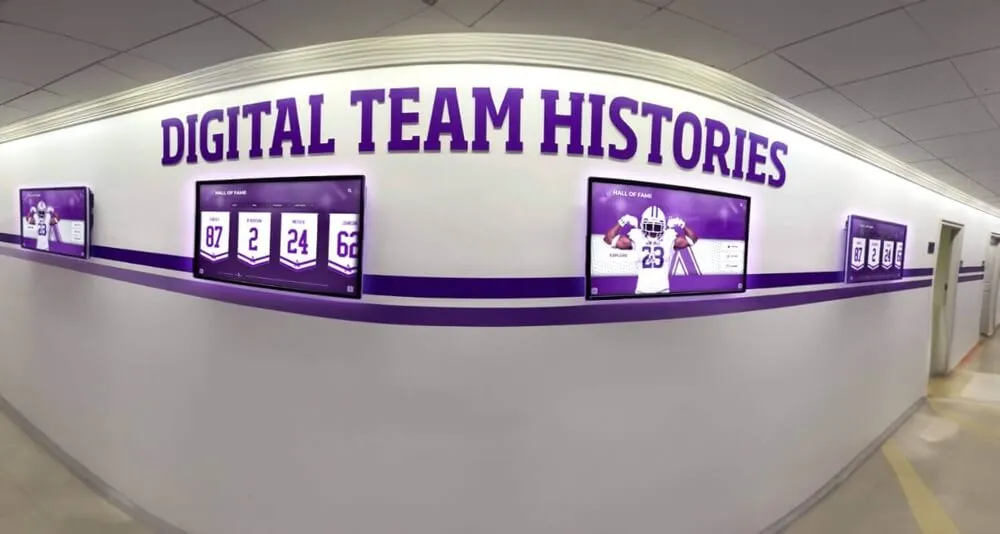
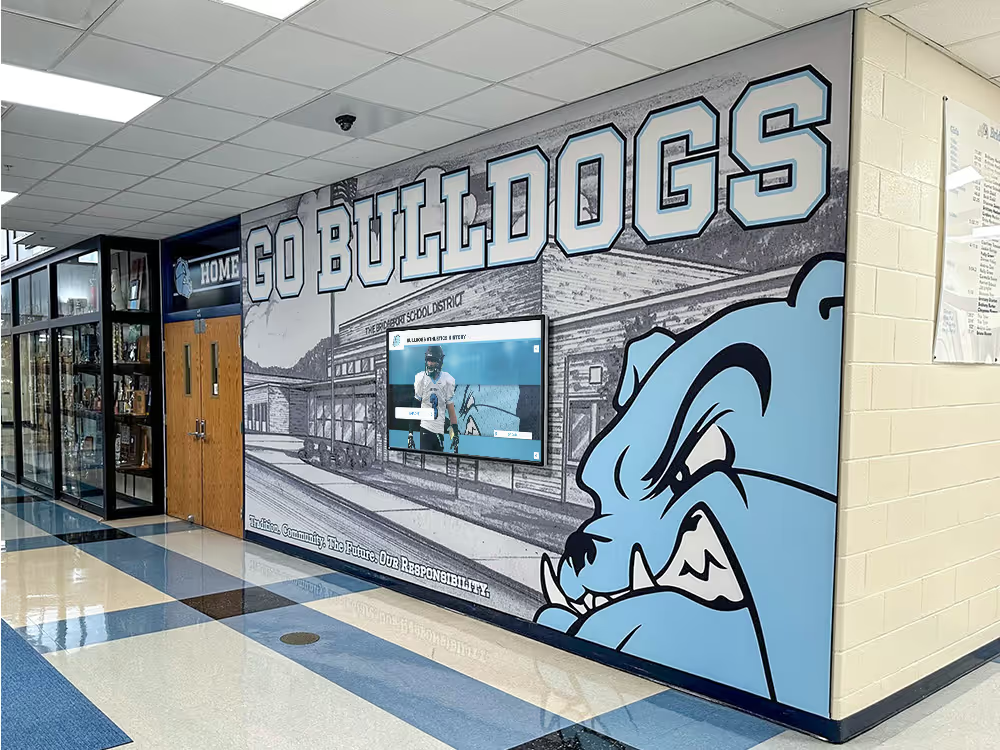
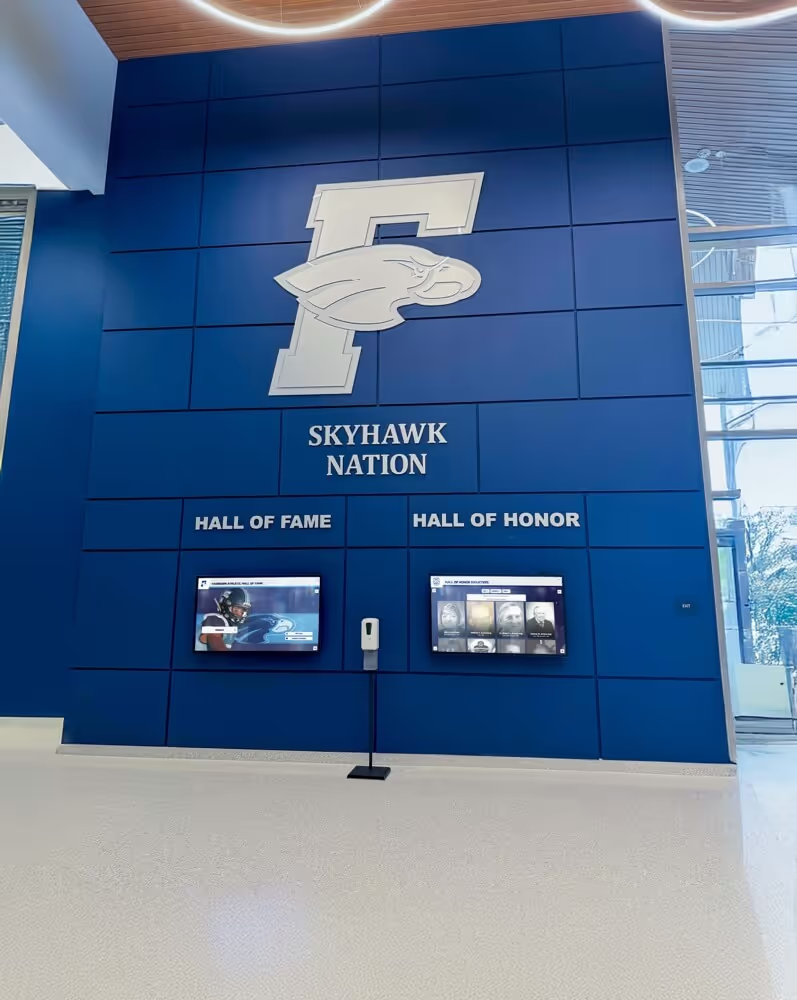
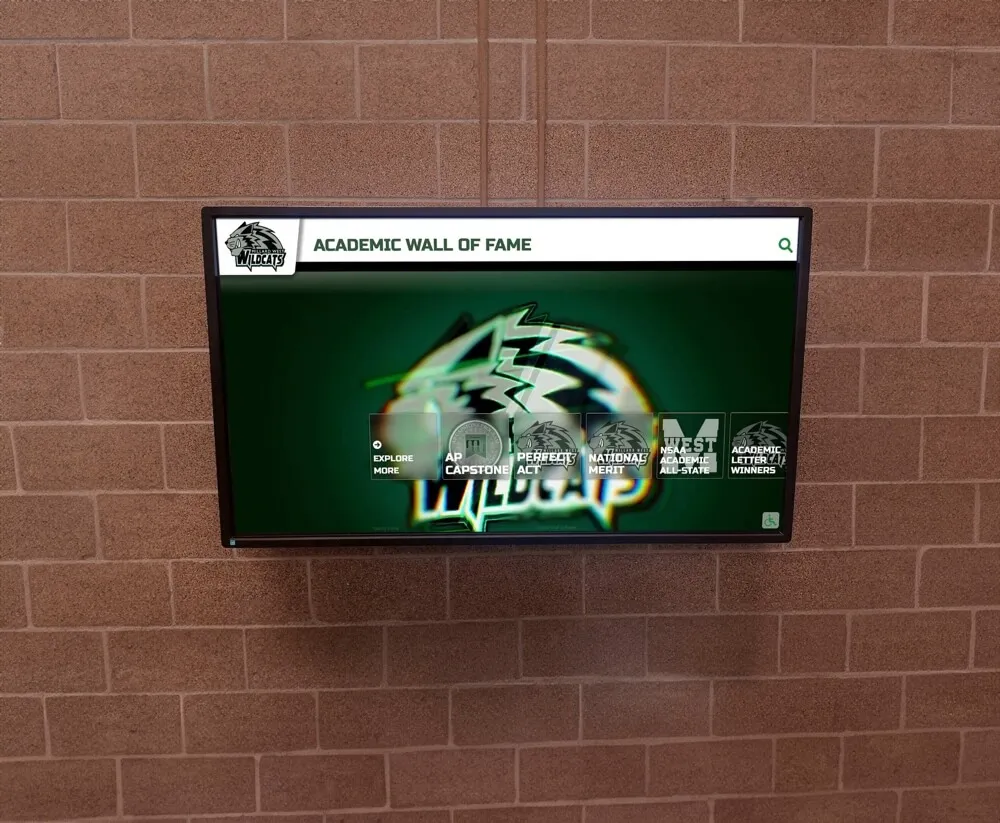
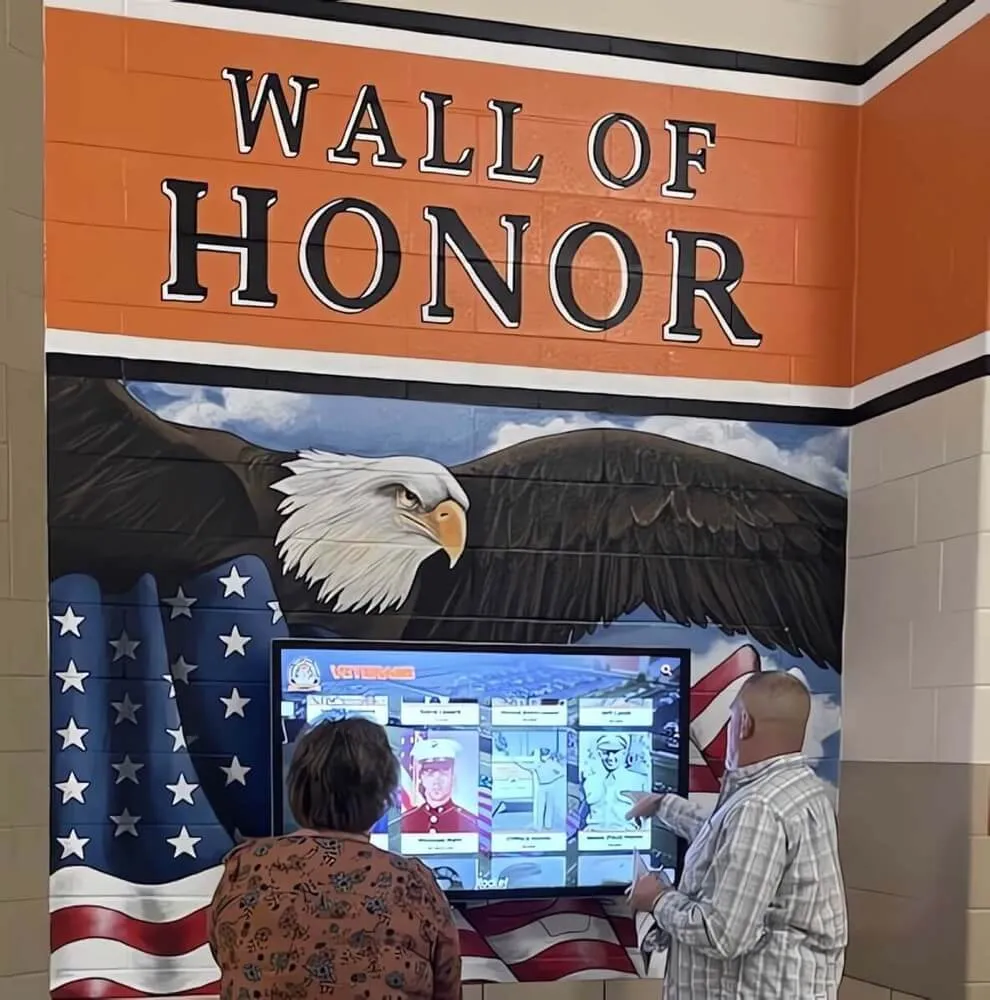
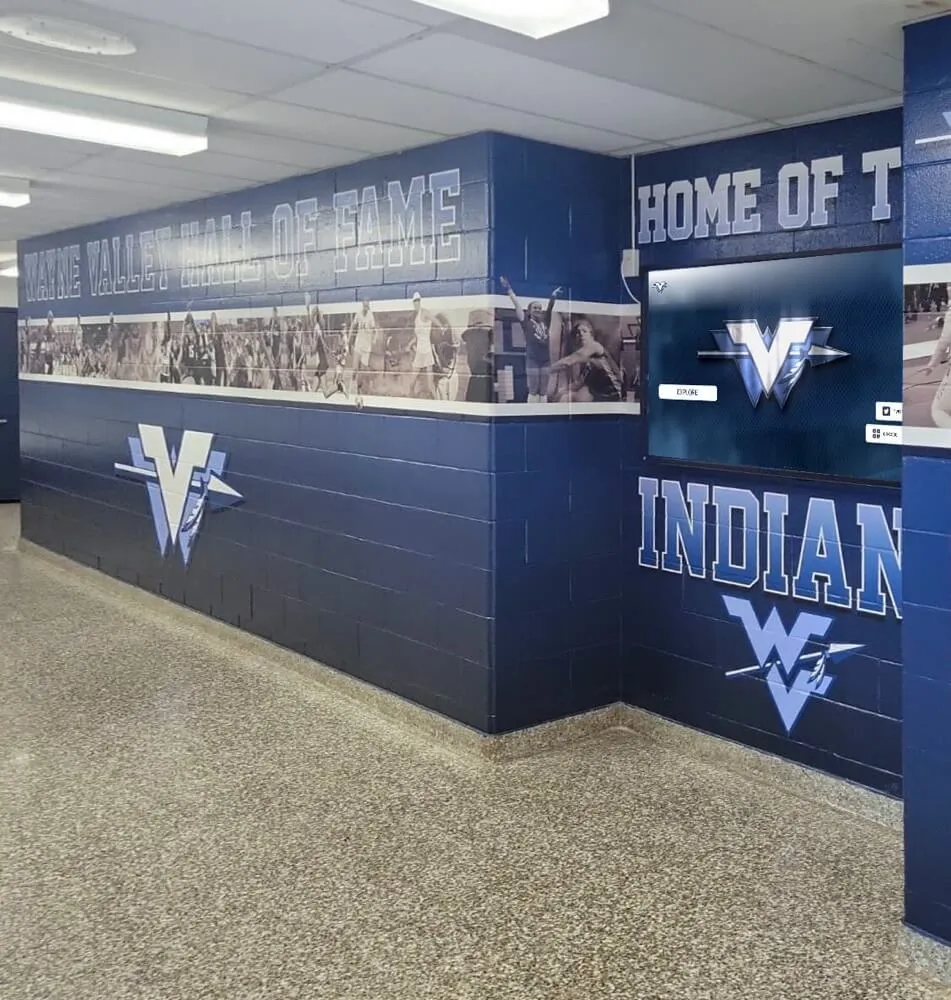
Digital recognition systems create engaging ways to celebrate cultural diversity and heritage throughout the year
Understanding National Heritage Months and Their Significance
Recognizing the full spectrum of heritage observances helps institutions plan comprehensive annual calendars honoring diverse cultural contributions.
The Complete Calendar of National Heritage Months
The United States recognizes numerous heritage months throughout the year, each celebrating specific cultural, ethnic, or identity communities:
February - Black History Month Celebrates the achievements, history, and culture of African Americans. Established in 1976 as an expansion of “Negro History Week” created by historian Carter G. Woodson in 1926. This month honors the profound contributions of Black Americans to American society, from civil rights leaders to scientists, artists, educators, and innovators across every field.
March - Women’s History Month Recognizes and celebrates women’s contributions to history, culture, and society. March was chosen to coincide with International Women’s Day on March 8. This month honors women’s achievements in politics, science, arts, business, social justice, and countless other domains while acknowledging ongoing work toward gender equality.
April - National Arab American Heritage Month Celebrates the heritage and contributions of Arab Americans to the cultural fabric of American society. This month recognizes Arab American achievements in medicine, science, technology, business, government, and the arts while promoting understanding of Arab culture and history.
May - Asian American and Pacific Islander Heritage Month Originally designated as Asian/Pacific American Heritage Week in 1977, expanded to a month-long celebration in 1992. May was selected to commemorate the arrival of the first Japanese immigrants to the United States on May 7, 1843, and to mark the completion of the transcontinental railroad on May 10, 1869, built largely by Chinese immigrants.
June - LGBTQ+ Pride Month Commemorates the Stonewall Uprising of June 1969 and celebrates the LGBTQ+ community’s achievements, history, and ongoing advocacy for equality. Pride Month recognizes LGBTQ+ contributions across all sectors while promoting acceptance, understanding, and equal rights.
September 15 - October 15 - National Hispanic Heritage Month Celebrates the histories, cultures, and contributions of American citizens whose ancestors came from Spain, Mexico, the Caribbean, and Central and South America. The observation starts mid-September to coincide with independence day celebrations of several Latin American countries.

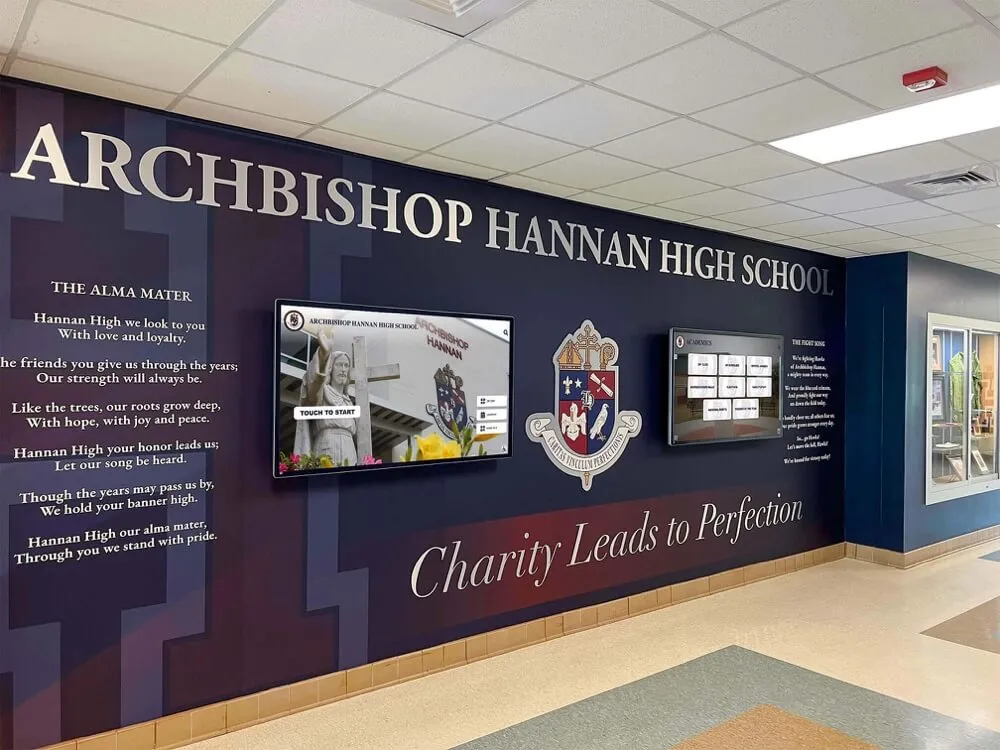
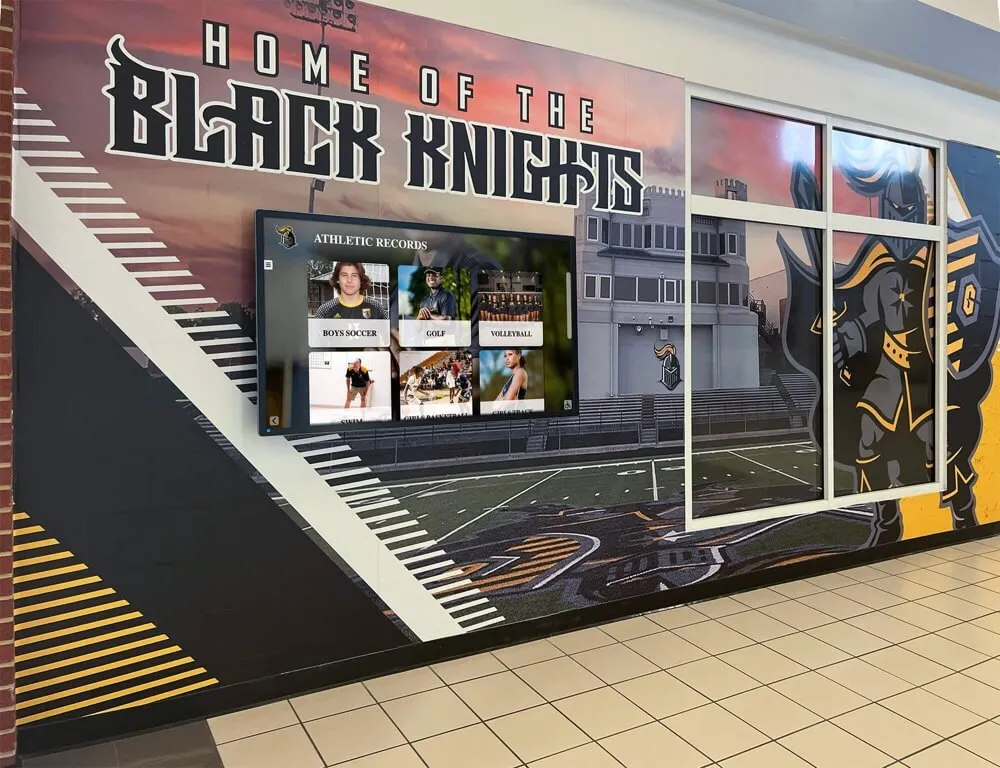
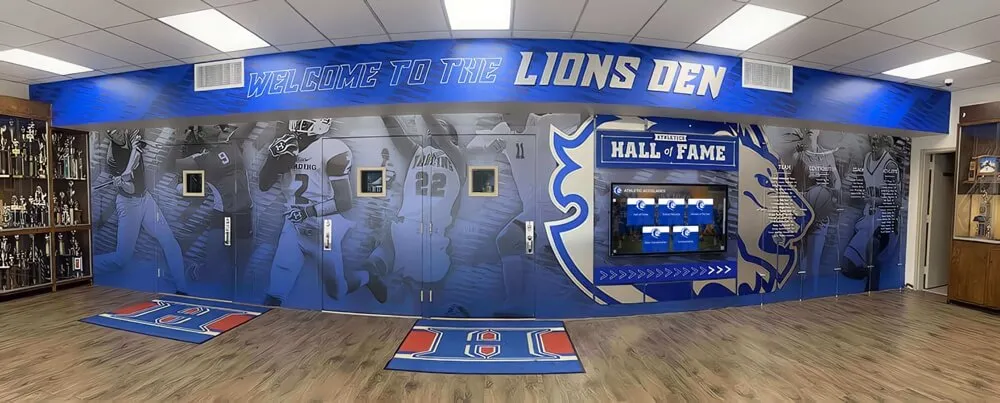
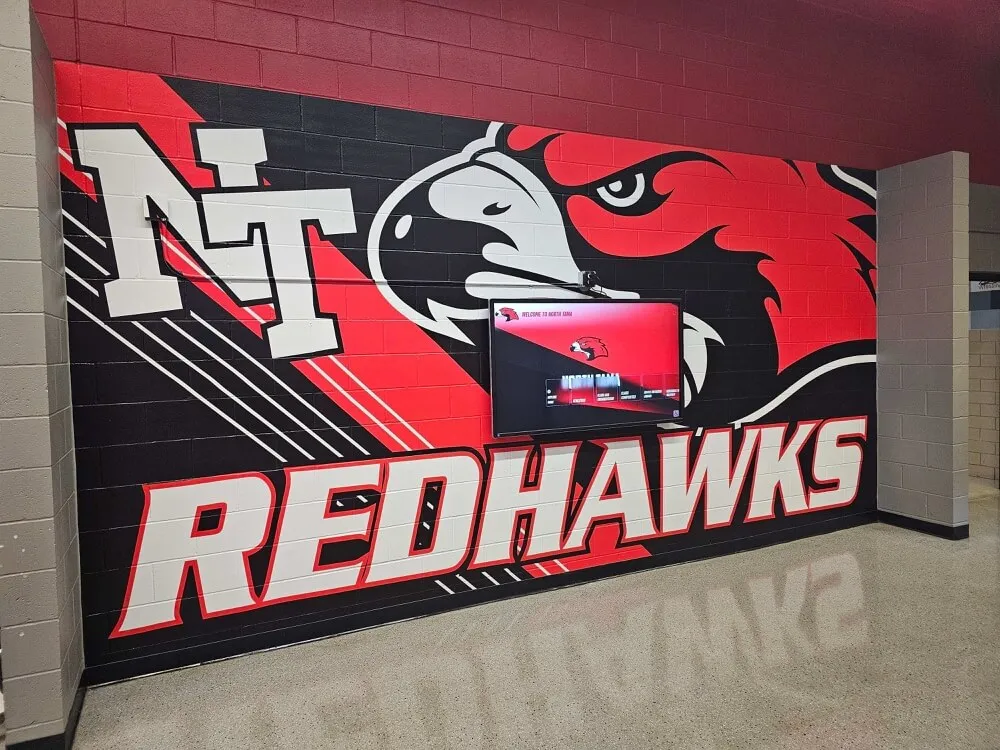
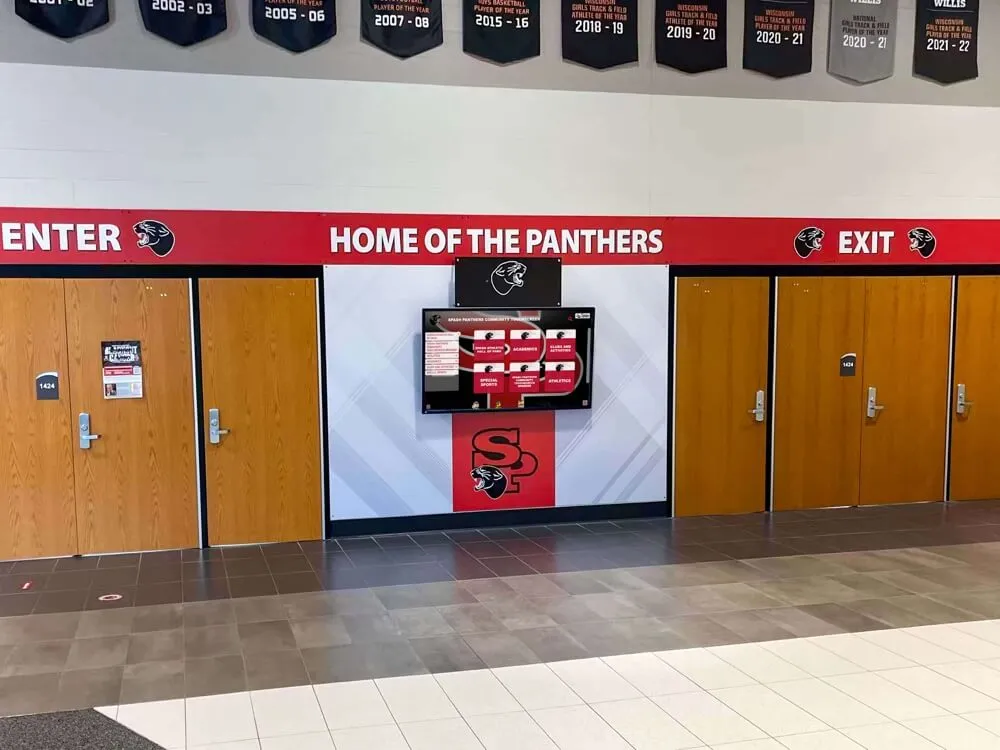
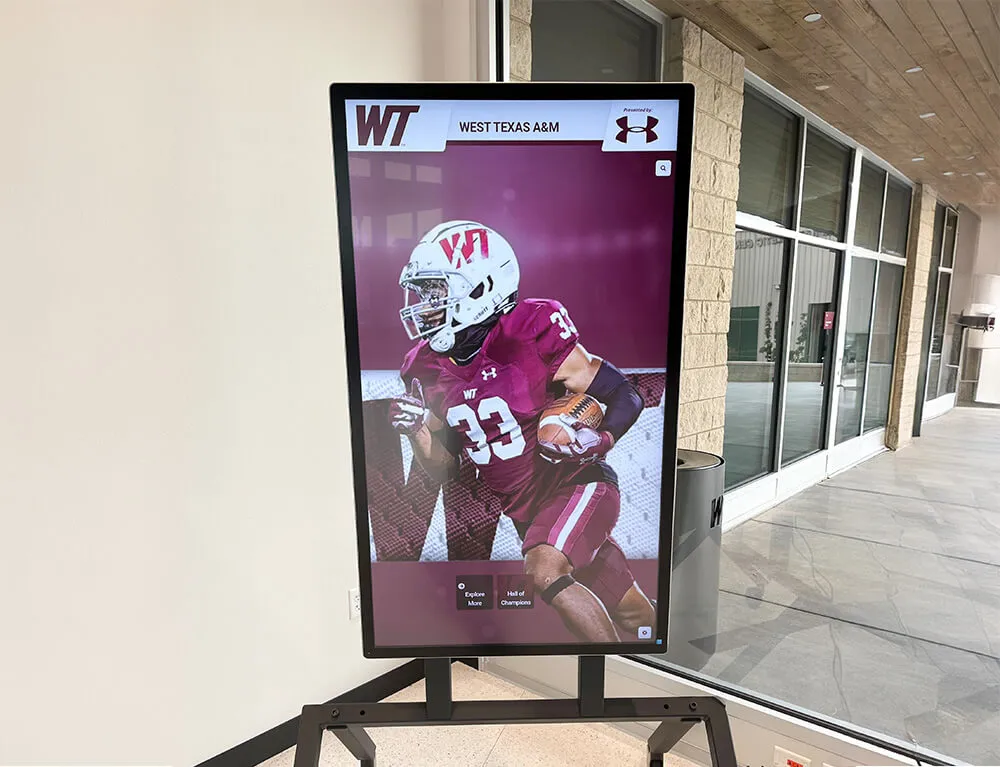
Permanent heritage recognition spaces honor diverse contributions year-round while featuring special content during designated months
October - National Disability Employment Awareness Month Recognizes the contributions of workers with disabilities and educates about disability employment issues. This month celebrates the talents, skills, and important contributions of American workers with disabilities while promoting inclusive employment practices.
November - National American Indian Heritage Month Also known as Native American Heritage Month, celebrates the rich and diverse cultures, traditions, and histories of Native Americans. This month recognizes the significant contributions of America’s indigenous peoples to the nation’s history, culture, and society.
Additional observances throughout the year include Irish-American Heritage Month (March), Jewish American Heritage Month (May), and Caribbean-American Heritage Month (June), among others. Many states and localities recognize additional heritage celebrations reflecting their specific demographic communities.
Why Heritage Month Celebrations Matter
Understanding the tangible benefits of systematic heritage recognition helps justify investment and builds stakeholder support.
Educational Value and Historical Awareness Heritage months provide structured opportunities for comprehensive education about diverse communities’ contributions, histories, and experiences. These designated periods create natural frameworks for curriculum integration, special programming, and focused learning that might otherwise receive insufficient attention in standard educational programming.
According to educational research, students exposed to diverse cultural perspectives demonstrate increased cultural competence, reduced prejudice, and enhanced critical thinking skills. Heritage month celebrations that go beyond surface-level facts to explore complex histories, systemic challenges, and contemporary issues create meaningful learning experiences developing cultural intelligence essential for success in diverse societies.
Inclusion and Belonging for Diverse Communities When institutions systematically celebrate the heritage of various cultural groups, individuals from those backgrounds experience validation that their identity and history matter to the broader community. This recognition creates stronger sense of belonging, particularly for students or members from historically marginalized or underrepresented populations.
Research consistently demonstrates that feeling valued and included significantly impacts academic performance, organizational commitment, and overall well-being. Heritage celebrations that honor individuals’ cultural backgrounds contribute to inclusive environments where diversity is genuinely celebrated rather than merely tolerated.
Combating Bias and Building Cross-Cultural Understanding
Comprehensive heritage education challenges stereotypes, counters bias, and builds bridges across different communities. When students or organizational members learn about contributions from diverse groups, they develop more nuanced understanding moving beyond simplistic or prejudicial views.
Meaningful heritage celebrations create opportunities for dialogue, shared learning, and relationship-building across difference. These experiences prove particularly valuable in increasingly diverse societies where cross-cultural competence represents essential skill for personal and professional success.

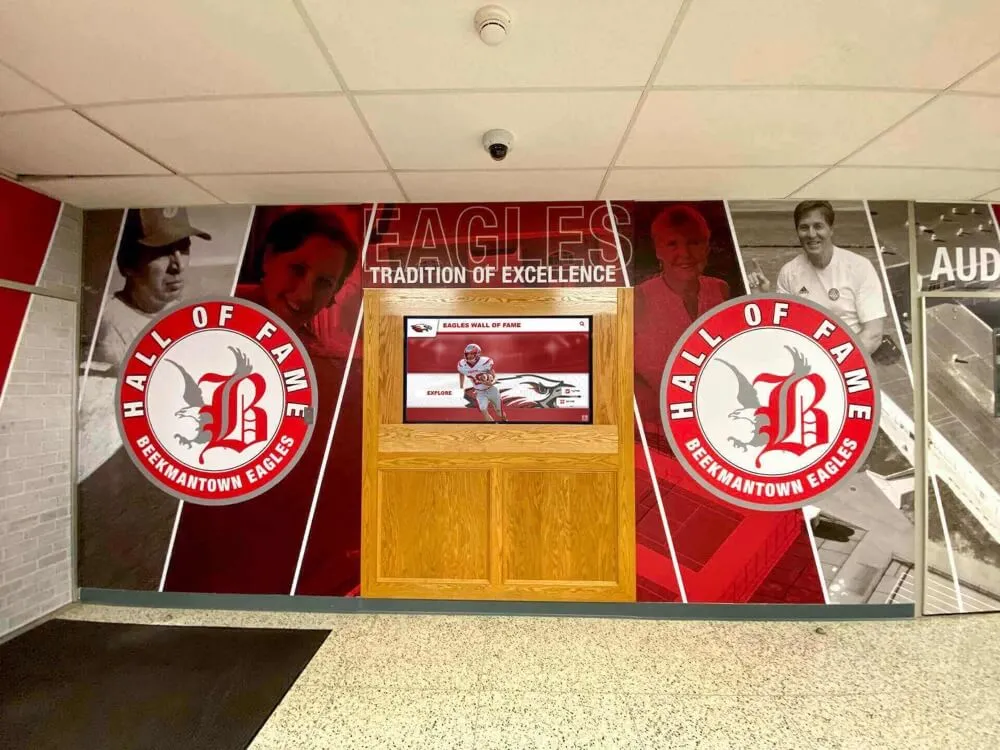
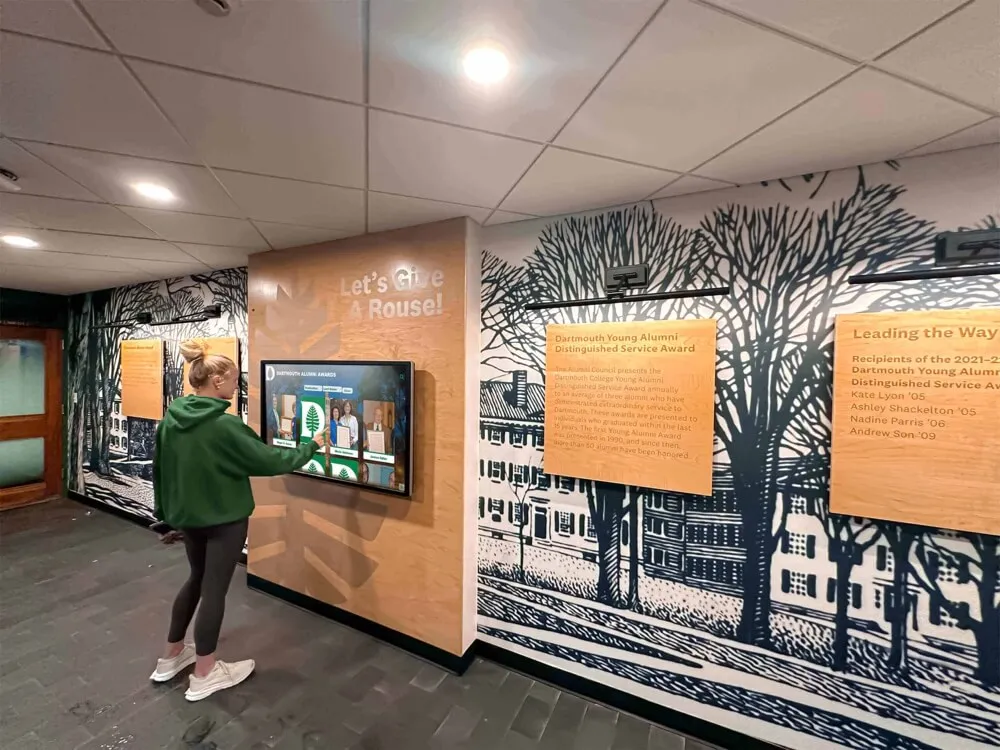
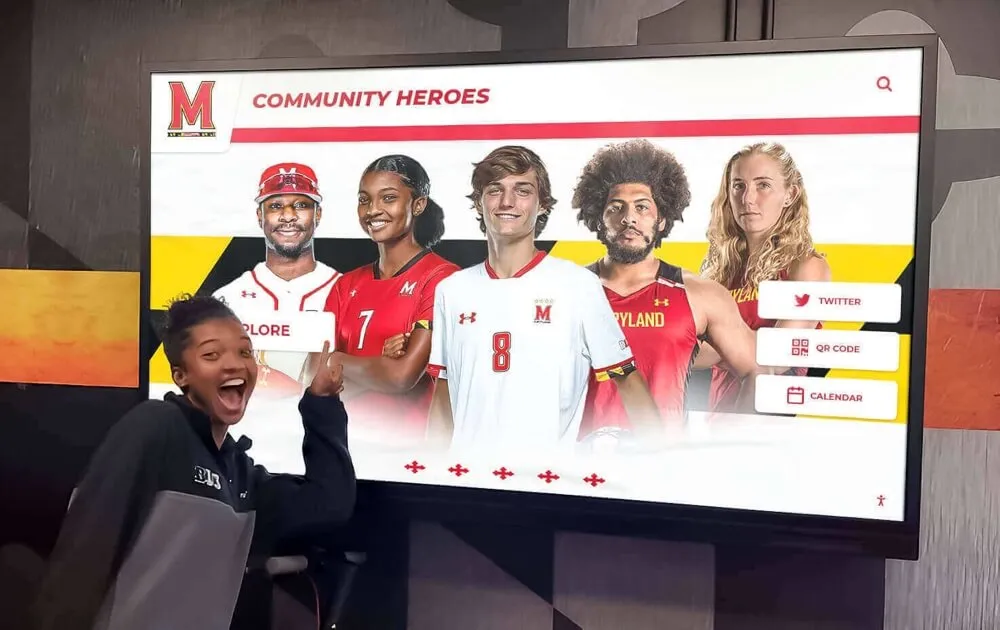
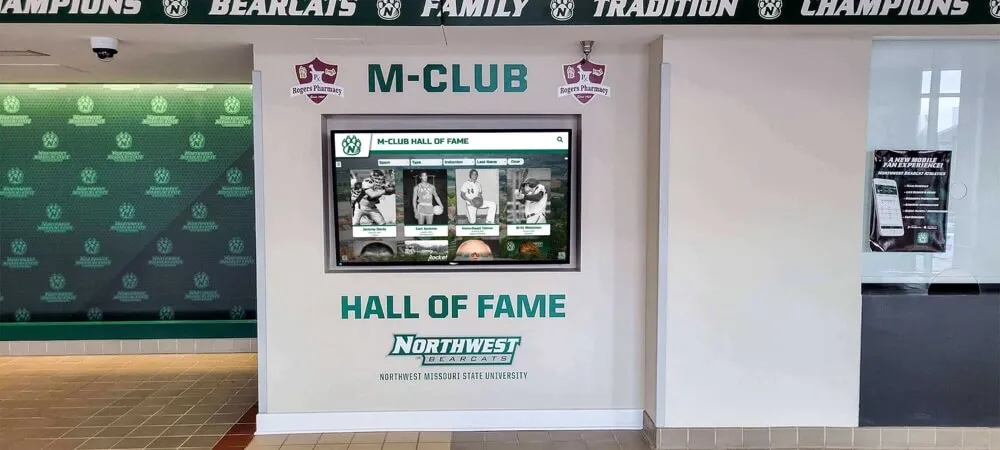
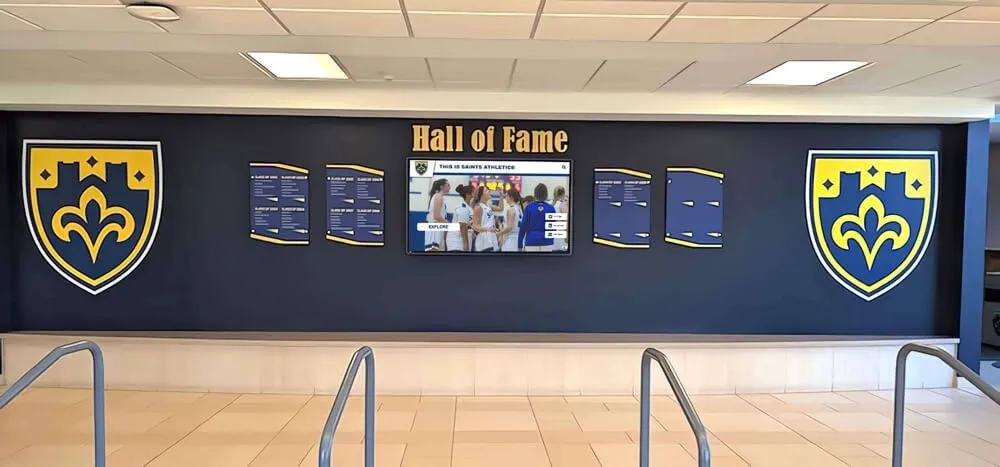
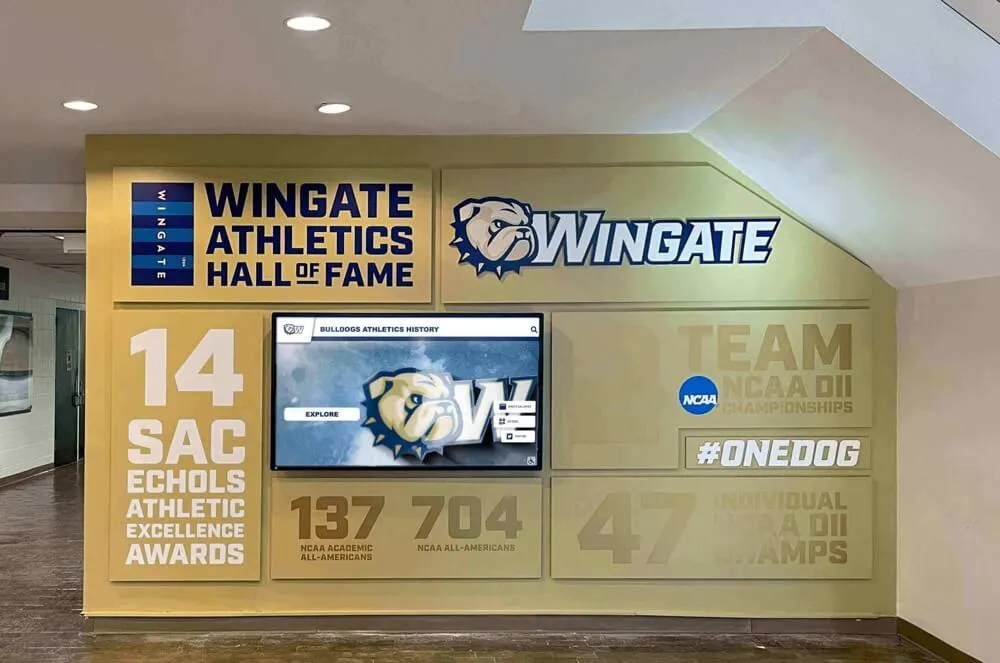
Interactive technology enables exploration of cultural heritage across decades and centuries
Organizational Culture and Values Communication How institutions observe heritage months communicates powerful messages about organizational values and priorities. Thoughtful, sustained heritage celebrations signal genuine commitment to diversity, equity, and inclusion rather than superficial compliance with expectations.
These cultural signals influence recruitment and retention. Prospective students, employees, and families evaluate whether organizations’ stated diversity commitments match actual practice. Sophisticated heritage recognition programs demonstrate authentic investment in inclusive culture.
Strategic Planning for Heritage Month Celebrations
Systematic planning ensures heritage observances create meaningful impact rather than becoming perfunctory checkbox exercises.
Annual Heritage Month Planning Calendar
Effective heritage recognition begins with comprehensive annual planning identifying all observances the institution will celebrate and establishing coordinated approaches avoiding last-minute scrambling.
January Planning Phase
- Establish heritage month planning committee with diverse representation
- Review previous year’s celebrations identifying successes and improvement opportunities
- Develop comprehensive annual calendar of all heritage months to be observed
- Allocate budget resources for heritage programming, materials, and displays
- Identify key partnerships with cultural organizations and community groups
Quarter-by-Quarter Implementation
- Q1 (January-March): Black History Month (February), Women’s History Month (March)
- Q2 (April-June): Arab American Heritage (April), AAPI Heritage (May), LGBTQ+ Pride (June)
- Q3 (July-September): Hispanic Heritage Month begins September 15
- Q4 (October-December): Hispanic Heritage Month concludes October 15, Disability Employment Awareness (October), Native American Heritage (November)
Quarterly Planning Meetings Schedule planning meetings 6-8 weeks before each heritage month begins, ensuring adequate preparation time for programming development, speaker booking, materials creation, and promotional campaign launch.
Coordination Across Departments Heritage month success requires collaboration across multiple organizational areas including academic departments or curriculum teams, student affairs or HR departments, facilities management for display installation, communications for promotion, and technology teams for digital platform management.
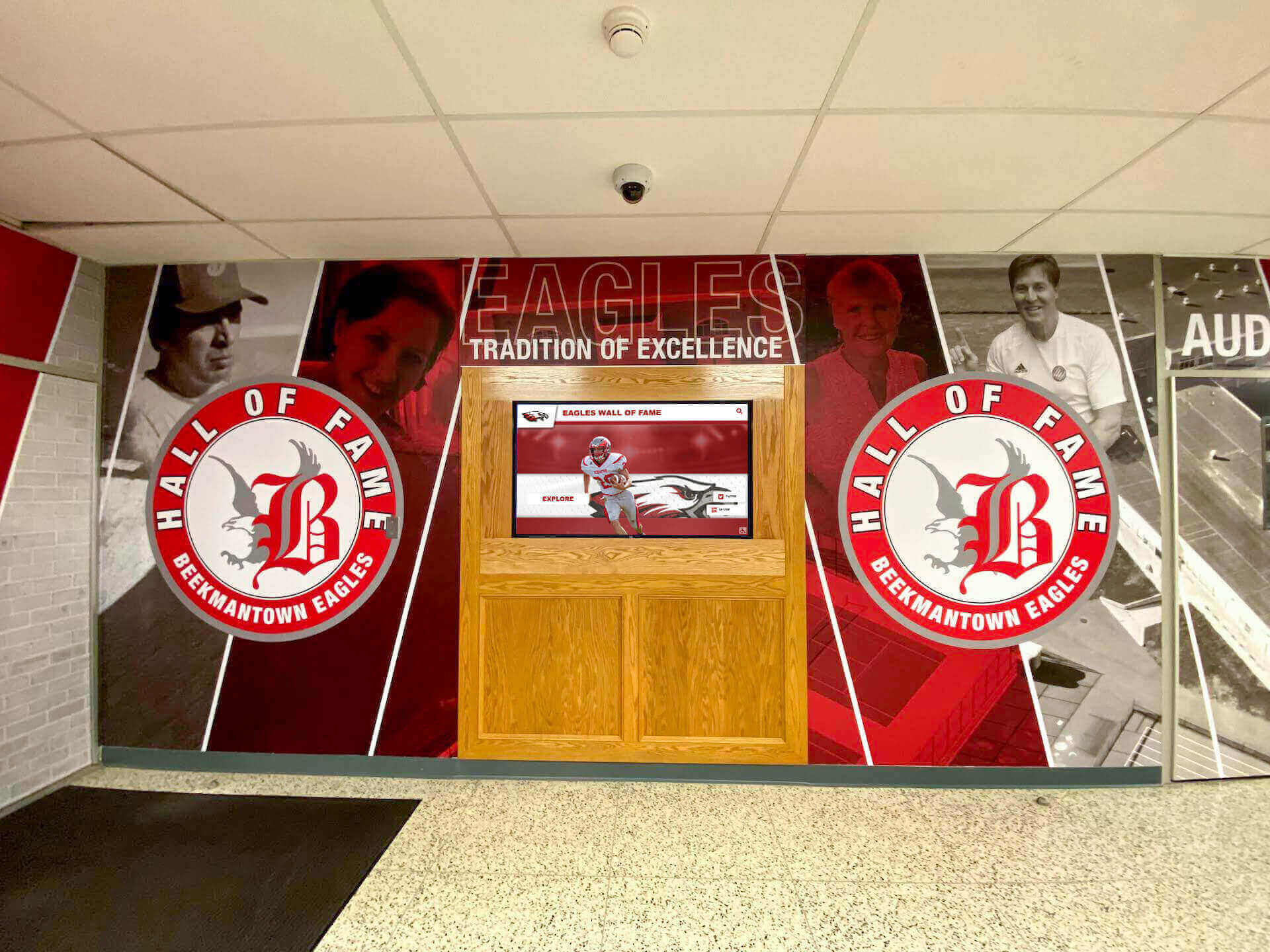
Comprehensive planning enables heritage celebrations integrated throughout organizational spaces
Establishing Clear Celebration Objectives
Heritage month initiatives should advance specific, measurable objectives rather than simply existing because “we should do something.”
Educational Learning Goals
- Increase community knowledge about specific cultural groups’ historical contributions
- Challenge stereotypes and misconceptions through accurate, nuanced information
- Connect historical content to contemporary experiences and issues
- Develop critical thinking about systemic inequality and social justice
- Build cultural competence and cross-cultural communication skills
Community Engagement Objectives
- Increase participation from members of celebrated heritage groups in programming
- Create dialogue opportunities between different cultural communities
- Strengthen relationships with external cultural organizations and community partners
- Build alumni engagement through heritage-focused events and recognition
- Enhance family participation in cultural celebrations
Organizational Culture Goals
- Strengthen sense of belonging for individuals from diverse backgrounds
- Demonstrate institutional commitment to diversity, equity, and inclusion
- Create more inclusive physical and cultural environments
- Support recruitment and retention of diverse students, faculty, or staff
- Enhance organizational reputation for authentic cultural celebration
Measurement and Assessment Establish specific metrics for evaluating heritage month success including participation rates in heritage month events and programming, survey results assessing increased cultural awareness, engagement analytics for digital heritage displays and online content, feedback from members of celebrated communities, and qualitative indicators of cultural climate improvement.
Budget Development and Resource Allocation
Sustainable heritage programming requires adequate financial resources and thoughtful allocation.
Core Budget Categories
- Programming costs: Speaker honoraria, performer fees, workshop materials, event catering
- Marketing and communications: Posters, digital graphics, promotional materials, advertising
- Display and decoration: Physical displays, bulletin board materials, banners, flags
- Technology investments: Digital recognition displays, content management platforms, website development
- Educational resources: Books, films, curriculum materials, teaching resources
- Staff time: Coordination, planning, content development, event management
Typical Investment Levels
- Minimal observance: $500-$1,500 per heritage month (basic materials, one or two events)
- Moderate programming: $2,000-$5,000 per heritage month (multiple events, quality speakers, comprehensive materials)
- Robust celebration: $5,000-$15,000 per heritage month (premium programming, major speakers, sophisticated displays)
- Digital recognition systems: $8,000-$25,000 initial investment plus $2,000-$5,000 annual management
Many institutions allocate annual diversity and inclusion budgets enabling systematic heritage recognition throughout the year rather than requiring separate fundraising for each observance.
Leveraging Digital Technology for Heritage Month Recognition
Modern digital platforms transform heritage celebration by overcoming traditional limitations while creating engaging, accessible, year-round recognition.
Interactive Digital Displays for Cultural Recognition
Solutions like Rocket Alumni Solutions enable comprehensive heritage recognition through touchscreen systems that showcase unlimited cultural content.
Unlimited Recognition Capacity Traditional bulletin boards or physical displays face severe space constraints—schools must choose which individuals, achievements, or cultural contributions receive visibility. Digital displays eliminate these limitations through unlimited database capacity showcasing thousands of profiles, stories, and cultural contributions without space constraints.
This capacity proves particularly valuable for heritage month celebrations. Rather than selecting only a handful of notable individuals from each cultural group, digital systems enable comprehensive recognition including historical figures and contemporary achievers, local community members alongside national leaders, diverse achievement categories from arts to science to activism, student and alumni achievements from celebrated heritage groups, and cultural traditions, practices, and contributions beyond individual accomplishment.
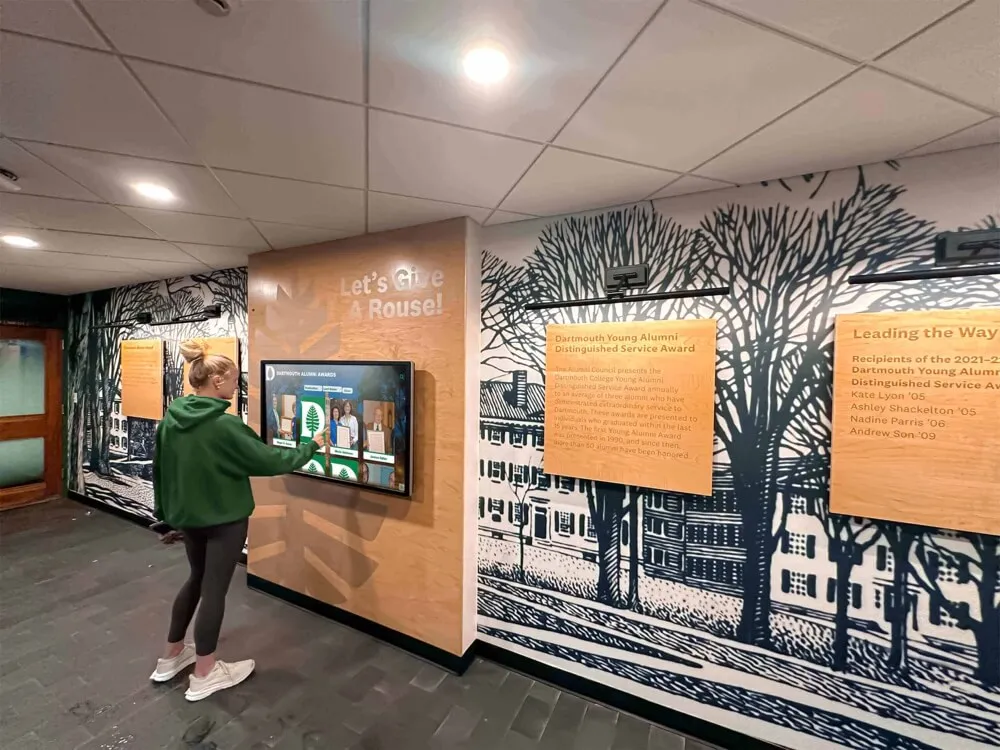
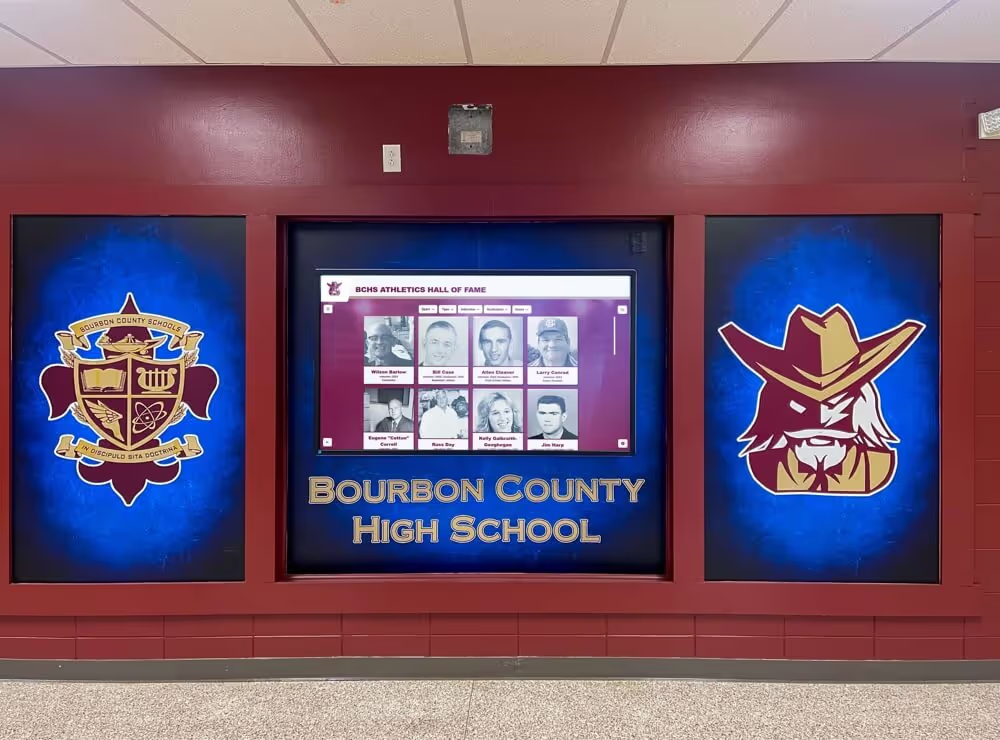
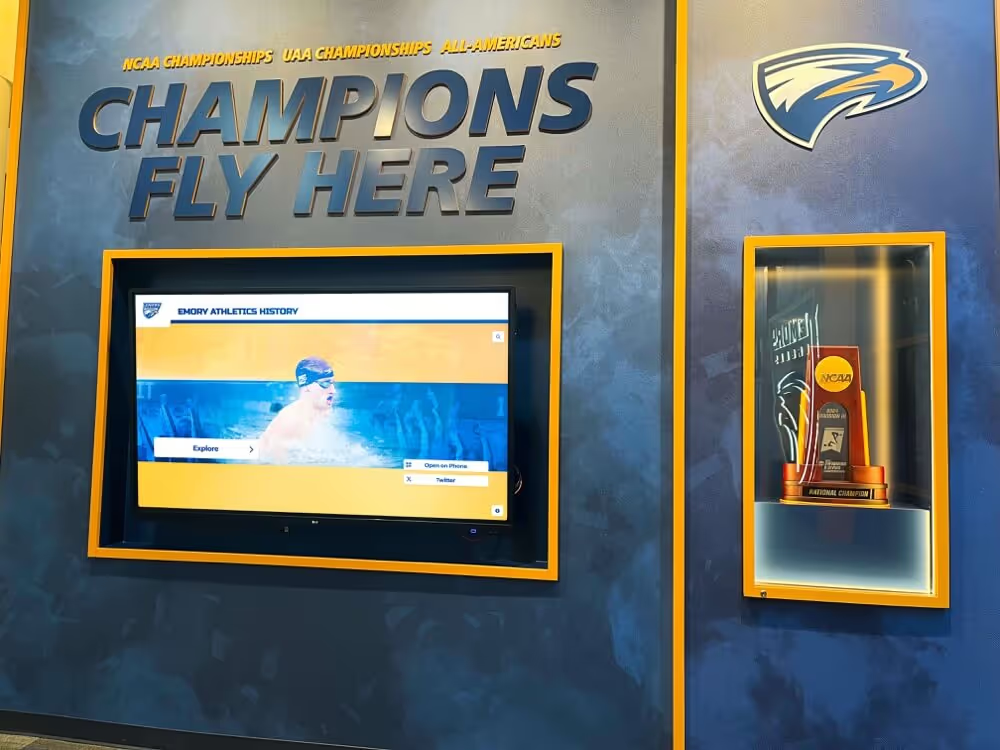
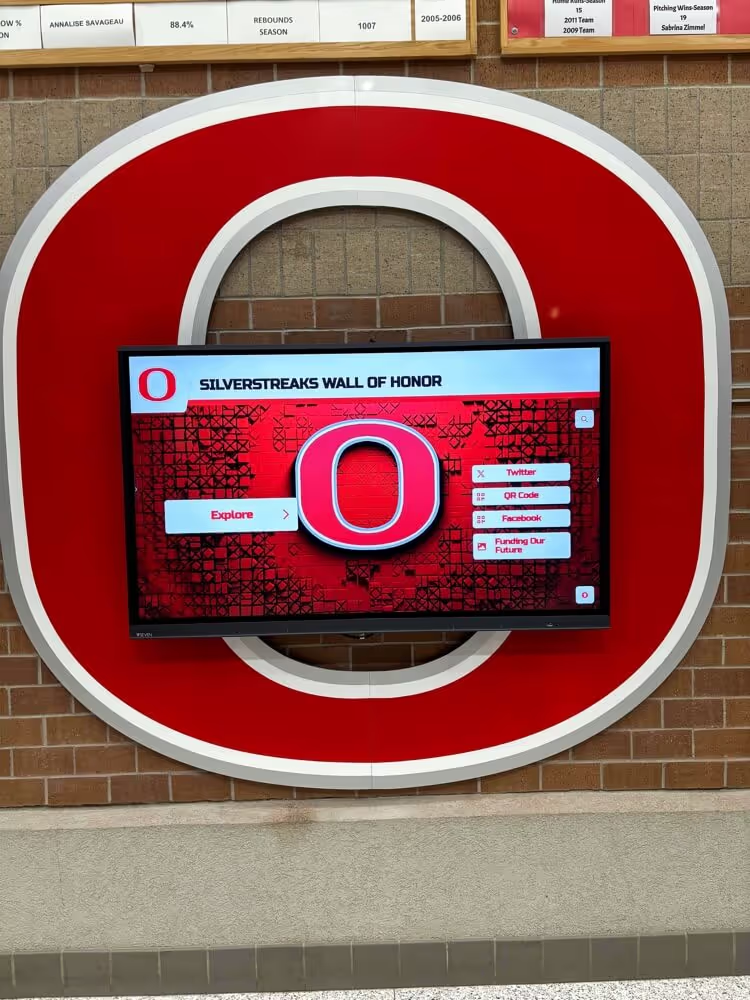
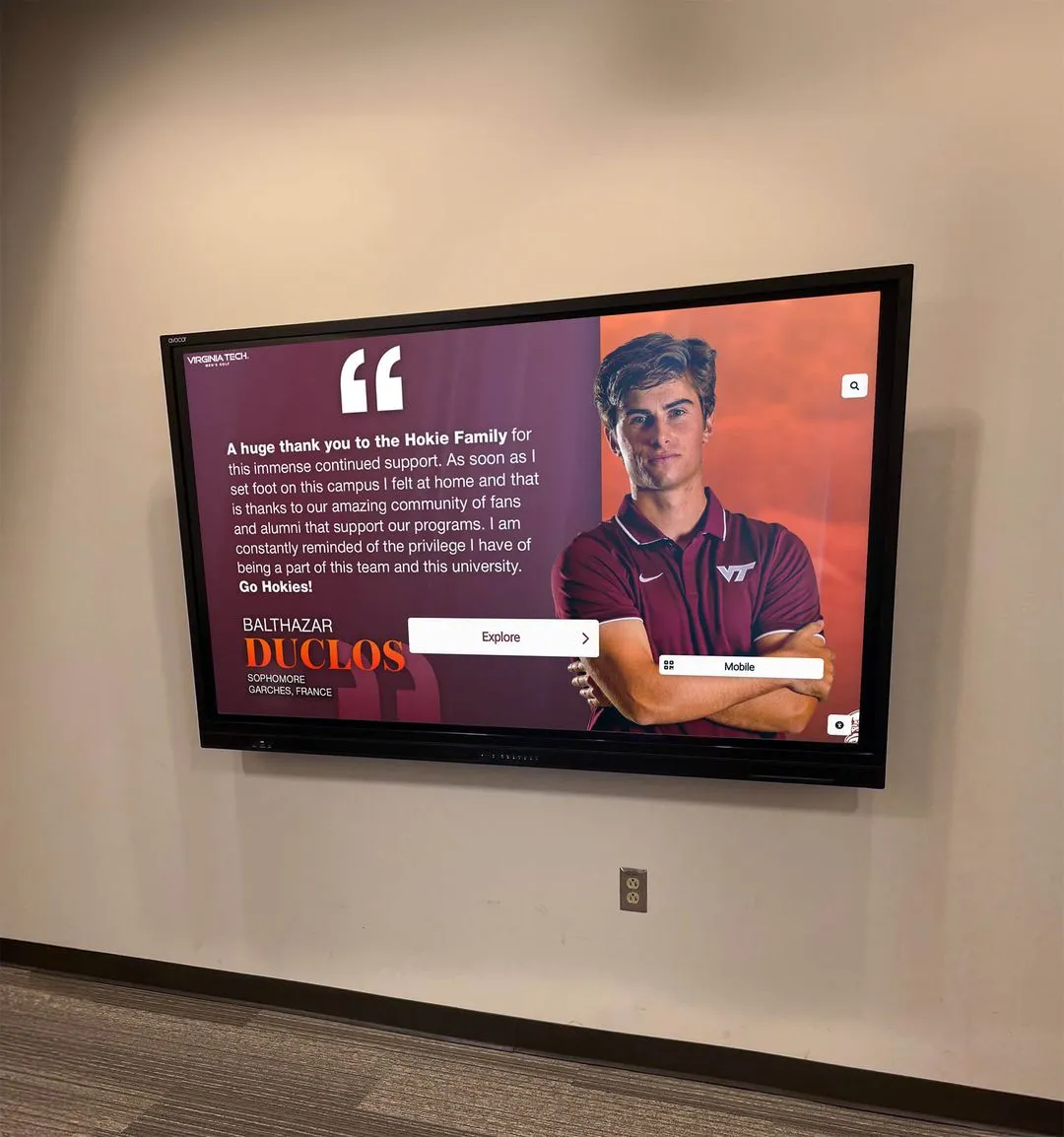
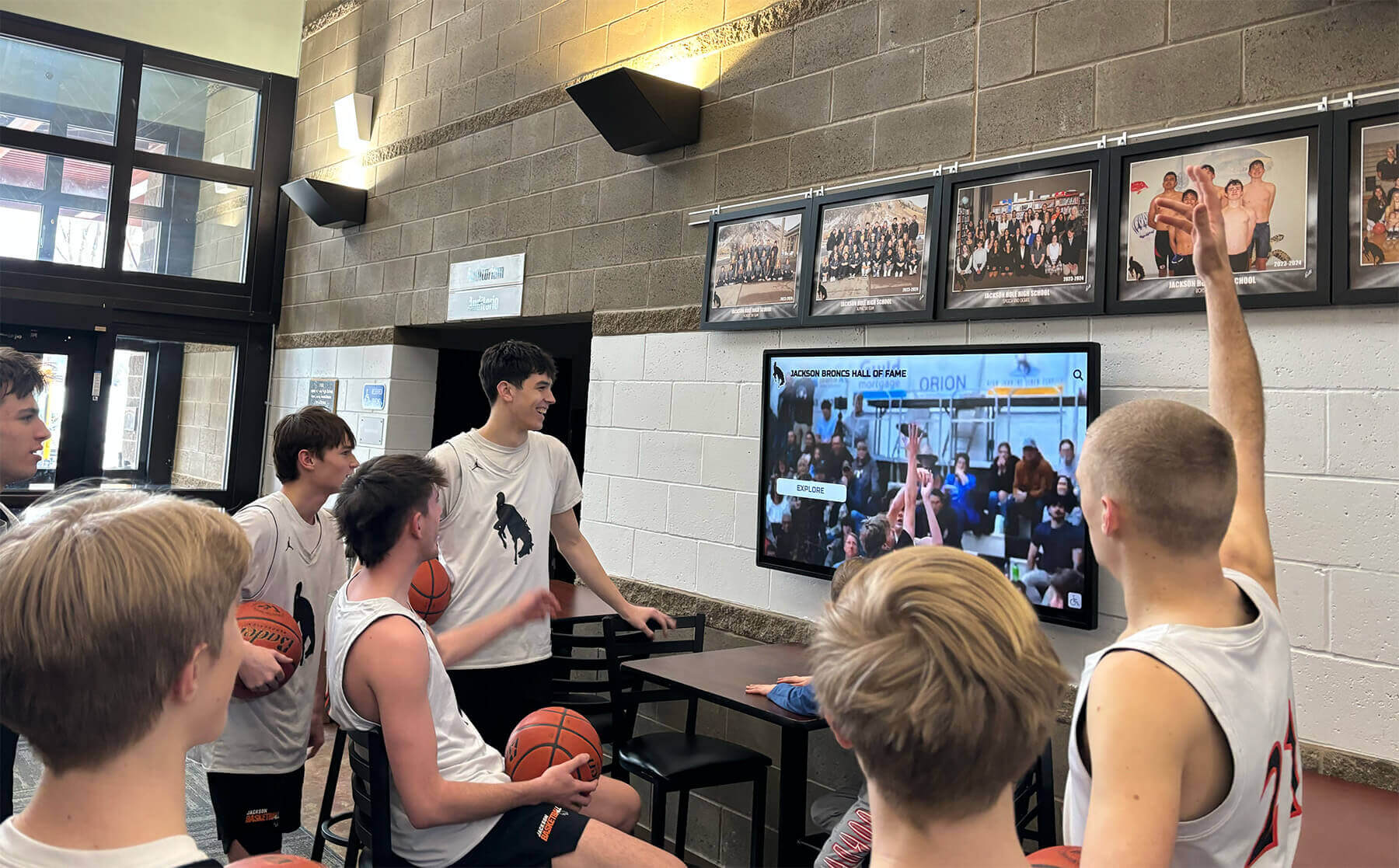
Touchscreen technology invites active exploration of diverse cultural contributions and achievements
Rich Multimedia Integration Digital platforms incorporate diverse media creating immersive cultural experiences impossible with static displays. Video interviews with community members sharing personal experiences, historical footage documenting significant cultural moments and movements, audio recordings of traditional music, languages, or oral histories, photograph galleries showcasing cultural celebrations and daily life, and scanned historical documents making primary sources accessible all combine within unified heritage recognition experiences.
This multimedia richness brings cultural heritage to life. Students hearing first-generation immigrants describe their experiences, viewing civil rights footage, exploring cultural artistic traditions through high-quality images, or listening to traditional music develop emotional connections with heritage content that text-only presentations cannot create.
Dynamic Content for Different Heritage Months One of digital displays’ most powerful capabilities involves easily rotating featured content for different heritage observances. The same physical display can showcase Black History Month content in February featuring profiles of African American achievers, historical civil rights movement documentation, contemporary Black excellence across all fields, and student achievements from Black community members.
In May, content seamlessly transitions to Asian American and Pacific Islander Heritage Month highlighting AAPI contributions to American society, immigration stories and experiences, diverse ethnic groups within AAPI community, and student recognition from AAPI backgrounds.
This dynamic capability means institutions investing in digital recognition systems receive year-round value supporting all heritage months through single platform rather than creating separate displays for each observance.
Interactive Exploration Features Modern touchscreen systems enable active engagement impossible with passive displays. Powerful search functionality helps visitors locate specific individuals, cultural groups, time periods, or achievement categories. Filter options allow viewing only specific heritage groups, particular achievement types, or custom selections matching individual interests.
Interactive timelines organize cultural contributions chronologically, helping viewers understand historical progression and contemporary context. Visitors might explore African American scientific achievements across decades, see how immigration patterns changed over time, or discover connections between historical civil rights movements and contemporary activism.
Schools implementing digital recognition displays report that heritage month content generates significantly higher engagement than traditional bulletin boards, with students spending 5-10 minutes actively exploring compared to brief glances at static displays.
Web-Based Heritage Platforms Extending Reach
Online cultural recognition platforms amplify heritage month impact beyond physical campus or organizational boundaries.
Global Accessibility Around the Clock Web-based heritage platforms enable anyone, anywhere to explore cultural recognition content. Alumni worldwide can engage with heritage celebrations, families can explore content together from home, community members access educational materials without visiting campus, and students research for projects at their convenience.
This expanded accessibility dramatically increases heritage month reach and impact. While physical displays might be viewed by hundreds passing through hallways, online platforms can reach thousands or tens of thousands globally—extending cultural celebration far beyond immediate organizational community.
Social Sharing Amplifying Cultural Celebration Integration with social media enables community members to share heritage content across their networks. A student discovering their cultural group represented might post about it on Instagram or Facebook. Alumni might share profiles of notable achievers from their heritage background. Faculty members might tweet educational content to professional networks.
This organic sharing extends heritage celebration reach exponentially. Each share potentially reaches hundreds of additional people who might never visit the institution but gain exposure to cultural recognition content and educational materials.
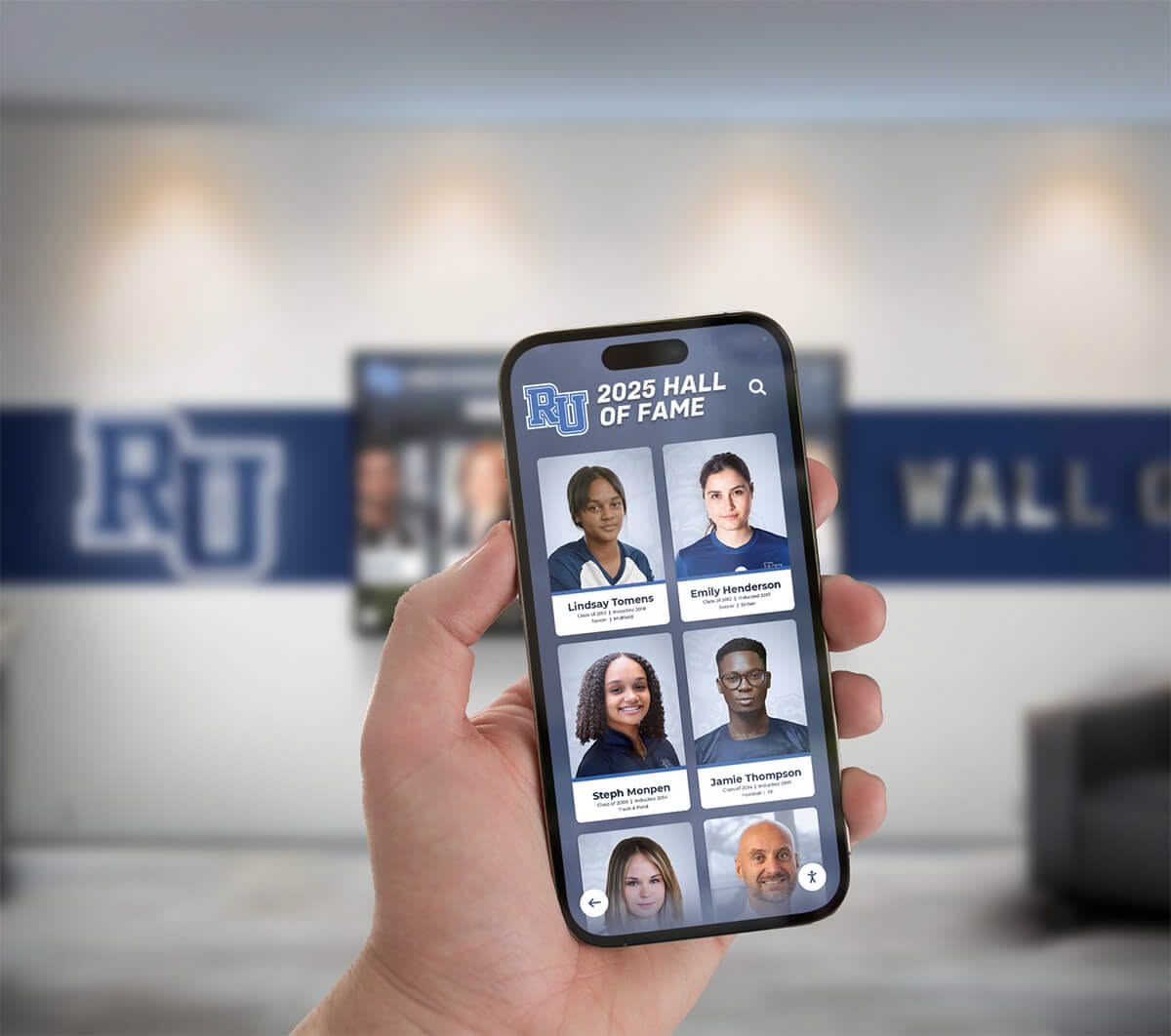
Responsive web design ensures heritage recognition reaches audiences on all devices globally
Year-Round Content Accessibility Unlike traditional heritage month displays that go up and come down around specific observance periods, online platforms make cultural content accessible continuously. Students researching in April can still access Black History Month content from February. Alumni visiting the website in December can explore Hispanic Heritage Month materials from September-October.
This year-round accessibility reinforces that cultural recognition extends beyond designated months—heritage celebration becomes ongoing rather than episodic.
User Contribution Systems Building Community Engagement Advanced heritage platforms can enable community members to contribute their own stories, nominate additional individuals for recognition, share family heritage experiences, upload photographs documenting cultural traditions, or provide corrections and additional context to existing content.
These collaborative features create richer cultural documentation while strengthening community ownership of heritage recognition. When individuals can actively participate in creating heritage content rather than just consuming it, they develop deeper investment and connection.
Content Management Simplicity Supporting Sustained Effort
The success of digital heritage recognition depends on platforms being manageable by non-technical staff with limited time.
Intuitive Content Creation Cloud-based platforms designed for educational institutions prioritize ease of use. Staff should be able to create new profiles through simple web forms without coding or technical expertise, upload photos and videos through drag-and-drop interfaces, schedule content to appear during specific heritage months and disappear afterward, or update featured content highlighting different cultural contributions.
This simplicity ensures heritage content stays current and comprehensive rather than becoming static because updates prove too difficult or time-consuming.
Remote Management from Any Location Cloud platforms enable content updates from any internet-connected device—desktop computers, laptops, tablets, or even smartphones. Designated staff can manage heritage displays remotely without requiring physical access to display hardware or specialized software installation.
This flexibility proves particularly valuable for heritage month coordination. Student organization leaders can add content from dorm rooms. Faculty advisors can update displays from home. Alumni can submit heritage content from across the country.
Bulk Content Operations Efficient platforms support batch operations enabling simultaneous management of multiple profiles. Staff might upload entire collections of Black History Month profiles at once rather than entering them individually, or schedule all Hispanic Heritage Month content to activate automatically September 15 and deactivate October 15.
These efficiency features make comprehensive heritage recognition achievable even with limited staff time.
Programming and Event Strategies for Heritage Months
Beyond displays and technology, effective heritage celebration involves engaging programming creating educational opportunities and community connection.
Educational Programming and Speaker Events
Distinguished Speaker Series Invite accomplished individuals from celebrated heritage groups to share experiences, insights, and achievements. Speakers might include successful alumni from specific cultural backgrounds, community leaders addressing contemporary issues facing their communities, scholars researching relevant historical or cultural topics, artists, authors, or performers sharing cultural traditions, or activists working toward equity and social justice.
Quality speakers create memorable educational experiences while demonstrating to students from those backgrounds that achievement is possible and valued. Speaker series work best when spread throughout heritage months rather than concentrated into single events—multiple smaller programs often generate more total engagement than one large assembly.
Panel Discussions and Dialogues Multi-voice panels exploring complex topics create richer learning than single-perspective presentations. Panel topics might explore diverse experiences within specific heritage groups (recognizing internal diversity), intersectionality of multiple identity dimensions, historical progress and contemporary challenges, cross-cultural similarities and differences, or pathways to careers in various fields featuring achievers from diverse backgrounds.
Include diverse panel formats: panels of accomplished professionals discussing career journeys, student panels sharing personal experiences and perspectives, intergenerational panels connecting historical and contemporary experiences, or cross-cultural panels building understanding across different heritage groups.
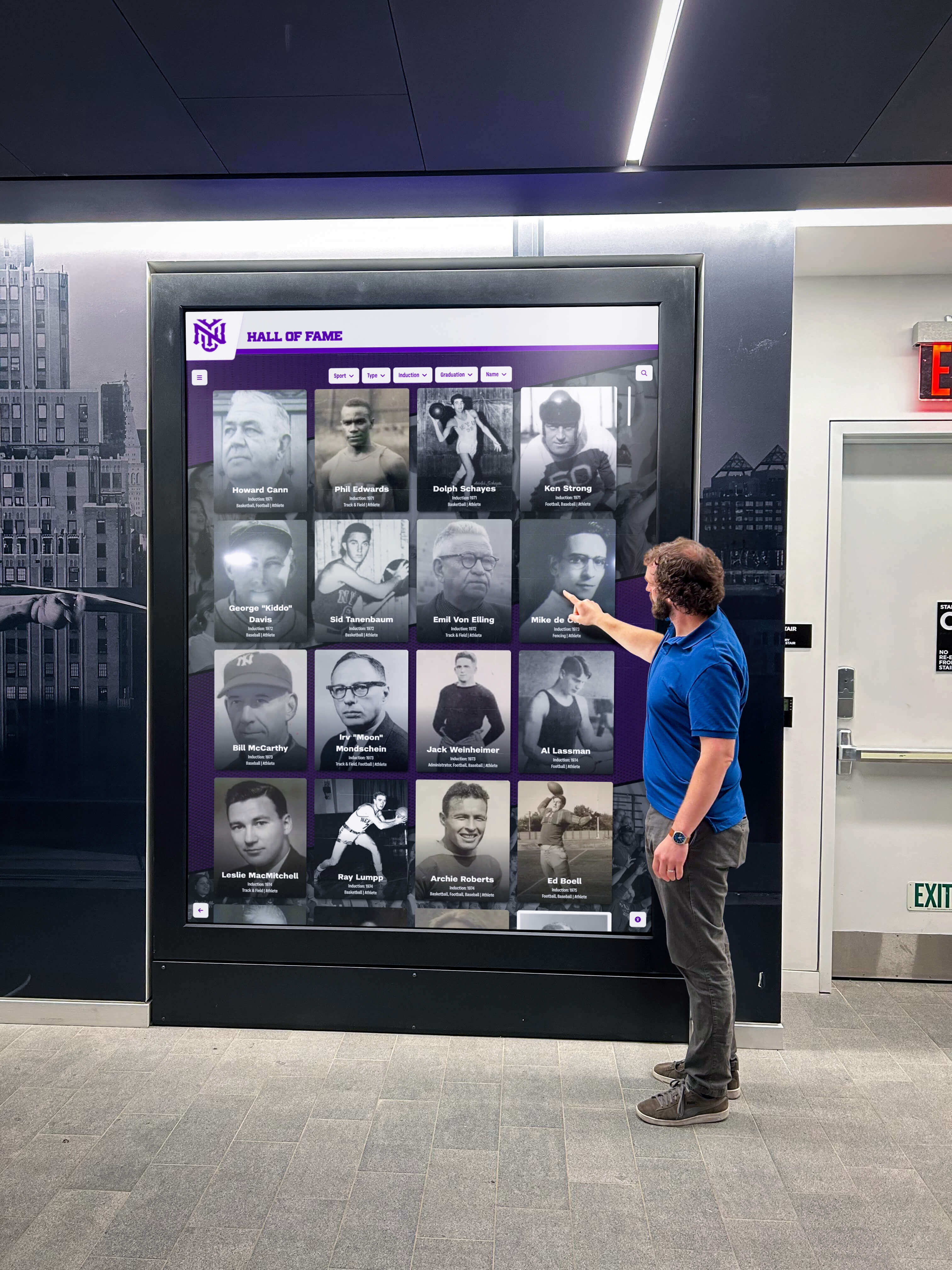
Educational programming and interactive displays bring diverse voices together for meaningful engagement
Documentary Films and Discussion Curated film screenings followed by facilitated discussion provide accessible entry points for heritage education. Select documentaries exploring historical events significant to specific heritage groups, contemporary issues facing diverse communities, cultural traditions and artistic expressions, notable individuals’ biographies and contributions, or social justice movements and advocacy.
Always include structured discussion following screenings. Films without discussion opportunities leave viewers with emotions and questions but no framework for processing or contextualizing content. Skilled facilitators help audiences connect film content to broader themes, contemporary relevance, and personal reflection.
Cultural Celebrations and Community Events
Heritage Festivals and Cultural Showcases Celebrations featuring food, music, dance, and art from specific cultures create joyful, accessible engagement. Heritage festivals might include traditional food tastings prepared by community members or cultural restaurants, performances of traditional music and dance by cultural groups or student organizations, art displays featuring works by artists from celebrated backgrounds, hands-on activities teaching traditional crafts or practices, or cultural attire displays and fashion shows.
These celebratory events prove particularly effective at engaging families and creating welcoming environments for community members from celebrated cultural backgrounds who may have limited other engagement opportunities.
Student Organization Showcases Feature student organizations representing diverse cultural backgrounds through performance opportunities during heritage months, resource fair booths sharing organizational missions and activities, leadership presentations by student organization officers, or collaborative programming bringing multiple cultural organizations together.
Elevating student organizations creates leadership development opportunities for students from diverse backgrounds while ensuring programming reflects authentic student voice and current campus diversity.
Alumni Heritage Recognition Events Many schools develop comprehensive recognition programs that can incorporate heritage-focused elements during appropriate months. Heritage month reunions might bring back alumni from specific cultural backgrounds, recognition ceremonies honor distinguished alumni from celebrated communities, networking events connect current students with successful alumni from shared backgrounds, or heritage tours showcase campus cultural resources and historical developments.
These alumni-focused events serve dual purposes—celebrating cultural heritage while strengthening alumni engagement and creating mentorship connections between generations.
Curriculum Integration and Academic Programming
Heritage months should connect with educational curricula rather than existing as isolated activities disconnected from learning objectives.
Classroom Connections Across Disciplines History and social studies classes obviously connect with heritage months, but opportunities exist across all subjects. Literature courses might feature authors from celebrated cultural backgrounds, science classes explore contributions from diverse scientists often overlooked in standard curricula, math lessons incorporate word problems reflecting diverse cultural contexts, art classes study artistic traditions and contemporary artists from specific cultures, music programs perform compositions by diverse composers, or physical education explores traditional games and activities from various cultures.
This cross-curricular integration normalizes cultural diversity as relevant to all learning rather than confined to specific subject areas.
Research Projects and Student-Generated Content Assign research projects during heritage months encouraging students to explore topics related to celebrated communities. Student research might profile notable individuals from specific cultural backgrounds, investigate historical events and movements, explore cultural traditions and their evolution over time, document local community members’ experiences and contributions, or analyze contemporary issues facing diverse communities.
Display exceptional student work through digital recognition platforms, heritage month bulletin boards, or school websites, providing authentic audience for student learning while contributing to broader heritage education.
Guest Educators and Classroom Visits Invite community members to share cultural expertise directly with students through classroom presentations, workshop facilitation, or question-and-answer sessions. Guest educators might include cultural organization representatives, religious leaders from diverse traditions, artists, musicians, or craftspeople demonstrating traditional practices, first-generation immigrants sharing experiences, or civil rights veterans discussing historical movements.
These personal interactions create powerful learning experiences and human connections that complement textbook or media content.
Creating Inclusive Recognition Systems Honoring Diverse Achievers
Heritage celebration should include systematic recognition of contemporary achievers from diverse backgrounds, not just historical figures.
Student Achievement Recognition Across All Heritage Groups
Implement comprehensive academic recognition programs ensuring students from all cultural backgrounds see themselves represented in achievement celebrations.
Equitable Recognition Criteria Design achievement recognition capturing diverse forms of excellence including academic achievement across all subjects, leadership in cultural organizations and student government, community service and activism, artistic and creative accomplishments, athletic achievement across all sports, or improvement and growth from individual starting points.
Ensure recognition criteria don’t inadvertently favor certain cultural groups or socioeconomic backgrounds. Achievement opportunities requiring significant family resources, specialized preparation, or insider knowledge create inequitable recognition systems.
Visible Representation Matters When students from diverse backgrounds see themselves represented in honor rolls, hall of fame displays, and achievement celebrations, they receive powerful messages that their excellence matters and success is possible regardless of background.
Conversely, recognition systems dominated by students from limited demographic groups send excluding messages to those underrepresented. Regularly audit recognition programs ensuring diverse representation across all achievement categories.
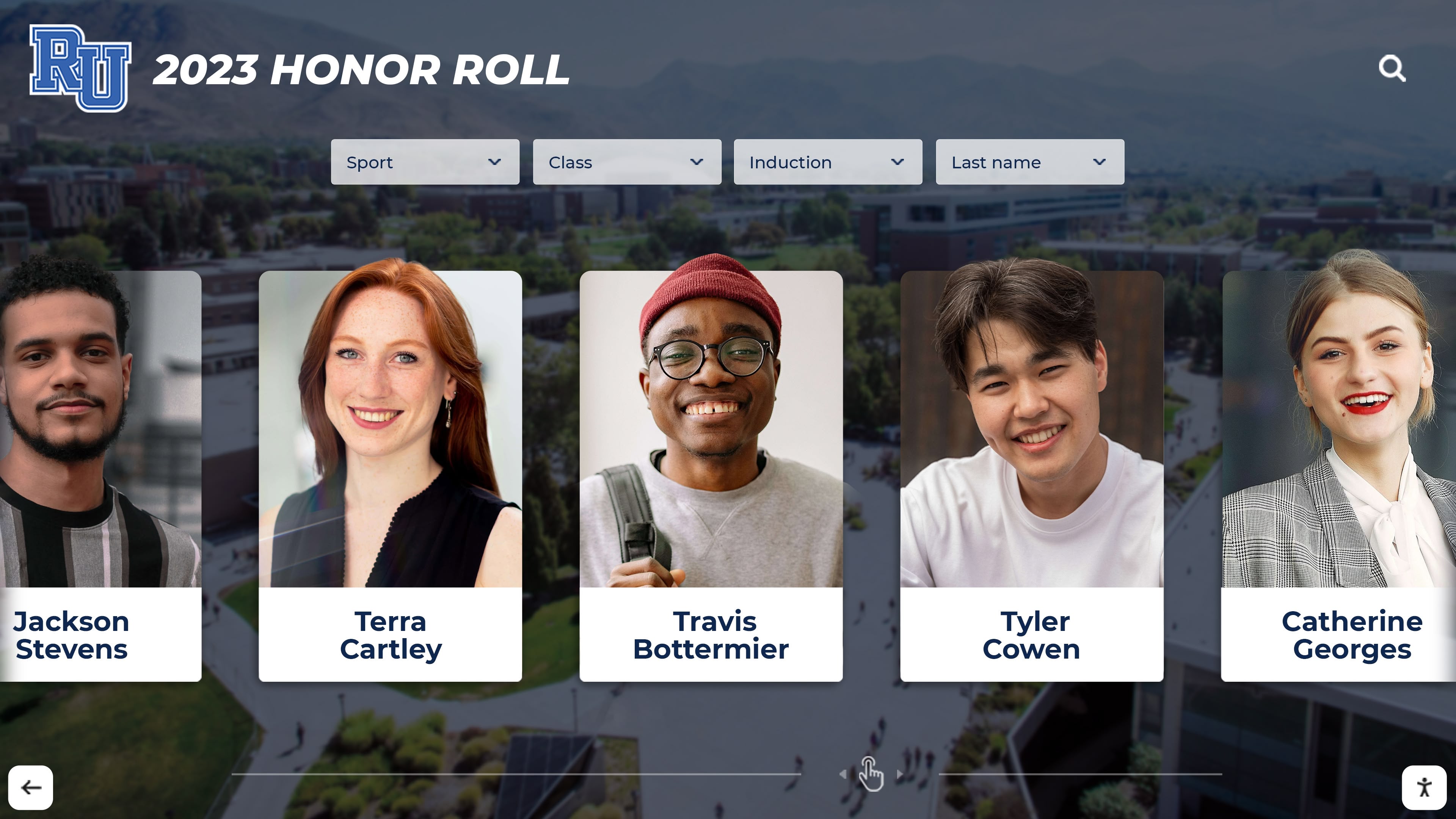
Comprehensive recognition ensures students from all backgrounds see their achievements celebrated
Heritage Month Spotlight Features During specific heritage months, create featured recognition highlighting students from relevant backgrounds. February might spotlight Black students’ achievements, May could feature AAPI student excellence, and November could recognize Native American student accomplishments.
This strategic spotlighting doesn’t mean only recognizing these students during specific months—comprehensive systems recognize all students year-round while creating special emphasis during relevant heritage observances.
Alumni and Community Member Recognition
Distinguished Alumni from Diverse Backgrounds Formal alumni recognition programs should systematically identify and honor exceptional graduates from all cultural backgrounds. Review hall of fame or distinguished alumni rosters ensuring diverse representation. If significant gaps exist, proactively identify worthy candidates from underrepresented groups.
Many alumni from historically marginalized backgrounds achieved significantly despite facing additional obstacles but receive insufficient recognition because selection processes favor traditional forms of prominence or because nomination systems rely on networks excluding some populations.
Community Partner and Cultural Leader Recognition During heritage months, recognize community members who strengthen cultural understanding, serve diverse populations, preserve cultural traditions, advocate for equity and inclusion, or bridge connections between institutions and diverse communities.
This recognition demonstrates that contributions beyond organizational boundaries matter while strengthening relationships with external cultural partners.
First-Generation and Immigrant Stories Create platforms for first-generation college students, immigrants, or children of immigrants to share their experiences, challenges overcome, and achievements accomplished. These personal narratives often resonate powerfully with students facing similar circumstances while educating broader community about immigrant and first-generation experiences.
Digital recognition platforms enable comprehensive storytelling through video interviews, written narratives, photographs, and family histories creating rich documentation impossible with traditional formats.
Sustaining Heritage Recognition Beyond Designated Months
Most effective institutions treat heritage months as focal points within year-round commitment to cultural celebration rather than isolated observances.
Creating Permanent Cultural Heritage Displays
Physical spaces dedicated to ongoing cultural recognition demonstrate sustained institutional commitment.
Multicultural Centers and Heritage Rooms Dedicated spaces become focal points for cultural programming and community gathering. These areas might feature rotating displays highlighting different cultural groups, libraries of cultural resources and materials, comfortable gathering spaces for student organizations and programming, or digital displays showcasing diverse achievements and contributions.
Permanent spaces communicate that cultural diversity isn’t occasional priority but central institutional value.
Integrated Heritage Recognition Throughout Campus Rather than isolating cultural recognition in single locations, integrate diverse representation throughout physical environments. Display artwork by diverse artists in hallways and common areas, name facilities or spaces recognizing individuals from various backgrounds, ensure historical timelines include diverse contributors, feature library displays with authors from varied cultural traditions, or install digital recognition systems showing rotating cultural content.
This pervasive representation normalizes diversity as fundamental to institutional identity rather than supplementary or separate concern.
Physical and Digital Integration Most effective approaches combine physical and digital elements. Traditional displays might feature QR codes linking to comprehensive digital content, physical plaques might reference individuals whose full stories appear on digital platforms, or heritage rooms might include interactive touchscreens providing deep exploration of cultural history and contributions.
This integration creates layered experiences where casual viewers gain basic awareness while interested individuals can explore extensively.
Year-Round Programming Supporting Cultural Competence
Ongoing Diversity Education Heritage month programming should complement sustained diversity education throughout the year including regular workshops developing cultural competence skills, film series exploring diverse perspectives and experiences, book clubs discussing works by diverse authors, speaker series featuring varied voices and topics, or training programs for faculty, staff, and student leaders.
This consistent programming prevents diversity education from feeling episodic or performative.
Cross-Cultural Dialogue Initiatives Create structured opportunities for meaningful dialogue across difference including intergroup dialogue programs bringing together students from different backgrounds, conflict and community workshops building communication skills, storytelling circles sharing personal experiences, or collaborative service projects uniting diverse groups around shared purposes.
These dialogue initiatives build relationships and understanding impossible through information sharing alone.
Student Organization Support Invest in cultural student organizations providing resources, funding, advising, and visible support. Strong cultural organizations create community for students from shared backgrounds while educating broader campus about diverse traditions and perspectives.
Support cultural organizations’ heritage month programming while encouraging collaboration and coalition-building across different groups.
Assessment and Continuous Improvement
Regular Evaluation of Heritage Programming Systematically assess heritage celebrations through participation tracking in events and programs, satisfaction surveys from attendees, feedback from cultural organizations and community partners, analysis of digital engagement metrics, and qualitative focus groups exploring impact and improvement opportunities.
Use assessment data to refine approaches—discontinuing ineffective programming while expanding successful initiatives.
Diverse Input in Planning and Design Ensure heritage month planning includes authentic input from communities being celebrated. Planning committees should include members from relevant cultural backgrounds, community partnerships should involve cultural organizations in design, and student voice should shape programming decisions.
Avoid situations where heritage months feel imposed by others onto communities without their meaningful participation.
Continuous Learning and Adaptation Cultural understanding evolves, and effective heritage programs adapt accordingly. Stay informed about contemporary issues facing diverse communities, respond to feedback even when challenging existing approaches, acknowledge mistakes when programming misses the mark, and commit to ongoing improvement rather than defensive postures.
Conclusion: Building Inclusive Communities Through Heritage Recognition
National Heritage Months represent powerful opportunities to celebrate cultural diversity, honor contributions from historically underrepresented groups, create inclusive environments, educate communities about diverse experiences and achievements, and strengthen organizational culture around equity and belonging. When institutions approach heritage celebration strategically—combining thoughtful programming, sophisticated digital recognition, curriculum integration, and sustained year-round commitment—these observances create genuine impact extending far beyond designated months.
The strategies explored in this guide provide comprehensive frameworks for heritage recognition that honors diverse communities authentically while supporting broader goals of inclusion, education, and community engagement. From interactive digital displays eliminating space constraints to systematic programming creating ongoing cultural education, these approaches transform heritage acknowledgment from token gestures to systematic celebration woven throughout institutional culture.
Transform Your Heritage Recognition Program
Discover how modern digital recognition solutions can help you celebrate cultural diversity year-round while honoring achievements from all heritage backgrounds and building truly inclusive communities.
Explore Recognition SolutionsDigital platforms make comprehensive heritage recognition achievable for institutions of all sizes and budgets. Solutions like Rocket Alumni Solutions provide unified systems combining interactive on-campus displays, online heritage portals, mobile accessibility, and cloud-based management in platforms specifically designed for educational institutions and organizations prioritizing cultural celebration. These integrated approaches enable unlimited cultural content, year-round accessibility, and simplified management requiring minimal technical expertise.
Start where you are with heritage initiatives you can implement immediately—perhaps enhancing a single heritage month celebration, creating your first cultural recognition display, or establishing systematic inclusion of diverse voices in curriculum. Then systematically expand to create comprehensive approaches your community deserves. Every student who sees their heritage celebrated develops stronger belonging. Every community member who learns about diverse contributions develops greater cultural competence. Every individual who feels valued for their cultural identity contributes more fully to organizational success.
Your community’s diversity deserves celebration equal to any other institutional priority. With thoughtful planning, appropriate technology like digital recognition displays, inclusive programming, and sustained commitment, you can create heritage recognition systems that honor all cultural backgrounds while inspiring inclusive excellence where everyone thrives.
Ready to begin? Explore approaches for building school pride through cultural recognition, discover strategies for celebrating community accomplishments across diverse populations, or learn about comprehensive recognition platforms designed specifically for institutions prioritizing diversity, equity, and inclusion.
Heritage recognition that celebrates genuine diversity, educates comprehensively, creates authentic inclusion, and maintains year-round commitment transforms cultural observance from performative gestures to genuine institutional culture where all backgrounds receive honor, respect, and systematic celebration.