



Every winter, thousands of high school basketball teams begin their season with championship dreams. While state titles represent the pinnacle of achievement in most high school sports, elite basketball programs increasingly compete for something even more prestigious: recognition as a high school national championship basketball contender. Unlike college and professional sports with single, definitive national champions, the high school basketball landscape features multiple organizations hosting national tournaments, each claiming to crown the country’s best team.
This unique competitive environment creates both opportunities and challenges for elite programs. Top-ranked teams face crucial decisions about which tournaments to enter, how to balance national competition with state championship obligations, and whether the pursuit of national recognition justifies the substantial travel, financial, and competitive commitments required. For athletic directors and coaches, understanding the national championship basketball landscape proves essential for program development and strategic planning.
This comprehensive guide explores how high school basketball teams compete for national recognition—from the various tournament organizations and competition formats through qualifying pathways and the recognition systems that celebrate championship achievement. Whether you’re evaluating your program’s readiness for national competition or seeking to understand this elite level of high school athletics, you’ll discover the frameworks that define championship basketball at its highest level.
High school basketball’s national championship landscape differs fundamentally from other sports. Multiple organizations host prestigious tournaments, each using different selection criteria, formats, and philosophies about what constitutes a true “national champion.” This complexity creates a rich competitive environment where elite programs can test themselves against the nation’s best while building traditions worthy of lasting recognition.

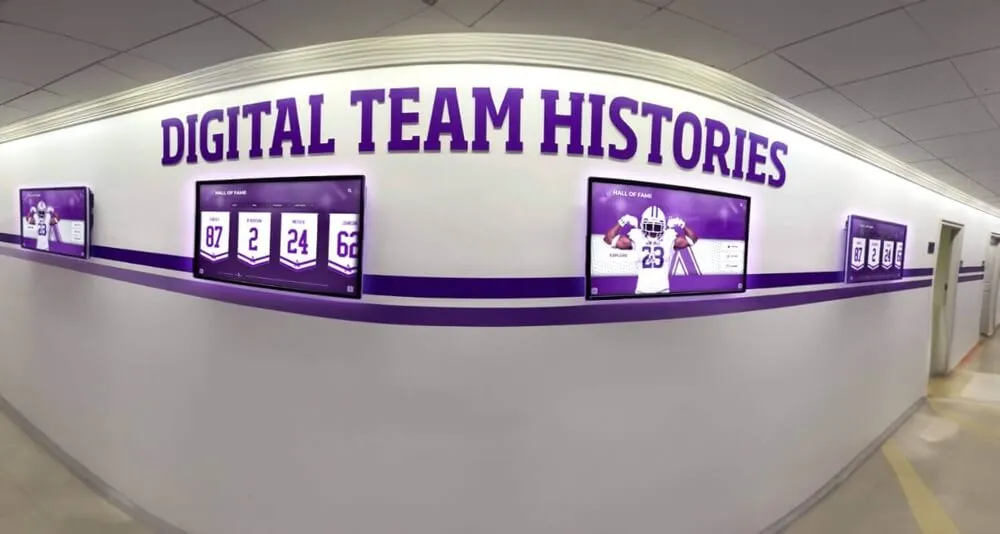
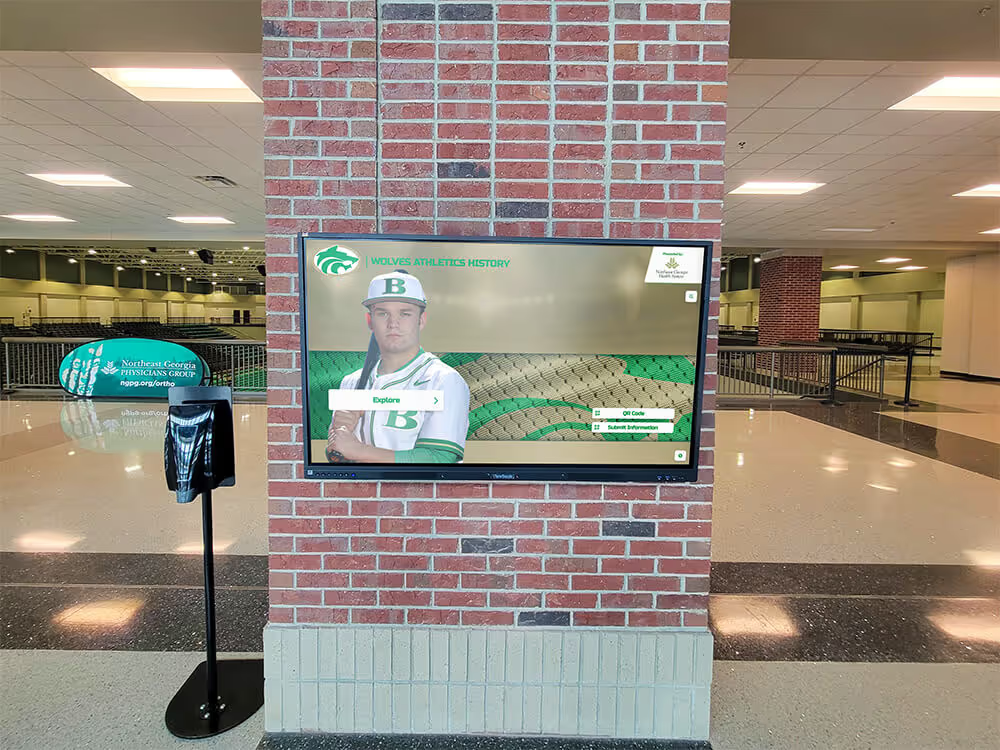
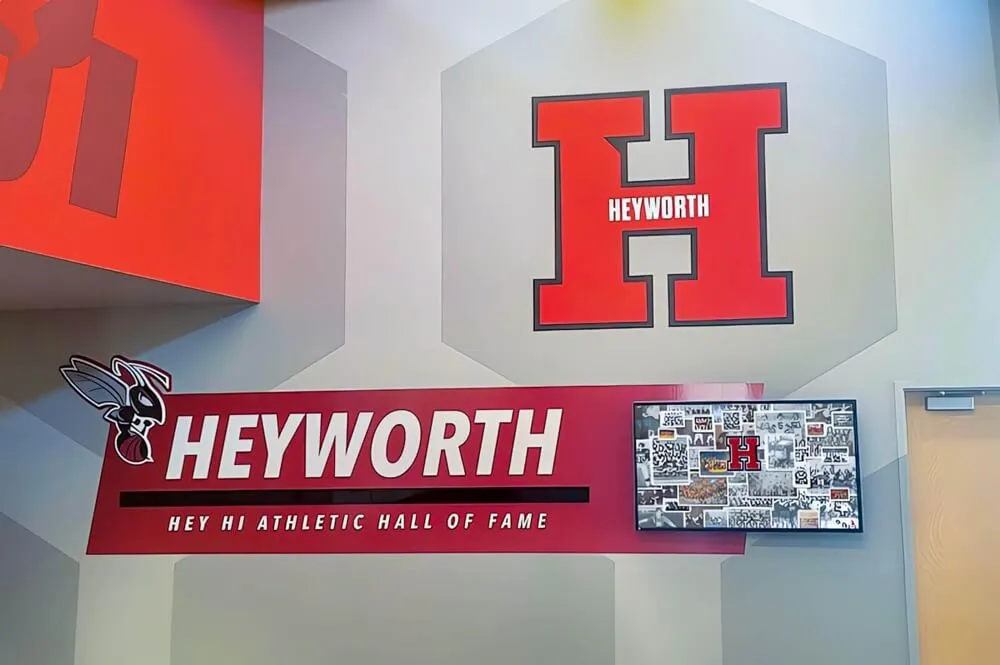
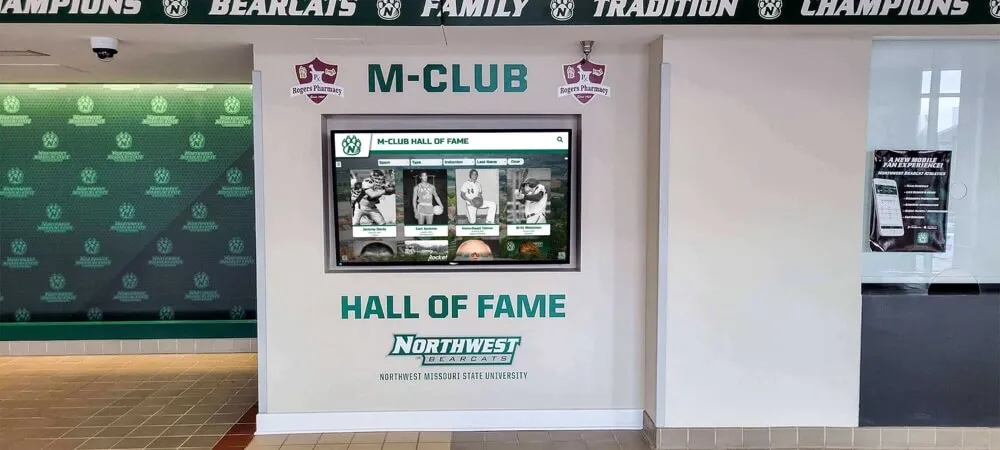
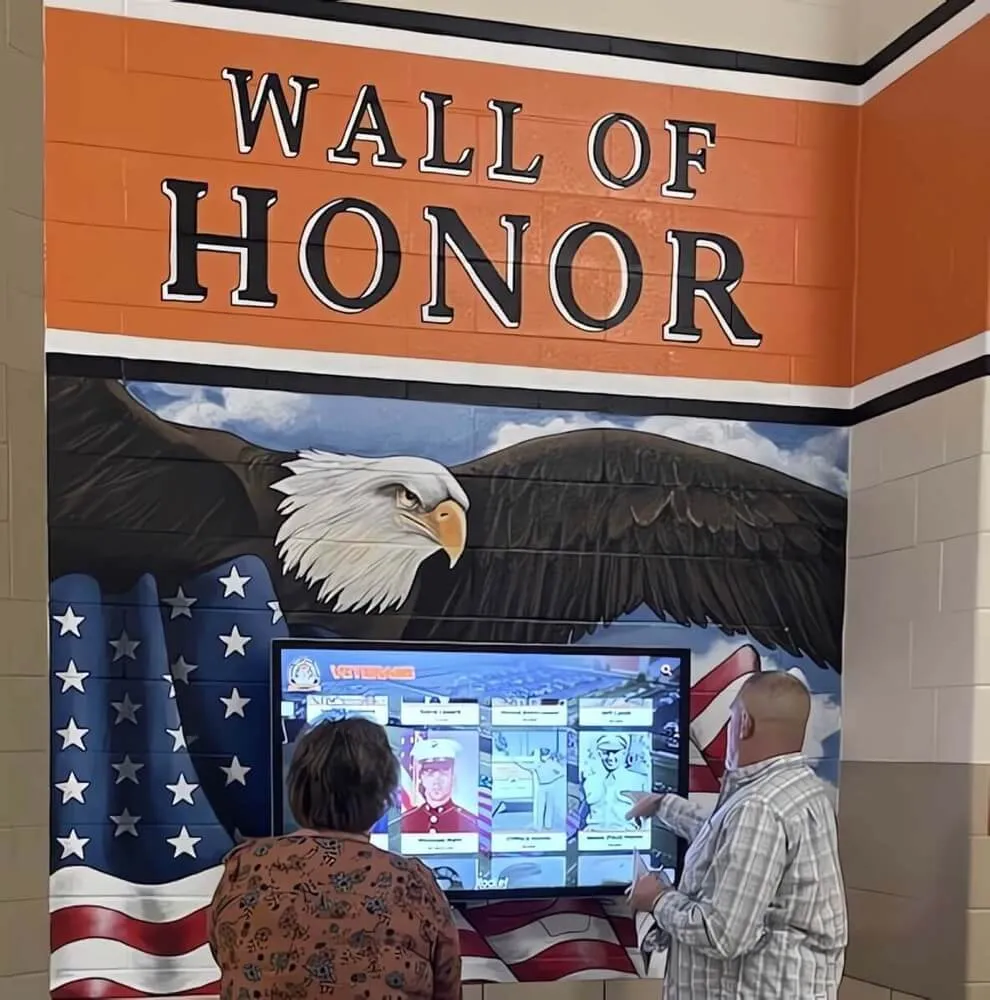
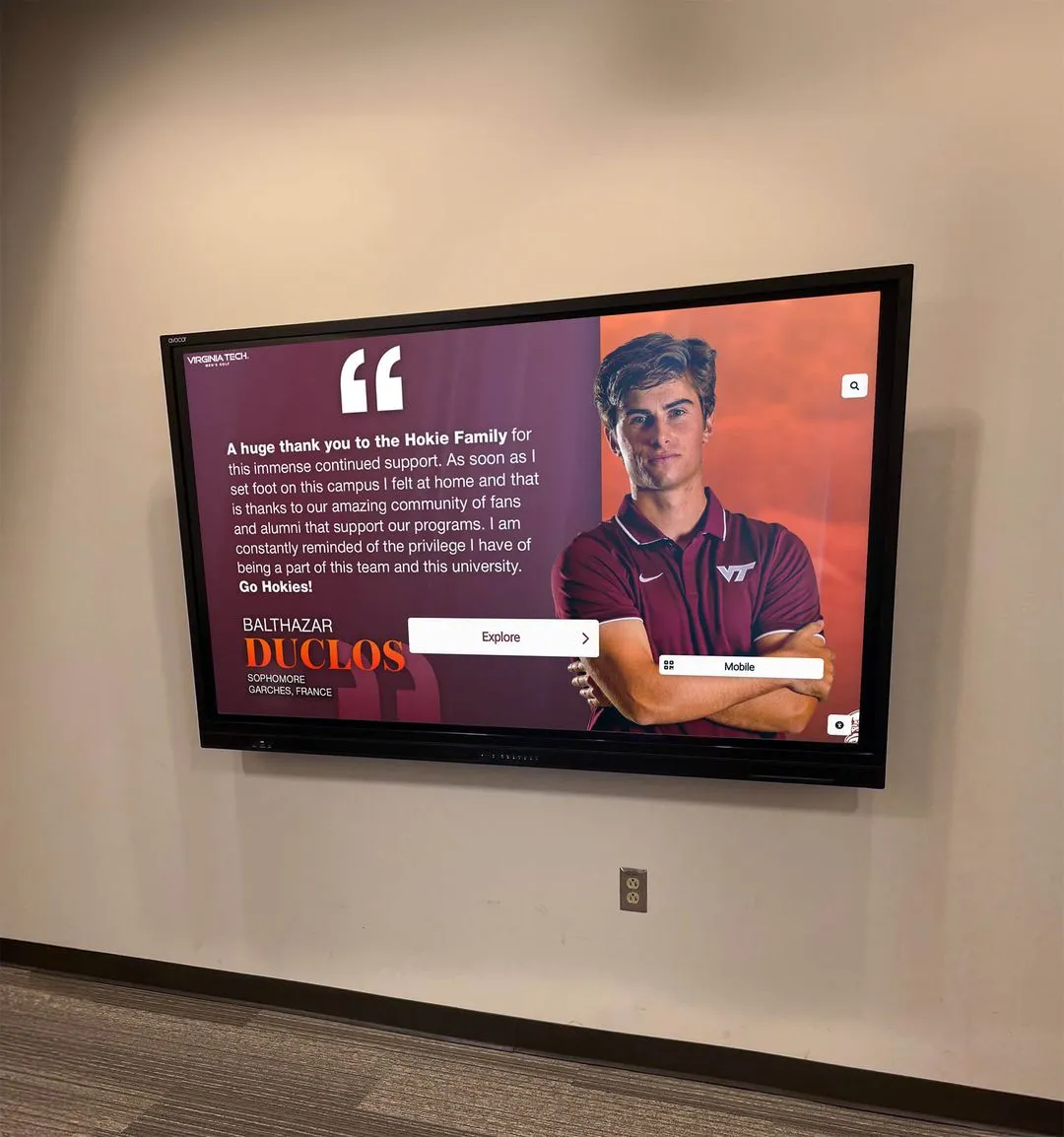
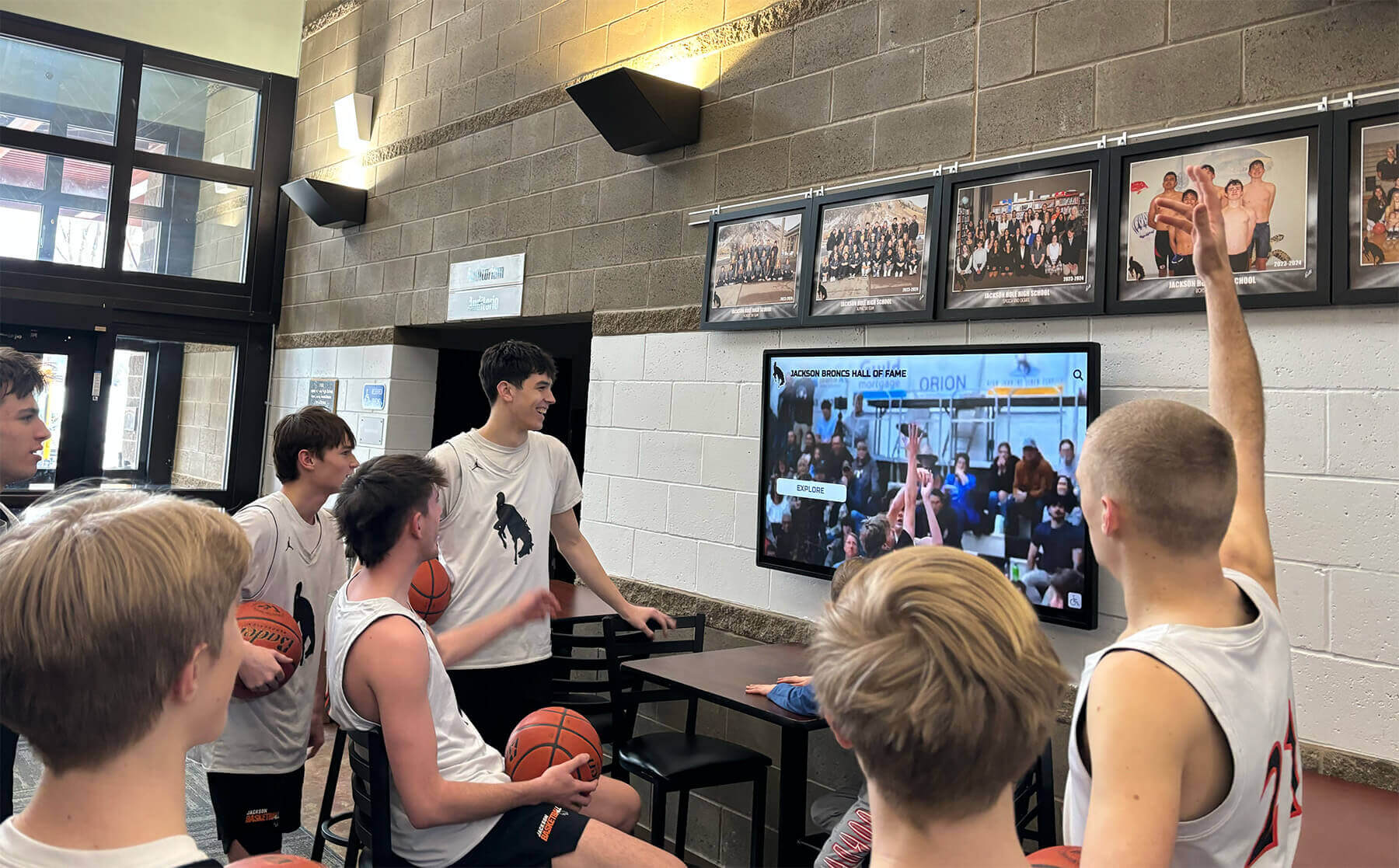
Championship traditions inspire current athletes through visible celebration of program excellence and national achievements
Understanding the High School National Championship Landscape
Before exploring how teams compete for national titles, understanding the organizational structure of high school basketball championships provides essential context.
Why Multiple National Championships Exist
Unlike NCAA basketball’s single tournament determining an undisputed national champion, high school basketball features several prominent national championship competitions:
State Association Limitations
- State athletic associations focus exclusively on in-state competition
- No national governing body coordinates interstate championship tournaments
- Individual schools and conferences maintain autonomy over non-state competitions
- Regional and national tournaments operate independently of state associations
- Multiple organizations fill the void by hosting national-caliber competitions
Diverse Competitive Philosophies
Different tournament organizations emphasize varying aspects of competition:
- Some prioritize geographic diversity and broad participation
- Others focus exclusively on elite programs regardless of location
- Tournament formats range from single-elimination brackets to multi-day showcases
- Selection criteria differ between invitation-only events and qualification-based tournaments
- Timing varies from mid-season competitions to post-state championship events
Media and Recognition Incentives
National tournaments provide value beyond competition:
- Increased media exposure for participating programs and athletes
- College recruitment visibility for players on national stages
- Revenue generation through ticket sales, broadcasting rights, and sponsorships
- Community engagement opportunities connecting schools to national basketball culture
- Historical prestige associated with national tournament participation
This multi-tournament environment means that no single event definitively crowns a high school national champion, though several competitions carry particular prestige within the basketball community.
Major National High School Basketball Tournaments
Several organizations host the most recognized national championship competitions:
GEICO High School Basketball Nationals
One of the most prestigious events in high school basketball:
- Held annually in New York City area bringing together elite programs
- Features separate boys’ and girls’ tournaments with 16-24 teams each
- Invitation-based selection process targeting top-ranked national programs
- Single-elimination format determining champions over multi-day competition
- Significant media coverage through ESPN broadcasting and national attention
The GEICO Nationals attract programs willing to travel nationally and compete against the country’s best teams in a tournament format similar to college basketball’s structure. According to basketball awards recognition programs, national tournament participation represents a premier achievement worthy of permanent program recognition.
MaxPreps Tour of Champions
A post-season invitational tournament featuring top teams:
- Held after state championship seasons conclude in March/April
- Invitation-only format selecting elite programs nationwide
- Multiple divisions accommodating different program sizes and competitive levels
- Week-long tournament format with pool play and championship brackets
- Integration with MaxPreps national rankings system

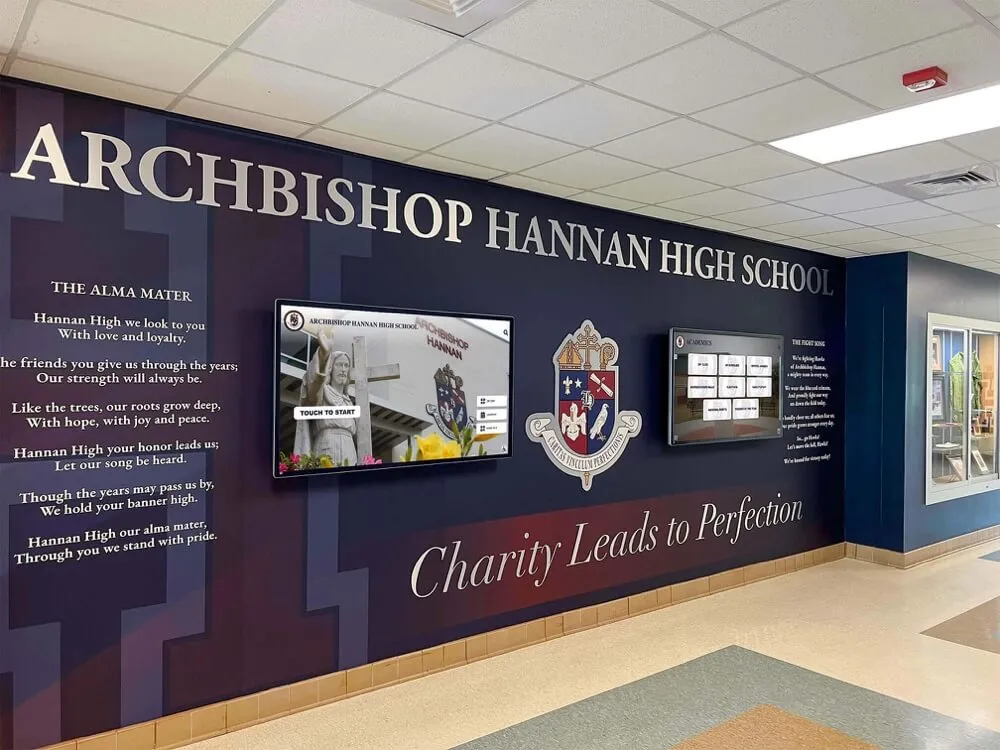
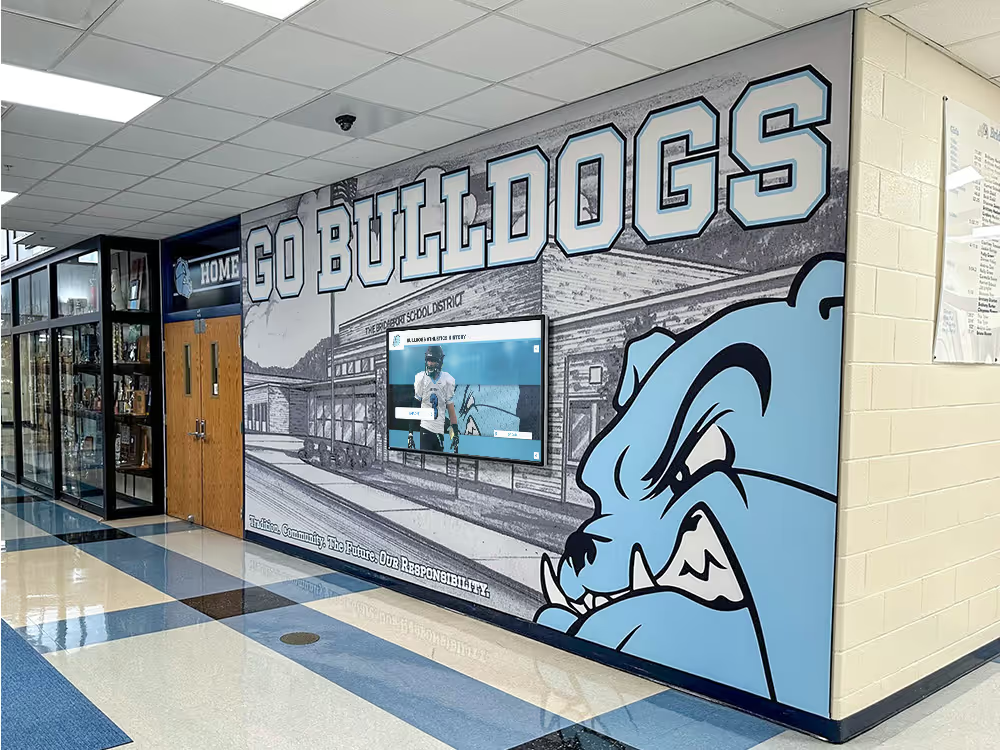
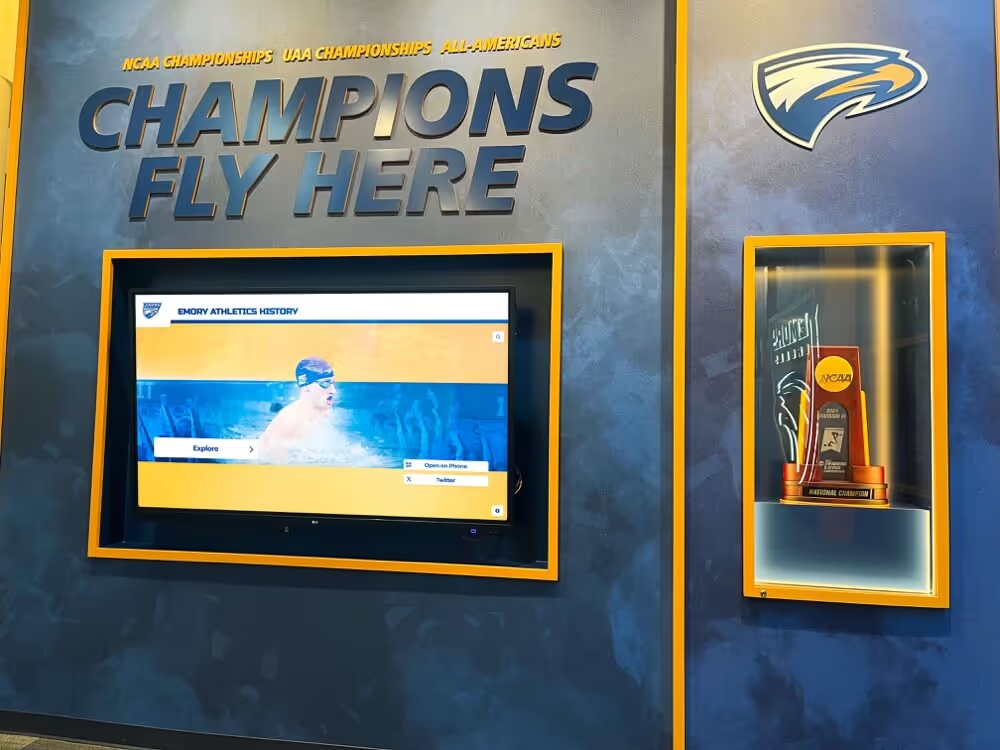
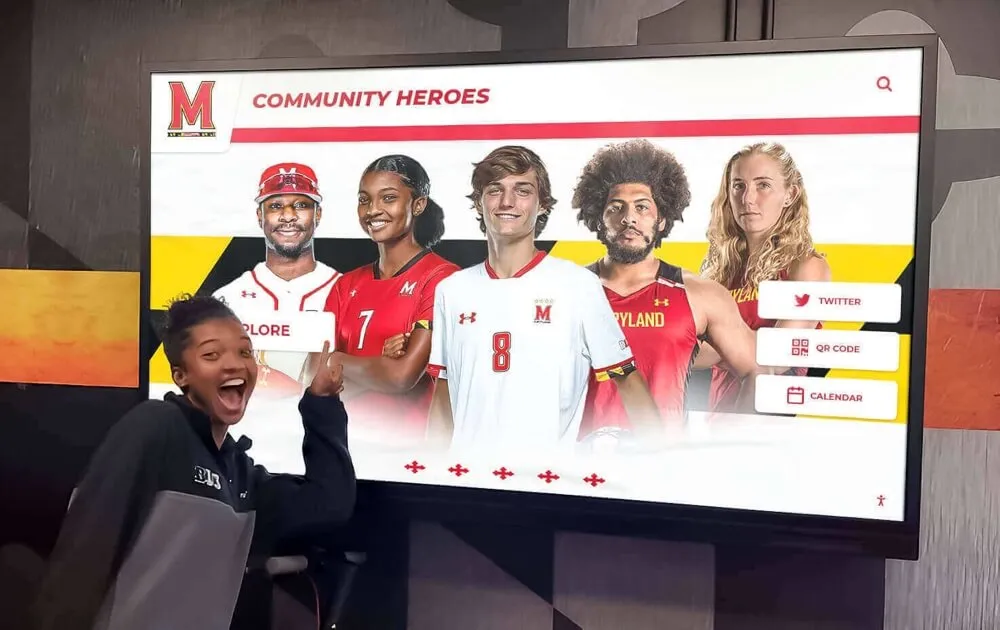
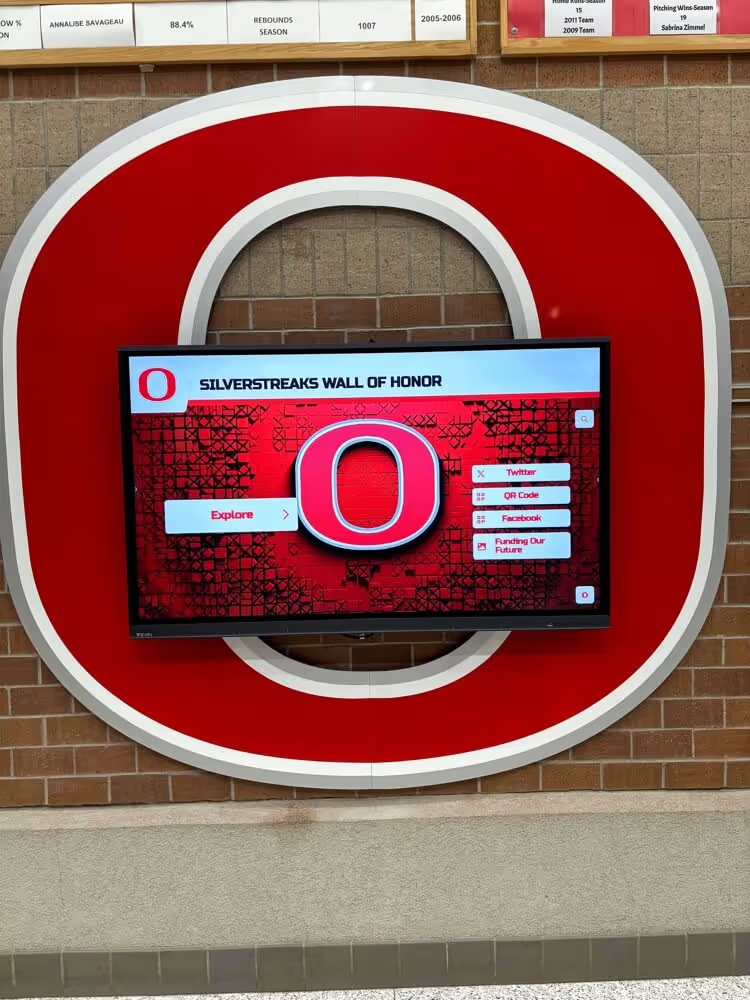
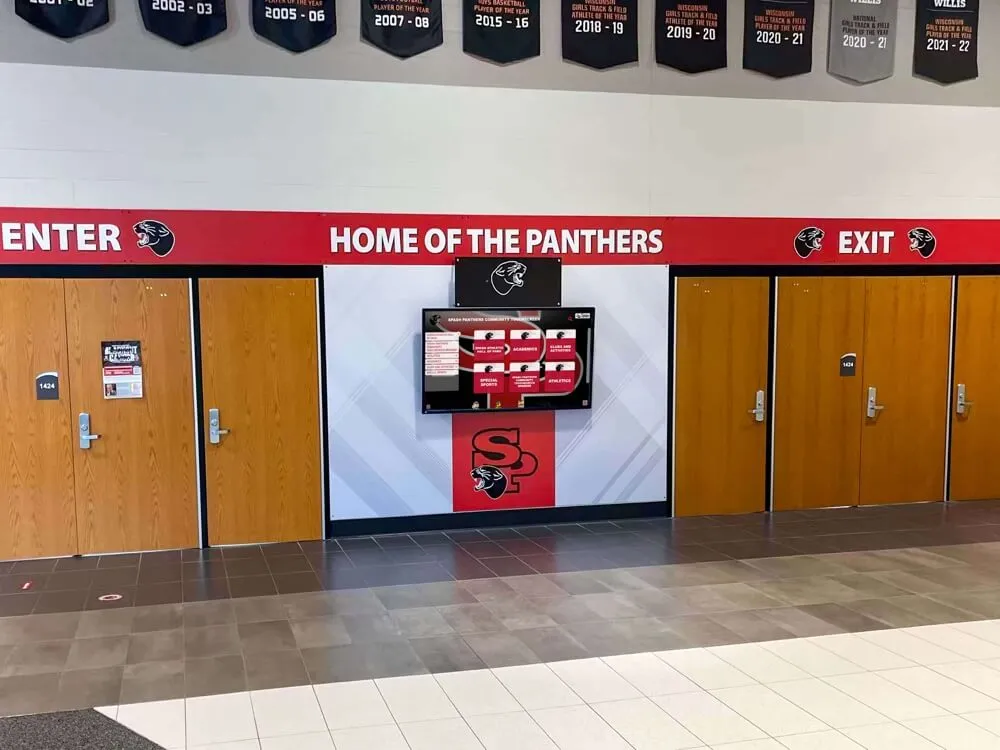
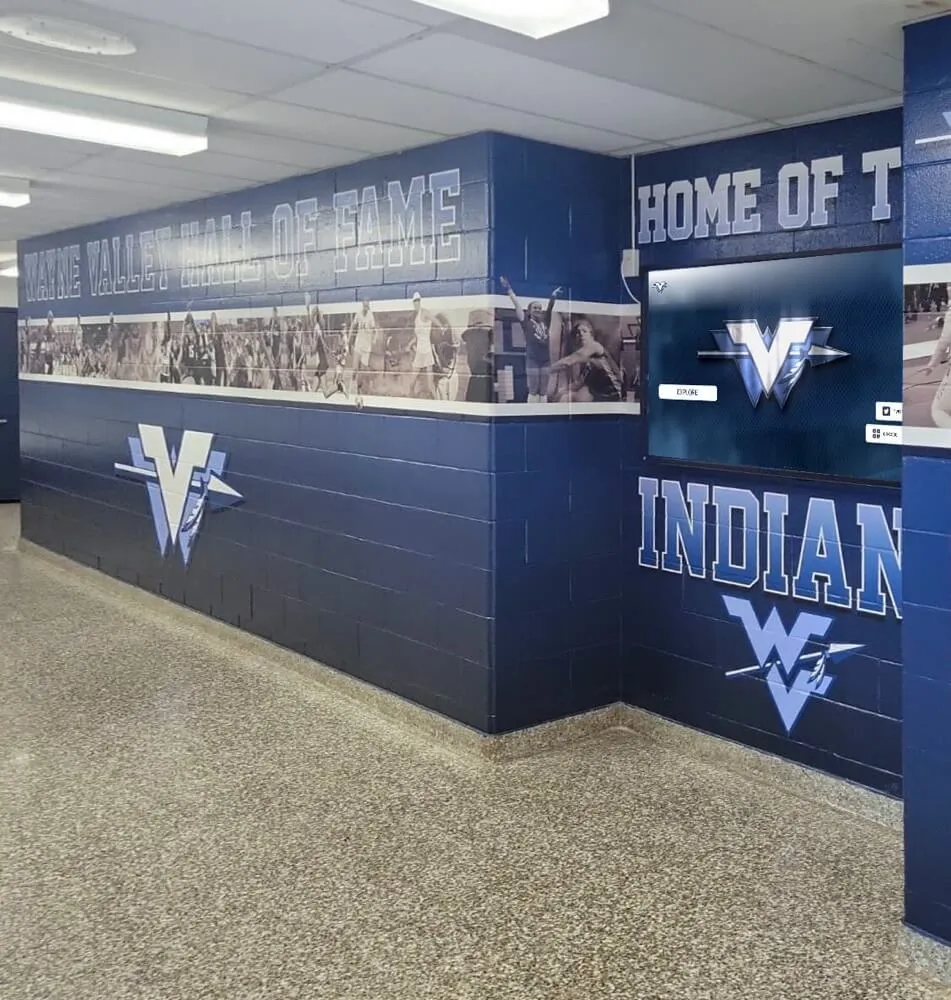
Elite programs display national tournament achievements prominently in athletic facilities
City of Palms Classic
Historic tournament in Fort Myers, Florida:
- Invitation-based event held annually during holiday season
- Features 16-team bracket in boys’ division with national elite programs
- Long tournament history establishing it as a prestigious competition
- Attracts major college coaches and media attention
- Serves as mid-season showcase rather than season-ending championship
Bass Pro Tournament of Champions
Post-season tournament held in Springfield, Missouri:
- Features boys’ and girls’ divisions with invitation-based selection
- Small tournament fields of 8 teams ensuring elite competition
- Held in January after many state championships conclude
- Historic venue at JQH Arena providing collegiate atmosphere
- Focus on determining “true” national champions through head-to-head competition
Additional Notable Tournaments
Beyond these premier events, numerous other tournaments attract national attention:
- Hoophall Classic in Springfield, Massachusetts
- Beach Ball Classic in Myrtle Beach, South Carolina
- Spalding Hoophall Classic at Basketball Hall of Fame
- Nike Tournament of Champions in Phoenix, Arizona
- Various holiday tournaments and showcases nationwide
Each tournament offers distinct competitive opportunities, and elite programs often participate in multiple events throughout a season to maximize national exposure and competition.
Tournament Selection and Invitation Processes
Understanding how teams qualify for national championships reveals the competitive standards required:
Invitation Criteria
Most prestigious national tournaments use invitation systems based on:
- National ranking positions from recognized services like MaxPreps, ESPN, or USA Today
- Previous tournament performance and historical program success
- Schedule strength and regular season victories over ranked opponents
- Geographic diversity to ensure nationwide representation
- Willingness to travel and financial capacity to participate
- Media appeal and program profile attracting fan and broadcaster interest
Application and Selection Timing
Tournament organizers typically:
- Monitor rankings throughout the season identifying potential invitees
- Contact programs months in advance to gauge interest and availability
- Consider state championship scheduling when planning tournament dates
- Balance competitive quality with practical logistics and travel considerations
- Make final selections based on current performance and tournament field composition
Acceptance Decisions
Programs invited to national tournaments must weigh:
- Travel costs including transportation, lodging, and meals for large teams
- Potential conflict with state championship tournament schedules
- Player fatigue and injury risk from additional high-level competition
- Educational impact of missed school days for extended travel
- Value of national exposure versus local competition priorities
- Administrative burden on coaching staff and athletic departments
These practical considerations mean that not all invited programs accept, and tournament organizers often maintain waitlists of alternate teams ready to participate if initial invitees decline.
Competitive Formats and Championship Structures
National high school basketball championships employ various tournament formats, each creating different competitive dynamics and championship pathways.
Single-Elimination Tournament Formats
The most common championship structure mirrors college basketball:
Bracket Competition
Traditional single-elimination brackets feature:
- Seeds based on rankings, previous performance, or committee decisions
- Win-or-go-home games creating high-stakes competition
- Championship progression through quarterfinals, semifinals, and finals
- Typically completed over 3-5 days of intensive competition
- Clear championship outcome with one team emerging victorious
Advantages of Single-Elimination
This format provides:
- Definitive champion determined through direct competition
- Familiar structure matching most playoff formats
- Dramatic competition where every game carries championship implications
- Efficient timeline completing tournaments in single week or less
- Clear narrative arc from opening rounds through championship game
Challenges and Limitations
Single-elimination creates certain concerns:
- One poor game eliminates teams from championship contention regardless of overall quality
- Bracket positioning significantly impacts championship path difficulty
- Injury or illness during tournament dramatically affects outcomes
- Less opportunity for competitive redemption after a single loss
- May not always identify the objectively “best” team if upsets occur
Despite these limitations, single-elimination remains the predominant format for national high school basketball championships because it provides clear, decisive outcomes and generates dramatic competition attracting spectators and media attention.
Round-Robin and Pool Play Formats
Alternative formats provide more comprehensive competition:
Pool Play Structure
Some tournaments begin with pool play featuring:
- Multiple games against different opponents
- Round-robin format ensuring varied competition
- Seeding for elimination rounds based on pool results
- Guaranteed minimum number of games for all participants
- Broader competitive assessment than single games
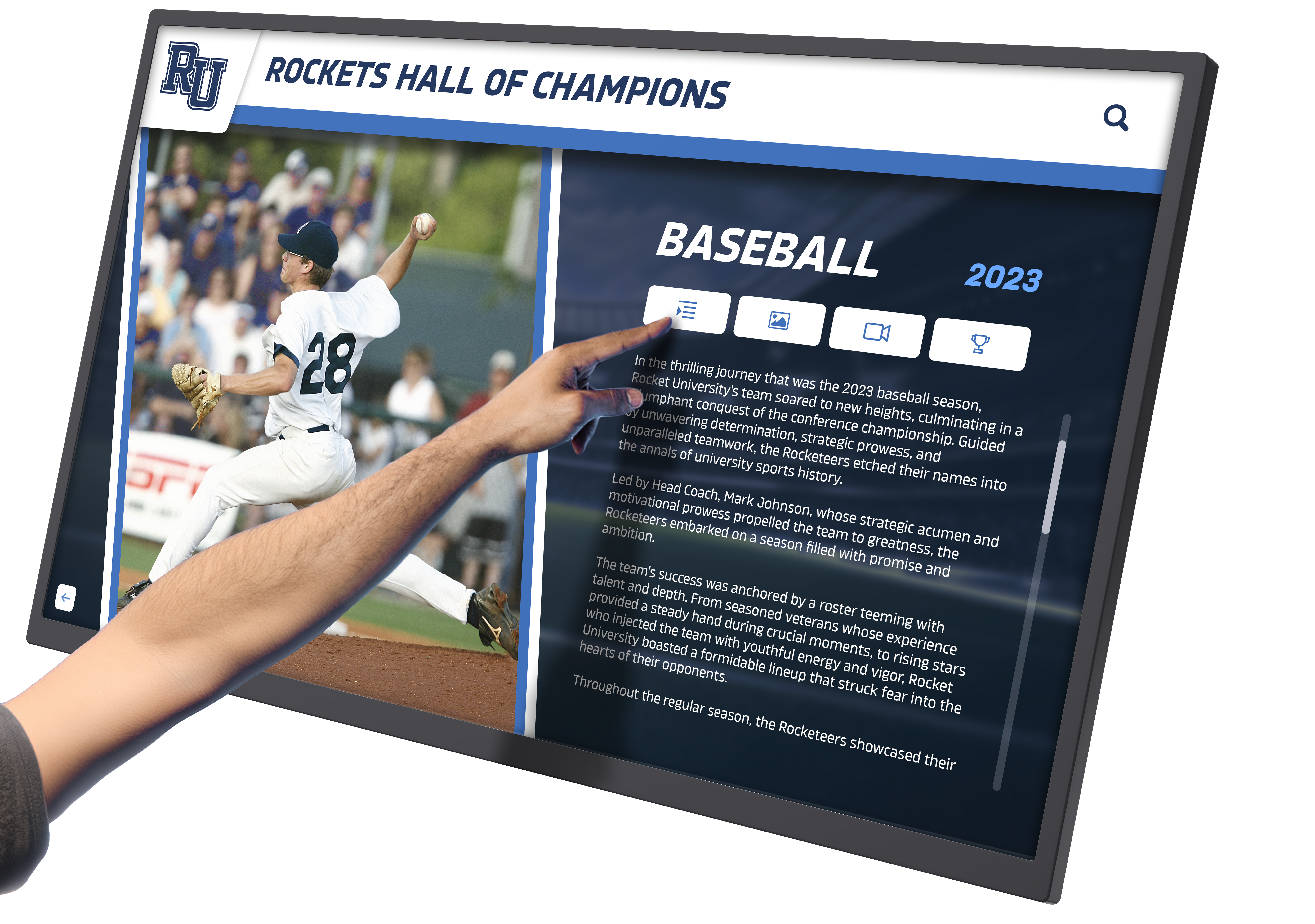
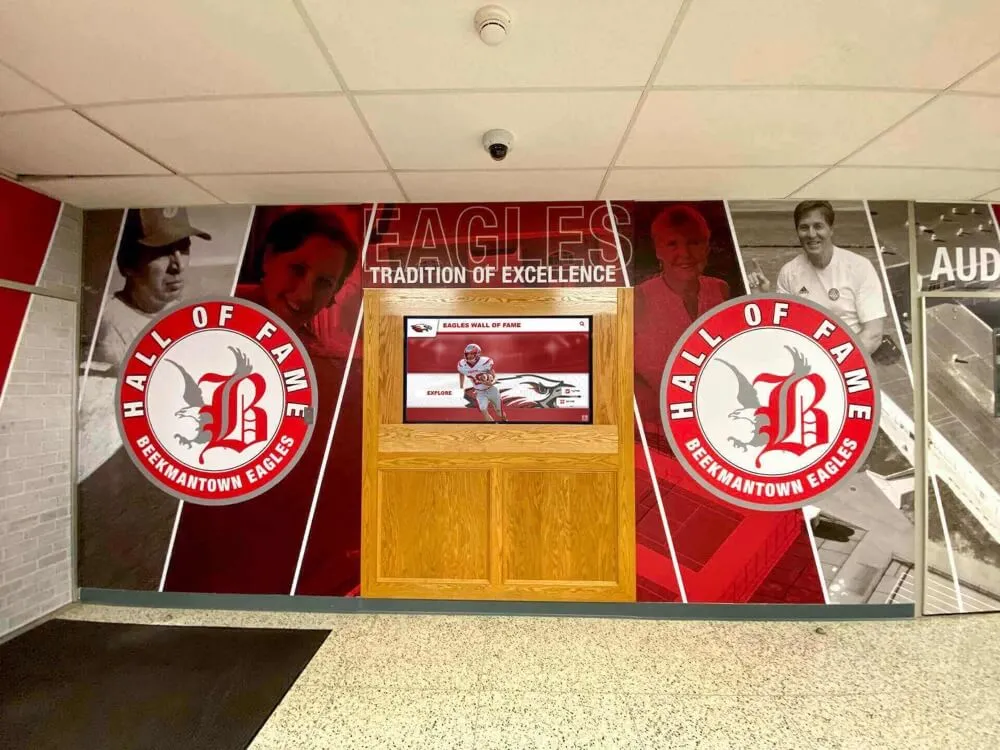
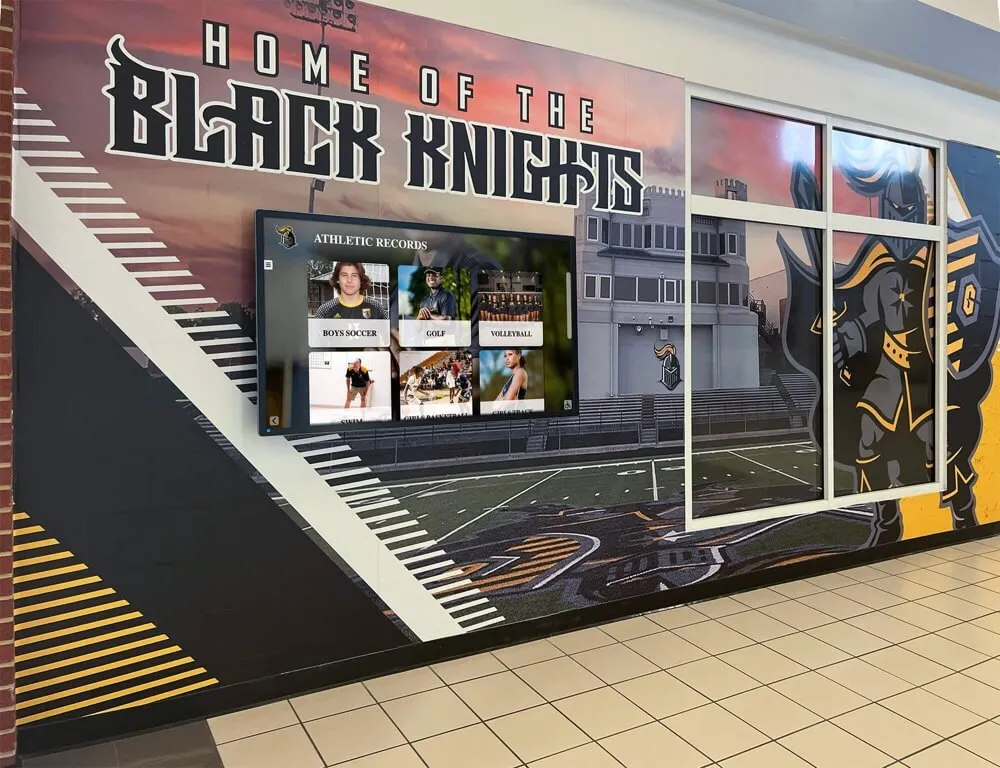
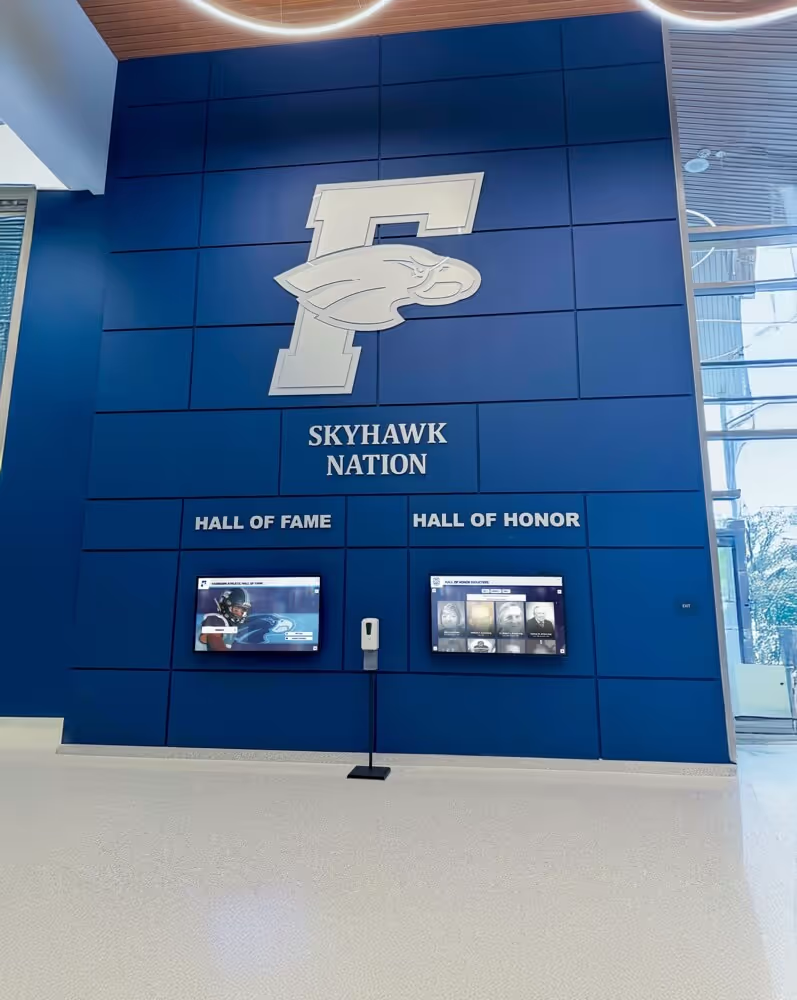
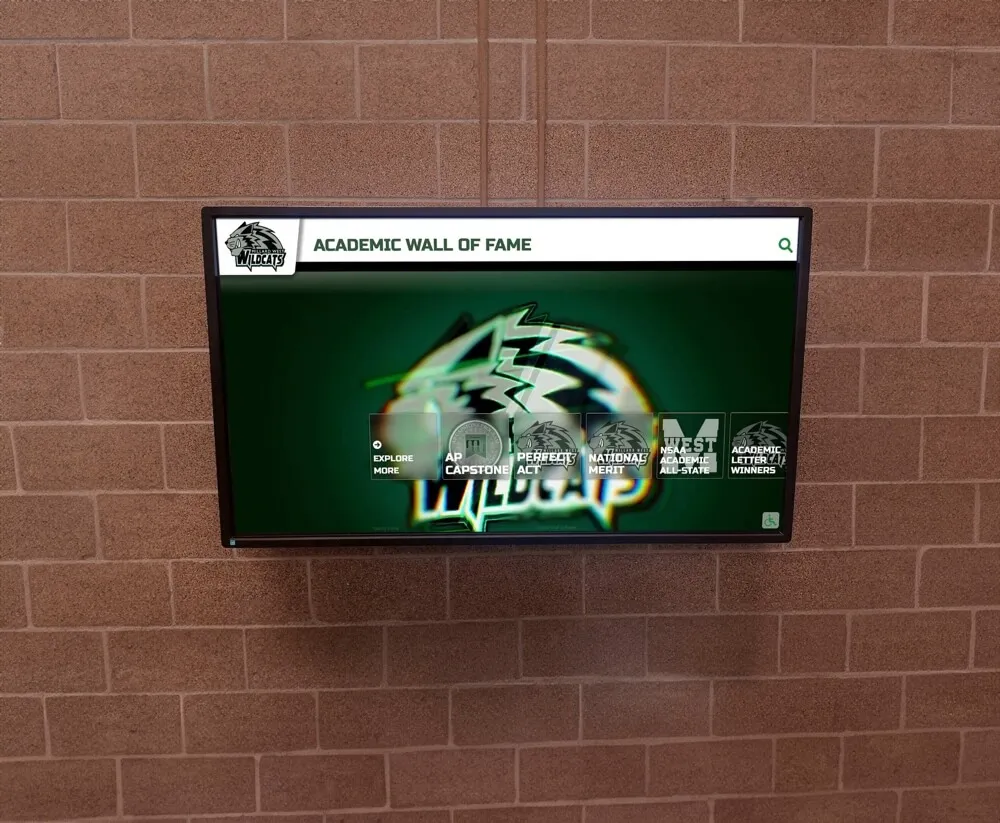
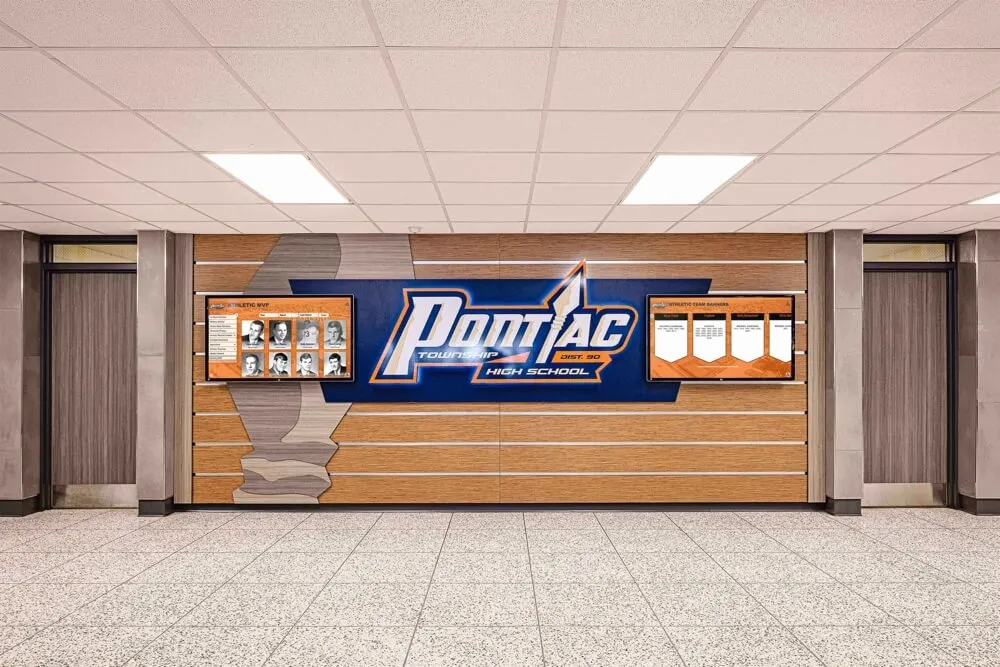
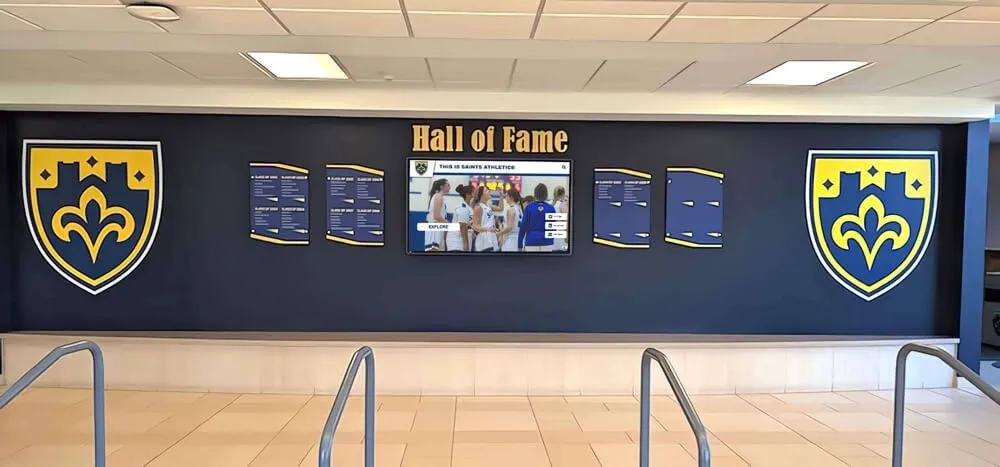
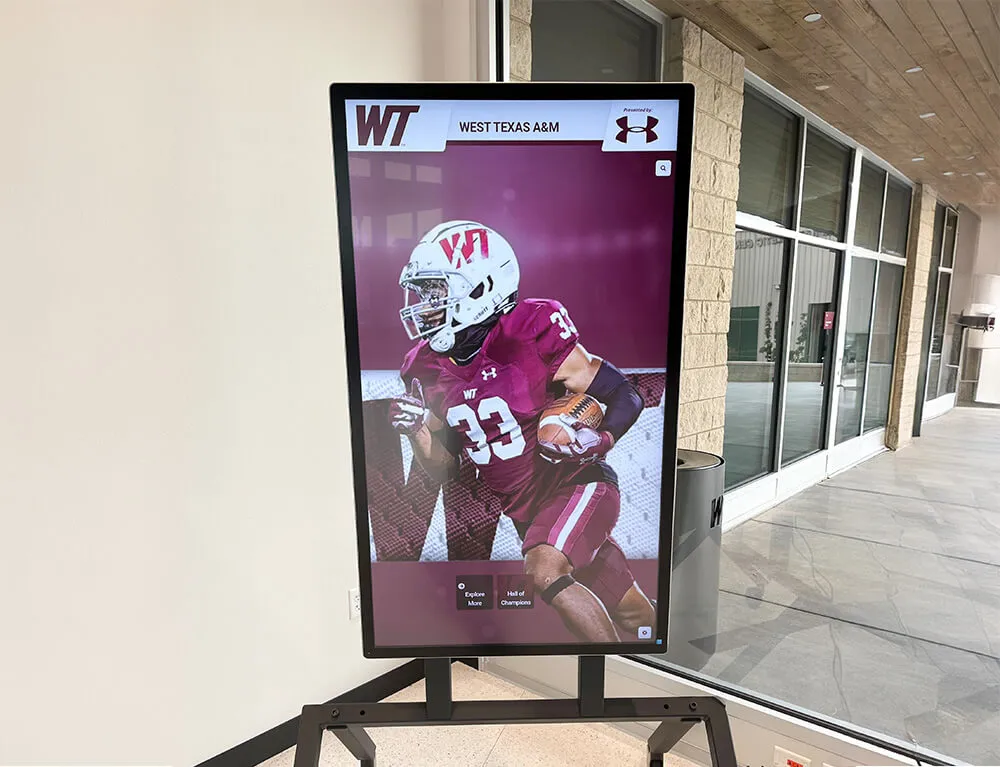
Comprehensive recognition systems document complete tournament histories and championship achievements
Showcase Formats
Some events emphasize exposure over definitive championships:
- Multiple games scheduled without championship bracket structure
- Focus on providing college recruitment exposure for athletes
- Media coverage and scouting opportunities as primary value
- Less emphasis on crowning a single “champion”
- Prestige derived from participation rather than tournament victory
These formats work well for mid-season tournaments where programs seek competition and exposure without the pressure of definitive championship outcomes.
Division and Classification Systems
National tournaments handle the size disparity between large urban programs and smaller schools differently:
Open Division Approach
Some tournaments use single-division formats where:
- All programs compete together regardless of school size
- Elite programs from any enrollment size can win championships
- Competitive quality prioritized over enrollment equity
- Typically results in large-school dominance of championship outcomes
- Smaller programs gain experience competing at highest level
Multi-Division Championships
Other tournaments create multiple divisions:
- Classifications based on school enrollment similar to state systems
- Separate championships for different school sizes
- Broader championship opportunities for various program types
- More equitable competition within enrollment cohorts
- Multiple “national champions” across different divisions
The division approach reflects philosophical differences about what national championships should represent—pure competitive excellence regardless of resources, or recognition across diverse institutional contexts.
Qualifying and Competing: The Path to National Championships
Elite programs pursuing national championships follow distinct development and competition pathways.
Building a Nationally Competitive Program
Sustained success at the national level requires substantial institutional commitment:
Coaching Excellence and Stability
Championship programs typically feature:
- Experienced head coaches with proven development track records
- Coaching continuity enabling multi-year program building
- Assistants with college or professional experience
- Year-round skill development and training programs
- Advanced basketball knowledge and strategic sophistication
Elite Talent Recruitment and Development
National contenders require:
- Multiple college-level prospects on roster simultaneously
- Talent pipeline systems developing players from youth programs
- Sometimes controversial transfer student situations
- Academic support ensuring athlete eligibility
- Strength, conditioning, and sports medicine resources
Understanding high school athletic program development reveals comprehensive strategies for building competitive excellence.
Institutional Support Systems
Successful programs receive:
- Administrative backing for travel and tournament participation
- Facilities comparable to college-level programs
- Financial resources covering expenses not offset by typical high school budgets
- Community support understanding the commitment required for national competition
- Flexibility with academic schedules for travel and training
Challenging Schedule Construction
National contenders build schedules featuring:
- Regular season games against other nationally ranked opponents
- Participation in elite tournaments and showcase events
- Minimal “easy wins” that could pad records but not build ranking credentials
- Out-of-state competitions exposing team to diverse competition styles
- Strategic timing building toward state and national tournaments
This schedule philosophy often means regular season records may not reflect team quality—losses to elite competition carry less negative weight than wins against weak opponents.
Navigating State and National Competition Conflicts
Programs pursuing national championships face challenging decisions balancing multiple competitive priorities:
State Championship Obligations
Most schools prioritize state titles because:
- State championships represent defined competitive goals
- Community and alumni expectations focus on state success
- State tournaments provide historical program continuity
- Athlete memories often center on state championship experiences
- State recognition brings broad visibility across entire school community
National Tournament Opportunities
Yet national competition offers distinct value:
- Validation of program quality against the best teams nationwide
- Increased college recruitment exposure for athletes
- Media attention and national prestige impossible to achieve through state competition alone
- Revenue opportunities through broadcasting and sponsorships
- Motivation and development from competing at the highest levels
Scheduling Conflicts
Problems arise when:
- Post-season national tournaments conflict with state playoff schedules
- State associations sometimes discourage or prohibit national tournament participation during state playoffs
- Travel requirements for national tournaments interfere with local competition
- Player fatigue from extensive schedules affects performance in both competitions
- Financial resources limit ability to pursue both state and national championships

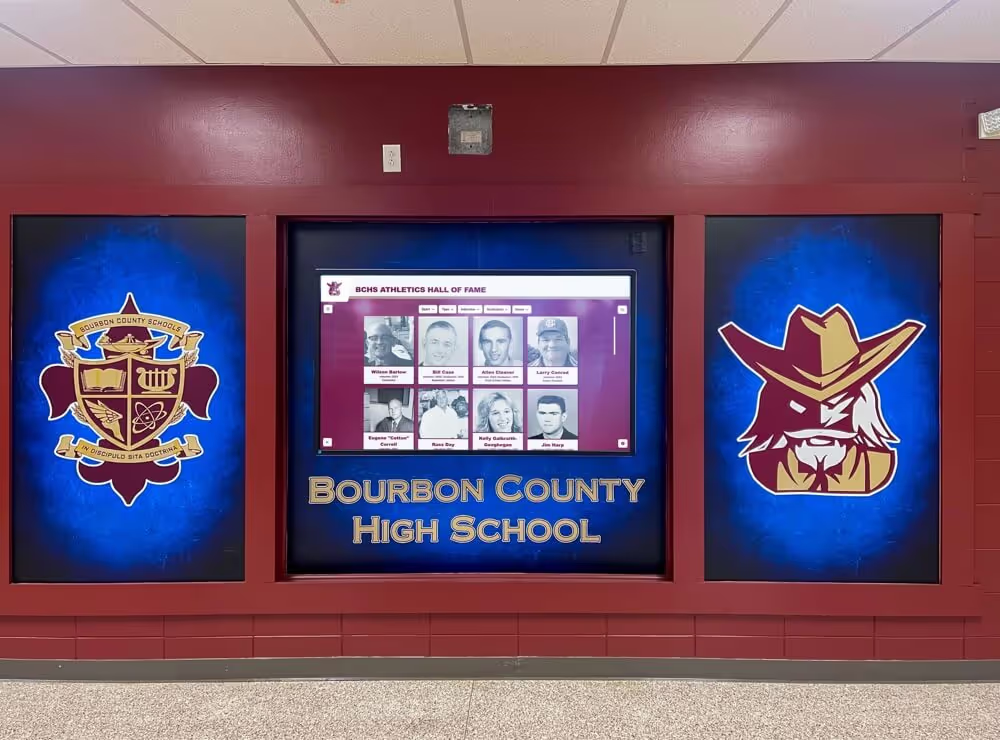
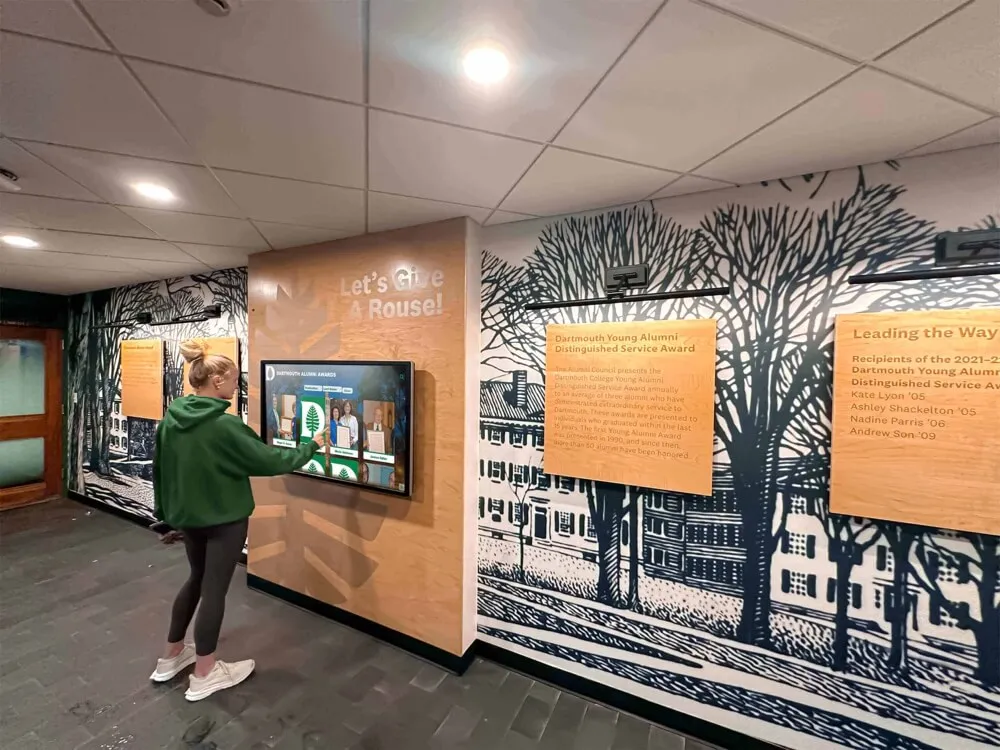
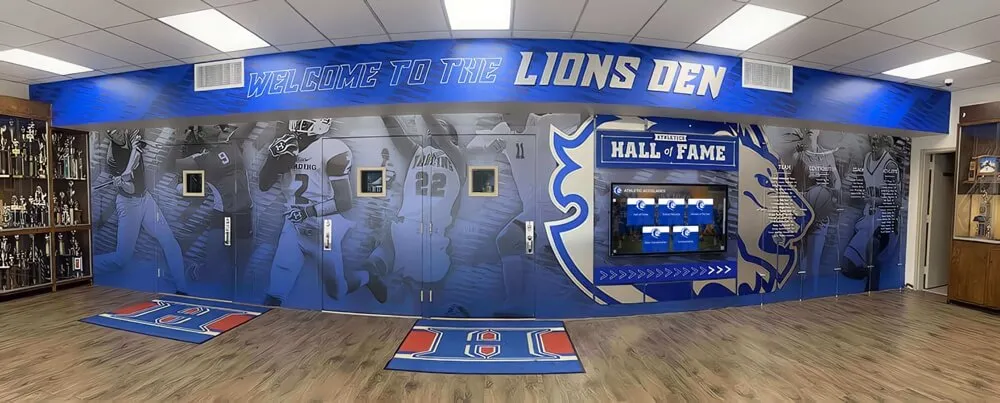
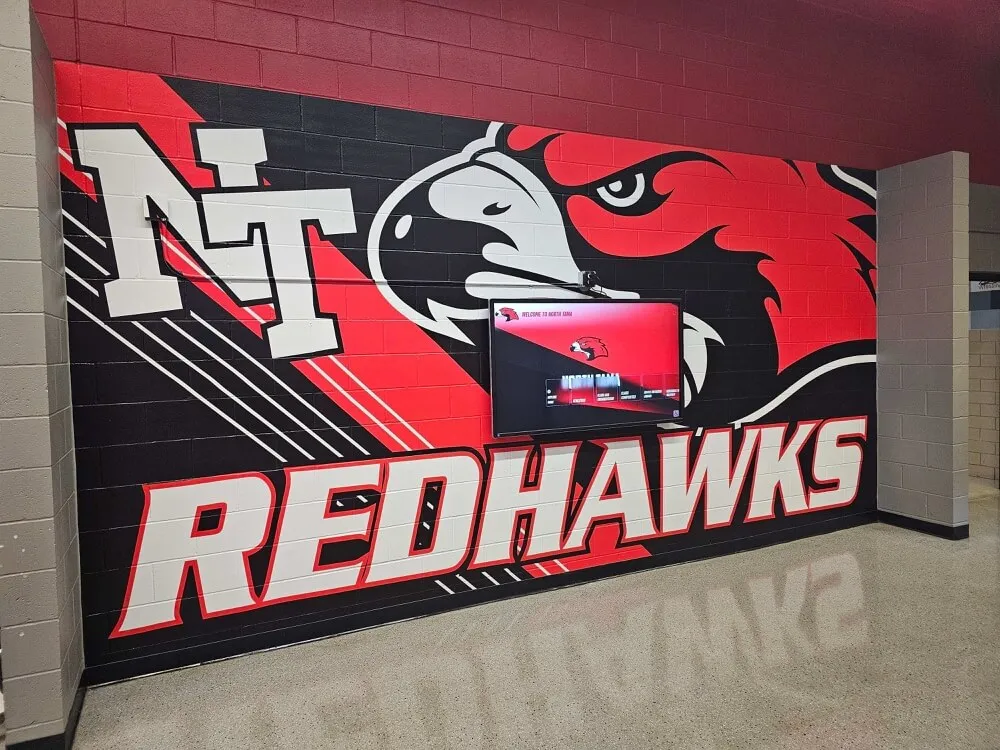
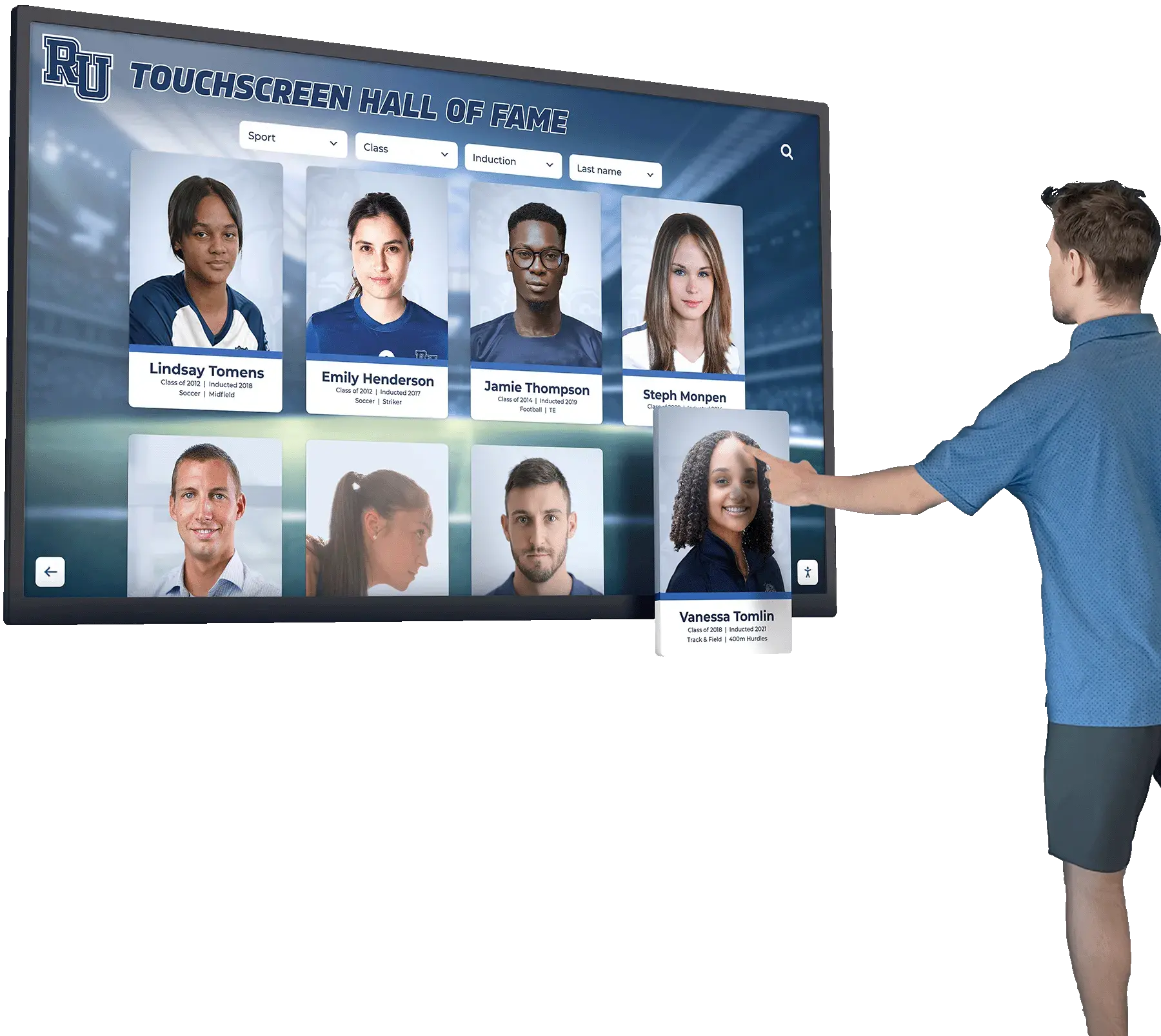
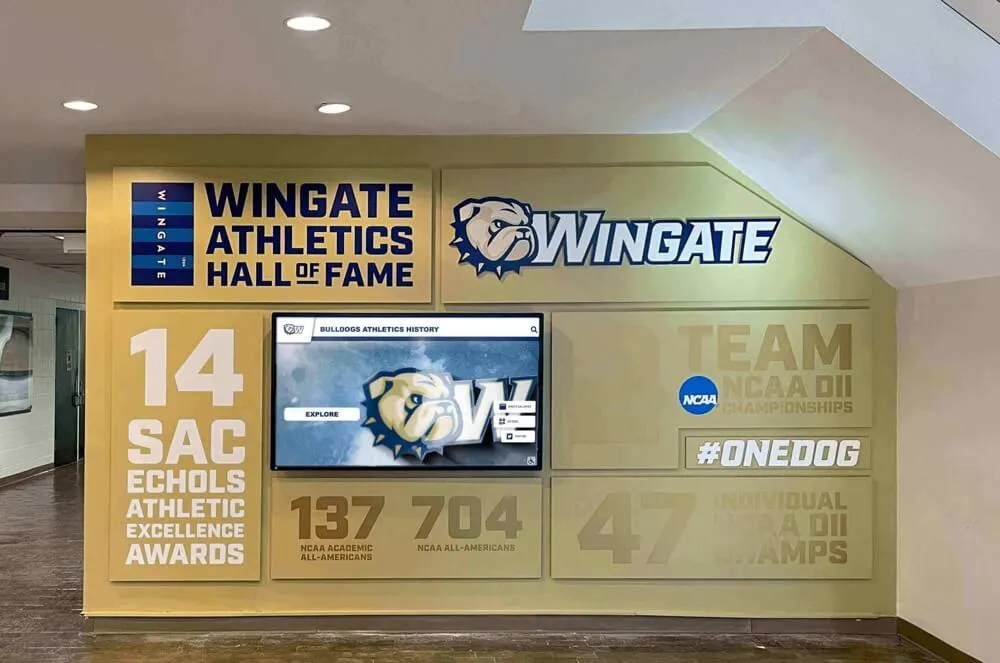
Elite programs celebrate both state and national achievements through comprehensive recognition systems
Resolution Strategies
Programs handle these conflicts by:
- Prioritizing state championships while selectively pursuing national tournaments
- Participating primarily in pre-season or mid-season national events avoiding state playoff conflicts
- Building schedules that allow focus on state tournaments first, then national competition
- Communicating clearly with stakeholders about competitive priorities and rationale
- Using national rankings recognition as validation without always participating in national tournaments
The most successful programs often win state championships while also competing nationally, though this requires exceptional resources and circumstances.
Tournament Performance and Championship Pursuit
Once qualified and committed to national championship pursuit, programs face distinct competitive challenges:
Preparation and Scouting
National tournament preparation differs from regular competition:
- Opponents often unfamiliar requiring extensive video study
- Playing styles may differ significantly from typical regional competition
- Limited time between games requires efficient preparation
- Travel and unfamiliar environments add logistical complexity
- Pressure of national stage affects some athletes’ performance
In-Tournament Adjustments
Coaching becomes particularly crucial during tournaments:
- Rapid adjustments to opponent strategies and styles
- Depth management over multiple games in short timeframes
- Injury management and player rotation decisions
- Psychological coaching helping athletes handle pressure and adversity
- Strategic decisions about game management in high-stakes situations
Media and External Pressures
National tournaments bring attention that regular season lacks:
- Increased media coverage and interview demands
- Social media attention amplifying every moment
- College coaches and scouts evaluating every play
- Family and community expectations for performance
- Distraction management maintaining focus on competition
Teams that thrive in national championship environments typically feature experienced players and coaches who have competed previously in high-pressure situations and understand how to maintain focus amid external distractions.
Recognition and Legacy: Celebrating Championship Achievement
Winning or even competing in national championship basketball tournaments represents extraordinary achievement worthy of lasting recognition.
Championship Recognition Traditions
Programs celebrate national tournament success through various means:
Physical Championship Artifacts
Traditional recognition includes:
- Championship trophies displayed prominently in athletic facilities
- Championship banners suspended from gymnasium rafters
- Individual medals and rings for players and coaches
- Commemorative plaques documenting tournament achievements
- Team photographs and memorabilia preserving championship moments
Exploring championship banner displays reveals how programs honor tournament success through visible facility recognition.
Digital Recognition Platforms
Modern programs increasingly adopt digital celebration systems:
- Interactive displays documenting tournament histories and achievements
- Multimedia presentations featuring game footage and championship moments
- Online recognition extending visibility beyond physical campus
- Social media campaigns celebrating championship accomplishments
- Searchable archives preserving complete tournament documentation
Solutions like Rocket Alumni Solutions provide comprehensive platforms specifically designed for athletic recognition, enabling programs to document national tournament participation and championships through engaging digital experiences that traditional plaques cannot match.
Community Celebration Events
Championship recognition extends beyond physical displays:
- Victory parades and community recognition ceremonies
- School assembly celebrations honoring teams and accomplishments
- Media coverage in local and regional publications
- Alumni engagement around historic program achievements
- Fundraising momentum from championship success
These celebrations connect championship achievement to broader community identity while providing recognition that athletes and coaches value deeply.
Individual Athlete Recognition
Beyond team championships, individual achievements deserve celebration:
Tournament Performance Awards
National tournaments typically recognize:
- Most Valuable Player and All-Tournament teams
- Statistical leaders in scoring, rebounds, assists
- Sportsmanship and character awards
- Breakout performances gaining national attention
- Memorable individual performances defining tournaments
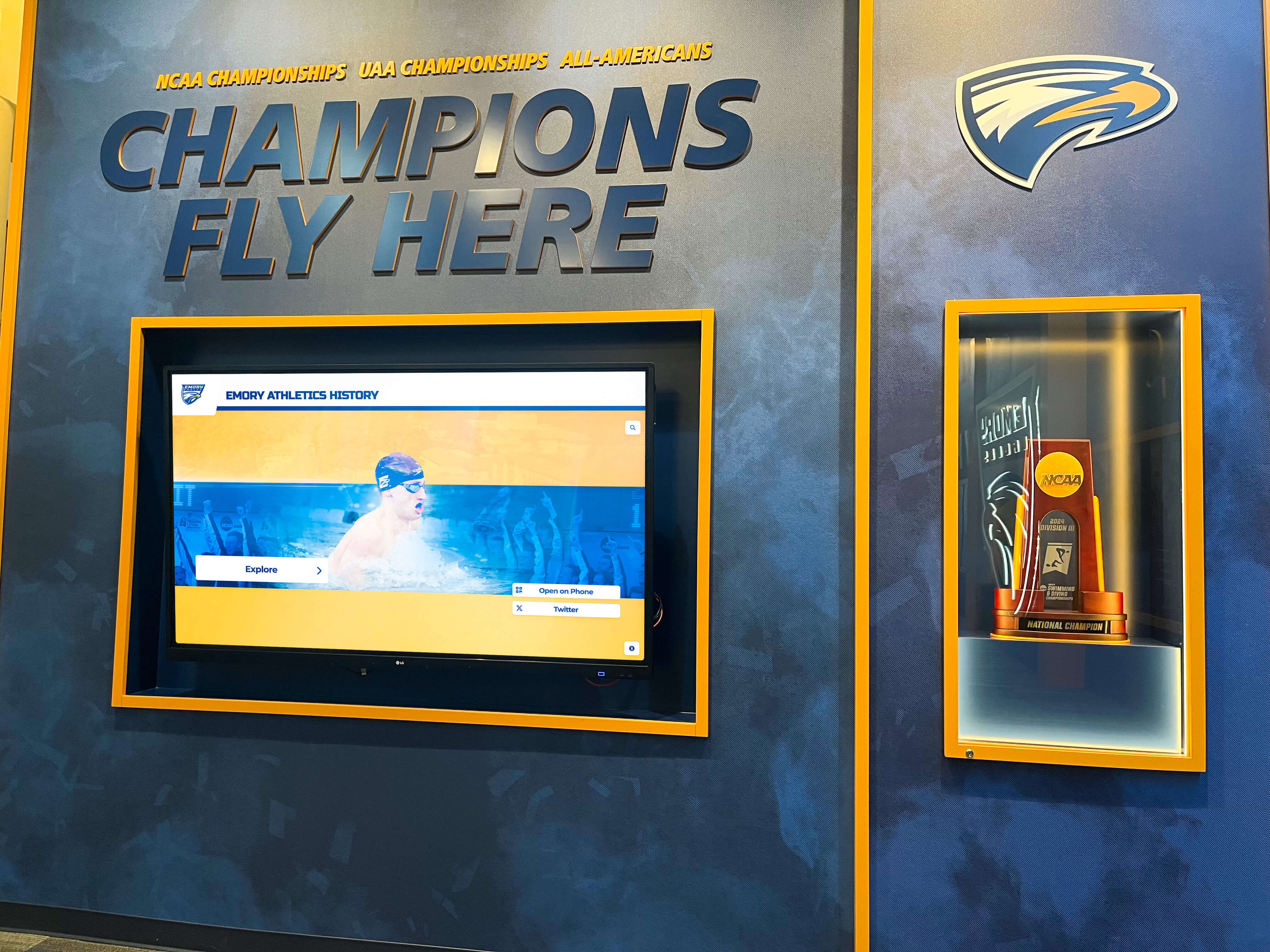
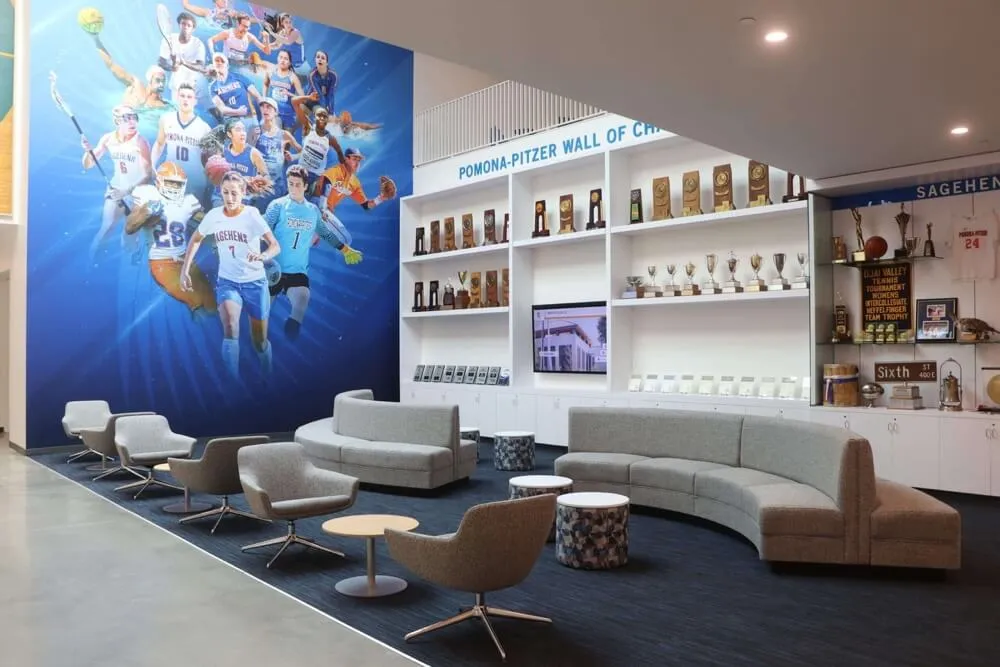
Championship trophy displays celebrate both team and individual achievements from national competition
College Recruitment Impact
National tournament exposure significantly affects:
- College scholarship offers and recruitment interest
- Player profile elevation gaining attention from major programs
- Competitive validation against elite athletes nationwide
- Video footage used extensively in recruitment processes
- Post-high school opportunities including professional leagues
Understanding athletic recognition programs demonstrates comprehensive approaches to honoring individual excellence within team contexts.
Hall of Fame Induction
Exceptional careers including national championships often lead to:
- School athletic hall of fame recognition
- Legacy acknowledgment inspiring future athletes
- Permanent documentation of career achievements
- Community connection maintained across decades
- Role modeling for current program participants
Programs implementing digital hall of fame systems ensure that national tournament achievements receive appropriate permanent recognition accessible to future generations.
Building Championship Culture Through Recognition
Effective recognition systems do more than celebrate past success—they inspire future excellence:
Visible Excellence Standards
Prominent championship recognition establishes:
- Tangible goals current athletes can pursue
- Evidence that national-level success is achievable within program
- Inspiration drawn from seeing previous championship teams honored
- Competitive standards demonstrating what excellence requires
- Tradition creating self-reinforcing culture of achievement
Recruitment Advantages
Championship recognition influences:
- Prospective athlete perceptions during facility tours
- Family confidence in program quality and competitive level
- Differentiation from competitors lacking national tournament experience
- Evidence of coaching excellence and player development
- Community commitment to supporting competitive excellence
Alumni Engagement
National championship recognition connects:
- Former athletes to current program through shared tradition
- Alumni support networks generating financial and mentoring resources
- Community pride reinforcing institutional identity
- Generational continuity linking past, present, and future
- Networking opportunities among championship team members
Research on athletic director program management demonstrates how recognition systems support broader athletic department goals beyond simple achievement documentation.
Strategic Considerations for Programs Evaluating National Competition
Not every program should pursue national championship basketball, and thoughtful evaluation helps athletic departments make informed decisions.
Assessing Program Readiness
Programs considering national tournament participation should evaluate:
Competitive Capability
Honest assessment requires examining:
- Whether current roster features college-level talent necessary for national competition
- Coaching staff experience and capability at the highest competitive levels
- Schedule strength and performance against regionally elite teams
- Player development trajectory suggesting sustained excellence
- Comparison to programs successfully competing in national tournaments
Resource Availability
National competition demands:
- Financial capacity covering travel, lodging, and tournament expenses
- Administrative support handling logistics and scheduling complexity
- Facilities adequate for training at levels matching national competitors
- Time commitment from coaches and staff extending beyond typical seasons
- Community support understanding the investment required
Institutional Alignment
Programs must consider:
- School mission and values related to athletic competition emphasis
- Academic priorities and potential conflicts with extended travel
- Equity concerns about resources devoted to single program
- Community expectations and support for national competition pursuit
- Long-term sustainability of commitments required for national contention
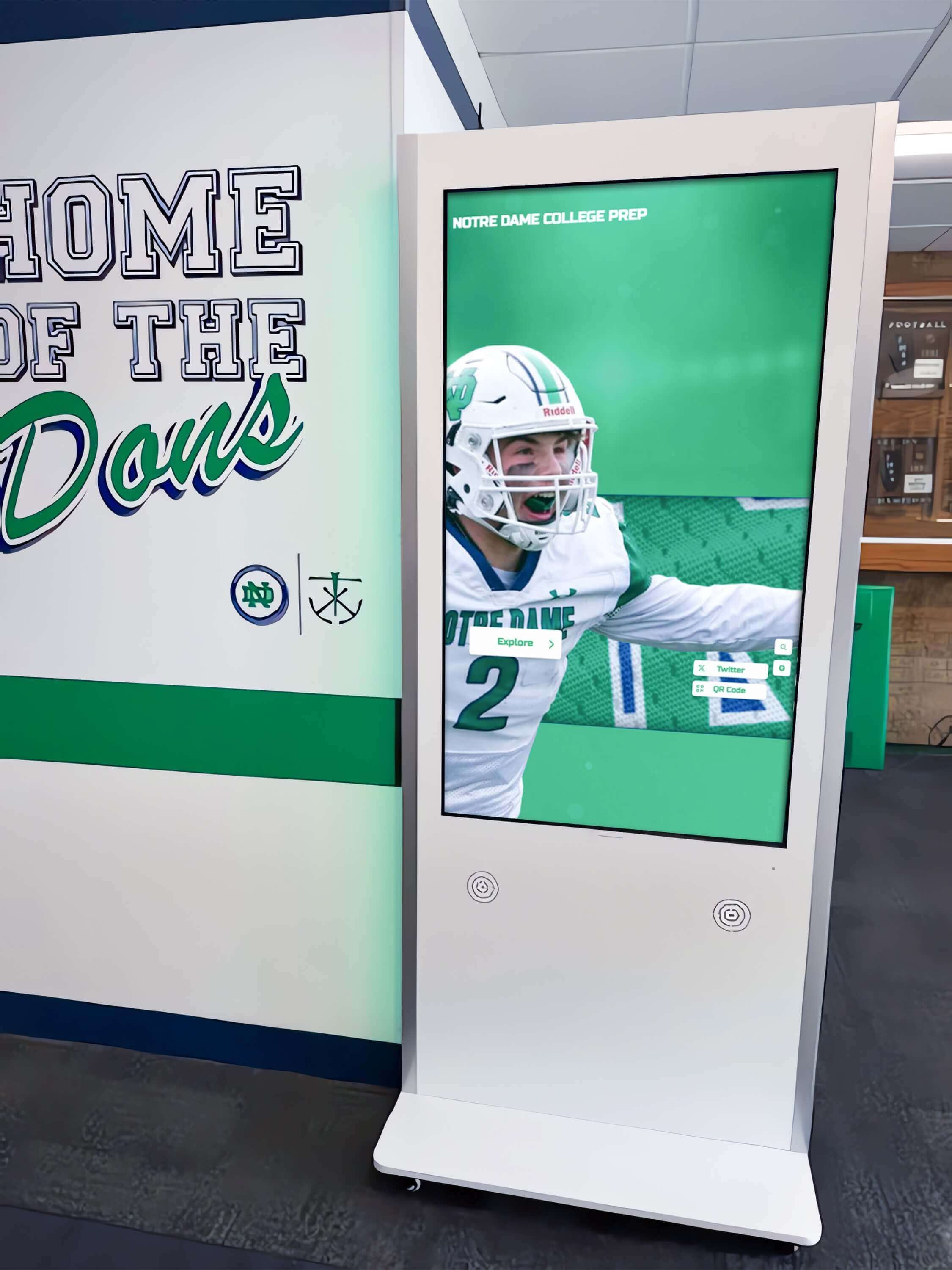
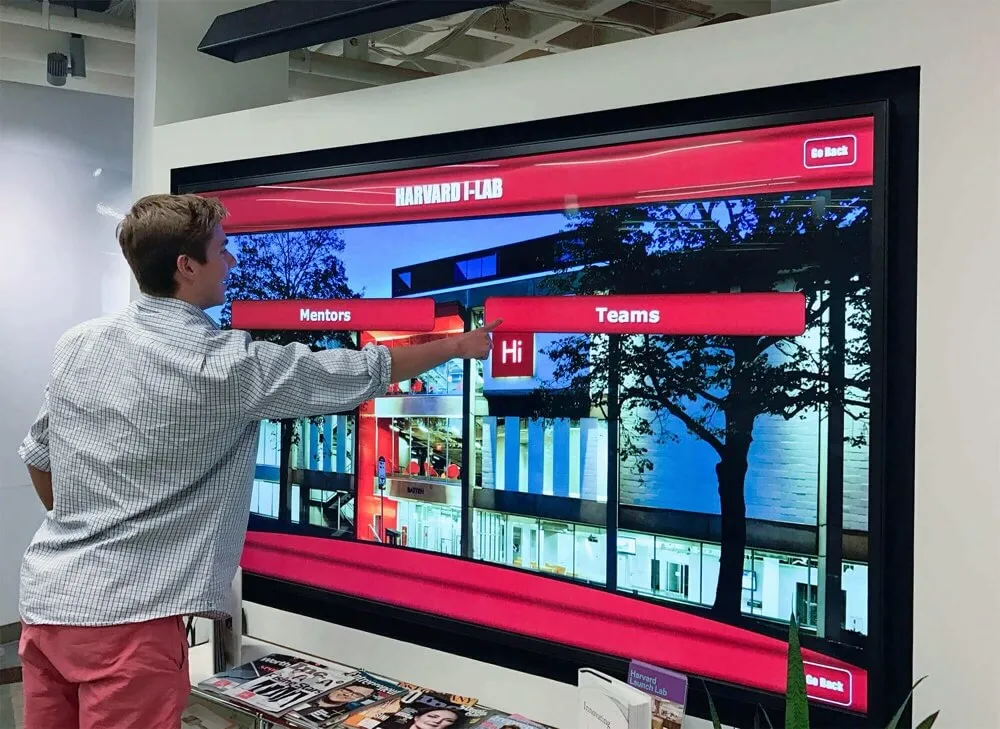
Modern recognition systems document program evolution toward national competitiveness
Alternative Paths to Excellence
Programs not pursuing national championships can achieve excellence through:
Regional and State Excellence
Many outstanding programs focus exclusively on:
- Dominant state championship competition
- Regional tournament success and recognition
- Conference excellence and sustained winning
- Player development sending athletes to college programs
- Community engagement and local pride
Showcase Tournament Participation
Programs can gain national exposure through:
- Holiday tournaments and mid-season showcases
- Summer competitions and AAU affiliate events
- Invitation to prestigious events without championship pressure
- College recruitment exposure without full national championship commitment
- Competitive experience against elite opponents
Development-Focused Programs
Some programs prioritize:
- Maximizing participation across all program levels
- Academic achievement and student-athlete development
- Character formation and life skills through athletics
- Community service and leadership opportunities
- Sustainable programs not dependent on elite talent cycles
Each approach offers value, and programs should choose paths matching their specific circumstances, resources, and institutional missions rather than pursuing national championships simply because the opportunity exists.
Conclusion: Championship Basketball’s Highest Stage
The national high school basketball championship landscape represents a unique dimension of American athletics—a competitive environment where multiple organizations host prestigious tournaments, each claiming to identify the country’s best teams. Unlike college sports’ single-path championship systems, high school basketball’s multiplicity of national tournaments creates opportunities for elite programs to test themselves against the nation’s finest competition while building traditions that inspire communities and shape athletic cultures.
For the most elite programs—those blessed with exceptional talent, experienced coaching, institutional support, and community commitment—competing for national championships provides validation impossible to achieve through state competition alone. These programs pursue excellence at the highest levels, developing athletes who compete collegiately and professionally while establishing legacies that define institutional identity across generations.
Yet national championship pursuit isn’t appropriate for every program, and many outstanding high school basketball teams achieve excellence through different competitive pathways focused on state championships, regional success, player development, or community engagement. The key lies in honest assessment of capabilities and resources, clear alignment between competitive goals and institutional missions, and commitment to celebrating achievement appropriately regardless of the competitive level at which programs operate.
Celebrate Your Championship Journey
Whether competing for national titles or state championships, your basketball program's achievements deserve recognition that inspires future excellence. Discover how modern digital recognition solutions create engaging celebration of your program's championship tradition.
Explore Recognition SolutionsFor programs evaluating national tournament participation, the decision requires balancing competitive opportunity against practical realities of cost, scheduling, and institutional priorities. The most successful programs thoughtfully integrate national competition into broader athletic philosophies that prioritize athlete development, academic excellence, and community engagement alongside competitive achievement.
Regardless of whether your program competes nationally, the achievements your teams earn—from conference titles through state championships to potential national recognition—deserve celebration that honors athlete dedication while inspiring future generations to pursue their own basketball excellence. Modern recognition technology enables comprehensive documentation of championship journeys through multimedia storytelling, interactive exploration, and accessible platforms extending visibility far beyond traditional trophy cases.
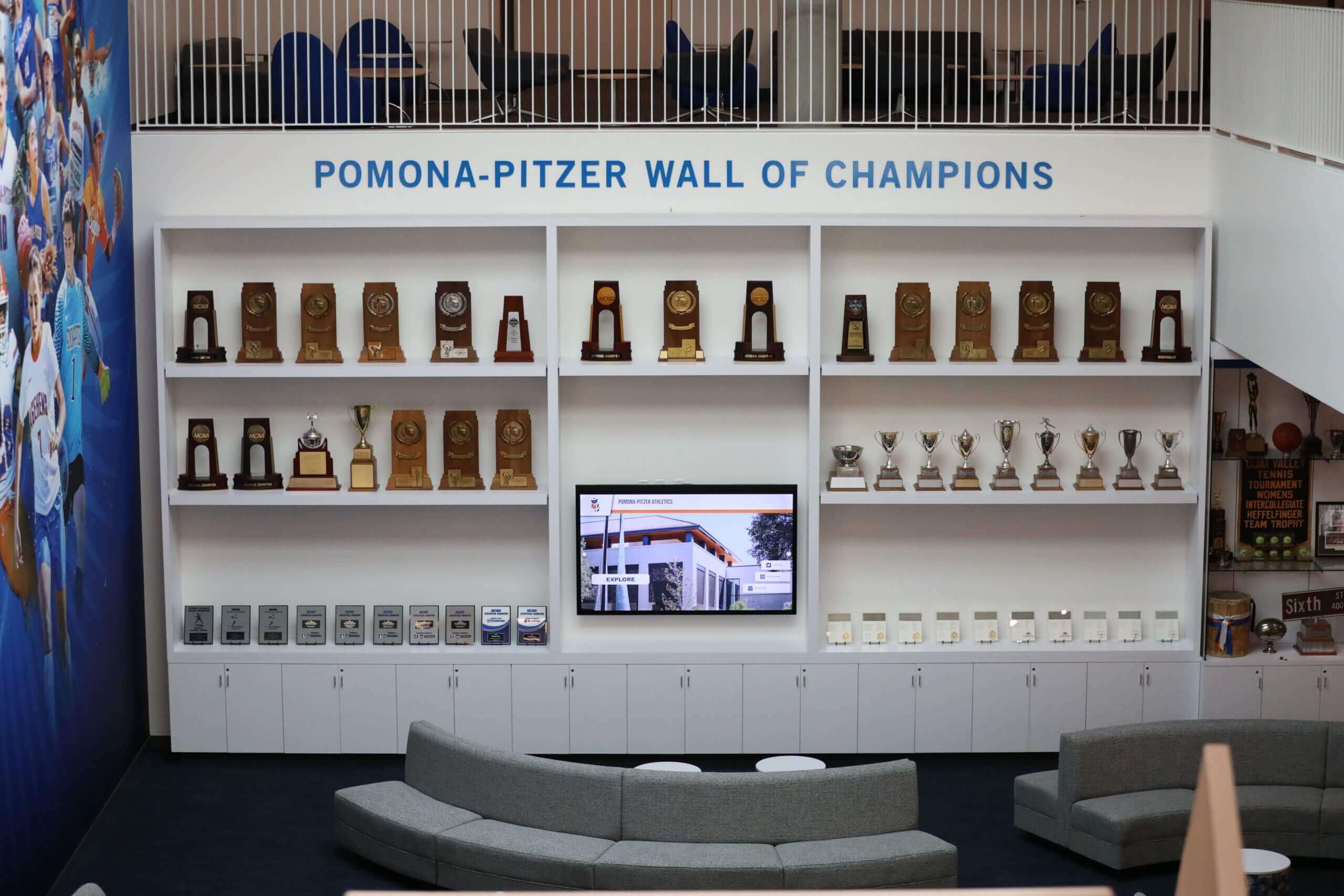
Championship recognition creates inspiring environments celebrating athletic excellence at all competitive levels
The high school athletes dedicating countless hours to basketball excellence deserve recognition matching their commitment. Whether your program’s pinnacle achievement represents conference championships, state titles, or national tournament success, thoughtful recognition systems ensure these accomplishments receive the prominent, lasting celebration they warrant while building cultures where excellence becomes expectation rather than exception.
Your basketball championship journey—whatever competitive level defines your program’s success—represents extraordinary achievement worthy of recognition that inspires, educates, and connects past excellence to future aspiration. Modern digital recognition platforms ensure every achievement, at every competitive level, receives appropriate celebration accessible to athletes, families, alumni, and communities who share in your program’s proud tradition.
Ready to enhance your basketball program recognition? Explore how digital trophy case solutions transform athletic celebration. Learn about comprehensive athletic recognition strategies honoring every level of achievement. Discover pricing models for recognition systems supporting programs of all sizes and budgets.