



National Merit Scholar recognition represents one of the highest academic honors American high school students can achieve, distinguishing the top 1% of PSAT/NMSQT test-takers nationwide through a rigorous, multi-stage selection process. Students who earn National Merit designations—whether Commended Students, Semifinalists, or Finalists—demonstrate exceptional intellectual capability that warrants prominent, lasting celebration throughout their school communities.
Yet many schools struggle to showcase these remarkable achievements with the design excellence they deserve. National Merit recognition often defaults to simple name plaques, static bulletin board lists, or generic trophy case displays that fail to communicate the magnitude of the accomplishment. Meanwhile, the visual storytelling potential to inspire younger students, demonstrate institutional academic strength, and create memorable recognition experiences goes unrealized.
This comprehensive guide explores design-first approaches to National Merit Scholar recognition using modern touchscreen display systems that transform academic acknowledgment from static lists into engaging, inspiring recognition experiences that honor individual excellence while motivating future generations of scholars.
Effective National Merit recognition design serves multiple strategic purposes—it honors elite academic achievement with visual prominence matching its significance, provides clear achievement pathways inspiring ambitious underclassmen, demonstrates institutional commitment to celebrating intellectual excellence, strengthens college recruitment messaging through demonstrated academic caliber, and creates permanent recognition archives preserving institutional academic legacy for decades.

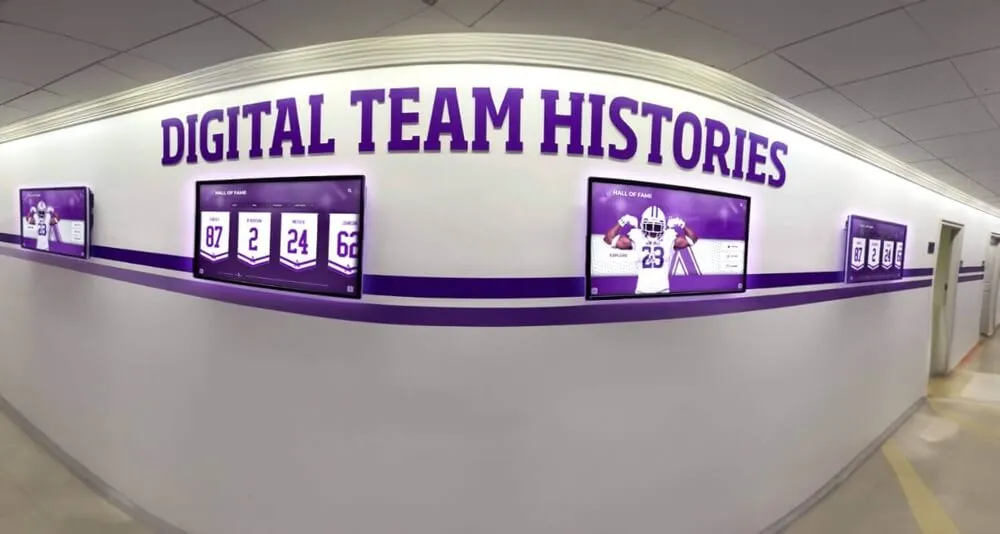
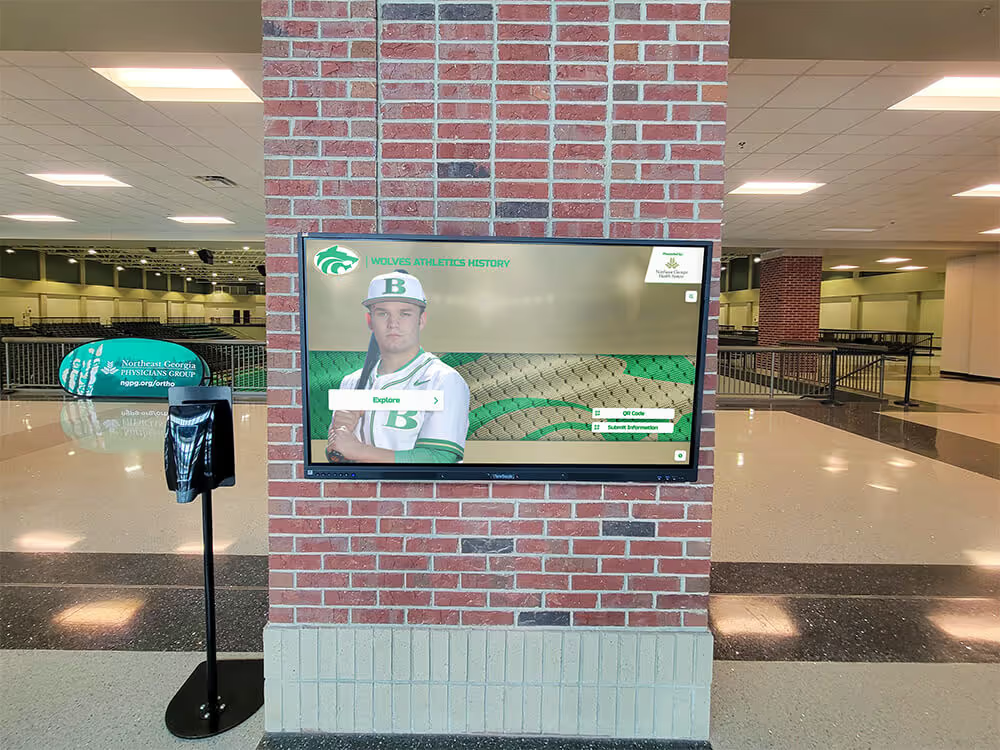
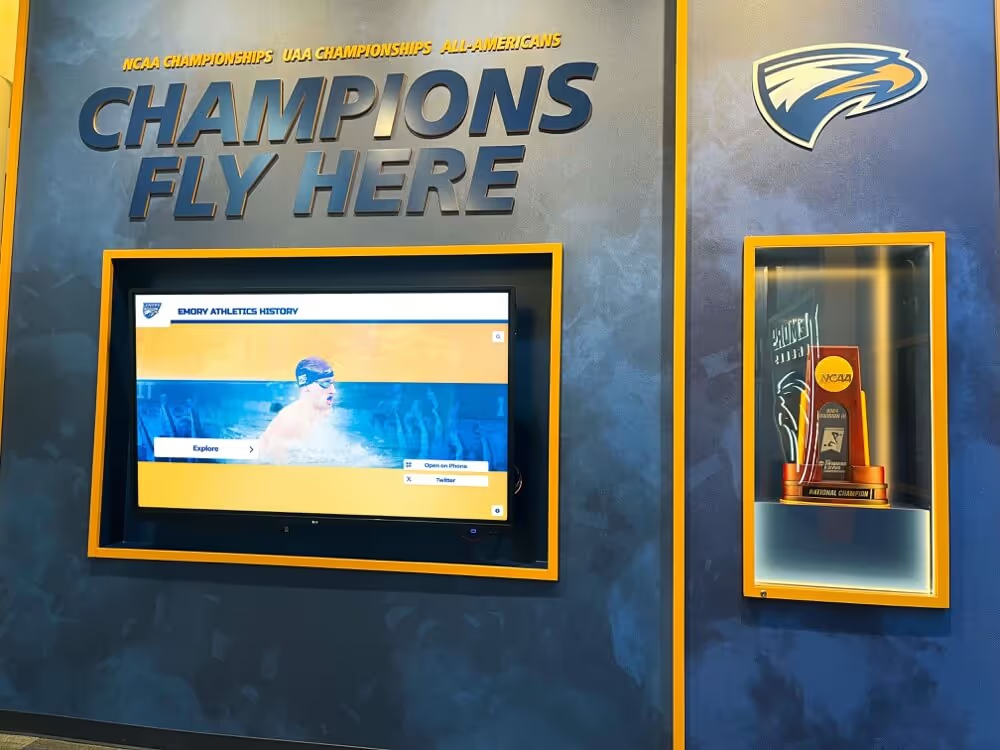
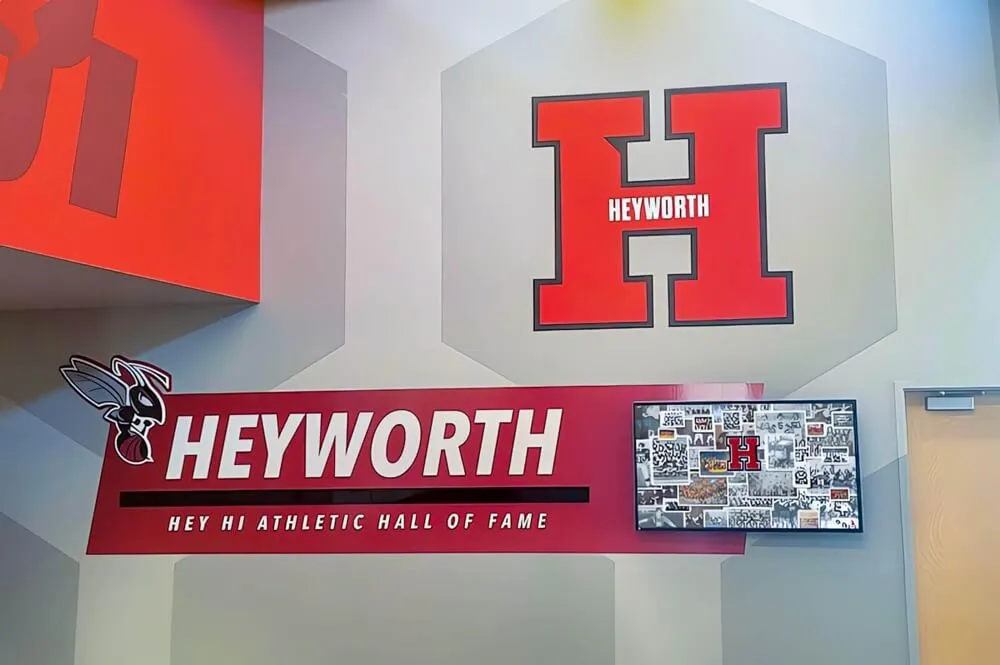
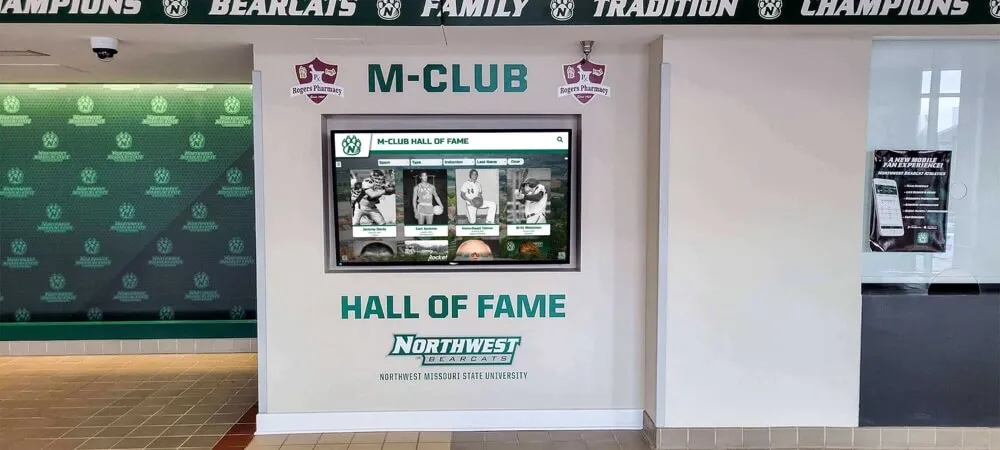
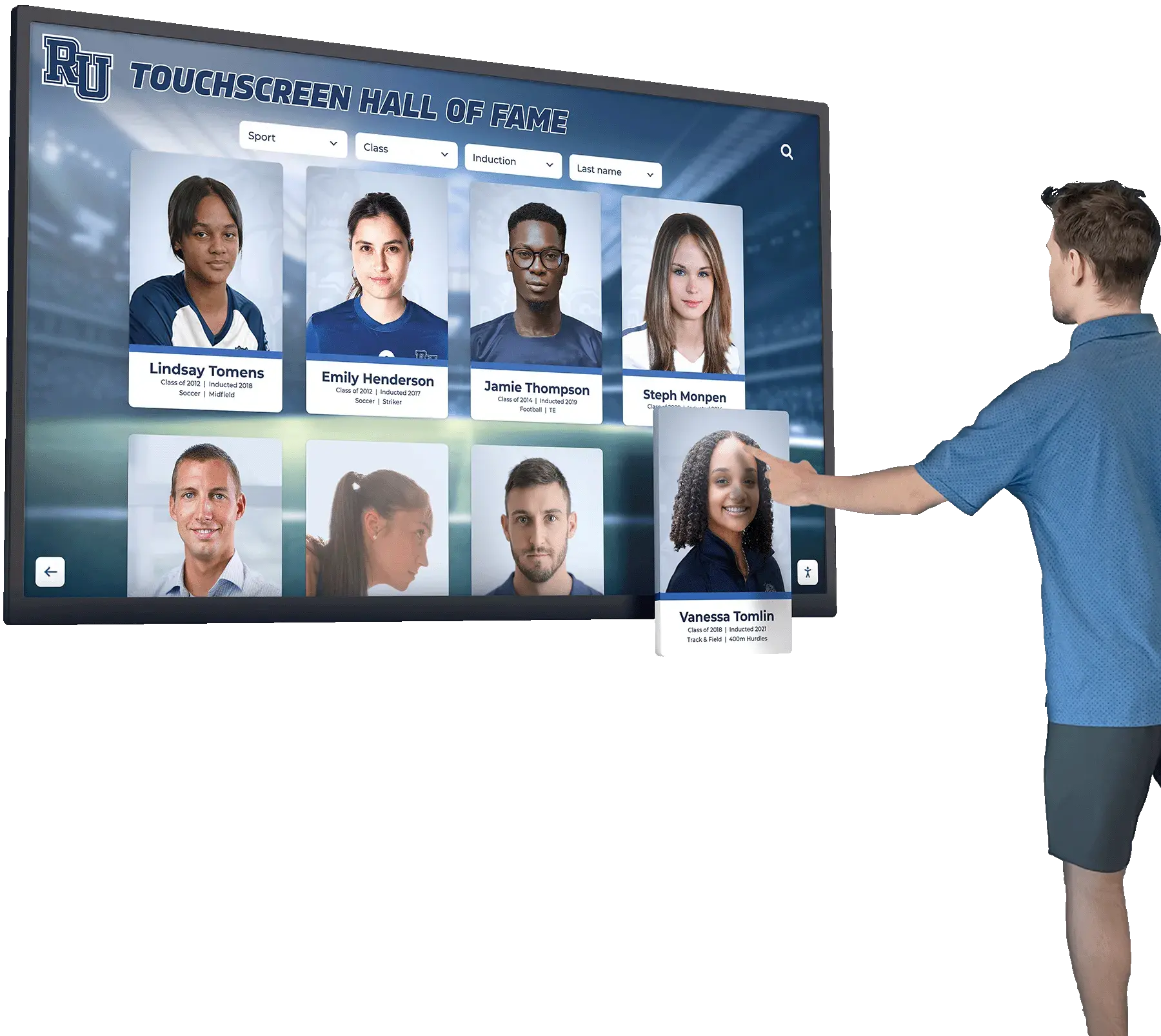
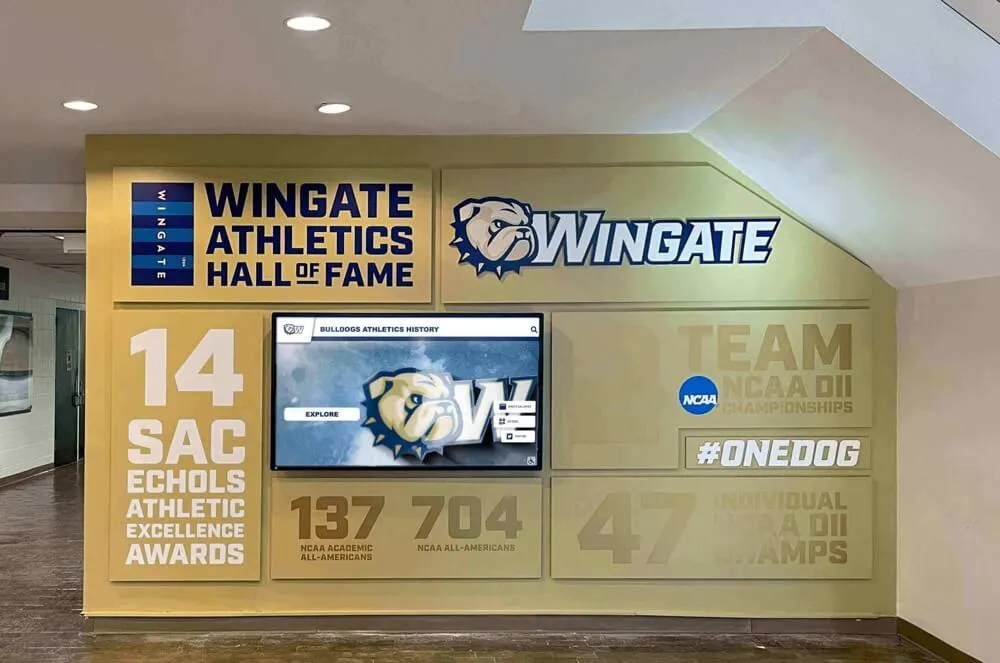
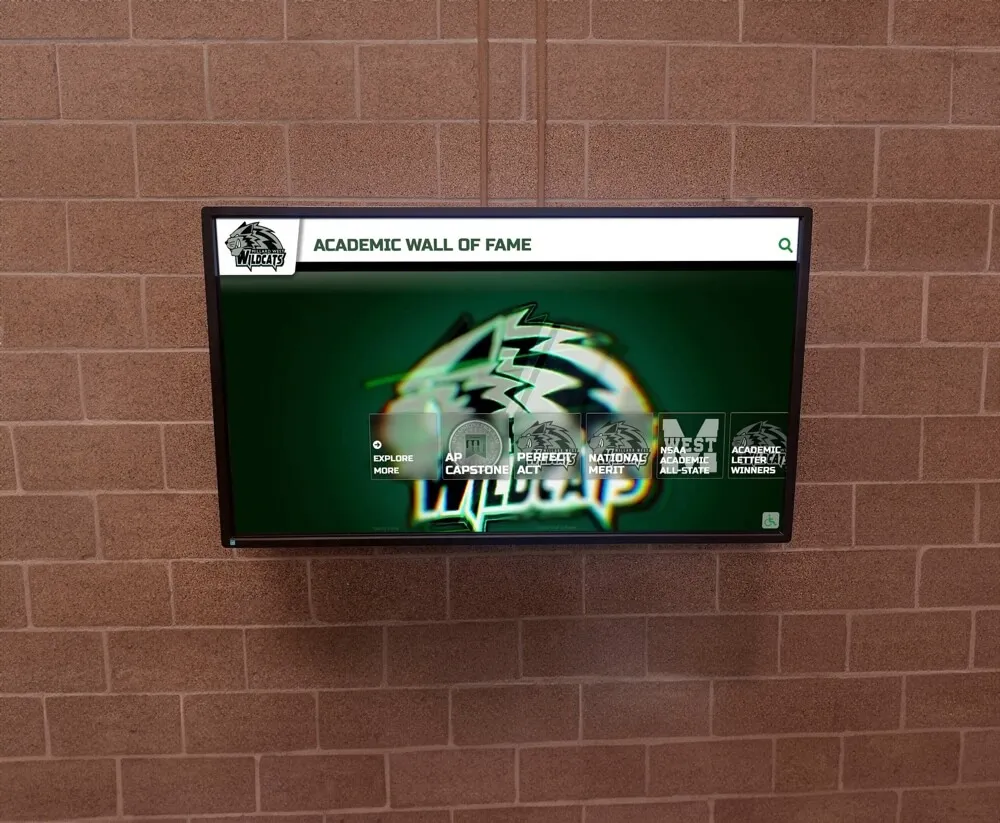
Modern touchscreen displays elevate National Merit Scholar recognition through professional design that communicates achievement significance
Understanding National Merit Scholar Recognition Tiers
Before designing recognition experiences, understanding the National Merit program structure and what each designation represents ensures appropriate visual hierarchy and celebration.
The National Merit Selection Process
The National Merit Scholarship Corporation identifies approximately 50,000 high-performing students annually from over 1.5 million PSAT/NMSQT participants. According to National Merit Scholarship Program guidelines, students progress through distinct recognition tiers based on Selection Index scores calculated from PSAT performance.
Recognition Tier Structure (2025):
Commended Students (Top 3-4%)
- Approximately 34,000 students nationally
- Scored high on PSAT but below state-specific Semifinalist cutoffs
- Receive Letters of Commendation from NMSC and school
- Recognition valuable for college applications and scholarship opportunities
- Designation appears on college applications and transcripts
Semifinalists (Top 1%)
- Approximately 16,000 students nationally
- Highest Selection Index scores in each state (cutoffs vary by state)
- Announced in September of senior year
- Eligible to advance to Finalist status with application submission
- Prestigious designation significantly strengthening college applications
Finalists (Top 0.6%)
- Approximately 15,000 students from Semifinalist pool
- Advance through rigorous application including academic record, recommendation, essay, and SAT confirmation
- Announced in February of senior year
- Eligible for National Merit Scholarships and corporate/college-sponsored awards
- Elite academic designation recognized by most selective universities
Scholars (Top 0.3%)
- Approximately 7,500 Finalists receiving Merit Scholarships
- $2,500 National Merit Scholarships awarded by NMSC
- Corporate-sponsored Merit Scholarships for employees’ children
- College-sponsored Merit Scholarships from participating institutions
- Highest tier representing both academic excellence and scholarship achievement
This tiered structure requires thoughtful design approaches ensuring all recognition levels receive appropriate celebration while maintaining visual hierarchy reflecting achievement tiers.
The Significance of National Merit Recognition
National Merit designations carry substantial weight in college admissions and scholarship competitions for several compelling reasons:
Elite Academic Validation College admissions officers view National Merit recognition as objective evidence of elite academic capability. Unlike school-specific honors that vary in rigor, National Merit status provides standardized validation that students rank among the nation’s highest academic performers, making the designation particularly valuable for applicants from lesser-known schools.
Substantial Financial Value Beyond the prestige, National Merit status unlocks significant scholarship opportunities. Many universities offer full-tuition or near-full-tuition scholarships specifically for National Merit Finalists and Scholars, potentially representing $100,000+ in scholarship value over four years according to university financial aid programs.
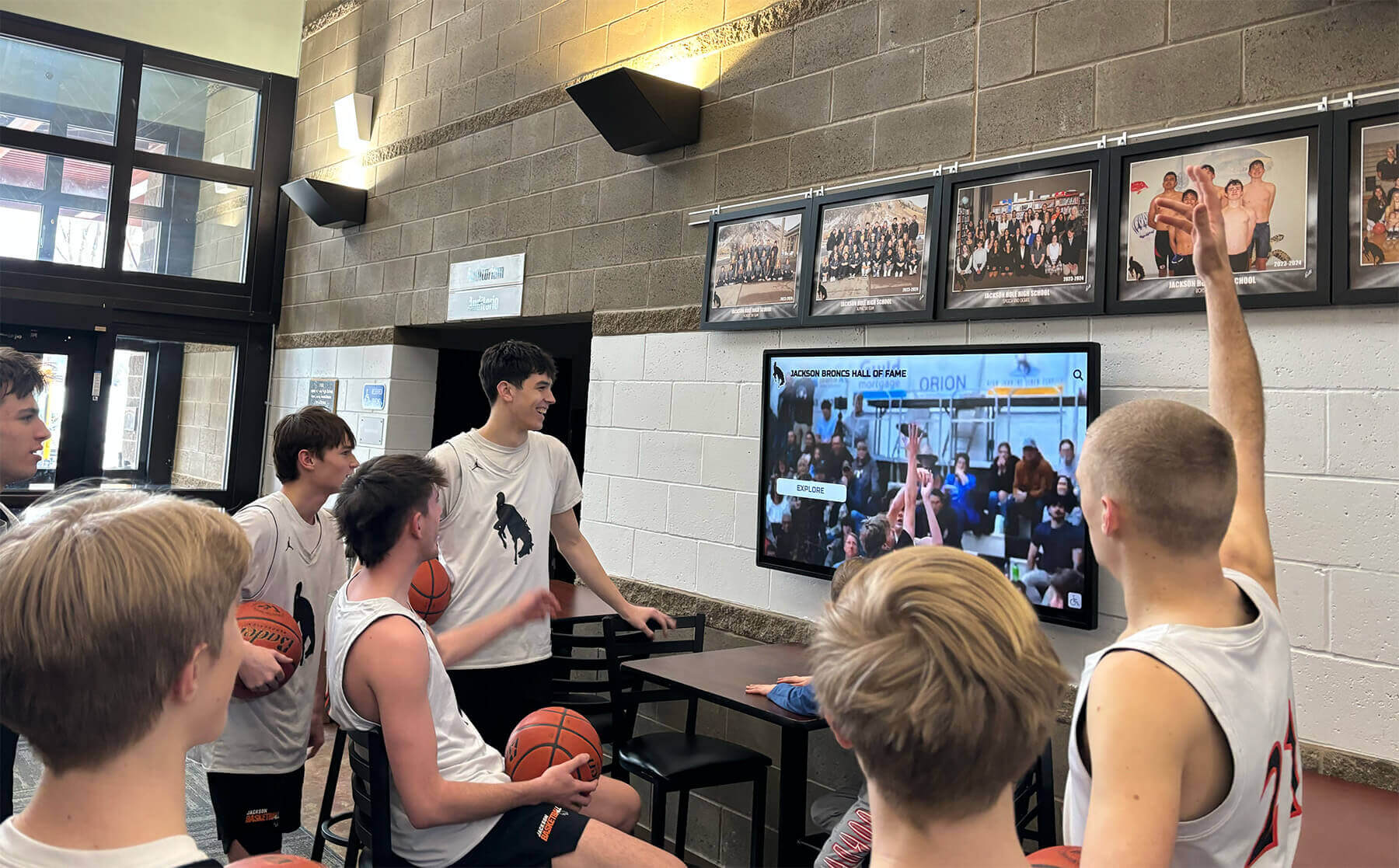
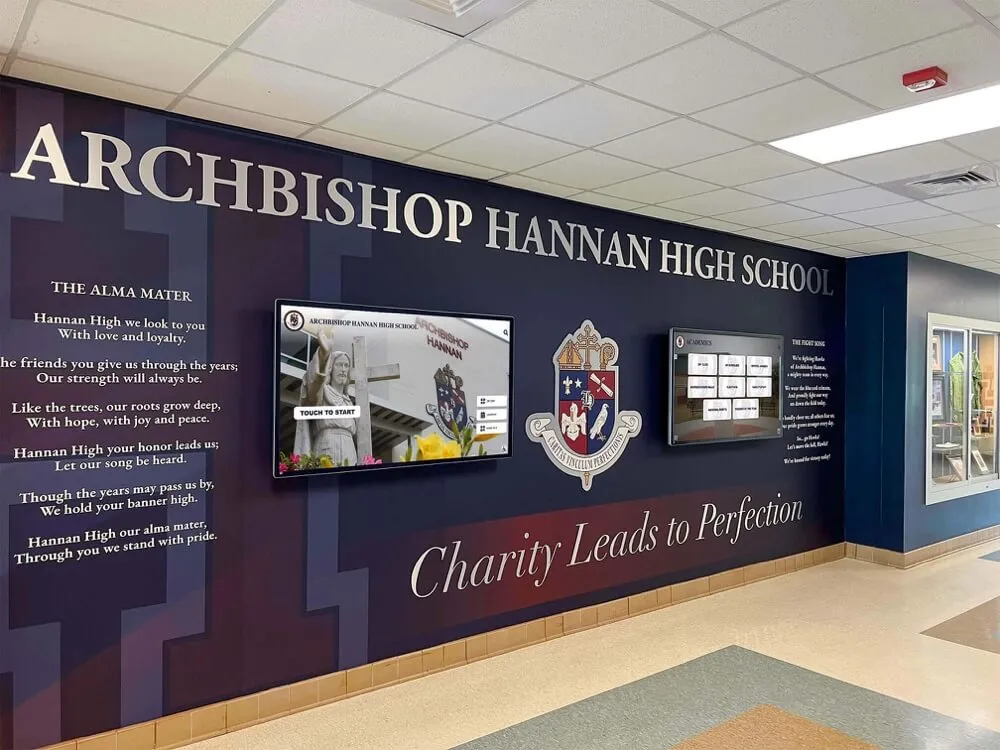
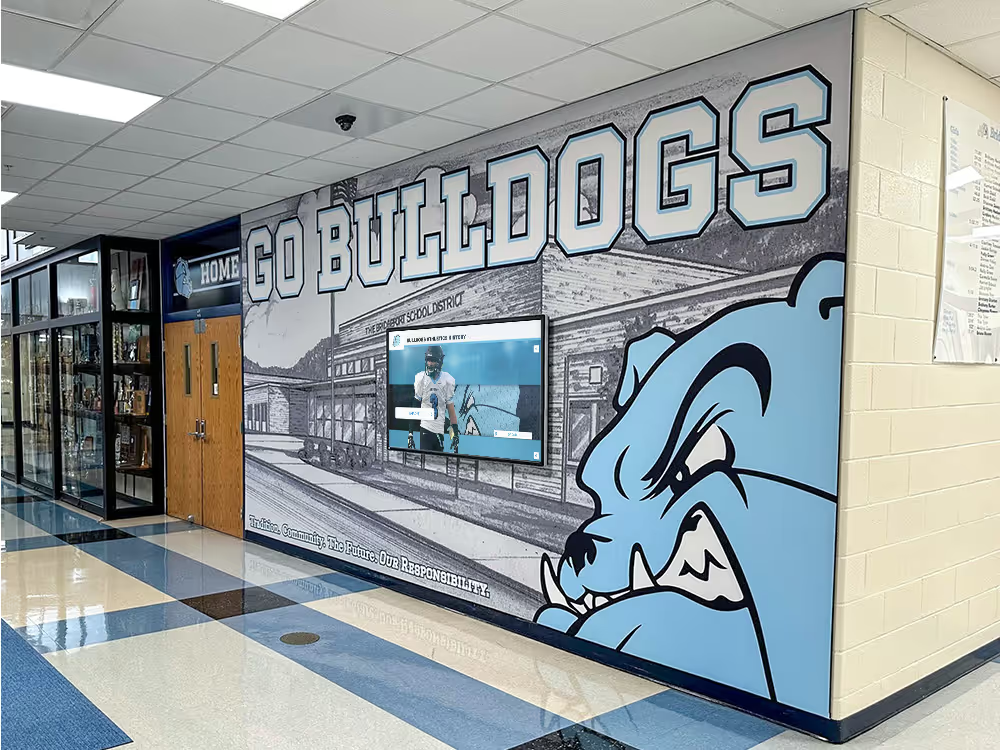
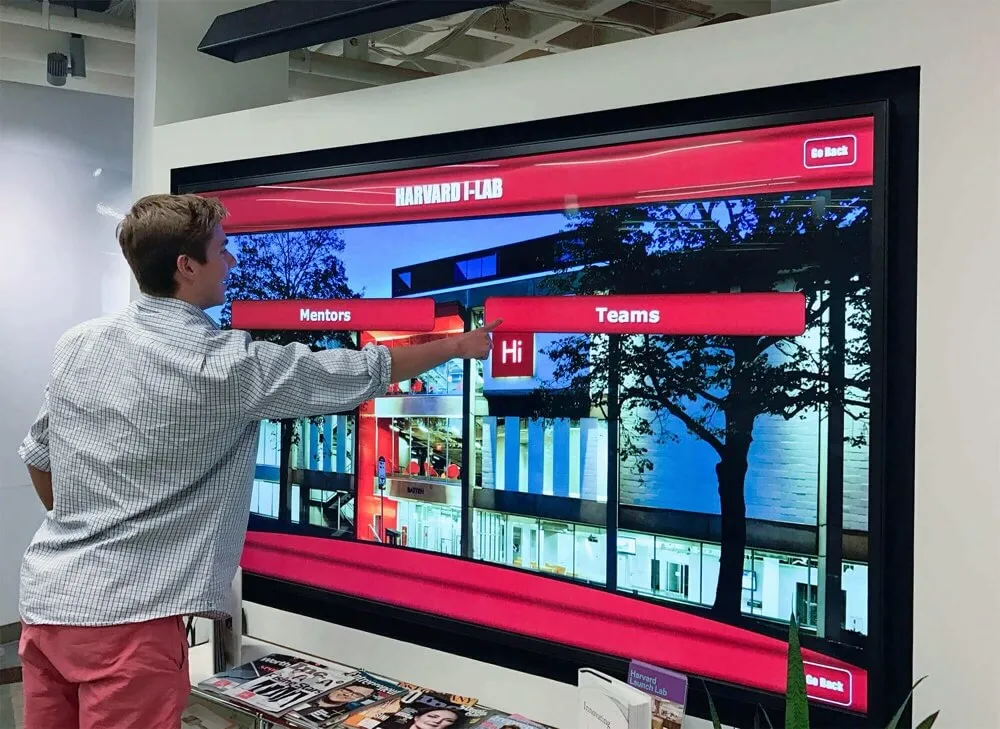
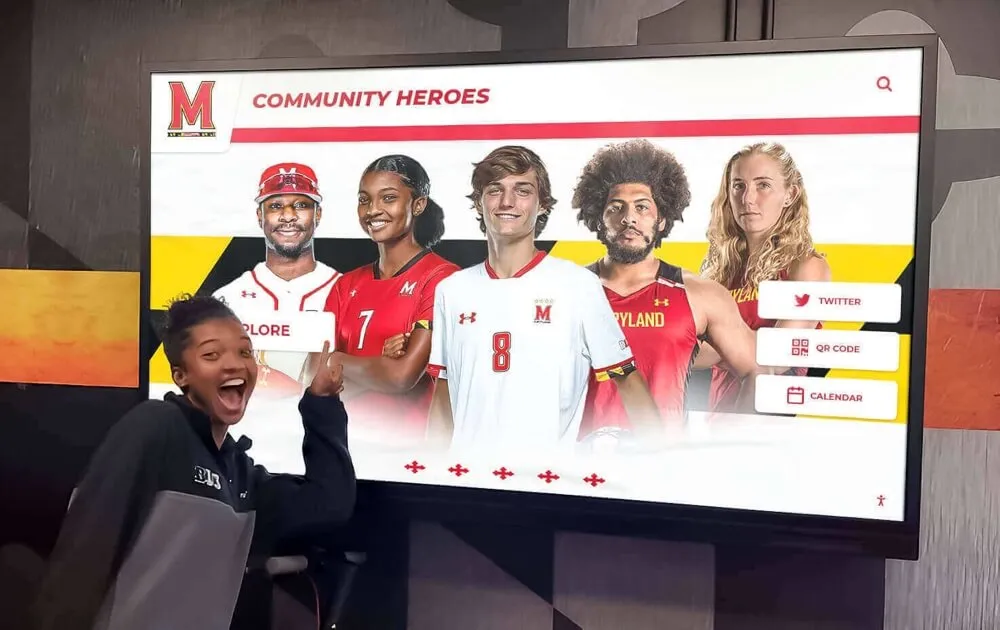
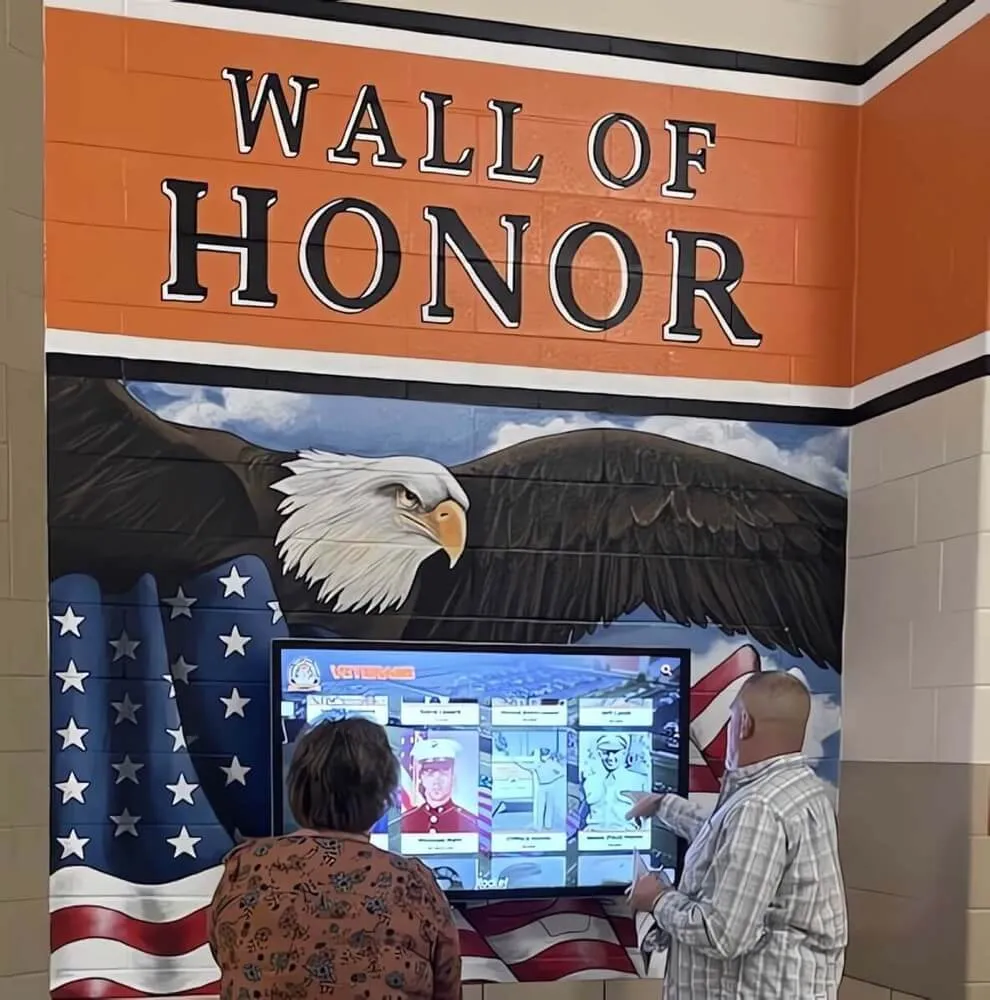
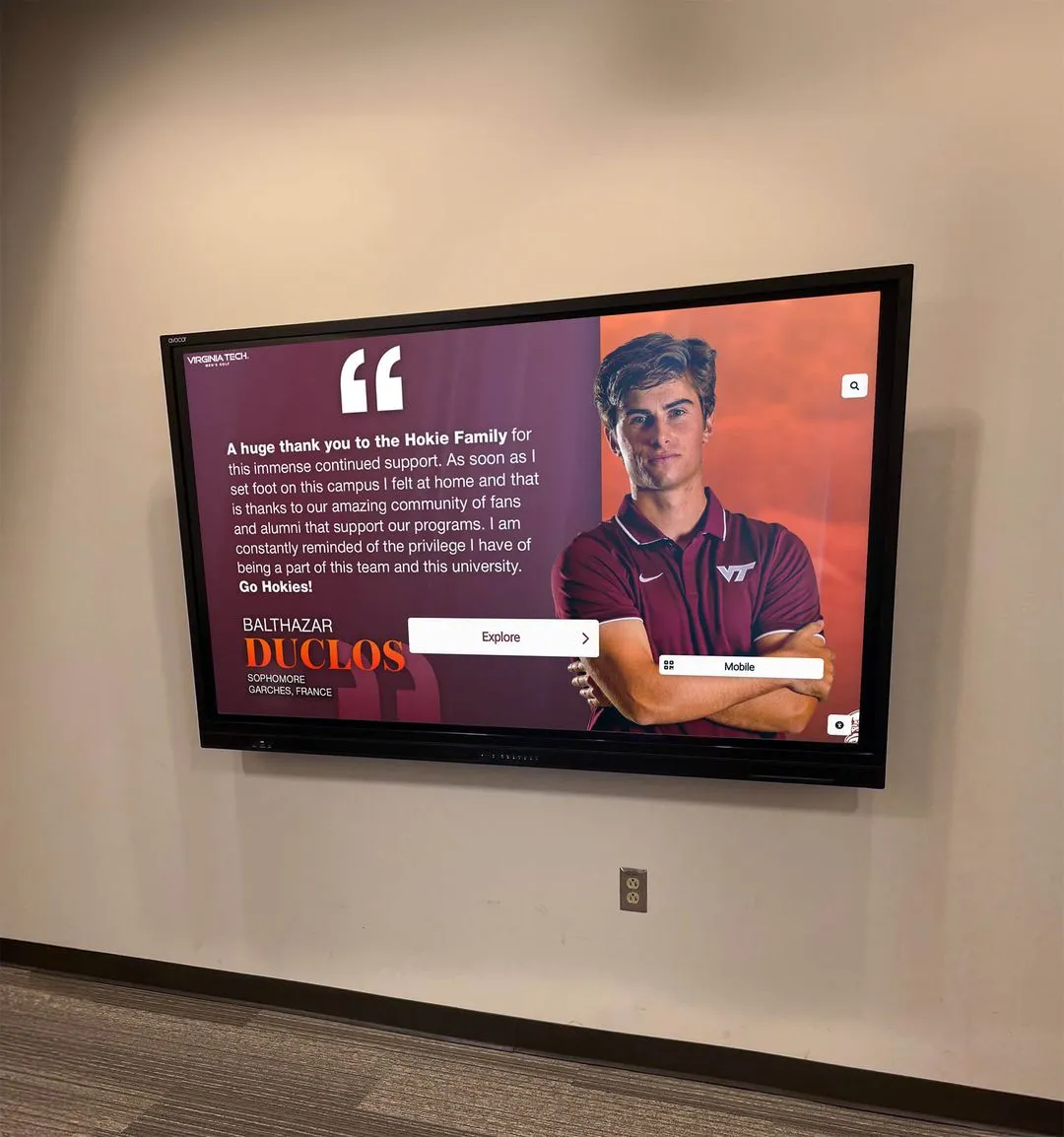
Interactive displays create natural opportunities for students to explore academic excellence and connect with achievement pathways
Competitive Differentiation In applicant pools where most students have strong GPAs and test scores, National Merit recognition provides clear differentiation. The designation signals consistent high achievement validated through national comparison rather than school-specific standards, particularly valuable when applying to highly selective institutions.
Peer Influence and Aspiration Schools that prominently recognize National Merit Scholars create powerful peer influence effects. When younger students regularly see National Merit achievement celebrated visibly, they internalize that intellectual excellence represents a desirable, celebrated goal worth pursuing—fundamentally shifting school culture around academic ambition.
Recognition design must honor these achievements with visual gravitas matching their significance while telling complete stories that inspire current students to pursue similar excellence.
Design Principles for National Merit Recognition Excellence
Effective National Merit recognition design requires applying specific visual design principles that elevate academic achievement presentation from basic acknowledgment to inspiring celebration.
Visual Hierarchy and Achievement Emphasis
Recognition displays should establish clear visual hierarchy reflecting achievement tier significance.
Hierarchy Design Strategies:
Hero Placement for Current Year Scholars Position current year’s Semifinalists, Finalists, and Scholars in prominent hero sections using larger format layouts, professional photography at scale, distinctive design elements like borders or accent colors, and premium placement in the upper-third viewing zone where attention naturally focuses.
Graduated Typography Scale Apply typography hierarchy reflecting achievement levels: Scholars receive largest nameplate typography (48-72pt), Finalists receive substantial but secondary sizing (36-48pt), Semifinalists receive strong but tertiary sizing (28-36pt), and Commended Students receive honorable fourth-tier sizing (20-28pt). This typographic scaling instantly communicates achievement relative significance without requiring text explanation.
Color Accent Systems Implement color-coding that visually distinguishes achievement tiers: metallic gold accents for Scholars emphasizing scholarship achievement, silver accents for Finalists communicating elite finalist status, bronze accents for Semifinalists honoring state-level excellence, and refined neutral accents for Commended Students providing dignified recognition. These color associations leverage existing cultural understanding of tiered excellence while maintaining visual cohesion.
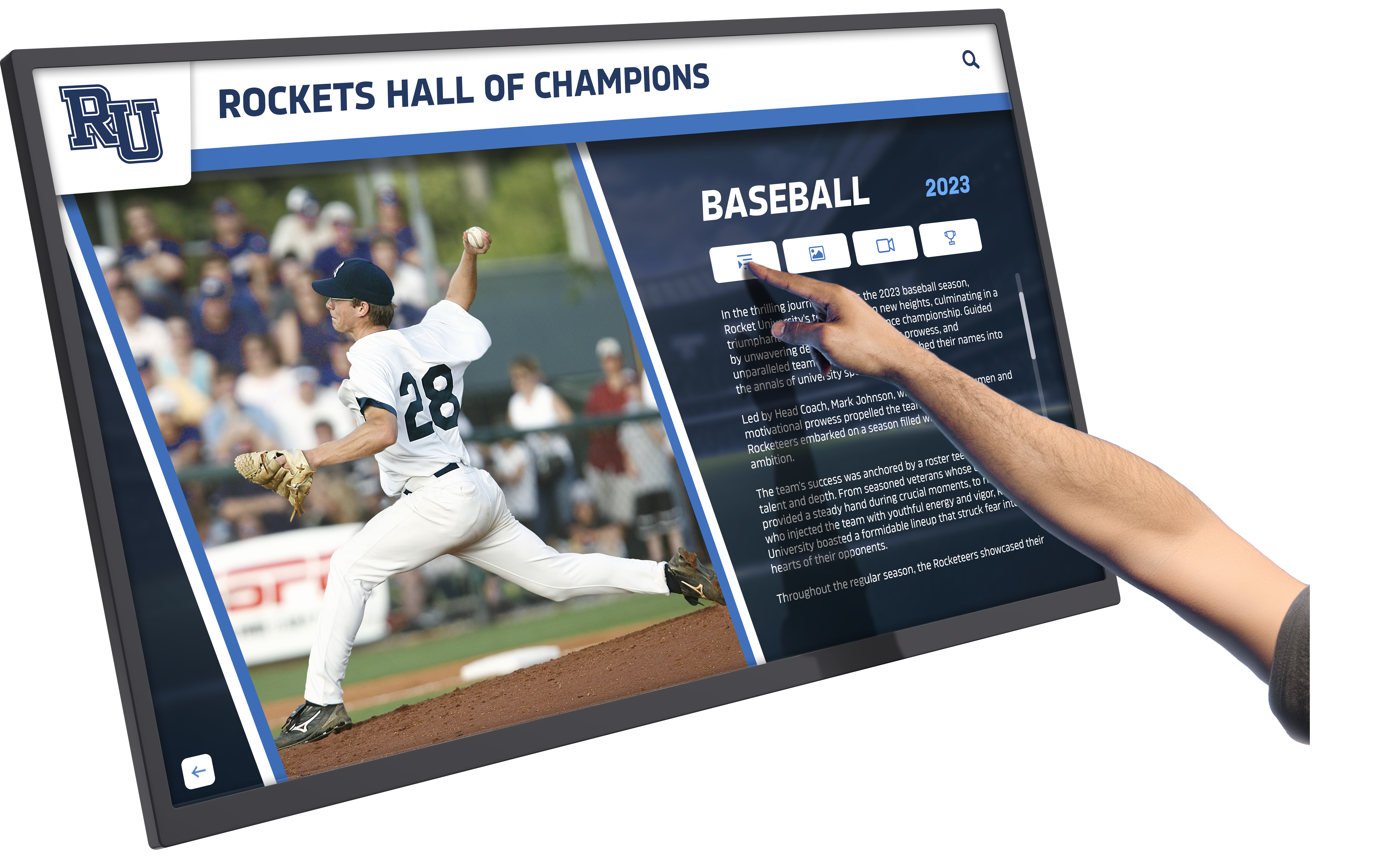
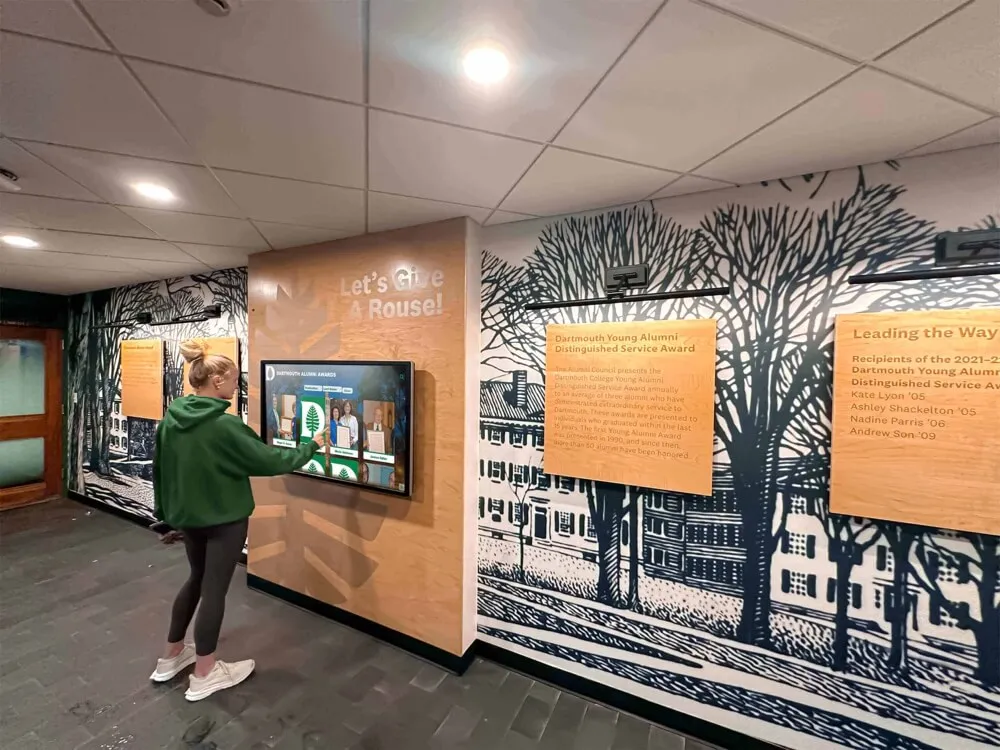
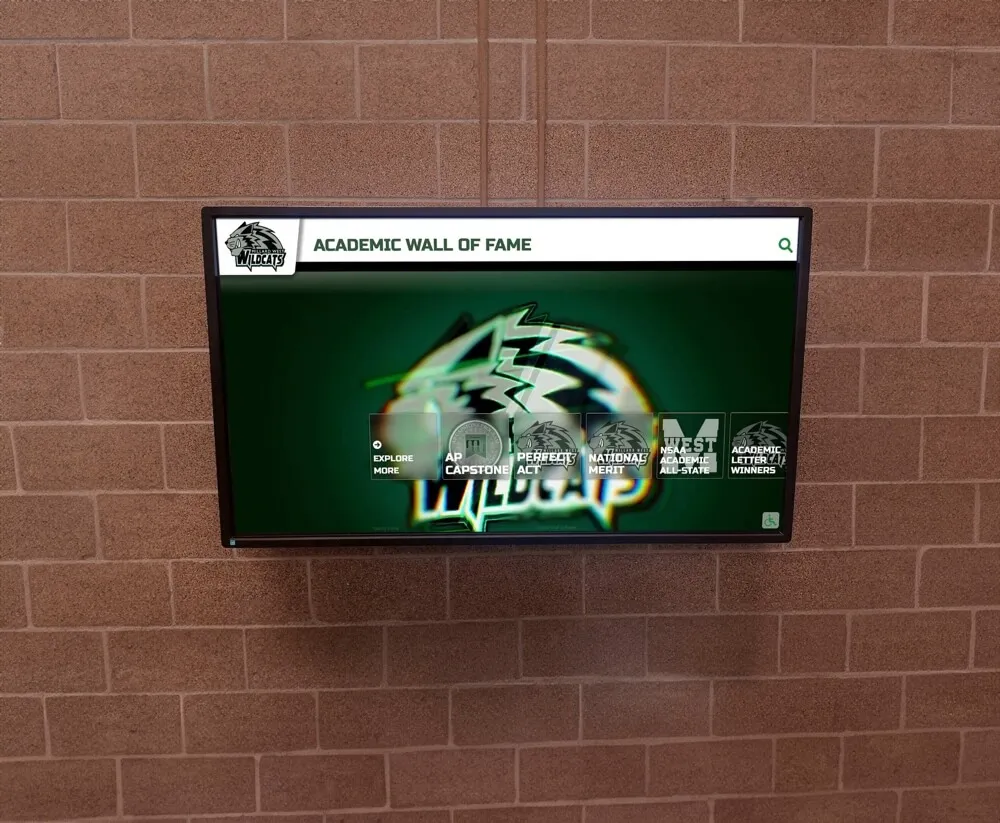
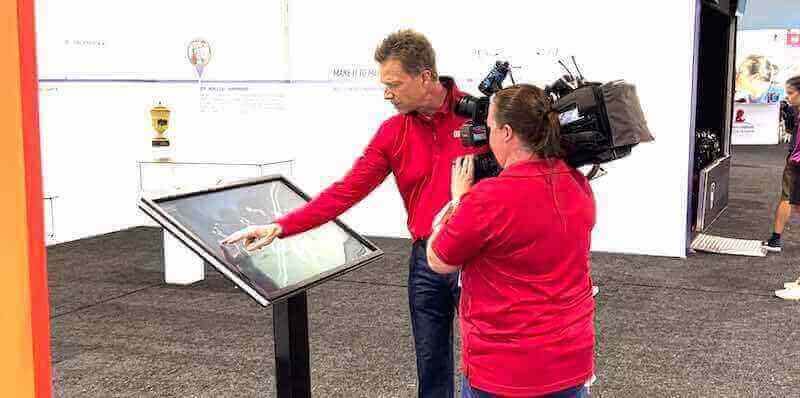
Touch interaction enables deep exploration of scholar profiles and achievement details that static displays cannot provide
Temporal Organization Structure content chronologically with most recent scholars receiving prominent initial placement, historical scholars accessible through scrollable archives, multi-year viewing enabling pattern recognition, and decade-view summaries showcasing program growth over time. This temporal design ensures current achievement receives maximum attention while preserving complete institutional legacy.
Photography and Visual Storytelling
Professional photography transforms recognition from name lists into compelling visual narratives celebrating individual scholars appropriately.
Portrait Photography Standards:
Consistent Professional Quality All scholar portraits should maintain unified visual standards: consistent lighting approach creating even, flattering illumination, standardized background treatment (solid color, subtle gradient, or institutional branded), similar framing keeping faces at comparable scale, professional retouching ensuring polished presentation, and color-corrected imagery maintaining consistent tones across years. This consistency creates cohesive gallery presentation while ensuring no scholar’s photo quality undermines their recognition significance.
Expression and Authenticity Guidance Portrait direction should capture authentic personality within professional context: genuine smiles or confident expressions reflecting individual character, appropriate formal or semi-formal presentation, eye contact with camera creating viewer connection, relaxed posture avoiding stiff or uncomfortable positioning, and personality evident within professional bounds. These authentic portraits humanize achievement, making scholars relatable aspirational figures rather than distant names.
Academic Context Imagery Supplement portraits with contextual photography: scholars engaged in academic activities showing achievement foundation, classroom or laboratory settings connecting recognition to learning environments, academic competition or testing imagery illustrating pathways to achievement, college preparation activities linking recognition to future success, and group photos celebrating cohort achievement when multiple scholars share recognition years. These contextual images tell richer achievement stories beyond simple headshots.
Typography and Readability Excellence
Recognition display typography must balance visual impact with information clarity across viewing distances.
Typographic Implementation:
Nameplate Typography Scholar names deserve typography treatment communicating honor significance: display-weight typefaces providing visual substance, professional serif options (Playfair Display, Crimson Pro) for traditional academic gravitas, or clean sans-serif alternatives (Montserrat, Inter) for contemporary sophistication, generous letter-spacing enhancing readability and premium presentation, and adequate contrast ratios meeting WCAG 2.1 AA standards for accessibility.
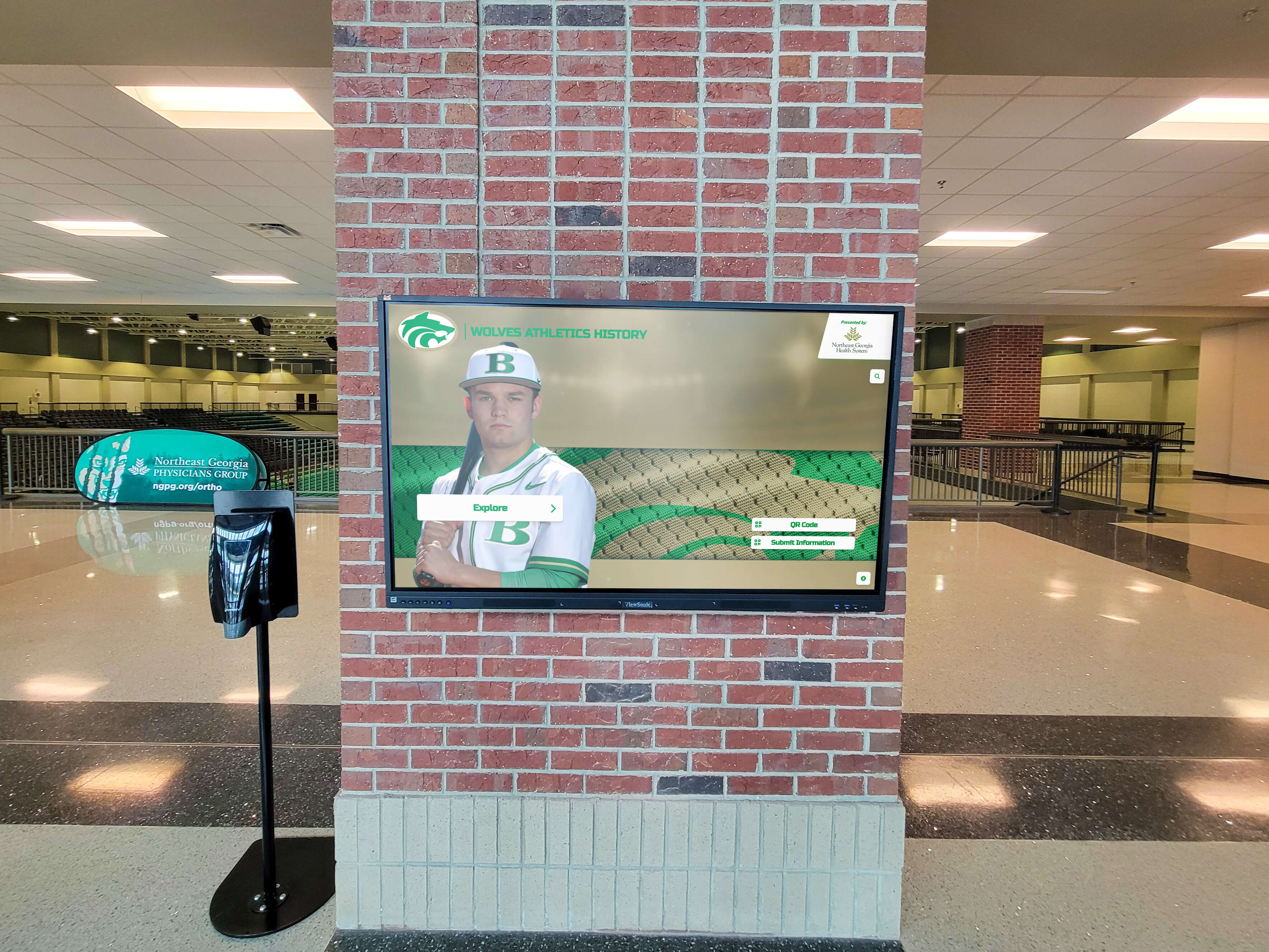
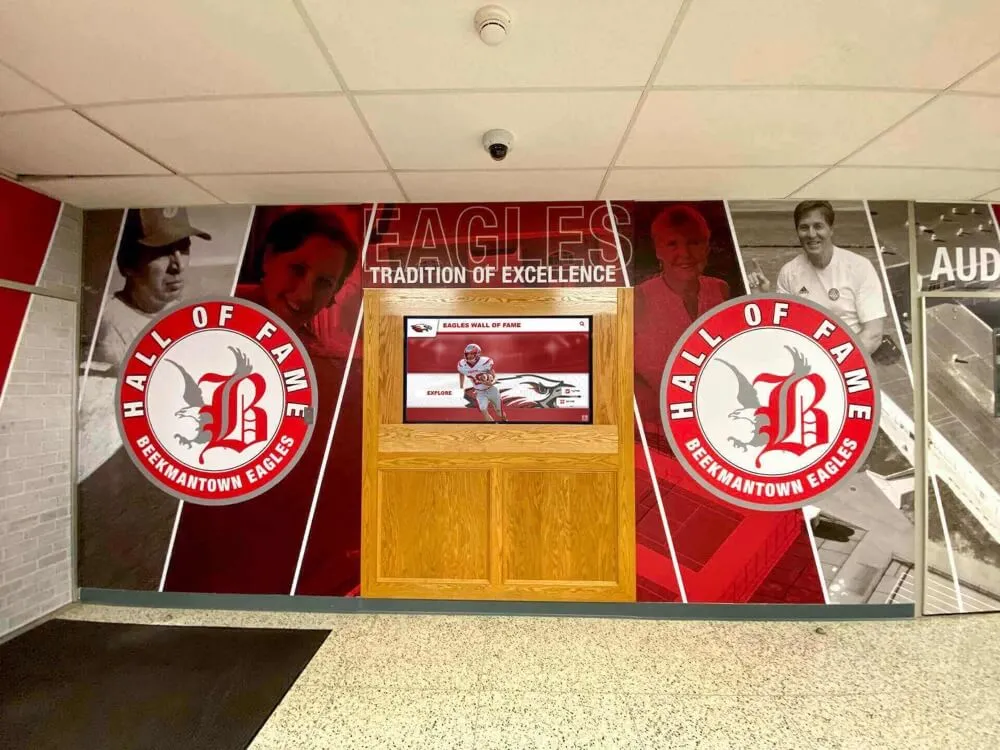
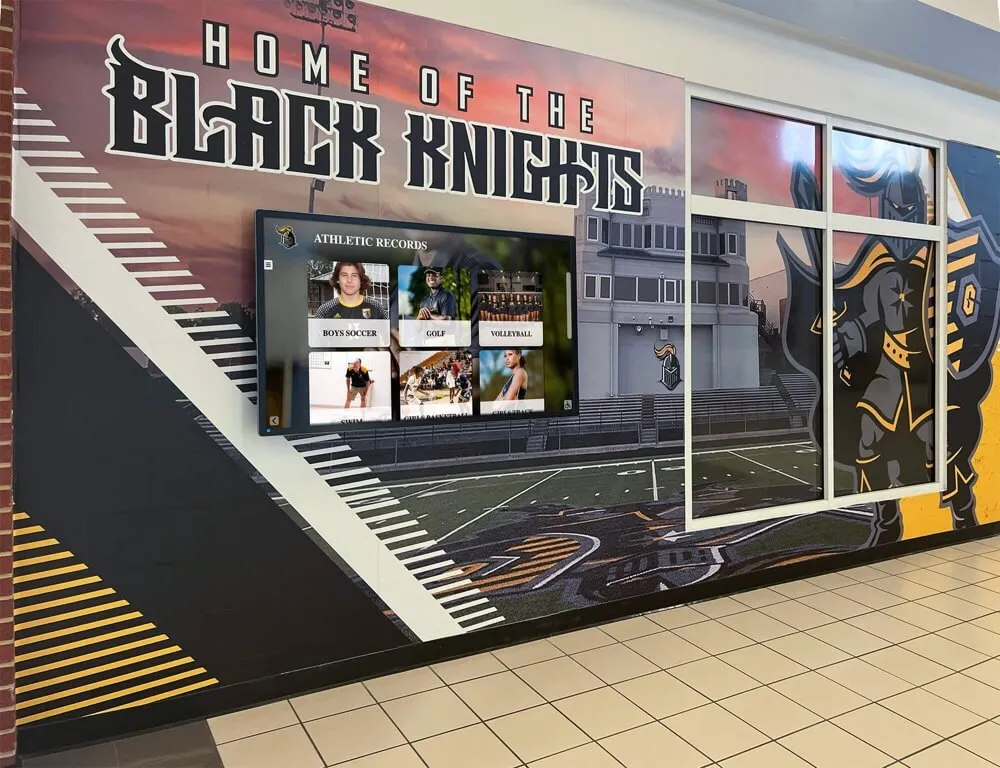
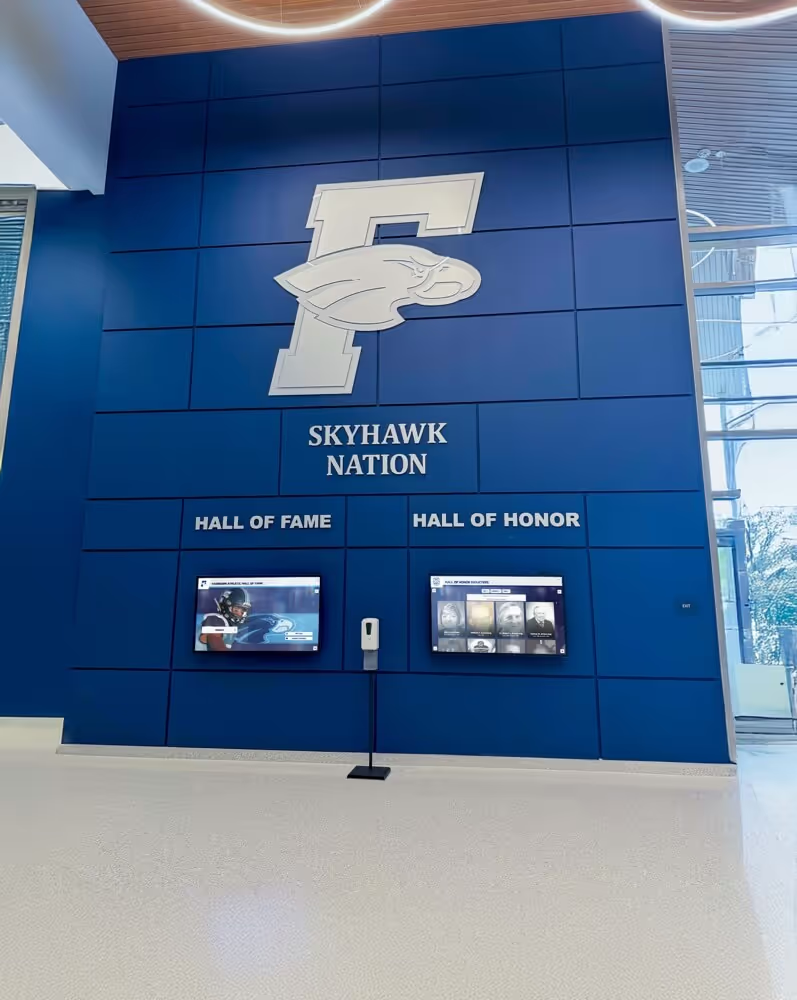
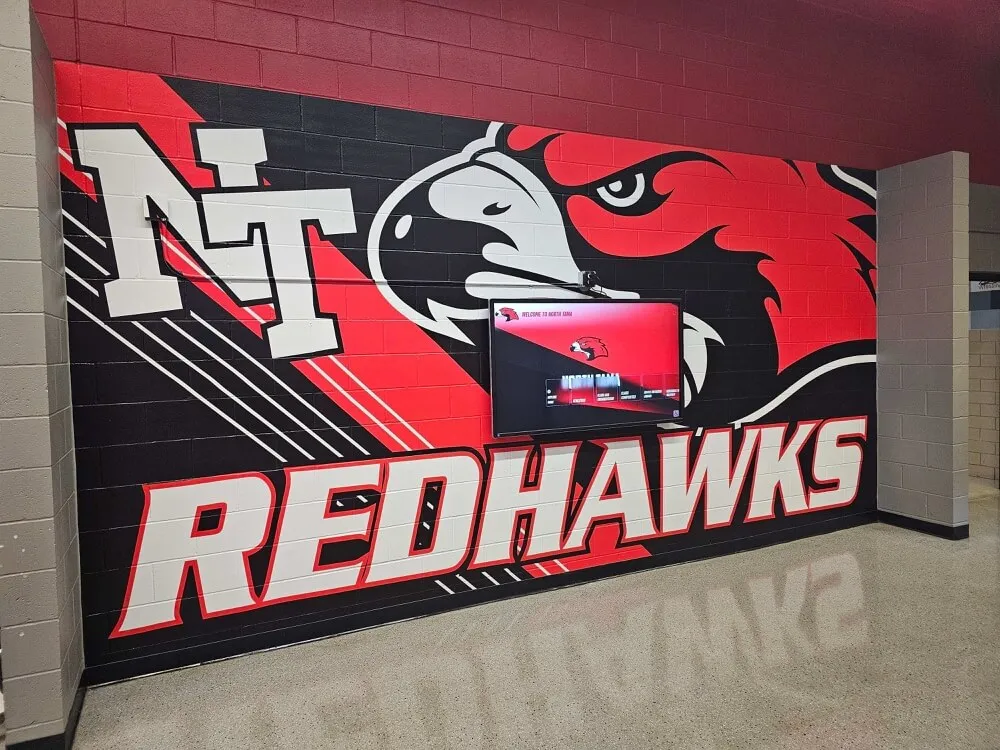
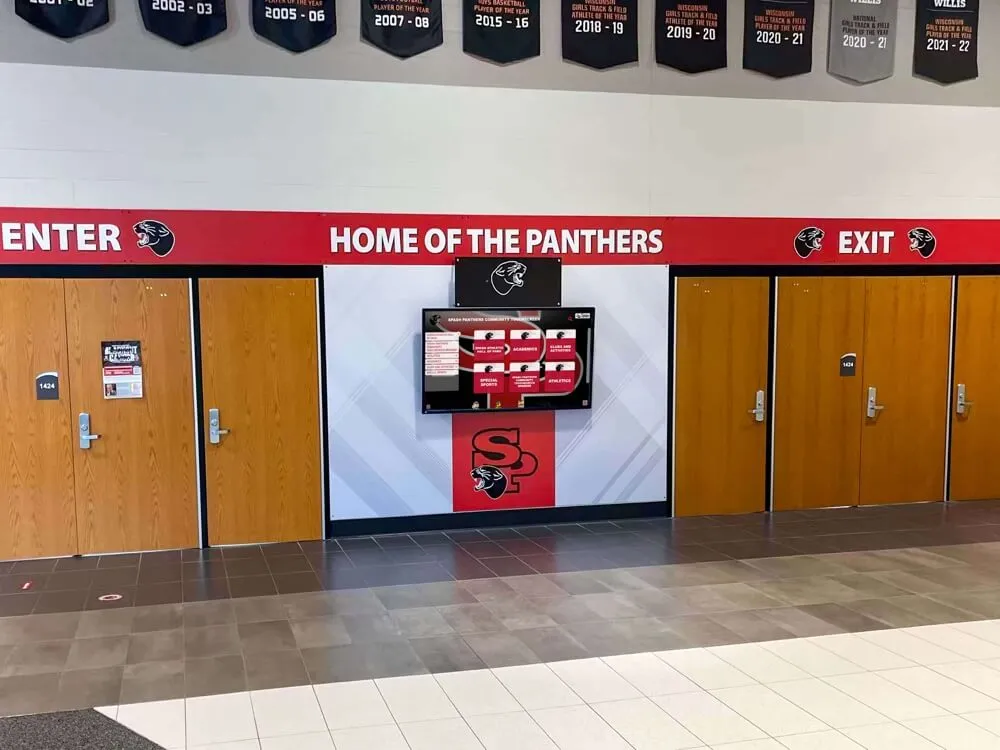
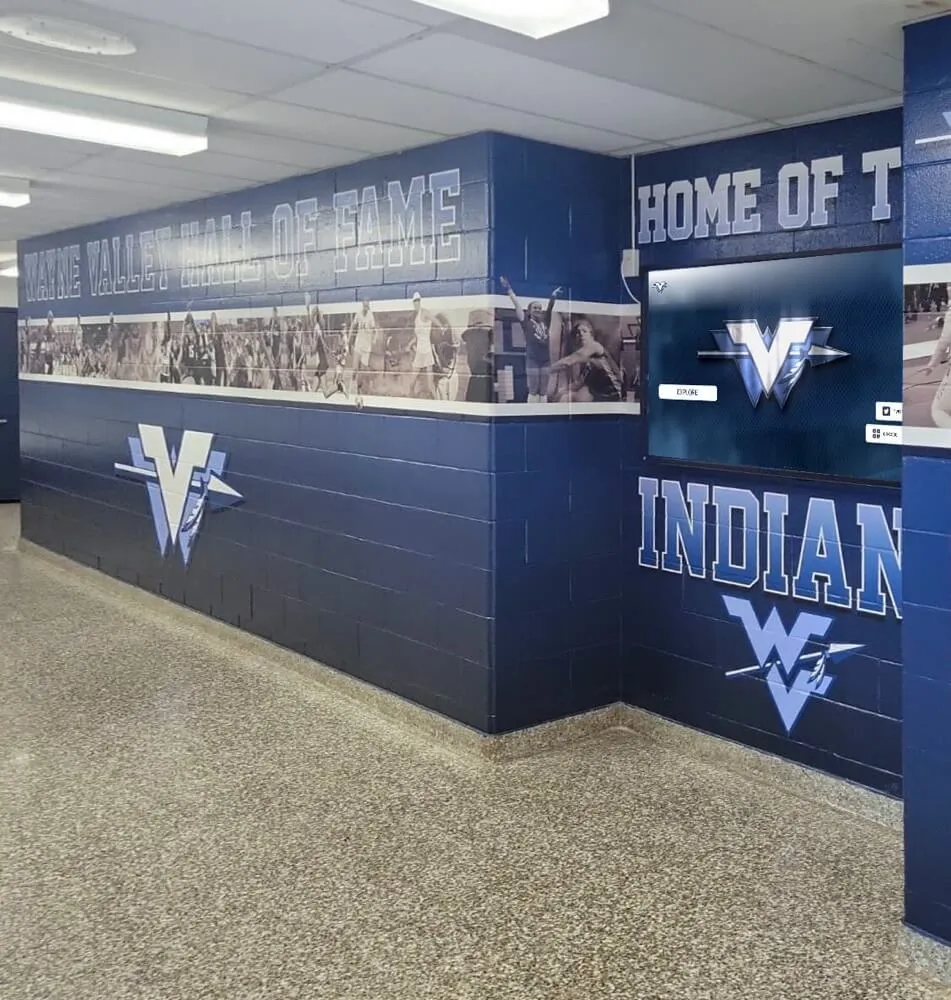
Strategic placement in main campus thoroughfares ensures recognition visibility from students, families, and campus visitors
Information Hierarchy Typography Secondary information requires distinct typographic treatment: achievement tier designation in medium-weight caps, graduation year in regular weight coordinating with nameplate, additional honors or achievements in smaller complementary fonts, and descriptive body text in highly-readable paragraph typefaces. This hierarchy enables quick scanning while supporting deeper information exploration through interaction.
Interactive Text Scaling Touchscreen displays should implement responsive text scaling: initial display optimized for 10-15 foot viewing distance, zoom states enlarging text for close exploration, adaptive line length maintaining 50-75 character optimal readability, and sufficient spacing preventing accidental touch target activation. These scaling behaviors ensure content remains accessible across viewing contexts.
Layout Architecture for National Merit Recognition
Effective recognition requires systematic layout approaches organizing complex content into scannable, navigable structures that support both quick browsing and deep exploration.
Hero Zone and Primary Navigation
The initial viewing experience should immediately communicate recognition purpose and provide intuitive exploration pathways.
Hero Section Design Blueprint:
Masthead with Institutional Branding Open with prominent branded header including institutional logo at consistent scale, “National Merit Scholars” title in substantial display typography, optional tagline emphasizing achievement significance (“Celebrating Academic Excellence”), school colors applied through accent elements or background treatments, and subtle pattern or texture adding visual richness without competing with content. This masthead immediately establishes recognition context and institutional pride.
Current Year Spotlight Module Feature current year’s scholars in premium hero placement using large-format card layouts displaying professional portraits, clear scholar names with graduation year, achievement tier prominently designated, optional featured quote or achievement highlight, and touch-to-explore prompt encouraging interaction. This spotlight section honors recent achievement while providing natural entry point for deeper exploration.
Achievement Statistics Panel Include quantitative overview communicating program strength: total National Merit Scholars across all years, current year scholar count by tier, percentage increase demonstrating program growth, comparative statistics when appropriate (state or national context), and visual data representation (icon arrays, minimal bar charts). These statistics efficiently communicate institutional academic excellence to prospective families during campus tours.
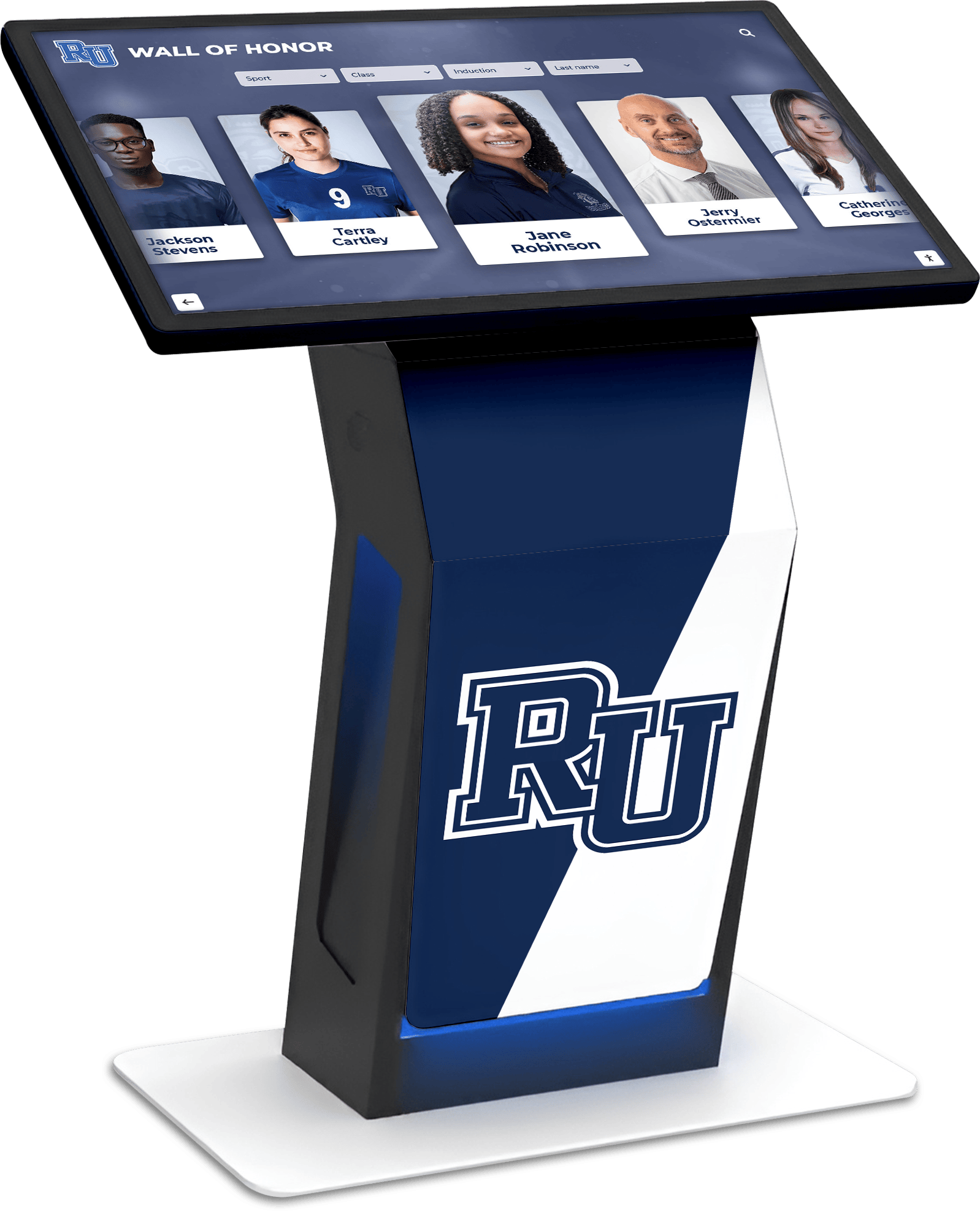
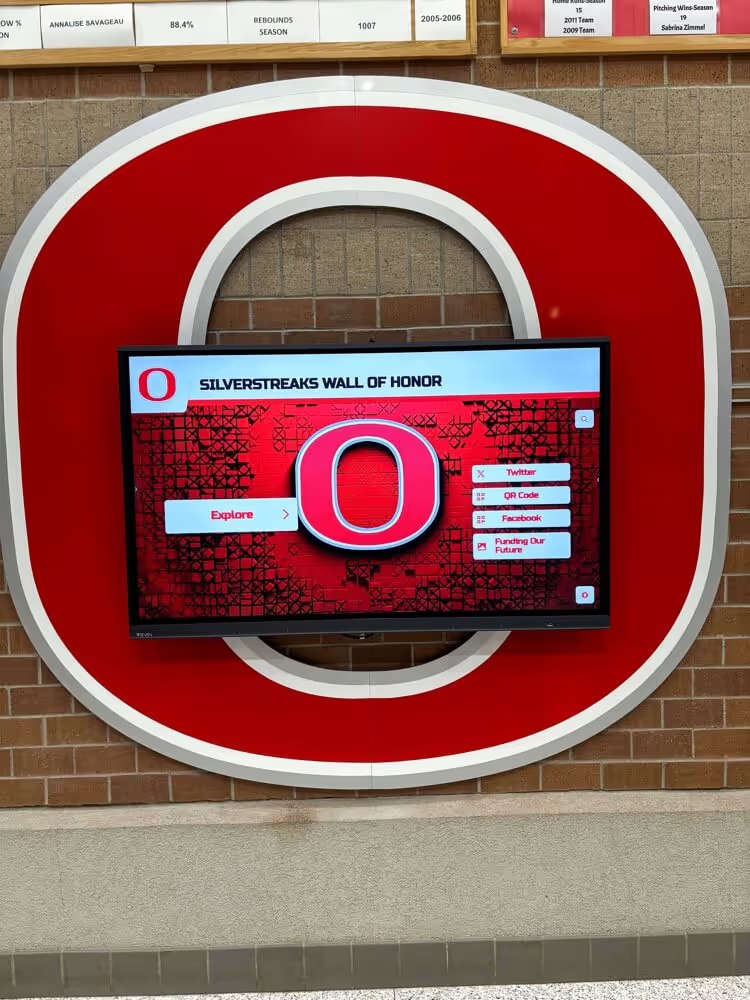
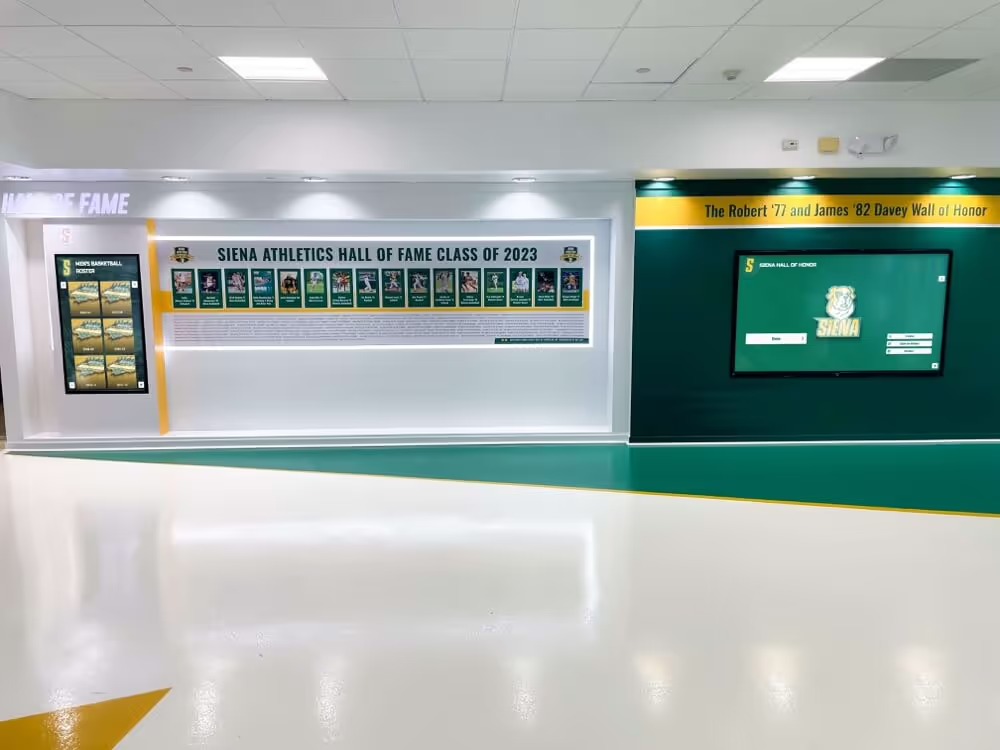
Modern recognition systems integrate sleek hardware with powerful content management enabling easy updates and comprehensive scholar profiles
Gallery Grid and Content Modules
The main content area requires flexible grid systems accommodating varying scholar quantities across years while maintaining visual consistency.
Grid Layout Specifications:
Responsive Scholar Cards Design card modules that scale appropriately: 4-column grid for large displays (75"+) maximizing density, 3-column grid for medium displays (55-65") balancing visibility and information, automatic grid reflow maintaining optimal card sizing, consistent card dimensions creating visual rhythm, and adequate gutters preventing visual crowding. These responsive grids ensure professional presentation regardless of content quantity.
Card Content Hierarchy Each scholar card should contain hierarchically organized information: portrait photo filling upper 60% of card area, scholar name in prominent display weight, graduation year in secondary weight below name, achievement tier designation with color-coding, touch interaction prompt icon, and subtle hover/touch state providing interaction feedback. This consistent card structure enables rapid scanning while supporting exploration.
Filtering and Organization Tools Provide intuitive content organization: graduation year filtering showing decade ranges then individual years, achievement tier filtering (Scholar, Finalist, Semifinalist, Commended), search functionality finding specific scholars by name, sorting options (chronological, alphabetical, achievement tier), and clear active filter indication showing current view context. These tools make large scholar databases navigable without overwhelming viewers.
Detail View Design
Interaction should reveal comprehensive scholar profiles honoring achievement appropriately while telling inspiring stories.
Detail Profile Architecture:
Full-Screen Profile Takeover When users select a scholar, transition to dedicated profile view: large portrait display anchoring visual hierarchy, comprehensive biographical information, detailed achievement narrative including PSAT scores when appropriate, additional academic honors and accomplishments, college destination and intended major, optional video testimonial or advice for future scholars, and prominent exit navigation returning to grid view. This full-screen approach provides distraction-free appreciation of individual achievement.
Achievement Timeline Visualization For scholars advancing through multiple National Merit tiers, visualize progression: horizontal timeline showing Commended → Semifinalist → Finalist → Scholar progression, date milestones marking announcement timing, expandable detail showing requirements and significance at each stage, visual indicators (icons, connecting lines) creating cohesive narrative, and contextual statistics showing competitiveness at each tier. This timeline helps viewers understand achievement magnitude through progressive advancement visualization.
Interactive Experience Design Elements
Beyond static content presentation, thoughtfully designed interactions transform recognition displays into engaging experiences that capture and maintain attention.
Motion and Animation Strategy
Subtle motion attracts attention and guides interaction without creating distraction:
Ambient Attract Loops When displays sit idle, gentle motion maintains attention: slow parallax movement creating subtle depth, graduated fade rotations showcasing featured scholars, floating particle effects in school colors adding visual interest, and smooth transitions between featured content preventing static appearance. These ambient animations attract passersby without aggressive attention-grabbing that feels inappropriate for academic recognition.
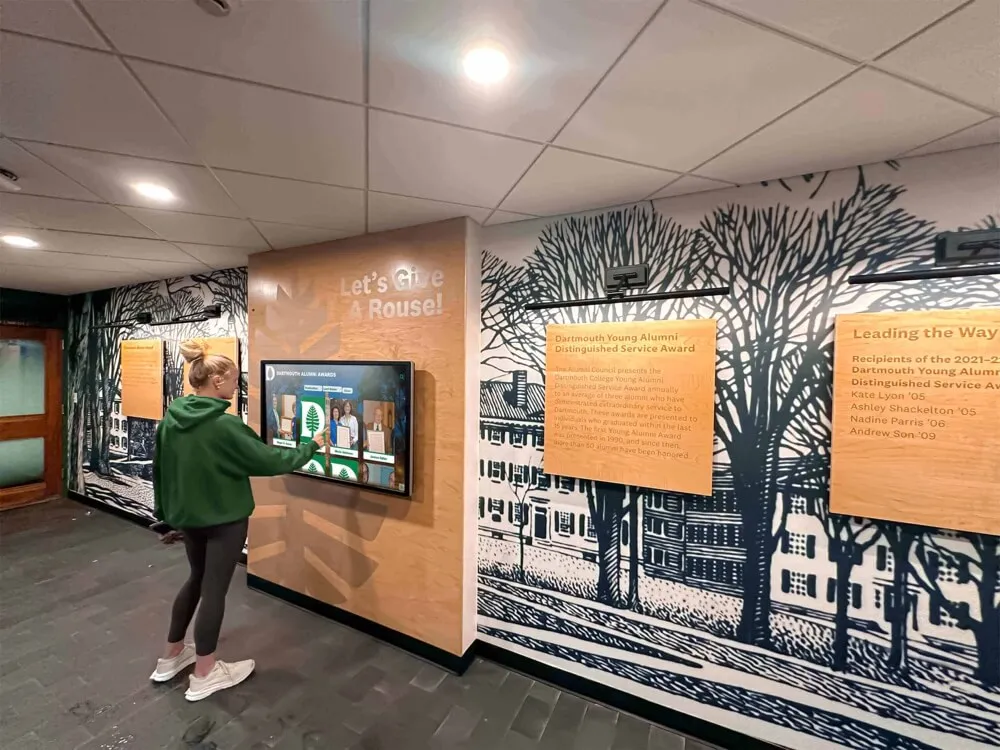
Strategic corridor placement creates natural discovery moments during daily campus navigation
Interaction Feedback Animations User interactions should receive immediate, satisfying feedback: touch ripple effects confirming interaction registration, smooth scaling animations when cards are selected, fluid page transitions using appropriate easing curves, content fade-ins staging information revelation, and micro-animations (icon bounces, subtle rotations) adding polish. These responsive animations create premium feel elevating recognition significance perception.
Loading State Design Content loading should communicate progress gracefully: skeleton screens previewing content layout, branded loading indicators maintaining visual consistency, progressive content rendering showing information as it loads, optimistic UI patterns assuming successful actions, and error states with clear recovery paths when issues occur. Thoughtful loading design maintains experience quality even during technical delays.
Search and Discovery Features
Comprehensive scholar databases require powerful yet intuitive discovery tools:
Smart Search Implementation Search functionality should support multiple use patterns: auto-complete suggesting scholars as users type, fuzzy matching catching spelling variations and typos, search history showing recent queries, suggested searches based on popular queries, and voice search on supported devices for accessibility. These intelligent search features reduce friction in finding specific scholars while supporting exploration.
Related Scholar Suggestions Scholar detail views should suggest relevant connections: other scholars from same graduation year, scholars attending same colleges, scholars from same academic programs or interests, sibling relationships when multiple family members achieve recognition, and historical patterns (first scholar, milestone achievements). These contextual suggestions encourage continued exploration while revealing achievement patterns.
Explore comprehensive approaches to academic recognition programs that celebrate diverse achievements alongside National Merit recognition.
Color Systems and Visual Identity
Recognition display color strategies should harmonize with institutional branding while establishing visual hierarchy supporting content comprehension.
Institutional Color Integration
Primary Brand Color Application: Apply school colors strategically without overwhelming content: accent bars or header elements carrying primary institutional colors, navigation elements using coordinating brand colors, subtle background gradients incorporating brand hues at low opacity, interactive elements highlighted with recognizable school colors, and typography accents (underlines, highlights) providing color without sacrificing readability. This measured application maintains institutional identity while preserving content primacy.
Secondary Accent Palette: Develop recognition-specific accent colors complementing institutional palette: achievement tier color-coding (gold, silver, bronze, refined neutral), semantic colors for UI elements (success greens, warning oranges, information blues), neutral grays establishing hierarchy and organization, and high-contrast pairings meeting accessibility requirements. These systematic accent colors provide visual organization without creating chaotic multicolor presentations.
Background and Texture Strategy
Background treatments significantly impact content legibility and premium perception:
Refined Background Approaches Choose backgrounds that elevate without competing: solid deep neutrals (navy, charcoal, espresso) creating sophisticated foundation, subtle gradient transitions adding depth without distraction, refined texture overlays (linen, canvas, paper) providing tactile quality, architectural photography softly blurred creating campus connection, or clean white/light gray for contemporary minimalist approach. Background choice should reflect institutional character while supporting content hierarchy.
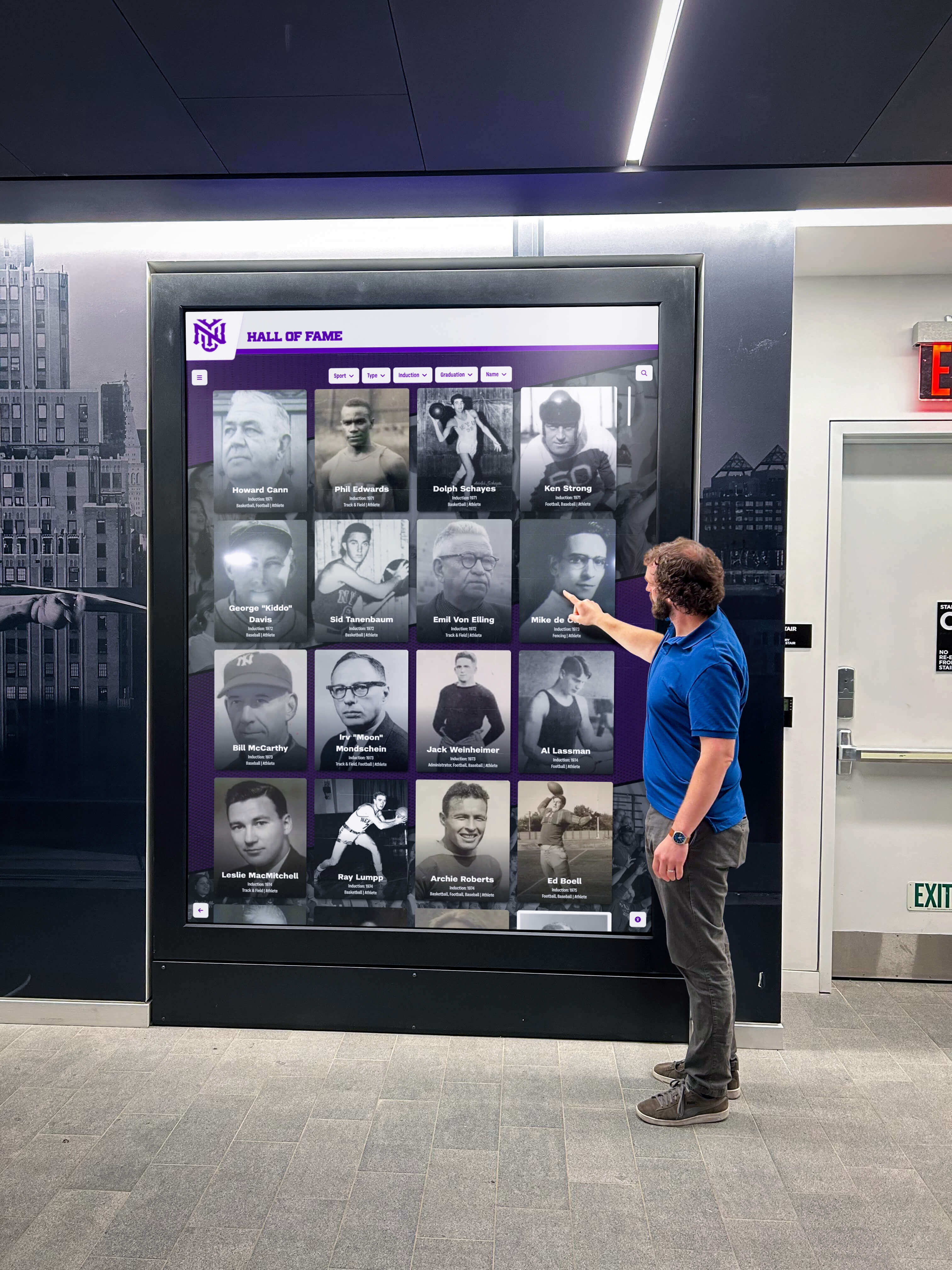
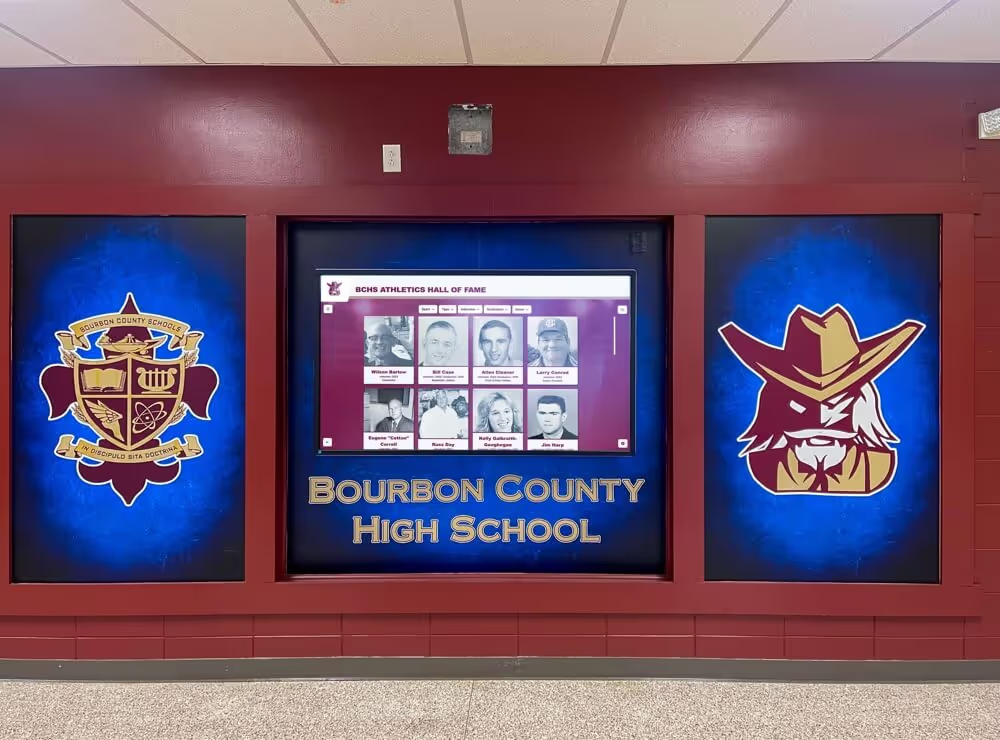
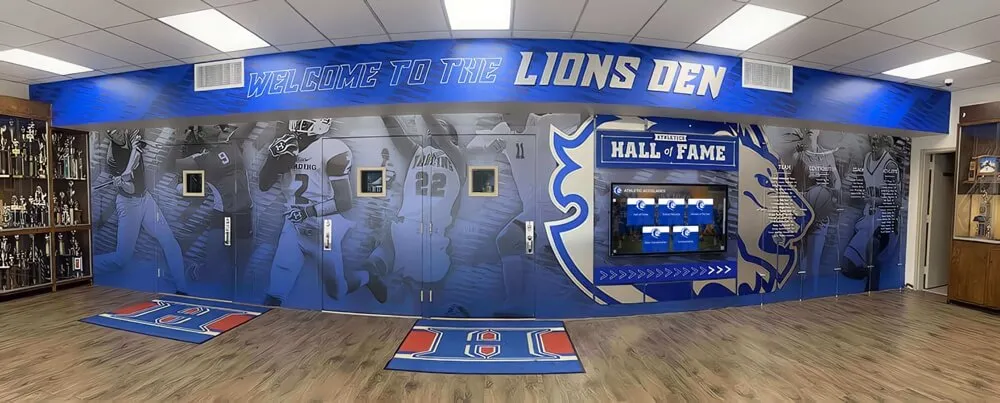
Recognition displays in main lobbies become focal points during campus tours, family events, and community gatherings
Texture and Material Metaphors Subtle textural details communicate prestige: metallic gradient overlays suggesting awards and medals, paper or parchment textures evoking academic credentials, embossed effects creating dimensionality, subtle shadow systems establishing visual layers, and lighting effects simulating premium materials. These textural details operate subconsciously reinforcing recognition significance through material associations with excellence and prestige.
Content Strategy and Scholar Profiles
The substance of recognition—scholar profiles and achievement narratives—determines whether displays inspire or simply inform.
Comprehensive Scholar Profile Components
Each scholar profile should include strategically selected content elements:
Essential Information:
- Professional portrait photograph meeting quality standards
- Full name as student prefers to be recognized
- Graduation year indicating scholar cohort
- Achievement tier with clear designation
- College destination showing trajectory from high school excellence
- Intended major or academic program connecting to interests
Enhanced Profile Elements:
- PSAT Selection Index score (when scholars are comfortable sharing)
- AP Scholar achievements and exam performance
- Additional academic honors (honor societies, competitions, awards)
- Academic interests and favorite subjects
- Study strategies or advice for younger students
- Influential teachers or mentors acknowledged
- Future academic or career aspirations
- Scholarship amounts received when applicable
Multimedia Enrichment:
- 30-60 second video interviews when possible
- Photo galleries from academic activities or competitions
- Writing samples or project work showcasing capability
- Teacher testimonials celebrating character and achievement
- Parent reflections on scholar’s academic journey
This comprehensive content transforms simple recognition into rich storytelling honoring whole persons while providing actionable inspiration for younger students.
Writing Recognition Narratives
Achievement descriptions should move beyond generic acknowledgment to specific celebration:
Generic recognition: “Sarah Johnson is a National Merit Scholar.”
Meaningful recognition: “Sarah Johnson earned National Merit Scholar designation after achieving a 1480 Selection Index on the PSAT/NMSQT, ranking among the top 0.3% of test-takers nationwide. Throughout high school, Sarah maintained a 4.0 GPA while completing eight AP courses achieving 5s on all examinations. She credits dedicated study habits, supportive teachers, and genuine curiosity about learning with supporting her academic success. Sarah will attend MIT studying Aerospace Engineering where her National Merit Scholarship and university merit aid provide full-tuition support.”
Specific narratives communicate what students accomplished, the journey they navigated, support systems enabling success, and outcomes their achievement unlocked—providing clear models other students can learn from while honoring individual excellence appropriately.
Learn about recognizing other academic achievements through AP Scholar digital recognition displays that complement National Merit celebration.
Placement Strategy and Campus Integration
Recognition display effectiveness depends substantially on strategic campus placement ensuring maximum visibility to target audiences.
Primary Placement Considerations
Main Entry and Reception Areas: Position recognition displays where they greet visitors immediately: main building lobbies serving as institutional gateways, admissions office waiting areas showcasing academic excellence to prospective families, main hallway intersections where traffic naturally pauses, and near principal or counseling offices signaling administrative celebration of achievement. These premium locations ensure recognition visibility during campus tours, family visits, and daily student traffic.
Academic Building Focal Points: Integrate recognition in spaces celebrating intellectual achievement: library entry areas connecting recognition to learning, academic commons or study spaces inspiring current scholars, STEM building lobbies when many scholars pursue technical fields, and near counseling centers supporting college planning. These contextual placements position National Merit recognition alongside ongoing academic work rather than isolated in trophy cases.
Scale and Viewing Distance: Match display size to placement context: 75" displays for large lobbies with 15-20’ viewing distances, 55-65" displays for hallway intersections with 10-15’ viewing, 43-50" displays for smaller waiting areas with closer viewing, and consideration of portrait vs landscape orientation based on wall space and traffic flow. Proper sizing ensures content remains readable and impactful from typical viewing distances.
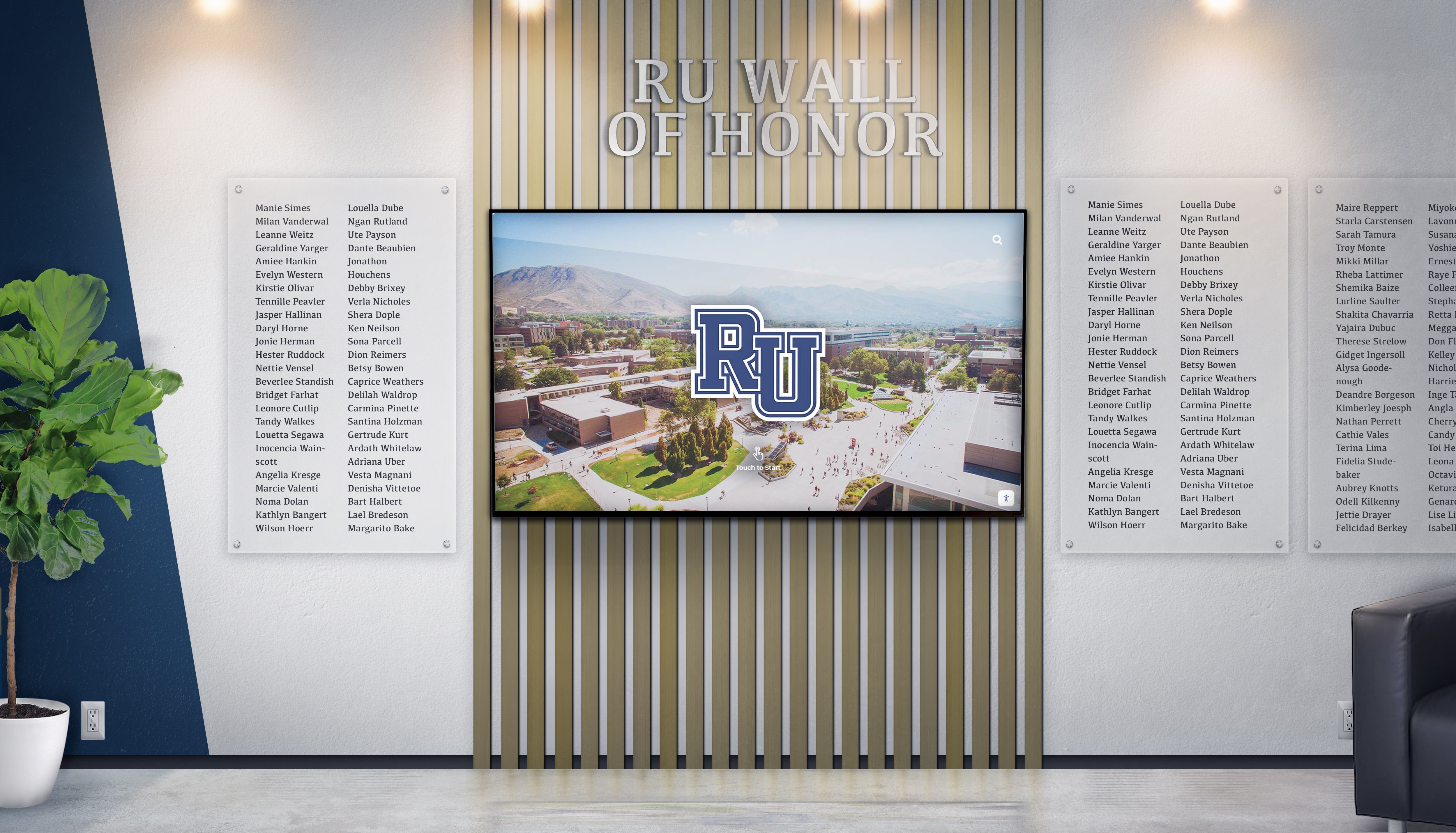
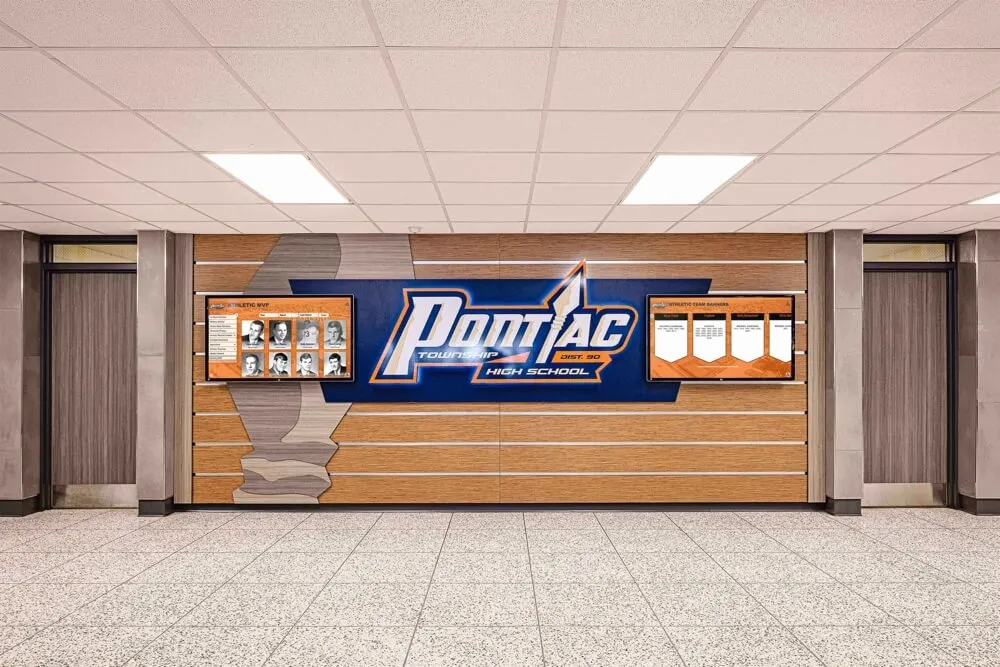
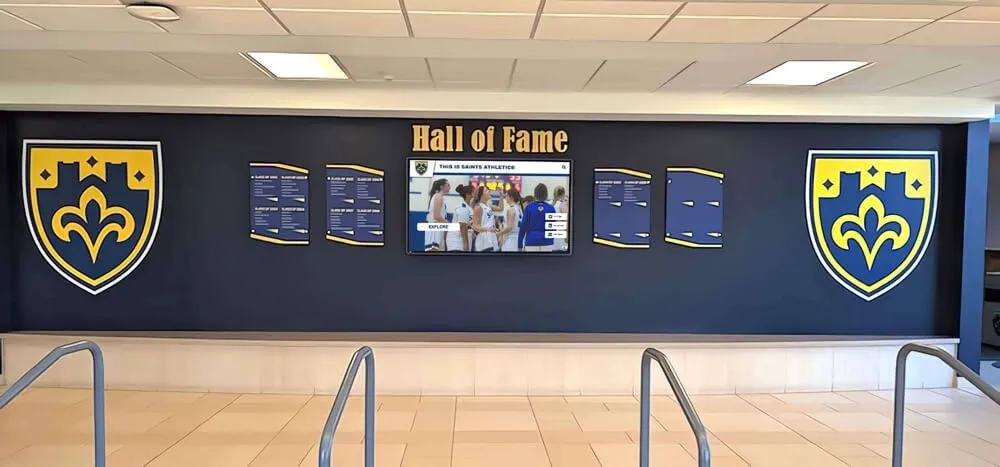
Recognition systems can integrate touchscreen displays with traditional name plaques creating comprehensive celebration spaces
Multi-Display Ecosystem Strategy
Schools with extensive National Merit histories might implement distributed recognition:
Primary Hero Display: Main high-traffic location features comprehensive, fully-interactive recognition with all scholars across all years, complete profile information and multimedia, powerful search and filtering tools, regular content updates celebrating new scholars, and premium hardware and presentation quality.
Satellite Summary Displays: Secondary locations show recognition highlights: current year scholars in featured layout, statistical summaries showing program strength, rotating highlights from historical scholars, QR codes linking to comprehensive online portal, and simplified interfaces appropriate for passing traffic. These satellite displays extend recognition visibility while directing interested viewers to primary comprehensive experience.
Web and Mobile Extensions: Digital recognition should extend beyond physical displays: responsive web portal accessible from any device, integration with school website and digital communications, social sharing capabilities amplifying recognition reach, email notifications to families when students are added, and permanent online archive surviving building renovations. This extended digital presence ensures recognition accessibility far beyond campus boundaries.
Discover comprehensive strategies for digital hall of fame design that support National Merit recognition alongside broader achievement celebration.
Technology Platform Selection
Choosing appropriate technology ensures recognition systems remain reliable, maintainable, and visually impressive while meeting schools’ specific needs.
Purpose-Built Recognition Platforms
Schools should evaluate whether specialized recognition platforms or generic digital signage better serves their goals.
Purpose-Built Solutions:
Platforms like Rocket Alumni Solutions specifically designed for academic recognition typically provide templates optimized for scholar profiles and achievement content, organizational structures matching academic recognition needs, search and filtering functionality enabling intuitive discovery, consistent interfaces across physical displays and web portals, ongoing platform development adding features addressing educational needs, and dedicated support teams understanding academic recognition contexts.
Design Flexibility and Customization:
- Unlimited layout variations matching institutional identity
- Custom branding integration maintaining visual consistency
- Background and color system customization
- Typography selection reflecting institutional character
- Template modification enabling unique presentations
Content Management Efficiency:
- Cloud-based management accessible from any device
- Intuitive interfaces requiring no technical expertise
- Bulk import tools for historical scholar data
- Scheduled publishing automation for semester recognition
- Role-based permissions enabling appropriate staff access
These purpose-designed solutions deliver superior user experiences compared to generic digital signage systems adapted for recognition purposes, justifying investments through better functionality, easier management, and stronger engagement outcomes.
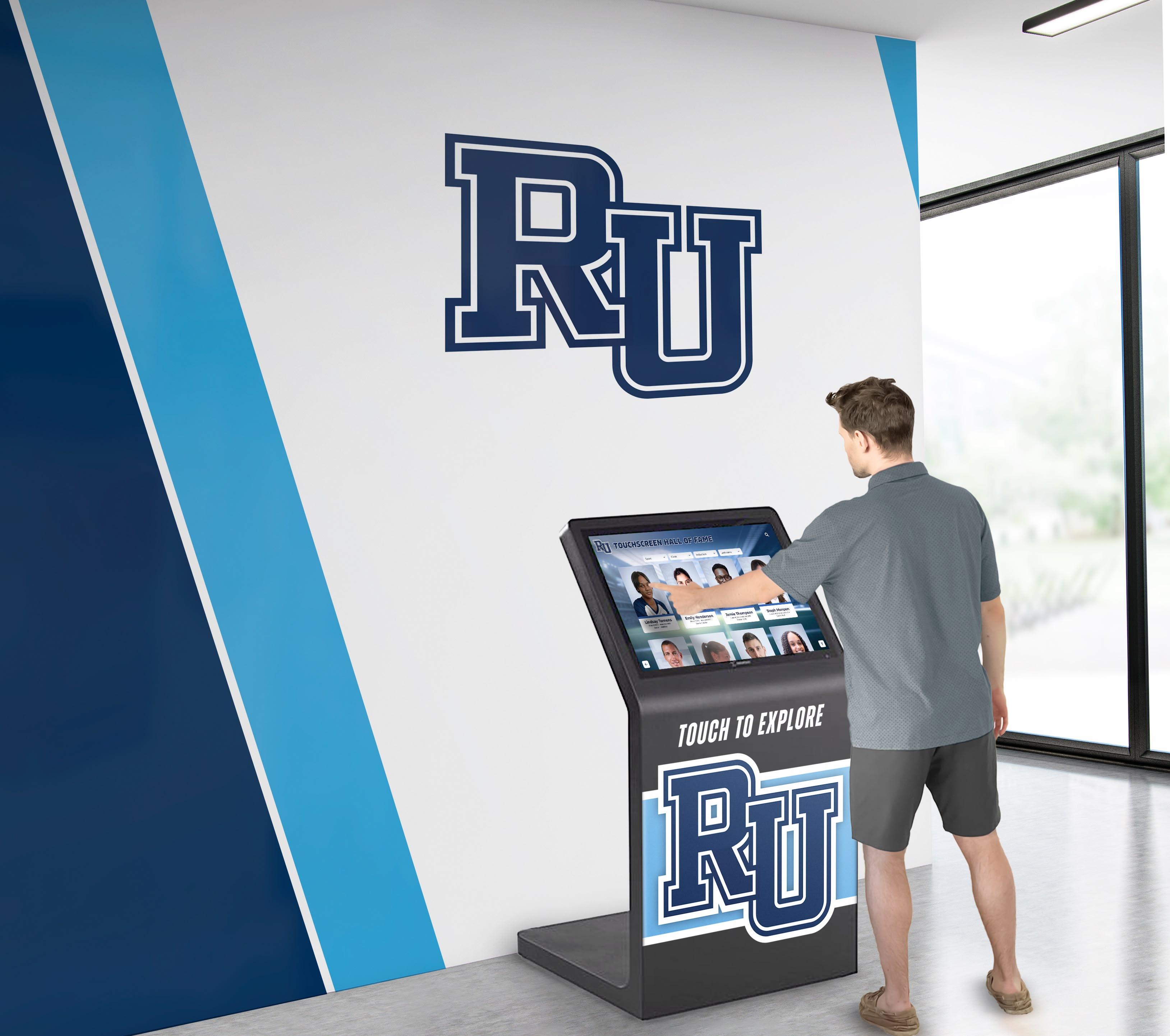
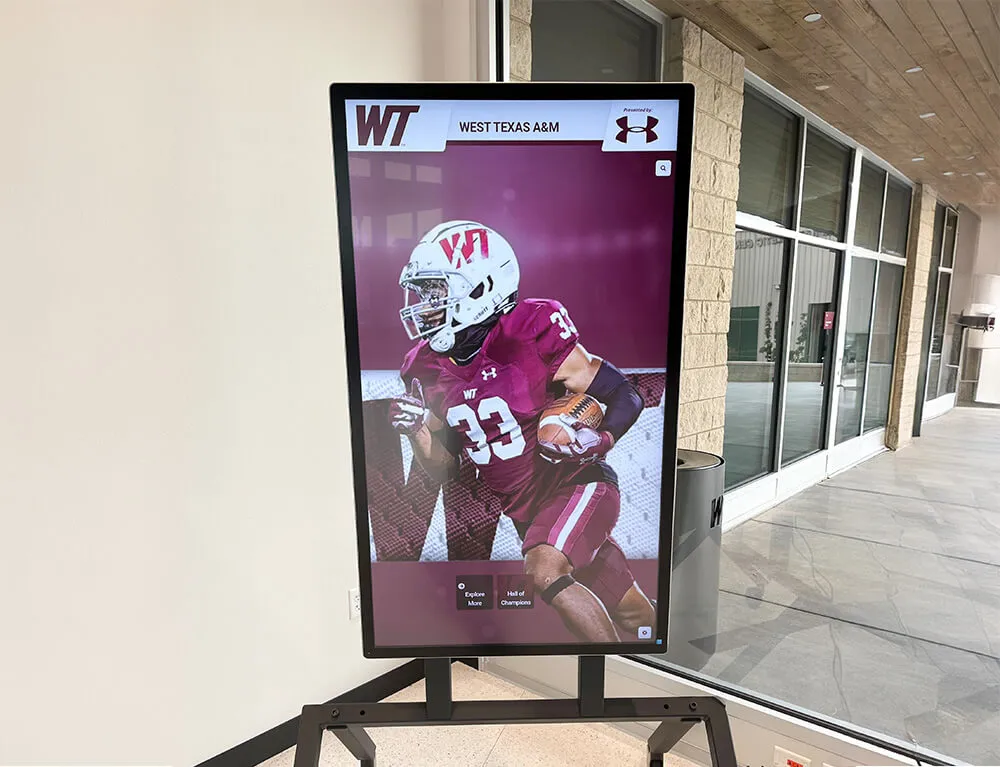
Freestanding kiosk configurations work well in open lobbies where wall space is limited or traffic flows don't favor wall-mounted displays
Hardware Considerations
Commercial-Grade Touchscreen Displays: Invest in hardware designed for continuous operation: 50,000+ hour commercial durability ratings, responsive capacitive touchscreen technology, anti-glare and anti-fingerprint screen treatments, adequate brightness (350-500 nit) for ambient lighting conditions, and comprehensive warranty and support ensuring reliable operation.
Mounting and Installation: Professional installation ensures optimal presentation: wall-mounted installations at appropriate heights (center screen 48-60" from floor), ADA-compliant placement considerations, secure mounting supporting display weight safely, cable management concealing connections, and climate-controlled environments protecting investment.
Connectivity Infrastructure: Reliable network connectivity ensures content updates: wired ethernet connections preferred for stability, adequate bandwidth supporting multimedia content, content delivery network integration for performance, remote management capabilities enabling off-site updates, and appropriate network security protecting systems.
Explore touchscreen software selection considerations for recognition display implementations.
Implementation Timeline and Process
Successful National Merit recognition implementations follow systematic processes ensuring quality outcomes and sustainable operation.
Planning and Content Development Phase
Initial Planning (Weeks 1-2):
- Define recognition scope and scholar inclusion criteria
- Inventory historical National Merit scholars from records and archives
- Assess available resources including budget, staff time, technology infrastructure
- Review campus spaces identifying optimal recognition display locations
- Establish project timeline and milestone targets
Content Development (Weeks 3-6):
- Professional photography sessions for current scholars
- Digitization of historical scholar photos from yearbooks and archives
- Profile narrative writing capturing achievement stories
- Data organization and validation ensuring accuracy
- Multimedia content creation including videos when planned
Design and Development (Weeks 4-8):
- Platform selection finalizing technology approach
- Visual design development matching institutional identity
- Layout and navigation design supporting intuitive exploration
- Content template creation ensuring consistent presentation
- Stakeholder review and approval processes
Launch and Maintenance
Installation and Training (Weeks 9-10):
- Hardware installation and configuration
- Content migration and platform setup
- Staff training on content management systems
- Testing and quality assurance verification
- Soft launch with limited audience for feedback
Ongoing Operations:
- Annual scholar addition process each fall semester
- Semi-annual content reviews ensuring accuracy and freshness
- Regular analytics review tracking engagement patterns
- Hardware maintenance and cleaning schedules
- Platform updates and feature enhancements
Systematic implementation processes prevent common pitfalls while establishing foundations for recognition programs that genuinely celebrate achievement and strengthen academic culture.
Measuring Recognition Program Effectiveness
Assessment ensures recognition programs achieve intended goals while identifying improvement opportunities.
Quantitative Impact Metrics
Recognition Completeness:
- Percentage of verified National Merit scholars included in displays
- Historical coverage depth showing program tradition
- Profile completeness including photos and comprehensive information
- Update timeliness measuring delay between announcement and display
Engagement Indicators:
- Digital display interaction rates and session duration
- Most-viewed scholar profiles indicating interest patterns
- Search query analysis revealing user priorities
- Web platform usage statistics showing community interest
- Social media engagement with scholar recognition content
Achievement Correlation:
- PSAT participation rates showing program awareness
- National Merit advancement rates by cohort
- College acceptance patterns for recognized scholars
- Scholarship amounts awarded correlated with recognition
- Alumni outcomes demonstrating long-term program impact
Qualitative Assessment
Stakeholder Feedback:
- Scholar surveys about recognition experience and impact
- Family satisfaction with recognition program comprehensiveness
- Alumni perspective on how recognition influenced their experience
- Younger student awareness and motivational impact
- Faculty observations about recognition effectiveness
Cultural Indicators:
- Observed increases in academic ambition and rigorous course enrollment
- Student conversations referencing National Merit goals
- Community perception of institutional academic excellence
- Prospective family attraction to strong academic programs
- Media coverage and community recognition of scholar achievements
Regular assessment enables continuous improvement ensuring recognition programs remain meaningful and impactful while justifying resource investment through demonstrated positive outcomes.
Learn about comprehensive approaches to student achievement recognition that position National Merit within broader excellence celebration.
Future Trends in Recognition Display Design
Understanding emerging developments helps schools make forward-looking investments remaining relevant and engaging for years ahead.
AI-Enhanced Personalization
Artificial intelligence will enable increasingly sophisticated recognition experiences:
- Natural language processing powering conversational search
- Recommendation engines suggesting relevant scholar profiles based on viewer interests
- Automatic highlight generation creating dynamic featured content
- Predictive content optimization based on engagement patterns
- Accessibility enhancements including real-time description generation
Augmented Reality Integration
AR capabilities will extend recognition beyond screen boundaries:
- Mobile AR experiences overlaying scholar information in physical spaces
- Virtual scholar “appearances” through AR avatars
- Interactive 3D data visualizations exploring achievement patterns
- AR-enabled campus tours highlighting recognition locations
- Photo opportunities with virtual scholar composites
Enhanced Data Visualization
Advanced analytics will present achievement trends through engaging infographics:
- Interactive timeline visualizations showing program growth
- Geographic mapping showing scholars’ college destinations
- Subject interest clustering revealing academic pathway patterns
- Scholarship value aggregation demonstrating financial impact
- Comparative analysis positioning institutional excellence in broader context
Schools investing in flexible, modern recognition platforms position themselves to adopt these emerging capabilities as they mature, ensuring programs remain engaging and effective as technology and student expectations evolve continuously.
Conclusion: Design Excellence Honoring Academic Achievement
National Merit Scholar recognition represents genuine elite academic accomplishment that fewer than 1% of American students attain—demonstrating exceptional intellectual capability validated through rigorous national competition. These remarkable scholars deserve recognition designed with the same excellence they demonstrated through their achievement: visually compelling presentations matching accomplishment magnitude, comprehensive storytelling honoring complete journeys rather than simple name listings, interactive experiences enabling deep exploration and inspiration, and systematic approaches preserving achievements permanently within institutional tradition.
Modern touchscreen recognition platforms transform National Merit celebration from static plaques into dynamic, engaging experiences that inspire younger students pursuing similar excellence, demonstrate institutional academic strength to prospective families during campus tours, create permanent recognition archives surviving building changes and renovations, provide flexible content management enabling timely scholar additions annually, and extend recognition reach through web and mobile access amplifying impact.
Transform Your National Merit Scholar Recognition
Discover how modern touchscreen recognition displays can celebrate your scholars with design excellence matching their remarkable academic achievements.
Get your touchscreen mock-upEffective recognition requires thoughtful design addressing visual hierarchy that communicates achievement tiers appropriately, professional photography and compelling narratives honoring individual excellence, intuitive interaction design enabling effortless exploration, strategic campus placement ensuring maximum visibility, and systematic content management supporting sustainable long-term operation.
Whether implementing new National Merit recognition programs or enhancing existing approaches, combining design excellence with modern recognition technology creates experiences that genuinely honor achievement, inspire current students, strengthen institutional academic reputation, and preserve scholar legacies for generations discovering inspiration through their remarkable examples.
Your National Merit Scholars achieved distinction through exceptional intellectual capability, rigorous preparation, and sustained excellence validated through national competition. They deserve recognition designed with equivalent excellence—honoring their accomplishments permanently, inspiring peers pursuing similar achievement, and celebrating the academic culture your institution cultivates through commitment to educational excellence.
Ready to design exceptional National Merit recognition? Explore honor roll touchscreen displays celebrating academic achievement comprehensively, or discover high school wall of fame design strategies providing frameworks for recognition programs authentically honoring diverse excellence.