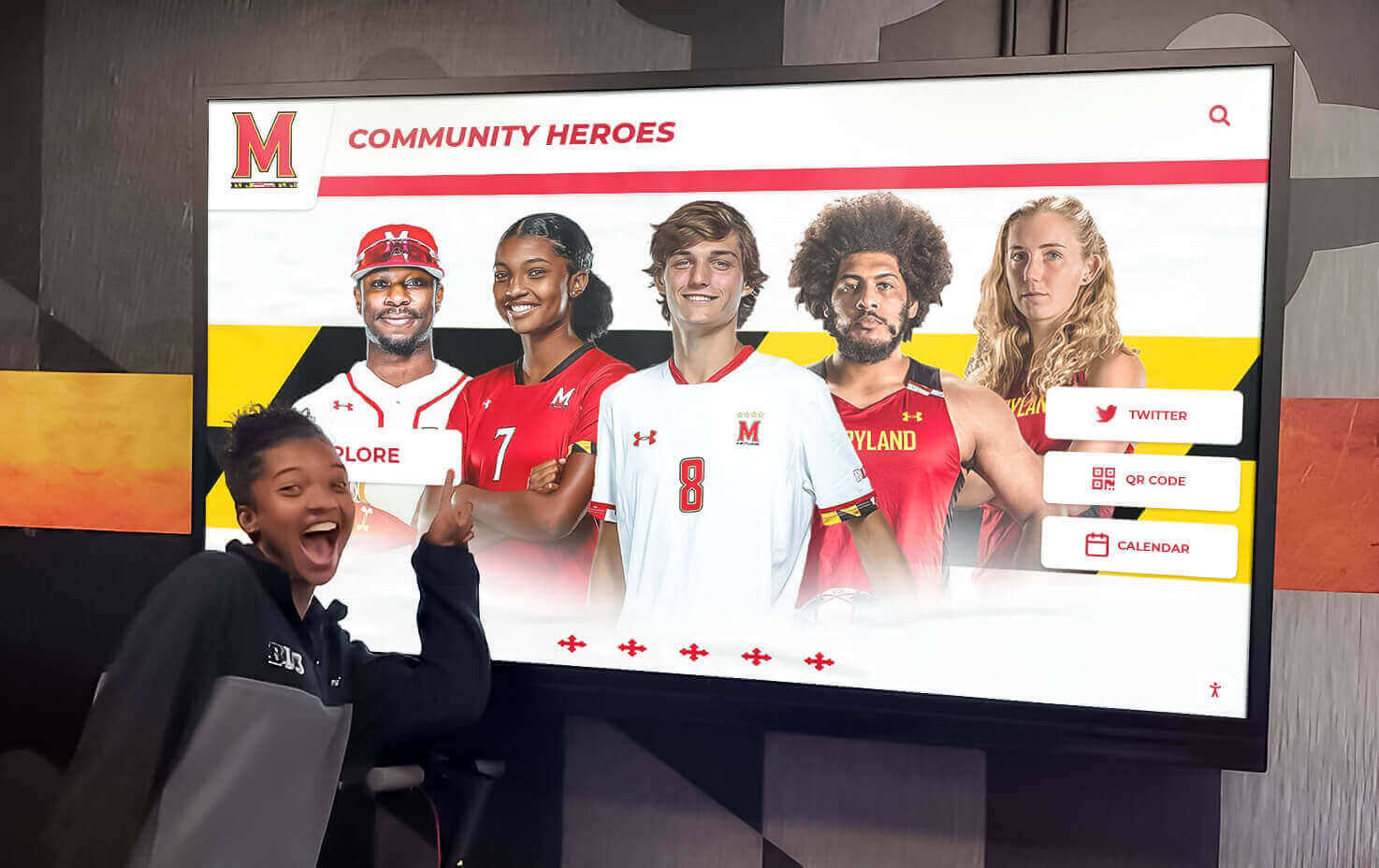




Every February and November, high school athletic facilities transform into celebration venues where student-athletes officially commit to compete at the collegiate level. National Signing Day represents the culmination of years of dedication—countless early morning practices, competitive seasons, recruiting conversations, and academic achievement that earned these remarkable students the opportunity to continue their athletic careers while pursuing higher education.
Yet despite the magnitude of this milestone, many schools struggle to give signing day celebrations the lasting visibility they deserve. Traditional ceremonies create wonderful moments through decorated tables, family gatherings, and team jerseys displayed proudly. But within days, recognition fades as tables get cleared, announcements pass, and social media posts scroll into history. The inspirational value diminishes rapidly, limiting opportunities for younger athletes to regularly encounter evidence of the college athletic pathway and understand what achievement looks like.
This comprehensive guide explores how high schools elevate National Signing Day celebrations from momentary events into lasting recognition experiences. From strategic ceremony design through year-round digital display solutions, you’ll discover practical approaches for honoring student-athletes’ achievements while creating systematic documentation that inspires future generations and strengthens your school’s athletic culture around post-secondary athletic excellence.
High schools that implement comprehensive signing day recognition strategies report significant benefits extending far beyond ceremony day satisfaction. Enhanced recognition approaches increase younger athletes’ awareness of collegiate athletic pathways, strengthen connections with college coaches who appreciate well-organized recruitment environments, create powerful recruiting narratives when prospective families visit facilities and encounter evidence of college placement success, and preserve institutional athletic legacy documenting program development across decades.

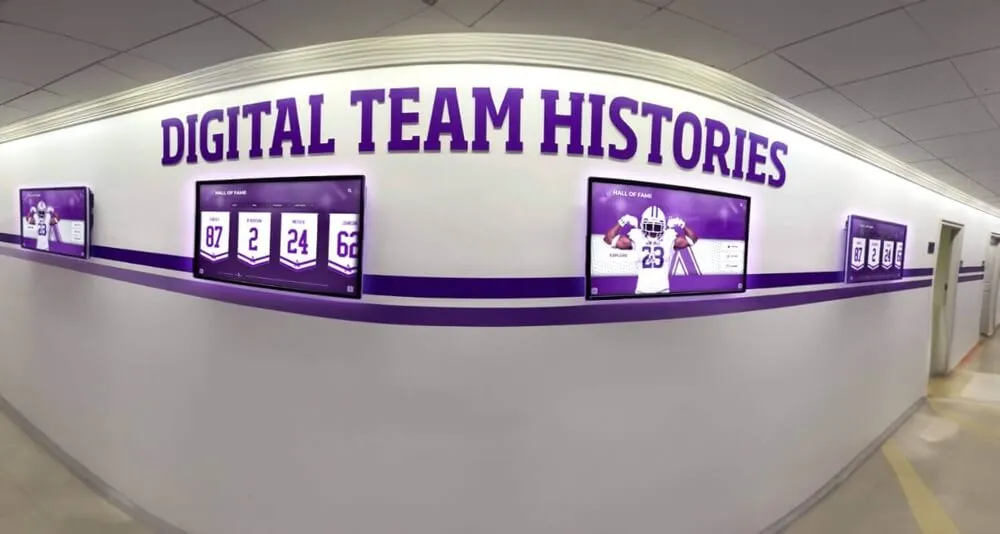
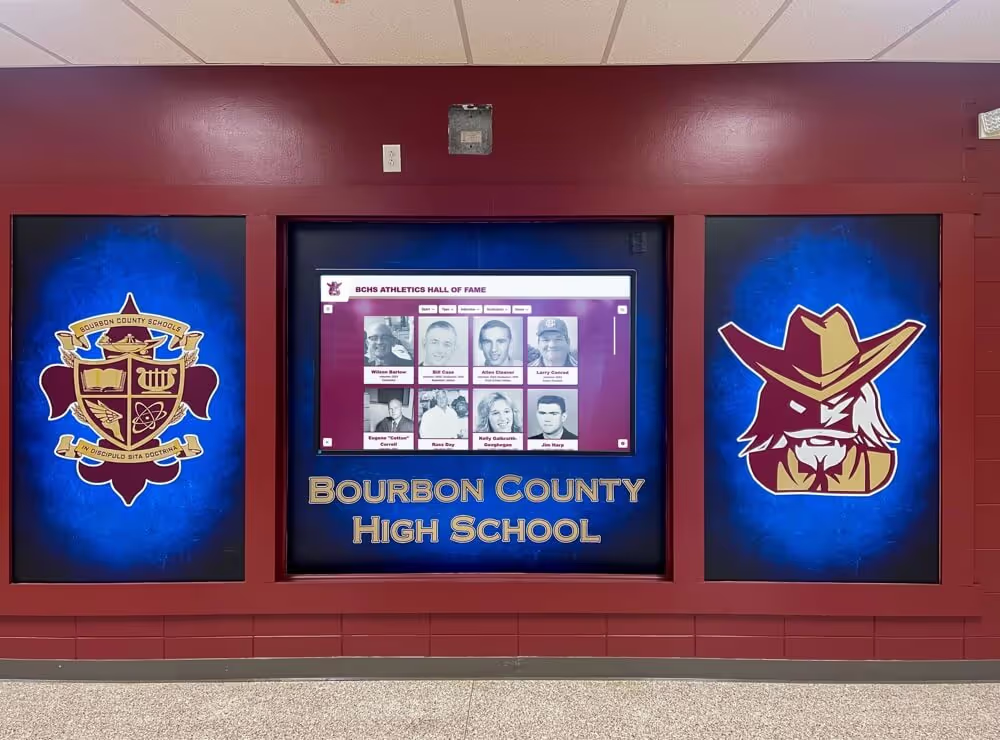
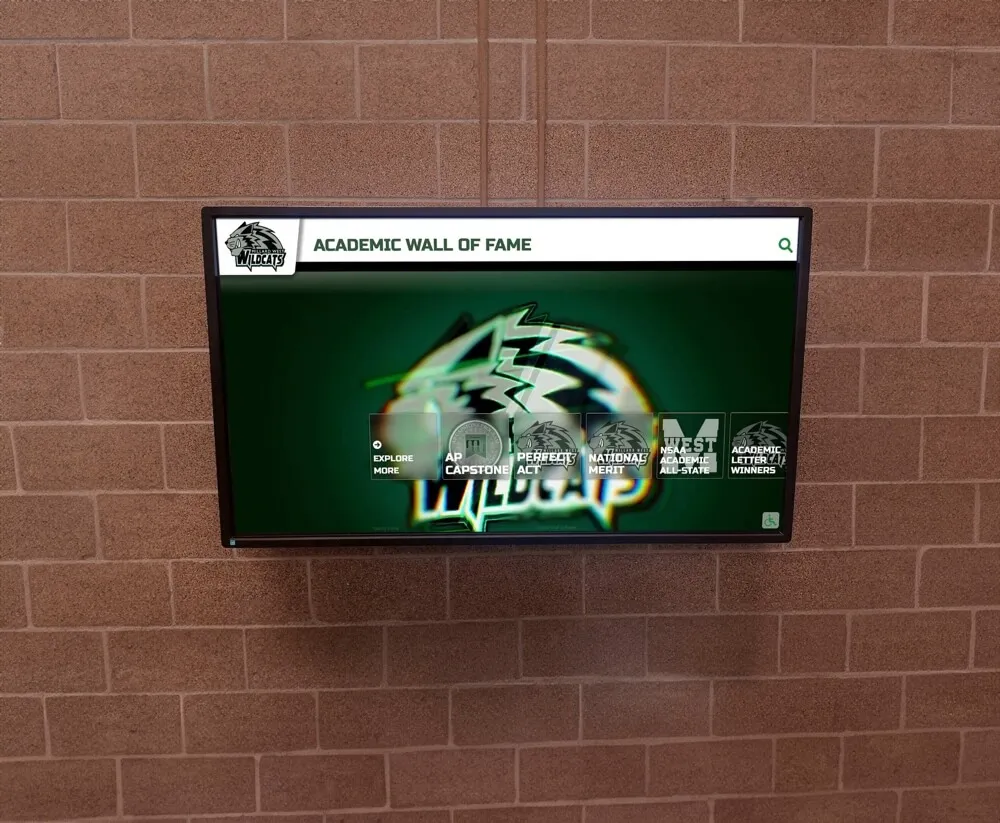
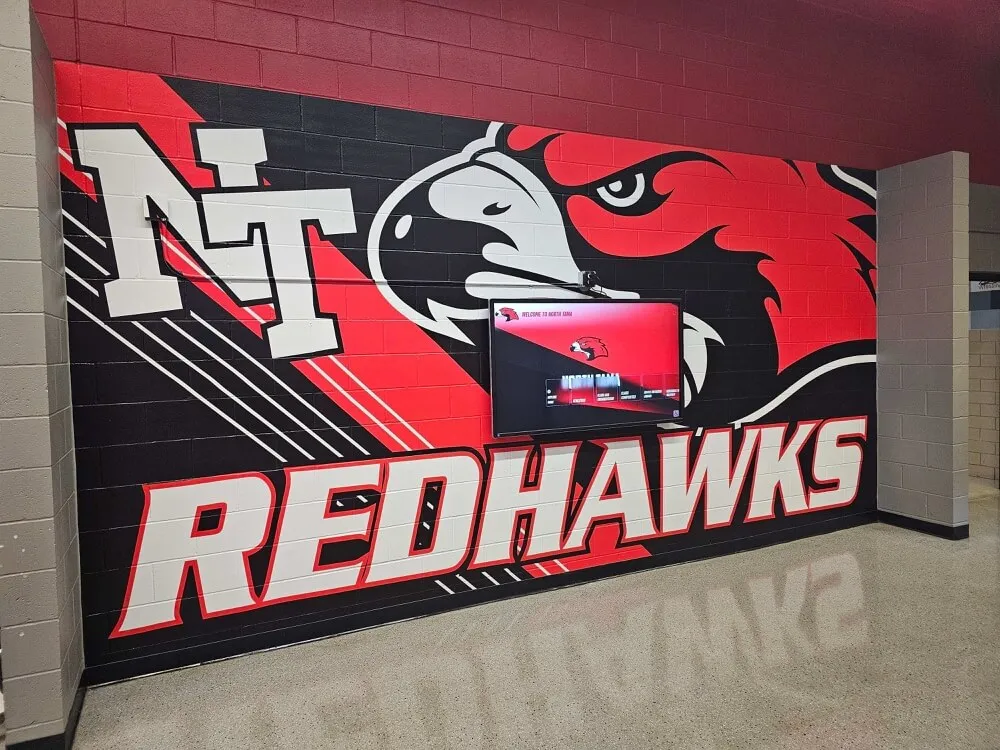
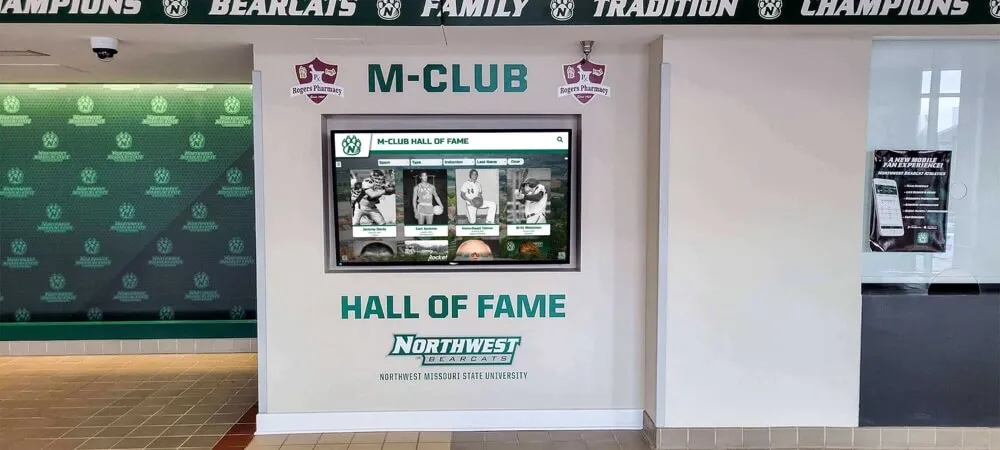
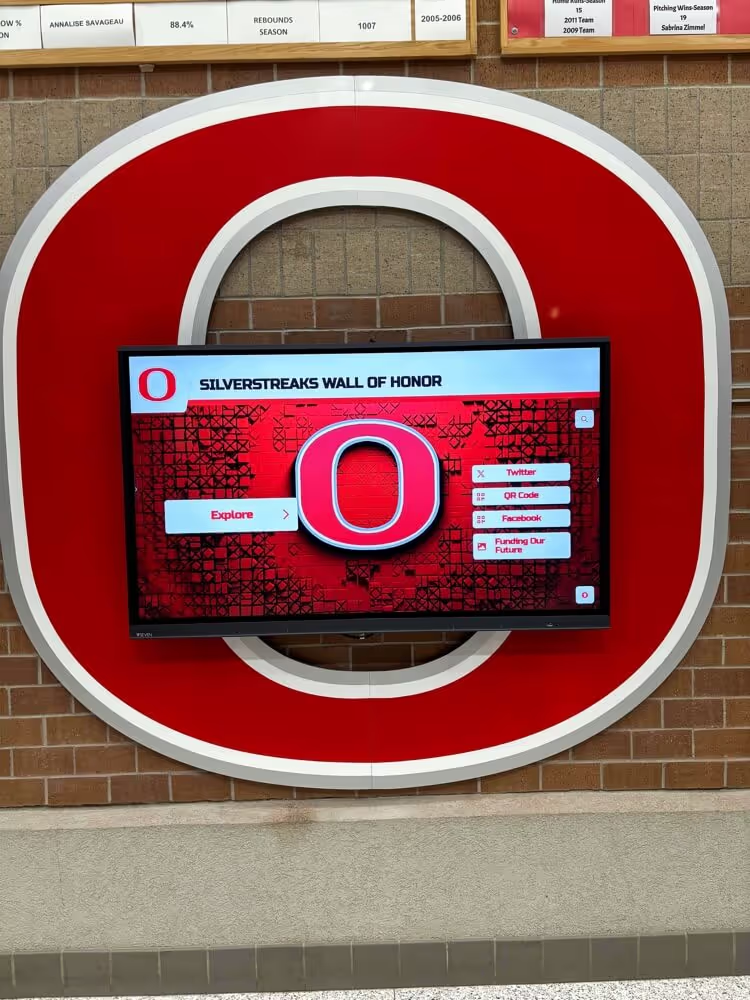
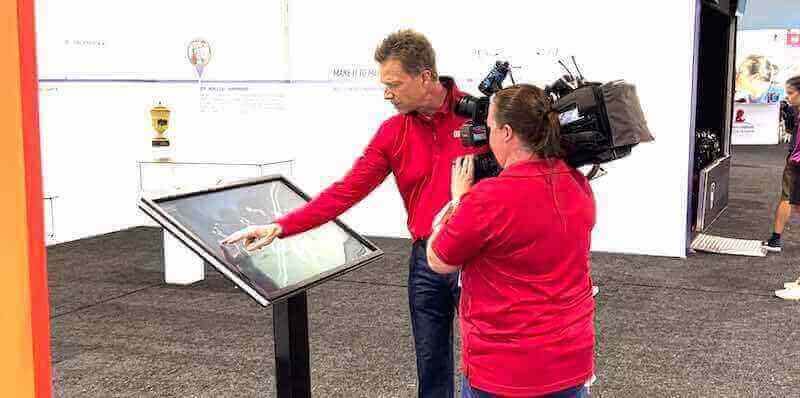
Modern digital recognition transforms signing day celebrations from single-day events into year-round inspiration that guides younger athletes toward collegiate opportunities
Understanding National Signing Day Traditions and Timeline
Before exploring enhanced recognition strategies, understanding the structure and significance of National Signing Day helps schools appreciate why comprehensive celebration approaches deliver exceptional value.
What Is National Signing Day?
National Signing Day marks the official date when high school student-athletes sign National Letters of Intent (NLI) committing to compete at NCAA Division I or Division II institutions. The NLI represents a binding agreement—the student-athlete commits to attending a specific institution for one academic year, while the institution commits to providing athletic financial aid for the same period.
According to NCAA data, approximately 2-3% of high school athletes advance to compete at NCAA Division I or II levels, making these commitments particularly noteworthy achievements deserving comprehensive institutional recognition. The path to college athletic competition requires exceptional athletic talent, sustained academic achievement meeting NCAA eligibility requirements, substantial time commitment balancing practice and competition with academic responsibilities, and successful navigation of complex recruiting processes involving coach communications, campus visits, and offer evaluations.
National Signing Day ceremonies honor not just athletic accomplishment but also the comprehensive excellence these students demonstrated across all dimensions of their high school experience.
Key Signing Day Dates in 2026
Athletic recruitment follows sport-specific timelines with designated signing periods established by the NCAA. Understanding these dates helps schools plan recognition strategies accommodating different signing windows.
Football Signing Periods
Football operates with two distinct signing periods allowing student-athletes flexibility in their commitment timing:
- Early Signing Period: December 17-19, 2025 (three-day window when most Division I football recruits sign)
- National Signing Day: February 4, 2026 (traditional signing date for remaining football commitments and any late recruiting developments)
The overwhelming majority of Football Bowl Subdivision (FBS) recruits now sign during the early period, taking advantage of earlier certainty about their college destinations and relieving recruitment pressure during their senior seasons.
Basketball Signing Periods
Basketball follows its own signing timeline reflecting the sport’s recruiting patterns:
- Early Signing Period: November 12-19, 2025 (eight-day window for basketball commitments)
- National Signing Day: April 16, 2026 (spring signing date for remaining basketball commitments)
Similar to football, most high-profile basketball recruits sign during the early period, though some prospects wait until spring to finalize decisions.
All Other Sports Signing Period
All other NCAA sports share a unified signing timeline:
- Early Signing Period: November 12-19, 2025 (eight-day window)
- National Signing Day: February 4, 2026 (spring signing date aligning with football’s traditional day)
Sports including baseball, softball, soccer, volleyball, lacrosse, track and field, swimming, wrestling, and others all follow this two-period structure, giving student-athletes choice about when to formalize commitments based on their individual recruitment situations.
Understanding these timelines enables schools to plan multiple signing day celebrations throughout the academic year rather than concentrating all recognition on a single date—an important consideration for schools with strong programs across diverse sports.
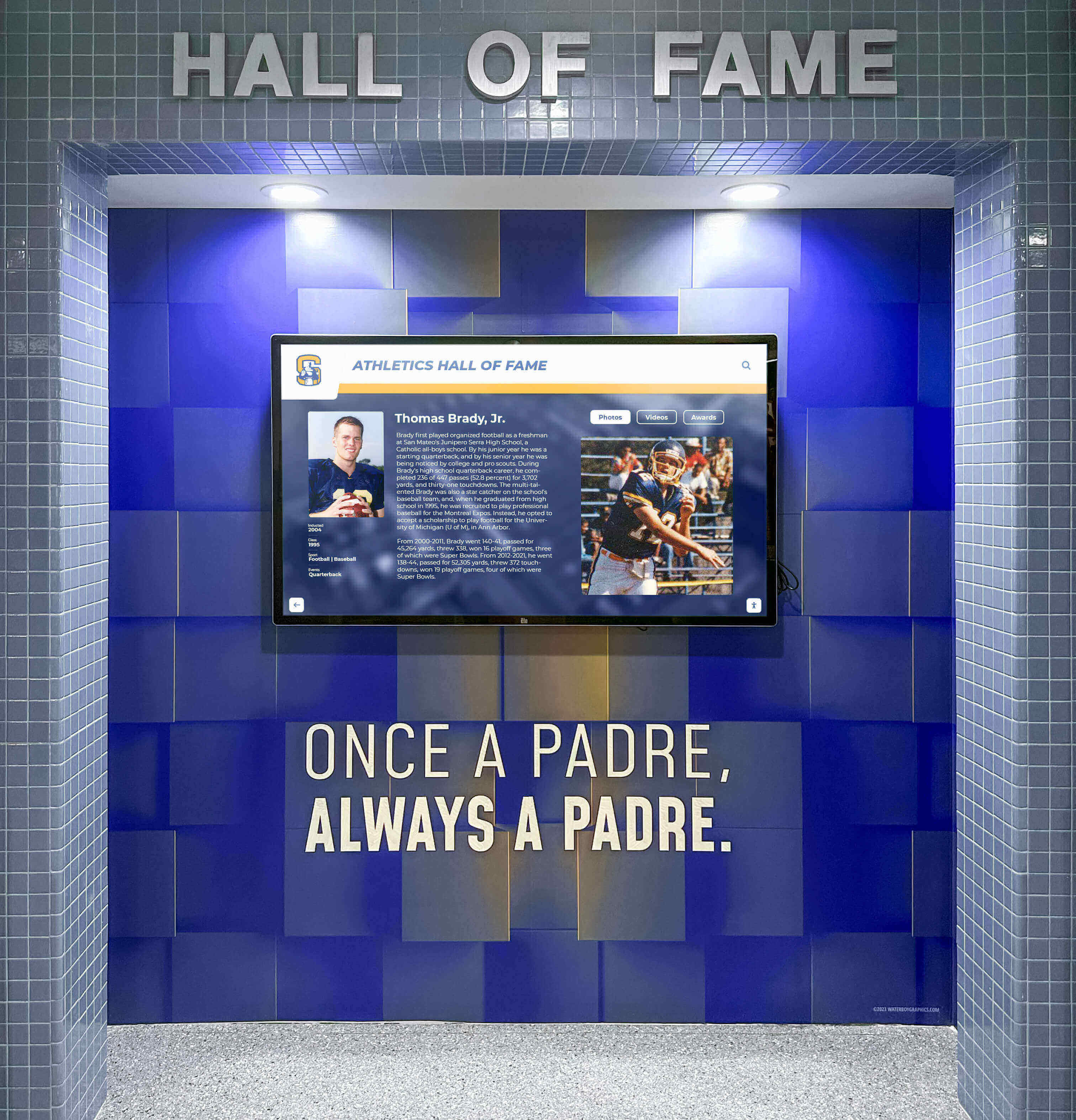
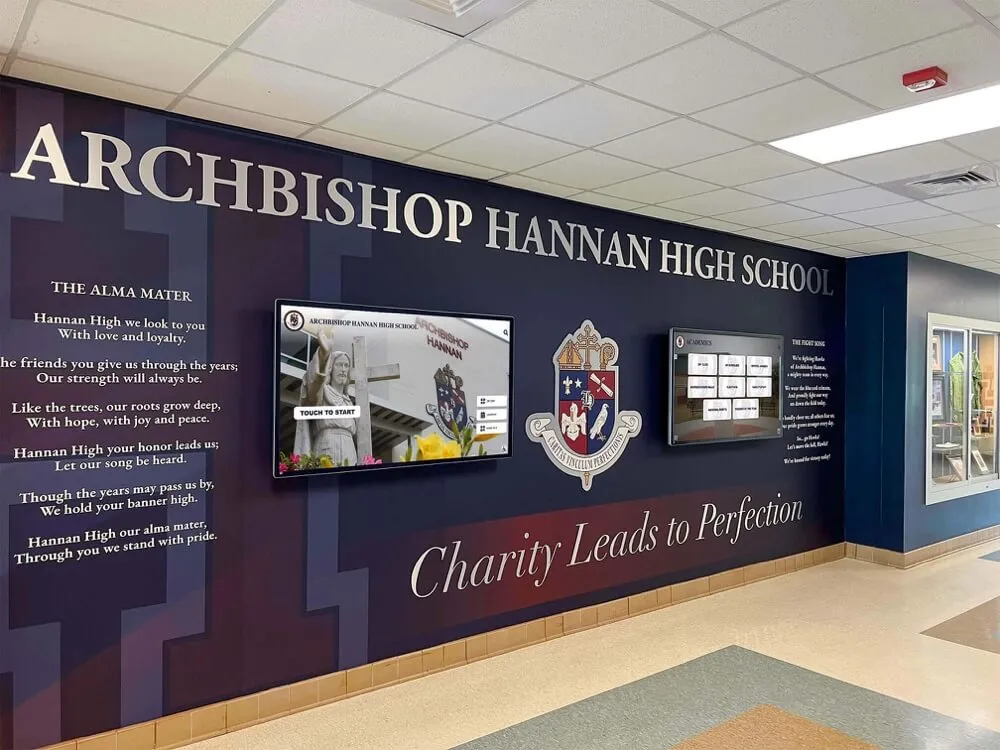
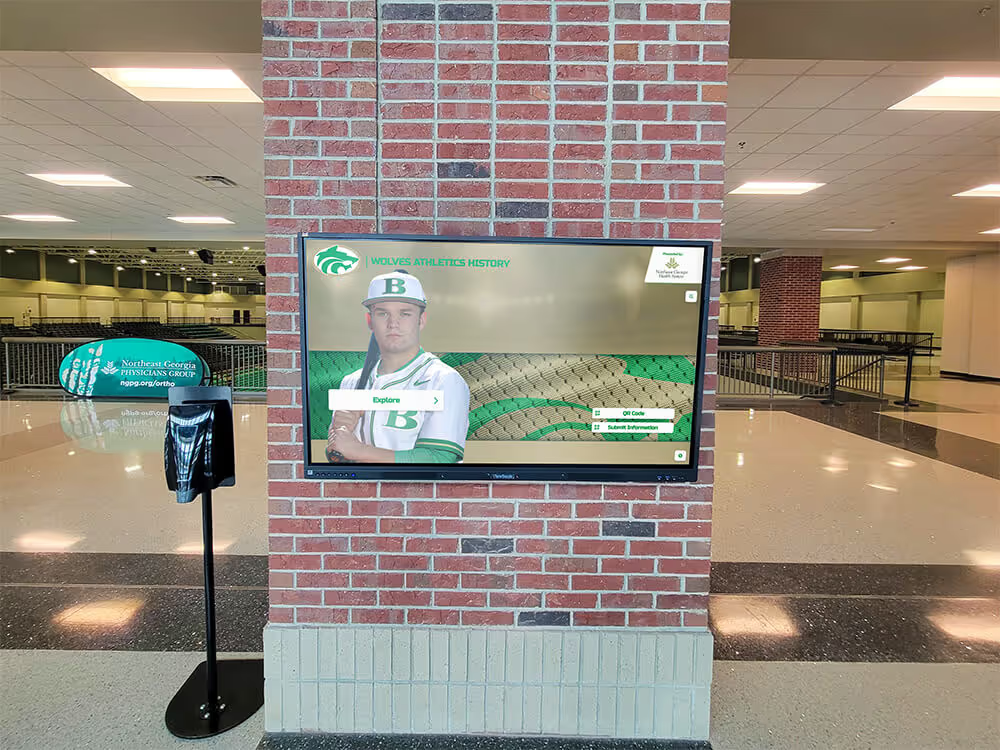
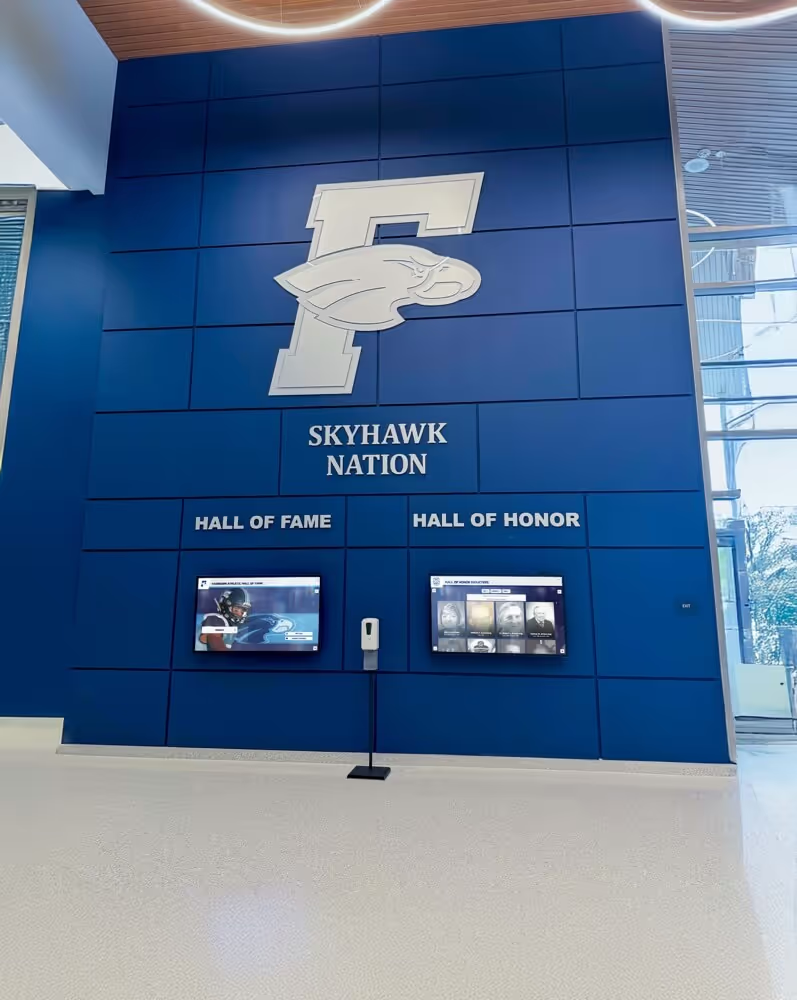
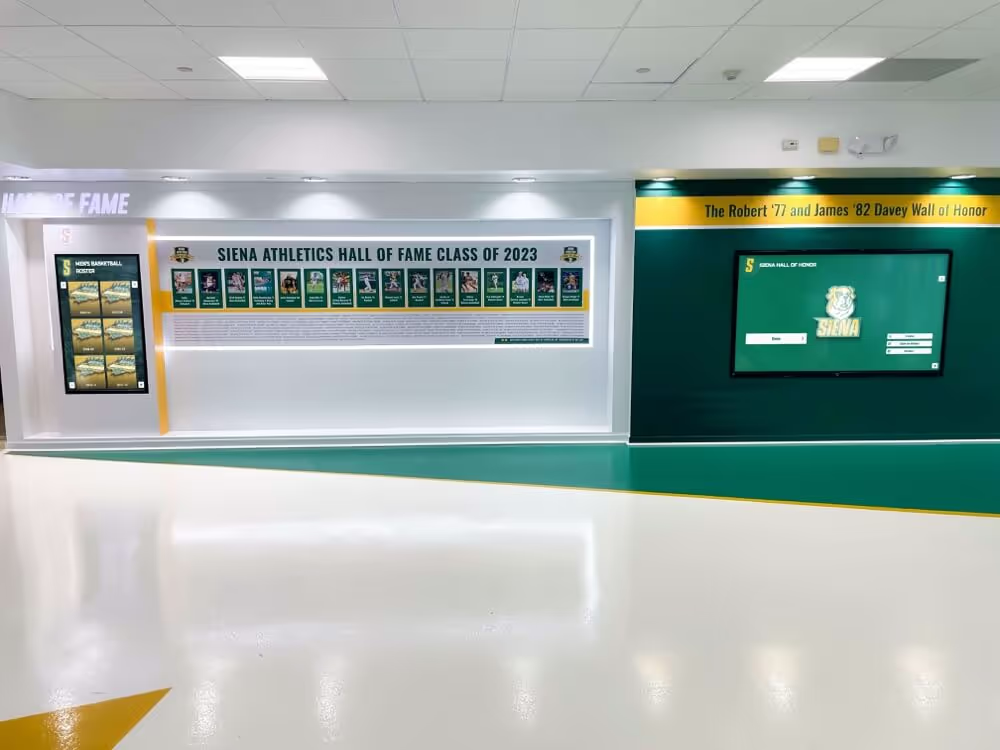
Strategic placement in athletic facilities ensures signing day recognition remains visible to athletes, families, and visitors throughout the year
Division III, NAIA, and Junior College Commitments
While National Signing Day specifically refers to NCAA Division I and II commitments through the National Letter of Intent program, many student-athletes commit to compete at other collegiate levels deserving equal celebration.
NCAA Division III Recognition
Division III institutions do not offer athletic scholarships and do not participate in the National Letter of Intent program. However, approximately 40% of all NCAA student-athletes compete at the Division III level, making these commitments statistically more common than Division I or II opportunities. Division III athletes balance athletic participation with academic pursuits at institutions emphasizing holistic educational experiences, often participating in multiple sports or combining athletics with intensive academic programs.
Schools should celebrate Division III commitments with equal prominence, recognizing that these student-athletes demonstrated exceptional athletic ability and made meaningful choices to continue competing while prioritizing comprehensive educational opportunities.
NAIA Commitments
The National Association of Intercollegiate Athletics (NAIA) represents approximately 250 institutions offering athletic scholarships and competitive opportunities comparable to NCAA Division II programs. NAIA schools typically have smaller enrollments and provide personalized athletic and academic experiences. Student-athletes committing to NAIA institutions have demonstrated the talent and dedication required for collegiate athletics and deserve recognition equal to NCAA commitments.
Junior College Athletic Opportunities
Community and junior colleges provide important pathways for student-athletes continuing athletic development while pursuing associate degrees or preparing to transfer to four-year institutions. The National Junior College Athletic Association (NJCAA) oversees athletics at approximately 500 two-year colleges, offering competitive opportunities and athletic scholarships.
Junior college commitments represent strategic planning, athletic potential for continued development, and smart educational decisions making affordable college accessible while maintaining athletic participation. These commitments deserve celebration emphasizing the legitimate value of multiple pathways to educational and athletic success.
Comprehensive signing day recognition honors all collegiate commitments regardless of division or association, demonstrating institutional values that celebrate diverse pathways to post-secondary success.
Traditional Signing Day Ceremony Elements
Well-planned signing ceremonies create meaningful celebration moments while establishing frameworks for enhanced recognition strategies.
Ceremony Planning and Logistics
Successful signing day events require thoughtful logistical planning accommodating multiple families and creating appropriate celebration atmospheres.
Timing and Scheduling Considerations
Most schools schedule signing ceremonies during school hours—typically early morning or mid-day—allowing younger athletes to attend and witness the celebration while maintaining manageable logistics. Morning ceremonies (7:30-9:00 AM) work well for building excitement at the start of school days, mid-day events (11:00 AM-12:30 PM) can coincide with lunch periods enabling broader student attendance, and after-school celebrations accommodate working parents’ schedules though they reduce younger student visibility.
Schools with multiple signees across different sports often consolidate celebrations, hosting unified ceremonies that honor all student-athletes together rather than organizing separate sport-specific events. Unified approaches demonstrate equitable celebration across all athletic programs while simplifying logistical coordination.
Venue Selection and Setup
Ceremony locations should accommodate families, coaches, administrators, and student spectators while providing appropriate dignity matching the occasion’s significance.
Common venue choices include athletic facilities like gyms or field houses that connect celebrations to athletic identity, cafeterias or commons areas offering flexible space and seating capacity, libraries or media centers providing formal atmospheres emphasizing academic components, and auditoriums for schools hosting large numbers of signees requiring theatrical staging.
Traditional ceremony setups include decorated tables where signees sit with parents during events, typically featuring tablecloths in school or destination college colors, team jerseys or college apparel displayed on chairs or stands, letters of intent ready for signature, caps or other college gear for photo opportunities, and nameplates identifying signees and their destination institutions.
Ceremony Program Structure
Effective ceremonies balance formality honoring the occasion’s significance with personal touches celebrating individual student-athletes.
Typical program elements include:
- Welcome and Opening Remarks: Principals or athletic directors frame the significance of signing day and express institutional pride
- Individual Athlete Recognition: Each signee receives individual introduction highlighting athletic achievements, academic accomplishments, and college destination
- Letter Signing Moment: The formal signing creates the ceremonial focal point, often accompanied by applause and family photographs
- Student-Athlete Remarks: Many programs allow signees to share brief comments about their journeys, thank coaches and families, and express excitement about college opportunities
- Closing Celebration: Programs conclude with congratulations, photo opportunities, and informal conversation
Strong ceremony programs typically run 45-60 minutes, providing sufficient time for meaningful recognition without losing audience attention or disrupting school schedules excessively.
Family and Community Involvement
Signing day represents family milestone celebrations, not just school events. Effective programs accommodate parents, siblings, extended family, and community supporters who contributed to student-athletes’ development.
Schools should reserve adequate seating for family groups, designate photo opportunities with professional or volunteer photographers, provide flexible attendance policies allowing family members to attend mid-day ceremonies, create welcoming atmospheres acknowledging that some families may be unfamiliar with college athletic processes, and consider livestream options for extended family unable to attend in person.
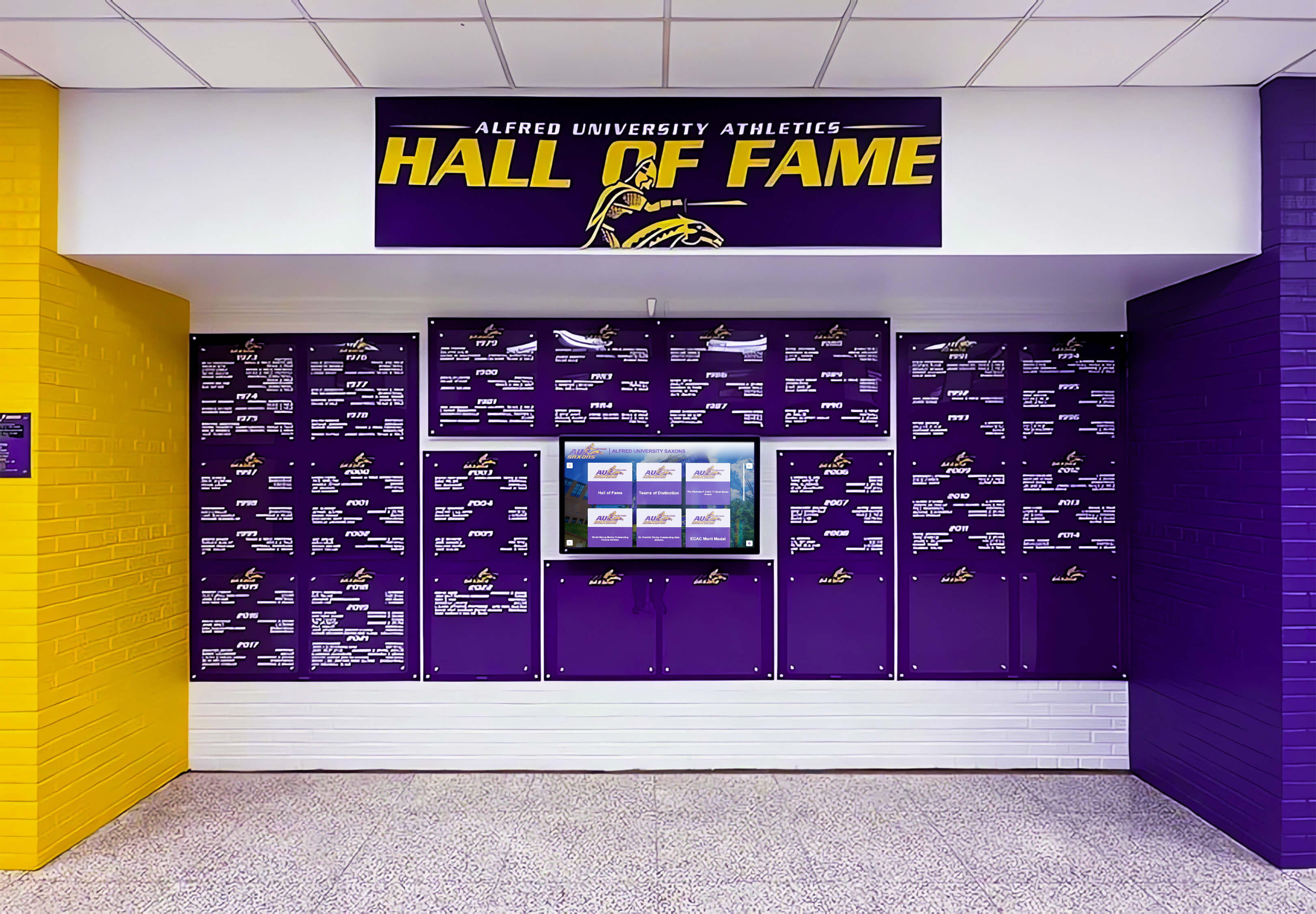
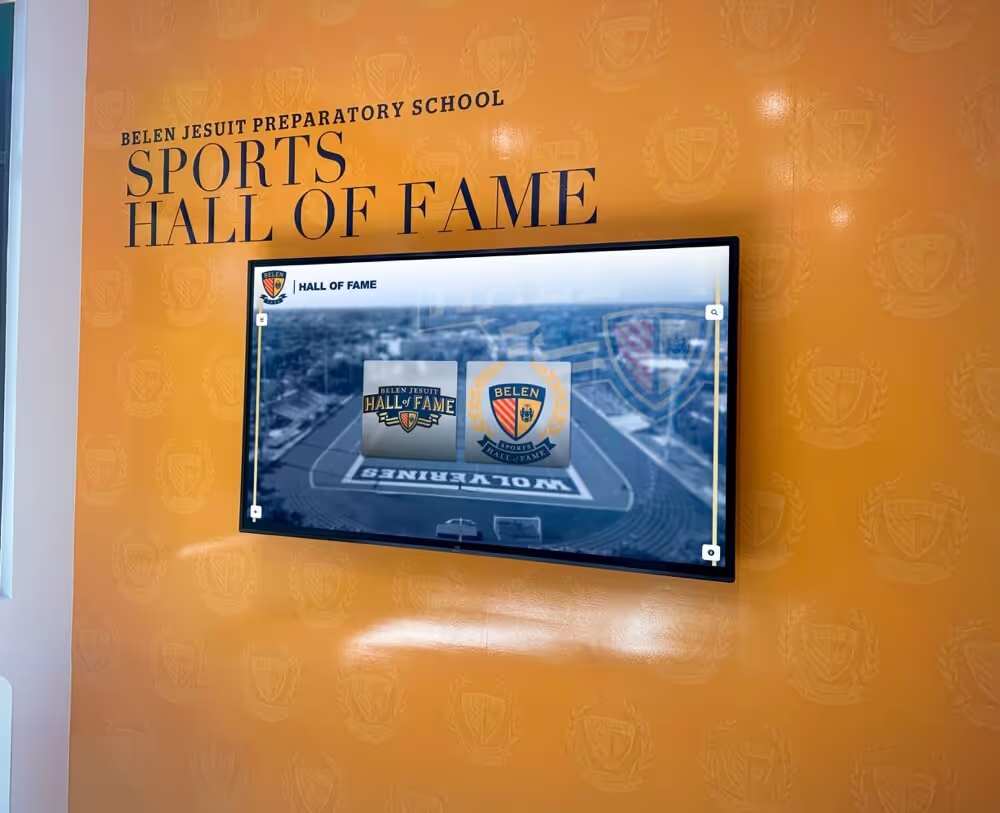
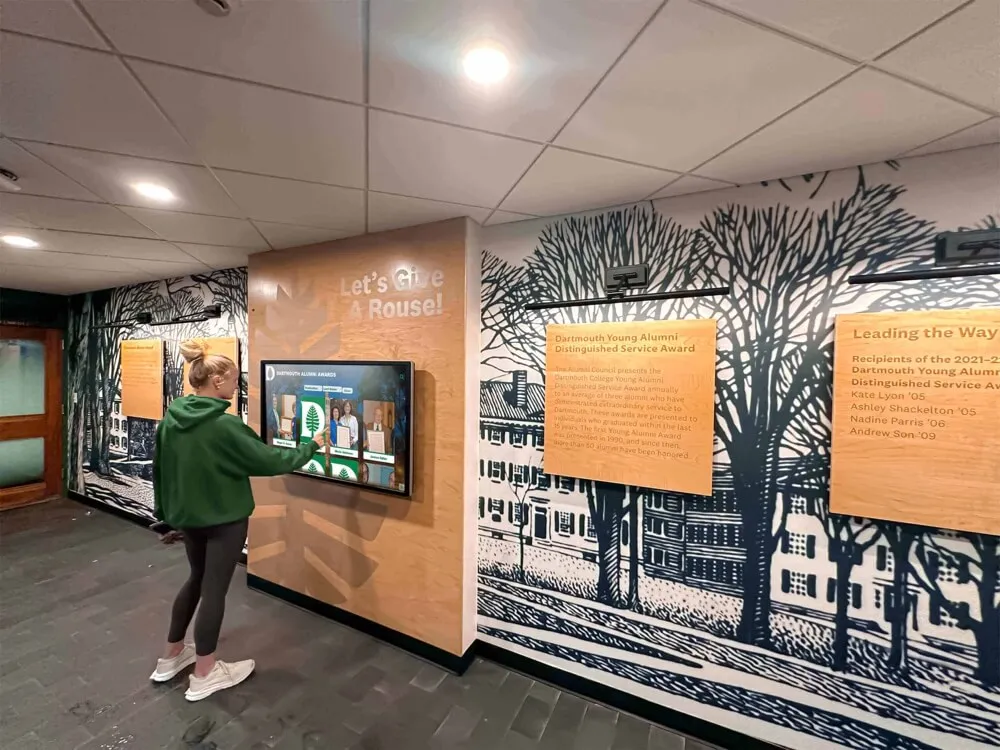
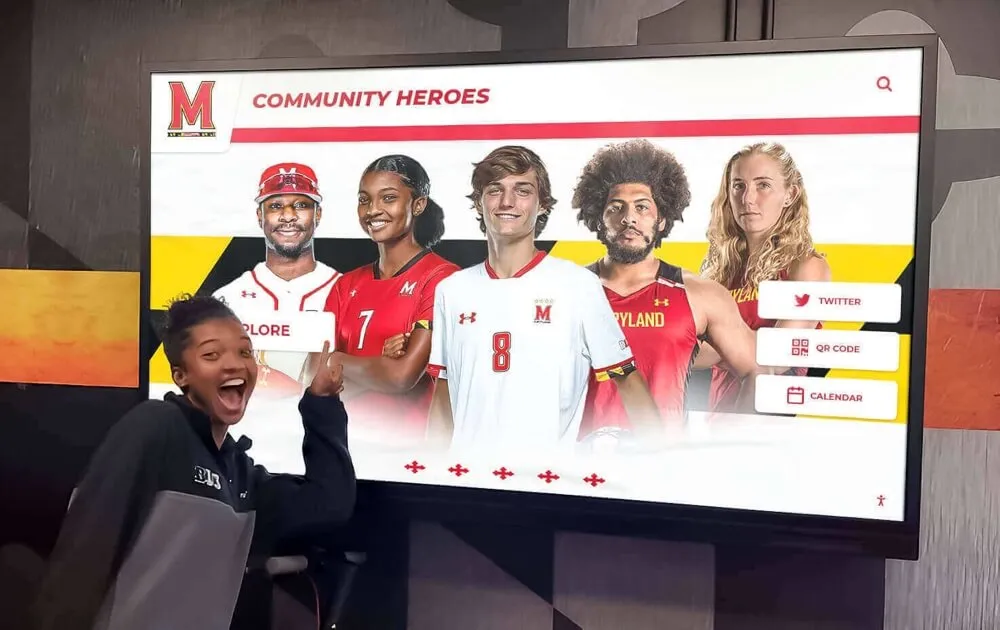
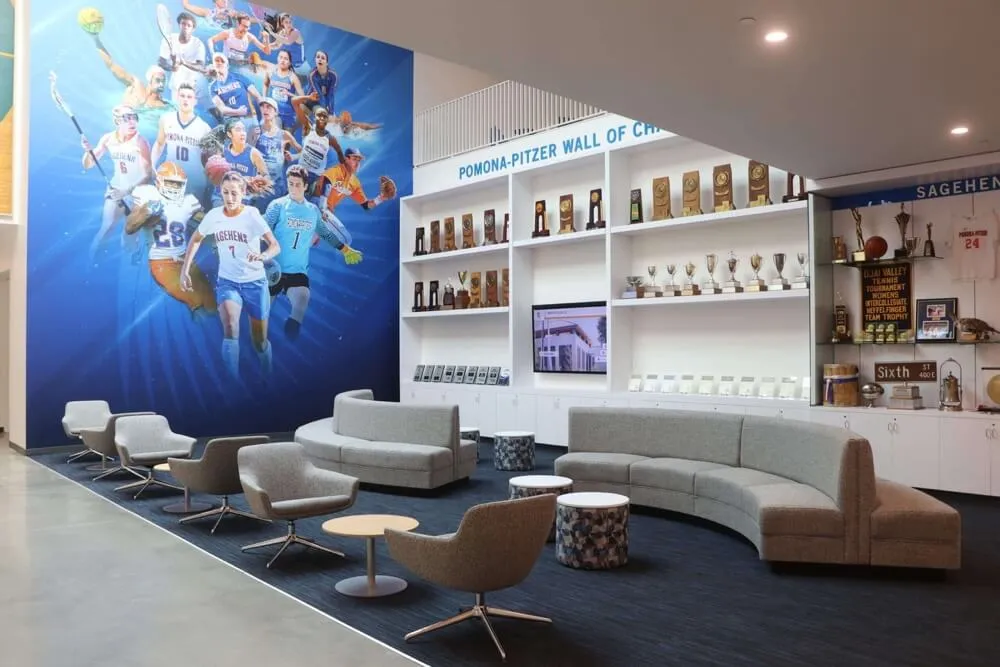
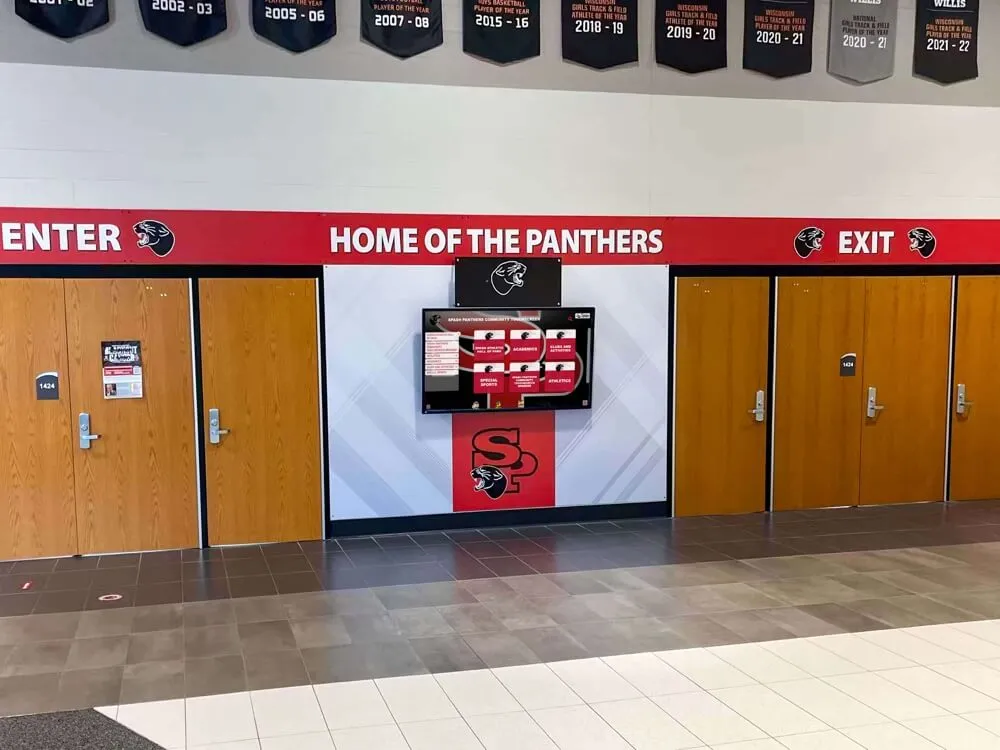
College-style recognition displays inspire high school athletes by showing what collegiate athletic recognition looks like
Many schools invite youth coaches who worked with signees before high school, recognizing that athletic development often begins long before secondary school and honoring the broader community investment in student-athlete success.
Traditional Recognition and Documentation Approaches
Standard signing day celebrations incorporate several recognition elements that schools have used successfully for decades.
Physical Signing Day Displays
Many schools create temporary displays for signing ceremonies and brief periods afterward:
- Poster boards featuring photos, statistics, and biographical information for each signee
- Team banners or decorations celebrating the specific sport programs
- Timeline displays showing recruiting process milestones
- “Commitment Wall” bulletin boards with signee names and college destinations
- Photo collages documenting athletic careers from youth sports through high school
These traditional displays serve important purposes during ceremonies but face inherent limitations for sustained recognition. Physical materials require storage after events, deteriorate over time, consume facility space that may be needed for other purposes, and become outdated as additional athletes commit in subsequent signing periods or following years.
Media Coverage and Announcements
Schools typically generate multiple forms of media documentation:
- Press releases to local newspapers highlighting commitments
- Social media posts celebrating individual signees across platforms
- School website articles profiling athletes and their destinations
- Morning announcement recognition during school-wide broadcasts
- Athletic program newsletters featuring signing day recaps
While these communication efforts create valuable short-term visibility, they share the ephemeral nature of all time-based media—within days or weeks, posts scroll past, announcements conclude, and articles become archived content no longer actively viewed by school communities.
Traditional Physical Recognition Limitations
The fundamental challenge with traditional approaches involves permanence and accessibility. Signing day ceremonies create wonderful momentary celebrations, but recognition largely disappears once events conclude. Poster boards get taken down or stored in closets, announcement boards get replaced with current content, social media posts scroll into history, and within weeks, little physical evidence remains of the significant achievements these student-athletes accomplished.
This ephemeral recognition creates several problems. Younger athletes miss opportunities to regularly encounter evidence of college athletic pathways unless they happen to attend signing ceremonies. The inspirational and aspirational value diminishes rapidly, limiting recognition’s impact on athletic culture beyond immediate participants. And schools lose documentation of institutional athletic legacy—the systematic record of which athletes continued competing collegiately and where program graduates have succeeded beyond high school.
Solutions like digital recognition displays address these limitations by transforming momentary celebrations into permanent documentation accessible throughout the year and across multiple years of athletic program history.

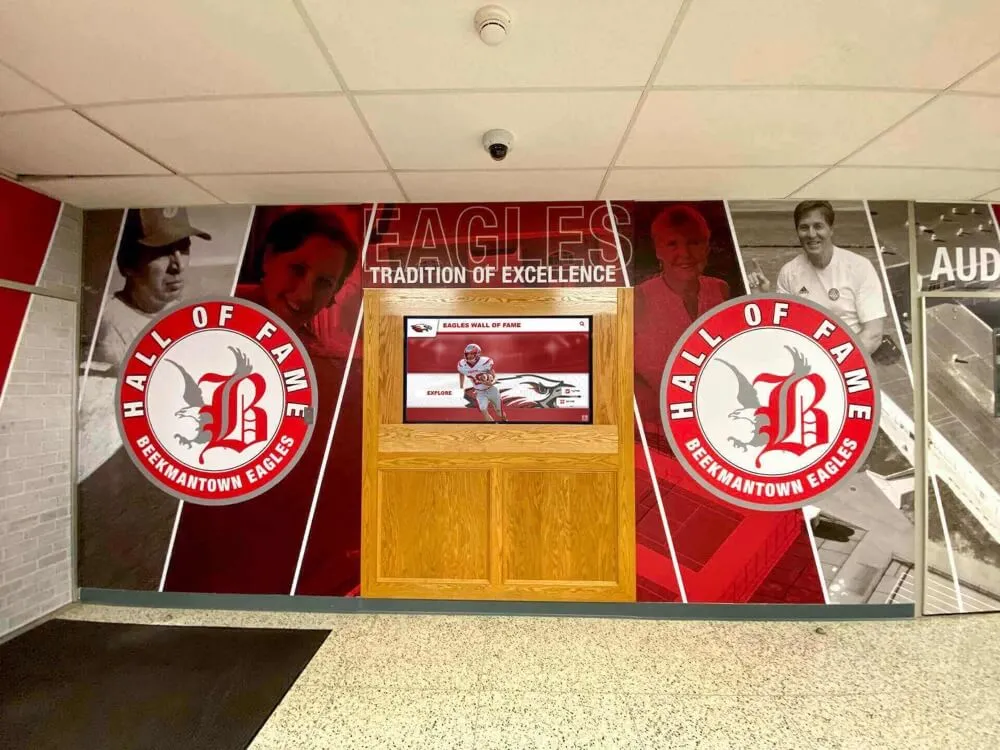
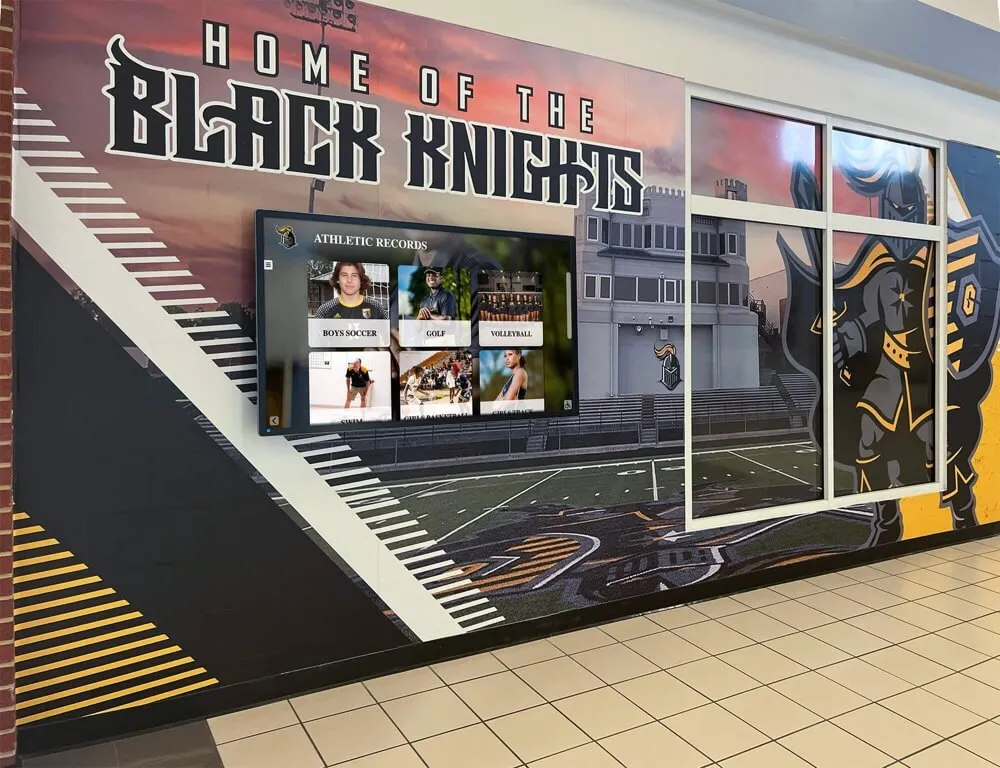
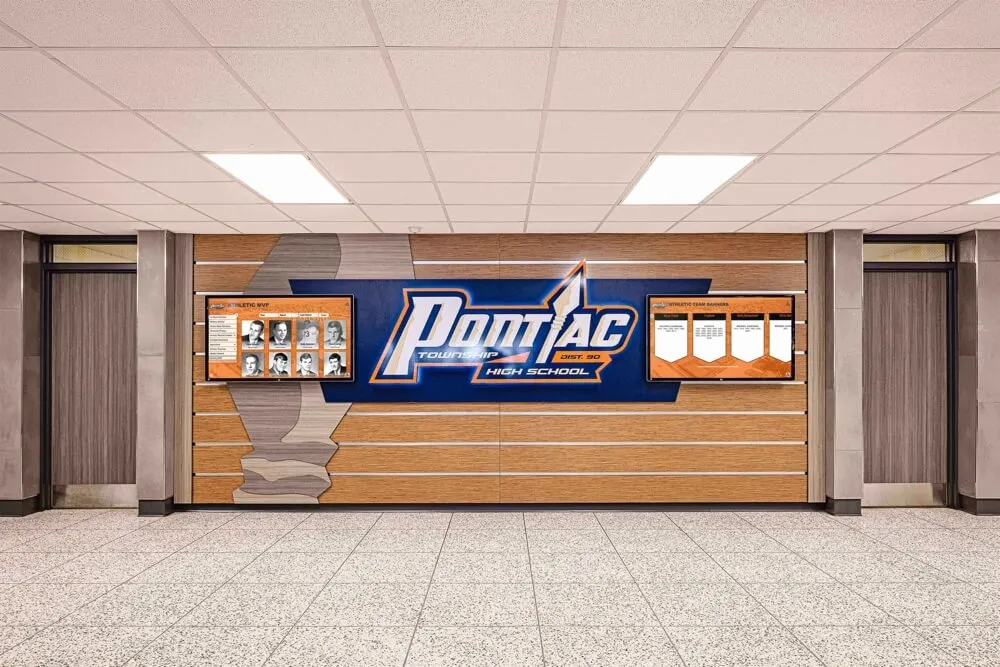
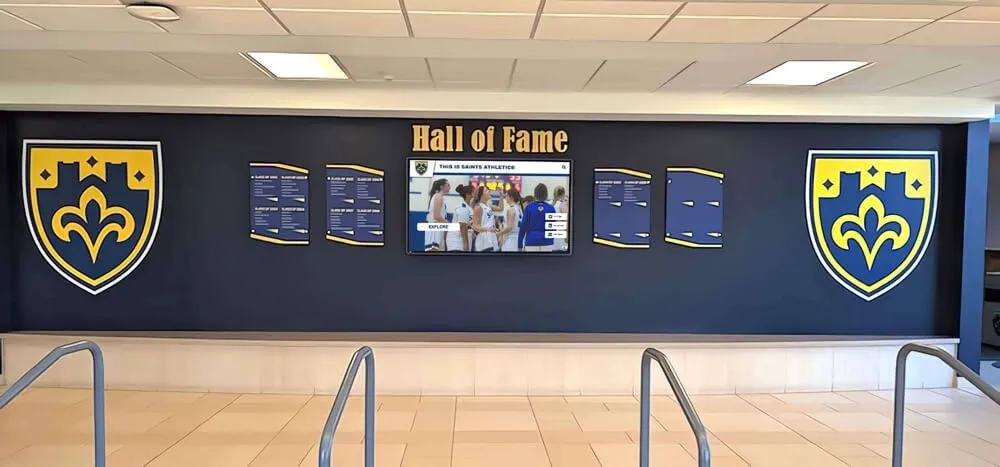
Combining traditional design elements with digital displays honors athletic heritage while enabling unlimited recognition capacity
Experience Goal: Year-Round Recognition That Inspires
Effective signing day celebration strategies extend far beyond single-ceremony events, creating systematic recognition frameworks that serve multiple essential purposes throughout the athletic year and across successive graduating classes.
Creating Lasting Visibility Beyond Ceremony Day
The primary goal involves transforming signing day from a momentary celebration into permanent recognition that maintains visibility month after month.
High-Traffic Facility Placement
Digital recognition displays positioned strategically in athletic facilities ensure regular visibility. Ideal locations include main gymnasium entrances where all athletes, families, and spectators pass during events, athletic hallway corridors that athletes traverse daily traveling to locker rooms, weight rooms, or practice facilities, lobby areas where visiting college coaches encounter evidence of program success during recruitment visits, and commons or cafeteria spaces where broader student populations regularly see athletic achievement.
Strategic positioning creates passive inspiration—younger athletes encounter college commitment evidence regularly without seeking it actively, normalizing the college athletic pathway as an achievable aspiration rather than an exceptional rarity.
Unlimited Recognition Capacity
Physical space constraints limit traditional recognition approaches. Wall space fills with successive graduating classes, forcing difficult decisions about whose achievements receive permanent display and for how long. Digital solutions eliminate these constraints through unlimited profile capacity accommodating all collegiate commitments regardless of division or sport, historical documentation preserving decades of signing day celebrations in searchable archives, and flexible content organization enabling featured displays rotating among recent signees while maintaining complete historical records.
This unlimited capacity enables schools to celebrate comprehensively—every student-athlete committing at any collegiate level receives equal recognition without forced hierarchies based on division or sport prominence.
Dynamic Content Updates
Digital platforms enable instant updates as new commitments occur throughout extended signing periods or as uncommitted seniors make late decisions. Athletic directors can add new signee profiles within minutes, ensuring recognition remains current without waiting for annual physical display updates or ordering new plaques.
This flexibility particularly benefits schools with athletes committing across multiple signing periods (December early period, February traditional day, and late spring) or sports like baseball and football where recruitment may extend into summer months.
Inspiring Younger Athletes Through Systematic Documentation
Beyond honoring current signees, effective recognition systems create inspirational resources guiding younger athletes’ development.
Clear Pathway Visualization
Comprehensive signing day displays help younger athletes understand the college athletic pathway by showcasing diverse collegiate destinations including Division I powerhouses, mid-major programs, Division II and III institutions, NAIA schools, and junior colleges—demonstrating multiple legitimate routes to continuing athletic careers. Profile content can highlight recruiting timeline milestones showing when athletes began communicating with coaches, academic achievement requirements documenting GPAs and test scores necessary for eligibility, and statistical benchmarks offering concrete performance goals for aspiring recruits.
This systematic documentation transforms abstract concepts like “playing college sports” into concrete, achievable pathways with visible examples of recent athletes who successfully navigated recruitment processes.
Alumni Connection and Progression Tracking
Digital platforms enable ongoing updates documenting how signees perform after high school—a powerful capability impossible with traditional static recognition. Schools can add college athletic achievements like freshman year statistics, academic honors, or championship participation, post-college professional opportunities when alumni sign professional contracts or begin careers leveraging athletic experience, and alumni profile updates maintaining connections as former student-athletes return for visits or career networking events.
Alumni recognition programs demonstrate how systematic documentation creates lasting connections between current students and institutional legacy, particularly valuable in athletic contexts where successful college athletes inspire younger generations.
Building College-Going Athletic Culture
Prominent, comprehensive signing day recognition communicates institutional values and expectations. When younger athletes see systematic celebration of college commitments across all sports and divisions, several cultural messages take root: continuing athletic careers collegiately represents a normal aspiration rather than exceptional rarity, the school values and supports athletes pursuing post-secondary opportunities, diverse pathways to college athletics are equally legitimate and celebrated, and academic achievement necessary for college eligibility receives equal emphasis alongside athletic performance.
This cultural foundation supports recruitment efforts by creating environments where college athletic ambitions are expected and supported rather than individually isolated aspirations.
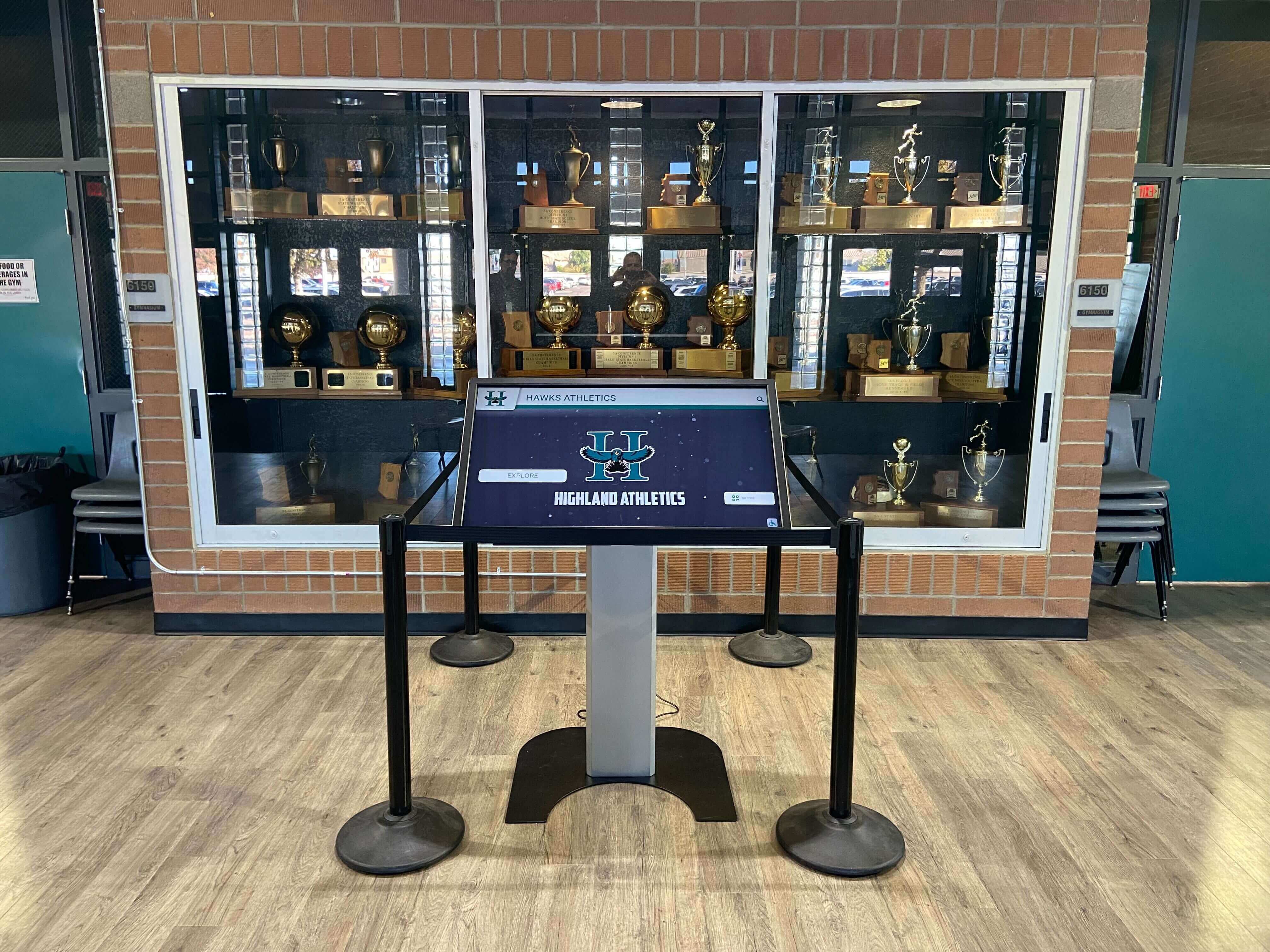
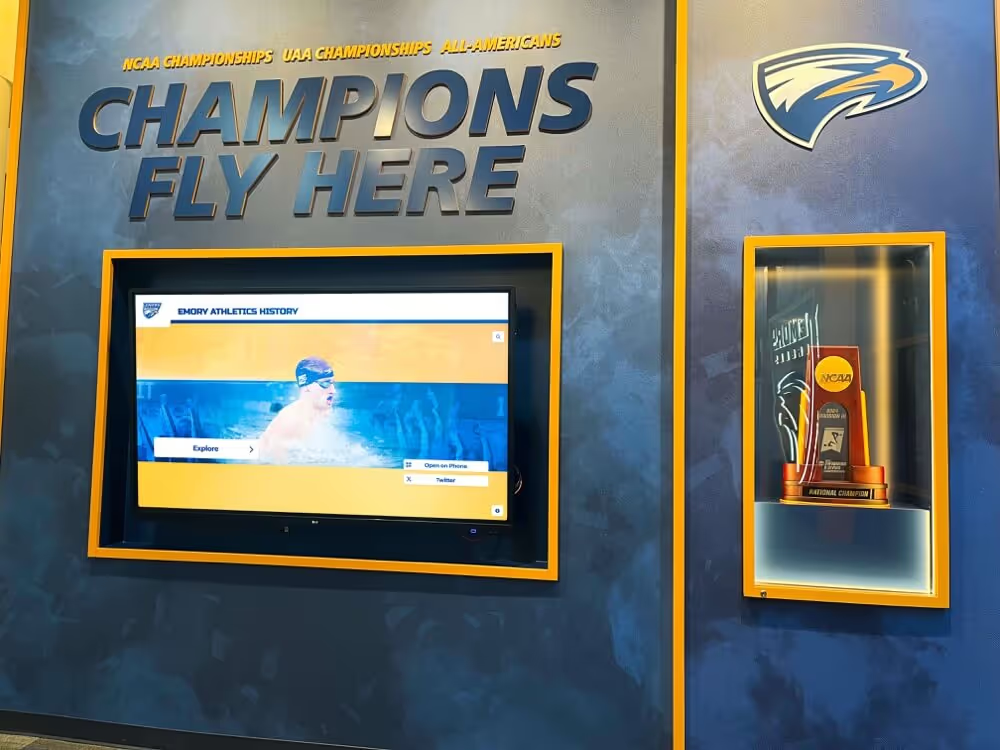
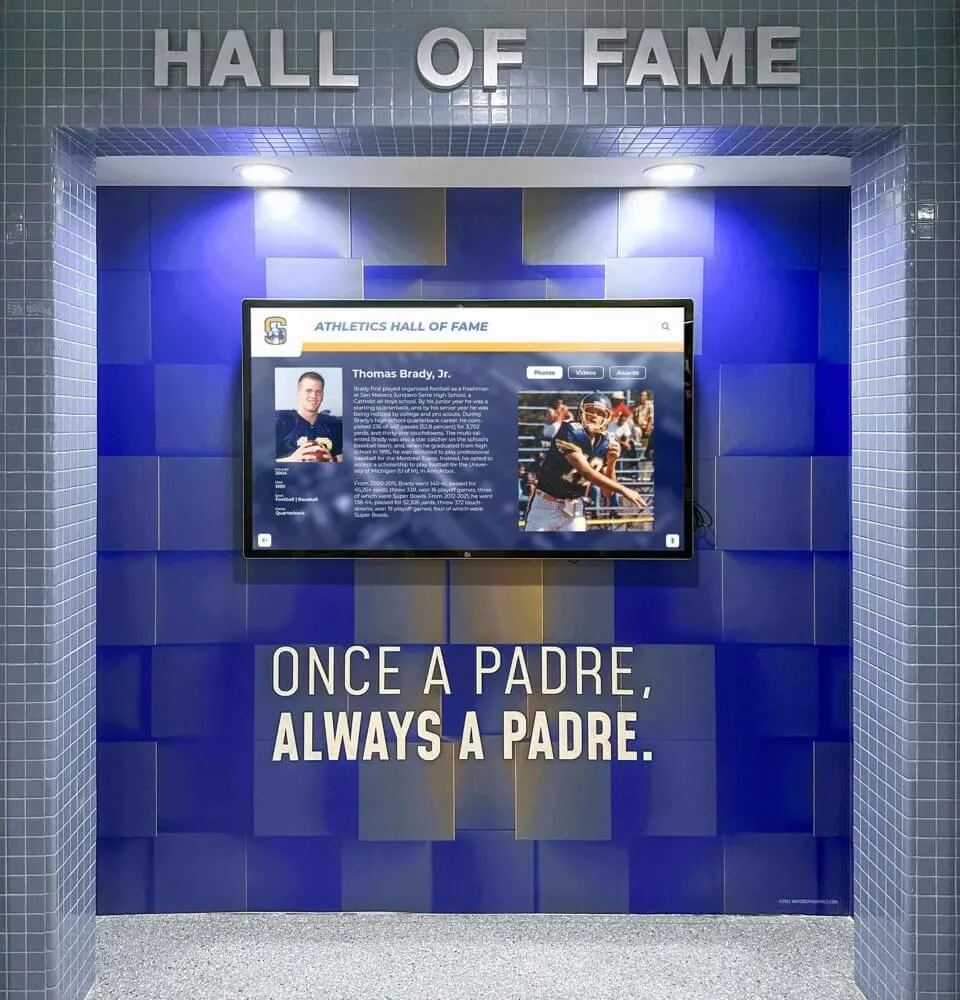
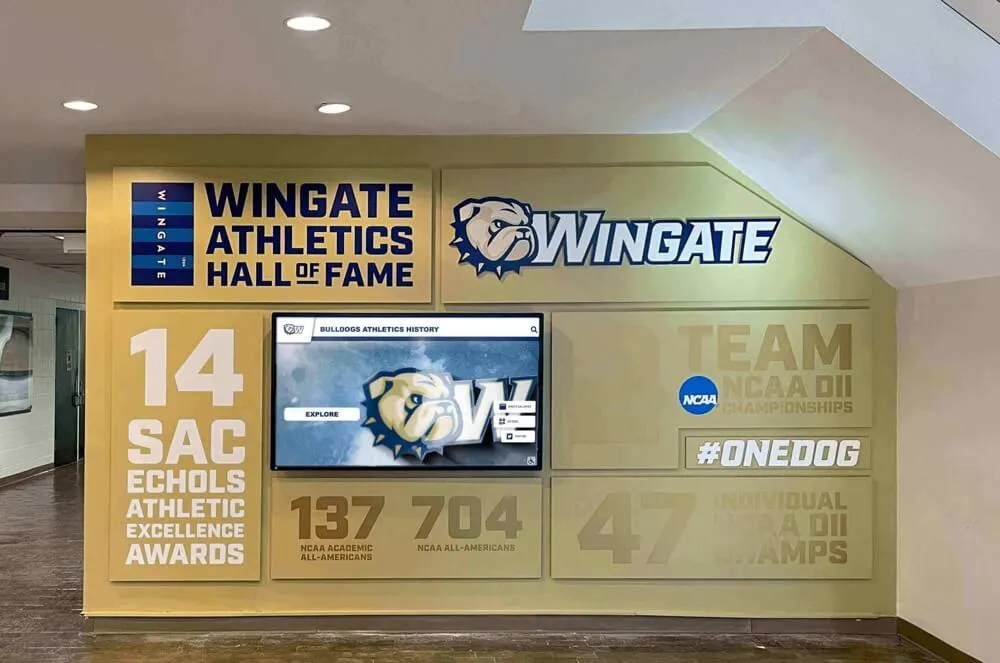
Touchscreen displays positioned with traditional trophies create comprehensive recognition celebrating both historical achievement and current excellence
Supporting Recruitment and Program Marketing
Enhanced signing day recognition serves important recruitment and program visibility functions beyond celebrating individual athletes.
Recruiting Appeal for Prospective Families
When prospective student-athletes and their families visit facilities during recruitment processes, prominent signing day displays create powerful impressions. Visible documentation demonstrates program commitment to celebrating college athletic achievement, showing that the school values and honors athletes who continue competing collegiately; provides evidence of college placement success, proving that program coaching and development produce college-ready athletes; showcases diverse destination institutions, illustrating that program graduates succeed across multiple collegiate contexts; and creates professional environments comparable to college facilities, suggesting that students will receive quality preparation for next-level competition.
College coaches recruiting at your school notice these displays as well, potentially increasing their confidence that your athletic environment appropriately prepares and celebrates college-bound athletes.
Athletic Program Distinction and Community Pride
Comprehensive signing day recognition distinguishes athletic programs within competitive high school landscapes. Schools compete for athletes, families, and community support. Prominent, professional recognition demonstrates that your athletic department operates with sophistication and attention to athlete celebration that families value when making school choice decisions.
Additionally, signing day displays create conversation points during facility tours for prospective families, open houses, booster club events, and alumni gatherings—serving as tangible evidence of program quality and success that strengthens fundraising narratives and community support.
Documentation for Grant Applications and Fundraising
Athletic departments increasingly pursue grant funding and donation campaigns requiring documentation of program impact and outcomes. Systematic signing day records provide quantifiable evidence of program success including total number of college commitments annually, percentage of senior athletes continuing competition collegiately, diversity of collegiate destinations demonstrating broad placement success, and multi-year trends showing program development and growth.
This documentation supports funding applications by providing concrete metrics proving that program investments produce measurable post-secondary athletic opportunities for students.
Layout Blueprint: Designing Signing Day Recognition Displays
Effective digital signing day displays require thoughtful design balancing visual appeal, information architecture, accessibility, and ongoing content management sustainability.
Hero and Navigation Design
The display experience begins with a compelling hero section establishing purpose and inviting exploration.
Opening Screen Layout
Effective hero screens should include:
- Prominent Headline: Clear text like “College Athletic Commitments” or “Celebrating Our College-Bound Athletes” establishing display purpose immediately
- Featured Current Signees: Rotating highlight carousel showcasing recent signees with photos, names, colleges, and sports creating visual interest and encouraging interaction
- Year/Class Selection: Intuitive navigation enabling users to explore current year commitments or browse historical signing classes
- Sport Filtering Options: Touch-friendly buttons allowing viewers to filter by specific sports if desired
- Search Functionality: Text or name search enabling quick profile location for users seeking specific athletes
Visual design should incorporate school branding through color schemes, logos, and design motifs creating recognition experiences that reinforce institutional identity while maintaining readability and accessibility.
Navigation Architecture
Information organization determines user experience quality. Effective structures include:
- Class Year Organization: Primary navigation by graduating class year (Class of 2025, 2024, 2023, etc.) enables intuitive browsing aligned with how school communities think about athletes
- Sport-Based Browsing: Secondary filtering by sport (Football, Basketball, Soccer, etc.) accommodates users interested in specific programs
- Alphabetical Directories: Name-based lists support quick location of specific athletes
- Featured Collections: Curated groupings like “Division I Signees,” “In-State College Commitments,” or “First-Generation College Athletes” enable storytelling around specific themes
Navigation should never require more than 2-3 touches to reach any specific athlete profile, ensuring exploration remains effortless.
Individual Athlete Profile Content
Rich profile content differentiates digital recognition from minimal traditional displays.
Essential Profile Elements
Comprehensive athlete profiles should include:
- Professional Photo: High-quality portrait or action shot
- Basic Information: Name, graduating class, sport, position/event
- College Destination: Institution name with logo, location, division/conference
- Athletic Achievements: Career statistics, championships, individual honors, team records
- Academic Highlights: GPA, academic honors, intended major
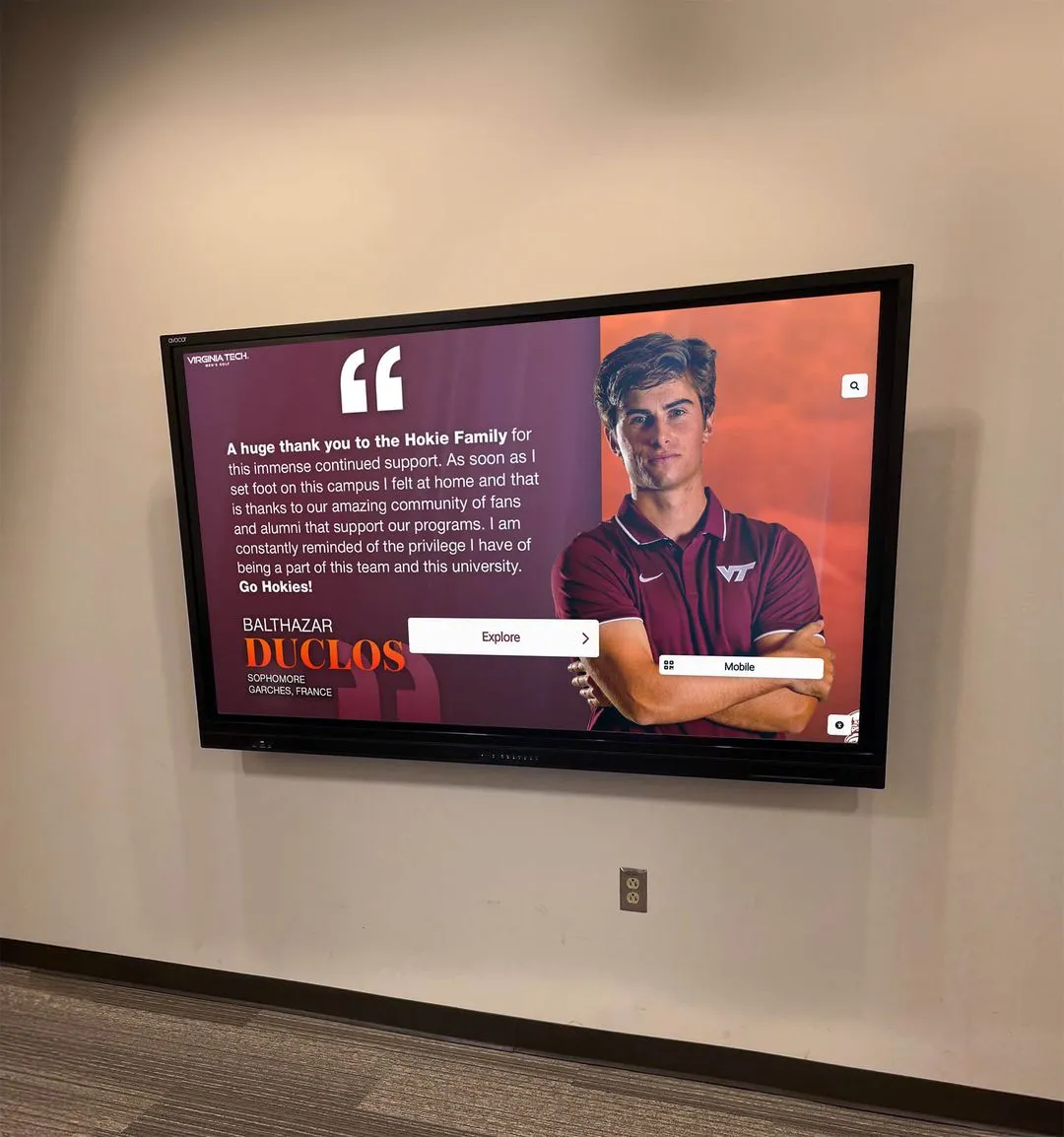
- Personal Statement: Brief quote about college choice or athletic journey
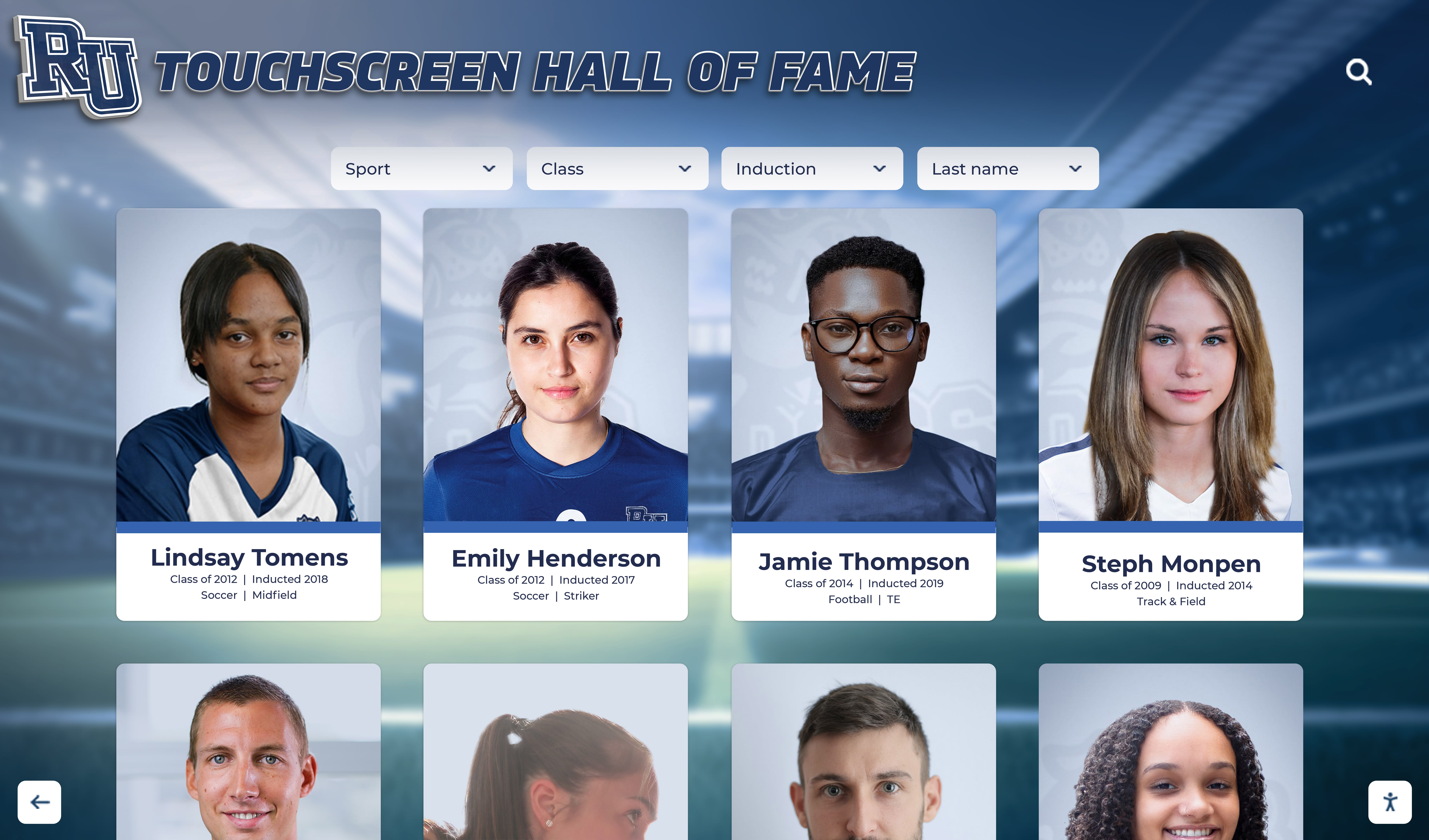
Detailed profile layouts tell complete stories rather than just documenting basic commitment information
Multimedia Content Integration
Digital platforms support rich media beyond text and photos:
- Video Highlights: Athletic performance clips showcasing skills
- Signing Ceremony Footage: Documentation of the signing moment
- Coach Testimonials: Video or written statements from high school coaches
- Social Media Embeds: Integration with athlete social media when appropriate
- Image Galleries: Multiple photos showing athletic career progression
This multimedia storytelling creates engaging experiences while documenting athletic journeys comprehensively.
Progressive Information Architecture
Profile layouts should layer information from essential to supplementary:
- Primary Layer: Immediate visibility for name, photo, college, sport (no interaction required)
- Secondary Layer: Single touch to reveal detailed statistics, achievements, and academic information
- Tertiary Layer: Additional touches to access multimedia galleries or extended biographical content
This progressive disclosure prevents overwhelming viewers while enabling deep exploration for interested users.
Brand Integration and Visual Storytelling
Recognition displays represent school identity and values through visual design.
Institutional Branding Elements
Effective designs incorporate:
- Color Schemes: School colors as primary palette with college destination colors as accents
- Logo Integration: School athletic logos, mascots, or wordmarks positioned prominently without overwhelming content
- Typography: Font selections consistent with school branding guidelines
- Design Motifs: Visual elements like banners, shields, or ribbons reflecting school tradition
Brand integration creates cohesive recognition experiences reinforcing that commitments represent institutional achievement, not just individual success.
Destination College Recognition
Profiles should honor destination institutions appropriately:
- College/university logos displayed respectfully at appropriate sizes
- School colors incorporated as accent elements in profile layouts
- Conference affiliations noted when relevant (SEC, Big Ten, ACC, etc.)
- Campus imagery when available creating visual interest
This balanced approach celebrates where athletes continue their journeys while maintaining that recognition fundamentally honors the high school program that developed them.
Celebratory Design Language
Visual tone should communicate achievement and inspiration:
- Dynamic layouts with visual interest beyond static grids
- Energetic color usage appropriate to athletic contexts
- Achievement-oriented language emphasizing accomplishment
- Inspirational photography capturing athletic excellence
Design should feel celebratory without becoming overwhelming or visually chaotic—balancing excitement with readability and accessibility.
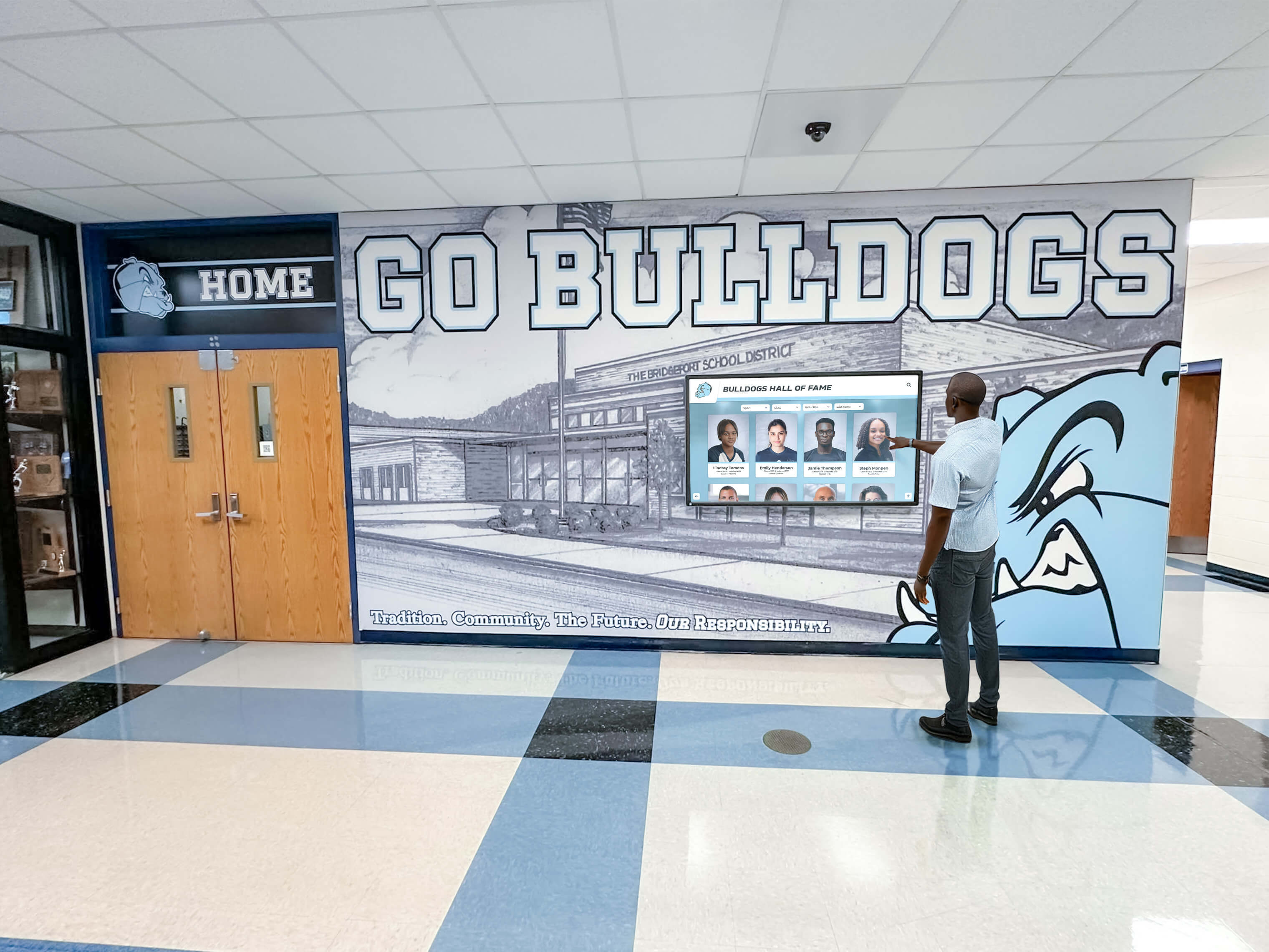
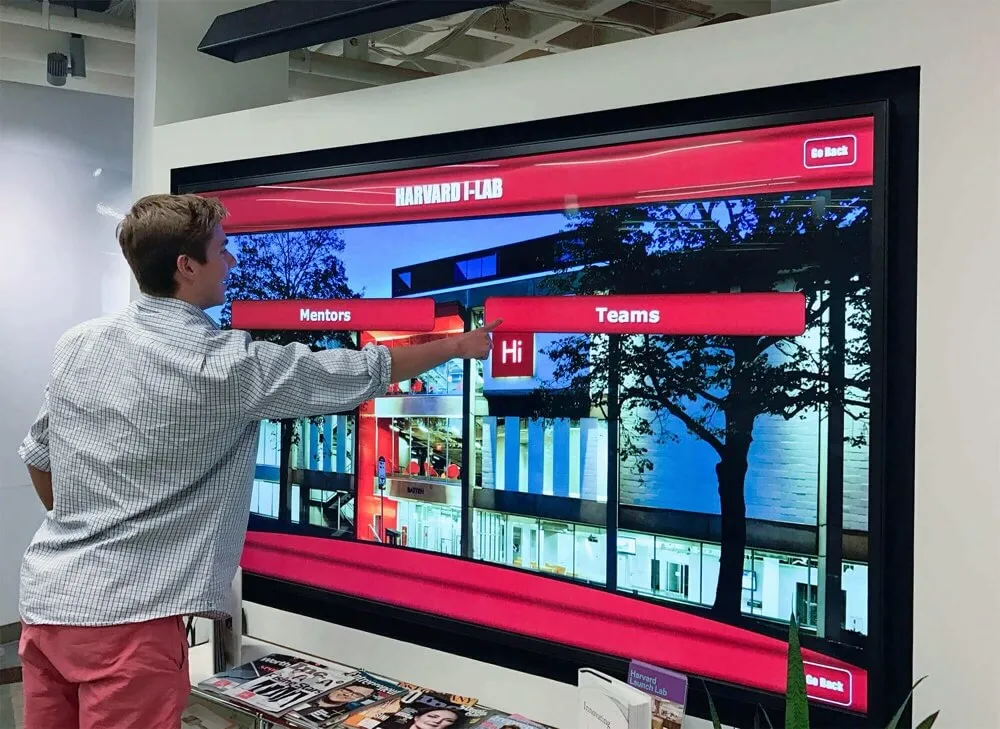
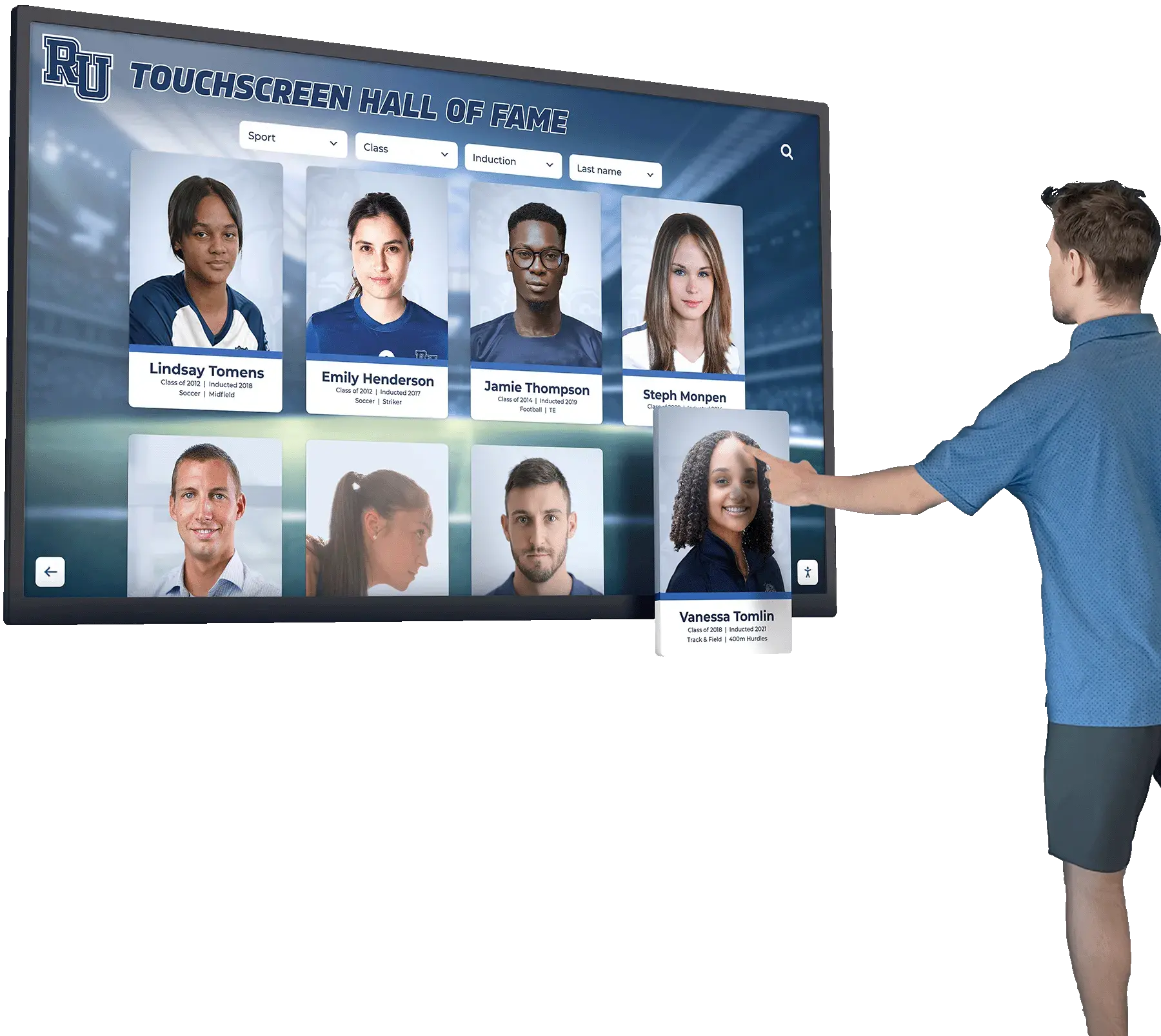
Intuitive interfaces encourage exploration, turning passive displays into interactive experiences that deepen engagement
Content Blocks and Motion: Creating Engaging Experiences
Beyond static profile layouts, dynamic content elements create engaging recognition experiences that maintain viewer interest.
Rotating Feature Highlights
Movement attracts attention in static environments like hallways or lobbies.
Auto-Rotating Carousels
Hero screens should feature automatic rotation through recent signees or curated highlights:
- Timing: 5-8 second intervals provide sufficient viewing time without seeming sluggish
- Transition Effects: Smooth fades or slides rather than jarring cuts
- Pause on Touch: Automatic rotation pauses when users interact, preventing frustration
- Visual Indicators: Dots or progress bars showing carousel position
Rotation ensures that even viewers passing briefly encounter multiple athletes rather than seeing only one static image.
Featured Athlete Spotlights
Periodic special features highlighting particular signees or stories:
- Monthly “Spotlight” features with extended profiles
- “Where Are They Now” updates on former signees’ college success
- Thematic collections like “Scholar-Athletes” or “Multi-Sport Stars”
- Anniversary recognition for notable historical signing classes
Featured content creates freshness, encouraging repeat viewing by regular facility users who might otherwise assume content never changes.
Social Media and Real-Time Integration
Connecting displays with broader digital ecosystems expands recognition reach.
Social Media Feed Integration
Embedding social media content adds dynamic elements:
- Instagram or Twitter feeds showing athletes’ college journey updates
- Hashtag campaigns like #[SchoolName]Signees creating unified recognition
- Celebration posts from college programs welcoming new recruits
- Parent and community congratulation messages
Social integration bridges physical displays and digital platforms students naturally inhabit, potentially increasing engagement from tech-oriented younger students.
Live Data Connections
When feasible, live data enhances content currency:
- College season statistics for recent signees now competing
- Game schedules showing when/where community members can watch signees compete
- Academic achievement updates like dean’s list recognition
- News feeds from destination college athletic departments
Real-time connections demonstrate ongoing interest in signees’ post-graduation success while providing compelling reasons for regular display checking.
Accessibility and UX Checklist
Digital recognition must serve all community members regardless of physical ability or technical comfort.
ADA Compliance Considerations
Accessibility requirements include:
- Touch Target Sizing: Buttons and interactive elements minimum 44x44 pixels for motor accessibility
- Color Contrast: Minimum 4.5:1 contrast ratio between text and backgrounds for visual accessibility
- Text Sizing: Readable fonts at appropriate sizes (minimum 16-18pt for body text) with options for enlargement
- Alternative Input: Consideration for users unable to reach or operate touch interfaces
- Screen Reader Compatibility: Properly structured content for assistive technology when applicable
Resources on interactive touchscreen design provide comprehensive accessibility guidelines ensuring recognition serves diverse users.
Intuitive Interaction Patterns
User experience should require no technical expertise:
- Obvious Interactive Cues: Buttons clearly identified as touchable through design affordances
- Consistent Navigation: Repeated patterns throughout experience reducing learning curve
- Clear Return Paths: “Back” or “Home” buttons always visible preventing user confusion
- Touch Feedback: Visual or haptic confirmation that touches registered successfully
- Error Recovery: Graceful handling of incorrect touches or navigation mistakes
Excellence in UX design means that first-time users—including younger students or visiting family members unfamiliar with touchscreens—can successfully explore content independently.
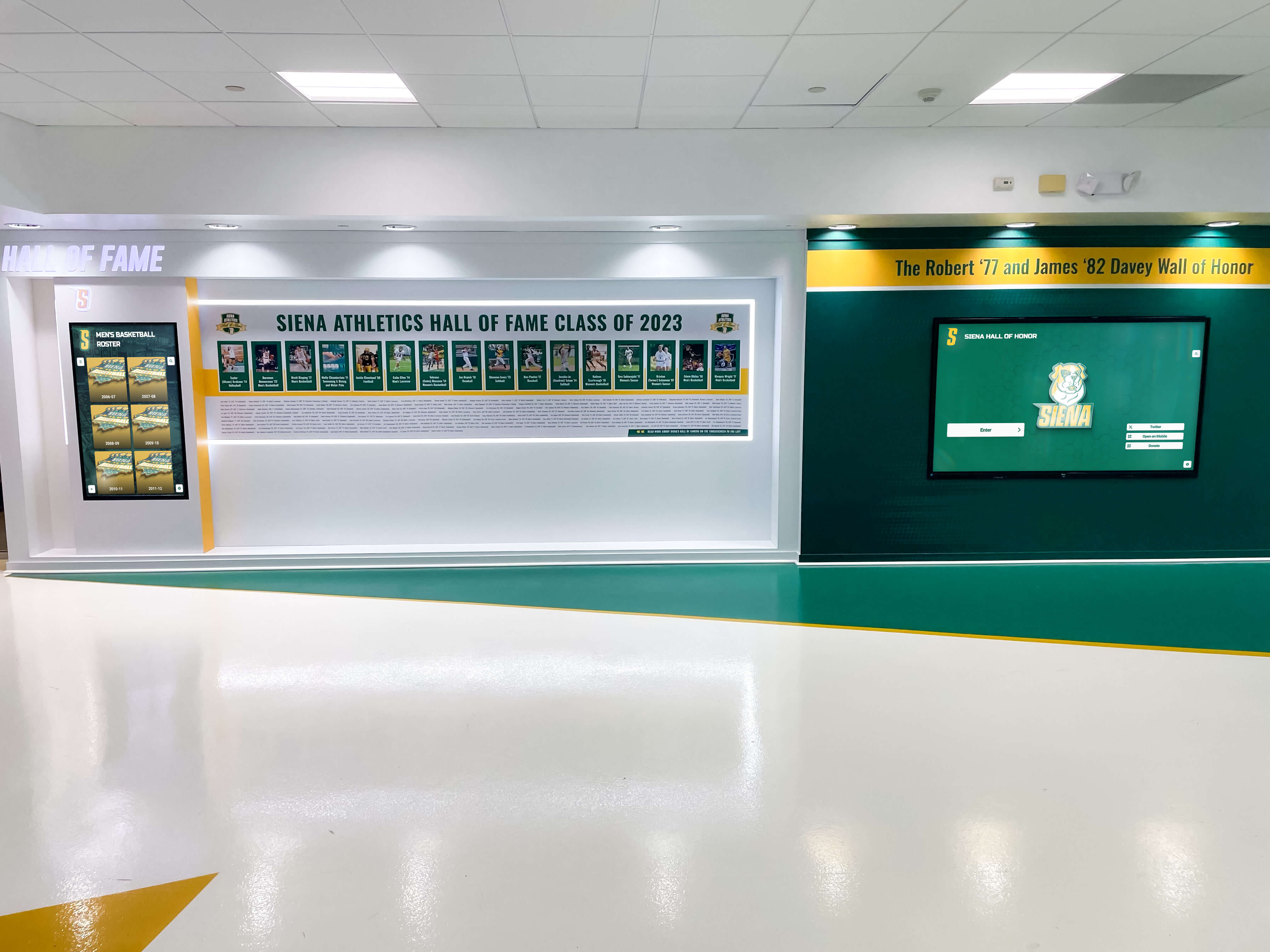
Multi-year displays preserve institutional legacy while celebrating current achievement, creating continuity across generations
Activation Plan: Implementation and Ongoing Management
Successful signing day recognition requires practical implementation strategies and sustainable content management processes.
Initial Content Development and Launch
Project success begins with comprehensive planning and content preparation.
Content Collection and Organization
Before launching displays, gather necessary materials:
- Historical Research: Document previous signing classes if creating comprehensive historical records
- Photo Collection: Obtain high-quality photos for all featured athletes (coordinate with yearbook, sports photographers, or request from families)
- Statistical Documentation: Verify career statistics, honors, and achievements from coaching records
- Written Content: Develop biographical descriptions, achievement summaries, and personal statements
- College Information: Research destination institutions for accurate logos, colors, and program details
Content collection represents the most time-intensive implementation phase, potentially requiring weeks or months for comprehensive historical coverage. Schools should assess capacity realistically before committing to extensive historical documentation versus focusing on current/recent signees.
Platform Selection and Display Setup
Technical implementation involves several decisions:
Schools must choose between web-based platforms offering accessibility across any device with internet versus native applications potentially offering enhanced performance but requiring specific devices. Most educational institutions prefer web-based solutions enabling access from school computers, student devices, and community members’ personal devices beyond just dedicated kiosks.
Display hardware selection includes touchscreen kiosks for lobby or hallway installations, wall-mounted screens for cafeterias or commons areas, and multi-device responsive designs enabling viewing on smartphones, tablets, and desktop computers. Solutions like digital recognition platforms provide flexible deployment across multiple display contexts from dedicated touchscreens to mobile devices.
Launch Strategy and Promotion
Effective launches create awareness and establish usage patterns:
- Signing Day Unveiling: Launch displays during signing ceremonies creating immediate association
- School-Wide Communication: Announcements, emails, and social media posts directing attention to new recognition
- Physical Wayfinding: Signage directing facility visitors to display locations
- Student Ambassador Training: Brief student government or athletic leadership on display features for peer promotion
- Community Engagement: Articles in local newspapers or school newsletters highlighting new recognition approach
Strategic launches ensure that significant implementation investments translate into actual community awareness and engagement rather than unnoticed installations.
Sustainable Content Management Processes
Long-term success requires realistic ongoing maintenance plans.
Annual Signing Day Update Workflow
Establish repeatable processes for each signing period:
- Pre-Signing Preparation: Identify expected signees through coach communication and collect preliminary content
- Ceremony Day Documentation: Photograph signing events and gather final commitment details
- Immediate Upload: Add new signee profiles within 24-48 hours while celebration momentum remains high
- Quality Review: Verify accuracy of all information before public display
- Promotion: Announce new content additions through school communication channels
Systematic workflows prevent content becoming outdated and ensure recognition remains timely.
Staff Responsibility and Training
Assign clear ownership for display management:
- Primary Administrator: Athletic director, activities director, or technology coordinator as primary content manager
- Backup Personnel: Cross-trained staff ensuring coverage during absences or turnover
- Technical Support: IT staff or vendor support for platform issues
- Content Contributors: Coaches or advisors who can submit content for administrative approval
Clear role definition prevents displays falling into neglect due to ambiguous responsibility.
Refresh Cadence and Content Lifecycle
Establish schedules for content updates beyond just new signee additions:
- Featured Athlete Rotation: Monthly or quarterly spotlight updates
- Alumni Progress Updates: Annual or bi-annual updates documenting signees’ college achievements
- Design Refreshes: Every 2-3 years evaluate whether visual designs remain current or need updating
- Technology Upgrades: Plan for hardware/software updates maintaining modern functionality
Regular attention prevents displays from feeling stale or neglected over time.
Integration with Broader Athletic Recognition
Signing day displays often function best as components within comprehensive athletic recognition systems rather than isolated projects.
Hall of Fame Connections
Schools with athletic hall of fame programs should integrate signing day recognition:
- Former signees who achieve collegiate distinction may later receive hall of fame induction
- Hall of fame displays can reference where inductees initially signed
- College athletic achievement becomes one criterion for hall of fame consideration
Resources on athletic hall of fame programs demonstrate comprehensive approaches to celebrating athletic excellence across entire institutional histories.
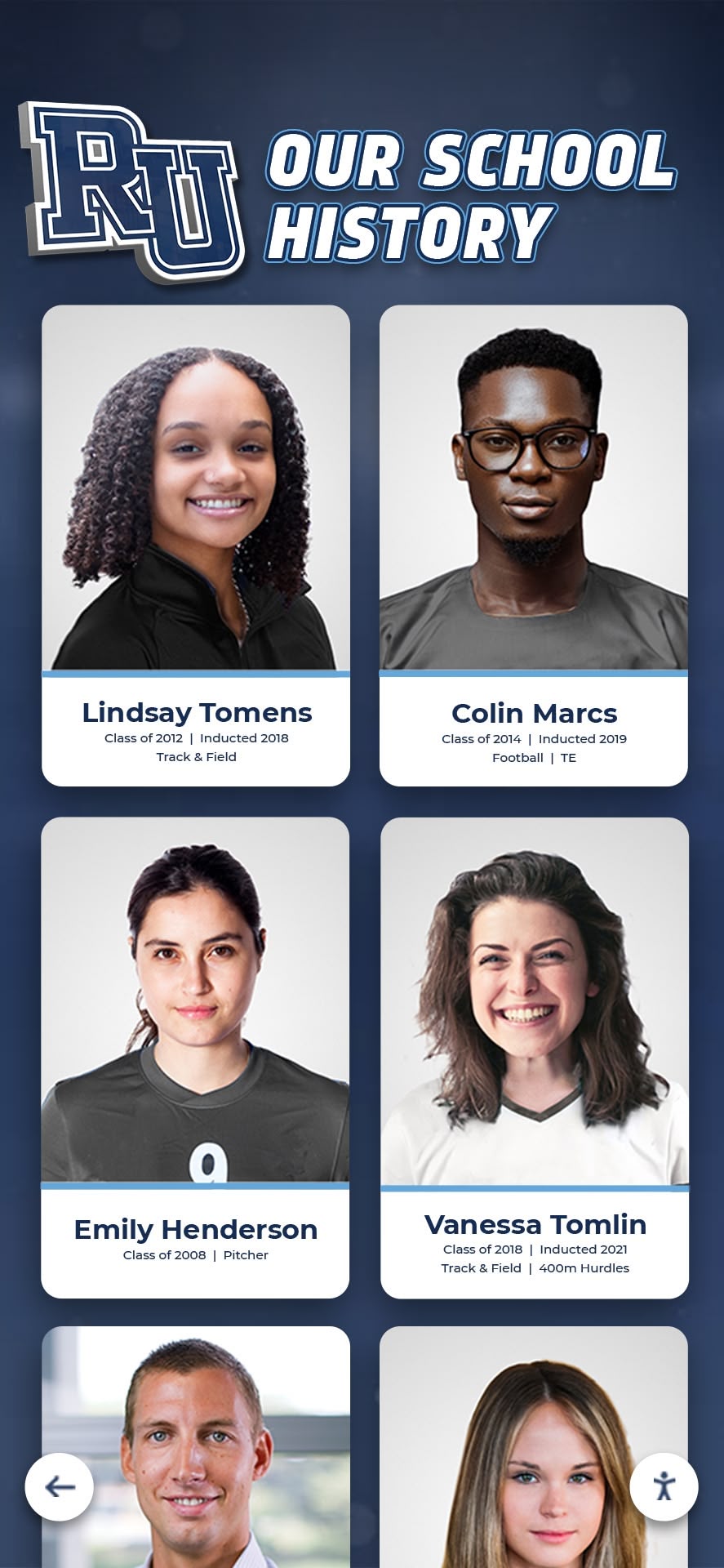
Integrated recognition systems celebrate achievements across multiple contexts rather than isolating signing day celebrations
Record Boards and Championship Recognition
Digital platforms can combine multiple recognition types:
- Signing day profiles alongside team championship documentation
- Individual record holders who later signed collegiately
- Seasonal team rosters noting which members continued playing in college
Integrated approaches maximize display value by serving multiple recognition purposes simultaneously rather than requiring separate installations for each celebration category.
Scholarship and Academic Achievement
Many college commitments include substantial scholarship components deserving recognition:
- Athletic scholarship values (when families consent to sharing)
- Academic scholarship recognition for scholar-athletes
- Combined “full ride” celebrations for students earning complete financial coverage
Highlighting financial components demonstrates concrete value of athletic excellence while inspiring younger athletes toward similar achievement.
Celebration Enhancement Ideas Beyond Standard Ceremonies
Creative schools develop signature traditions that make signing day celebrations memorable and distinctive.
Expanded Celebration Concepts
Consider these approaches for enhancing standard ceremony formats:
Senior Athlete Signing Night
Some schools host evening events open to entire communities:
- Formal ceremony structure with individual athlete presentations
- Photo booth stations with college props and signage
- Displays showcasing athletic career highlights and statistics
- College information tables where younger athletes can learn about recruitment
- Reception with refreshments celebrating all senior athletes including non-signees
Evening timing enables working parents’ attendance and creates special occasion atmospheres distinct from school-day routines.
Signing Wall or Banner Installation
Physical celebration elements complement digital recognition:
- Large banners or murals featuring signee names and colleges installed temporarily during signing periods
- “Commitment Wall” where athletes sign alongside their printed profiles
- Window clings or wall decals celebrating current signees in prominent locations
- Yard signs for signees’ homes provided by athletic boosters
These tangible celebration elements create immediate visual impact and community visibility during peak celebration periods.
Alumni Signee Panel Discussions
Former signees returning to share experiences provide inspiration and practical guidance:
- Panel discussions where college athlete alumni answer questions from current students
- Individual mentor sessions connecting signees with recent alumni attending their destination colleges
- Video messages from alumni unable to return in person
- Alumni networking programs connecting current students with institutional legacy
Alumni involvement demonstrates ongoing school connections while providing authentic perspectives on college athletic experiences.
College Signing Day Social Media Campaigns
Digital campaigns extend celebration reach beyond physical attendance:
- Coordinated hashtag campaigns encouraging community congratulations
- Instagram or TikTok features highlighting each signee individually
- Live streaming ceremonies for extended family unable to attend
- Video interview series posted throughout signing periods
Social strategies meet students in digital spaces they naturally inhabit while creating shareable content that extends recognition reach exponentially.
Inclusive Recognition Expanding Beyond Division I Focus
Comprehensive celebration approaches honor all collegiate commitments equally.
Celebrating All Levels Equitably
Guard against implicit hierarchies valuing Division I commitments above others:
- Equal ceremony time and recognition for Division III, NAIA, and junior college signees
- Prominent display placement for all commitments regardless of division
- Language emphasizing “college athletic opportunity” rather than focusing on scholarship values
- Stories highlighting how different collegiate contexts align with individual student goals
Creating truly equitable celebration culture requires conscious attention to avoiding Division I bias embedded in recruiting media coverage and popular perception.
Recognizing Multiple Pathways to College Athletics
Some athletes reach college competition through non-traditional routes:
- Walk-on opportunities where athletes join college teams without recruitment or scholarships
- Junior college pathways where athletes develop for two years before transferring to four-year programs
- Late recruitment where athletes commit after traditional signing periods
- Preferred walk-on status with commitment to roster spots without guaranteed financial aid
Recognizing these diverse pathways demonstrates that college athletic participation represents legitimate achievement regardless of recruitment circumstances.
Post-Graduate and Gap Year Athletic Programs
Some students pursue athletic development opportunities before traditional college enrollment:
- Post-graduate years at prep schools for additional development and recruitment visibility
- Gap year programs combining athletic training with service or cultural experiences
- International athletic opportunities before returning for college enrollment
These alternative pathways deserve celebration as intentional choices supporting ultimate college athletic goals.
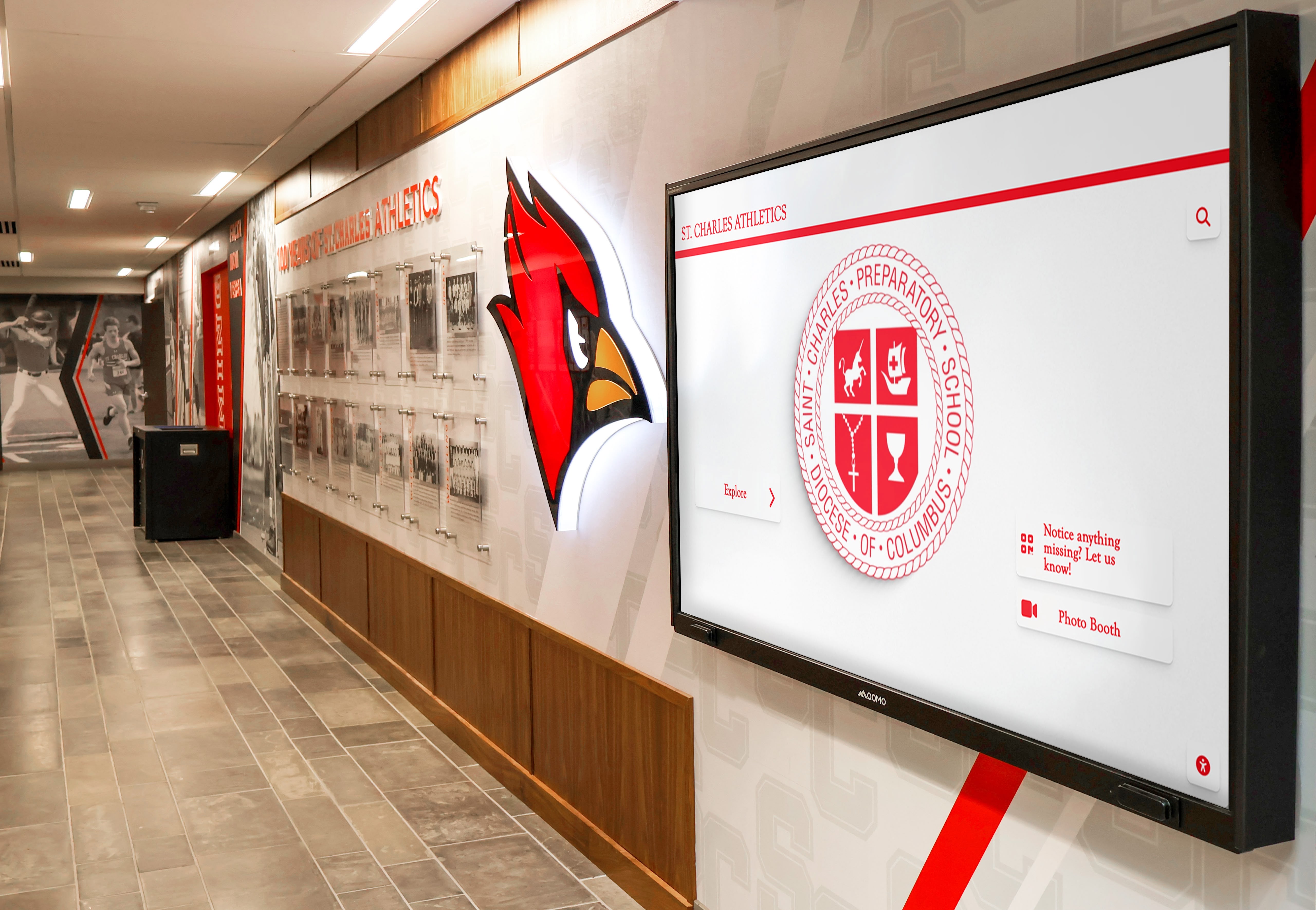
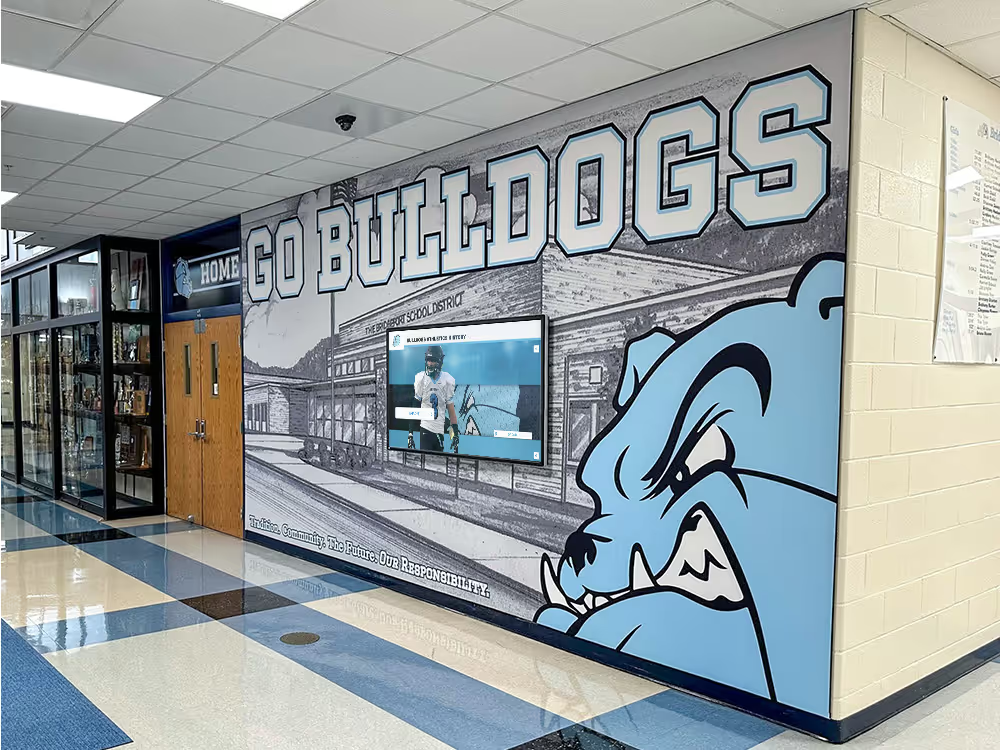
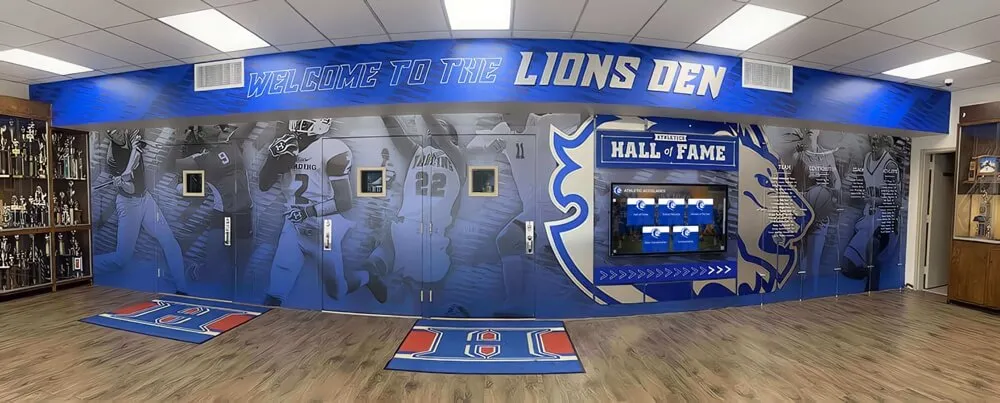
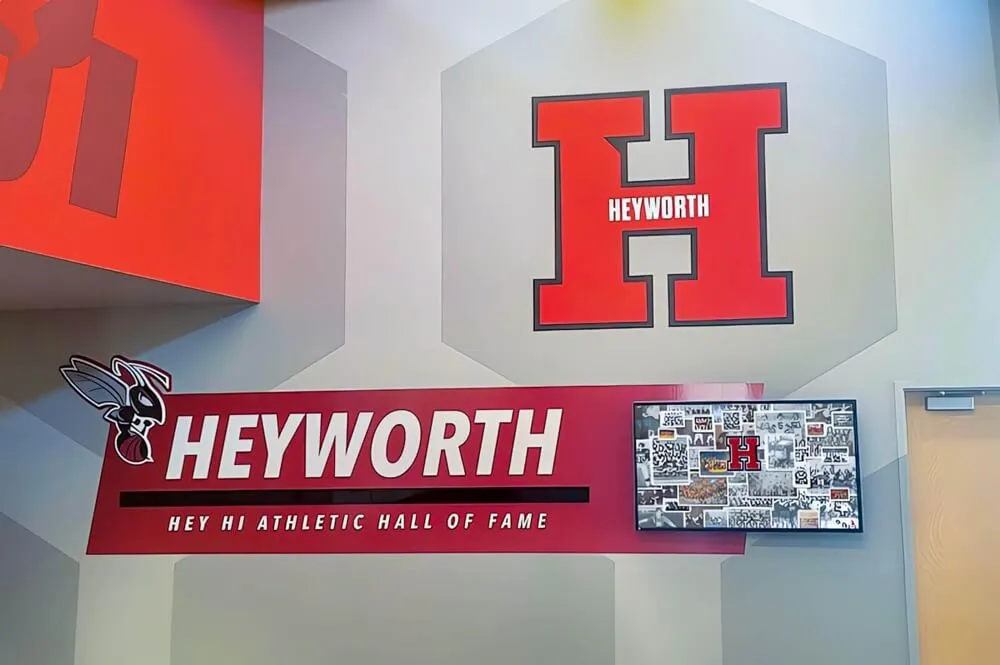
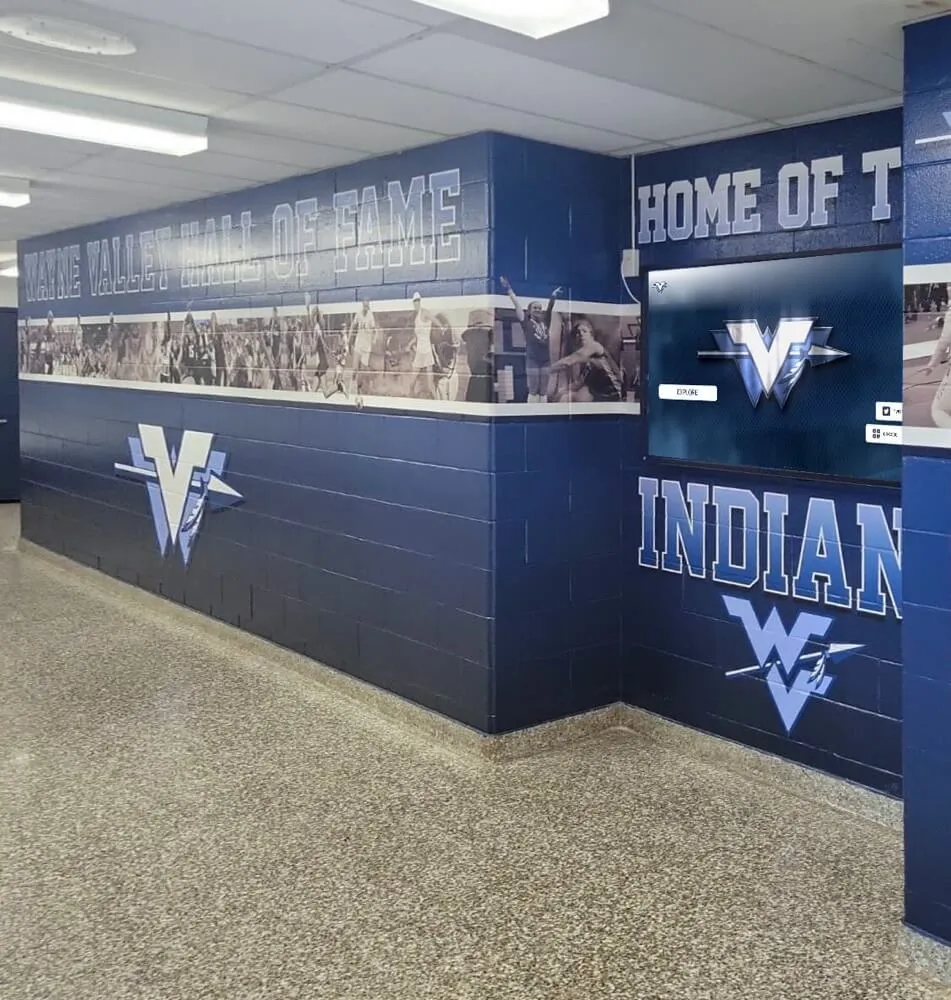
Brand-integrated environments celebrate athletic identity while showcasing college commitment success as core program achievement
Special Considerations for Different Sports and Programs
Signing day recognition should accommodate sport-specific contexts and recruitment timelines.
Football-Specific Considerations
Football recruiting receives disproportionate media attention, potentially overwhelming other sports.
Managing Football Signing Day Prominence
Schools with strong football programs often host elaborate December early signing day events focused predominantly on football commitments. While celebrating football success appropriately, administrators should ensure that other sports receive comparable recognition during their signing periods rather than treating football as the singular “signing day” with other sports as afterthoughts.
Strategies include hosting equally promoted signing events for each signing period, featuring multiple sports in combined ceremonies when practical, maintaining equal profile prominence across sports in digital recognition, and highlighting non-football signees through feature spotlights on par with football coverage.
Football Early Signing Period Management
The December early signing period creates two peak recognition moments rather than one. Schools should plan for comprehensive celebration in December for football and basketball early signees, renewed recognition in February during traditional National Signing Day for remaining commitments, and year-round updates as late recruitments continue through spring and summer.
Basketball and Other Winter Sport Timing
Basketball’s early signing period coincides with football, often resulting in combined December ceremonies.
Gender Equity in Basketball Recognition
Title IX compliance extends to recognition programs. Schools must ensure that girls’ and boys’ basketball signing celebrations receive equal visibility, ceremony time, display prominence, and promotional efforts. Historical patterns favoring boys’ basketball require conscious correction through equitable resource allocation and celebration design.
Olympic Sports and Non-Revenue Programs
Sports beyond football and basketball face visibility challenges requiring intentional recognition strategies.
Celebrating Olympic Sport Excellence
Track and field, swimming, soccer, volleyball, wrestling, and other Olympic sports produce substantial numbers of college athletes but often receive less recognition. Digital platforms excel at providing equal visibility regardless of sport by offering identical profile treatment for all signees, sport-specific filtering enabling focused celebration, and statistical context helping general audiences understand achievement significance in less familiar sports.
Supporting Emerging and Non-Traditional Sports
Newer athletic programs like lacrosse, competitive cheer, or esports may have less established recognition traditions:
- Educating communities about these sports through signee profile content
- Celebrating “first signee” milestones when programs achieve initial college placements
- Documenting program development through successive signing classes
Recognition helps legitimize emerging programs by demonstrating that they produce college-ready athletes comparable to traditional sports.
Multi-Sport Athlete Recognition
Approximately 30-40% of high school athletes participate in multiple sports, and some continue competing in multiple sports collegiately.
Highlighting Multi-Sport Achievement
Signees competing in multiple sports deserve recognition for exceptional time management and athletic versatility:
- Profile content noting all high school sports participation
- Celebrating rare multi-sport college commitments
- Documenting how multi-sport experience contributed to college readiness
- Featuring multi-sport athletes as examples encouraging diverse athletic participation
Multi-sport recognition supports broader athletic department interests in maintaining participation across all programs rather than early specialization.
Case Scenarios: How Different Schools Approach Signing Day Recognition
Understanding how various schools implement recognition strategies provides practical implementation models.
Large High School with Multiple Division I Signees Annually
Schools sending 15-25 students to Division I programs annually face different challenges than smaller programs.
High-Volume Recognition Management
Large programs require:
- Efficient content collection workflows managing numerous profiles simultaneously
- Ceremony formats preventing individual recognition from becoming rushed
- Digital platforms with robust filtering enabling users to navigate large datasets
- Historical archives documenting decades of substantial college placement
These schools often invest in professional digital recognition systems given the scale of annual content management requirements. The investment proves worthwhile given the number of athletes and families served annually.
Small School with Occasional College Athletes
Schools averaging 2-5 college signees annually approach recognition differently.
Maximizing Impact with Limited Volume
Smaller programs should:
- Provide even more detailed profile content celebrating the exceptional nature of college athletic achievement at their institution
- Combine signing day recognition with broader athletic hall of fame or achievement displays rather than standalone installations
- Emphasize historical documentation showing program legacy across multiple years
- Celebrate all collegiate levels enthusiastically given relative rarity of college opportunities
For smaller schools, comprehensive recognition may prove more impactful precisely because college athletic achievement represents exceptional distinction within their student populations.
Multi-Sport Powerhouse Programs
Some schools achieve consistent excellence across numerous sports.
Celebrating Comprehensive Athletic Excellence
Powerhouse programs benefit from:
- Sport-by-sport documentation showing college placement strength across all programs
- Competitive statistics comparing signee numbers year over year
- Alumni network features connecting current signees with extensive alumni bases
- Fundraising integration leveraging college placement success for booster support
Comprehensive excellence creates recognition opportunities demonstrating that athletic department quality extends across all programs rather than concentrating in select sports.

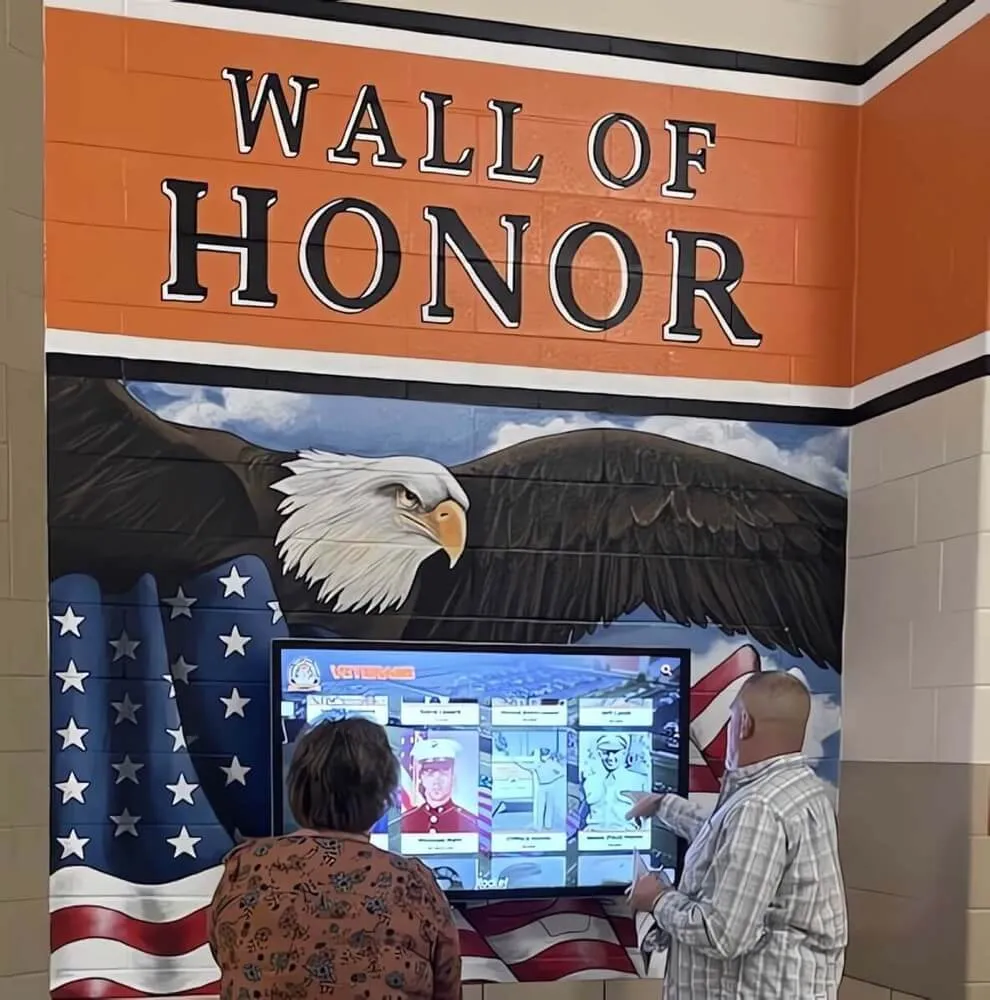
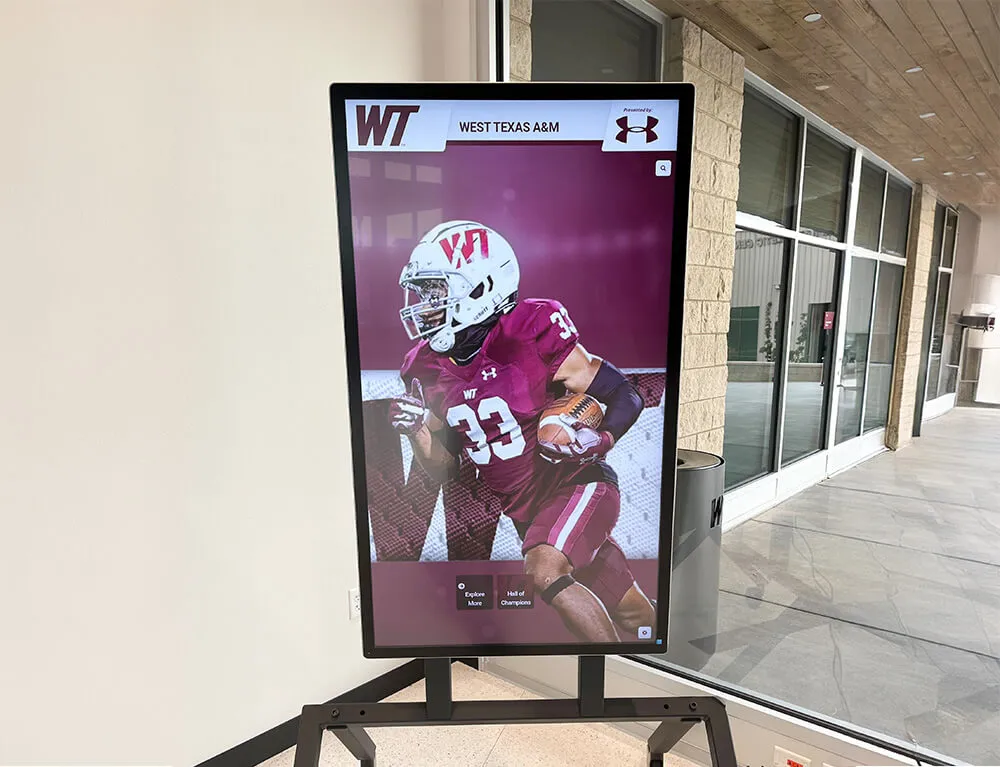
Intuitive touch interactions enable exploration of individual athlete stories, transforming recognition from passive viewing to active discovery
Schools Emphasizing Academic-Athletic Balance
Some institutions particularly emphasize scholar-athlete identity and academic achievement alongside athletics.
Integrating Academic Excellence Recognition
Scholar-athlete focused schools should:
- Feature academic statistics prominently alongside athletic achievements
- Celebrate academic scholarship values equal to athletic scholarship recognition
- Profile intended college majors and career aspirations
- Connect athletic achievement to broader educational goals
This integrated approach prevents athletics from being perceived as separate from or opposed to academic mission, instead positioning college athletic achievement as one dimension of comprehensive student excellence.
Future Trends in Signing Day Recognition
Technology continues evolving, creating new recognition opportunities.
Mobile-First Recognition Strategies
Increasingly, community members engage with content primarily through smartphones rather than fixed displays.
Responsive Design Priorities
Modern recognition platforms should provide excellent experiences on mobile devices:
- Touch-optimized interfaces designed for phone and tablet interaction
- Responsive layouts adapting to various screen sizes automatically
- QR codes at physical signing ceremonies linking to digital profiles
- Social sharing functionality enabling easy profile sharing
Mobile accessibility exponentially expands recognition reach beyond visitors physically present at facility displays.
Enhanced Multimedia Storytelling
Video and interactive content become more sophisticated and accessible.
Rich Media Integration
Future displays may incorporate:
- Interactive video interviews embedded in athlete profiles
- 360-degree photo experiences from signing ceremonies
- Augmented reality features overlaying celebration information on physical spaces
- Live streaming integration during ongoing college athletic seasons
As content creation becomes easier and bandwidth more available, multimedia storytelling will increasingly differentiate compelling recognition from basic documentation.
Alumni Network Integration
Digital recognition platforms increasingly connect to broader alumni engagement ecosystems.
Long-Term Relationship Building
Sophisticated platforms enable:
- Alumni profile updates as former signees progress through college and beyond
- Networking connections between current students and alumni at shared colleges
- Mentorship program integration connecting signees with relevant alumni
- Career development resources leveraging alumni professional experiences
Recognition becomes ongoing relationship infrastructure rather than static documentation of past achievement.
Resources on collegiate athletic recognition systems demonstrate how higher education institutions approach comprehensive athlete celebration, providing models that high schools can adapt to their contexts.
Conclusion: Transforming Momentary Celebration into Lasting Recognition
National Signing Day represents one of high school athletics’ most significant celebration opportunities—honoring student-athletes who achieved the rare accomplishment of earning collegiate athletic opportunities through years of dedicated training, competitive excellence, and academic achievement. These students deserve recognition matching their accomplishment’s magnitude, extending far beyond momentary ceremonies that fade from visibility within days or weeks.
Digital recognition strategies transform signing day from single events into year-round inspiration that serves multiple essential purposes: validating student-athletes’ exceptional achievements through prominent, lasting visibility; inspiring younger athletes by making college athletic pathways visible and achievable; supporting recruitment and program marketing through tangible evidence of college placement success; preserving institutional athletic legacy documenting program excellence across generations; and creating engagement opportunities for families, alumni, and broader school communities.
Whether your school sends dozens of athletes to Division I programs annually or celebrates occasional college commitments as exceptional achievements, comprehensive recognition strategies ensure that every student-athlete continuing their athletic journey receives the honor they deserve while contributing to athletic culture that values and supports post-secondary athletic aspirations.
The investment in enhanced signing day recognition—whether through dedicated digital touchscreen installations, responsive web platforms accessible across devices, or integrated recognition systems combining signing day with broader athletic celebration—pays dividends through strengthened athletic culture, enhanced recruiting appeal, preserved institutional legacy, and most importantly, meaningful celebration of student-athletes whose dedication earned them opportunities to compete at the next level.
As you plan your next signing day celebration, consider not just the ceremony itself but the lasting recognition infrastructure that will honor these achievements for years to come, inspire the next generation of college athletes, and demonstrate your institution’s unwavering commitment to celebrating athletic excellence in all its forms.
Ready to transform your signing day celebrations with digital recognition displays that honor student-athletes year-round? Get your custom touchscreen design mock-up and discover how modern recognition technology creates lasting celebration matching your student-athletes’ exceptional achievements.