



North Carolina’s high school football playoffs represent the culmination of intense athletic competition, bringing together the state’s finest teams in a multi-week championship tournament that captivates communities across all regions. Each fall, hundreds of teams compete for playoff berths, with advancing squads battling through bracket rounds toward state championship glory that defines programs and creates lifelong memories for student-athletes, coaches, and fans.
The NC high school football playoffs system operates through the North Carolina High School Athletic Association (NCHSAA), organizing teams across multiple classifications based on enrollment size. This structure ensures competitive balance while creating championship pathways for schools of all sizes—from small rural programs to large metropolitan institutions. Understanding the playoff bracket structure, scoring progressions, and recognition opportunities helps athletic directors, coaches, and boosters celebrate these defining moments appropriately while preserving tournament legacies for future generations.
Yet many schools struggle to showcase playoff achievements beyond temporary hallway posters or forgotten trophies buried in storage closets. Championship brackets, dramatic playoff victories, and historic tournament runs deserve permanent recognition that inspires current athletes while honoring past excellence. This comprehensive guide explores NC high school football playoff structure, bracket organization, scoring systems, and modern display solutions that transform fleeting tournament moments into lasting institutional traditions celebrating athletic achievement.
North Carolina’s football playoff system creates defining moments for student-athletes and communities. Schools implementing thoughtful recognition strategies—combining accurate bracket documentation, rich multimedia storytelling, and accessible digital displays—build powerful traditions while giving playoff participants the permanent visibility their extraordinary accomplishments deserve.

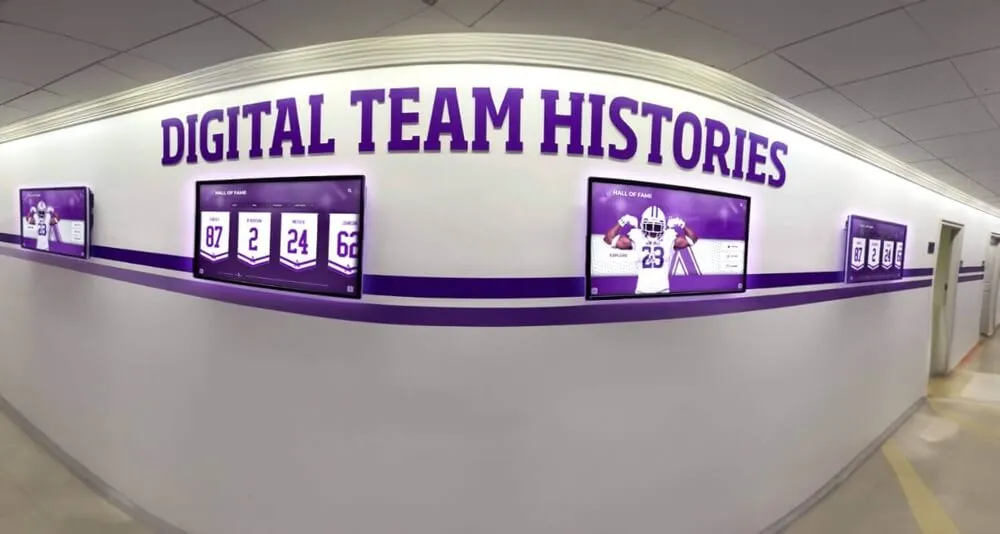
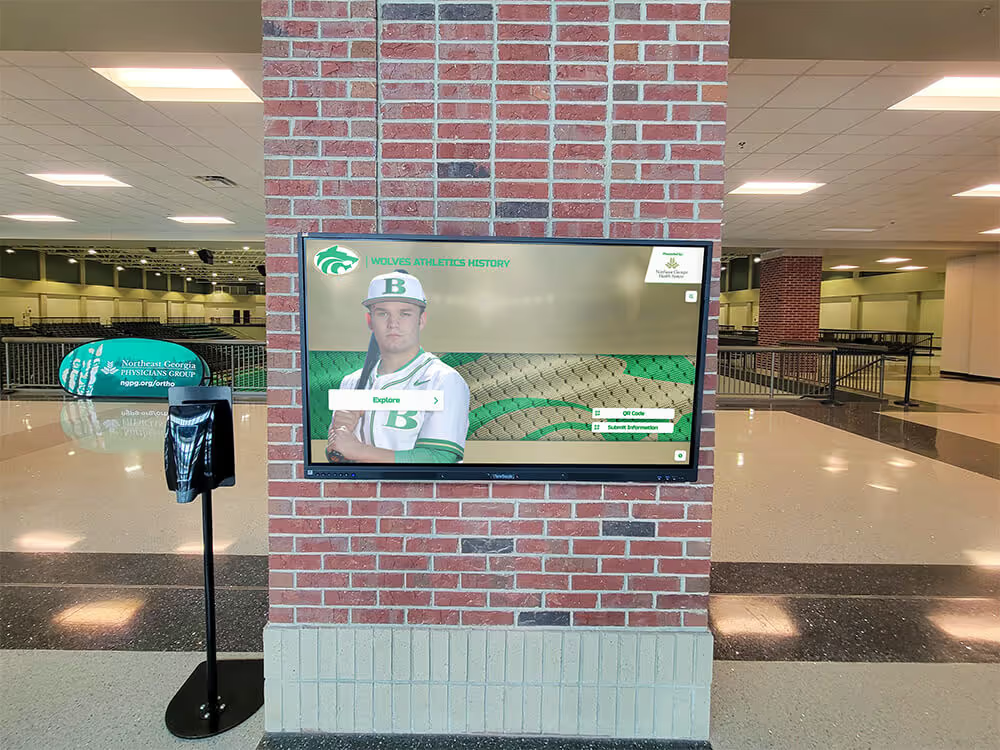
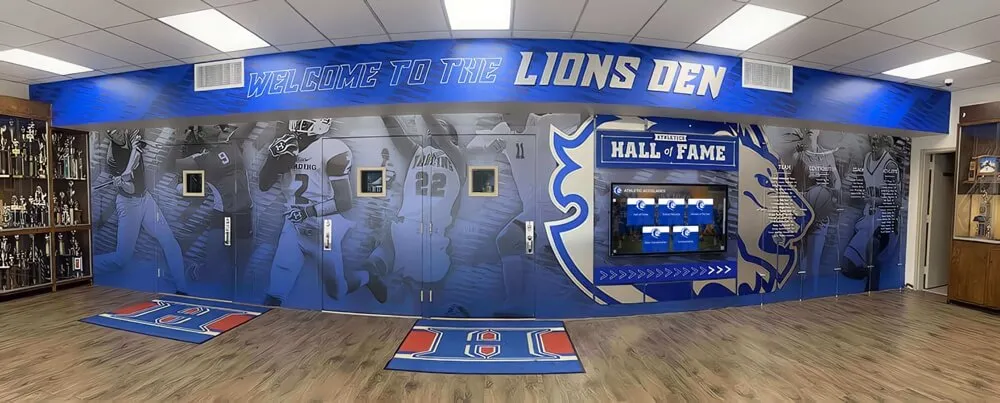
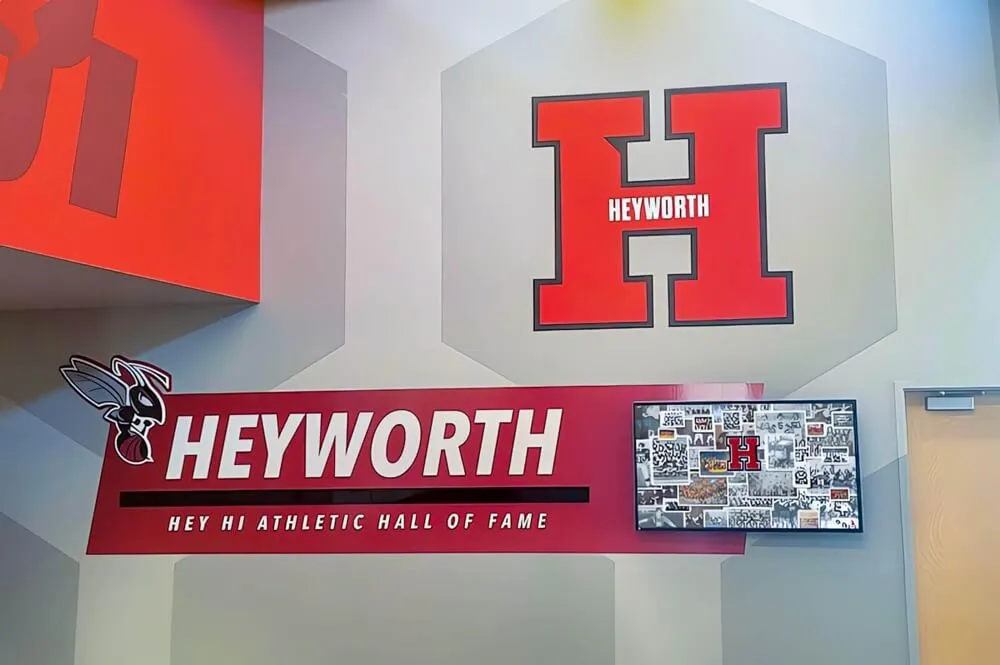
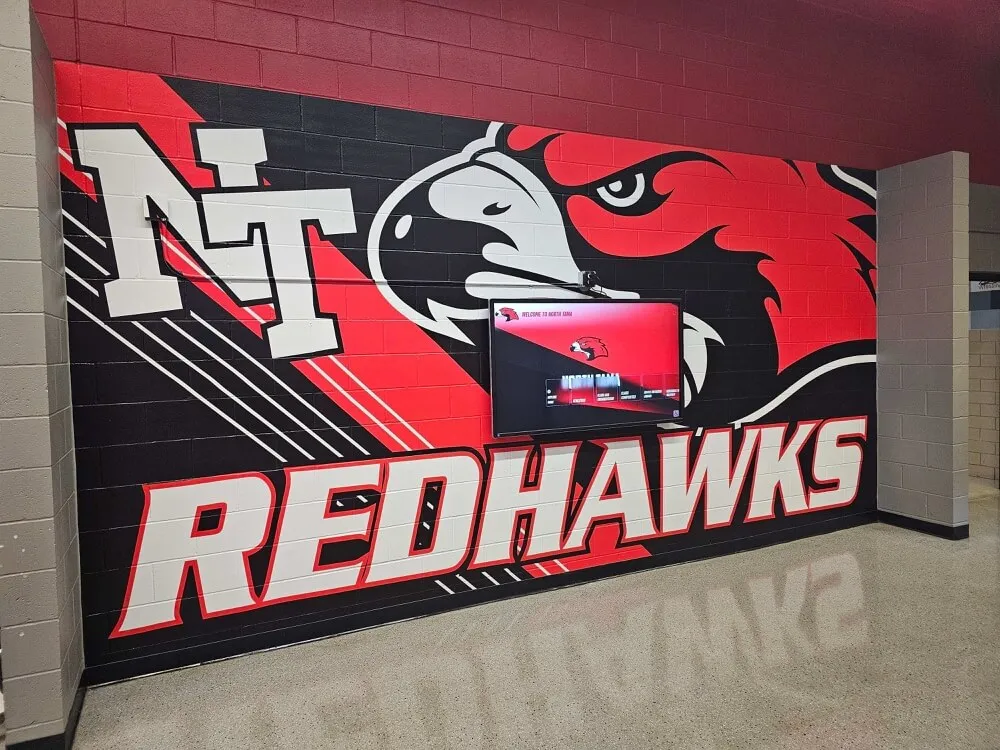
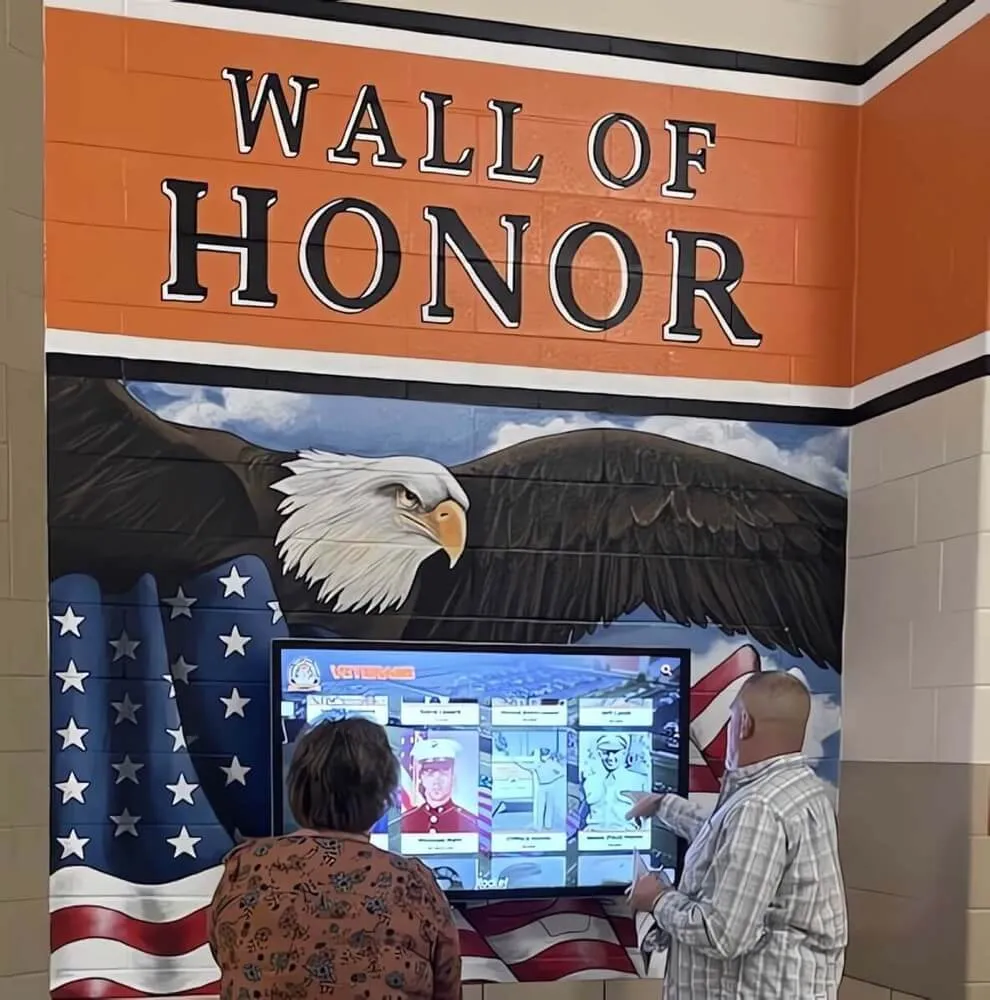
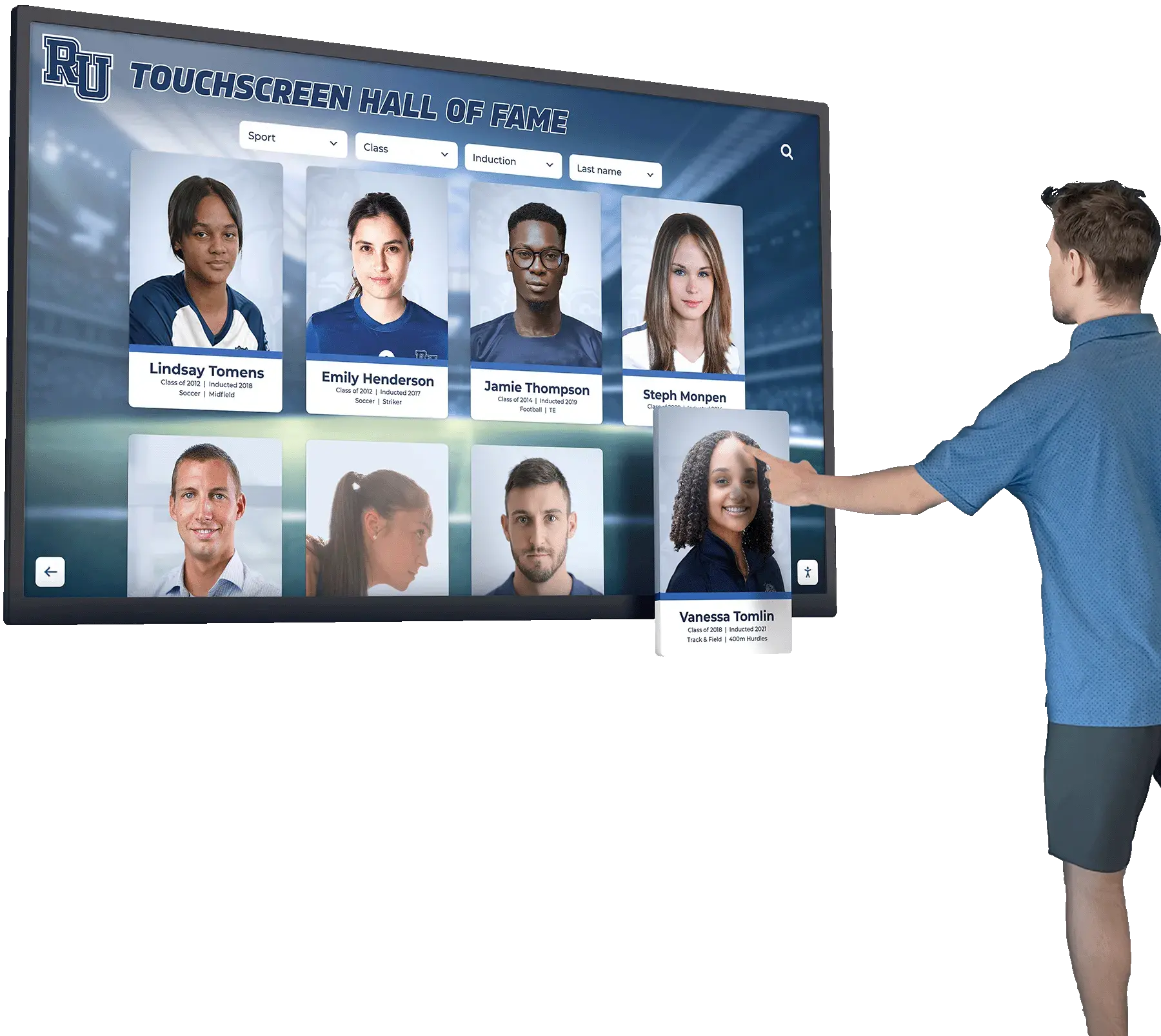
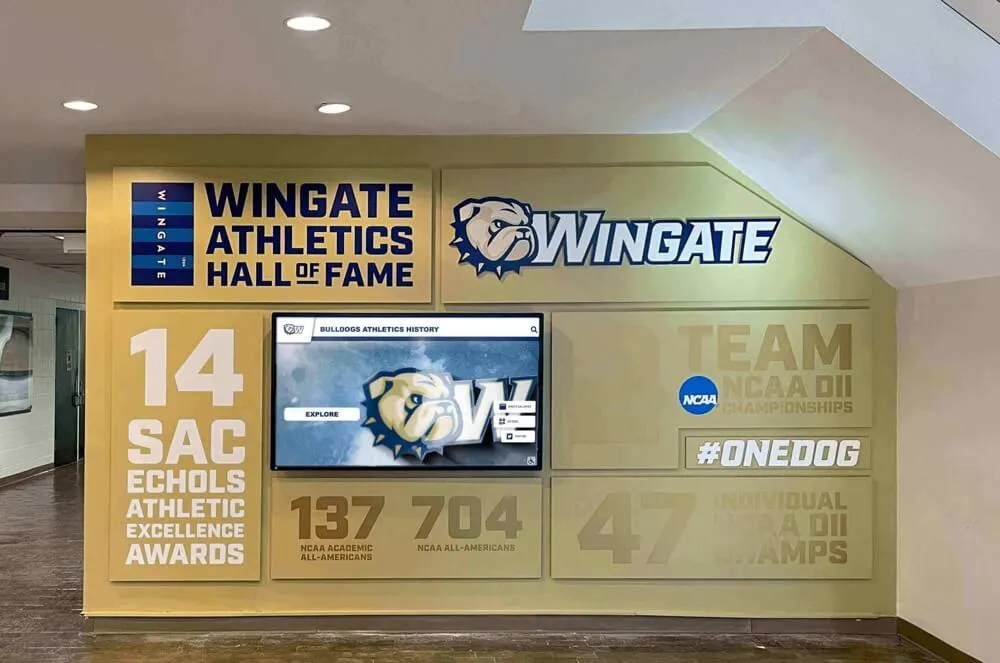
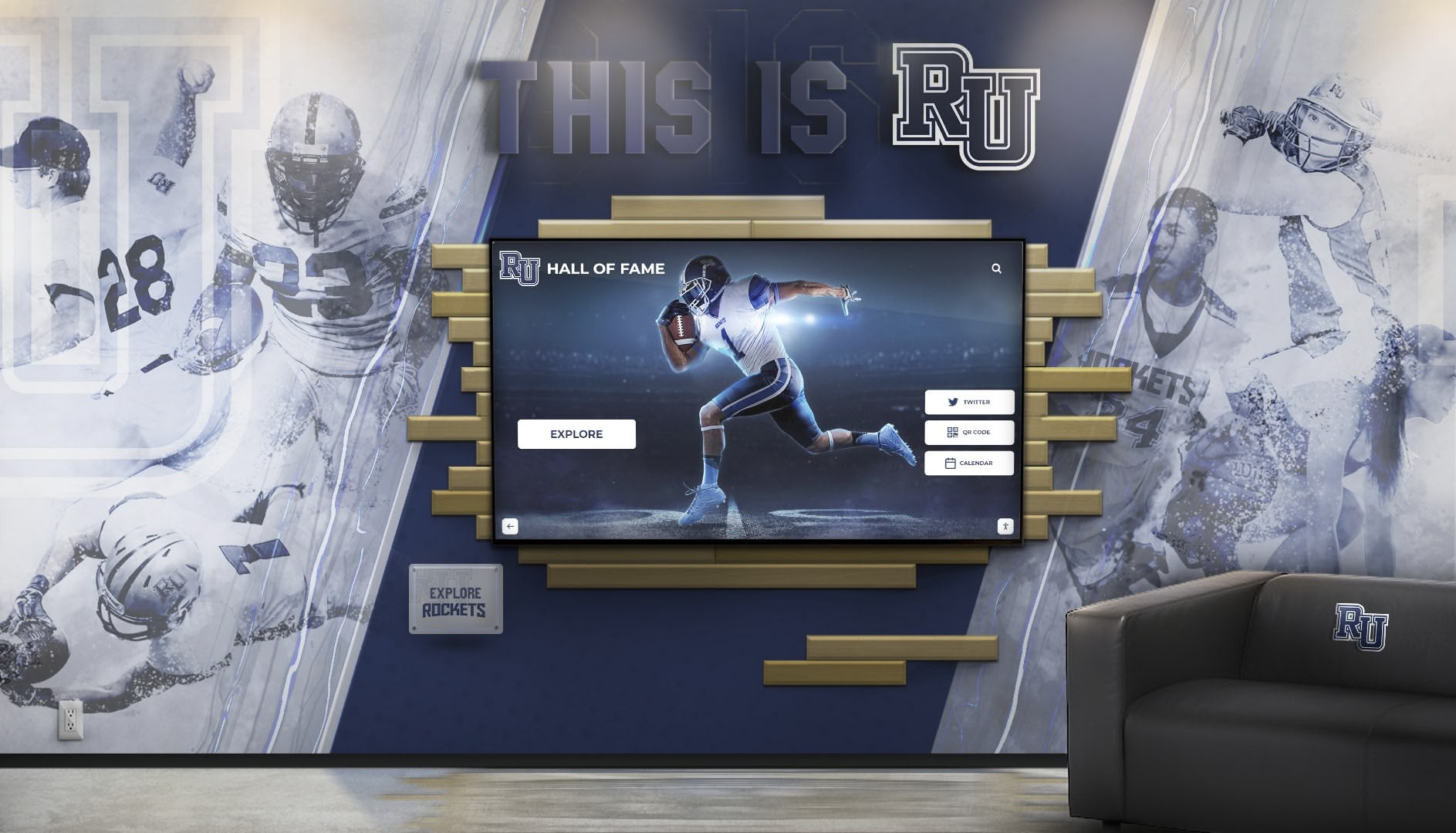
Interactive lobby displays celebrate football excellence through engaging visual presentation combining traditional murals with modern touchscreen technology
Understanding the NCHSAA Football Playoff Structure
Before celebrating playoff achievements, understanding North Carolina’s tournament organization provides essential context for recognition programs.
Classification System and Division Organization
The NCHSAA organizes football playoffs across multiple classifications determined by school enrollment:
Classification Breakdown
North Carolina currently operates four primary football classifications—1A, 2A, 3A, and 4A—with enrollment ranges determining placement. Classification 1A includes the state’s smallest schools with enrollments typically under 400 students, while 4A encompasses the largest institutions with enrollments exceeding 1,400 students. Classifications 2A and 3A serve mid-sized schools, creating competitive balance ensuring schools face similarly-sized opponents throughout playoff competition.
This classification structure prevents competitive mismatches where large urban schools with extensive athletic programs dominate smaller rural institutions with limited resources. By grouping schools with comparable enrollments, the NCHSAA ensures championship opportunities exist for programs across all school sizes rather than concentrating titles among the state’s largest institutions.
Regional Organization
Within each classification, teams compete in regional brackets before advancing to state championship games. North Carolina divides geographically into East and West regions, with bracket winners from each region meeting in classification championship finals. This regional structure reduces travel demands while creating natural rivalries and familiar competition throughout regular seasons and early playoff rounds.
Regional brackets typically feature 16-32 teams depending on classification size, with higher seeds earning home-field advantage through early rounds. The top-seeded teams receive first-round byes in some classifications, rewarding regular season excellence with additional rest before playoff competition begins.
Playoff Qualification Standards
Not all teams reach postseason competition. Schools must achieve minimum win totals during regular seasons to qualify for playoff berths, ensuring tournament fields include only teams demonstrating competitive viability. Typical qualification standards require teams to finish at or above .500 winning percentages, though exact thresholds vary by classification and year based on overall competitive balance across conferences.
Conference champions receive automatic playoff berths regardless of overall record in most cases, while remaining spots fill based on adjusted rankings considering strength of schedule, head-to-head results, and computer power ratings. This selection process attempts to identify the most deserving teams while preventing uncompetitive first-round matchups that diminish tournament quality.
Understanding football playoff recognition strategies provides frameworks for celebrating playoff achievements appropriately across different tournament advancement levels.
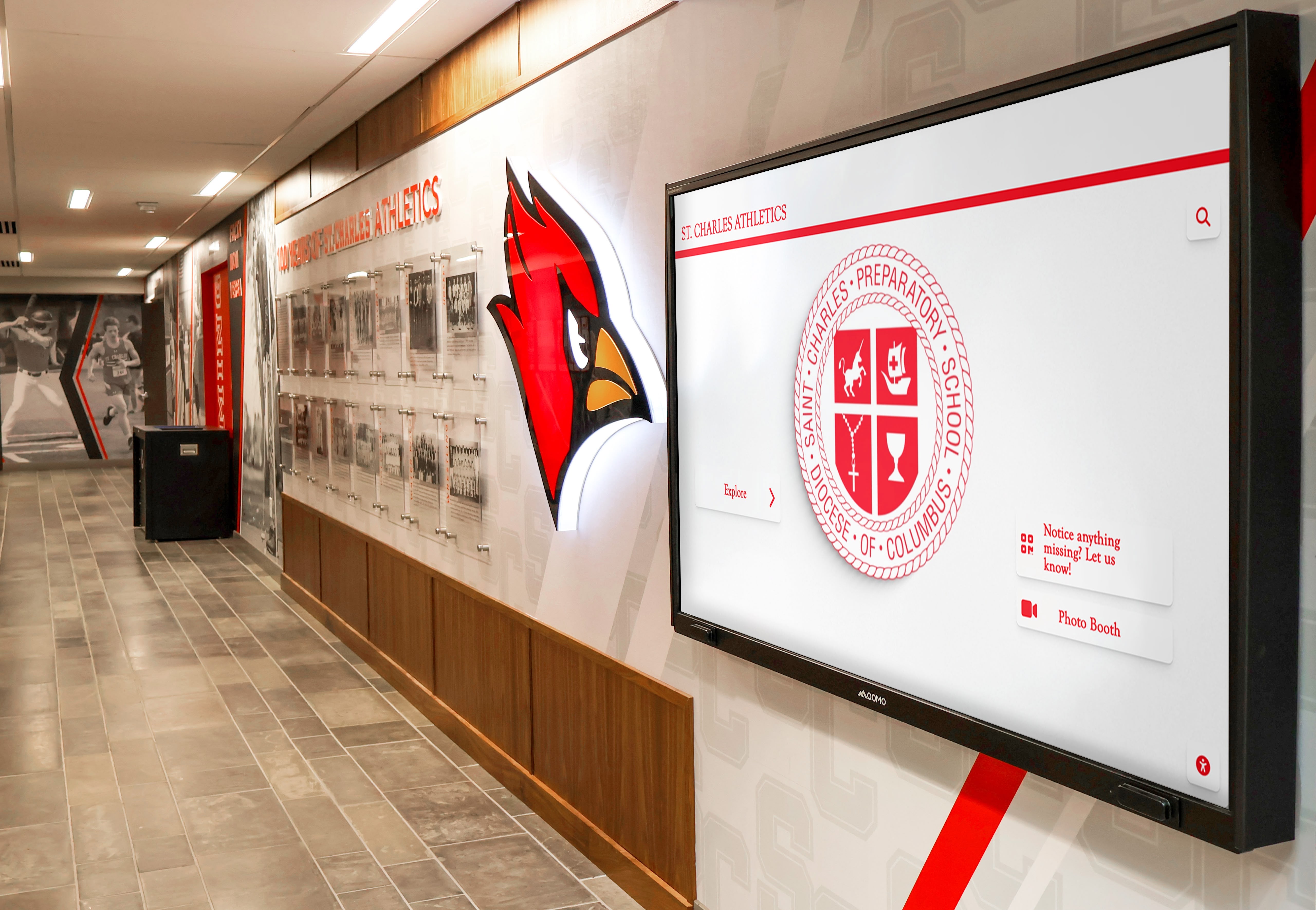
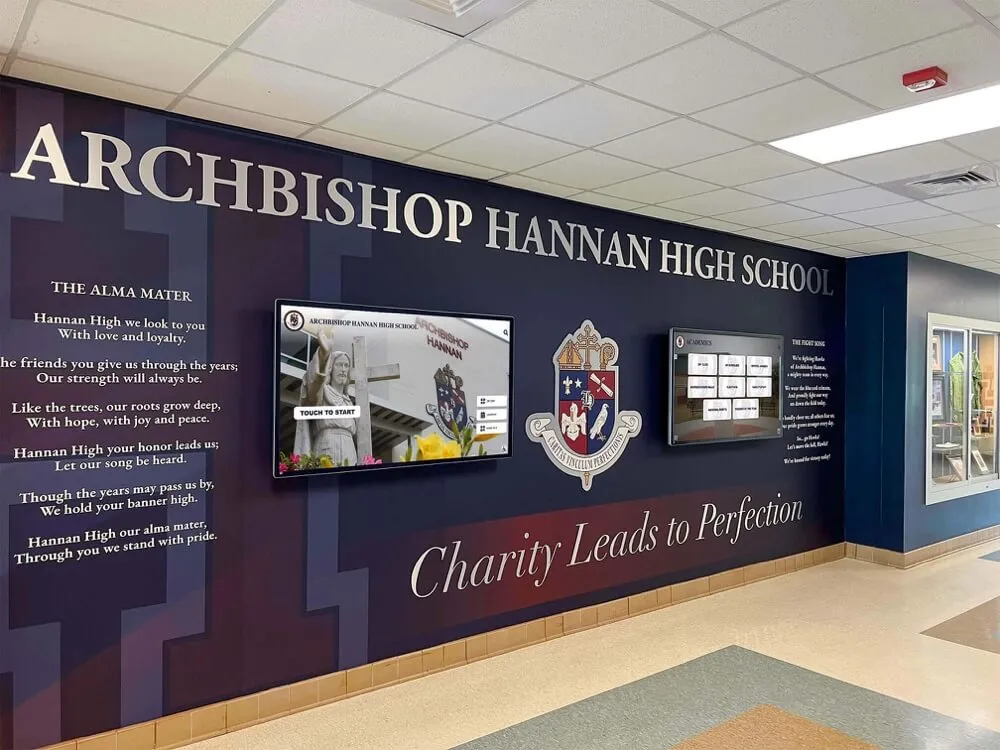
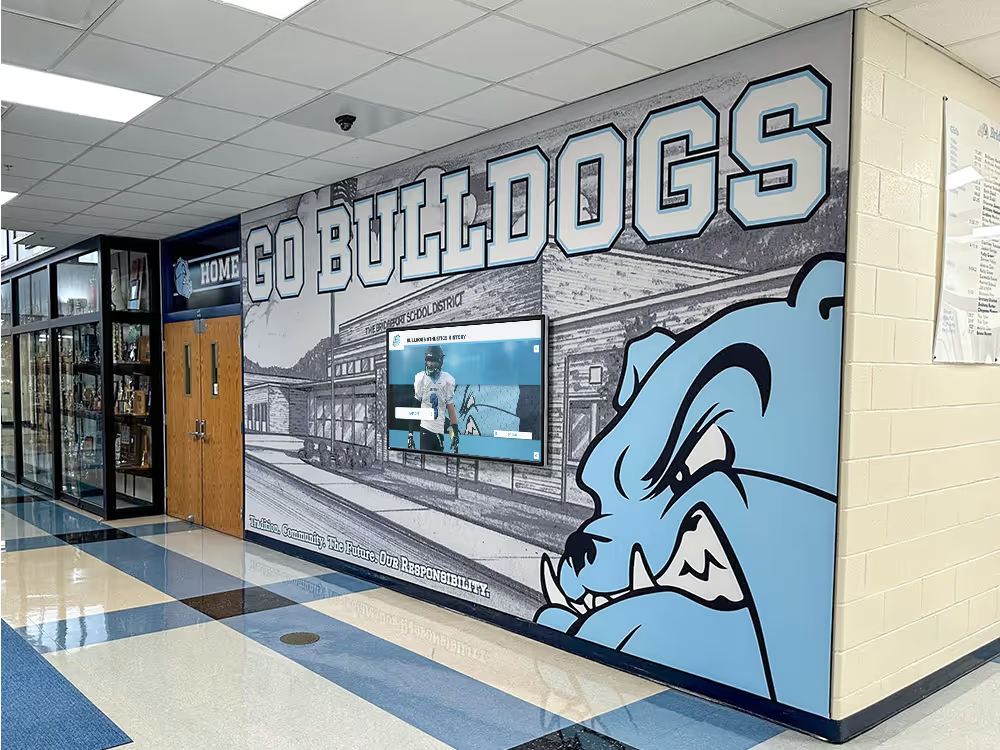
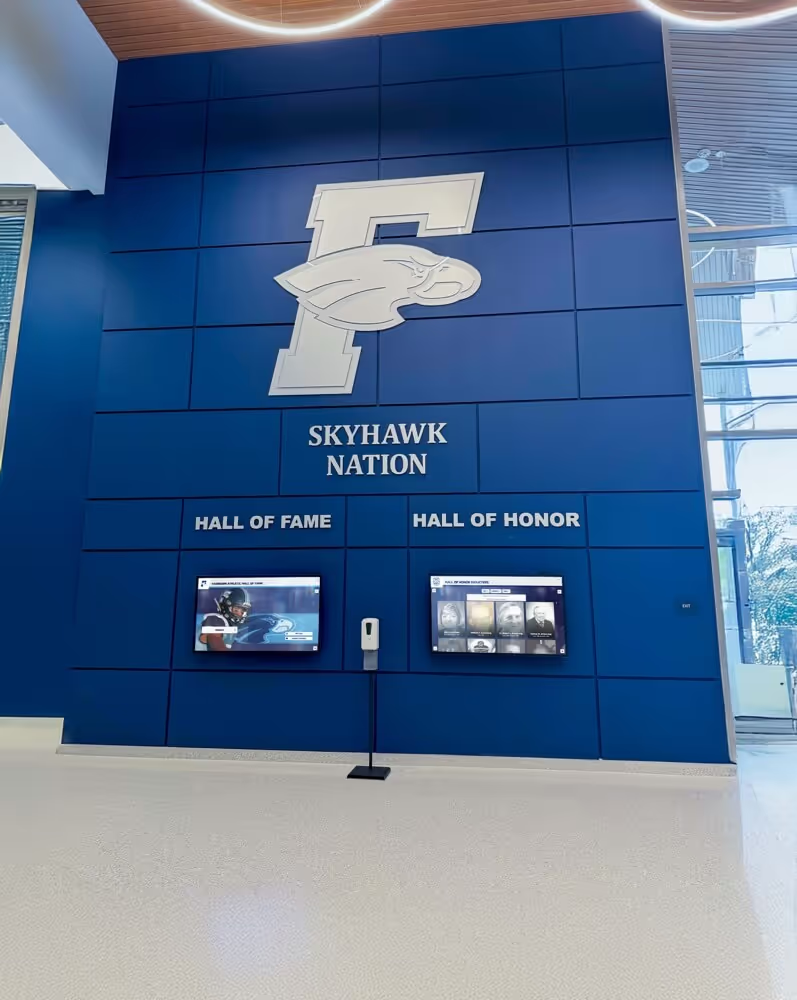
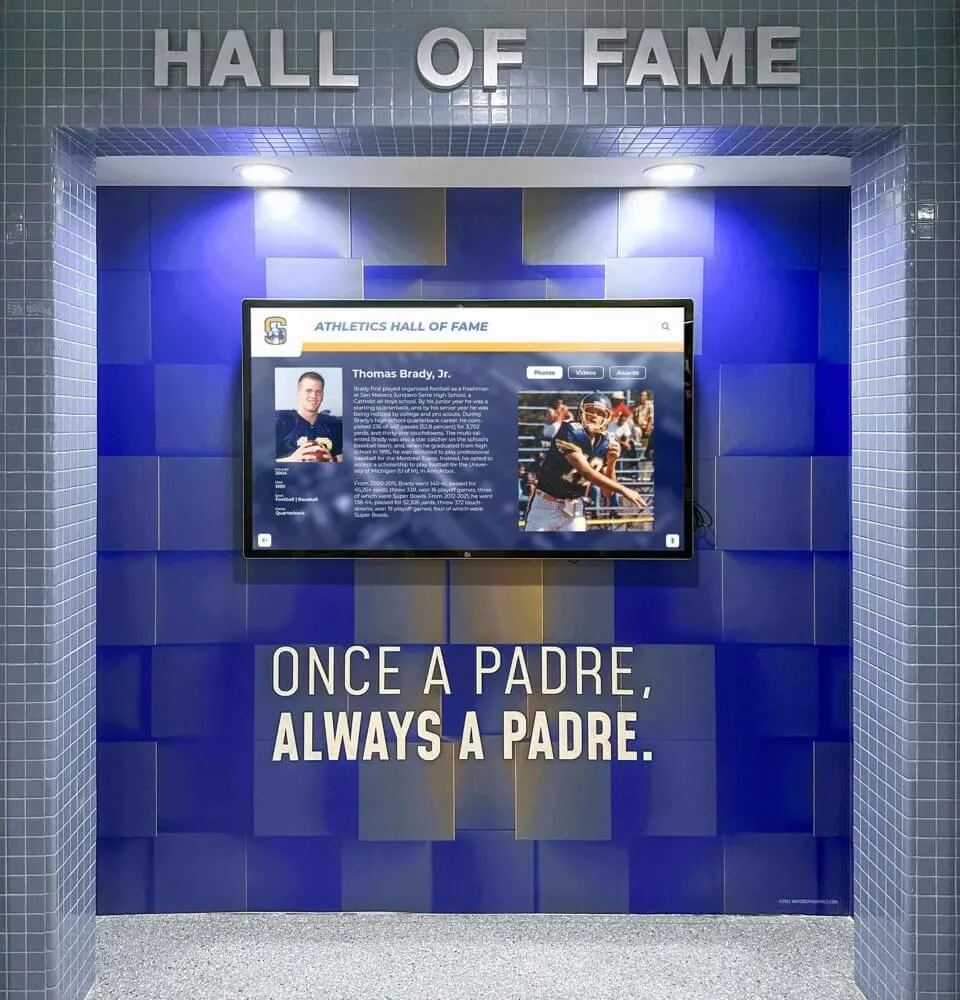
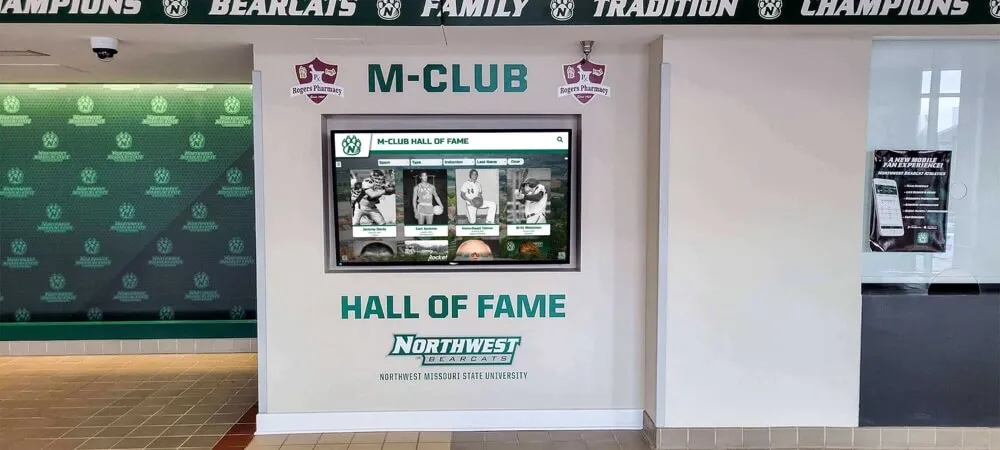
Strategic hallway placement ensures athletic recognition reaches students, athletes, and visitors daily throughout seasons and across years
Bracket Structure and Tournament Progression
NC high school football playoffs follow systematic bracket formats determining championship paths.
Single-Elimination Tournament Format
North Carolina utilizes single-elimination bracket structures where losing teams immediately exit competition:
Bracket Rounds and Advancement
Most classifications begin with first-round playoff games featuring 32 teams—the top 16 seeded teams from each region. Winners advance to second-round competition, with subsequent rounds progressively narrowing fields through quarterfinals, semifinals, and ultimately regional championship games. Regional champions then meet in state championship finals determining classification winners.
This single-elimination structure creates high-stakes competition where every game carries season-ending consequences. Unlike double-elimination formats offering second chances, NC football playoffs demand consistent excellence across consecutive weeks without margin for off performances. The pressure intensifies as tournaments progress, with championship-round games often decided by single possessions or individual plays that define programs for generations.
Seeding and Home-Field Advantage
Regular season performance determines playoff seeding, which directly impacts home-field advantage throughout early rounds. Higher-seeded teams host lower-seeded opponents, providing familiar venue advantages that significantly influence outcomes—particularly in November weather conditions where home crowds and comfortable environments benefit host teams substantially.
Top seeds maintain home-field advantage through regional finals in most cases, meaning strong regular seasons deliver tangible playoff benefits beyond simple bracket positioning. Schools prioritizing regular season excellence position themselves favorably for deep playoff runs by securing high seeds and avoiding difficult road environments in hostile stadiums.
Bye Weeks and Rest Advantages
In classifications with uneven playoff fields, the highest-seeded teams sometimes receive first-round byes, entering tournaments in second rounds after lower-seeded teams complete opening matchups. These bye weeks provide additional preparation time, injury recovery opportunities, and rest advantages that prove valuable as postseason competition intensifies across consecutive weeks placing physical demands on student-athletes balancing academics alongside athletic commitments.
Understanding Game Scoring and Bracket Updates
Playoff scores determine bracket progression and ultimate championship outcomes:
Scoring Systems and Point Accumulation
Football scoring follows standard conventions with touchdowns (6 points), extra points (1-2 points), field goals (3 points), and safeties (2 points) determining final scores. Playoff games follow regular season rules without modifications, maintaining consistency in scoring systems across all competition levels.
Understanding scoring patterns helps contextualize historic playoff performances. Dominant victories with 30+ point margins demonstrate comprehensive excellence, while close single-possession games highlight competitive intensity and clutch performances under pressure. Schools preserving scoring details for playoff games create rich historical records documenting championship journeys through statistical specificity rather than simple win-loss documentation.
Real-Time Score Tracking
During playoff seasons, schools and media outlets track scores in real-time through official NCHSAA platforms, local news coverage, and social media updates. Athletic directors monitoring competing teams gain strategic intelligence on potential future opponents, while fans follow statewide competition tracking favorite schools and monitoring rival programs simultaneously.
Modern digital recognition displays enable real-time bracket updates showing playoff progression as games conclude. Rather than waiting days for printed bracket corrections, schools update digital boards instantly, maintaining current tournament visualization that keeps communities engaged throughout playoff runs.

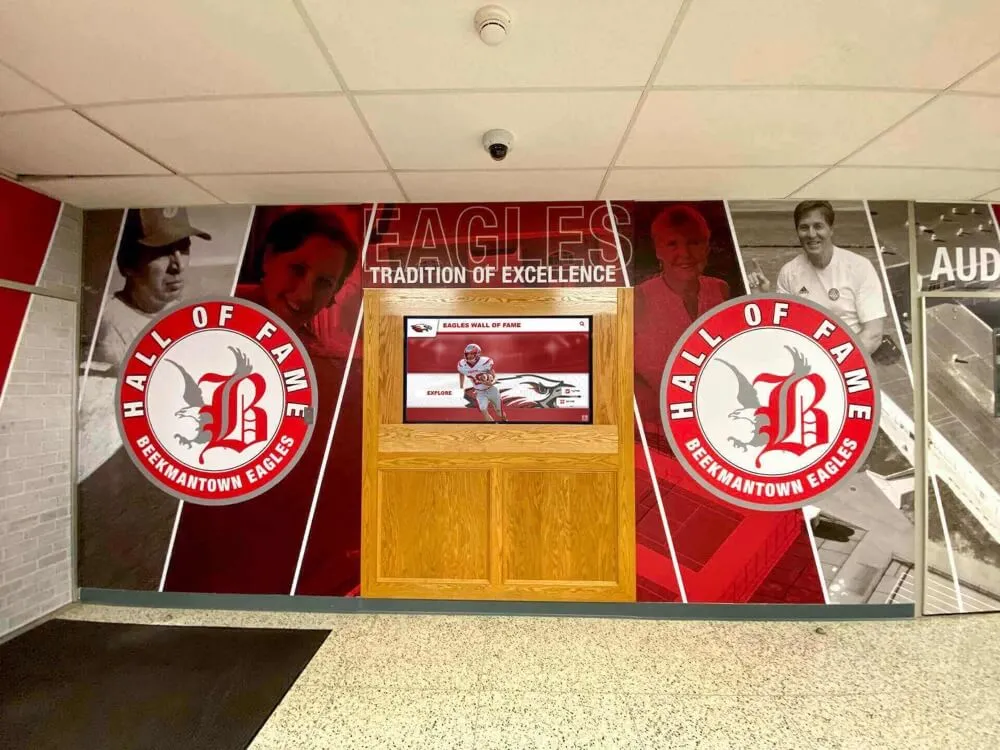
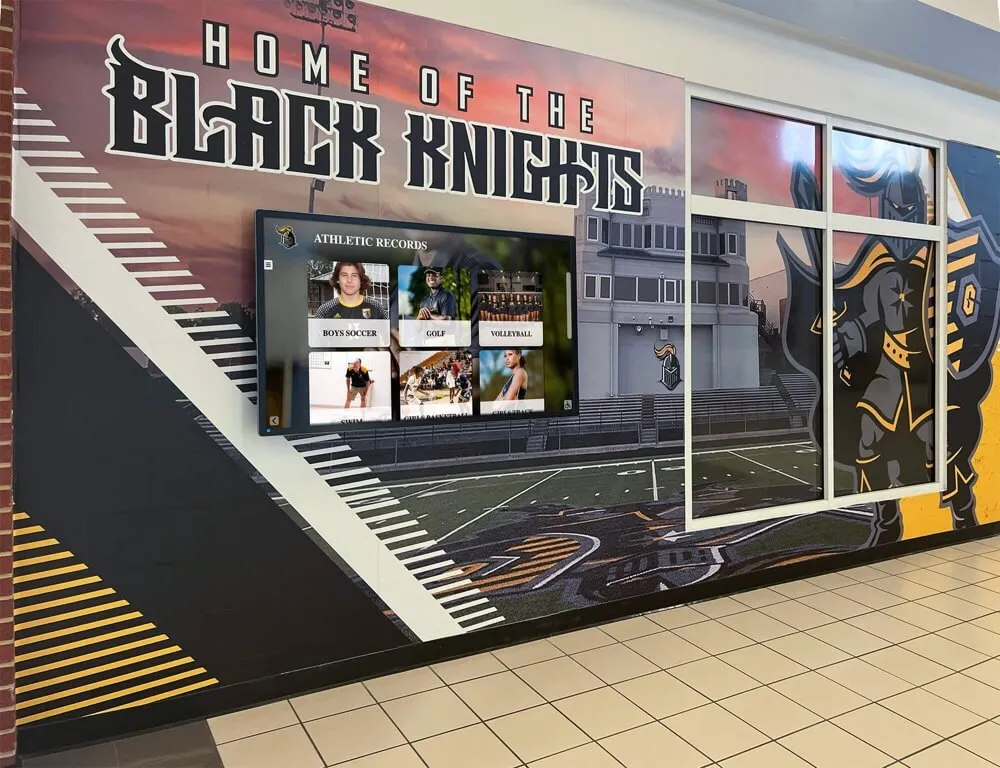
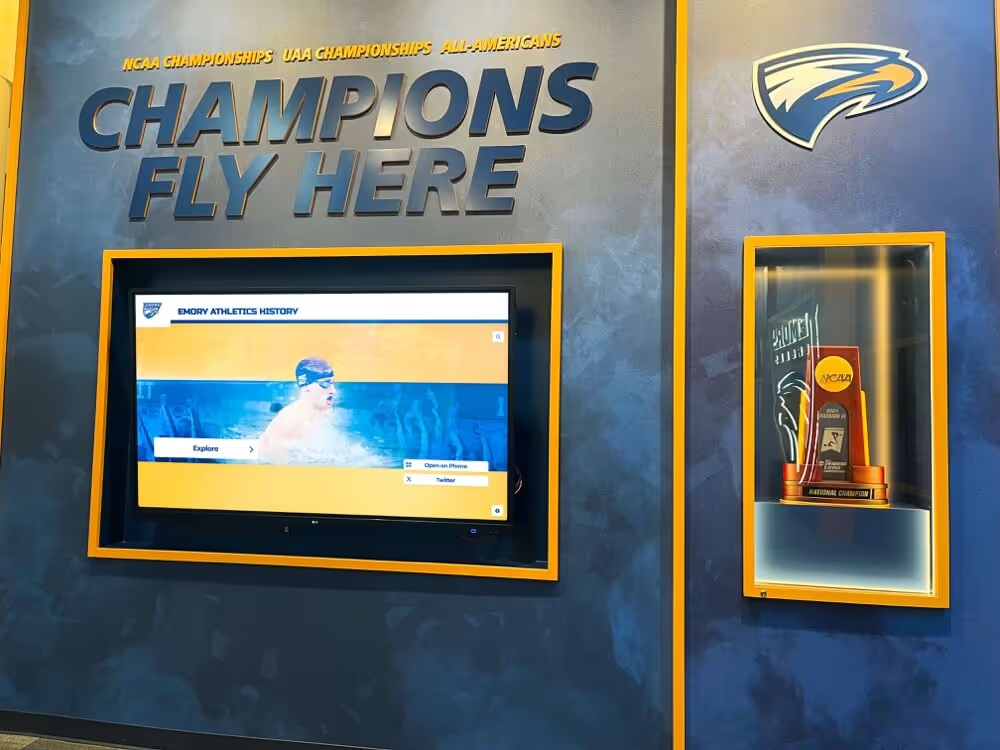
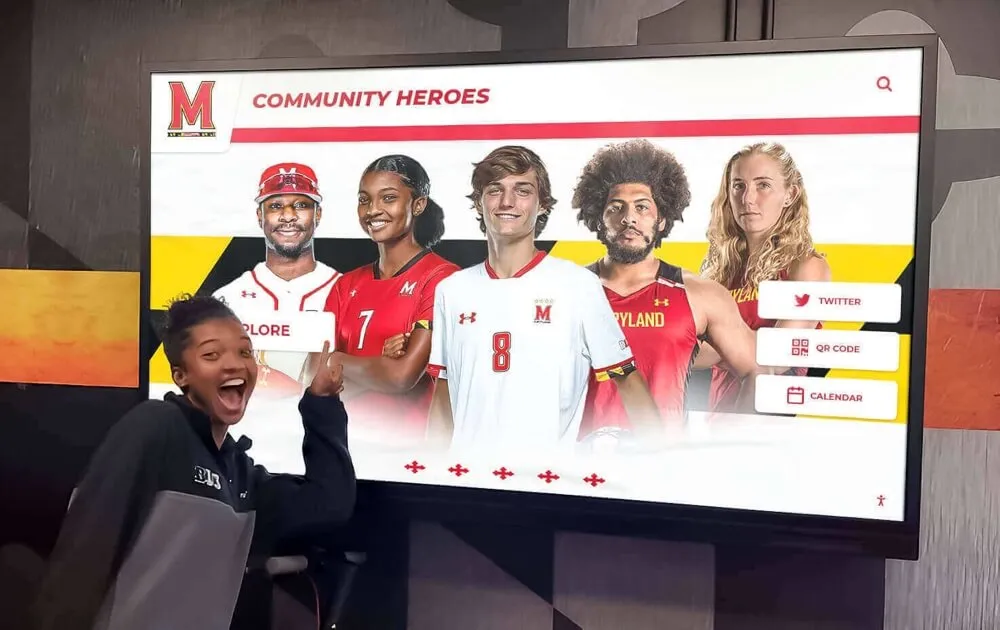
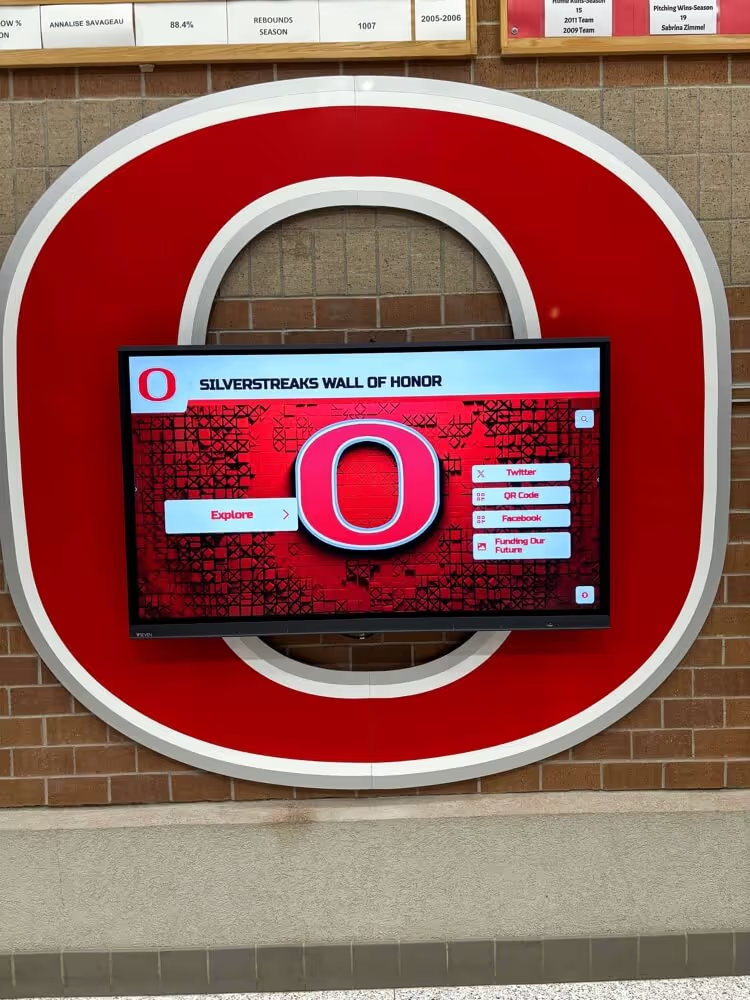
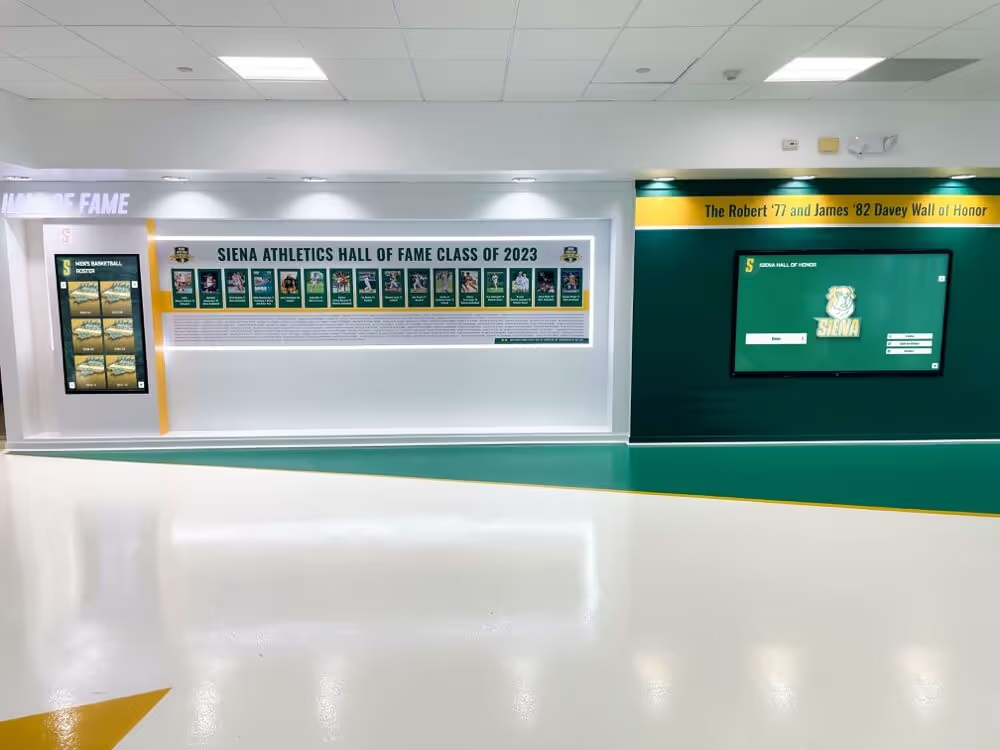
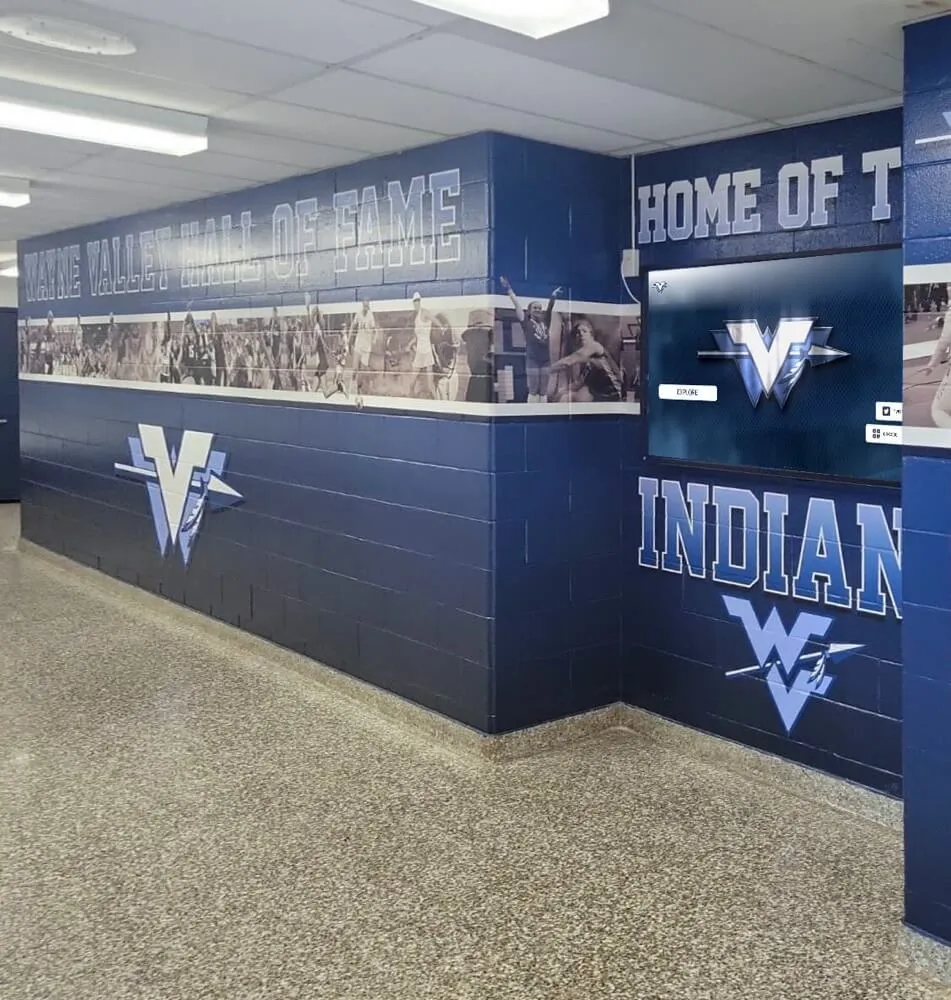
Branded athletic spaces combine institutional identity with modern recognition technology creating immersive environments celebrating program excellence
Celebrating Playoff Excellence Through Digital Recognition
Modern touchscreen displays transform how schools preserve and celebrate playoff achievements.
Beyond Traditional Trophy Cases: Interactive Playoff Displays
Digital recognition platforms address limitations inherent in conventional trophy cases:
Unlimited Capacity for Complete Playoff Documentation
Physical trophy cases accommodate limited championship hardware—individual trophies, plaques, or banners representing season titles. Yet playoff runs involve multiple games, dozens of players, crucial coaching decisions, and dramatic moments that simple trophies cannot capture comprehensively.
Interactive displays provide unlimited capacity for complete playoff documentation including full bracket visualizations showing tournament paths, game-by-game scoring progressions documenting advancement, team rosters with player photos and statistics, coaching profiles recognizing strategic leadership, season highlight videos preserving signature moments, and opponent information contextualizing competitive achievement.
This comprehensive approach transforms simple championship acknowledgment into rich storytelling that future students can explore, understanding not just that teams won titles but how championship runs unfolded across weeks of intense competition against increasingly difficult opponents.
Dynamic Content Updates Throughout Tournament Runs
Traditional recognition requires waiting until seasons conclude before creating permanent displays. Championship plaques cannot be ordered until finals finish, meaning recognition delays weeks or months after defining moments occur.
Digital platforms enable real-time recognition updates throughout playoff runs. As teams advance through bracket rounds, athletic departments update displays immediately—adding game scores, uploading highlight videos, and celebrating advancing to next rounds while tournaments remain active. This immediacy builds excitement and engagement, transforming recognition from retrospective documentation into living celebration happening alongside actual competition.
Solutions like Rocket Alumni Solutions provide purpose-built platforms specifically designed for athletic recognition, combining commercial-grade hardware with intuitive content management enabling staff updates without requiring specialized technical expertise. Cloud-based architecture ensures instant synchronization across displays and web portals, extending recognition beyond physical locations to reach families and alumni worldwide.
Rich Multimedia Storytelling
Static plaques reduce championship seasons to engraved text—team names, years, final scores. While factually accurate, text alone cannot convey drama, emotion, or significance of defining moments that create lifelong memories for participants and spectators.
Interactive displays support rich multimedia including high-resolution team photos capturing championship celebrations, video highlight compilations preserving game-changing plays, audio interviews with coaches and players sharing reflections, statistical visualizations demonstrating dominance or competitive intensity, newspaper coverage archiving community reactions, and historical comparisons contextualizing achievements within program tradition.
This multimedia depth transforms recognition from simple documentation into compelling storytelling that engages viewers emotionally while preserving tournament legacies comprehensively for future generations discovering program history decades after championships occurred.
Approaches for building school pride demonstrate how comprehensive recognition programs strengthen institutional culture while motivating current athletes toward excellence through visible celebration of past achievement.
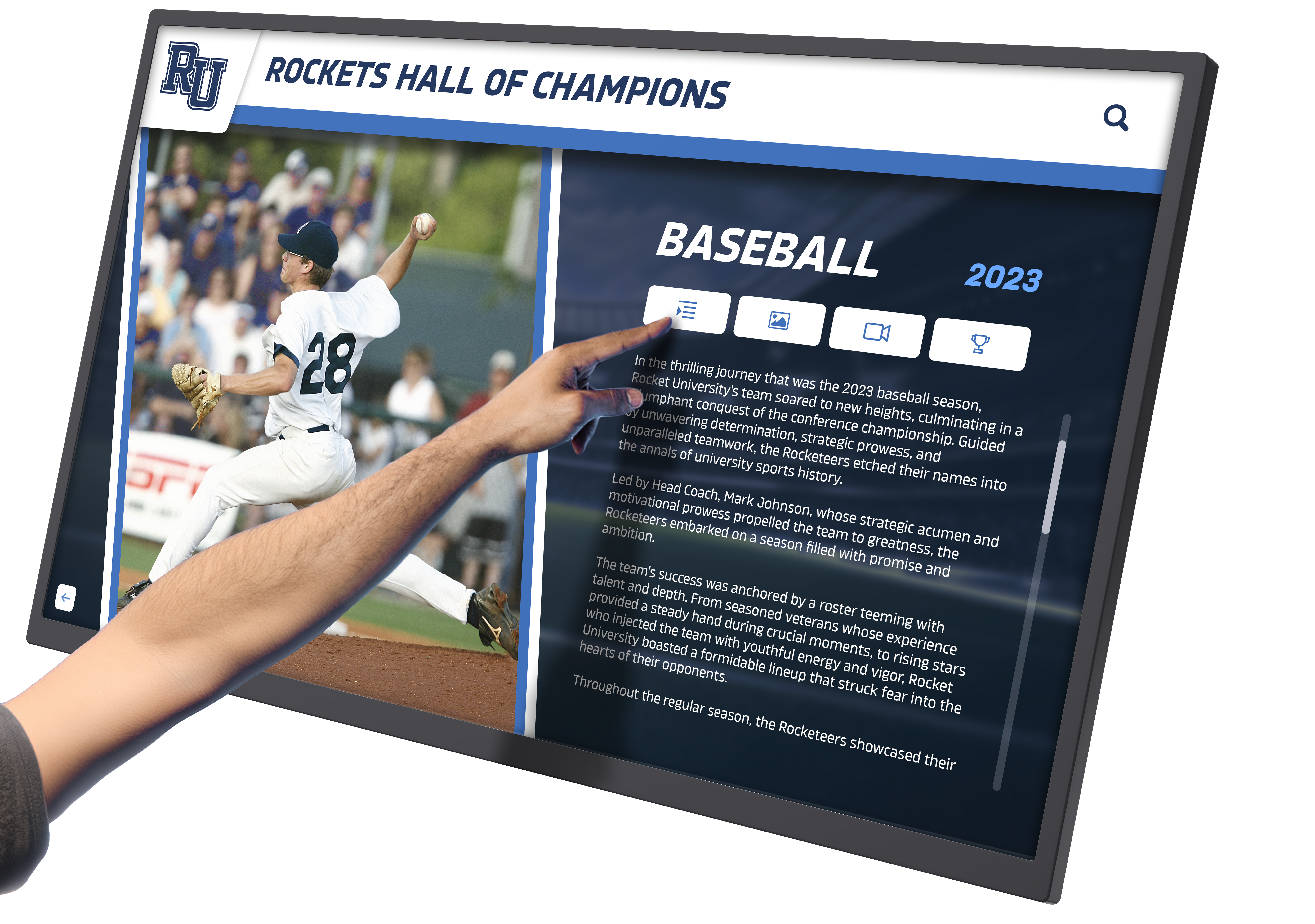
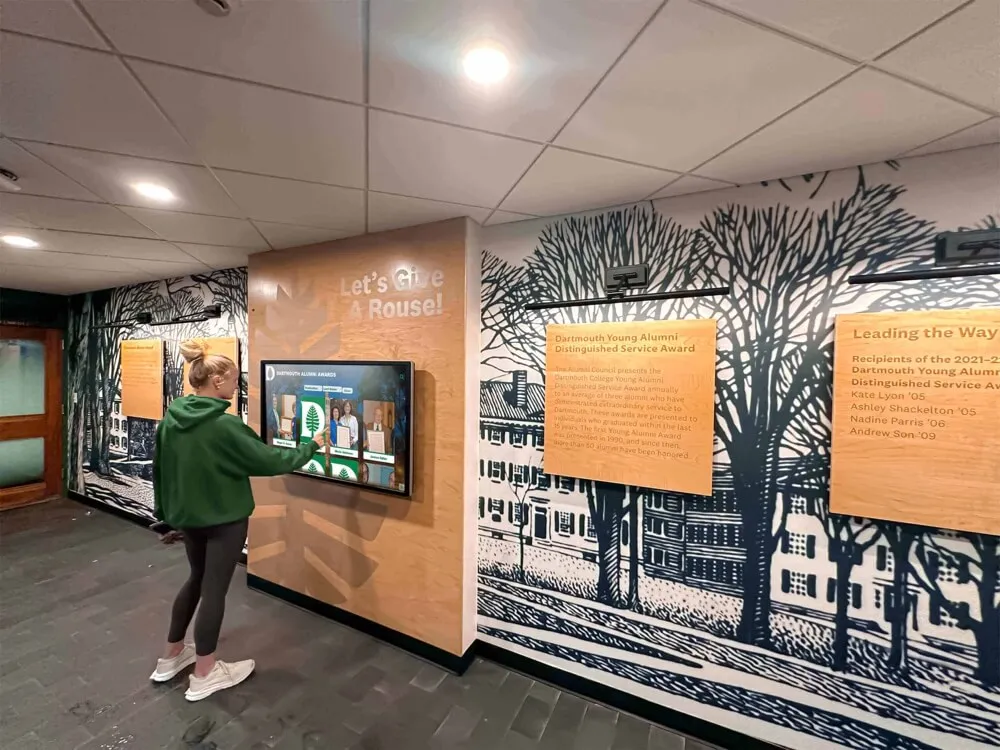
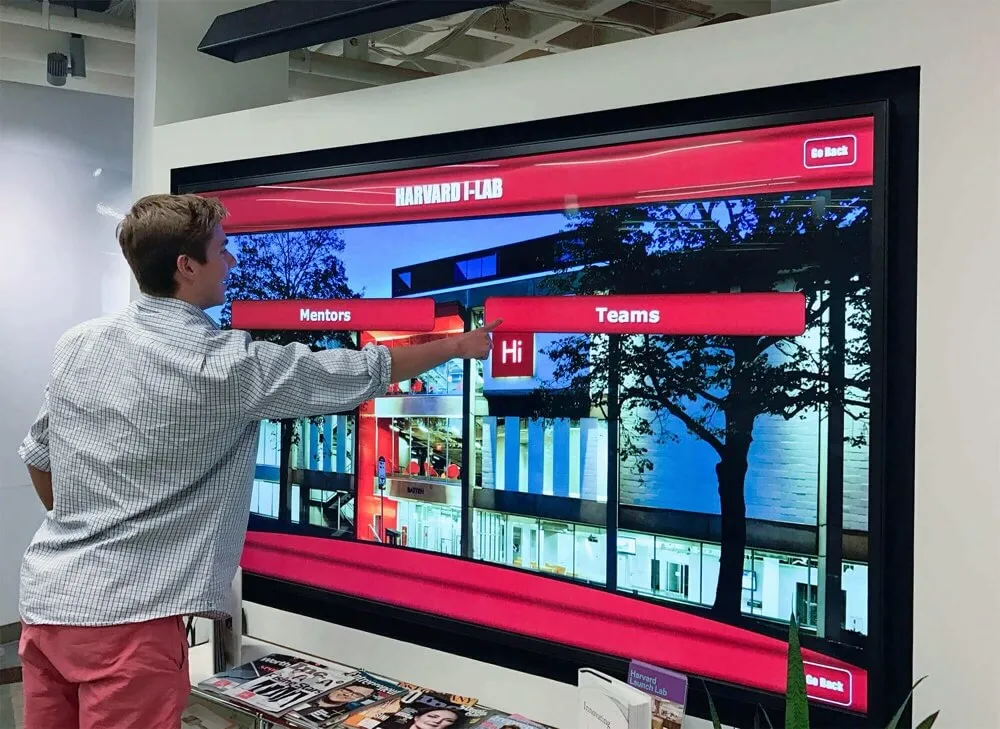
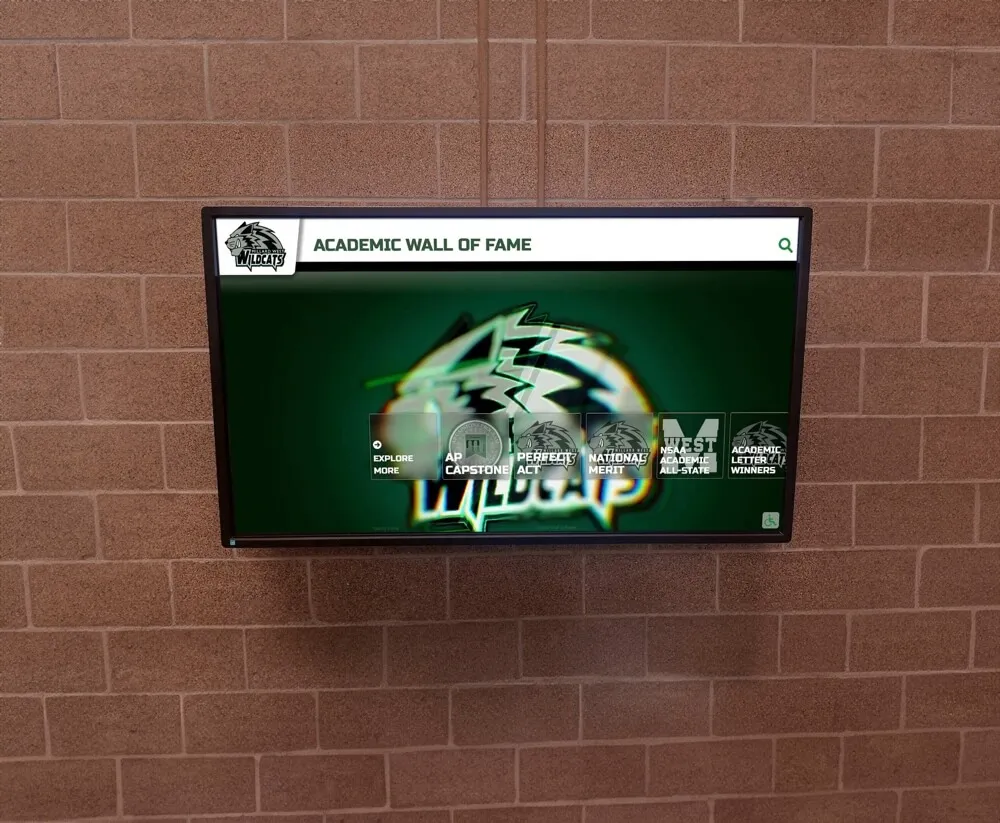
Intuitive card-based interfaces enable natural content exploration with clear touch targets and immediate visual feedback engaging users effectively
Content Strategy: What to Include in Playoff Recognition Displays
Comprehensive playoff recognition requires systematic content development across multiple information categories.
Essential Playoff Documentation Elements
Effective displays include foundational information documenting tournament participation and results:
Team Roster and Player Recognition
Complete rosters ensure every participant receives appropriate recognition. Essential elements include player names with jersey numbers, position designations indicating roles, grade levels showing upperclassmen leadership versus underclassmen contributions, and individual statistics documenting performance across playoff games.
Many schools overlook junior varsity players, practice squad members, student managers, and athletic trainers in championship recognition. Comprehensive displays acknowledge all program contributors, recognizing that championships result from complete program efforts rather than solely varsity starters. This inclusive approach builds program culture where every role receives respect and appreciation.
Coaching Staff Profiles
Head coaches receive prominent recognition, but successful programs involve complete coaching staffs including offensive and defensive coordinators, position coaches, strength and conditioning specialists, and support personnel. Profiling entire staffs demonstrates that championships require comprehensive organizational excellence across all program dimensions.
Coach profiles should include career backgrounds, tenure with programs, championship histories, coaching philosophies, and post-championship reflections. This biographical depth personalizes recognition while preserving institutional memory documenting who led programs through defining seasons.
Game-by-Game Playoff Documentation
Rather than only documenting final championship games, comprehensive displays chronicle complete playoff journeys:
- First-round matchups with opponents, locations, dates, and final scores
- Statistical leaders in each game showing individual excellence
- Crucial plays or turning points determining outcomes
- Weather conditions and attendance figures providing context
- Injury reports or lineup changes affecting competition
- Coaching decisions or strategic adjustments enabling victories
This game-by-game documentation transforms championship recognition from single-moment celebration into comprehensive narrative showing how teams progressively overcame challenges throughout tournament runs.
Resources on football banquet ideas provide frameworks for comprehensive season celebration that honors all contributors appropriately.
Enhanced Content for Deeper Engagement
Beyond essential documentation, enriched content creates compelling recognition experiences:
Historical Context and Program Comparisons
Situating playoff runs within broader program history provides meaningful perspective:
- Comparison with previous championship teams
- All-time program playoff records and statistics
- Notable playoff wins or upsets in school history
- Alumni who continued playing collegiately or professionally
- Coaching trees showing where former coaches now lead programs
Historical framing helps current students understand significance—recognizing whether championships represent program firsts, continue recent excellence, or restore past glory after rebuilding periods.
Opponent Information and Competitive Context
Championships achieved against strong competition carry greater significance than titles won against weak fields. Including opponent information provides competitive context:
- Opponent records and rankings showing caliber of competition
- Head-to-head series histories with traditional rivals
- Player matchups highlighting individual battles
- Coaching strategy competitions emphasizing chess-match elements
- Comparative statistics demonstrating dominance or competitive balance
This opponent documentation prevents championship inflation while appropriately celebrating victories achieved against genuinely excellent competition.
Community Impact and Fan Celebration
Football playoffs engage entire communities beyond just athletes and coaches:
- Attendance figures and crowd size records
- Student section photos capturing fan enthusiasm
- Community celebration events and pep rally coverage
- Local media highlights and newspaper articles
- Social media reactions preserving community excitement
- Economic impact studies showing community investment
Including community dimensions recognizes football’s unique cultural role in many North Carolina towns where Friday nights and playoff runs unite entire populations around shared athletic pride.
Frameworks for athletic hall of fame development provide systematic approaches for preserving football excellence within broader athletic recognition programs.
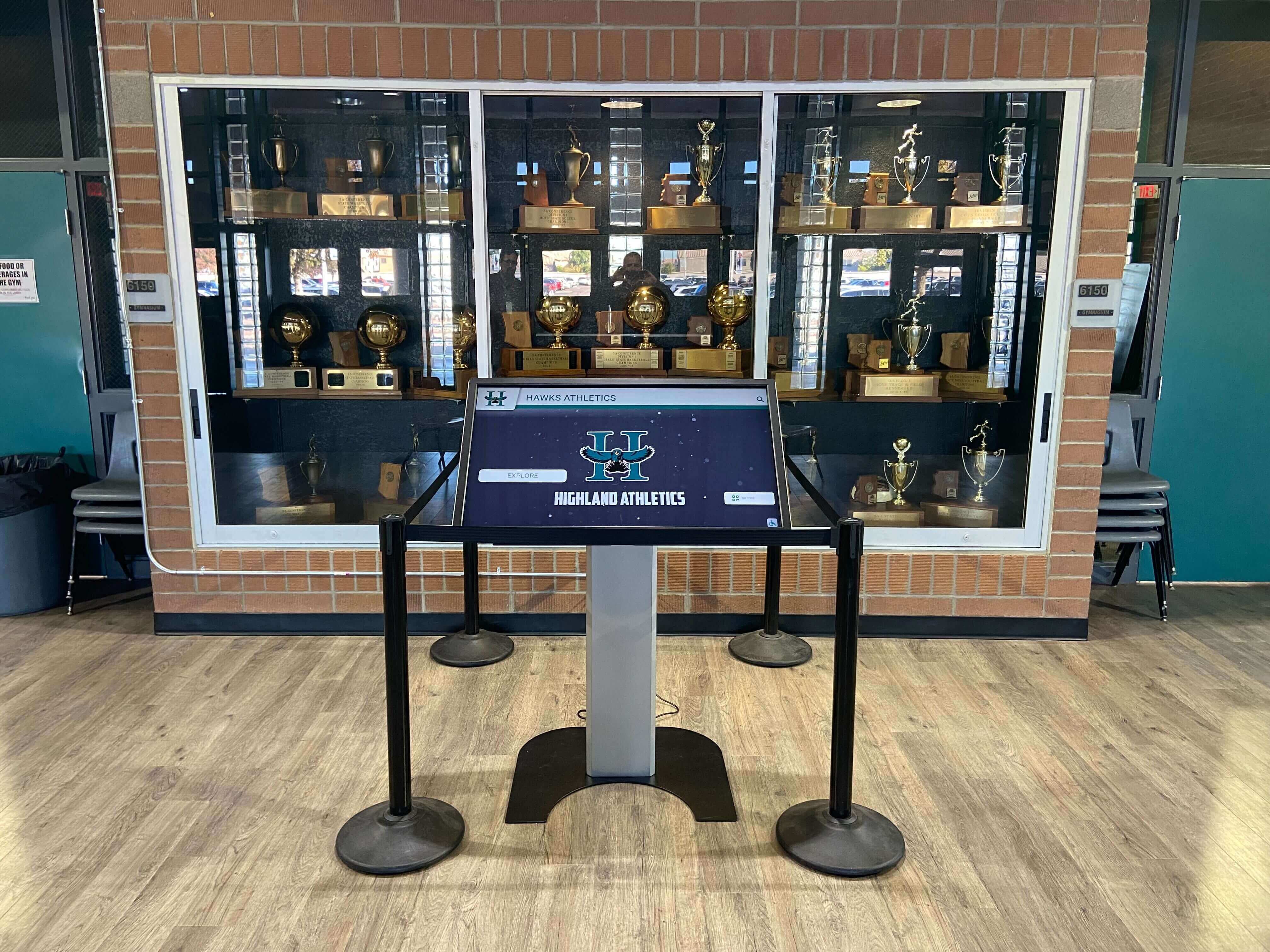
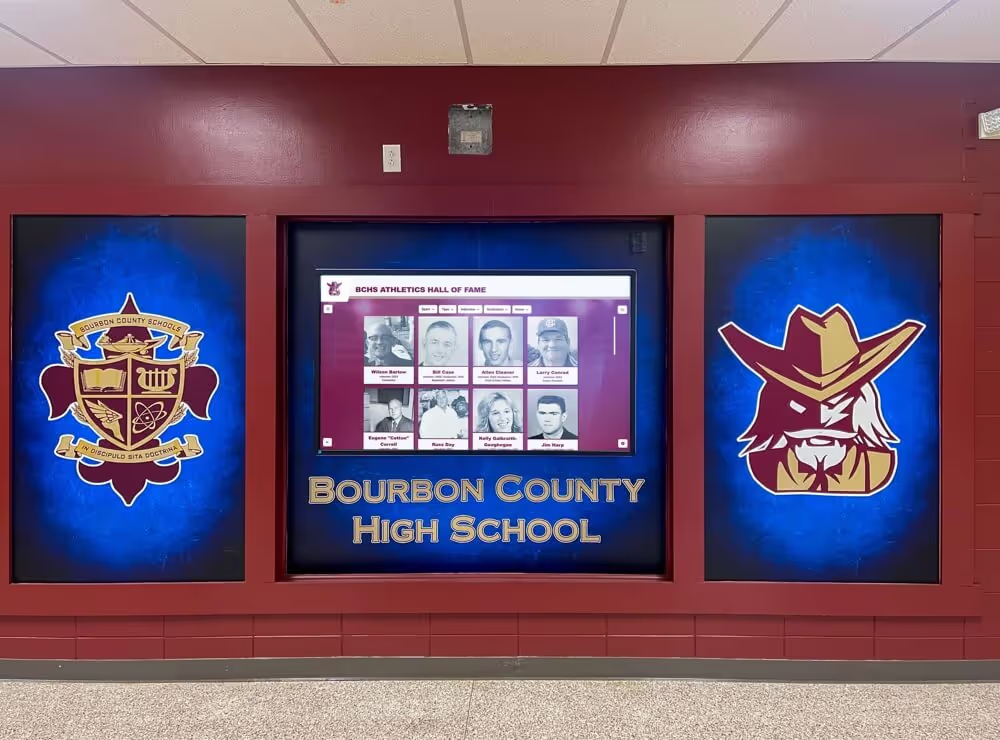
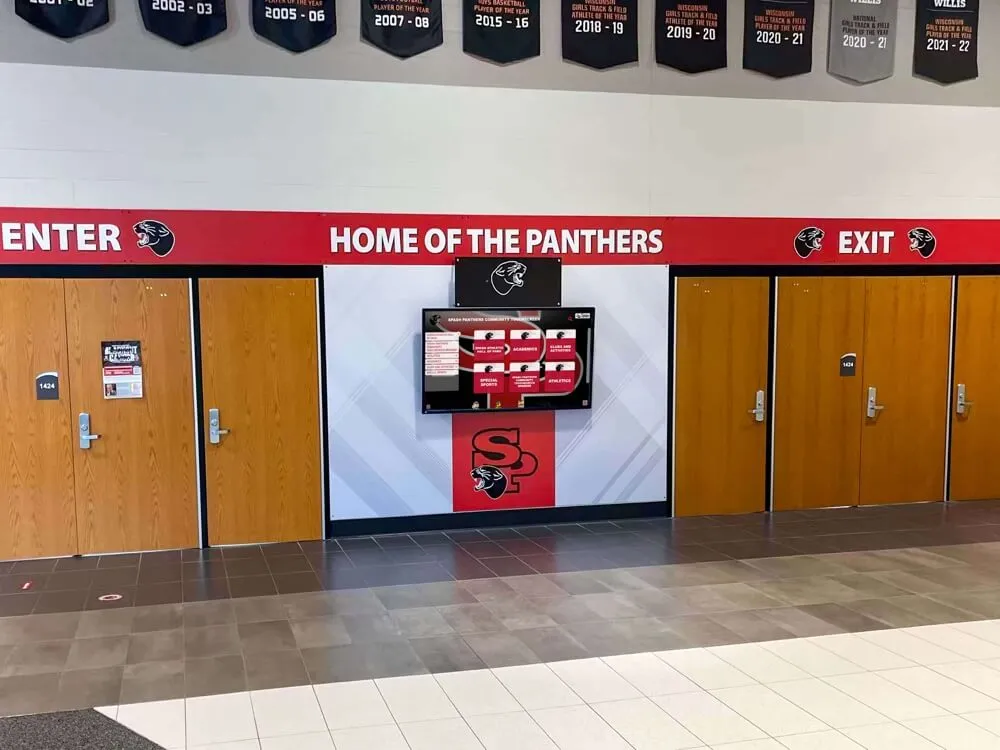
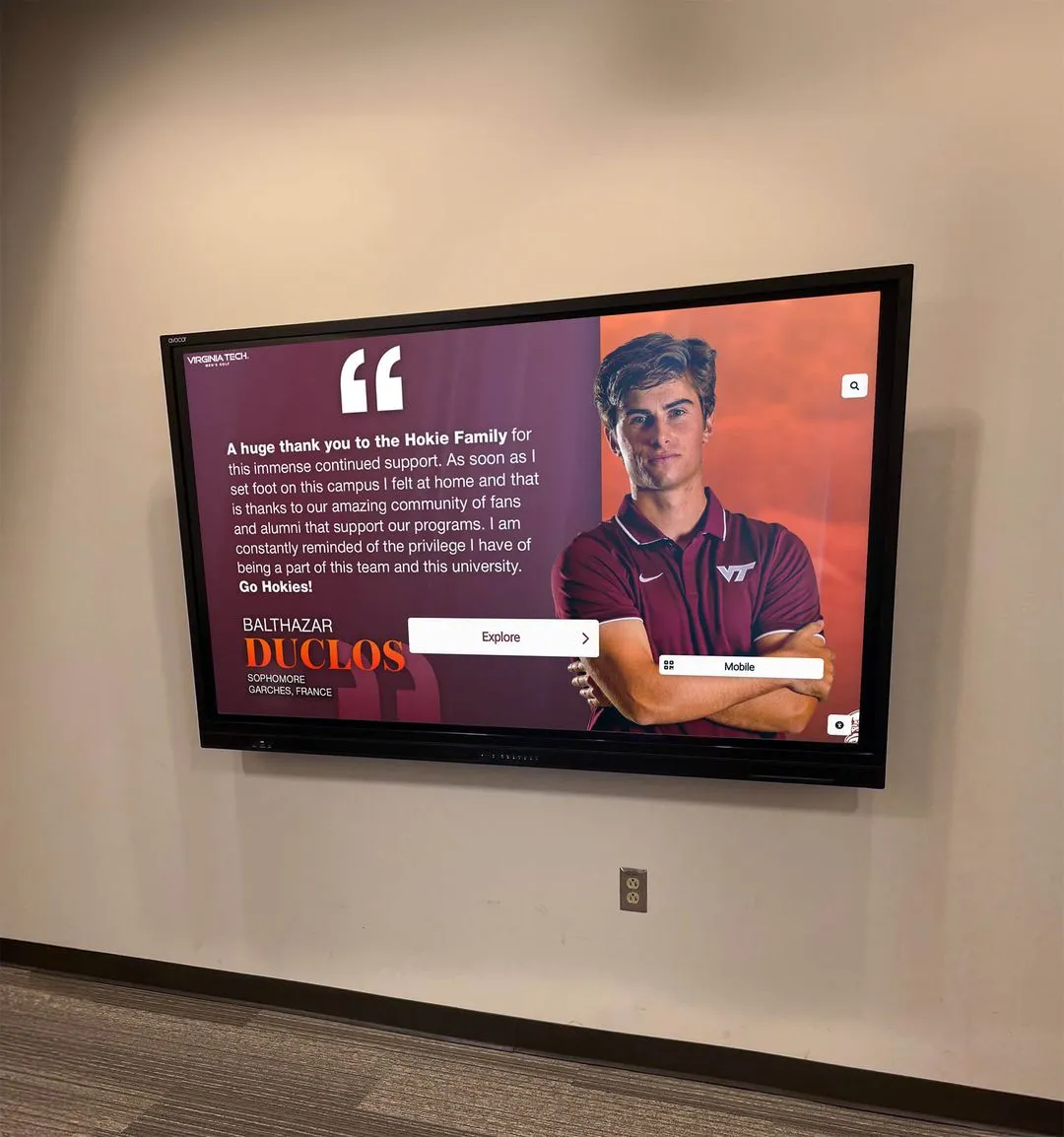
Kiosk displays complement traditional trophy cases while providing unlimited digital capacity for comprehensive recognition impossible through physical displays alone
Layout Blueprint: Designing NC Football Playoff Display Experiences
Creating engaging playoff recognition interfaces requires systematic design approaches balancing information density with visual clarity.
Interactive Layout Architecture
Effective playoff displays organize screen real estate into functional zones serving specific user needs:
Zone 1: Championship Header and Brand Identity (Top 15-20%)
The header establishes immediate context with essential elements including sport and classification identification (e.g., “Football - NCHSAA 3A State Champions”), championship year providing temporal context, school branding with colors and mascot logos creating institutional connection, and championship celebration prominently featuring trophy imagery, final scores, or title count.
For multiple championship teams across different years, rotating headers can showcase various title runs, ensuring all championship seasons receive prominent visibility rather than exclusively highlighting most recent victories.
Zone 2: Bracket Visualization or Navigation (12-15%)
Interactive bracket displays benefit from navigation controls enabling content discovery:
- Tournament bracket overview showing complete playoff path
- Round-by-round navigation (First Round → Quarterfinals → Semifinals → Finals)
- Team filtering allowing instant access to specific opponent information
- Season selection enabling browsing across multiple championship years
- Category toggles switching between rosters, statistics, highlights, and historical context
Navigation transforms static recognition into explorable archives where users control information discovery based on specific interests—whether researching particular games, exploring individual player contributions, or comparing championship seasons across decades.
Zone 3: Primary Content Display (Center, 55-65%)
The main content zone presents detailed playoff information through multiple view types:
- Roster grids showing player cards with photos and statistics
- Game summaries documenting scores, locations, and key performances
- Highlight video players preserving signature moments
- Statistical leaderboards recognizing individual excellence
- Photo galleries capturing on-field action and celebration moments
- Timeline visualizations showing season progression
Content adapts based on user navigation choices, with smooth transitions between different information layers maintaining engagement while preventing disorientation from jarring interface changes.
Zone 4: Contextual Information and Actions (Bottom 10-12%)
Footer zones provide supplementary functionality including related content suggestions directing users toward relevant programs or seasons, social sharing options enabling profile distribution to family and alumni networks, QR codes linking to mobile-responsive web portals for extended exploration, sponsor acknowledgment when booster clubs fund displays, and home/back navigation enabling easy return to main menus.
This footer functionality extends recognition reach beyond physical displays while acknowledging funding sources that enable recognition investments.
Accessibility and Inclusive Design
ADA compliance ensures recognition serves all constituencies:
- Touch target minimums (44x44 pixels) with adequate spacing
- Text contrast ratios meeting WCAG 2.1 AA standards (4.5:1 minimum)
- Mounting heights placing controls within 15-48 inch range for wheelchair access
- Audio controls respecting quiet environments while supporting vision-impaired visitors
- Simplified navigation enabling recovery from interaction errors
Accessibility verification through diverse user testing including older adults, younger students, and people with disabilities prevents future remediation while ensuring genuine inclusivity.
Guidelines for high school basketball recognition demonstrate cross-sport application of recognition principles adaptable for football playoff celebration.
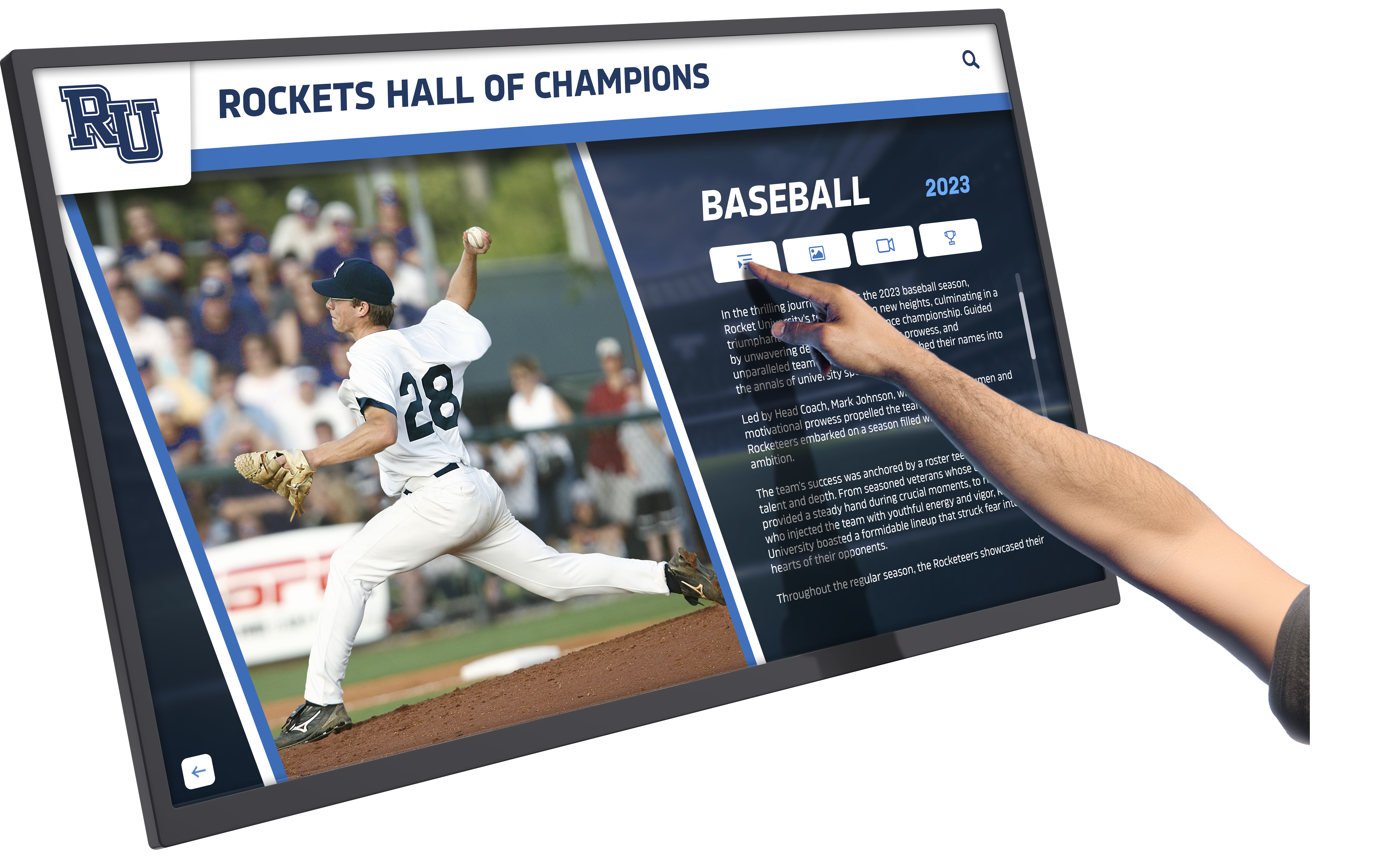
Responsive interfaces provide immediate visual feedback confirming user interactions while maintaining smooth performance across extended engagement sessions
Implementation Strategy: Bringing Football Playoff Recognition to Life
Successful recognition requires systematic planning across technology selection, content development, and community engagement.
Technology Platform Selection
Choosing appropriate display solutions significantly impacts long-term success:
Hardware Considerations for Athletic Environments
Football recognition displays often install in high-traffic athletic facilities requiring durable, reliable equipment:
- Commercial-grade touchscreens rated for continuous operation (50,000+ hours)
- Screen sizes appropriate for viewing distances (43-55" for close viewing, 65-75" for lobby installations)
- Touch technology options (capacitive for responsive smartphone-like experience, infrared for larger sizes)
- Protective enclosures or anti-glare treatments managing lighting in gymnasiums and hallways
- Secure mounting preventing tampering or theft in public spaces
Consumer-grade televisions adapted for recognition applications typically fail within 1-2 years under continuous institutional use, while commercial displays deliver 5-7 year lifecycles justifying higher initial investment through long-term reliability.
Software Platform Requirements
Purpose-built recognition software designed specifically for celebrating achievement rather than generic digital signage platforms provides essential functionality:
- Athletic organization templates optimized for sports recognition
- Intuitive content management enabling updates without technical expertise
- Cloud-based architecture eliminating local server maintenance
- Comprehensive multimedia support for photos, videos, and statistics
- Robust search and filtering as content libraries grow across seasons
- Mobile and web extensions reaching audiences beyond physical locations
- Proven educational institution implementation track record
Generic signage platforms adapted for recognition lack sport-specific workflows, statistical integration capabilities, and specialized features that purpose-built athletic recognition software provides natively without extensive customization investment.
Vendor Assessment Criteria
Evaluate providers across multiple dimensions:
- Demonstrated experience with educational athletic programs
- Quality of reference installations and client testimonials
- Technical support availability and response commitments
- Training resources and onboarding assistance
- Customization capabilities for branding requirements
- Total cost of ownership across 5-7 year hardware lifecycle
Request live demonstrations with actual football content, speak directly with reference schools about implementation experiences, and verify accessibility compliance before committing to platforms requiring future modification addressing regulatory requirements.
Content Development Workflow
Systematic content collection ensures comprehensive recognition:
Source Material Identification
Compile playoff documentation from diverse sources:
- Athletic department records documenting scores, rosters, and statistics
- Yearbooks providing photos and season narratives
- Local newspaper archives capturing game coverage and community reactions
- Social media feeds preserving fan reactions and celebration moments
- Game film and broadcast footage highlighting key plays
- Personal collections from families, coaches, and alumni
Community engagement often uncovers forgotten details, rare photographs, and personal narratives substantially enriching recognition beyond basic statistical documentation available through official sources.
Content Standards and Quality Guidelines
Establish consistency standards ensuring professional presentation:
- Photo resolution minimums (1920x1080 or higher for primary images)
- Video editing standards with captions supporting accessibility
- Biographical length guidelines (150-300 words for player profiles)
- Statistical verification from official scorebooks
- Privacy guidelines respecting student information
- Approval workflows ensuring accuracy before publication
Quality standards prevent haphazard recognition that diminishes program prestige while ensuring all participants receive appropriately professional acknowledgment matching their achievement significance.
Resources on sports banquet planning provide comprehensive frameworks for season celebration complementing year-round recognition displays.
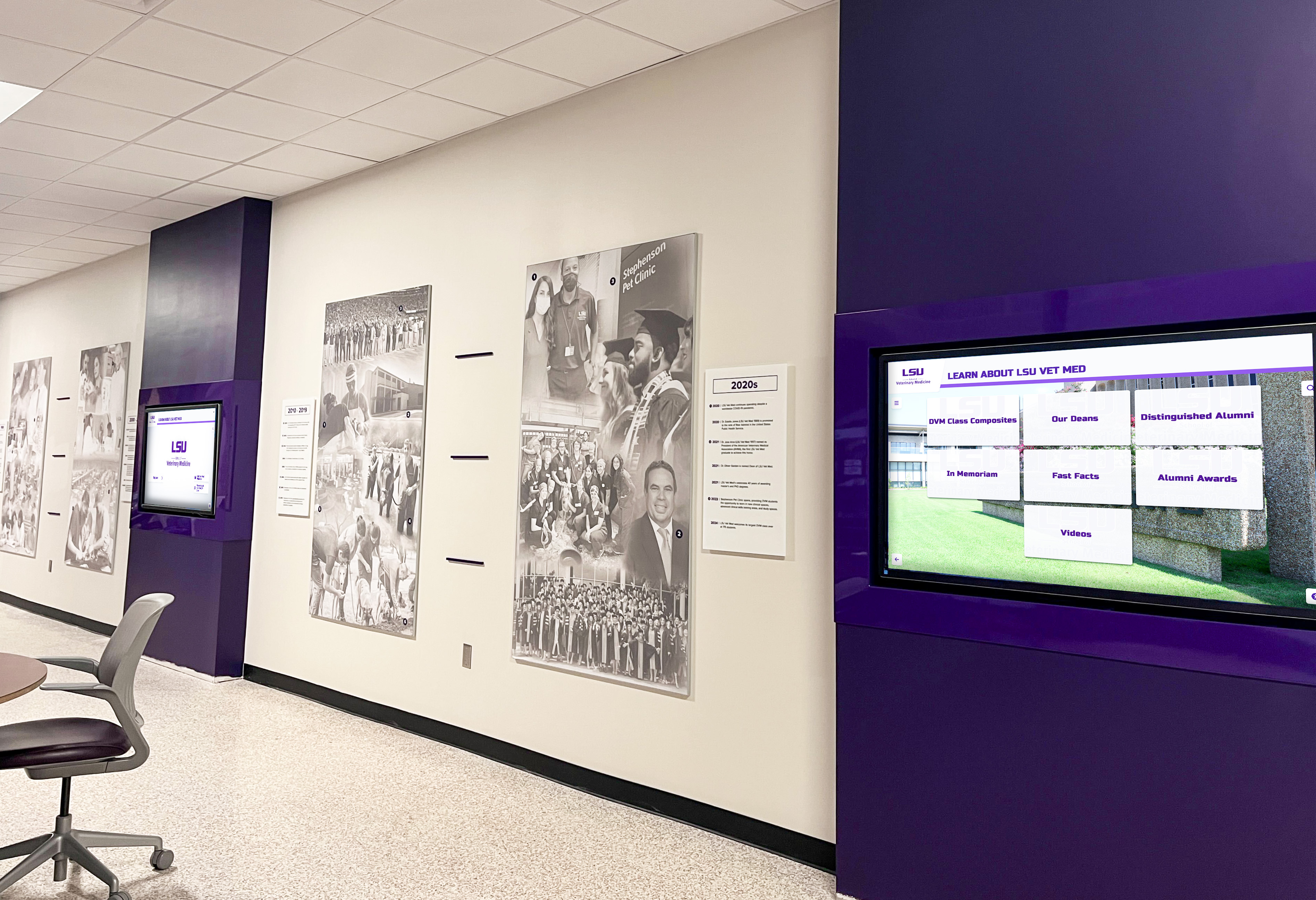
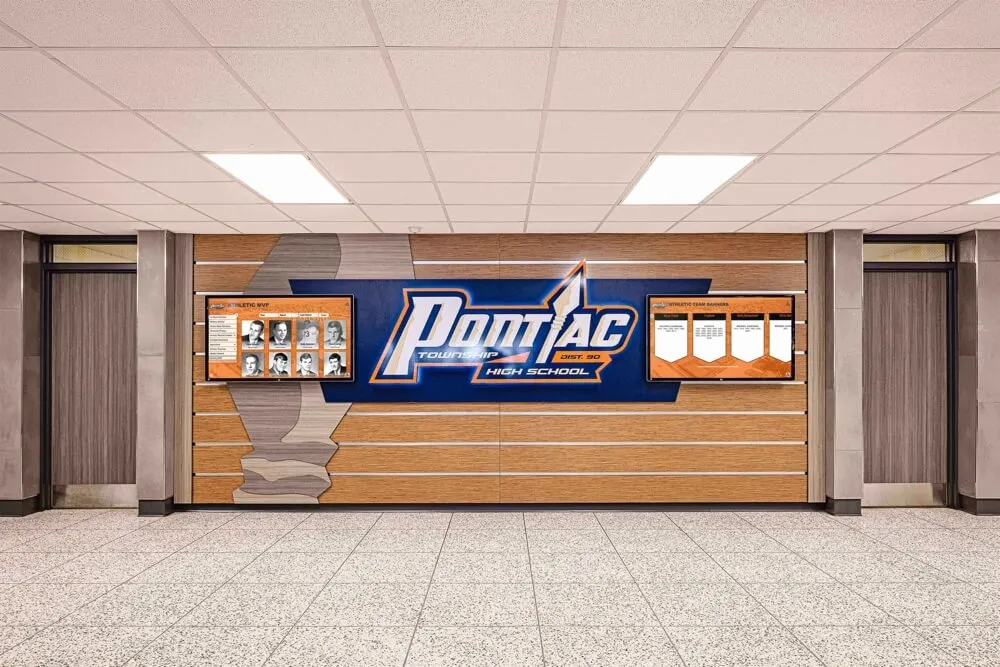
Multiple coordinated displays create comprehensive recognition networks serving different content categories while maintaining unified visual identity
Sustaining Recognition Programs Long-Term
Successful playoff recognition requires ongoing commitment beyond initial launch:
Establishing Annual Update Workflows
Systematic procedures ensure consistent program management:
Post-Season Content Development Cycle
Create predictable schedules for recognition updates:
- Immediate bracket updates as playoff games conclude
- Championship week content pushes following finals
- Off-season content enrichment adding videos and historical context
- Pre-season previews connecting past championships to current team aspirations
- Continuous historical expansion documenting earlier championship seasons
Calendar templates ensure annual cycles repeat reliably without requiring complete planning from scratch each season, while assigned responsibilities prevent confusion about who manages different content categories.
Community Engagement Integration
Recognition programs provide natural engagement vehicles:
- Alumni outreach soliciting historical photos and information
- Booster club involvement in content development and funding
- Student journalism projects documenting current seasons
- Reunion programming incorporating facility tours and recognition updates
- Social media campaigns highlighting championship anniversaries
Community engagement transforms recognition from athletic department responsibility into shared institutional project building broad stakeholder investment in program success and heritage preservation.
Measuring Recognition Impact
Data-driven assessment demonstrates value while identifying improvement opportunities:
Engagement Metrics
Digital platforms provide objective usage measurement:
- Total sessions and unique visitors establishing baseline engagement
- Average session duration indicating content interest depth
- Most-viewed content revealing community interests
- Peak usage times correlating with events and seasons
- Repeat visitor rates demonstrating sustained interest
Low engagement indicates placement problems, interface issues, or content gaps requiring attention. High engagement demonstrates value justifying continued investment and potential expansion.
Community Impact Indicators
Beyond usage metrics, evaluate broader outcomes:
- Alumni engagement levels at games and events
- Recruiting influence on prospective athlete decisions
- Community pride indicators and local media coverage
- Current athlete motivation referencing playoff recognition
- Fundraising impact on booster contributions
Recognition programs strengthening community engagement generate value extending beyond simple acknowledgment—creating active assets supporting recruitment, fundraising, and institutional reputation.
Comprehensive assessment approaches demonstrate recognition value to skeptical stakeholders while identifying continuous improvement opportunities ensuring programs deliver maximum benefit relative to ongoing investment requirements.
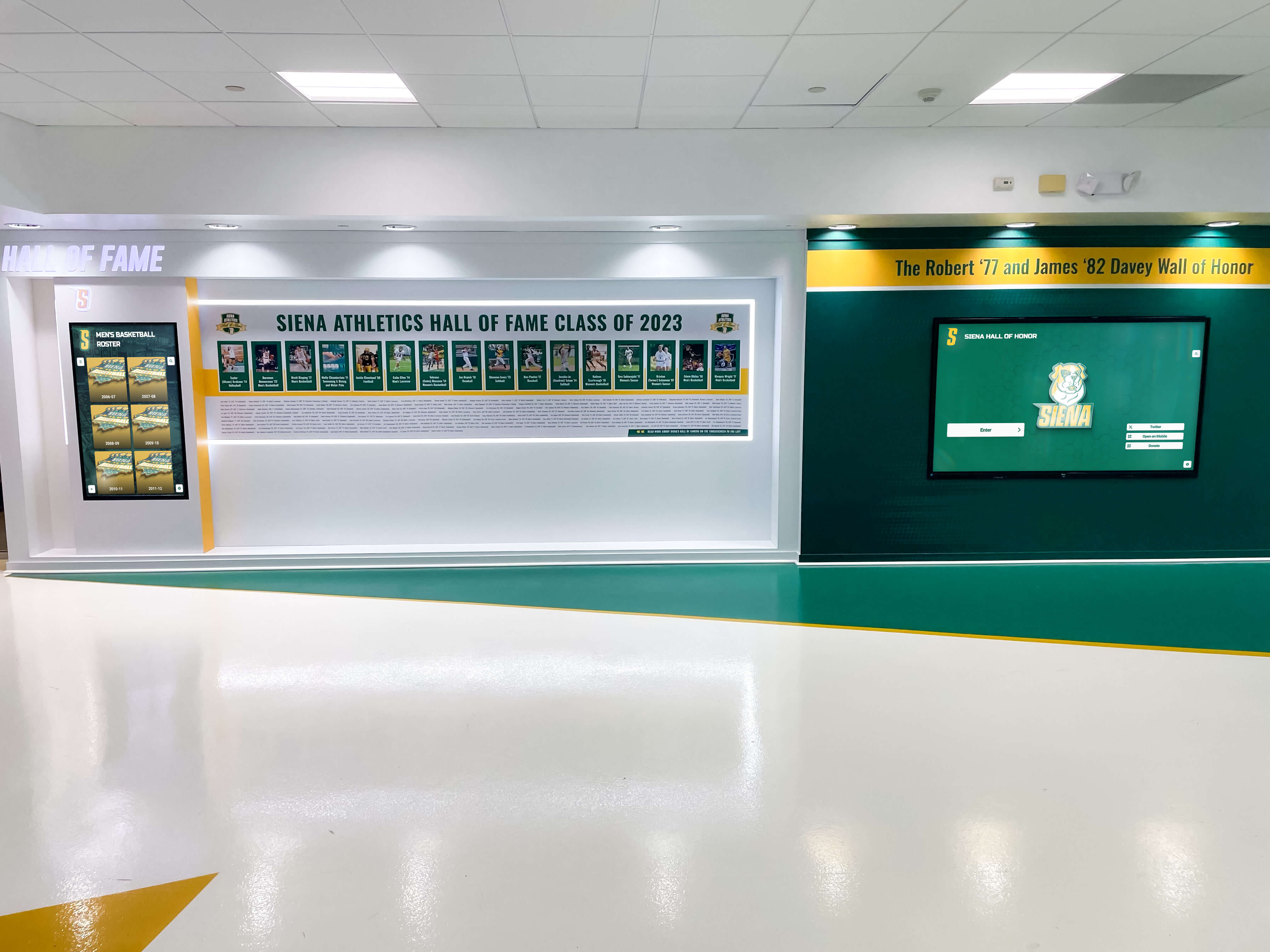
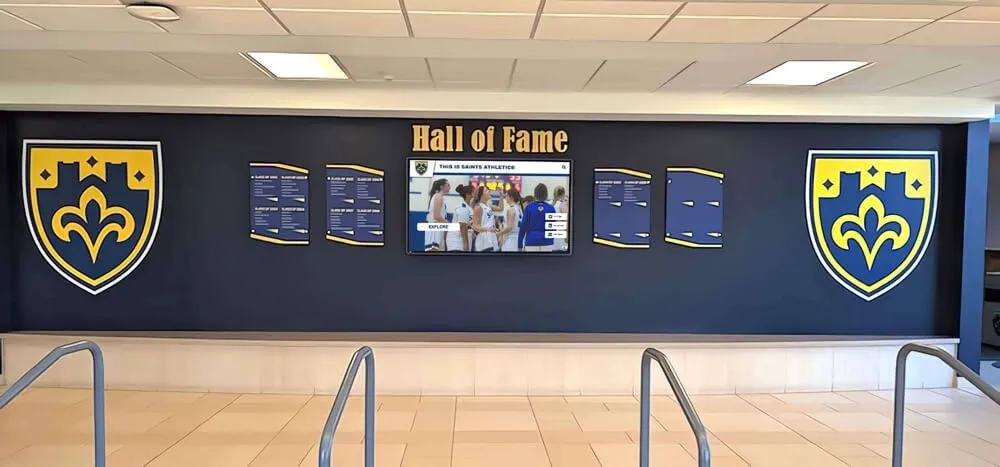
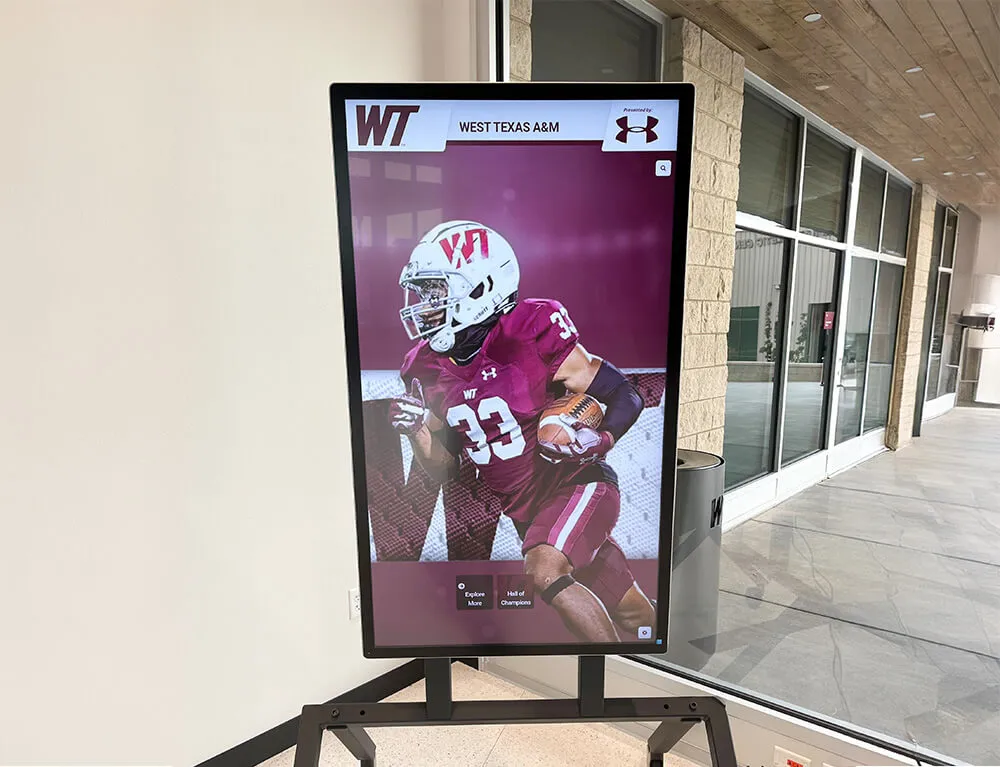
Large-format installations in prominent locations ensure championship recognition receives appropriate visibility and prestige within athletic facilities
Case Study Insights: Successful NC Football Recognition Programs
Learning from schools effectively celebrating playoff excellence provides practical implementation guidance.
Common Success Patterns
Schools with thriving recognition programs share characteristic approaches:
Early Planning and Stakeholder Involvement
Successful implementations begin with planning committees including athletic directors, head coaches, booster club leadership, technology coordinators, and communications staff. Diverse perspectives ensure recognition systems serve multiple constituencies rather than reflecting single viewpoints potentially overlooking important use cases or content categories.
Early stakeholder involvement builds ownership and commitment, preventing recognition from becoming isolated athletic department responsibility lacking broader institutional support.
Phased Implementation Approaches
Rather than attempting comprehensive recognition immediately, successful schools often implement incrementally:
- Phase 1: Current season recognition establishing workflows and demonstrating value
- Phase 2: Recent championship documentation (past 5-10 years) building content library
- Phase 3: Historical expansion systematically adding earlier seasons
- Phase 4: Cross-sport integration extending recognition beyond football
Phased approaches distribute costs across multiple budget cycles while enabling learning from early implementations before expanding significantly.
Integration with Broader Recognition Strategies
Football playoff recognition works most effectively when integrated with comprehensive athletic celebration:
- Ceremony programming incorporating display unveilings
- Social media campaigns driving awareness and engagement
- Recruitment communications showcasing tradition and excellence
- Fundraising appeals connecting recognition to booster support
- Academic recognition displays creating balanced celebration across programs
Integration maximizes recognition value while distributing effort across teams rather than burdening single individuals with complete program responsibility.
Avoiding Common Implementation Pitfalls
Understanding typical obstacles enables proactive solutions:
Insufficient Content Development Resources
Many schools underestimate content development requirements, launching recognition systems lacking sufficient biographical depth, photos, or statistics to create engaging experiences. Starting with achievable scope—perhaps one or two championship seasons documented comprehensively—proves more effective than attempting complete coverage resulting in superficial recognition across all seasons.
Neglecting Ongoing Maintenance
Initial launch enthusiasm often fades, leaving recognition systems stagnant as staff move on and priorities shift. Assigning permanent responsibility with backup coverage, documenting update procedures, and scheduling regular content reviews prevents deterioration maintaining value across years.
Inadequate Budget Planning
Recognition requires sustained financial commitment for software licenses, hardware replacement across 5-7 year lifecycles, content development resources, and technical support. Multi-year budget projections demonstrate total cost of ownership informing administrative decision-making while preventing programs from launching with unsustainable models requiring future cutbacks damaging credibility.
Understanding digital record board maintenance provides detailed operational guidelines ensuring long-term program sustainability beyond initial implementation enthusiasm.

Purpose-built recognition displays transform athletic spaces into celebration environments where achievement receives appropriate permanent visibility
Conclusion: Preserving NC Football Playoff Excellence for Generations
North Carolina high school football playoffs create defining moments for student-athletes, coaches, and communities across the state. Championship runs represent years of preparation, countless practice hours, and extraordinary dedication deserving recognition matching achievement significance. Yet many schools limit playoff celebration to temporary acknowledgment—fading newspaper clippings, forgotten trophies, and vanishing memories as participants graduate and communities move forward.
Modern recognition technology fundamentally changes what’s possible in celebrating football excellence. Interactive touchscreen displays eliminate physical space constraints limiting traditional trophy cases, enable immediate content updates throughout tournament runs, support rich multimedia storytelling impossible through static plaques, and extend recognition accessibility beyond physical locations reaching alumni and families worldwide.
Get Your Touchscreen Mock-Up
Discover how custom-designed digital recognition displays can transform how your school celebrates NC football playoff excellence. Purpose-built platforms honor championship traditions while engaging modern audiences through compelling interactive experiences.
Schedule Your Design ConsultationThe most successful implementations start with clear recognition goals identifying what achievements deserve celebration and which audiences recognition should serve. Purpose-built platforms designed specifically for athletic recognition rather than generic signage prove essential, providing sport-specific functionality including bracket visualization, statistical integration, and multimedia capabilities. Thoughtful content strategies honoring participants comprehensively through biographical depth rather than minimal documentation create genuinely engaging experiences. And strategic display placement in high-traffic athletic facilities ensures recognition reaches intended audiences regularly rather than becoming invisible infrastructure noticed only during initial installation.
Whether implementing championship team recognition, comprehensive playoff history archives, or cross-sport athletic halls of fame incorporating football alongside other programs, digital touchscreen technology provides proven solutions strengthening community culture while giving every deserving athlete, coach, and team the permanent recognition their accomplishments merit.
North Carolina’s football playoff system creates extraordinary athletic achievement annually across all classifications and regions. Schools investing in comprehensive recognition demonstrate commitment to celebrating excellence appropriately rather than limiting acknowledgment to arbitrary physical constraints. This comprehensive approach communicates institutional values while building cultures where playoff success receives systematic celebration creating motivation, pride, and lasting connection between past excellence and future aspirations.
Ready to explore football playoff recognition solutions for your North Carolina school? Learn about comprehensive athletic recognition strategies, discover school pride building approaches, explore pep rally engagement ideas, and understand digital athletic record board implementation that preserves championship legacies through modern technology purpose-built for celebrating athletic excellence and inspiring future generations toward playoff glory.