



Every fall, North Carolina high school football teams embark on journeys that define athletic careers, build community pride, and create memories lasting decades. The NC high school football playoffs represent the culmination of grueling regular seasons—a structured tournament system where teams earn advancement through competitive excellence, ultimately crowning state champions across multiple classifications that honor the best programs in one of the nation’s most competitive high school football landscapes.
The North Carolina High School Athletic Association (NCHSAA) administers comprehensive playoff systems featuring eight distinct classifications based on school enrollment size, creating equitable competitive frameworks where similarly-sized schools compete for state championships. From 1A schools with under 400 students to massive 4A programs exceeding 2,100 enrollment, each classification produces legitimate champions whose achievements deserve celebration matching the significance of their accomplishment within appropriate competitive contexts.
This comprehensive guide explores North Carolina’s high school football playoff structure, championship traditions, and how schools permanently honor playoff participants and state champions through modern recognition displays that preserve these defining moments in institutional athletic memory. Whether your school recently earned its first playoff berth, advanced deep into postseason competition, or captured a state championship, you’ll discover strategic frameworks for celebrating these achievements through engaging visual storytelling that inspires current athletes while honoring past excellence.
Schools that implement thoughtful championship recognition—combining clear visual hierarchy, interactive navigation, rich multimedia content, and accessible design—build powerful athletic traditions while giving playoff participants and state champions the lasting visibility their extraordinary achievements deserve within communities that supported their competitive journeys.

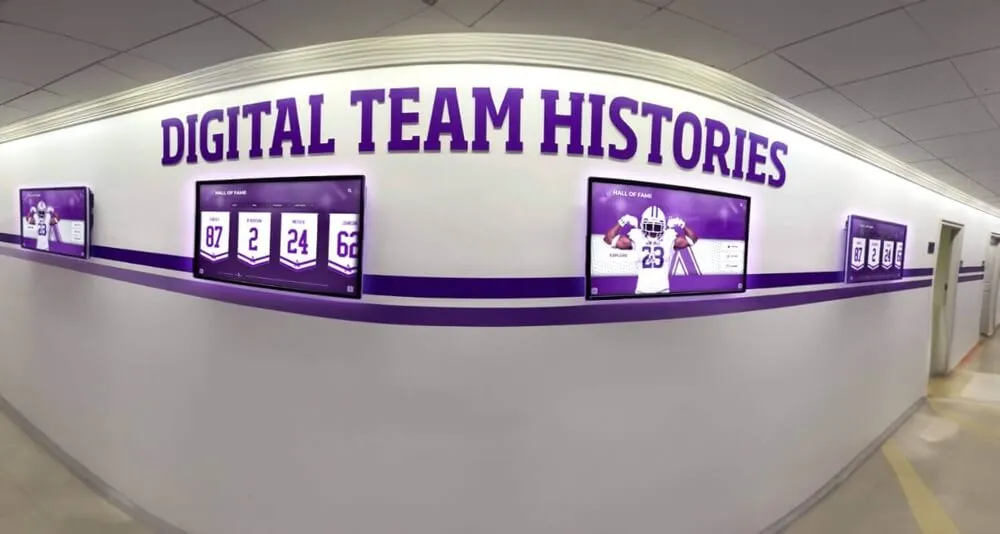
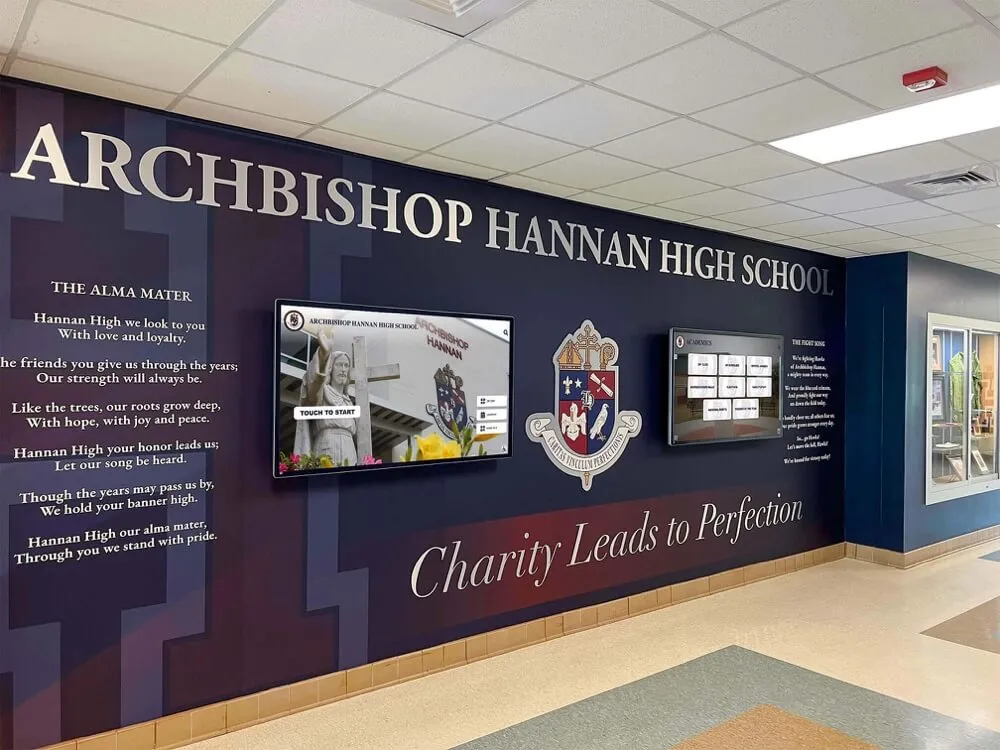
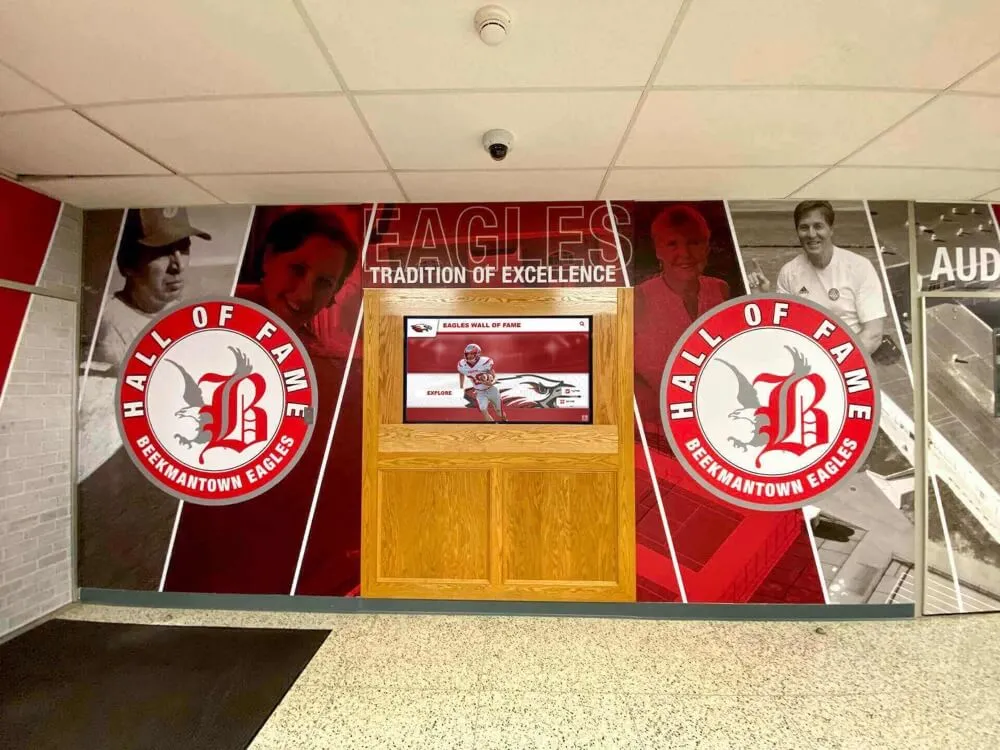
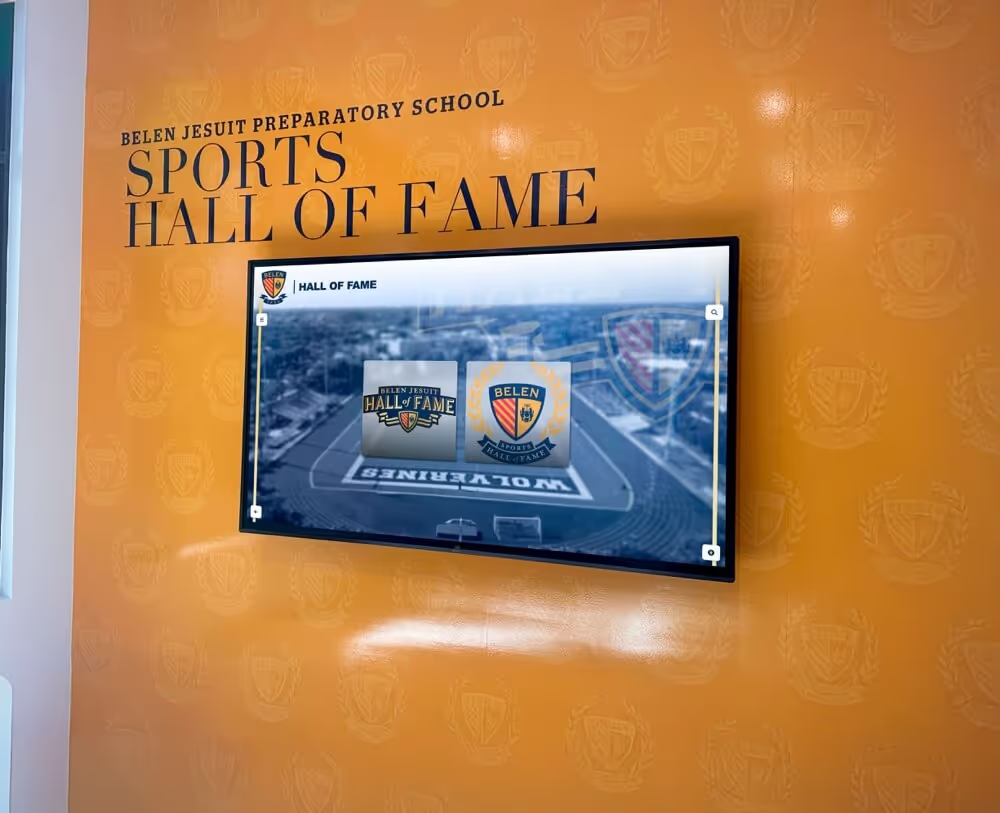
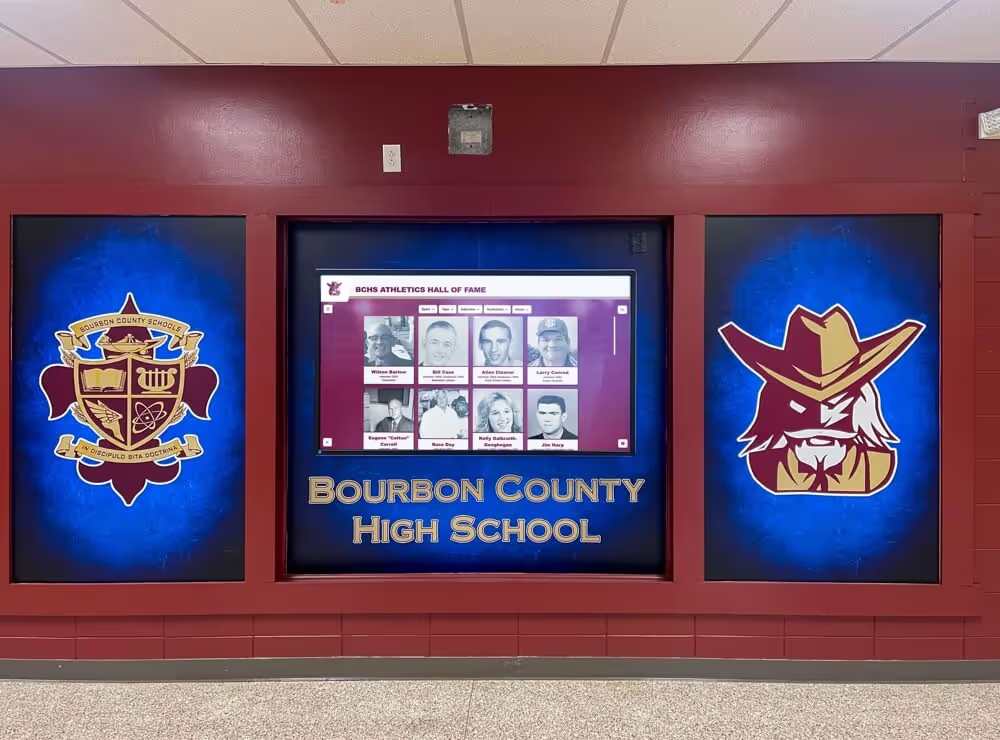
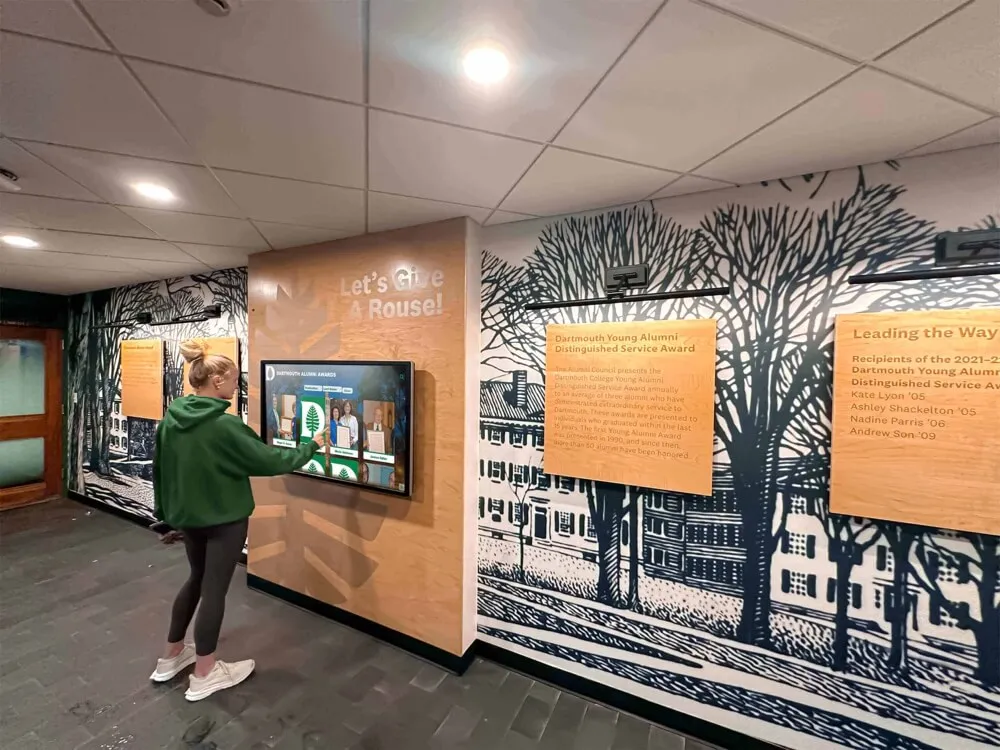
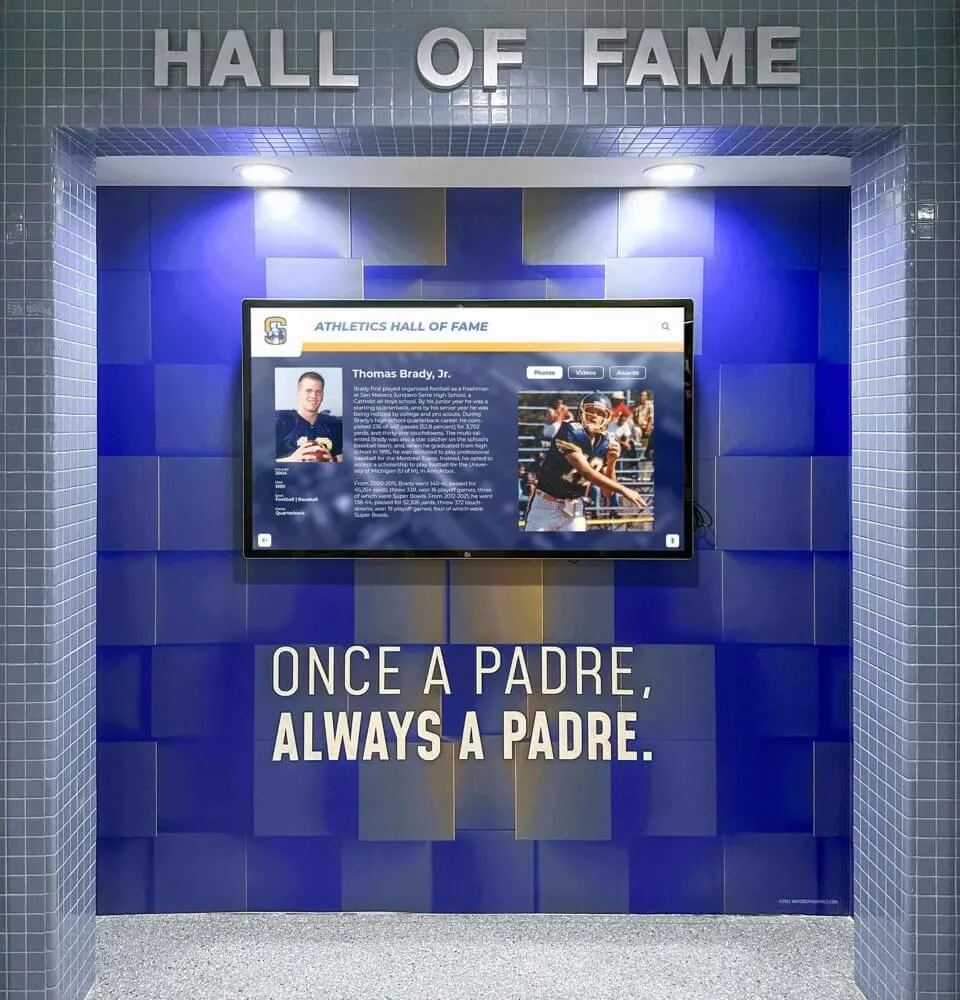
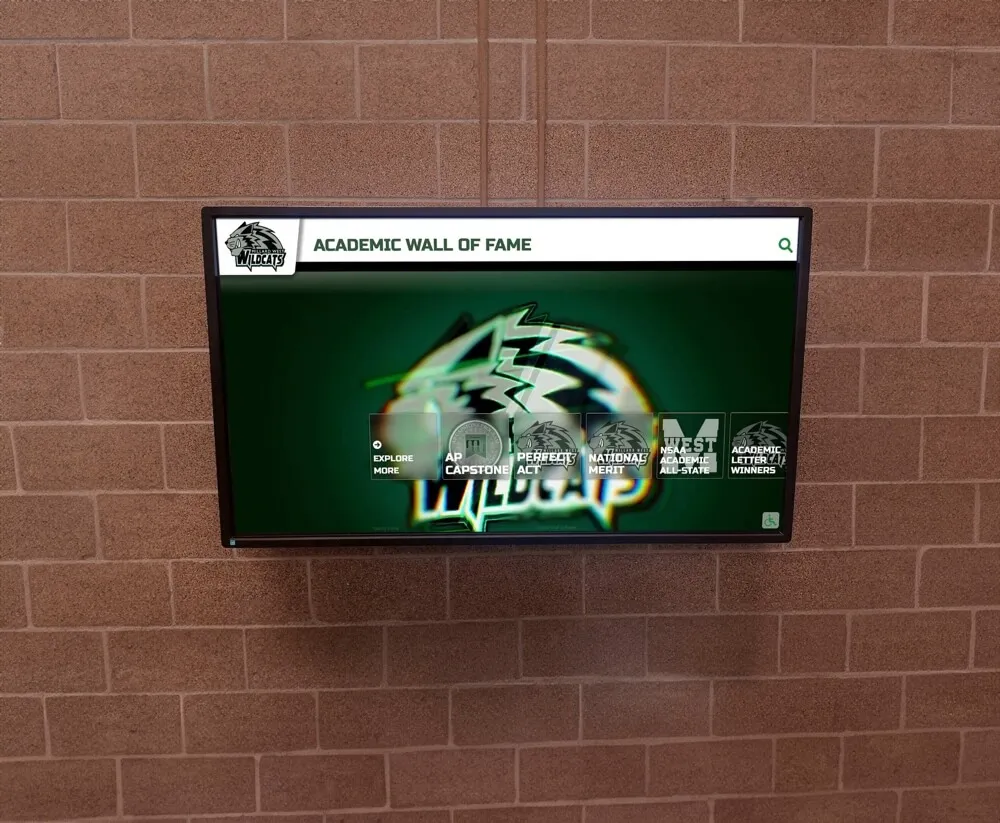
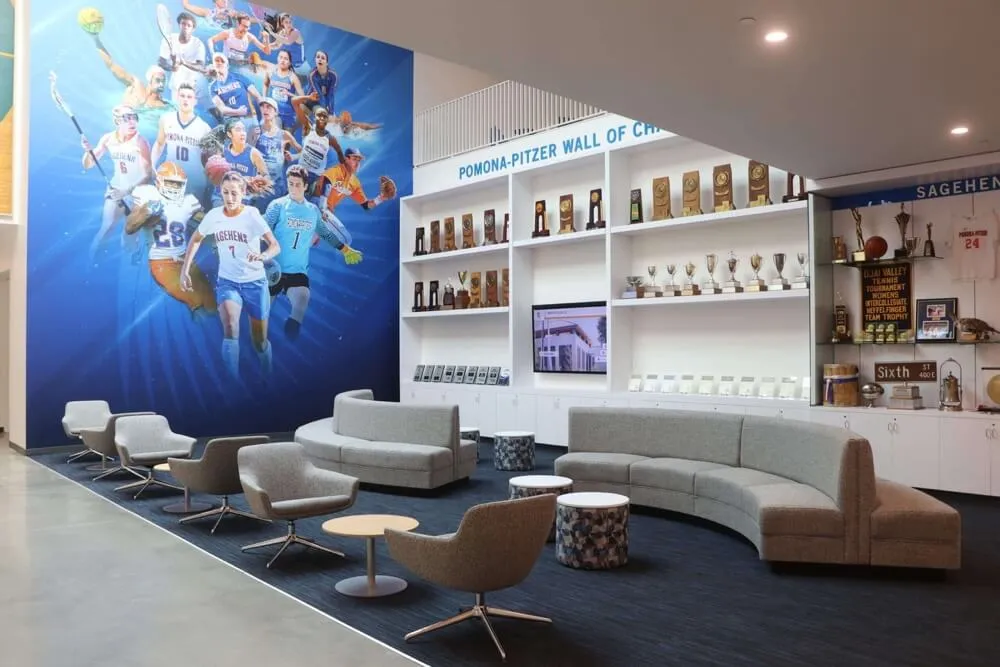
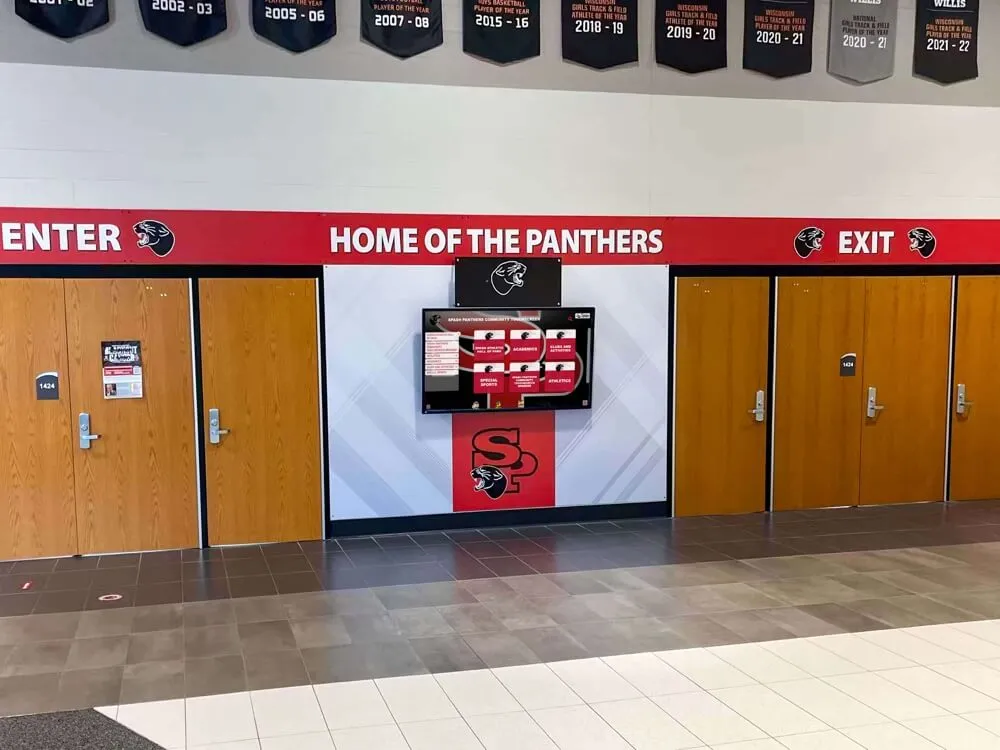
Strategic lobby installations ensure playoff and championship recognition reaches maximum audience by positioning displays where students, families, and visitors naturally gather
Understanding North Carolina’s High School Football Playoff Structure
Before designing recognition displays, understanding NC’s unique playoff framework provides essential context for appropriate celebration aligning with actual competitive achievement.
The NCHSAA Classification System
North Carolina organizes high school football competition through eight classifications determined by school enrollment, creating separate playoff brackets ensuring schools compete against similar-sized institutions:
Classification Structure and School Sizes
- 1A: Schools with average daily membership under 400 students
- 2A: Schools with 401-600 students
- 3A: Schools with 601-950 students
- 4A: Schools with 951+ students
Within each classification, the state further divides into East and West regions, creating initial separation acknowledging North Carolina’s geographic diversity and reducing travel requirements during early playoff rounds. This regional split means North Carolina effectively crowns 16 state champions annually—eight classifications each producing Eastern and Western champions before the ultimate state title game determines overall classification winners.
Why Classification Matters for Recognition
Understanding classification context proves essential when designing championship displays. A 1A state championship represents extraordinary achievement within small-school competitive contexts—schools operating with limited enrollment, smaller coaching staffs, fewer resources, yet demonstrating excellence through strategic program building, community engagement, and exceptional athlete development.
Conversely, 4A state championships reflect competitive dominance within North Carolina’s largest schools—programs often featuring extensive coaching staffs, substantial athletic budgets, purpose-built facilities, and deep talent pools drawing from enrollment bases exceeding 2,000 students.
Both achievements deserve prominent celebration, but recognition context should acknowledge the competitive framework within which championships occurred—ensuring all stakeholders understand the significance while avoiding inappropriate comparisons across fundamentally different competitive environments.
Playoff Qualification and Bracket Structure
The NCHSAA employs systematic playoff qualification ensuring the best teams advance while maintaining bracket integrity:
Conference Championship Qualification
North Carolina football operates through conference structures where teams compete within designated leagues during regular seasons. Conference champions typically receive automatic playoff berths, rewarding sustained season-long excellence within competitive contexts where teams face each other multiple times across campaigns.
At-Large Selections and Wildcard Berths
Beyond conference champions, playoff brackets expand to include teams with strong overall records even when conference championships proved unattainable. Selection committees evaluate win-loss records, strength of schedule, head-to-head results, and competitive performance determining which programs earned playoff qualification through demonstrated excellence despite not capturing conference titles.
At-large qualification acknowledges that highly competitive conferences might feature multiple championship-caliber programs where regular season positioning doesn’t necessarily reflect overall quality—enabling strong teams to earn playoff opportunities despite conference standings.
Bracket Progression and Championship Paths
Once qualified, teams progress through structured brackets typically featuring four rounds culminating in state championship games:
- First Round: Initial playoff games pairing qualified teams based on seeding
- Second Round: Winners advance to regional competition
- Regional Finals: Determines conference/regional representatives
- State Championship: Ultimate title game crowning classification champions
Each advancement represents significant achievement—schools reaching regional finals or state championships accomplished extraordinary success worthy of permanent recognition beyond simply celebrating ultimate champions.
Resources about state championship display strategies provide comprehensive frameworks for honoring playoff achievement at every competitive level.

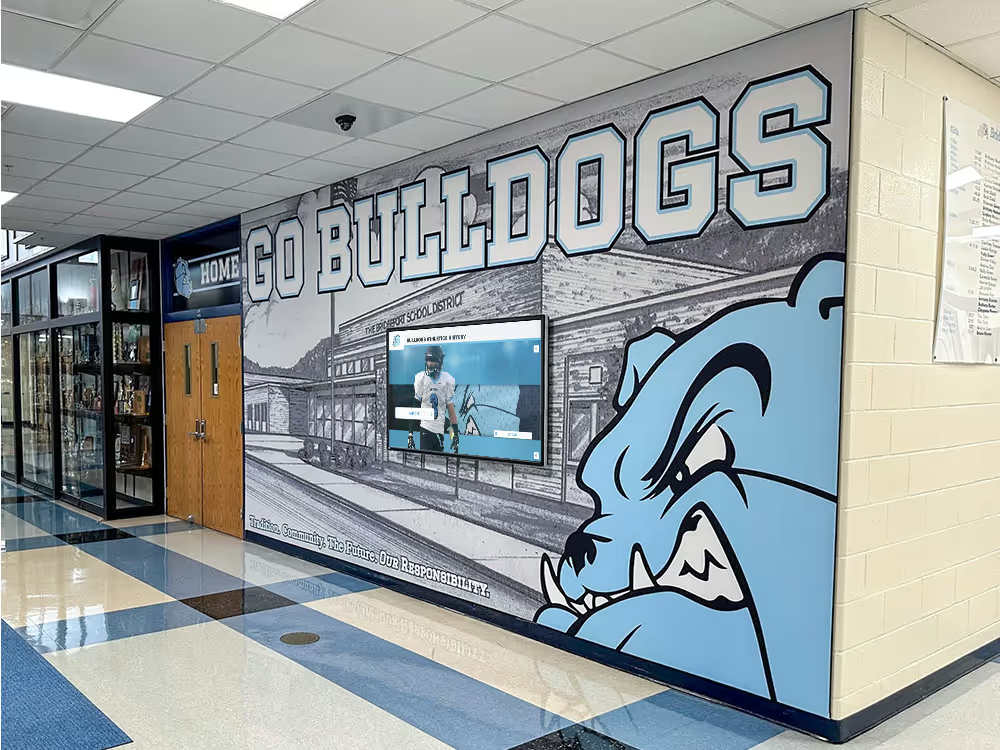
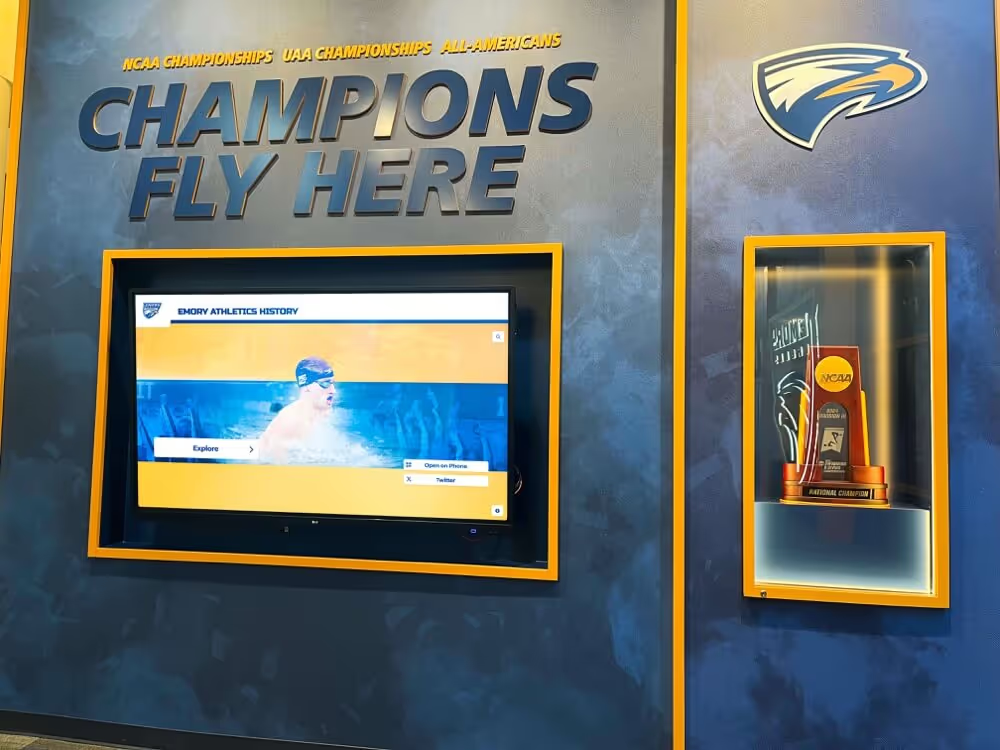
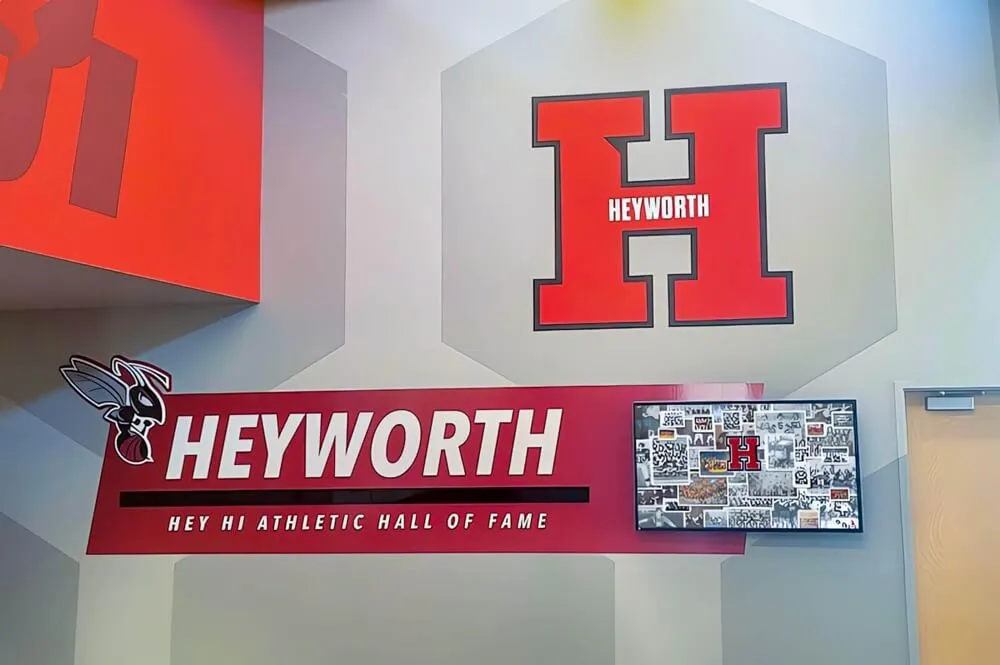
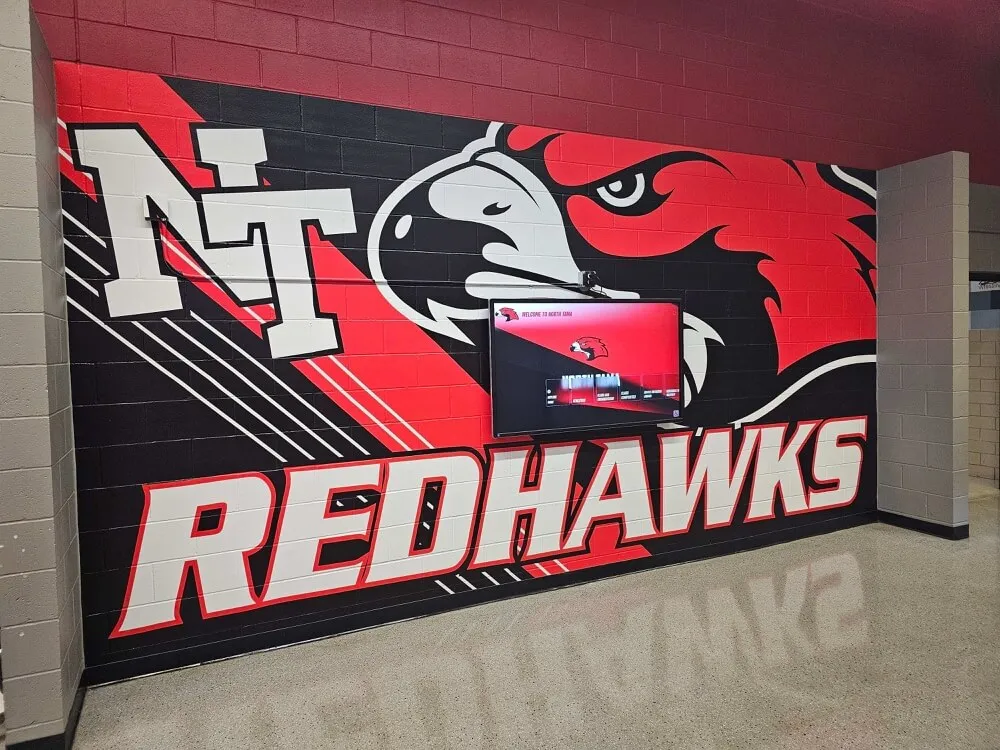
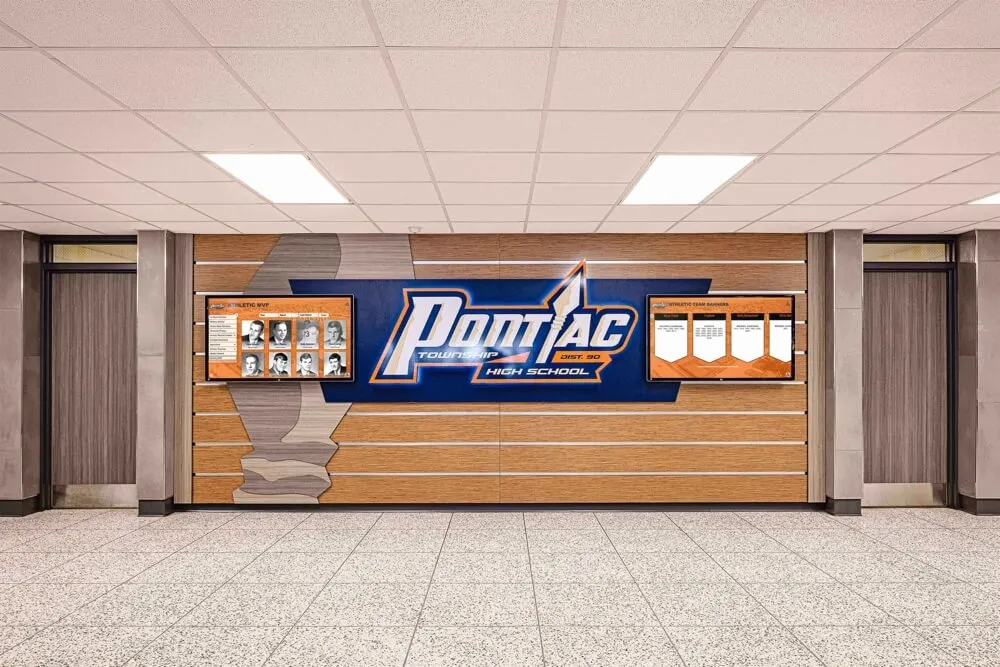
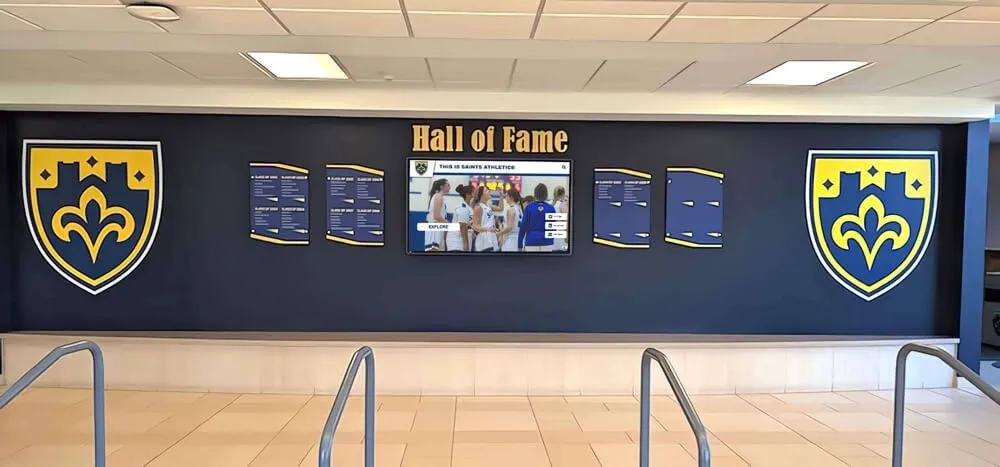
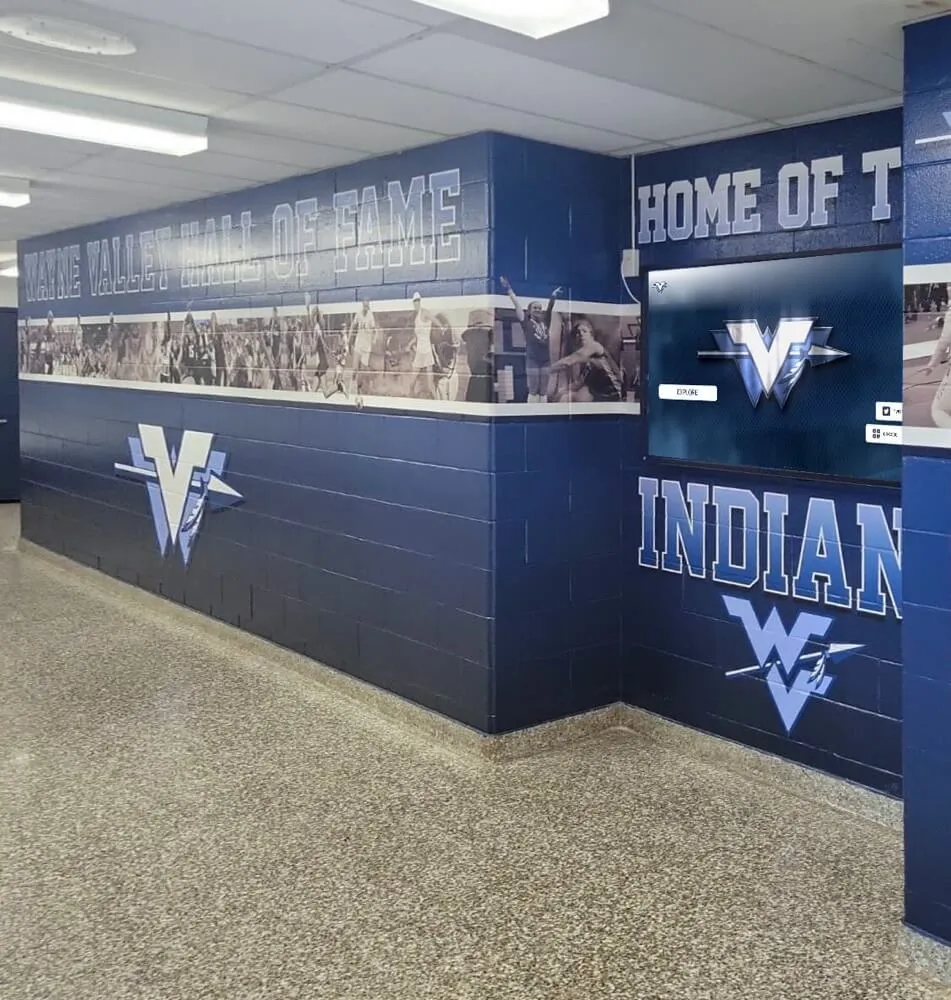
Hallway installations position championship recognition within daily student pathways, creating constant visibility reinforcing program tradition and motivating current athletes
Notable NC High School Football Championship Traditions
Understanding North Carolina’s rich football heritage helps schools position their own playoff achievements within broader state competitive context.
Historic Championship Programs
North Carolina high school football features legendary programs whose sustained excellence established state and national reputations:
Shelby High School Golden Lions
Located in Cleveland County, Shelby represents one of North Carolina’s most storied programs with multiple state championships spanning decades. The Golden Lions consistently compete at elite levels, developing college prospects while maintaining championship culture through systematic athlete development, community support, and coaching continuity creating sustained competitive advantage.
Charlotte Catholic Cougars
The Cougars built dominant programs particularly during the 1980s-2000s, capturing numerous state titles through strategic recruiting within private school frameworks, exceptional coaching, and comprehensive athletic infrastructure supporting championship-level competition year after year.
Monroe High School Redhawks
Union County’s Monroe program established consistent championship contention through community investment, strategic coaching hires, and systematic youth development pipelines ensuring talent continuity sustaining competitive excellence across coaching transitions and demographic changes.
East Lincoln Mustangs
Lincoln County’s East Lincoln demonstrates how smaller classification programs can build championship dynasties through focused community engagement, exceptional coaching, and systematic development converting limited enrollment bases into maximum competitive output through efficiency and strategic program management.
These programs provide aspirational examples for schools building their own championship traditions—demonstrating sustained excellence requires systematic approaches beyond individual coaching tenures or single talented recruiting classes.
Recent State Championship Game Venues
North Carolina rotates state championship venues annually, with recent finals held at prestigious locations adding ceremonial significance to championship experiences:
Carter-Finley Stadium (NC State University)
Raleigh’s Carter-Finley Stadium regularly hosts state finals, providing championship participants major college stadium experiences complete with professional facilities, large video boards, quality playing surfaces, and substantial seating capacity accommodating large crowds celebrating championship achievement.
Kenan Memorial Stadium (University of North Carolina)
Chapel Hill’s iconic venue occasionally hosts championships, offering historic college football atmosphere where high school champions compete in the same facilities that witnessed generations of collegiate excellence.
BB&T Field (Wake Forest University)
Winston-Salem’s Wake Forest stadium provides another major college venue option, ensuring championship games receive appropriate settings matching the significance of competitions determining state’s best programs.
Championship game locations matter for recognition context—teams competing in major college stadiums experience memorable capstone events that schools should document thoroughly through photography, video, and comprehensive narrative capturing these defining institutional moments.
Championship Week Traditions and Celebrations
North Carolina championship weeks feature traditions enhancing competitive experiences:
Pep Rallies and School Sendoffs
Schools typically organize major pep rallies before championship departures, creating school-wide celebrations acknowledging competitive achievement while building community support. These events often feature student body participation, band performances, cheerleading exhibitions, and community attendance demonstrating collective pride in athletic representation.
Team Hotels and Pre-Game Rituals
Championship teams frequently travel to host cities days before games, staying in hotels creating focused team environments away from home distractions. These experiences build team bonding while adding professional elements to championship preparations that athletes remember throughout their lives.
Post-Championship Celebrations
Winning programs typically receive hero’s welcomes upon returning home—community escorts from city limits, celebration rallies in school gyms or parking lots, recognition at city council meetings, and extensive local media coverage documenting championship achievement creating shared community memories transcending simple athletic accomplishment.
Understanding recognition program best practices helps schools systematically document these traditions ensuring complete championship story preservation beyond game results alone.
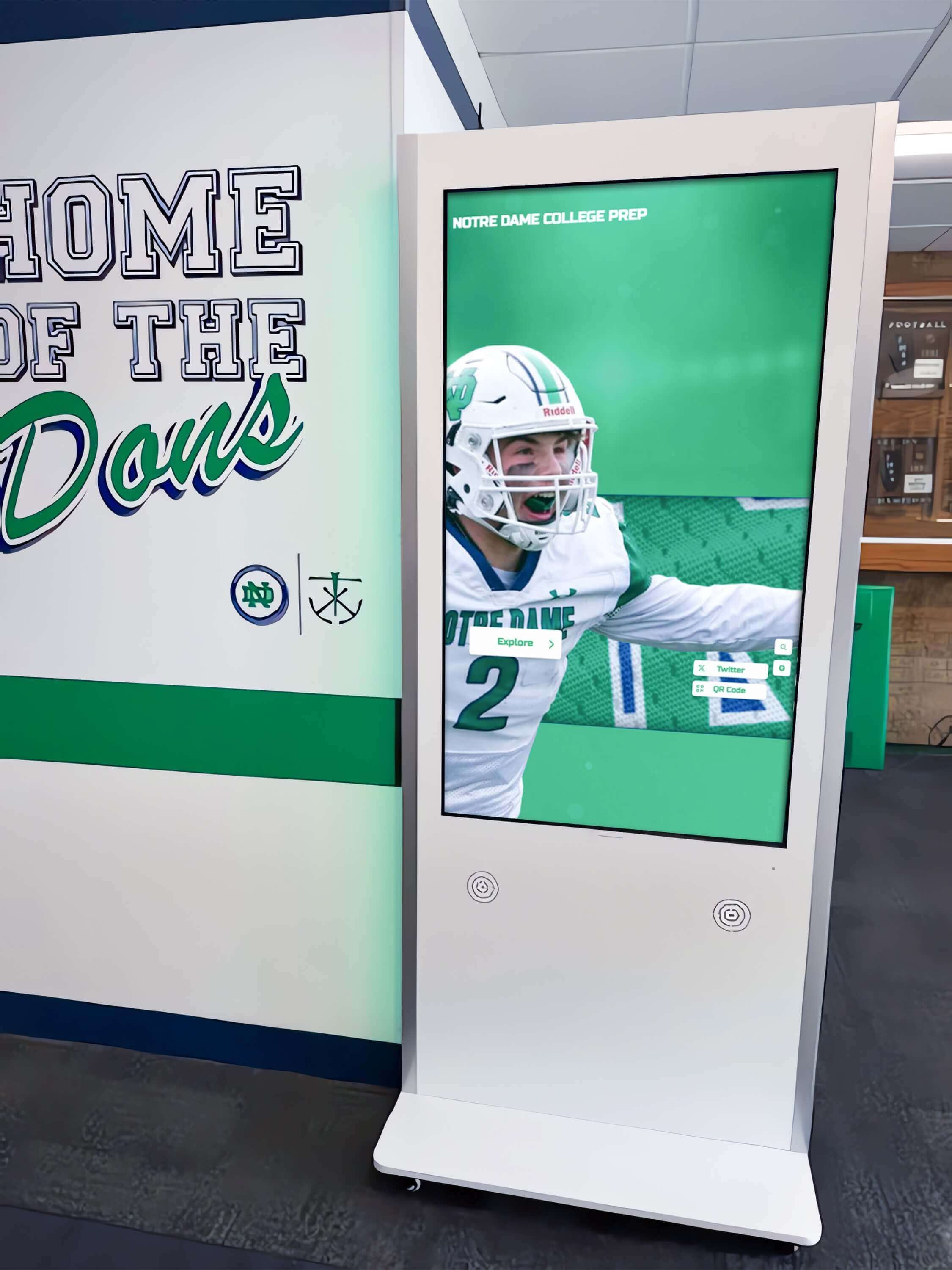
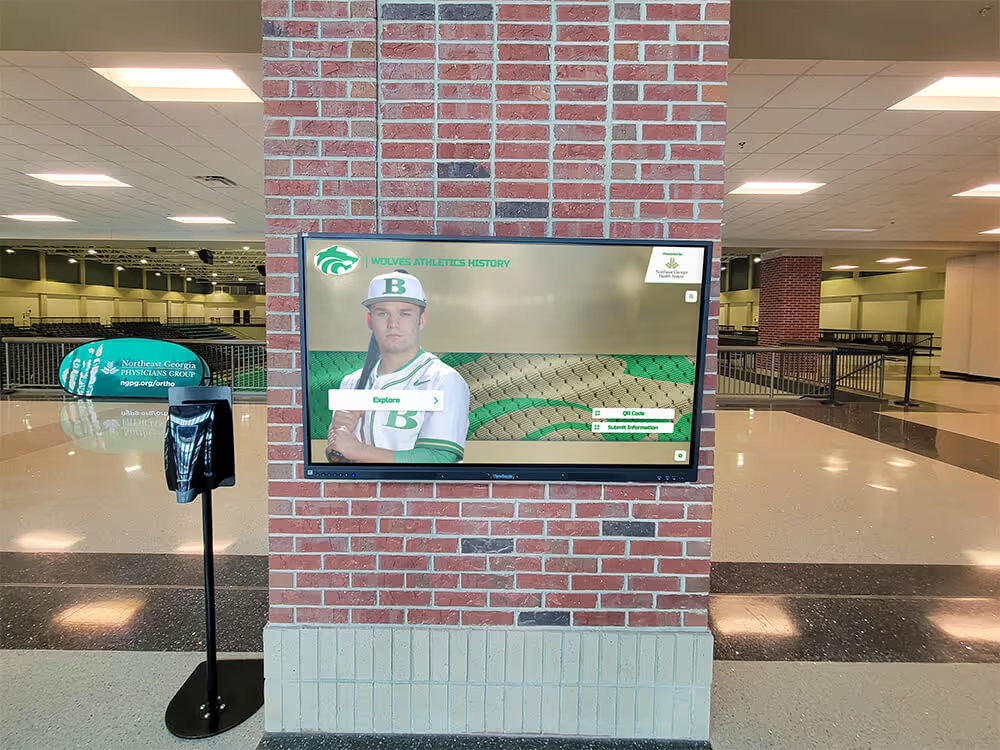
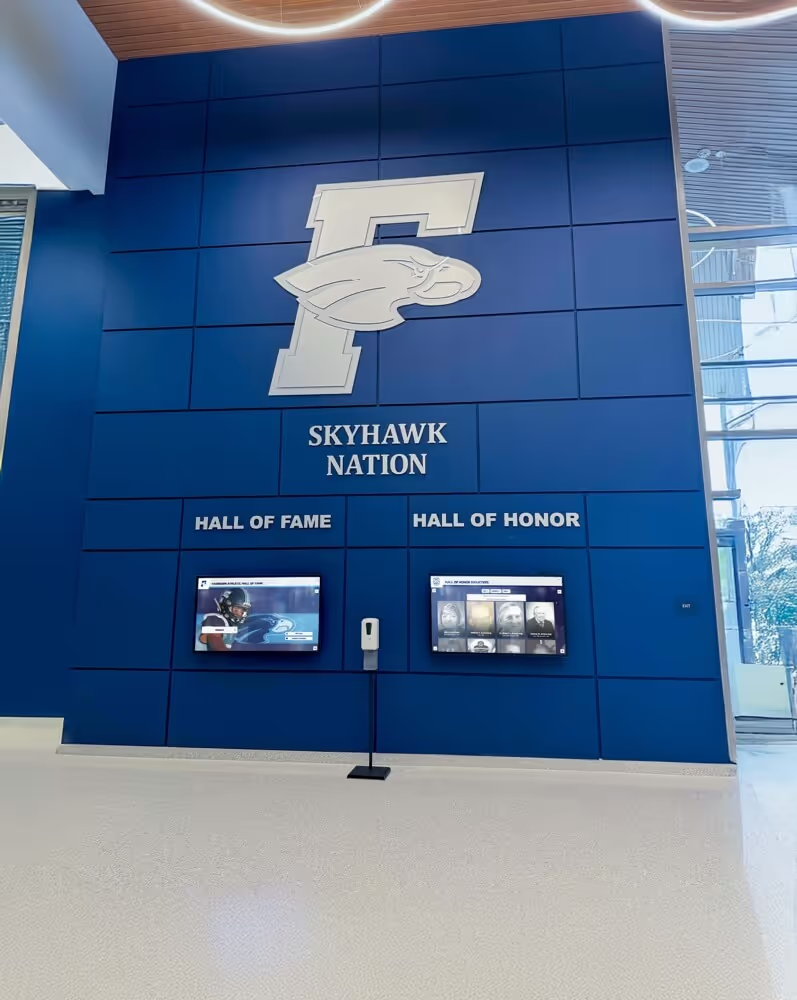
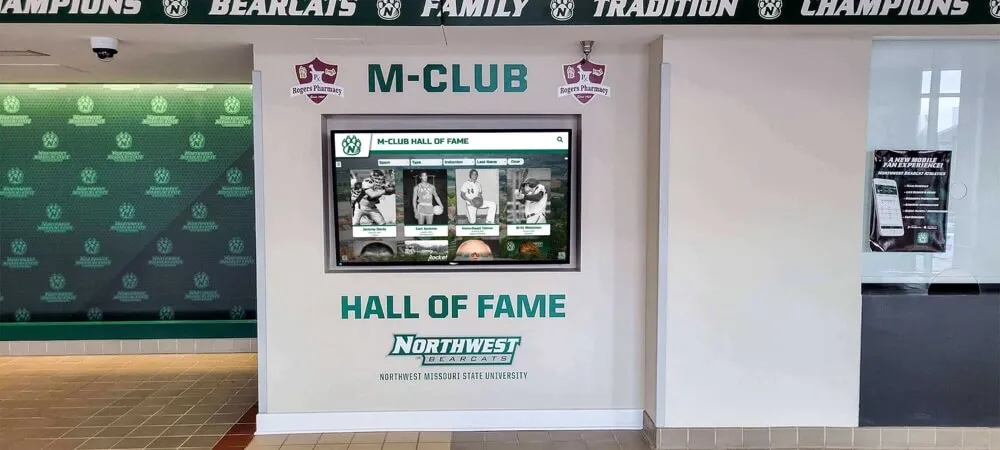
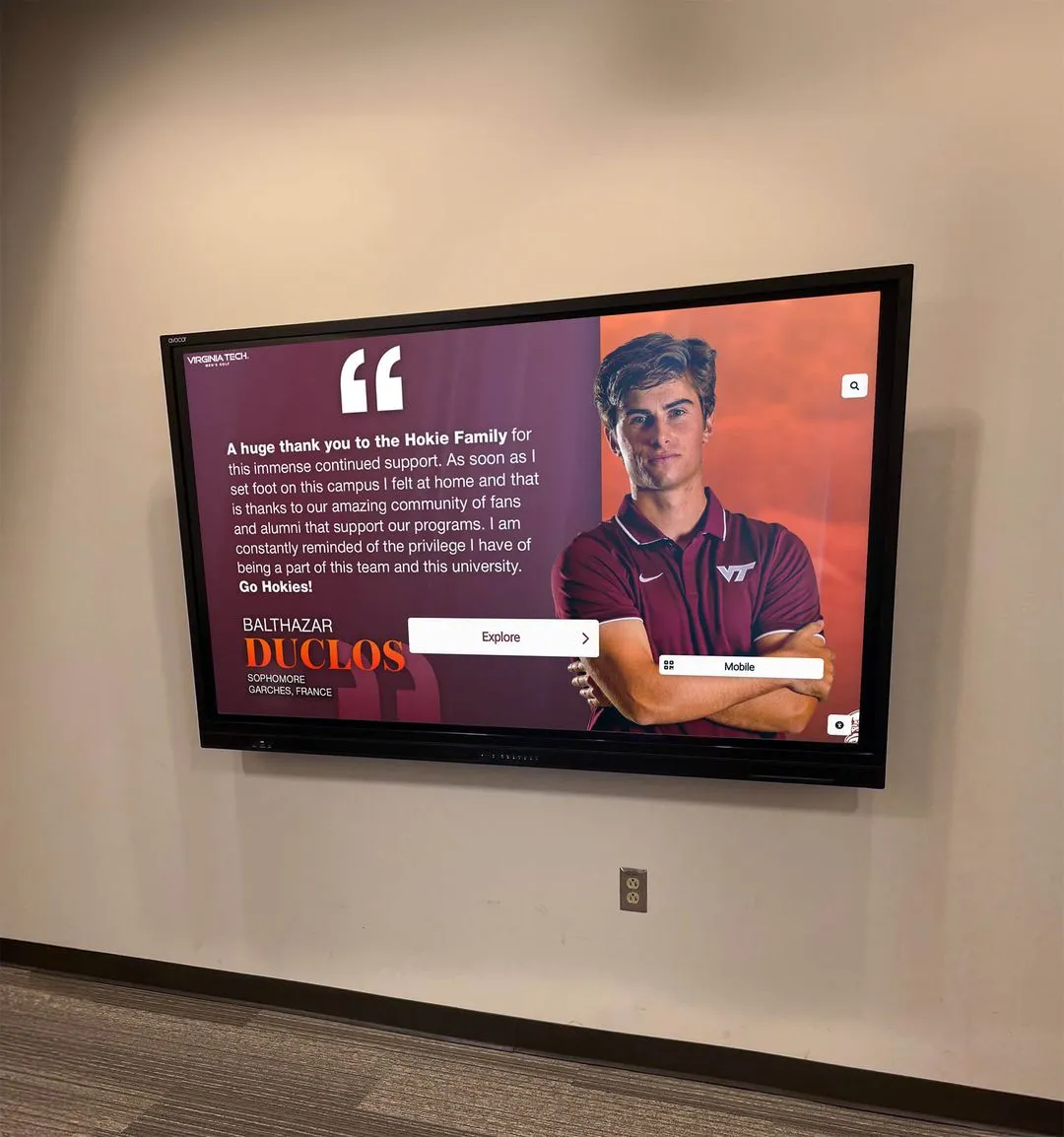
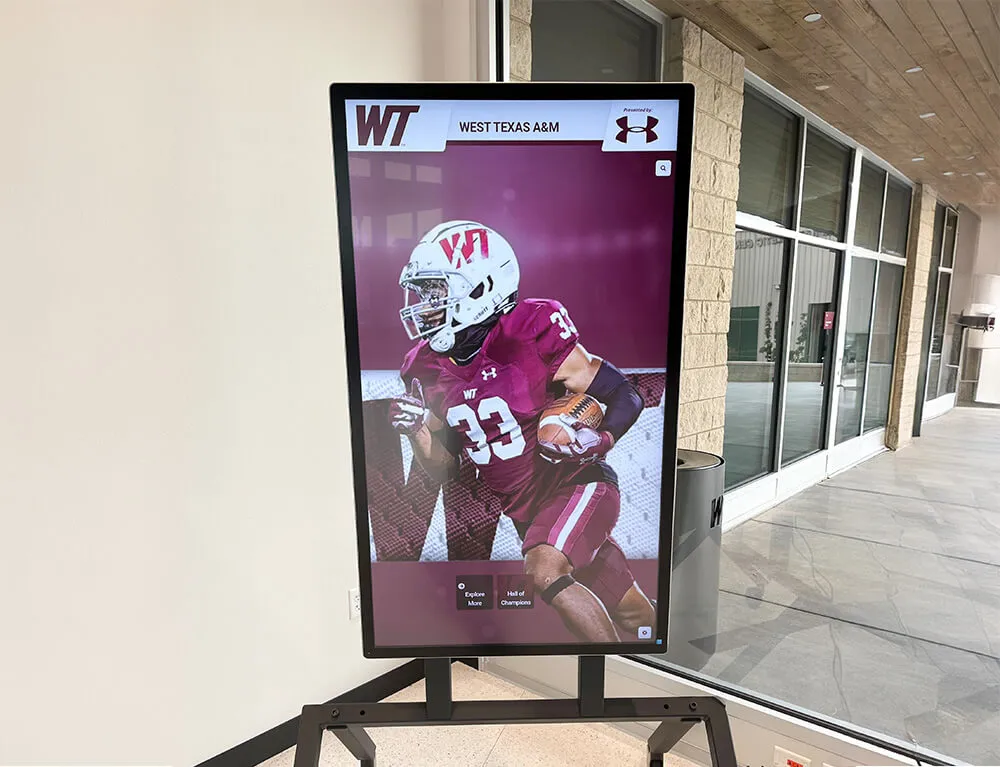
Free-standing kiosk installations provide flexible placement options enabling championship recognition throughout facilities without permanent wall mounting requirements
Designing Playoff and Championship Recognition Displays
Effective championship celebration requires systematic design approaches balancing information density with visual clarity and emotional resonance.
Experience Layout for Playoff Achievement Displays
Championship displays should organize content into functional zones serving specific recognition purposes:
Zone 1: Championship Header and Context (Top 15-20%)
The header establishes immediate achievement context through classification identification, championship year creating temporal specificity, opponent and final score when showcasing title games, season record providing complete competitive context, and school branding reinforcing institutional identity.
For state championship teams, headers become celebration zones featuring championship trophy imagery, team celebration photos, and prominent “State Champions” designation ensuring recognition receives appropriate visibility matching achievement significance.
Zone 2: Playoff Bracket Progression (Center, 40-50%)
Interactive displays should visualize complete playoff journeys showing each game in tournament progression:
- Round-by-round game results with scores
- Opponent information providing competitive context
- Game locations documenting where achievements occurred
- Leading performers and statistical highlights
- Memorable plays or turning points defining advancement
Bracket visualization enables viewers to understand complete playoff narratives—not just championship outcomes but entire competitive journeys demonstrating sustained excellence across multiple high-stakes games.
Zone 3: Team Roster and Recognition (20-25%)
Comprehensive displays celebrate all playoff participants through complete roster listings featuring player photos when available, position identification, class year, jersey numbers, and notable achievements. Coaches, assistant coaches, trainers, and support staff deserve equal recognition acknowledging that championship achievement requires collective effort beyond players alone.
This comprehensive acknowledgment ensures every playoff participant receives lasting recognition—creating motivational examples for current athletes while honoring all contributors to championship campaigns.
Zone 4: Multimedia Content and Highlight Galleries (15-20%)
Rich media transforms basic information displays into engaging storytelling:
- Game highlight videos preserving signature plays
- Championship celebration footage capturing emotional moments
- Team photos documenting complete squads
- Facility imagery showing home fields and venues
- Newspaper coverage and media recognition
- Community celebration documentation
Multimedia depth creates emotional connections simple statistics cannot achieve—enabling viewers to experience championship journeys rather than simply reading about them.
Zone 5: Historical Context and Program Tradition (Footer, 10-15%)
Footer zones position current achievements within broader program contexts through historical playoff appearance totals, previous championship references, program records and milestones, and all-time playoff performance statistics.
This historical grounding demonstrates that current achievement builds on established tradition while potentially elevating programs to new competitive heights worthy of celebration within complete program narratives.
Content Blocks and Visual Hierarchy for Championship Displays
Beyond layout, visual presentation influences engagement and comprehension:
Typography Hierarchy Establishing Clear Information Flow
Championship displays require obvious information hierarchy ensuring viewers immediately understand achievement significance:
- Bold, large championship declarations (3-4 inch lettering for physical displays, 48-60pt for digital)
- Clear season identification and classification context (24-36pt)
- Team names and opponent information (18-24pt)
- Detailed roster and statistical information (14-18pt)
Size progression guides eyes naturally from most to least critical information—enabling quick comprehension for brief viewers while supporting detailed exploration for engaged audiences seeking complete championship stories.
Color Systems Reinforcing Achievement and Brand Identity
Systematic color application enhances recognition effectiveness:
- School primary colors for championship elements and winning team emphasis
- Metallic gold or silver accents highlighting championship status
- Neutral backgrounds ensuring text legibility without visual fatigue
- Accent colors for interactive elements and navigation controls
Avoid excessive color creating visual chaos—purposeful strategic application creates professional presentation reinforcing rather than overwhelming championship celebration.
Card-Based Interactive Patterns for Digital Displays
Digital platforms benefit from card-based interfaces enabling intuitive exploration:
Each playoff game appears as distinct card showing opponent, score, date, and location at glance. Touch interactions expand cards revealing detailed game statistics, player performances, highlight video, and contextual narratives explaining game significance within broader playoff progression.
This progressive disclosure manages information density—preventing overwhelming initial presentations while enabling comprehensive exploration for audiences seeking complete championship documentation.
Resources about digital storytelling in athletic programs demonstrate effective multimedia integration enhancing rather than overwhelming championship recognition through systematic narrative structure and purposeful media application.
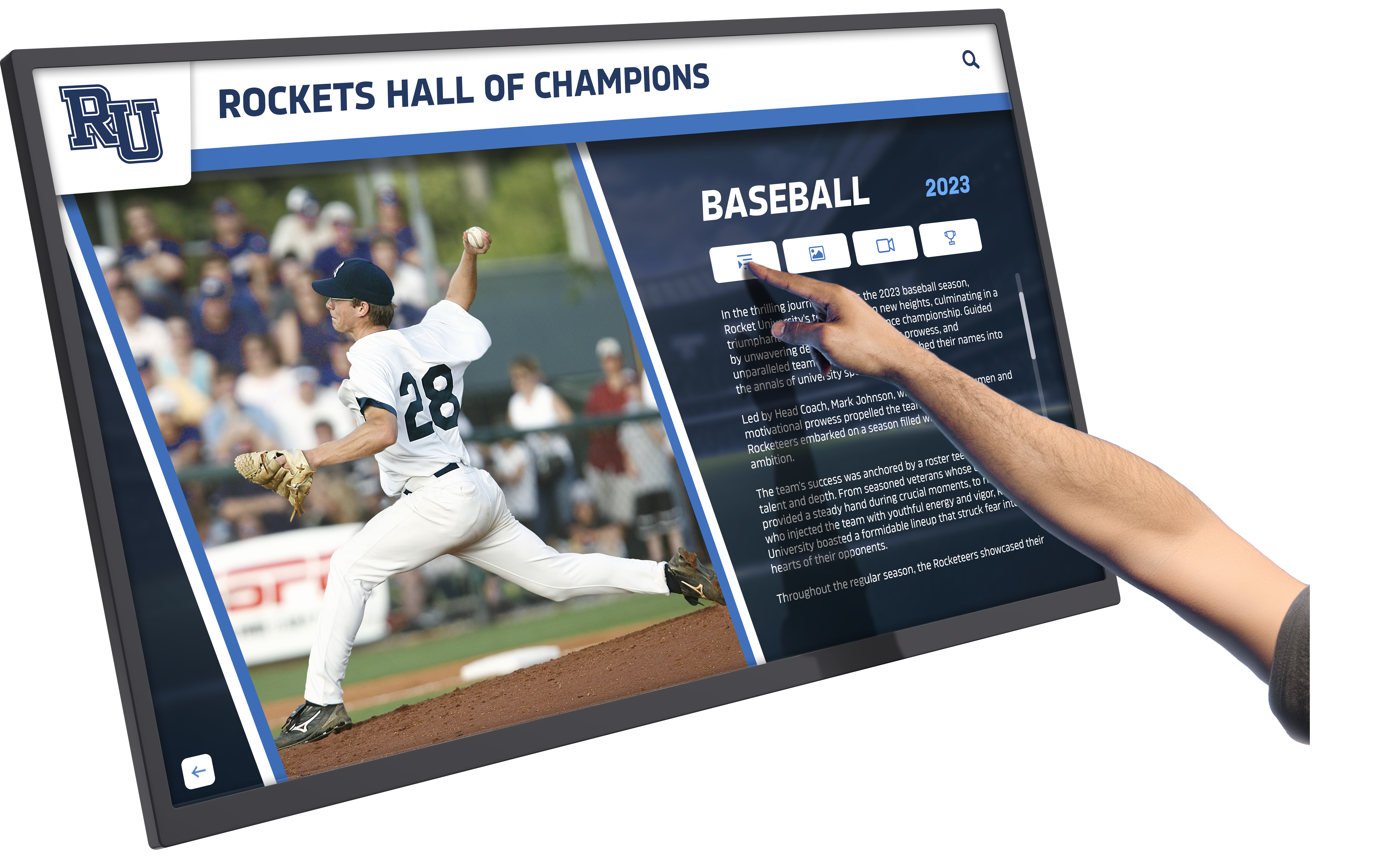
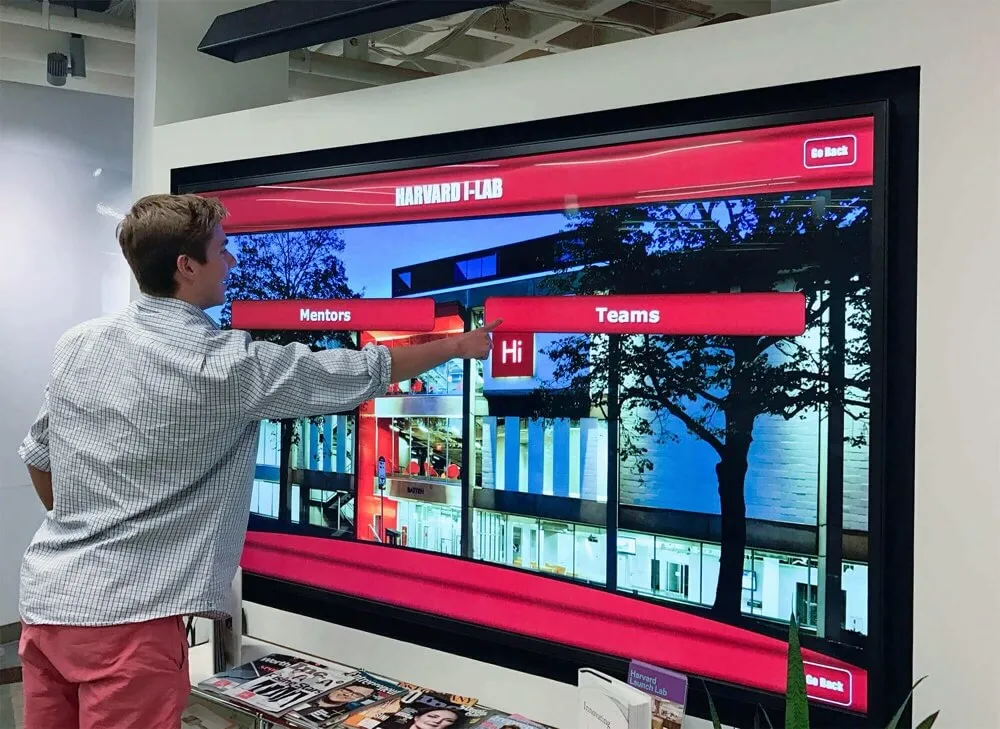
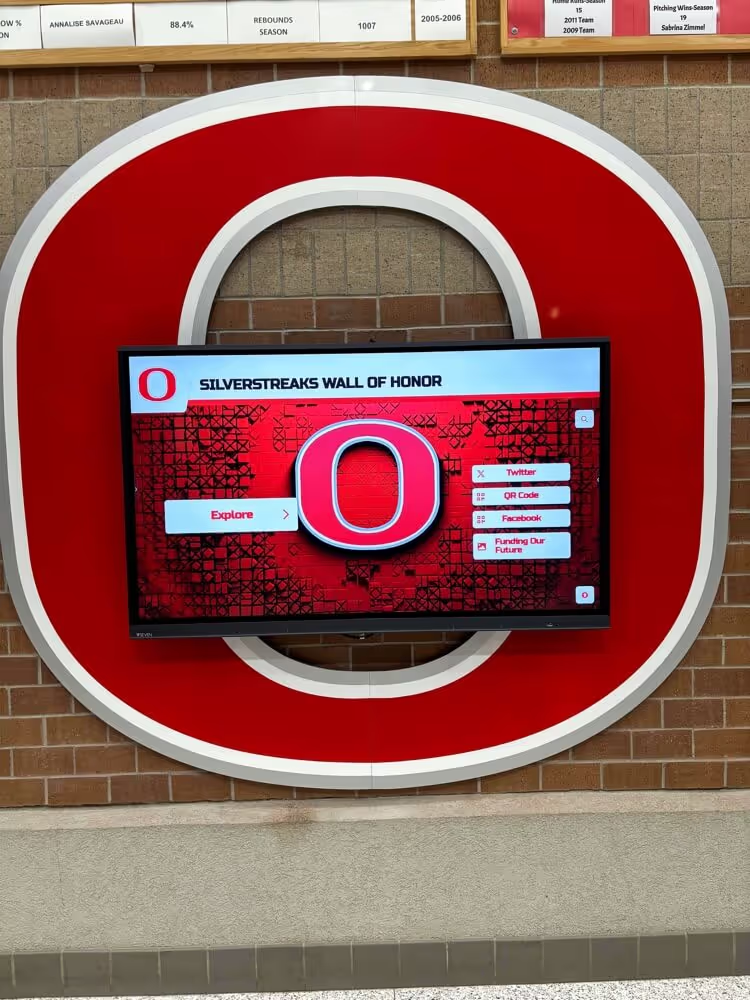
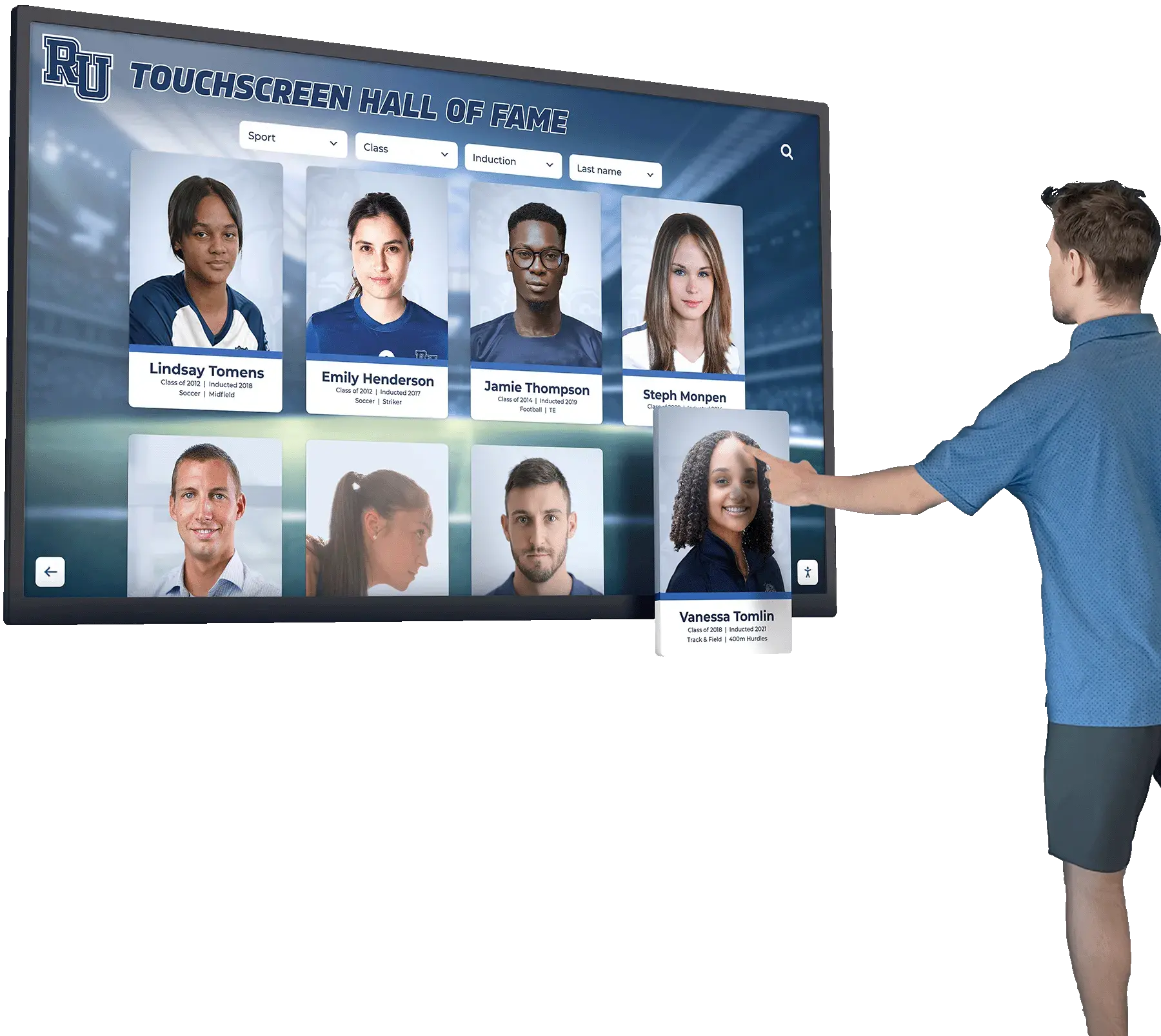
Intuitive card-based interfaces with clear touch targets enable natural content exploration creating engaging user experiences encouraging extended interaction with championship content
Gathering and Developing Championship Content
Recognition quality depends entirely on comprehensive content documenting playoff journeys and championship achievements.
Essential Information Collection for Playoff Documentation
Systematic content gathering ensures complete championship story preservation:
Game-by-Game Statistical Documentation
Compile comprehensive game results including final scores with period-by-period progression, total offense and defense statistics, leading individual performances and statistical leaders, critical plays and momentum shifts, and coaching decisions influencing outcomes.
Official NCHSAA websites maintain game results and tournament brackets—authoritative sources ensuring accuracy while providing standardized formatting for consistent presentation across multiple seasons and championships.
Roster and Personnel Information
Document all playoff participants through complete roster listings including full names with proper spelling verification, positions and jersey numbers, class years and eligibility status, biographical information including hometowns and previous achievements, and post-playing career updates when available for historical teams.
Don’t limit recognition to starters or leading statistical performers—every team member contributed to championship campaigns through practice participation, scout team work, special teams contributions, and roster depth enabling sustained excellence across playoff runs.
Coaching Staff Documentation
Properly acknowledge leadership through head coach biographical information and career achievements, assistant coach listings with position responsibilities, support staff including trainers, equipment managers, and administrative personnel, and coaching philosophy and program building narratives explaining championship culture development.
Coaching recognition demonstrates that championship achievement requires strategic leadership, systematic player development, and program infrastructure sustaining competitive excellence beyond any single talented recruiting class.
Multimedia Asset Creation and Collection
Rich media dramatically enhances championship recognition impact:
Photography Requirements
Systematic photography ensures comprehensive visual documentation:
- Game action photography capturing signature plays and critical moments
- Sideline imagery documenting coaching, team reactions, and bench atmosphere
- Championship celebration photos preserving emotional reactions
- Team photos documenting complete squads in championship uniforms
- Facility photography showing home fields and championship venues
- Community celebration imagery documenting shared achievement
Plan photography systematically during championship seasons—capturing moments in real-time proves far easier than attempting reconstruction months or years later when championship memories fade and visual documentation becomes increasingly difficult to locate.
Video Content Development
Video provides unmatched storytelling capacity:
Highlight reels condensing playoff runs into compelling 3-5 minute narratives showcasing signature plays, critical moments, and championship celebrations. Individual game highlights documenting each playoff contest. Player and coach interviews capturing personal reflections and memories. Championship ceremony coverage preserving trophy presentations and celebration moments.
Video production requires intentional planning and resource allocation—but resulting content creates emotional engagement text and static photos cannot match, particularly for younger audiences accustomed to video-first content consumption.
Historical Research for Program Context
Position current achievements within complete program traditions:
- Previous playoff appearances and advancement history
- All-time championship totals and notable seasons
- Historical program records and milestones
- Notable alumni and player development success
- Coaching history and program evolution
Historical depth demonstrates that current championship builds on established tradition while potentially elevating programs to unprecedented competitive heights—creating narratives celebrating both present achievement and historical foundation enabling current success.
Understanding championship banner alternatives helps schools develop comprehensive recognition content exceeding traditional physical banner limitations through rich multimedia storytelling.
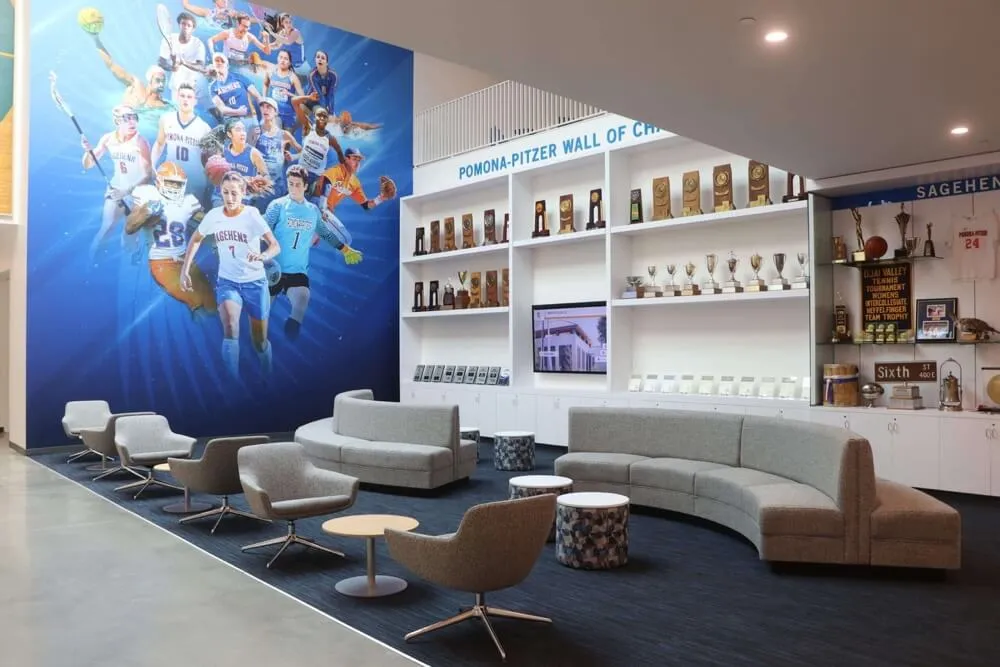
Creating dedicated championship spaces with comfortable viewing areas encourages extended exploration of playoff achievements and program tradition
Implementing Digital Recognition Technology for Championship Displays
Modern interactive platforms provide superior championship celebration compared to traditional static approaches while accommodating unlimited future recognition without space constraints.
Advantages of Digital Championship Displays
Interactive technology addresses limitations inherent in traditional physical recognition:
Unlimited Recognition Capacity
Digital platforms eliminate space constraints entirely. Single displays accommodate unlimited championship seasons, playoff teams, and individual player profiles—all accessible through intuitive navigation and instant search. Schools never face removal decisions or expensive facility expansions when recognition needs exceed available wall space.
This unlimited capacity proves particularly valuable for programs with extensive playoff tradition spanning decades where comprehensive historical recognition would require prohibitive physical space using traditional banner or plaque approaches.
Rich Multimedia Storytelling
Interactive displays enable championship documentation impossible with physical approaches:
High-resolution photography galleries showing multiple perspectives and moments from championship runs. Video highlight compilations preserving signature plays and championship celebrations. Complete statistical databases documenting individual and team performance across entire playoff campaigns. Biographical narratives explaining player backgrounds and achievement significance. Interactive bracket visualizations showing playoff progression and advancement paths.
This multimedia depth transforms simple name acknowledgment into compelling storytelling creating emotional connections and genuine appreciation for championship achievement across multiple dimensions beyond basic game scores alone.
Immediate Content Updates Without Construction Delays
Cloud-based content management enables instant recognition updates without physical modifications. When teams advance in playoffs or capture championships, administrators update displays within minutes through remote access—changes appearing immediately rather than requiring months-long plaque fabrication, engraving, and installation processes.
Real-time capability ensures recognition remains perpetually current while eliminating ongoing costs associated with physical banner production, professional installation, and space management. Schools report 60-75% cost reduction managing digital championship recognition compared to traditional physical systems over 10-year program timelines.
Extending Recognition Through Mobile and Web Access
Modern platforms provide responsive web portals accessible worldwide. Alumni can explore championship content remotely regardless of physical location. Prospective athletes can research program tradition during recruitment evaluations. Media can access historical information for coverage. Families can share championship profiles through social media.
This extended reach amplifies recognition impact beyond those visiting physical facilities—creating broader community awareness and pride while providing recruiting advantages showcasing program excellence to prospects evaluating competitive opportunities.
Solutions like Rocket Alumni Solutions provide purpose-built platforms specifically designed for athletic championship recognition, combining commercial-grade hardware with intuitive content management and engaging interactive features administrators can maintain without specialized technical expertise or ongoing IT dependency.
Strategic Installation Planning for Maximum Visibility
Display placement significantly impacts community engagement and recognition effectiveness:
Primary Location: Main School Entrance Lobbies
Championship displays positioned in main entrances welcome all visitors with immediate athletic pride demonstration. High-visibility locations ensure playoff and championship achievement receive prominent community awareness while creating powerful first impressions for prospective families, recruits, and community visitors evaluating school culture and competitive tradition.
Secondary Location: Athletic Facility Entrances
Gym lobbies, field house entrances, and stadium concourses provide natural championship recognition contexts. Current athletes encounter playoff tradition daily in training environments—creating motivation through visible connection to program excellence. These installations inspire continued pursuit of playoff qualification and championship goals through aspirational examples made tangible and accessible.
Supporting Locations: Common Areas and Social Spaces
Cafeterias, student centers, and major hallway intersections capture broad student body attention beyond just athletes. Championship displays in social spaces ensure recognition reaches entire school communities—building widespread pride and awareness while demonstrating that athletic excellence contributes to complete institutional identity transcending specific programs or departments.
Understanding athletic hallway display strategies helps position championship recognition for maximum visibility and motivational impact on developing athletes pursuing similar competitive excellence.
Accessibility Compliance for Inclusive Recognition
Championship displays must serve all community members equitably:
Physical Accessibility Requirements
Mounting heights placing primary interactive controls within wheelchair user reach (15-48 inches above floor). Adequate forward approach clearance for wheelchair access when using free-standing kiosks. Sufficient knee and toe clearance meeting ADA spatial requirements. Proper lighting avoiding glare while ensuring screen visibility. Cable management preventing trip hazards while maintaining clean professional appearance.
Digital Accessibility Standards
High contrast between display elements ensuring visibility for users with visual impairments (minimum 4.5:1 text contrast ratios). Touch targets meeting minimum size requirements with adequate spacing preventing accidental activation (44x44 pixels minimum). Clear, intuitive navigation using familiar patterns and standard iconography. Alternative text for images supporting screen reader technology. Volume controls for video content respecting quiet environments while supporting users requiring audio access.
Cognitive Accessibility Considerations
Simple, obvious navigation minimizing steps to accomplish common tasks like finding specific teams or seasons. Consistent layouts using familiar sports visualization patterns. Clear legends explaining bracket structures and terminology. Optional simplified views reducing information density for easier comprehension.
Accessibility verification through diverse user testing including wheelchair users, older adults, and people with visual or cognitive impairments prevents future remediation requirements while ensuring championship recognition genuinely serves all constituencies equitably rather than inadvertently excluding community members due to design oversights.
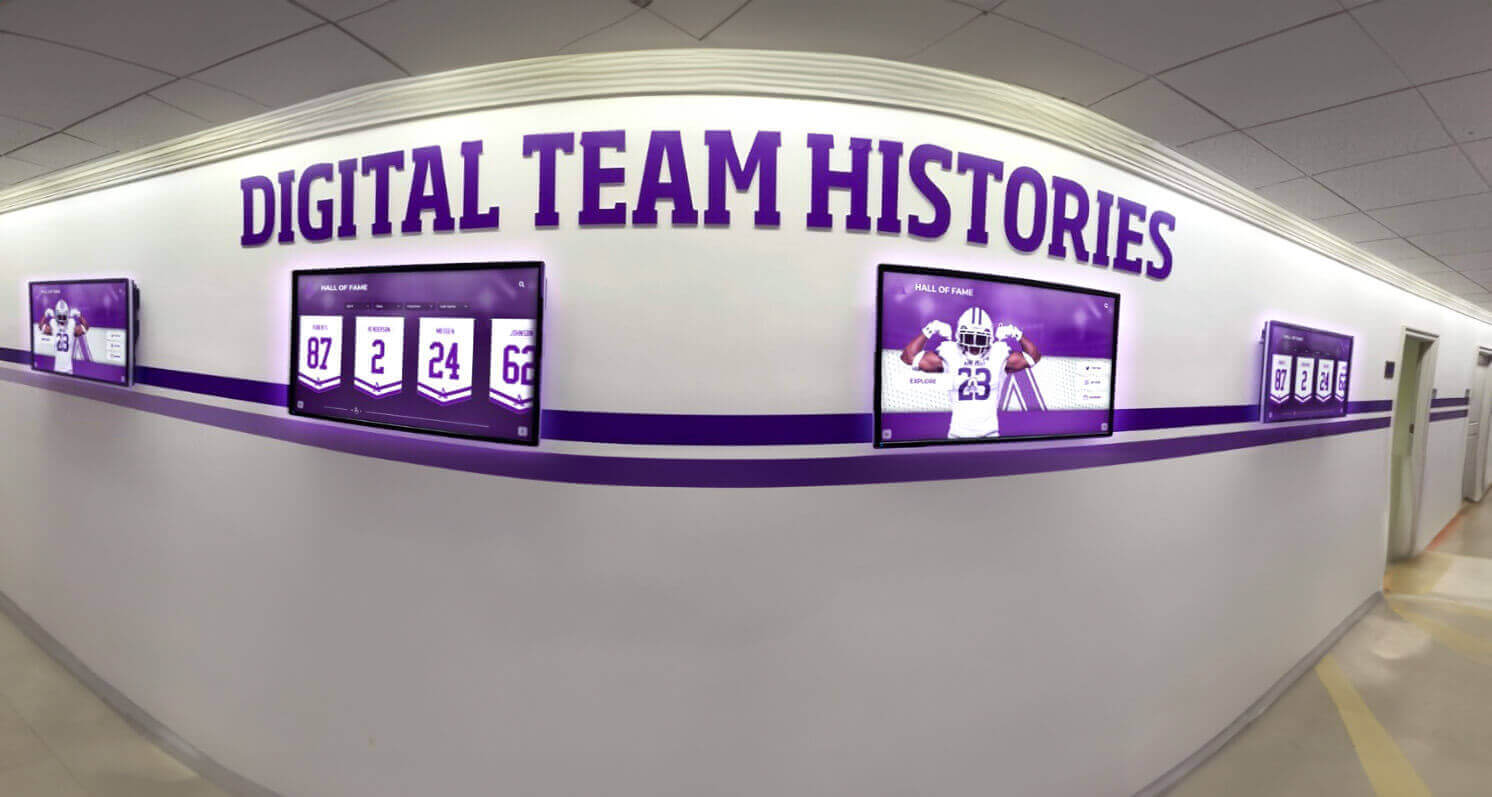
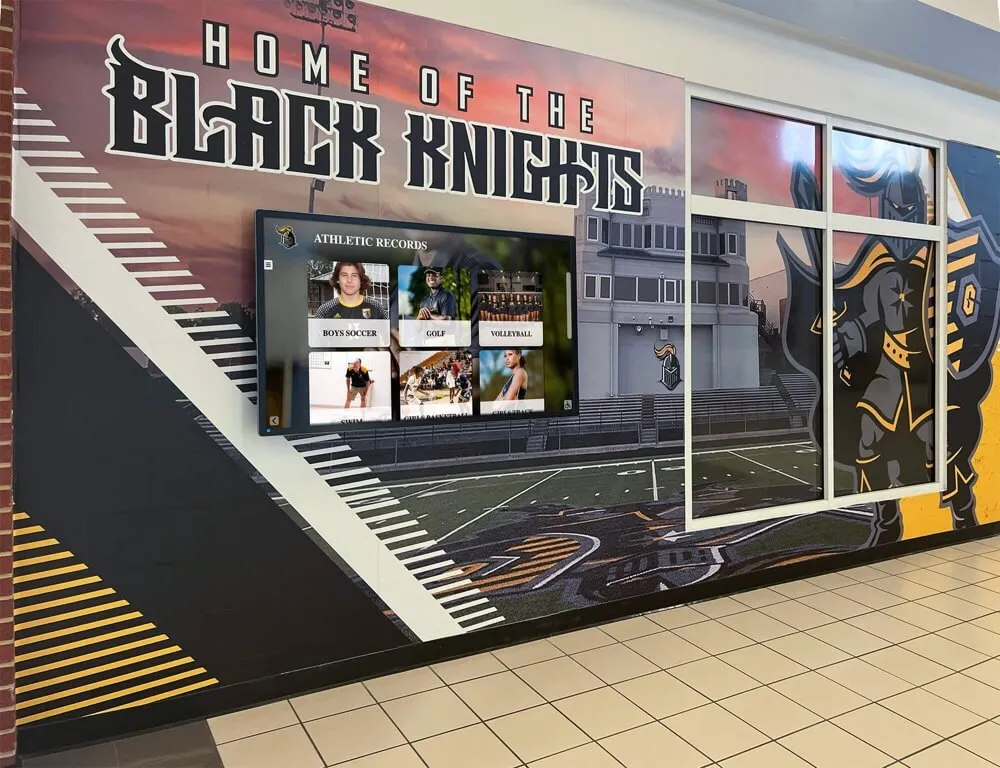
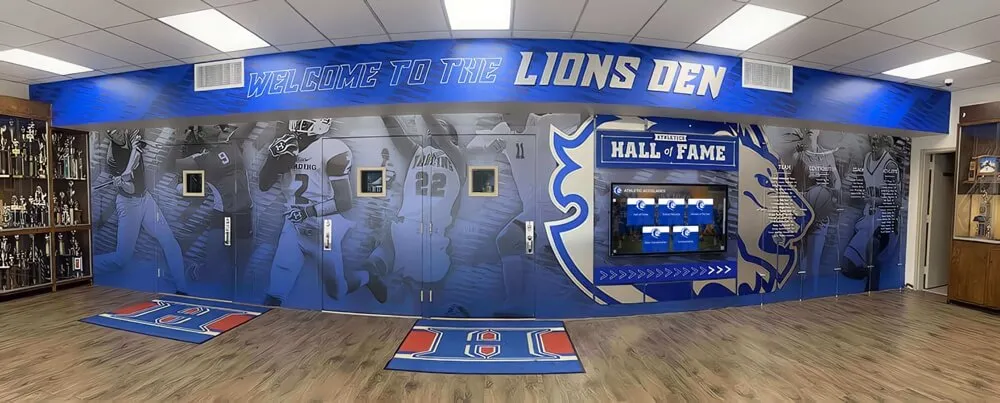
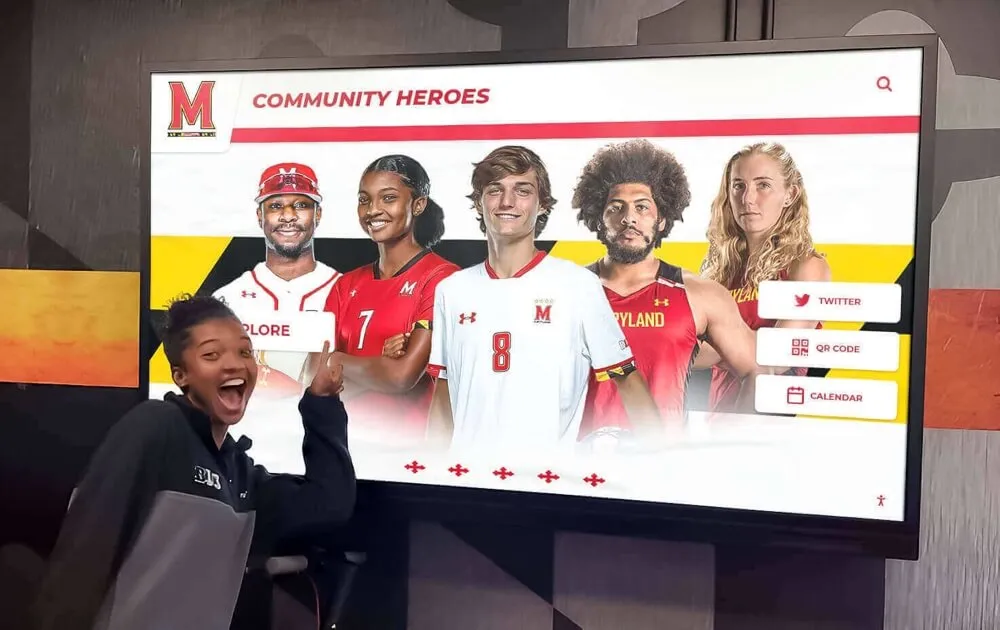
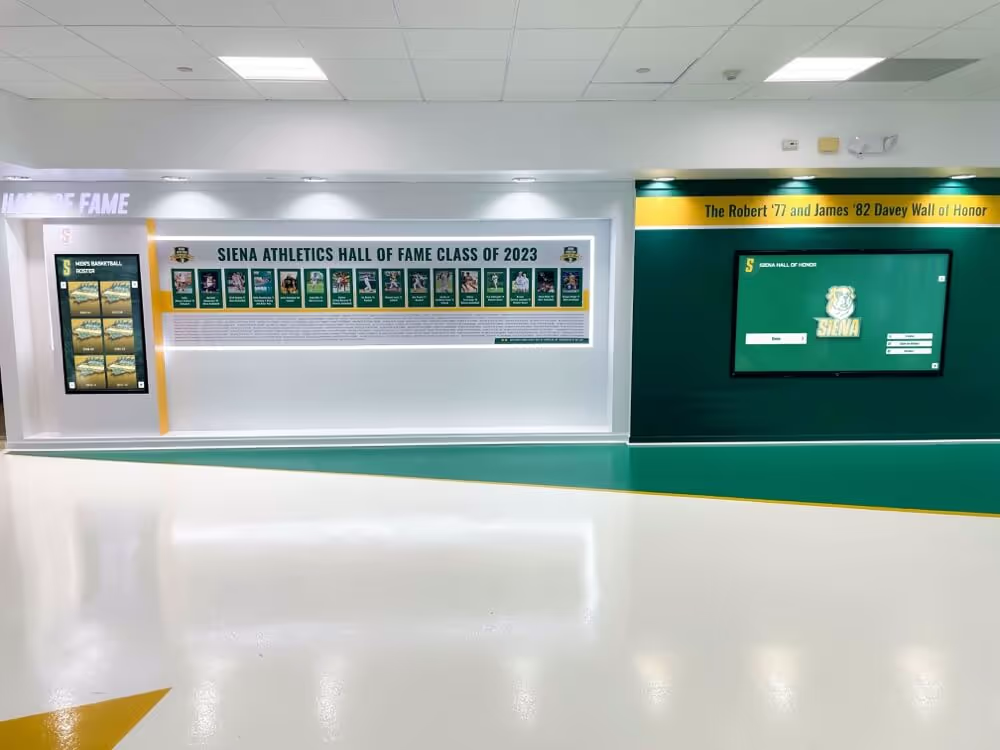
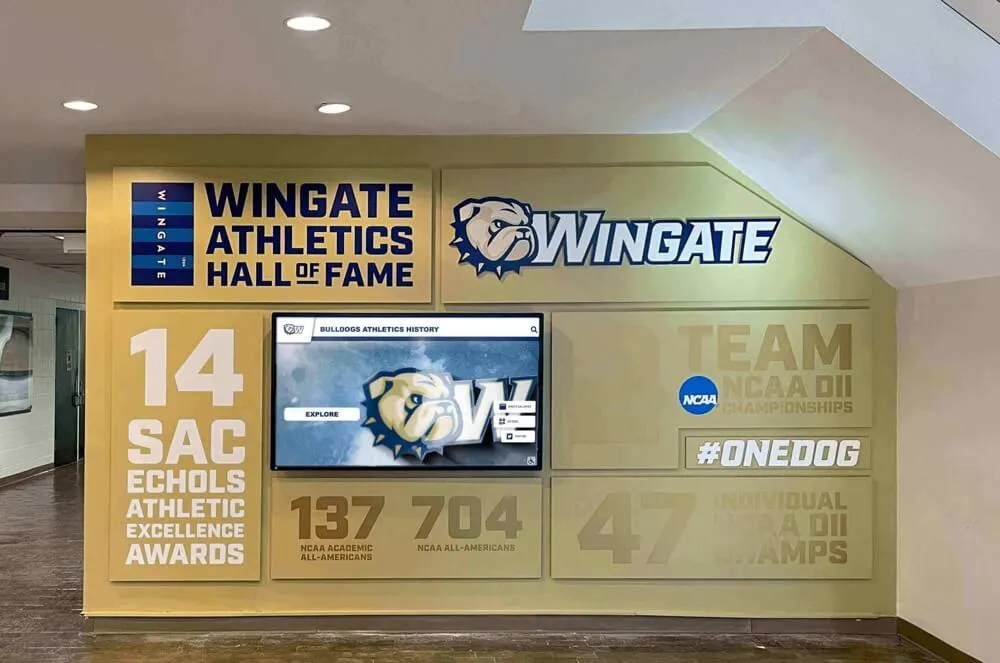
Multi-display installations enable comprehensive championship storytelling across multiple sports and seasons while maintaining consistent visual systems and coordinated content management
Celebrating Different Levels of Playoff Achievement
Comprehensive recognition honors success at every playoff stage—not just ultimate championships.
Recognizing Playoff Qualification and First-Round Success
Simply qualifying for NC high school football playoffs represents significant achievement worthy of celebration:
Conference Championship Recognition
Conference titles often determine playoff qualification—achievements demonstrating sustained regular season excellence within competitive league contexts where teams face each other multiple times. Conference championships deserve prominent display alongside state playoff advancement, acknowledging the consistent performance required earning these distinctions.
Historic First Playoff Appearances
For programs achieving inaugural playoff berths, recognition assumes special significance documenting breakthrough seasons elevating programs to competitive heights never previously reached. These milestone moments deserve celebration matching their importance within complete program narratives—even when playoff runs concluded in first rounds, the achievement of reaching postseason represents program elevation worthy of permanent documentation.
First-Round Victories
Schools advancing beyond first rounds demonstrated playoff competitiveness exceeding simple qualification. First-round victories deserve recognition as significant competitive accomplishments—particularly for smaller classification schools or programs building championship cultures where every playoff win represents progress toward sustained excellence.
Honoring Regional Finalists and State Championship Runners-Up
Teams advancing deep into playoffs but falling short of ultimate championships accomplished extraordinary success:
Regional Championship Recognition
Reaching regional finals demonstrates elite performance within geographic subdivisions. Regional champions or runners-up achieved success placing them among their region’s best programs—accomplishments carrying genuine prestige within competitive contexts even when state championship remained elusive.
State Championship Game Appearances
Teams reaching title games earned recognition as classification finalists—acknowledgment that only one other program in their classification demonstrated comparable competitive excellence that season. Championship game participants deserve celebration for extraordinary achievement even when outcomes didn’t favor them in ultimate contests.
Avoiding exclusive focus on champions ensures recognition programs celebrate excellence at all competitive levels—creating motivational examples accessible to more athletes while demonstrating institutional appreciation for achievement across achievement spectrum rather than narrow championship-or-nothing recognition philosophy potentially discouraging rather than inspiring developing athletes.
Building Multi-Year Playoff Tradition Displays
Comprehensive recognition documents sustained playoff success across multiple seasons:
Decade-by-Decade Playoff History
Organize historical playoff content by decade, showing program evolution and competitive trajectory across extended timelines. Decade-based organization provides manageable historical structures enabling systematic content development while demonstrating whether programs achieved isolated playoff success or sustained competitive excellence across multiple coaching eras and demographic transitions.
All-Time Playoff Records and Milestones
Document cumulative playoff statistics including total playoff appearances, overall playoff win-loss records, deepest playoff runs and championship achievements, notable individual playoff performances, and coaching records during playoff competition.
Comprehensive statistical documentation provides context enabling comparison across eras while establishing baseline expectations for current teams building their own playoff legacies within established program traditions.
Interactive Timeline Presentations
Digital displays enable chronological timeline navigation where users can scroll through complete playoff histories season-by-season. Timeline interfaces provide intuitive exploration patterns enabling users to discover content based on temporal interest—particularly valuable for alumni seeking specific seasons or eras corresponding to their attendance periods.
Resources about digital record board systems demonstrate comprehensive approaches documenting playoff achievement alongside regular season records creating complete athletic program storytelling.
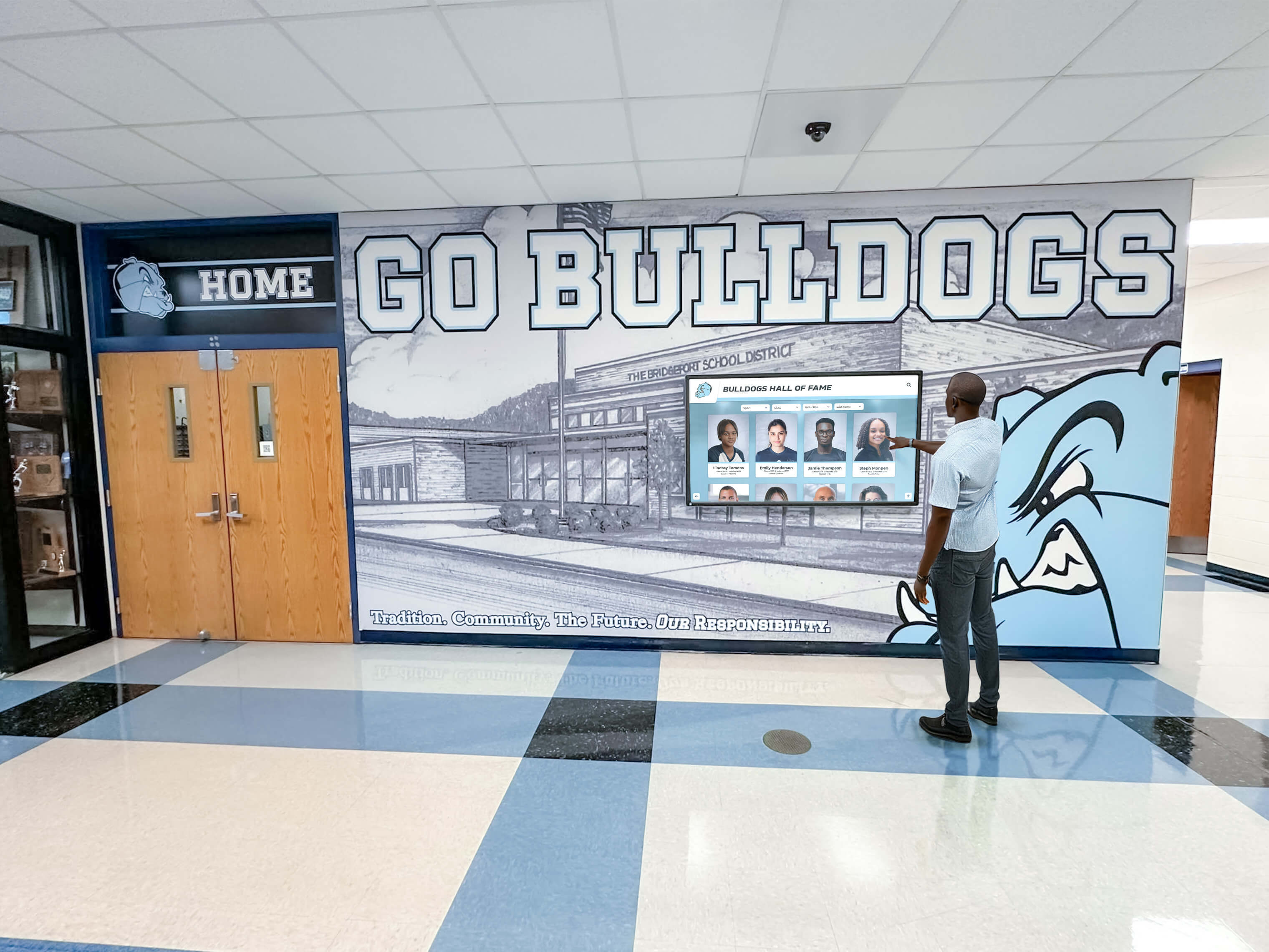
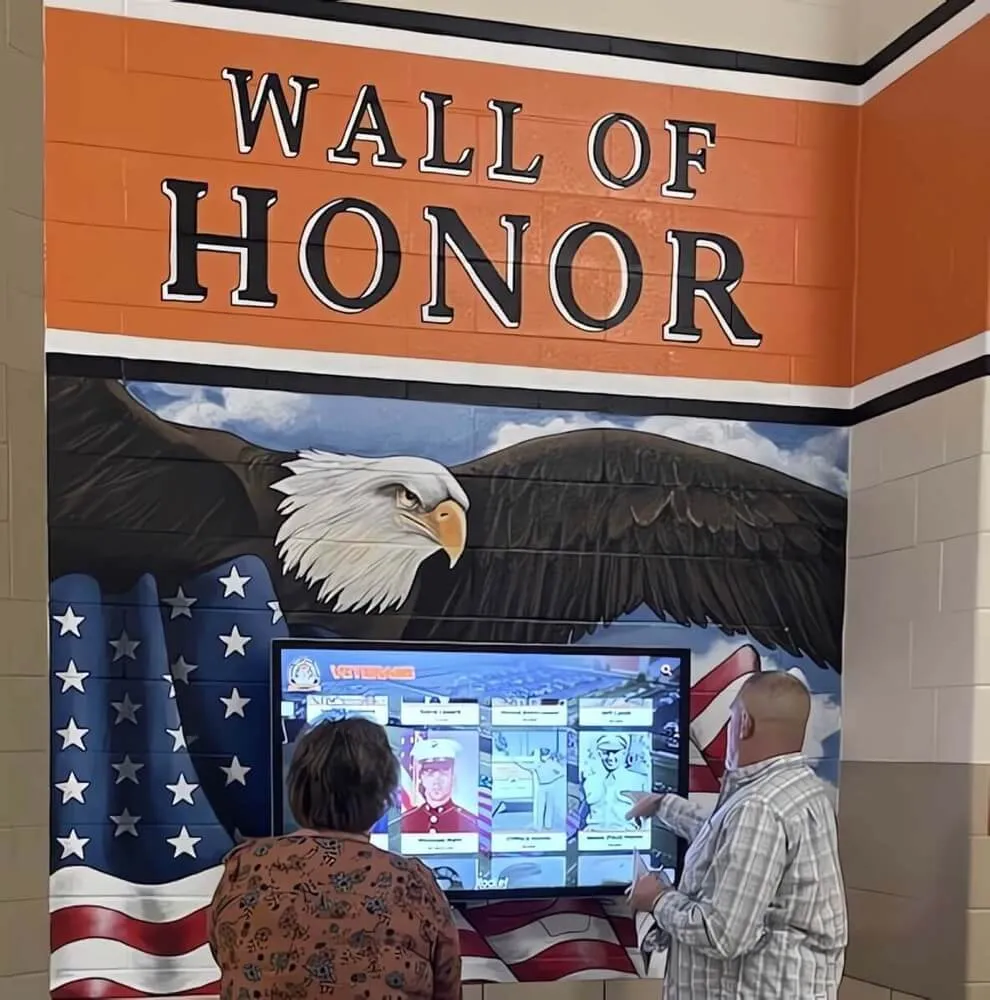
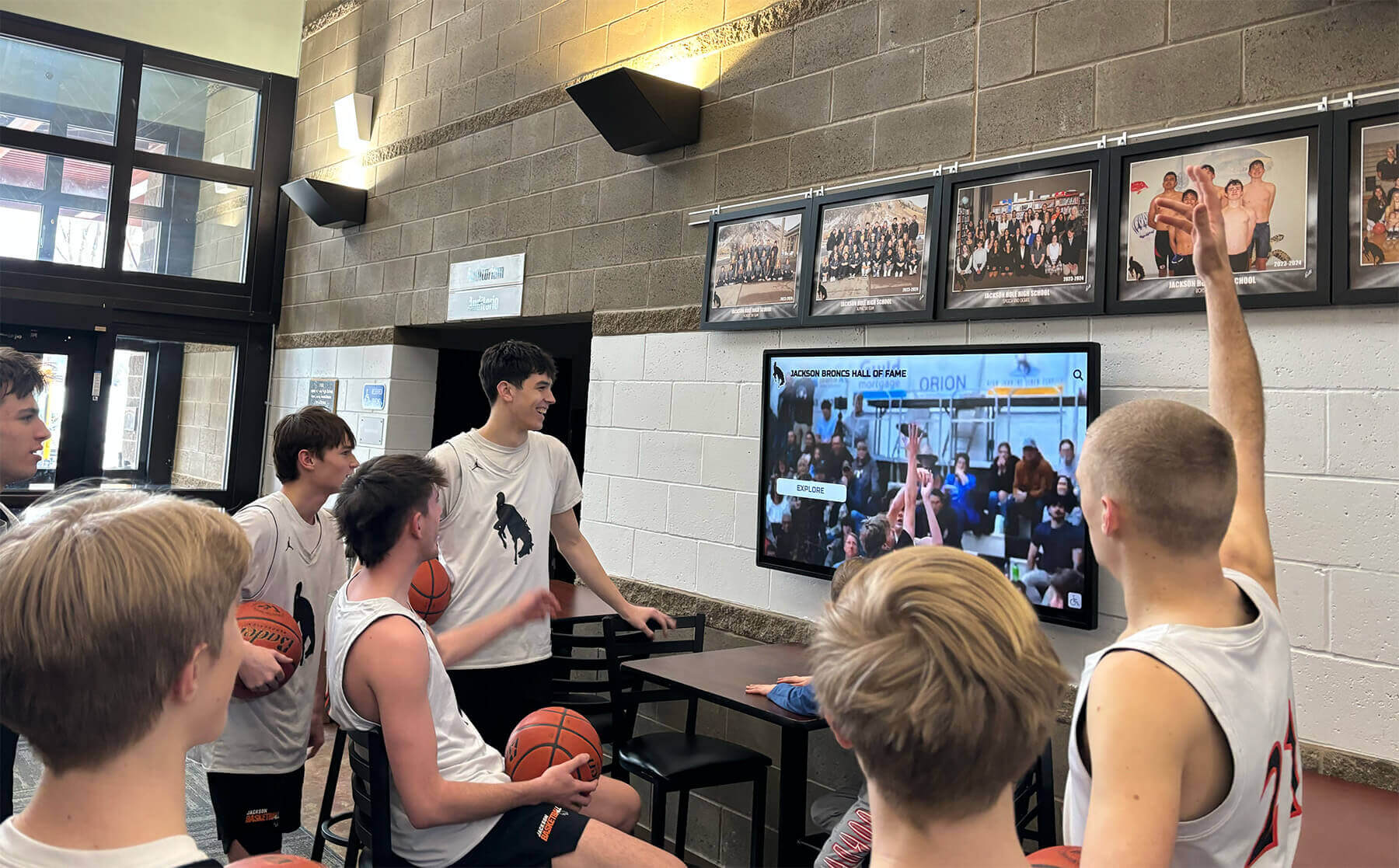
Natural, intuitive interaction with championship content demonstrates successful implementation creating genuine visitor engagement rather than passive viewing or ignored installations
Integrating Championship Recognition with Broader Athletic Culture
Playoff displays work most effectively when integrated with comprehensive recognition strategies creating complete athletic program celebration:
Connecting Championship Displays to Recruiting Efforts
Championship recognition provides powerful recruiting assets:
Facility Tour Integration
Athletic directors and coaches should incorporate championship displays into standard recruiting visit tours. Walking prospective athletes through playoff history and championship achievement demonstrates program tradition, competitive excellence, and institutional commitment to celebrating athletic success—differentiating programs from competitors lacking similar systematic recognition infrastructure.
Digital Recruiting Materials
Export championship display content for digital recruiting presentations, website showcases, and social media promotion. Digital formats enable sharing championship tradition with prospects unable to visit campuses physically—extending recruiting reach while demonstrating program competitive credibility through documented playoff success.
Program Tradition Narratives
Develop recruiting narratives explicitly referencing championship displays as evidence of sustained program excellence. Rather than simply claiming competitive tradition verbally, displays provide tangible proof validating recruiting messaging through systematically documented playoff achievement prospective athletes and families can explore independently.
Leveraging Championships for Alumni Engagement
Championship recognition strengthens alumni connections:
Reunion Programming Integration
Incorporate championship display tours into reunion event schedules. Alumni returning for reunions appreciate opportunities reconnecting with their own playoff achievements while discovering subsequent program developments continuing competitive traditions they helped establish during their participation.
Alumni Network Communications
Feature championship updates in alumni newsletters, email campaigns, and social media channels. Championship content provides natural engagement vehicles generating alumni interest and maintaining ongoing graduate awareness of current program success continuing institutional athletic traditions.
Donor Recognition Opportunities
Connect championship display funding to donor recognition programs. Alumni and community supporters funding recognition installations receive acknowledgment through named displays, donor recognition panels, or digital acknowledgments within championship content—creating fundraising opportunities while strengthening institutional relationships through meaningful engagement with athletic program success.
Motivating Current Athletes Through Visible Achievement Standards
Championship displays provide aspiration benchmarks for developing athletes:
Goal-Setting Integration
Coaches should explicitly reference championship displays during team goal-setting sessions. Visible playoff achievement creates tangible benchmarks athletes can pursue—transforming abstract “compete for championships” goals into concrete objectives represented through accessible examples making aspirations feel achievable rather than impossible.
Pre-Season Team Meetings
Open seasons with championship display tours introducing new team members to program tradition and competitive expectations. Visible connection to past playoff success establishes cultural standards while demonstrating that current team members contribute to ongoing narratives transcending any single season or graduating class.
Season-Ending Recognition Ceremonies
Incorporate championship display updates into season-ending team banquets. Adding current season achievements to existing displays demonstrates systematic program memory preservation—ensuring athletes understand their contributions receive permanent institutional recognition regardless of whether ultimate championships occurred.
Understanding student athlete recognition best practices helps schools create comprehensive athletic culture where championship displays function within broader systematic celebration of athletic excellence at all levels.
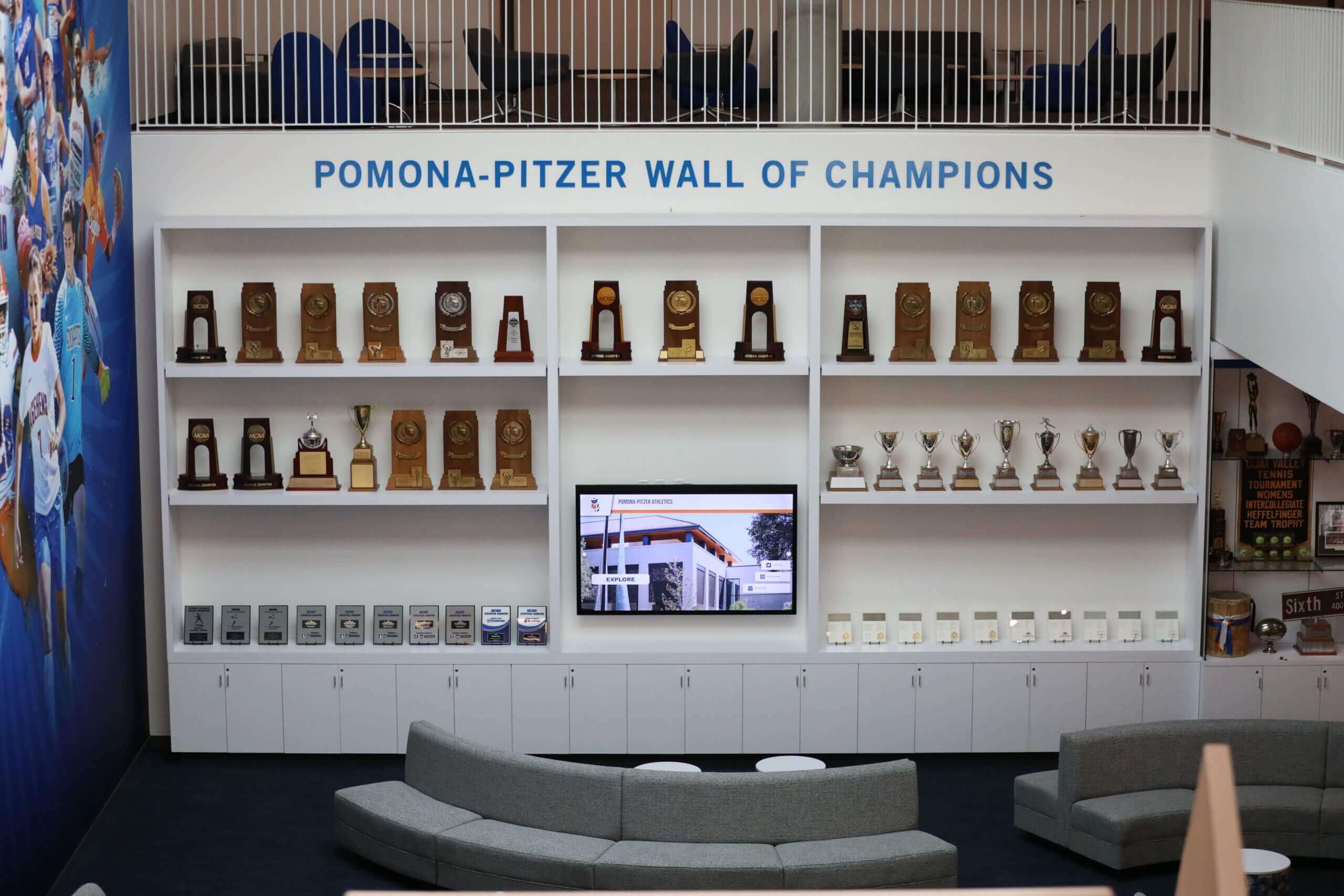
Creating dedicated championship celebration spaces with comfortable seating encourages extended exploration and community gathering around athletic achievement
Budget Considerations and Funding Strategies for Championship Displays
Recognition implementation requires realistic financial planning and creative funding approaches:
Understanding Investment Requirements Across Display Options
Championship recognition investments vary substantially across traditional and digital approaches:
Traditional Physical Banner Costs
Fabric championship banners typically cost $300-$800 per banner depending on size, material quality, and design complexity. Professional installation adds $100-$300 per banner. Schools recognizing multiple playoff seasons and championships face ongoing costs of $1,500-$3,000 annually for banner production and installation—expenses recurring indefinitely as recognition needs expand.
Physical approaches also require adequate facility space. Gyms with championship banner capacity eventually exhaust available mounting locations, forcing difficult decisions about banner removal, facility expansion, or ceasing new recognition entirely.
Digital Recognition Platform Investment
Purpose-built digital recognition systems involve different cost structures:
Entry-Level Systems ($5,000-$8,000): 43-50 inch commercial displays with basic interactive software, single installation location, cloud-based content management with annual subscription, and standard multimedia support for photos and basic video.
Mid-Range Solutions ($10,000-$15,000): 55-65 inch touchscreen commercial displays with purpose-built athletic recognition software, unlimited content capacity, comprehensive multimedia support, mobile and web access extensions, and professional installation with cable management.
Premium Installations ($18,000-$30,000): 70-75 inch ultra-responsive touchscreens with comprehensive interactive platforms, custom design and content development services, multiple coordinated displays throughout facilities, ongoing content management support, and advanced features like social media integration and automated content updates.
While digital systems involve higher initial investment, ongoing costs prove substantially lower than physical approaches. No recurring banner fabrication expenses, no space constraints requiring facility expansion, and unlimited recognition capacity accommodate decades of future championships without additional hardware investment beyond eventual display replacement after 7-10 year commercial equipment lifecycles.
Alternative Funding Sources Beyond Operating Budgets
Creative funding strategies enable championship recognition without straining athletic department budgets:
Booster Club Championship Recognition Campaigns
Athletic booster organizations frequently fund recognition projects viewed as lasting program legacy contributions. Present championship displays as permanent infrastructure celebrating athletic excellence across generations—emphasizing that recognition benefits extend beyond current teams to include decades of past and future playoff participants deserving systematic institutional acknowledgment.
Memorial and Dedication Opportunities
Displays dedicated honoring community members create meaningful tributes while providing funding mechanisms. Families often contribute memorial gifts for projects offering lasting community impact. Championship displays can honor deceased coaches, administrators, community supporters, or championship team members—creating appropriate tributes while funding recognition infrastructure serving broader institutional needs.
Corporate and Business Sponsorships
Local businesses support school athletic programs through various mechanisms including championship display sponsorships. Offer sponsor recognition within displays or naming opportunities for installations—creating community visibility justifying business investment while funding recognition projects serving educational missions.
Capital Campaign Integration
Incorporate championship displays within broader facility improvement capital campaigns. When schools undertake major athletic facility renovations or expansions, recognition system investment represents logical component of comprehensive facility enhancement demonstrating institutional commitment to celebrating athletic achievement through modern infrastructure matching facility investment in competitive spaces.
Grant Opportunities
Educational technology grants occasionally support innovative recognition applications. Athletic program development grants may fund recognition infrastructure supporting participation and pride. Community foundation grants emphasizing school-community connection might support recognition projects creating shared celebration opportunities.
Understanding digital recognition display alternatives helps schools evaluate options at different investment levels while developing funding strategies enabling implementation matching institutional priorities and constraints.
Conclusion: Preserving Playoff Excellence Through Strategic Recognition
North Carolina high school football playoffs represent extraordinary competitive achievement—culmination of rigorous regular seasons, demonstration of program excellence, and creation of memories defining athletic careers and building community pride across generations. These playoff journeys and championship accomplishments deserve recognition matching their significance: comprehensive displays celebrating participation and achievement at every bracket level while inspiring future teams to pursue their own playoff dreams through visible connection to established program tradition.
Get Your Touchscreen Mock-Up
Discover how custom-designed championship recognition displays can transform playoff celebration for your NC high school football program. Rocket Alumni Solutions creates interactive touchscreen experiences that celebrate athletic excellence through purposeful, engaging design that inspires current athletes while honoring championship tradition.
Schedule Your Design ConsultationThe most effective championship displays combine clear visual hierarchy making playoff structure immediately comprehensible, rich multimedia storytelling celebrating achievement beyond raw statistics, thoughtful accessibility ensuring all community members can engage with recognition, and systematic integration with broader athletic culture creating comprehensive program celebration rather than isolated championship acknowledgment.
Whether showcasing first playoff appearances, celebrating regional championship runs, or honoring state championship titles, modern digital recognition technology provides proven solutions for engaging playoff celebration that traditional banners and static displays cannot match. Unlimited recognition capacity accommodates program growth without facility expansion, immediate content updates maintain currency throughout playoff seasons, multimedia integration preserves video highlights and championship moments, and interactive exploration enables personalized discovery where users control engagement with program playoff tradition.
Schools implementing thoughtful championship displays demonstrate commitment to celebrating achievement comprehensively—honoring not just ultimate champions but all playoff participants who earned postseason qualification through excellence and dedication. This comprehensive recognition approach communicates institutional values while building athletic cultures where playoff success receives systematic celebration creating motivation, pride, and lasting tradition.
Ready to explore championship recognition options for your NC high school football program? Discover state championship display strategies applicable across state contexts, learn about athletic hall of fame development integrating championship recognition with broader program celebration, explore digital trophy case alternatives celebrating championship excellence through interactive technology, and understand how creating collegiate experiences for high school athletes through professional recognition infrastructure builds program pride and competitive motivation inspiring future playoff success and championship achievement.