



The NCAA Wrestling Tournament represents the pinnacle of collegiate wrestling achievement—where months of grueling competition, weight management, and technical refinement culminate in three days of intense mat battles determining national champions across ten weight classes. For college wrestling programs, qualifying athletes for the NCAA Championships validates recruiting, training, and competitive strategy while providing recognition opportunities that strengthen program prestige for years beyond tournament weekend.
Yet many wrestling fans, recruits, and even casual followers of the sport don’t fully understand how qualification works, what competing at Nationals actually entails, or why this single tournament holds such significance within collegiate wrestling culture. Unlike team sports championships progressing through traditional tournament brackets, the NCAA Wrestling Tournament employs unique qualification systems combining conference performance, regional results, and algorithmic selections that can confuse even experienced observers.
This comprehensive guide explores everything you need to understand about the NCAA Wrestling Tournament—from qualification pathways and seeding procedures through championship format, All-American recognition, and why Nationals represents career-defining achievement for collegiate wrestlers competing at the highest level.
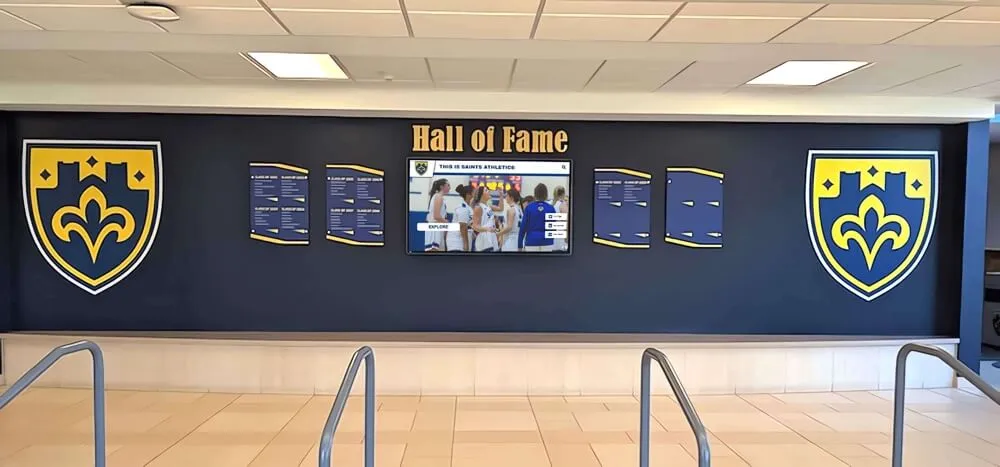
For college wrestling programs, the NCAA Tournament provides the ultimate stage for demonstrating recruiting success, coaching excellence, and athlete development. Programs celebrating tournament qualifiers, All-Americans, and national champions through permanent recognition displays communicate achievement standards while inspiring current team members toward similar excellence. The visibility and prestige associated with NCAA Tournament success influences recruiting for years, as prospective student-athletes identify programs consistently producing national-caliber competitors worthy of their commitment.

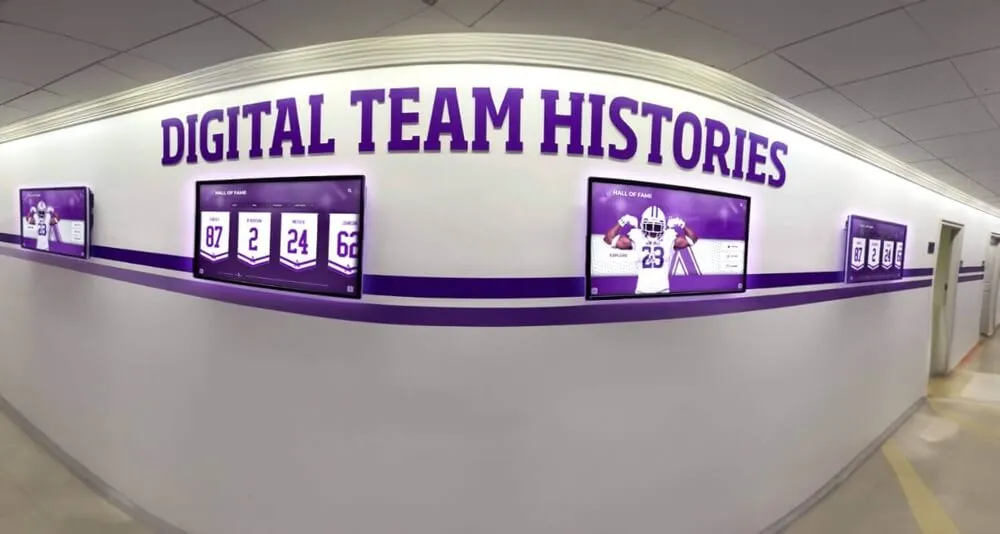
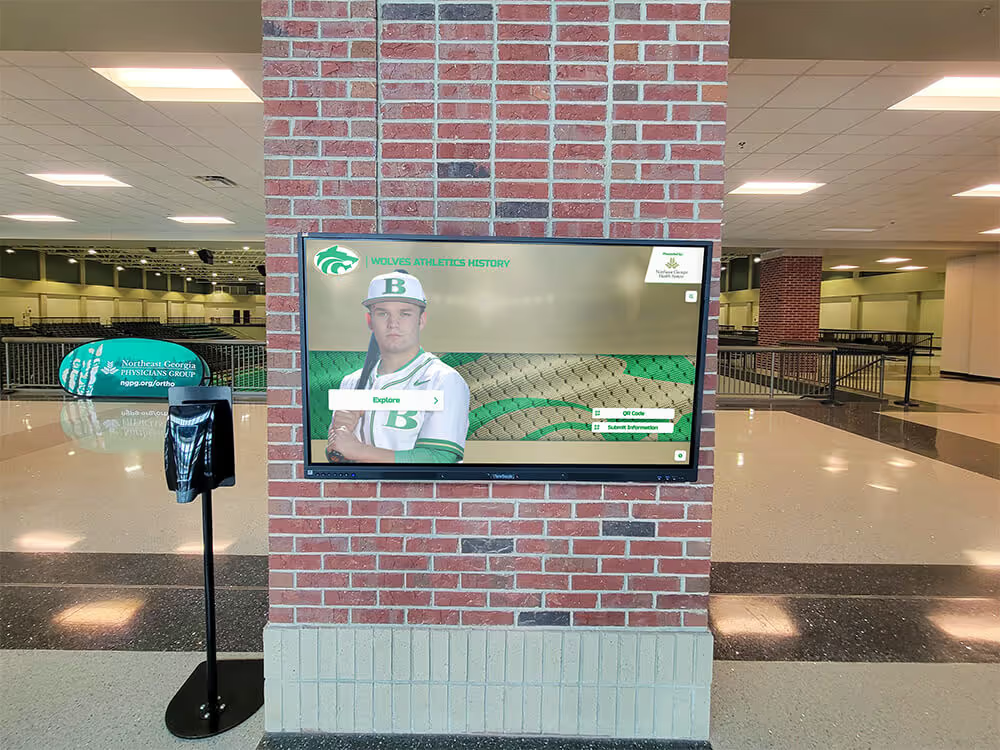
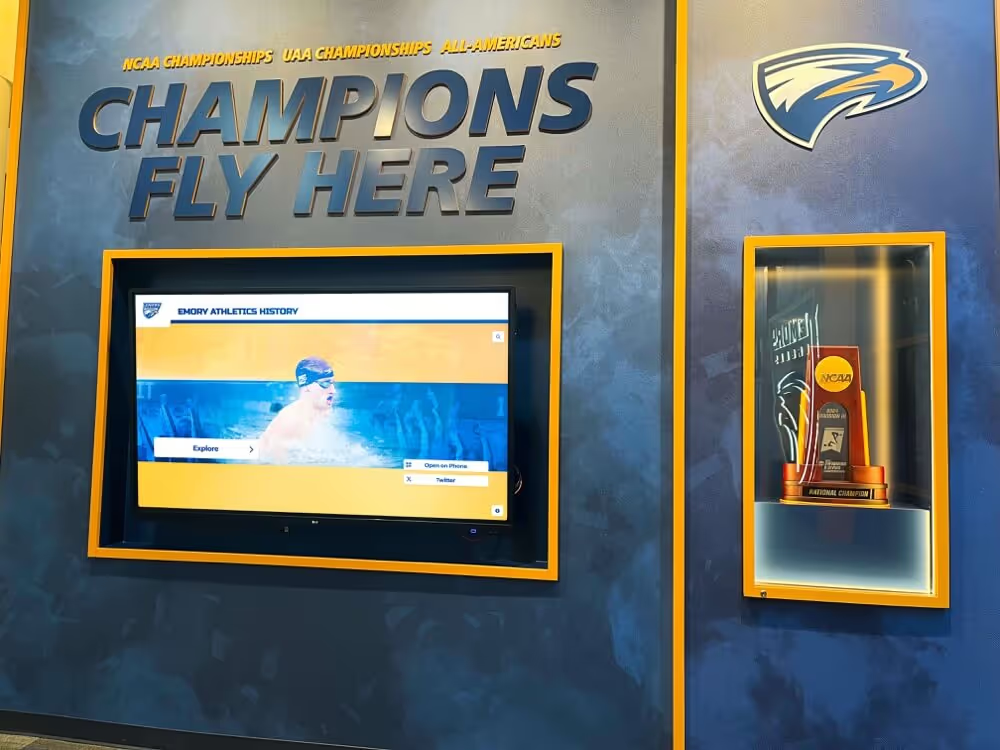
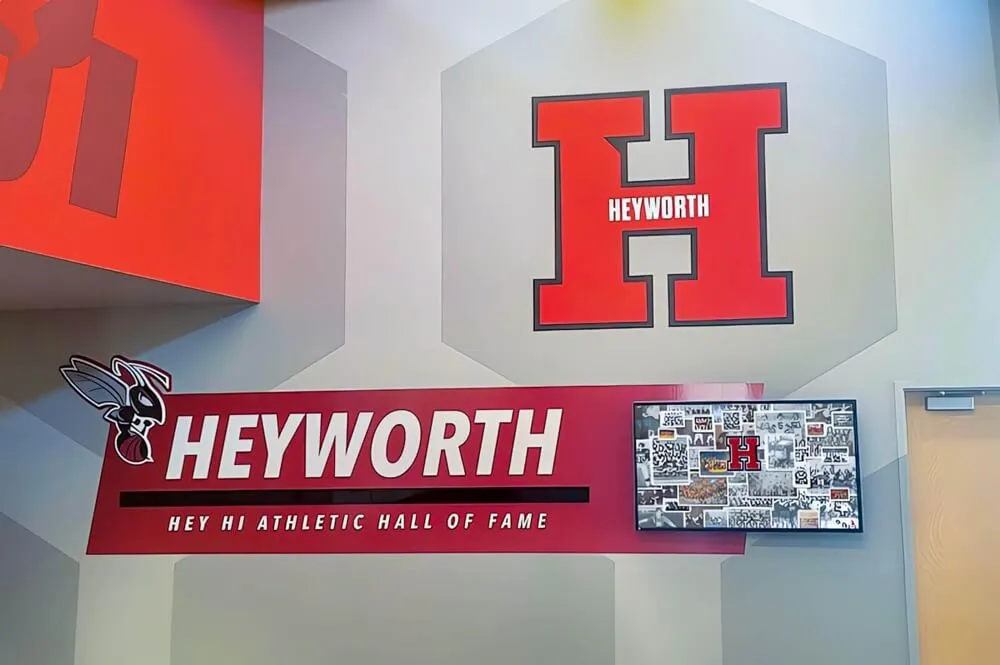
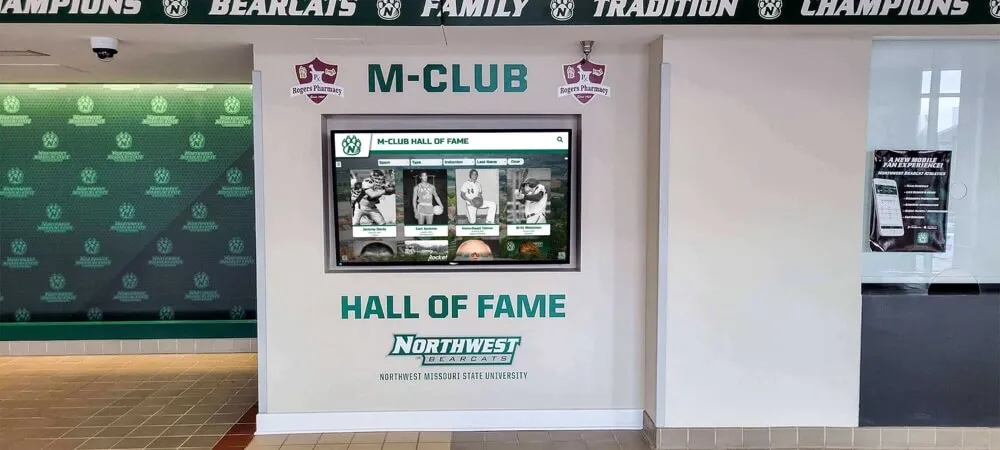
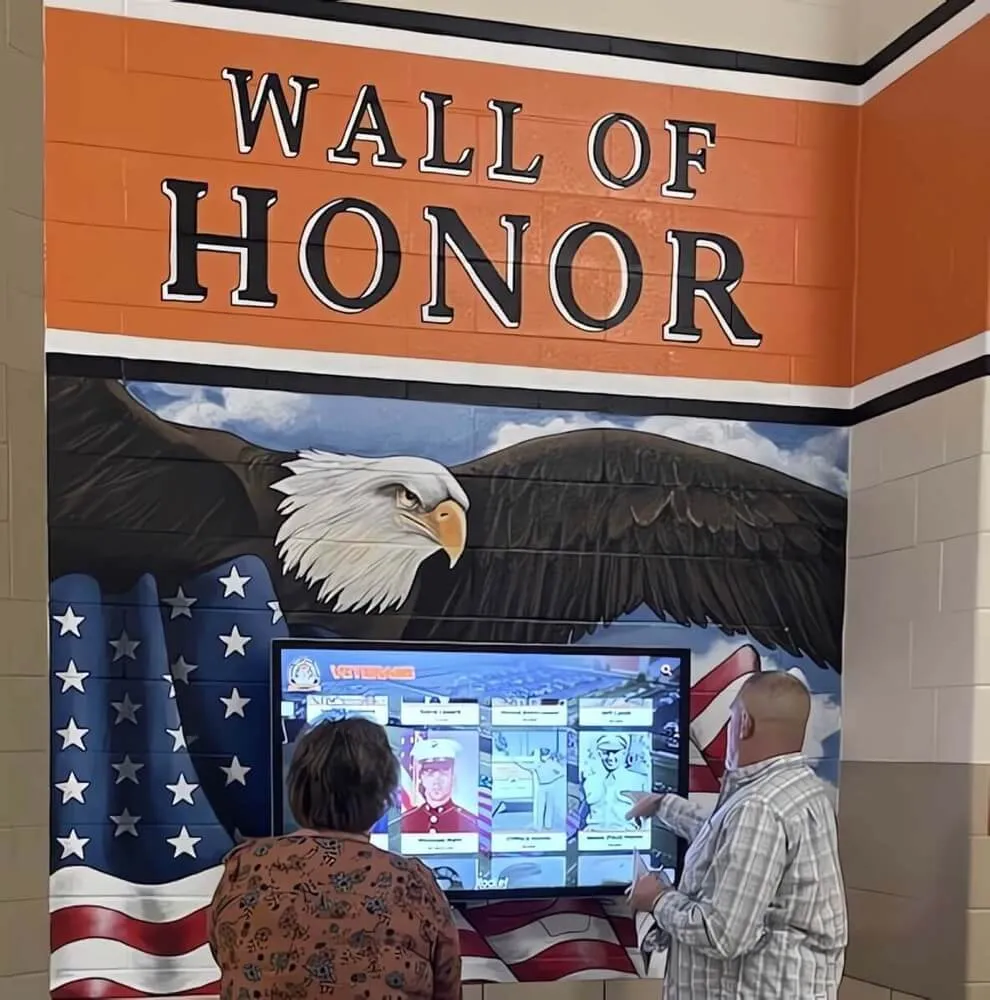
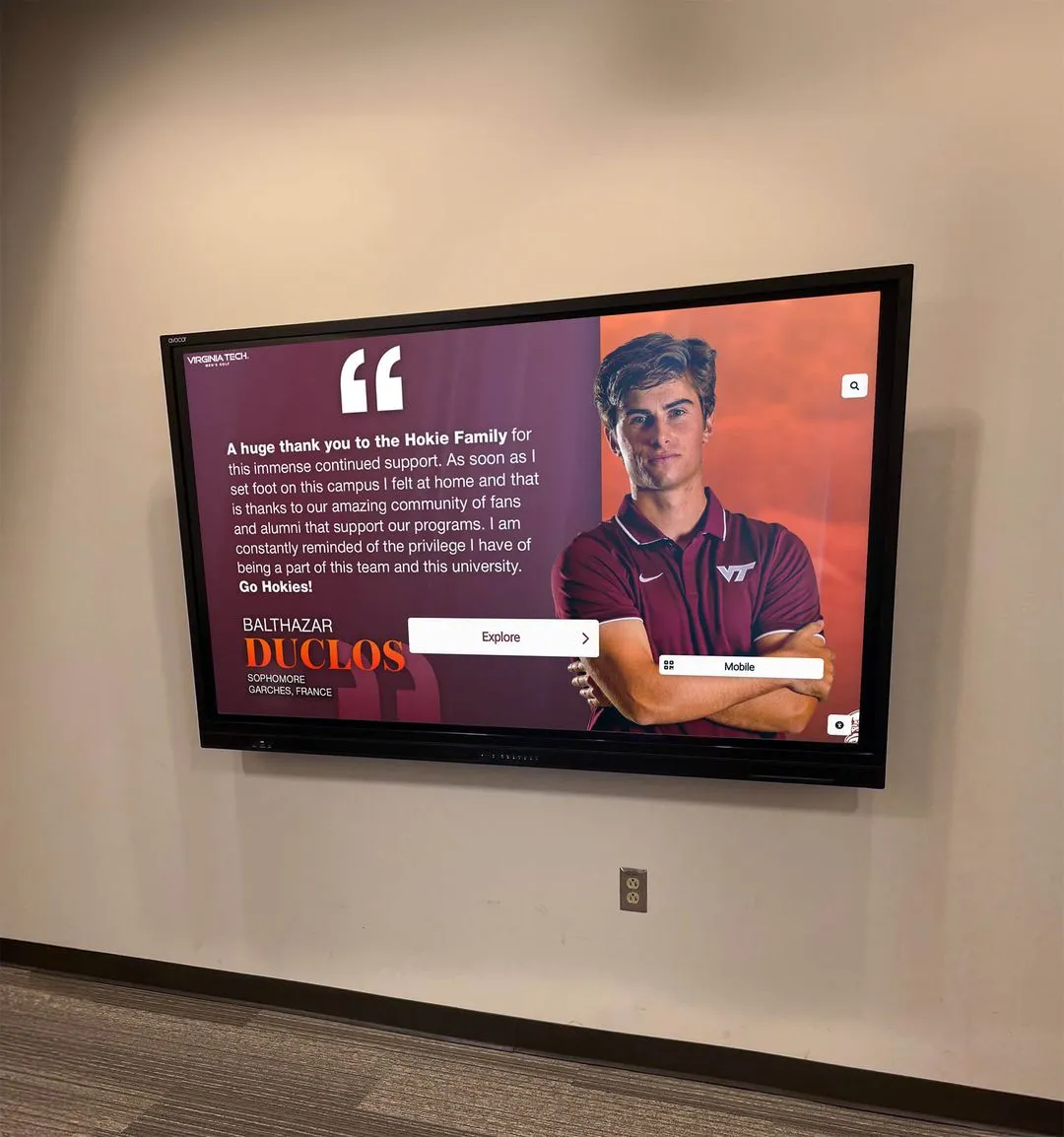
College wrestling programs document NCAA Tournament success through permanent recognition displays celebrating qualifiers, All-Americans, and national champions
Understanding NCAA Wrestling Tournament Structure and Format
The NCAA Wrestling Championship operates across three divisions—Division I, Division II, and Division III—with each division conducting separate championship tournaments featuring different qualification pathways, team sizes, and competitive formats tailored to divisional characteristics.
Division Differences and Championship Levels
NCAA Division I Wrestling Championship
Division I represents the highest level of collegiate wrestling, featuring approximately 330 athletes competing across ten weight classes (125, 133, 141, 149, 157, 165, 174, 184, 197, and 285 pounds). The Division I tournament attracts the most media attention, largest crowds, and strongest recruiting impact while producing Olympic-caliber athletes who transition directly from college to international competition.
Traditional wrestling powerhouses like Penn State, Iowa, Oklahoma State, and Ohio State compete at Division I, building programs around tournament success that generates national recognition, premium recruiting opportunities, and significant financial investment from athletic departments recognizing wrestling’s impact on institutional identity.
Division II and Division III Championships
Division II typically features approximately 240 athletes competing across eight weight classes, while Division III accommodates around 235 wrestlers also competing in eight weight classes. These divisions maintain separate championship tournaments with distinct qualification criteria reflecting different competitive philosophies—Division II programs may offer athletic scholarships while Division III institutions prohibit athletic scholarships, creating fundamentally different recruiting and program-building approaches.
Many Division II and III programs achieve remarkable competitive success despite smaller budgets and fewer resources compared to Division I peers. Championship success at these levels often reflects superior coaching, strong institutional support, and athlete commitment matching or exceeding Division I competitors’ dedication.
Ten Weight Classes and Championship Format
The NCAA Wrestling Tournament employs a championship bracket format where wrestlers compete through multiple rounds over three days, with winners advancing through championship brackets and defeated wrestlers dropping into consolation brackets where they can still achieve All-American status.
Weight Class Structure
The ten Division I weight classes accommodate the full range of athlete sizes from 125 pounds through heavyweight (285 pounds), ensuring competitive fairness while enabling athletes of different body types to compete successfully. Unlike high school wrestling which features 14 weight classes, college wrestling’s condensed weight structure increases competition depth—elite wrestlers who dominated separate high school weight classes often compete directly in college as weights collapse.
Strategic weight management becomes crucial in college wrestling, as athletes must balance competitive advantage at lower weights against the physical demands and potential performance impacts from aggressive weight cutting. Many programs employ nutritionists and sports scientists helping athletes identify optimal competitive weights balancing size advantages against sustainable weight maintenance throughout season-long competition.

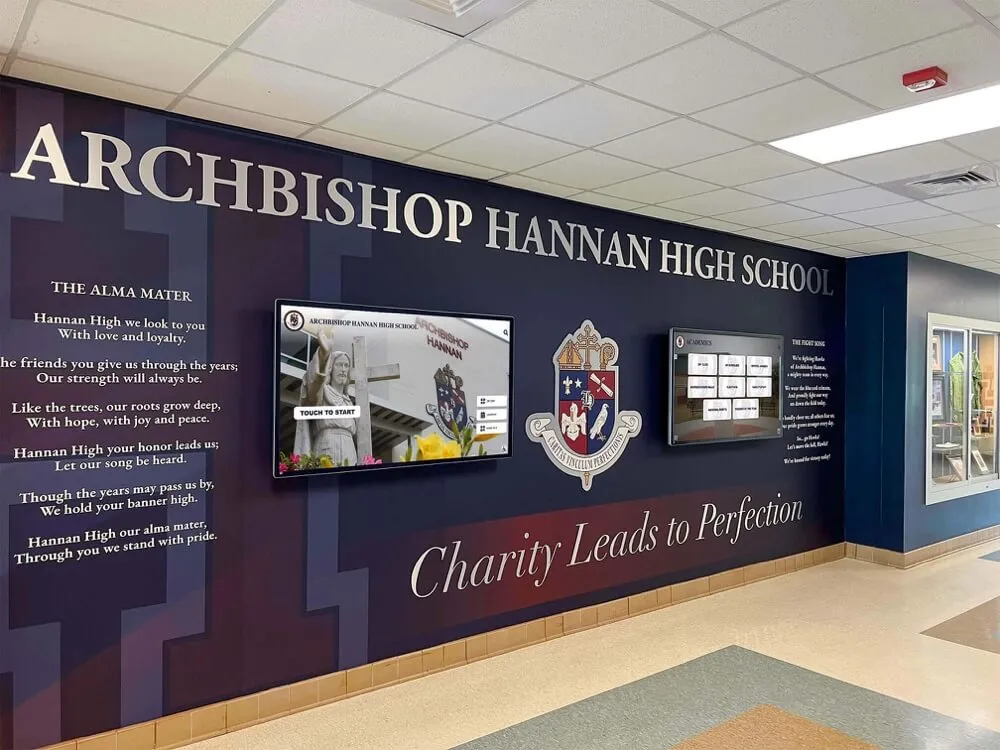
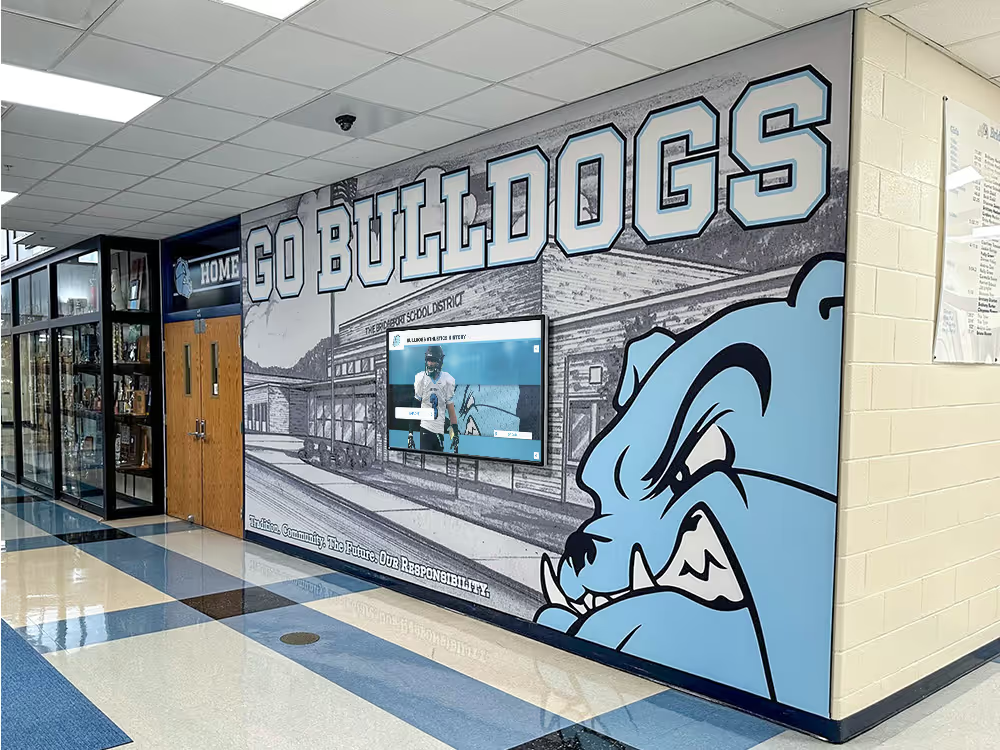
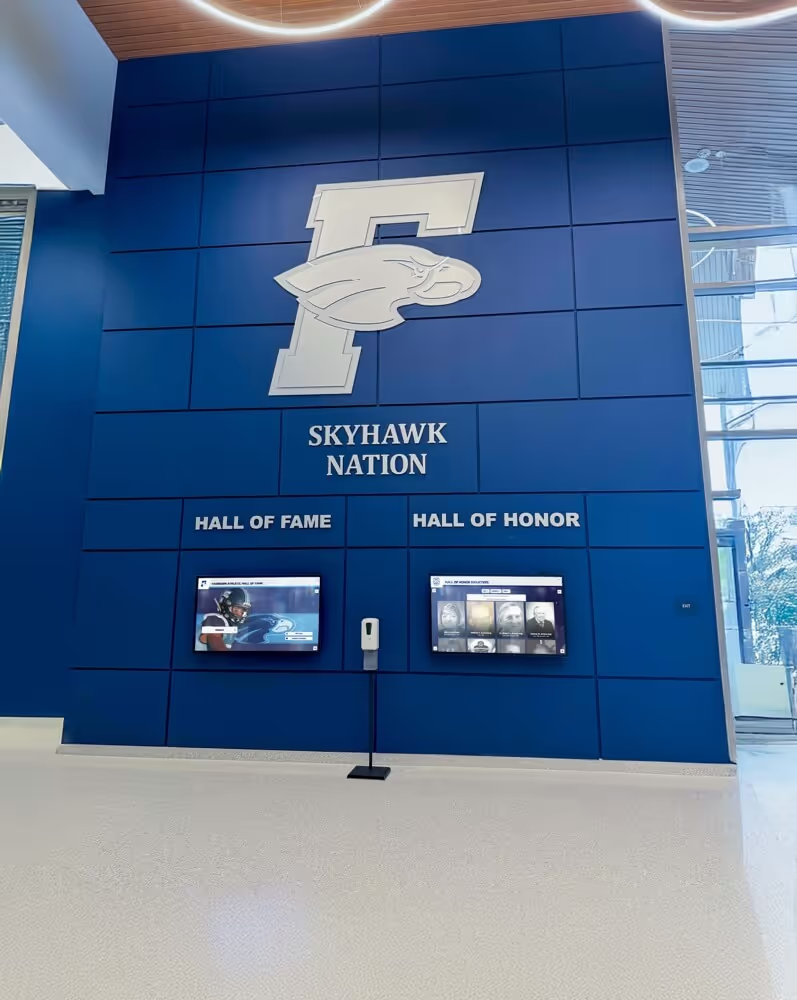
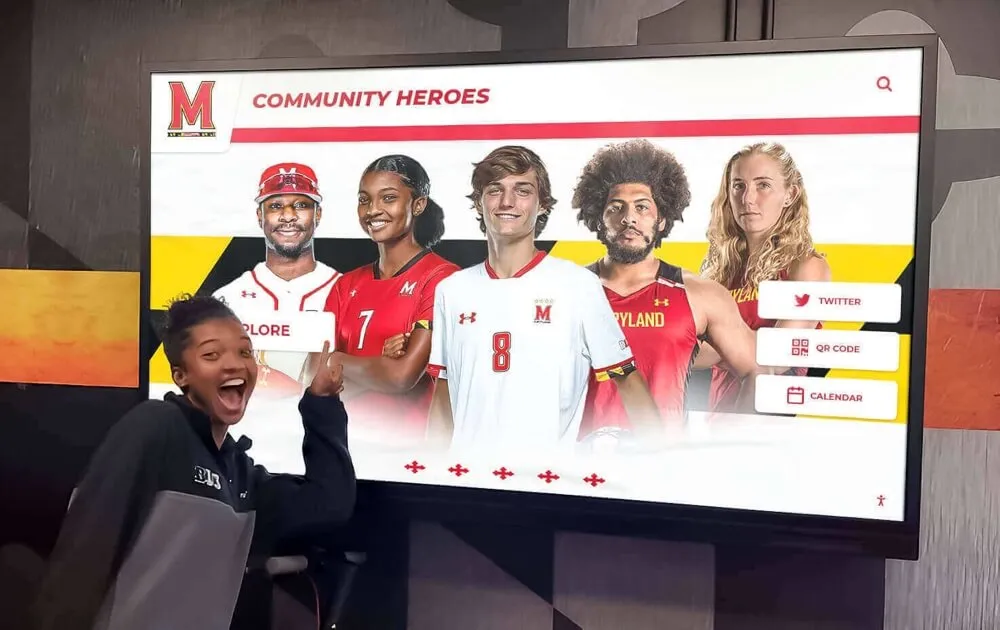
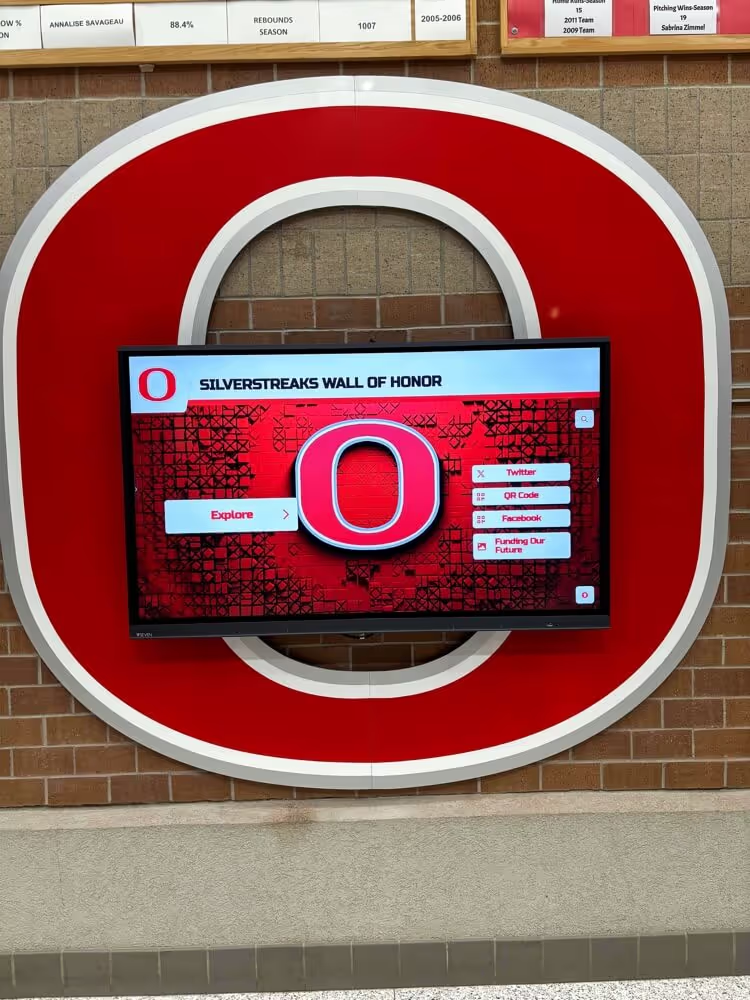
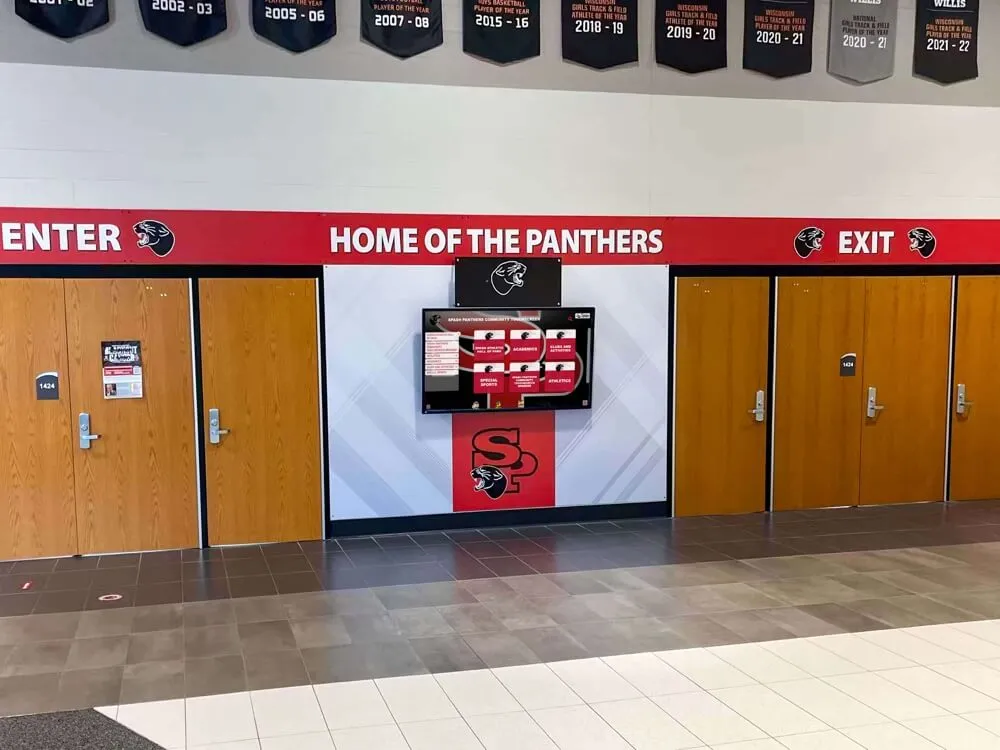
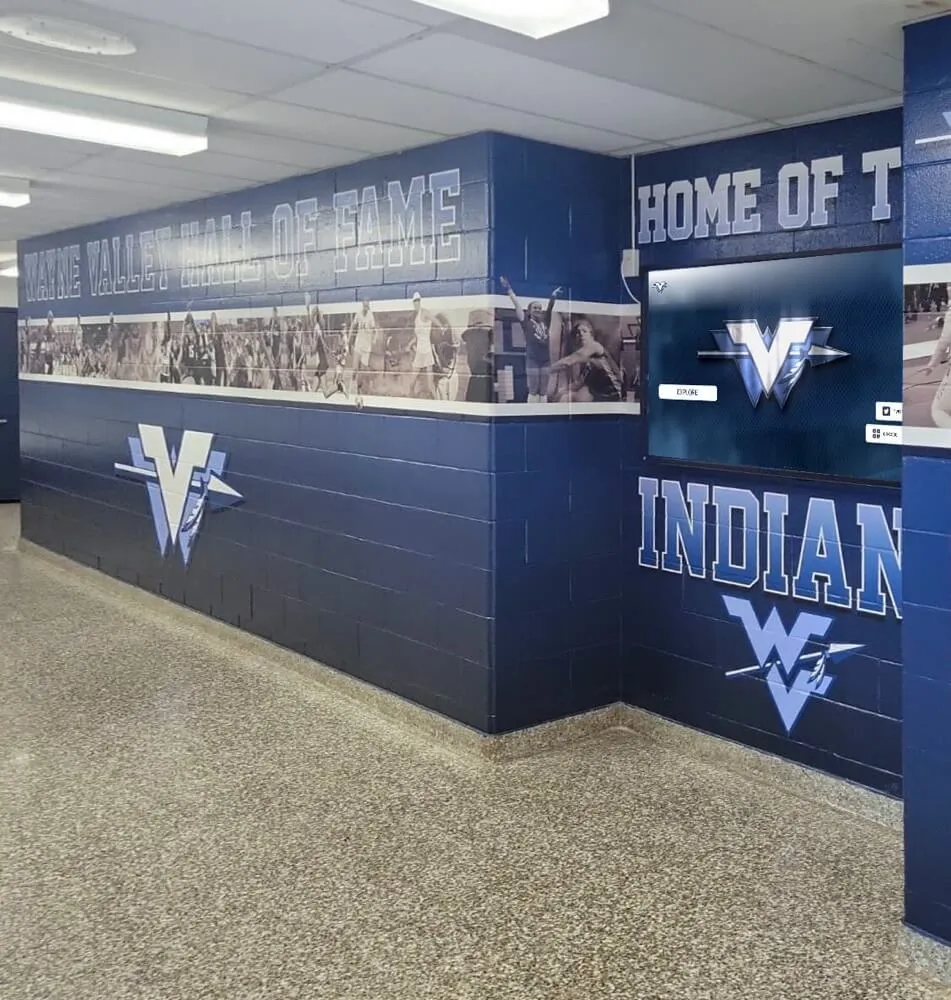
Wrestling programs document tournament achievements through comprehensive displays celebrating qualifiers, placement finishers, and championship success
Tournament Bracket Progression
Each weight class features approximately 33 wrestlers (in Division I) competing through a modified double-elimination format where wrestlers losing in championship brackets drop to consolation rounds where they can still place as high as third overall. This format ensures that a single loss doesn’t eliminate championship contention while rewarding consistency across multiple matches over tournament weekend.
The championship bracket culminates in finals matches determining national champions, while consolation brackets determine 3rd through 8th place finishers—all of whom achieve All-American recognition representing top-eight placement in their respective weight classes. This All-American designation carries significant prestige within wrestling, appearing in recruiting materials, program histories, and individual athlete recognition for entire careers.
NCAA Tournament Qualification Pathways and Selection Process
Understanding how wrestlers qualify for the NCAA Tournament requires examining multiple qualification pathways combining automatic bids earned through conference championships with at-large selections determined by algorithmic ranking systems evaluating season-long performance.
Automatic Qualification Through Conference Championships
Conference Championship Performance
The primary qualification pathway involves conference championship tournaments where wrestlers compete for automatic NCAA Tournament berths. Most conferences award automatic qualification to wrestlers finishing in top positions at conference championships—typically conference champions and sometimes runners-up or top-three finishers depending on conference agreements and historical allocation patterns.
These conference tournaments typically occur 1-2 weeks before the NCAA Championships, creating intense competition as wrestlers battle not just for conference titles but for NCAA qualification berths that may represent their only path to Nationals. A wrestler might dominate regular season competition but fail to qualify if they stumble at conference championships, creating tremendous pressure during these high-stakes tournaments.
Strong wrestling conferences like the Big Ten, Big 12, and ACC often receive multiple automatic qualification slots per weight class reflecting historical success and competitive depth. Conferences consistently producing NCAA All-Americans and national champions earn additional qualification allocations rewarding sustained competitive excellence across multiple programs and seasons.
At-Large Selections and RPI Rankings
The Rating Percentage Index (RPI) System
Beyond automatic qualifiers, the NCAA awards at-large berths to wrestlers who didn’t secure automatic qualification but demonstrated sufficient competitive merit throughout the season to warrant tournament inclusion. Selection committees utilize RPI (Rating Percentage Index) rankings incorporating winning percentage, strength of schedule, and quality wins to identify at-large selections filling remaining tournament spots.
The RPI system rewards wrestlers competing against strong opponents throughout the season, creating strategic incentives for programs to schedule challenging dual meets and tournament competitions against ranked opponents. A wrestler with a slightly worse record but significantly stronger schedule might receive at-large selection over a wrestler with better record but weaker competitive history.
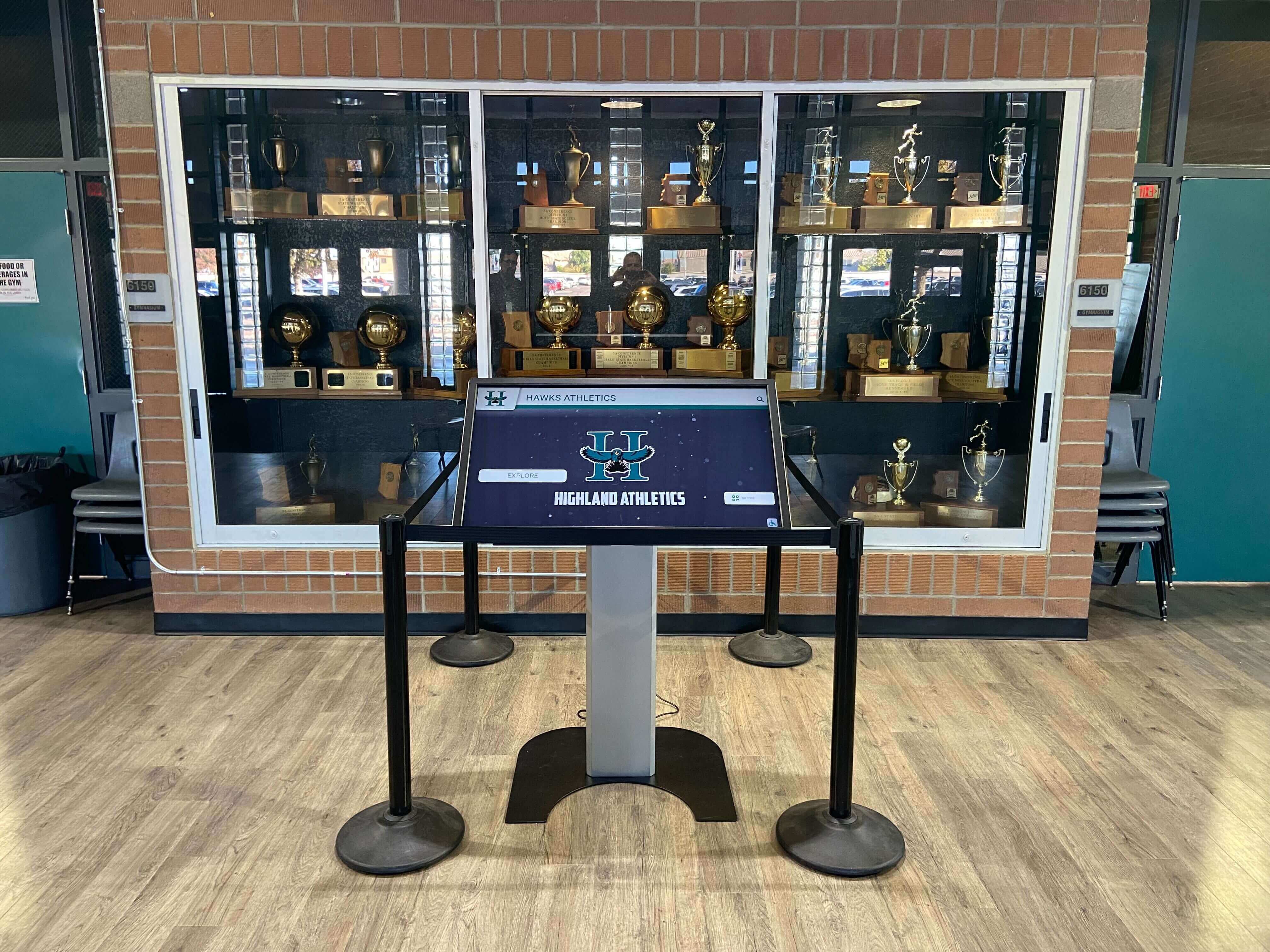
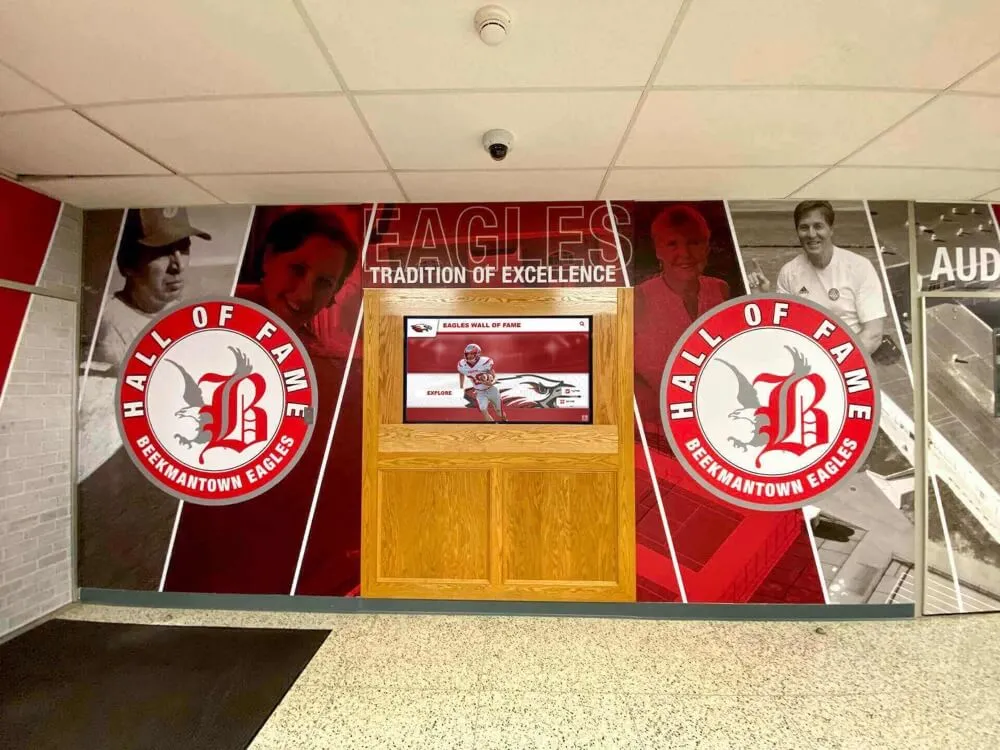
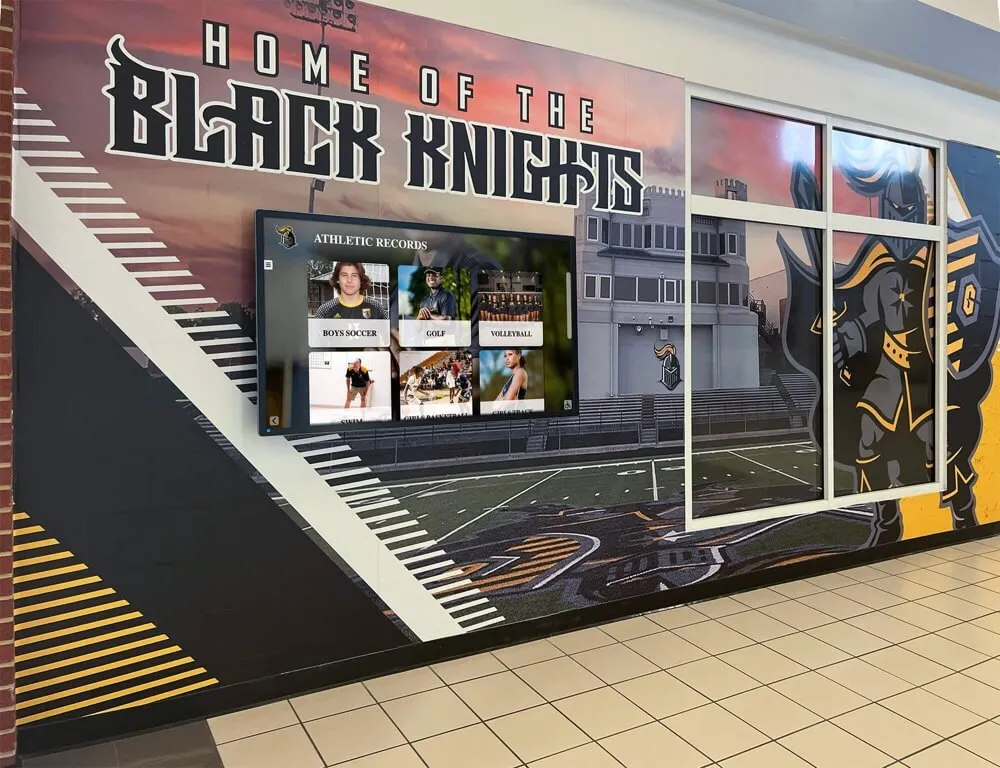
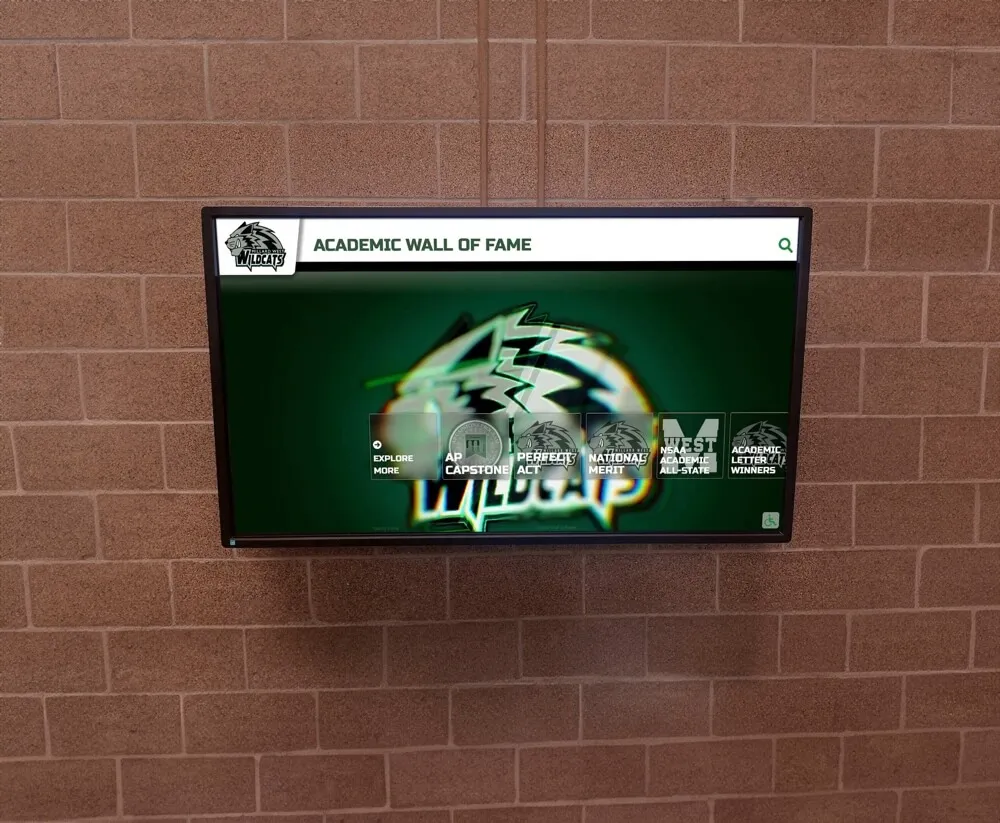
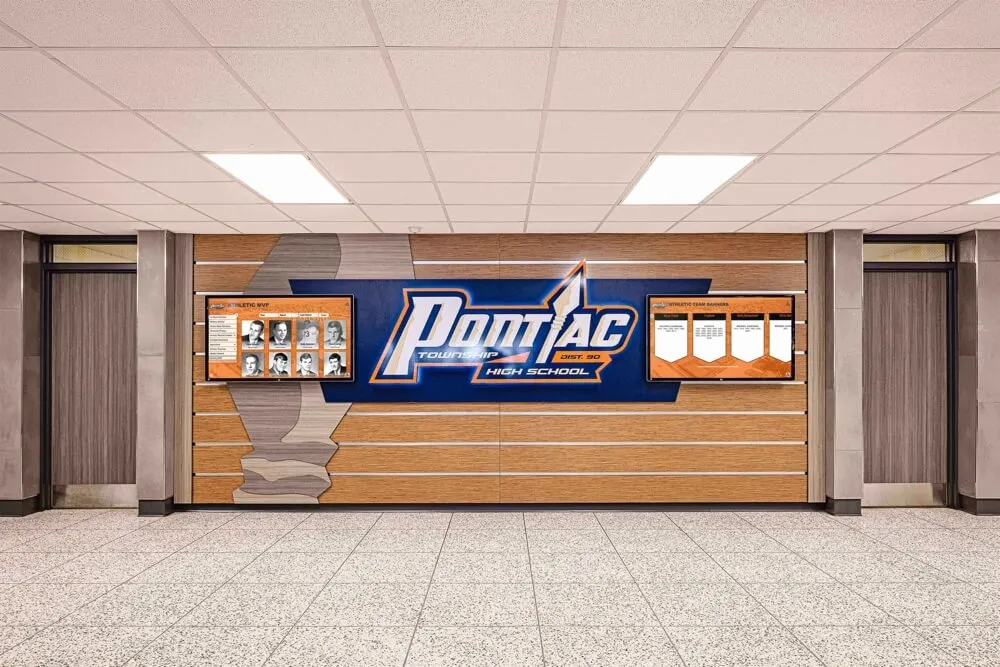
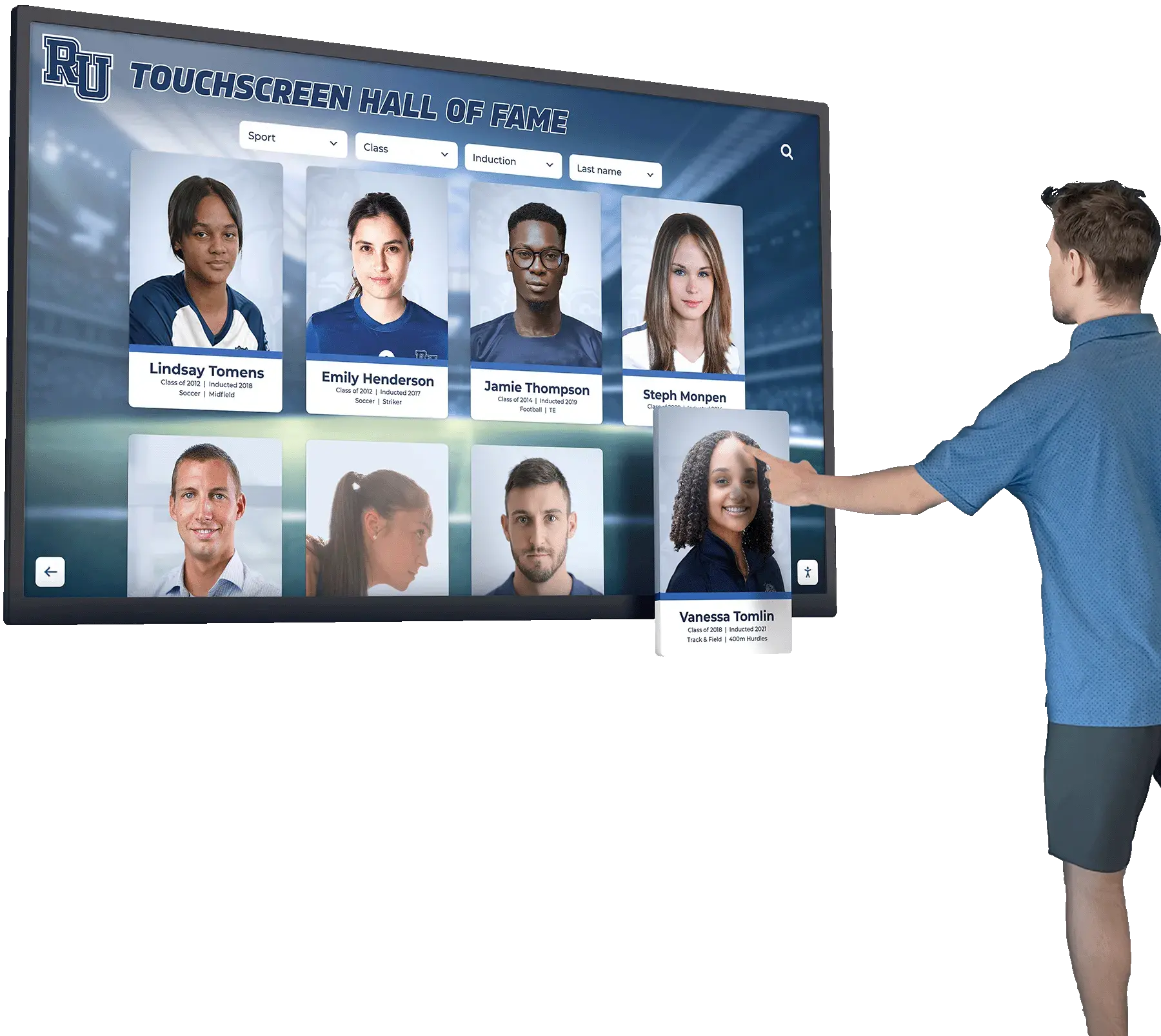
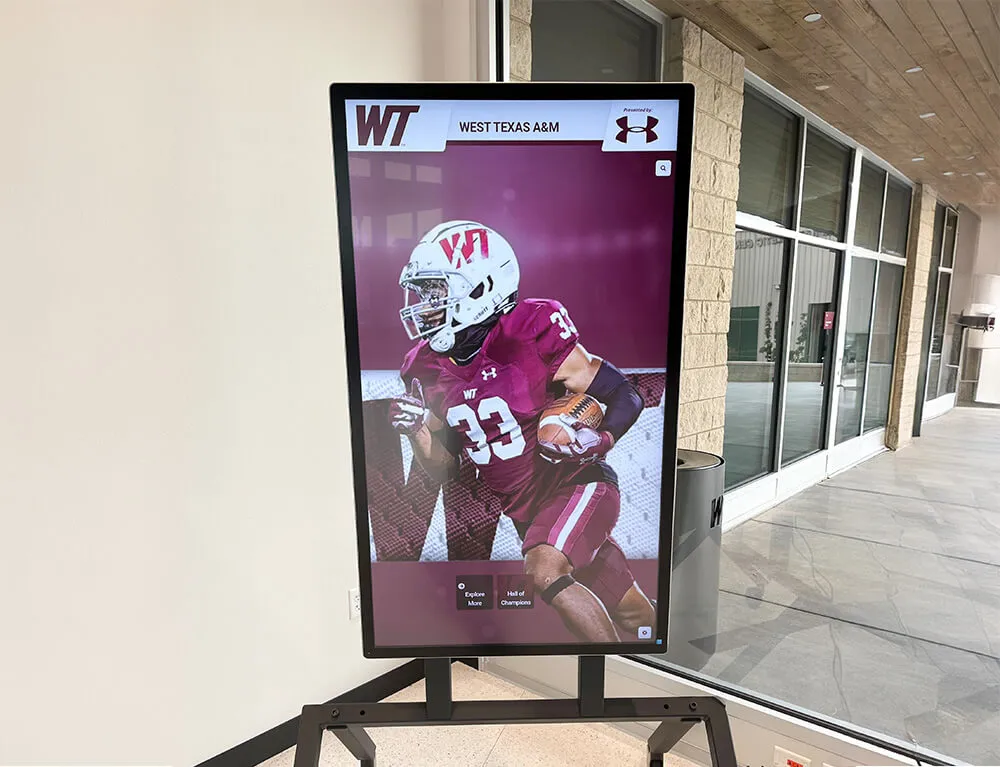
Modern recognition systems enable wrestling programs to celebrate tournament qualifiers and achievement across multiple seasons through searchable digital displays
Wild Card and Allocation Adjustments
The NCAA also employs “wild card” selections for particularly competitive weight classes where additional strong wrestlers merit inclusion despite limited qualification slots. These wild card selections attempt to ensure the tournament includes the strongest possible competitive field while maintaining reasonable tournament size constraints enabling completion within the three-day championship window.
Selection committees evaluate multiple performance metrics when determining at-large and wild card selections including head-to-head results against other qualified wrestlers, performance against common opponents, winning percentage against Division I competition, and strength of schedule measured through opponent quality. Wrestlers improving performance throughout the season—particularly those finishing strong heading into championship season—often receive favorable consideration compared to wrestlers whose performance declined during the season’s final months.
Qualification Numbers and Tournament Field Size
Division I Qualification Standards
Division I typically qualifies approximately 33 wrestlers per weight class, creating a tournament field of roughly 330 total competitors across ten weight classes. This field size balances inclusive competition (ensuring deserving wrestlers receive tournament opportunities) with practical constraints (maintaining tournament completion within three days while preserving match quality and avoiding excessive wrestler fatigue).
Of these 33 qualifiers per weight class, automatic qualifiers typically comprise 50-60% of the field with at-large selections filling remaining spots. The exact distribution varies by weight class based on competitive depth and conference allocation patterns established through historical performance data.
Allocation by Conference Strength
Conferences consistently producing NCAA champions and All-Americans receive larger qualification allocations reflecting competitive strength. The Big Ten Conference, historically dominant in college wrestling, typically receives more automatic qualification berths than smaller conferences with less competitive history. This allocation system rewards programs investing heavily in wrestling while ensuring that strong individual wrestlers from smaller conferences still receive qualification opportunities through at-large selection processes.
What Competing at NCAA Nationals Entails
Once qualified, wrestlers face three days of intense competition unlike anything else in collegiate athletics—rapid match turnarounds, weight cutting pressures, bracket position strategy, and the mental challenge of maintaining competitive focus across up to seven matches determining championship placement.
Championship Week Schedule and Format
Tournament Timeline and Match Progression
The NCAA Wrestling Championship follows a compressed three-day schedule beginning Thursday morning with opening rounds and continuing through Sunday evening finals. This condensed timeline requires wrestlers potentially competing multiple matches daily, creating physical demands testing conditioning, recovery capacity, and mental resilience under accumulated fatigue.
Thursday typically features the first three championship rounds plus first consolation round for wrestlers who lost opening matches. Friday continues with quarterfinals, additional consolation rounds, and determination of wrestlers advancing to championship finals versus those competing for third through eighth place. Saturday concludes the tournament with consolation finals determining 3rd-8th place finishers followed by championship finals crowning national champions in each weight class.
This schedule means a wrestler reaching championship finals competes in at least five matches over three days, while a wrestler advancing deep through consolation brackets might compete in seven matches. The physical and mental demands of maintaining peak performance across this many high-intensity matches separates elite competitors from strong wrestlers who struggle with the accumulated stress and fatigue.
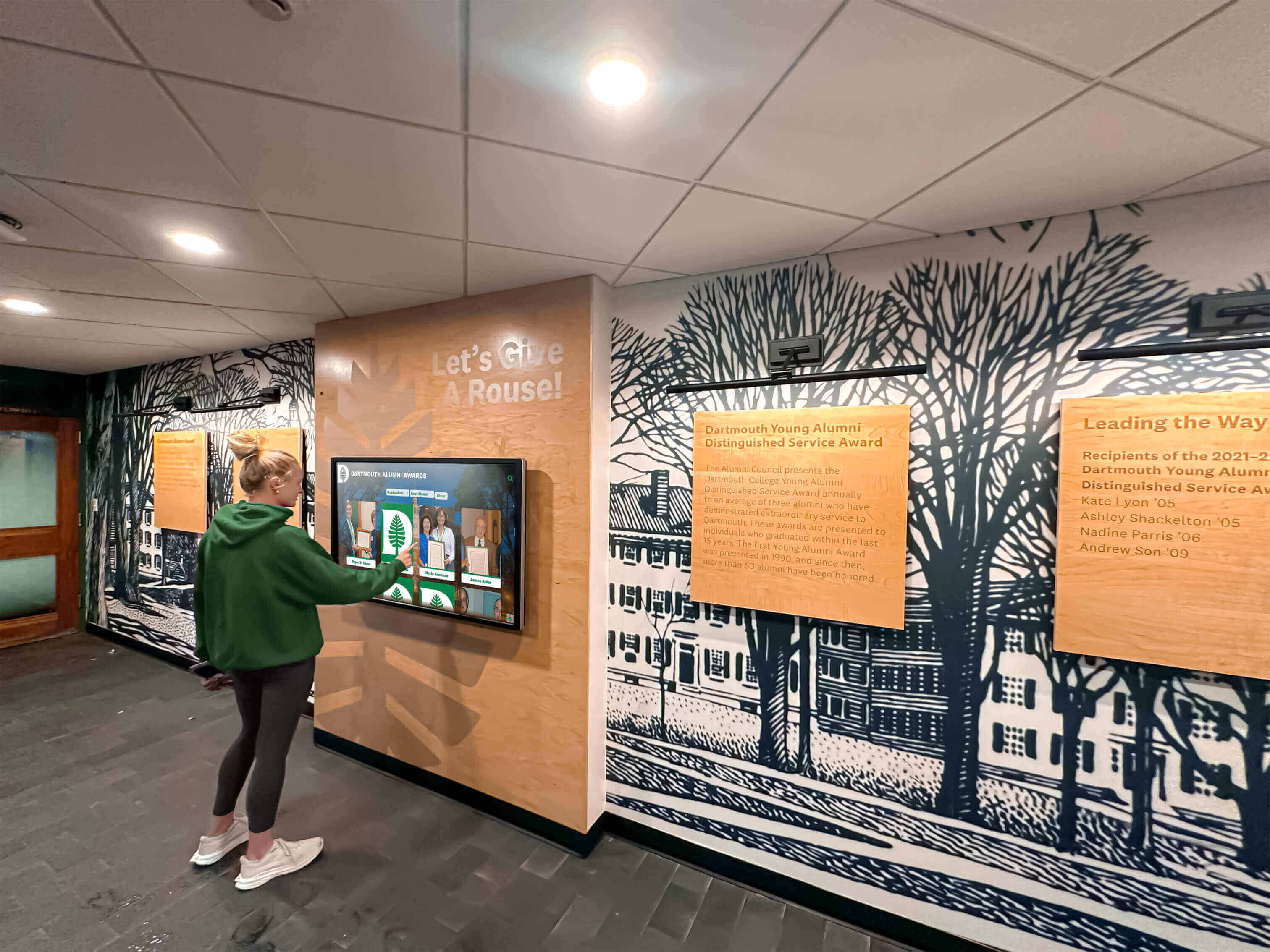
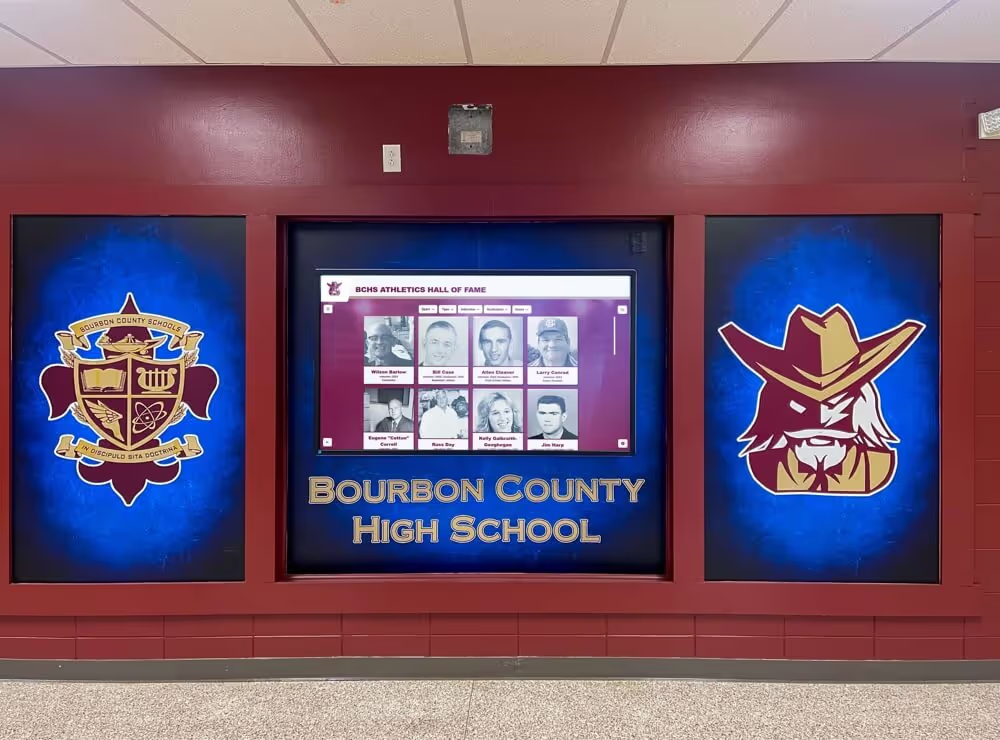
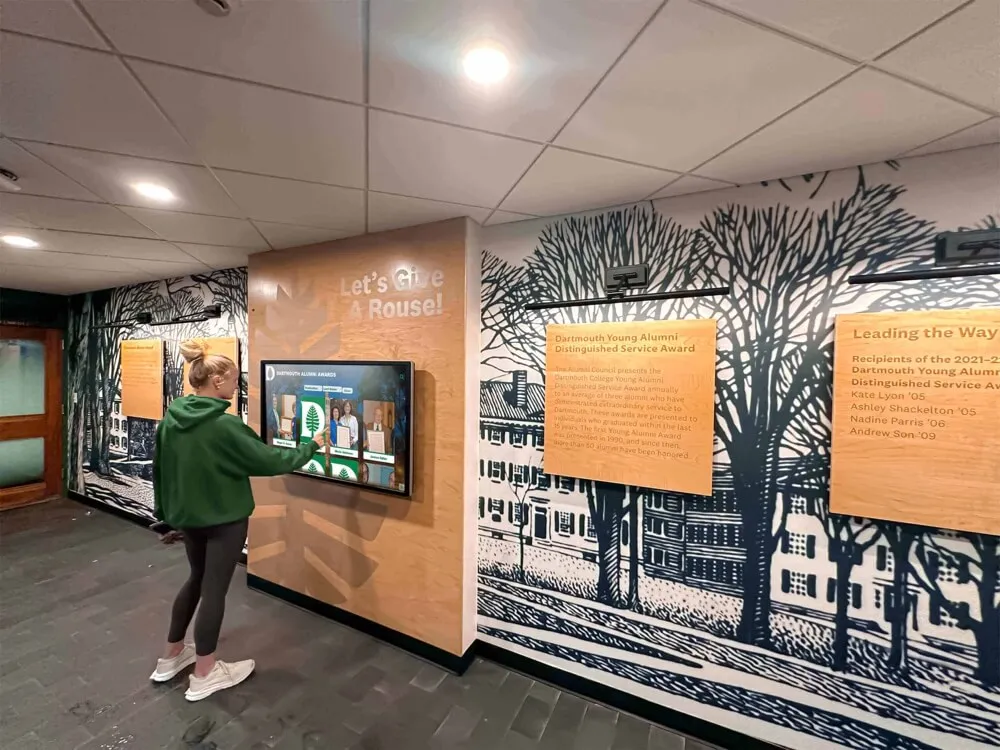
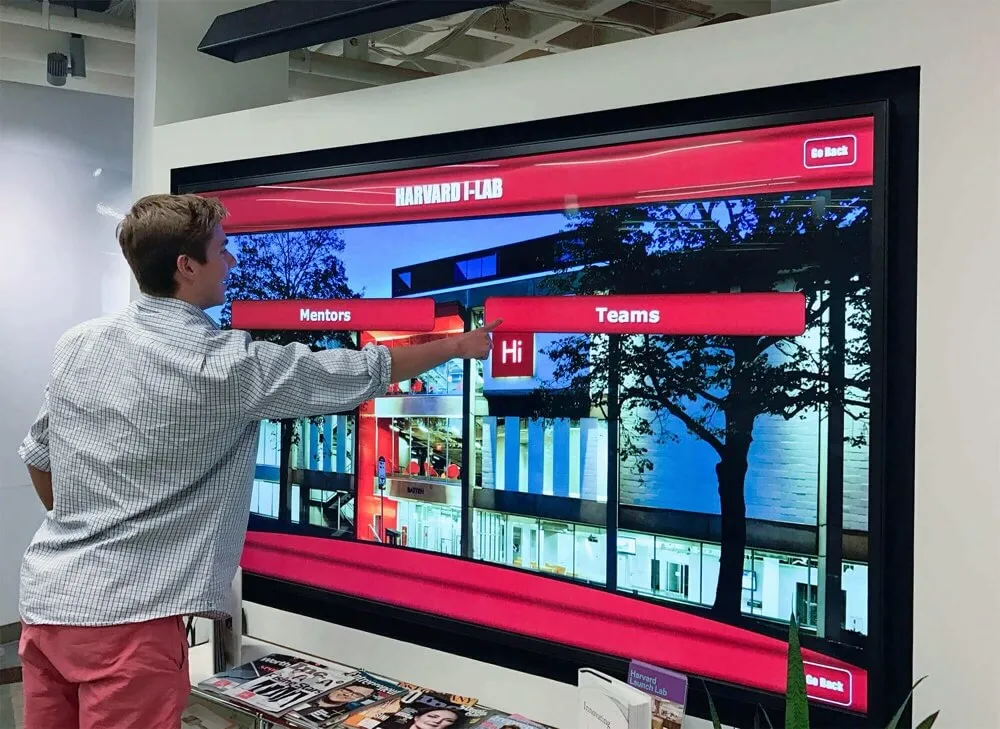
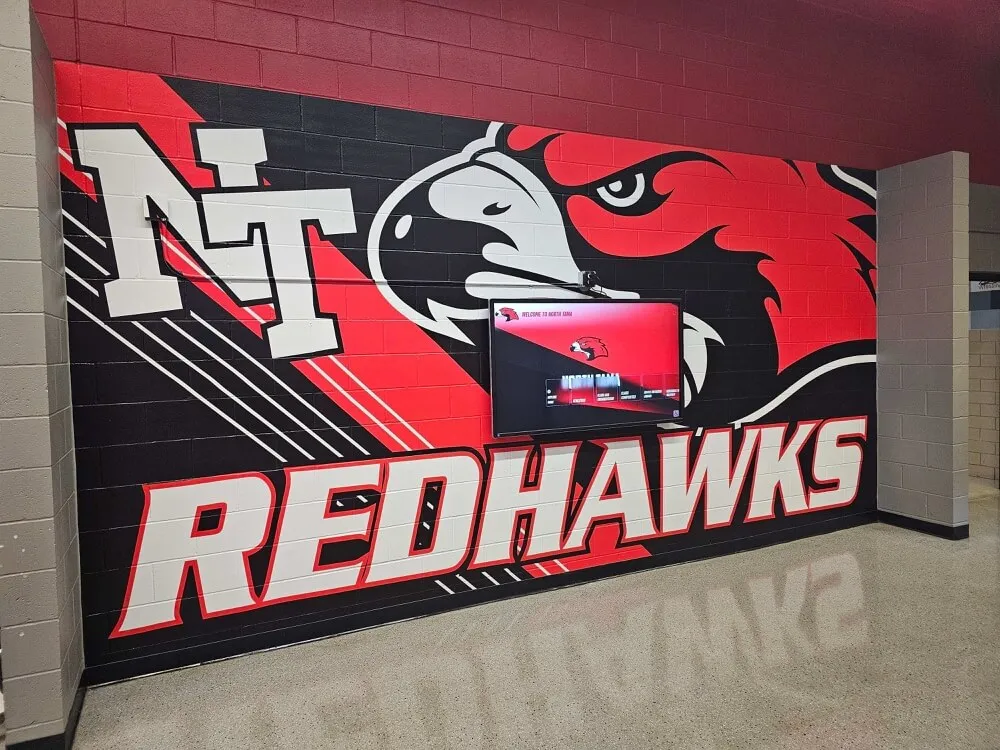
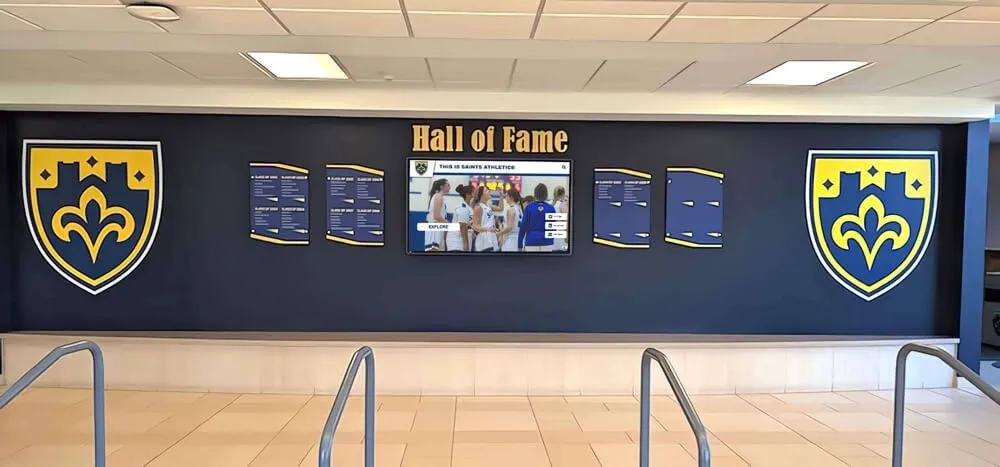
Interactive displays enable current student-athletes to explore tournament history and NCAA achievement while connecting with program tradition
Seeding and Bracket Positioning
The Seeding Committee Process
Before tournament competition begins, a seeding committee ranks the top wrestlers in each weight class from 1 through 33, determining bracket positioning that significantly influences potential matchup paths through championship and consolation rounds. Top seeds receive favorable bracket positions avoiding each other until later rounds while lower seeds face immediate elimination threats from highly-ranked opponents.
Seeding decisions consider multiple factors including head-to-head results between qualified wrestlers, common opponent performance, strength of schedule and quality wins, conference championship results, and season-ending momentum. Wrestlers peaking at the right time—winning conference championships or performing strongly in final regular season competitions—often receive seeding advantages over wrestlers with slightly better overall records but less impressive recent performance.
Strategic Implications of Seeding
Top seeds (typically 1-8) receive advantageous bracket positioning and first-round bye advantages in many brackets, potentially requiring one fewer match to reach finals compared to lower seeds. However, upsets remain common in wrestling where a single mistake or bad moment can result in loss regardless of seeding advantages.
Lower seeds face more challenging paths but can build momentum through upset victories, gaining confidence while simultaneously advantaging tournament position as they advance through consolation brackets. Many All-Americans and even some national champions emerge from lower seeds who string together victories against progressively stronger opponents throughout the tournament weekend.
The Physical and Mental Demands of Championship Competition
Weight Management at Nationals
Unlike regular season competition where wrestlers can sometimes adjust weights between meets with recovery time, the NCAA Tournament’s compressed schedule requires wrestlers maintaining championship weight through weigh-ins before sessions across all three days. This sustained weight management while competing at maximum intensity creates additional stress beyond normal competitive demands.
Programs achieving sustained NCAA success typically invest heavily in nutrition support, sports science, and weight management systems helping athletes maintain optimal competitive weights while avoiding performance-diminishing effects of aggressive weight cutting. Many elite programs employ dedicated nutritionists and strength coaches specifically focused on helping wrestlers balance weight requirements against performance optimization and health maintenance.
Psychological Pressures and Mental Preparation
The NCAA Tournament represents career-defining competition for many wrestlers—scholarship justification for some, professional wrestling opportunity evaluation for others, and legacy-defining achievement for all competitors. This heightened significance creates psychological pressures requiring mental preparation matching physical training investments.
Programs developing consistent NCAA success often emphasize sports psychology, mental skills training, and championship preparation simulations throughout the season. Wrestlers who’ve competed at Nationals previously possess significant advantages over first-time qualifiers, as experience managing tournament pressures, recovery demands, and bracket position strategy provides edge beyond pure technical wrestling ability.
All-American Recognition and Championship Achievement
Finishing in the top eight in any weight class at the NCAA Tournament earns All-American designation—one of college wrestling’s most prestigious individual honors representing elite achievement recognized throughout careers and celebrated permanently in program histories.
All-American Criteria and Selection
Top-Eight Placement Requirements
Unlike some sports where All-American recognition involves subjective selection by committees or voting bodies, wrestling All-American status follows objective criteria—any wrestler finishing in the top eight in their weight class at the NCAA Championship automatically achieves All-American recognition regardless of seeding, record, or selection committee evaluation.
This objectivity creates clear motivation: survive the tournament bracket long enough to place in the top eight through either the championship bracket or consolation bracket pathways. A wrestler can lose in the championship quarterfinals but rally through consolation rounds to place fifth or sixth, still earning All-American status despite not reaching championship finals.
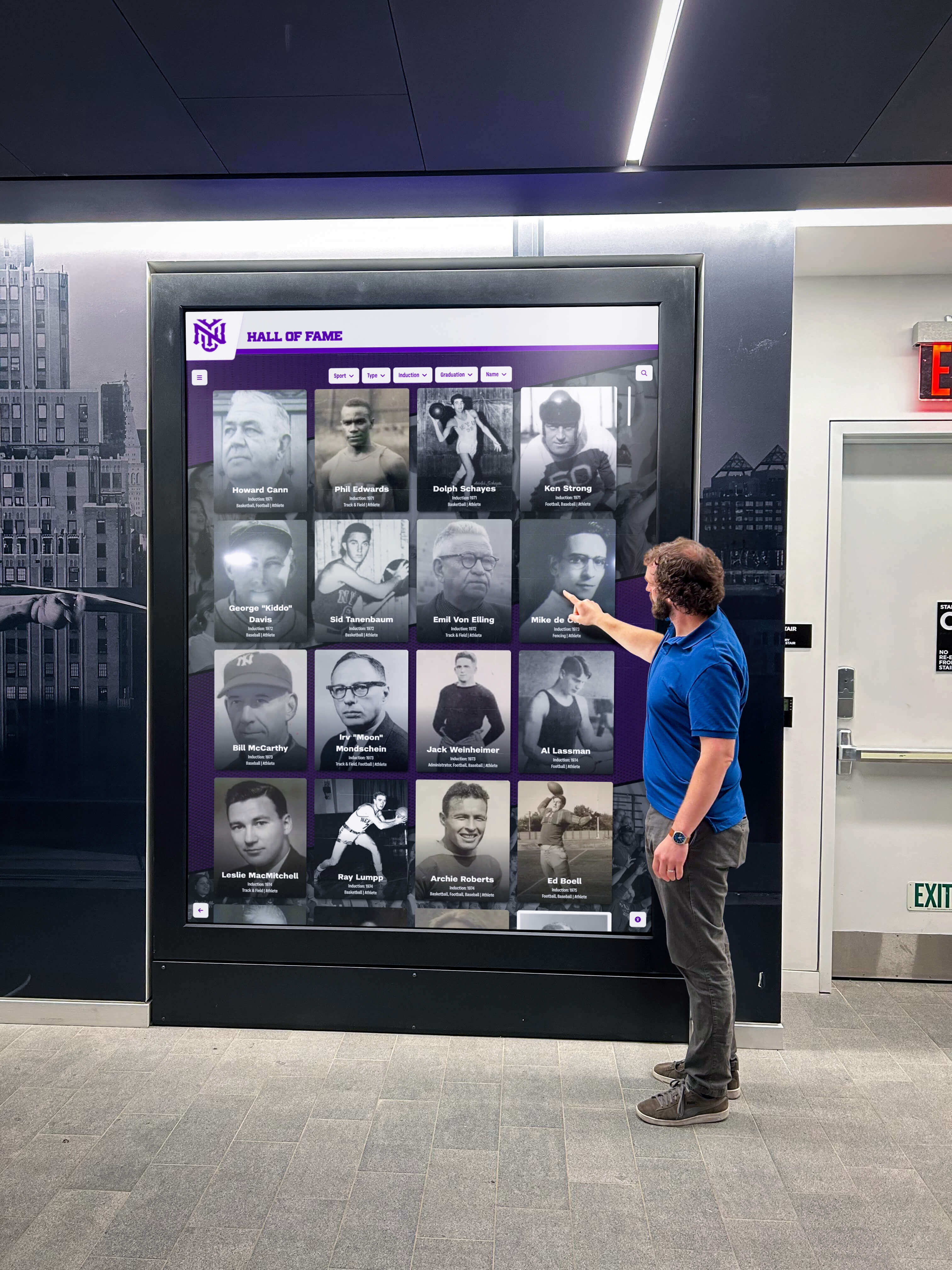
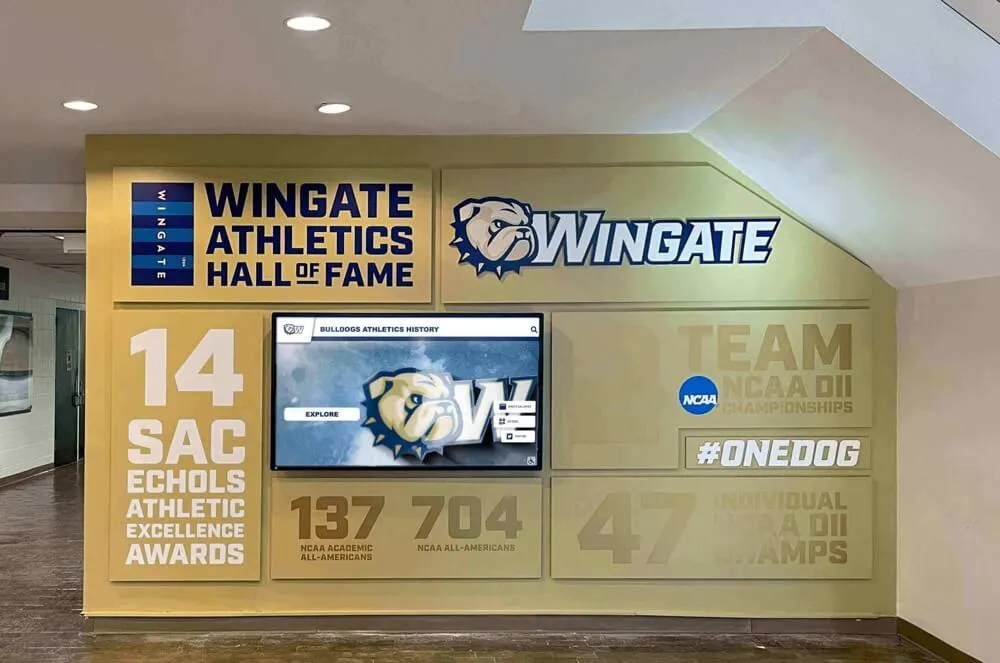
Wrestling programs showcase All-American and national champion achievements through permanent recognition displays becoming focal points during campus visits and recruiting weekends
Multiple-Time All-Americans and Career Achievement
Many elite wrestlers achieve All-American status multiple times across their college careers, with four-time All-Americans representing exceptional consistency and sustained excellence at the highest level. These multiple-time All-Americans often transition successfully to international competition, Olympic teams, and professional wrestling careers built on foundations established through repeated NCAA success.
Programs celebrating multiple All-Americans demonstrate recruiting excellence, athlete development, and competitive program strength that attracts future recruits seeking similar achievement opportunities. Athletic hall of fame displays documenting these achievements strengthen program prestige while providing tangible recognition honoring wrestler accomplishments.
National Championships and Historic Achievement
Individual National Champions
Winning an NCAA wrestling championship in any weight class represents the pinnacle of individual achievement in college wrestling—validation of years of training, sacrifice, and competitive dedication. National champions receive permanent recognition in program histories, recruiting materials, and institutional athletics records while often transitioning to elite international competition including Olympic teams and world championships.
Many national champions become program ambassadors, returning to support current wrestlers, assist with recruiting, and maintain lifelong connections with programs where they achieved career-defining success. Schools documenting these championships through digital recognition displays create permanent celebration honoring individual achievement while strengthening institutional wrestling identity.
Team Championships and Program Excellence
Beyond individual championships, the NCAA awards team championships based on accumulated points across all weight classes. Team points derive from tournament advancement—wrestlers earn points for each victory, with bonus points awarded for dominant wins including technical falls, major decisions, and pins.
Traditional wrestling powerhouses like Penn State, Iowa, and Oklahoma State compete intensely for team championships representing sustained program excellence across multiple weight classes rather than success concentrated in one or two weights. Team championships require comprehensive recruiting success, elite coaching, and program-wide culture producing multiple All-Americans and national champions simultaneously across different weight classes.
Programs winning team championships often experience recruiting surges in subsequent years as the national championship designation attracts elite recruits seeking proven winning environments. Many programs document team championship success alongside individual achievements in comprehensive recognition displays celebrating both individual excellence and collective program success.
How Programs Celebrate and Leverage NCAA Tournament Success
Wise wrestling programs systematically celebrate NCAA Tournament qualification, All-American achievement, and championship success through strategic recognition approaches that strengthen recruiting, build program culture, and honor wrestler accomplishments appropriately.
Traditional Recognition Approaches
Physical Displays and Championship Banners
Many wrestling programs hang championship banners in practice facilities and competition venues documenting team championships, conference titles, and major tournament victories. These banners create visual tradition communicating program heritage to recruits, current wrestlers, and fans attending competitions.
Physical plaque displays often recognize All-Americans through individual nameplates organized chronologically or by achievement level. Trophy cases display individual championship hardware, team trophies, and coach of the year awards accumulated across program histories.
While these traditional approaches provide tangible recognition, they face inherent space limitations—programs producing consistent NCAA success quickly exhaust available wall space, forcing difficult decisions about which achievements receive visible recognition versus which accomplishments get stored in offices or archived without public display.
Digital Recognition Platforms for Comprehensive Achievement Documentation
Unlimited Recognition Capacity
Digital recognition platforms solve the fundamental space constraint facing successful programs by providing unlimited capacity documenting comprehensive achievement across entire program histories. Interactive touchscreen displays enable programs to celebrate every NCAA qualifier, All-American, and national champion without space limitations forcing selective recognition.
These systems typically feature searchable databases enabling visitors to explore wrestler profiles filtered by achievement type, decade, weight class, or other relevant categories. This searchable functionality proves particularly valuable during recruiting visits where prospective student-athletes explore program achievement history while identifying role models competing at similar weight classes or from comparable high school backgrounds.

Digital platforms enable comprehensive wrestling achievement documentation impossible with traditional physical displays constrained by space limitations
Rich Multimedia Storytelling
Beyond basic biographical information and achievement lists, digital platforms enable rich multimedia storytelling through championship match videos, athlete interview content, season highlight compilations, and photo galleries documenting tournament experiences and achievement moments. This multimedia content creates engaging recognition experiences that help current wrestlers connect emotionally with program tradition while inspiring similar achievement pursuits.
Many programs incorporate wrestler testimonials where alumni All-Americans and national champions reflect on their NCAA Tournament experiences, offer advice to current competitors, and discuss how championship success influenced their post-college lives and careers. These first-person narratives provide powerful motivation for current wrestlers while demonstrating that achievement recognition extends beyond simple name listings.
Recruiting Impact and Program Marketing
Demonstrating Achievement Culture
NCAA Tournament success directly influences recruiting effectiveness as elite high school wrestlers evaluate college programs based partly on demonstrated ability to develop national-caliber competitors. Programs consistently producing NCAA qualifiers, All-Americans, and national champions communicate coaching excellence, training quality, and competitive environment that top recruits seek.
Comprehensive recognition displays showcasing sustained NCAA success provide tangible evidence supporting recruiting claims about program quality and achievement culture. Rather than relying solely on verbal descriptions or statistics, recruits can explore detailed achievement documentation while visiting campuses or accessing web-based digital recognition platforms extending beyond physical campus boundaries.
Building Alumni Connections and Support
Former wrestlers who achieved NCAA success maintain strong emotional connections with programs where they competed and accomplished career-defining achievements. Programs systematically celebrating these accomplishments through permanent recognition strengthen alumni relationships that translate into financial support, recruiting assistance, and sustained program engagement.
Many wrestling programs leverage alumni All-Americans and national champions as recruiting ambassadors who speak with prospective student-athletes about their experiences, offer mentorship to current team members, and provide professional networking opportunities helping wrestlers transition from college competition to careers. This alumni network becomes more accessible and engaged when programs demonstrate appreciation through comprehensive achievement recognition honoring their contributions permanently rather than allowing accomplishments to fade from institutional memory.
Championship Recognition as Cultural Foundation
Wrestling programs seeking sustained NCAA Tournament success recognize that achievement celebration serves functions extending far beyond simply honoring past accomplishments—strategic recognition creates cultural foundations supporting future success by establishing achievement expectations, inspiring current wrestlers through role model visibility, and communicating program values to recruits, supporters, and institutional stakeholders.
Creating Achievement Expectations Through Visible Recognition
Normalizing Championship Aspirations
When wrestling rooms, practice facilities, and competition venues feature comprehensive displays documenting decades of NCAA qualifiers, All-Americans, and national champions, these visible recognition systems communicate that championship achievement represents expected outcomes rather than rare exceptions. This normalization influences team culture profoundly—wrestlers joining programs with visible achievement heritage understand immediately that qualifying for NCAAs, earning All-American status, and pursuing national championships represents achievable goals rather than unrealistic aspirations.
Programs successfully building this culture often discover that championship expectations become self-fulfilling as wrestlers internalize standards established through visible recognition of previous generations’ achievements. Current team members don’t want to be the class that breaks qualification streaks or fails to contribute All-Americans to program histories—this positive peer pressure reinforces commitment, work ethic, and competitive focus throughout seasons.
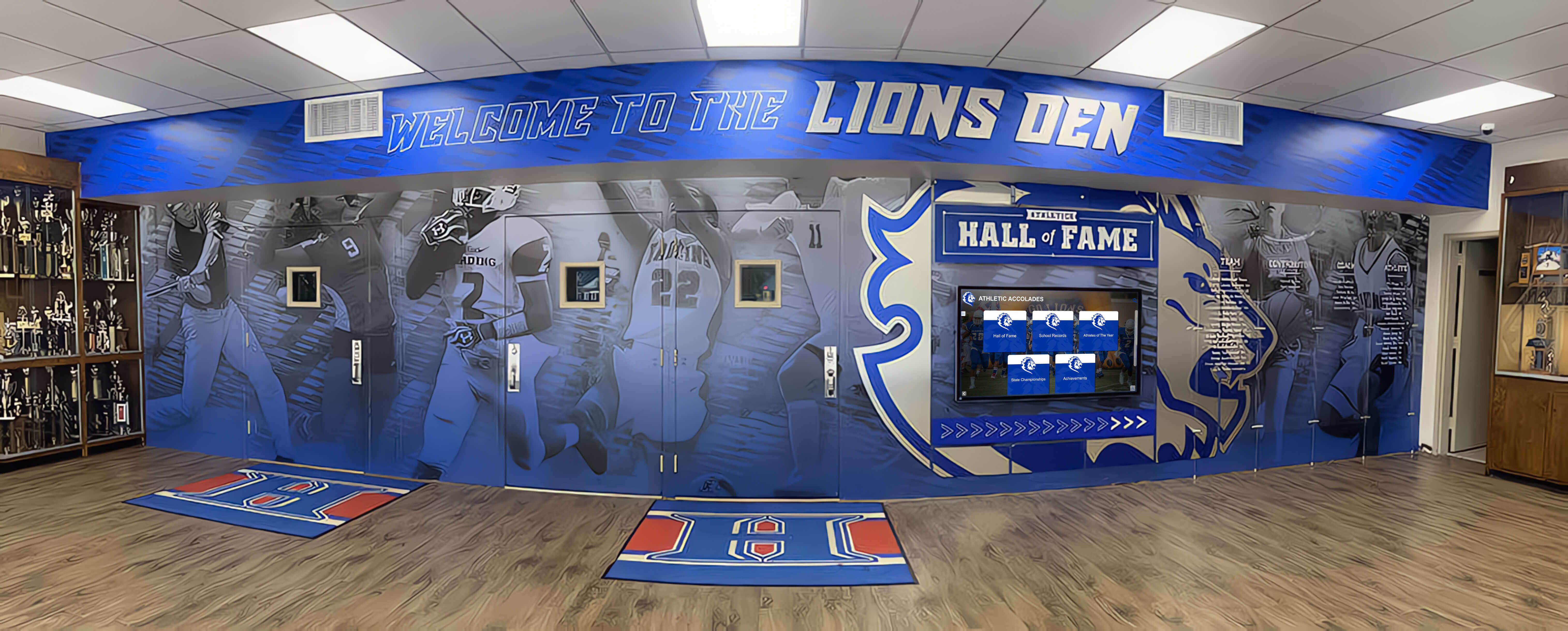
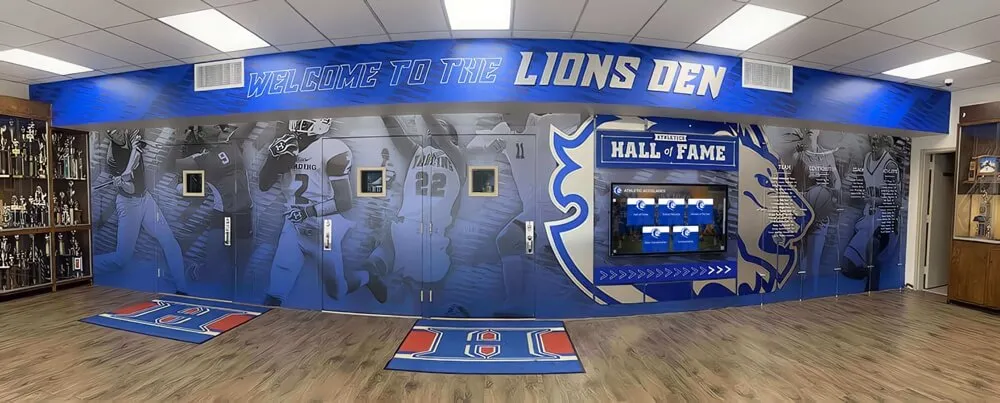
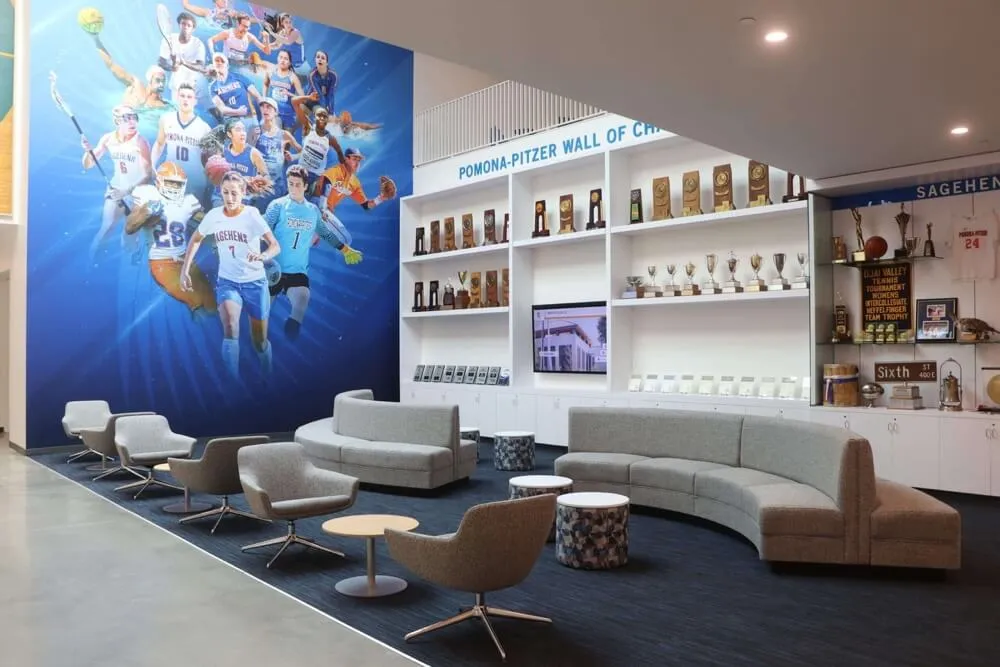
Wrestling facilities combining traditional trophy displays with modern recognition systems create comprehensive achievement documentation honoring program heritage
Documentation for Historic Preservation and Institutional Memory
Preserving Wrestling Heritage
College wrestling programs accumulate remarkable histories across decades of competition—championship teams, legendary coaches, record-setting athletes, and memorable tournament performances that define program identities and institutional athletics culture. Without systematic documentation and recognition, much of this heritage disappears as athletes graduate, coaches retire, and institutional memory fades.
Digital recognition platforms provide comprehensive archival systems preserving program histories indefinitely through detailed athlete profiles, season-by-season championship documentation, coaching histories and milestone achievements, and facility development chronicles showing program evolution over time. This preservation ensures that future generations understand program heritage while maintaining connections between past champions and current competitors.
Many wrestling programs discover that systematic heritage documentation through recognition platforms generates unexpected benefits including renewed alumni engagement as former wrestlers discover program achievements from their eras prominently featured, increased donor interest from supporters appreciating visible celebration of accomplishments they witnessed or supported financially, and enhanced recruiting effectiveness as comprehensive history documentation demonstrates sustained program excellence rather than recent success that might prove temporary.
Celebrate Your Wrestling Program's NCAA Tournament Success
Discover how Rocket Alumni Solutions helps college wrestling programs document NCAA qualifiers, honor All-Americans, and celebrate national champions through engaging recognition displays that strengthen recruiting, build program culture, and preserve competitive heritage permanently.
Explore Recognition SolutionsBeyond the Tournament: Long-Term Impact of NCAA Wrestling Success
NCAA Tournament achievement influences programs, athletes, and institutions long after championship weekends conclude, creating ripple effects shaping recruiting trajectories, athlete career paths, and institutional athletics identities for years following individual competitions.
Athlete Career Trajectories and Professional Opportunities
Olympic Development and International Competition
Many NCAA national champions and multiple-time All-Americans transition directly into Olympic training programs and international wrestling competition following college careers. The elite technical development, competitive mental preparation, and achievement validation provided through NCAA success creates foundation for international competitive success representing the United States in Olympic Games, world championships, and other elite competitions.
USA Wrestling and Olympic training centers actively recruit from NCAA championship performers, recognizing that wrestlers who excelled at college’s highest levels possess physical gifts, competitive mentality, and technical proficiency required for international success. Programs consistently producing Olympic team members gain significant recruiting advantages as elite high school wrestlers seeking pathways to Olympic participation identify college programs with proven development track records.
Coaching Careers and Program Building
Successful NCAA competitors often transition into coaching careers, leveraging their championship experiences and technical expertise to develop future generations of wrestlers. Many current college wrestling coaches achieved All-American status or won NCAA championships during their competitive careers, using this credibility and knowledge to recruit effectively and develop competitive programs.
This coaching pipeline means that championship recognition serves dual purposes—honoring individual achievement while simultaneously preserving institutional knowledge as former champions return to programs as assistant coaches, eventually becoming head coaches who perpetuate competitive cultures and technical traditions across generations of wrestlers.
Institutional Benefits and Athletics Department Support
Wrestling Program Visibility and Institutional Identity
At many institutions, wrestling represents flagship athletics programs generating significant institutional visibility, alumni engagement, and community support. NCAA Tournament success amplifies this visibility substantially as championship performances attract media coverage, generate social media engagement, and create marketing opportunities extending far beyond wrestling-specific audiences.
Institutions with strong wrestling traditions often discover that program success influences overall athletics department culture by demonstrating what sustained investment in coaching, facilities, and athlete development can achieve. Wrestling’s relatively modest scholarship limits compared to football or basketball mean that championship success requires coaching excellence and program culture rather than simply outspending competitors—this achievement model inspires other programs while strengthening institutional commitment to supporting wrestling’s competitive excellence.
Alumni Engagement and Fundraising Impact
Wrestling alumni maintain particularly strong emotional connections to programs where they competed, often supporting wrestling more generously than other sports they passively attended as students. This intense loyalty translates into fundraising success for programs that maintain active alumni engagement and systematically celebrate championship achievements honoring former wrestlers’ contributions.
Many wrestling programs fund facility upgrades, endowed coaching positions, and enhanced training resources through alumni donations motivated partly by appreciation for how programs recognized their achievements and maintained connections following graduation. Donor recognition displays celebrating both athletic achievement and philanthropic support create comprehensive recognition systems strengthening donor relationships while inspiring future giving.
Conclusion: Championship Recognition as Program Foundation
The NCAA Wrestling Tournament represents far more than three days of elite competition determining national champions and All-Americans—it provides the ultimate validation of recruiting, coaching, and athlete development while creating achievement benchmarks defining program excellence and competitive culture. For college wrestling programs, systematic celebration of tournament qualification, All-American status, and championship success serves essential functions strengthening recruiting effectiveness, building team culture, preserving program heritage, and demonstrating appreciation for athlete achievement worthy of permanent recognition.
Traditional recognition approaches including championship banners, trophy cases, and physical plaque displays provide valuable tangible celebration but face inherent space constraints limiting comprehensive documentation as programs accumulate decades of achievement. Modern digital recognition platforms solve these limitations through unlimited capacity, rich multimedia storytelling, searchable databases enabling content exploration, and web accessibility extending recognition beyond physical campus boundaries.
Whether celebrating first-time NCAA qualifiers breaking through to championship competition, honoring All-Americans achieving top-eight placement, or recognizing national champions reaching the pinnacle of collegiate wrestling achievement, comprehensive recognition systems communicate program values while inspiring current wrestlers toward similar accomplishments. These recognition investments pay sustained dividends through enhanced recruiting effectiveness, strengthened alumni relationships, increased donor support, and reinforced achievement culture that perpetuates competitive excellence across generations of wrestlers.
Ready to enhance your wrestling program’s recognition systems? Explore comprehensive approaches to college athlete recognition, discover strategies for showcasing athletic achievement, learn about building school athletic pride, understand digital recognition platform capabilities, and see how Rocket Alumni Solutions helps wrestling programs celebrate NCAA Tournament success through engaging recognition displays that honor achievement while strengthening competitive culture for generations of future champions.
Your wrestling program’s NCAA Tournament achievements deserve recognition matching their significance—permanent, comprehensive, engaging celebration that honors individual wrestler accomplishments while strengthening program culture and competitive identity. With modern recognition solutions enabling unlimited documentation capacity and rich multimedia storytelling, no accomplishment needs to be forgotten or relegated to dusty record books when it could inspire current and future wrestlers toward similar championship excellence.