



Nonprofit donor recognition represents far more than courteous acknowledgment—it serves as strategic investment in relationships sustaining organizational missions through continued philanthropic support. Yet many nonprofits struggle with recognition approaches that truly resonate with supporters. Traditional brass plaques and static donor walls create persistent challenges: fixed capacity forcing difficult exclusion decisions, expensive updates requiring months of manufacturing time, limited storytelling preventing meaningful connection to mission impact, and accessibility barriers that exclude community members from experiencing recognition fully.
Modern nonprofits require recognition solutions matching the sophistication of their fundraising strategies and the expectations of contemporary donors who value transparency, engagement, and authentic connection to causes they support. Static acknowledgment no longer suffices when supporters seek evidence their contributions create tangible change and when organizations compete for philanthropic dollars in increasingly crowded charitable landscapes.
This comprehensive guide explores nonprofit donor recognition through the lens of experience design and interactive technology. You’ll discover layout frameworks creating intuitive exploration, visual storytelling strategies that connect giving to mission outcomes, accessibility standards ensuring inclusive experiences, and implementation approaches that strengthen donor relationships while inspiring continued generosity across your entire supporter community.
Effective nonprofit donor recognition transforms acknowledgment from perfunctory obligation into powerful cultivation tool—creating experiences that honor current supporters while inspiring prospective donors through compelling demonstration of philanthropic community strength and transparent mission impact accountability.

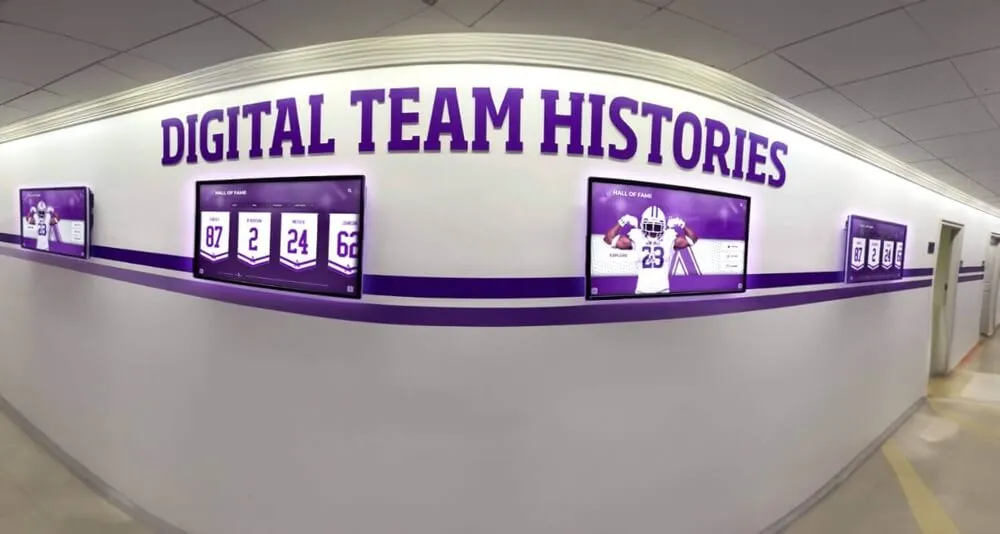
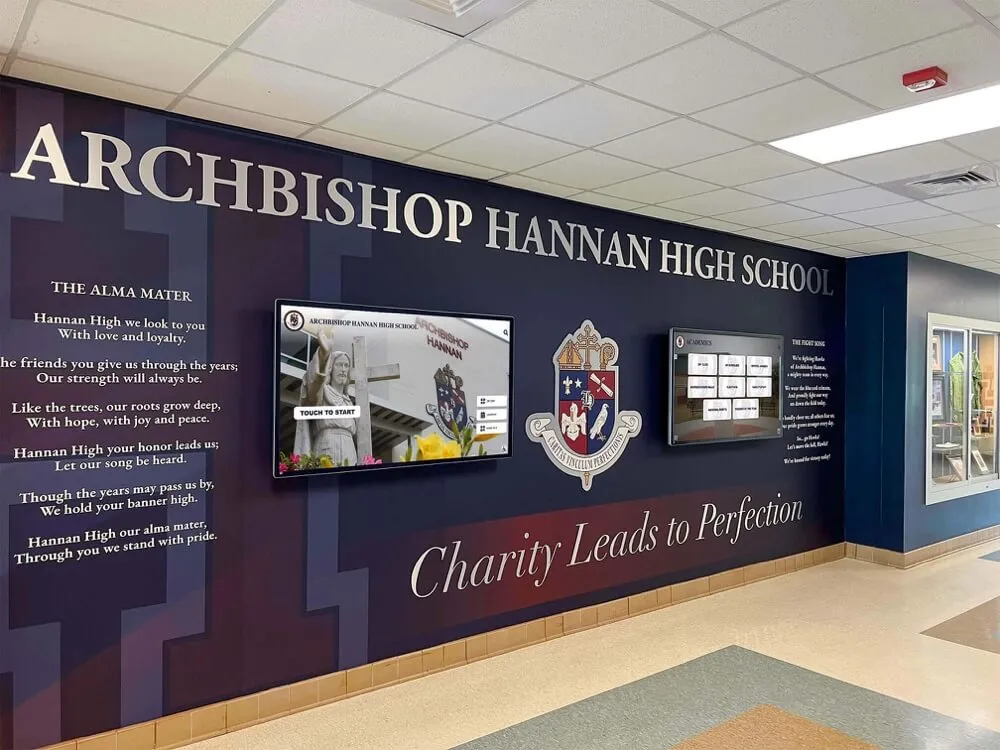
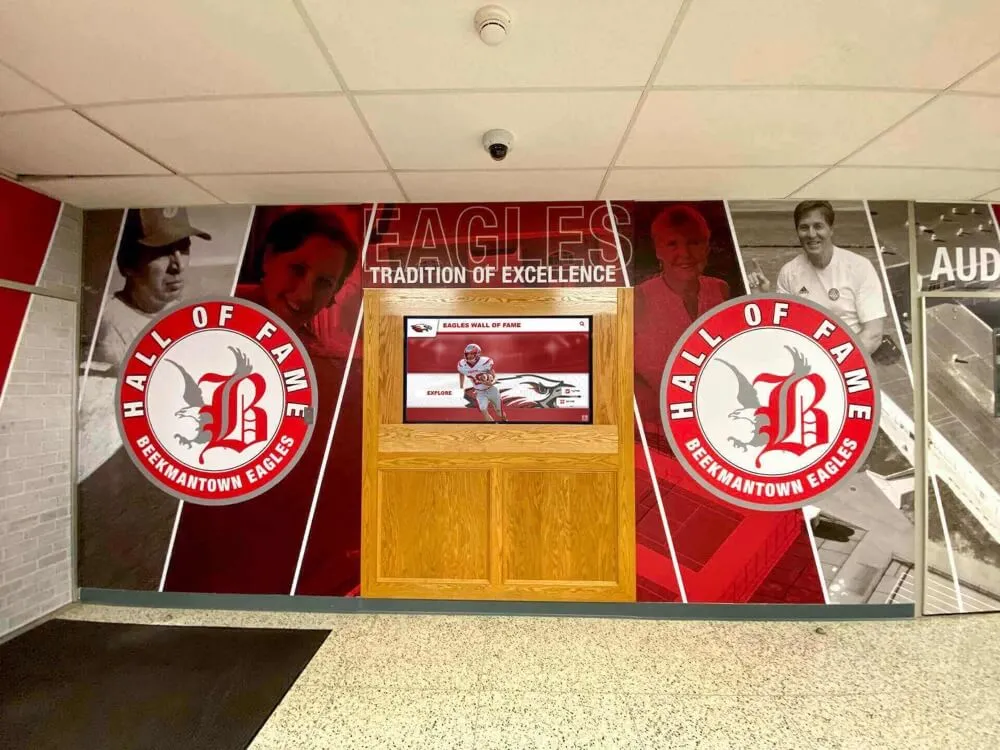
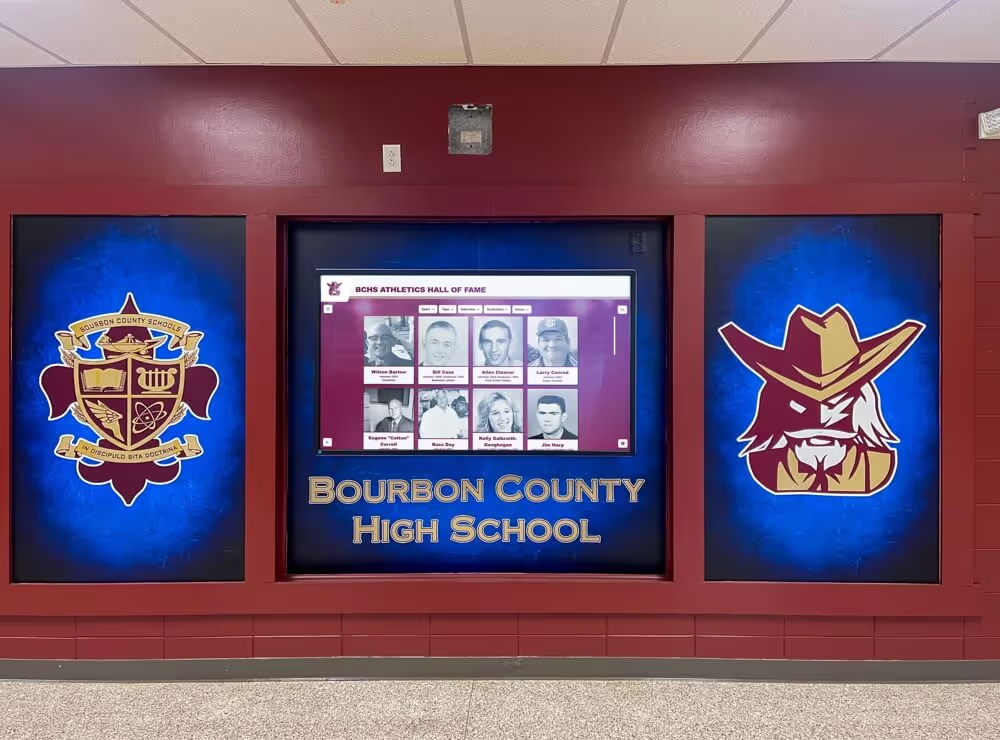
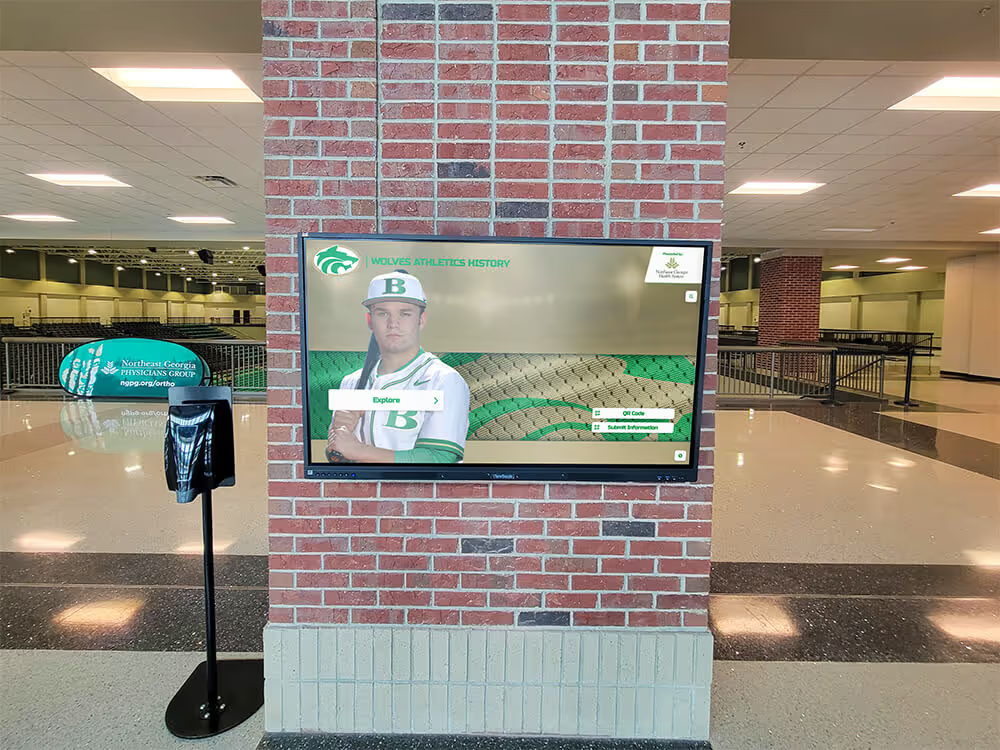
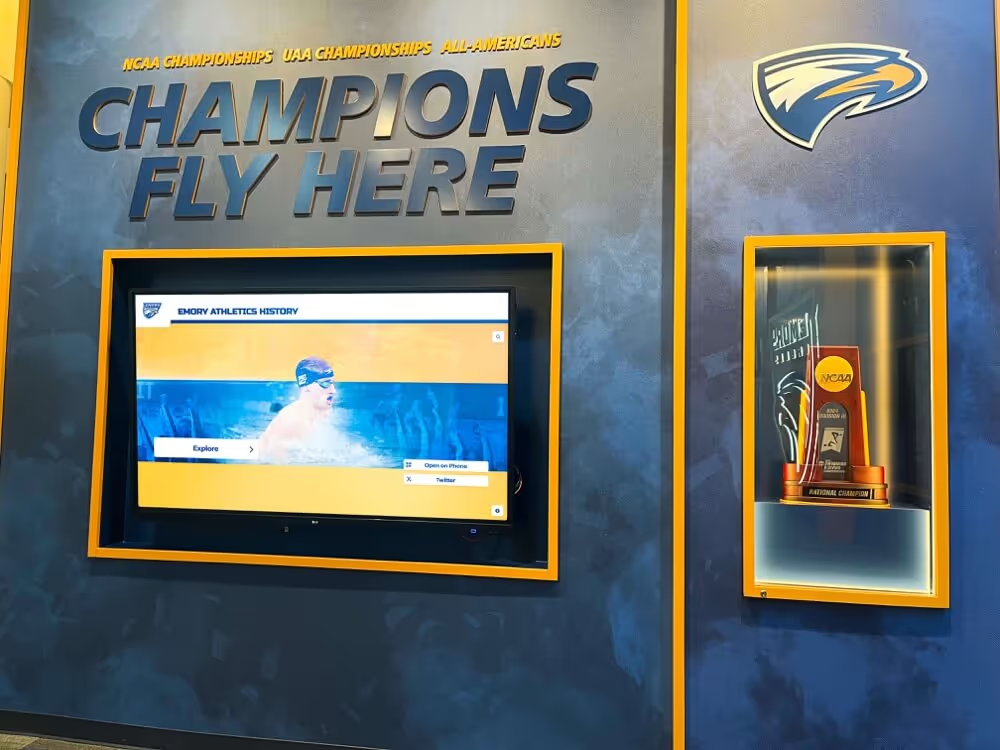
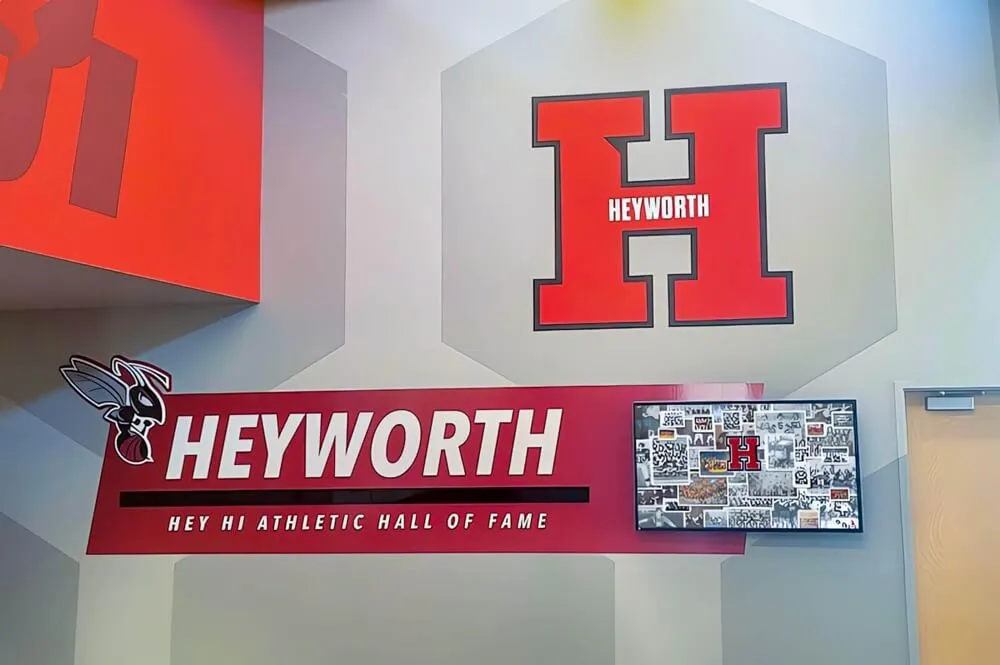
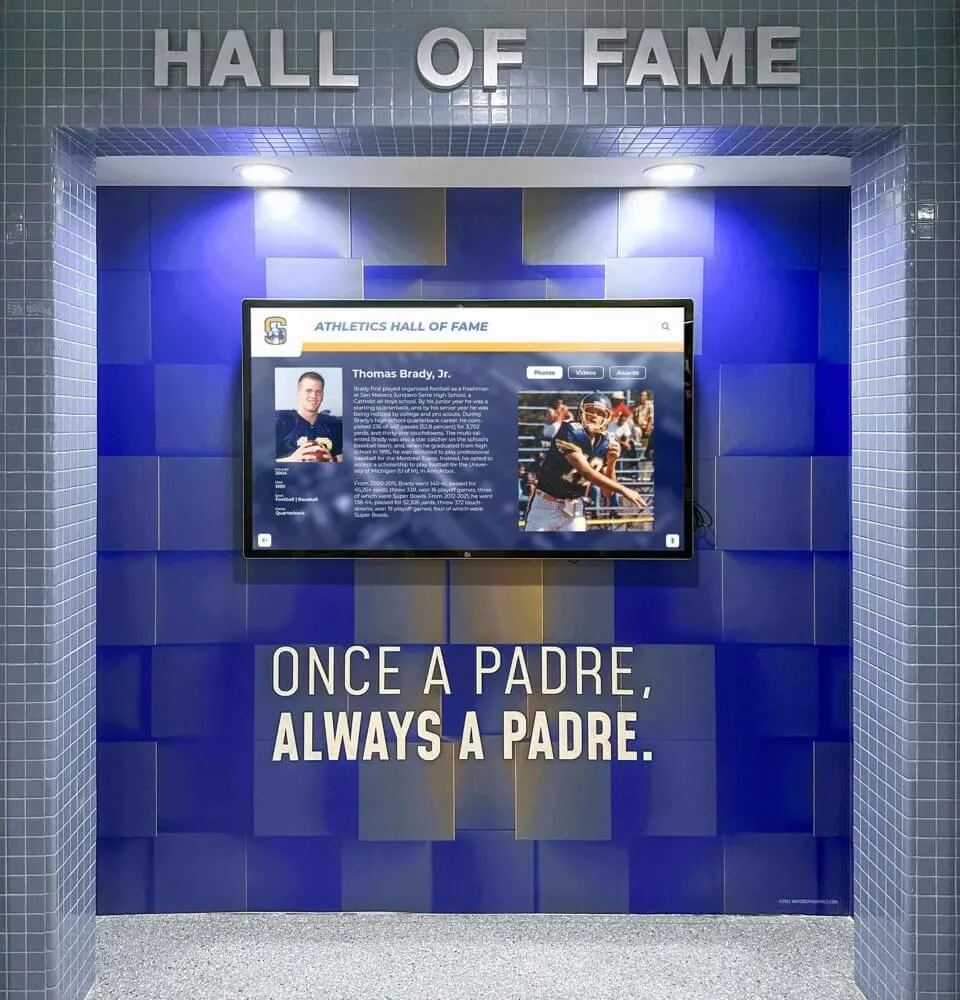
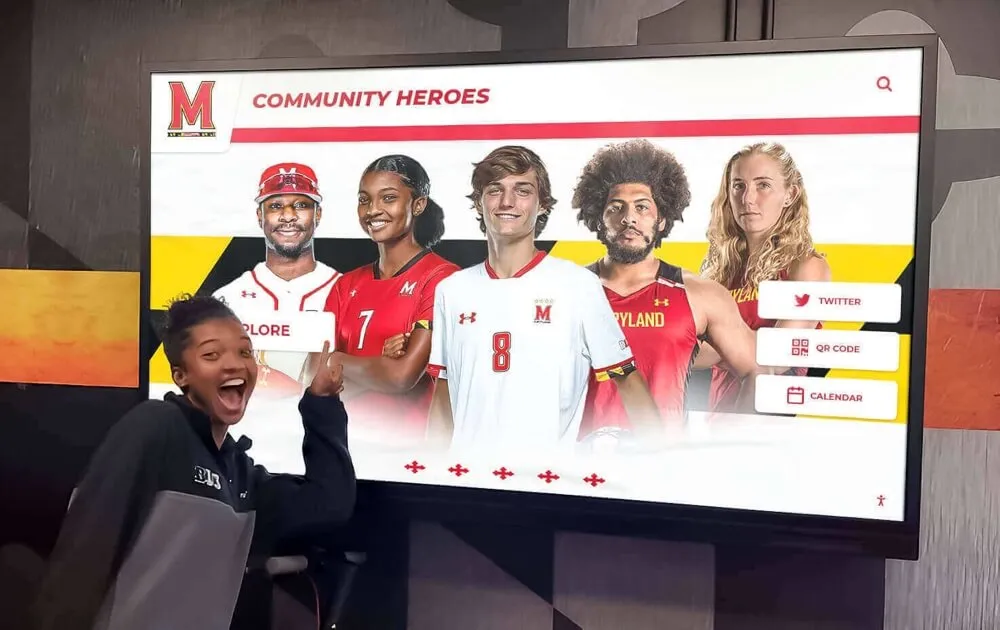
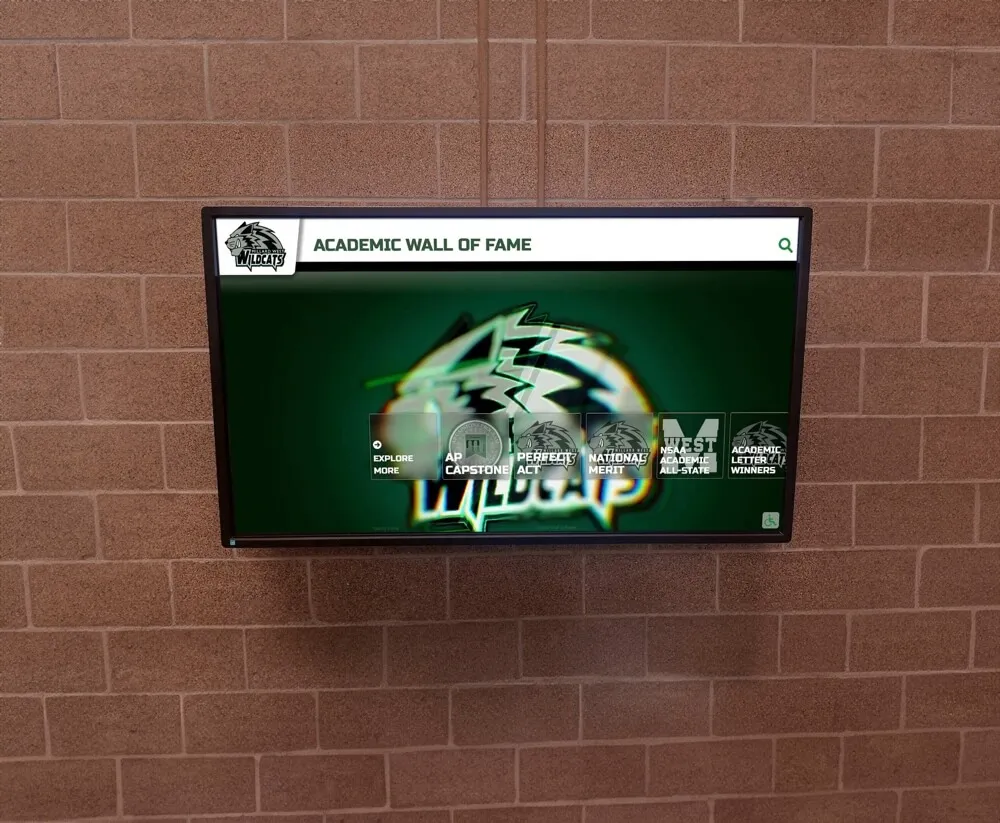
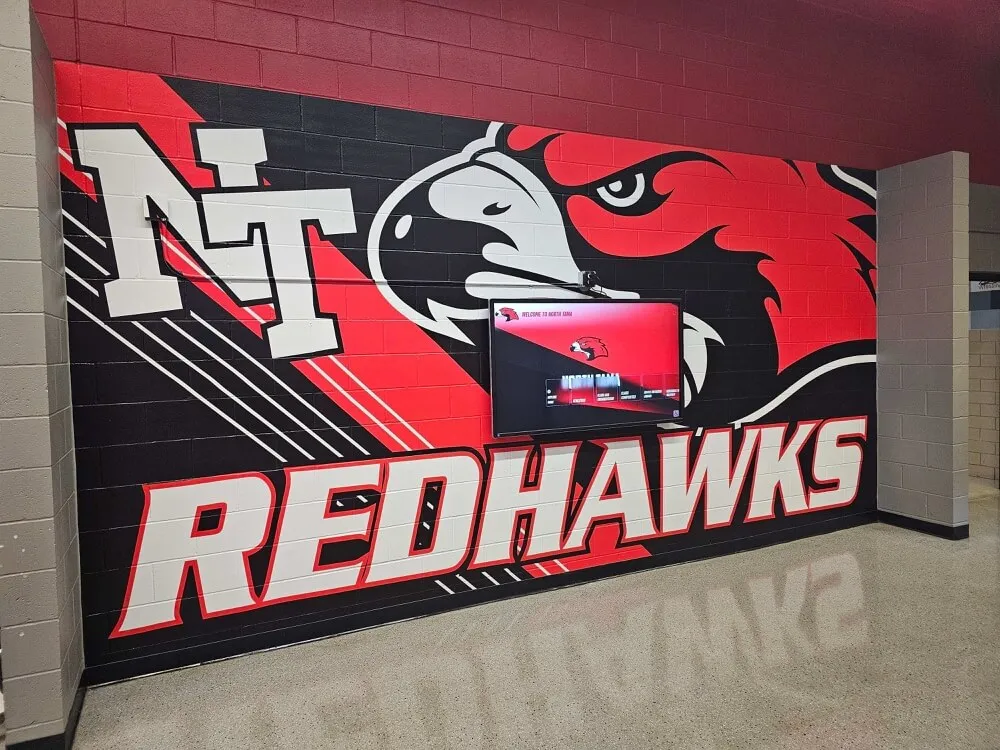
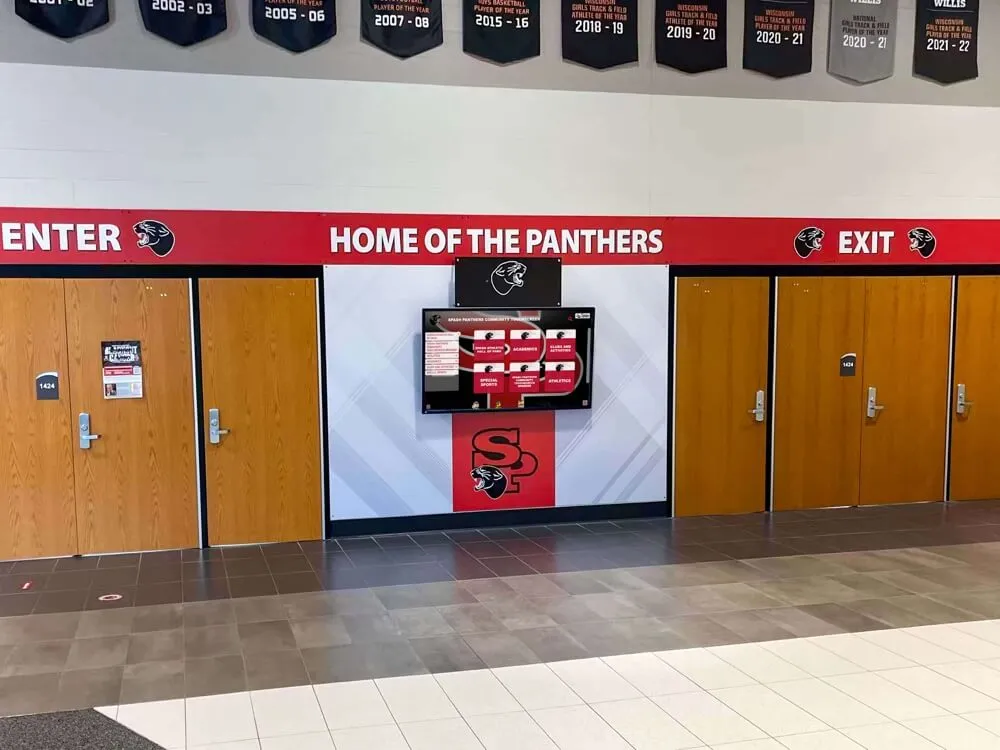
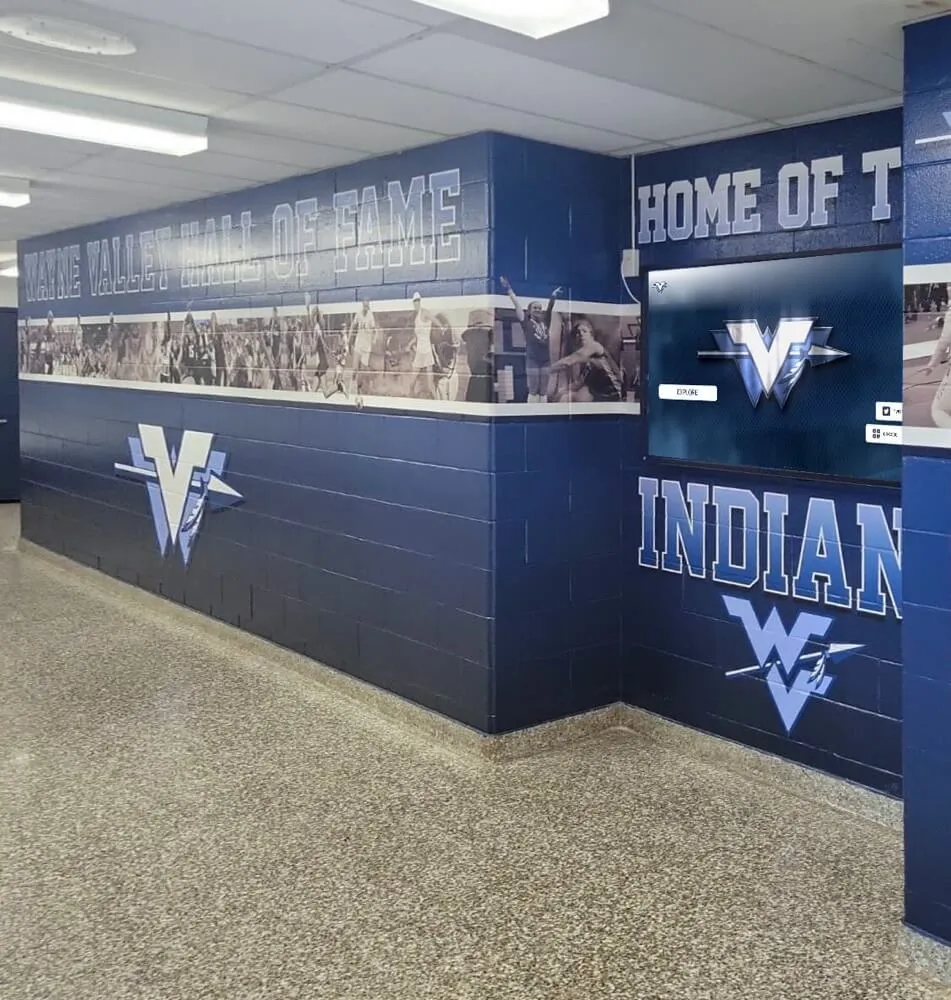
Purpose-built donor recognition displays combine commercial-grade touchscreens with cloud-based content management, enabling comprehensive acknowledgment that traditional plaques cannot match
The Experience Design Challenge in Nonprofit Donor Recognition
Before exploring specific recognition solutions, understanding core design challenges helps nonprofits appreciate why thoughtful experience planning matters more than technology selection alone.
Recognition Serves Multiple Strategic Purposes Simultaneously
Every donor recognition display must balance competing objectives requiring careful design consideration:
Honoring Current Supporters Meaningfully
Recognition must make donors feel genuinely valued as partners advancing shared missions rather than simply funding sources. This requires moving beyond name-and-amount listings to create acknowledgment connecting philanthropy to personal motivations, organizational relationships, and tangible mission outcomes contributions enabled.
Inspiring Prospective Donors Through Social Proof
Effective displays demonstrate community generosity strength, creating social validation that encourages additional participation. When visitors encounter compelling evidence that respected community members support your mission, recognition becomes powerful cultivation tool reducing barriers to first-time giving.
Demonstrating Stewardship Accountability and Transparency
Recognition showcasing how gifts advance mission purposes builds confidence that contributions will be managed responsibly. Transparent impact storytelling addressing the question “what did my donation actually accomplish?” proves essential for donor retention and upgrade cultivation.
Creating Aspiration Pathways for Giving Progression
Tiered recognition structures provide clear pathways showing supporters how increased engagement translates to enhanced acknowledgment, motivating gift progression from initial contributions through major donor commitments over time.
Maintaining Operational Sustainability
Recognition programs requiring excessive staff time for content updates or creating expensive ongoing maintenance burdens become unsustainable—undermining long-term effectiveness regardless of initial quality.
Solutions like Rocket Alumni Solutions address these competing needs through platforms designed specifically for institutional recognition rather than generic digital signage adapted for donor acknowledgment purposes.
Traditional Recognition Creates Persistent Design Limitations
Understanding why conventional approaches fall short reveals opportunities for experience-focused alternatives:
Capacity Constraints Force Uncomfortable Exclusions
Physical donor walls accommodate perhaps 100-300 names before exhausting available space. Successful fundraising campaigns quickly fill capacity, forcing leadership into difficult decisions about which faithful supporters receive visible recognition and which remain excluded due to space constraints rather than giving significance.
Update Delays Undermine Recognition Impact
Traditional plaques require 6-10 weeks manufacturing plus 3-6 weeks installation scheduling, creating 3-4 month delays between gifts and recognition. This timeline diminishes stewardship motivation occurring when gratitude feels fresh and mission enthusiasm remains strong.
Static Content Prevents Meaningful Storytelling
Plaques convey minimal information—typically just names, giving levels, and occasionally brief inscriptions. This limitation prevents nonprofits from sharing compelling mission stories creating emotional connection between donors and program impact their contributions enabled.
Accessibility Barriers Limit Community Inclusion
Traditional walls positioned at standard heights exclude wheelchair users from comfortable viewing, while small engraved text proves difficult for vision-impaired visitors to read—creating accessibility issues inconsistent with nonprofit values around inclusive community engagement.
Research on donor recognition approaches demonstrates that thoughtful experience design addressing these limitations significantly improves both donor satisfaction and sustained giving behavior.
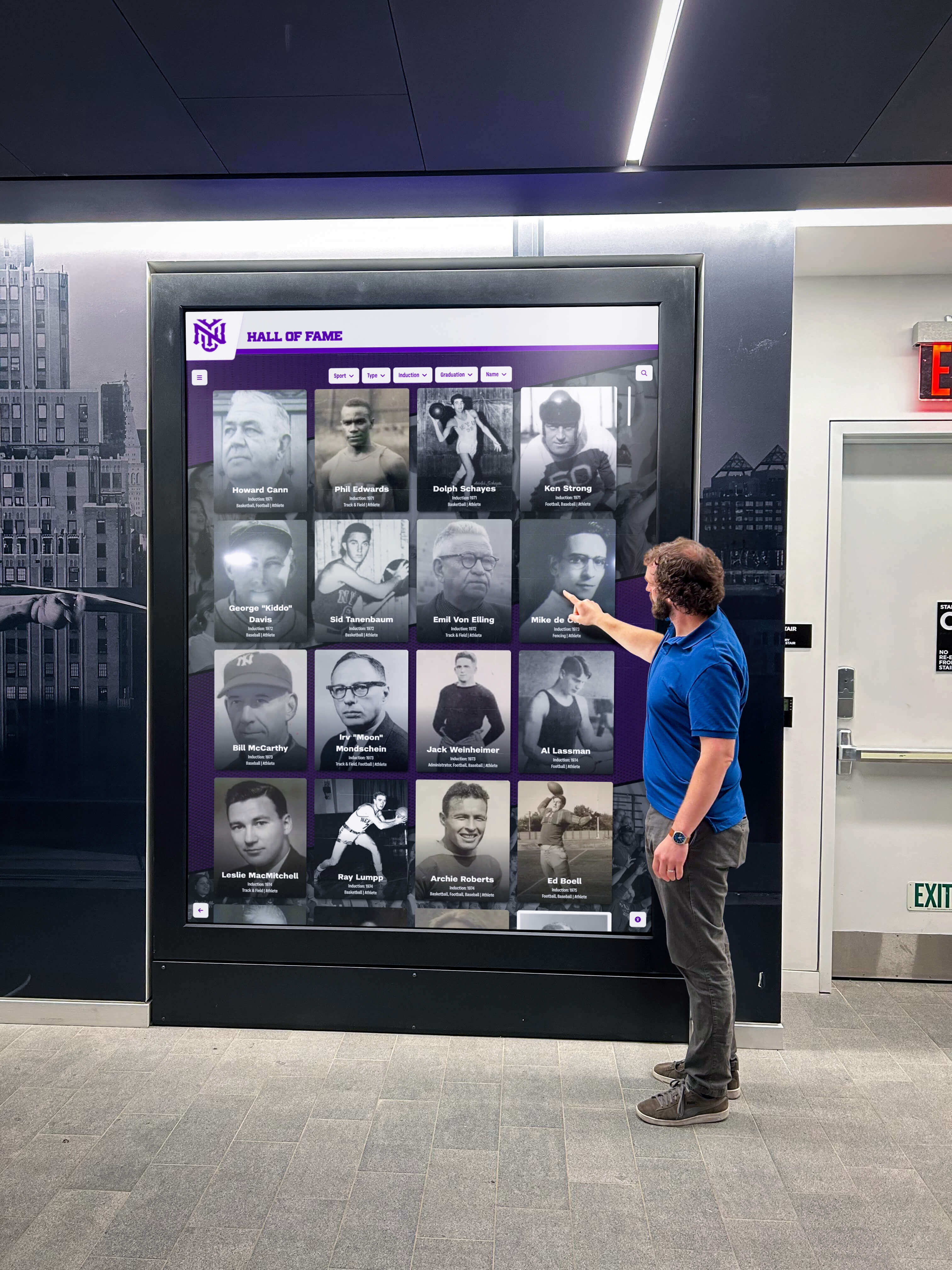
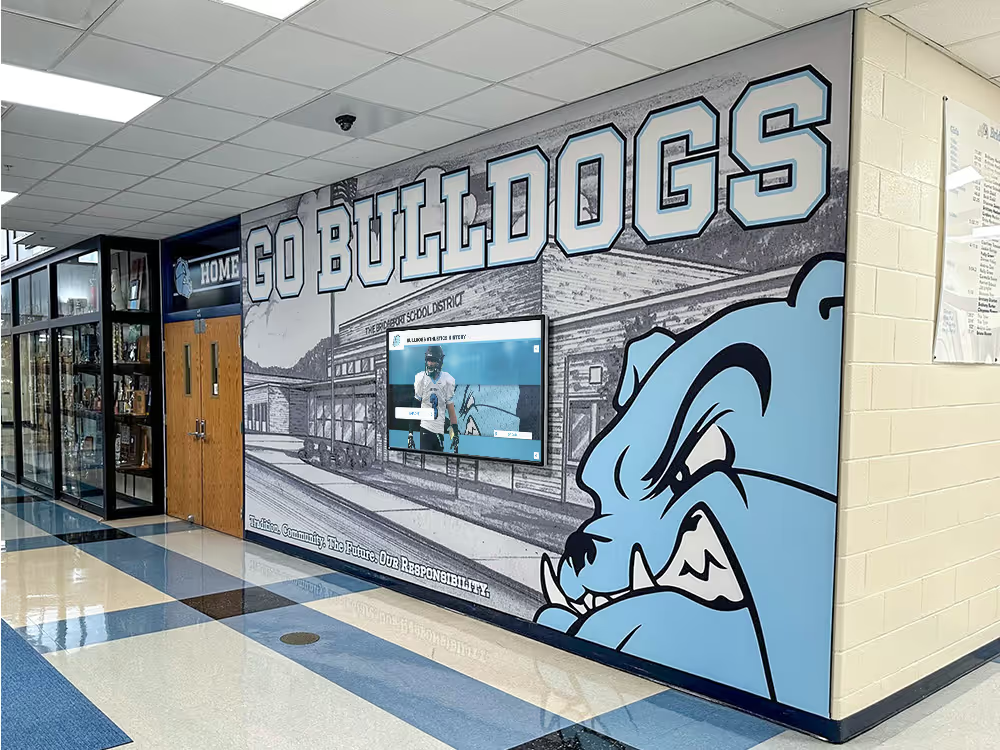
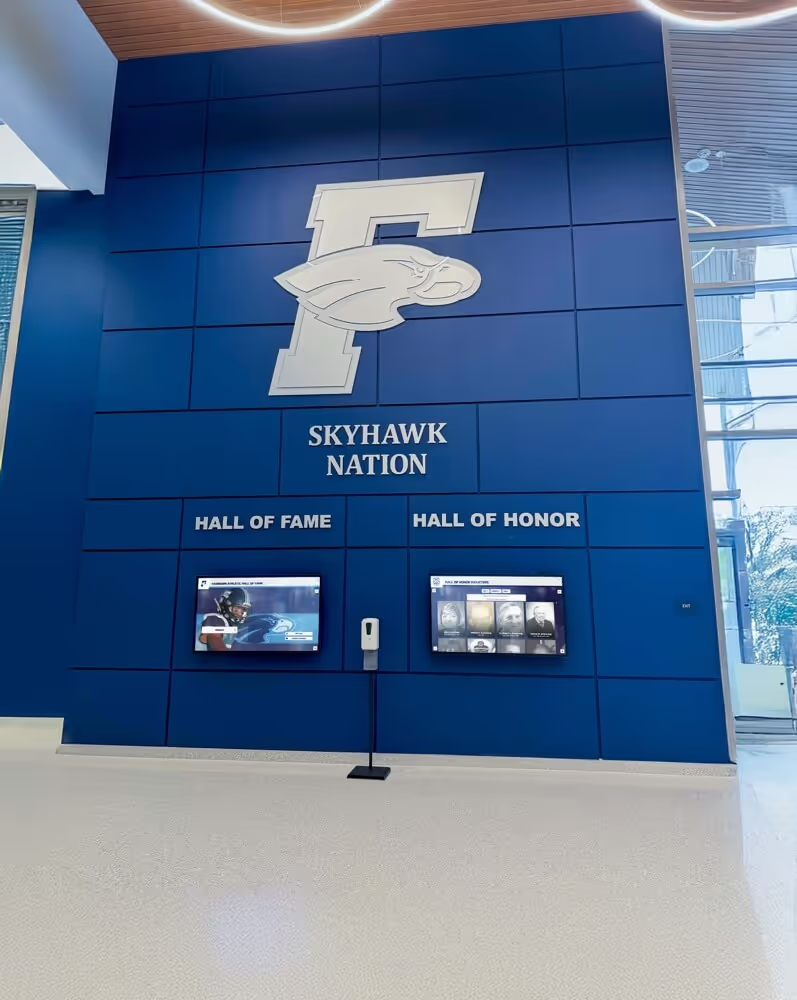
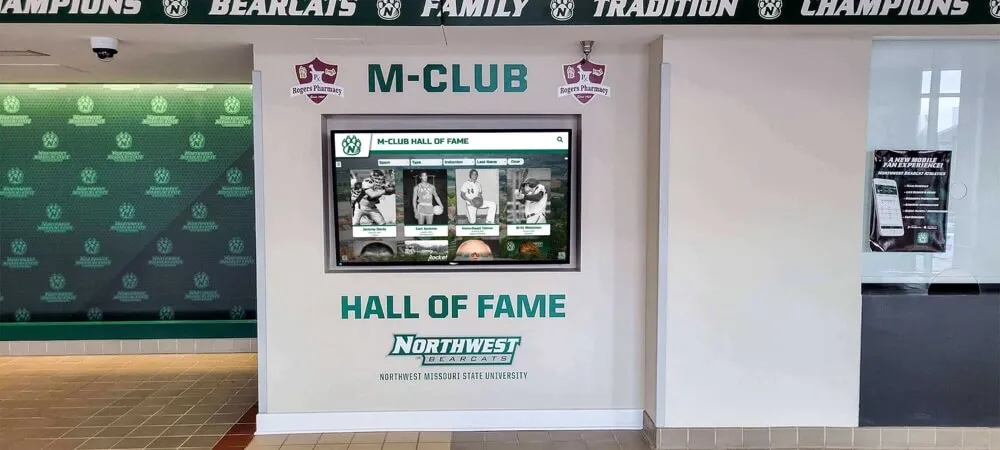
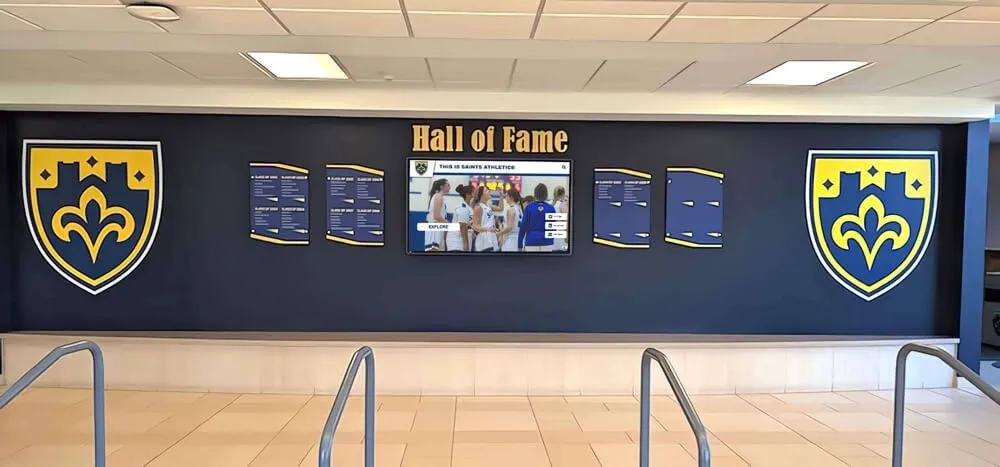
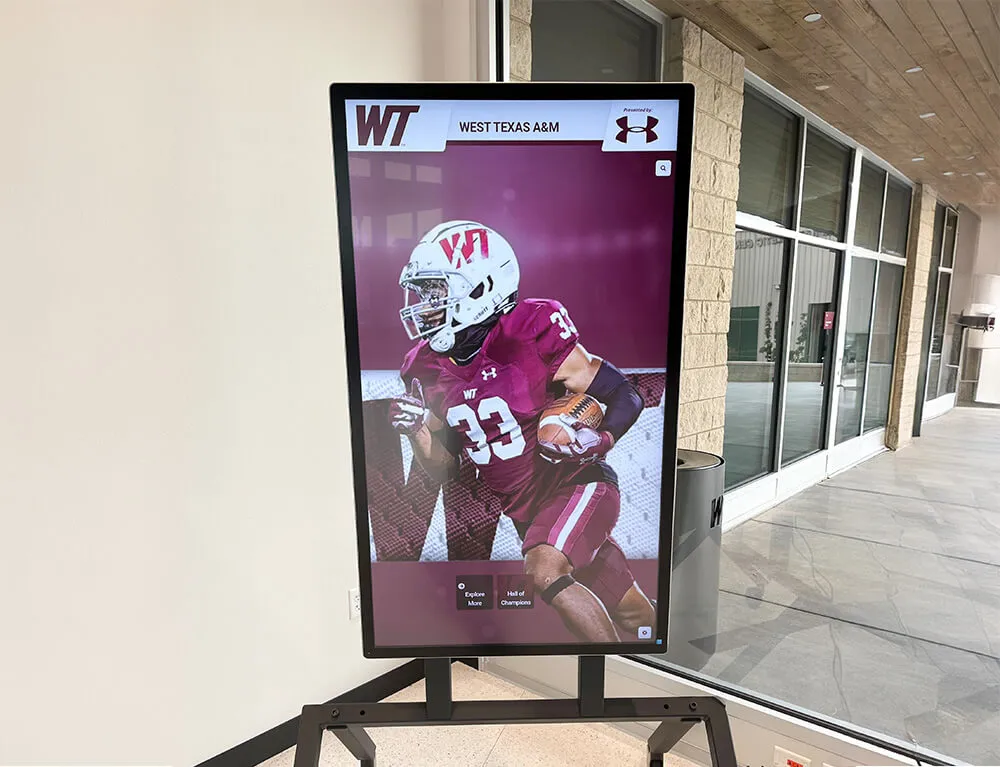
Strategic placement in high-traffic areas creates natural opportunities for cultivation conversations while ensuring maximum recognition visibility
Layout Design Framework for Nonprofit Recognition Displays
Systematic layout approaches organize donor content intuitively while maintaining visual consistency that reinforces organizational brand and professionalism.
Screen Hierarchy and Navigation Architecture
Structure recognition content through clear hierarchical relationships guiding visitors naturally through exploration:
Entry Experience Design (Home Screen)
The initial screen establishes tone and provides intuitive exploration pathways:
- Hero Zone (Top 30%): Campaign branding, organizational identity, welcoming message establishing recognition purpose and celebrating community generosity
- Featured Content (Middle 40%): Rotating spotlight donors with compelling personal stories, recent contributors showing recognition currency, milestone achievements demonstrating campaign progress
- Navigation Zone (Bottom 30%): Clear pathways offering “Search by Name,” “Browse by Circle,” “Explore Impact Stories,” and “Join Our Mission” options with obvious interactive affordance
- Persistent Elements: Return home button, search icon, giving opportunity access maintained across all screens ensuring visitors never feel trapped
Browse Experience Layout (Category Screens)
Category screens organize donors logically while maintaining comfortable information density:
- Category Header: Recognition circle name, giving level description, participation statistics creating social proof
- Grid Layout: Donor cards arranged in consistent 3×3 or 4×3 grids balancing information accessibility with comfortable touch target sizing (minimum 280×360px per card)
- Card Content: Profile photo, donor name with appropriate prominence, giving level indicator using subtle visual differentiation, years of support, optional personal connection statement
- Pagination Controls: Clear previous/next navigation when donor volume exceeds single screen capacity, with position indicators showing progress through content
Profile Experience Structure (Individual Donor Screens)
Detailed profiles reveal comprehensive stories honoring supporters appropriately:
- Profile Header (Left Third): Large professional photograph (minimum 800×1000px), prominent name display respecting preferred formatting, recognition society badges, giving tenure acknowledgment
- Biographical Content (Right Two-Thirds): Personal testimony or organizational connection narrative (200-400 words depending on giving level), impact metrics showing specific outcomes gifts enabled, family legacy context for multi-generational supporters
- Supporting Media (Below Main Content): Photo gallery showing donor engagement with programs, video testimonials when available, related donor connections celebrating community relationships
- Action Footer: “Return to Browse,” “Search Again,” “Support Our Mission” options maintaining clear wayfinding throughout experience
This three-tier hierarchy—entry, browse, profile—creates exploration patterns visitors understand instinctively from consumer app experiences while maintaining professional presentation quality befitting nonprofit brands.
Content Zones and Module Organization
Organize screen real estate systematically using grid-based layouts ensuring consistency:
Responsive Grid Framework
Structure content using flexible 12-column grids adapting to various display orientations:
- Portrait Orientation (9:16): Emphasizes vertical content flow, stacks elements in 12-column spans, suits detailed profile reading and extended narrative content
- Landscape Orientation (16:9): Enables side-by-side layouts, splits content into 6-6 or 8-4 column arrangements, optimizes for browsing multiple donors simultaneously
- Square Displays (1:1): Balances content across quadrants, suits symmetrical feature layouts, works well for lobby installations with architectural constraints
Reusable Module Library
Define consistent content modules maintaining visual rhythm:
- Donor Card Module: Standard 280×360px (portrait) or 360×280px (landscape) cards with 24px gutters ensuring comfortable visual separation and preventing accidental touch activation
- Featured Spotlight Module: Full-width hero presentations cycling every 12-15 seconds showcasing leadership donors with compelling personal stories and mission connection
- Impact Metric Module: Data visualizations showing campaign progress, dollars raised toward goals, donors participating across giving levels, beneficiaries served through programs
- Navigation Module: Persistent 88px height bottom bar maintaining access to search, home, and giving functions regardless of content screen depth
- Call-to-Action Module: Prominent giving buttons integrating QR codes enabling mobile device access for convenient donation completion
Consistent module sizing creates professional presentation quality while reducing cognitive load—enabling visitors to focus on donor stories rather than figuring out interface patterns that change unpredictably.
Explore comprehensive digital hall of fame design approaches that transfer well to nonprofit donor recognition contexts.
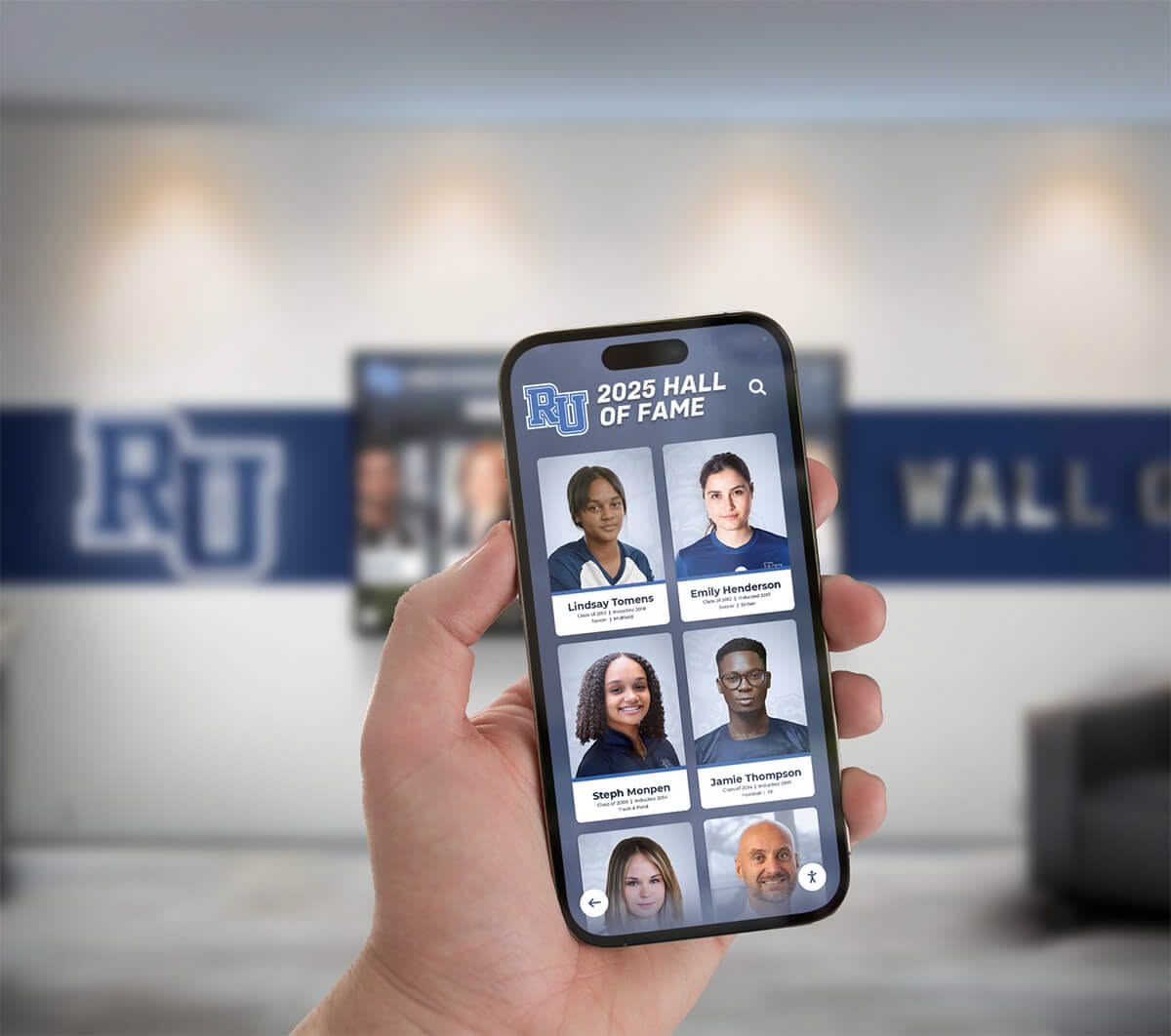
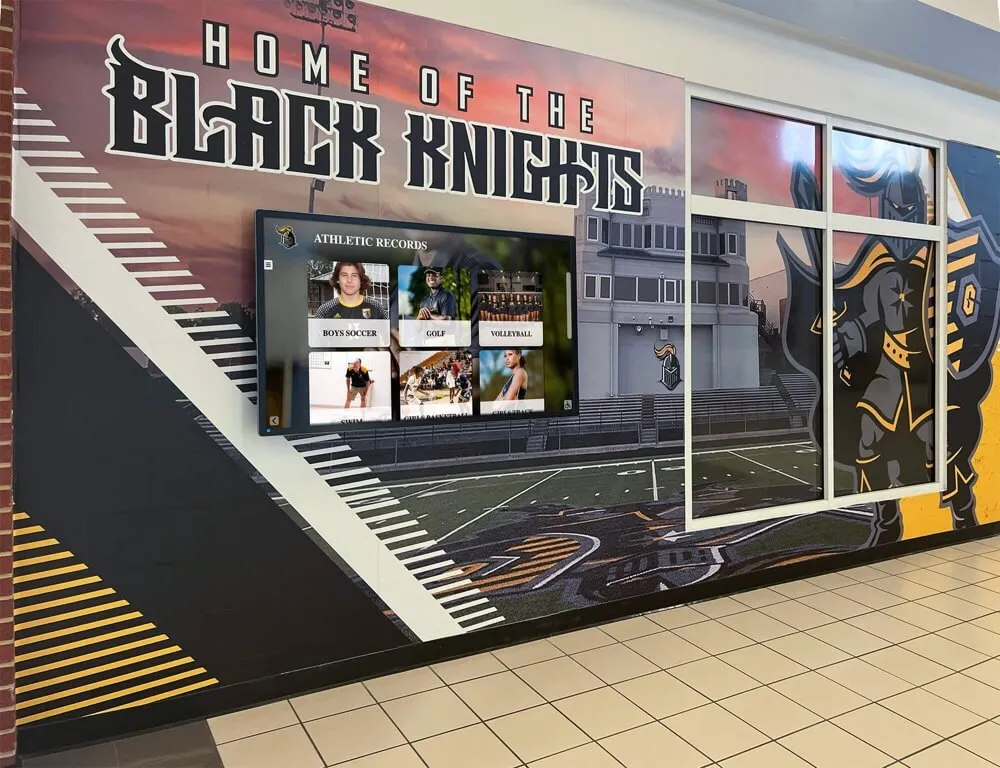
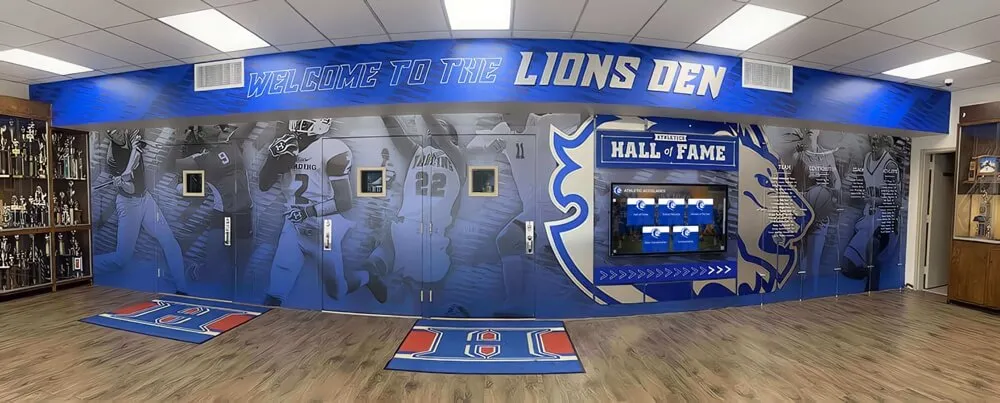
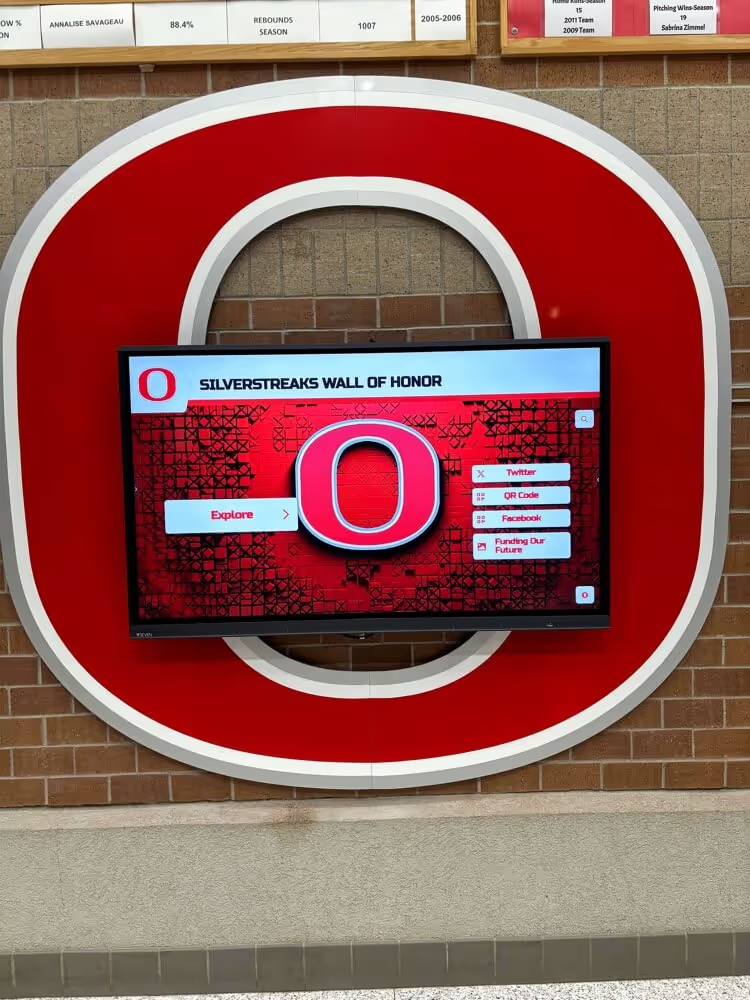
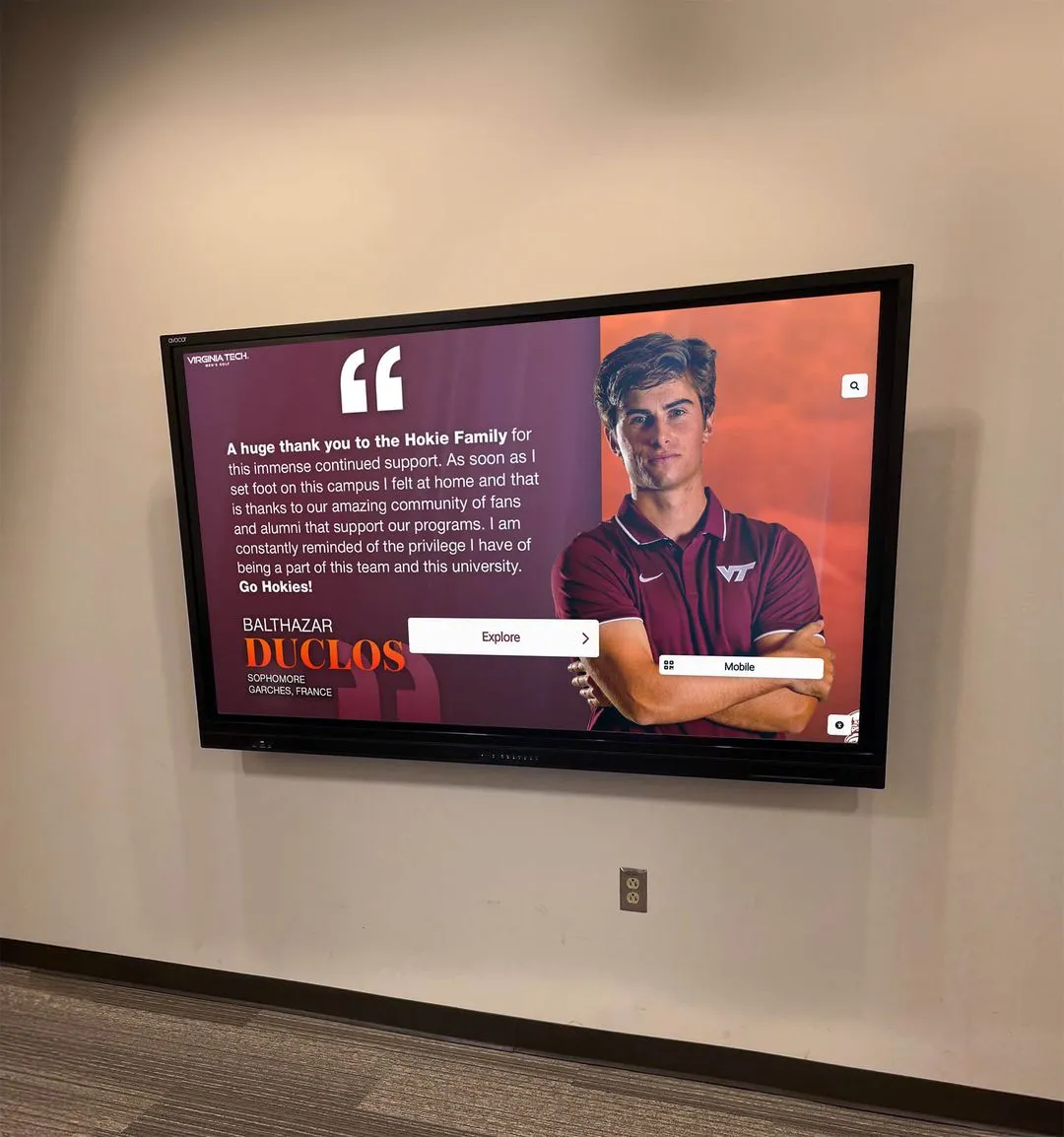
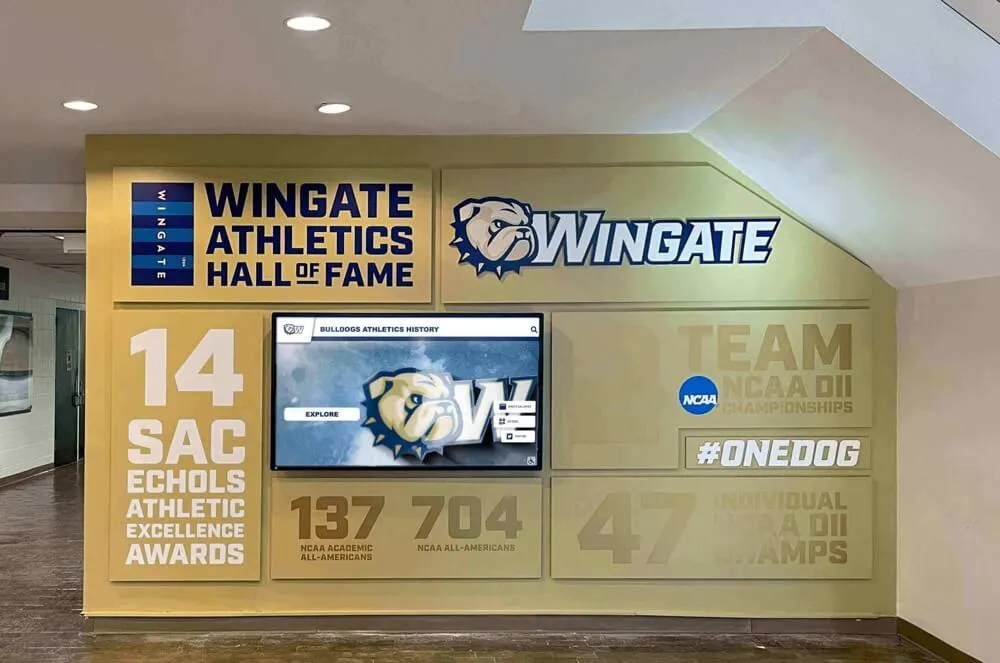
Cloud-based recognition platforms enable consistent experiences across touchscreen kiosks, mobile devices, and web browsers—extending acknowledgment reach beyond physical installations
Visual Storytelling and Content Strategy
Compelling content transforms technology platforms into meaningful experiences honoring donors while inspiring continued engagement across supporter communities.
Tiered Recognition Content Development
Create acknowledgment appropriate to giving levels while maintaining dignity across all tiers:
Recognition Structure Frameworks
Most nonprofits implement differentiated recognition based on contribution significance:
- Visionary Circle ($100,000+): Comprehensive 600-800 word biographical narratives, professional photography (3-5 images), video testimonials (90-180 seconds), detailed impact stories with beneficiary connections, legacy context
- Leadership Circle ($50,000-$99,999): Enhanced 400-600 word profiles, professional photography (2-3 images), impact metrics connecting gifts to specific outcomes, personal testimonies explaining motivations
- Benefactor Circle ($25,000-$49,999): Standard 250-400 word profiles, professional photo, mission impact connection, giving tenure recognition
- Patron Circle ($10,000-$24,999): Concise 150-250 word acknowledgment, professional photo, recognition society membership indication
- Supporter Circle ($5,000-$9,999): Basic profiles with photo, name, giving level, years of support, brief connection statement
- Friend Circle ($1,000-$4,999): Name recognition with giving designation, participation acknowledgment
- Community Circle ($100-$999): Collective acknowledgment celebrating broad community participation
This tiered approach creates aspiration pathways encouraging gift progression while ensuring all contributors receive visible appreciation regardless of capacity constraints.
Mission Impact Storytelling That Demonstrates Outcomes
Connect recognition to concrete results that contributions enabled, addressing donor desire for accountability:
Quantitative Impact Metrics
Incorporate measurable results demonstrating stewardship effectiveness:
- Beneficiary Metrics: Families served through programs, meals provided, students educated, patients treated, animals rescued—tangible counts showing mission reach
- Financial Transparency: Campaign dollars raised toward stated goals, program spending ratios, administrative efficiency metrics building confidence
- Program Reach: Community members accessing services, geographic coverage expansion, waitlist reductions enabled by capacity increases
- Outcome Achievement: Graduation rates improved, employment placements achieved, housing stability secured, health outcomes advanced
Present metrics visually through charts, progress bars, and infographics maintaining engagement while communicating accountability clearly.
Qualitative Beneficiary Stories
Balance numbers with human narratives showing real-world transformation:
- Beneficiary Testimonials: Program participant voices explaining how services changed life circumstances, educational opportunities, health outcomes, or family stability
- Staff Perspectives: Service providers describing how resources enhanced program capabilities and community impact
- Community Voices: Local leaders discussing organizational contributions to neighborhood wellbeing and economic development
- Longitudinal Impact: Alumni stories connecting past support to current accomplishments and continued community engagement
These stories create emotional resonance that pure statistics cannot match—helping donors understand precisely what their generosity enabled while providing compelling narratives inspiring prospective supporters.
Photography and Video Documentation
Visual content brings mission impact to life:
- Program Photography: High-quality images showing services in action, beneficiaries engaged with programs, facilities serving community needs
- Before-and-After Documentation: Visual evidence of transformation that contributions created—renovated spaces, launched programs, expanded services
- Video Testimonials: Beneficiary interviews explaining program impact, facility tours showing completed capital projects, service delivery documentation
- Mission Field Coverage: For international organizations, visual storytelling from global programs connecting local donors to worldwide impact
Quality visual content requires investment but dramatically increases engagement duration and emotional connection compared to text-only recognition.
Discover donor wall content strategies maximizing engagement through strategic mission storytelling.
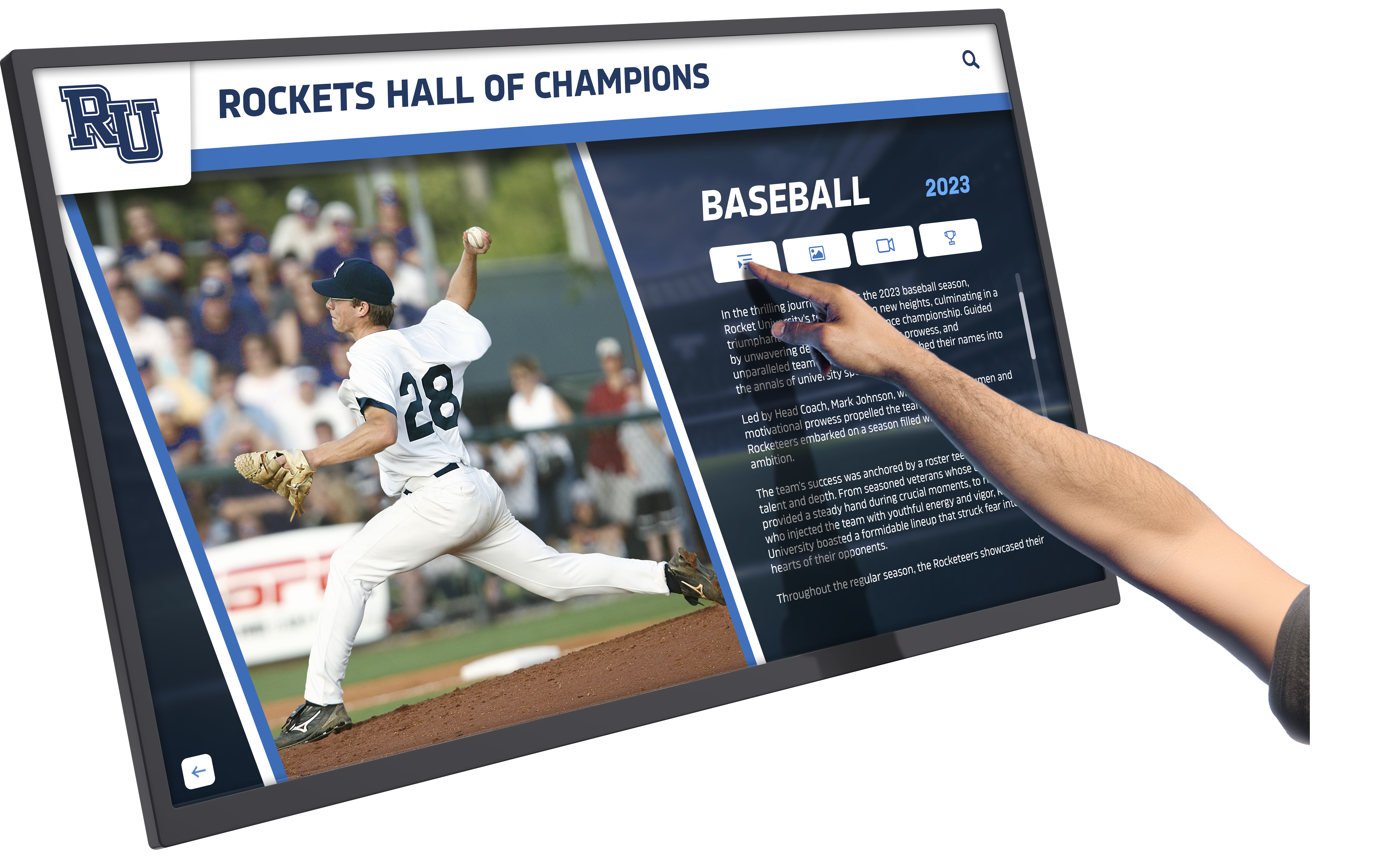
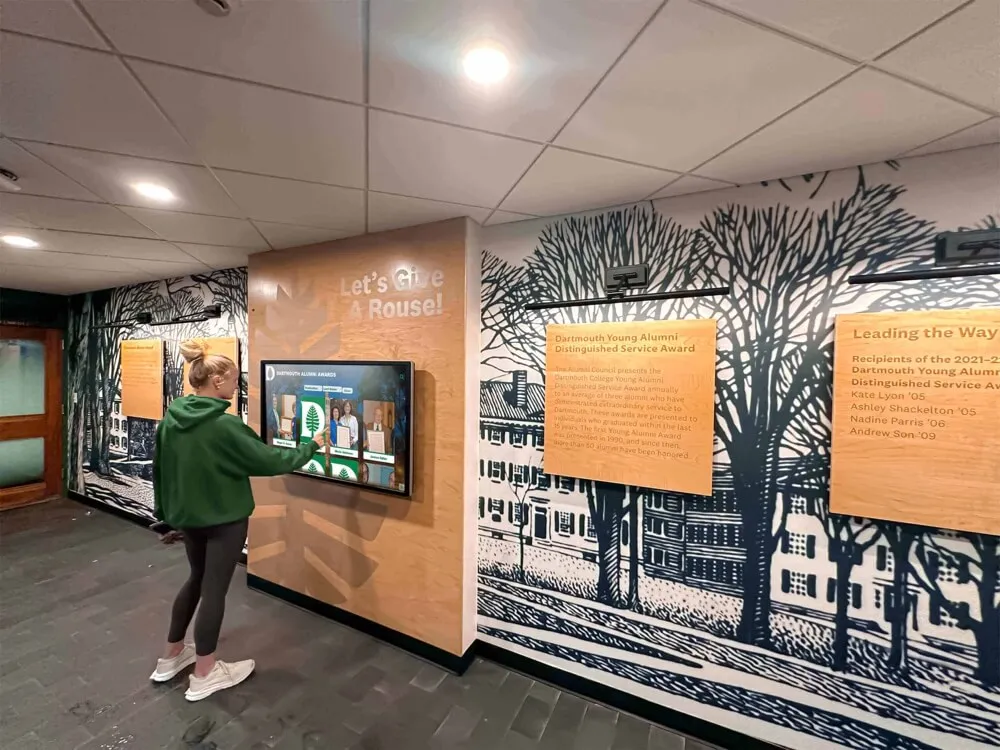
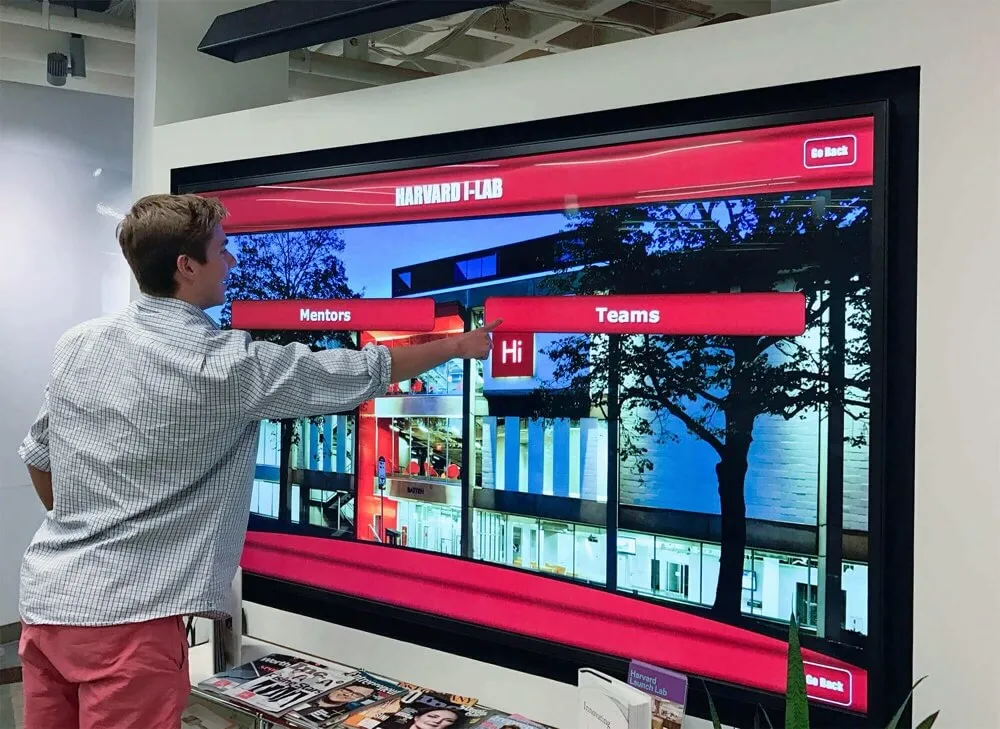
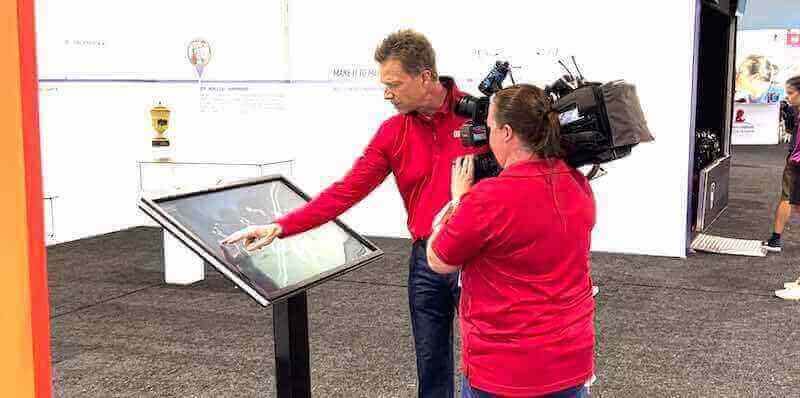
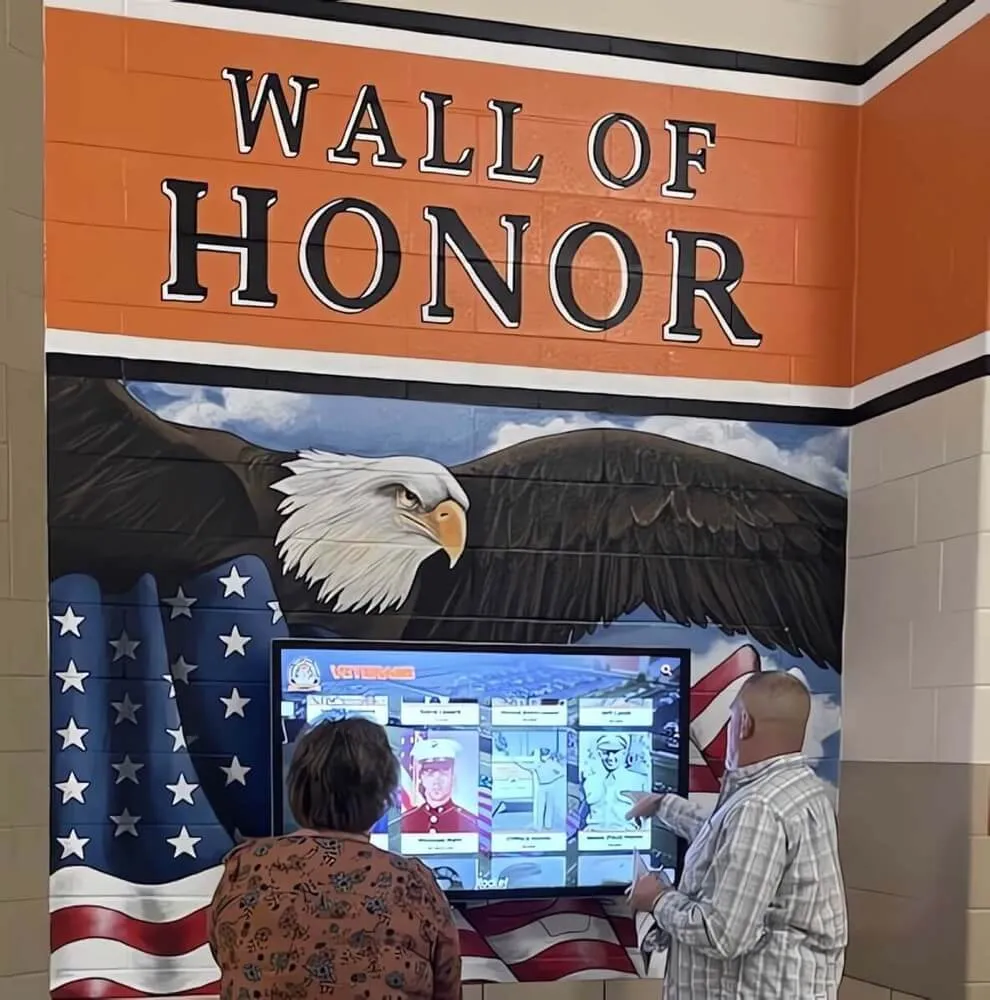
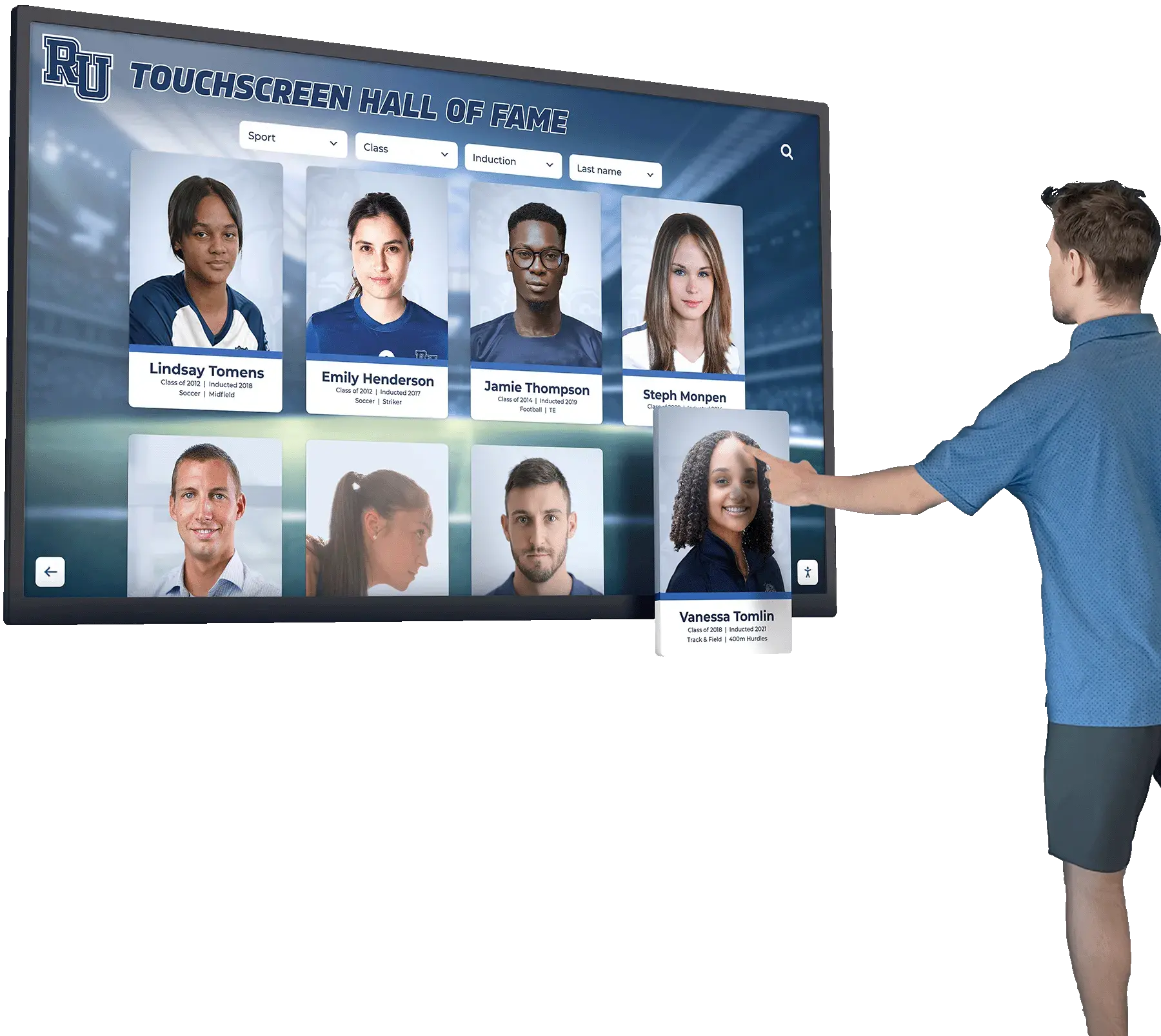
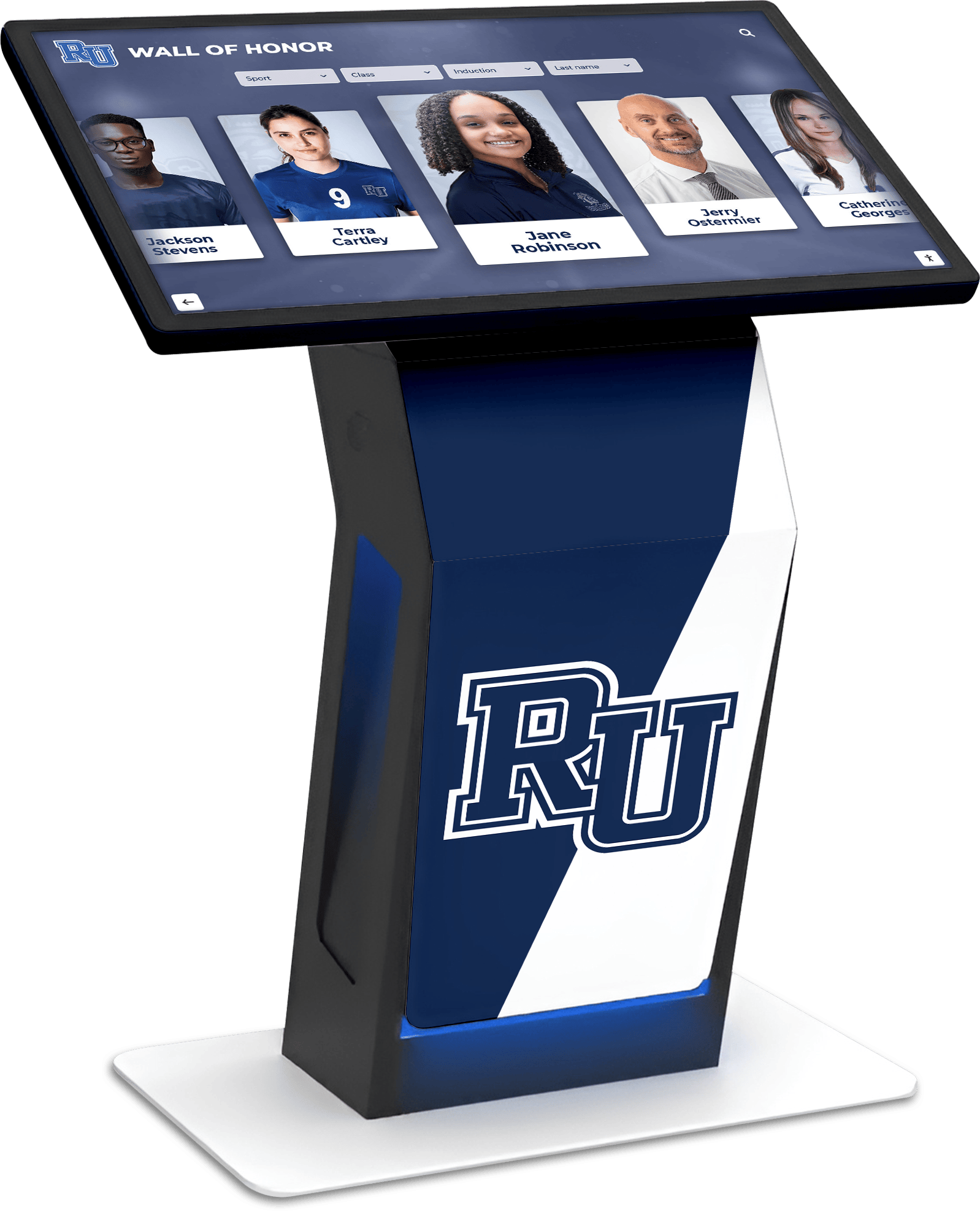
Intuitive touch interactions enable visitors to explore donor stories, view mission impact, and discover community connections at their own pace
User Experience and Interaction Design Principles
Thoughtful UX ensures recognition displays remain engaging and accessible rather than confusing or frustrating for diverse visitor populations.
Touch Interaction Patterns and Feedback
Design interactions following conventions users understand from smartphone and tablet experiences:
Gesture Support Standards
Modern visitors expect familiar touch patterns:
- Tap: Primary interaction selecting items, opening profiles, activating buttons (minimum 44×44px target size accommodating diverse motor abilities)
- Swipe: Horizontal swiping navigating between donors in same category, vertical scrolling through extended biographical content
- Pinch-to-Zoom: Optional magnification for photography and detailed content (implement carefully avoiding disorienting navigation)
- Long-Press: Optional advanced feature revealing additional context or actions (use sparingly maintaining simple primary interactions)
Visual Feedback and Responsiveness
Every interaction must provide immediate confirmation preventing uncertainty:
- Touch Feedback: Subtle highlight or scale animation acknowledging touch input (100-150ms duration feeling responsive without appearing sluggish)
- Loading States: Progress indicators when fetching content preventing confusion during brief network delays
- Transition Animations: Smooth screen transitions (250-350ms) creating spatial awareness of navigation direction
- Error States: Clear messaging when searches return no results or content fails to load, with helpful recovery suggestions
Poor interaction feedback creates uncertainty undermining visitor confidence, while clear responsive design builds trust encouraging continued exploration and extended engagement.
Accessibility Standards Ensuring Inclusive Experiences
Recognition should celebrate all community members while remaining accessible regardless of ability:
Visual Accessibility Requirements
- Contrast Ratios: Minimum 4.5:1 for body text, 3:1 for large text (18pt+) meeting WCAG 2.1 AA standards ensuring readability for vision-impaired visitors
- Text Sizing: 24-28pt minimum for body content enabling comfortable standing-distance reading without squinting
- Color Differentiation: Never rely solely on color to convey meaning—use iconography, patterns, or text labels ensuring colorblind visitors access full content
- Alternative Text: Comprehensive image descriptions enabling screen reader access when audio-assist features available
Physical Accessibility Considerations
- Mounting Heights: 42-48 inches from floor to display center enabling comfortable wheelchair user interaction
- Touch Target Sizes: Minimum 44×44px accommodating limited fine motor control
- Reach Zones: Critical navigation controls positioned within comfortable reach ranges avoiding excessive stretching
- Clearance Space: Adequate floor space around displays enabling wheelchair approach and maneuvering
Cognitive Accessibility Principles
- Clear Navigation: Intuitive wayfinding requiring no instruction or signage
- Consistent Patterns: Predictable interface behavior across all screens reducing learning requirements
- Plain Language: Avoid jargon or complex terminology in navigation and instructions
- Progressive Disclosure: Reveal information gradually rather than overwhelming visitors with excessive simultaneous choices
These accessibility standards reflect nonprofit values around inclusive community engagement while expanding potential recognition audience reach.
Learn about touchscreen UX principles creating consistently excellent accessible experiences.
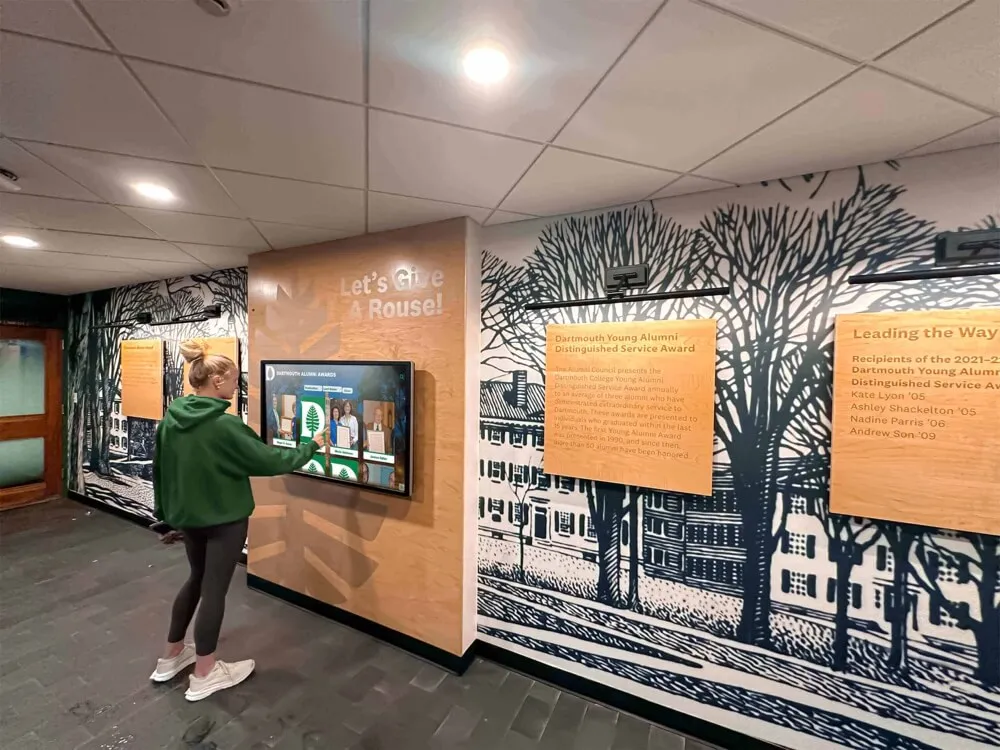
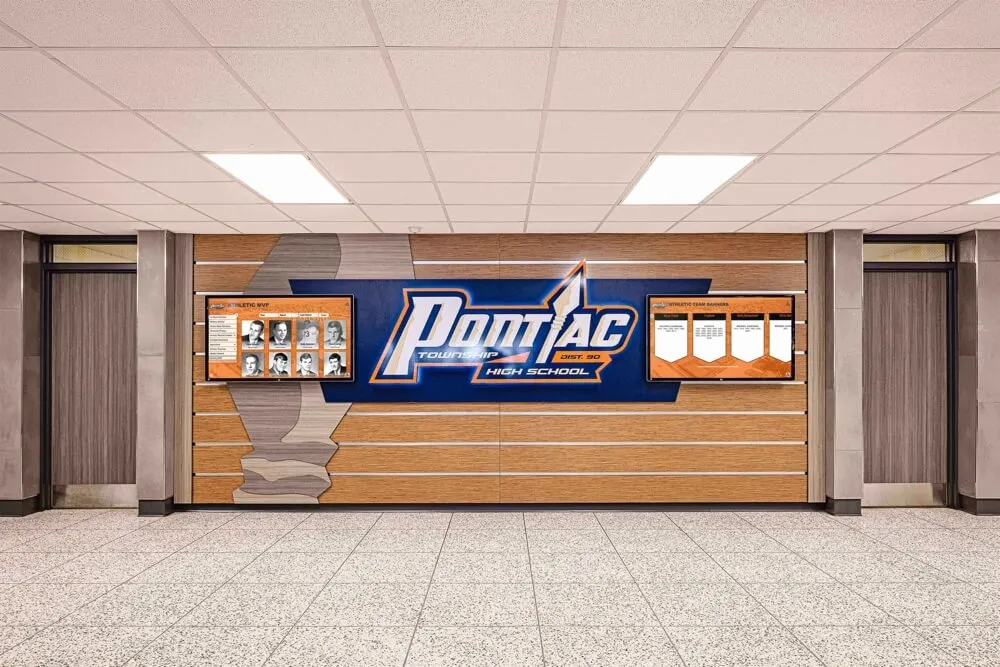
Strategic corridor placement with comfortable viewing space encourages extended engagement during high-traffic community events and programs
Brand Integration and Visual Design Systems
Align recognition display aesthetics with organizational identity while maintaining professional dignity befitting donor acknowledgment.
Typography and Readability Standards
Text remains primary communication medium requiring careful typographic treatment:
Font Selection and Hierarchy
Choose typefaces balancing legibility with organizational personality:
- Heading Typography: Sans-serif fonts optimizing on-screen readability (Helvetica, Proxima Nova, Gotham, Open Sans)—48-72pt for primary headings, 32-42pt for secondary headings
- Body Typography: Highly-legible typefaces suitable for extended reading distance (same sans-serif family as headings maintaining consistency)—24-28pt minimum for comfortable standing-distance viewing
- Accent Typography: Optional serif or script typefaces for donor quotes or testimonial callouts (use sparingly, never for primary navigation or content)
Size and Spacing for Distance Viewing
Accommodate viewing distances of 2-5 feet from screens:
- Minimum Body Text: 24pt for readable standing distance viewing without strain
- Optimal Body Text: 28-32pt providing comfortable reading for diverse age ranges
- Line Spacing: 1.4-1.6x leading creating adequate vertical breathing room
- Paragraph Spacing: 1.5-2x line height separating content blocks clearly
- Character Limits: 50-75 characters per line optimizing readability rhythm
Color Systems and Organizational Alignment
Integrate institutional identity while maintaining recognition appropriateness:
Color Palette Development
Build recognition color systems from organizational brand guidelines:
- Primary Brand Colors: Organizational signature colors for headers, navigation elements, CTA buttons maintaining immediate brand recognition
- Secondary Accent Colors: Complementary palette for recognition tier differentiation, category organization, visual interest without overwhelming
- Neutral Foundation: Extensive use of whites, light grays, and subtle tones ensuring content legibility and professional presentation quality
- Strategic Color Usage: 60% neutral, 30% primary brand, 10% accent creating balanced, sophisticated compositions
Recognition Tier Visual Differentiation
Use color, iconography, and styling distinguishing giving levels without creating garishness:
- Tier Badge System: Consistent iconography indicating recognition circles (laurel wreaths, stars, community symbols) reflecting organizational values
- Subtle Color Coding: Discrete color accents differentiating tiers without overwhelming visual hierarchy
- Typography Weight: Varied font weights creating distinction without relying solely on color
- Layout Differentiation: Enhanced spacing or module sizes for premium tiers
Brand Integration Checklist
Ensure recognition displays honor organizational identity consistently:
- Organizational logo placement following brand guidelines
- Official color palette application throughout all interface screens
- Approved photography styles and image treatments
- Signature graphic elements and patterns when appropriate
- Consistent voice and messaging tone matching organizational communications
- Integration with broader wayfinding and facility signage systems
Comprehensive digital recognition system guides provide additional frameworks for brand-consistent implementation across nonprofit contexts.
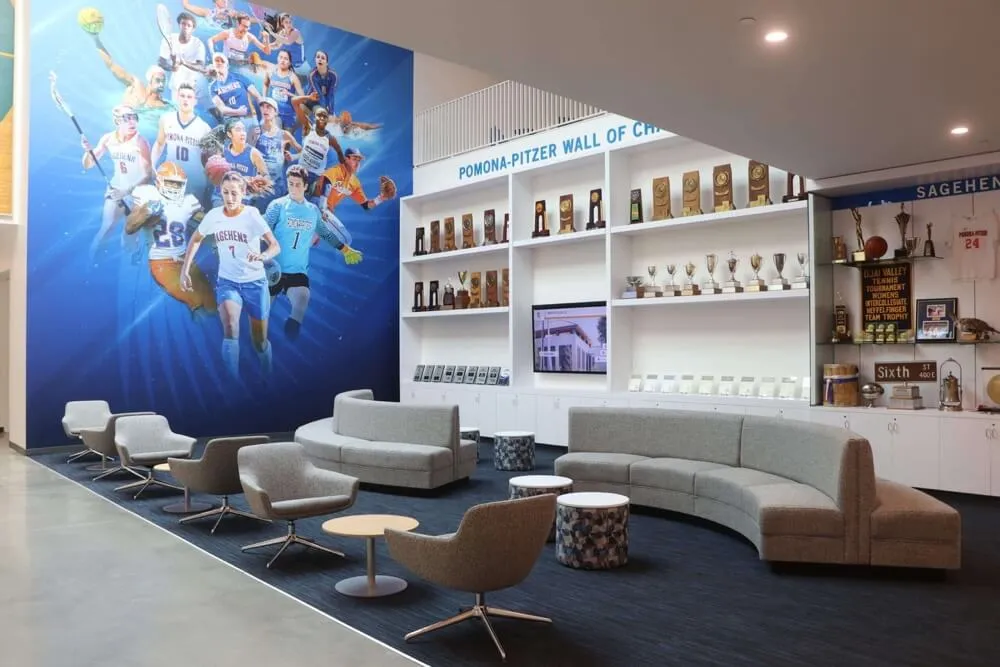
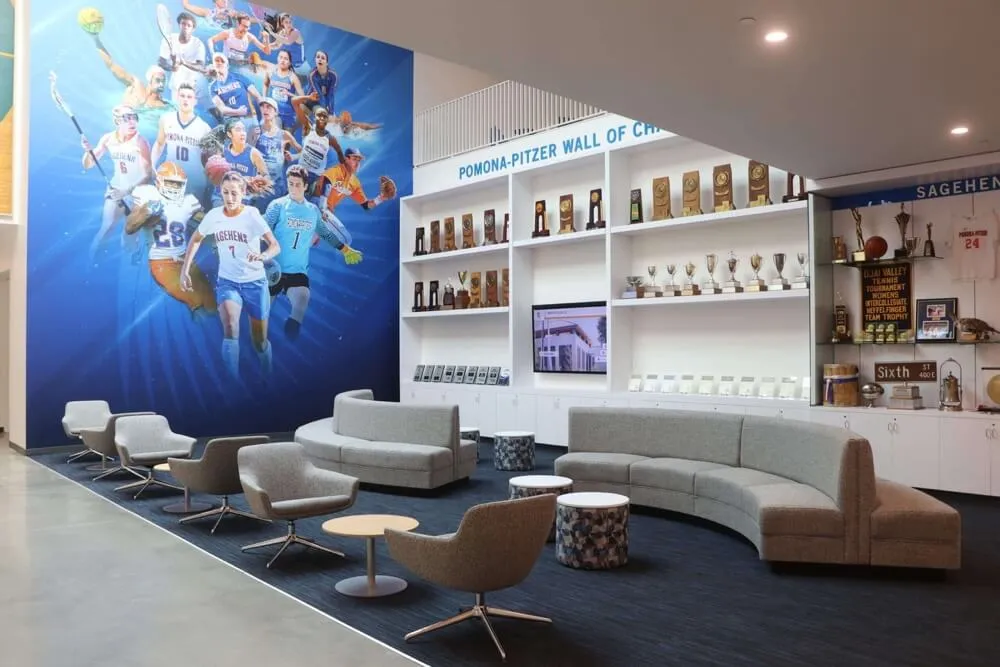
Creating comfortable recognition spaces with seating encourages extended engagement and contemplation of mission impact
Technical Implementation and Platform Selection
Reliable recognition displays require commercial-grade equipment and purpose-built software platforms designed specifically for institutional acknowledgment.
Hardware Specifications for Nonprofit Environments
Commercial Display Requirements
Consumer equipment fails under continuous operation—specify commercial solutions:
- Operating Hours: Rated 16-24 hours daily supporting continuous operation during facility hours (50,000-70,000 hour lifespans versus 20,000-30,000 for consumer displays)
- Screen Size: 43-55 inch displays providing comfortable viewing in lobby environments (larger for high-ceiling atriums or community centers)
- Resolution: Minimum 1080p with 4K preferred ensuring crisp text and images at standing viewing distance
- Brightness: 350-450 nits maintaining visibility in typical facility lighting conditions (versus 250-300 nits for consumer displays)
- Touch Technology: Capacitive multi-touch (10+ point) enabling gesture support and potential simultaneous users during community events
- Durability: Hardened glass surfaces resisting scratches and impacts common in public nonprofit environments
- Warranty: Minimum 3-year commercial protection with on-site service ensuring prompt support minimizing downtime
Computing and Connectivity
Adequate infrastructure ensures smooth, responsive interaction:
- Processor: Minimum Intel i5 or AMD Ryzen 5 for multimedia content and smooth transitions
- Memory: 8GB RAM minimum, 16GB preferred for responsive performance with video content
- Storage: 256GB+ SSD enabling fast content loading and reliable long-term operation
- Network: Gigabit ethernet strongly preferred over WiFi for reliability and security
- Operating System: Windows 10/11 Pro or Linux distributions supporting commercial deployment and remote management
Mounting and Installation Considerations
Professional presentation protecting investments:
- Wall Mount Options: Low-profile mounts positioning screens 42-48 inches from floor ensuring wheelchair accessibility
- Floor Kiosk Solutions: Free-standing enclosures providing flexible placement, integrated computing, security features, and organizational branding opportunities
- Cable Management: Professional routing eliminating visible wiring creating clean presentations
- Security Features: Anti-theft mounting, tamper-resistant fasteners, protective enclosures for installations in high-risk locations
- Accessibility Compliance: ADA-compliant mounting heights, reach zones, and clearances
Software Platform Capabilities
Recognition software fundamentally determines long-term value and operational sustainability:
Content Management System Requirements
Look for platforms enabling development teams to maintain recognition independently:
- Intuitive CMS: Web-based interfaces requiring no technical expertise or coding knowledge
- Drag-and-Drop Media: Simplified photo and video upload workflows
- Template Systems: Consistent donor profile creation ensuring professional presentation automatically
- Bulk Import: CSV data import handling hundreds or thousands of donors efficiently from CRM exports
- User Permissions: Role-based access controlling who can edit, approve, and publish content
- Scheduled Publishing: Automated content updates coordinating with campaign milestones or giving seasons
- Multi-Display Management: Centralized control of distributed recognition installations across multiple facilities
Interactive Experience Features
Purpose-built recognition platforms should provide:
- Responsive Touch Interface: Gesture support, smooth animations, immediate feedback creating polished interactions
- Comprehensive Search: Name lookup with auto-suggest and fuzzy matching accommodating spelling variations
- Advanced Filtering: Multiple discovery pathways by category, level, designation, program area
- Multimedia Support: Photos, videos, documents, audio testimonials seamlessly integrated
- Analytics Dashboard: Engagement metrics tracking interactions, popular content, usage patterns informing optimization
- Web Extensions: Responsive browser access extending recognition beyond physical displays to online donor portals
- Mobile Optimization: Smartphone and tablet support enabling anytime, anywhere access
- QR Integration: Generated codes linking physical displays to mobile giving pages
Solutions like Rocket Alumni Solutions provide specialized platforms designed specifically for institutional recognition rather than generic digital signage systems, delivering superior functionality addressing unique nonprofit donor acknowledgment requirements including privacy controls, giving level differentiation, and development office workflows.
Explore interactive touchscreen software options evaluating platforms for nonprofit recognition deployment.
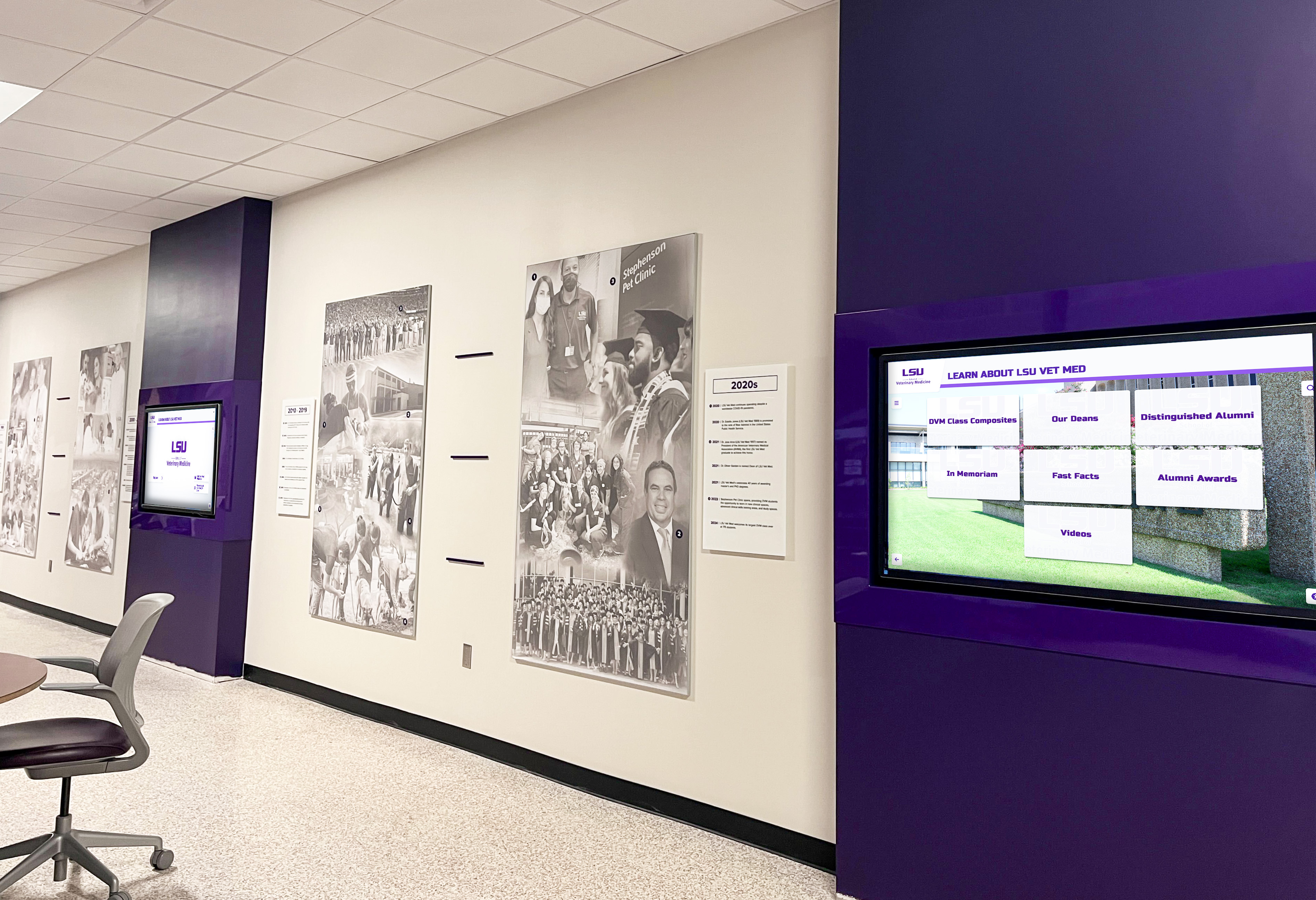
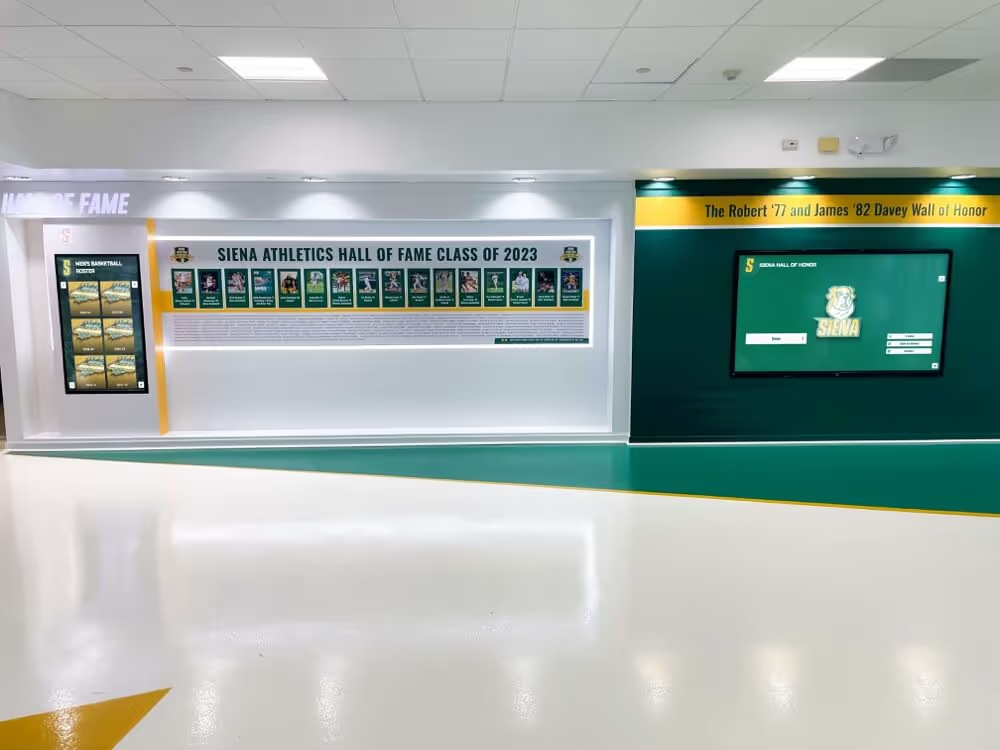
Large nonprofits often implement multiple coordinated displays across facilities ensuring recognition reaches diverse audiences throughout campuses and community centers
Integration Strategies and Advanced Features
Sophisticated recognition systems connect seamlessly with existing nonprofit infrastructure while providing enhanced functionality.
CRM and Donor Database Integration
Eliminate duplicate data entry through system connectivity:
Database Connection Benefits
Purpose-built platforms integrate with advancement databases:
- Automated Donor Synchronization: Recognition updates automatically as gifts process eliminating manual entry and reducing errors
- Accurate Information Maintenance: Name changes, contact updates, preference modifications sync continuously ensuring current information
- Privacy Preference Respect: Recognition visibility governed by documented donor preferences from CRM
- Giving History Access: Cumulative contribution data enabling lifetime recognition approaches that celebrate sustained support
- Relationship Intelligence: Development officer notes informing profile content development
Common Integration Approaches
Technical patterns connecting recognition to donor databases:
- API Connectivity: Real-time data synchronization through secure application programming interfaces when platforms support
- Scheduled Data Exports: Automated CSV file transfers updating recognition nightly or weekly from CRM systems
- Single Sign-On: Unified authentication enabling development teams to manage content using existing organizational credentials
- Webhook Triggers: Event-based updates pushing donor additions immediately after gift processing workflows complete
These integrations ensure recognition remains current while reducing staff burden managing disconnected systems requiring duplicate data maintenance.
Online Giving Platform Integration
Connect recognition viewing directly to contribution actions reducing friction:
Seamless Donation Pathways
Effective integration creates frictionless giving experiences:
- QR Code Generation: Dynamic codes linking to mobile-optimized giving pages with pre-selected designations matching featured content
- Pre-Populated Forms: Recognition level pre-selection simplifying contribution decisions for inspired visitors
- Real-Time Acknowledgment: Fast-track recognition screen addition celebrating new gifts (within 24-48 hours versus 3-4 months for traditional plaques)
- Social Sharing Integration: Built-in tools enabling donors to amplify recognition through personal networks
Conversion Optimization
Reduce friction between inspiration and action:
- One-Touch Access: Persistent giving buttons throughout navigation maintaining pathway visibility
- Context-Appropriate Prompts: Giving invitations positioned naturally within impact stories and donor testimonials
- Multiple Entry Points: QR codes, touch buttons, verbal prompts providing pathway choice accommodating visitor preferences
- Mobile Continuity: Seamless transition from touchscreen exploration to smartphone donation completion
Organizations implementing recognition with integrated giving functionality report 28-35% higher conversion rates from recognition viewing to completed donations compared to displays requiring separate navigation to giving pages.
Analytics and Continuous Improvement
Data-driven optimization ensures recognition delivers maximum value:
Engagement Metrics Tracking
Monitor how visitors interact with recognition:
- Usage Volume: Daily interactions, unique visitors, peak traffic times correlating to events and programs
- Session Depth: Average duration (target: 6-10 minutes), screens viewed per session (target: 12-18)
- Navigation Patterns: Most common exploration pathways revealing how visitors prefer to discover content
- Content Performance: Most-viewed donor profiles, popular search terms, frequently accessed categories
- Conversion Tracking: Recognition viewing to donation completion rates demonstrating cultivation effectiveness
Continuous Improvement Frameworks
Use data informing systematic optimization:
- A/B Testing: Experimental content variations revealing what resonates most powerfully with visitors
- Content Gap Identification: Underperforming profiles requiring enhancement or categories needing additional donor stories
- Feature Utilization: Capability usage rates indicating valued functionality versus features creating confusion
- User Feedback Collection: Optional satisfaction surveys gathering qualitative insights supplementing quantitative metrics
Learn about comprehensive recognition approaches leveraging analytics for continuous program improvement.
Implementation Best Practices for Nonprofit Recognition
Organizations achieving exceptional results follow proven approaches maximizing donor satisfaction and fundraising advancement.
Pre-Launch Planning and Stakeholder Alignment
Thorough planning prevents costly post-deployment corrections:
Organizational Consensus Process
Ensure institutional alignment before implementation:
- Development Leadership: Confirm recognition philosophy, giving tier structure, privacy policies, naming opportunities
- Marketing/Communications: Align visual identity, messaging tone, brand integration, photography standards
- Executive Leadership: Secure budget commitment, strategic priority confirmation, success metric agreement
- Program Teams: Coordinate impact storytelling, beneficiary testimonial collection, outcome documentation
- IT Department: Address security policies, network access, technical support responsibilities, CRM integration
Content Preparation Workflows
Gather materials systematically before launch:
- Donor Data Compilation: Export accurate lists from CRM including names, giving levels, designations, tenure
- Photography Collection: Organize existing donor photos, schedule portrait sessions, establish image specifications (minimum 800×1000px)
- Profile Content Development: Draft biographical narratives, collect testimonials, document connection stories
- Impact Documentation: Create program outcome summaries, beneficiary testimonials, quantitative metrics
- Quality Assurance: Proofread all content, verify donor name accuracy, confirm preference compliance
Launching with incomplete content creates poor first impressions diminishing recognition impact—invest adequately in preparation ensuring professional presentation from day one.
Launch Strategy and Promotion
Maximize recognition visibility and engagement:
Phased Deployment Approach
Reduce risk through staged launch:
- Internal Preview: Limited access enabling staff testing and content refinement before public exposure
- Donor Preview Event: Exclusive reception inviting recognized supporters to explore displays first, gathering feedback
- Soft Launch Period: Two-week adjustment window addressing identified issues before broad promotion
- Full Public Launch: Coordinated announcement across communications channels with celebration event
Promotional Campaign Integration
Drive traffic to recognition installations:
- Facility Tours: Incorporate recognition viewing into program tours, volunteer orientations, community events
- Social Media Features: Regular posts highlighting compelling donor stories with calls-to-action encouraging in-person exploration
- Newsletter Coverage: Monthly spotlight content driving awareness and sustained engagement
- Event Integration: Display recognition prominently during fundraising galas, cultivation gatherings, annual meetings
- Website Prominence: Featured links on organizational and development websites
Sustained promotion maintains recognition visibility rather than limiting awareness to brief launch periods that create initial interest but fail to drive ongoing engagement.
Ongoing Maintenance and Content Refresh
Recognition requires continuous attention maintaining relevance:
Regular Update Cadence
Establish systematic refresh schedules:
- Weekly Updates: New donor additions from recent gift processing ensuring timely recognition
- Monthly Features: Rotating spotlight donors, updated campaign progress metrics, seasonal mission stories
- Quarterly Refreshes: New impact stories, beneficiary testimonials, program updates demonstrating ongoing mission advancement
- Annual Reviews: Comprehensive content audits identifying outdated information requiring revision or removal
Technical Maintenance Requirements
Protect hardware investments through proper care:
- Daily Cleaning: Gentle touchscreen surface cleaning removing fingerprints and smudges maintaining professional appearance
- Weekly Inspections: Check for software updates, verify network connectivity, confirm proper operation
- Monthly Deep Maintenance: Screen calibration, performance optimization, backup verification, content link testing
- Annual Professional Service: Comprehensive hardware inspection, component testing, preventive maintenance extending equipment lifespan
Organizations implementing systematic maintenance report 85-90% uptime rates compared to 60-70% for installations receiving reactive attention only—demonstrating value of proactive care protecting investment returns.
Discover student recognition program approaches that transfer well to nonprofit donor acknowledgment contexts.
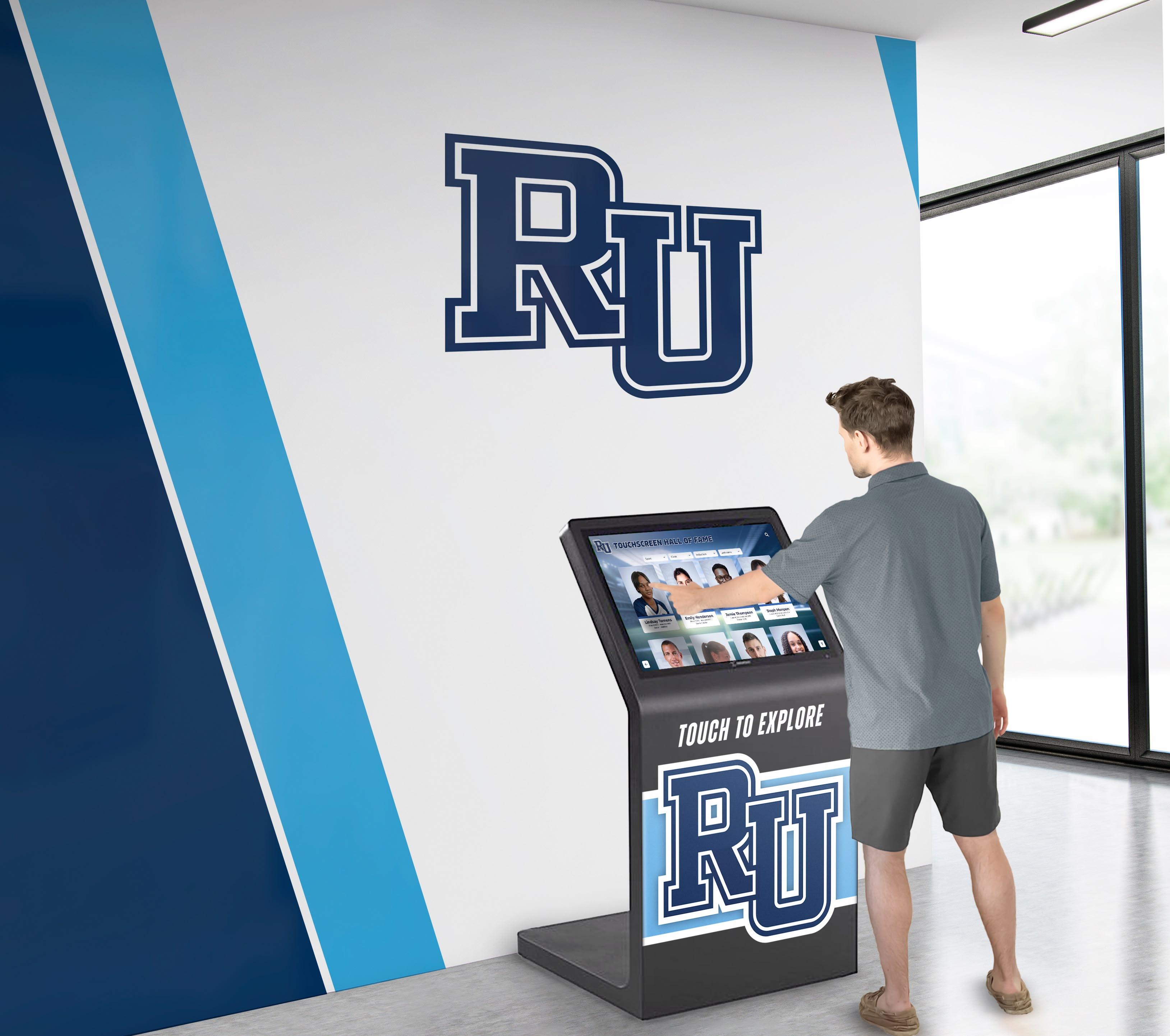
Free-standing kiosks provide flexible placement options throughout nonprofit facilities enabling strategic positioning for maximum visibility
Measuring Recognition Program Success and Impact
Data-driven evaluation ensures recognition investments deliver value while identifying improvement opportunities.
Donor Behavior Metrics
Track outcomes demonstrating recognition program effectiveness:
Retention and Engagement Indicators
- Retention Rates: Compare recognized versus non-recognized donors (benchmark: 18-28 percentage point improvements)
- Average Time-to-Next-Gift: Monitor intervals between contributions for engaged donors versus control groups
- Upgrade Rates: Track donors moving to higher giving levels following recognition implementation
- Multi-Year Giving Streaks: Measure sustained commitment across consecutive years
- Major Gift Conversion: Analyze recognition exposure correlation with transformational gift commitments
- Planned Giving Inquiries: Document recognition visibility relationship to legacy gift discussions
Financial Impact Analysis
Recognition programs increase donor lifetime value through:
- Higher Average Annual Gifts: 18-25% improvements common as engaged donors increase faithful giving
- Extended Donor Relationships: Improved retention often doubles average donor tenure from 3-4 years to 6-8 years
- Increased Major Gift Probability: Donors with strong organizational connections give transformational gifts at 3-4× higher rates
Most nonprofits report recognition systems paying for themselves within 12-18 months through enhanced giving patterns alone—before accounting for operational efficiencies and stewardship culture benefits.
Engagement and Interaction Analytics
Digital platforms provide rich data revealing visitor behavior:
Usage Metrics
- Daily Interactions: Total weekly usage establishing baseline community engagement
- Session Duration: Average time spent (target: 6-10 minutes) indicating content interest depth
- Screens Per Session: Pages viewed showing exploration breadth
- Peak Usage Times: Traffic patterns correlating to events, programs, business hours
- Return Visitor Rate: Percentage accessing displays multiple times demonstrating sustained interest
Content Performance
- Popular Profiles: Most-viewed donors revealing which stories resonate powerfully
- Search Patterns: Common queries showing what visitors seek when exploring
- Category Preferences: Browse behavior indicating which programs generate greatest community interest
- Video Completion: Multimedia engagement rates determining whether video content maintains attention
- Social Shares: Frequency donors amplify recognition through personal networks
These analytics guide content optimization, inform feature prioritization, and demonstrate program value through objective data supporting continued investment.
Special Considerations for Nonprofit Contexts
Nonprofit recognition involves unique dynamics requiring thoughtful navigation beyond generic donor acknowledgment approaches.
Privacy and Sensitivity Management
Donor preferences vary widely requiring sophisticated accommodation:
Recognition Options
Offer explicit choices during gift acceptance:
- Public Recognition: Biographical information and personal testimonies celebrating mission connection
- Name-Only Recognition: Simple acknowledgment without detailed profiles or personal information
- Anonymous Recognition: Indicating gift level without donor identification honoring privacy preferences
- No Public Recognition: Respecting convictions about completely private giving
Document preferences clearly in CRM systems and honor consistently across all recognition channels—including displays, websites, annual reports—demonstrating respect for diverse values and comfort levels.
Memorial and Tribute Giving
Many contributions honor loved ones creating opportunities for meaningful recognition:
Memorial Giving Acknowledgment
- Clear Designation Options: “In Memory of” or “In Honor of” fields during gift acceptance
- Sensitive Presentation: Respectful display honoring remembered individuals without overwhelming family emotions
- Connection to Mission: Linking tributes to programs or services reflecting honoree passions or life circumstances
- Family Involvement: Opportunities for relative testimonies explaining tribute significance
Legacy Celebration
- Multi-Generational Recognition: Honoring families whose sustained support built organizational capacity over decades
- Historical Context: Stories connecting current facilities or programs to generations of faithful philanthropy
- Impact Continuity: Emphasis on lasting mission advancement extending beyond individual lifetimes to enduring community benefit
These approaches honor emotional and personal dimensions of nonprofit giving that purely transactional recognition misses entirely.
Campaign-Specific Recognition
Capital campaigns and special initiatives require tailored approaches:
- Construction Phase Engagement: Maintain donor enthusiasm during extended building timelines through progress updates and milestone celebrations
- Facility Naming Opportunities: Carefully considered architectural recognition for transformational gifts with clear duration policies
- Blended Recognition: Combining permanent physical elements for major gifts with comprehensive digital systems accommodating all supporters
- Post-Campaign Stewardship: Connecting donors to ongoing facility impact and program outcomes their gifts enabled
Interactive displays prove especially valuable during campaigns by providing unlimited capacity for comprehensive recognition while projects remain under development, then transitioning to permanent mission-focused displays celebrating completed initiatives.
Learn about capital campaign recognition strategies addressing nonprofit building project needs.
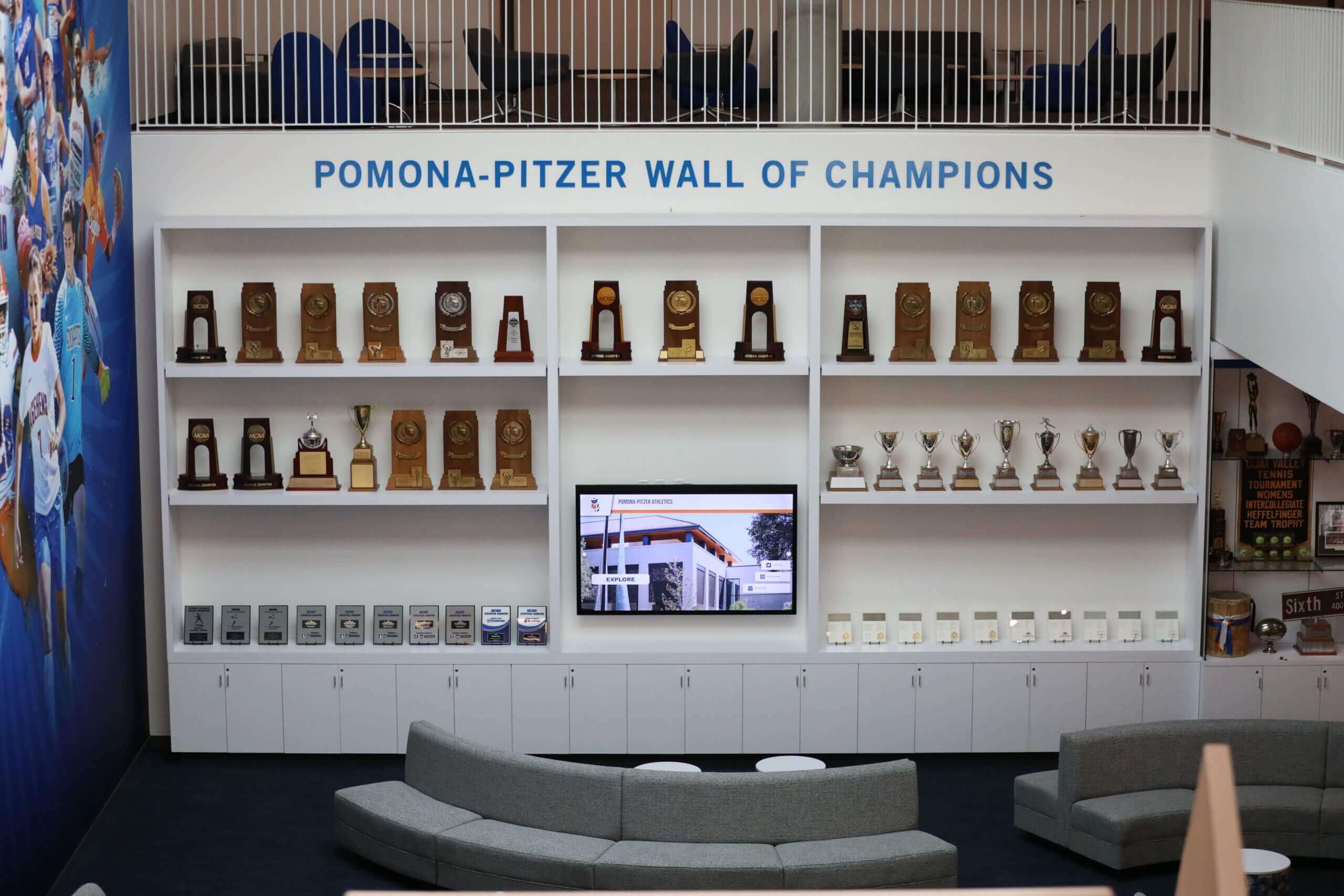
Creating recognition spaces with comfortable seating and community atmosphere encourages extended engagement and informal cultivation conversations
Conclusion: Recognition as Strategic Fundraising Investment
Nonprofit donor recognition represents far more than courteous acknowledgment—it embodies strategic investment in relationships, operational efficiency, and mission advancement delivering measurable returns through improved retention, increased giving, and strengthened community engagement around supporting important causes.
The limitations of traditional recognition—capacity constraints forcing exclusion decisions, update delays diminishing impact, storytelling restrictions preventing mission connection, costly corrections and expansions—all dissolve when nonprofits embrace purpose-built interactive platforms combining unlimited capacity with instant updates and rich impact-focused storytelling.
Organizations implementing comprehensive recognition following experience design principles consistently report remarkable outcomes: engagement durations of 8-12 minutes versus 30-60 seconds for traditional plaques, retention improvements of 20-30 percentage points transforming fundraising economics, donor satisfaction gains exceeding 40%, and major gift increases of 25-35% through enhanced cultivation conversations leveraging compelling social proof.
Transform Your Nonprofit Donor Recognition
Discover how thoughtfully designed recognition displays can help you celebrate every supporter while inspiring continued generosity that advances your mission for generations through compelling storytelling and accessible interaction.
Explore Recognition SolutionsWhether implementing nonprofit donor recognition for the first time or enhancing existing displays, the frameworks and best practices explored in this guide provide actionable approaches for creating acknowledgment donors genuinely value—recognition strengthening relationships, demonstrating transparency, and advancing organizational missions through sustained philanthropic support.
Your donors’ generosity enables everything your nonprofit accomplishes. Faithful supporters deserve thoughtful, meaningful recognition honoring their commitment while deepening connections to mission purposes. With strategic design planning, compelling content development, appropriate technology selection, and sustained commitment to excellence, you can create recognition experiences transforming one-time contributors into lifelong mission champions whose sustained philanthropy advances your cause for decades.
Ready to elevate your nonprofit donor recognition design? Explore interactive recognition wall strategies providing comprehensive implementation frameworks. Discover honor roll recognition approaches celebrating community participation. Learn about digital display best practices that enhance visitor engagement through thoughtful experience design.