



Intent: Demonstrate how schools and communities harness nostalgia marketing through strategic design, interactive experiences, and heritage storytelling to create emotional connections that drive enrollment, engagement, and long-term commitment.
Nostalgia marketing represents one of the most powerful emotional strategies educational institutions and community organizations can deploy—tapping into positive memories, shared experiences, and collective heritage to build deep connections that transcend transactional relationships. Unlike generic promotional approaches that compete for attention through volume and frequency, nostalgia marketing creates resonance by triggering authentic emotional responses tied to formative experiences, cherished traditions, and meaningful belonging.
The challenge facing schools and community organizations involves capturing and communicating institutional heritage in ways that genuinely engage modern audiences expecting interactive, personalized, multimedia experiences. Traditional approaches featuring static plaques, dusty trophy cases, and forgotten archives fail to activate nostalgia’s full emotional potential—reducing rich institutional histories to background decoration rather than creating compelling storytelling experiences that inspire current participation and future commitment.
This comprehensive guide explores how forward-thinking institutions leverage nostalgia marketing through interactive digital displays, strategic heritage preservation, and thoughtful experience design. From understanding nostalgia’s psychological foundations and designing engaging recognition layouts through implementing multimedia storytelling and measuring emotional impact, you’ll discover practical frameworks for transforming institutional heritage into active engagement assets strengthening communities across generations.
Research consistently demonstrates nostalgia marketing’s remarkable effectiveness: 70% of consumers say nostalgia makes brands feel more authentic, while 75% of buyers are more likely to purchase when advertising reminds them of the past. For educational institutions, these statistics translate directly to enrollment decisions, alumni giving, and sustained community participation driven by emotional connection rather than rational evaluation alone.

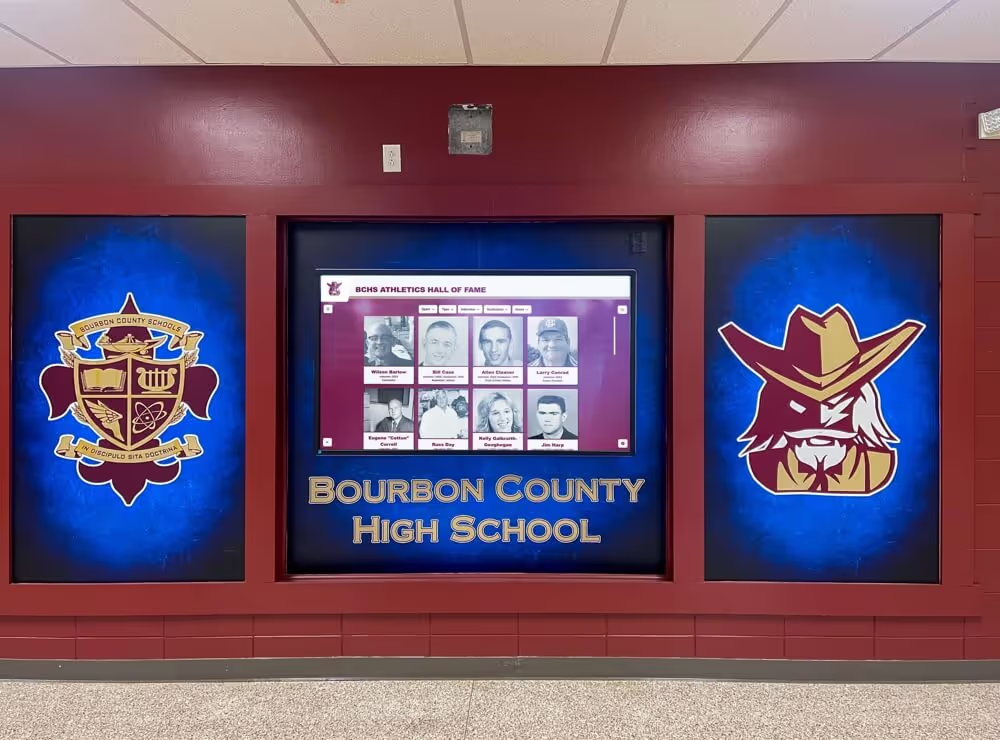
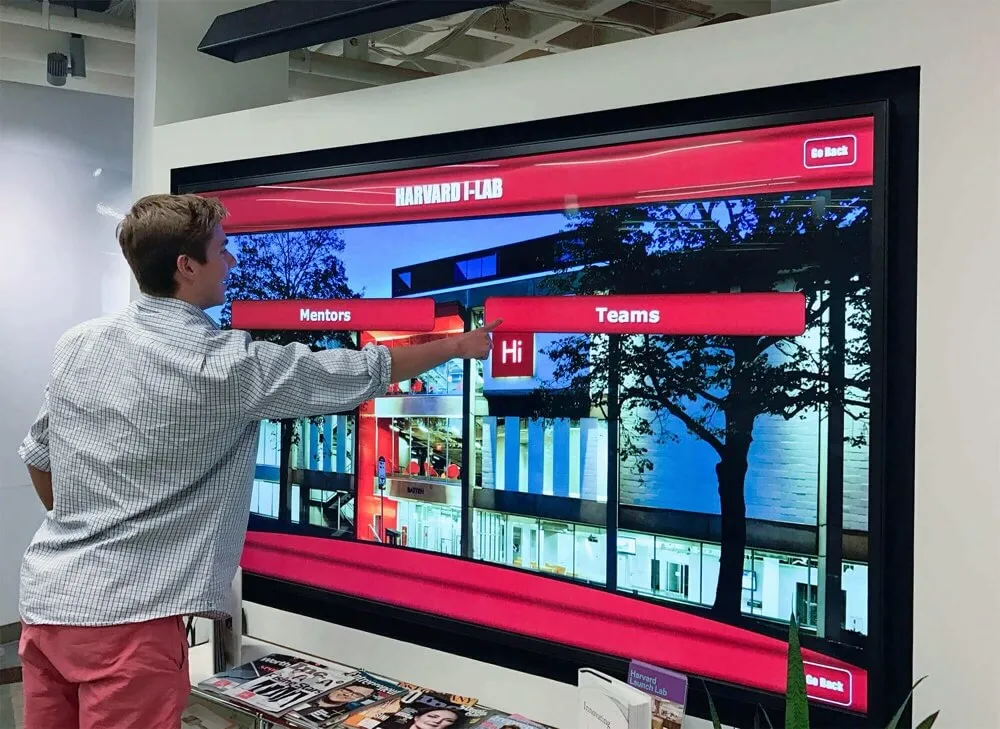
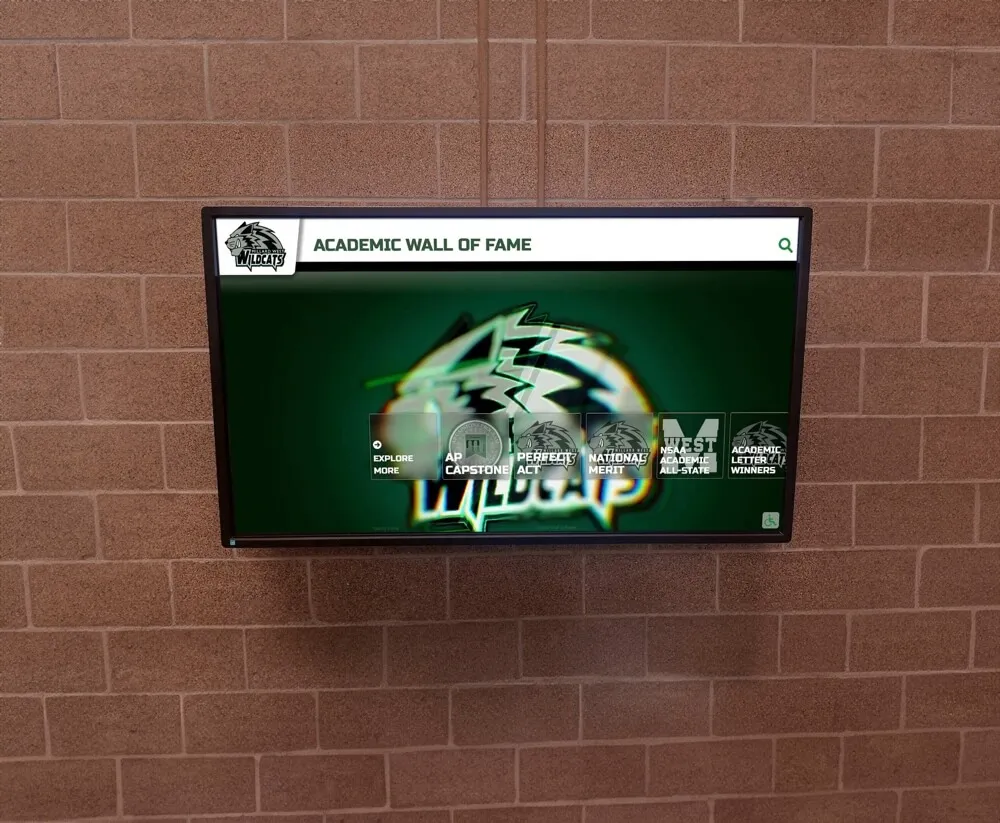
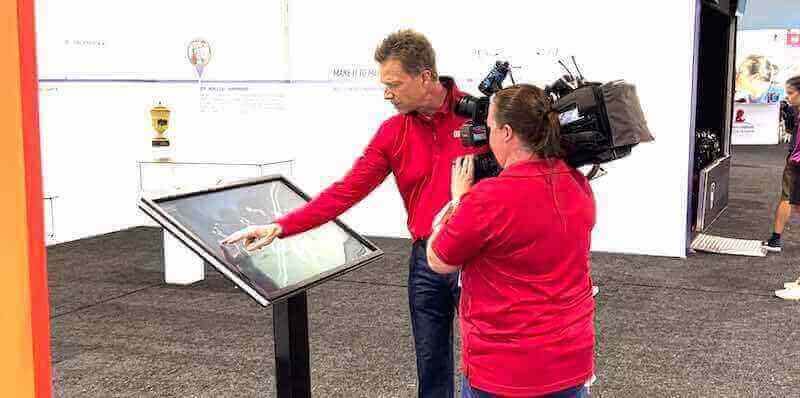
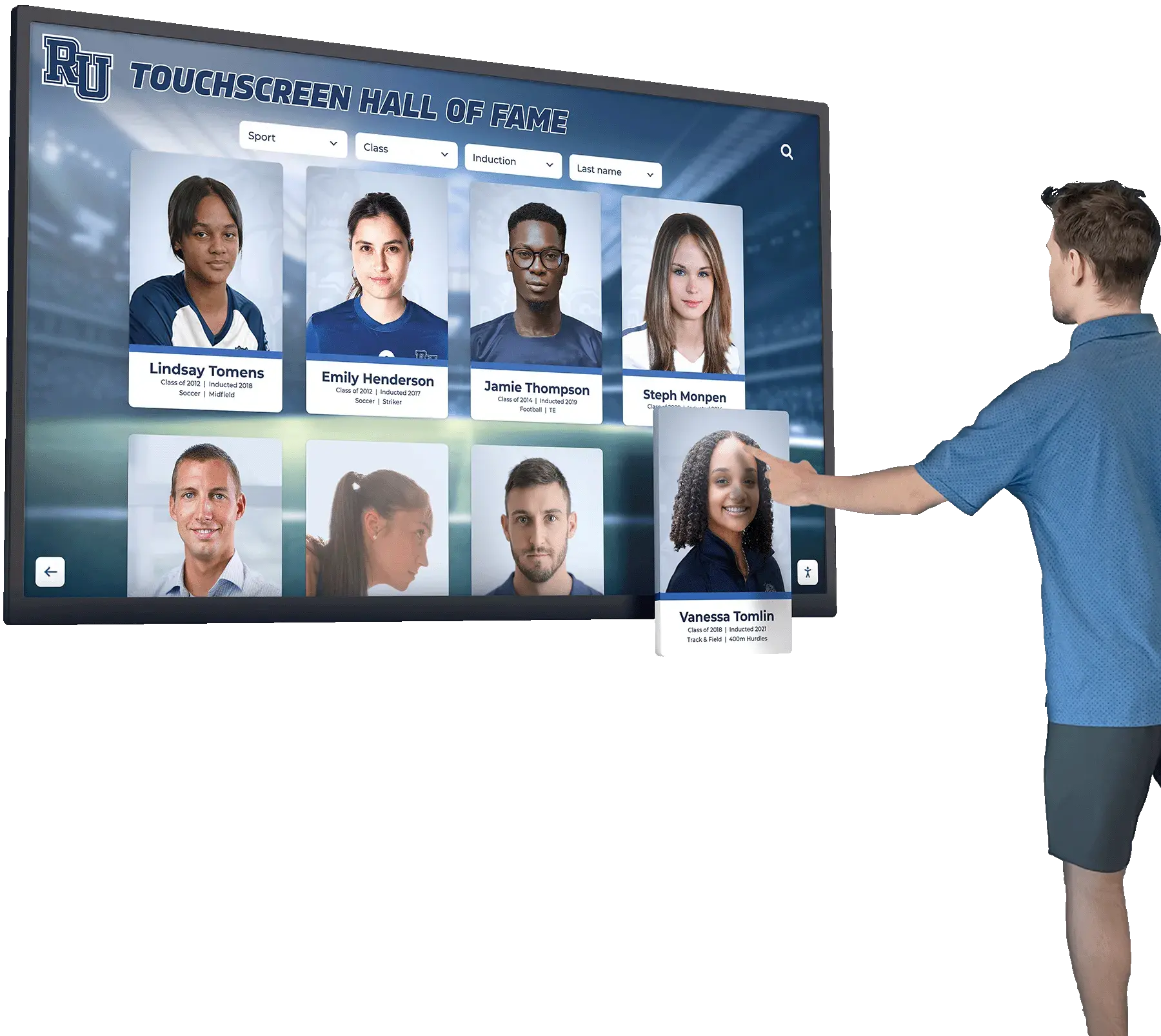
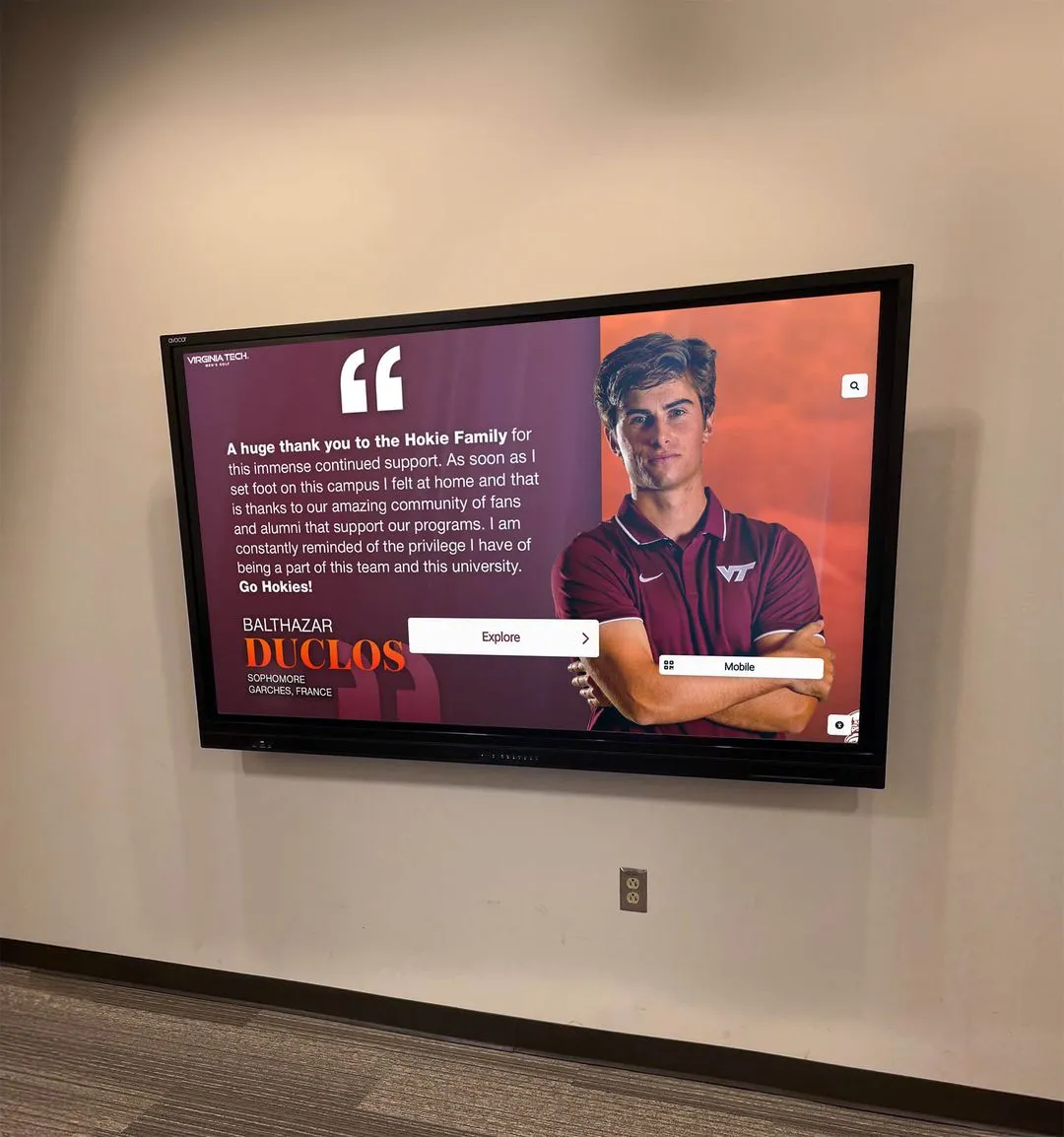
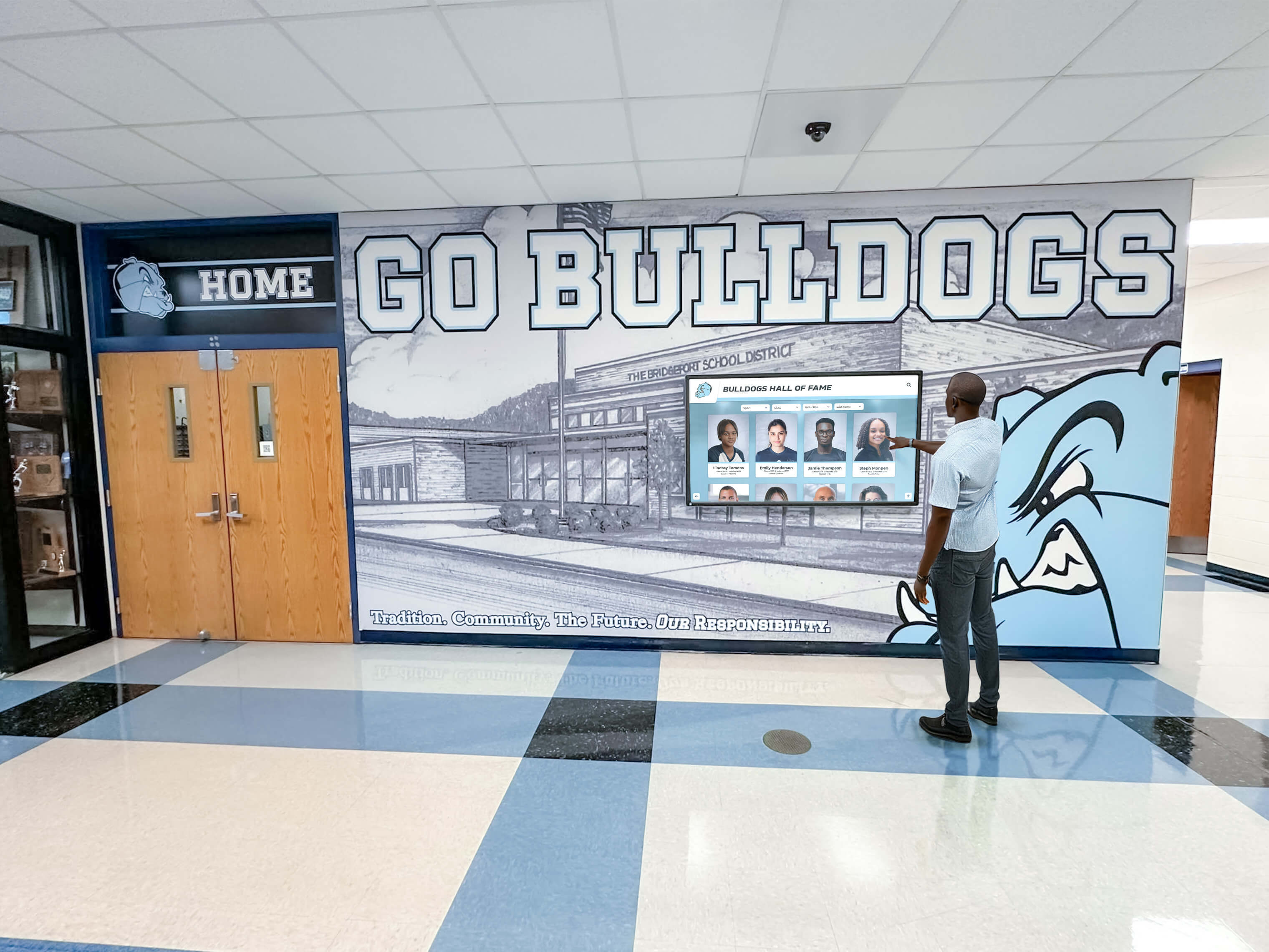
Effective nostalgia marketing transforms passive remembering into active exploration through interactive displays that invite discovery and personal connection
Understanding Nostalgia Marketing Psychology
Before implementing specific tactics, understanding why nostalgia works provides essential foundation for creating authentic, effective experiences.
The Emotional Power of Positive Memory
Nostalgia functions as a fundamentally social emotion connecting individuals to communities, relationships, and identities formed during formative life periods. According to research on emotional marketing and community building, nostalgic experiences trigger specific psychological responses including enhanced mood and increased feelings of social connectedness, reinforced self-continuity linking past experiences to present identity, elevated meaning and life satisfaction perceptions, and reduced anxiety through connection to stable, familiar elements.
For educational institutions, these emotional responses create powerful engagement foundations. Alumni experiencing nostalgia for school experiences feel stronger institutional bonds—translating to increased event attendance, volunteer participation, and philanthropic support. Prospective families encountering heritage displays gain confidence in institutional stability and community vitality. Current students exploring institutional history develop pride and belonging accelerating integration and potentially improving persistence.
Why Schools Possess Natural Nostalgia Advantages
Educational institutions enjoy unique advantages compared to commercial brands attempting nostalgia marketing. According to research on alumni engagement and nostalgia, most alumni develop strong nostalgic feelings for their schools—remembering colors, mascots, and theme songs decades after graduation. Unlike corporations creating artificial nostalgia through advertising, schools activate authentic memories of formative experiences including friendships formed during vulnerable adolescent years, achievements celebrated through academic and athletic recognition, traditions repeated annually creating shared cultural memory, mentoring relationships with influential teachers and coaches, and identity development during critical life transition periods.
This authentic foundation means schools don’t create nostalgia through manipulation—they simply surface and celebrate genuine memories already existing within community members. The challenge involves presentation rather than fabrication.
Generational Nostalgia Differences
While nostalgia affects all age groups, generational differences shape effective implementation approaches. Research on Gen Z and nostalgia marketing reveals surprising findings: younger generations demonstrate strong nostalgic responses despite shorter life experiences, with Gen Z particularly drawn to 1990s and early 2000s aesthetics representing childhood security periods.
Generational Nostalgia Characteristics
Different generations respond to distinct nostalgia triggers:
- Baby Boomers (born 1946-1964) connect strongly to music, major cultural events, and analog experiences representing their youth
- Generation X (born 1965-1980) respond to independent cultural elements, technology transitions, and subcultural movements
- Millennials (born 1981-1996) engage with early internet culture, specific entertainment properties, and communal experiences
- Generation Z (born 1997-2012) connect to childhood media, early social media platforms, and pre-smartphone experiences
Effective nostalgia marketing in schools acknowledges these differences through layered approaches celebrating multiple eras simultaneously rather than privileging single generation’s experiences.

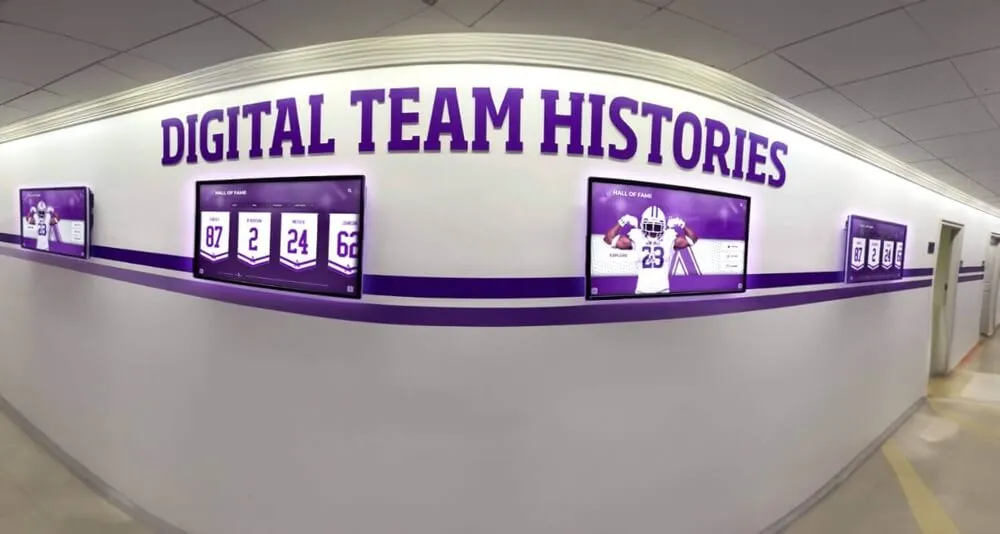
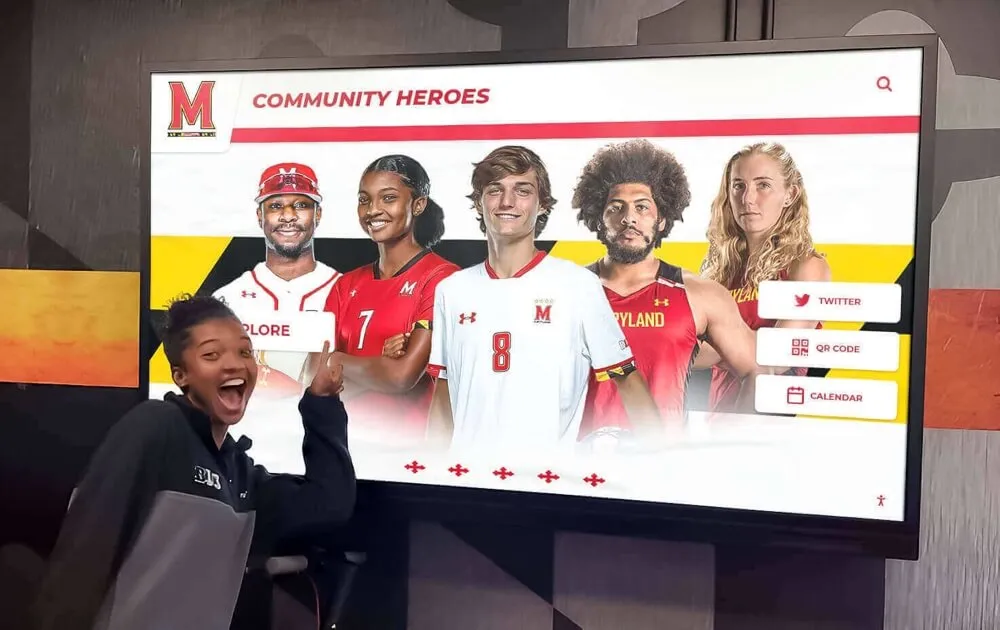
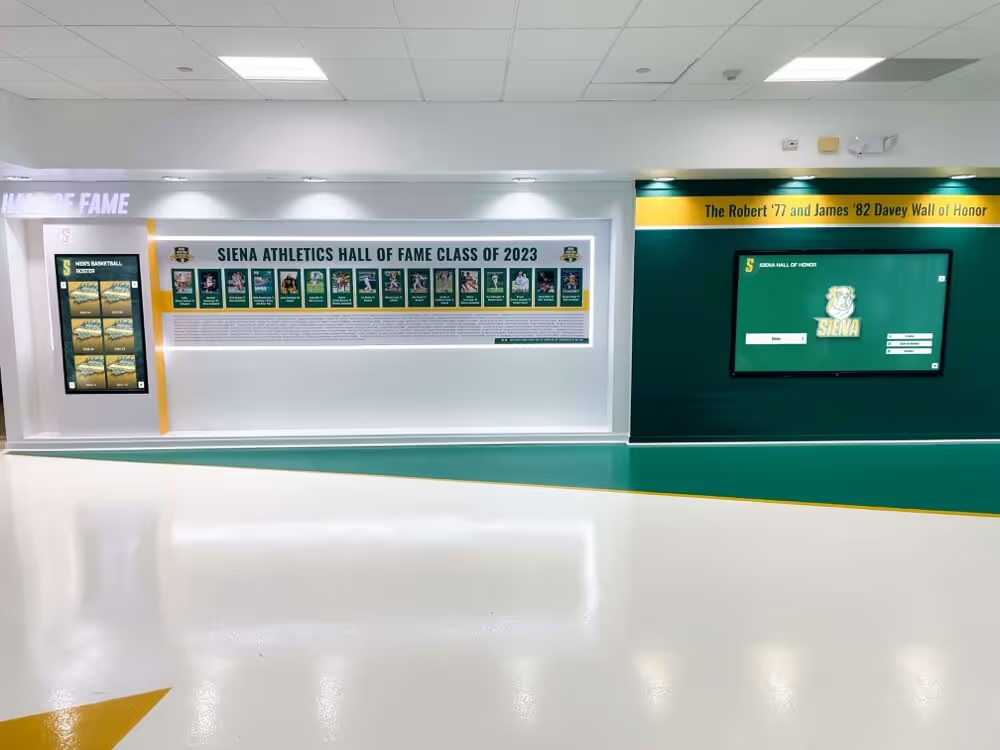
Multi-generational recognition displays celebrate heritage across decades, creating nostalgic connections for alumni from all eras while demonstrating institutional continuity
Strategic Nostalgia Marketing Applications for Schools
Educational institutions can deploy nostalgia marketing across multiple touchpoints serving different engagement objectives and audience segments.
Alumni Engagement and Giving Programs
Alumni represent primary nostalgia marketing audiences—graduates who experienced institutions firsthand and maintain emotional connections decades after leaving campus. Research on alumni engagement strategies demonstrates that nostalgic content dramatically increases interaction and support compared to generic communications.
Nostalgic Alumni Engagement Tactics
Effective alumni programs leverage nostalgia through specific implementation approaches:
Historical Photo Campaigns: Schools share archival photos of campus life, athletic events, and student activities from specific graduation years, inviting alumni to identify themselves and classmates. According to engagement research, Instagram works particularly well for nostalgia and campus updates, with institutions encouraging alumni to share nostalgic photos using designated hashtags creating participatory storytelling experiences.
“Then and Now” Content Series: Monthly newsletters and social posts compare historical campus photos with current views, demonstrating evolution while maintaining continuity. These comparisons promote both nostalgia and achievement pride—honoring tradition while showcasing modern facilities and programs benefiting current students.
Class Reunion Memory Galleries: Digital recognition displays positioned in alumni gathering areas feature searchable databases enabling graduates to discover classmates, explore photos from their graduation years, and reminisce about shared experiences. Interactive formats transform passive viewing into active exploration creating extended engagement.
Milestone Anniversary Celebrations: Schools commemorate specific graduation year anniversaries through targeted communications, special event programming, and dedicated recognition featuring class-specific content. These milestone approaches concentrate nostalgic activation around natural celebration opportunities when alumni already feel reflective about institutional experiences.
Legacy Story Collections: Institutions create platforms where alumni share cherished memories through written narratives, video testimonials, or audio recordings. These first-person accounts provide authentic content others find relatable while making contributors feel valued and heard.
The strategic objective extends beyond reminiscence to relationship cultivation supporting sustained alumni engagement and fundraising outcomes.
Enrollment Marketing and Family Recruitment
Prospective families evaluating school options seek evidence of institutional stability, community vitality, and meaningful experiences justifying substantial tuition investments. Nostalgia marketing addresses these concerns indirectly by demonstrating lasting community connections and multi-generational loyalty.
Enrollment Applications of Nostalgia Marketing
According to research on nostalgia marketing for school enrollment, schools can boost admissions by fostering loyalty, community, and trust through heritage celebration:
Campus Tour Heritage Touchpoints: Admissions tours strategically incorporate nostalgia-triggering elements including historical timeline displays explaining institutional founding and evolution, alumni achievement showcases demonstrating graduate success across diverse fields, multi-generational family recognition celebrating legacy students and sibling enrollment, and tradition explanations connecting current experiences to decades of institutional culture.
These touchpoints create impression that prospective students won’t simply attend school for four years but join lasting communities maintaining significance throughout entire lives—a powerful differentiator when families choose between academically comparable institutions.
Multi-Generational Marketing Campaigns: Schools feature families with multiple generations of attendance, highlighting how alumni choose their alma maters for their own children. These testimonials leverage nostalgia while demonstrating concrete confidence in current educational quality—addressing both emotional and rational decision factors simultaneously.
Historical Achievement Communications: Marketing materials incorporate institutional heritage elements including founding stories and mission evolution, historical photos showing campus development, achievement milestones demonstrating sustained excellence, and tradition explanations revealing cultural continuity. This historical context creates confidence in institutional stability—particularly valuable during uncertain times when families seek reliable educational partners.
Legacy Scholarship Programs: Financial aid programs specifically supporting children and grandchildren of alumni create concrete connections between nostalgia and enrollment while incentivizing multi-generational attendance strengthening institutional community.
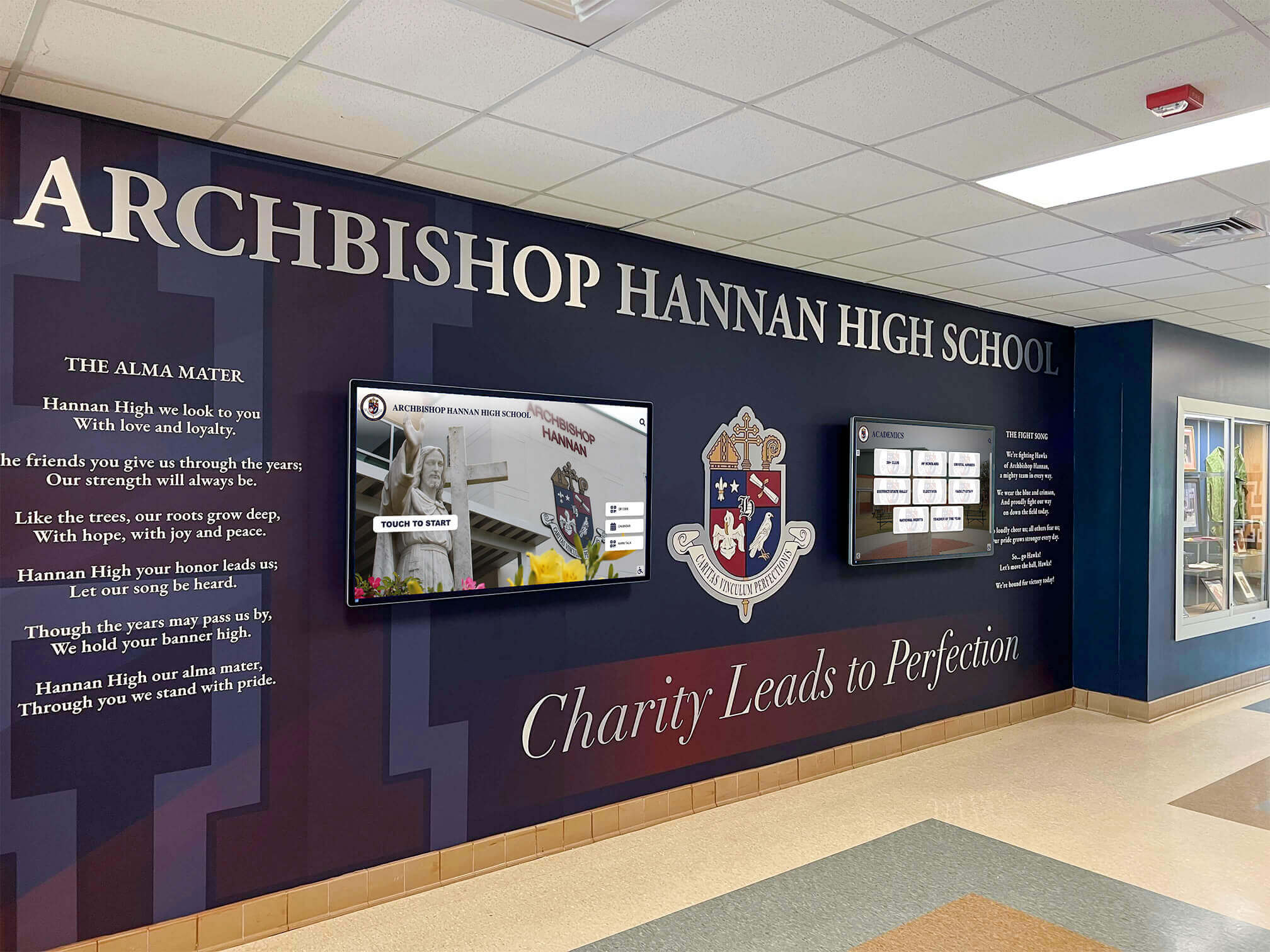
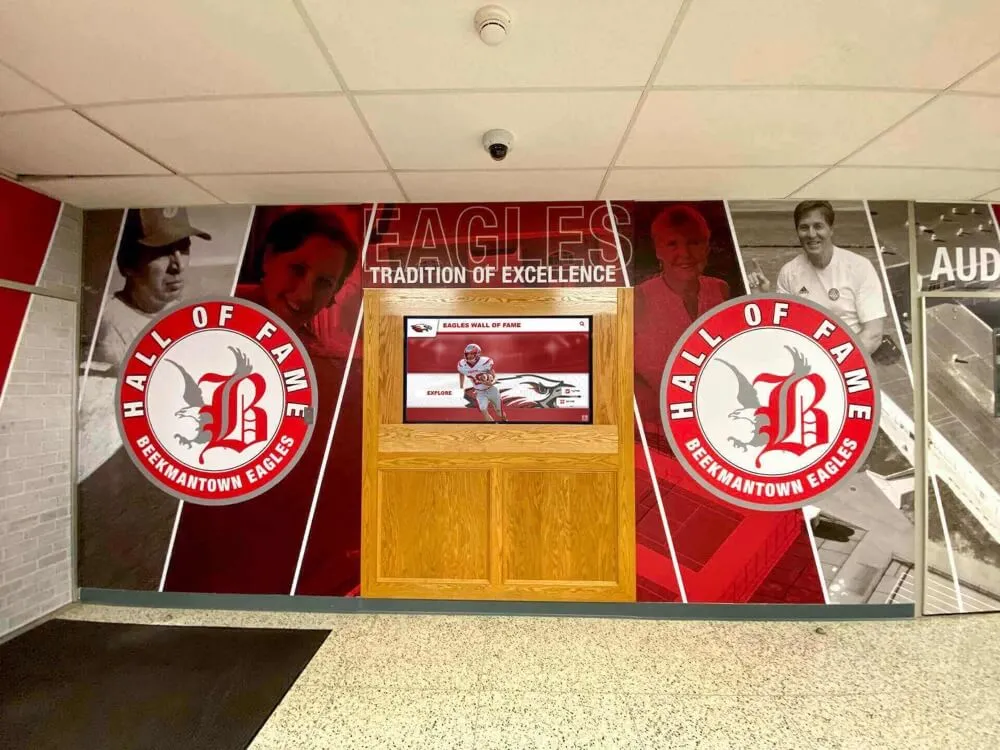
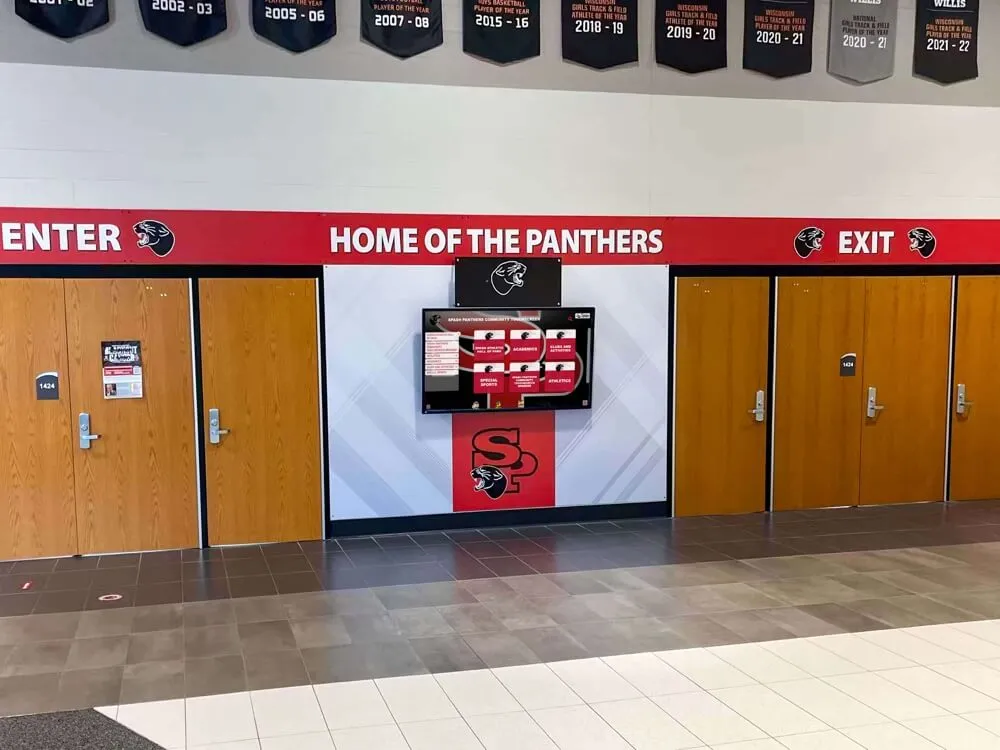
Strategic entrance design combining heritage elements with modern technology creates immediate impression of tradition and innovation coexisting harmoniously
Current Student Engagement and School Pride
While often overlooked, current students represent important nostalgia marketing audiences—not for their own past experiences but for institutional heritage creating belonging and pride accelerating community integration.
Heritage-Based Student Engagement
Schools activate student pride through nostalgia-adjacent approaches:
Historical Tradition Education: Orientation programs and student activities introduce institutional traditions, explaining origins and evolution while encouraging participation. When students understand tradition significance—why certain cheers exist, how specific events began, what symbols represent—they engage more meaningfully while beginning to form their own nostalgic associations for future remembrance.
Alumni Mentorship Connection Programs: Structured programs connecting current students with successful graduates in their fields of interest create cross-generational relationships. These mentorships become nostalgia touchpoints for both parties—alumni relive positive school experiences while guiding students, and students form relationships they’ll remember nostalgically after graduation.
Living Heritage Documentation: Schools involve students in documenting current experiences through photography, video, writing, and social media, explicitly framing these activities as future nostalgia creation. This approach encourages mindful experience appreciation while building institutional archives supporting future marketing.
Achievement Recognition Showcases: Digital recognition displays celebrating student accomplishments across academics, athletics, arts, and service create immediate pride while establishing expectations that institutional community values and remembers achievement. Students seeing peers recognized aspire to similar acknowledgment while developing positive associations they’ll remember nostalgically.
Community Relationship Building
Beyond enrollment and fundraising, schools serve as community anchors with relationships extending to neighbors, local businesses, government entities, and regional organizations. Nostalgia marketing strengthens these community connections by demonstrating institutional permanence and local significance.
Community-Focused Nostalgia Strategies
Institutions build broader community relationships through heritage celebration:
Public Heritage Events: Schools host community events celebrating institutional anniversaries, historical milestones, or heritage months, opening campus to neighbors who may have family members who attended previously or simply appreciate institutional longevity. These events position schools as community assets rather than isolated entities.
Local History Integration: Recognition displays and historical communications explicitly connect institutional heritage to broader community development, showing how schools and surrounding areas evolved together. This integration demonstrates mutual dependence creating stakeholder mentality among community members.
Facilities Sharing and Community Access: When schools make facilities available for community use, incorporating accessible digital recognition ensures community members encountering spaces learn institutional heritage naturally, potentially developing affinity even without direct attendance history.
Business and Organization Partnerships: Corporate sponsorships and community organization collaborations receive recognition through donor acknowledgment systems creating nostalgic associations between businesses and institutions, potentially influencing continued support across leadership transitions.
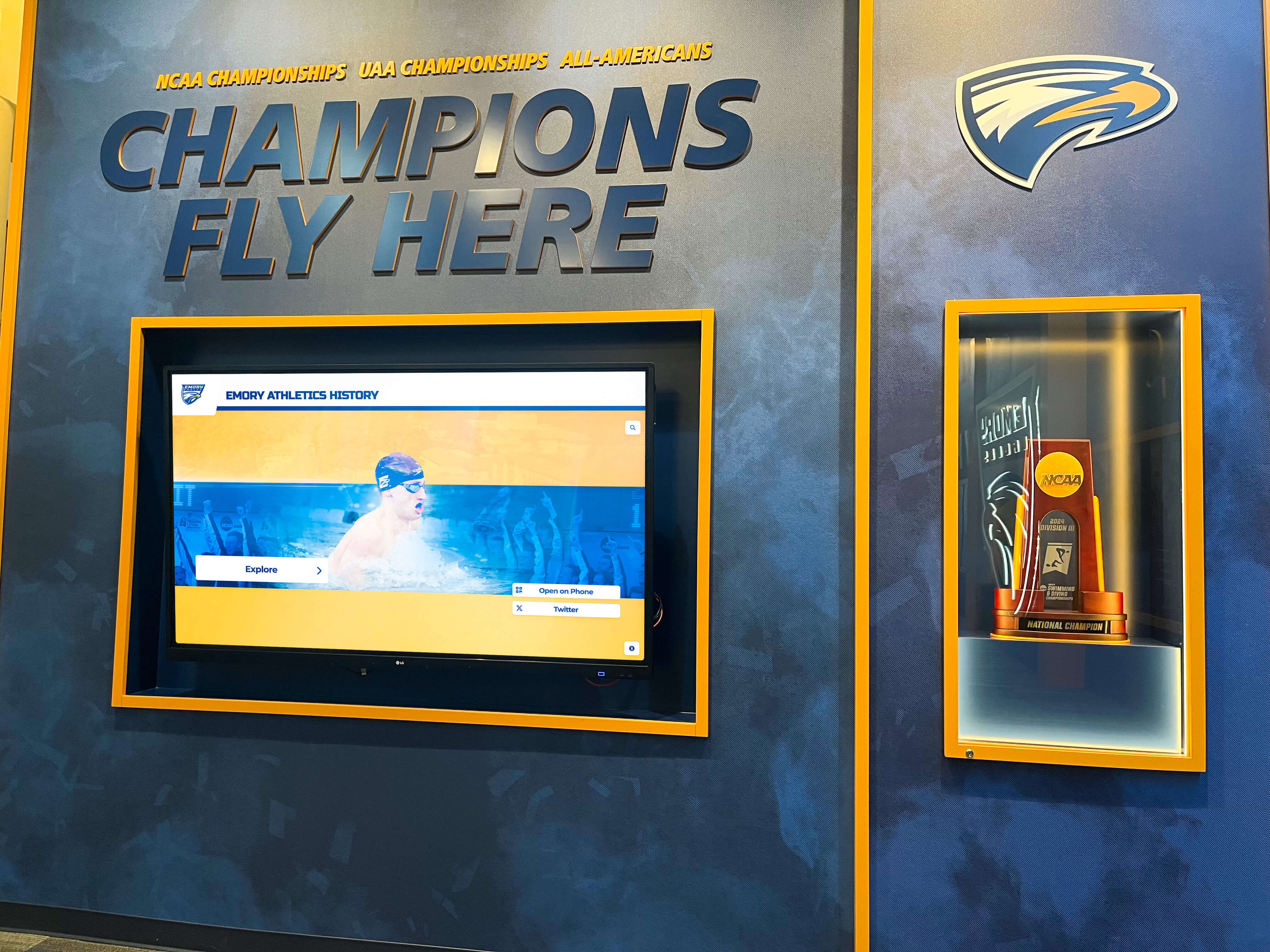
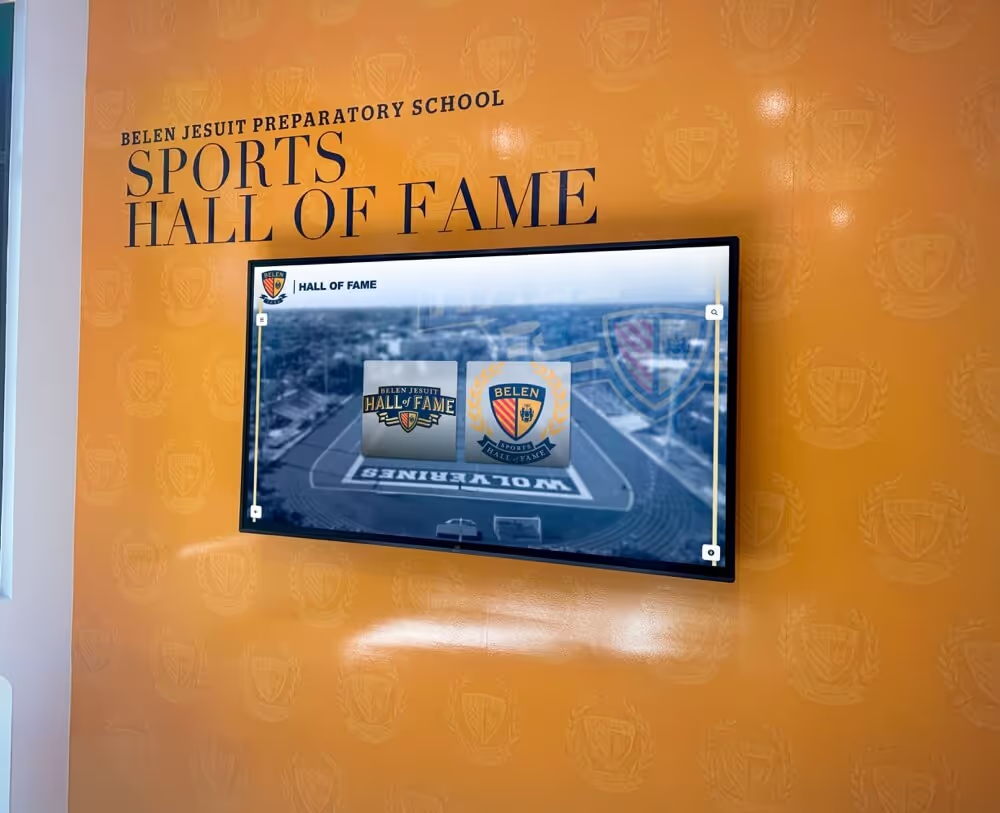
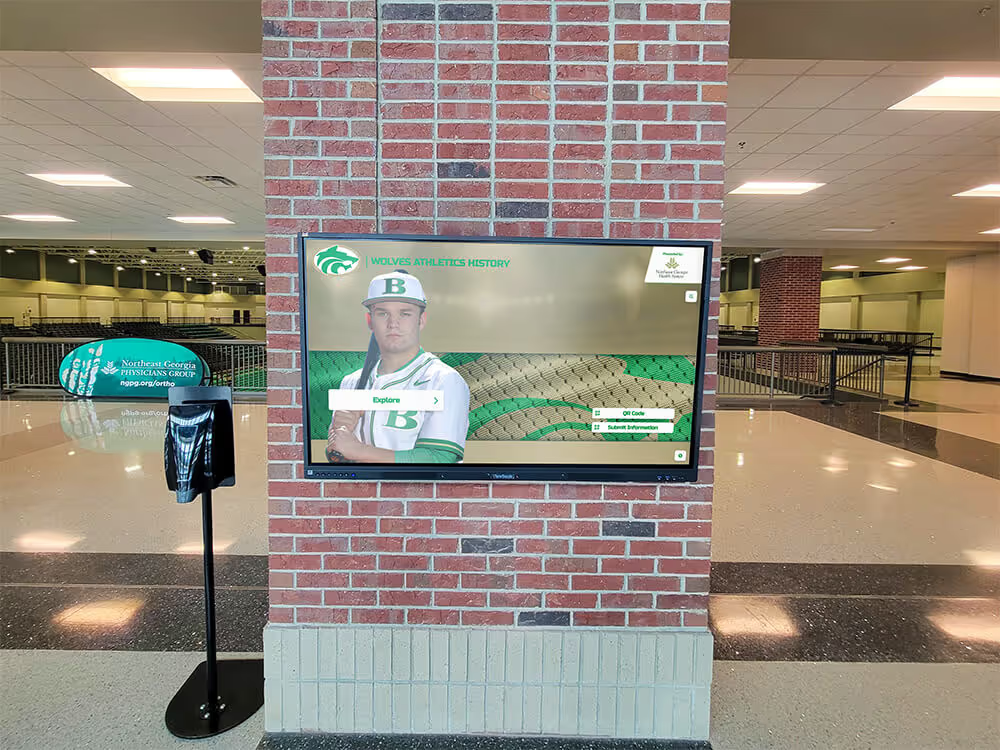
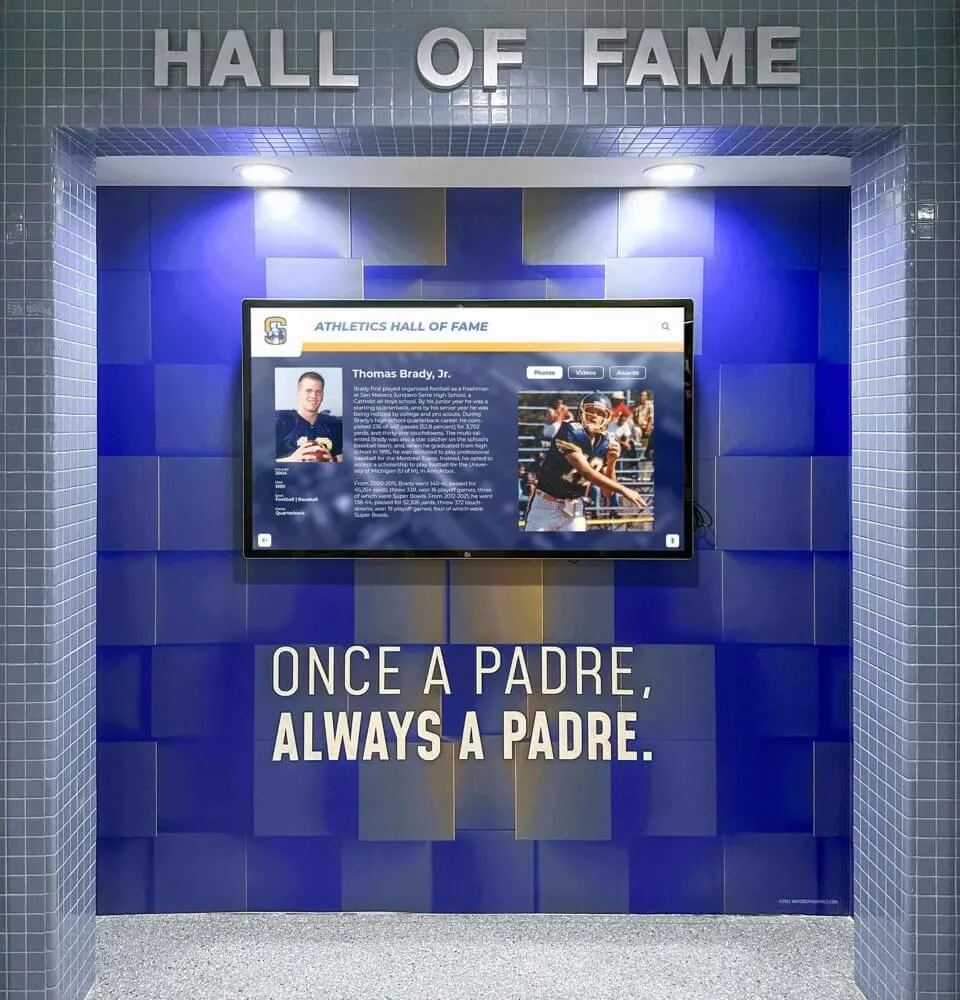
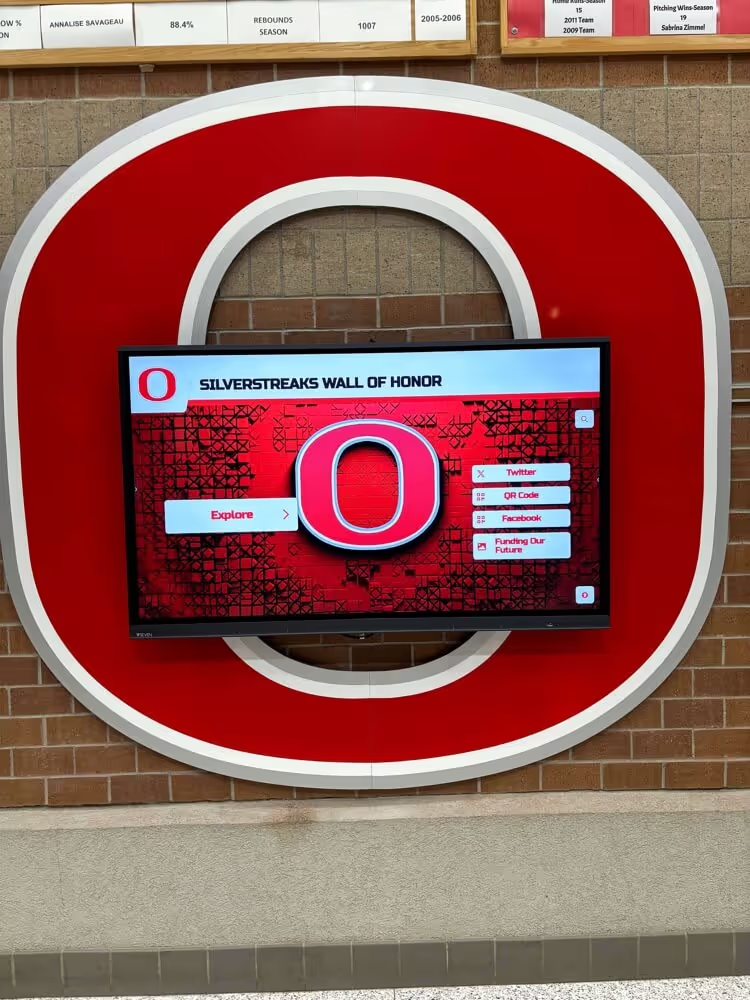
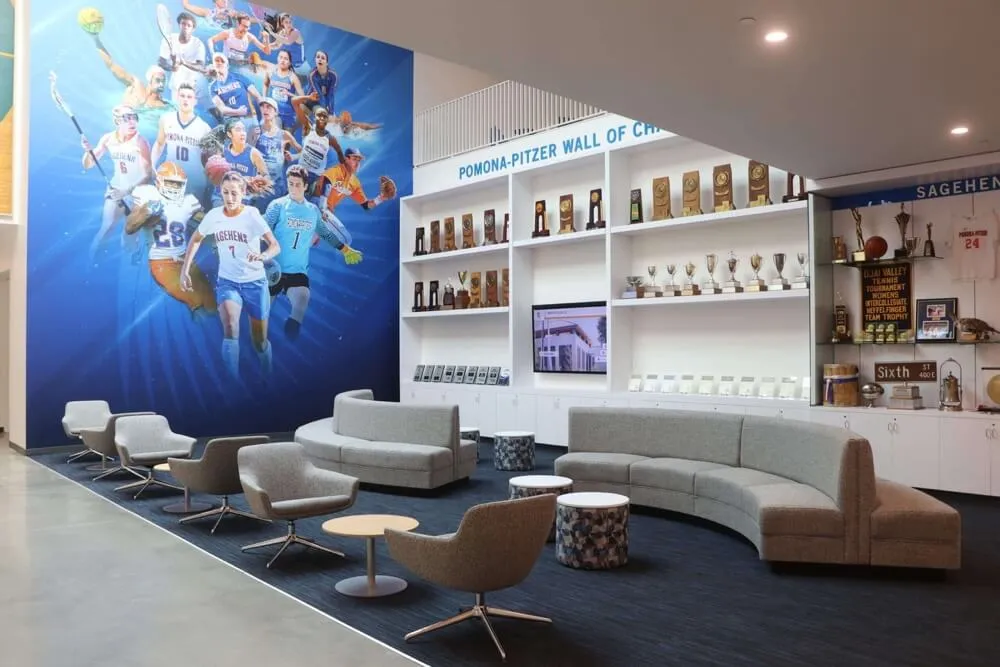
Athletic achievement displays trigger powerful nostalgia among former athletes, sports fans, and community members who attended games and championships
Designing Effective Nostalgia Marketing Experiences
Strategic nostalgia marketing requires thoughtful experience design balancing emotional resonance with functional usability, accessibility, and brand integration.
Experience Layout and Storytelling Architecture
Effective nostalgia experiences follow recognizable narrative structures helping visitors navigate content meaningfully rather than encountering disconnected historical fragments.
Timeline-Based Navigation Structures
Chronological organization represents the most intuitive nostalgia presentation approach, enabling visitors to locate personal connection points based on their relationship timing with institutions. Digital platforms supporting historical timeline displays provide multiple navigation pathways including decade browsing revealing institutional evolution across eras, year-specific exploration connecting visitors to precise graduation or attendance periods, era-based themes organizing content around significant institutional periods, and milestone highlighting featuring transformative achievements and developments.
This temporal organization mirrors how human memory functions—we naturally organize personal experiences chronologically, making timeline-based interfaces feel familiar and accessible.
Thematic Content Collections
Beyond chronology, thematic organization enables discovery based on interest areas rather than time periods. Effective themes include athletic achievement showcasing teams, championships, and record holders, academic excellence highlighting scholars, programs, and intellectual contributions, arts and performance celebrating creative achievements and cultural programming, service and leadership honoring community contribution and character development, and facility evolution documenting campus physical transformation.
Thematic approaches work particularly well for prospective families and current students less interested in specific historical periods but curious about particular program areas they’re considering.
Personal Discovery Pathways
The most engaging nostalgia experiences enable personalized exploration where each visitor creates unique journeys based on individual interests and connections. Interactive touchscreen displays supporting this approach provide powerful search functionality enabling instant name-based discovery, filtering options organizing content by multiple attributes simultaneously, related content suggestions connecting individual profiles to broader contexts, and social sharing features allowing personal discoveries to extend beyond physical visits.
Solutions like Rocket Alumni Solutions provide purpose-built platforms understanding recognition requirements including privacy controls, multi-generational family connections, and intuitive interfaces enabling visitors of all ages and technical comfort levels to explore institutional heritage successfully.
Content Types and Multimedia Integration
While names and dates provide factual foundations, rich multimedia content transforms basic information into engaging storytelling creating emotional resonance nostalgia marketing requires.
Essential Content Elements for Nostalgia Activation
Comprehensive heritage profiles include multiple content types working together:
High-Quality Photography: Professional or archival photos provide immediate visual connection and period authenticity. Effective photo collections include individual portraits showing people at relevant life stages, group photos capturing team dynamics and community context, action shots demonstrating athletic or performance excellence, campus setting photos connecting people to specific physical locations, and “then and now” comparisons revealing personal or institutional transformation.
Video Content and Oral Histories: Video represents the most powerful nostalgia medium, preserving voices, mannerisms, and emotional authenticity text and photos cannot capture. Heritage-focused video content includes personal narrative testimonials where individuals share meaningful experiences, archival footage showing historical events and campus life, achievement highlights documenting athletic performances and artistic presentations, tradition explanation videos describing ceremony significance and evolution, and reunion footage showing community members reconnecting across decades.
According to digital storytelling research, video content increases visitor engagement time by 3-5 times compared to static displays.
Biographical Narratives and Achievement Documentation: Written content provides depth impossible through images alone. Effective narratives balance factual information with personal elements revealing individual character including biographical background establishing personal context, achievement descriptions explaining significance beyond simple facts, institutional connection stories revealing why relationships mattered, impact outcomes demonstrating long-term influence, and personal reflections offering authentic voice and perspective.
These narratives work best when written in accessible language avoiding institutional jargon while maintaining appropriate formality matching organizational culture.
Archival Documents and Ephemera: Digitized historical materials provide authenticity and discovery joy impossible to replicate through modern content. Valuable archival elements include yearbook pages featuring candid photos and period design, programs from games, performances, and ceremonies, newspaper clippings documenting achievements and events, report cards and transcripts revealing academic experiences, and correspondence including letters from notable figures or historical communications.
These materials create treasure hunt dynamics where visitors never know what interesting artifacts they’ll discover—encouraging extended exploration.
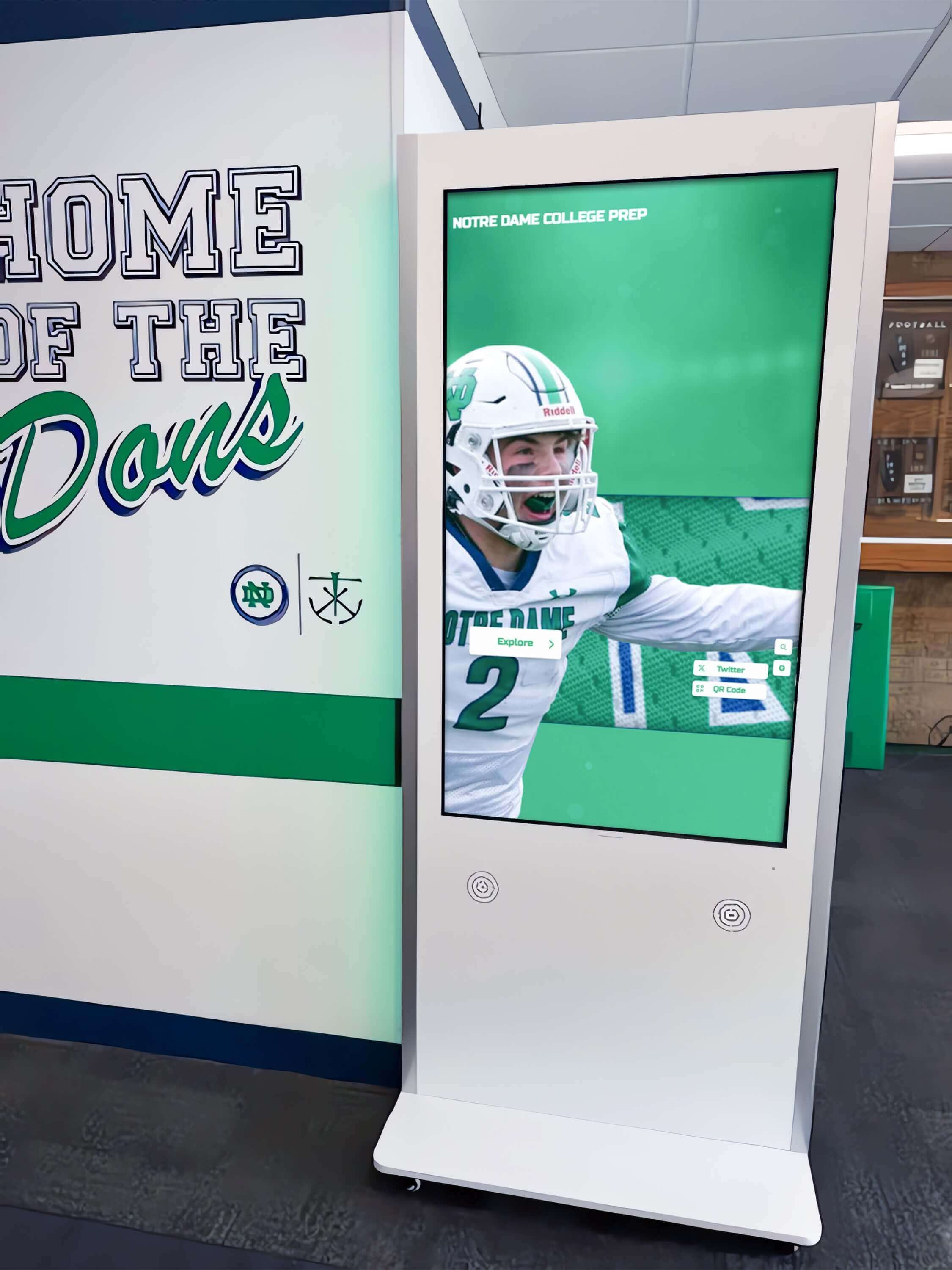
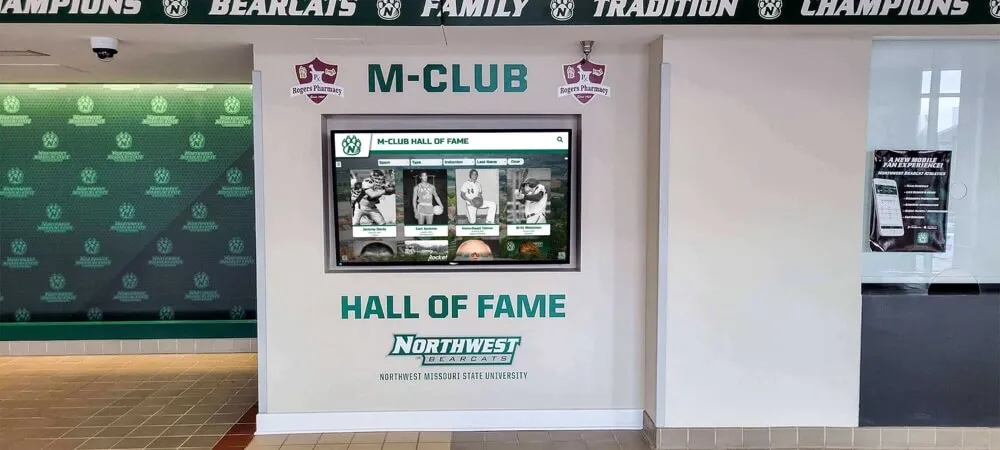
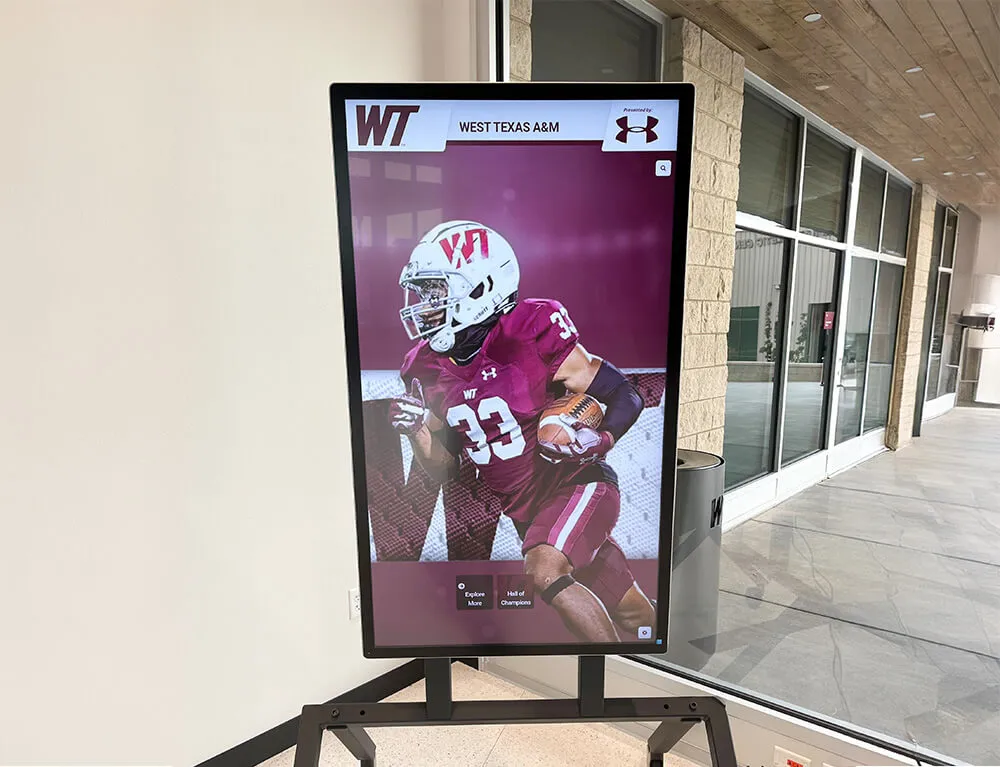
Strategic kiosk placement in high-traffic areas ensures heritage content reaches diverse audiences naturally during daily campus navigation
Accessibility and Multi-Platform Extension
Physical displays positioned in institutional facilities reach only those who can visit in person—limiting engagement potential significantly. Comprehensive nostalgia marketing extends heritage access across multiple platforms enabling worldwide audience participation.
Web-Based Heritage Portals
The same content powering physical touchscreen displays should be accessible through responsive web platforms enabling exploration from anywhere. Web accessibility dramatically expands audience reach to distant alumni unable to visit campus regularly, prospective families conducting initial research remotely, current students and faculty exploring between classes or after hours, community members and media researching institutional information, and donors and prospects reviewing recognition before making gift decisions.
According to engagement research, web-accessible heritage content receives 10-20 times more views than physical displays alone, significantly amplifying investment value.
Mobile-Optimized Experiences
Modern users expect mobile-friendly interfaces, particularly younger generations who primarily access content through smartphones. Mobile optimization enables spontaneous exploration during campus visits, convenient access during conversations about schools, quick reference during reunion events, and social media sharing extending content virally. QR codes positioned near physical displays create seamless transitions from physical to mobile exploration, enabling visitors to continue engagement beyond facility hours or save discoveries for future review.
Email Marketing Integration
Nostalgia content provides excellent email marketing material creating higher engagement than generic institutional communications. According to marketing research, nostalgia-themed emails achieve 19% higher open rates compared to standard messages. Effective approaches include “On This Day” historical emails sharing what happened on specific dates in institutional history, anniversary acknowledgments recognizing graduation class milestones, “Throwback Thursday” campaigns featuring archival photos and stories, and recognition announcements celebrating new heritage display additions or recently digitized materials.
These email campaigns drive traffic to comprehensive online heritage platforms while maintaining regular touchpoints with alumni and community members.
Social Media Distribution
Heritage content translates naturally to social media, particularly platforms emphasizing visual storytelling. Instagram works particularly well for campus nostalgia and update sharing, while Facebook supports longer narratives and multi-generational engagement. Effective social media approaches include consistent heritage series with designated hashtags and posting schedules, participatory campaigns inviting community members to share their own nostalgic content, behind-the-scenes archival reveals showing recently discovered historical materials, and anniversary countdown campaigns building anticipation toward milestone celebrations.
Social distribution extends institutional heritage reach to audiences who may never visit physical facilities while creating participatory experiences strengthening community bonds.
Brand Integration and Visual Cohesion
Nostalgia experiences should feel authentically historical while maintaining modern design standards and clear institutional branding connecting heritage to contemporary identity.
Balancing Historical Authenticity and Modern Design
Effective heritage experiences avoid two common pitfalls: appearing so modern they feel disconnected from historical content, or looking so dated they seem neglected or irrelevant. The solution involves contemporary interface design supporting historical content without overshadowing it. Key design principles include clean, minimal layouts directing attention to content rather than decorative elements, institutional color schemes and typography maintaining brand consistency, period-appropriate content styling where historical materials display with era-accurate formatting, and modern navigation patterns utilizing familiar interaction models reducing learning curves.
This balance creates impression that institutions honor heritage while remaining contemporary and forward-focused—critical messaging for enrollment marketing and donor cultivation.
Custom Branding and Unlimited Layout Flexibility
Generic digital signage platforms force institutions into standardized templates incompatible with unique brand requirements and storytelling needs. Purpose-built recognition solutions provide unlimited layout options enabling complete brand integration including custom backgrounds incorporating institutional photography or design elements, color scheme control ensuring brand guideline compliance, logo placement and sizing maintaining consistent visual identity, typography selection matching institutional marketing materials, and custom modules supporting unique content types specific to institutional heritage.
These customization capabilities ensure heritage displays integrate seamlessly with broader campus environments rather than appearing as afterthought additions.
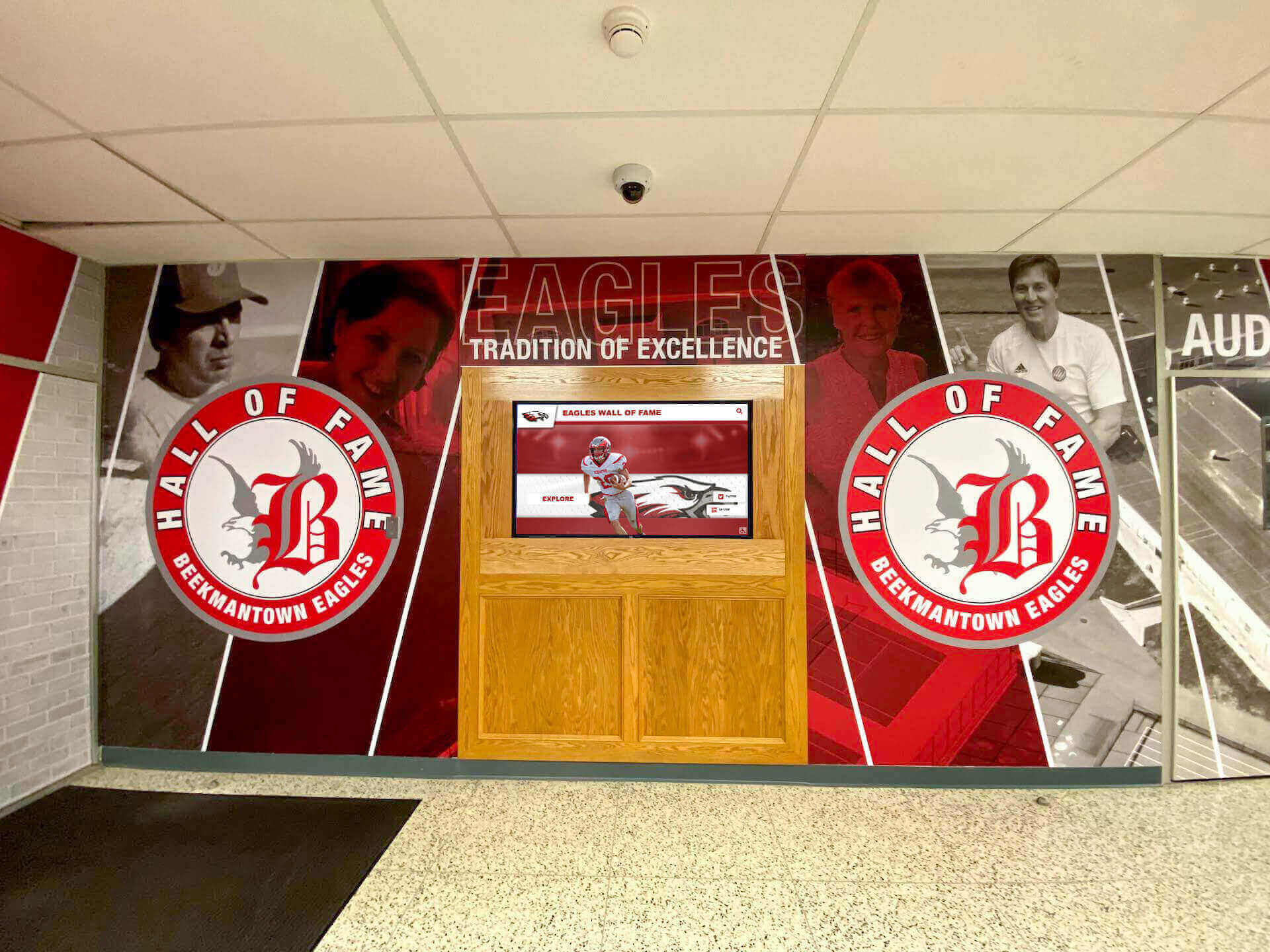
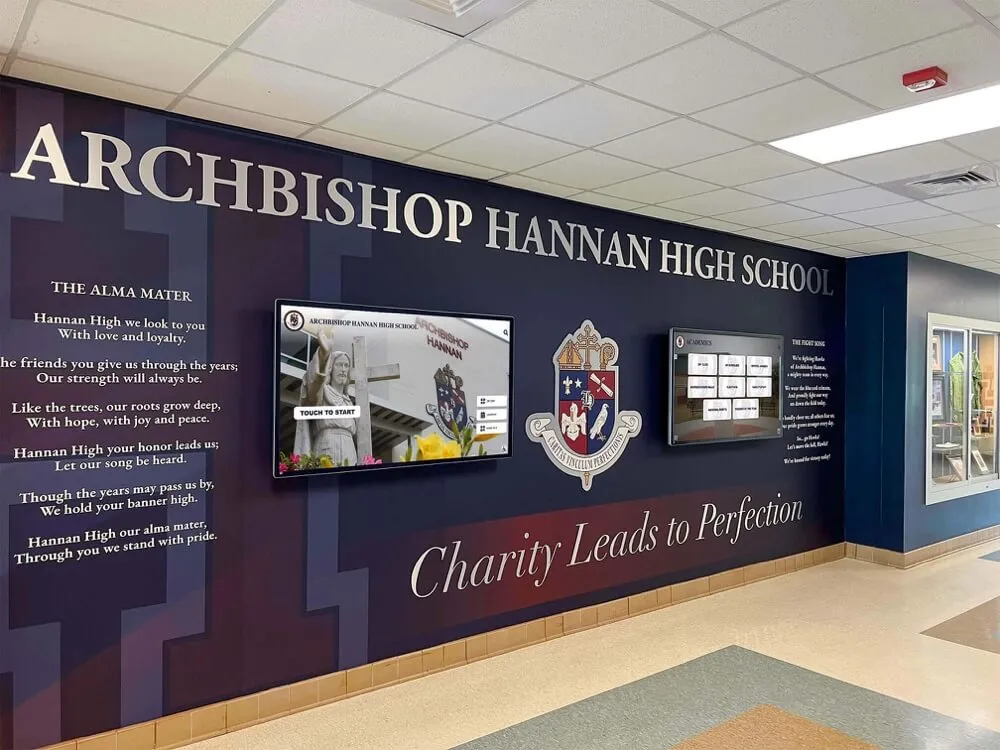
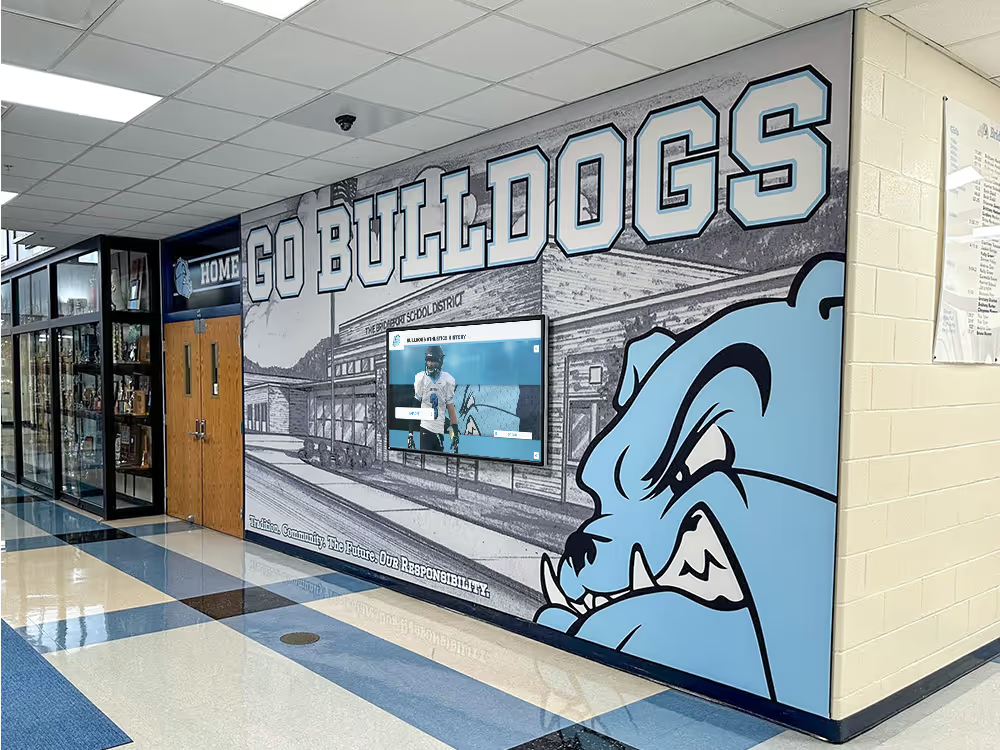
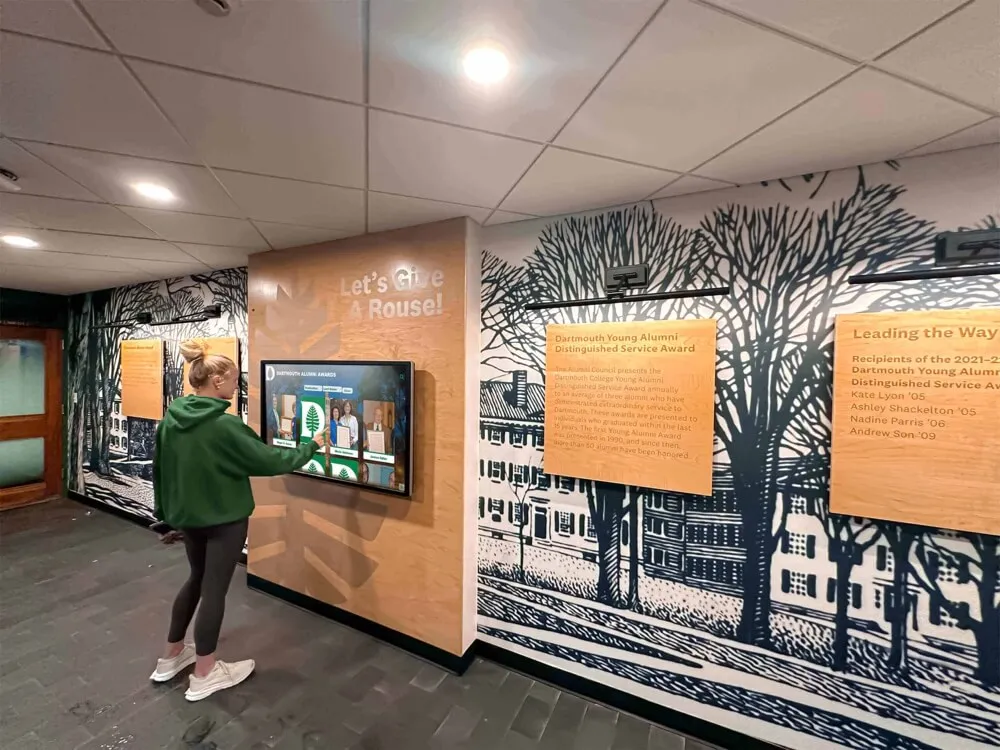
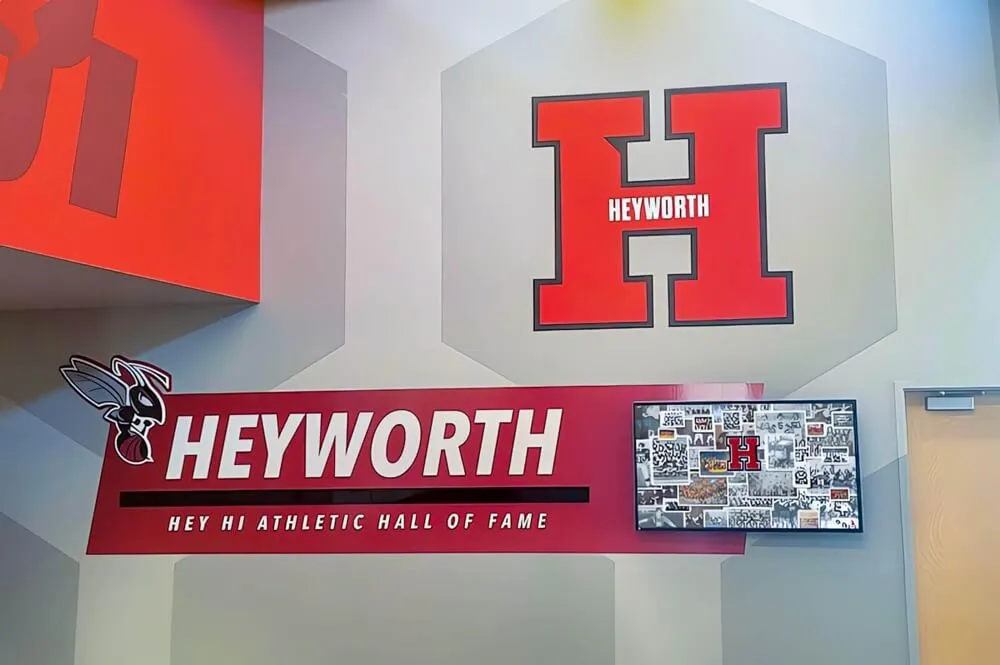
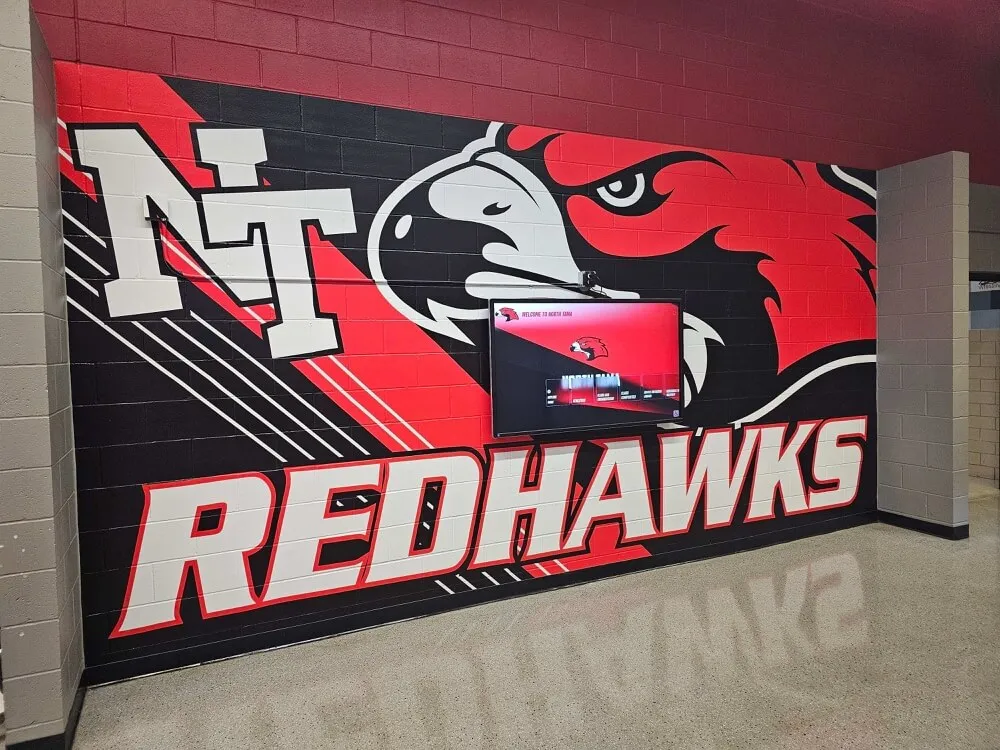
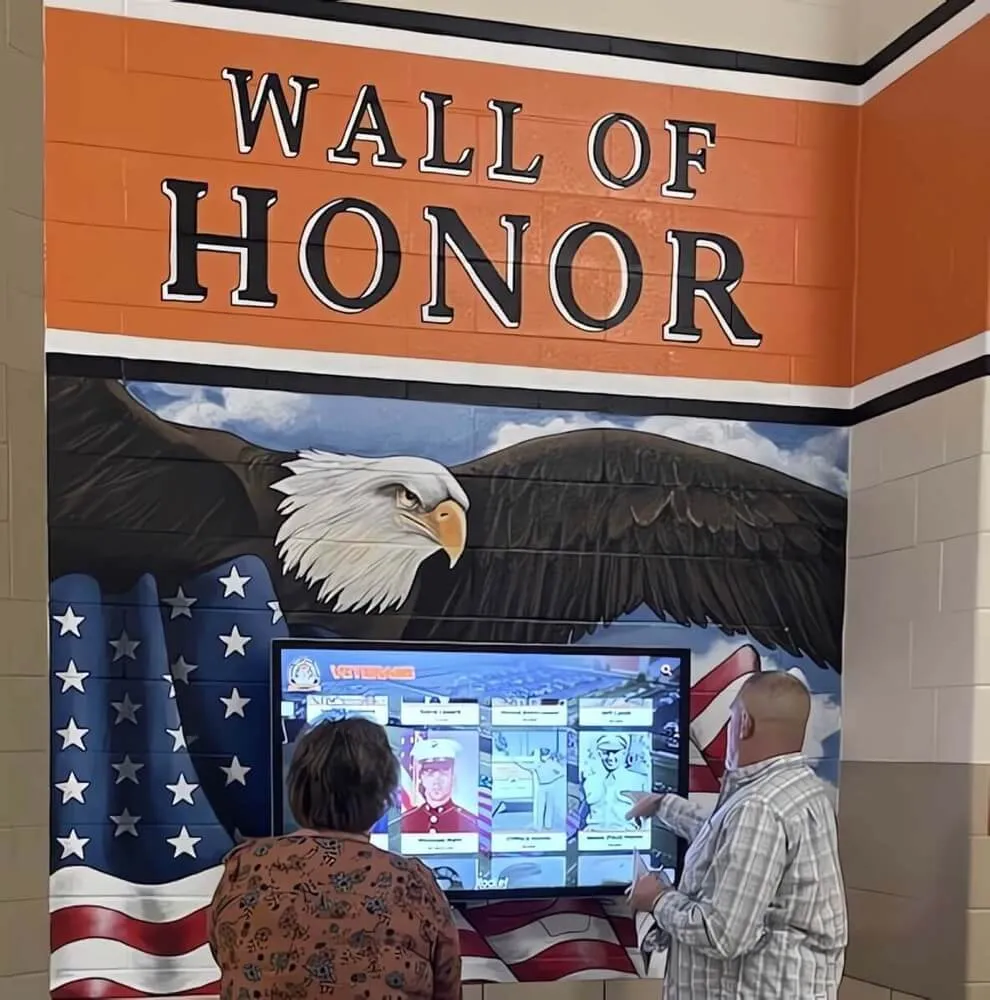
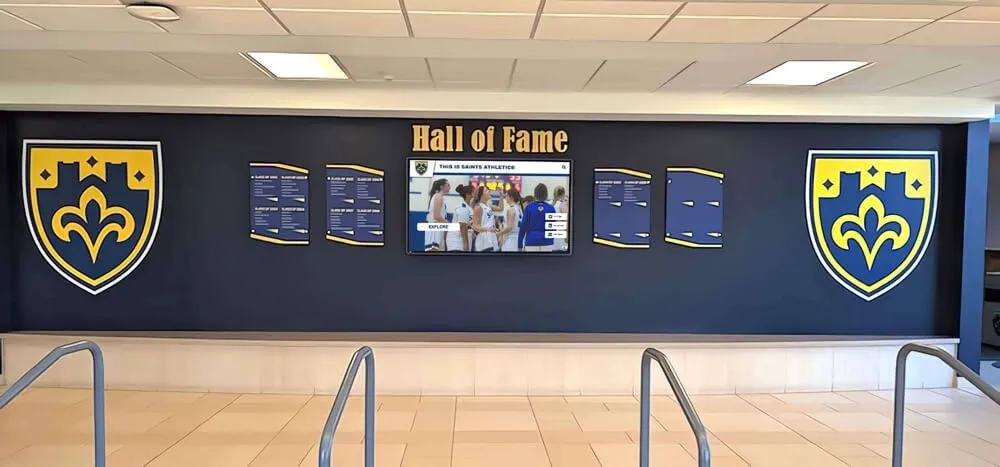
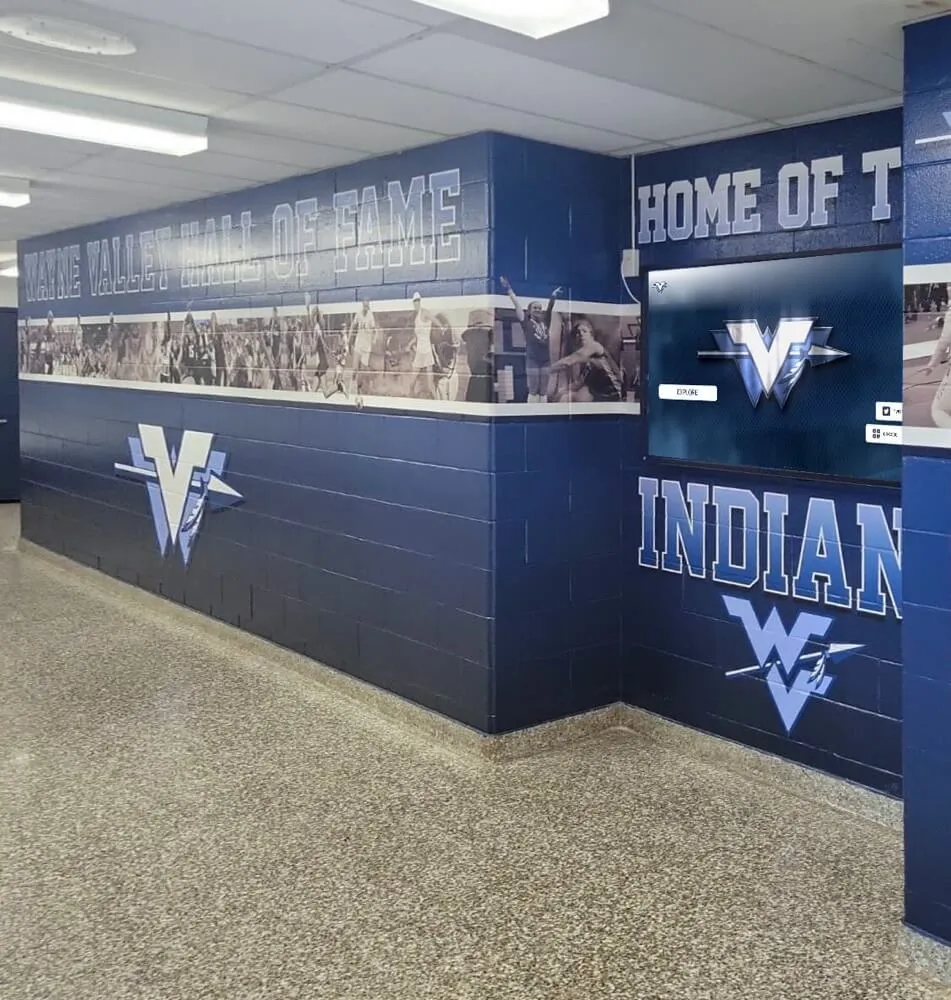
Coordinated design approaches integrating traditional murals with digital technology create cohesive heritage experiences honoring history while embracing innovation
Implementation Strategies and Best Practices
Understanding nostalgia marketing psychology and design principles provides conceptual foundation, but successful implementation requires practical planning addressing common challenges.
Content Development and Archival Digitization
The most common implementation challenge involves assembling comprehensive historical content from materials scattered across physical archives, personal collections, and institutional memory.
Systematic Content Collection Approaches
Successful heritage programs establish clear content development processes:
Archive Assessment and Prioritization: Schools begin by inventorying existing materials including yearbook collections, athletic records and statistics, student newspapers and publications, photographic archives, administrative records documenting institutional decisions, and donor files containing recognition information. This assessment reveals content availability while identifying gaps requiring additional research or collection.
Rather than attempting to digitize everything simultaneously—an overwhelming task causing program paralysis—institutions prioritize based on engagement value, content completeness, and community interest. Common starting points include recent decades where graduates remain actively engaged, championship athletic seasons creating compelling narratives, significant institutional milestones attracting broad community interest, and distinguished alumni whose achievements inspire current students.
Community Crowdsourcing Programs: Alumni and community members possess vast personal collections schools never officially archived. Crowdsourcing programs systematically collect this distributed content through organized initiatives including reunion photo collection where event organizers gather and scan photos from specific graduating classes, social media campaigns requesting historical content submission through designated channels, alumni interview programs capturing oral histories and personal narratives, and volunteer digitization days where community members bring materials for scanning while sharing associated stories.
These participatory approaches build content while strengthening community bonds—contributors feel valued and invested in resulting heritage displays.
Ongoing Collection Processes: Heritage programs shouldn’t be one-time projects but continuous processes capturing contemporary achievements becoming tomorrow’s nostalgia. Schools establish systematic approaches including designated photographers documenting events and achievements, student journalism programs creating written records and multimedia content, recognition ceremonies generating formal biographies and achievement documentation, and regular archival review ensuring historically significant materials receive preservation priority.
These ongoing processes ensure heritage displays remain current and comprehensive rather than featuring only distant historical content.
Hardware Selection and Physical Installation
Nostalgia marketing effectiveness depends partially on technical reliability and appropriate hardware selection supporting intended experiences without frustration or failure.
Touchscreen Display Considerations
Schools selecting hardware for heritage displays evaluate multiple factors:
Screen Size and Viewing Distance: Displays positioned for individual interaction typically range from 43 to 55 inches, while those intended for group viewing or distance visibility may require 65 to 75 inches. Viewing distance guidelines suggest screen diagonal should be approximately one-quarter to one-third of viewing distance—so 50-inch displays work well when viewers stand 12-16 feet away during approach before moving closer for interaction.
Touch Technology Selection: Capacitive touchscreens using same technology as smartphones provide most responsive, intuitive experiences but typically cost more and may require more frequent calibration. Infrared touch technology offers excellent durability for high-traffic public environments while supporting multi-touch gestures, though may be less responsive than capacitive options. For institutions expecting heavy daily use, infrared technology often provides best long-term value.
Commercial vs. Consumer-Grade Equipment: Consumer televisions appear initially less expensive but lack features critical for 24/7 public operation including portrait orientation support, extended warranty coverage, remote management capabilities, and reinforced components rated for continuous operation. Commercial displays cost more initially but deliver significantly lower lifetime total cost of ownership through enhanced durability and reduced maintenance requirements.
Solutions like Rocket Alumni Solutions provide comprehensive hardware guidance ensuring schools select appropriate equipment for specific installation environments and usage patterns.
Installation Location Strategy
Physical placement fundamentally determines engagement levels regardless of content quality. Optimal locations share specific characteristics:
High-Traffic Transitional Spaces: Main building entrances where all campus visitors naturally pass, cafeteria or common areas where students and community members congregate, athletic facility lobbies capturing game day traffic, and administrative building entrances housing admissions and advancement offices represent ideal placement opportunities. These locations generate passive discovery—people encounter displays naturally during other activities rather than needing to seek them out intentionally.
Comfortable Viewing Environments: Bright sunlight creates screen glare making content illegible, so locations require controlled lighting. Adequate space enables multiple simultaneous users without crowding. Nearby seating areas encourage extended exploration rather than hurried interaction. These environmental factors dramatically affect usage patterns—poorly positioned displays receive minimal engagement regardless of content quality.
Strategic Cultivation Spaces: Development offices position displays where they support specific objectives including donor recognition near fundraising office entrances, alumni achievement showcases in reunion event spaces, prospective student inspiration displays in admissions waiting areas, and historical timeline presentations in spaces hosting community events. These strategic placements ensure relevant audiences encounter appropriate content at optimal moments in cultivation relationships.
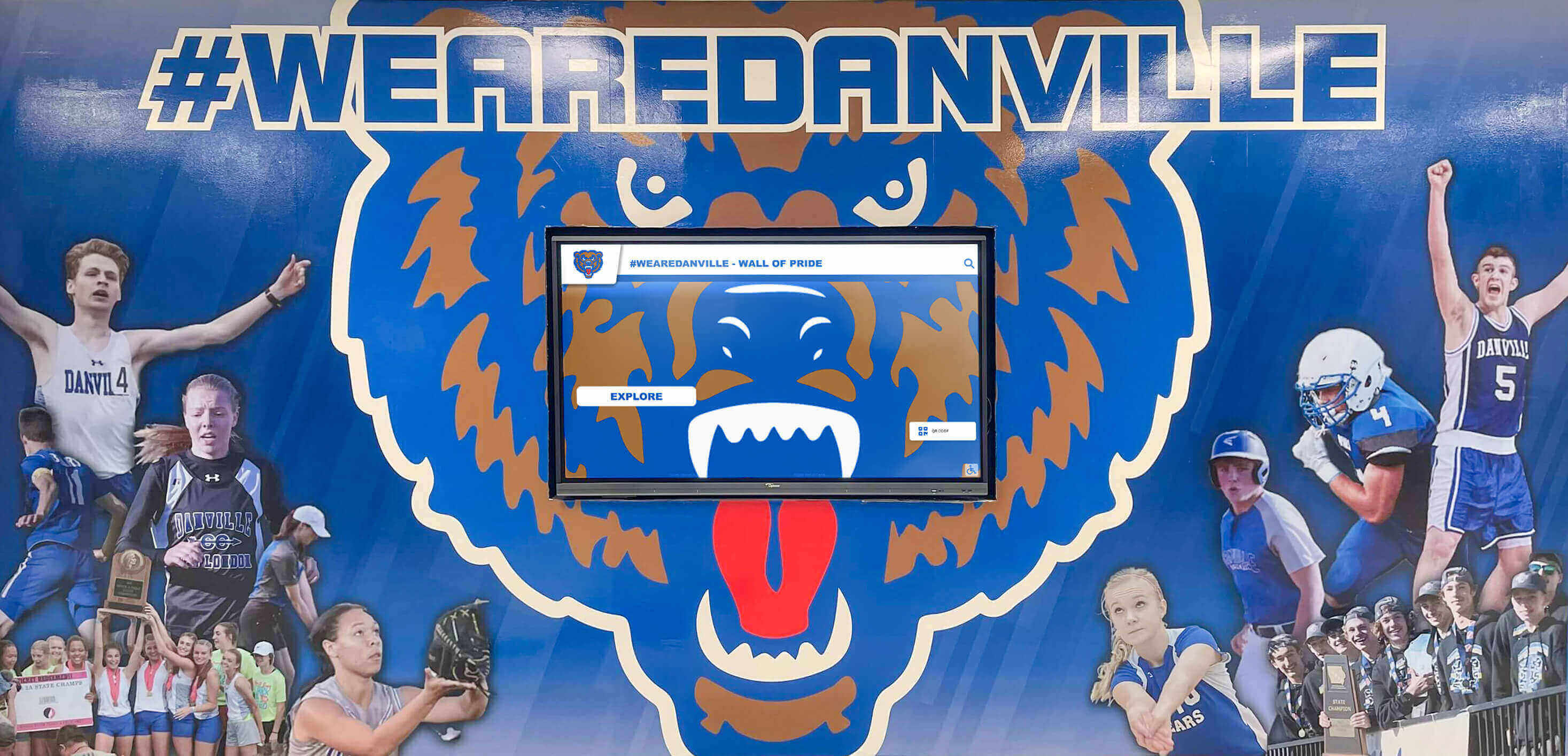
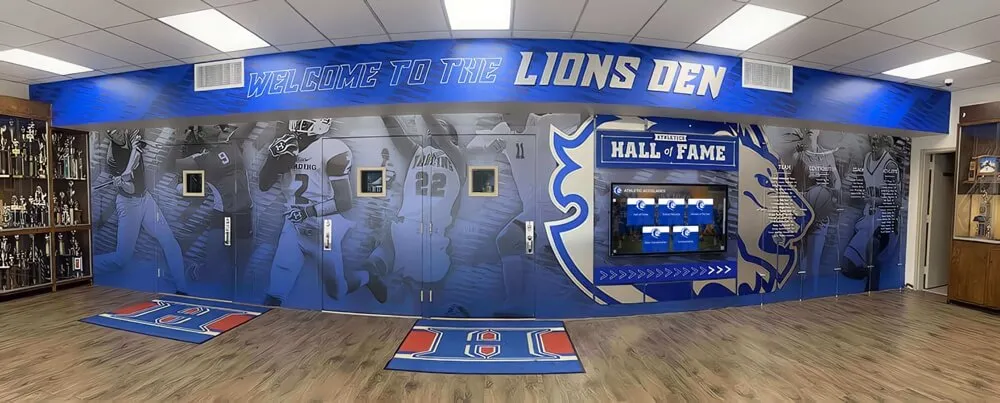
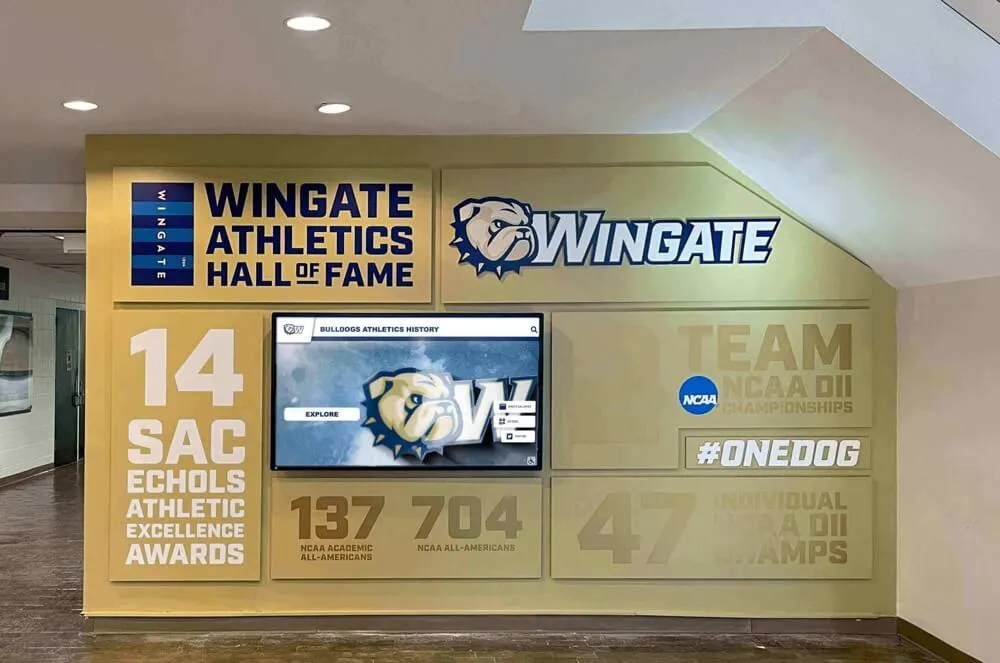
Hybrid approaches combining preserved physical artifacts with digital storytelling platforms honor traditional recognition while embracing modern engagement capabilities
Privacy, Permissions, and Ethical Considerations
Heritage programs involving personal information and historical images require careful attention to privacy concerns and ethical content curation.
Privacy Policy Development
Comprehensive privacy approaches address multiple scenarios:
Living Individuals: Schools establish clear policies regarding personal information display for living alumni and community members, typically requiring explicit consent before featuring detailed personal information beyond basic recognition facts. Opt-out mechanisms enable individuals uncomfortable with public recognition to request profile removal. Contact information never appears in public displays, though institutions may maintain private databases supporting development activities separately from public recognition.
Deceased Individuals: Historical figures deceased for many years typically don’t require family permission for factual recognition, though sensitive information warrants discretion. Recent deaths or emotionally fraught circumstances benefit from family consultation demonstrating respect and potentially surfacing preferred recognition approaches or additional biographical details.
Minor Students: Current student recognition follows institutional policies around directory information and image use, with parent permissions required for detailed profiles or prominent feature. Many schools limit current student recognition to achievement acknowledgment without extensive personal information protecting privacy while celebrating accomplishment.
Sensitive Historical Content: Institutional histories inevitably include complex or problematic elements requiring thoughtful curation. Rather than sanitizing history, effective approaches acknowledge complexity through historical context, contemporary perspective commentary, and balanced presentation recognizing both achievements and shortcomings. Advisory committees representing diverse community perspectives help navigate sensitive content decisions.
Measuring Impact and Demonstrating Value
Nostalgia marketing programs require ongoing investment, necessitating clear impact measurement demonstrating value and informing continuous improvement.
Quantitative Engagement Metrics
Digital platforms provide detailed analytics unavailable with static recognition:
Usage Statistics: Systems track unique users, total interactions, average session duration, and repeat visitors revealing actual engagement levels. High-performing displays typically see 200-500 monthly unique users depending on campus size and location traffic patterns, with average session durations of 3-5 minutes indicating genuine exploration rather than cursory viewing.
Content Performance Analysis: Detailed analytics reveal which content types, time periods, and achievement categories generate most interest, informing future content development priorities. If athletic content dramatically outperforms other categories, schools may prioritize sports heritage expansion. If certain graduation years see exceptional engagement, targeted reunion programming leveraging that interest makes strategic sense.
Search and Discovery Patterns: Query analysis shows what visitors seek, revealing community interests and potentially uncovering content gaps. Frequent unsuccessful searches indicate missing content opportunities worth addressing.
Geographic and Demographic Insights: When combined with web analytics, heritage platforms reveal visitor locations and characteristics informing segmented marketing strategies and demonstrating reach extending beyond immediate campus vicinity.
Qualitative Feedback and Testimonials
Numbers demonstrate usage but don’t capture emotional impact nostalgia marketing seeks to create:
Visitor Comments and Reactions: Schools gather qualitative feedback through guest books (physical or digital), email submissions prompted by display engagement, social media mentions and sharing, and direct observation during reunion events or campus tours. These testimonials provide powerful evidence of emotional connection and often include specific stories demonstrating heritage program impact.
Relationship to Institutional Outcomes: While attribution challenges exist, schools monitor correlations between heritage program implementation and key outcomes including alumni giving participation rates and average gift sizes, enrollment yield rates among admitted families completing campus tours, alumni event attendance improvements, and volunteer program participation increases.
Sophisticated institutions implement A/B testing or control group comparisons when possible, though perfect experimental design rarely proves feasible in real institutional contexts.

Intuitive touch interfaces mirror familiar smartphone interactions, reducing learning curves and encouraging exploration across all age groups and technical comfort levels
Advanced Nostalgia Marketing Strategies
Beyond foundational implementation, sophisticated institutions deploy advanced approaches maximizing nostalgia marketing impact across diverse contexts and audiences.
Cross-Generational Storytelling and Connection
Most effective heritage programs explicitly bridge generations rather than treating each era’s nostalgia separately.
Multi-Generational Family Recognition
Schools identify and celebrate families with multiple generations of attendance through dedicated showcase sections featuring family trees and attendance timelines, comparative achievement highlighting where different generations excelled, photo galleries showing campus evolution across family generations, and legacy scholarship acknowledgment connecting current students to ancestor alumni. This recognition creates powerful emotional responses among featured families while demonstrating institutional longevity and family confidence to prospective families evaluating schools.
Mentor-Protégé Story Pairs
Heritage displays can connect influential teachers or coaches with successful alumni they mentored, creating narrative depth impossible through isolated profiles. These connected stories demonstrate educational impact while creating nostalgia triggers for multiple parties—the honored educator, the accomplished alumnus, and others who also experienced that mentor’s influence.
Then-and-Now Parallel Narratives
Thematic presentations compare historical and contemporary versions of similar achievements, traditions, or experiences. A display might feature “50 Years of Homecoming” showing how celebration evolved while maintaining core identity, or “Academic Excellence Across Eras” comparing scholars from different decades demonstrating consistent institutional values. These comparisons create nostalgia while demonstrating continued relevance—honoring past without appearing stuck there.
Seasonal and Event-Based Nostalgia Activation
While permanent heritage displays provide year-round engagement, seasonal variations and event-specific content create timely relevance increasing engagement during key institutional moments.
Homecoming and Reunion Intensification
During reunion weekends, heritage displays can feature graduating class-specific content including yearbook photos from reunion years, athletic season highlights if championship teams are celebrating anniversaries, faculty tributes honoring teachers who taught those classes, and campus transformation comparisons showing changes since their graduation. This targeted content creates powerful personal relevance for returning alumni while demonstrating institutional attentiveness to their experiences.
Athletic Season Recognition
During sports seasons, heritage displays can spotlight historical achievements in current sports, creating connections between contemporary athletes and legendary predecessors. Fall football season might feature championship teams and record holders, winter basketball could highlight tournament runs and individual scoring achievements, and spring sports showcase their own heritage depth. This seasonal rotation keeps content fresh for regular viewers while creating nostalgia-based fan engagement supporting current programs.
Anniversary Milestone Commemorations
Institutional anniversaries, facility dedications, or program milestones provide natural nostalgia activation opportunities. A science building’s 50th anniversary might prompt heritage displays featuring notable alumni scientists, historical teaching approaches, and facility evolution. These commemorations create nostalgia while connecting heritage to contemporary institutional priorities.
Integration with Fundraising and Development Strategies
While nostalgia inherently supports fundraising through emotional connection, explicit integration amplifies impact through strategic timing and coordination.
Campaign Launch Nostalgia Priming
When announcing capital campaigns or major fundraising initiatives, schools can leverage heritage displays to establish emotional context supporting rational gift solicitation. Displays might feature historical challenges the institution overcame through community support, previous campaign successes demonstrating philanthropic tradition, or achievement outcomes made possible by past donor generosity. This historical context creates fundraising receptivity by establishing giving as community norm and demonstrating tangible impact.
Recognition Society Heritage Connection
Major donor recognition societies often receive naming honoring institutional heritage figures. Digital displays can tell those namesake stories, helping current donors understand recognition significance while creating aspirational models. A display might explain who the “Founders Circle” founding families were, what the “Heritage Society” historical significance represents, or which pioneering alumni the “Distinguished Society” honors—making recognition category naming meaningful rather than arbitrary.
Estate Gift Legacy Demonstration
Planned giving programs benefit from heritage displays showing long-term institutional continuity justifying testamentary commitments. Displays might feature multi-decade timelines demonstrating institutional permanence, profiles of previous estate gift donors showing their ongoing recognition and impact, and historical challenges overcome through endowment support. This content addresses psychological barriers to estate giving by demonstrating institutions will exist indefinitely to honor donor intentions and steward gifts responsibly.
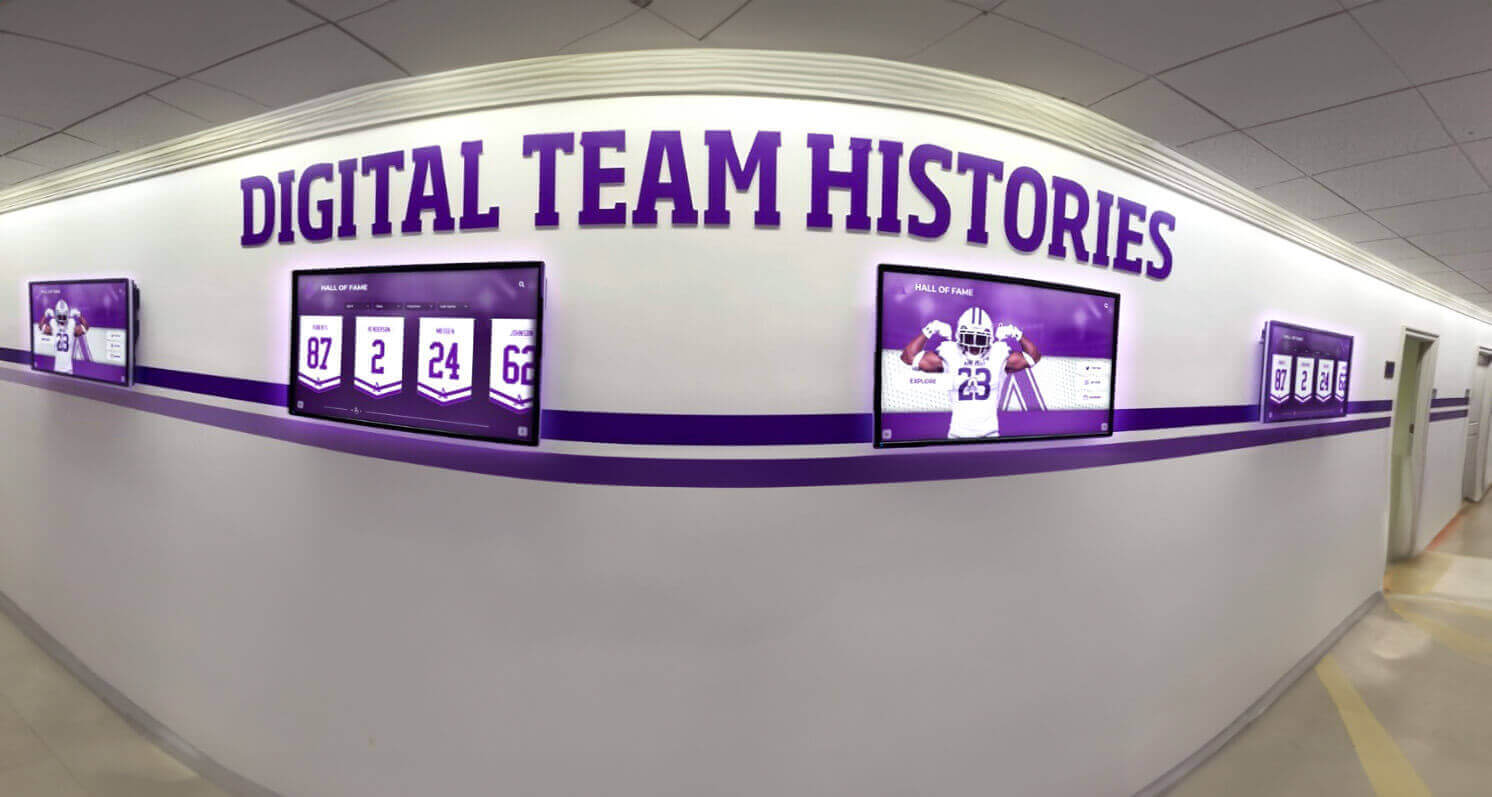
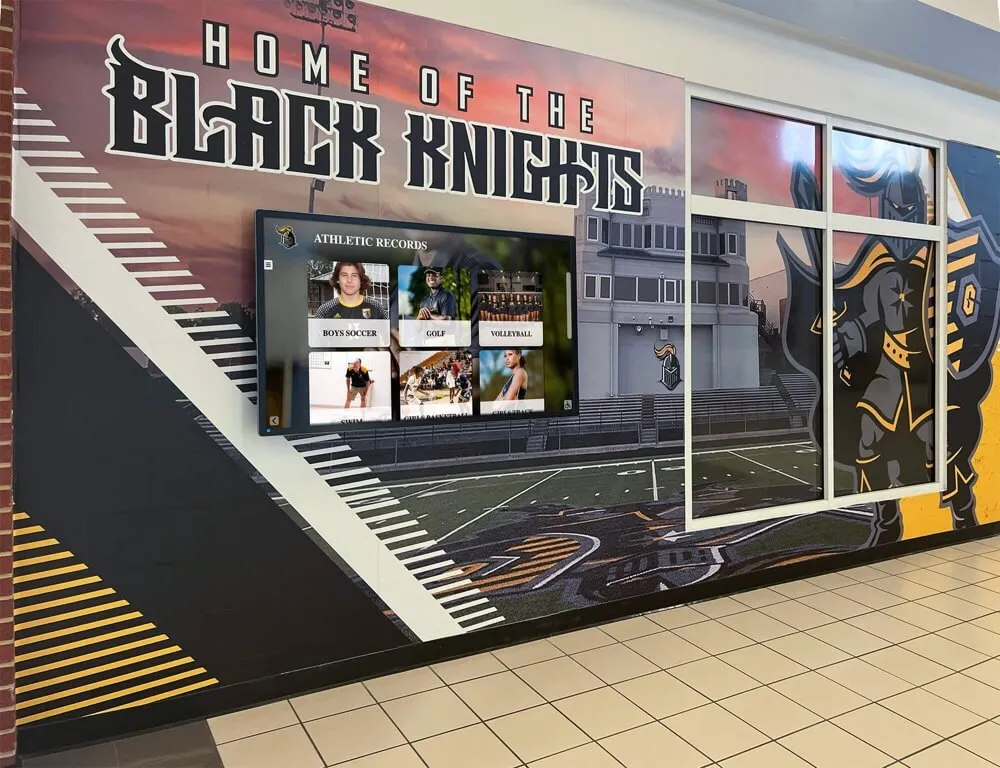
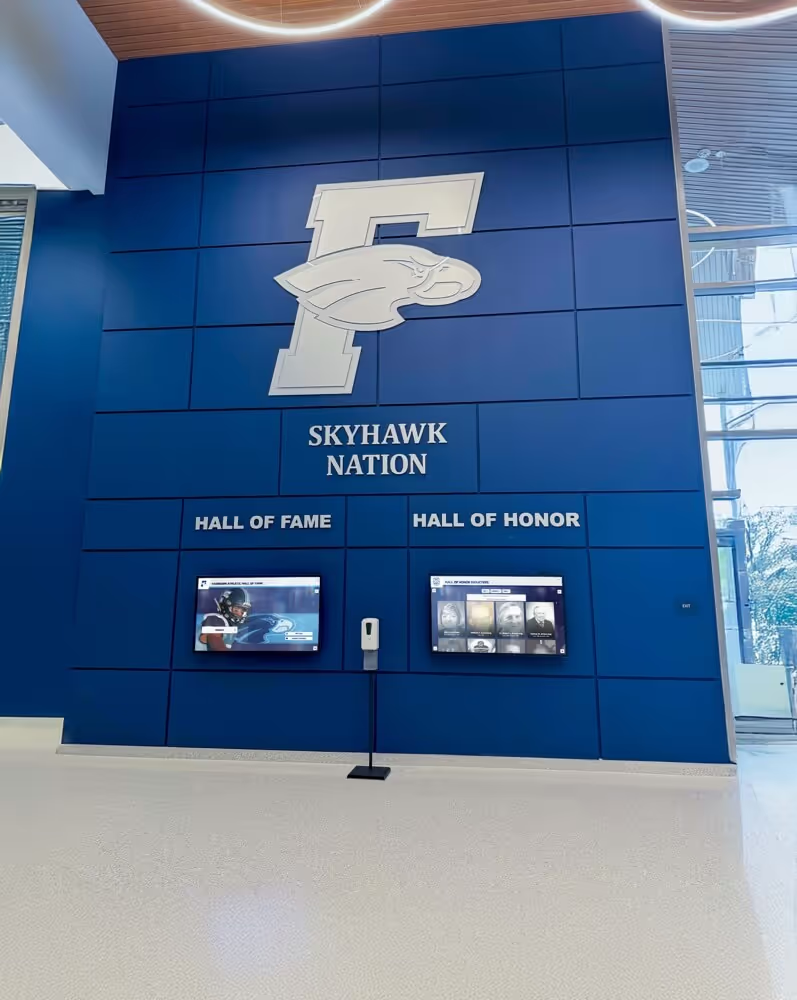
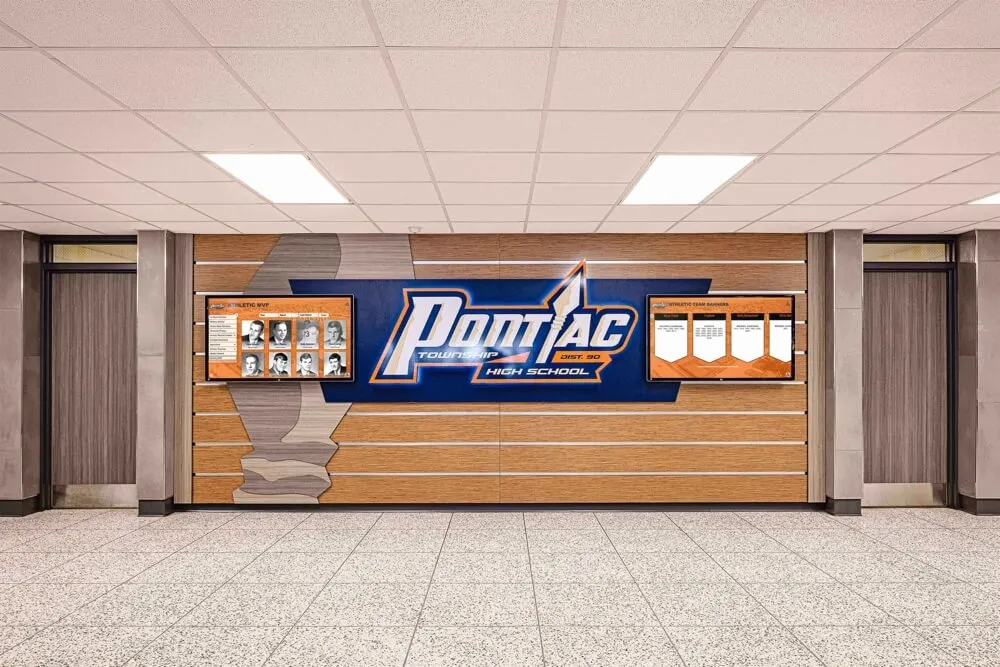
Coordinated multi-screen installations enable comprehensive storytelling impossible through single displays while creating visually impactful design statements in prominent locations
Common Challenges and Solutions
Heritage marketing implementation inevitably encounters obstacles requiring strategic problem-solving.
Incomplete or Lost Historical Records
Many institutions discover significant gaps in historical documentation when attempting comprehensive heritage programs—lost yearbooks, missing athletic records, incomplete donor files, or absent administrative documentation from certain periods.
Solutions to Historical Gaps
Rather than abandoning heritage initiatives due to imperfect information, schools address gaps through multiple approaches:
Community Historical Memory Collection: Alumni and long-term community members possess remarkable institutional knowledge unavailable in official records. Structured interview programs, facilitated memory-sharing sessions, and solicited written recollections capture this distributed knowledge before it’s permanently lost. These oral histories provide both factual information and emotional narrative richness exceeding official documentation.
Contemporary Documentation Priority: While recovering lost historical information proves valuable, ensuring comprehensive contemporary documentation prevents future gaps. Schools establish robust current archiving processes ensuring today’s achievements become accessible tomorrow’s heritage content.
Transparent Acknowledgment: When displaying incomplete historical periods, simple acknowledgment—“Records from 1945-1952 remain incomplete; if you possess materials from these years, please contact the archives”—demonstrates honesty while potentially surfacing missing materials from community members who appreciate institutional interest.
Selective Deep Dives: Rather than attempting superficial coverage of all periods with inadequate materials, schools might create deeply researched exhibitions on specific well-documented eras or achievements, demonstrating heritage program quality and generating enthusiasm encouraging broader participation.
Balancing Diverse Achievement Recognition
Athletic achievement dominates many institutional heritage programs because sports generate clear winners, documented statistics, and memorable moments creating strong nostalgia. However, comprehensive heritage recognition requires balanced celebration across achievement types.
Creating Recognition Equity
Schools address recognition balance through intentional strategies:
Equivalent Category Treatment: Display designs allocate comparable space and prominence to academic achievement, artistic accomplishment, community service leadership, and athletic excellence—signaling institutional values through recognition equity. If athletic halls of fame receive featured placement, academic honor rolls and arts achievement showcases deserve similar treatment.
Discovery-Based Navigation: Well-designed interfaces don’t force visitors through specific content sequences but enable interest-based exploration. Athletic fans can discover sports heritage, while academically focused students explore scholar profiles—both experiencing rich content matching personal interests without encountering recognition hierarchy suggesting certain achievements matter more than others.
Achievement Contextualization: Content development efforts should invest equally in biographical depth across achievement categories. Athletic profiles shouldn’t receive video highlights and extensive statistics while academic scholars receive only names and graduation years—this disparity suggests unequal institutional valuing. Balanced multimedia investment demonstrates equivalent appreciation.
Tradition and Achievement Diversity: When featuring institutional traditions and celebrations, inclusive representation ensures diverse students see themselves reflected. If homecoming and athletic championships receive prominent heritage celebration, academic competitions, artistic performances, service projects, and cultural celebrations deserve comparable historical documentation and nostalgic presentation.
Technology Reliability and Maintenance
Hardware failures, software bugs, and content management challenges undermine nostalgia marketing when technical problems create frustration replacing intended emotional connection.
Ensuring Technical Sustainability
Schools minimize technical disruptions through proactive approaches:
Commercial-Grade Hardware Selection: Consumer-grade technology fails rapidly under continuous public use. Commercial displays, though more expensive initially, provide dramatically better reliability through components rated for 24/7 operation, extended warranty coverage, remote monitoring capabilities, and professional service networks ensuring rapid repair when problems occur.
Cloud-Based Software Platforms: Web-based recognition software provides significant advantages over locally-installed applications including automatic updates maintaining current functionality and security, remote troubleshooting without site visits, consistent experiences across multiple display locations, and content management from any device without facility access requirements.
Structured Maintenance Schedules: Like any institutional asset, digital displays require regular maintenance including screen cleaning maintaining touch responsiveness and visual clarity, software updates addressing bugs and security vulnerabilities, content refresh ensuring accuracy and removing outdated information, and hardware inspection identifying potential failures before they cause display outages.
Responsive Technical Support: When problems occur despite preventive maintenance, responsive vendor support becomes critical. Schools should evaluate recognition platform providers based on support responsiveness, technical expertise, and long-term viability ensuring sustainable partnerships rather than simply comparing initial purchase costs.
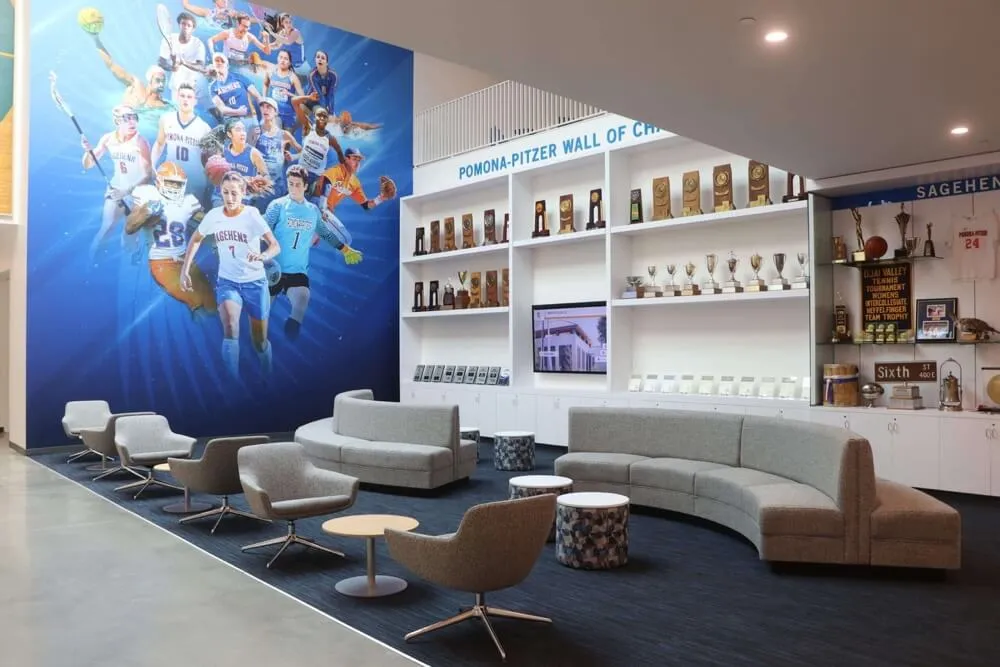
Comfortable gathering spaces surrounding heritage displays encourage extended exploration and social interaction around shared institutional memories
Future Trends in Educational Nostalgia Marketing
While honoring tradition and heritage, institutions should anticipate emerging trends shaping future nostalgia marketing approaches.
Augmented Reality Heritage Experiences
Emerging augmented reality (AR) technology enables heritage experiences impossible through traditional displays. Schools can implement AR applications allowing campus visitors to point smartphones at current locations revealing historical photos showing how spaces appeared decades earlier, see virtual reconstructions of demolished buildings explaining former campus layouts, or encounter animated historical figures who explain their institutional contributions.
These AR experiences create powerful nostalgia triggers by literally overlaying past onto present, helping visitors visualize institutional evolution while standing in actual locations where history occurred.
Artificial Intelligence Personalization
Machine learning enables increasingly sophisticated personalization tailoring heritage content to individual interests. Future recognition platforms might analyze visitor interaction patterns revealing content preferences, then automatically recommend related profiles, stories, or achievements matching demonstrated interests. Alumni searching for teammates might receive suggestions to explore related sports seasons or coaching histories. Families researching academic programs discover scholar profiles from desired fields creating aspiration models for prospective students.
This personalization increases engagement by surfacing most relevant content for each visitor rather than requiring exhaustive manual exploration.
Virtual Reality Historical Immersion
While AR overlays digital content onto physical reality, virtual reality (VR) creates completely immersive historical environments. Schools could develop VR experiences recreating historical campus moments including graduation ceremonies from different eras, championship athletic events, legendary performances, or significant institutional milestones. These immersive experiences create profound emotional connections impossible through static displays, potentially transforming heritage marketing effectiveness.
Current VR hardware limitations restrict mass adoption, but declining costs and improving accessibility will eventually enable practical institutional implementation.
Blockchain Credential Verification
As digital credentials and verifiable achievements gain prominence, blockchain technology enables secure, permanent achievement verification. Schools could issue blockchain-verified digital credentials for recognitions appearing in heritage displays, creating permanent, unforgeable documentation alumni can reference throughout careers. These verified credentials connect nostalgia marketing to practical credential purposes, potentially increasing engagement among professionally focused audiences.
Community-Generated Content Expansion
Future heritage platforms will increasingly emphasize community contribution over institutional curation. Rather than schools controlling all content, platforms might enable verified alumni to contribute their own stories, photos, and memories directly—creating living, continuously expanding archives reflecting diverse community perspectives rather than single official institutional narrative.
This democratized approach builds richer, more authentic heritage collections while creating participation opportunities strengthening community bonds through collaborative storytelling.
Activation Plan and Getting Started
Understanding nostalgia marketing principles and advanced strategies provides conceptual foundation, but practical implementation requires structured action planning.
Initial Assessment and Goal Definition
Schools beginning heritage marketing initiatives start with clear situation assessment and objective definition:
Heritage Asset Inventory: What historical materials currently exist in accessible formats? Which materials require digitization? What significant gaps need addressing through research or community collection? This inventory reveals starting resources and identifies collection priorities.
Audience Prioritization: Which communities represent highest engagement value and strategic importance? Alumni groups with strong institutional connection and philanthropic capacity? Prospective families making enrollment decisions? Current students requiring pride and belonging cultivation? Strategic prioritization focuses limited resources where they’ll generate maximum impact.
Success Metric Definition: How will the institution measure heritage program success? Specific metrics might include alumni giving participation rate increases, digital platform engagement statistics, enrollment yield improvements among campus tour participants, or qualitative feedback from community members. Clear metrics enable progress tracking and demonstrate program value.
Content Development Roadmap
Rather than attempting comprehensive heritage documentation immediately, successful programs implement phased approaches:
Phase 1 - High-Impact Foundations (Months 1-3): Launch with readily available content generating immediate engagement. Recent decades with extensive digital materials, significant institutional milestones with strong emotional resonance, and distinguished achievers whose stories inspire current students represent excellent starting points. This initial content demonstrates program concept while generating early wins building institutional momentum.
Phase 2 - Gap Filling and Expansion (Months 4-9): Systematically address historical gaps identified during initial assessment through targeted research, community collection campaigns, and archival digitization. Expand recognition categories ensuring balanced achievement celebration across athletics, academics, arts, service, and leadership domains.
Phase 3 - Continuous Enhancement and Maintenance (Ongoing): Establish sustainable processes ensuring heritage programs remain current through regular content updates acknowledging new achievements, ongoing community contribution integration, annual archival review identifying preservation priorities, and periodic content refresh maintaining accuracy and removing outdated information.
This phased approach generates engagement quickly while building toward comprehensive long-term heritage platforms.
Technology Selection and Implementation
Schools evaluate recognition platform options based on multiple criteria:
Software Capabilities: Does the platform provide intuitive search and filtering enabling easy content discovery? Can it accommodate diverse content types including photos, videos, documents, and audio? Does it offer flexible organizational structures supporting chronological, thematic, and personalized navigation? Can content extend beyond physical displays through web and mobile access?
Design Flexibility: Can the platform fully customize to institutional brand requirements? Does it support unique layout needs and storytelling approaches? Can it integrate with existing institutional systems and websites? Purpose-built solutions like Rocket Alumni Solutions provide unlimited design flexibility impossible through generic digital signage platforms forcing institutions into standardized templates.
Usability and Accessibility: Can visitors of all ages and technical comfort levels navigate successfully? Does it meet ADA compliance requirements ensuring access for individuals with disabilities? Do interfaces follow familiar interaction patterns reducing learning curves? Strong usability ensures heritage investments reach maximum audiences rather than limiting engagement to tech-savvy visitors.
Support and Partnership: Does the vendor provide responsive technical support addressing problems quickly? Do they offer content development assistance helping schools with digitization and upload? Will they remain viable long-term partners, or might acquisition, pivot, or closure disrupt institutional programs? Heritage platforms represent decade-long commitments requiring sustainable vendor relationships.
Total Cost of Ownership: Beyond initial purchase costs, what ongoing expenses exist for software licensing, hardware maintenance, content management, and technical support? Comprehensive cost analysis prevents budget surprises while enabling accurate program sustainability assessment.
Launch and Promotion Strategy
Heritage programs deliver value only when communities know they exist and understand how to engage:
Soft Launch Testing: Before official announcements, conduct beta testing with small user groups providing feedback on usability, content accuracy, and engagement value. This testing reveals problems when corrections remain easy rather than after public launch when issues cause embarrassment.
Multi-Channel Announcement Campaign: Promote heritage platform launch through diverse communications including alumni newsletter features, social media campaigns with teaser content, campus signage directing physical traffic to displays, website integration with homepage promotion, and targeted emails to stakeholders most likely to engage initially.
Event-Based Promotion: Leverage natural gathering opportunities for heritage program introduction including homecoming and reunion weekends, admissions open house events, donor recognition ceremonies, and board meetings with influential community members. These settings provide captive audiences and create immediate trial usage.
Ongoing Reminder Communications: Initial launch promotions generate temporary awareness that quickly fades. Sustainable engagement requires ongoing reminders through regular “heritage highlight” features in communications, social media series spotlighting interesting discoveries, email campaigns around relevant anniversaries, and consistent mention during campus tours and cultivation conversations.
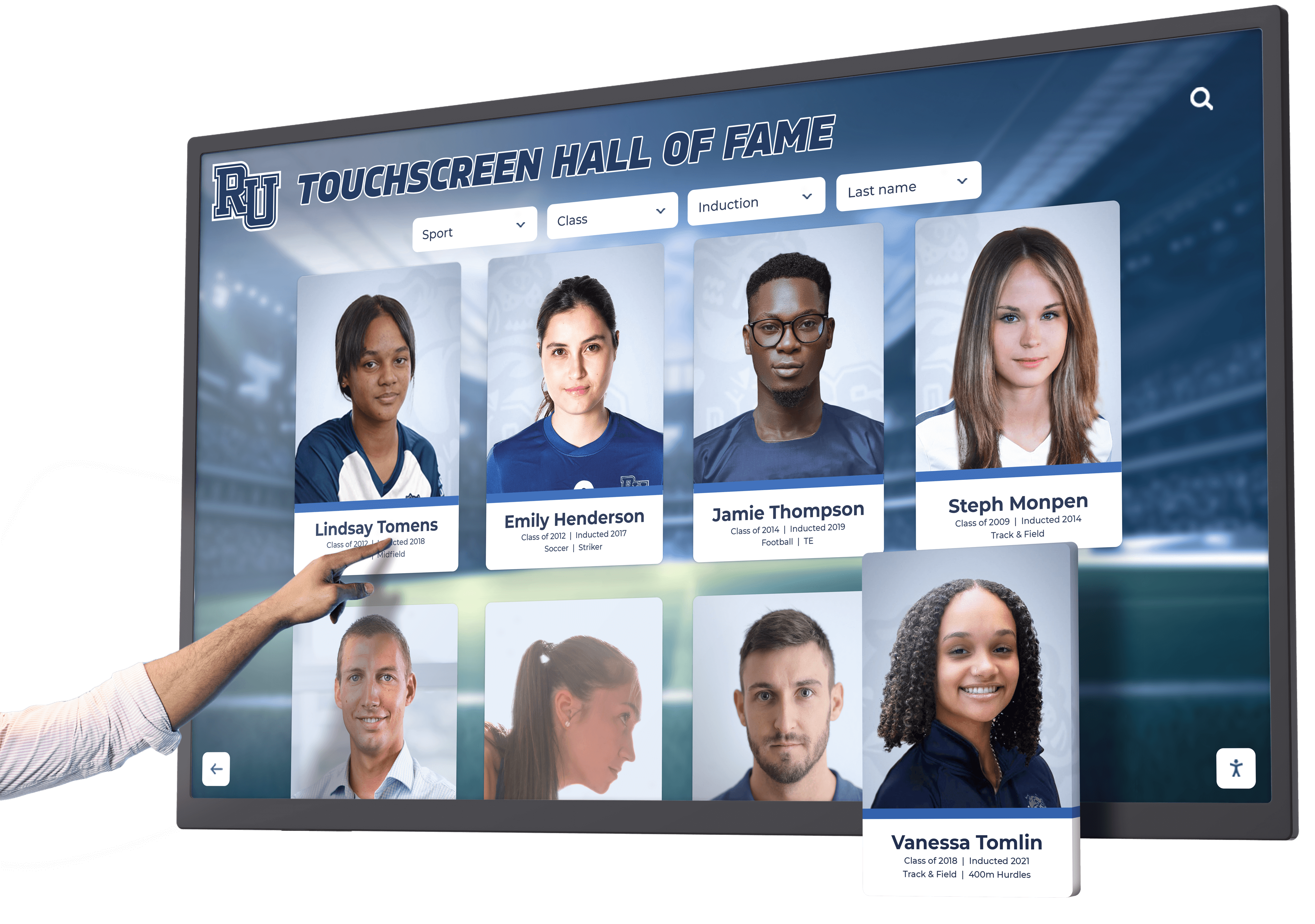
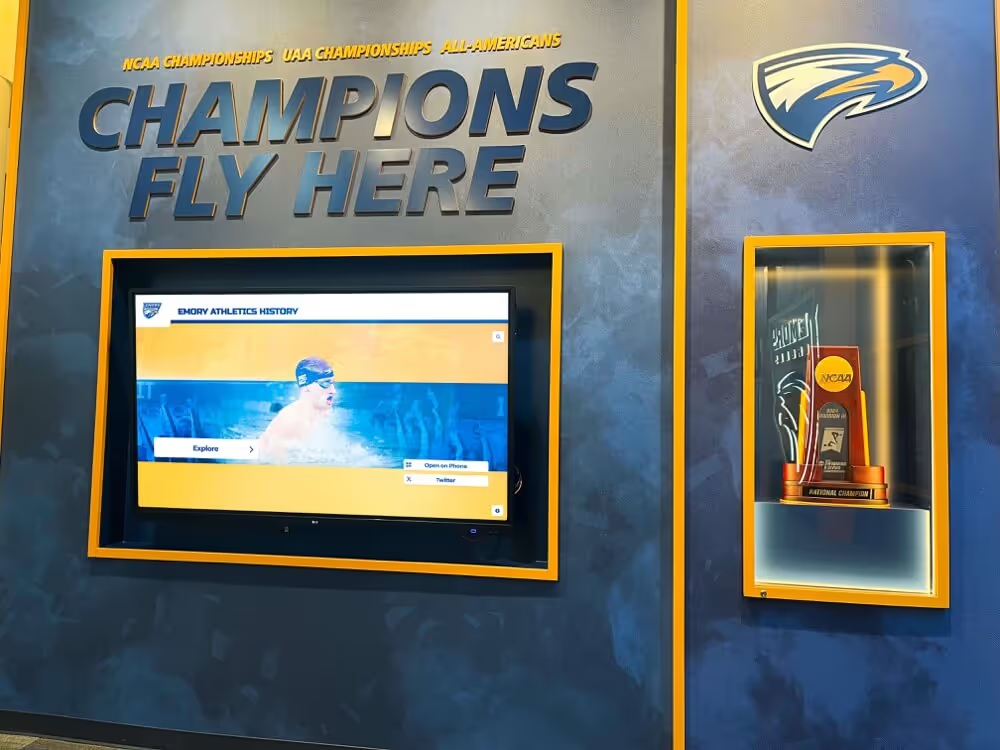
Contextual placement in athletic facilities connects heritage content to active programs, creating inspiration for current athletes while honoring predecessor achievements
Conclusion: Heritage as Active Engagement Asset
Nostalgia marketing represents one of the most powerful strategies educational institutions can deploy—not through manipulative emotional exploitation but through authentic celebration of meaningful heritage creating genuine community connection. When schools thoughtfully preserve and present institutional history through engaging, accessible experiences, they transform heritage from passive past into active present strengthening enrollment, advancement, pride, and belonging outcomes supporting institutional missions.
The most effective nostalgia marketing avoids treating history as separate from contemporary institutional life, instead demonstrating continuous narratives connecting current students and supporters to generations of predecessors who share institutional affiliation. This continuity creates confidence, pride, and commitment transcending transactional relationships to build enduring community bonds surviving leadership transitions, demographic changes, and cultural evolution.
Interactive digital recognition displays provide ideal platforms for nostalgia marketing implementation—offering unlimited capacity accommodating comprehensive heritage documentation, supporting rich multimedia storytelling impossible through static plaques, enabling intuitive exploration where each visitor discovers personally relevant content, and extending access beyond physical facilities through web and mobile platforms reaching worldwide audiences. When combined with strategic content development, thoughtful experience design, and intentional community engagement, these technologies transform institutional heritage from forgotten archives into vibrant celebrations inspiring current participation and future commitment.
Schools ready to leverage nostalgia marketing for enhanced engagement, enrollment, and advancement outcomes should begin with clear assessment of existing heritage assets, strategic prioritization of target audiences and objectives, phased content development generating early wins while building toward comprehensive programs, and technology selection supporting both immediate needs and long-term vision.
Ready to transform your institutional heritage into an active engagement asset? Get your touchscreen mock-up to discover how interactive digital recognition can amplify nostalgia marketing impact across your school or community organization.
Sources
- Why Nostalgia Marketing Works (And How Brands Do It In 2025)
- Best Nostalgia Marketing Statistics 2025
- Nostalgia Marketing - Unlocking the Trend in 2025
- Why Gen Z Loves Nostalgia Marketing
- Discover Why Nostalgia Marketing is Winning in 2025
- How Nostalgia Marketing Can Boost Your School’s Enrollment
- How Brands Use Nostalgia to Drive Engagement - And What Schools Can Learn
- Strategic Branding Ideas to Use in Your Alumni Outreach
- Lessons in Alumni Engagement: 9 Alumni Marketing Strategies
- Drive School Growth with Alumni Engagement Strategies
- How to Engage Alumni on Social Media
- 6 Ways to Increase Alumni Engagement Over Emails
- Emotional Branding: Brand Heritage in Modern Emotional Branding
- Community-Based Marketing: The Future of Business